Home Blog Page 50

Air Mesh Pro Performance Fabric: Breathable Sportswear Guide

Modern sportswear requires fabrics that support movement and comfort. Therefore, textile engineers continue developing advanced materials for athletes. One excellent innovation is Air Mesh Pro Performance Fabric. This material improves airflow and moisture control during workouts. As a result, athletes experience greater comfort and performance.

Furthermore, breathable fabrics now dominate the sportswear industry. Many sports brands prefer lightweight materials with ventilation systems. Consequently, mesh-based fabrics have become extremely popular. Among them, Air Mesh Pro Performance Fabric offers advanced airflow and durability.

Moreover, active lifestyles are increasing worldwide. Therefore, demand for breathable athletic clothing continues growing. Runners, gym users, and outdoor athletes prefer fabrics that reduce heat buildup. For this reason, sportswear manufacturers invest heavily in performance textiles. Air Mesh Pro Performance Fabric perfectly meets these modern athletic needs.

Air Mesh Pro Performance Fabric is a specialized mesh textile designed for sportswear. It features a breathable structure that improves airflow. Consequently, body heat escapes easily during intense activities.

History of Air Mesh Pro Performance Fabric
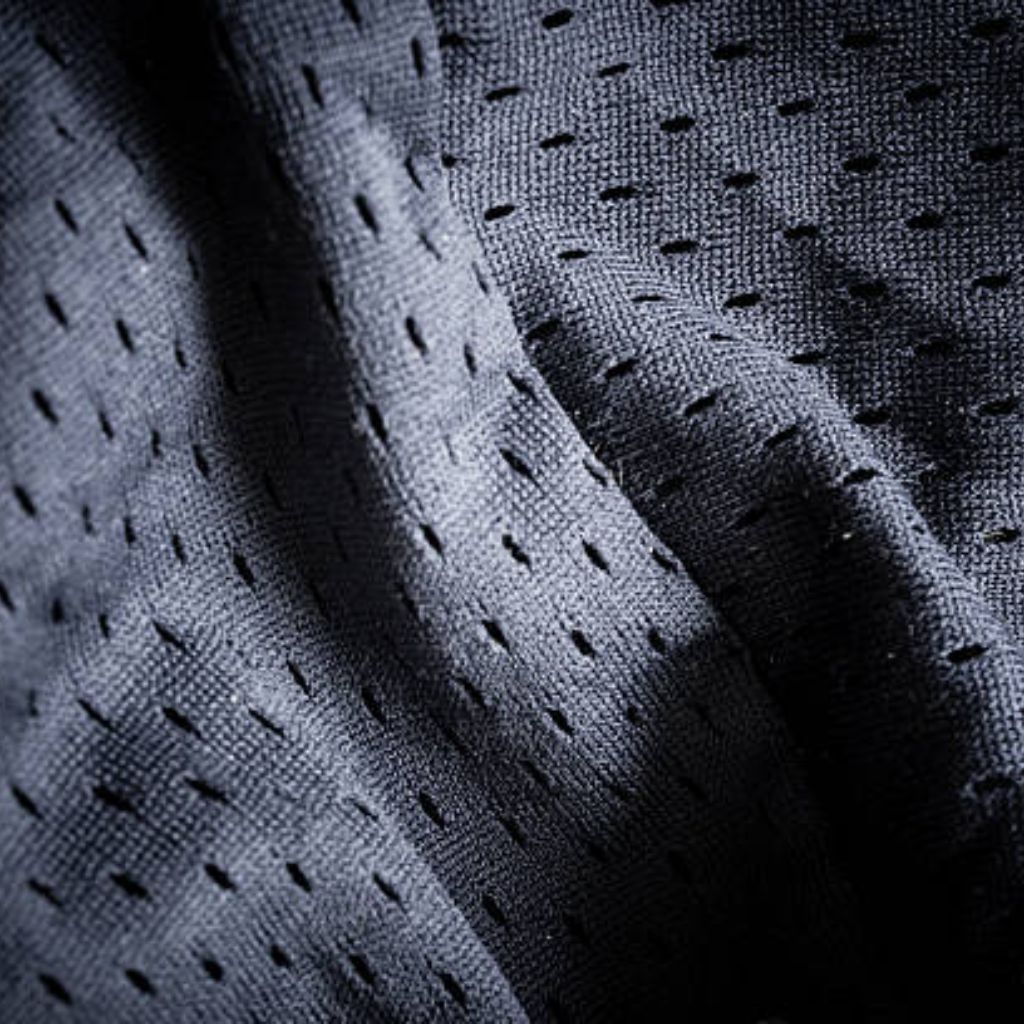
Close-up of a dark blue or black jersey mesh fabric with small, evenly spaced holes. The fabric is folded, creating shadows and highlights.
Air Mesh Pro Performance Fabric:
Jersey mesh fabric with dotted texture and folded surface.

The history of Air Mesh Pro Performance Fabric connects closely with the evolution of sportswear textiles. In the early years of athletic clothing, manufacturers mostly used natural fabrics such as cotton and wool. These materials were comfortable; however, they absorbed large amounts of sweat. Consequently, athletes often felt heavy and uncomfortable during long training sessions. Therefore, textile innovators began searching for lighter and more breathable materials.

During the 1970s and 1980s, synthetic fibers such as polyester and nylon started transforming the sportswear industry. These fibers provided better durability and moisture control compared to cotton. As a result, sportswear brands started experimenting with knitted structures that allowed better airflow. Mesh fabrics gradually became popular because their open construction improved ventilation during physical activities.

Types of Air Mesh Pro Performance Fabric
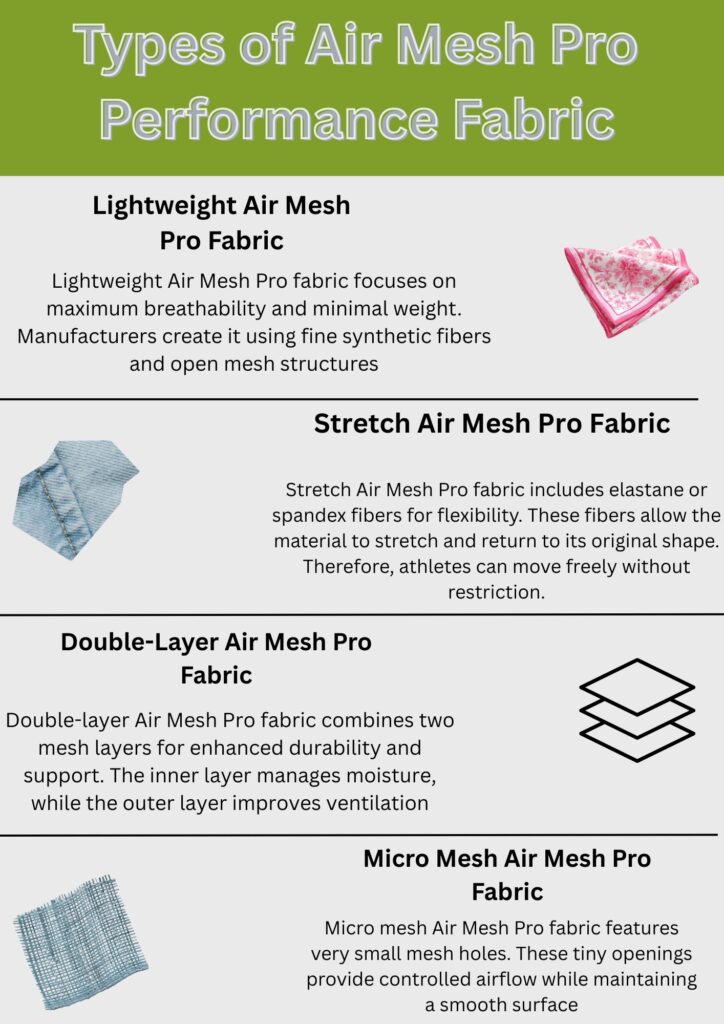
An infographic titled "Types of Air Mesh Pro Performance Fabric" showing four fabric types: Lightweight Air Mesh Pro Fabric (with a pink fabric illustration), Stretch Air Mesh Pro Fabric (blue knit swatch), Double-Layer Air Mesh Pro Fabric (stacked sheets icon), and Micro Mesh Air Mesh Pro Fabric (blue mesh swatch). Each section includes a brief description: lightweight emphasizes maximum breathability and light weight; stretch includes elastane/spandex for flexibility; double-layer provides durability and ventilation; micro mesh has very small holes for controlled airflow and a smooth surface.
Air Mesh Pro Performance Fabric:
Types of Air Mesh Pro Performance Fabric: Lightweight, Stretch, Double-Layer, and Micro Mesh with their key features.

Air Mesh Pro Performance Fabric comes in several types designed for different athletic needs. Manufacturers create these variations by adjusting fiber blends, mesh size, and knitting techniques. Therefore, each type offers specific advantages for sportswear and activewear.

Moreover, different sports require different fabric properties. For example, runners need maximum breathability, while gym wear requires flexibility and durability. Consequently, textile engineers develop specialized Air Mesh Pro variations. These types ensure that athletes receive the best performance and comfort during training.

Lightweight Air Mesh Pro Fabric

Lightweight Air Mesh Pro fabric focuses on maximum breathability and minimal weight. Manufacturers create it using fine synthetic fibers and open mesh structures. Therefore, the material allows excellent airflow during physical activity.

Additionally, this type feels extremely soft and comfortable on the skin. Athletes prefer it for running shirts, cycling jerseys, and summer sportswear. As a result, it helps reduce body heat during long workouts.

Stretch Air Mesh Pro Fabric

Stretch Air Mesh Pro fabric includes elastane or spandex fibers for flexibility. These fibers allow the material to stretch and return to its original shape. Therefore, athletes can move freely without restriction.

Furthermore, this fabric works well for gym wear, yoga clothing, and training apparel. The stretch capability improves comfort during bending, jumping, and lifting exercises.

Double-Layer Air Mesh Pro Fabric

Double-layer Air Mesh Pro fabric combines two mesh layers for enhanced durability and support. The inner layer manages moisture, while the outer layer improves ventilation. Consequently, the fabric offers excellent sweat control.

Additionally, this type appears frequently in professional sports jerseys and high-performance athletic clothing. The layered design also increases the fabric’s strength and lifespan.

Micro Mesh Air Mesh Pro Fabric

Micro mesh Air Mesh Pro fabric features very small mesh holes. These tiny openings provide controlled airflow while maintaining a smooth surface. Therefore, the fabric balances breathability with a sleek appearance.

Moreover, sportswear designers often use micro mesh for stylish athletic apparel. It delivers both performance and aesthetic appeal in modern sportswear collections.

What Makes Air Mesh Pro Performance Fabric Unique?

Air Mesh Pro Performance Fabric stands out because of its engineered structure. Textile designers specifically develop it for airflow and durability. As a result, the material performs better than many traditional fabrics.

Moreover, its lightweight design improves comfort during physical activity. Athletes therefore experience less fabric resistance while moving. In addition, advanced fiber technology improves strength and flexibility. Consequently, garments maintain shape even after repeated use.

Advanced Mesh Structure

The fabric uses an engineered mesh pattern. Small holes create continuous airflow channels. Therefore, heat escapes quickly from the body.

Additionally, the mesh pattern distributes airflow evenly. This structure prevents overheating during workouts. As a result, athletes stay comfortable longer.

Lightweight and Breathable Design

Air Mesh Pro Performance Fabric feels extremely light on the skin. Athletes therefore move freely during intense activities. Lightweight fabrics reduce fatigue during long workouts.

Furthermore, the breathable structure allows constant ventilation. Air circulates easily through the material. Consequently, sweat evaporates faster.

High Durability and Flexibility

Despite its lightweight feel, the fabric remains highly durable. Synthetic fibers resist stretching and tearing effectively. Therefore, sports garments last longer.

In addition, flexible fibers support natural body movement. Athletes therefore experience unrestricted mobility during training.

Why Air Mesh Pro Performance Fabric Is Important in Modern Sportswear

Air Mesh Pro Performance Fabric plays a vital role in modern athletic clothing. Athletes need garments that support comfort, flexibility, and durability. Therefore, sportswear manufacturers focus on fabrics that improve physical performance. Air Mesh Pro fabric provides advanced breathability and moisture control. As a result, athletes can train longer without discomfort.

Moreover, intense physical activities generate heat and sweat quickly. Traditional fabrics often trap moisture and restrict airflow. Consequently, athletes may feel heavy and overheated during workouts. However, Air Mesh Pro Performance Fabric solves this problem through its ventilated mesh structure. It allows air to circulate continuously around the body. Therefore, athletes remain cooler and more comfortable during exercise.

Another important reason for its popularity is its lightweight nature. Heavy fabrics can slow down movement and reduce flexibility. In contrast, Air Mesh Pro fabric feels extremely light. Athletes therefore move freely during training sessions or competitions. This freedom of movement improves both comfort and overall performance.

Key Features of Air Mesh Pro Performance Fabric
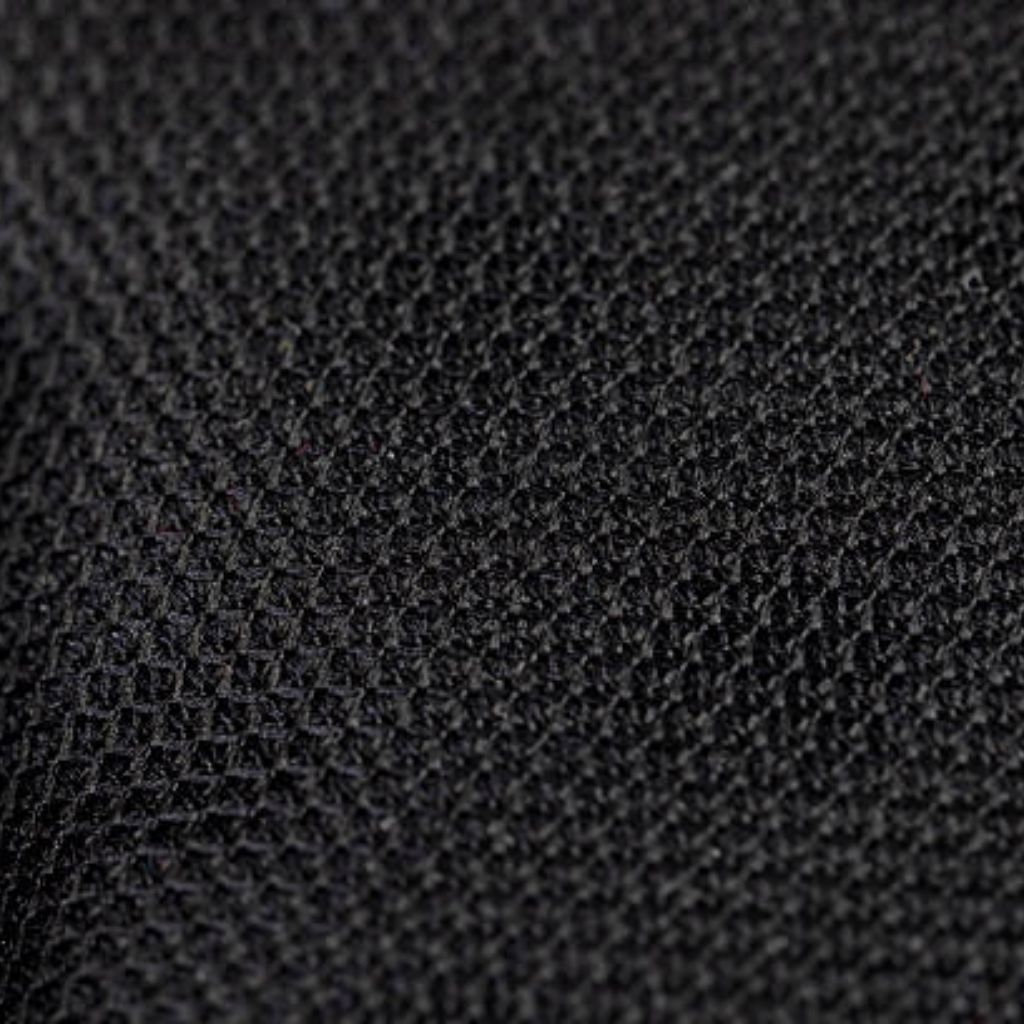
Close-up of a black textured fabric with a tight weave forming small interconnected squares or diamonds; surface appears slightly rough and dimensional.
Air Mesh Pro Performance Fabric:
Black textured fabric: close-up of a tight weave pattern.

Air Mesh Pro Performance Fabric offers several performance features. These qualities make it ideal for modern sportswear. Manufacturers therefore widely use it in athletic clothing.

Key Features

  • Superior Breathability
    The mesh structure allows constant airflow through the fabric. Consequently, body heat escapes quickly. Athletes therefore remain cool during exercise.
  • Moisture-Wicking Technology
    The fabric pulls sweat away from the skin surface. Then moisture spreads across the fabric for evaporation. As a result, athletes stay dry.
  • Quick-Dry Performance
    Air Mesh Pro dries rapidly after absorbing sweat. Therefore, garments remain comfortable during long workouts. Quick drying also prevents unpleasant odors.
  • Lightweight Comfort
    The fabric feels soft and light on the body. Athletes therefore experience less weight during movement. This comfort improves workout performance.
  • Enhanced Ventilation
    Strategically designed mesh openings improve air circulation. Consequently, the body maintains a balanced temperature.
  • Long-Lasting Durability
    Strong synthetic fibers resist wear and frequent washing. Therefore, sports garments maintain performance for a long time.

Benefits of Air Mesh Pro Performance Fabric

Athletes require fabrics that support endurance and comfort. Air Mesh Pro Performance Fabric provides several important benefits. Consequently, many professional athletes prefer this material.

Firstly, the breathable design helps regulate body temperature. Secondly, moisture control prevents sweat buildup. Finally, lightweight flexibility supports natural body movement. These advantages collectively improve athletic performance.

Keeps Athletes Cool and Dry

The fabric allows air to circulate freely around the body. Therefore, heat escapes quickly during intense activity. Athletes consequently remain cooler during workouts.

Additionally, moisture-wicking fibers pull sweat away from the skin. This feature keeps athletes dry and comfortable.

Improves Comfort During Workouts

Comfort plays an important role in athletic performance. Lightweight mesh fabric reduces pressure on the body. Therefore, athletes move more naturally.

Furthermore, soft fibers prevent skin irritation during long training sessions.

Reduces Sweat Buildup

Sweat accumulation often causes discomfort during exercise. However, Air Mesh Pro distributes moisture across the fabric surface. Therefore, sweat evaporates quickly.

As a result, athletes experience less stickiness and irritation.

Allows Better Air Circulation

Continuous airflow helps regulate body temperature. Mesh openings create ventilation channels throughout the fabric. Consequently, athletes enjoy improved cooling during intense workouts.

Common Uses of Air Mesh Pro Performance Fabric

Air Mesh Pro Performance Fabric appears in many athletic garments. Manufacturers prefer it for sportswear requiring breathability. Therefore, the fabric supports comfort during physical activity.

Moreover, sports brands use it in both professional and casual athletic clothing. The fabric improves ventilation and moisture control. Consequently, athletes remain comfortable in different environments.

Sports Jerseys

Sports teams require breathable uniforms for competitive games. Air Mesh Pro Performance Fabric improves ventilation during intense matches. Therefore, players remain comfortable throughout the game.

Additionally, the lightweight structure supports quick movements on the field.

Running Shirts

Runners produce large amounts of body heat during long runs. Breathable fabrics therefore become essential. Air Mesh Pro shirts help release heat quickly.

Consequently, runners experience improved endurance and comfort.

Gym Wear

Gym clothing must support flexibility and sweat management. Air Mesh Pro Performance Fabric provides both advantages. Therefore, many workout shirts use this material.

Furthermore, the quick-dry feature prevents sweat discomfort.

Training Shorts

Athletes require comfortable shorts for intense training sessions. Lightweight mesh fabrics reduce friction during movement. Therefore, training shorts often include Air Mesh Pro panels.

Outdoor Athletic Apparel

Outdoor sports expose athletes to heat and humidity. Breathable fabrics help maintain comfort in these conditions. Air Mesh Pro Performance Fabric supports ventilation and cooling outdoors.

Air Mesh Pro Performance Fabric vs Traditional Sports Fabrics
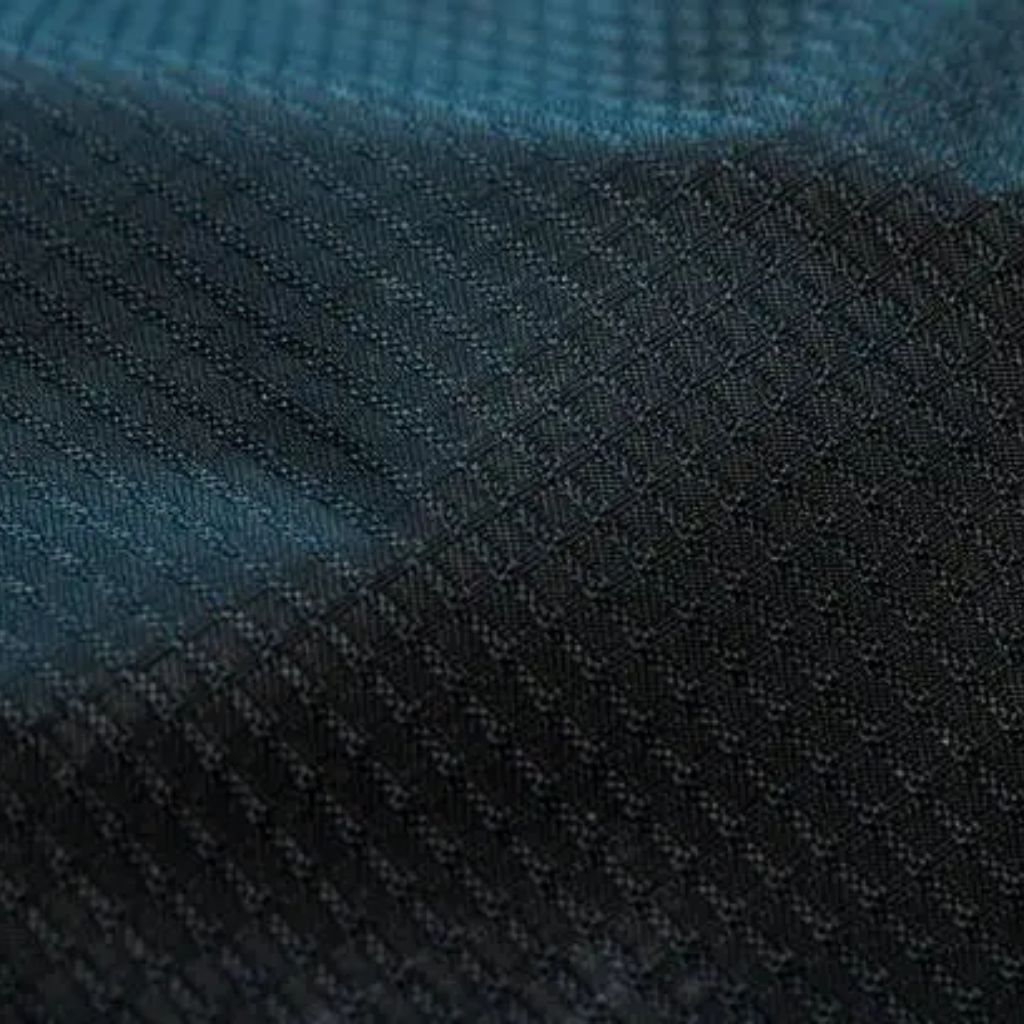
Close-up of dark blue and black textured fabric with a raised, woven square pattern and dim lighting.
Air Mesh Pro Performance Fabric:
Military-inspired winter jackets: textured, grid-pattern fabric in blue-black tones.

Athletic fabrics differ in performance capabilities. Therefore, comparing materials helps athletes choose the best option.

Compared With Cotton Sports Fabric

Cotton absorbs sweat but dries slowly. Consequently, garments feel heavy during exercise. Air Mesh Pro Performance Fabric dries much faster.

Additionally, cotton restricts airflow compared with mesh structures.

Compared With Polyester Performance Fabric

Polyester fabrics provide durability and moisture control. However, standard polyester often lacks ventilation. Air Mesh Pro combines polyester strength with breathable mesh design.

Therefore, it provides better cooling during workouts.

Compared With Standard Mesh Fabric

Standard mesh fabrics offer ventilation but may lack durability. Air Mesh Pro uses engineered fiber blends. Consequently, it delivers stronger performance and longer lifespan.

Best Materials for Air Mesh Pro Performance Fabric

Choosing the right materials is crucial for Air Mesh Pro Performance Fabric. The performance, durability, and comfort of sportswear largely depend on the fibers used in its construction. Manufacturers carefully select synthetic fibers and blends to achieve the ideal combination of breathability, flexibility, and moisture management. Using high-quality materials ensures that the fabric delivers maximum athletic performance while remaining lightweight and durable.

Polyester

Polyester is the most widely used material in Air Mesh Pro fabrics. It is strong, lightweight, and resistant to shrinking or stretching. Polyester also provides excellent moisture-wicking properties, pulling sweat away from the skin for faster evaporation. These qualities make it ideal for running shirts, gym tops, and outdoor athletic apparel.

Furthermore, polyester fibers maintain their shape even after repeated washing. They also resist pilling and abrasion, ensuring long-lasting performance. Blending polyester with other fibers enhances stretch and comfort without sacrificing durability.

Elastane / Spandex

Elastane, also known as spandex, adds stretch and flexibility to Air Mesh Pro Performance Fabric. This material allows garments to move with the body during exercise, providing freedom in activities like yoga, gym workouts, and sports training.

Even a small percentage of elastane in the fiber blend dramatically improves comfort and mobility. It also helps the fabric return to its original shape after stretching, maintaining the fit and appearance of athletic clothing over time.

Nylon

Nylon is another strong and lightweight synthetic fiber used in Air Mesh Pro fabrics. It adds durability and abrasion resistance, making it suitable for high-intensity sports and outdoor activities. Nylon also dries quickly and maintains structural integrity, even in humid or wet conditions.

Nylon blends improve the overall hand-feel of the fabric, giving it a soft, smooth texture while still supporting ventilation and airflow. Many manufacturers combine nylon with polyester or elastane for a balanced performance fabric.

How Air Mesh Pro Fabric Improves Athletic Performance

Sportswear technology directly affects athletic efficiency. Therefore, advanced fabrics can improve training outcomes.

Temperature Regulation

The breathable mesh structure releases body heat effectively. Consequently, athletes maintain balanced body temperature during activity.

Sweat Management

Moisture-wicking fibers move sweat away from the skin. Therefore, athletes stay dry even during intense exercise.

Freedom of Movement

Flexible fibers support natural body movement. Athletes therefore perform dynamic actions without restriction.

How Air Mesh Pro Performance Fabric Is Manufactured
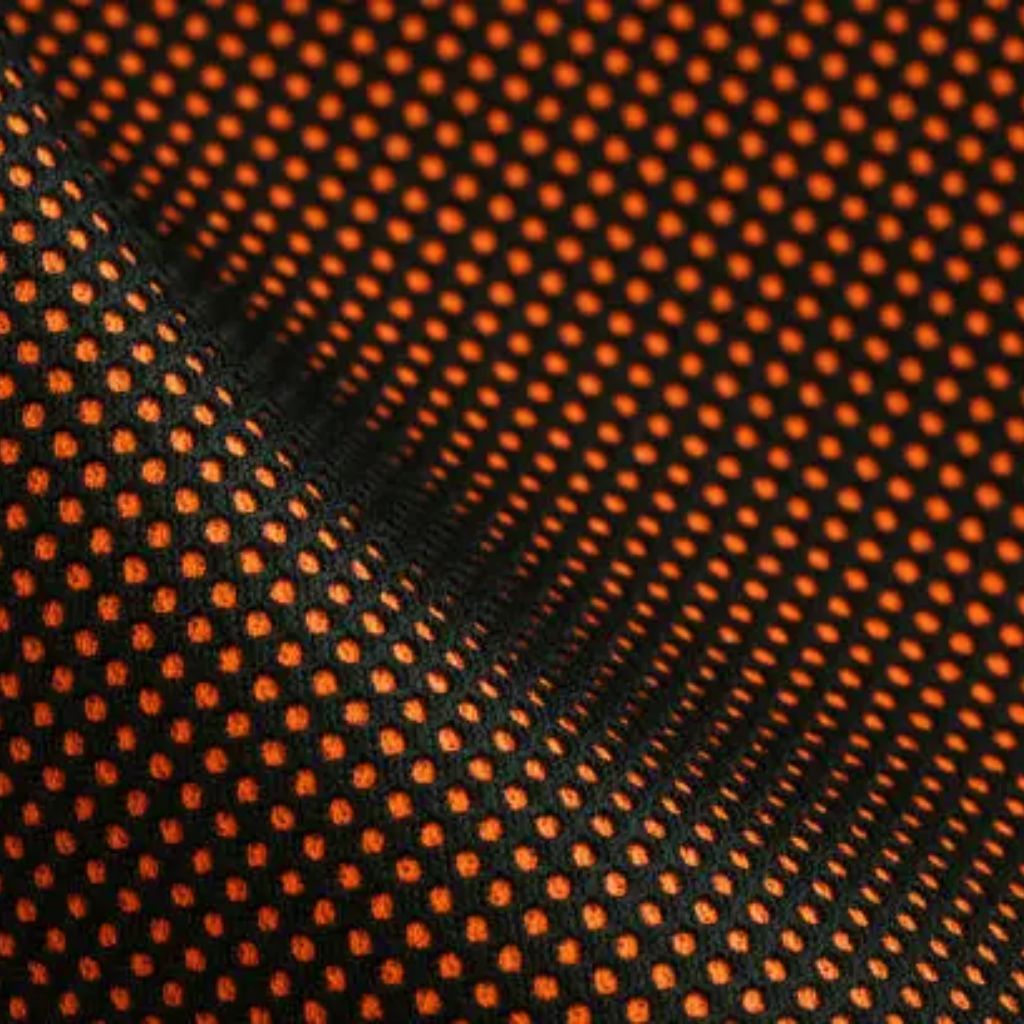
Close-up of black fabric with an evenly spaced grid of small orange dots and subtle wrinkles, suggesting a lightweight material.
Air Mesh Pro Performance Fabric:
Military-inspired winter jackets: dotted grid pattern on dark fabric.

Manufacturing high-performance mesh fabrics requires advanced textile technology. Engineers carefully design each step to achieve breathability and durability.

Mesh Knitting Technology

Manufacturers use specialized knitting machines to create mesh patterns. These machines produce precise airflow openings. Consequently, ventilation improves significantly.

Synthetic Fiber Blends

Most Air Mesh Pro fabrics use polyester and elastane blends. Polyester provides strength and moisture control. Meanwhile elastane adds flexibility.

Performance Finishing Treatments

After knitting, manufacturers apply finishing treatments. These treatments improve moisture-wicking ability and durability. Therefore, the fabric performs better in athletic environments.

How to Choose High-Quality Air Mesh Pro Fabric

Choosing the right fabric ensures maximum sportswear performance. Therefore, buyers should evaluate several quality indicators.

Fabric Density

High-quality mesh fabrics maintain balanced density. Proper density supports airflow without weakening durability.

Stretch Capability

Athletic fabrics should support dynamic movement. Therefore, moderate stretch improves comfort during workouts.

Moisture-Management Rating

Performance fabrics often include moisture-wicking ratings. Higher ratings indicate better sweat control.

Durability Tests

Quality fabrics resist tearing and repeated washing. Therefore, durability testing ensures long-term performance.

Future Trends in Performance Mesh Fabrics

The sportswear industry constantly evolves with new textile innovations. Future fabrics will combine performance with sustainability.

Sustainable Athletic Textiles

Many companies now develop recycled polyester fabrics. These materials reduce environmental impact while maintaining performance.

Smart Performance Fabrics

Smart textiles may soon monitor body temperature and heart rate. Sensors integrated into fabrics will help athletes track performance.

Eco-Friendly Sports Materials

Researchers continue developing biodegradable fibers. Therefore, future sportswear may become both high-performance and environmentally friendly.

Care and Maintenance of Air Mesh Pro Performance Fabric
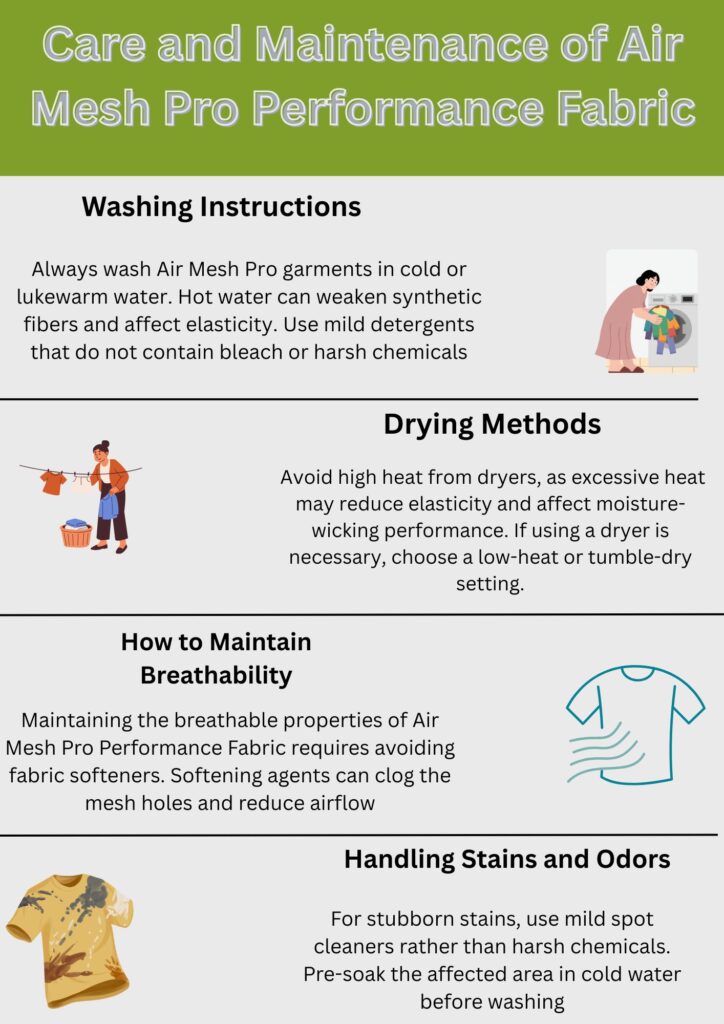
A multi-section infographic titled “Care and Maintenance of Air Mesh Pro Performance Fabric.” It includes four sections: Washing Instructions (illustration of a woman loading a washing machine), Drying Methods (illustration of a woman hanging clothes on a line), How to Maintain Breathability (illustration of a shirt with airflow lines), and Handling Stains and Odors (illustration of a stained shirt). Each section contains bullet-like guidance about cold water washing, low-heat drying, avoiding fabric softeners, and mild spot cleaners with cold-water pre-soak.
Air Mesh Pro Performance Fabric:
Care and Maintenance of Air Mesh Pro Performance Fabric: Washing, Drying, Breathability, and Stains/Odors.

Proper care is essential to maintain the performance and longevity of Air Mesh Pro Performance Fabric. Despite its durability, neglecting washing or drying instructions can reduce breathability, weaken fibers, or damage moisture-wicking properties. Following the right care techniques ensures your athletic garments stay comfortable and functional for longer.

Washing Instructions

Always wash Air Mesh Pro garments in cold or lukewarm water. Hot water can weaken synthetic fibers and affect elasticity. Use mild detergents that do not contain bleach or harsh chemicals. Avoid washing with heavy fabrics like denim or towels, as friction may damage the mesh. Additionally, it’s best to wash sportswear inside out to protect the outer surface and preserve the fabric’s appearance.

Drying Methods

Air Mesh Pro fabric dries best when air-dried. Hang garments in a shaded, ventilated area to avoid direct sunlight, which can fade colors and weaken fibers over time. Avoid high heat from dryers, as excessive heat may reduce elasticity and affect moisture-wicking performance. If using a dryer is necessary, choose a low-heat or tumble-dry setting.

How to Maintain Breathability

Maintaining the breathable properties of Air Mesh Pro Performance Fabric requires avoiding fabric softeners. Softening agents can clog the mesh holes and reduce airflow. Instead, rinse thoroughly to remove detergent residues. Occasional gentle hand washing can help maintain the fabric’s texture and structure.

Handling Stains and Odors

For stubborn stains, use mild spot cleaners rather than harsh chemicals. Pre-soak the affected area in cold water before washing. To prevent lingering odors, allow garments to dry completely before storing. Storing damp sportswear can lead to bacterial growth and reduce freshness.

Conclusion

Moreover, the fabric provides moisture control, lightweight comfort, and long-lasting durability. These qualities make it ideal for sports jerseys, running shirts, and gym wear. Additionally, advanced manufacturing techniques ensure consistent performance.

As athletic lifestyles continue expanding worldwide, breathable fabrics will remain essential. Therefore, Air Mesh Pro Performance Fabric will likely play a major role in future sportswear innovation. Athletes seeking comfort, ventilation, and flexibility should strongly consider garments made from this advanced performance textile.

FAQs

What is Air Mesh Pro Performance Fabric?

Air Mesh Pro Performance Fabric is a breathable, lightweight, and durable mesh fabric designed specifically for sportswear and activewear. It combines synthetic fibers like polyester, nylon, and elastane to provide moisture-wicking, flexibility, and ventilation during workouts.

Why is Air Mesh Pro Fabric better than regular cotton?

Unlike cotton, which absorbs sweat and dries slowly, Air Mesh Pro fabric wicks moisture away from the skin and dries quickly. Its engineered mesh structure improves airflow, keeping athletes cooler and more comfortable during exercise.

How do I wash Air Mesh Pro Fabric?

Wash garments in cold or lukewarm water using a mild detergent. Avoid bleach and harsh chemicals. Always turn clothing inside out and air dry whenever possible to maintain the fabric’s breathability and elasticity. Avoid fabric softeners as they can clog the mesh.
Fresh Flow Athletic Fabric: Why It’s Perfect for Activewear

Fresh Flow Athletic Fabric is a cutting-edge material engineered for modern sportswear. Designed with athletes in mind, it combines advanced textiles with comfort and durability. Over the years, this fabric has become a favorite for gym-goers, runners, and professional athletes. Its popularity stems from its ability to adapt to different training environments. Unlike traditional fabrics, Fresh Flow Athletic Fabric enhances both performance and comfort simultaneously.

Fresh Flow Athletic Fabric is a high-performance fabric developed to optimize movement. It blends synthetic fibers such as polyester and elastane to provide breathability and stretch. Additionally, it incorporates moisture management technology to keep the wearer dry. Lightweight yet durable, this fabric maintains shape even after repeated washes. Athletes benefit from its soft texture, which minimizes skin irritation during rigorous workouts.

History of Fresh Flow Athletic Fabric

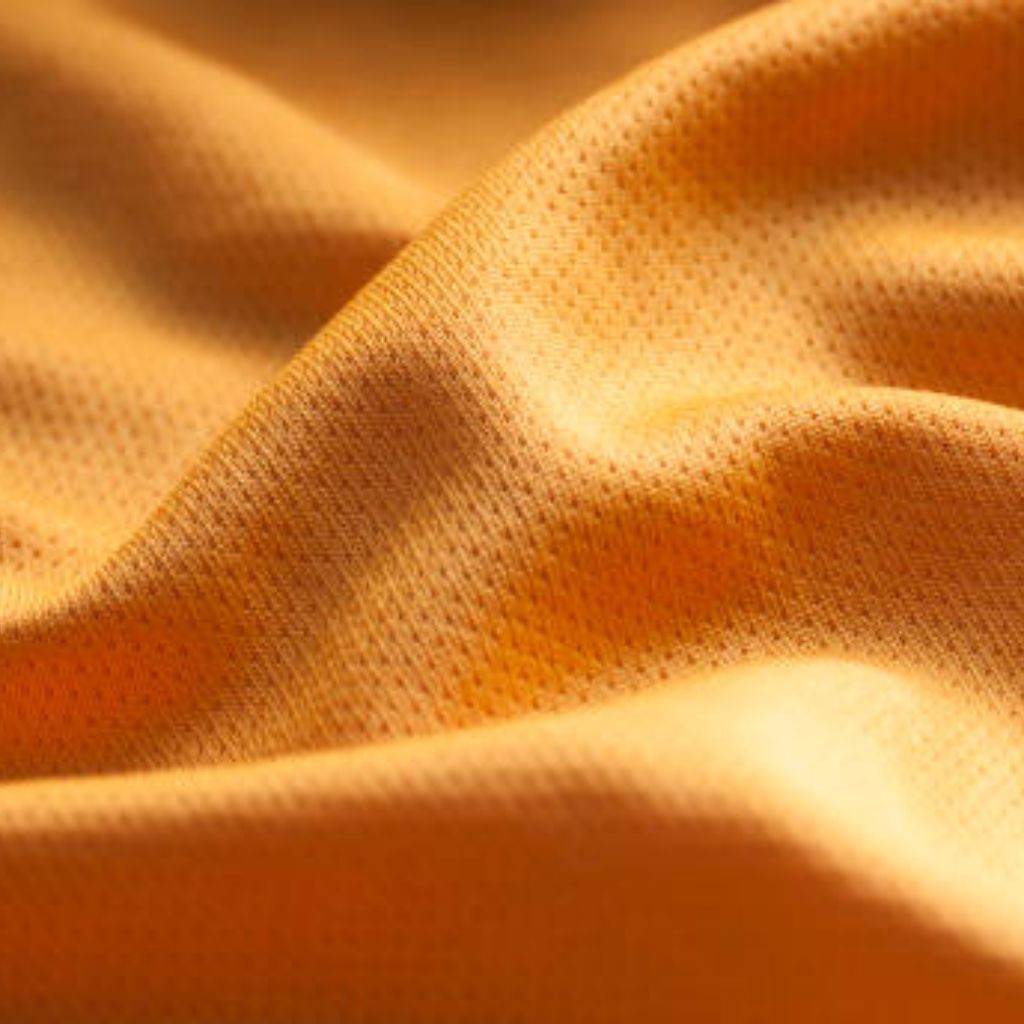
Close-up of mustard yellow breathable athletic fabric with visible weave, folds, and shadows highlighting its texture.Fresh Flow Athletic Fabric:
Military-inspired mustard yellow winter jackets fabric: textured, breathable weave.

The journey of Fresh Flow Athletic Fabric began with the growing demand for high-performance sportswear in the late 20th century. Traditional materials like cotton and basic polyester often fell short in managing sweat and providing flexibility. Athletes required fabrics that could keep up with intense training sessions while maintaining comfort.

In the 1980s and 1990s, sportswear brands started experimenting with synthetic fibers, combining polyester with spandex to create stretchable and breathable fabrics. These early innovations laid the foundation for modern athletic textiles. However, moisture management and odor control were still major challenges.

By the early 2000s, advanced textile technologies emerged, enabling fabrics to wick moisture away from the skin efficiently. This era saw the integration of micro-ventilation systems, quick-dry fibers, and odor-resistant treatments. These innovations directly influenced the development of Fresh Flow Athletic Fabric.

Types of Fresh Flow Athletic Fabric

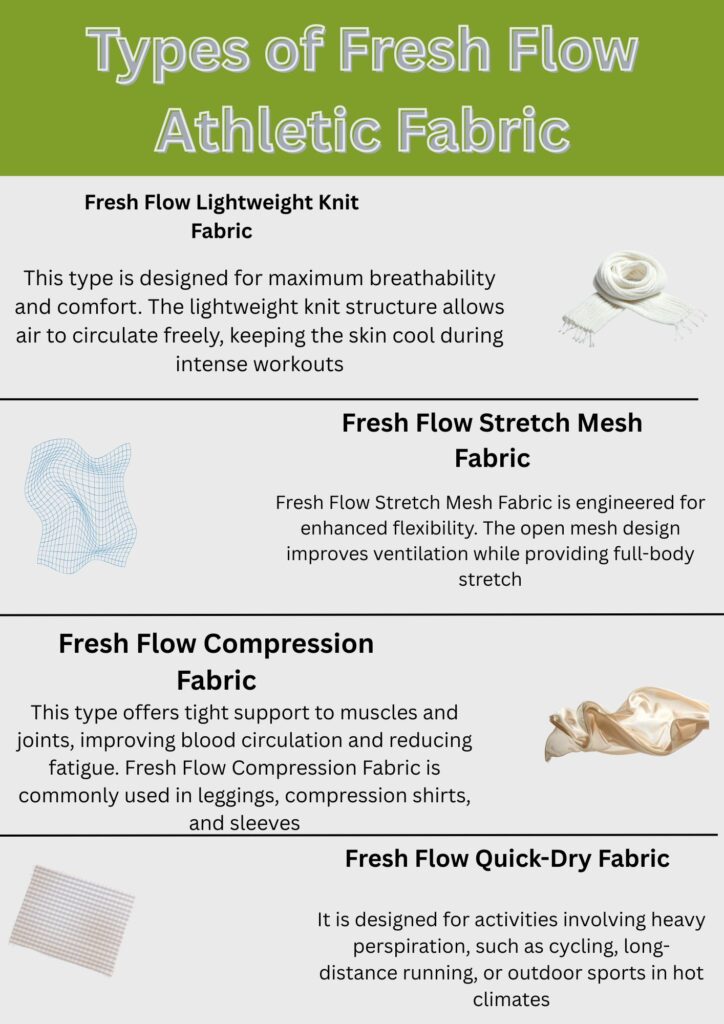
An infographic titled “Types of Fresh Flow Athletic Fabric” showing four fabric types: Lightweight Knit, Stretch Mesh, Compression, and Quick-Dry, each with a brief description and a small accompanying illustration (fabric swatch, mesh pattern, fabric bunch, and grid texture).
Fresh Flow Athletic Fabric:
Types of Fresh Flow Athletic Fabric: lightweight knit, stretch mesh, compression, and quick-dry options with brief feature descriptions.

Fresh Flow Athletic Fabric comes in different types, each engineered for specific athletic needs. Understanding these types helps athletes and fitness enthusiasts choose the right fabric for their training and sports activities.

Fresh Flow Lightweight Knit Fabric

This type is designed for maximum breathability and comfort. The lightweight knit structure allows air to circulate freely, keeping the skin cool during intense workouts. It is ideal for running, aerobic exercises, and summer outdoor sports. Despite its light texture, it maintains durability and resists stretching out of shape.

Fresh Flow Stretch Mesh Fabric

Fresh Flow Stretch Mesh Fabric is engineered for enhanced flexibility. The open mesh design improves ventilation while providing full-body stretch. It is perfect for high-intensity interval training (HIIT), gym workouts, and sports requiring rapid movements. This type ensures freedom of motion while reducing sweat accumulation.

Fresh Flow Compression Fabric

This type offers tight support to muscles and joints, improving blood circulation and reducing fatigue. Fresh Flow Compression Fabric is commonly used in leggings, compression shirts, and sleeves. Athletes benefit from better endurance, reduced muscle soreness, and enhanced recovery times after workouts.

Fresh Flow Quick-Dry Fabric

Quick-Dry Fabric focuses on moisture management and rapid sweat evaporation. It is designed for activities involving heavy perspiration, such as cycling, long-distance running, or outdoor sports in hot climates. The fabric keeps athletes dry, comfortable, and ready for continuous performance.

Why Fresh Flow Athletic Fabric Is Ideal for Activewear

Fresh Flow Athletic Fabric is increasingly becoming the first choice for athletes and fitness enthusiasts worldwide. But why has it gained such popularity in modern sportswear? The answer lies in its unique combination of comfort, performance, and durability.

Firstly, this fabric keeps athletes cool and dry during workouts. Its advanced moisture-wicking properties actively draw sweat away from the skin. This prevents discomfort, chafing, and overheating, which are common issues with traditional fabrics.

Secondly, Fresh Flow Athletic Fabric enhances mobility. Its stretchable fibers move naturally with the body, allowing unrestricted motion during high-intensity training. This flexibility is particularly useful in activities like yoga, running, and strength training, where proper form and full range of motion are crucial.

Thirdly, it offers long-lasting durability. Unlike cotton, which can lose shape and softness over time, Fresh Flow Athletic Fabric maintains performance even after multiple washes. Its resistance to wear and tear makes it a practical investment for serious athletes.

What Makes Fresh Flow Athletic Fabric Unique?

Fresh Flow Athletic Fabric stands out due to its unique combination of features. Each characteristic is designed to enhance athlete comfort and performance.

Breathability Technology

The fabric is engineered with micro-ventilation systems that promote airflow. This technology allows heat to escape efficiently, keeping the skin cool. During high-intensity training, this feature prevents overheating. Compared to standard fabrics, Fresh Flow Athletic Fabric offers superior air circulation, which is essential for long sessions.

Moisture-Wicking Properties

Sweat buildup is a common problem during workouts. Fresh Flow Athletic Fabric actively draws moisture away from the skin. The sweat is then transferred to the outer surface, where it evaporates quickly. This mechanism keeps athletes dry and prevents irritation. Moreover, reduced sweat accumulation minimizes bacterial growth, maintaining hygiene.

Lightweight Structure

Despite its durability, Fresh Flow Athletic Fabric remains exceptionally lightweight. The material reduces drag and does not weigh down the athlete. Lightweight apparel enhances performance, especially in endurance sports. Users feel unrestricted, which improves speed, agility, and overall comfort.

Stretch and Flexibility

Movement is vital for athletic performance. Fresh Flow Athletic Fabric incorporates elastane or spandex, providing multi-directional stretch. This flexibility supports complex movements without resistance. Whether stretching during yoga or sprinting on the track, the fabric moves with the body. Flexibility ensures athletes maintain proper form, reducing the risk of injuries.

Key Features of Fresh Flow Athletic Fabric

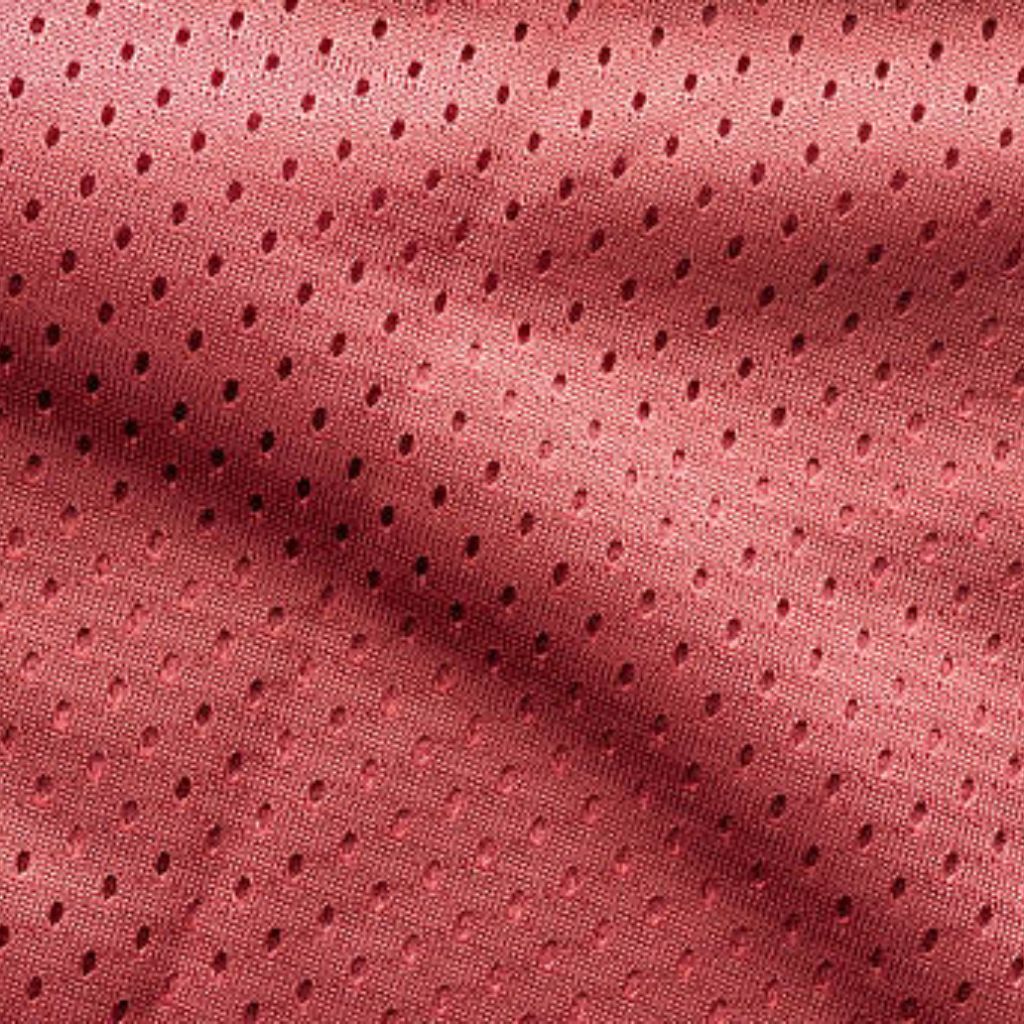
Close-up of red mesh fabric with small, evenly spaced holes and subtle shadows that create depth and texture.
Fresh Flow Athletic Fabric:
Red mesh fabric: fine netting texture with pattern and depth.

Fresh Flow Athletic Fabric is packed with features designed for performance and comfort. These characteristics make it ideal for all types of activewear.

  • Advanced Sweat Management: Wicks away moisture efficiently, keeping the skin dry.
  • Quick-Dry Technology: Accelerates evaporation, reducing discomfort after workouts.
  • Odor Resistance: Minimizes bacterial buildup, keeping garments fresh.
  • Soft and Skin-Friendly Texture: Prevents chafing and irritation during movement.
  • Durability and Long-Lasting Performance: Maintains structure even after multiple washes.

Each of these features combines to enhance the athlete’s overall experience. Unlike traditional fabrics, Fresh Flow Athletic Fabric balances comfort, performance, and longevity.

Common Uses of Fresh Flow Athletic Fabric

Fresh Flow Athletic Fabric is highly versatile, making it ideal for various types of activewear. Its unique combination of breathability, flexibility, and moisture management allows it to perform well in different sports and training activities.

Sports Shirts and Tops

Fresh Flow Athletic Fabric is widely used in sports shirts, T-shirts, and tank tops. Its moisture-wicking properties keep athletes dry, even during intense workouts. Lightweight construction allows free movement of the arms and shoulders, while odor resistance ensures the garment stays fresh for longer. This makes it perfect for gym sessions, aerobics, or outdoor sports.

Gym Wear

Athletic pants, leggings, and shorts made from Fresh Flow Athletic Fabric provide comfort and flexibility during strength training and high-intensity workouts. The stretchable nature supports a full range of motion, while the durable fibers withstand repeated use and friction from equipment. This makes gym wear both practical and long-lasting.

Running Outfits

Runners benefit from the fabric’s lightweight design and quick-dry capabilities. Fresh Flow Athletic Fabric reduces drag, allows ventilation, and keeps sweat away from the skin. Its flexibility also enhances stride efficiency, making it an excellent choice for both short sprints and long-distance running.

Compression Wear

Fresh Flow Athletic Fabric is used in compression garments, such as tights, sleeves, and shirts. Compression wear improves blood circulation, reduces muscle fatigue, and supports recovery after training. The fabric’s stretch and durability ensure that compression clothing fits snugly without restricting movement.

Common Mistakes to Avoid with Fresh Flow Athletic Fabric

Even though Fresh Flow Athletic Fabric is designed for comfort and performance, improper use and care can reduce its effectiveness. Athletes and fitness enthusiasts should avoid common mistakes to maintain durability, performance, and comfort.

Washing in Hot Water

One common mistake is washing Fresh Flow Athletic Fabric in hot water. High temperatures can damage fibers, reduce elasticity, and cause shrinkage. Always use cold or lukewarm water to preserve the fabric’s stretch, shape, and moisture-wicking properties.

Using Fabric Softeners

Fabric softeners may seem harmless, but they can coat the fibers and block breathability. This reduces the fabric’s ability to wick moisture and prevents airflow. Avoid softeners entirely to ensure optimal performance during workouts.

Drying in Direct Sunlight

Drying Fresh Flow Athletic Fabric under direct sunlight can cause fading, weaken fibers, and reduce flexibility. Instead, air-dry in a shaded area or use a low-heat tumble dryer. Proper drying helps maintain the fabric’s softness and durability.

Ignoring Sweat Buildup

Failing to wash Fresh Flow Athletic Fabric after workouts is another common mistake. Sweat residue can degrade the fabric, block airflow, and reduce odor resistance. Always wash activewear after heavy use to preserve its performance features.

Benefits of Using Fresh Flow Athletic Fabric

Athletes and fitness enthusiasts choose Fresh Flow Athletic Fabric for its tangible benefits. Its features directly impact comfort and performance.

  • Keeps Athletes Cool During Workouts: Breathable fibers allow constant airflow.
  • Improves Comfort During Intense Training: Soft texture reduces skin irritation.
  • Reduces Sweat Buildup: Moisture-wicking prevents dampness and discomfort.
  • Enhances Mobility and Flexibility: Stretchable fibers support unrestricted movement.
  • Ideal for Long Training Sessions: Lightweight design reduces fatigue over time.

Using Fresh Flow Athletic Fabric ensures that training is uninterrupted by clothing discomfort, making workouts more efficient and enjoyable.

How Fresh Flow Athletic Fabric Improves Sports Performance

Fresh Flow Athletic Fabric has measurable effects on different athletic activities. Its properties optimize performance for a variety of exercises.

Running

Runners benefit from moisture management and breathability. Fresh Flow Athletic Fabric minimizes sweat accumulation. Its lightweight design also reduces drag, enhancing endurance and speed.

Gym Workouts

During weightlifting and high-intensity exercises, flexibility is essential. The stretchable fabric allows unrestricted movement, ensuring proper technique. Its durability withstands repeated friction from gym equipment.

Yoga and Stretching

The fabric’s elasticity and softness make it ideal for yoga. Athletes can stretch fully without fabric resistance. Breathable fibers prevent overheating during long sessions.

Outdoor Sports

Fresh Flow Athletic Fabric is designed for varying weather conditions. It maintains breathability in hot climates and can layer comfortably in cooler weather. Its odor-resistant properties are especially useful during prolonged outdoor training.

High-Intensity Training

High-intensity interval training requires apparel that moves with the body. Fresh Flow Athletic Fabric absorbs sweat, maintains comfort, and supports dynamic movements. Athletes can perform explosive exercises without distraction.

Best Materials Used in Fresh Flow Athletic Fabric

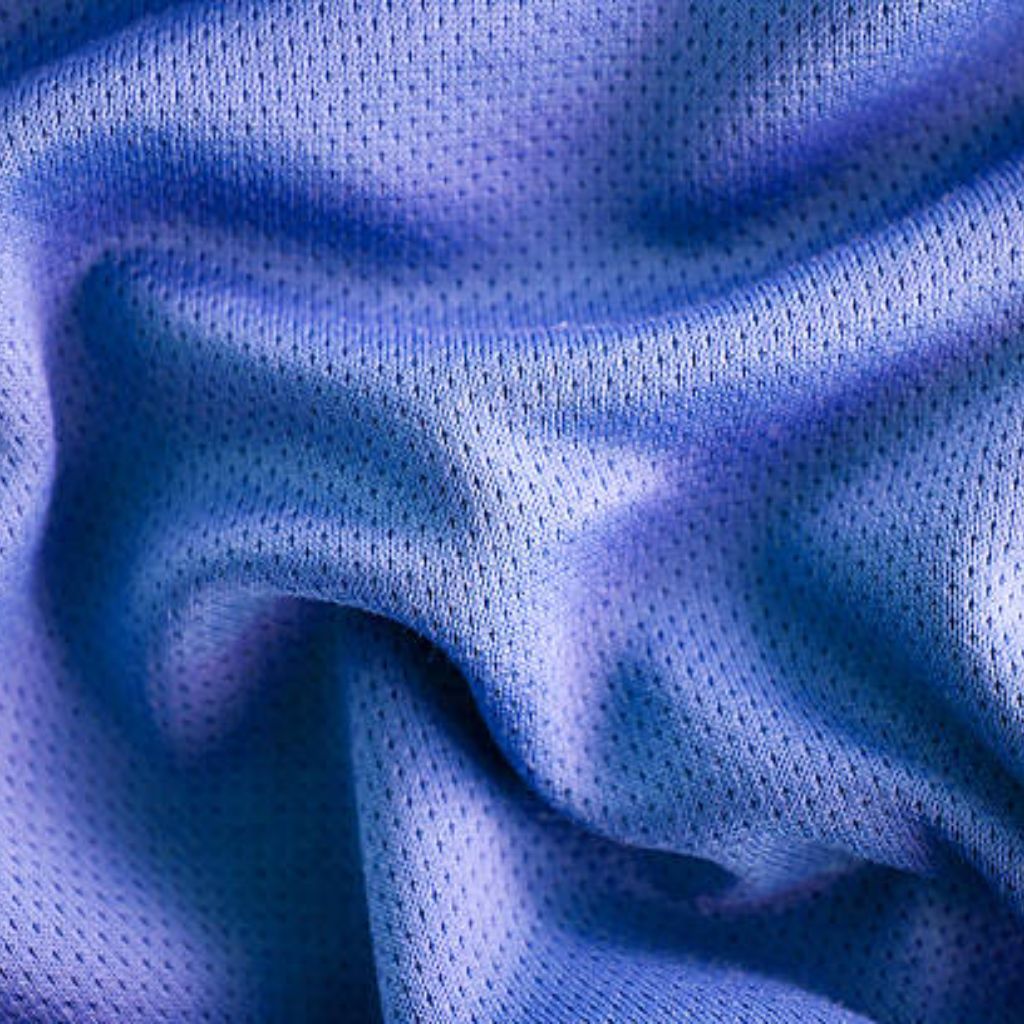
Close-up of blue and purple athletic mesh fabric with small, uniform holes and soft folds creating shadows and depth.Fresh Flow Athletic Fabric:
Blue–purple athletic mesh fabric: textured, breathable textile with depth.

Fresh Flow Athletic Fabric is designed using advanced textile materials to deliver superior performance, comfort, and durability. Understanding the core materials helps athletes select the right activewear for their needs.

Polyester

Polyester is the primary fiber in Fresh Flow Athletic Fabric. It is lightweight, strong, and highly durable, making it perfect for athletic apparel. Polyester resists shrinking, stretching, and wrinkling, maintaining its shape even after multiple washes. Its moisture-wicking properties help keep athletes dry and comfortable during intense workouts.

Elastane / Spandex

Elastane, also known as spandex, provides stretch and flexibility to Fresh Flow Athletic Fabric. It allows the fabric to move naturally with the body, supporting full range of motion during exercises like yoga, running, or weightlifting. The blend of elastane ensures garments maintain shape and offer snug comfort without restricting movement.

Nylon

Nylon is occasionally used in Fresh Flow Athletic Fabric blends for added durability and softness. This synthetic fiber enhances abrasion resistance, making activewear long-lasting even under high-intensity training. Nylon also contributes to a smooth texture, reducing friction and chafing on the skin.

Bamboo or Eco-Friendly Fibers

Some versions of Fresh Flow Athletic Fabric incorporate sustainable fibers like bamboo or recycled materials. These eco-friendly fibers retain moisture-wicking and breathability while reducing environmental impact. They also add a naturally soft feel, ideal for sensitive skin.

Fresh Flow Athletic Fabric vs Traditional Sports Fabrics

Here’s a comparison to highlight why Fresh Flow Athletic Fabric outperforms traditional materials:

FeatureFresh Flow Athletic FabricCotton SportswearPolyester FabricStandard Athletic Mesh
BreathabilityExcellentModerateLowModerate
Moisture ControlAdvancedPoorModerateModerate
DurabilityLong-lastingShorter lifespanModerateModerate
ComfortSoft, skin-friendlySoftCan irritateModerate
FlexibilityHighLowModerateModerate

The table demonstrates that Fresh Flow Athletic Fabric consistently offers superior performance across all critical factors.

How to Choose the Best Fresh Flow Athletic Fabric Apparel

Selecting the right Fresh Flow Athletic Fabric apparel requires careful consideration.

Fabric Blend Quality

Ensure a high-quality blend of polyester and elastane. This combination guarantees stretch, durability, and moisture control.

Fit and Stretch

Choose apparel with adequate stretch for your sport. Proper fit enhances movement without restricting performance.

Climate Suitability

Consider workout environment: lightweight fabrics for hot climates, layered options for colder weather.

Stitching and Durability

Check seams for reinforced stitching. Durable construction ensures long-term performance, even during high-intensity workouts.

Future Trends in Athletic Performance Fabrics

The evolution of sports fabrics continues to accelerate, and Fresh Flow Athletic Fabric remains at the forefront.

Smart Fabrics

Integration of sensors can track biometrics, offering real-time performance data.

Eco-Friendly Sports Textiles

Sustainable materials are increasingly popular, reducing environmental impact.

Temperature-Regulating Materials

Advanced fabrics adjust to body temperature, keeping athletes comfortable in varying conditions.

Sustainable Performance Fabrics

Recyclable and biodegradable materials are gaining attention, combining performance with responsibility.

These trends indicate that future versions of Fresh Flow Athletic Fabric will be smarter, greener, and more performance-focused.

Care and Maintenance Tips for Fresh Flow Athletic Fabric

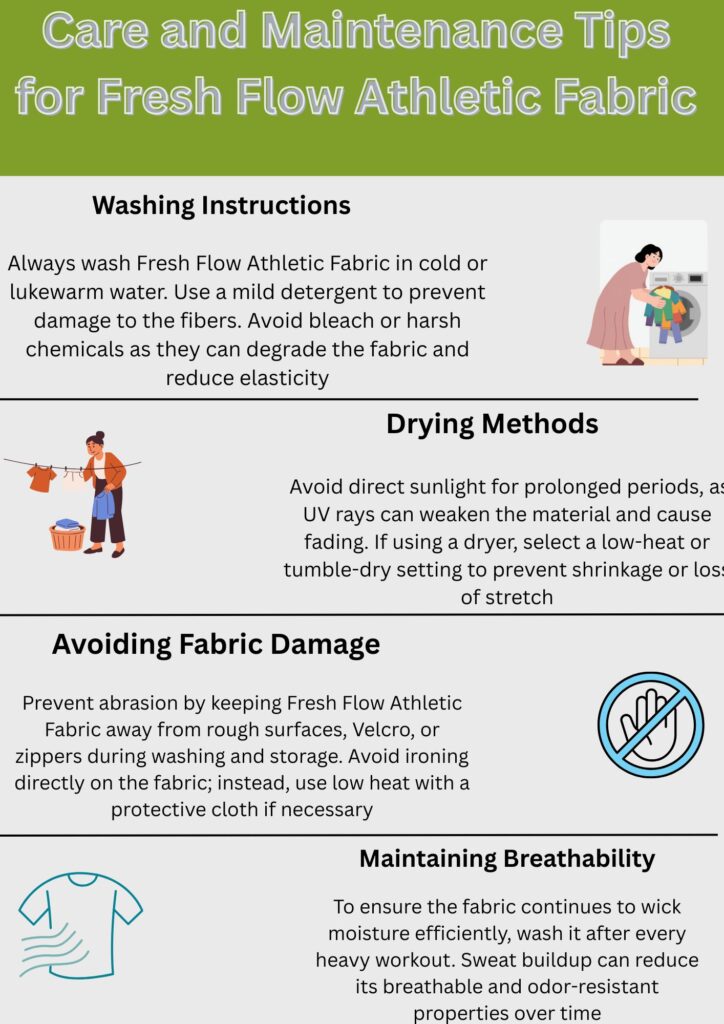
A care and maintenance infographic for Fresh Flow Athletic Fabric, featuring sections on Washing Instructions, Drying Methods, Avoiding Fabric Damage, and Maintaining Breathability, each with accompanying illustrations (woman loading a washing machine, woman hanging clothes, hand stopping a surface, and a t-shirt).
Fresh Flow Athletic Fabric:
Care and Maintenance Tips for Fresh Flow Athletic Fabric: washing, drying, fabric care, and breathability guidance.

Proper care ensures that Fresh Flow Athletic Fabric maintains its performance, durability, and comfort. Following the right washing, drying, and storage practices helps your activewear last longer.

Washing Instructions

Always wash Fresh Flow Athletic Fabric in cold or lukewarm water. Use a mild detergent to prevent damage to the fibers. Avoid bleach or harsh chemicals as they can degrade the fabric and reduce elasticity. Wash dark and light colors separately to prevent color bleeding. For delicate pieces, consider using a mesh laundry bag to protect the fabric during machine washing.

Drying Methods

After washing, air-dry Fresh Flow Athletic Fabric whenever possible. Lay it flat or hang it in a shaded area to preserve the fibers. Avoid direct sunlight for prolonged periods, as UV rays can weaken the material and cause fading. If using a dryer, select a low-heat or tumble-dry setting to prevent shrinkage or loss of stretch.

Avoiding Fabric Damage

Prevent abrasion by keeping Fresh Flow Athletic Fabric away from rough surfaces, Velcro, or zippers during washing and storage. Avoid ironing directly on the fabric; instead, use low heat with a protective cloth if necessary. This helps maintain the soft texture and elasticity of the material.

Maintaining Breathability

To ensure the fabric continues to wick moisture efficiently, wash it after every heavy workout. Sweat buildup can reduce its breathable and odor-resistant properties over time. Do not use fabric softeners, as they can coat the fibers and block airflow. Proper care guarantees the fabric remains fresh and functional during long-term use.

Conclusion

Fresh Flow Athletic Fabric combines advanced performance, comfort, and durability in one material. Its moisture-wicking, breathable, and flexible features make it ideal for all sports and fitness activities. Compared to traditional fabrics, it offers superior comfort, mobility, and odor resistance. Whether running, lifting, or stretching, athletes can rely on Fresh Flow Athletic Fabric to enhance their performance. This fabric is truly the future of modern activewear.

FAQs

What is Fresh Flow Athletic Fabric?

It is a high-performance, breathable, moisture-wicking fabric designed for activewear.

Is Fresh Flow fabric good for gym workouts?

Yes, it supports dynamic movement, manages sweat, and enhances comfort during intense exercises.

Does Fresh Flow fabric prevent sweat odor?

Yes, it includes odor-resistant technology to keep apparel fresh longer.

Is Fresh Flow Athletic Fabric better than cotton?

Absolutely. Unlike cotton, it manages moisture, improves breathability, and maintains shape.

Flex Motion Stretch Fabric: The Future of Activewear Comfort

Modern sportswear requires comfort, flexibility, and performance. Therefore, advanced fabrics now play a huge role in athletic clothing. One such innovation is Flex Motion Stretch Fabric. This material improves movement while maintaining comfort and durability. As a result, athletes can train harder without discomfort.

In recent years, activewear technology has evolved quickly. Brands constantly search for fabrics that enhance performance. Consequently, stretch fabrics have become essential in gym wear, yoga clothing, and running outfits. Among these innovations, Flex Motion Stretch Fabric stands out.

Furthermore, this fabric offers excellent elasticity and breathability. It supports body movement while maintaining shape. Because of these qualities, many sportswear brands now prefer this advanced textile. Today, it represents the future of modern performance clothing.

Flex Motion Stretch Fabric is a performance textile designed for movement and comfort. It stretches easily while maintaining its original shape. Therefore, athletes can move freely without fabric restrictions.

Moreover, this fabric combines synthetic fibers with elastic materials. These fibers allow the material to stretch in multiple directions. As a result, clothing made from this fabric adapts to body motion naturally.

History of Flex Motion Stretch Fabric

Close-up of textured dark gray fabric with a curved fold, showing a rough, woven surface.
Flex Motion Stretch Fabric:
Close-up of textured dark gray fabric

The history of Flex Motion Stretch Fabric connects closely with the evolution of stretch textiles in sportswear. In the early days, athletes mainly used cotton clothing. Although cotton felt soft, it absorbed sweat quickly and became heavy. Therefore, it was not ideal for intense physical activities. As sports performance improved, clothing manufacturers began searching for better materials.

During the mid-20th century, textile innovation introduced elastic fibers such as spandex and elastane. These fibers changed the clothing industry completely. For the first time, fabrics could stretch and return to their original shape. As a result, sportswear became more flexible and comfortable. Athletes could move more freely without feeling restricted by stiff clothing.

Types of Flex Motion Stretch Fabric

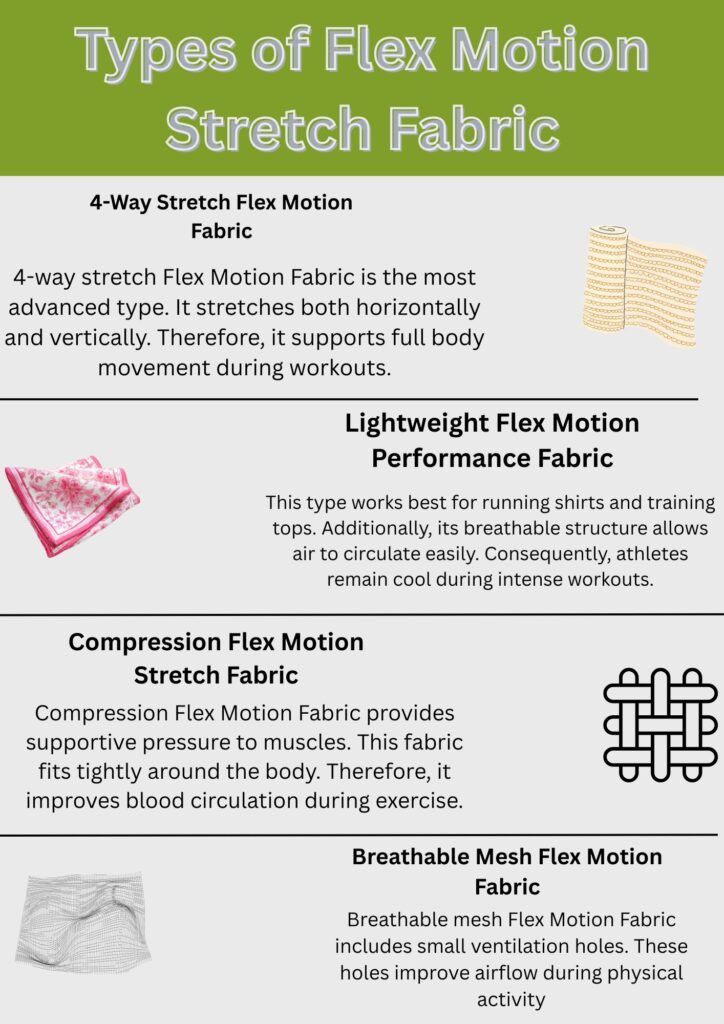
An infographic titled “Types of Flex Motion Stretch Fabric” showing four fabric types with descriptions and small illustrative icons: 4-Way Stretch, Lightweight Performance, Compression Stretch, and Breathable Mesh.
Flex Motion Stretch Fabric:
Types of Flex Motion Stretch Fabric

Flex Motion Stretch Fabric is available in several types. Each type is designed for specific sports activities and clothing needs. Manufacturers adjust fiber blends, fabric weight, and knitting structures to create different variations. Therefore, each type offers unique levels of stretch, breathability, and durability.

Moreover, the choice of fabric type often depends on the activity. For example, yoga clothing requires extreme flexibility, while outdoor apparel requires durability. Because of these differences, textile engineers create multiple types of Flex Motion Stretch Fabric for modern activewear.

4-Way Stretch Flex Motion Fabric

4-way stretch Flex Motion Fabric is the most advanced type. It stretches both horizontally and vertically. Therefore, it supports full body movement during workouts.

Athletes prefer this fabric for activities that require flexibility. For example, yoga, running, and gym training benefit from this stretch capability. As a result, clothing made from this fabric feels natural and comfortable.

Lightweight Flex Motion Performance Fabric

Lightweight Flex Motion Fabric focuses on comfort and breathability. Manufacturers create it using fine polyester fibers blended with elastane. Therefore, the fabric feels light on the body.

This type works best for running shirts and training tops. Additionally, its breathable structure allows air to circulate easily. Consequently, athletes remain cool during intense workouts.

Compression Flex Motion Stretch Fabric

Compression Flex Motion Fabric provides supportive pressure to muscles. This fabric fits tightly around the body. Therefore, it improves blood circulation during exercise.

Athletes often wear compression garments during training or competition. Moreover, the stretch fibers maintain comfort while providing muscle support. As a result, recovery and performance may improve.

Breathable Mesh Flex Motion Fabric

Breathable mesh Flex Motion Fabric includes small ventilation holes. These holes improve airflow during physical activity. Therefore, the body stays cooler during workouts.

Sportswear brands often use this fabric in gym shirts and sports jerseys. Additionally, it works well in high-sweat areas of clothing. Consequently, athletes experience better temperature control.

What Is Flex Motion Stretch Fabric?

Flex Motion Stretch Fabric refers to a modern performance textile. It combines elasticity, durability, and breathability. Therefore, it suits athletic clothing perfectly.

Manufacturers design this fabric specifically for sportswear and activewear. It allows free movement while maintaining comfort. Because of this balance, it has become popular in the fitness industry.

Furthermore, the fabric structure supports repeated stretching. It quickly returns to its original shape. Consequently, clothing remains comfortable even after long use.

Definition of the Fabric

Flex Motion Stretch Fabric is an engineered textile designed for high mobility. It stretches easily without losing strength. Therefore, it works well for active clothing.
This fabric blends synthetic fibers with elastic components. As a result, it provides flexibility and durability. Many sportswear brands now rely on it.

How It Is Manufactured

Manufacturers create this fabric using advanced textile technology. First, they blend polyester with elastane or spandex fibers. These materials provide stretch and durability.

Next, machines knit or weave the fibers together. This process forms a flexible fabric structure. Consequently, the material stretches smoothly in multiple directions.

Materials Used (Polyester, Spandex, Elastane Blends)

Flex Motion Stretch Fabric usually contains polyester as the base fiber. Polyester adds strength and durability to the fabric. Therefore, the material lasts longer.

Spandex or elastane fibers add elasticity. These fibers allow the fabric to stretch significantly. As a result, clothing remains flexible and comfortable during movement.

Why Flex Motion Stretch Fabric Is Important in Modern Activewear

Flex Motion Stretch Fabric has become essential in modern sportswear. Athletes and fitness enthusiasts demand clothing that supports comfort and performance. Therefore, advanced stretch fabrics now play a major role in activewear design. Unlike traditional textiles, this fabric adapts to body movement easily. As a result, athletes experience greater freedom during training and sports activities. Moreover, the fabric combines flexibility, breathability, and durability in one material. Because of these qualities, many sportswear brands prefer Flex Motion Stretch Fabric for their products.

Another important reason is the increasing popularity of fitness lifestyles. More people now participate in gym workouts, yoga sessions, and outdoor sports. Consequently, they need clothing that can handle intense movement. Flex Motion Stretch Fabric provides the required flexibility and support. Additionally, its moisture-wicking ability keeps the body dry during exercise. Therefore, athletes remain comfortable even during long training sessions.

Key Features of Flex Motion Stretch Fabric

Abstract close-up of layered, undulating fabrics in multiple colors (black, gray, white, purple, blue, green) with varying textures and overlapping folds.
Flex Motion Stretch Fabric:
Multicolored layered fabrics with textured surfaces

Flex Motion Stretch Fabric offers several performance benefits. These features make it ideal for modern sportswear. Athletes require clothing that supports comfort and mobility. Therefore, advanced fabrics must provide flexibility and breathability.

Additionally, the fabric structure improves moisture control. It also maintains durability after repeated use. Because of these qualities, it has become popular among athletes.

4-Way Stretch Flexibility

The most important feature is four-way stretch capability. This means the fabric stretches horizontally and vertically. Therefore, it follows body movement naturally.

As a result, athletes experience fewer movement restrictions. This flexibility improves comfort during exercise.

Moisture-Wicking Technology

Another key feature is moisture-wicking technology. This system pulls sweat away from the skin. Consequently, the body stays dry during workouts.

Additionally, the fabric spreads moisture across its surface. This helps sweat evaporate quickly.

Breathability

Breathability is essential for sports clothing. Flex Motion Stretch Fabric allows air to circulate easily. Therefore, it prevents overheating during exercise.

Moreover, breathable fabrics help regulate body temperature. This improves overall comfort.

Lightweight Comfort

Athletes prefer lightweight clothing during training. Fortunately, this fabric remains extremely light. Therefore, it does not feel heavy during movement.

As a result, athletes can focus on performance instead of clothing weight.

Durability and Wrinkle Resistance

Durability also makes this fabric attractive. The material resists damage from frequent stretching. Therefore, it lasts longer than regular fabrics.

Additionally, it resists wrinkles. This keeps clothing looking neat after washing.

Quick-Dry Capability

Flex Motion Stretch Fabric dries quickly after sweating or washing. This feature improves convenience for athletes. As a result, clothing becomes ready for use sooner.

Benefits of Flex Motion Stretch Fabric for Athletes

Athletes need clothing that supports performance and comfort. Flex Motion Stretch Fabric provides several advantages. These benefits improve workout experience and athletic performance.

Furthermore, modern training requires flexible clothing. Therefore, stretch performance fabrics play an important role in sportswear.

Improves Range of Motion

This fabric stretches easily in multiple directions. Therefore, athletes can move freely during workouts.

As a result, exercises become easier and safer.

Reduces Fabric Restriction During Workouts

Traditional fabrics often limit movement. However, stretch performance fabrics adapt to body motion.

Consequently, athletes feel less restriction while training.

Keeps the Body Cool and Dry

Moisture-wicking fibers remove sweat from the skin. Therefore, the body remains cool during exercise.

Additionally, breathability helps maintain temperature balance.

Enhances Performance in Sports and Training

Comfort improves athletic focus and performance. When clothing fits well, athletes move naturally. Therefore, they perform better during training sessions.

Flex Motion Stretch Fabric vs Regular Stretch Fabric

Both fabrics provide elasticity. However, performance stretch fabrics offer additional advantages.

FeatureFlex Motion Stretch FabricRegular Stretch Fabric
Stretchability4-way stretch flexibilityLimited stretch
BreathabilityHigh airflowModerate airflow
ComfortVery comfortableBasic comfort
DurabilityLong-lastingModerate durability
PerformanceDesigned for sportsEveryday use

Flex Motion Stretch Fabric vs Spandex or Elastane

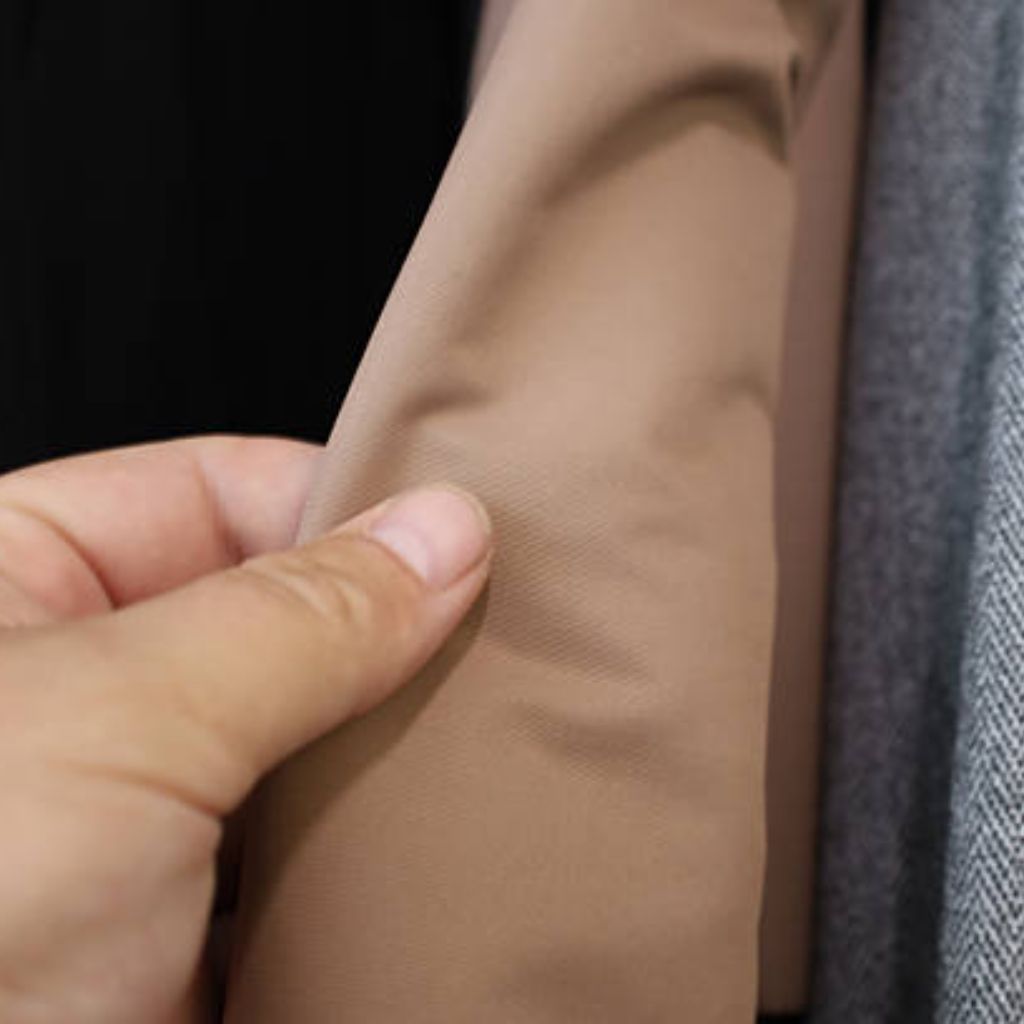
A hand touching smooth light brown fabric that is draped vertically, with a dark backdrop and a gray herringbone textile in the background.
Flex Motion Stretch Fabric:
Close-up of light brown fabric with textured backdrop

Although related, these materials differ in function.

Spandex or elastane are fibers. However, Flex Motion Stretch Fabric is a complete textile system.

Differences in Elasticity

Spandex provides elasticity alone. However, stretch performance fabrics combine several fibers.

Therefore, they offer balanced flexibility and durability.

Performance in Sportswear

Flex Motion Stretch Fabric improves moisture control and breathability. Spandex alone cannot provide these features.

Comfort Levels

Because of blended fibers, this fabric feels softer and lighter. Therefore, it offers better comfort for athletes.

Industries Using Flex Motion Stretch Fabric

Several industries use this fabric today. The sports and fashion industries rely heavily on performance textiles.

Sportswear Brands

Major sports brands use stretch fabrics in activewear collections. These fabrics support athletic performance.

Fitness Apparel Manufacturers

Fitness clothing manufacturers design gym wear using flexible textiles. Therefore, stretch fabrics remain essential.

Outdoor Clothing Companies

Outdoor apparel companies also use stretch fabrics. These materials support hiking and climbing movements.

Athleisure Fashion Industry

Athleisure combines fashion with sportswear comfort. Therefore, stretch fabrics play a key role.

Common Uses of Flex Motion Stretch Fabric

Flex Motion Stretch Fabric is widely used in modern activewear because of its flexibility, durability, and comfort. Its versatility makes it suitable for multiple sports and lifestyle applications. This fabric supports a wide range of movements while keeping the wearer cool and dry. As a result, it has become a go-to choice for both professional athletes and fitness enthusiasts.

Moreover, the fabric’s lightweight structure and quick-dry capabilities make it practical for everyday workouts. It adapts to the body’s movement without losing shape, making it ideal for intense physical activities. Today, sportswear brands and designers rely on this material for creating functional and stylish garments.

Gym Wear

Gym clothing needs to be flexible, breathable, and comfortable. Flex Motion Stretch Fabric meets these requirements perfectly. It allows for unrestricted movement during strength training, cardio, or high-intensity workouts. Gym shirts, hoodies, and training pants made from this fabric provide excellent comfort while resisting sweat buildup.

Running Clothes

Runners require clothing that stretches naturally with their stride. Flex Motion Stretch Fabric allows free motion and reduces friction. Its lightweight and breathable structure ensures better temperature regulation during long runs. Additionally, moisture-wicking properties help keep runners dry, preventing chafing and irritation.

Yoga Outfits

Yoga and pilates require maximum flexibility in clothing. Flex Motion Stretch Fabric stretches easily in all directions, adapting to complex poses and movements. It maintains comfort and breathability throughout sessions. Consequently, yoga pants, tops, and leggings made from this fabric are highly popular.

Training Shorts

Training shorts need to be both durable and flexible. Flex Motion Stretch Fabric provides a lightweight fit that allows for jumping, squatting, and running without restriction. The material maintains its shape even after repeated use, making it ideal for everyday training gear.

Best Materials Used in Flex Motion Stretch Fabric

Close-up of folded light green knit fabric with a visible ribbed texture.
Flex Motion Stretch Fabric:
Close-up of ribbed light green fabric

The quality of Flex Motion Stretch Fabric depends largely on the fibers used in its construction. High-performance stretch fabrics combine multiple materials to achieve elasticity, durability, breathability, and comfort. Choosing the right blend ensures the garment supports movement while remaining long-lasting. Today, textile engineers focus on combining synthetic fibers with elastic components to create the perfect activewear fabric.

Polyester

Polyester is the most commonly used base material in Flex Motion Stretch Fabric. It offers excellent durability and resistance to wear and tear. Additionally, polyester is lightweight, which enhances comfort during workouts. The fibers also wick moisture away from the body efficiently. This prevents sweat from soaking the garment, keeping the athlete dry. Polyester’s resistance to shrinking and stretching ensures the fabric maintains its shape over time.

Spandex

Spandex, also called elastane, is responsible for the elasticity of Flex Motion Stretch Fabric. It allows the fabric to stretch in multiple directions without losing shape. Spandex ensures that clothing moves naturally with the body, reducing restriction during exercise. Even after repeated use, spandex fibers maintain their stretchability. This makes it ideal for yoga pants, compression gear, and running tops.

Nylon

Nylon is sometimes blended with polyester and spandex to increase strength and durability. It is lightweight, soft, and resistant to abrasions. Nylon also improves the overall smoothness and comfort of the fabric. Its moisture-wicking properties enhance breathability, making it suitable for high-intensity sports.

How to Choose High-Quality Flex Motion Stretch Fabric

Choosing the right stretch fabric is important for comfort and durability. Several factors help determine quality.

Check Stretch Percentage

Good performance fabrics stretch easily but return to shape. Therefore, elasticity should be tested.

Look for Moisture-Wicking Technology

Quality fabrics remove sweat effectively. Therefore, moisture control is essential.

Fabric Weight

Lightweight fabrics feel comfortable during workouts. However, they should remain durable.

Durability Tests

High-quality fabrics resist tearing and stretching damage.

Comfort and Softness

Soft fabrics improve wearing comfort. Therefore, texture should feel smooth.

Future Trends in Stretch Performance Fabrics

Textile technology continues evolving rapidly. Therefore, the future of stretch fabrics looks promising.

Sustainable Stretch Fabrics

Manufacturers now develop eco-friendly textiles. Recycled polyester and plant fibers are becoming common.

Smart Textiles

Some advanced fabrics include sensors. These fabrics track body movement and temperature.

Eco-Friendly Activewear Materials

Many brands now focus on sustainability. Therefore, biodegradable and recycled fabrics will grow in popularity.

Care and Maintenance of Flex Motion Stretch Fabric

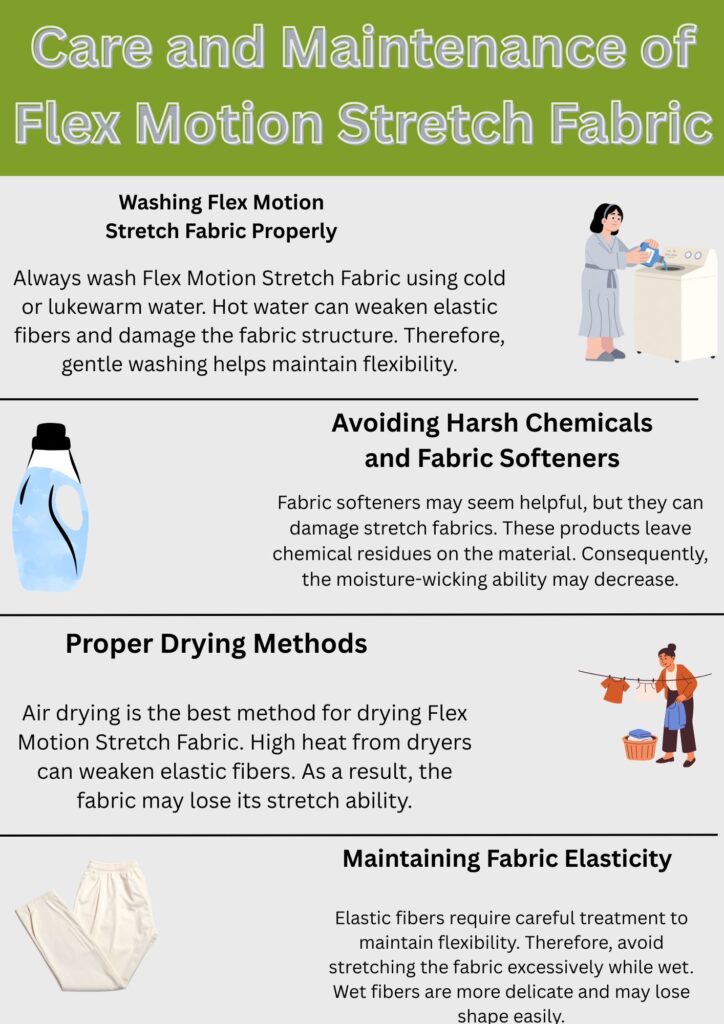
A guided infographic about caring for Flex Motion Stretch Fabric. It covers washing in cold water, avoiding harsh chemicals and fabric softeners, proper drying by air, and maintaining elasticity, with accompanying illustrations.
Flex Motion Stretch Fabric:
Care and Maintenance Guide for Flex Motion Stretch Fabric

Proper care is essential for maintaining the performance of Flex Motion Stretch Fabric. Although this fabric is durable, correct maintenance helps preserve its elasticity and comfort. Activewear made from stretch performance fabrics often faces sweat, frequent washing, and constant movement. Therefore, good care practices help the fabric last longer.

Washing Flex Motion Stretch Fabric Properly

Always wash Flex Motion Stretch Fabric using cold or lukewarm water. Hot water can weaken elastic fibers and damage the fabric structure. Therefore, gentle washing helps maintain flexibility.

Additionally, use mild detergent instead of harsh cleaning chemicals. Strong detergents may reduce fabric softness and performance. As a result, the material may lose its original comfort.

Avoiding Harsh Chemicals and Fabric Softeners

Fabric softeners may seem helpful, but they can damage stretch fabrics. These products leave chemical residues on the material. Consequently, the moisture-wicking ability may decrease.

Similarly, bleach should never be used on stretch fabrics. Bleach can weaken fibers and reduce durability. Therefore, gentle cleaning products remain the safest option.

Proper Drying Methods

Air drying is the best method for drying Flex Motion Stretch Fabric. High heat from dryers can weaken elastic fibers. As a result, the fabric may lose its stretch ability.

If a dryer must be used, choose a low heat setting. However, air drying always remains the safest method for protecting performance fabrics.

Maintaining Fabric Elasticity

Elastic fibers require careful treatment to maintain flexibility. Therefore, avoid stretching the fabric excessively while wet. Wet fibers are more delicate and may lose shape easily.

Furthermore, proper storage helps maintain elasticity. Fold activewear carefully instead of hanging heavy garments for long periods.

Conclusion

Flex Motion Stretch Fabric represents a major advancement in sportswear technology. It combines flexibility, comfort, and durability. Therefore, it supports modern athletic performance effectively.

Additionally, its moisture-wicking and breathable structure improve comfort during exercise. Athletes can move freely without restriction. Consequently, performance and training efficiency improve.

Furthermore, the fabric suits many types of activewear. Gym clothing, yoga outfits, and running gear all benefit from this textile. As textile technology continues evolving, stretch performance fabrics will become even more advanced.

FAQs

What is Flex Motion Stretch Fabric?

Flex Motion Stretch Fabric is a high-performance textile designed for movement and comfort. It combines elastic fibers such as spandex or elastane with synthetic fibers like polyester or nylon. This allows clothing to stretch in multiple directions while maintaining shape, making it ideal for sportswear and activewear.

How does Flex Motion Stretch Fabric differ from regular stretch fabrics?

Unlike regular stretch fabrics, Flex Motion Stretch Fabric offers four-way stretch, moisture-wicking properties, breathability, and quick-dry capabilities. Regular stretch fabrics may stretch but often lack durability, performance features, or comfort needed for intense workouts.

Can Flex Motion Stretch Fabric improve athletic performance?

Yes. The fabric reduces restriction during movement and keeps the body cool and dry. Compression variants can improve blood circulation, support muscles, and enhance recovery. Overall, it allows athletes to train and perform more efficiently.

Power Stretch Active Fabric: Durable, Breathable & Flexible

Power Stretch Active Fabric has become an essential textile in modern sportswear. Athletes and fitness enthusiasts prefer clothing that moves with their bodies. Therefore, flexible performance fabrics are increasingly important in activewear design.

This fabric provides excellent stretch while maintaining strength and durability. As a result, athletes experience better comfort during physical activity. Many sports brands choose this material because it supports movement and improves performance.

In addition, Power Stretch Active Fabric offers breathability and moisture control. These properties help regulate body temperature during workouts. Because of this, athletes stay cool and comfortable during intense exercise.

The demand for advanced sports fabrics continues to increase worldwide. More people are participating in fitness activities and outdoor sports. Therefore, performance fabrics play a crucial role in sportswear innovation.

Furthermore, designers now focus on creating clothing that combines style with functionality. Power stretch fabrics help achieve both goals effectively.

History of Power Stretch Active Fabric

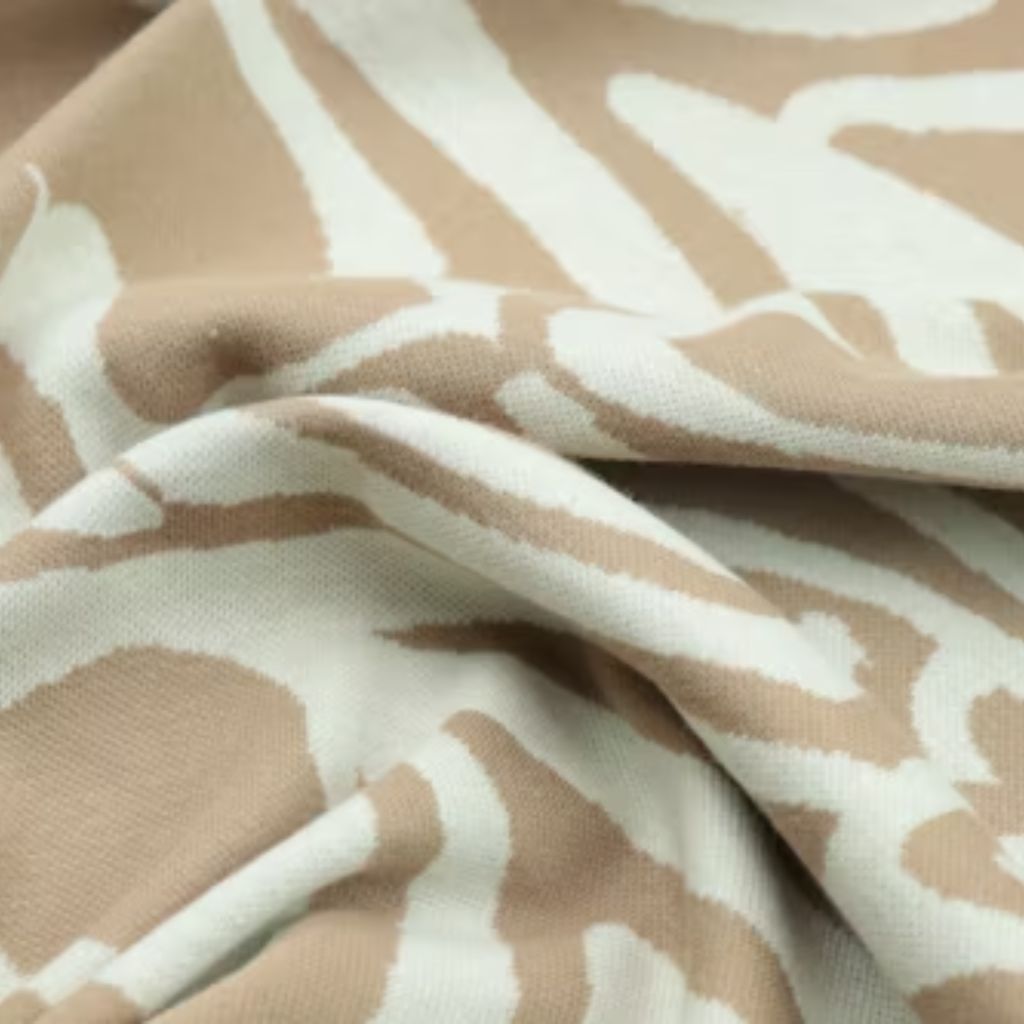
Close-up of a beige and white patterned blanket with abstract zebra-like stripes, showing soft wrinkles and textured knit.Power Stretch Active Fabric:
Beige and white abstract zebra-pattern blanket, close-up on soft, textured fabric.

The history of stretch fabrics started in the twentieth century. Textile scientists searched for materials that could stretch without losing strength. Traditional fabrics did not provide enough flexibility for sports activities. Therefore, manufacturers began developing elastic fibers.

In the late 1950s, elastic fibers such as elastane and spandex changed the textile industry. These fibers allowed fabrics to stretch while maintaining durability. As a result, clothing manufacturers started experimenting with flexible performance fabrics.

During the 1980s and 1990s, sportswear companies increased their research into athletic clothing. Athletes required garments that supported movement and reduced discomfort. Because of this need, textile engineers improved stretch technology.

Power Stretch Active Fabric developed as an advanced solution for athletic clothing. It combined durability, breathability, and strong elasticity. Therefore, it quickly became popular in sports apparel.

Types of Power Stretch Active Fabric

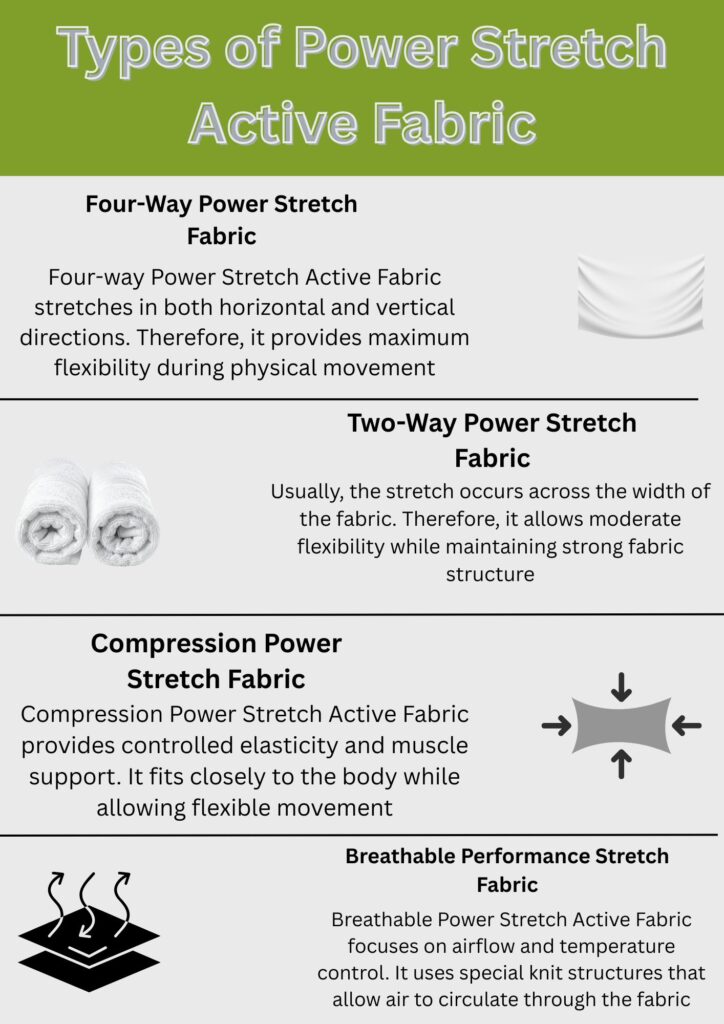
An infographic titled “Types of Power Stretch Active Fabric” showing four fabric types: Four-Way Power Stretch, Two-Way Power Stretch, Compression Power Stretch, and Breathable Performance Stretch, each with a simple illustrative icon (stretching fabric, rolled fabric, arrows with a compression shape, and layered airflow) and accompanying explanations.Power Stretch Active Fabric:
Types of Power Stretch Active Fabric: four categories with visual representations and brief descriptions of flexibility, structure, fit, and breathability.

Power Stretch Active Fabric comes in several types based on structure, fiber blend, and performance level. Each type serves a specific purpose in sportswear and performance clothing. Therefore, manufacturers select different stretch fabrics depending on the activity and comfort requirements.

Understanding the different types of Power Stretch Active Fabric helps designers and consumers make better choices. Each type provides unique benefits for specific sports and fitness activities.

Four-Way Power Stretch Fabric

Four-way Power Stretch Active Fabric stretches in both horizontal and vertical directions. Therefore, it provides maximum flexibility during physical movement. Athletes can bend, twist, and stretch without feeling restricted.

This type of stretch fabric is common in yoga clothing, leggings, and training gear. In addition, it offers excellent shape retention even after repeated stretching. As a result, garments maintain their fit for a long time.

Two-Way Power Stretch Fabric

Two-way Power Stretch Active Fabric stretches in one primary direction. Usually, the stretch occurs across the width of the fabric. Therefore, it allows moderate flexibility while maintaining strong fabric structure.

This type is often used in sports tops, jackets, and lightweight training wear. It provides comfort during movement but remains slightly more structured than four-way stretch fabrics.

Compression Power Stretch Fabric

Compression Power Stretch Active Fabric provides controlled elasticity and muscle support. It fits closely to the body while allowing flexible movement. Therefore, it helps stabilize muscles during intense training sessions.

Many athletes use compression fabrics for running, cycling, and high-performance sports. In addition, the fabric improves blood circulation and reduces muscle fatigue.

Breathable Performance Stretch Fabric

Breathable Power Stretch Active Fabric focuses on airflow and temperature control. It uses special knit structures that allow air to circulate through the fabric. Therefore, athletes remain cool during workouts.

This type is widely used in running apparel and gym wear. In addition, it helps manage sweat effectively and prevents overheating during intense activities.

What Is Power Stretch Active Fabric?

Power Stretch Active Fabric refers to a flexible textile engineered for performance clothing. It combines elasticity with durability to support athletic movement. Therefore, it plays a key role in modern sportswear.

Manufacturers create this fabric using specialized knitting or weaving techniques. These techniques allow the fabric to stretch while maintaining strength. As a result, garments remain comfortable and long-lasting.

Unlike ordinary fabrics, power stretch fabrics recover quickly after stretching. This recovery prevents garments from losing their shape.

In addition, the fabric supports breathability and moisture management. These features help athletes perform better during workouts.

Definition and Basic Concept

Power Stretch Active Fabric is a stretchable performance material designed for active lifestyles. It combines flexible fibers with durable synthetic materials.

This combination allows the fabric to stretch in multiple directions. As a result, it adapts to body movement naturally.

The concept focuses on improving mobility, comfort, and durability in athletic clothing.

How Stretch Technology Works in Fabrics

Stretch technology uses elastic fibers that expand when pulled. After stretching, the fibers return to their original size.

Manufacturers blend these fibers with materials like polyester or nylon. Therefore, the fabric gains both elasticity and strength.

Advanced knitting structures also improve stretch performance. These structures allow the fabric to expand smoothly without damage.

Difference Between Regular Stretch Fabric and Power Stretch Fabric

Regular stretch fabrics offer limited elasticity. They usually stretch in only one direction.

Power Stretch Active Fabric, however, stretches in multiple directions. Therefore, it provides greater freedom of movement.

Additionally, power stretch fabrics maintain their shape better. This property improves durability and performance.

Key Features of Power Stretch Active Fabric

Close-up of dark, ribbed fabric draped with glossy highlights and shadows, showing folds and curved surfaces.
Power Stretch Active Fabric:
Dark, glossy ribbed fabric: dramatic folds and light-reflective texture.

Power Stretch Active Fabric offers many important features that benefit athletes and fitness enthusiasts. These features improve comfort, mobility, and performance.

Modern sportswear relies heavily on these qualities. Therefore, this fabric has become a common choice for athletic apparel.

Because of its advanced design, the fabric performs well in demanding physical activities.

Four-Way Stretch Flexibility

Four-way stretch allows fabric to stretch horizontally and vertically. Therefore, it supports natural body movement during exercise.

Athletes benefit from unrestricted motion in activities such as yoga and running. As a result, workouts become more comfortable and effective.

Moisture-Wicking Performance

Moisture-wicking technology pulls sweat away from the skin. Then the moisture spreads across the fabric surface.

This process allows sweat to evaporate quickly. Therefore, athletes remain dry and comfortable.

Breathability

Breathable fabrics allow air circulation around the body. This airflow helps regulate temperature during exercise.

Power Stretch Active Fabric often uses breathable knit structures. As a result, it keeps athletes cool during workouts.

Lightweight Comfort

Lightweight fabrics reduce pressure on the body. Therefore, athletes feel comfortable during long training sessions.

This feature also improves movement efficiency during physical activities.

Durability and Shape Retention

Durability is essential for sportswear fabrics. Power Stretch Active Fabric resists wear and tear during regular use.

In addition, the elastic fibers return to their original shape. Therefore, garments maintain their fit after repeated stretching.

Quick-Dry Technology

Quick-dry technology helps remove moisture quickly. This feature prevents clothing from becoming heavy or uncomfortable.

As a result, athletes remain comfortable even during intense training sessions.

Benefits of Power Stretch Active Fabric in Activewear

Power Stretch Active Fabric provides several advantages in athletic clothing. These benefits improve performance, comfort, and durability.

Athletes require clothing that supports their movements. Therefore, stretch performance fabrics are essential for activewear.

Enhances Body Movement During Workouts

Stretch fabrics allow muscles and joints to move freely. Therefore, athletes experience better flexibility during exercise.

This flexibility improves performance in many sports and training activities.

Improves Comfort for Long Training Sessions

Long workouts require comfortable clothing. Power stretch fabrics reduce pressure and discomfort.

As a result, athletes can focus on training instead of adjusting their clothing.

Reduces Friction and Skin Irritation

Rough fabrics can cause irritation during intense movement. However, smooth stretch fabrics reduce friction.

Therefore, athletes experience fewer skin problems during workouts.

Supports Muscle Movement

Elastic fabrics support natural muscle movement. This support improves stability during physical activity.

As a result, athletes can perform exercises more efficiently.

Common Materials Used in Power Stretch Active Fabric

Manufacturers use several materials to produce Power Stretch Active Fabric. These materials improve flexibility, strength, and comfort.

Combining different fibers helps create high-performance textiles.

Polyester and Elastane Blends

Polyester provides strength and moisture resistance. Elastane adds elasticity and flexibility.

Together, these fibers create durable and stretchable sports fabrics.

Nylon and Spandex Combinations

Nylon offers durability and lightweight comfort. Spandex provides excellent stretch capability.

These materials work together to create high-performance activewear fabrics.

Performance Knit Fabrics

Performance knit fabrics naturally provide flexibility and breathability. These fabrics adapt easily to body movement.

Therefore, many sportswear manufacturers prefer knitted stretch materials.

Common Mistakes When Caring for Power Stretch Active Fabric

Close-up of white fabric draped in soft folds, with strong lighting creating dramatic shadows and highlights.Power Stretch Active Fabric:
Minimalist elegance: close-up of white fabric with dramatic light and shadow.

Many people use Power Stretch Active Fabric in sportswear and activewear. However, improper care can damage the fabric and reduce its performance. Although this fabric is durable and flexible, it still requires proper maintenance. Small mistakes during washing, drying, or storage can weaken the elastic fibers.

Washing with Hot Water

One common mistake is washing stretch fabrics with hot water. High temperatures can weaken elastic fibers such as elastane or spandex. As a result, the fabric may lose its stretch and shape over time.

Cold or lukewarm water is always a better option for washing activewear fabrics. Gentle washing protects the fiber structure and maintains the fabric’s flexibility. Therefore, using lower water temperatures helps preserve the quality of Power Stretch Active Fabric.

Using Harsh Detergents and Bleach

Many people use strong detergents or bleach to remove sweat stains. However, harsh chemicals can damage the fibers used in stretch fabrics. These chemicals may reduce elasticity and cause fabric fading.

Mild detergents designed for sportswear are a safer choice. These products clean the fabric while protecting its performance features. Therefore, avoiding harsh chemicals helps maintain durability and softness.

Drying with High Heat

Another common mistake is drying stretch fabrics at high temperatures. Excessive heat can damage the elastic fibers inside the fabric. As a result, the material may shrink or lose its flexibility.

Air drying is the best method for protecting Power Stretch Active Fabric. Hanging garments in a ventilated area allows them to dry naturally. This method preserves the stretch and shape of the fabric.

Washing with Rough or Heavy Fabrics

Many people wash activewear with heavy garments such as denim or thick towels. Rough fabrics create friction during the washing process. This friction can damage the smooth surface of stretch fabrics.

Washing activewear separately or with similar fabrics helps prevent damage. Therefore, sorting laundry carefully improves the lifespan of sportswear.

Power Stretch Active Fabric vs Regular Stretch Fabric

Understanding fabric differences helps consumers choose better sportswear.

Power Stretch Active Fabric offers improved performance compared to ordinary stretch fabrics.

Flexibility Differences

Regular stretch fabrics stretch only in limited directions. However, power stretch fabrics stretch in multiple directions.

Therefore, they provide better movement support.

Performance Benefits

Power stretch fabrics include moisture control and breathability. These features improve comfort during exercise.

Regular stretch fabrics often lack these advanced properties.

Durability Comparison

Power stretch fabrics maintain elasticity even after repeated use. Therefore, garments last longer.

Regular stretch fabrics may lose flexibility over time.

Ideal Uses

Power Stretch Active Fabric suits sportswear and athletic clothing. Regular stretch fabrics work better for casual garments.

Popular Uses of Power Stretch Active Fabric

Power Stretch Active Fabric appears in many types of athletic clothing. Designers prefer it for flexibility and durability.

Gym and Fitness Wear

Gym clothing requires strong and flexible fabrics. Power stretch fabrics support body movement during exercise.

Therefore, many workout outfits use this material.

Yoga Clothing

Yoga requires flexibility and comfort. Stretch fabrics support complex body positions easily.

Therefore, yoga leggings and tops often use power stretch materials.

Running Apparel

Runners need breathable and lightweight clothing. Power stretch fabrics provide these qualities effectively.

Therefore, they improve comfort during running sessions.

Sports Uniforms

Many sports uniforms include stretch fabrics for better mobility. These fabrics help athletes perform more efficiently.

Outdoor Performance Gear

Outdoor sports require durable clothing. Power stretch fabrics resist wear and maintain flexibility.

How Power Stretch Active Fabric Improves Athletic Performance

Close-up of teal fabric being held by a finger against a black background, showing draped folds, texture, and a subtle sheen.
Power Stretch Active Fabric:
Military-inspired winter jackets: close-up of teal fabric highlighting texture and movement.

Athletic performance depends on clothing comfort and flexibility. Power Stretch Active Fabric supports both factors effectively.

Freedom of Movement

Athletes need unrestricted motion during training. Stretch fabrics allow natural movement.

Therefore, athletes can perform exercises more effectively.

Temperature Regulation

Breathable fabrics allow air circulation. This airflow helps maintain comfortable body temperature.

Sweat Management

Moisture-wicking fibers remove sweat from the skin. Therefore, athletes stay dry during workouts.

Compression Benefits

Some power stretch fabrics provide light compression. This compression supports muscles during exercise.

How to Choose the Best Power Stretch Active Fabric

Choosing the right fabric improves comfort and performance.

Fabric Weight

Lightweight fabrics improve mobility and comfort during exercise.

Stretch Recovery

High-quality fabrics return to their original shape quickly.

Breathability Level

Breathable fabrics improve airflow and reduce overheating.

Moisture Control

Effective moisture control prevents sweat buildup.

Fabric Blend Quality

High-quality fiber blends improve durability and performance.

Future Trends in Power Stretch Active Fabric

The textile industry continues to develop new stretch fabrics.

Sustainable Stretch Fabrics

Manufacturers are using recycled fibers to reduce environmental impact.

Eco-Friendly Performance Materials

Biodegradable fabrics may become more common in sportswear.

Smart Textile Innovations

Smart fabrics may include sensors for tracking fitness performance.

Care and Maintenance of Power Stretch Active Fabric

An infographic titled “Care and Maintenance of Power Stretch Active Fabric” with four sections: Washing Power Stretch Active Fabric Properly, Avoiding High Heat During Drying, Preventing Fabric Damage, and Maintaining Stretch and Shape Retention. Each section includes an icon (washing machine, radiator, shield with a hand, person being stretched) and explanatory text about proper care.
Power Stretch Active Fabric:
Care and Maintenance of Power Stretch Active Fabric: practical tips on washing, drying, preventing damage, and preserving elasticity.

Proper care is very important for maintaining the quality of Power Stretch Active Fabric. Although this fabric is strong and flexible, it still requires careful handling. Good maintenance helps preserve its elasticity, breathability, and durability for a long time.

Activewear garments experience frequent stretching, sweating, and washing. Therefore, correct cleaning methods are necessary to protect the fabric structure. If the fabric receives proper care, it will maintain its performance features.

Washing Power Stretch Active Fabric Properly

Washing Power Stretch Active Fabric correctly helps preserve its elasticity and performance. Always use cold or lukewarm water when cleaning stretch fabrics. Hot water may weaken the elastic fibers over time.

It is also helpful to turn garments inside out before washing. This method protects the outer surface of the fabric. As a result, the fabric remains smooth and durable.

Avoiding High Heat During Drying

High heat can damage the elastic fibers in Power Stretch Active Fabric. Therefore, it is important to avoid high-temperature drying methods.

If using a dryer, choose a low heat setting. However, frequent machine drying should be avoided to extend the fabric’s lifespan.

Preventing Fabric Damage

In addition, avoid washing stretch garments with rough fabrics like denim. Rough materials may cause friction and damage the fabric surface. Therefore, washing similar fabrics together is recommended.

Using a laundry bag can also help protect delicate activewear items. This small step helps reduce wear and tear during washing cycles.

Maintaining Stretch and Shape Retention

Maintaining the stretch quality of Power Stretch Active Fabric is essential. Always avoid excessive stretching when wearing or storing garments. Overstretching may weaken the elastic fibers.

Proper storage also helps preserve the garment shape. Fold the clothing neatly instead of hanging heavy items for long periods. This method prevents stretching in specific areas.

Conclusion

Power Stretch Active Fabric has transformed modern activewear. It combines flexibility, durability, and breathability in one material.

Athletes benefit from better mobility and comfort during workouts. In addition, moisture-wicking and quick-dry features improve training performance.

Furthermore, this fabric supports many sports activities, including running, yoga, and gym workouts. Therefore, it has become an essential material in performance clothing.

As textile technology continues to improve, power stretch fabrics will become even more advanced. Sustainable materials and smart textiles may shape the future of sportswear.

FAQs

What is Power Stretch Active Fabric used for?

Power Stretch Active Fabric is used in sportswear, gym clothing, yoga outfits, and performance apparel.

Is Power Stretch Active Fabric breathable?

Yes. Most power stretch fabrics allow air circulation and temperature control.

Is Power Stretch Active Fabric good for gym wear?

Yes. It provides flexibility, sweat control, and comfort during workouts.

How durable is Power Stretch Active Fabric?

Power stretch fabrics are highly durable and maintain their shape after repeated stretching.

Cropped Half-Zip Hoodie: Stylish Comfort for Modern Fashion

Fashion constantly evolves, yet some trends manage to capture attention and remain popular for years. The cropped half-zip hoodie is one of those trends. It combines casual comfort with a stylish edge, making it a favorite among fashion enthusiasts. Today, it is widely worn by students, athletes, influencers, and streetwear lovers alike.

Moreover, this hoodie style reflects the modern fashion movement where comfort meets creativity. Instead of traditional bulky hoodies, the cropped design offers a fresh and trendy look. As a result, it has become a must-have piece in many wardrobes.

In this detailed guide, you will learn everything about the cropped half-zip hoodie, including its features, styling tips, benefits, and why it has become a fashion staple.


What Is a Cropped Half-Zip Hoodie?

A cropped half-zip hoodie is a hoodie designed with two main features: a shortened (cropped) length and a half-zip closure at the front. Unlike traditional hoodies that extend to the hips, cropped hoodies usually end around the waist or above it.

Because of this design, a modern silhouette is created. Additionally, the half-zip closure allows the hoodie to be worn either zipped up for warmth or partially open for a relaxed look.

Furthermore, the cropped hoodie trend has been influenced by streetwear culture and athletic fashion. Over time, it has been adopted by many clothing brands and fashion designers.


The Growing Popularity of Cropped Hoodies

Over the past decade, cropped clothing has become increasingly popular. Social media platforms have played a major role in spreading this trend. For instance, influencers and fashion bloggers frequently showcase cropped hoodies in their outfits.

As a result, the cropped half-zip hoodie has become a fashionable item worldwide. Moreover, it appeals to both comfort lovers and style seekers.

Another reason for its popularity is versatility. It can be worn in casual settings, during workouts, or even in stylish streetwear outfits. Consequently, its demand continues to grow.


Key Features of a Cropped Half-Zip Hoodie

Several unique features make this hoodie different from traditional hoodies. These features also contribute to its popularity.

1. Cropped Length

The most noticeable feature is its shorter length. Because the hoodie ends above the waist, a stylish and flattering silhouette is created. Additionally, it pairs well with high-waisted clothing.

2. Half-Zip Design

The half-zip feature adds both style and functionality. It allows airflow and easy wear. Furthermore, it can be adjusted depending on comfort and weather conditions.

3. Comfortable Fabric

Most cropped half-zip hoodies are made from cotton, fleece, or polyester blends. Therefore, warmth and softness are provided.

4. Stylish Hood

Just like traditional hoodies, a hood is included for extra comfort. In colder weather, additional protection can be provided.

5. Lightweight Feel

Unlike heavy winter hoodies, cropped hoodies are often lightweight. As a result, they are perfect for layering.


Why Cropped Half-Zip Hoodies Are So Popular

There are several reasons why this hoodie style has become so widely loved.

An informational infographic titled “Why Cropped Half-Zip Hoodies Are So Popular.” It highlights four sections with icons: Fashion Appeal (a dress illustration), Comfort and Convenience (a seating/coffee icon), Easy Layering (stacked layers icon), and Versatile Styling (a pink hoodie). Each section contains a brief description of its benefit.
Why cropped half-zip hoodies are trending: fashion appeal, comfort, easy layering, and versatile styling.

Fashion Appeal

First of all, cropped hoodies look trendy and modern. They add a fashionable edge to everyday outfits. Consequently, many people choose them to upgrade their casual style.

Comfort and Convenience

Comfort is another major factor. Soft fabrics are commonly used, and the relaxed fit allows easy movement. Therefore, they are perfect for daily wear.

Easy Layering

Because of their shorter length, cropped hoodies are excellent for layering. For instance, they can be worn over tank tops, sports bras, or fitted t-shirts.

Versatile Styling

Another advantage is versatility. Cropped half-zip hoodies can be styled in many ways, which makes them suitable for various occasions.


How to Style a Cropped Half-Zip Hoodie

Styling this hoodie can be both fun and creative. Fortunately, many outfit combinations can be created.

Casual Streetwear Look

First, pair the hoodie with high-waisted jeans and sneakers. This combination creates a relaxed streetwear style. Additionally, accessories such as caps or sunglasses can enhance the look.

Sporty Outfit

For a sporty appearance, the hoodie can be worn with leggings or joggers. Moreover, running shoes or trainers complete the athletic style.

Layered Winter Look

During colder months, the hoodie can be layered with a long coat or jacket. As a result, both warmth and style are achieved.

Trendy Fashion Outfit

For a more fashionable appearance, pair the cropped hoodie with wide-leg trousers or cargo pants. Consequently, a modern street style look is created.


Cropped Half-Zip Hoodie vs Traditional Hoodie

FeatureCropped Half-Zip HoodieTraditional Hoodie
LengthAbove the waistHip-length
StyleTrendy and modernClassic and casual
FitFashion-forwardRelaxed
LayeringIdeal for layeringLimited layering
PopularityPopular in streetwearTraditional everyday wear

Clearly, both styles have their advantages. However, the cropped version offers a more contemporary fashion statement.


Best Occasions to Wear a Cropped Half-Zip Hoodie

The cropped half-zip hoodie is suitable for many situations.

An infographic titled “Best Occasions to Wear a Cropped Half-Zip Hoodie.” Four teal circular icons with corresponding captions show: Casual Outings (people shopping), Gym and Workouts (person running on a treadmill), Travel (globe icon), and Everyday Wear (green hoodie). Each section includes a brief description of why the hoodie is suitable for that occasion.
Best occasions to wear a cropped half-zip hoodie: casual outings, gym and workouts, travel, and everyday wear.

Casual Outings

Whether you are meeting friends or going shopping, this hoodie offers comfort and style.

Gym and Workouts

Because it allows easy movement, it is commonly worn during workouts or yoga sessions.

Travel

While traveling, comfort is essential. Therefore, cropped hoodies are often chosen for long journeys.

Everyday Wear

Many people wear them at home or during daily activities because they are comfortable and stylish.


Fabric Choices for Cropped Half-Zip Hoodies

Different fabrics are used in these hoodies, and each offers unique benefits.

Cotton

Cotton hoodies are soft and breathable. Therefore, they are ideal for daily wear.

Fleece

Fleece provides extra warmth. As a result, it is perfect for colder weather.

Polyester Blends

Polyester blends are durable and lightweight. Additionally, they dry quickly.

Performance Fabric

Some athletic hoodies are made from performance materials. Consequently, sweat is absorbed and comfort is maintained.


Choosing the Right Cropped Half-Zip Hoodie

When buying a cropped hoodie, several factors should be considered.

An infographic titled “Choosing the Right Cropped Half-Zip Hoodie.” Four rounded brown panels with icons represent: Fabric Quality (fabric icon), Fit and Size (taped ruler and shirt), Color and Design (colorful paint splashes), and Brand and Quality (award ribbon). Each panel includes a brief tip about selecting a hoodie.
Choosing the right cropped half-zip hoodie: fabric quality, fit and size, color and design, and brand/quality.

Fabric Quality

First, check the fabric. High-quality materials ensure durability and comfort.

Fit and Size

The fit should complement your body shape. Additionally, the cropped length should sit comfortably above the waist.

Color and Design

Neutral colors such as black, grey, and beige are versatile. However, bold colors can make a strong fashion statement.

Brand and Quality

Well-known brands often provide better stitching and material quality. Therefore, investing in a good hoodie can be beneficial.


Care Tips for Cropped Half-Zip Hoodies

Proper care ensures that your hoodie lasts longer.

  • Always read the care label before washing.
  • Cold water should be used to prevent shrinkage.
  • Additionally, mild detergent is recommended.
  • The hoodie should be air-dried when possible.
  • Excessive ironing should be avoided.

By following these steps, the hoodie’s quality can be preserved.


The Future of Cropped Hoodies in Fashion

Fashion trends continue to evolve, yet cropped hoodies appear to have long-term popularity. Designers frequently introduce new variations, including oversized cropped hoodies, graphic designs, and techwear versions.

Furthermore, sustainability is becoming important in fashion. As a result, eco-friendly fabrics are increasingly being used.

Consequently, the cropped half-zip hoodie is expected to remain a key fashion item for years to come.


Conclusion

The cropped half-zip hoodie perfectly blends comfort, style, and versatility. Its unique design allows it to stand out from traditional hoodies while still maintaining the cozy feel people love.

Moreover, it can be styled in many ways, from casual outfits to sporty looks. Because of this versatility, it has become an essential item in modern wardrobes.

Whether you want to upgrade your streetwear style or simply enjoy comfortable fashion, a cropped half-zip hoodie is an excellent choice. Therefore, adding one to your collection can be a smart fashion decision.

FAQs

What is a cropped half-zip hoodie?

A cropped half-zip hoodie is a stylish hoodie that ends above the waist and features a half-length zipper at the front for adjustable comfort and modern streetwear style.

How do you style a cropped half-zip hoodie?

It can be styled with high-waisted jeans, leggings, joggers, or cargo pants. Additionally, sneakers or boots can complete a trendy casual outfit.

Are cropped half-zip hoodies comfortable for everyday wear?

Yes, they are designed with soft fabrics like cotton or fleece. Therefore, they provide comfort, flexibility, and a lightweight feel for daily use.

Power Stretch Active Fabric: Boost Performance with Flex Fit

Power Stretch Active Fabric: the ultimate solution for athletes seeking superior comfort and performance. This innovative fabric is engineered to provide maximum flexibility while ensuring durability. Over the past decade, it has become highly popular in modern sportswear, dominating the market due to its unmatched performance and comfort. Athletes, fitness enthusiasts, and outdoor adventurers rely on this fabric for various active pursuits. Its unique combination of stretch, breathability, and moisture management makes it ideal for high-intensity workouts and prolonged training sessions.

Power Stretch Active Fabric offers several key benefits. It promotes unrestricted movement, enhances flexibility, and manages sweat effectively. Additionally, its lightweight design and quick-dry capabilities ensure comfort in all conditions. As sportswear technology advances, this fabric continues to stand out due to its superior blend of performance and durability. From yoga studios to competitive running tracks, Power Stretch Active Fabric has earned its place as a reliable and essential material for activewear.

History of Power Stretch Active Fabric

“Close-up of soft, plush purple fabric with wrinkled center creating a dark shadow.”Power Stretch Active Fabric:
“Military-inspired winter jackets: close-up of plush purple fabric.”

The history of Power Stretch Active Fabric is closely tied to the evolution of modern sportswear. In the early 20th century, athletic clothing was primarily made of natural fibers like cotton and wool. While these materials were comfortable, they lacked the flexibility, breathability, and moisture-wicking properties required for high-performance activities. Athletes often faced challenges such as restricted movement, excessive sweat retention, and overheating during training or competitions.

The need for better-performing fabrics led textile engineers to experiment with synthetic fibers. In the 1950s and 1960s, innovations such as nylon and polyester emerged, providing lightweight and durable alternatives to traditional fabrics. However, these early synthetics still had limited stretch and comfort. The breakthrough came with the invention of elastane, commonly known as spandex or Lycra, in the late 1950s. This fiber introduced unparalleled stretch and recovery, forming the foundation for performance-oriented fabrics.

Why Choose Power Stretch Active Fabric

Choosing the right fabric for sportswear is crucial for both performance and comfort. Power Stretch Active Fabric stands out because it addresses the key challenges athletes face during training and competition. Unlike traditional materials, this fabric combines flexibility, durability, and breathability in one. Athletes no longer need to compromise between comfort and performance.

One main reason to choose Power Stretch Active Fabric is its enhanced mobility. The four-way stretch technology allows the body to move freely in every direction. This flexibility improves workout efficiency, reduces strain on muscles, and supports complex movements, such as deep squats, yoga poses, or running strides.

Types of Power Stretch Active Fabric

“Infographic titled ‘Types of Power Stretch Active Fabric’ showing four fabric types with accompanying clothing photos: Standard Power Stretch, High-Stretch Power Stretch, Thermal Power Stretch, and Lightweight Performance Power Stretch on a light green background.”Power Stretch Active Fabric:
“Types of Power Stretch Active Fabric: Standard, High-Stretch, Thermal, and Lightweight Performance, each paired with corresponding apparel.”

Power Stretch Active Fabric comes in several specialized types, each designed to meet the unique needs of athletes and active individuals. These variations differ in stretch ratio, breathability, thickness, and intended use. Understanding the different types helps you choose the best fabric for your specific workout or activity.

Standard Power Stretch Fabric

This is the most commonly used version, offering a balanced combination of flexibility, durability, and comfort. It features moderate four-way stretch, making it suitable for gym workouts, yoga, and general fitness activities. Standard Power Stretch Fabric is lightweight and breathable, providing good moisture-wicking performance. It is ideal for beginners and casual athletes seeking a reliable, all-purpose activewear fabric.

High-Stretch Power Stretch Fabric

High-Stretch Power Stretch Fabric is engineered for maximum flexibility and range of motion. With an increased elastane content, it stretches more extensively while still maintaining shape. This type is perfect for activities requiring deep movements, such as yoga, Pilates, dance, and gymnastics. The added stretch reduces resistance and enhances muscle comfort during intense sessions.

Thermal Power Stretch Fabric

Designed for colder climates, Thermal Power Stretch Fabric includes additional insulating layers while maintaining stretchability. It keeps the body warm during outdoor training or winter sports. Despite the thermal properties, it still offers moisture-wicking and breathability features, ensuring comfort even during high-intensity activities.

Lightweight Performance Power Stretch Fabric

Lightweight variants prioritize ventilation and airflow, making them ideal for running, cycling, and outdoor sports in hot conditions. This type minimizes heat buildup while maintaining flexibility and moisture management. It allows athletes to stay cool, dry, and agile during prolonged workouts or outdoor adventures.

What Makes Power Stretch Active Fabric Unique

Power Stretch Active Fabric is not just another sports material; it is designed with advanced technology to meet the rigorous demands of modern athletes.

Advanced Stretch Technology

The core of this fabric lies in its advanced stretch capabilities. It allows four-way flexibility, enabling movement in all directions without losing shape. This technology ensures that workouts, training sessions, or yoga poses remain comfortable. Unlike traditional fabrics, Power Stretch Active Fabric adapts to the body’s contours. This adaptability reduces resistance during motion, enhancing overall athletic efficiency.

Lightweight and Flexible Structure

The lightweight nature of this fabric ensures it does not weigh down the wearer. Its flexible structure stretches easily yet returns to its original form, maintaining durability. Athletes can perform complex movements without feeling restricted. Lightweight fabrics also reduce heat buildup, contributing to longer, more effective workouts.

Breathability and Comfort

Breathability is crucial in sportswear, and Power Stretch Active Fabric excels in this aspect. The material allows air circulation, keeping the skin cool and reducing sweat accumulation. Comfortable fabrics improve endurance and reduce discomfort during intense training. Breathable fabrics also help prevent skin irritations caused by prolonged sweating.

Durable Construction

Despite its flexibility, Power Stretch Active Fabric is highly durable. The stitching and weave are designed to withstand repeated stretching and washing without losing performance qualities. Durability ensures that athletes invest in apparel that lasts, reducing replacement costs and providing long-term value.

Common Uses of Power Stretch Active Fabric

“Close-up of folded gray woven fabric with a slightly rough texture and soft draped lines.”
Power Stretch Active Fabric:
“Military-inspired winter jackets: close-up of textured gray fabric.”

Power Stretch Active Fabric is highly versatile, making it ideal for a wide range of athletic and activewear applications. Its unique combination of flexibility, durability, and moisture-wicking performance makes it suitable for both casual workouts and professional sports.

Gym and Fitness Apparel

In gyms, Power Stretch Active Fabric is widely used in workout tops, leggings, and training pants. Its four-way stretch allows full range of motion during exercises like weightlifting, cardio, and HIIT workouts. The moisture-wicking and breathable properties ensure comfort even during intense sweat sessions, reducing irritation and enhancing performance.

Sports Shirts and Training Tops

Sports shirts made from this fabric provide both comfort and durability. Whether for running drills, team sports, or personal training, the fabric moves naturally with the body. Its quick-dry technology prevents sweat accumulation, keeping athletes dry and focused on performance rather than discomfort.

Yoga and Activewear Clothing

Yoga pants, leggings, and activewear tops benefit from the stretch and recovery properties of Power Stretch Active Fabric. The material adapts to the body’s movements, supporting deep stretches and complex yoga poses without restricting flexibility. Its breathability ensures long, comfortable sessions in the studio or at home.

Running and Cycling Gear

Power Stretch Active Fabric is perfect for running shorts, tights, and cycling jerseys. Its lightweight structure and ventilation prevent overheating, while the compression variants provide muscle support. Sweat is managed efficiently, ensuring athletes remain dry and agile over long distances.

Common Mistakes When Using Power Stretch Active Fabric

While Power Stretch Active Fabric offers outstanding performance, many people make common mistakes that reduce its effectiveness and lifespan. Understanding these mistakes helps you maximize the benefits of this advanced sportswear material.

Washing in Hot Water

One of the most frequent mistakes is washing Power Stretch Active Fabric in hot water. High temperatures can break down the elastic fibers, reducing stretch and flexibility. Always use cold or lukewarm water with a gentle detergent to preserve the fabric’s performance and longevity.

Using Harsh Detergents or Bleach

Harsh detergents, bleach, or strong chemical cleaners can damage fibers and fade colors. Many athletes unknowingly use these products, thinking they will clean sweat thoroughly. Instead, use mild detergents specifically formulated for delicate or synthetic fabrics.

Over-Drying or Using High Heat

Dryers set on high heat can shrink or weaken the fabric. Even though Power Stretch Active Fabric is durable, excessive heat can damage elasticity and shorten garment life. Air-drying or using low-heat settings is always the safer option.

Hanging Garments Improperly

Hanging stretch garments for long periods can cause permanent stretching or distortion, especially in heavier tops and leggings. Folding garments and storing them in a drawer or shelf prevents loss of shape.

Best Materials Used in Power Stretch Active Fabric

The performance of Power Stretch Active Fabric largely depends on the materials used in its construction. Modern fabric blends combine synthetic fibers with advanced technologies to deliver flexibility, durability, and comfort. Understanding the best materials helps athletes and fitness enthusiasts select garments that meet their performance needs.

Elastane (Spandex/Lycra)

Elastane is the key material that provides stretch and recovery in Power Stretch Active Fabric. It allows the fabric to expand and contract without losing shape, ensuring maximum freedom of movement. High-quality elastane ensures durability, prevents sagging over time, and supports dynamic activities like running, yoga, and weight training.

Polyester

Polyester is a lightweight, durable, and moisture-resistant fiber often blended with elastane. It contributes to quick-dry properties and sweat management, making garments comfortable during intense workouts. Polyester also adds strength to the fabric, helping it resist abrasion and maintain shape after repeated use and washing.

Nylon

Nylon is another common fiber in Power Stretch Active Fabric blends. It adds softness, flexibility, and resilience, making the fabric smooth against the skin. Nylon enhances durability and reduces the risk of tearing or fraying during high-intensity activities. Its natural resistance to wear ensures that activewear lasts longer.

Technical Knit Structures

The knitting technique used in Power Stretch Active Fabric also plays a crucial role. Technical knits, such as interlock or ribbed patterns, improve stretch, breathability, and ventilation. These knits allow air circulation, enhance moisture-wicking, and ensure the fabric adapts to the body’s movements seamlessly.

Key Features of Power Stretch Active Fabric

Power Stretch Active Fabric comes packed with features that make it a top choice for sports enthusiasts. These features are tailored to optimize athletic performance.

Four-Way Stretch Flexibility

Four-way stretch ensures freedom of movement in every direction. Whether lifting, stretching, or running, this fabric accommodates dynamic motion. It supports both high-intensity and low-impact activities.

Moisture-Wicking Performance

This fabric efficiently wicks away sweat from the skin. Moisture-wicking prevents chafing and keeps the body dry during workouts. Quick evaporation of sweat improves comfort and hygiene.

Breathability and Ventilation

Power Stretch Active Fabric’s breathable construction allows constant airflow. The material reduces overheating during intense workouts. Proper ventilation helps maintain body temperature.

Quick-Dry Technology

Quick-dry properties minimize moisture retention. Athletes can transition from sweaty sessions to daily activities without discomfort. This feature is ideal for outdoor and high-intensity sports.

Long-Lasting Durability

Engineered to resist wear and tear, the fabric maintains its stretch and shape over time. High-quality stitching supports repeated stretching without compromising integrity. This longevity ensures consistent performance.

Benefits of Using Power Stretch Active Fabric

Choosing Power Stretch Active Fabric provides significant advantages for fitness enthusiasts and professional athletes.

Enhanced Athletic Performance

The flexible nature of the fabric supports unrestricted motion, enhancing performance. Athletes can execute movements efficiently and with greater precision.

Maximum Comfort During Workouts

Soft, lightweight, and breathable, the fabric minimizes friction and irritation. Comfort allows longer, more productive training sessions.

Freedom of Movement

Power Stretch Active Fabric stretches naturally with the body. Full range of motion reduces strain on muscles and joints during exercise.

Reduced Muscle Fatigue

By supporting muscles and maintaining alignment, this fabric helps reduce fatigue. It contributes to better endurance and recovery.

Temperature Regulation

The breathable and moisture-wicking properties stabilize body temperature. Whether in cold or hot conditions, athletes remain comfortable throughout activity.

Power Stretch Active Fabric vs Other Sports Fabrics

“Close-up of vibrant orange fabric, folded with visible ribbed texture and soft shadows.”Power Stretch Active Fabric:
“Military-inspired winter jackets: close-up of bright orange fabric.”

When compared with traditional sports fabrics, Power Stretch Active Fabric stands out in performance and comfort.

Polyester Sports Fabric

Polyester is durable and lightweight but lacks four-way stretch. Sweat management is moderate compared to Power Stretch Active Fabric.

Spandex Performance Fabric

Spandex offers stretch but may lack breathability. Power Stretch Active Fabric combines spandex-like flexibility with enhanced airflow.

Compression Fabrics

Compression fabrics improve circulation but can feel restrictive. Power Stretch Active Fabric allows free movement without compromising muscle support.

Mesh Performance Fabrics

Mesh fabrics are highly breathable but often lack durability and stretch. Power Stretch Active Fabric balances flexibility, durability, and ventilation effectively.

How Power Stretch Active Fabric Improves Athletic Performance

The science behind Power Stretch Active Fabric explains why athletes prefer it.

Muscle Support

The fabric gently compresses muscles, reducing vibrations and potential strain. This support enhances endurance during prolonged activity.

Body Temperature Control

Breathable material prevents overheating and keeps the body cool. It maintains optimal performance even in hot conditions.

Sweat Management

Moisture-wicking technology draws sweat away from the skin, reducing irritation and promoting comfort.

Improved Flexibility in Training

Four-way stretch allows unrestricted movement, enabling a wider range of exercises. Athletes can maintain form and efficiency during workouts.

How to Choose the Best Power Stretch Active Fabric

“Close-up view of draped gray fabric with a visible woven texture.”Power Stretch Active Fabric:
“Military-inspired winter jackets: close-up of textured gray fabric.”

Selecting high-quality Power Stretch Active Fabric ensures the best performance outcomes.

Fabric Blend Composition

Look for blends with spandex, nylon, or polyester to ensure flexibility and durability. A higher stretch content improves movement.

Stretch Ratio

Check the fabric’s stretch ratio to ensure it accommodates your activity type. Higher ratios are better for dynamic workouts.

Breathability Level

Ensure proper ventilation for comfort during prolonged activity. Breathable fabrics enhance cooling and sweat management.

Durability and Stitching Compatibility

Choose fabrics with reinforced stitching to withstand repeated stretching. High-quality stitching extends the fabric’s life and maintains performance.

Future Trends in Performance Stretch Fabrics

The future of Power Stretch Active Fabric is exciting, with new innovations on the horizon.

Smart Fabrics

Integration of sensors for heart rate, hydration, and motion tracking is expected to increase.

Sustainable Stretch Materials

Eco-friendly fibers and recycling technologies are gaining importance in sportswear manufacturing.

Advanced Sportswear Technology

Combination of advanced moisture control, UV protection, and temperature regulation will further enhance performance fabrics.

Care and Maintenance Tips for Power Stretch Active Fabric

“Infographic with care and maintenance tips for Power Stretch Active Fabric, including sections on Washing Instructions, Drying Recommendations, Avoiding Fabric Damage, and Storing Power Stretch Active Fabric, with small illustrative icons.”
Power Stretch Active Fabric:
“Care and maintenance tips for Power Stretch Active Fabric: washing in cold water, air-drying away from direct sunlight, avoiding rough surfaces and heat, and storing folded in a cool, dry place.”

Proper care is essential to maintain the flexibility, durability, and performance of Power Stretch Active Fabric. Following the right washing, drying, and storage methods ensures that your activewear lasts longer and continues to provide comfort and support.

Washing Instructions

Always wash Power Stretch Active Fabric in cold or lukewarm water using a gentle cycle. Avoid hot water, as it can damage the elastic fibers and reduce stretchability. Use mild detergents that do not contain bleach or harsh chemicals. These detergents help preserve color, texture, and the integrity of the fabric. Additionally, washing the fabric inside-out minimizes friction with other garments and prevents pilling.

Drying Recommendations

Air-drying is the safest option for Power Stretch Active Fabric. Hang your garments on a drying rack or lay them flat to dry in a shaded area. Avoid direct sunlight, as prolonged exposure can fade colors and weaken fibers. If you use a dryer, choose a low-heat or delicate setting to prevent shrinkage and damage to the stretch properties. Quick-dry technology in the fabric helps reduce drying time while preserving quality.

Avoiding Fabric Damage

Prevent contact with rough surfaces, Velcro, or sharp objects, which can snag or tear the fabric. Avoid ironing the fabric directly, as excessive heat can destroy elastane fibers. If ironing is necessary, use a low-temperature setting and place a thin cloth between the iron and the fabric.

Storing Power Stretch Active Fabric

Store your activewear folded rather than hung to prevent stretching over time. Keep it in a cool, dry place to avoid moisture buildup, which can lead to odors or mildew. Proper storage ensures that the fabric maintains its shape, elasticity, and performance over extended periods.

Conclusion

Power Stretch Active Fabric: the choice for athletes who demand performance, comfort, and durability. Its unique stretch technology, breathability, and quick-dry features make it indispensable for modern sportswear. Whether you are running, lifting, cycling, or practicing yoga, this fabric ensures freedom of movement and maximum comfort. By choosing high-quality Power Stretch Active Fabric, you invest in both performance and long-lasting apparel that adapts to your active lifestyle.

FAQs

What is Power Stretch Active Fabric used for?

It is used in activewear, gym apparel, yoga clothing, running, and outdoor performance gear.

Is Power Stretch fabric good for sportswear?

Yes, due to its flexibility, breathability, and moisture-wicking properties, it is ideal for athletes.

Does Power Stretch fabric absorb sweat?

No, it is designed to wick sweat away from the skin, keeping you dry.

Is Power Stretch fabric durable?

Yes, it maintains shape, stretch, and integrity even after repeated use and washing.

Flex Pro Sports Fabric: High-Performance Fabric for Athletes

Flex Pro Sports Fabric is a modern, high-performance textile engineered for athletes. It combines stretch fibers with advanced moisture-wicking technology. As a result, it offers unmatched comfort and flexibility. The fabric adapts to the body’s movements naturally, supporting performance in every activity.

Moreover, Flex Pro athletic fabric regulates body temperature efficiently. It prevents overheating and ensures a cool, dry feel during intense workouts. The material is lightweight yet highly durable, making it suitable for frequent and long-lasting use.

Sportswear brands increasingly prefer this fabric for gym wear, running apparel, and training outfits. This is because it delivers both function and style. Athletes, trainers, and casual fitness enthusiasts all benefit from its advanced design.

History of Performance Sports Fabrics

Close-up of red fabric with a fine knit texture and subtle wavy folds, showing small repeating geometric patterns and soft shadows.
Flex Pro Sports Fabric:
Close-up of red, breathable knit fabric with textured folds.

Sports fabrics have evolved over centuries. In early times, athletes wore cotton or wool garments. While comfortable initially, these fabrics absorbed sweat and became heavy. They restricted movement and slowed performance.

During the 20th century, synthetic fibers revolutionized sportswear. Polyester and nylon offered durability and lighter weight. Later, the introduction of elastane brought stretchability to sportswear. Garments could now return to their original shape after stretching.

In recent decades, technological fabrics emerged. These fabrics combined breathability, moisture management, and four-way stretch. Flex Pro Sports Fabric represents the latest evolution in high-performance athletic textiles. It combines all previous advancements into a single, highly effective fabric.

Today, Flex Pro and similar fabrics dominate modern sportswear. They are widely used for gym clothing, running apparel, yoga outfits, and compression wear. Manufacturers continue innovating to meet athletes’ increasing demands.

Types of Flex Pro Sports Fabric

An infographic titled “Types of Flex Pro Sports Fabric” showing four fabric types with icons: Stretch-Focused Flex Pro Fabric (stretchy square icon), Moisture-Wicking Flex Pro Fabric (water drops and arrows), Breathable Flex Pro Fabric (t-shirt with airflow lines), and Lightweight Flex Pro Fabric (pink towel/cloth). Each section includes a brief description of ideal activities.
Flex Pro Sports Fabric:
Overview of Flex Pro Sports Fabric types: Stretch-Focused, Moisture-Wicking, Breathable, and Lightweight, with recommended activities for each.

Flex Pro Sports Fabric comes in several types, each designed to meet the specific needs of athletes across different activities. The variations focus on stretch, breathability, moisture management, and weight, allowing athletes to select the best fabric for their workouts and sports routines.

Stretch-Focused Flex Pro Fabric

One of the most common types of Flex Pro Sports Fabric emphasizes maximum stretch and flexibility. This type is ideal for activities that require a full range of motion, such as yoga, Pilates, or gymnastics. The fabric incorporates a higher percentage of elastane fibers, which ensures smooth movement and quick recovery to its original shape. Athletes experience minimal restriction, allowing them to perform stretching, bending, and twisting movements comfortably.

Moisture-Wicking Flex Pro Fabric

Another popular type focuses on moisture management. This variant of Flex Pro Sports Fabric integrates advanced sweat-wicking fibers that draw moisture away from the skin and disperse it across the fabric surface for rapid evaporation. It is particularly suitable for high-intensity activities, such as running, cycling, or HIIT workouts. The fabric keeps the body dry and prevents discomfort caused by sweat accumulation.

Breathable Flex Pro Fabric

Flex Pro Sports Fabric also comes in highly breathable versions designed to enhance airflow and ventilation. This type uses micro-ventilation structures and open knit patterns that allow air to circulate freely around the skin. Athletes performing endurance sports, outdoor training, or hot-weather workouts benefit greatly from this breathable option.

Lightweight Flex Pro Fabric

Lightweight Flex Pro Sports Fabric is designed for athletes who prioritize speed and agility. This type is engineered using thinner fibers while retaining durability and stretch. It is ideal for running shirts, training shorts, and other sportswear where minimal weight is essential. Athletes experience less fatigue, faster movement, and improved performance due to the fabric’s light and airy structure.

Why It Is Popular in Modern Sportswear

Modern sportswear prioritizes functionality, comfort, and performance. Traditional fabrics, such as cotton, often trap heat and sweat. They can become heavy and uncomfortable. Flex Pro Sports Fabric solves these issues.

The fabric stretches effortlessly with body movement. Its moisture-wicking fibers remove sweat efficiently. Breathable construction improves airflow, keeping the skin dry and cool. Lightweight fibers reduce strain and improve agility.

Furthermore, the durability of the fabric ensures garments remain functional after repeated washing. This combination of benefits makes it popular in activewear collections worldwide. Both casual and professional athletes rely on it for peak performance.

How Advanced Sports Fabrics Improve Athletic Performance

Performance fabrics enhance athletes’ efficiency and safety during workouts. Flex Pro Sports Fabric reduces friction between the skin and clothing. This prevents chafing, irritation, and distraction.

In addition, the moisture-wicking and breathable properties regulate temperature. Athletes can train longer without discomfort. Stretch fibers support a full range of motion, promoting better movement mechanics.

Moreover, the lightweight design minimizes fatigue. Traditional heavy fabrics often weigh athletes down. Therefore, advanced sports fabrics like Flex Pro improve endurance, speed, and overall performance.

Common Uses of Flex Pro Sports Fabric

Flex Pro Sports Fabric is highly versatile, making it suitable for a wide range of athletic clothing and performance wear. Its unique combination of stretch, breathability, and moisture-wicking properties allows it to meet the needs of various sports, fitness routines, and everyday active lifestyles. Understanding the common uses of this fabric helps athletes and fitness enthusiasts choose the right apparel for their activities.

Gym and Training Apparel

One of the primary uses of Flex Pro Sports Fabric is in gym and training apparel. T-shirts, tank tops, and training shorts made from this fabric provide comfort, flexibility, and durability. Athletes benefit from unrestricted movement during weightlifting, functional training, and cardio exercises. The moisture-wicking properties prevent sweat accumulation, while the lightweight design reduces fatigue during high-intensity workouts. Consequently, gym-goers can focus on performance without being distracted by uncomfortable clothing.

Running and Outdoor Sportswear

Flex Pro Sports Fabric is ideal for running shirts, shorts, and jackets due to its breathability and quick-dry features. Runners, cyclists, and outdoor athletes benefit from the fabric’s airflow capabilities, which prevent overheating and help regulate body temperature. The stretch fibers allow for smooth stride movement, while moisture-wicking technology keeps skin dry, even during long-distance runs or outdoor sessions in hot weather.

Yoga and Pilates Outfits

Flex Pro Sports Fabric is widely used in yoga pants, leggings, and tops because of its elasticity and comfort. The fabric allows full stretching and bending without restriction, which is essential for yoga, pilates, and flexibility-focused exercises. Its smooth texture and supportive structure also reduce friction and chafing, ensuring that athletes can hold poses for longer periods comfortably.

Compression Clothing

Compression garments, including leggings, shorts, and tops, often utilize Flex Pro Sports Fabric. The fabric provides gentle muscle support while maintaining flexibility. Athletes experience improved circulation, reduced muscle vibration, and enhanced recovery during and after workouts. This makes it particularly useful for high-intensity activities such as running, weightlifting, or HIIT training.

Multi-Sport and Casual Activewear

Flex Pro Sports Fabric is not limited to specialized athletic activities. Its hybrid qualities allow it to be used in multi-sport and casual activewear. Clothing made from this fabric can be worn for hiking, cycling, fitness classes, or even everyday leisure activities. The combination of stretch, durability, and moisture-wicking makes it suitable for situations where both performance and comfort are needed.

Common Mistakes with Flex Pro Sports Fabric

Close-up of several rolled yoga mats in blue and a diagonally placed bright green mat, showcasing textured, non-slip surfaces and vibrant color contrast.
Flex Pro Sports Fabric:
Blue and neon-green rolled yoga mats with textured surfaces.

While Flex Pro Sports Fabric is designed for durability, comfort, and high performance, many athletes and fitness enthusiasts make avoidable mistakes that reduce the fabric’s lifespan and effectiveness. Understanding these common errors can help users maximize both comfort and performance during workouts.

Washing and Drying Errors

One of the most frequent mistakes is washing Flex Pro Sports Fabric in hot water or using harsh detergents. High temperatures can weaken the fibers, causing the fabric to lose elasticity and shape over time. Similarly, using a tumble dryer on high heat can damage the elastane fibers, reducing stretchability and performance. Many athletes also forget to turn garments inside out before washing, which can lead to fading and wear on printed logos or surface textures. These simple errors shorten the lifespan of sportswear and compromise comfort.

Overstretching the Fabric

Although Flex Pro Sports Fabric is highly elastic, overstretching it can be damaging. Stretching garments beyond their intended range, especially repeatedly, can distort the fibers. This reduces the fabric’s ability to return to its original shape, making the clothing less supportive during workouts. Some athletes unknowingly pull leggings, compression tops, or shorts too forcefully while dressing, which can eventually lead to sagging or baggy areas. Proper handling during wear is essential to preserve fit and performance.

Using Fabric Softeners

Many people assume that fabric softeners improve clothing comfort, but this is a mistake when it comes to Flex Pro Sports Fabric. Softening agents coat synthetic fibers, reducing their moisture-wicking and breathable properties. As a result, sweat may remain on the skin longer, leading to discomfort, odor, and overheating during exercise. Avoiding fabric softeners is critical to maintain the fabric’s sweat-management technology and overall functionality.

Ignoring Proper Storage

Improper storage can also harm Flex Pro Sports Fabric. Folding or stuffing garments in crowded drawers can create permanent wrinkles and stretches, which may distort the fit over time. Storing damp clothes or leaving them in a humid environment can lead to odor, mildew, or bacterial buildup, compromising both comfort and hygiene. Proper hanging or loosely folding sportswear in a cool, dry place ensures longevity and maintains the performance of the fabric.

What Makes Flex Pro Sports Fabric Unique

Flex Pro Sports Fabric stands out due to its combination of advanced features. Each component of the fabric is designed to improve athletic performance.

The fabric balances comfort, flexibility, durability, and moisture management. These qualities make it ideal for all types of workouts. Let’s examine the unique features in detail.

Stretchability and Flexibility

Flexibility is essential for athletic movement. Flex Pro Sports Fabric includes elastane fibers that expand and contract naturally. This ensures unrestricted motion during workouts.

Four-way stretch construction allows horizontal and vertical flexibility. Athletes can run, jump, lift, and stretch comfortably. Moreover, the fabric quickly returns to its original shape after stretching. This maintains a snug fit over time.

Moisture-Wicking Technology

Sweat control is critical for athletic comfort. Flex Pro Sports Fabric integrates moisture-wicking technology. It draws sweat away from the skin surface efficiently.

Sweat then spreads across the fabric’s outer surface. This facilitates faster evaporation and keeps the skin dry. Consequently, athletes experience less irritation and greater comfort during intense training.

Breathability

Flex Pro athletic fabric features micro-ventilation channels. These channels enhance airflow, allowing the skin to breathe.

Breathability prevents heat accumulation during high-intensity workouts. It helps athletes maintain a steady body temperature. Consequently, workouts are more comfortable, and fatigue is reduced.

Lightweight Performance Material

Unlike traditional fabrics, Flex Pro is exceptionally lightweight. The fabric’s fibers provide strength without unnecessary bulk.

Lightweight construction reduces strain on the body. Athletes experience better agility, speed, and endurance. Furthermore, the fabric does not weigh down clothing, making it suitable for running, yoga, and gym training.

Durability for Intense Workouts

Sportswear must withstand repeated use and washing. Flex Pro Sports Fabric resists wear and tear effectively.

The strong fiber blend retains elasticity even after extended workouts. This ensures long-lasting performance, unlike ordinary athletic fabrics. Consequently, athletes can rely on Flex Pro clothing for years of training.

Key Benefits of Flex Pro Sports Fabric

Flex Pro Sports Fabric offers numerous benefits that enhance athletic performance. These benefits improve comfort, efficiency, and longevity.

  • Enhances Athletic Performance: Flexible fibers support a full range of movement.
  • Keeps the Body Dry: Moisture-wicking fibers prevent sweat accumulation.
  • Improves Comfort and Movement: Lightweight and stretchy materials reduce restrictions.
  • Prevents Overheating: Breathable construction ensures proper airflow.
  • Long-Lasting Sportswear: Durable fibers resist wear, tearing, and stretching.

In addition, these benefits make the fabric suitable for both professional athletes and casual fitness enthusiasts.

Technology Behind Flex Pro Sports Fabric

Close-up of textured gray fabric gathered and folded, creating shadows and highlights that emphasize the weave.
Flex Pro Sports Fabric:
Close-up of gray, textured fabric with soft folds and depth.

Flex Pro Sports Fabric combines advanced fiber technology with smart engineering techniques. The construction ensures maximum comfort, performance, and durability.

Advanced Fiber Blends

Flex Pro typically uses polyester and elastane blends. Polyester provides durability, moisture control, and lightweight properties. Elastane ensures stretch and shape recovery.

The combination allows the fabric to maintain its form even after repeated workouts. It also ensures consistent performance across multiple exercises.

Sweat-Management Technology

Moisture-wicking technology removes sweat from the skin. This reduces irritation and prevents odor formation.

The sweat spreads across the fabric surface and evaporates quickly. This keeps athletes cool and dry during long training sessions.

Four-Way Stretch Construction

Four-way stretch design allows the fabric to expand in all directions. This ensures freedom of movement during running, jumping, or lifting.

It also provides gentle compression, supporting muscles and reducing fatigue. Athletes benefit from better performance and reduced risk of injury.

Quick-Dry Performance Fibers

Quick-dry fibers accelerate moisture evaporation. They shorten drying time and reduce bacterial growth.

This ensures athletes remain comfortable and clothing stays fresh, even after intense workouts.

Flex Pro Sports Fabric vs Traditional Sports Fabrics

Flex Pro Sports Fabric significantly outperforms traditional fabrics. Here’s a detailed comparison:

Flexibility: Flex Pro stretches in all directions, whereas cotton limits movement.
Breathability: Performance fibers allow airflow; traditional fabrics trap heat.
Sweat Control: Moisture-wicking fibers remove sweat quickly; cotton absorbs it.
Durability: Flex Pro resists wear and maintains shape; older fabrics stretch out.
Comfort Level: Lightweight and soft; traditional fabrics may cause discomfort over time.

These advantages explain why modern athletes prefer Flex Pro sportswear.

How Flex Pro Sports Fabric Improves Athletic Performance

Close-up of white, finely perforated fabric draped in soft folds, showing light and shadow on a lightweight, breathable material.
Flex Pro Sports Fabric:
Close-up of a white perforated fabric with delicate texture and folds.

Flex Pro Sports Fabric improves performance through several mechanisms:

Better Movement Range

Four-way stretch fibers support unrestricted movement. This allows athletes to perform dynamic exercises efficiently.

Reduced Friction During Workouts

Smooth fibers minimize skin friction, reducing chafing and irritation. Workouts become more comfortable and enjoyable.

Improved Temperature Control

Breathable and moisture-wicking fibers maintain a stable body temperature. Athletes avoid overheating during intense exercise.

Muscle Support During Training

Light compression fibers support muscles during physical activity. This reduces fatigue and enhances endurance.

How to Choose High-Quality Flex Pro Sports Fabric Apparel

Selecting quality sportswear ensures long-lasting performance. Consider these tips:

Check Fabric Composition

Look for polyester and elastane blends. These fibers ensure flexibility, durability, and sweat control.

Look for Moisture-Wicking Labels

Labels indicate the fabric’s ability to manage sweat. This keeps athletes dry during workouts.

Choose Proper Stretch Capability

Ensure the clothing stretches in multiple directions without losing shape. Four-way stretch is ideal.

Ensure Durability and Stitching Quality

Strong seams prevent tearing during rigorous training. Inspect stitching to ensure long-lasting use.

Future of Performance Sports Fabrics

The future of sports fabrics is exciting. Innovations focus on performance, comfort, and sustainability.

Smart Fabrics

Smart textiles include sensors to monitor body temperature, heart rate, and movement. They provide real-time feedback to improve workouts.

Eco-Friendly Athletic Textiles

Recycled polyester and sustainable fibers reduce environmental impact. These fabrics offer both performance and responsibility.

Sustainable Sportswear Materials

Future sportswear will focus on biodegradable, recyclable, and eco-conscious textiles. Athletes can achieve performance while protecting the environment.

Care and Maintenance Tips for Flex Pro Sports Fabric

An infographic titled “Care and Maintenance Tips for Flex Pro Sports Fabric” with sections on Washing Instructions, Drying Tips, Maintaining Elasticity and Performance, and Handling Stains and Odors. Includes simple illustrations: hands washing, clothesline/drying surface, a circular icon representing fabric, and a stained shirt.
Flex Pro Sports Fabric:
Care and maintenance tips for Flex Pro Sports Fabric: Wash in cold water, air dry to protect elasticity, avoid fabric softeners, and pre-treat stains with mild detergent or a water-vinegar mix.

Proper care of Flex Pro Sports Fabric is essential to maintain its performance, stretch, and durability. Without correct handling, moisture-wicking, elasticity, and breathability can deteriorate. Following a careful routine ensures that your athletic clothing continues to perform at its best for years.

Washing Instructions

Washing Flex Pro Sports Fabric correctly helps preserve its durability and shape. It is best to use cold water, as high temperatures can shrink the fibers and reduce elasticity. Gentle or delicate cycles on a washing machine are ideal because harsh spinning can strain the stretch components of the fabric. Turning garments inside out before washing protects the outer surface and any designs or prints, ensuring they remain intact. Strong detergents and bleach should be avoided because they can weaken the fibers and reduce the fabric’s moisture-wicking abilities.

Drying Tips

Drying Flex Pro athletic clothing carefully is equally important to maintain its shape and performance. Air drying is the most effective method, whether by hanging garments on a line or laying them flat on a clean surface. High heat, such as from a tumble dryer, can damage elastane fibers, reducing stretch and flexibility over time. It is also important to avoid prolonged exposure to direct sunlight, which may fade the colors of the fabric.

Maintaining Elasticity and Performance

To ensure Flex Pro Sports Fabric maintains its elasticity, it is important to avoid fabric softeners, as they coat the fibers and reduce moisture-wicking capabilities. Ironing should also be avoided, since heat can compromise the integrity of the fibers. Storing garments properly, either folded or hung loosely, helps the fabric retain its shape, and prevents stretching or wrinkling.

Handling Stains and Odors

Activewear often encounters sweat, dirt, and outdoor stains. Pre-treating stains with a mild detergent or a gentle mixture of water and vinegar can help remove them effectively. Soaking heavily soiled areas for a short period before washing can also improve results. To manage odors, applying a baking soda paste to affected areas before washing can neutralize bacteria that cause persistent smells.

Conclusion

Flex Pro Sports Fabric is a revolutionary athletic material. It combines flexibility, breathability, and moisture-wicking in one high-performance fabric.As sportswear technology advances, Flex Pro Sports Fabric remains a reliable choice. It balances performance, comfort, and style for every athlete.Choosing garments made from Flex Pro Sports Fabric ensures comfort, durability, and peak performance in all activities. It is the ultimate fabric for modern athletes.

What is Flex Pro Sports Fabric made of?

Flex Pro Sports Fabric is primarily composed of synthetic fibers such as polyester blended with elastane. Polyester provides durability, moisture management, and lightweight performance, while elastane adds exceptional stretch and flexibility. Some variations also include nylon or spandex to enhance comfort and recovery. This unique combination allows the fabric to maintain its shape, wick away sweat, and support full-range motion during workouts.

How does Flex Pro Sports Fabric improve athletic performance?

The fabric improves performance by providing stretch, breathability, and moisture control. Its four-way stretch construction allows unrestricted movement in every direction. Moisture-wicking fibers keep the body dry during intense activity, while breathable structures regulate temperature. Lightweight construction reduces fatigue and allows athletes to move faster and more efficiently. Combined, these properties enhance endurance, agility, and overall workout effectiveness.

Is Flex Pro Sports Fabric suitable for all sports?

Yes, Flex Pro Sports Fabric is highly versatile and suitable for various sports and activities. It works well for gym workouts, running, yoga, Pilates, cycling, and even outdoor activities. Different types of the fabric focus on stretch, breathability, or compression, allowing athletes to select the best option for their specific sport. Its hybrid versions also make it ideal for multi-sport athletes or those with varied training routines.

Sports Shirts and Athletic Tops: Ultimate Workout Wear Guide

Sports shirts and athletic tops have become essential in modern fitness clothing. Today, athletes and fitness lovers rely on them for comfort and performance. These garments are specially designed to support physical movement and manage sweat during exercise. Therefore, they play an important role in improving workout efficiency.

In the past, people used regular cotton shirts for sports activities. However, those shirts often became heavy and uncomfortable after sweating. As fitness awareness increased, clothing manufacturers started developing advanced sportswear fabrics. As a result, sports shirts and athletic tops evolved into high-performance workout clothing.

Moreover, modern athletic tops combine style with functionality. They offer moisture control, breathability, flexibility, and durability. Because of these features, athletes can focus on their training without distractions. Furthermore, these shirts help maintain body temperature during intense workouts.

Today, sports shirts are used in many activities. For example, runners, cyclists, gym trainers, and yoga enthusiasts all depend on performance tops. Therefore, choosing the right sports shirt can significantly improve comfort and performance during exercise.

Sports shirts and athletic tops have become essential in modern fitness clothing. Today, athletes and fitness lovers rely on them for comfort and performance. These garments are specially designed to support physical movement and manage sweat during exercise. Therefore, they play an important role in improving workout efficiency.

In the past, people used regular cotton shirts for sports activities. However, those shirts often became heavy and uncomfortable after sweating. As fitness awareness increased, clothing manufacturers started developing advanced sportswear fabrics. As a result, sports shirts and athletic tops evolved into high-performance workout clothing.

History of Sports Shirts and Athletic Tops

A young Black man with curly hair stands outdoors with hands on hips, wearing a white long-sleeved athletic top and black leggings. The background shows a blurred fence and trees.Sports Shirts and Athletic Tops:
Athlete posing in white long-sleeve top and black leggings outdoors.

The history of sports shirts and athletic tops developed alongside the evolution of modern sports. In the early years of organized athletics, athletes wore simple clothing. Most sports participants used everyday garments made from cotton or wool. These materials were heavy and uncomfortable during intense physical activity. However, they remained common because specialized sportswear did not exist yet.

During the late nineteenth century, organized sports started gaining popularity across the world. Activities such as football, tennis, running, and cycling became widely practiced.Sports Shirts and Athletic Tops: As participation increased, athletes began looking for clothing that supported movement and comfort. Consequently, early sports shirts were designed with lighter fabrics and looser fits.

What Are Sports Shirts and Athletic Tops?

Sports shirts and athletic tops are specially designed clothing items used during sports and fitness activities. These garments are made to support comfort, flexibility, and performance while exercising. Unlike regular shirts, they use advanced fabrics and smart designs that help the body stay cool and dry. Therefore, they are widely used by athletes, gym trainers, runners, and fitness enthusiasts.

In simple terms, sports shirts are workout shirts created to handle sweat and intense body movement. During exercise, the body produces heat and sweat. Ordinary clothing usually absorbs sweat and becomes heavy. However, sports shirts use moisture-wicking materials that pull sweat away from the skin. As a result, the fabric dries quickly and keeps the body comfortable.

Athletic tops are also designed with breathable fabrics that allow air to flow through the garment. This airflow helps release body heat and prevents overheating during workouts. Because of this feature, athletes can train longer without feeling uncomfortable.

Why Sports Shirts and Athletic Tops Are Important for Workouts

Sports shirts and athletic tops play a very important role in modern fitness and sports activities. Athletes and fitness enthusiasts depend on these garments for comfort, performance, and safety.Sports Shirts and Athletic Tops: Unlike regular clothing, these shirts are designed to support the body during physical movement. Therefore, they help improve overall workout efficiency.

In addition, sports shirts use advanced fabrics that manage sweat and heat. When the body exercises, it produces a large amount of sweat. Regular clothing often absorbs this moisture and becomes heavy. However, athletic tops use moisture-wicking materials that move sweat away from the skin. As a result, the body stays dry and comfortable for longer periods.

Another reason sports shirts are important is their ability to improve mobility. Most athletic tops include stretch fabrics such as spandex or elastane. These materials allow the fabric to move with the body. Consequently, athletes can run, jump, lift weights, and stretch without restriction.

Types of Sports Shirts and Athletic Tops

An infographic titled “Types of Sports Shirts and Athletic Tops” on a pale gray background with a green header. It presents four sections: Compression Shirts (description: tight-fitting tops with gentle pressure to support muscles), Performance T-Shirts (description: common T-shirts with advanced athletic fabrics), Sleeveless Athletic Tops (description: sleeveless design for better arm movement), and Long-Sleeve Training Shirts (description: extra coverage for arms for outdoor or cooler conditions). Each section includes a simple illustration of the shirt type.
Sports Shirts and Athletic Tops:
Types of sports shirts and athletic tops: compression shirts, performance T-shirts, sleeveless tops, and long-sleeve training shirts with brief usage notes.

Sports shirts and athletic tops come in many different styles and designs. Each type is created to support a specific workout or sports activity. Therefore, athletes and fitness enthusiasts can choose the most suitable option for their needs. The design, fit, and fabric of these shirts often vary depending on the sport.

Compression Shirts

Compression shirts are tight-fitting athletic tops that apply gentle pressure to the body. They are designed to support muscles during physical activity. Because of this pressure, blood circulation may improve during exercise.

These shirts are popular among athletes who perform high-intensity training. Many runners, weightlifters, and professional athletes wear compression shirts. In addition, these tops may reduce muscle vibration and fatigue during workouts.

Performance T-Shirts

Performance T-shirts are one of the most common types of sports shirts. They look similar to regular T-shirts but include advanced athletic fabrics. These fabrics help control sweat and maintain comfort during exercise.

Most performance shirts are made from polyester blends that dry quickly. Therefore, they are suitable for many activities such as gym workouts, jogging, and casual training.

Sleeveless Athletic Tops

Sleeveless athletic tops remove the sleeve portion to provide better arm movement. Because of this design, athletes can move their arms freely during workouts. These tops are especially popular in gyms and bodybuilding training.

Additionally, sleeveless shirts allow better airflow around the upper body. This extra ventilation helps athletes stay cooler during intense exercise sessions.

Long-Sleeve Training Shirts

Long-sleeve training shirts provide extra coverage and protection for the arms. They are commonly used during outdoor sports or cooler weather conditions. Many athletes prefer them during early morning or winter workouts.

Some long-sleeve sports shirts also include UV protection fabric. Therefore, they help protect the skin from harmful sunlight during outdoor training.

Best Fabrics Used in Athletic Tops

A young woman with brown hair tied back stands outdoors with hands on her hips, wearing a long-sleeved pink top and blue leggings. The background shows blurred green trees.
Sports Shirts and Athletic Tops:
Active woman in pink long-sleeve top and blue leggings, posing outdoors.

Fabric choice plays a major role in sportswear performance. High-quality fabrics improve comfort, durability, and breathability. Therefore, manufacturers carefully select materials for sports shirts and athletic tops.Different fabrics offer different benefits. Some focus on sweat management. Others improve flexibility or softness.Understanding fabric types helps athletes choose better workout clothing.

Polyester Performance Fabric

Polyester is one of the most widely used sports fabrics. It is lightweight and durable.Additionally, polyester dries quickly after absorbing sweat. Therefore, it keeps athletes dry during workouts.This fabric also maintains its shape after many washes.

Spandex / Elastane Stretch Fabric

Spandex, also known as elastane, provides excellent elasticity. It allows garments to stretch easily.Therefore, it improves movement and flexibility during exercise.Most sports shirts combine spandex with other fabrics for better performance.

Nylon Sports Fabric

Nylon is another popular sportswear material. It is strong, smooth, and lightweight.Additionally, nylon resists abrasion and wear. Therefore, it works well for outdoor sports clothing.

Bamboo Athletic Fabric

Bamboo fabric is becoming popular in modern sportswear. It is naturally soft and breathable.Moreover, bamboo fibers have antibacterial properties. Therefore, they reduce odor buildup.This fabric also feels gentle on sensitive skin.

Blended Performance Fabrics

Many sports shirts use blended fabrics. These fabrics combine the strengths of multiple materials.For example, polyester and spandex blends provide durability and stretch.As a result, blended fabrics deliver balanced performance for athletes.

Benefits of Wearing Sports Shirts During Workouts

Sports shirts provide many advantages during physical activities. They improve comfort, mobility, and temperature control. Therefore, athletes prefer them over ordinary clothing.Additionally, these garments help athletes focus on their workouts. They remove distractions caused by sweat and discomfort.Because of these benefits, sports shirts are essential for modern fitness routines.

Better Sweat Management

Sports shirts use moisture-wicking fabrics. These fabrics move sweat away from the body.As a result, the body stays dry and comfortable during exercise.

Improved Comfort

Athletic shirts use soft and breathable materials. Therefore, they reduce skin irritation.Consequently, workouts feel more enjoyable.

Enhanced Mobility

Stretch fabrics support free movement. Athletes can perform different exercises easily.Therefore, flexibility improves during training.

Temperature Regulation

Sports shirts allow heat to escape from the body. At the same time, they improve airflow.Therefore, they help regulate body temperature.

Better Workout Performance

Comfortable clothing improves focus and confidence. Consequently, athletes perform better during workouts.

Common Mistakes When Buying Sports Shirts and Athletic Tops

Many people buy sports shirts and athletic tops without carefully checking important features. As a result, they often choose clothing that does not perform well during workouts. Athletic wear should support comfort, movement, and sweat management. However, common mistakes can reduce these benefits.

In addition, workout clothing is different from regular fashion clothing. Many buyers focus only on appearance and ignore performance features. Consequently, the shirt may feel uncomfortable during intense exercise. Understanding these mistakes helps people choose better sportswear for training and sports activities.

Choosing Cotton for Intense Workouts

One of the most common mistakes is choosing cotton shirts for heavy workouts. Cotton fabric absorbs sweat quickly and holds moisture. As a result, the shirt becomes wet and heavy during exercise.

Because of this, cotton clothing may cause discomfort and irritation. It can also make the body feel hotter during training. Therefore, moisture-wicking fabrics such as polyester or nylon are usually better choices for sports shirts and athletic tops.

Ignoring Fit and Stretch

Another common mistake is ignoring the fit of the sports shirt. Some people buy shirts that are either too tight or too loose. Both options can affect workout performance.

A very tight shirt may restrict movement and breathing. On the other hand, a loose shirt may cause friction during exercise. Therefore, selecting the correct fit is important for comfort and flexibility.

Buying Low-Quality Fabric

Low-quality sportswear may look attractive at first. However, poor fabric often loses shape quickly after washing. In addition, cheap materials may fail to manage sweat properly.

As a result, the shirt may become uncomfortable during workouts. Investing in high-quality performance fabrics ensures better durability and comfort.

How to Choose the Best Sports Shirt for Your Activity

Choosing the right sports shirt requires careful consideration. Different sports demand different clothing features. Therefore, athletes must evaluate their needs before purchasing.In addition, fabric quality, fit, and climate conditions influence clothing performance. Therefore, buyers should compare several options before making a decision.

Type of Sport

Different sports require different clothing styles. Running shirts focus on lightweight fabrics.Gym shirts emphasize flexibility and durability.

Fabric Quality

High-quality fabrics improve comfort and durability. Moisture-wicking materials are especially important.Therefore, athletes should always check fabric details.

Fit (Compression, Slim, Relaxed)

Fit influences comfort and performance. Compression shirts support muscles.Meanwhile, relaxed fits provide casual comfort.

Climate and Weather

Hot climates require breathable fabrics. Cold weather needs warmer materials.Therefore, climate conditions should influence clothing choice.

Durability

Athletic clothing must withstand frequent washing. Durable fabrics maintain shape and performance.Therefore, buyers should select long-lasting materials.

Sports Shirts for Different Activities

A young boy stands against a dark background, wearing a green long-sleeved shirt and gray shorts. He holds a basketball on his shoulder with his right hand and rests his left hand on his hip. He has a white bandage on his nose.
Sports Shirts and Athletic Tops:
Young basketball player posing with ball on shoulder.

Sports shirts and athletic tops are designed for various physical activities. Each sport demands unique clothing features. Therefore, selecting activity-specific shirts improves performance.

Running and Jogging

Running shirts emphasize lightweight fabrics and breathability. They also reduce friction during long runs.

Gym and Fitness Training

Gym shirts focus on flexibility and sweat control. Therefore, they support weightlifting and cardio workouts.

Yoga and Stretching

Yoga tops prioritize stretch and softness. They allow smooth body movement during poses.

Outdoor Sports

Outdoor sports require durable fabrics. Many shirts also include sun protection features.

Cycling

Cycling shirts include aerodynamic designs. They also feature breathable panels and convenient pockets.

Latest Trends in Sports Shirts and Athletic Tops

Sportswear trends continue evolving as technology advances. Designers now combine performance with fashion.Therefore, modern sports shirts offer both functionality and style.

Seamless Athletic Shirts

Seamless shirts reduce friction points. Consequently, they improve comfort during workouts.

Smart Performance Fabrics

Smart fabrics regulate temperature and manage sweat effectively.Therefore, athletes experience improved comfort.

Sustainable Sportswear

Many brands now use recycled fabrics. Therefore, sportswear production becomes more environmentally friendly.

Stylish Athleisure Tops

Athleisure clothing blends sportswear with everyday fashion. Therefore, people wear these tops both inside and outside gyms.

Best Sports Shirts and Athletic Tops for Men and Women

Sports shirts are designed for both men and women. However, their fits and styles differ slightly.Despite these differences, both require high performance features.

Fit Differences

Men’s shirts usually offer wider shoulders and straight cuts.Women’s shirts include shaped waists and shorter sleeves.

Style Preferences

Women often prefer stylish athleisure tops.Men generally focus on performance and durability.

Performance Features

Both men and women need moisture-wicking fabrics, stretch materials, and breathable designs.These features improve comfort and workout efficiency.

Care of Sports Shirts and Athletic Tops

A pale gray infographic titled “Care of Sports Shirts and Athletic Tops” with a pale green header. It includes four sections: Washing Sports Shirts Properly (washing in cold or lukewarm water to avoid damage to elasticity), Drying Recommendations (air drying recommended to prevent fiber damage from heat), Avoiding Fabric Damage (avoid bleach and fabric softeners to protect fibers and moisture-wicking properties), and Maintaining Elasticity and Shape (explains elasticity and stretch fibers helping movement). Each section is accompanied by simple illustrations (washing machine, clothesline, no-bleach symbol) and separators.Sports Shirts and Athletic Tops:
Care tips for preserving sports shirts and athletic tops: washing in cold water, air drying, avoiding bleach and fabric softeners, and maintaining elasticity.

Proper care of sports shirts and athletic tops is very important for maintaining their quality and performance. These garments use advanced fabrics that require gentle handling. If they are washed or dried incorrectly, the fabric technology may become damaged. Therefore, following the correct care routine helps preserve their moisture-wicking ability, stretch, and durability.

Washing Sports Shirts Properly

Sports shirts should be washed in cold or lukewarm water. Hot water can damage performance fabrics and reduce elasticity. Therefore, using cool water protects the fabric structure.

It is also recommended to turn the shirts inside out before washing. This method helps remove sweat and bacteria from the inner surface. Additionally, it protects the outer fabric from friction during washing.

Drying Recommendations

Air drying is the best method for drying sports shirts and athletic tops. High heat from dryers can weaken stretch fibers and shrink the garment. Therefore, hanging the shirts in a well-ventilated area helps maintain their shape.

If a dryer must be used, a low heat setting is recommended. This approach reduces the risk of damaging the fabric. Additionally, removing the shirt from the dryer quickly prevents wrinkles and excessive heat exposure.

Avoiding Fabric Damage

Athletes should avoid using bleach and fabric softeners on sportswear. Bleach can break down fabric fibers, while fabric softeners may block moisture-wicking properties. As a result, the shirt may lose its performance benefits.

Another important step is separating sportswear from rough fabrics during washing. Heavy clothing such as jeans or jackets may cause friction. Consequently, delicate athletic fabrics may become damaged.

Maintaining Elasticity and Shape

Elasticity is a key feature of many sports shirts and athletic tops. Stretch fibers allow the garment to move comfortably with the body. Therefore, preserving elasticity is essential for long-term performance.

To maintain elasticity, avoid excessive stretching while the fabric is wet. Wet fibers are more delicate and may lose their shape easily. In addition, storing sports shirts properly helps maintain their structure.

Conclusion

Sports shirts and athletic tops have become an essential part of modern fitness and sportswear. They are specially designed to support comfort, flexibility, and performance during physical activities. Unlike regular clothing, these garments use advanced fabrics that manage sweat, improve airflow, and allow easy body movement. Therefore, athletes and fitness enthusiasts prefer them for workouts, training sessions, and outdoor sports.

FAQs

Are sports shirts better than cotton shirts for workouts?

Yes, sports shirts are better for workouts. They wick sweat away from the skin and dry quickly. Cotton absorbs moisture and becomes heavy during exercise.

What fabric is best for athletic tops?

Polyester blends are considered the best option. They combine breathability, durability, and moisture management.

Should sports shirts be tight or loose?

It depends on the activity. Compression shirts fit tightly for muscle support. Relaxed shirts provide casual comfort.

How do sports shirts keep you cool?

Sports shirts use breathable fabrics and ventilation panels. These features allow air circulation and sweat evaporation.

Cable Knit Pure Cashmere Fabric: Luxury Warmth Guide

0

In the world luxury wool textiles, there are few materials that can match the elegance and comfort Cable Knit Pure Cashmere Fabric. This fabric is a favorite for high-end clothing and winter wear because of its warmth, softness and timeless design. Its unique cable knit pattern gives it a stylish and functional look.

This comprehensive guide will cover everything you need to know about pure cable knit cashmere. This article will explain everything about the fabric, from its origins to the production process, its uses and care instructions.

What is Cable Knit Pure Cashmere Fabric?

The cable knit pure cashmere is a luxuriant fabric made of 100% Cashmere Fibers, woven in a distinctive cable pattern knit. The cable knit pattern looks like twisted ropes and braids. It creates raised patterns on the fabric.

This knitting style was originally developed for sweaters worn by fishermen because thick cables provide additional insulation. Over time, however, this pattern has evolved to become a symbol for sophistication and elegance.

The soft undercoats of Cashmere Goats are used to make pure cashmere. These goats are found primarily in Mongolia, China and Central Asia. The material is rare and valuable because only a tiny amount of fiber from each goat is collected annually.

Cashmere Fabric Origins

Cashmere’s history began in the Himalayan region in particular in an area known historically as Kashmir. During the 18th century, traders brought the luxurious fiber from this region to Europe.

Cashmere became an instant symbol of status and wealth among European aristocracy. Cashmere garments and shawls were preferred by many royal families because of their warmth and softness.

Cashmere production is now a global phenomenon. The finest cashmere fibers are still produced in regions that have harsh winters. Goats grow extremely soft undercoats to provide insulation.

What makes Cable Knit Pure Cashmere Fabric design unique?

The cable knit design takes plain knit cashmere to a new level.

1. Textured Appearance

Cable knitting is a technique that creates raised braided designs, which give the fabric an attractive, rich texture.

2. Thermo-Enhanced Heating

Cable knitting traps more air because it uses thicker yarns. The fabric is warmer and more insulating as a result.

3. Timeless Style

Cable knit patterns, unlike many seasonal trends have been popular for decades.

4. Strengthening the Structure

Interlocking knit patterns also reinforce the fabric. Cashmere cable knit garments last much longer than lighter knit versions.

Cable Knit Pure Cashmere Fabric Production Process

The process of creating pure cashmere cable knit fabric requires several steps. Each step contributes to the softness and exceptional quality of the final product.

1. Fiber Collection

Cashmere fibers can be collected in the spring when goats shed their winter coats. Most producers do not shear the goats, but instead gently comb them to collect the fibers of the undercoat.

2. Sorting and Cleaning

After collection, fibers are sorted by length, color, and fineness. After they have been collected, the fibers are sorted according to length, fineness, and color.

3. Spinning Yarn

The cleaned fibers will then be spun into a delicate but strong yarn. The yarn is spun with skill to maintain both softness as well as durability.

4. Cable Knitting

To create the cable pattern, the yarn is knitted on specialized machines or by hand using traditional knitting techniques.

5. Finishing Treatments

The fabric is then washed, steamed, and finished to increase softness and stability. The finished material is smooth and luxurious.

Cable Knit Pure Cashmere Fabric: Key Characteristics

Cashmere cable knit is a fabric that has many unique characteristics.

 Infographic titled Cable Knit Pure Cashmere Fabric: Key Characteristics, showing six green-circled icons with text for EXTREME SOFTNESS, SUPERIOR WARMTH, BREATHABILITY, LIGHTWEIGHT COMFORT, and NATURAL ELASTICITY, plus a header.
Cable Knit Pure Cashmere Fabric — Key Characteristics: extreme softness, superior warmth, breathability, lightweight comfort, natural elasticity.

Exceptional softness

Cashmere fibres are much finer than wool. Cashmere fibers are extremely soft against the skin.

Superior Warmth

Despite being lightweight, cashmere provides remarkable insulation. Cashmere can be eight times as warm as regular sheep’s wool .

Breathability

Breathability is another advantage. Natural fibers promote air circulation and help maintain body temperature.

Lightweight Comfort

Even though they appear to be thick, cable knit cashmere clothing is surprisingly light and comfortable.

Natural Elasticity

Cashmere fibers stretch and return naturally to their original shape. Cable knit fabrics retain their structure with time.

Cable Knit Pure Cashmere Fabric: Popular Applications

Cable Knit Pure Cashmere Fabric is used widely in the fashion and textile industry. It is used for a variety of premium products because it has a luxurious look and feel.

Sweaters, Cardigans and other Clothing

cable knitted cashmere sweaters are the most popular. Winter wardrobe essentials, these garments combine classic style with warmth.

Scarves and Shawls

Cable knit scarves, shawls and other accessories are also produced by many luxury brands. These accessories are both elegant and warm during the colder months.

Winter Accessories

Cashmere cable knit hats and gloves are also extremely comfortable.

Luxury Blankets & Throws

Cable Knit Pure Cashmere Fabric is also used for high-end home textiles, such as decorative throws and blankets.

Cable Knit Pure Cashmere Fabric: Its Advantages

Designers and consumers alike prefer the cable knit pure Cashmere fabric for many reasons.

Infographic listing five advantages of cable-knit pure cashmere fabric with circular icons and a green outline: Long-Lasting Durability, Elegant Aesthetic, Temperature Regulation, Sustainable Natural Fiber, and Luxury and Prestige.
Cable Knit Pure Cashmere Fabric: Its Advantages — durability, aesthetics, temperature regulation, sustainable fibers, and luxury.

Long-Lasting Durability

Cashmere is a strong fiber, despite its appearance. Clothing can last many years if properly maintained.

Elegant Aesthetic

The fabric is visually appealing due to the braided cables pattern.

Temperature Regulation

Cashmere adapts itself to the body’s temperature. Cashmere is a natural thermo-regulating fabric.

Sustainable Natural Fiber

Cashmere, a natural fiber from an animal, is environmentally friendly and biodegradable when sourced responsibly.

Luxury and Prestige

Wearing pure cashmere is a sign of luxury, quality and refined taste.

Cashmere fabric: How to identify it?

Due to its high price, it is not uncommon for counterfeit cashmere to appear on the market. Knowing how to identify authentic cashmere products is therefore important.

Check the Label

If you want to avoid blends, look for labels that say 100% pure Cashmere.

Feel the Texture

Cashmere is a natural fiber that feels silky smooth, but slightly textured.

Warmth Test

Even thin cashmere fabric feels warm to the touch.

Pilling Check

Cashmere is made from natural fibers, so small pilling is to be expected. However, excessive piling may indicate poorer quality.

Cable Knit Pure Cashmere Fabric: How to Care for it

Cable knit cashmere garments will last for many years with proper care.

Handwash in Cold Water

Cashmere should be washed gently with cold water and mild detergent.

Avoid machine washing

The delicate fibers can be damaged or stretched by machine agitation.

Lay Flat to Dry

To maintain the shape of your garments, instead of hanging them up, place them flat on a cloth towel.

Store Carefully

Store cashmere in bags that breathe during the warmer months to keep it safe from moths.

Remove Pilling

To remove the pills and maintain a smooth surface, use a cashmere or fabric brush.

Sustainable and ethical cashmere production

Sustainable production practices are becoming increasingly important as the demand for cashmere increases.

Responsible producers concentrate on:

  • Animal treatment that is ethical
  • Sustainable grazing practices
  • Environmentally friendly processing methods
  • Reduce waste in manufacturing

As a result, the consumer is encouraged to support those brands who prioritize environmental responsibility and ethical sourcing.

Why Cashmere Cable Knit remains Timeless

Fashion trends change rapidly. However, cable knit cashmere continues to remain popular decade after decade.

Its appeal is due to several factors.

The classic cable design will never go out of fashion. The luxurious touch of cashmere is unsurpassed in comfort. The fabric is durable, allowing garments to be worn for many years.

Due to these qualities, pure cable knit cashmere is considered a long-term investment rather than just a trend.

Cable Knit Pure Cashmere Fabric: Future trends

Cashmere textiles have a bright future. Cashmere production is becoming more environmentally friendly thanks to innovations in sustainable farming practices and recycling.

Designers are also experimenting with different knitting technologies in order to create cable knit fabrics that are lighter and warmer.

The demand for pure cashmere of high quality continues to increase worldwide.

Conclusion:

Cable Knit Pure Cashmere Fabric is the ultimate in luxury, comfort and timeless style. The soft texture, warmth and elegant cable pattern make this one of the most sought-after textiles in fashion.

This premium fabric is used in everything from sweaters, scarves, blankets and accessories to enhance both style and functionality. Cashmere clothing can last many years if properly maintained, making it a worthwhile investment.

FAQs

What is cable knit pure cashmere fabric?

Cable Knit Pure Cashmere Fabric Cable knit pure cashmere fabric is a luxurious textile made from 100% cashmere fibers knitted in a braided cable pattern. This structure creates a soft, warm, and textured fabric commonly used in sweaters and winter clothing.Cable Knit Pure Cashmere Fabric Cable Knit Pure Cashmere Fabric

Why is Cable Knit Pure Cashmere Fabric so expensive?

Cable Knit Pure Cashmere Fabric is expensive because cashmere fibers come from the soft undercoat of cashmere goats, which produce only a small amount each year. In addition, the cable knitting process and high-quality finishing increase its value.

What products are made from cable knit pure cashmere fabric?

Cable knit pure cashmere fabric is commonly used to make sweaters, cardigans, scarves, hats, gloves, socks, blankets, and luxury winter accessories.

Ribbed Pure Cashmere Fabric: Luxury, Softness, and Warmth

0

Ribbed Pure Cashmere Fabric wool is one of the most luxurious and comfortable fabrics available in the luxury textile world. This fabric is highly valued by fashion designers, textile producers, and clothing companies for its warmth, softness, and distinctive texture. Ribbed cashmere is a high-end fabric that combines pure cashmere’s natural properties with the beauty of rib knit.

Cashmere is synonymous with timeless pieces of fashion, luxury clothing, and premium winter collections. Cashmere is versatile and functional when it’s woven into ribbed structures. It is not only comfortable, but also durable and has a refined appearance.

This comprehensive guide explores pure cashmere fabric and its benefits, applications, and care tips. It also includes information on the manufacturing process, characteristics, and benefits.

What is Ribbed Pure Cashmere Fabric Made of?

Ribbed cashmere fabric is knitted from 100% pure cashmere fibers, using the rib-knit method. This knitting pattern creates vertical lines by alternately using knit and purl stitch. The fabric becomes stretchy and textured, which enhances its appearance as well as functionality.

Ribbed cashmere is more elastic and structured than flat knit cashmere. It fits the body well while keeping its shape. The ribbed design gives the garments an elegant and modern appearance.

The fabric retains its natural warmth and softness because it is made of 100% cashmere fibers. Cashmere ribbed fabric is used to make premium clothing such as cardigans and sweaters.

The Origin of Ribbed Pure Cashmere Fabric

Understanding the origins and value of pure cashmere is crucial to understanding the fabric.

Cashmere is made from the undercoat of cashmere goats. These goats are found in areas with cold temperatures, such as Mongolia and China. They can also be found in parts of Central Asia. These goats produce fine fibers which protect them against harsh winter temperatures.

During the goats’ spring molting, the undercoat is carefully combed. The fibers are then cleaned, sorted and spun into yarn. Cashmere is a valuable and rare textile because each goat only produces a small amount per year.

These premium fibers, when transformed into ribbed fabric, create a luxurious product that combines heat, flexibility and visual texture.

How to Make Ribbed Pure Cashmere Fabric

The process of producing Ribbed Pure Cashmere Fabric is a complex one, involving several steps. The final fabric is checked at each stage to ensure that it maintains the softness of pure cashmere.

1. Fiber Collection

Cashmere goats’ fine undercoat fibres are collected first. These fibers are very delicate and light. They must therefore be handled with care to maintain their quality.

2. Cleaning and Sorting

The raw fibers will then be cleaned to remove any dirt or coarse hair. After cleaning, fibers are sorted by length, fineness and color. This step ensures consistent yarn quality.

3. Cashmere Yarn Spinning

The fibers are then spun into fine thread. To maintain the strength and softness of the fibers, skilled spinning techniques are employed.

4. Rib Knitting Process

The yarn is then knitted on rib knitting machines. The technique alternates between knit and purl stitch to create vertical ridges. The fabric becomes more elastic and structured.

5. Finishing and Quality Assurance

The fabric is then finished with various finishing processes, including washing, steaming and brushing. These treatments improve softness, texture and meet luxury textile standards.

Ribbed Cashmere Fabric Has Unique Characteristics

Cashmere ribbed fabric is highly sought after in the fashion world for its unique characteristics.

Softness Exceptional

Cashmere is renowned for its softness. Cashmere is known for its softness.

Natural Warmth

Cashmere fibres are excellent insulation. The fabric retains heat well despite being lightweight. Cashmere garments with ribs are warm and comfortable without being heavy.

Flexible Stretch

The structure of the rib-knit allows for natural stretching. Clothing made of ribbed Cashmere is comfortable and flattering.

Elegant Texture

The ribbed texture is another important feature. Vertical ridges give clothing a modern and stylish appearance.

Breathability

Cashmere is breathable despite its warmth. This helps to regulate the body’s temperature and prevents overheating.

Durability

Cashmere ribbed fabric is durable and can last many years if it’s properly maintained. The rib knit design also helps to maintain the fabric’s shape over time.

Advantages of Ribbed pure cashmere fabric

Ribbed Pure Cashmere Fabric is a popular material for luxury clothing because of its many advantages.

Infographic listing five benefits of ribbed pure cashmere fabric with circular icons and a green edge wrap. Benefits: Superior Comfort, Lightweight Warmth, Timeless Fashion Appeal, Natural Fiber Benefits, and Versatility.
Advantages of Ribbed Pure Cashmere Fabric: comfort, warmth, timeless style, natural fibers, and versatility.

1. Superior Comfort

Softness and stretch provide exceptional comfort. Cashmere garments with ribs are warm and stylish.

2. Lightweight Warmth

Cashmere is a lightweight fabric that offers warmth and comfort without adding bulk. Ribbed cashmere clothing can be both elegant and practical.

3. Timeless Fashion Appeal

Cashmere is synonymous with sophistication. Cashmere is a luxurious fabric that can be worn for years.

4. Versatility

Cashmere ribbed fabric can be used for a variety of clothing styles. It can be used for casual wear or luxury fashion collections.

5. Natural Fiber Benefits

Cashmere is an environmentally friendly and biodegradable material compared to synthetics.

different ways of Ribbed pure cashmere fabric

Ribbed Pure Cashmere Fabric is versatile and can be used in a variety of fashion applications.

Luxury Sweaters

Cashmere sweaters with ribs are a common use. The fabric’s flexibility allows sweaters that fit comfortably to maintain structure.

Cardigans

Cashmere cardigans with ribbed trim are great for layering. These cardigans are warm and stylish.

Winter Accessories

Cashmere scarves, gloves and beanies that are ribbed offer warmth and luxury. The ribbed texture also enhances the aesthetic appeal of these accessories.

Premium Knit Dresses

Cashmere ribbed is often used by fashion designers for knit dresses. Stretchy fabrics contour the body and are comfortable.

Loungewear

Cashmere ribbed loungewear is popular because of its softness.

Pure Cashmere: Sustainability

In the textile industry, sustainability has become a major concern. Cashmere, a natural fibre that is environmentally friendly, offers many benefits.

It is biodegradable. Cashmere, unlike synthetic fabrics breaks down over time. Cashmere is produced by ethical producers who follow sustainable grazing practices and ethical animal care.

Cashmere clothing of high quality lasts for many years. They are durable and reduce the need to replace them frequently. Cashmere is a sustainable material, so investing in it can help you to consume less fashion.

Maintenance and Care Tips

To maintain the softness of ribbed cashmere fabric, it is important to take proper care.

Infographic titled Maintenance and Care Tips showing hand washing, air drying, proper storage, and de-pilling guidelines for cashmere, with simple icons and the Eco-Jersey logo.
Maintenance and Care Tips for Cashmere: gentle washing, air drying, proper storage, and de-pilling.

Gently Washing

It is best to wash your hands with a mild detergent and cold water. It is important to protect delicate fibers by hand washing with cold water and mild detergent.

Avoid machine drying

Cashmere is not suitable for tumble drying. Lay the garment flat onto a clean towel and let it air dry.

Proper Storage

Cashmere garments are best stored in garment bags that allow air to circulate. This will prevent moth damage to the fabric and keep it fresh.

De-Pilling

Cashmere can develop small pills over time. You can gently remove these using a cashmere or fabric brush.

These care tips will help you to maintain the beauty of your ribbed cashmere garments for many years.

Why designers love ribbed pure cashmere fabric

Fashion designers love ribbed cashmere fabric because it is a versatile material.

It is easy to create fitted clothing with its exceptional drape and flexibility. The ribbed design adds visual interest and texture. Designers can therefore create elegant pieces to stand out from luxury fashion collections.

Cashmere is also associated with quality and prestige by consumers. Clothing made of pure cashmere ribbed commands a higher price.

Future Trends for Ribbed Cashmere Textiles

Cashmere ribbed fabric is a popular choice for fashion brands who focus on comfort, luxury and style.

Designers are experimenting more with modern silhouettes and innovative rib patterns. They also use sustainable production methods. Cashmere that is sourced from eco-friendly sources is also becoming more popular.

Cashmere ribbed knitwear is expected to be a popular fabric for both luxury and high fashion clothing.

Conclusion:

The perfect blend of comfort, luxury and durability is the ribbed cashmere fabric. Cashmere is a highly desirable material in the textile industry because of its soft texture, natural warmth and flexible structure.

Ribbed cashmere clothing is timeless and stylish. From elegant sweaters to stylish accessories for winter, these garments are sure to please. The fabric is durable, so you can enjoy these garments for many years.

FAQs

What is ribbed pure cashmere fabric?

Ribbed pure cashmere fabric is a knitted textile made from 100% cashmere fibers using a rib-knit pattern. This technique creates vertical ridges that give the fabric natural stretch, texture, and structure. As a result, the material is soft, flexible, and ideal for luxury knitwear.

Why is ribbed pure cashmere fabric considered luxurious?

Ribbed pure cashmere fabric is considered luxurious because it combines premium cashmere fibers with an elegant ribbed knit structure. The fabric offers exceptional softness, lightweight warmth, and a refined appearance, making it a favorite in high-end fashion and designer collections.Ribbed Pure Cashmere Fabric

How durable is ribbed pure cashmere fabric?

When cared for properly, ribbed pure cashmere fabric is highly durable and long-lasting. The rib-knit structure also helps garments maintain their shape over time, making them suitable for regular wear.