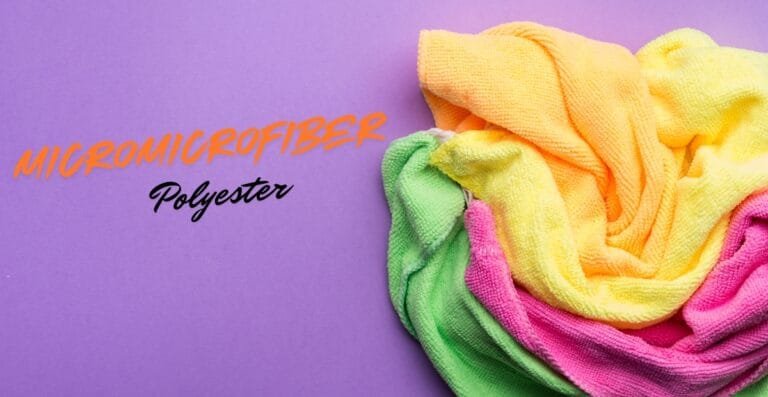
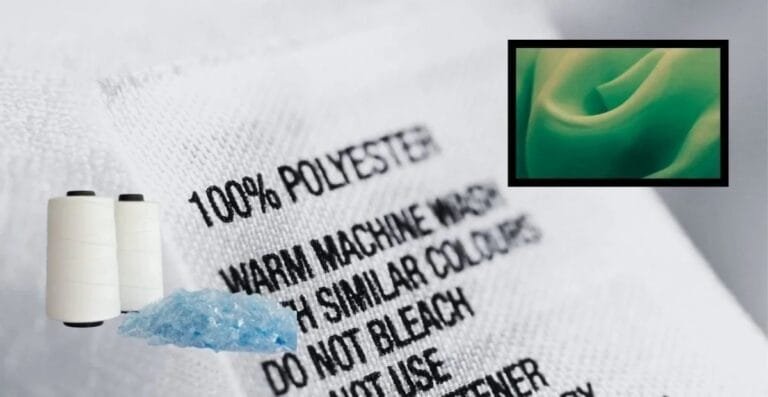
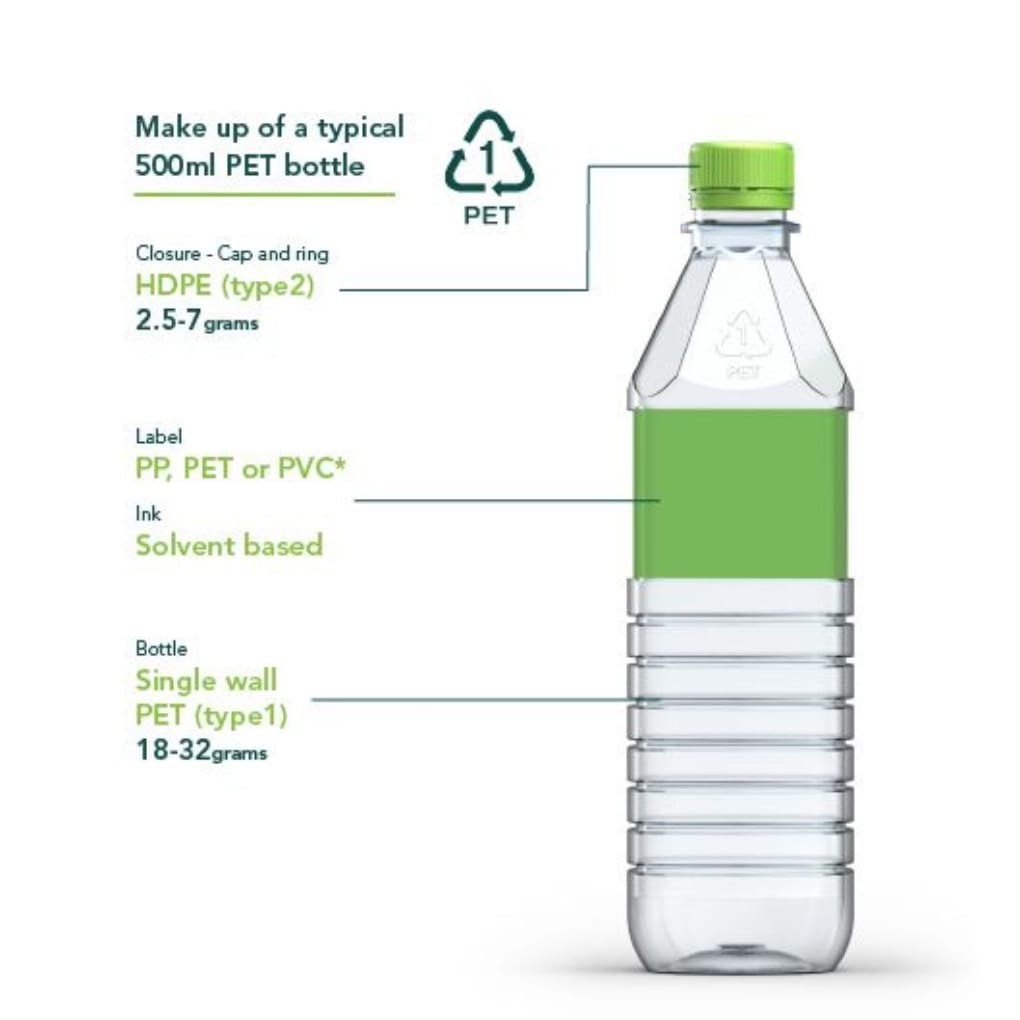
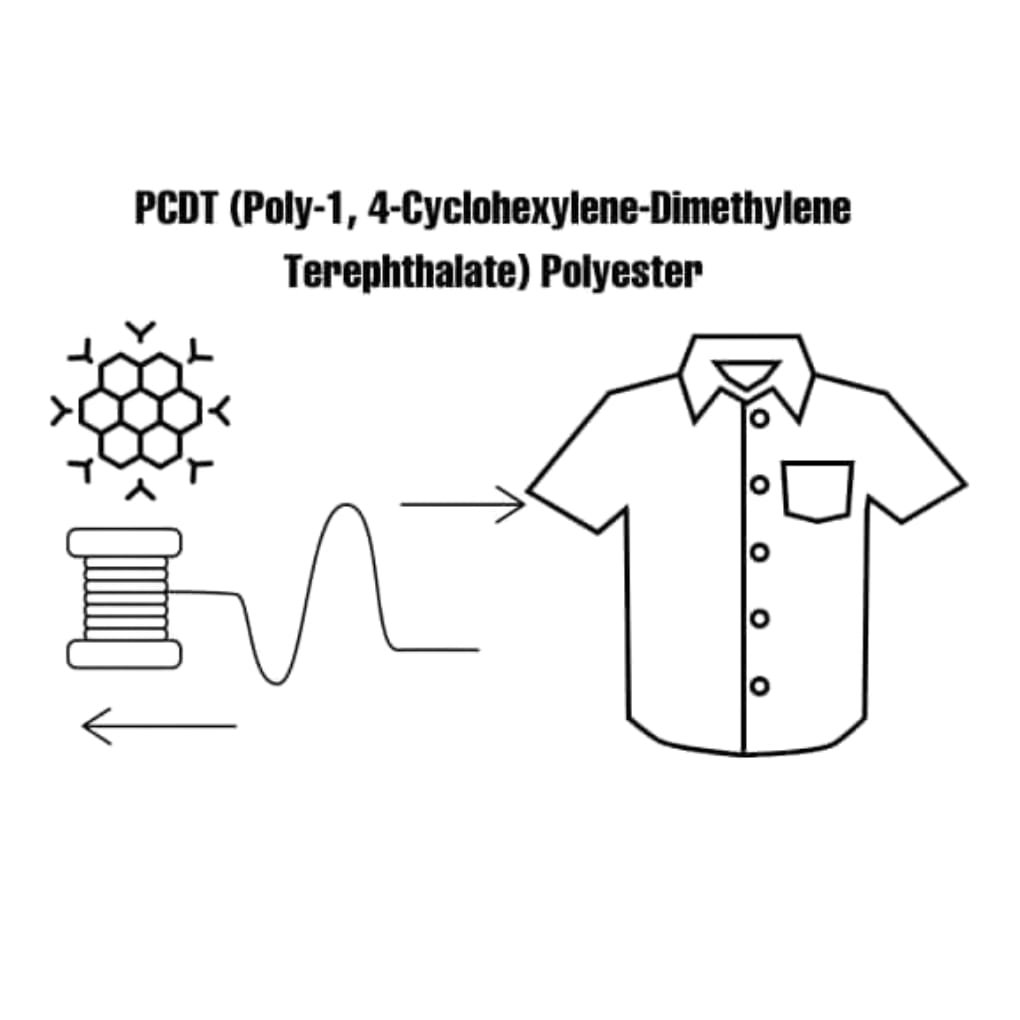
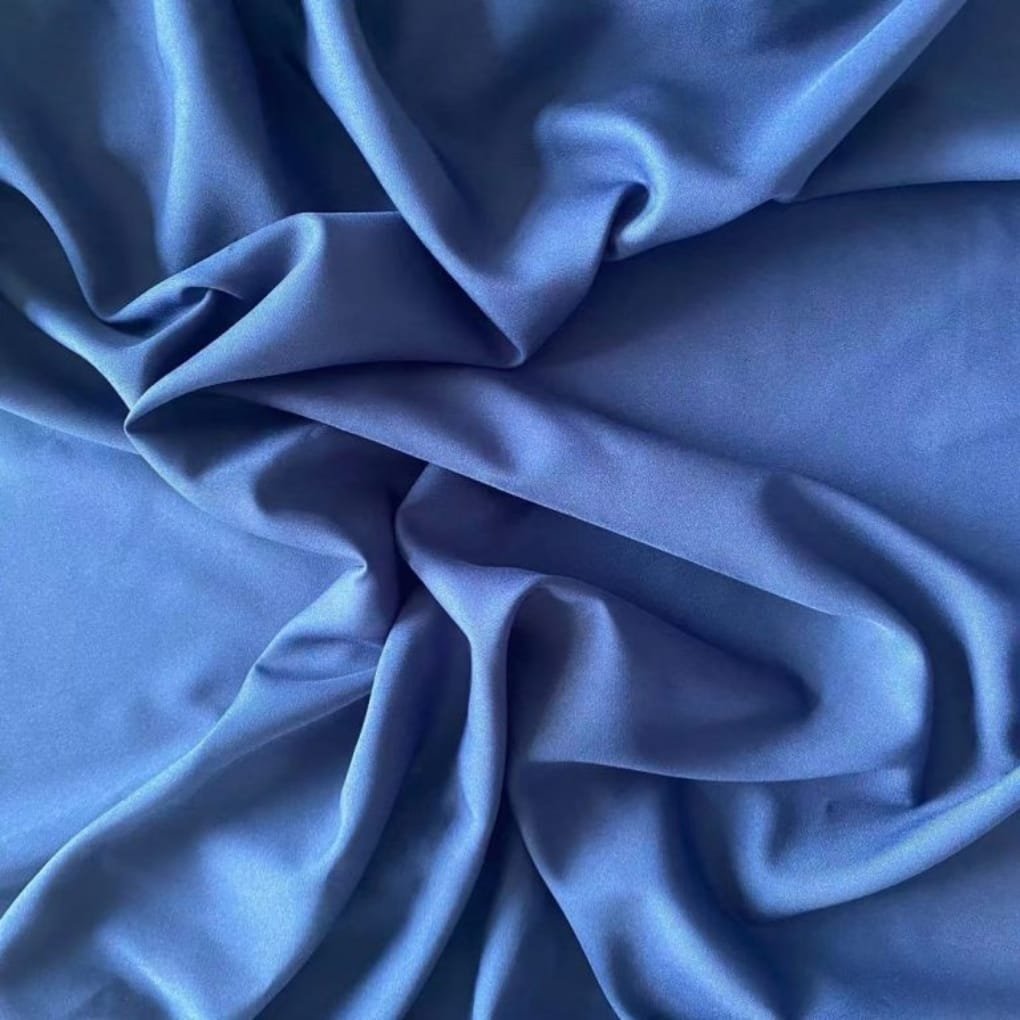
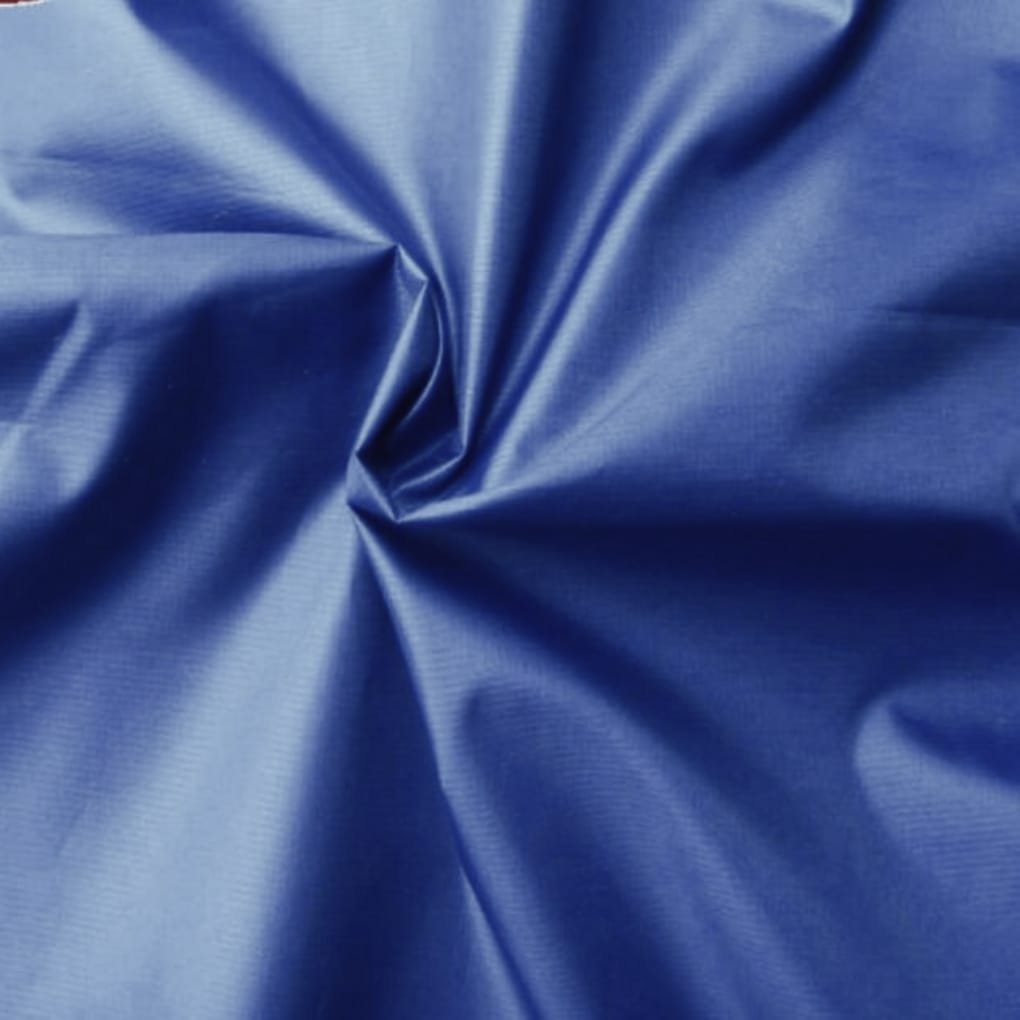
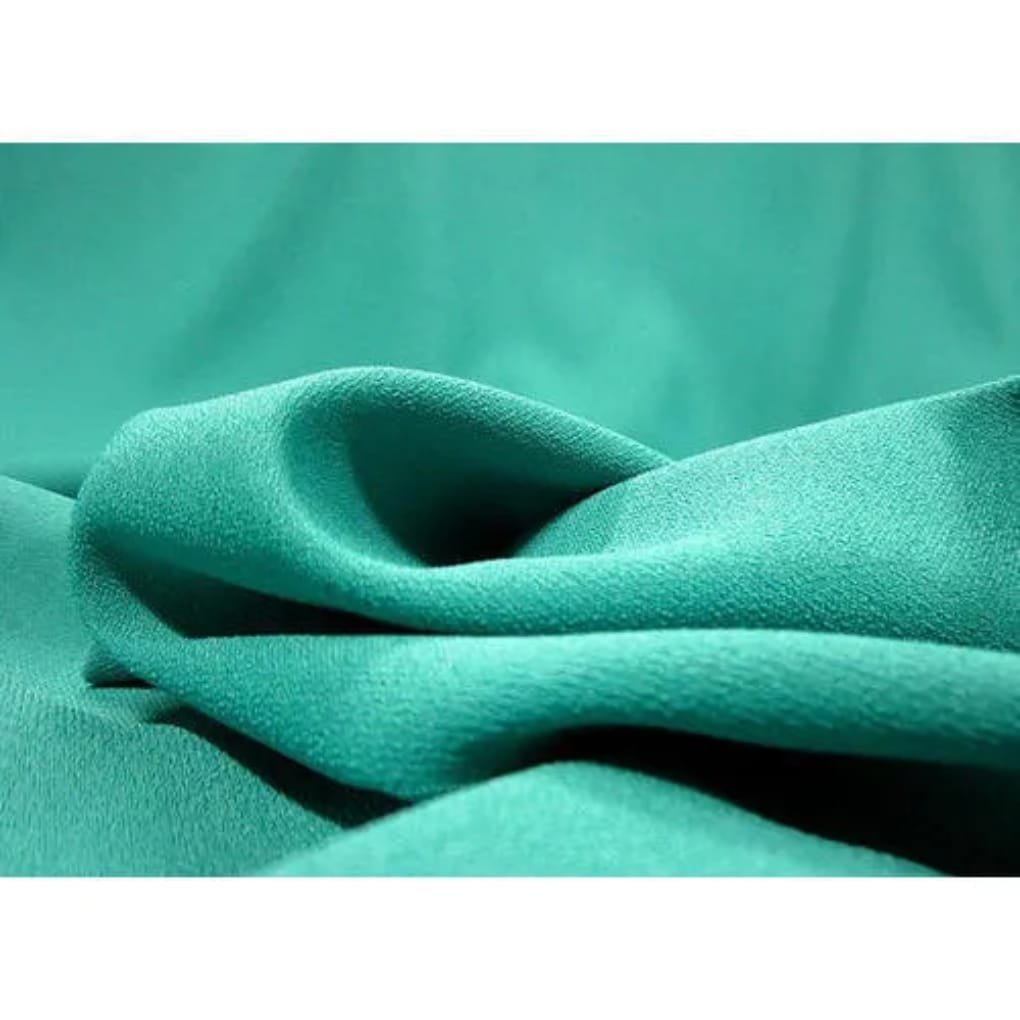
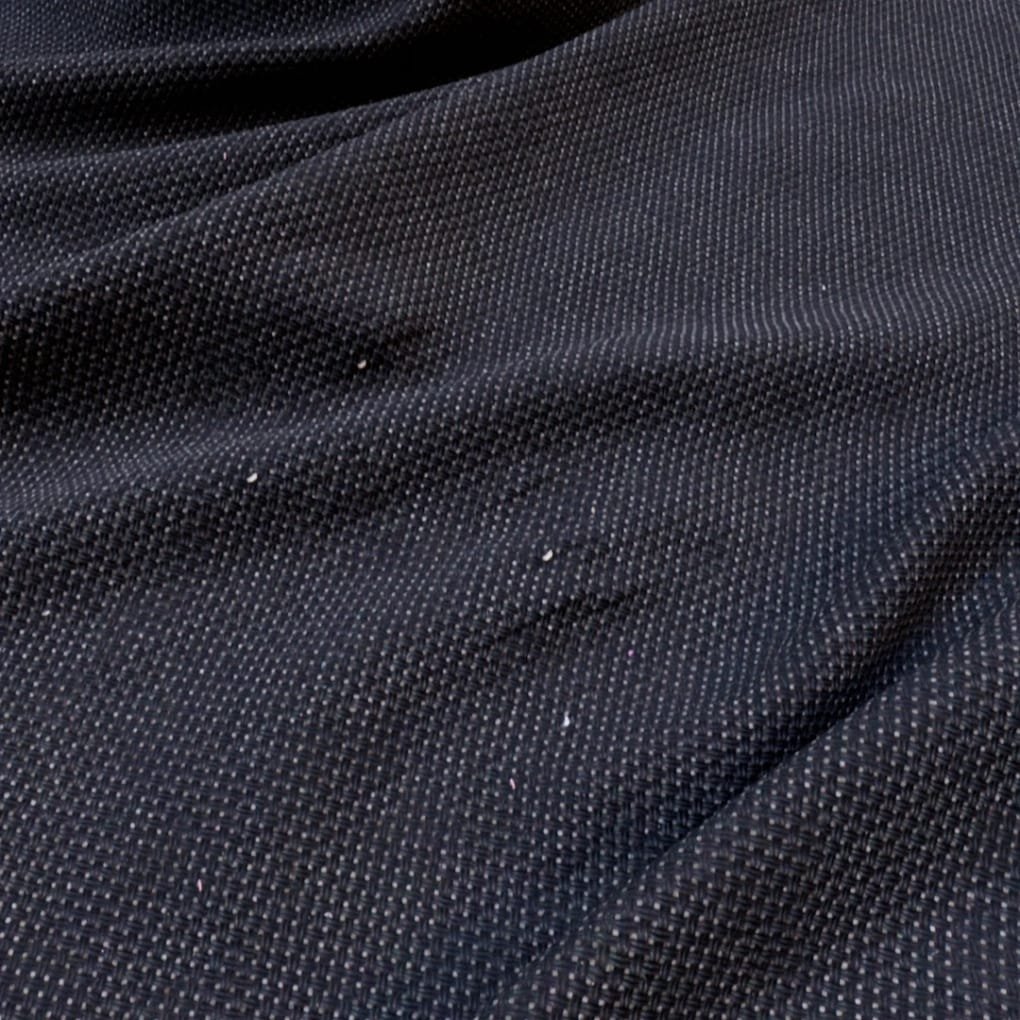
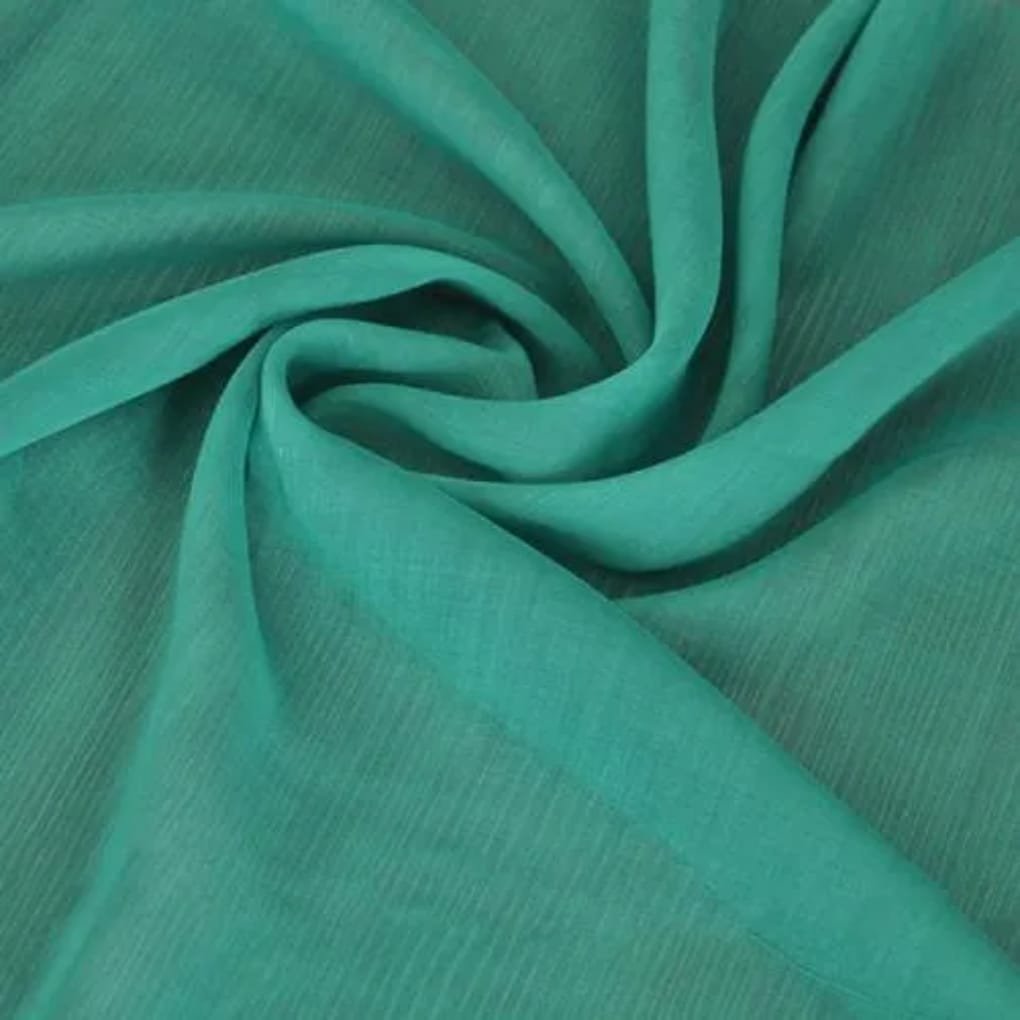
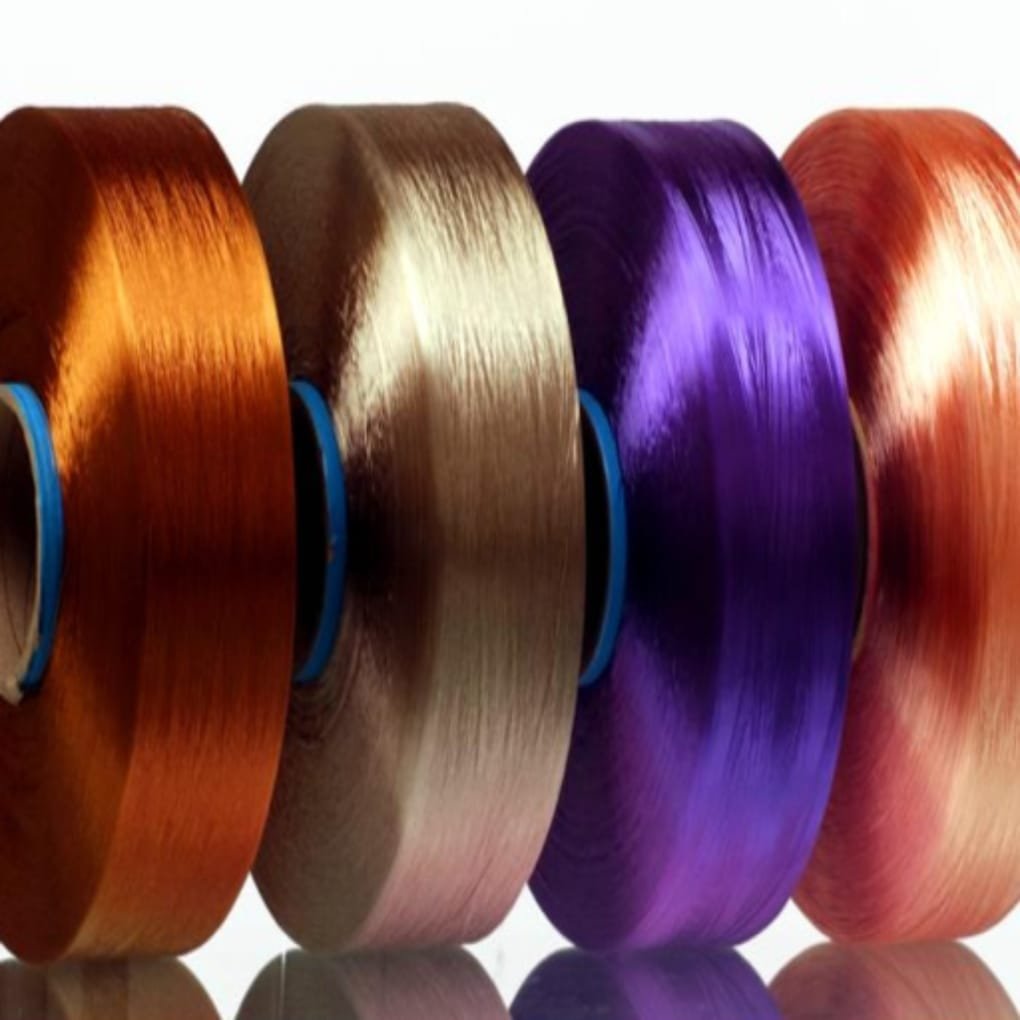
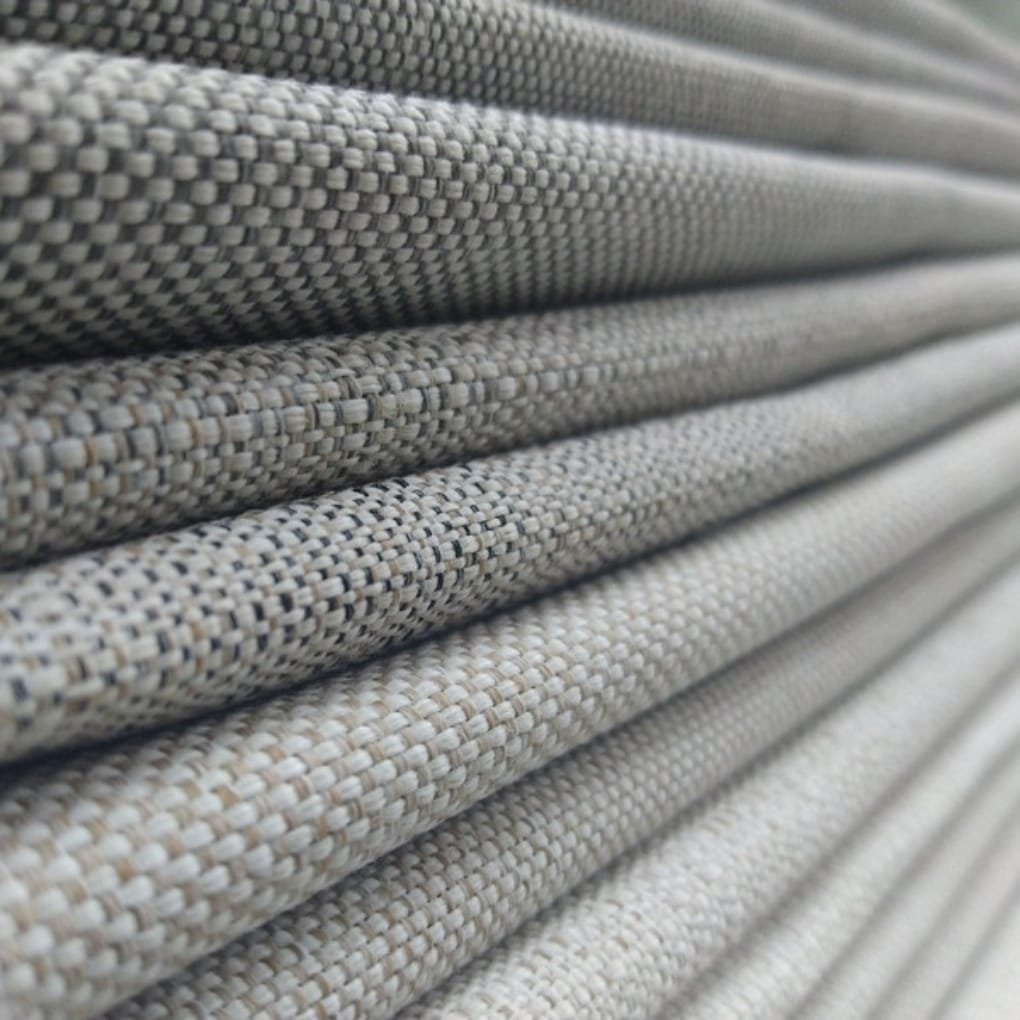
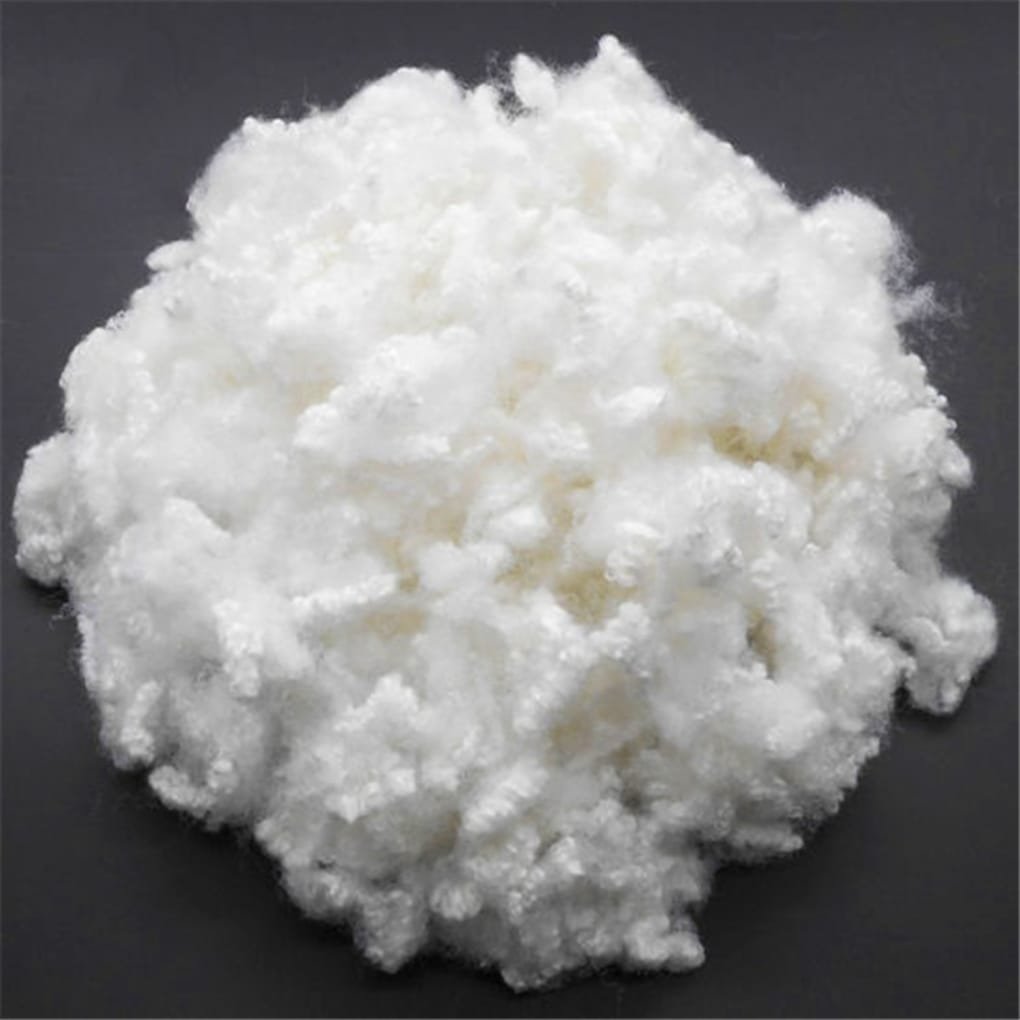
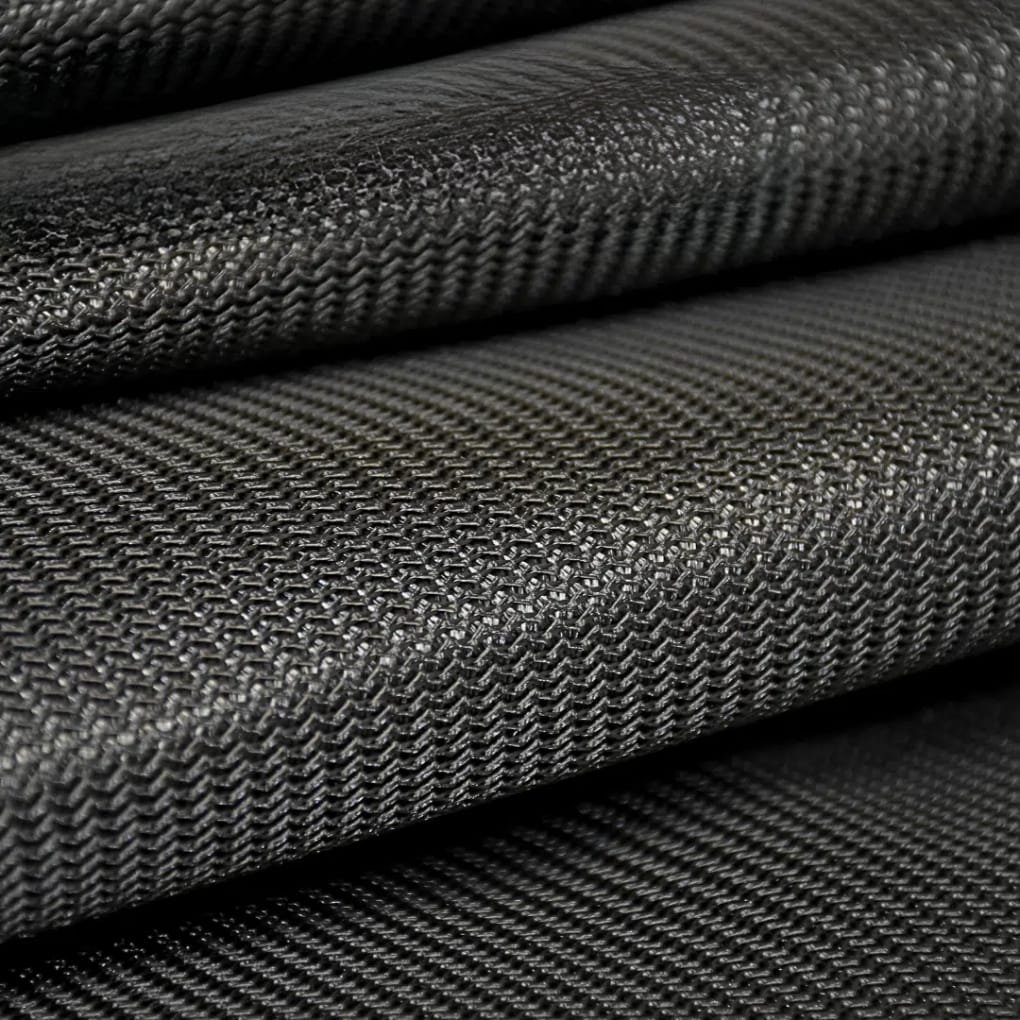
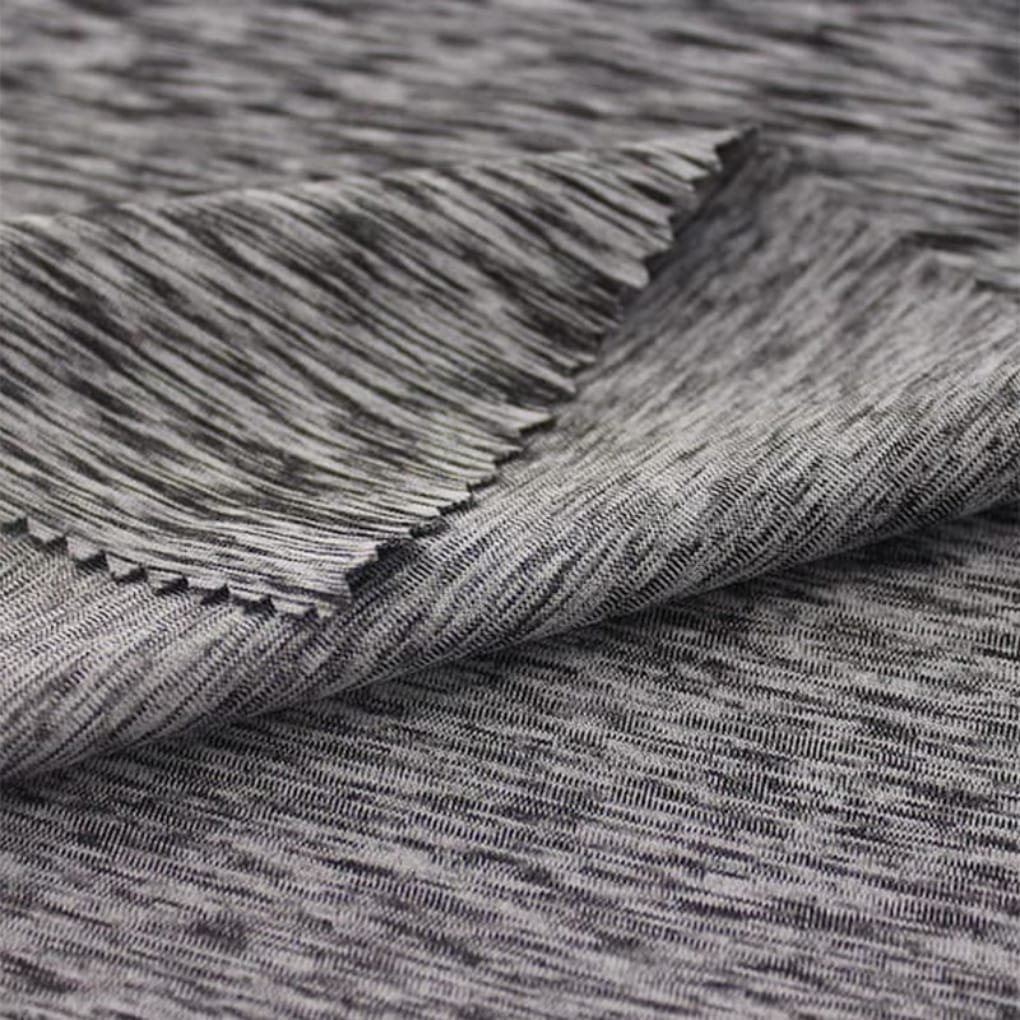
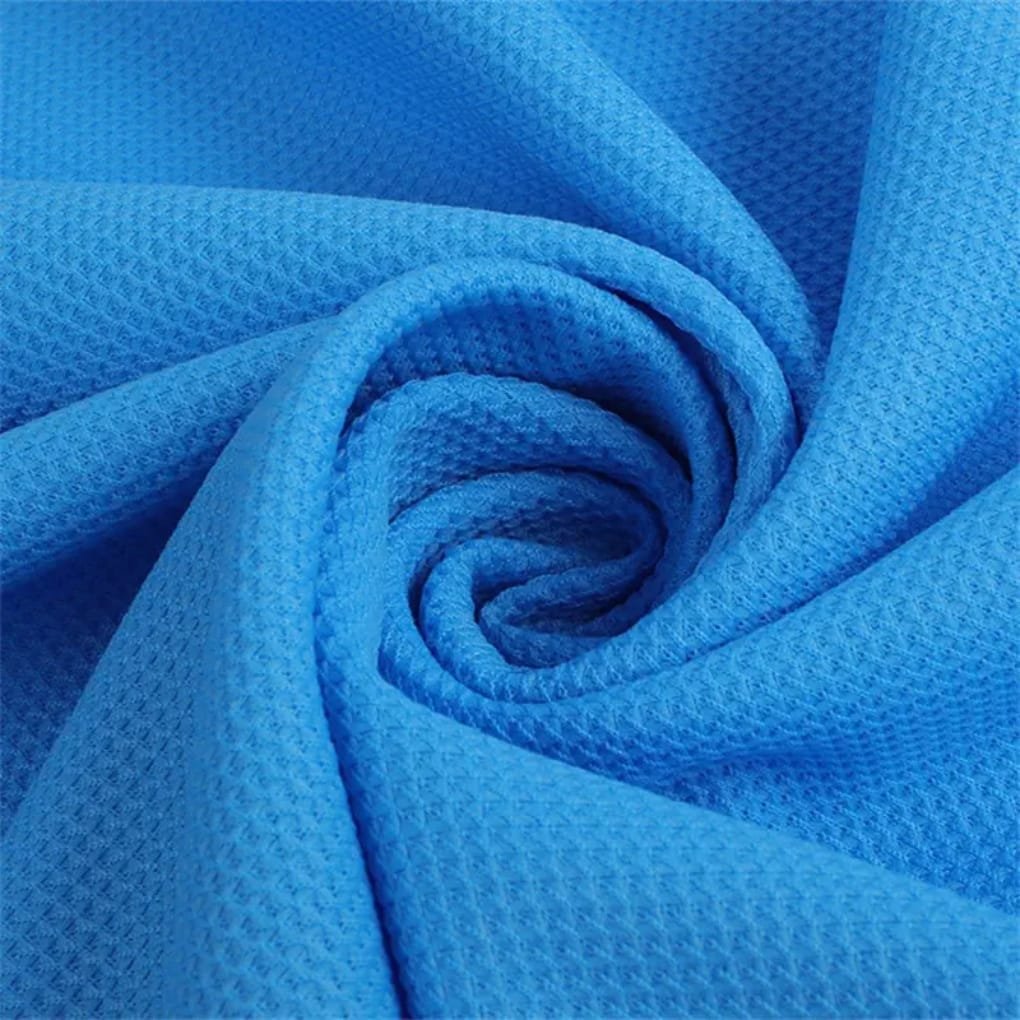
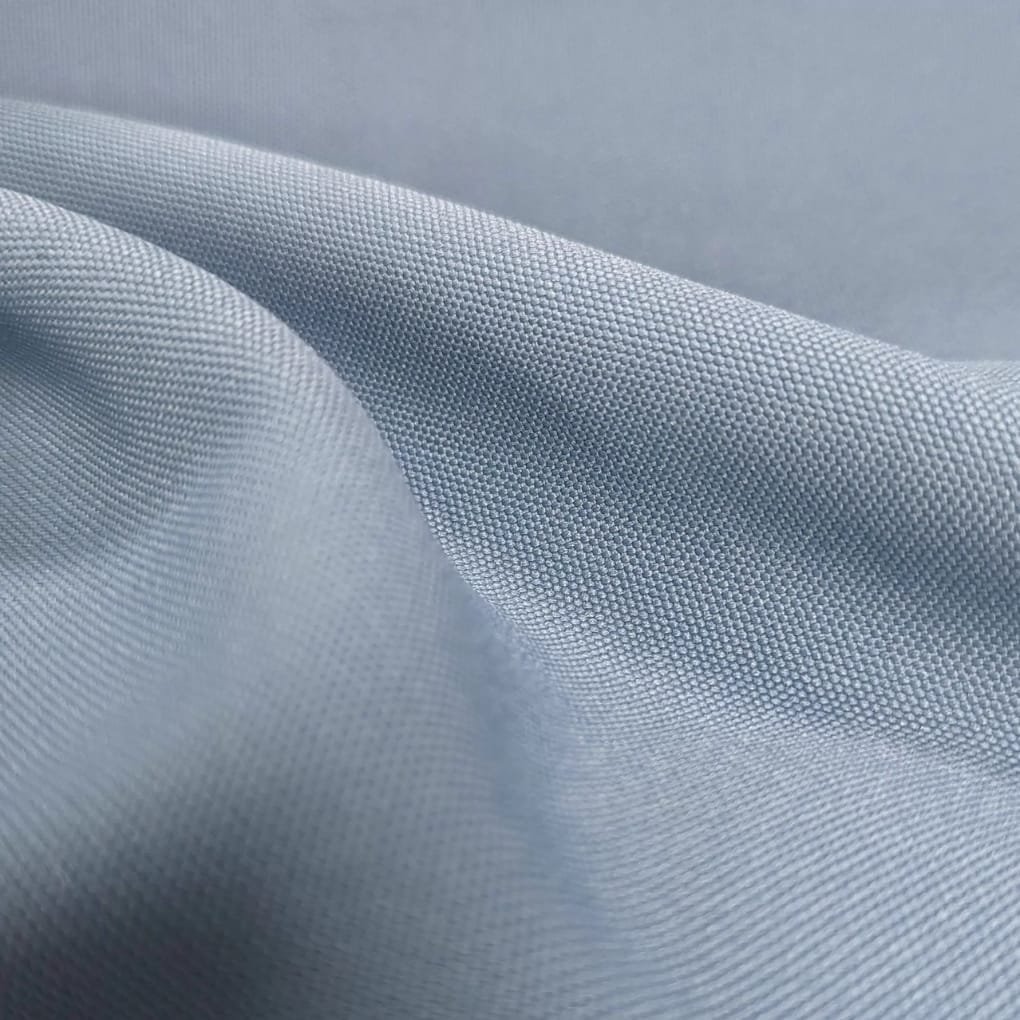
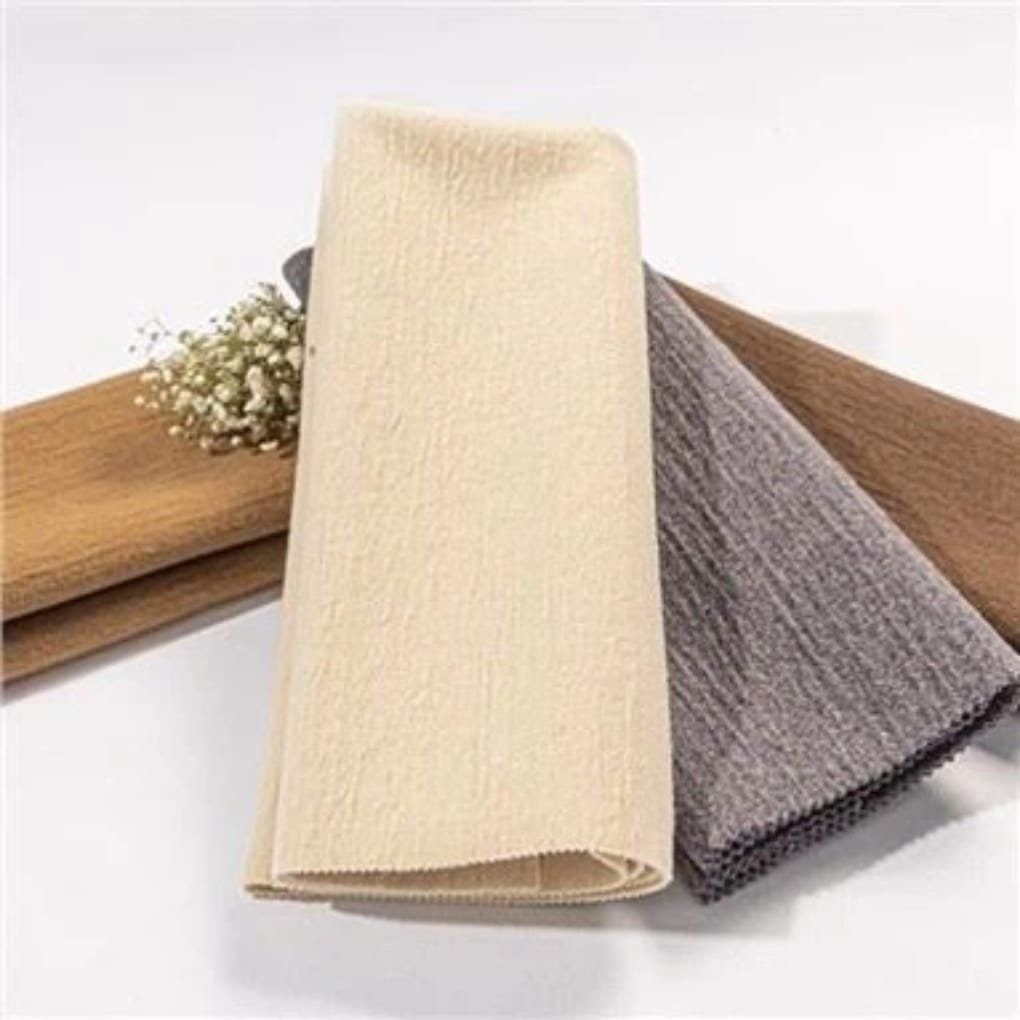
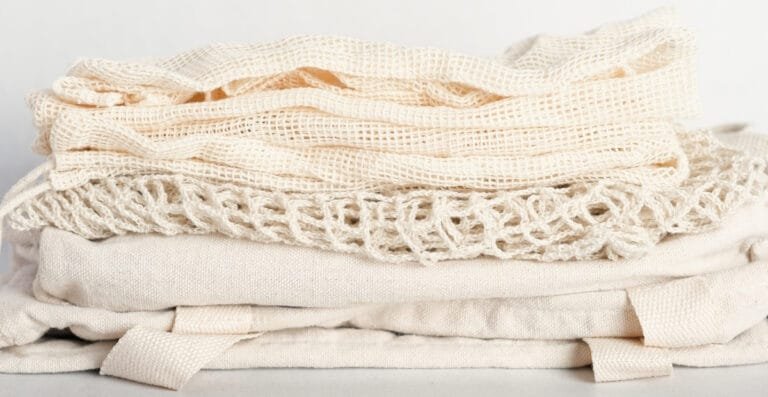
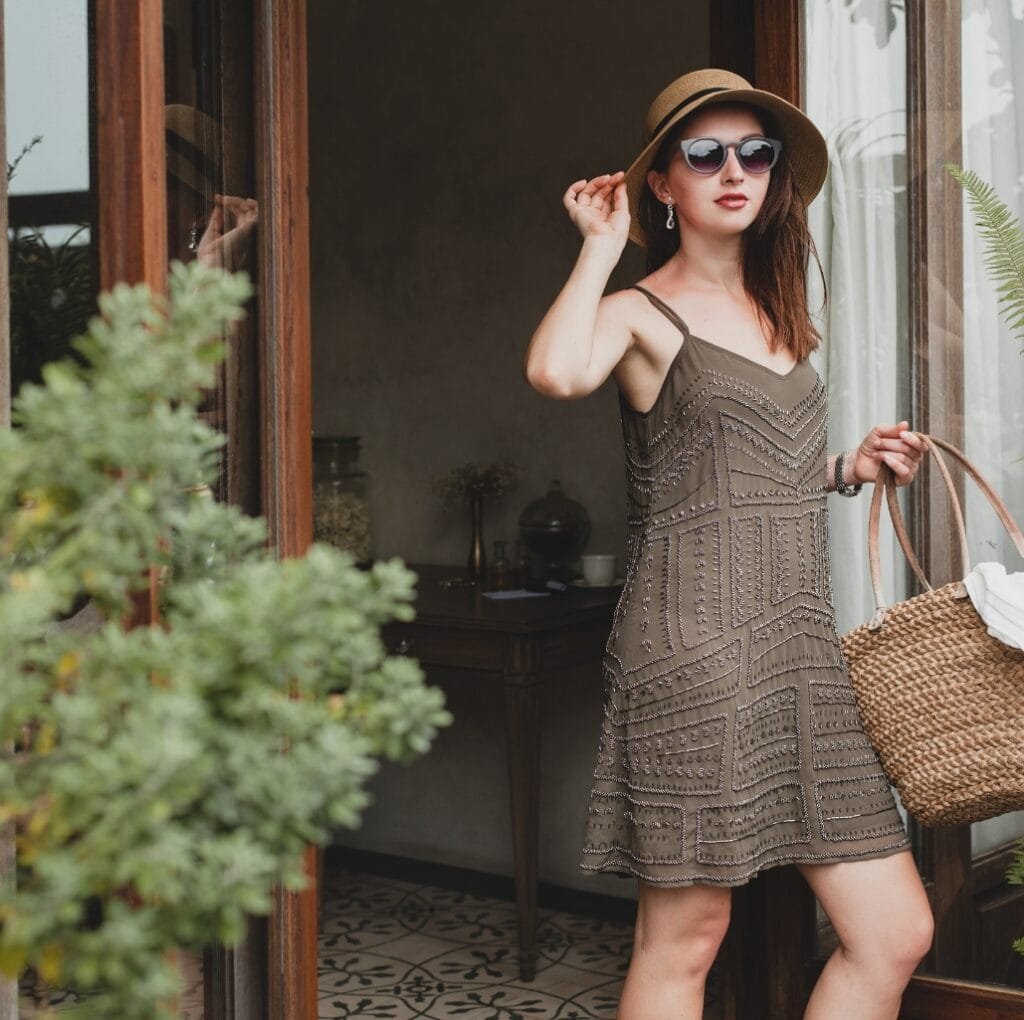
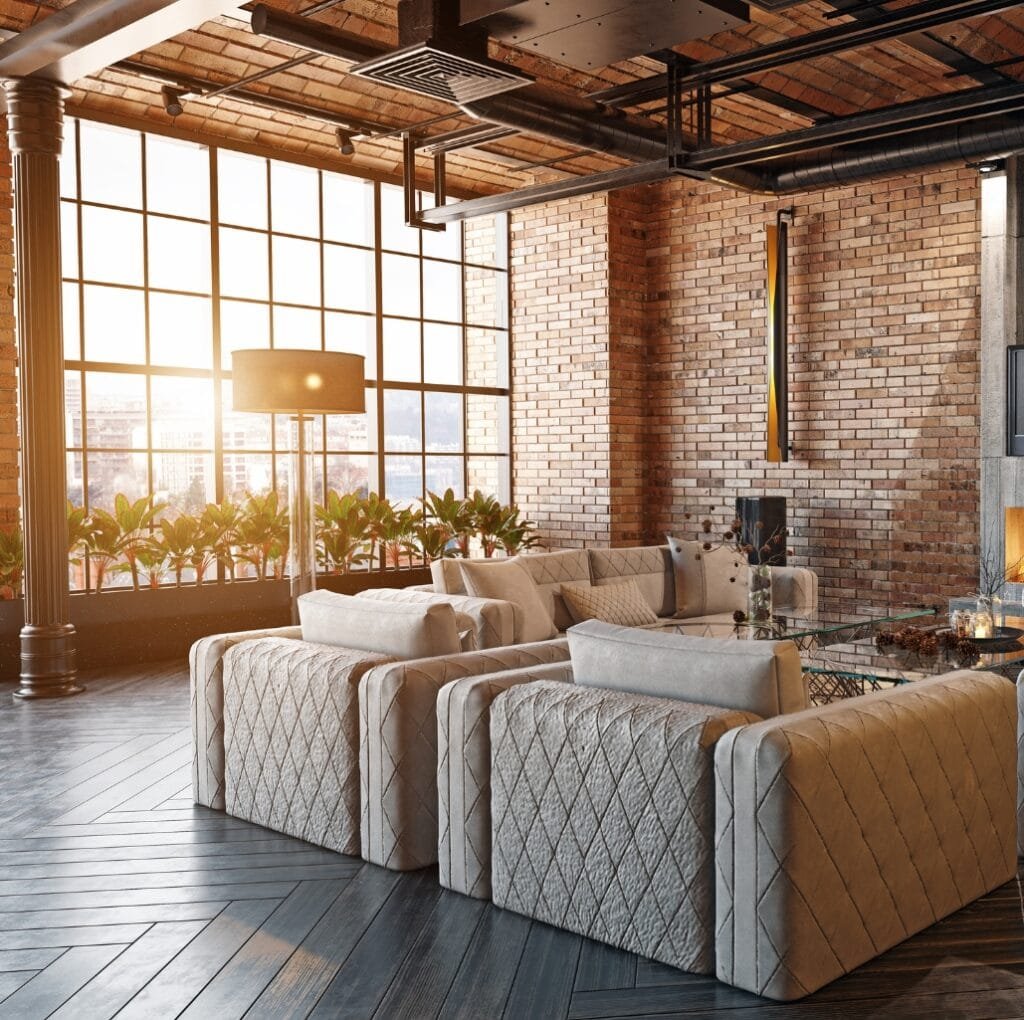
Polyester is one of the most versatile fabrics in the world. Among its types, Microfiber Polyester stands out for its softness, strength, and wide range of uses. Because of its fine fibers, it is often chosen for clothing, cleaning products, and upholstery.
What is Microfiber Polyester?
Microfiber is a synthetic fabric made from extremely fine fibers. Each fiber is thinner than a strand of silk. As a result, the fabric feels smooth and soft to the touch.
The polyester fabric is produced through advanced spinning techniques. Although it is lightweight, it remains durable and long-lasting. Additionally, it resists wrinkles, stains, and shrinking, which makes it very popular. Read More…
Key Features of Microfiber Polyester
Microfiber has several unique qualities:
Soft Texture – Feels smooth and gentle on the skin.
Lightweight – Comfortable to wear in all seasons.
Durability – Withstands frequent washing and use.
Moisture Resistance – Dries quickly and repels liquids.
Wrinkle Resistance – Keeps its neat look with little care.
Breathability – Allows airflow, making it more comfortable.
Stain Resistance – Dirt and dust are less likely to stick.
Because of these features, the fabric is trusted for both fashion and household products.
Common Uses of Microfiber Polyester
Microfiber is used in many industries and daily products. Some of the most common uses include:
Clothing – Sportswear, activewear, dresses, shirts, and jackets.
Cleaning Cloths – Highly absorbent microfiber cloths for dusting and wiping.
Home Furnishings – Upholstery, curtains, and bed sheets.
Towels and Bathrobes – Soft and quick-drying options for daily use.
Bags and Accessories – Lightweight yet durable fabric for bags and pouches.
Automotive Industry – Car seat covers, cleaning cloths, and interior fabric.
Therefore, microfiber is not just fashionable but also highly functional.
Advantages of Microfiber Polyester
Microfiber is popular worldwide because of its many benefits:
It is soft yet strong.
It dries quickly after washing.
It resists wrinkles, stains, and shrinking.
It requires less maintenance than natural fabrics.
It is versatile, being used in both fashion and industrial products.
In addition, its cleaning ability is outstanding. Microfiber cloths can trap dust and dirt more effectively than cotton cloths.
Microfiber Polyester and the Environment
Like other synthetic polyester fabrics, microfiber comes with environmental concerns. It is petroleum-based, so it is not biodegradable. Moreover, tiny microplastic fibers can be released during washing.
However, recycling initiatives are growing. In fact, some microfiber products are now made from recycled
, reducing waste and energy use.
As a result, microfiber is slowly becoming a more sustainable choice.
Conclusion
Microfiber Polyester is one of the most versatile fabrics available today. It combines softness with strength, making it perfect for clothing, furnishings, and cleaning products. Although it has environmental challenges, recycling efforts are helping reduce its impact.
Because of its durability, comfort, and functionality, microfiber remains a popular choice for both industries and households. Whether it is in your clothes, your home, or your car, Microfiber Polyester is already part of your everyday life.
FAQS
What is Microfiber Polyester?
Microfiber Polyester is a synthetic fabric made from ultra-fine polyester fibers. It is lightweight, soft, and durable, making it suitable for clothing, furnishings, and cleaning products.
What makes Microfiber Polyester unique?
Its fibers are much finer than silk, giving the fabric a smooth texture. Additionally, it is resistant to wrinkles, stains, and shrinking.
What are the main uses of Microfiber Polyester?
It is used in sportswear, upholstery, curtains, bed sheets, towels, cleaning cloths, and car interiors.
Haute Couture Fashion remains the most luxurious and artisan form of craftsmanship in the fashion world. The term comes from the French, meaning “high sewing” or “high dressmaking”. It involves designing and making garments for individual clients, using the best materials and unparalleled craftsmanship. Each Haute Couture Fashion piece is fully handmade and may take hundreds, or even thousands of, hours to finish. Unlike ready-to-wear pieces, these garments are tailored to achieve an absolute, comforting experience. Therefore, this level of exclusivity and craftsmanship makes Haute Couture Fashion more than just clothing. Indeed, it transforms each piece into a wearable work of art. Furthermore, it reflects a tradition of precision and elegance. Moreover, it emphasizes individuality, luxury, and the highest standards of design.
The Roots of Haute Couture Fashion
Haute Couture Fashion takes its roots from Paris back in the 19th-century. Fashion experts still consider Paris the center of luxurious design, and the city held that prestige even in those days. They often call Charles Frederick Worth the ‘father of haute couture’ for good reason. He set up the first ever couture house in the Paris and pioneered the concept of ‘fashion shows’ in 1858, allowing customers to see and order the bespoke designs in advance. This concept shaped the base of Haute Couture Fashions and Paris became the center of artistic luxury. During this period, the art of haute couture symbolized status and represented wealth and cultural prestige, which made royals, celebrities, and fashions enthusiasts seek it widely.
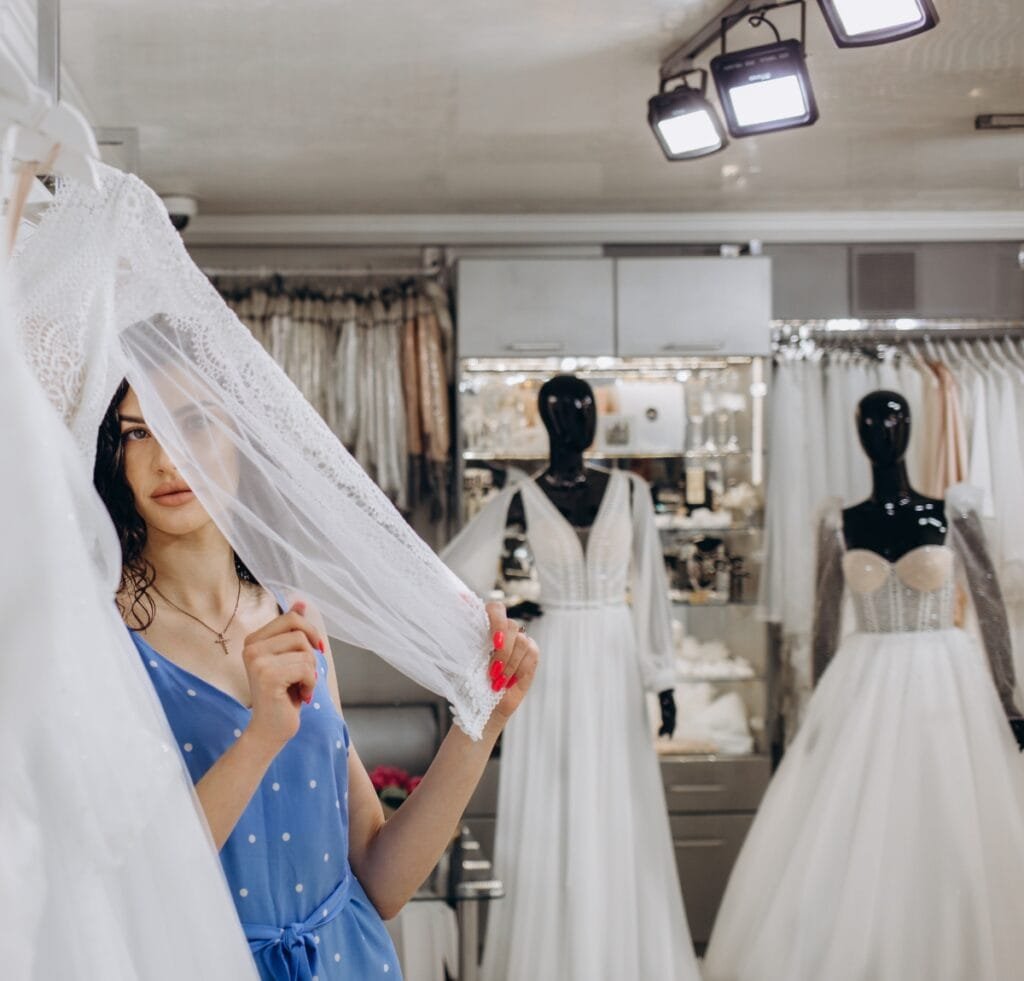
Exploring the Roots of Haute Couture: a contemplative moment as a shopper examines lace veiling amid an atelier filled with couture bridal gowns.
The Role of Paris in Haute Couture Fashion
The capital of France has kept its status as the Centre of Haute Couture Fashion since its inception. Famous fashion houses like Chanel, Dior and Givenchy, from the peak of the 20th century to the present day, continue to house unparalleled innovation and timeless tradition. The Chambre Syndicale de la Haute Couture legally protects and defines the term “haute couture,” allowing only a limited number of fashions houses to use it discreetly. The organization places stringent rules to maintain the authenticity and exclusivity of the craft. Designers deliver two collections a year and create pieces that achieve perfection through several fittings. The rules set ensure that Haute Couture Fashion continues to reflect artistry, luxury and authenticity. Read more: What Is Linen Fabric
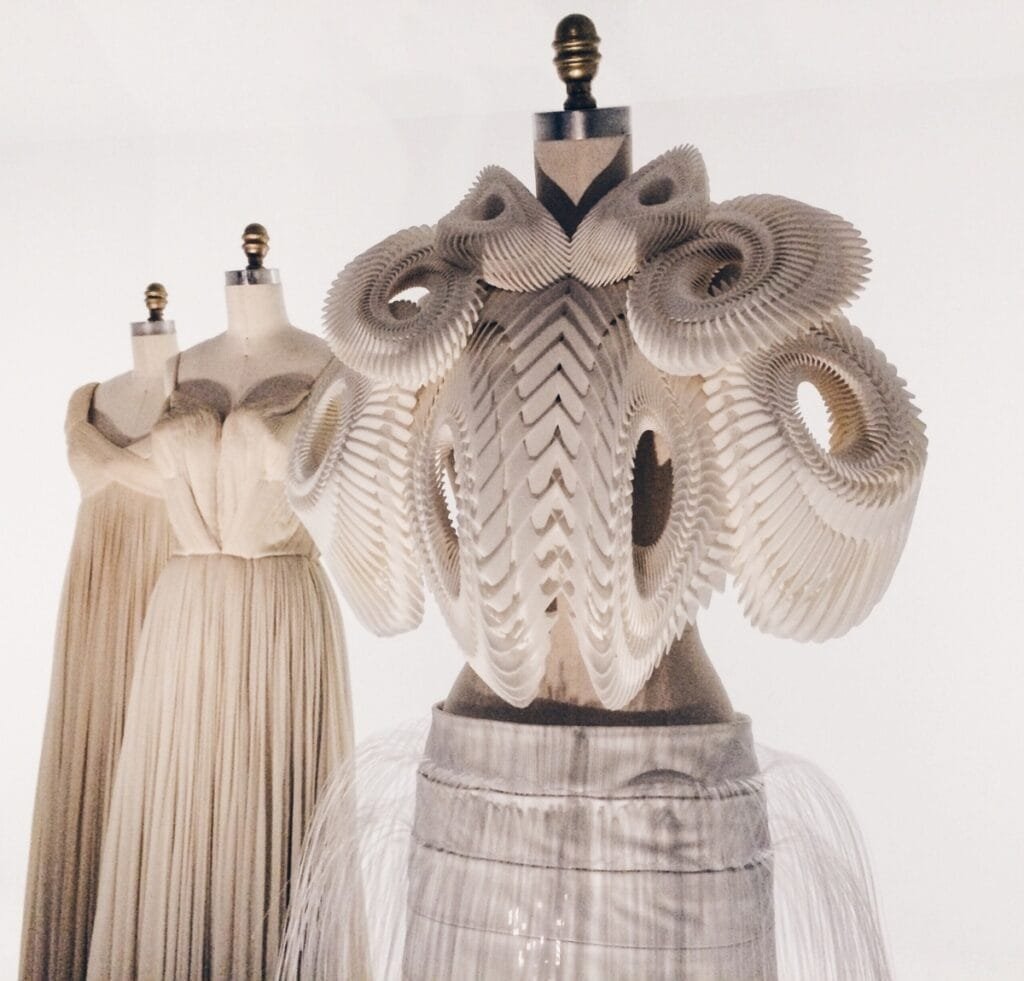
Paris as the heartbeat of Haute Couture: meticulous artistry, experimental silhouettes, and timeless elegance showcased in meticulously crafted, sculptural garments.
Haute Couture Fashion – Craftsmanship in Focus
The core component of Haute Couture Fashion is the fine art of intricately detailed craftsmanship done by skilled artisans known as petites mains or “little hands.” These artisans specialize in techniques like embroidery, drapery, beadwork, and even the painstakingly meticulous embroidery of hand-sewing dresses. Creating a single couture gown might take the painstakingly combined efforts of several dozens of artisans for several months. Every single detail from lace applique to even the most extravagant stitching is perfected.This authentic detail ensures that Haute Couture Fashions stands as a true work of heirloom art. It is not merely clothing. Each piece carries heritage, passion, and a drive for innovation. Artisans fuse these qualities into meticulous stitching, making every garment a beacon of artistry.
Haute Couture in Focus: Craftsmanship at the Heart of Fashion
Luxury Fabrics and Materials in Haute Couture Fashion
One defining characteristic of Haute Couture Fashions is its precious and valuable materials.Haute Couture sources satin, silk, chiffon, tulle, and other luxurious materials from the best suppliers worldwide. These fabrics offer unmatched suppleness and suspended lightness. Artisans hand-stitch lace, feathers, intricate embellishments, and gold-thread filaments with artistic precision. Each piece in Haute Couture Fashion reflects sheer elegance and refined craftsmanship, blending richness with timeless sophistication. Designers custom-dye most orders and hand-treat materials to achieve maximum tactility, vibrance, and robustness in costume clothing. True Haute Couture are extraordinary in their softness, quality, sophistication, and uniqueness in comparison to other varieties of Fashions.
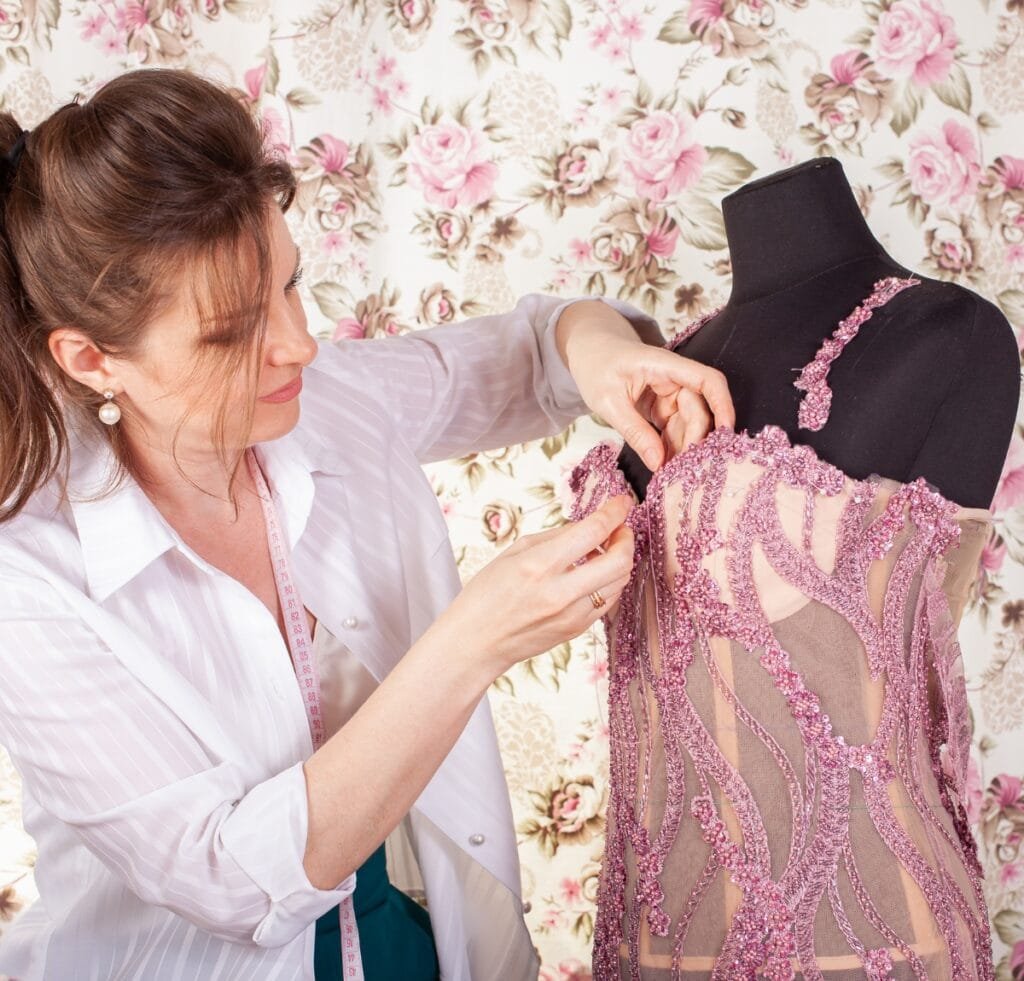
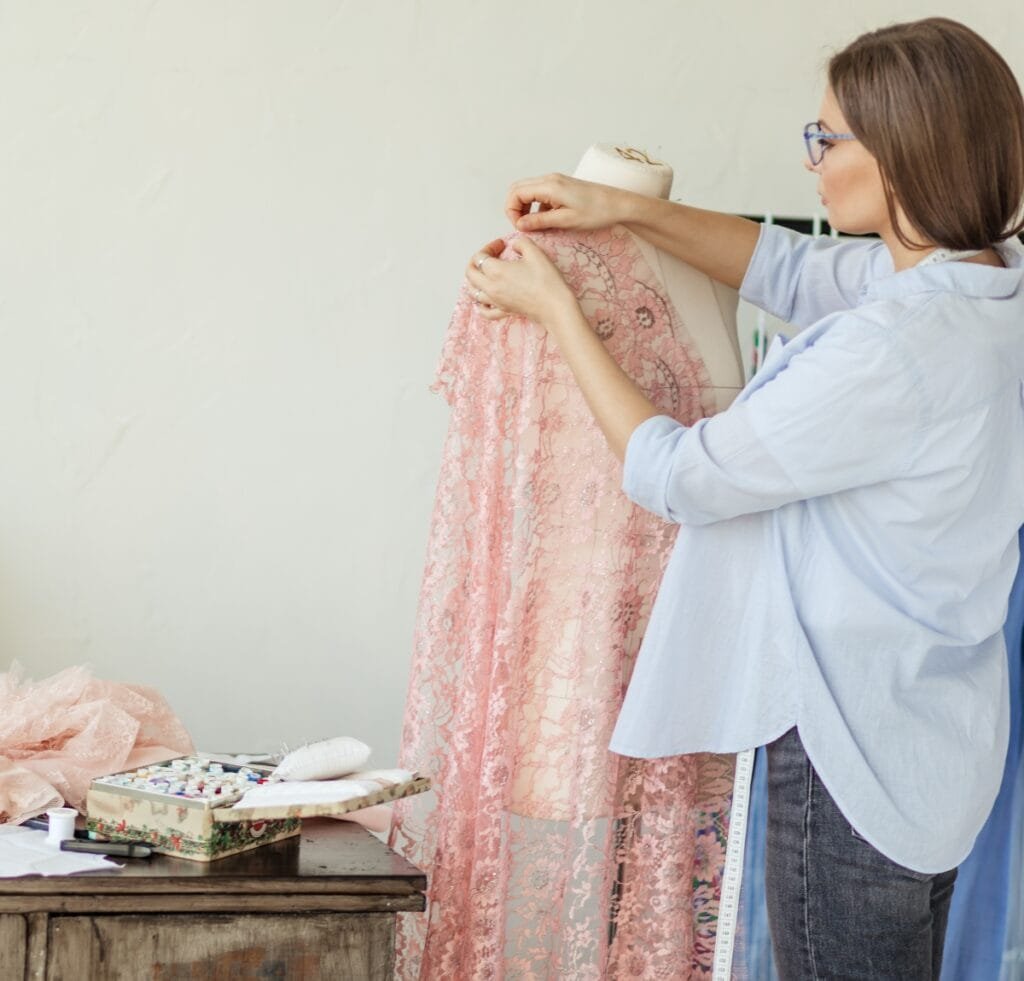
“Working with Luxury Lace: Haute Couture craftsmanship at its finest as a designer shapes a pink lace fabric on a dress form, surrounded by couture tools and materials.”
The Design Process in Haute Couture Fashion
In creating Haute Couture Fashion, designers draw inspiration from nature, history, architecture, and art. Each collection carries a unique narrative. The process begins with designers sketching initial concepts. They evaluate fabrics and embellishments with great care. These choices guide artisans in crafting the prototype, called the toile, from muslin or cotton. In later stages, the garment takes shape in luxurious fabrics. Every detail receives flawless attention. Skilled artisans hand-stitch seams and embroidery with precision, ensuring perfect alignment during fittings. Each stitch reflects Haute Couture Fashion’s core values: passion, perfection, and patience.
The Design Process in Haute Couture: intricate measurements, fabric selection, and meticulous fittings bring a handcrafted gown from concept to couture perfection.
Leading Fashion Houses in Haute Couture Fashion
Most well known for Haute Couture Fashion, are a few legendary brands that dominate the industry, each making their irreplaceable mark in the world:
Chanel – Time-honored tweed suits and their effortless, chic sophistication, deeply embodies the very essence of Haute Couture Fashion.
Dior – Known for the revolutionary “New Look” silhouette, with a full skirt and a narrow, highlighted waist, as well as the Haute Couture Fashion of voilaged slips.
Givenchy – Admired for the seamless, stunning silhouettes that transition into Haute Couture Fashion for dazzling gowns that are ornamented for the red carpet.
Valentino – Recognized for romantic gowns adorned with gentle fabrics of eyebrow-raising eloquence and craftsmanship devolved from mastery.
Elie Saab – Ever associated with evening wear of resplendent beauty, characterized by sumptuous silk threading and dreamlike forms.
Furthermore, these fashion houses showcase Haute Couture Fashion collections twice a year during Paris Haute Couture Week. As a result, they set the fashion world on a new course. .Moreover, they challenge themselves with bold creative endeavors. At the same time, they still respect the craftsmanship of the past.
Haute Couture Fashion in the Modern Era
Haute Couture Fashion has a long and rich history. Yet, it continues to transform and align itself with modern times. Moreover, designers today use technology such as 3D printers and laser cutters, while preserving time-honored methods. Consequently, the combination of avant-garde innovation and meticulous craftsmanship in Haute Couture Fashion becomes astonishing. In addition, this blend highlights the future of fashion. Many modern pieces of couture aim to be eco-friendly. Designers use environmentally conscious fabrics and minimize waste. Like other fashion methods, there is a focus on sustainability. The handmade nature of garments contrasts with the mass production cycle that harms the planet. These changes keep Haute Couture Fashion innovative and appealing to younger fashion lovers. Yet, it still preserves its timeless traditions.
The Cultural Impact of VOGUE FASHION
VOGUE FASHION goes far beyond the catwalks. It influences fine arts, motion pictures, and celebrity culture. Iconic red-carpet moments feature couture gowns that become timeless pieces of pop culture history. From film festivals to royal weddings, VOGUE FASHION creations capture global attention. They reinforce the idea that VOGUE FASHION represents status and refinement. Moreover, couture gowns inspire ready-to-wear collections, allowing more people to embrace the style. The cultural impact is immense. VOGUE FASHION is not just clothing; it is art and a story worth telling.
Why The World Will Never Run Out of VOGUE FASHION
The world will never run out of VOGUE FASHION. It represents endless creativity beneath layers of fabric. These garments go beyond clothing. They redefine art, craft, and pure artistry. Wearing VOGUE FASHION makes one feel truly unique. The wearer experiences an unmatched sense of luxury and self-expression. Each piece is a masterpiece. It proves that craftsmanship can survive in a world of mass production. The fashion industry thrives on creativity. With VOGUE FASHION, every spark of imagination creates a new work of art.
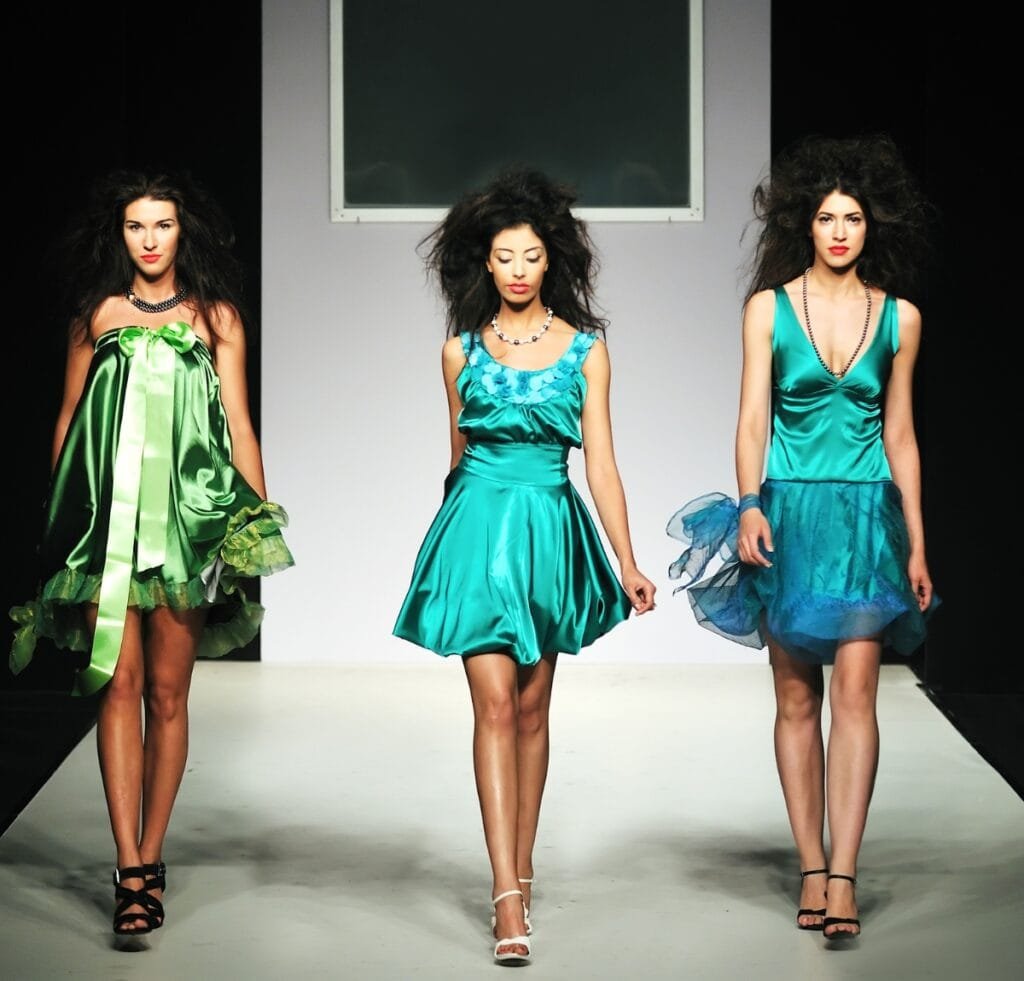
“Vibrant on the runway: three models showcase shimmering green and turquoise designs, highlighting the bold, glossy aesthetic of contemporary fashion.”
Conclusion
Haute Couture Fashion is much more than clothing. It is a synthesis of artistry, legacy, and craftsmanship unlike anything else in the world. It starts in Parisian ateliers and ends on runways around the world as it continues to shape the definition of luxury. Haute Couture Fashion is static as time goes on. It proves that artistry is transcendent and endures throughout the ages. Unlike other fashions, Haute Couture Fashion has no end. Read More Article: History of Cotton Fabric: Linen Fabric: A Complete Guide to History, Uses, and Benefits
FAQs
What is Haute Couture Fashion?
With Haute Couture Fashion, one is able to create one of a kind luxury clothing pieces for individuals that come fully designed with the most exquisite fabrics to perfection and constructed by skilled craftsmen.
What is the difference between Haute Couture and ready to wear Fashion?
Haute Couture pieces are designed with a fitted technique that is not seen in ready to wear clothing which largely mass produced and commercially available.
What justifies the high price of a Haute Couture garment?
The remarkable fabrics and detail that goes into the craftsmanship, as well as the countless hours spent, explains the steep price of Haute Couture Fashion.
Cotton bed sheets have possibly the most comfort, breathability and sturdiness of every material type that can be used for bedding. The craftsmanship of homemade textiles have evolved for thousands of years, and cotton sheets have become one of the most popular choices. But what makes them such a great choice for your home? This article will explain everything you need to know.
What are the Benefits of Cotton Bed Sheets?
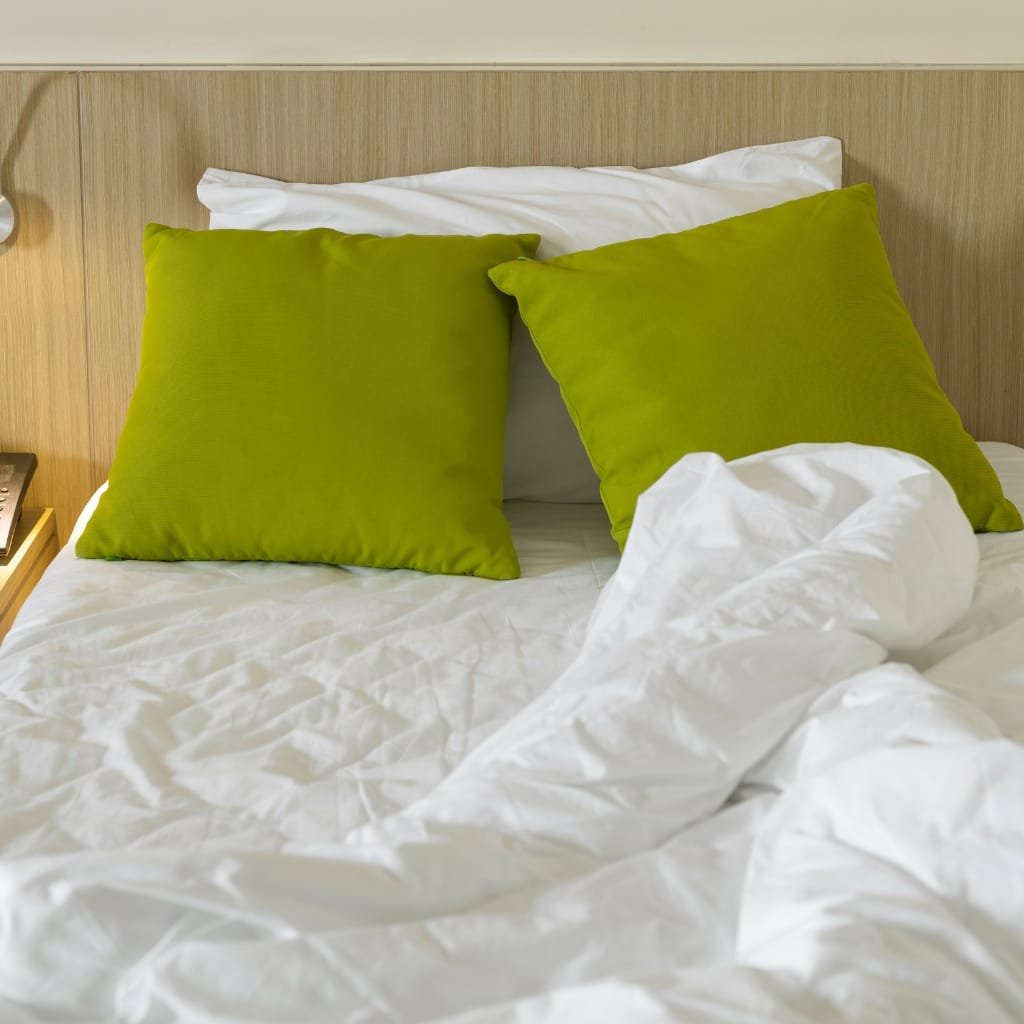
A neatly made bed with white sheets and two bright green pillows, against a light wood headboard
Like every other textile cotton is a natural fiber that weaves soft but durable fabrics. Unlike other fabrics that are synthetic, cotton sheets are breathable and therefore facilitates the dissipation of bodily heat. This means that users will be kept cool in hot environments and kept warm in the cold.
Cotton sheets are also hypoallergenic, making them the top choice for those that have skin allergies. This is one of the reasons why they are preferred by dermatologists.
Types of Cotton Sheets
S heets made from cotton can come in a variety of forms and types, and thus are not created equally. Hence, knowing the main types that are available is crucial:
Egyptian Cotton – Of silky feel and very durable, this is the most luxurious type of cotton.
Pima Cotton (or Supima) – Intensely soft and is of great strength.
Organic Cotton – Chemical free, thus gentle to the skin and the environment.
Upland Cotton – Of good quality, recognizable by the lack of softness and thus more affordable.
Every type of cotton has its own quality and attributes. However, most people consider Pima and Egyptian to be the highest quality.
Benefits of Cotton Bed Sheets
Their luxe feel coupled with the fact that the cotton sheets are machine-washable and very durable (with proper care) is a bonus! Cotton fabric is very absorbent too, which means a comfortable sleep without the undue heat.
As a result of these characteristics, cotton sheets are quite a popular choice and are available in most luxury hotels and homes around the world.
How to Choose the Best Cotton Bed Sheets
When choosing cotton bed sheets, these are the most important factors to keep in mind:
Thread Count – While a high thread count is usually desirable, in this case, quality touches the number.
Weave – Cool and crisp percale is a wonderful touch, with the gentle and silky sateen.
Certification – OEKO-TEX® certification or GOTS organic certification guarantees safety and sustainability.
Moreover, be sure to read customer reviews before making a purchase, since firsthand accounts are extremely useful.
Caring for Cotton Bed Sheets
Cotton bed sheets can last for a long time, provided there is proper maintenance. When washing, it is recommended you use cold water, and the machine must be conditioned to a low drying setting purpose. Softeners must not be used since they decrease the ability to absorb moisture. Folded sheets stored in a cool, dry environment tend to stay fresh and comfortable for an extended duration.
Final Thoughts
Purchasing bed sheets made of cotton is a step towards enhancing personal comfort. They have been relied on for hundreds of years and continue to be a primary bedding choice. Thus, for softness, breathability, and durable use, cotton bed sheets are still your best option.
FAQS
What makes cotton bed sheets better than synthetic ones?
Cotton bed sheets are natural, breathable, and soft. They regulate body temperature better than synthetic fabrics, making them ideal for year-round comfort.
Which type of cotton is best for bed sheets?
Egyptian and Pima (Supima) cotton are considered the best due to their long fibers, which make sheets softer, stronger, and more durable.
Are organic cotton sheets worth it?
Yes, organic cotton sheets are grown without harmful chemicals, making them eco-friendly and safer for sensitive skin.
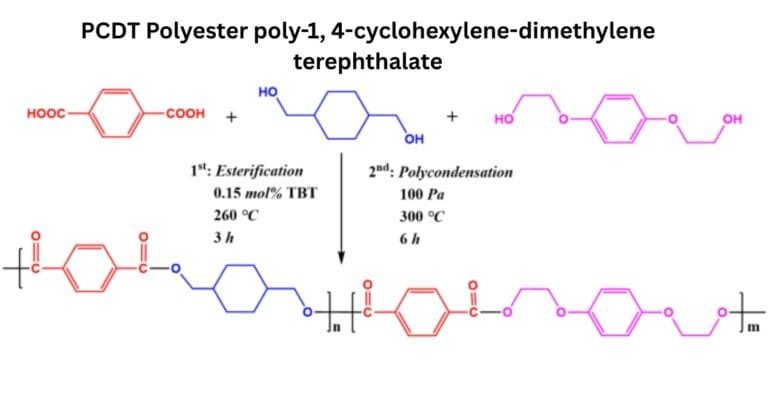
Polyester is not just one single fabric. In fact, it comes in different types. One of the less common but very important types is PCDT Polyester. The full form is Poly-1,4-Cyclohexylene Dimethylene Terephthalate. Although this may sound technical, its applications are practical and useful in daily life.
What is PCDT Polyester?
PCDT Polyester is a synthetic fiber made from a chemical process that involves terephthalic acid and cyclohexane dimethanol. Unlike PET Polyester, PCDT is heavier and more elastic. Because of its structure, it offers more stretch and resilience.
It is not as widely produced as PET, but it is highly valued in certain industries. PCDT is mainly used where strength, flexibility, and long-lasting performance are needed. Read More..
Key Features of PCDT Polyester
PCDT Polyester has several features that make it unique:
Durability: It resists wear and tear for a long time.
Heavyweight: It feels stronger and heavier compared to PET.
Wrinkle Resistance: It maintains its smooth look.
Moisture Resistance: Water does not easily damage it.
Long Lifespan: It remains strong after years of use.
These features explain why manufacturers prefer it for specific heavy-duty applications.
Main Uses of PCDT Polyester
Type of Polyester Fabric PCDT Polyester is not as common in clothing as PET, but it plays a huge role in other sectors. Some of its main uses include:
Curtains and Drapes – PCDT’s elasticity helps curtains keep their shape.
Upholstery – Furniture covering benefits from its strength and durability.
Industrial Applications – Belts, tire cords, and other heavy-duty fabrics.
Home Furnishings – Carpets, cushions, and decorative textiles.
Because it is stronger and more elastic, it is often chosen for products that need to last longer.
Advantages of PCDT Polyester
So, why should industries choose PCDT over other polyester types? The answer lies in its benefits:
It is stronger than PET Polyester.
It offers excellent elasticity, which prevents sagging.
It performs well in high-stress applications.
It lasts longer, reducing replacement costs.
It is resistant to wrinkles, moisture, and shrinking.
Therefore, PCDT is not only functional but also cost-effective in the long run.
PCDT vs. PET Polyester
Although both PCDT and PET belong to the polyester family, they are quite different. PET is lightweight, affordable, and widely used in clothing. On the other hand, PCDT is heavier, more elastic, and better suited for industrial and home furnishing purposes.
Because of these differences, industries choose the type of polyester based on the product’s needs. For example, fashion brands may prefer PET, while furniture manufacturers may rely on PCDT.
Environmental Impact of PCDT Polyester
Like other synthetic fibers, PCDT is derived from petroleum. As a result, it has some environmental challenges. However, its long lifespan reduces the need for frequent replacements. That means less waste is produced over time.
In addition, recycling technologies are improving. Although PCDT is not as widely recycled as PET, progress is being made.
Conclusion
PCDT Polyester is a strong, elastic, and durable type of polyester. While it is not as famous as PET, it plays a vital role in industries like home furnishing, upholstery, and heavy-duty fabrics.
Because of its strength and resilience, PCDT ensures that products last longer and perform better. Although it has environmental challenges, its durability makes it a valuable material.
In short, PCDT Polyester proves that not all polyester is the same. Each type has its unique features, and PCDT is the one that delivers strength and flexibility where it is needed most.
FAQS
What is PCDT Polyester?
PCDT Polyester (Poly-1,4-Cyclohexylene Dimethylene Terephthalate) is a strong and elastic type of polyester used in upholstery, curtains, and industrial fabrics.
How is PCDT different from PET Polyester?
While PET is lightweight and used in clothing, PCDT is heavier, more elastic, and mainly used in home furnishings and industrial applications.
What are the main uses of PCDT Polyester?
PCDT is used in curtains, upholstery, carpets, cushions, tire cords, and heavy-duty fabrics because of its durability and elasticity.
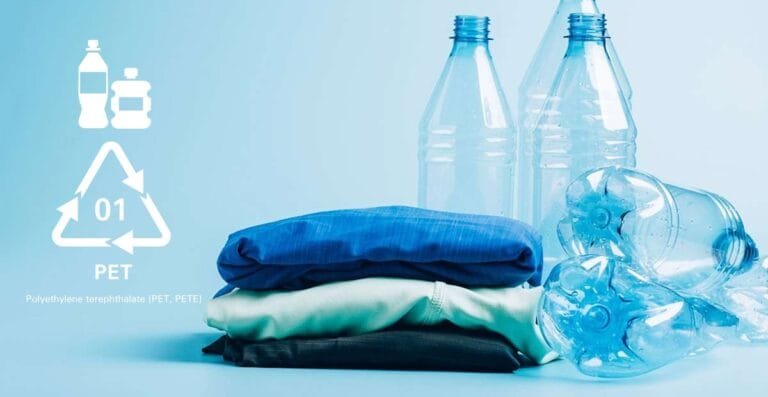
Polyester is one of the most common fabrics in the world. Among its types, PET Polyester (Polyethylene Terephthalate) stands out the most. It is lightweight, durable, and versatile. Because of these qualities, it has become the backbone of the modern textile industry.
What is PET Polyester?
PET Polyester, also known as Polyethylene Terephthalate, is a synthetic fiber made from petroleum-based products. It is created through a process called polymerization. In this process, ethylene glycol reacts with terephthalic acid, forming strong and flexible fibers.
Although this may sound technical, the outcome is simple. The result is a fabric that resists shrinking, stretching, and wrinkling. Additionally, it is recyclable, making it one of the most eco-friendly synthetic fibers available today. Read More
Features of PET Polyester
PET Polyester comes with several qualities that make it special:
Durability: It can withstand wear and tear for a long time.
Wrinkle Resistance: Clothes made from PET keep their shape.
Lightweight: It feels comfortable even in hot weather.
Quick Drying: Moisture does not stay on it for long.
Colorfastness: Colors remain bright after many washes.
Recyclability: Old PET bottles are often recycled into polyester fabric.
Main Uses of PET Polyester
Type of Polyester Fabric: PET Polyester is found in many industries. Clothing is the most common one, but it does not end there. Here are some of its main uses:
Clothing and Fashion – Shirts, trousers, dresses, sportswear, and jackets.
Home Furnishings – Curtains, bed sheets, carpets, and upholstery.
Outdoor Gear – Tents, backpacks, and sleeping bags.
Industrial Applications – Conveyor belts, ropes, and filters.
Packaging – PET bottles and containers.
Therefore, PET is not just a fiber; it is part of our daily lives.
Advantages of PET Polyester
Why is PET Polyester so popular? The answer lies in its benefits:
Clothes made with PET last longer.
It requires little maintenance.
It blends easily with cotton, wool, and other fibers.
It supports recycling, which helps reduce waste.
Although it is a synthetic fabric, its eco-friendly recycling option gives it an edge.
Environmental Impact of PET Polyester
Some critics argue that synthetic fibers harm the environment. This is partly true because PET is petroleum-based. However, the story does not stop there. PET is one of the few synthetic fibers that can be fully recycled. For example, used plastic bottles are often transformed into new clothes, bags, and carpets.
In recent years, many fashion brands have adopted recycled PET. As a result, waste has been reduced, and more sustainable choices are being made.
Conclusion
PET Polyester (Polyethylene Terephthalate) is more than just a fabric. It is a material that has shaped modern clothing, packaging, and home products. While it has environmental challenges, its recyclability makes it a better option than many other synthetics.
Because of its durability, low cost, and versatility, PET will likely remain important for decades. Whether you wear it, sit on it, or drink from it, PET is already part of your life.er continues to be relevant in modern industries.
FAQS
Is PET Polyester safe to wear?
PET is the most common type of polyester. While all PET is polyester, not all polyester products are PET.
What is the difference between PET and normal polyester?
PET is the most common type of polyester. While all PET is polyester, not all polyester products are PET.
Can PET Polyester be recycled?
Yes. It is one of the most recyclable plastics, often turned into new bottles, fibers, and fabrics.
Venice Linen Fabric combines old-world craftsmanship and modern performance. It is a refined fabric that feels breathable and looks beautiful over time. Venice Linen Fabric is a versatile fabric that can be used for both fashion and interiors. It will enhance your wardrobe and room with the same grace. This guide will teach you how to choose the right fabric, how to maintain it and where to find authentic yardage as well as finished pieces.
What makes Venice Linen Fabric special?
Venice Linen Fabric is unique for three reasons: its fiber quality, its artisanal finish, and the variety of weaves. The fibers are made from flax, which is a plant that produces strong, breathable threads. Venice Linen Fabrics is cool and comfortable in the summer. The second reason is that careful spinning and weaving improves stability and reduces lint. The cloth is able to drape well without feeling thin. Venice Linen Fabric is often woven linen in classic weaves such as plain, twill or herringbone. You can choose textures to match your clothing, drapery, upholstery or other projects.
Venice Linen Fabrics also ages beautifully. After each wash, linen develops a soft sheen. The more you use or wear it, the nicer it will look. Venice Linen Fabrics is static-resistant, washes out dirt quickly, and takes dye beautifully. Designers can now achieve rich colors while maintaining breathability. Read more: What is Linen Fabric
History of the origins and craftsmanship
Venice has long been a hub for the production of luxury textiles. The city’s artisans have refined their methods for centuries, thanks to the trade routes that brought fine fibers and techniques. Venice Linen Fabric is a symbol of careful handwork and quality control. The combination of traditional knowledge and modern looms ensures consistency, without sacrificing soul. Venice Linen Fabric is a quality fabric that you can see and feel. It has clean selvages and even pick counts. The edges are stable and tailor- and sew-clean. Read More: History of Linen Fabric.
Venice Linen Fabric: The Ultimate in Luxury
Elegant finish and premium texture
Luxury starts with touch. Venice Linen Fabric is a cool, dry fabric that initially feels crisp, but softens to a delightful touch. It is important to choose the right yarn. Finer yarns create smoother surfaces on shirts and dresses. The slightly thicker yarns give body to jackets, drapes and upholstery. A soft, elegant finish is created by washing and calendaring the fabric. Venice Linen Fabric is therefore expensive looking without a synthetic shine or loud shine.
Weight ranges also support luxury. The lightweight Venice Linen Fabric, for example, feels light for summer clothing, while the midweight options have structure for tailoring. The heavier weaves are ideal for cushion and bench seating. Venice Linen Fabrics is a versatile fabric that can be used to outfit a whole room or wardrobe with the same quality.
Associating with high-end interiors and fashion
Venice Linen Fabric is used in couture collections as it combines refinement and performance. Designers use its breathability to create silhouettes for warmer weather and its texture to create sculptural pieces. Venice Linen Fabrics adds a relaxed sophistication to both classic and modern interiors. The fabric is perfect for curtains, upholstered chairs, and layering on beds. The fabric is at home in hotels, boutiques and stylish homes.
Venice Linen Fabric Durability
Quality that lasts with proper care
Flax fibers pack impressive tensile strength. Venice Linen Fabric is resistant to frequent use and laundering when cared for properly. The fabric retains its shape, the hems remain crisp and the seams are well-held. Unlike delicate silks, Venice Linen Fabrics invites daily use. It is perfect for shirts, trousers and table linens.
Venetian Linen Fabric also improves over time. Every wash increases the softness and relaxes fibers. So, clothing and homewares become more comfortable while maintaining their structure. Venice Linen Fabric will last for many years if you take care of it.
Resistant to shrinkage and pilling
Venice Linen Fabric is more resistant to abrasion than other lightweight natural fabrics. The flax fibers, which are long and smooth, do not pill. Pre-washing, gentle heat control and all natural fabrics will shrink slightly. Pre-washing yardage is important before cutting patterns. The fabric will maintain a clean surface and a tight weave even after repeated washings.
The timeless style of Venice linen fabric in fashion
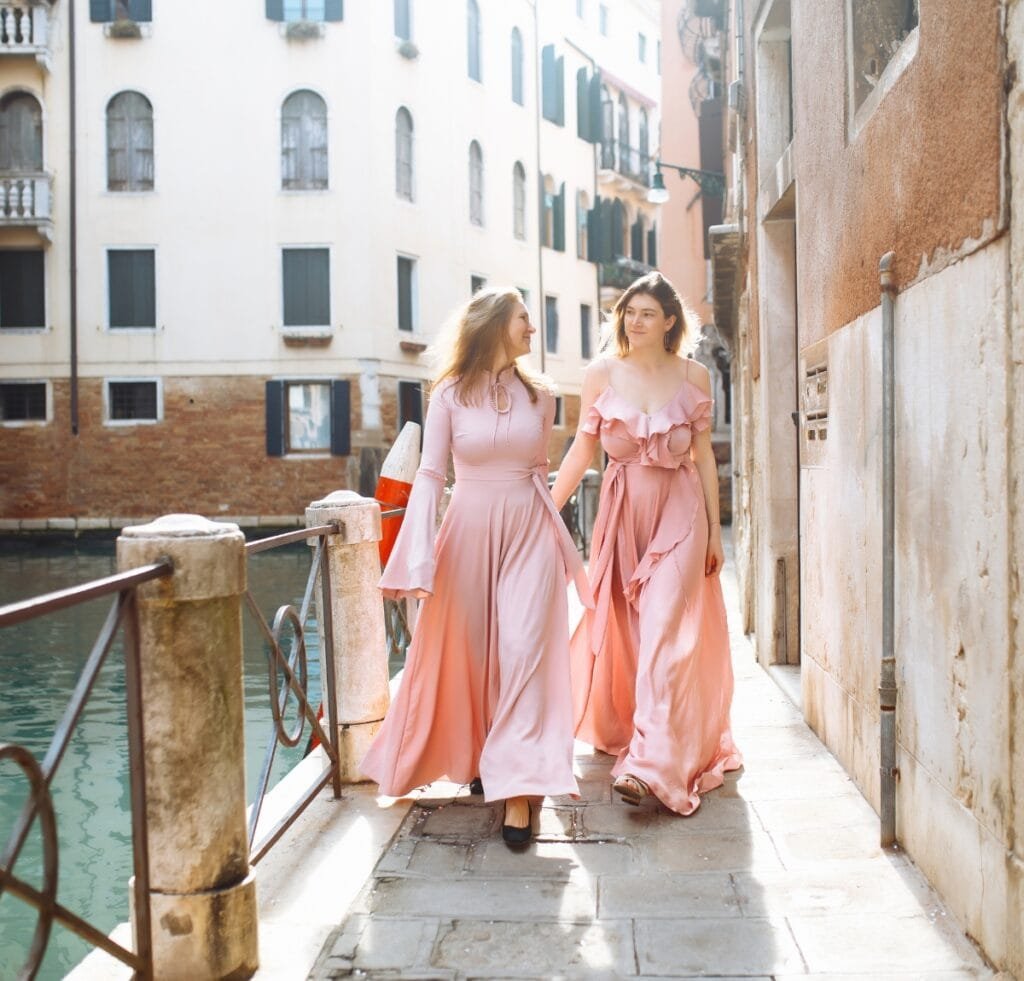
The timeless charm of Venice: linen gowns in blush pink drift through sunlit streets by the canal.
Designers use it to create couture collections
Designers use Venice Linen Fabric to create structure and breathability. Designers use clean lines to tailor blazers and dresses. They also create soft volumes in dresses. Moreover, Venice Linen Fabric breathes, so even layers feel comfortable in warmer weather. Additionally, the fabric accepts natural dyes, piece dyes, and garment dyes with ease. Collections feature subtle pastels, midtones of sea-blue, and neutrals inky tones that go well with denim, leather, or silk.
Venice Linen Fabrics is suitable for both romantic and minimalist silhouettes. You can add pintucks or utility pockets to a prairie gown, or topstitch pockets onto a chore jacket. The cloth will look more elevated and intentional.
Men’s and Women’s Clothing with Seasonal Versatility
Venice Linen Fabric is versatile and perfect for every season. Wear lightweight shirts and skirts in summer for breathability. In spring and fall, choose midweight trousers and unlined jackets for comfort. Long-sleeved tops and soft blazers also work well. During winter, layer Venice Linen Fabric shirts under wool knits and structured coats. Linen wicks moisture, making it an ideal base layer. Venice Linen Fabrics remains a wardrobe staple year-round.
Venice Linen Fabric in Home Decor
Upholstery, drapery and luxury bedding
Venice Linen Fabric is a strong fabric that’s suitable for interiors. Select mid-to-heavy-weight weaves that are tightly constructed for upholstery. Sofas and chairs will gain texture, but not wear out quickly. Medium weight drapes have a beautiful vertical fall with natural movement. The blackout lining will add privacy, block out light and keep the linen face elegant. Stone-washed Venice Linen fabric is perfect for luxury bedding. It feels instantly comfortable. It regulates the temperature so that you can stay cool in summer or warm in winter.
Create a refined interior aesthetic
Venice Linen Fabric is a fabric that exudes effortless elegance. Its matte finish complements metals, woods, and stones. While neutral tones create a calm background, saturated colors can be used as focal points. The natural irregularities add character, which synthetics can’t. Rooms feel lived in yet elevated. Venice Linen Fabrics is a versatile fabric that can be used in a variety of styles, from coastal apartments to urban lofts.
Venice Linen Fabric: Sustainability
Production process that is environmentally friendly
Flax uses less water than many other fiber crops. Moreover, it thrives in temperate climates with minimal input. As a result, Venice Linen Fabrics carries a smaller environmental impact than synthetics. Furthermore, linen fibers biodegrade under proper conditions. Therefore, Venice Linen Fabric products are far less harmful to landfills than petrochemical textiles.
Look for certifications to support good practices when shopping. Labels like European flax(r), Masters of Linen (r), and OEKOTEX(r), Standard 100 show traceability or safety tests. These marks confirm that Venice Linen fabrics aligns itself with sustainability goals.
Why natural fabrics are better than synthetics
Synthetics trap heat and often hold odors. Venice Linen Fabric resists odors naturally and allows skin to breathe. It also wicks away moisture for extra comfort. Its durability reduces frequent replacements and lowers long-term consumption. Venice Linen Fabrics ages beautifully, making it easy to repair and reuse. The fabric suits thoughtful wardrobes and refined interiors.
Care for Venice Linen Fabric To Maintain Quality
How to wash and iron clothes properly (step-by step)
Follow these steps from the first day to protect Venice Linen Fabric:
Pre-wash new yardage. Before cutting out patterns, rinse or wash the fabric at a cool temperature. This will remove finishing agents from the fabric and allow it to relax.
Sortby color. Separately wash light and dark colors to avoid color transfer. Venice Linen Fabric is dye-efficient.
Use mild detergent. Select a liquid formulation that is gentle. Avoid bleach and optical brighteners, which can weaken the fibers.
Choose cool or warm water. The best temperatures are between 30-40degC. Hot water can increase shrinkage.
Select a gentle cycle. Reduce friction to protect the surface. Venice Linen Fabric is easy to clean without excessive agitation.
Do not use fabric softeners. Linen softens naturally. Softeners can coat the fibers and reduce absorption.
After washing, shake out the clothes. Remove twisting. Hand-smooth seams and edges to reduce deep creases.
Dry your clothes by air-drying whenever possible. Hang neatly or lay flat. When using a tumble dryer, use low heat. Remove slightly damp.
Do not iron if it is wet. Steam the linen to set it. Protect the face by working from the inside.
Finish off with a gentle spritz. Steam stubborn creases, then press again. Venice Linen Fabric is a fabric that responds well with steam.
How to store your texture and shine?
Store Venice Linen Fabric completely dry and clean. Fold the fabric loosely to prevent sharp creases. Instead of plastic, use breathable cotton bags. Keep cedar or lavender sachets in small bags to keep the air fresh. Roll an acid-free tube around curtains or tablecloths to avoid fold lines. Seasonally rotate bedding and cushions covers to spread wear and maintain a consistent appearance.
Venetian Linen Fabric: Where to buy authentic fabric
How to source genuine fabric
Labels are the first step in determining authenticity. On the composition tag, look for 100% flax or 100 linen. Further, certifications like Master of Linen (r) and OEKOTEX(r), OEKOTEX(r), European Flax increase the level of confidence. Then, touch the fabrics with your hand. Authentic Venice Linens feels cool and dry. It is not slick nor plastic. Closely examine the weave. Look for subtle slubs and straight grain lines.
Use the same weight as you would for:
120-160gsm: summer dresses, airy shirts and scarves.
230-325 gsm: Upholstery, structured blazers and cushions.
Request or purchase swatches before purchasing. Test the drape, opacity and color under natural light. Once you have washed the swatch, see how Venice Linen Fabric softens and relaxes.
Avoiding imitations of low quality
Fabrics labeled as “linen blend” but without clear percentages are unreliable. High synthetic content affects breathability and comfort. Polyester often shows excessive sheen that looks unnatural. Prices that seem too good are often misleading and signal poor quality.
Test a swatch before purchase. Place a drop of water on the surface. Authentic Venice Linen Fabric absorbs quickly instead of forming beads. Also, read customer reviews carefully and check return policies. Reputable sellers of Venice Linen Fabrics always stand behind their quality.
Conclusion
Venice Linen Fabric combines beauty, strength and sustainability. It breathes well in warm weather, but layers well during cool seasons. It is easy to tailor, cleans up easily and gets softer over time. It is also a great fabric for interiors, as it has textures that are timeless. When you purchase authentic Venice Linen Fabric you are investing in comfort, longevity and understated sophistication. The fabric will reward you for years to come with proper care. It can be used on your shoulders, your table and all over your home. Read more Article: Linen Fabric: A Complete Guide to History, Uses, and Benefits
FAQs
Is Venice Linen Fabric suitable for summer?
Yes. Venice Linen Fabric is breathable and absorbs moisture. It is cool and comfortable to wear in hot weather.
Does Venice Linen Fabric wrinkle a lot?
Linen wrinkles are a sign of authenticity. Proper pressing, steaming and storage can reduce the creases. Blended fabrics wrinkle less, but they also breathe less.
Can I machine-wash Venice Linen Fabric?
Usually, yes. Use a gentle cycle with water that is cool to warm. Dry by air or on low heat, then iron when damp.
What weight Venice Linen Fabric fabric should I use for shirts?
Choose between 120-160gsm for airy shirts. This range is a balance of opacity and drape.
Polyester is one of the most widely used fabrics in the world. It is known for its strength, versatility, and affordability. From clothing to home furnishings, polyester plays an important role in our daily lives. But did you know that polyester comes in different types? Each type has its own features, uses, and benefits.
In this blog, we will explore the main types of polyester fabric, their characteristics, and their common applications.
What is Polyester Fabric?
Polyester is a synthetic fabric made from petroleum-based products. Its scientific name is polyethylene terephthalate (PET). Furthermore, it is lightweight, wrinkle-resistant, quick-drying, and durable. These qualities make it one of the most popular fabrics in the textile industry.
Over time, different forms of polyester have been developed to meet various needs in fashion, upholstery, and industrial use. “Read More“
Types of Polyester Fabric
1. PET Polyester (Polyethylene Terephthalate)
PET polyester is the most common form of polyester. It is lightweight, durable, and shrink-resistant. It is also recyclable, which makes it more sustainable compared to some other synthetics.
Uses: Clothing, sportswear, upholstery, and packaging.
2. PCDT Polyester
PCDT Polyester type is stronger and more elastic than PET. It is heavier and offers better stretch recovery, but it is less commonly used.
Uses: Upholstery, curtains, and heavy-duty textiles.
3. Microfiber Polyester
Microfiber Polyester is made from extremely fine polyester fibers. It is soft, breathable, and water-resistant.
Uses: Sportswear, bedding, cleaning cloths, and fashion apparel.
4. Recycled Polyester (rPET)
In addition, recycled polyester is made from PET bottles and plastic waste, which reduces environmental impact and supports sustainability.
Uses: Eco-friendly fashion, outdoor gear, and home textiles.
5. Blended Polyester
Polyester is often blended with cotton, wool, or rayon; therefore, these blends combine polyester’s durability with natural fiber comfort.
Uses: Workwear, everyday clothing, and household fabrics.
6. Textured Polyester
Furthermore, through special processes, polyester can be given a textured look, which makes it more elastic and comfortable.
Uses: Furniture textiles, stretch wear, and casual clothing.
7. Spun Polyester
Made by spinning short spun polyester fibers together, this type feels like cotton but is stronger.
Uses: Sewing threads, bed linens, and tablecloths.
8. Filament Polyester
Filament polyester is made from long continuous fibers; therefore, it has a smooth and shiny appearance.
Uses: Silky fabrics, linings, and formal wear.
9. Solution-Dyed Polyester
In this type, fibers are dyed during production instead of after weaving. The color becomes permanent and resistant to fading.
Uses: Outdoor fabrics, upholstery, and awnings.
10. Hollow Polyester Fiber
Furthermore, this fabric has a hollow core that traps air for insulation. It is lightweight and soft.
Uses: Pillows, cushions, and winter jackets.
11. High-Tenacity Polyester
In other words, this is an extra-strong version of polyester that resists wear and tear, even under pressure.
Uses: Ropes, seat belts, tents, and tarpaulins.
12. Cationic Dyeable Polyester (CDP)
CDP is modified to absorb cationic dyes. It allows brighter and more vibrant colors compared to standard polyester.
Uses: Fashion fabrics and decorative textiles.
13. Moisture-Wicking Polyester
Furthermore, designed for sports and activewear, this polyester pulls moisture away from the skin, keeping the body cool and dry.
Uses: Gym wear, sports uniforms, and performance fabrics.
14. Flame-Retardant Polyester
Specifically, this type is chemically treated to resist fire and is used in environments where safety is a top priority.
Uses: Workwear, upholstery, and industrial fabrics.
15. Low-Pilling Polyester
Pilling happens when fibers form small balls on fabric surfaces. Low-pilling polyester is engineered to resist this problem, keeping clothes looking new.
Uses: Sweaters, upholstery, and everyday wear.
Advantages of Polyester Fabric
Durable: Strong and long-lasting.
Wrinkle-Free: Maintains a neat look.
Affordable: Cheaper than many natural fibers.
Quick-Drying: Perfect for active and outdoor use.
Versatile: Suitable for clothing, upholstery, and industrial applications.
conclusion
Polyester is not just one type of fabric—it comes in many forms. From PET polyester to recycled polyester and high-tenacity polyester, each type has its own role. Whether you need durable industrial fabric, soft microfiber for bedding, or eco-friendly recycled polyester, there is a version to meet every need.
By understanding the 15 types of polyester fabric, you can make smarter choices for fashion, home, or indus
FAQS
Is polyester good for clothing?
Yes, polyester is durable, wrinkle-resistant, and affordable, making it a great choice for clothing.
Is polyester fabric breathable?
Regular polyester is not as breathable as cotton, but microfiber polyester offers better breathability.
Does polyester shrink after washing?
No, polyester is shrink-resistant, unlike cotton or wool.
Cotton has been around for forever, and people still can’t get enough of it. It’s soft, it breathes when it’s hot, and it can take a beating without ripping. Whether you’re throwing on a T-shirt or drying your hands on a towel, you’re probably using cotton cloth. Knitting it, though, is a cozy little trick that turns simple cotton yarn into stretchy, comfy textiles. This guide is here to walk you through knitting cotton cloth in the nicest way possible—no knitting master degree required!
Knitting 101 with Cotton Yarn
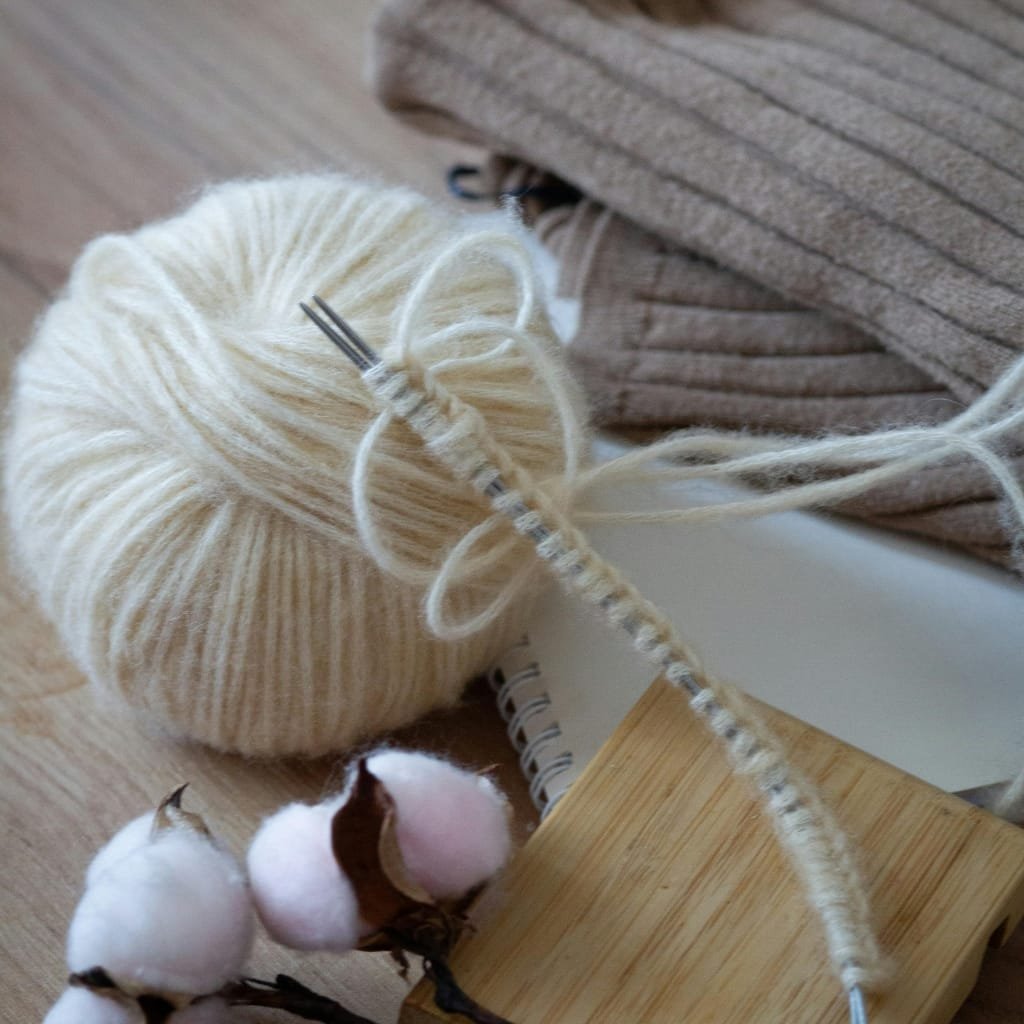
Unlike weaving, where over-and-under crosses yarns a million times, knitting just loops and links the yarn in a traveler’s chain. Each loop grabs the neighbor, and the loops stack up into stretchy cloth. The trick is using good yarn that’s happy to cling to itself—tulip pink, soft cotton yarn is perfect. It’s light enough to feel breezy, strong enough for your sliciest boots, and smooth so it glides through your hands like a good ice cream on summer pavement. From here, all you do is grow the cloth, twenty loops longer for each row, and your comfy cotton masterpiece starts to take shape.
Knitting 101 with Cotton Yarn
How Knitting Cotton Fabric Works
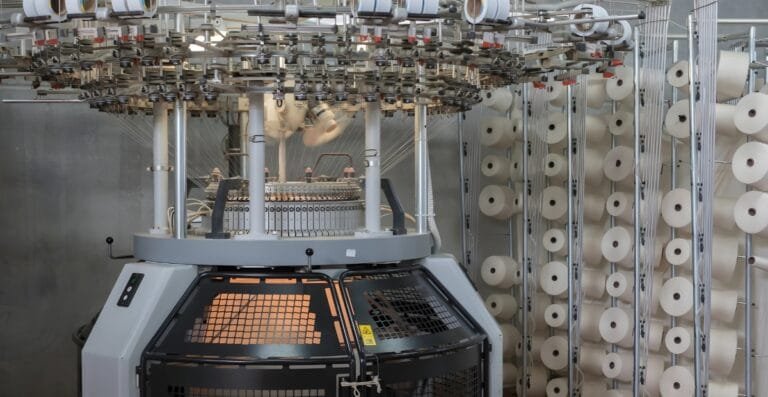
Knitting comes down to two pretty basic moves: making loops and yanking yarn through them. These silly little loops hold hands to make one never-ending sheet of cloth. Cotton yarn slides through stuff easily, so it’s one of the friendliest to learn with. If you’re hand knitting, you use regular needles. If you’re in a factory, there are those speedy little hook or pin things. Same concept. The fabric gets built layer by layer just like a pancake stack until you’ve got a full sheet to work with.
How knitting cotton fabric works: from fluffy yarn to a woven-like fabric
Tools for Cotton Knitting
What you grab to knit cotton fabric really depends on how you’re knitting it. The usual hand knit? Grab two needles. Want a round cozy with no seam? Use circular needles. The big machines swap needles for fast metal hooks and a big flat frame. As for the yarn, make sure the ball of cotton is smooth, snag-free, and ready to roll. Start with the right stuff, and even a newbie can make a cute cloth. Every single knitting toy—whether it’s a needle or a frame—keeps those loops nice and even so the fabric comes out tidy.
Patterns in Cotton Knitting
Knitting cotton is all about loops and how we talk them into different shapes. A flat no-fuss stitch gives us smooth, easy fabric. Switch to a rib, and the piece stretches back like a rubber band, ready to hold the shoulders of a baby sweater. Wind a cable over and suddenly the flat piece sparkles and feels fancy. Even plain cotton totally glows when a tiny leaf or a simple stripe runs across it. Whether you want a light sweater for a camping trip or a lap blanket that hugs you back, a neat pattern is the cherry on top that turns functional yarn into something you love to wrap around you.
Everyday Uses of Cotton Knitting
When we slide cotton knitted fabric into our homes, it turns into the stuff that hugs you while you’re getting dinner ready. Picture the cheerful dishcloth waiting to wipe the sticky fingers or the lumpy patch of yarn on the living room pillow that is just the right pillow-holding weight. baby booties in the softest shade of yellow, or that sleepy sweater we leave draped over the end of the bed. This yarn goes to work in a light, breezy tee for the hot July BBQ or snuggles the chilly shoulders in fall. A bit of oh-so stretchy love knitted right in and it quietly foes, keeps us comfy no matter the day. Cotton yarn’s easy adaptability makes it the under-the-radar hero of our everyday lives.
Why Cotton Is Ideal for Knitting
Not every kind of yarn works for knitting projects. Some are too heavy or feel scratchy. Cotton is different. With its smooth surface, it slides through your fingers and rests softly on skin. The loops stay snug, and the fabric can still move a little, too, so it never feels stiff. Knit it up, and you get breathable cloth that drinks up sweat and keeps you comfy, making it a go-to for stuff worn right against the body. That cozy, gentle feel is why cotton shows up in so many everyday pieces.
A Short History of Cotton Knitting
Knitting itself is an old craft. The first knitters mostly used wool, but cotton wasn’t far behind. Merchants took cotton thread from one corner of the world to another, and knitters everywhere wanted to give it a try. The craft took off; people made pieces by hand, and later machines helped get the job done faster. Today, when you knit with cotton yarn, you carry on a tradition that stretches back generations. That one simple little fiber keeps weaving together the old stories with fresh projects in every stitch.
Modern Advances in Cotton Knitting
Knitting has come a long way thanks to new technology. Today’s machines can whip up tons of fabric in a flash and make tricky patterns with laser-sharp accuracy. Plus, a lot of factories are all about saving energy and cutting down on scrap, so producing fabric feels lighter on the planet. By weaving together time-tested techniques with cutting-edge tools, makers can craft cotton textiles that look good and tread lightly, joining style with a nice side of sustainability.
The Comfort of Knitted Cotton
Everyone agrees that knitted cotton is comfy in the best possible way. The stretchy weave moves with you, which is why it’s the go-to for sneakers and cartwheels, then later feel cool on a hot day and cozy as the sun sets. Knitting makes cotton cloth that suits all ages, from toddlers to grandmoms. The softness is comforting, and the fabric stays strong for withstanding tumbles, spills, and everyday wear. Those winning traits are why knitted cotton pops up in closets everywhere, from cozy pajamas to weekend tees and everything in between.
Conclusion: The Magic of Knitting with Cotton
Watching cotton go from a puffy ball of fluff to the soft stuff we wear and snuggle in is pretty cool. Twist it into yarn, slide it through a pair of needles, and that fluff turns into a stretchy, comfy piece of fabric just waiting to be loved. Every design, needle, and trick we use leaves its mark. Whether it’s an easy T-shirt or a cozy blanket draping the couch, we bump into cotton knit everywhere. These projects mix old-school know-how, a pinch of creativity, and that refreshing feel of something made from real cotton. The tale of cotton in the knit world reminds us why this fabric is still everyone’s go-to.
FAQs
What is knitting cotton fabric?
Knitting cotton fabric means looping cotton yarn into flexible cloth used for clothing and household items.
Why is cotton good for knitting?
Cotton is smooth, soft, and breathable, making it ideal for clothes that touch the skin.
How is knitting cotton fabric different from weaving?
Weaving crosses yarns, while knitting uses loops, which makes fabric stretchy and flexible.
Polyester is one of the most widely used synthetic fibers in the textile industry. It is lightweight, strong, wrinkle-resistant, and versatile. Because of its durability and affordability, polyester is used in clothing, home furnishings, packaging, and industrial applications. With rising demand, several countries have become global leaders in polyester fiber production. Let’s look at the biggest producers of polyester fiber in the world.
1. China – The Global Leader
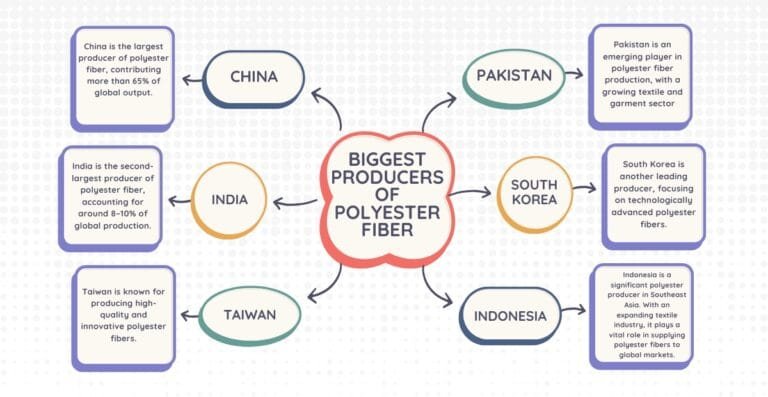
China is the largest producer of polyester fiber, contributing more than 65% of global output. With advanced manufacturing facilities, abundant raw material supply, and strong textile exports, China dominates the polyester market.
Key Highlights:
Home to major polyester manufacturers like Hengli Group, Tongkun Group, and Sinopec.
Supplies both raw polyester fiber and finished fabrics worldwide.
Strong integration with the fashion and garment industry.
2. India – A Fast-Growing Producer
India is the second-largest producer of polyester fiber, accounting for around 8–10% of global production. The country has a rapidly growing textile sector, driven by domestic demand and exports.
Key Highlights:
Major producers include Reliance Industries, Indo Rama Synthetics, and JBF Industries.
Strong polyester use in sarees, sportswear, and home textiles.
Government policies supporting textile growth further boost production.
3. Pakistan – A Rising Polyester Producer
Pakistan is an emerging player in polyester fiber production, with a growing textile and garment sector. The country relies heavily on polyester to meet both domestic and export needs.
Key Highlights:
Produces polyester staple fibers (PSF) for spinning and weaving.
Strong demand in apparel, home textiles, and industrial use.
Key producers include ICI Pakistan and Ibrahim Fibres Limited.
Government support for the textile industry fuels polyester demand.
4. Taiwan – Innovation in Polyester Production
Taiwan is known for producing high-quality and innovative polyester fibers. Although smaller in volume compared to China and India, Taiwan specializes in advanced polyester materials.
Key Highlights:
Strong focus on eco-friendly and recycled polyester (rPET).
Produces high-performance fibers for sportswear and outdoor gear.
Home to companies like Far Eastern New Century Corporation.
5. South Korea – High-Performance Polyester
South Korea is another leading producer, focusing on technologically advanced polyester fibers. The country produces both staple fibers and filament yarns for global markets.
Key Highlights:
Known for specialty polyester in sportswear and fashion.
Strong exports to the U.S., Europe, and Southeast Asia.
Leading companies include Hyosung and Taekwang Industrial.
6. Indonesia – Growing Polyester Industry
Indonesia is a significant polyester producer in Southeast Asia. With an expanding textile industry, it plays a vital role in supplying polyester fibers to global markets.
Key Highlights:
Focuses on both domestic and international demand.
Competitive labor costs and growing textile exports.
Major companies include Indorama Ventures.
Global Polyester Fiber Market Outlook
The global polyester fiber market continues to grow due to its affordability, durability, and versatility. Increasing demand for sportswear, fast fashion, and home furnishings keeps polyester in high demand. Moreover, sustainable options like recycled polyester (rPET) are driving innovation and shaping the future of polyester production.
Conclusion
The biggest producers of polyester fiber—China, India, Pakistan, Taiwan, South Korea, and Indonesia—dominate the global textile industry. China leads with massive production capacity, while Pakistan is emerging as a strong player in South Asia. Together, these nations keep polyester at the center of modern textiles and fashion.
FAQS
Which country is the largest producer of polyester fiber?
China is the largest producer, contributing more than 65% of the world’s polyester fiber production.
Is Pakistan a major producer of polyester fiber?
Yes, Pakistan is an emerging polyester producer. It manufactures polyester staple fibers (PSF) and plays an important role in South Asia’s textile industry.
What are the top uses of polyester fiber?
Polyester fiber is used in clothing, sportswear, home furnishings, packaging, ropes, and industrial textiles.
Loose Weave Linen is gaining traction as a versatile and chic option for modern households. Every piece showcases breathability, textured sophistication, and a whisper of timeless charm. Unlike its tightly woven cousins, Loose Weave Linen feels deliberately roomy—air circulates, light drapes, and comfort is built in. Designers and homeowners are captivated not just by its looks but by its durability and planet-friendly weave. As curves of casual elegance take over contemporary design, Loose Weave Linen slides seamlessly into both curated wardrobes and serene interiors.
What Sets Loose Weave Linen Apart
Loose Weave Linen is not just another textile; it rewrites the rules. When artisans purposefully widen the threads, the result is a fabric that cradles air and light. Dappled sunlight shines through, creating soft luminosity, while the looser structure invites a living-in feel. Because it combines Belgium-grown flax with low-impact dyes, the ecological footprint stays light. Moreover, every wash enhances its character—crinkles soften, colors mellow, and the fabric looks meticulously curated. Fashion insiders and interior stylists adore that individual journey. Read more: What is linen Fabric
Why Modern Life Calls for Loose Weave Linen
Contemporary living is a fast-paced tapestry of tasks, occasions, and moods. Loose Weave Linen adapts, draping from lazy Saturday brunch to impromptu evening cocktails with zero fuss. When the thermometer rises, the textile feels almost unraveled—cool against the skin, resistant to cling. Light traveling keeps its hand-feel divine; rolls and drapes literally fold flat—making closet and suitcase manners effortless. Similarly, the fabric intends to flat-line and quick-line, earning it a dedicated spot in the laundry routine of busy households.
Styling with Loose Weave Linen
Loose Weave Linen loves to be layered and mixed. In the closet, it teams easily with denim, cashmere, and tropical wools. A dusty-blue linen shirt looks classic over white trousers, while a scatter of linen scarves adds playful gravitas. On the furniture front, the fabric works equally hard. Imagine loose-cushioned, linen-topped dining chairs that refuse hard lines and a cozy dove-grey sofa draped in dappled-taupe throws. A pair of linen curtains, casually rolled to mid-length, softens the daylight. Styling with Loose Weave Linen redefines effortless—each look and room speaks of intention balanced by ease.
Caring for Loose Weave Linen
Loose Weave Linen earns its character through practical, loving care. Unlike silk or delicate synthetics, it mends smaller dings quite swiftly. First, a quick spin through the residential washing machine in lukewarm water keeps blues soft and whites day-bright. Here, mild detergent and a cheerful companion—plenty of spin—are all it wants. Line-ironing is lovely for perfection, but the quick-tumble “cool, no heat” spin renegotiates crinkles into artfully undone waves. When the day ends the fabric wants fold it, stack it, and let the air carry the scent of the soft detergent.
Loose Weave Linen for a Sustainable Home
Sustainability doesn’t need a signature; it can be woven into every piece. Loose Weave Linen is hand-harvested from local flax, requires minimal irrigation, and prefers low-impact dyes. Each piece stays free of micro-plastics and gifts homes a natural charm that doesn’t fade. Furthermore, the fabric is inherently compostable. A once cherished throw now ends its journey as enriched compost. Home-owners can curtail fast fashion and preserve tomorrow by curating smart numbers—one un-fussy, artfully crinkled, loose weave linen treasure at a time.
Balancing Texture in Modern Interiors
Loose Weave Linen is the textural counterpoint every serene modern space craves. Glass, metal, and ceramic exist in vigilant symmetry to streamlined lines; linen adds softness. A room anchored by laser-etched shelving, minimal glass, and angulated aluminum chairs feels inviting the instant {loose weave linen} drapes over a bench or films a sheer curtain. Dappled daylight catches linen’s secret, breathing flux into otherwise fixed design choices. Including the textile encourages layered living; all visitors automatically lower the shoulders.
Loose Weave Linen’s Evening Abilities
Loose Weave Linen makes the newly fashionable afternoon-eve transition seamless. Seconds after the final sunlight, that structured dress—soft linen with subtle shimmer—drops from polished, pair of silvery loafers, revealing soft, succulently flowing, loose weave linen skirt. A room diet by soft linen curtains is lifted by low-light—carpet drenched, art dimensions re-balanced and flickering glassware inviting guests to linger. The atmosphere instantly swerves from perfection to gentleness.
The Future of Loose Weave Linen
Innovation meets linen: motive and material. Lyocell threads are blended to enhance draping while flax antioxidants keep the weave free from synthetics. Future generations will stock heirloom linens that look as artfully crinkled as today’s. Several dyes can change with UV exposure, allowing the fabric to shimmer coral then mellow dusk-pink; moods adapting while honoring natural light. Meanwhile, artists are embroider-etching flax mulch with edible flowers, inviting the fabric into the world of scented art. The ever-evolving linen stays contemporary while humming elegantly age-old.
In Closing: The Allure of Loose Weave Linen
Loose Weave Linen is calm wrapped in sophistication, letting modern households be unapologetically unscripted. Whether styled, swaying, or elegantly draped, the textile breathes effortless elegance into every moment, every room, and every outfit. The fabric encourages perfect imperfections and whispers gentleness—reminding us that elegance can be rooted, touched, and lived, not just seen.
What Makes Loose Weave Linen Unique
Loose Weave Linen captures attention with its airy, open architecture that breathes with every movement. The weaving technique intentionally leaves tiny, light-sparing gaps between fibers, which invites constant airflow. That gentle circulation regulates heat better than most textiles, cooling you under midday sun and providing light shelter against evening chills. Beyond its practical performance, the fabric’s inviting texture conveys effortless leisure, subtly raising the everyday look one notch. Over the months, the weave rounds and softens, meaning the most casual wear is also the most story-filled, inviting you to choose it again.
The Timeless Appeal of Loose Weave Linen
Loose Weave Linen is no seasonal moment; it is a fabric quietly entwined with tradition. Spun and stitched for generations, it continues to resonate. Couturiers and closet collectors alike celebrate its remarkable versatility, moving seamlessly between sprawling sun dresses, airy weekend shirts, and curtain panels that float like clouds. The weave’s mellow, irregular surface decorates without trying, speaking the language of unadulterated, understated readiness. That effortless balance—casual yet subtly luxe—confirms the effectiveness of Loose Weave Linen, quietly accessorizing the well-lived interiors and wardrobes of today.
Loose Weave Linen in Everyday Fashion
When summer approaches, Loose Weave Linen claims its spot as the go-to fabric, merging mellow ease with an effortless style. You’ll spot tunics, airy shirts, and floaty dresses that celebrate its barely-there weight. The open weave invites every passing breeze, cooling the skin when days crank up the heat. Unlike forwards synthetic blends that cling and irritate, Loose Weave Linen drapes softly, almost like a second skin. It carries a polished ease that slips from beach picnics to downtown dinners without needing a wardrobe overhaul. The same piece that layers over swimwear tucks nicely into high-waisted denim or drapes over a tailored blazer. Thanks to its mellow colour palette and textured feel, Loose Linen effortlessly layers with cotton, softly slouched denim, or the gentle contrast of weathered leather.
Home Decor with Loose Weave Linen
Loose Weave Linen proves that the outdoorsy ease of summer can linger indoors year-round. Drapes of the fabric scatter sunlight into soft, hushed pools, instantly softening a bright room with an inviting glow. Over a reclaimed wood dining table, a Loose Linen runner whispers rustic charm, while the tabletop stays tidy and the texture tells a subtle story. In the bedroom, pillowcases and duvet covers pair breathability with understated elegance, coaxing deeper sleep no matter the season. Because the weave catches and diffuses light without demanding attention, interior designers pair it to ease the sharp angles of modern furniture and to cinematic warmth intoeclectic ideas. Loose Weave Linen ultimately lands in every room—laying the table, dressing the window, or cradling a late nap—its relaxed luminosity making a quiet, confident complement to both sleek or vintage backdrops.
The Sustainability of Loose Weave Linen
Loose Weave Linen stands out as one of the greenest textiles on offer. Harvested from the humble flax plant, it downplays the sky-high water and pesticide counts associated with cotton, leaving a lighter environmental mark. Its deliberately relaxed weave showcases linen’s innate toughness yet grants it a breezy suppleness, taming the empty-air spaces of traditional drapery. Because it resists the planned obsolescence of faster trend cycles, it quietly encourages mindful closets. Biodegradable and returnable to the earth, it promises a final shrug that’s utterly clean. Within today’s era of mindful consumption, the fabric lands as a refined choice whose conscience matches its unfussy sophistication.
Comfort and Breathability of Loose Weave Linen
The award for most practical summer fabric still goes to the relaxed linen. Its loose architecture invites every breeze to circle the skin, banishing heat and clammy cotton substitutes. Heft feels like a forgotten résumé storage, yet the structure still provides a kiss of warmth once the sun bows out. Because the threads crisscross loosely, it hugs the body without clenching, letting every movement breathe.16 Linen chooses to wick, not cling. Whether layered or solo, a piece transforms the weekday grind into a graceful summer holiday that lingers hours beyond lunch and keeps compliments coming long into sunset.
Styling Tips for Loose Weave Linen Clothing
Crafting a look with loose weave linen is easy and always feels fresh. Combine a roomy linen top with crisp tailored trousers for a polished office outfit. On relaxed weekends, slip into a loose linen midi dress, slide on flat sandals, and grab a raffia tote. The fabric’s soft, understated palette loves to host vibrant accents, so don oversized earrings or a striking silk scarf to up the statement. When the temperature dips, throw on a lightweight knit or cropped denim jacket to add warmth without bulk. Whether for board meetings or brunch, loose linen always delivers, switching from day to night with a single accessory swap.
Loose Weave Linen in Seasonal Fashion Trends
Loose weave linen gracefully rides the wave of seasonal trends. Spring invites sky blue or lavender linen to breathe life into layered looks. By summer, the fabric shines in creamy whites and sandy beiges, perfect for breezy beach cover-ups or low-key brunch dresses. In autumn, harvest hues of burnt orange, faded sage, and muted cocoa recall falling leaves, layered beneath oversized cardigans or cropped jackets. When winter arrives, linen becomes a clever inner layer, peeking from beneath wool coats and sitting comfortably under knee-high boots. Stylish insiders adore the fabric’s seamless transition through the calendar while sustaining a natural glow, proving its perennial place in wardrobes.
Embrace light, airy texture with Loose Weave Linen: a breezy, geometric-pattern dress perfect for sun-kissed days and effortless summer style.
Why Loose Weave Linen Is Perfect for Minimalist Living
Minimalist living celebrates simplicity, and Loose Weave Linen embodies that philosophy. The drape and character of this fabric remove the urge to over-style. Each piece, whether a tunic hanging in the wardrobe or a dusky sofa in the living room, reveals quiet elegance devoid of ornamentation. Minimalists appreciate its exceptional durability, stretching the life of the wardrobe or the lounge. The seasonal neutral shades characteristically associated with this fabric melt into any neutral palette, refusing to field visual noise. Loose Linen, in its understated poise, quietly convinces us that living with less, yet living well, is entirely possible.
Caring for Loose Weave Linen the Right Way
To preserve the allure of Loose Weave Linen, simple, intentional care is key. Begin in the laundry with a cold water cycle and a gentle, plant-based detergent that honors the fibres. Resist the pull of harsh bleaches that quietly chip away at the linen’s sturdy infrastructure. A shaded line is the best drying contraption, as it avoids the mischief of shrinkage and maintains that comforting summer-ready feel. The fabric wrinkles; yet, these softened contours tell the linen’s story. Should the mood hit, a gentle steam brings calm to the texture. Each careful wash round transforms it into a touch that grows gentler and smarter with the passing years.
Loose Weave Linen in Luxury Interiors
Interior designers have fallen for Loose Weave Linen as a must-have in luxury spaces. The upholstered Loose Weave Linen sofa instantly reads stylish yet refreshingly relaxed. Sweep of drapery in the same cloth introduces polish without the stiffness of silk. Nestle in luxury upholstery linen bedding, where softness joins subtle visual grandeur. Even petite accent cushions in Loose Weave Linen effortlessly unify a room, whispering elegance without pretense. The fabric’s rich, artisanal texture marries beautifully with cold marble, warm wood, or gleaming modern metal. Proof that luxury can speak in a quiet, receptive voice, Loose Linen rewrites the rulebook on opulent simplicity.
Loose Weave Linen: Luxurious, breathable upholstery with a relaxed, tactile texture that elevates modern interiors.
Why Loose Weave Linen Appeals to Modern Consumers
Today’s collectors and decorators crave authenticity, conscious choices, and a lived-in luxury. Loose Weave Linen composes all three effortlessly. Born of flax rather than chemicals, the history of linen satisfies thoughtful shoppers who refuse to compromise on sourcing. Its innate breathability adapts to climates, leaking conferences, and snack-sipping lounge marathons alike. Draped or worn, Loose Linen emits a compelling, yet modest opulence, sliding seamlessly into curated, everyday spaces. This rare, living versatility has cemented the fabric’s star status with fashionistas and tastemakers the globe over. From Milan runway to minimalist showroom, Loose Linen remains the quiet cult textile guiding modern luxury.
Conclusion
Loose Weave Linen stands as the perfect intersection of ease, earth consciousness, and enduring refinement. Soft to the skin yet substantial, the plain weave linen invites air to flow, perfect for sun-drenched afternoons and candle-lit evenings alike. Crafted with care, the fabric nourishes wardrobes, sundrenched dining rooms, and drapery-clad parlours without depleting the planet or the art of beauty itself. In the understated pale of its fibres, it elevates the quiet art of living, speaking equally to lovers of restraint and of quiet opulence. When next you elongate a sleeve, pair a napkin, or consider a coverlet, let this deliberate weave of light and linen be the answer to effortless good taste. Read More Article: Linen Fabric: A Complete Guide to History, Uses, and Benefits
FAQs
What is Loose Weave Linen?
Loose Weave Linen is a type of linen fabric woven with more space between fibers. This weaving style creates a light, breathable texture, making it ideal for warm climates, stylish clothing, and airy home decor.
Why choose Loose Weave Linen for clothing?
Loose Weave Linen is comfortable, breathable, and naturally soft. It regulates body temperature, keeping you cool in summer while offering light warmth in cooler weather. Its relaxed texture also adds effortless style to outfits.
Is Loose Weave Linen sustainable?
Yes, Loose Weave Linen is one of the most sustainable fabrics. It comes from flax plants, requires fewer resources to produce, lasts for years, and is fully biodegradable, making it an eco-friendly choice for fashion and interiors.