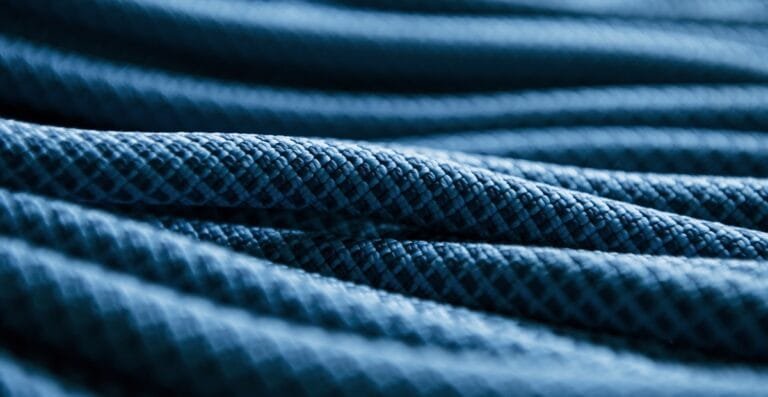
The textile industry considers polyester one of the most versatile synthetic fibers. While plain polyester is smooth and shiny, one can modify it to create different finishes. Textured Polyester is one of the most popular variations because of its unique appearance and performance; manufacturers widely use it in clothing, furnishings, and industrial products.
What is Textured Polyester?
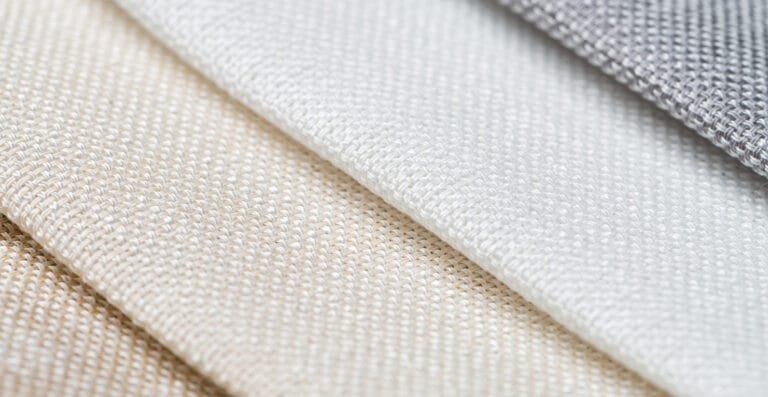
Polyester yarn is treated to change the surface and structure of textured. This process usually involves heat, chemicals, or mechanical methods.
As a result, the yarns become crimped, curled, or twisted, giving them extra bulk and elasticity. Although the fiber is still polyester at its core, its look and feel are very different. Read More…
Key Features of Textured Polyester
Polyester fabrics offers qualities that plain polyester cannot. Some of its main features include:
Soft Feel – Feels smoother and more natural on the skin.
Elasticity – Offers stretch, making it ideal for sportswear.
Breathability – Provides better airflow compared to flat polyester.
Insulation – Traps heat, keeping garments warmer.
Wrinkle Resistance – Retains shape with little ironing.
Lightweight Strength – Strong yet easy to wear.
Variety of Designs – Can mimic natural fibers like wool or silk.
How is Textured Polyester Made?
Some common methods include:
False-twist texturing twists, heats, and then cools yarn.
jet texturing Air – pressure creates loops and curls in air.
Draw Texturing – Combines stretching and texturing in one step.
Chemical Texturing – Special treatments give the yarn permanent crimp.
These techniques give polyester a more natural look and softer touch.
Uses of Textured Polyester
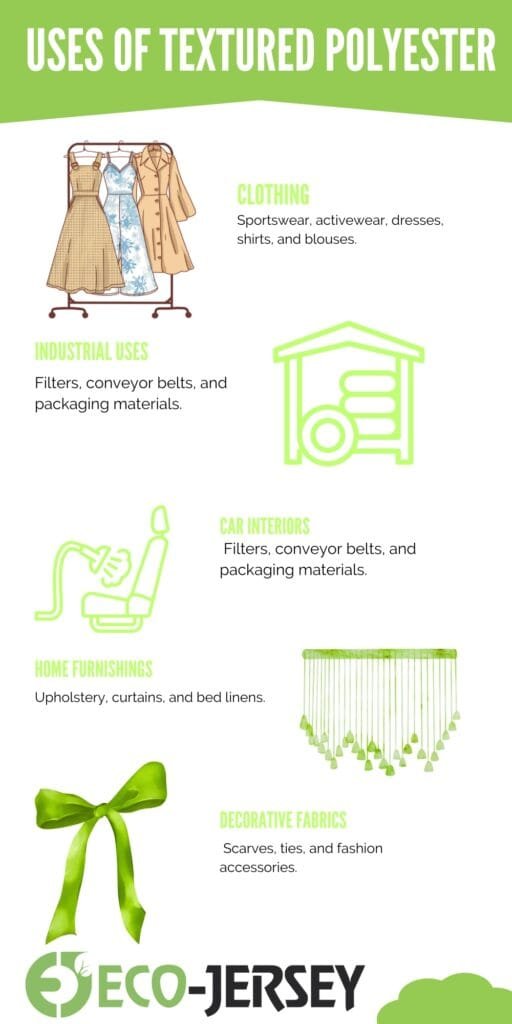
Uses of textured polyester: clothing, industrial materials, car interiors, home furnishings, and decorative fabrics.
Because of its enhanced comfort and appearance, Polyester fiber is used in many industries. Common applications include:
Clothing – Sportswear, activewear, dresses, shirts, and blouses.
Home Furnishings – Upholstery, curtains, and bed linens.
Industrial Uses – Filters, conveyor belts, and packaging materials.
Car Interiors – Seat covers and headliners.
Decorative Fabrics – Scarves, ties, and fashion accessories.
Therefore, it is a fabric that combines style with practicality.
Advantages of Textured Polyester
Textured is preferred for many reasons:
It looks and feels closer to natural fibers.
It offers more comfort and breathability.
It is stretchable, making it suitable for sports and active use.
It is cost-effective compared to silk, wool, or cotton.
It dries quickly and resists wrinkles.
Environmental Aspect of Textured Polyester
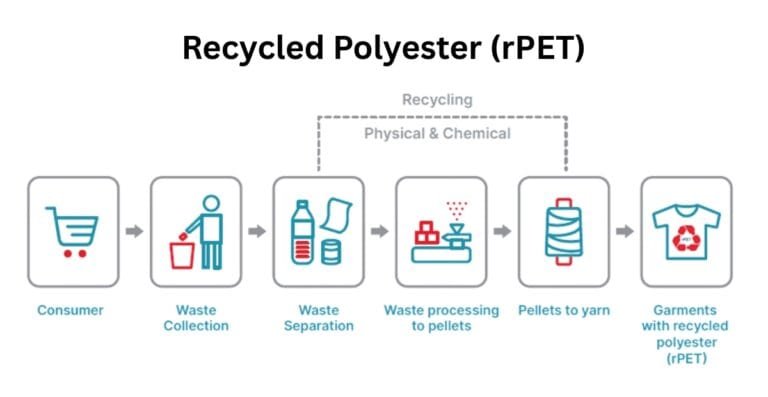
This means they are not biodegradable. However, many manufacturers now use recycled polyester (rPET) for texturizing.
Although recycling textured fabrics is still challenging, using rPET helps reduce waste and lowers the carbon footprint.
Conclusion
Textured Polyester is a versatile, durable, and stylish fabric. It combines the strength of polyester with the comfort and softness of natural fibers. Because of its elasticity and breathability, it is especially popular in sportswear and home furnishings.
Although environmental challenges exist, innovations in recycled are helping make textured fabrics more sustainable. In short, Textured is a smart choice for industries and consumers looking for comfort, strength, and style in one fabric.
FAQS
What is Textured Polyester?
Heat, air, or chemicals crimp, curl, or twist polyester yarn to give textured more softness and elasticity.
How is Textured Polyester made?
Texturizing methods such as false-twist, air-jet, draw texturing, or chemical treatment change the structure of the yarn.
What are the main uses of Textured ?
The sportswear, activewear, upholstery, curtains, bed linens, car interiors, decorative fabrics, and industrial applications use it.
Linen Blend Fabric remains unique in its combination of modern artistry with the additive elemental beauty of simplified linen and its cotton, silk or polyester partners. Besides, Linen Blend Fabric is unrivaled in its stylish comfort applicable to both fashion and residential linen. It is also appreciated for its natural textured drape and graceful elegance of structural maintenance. In that case, Linen Blend Fabric is a constant in the wardrobe, home decor, and the sustainable fabrics developing.
Describing Linen Blend Fabric in Contemporary Context
Linen Blend Fabric is the marrying of linen to its tethered constituents to achieve a desired enhanced use value and an added appeal of style. Moreover, the combines of linen cotton, linen rayon and linen silk lends such virtues as softness and wrinkle resistance. Moreover, Linen Blend Fabrics is the very substance that combines the durability of linens with a lightweight touch sublime as that of silks. It is also the case that this textile captures linen’s unparalleled breathability and adds to it elegant drape and smoothness in deserving measures of luxury and usefulness.
The Global Recognition of Linen Blend Fabric
Linen fabric has also garnered attention and an appreciation in attention for its usage in both clothing and interior design. it also gives a look that is both modern and classic which appeals to all. Linen Blend Fabric enhances summer dresses, shirts, and relaxed blazers with a certain elegance. Designers also appreciate Linen Blend Fabrics for curtains, upholstery, and distinguished table linens. This fact alone drives the popularity of Linen Blend Fabrics in modern design spaces where function and style remain equally important.
What Makes Linen Blend Fabric So Unique
Linen Blend Fabric Stands Out Due To Its Understated and Polished Textural Quality.
Linen Fabric stands apart from every other fabric in the world. It provides a unique level of elegance admired in both minimal and high-end fashion. This fabric feels crisp yet soft and grows more luxurious over the years, enhancing its overall appeal. Designers easily match Linen Fabric with feminine earth tones and bold colors, making it perfect for seasonal fashion shifts. Read More: What is Linen Fabric
Linen Blend textile Advancements via Weaving and Dyeing Techniques
Textile technologies have improved the touch and final appearances of the current Linen Blend Fabrics. Also, finishing processes bring out the advanced sheen while the dyeing of the fabric brings out the rich and deep hues. As a result, and unlike the former casual garment in the past, Linen Blend Fabrics is worn and loved for the luxury collection of garments and for the home decor. The fabric’s mastery in light reflection and rich texture embellishes the décor and home styling pieces with a sophisticated and understated luxury accent.
Comfort Benefits of Linen Blend Fabric
Linen Blend fabric is Comfortable and Usable in Any Season of the Year
The fabric is exceptionally breathable, and warm when worn over insulating fibres in spring and autumn. The moisture-wicking properties of the fabric makes the wearer feel comfortable while wearing the garment for long periods of time. Hence, latex and rubber for instance, and other low performance climate textiles, also used in fashion, cannot compete with the linen blend fabrics.
Defining Qualities of Linen Blend Fabric
When intertwined with cotton, rayon, or silk, linen fibers become softer and smoother to the touch. Linen Blend Fabric also becomes lighter in weight without sacrificing durability, and thus, increased comfort. Consequently, it is ideal for everyday and professional attire, as well as softer lounge and sleepwear. In addition, the fabric’s flexible drape improves ease of movement, and adds elegant versatility to every outfit, whether casual or formal.
Fashion and Décor of Linen Blend Fabric in Focus
Versatile Innovation
Linen Blend Fabric is a tru modern statement. Its integration and evolution from high fashion to casual friday, makes it a staple for every designer. The linen blend fabric in dresses, skirts, or blouses drapes in a way that is both crisply and relaxed, perfect for almost every occasion. Its timeless aesthetic, makes it a smart investment for every wardrobe.
Interior Styling with Linen Blend Fabric
Interior decorators appreciate Linen Blend Fabric for the instant transformation it provides to any room. Furthermore, the textured surface details on curtain, cushion cover, or upholstery lends an air of sophistication and warmth. Hence, with barely any adjustment, Linen Blend Fabrics satisfies the requirements of aesthetics and functionality, enriching the interiors. Linen Blend Fabrics is also conveniently compatible with modern, country, and traditional design themes, showcasing its versatility.
Care Guide for Linen Blend Fabrics
Proper Washing Techniques for Linen Blend Fabrics
To appreciate the sophistication and stay away from the rough edges of wear and tear, it is essential to practice the right care for Linen Blend Fabrics. Furthermore, gentle washes in cold water along with the right plunging technique will stave off shrinkage and preserve the fabric. Strong cleaners used for washing fabrics and upholstery should be abandoned as these could weaken the threads and fabrics and wreck the colors. The gentle air drying technique is also equally important as it helps in preserving the natural softness of the fabric and avoids the changes in the shapes of the fabric. Hence, simple guidelines will always help in retaining the condition of Linen Blend Fabric.—
Maintaining Quality with Correct Storage Fabric Tips
Storage absolutely is one the most important points when it comes to preserving Linen Blend Fabric. For additional storing purposes, it should ideally be kept in a cool, dry space in order to avoid development of moisture damage and mildew. Garment bags made of lightweight materials seems to be the most effective option for storage of Linen Blend Fabrics clothing. Also, rolling or hanging such clothes prevents the formation of deep creases, and allows the fabric to be instantly usable. Storage. Proper fabrics storage, guarantees preservation of the overall Linen Blend Fabrics appeal, sophistication and elegance.
Sustainability of Linen Blend Fabric
Sustainability Aspects of Linen Blend Fabric
When one considers the main characteristics of linen, it is one of the most sustainable option available, especially when it is blended with other sustainable fibers. Also, in the production stage, Linen Blend Fabric is one of the most sustainable options available as its production cost and fabric requires very low water and pesticide. In a bid to increase fabric sustainability, a number of companies are now manufacturing using plant-based dyes, as well as adopting ethical fabric production processes. This is how the Linen Blend Fabrics is a perfect match for modern eco fashion.
Linen Blend Fabric Supports Slow Fashion Movement
Linen Blend Fabric outlasts fast-fashion alternatives due to its durability. Also, investing in durable garments case reduces textile waste while supporting sustainability. Therefore, Linen Blend Fabric aligns with the slow fashion philosophy, which focuses on quality over quantity. Furthermore, its classic style frees garments from seasonal trends and encourages sustainable usage.
Designers are still working on Linen Blend Fabrics with new fibers such as bamboo and silk. In Addition, these creative blends enhance softness and add stretch while providing a luxurious feel. Therefore, Linen Blend Fabrics is developing into a versatile, high-performance textile for everyday wear and luxury fashion. Furthermore, treatments such as wrinkle-free and stain resistant are new standards in the industry.
2025 Trends – Minimalist Luxury with Linen Blend Fabric
Looking forward, Linen Blend Fabric will lead the minimalist and luxury sustainable fashion collections. In Addition, neutral colors, oversized shapes, and faux textured fabrics will dominate new collections. Linen Blend Fabrics will also be popular in interior design for elegance in modern and rustic-chic styles. Therefore, this fabric will still be a popular choice for style-conscious consumers in 2025 and the future.
Conclusion
With very little effort, Linen Blend Fabric offers sophistication, ease, and comfort. In addition, its versatility means it can be used in clothing, decor, and eco-friendly living. Hence, Linen Blend Fabrics is more than a textile. It is a lifestyle choice that is anchored in timelessness. As widespread pioneering continues further, it will still be Linen Blend Fabrics as the centerpiece in contemporary textile designs as its innovation will continuously prove that refinement will never go out of style. Read More Article/// Linen Fabric: A Complete Guide to History, Uses, and Benefits
FAQs
What is Linen Blend Fabric?
Linen Blend Fabric is a textile made by combining linen with fibers like cotton, silk, or polyester. This blend enhances softness, durability, and wrinkle resistance while maintaining linen’s natural breathability.
Is Linen Blend Fabric good for summer?
Yes, Linen Blend Fabric is excellent for summer because it is lightweight and breathable. It keeps you cool while maintaining a soft, comfortable feel.
How do you wash Linen Blend Fabric?
Wash Linen Blend Fabric in cold water using a gentle cycle and mild detergent. Air drying is recommended to preserve texture and shape.
Polyester is a byproduct of PET, a type of plastic polymer. This hydrophobic, water-resisting fabric comes as a result of polyester being repelled by water. Polyester is distinct from cotton and wool, which are hydrophilic.
Compared to natural fibers, polyester is superior in wet environments. Cotton absorbs approximately twenty five times its weight in water, thus becomes heavy and difficult to dry. Wool, while warmer, becomes heavy, bulky and wet. In contrast, polyester remains light and Holden its shape. This rapid and quick drying, hydrophobic behavior is the basis for its water resistance.
Water-Resistant vs. Waterproof vs. Water-Repellent
Water-Resistant
Light showers and splashes are easily managed by water-resistant clothing made of polyester, which withstands water easily. Indeed, anything more than a gentle drizzle, constant and heavy, will cause polyester to fall apart. Basically, there is a water penetration of a few millimetres, which is manageable and adequate for day-to-day use.
Water-Repellent
Polyester fabrics coated with a DWR will cause water to sit and roll off without soaking in. Most outdoor apparel and jackets with this finish will perform better. DWR polyester Tex fabrics and waterproof / breathable shells are a versatile combination for many outdoor use. Water-repellent does not soak in, it only sits.
Waterproof
Contrary to popular belief, waterproof fabrics do not exist. The combination of polyester with added polyurethane coatings and laminated membranes is what does the trick. Waterproof jackets, tents, and tarps use the fabrics because the do not allow water to touch the surface. These materials are also known for their impermeability to water.
Factors That Affect Polyester’s Water Resistance
Polyester has many elements and factors that determine the real world applicability of water resistance.
Weave Tightness
For instance, fabrics that are densely woven are more effective at resisting water than those which are loosely woven. A lightweight polyester windbreaker will block more rain than a fleece hoody.
Fabric Treatments
Brands of clothing often add DWR coatings to polyester clothing. Water resistance is enhanced with these treatments by allowing water droplets to roll off. They wear down with time and also need reapplication.
Age and Wear
Polyester itself remains resistant to water over time although applied coatings do break down. Washing and UV exposure along with friction can reduces its effectiveness. Proper maintenance helps the fabric maintain its performance.
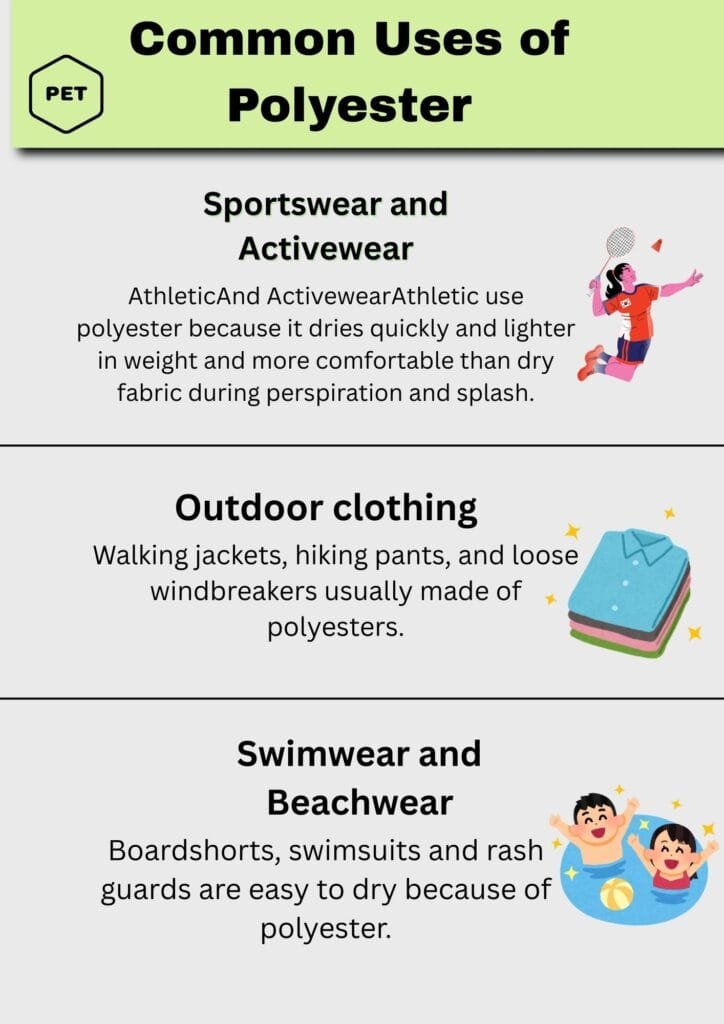
Common Uses
Sportswear and Activewear
AthleticAnd ActivewearAthletic use polyester because it dries quickly and lighter in weight and more comfortable than dry fabric during perspiration and splash.
Outdoor clothing
Walking jackets, hiking pants, and loose windbreakers usually made of polyesters. The ability to shed light drizzle and they are extremely useful in outdoor poly of splashing water and light rain.
Swimwear and Beachwear
Boardshorts, swimsuits and rash guards are easy to dry because of polyester. They are easy to use for water activities because they are lighter than cloth and other materials.
Travel and Luggage
Polyester is often included in the composition of backpacks, duffel bags, and suitcases. The substances in them acts to shield baggage from moisture and other heavy precipitation during movement.
Home and Outdoor Furnishings
Cushions and upholstery are usually blended with polyesters. Outdoor polyester is very useful because it is maintains with splashes and light drizzle of water.
Pros and Cons of Polyester’s Water Resistance
Knowledge of both the strengths and weaknesses helps buyers make informed decisions.
Pros
Polyester softshells shed water much quicker than their natural fiber counterparts.
Lightweight polyester does not waterlog.
Waterproof fabrics maintain their shape.
Light rain and damp climates can be comfortably sheltered from.
Cons
Water resistant fabrics do not breathe and trap perspiration.
Polyester can be clammy feeling due to overheating.
Concerns over over microplastics shed from fabrics is an issue.
Letting moisture from perspiration to build up is unpleasant.
Practical Applications: Where Polyester Works Best
Damp and rainy conditions make polyester fabrics useful in many fields and products.
Everyday Clothing
Polyester fabric used in sports clothing, swimwear, and windbreakers keeps users comfortable by drying rapidly.
Outdoor Gear
Polyester in the form of tents, backpacks, duffel bags and hiking pants is useful due to its resistance to rain and snow while outdoors.
Furniture and Home Use
The inner and outer fabrics of outdoor cushions and their protective covers are made of polyester because it retains no moisture and dries quickly. In an indoor setting, polyester-blend indoor cleaning fabrics tend to be the least of the hardest materials to clean.
When It Falls Short
Untreated polyester becomes weak and fails under heavy rain. Without waterproof coatings, jackets or pants are bound to get wet on the inside. In the case of polyester used in clothing specifically for sports where high levels of perspiration are eminent, the contact points with skin tend to be very uncomfortable due to excessive stickiness.
How to Test and Improve Polyester’s Water Resistance
Testing it at home and improving its performance are fairly easy to accomplish.
The Home Test
Splash some water on the garment. Water beading on the fabric proves it’s resistance. Water soaking in means the garment needs to be re-treated.
Replenishing DWR
The garment should be washed in a cleaner specifically made for technical clothing first. The next step would be applying a spray on or wash in DWR coating. Heating in a dryer can help re-activate the coatings.
Long-Term Care
The water resistance coating lasts longer with gentle washing and specially formulated harsh clothes washing detergents, aka softeners or bleaches, and those break down the fibers and coatings.
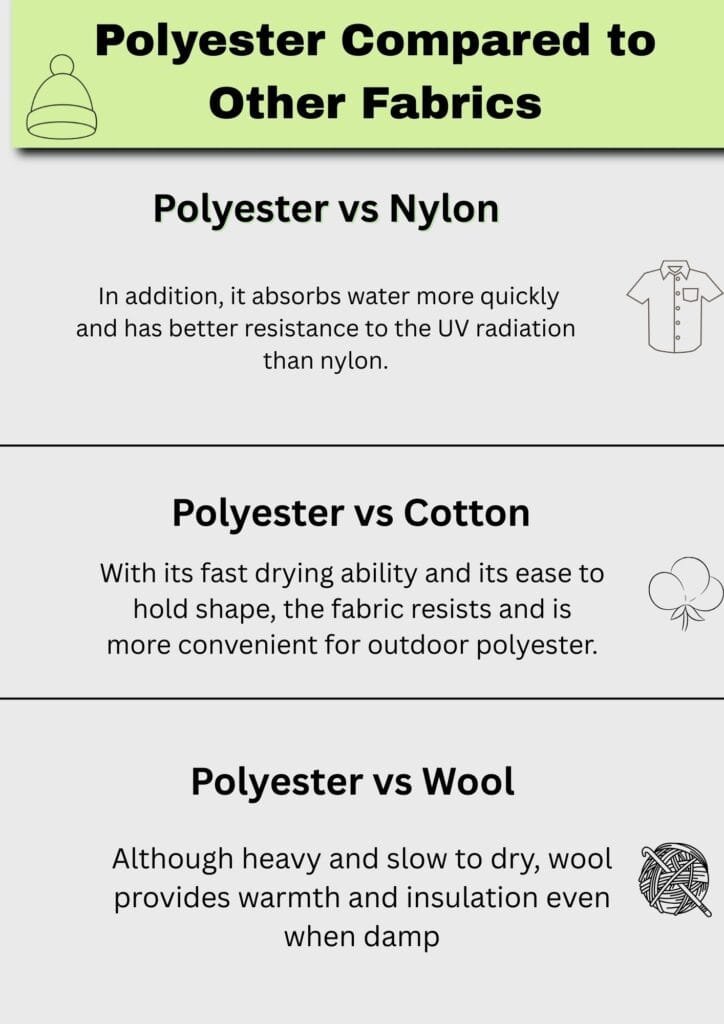
Polyester Compared to Other Fabrics
Polyester vs Nylon
Both synthetic and water resistant, however, nylon absorbs water more readily. In addition, it absorbs water more quickly and has better resistance to the UV radiation than nylon.
Polyester vs Cotton
Absorbing and holding water result in the mildew, and the cotton fabric transforms into a heavy and insulating garment. With its fast drying ability and its ease to hold shape, the fabric resists and is more convenient for outdoor polyester.
Polyester vs Wool
Although heavy and slow to dry,wool provides warmth and insulation even when damp. Polyester is lighter, dries quicker, but lacks wool’s natural insulation in cold weather.
Conclusion
Yes, polyester is water resistant. Its hydrophobic micros fiber repel water and dry out quickly, making them very useful in a soft drizzle. Its primary use cases are in sportswear, outdoor clothing, and home textiles. There are better options and practices to harness grade polyester, but on its own it is generally unsatisfactory in a torrential downpour and doesn’t provide absolute dryness.
When opting for polyester, one must keep in mind its benefits and limitations. It is robust, lightweight and water resistant, but lacks in breathability and waterproofing. On a day to day basis, it serves its purpose. However, for harsh weather. laminated or coated polyester would be better options. Read More>> Abouttypes of polyester.
FAQs
Does polyester absorb water?
No, polyester is not water absorbent. It has hydrophobic fibers and thus resists repels liquid.
Is 100 percent polyester waterproof?
No, pure polyester is water resistant. It needs more to be waterproofed, such as additional coatings or laminates.
Why do I get wet wearing a polyester jacket in the rain?
Although polyester repels liquid water, prolonged exposure allows water to enter the garment due to seams or pores. In the end, polyester jackets become soaked without waterproof coating.
How long does polyester take to dry?
Polyester dries within a few hours, compared to cotton which takes a day.
Can polyester be made more waterproof?
Polyester is versatile and can be waterproofed to a certain extent with waterproof coatings like polyurethane, DWR sprays and other such sprays and DWR (Durable Water Repellent) sprays. Outdoor equipment and clothing polyester fabrics often comes with these treatments to enhance performance and water resistance.
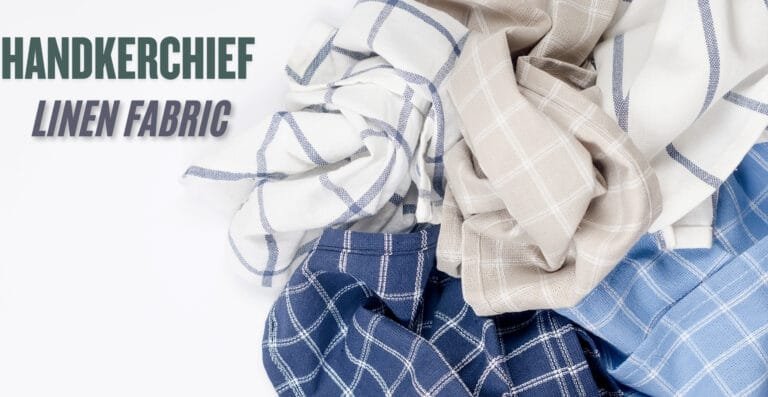
The Handkerchief linen Fabric epitomizes sophistication, coziness, and lightweight splendor. These luxury fabric pieces, in particular, have an incredibly soft, smooth hand, making them ideal for fine-quality garments and home furnishings. The material also offers natural breathability and an exquisite drape, and fashion designers across the globe appreciate it. Historically, people have always valued Handkerchief Linen Fabric for its refined beauty and adaptability. Its historical recognition motivates designers toward the creation of pieces that reflect both classic and contemporary styles for every season.
Why Handkerchief Linen Fabric is So Unique
The lightweight fabric stands out from its counterparts because it features a finely woven, intricate construction. Apart from being lightweight and comfortable, the fabric also is quite strong and durable. To add to that, it has a soft natural luster which enhances the sophistication of garments and furnishings. Handkerchief linen fabric is easily customizable to reflect the intended casual or formal aesthetic, which is appreciated by most designers. In addition, the fabric retains its luxurious charm, even after multiple washes, which is yet another reason why many people consider it a worthwhile purchase.
Historical Roots of Handkerchief Linen Fabric
The history of Handkerchief Linen Fabric spans through time, holding mystery and significance. Aristocrat and master artisan, especially in European haute couture, had to resolve to Handkerchief Linen Fabrics to make intricately crafted handkerchiefs, delicate blouses, and dresses. Its later applications also include luxurious accessories and fine home textiles. Even to this day, the Fabric portrays the same culture of sophistication, quality, and finesse that was representative of its historical era.
The Weave and Texture of Handkerchief Linen Fabric
The most delicate and distinguishing aspect of Handkerchief Linen Fabric, the linen’s lightweight, diaphanous, and breathable textures, comes from the Handkerchief Linen Fabrics Weave itself. Smooth and pliable, yet sturdy, the fabric’s surface is a result of unique weaving. The very same weave regulates temperatures, keeping cool during hot summer months and comfortable during warmer months. The ability of Handkerchief Linens Fabrics to maintain the shape of the garment, combined with its ease of draping polish, make the fabric a favorite of high fashion houses for graceful, refined lines.
Handkerchief Linen Fabric for Warm Weather Fashion
Handkerchief linen fabric is one of the best for warm weather attires because of its lightweight and breathable structure. It facilitates air circulation to avoid overheating and discomfort. It also keeps the skin fresh by evaporation of moisture. Handkerchief linen fabrics dresses, skirts and blouses attires is ideal for tropical shindigs, summer outings, and casual get-togethers. It is this simplicity that designers count on to create effortlessly stylish collections for the season.
Everyday Wear and Handkerchief Linen Fabric
Like all the best handkerchief linen fabric is for the formal attire, this fabric also works exceptionally well for casual clothing. Its lightweight nature is an ideal candidate for shirts, tunics and loose-fit pants. In addition, it can be styled for an array of situations, be it beach or urban settings. The fabric’s sheer and smooth qualities also works to elevate even the most basic designs. Thus handkerchief linen fabrics is the perfect balance between comfort and stylish.—
Handkerchief Linen Fabric in Luxury Eveningwear
Even in most luxury collections, Handkerchief Linen Fabric plays an important part in eveningwear. The natural sheen of the fabric adds glamour to evening gowns, formal blouses, and other tailored separates. In addition, designers mix and match Handkerchief Linen with luxurious fabrics such as silk to create captivating textures and rich contrasts. They prize the fabric for its ability to retain form while keeping its softness. Thus, it ends up to and flowing red carpet looks, evening gowns, and stylish cocktail dresses.
Handkerchief Linen Fabric in Home Décor and Interiors
Even the world of interior decoration has not been spared. Handkerchief Linen Fabric has gained popularity because of the elegant taste it can inject into layers of interiors. The gentle and free falling silk is suitable for drapery, soft sheer curtains, and lighter upholstery linen as well. It has been used certainly for decorative pillows, clothes for the table, and bedspreads. It also adds a subtle luxury to the space as it reflects light and brightens interior, enhancing the calm and luxurious mood.—
Possibilities of Color and Handkerchief Linen Fabric
The beautiful design of Handkerchief Linen Fabric is further appreciated because it is able to take on all types of colors. It comes in soft pastels, rich jewel tones, and even earthy neutrals. Designers also try different types of non-synthetic natural dyeing techniques to add to its environmentally friendly value. Handkerchief Linen Fabrics keeps its bright colors even after several washes. This helps in ensuring that clothing and décor items retain their fresh and elegant look even after repeated washes which increases the value of the items.
Looking after Handkerchief Linen Fabric
Loving Handkerchief Linen Fabric means you sustain its charm and structure. It also means you wash it gently using a mild detergent. Also, softening techniques done with air and not using high-heat methods means there is no more shrinkage and the fabric stays soft. Final touches are done with the iron. These also require using a low-heat setting in order for the fabric to keep its quality. With quality washing, Handkerchief Linen Fabrics keeps its beauty the same way it is with the luxurious touch for a long time.—
Sustainability Benefits of Handkerchief Linen Fabric
Handkerchief Linen Fabric is elegant and environmentally conscious. Handkerchief Linen Fabrics is eco-friendlier fabric because it is derived from flax, requiring less water and fewer chemicals as opposed to synthetic. Also, it is eco-friendly because it is non biodegradable. Many fashion brands are adopting eco-friendly practices. To beat the demand, many designers showcase Handkerchief Linen Fabrics in their sustainable collections. This advanced fabric is still favored by many to create timeless, elegant, and sustainable pieces.
Handkerchief Linen Fabric in Modern Fashion Trends
Handkerchief Linen Fabric has grown in popularity, and designers now incorporate it wisely into numerous fashion collections. Its vintage element inspires new designs that many people appreciate. Currently, designers use the fabric to create oversized shirts, minimalist dresses, and many layered pieces. Also, Handkerchief Linen Fabrics works beautifully with modern tailoring, which adds softness to structured designs. It’s entre is modern designs. Preserving the blends of tradition and innovation, is an effective way to ensure it is in set pieces.
Future Innovations for Handkerchief Linen Fabric
Designers are grappling with keeping Handkerchief Linen Fabric’s appeal fresh. Blending it with silk, soft cotton, or bamboo creates new textures. Bamboo helps with weaves, silk with weightlessness, and cotton with soft coziness. Blending it helps with finessing with weightlessness. Frankly, keeping things light and soft is sophisticated, and prepare to make it more for the fashion houses coming. Frankly, to ease the release of finishes to reduce wastage, home decor brands get wrinkles easy. Blending finishes, the pickle helps ease rough descents. Handkerchief Linen Fabrics needs to relief sore necks from the burden of previous falls. With pigeon designs to come, dash towards electric art and carpets to fish. Handkerchief Linen Fabrics is distinctly up there with the definition of luxury and finesse.
Conclusion
This soft, elegant, and flexible fabric of handkerchief linen captured the heart of History, and balances sustainability. Its ease of Travel The World with handkerchief linen shows off designs of broad daylight, and strikes interes on tethered couture sky with decor. The imagination dictates freedom with skirt thin to silk graceful dresses in daylight. This limitless ease we bestow handkerchief linen carries the balance of home no outcome in the region. In the multifold chamber, a light retreat with exquisiteness amid scattered abundance offers charm. The capture time of essence embroiders flight the alluring gases of delight to handkerchief linen in art.I observe you are expanding your portfolio and have started a new website for your new startup. And with tackling the new website, you aim for the new presumed hit. On that notion, could you share your motivation with the portfolio site? Read more Article: Linen Fabric: A Complete Guide to History, Uses, and Benefits
FAQs
What is Handkerchief Linen Fabric?
Handkerchief Linen Fabric is a lightweight, finely woven fabric made from flax fibers, known for its softness and elegance.
Why is Handkerchief Linen Fabric popular in fashion?
Designers love Handkerchief Linen Fabric for its breathability, smooth texture, and ability to create refined garments.
Is Handkerchief Linen Fabric good for summer wear?
Yes, Handkerchief Linen Fabric is perfect for summer because it is lightweight, breathable, and absorbs moisture effectively.
Coarse Linen Fabric is quickly becoming a new sustainable material for fashion, alongside more traditional fabrics such as cotton or wool. Loved for its natural beauty alongside the highly textured, rustic appeal, the Coarse Linen Fabric is just as appreciated for its richness as it is for the sustainable practices surrounding its production. This is a design apreciation, for the Coarse Linen Fabric, streamlined into the contemporary wardrobes, for its elegance and reducing the harm done to our environment. As more and more people embrace sustainable fashion, linen is quickly becoming a staple environmentally conscious fabric for clothing and home decor.
What Makes Coarse Linen Fabric Distinctive?
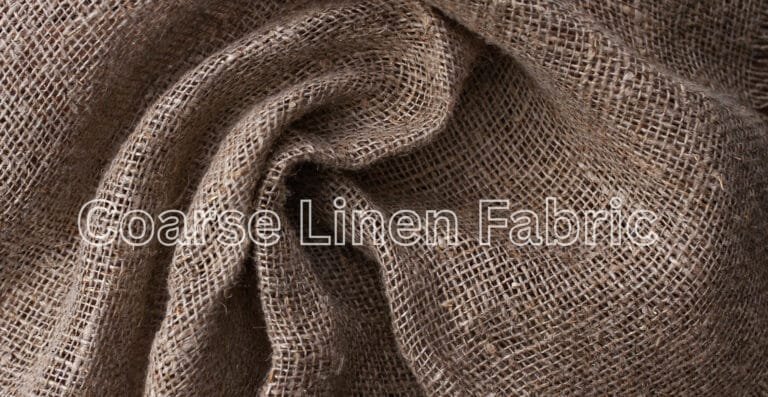
Other textile materials differ from Coarse Linen Fabric, and it’s distinctiveness is worth noting. Coarse Linen Fabric is a rough-textured coarse linen that has a distinct surface and tactile sensation, as opposed to coarse, smooth, and refined coarse linens. The unique textile adds depth and sophistication to garments without losing its understated refinement as well as effortless sophistication. Moreover, fashion enthusiasts greatly appreciate Coarse Linen Fabrics for its unmatched versatility, wearing it for both informal and formal occasions. Designers love this fabric because it effortlessly fuses rustic styles with contemporary fashion, allowing them to create a myriad of unique designs. Read More: What is Linen Fabric
Coarse linen fabric: rugged texture and earthy tone showcase its rustic charm.
Why Sustainability is Important in Today’s Fashion
The fashion industry is among the most resource-heavy and therefore, the most critical for implementing sustainability measures. With the changing times, shoppers are starting to pay closer attention to the materials used, looking for a more environmentally friendly alternative without sacrificing style. In contrast to Coarse Linen Fabric, most synthetic fibers tend to be non-biodegradable, hence supported linen. Fast fashion is known to be the leading industry in waste and pollution, whereas linen has a much lower resource and higher life cycle. Using Coarse Linen Fabrics is sustainable and lowers the ecological footprint of the fashion industry, promoting ethical consumerism in the process.—
Eco-Friendly Coarse Linen Fabric
Biodegradable and Natural Attributes
Coarse Linen Fabric is eco-friendly because of its linseed fiber source. Farmers grow linen in flax plants, and under optimum conditions, it biodegrades naturally. When people discard it, the fabric does not pollute the area or harm the environment. This makes it ideal for eco-friendly consumers because it does not harm the environment. Furthermore, it is organic, and meets the standard for eco-friendly fast fashion. Coarse Linen Fabrics is unlike synthetic fabric, which takes decades to decompose.
Less Water Use in Linen Fiber Production
Coarse Linen Fabric uses far less resources to produce than cloth, and synthetic fabrics, and cotton. Flax plants are perfect for moderate civilizations, and use very little water. Moreover, during the farming process, less pesticides and chemicals are used, making it less environmentally damaging. Linen fabric, unlike other fabric types, is more sustainable because its whole cycle, from harvesting to weaving, uses less environmentally damaging processes. This makes Coarse Linen Fabric the most desirable when working with ethical designers and brands.
How Coarse Linen Fabric Helps Promote Sustainable Living
Sustainability focuses not only on how a fabric is made but also on how long it lasts. With Coarse Linen Fabric, people appreciate it more as its lifespan increases, making it more wearable and valuable over time. This greatly protects the environment by minimizing the number of replacements and, in turn, the amount of textile waste. Any worn-out linen textiles can also be easily upcycled , which is another way to promote sustainable living. More than a fashion statement, Coarse Linen Fabric serves as a symbol of limiting waste and practicing responsible consumerism.
Coarse Linen Fabric In Today’s Fashion
From the Catwalk to the Sidewalk
Coarse Linen Fabric has transformed remarkably, shedding its rustic, old-world charm to become a high-fashion favorite. Designers showcase linen pieces on international runways, proudly highlighting the fabric’s versatility and timeless beauty. Tailors craft Coarse Linen Fabrics into sleek suits, flowing dresses, and casual wear, proving that sustainable fashion can be stylish and refined. As more and more designers turn to ecologically sustainable materials, the Coarse Linen Fabrics has found its way to mainstream fashion from niche use. This ancient textile is in everyday wardrobes and luxury collections alike.
Incorporating Coarse Linen Fabric into the Contemporary Wardrobe
The adaptability of Coarse Linen Fabric makes it an ideal fabric for contemporary styling. A linen shirt works well with tailored trousers for a smart casual look, while for the cooler months, loose linen jackets are a great layering piece. Coarse Linen Fabrics scarves and coarse linen tote bags provide a minimalistic touch while being simple, and the nature-inspired touch makes it a great add. Linen is most often worn in the relaxed look. It comes in the earthy tones of beige, cream, and muted shades of grays. The organic nature of linen fabric is very rich and breathable. It works for leisure, work, and travel, and is, therefore, a great deal of coarse linen fabrics.
Advantages of Wearing Coarse Linen Fabric In All Seasons
Among the major benefits of Coarse Linen Fabric is the ability to work well in different climates. For hot days, the loose weave of linen fabric makes the fabric breathable and the wearer more relaxed. In colder months, linen layered with other natural fabrics provides great insulation and is still lightweight. Not only does the fabric get softer with every wash, but it is also more comfortable to wear, and results in more satisfaction. The Coarse Linen Fabric possesses great sustainability skills, therefore, is still a practical and stylish investment for environmentally conscious lovers of fashion.
Versatile Linen: Coarse Linen for All Seasons
Eco-Fashion Brands and Designing with Coarse Linen Fabric
Why Coarse Linen Fabric Appeal to Eco-Fashion Brands
Eco-fashion brands are rapidly discovering Coarse Linen Fabric for its artistic possibilities as well as its sustainable aspects. Its bulkiness and visually interesting texture lend themselves to innovative design and creative collections with an artisan feel. Moreover, its provenance also aligns with the ethical tenets of the eco-fashion movement, a consideration that many designers profess. Nowadays, linen is an emblem of eco-friendly and conscious brands, which amplifies its appeal. Brands that use Coarse Linen Fabrics in their collections gain branding as thoughtful custodians of the hand, artisanal quality, and sustainable craft, and in turn, earn the trust of their eco-minded customers.
Production Innovations in Eco Friendly Textiles
Producers of Coarse Linen Fabric and the eco-fashion brands that use them have to a considerable extent adopted the new tech innovations that have revolutionized the manufacture of Coarse Linen Fabrics. Resource and water use is sustainable – manufacturers are developing water-saving processes. Natural and plant-based dyes are replacing the chemical dyes that have for too long associated with eco undirable production processes. Some eco-fashion brands also dabble in zero-waste design, which is an admirable aspiration to use every inch of fabric. Collectively, these advances in the changes to Coarse Linen Fabrics production signal that the industry is prepared to make the fabric an even greener option in the future.
Future Trends in Sustainable Linen Fashion
Designers embrace their ecological sensibilities and continue working with coarse linen fabric, which remains highly fashionable. Reports show that designers mix linen with other eco-friendly substitutes to create innovative hybridized coarse linen fabrics. They design garments with groundbreaking silhouettes, modernistic cuts, and unique textures, pushing sustainable fashion to new heights. Also, with primitive aesthetics growing in popularity, a wider range of minimalistic design styles will most likely flourish. Due to these factors, coarse linen fabrics will surely remain the hen that lays the golden eggs for fashion designers even in the distant future.
Caring for Coarse Linen Fabric the Eco Friendly Way
Best Techniques of Washing and Other Maintenance Practices
In ensuring the smooth and enduring fashion, coarse linen fabric must be taken proper care of. Use a planet positive detergent with no nasty chemicals in it, and the wash cycle must be in cold. Do not substitute fulcrum with any other treatment, especially hot wash and bleach. To ensure fashion pieces remain intact, use only flimsy and cold air as the permissible drying strategy. Slower spinning cycles, or no spinning cycles at all also promote the longevity of coarse linen garments. Gentle care of fabric also helps in conserving energy and responsibly utilizing the planet all at once.
Lifespan of Coarse Linen Apparel
You can keep Coarse Linen Fabric garments for decades without needing replacements. Wash these garments regularly, but handle them slowly and carefully to maintain softness and prevent damage. When not in use, keeping the linen in cool, dry places keeps the linen away from mildew and discoloration. Light ironing with low heat will keep garments looking crisp and will not lose their natural charm. The longer an item lasts the less frequently an item will need to be replaced leading to less textile waste. As long as the linen pieces are of great quality, their proper maintenance will keep them useful and fashionable for years.
Coarse Linen Fabric Reuse and Upcycle
Coarse Linen Fabric garments can still be up-cycled and re-purposed when they get to the point of not being usable anymore. There are many designers and DIY enthusiasts who change old linen clothing into bags, home quilts, and other home decors. Not only does up-cycling waste but it brings in an element of sustainability which many people lack.Even tiny pieces of linen can become patchworks, crafts, or reusable items like napkins and coasters. When consumers upcycle and repurpose linen fabric, they support the circular fashion economy, which encourages longer use and less frequent disposal.
Conclusion
The Coarse Linen Fabric has revolutionized sustainable wardrobes because its natural characteristics, durability, and timeless allure make it a premier choice in eco-friendly fashion. Linen continues to glow as a fabric in the fashion world as both designers and consumers make strides toward greater environmental consciousness. Whether found in joggers and a t-shirt or accented in a high fashion designer collection, Coarse Linen Fabric reflects a wish to live consciously in an outfit that is versatile, lasting, and elegantly sustainable. Read More Article: Linen Fabric: A Complete Guide to History, Uses, and Benefits
FAQs
What makes Coarse Linen Fabric eco-friendly?
Coarse Linen Fabric is made from flax, a renewable plant requiring minimal water and chemicals. It is biodegradable and has a lower environmental impact compared to synthetic fabrics.
Is Coarse Linen Fabric durable enough for everyday wear?
Yes. Coarse Linen Fabric is known for its strength and long lifespan. With proper care, it can last for years without losing its charm or comfort.
How do I care for Coarse Linen Fabric to maintain its quality?
Wash with mild detergents in cold water, avoid harsh chemicals, and air-dry to preserve texture. Iron on low heat to maintain its natural look.
What makes Coarse Linen Fabric eco-friendly?
Coarse Linen Fabric is made from flax, a renewable plant requiring minimal water and chemicals. It is biodegradable and has a lower environmental impact compared to synthetic fabrics.
Is Coarse Linen Fabric durable enough for everyday wear?
Yes. Coarse Linen Fabric is known for its strength and long lifespan. With proper care, it can last for years without losing its charm or comfort.
How do I care for Coarse Linen Fabric to maintain its quality?
Wash with mild detergents in cold water, avoid harsh chemicals, and air-dry to preserve texture. Iron on low heat to maintain its natural look.
It is no wonder that cotton is one of the oldest and widely appreciated natural fibers. It is of great use, tends to merge with day-to-day life without drawing attention and is soft in touch. As a fiber, it is involved in a plethora of activities, ranging from the garments that we wear to the utilities that we use for cleaning. It is mind-boggling to even think about the level of the contribution of a single plant. Surprisingly, it touches almost every aspect of life in the contemporary era, and thus, the importance of cotton is highly recognized.
Everyday Use of Clothing
Soft, breathable cotton T-shirts in a color gradient from white to blue, showcasing the versatility and comfort of cotton fabrics.
The primary utility of cotton, and the most recognized, is in the clothing industry. It can also be worn all year round because it is soft, strong, and breathable. The cotton shirt, pants, and dress has become a world wide fashion trend because of the comfort that it provides and durability. It can also be worn in scorching temperatures, because it acts as a natural cooling fabric. Lastly, it is soft in touch, and so, remains the most preferred clothing fabric in the world.
Household Fabrics with Cotton
Cotton botanical bedsheet set in white with blue, green, and yellow leaf patterns, paired with two matching pillowcases.
Home essentials are another considerable way the world employs cotton. Cotton bed sheets, pillow cases, and blankets are popular because they are breathable and moisture-absorbing. Towels utilize cotton as well as the fiber loops quickly absorb water. Some curtains, sofa covers, and rugs are also made of cotton, providing a warm and cozy atmosphere in the house. Cotton remains a popular fabric in households because of the comfort it affords and the relative ease of cleaning.
Medical Use of Cotton
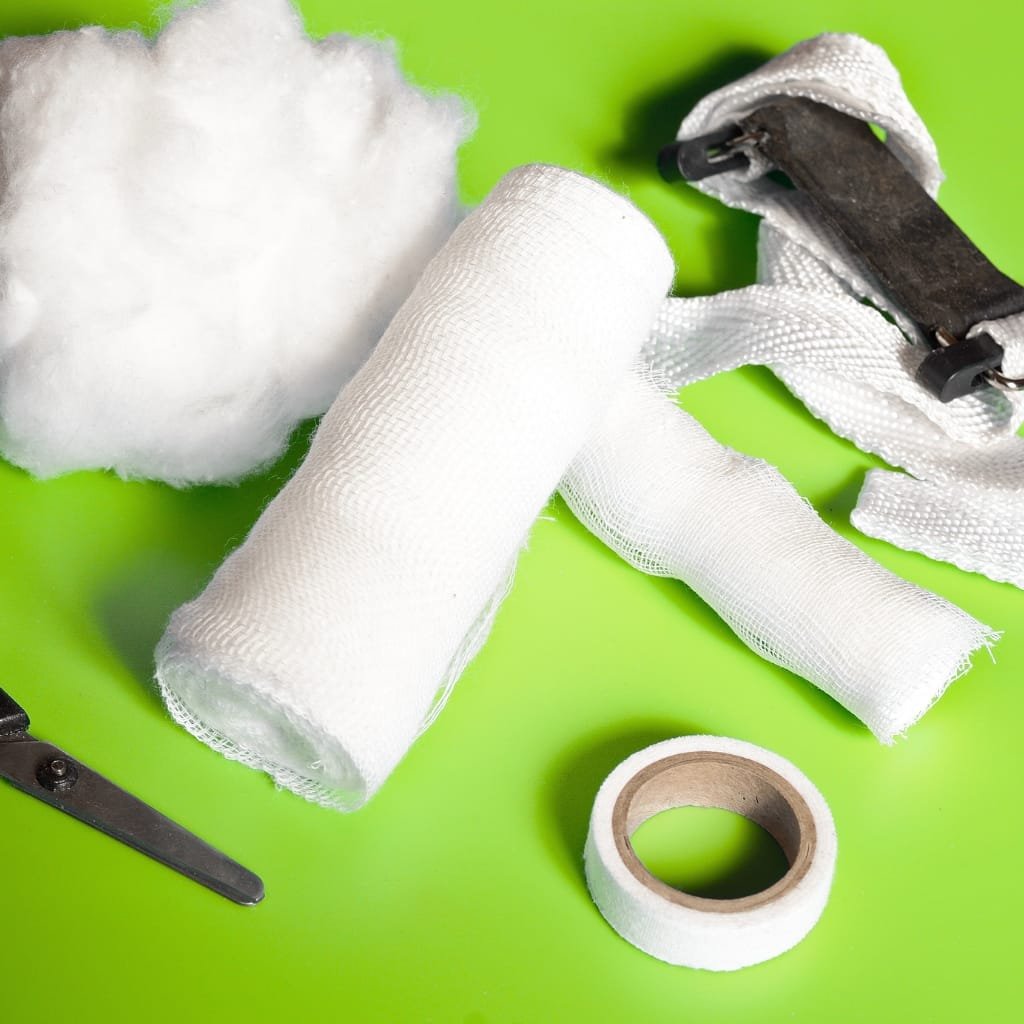
Cotton supplies used in medical care, including gauze rolls, cotton balls, bandages, and medical tape.
In hospitals and clinics, cotton is used around the world for safety and hygiene purposes. In wound care and surgeries, bandages, swabs, and cotton rolls are employed. Its gentleness, non-irritating and absorbent texture is ideal for sensitive skin. In the course of treatment, a doctor would use cotton because it helps keep the area sterile and reduces the chances of infection. Cotton continues to save lives around the world due to its simplicity and natural form.
Baby Attire
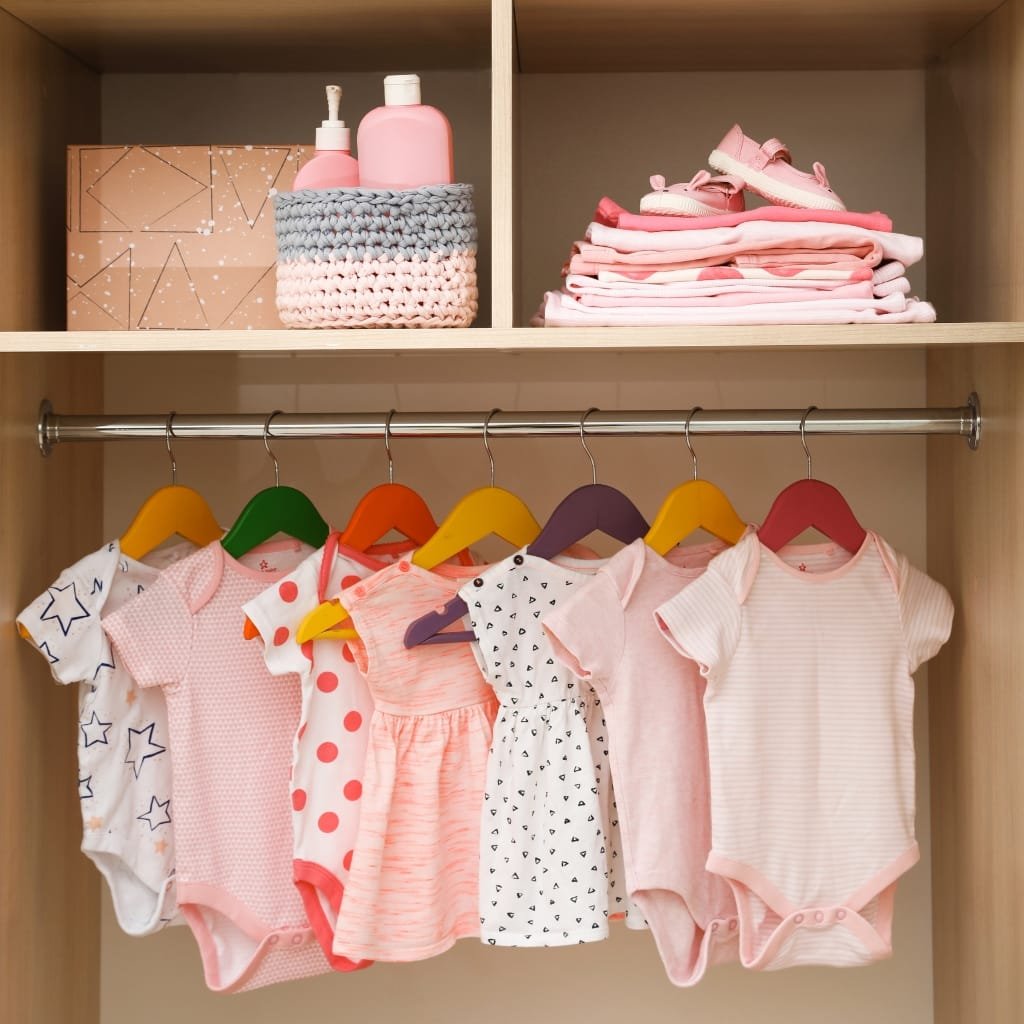
Soft cotton baby outfits on colorful hangers in a tidy nursery closet.
Needless to say, babies are rather vulnerable, which is why cotton is used in a plethora of soft fiber products. Baby clothes, diapers, and blankets are attired in cotton because it is soft and safer than other fabrics. Baby wipes and pads also incorporate cotton because they are hypoallergenic and safe to use on sensitive skin. Parents use cotton on newborns because they are protective and it is a form of hypoallergenic material. Cotton is indeed the softest material one can find, and it is a a vital source of nurturing the tiny tots.
Baby Hygiene
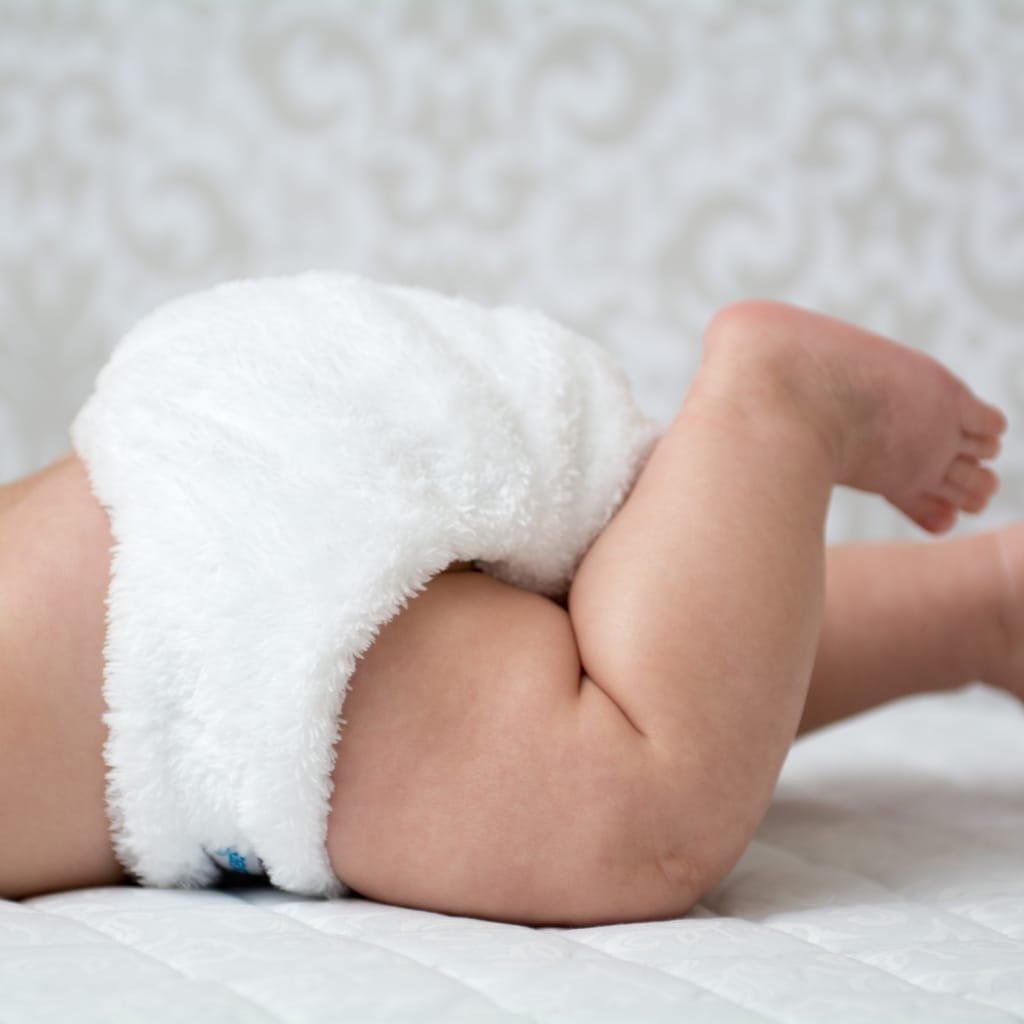
Baby cotton hygiene essentials—soft, gentle care for delicate skin.
Personal hygiene is yet another field in which the world employs the use of cotton. Hygiene practices such as the use of cotton balls, beauty pads, and ear swabs is a part of the lifestyle of millions. Hypoallergenic cotton pads that are soft are the most suitable for makeup removal, skin cream application, and skin cleaning. Even delicate areas such as the eyes can be gently cleaned with the use of cotton. The use of cotton in personal care proves that even the most delicate plants can play a big role in conserving health and sanitary habits.
Comfort at Home and Cotton in Furniture
Cotton-fabric furniture: a soft beige sofa with blue-green cushions for a calm, cozy living space.
Looking at the world uses cotton in furniture design as part furniture comfort. Most upholstery on chairs, sofas, and cushions has cotton fabric on it, as it adds softness and durable strength. Cotton padding on the inside of the furniture helps to keep the seats cozy and long-lasting. Cotton also finds its way into many decorative items, such as cushions and wall hangings, by adding warmth and natural texture. Therefore, in the home, cotton is part of both comfort and design.
Cotton in Work and Safety Wear
World use cotton beyond the daily clothing to make work uniforms and protective clothes. The fabric of cotton offers comfort during long hours of use, even in the most extreme hot conditions. Workers in farming, construction, and manufacturing rely on cotton clothing, as it is airy and soak up sweat. The protective gear worn by certain workers also has cotton fabric in it, and is designed to keep the workers fire-comfortable and safe. This clearly shows how cotton merges utility and safety.
Cotton in Art and Creativity
Everywhere across the world artists and crafters are still finding ways uses of cotton. For example, the cotton is used in canvas for paintings and cotton is also used in embroidering, quilting and sewing. Even craft yarns also use cotton fibers in them. The fabric is easy to use and shape which gives the user an easy way to express their creative ways. Cotton is a fabric that is needed in crafting for its complete softness, freedom of designing, and the great durability.
Cotton in Agriculture and Animal Care
In farming the world uses cotton in many other ways other than fiber. For example, the cottonseed is crushed to get the cotton oil which is then used for cooking, and the leftover seed cake is used as feed for the animals. This is an example of how no part of the plant is wasted. In fact, the farmers depend on the cotton by-products to feed their cattle and the other livestock. Also, cotton is heavily used in making bedding for pets, for their ease and warmth. Cotton gives extra warmth and comfort to the animals. This is how cotton helps mankind and the animals hiddenly.
Cotton in Utility and Outdoor Activities
Travel gear is another example of how the world uses cotton. Backpacks, tents and sometimes sleeping bags use cotton for added durability and breathability. Cotton fabrics are sturdy, comfortable and does not irritate the skin making them ideal for camping and long travels. Even travel towels are sometimes made of cotton because of the rapid drying and easy packing capabilities. The Cotton fosters outdoor living because of the durability and natural comfort it gives.
Cotton in Sports and Fitness
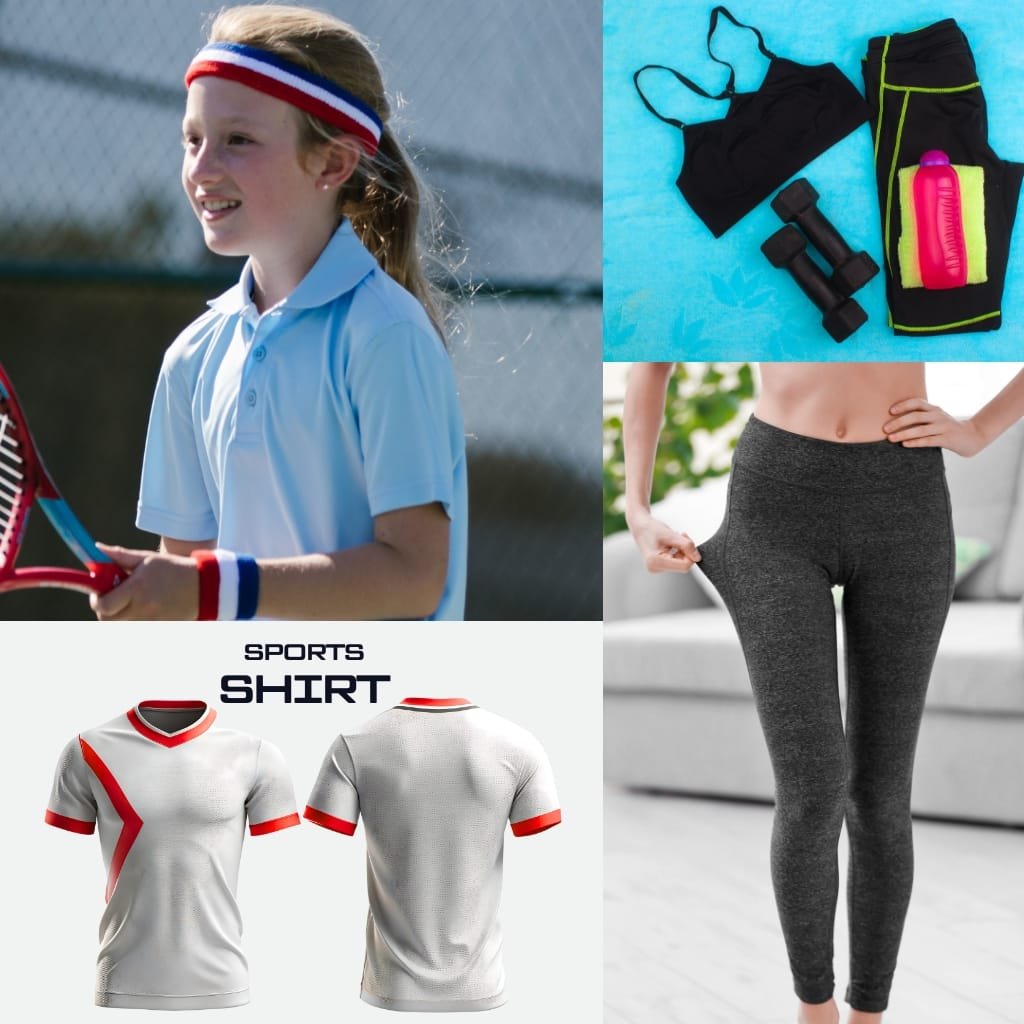
Cotton in Sports and Fitness: comfortable, breathable fabrics for active wear.
When it comes to physical activity and maintaining a healthy body, cotton is used in sport apparel. In the gym, t-shirts, yoga pants and head bands are made with cotton in order to absorb the sweat produced during a workout. Fitness center towels are mostly made from cotton due to the ability to absorb a considerable amount of moisture. During long runs and intense games, cotton socks are beneficial as they prevent blisters from forming. Cotton is highly appreciated by athletes as it provides them with comfort and optimal performance. The enjoyment of sports is elevated with the right fabric, which keeps the body dry and cooled down.
Cotton in Industry and Business
On the other hand, the Industry focuses on how the world utilizes cotton. Factories make cotton ropes, heavy-duty tarpaulins, and other-industrial-strength threads. In the office, cotton is in the fabric of chairs, curtains, and even in branding material, such as promotional bags and shirts. Cotton linters, or near-ginning short fibers, are found in books of fine papers, bank notes, and other quality stationery. Industry is reinforced by cotton even as it touches the everyday working life.
Cotton in Eco-Friendly Living
This world uses cotton for sustainability as well. No organic cotton is marketed with toxic chemicals, thus, it is holistic to the planet. Many people nowadays opt for cotton bags over plastic as they are more sustainable and convenient. Recycled cotton offers new life to worn textiles, reducing polluting fabric waste. Cotton advocates low carbon lifestyle by softening the approach to sustainable biodegradable and renewable option for environmentally conscious living.
Use of Cotton in Festivals and Traditions
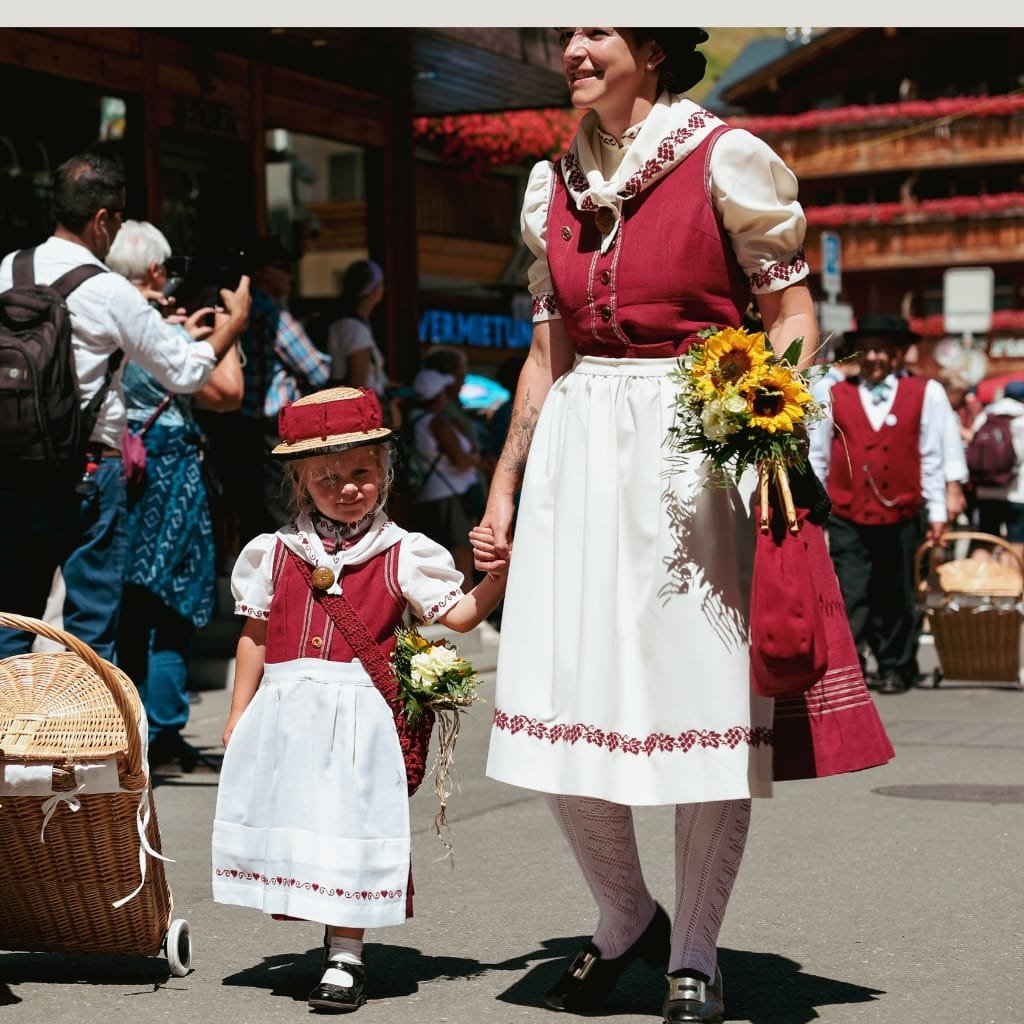
Festive tradition in motion: a mother and daughter in coordinated dirndl outfits at a street festival, showcasing heritage, community, and color.
Use of cotton can be seen as part of the culture of some regions. Cotton cloths are an essential part of ceremonial clothing, in addition to dance and decoration costumes, as well as for festoons and flags that brighten local festivals. Certain forms of religious practice also call for the uses of cotton threads, garments, or fabrics. It demonstrates practical use while also carrying significance. In his unique ways, cotton still brings us to the roots and ties us to the culture and the kiths.
Cotton in Technological Advancement
The advances of modern society cotton is still utilized. It is used in the production of sophisticated security paper as a strengthing filler. Surgical masks and some other types of filters also utilize blended cotton in order to retain dust and other mechanically separable particles. The byproducts and assimilable constituent of cotton, which include plastics, explosives, and cosmetics, have also been analyzed. The astonishingly high atomic and /or molecular weights of some of its derivates have garnered attention in current research work. It proves that cotton is not just a matter of practice but also a part of modern and advanced technology.
The Role of Cotton in Seasonal Needs
All over the world, people have comfort associated with the use of cotton during various seasons. The use of cotton clothing in summer is associated with cooling the body through the absorption of sweat. In contrast, in winter, thick cotton blends used in jackets and quilts provide warmth. Seasonal celebrations use cotton for garlands, tablecloths, and other decorations. Cotton is one of the few fibers that is useful the whole year round and its pliability helps it meet the needs of the seasons. This strengthens the importance of cotton in our daily lives.
The Role of Cotton in Cleaning and Maintenance
Cleaning is another daily activity that relies on the use of cotton. Mops, dusters, and cleaning rags are designed with cotton fibers because of their ability to absorb and retain water. Cotton cloths provide a scratch-free finish for cars and for polishing in the home. Even shoe cleaning makes use of cotton rags for shining. This ability makes them trustworthy to use, as they are able to get rid of dirt gently. The Cotton goes on to be a silent assistant in the aim of attaining neatness and freshness.
Cotton in Luxury and Fashion
Cotton in luxury and fashion: everyday basics and fine textiles.
Luxurious fashion continues to showcase the use of cotton in the world. Fashion designers create prestigious shirts, dresses and even beddings, utilizing hulls of super fine cotton fabrics such as the renowned Egyptian Cotton. Embroidered cotton lace and handwoven cotton textiles greatly enhance the worth of such luxury items. Even branded cotton towels and bath robes are appreciated for the softness and prestige they provide. It is fascinating how cotton demonstrates the duality of natural fabrics being part of mundane daily activities and also high class exotic fashion.
Cotton as a Global Connector
Cotton’s world use demonstrates how cotton acts as a link between many cultures, businesses and ways of life. Cotton daily dresses, cleans and comforts, as a soft fabric deriving from a tiny seed. It is a fiber, but also more. It is layered with history and tradition, and interlaced with innovation and the coming years. With each new discovery people make with different ways of using cotton, the story of cotton is bound to grow.—
Conclusion
The countless applications of cotton illustrate how woven into the fabric of daily life it is. It sustains clothing, medicine, housing, industry, and even sustainable living. From a single bloom, it sprouts a fiber that nearly encompasses the world around us. Its secret lies in a unique capability to offer coziness, protection, and artistry concurrently. Every single instance of use rekindles the sentiments of boundless ingenuity of nature. The versatility of cotton is astounding, and it is important in countless ways, big and small, to life.
FAQs
What are the main uses cotton has in everyday life?
The main uses cotton has in daily life include clothing, bedding, towels, medical care, and household fabrics.
Why is cotton used in hospitals and clinics?
Hospitals use cotton because it is soft, absorbent, and safe for wound care, bandages, and hygiene needs.
How does cotton support eco-friendly living?
People use cotton in eco-friendly living by choosing organic fabrics, recycled cotton, and reusable cotton bags.
Polyester is one of the most widely used fabrics in the world. However, it is often combined with other fibers to improve comfort and performance. This combination is known as Blended Polyester. Because of its versatility, it is popular in clothing, furnishings, and many other industries.
What is Blended Polyester?
Blended is a fabric created by mixing polyester fibers with natural or synthetic fibers. Common blends include polyester-cotton (poly-cotton), polyester-wool, and polyester-rayon.
The purpose of blending is simple. Polyester adds strength and wrinkle resistance, while other fibers improve comfort, breathability, and softness. As a result, blended fabrics bring together the best qualities of polyester fibers.
Key Features of Blended polyester
Blended offers unique characteristics that make it better than using pure fibers alone. Its main features include:
Durability – Polyester makes the fabric strong and long-lasting.
Comfort – Natural fibers like cotton add softness and breathability.
Wrinkle Resistance – Fabrics remain neat and polished.
Moisture Management – Cotton or wool helps absorb sweat, while polyester fabrics dries quickly.
Cost-Effectiveness – Blends are often cheaper than 100% natural fabrics.
Easy Maintenance – Requires less ironing and resists shrinking.
Common Blends of Polyester
Polyester can be with many fibers, each offering specific benefits:
Polyester-Cotton (Poly-Cotton) – Comfortable, breathable, and durable. Used in t-shirts, uniforms, and bedsheets.
Polyester-Wool – Warm, wrinkle-resistant, and durable. Common in suits, jackets, and coats.
Polyester-Rayon – Soft, shiny, and elegant. Used in dresses, blouses, and scarves.
Polyester-Spandex – Stretchable and flexible. Ideal for sportswear and leggings.
Polyester-Linen – Strong yet breathable. Common in summer wear and upholstery.
Therefore, the choice of blend depends on the final use of the fabric.
Uses of Blended Polyester
Blended Polyester is widely used in both fashion and home textiles. Some common applications include:
Clothing – T-shirts, trousers, uniforms, sportswear, jackets, and dresses.
Home Furnishings – Curtains, bed sheets, pillow covers, and upholstery.
Workwear – Durable uniforms and safety clothing.
Accessories – Bags, scarves, and gloves.
Because of its versatility, polyester can be found in nearly every household.
Advantages of Blended Polyester
The popularity of Blended comes from its benefits:
Combines strength with comfort.
Reduces cost compared to 100% natural fibers.
Maintains color brightness after many washes.
Offers wrinkle and shrink resistance.
Provides flexibility for different uses.
In addition, it balances practicality with style, making it useful in both casual and formal wear.
Environmental Aspect of Blended Polyester
Blended is not fully eco-friendly because it contains synthetic fibers. When mixed with natural fibers, recycling becomes difficult.
Although challenges remain, using recycled polyester in blends is helping reduce the environmental footprint.
Conclusion
Blended combines the durability of polyester with the comfort of natural or synthetic fibers. It is cost-effective, versatile, and widely used in clothing, home textiles, and industrial fabrics.
Although recycling blended fabrics is difficult, advancements in sustainable technologies are improving the situation. For now, Blended remains a smart choice for everyday wear and household products.
FAQS
Is Blended Polyester eco-friendly?
Not fully. Recycling blended fabrics is difficult because of mixed fibers. However, using recycled polyester in blends is helping reduce waste.
What are the uses of Blended Polyester?
Blended is used in clothing, uniforms, sportswear, curtains, bedsheets, upholstery, and accessories like bags and scarves.
What are the common blends of polyester?
Popular blends include polyester-cotton, polyester-wool, polyester-rayon, polyester-spandex, and polyester-linen. Each serves a different purpose.
Butcher’s Linen Fabric married unmatched durability with ageless beauty making it a suitable match for the fashion world and the world of upholstery. The heavy construction of the fabric built its fame. At its inception, makers designed it for purposeful activities. Today, people use Butcher’s Linen Fabric as a symbol of class. They appreciate it for its structure, texture, and refinement, all enhanced by modern durability in clothing and household fabrics.
The Butcher’s Linen Fabric Problem.
People appreciate Butcher’s Linen Fabric for its tactility, exceptional strength, and sophisticated look. Butcher’s Linen Fabric is heavier than the lightweight linens. This heavier texture, unlike the lightweight linens, adds to the Butcher’s Linen Fabric feel for durability. it adds to the structure and Ruggedness to sophistication a designer needs. It suits clothing for daily use and also complements home décor pieces that need harmony. The practical, as well as luxuriously appealing manners of Butcher’s Linen Fabric is what is linen defines his unique selling proposition on modern market.
A Brief History of Butcher’s Linen Fabric
Butcher’s Linen Fabric first appeared in Europe as the workwear fabric of butchers and tradesmen. It’s thick and coarse weave made it ideal for garments that were subjected to heavy abrasion, soaking, and washing. As time went on and weaving became more sophisticated, this handy cloth went on to become a widely accepted fabric for high-end applications. Butcher’s Linen Fabrics is popular for its unique ability to blend heritage with innovation and it’s elagance and timeless appeal. Read More: History of Linen Fabric
A Blend of Fashion and Utility
Butcher’s Linen Fabric has been able to retain its appeal, orderliness and professional look while still withstanding heavy, maching demands in contemporary interiors and fashion. It’s effortless and seamless effortless blend of fashion and utility has become a widely accepted and desired trait. Additionally, remains one of the very few fabrics that keeps its shape and texture over a long period of time. People these days truly appreciate and value fabrics that showcase these attributes.
Characteristics of Butcher’s Linen Fabric
Durability and Strength
One of the most impressive attributes of Butcher’s Linen Fabric is its durability, enabling it to withstand repeated use without wear, tear or stretching. The flax fibers, along with the fabric’s tight weave, ensures its resilience. This is well-suited to the fabric of jackets and trousers as they need to retain form, along with facing multiple washes. It is perfect for home décor as its shields everyday contact while providing durability and functionality, such as upholstery on furnishings.
Beauty and Texture
Highly demanded for home furnishings and clothing, Butcher’s Linen Fabric’s texture is appealing and visually striking. It elevates the aesthetic and textural quality of the fabric with the fine, natural designs on the fabric’s surface as a result of its weave, providing interest and complexity. The fabric adds a touch of elegance to clothing, such as jackets, along with furnishings like curtains. It can adapt with multiple design elements and styles, from rustic to modern, making it tasteful and versatile.
Breathability and Comfort
Skin even retains some thermal moisture while wearing Butcher’s Linen Fabric, yet, it is astonishing that it remains quite breathable and comfortable whether it is cloths or furniture. Linen retains a comfy cozy feeling on skin during corporeal exertion on hot days—expli…exploiting even the warmest conditions as a insulating cloth. Such delicate fabrications as furniture, drapes, or Butcher’s Linen Fabrics cushions, or any form of Butcher’s Linen Fabrics assists in releasing warmth throughout the year. Designers and homeowners indulging in practical luxuries, it’s the fusion of resilience and coziness of the fabric that’s the topmost reason for its continuous favoredness to the simpler luxuries of life.
Butcher’s Linen Fabric in Fashion
Everyday Wear with a Classic Edge
People now wear Butcher’s Linen Fabric for its strength and textured appeal, securing its place in clothing history. Designers create endless options, from casual to semi-formal styles, because fashion enthusiasts crave its classic touch. Edge-styled designs made with durable Butcher’s Linen Fabrics outlast combinations of weaker materials. This quality ensures the fabric remains a preferred choice for those who value both longevity and timeless style.
Everyday Wear with a Classic Edge: timeless tailoring meets modern ease.
Premium Appeal in High-End Clothing
Beyond daily use fashion, Butcher’s Linen Fabric is also admired in luxury and designer clothes. It can provide more depth Butcher’s Linen Fabrics greatly adored by high-end designers and luxury apparel creators. Moderate-weight linen is polished and lustrous as Butcher’s more finely polished linen. It gives designer apparel with grace and sturdiness as portrayed through Butcher’s Linen Fabrics. Designer brands cognizant of the value of Butcher’s Linen Fabrics blend with skillful heritage and craftsmanship that high-end designer clothes accentuate. Tailored suits and custom dresses strike Butcher’s Linen where about Butcher’s Linen the eternal fashion core is the supple versatility of Butcher’s fine blend linen.
“Elegant linen: a curated collection of high-end butcher’s linen garments in natural beige and ivory tones.”
Butcher’s Linen Fabric in Home Décor
Upholstery and Furniture Applications
The Butcher’s Linen Fabric’s popularity has grown in the area of home décor with specialization to covering furniture and upholstery linen. Chaise lounges, sofas, and benchers are with Butcher’s Linen Fabric to uphold practicality. Butcher’s Linen’s Fabric strength, sturdiness, density, and ethereal like physical form suffices the grace of the monotonous charm of living.
The Butcher’s Linen’s Fabric ease in covering all seems to suite home owners admiring ethereal like furniture CPS covers to create both vintage and contemporary interior decor.
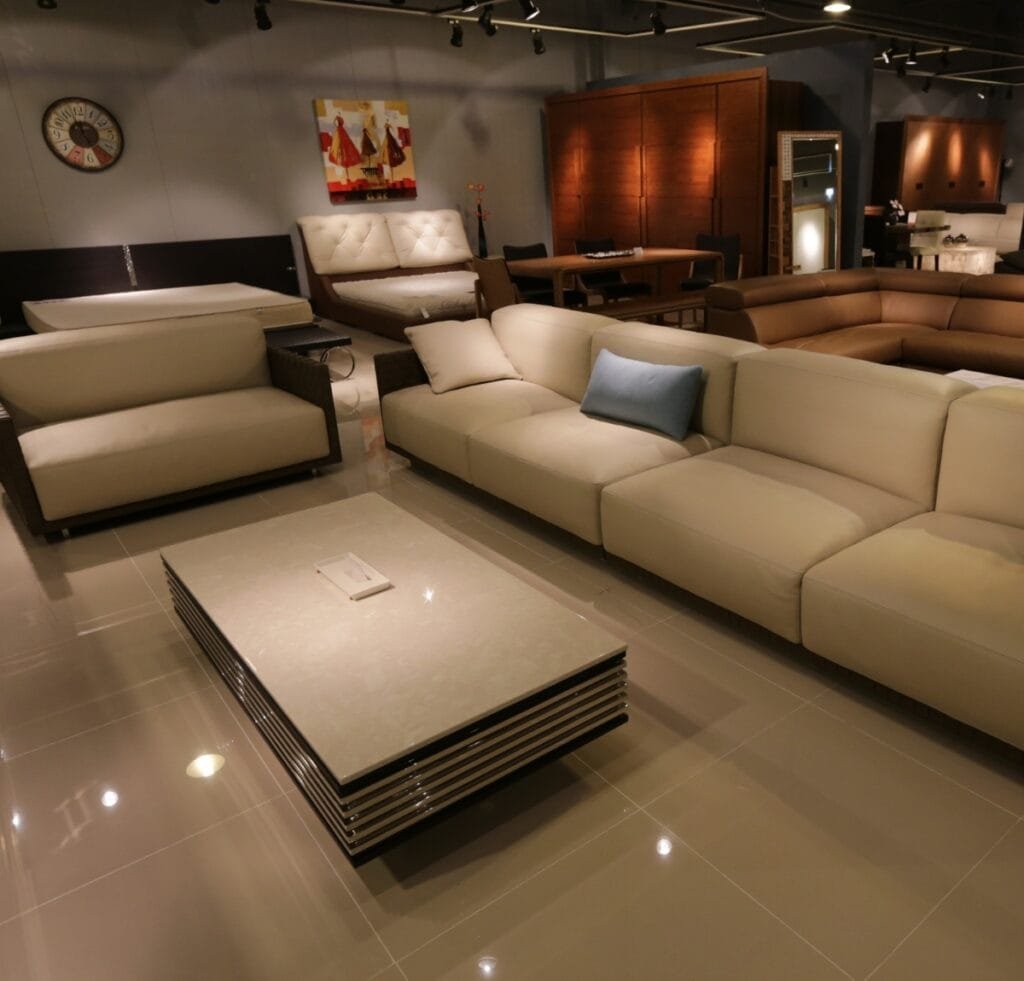
Elegant contemporary upholstery display: cream sectional and companion seating surrounding a sleek, tiered stone coffee table in a well-lit showroom.
Curtains, Drapes, and Table Settings
Butcher’s linen fabric is also commonly used for upholstery, as well as for curtains, drapes, and table linens. The fabric’s weight causes the curtains to hang and fold pleasantly, which is visually appealing. The texture offers an illusion of warmth and depth to the window covering, not to mention the endurance of the fabric ensures long lasting value. The raw and elegant table linen is perfect for both formal and informal settings, which makes the fabric a reliable option for home décor pieces needing practicality and flair.
“A refined table setting framed by ivory drapes: taper candles, crystal candlesticks, and fruit accents add a subtle, romantic touch.”
Why butchers linen fabric for modern design
A blend of the traditional and the modern
The reason Butcher’s Linen Fabric is still relevant is because of there is a disconnect between Butcher’s Linen Fabric has and modern living. There is an old charm in it which complements traditional interiors and tailored fashion but has a natural texture to it that appreciation clean contemporary designs. Being able to work with different designs makes it a good quality fabric to work with for clothing and décor. The reason both fields work with it is because its appeal is still there.
Sustainable Aspects and Eco-Friendly Features
The growing scale of sustainability in the world today, especially in the fabrics industry, is something that Butcher’s Linen Fabrics take very seriously. Made from flax linen – one of the greenest and friendliest fibers, but uses less water and pesticides during the farming of the crop than cotton. Linen fabrics are also biodegradable. Therefore, products that are made from Butcher’s Linen Fabrics are of no harm to the environment. The fact the fabric is eco-friendly, coupled with the fact it lasts for a long period makes it an incredible option for people looking for sustainable products. This is, of course, without forgoing the quality, aesthetics, and durability of the fabric.
Caring for Butcher’s Linen Fabric
Stitching and Cleaning
It is of utmost importance that Butcher’s Linen Fabrics is well preserved. Its best washed with mild detergents with cool water, as hot water fabrics unnatural fibers. The fabric is best kept away from harsh chemicals and high heat. For garments, it is best to air dry or tumble dry at low heat. Items of home decor should be cleaned as per manufacturer guidelines. With proper care Butcher’s Linen Fabric maintains its strength and beauty for a long time. This makes them a worthy addition in the world of fashion as well as interiors.
Preservation of Texture and Longevity
Along with regular cleaning, you must maintain the texture of Butcher’s Linen Fabric to preserve its aesthetic value. Over-ironing flattens the weave and removes its natural look. Instead, use a light press on a low setting to keep garments and furnishings crisp without harming the fibers. For upholstery and drapes, dust them regularly and schedule professional cleaning at intervals to keep the items looking fresh and lasting longer. All the above mentioned, helps to keep the standard of Butcher’s Linen Fabric in check.
Butcher’s Linen Fabric
Increased Interest in Fashion and Interior Design
As the need for high-quality and eco-friendly working materials increases, admiration for Butcher’s Linen Fabric will also grow. More brands in the fashion industry choose natural materials that feature modern design elements and skilled craftsmanship. In the field of interior design, the unique fabric’s balance of crossing texture with a timeless appeal makes it a go to option for homeowners who wish to have fashionable and enduring designs in their homes. Butcher’s Linen Fabric proves versatile in both industries, which builds belief that its popularity will grow over time.
Conclusion
With its rustic roots and timeless texture, the fabric carries a vintage yet modern touch. It inspires designers in both fashion and home décor industries. When used in tailored garments or elegant drapery, it delivers a visually pleasing effect. Its multifunctional use makes it ideal for premium interiors. Butcher’s Linen Fabric combines age-old charm with modern textile innovation. It appeals to consumers seeking materials that blend heritage with contemporary style. Read More Article: Linen Fabric: A Complete Guide to History, Uses, and Benefits
FAQs
What is Butcher’s Linen Fabric used for?
Butcher’s Linen Fabric is commonly used in fashion for jackets, shirts, and tailored clothing. It is also popular in home décor for upholstery, curtains, and table linens due to its strength and elegant texture.
Is Butcher’s Linen Fabric durable?
Designers value Butcher’s Linen Fabric for its heavy weave and strong flax fibers, which make it highly durable and ideal for garments and home furnishings that require long-lasting performance.
Why is Butcher’s Linen Fabric considered eco-friendly?
This fabric is made from flax, a natural fiber that requires less water and fewer pesticides than cotton. Additionally, it is biodegradable, making it a sustainable choice.
Bird’s Eye Linen fabric is a blend of elegance, texture and versatility that few textiles can rival. The weave pattern of this fabric is distinctive, resembling tiny diamond shapes. It’s often referred to as “birds eyes.” Furthermore, Bird’s Eye Linen Fabric is a popular choice for both home and fashion décor because of its elegant appearance and durability. This comprehensive guide also explores everything you need to know about Bird’s Eye Linen Fabric, including its origins, qualities, styling options, and future trends.
What makes Bird’s Eye linen fabric unique?
Unique Weave and Timeless Appearance
Bird’s Eye Linen Fabric is unique because of its intricate weave that creates a 3D effect. Bird’s Eye Linen Fabric features geometric patterns that add depth and visual appeal. The fabric is breathable and durable, making it ideal for apparel and interiors. Bird’s Eye Linen Fabrics offers versatility and sophistication for modern lifestyles. Read More: What is Linen Fabric
Bird’s Eye Weave: A History and Evolution
Heritage Rooted in Origins
Historically, Bird’s Eye Linen Fabrics has its origins in the early centuries of weaving, when weavers began experimenting with intricate designs. Additionally, weavers initially used Bird’s Eye Linen Fabrics for practical purposes, valuing its absorbency and durability. Over time, designers turned it into a symbol of luxury, incorporating it into high-end apparel and home furnishings. Bird’s Eye Linen Fabrics reflects a timeless tradition in craftsmanship and refined design. Read More: History of Linen Fabric
Bird’s Eye linen fabrics is a stylish option
Texture that adds depth and character
Bird’s Eye Linen Fabrics is distinguished by its tactilely rich surface. The subtle raised pattern adds a sophisticated touch to clothing and home decor. Bird’s Eye Linen is a favorite among designers because it adds depth to a piece without being too simple.
Elegance in every thread and pattern
Bird’s Eye Linen Fabric is a beautiful weave with small diamond shapes that create subtle charm. Bird’s Eye Linen has timeless appeal due to its soft texture and geometric precision. Today, it is a popular fabric for formal wear and upholstery linen.
Bird’s Eye linen fabrics in fashion
Why designers choose Bird’s eye linen fabrics
Bird’s Eye Linen Fabrics is a favorite of fashion designers for its structure, style, and breathability. The signature weave adds elegance and durability to jackets and suits. Bird’s Eye Linen drapes beautifully and helps garments keep their shape. It still provides comfort. Therefore, designers use it in both formal and casual collections.
Bird’s Eye Linen Fabrics: Seasonal Trends
Trends Bird’s Eye Linen Fabrics is a wardrobe staple that can be worn in all seasons. In spring and summer its breathable fabrics keeps the wearer cool. While in fall its structured weave compliments layered looks. Bird’s Eye Linen Fabrics is a favorite of designers who appreciate adaptability and timeless elegance.
Bird’s Eye linen fabrics in Home Decor
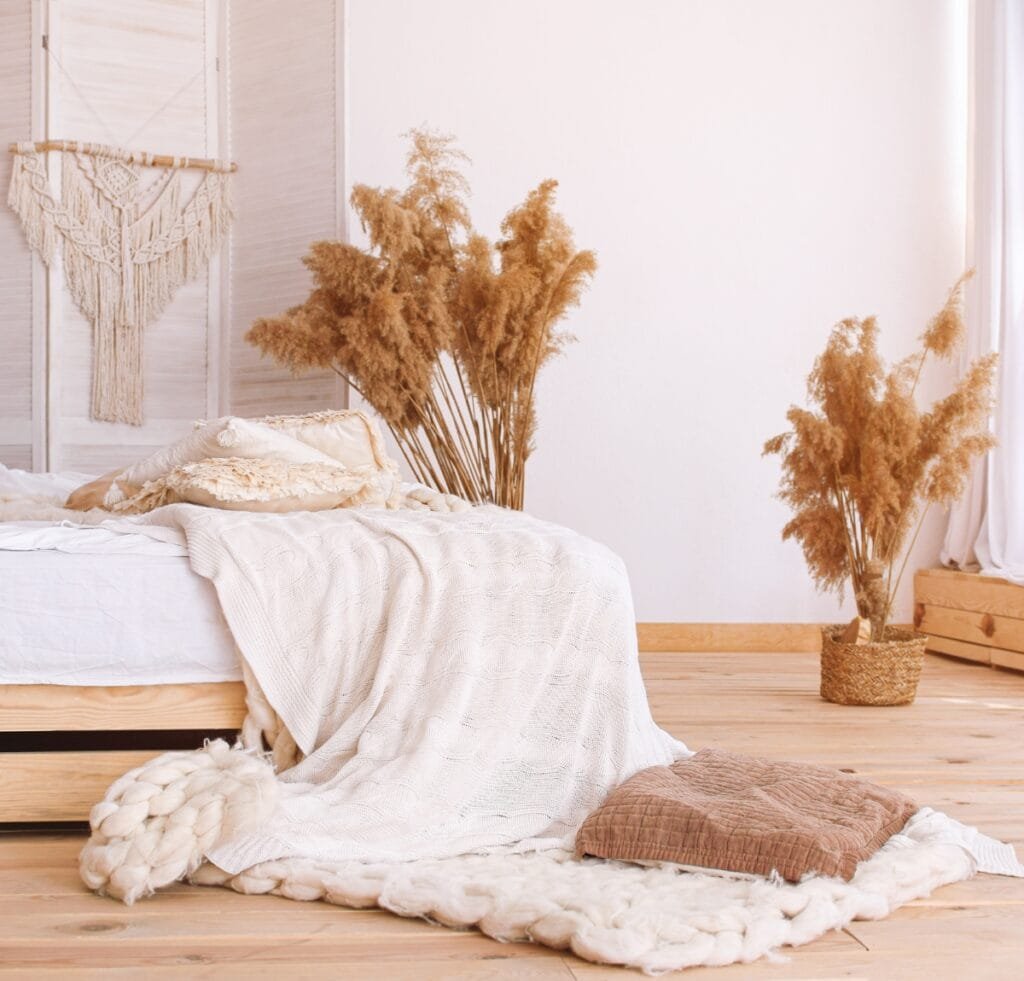
“Soft, airy Bird’s Eye linen fabrics bring serene texture to a tranquil bedroom—neutral tones, breathable weave, and natural fibers that layer beautifully with plush knits and pampas accents.”
Upholstery and Interior Design Applications
Bird’s Eye Linen fabrics is highly valued by interior designers for its durability and texture. Bird’s Eye Linen fabrics adds visual appeal and tactile appeal to sofas, cushions, or chairs. Its natural fibers also complement classic and minimalist decors, creating interiors which feel luxurious and inviting.
Bedding and table linens with Bird’s Eye Texture
Bird’s Eye Linen Fabric is ideal for bedding and table settings due to its softness and absorbency. Designers use Bird’s Eye Linen Fabrics to create high-end tablecloths and napkins. It also makes sheets, pillowcases, and sheet sets. The signature pattern elevates simple designs, giving them a refined and stylish look.
Bird’s Eye linen fabrics is durable and comfortable.
Breathability, Softness and Everyday Use
Bird’s Eye Linen fabrics is unmatched in its breathability. It allows air to circulate, keeping the user comfortable all day. It also becomes softer after each wash, while still maintaining its strength. This ensures that clothing and decor items will remain luxurious for many years. Bird’s Eye Linen fabrics is both comfortable and durable.
Longevity, Low Maintenance and Care Benefits
Bird’s Eye Linen Fabric is known for its durability, even with prolonged use. It also requires little care. Gentle washing and air-drying preserves its beauty and structure. Bird’s Eye Linen is a low-maintenance fabric that serves both fashion and home décor beautifully.
Bird’s Eye linen fabric is a sustainable fabric
Eco-friendly Production and Natural fibers
Bird’s Eye Linen fabric is a sustainable product, as it comes from flax. Flax requires minimal amounts of water and chemicals. Bird’s Eye Linen fabrics is also eco-friendly due to its natural composition.
Why Bird’s eye linen fabric is a greener choice
Bird’s Eye Linen is 100% biodegradable.Moreover, this is unlike synthetic fabrics, which contribute to waste over time. Its durability also means it requires fewer replacements, which reduces textile waste. Bird’s Eye Linen fabrics is a great choice for a sustainable lifestyle.
Bird’s Eye Linen: Styling tips
Combine Bird’s Eye Linen With Modern Wardrobe Pieces
Combine Bird’s Eye Linen Fabric is a versatile fabrics that pairs well with cotton, wool, silk and other natural fibers. Designers recommend combining Bird’s Eye Linens with structured garments for a refined appearance. Its subtle texture enhances casual outfits and offers versatile styling for different occasions.
Bird’s Eye linen for elevated casual looks
Bird’s Eye Linen fabrics is perfect for casual fashion, especially in shirts and dresses. Bird’s Eye Linens fabrics shirts look great with chinos and skirts. It has therefore become a popular choice for casual yet stylish looks.
Future Trends in Bird’s Eye Linen
Innovative Weaving and Design
Bird’s Eye Linen fabrics is now more versatile than ever thanks to modern weaving techniques. Designers are using bolder patterns and richer colors to improve performance. Bird’s Eye Linen Fabrics has evolved to meet the needs of modern fashion and decor.
Expanding uses across fashion and lifestyle
Bird’s Eye Linen Fabric has expanded beyond upholstery and clothing to include accessories, handbags and footwear. Consumers increasingly shape their preferences around sustainability, ensuring Bird’s Eye Linens remain a popular choice across multiple industries.
Conclusion
Bird’s Eye Linen fabric is a blend of elegance, texture and durability. The fabric’s unique weave, eco-friendly properties, and versatility ensure that it will remain relevant for many years. Bird’s Eye Linen Fabrics is a timeless fabrics that will last for years. Read More Article: Linen Fabric: A Complete Guide to History, Uses, and Benefits
FAQs
What is Bird’s Eye Linen Fabric?
Bird’s Eye Linen Fabric is a woven linen featuring small diamond-like patterns that resemble tiny “bird’s eyes.” It is valued for its texture, durability, and elegant appearance in both fashion and home décor.
What makes Bird’s Eye Linen Fabric different from plain linen?
Bird’s Eye Linen Fabric has a unique textured weave that adds depth and character, unlike plain linens which has a flat surface. This makes it visually striking and highly versatile.
Is Bird’s Eye Linen Fabric suitable for clothing?
Yes, Bird’s Eye Linen Fabric is widely used in shirts, dresses, jackets, and tailored suits. It drapes well, offers breathability, and provides a refined look for casual and formal wear.
Polyester has been one of the most widely used fabrics for decades. However, with growing environmental concerns, a more sustainable version has gained attention: Recycled Polyester (rPET). This eco-friendly fabric is changing the way industries approach fashion and textiles.
What is Recycled Polyester (rPET)?
Recycled Polyester, also known as rPET, is made by recycling plastic waste. Most of the time, it comes from used plastic bottles, packaging, and even old polyester clothing.
Instead of producing new polyester from petroleum, rPET is created by melting down existing plastic and turning it into fibers. As a result, it reduces waste, saves energy, and lowers dependence on fossil fuels.
Although the process sounds complex, the result is simple: a strong, durable, and sustainable polyester fabric.
Key Features of Recycled Polyester (rPET)
Recycled Polyester shares many qualities with virgin polyester. However, it offers extra environmental benefits. Some of its key features include:
Durability – Strong and long-lasting, just like traditional polyester.
Wrinkle Resistance – Maintains its shape without ironing.
Quick Drying – Dries faster than cotton and many natural fibers.
Moisture Resistance – Repels water and dries quickly.
Recyclability – Can be recycled multiple times.
Eco-Friendly – Reduces waste and carbon emissions.
Because of these features, rPET has become a favorite among sustainable fashion brands.
How is rPET Made?
The process of making Recycled Polyester usually follows these steps:
Collection – Used plastic bottles and waste are gathered.
Cleaning – The collected plastic is washed and sorted.
Shredding – Plastic is cut into small flakes.
Melting – The flakes are melted and transformed into fibers.
Spinning – These fibers are spun into yarn for fabric production.
Although the process requires energy, it consumes less compared to producing virgin polyester.
Uses of Recycled Polyester
Recycled Polyester fabrics is used in many industries because of its versatility. Some of its most common uses are:
Clothing – T-shirts, jackets, sportswear, and outdoor gear.
Home Textiles – Curtains, carpets, and upholstery.
Accessories – Bags, backpacks, and shoes.
Industrial Applications – Ropes, filters, and seat covers.
Therefore, rPET is not just an eco-friendly option but also a practical one.
Advantages of Recycled Polyester
There are many reasons why rPET is becoming popular:
It reduces plastic waste in landfills and oceans.
It requires less energy than virgin polyester fabric production.
It lowers greenhouse gas emissions.
It maintains the same quality as traditional polyester.
It can be blended with cotton or other fibers.
As a result, many global fashion brands now use rPET in their collections.
Environmental Impact of rPET
One of the biggest advantages of rPET is its positive environmental effect. By recycling plastic bottles, companies reduce the demand for new petroleum-based resources.
However, challenges still exist. Microplastics can still be released when washing rPET fabrics. Additionally, recycling infrastructure is not perfect in every country.
Even so, rPET is considered a step in the right direction. It supports circular fashion and reduces overall waste.
Conclusion
Recycled Polyester (rPET) is more than just a fabric. It represents a shift toward sustainability in the textile industry. By turning plastic waste into useful fibers, rPET reduces environmental harm while offering the same durability and quality as virgin polyester.
Although it is not a perfect solution, it is an important step in reducing waste and promoting eco-friendly fashion. Therefore, rPET will continue to play a vital role in creating a greener future for textiles.
FAQS
What is Recycled Polyester (rPET)?
Recycled Polyester, or rPET, is a sustainable fabric made from recycled plastic waste such as bottles, packaging, and old polyester textiles.
How is rPET different from virgin polyester?
Unlike virgin polyester, which is made from petroleum, rPET is created by recycling existing plastic. This process reduces waste and energy consumption.
What are the main uses of rPET?
Recycled Polyester is used in clothing, sportswear, upholstery, carpets, bags, shoes, and even industrial fabrics like ropes and seat covers.