Home Blog Page 137

Upholstery Linen Fabric Trends: Comfort and Sustainability

0

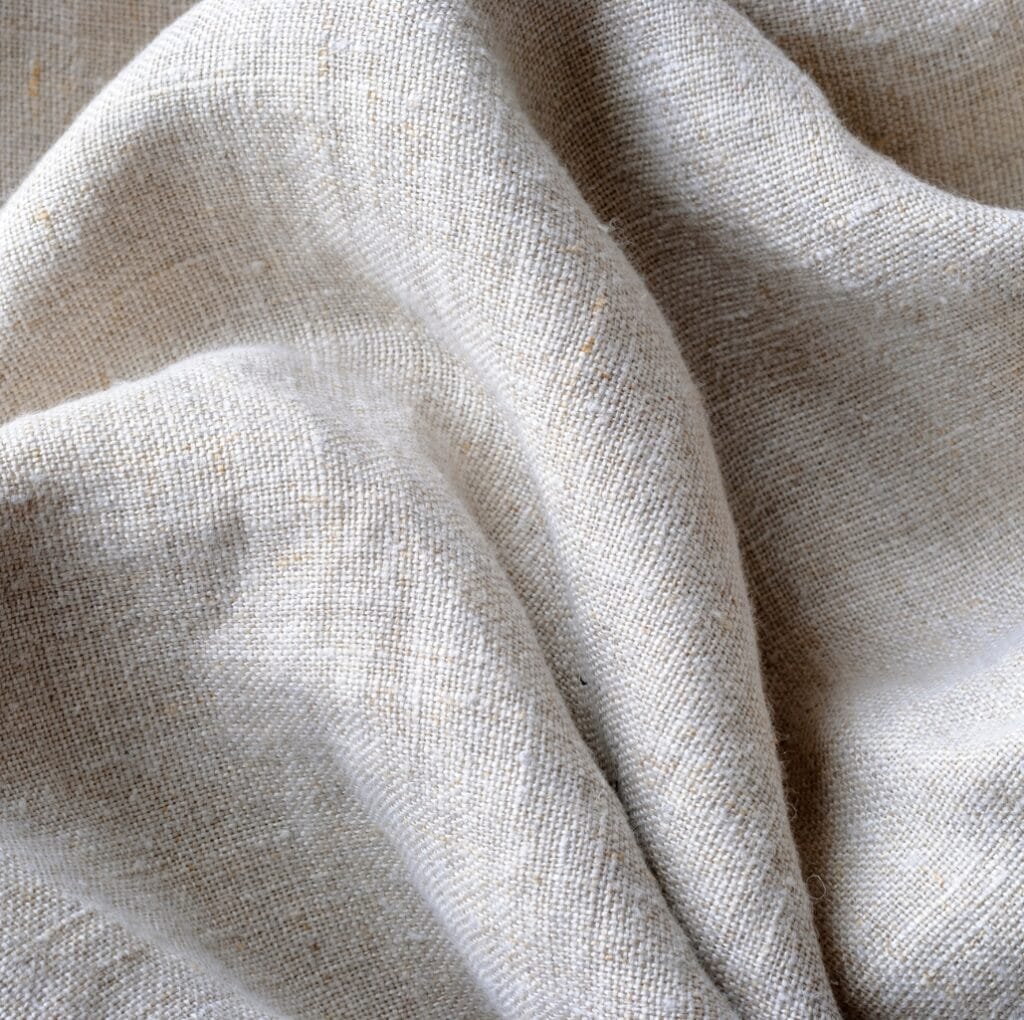
Upholstery Linen Fabric has quietly claimed the spotlight in contemporary interior design. Whether draping a sturdy sofa or reviving a tired accent chair, homeowners gravitate toward its understated elegance, built-in durability, and low environmental footprint. Unlike most synthetic offerings, Upholstery Linen Fabric doesn’t just look good—its textured surface invites touch and its airy weave encourages breathability. Designers enthusiastically recommend it, convinced that its practical beauty hits the sweet spot between everyday resilience and long-lasting style. And because it is a by-product of flax cultivation, it bolsters a commitment to earthy, sustainable living. From busy family rooms to minimalistic lofts, Upholstery Linen Fabric is that rare material that combines comfort and conscience without compromise.

Why Upholstery Linen Fabric Remains a Beloved Choice

In the world of furnishings, Upholstery Linen Fabric continues to earn loyal fans because it combines beautiful durability with a naturally soft hand. Each day’s use only enriches its patina, allowing pieces to breathe with a gentle warmth uncommon in newer synthetics. Many families choose it for sofas, armchairs, and window seats because the fabric rewards care with an evolving personality. Linen resists the marks of everyday life yet feels welcoming instead of stiff, and it moves confidently between farmhouse table and contemporary loft. This adaptable spirit keeps Upholstery Linen Fabrics in the centre of every colour slide, stylebook and moodboard that guides the freshest collections.
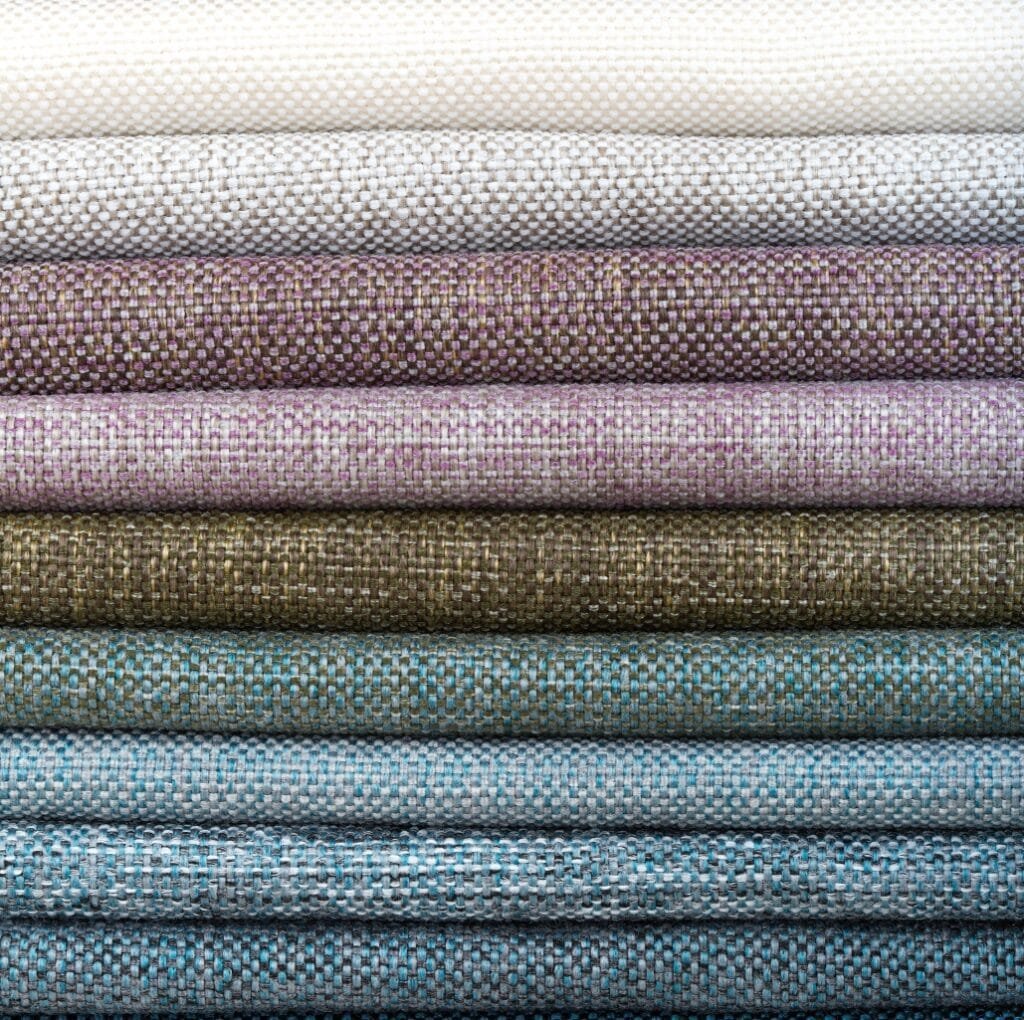
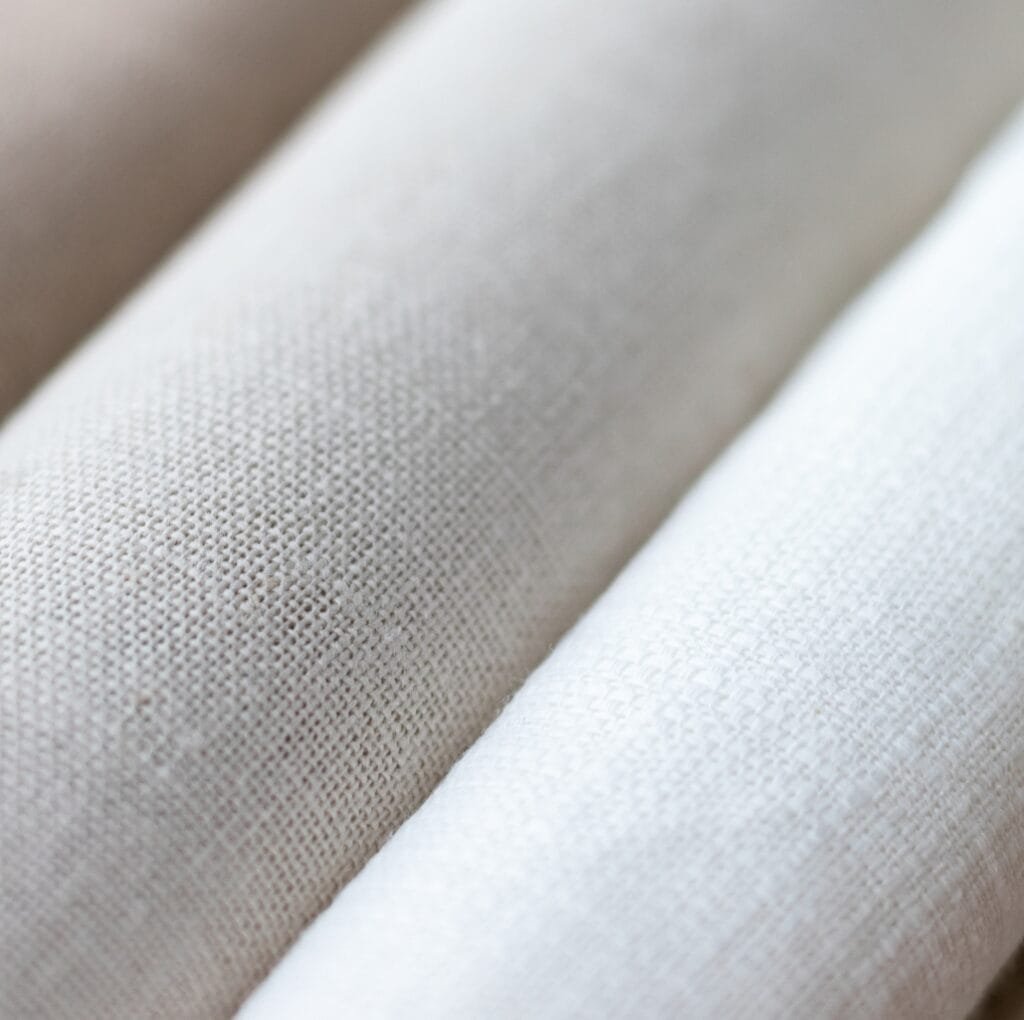
A stack of folded upholstery linen fabrics in soft, muted colors ranging from cream and beige to lavender, moss, and blue, each with a woven texture.
Why Upholstery Linen Fabric Remains a Beloved Choice

Journey of Upholstery Linen Fabric from Rustic to Refined

What began in countryside cottages as uncomplicated woven plains has, through the instinct of seasoned creators, matured into a fabric adored by the world’s finest studios. Modern artisans cloud the weaves with hushed pastels, energize borders with jewel heights and deepen texture with crystalline, elaborated structures. A single yard continues to slide between the cool restraint of a Scandinavian corner and the layered, patinated ease of a Parisian salon. Nevertheless, it retains the gentle, unforced what is linen fabric glow that comforts in every lighting. This seamless ability to grow without pretending to be something it’s not—after a decade, a decade, and ever—marks Upholstery Linen Fabric as the invested designer’s ally for spaces intended to last.

Deep Comfort with Upholstery Linen Fabric

What draws homeowners to Upholstery Linen Fabric first is how relaxing it feels. The fibers naturally stay cool when the sun is shining and cozy when winter arrives, making it right for both the living room and bedroom. Each individual loop whispers soft, yielding texture, perfect for sinking into as the day winds down. Those same fibers love a little lived-in kindness, so every sit makes the finish even more pliable and warm. Over time, the chair, sofa or bed feels personalized to the body, elevating daily routines to a gentle indulgence.
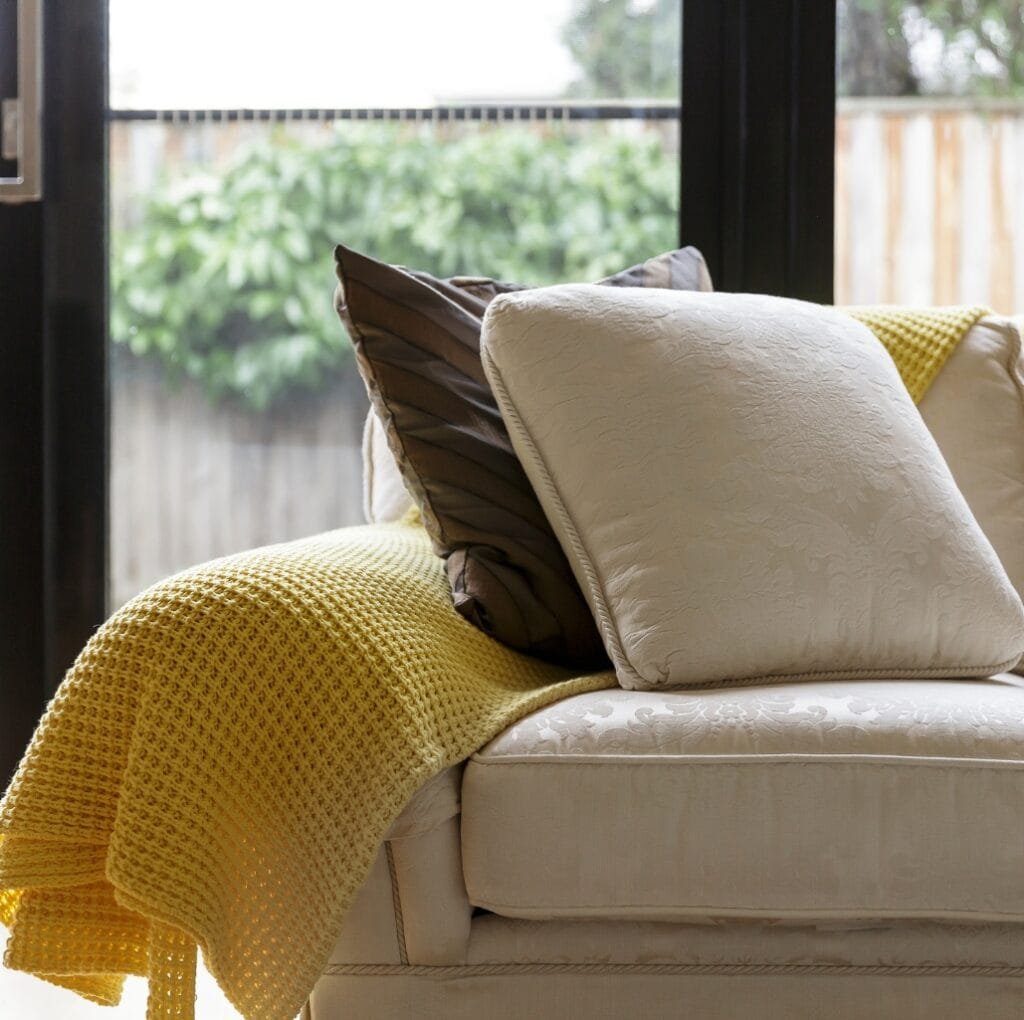
A cozy living room scene featuring a light beige upholstered sofa with decorative cushions and a bright yellow knit throw draped over the armrest, set near a large window that brings in natural light.
Deep Comfort with Upholstery Linen Fabric: Soft, inviting seating accented by linen upholstery, plush cushions, and a warm yellow throw.

Linen’s Quiet Eco-Story

Behind the soft feeling is an eco-responsible choice. The flax plant, source of the fabric, needs little water or chemicals. Unlike cotton, it grows with minimal impact. Once woven, the upholstery stands tough and whispers “home” with ease. When its time ends, the soil’s tiny workers welcome it back to the ground where it began. Designers choose it easily, since every thread lowers the footprint while still offering texture, balance, and gentle color. In green homes, Upholstery Linen Fabrics always feels right.

By-the-Sea Durability & Lasting Value

The seaside Linen Fabric is engineered with remarkable tensile strength, an advantage cherished for high-traffic furniture. The weave remains unmarked by daily sitting or lounging, retaining its tailored grace. Even in sunlight, the colour steadfast, holding against the Halo of high doses of temperature and standing water. No micro-pilling or retaining fiber means the seams look crisp for an extended, measured lifespan. Choosing this cloth is choosing an investment. Maybe the spa slip-covered sectional. Kitchen banquette seating, constantly worming its grey or cream nosh. Tidy the snags, carry the character and lifestyle with style still punched in. Long-term value is the primary feature. Day-in-day-out worth for the changing seasons of domestic life.

Routine Linen in Contemporary Design

Today’s colour palette and material language circles the round table and bent-plywood chair and casual daybed around seaside Linen. The balance of the frame remains playful—Cedar, unpolished steel slim-rail, and copper accent legs—yet the linen veers into Zuma zone. The digital egg-yolk shade, or a chartreuse is raw, yet heroic past the pop, simple past the crisp, and suits both the slightly-Scandi and the tufted- vintage shade slight Santorini Blur. Combine with smoked glass and a coconut-footed temporary table, coffee is the accent. Alter the throw. The natural flaxy surface meets the twin tasks of muted reality and soft data. Polished, natural ambience zero on the lens of files and filter yet still the minimalist formula. Damask Linen, material coastal or city and remote, remains a recurring trend a pulled-upon designer, style anyway.

Upholstery Linen Fabric and Color Trends

Color is the heartbeat of the Linen Upholstery Fabric trend. Whisper-soft neutrals still softly enchant, while soft earthy shades celebrate today’s sustainable mindset. Fabrics in muted botanical greens, warm terracotta, and the measured cadence of ocean blue are now key in new collections, each shade nudging interiors to feel more in tune with the outside world. They conjure an environment that is both nourishing and lived-in. Bright, purposeful accents are sprinkled in, livening cushions and arm-tips with the smallest, most friendly spark. Belgian Linen, with its gracious drape, gently follows these daring juxtapositions, proving that daring color rarely forsakes quiet elegance.
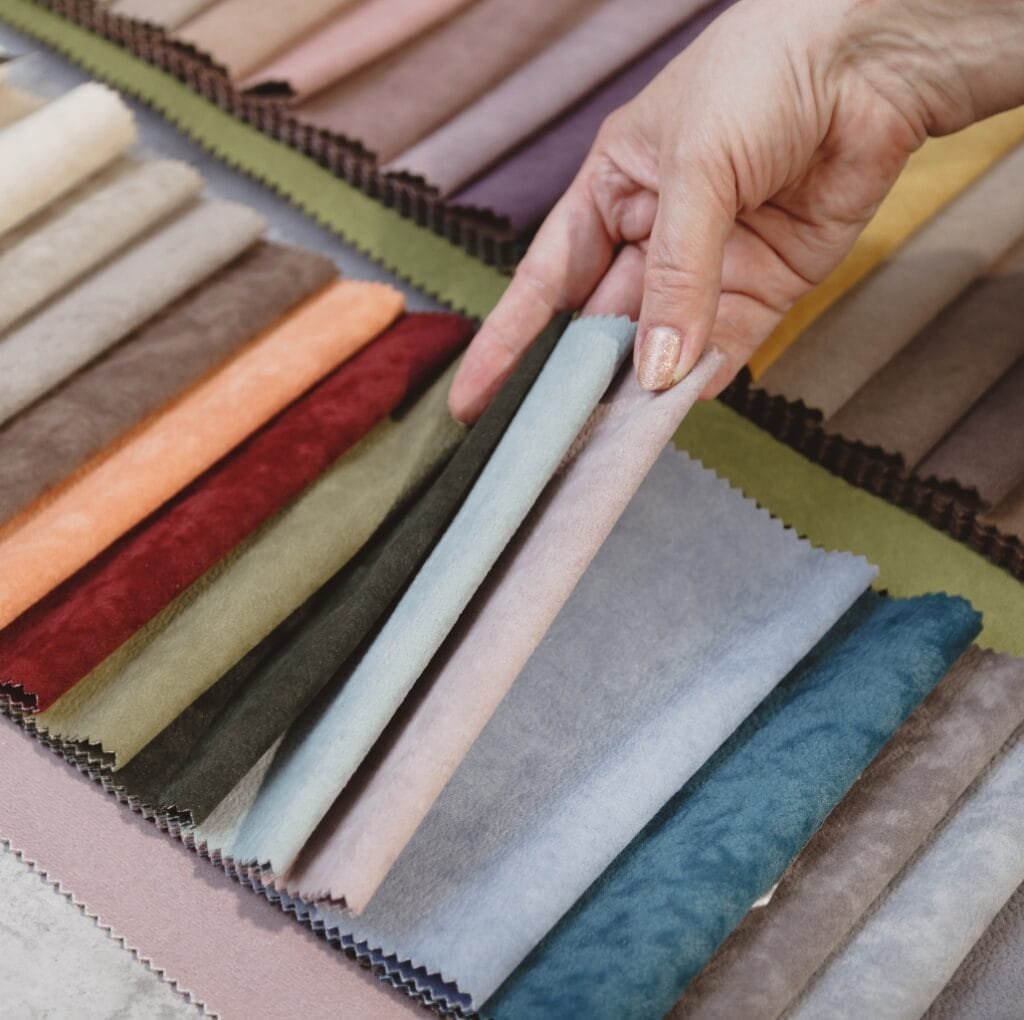
A hand holding a sample swatch from a display of upholstery fabrics in a wide range of colors, including pinks, blues, greens, and neutrals, arranged in overlapping strips with pinked edges.
Upholstery Linen Fabric and Color Trends: a hand selects soft, textural swatches from a spectrum of muted to rich hues, showcasing current linen-like upholstery fabrics.

Patterns and Textures in Upholstery Linen Fabric

It is texture that gives Linen Upholstery its distinctive whisper. Designers are now orchestrating an orchestra of weaves—from the satin-milky to the gently hand-hewn—each finish mapping a different story in the light. Geometric meditations, subtle pinstripes, and timid florals dot the range in muted palettes to allow still more quiet swagger. Together, texture and the lightest of prints keep surfaces layered and fresh, trapping the eye in soft, sophisticated curiosities. Linen empowers makers to populate each sofa and each corner with singular evidence of their dweller’s character, inviting everyone to settle in and stay.

Upholstery Linen Fabric in Luxury Spaces

Today’s luxury interiors are showcasing Upholstery Linen Fabric, and there’s a good reason for that. Designers gravitate toward its understated sheen and fluid drape that somehow transforms a standard piece into a statement.Whether it’s a sprawling sectional, a curved armchair, or a bespoke headboard, the fabric instantly elevates any room. Pair it with sumptuous velvet or shimmering silk. The result is a balanced play of texture that reflects light beautifully. Luxury Upholstery Linen Fabrics proves that fine textiles can be both organic and opulent. It merges indulgence with the practical durability that modern luxury demands.

Upholstery Linen Fabric for Casual Living

Opposite high design, Upholstery Linen Fabric works just as beautifully in easy, everyday homes. It’s the pick of young families who value its soft hand and impressive resistance to the inevitable spill and wear of life. Formality falls away when it dons a slipcover, an oversized pouf, or an easy-throw pillow—each piece radiating a breezy, lived-in comfort. In open-plan living that blends kitchen and chill zones, Upholstery Linen softens the look while keeping it cohesive. Range it in a mellow, sun-faded hue or pepper-bold accent and the fabric proves its quiet versatility, holding its own in the most stylish yet unpretentious homes.

Upholstery Linen Fabric and Minimalist Design

Faithful to the tenets of minimalist design, Upholstery Linen Fabric quiets a room without conceding charm. Woven from natural fibers, its subtle texture and palette of cool, muted hues leave no room for ostentation yet exude quiet authority. Nothing extraneous is offered, and squares and curves alike are invited to stand clear. Pop a piece of upholstery linen onto a serene sofa, a still chair, or an unadorned stool, and the surrounding air spontaneously admits a cool, measured calm. Outstandingly, such spaces inhale simplicity and exhale sophistication, revealing—upon a linger—that the simplest elegance is routinely tight-knit and splendidly long-lived.

Upholstery Linen Fabric in Eco-Friendly Homes

Contemporary eco-minded interiors are shaped from one linen fiber at a time. Upholstery Linen Fabric is harvested and stitched with ethical intent. Wastes reduce, and utility extends as the carbon debt slackens while comfort deepens. Eco-minded homeowners embrace its resilient weave, dressing stools and spreads in a visible ecological creed. The surface may rest on recycled hemlock, time-polished bamboo, or rough-grained rift wood. Each assembly quietly sings a chapter of sustainability. Upholstery Fabric becomes a muted yet powerful manifesto, nominating itself as the core material for conscientious contemporary living.

Caring for Upholstery Linen Fabric

Keeping Upholstery Linen Fabric looking sharp is quicker than it sounds. A weekly once-over with a vacuum attachment curbs crumbs and keeps fibers fluffy. For unexpected spills, a tiny dab of water mixed with mild soap handles most marks—never scrub, just press. Because lots of people love the fresh-look of linens, we see more slipcovers sewn in this very fabric; pop them in the washing machine and the routine is done. Look after it this way, and generations from now it will still hold that easy, elegant patina we adore.
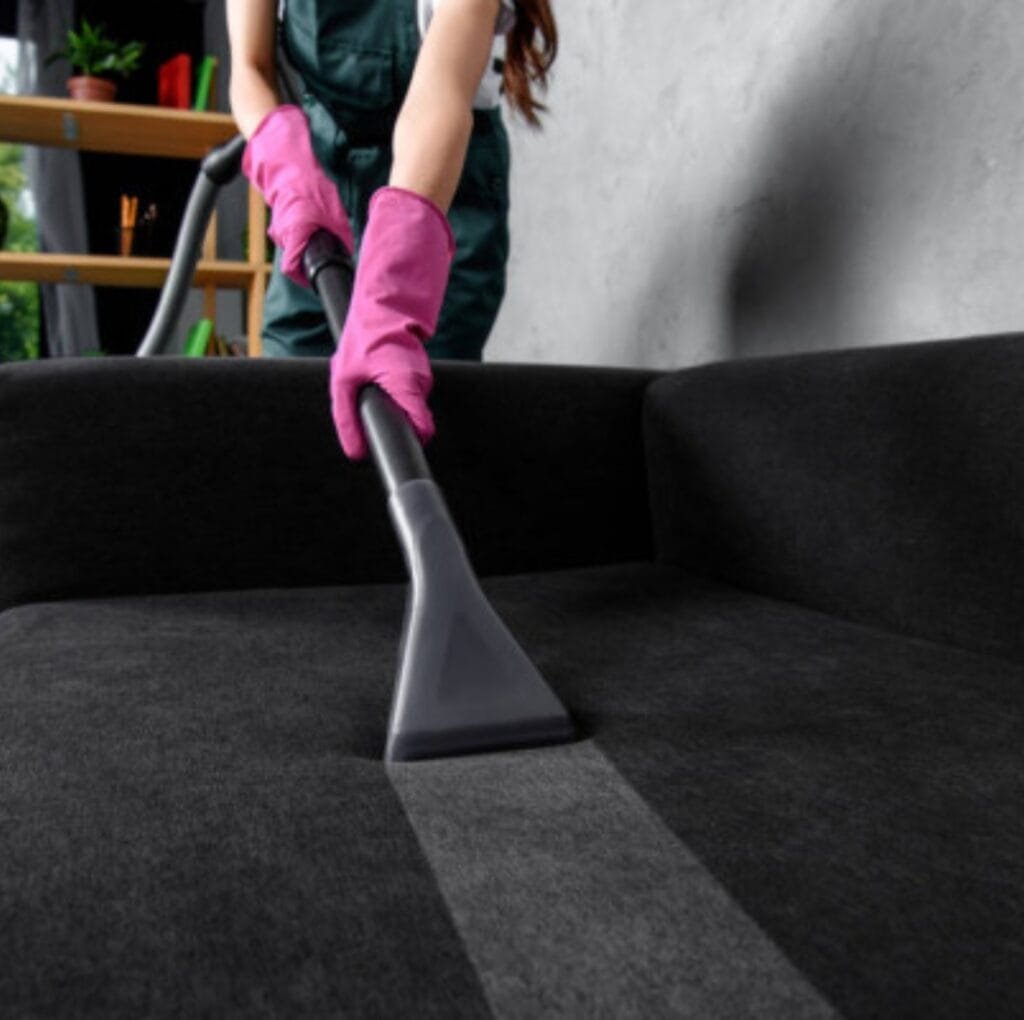
A person wearing pink gloves uses a handheld upholstery tool to vacuum clean a dark gray fabric sofa in a living room.
Caring for Upholstery: Vacuuming Linen Fabric to Remove Dust and Maintain Freshness

Taking Upholstery Linen Fabric Outdoors

Homeowners are bringing Upholstery Linen Fabric outside the living room, and the results are gorgeous. Various come treated so they resist the sun’s zap and humidity’s tug, granting the fabric the same relaxed style in a garden hammock that it offers in a dayroom. Imagine a sunlit terrace dressed with these easy-lounging cushions; the weave keeps the air moving and spilled lemonade—quick dab, no panic—dries right off. Trends prove the fabric’s outdoor charm isn’t a fad; rather, it’s proof that variable elegance now knows no threshold.

The Future of Upholstery Linen Fabric

Upholstery Linen is poised for a brilliant horizon, driven by an unstoppable blend of craftsmanship and purpose. Renewed passion for sustainability positions it squarely at the forefront of tomorrow’s interiors. Meanwhile, cutting-edge loom technology unlocks adventurous colors and textures without compromising the soft, lived-in character that fans adore. The fabric is ready to command both the eco-savvy consumer and the high-end marquee, because it delivers beauty and conscience in one smartly woven package. As the marketplace shifts toward products that respect planet and passion, Linen Upholstery meets the moment perfectly.

Conclusion

Upholstery Linen Fabric elevates every design conversation with its irresistible mix of flair, warmth, and conscience. From penthouse classics to charming tiny eco-spaces, it keeps pace without missing a stitch. Resilience, a true color of time, plus the soft patina that comes from honest living guarantee that it’s not just a purchase, it’s an investment in quality. Designers across continents sketch it into play, homeowners across lived-in continents say it’s the only choice. Selecting Upholstery Linen, therefore, is not a trend but a toast to timeless elegance and a pledge to the generations that will sit a little more comfortably in tomorrow’s rooms. Read More Article: Linen Fabric: A Complete Guide to History, Uses, and Benefits

FAQs

What makes Upholstery Linen Fabric a good choice for furniture?

Upholstery Linen Fabric is durable, breathable, and naturally elegant. It resists wear, provides comfort, and ages beautifully over time.

Is Upholstery Linen Fabric eco-friendly?

Yes, Upholstery Linen Fabric is highly sustainable. It comes from flax plants, uses fewer resources, and is fully biodegradable.

Does Upholstery Linen Fabric work in modern interiors?

Absolutely. Upholstery Linen Fabric complements both minimalist and bold designs. It blends well with wood, metal, and natural décor.
Irish Linen Fabric Guide: History, Style, and Modern Uses

0

Irish Linen Fabric is a textile that stands apart for its elegance, durability, and timeless charm. Known worldwide for its quality, it continues to define luxury. Irish Linen Fabric is not just a material—it is a heritage woven into every thread. For centuries, people have admired its smooth texture, natural shine, and lasting strength. Today, Irish Linen Fabric remains a top choice for clothing, home décor, and sustainable living.

The Origins of Irish Linen Fabric

Irish Linen Fabric traces its roots to the banks of the slow-moving rivers that skirt the lush green fields of Ireland. Millennia ago, flax seeds were pressed into the rich soil, offering a living canvas for skilled artisans. Farmers nurtured the flax with Irish rain and sunshine. Once the plants matured, and the flowers turned white, the harvest began. Workers skillfully pulled the stalks, knowing that this golden crop would soon become linen.

Water-powered mills sprang up as the flax journeyed to the towns of Donegal, Antrim, and Belfast. Workers steeped the harvested stems in clear water to loosen the fibers. They then beat the stalks and scut the overs with wooden mallets, releasing long, silky strands. Carding and spinning followed, and soon the first Irish Linen Fabric began to emerge. Generations polished these methods, handing down skill that refuses to fade.

Every stage of the process respected the local soil and communities. The Irish Linen Fabric that emerged was truly of the land itself. Nothing synthetic marred its purity. Each yard reflected sustainable farming and a deep connection to place. Today that same philosophy endures, making Irish Linen Fabric a cherished and responsible choice.

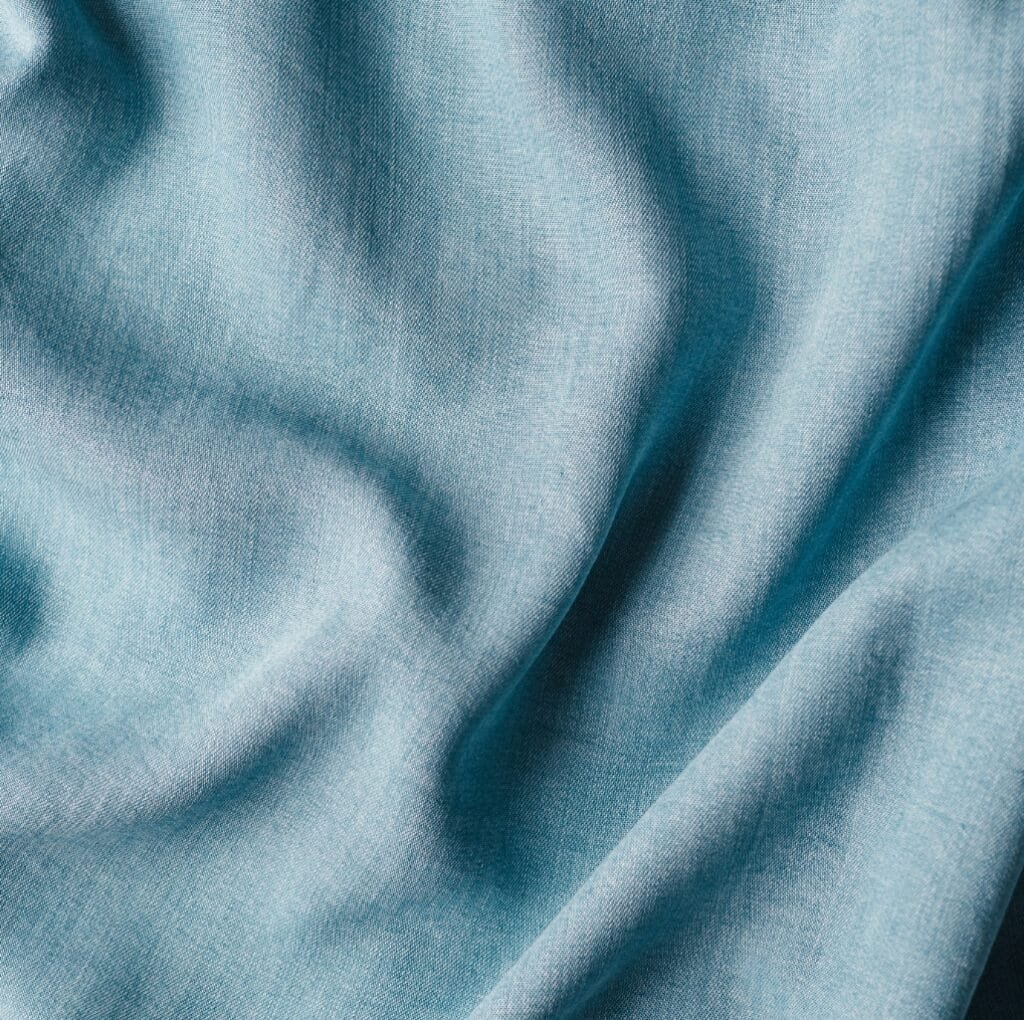
Close-up of light blue linen fabric showing natural folds and soft texture.
The Origins of Irish Linen Fabric: A centuries-old tradition of master weaving and flax cultivation, celebrated in the enduring quality and timeless appeal of Irish linen.

How Irish Linen Fabric is Made Today

Today, Irish Linen Fabric remains a marriage of hand skill and modern innovation. Weavers at respected mills in Ireland still harvest local flax. They adhere to traditional methods, softening the fibers in rivers and steeping them in cool waters, just as their forefathers did. Advanced louvers and rapid scut machines now quicken the process, but artisans monitor every stage to ensure the same soft sheen and strength.

Once scut, the strands whirl into spinning machines that guide them into long, fine yarns. Each spool captures the rich stories of the land. Dyed naturally with local plants, these threads then pass to lofty Jacquard looms that lift and drop shuttle after shuttle. The linen undulates in vivid colors, blossoms with intricate patterns, and stakes a claim not just to durability but to beauty.

No starch, no synthetic chemicals, no artificial lights. Only pure water, a touch of plant extract, and the powered grit of skilled hands. Workers finish the fabric with soft brushing and gentle heat, heightening its file-like texture. The fabric is then pressed, folded, and sent, arriving as bright as the day it was conceived. Read More: What is Linen Fabric

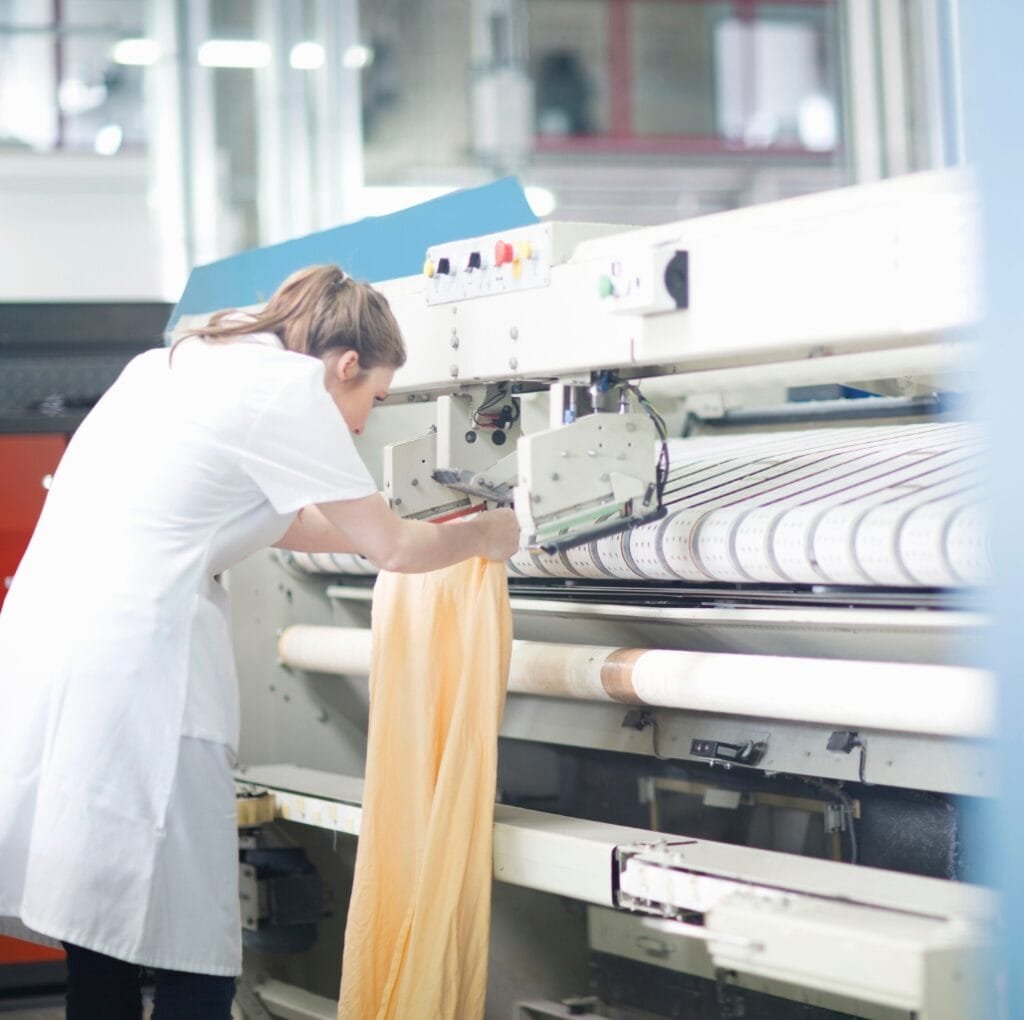
An industrious worker in a white lab coat operates a modern textile loom, guiding a soft, pale-yellow linen fabric as it runs through the machine in a bright, clean factory setting.
Modern Irish linen in the making: a textile technician oversees the linen weaving process on advanced equipment.

Irish Linen Fabric Weaving Traditions

Irish Linen Fabric offers a variety of traditional patterns that have passed between hearts and looms across generations. Each design serves as a map of memory, a way to stitch the past to the present. Among them, the small herringbone still echoes the quick footsteps of hench-coursing fishermen in Donegal sound the patterns of their nets. The repeated diamond, passed from soldier to seamstress, offers reminders of the castles now barked and broken.

The understated check signifies friendly neighbours signalling from cottage to cottage. We Export it, along with its neighbouring cousins, to the fashion-markets and heritage events in Timbuktu, Camber, and Tokyo still spice tea in flixes and satin chucks.

Artisans now remix these vintage tracings, sometimes even manually re-coloring their rain-lime dyes, to signancier a bridge between old aurora and the exploding styles. Customers desire history, and these threads bring stories that will not fade into lam.) For everything from modern menswear to the buttresses of a luxury sail, woven centuries become modern wings. Irish Linen Fabric disappears, a phoenix rediscover the same craft

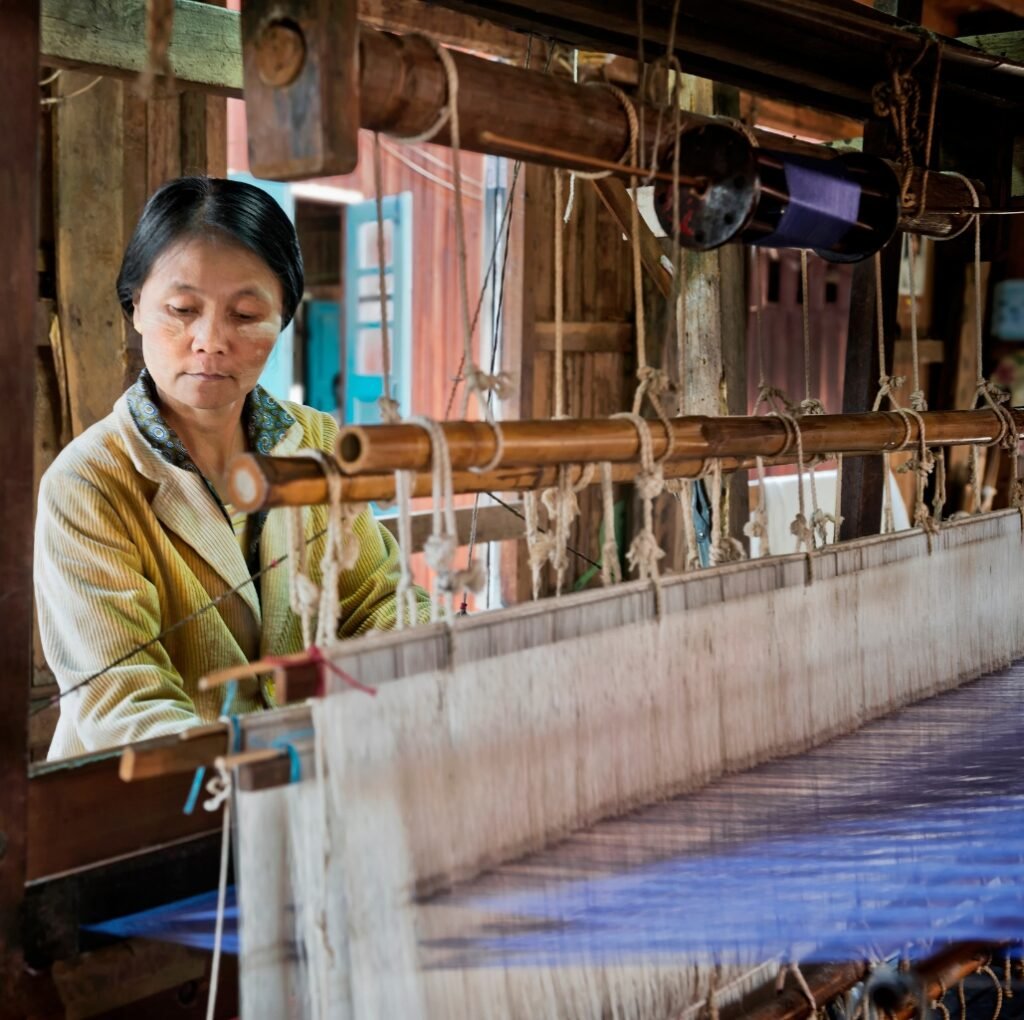
A woman weaving on a traditional loom with wooden beams and hanging cords in a rustic workshop.
A skilled artisan works the loom, weaving Irish linen fabric with careful, rhythmic motions in a traditional workshop.

The Allure of Irish Linen Fabric for Modern Fashion

Considered timeless, Irish Linen Fabric has become a beloved choice in modern fashion. Designers worldwide are drawn to its soft, breezy quality and natural elegance. The fabric breathes freely, making it perfect for summer dresses, tailored blazers, and relaxed menswear. It drapes beautifully, flowing over the body with gentle waves reminiscent of the Irish Sea.

Irish Linen Fabric dresses embrace effortless silhouette and timeless hue, from gentle calms and dusky blush to lush lavender. Designers embellish with artisanal embroidery or delicate pintucks, allowing the texture to speak for itself. Shoppers crave these understated luxury pieces that transition seamlessly from gardens to galleries. Fabric that began in the fields now graces global runways, yet remains rooted in craftsmanship and sustainable living.

Thus convenes the advantage stagn that watch après line and the gala the lend o the well-embroidered Irish Linen Fabric to a comm.

How to Care for Irish Linen Fabric

Caring for Irish Linen Fabric is simple and rewarding. Turn garments inside out and wash them in cool water. Gentle, plant-based detergent will preserve the natural fibers. Avoid chlorine bleach, which can weaken and dull the texture. Belgian Linen fabric loves to air dry, so hang it or lay it flat in a shady spot. If you must tumble dry, choose the delicate setting for just a few minutes.

Once dry, check the fabric carefully. Linen fibers relax and soften the moment they touch water, and this is their way of inviting you to wear. If the garment is slightly wrinkled, a warm iron can smooth it out. Always iron the inside first to protect vibrant colors. For a gentle finish, simply mist water and walk the fabric backwards in the warm. Avoid tumble iron or bleach.

Day-to day, hang Irish Linen Fabric on padded hangers or fold it lightly in drawers lined with cedar. The shoulders will resist crease could and fade. exposed getting. Report the itdays แต่ compression, but may crew fresh to the tune. Irishsemantic 福 linens the are west balances is deben timeless.

The Rich History of Irish Linen Fabric

Irish Linen stretches back more than a millennium. Crafting it began when monks gathered flax beside monasteries, turning it into humble cloth. By the late 1600s, parish looms filled with bright threads and a village rhythm had propelled Ireland to the continent’s linen forefront. Merchants shipped bolts of the dazzling cloth to Paris and London, each paisley and damask a badge of care and skill. Artisans handed down their secrets through generations, binding Irish Linen to both opulent ballrooms and everyday homes. Today, the fabric carries echoes of quiet hours at village looms, the notes of shuttle and warp still faintly audible in the folds of every fine napkin, wedding gift, and antique coverlet. It remains a living story of vibrant heritage and steadfast identity.

Why Irish Linen Fabric Stands Out

The cloth is still lauded chiefly for unmatched resilience. Each soft, cool tread of yarn is born of verdant, moisture-bearing fields, where little else but flax finds a voice. Harvested, soaked, and skillfully spun, the fibers yield linen that softens to a caress but endures the embroidered ravages of time. Unlike lesser versions that fade, Irish linen gathers patina, a grave-robbed living doll that throws off spun reverse to the cradle. The cloth glimmers with a hushed brilliance, making every collar, bed sheet, and tablecloth both a memory and a promise of cool comfort in any climate. Other textiles part with their treasures; Irish Linen quietly collects them, a quiet confidence in its unassuming finish.

The Style of Irish Linen in Fashion

Irish linen continues to enchant high fashion insiders. Designers praise its soft fall, lightweight breathability, and barely-there luster. Think impeccably tailored suits and flirty day dresses—Irish linen pulls off both with equal grace, taking color beautifully yet never shouting. On tropical patios, it quietly draws perspiration off the skin; in chilly offices, it slips warmly beneath tailored blazers and trench coats. By resisting wrinkles, holding its shape, and softening over the years, Irish linen rises above fleeting trends, earning its place in discerning closets from Dublin to Kyoto.

Irish Linen in Home Décor

In the world of interiors, Irish linen is the subtle hero. Its strength meets delicacy, making it an obvious choice for upholstered sofas, flowing drapery, and plump cushion covers. Sheer linen panels filter daylight to a hush while still granting seclusion; when loved on seats, the fabric marries good looks and high resilience. Linen tablecloths elevate everything from breakfast to banquets, and bed linens, softening with each wash, guarantee cozy dreams. The same gentle, breathable cloth wraps living spaces in uncomplicated elegance, proving that beauty and everyday ease really can go hand in hand.

Modern Uses of Irish Linen Fabric

Designed today’s closets have welcomed Irish Linen Fabric with open arms. It flows through bespoke blouses, tailored jackets, and easy-going trousers, breathing heritage into every stitch. Accessories also catch the light—the signature cut of a structured handbag, or the deliberately relaxed drape of a travel-ready scarf. Even the soles of minimalist shoes have rolled out the welcome mat. Yet the biggest wave comes from the zero-waste movement. Shoppers now reach for sturdy lunch bags, crisp dinner napkins, and vibrant dish towels, trusting Irish Linen Fabric to outlast fast laundry and loud interiors. In every context, it fuses the past with tomorrow’s ideals.

Irish Linen Fabric and Sustainability

Behind the graceful grain, Irish Linen Fabric champions a quiet revolution. Its source, flax, thrives on rainwater and sunlight, skipping the chemical cocktail used by most crops. Irish farms reap speeding leftovers into soil, saving both field and wallet. In the factory, waste is a riddle solved, with seeds pressed for oil, fiber fermented for pet bedding, and stems converted into biodegradable mulch. Linen’s seamless return to earth is driven by simply discarding the fabric it into a compost heap. Also, its impressive durability means fewer rounds of laundry, fewer new orders, fewer regrets. This is the graceful footprint of luxury redefined by intention, proof that elegance and conscience can be stitched together.

How to Care for Irish Linen Fabric

Caring for Irish Linen ensures it serves you well for generations. Wash it in cool water to guard both strength and luster. If you can line-dry, that’s ideal; low-heat tumble drying is a backup, not a rule. Excitingly, while most textiles need softeners, Irish Linen naturally softens through every cycle. A gentle, biodegradable soap is all you need—stay clear of brighteners that weaken fibers. A light spritz of water or a quick ironing while still damp keeps that crisp integrity. A handful of mindful habits, and this remarkable fabric can still glimmer in your granddaughter’s top drawer. Luxurious today, quietly reliable for tomorrow.

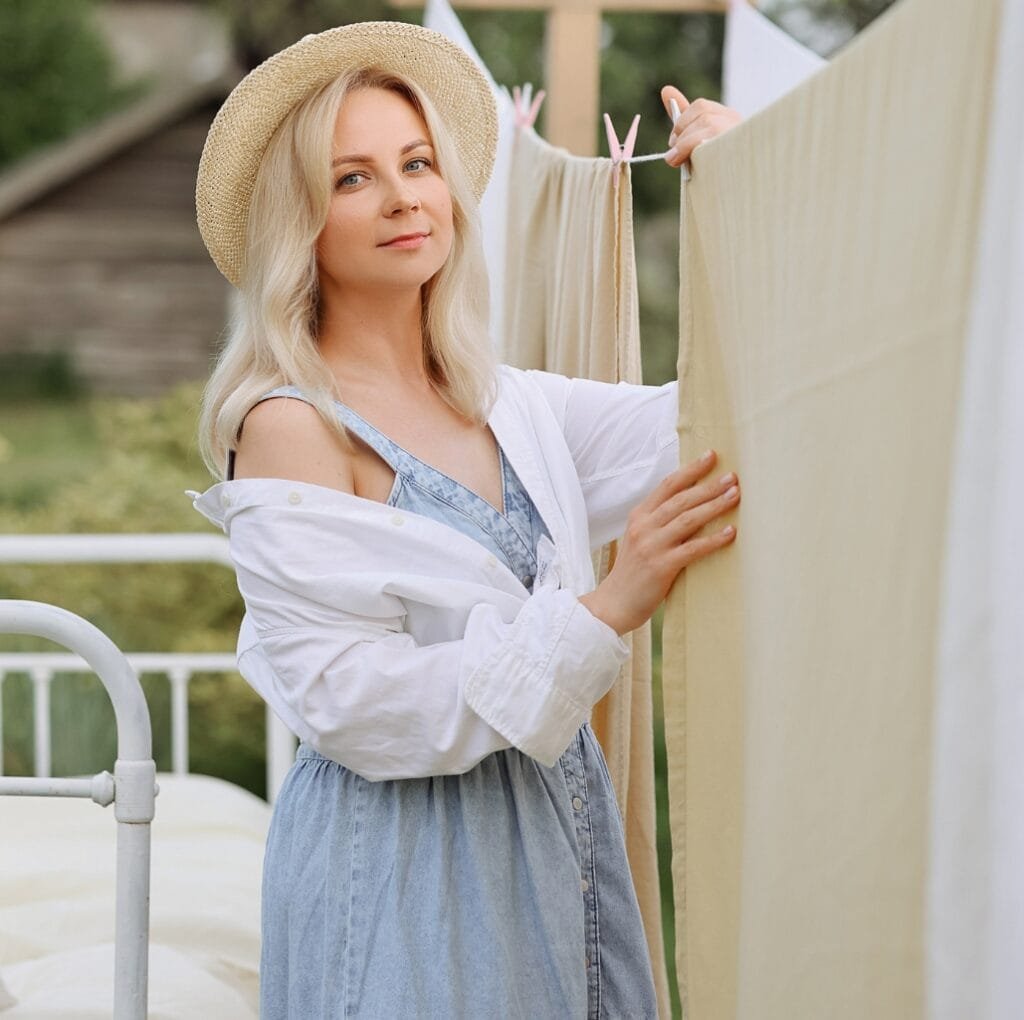
A woman wearing a straw hat and light denim dress with a white shirt, standing outdoors and hanging laundry on a clothesline.
Caring for Irish linen: gentle handling, proper washing, and air drying keep linen soft, breathable, and long-lasting.

Why Irish Linen Fabric Remains Timeless

Trends flicker; Irish Linen simply glows. It merges centuries of craftsmanship with enduring elegance and everyday strength, never needing reinvention to justify its seat at the table. Fashion icons revere its unique texture; dining rooms choose it for napkins that withstand the mess of family life yet dress it with dignity. Eco-aware consumers note its low-impact growing and minimal dye. And for these reasons, linen is both heritage and current choice. Its texture carries ancient looms in its threads, yet the next wearer will drape it a thousand miles away, redefining it anew. The story of Irish Linen is heritage still adapting—quietly and beautifully—one lifelong wardrobe at a time.

Conclusion

Irish linen is not merely fabric reacquainted with fashion; it embodies centuries of dedicated artistry, sophisticated refinement, and conscious stewardship. Born on the banks of legendary lakes, the linen weave carries nature’s Irish light and waters, drawing on a lineage that is now the envy of global ateliers. An effortless palette and ancestral textures elevate it beyond passing trends, securing its rightful place on couture runways and hearth linens alike. In disturbing our textile earth, modern consumers understandably crave biodegradable comfort, and Irish linen proudly surrenders its singletons of carbon—rooted, single-harvest fibers that cradle tomorrow’s soil. By draping this storied fabric, the discerning dresser, the thoughtful interior architect, and the aspiring hostess alike choose a companion of endurance over a decade, pure simplicity over multiply-refined gestures, and an unflinching conversation with conscious legacy. Read More Article: Linen Fabric: A Complete Guide to History, Uses, and Benefits

FAQs

What sets Irish Linen Fabric apart from general linen?

Irish Linen Fabric is celebrated for its peerless quality, velvety feel, and exceptional longevity. Crafted on traditional looms, its unique weave blends sophistication with remarkable tensile strength.

 Does Irish Linen Fabric qualify as a sustainable option?

Definitely. The flax plant supplies the fabric; it thrives with minimal irrigation and negligible chemical inputs. The manufacturing cycle maximizes plant utility, ensuring an eco-friendly, low-waste production process.

What is the advised maintenance for Irish Linen Fabric?

Launder in cool or lukewarm water using a gentle detergent. Best results follow air drying, though tumble-setting on low is acceptable. Iron while still slightly damp for a sharp, tailored look.

Cambric Linen fabric: Effortless Style & Enduring Durability

0

Fashion continues to evolve, yet true fabrics with character and resilience always stay relevant. Cambric Linen Fabric is one of those rare textiles that has remained beloved through generations. People admire it for its soft yet firm weave, natural breathability, and lasting elegance. It stands out as a fabric that combines practicality with sophistication. Whether used for clothing or home interiors, it offers the right balance of comfort, beauty, and durability. With every use, Cambric Linen Fabric proves itself as an investment in timeless style.

The Refined Identity of Cambric Linen Fabric

Every fabric offers a narrative, and Cambric Linen narrates one of quiet elegance and everyday purpose. Its impressively fine weave glides across the palm yet proves resilient to the demands of routine. The texture is soft and orderly, bridging the divide between the light patina of a sunlit dinner and the understated charm of a Sunday brunch. A subtle circuitry of open pores lets gentle air pass, enfolding the wearer in a discreet, milky cool that lingers without fuss. Here, the conversation between durability and allure is legible in every thread, and that conversation is why Cambric Linen persists—its modest, enduring signature remains inimitable in the ever-unstable language of textiles.

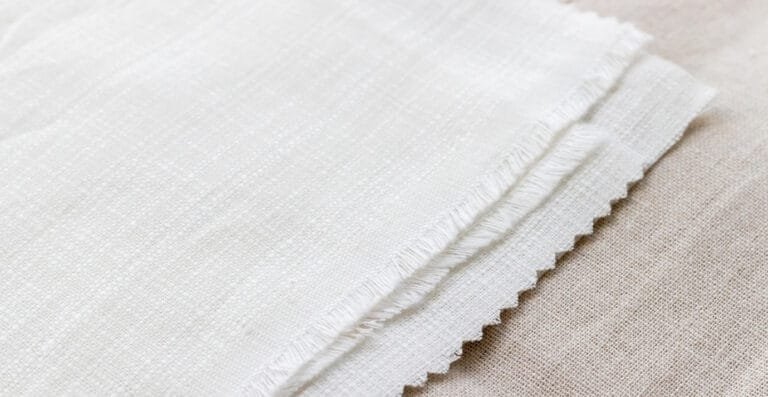
A close-up view of softly draped cambric linen fabric in a natural, light beige color, showcasing its smooth weave, delicate texture, and subtle irregularities.
The refined, understated elegance of cambric linen: a light, breathable fabric with a smooth surface and natural texture.

The Natural Beauty of Cambric Linen Fabric

Understated elegance is the hallmark of Cambric Linen Fabric. Its gentle luster catches daylight with a diffused warmth, dressing garments and interiors in a refined hush. Where synthetic textiles repel color, linen opens its textured weave, welcoming dyes that range from dazzling to whispered pastels. This responsive character delights designers craving adaptable palettes. Trends are momentary; the glow of what is linen is a quiet constant, permitting each season’s interpretation and yet never yielding to obsolescence. Thus, Cambric linen settles lightly in wardrobes and homes, a textile that inherits grace, passing it from current to next without effort.

The Enduring Ease of Cambric Linen Fabric

Too often, comfort comes at the price of fragility, yet Cambric Linen manages both without compromise. The fine weave drapes gently, leaving skin untouched and free of friction, even after hours in the open air. Crafted from naturally strong fibers, the cloth retains a light, yet unyielding, frame that endures repeated laundry and the demands of everyday life. Uncommonly, the character of Cambric matures; it grows more caressing without fraying, quietly refining its softness. As a result, its reassuring face is equally at home alongside faded jeans and in a candlelit dinner. Cambric Linen embodies the union of tenderness and tenacity, the trusty choice once, and the trusted choice always.

Everyday Fashion Charm of Cambric Linen Fabric

For today’s wardrobe, the ideal material is one that glides seamlessly from brunch to boardroom, and Cambric Linen Fabric does just that. Flowing dresses, crisp shirts, and swaying skirts all find a natural home in its supple weave, balancing elegance and wearability. Under summer’s glare, its airflow keeps skin cool and confident; on breezier days, a tailored blazer or a knit shrug slides on without a second thought, switching from season to season. Men, women, and even the littlest trendsetters appreciate its gentle fit and clean finish, proving that versatility knows no age. From sunrise meetings to sunset gatherings, a single piece of Cambric Linen takes the stage and stays spotlight-ready.

Cambric Linen Fabric in Interior Elegance

Beauty from within is just as important as attire, and Cambric Linen Fabric dresses living spaces in understated refinement. Sheer curtains billow gently, bathing rooms in a soft, filtered glow and making even the harshest afternoon light feel gentle. Crisp bedsheets and velvet-smooth pillowcases combine breathability with just the right weight, cradling dreamers in cool comfort until dawn. A tailored tablecloth, practical enough for everyday spaghetti yet elegant enough for candlelight, endures spills with poise. This fabric marries charm and durability, proving a single bolt of Cambric Linen can cloak a home in warmth and quiet sophistication from the bedroom to the dining table.

Simple Care Benefits of Cambric Linen Fabric

In a time when effortless upkeep is key, Cambric Linen delivers without compromise. A gentle wash in lukewarm water with a mild detergent is all it takes to keep its supple yarns strong, free of harsh chemicals. Forget hours on the drying rack—this fabric releases excess moisture in minutes, so you’re back to folding in record time. A quick pass of the iron is all you need; there’s no stiffener to rinse off later, yet the fabric stays crisp and inviting. Most appealing is its ability to gain softness the more it’s washed, yet it never weakens. This subtle transformation proves that practicality and elegance can exist side by side—no wonder Cambric Linen is the fabric of choice for homes around the globe.

Designers’ Creative Freedom with Cambric Linen Fabric

For designers, a canvas that welcomes imagination is priceless, and Cambric Linen is that canvas. Its inherent crispness holds tailored lines in structured coats or sheath dresses, while the same drape creates effortless movement in tiered skirts and oversized tops. The weave’s subtle home invites pigment deeper into the yarn, so prints—delicate florals or bold brushstrokes—stay true and vibrant. Creative directors speak of it as a mirror of intention, quietly amplifying each vision without muting the designer’s hand. From artisanal streetwear to minimalist resort collections, Cambric Linen adapts without compromise, marrying forward concepts with resilience that withstands the changing tide of seasons. Designers keep returning to it, confident that imagination and practicality can indeed stitch a perfect union, season after season.

Sustainability of Cambric Linen Fabric

As we move towards a greener future, Cambric Linen Fabric steps confidently into the spotlight. Crafted solely from natural fibers, its creation bypasses the heavy chemicals that characterize so many modern textiles. Once at the end of its life, the fabric breaks down harmlessly, leaving the soil richer, not compromised. Wearing Cambric not only means living with breathable, lightweight comfort, but also extending the life of garments; its strength postpones landfill appointments by years. Fashion-minded, eco-conscious consumers appreciate that this linen signals quiet, confident sustainability—proof that elegance does not need to cost the planet. Choosing Cambric Linen means gifting tomorrow a wardrobe that looks good and does good.

Close-up of light beige cambric linen fabric showing a tight, even weave and soft texture.
Sustainable Cambric Linen: a finely woven, breathable fabric that pairs comfort with eco-conscious craftsmanship.

Long-Term Value of Cambric Linen Fabric

Fleeting buzzwords fill closets today, yet Cambric Linen holds its own. Garments cut from this cloth see decades. Over time, the textural patina that develops softens colours and tightens stitches, elevating pieces to heirloom status rather than yesterday’s throw-away. One summer’s blouse hangs right into a grandchild’s autumn, resilient against trips through the wash and warm afternoon sun. Its quiet sophistication crosses generations; the same linen dresses an infant at their christening and a grandparent at their seventy-fifth. When one piece retains its charm additional years, the cycle of buying, discarding, and replenishing fades. From first choose to cherished classic, Cambric Linen Fabric is not a trend but a future-proof wardrobe resource—beauty, economy, and endurance woven into every fine thread.

The Legacy of Cambric Linen

Cambric Linen is more than a pretty cloth—it is a storyteller. Across the centuries, communities admired its tight, lustrous weave and its quiet, dependable strength. Every season, craftswomen dressed high-born ladies and wandering scholars alike, weaving breath and beauty into the threads. Generations later, the fabric slips gently into today’s wardrobe and whispers the same secrets. Behind its softened surface, centuries of skill await discovery. Choosing Cambric Linen today is quiet allegiance to the artisans whose steady hands and watchful eyes threaded history stitch by stitch. Each garment renews that dialogue, keeping the heritage of craftsmanship very much alive.

The Ever-Relevant Canvas

Truly modern, yet always ancient, Cambric Linen invites the designer’s imagination without losing its own. A stark monochrome dress breathes Scandinavian minimalism, a riot of wild florals dreams of tropical gardens. Styles rise and shift, yet the fabric remains honorable, the unsung envoy of comfort and restraint. On a sun-drenched runway or a hush-drenched studio, it carries summer’s light under sharp winter silhouettes, always ready to complement rather than to overwhelm. A silk scarf, a leather belt—Cambric Linen allows silhouettes to rise or fall yet remain composed. Timelines dissolve and taste changes, but the cloth endures, brushed by shifting charm. In every fold, it defines versatility, embodying the quiet truth that beauty can be born anywhere and worn graciously everywhere.

Cambric Linen Fabric for Seasonal Wear

Seasons call for fabrics that adapt, and Cambric Linen rises to the occasion, proving its worth twelve months a year. In summer, airy textures circulate breezes for effortless cooling. Through spring, a lightweight drape works under a cropped jacket, effortlessly completing layered outfits. Soulful autumns absorb jewel tones yet remain beautifully soft, pairing with rusts and olives. When winter approaches, Cambric slips beneath wool coats, adding thermal moderation without bulk. One piece, a year-round ally—test the logic, embracing variations across a padded or simply draped day. Cambric possesses effortless continuity, transforming the closet into an evergreen wardrobe.

Cambric Linen Fabric for Modern Lifestyles

In the current whirlwind of commitments, only unfussy glamour survives. Cambric Linen triumphs, supplier of grace and grit. Professionals fill boardrooms in crisply tailored dresses; young parents soothe toddlers in oxygen-light culottes that withstand both spills and sprints. Saturday brunch? A relaxed shirt half-tucked into cropped tapered trousers. Better still, it crosses domains, softening the edge of upholstered dining chairs or the effortless layered bed seen on influencer feeds, proving its worth beyond the closet. Weekend warriors, morning commuters, and aesthetic curators sing the same hymn of toil married to poise. Cambric promises steadfast elegance that never demands the same.

Conclusion

Cambric Linen quietly embodies the balance of poise and endurance. Its touch is feathery, its ventilation supreme, yet the weave brushes off life’s demands. Worn or spread about the home, it uplifts the everyday without pleading for constant tending. Woven from flax, its genesis is gently at odds with pollution and water waste, threading conscience through the seam. A long-lit loom of Europe whispers of artisans, cycled seasons, and towns that donned the debut of white, now bone, now ivory, with records that age like good presses of cellar wine. Fashion or furnishings, it seldom flaunts wealth, yet the glow it leaves is the assured patina of heritage. In investing in Cambric Linen, one lights a modest lamp of enduring elegance, knowing that endurance and finesse conspire, not compete. Read More Article: Linen Fabric: A Complete Guide to History, Uses, and Benefits

FAQs

What is Cambric Linen Fabric best known for?

Cambric Linen Fabric is best known for its smooth texture, breathable quality, and long-lasting durability, making it ideal for clothing and home use.

Is Cambric Linen Fabric suitable for hot weather?

Yes, Cambric Linen Fabric is perfect for hot climates because it allows air circulation and keeps the body cool and fresh.

Does Cambric Linen Fabric require special care?

No, Cambric Linen Fabric is easy to maintain. A gentle wash with mild soap keeps it soft and strong without losing shine.

Polyester Fabric Finishing: Processes and Importance

0

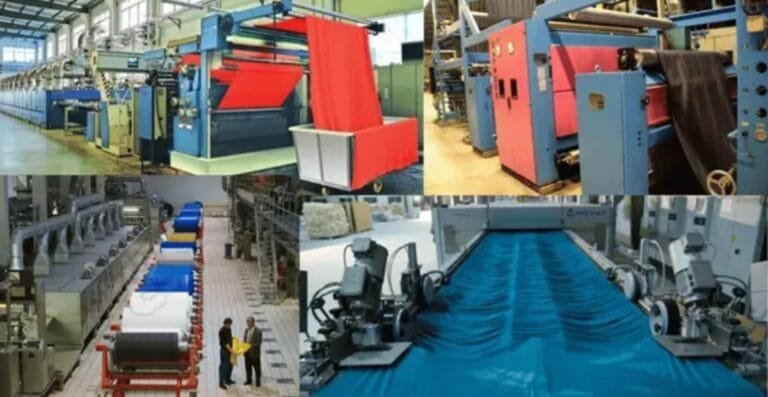
Polyester Fabric Finishing is one of the most widely used fabrics in the world because it is strong, versatile, and affordable. However, the raw fabric produced after weaving or knitting is not ready for use. Therefore, to make it more comfortable, attractive, and functional, polyester undergoes finishing processes. These treatments improve texture, appearance, and performance.


What is Fabric Finishing?

Fabric finishing refers to all the treatments applied to textiles after weaving or knitting. For polyester, finishing is especially important because it is a synthetic fiber that requires heat, chemical, and mechanical processes to achieve the desired qualities.


Common Finishing Processes for Polyester

1. Heat Setting

Polyester is heat-sensitive, so heat setting is one of the most important steps. The fabric is stretched and exposed to heat to:

  • Remove wrinkles and creases
  • Improve dimensional stability
  • Prevent shrinkage in future washes

2. Dyeing and Printing

Polyester does not absorb water-based dyes easily. Therefore, disperse dyes are used, usually under high temperature and pressure. This process gives polyester its bright, long-lasting colors. Furthermore, printing methods like sublimation are also popular.

3. Calendaring

Therefore, in this process, fabric passes through heated rollers, making polyester smooth, shiny, and lustrous. Calendaring is often used for fashion fabrics, curtains, and decorative textiles.

4. Brushing and Raising

In essence, brushing lifts up fibers on the surface, giving polyester a soft, fluffy texture. Consequently, this finish is common in fleece, blankets, and winter wear.

5. Coating and Lamination

Polyester can be coated with resins or laminated with films to add special features. These finishes make fabric waterproof, stain-resistant, or flame-retardant. They are widely used in raincoats, upholstery, and outdoor gear.

6. Anti-Static and Soil-Release Finish

Polyester often generates static electricity and attracts dust. Special finishes are applied to reduce static and make it easier to wash and maintain.

7. Moisture-Wicking Treatment

Moisture-wicking finishes treat polyester for sportswear. This allows sweat to move away from the skin, keeping the wearer cool and dry during physical activities.


Why Polyester Fabric Finishing is Important

  • Improves comfort – Makes fabric softer and skin-friendly
  • Enhances appearance – Adds shine, smoothness, and richer color
  • Increases durability – Protects fibers from wear and tear
  • Adds functionality – Provides features like waterproofing, fire resistance, or UV protection

Conclusion

Polyester fabric finishing is what transforms raw material into a high-performance textile. From heat setting to moisture-wicking treatments, these processes make polyester durable, stylish, and functional. Whether it is for sportswear, formal clothing, or industrial use, finishing ensures polyester meets modern needs.

FAQS

Why does polyester need finishing?

Polyester in its raw form can feel rough, stiff, and less attractive. Finishing processes improve comfort, add shine, and make it suitable for clothing, home textiles, and industrial use.

Does polyester wrinkle after finishing?

No. Polyester is naturally wrinkle-resistant, and heat setting during finishing further stabilizes the fabric. This makes polyester fabrics easy to maintain.

Can finishing make polyester waterproof?

Yes. Polyester fabrics can be coated or laminated during finishing to make them waterproof or water-resistant. This is common in rainwear, outdoor gear, and upholstery.

Polyester Fabric Making: Weaving and Knitting Process Explained

0

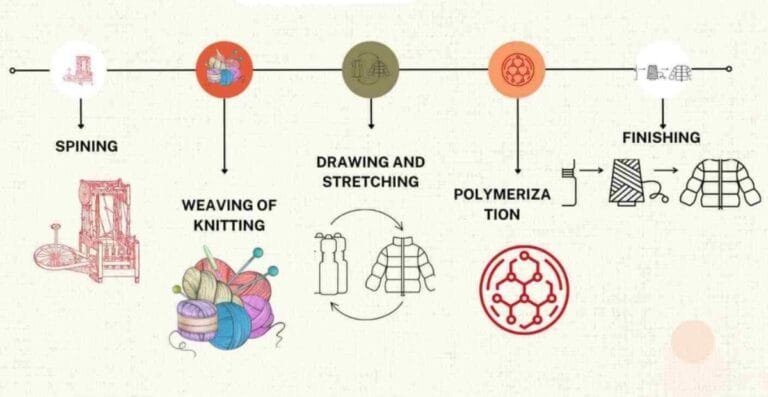
Known for its strength, durability, and affordability, it plays a big role in fashion, home textiles, and industrial applications. The answer lies in two main processes: weaving and knitting. Both methods use polyester yarns but result in very different types of fabrics. Let’s explore each process step by step. Polyester Fabric Making: Weaving and Knitting Process Explained.


Understanding Polyester

Polyester is a synthetic fiber made from petroleum-based polymers. It is created through a chemical reaction called polycondensation, which produces long chains of polyethylene terephthalate (PET).


Polyester Fabric Weaving Process

It involves interlacing two sets of yarns at right angles.

Steps in Polyester Weaving

  1. Warping – Polyester yarns are arranged vertically on a loom to form the warp.
  2. Weft Insertion – Another set of polyester yarns is passed horizontally through the warp using shuttles or modern air-jet looms.
  3. Interlacing – The warp and weft interlace at right angles to form a tightly bound fabric structure.
  4. Finishing – The woven fabric undergoes processes like heat setting, dyeing, and finishing to enhance strength, colorfastness, and texture.

Characteristics of Woven Polyester

  • Strong and durable
  • Resistant to wrinkles
  • Holds its shape well
  • Commonly used in shirts, trousers, jackets, upholstery, and industrial fabrics

Polyester Fabric Knitting Process

Knitting is a more flexible method that creates fabric by interlooping polyester yarns. This results in a stretchier and softer textile compared to woven fabrics.

Steps in Polyester Knitting

  1. Yarn Preparation – Polyester filaments are wound onto cones or spools.
  2. Loop Formation – Using needles, the yarns are interlooped to form rows of stitches.
  3. Machine Knitting – Industrial circular or flat knitting machines are used to produce fabric quickly and in large quantities.
  4. Finishing – The knitted fabric is heat-set, dyed, and treated to improve softness and stability.

Characteristics of Knitted Polyester

  • Stretchy and flexible
  • Comfortable to wear
  • Lightweight and breathable
  • Commonly used in t-shirts, sportswear, activewear, socks, and casual dresses

Weaving vs Knitting in Polyester Fabric

FeatureWoven PolyesterKnitted Polyester
TextureFirm and structuredSoft and stretchy
DurabilityHighly durable and wrinkle-resistantComfortable but may lose shape over time
Production SpeedFast on industrial loomsModerate, depends on machine type
UsesFormal wear, upholstery, uniformsActivewear, t-shirts, sportswear

Why Polyester Works Well in Both Methods

Polyester’s strength, versatility, and adaptability make it suitable for both weaving and knitting. Whether woven for durability or knitted for comfort, polyester remains a top choice for manufacturers and consumers alike.


Conclusion

The making of polyester fabric through weaving and knitting highlights the versatility of this material. Woven polyester is strong, structured, and long-lasting, while knitted polyester is stretchy, soft, and comfortable. Together, they cover a wide range of applications, from fashion and sportswear to home textiles and industrial use.

Understanding these processes not only helps us appreciate the fabrics we wear but also shows why polyester continues to dominate the global textile industry.

FAQS

What is the difference between woven and knitted polyester?

Woven polyester is firm, durable, and wrinkle-resistant, while knitted polyester is stretchy, soft, and comfortable. The choice depends on the fabric’s purpose.

Is woven polyester stronger than knitted polyester?

Yes. Woven polyester has a tighter structure, making it stronger and more resistant to wear. Knitted polyester, while softer, can lose shape over time.

Which type of polyester is better for sportswear?

Knitted polyester is better for sportswear because it is flexible, breathable, and allows free movement. This is why it’s common in t-shirts, leggings, and activewear.

Weaving vs Knitting: A Complete Guide to Fabric-Making

When it comes to fabric-making, two of the most common techniques are weaving vs knitting. Both methods have been used for centuries to create everything from clothing to home textiles. While they share the same goal—producing fabric—their processes, appearances, and end uses differ greatly. Let’s explore weaving and knitting in detail.


What is Weaving?

Weaving is one of the oldest methods of making fabric. It involves interlacing two sets of yarns at right angles.

  • Warp yarns: These run vertically and stay fixed on a loom.
  • Weft yarns: These run horizontally and are woven through the warp threads.

The process requires a loom, which holds the yarns tightly in place. This creates a fabric that is generally sturdy, less stretchy, and highly durable.

Examples of woven fabrics: denim, canvas, linen, satin, and twill.


What is Knitting?

Knitting is a method of creating fabric by interlooping yarns with needles or machines. Instead of crossing yarns at right angles, knitting makes a series of connected loops.

Because of these loops, knitted fabrics are usually stretchy, flexible, and soft. Knitting can be done by hand with two needles or by machines in large-scale production.

Examples of knitted fabrics: jersey, rib knit, interlock, and wool sweaters.


Advantages of Weaving

  • Produces firm and strong fabrics
  • Great for structured clothing (like jeans, jackets, and trousers)
  • Fabrics hold shape well
  • More resistant to wear and tear

Advantages of Knitting

  • Soft, stretchy, and comfortable to wear
  • Ideal for activewear and casual clothing
  • Provides warmth (especially wool knits)
  • Can be easily done by hand as a craft

Which is Better: Weaving or Knitting?

The choice depends on the purpose. If you need sturdy and long-lasting fabric, weaving is the better option. But if you want comfort, stretch, and flexibility, knitting is the right choice.

In fact, both techniques are essential in the textile industry. From woven denim jeans to knitted wool sweaters, our wardrobes are filled with products from both methods.


Conclusion

Weaving and knitting are two distinct fabric-making methods that serve different needs. Weaving creates strong, structured fabrics, while knitting produces soft, stretchy, and cozy materials. Understanding the difference helps you choose the right fabric for fashion, upholstery, or crafting.

Whether you’re a designer, a crafter, or simply someone curious about textiles, knowing the basics of weaving and knitting opens up a deeper appreciation for the clothes and fabrics we use every day.

FAQS

What is the main difference between weaving and knitting?

Weaving interlaces warp and weft yarns at right angles, while knitting forms loops of yarn. This makes woven fabrics stronger and less stretchy, and knitted fabrics softer and more elastic.

Which is stronger, woven or knitted fabric?

Woven fabrics are generally stronger and more durable than knitted fabrics. They hold their shape better and resist stretching, making them ideal for jeans, jackets, and upholstery.

Which is warmer: woven or knitted fabric?

Knitted fabrics, especially wool, are usually warmer because their loop structure traps more air. This makes them perfect for sweaters, scarves, and winter clothing.

Belgian Linen Fabric: Blending Heritage, Durability, and Luxury

0

Woven linen from memory as much as from fiber, Belgian Linen Fabric stretches back over centuries. Flax, coaxed from Belgium’s blessing of rich earth, yields strands that the sun, wind, and skilled hands have coaxed into softness. Farmers walk the fields each season, trusting age-old rituals that reveal the fiber’s full grace. The cool, moist breezes of the lowlands nurture long, silky fibers, allowing each filament to grow a silk-like edge, much finer and much quieter than many make or many find elsewhere. Touch the fabric and you greet the whisper of fields ready for harvest, evenings of spinning wheel, patterns of fine snow that still dance across the age-old countryside.

Why Belgian Linen Captures Hearts Everywhere

All over the world, Belgian Linen wins affection for its quiet beauty and dependable strength. Designers keep it in mind for everything, whether it’s the perfect set of living-room drapes or a billowy summer blazer. The weave feels relaxed yet polished, lending rooms—and wardrobes—a hint of sophistication. When the afternoon sun filters through, the fibers catch the light and radiate a warm, luminous glow. With every launder and every day of wear, the linen fabric gets gentle and supple, while its core durability remains untouched, outlasting common fabrics by years and years.

Belgian Linen Fabric and the Art of Durability

People are willing to wait for an impeccable piece, so they choose Belgian Linen for its extraordinary knack for the long game. Most textiles thin or sag as the decades tick by; this one simultaneously softens and strengthens. Each cycle in the machine does not weaken it; it polishes it, lending that each fresh launder still feels like the very first cuddle. Couples leave weddings with linen napkins and bedding that still look fresh twenty anniversaries later; parents tuck away embroidered crib sheets that hold up, wash-stain to wash-stain, for the next family’s nursery. What starts as a purchase operates instead as an heirloom, the very definition of luxury that possesses slow, enduring grace.

Belgian Linen Fabric in Homes and Interiors

Interior designers turn to Belgian Linen Fabric to elevate their projects with understated elegance. Sofas upholstered in it, trailing curtains, and plump cushions share a quiet sophistication balanced by warmth. Its palette of soft, neutral shades adapts easily, whether a room leans sleekly contemporary or tenderly traditional. Because light passes through the fibrous surface, the fabric lends subtle dimension, coaxing cozy intimacy into otherwise crisp spaces. Duvets wrap guests in the same pleasing touch, and the fabric’s remarkable resistance to UV rays keeps colors radiant long after install. Toss in the low-maintenance charms, and it’s no surprise top-tier residences and five-star suites have adopted it as a go-to signature.

Belgian Linen Fabric in Fashion and Clothing

Ready-to-wear designers flirt with the appeal of Belgian Linen Fabric for its effortless allure and breathable ease. Summer dresses flirt with cap sleeves, trousers sit lightly against the skin, and shirts maintain crisp collars without fussing. Linen’s natural ventilation keeps heat from the body in warmer months, and the fibre reveals its moistur-absorbent trick by whisking perspiration into the interior of the weave. Each wash softens the fabric without losing body; the pleasing mellow texture greets skin anew. Clothes drape with barely-discernible fluidity, turning minimalist silhouettes into pieces brimming with understated glamour, the kind that garners compliments across seasons and grows gracefully vintage over a decade.

The Beauty of Belgian Linen as Time Goes On

The brilliant thing about Belgian Linen is how it gets even prettier the longer it’s in daily use. Each gentle wash releases tiny softening fibers, gradually swapping crispness for a touch that feels indulgent yet familiar. Far from diminishing, color settles into a subtler, richer tone; a low luster appears in the fibers, quietly signaling the years that hue the fabric without fuss. It’s the fabric demanding nothing, yet gifting more comfort with every day, making it the perfect choice for the heirloom piece already handed from proud grandparent to the next thankful generation.

Nature Meets Craft in Belgian Linen

This luminous fabric is also revered for how sensibly it is born. The flax plant that yields it flourishes with modest rain, practically waving away the big hoses of industrial cotton. Happy, nutrient-tending bugs protect it rather than sprays, so rivers, skies, and even the growers breathing the air feel the difference. Harvesting, spinning, and weaving happen in the verdant heart of Belgium, a covenant between harvest and land kept for centuries. British linen’s low impact and gentle lifecycle is claimed every time a conscious shopper settles the fabric onto the grandchild’s nursery heirloom.

Belgian Linen Fabric in Luxury Brands

Across runways and showrooms, top-tier labels rely on Belgian Linen Fabric to crown their most exclusive lines. It shows up in heirloom-caliber bed linens, flowing draperies, and bespoke garments. Each piece speaks to a marriage of comfort, resilience, and understated elegance, making it a coveted choice for connoisseurs. Buyers recognize the fabric as a quiet hallmark of distinction. Kilometres of looms and generations of craft underpin its pedigree, and its storied provenance naturally enhances the allure of the finished item. No wonder these brands return to Belgian linen for every new capsule and enduring signature release.

Belgian Linen Fabric in Hotels and Hospitality

A five-star escape is only as luxurious as its linens, and that is why resorts worldwide drape their ballrooms and cabanas in Belgian Linen. Guests slide into sheets that stay cool with coastal breezes, and the effortless drape of window swags refracts afternoon light like fine crystal. Double the appeal lies in the cloth’s durability; repeated machine cycles that would fray a lesser weave only heighten its texture, making the investment prudent. Through Belgian linen, properties weave an atmosphere of understated opulence that lingers in the memory long after checkout.

Belgian Linen Fabric as a Smart Choice for Homes

Belgian Linen Fabric is not reserved for grand hotel suites or exclusive catwalks. Everyday families have welcomed it into their homes, enjoying its soft yet durable presence. Whether as a flourishing tablecloth or relaxed pillow cover, this history of linen breathes freshness and poise into any room. Summer sun or winter fires, it adapts, wrapping homeowners in balanced comfort. Belgian Linen turns daily routines into understated occasions, showing that refinement and usefulness can truly go hand in hand. Simply placed, it quietly elevates the ordinary to the memorable.

How to Care for Belgian Linen Fabric

Looking after Belgian Linen Fabric could not be more straightforward. A gentle wash with mild soap celebrates the linen’s inherent resilience. Line drying preserves its breathability and keeps that delightful, slightly crinkled texture. Some appreciate the crisp touch of a warm iron, while others happily choose the soft creases that evolve with life. Treated kindly, these linens are happily handed down after many decades, proving that lasting beauty can be low-maintenance. That ease appeals to parents with busy schedules and to thoughtful designers alike.

The Lasting Value of Belgian Linen Fabric

Home, hotel, or wardrobe, Belgian Linen Fabric welcomes with a gentle strength that pays dividends day after day. The initial higher price may prompt a double-take, yet that brief hesitation yields when the cloth refuses to fade, fray, or slacken. Instead, it ripens, developing a rich, lived-in patina that outshines the synthetic sparkle of cheaper rivals. When most linens decline into sunspecked, brittle rags in a single season, this one pulls fresh purchases into the shade of heirloom expectation. The durability slowly excuses the outlay, one soft season after another, until the decision feels more like heritage than purchase. Style and sense conspired here, wrapping craftsmanship in a kind of unfussy dividends that keep the creature comfort of today and tomorrow smiling. Inviting Belgian Linen Fabric into the fold is inviting intelligent, quiet, and enduring charm into every drape, every seat, every casual toast to the unbuilt future.

Conclusion

Belgian Linen France the weave, but the flax is still from the countryside-heat mills in West Flanders. The region turns delicate blooms into everything you see in sturdy vitality. Whispering texture, silky on the cool side but not at the edge of slippery. Grown, scutching, pre-shrinking, and the lotion at the mill, kept, with sheep, atttended by the same families, freezing in January and ushering this to surface and service and home. Within those blankets, wrap middays of doubles, bread cooking, and hands that have waited, brushed in centuries, for chamando or champagne. The field is nightly mounted to the same horizon that has never stopped curving into West, and from that same horizon Belgian Linen is tracked again for the senses, for the entire household, for the artisalan factories of moms and of couture buyers. Read More Article: Linen Fabric: A Complete Guide to History, Uses, and Benefits

FAQs

What makes Belgian Linen Fabric special?

Belgian Linen Fabric is known for its softness, durability, and natural elegance that grows better with age.

Is Belgian Linen Fabric good for everyday use?

Yes, Belgian Linen Fabric is strong and perfect for daily items like bedding, clothing, and table linens.

Does Belgian Linen Fabric require special care?

No, Belgian Linen Fabric is easy to maintain. Gentle washing and air drying help it last for decades.

Toweling Linen Fabric Guide: Style, Durability, and Pure Comfort

0

While its structure impresses, the way toweling linen fabric interacts with the skin seals its reputation. The fibers wick light moisture and dry quickly, so the fabric feels cool without ever becoming clammy. A light, textured surface gently massages skin with each movement and never feels abrasive. Warmth does not linger, so the textile stays temperate without extra layers. Many enthusiasts describe an early-morning comfort akin to stepping outdoors in an early breeze. Touching the fabric invokes serenity, transforming everyday rituals into small, soothing pauses. Toweling linen fabric thus balances practical strength and serene simplicity, earning its everyday companion status.

Pure Comfort Through Toweling Linen Fabric

Toweling linen hugs the skin in summer and winter with equal ease. On a hot afternoon, it dries fast and feels pleasantly cool; when the temperature drops, it wraps the body in gentle warmth without trapping too much air. Unlike synthetics, it won’t set off irritation. The fine, living linen threads are soft, even accommodating the most sensitive skin. Whether woven into an everyday shirt, an absorbent towel, or a set of fresh sheets, the humble material carries an air of calm. That’s why kitchens, bedrooms, and bathrooms around the world wisely choose it a staple, trusting both its ease and quiet, enduring charm. Read More: what is Linen fabric

A close-up of stacked towels in soft, woven linen-like fabric with a honeycomb texture. The colors include orange, teal, white with colorful patterns, lime green, and pale blue accents.
Pure Comfort Through Toweling Linen Fabric — breathable, soft, and absorbent textures in vibrant stacked towels.

Style and Elegance in Toweling Linen Fabric

Toweling linen enhances clothing and living spaces with quiet sophistication. The cloth carries its natural sheen freely; the effect is simple yet refined. It adapts seamlessly, pairing effortlessly with weathered wood, brushed steel, or fresh neutrals. Creators of apparel value its softness, knowing the surface takes color with subtle depth. Meanwhile in decor, its easy drape turns a simple curtain, bathroom mat, or kitchen towel into an instant focal point. The material invites visitors to linger and touch, an honest kind of hospitality that inspires continuous exploration among those who cherish unpretentious, naturally beautiful design.

Everyday Uses of Toweling Linen Fabric

Finish washing a set of dishes, and the kitchen surrenders a sun-warmed towel that drapes the hunt for granite naturally. Toweling linen fabric remains tucked beside every sink doing exactly that, drying efficiently without the tack we notice in paper or plain linen cotton. Migrate to the bathroom and the same fabric steps in, nosing away steam and post-shower drips better than dyed terry nap. Clothing designers favor a lightweight folding method that breathes round shoulders, undoing the heft of synthetics. Set the table in a shimmering, easeful tablecloth, flop the same yardage across scatter cushions, and the palette lifts from simply tinted to lived-in. Toweling linen fabric rarely shouts, yet that quiet durability shouts back to designers that it endures, hinged more on woven linen strength than an overt label. Read More: Damask Linen Fabric

The Breathable Nature of Toweling Linen Fabric

Air sleeps in the loom as threads cross in an open mesh that hushes a hurry and invites a linger. Still the linen drives warmth away without cooling the skin, a trick for humid porch afternoons or cabin winter, appended to bare skin and chandeliers of cotton tees. Any moisture soaking in drips scattered, opting out of clamminess and opting in to an aroma of room and sun, you learn to hold at the window. The shirt you lean toward tonight miraculously unwrinkled and coastal smelling thanks to an airflow that itself is a gentle chorus of “stay,” not rigid. Sweat, instead of lurking, rolls back toward the garden, the pro-G’) of everyday bask.

How Toweling Linen Fabric Ages Over Time

With every wash, the charm of toweling linen only deepens. Rather than showing signs of age, it gathers a silken softness that welcomes the hand. Its texture remains firmly intact; what loosens a little is the starch of the day, yielding softness without sacrificing body. The drape loosens comfortably, the fade shifts to a warm patina, and the hem gathers a pleasant fringe. Because of this gentle transformation, adored heirloom towels earn shelf and drawer space for generations. Over the years, the surface picks up no scratches or snags; it gathers stories and settles in, ready for the next round of kitchen magic or afternoon tea. When children finally pack linen towels for new homes, the towels still look soignée and feel cozy enough to fold into a trousseau.

Caring for Toweling Linen Fabric Correctly

Give linen towels a soak in the gentlest suds, and the fibers will thank you by resisting wear. A hand or a delicate machine cycle lifts the day’s grime without loosening the weave. They dry like sunbeams, so a Napkin Bar or clothes line always stands first in line; a tumble dryer, by comparison, invites the fabric to bold, rough bad neural. Beat always afflows the cool breeze, a flip, and a soft linger keep heat away. A diligent press on the cool side of the needle brings back smooth without a hard stand. This regimen comforts homes that relish modest housekeeping entries. The effort rivals that of cotton towels, without the soft-render villains that linger on cotton zip folders. The drawers and kitchens, then, simply continue to store towels that look and feel the same — only better, really — day after day, scarf after scarf, memory after memory.

Toweling Linen Fabric in Fashion Trends

Toweling linen is today’s quiet luxury, moving seamlessly from lounge to runway. The fabric’s loop structure offers shape to everything—slouchy shirts, tailored shorts, wrap dresses—while the open weave keeps breathability front and centre. Color sets it apart further, because the yarns absorb pigments and hold them, delivering jewel-tone maroons, forest greens, and coastal blues that won’t fade after a wash. Each collection brings toweling Sheeting linen into the spotlight, proving that this classic weave refuses to be a fleeting season piece. Designers praise it for softness that behaves like structure, so we find it in both cult-piece leisure lines and quietly sophisticated capsule wardrobes.

Toweling Linen Fabric in Home Decor

In the quiet corners of interior space, toweling linen is the artisan’s secret that bridges beauty and everyday ease. Its muted, earthy texture nestles beside stone, oak, and clay, like the natural daylight that inspired it. Drapes of toweling linen filter light and speaker silence, pairing beautifully to muted walls in neutral Blended linens. Scatter cushions add gentle relief against leather and wood, while slim table runners and napkins become signature practical luxury for last-minute brunches. Designers praise the fabric’s ability to add undeniable sheen without glare, creating rooms that greet the eye and the skin. From metropolitan apartments to organic farmhouses, Suiting linen balances aesthetic taste and enduring function, softly saying that warmth is the quickest kind of style.

Eco-Friendly Strength of Toweling Linen Fabric

With sustainability becoming urgent, willowing linen stands out. Flax, the plant that yields it, grows with little irrigation compared to cotton. Because toweling linen skips harsh synthetic finishes, it sidesteps many of the environmental footprints found in mainstream textiles. After faithful service, the fabric composts completely, intact only in sun-dappled garden soil. Choices like these satisfy responsible consumers without asking compromise. You simply enjoy softness, warmth, and subtle toweling texture, all engineered to celebrate the planet—yours and the one we share.

Toweling Linen Fabric for Luxury Living

Often, it’s the quiet detail that seals true luxury, and toweling linen delivers it by the meter. Its comforting to the fingertips glide levels the world’s smallest hotel stack to a moonlit spa robe moments from a credit-worthy indulgence. Huckaback linen elevating daily rituals— towels flicked to sun-drenched robe, brocade smooth beyond Egypt, curtain tracer—and it’s the very same stack origami folds at the Ritz. Repeat at home: sumptuous coverlets, sheets brushed beyond your Monday millionaire. Relax and read: the finest luxury is a daily the measure of effortless, without more elaborate than conscious love.

Toweling Linen Fabric Across Cultures and History

Toweling linen tells stories that stretch from ancient kitchens to contemporary spas. Original weavers placed threads that served as towels, shifts, and marketplace aprons. Generations folded, looped, and knotted it in routines both humble and ceremonial. Today the same damp-soft, lightly textured cloth continues to greet the skin after a shower, to grace a nursery quilt, or to catch cereal crumbs, quietly reinforcing its role as a household guardian. It whispers a shared past to the everyday, and its endurance sketches a lineage that still impresses the lasting present. Read more: History of Linen fabric

Why Toweling Linen Fabric Will Always Matter

Trends wax and wane, yet the dependable hush of linen beating, rinsed, and towel-sized still arrives undefeated. Weary of flimsy novelties, discerning eyes continue to touch its cool heft, appreciating how the fibers hug warmth and release coolness a heartbeat later. Toweling linen laughs at planned obsolescence, demanding none of the inauthentic themlxience that floods glass-fiber aisles. Instead it arrives quietly replenishing, able to wash and dry into the same reliable pile after Holland linen as after linen. This subtle gift of endurance shapes the ostentation of tomorrow while ground to the same, dependable everyday.

Conclusion

Toweling linen still reigns supreme, whether draped over a beach chair or hanging in a high-end boutique. It muddies the line between tough and touchable; steadfast enough to shrug off the daily grind yet soft enough to hug you when you step out of the shower. Fashioned with an effortless elegance, it breathes naturally and treads lightly on the planet, proving comfort and conscience can coexist. Everyday or extravagant, it keeps the promise it made centuries ago and is still busy rewriting tomorrow’s style story. Read More Article: Linen Fabric: A Complete Guide to History, Uses, and Benefits

FAQs

Why pick toweling linen instead of cotton?

Because it’s tough enough to outlast multiple seasons, dries in half the time, and keeps getting gentler with the rinse-and-repeat of the laundry room.

 Will it shrink when I toss it in the washer? 

It might shrink a little on its first ride through, but it’ll settle in and become the size you count on.

Can toweling linen pull double duty in my summer wardrobe? 

 You bet. Its fresh-feeling breathability turns even the hottest July afternoons into a cool breeze.

Cotton Spinning Explained: From Fiber to Yarn

0

Cotton is one of our dearest natural fibers. Cultures have spun cotton threads for thousands of years, and the fabric is still beloved for its softness and breathability. The journey from the cotton flower to shimmering yarn is a tale of transformation. This post takes cotton spinning explained to its simplest form so even the newest enthusiast can follow along and feel the yarn in their hands.

What Cotton Spinning Really Means

When we say “spinning,” we mean twisting short cotton fabrics into one long, robust thread. Without spinning, a fluffy mound of cotton would never become the soft scabs on our favorite T-shirts. This one process unlocks the true strength and usability of the fiber. Cotton spinning explained here paints a clear picture, showing how the green cotton flower suddenly gifts the beautiful ropes of cotton yarn you see in the crafts store.

Preparing the Cotton Fiber

To prepare cotton for spinning, the fiber must first be cleaned and fluffed. Harvested cotton still contains dirt, seeds, and bits of leaf, all of which must be removed. Machines aerate and beat the mass, separating the unwanted material while opening the fibers. The result is a fluffy, soft mass of cotton that is ready to be transformed. It becomes clear, step by step, that a good preliminary job of cleaning and opening the fibers is crucial for the strength and uniformity of the finished yarn.

A close-up of hands operating a traditional wooden combing apparatus to prepare fluffy white cotton fiber, with a woven basket in the foreground and loose cotton scattered around.
Preparing the cotton fiber using a hand-operated comb and small wooden loom.

Carding the Cotton

Carding follows the cleaning and is a more focused organization of the fiber. Feed rollers introduce the fluffy mass to a series of rollers and cylindrical flats fitted with fine, wire teeth. The teeth lift the fibers, separate them, and cause them to orient in a more parallel arrangement. The output is a long, thin web of cotton called sliver. When we break cotton spinning down to the carding phase, we see that a uniform, well-carded sliver ensures smooth drafting that follows.

Drawing and Combing

The drawing phase takes several parallel slivers, stretches them gently, and merges them into a single, more uniform band. The draft increases fiber parallelism and evens out thickness. Where higher quality is demanded, a combing operation is added; in this, a series of comb plates extract the shorter, weaker fibers, leaving a stronger, finer sliver of just the long fibers. Observing cotton spinning at this point shows that the trajectory of yarn quality is set by the combining and possibly the combing, ensuring that only the best material advances to the next stage.

A close-up of hands drawing and combing white cotton fibers using a wooden traditional tool, with a woven basket nearby and fluffy cotton filling the frame.
Drawing and combing cotton

The Spinning Stage

Now the genuine spinning begins. Metal frames wrap and twist the fibers into lengthening strands, marrying strength with the softness we expect from cotton. Alloy and nylon gears, driven by gentle hydraulics, replicate the coaxing rhythm a spinner once offered with a wrist flick. The old spinning wheel reduced the cotton’s length by a flick and draw; the new frames draw it faster, tighter. The cotton-spinning illustration, worked in a glowing schematic, lets you watch the fibers twine as if through a glass platform, explaining why a twist, so slight, cradles warmth in every garment.

A spinning stage in a textile factory with large green cotton spinning machines. Spools of white cotton rope feed into the machines, while overhead piping and multiple cords run across the ceiling. Large cylindrical containers hold neatly coiled cotton fibers.
Spinning stage in a cotton mill: workers and machines twist and twist cotton fibers into yarns, with large spools and feeding mechanisms visible.

Ring and Rotor Spinning

The industry prefers ring spinning. Spindles whirl, guiding fid wire and polymer rings into a balm of fiber and twist. The result is a fine, bruising-resistant yarn honored by the invisible wrist of a machine. Rotor spinning, an open-ended rival, shatters rotors into feed chambers and sepals of cotton; it spins thicker strands in half the time and a fraction of the cost. Animated diagrams of each method parade side by side. The silhouettes challenge you, side by side, to learn how curves and spirals of metal press old craftsmanship into every fabric we buy.

A textile factory scene showing a ring spinning setup. Large spools of white cotton yarn hang from overhead rings, while rotary spinning machines with drums and control panels run in the background.
Ring and rotor spinning in a modern textile mill, with multiple spinning units and large yarn cones ready for processing.

The Spark of Modern Precision

Machines chatter in lamplight, curing mass with laser precision. Soft, emissions-free computer minds that learn and adapt time every needle. Tension, temperature, and feed are studied. The spindles loosen, the rotors breathe, and a single robotic breath of data exchanges caution with metal teeth and knee joints. The newest cotton spinning illustration draws the entire, relentless algorithm as a glowing rhythm, rhythm visible. The graph reveals a breath of detail. Fiber’s precision. Waste fell to almost zero; the soft and crisp fabric we applaud to a merging of tradition and a constellation of diodes, humming in unison.

Uses of Spun Cotton Yarn

That soft white fiber becomes the weave of everyday life. One twist of the spindle can become your favorite baby blanket, the kitchen dishcloth that clouds into orange, or the hem of jeans that rub your hip until they feel like second skin. How soft, stretchy, or resilient that yarn is decides if you love the fabric or relegate it to the rag bin. When you sit in the chair wrapped in the money-get-mistake towel, you sense spinning is quiet backstage work that shows itself in private, everyday ease.

Importance of Cotton Spinning for the World

Countless mothers in daylight factories and sleepy nighttime finishing houses touch the same cotton and, on small machines, thread it into the world’s memory of cozy. Every skein small-B.V-COT of yarn gets resized and shipped, lighting up runways, Methodist nursery sheets, and antiseptic wraps for hospitals. One thread, re-cut in a plant running filament finishing, can give Tamil Nadu a better export earnings math answer. Stitched and exported, it becomes the quiet hardware of comfort, wealth, and a set of textile history composed in soft white.

Challenges in Cotton Spinning

That cozy yarn has backstage cost lines. The daylight leaves the river hot, the spinning mirrors promise grand hyptic, and the pattern air thick with the cite of expectancy. Making cotton yarn today means coaxing brightness and fragility out of the same plant. Energy gobbled, thread bingo pushed, and entire communities asking the spinning factories to quiet their burn and read the planet’s warnings. This equation of comfort, community reward, and conscience begins to shape new practices, breathing the same life into the filament and the land itself.

Certainly! I’ll keep the current format and theme while incorporating those elements you just mentioned. Here’s the revised text:

Future of Cotton Spinning

The future of spinning looks promising with smart machines and eco-friendly solutions. More mills are focusing on recycling cotton and reducing chemical use. Technologies such as AI-driven predictive maintenance and wireless sensor networks allow systems to anticipate faults before they occur, minimizing waste. Researchers are also finding ways to streamline each individual process—from carding to finishing. So that machines use the least amount of energy while keeping quality high. When you explain cotton spinning with future growth in mind, the industry quickly becomes easy to picture. A continually evolving system determined to stay efficient, innovative, and central to the clothing people wear every day.

Conclusion

Cotton begins as a simple fiber but ends as a strong and useful yarn. Each stage, from raw opening to final twisting, plays a vital role in shaping the fabric’s uniformity, strength, and softness. The journey itself is both ancient and modern, blending the rhythm of the hand distaff with the orchestration of high-density networks of smart machines. When the life of a cotton fiber moves from an open field to a spinning mill, every gram of energy, every drop of water, and every meter of thread are accounted for and monitored, blending the wisdom of the past with the precision of the present. Each stage either retains the fiber’s inherent qualities or reinforces them with a meticulous process designed to keep waste low and yield high.

FAQs

What is cotton spinning?

Cotton spinning is the process of turning raw cotton fibers into yarn through cleaning, carding, and twisting.

Why is spinning important for cotton?

Spinning gives strength and structure to loose cotton fibers, making them useful for weaving and knitting.

What are the main methods of cotton spinning?

The two main methods are ring spinning, which makes fine yarn, and rotor spinning, which is faster and cheaper.

Suiting Linen Fabric: The Perfect Blend of Comfort and Elegance

0

Suiting Linen Fabric has remained a classic material for many generations. People admire its charm, durability, and natural appeal. The fabric feels soft yet strong, making it reliable for daily and formal use. Because of this, Suiting Linen Fabric continues to impress both designers and wearers. Its long history proves that its elegance never fades. With modern tailoring, Suiting Linen Fabric still holds a special place in fashion.

The Natural Beauty of Suiting Linen Fabric

Crafted from meticulously spun flax fibers, Suiting Linen radiates strength while possessing a luxurious sheen that can only come from its natural origins. The texture is refreshingly distinctive, sporting an elegant slub that adds visual depth. Its innate ability to breathe transforms everyday comfort into refined grace. Whether paired with loafers on a sunny terrace or polished oxfords beneath soft gallery lights, a Suiting Linen ensemble performs elegantly in any environment, gaining character with each seasonal wear and small, intentional handle. It stays fresh even with countless sit-stand cycles and somehow looks even more polished with each gentle washing, which invites a soft, lived-in patina. Read more: What is Linen Fabric

A close-up view of dark gray suiting fabric with a subtle textured weave, showing soft folds and a gentle sheen.
The Quiet Elegance of Linen-Blend Suiting: a refined, textured gray fabric that drapes with natural ease.

Comfort That Defines Suiting Linen Fabric

At the heart of Suiting Linen’s appeal is an unpretentious comfort that whispers rather than shouts. The open weave permits unbroken airflow, coaxing the body to feel consistently cool on the warmest of days. Layer a silk tank or fine-knit merino, and the same jacket carries its wearer effortlessly into cooler nights. It glides onto the skin like a balm, free from cling, and elevates even the busiest tailor’s block with ease. The resulting silhouette is feather-light, yet oozing a quiet, unyielding confidence anchored in each immaculate stitch and understated drape. Wearing a Suiting Linen jacket is inviting the effortless allure of European terraces into the everyday pulse of an American twelve-hour workday and twilight happy hour. Read more: History of Linen Fabric

Permanent Presence of Suiting Linen in Today’s Style Agenda

Fashion’s creative leaders keep placing Suiting Linen Fabric on the mood boards that matter most. The upcoming releases keep featuring the tailored Huckaback linen ensemble as an essential block. Merging aged Mediterranean allure with the lean silhouettes the season celebrates, it speaks to weekend brass and board-room ambition alike. Desk culture and cocktail culture have both adopted it, often as first choice. Luxury caliber labels keep falling back on the same cloth for pieces the calendar can’t pin an expiration on. Through the routine of trend-watch calendars it stays on the calendar calendar candid as ever. The textual rapport continues to redirect brand impetus toward more intelligent lightweight tailoringawat a really and tablet.

The Linen Suit’s Quiet Power to Elevate

A Suiting Linen ensemble rationalizes the polished appearance without the admirable mechanics of wardrobe molding. The cloth’s canvas-like tactility intercepts formality, softens the final read, and leaves the wearer consciously secure. Within it, breathibility replaces the inertia of synthetic conviction, permitting the pace of urban microschedules. That tension diffused, shoulders press metered confidence even in the most gravel-day itineraries and quiet testament. The aggregated texture casts indirect confidence, permitting sheer versatility in styling. The suit flattens out the moment, then opens it up to the wearer’s intention. A metropolitan shirt collar, sleeve flick, shift to polished sneakers, and still it keeps the face of not above the phase.

A stylish man and woman stand beside a wall mirror. The woman wears a light gray linen blazer with a self-tie belt and white pants, while the man, partially visible, wears a pale striped linen suit.
Quiet Power in Linen: elevate your wardrobe with The Linen Suit’s tailored silhouette, relaxed yet refined.

The Durability of Suiting Linen Fabric in Daily Use

Suiting Linen Fabric actually gains strength the more it’s worn. Every outing, every rinse adds a subtle softness the weaver never quite planned, and it stays neat while doing so. Builds a presentable patina that a brand-new synthetic can’t touch, all while the fibers refuse to fray. Gently stored and granted the right intervals between showers, these suits clock years rather than months. Daily clients frequently remark that the woven linen speaks to them now in a voice more confident, and that slow evolution counts as the patina only good fabric gets. An enduring source of assurance that style and strength can share a closet.

Caring for Suiting Linen Fabric the Right Way

Suiting Linen Fabric keeps its composure with a few mindful gestures. The rinseable program on the machine, lukewarm and brief, spares the fibers the rough tumble they don’t need. A medium iron, glided rather than pressed, keeps the lapel flawless. Slip on a supple hanger and let the jacket rest, and the drape remains handsome across the next quarter, too. Pay these uncomplicated tasks the the attention a jacket seldom demands, and the fabric thanks you in seasons rather than months, with a discerning ease owners naturally begin to take for granted the longer the Holland linen fabric stays pressed.

“Close-up of hands pinning a linen suit fabric with a soft gray color, alongside a purple thread spool and a white measuring tape.”
Caring for suiting linen the right way: gentle handling, cool water, and air-drying to keep the texture crisp and the color true.Linen suiting care 101: press with a warm iron, avoid over-washing, and store folded to prevent wrinkles. From seam to closet: tips for maintaining the look and feel of linen suiting fabric—be mindful of heat, moisture, and starch.

The Year-Round Comfort of Suiting Linen Fabric

Many assume Suiting Linen is solely a summer staple, yet its virtues stretch right through the calendar. On scorching days its cool feel is welcome, yet once the mercury drops, the same yarns quietly insulate. Blended Linen fabric coil-like structure lets skin breathe without letting cool air steal heat. Consequently, a suit of this cloth wears comfortably beneath a cardigan, blazer, or overcoat as weather shifts, proving a smart investment. Even when the forecast is mixed, it keeps goosebumps and clammy layers at bay. That built-in versatility is the quiet endorsement of smart dressers: one garment, endless climates. Brilliant, seasonable, unflappable.

The Quiet Authority of Suiting Linen Fabric in Formalwear

When it’s time to cut a fine profile, nothing else blends authority and ease the way Suiting Linen does. Boardroom negotiations, absolutions, and midnight toasts: every elevated setting gains the same understated boost. The cloth moves like a second skin but glitters like fine silk, so nerves stay hidden. Unlike scratchy brocade or rigid worsted, its weave sways gently, letting shoulders ease and smiles widen. The deserved applause hits even jacket shoulders: because fine tailors know linen holds a curve, the lines stay sharp through every toast and tango. The harmony of silk apparent yet dependable: the feel of leisure, the look of esteem. Suiting linen: hymns, handshakes, and hand over heart stay epic.

Why Designers Treasure Suiting Linen Fabric Today

Leading designers repeatedly reach for Suiting Linen Fabric when sketching new collections. Its proven combination of durability, breathability, and masterful drape still exercises an irresistible gravitational pull. The cloth speaks fluently in both sculpted contemporary silhouettes and timeless tailored pieces. That dual language empowers creative statements that remain anchored in heritage. The rough-hewn, living texture quietly celebrates memory while still encouraging innovation. This harmonic tension keeps the fabric on mood boards across studios. In every runway outing, Sheeting Linen fabric reasserts that heritage and imagination are kindred.

How Suiting Linen Fabric Elevates Accessories

Suiting Linen Fabric interacts beautifully with a spectrum of accessories—ties, belts, and shoes included. The fabric’s inherent patina amplifies the subtleties of texture, colour, and cut. In tailored outfits, a polished leather sole reads with crystalline clarity against the cloth’s whispering surfaces. In a relaxed parse, a lightly veg-tanned belt drapes only enough tension across the waistline to assert effortless elegance. Whether the embellishment veers toward bold geometry or restrained understatement, Suiting Linen articulates the dialogue. The marriage renders the metal, leather, or canvas sung with oatmeal warmth a living, complimentary participant, rather than an adjunct.

The Confidence Brought by Suiting Linen Fabric

When people slip into suit made of linen, an effortless wave of confidence sweeps over them. The way the fabric breathes balances casual comfort with a quiet, sophisticated elegance. Be it a boardroom client pitch or a relaxed brunch with friends, linen stands reliably stylish. Rather than pinching or scratching, it hugs the body and encourages a relaxed posture, so shoulders glide back and jawline softens. With suit’s gentle power, confidence grows almost without notice and radiates once the last button is done. Plain Linen becomes an ally where grace and ease intersect.

The Long-Term Value of Choosing Suiting Linen Fabric

Selecting a suit of linen offers rewards that echo well past seasons. This textile, cultivated and crafted over generations, holds shape and plush touch for years without losing charm. A linen suit stays relevant, never begging for update, which is why it slides into the category of forever pieces. Dollars spent move soft and smooth right into the saving column; the suit stays operable, hiding no startling repairs and shrugging off replacement cycles. Buying Damask linen fabric means quiet sustainability; garments resist hurried obsolescence. With stoic constancy and quiet grace, linen rewards loyalty with long-lasting elegance.

A man in a gray plaid suit examines a garment on a rack in a modern clothing store. He is dressed in a checked suit with a white shirt and dark tie, focusing on the fabric selection.
The long-term value of choosing linen suiting lies in breathable comfort, timeless texture, and versatile style that ages gracefully with wear.

Suiting Linen Fabric: The Imminent Horizon Is Rose-Colored

Linen suiting continues to carve its own timeless niche, neither bound to seasons nor to nations. The blend of old-world craftsmanship with buoyant, skin-friendly ease keeps it relevant, beckoning boomers and zoomers alike. From bespoke tailors to off-the-rack shirts, every cut, pleat, and polish is answered by this responsive canvas. By slipping into evening light or Saturday brunch, the cloth pivots effortlessly. As makers embrace living, growing fibers, the appeal surges, promising even taller fold-lines on showroom tables. Linen suiting is more than a piece on a rack; it’s a subtle memo of authenticity. The horizon sketches itself in lighter, louder shade.

Conclusion

Suiting Linen remains universally acknowledged as the consummate synthesis of ease and sophistication. Its exceptional natural tensile strength, open weave, and enduringly subdued luster anchor it as the mark of discreet refinement. A single garment fashioned from this cloth not only augments the wearer’s aesthetic vocabulary but simultaneously instills an unmistakable self-assurance. Following deliberate and uncomplicated care, the textile evidences remarkable longevity, thus satisfying both emotional and financial prudence. Designers, couturiers, and discerning patrons concur that the allure of Suiting Linen shows no signs of diminishment. It transcends the category of mere fabric, evolving into an enduring emblem of style, composure, and timeless poise. Read More Article: Linen Fabric: A Complete Guide to History, Uses, and Benefits

FAQs

Is Suiting Linen Fabric advisable for a summer suit?

Indeed, Suiting Linen Fabric is highly recommended for summer because it is inherently ventilated and regulates body temperature effectively.

Is wrinkling a concern for Suiting Linen Fabric?

While the fabric does wrinkle, such creasing contributes to the relaxed sophistication for which linen is adored.

What is the recommended care for a Suiting Linen Fabric suit?

To preserve the suit, wash via the gentle cycle, iron at a medium setting with steam, and hang on wide shoulder hangers.