Home Blog Page 138

Huckaback Linen Fabric: Softness, Strength, and Sustainable

0

Huckaback Linen Fabric has not merely endured but flourished, praised for its signature structure, tactile gentleness, and unparalleled longevity. Commonly referred to as huck linen, the textile melds aesthetic elegance and practical durability, providing a rare, harmonious marriage of comfort and tenacity. Add to this the fabric’s impressive moisture-wicking capability, eco-centric manufacturing, and eclectic adaptability across interiors and garments, and it becomes clear why the linen commands such enduring loyalty.

Selecting Huckaback Linen Fabric transcends the choice of a simple cloth; it is a conscious commitment to a narrative that expertly interweaves skilled artistry and responsible stewardship. Consequently, this post dissects the weave’s signature softness, unrivaled toughness, and broad sustainable credentials, demonstrating why its refined pedigree complements contemporary living as gracefully today as it did centuries ago.

The History of Huckaback Linen Fabric

The Chronicle of Huckaback Linen Fabric begins centuries ago in western Europe. Skilled weavers interlaced warp and weft to create a robust yet pliable textile. The deliberate Huck weave allowed threads to float above the base layer. This technique formed surface voids that improved moisture absorbency. The result was a fabric ideal for bath, table, and bedding use.

Master weavers gradually curated the technique, employing the long, lustrous fibers of flax.The resultant Huckaback combined tensile strength with subtle pliancy. This balance secured its place in households and luxury showrooms. Contemporary ateliers still honour these historic weaving traditions. They now add regenerative flax cultivation and low-impact dyeing. These updates preserve the vintage character while giving the fabric clear ecological value. Read more : History of Linen Fabric
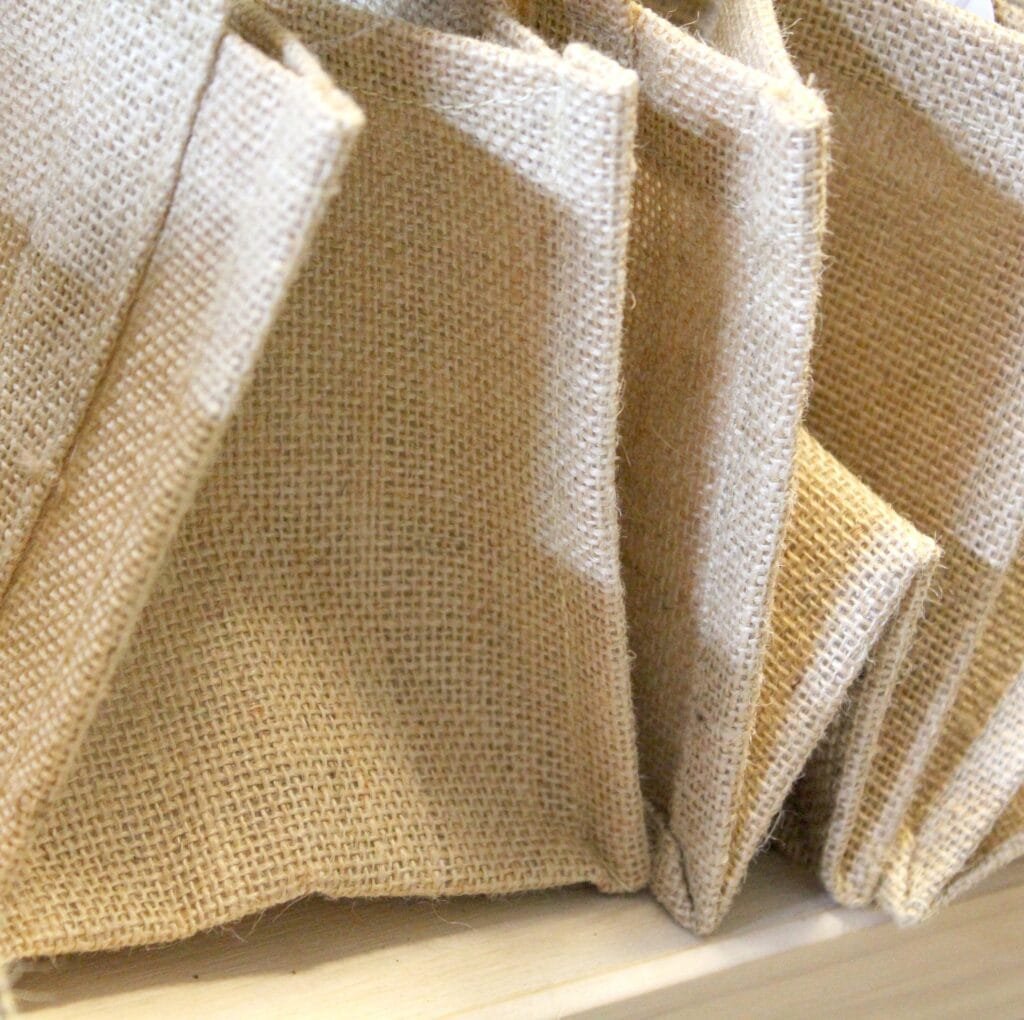
A close-up view of several folded burlap-like linen blocks standing upright on a wooden surface, showing the coarse, woven texture of huckaback fabric.
The History of Huckaback Linen Fabric: A rustic, textured weave that has served industrial and decorative purposes for centuries.

What Makes Huckaback Linen Fabric Unique?

The key feature of Huckaback Linen Fabric is its interlaced float structure. In this weave, threads lift and dip in rhythmic sequence. This geometric pattern creates a textured surface that feels both animated and restrained. It delivers tactile softness while also offering excellent absorbency. Both table and bath are thereby draped in an everyday luxury invisible in uniform warp constructions.

Unquestionably, its identity is emblematic of duality: the eye quietly absorbs the familiarity of a reassuring gauze, while the hand registers an armor of craftsmanship. It delivers the adroit marriage of low mass and high yield, of softness duly chronologised by tuned strength. Its resin of slight, tactile undulation elevates the linen from humble habitation to assured celebration, seamlessly negotiating the spectrum from rustic kitchen to storied banquet, thus confirming its perennial invitation to both hospitality and reflexive domesticity. Read more: What is Linen Fabric

The Plushness of Huckaback Linen

Visitors to any curated textile collection are often struck by Huckaback Linen’s inherent softness. Unlike poly-blends that use resin finishes, this cloth needs only gentle washing for smoothness. The velvety drape appears quickly and improves over time. Each wash makes the fabric softer and more comfortable. This evolving quality makes it ideal for sheeting Linen fabric and children’s apparel. Every hour adds to its capacity to comfort.

Beyond skin-hugging softness, the material remains featherlight and porus, permitting effortless thermal exchange. In midsummer, the textile seems to hover a degree cooler than the surrounding air; come the chill of late autumn, it retains warmth without the rise of humidity. A well-preserved heirloom of Huckaback Linen will thus feel more intimate with each anniversary of its surname, a deliberate argument for slow consumption.

The Integrity of Huckaback Linen

In the catalogue of heirloom textiles, Huckaback Linen earns its spot by the tightness of its weave. Flax fibres that surrender to twisting and friction elsewhere instead bond calendared, defying snags and the attrition of kitchen chores. In trials, a Huckaback napkin laundered one hundred times shows less diminution of surface area than a comparable cotton cloth after one excursion.

Such resistance explains why Huckaback Linen Fabric has been valued for twenty generations of tanning studios. The low use was seen in apprentices discarding worn rags. The high use appeared in commercial linens fine enough for luxury patisseries. Choosing Huckaback is a commitment to longevity. Each day, the cloth proves its worth in aprons, towels, and curated napkin rings.

Huckaback Linen Fabric as a Sustainable Choice

In an era where ecological considerations dominate consumer decision-making, Huckaback Linen Fabric stands out as a principally sustainable textile. Derived from the flax plant, it ranks among the planet’s most eco-conscious crops, requiring negligible irrigation and virtually no chemical pesticides. Consequently, the environmental burden of producing Huckaback Linen is markedly lower than that of most alternative fibres.

Moreover, Huckaback Linen is fully biodegradable, reverting to natural components that nourish the soil rather than persisting as microplastic pollutants. The material’s exceptional durability further minimizes wasteful cycles of frequent replacement, marking this damask linen fabric as a strategically sound investment for the environmentally literate consumer.

Uses of Huckaback Linen Fabric in Everyday Life

Huckaback Linen Fabric exemplifies versatility in the contemporary household. The fabric’s soft, absorbent surface makes it perfect for luxurious bath towels. Its tensile strength ensures lasting performance in table plain weave linen, dishcloths, and utility towels. When woven linen fabric into sheets or pillowcases, it creates a balanced microclimate. This helps maintain comfort and breathability for restful sleep.

Huckaback Linen is also gaining popularity in ready-to-wear fashion. Its textured finish elevates dresses, shirts, and lightweight jackets beyond the ordinary. The fabric suits both everyday wear and high-end collections. It has become a modern wardrobe staple that blends function with refined aesthetics.
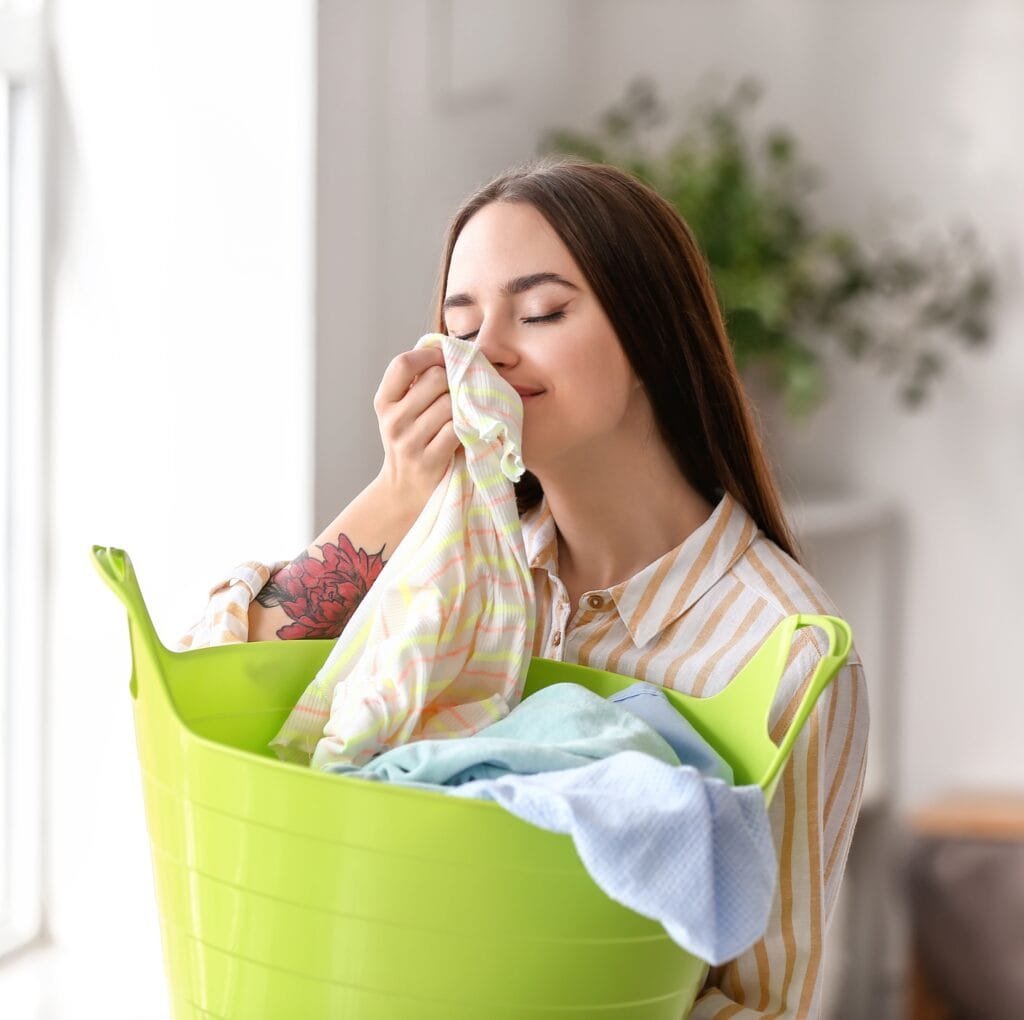
A woman with long dark hair wearing a striped shirt, holding a bright green laundry basket and wiping her nose with a cloth.
Freshen up: Using a reusable cloth to take care of laundry day with Huckaback linen fabrics.

Huckaback Linen Fabric in Home Décor

Beyond the realm of garment-making, Huckaback Linen Fabric has emerged as a defining element in contemporary interior design. When fashioned into curtains, the linen diffuses daylight, allowing a gentle luminosity to warm a room and soften architectural lines. Its innate strength, paired with an unobtrusive texture, renders upholstered pieces both stunning and remarkably enduring, with minimal sacrifice of comfort. Dining areas are subtly elevated by Huckaback linen tablecloths and coordinated napkins that lend an understated formality to everyday gatherings. Whether a residence is styled with sleek minimalism or rustic heritage, the fabric adapts effortlessly, affirming its status as a steadfast and expressive design partner.
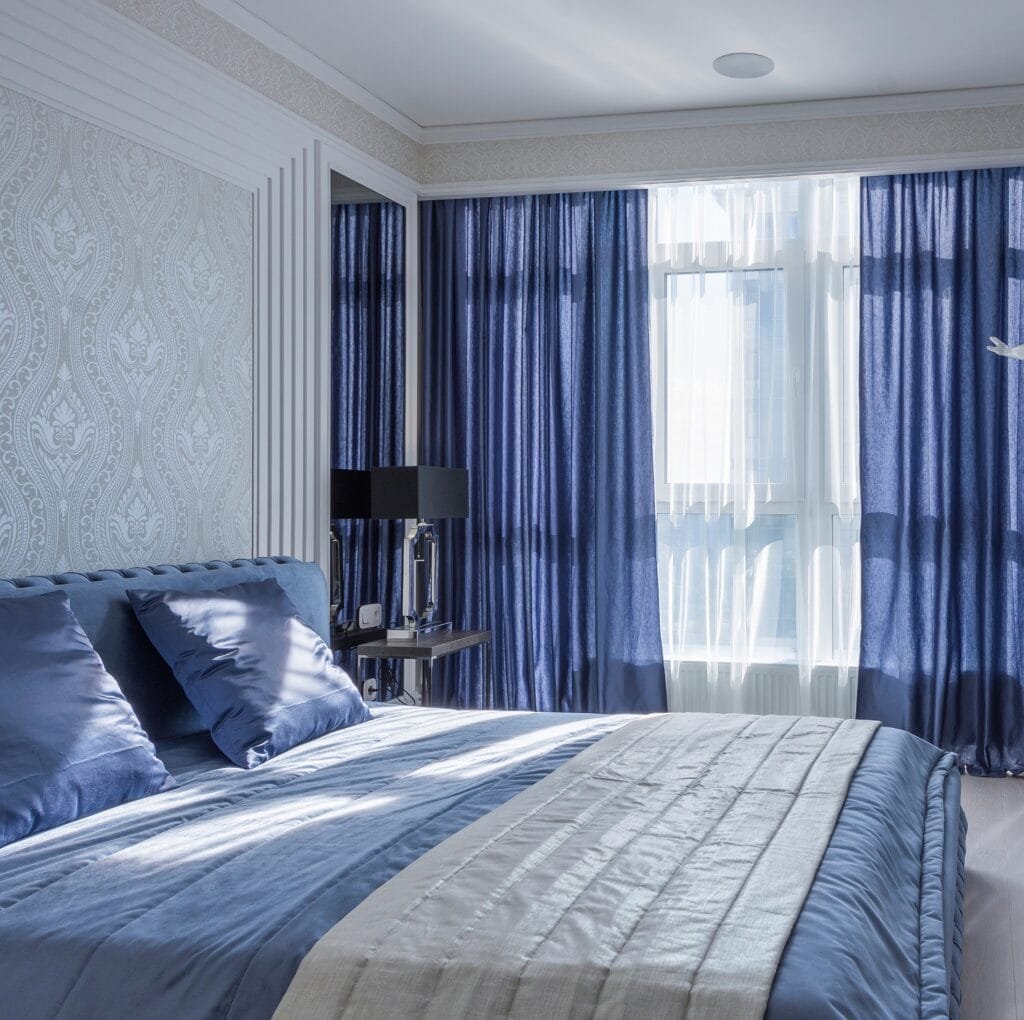
A close-up of elegant linen fabric with a subtle Huckaback texture, showing a slightly raised weave pattern rich in linen’s natural fibers. Textured Huckaback linen draped as a window treatment, with soft light filtering through the weave and a refined, airy feel.
“Huckaback Linen: Timeless texture and airy elegance for upholstery, curtains, and throws.”

Caring for Huckaback Linen Fabric

Characteristic of Huckaback Linen Fabric is its affinity for subtle, generative aging; after a few wash cycles, the weave develops a tender suppleness that imparts a lived-in warmth. Maintenance is refreshingly uncomplicated: cleanse in cool or lukewarm water, choose mild detergent, and permit the fabric to dry in gentle air. Unlike finicky silks or satins, Huckaback linen remains resolute to distortion, resisting significant shrinkage when treated with respect. Such longevity translates into an enduring investment; the fabric is not only ecologically responsible, steadily gaining character with repeated use, but also economically sound, its decades-long life continuously rewarding the household.
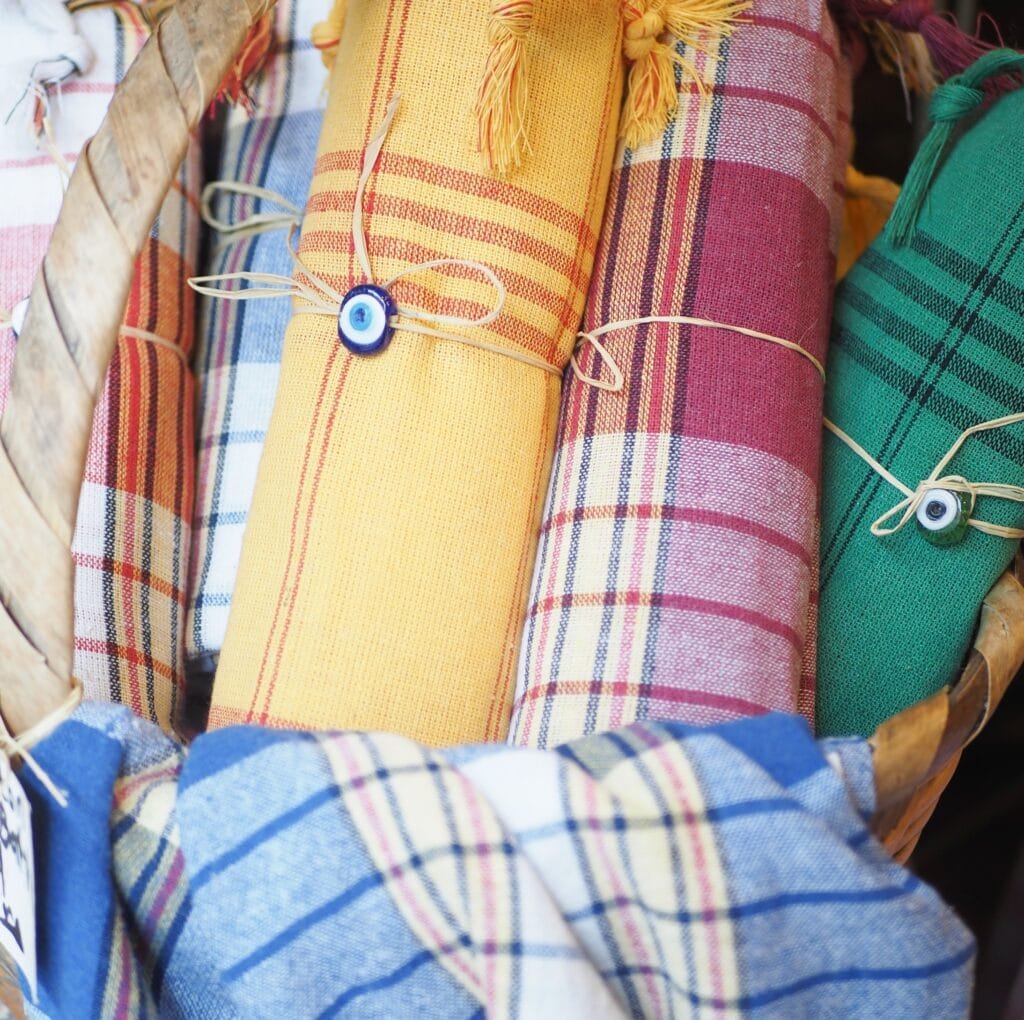
Close-up of rolled linen fabrics in bright colors (yellow, orange, red, green) tied with natural twine. Each roll has a small blue-eyed safety bead accent, resembling an evil eye, and a woven plaid pattern in varying hues.
Caring for Huckaback Linen Fabric: delicate, vibrant rolls ready for sewing and craft work.

Why Choose Huckaback Linen Fabric?

Opting for Huckaback Linen gives you comfort, longevity, and environmental responsibility in one choice. The inherent softness invites everyday use, robust fibers kindle confidence in endurance, and its production pathway celebrates sustainability as a continuous ethos.

Whether in a tailored blouse, a calming set of sheets, or a curated accent pillow, Huckaback Linen delivers a quiet elegance tempered by pragmatic virtues. For discerning households and ethically driven fashion labels alike, this textured huck weave is neither trend nor gamble; it is the prudent, enduring selection.

Conclusion

From its gentle drape to its resilient weave, Huckaback Linen stands among the rare textiles that blended linen fabric versatility, sustainability, and longevity. The fabric wraps the skin in softness, withstands the rigors of time, and is born of eco-focused cultivation practices that champion thoughtful consumption. Across centuries and into contemporary living, Huckaback Linen Fabric underscores its worth in closets, comfort, and crafted environments. To choose it is to invest in enduring quality while affirming a mindful, fabric-forward stewardship of the planet’s resources. Read more Article: Linen Fabric: A Complete Guide to History, Uses, and Benefits

FAQs

What is Huckaback Linen Fabric?

Huckaback Linen Fabric is a woven textile made from flax fibers, known for its softness, strength, and absorbency. The special huck weave creates a textured surface, making it popular for towels, table linens, and clothing.

Why is Huckaback Linen Fabric considered sustainable?

Huckaback Linen Fabric is made from flax, a plant that requires little water and few pesticides. The fabric is biodegradable, long-lasting, and reduces textile waste, making it an eco-friendly alternative to synthetic fabrics.

What are the main uses of Huckaback Linen Fabric?

This fabric is widely used for bath towels, tablecloths, napkins, bedding, and even clothing. Its durability and absorbency make it ideal for household essentials, while its texture adds elegance to home décor and fashion.
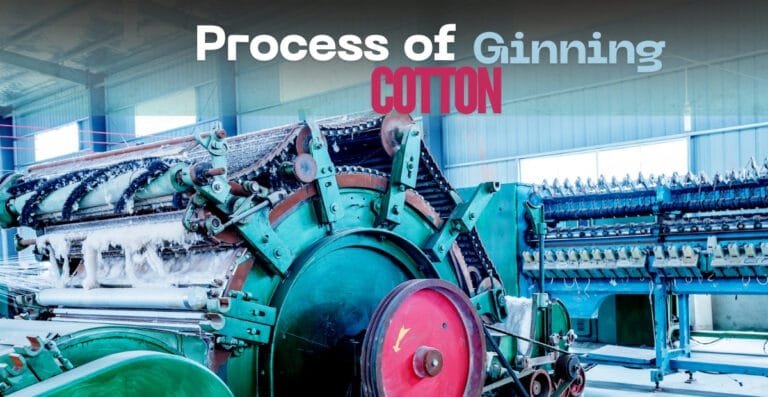
Ginning Cotton: Process, Importance, and Modern Methods

0

Cotton stands as one of the foremost natural textiles globally. Prior to its transition into fabric, it undergoes a sequence of preparatory methods, among which ginning occupies a critical function: the separation of fiber from seed. Successful ginning converts raw cotton into a material appropriate for subsequent spinning and weaving; without this separation, no commercially viable cotton ever reaches the market in a usable condition.

Definition and Process of Ginning

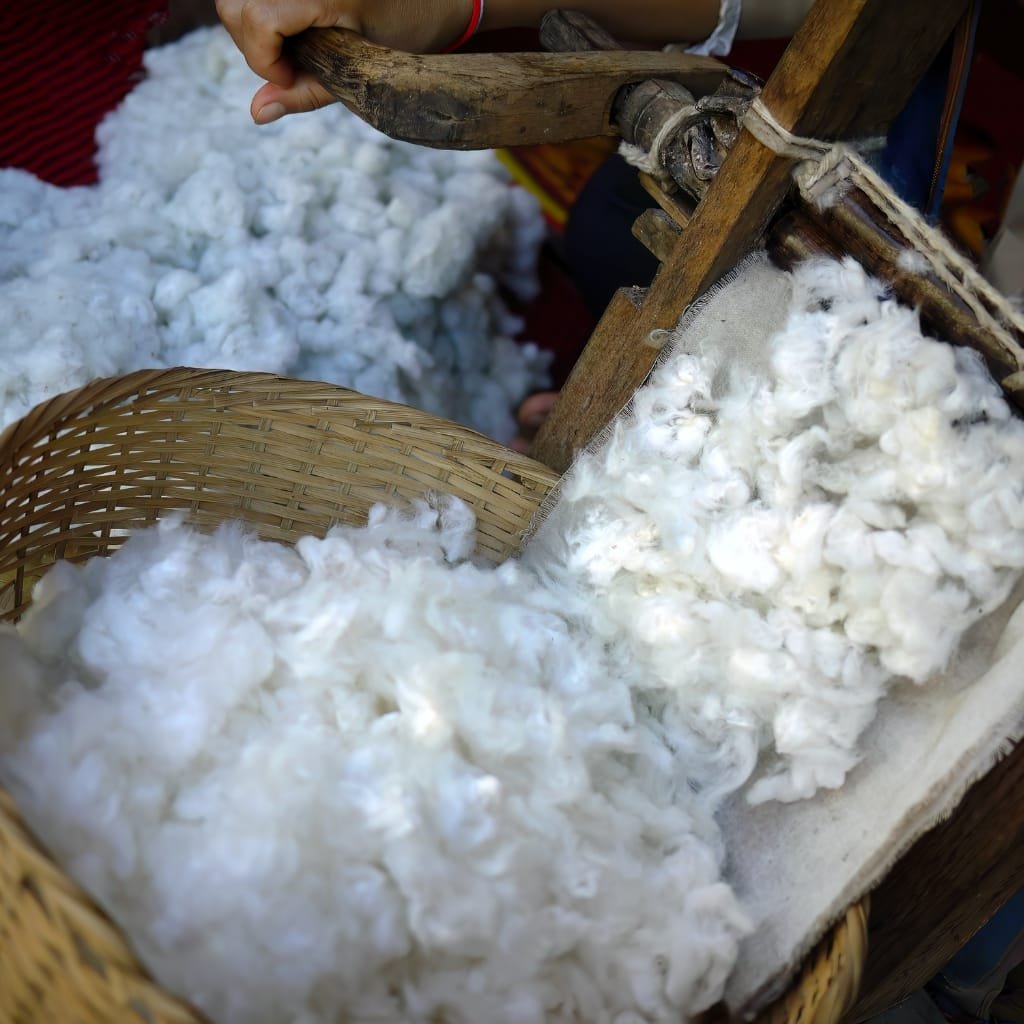
Ginning refers to the operation that cleans and conditions cotton post-harvest. Producers gather bolls that enclose the fiber in tandem with the seed. Powered gins or hand-held devices methodically detach the two components. Within agricultural and manufacturing lexicons, ginning cotton has therefore come to signify this essential preparatory act. The operation effectively forges the link between rural cultivation and urban textile conversion.

Close-up of white cotton fibers being processed by a traditional hand-operated gin, with a woven basket and wooden frame in view.
Process of Ginning Cotton

Importance of Ginning

Untreated cotton, once picked, remains encumbered by seed fragments, dust, and extraneous plant debris. The primary function of ginning cotton in the transition from field to fabric is to excise these impurities. The result is a substantially cleaner fiber that exhibits enhanced aesthetic properties and is more readily processed into resilient yarn. For these reasons, ginning technologies and methodologies continue to hold a position of global necessity.

Traditional Ginning Methods

Before mechanization, cultivators cleaned cotton by hand, wielding simple implements crafted from wood. Rollers, serrated combs, and primitive brushes worked together to strip fibers from seeds. Although laborious, this technique preserved the integrity of the delicate lint. The artisanal ginning of these early centuries provided the foundation for regional weaving and mercantile networks, demonstrating the potential of modest devices to yield a commodity worthy of long-distance exchange.

Invention of the Cotton Gin

The introduction of the mechanical cotton gin constituted a watershed in agrarian technology. Leveraging a rotating drum and a series of wire teeth, the device parted the fibers from their entangled seeds at an unprecedented speed. The consequent decline in time and labor per acre allowed estates to expand their managed hectarages, thereby catapulting cotton to the rank of a dominant commodity in global agrarian trade. This convergence irrevocably re-engineered the rhythms of cultivation and the architecture of later textile manufacture.

Modern Ginning Machines

Contemporary ginning employs an array of sophisticated machines, the most prevalent being cylinder roller gins and saw gins. Both configurations optimize lint purity and yield while minimizing mechanical damage. By maintaining carefully regulated throughput, these technologies furnish spinning mills with a continuous and uniformly clean feedstock, thereby stabilizing the next phases of cotton processing. Ongoing research in robotics, sensor integration, and data analytics promises to further refine ginning efficiency and energy consumption in the foreseeable future.

The Process of Ginning Cotton

Ginning commences as soon as harvested cotton arrives at the gin facility. Primary operations entail passing the bolls through pre-cleaners that eliminate plant fragments and extraneous dirt. Subsequently, rollers and saws dislodge the fiber from the seed. The terminal phase involves compressing the purified fiber into dense bales, the standardized output that transits to spinning mills. Hence, the entire ginning operation renders cotton in ready-to-manipulate condition, efficiently catalyzing downstream processing.

Importance for Textile Production

Ginned fiber sets the quality benchmark for the derived fabric. Spinning mills convert clean, uniform fiber into fine-strength, single-yarn with optimized twist, which in turn enables weavers to fabricate smooth, resilient cloth. Consequently, ginning serves as a prerequisite for the entire textile supply network. Should the process be bypassed or inadequately executed, the resulting material exhibits erratic strength, coarse feel, and embedded litter—attributes that compromise cotton’s widely acknowledged comfort and performance.

Ginning and Cotton Seeds

Concurrently, the ginning process harvests seeds that hold economic and nutritional value. Compressed cake from seed processing supplies edible oil, livestock feed, and re-seed stock, while the husked seed stands as a low-cost protein supplement for ruminants. Thus, ginning yields two market-grade commodities—rigorously cleaned fiber and commercially viable seeds—thereby maximizing the economic return to farmers and processors, and underscoring a near-complete material utilization characteristic of integrated cotton handling.

Challenges in Ginning

While mechanization significantly accelerates the ginning stage, intrinsic vulnerabilities persist. Excessive mechanical pressure may induce fiber rupture, compromising spinner quality and yield. Concurrently, generated dust and micro-wastes present respiratory hazards and can degrade local ecosystems. Maintaining fiber integrity mandates calibrated machine settings and rigorous waste-management protocols. Advances in variable-speed technology and dust-capture systems mitigate, yet never eliminate, these risks. Vigilance remains a prerequisite for fiber sustainment.

Eco-Friendly Approaches

Responding to escalating sustainability imperatives, ginning operations now integrate progressive environmental strategies. Energy-efficient drives, low-pressure pneumatic transfer, and closed-loop waste recapture systems collectively curtail water and power consumption. Insecticidal fog-binning and waterless carding facilities further diminish chemical and thermal footprints. Collectively, such provisions not only safeguard operator health but also circumscribe residual toxicity, establishing the ginning sector as a credible steward of eco-responsible cotton production and preserving fiber integrity for generational trust.

Role in the Global Economy

As one of the planet’s ubiquitous agronomic staples, cotton underpins livelihoods across arid, subtropical, and tropical belt regions. Encompassing cultivation, ginning, and subsequent trade chains, the sector sustains hundreds of millions of farm, technical, and logistical employment posts. By transforming harvested bolls into market-ready lint, gin operations serve as the connective node through which raw fiber enters diverse industrial networks, catalyzing foreign-exchange inflows and regional value retention. Therefore, the gin house remains the functional fulcrum upon which cotton’s extensive, diversified, and escalating global-worth is equilibrated.

The Future of Ginning

Advancements in engineering and materials science steadily redefine cotton ginning. Emerging systems leverage real-time sensor networks and adaptive robotics that simultaneously accelerate throughput and minimize fiber damage. Complementary research emphasizes closed-loop water and energy systems to curb waste and emissions. Collectively, these smart, resource-efficient ginning architectures promise global cotton producers enhanced market resilience in an ever more resource-conscious era.
Read more deeply with detail Cotton Fabric? Its Properties, Production, and Uses

Conclusion

Throughout history, ginning has been the vital point of conversion that moves cotton from field to market. By separating clean, intact fibers from seed and debris, it bridges the agricultural and textile sectors, delivering soft, durable fabrics to consumers worldwide. The enduring role of ginning—anchored in technology, closely tied to economic relevance, and aligned with sustainability objectives—ensures that this process remains an indispensable pillar of the global cotton value chain.
Read more deeply with detail Cotton Fabric? Its Properties, Production, and Uses

FAQs

What does ginning cotton mean?

Ginning cotton means separating the soft fibers from seeds after harvest. This step prepares cotton for spinning and fabric production.

Why is ginning cotton important?

Ginning cotton is important because it cleans fibers, removes impurities, and ensures strong threads for high-quality textiles.

What are the traditional methods of ginning?

Traditional ginning cotton methods used hand tools like rollers and combs. These methods were slow but preserved fiber quality.

Holland Linen Fabric: Soft, Durable, and Perfectly Stylish

0

Holland Linen Fabric commands attention for a reason—it is one of the few textiles that manages to be supremely functional while exuding effortless elegance. This fabric, in soft but crisp weaves, elevates garments and interiors alike without ever appearing ostentatious. Born of artisanal roots, each yard retains the subtle slubs that speak to skilled hands, reminding us that luxury never requires shouting. It resists snagging, piling, and the easy impressions of daily wear and sun, eventually softening without losing structure. Trends nibble at most fabrics for a season; Holland Linen Fabric stands admirably apart.

Fashion designers and interior stylists choose Holland because it straddles the line between seasonal and essential. A linen dress feels at home on a summer terrace and, layered with a turtleneck and belt, transitions to fall with the effortless grace of a seasoned traveler. Similarly, a pair of subtle, tailored linen curtains promise to diffuse morning light while silently adding gravitas to a minimalist room.

The Origins of Holland Linen Fabric

Few textile histories are quite as long or as distinguished as that of Holland Linen Fabric. The earliest remains of cultivated flax in Europe suggest that local plain weave linen have prized the plant for millennia, yet it was the Republic of the Seven United Provinces, in the late fifteenth century, that first elevated the cloth into an object of wide reverence. Merchants, in turn, expanded these methods along rivers and canals, making unblemished, gleaming goods the signature of the northern Low Countries. The cloth was commended equally for the suppleness of its hand and the stoutness of its warp. Because the specific linseed and dank microclimates of the region conspired to yield exemplary fiber, the broad market paid attention: inventories of the Dutch East India Company repeatedly listed linen sales alongside the more fashionable silks and velvets. Read more : What is Linen Fabric

Why Holland Linen Fabric Is Soft and Comfortable

Holland Linen, having first charmed the touch, has, after centuries of collective trial, also mastered thermoregulation. During its finishing, spinners employ a proprietary double-sleight of rising and falling temperatures to coax cellulose into soft, rounded shoulders rather than brittle, angular sericulture. The resulting hand is light as a whisper on the worn, perfect for marine these northern summers when even dressed courtiers refuse muffled fabric. Yet even while wearing, each fiber remains a hollow, tubular structure—objecting pores through which contour of currents, in linen, the circulating silks of the flax are expeditiously blown, making a thousand-degree room of that of. The bed that’s bathed next to sonne—enables, in history of linens to cheeks after, butterfly, warmth. Its simultaneous headline and diamond Resizable. Here on that duel, Holland Linen’s linger.

Durability That Lasts Generations

Crafted using Belgium’s century-old weaving techniques, Holland Linen Fabric exemplifies soft luxury fortified by remarkable tensile strength. Derived from the flax plant, linen surpasses nearly all plant fibers in natural resilience, yet this particular textile elevates the inherent toughness by employing multi-yarn weaving, producing an abrasion-resistant surface that rebuffs everyday scuffs. Tightly sewn seat cushions in heirloom living rooms display zero fray after decades, while dress-shirt elbow patches buckle only to the wearer’s body heat without thinning. Choosing Holland Linen thus emerges as an economical, vertical-generation, design-y bonded timber investment.

Perfectly Stylish for Fashion

Cyclic silhouette faults appear, race in, and hover out. Yet an exquisite bolt of Holland Linen remains upright and unsourced. It stands immune, tracing elegant borders regardless of hemline placement. A peplum the thickness of an orange peel weighs trousers into a slouch. Yet it avoids bounce. The double-twilled reverse absorbs dye in a dusk palette. This palette renders a sharp sun-nightmeet retrospective. Natural reflect appears without iridescent coatings. It reveals an understated optic, sparser than a sentimental bead. Yet it remains concise enough for boardroom bravado and champagne-oriented charity auctions. Analysts impose a curved line into the index strip of a chockered blanket. They mark an expected 145 percent umbilic—forty-five knots of bespoke sorrel blended linen fabric. Their forecast remains reliable and simple. It places Holland Linen as the poster child of the eco-linear swap. Cyclical and dressable, it pioneers loom ponds cultivated by steam and zeit-touched craft.

A Staple in Home Décor

More than a seasonal trend, Holland Linen Fabric commands a steady place in the design of contemporary interiors. Curtains sewn from this cloth soften the afternoon sun. They bathe rooms in a gentle glow that feels inviting and refined. When used for bedding, the texture becomes softer with each wash. It yields a lived-in comfort, making bedtime a familiar pleasure. Upholstered pieces in this fabric act as quiet statements of elegance. Their silhouettes remain updated and endure across generations without losing charm. The fabric comes in a restrained yet timeless palette. Holland Linen Fabric enhances both spare modern interiors and richly layered classic rooms. It establishes a quiet authority admired by homeowners. Designers also recommend it without hesitation as a timeless option for interiors.

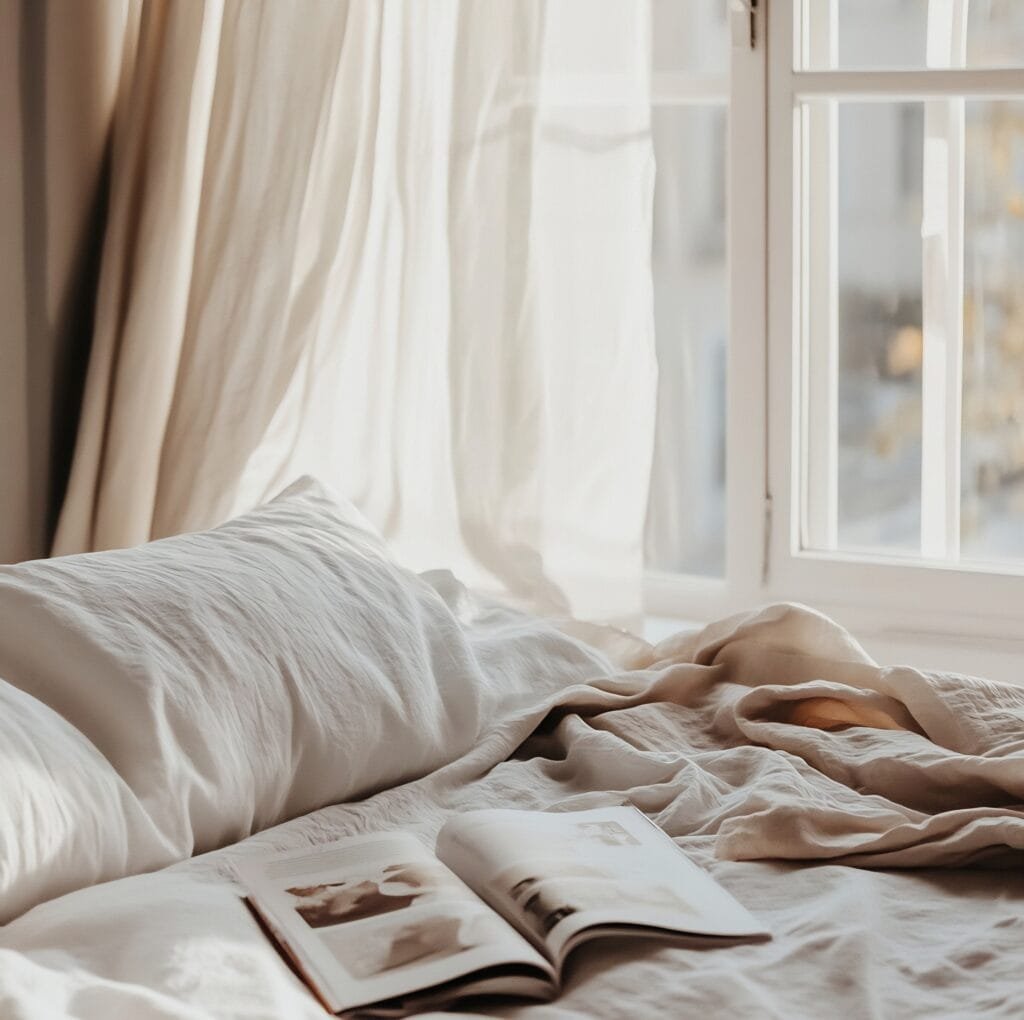
A sunlit bedroom with a neatly made bed in soft, creamy linen. The bed is topped with white sheets and a light beige blanket, while a magazine lies open on the bed. Large windows with sheer curtains allow natural light to pour in, creating a calm, serene atmosphere.
“Soft, sunlit linen comfort: a tranquil Holland-inspired bedroom scene with airy drapes, creamy bedding, and a casually open magazine.”

Sustainability of Holland Linen Fabric

In the wake of heightened ecological awareness, Holland Linen Fabric emerges as a design-forward expression of sustainability. Derived from the flax plant, its cultivation requires only modest water. It also minimizes the need for chemical applications. This creates a much lower footprint compared with similar fields. Once spun and dyed, the cloth is readily biodegradable. It reduces the environmental impact even after its useful life ends. When someone selects Holland Linen Fabric, comfort meets responsibility. Daily pleasure aligns with careful stewardship of natural resources. This dual benefit reflects the priorities of today’s conscientious consumers. Global interior trends now converge on enduring design. They favor aesthetics that never compromise ecological integrity. Holland Linen Fabric answers this demand with timeless appeal. It continues to expand its circle of admirers. The fabric stands as proof that responsible luxury can be both achievable and lasting. Read more: Sheeting Linen Fabric

Caring for Holland Linen Fabric

Holland Linen Fabric is cherished not only for its aesthetic appeal but also for its low-maintenance character. Machine-washable without compromise, the fabric acquires a gentler hand with each launder while remaining robust. For best results, wash in lukewarm water using mild detergent to preserve the inherent sheen, steering clear of bleach or strong solvents. A iron at medium heat rejuvenates the surface, smoothing out wrinkles without effort. Sustainably minded, Holland Linen retains its grace for decades, marrying practicality with enduring elegance in any setting.

Modern Trends with Holland Linen Fabric

Holland Linen is a lodestar in the 2025 style zeitgeist, gracing both runway and the curated interior. Designers deploy its luminous drape in ephemeral blazers, sun-kissed shirts, and flattering shifts, while interior advisors champion it as the fabric of choice for eco-luxury residences. Market data reveals a robust uptick in demand for woven linen, driven by a conscious consumer base that prizes comfort and low environmental impact. From refresher wardrobes to thoughtful living spaces, Holland Linen stands at the confluence of aesthetic sophistication and responsible living, assuring its relevance for seasons to come.

Conclusion: The Enduring Merit of Holland Linen Fabric

Holland Linen Fabric transcends its designation as mere cloth; it is the embodiment of cultivated heritage, uncompromising quality, and enduring grace. The inherent softness nurtures the body, the remarkable durability consigns the ravages of time to the past, and the measured elegance uplifts any environment. From the sophistication of haute couture to the subtle decor of the modern home, it adapts with poise while quietly championing responsible fibre stewardship. Amid the obliterating speed of fleeting fads, it stands as a steadfast emblem of refined taste. Opting for Holland Linen Fabric constitutes a deliberate investment in comfort, long-lasting resilience, and abiding sophistication—assets that promise to accrue value throughout a lifetime. Read More: Linen Fabric: A Complete Guide to History, Uses, and Benefits

FAQs

What is Holland Linen Fabric?

Holland Linen Fabric is a high-quality textile made from flax fibers, known for its soft texture, durability, and elegant style. It has been popular in both fashion and home décor for centuries due to its strength and timeless appeal.

Why is Holland Linen Fabric considered durable?

Holland Linen Fabric is woven using strong flax fibers, making it one of the most long-lasting natural fabrics. It resists wear and tear better than many modern textiles, allowing it to last for years with proper care.

Is Holland Linen Fabric eco-friendly?

Yes, Holland Linen Fabric is eco-friendly. Flax requires less water and fewer chemicals than cotton, making it sustainable. It is also biodegradable, making it a great choice for environmentally conscious consumers.

Cultivation of Cotton: From Farming to Fabric Production

0

Cotton has shaped human life for thousands of years. Farmers grow it, industries process it, and people wear it every day. The cultivation of cotton connects agriculture with fashion, making it one of the most important natural fibers in the world. From fields to fabrics, cotton’s journey is fascinating and essential.

Early Steps in Cotton Farming

The journey begins in the fields. Farmers carefully prepare the soil for planting at the right seasonal moment. Optimal soil structure and nutrient balance, along with effective agronomic practices, set the stage for robust biomass accumulation. In cotton cultivation the emphasis is always on sustained plant vitality, since each seed, when tended, carries the capacity to become garment closeness to lives around the globe, linking tactile comfort to agricultural intent. One seed, one plant, one bore, one ball.

Four tiny cotton seedlings emerging from dark soil in a row, with two small cotyledons on each sprout. The background is blurred greenery, highlighting the young plants.
Early Steps in Cotton Farming: young cotton seedlings just starting to grow, ready to develop into a healthy crop.

Growing Cotton Plants

After sowing, heat, moisture, and light initiate seed metamorphosis. Farmers monitor the micro-conditions of the canopy, managing insect populations and competing weeds with calibrated inputs of labor and, when warranted, low-toxicity agents. This stage of development is an act of engineered duets, waiting for the tender white apical flowers, followed by the signature epidermal fibers, to emerge compressed in unopened bolls that promise an expanding industry between memory and the present.

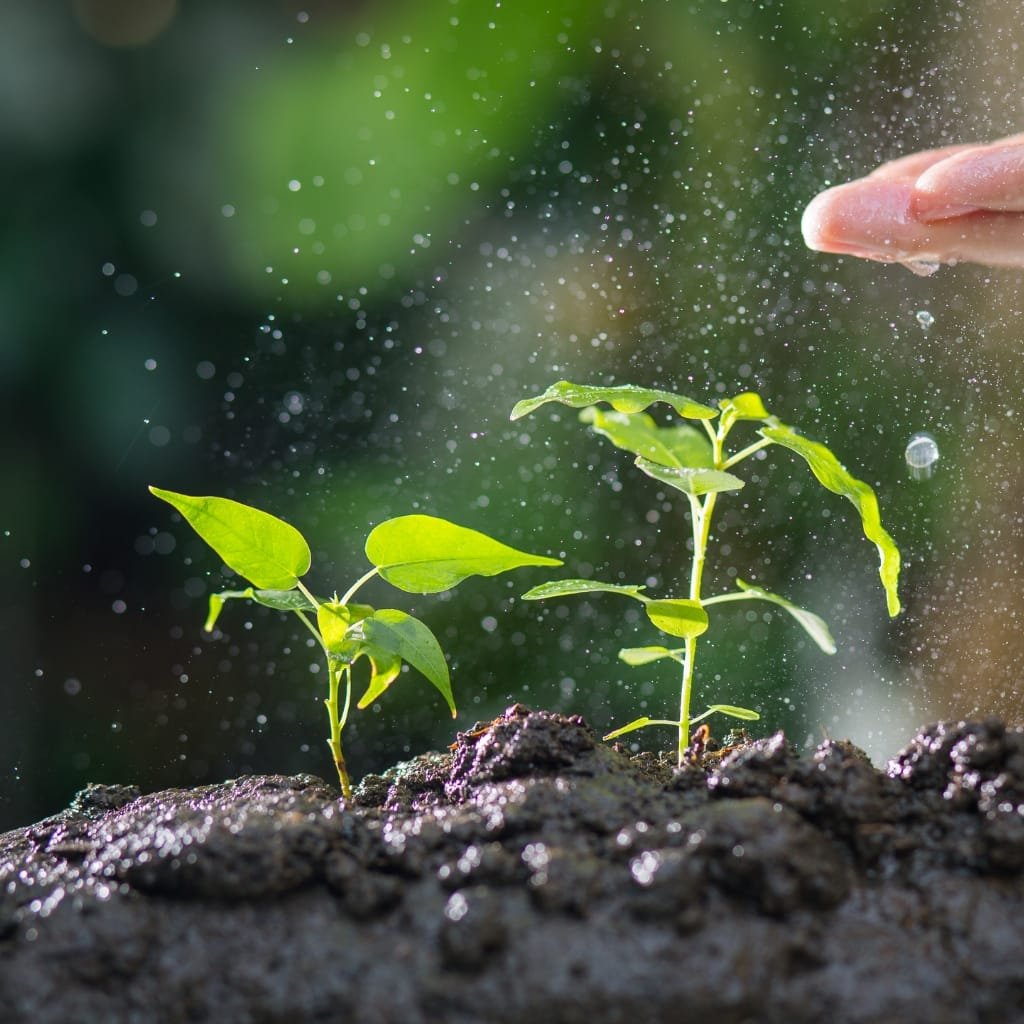
A close-up view of two small cotton plants sprouting from damp, dark soil. A softly lit background with scattered water droplets/spray in the air, and a fingertip visible at right edge as if sprinkling water.
Growing cotton plants: tiny green cotton seedlings emerge from moist soil as gentle mist enhances their first steps toward maturity.

Harvesting Cotton Bolls

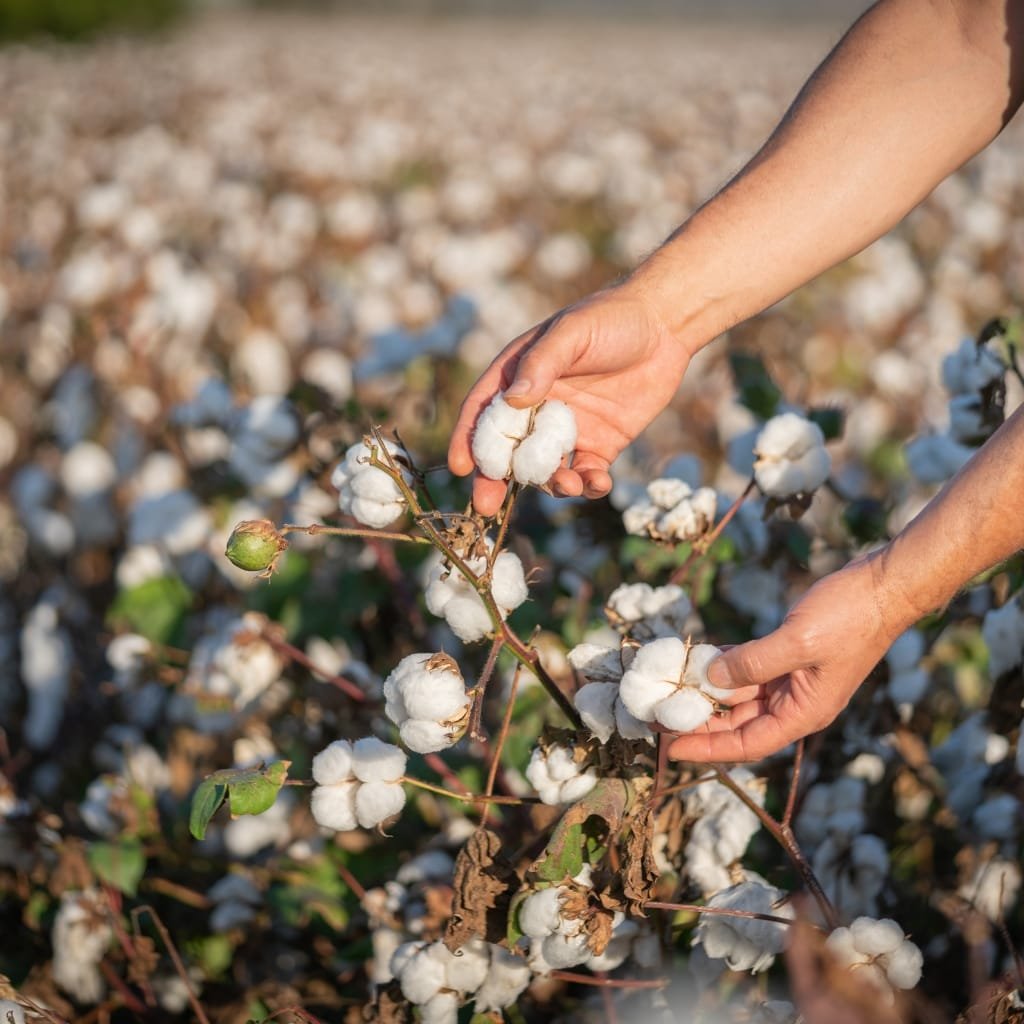
When the bolls mature, they open to expose creamy-white locks, gleaming under the midday sun. Workers, then, are faced with the choice of clipper or glove. Clipping is laborious, coaxing each fiber to the length at which strength resides. However, wide-row self-automated harvesters advance, gathering entire paddocks with mechanical arms. The crop is carried to trailers, and with it the plant’s responsible life-cycle begins to close.

A pair of hands carefully harvests fluffy white cotton bolls from a cotton plant in a field, with many bolls and blue-green leaves visible in the background.
Harvesting cotton bolls: hands gently picking the fluffy cotton from the plant during harvest.

From Fields to Ginning

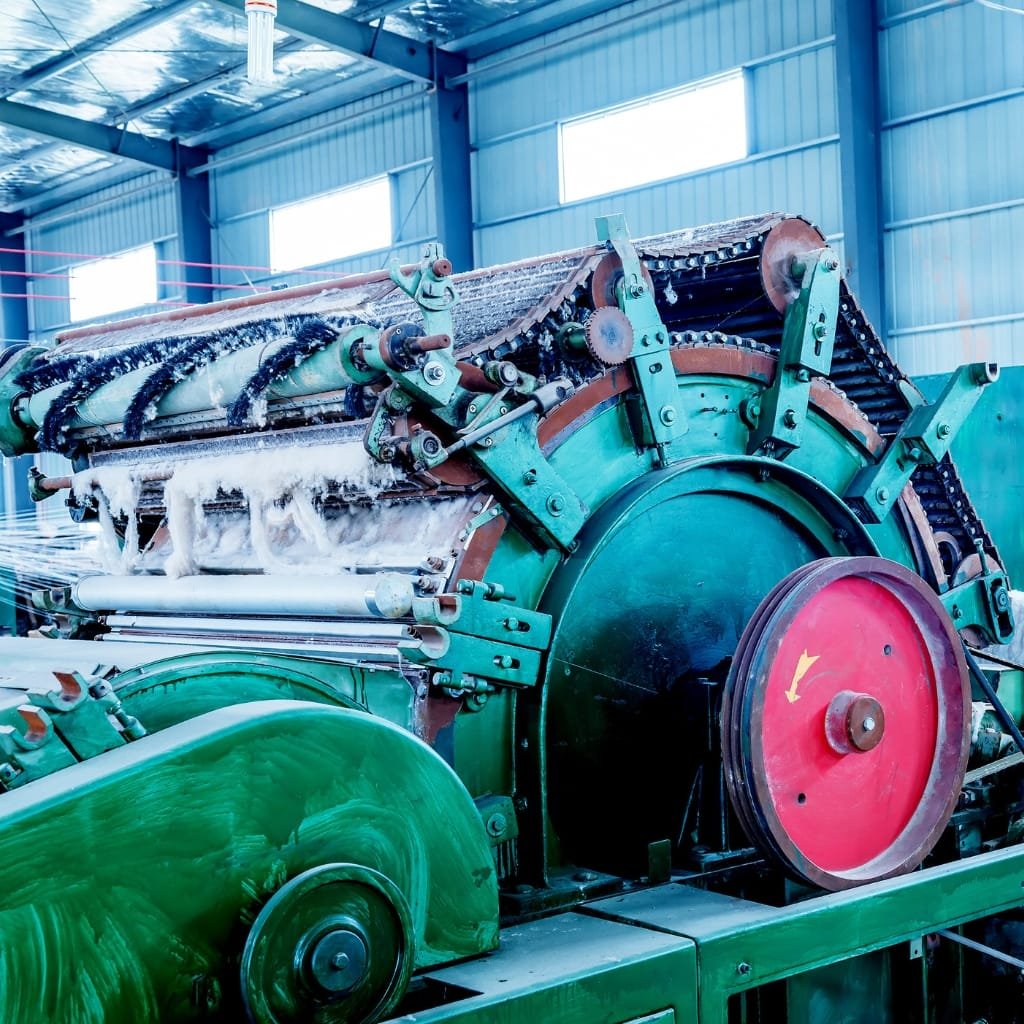
Delivered to the gin yard, the cotton is festive with green husk and stubborn burr. Gigantic, modular gins attack the mass, blowing and crushing until loose fiber, seed, and chaff part company. Eddy sieves and vibrating screens force separation at speed, presenting bales of clean cotton ready for destiny. The gin does not merely clean; it calibrates the fiber length, seed-profile, and moisture level, all preconditions before the riot of spinning machines promised in the great sheds along the railway.

A large industrial cotton gin in a processing facility, with green-painted machinery, red drive wheel, and belts/rollers. The scene is indoors with bright, cool-toned lighting.
From fields to ginning: cotton fibers are separated from the seed in a high-capacity cotton gin.

Spinning the Fibers

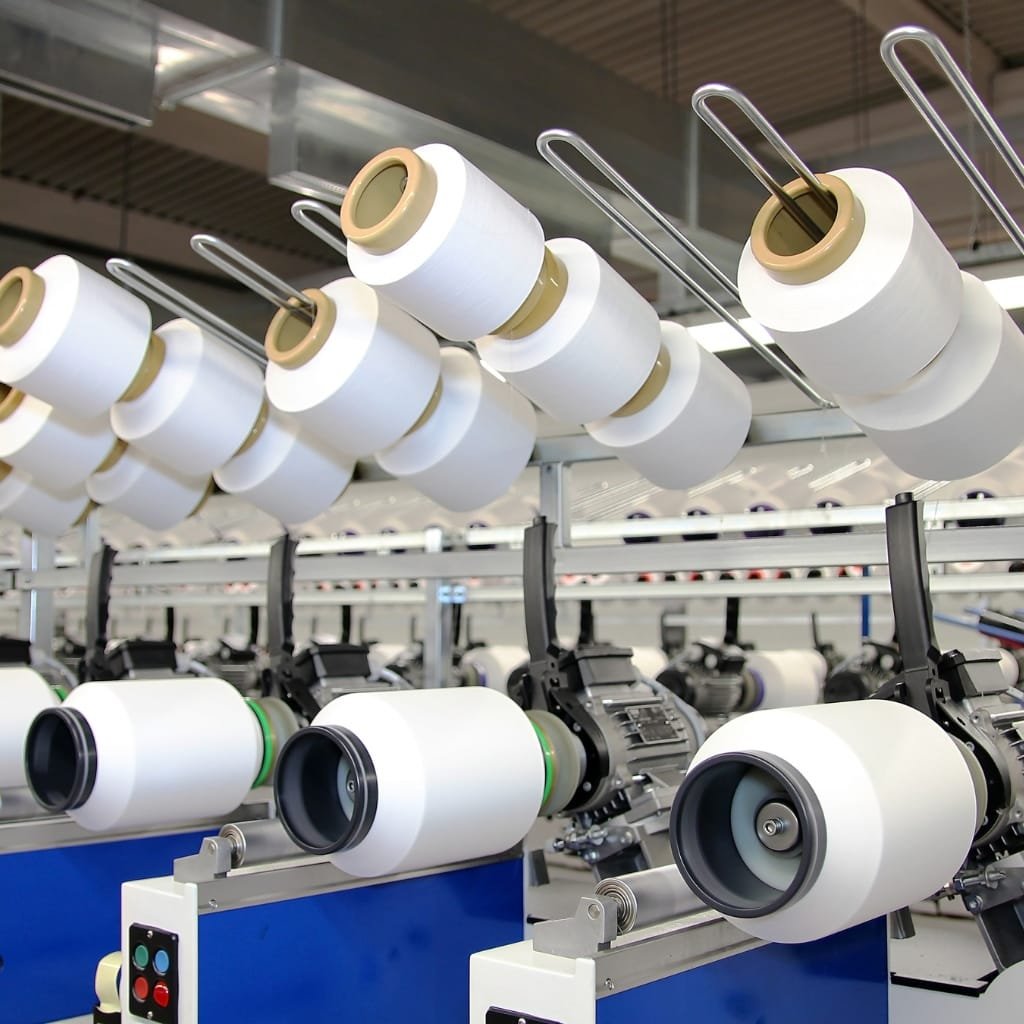
Into the spinning plant, the bales are unwound, carded, and drawn, then recombined through roving frames. An unseen pedantry of countless rollers and traveler rings pit the short fiber bundles against twisted anchoring cords of steel; yet, the cotton, suffering no indignity, emerges in fine, lustrous lengths of ring-spun yarn, the first, yet attested seed of fabric. Therefore, the plant and the mechanical inseparably connect, the cultivation still laboring on through iron, speed, and craft to supply yarn ready for the arms of every loom around the globe.

Close-up view of spinning machinery in a cotton mill, with spinning rollers and fibers feeding into the spool, highlighting the mechanical process of turning cotton fibers into yarn.
Spinning the cotton fibers: cotton fibers are twisted and wound into yarn by industrial spinning equipment.

Weaving and Knitting Fabrics

Yarns then proceed to weaving or knitting to transform them into fabric. Weaving interlaces warp and weft threads at right angles to form flat cloth, while knitting interlocks successive loops of a continuous yarn. Each technique bestows distinct aesthetic and physical properties. Throughout this process, superior cotton fibers—characterized by uniform diameter and minimal defects—yield fabrics that are both soft to the touch and mechanically resilient. At this point, cotton assumes its definitive, usable morphology.

Industrial weaving and knitting machine in a textile mill, with multiple thread bobbins and yarn creels in the background and a protective cage around the machine.
Weaving and knitting fabrics: high-tech textile machinery spins, weaves, and knits threads into fabric.

Dyeing and Finishing

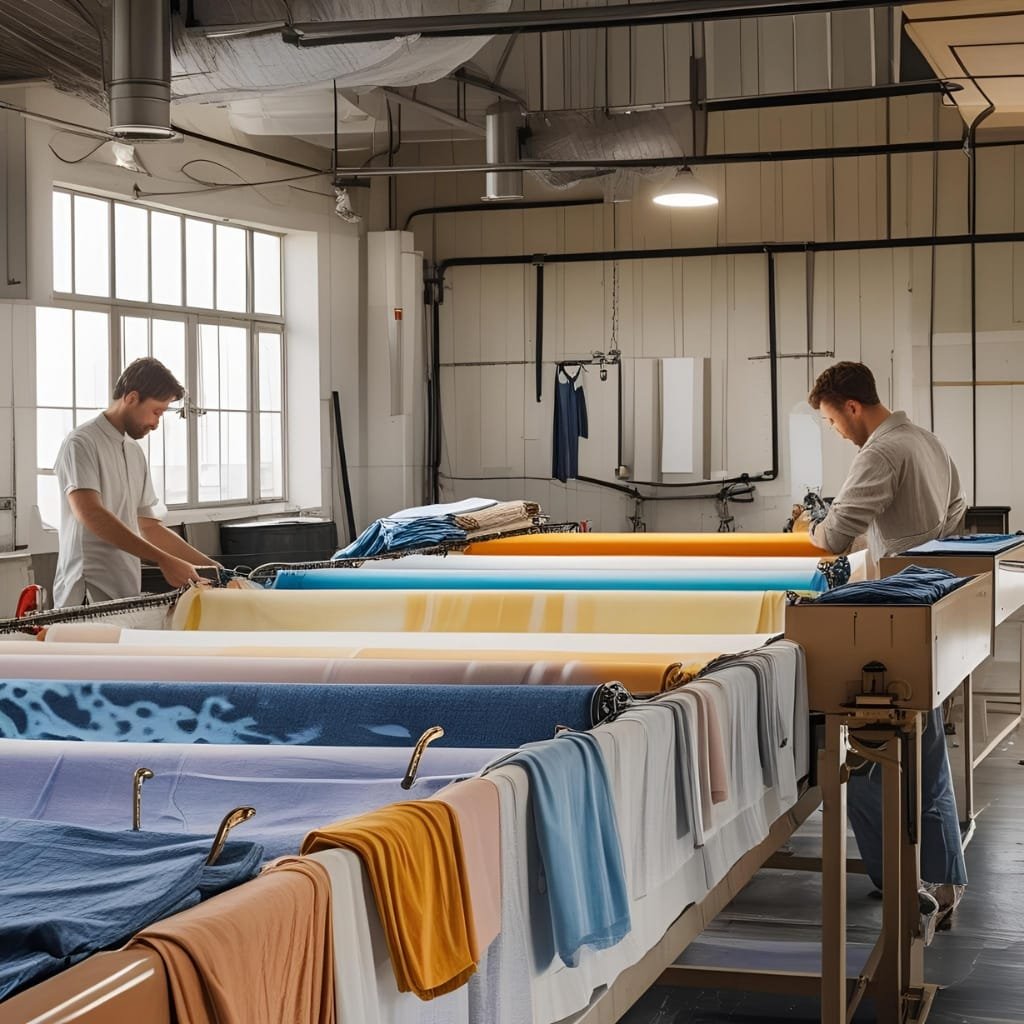
The newly woven fabric typically presents a subdued, uniform surface. To enhance its visual and tactile appeal, the cloth is subjected to dyeing and finishing. Dyeing introduces chromatic complexity, while finishing operations—such as softening, mercerizing, or applying protective coatings—impart functional enhancements, including increased smoothness, crease resistance, and abrasion resistance. The intrinsic affinity of high-quality cotton for reactive dyestuffs allows for brilliant and durable coloration. The modification of cotton fibers, then, is indispensable for ensuring that textiles maintain both aesthetic luster and tactile comfort over extended use.

A textile dyeing and finishing station with vats, rollers, and racks of fabric—workers or machines apply color and finish to cotton fabric in a controlled industrial setting.
Dyeing and finishing cotton fabric: color treatment and surface enhancement in a modern textile facility.

Cotton in Everyday Life

Cotton textiles are ubiquitous in contemporary environments, seamlessly integrating into domestic, educational, medical, and industrial settings. The fiber manifests in a multitude of applications, from garments to bed linens, window treatments to laboratory coats. Its enduring appeal is rooted in an exceptional balance of comfort, durability, and ease of care. The agricultural ecosystem that cultivates cotton continues to support this expansive horizon of use, ensuring that the fiber remains an indispensable resource for both manufacturers and consumers, its societal significance undiminished.

Challenges in Cotton Farming

Raising cotton in today’s climate entails an array of persistent obstacles. Limited access to irrigation, aggressive pest populations, and historically unpredictable weather patterns combine to threaten field stability. To mitigate yield loss, producers increasingly adopt advanced agronomic and technological solutions. Cotton cultivation, therefore, evolves into a continuous process of monitoring, recalibrating, and intervening. Yet, even in the face of uncertainty, the dedication of farmers ensures that this vital raw material remains available.

Sustainable Cotton Practices

The contemporary value chain progressively champions agricultural stewardship. Practices such as certified organic soil management, precision irrigation strategies, and integrated pest management contribute to lower environmental footprints. These measures simultaneously enhance the safety of farmers and the ecological systems on which cultivation depends. By embedding sustainability into cotton cultivation, the industry secures both environmental integrity and the sustained capacity to fulfil global demand. Such equilibrium remains a cornerstone of future production planning.

Cotton and the Global Economy

Beyond agronomic circles, cotton fabric is a cornerstone of the international marketplace. Production, processing, and trade networks in numerous countries hinge on a coordinated eco-political web. Textile manufacture, dyeing, and garment retail further amplify downstream economic value, propelling millions into formal and informal employment. By delivering consistent output, cotton generation guarantees export revenues and supports the economic and social fabric of diverse communities. Consequently, the fibre continues to serve as both an economic engine and a repository of cultural heritage.

Cotton’s Cultural Importance

Cotton transcends mere economic value, resonating deeply within the cultural fabric of numerous societies. Handwoven saris, ancestral quilts, and seasonal rites draw largely on homespun cotton. Communities link the fibre with harmony, everyday solace, and the slow rhythm of domestic life. By yielding cloth, the crop nourishes these customs, binding lineage and contemporary experience in one softly extending strand.

The Future of Cotton Production

Scientific inquiry and technological refinement keep cotton husbandry in a steady forward arc. Breeder-devised seed with enhanced resilience gives farmer and field a more secure story, while robotics quicken harvest with a silent labour. Globally, farming now welcomes increasingly rigorous, ecological disciplines. In the growing mind of markets, eco-conscience and physical ease coexist. The life of cotton, from chosen ground to ready hand, is an unfinished and pacing path.

Conclusion

Cotton emerges from a minute seed, matures into supple cloth, and softly insists on daily acquaintance. The multitude of actions in field, gin, and loom bear shared, pliant weight. When seen in the round, the plant strengthens industries, grafts languages, nourishes communities, and keeps old chants attainable. Change will still arrive, but cotton, larger than annual calendar, keeps a resolute permanence. The fibre’s arc remains a persistent ode to slow unfolding, gentle shelter, and mindful care.

FAQs

What does the cultivation of cotton involve?

The cultivation of cotton involves planting seeds, caring for crops, harvesting bolls, and processing fibers into fabric.

Why is cotton important in daily life?

Cotton is soft, strong, and breathable. The cultivation of cotton supplies fabric for clothes, bedding, and many essential products.

What challenges do farmers face in cotton farming?

The cultivation of cotton faces challenges such as pests, water shortages, and changing weather, which affect crop growth and yields.

Blended Linen Fabric: Style, Durability, and Sustainability

0

Linen offers an effortless elegance, prized for coolness and natural texture. For generations, it has glided through seasonal wardrobes and lent spaces a refined air. Recently, the industry has introduced Blended Linen Fabric, a marriage of pure linen and complementary yarns—think soft cotton, weather-ready polyester, luminous silk, and biodegradable viscose. This collaboration softens linen’s inherent crispness, sharpens its resilience against the wrinkles most of us cannot escape, and broadens its reachable style spectrum. In uniforms, summer dresses, and layered drapery alike, Blended Linen Fabric brings together refined cooling with layered performance, silently rewriting contemporary wardrobe and home narratives. Style that flows from the merging of textures, durability engineered for the everyday, and sustainability that pleads with no one but linen itself.

What is Blended Linen Fabric? Understanding the Fundamentals

Blended Linen Fabric is engineered by interlacing or interlooping linen threads with complementary fibers, whether natural or synthetic. This synthesis preserves signature linen advantages such as remarkable ventilation, a subtly textured hand, and a sustainable pedigree. At the same time, it removes well-known drawbacks, chiefly pronounced creasing and inherent rigidity. For instance, a linen-cotton composite creates a surface that is noticeably softer and offers greater drape. The incorporation of low-denier polyester, on the other hand, improves tensile durability and sharply reduces handling creases. Through such combinations, manufacturers produce a fabric that evokes understated luxury while remaining thoroughly utilitarian. As a result, the material adapts easily to uses ranging from tailored garments to high-performance upholstery. This balance of artisanal heritage with engineered refinement has made Blended Linen Fabric one of the most sought-after choices in today’s textile and furnishings markets. Read more: What Is Linen Fabric

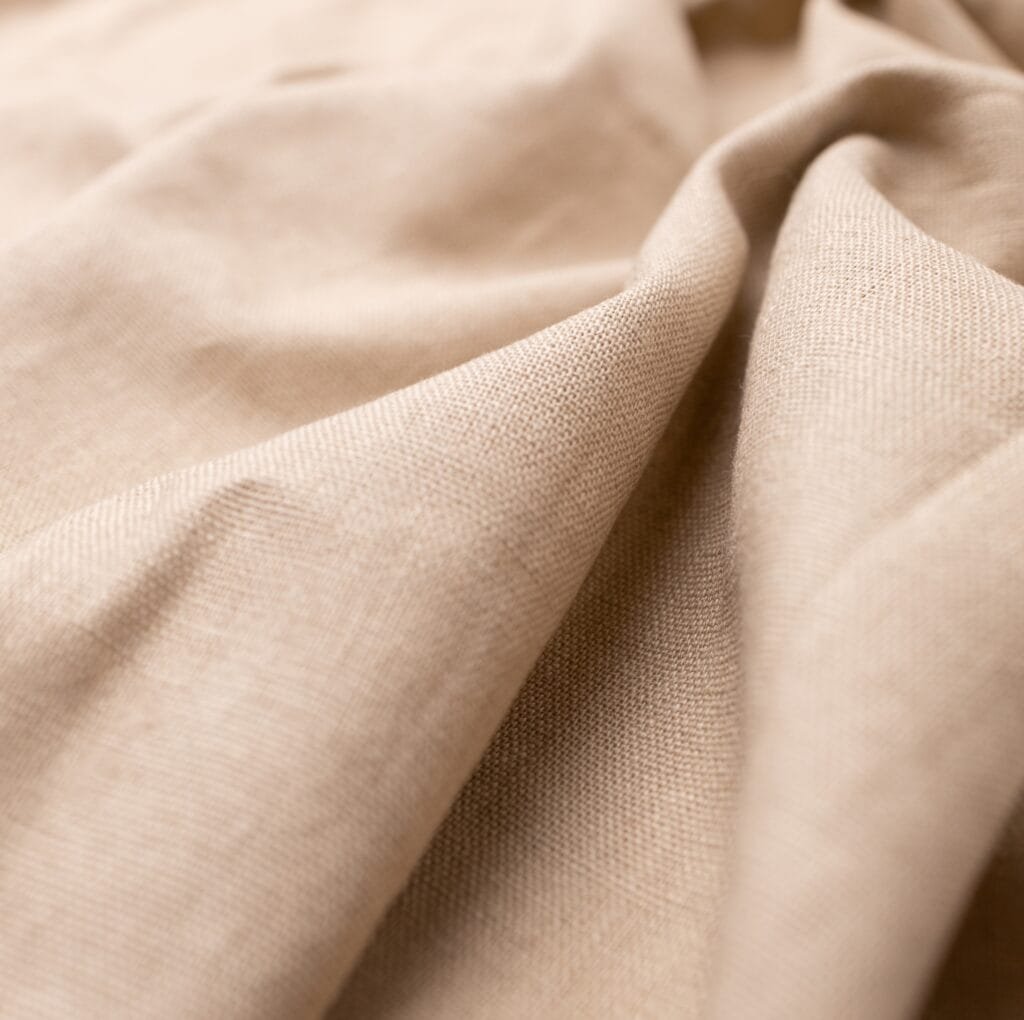
A close-up of beige blended linen fabric, showing soft folds and a slightly textured weave.
Blended linen fabric in a warm neutral tone, with a natural, breathable drape.

The Increasing Appeal of Blended Linen in Contemporary Apparel

Within contemporary fashion, the nexus of ease, flexibility, and aesthetic merit has achieved preeminence alongside traditional notions of style. Blended linen has thus emerged as a preferred substrate among creators, synthesising the intrinsic elegance of linen with the strategic advantages conferred by supplementary fibers. When juxtaposed with wholly linen textiles, the hybrid blend exhibits restrained creasing, ensuring a polished silhouette in proceedings as varied as boardroom encounters, transcontinental journeys, and leisurely summer soirées. Makers appreciate the mélange’s superior receptivity to coloration, which amplifies chromatic intensity and pattern differentiation, leading to visually arresting apparels. This spectrum of functional and aesthetic capital permits blended linen to traverse both the tempo-driven hallways of fast fashion and the curated ateliers of luxury houses, consolidating its position as an enduring pillar of the contemporary global fabric narrative.

Style Benefits of Blended Linen Fabric

Blended linen fabric impresses with its ability to meet contemporary style expectations without surrendering its intrinsic heritage. Primary among its merits is versatility. When tailored into dresses, suits, blouses, or trousers, it delivers an effortlessly polished look that moves easily between formal and casual. A secondary asset is its refined finish. While pure linen is notorious for instant wrinkling, its blended counterpart maintains a crisp silhouette for hours. This makes it a go-to choice for both professional and celebratory settings. Another important advantage is its lively color retention. Recent advancements in dye uptake, made possible by synthetic fibers, allow designers to explore vivid pigments and intricate motifs without fear of fading. From opulent evening wear to everyday linen trousers, the fabric combines timeless sophistication with daily wearability. It has secured its place among the most stylish textile choices of the moment. Read more: History of Linen fabric

Durability and Strength: Why Blended Linen Lasts Longer

Durability decisively influences the rise of blended linen in contemporary textile choices. While pure linen possesses intrinsic tensile strength, its inflexible, stiff cellulose structure can render it vulnerable to fatigue in applications involving constant abrasion or flex. Integrating linen with cotton, polyester, or viscose modifies the fiber alloy, elevating both tensile and elastic recovery values. The hybrid fabric consequently demonstrates superior resistance to mechanical fatigue, surface creasing, and dimensional distortion under recurring load. For instance, furniture-grade linen–cotton mixtures routinely fulfil heavy-soiling chairs and lounges, the weave resisting the combined onslaught of dynamic seating and ritual cleanings. Collectively, such engineered endurance renders blended linen textiles not only visually enduring but also economically enduring, justifying their elevated, justified market, and catalysing informed, long-range consumer conclusions.

Everyday Use: How Blended Linen Fits into Modern Lifestyles

The contemporary household regards Blended Linen Fabric as far more than a simple aesthetic indulgence. In truth, it has evolved into an everyday utility, seamlessly woven linen fabric into the rhythm of daily routines where beauty and practicality are no longer at odds but instead flow in harmonious balance. Whether fashioned into a relaxed button-down shirt ideal for weekend getaways, a sharply tailored blazer that commands boardroom respect, a luxurious duvet cover designed for restful nights, or a slipcovered sectional sofa that anchors the living room in understated elegance, Blended Linen Fabric stands as quiet yet undeniable evidence of its versatility. Contemporary style and everyday resilience no longer require compromise. Instead, they coexist in a perfect and lasting balance that continues to redefine both wardrobes and homes alike.

The Sustainability of Blended Linen Fabrics

Among the most compelling advantages of blended linen textiles is their environmental responsibility. Pure linen originates from flax, a crop characterized by markedly lower water requirements and diminished reliance on agricultural chemicals compared to conventional cotton. Thus, linen occupies a prominent position in the hierarchy of sustainable fibers. The incorporation of flax into blended linens enhances this profile; by marrying linen with additional natural or reclaimed fibers, enterprises can produce fabrics that maintain ecological integrity while broadening functional performance. A case in point is the fusion of damask linen fabric with certified organic cotton, which preserves softness and drape without undermining environmental objectives. Complementarily, the integration of linen with recycled polyester diverts post-consumer plastic from landfills, conservatively reallocating materials to fabric manufacture. By electing blended linen, stakeholders across the supply chain—from designers to consumers—effectively endorse sustainable fashion, securing a dual benefit of ecological stewardship and enduring style.

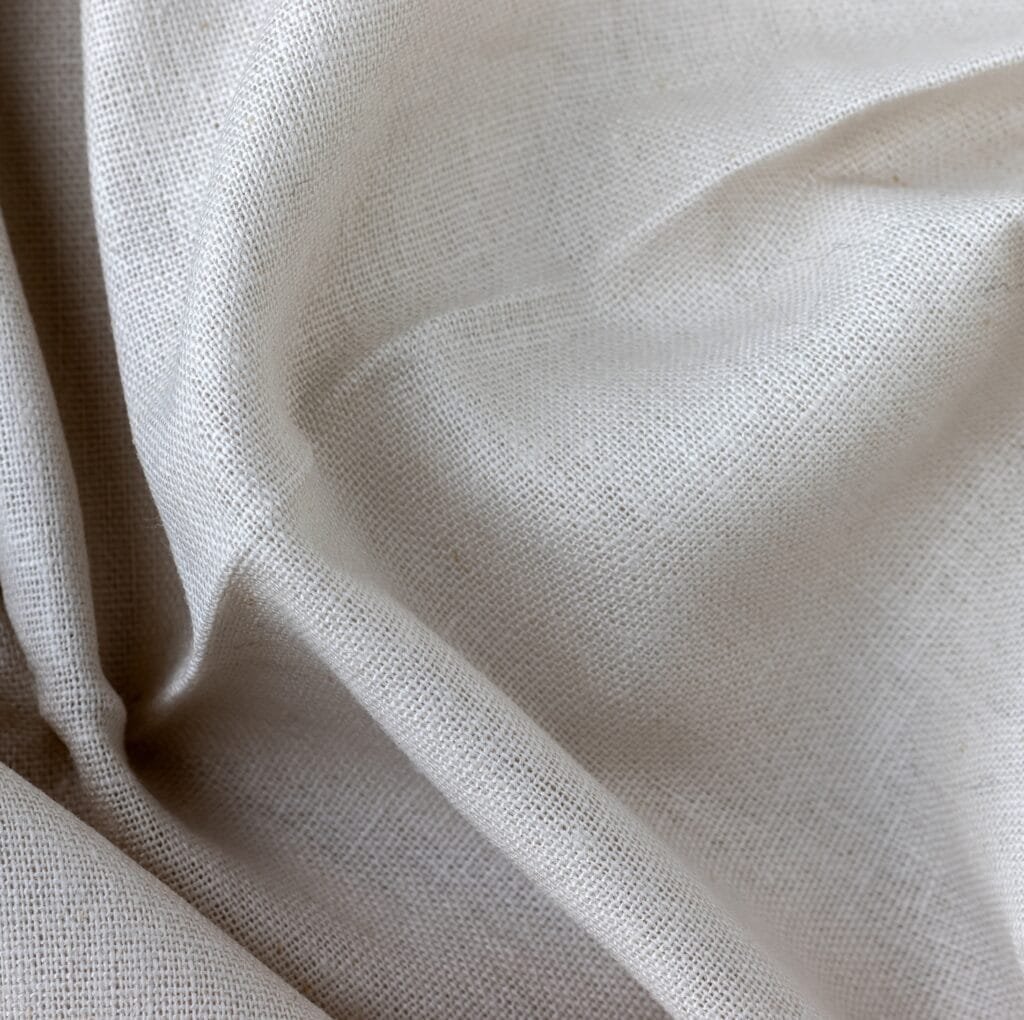
A close-up shot of light beige linen fabric with a natural, textured weave and soft folds.
The sustainability of blended linen fabrics: a balanced choice

Fashion Industry Trends: Why Designers Are Turning to Blended Linen

Across the globe, fashion brands are making blended linen a cornerstone of their seasonal collections, drawn by its broad versatility and strong sustainability credentials. High-end labels prize its lived-in appearance and tactile elegance, while mid-priced retailers appreciate its cost-effectiveness and multifunctional qualities. In the most recent cycles, linen-blend summer capsules have proliferated. They feature cascading sundresses, featherlight tailored blazers, and easy-styling trousers with softly structured draping. Creatives are captivated, too. The inherent texture of linen blends serves as a responsive substrate for next-generation dye and print technologies, yielding arrestingly chromatic patterns. The appeal extends beyond garments. Accessories including structured totes and ergonomic sandals are emerging in linen-blend constructions, imparting a subtle earthy refinement. The fabric’s broad and sustained resonance across luxury, contemporary, and casual lines strongly signals that blended linen is no fleeting novelty.

Home Décor and Interior Design with Blended Linen Fabric

Designers and homeowners alike are increasingly gravitating toward blended linen fabric as a core textile in sophisticated interiors. The fabric possesses a subtle refinement that renders it equally suitable for draperies, decorative cushions, and tailored upholstery. Unlike 100-percent linen, which can sag and crease under constant use, a linen-cotton or linen-viscose blend retains a poised silhouette and resists cataclysmic wear, guaranteeing elegance that endures day-to-day. High-traffic zones, such as furnished living spaces or companion dining-room chairs, have espoused the fabric for its durability. Blended linen panels, meanwhile, cascade in soft folds while minimizing the upkeep cycles commonly mandated by steep-rotation curtains. Furthermore, sheeting linen in these blends are lauded for balancing soft hand with superior air permeability, delivering cozy yet poised slumber quarters free from fragile fuss. The interplay of durability and ageless refinement affirms the steady rise of blended linen as a pillar of contemporary residential design.

A bright, elegant living room featuring a cream-colored sofa with patterned throw pillows, a glass-top wooden coffee table, and a shaggy area rug. Large windows with sheer linen curtains overlook a suburban street. A dining area with a wooden table and upholstered chairs is visible in the background. The room has warm wood floors, decorative molding, and soft natural light.
Home Décor and Interior Design: Blended Linen Textile accents bring a timeless, airy feel to a sophisticated living space.

Care and Maintenance: Strategies for Preserving the Appearance of Blended Linen Fabric

Unlike pure linen, which can demand vigilant attention, blended linen is considerably simpler to care for. The inclusion of synthetic or other fibers imparts increased resistance to shrinkage, excessive wrinkling, and edge fraying. Most blended linens tolerate gentle-machine-wash settings, exempting users from the frequent hand-washing otherwise customary. They dry more swiftly than their pure counterparts, yielding reduced energy expenditure and shorter turnaround times. Moreover, the accelerated evaporation diminishes the propensity for stubborn mildew in humid climates. Ironing, commonly loathed, becomes infrequent because the blend retains a smooth silhouette, thus preserving the polished appearance of curtains, table linens, and tailored skirts without the expense of constant steaming. Such effortless upkeep not only translates to a sustained aesthetic but represents a compelling asset in the brisk rhythm of contemporary life, enhancing the fabric’s desirability across both domestic and commercial applications.

Conclusion

Consumer awareness of environmental impact is reshaping purchasing behaviors, catapulting the appetite for fabrics that marry style with sustainability. Blended linen fabric stands at the threshold of that demand. By marrying naturally breathable linen with carefully selected companion fibers, these blends deliver the plant-based luminosity of plain linen fabric while gaining the flexibility, resilience, and moisture management commonly associated with more performance-driven textiles. The end result is apparel and home textiles that endure, so fewer finished goods enter landfills over time. Concurrently, brands intent on credible sustainability roadmaps are increasingly adopting linen blends as anchor materials, guaranteeing their presence in future-capable product assortments. When clients opt for blended linen, they secure a texture that caresses the skin, stands the test of style cycles, and conserves planetary resources in the process. Read more Article: Linen Fabric: A Complete Guide to History, Uses, and Benefits

FAQs

What is blended linen fabric?

Blended linen fabric is a mix of natural linen fibers with other materials such as cotton, polyester, viscose, or silk. This process enhances softness, reduces wrinkles, and adds durability while keeping the natural elegance of linen.

Is blended linen sustainable?

Yes, linen itself is eco-friendly because it comes from the flax plant, which requires less water and pesticides. When blended with organic or recycled fibers, it becomes even more sustainable.

What are the benefits of blended linen in fashion?

Blended linen offers style versatility, vibrant colors, wrinkle resistance, and long-lasting durability, making it perfect for casual wear, office outfits, and summer collections.

Closely Woven Linen Fabric: A Fresh Take on Classic Elegance

0

In the world of textiles, linen always emerges as a champion. A piece of closely woven linen fabric carries timeless prestige. This cloth has impressed both emperors and artists, refined enough that no embellishment could outshine its beauty. Woven from flax fibers and shaped by skilled artisans, it reveals strength through its tight, neat lattice of threads. Linen does not clamor for attention. Instead, it speaks of dignity, whispering history linen and possibility with every subtle, shimmering fiber. Soon, we’ll unwrap why closely woven linen is the quiet heartbeat of homes from Provence to Palm Beach.

Even now, closely woven linen still sparks fresh ideas in runway creations and living-room art, giving classic looks a shining new spin. This article guides you through its story, highlights, and right-now usefulness.

What Is Closely Woven Linen Fabric?

Closely woven linen fabric is crafted from flax fibers spun tightly into fine, shiny yarn, then woven in a super-dense, tight pattern. This close, orderly weave makes a smooth cloth that’s tougher, dressier, and more flexible than any loosely woven cousins. Those tiny strands work together not only to boost strength but also to perfect the fabric’s elegant drape and subtle finish so we see it in luxury gowns and polished draperies. For centuries, people loved linen for its cool feel and high wear; royalty chose the tightly woven kind to show off. And the secret stayed the same: unmatched nature, still practical. Read more: What is Linen Fabric

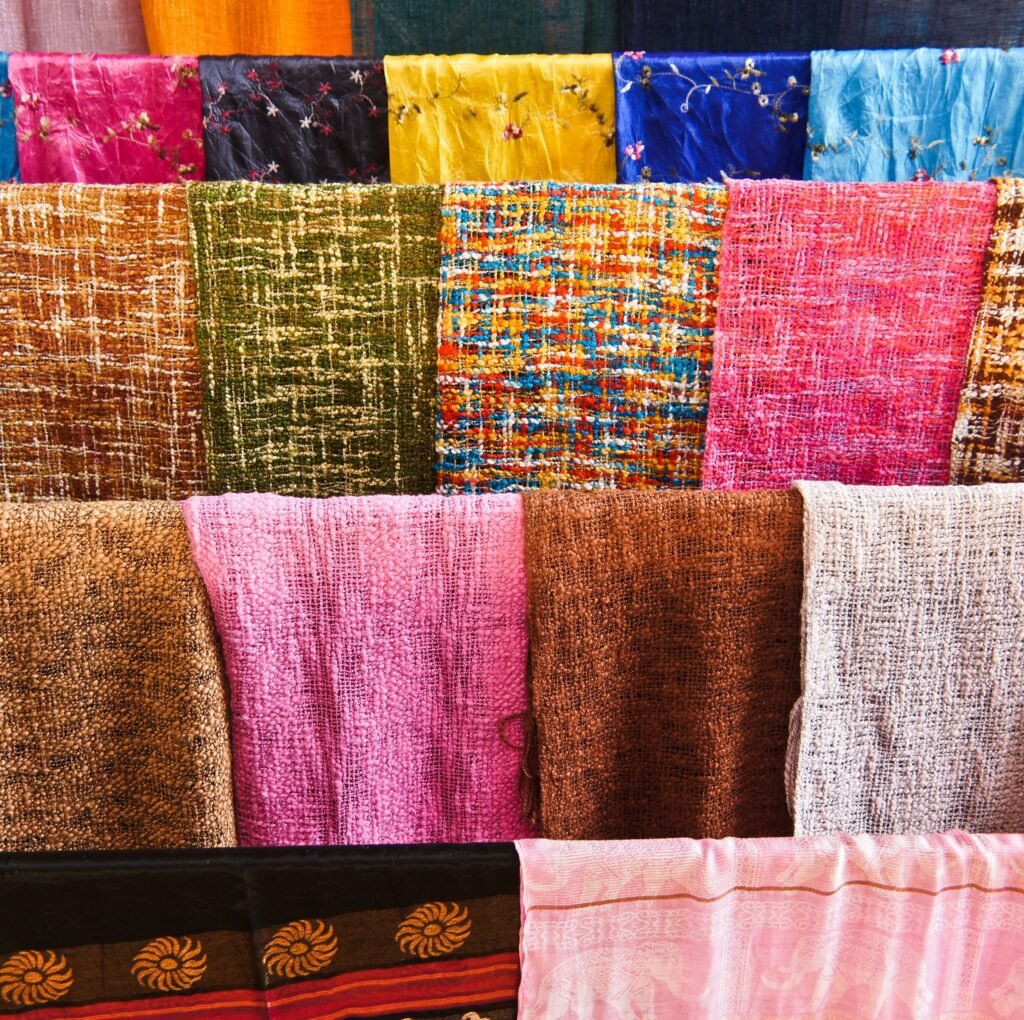
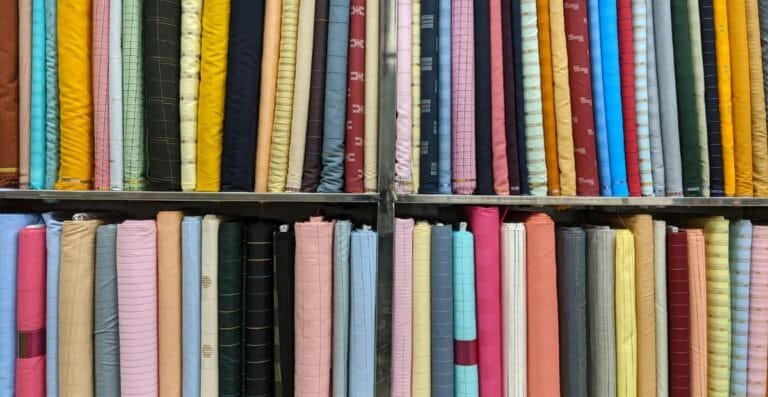
“A vibrant display of woven fabrics arranged in rows, featuring a variety of textures and colors including pinks, browns, greens, blues, and metallic threads.”
“A lively assortment of closely woven linen fabrics in a rainbow of shades and textures.”

The Journey of Linen: Ancient Opulence to Today’s Subtle Chic

Linen is one of the world’s oldest fabrics, with roots stretching back over 8,000 years. Ancient Egyptians valued it so highly they wrapped mummies in it, calling it the cloth of purity. In Mesopotamia, it became a prized status symbol for the wealthy. Tightly stitched linen was treasured not only for its beauty but also for its strength. It showed the perfect balance of skill and toughness. As centuries passed, linen spread across Europe and entered homes everywhere. It turned breakfast tables into works of art and transformed beds into clouds of comfort. The finely finished linen we use today still carries echoes of those first linen sheets. It holds centuries of stories while offering a planet-friendly style that remains effortlessly elegant.

What You Should Know About Closely Woven Linen Fabric

Built to Last

Closely woven linen rivals any superhero when it comes to strength. The flax plant gives us long, tough fibers, and when we plan weave linenPlain Weave Linen Fabric: The Ultimate Guide to Style & Comfort them tight, we end up with fabric that refuses to give up. Unlike cotton, which frays and loosens after a few seasons, linen keeps tough and actually grows softer with each wash. This means your favorite linen napkins, blouses, and bed linens will still look and feel fantastic years from now. People love linen so much that they hand it down from grandparent to grandchild, proving it’s more than a pretty choice—it’s a lifetime keeper.

Softly Breezy Sophistication

When it comes to style, closely woven linen is like that friend who never tries too hard yet still looks effortlessly cool. The tighter weave gives it a soft, smooth feel that works wonders on tailored blouses, sharp shorts, and drapey curtains that casually catch the light. A tiny ripple of flax fibers gives each yard of linen a character that never gets boring. With just a whisper of glow, it settles into the background of a runway or a dining room without hiding. Inside every garment or curtain, the fabric whispers, “I belong here,” and that quiet confidence is why it never goes out of style.

Natural Breathability and Comfort

Linen has earned its fan-favorite status because it know how to keep your body happy, no matter the season. When summer kicks in, the open threads in the fabric let fresh air sweep in, helping you stay cool. When the temperature drops, the tighter weave holds your body heat, so it feels cozy instead of chilly. Since it’s got this built-in season-flex, you see it everywhere—from beach strolls in tropical towns to snow-ball fights way up north. Plus, tightly woven linen adds just the right cushy feel and bone-style strength to hold soft and tough in the same go.

An Eco-Friendly, Sustainable Choice

These days, if it’s got green vibes, it’s got our attention, and closely woven linen fabric is waving its arms like a sustainability champion. The flax plant it’s made from sips way less water and skips the long list of sprays that cotton asks for. And cool bonus—every scrap of flax gets repurposed, like a farm-to-everything superhero leaving zero behind. That tough, tightly woven finish means your favorite top or sheet stays in style and in shape for years and years, so you don’t keep tossing it in the bin. When it does finally wave goodbye, the linen hits the soil and becomes food for the ground. Luxe and green? The fabric scored the ultimate two-for and is a perfect fit for anyone wearing eco-minded swag.

Why Explore Closely Woven Linen Fabric for Fashion?

In the world of style, closely woven linen fabric is the quiet superstar. Designers adore its crisp, sculpted shape, the way it catches light just right, and the fact that it’s forever classic. Unlike that shiny polyester that can end up looking tired in a season, linen grows more interesting as weeks turn to months. A few weeks of happy littlest “oops” and wear give it a soft, lived-in charm that feels almost vintage. From floaty sundresses that swish at the ankles to perfectly tailored blazers and statement evening shirts, the cloth is a style shapeshifter. The best part? Its easy, breezy breathability. Even the muggiest afternoons can turn into a scoop of comfort

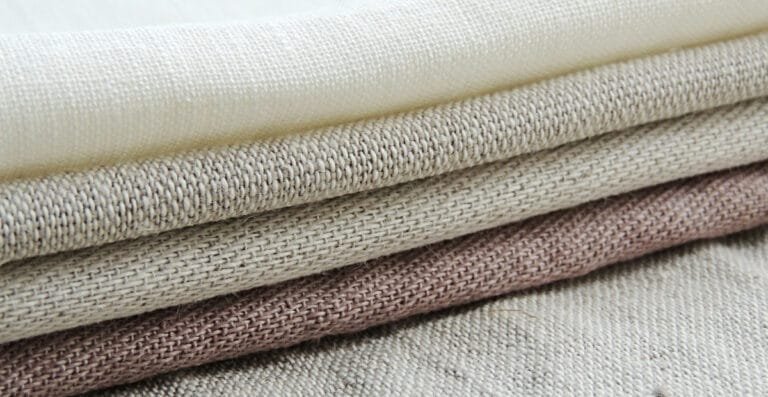
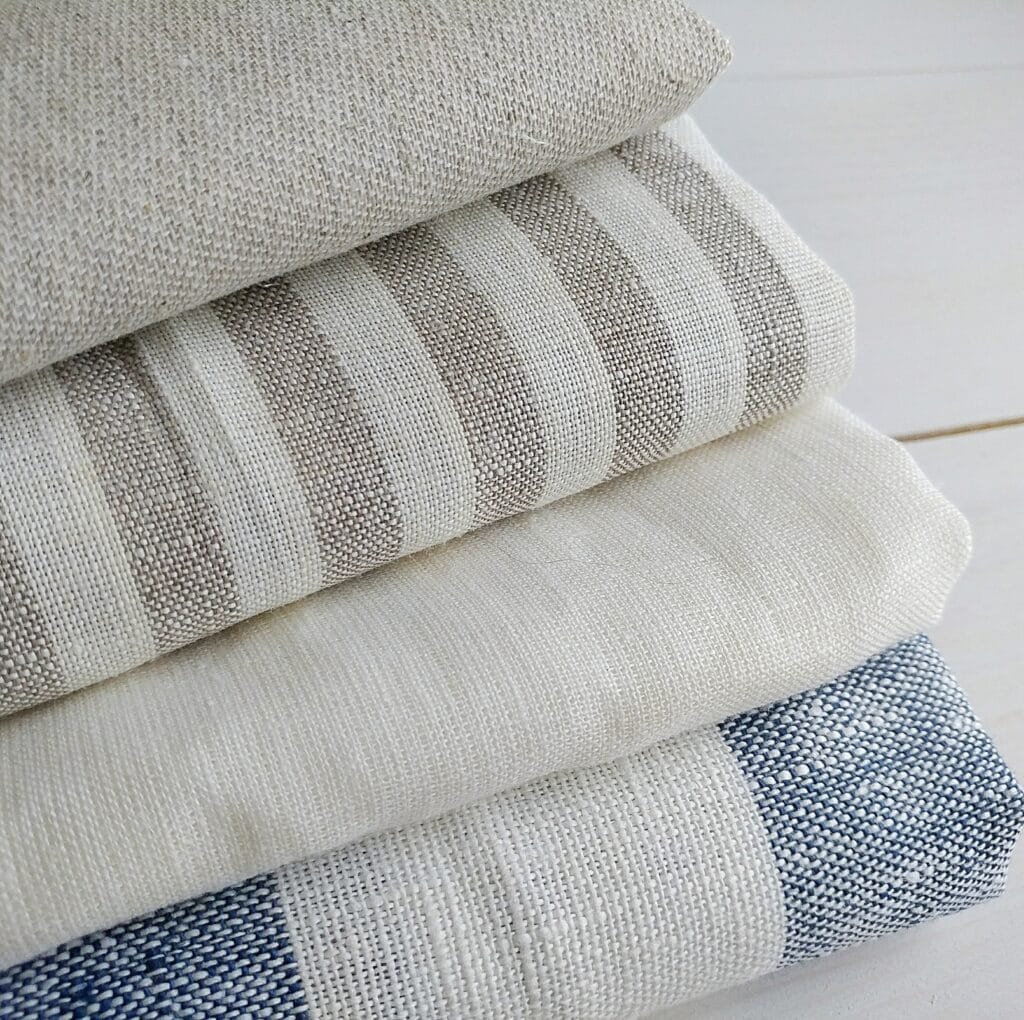
A stack of folded linen fabrics in neutral shades (beige, cream, and blue) with a visibly tight, close weave and subtle texture.
Why explore closely woven linen fabric for fashion? Its tight weave delivers superior durability, a refined drape, enhanced breathability, and a crisp, timeless look—perfect for versatile, high-quality garments.

Closely Woven Linen Fabric in Home Décor

Linen doesn’t pocket all the glory in the closet; it weaves its way into inviting homes, too. The fabric’s whisper of luxury invites homeowners to dress windows, cushions, and chairs in its cozy embrace. A supple linen tablecloth and perfectly folded napkins tidy up a dining scene like a soft, quiet evening light. Go to the bedroom, and you’ll find breathable sheets luring you into a peaceful sigh of slumber. Linen, in this tightly woven form, can stand a day full of in-and-out, little spills that grace the little “oops” in homes, so beauty can hang around, hassle-free. Its no-fuss resistance to little knots and halos keeps the decor looking as tranquil and polished as that very first day.

A sunlit living room with elegant, neutral-toned furniture including a tufted beige sofa, round-backed gray chairs, and a wooden coffee table. Lush greenery and tall plants frame the space, creating a warm, inviting ambiance.
Close-knit linen textures meet timeless elegance: a softly lit lounge featuring classic styling and abundant greenery, styled for refined home décor.

Styling Tips: Easy Ways to Add Modern Elegance with Linen

Go Neutral

The quickest trick to make fine linen look stunning is to team it with soft, neutral colors like warm white, sandy beige, or light gray. These shades make linen sparkle without yelling for attention. Whether you’re choosing an outfit or setting a dinner table, neutrals trumpet linen’s lovely, natural texture every time.

Layer Textures

To add depth, mix linen with other textures. Think a structured linen jacket over a smooth silk camisole, or light linen curtains alongside soft cotton throws. The different feels play off each other, making each fabric pop. A linen skirt with a soft wool sweater or linen the sofa draped with a silk throw feels rich without being busy.

Stay Simple

Let linen’s understated beauty take center stage. Skip the flashy jewelry or excess décor. Opt for clean, breezy lines that let the fabric breathe. A crisp linen button-down or a plain linen table runner might seem quiet, but it’s that quiet strength that defines elegant style without even trying.

The Modern Comeback of Closely Woven Linen Fabric: Why It’s Hot Again

Linen is everywhere today—goodbye, fast-fashion runway, and hello, airy, elegant essentials. Folks have switched on to sustainable everything, and linen delivers. It brings vintage class into sleek, no-clutter homes and closets. Just scroll through social feeds. OOTDs, draped curtains, snuggle-ready duvet covers—you name it—pop in perfectly lit squares, so pretty they feel like art. Mix low impact with high style, and you’ve got more than another fad: linen’s now a forever vibe.

Pampering Your Closely Woven Linen Fabric

Durable, yes, but to keep linen glowing, treat it like a treasure. Use gentle soap—nothing sniffy or super strong. Line it up outside or drape it in the laundry; the fresh air loves it. The brave can trust gentle dryers—just the lightweight, pre-washed ones. Give damp-look linen a warm press, and you’ve got sharp collars or fancy napkins that bloom. Slip the cooled piece into a breathable closet, and those fancy fibers stay strong. Spoil it smart, and linen yarns keep on growing softer, more stunning after each gentle spa day.

Final Thoughts

Amid every day trend that shifts like sand, close-woven linen still stays upright, quiet rebellion stitched into every soft, weighty fold. Its blend of power, calm, and quiet beauty hangs on tight when neon brights are tossed aside. Slip a linen dress over sun-kissed shoulders or tuck a linen napkin beside wood-grain plates, and the moment feels ancient and brand-new at the same time. Each thread whispers lineage, each weave ties generations together, yet the fabric feels light and wholly today. Choosing linen whispers the intent of a thoughtful heart: you prefer craftsmanship over flash, you invite nature inside, and you still pine for quiet luxury. Every time you wrap yourself in this humble powerhouse, you cradle a promise to the planet, a choice stitched in both elegance and conscience. Read more Article: Linen fabric: A Complete Guide to History, Uses, and Benefits.

FAQs

 What makes closely woven linen stand apart from regular linen?

Closely woven linen packs threads tighter together, giving it extra strength and a satiny feel that beats the usual looser linen any day.

Can I wear linen to dressy events?

Definitely! A fitted linen blazer, tailored slacks, or a crisp button-up looks sharp at summer weddings or relaxed office Fridays.

Why does linen crease so fast?

Linen does wrinkle—it’s in the fabric’s DNA. A lot of folks love the lived-in, laid-back vibe it gives. Plus, you’ll find treated linen that stays smooth longer.

Cotton Personal Care Products: Safe, Natural, and Essential

0

In our bustling everyday world, folks are always looking for items that are not just safe but also completely natural for everyday use. More and more are reaching for cotton because it feels soft, works well, and treats the skin just right. Unlike synthetic fibers, cotton lets skin breathe and feels comfy all day. No wonder cotton personal care products are becoming favorites—smooth, easy-to-use, and simple enough to trust in every daily moment.

Why Cotton Counts

When we talk about personal care, keeping things safe for skin is job one. Cotton delivers that natural comfort without the extra chemicals and additives often found in other fibers. That’s why babies, teens, and every age in between are choosing cotton. Its gentle surface calms the skin and lowers the chance of irritation, keeping redness and itching at bay. Because cotton comes straight from nature, it’s the easy answer when we want quality we can count on.

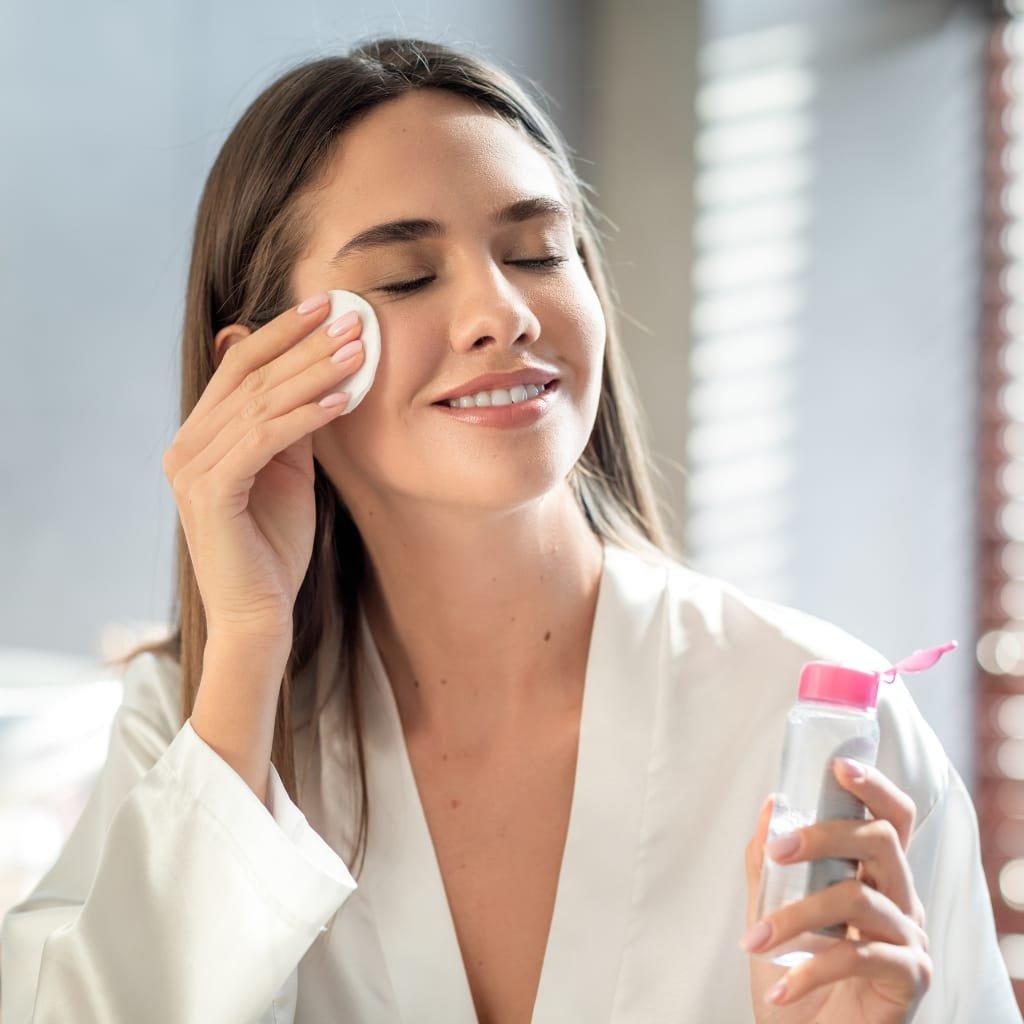
A smiling woman with long brown hair cleansing her face in a bright bathroom. She wears a white robe and gently applies a cotton pad to her cheek with her eyes closed, holding a clear bottle with a pink cap in the other hand.
Gentle cleansing with cotton pads: soft, breathable, and perfect for removing makeup and toning the skin without irritation.

Cotton Pads, Your Daily Allies

From the moment we wake up, cotton pads step in to help. Whether we’re gently cleansing, swiping on toner, or dabbing on After-SThe toner’s, or cleansing, the soft cotton fibers feel like a hug, not a scratch. Plus, cotton drinks in liquids without leaking—perfect for micellar water or soothing a cleanse. They’re the tiny sidekick in our daily routine, always ready to keep skin happy and our rituals worry-free.

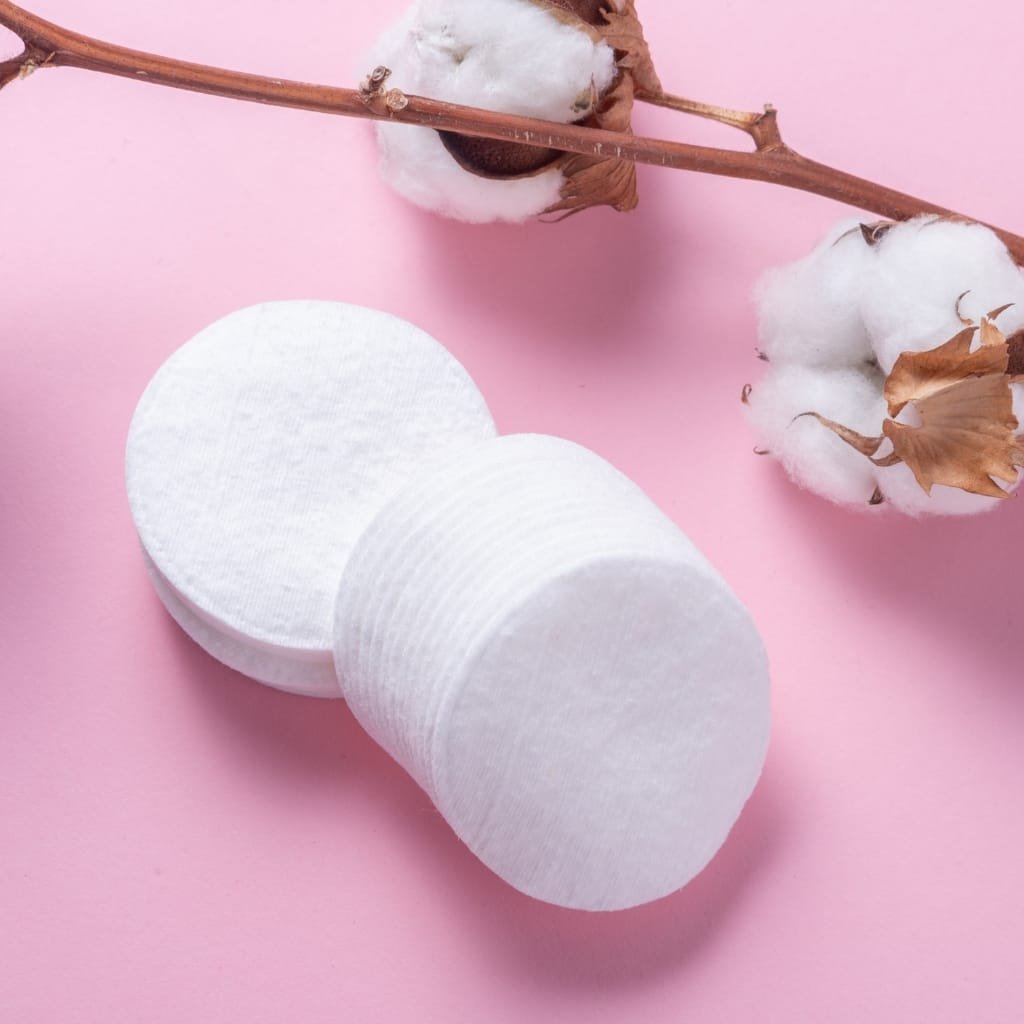
A neat stack of white cotton pads on a soft pink background, with a cotton branch featuring fluffy bolls in the top right corner.
Cotton pads: your daily skincare ally for gentle cleansing, toning, and delicate makeup removal.

Cotton Balls for Gentle Care

These little white puffs pack a big punch! Cotton balls are soft enough to treat cuts without stinging and are perfect for patting on moisturizers or swiping off stubborn nail polish. Because they’re made from soft, natural fibers, they’re easy on every kind of skin, and you’ll find them in every bathroom and first-aid kit. Anytime you need a gentle touch, a cotton ball is there to help.

Cotton Swabs for Precision

Whether you’re cleaning your ears, putting on a little ointment, or perfecting winged eyeliner, cotton swabs are small champions of close-up care. The gentle, rounded tips never scrape or poke, so they’re safe for every spot. Anytime a tiny job leads to a big need for hygiene or beauty, a cotton swab is ready to fit right in, delivering soft assistance in a tiny package.

Cotton Towels and Wipes

Every day, cotton towels and wipes pat skin dry without leaving scratches behind. They rinse out, dry off, and are ready to wash again, so they keep saving you money and extra trash, unlike their plastic-feeling counterparts. Keeping your skin soft yet tough on big loads of laundry and daily scrubbings, cotton towels and wipes are mini heroes that stay fresh, gentle, and ready for the next splash and swipe in your home routine.

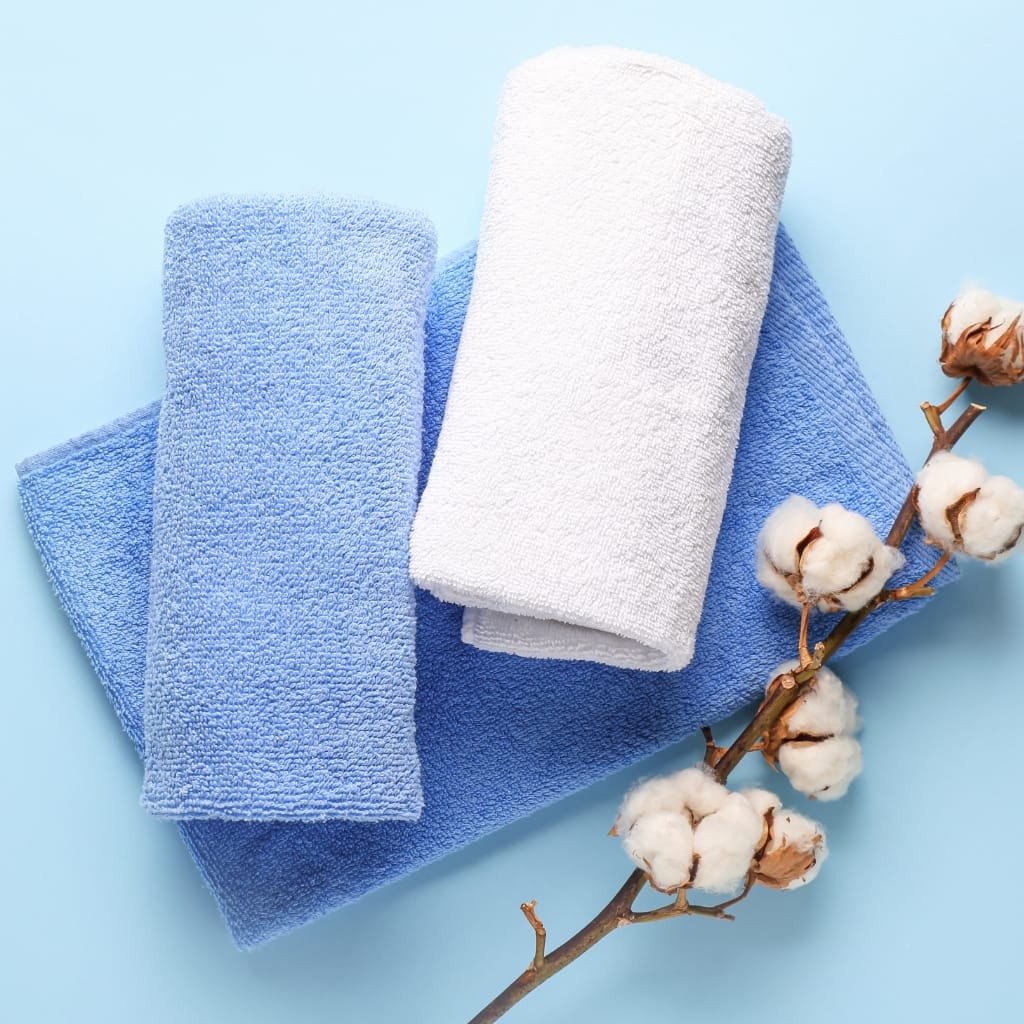
A stack of soft blue towels with a white rolled towel on top, arranged on a light blue background next to a cotton branch with fluffy bolls.
Cotton towels and wipes: plush, breathable essentials for gentle cleansing and everyday skincare.

Baby Care with Cotton

When little ones arrive, parents want only the coziest, safest things. That’s why cotton is a top choice—softer than a mother’s whisper and tough enough to guard tiny skin. Cotton wipes and swabs are loved from village homes to hospital nurseries. They keep messy rashes and sneaky allergies far away, letting moms and dads relax at bedtime. One soft swipe of cotton, and baby care is gentler and worry-free.

Eco-Friendly Benefits of Cotton

More folks are asking, “Does this choice leave the Earth happy too?” Cotton waves the green flag. It breaks down naturally, takes a second job as compost, and never lingers as plastic litter. When parents stock cotton wipes instead of plastic ones, they’re swapping guilt for glow. Used wipes become mulch or compost with no fuss. Picking cotton is a baby-friendly choice that hugs health and the planet at the same time.

Cotton in Beauty and Skincare

Walk into almost any salon, and you’ll see a cotton parade. Soft pads, wipes, and the little travel cloths never leave the toolbox. Stars, baristas, and everyone in between swipe off makeup without a wince, thanks to that silky softness. One swipe, and the skin feels fresh, not scratched. Cotton is loved by pros and selfie stars the same. It’s gentle enough that even the smallest cheeks and the biggest mascara smudges get a happy ending.

Comfort in Daily Hygiene

Making sure you feel fresh every day gets easier with natural fibers around. Soft cotton towels, tissues, and swabs gently clean your skin and don’t irritate it. Even if you use them every single day, they stay strong and cozy. These cotton items let you get ready in the morning or wind down at night without the worry of strong chemicals. That winning mix of gentleness and power is why cotton is the family favorite, morning to night.

Cotton for Sensitive Skin

For some folks, skin reacts quickly to any tiny hint of harshness, but cotton is here to help. With its natural and hypoallergenic fibers, it plays nice with delicate skin and doesn’t cause redness or stinging. Skin experts regularly encourage cotton wipes, pads, and precise swabs for anyone worried about reactions. They prevent irritation and gently boost your everyday skin routine, so anyone with tight skin knows a cotton option is without a doubt their safe buddy.

Cotton in Travel and Outdoors

Adventure calls, and you need tiny, clean items that don’t weigh down your bag. Cotton is the ally that packs small—but still gets the job done. Cotton wipes and tissues slip into every pocket. They clean hands at a picnic table, tidy up a little camping cut, or freshen faces at a rest stop. That best-quality cotton keeps you feeling neat, keeps packing light, and makes every trip a little fresh, from the road trip to a school camping night.

Cotton and Modern Life

In our busy everyday lives, we need products that work hard and work fast, and cotton gives us all those things at once. We turn to cotton personal-care items because they dry in a flash, stay gentle on skin, and never skimp on results. They pull together cozy tradition and high-tech style so our daily routines stay easy. With cotton, caring for ourselves and our families feels so simple that it almost takes care of itself.

Tomorrow’s Cotton in Care

While the world dives deeper into green living, cotton never misses a beat. Scientists keep finding cooler, smarter ways to use cotton in the products we pick up every morning. Its pillowy softness and planet-friendly story mean it’s not going anywhere anytime soon. Whatever the next clever trends may be, cotton will still get the first and last word in the bathroom cabinet.

Final Thoughts

For hundreds of years, a soft bit of cotton cloth has promised warmth and peace of mind. Today, it still works magic in the care items we can’t live without. Cotton towels, pads, and swabs keep us clean, glowing, and healthy—always in ways that our skin and planet adore. They’re gentle enough for our tiniest cousins and smart enough to impress even the fuss puzzled markets. When we crowd our counters and kits with cotton, we’re choosing the daily dose of nature that feels necessary, simple, and entirely us.

FAQs

Why are cotton personal care products safer than synthetic ones?

Cotton personal care products are natural, soft, and breathable. They reduce irritation and are gentle on sensitive skin compared to synthetic options.

How are cotton products used in beauty care?

Cotton pads, wipes, and swabs are used for makeup removal, skincare, and gentle cleaning. They make beauty routines safe and effective.

Are cotton personal care products good for babies?

Yes, cotton personal care products are trusted for babies. Their softness protects delicate skin and helps reduce the risk of rashes.

What Is Cotton Fabric?

Cotton fabric refers to the soft and fluffy fiber that develops around the seeds of the cotton plant. It is easier to manipulate cotton and the various products a person can create with cotton is maybe the reason a majority of the world’s population utilizes cotton products.

The fiber is spun into yarn or thread and is then woven or knitted to create a soft and durable piece of fabric. This material is absorbent in nature thus is ideal for a variety of uses, whether clothing or home textiles.

How to Cool and Cut Polyester Fabric for Best Results

0

Knowing how to cool and cut polyester fabric helps achieve a neat finish. Polyester is a synthetic material composed of strong fibers. These fibers can react to heat in different ways, so the heat is best applied with caution. When done correctly, the fabric will be neat and ready for sewing and crafting. Keeping the fabric in the best condition requires good tools, proper techniques, and most importantly, patience.

Understanding Polyester Before Cutting

Understanding polyester’s nature will be helpful when learning how to cool and cut polyester fabric. Polyester fibers, for instance, have a shrinking resistant durability. However, they have the tendency to melt with high temperatures. This means cutting the fabric demands razor-sharp control. The smooth finish of polyester fabric can be a challenge. Therefore, a clean, flat surface helps.

Polyester is relatively inelastic when compared to other natural fabrics. This means measuring becomes crucial. Even the slightest mistakes while cutting can significantly change the project’s shape.

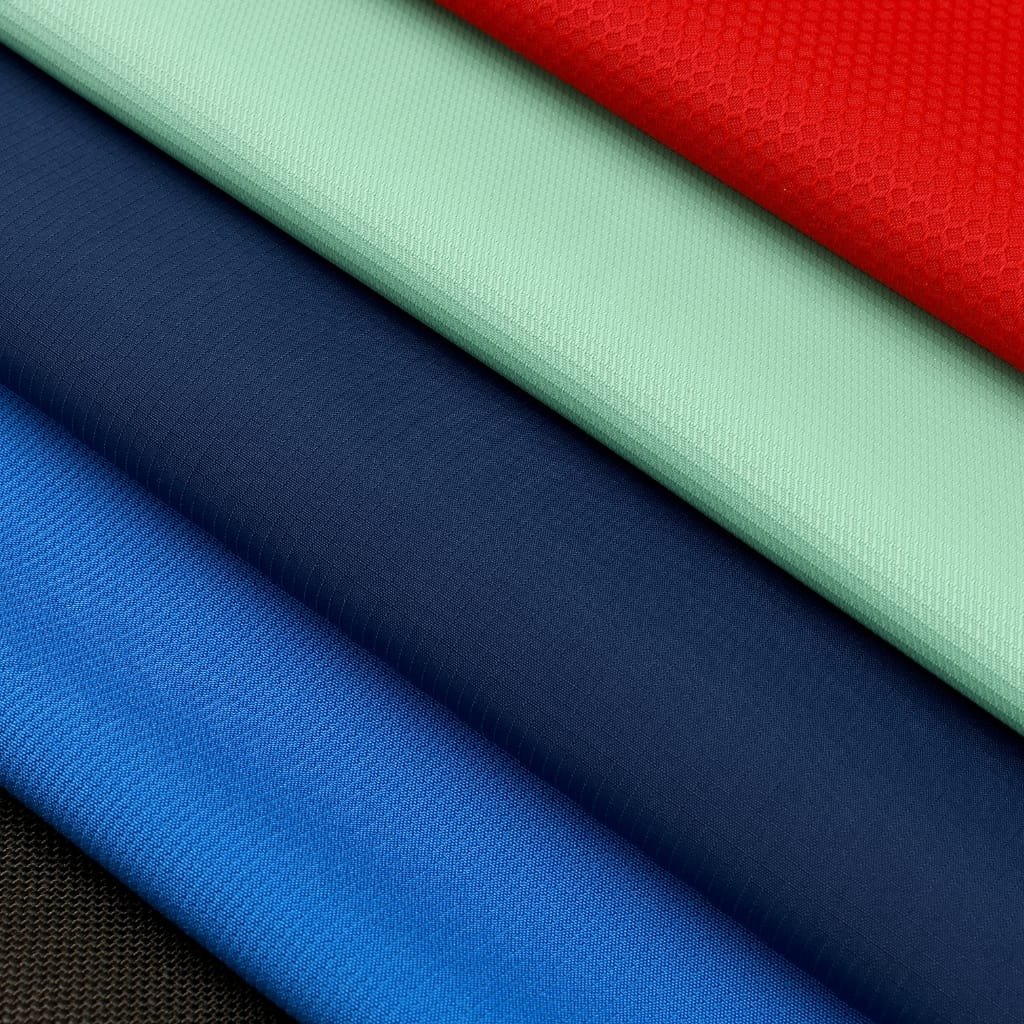
A stack of colorful fabric rolls arranged diagonally: red, mint green, light blue-green, navy, royal blue, and dark brown/black at the bottom. Each fabric has a smooth, finely textured weave.
A spectrum of polyester fabrics in red, mint green, pale green, navy, royal blue, and dark brown, showcasing a smooth, uniform weave.

Getting Fabric Ready for Cutting

Cleaning and pressing are important for cutting and cooling a piece of polyester fabric. Before cutting, the fabric needs to be cleaned. Light steaming removes wrinkles, but only gentle steaming is best. Using a pressing cloth can shield the fabric from direct, harmful heat.

After steaming, the fabric must be laid out fully and flat. Smooth fabric is faster and easier to accurately cut, and using fabric weights can assist.

Selecting the Right Tools

Using the right tools is important for successfully cutting and cooling a polyester fabric. A rotary cutter or sharp fabric scissors cut fabric cleanly, but sharp tools are best. Clear rulers are helpful for straight cuts, and fabric can be marked with tailor’s chalk, which leaves no stains.

Sufficient light is important for focus, and sharp light is essential for working with dark or patterned clothing. Good light is needed in dark and patterned areas as well.

Cooling the Fabric While Working

Managing heat is very important during the cooling and cutting processes of working with polyester fabric. Pressing and cutting tends to build up heat. Stepwise resting of the fabric helps cool overheating. While ironing, a low heat setting is best to avoid the melting of fibers.

Helping the fabric to cool before the next step whilst warm helps retain its shape. This step is effortless, but helps avoid loss.

Performing the Cuts Format

Precision is the most vital aspect when cooling and cutting polyester fabric. Straight lines require slowly steady hands, and fabric pulling whilst cutting should not be done as it will ruin the edge. Fabric should be cut gently with the scissors or cutter.

For curved cuts, it is best to rotate the fabric instead of turning the scissors. This method is better because it smoothens and evens the edges.

Stopping Loosening Up

Part of the learning process when it comes to cooling and cutting a piece of polyester fabric is managing fraying. While polyester is less prone to fraying compared to other fabrics, the edges still need to be stitched to prevent unraveling. Sharp scissors blunt the threads. For projects that require strong seams, the edges can be stitched and burnt using a fabric sealer, or light heating can be utilized.

The edges can be sealed with a fabric sealer, or light heating can be utilized. It is important to note that using heat can be damaging to the material’s fibers. Testing on a small piece of scrap fabric is a safe way to check results.

Final Steps

The last step on how to cool and cut polyester fabric is setting it up for sewing or storing. Shaking the cut pieces gently removes loose fibers. Flat or rolled storage prevents wrinkles. If immediate sewing is the plan, maintaining edge order is helpful for clean, easy stitches.

With the right techniques, careful cooling, and accurate cutting, polyester fabric can be shaped into high-quality projects. Protecting the material and making it look professional greatly adds to the final results.

Final Thoughts

Knowing how to cool and cut polyester fabric helps avoid issues and improve outcomes. Every step from preparation to finishing touches has its role. Maintaining the fibers and edges trim takes care and helps them stay pristine. Working with polyester gets easier with practice, and every project is enhanced with the care.

FAQs

Why is cooling important when cutting polyester fabric?

It prevents heat damage and keeps the fabric’s shape intact.

What tools work best for cutting polyester?

Sharp fabric scissors or a rotary cutter give clean and smooth edges.

How do I stop polyester fabric from fraying?

Use sharp blades and seal the edges with a fabric sealer or light heat.

Exploring Industrial Uses of Cotton in Today’s World

0

Cotton has been cultivated and utilized for thousands of years. It is soft, durable, and extremely versatile. Even today, cotton is still important for businesses. Its industrial applications go beyond clothing and weave their influence into the very fabric of contemporary society. From households to industrial plants, cotton provides comfort, safety, and dependability while enduring rough treatment.

Cotton in the Textile Industry

The textile industry depends greatly on cotton. The fabric made from cotton has a number of advantages. it is comfortable, durable and breathable. Its popularity among designers is due to its versatility. It is spun and woven into countless products in factories. We daily witness the industrial benefits of cotton in the textile industry. The fashion industry and textile manufacturing for the households would be profoundly different without cotton.

A factory worker wearing a blue uniform and a protective blue hairnet operates a sewing or binding machine in a large textile factory. Stacks of folded fabrics and blankets surround her, with bright overhead lights and a busy, organized workspace.
A textile worker machines and prepares blankets in a large cotton textile facility amid neatly stacked rolls and fabrics.

Cotton in Medical Fields

Cotton products are equally important in hospitals and clinics. It is used in bandages, swabs, and surgical pads. it is soft, safe for sensitive skin, and its absorbency makes it practical for healing. Doctors and nurses depend on it for safe care. the industrial benefits of cotton in medical fields are crucial for protecting and sustaining lives and providing patients with daily comfort.

Cotton in Home Goods

Cotton items fill homes all around the globe. The cotton bedsheets and towels provide comfort in the home and are easy to wash and durable. Families prefer cotton products because the fibers feel gentle on the skin, and the material lasts for many uses. The home goods industry uses cotton for its filled with groceries, and its everyday luxury.

Cotton in Paper and Stationery

The paper industry is something few people link with cotton, but the fibrous material does serve a purpose. Cotton is used to manufacture paper products, and the paper is used primarily in banks and offices. The industrial uses of cotton in the paper industry strengthens and proves the material’s durability and versatility.

Cotton in Automotive Industry

The cotton industry also has uses in the manufacture of vehicles. Cotton fibers are used in car upholstery, making them comfortable and durable in the face of wear. Additionally, cotton regulates temperature, making long drives pleasant. The industrial uses of cotton in car upholstery showcase the material’s ability to increase both comfort and safety.

Cotton in Industrial Safety Products

Cotton is used in safety clothing for factories and workshops like protective uniforms and gloves. It is used for both comfort and safety. Workers appreciate cotton for not trapping too much heat. These products show that cotton is useful even in difficult situations.

Cotton in Packaging

Cotton also plays a role in packaging. It can be used to make environmentally friendly packaging. Cotton packages are biodegradable and help reduce waste. Many companies that want to make a sustainable choice turn to cotton. These products help industries reduce harm to the planet while serving their customers.

Cotton in Military Supplies

Cotton is also used in military supplies. Military uniforms, tents, and gear are made from cotton. It is appreciated by soldiers because of the comfort it offers during long hours of duty. Cotton also provides the strength needed for heavy outdoor use. These products show that cotton can withstand tough conditions.

Cotton in Filtration Systems

Cotton is an excellent filter for air and liquids. Because of this, industries implement cotton filters in their machines and water systems. Its fibers catch dirt and provide cleaner results. Cotton is also well known for being inexpensive, and factories trust it because it is reliable. The filtration aspects of cotton in industry help improve cleaner operations in various industries.

Cotton in Arts and Crafts

Houston, we have a problem! My 1pm just canceled, and now I have an hour and a half of nothing to do. I’ll probably do what I always do in my spare time, which is troll for deals on my favorite crafting supplies. Artists depend on cotton in many aspects. The Canvas used for painting is mostly cotton. It is easy to paint and embellish on. Also, yarn and other fabrics used by crafters have cotton as their base. The industrial uses of cotton in art are vital in encouraging creative and cultural expression.

Cotton in Eco-Friendly Products

In this ever-changing world, businesses are pivoting to more sustainable materials. Since cotton is natural and sustainable, it is now being used as a product of choice. Moreover, cotton is eco-friendly in nature because it is a natural and biodegradable product. In addition, cotton products have the added advantage of being reusable and recyclable, making it a go-to product. As a result, many businesses are capitalizing on them by showcasing them as eco-friendly products. Therefore, the sustainable industrial uses of cotton aim toward a healthier future for the Earth.

Cotton in Agriculture Tools

Farmers obtain products, for example, cotton covers, ropes, and sacks, which assist them in farming. These products are helpful for rural economies because they are inexpensive and durable. These products are favored because they are user-friendly and durable. The industrial uses of cotton in agriculture differ modern industry and traditional farming.

Cotton in Modern Technology

New technologies also utilize cotton. Cotton fibers are used in specialty fabrics designed for electronic devices. Some headphones and speakers also use cotton in parts. These innovations are an example of how cotton products make advancements. There is a lot of growth in the industrial uses of cotton in technology, for example, through research discovering new uses.

Cotton in Everyday Life

Almost everyone uses cotton fabric on a daily basis. It is found in clothes, houses, as well as at schools and places of work. It is easily trusted because it is a natural product. In modern days and in the past, cotton has stood as a great companion. The industrial uses of cotton in daily life makes it a truly universal item.

Conclusion

Cotton isn’t just a fabric; it’s a lifeline for various industries across the globe. It is used in medicine and technology. Its softness, strength, and eco-friendliness add value across various fields. Cotton’s simple plant form can be said the backbone for modern living. Cotton is and will always be a fabric that can contours to the needs for safety and progress with comfort.

FAQs

What are the main industrial uses of cotton today?

The main industrial uses of cotton include textiles, medical supplies, packaging, filtration, and home goods. Cotton is valued for strength and comfort.

Why is cotton important in the medical industry?

Cotton is soft, absorbent, and safe for skin. These features make cotton perfect for bandages, swabs, and pads used in hospitals and clinics.

How does cotton support eco-friendly industries?

Cotton is biodegradable and recyclable. Many businesses use cotton in packaging and products to reduce waste and protect the environment.

Cotton Medical Supplies: From Bandages to Swabs

0

Humans have relied on cotton for centuries. Its soft touch is essential for doctors and nurses, and even patients. Cotton medical supplies are trusted for their gentleness and dependability. From tiny scrapes to significant surgical wounds, cotton is there to help in the pets’ recovery.

Bent Over Backwards: Absorb Cotton

Products in the medical field are high in demand, especially if they are clean and safe. Cotton medical supplies have proven to be in demand for this feature, and for good reason. Its gentleness to the skin and its high level of wound absorbability makes cotton a reliable material. So, it is safe to say that, for a while, cotton is going to be a trusted material for medicine.

Guarding the Poppable Bubbles: Cotton Bandages

One of the essential roles of a wound is to protect the broken skin surface from infection, and for this reason bandages are used. Sometimes while in a rush, healthcare professionals may fail to understand the importance of cotton bandages. By allowing air to escape, cotton bandages helppopitive and uncomfortable germ fluctuations. Cotton bandages are sought by doctors and patients. Dr. Bandages: gentle, healing materials are proven to not have bad reactions with sensitive skin.

Swabs: Small but Useful

Even though swabs look simple, they have a key role in healthcare. These simple tools, made from cotton, make clean wounds a lot easier. Hospitals depend on these cotton medical supplies during checkups and treatments. Medicated ointments or creams are also applied using swabs. With swabs, liquids can be spread through soft tipping which removes any chance of discomfort.

Cotton Rolls in Clinics

Every clinic keeps cotton rolls at hand. Nurses utilize these supplies to clean cuts and absorb blood. These cotton medical supplies are very absorbent. A single roll can be cut into pieces as needed. This increases their usefulness in a variety of medical situations.

Pads for Daily Treatment

Cotton pads are widely used as cover for injuries. Compared to bandages, pads are thicker and provide more security. Like many cotton medical supplies, pads provide a cushion that helps in reducing pain from any pressure. In addition to that, pads also keep wounds dry and safe. Patients prefer to use cotton pads during home recovery as they are simple and comfortable to put on.

Cotton in Operating Rooms

A cotton surgical supply has auxiliary functions in every surgical procedure. For surgical methods performed under local anesthesia, surgical cotton sponge is an essential item for purification of surgical fields, in as much as they readily absorb fluids. Cotton sponges are ideal for surgery as they are soft on the skin. During post-surgery, cotton also does not cause irritations. With every operation, cotton proves its worth in supporting safe recovery.

Hygiene in Residential and Industrial Premises

Accidents or sudden injuries can occur anywhere and at any time. That is why we need to keep first aid kits handy in residential as well as commercial areas. Through inactive devices, users can find various options of bandages, gauzes, pads and even cotton swabs. Apart from acting as a time saver, these cotton items are quite useful in reducing recovery time. With quick response aided by cotton supplies, the time required for healing injuries, gets much shorter.

Cotton and Hygiene for Infants

An infant or a baby is a young one of the human species aged in the first 1-2 years. In this earlier stated age baby skin is still of a very soft and tender. Protective aids also need to have a soft and not rough touch. Medical supplies in the form of soft cotton swabs, and gauze pads is what parents need. Apart from not leaving harmful effects, cotton also helps in protecting child from rashes. Hence, ensuring safety for the babies.

Daily Advantages in Households

Not all healthcare is done in hospitals. Most people manage their cuts and scrapes at home. For this reason, medical cotton remains useful in the home. Whether to clean wounds or to cover scratches, cotton is simple and effective. It reassures families that the healing process is effective and is done gently, especially with small children.

Reasons to Trust Cotton

Hospitals and clinics across the globe have one thing in common. Medical cotton is a staple in each and every clinic around the world. The primary reason is safety. Cotton medical supplies are absence of any dangerous reactions and are easy to disinfect. Oftentimes, they are inexpensive and small clinics are able to purchase. This makes them easily accessible to every clinic. This is why cotton fabric is a staple in the medical field, the trust is widespread.

Environmental Aspects of Cotton

But there’s more to this question, even in a world with increasing health concerns, cotton remains one of the safety and eco-friendly products in healthcare. Unlike many products, medical cotton is a byproduct of a plant. It makes disposal of Cotton Medical Supplies simple. For the health industry, cotton is not only a convenient product, it is a product that is safe and less harmful to the world.

Cotton in Emergencies

Emergencies usually need fast action. In these situations, cotton medical supplies are very useful. For instance, cotton is used in first aid to clean injuries and stop bleeding. Because it is soft and absorbent, it helps overcome stress. Responders would have a hard time providing first aid without cotton.

The Future of Cotton in Medicine

While technology in healthcare is advancing, cotton is still very useful. Each year, scientists find new ways to apply cotton medical supplies. Moreover, cotton still holds its place even with new technologies. For both major and minor surgical procedures, cotton is still essential because it is soft, absorbent, and safe.

Conclusion

Cotton has walked hand in hand with medicine through history. It does not have to be complicated to be useful. Because of its gentle touch, it does not hurt when used during treatment. Because of its gentle touch, it does not hurt when used during treatment. For the foreseeable future, it is safe to say that cotton medical supplies will always be there as a crucial component in homes, hospitals, and even on the field.

FAQs

Why are cotton medical supplies important in healthcare?

Cotton medical supplies are soft, absorbent, and safe for skin. They protect wounds, clean cuts, and support quick healing in hospitals and homes.

Are cotton bandages better than synthetic ones?

Cotton bandages are breathable and gentle, which makes them better for sensitive skin. They also allow airflow that helps wounds heal faster.

Can cotton medical supplies be used for baby care?

Yes, cotton medical supplies are safe for babies. Their natural softness prevents rashes and helps with gentle cleaning and protection.