Home Blog Page 139

Sheeting Linen Fabric: A Sustainable Choice for Modern Living

0

Sheeting Linen Fabric isn’t just a textile; it is a modern lifestyle fabric. Unlike many synthetic alternatives that are harmful to the environment, Sheeting Linen Fabric offers a more natural and eco-friendly option. It is ideal for homes and wardrobes due to its comfort, breathability, and durability.

Shelving Sheeting Linen Fabrics is eco-friendly, it is a great option for sustainable households. Sheeting Linen Fabrics does not lose its charm, and, in fact, it works excellently in various climates. This is why Sheeting Linen Fabric is a staple in every eco-friendly household.

The Origin of Sheeting Linen Fabric

Ancient Egypt is known for its luxurious linen textile. They often used Sheeting Linen Fabrics for clothing and during sacred rituals. Being a hot climate, linen was a preferred fabric due to its cooling properties. The Sheeting Linen Fabrics is easy to maintain and lasts a long time.

In due course, Sheeting Linen Fabrics made its way across Europe, becoming a mark of elegance and refinement. Sheeting Linen Fabrics was adored among the wealthy families as a mark of bedding and table linens due to its soft and durable nature. Sheeting Linen Fabrics, as soft as it is today, stood its ground even as cotton’s popularity soared. The history of Sheeting Linen Fabrics explains why it is still considered a symbol of luxury and comfort.

The Uniqueness of Sheeting Linen Fabric

What truly sets Sheeting Linen Fabrics apart is its composition. Sheeting Linen Fabrics is a blend of flax fibers and requires less resources to produce than cotton. Unlike many synthetic fabrics that rely on chemicals, Sheeting Linen Fabrics is a breath of fresh air and eco-conscious.

Moreover, what is Linen Fabric becomes softer and more luxurious in feel after every wash. This makes it extremely favorable for pillow and bed sheets. The cool, fresh texture breathes well, providing comfort in the summer and winter, a versatility few fabrics possess. This is why Sheeting Linen Fabrics remains a splendid choice of practical and extravagant.
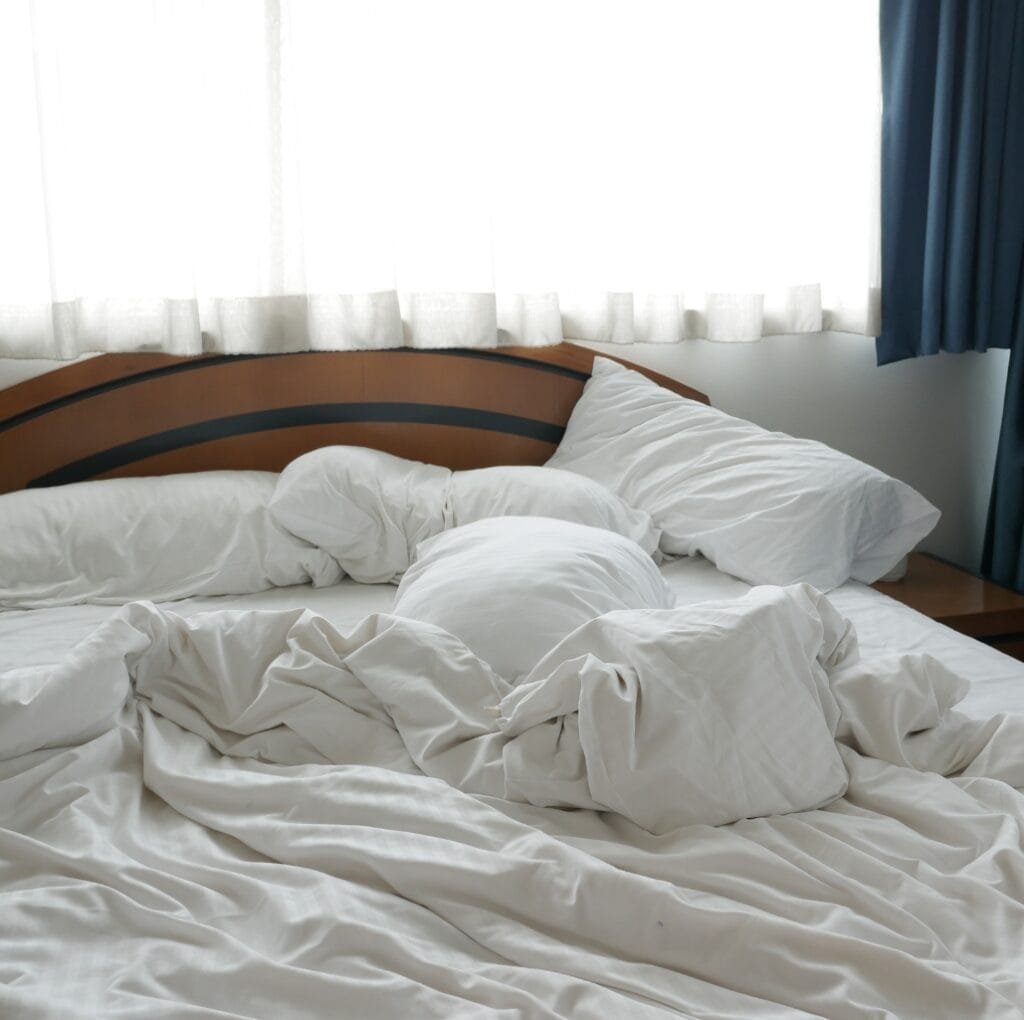
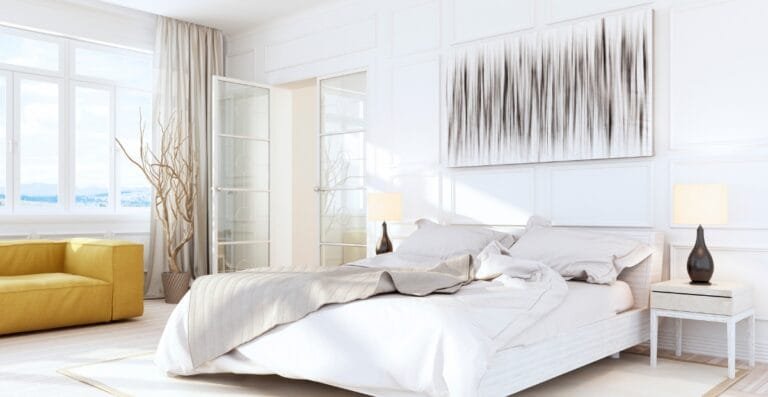
A rumpled, white bed with crumpled sheets and pillows on a wooden headboard in a sunlit room.
The cozy, lived-in look of a bed dressed in crisp linen sheeting.

The Making Process of Sheeting Linen Fabric

The linen Sheeting Fabric Making Process starts from flax farming, where agriculturalists need to take care of the flax stalks. A crucial step is retting, where soaking flax stalks separated by natural processes is crucial. This step of natural soaking is important because of the amount of natural nourishment it provides to the Sheeting Linen Fabrics.

The next step involves combing the yarn, creating the Sheeting Linen Fabrics. The linen Sheeting Fabrics often employs either plain linen fabrics or dense weaving patterns, which results in it being smoother. Unlike many contemporary textiles, the production of Linen Fabric is more eco-friendly because of the lack of chemicals it undergoes.

Benefits of Using Sheeting Linen Fabric

The Sheeting Linen Fabric is sought after because of its amazing and astonishing benefits. First of all, it is more pleasant for the skin adding to the comfort it provides. Second, it offers the better moisture-wicking the linen Blend offers.

In addition, Sheeting Linen Fabrics is suitable for allergy sufferers and gentle on sensitive skin. Additionally, it leads to a cleaner sleeping environment because it wards off germs and dust. Lastly, Sheeting Linen Fabrics is timeless and age-less, being fashionable for all ages because of its natural wrinkles and elegant drape. Altogether, these attributes demonstrate that Sheeting Linen Fabrics is the most fabrics versatile option.

Sheeting Linen Fabric in Home Décor

Fabrics are the basis of every design, and Sheeting Linen is in the focus of home décor. Often, designers opt with Sheeting Linen Fabric for the cutains, upholstery and table covers. The fabric is breathable in its nature and drapes with an elevation that is comfortable.

As for the bedrooms, the fabric turns the space into relaxing havens. The timeless nature of Sheeting Linen Fabrics allows it to seamlessly blend with rustic, minimalist, or modern design elements. Also, interior decorators regard Sheeting Linen Fabrics as the best blend of luxury and utility, which is why it is still in fashion.
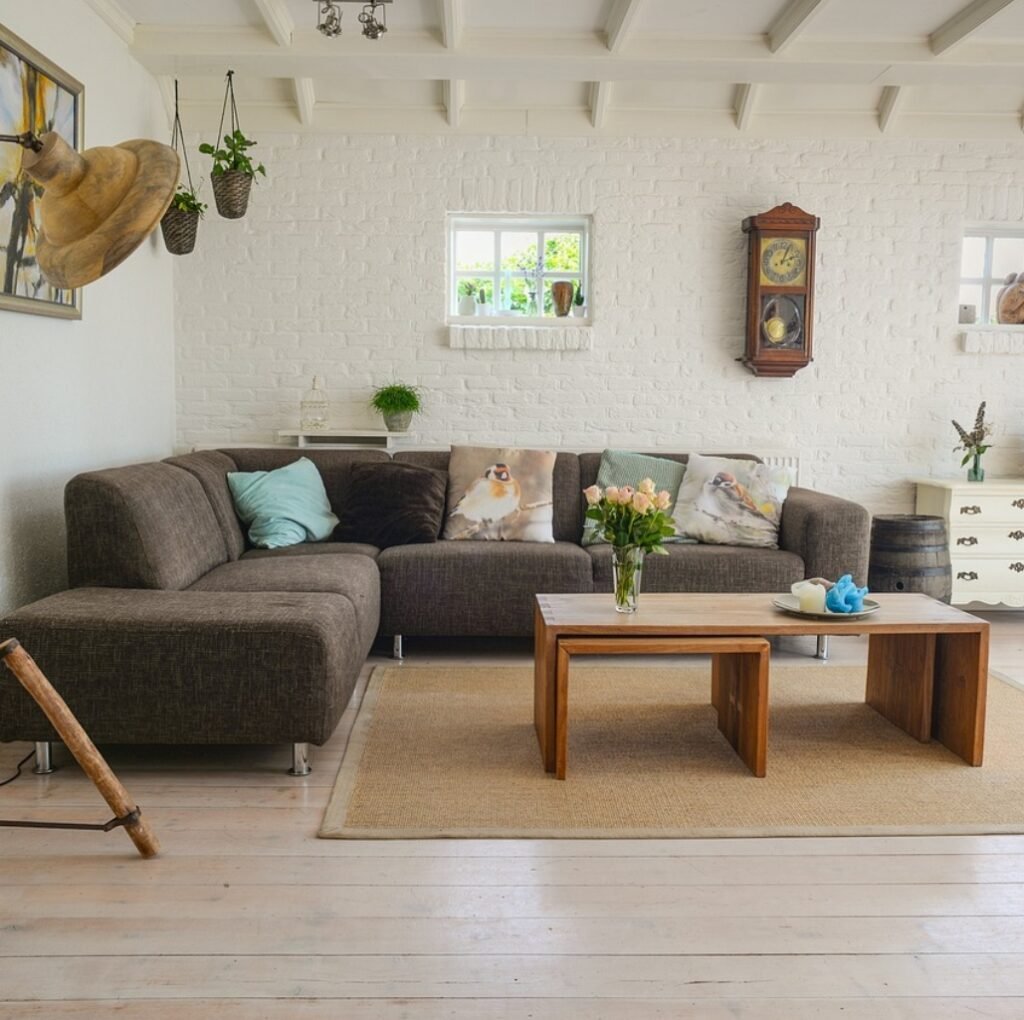
A bright, cozy living room with a large dark brown sectional sofa, a light wooden coffee table, and a natural fiber rug. White brick walls, small windows, and a vintage wall clock add charm. Green plants and soft pastel pillows complete the décor.
Soft, airy home decor: linen sheeting textures and natural tones bring calm to a bright living room.

Sheeting Linen Fabric for Bedding

Sheeting Linen Fabric shines the most in the bedding section. Linen sheets are a timeless staple as a symbol of comfort, and luxurious. With the Linen sheets being breathable, Sheeting Linen Fabrics naturally regulates body temperatures. As a result, it enables restful sleep in both summer and winter seasons.

Additionally, Sheeting Linen Fabrics is resistant to pilling, becoming softer with each wash. Sheeting Linen Fabrics pilling resists Unlike cotton, which weakens with time, Sheeting Linen Fabrics improves with age. Thus, investing in linen sheets is both embracing sustainable comfort and quality. That is exactly why Sheeting Linen Fabrics is the most preferred fabrics in the premium bedding market.
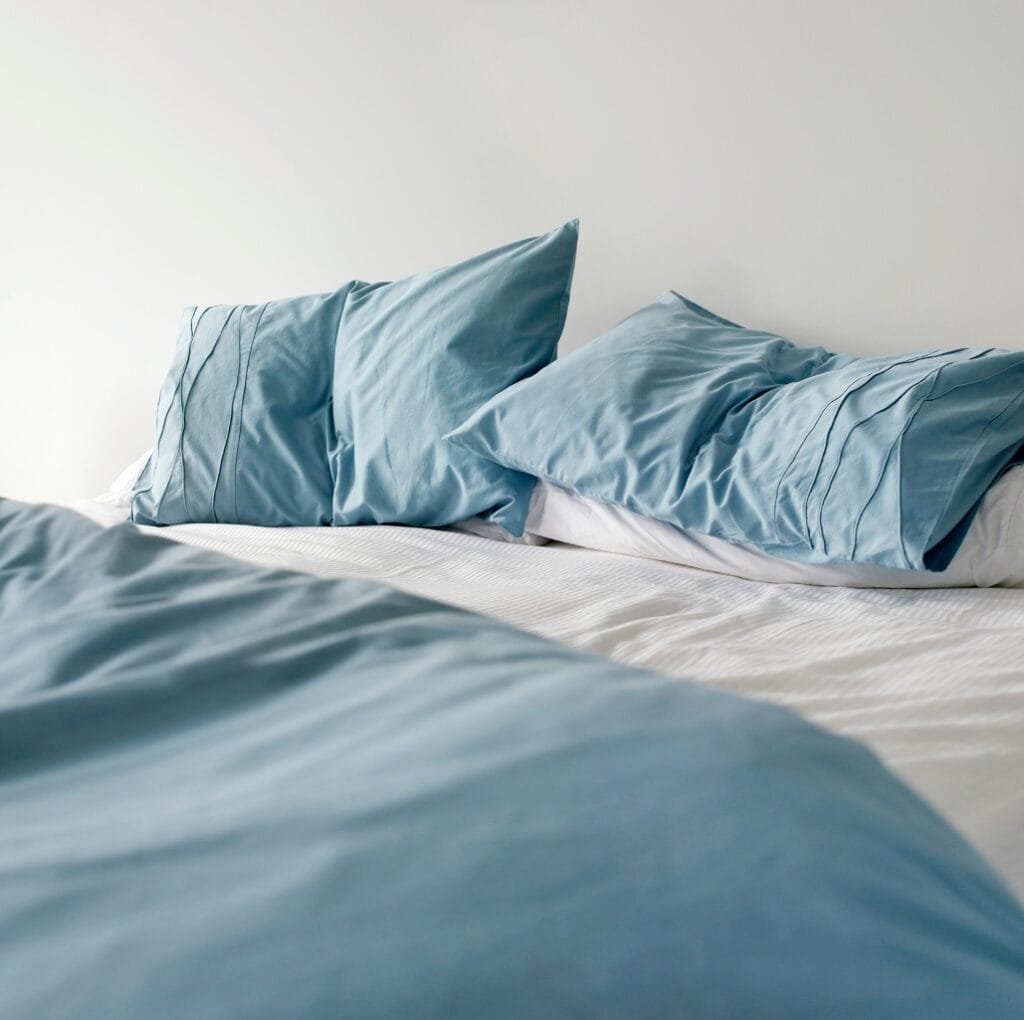
A neatly made bed with soft blue linen sheets and matching blue pillowcases. The sheets have a light, airy texture and gentle folds, set against a plain white wall.
Calm blue linen bedding for a restful, airy bedroom vibe.

Fashion Applications of Sheeting Linen Fabric

Fashion designers are now looking to Sheeting Linen Fabric to aid them in sustainable clothing line. Summer dresses, tunics, and shirts are best with Sheeting Linen Fabrics as it is breathable. It caress the body, absorbs perspiration, and cools the body.

Eco-friendly fashion brands have always incorporated Sheeting Linen Fabrics in their works. Unlike fast fashion, Sheeting Linen Fabrics is a more elegant and long lasting choice. Fashion conscious consumers find garments made from Sheeting Linen Fabrics appealing due to its sustainable and stylish outlook. This trend proves that Sheeting Linen Fabrics is not only reserved for home décor but can also redefine fashion.

Why Sheeting Linen Fabric Is Sustainable

Sheeting Linen Fabric has to be one of the most sustainable fabrics one can get. The linen source, the flax plants, does not require a lot of water to grow. Flax does not require a lot of pesticides to grow as does cotton. Flax plants are also very useful in the sense that none of its parts goes to waste.

Sheeting Linen Fabrics breaks down naturally, which makes it biodegradable. Unlike synthetic fabrics which need to be replaced often, Sheeting Linen Fabrics lasts longer, reducing waste. Sheeting Linen Fabrics allows one to embrace an eco-conscious lifestyle while enjoying comfort and style.

Sheeting Linen Fabric Care Routines

Rewarding and simple Sheeting Linen Fabrics care begins with washing it in cool to lukewarm water with a mild detergent. Avoiding bleach is a must, as it weakens the fabric’s fibers. Low tumble drying is acceptable, but line drying is best.

Natural wrinkles make Sheeting Linen Fabrics more charming, so optional ironing is fine. Sheeting Linen Fabrics becomes a pleasure to wear over the years, lasting decades and softening with age. Following the described care routines ensures you can enjoy Sheeting Linen Fabrics for many years.

Sheeting Linen Fabric Main Producers

France, Germany, and Belgium are renowned for their high quality Sheeting Linen Fabric. Their age old traditions and skilled artisans make the finest linens in the world, which sets them apart as the best Śheeting Linen Fabrics manufacturers.

At the same time, China and India have the most affordable options for the Sheeting Linen Fabrics, putting them at the top of the supply chain. This is quite advantageous since it broadens the market for damask linen. While the luxury market favors Europe, the rest of the world depends on Asian markets. Both of these regions come together to make the Sheeting Linen Fabrics accessible to the world.

Comparing Sheeting Linen Fabric with Other Fabrics

When Sheeting Linen Fabric is compared with the ever so popular cotton, polyester, or silk, it becomes evident that the fabrics is indeed superior. While cotton is less expensive, it has a shorter lifespan and wears out quite quickly. Silk may feel expensive and luxurious, but comes with the downside of requiring delicate care. While polyester is strong, it is quite suffocating when it comes to breathability.

In comparison to these fabrics, linen is the best as it maintains the balance for comfort, strength and sustainability. It is effortless to take care of, keeps you cool, and eco-friendly. This is why Linen Fabric is the best option for the home and for one’s personal wardrobe.

The Timeless Appeal of Sheeting Linen Fabric

While the world is ever so changing with new trends, one thing that is a constant is the Sheeting Linen Fabric and its charm. It has been a symbol of infallible elegance and durability since the ancient Egyptians. From modern interiors to ancient ones, the fabric has made its statement. Its effortless style comes from the natural wrinkles and the soft texture it possesses.

Selecting Sheeting Linen Fabrics means you are buying into a timeless fabrics which promotes sustainable living. Beyond a mere fabric, Sheeting Linen Fabrics epitomizes a responsible lifestyle. Its timeless charm ensures it will be appreciated for many years to come.

Conclusion

This fabric is a perfect blend of practicality and eco-awareness. Its origin denotes luxury, while its attributes justify its use in modern times. To pick Sheeting Linen Fabric is to make a choice that blends comfort, style and eco responsible living. From clothing to high-quality bedding, Sheeting Linen Fabric epitomizes sustainable living. It is a hardy fabric that is softening with use and easily integrates into every lifestyle. Sheeting Linen Fabric proudly stands as the fabric of the future.

FAQs

What is Sheeting Linen Fabric best used for?

Sheeting Linen Fabric is best used for high-quality bedding, curtains, tablecloths, as well as fashion apparel.

Does Sheeting Linen Fabric wrinkle easily?

Yes, Sheeting Linen Fabric wrinkles easily, but its natural wrinkles add to its charm.

Is Sheeting Linen Fabric sustainable?

Absolutely, Sheeting Linen Fabric is sustainable as it is biodegradable, uses fewer resources and lessens textile waste.
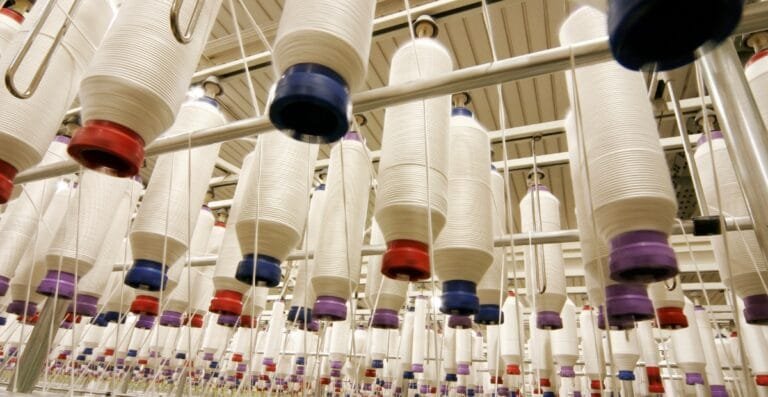
Process of Spinning Polyester: Turning Threads into Textiles

The entire journey of spinning polyester from raw materials to fabric is polyester’s very own interesting adventure. It begins with polyester being a synthetic fiber that is a by-product of petroleum. It goes through a melting and shaping stage and is turned into fine threads. These threads must be smooth and strong, and they must be able to be spun. The objective is to convert these threads into yarns that can be woven or knitted into textiles. Each stage requires science, technology, and skill to acquire fabrics that we use in our daily lives.

From Raw Material to Fiber Creation

The spinning process begins with the fibers. These fibers must be newly spun, as polyester can be produced through a series of chemical reactions that can create molten polymer. The molten polymer must then be pushed through tiny holes to create long filaments. These filaments, once cooled, must be cut or stretched to improve flexibility and strength. This stage of spinning polyester is very important as it determines the end product’s quality.

As with any product, the fibers must also go through a cleaning stage. This stage must eliminate any unwelcomed particles. During the yarn production, the attention to detail will ensure a smooth finish, and a long lasting fabric.

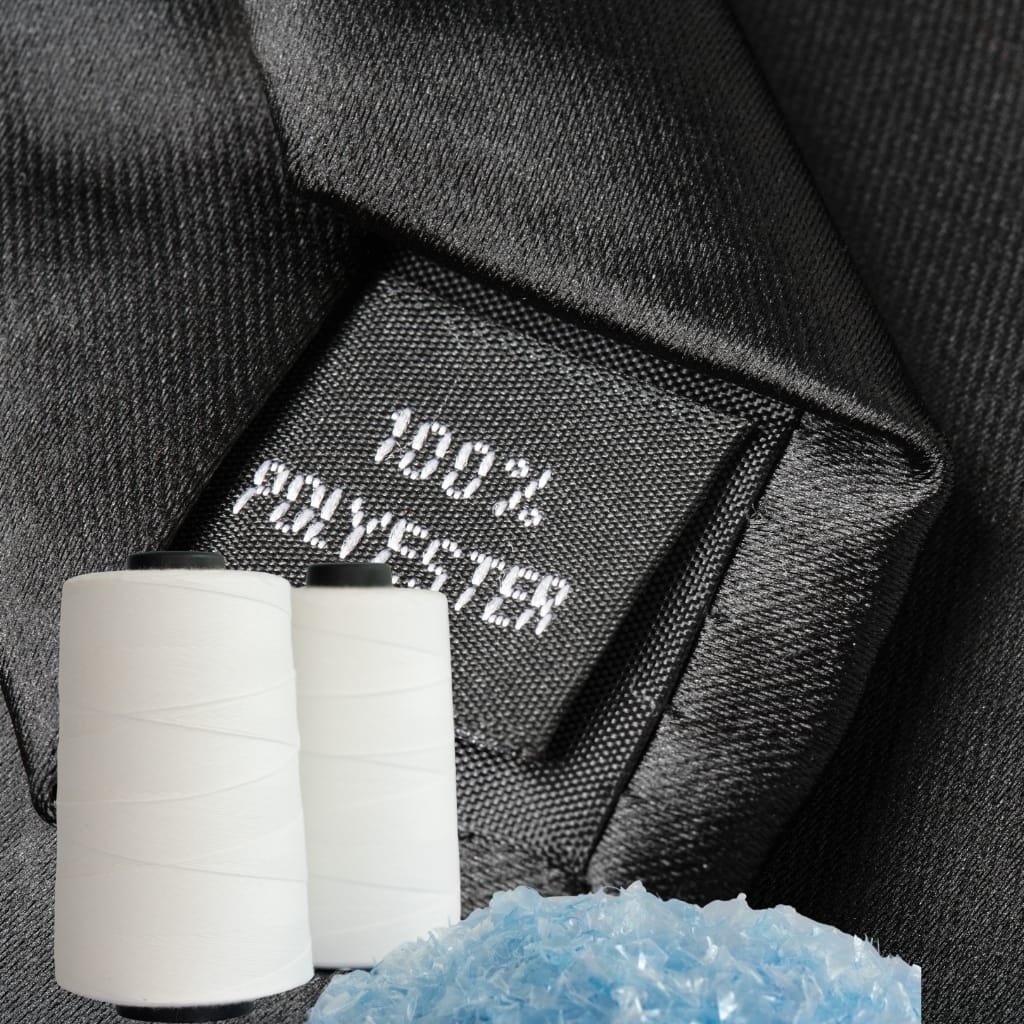
A close-up view of a black fabric label inside a garment showing “100% POLYESTER.” In the foreground are two white spools of thread and blue plastic pellets, symbolizing raw materials, with a dark textured fabric backdrop. "Process of Spinning Polyester"
From Raw Material to Fiber: Creation of Polyester

Preparing the Fibers for Spinning

An important step in the spinning process of polyester is preparing the fibers. To begin with, fibers undergo combing or carding to make them smoother and more orderly. In carding, the fibers are separated, while combing removes the shorter pieces. As a result, the fibers become more uniform and can be twisted into yarn more easily.

At this point, different fibers can be blended if needed. For instance, it may be beneficial to combine polyester with cotton to make fabrics that are strong yet comfortable. Proper preparation of polyester improves the quality of the yarn and ensures it is ready for the next step.

The Spinning Stage

In spinning polyester, the stage of spinning refers to the stage in which the fibers are changed into yarn. First, the prepared fibers are drawn out into long and thin strands. Next, these strands must be twisted to ensure they have strength. In fact, the tighter the twist, the more strength the yarn will have.Additionally, tighter twist will enhance the smoothness of the fabric.Now, this stage can be done much faster and accurately because of modern machines. They can spin large amounts of polyester yarn quickly. This enables textile manufacturers to produce consistent and high quality materials for different textile applications.

Winding and Finishing the Yarn

The next step for spinning polyester is called winding, where the yarn is further organized into large spools or cones. This step ensures that the yarn is neat for the next processes like weaving or knitting. Additionally, any imperfections like faults or knots are fixed, guaranteeing that the yarn will run smoothly during subsequent production steps.

Improving a yarn’s characteristics and adding special functionalities are, for instance, examples of finishing. Furthermore, softness or anti-wrinkle resistance are two treatments that can be added. Ultimately, these enhancements will improve the polyester fabric’s quality and make it suitable for the textile industry.

From Yarn to Fabric

The final step in spining polyester is the fabrication of yarn into a fabric. The yarn can be woven or knitted which results in different textures and patterns. Woven polyester fabrics are stiffer and more durable, while knitted fabrics are softer and more stretchy. The choice is dependent on the end product, be it clothing, upholstery or sportswear.

After knitting or weaving, next dyeing or printing can be done. This stage is a finishing step that gives polyester fabrics the intended aesthetics. Moreover, with a thoughtful design and well-planned finishing processes, polyester can be made to look and feel luxurious.

Why Spinning Polyester is Important

The task of spinning polyester is critical since it determines the quality of the final fabric. Effective spinning will produce yarns which are strong, smooth, and versatile. Clothing, home textiles, and even industrial fabrics showcase polyester’s remarkable versatility. It is also popular due to the low likelihood of shrinking or wrinkling.

Control of polyester’s texture, appearance, and strength attributes is critical for meeting the expectations of the designers and consumers. Thus, understanding how polyester is spun provides manufacturers a critical decision-making lever.

Final Thoughts

The various stages such as the creation of fibers and the weaving of the fabric, convert the material from liquid polymer to fine fabric. They are all critical. Through modern technology, the careful spinning of the polyester yarn to ensure it is strong and versatile, has become quick and efficient. The versatile style and enduring durability of polyester fabrics continue to make them a popular choice.

FAQs

What is the process of spining polyester?

It is the method of turning polyester fibers into yarn and then into fabric.

Why is spinning polyester important?

It creates strong and smooth yarns that make durable fabrics.

Can polyester be blended with other fibers?

Yes, it can be blended with fibers like cotton for added comfort.

Plain Weave Linen Fabric: The Ultimate Guide to Style & Comfort

0

The linen fabrics have long remained in fashion owing to its plain beauty and utility. Its style and comfort make it different and strong at the same time. The fabric is well reputed for being breathable which is helpful in hot climatic conditions. On the other hand, Plain Weave Linen Fabric brings beauty to the home and fashion. It also continues to gain the attention of designers and customers owing to its ageless beauty. With its natural texture, it enhances any outfit, and interior space, and adds charm to plain things.

A Brief History of Plain Weave Linen Fabric

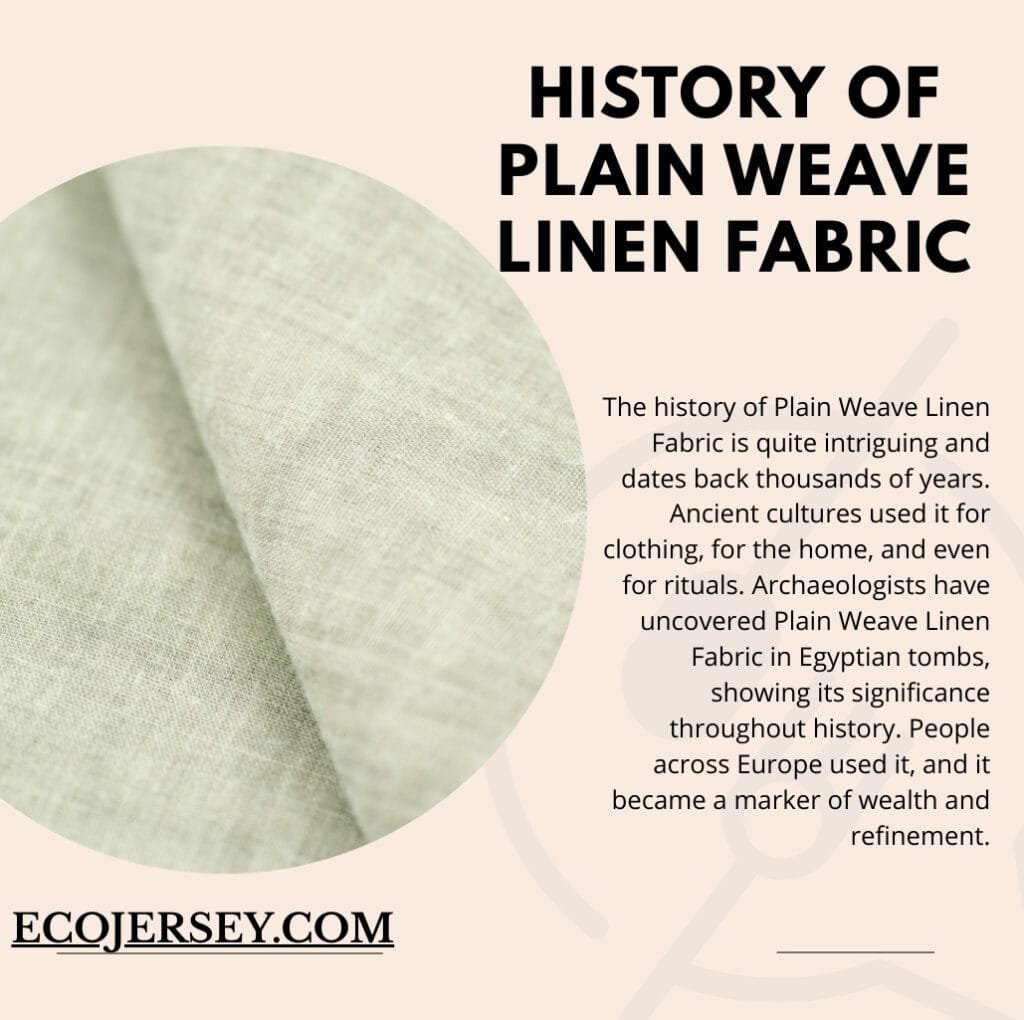
The history of Plain Weave Linen Fabric is quite intriguing and dates back thousands of years. Ancient cultures used it for clothing, for the home, and even for rituals. Archaeologists have uncovered Plain Weave Linen Fabrics in Egyptian tombs, showing its significance throughout history. People across Europe used it, and it became a marker of wealth and refinement. Nobility and artisans valued this fabric for its strength and smooth finish. Over the years, people favored Plain Weave Linen Fabrics and continued to use it even when new textiles became available. Read more: History of Linen fabric

"Graphic about the history of plain weave linen fabric featuring a close-up view of linen and bold black title text on a pale pink background."
History of Plain Weave Linen Fabric: From ancient uses in clothing, homes, and rituals to its role as a symbol of wealth and refinement across Europe.

What Makes Plain Weave Linen Fabric Unique

The distinctive feature of Plain Weave Linen Fabric is the basic crisscross patterns of its weaving, which result in a smooth and strong surface. The balance within the fabric makes it resistant to damage. It is a cool and comfortable fabric to wear because it breathes, unlike synthetic materials. Even with its air permeability, Plain Weave Linen Fabrics retains its natural crispness while being worn. The irregularities from natural flax fibers enhance the fabric. Because of these features, you can use it in both casual and elegant styles. Read more: What is Linen Fabric

Production Process of Plain Weave Linen Weave Fabric

The first step in creating Plain Weave Linen Fabric is collecting flax plants at the appropriate time. The stalks undergo retting, which assists in the separation of the fibers from the woody portions of the plant. After this step, the retted fibers are spun into fine threads which are strong. These threads undergo weaving using the plain weaving technique which results in a breathable and strong fabric. This method of plain weaving results in a fabric, which is smooth, durable, and of high quality.

Reasons Why Plain Weave Linen Fabric is Favored in Fashion

Designers and consumers value and love this fabric in the fashion world, as it drapes easily and feels comfortable next to the skin. It serves as the ideal fabric for summer dresses, shorts, shirts, and trousers because it is lightweight and easy to wear. Manufacturers make the fabric in a variety of vibrant colors because it readily accepts dye, making it easily accessible. Plain Weave Linen Fabric also develops elegant aged characteristics, gaining a soft, well-worn appearance over time. This naturally aged and soft look has made Plain Weave Linen Fabrics a favorite for fashion enthusiasts who appreciate its great durability. The fabric’s natural sheen, combined with its soft texture, adds elegance to any outfit and makes it perfect for both formal and casual wear.

Plain Weave Linen Fabric for Casual Outfits

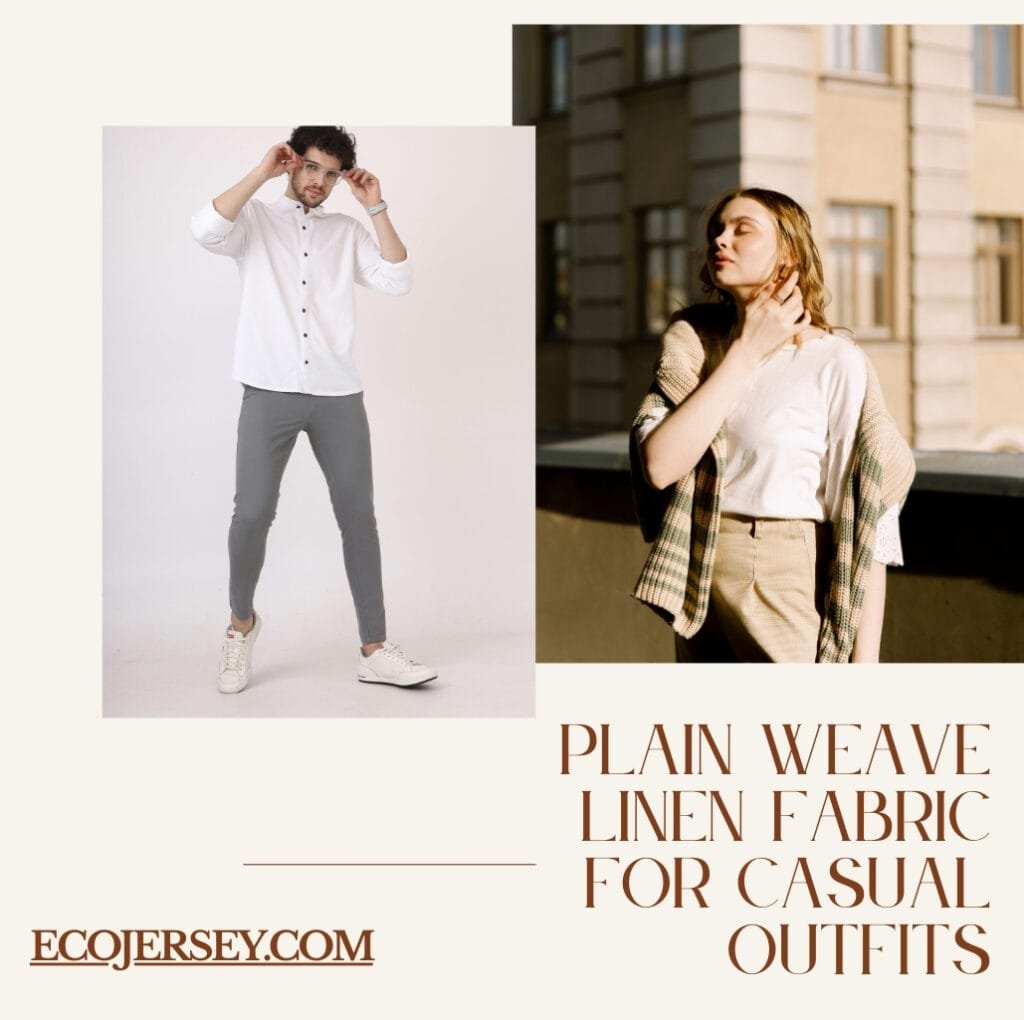
The fabrics linen is plain weave which is suitable for everyday and casual clothes. It is suitable for lightweight summer skirts and loose fitting shirts and trousers. During long summer days, plain weave linen is comfortable to wear because of its breathability. In addition, it combines well with denim and cotton making it easy to style. Furthermore, its textured surface elevates simple designs which is stylish. The plain weave linen fabrics use for apparel proves useful for many designs is the reason that it is globally fashionable and remains in trend.

A collage-style advertisement featuring a man in a white button-down shirt and gray pants on the left, and a woman wearing a white top with a plaid shawl on the right, against a light beige background. Bold text in the lower-right corner reads “Plain Weave Linen Fabric for Casual Outfits” with the website Ecojersey.com at the bottom-left.
Plain weave linen fabric for casual outfits. Comfortable, breathable, and effortlessly stylish for everyday wear. Shop at ecodesign or Ecojersey.com.

Plain Weave Linen Fabric in Formal Wear

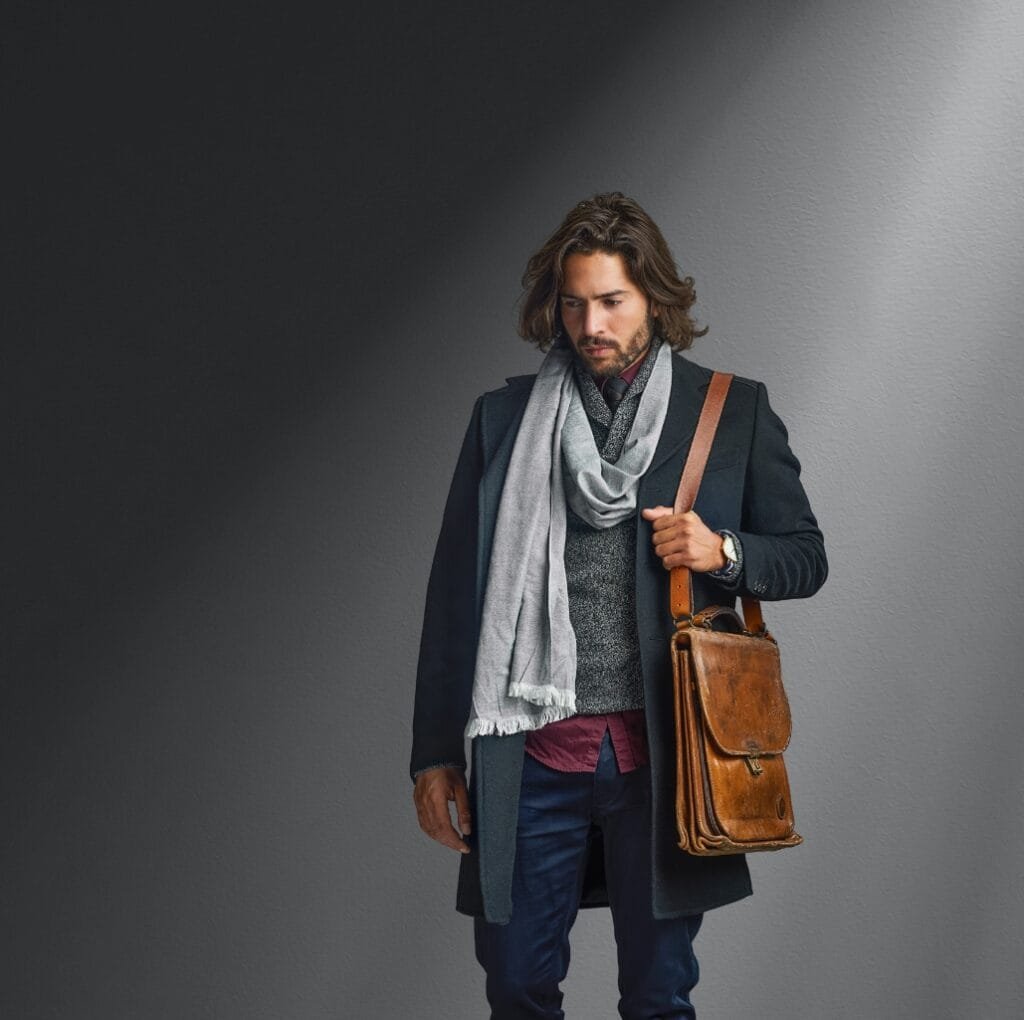
Styled well, linen fabric plain weave can also look sophisticated and polished to formal functions. Comfortable and classy, tailored skirts, linen dress, and plain linen suits are eased to formal wear. While casual, the weave gives a crisp finish with a light natural sheen that looks polished, but is with out the stiffness. Popular for outdoor and summer events, plain weave linen is a timeless dress fabrics, often seen decorating summer weddings. It is effortless to style with leather belts and silk scarves which work well for the dress. The plain weave linen dress fabrics combines style with comfort effortlessly.

A stylish man stands against a neutral gray backdrop wearing a formal coat and scarf, carrying a brown leather satchel over his shoulder.
Plain Weave Linen Fabric in Formal Wear: effortless, refined texture for smart, lightweight elegance.

Home Décor Uses for Plain Weave Linen Fabric

Plain Weave Linen Fabrics is remarkable for its use in home decor as it adds both warmth and elegance to interiors. This fabric is often utilized for curtains, cushion covers, and table linens. Plain Weave Linen breathes, making it suitable for bedding in the hot summer months, as it aids in sleeping cool. Its long-term beauty is enhanced by its natural fibers, which resist pilling. Linen’s ability to absorb and release moisture aids in preventing discomfort. Home furnishings gradually becoming softer over time adds to the charm of the home.

A sunlit sunroom with large wooden-framed windows showing a bright blue sky and ocean. A light gray woven fabric sofa with orange and white pillows sits on a colorful striped rug. A natural wood stump side table, potted plants, and a dark green trunk decorate the space.
Coastal-inspired living: plain weave linen fabric used in a cozy sunroom setting with a gray sofa, warm wood framing, and bright accent textiles.

Benefits of Choosing Plain Weave Linen Fabric

Minimal loss of shape and quality with repeated washing is one of the major advantages of Plain Weave Linen Weave Fabrics. Its remarkable strength is due to its durability and resistance to washing. Due to its naturally hypoallergenic properties, it is also gentle on sensitive skin. This fabric also resists static and lint, easing maintenance. In addition to these, Plain Weave Linen Weave Fabrics has a distinct texture which adds to its comfort with time. Its utility and elegance allow for use in multiple settings. This remarkable blend of beauty and functionality is what sustains its popularity.

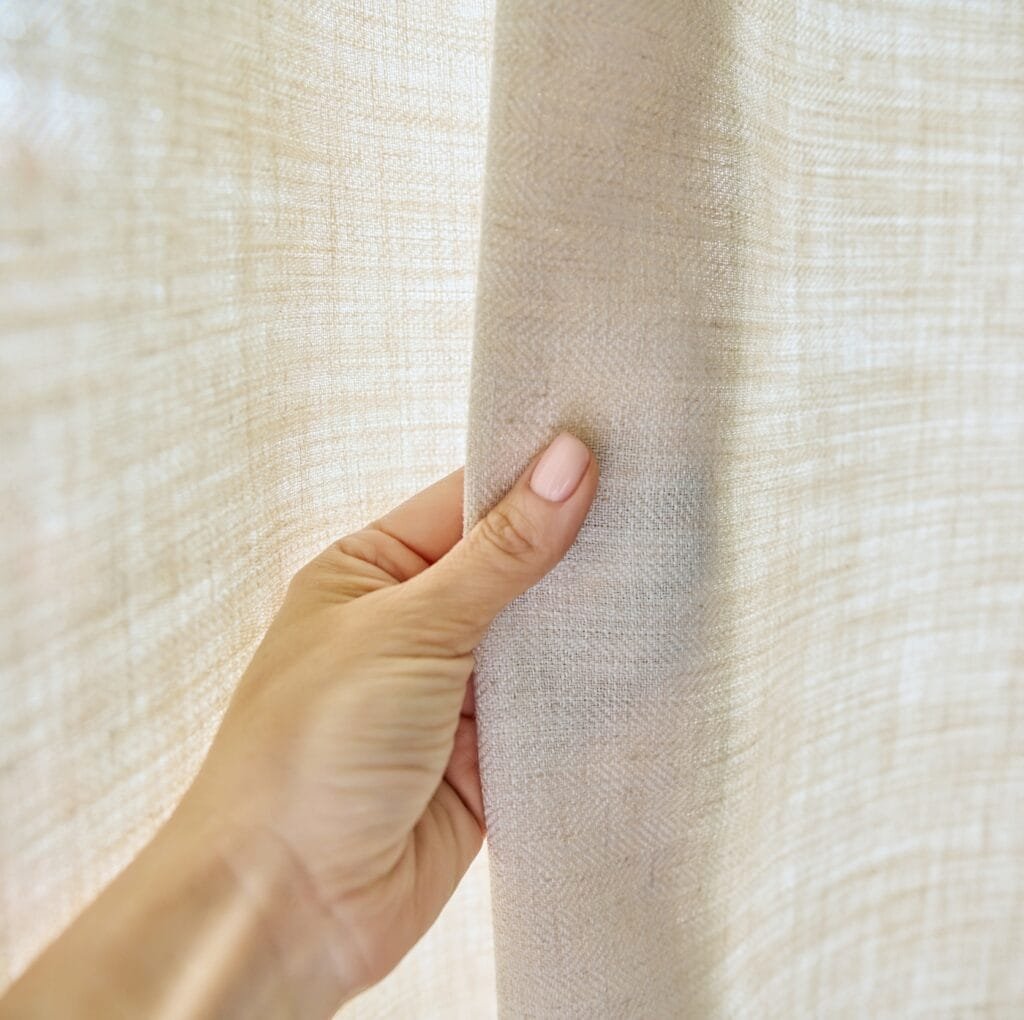
Close-up of a hand holding a light beige linen curtain, showing the plain weave texture.
“Effortless elegance: plain weave linen fabric with a soft, natural texture.”

Caring for Plain Weave Linen Fabric

Caring for Plain Weave Linen Fabric is easy as long as you follow some basic guidelines. It is best to wash this fabric in a cool cycle. Don’t use harsh detergents, as they may weaken the threads over time. Plain Weave Linen Fabrics dries quickly, so it is best to line dry it. If you iron it lightly while damp, it will help keep its smooth shape. With regular care, this fabric retains its natural charm and strength for many years.

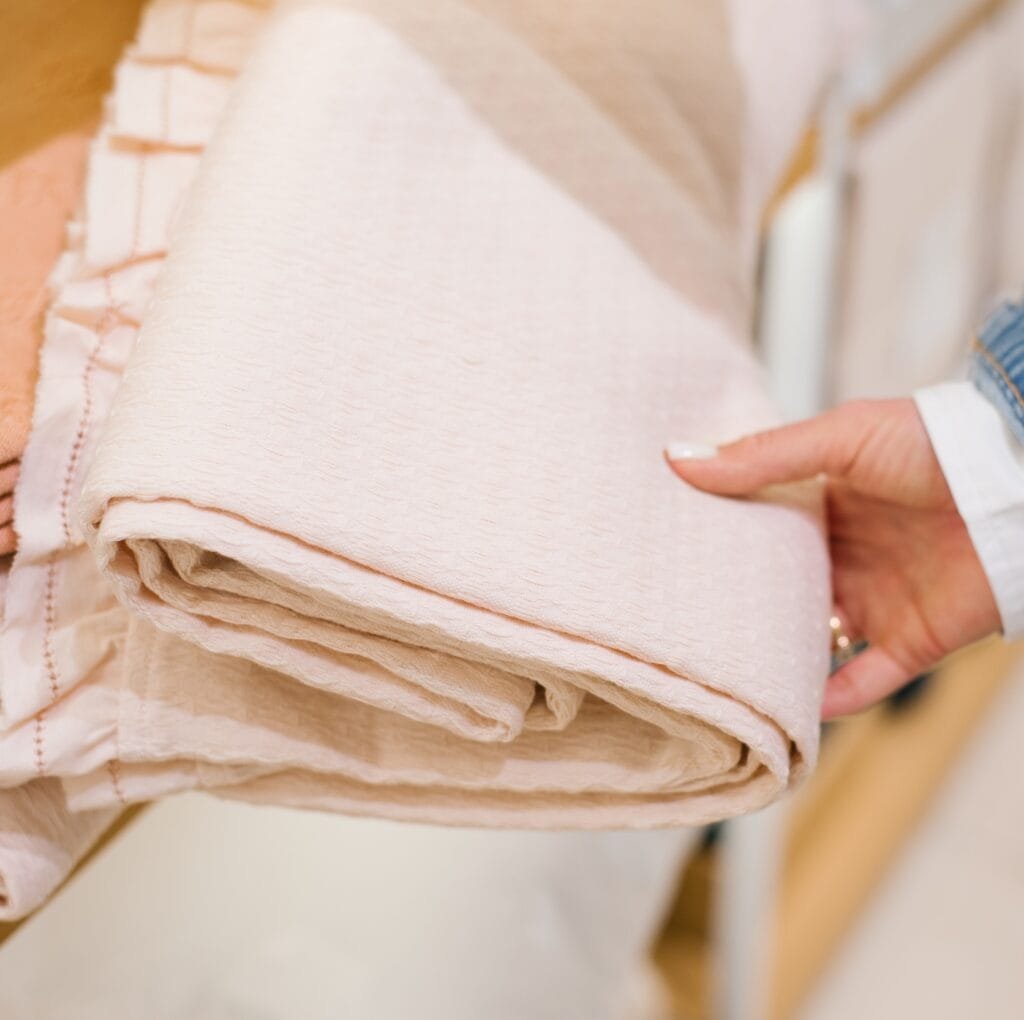
A close-up of a person folding a soft, pale pink linen plain weave fabric. The fabric has a slightly textured surface and a delicate edge with simple stitching; the person's hand is holding the folded edge.
Caring for Plain-Weave Linen Fabric: gentle handling, correct washing, and proper drying to maintain softness and weave.

Through ongoing research on colors and patterns, designers are finding new ways to use Plain Weave Linen Fabric. Soft pastels, earthy neutrals, and deep jewel-tone colors are favorites. Because the fabric is good at holding prints, it can be decorated with florals, geometric, or abstract designs. Even solid colors look good on Plain Weave Linen Fabrics because of its rich texture. Seasonal trends often bring fresh shades, so the fabric can be used in fashion and décor. This flexible range of options means it can cater to many preferences.

Sustainability of Plain Weave Linen Fabric

Plain Weave Linen Fabric is one of the eco-friendliest textiles today. Flax plants use very little water and pesticides, which is less damaging to the environment. Manufacturers minimize waste by utilizing every part of the plant. Plain Weave Linen Fabrics also biodegrades naturally, so it produces no toxic waste after disposal. Its long-lasting nature reduces the need for replacements, which promotes sustainable consumption. These factors make it a great option for eco-friendly buyers. It provides beauty while safeguarding nature’s bounties.

International Suppliers of Plain Weave Linen Fabric

Some countries are famous for producing good quality Plain Weave Linen Fabrics, for example, Belgium, France, and Ireland are famous for fine linen weaving. China is also a big supplier now and offers traditional and modern styles. Every region has its own unique methods; hence, the Plain Weave Linen Fabrics differ in finish and texture. European varieties are often treasured for smoothness and elegance, while Asian producers are more focused on price and variety. Such a network makes the fabric available to the customers conveniently.

Conclusion

Undoubtedly, Plain Weave Linen Fabric stands out as one of its kind for comfort, style, and robust longevity. It possesses beauty that works well for wearing purposes as well as interior decors. It will always remains attractive because of its combination of tradition and modern design. The strength of the fabric guarantees that it will last for many years, thus making it a smart and timely investment. Plain Weave Linen Fabrics works effectively for casual clothing, formal wear, and even for interior design purposes while retaining perfection and style. It is no wonder that we have continued to love it, no matter where we are around the globe. Read more: Damask Linen Fabric

FAQs

What is plain weave linen?

Plain weave linen is a fabric made from flax fibers, woven in a simple crisscross pattern for durability and breathability.

Is plain weave linen good for summer?

Yes, plain weave linen is perfect for summer because it’s lightweight, breathable, and keeps you cool in hot weather.

How do you care for plain weave linen?

Hand or machine wash with mild detergent in cold water, then air-dry to maintain its texture and shape.

Cotton Fabric in Home Textiles: Comfort, Style& Timeless Appeal

For generations, cotton fabric has been a staple home textile. It is valued for its soothing texture, strength, and natural beauty. Cotton fabric is made from the fluffy fibers of the cotton plant, and once processed, cotton fabric becomes a comfortable asset and stylish accessory for any home. It enhances the beauty of a living room or bedroom, and brings warmth and sophistication to the space.

Comfort is the key factor that makes cotton fabric home textiles favorite. It is gentle to touch and is appropriate for any weather. Cotton promotes breathability, allowing air to circulate, and keeping rooms cool during summer. It adds a cozy layer during the cooler months, but is light so it does not weigh the space down.

In any season, calico cotton expands the scope of cozy textiles. It has a classic timeless look. Its natural texture and warm tones is a perfect addition to a home, making it inviting and a great addition to a room. It works well in curtains, cushions, and bedsheets.

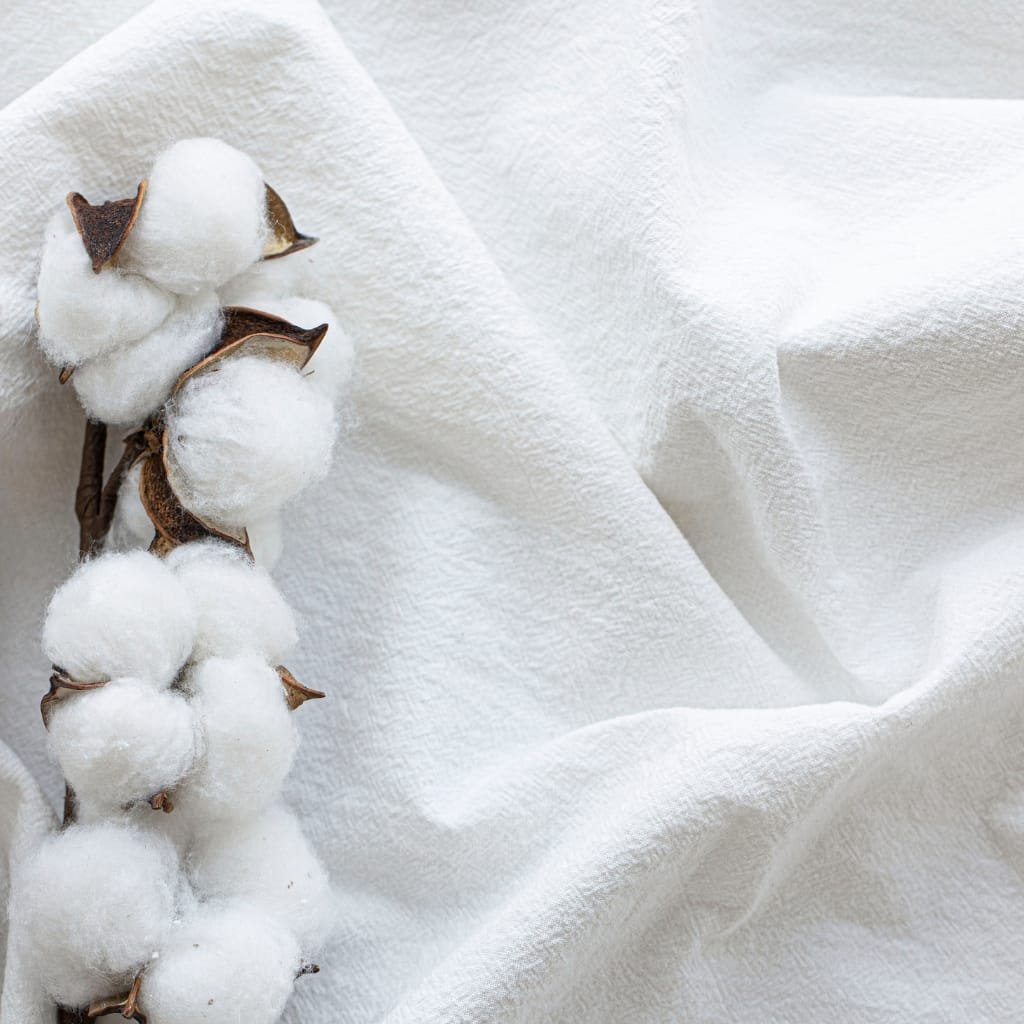
A close-up of a cotton branch with fluffy white cotton bolls resting on a textured white fabric.
Cotton is Popular in Home Decor

Benefits That Make Cotton Stand Out

The timeless beauty and comfort of cotton is enhanced by its durability. A large number of people prefer cotton fabric in home textiles because thread count dollies blankets cotton made from good quality materials can survive frequent washes without losing their shape or soft texture. This is beneficial for home supplies like tablecloth and pillowcase, allowing them to look clean for years to come.

Being gentle to the skin makes cotton a safe option for bedding. It absorbs moisture, which is helpful even during warm nights. Its natural fibers help it stay fresh for a while, thus reducing the need for frequent cleaning.

Different Types of Cotton Used at Home

Home textiles offer different types of cotton fabric, and each of them serves a different function. For example, cotton percale is a good option for bedsheets as it is smooth and crisp. In contrast, cotton sateen adds elegance because it has a soft sheen, therefore making bedrooms look fancier. Meanwhile, for curtains and upholstery, heavy cotton canvas is a good option since it is strong and durable.

To allow natural light to filter in, cotton voile can be used, as it is light in weight, therefore making airy curtains. Additionally, cushions or furniture covers can be made charming with the denim-style cotton. Overall, with the many options available these days, it is quite easy to find the right cotton type for each home space.

Uses of Cotton Around the House

The soft cotton fabric is suitable for various household textiles. A bedroom can be inviting and calming with soft cotton bedding. Combining plain sheets with patterned pillow covers gives the room a fresh, effortless appeal. Cotton cushions in the living room are comfortable and stylish.

Patterns and solid colors are suitable for cotton tablecloths. They can be used to decorate the dining area. Cotton window curtains blend functionality with beauty. They control light while enhancing the decor. Cotton curtains, with the appropriate colors and textures, can match any interior theme.

Caring for Cotton to Keep It Fresh

Proper care of cotton fabrics used for home textiles prolongs their lifespan. Washing them in cold or warm water is gentle on the fibers and color. Cotton fabric will stay soft if gentle detergent is used to avoid fading. A low heat setting while drying reduces the risk of shrinkage.

Cotton can be ironed to a medium heat to keep it smooth and neat. It is best to keep items in a cool, dry place to avoid moisture damage while storing. Regular care ensures that cotton home textiles will remain beautiful and functional for many years.

Why Cotton Remains a Classic Pick

Home cotton textiles have a classic touch because of ther natural appearance. Cotton remains a favorite because of its textiles. Cotton combines ease of use, sophistication, and comfort. While designers continue to try finding new ways of using cotton, it’s core benefits remain ununchanged.

Cotton easily matches contempory and classic designed. Cotton holds its place whether it be a rustic homestead or a downtown apartment. Its wide range of use guarantees its spot as a household favorite for generations to come.

Final Thoughts

Home cotton textiles are aomfortable and never go out of style. Its enduring strength and gentle touch makes it ideal to be used for beds, curtains, and cushions. With a little care and attention, cotton textiles have the ability to remain attractive and fresh for years. Wearing cotton means comfort, and a good fit for every season, style, and warm.

FAQs

Is cotton fabric in home textiles easy to clean?

Yes, it is easy to wash and stays fresh with proper care.

Does cotton fabric in home textiles suit all seasons?

Yes, cotton keeps you cool in summer and cozy in winter.

How long can cotton fabric in home textiles last?

With the right care, it can last for many years.

Damask Linen Fabric: The Perfect Blend of Luxury and Durability

0

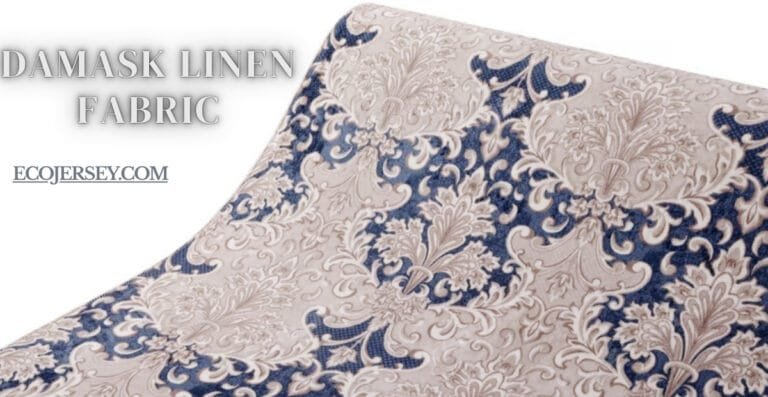
The Damask Linen Fabric is one of the rare textiles that integrates elegance and strength. This fabric is famed for its intricate patterns and smooth finish. Designers, decorators, and households have favored it for centuries. It provides a sophisticated appearance with lasting durability for both everyday use and special occasions. The unique Damask Linen Fabric weaving technique that over 3,000 years old creates beautiful, reversible designs enhances any space and outfit. From royal families to contemporary dwellings, Damask Linen Fabric has carved a niche for itself in luxury. Its history combined with a sophisticated texture makes it a darling for purveyors of quality. Its use in table linens and curtains or as part of a garment speaks to its unmatched charm and its unfailing reliability.

A Brief History of Damask Linen Fabric

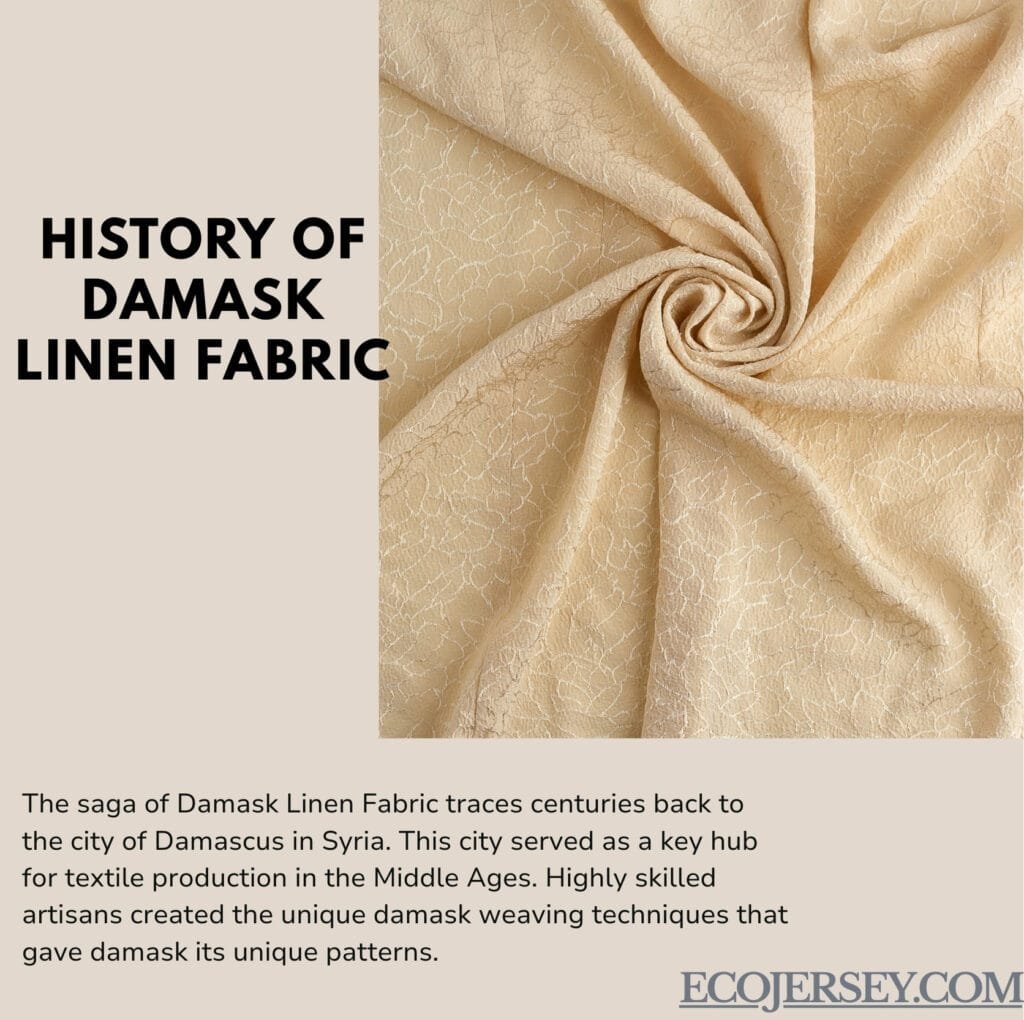
The saga of Damask Linen Fabric traces centuries back to the city of Damascus in Syria. This city served as a key hub for textile production in the Middle Ages. Highly skilled artisans created the unique damask weaving techniques that gave damask its unique patterns. Such patterns, which often featured flowers, leaves, and vines, were derived from nature.

Damask fabric emerged as a status symbol of wealth and sophistication in Europe and Asia. Linen has the strength and breathability, which made it a suitable base material for the damask weave. Accordingly, Damask Linen Fabric emerged with the ease of high quality décor and fashion. Although the timeless fabric’s appeal continues to be ageless, production methods have developed over time. History of linen Fabric

Beige background with a close-up image of damask linen fabric wrapped in a spiral on the right; bold black title on the left reads ‘HISTORY OF DAMASK LINEN FABRIC’; paragraph text at the bottom describes the medieval Damascus origin and craftsmanship.
History of Damask Linen Fabric: A journey from ancient Damascus to the Middle Ages, highlighting skilled artisans and the distinctive damask weaving patterns that define this luxurious fabric.

What Makes Damask Linen Fabric Unique

Damask Linen Fabric’s distinctiveness stems from its pattern integration within the fabric’s weave, differentiating it from other textiles. Rather than utilizing printed motifs, the intricate designs are woven into the fabric. This results in a reversible pattern with some fabrics, while others exude a discreet glow, thus achieving a luxurious appearance.

Linen fibers contribute to the strength, breathability, and moisture-wicking properties of the fabric. Damask Linen Fabrics are not like other synthetic fabrics, as they soften with age. This remarkable fabric offers strucuture and esthetic value, and is excellent for long-lasting use in home furnishings, clothing, and accessories.

The Weaving Process Behind Damask Linen Fabric

Damask Linen Fabric uses a specialized weaving technique called the jacquard weave. Skilled artisans create intricate designs by controlling every warp and weft thread individually. Traditionally, they wove these patterns on handlooms with great patience and expertise. Modern jacquard looms have increased production speed, yet the artistry and heritage of the craft still hold immense value. Designers and makers continue to appreciate the detailed patterns this weaving method produces.

The process initiates with quality flax plant fibers, which are spun into linen yarn. These yarns undergo dyeing or are left natural before weaving. Jacquard looms are capable of weaving intricate floral, geometric, and some classical motifs. The jacquard woven fabrics are, therefore, raised on one side and inverted on the other side beautifully.

What Makes Damask Linen Fabric A Symbol of Luxury?

Several factors contribute to the luxurious status associated with Damask Linen Fabric. The most prominent are the complex the weave, which requires a Damask specialist, and the natural luster of linen which enhances the visual appeal of the intricate woven patterns. Lastly, the use of this textile among royalty, aristocrats, and affluent families has cemented the historical image of this fabric as luxurious.

To this day, Damask Linen Fabrics is a sought after choice for weddings, fine dining, and interior design, even during upscale remodeling. Its adaptable timeless appeal makes certain that Damask linen fabrics is always in vogue.

Durability and Practical Benefits

Damask Linen Fabric’s appeal stems from its beauty and its durability. Linen’s tear-resistant and fray-resistant qualities make its fibers relatively strong. Furthermore, the damask weave enhances its structural strength. As a result, tablecloths, upholstery, and curtains constructed from Damask Linen Fabric have the potential to endure for decades if properly maintained.

In addition, the fabric’s natural antibacterial qualities alongside its resistance to dust and pilling make it a useful option for everyday wear and tear. Moreover, its high absorbency and quick drying capabilities make it ideal for napery and bed linen.

Common Uses of Damask Linen Fabric

Due to the versatility of Damask Linen Fabric, it can be used for:

Transforming your dining table into an eye catching masterpiece is with the Damask Linen Fabric. It raises the mood of formal gatherings due to the intricately woven pattern. Damask Linen Fabrics tablecloth, napkins, and placemats seamlessly blend into the decor for festive dinners, wedding receptions, or even for candle light dinners. Damask Linen Fabrics offers linen’s natural absorbency, allowing you to handle spills quickly and efficiently. It also delivers a luxurious smoothness to the touch. Additionally, Damask Linen Fabrics showcases remarkable strength, holding up well to repeated cleanings. People use it confidently for both everyday family meals and special gatherings, knowing it maintains its beauty and durability over time.

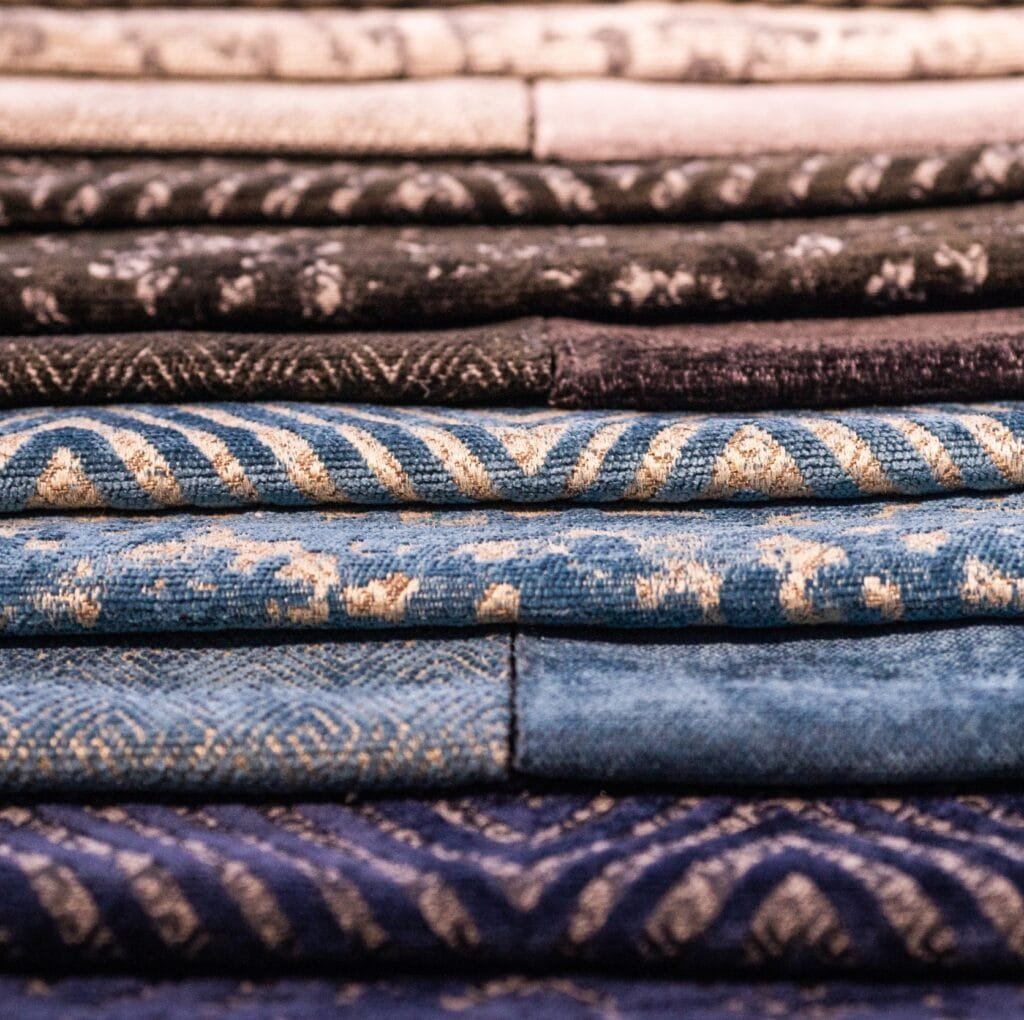
A close-up image of neatly folded damask linen fabrics in various shades of blue and neutral tones, displaying intricate woven patterns and textures.
Folded Damask Linen Fabrics in Soft Blues and Neutrals

Curtains and Drapes: An Enduring Fabric Style with Damask Linen Fabric

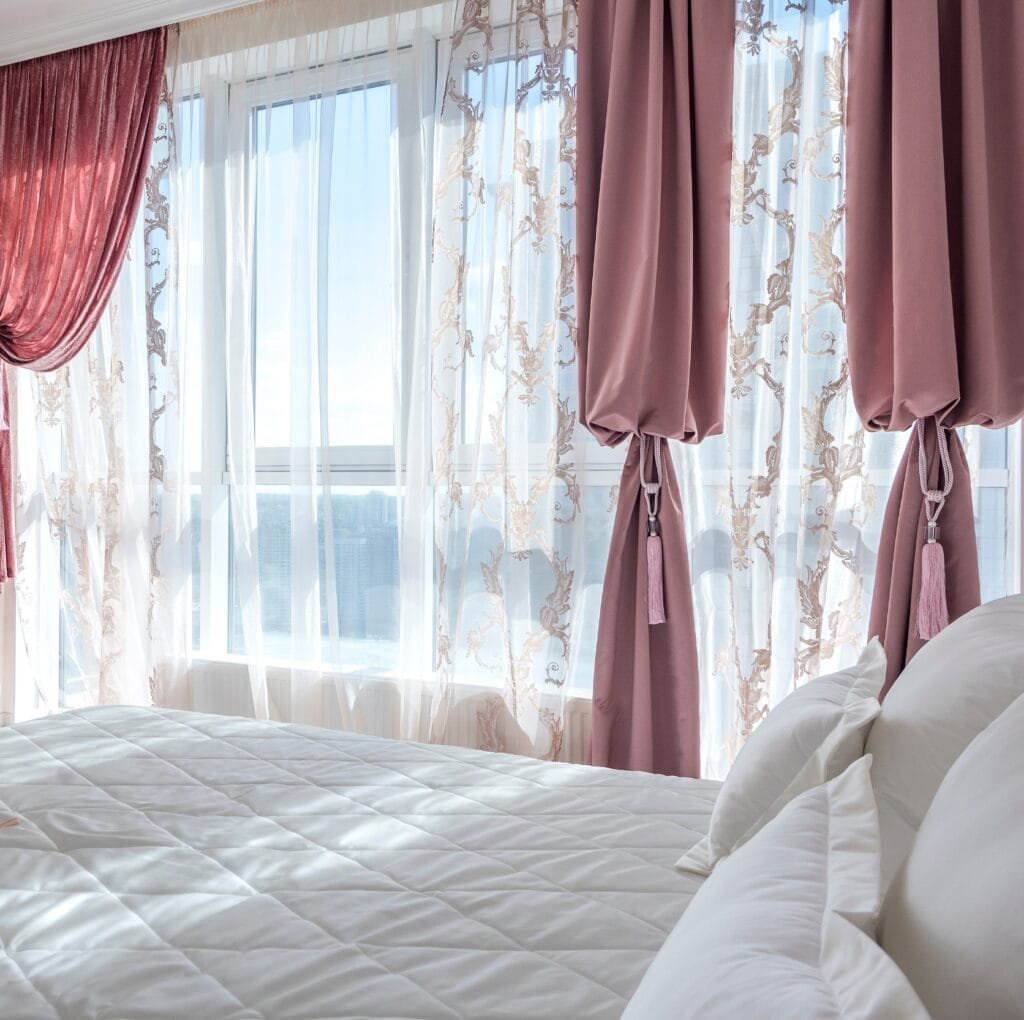
Using curtains and drapes Damask Linen Fabric adds warmth and style to a room’s interior space. Its distinct patterns enable the fabric to capture light beautifully, allowing texture and shadow play throughout the day. Furthermore, the fabric’s natural thickness provides moderate light filtration while offering excellent privacy. Interior designers consider it for both contemporary and traditional houses as it merges seamlessly with different décor styles. Breathability of Damask Linen Fabrics also aids in temperature regulation, keeping the room cooler in summer and warmer in winter. Drapes and curtains made out of Damask Linen Fabrics guarantee style and practicality, making them a treasured investment for many years to come.

A sunlit bedroom featuring large windows dressed with layered drapes and sheer curtains. The outer curtains are dusty rose with tassels, pulled back in places, while ornate sheer panels with damask embroidery filter the light, revealing a view of a cityscape beyond. A neatly made white quilted bed with fluffy pillows sits in the foreground.
Curtains and Drapes: An Enduring Fabric Style with Damask Linen

Upholstery: Sophisticated and Sturdy Damask Linen Fabric

In terms of upholstery, Damask Linen Fabric stands out for its beauty and strength. Because linen fibers are woven, they feature a natural sturdiness that makes them able to withstand damage, even in busy living rooms and lounges. In addition, the woven damask patterns give texture and finesse to chairs, sofas, and headboards, instantly enhancing the furniture’s beauty. Furthermore, fabric upholstery in Damask Linen feels luxurious to the touch and is soft and inviting. Along with these benefits, its breathable quality allows for ideal comfort throughout the year, as it won’t overheat. From family homes to Damask Linen Fabric-bespoke boutique hotels and chic cafés, the upholstery has charm and performance for timeless upholstery.

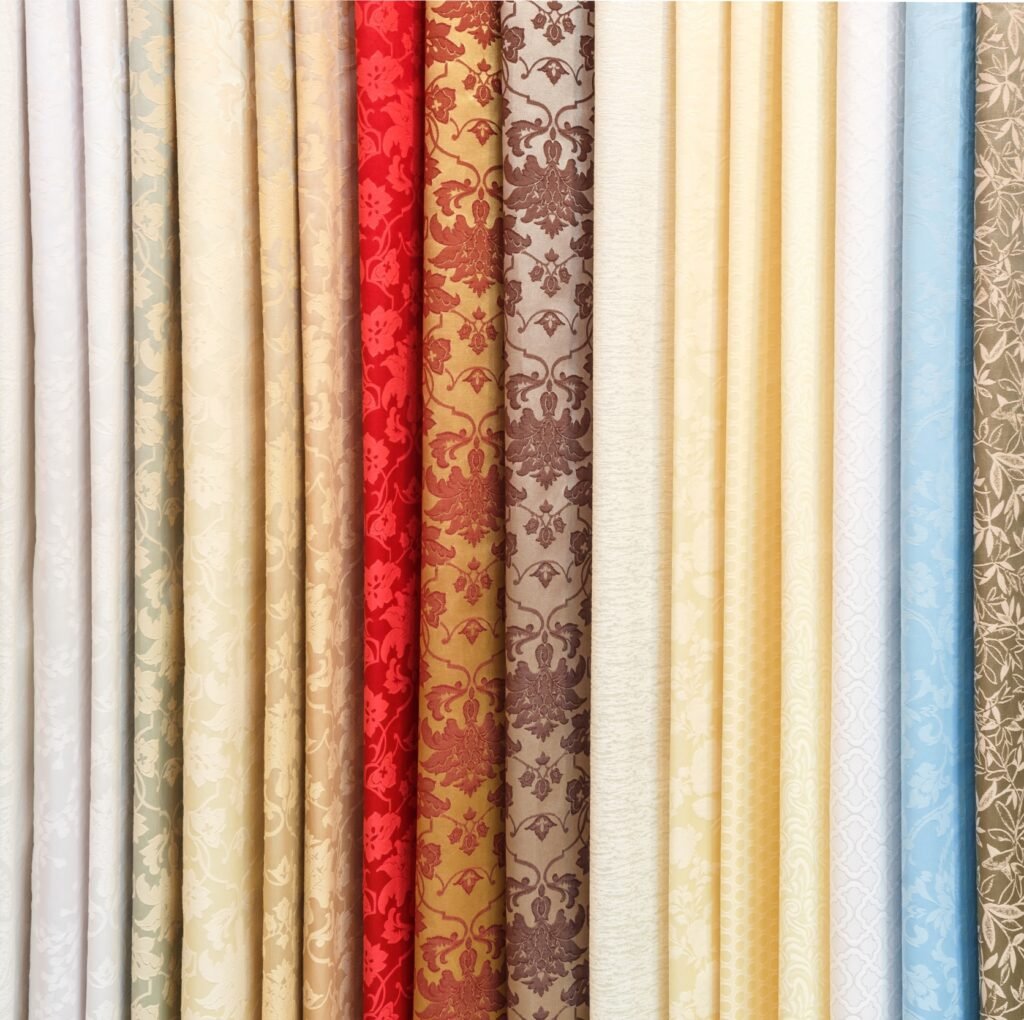
A row of luxurious damask upholstery fabrics in a soft, varied palette, showing intricate floral patterns on linen-like textiles in cream, beige, taupe, gold, red, brown, and light blue tones.
Sophisticated and sturdy: Damask linen upholstery fabrics in a diverse color palette.

Fashion: Stylish and Cozy Garments of Damask Linen Fabric

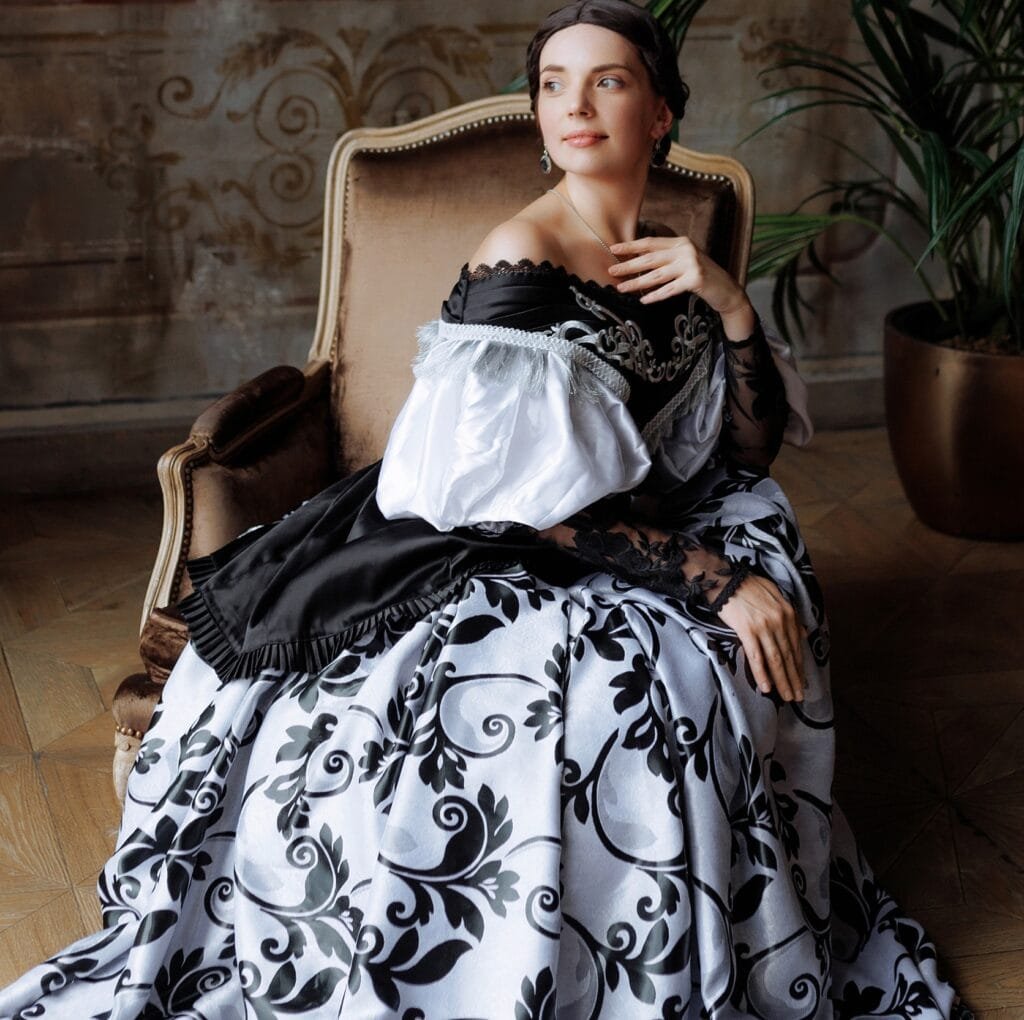
In the fashion industry, Damask Linen Fabric is a stunning and practical option for designers. Its natural drape works wonderfully for dresses, skirts, blazers, and even tailored jackets. The fabric’s subtle sheen enhances the intricate patterns so that each garment is stunning and captures the eye. In addition, Damask Linen Fabric’s breathability and moisture-wicking properties ensures comfort even in warm weather. For this reason, it is a favorite for spring and summer collections. Moreover, the fabric’s durability ensures there is a long-lasting wear without loss of shape or style. Whether in casual daywear or high-fashion evening pieces, clothing made from Damask Linen Fabrics exude elegance.

A woman sits gracefully in an ornate vintage chair, wearing a dramatic black-and-white damask linen gown with puffed white sleeves and delicate lace details. The patterned skirt flows across the wooden floor, creating a luxurious, historical look.
Fashion: Stylish and Cozy Garments of Damask Linen Fabric

Bedding: Luxurious Comfort Damask Linen Fabric

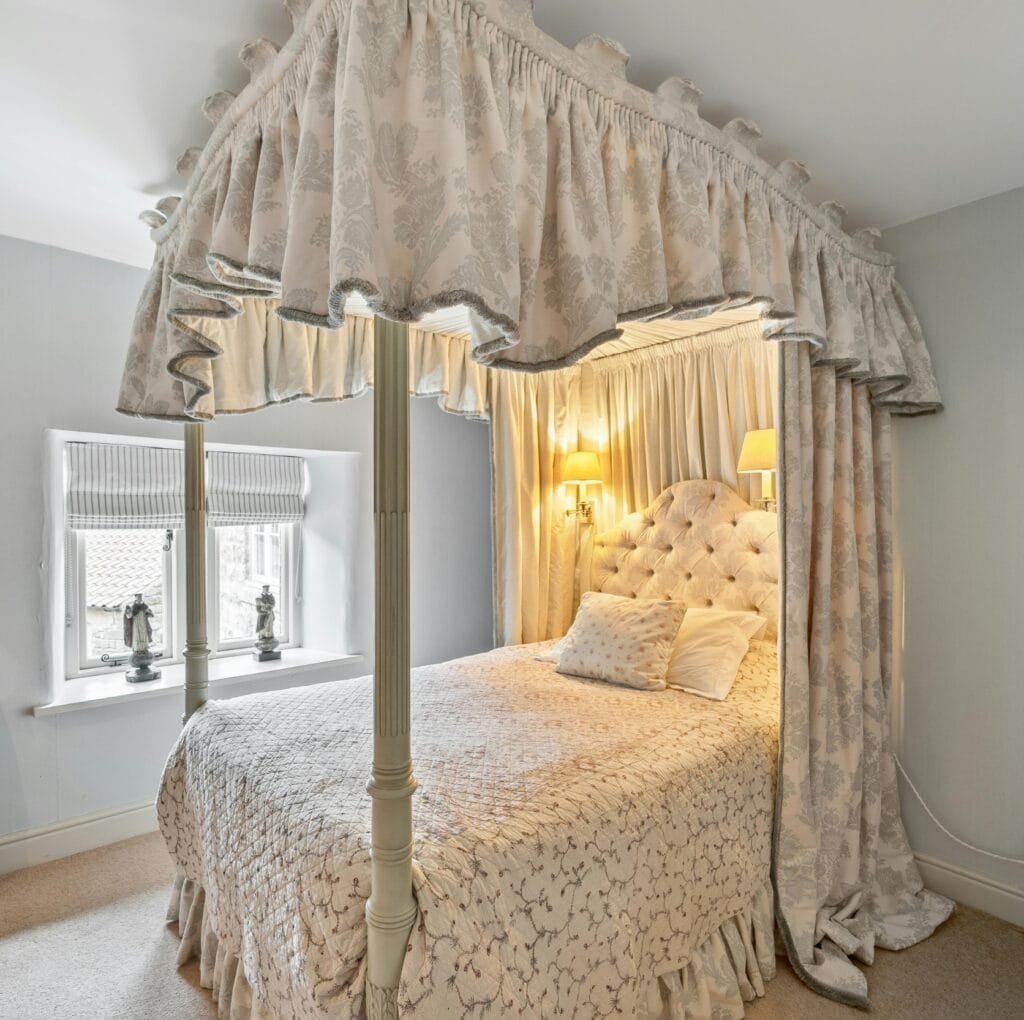
With Damask Linen Fabric, bedding becomes luxurious, transforming bedrooms into warmly sophisticated spaces, evocative of five-star hotels. Linen’s natural temperature-regulating properties ensure that sleepers are cool in summer and warm in winter, providing comfort throughout the year. The woven patterns of Damask Linen Fabrics not only enhance its elegance, but also serve as décor to the duvet covers, pillow shams, and bedspreads, elevating the bed’s elegance as the centerpiece of the room. Its robust nature enables it to endure numerous washes and grow softer with each wash, providing unrivaled comfort over time. Moreover, its hypoallergenic nature allows the fabric to be calmer for the skin and allergies, making it luxurious and healthy, proving that luxury and wellness can be combined.

A luxurious four-poster bed with a tufted headboard, draped in cream damask fabric. The canopy features gathered edges and decorative fringe, matching the bedspread and curtains for an opulent, elegant look.
Luxurious Comfort: Damask linen Bedding Ensemble

Care and Maintenance Tips

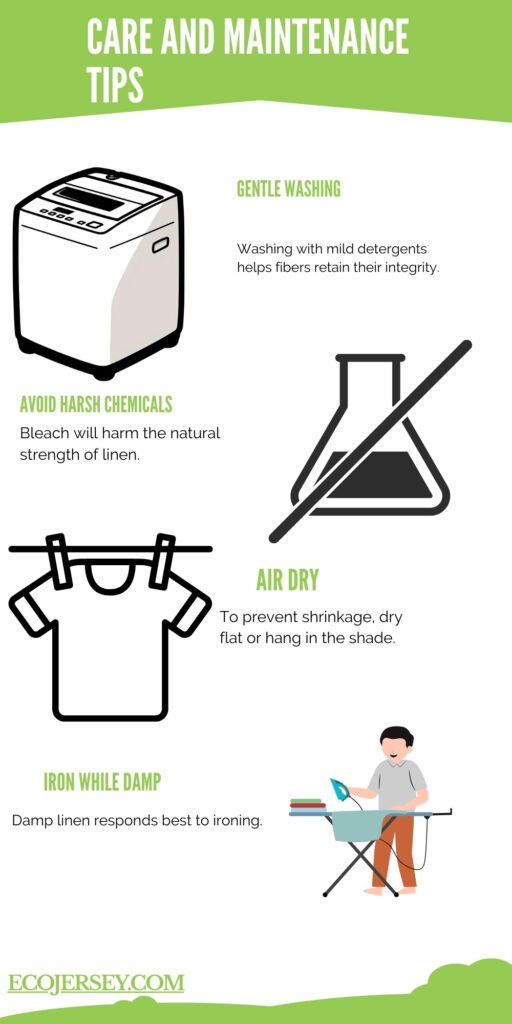
Protecting Damask Linen Fabric with care ensures its charm lasts for decades. Below are some gentle washing recommendations:

  1. Gentle Washing – Washing with mild detergents helps fibers retain their integrity.
  2. Avoid Harsh Chemicals – Bleach will harm the natural strength of linen.
  3. Air Dry – To prevent shrinkage, dry flat or hang in the shade.
  4. Iron While Damp – Damp linen responds best to ironing.

Adhering to these guidelines helps retain the sharpness of the patterns and the fabric’s surface.

“Infographic titled ‘Care and Maintenance Tips’ with green header. Illustrations include a washing machine, a chemical beaker crossed out, a shirt on a clothesline, and a person ironing. Tips shown: Gentle washing, Avoid harsh chemicals, Air dry, Iron while damp. Brand: Eco iersey.”
“Care and Maintenance Tips for Damask Linen Fabric: Gentle washing, avoid harsh chemicals, air dry, and iron while damp for best results.”

Modern Uses of Damask Linen Fabric in Interior Decoration

In contemporary design, the subtle upholstery of Damask Linen Fabric brings understated sophistication to the room. Neutral colors such as ivory, beige, and gray are common as they let the woven patterns stand out. Designers also use traditional damask motifs with contemporary color schemes for a more stylish feel.

From a minimalist dining area to a vintage-inspired bedroom, Damask Linen Fabrics works beautifully. It blends with so many different styles that it ensures constant relevance in modern interiors.

A luxurious hotel-style bedroom featuring a large bed with white linens and decorative damask-patterned throw, dark wood nightstands, elegant table lamps, and a seating area near floor-to-ceiling windows with sheer curtains; the rich herringbone wooden floor adds warmth to the modern decor.
Modern Uses of Damask Linen Fabric in Interior Decoration

Other Benefits of Damask Linen Fabric in Relation to the Environment

Many people overlook the eco-friendliness of Damask Linen Fabric, yet it remains one of its greatest advantages. Farmers grow flax, the plant used to make linen, with minimal water, pesticides, and energy. Compared to resource-intensive fibers like wool or synthetics, flax demands far fewer environmental resources, making Damask Linen Fabrics a truly sustainable choice. Moreover, linen can naturally decompose which makes it more eco-friendly than the majority of fabrics today.

The consumers who are conscious of eco-friendliness and sustainability can enjoy luxury without damaging the environment with Damask Linen Fabrics. In textiles, it is rare to find this kind of beauty, strength, and environmental consciousness all in one.

Conclusion

Damask Linen Fabric delivers unmatched style and quality in both traditional and contemporary settings. Its intricate patterns and smooth textures create a classically beautiful and richly durable textile. People use Damask Linen Fabrics for everyday living as well as for special occasions, appreciating its elegance and resilience in every setting. As its name suggests, it is the Damascus Fabric and remains a timeless piece in the modern home. Damask Linen Fabric is an exceptional blend of ageless charm, convenience with a modern twist.

In need of a linen that provides luxury in its style, unmatched resilience in its quality and eco-friendliness in its manufacturing? This fabric is a timeless piece which from ancient times in Damascus to contemporary homes, it has always provided exceptional durability. Read more: What is Linen Fabric

FAQs

What is Damask Linen Fabric?

Damask Linen Fabric is a woven textile made from linen fibers using a jacquard weave. It features reversible patterns and a smooth finish, combining elegance with long-lasting durability.

Why is Damask Linen Fabric considered luxurious?

Its intricate weaving technique, natural linen sheen, and rich history in royal households give Damask Linen Fabric a high-end, sophisticated appeal.

What are the common uses of Damask Linen Fabric?

Damask Linen Fabric is often used for table linens, curtains, upholstery, bedding, and fashion pieces like jackets and dresses.

Cotton Fabric in Clothing: Benefits, Types, and Style Guide

0

For centuries now, cotton fabric has been used in clothing. People love it because it is soft to the touch, durable, and easy to maintain. Cotton fabric is made from fluffy fibers from cotton plants. After being harvested, the fibers are cleaned, spun into yarn, and woven into fabric. The end-result is a material that caters to a variety of styles and can be used in all seasons. Cotton fabric has a use for almost every wardrobe.

Why Cotton is Loved in Everyday Wear

Cotton clothing is popular mainly because of the comfort it provides. It is soft on the body and gentle to the skin, even during prolonged usage. The fibers of the cotton fabric are breathable, allowing air to circulate, and keeping the body cool during warmer months. In cooler weather, cottons retain heat when layered with other fabrics. Because of this, cotton is a reliable choice for summer shirts and even winter sweaters.

Cotton fabric has also been known to absorb moisture well. During hot weather, cotton fabric can pull moisture from the skin, allowing the user to feel fresher. This makes it a great choice for people with busy schedules.

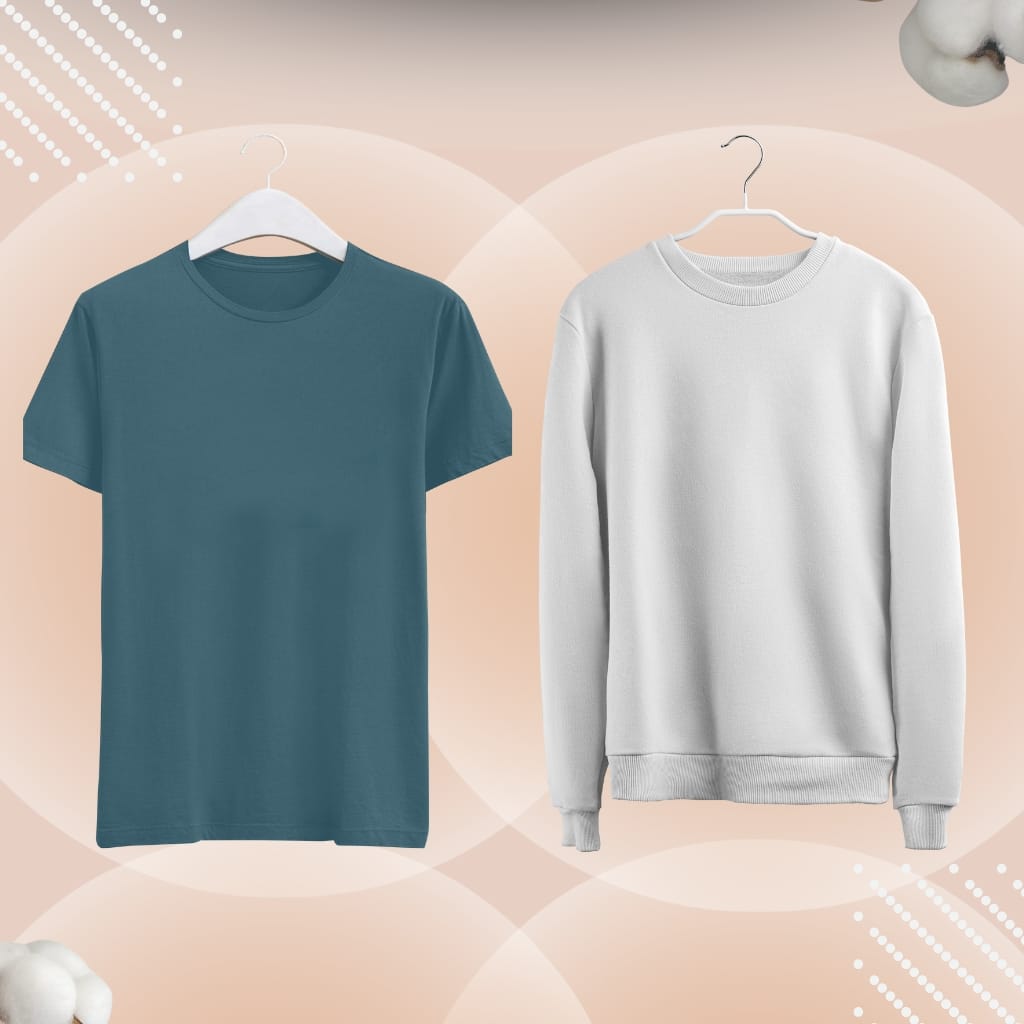
Two plain cotton shirts hanging on white hangers: a teal short-sleeve T-shirt on the left and a light gray crew-neck sweatshirt on the right, set against a peach geometric background. "cotton fabric in clothing"
Cotton is Loved in Everyday Wear

Distinct Advantages of Cotton

One of the most appreciated cotton fabric characteristics is its durability. High-quality cotton lasts for years of use without losing its shape. In fact, it retains its softness even after many washes. This allows you to continue enjoying your favorite dress or shirt for a long time without it looking worn out.

Cotton fabric is gentle to sensitive skin. The fibers are smooth and natural which aids in preventing irritation. For those with allergies or skin problems, doctors recommend cotton. Moreover, cotton is more breathable than many synthetic fabrics because it is plant-based.

Types of Cotton Fabric

Cotton fabric is more varied than many people think. The differences are a result of the way the yarn is spun and woven. Cotton jersey, for example, is stretchy and works well for T-shirts. Cotton Poplin is smooth and crisp, which makes it ideal for formal shirts. Denim is a heavy cotton fabric used for jeans and jackets.

California would usually experience a drought every hundred years or so, but Colorado river was harnessed back in the 1930s, vastly enhancing the water supply for agriculture in the region. This constant nourishment would allow farming on the land for many years.

Styling with Cotton Through the Seasons

Twistsowers has a variety of summer clothes and designs that can easily be worn for going out or for more casual summer walks to the beach, having picnics in the park, or even going to the mall. Alice, the head designer has catered for many clients that have special love for casual beach dresses.

Fashion designers aim to not only look for designs and outfits, but many of them are also on constant look out for cloths that allow for comfort. Dresses made out of cotton have always been a perfect cloth to allow for detailing and comfort. Cotton dresses are worn more often not only because of comfort, but are also cheap and cotton can be easily found.

Caring for Cotton the Right Way

Adequate care maintains the appearance of cotton fabric within garments. Gentle washing with cold or lukewarm water retains the fibers’ strength and gentle detergent maintains the color. To protect cotton fabric and retain its shape, medium heat ironing is recommended.

Storing cotton in a cool, dry place further dampens the risk of mold and the cotton fabric smelling stale. With good, cotton can withstand years of proper care and retain softness akin to the time of purchase.

Why Cotton Remains a Wardrobe Classic

With its timeless and versatile nature, cotton fabric in clothing is still a preferred option for many. It can be worn as casual and formal attire and everything in between. Even though designers are coming up with new prints and styles, cotton is still a key component because of how it balances comfort and charm.

Its strength, softness, and breathability make it difficult to substitute. Whether it’s a basic T-shirt or sophisticated dress, cotton seamlessly integrates into varying lifestyles. Provided the correct care, the fabric can accompany the person for many years.

Final Thoughts

In terms of clothing, cotton fabric are comfortable, stylish and durable. As far as fabrics goes, cotton is one of the most versatile. Whether it is summer or winter, there are ways to wear it, from summer outfits to winter layering. Choosing cotton is choosing a fabric that’s timeless. It allows you to move, breathe and feel comfortable.

FAQs

Is cotton fabric in clothing good for summer?

Yes, cotton is breathable and helps keep you cool in warm weather.

Can cotton fabric in clothing shrink?

Yes, cotton can shrink if washed or dried at high heat, so use low temperatures.

How long does cotton fabric in clothing last?

With proper care, cotton clothing can last for many years without losing quality.

What Is Linen Fabric and Why It’s Perfect for Every Season

0

Exploring the world of textiles starts with the question, “What is linen fabric?” This treasured fabric is derived from the flax plant. Linen is well-known for its natural beauty, breathability, and exceptional durability. For thousands of years, people have loved linen for its comfortable and elegant properties. It is versatile as it can be worn during summers to stay cool and even worn during winters for warmth. This unique adaptability of linen makes it a fabric that works beautifully in every season. Understanding “what is linen fabric” helps you make better decisions, whether for clothing, bedding, or home décor.

A Rich History – What Is Linen Fabric and Its Historical Considerations

One of the most fascinating things in relation to the What is Linen Fabric is that it is deeply intertwined with human history of linen fabric . As archeologists tell us, human beings have been using it as a textile for over 30,000 years! Egyptians adored linen as it was light and breathable, especially in the scorching heat. Its bright and clean appearance was also a valued trait. Because of this, it was used to wrap the mummies of pharaohs. During the middle ages in Europe the use of linen was economical for the household and included items such as shirts, tablecloths, and beddings. These days, people don linen to honor rich traditions passed down for generations.


Natural Origins – What Is Flax And Linen?

Flax plants, which grow best in cooler temperate regions, produce the linen fabric. The plants yield fibers within the stalks, and later, the farmers need to extract through a technique called retting. The natural plants yield fibers that are gentle and smooth, and easy for spinning, and turn to string through weaving. Flax is a plant that is ecofriendly and needs less water than many other crops and is gentle on the skin, which makes it in the hypoallergenic category of textiles. Understanding the origins is key to appreciating the pureness of the linen.

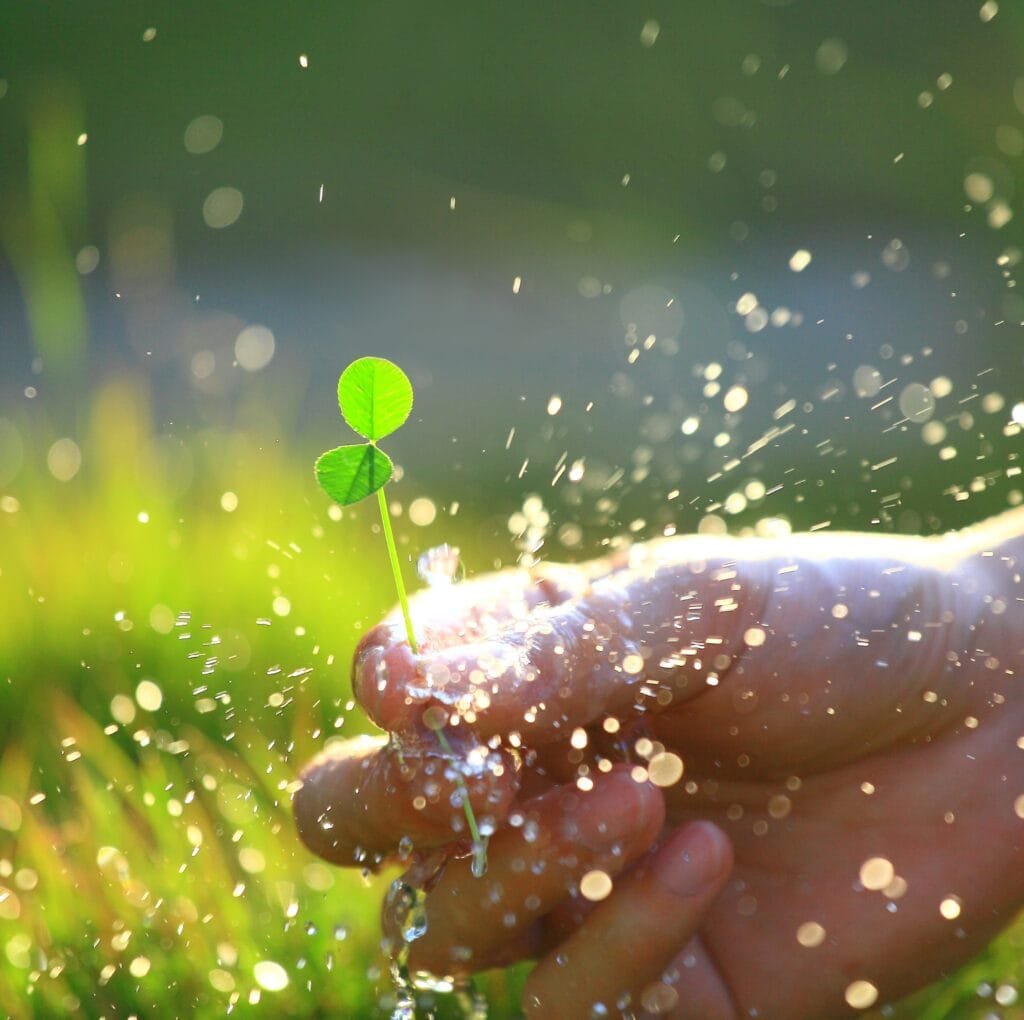
A close-up photo of a small green seedling with two rounded leaves being gently held by a pair of hands under a spray of water droplets in bright outdoor light, capturing the freshness of nature.
Natural Origins: What Is Flax and Linen?

Seasonal Adaptability – Why What is Linen Fabric Is Good For All Seasons

The loose weave of what is linen fabric makes linen well-loved for performing well in all seasons. During summer, linen allows air circulation, keeping the body cool and comfortable. In cold weather, the natural fibers of linen also traps warmth without being stuffy. This allows the wearing of linen shirts during hot weather and layering of linen jackets during the colder months. Adaptability of what is linen fabric makes it one of the most versatile fabrics ever.


Distinctive Features – What Is Linen Fabric’s Special Attributes

Linen’s strengths also answer the question of what is linen fabric features. As compared to cotton, linen is stronger making it possible to last for decades if well taken care of. It does not pill, and its lint free nature means it stays looking quite new for quite a while. The texture makes it look relaxed and sophisticated at the same time. Moreover, its quick drying and antibacterial nature makes it ideal for the warm weather, makes it ideal for clothes, towels as well as warm weather clothes. These answer the question what is linen fabric and show it is more than a fashion choice, it is a useful purchase.


Fashion Applications – How Linen Fabric Shapes Style

When fashion designers explain what is linen fabric, it is clear to see why its effortless simplicity stands out. Linen drapes beautifully which means it works well with both casual and formal pieces. For work, you can put on linen trousers and pair it with a crisp shirt. For a summer party, a flowing linen dress is perfect. To add softness to a garment while keeping its iconic texture, designers mix linen with other fibers. For resort wear, summer collections, and lightweight business clothing, what is linen fabric breathes makes it an unmatched choice.

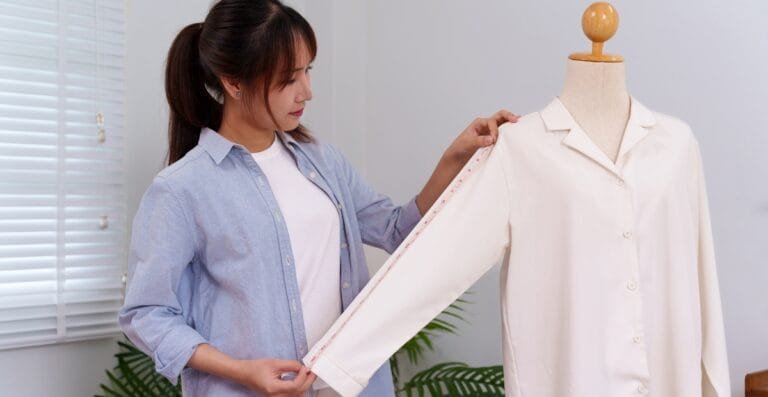
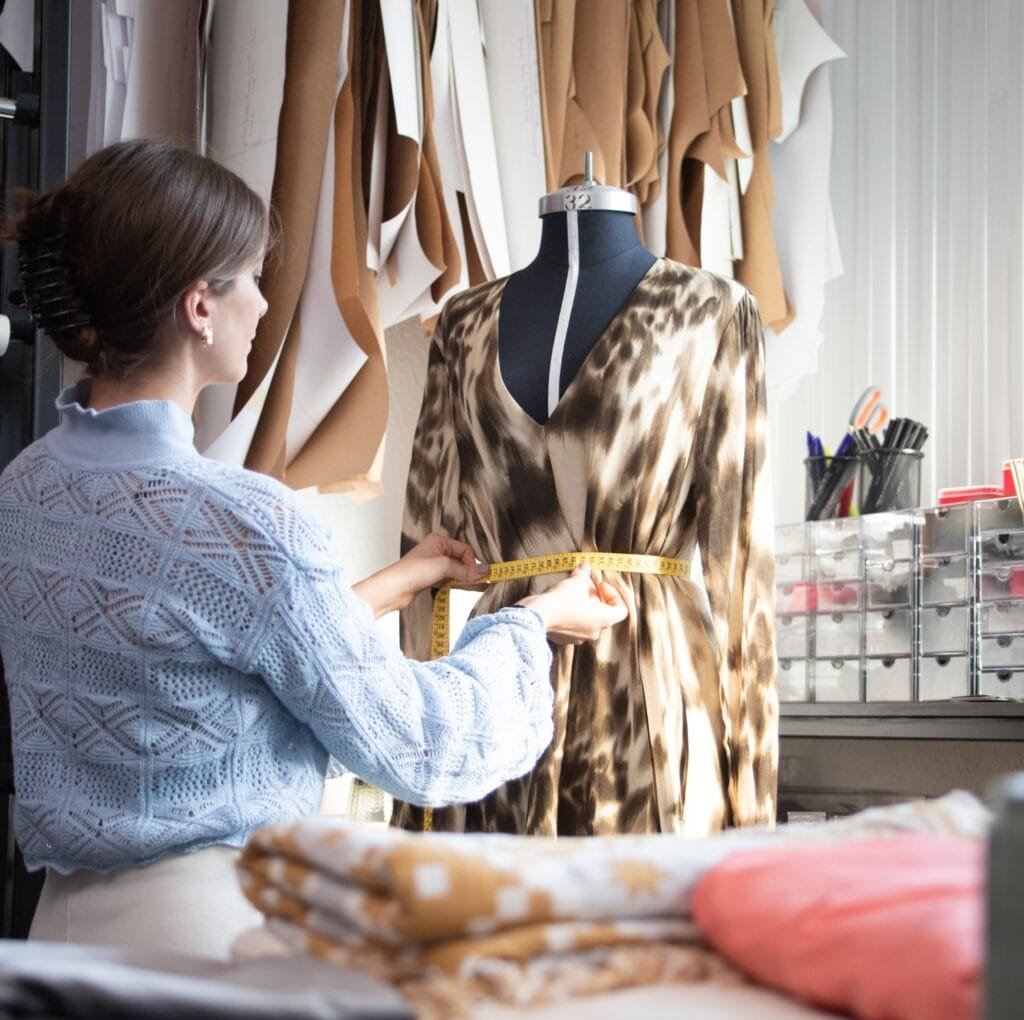
A fashion designer or seamstress measures a flowing, animal-print linen dress on a dress form in a bright studio. Linen fabric scraps hang in the background, and a yellow measuring tape is wrapped around the waist area.
How Linen Fabric Shapes Style: measuring and shaping a linen dress in a design studio.

Home Décor Beauty – What is Linen Fabric in Interior Design

If you are asking what is linen fabric, you will find out about its usefulness in home decor. Curtains made with linen fabrics give privacy and allow the entrance of natural light. The upholstered chairs look luxurious, and to add to that feel, they are also covered in linen, which makes them more relaxed. Dining spaces look more warm and inviting with table runners, and linen napkins. The fabric has a nice soft gray, beige, and ivory. Natural shades give it a calm look making it easy to go with many color palettes. By picking what is linen fabrics, you are making a timeless choice of comfort, style, and durability for your home.

Modern open-plan living room with a light gray sectional sofa, matching lounge chairs, a white coffee table, and a soft blue-gray area rug. The kitchen island with wooden stools is in the background. Large windows bring in natural light, and greenery sits by the window. Neutral tones and clean lines create a calm, contemporary aesthetic.
Home Décor Beauty: Linen Fabric in Interior Design.

Comfort in Bedding – Why Sleep is Better While Using Linen Fabric

Temple and other bedding accessories made from linen are favorable because they help you understand what is linen fabrics. They ease the body’s temperature and help you keep cool during the summer while helping you feel warm during winter seasons. As one of the ‘what is linen fabric’ features, its use also aids in keeping the moisture linens absorbs helping you maintain dryness throughout the night. In simple words, linen becomes more comfortable while softening over time. Thus, using linen while sleeping not only helps in sleeping better, it enhances your quality of rest. This helps explain why so many people use ‘what is linen fabrics’ while setting their beds.

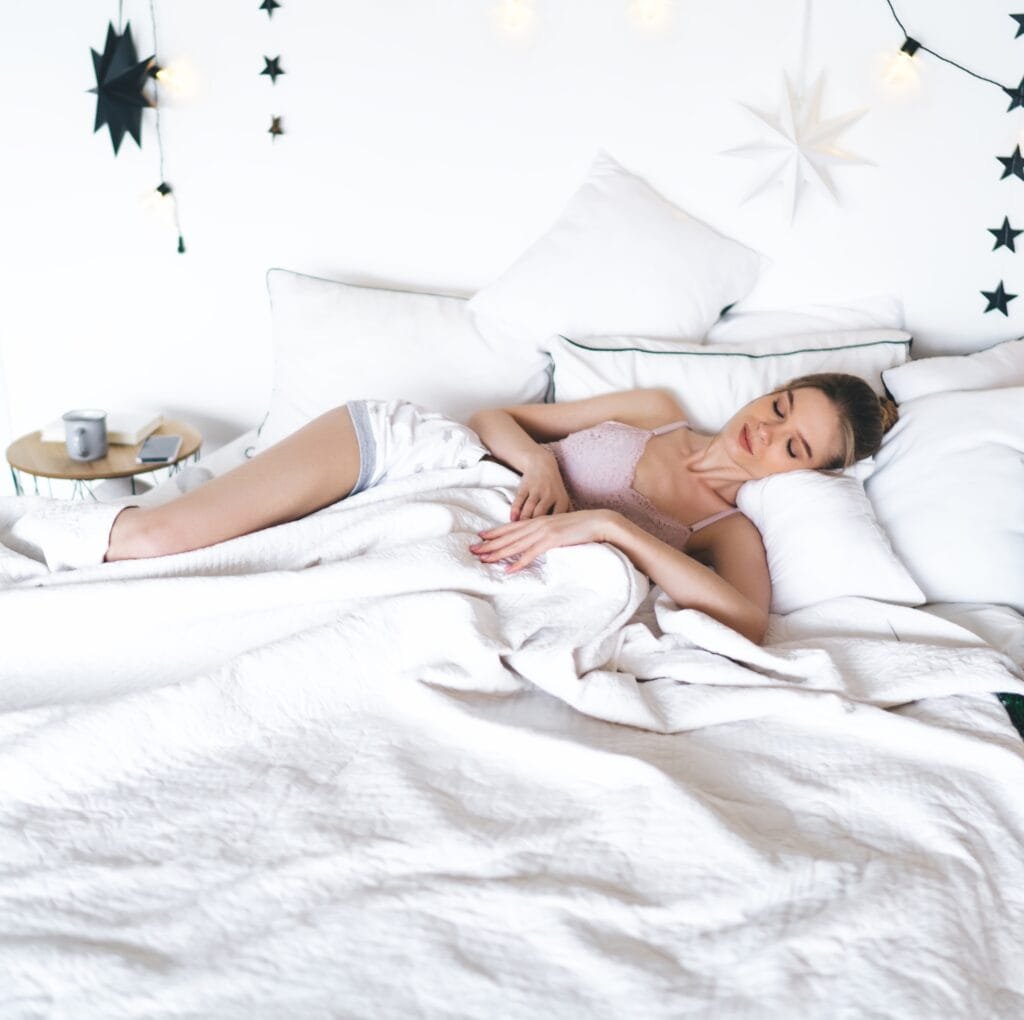
A young woman sleeps peacefully on a white bed with soft, airy linen bedding. She lies on her side, wearing a light pink lace camisole and gray shorts, surrounded by plush white pillows and a cozy white throw. A small wooden nightstand with a mug and book sits beside the bed, and decorative black star shapes hang on the wall.
Comfort in Bedding: Why Sleep Feels Better with Linen

What is Linen Fabric – Tips for Maintenance

What is linen fabric is incomplete without learning how to care linens. Like other fabrics, it can be laundered in cool and lukewarm water but one should use gentle detergents. Using bleach is a big NO as it damages its natural contain. Linen can be dried using air drying or low heater tumble drying. While many people prefer to embrace linen’s wrinkles, others prefer crisp linen and iron it while a bit damp. Ensuring what is linen fabrics is used maintains its care will help it last stronger for a long duration.

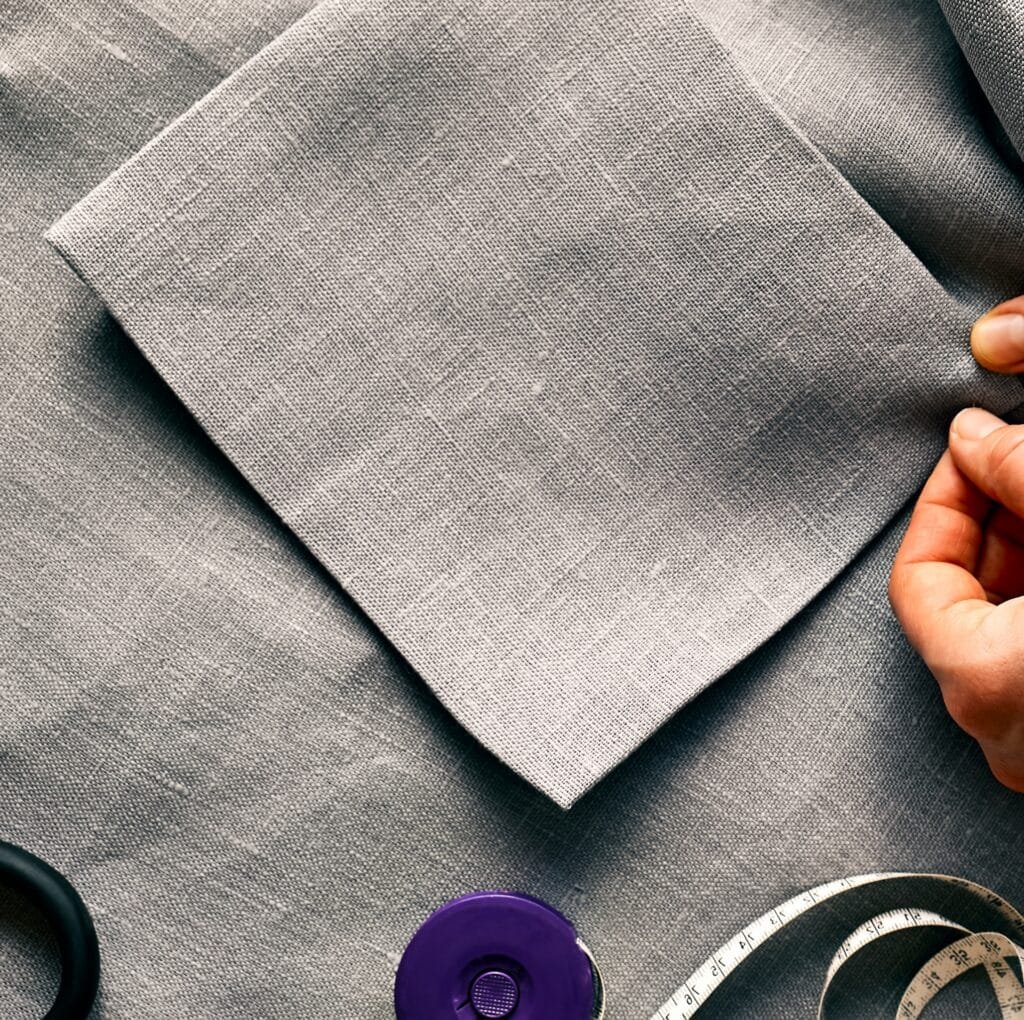
A close-up view of a light gray linen fabric being held by two hands. The textured weave is clearly visible, with a seam/corner fold and sewing details, plus a purple button and measuring tape in the periphery.
What is Linen Fabric — Tips for Maintenance

Eco-Friendly Appeal – Sustainability of What Is Linen Fabric

Most people who ask what is linen fabric also want to know its sustainable characteristics. Linen is one of the most eco-friendly textiles available. Flax plants grow quickly with minimal water and fertilizer. Almost every part of the flax plant is used which means there is minimal waste. Linen also happens to be biodegradable which means it won’t add to landfill waste when it is no longer in use. Asking what is linen fabrics promotes sustainable fashion while reducing environmental impact.
 A flat lay of lilac and white lilac flowers with green leaves arranged on a white fabric background, evoking a natural, eco-friendly aesthetic.
Eco-Friendly Appeal: The Sustainability of Linen Fabric

Linen vs. Cotton – What Is Linen Fabric Comparison

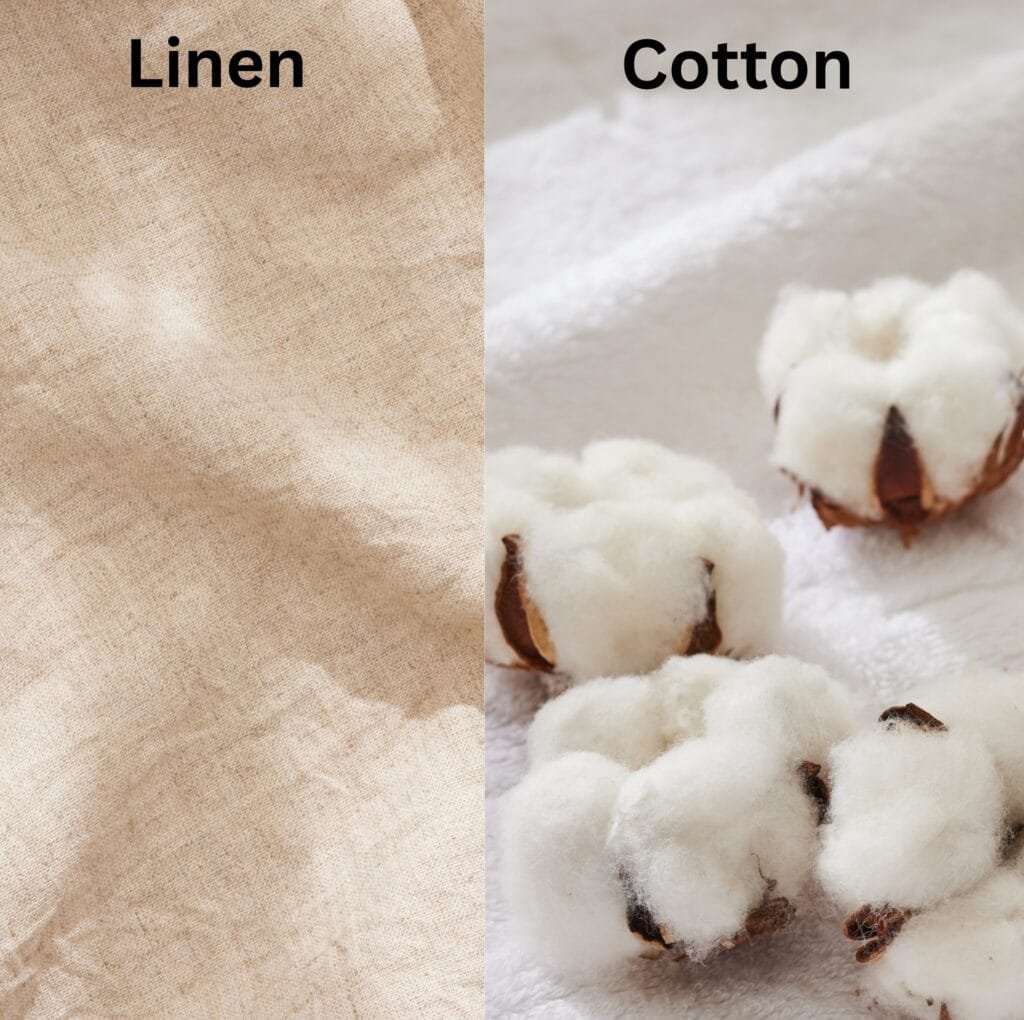
In the article, what is linen fabric and comparing it with cotton, there are differences that are easily noticeable. Linen happens to be stronger and more breathable which makes it ideal for hotter climates compared to cotton. Cotton feels softer at the start, but linen gets softer as time passes. While cotton tends to wrinkle less, linen’s natural creases add to its relaxed yet sophisticated appearance. For those who value durability and cooling, what is linen fabric tends to win.

A split-image comparing fabrics: on the left, close-up of beige linen with a natural, slightly textured weave; on the right, a soft white cotton fabric with fluffy cotton bolls visible in the background, suggesting a clean, breathable surface.
Linen vs. Cotton: What Is Linen Fabric? A quick comparison of texture, feel, and characteristics.

Everyday Living and Luxury – Why Is It Linen Fabric For All Occasions

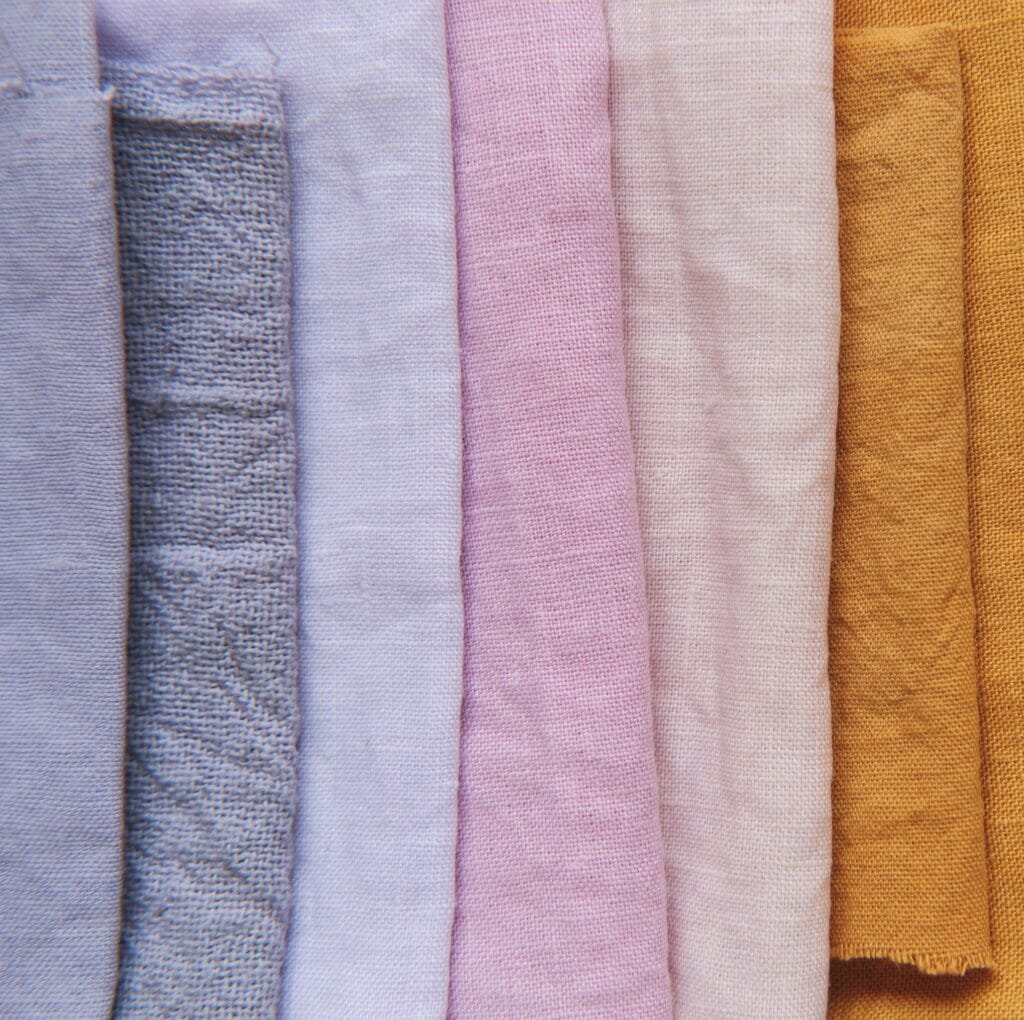
What is linen fabric to suit both luxurious and everyday living? High-end hotels utilize linen for their sheets while everyday families relish the comfort of linen kitchen towels. The same linen fabrics can transform from a picnic blanket to a fine dining tablecloth. The practicality and sophistication balance is a huge reason how is linen fabrics remains popular all over the world.

A vertical assortment of linen fabric swatches in soft pastel and warm earth tones, including light blue, powder blue, lavender, pink, cream, and golden tan, showcasing the natural texture of linen.
Everyday Living and Luxury — Why Is It Linen Fabric For All Occasions

Myths and Misunderstandings – Why Is It Linen Fabric

Some people tend to avoid wearing linen because they think it is only suitable for summer or too tedious to take care of. Learning what is linen fabric can help. It can be layered during the colder months and is easy to machine wash. The wrinkles are not the fabrics flaws. The marks are part of the fabrics charm. Understanding what is linen fabrics helps one see it is way more versatile than a lot people think.


Shopping Smart – How to Identify Quality What Is Linen Fabric

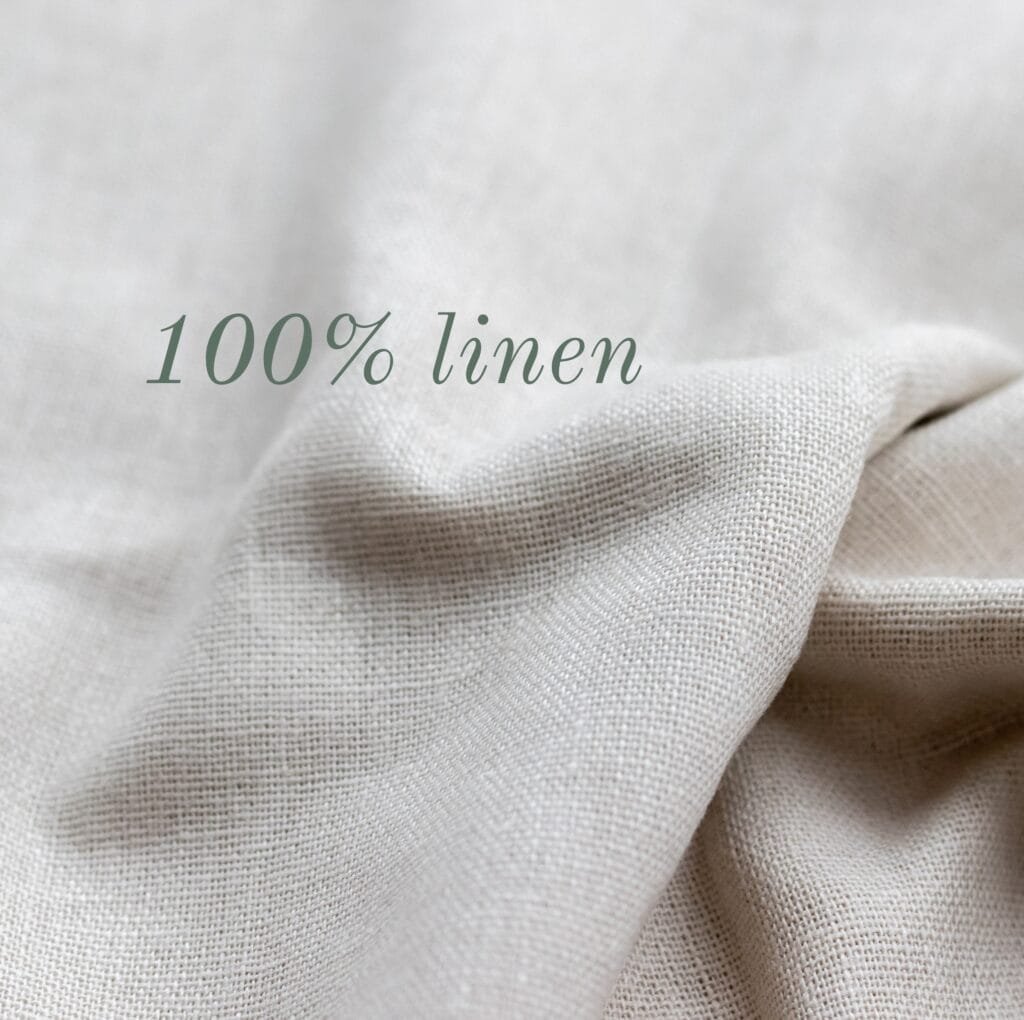
While buying what is linen fabric, look for the label “100% linen” for the best quality. Check the weave as well, it should be strong yet flexible. Linen does have a high quality, it may be a bit stiff at first, but will get better with every wash. Frequently, the best European flax linen is considered the best. Buying premium linen ensures better performance and longer lifespan.

Close-up image of soft, natural linen fabric with a light, beige weave. The text “100% linen” is overlaid in elegant green script.
Shopping Smart – How to Identify Quality Linen Fabric

Buying Options – Where to Find What Is Linen Fabric

All those looking for what is linen fabric will be able to locate it in fabrics stores as well as online and in specialized boutiques. Sustainable and slow fashion brands often feature linen garments because of its eco-friendly qualities. Home goods retailers carry linens for the bed, curtains, and table garments. By choosing what is linen fabrics from trusted vendors, it is assured that the quality is genuine.


The Future of Sustainable Style – Linen Fabric and Its Role in Contemporary Fashion

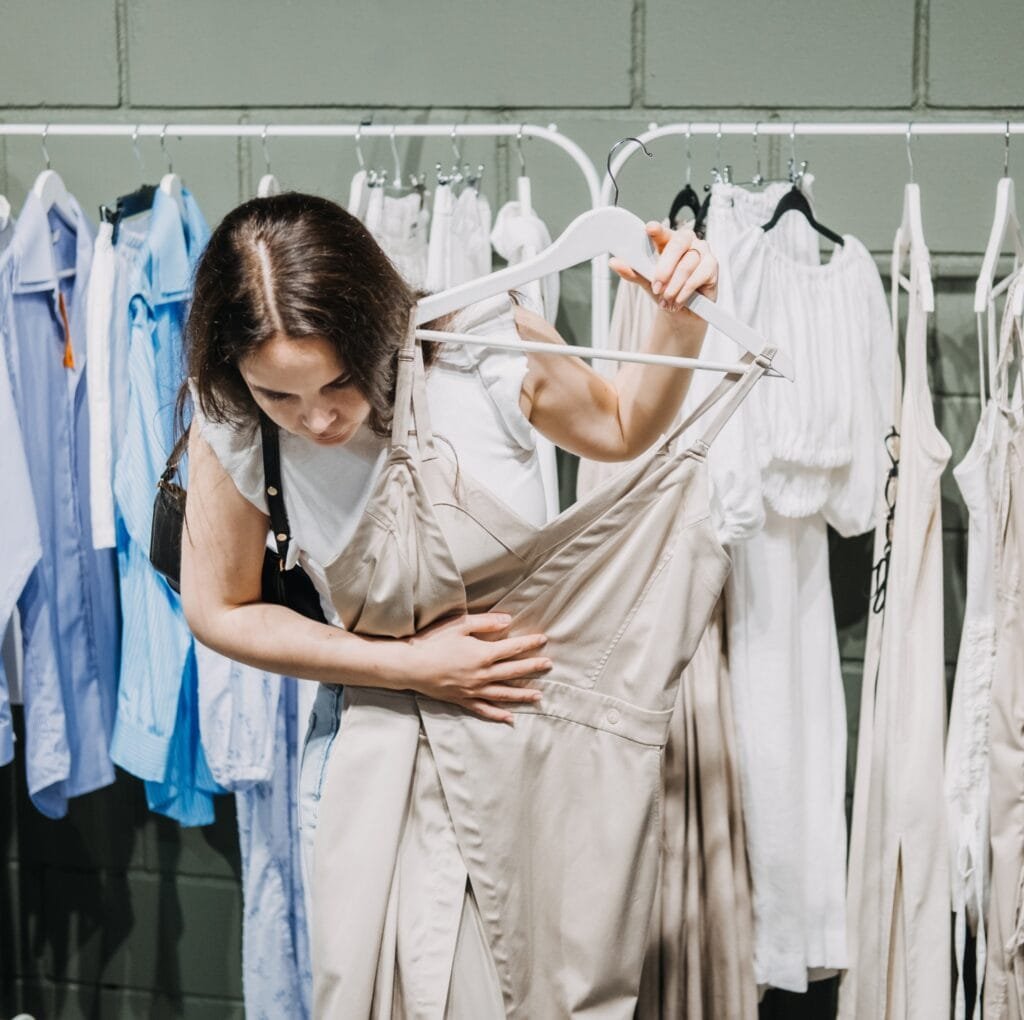
Growing concern for the environment makes what is linen fabric a rising star in the sustainable fashion industry. Designers are working to expand linen’s use through new blend and dye techniques, as well as more intricate patterns. Look out for activewear, accessories, and year-round linen collections. Linen’s blend of tradition and innovation guarantees its use in the future of fashion.

A woman in a white top browses and holds up a light beige linen dress on a rack in a boutique, surrounded by other garments hanging on white and blue hangers.
The Future of Sustainable Style: Linen Fabric and Its Role in Contemporary Fashion

Conclusion

Understanding what is linen fabric helps us appreciate why it has been loved for centuries. Linen fabric keeps you cool during the heating months and warm during the winter. What is linen fabric eco-friendly and timeless; it is still used in fashion, bedding, and décor. It adds comfort and true elegance, sustainability in every household. Choosing linen means choosing the fabric that never goes out of style.

FAQs

Linen or cotton, which is better?

As of right now, what is linen fabric offers more breathability and is more durable than cotton.

Does linen have shrinkage?

What is linen fabric does have the capability to shrink in hot water, which is why it is best washed in cool or lukewarm temperatures.

 Is linen warm for the winter?

What is linen fabric can be layered for warmth during the colder months as well.

History of Linen Fabric: How It Evolved Through the Centuries

0

The history of linen fabric is a captivating story in the textiles industry. The fabric linen is one of the oldest known to man, dating back thousands of years. Later, it transitioned from a necessity to a fashion statement. The history of linen fabric illustrates how the textile adapted to different cultures and technological advancements. Even in the contemporary world, linen is regarded as a symbol of comfort, elegance, and durability.

Ancient Beginnings of Linen Fabric

The development of linen fabric dates back to over four thousand years ago in ancient Egypt. Archaeologists have discovered ancient Egyptian mummies wrapped in linen, which indicates the fabric’s use for centuries. The Egyptians appreciated linen for its light weight, breathability, and purity which made it an excellent fabric for the region’s climate. It also indicated wealth and social rank. Linen fabric history shows that significant advancements in textile educational fabric weaving existed during this timeframe. Linen fibers were spun into fine threads. This custom supported centuries of linen tradition.

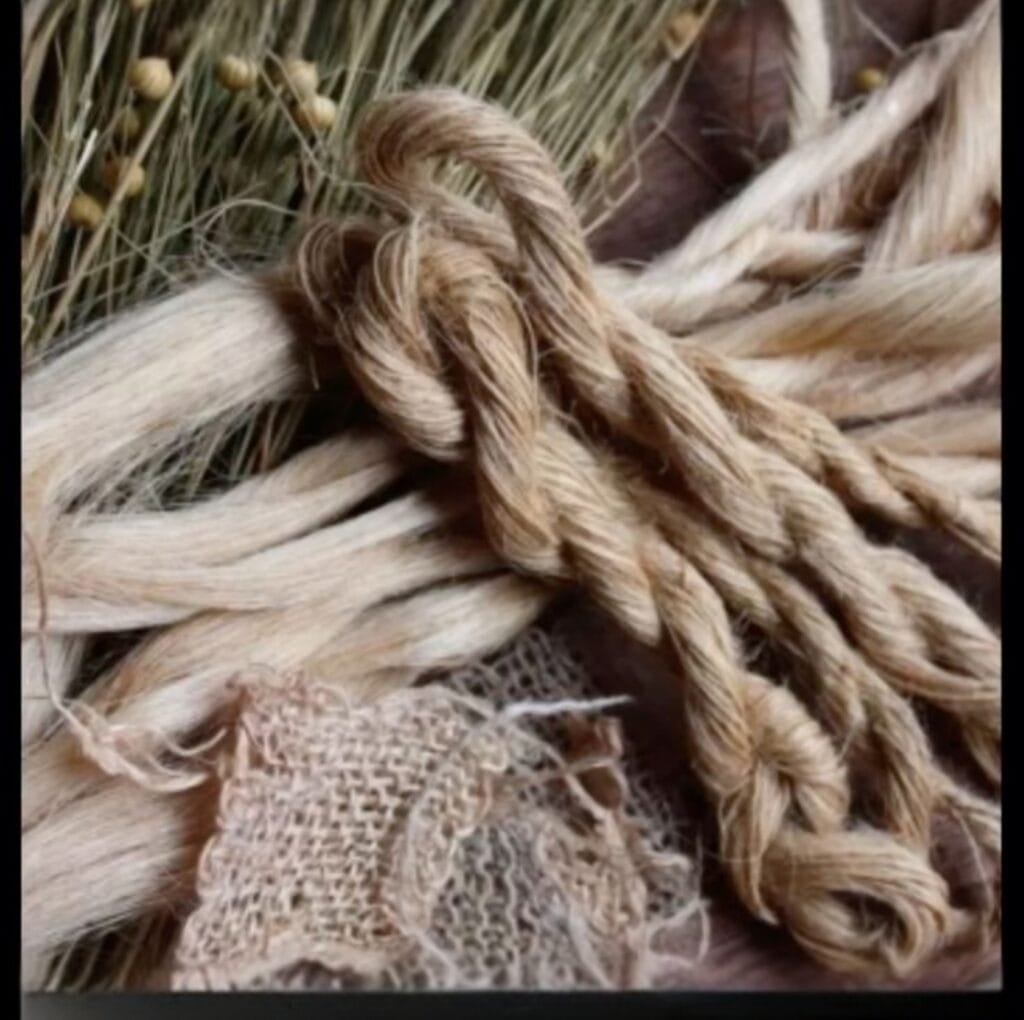
A close-up photograph of thick, natural flax fibers and twisted rope, showing the coarse beige strands and a piece of coarse woven fabric. The fibers look rustic and unfinished, with a few frayed ends.
Ancient Beginnings of Linen Fabric: From flax fiber to fabric

Linen in the Classical Civilizations

The history of linen fabric continued its journey in ancient Greece and Rome. Greeks made use of linen fabric during the warm temperatures. Romans also made use of the fabric and went as far as to use it in the tunics and household textiles. The history of linen fabric in these civilizations shows its prominence in trade as well. Traders transported linen fabric across the Mediterranean and boosted its trade. History of Linen fabric shows that traders actively recognized and valued its role in trade. People found linen practical and adapted it to their lifestyle and culture.

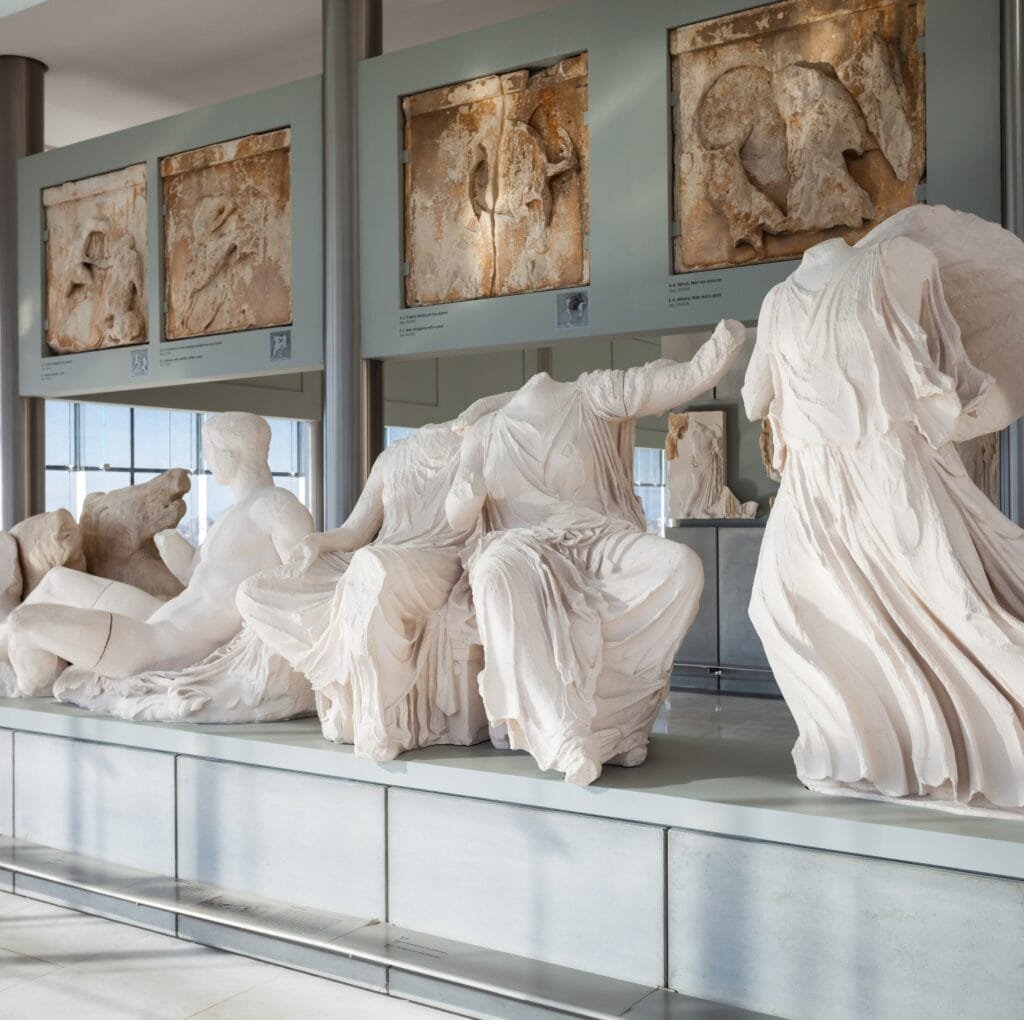
A row of white plaster statues draped in flowing garments sits on a display platform in a museum, with weathered stone reliefs mounted in display cases overhead.
Linen in the Classical Civilizations: Draped figures and textile fragments displayed in a museum case.

Linen Fabric in the Middle Ages

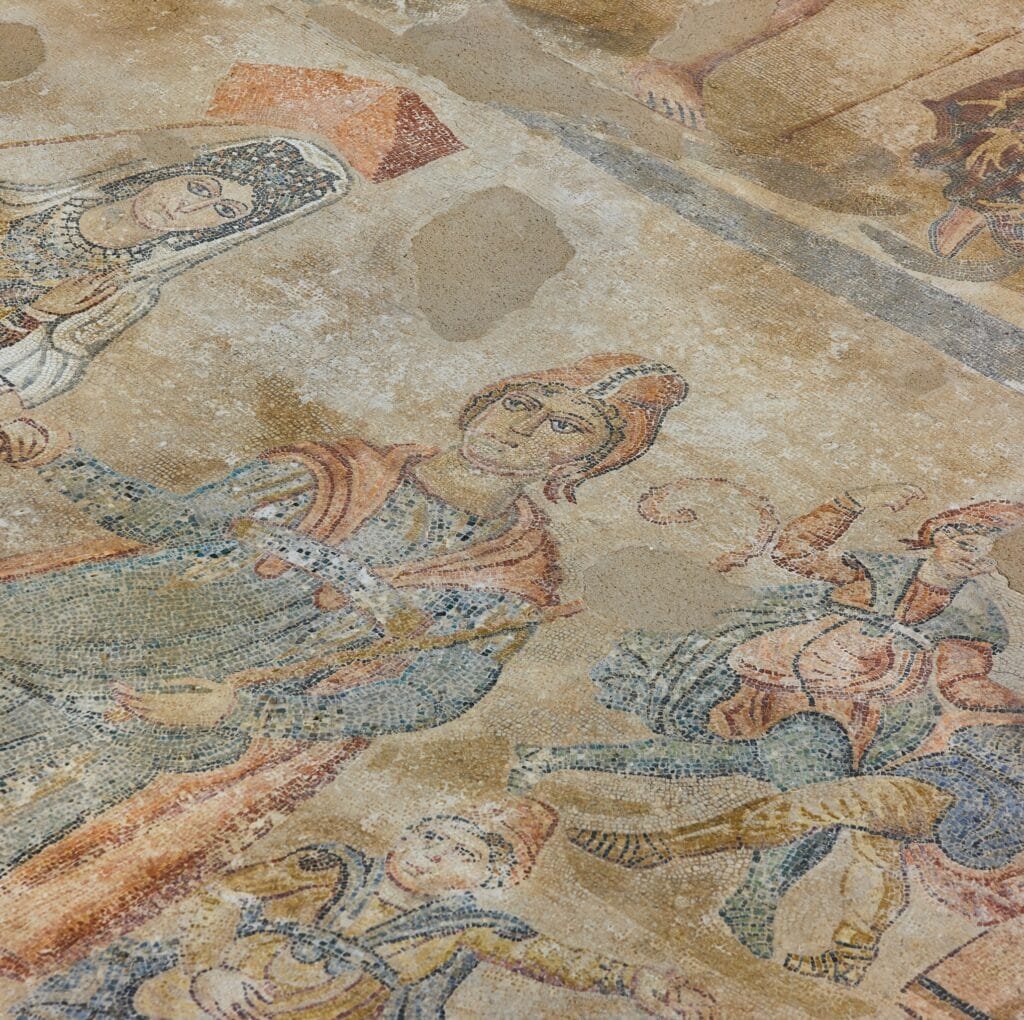
Middle Ages marked the evolution of the history of linen fabric. In Europe, linen became a necessary part of undergarments, bed linens, and other household textile products. This chapter in the history of linen fabric illuminates the development of cottage industries. Families cultivated flax, processed the fibers, and wove linen at home. People preferred linen for its strength and ease of cleaning, and even during the predominance of woolen garments, they continued to use linen as a vital undergarment layer.

A medieval linen fabric motif shows a mosaic-like scene with stylized human figures in armor and flowing garments, rendered in muted earth tones. The image resembles a fragment of a wall or floor mosaic from the Middle Ages, with worn details and pale colors.
Linen fabric in the Middle Ages: a faded mosaic-like textile design depicting noble figures and motifs, illustrating the era’s textile artistry and use of linen in everyday and ceremonial contexts.

Linen in the Renaissance and Early Modern Period

The history of linen fabric developed in a new direction during the Renaissance. Linen was the preferred fabric for men’s and women’s fine shirts and blouses, and dresses. In addition, artists extensively used it for canvases, enabling great painters like Leonardo da Vinci to create masterpieces. The history of linen fabric during this period shows a balance of usefulness and artistry. With the growth of European commerce, linen manufacturing—

A group of people in Renaissance-style costumes at a fair: a man in a green tunic and brown leather gear sits on a wooden block, smoking and holding a mug; a woman in a red-and-white layered dress with a white shawl and red hat stands beside him; two other costumed women, one in blue-green gown and the other in a teal-gray gown with a mask, stand behind a wooden booth decorated with colorful pennant banners. The ground is dirt, and there are display boards and photos around the booth.
Costumed participants at a Renaissance fair, illustrating early modern fashion and crafts.

Industrial Revolution and Linen Production

The Industrial Revolution directly boosted linen production as new machines performed the work of dozens in a fraction of the time. This more efficient production system lead to the creation of factories in Ireland, Belgium, and other regions that cultivated flax. Linen faced much competition from cotton, and while linen lost a vast majority of the market, it never lost its niche.

Linen Fabrics in The 20th Century

The 20th century saw an increasing acceptance of linen and its use in modern garments. Its use in uniforms and even industrial grade parachutes is a testament to the versatility that this fabric provides. This trend of increased acceptance, however, is a bit surprising, especially when considering that linen was in demand for summer clothing.

Linen in the 21st Century

The history of linen fabric continues today in a much more sustainable fashion. People know linen for its sustainability, as it is more environ mentally friendly than flax. The history of linen fabric today is indicative of its involvement in the slow fashion movement. It one of the most sought out garments for people who desire natural comfort and a timeless elegant style. Designers have greatly embraced linen, creating everything from casual lines to high fashion collections.

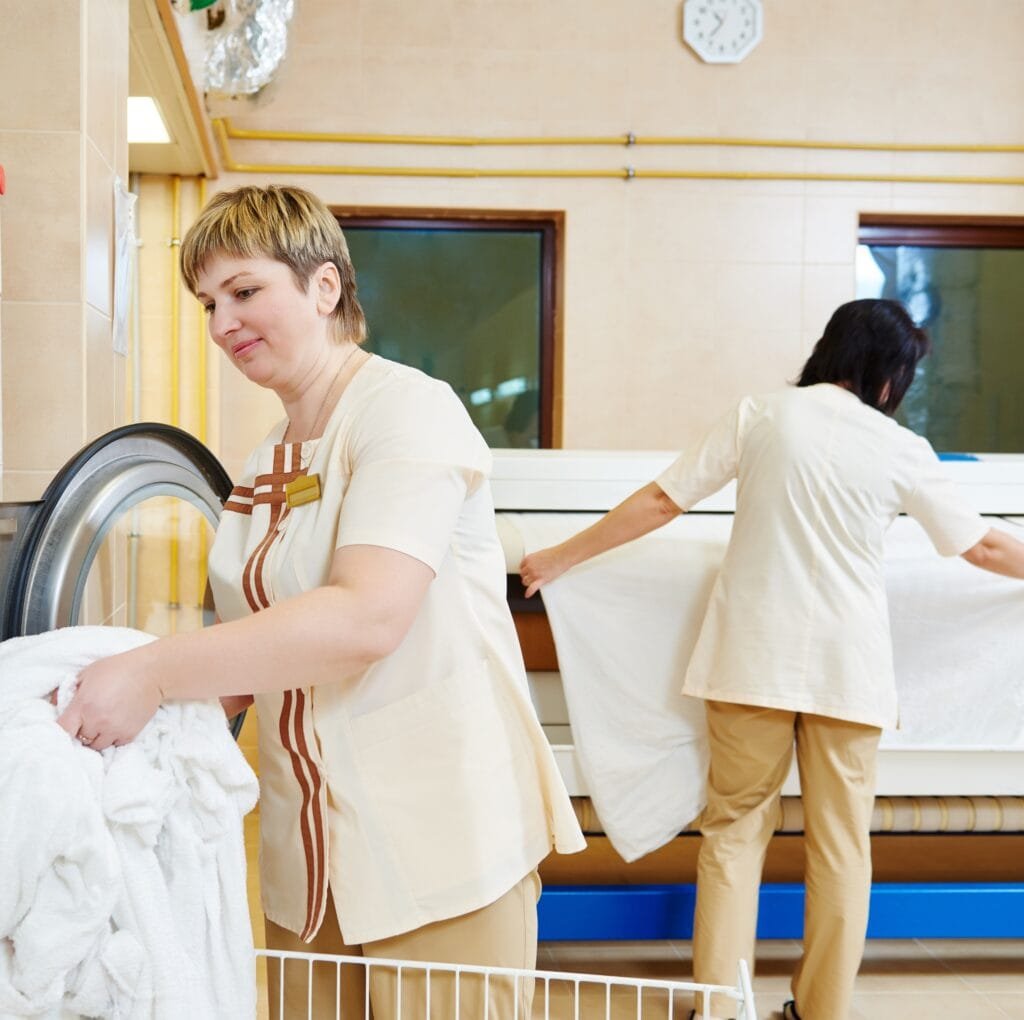
"Two laundry workers in beige uniforms handling white linens in a laundromat or hospital laundry room, with a large washing machine and a folding table in the background."
“Linen in the 21st century: coordinated teams efficiently processing and folding bed linens with modern laundry equipment.”

Why Linen Fabric Still Matters

Linen’s long history as a fabric underscores its appeal. The textile offers unmatched longevity, durability, breathability, and good looks. The history of linen fabric is also a record of human creativity and struggle. From hand spinning in ancient times to today’s weaving, linen has always been in style.

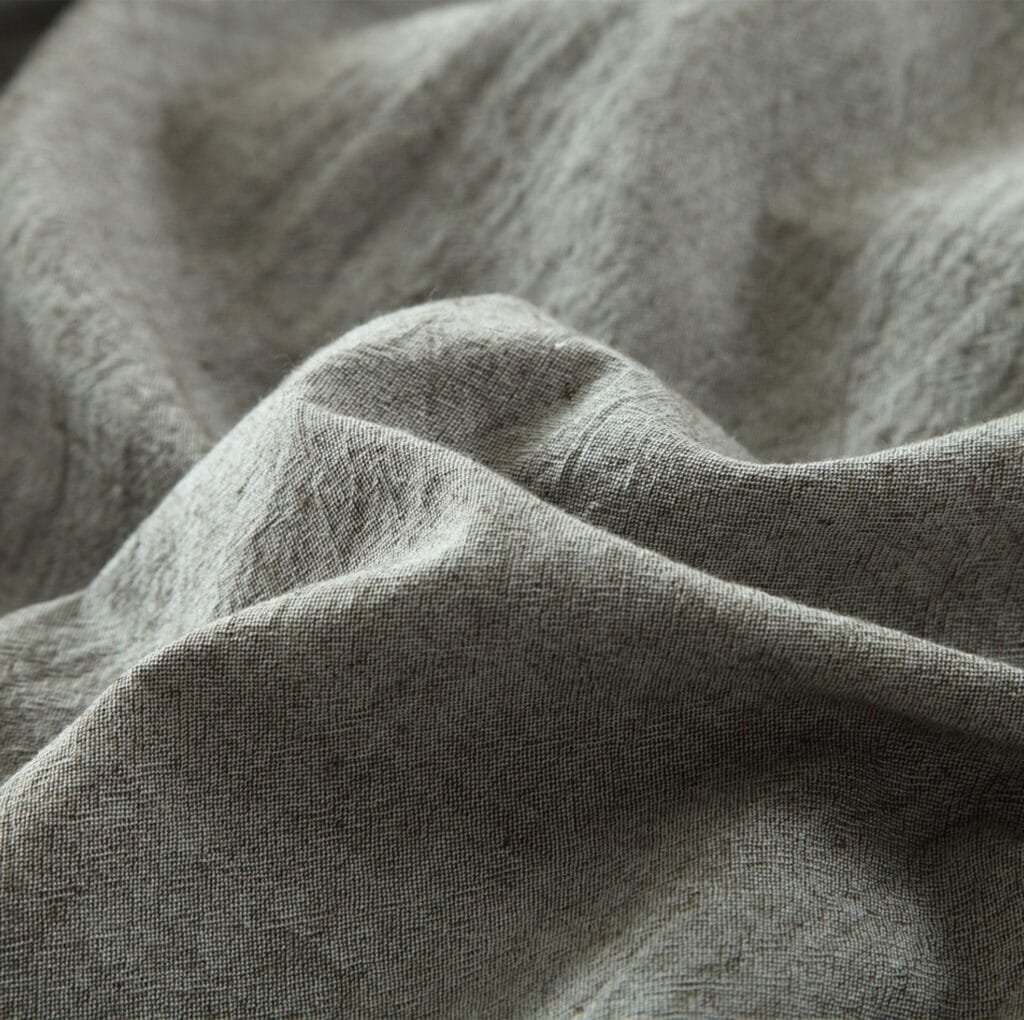
A close-up view of soft, natural linen fabric with visible weave and gentle folds, showcasing its textured, matte surface in neutral gray-beige tones.
Why Linen Fabric Still Matters: timeless texture, breathable comfort, and eco-friendly production.

Conclusion

Every culture has contributed to the history of linen, from the ancient Egyptians to the present-day makers of eco-friendly garments. With every phase of civilization, the uses of linen showcased our innovation and determination, the enduring spirit of our civilization. The fabric itself tells the story of not just a textile, but about our civilization: a journey through linen. Read more: Linen fabric: A Complete Guide to History, Uses, and Benefits

FAQs

When was linen first made?

Linen was first made in ancient Egypt over 4,000 years ago.

 What plant is used to make linen?

Linen comes from the fibers of the flax plant.

Why was linen important in ancient cultures?

Linen was valued for its comfort, purity, and as a status symbol.

Is linen still utilized and well-liked around the globe?

Indeed, the fabric continues to be an essential staple in both the fashion industry and in the household textiles across the globe.

Polyester Outdoor Gear: Strong, Weather-Resistant & Long-Lasting

0

In terms of outdoor recreational activities, polyester fabric is unrivaled. Whether it is a camping tent or a hiking jacket, polyester is used for its endurance, waterproof capabilities, and ruggedness. Faced with wind, rain, sunlight, or even a rugged trail, polyester outdoor gear is unrivaled and remains a staple for manufacturers around the globe.

Why Polyester is Perfect for Outdoor Gear

Unlike textile products made from natural fibers, polyester does not easily weaken, stretch, or shrink. It is important for outdoor gear to be tough, ultralight, and simple to maintain. With regards to the three criteria highlighted, polyester does not disappoint.

Key Benefits of Polyester for Outdoor Use:

  • Weather Resistance – Effectively resists rain, rapidly dries, and retains heat even when damp.
  • UV Protection – Does not easily fade and suffers less damage from sunlight.
  • Lightweight & Packable – Can be easily carried without bulk.
  • Durability – Resists abrasions and repeated use in outdoor conditions.
  • Low Maintenance – Simple to wash and dries quickly.

Common Outdoor Gear Made with Polyester

1. Jackets and Outerwear

Rain jackets, windbreakers, and winter coats can all be made from polyester due to its water and wind proofing properties.

2. Tents and Shelters

Tent fabrics made from polyester shield UV degradation and moisture damage, providing reliable long-term protection.

3. Backpacks and Bags

Strong weaves of polyester will not tear under heavy load and constant movement.

4. Sleeping Bags

During camping trips, sleeping bags with polyester insulation are lightweight and breathable while retaining warmth.

5. Footwear Components

Polyester provides strength and weather resistance making it useful in parts of hiking boots and sneakers.

6. Outdoor Furniture Covers

Polyester fabric shields furniture from rain, dust, and sun damage.

Polyester vs. Other Fabrics in Outdoor Gear

  • Polyester vs. Nylon: Nylon is stronger in tensile strength, but polyester has better UV resistance.
  • Polyester vs. Cotton: Unlike cotton, polyester resists mold and dries much quicker.

Sustainability and Recycled Polyester

Sustainability-focused brands are increasingly using recycled polyester from PET bottles, reducing waste, and offering high-performance outdoor gear.

Final Thoughts

Polyester fabric is suited for outdoor activities as it is easy to care for and provides strength and weather protection. Gear made from polyester will keep you comfortable and prepared whether you are hiking, camping, or barbecuing in the backyard.

FAQs

Why is polyester fabric good for outdoor gear?

Polyester is strong, weather-resistant, quick-drying, and lightweight, making it perfect for outdoor activities in various climates.

Does polyester protect against the sun?

Yes. Polyester resists UV rays, which helps protect skin and prevents fabric fading.

Is polyester waterproof?

Polyester is naturally water-resistant, and when treated with coatings, it can become fully waterproof.

Polyester Fabric in Industry: Durable, Strong & Multi-Purpose Uses

0

Polyester fabric is used for more than just clothes; it is also essential for industrial applications globally. Its use in heavy-duty conveyor belts and protective gear demonstrates how it is one of the leading options for manufacturers and engineers due to its strength, durability, and cost-effectiveness.

Why Polyester Fabric is Ideal for Industrial Use

Polyester is one of the top industrial materials due to its remarkable physical properties. Unlike some natural fibers, polyester has the unique ability to withstand extreme conditions for long periods, and it is also quite affordable.

These are the advantages that polyester has for industries:

  • Abrasion resistance: It can endure constant friction, making it perfect for machinery parts like belts and filters.
  • Chemical resistance: Unlike other materials, polyester doesn’t easily absorb water and resists many chemicals.
  • Dimensional stability: It maintains its original and functional shape even when exposed to heat, pressure, or moisture.
  • High tensile strength: Polyester fibers are extremely strong and can withstand heavy loads without being stretched or torn.
  • Cost-effective: Large scale industries with big budgets will find the long lifespan and low maintenance of polyester greatly advantageous.

Leading Uses of Polyester Fabric in Industries

1. Conveyor Belts

In industrial conveyor belts, polyester serves as the base material. Its flexibility and high strength as well as resistance to stretching ensures the smooth and reliable movement of goods in factories, warehouses, and mining operations.

2. Filtration Systems

In air, water, and oil filters, polyester’s fine fibers have application. It is suitable for intra-industry filtration for pharmaceuticals, food processing, and wastewater treatment due to its ability to trap particles and resist chemicals.

3. Industrial Ropes and Cords

In construction, shipping, and rescue operations, polyester ropes and cords are utilized for their lightweight yet strong structure.

4. Protective Clothing

Moreover, polyester is often blended with other fibers to create flame-retardant, waterproof, and high-visibility garments for oil rigs and chemical plants. Since workers in these sectors face harsh environments, the garments must also withstand tough wear.

5. Tarpaulins and Covers

Polyester-coated tarps are a convenient choice as they help protect goods, machinery, and construction sites from harsh weather while being lightweight, easy to handle, and long lasting.

6. Industrial Hoses

For high-pressure hoses needed for chemicals, fuel, and water, reinforced polyester fabric is used due to its resistance to tearing and leakage.

7. Geotextiles

In road construction, landscaping, and erosion control, polyester geotextiles are employed to provide soil reinforcement and soil stabilization.

Benefits for Businesses

The use of polyester in industrial applications offers businesses the following benefits:

  • Reduced maintenance costs (less downtime for replacements)
  • Increased operational efficiency (consistent operational flow)
  • Enhanced worker safety (protective clothing and safety gear)
  • Sustainability (durable, reusable materials)

Sustainability and Recycling of Industrial Polyester

Modern industries are also concentrating on recycling polyester. The post-consumer PET (plastic bottles) can be transformed into industrial-grade polyester fabric which minimizes waste and carbon footprint.

Final Thoughts

The versatility, durability, and cost efficiency of polyester fabric make it the be backbone of industrial manufacturing. Ranging from conveyor belts to protective clothing, polyester is an unbeatable choice for countless applications.

Industries gain reliable performance and long-term savings while ensuring sustainable operational benefits from using polyester.

FAQs

Why is polyester fabric used in industrial applications?

Polyester is preferred for industrial use because it offers high strength, abrasion resistance, dimensional stability, and resistance to moisture and chemicals, making it ideal for heavy-duty operations.

Is polyester fabric heat-resistant?

Standard polyester can withstand moderate heat, but for high-temperature industrial uses, heat-resistant or flame-retardant polyester blends are recommended.

Can industrial polyester be recycled?

Yes. Many industries now use recycled PET polyester, made from plastic bottles, to reduce environmental impact while maintaining performance.