Home Blog Page 140

Linen Fabric: A Complete Guide to History, Uses, and Benefits

0

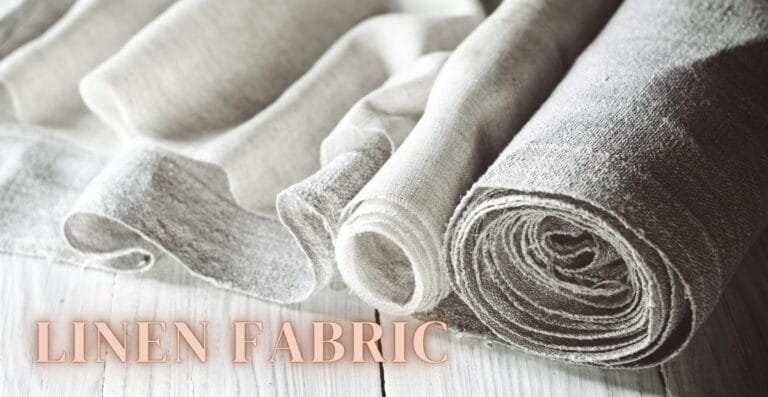
Linen fabric is one of the oldest and most treasured textiles in the world. Known for its strength, breathability, and timeless appeal, it has been valued for thousands of years. Whether used for clothing, upholstery, or home décor, linen combines elegance with practicality. In today’s sustainable fashion movement, linen stands out as a naturally eco-friendly fiber, making it a favorite among conscious consumers and designers alike.

History of Linen Fabric

History of Linen fabric is among the oldest textiles in the world. Linen’s history dates back to 8000 BC. The ancient Egyptians, especially the upper class, widely used it. Egypt’s priests wore linen to symbolize purity and used it as clothing. They also wrapped mummies in linen during the mummification process. Later on, Romans and Greeks adopted linen and used it for clothing and household items. Linen gained popularity in Europe during Middle Ages, where its production was widely done. Today, garments and artifacts from centuries ago still hold their remarkable durability, depicting its timeless value. Linen’s legacy reflects its value in numerous cultures, which show its importance.
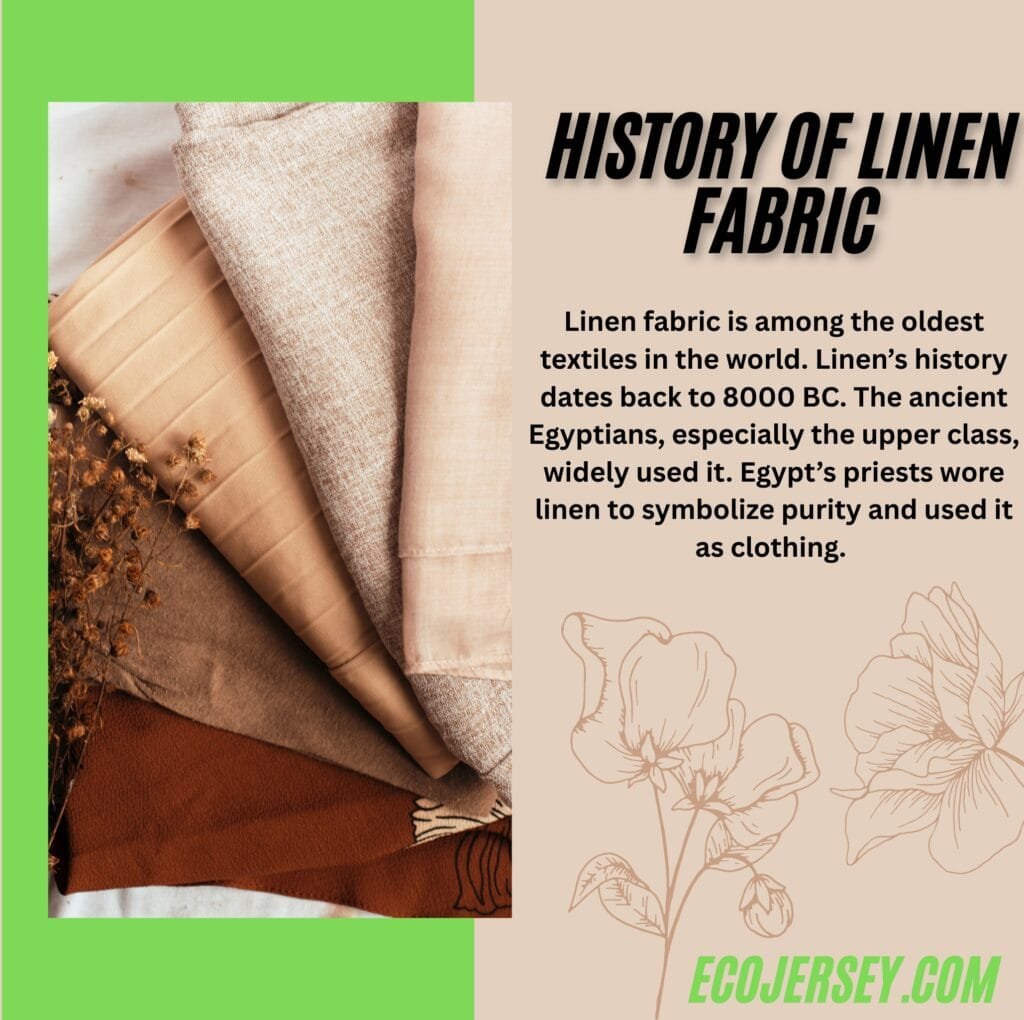
A collage-style image featuring folded linen fabrics in neutral tones on the left, with a beige background on the right that contains the title “History of Linen Fabric” and a descriptive paragraph, plus line-art flower illustrations and a green accent at the bottom with the website EcoJersey.com.
History of Linen Fabric

What Is Linen Fabric?

Linen fabric is derived from the flax plant fibers. It is natural, breathable, and eco-friendly. Linen, unlike other textile products, is free from any harmful chemicals. In comparison to cotton, the fibers of flax are indeed longer and stronger. Along with being moisture absorbent, flax linen also cools to the touch. In comparison to other textiles, flax dries faster. It has a luxurious touch thanks to linen’s gleam and crisp structure. Linen’s strong composition means it is durable and, with each wash, becomes softer. In short, it is practical and beautiful. Read more: What is Linen Fabric
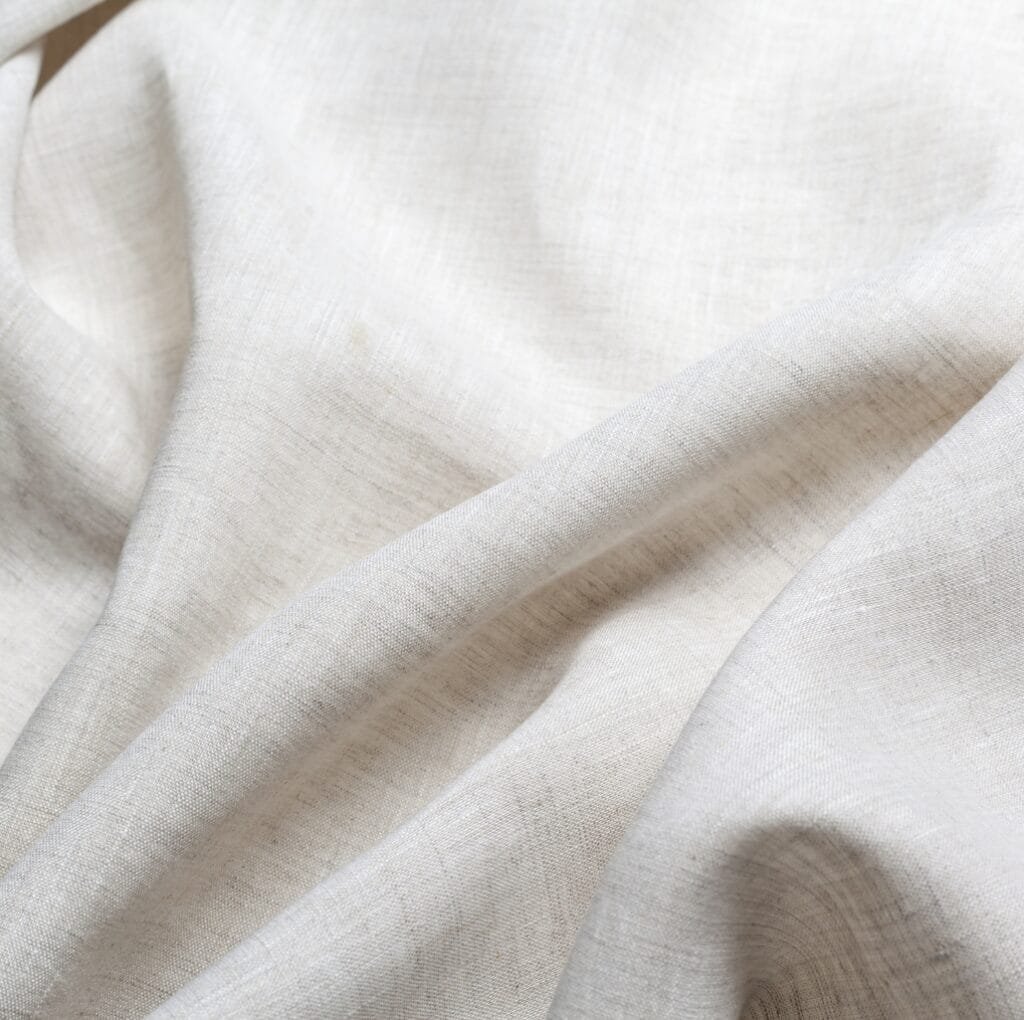
A close-up image of light beige linen fabric with soft, natural-looking texture and gentle folds.
Close-up of beige linen fabric showcasing its natural texture and elegant drape.

What Is the Scope of Linen Fabric in Your Everyday Life?

Scope Linen fabric is adaptable to many facets of day-to-day life. Its use in fashion includes shirts, trousers, dresses, and jackets. It is a perfect material for summer clothing due to its breathability. Linen is also used in the home as curtains, upholstery, cushions, bedding, as well as in the dining room where linen tablecloths and napkins add class to the dresser. It is also a fabric of choice in art and bookbinding. Linen fabrics is versatile and as such, becomes appropriates for any space or purpose providing functionality and beauty.
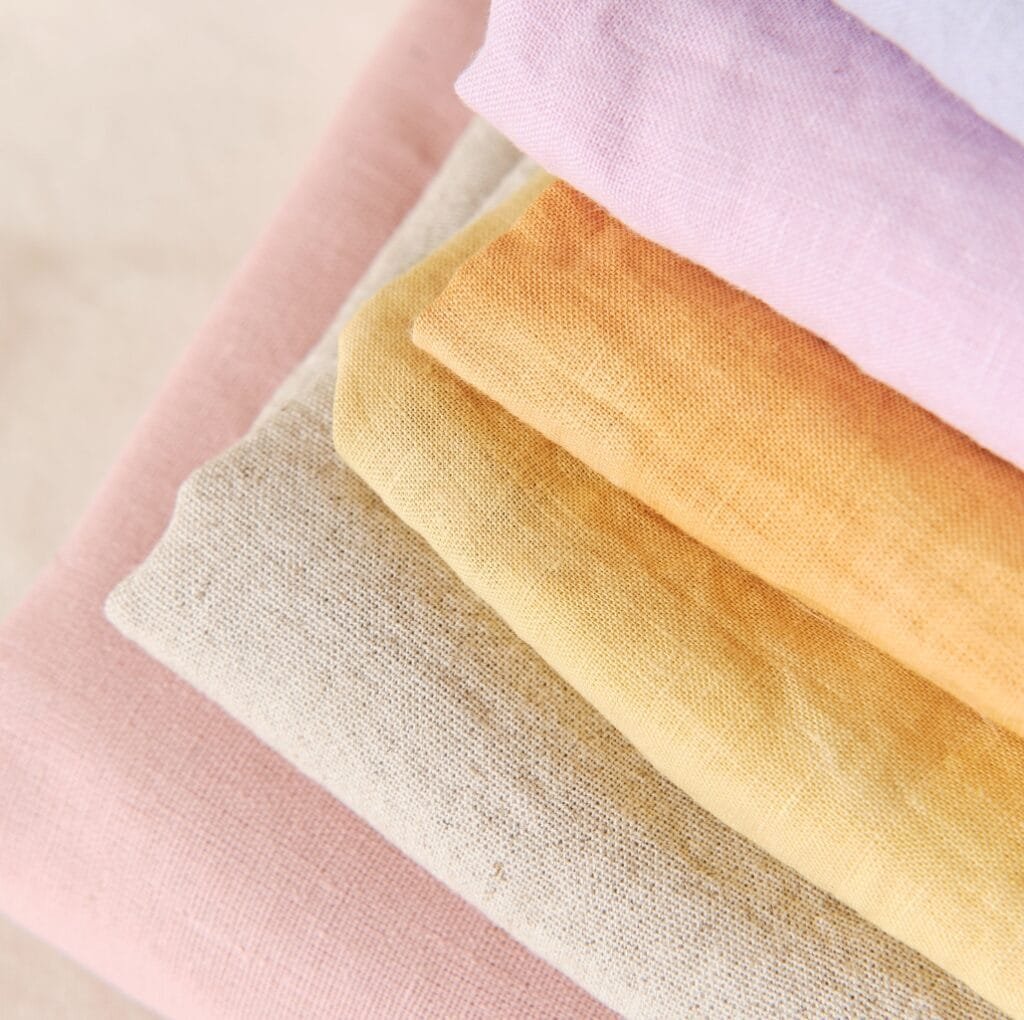
A stack of folded linen fabric in pastel colors including pink, beige, and yellow, arranged neatly on a light surface.
Various pastel-colored linen fabrics stacked neatly, showcasing their texture and versatility.

The Making Process: The Production of Linen Fabric

 Retting – Softening the Stalk

The next step in the process , retting, is responsible for softening the flax stalk. Different microorganisms work to separate the outer layer, which separates the fiber from the center. This process can occur in water (water retting) or in the fields (dew retting). This step is essential to prepare the stalk for the extraction of the fibers.

Breaking, Scutching, and Hackling

Flax first undergoes a retting process before it is separated from the woody parts through breaking. Scutching removes the woody parts, and hackling combs the flax and separates the long silky fibers from the short ones. The remaining fine fibers are what are used to produce high-quality linen.

Spinning Into Yarn

After the blend of flax fibers is clean and combed, they are spun into yarn either by hand or with a machine. The process of spinning aligns the individual fibers and twist them to strengthen. The output is linen yarn which is strong and ready for the next process which is weaving.

Weaving and Finishing

In this step, weavers create linen fabric by weaving it from yarn. Like all fabrics, processors clean it and may bleach or dye it as needed. They also apply softer treatments or pre-shrink the fabric depending on the final use. These treatments enhance linen’s durability and texture, as well as its color. Read More: Production of Linen Fabric
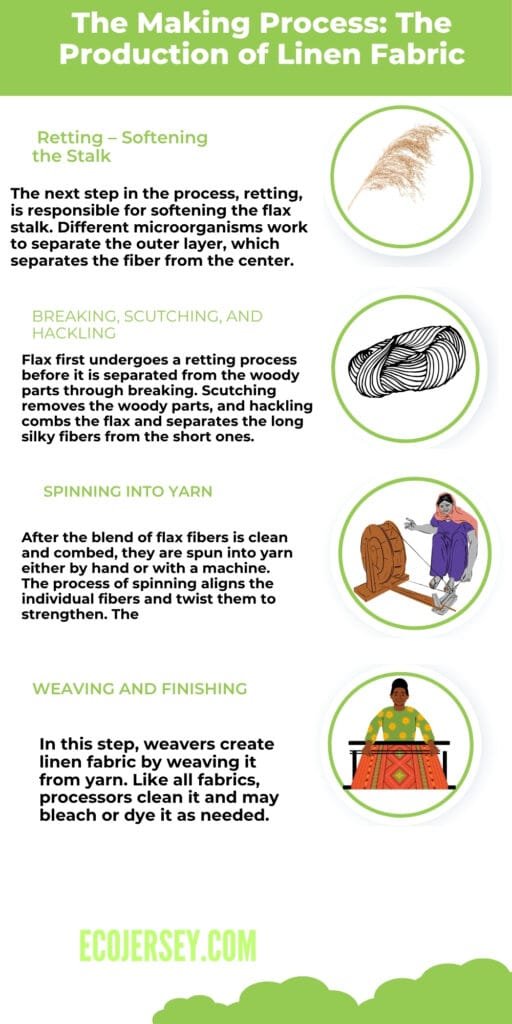
“Infographic titled ‘The Making Process: The Production of Linen Fabric’ showing four steps: Retting—Softening the Stalk with a flax illustration, Breaking/Scutching/Hackling with a flax fiber image, Spinning into Yarn with a person operating a spinning wheel, Weaving and Finishing with a person weaving on a loom; Ecojersey.com at the bottom.
“The Making Process: The Production of Linen Fabric — from retting and scutching to spinning, weaving, and finishing.

The Largest Producers of Linen Fabric in the World
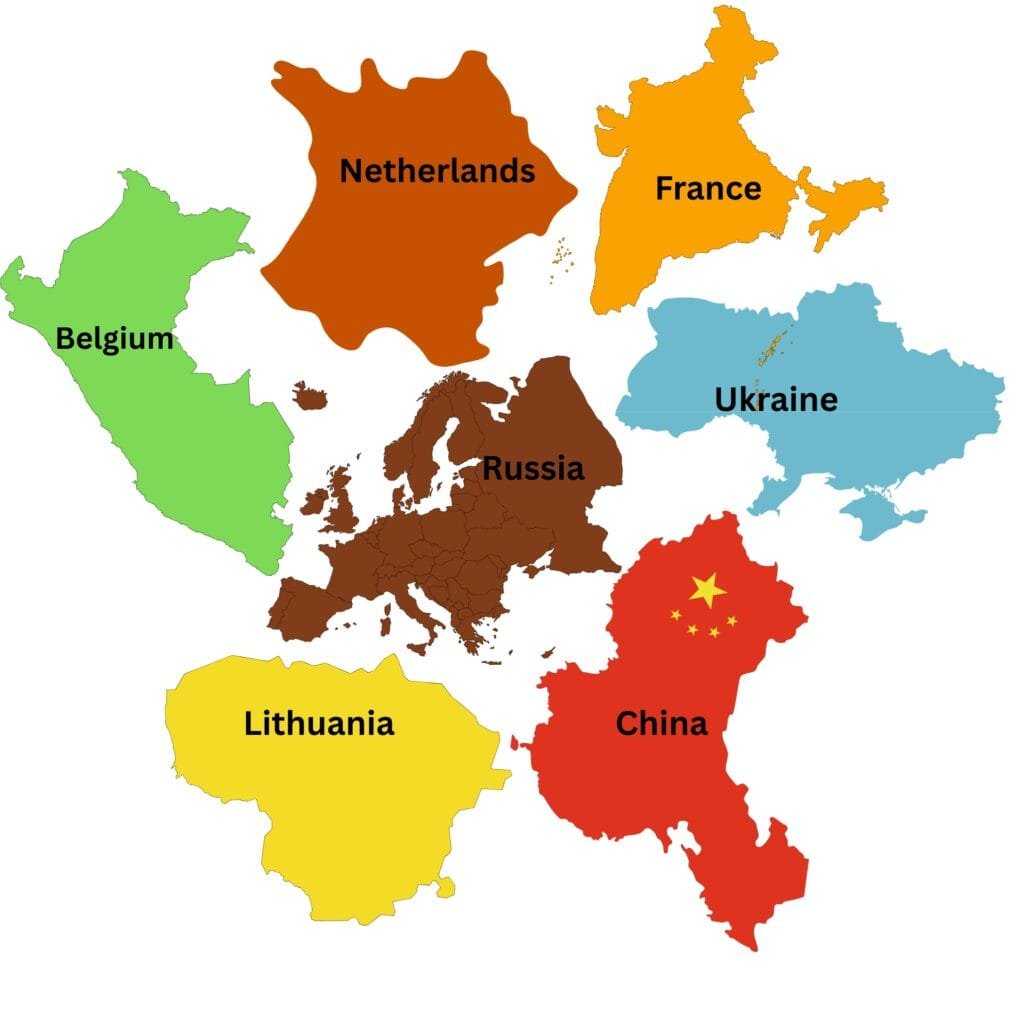
A color-coded map of Europe and parts of Asia highlighting the world’s largest linen fabric producers: Belgium, Netherlands, France, Russia, Ukraine, China, Lithuania, and Egypt/China region. Each country is filled with a distinct color and labeled with its name.
“Top Linen Fabric Producers in the World (by country): Belgium, Netherlands, France, Russia, Ukraine, Lithuania, China, and others highlighted on the map.”

France

France is a dominating player in the global market for Linen Fabric, and for justifiable reasons. Farmers can make linen fabric only from the flax plant, and France’s moist, temperate climate helps them grow long and strong flax fibers. French farmers have learned over generations how to grow flax plants to make a remarkable linen with a minimal ecological footprint. The careful attention to detail in each step of the linen’s production sets French Linen Fabrics apart from its competitors. French flax is primarily spun and woven in France, therefore, French linen undergoes stringent quality control during its production. Because of this, designers and seamstresses from different parts of the world look for French linen fabrics because of its enduring suppleness, natural luster, and opulent feel. In addition, the longstanding sustainable practices of France have greatly aided in preserving its reliability in the international market for Linen Fabric.

Belgium

Belgium remains a beacon of heritage in the field of high-end linen fabric weaving. Unlike other countries engaged in mass production, Belgian mills value precision, artistry, and a commitment to hand-finishing. What do they achieve? Linen fabric that is woven impeccably and linen fabrics with a smooth finish, strong durability, and exceptional refinement. For centuries, Belgian weavers have expertly refined the linen weaving craft, safeguarding the intricate techniques that modern industry still values. With the shift in focus of many designers to timeless materials, Belgian Linen Fabrics is a mainstay in luxury fashion, fine bedding, and premium upholstery. In addition, Belgium’s proximity to major flax-growing regions guarantee that the linen fabrics always starts with the best raw materials.

Netherlands

The Netherlands has emerged as a leader in innovation in the global Linen Fabric industry and is making strides in sustainability. While not as large in production volume as France and China, Dutch flax farmers are industry leaders in innovation and sustainability. Their farming practices take less than 2% of the farming pesticides, makes rational use of irrigation during cultivation and retting, and practices crop rotation. Because of such practices, the Linen Fabrics produced in The Netherlands has a low environmental footprint while maintaining high quality. Sustainable fashion labels, as well as other eco-conscious brands, prefer to source Dutch Linen Fabrics aligned with their eco-friendly values. In addition, farming communities are known to work with local weavers, ensuring that the entire supply chain is transparent and traceable.

China

China holds the worldwide title of Linen Fabric production. Due to its scale, China is one of the leading exporters of Linen as it serves the industrial and fashion sectors, with exports of hundreds of thousands of meters of linen each year. Chinese Linen Fabrics is widely utilized for low to mid priced apparel, furniture textiles, and home furnishings because of its low cost and easy accessibility. There is a growing perception that Chinese linen does not match in quality to European linen. That being said, Chinese companies are improving their technology, weaving precision, and fiber quality. Indeed, a number of Linen Fabrics Mills in China now have international quality and eco-friendly certifications. China continues to be essential in the global supply chain of Linen Fabrics, particularly for low cost labels.

Russia

With Russia being one of the world’s leading producers of raw flax, the Linen Fabric industry stands to gain immensely. The country’s copious fertile land, as well as its historical significance as an agricultural hub, enables Russia to provide a great share of flax fiber to the rest of the world. Although Russia exports a considerable amount of flax to other countries for spinning and weaving, the country is actively enhancing its domestic infrastructure to strengthen its Linen Fabrics manufacturing capabilities. With modern equipment and government-patented initiatives, Russia is set to tremendously improve its Linen Fabrics industry. This will not only transform Russia from a raw material exporter to a renowned competitor in the finished linen textile market, but will also diversify the country’s economy.

Ukraine

Ukraine’s connection with Linen Fabric production goes back many generations. Ukraine’s rural areas continue to practice flax cultivation using age-old methods and processing flax fibers environmentally. The Ukrainian Linen Fabrics is known to have earthy textures and a rustic charm, which enhances the beauty of home décor, tableware, and artisanal garments. Its authenticity and handcrafted quality has made it popular with boutique textile retailers and slow-fashion designers. Furthermore, Ukraine’s skilled and economical workforce make it an appealing sourcing country for small and mid-sized businesses looking for distinctive Linen Fabrics products.

Lithuania

Although small in area, Lithuania is quickly earning a reputation in the Linen Fabric industry. Lithuanian producers deeply value the meticulous art of linen crafting and are focused on blending age-old techniques with modern design sensibilities. Their offerings include clothing and richly textured table and elegant drapery ware. Sustainability is a growing focus for many Lithuanian factories as they strive to cut environmental impacts by using organic flax, eco-friendly dyeing processes, renewable energy, and sustainable production methods. Due to the meticulous quality and innovative, design-forward solutions that these producers offer, exports of Lithuanian Linen Fabrics are now reaching high-end markets in Europe, North America, and other regions. Their presence is growing in the fashion and interior design industries. Read more: Top 5 Global Linen Fabric Producers & Manufacturers

Linen Fabric: All the Available Varieties and Their Uses

The incredible versatility and refinement associated with Linen Fabric ranks it as one of the leading materials today. The flax plant gives Linen Fabric its unique properties, such as breathability and durability. Manufacturers create different kinds of Linen Fabrics for specific functions—like lightweight options for handkerchiefs and heavyweight versions for upholstery. Let us explore and understand the various types of Linen Fabrics available today for us to make confident decisions about their use as clothing, decor, or utility items.
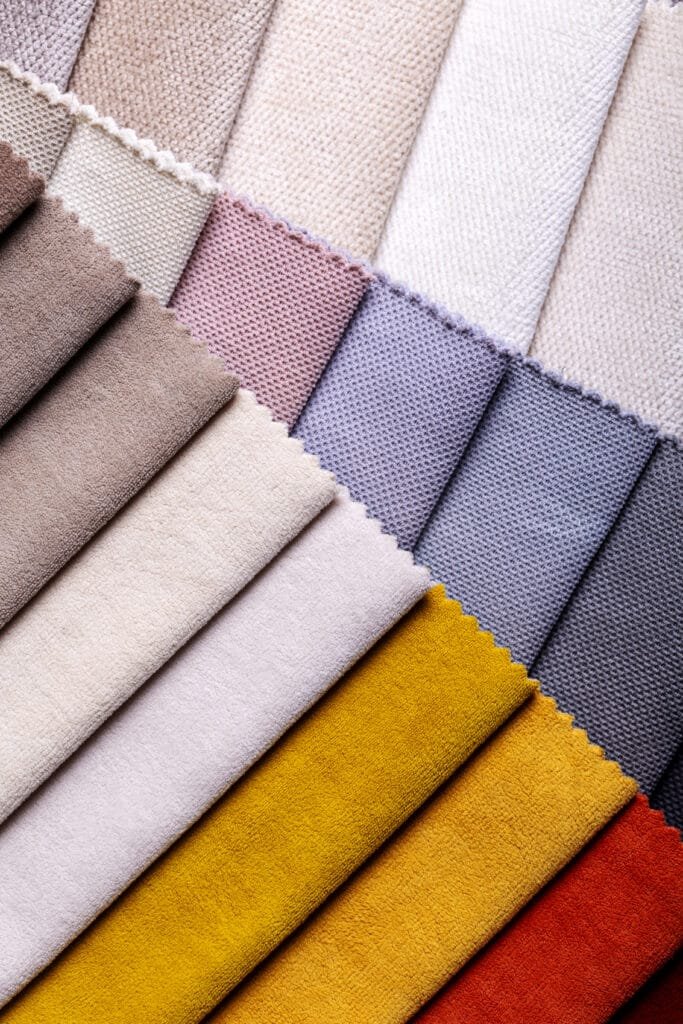
A collection of fabric swatches showcasing various colors and textures, primarily in soft, neutral, pastel, and vibrant hues, arranged in diagonal layers.
A vibrant selection of linen fabric swatches in a range of colors and textures, illustrating the diverse varieties and their potential uses.

Damask Linen Fabric: An Elegantly Patterned Decorative Fabric

Settings that demand beauty and sophistication benefit most from Damask Linen Fabric. Skilled weavers use a jacquard loom to create floral and geometric patterns by intricately weaving them directly into the fabric. As such, it is ideal for formal tablecloths, napkins, and high-end dining linens. Though Damask Linen Fabric feels smooth and luxurious, it is not highly absorbent. This smooth and luxurious fabric’s lack of breathability makes it best suited for upholstery. Despite these limitations, it adds unparalleled beauty to any setting.
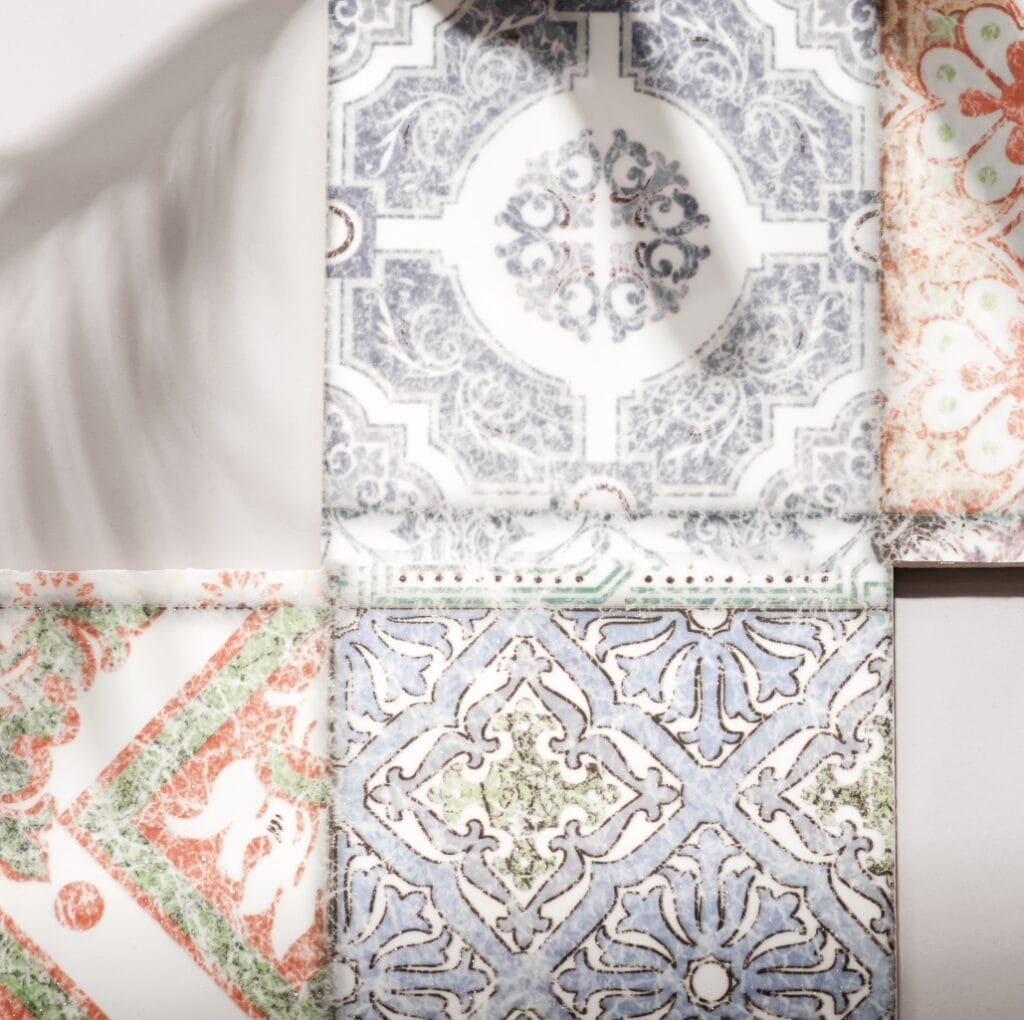
Close-up photo of four decorative fabric pieces with intricate damask patterns in various colors, showcasing their textured and ornate designs.
Elegant damask linen fabrics featuring detailed, classical patterns in soft shades, perfect for upholstery or luxurious decor.

Plain Weave Linen Fabric: Crisp, Lightweight, and Versatile for Everyday Use

Known as tabby linen, Plain Weave Linen Fabric is the simple and most frequent variety used. This Linen Fabric is amongst the lightest, most absorbent, and quickest to dry fabrics due to its tight, even weave. You’ll find it in summer clothing, kitchen towels and textiles, and various household items. Textiles of this weave are best suited for the casual, warm-weather wardrobe of hot climates. Even better, it is very DIY-friendly, adding its value to the many ways it is plain and simple to care for.
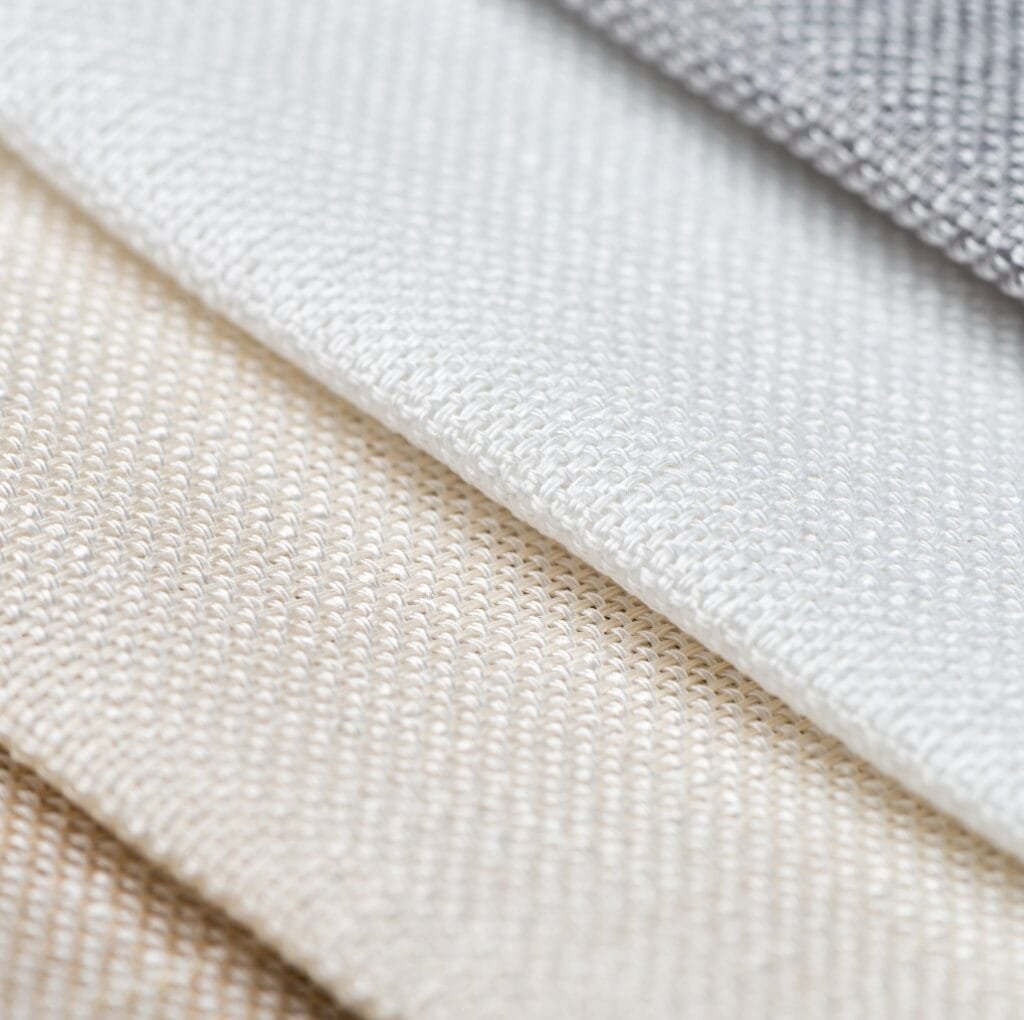
Close-up image of three layers of plain weave linen fabric in shades of beige, white, and gray, showcasing the woven texture and detailed interlacing of the threads.
Close-up of three woven linen fabrics in neutral tones, highlighting the fine, textured plain weave pattern.

Sheeting Linen Fabric: Strong, Smooth, and Ideal for Bedding Use

Manufacturers use Sheeting Linen Fabric in bed linens, jackets, and structured garments that need smoother and heavier linen. This poly fabric delivers soft, resilient comfort and excellent breathability. Weavers create it with a tight weave to ensure strength and help it resist daily wear. Additionally, dye specialists properly dye hosiery fabric-sheer, and over time, the fabric becomes softer, making it a valuable addition to both home and wardrobe essentials.
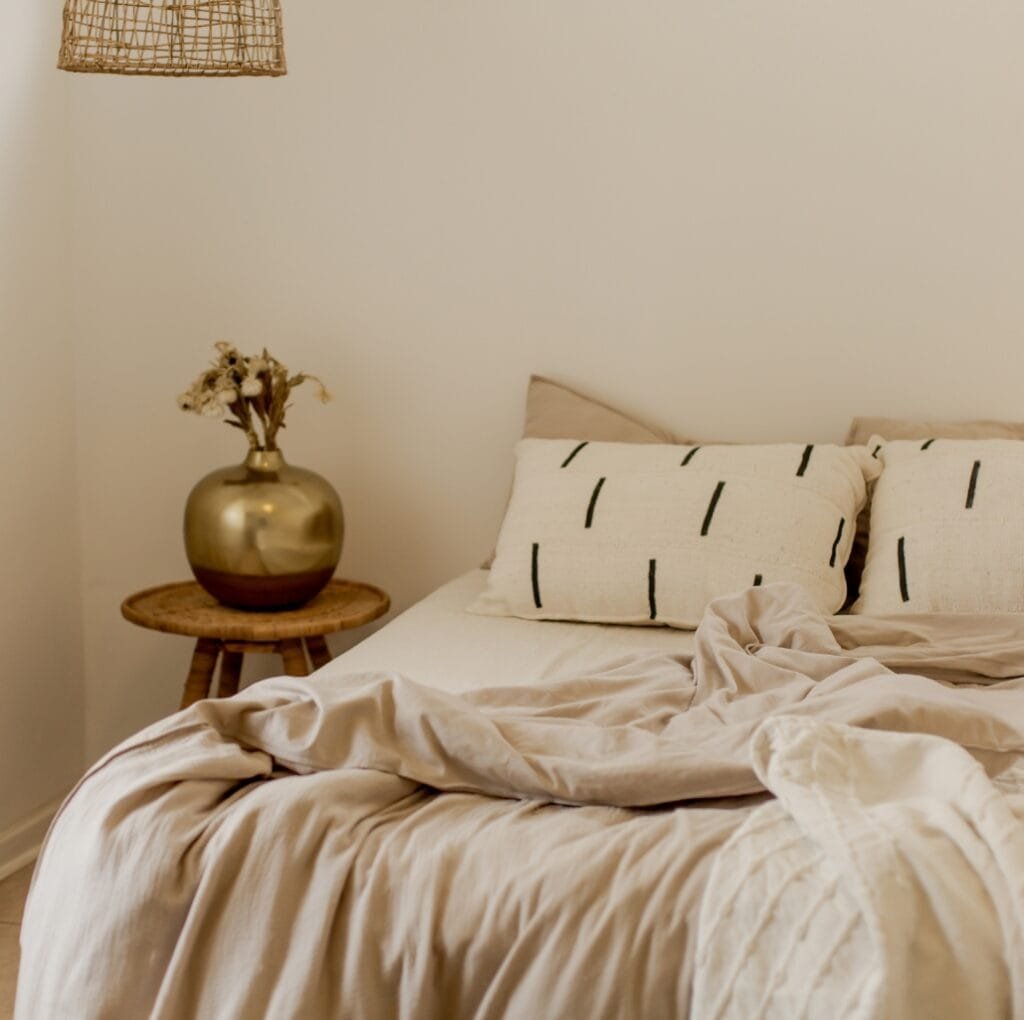
A neatly made bed with beige sheeting linen fabric, featuring wrinkled and slightly disheveled sheets and pillows. A small wooden nightstand with a gold vase and dried flowers sits beside the bed, and a woven lampshade hangs overhead.
A cozy bedroom scene showcasing soft beige sheeting linen fabric on the bed, complemented by minimalist decorative pillows and a simple wooden nightstand.

Closely Woven Linen Fabric: Durable Enough for Daily Use

Closely Woven Linen Fabric takes strength and structure to the next level. This linen fabric showcases a firmer and denser weave which enhances strength and durability as well as lessens the tendency to wrinkle. Closely Woven Linen Fabric is usefully incorporated in jackets, trousers, and curtains and cushion covers. Due to its strength, Closely Woven Linen Fabrics is also a popular choice for tailored garments and for upholstery work. Most importantly, Closely Woven Linen Fabric manages to retain breathability despite the strength, which is ideal in many fashion applications.
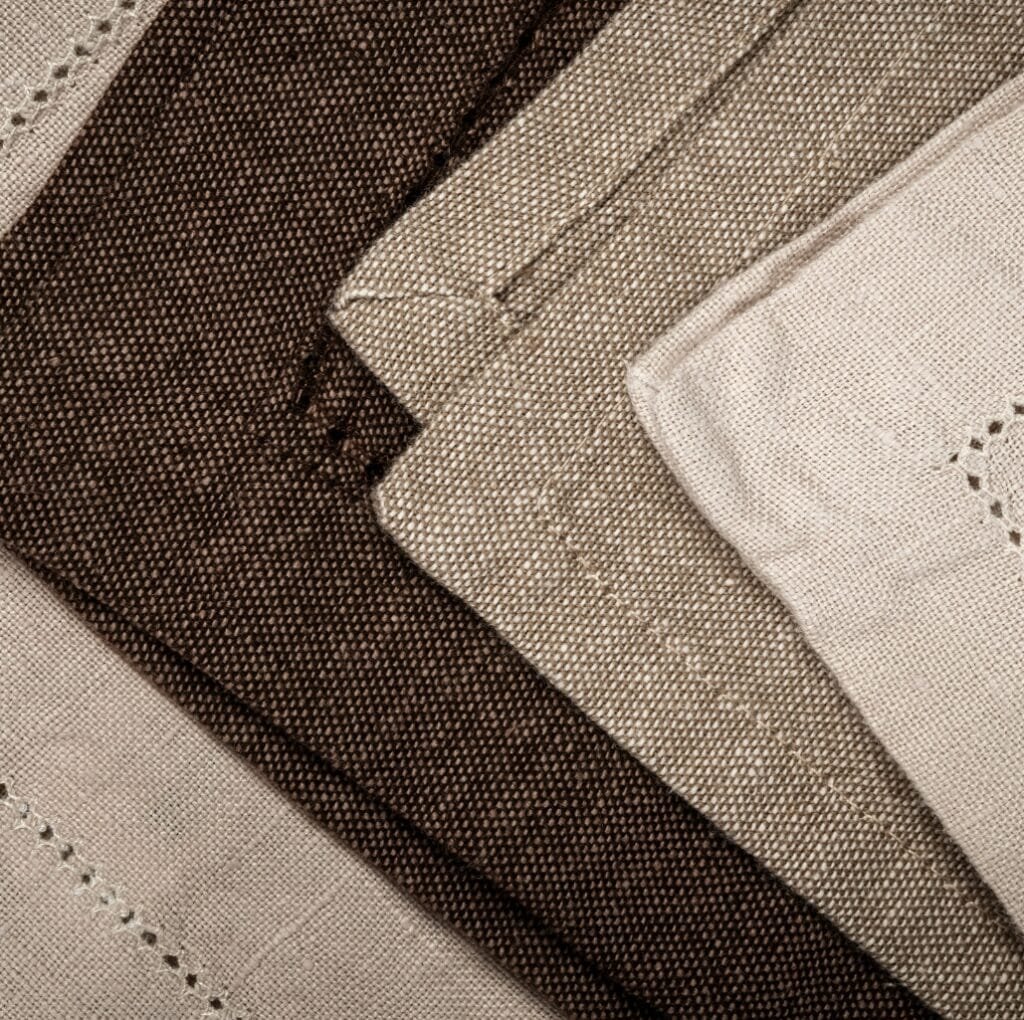
Close-up image of layered linen fabric in shades of beige and brown, showing detailed woven texture.
Close-up of closely woven linen fabrics in neutral tones.

Blended Linen Fabric: The Best of Both Worlds

Blended Linen Fabric combines natural linen with cotton, rayon, and even polyester fabric. This blend is cheaper, softer, and more wrinkle resistant. It serves well for clothing, upholstery, and other commercial purposes. For purists, 100% Linen Fabric is preferred. The blended alternative works well for those on a budget as it is cheaper and easier to maintain. The additional blended natural and synthetic fibers also increase the elasticity and durability of fabric, which is more suited to modern living.
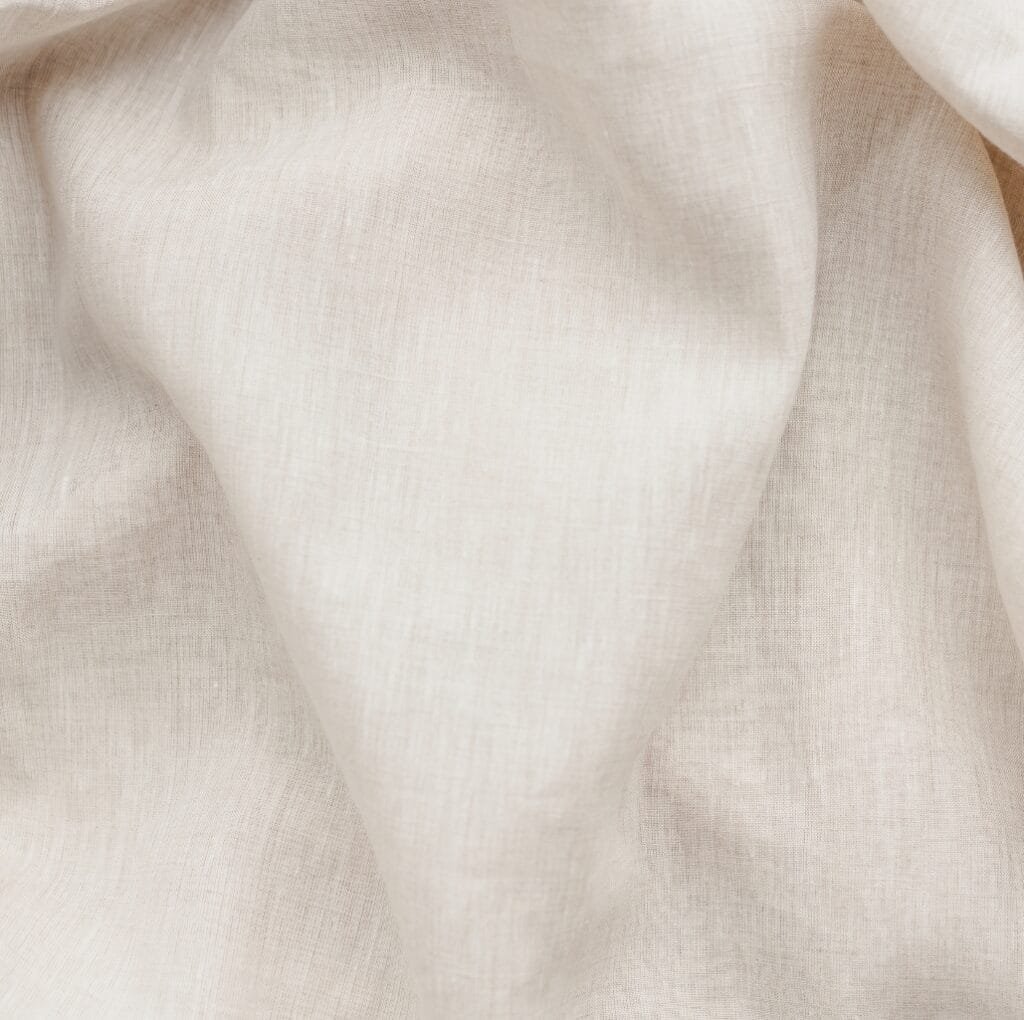
Close-up image of a light beige or cream-colored linen fabric with soft folds.
Elegant beige linen fabric with a smooth, natural texture.

Holland Linen Fabric: Stiff and Opaque for Specialty Uses

Manufacturers treat Holland Linen Fabric with oil and starch to give it a sleek and stiff finish. Designers and artists widely use this Linen Fabric for window shades, lamp covers, and canvases. It maintains its shape, offering elegance and function, and excellent opacity. It is not suitable for wearing apparel, but Holland Linen Fabric is very important in functional and decorative home accessories.
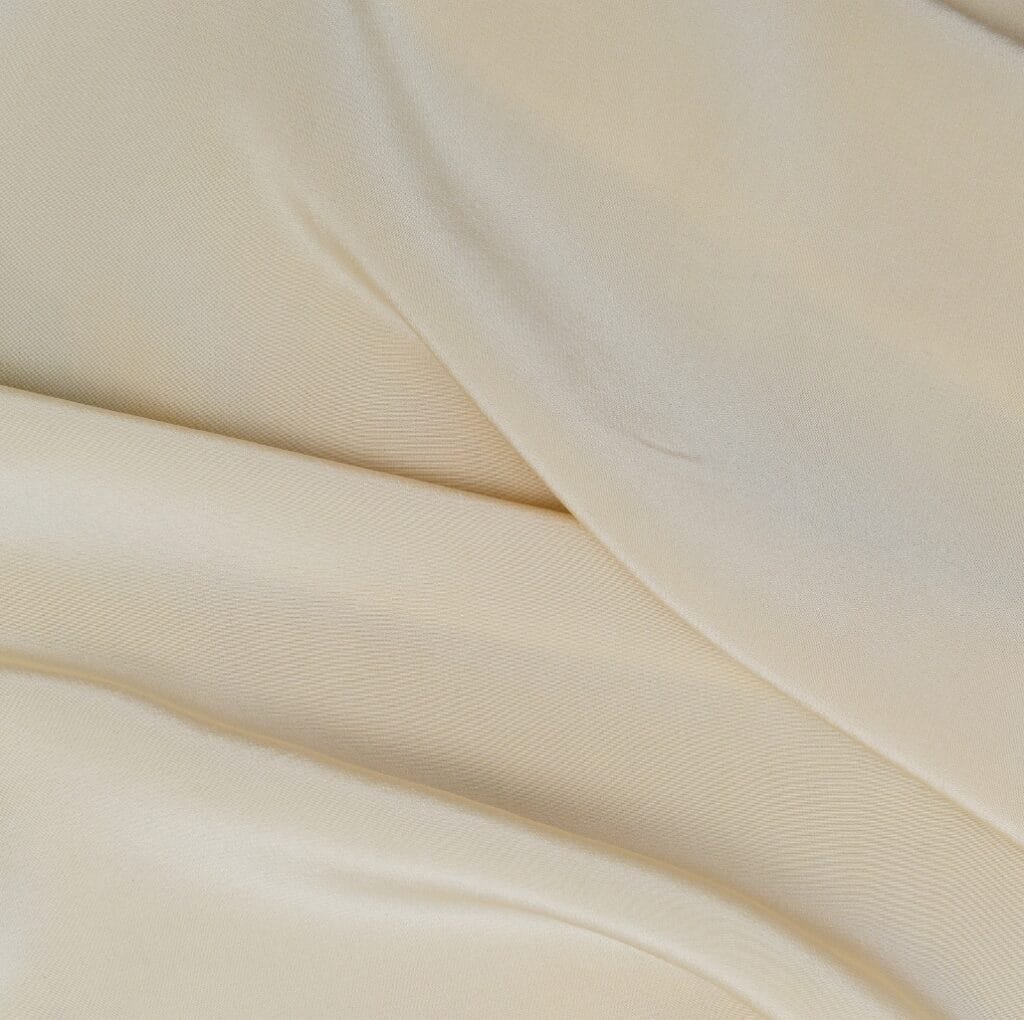
Close-up image of soft, cream-colored Holland linen fabric with gentle folds and a smooth, slightly textured surface.
A close-up view of luxurious Holland linen fabric in a delicate cream tone, showcasing its fine texture and elegant drape.

Huckaback Linen Fabric: Textured for Superior Absorption

Huckaback Linen Fabric is both functional and textured. This Linen Fabric with its looped weave is absorbent and soft, making it suitable for bath towels, hand towels, and kitchen towels. The textured surface is an aid to its drying ability. Huckaback Linen Fabrics is also useful in spas and wellness centers for its ability to control moisture and provide softness.
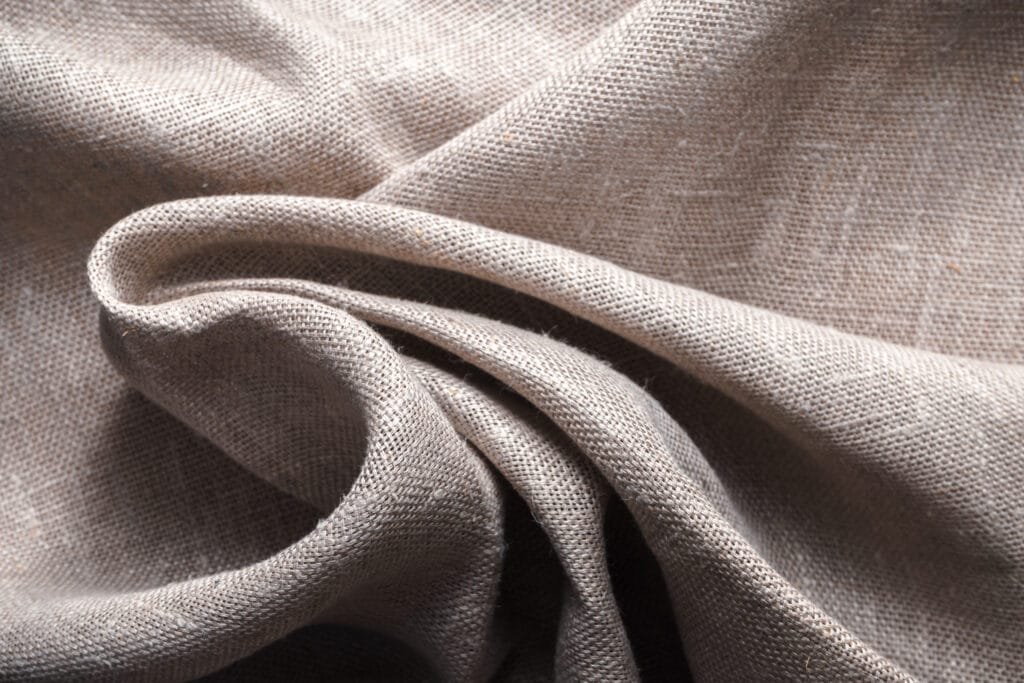
Close-up of soft, natural linen fabric with a plain weave and subtle texture, showing gentle folds and a warm beige-gray color.
Huckaback linen fabric in a neutral beige tone, softly draped to highlight its smooth texture and lightweight drape.

Suiting Linen Fabric: Refined, Shaped, and Fashionable

Suiting Linen Fabric is specifically designed for advanced suits, blazers, and tailored trousers. The Linen Fabric is more substantial and more structured, offering breathability while delivering a polished appearance. It enables professionals to remain cool while sharp in appearance. Suiting Linen Fabric is better at maintaining its shape and resists bunching more than lighter varieties, which makes it ideal for formal men’s and women’s wear.
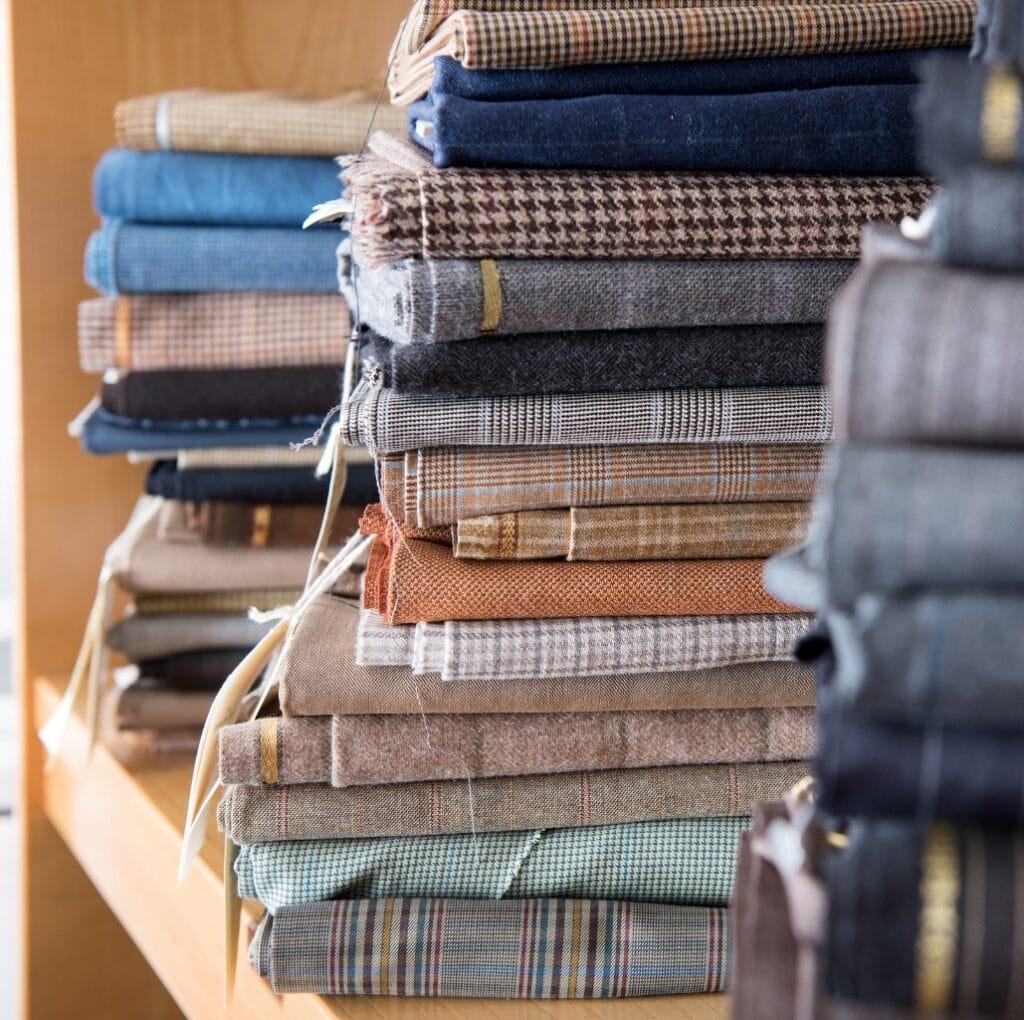
A tall stack of folded suiting fabrics in a fabric shop. The rolls feature a variety of textures and patterns, including houndstooth, plaids, tweeds, and solid weaves in earthy browns, blues, and grays. The fabrics are neatly piled on wooden shelves with some light fringing and small tags visible.
A generous selection of suiting and linen fabrics in a boutique, showcasing textures from tweed and plaid to solid and herringbone in warm earth tones and cool blues.

Toweling Linen Fabric: Designed to Absorb and Endure

The looped, or terry weave, of Toweling Linen Fabric specialized in absorbent qualities. This Linen Fabric is particularly beneficial for bathrooms, spas, and kitchens. It is soft to the touch and becomes gentler with every wash. It dries rapidly and is mildew resistant, which makes it clean and more durable. For Toweling Linen Fabrics, households that emphasize these qualities alongside natural materials will find it difficult to do better.
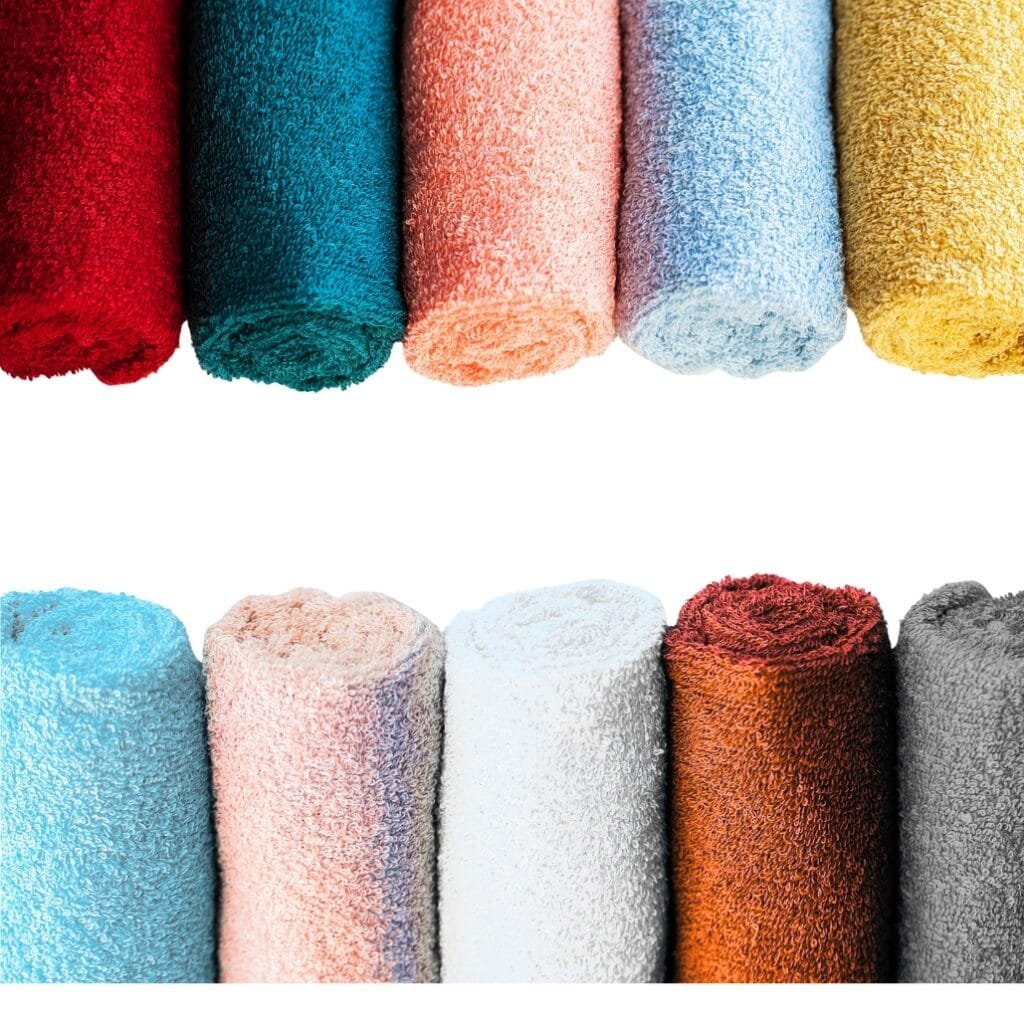
Rows of colorful rolled towels in red, teal, peach, light blue, yellow, turquoise, pale peach, light blue, white, brown, and gray.
Vibrant assortment of plush towel rolls in a spectrum of colors, arranged in two neat rows.

Belgian Linen Fabric: A Mark of Distinction for Quality and Class

Belgian Linen Fabric is the pinnacle of refinement and sustainability. Farmers grow, weavers produce, and manufacturers process this Linen Fabrics entirely in Belgium. Designers cherish it for garments, home furnishings, and luxury interior décor. Makers highlight this Linen Fabrics for its superb craftsmanship and eco-friendly production practices. It is a distinguished product while also upholding ethical sourcing.
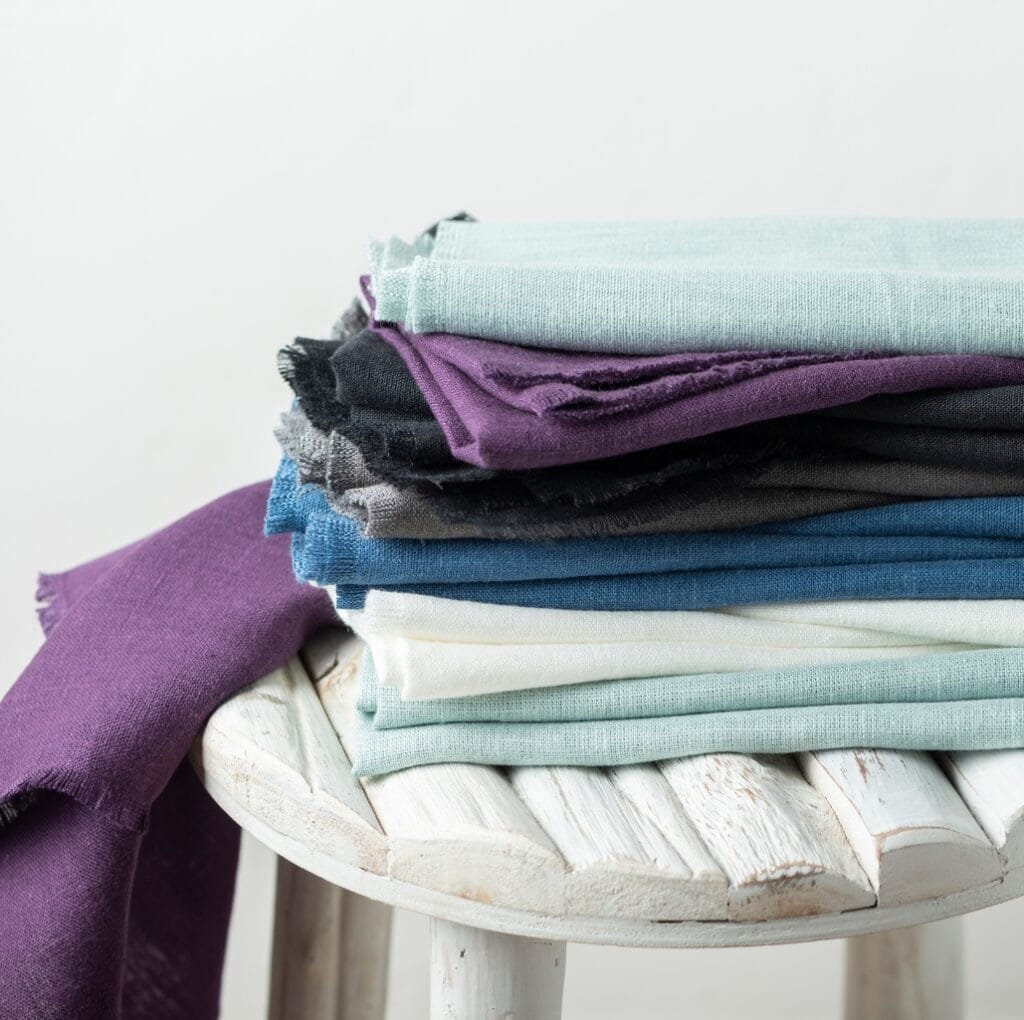
A stack of folded Belgian linen fabrics in soft, earthy tones (pale mint, lavender, charcoal, blue, and cream) arranged on a rustic white wooden stool. A single purple linen drape spills over the edge.
Belgian linen fabrics in a spectrum of calm hues, neatly stacked on a distressed white stool.

Cambric Linen Fabric: Perfect for Delicate and Lightweight Apparel

Cambric Linen Fabric is smooth and finely woven, perfect for a light shirt, undergarments, or even a more sophisticated table linen. This type of linen fabrics has a soft, smooth feel and also has a feminine touch. It also has a lightweight quality, making it suited for warm weather or perfect to be used as layering. Although it is dainty, the fabric is able to hold its structure, resist wear, and greatly stand up to proper maintenance.
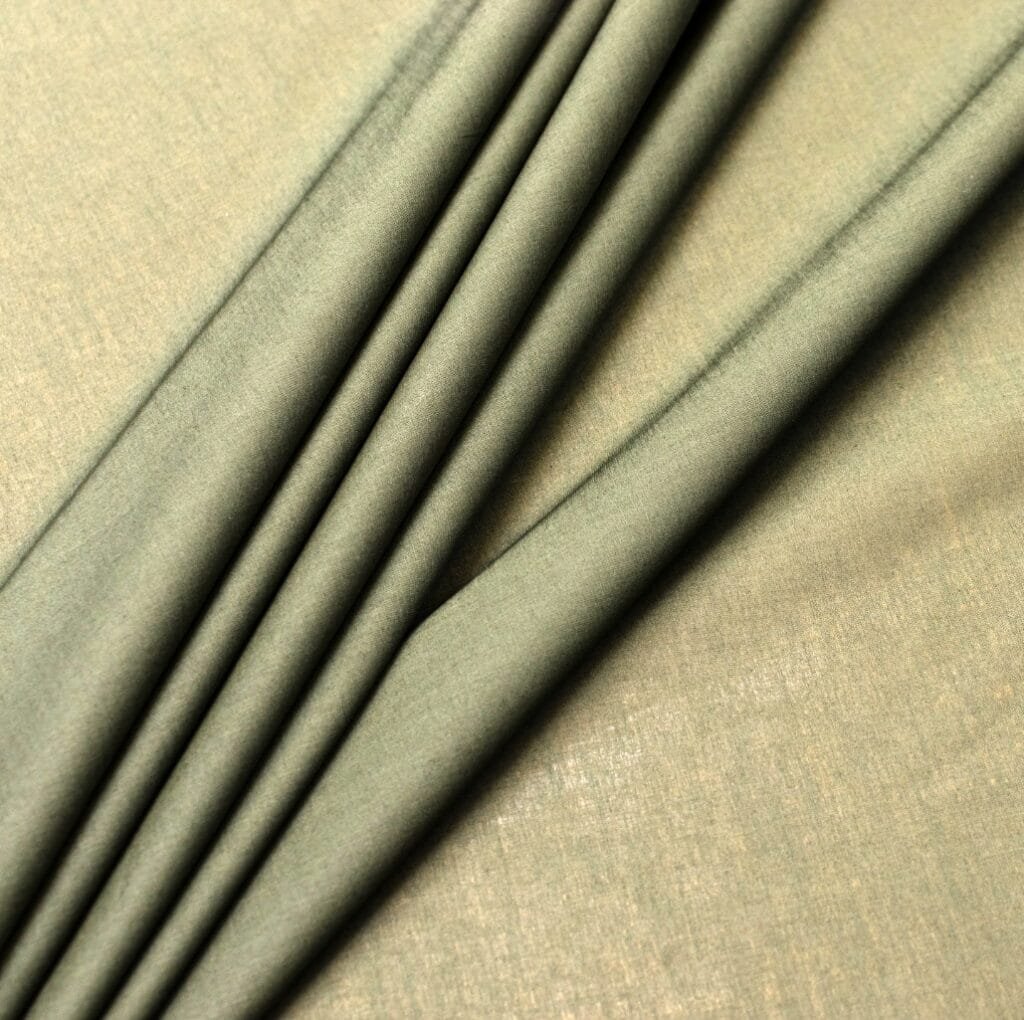
Close-up view of soft, pale green cambric linen fabric with gentle pleats running diagonally across the surface.
Cambric linen in a muted sage, featuring crisp pleats and a subtle weave.

Irish Linen Fabric: A Sturdy Legacy Stitched with Tradition

People have treasured Irish Linen Fabric for centuries because of its strength, gloss, and softness. Luxury bedding makers, fine shirt designers, and tailors use this linen fabrics for its exceptional quality. It lasts a long time and becomes even better with age. Manufacturers around the world recognize Irish Linen for its superior national quality.
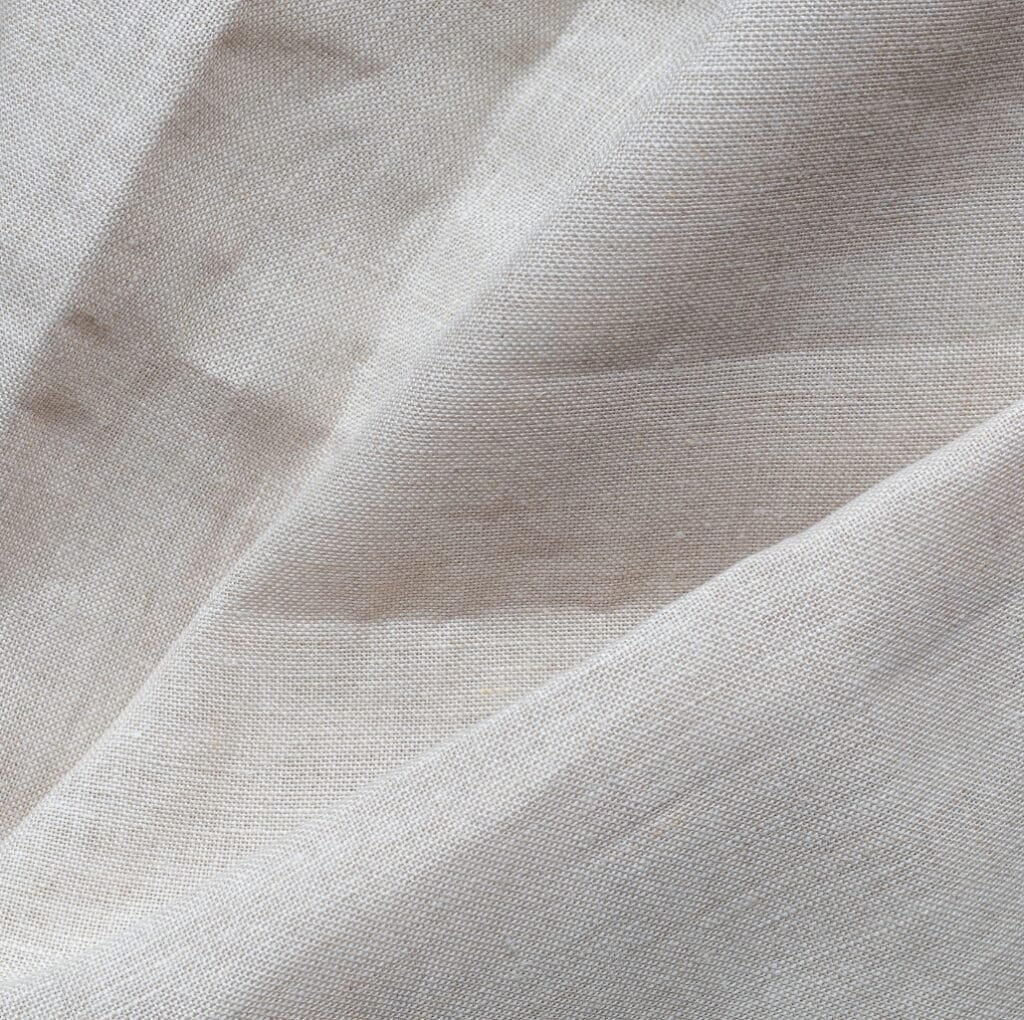
Close-up view of light, natural-colored Irish linen fabric with visible weave and soft drape, showing gentle folds and texture.
Subtle, airy Irish linen in a natural flax color, highlighting the fabric’s classic texture and elegant drape.

Upholstery linen Banner: Weather Rugged and Stylish Furniture

Upholstery Linen Fabric Displays defined ltitled ‘Linen Sofas’ & ‘Linen Chairs’ depict durability and ruggedness alongside elegance. Linen Fabrics defasats stretching and creases which is ideal for high movement interupts- furniture upholstered chairs. It is highly suggested for heavily traveled spaces and is ideal for furniture.
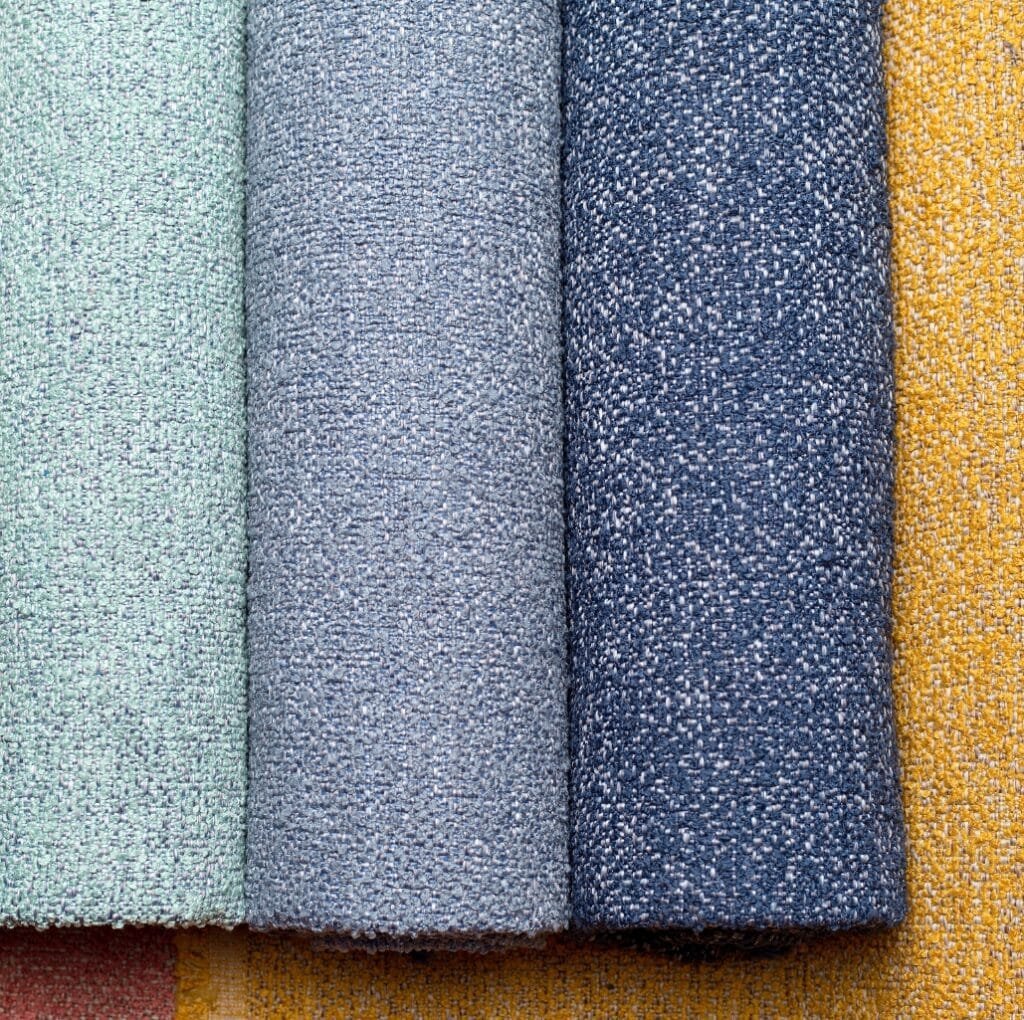
 A close-up view of several rolled upholstery fabrics in soft, textured linen-like weaves. Colors from left to right include light mint green, light blue, medium denim blue, and warm mustard yellow.
Rolled upholstery linen fabrics in a palette of calming blues and a sunny mustard.

Loose Weave Linen: Flexible and Breathable Fabrics

Loose Weave Linen is relatively open and has flexible structures. Face towels and baby items are one of its gentler applications. It does not have the most durability and strength offering, its breathable and lightweight nature makes sure its gentler applications are catered for.
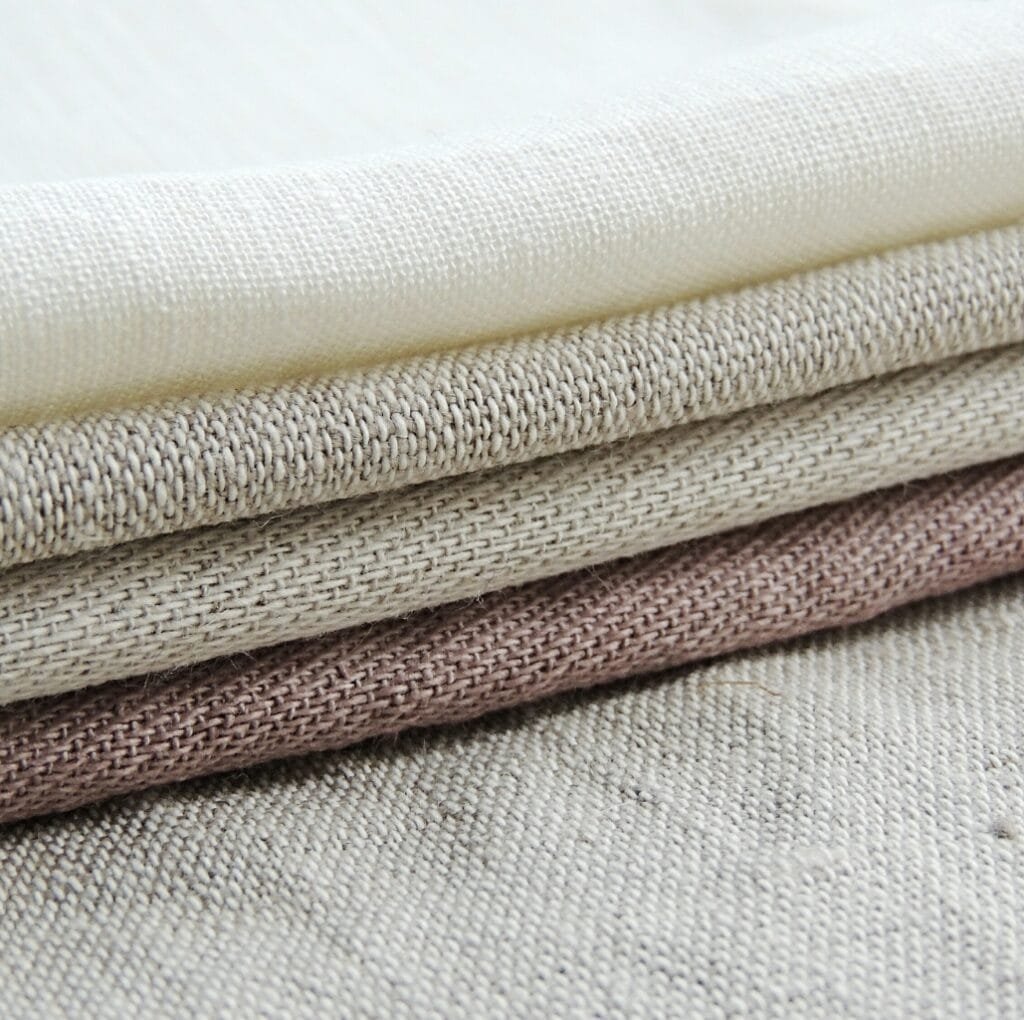
A stack of folded linen fabric with loose, open weaves in neutral tones (cream, beige, and light brown).
Loose weave linen fabrics in soft, natural colors, showing the airy texture and relaxed drape.

Venice Linen Fabrics: Luxurious and Show Articate By Nature

With Vecice linen fabric Italians, one can have emboiriery venice exhibiting the refinement and self elegance. Venice linen is utilized for embroideries like haute-couture’ and home decor. It can be considered for bespoke and high-static designs alongside its luster and finely woven fabric.—
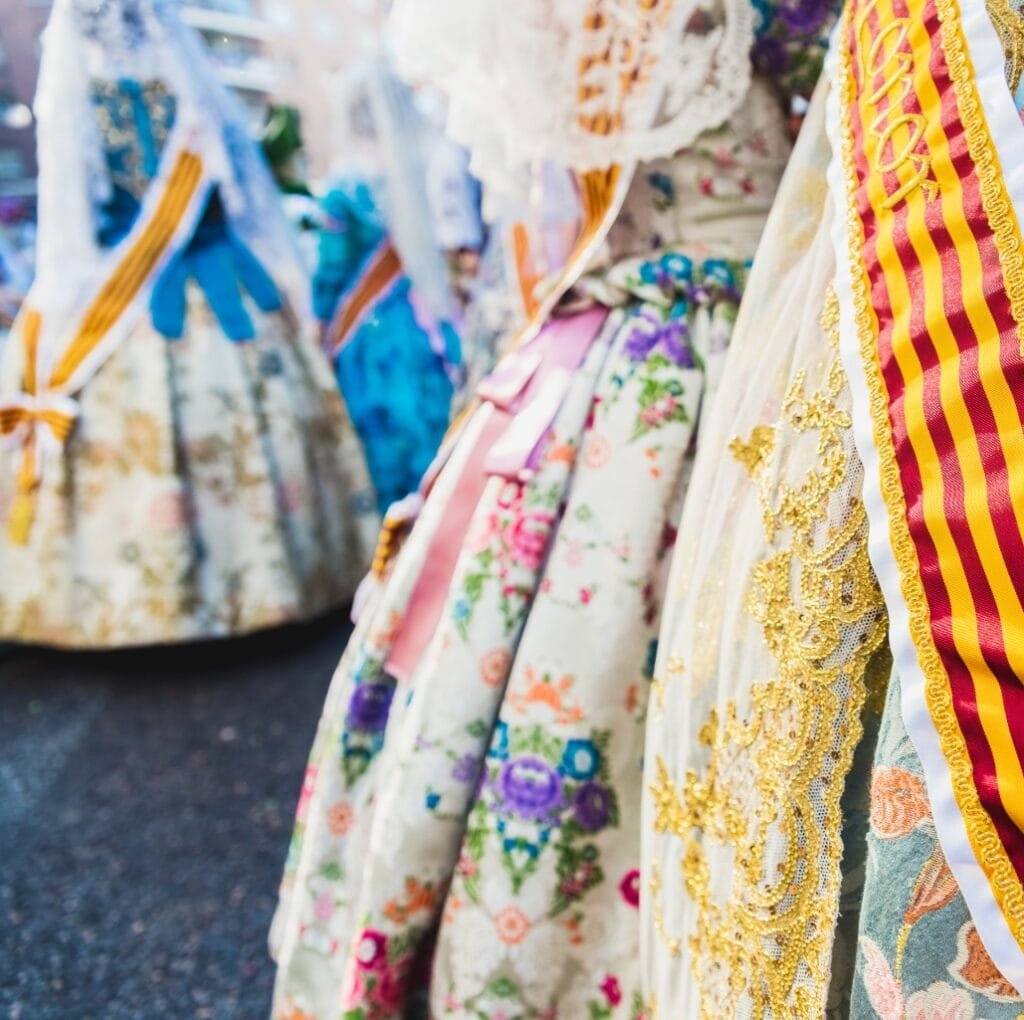
A row of beautifully patterned linen fabrics hanging outdoors. The fabrics feature floral prints in soft pastels and lace details, with bold gold embroidery and ribbon trims visible along the edges.
Venice Linen Fabrics: a vibrant display of floral linens and ornate lace, captured in soft daylight along a fashion-forward street stall.

Bird’s Eye Linen Fabric: Distinctive Texture for Everyday Towels

Bird’s Eye Linen Fabric derives its name from small, diamond-shaped designs formed within the weave. These designs enhance its absorption qualities and add charm to the Linen Fabric. It is often found in casual table linens, hand towels, and dish towels. As a fabric, Bird’s Eye linen is as useful as it is visually appealing.
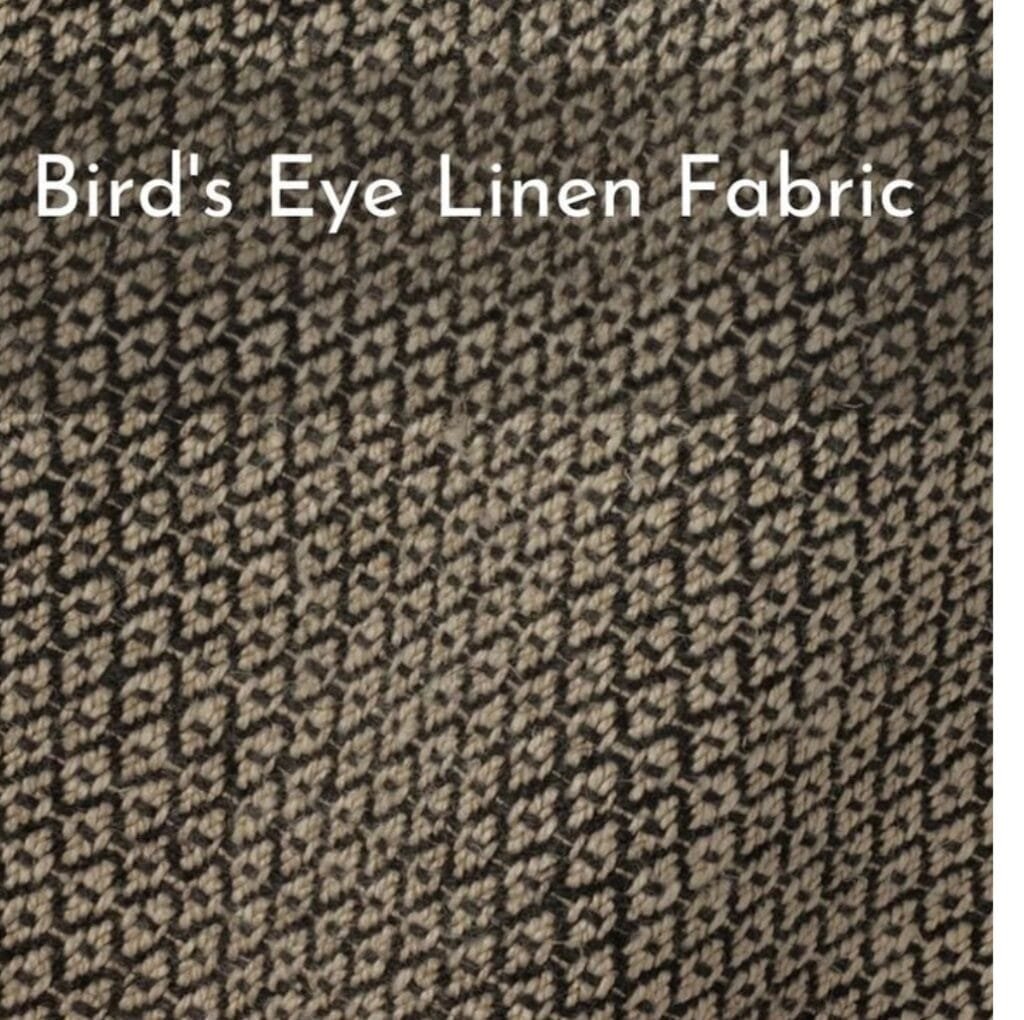
Close-up view of a textured fabric with a small, irregular geometric pattern in black and beige. The pattern creates a speckled, “bird’s eye” effect across the surface.
Bird’s Eye Linen Fabric: Textured black-and-beige pattern with a refined, tiny-scale motif reminiscent of tiny birds’ eyes.

Butcher’s Linen Fabric: Heavy-Duty for Work and Art

Manufacturers originally created Butcher’s Linen Fabric for butchers’ aprons because of its thickness and stain resistance. Today, chefs, workers, and artists use this durable fabric in coats, workwear, and even as canvases for paintings. It is a coarse and tough fabrics, making it one of the strongest types of Linen Fabrics available.
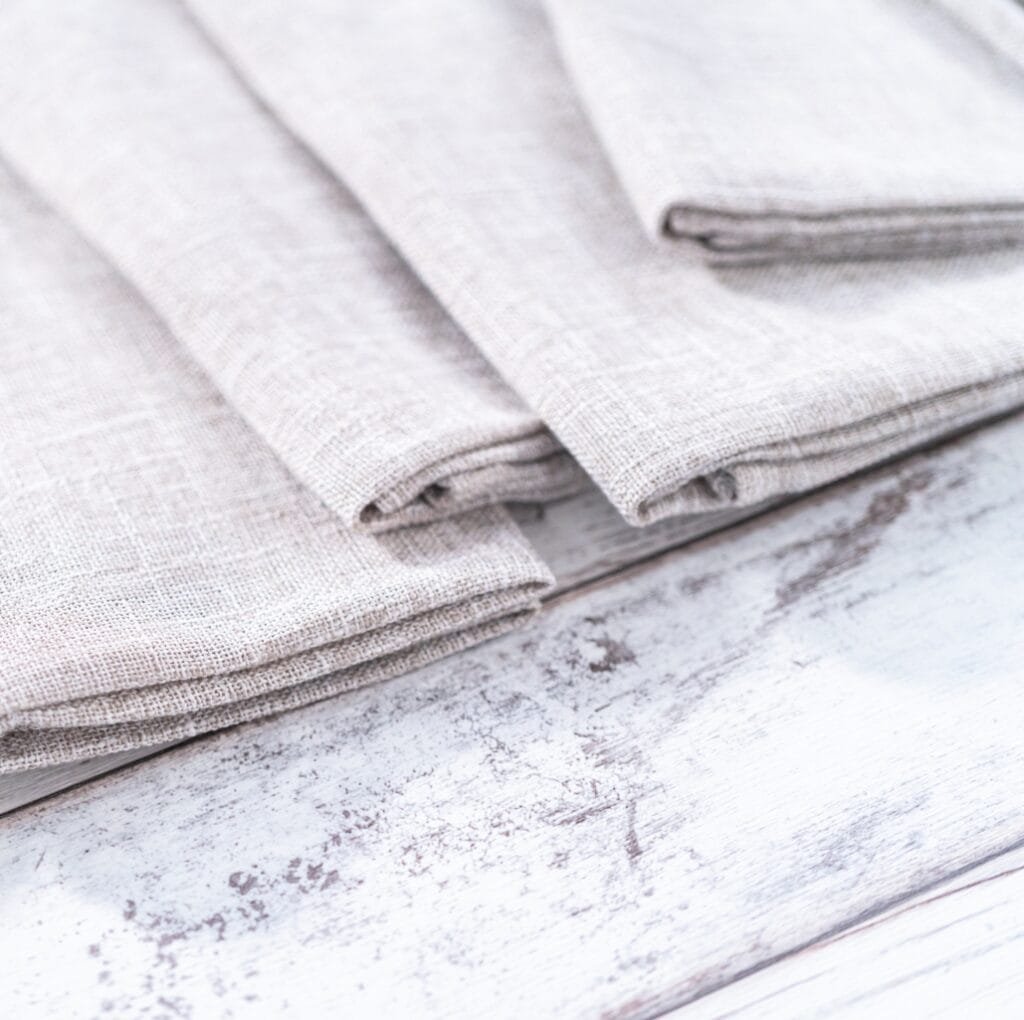
A close-up view of light beige linen fabric folded neatly on a weathered white wooden surface, showcasing the fabric’s coarse weave and natural texture.
Butcher’s Linen Fabric: natural, sturdy linen in a pale beige tone, shown folded on a rustic wooden backdrop.

Coarse Linen Fabric: Rustic Strength for Utility Projects

Coarse Linen Fabric is known for its thick and rough texture. It is a suitable choice for sack fabric, tool covers, and industrial materials. While this linen is not soft, it provides great durability, making it ideal for utilitarian use.
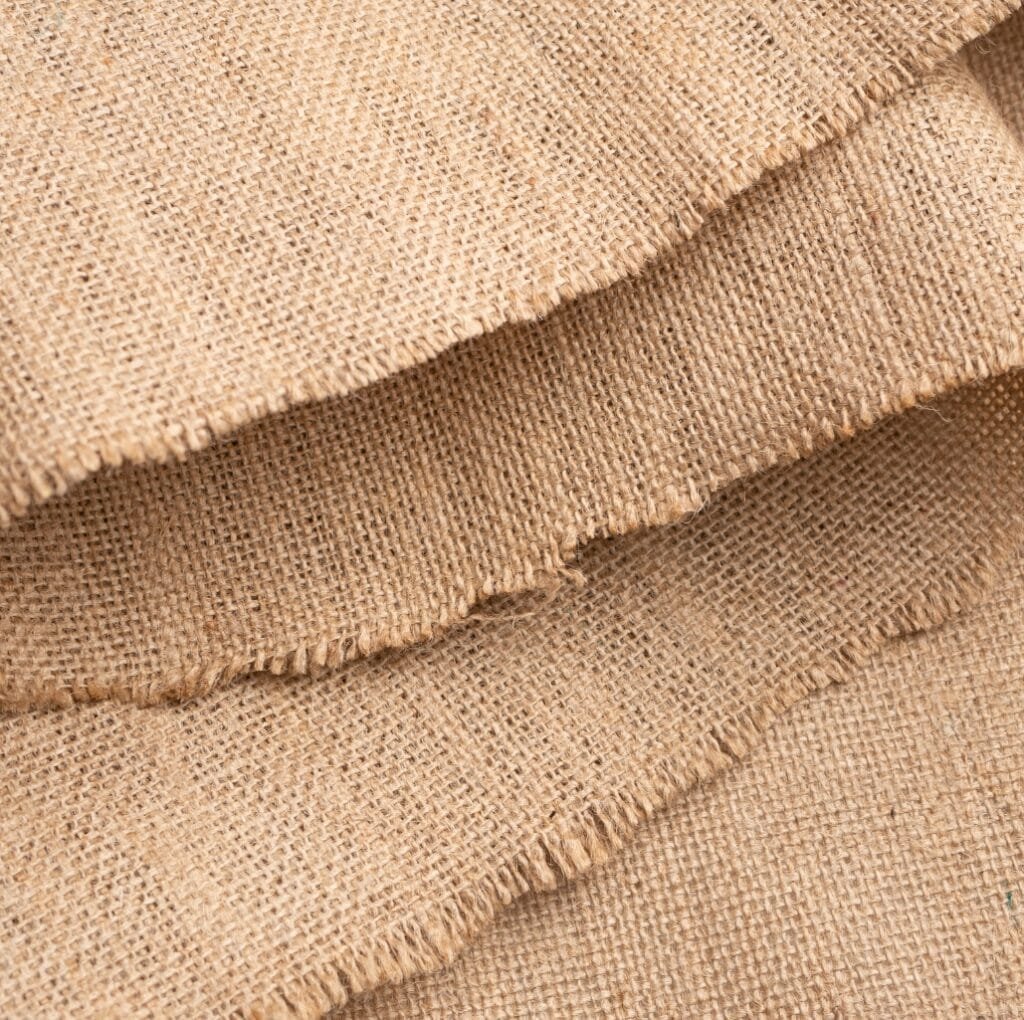
Close-up of coarse, natural beige linen fabric with a rough, open weave and visible slub texture.
A layered view of coarse, natural linen fabric showing its chunky weave and rustic texture.

Fabrics: As Transparent As Fine And Handkerchief Linen

Fabrics like Handkerchief Linen are very light in weight and almost seem transparent. It is used for handkerchiefs, veils, lingerie, and even blouses. This Linen Fabric is soft and has a soothing drape while offering breathability, thus being great for layering in warm weather. Even though it is soft and delicate, this Linen Fabrics retains strength and a sense of elegance through gentle sheen and movement.
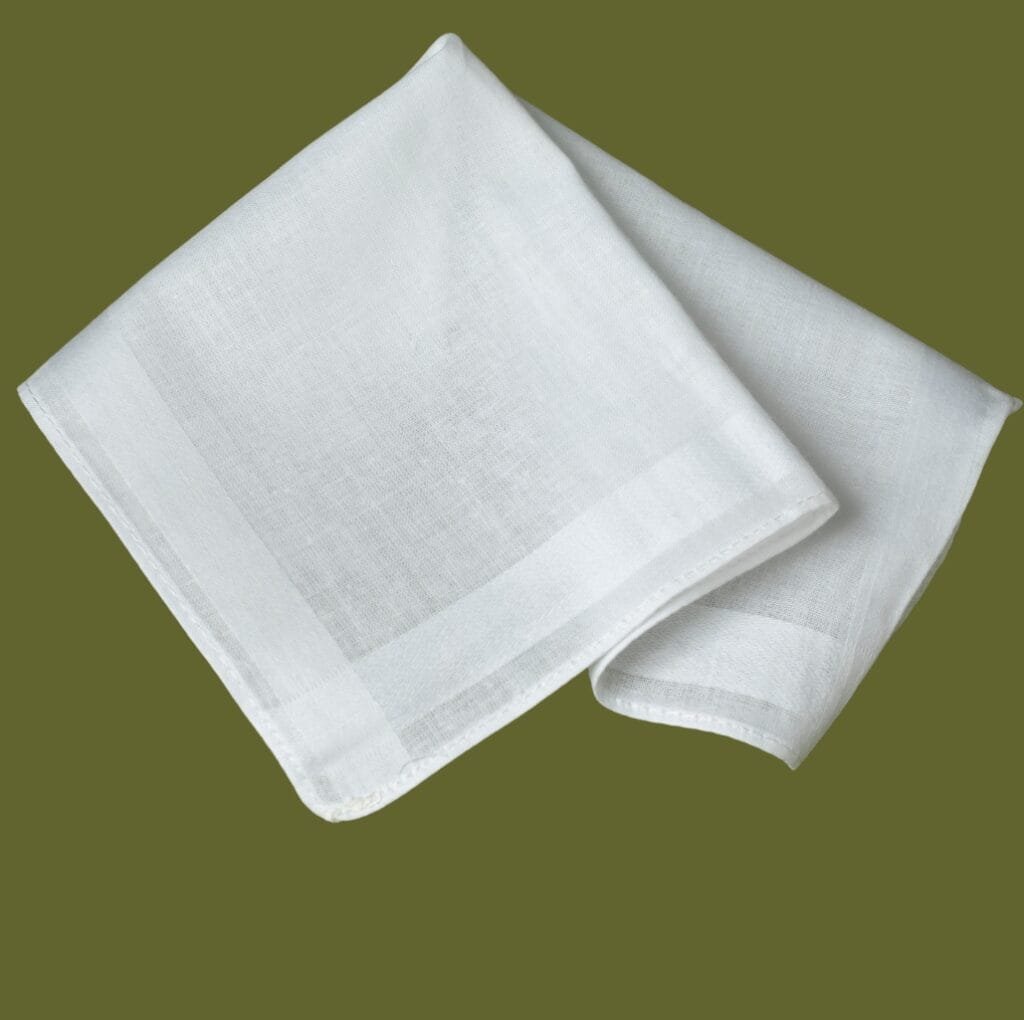
A pair of white, translucent handkerchief linen fabric pieces gracefully folded against an olive-green background, showcasing their light, sheer texture.
Fabrics: As Transparent As Fine – Handkerchief Linen

Linen Blend Fabrics: Blend of Nature and excels Silk Fabrics

Linen and Silk Blend Fabric is a combination of both high-end materials, thus offering the best of both worlds. Textile makers combine the shine and softness of silk with the cool, breathable nature of linen. You’ll find this type of Linen Fabric in scarves, evening gowns, and upscale tops. Designers glamorize this delicate Linen Fabrics with silk and keep it lightweight, making it perfect for elevated looks
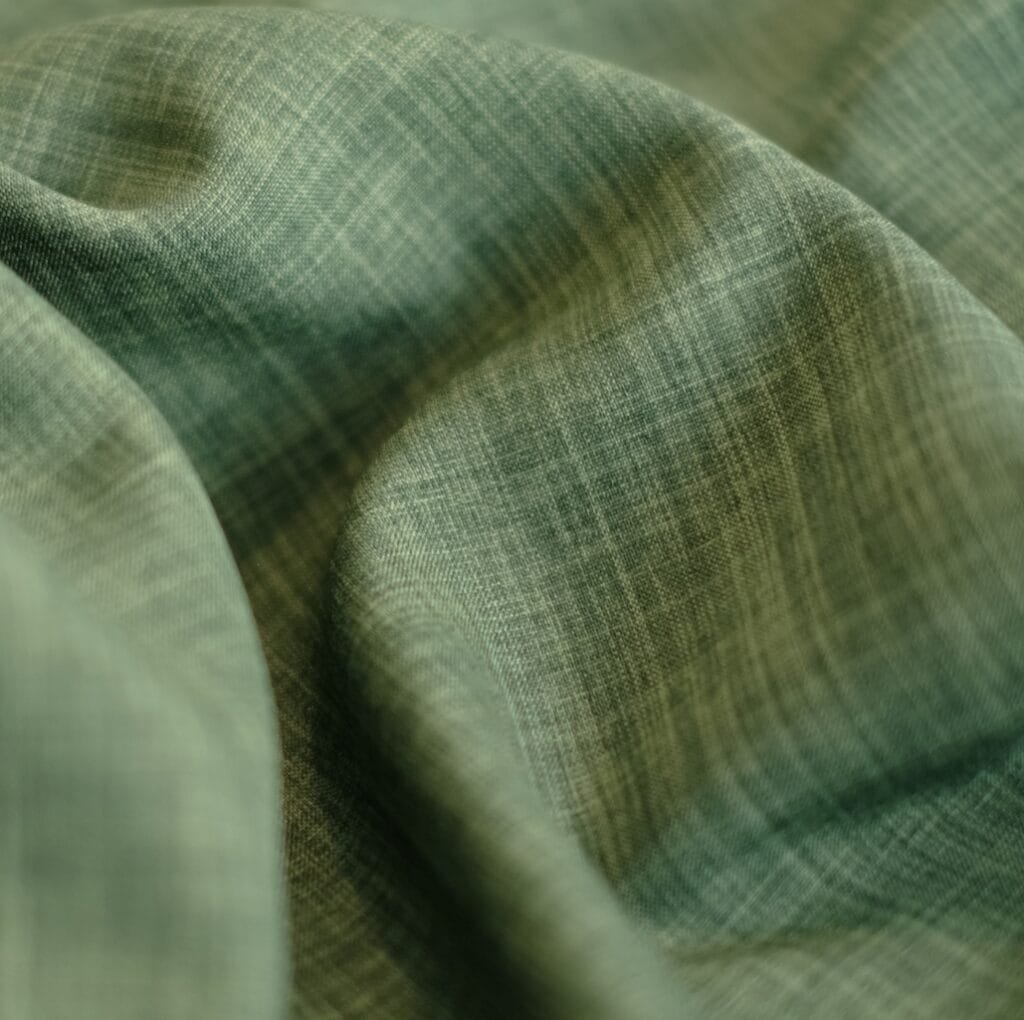
Close-up photo of a soft, green linen blend fabric with a subtle crosshatch weave and gentle folds.
Linen Blend Fabrics: A harmonious mix of natural fibers with a touch of silk for subtle sheen and drape.

Linen Fabrics: Outfit for all Seasons

The Linen Fabrics are leading the field in Fashion Outfit and are very hard to compete with. It goes well with casual shorts and shirts all the way to structured dresses and suits. Handkerchief linen is soft and comfortable, and blended fabrics offer strength and flexibility. Fabrics for summer can have more loose weaves, and for winter a heavier Linen Fabrics shelled with wool or cotton are ideal. Linen Fabrics are good for all seasons while keeping one stylish, comfortable, and cool.
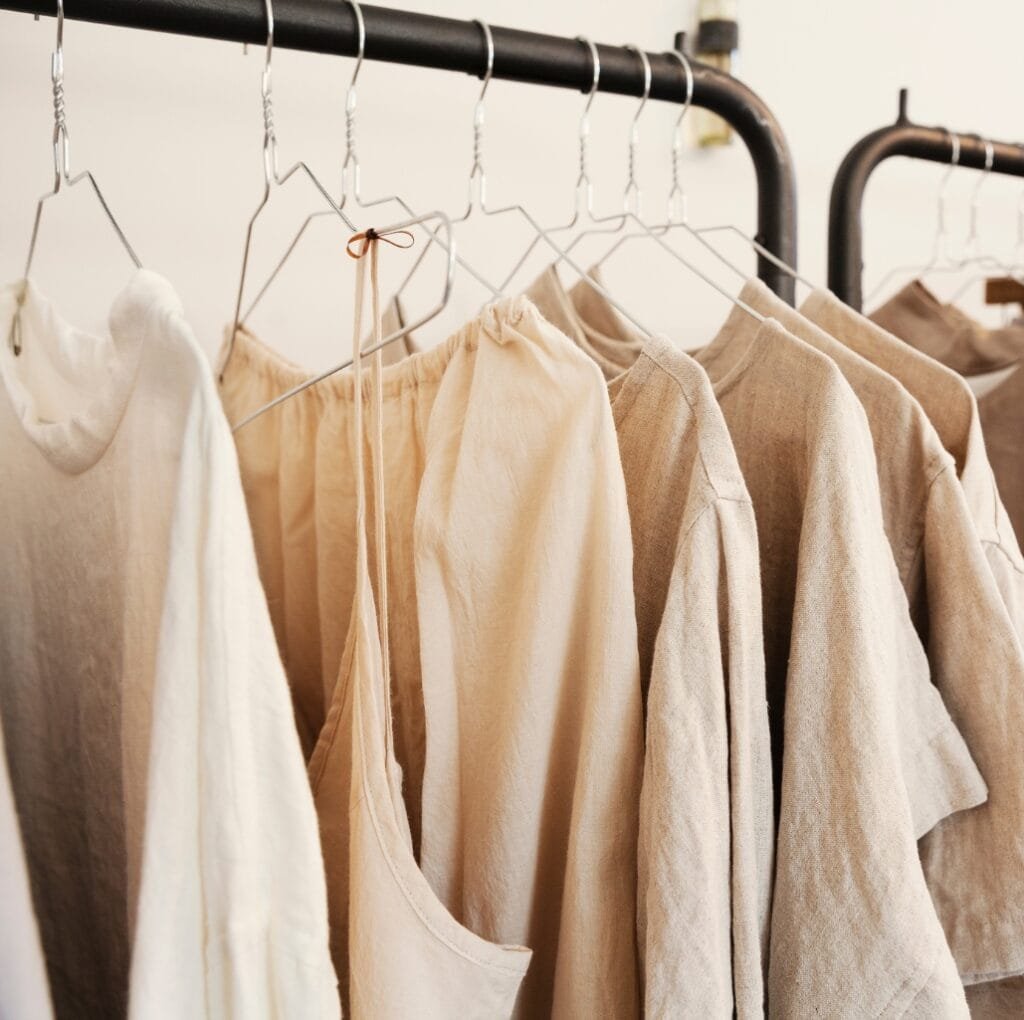
 A row of linen garments hanging on a clothing rack in neutral beige and cream tones, showing lightweight fabrics and natural textures.
Linen fabrics: an all-season wardrobe staple in soft, breathable neutrals.

What Are the Certification Standards for Linen?

Certified linen fabric must pass environmental and ethical standards. Consider the following top certifications.

  • OEKO-TEX® Standard 100: No harmful substances.
  • GOTS (Global Organic Textile Standard): Applies to organic linen and ensures eco-friendly processing.
  • European Flax®: Guarantees sustainability and traceability as well as zero irrigation farming in Europe.
  • Masters of Linen®: Premium certification for 100% European linen with local cultivation and production.

These certifications assist consumers in selecting appropriate linen fabric that is safe and sustainable for their needs.

Linen Fabric and the Environment: A Green Choice

Linen fabric is one of the most eco-friendly textiles. Flax is water-efficient and requires no chemical fertilizers. Its entire plant is usable, leading to zero waste. The retting process uses natural microorganisms, not chemicals. Linen production also emits less carbon compared to synthetics. Moreover, linen is biodegradable and compostable. Choosing linen reduces your carbon footprint and supports a healthier planet. This is why linen fabric is garnering attention in the sustainable fashion movement.
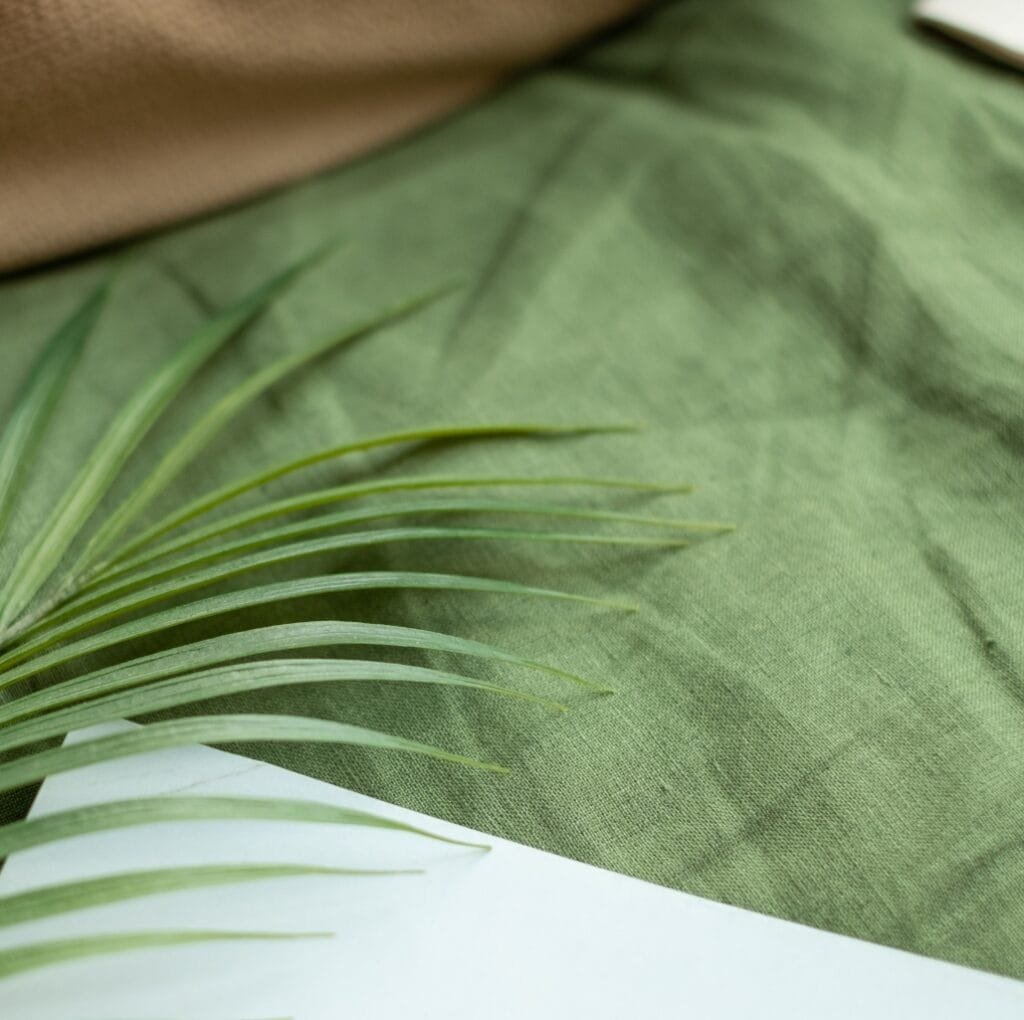
Close-up of a green linen fabric with a palm leaf placed on top, highlighting natural textures and a soft, earthy color palette.
Linen Fabric and the Environment: A Green Choice

Is Linen Fabric Cheaper Than Cotton?

Linen fabric tends to be pricier than cotton. This is because the flax plant requires more time and effort to cultivate. Linen production also involves more labor and time in retting and spinning. However, linen outlasts cotton and is less prone to wear and tear. While cotton feels softer initially, linen improves with age. Thus, the higher upfront expense is countered by long-term value. Its durability, timeless elegance, and environmental advantages bolster the investment.
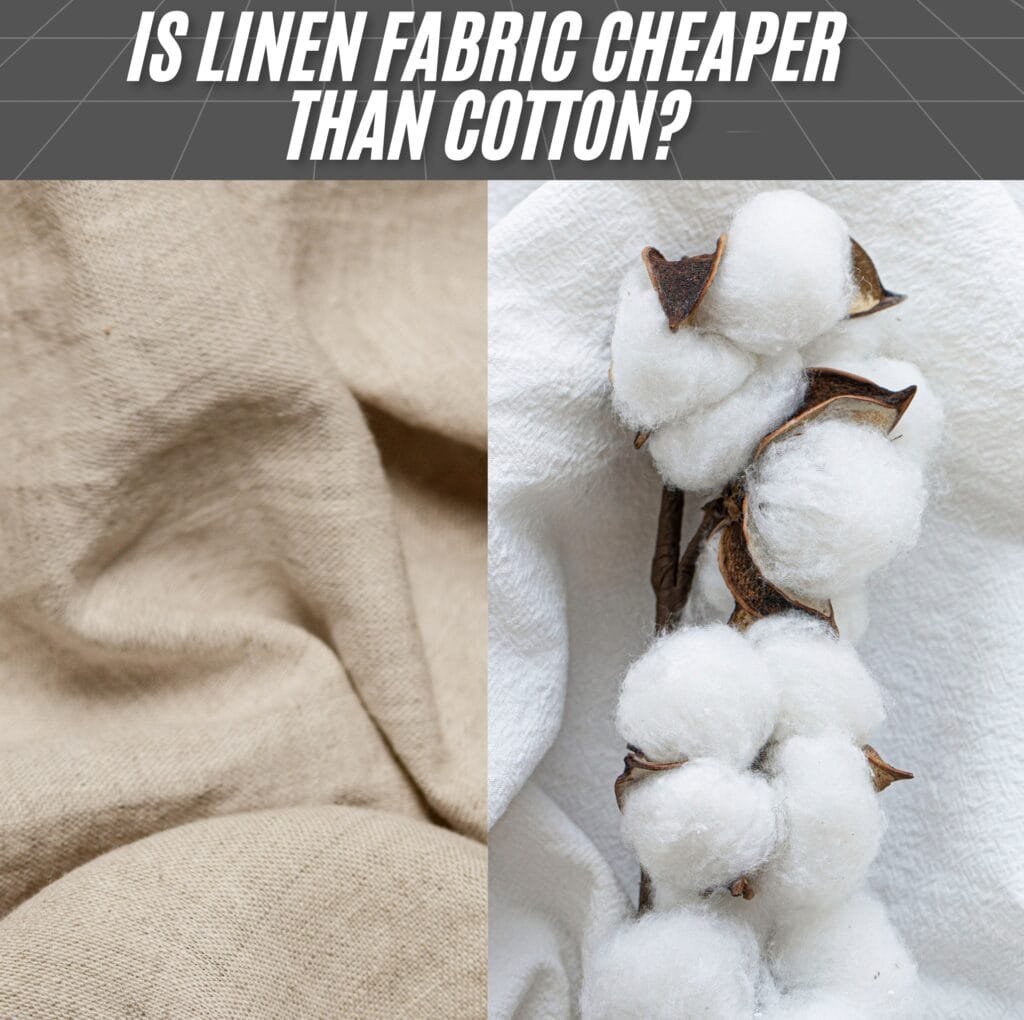
 A split image showing two fabrics side by side. Left side features close-up beige linen fabric with a natural, slightly textured weave. Right side shows white cotton fabric in the background with cotton bolls in the foreground, highlighting the fluffy cotton fibers.
Is Linen Fabric Cheaper Than Cotton?

Conclusion

Linen fabric is a centerpiece of tradition and quality, offering breathability, beauty, and strength unmatched by a few. From ancient to modern times, linen remains relevant. While it wrinkles, it wears beautifully and naturally. For clothing, household use, or eco-friendly living, linen is a smart choice that is stylish and timeless. Read More Article// 23 Types of Linen Fabric: A Complete Guide

FAQs

Is linen fabric suitable for sensitive skin?

Linen is hypoallergenic and breathable. Its lack of chemicals makes it perfect for sensitive skin.

Does linen wrinkle easily?

Yes, linen fibers will naturally wrinkle thanks to its fibers. However, a great number of people prefer its décontracté, lived-in appearance.

Can linen fabric be used in winter?

Yes, but with adequate layering. The cooler months will benefit from heavy weight linen and linen blend fabrics.
Cotton Fabric? Its Properties, Production, and Uses

0

Cotton fabric reigns as one of the most widely used and adaptable fabrics across the globe. It’s well known for its breathability and relative affordability. Cotton has served as a staple for clothing and home textiles for ages, and can be seen in the form of a casual T-shirt, luxurious bedsheet, or a durable pair of jeans. What most people may not realize is there is more to this humble fiber than meets the eye.

The History of Cotton Fabric

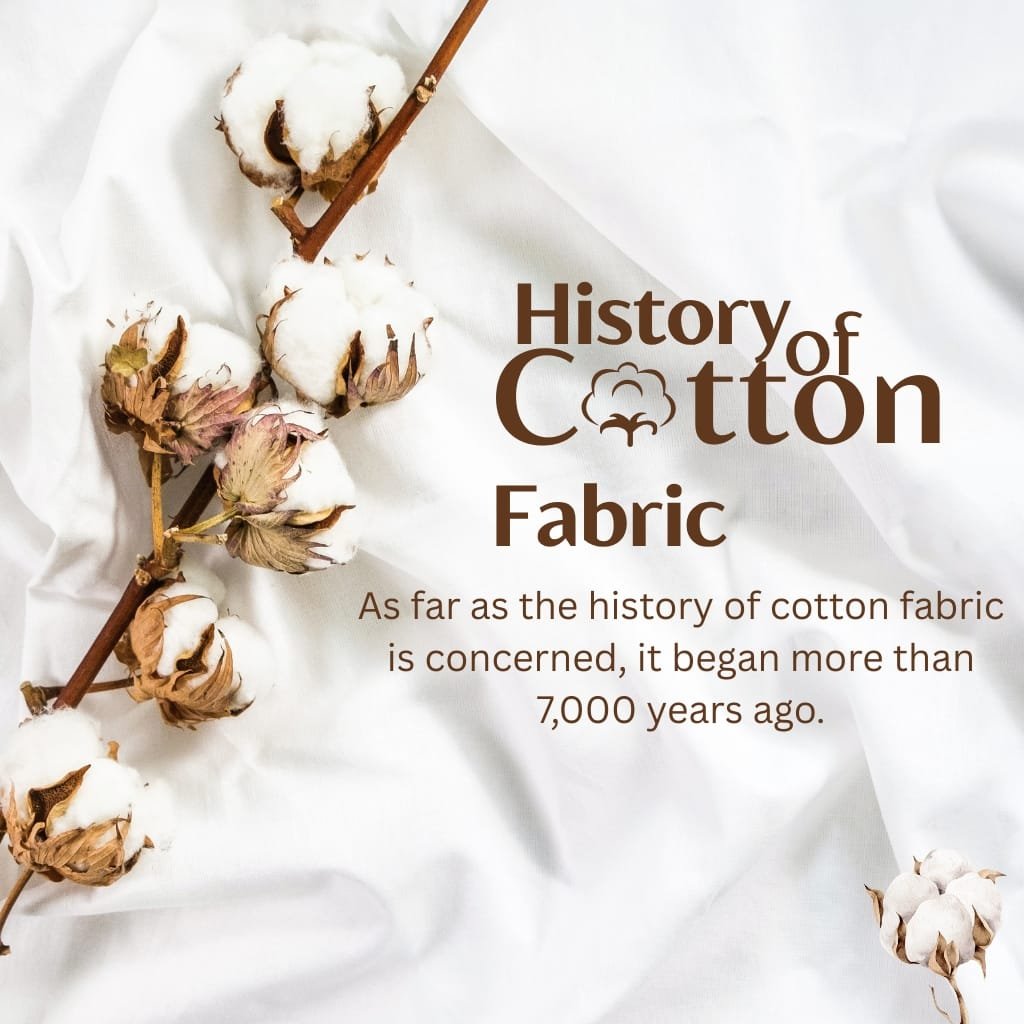
Cotton plant stems with fluffy white cotton bolls resting on white fabric; text overlay reads ‘History of Cotton Fabric’ with a cotton icon and a paragraph about cotton’s 7,000-year history.
History of Cotton Fabric: A quick look at the long, rich history of cotton.

As far as the history of cotton fabric is concerned, it began more than 7,000 years ago. Archaeologists have located the presence of cotton in ancient civiliations such as the Indus Valley (modern day Pakistan and India) where the population began spinning and weaving cotton cloth as early as 3000 BCE.

Cotton farming later expanded to Egypt, which began to value it for its luxurious texture. Arabs began introducing cotton to Europe in the 9th century. Cotton was in high demand all around the world by the 17th century, which aligned perfectly with the Industrial Revolution as it mechanized the production of cotton.

The cotton gin revolutionized the cotton farming industry in the US around 1793 which caused an increase in production. Although the uptick in production was positive, it came hand in hand with the dark reality of increasing exploitation of enslaved people. Regardless of the obstacles the industry has seen, it is still one of the most impactful parts of the economy worldwide.

What Is Cotton Fabric?

Close-up of a cotton plant stem with fluffy white cotton bolls resting on a white textured fabric background.
What Is Cotton Fabric? A simple look at cotton’s fluffy fibers.

Cotton fabric refers to the soft and fluffy fiber that develops around the seeds of the cotton plant. It is easier to manipulate cotton and the various products a person can create with cotton is maybe the reason a majority of the world’s population utilizes cotton products.

The fiber is spun into yarn or thread and is then woven or knitted to create a soft and durable piece of fabric. This material is absorbent in nature thus is ideal for a variety of uses, whether clothing or home textiles.

Where Can We Use Cotton Fabric?

Cotton fabric is one of the most popular textiles across the globe, valued for its comfort, strength and soft nature. The cotton fabric is well known for the comfort, soft nature, and ease of use. This is the reason the use of cotton is at the core of a variety of industries, and can be seen in a wide range of products that each of us uses in our day to day life.

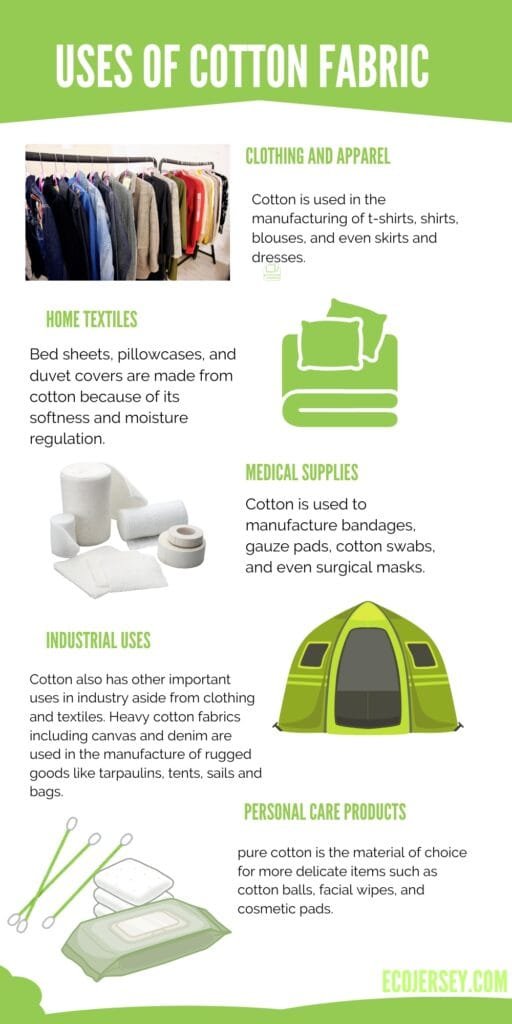
Infographic titled ‘Uses of Cotton Fabric’ with sections on clothing and apparel, home textiles, medical supplies, industrial uses, personal care products, and eco-friendly tips, illustrated with green icons and photos.
Uses of Cotton Fabric: From clothing to medical supplies and beyond.

Clothing

The breathable and soft fabric, cotton, is a staple in the fashion industry. It is used in the manufacturing of t-shirts, shirts, blouses, and even skirts and dresses. Underwear, socks, and bras are also made of cotton due to its softness and moisture-absorbing properties. Comfortable and durable, jeans and casual trousers are made with cotton. Children’s clothing is often made with cotton due to the fabric’s gentle and non-irritating feel on sensitive skin. Cotton serves as an essential year-round. It is used in summer wear as well as layering pieces for winter.

Home Textiles

In home furnishings, cotton fabric is ubiquitous. Bed sheets, pillowcases, and duvet covers are made from cotton because of its softness and moisture regulation. Cotton towels are also highly absorbent making them ideal for bathrooms and kitchens. Drapes and curtains made of cotton have an elegant softness and are easy to launder. In upholstery, cotton is often blended with other fibers to improve the durability and comfort of home furnishings. Because cotton blends luxury and practicality, it is highly sought for home textiles.

Medical Supplies

The healthcare sector depends on cotton extensively because it is hypoallergenic and absorbent. Cotton is used to manufacture bandages, gauze pads, cotton swabs, and even surgical masks. These items need to be made from soft and safe materials that can absorb fluids, and cotton fulfills these requirements. Cotton is sterilized and packed in first aid kits and hospital supplies all over the globe.

Industrial Uses

Cotton also has other important uses in industry aside from clothing and textiles. Heavy cotton fabrics including canvas and denim are used in the manufacture of rugged goods like tarpaulins, tents, sails and bags. Cotton is also used in the form of workwear for construction, farming, and manufacturing, where strong but breathable uniforms are needed. Its strength, combined with comfort, makes cotton perfect for tough environments where resilience and breathability are required.

Personal Care Products

The soft texture of cotton makes it ideal for personal care items. For safety and efficacy, pure cotton is the material of choice for more delicate items such as cotton balls, facial wipes, and cosmetic pads. During skincare routines, cotton rounds are used to apply toner or remove makeup. Hygiene products such as cotton swabs and sanitary pads are also made with cotton due to its absorbent and skin-friendly properties.

The versatility of cotton fabric makes it an essential in many parts of a person’s daily life. Casual and business clothing, as well as medical apparel, and even home décor and industrial textiles all make use of cotton. The fabric’s natural comfort coupled with its ease of maintenance and ability to be used in multiple products makes it ageless and used around the world.

The Making Process of Cotton Fabric

The fabric creation journey of a cotton plant involves a series of steps.

Infographic titled 'Making Process of Cotton Fabric' with five steps. Step 1 Cultivation and Harvesting shows a field bag of cotton; Step 2 Ginning shows a gin; Step 3 Spinning shows a spinning wheel; Step 4 Weaving or Knitting shows a loom; Step 5 Dyeing and Finishing shows fabric samples. Each step is accompanied by a short description and green circular icons.
Making Process of Cotton Fabric: From cultivation to finishing, the key stages are cultivation and harvesting, ginning, spinning, weaving or knitting, and dyeing and finishing.

1. Cultivation and harvesting.

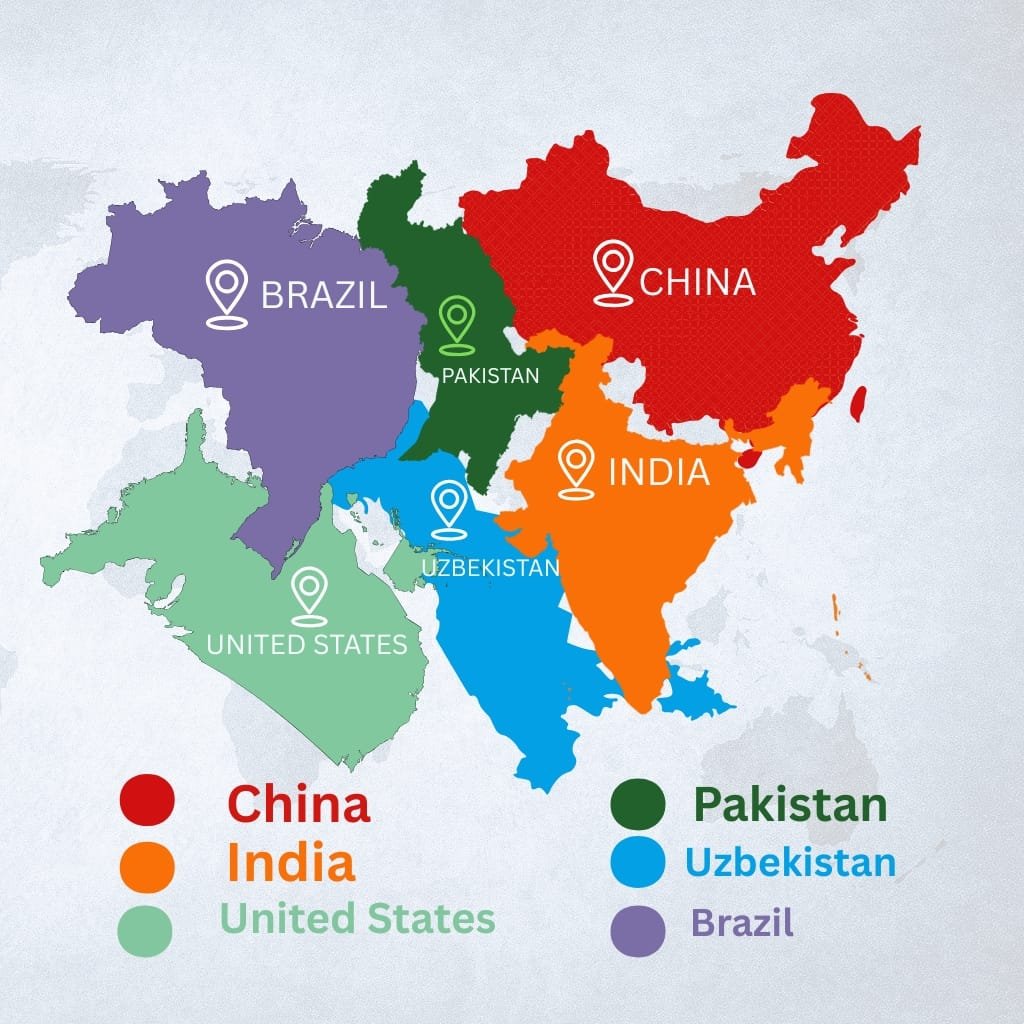
Cultivation and harvesting process starts in the fields with cotton plants which are grown in a warm, sunny climate with enough rainfall or irrigation. The largest cotton-growing regions include India, China, the United States, and Pakistan. Following sowing, the cotton plants grow and are accompanied with blooming flowers. These flowers then form seed pods, which are called bolls. These bolls contain seeds alongside soft, fluffy cotton fibers.

The ripened bolls of cotton indicate it’s time to harvest. In some places, cotton is still harvested by hand to reduce damage to the fibers. Yet, in large-scale commercial farms, mechanical harvesters do the work to collect large amounts of cotton efficiently. It is important to to do harvesting in a careful and considered manner to ensure the quality of the fibers is retained. Too much machine handling will break or damage the fibers.

2. Ginning

After harvesting, a cotton gin is used to separate the cotton from the seeds, leaves and other debris. Ginning is a very delicate procedure and needs to be taken care of. In the past, ginning was conducted by hand, until in 1793 Eli Whitney introduced the machine cotton gin, which sped the process up significantly.

Cotton bolls undergo a process in which rollers and saws pull the fibers from the seeds. This process leaves the bolls clean of the shredded lint and seeds, making it possible to be used for cottonseed oil or animal feed. Proper ginning is important to maintain the quality of the cotton which is crucial for the spinning of the yarn.

3. Spinning

After completing the ginning process, the cotton fibers are sent to a spinning mill. Spinning separates the fibers into the loose, pliable, and separated strands of yarn. First, the fibers are carded, which is a process that removes any remaining impurities or short fibers.

Afterward, slivers are drawn out and twisted together as a part of the spinning step. This step is significant to the yarn as twisting it makes it strong and flexible. Depending on the fabric that is to be produced in the end, the yarn’s thickness, texture, or strength can be modified. To obtain superior and diverse quality and texture of yarns, more advanced spinning techniques such as ring spinning or open-end spinning can be utilized.

4. Weaving or Knitting

Once the yarns are completed, the next step fabric formation which is either weaving or knitting.

Woven fabric production is the oldest form of fabric production, and it is created by interlacing the two lines of yarns, referred to as warp (lengthwise threads) and weft (crosswise threads) at a right angle on a loom. Some of the woven fabrics produced using this method are denim, poplin, and twill. The fabric’s strength and texture can also be determined by the tightness of the weave.

The act of knitting naturally creates fabrics like jersey and interlock knits, which are more stretchable and flexible compared to other fabrics. Cotton knits are common sewing materials for T-shirts, undergarments, and athletic wear because of their comfort and flexibility.

Both weaving and knitting can be done by hand in small-scale workshops or by automated machines in large textile mills. The choice between these two methods depends on the desired fabric characteristics.

5. Dyeing and Finishing

The dyeing process, in which fabrics are treated with natural or synthetic dyes, is one of the most important final steps. Cotton is particularly easy to dye and, therefore, can be produced into many different fabrics.

Manufacturers may also print cotton fabrics after dyeing them, using screen printing, digital printing, or block printing to apply various designs, patterns, or logos. In the final steps, they apply multiple finishing processes to enhance the fabric’s softness, wrinkle resistance, water repellency, and even stain resistance.

Some of these processes are readily available and include:

  • Mercerization: Treatment with caustic soda increases luster and strength.
  • Sanforization: The process of pre-shrinking the fabric to make sure it does not shrink in the future.
  • Brushing: Softer to the touch as a result of raised surface fibers.

After completing these procedures, quality control teams inspect the finished cotton fabric, roll it onto bolts, and schedule it for shipping to manufacturers who will turn the fabric into garments, home textiles, or other cotton-based products.

Leading Cotton Producing Countries

Cotton is a strategically important crop grown in every part of the world for it serves the textile and clothing industry. However, a small number of countries are the most important cotton producers and control the entire value chain starting from raw fiber to the garments. These countries not only produce significant amounts of cotton but also perform a major function of processing and trading cotton and its products.

A colorful world map highlighting cotton-producing countries: China (red), India (orange), United States (greenish-teal), Pakistan (dark green), Uzbekistan (blue), and Brazil (purple). Each country is labeled with a location pin and its name in bold color matching its fill.
Top cotton producers: China, India, United States, Pakistan, Uzbekistan, and Brazil.

China

China is one of the largest producers and consumers of cotton in the world. The cotton growing area in the north west of the country, the Xinjiang region, is the cotton producing area of the country, where more than 80% of China’s cotton is produced. China is also leading the world in textile industry as there are thousands of plants. That convert cotton to yarn, fabric and garments. The country has a vertically integrated cotton industry from farming and up to the final products which makes it an important player in the cotton industry. Moreover, China is increasing its domestic consumption of cotton products because of the rising middle class and growing domestic fashion industry.

India

India remains the globe’s foremost producer of cotton, holding a prominent share of its production. Indian farmers cultivate cotton across vast areas in states such as Gujarat, Maharashtra, and Andhra Pradesh. A distinguishing mark for India is its smallholder farming system, which features millions of farmers in the country’s cotton production. India is also a significant supplier of cotton yarn and textiles, boasting a developed spinning and weaving industry. India’s reputation, especially in eco-friendly markets, is enhanced by its history of handloom and organic cotton production.

United States

The United States still holds its position as one of the leading exporters of cotton and one of the largest suppliers of raw cotton fiber. Farmers primarily grow cotton in the southern states, especially in Texas, which produces nearly half of the country’s total output. Textile mills around the world highly demand USA cotton because of its superior quality and uniformity. Additionally, American farmers use precision farming and other advanced mechanized technologies to boost productivity and increase farm output. Moreover, the USA is one of the frontrunners in advocating for responsible practices in the production of cotton with the U.S. Cotton Trust Protocol.

Pakistan

Pakistan is famous for its colorful textile industry, which is essential to the economy. The country is one of the top five cotton producing nations of the world and Punjab and Sindh are the provinces which grow the crops. Pakistan’s cotton serves its large spinning, weaving, and garment manufacturing industries which, in turn, are among the leading exports of the country. Pakistan is still an international cotton and textile manufacturing center. Because of its skilled workforce in textiles, even though the country faces severe droughts and primitive farming techniques.

Brazil

Brazil is an emerging worldpower in cotton production. Within the last 20 years, the country’s cotton production has increased largely due to the adoption of new technologies along with large scale farming. The cotton grown in the country’s central-western states like Mato Grosso is planted in the large areas which are easy to mechanize and provide good yields. Brazil has become one of the top marketers of cotton lint and raw cotton is supplied to textile mills in Asia and Europe. These developments alongside the country’s sustainable farming policies and raw material has strengthened its international position.

Uzbekistan

Uzbekistan is well known for longstanding historical reasons as a sizable producer of cotton which is commonly referred to as “white gold”. The country boasts significant yields of cotton along with extensive irrigated fields, placing it as a notable producer on the world stage, as well as within the country, the cotton economy supports millions in the farming and textile industries. In the past, the country has been known to face PR issues for its labor practices, but recently, it has sought to rebrand its image by implementing modern practices, banning forced labor, and striving for sustainable farming tenets.

These countries form the backbone of the global supply chain for the commodity. Their input is significant in the production of raw cotton. In addition to cultivating, these countries have a great role in processing and determining the yield for export quality textiles which are in great demand. The cotton production dynamics of these countries also affect the value of cotton, its trade guidelines as well as the policies concerning its production and trade.

Types of Cotton Fabric

There are many different types of cotton fabric, from simple and basic to luxurious. Each type of fabric has its different textures, qualities and its intended use. Having in mind the wide range of uses, it is essential to understand the different types of cotton fabric.

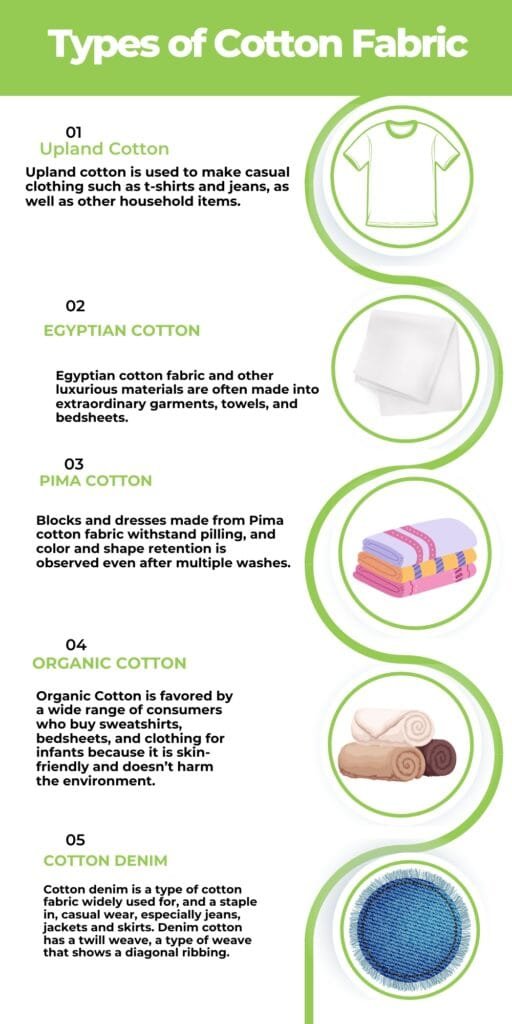
Infographic titled 'Types of Cotton Fabric' listing five types: 01 Upland Cotton with a T-shirt icon, 02 Egyptian Cotton with fabric, 03 Pima Cotton with folded towels, 04 Organic Cotton with rolled textiles, and 05 Cotton Denim with a woven denim swatch. Each type has a short description beside it.
Types of Cotton Fabric: Upland, Egyptian, Pima, Organic, and Denim — quick overview of common cotton varieties and their uses.

Upland Cotton

Upland cotton is both the most commonly produced and most readily available cotton fabric worldwide. It comprises about 90\% of the world’s cotton production. Upland cotton fabric has short to medium-level fibers and is relatively inexpensive. As such, it is used to make casual clothing such as t-shirts and jeans, as well as other household items. While it primarily serves as a mass-produced textile, it is still more durable when compared to other garments. It is also more affordable than a premium cotton garment.

Egyptian Cotton

Egyptian cotton is also cultivated along the banks of the Nile river. This type of cotton fabric is well-known as one of the finest cotton fabric because of its soft and durable features. It is also extremely soft to the touch, compared to other cotton fabrics. Egyptian cotton fabric and other luxurious materials are often made into extraordinary garments, towels, and bedsheets. It is a common misconception that Egyptian cotton and other luxurious materials are one-time use fabrics. Due to its softness, it is often used in home textiles and other premium items because it becomes softer after every wash.

Pima Cotton

Pima cotton is another premium variety fabric for its softness, sheen, and strength. It is primarily grown in the United States and Peru. Pima cotton has long staple fibers similar to Egyptian cotton, which provides it with a silky texture and makes it more durable. Blocks and dresses made from Pima cotton fabric withstand pilling, and color and shape retention is observed even after multiple washes. It is also common in high-end dress shirts, blouses, and T-shirts due to the durability and comfort they provide.

Organic Cotton

Organic cotton fabric is produced without the application of artificial pesticides, herbicides, or GMOs. This type of cotton is organic in nature and aids in sustainable farming without compromising the environment. It is favored by a wide range of consumers who buy sweatshirts, bedsheets, and clothing for infants because it is skin-friendly and doesn’t harm the environment. Organic cotton is quickly becoming a must-have for eco-friendly clothing collections as the demand for sustainable fashion increases.

Supima Cotton

Supima cotton is a registered name for an enhanced fabric type of pima cotton grown solely within the United States. The term “Supima” is short for “Superior Pima” which captures the cotton’s claim to fame of having unrivaled durability in comparison to other cottons, unprecedented cotton softness, and exceptional color retention when compared to other cotton fabric types. Supima cotton fabric is smooth to the touch, is treasured for its lavish smooth texture, and is durable over time, making it a preffered option for luxury clothing, bedding, and bath linens. Supima Cotton stands out among the upper-tier cotton types due to its enhanced weave, brighter hues, and stronger resistance to pilling.

Cotton Lawn

Cotton Lawn is a type of cotton fabric that is lightweight and has a shighter weave making it smoother and crisper. The fabric’s warmth, softness, and breathability makes cotton lawn a frequent choice for summer dresses, blouses, and children’s clothing. Cotton Lawn’s semi-sheer make it perfect for creatively layered garments that require a hint of delicacy and softness, and for use in layered garments and delicate accessories. Designers greatly appreciate the drape of cotton lawn fabric because it contours to the body and offers both comfort and elegance in casual and formal wear.

Cotton Sateen

The cotton sateen fabric is smooth and glossy owing to a specialized weaving technique known as sateen weave. This cotton type fabric is typically utilized for a more luxurious bed and pillow covers as well as formal gowns. Cotton sateen replicas the glossy look of silk; however, it is more breathable and easy to maintain. The look is polished and the fabric’s soft silk like appearance add class to the home textiles and fashion accessories.

Cotton Denim

Cotton denim is a type of cotton fabric widely used for, and a staple in, casual wear, especially jeans, jackets and skirts. Denim cotton has a twill weave, a type of weave that shows a diagonal ribbing. Denim is known for its a rugged texture and long-lasting strength, which makes it a fabric of choice over time. With wear and washing, denim becomes softer and develops a unique patina which substantiates its aesthetic value. Cotton denim continues to be a staple in casual fashion because it blends timeless style, comfort, and rugged durability.

Certification Types for Cotton Fabric

As with all products, cotton products undergo various certifications to ensure ethical and sustainable production practices.

1. GOTS (Global Organic Textile Standard)

Certifies organic fibers and environmentally responsible processing.

2. OEKO-TEX Standard 100

Ensures textiles are free from harmful substances.

3. Better Cotton Initiative (BCI)

Focuses on improving global cotton farming practices.

4. Fairtrade Certified Cotton

Promotes fair wages and ethical labor practices for farmers.

5. USDA Organic

Certifies organic cotton grown in the USA.

Environmental Impact of Cotton Fabric

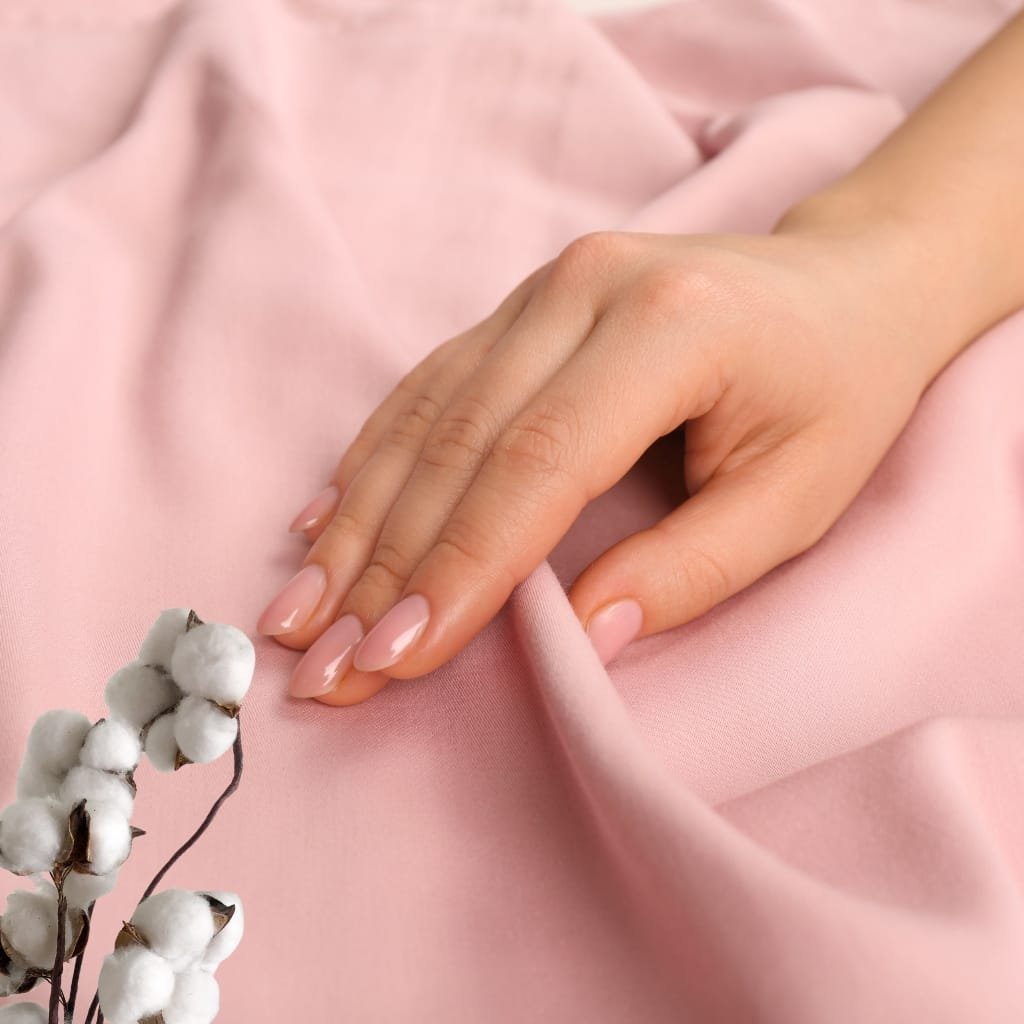
 A close-up photo of a hand with neatly manicured nails resting on soft pink cotton fabric, beside a small branch of white cotton bolls.
Exploring the environmental footprint of cotton fabric: from cultivation to your wardrobe.

The impacts of the fabric type are more on the positive side due to it being natural and biodegradable. The more negative side comes from the conventional cotton farming practices due to the large amounts of water consumed. nd the pesticide usage which is harmful to the ecosystems.

Farmers and producers are mitigating the environmental impacts of drip irrigation and integrated pest management techniques by adopting organic cotton and more sustainable farming methods. Organizations like BCI and Fairtrade are also driving eco-conscious efforts in the cotton industry.

Cotton: The Softest and Cheapest Fabric in the World

People often consider cotton the softest and most affordable casual fabric. Its easy availability, widespread cultivation, and capacity for mass production make it a popular choice for the masses. Despite that it is inexpensive, it is a soft fabric. Cotton continues to be a first choice for soft, comfortable, and inexpensive fabric which is breathable.

Conclusion

Cotton fabric is a backbone of the textile industry because of its softness, ease to tailor, and inexpensive price. This fabric has been around since centuries and its journey continues to fascinate with modern eco-friendly innovations. No matter the fabric a person wishes to wear, be it for comfort, style, or environmental impact, cotton stands out every time.

FAQs

Is cotton fabric breathable?

Yes, cotton is highly breathable, making it ideal for hot and humid climates.

Can cotton fabric shrink after washing?

Yes, unless pre-shrunk, cotton tends to shrink when washed in hot water.

Is organic cotton better than regular cotton?

Organic cotton is better for the environment as it’s grown without synthetic pesticides and uses less water.

Uniform Buffalo Leather: Tough Elegance for Modern Utility Wear

Uniform buffalo leather is witnessing renewed interest in fashion, footwear, and outdoor apparel. This material blends rugged resiliency with a delicate touch. As other sectors change, more uniform buffalo leather designers and manufacturers are adopting it for its unequaled strength, versatility, and timeless attractiveness. But what is this leather in the first place? Why is it trending now? Also, how is it different compared to other leathers?

In this blog post, we discuss everything about uniform buffalo leather its origins, characteristics, production process, uses, environmental concerns, certifications, and more.

What Is Uniform Buffalo Leather?

A uniform buffalo leather is a full grain or top grain leather that comes from the hide of water buffalos. It is thicker and more robust than cow hide leather, thus more suited for heavy-duty items. The term “uniform” is given due to the consistent grain pattern and even finish resulting from specialized buffing and tanning processes.

While cow leather has a smoother finish, buffalo leather has a more bold and vigorous look due to it’s distinct texture and pronounced grain. The uniform finish further enhances it’s suitability for tactical apparel, uniforms, and upscale rugged fashion.

The History of Buffalo Leather: An Overview

Buffalo leather is a material that has been in existence for centuries Buffalo hides have been worn and tanned by ancient communities because of their strength and their availability. With time and improved methods in leather tanning, what used to serve purely functional purposes evolved to style wear and accessories in the modern world.

Buffalo leather is resilient, therefore, widely used for military belts and buffalo leather boots,* and jackets. This is especially true for locations that require demanding and rugged performance.

Main Features of Uniform Buffalo Leather

Almost all types of leather have their unique attributes, and buffalo leather is not any different. It is esteemed for its mild and tough characteristics. Here are its primary attributes:

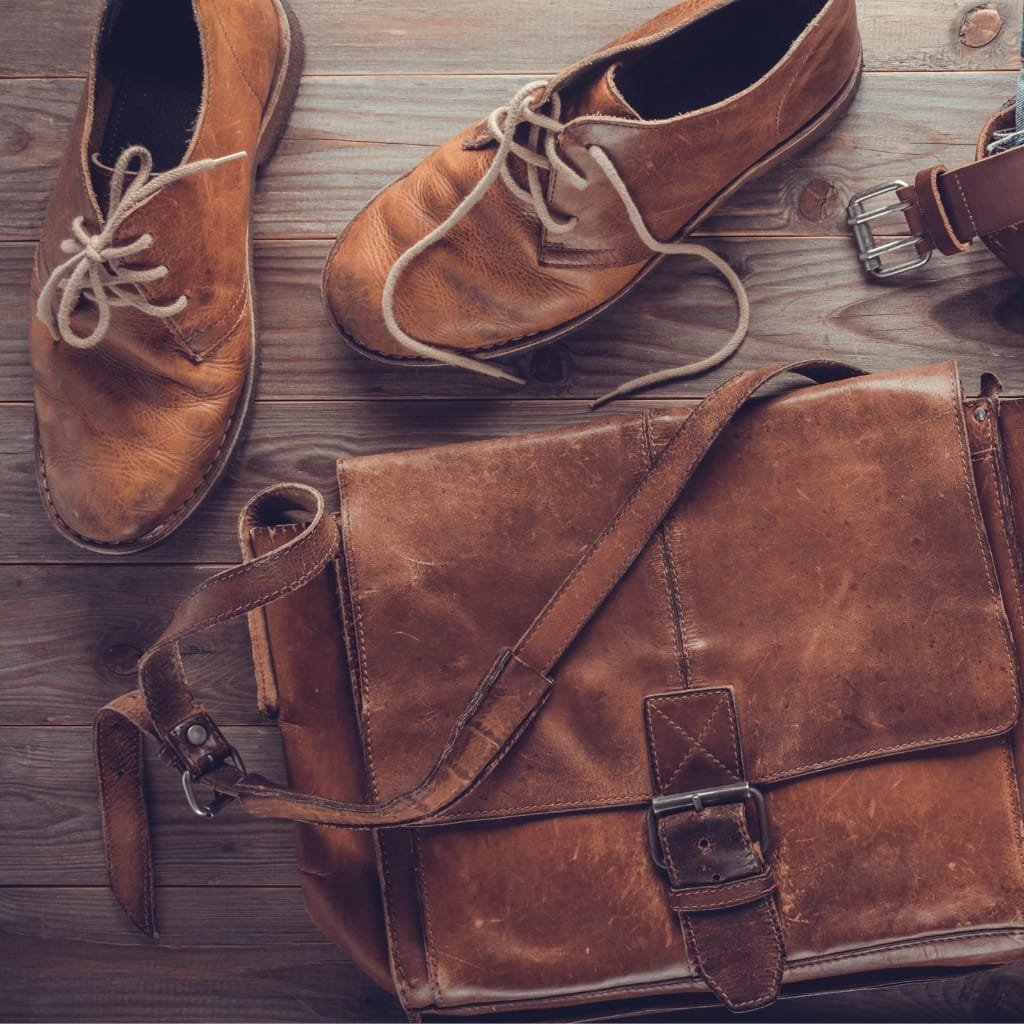
A pair of brown leather shoes and a matching brown leather messenger bag laid on a wooden surface.
Classic style in buffalo leather: durable footwear and a sturdy bag that age gracefully.
  • Thicker Grain: It is about 1.2 to 2 mm thick, so has better ration of wear and damage.
  • Natural Resilience: It can withstand the wear and damage of the sun. Impacts, eco stresses also have no significant downside to the leather.
  • Rich Texture: Though the grain is seemingly smooth, it is expertly polished while retaining all its coats.
  • Water Resistant: The leather absorbs evenly and is difficult to wear.
  • Natural Patina: Naturally it grows better and improve for many years.

Such properties make it outstanding for workplaces and for businesses of refined nature.

The Process of Creating Uniform Buffalo Leather

The process of creating uniform buffalo leather is meticulous, as well as captivating. It ensures that the leather retains its shape, durability, and leather finish.

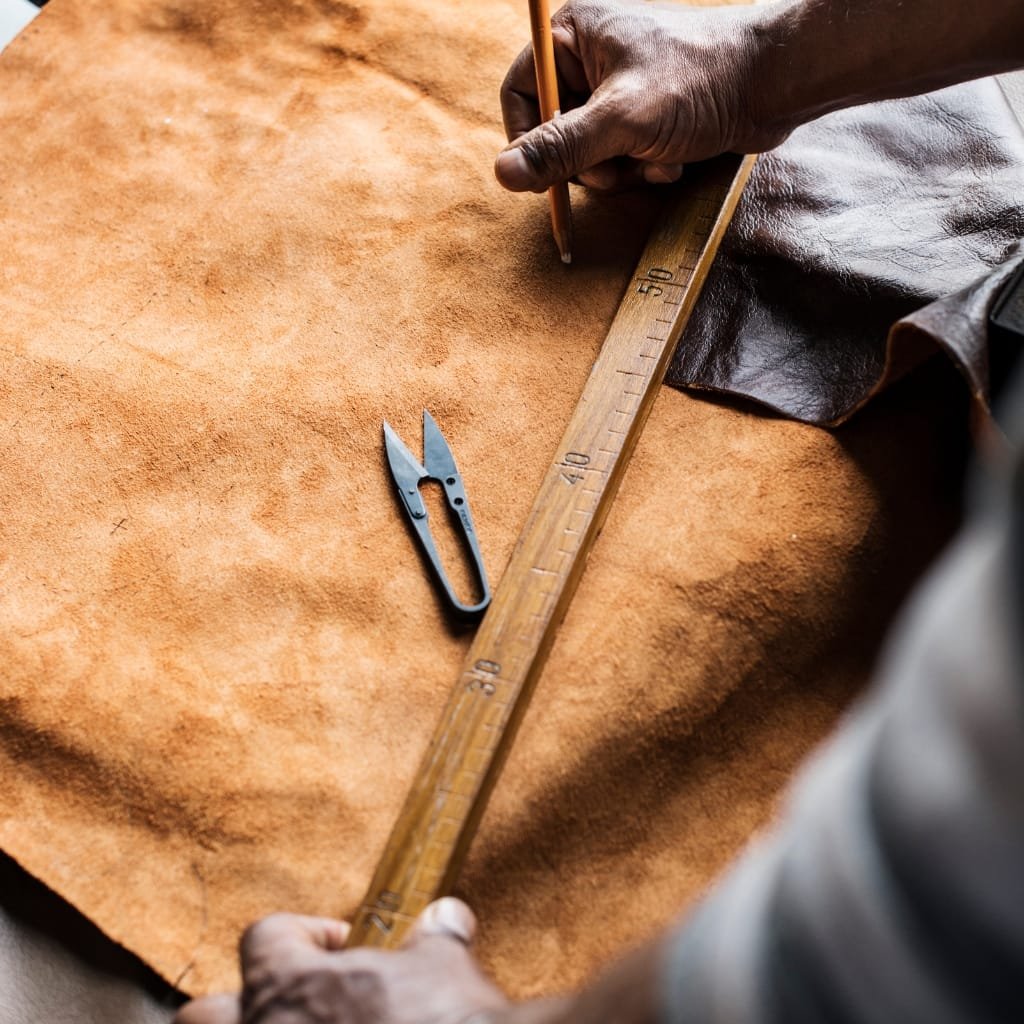
A close-up of a craftsman’s hands holding a wooden ruler and pencil over a tan buffalo leather hide, with a small cutting tool resting nearby on the leather.
The Process of Creating Uniform Buffalo Leather: measuring and marking the hide to ensure consistent thickness and shape during crafting.

Obtaining the Hide

The primary water buffalo hide supplier is water buffalo farms in Asia. The hides undergo a cleaning process to reduce bacteria, and the water buffalo hides are refrigerated to preserve the leather and avoid deterioration.

Tanning

Vegetable and chrome tanning produces the hides. Vegetable tanning is more eco-friendly, whereas chrome tanning offers more softness and flexible to the leather.

Uniforming Process

The leather undergoes an additional buffing process to improve grain smoothness. Water and sheen resistant treatments are applied resulting in the signature:

  • Sheen and water resistant treatment
  • Dyed skin to ensure the base is uniform throughout
  • Buffed skin to improve grain smoothness

Finishing

The leather is straining, dried, and is sometimes embossed while some hides are left in their natural grain to preserve authenticity.

What is Uniform Buffalo Leather Used For?

The buffalo leather is used in a variety of applications, some of which are:

  • Foremplary belts and boots
  • Briefcase and luxury bags
  • Motorcycle jackets and gloves
  • Employment in the military and fleet
  • Office and upholstery accessories

The leather excels in appearance and is high in comfort and durability, making the leather perfect for field work and formal settings.

What Is Driving The Recent Surge In Popularity?

Today’s consumers strive for materials that have longevity, aesthetic appeal, and provide good value for money. Uniform buffalo leather meets all of these expectations. It is gaining traction in the following areas due to the surge in slow fashion and sustainable material choices:

  • Luxury fashion
  • Workwear
  • Eco-conscious production lines

Also, the focus on quality as opposed to quantity is gaining traction. Durable leather that can withstand decades of use strengthens brand loyalty and reduces waste.

Leading Manufacturers of Buffalo Leather

The following countries rank among the top producers of buffalo leather:

  • India: World’s largest exporter of buffalo hides
  • Pakistan: Known for fine grain processing
  • Vietnam: Growing market for leather accessories
  • Bangladesh: Produces low-cost buffalo leather goods
  • China: Strong in mass manufacturing of buffalo leather apparel

These nations help shape the global trends and supply of leather.

Uniform Buffalo Leather Certifications

Leather that is ethically and sustainably sourced is bound to have certifications. The most notable ones for uniform buffalo leather include:

  • LWG (Leather Working Group) Certification
  • ISO 9001: Quality Management
  • OEKO-TEX® Leather Standard
  • REACH Compliance (EU Regulations)

These certifications offer minimal environmental impact, worker safety, and non-toxic treatments guarantee.

Is Buffalo Leather More Durable Than Cowhide?

In many ways, yes. Cowhide has its advantages because of its suppleness, but buffalo leather is more durable, resistant, and has greater grain depth. Its strength comes from being approximately three times thicker in the dermal layer.

Still, cowhide remains dominant in the manufacture of soft, delicate items such as baby shoes and gloves. In high-wear items, buffalo leather especially performs well during uniformity.

Environmental Impact of Uniform Buffalo Leather

The production of leather comes with its very own set of environmental challenges. That said, there are initiatives aimed at shrinking its impact:

  • Leather production: buffalo sourcing uses animal byproducts.
  • Vegetable tanning is using a more eco-friendly approach, switching to plant-based tannins and avoiding chromium.
  • Modern tanneries have effluent treatment plants to control their water use.
  • Eco-certifications make sure companies follow sustainable practices.

The leather is a by-product of the meat and dairy industry. Therefore, the buffer leather comes from a resource that would otherwise go to waste, making this approach align with holistic economy principles.

Transition Words in Action

Thus, uniform buffalo leather is more than just a rugged material. Additionally, it enhances the aesthetic value of boots and bags. Therefore, it is used in various industries. Furthermore, it is suitable for sustainable fashion lines because of its eco-friendlier production options. Consequently, more brands are adopting this leather type.

Conclusion

In a single package, uniform buffalo leather offers remarkable strength, incredible elegance, and extraordinary adaptability. If you are in the market for a reliable material for uniforms or looking to add an edge to a fashion line, this leather is the answer. Uniform buffalo leather will remain available as the market shifts towards eco-friendly, durable, and adaptable materials.

By utilizing this leather, designers and manufacturers are able to create timeless pieces that are rooted in rich legacy while addressing modern demands for performance and style.

FASQs

Q1: Is uniform buffalo leather waterproof?

It is water-resistant after treatment, though not fully waterproof unless coated with additional layers.

Q2: Can it be used for jackets?

Yes, it’s ideal for rugged jackets, especially for motorcycle and tactical use.

Q3: Does buffalo leather crack over time?

Not if cared for properly. Regular conditioning prevents drying and cracking.

Flexible Buffalo Leather: Rugged Strength with Unmatched Comfort

In the contemporary materials landscape, flexible buffalo leather captures our attention. It offers the strength of a buffalo hide alongside ease of flexibility. This blend has captured attention in the fashion, furniture, and accessories industries. What is the reason of of buzz. What is the reason behind its value?

In this article, we discuss its origin, use, global producers, and its environmental impact.

A Brief History of Buffalo Leather

Buffalo leather has a long engrained history. People used buffalo leather to create armor, tools, tents, and clothing because the hides offered strength and warmth. Buffalo hide has always been thicker, stronger, and coarser, preferring to cowhide.

Improvement in technology has led to treatment of the leather. Tanning processes were adapted to make buffalo hides softer. This gave rise to flexible buffalo leather, a material strong enough to endure and soft enough to wear.

What Is Flexible Buffalo Leather?

Flexible buffalo leather comes from the water buffalo. It goes through a treatment process that increases softness but retains durability. Full grain leather ensures durability and softness by retaining the hide’s top layer with its natural grain.

It has:

  • Deep and bold filigree patterns.
  • Resilient to damage.
  • Excellent post-treatment pliability.
  • Rich and earthy aesthetics.

Its unique combination of comfort and strength makes it extremely adaptable.

Close-up texture of flexible buffalo leather showing its natural grain and smooth flexibility.
Flexible buffalo leather combines rugged strength with exceptional softness, making it perfect for premium goods.

Applications of Flexible Buffalo Leather.

With Flexible Buffalo Leather’s comfort and durability, it serves many industry:

Flexible buffalo leather used in jackets, bags, furniture, and accessories for durability and comfort.
Flexible buffalo leather is ideal for jackets, bags, and furniture—combining strength with comfort.

Fashion Industry

  • Jackets: fashionable, tough, and water-resistant.
  • Boots: durable but easy to adapt to foot.
  • Belts and wallets: elegant; does not age.
Fashion models showcasing modern clothing styles on a runway in the fashion industry
Fashion industry trends reflected on the runway with bold styles and innovative designs

Furniture Upholstery

  • Buffalo leather makes the sofas, chairs, and ottomans elegant and comfy.

Fashion Accessories

  • The leather’s durability ensures that handbags, backpacks, and briefcases crafted from it will last for years.
Elegant collection of fashion accessories including sunglasses, handbag, watch, and jewelry on display.
Timeless fashion accessories that elevate any outfit with style and sophistication.

Automotive Interiors

  • Flexible buffalo leather seats and interiors are available in luxury cars for an exquisite touch.

Motorcycle Gear

  • Buffaloreather motorcycle gear combines protection and ease of movement for riders.

Steps to Making Flexible Buffalo Leather

The steps to be taken to transform raw buffalo hide to leather are few and simple.

Leather production process showing key steps to make flexible buffalo leather, including tanning, conditioning, and drying.
Step-by-step process of transforming raw buffalo hide into flexible, durable leather.

Getting the Hide

The hide is sourced from the water buffalo, which are mostly kept for milk and meat, making the hide a by-product.

Buffalo hide being removed and prepared for leather processing.
Getting the hide from a water buffalo is the first step in crafting flexible buffalo leather.

Cleaning and Soaking

The hide is devoid of hair and dirt, and both blood and dirt residues alongside it are removed. Washing hair is performed. Following this, cleansing via soaking is conducted to further soften it.

Tanning

Methods Affect Tanning on

  • Chrome tanning. (Faster and Modern)
  • Chrome tanning. (Traditional and Eco-friendly)

The tanning step is performed to preserve the hide and make it more flexible.

Conditioning

The conditioning process seeks to preserve the softness of the end product by applying natural oils and waxes.

Drying and Stretching

The product is preserved in predetermined shaped containers to stretch into desired and soft shapes.

Finishing

In processing the leather, the grain is polished or left untreated. Additional to the observed changes done to the grain, leather can have uppermost layers that include coating for protection.

Top Producers of Flexible Buffalo Leather

Some countries are more proficient than others when it comes to buffalo leather production. The following are the most important:

India

  • World’s top manufacturer of water buffalo leather.
  • Exports to Europe and North America.

Pakistan

  • Renowned for quality leather tanning.
  • Supplies leather to international apparel companies.

Bangladesh

  • Emerging market for low-cost buffalo leather.

Vietnam

  • Uses a combination of traditional and modern methods of leather production.

Italy

  • World renowned for premium leather goods.
  • Imports buffalo hides to manufacture top-quality finished products.

Types of Polyester Fabric (And the Comparison To Buffalo Leather)

Although leather comes from natural sources, polyester is a man-made product. Polyester is often used as a substitute by some sectors due to its low price. Some of the most common types of leather include:

Comparison of Leather with Polyester

  • Leather is a more enduring material than polyester, and from an ecological point of view, more friendly if ethically sourced.
  • Polyester has a wider array of uses and is cheaper, but has lower breathability.

Certification Types for Leather

Quality and ethical production are vital for the leather goods business. Here are the top leather certifications:

Icons and logos representing various leather certifications such as LWG, OEKO-TEX, and USDA BioPreferred.
Various globally recognized certification types that ensure leather is produced responsibly and sustainably.

LWG (Leather Working Group)

  • Advocates for sustainable leather processing.

ISO Certifications

  • Guarantees standards of leather processing and ecology.

REACH Compliance (EU)

  • Controls dangerously used chemicals in leather.

OEKO-TEX® Leather Standard

  • Certifies leather is free of harmful chemicals.

USDA Organic (for vegetable-tanned leather)

  • Concerns the natural tanning method.

Buffalo Leather and Polyester: a Comparison of Environmental Impact.

Buffalo Leather

  • A byproduct of meat processing.
  • Durable and minimizes waste.
  • Eco-friendly vegetable tanning.
  • Untreated leather is biodegradable.

Polyester

  • Non-renewable fossil feedstock.
  • Non-biodegradable and microplastic-producing.
  • Often discarded in landfills.

Is Polyester Cheaper Than Cotton or Leather?

Indeed, polyester is much cheaper than both cotton and leather. Here’s why:

  • Production Costs: Polyester serves as a cheaper raw material source.
  • Leather costs more than polyester, which manufacturers derive from plastic
  • Processing Time: Compared to polyester, leather’s weeks-long processing time is a significant difference.

However, cheaper does not mean better. Though polyester is cheaper, it does not feel as rich or last as long as leather.

Conclusion

Flexible buffalo leather offers a hybrid of the best supple comfort and extreme durability. A material as sleek and timeless as it is rugged and strong has undeniable, modern relevance, adding to its appeal. This leather satisfies all expectations whether it be for a classic jacket, a pair of rugged boots, or sophisticated furniture.

It weathers the years with grace, unlike synthetic fabrics. Unlike stiff hides, it gracefully moves with the wearer and offers comfort. With the right certifications and care, it’s also responsible for the environment.

For the discerning buyer seeking to invest in something that provides exceptional durability paired with comfort and timeless beauty that enhances with age, flexible buffalo leather is unmatched.

FAQs

Q1: Is flexible buffalo leather waterproof?

It is water-resistant but not fully waterproof unless treated.

Q2: How long does buffalo leather last?

With proper care, it can last 15–30 years or more.

Q3: Does buffalo leather stretch?

It offers flexibility but retains shape well. Over time, it adjusts to body shape.

Top Grain Buffalo Leather: The Perfect of Strength

Top grain buffalo leather is one of the best options for leather goods. It blends strength, a well-polished look, and a singular feel perfectly. It has a look of class and elegance with the performance of leather that lasts a long time. Fashion, furniture, and other accessories all utilize it. In this article, we will discuss the details of top grain buffalo leather, including it’s definition, uses, manufacturing process and unarguable reasons it is a sound investment.

What Is Top Grain Buffalo Leather?

Top grain buffalo leather is obtained from the upper most section of a buffalo hide. It is sanded to become the second highest leather grade, just under full grain leather. To retain the buffalos natural strength and sand grain, the top layer undergoes minor sanding to buff it.

Compared to cowhide, buffalo hides are thicker and grain more pronounced. For this reason, it’s sanded form retains a rugged and refined look which increases its versatility. It is a better grade of leather used for more than just aesthetic appeal.

In comparison to other leathers, buffalo leather has a better strength to weight ratio. Its toughness, resilience, and stylish look make it highly desirable for bags, belts, boots, wallets, jackets, and even upholstery.

What is the Process of Making Top Grain Buffalo Leather?

The quality selection of buffalo hides initiates the process. From this point, the hides undergo a splitting process to form layers, with the uppermost layer allocated for top grain leather.

Manufacturers enhance buffing surfaces to remove unfinished leather scarring, bites, or rough scars. The resultant leather undergoes treatment processes including dyeing using tanning, which is usually chrome or vegetable tanning.

Proper handling of the hide is essential for maintaining its structural integrity throughout the processes. The leather emerges as a desirable, soft, flexible, strong, uniform, and well-colored final product. Additionally, a coating to minimize staining or scratching can be applied.

Sand buffing might compromise some character, but the resultant sleek finish is desirable. The leather incredibly uniform, durable, and uncomplicated to handle.

What Are the Advantages of Top Grain Buffalo Leather?

The comparative advantages of different leather varieties top grain buffalo leather makes it the best choice. Natural strength and toughness of the leather is first on the list, and this can be attributed to the buffalo hides fibers being thicker than that of cow hides.Second, it achieves a harmonious blend of beauty and durability. While full grain leather preserved all its flaws, top grain leather is smoother and therefore more visually appealing, especially in high-end products.

Third, it possesses profound leatherworking qualities. With adequate maintenance, this leather increases in value and visually develops a patina over time, which many see as added beauty. This process is preferred by many when compared to a synthetic finish, which tend to have a dull and lifeless appearance.

Lastly, unmatched versatility. Garnishing any closet, top grain buffalo leather is practical and available in stylish briefcases and rugged boots.

Top Grain Buffalo Leather and Its Common Uses

Due to its distinctive qualities and attributes, this leather can be used and applied in outshining materials in different industries.

  • Footwear: Buffalo leather is perfect for sturdy boots and leather shoes as it delivers great strength.
  • Wallets: Worn as a belt, this item is lightweight, holds its form and maintains a luxurious appearance.
  • Jackets: Aside from providing warmth, buffalo leather jackets are rugged stylish and edgy.
  • Furniture: Chairs and couches upholstered in this leather are not only stylish but are also resilient and durable.

Products made from the top grain buffalo leather carry a certain sophistication and will last a long time.

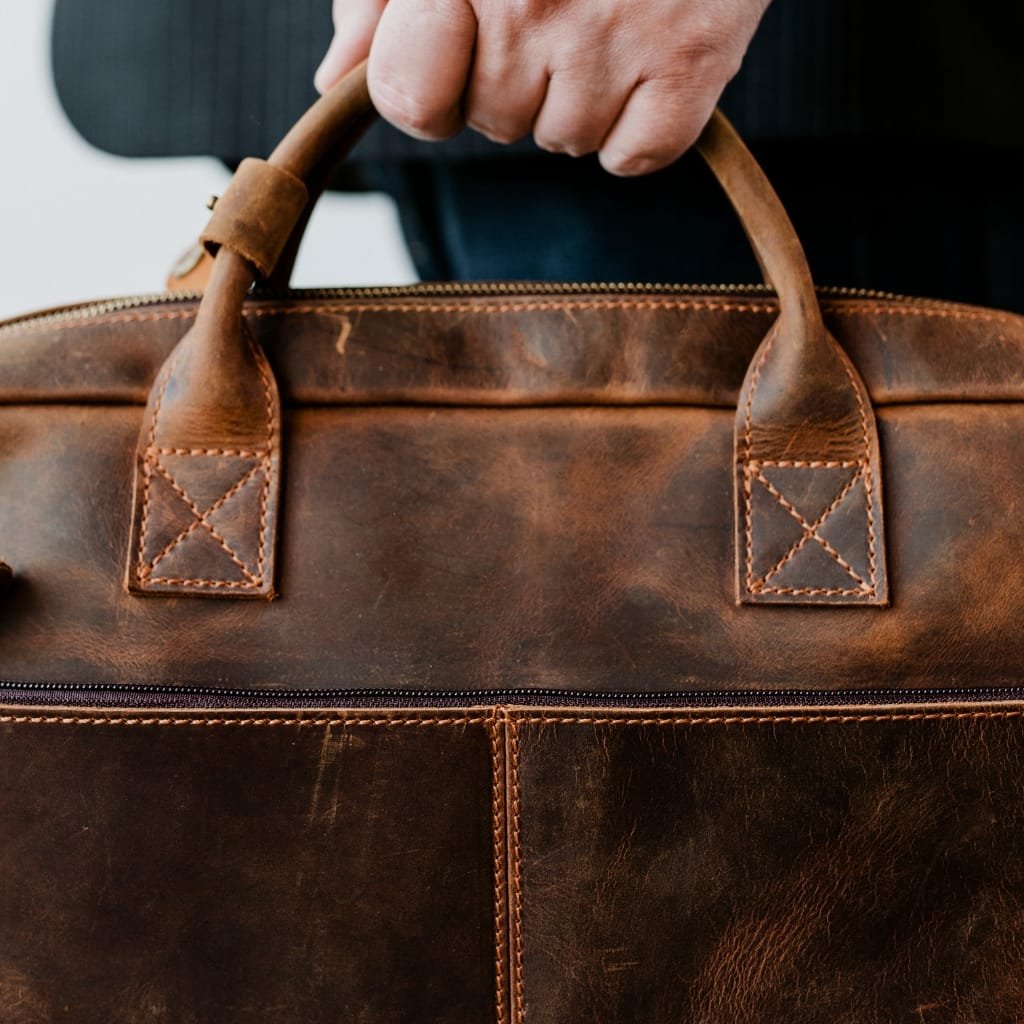
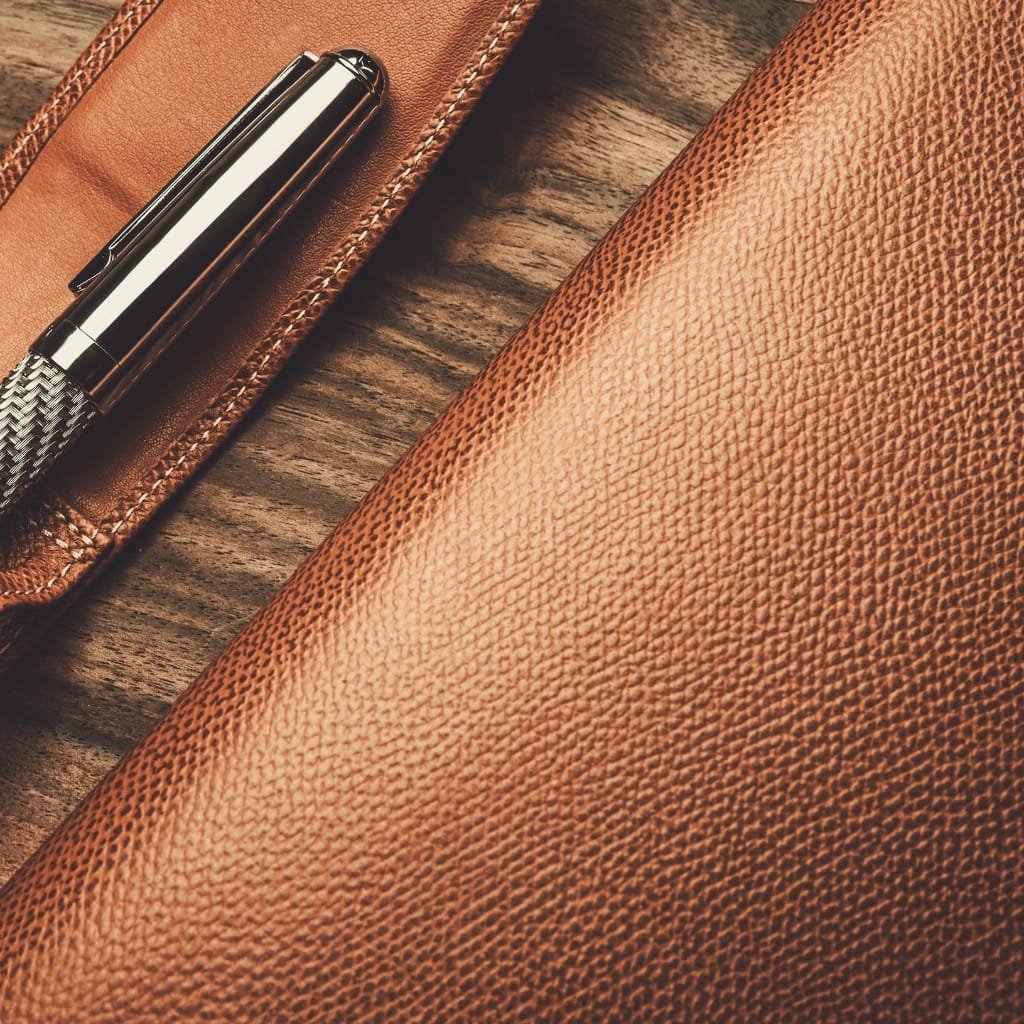
A close-up photograph of a person holding a handle of a brown leather bag, showcasing the texture and craftsmanship of top grain buffalo leather.
Close-up of a leather bag made from top grain buffalo leather, highlighting its rich texture and durability.

Caring for Top Grain Buffalo Leather

Your leather’s beauty and strength are attributes of careful maintenance. Follow these important leather care guidelines:

  1. Regular Cleaning: Remove dirt and dust using a soft cloth dampened with water. Leather should not get drenched.
  2. Conditioning: Apply leather conditioner every 3-6 months to prevent cracking and ensure soft leather.
  3. Maintain Ideal Environment: Keep leather goods out of scorching heat and damp places to prevent damage to the finish.
  4. Leather Protector: Use high grade leather sprays for added protection from liquids and stains.

Your leather items will endure for decades with consistent care.

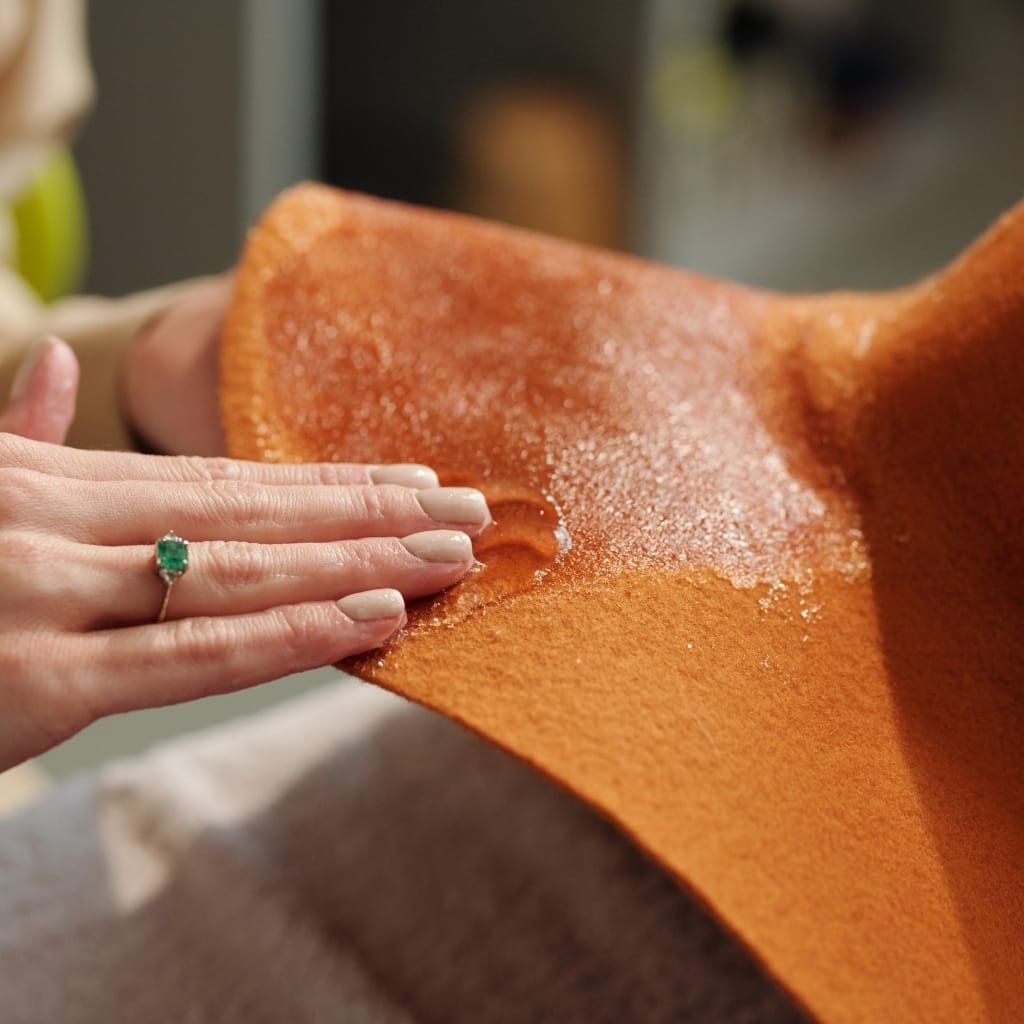
Close-up of a person's hand with a ring, gently pressing on a piece of top grain buffalo leather, emphasizing its texture and softness.
Caring for top grain buffalo leather involves gentle handling to maintain its natural beauty and durability.

Buffalo vs Cowhide: What’s the Difference?

Buffalo and cowhide are both widely used for leather, but there are buffalo and cowhide leather differences:

  • Grain Texture: Leather from buffalo has more noticeable pebbles, while cowhide is more polished and smooth.
  • Fiber Density: Buffalo leather has a more loose fibrous structure which also adds to the thickness and flexibility.
  • Durability: While both leathers are strong, buffalo leather is tough and more resilient.
  • Appearance: The texture of buffalo leather has a more rugged look than cowhide, which has a more polished finish.

For rugged appeal, topside grain buffalo leather leads the pack. It all comes down to your style preferences and the intended purpose.

The Top Grain Buffalo Leather’s Environmental Impact

Sustainability has become a focal concern within the leather industry. Most tanneries nowadays employ green methods to treat buffalo hides.

A good example is vegetable tanning, which utilizes tannins obtainable from plants, trees, and bark as a source of natural tannins. This approach lowers the amount of chemicals produced during the tanning process and produces leather that is compostable. Also, buffaloes are not raised solely for the hides. Rather, their leather is a byproduct of the meat industry.

Therefore, top grain buffalo leather, when sourced responsibly, can contribute to a sustainable fashion ecosystem.

Some brands place an emphasis on traceability, which guarantees that every step of the process adheres to ethical standards.

Close-up image of a textured, top grain buffalo leather surface, with a leather pen case and a shiny pen placed on a wooden surface.
Detailed view of top grain buffalo leather, highlighting its texture and craftsmanship.

The Top Grain Buffalo Leather and its Worth

If you are on the lookout for leather that is a good blend of performance and elegance, then the material certainly does not disappoint.

It offers:

  • Long-term enduring strength
  • High aesthetic value
  • Comfortable flexibility
  • Distinct and natural tactile appeal
  • Exceptional value relative to cost over time

It is certainly an investment as it is functional, and stylish because it withstands daily use and develops a captivating patina over time.

Close-up image of a brown leather bag, showing detailed textures, stitching, and a zippered compartment.
High-quality top grain buffalo leather bag showcasing craftsmanship and durability.

Conclusion

Top grain buffalo leather is fast becoming a popular choice and for good reason—it’s the perfect fusion of the raw strength of buffalo hide blended with a sleek, polished finish. If it is a jacket, a belt, a bag, or even a couch, one can always count on enduring value, deep character, and unparalleled sophistication from one premium material.

With proper care and knowledge regarding its maintenance, top grain buffalo leather can be enjoyed for years, making it a preferred choice for leather goods. The next time you shop for leather, remember top grain buffalo leather offers rugged durability and timeless elegance.

FAQs

1. What is top grain buffalo leather?

Top grain buffalo leather is the upper layer of a buffalo hide that has been sanded and treated to remove imperfections, making it both durable and smooth. It retains the natural grain for a refined look while offering strength and longevity.

2. How is buffalo leather different from cowhide leather?

Buffalo leather is generally thicker and more rugged than cowhide leather. It has a more pronounced grain pattern and is naturally more resistant to wear and tear, making it ideal for heavy-duty use while still looking elegant.

3. Is top grain buffalo leather real leather?

Yes, top grain buffalo leather is 100% real leather. It comes from the top layer of the hide, which is the strongest and most valuable part of the skin.

Polyester in Home Textiles: Comfort, Durability, and Style

Polyester is an integral part of home furnishings and goes beyond clothing. From curtains to bedsheets, this strong and affordable fabric is found in nearly every room. What is the reason while choosing polyester for home textiles? In this post, we explore its significance.


What Is Polyester?

Polyester is derived from petroleum products which is synthetic in nature. For every household, the polyester’s traits of high durability, wrinkle and stain resistance, and a modest price are highly beneficial.


Benefits of Using Polyester in Home Textiles

The many benefits of polyester make it perfect for home items:

FeatureBenefit
DurabilityWithstands wear and tear from daily use
Stain ResistanceEasy to clean and less likely to absorb spills
Wrinkle-FreeMaintains a neat look with little or no ironing
ColorfastKeeps colors bright even after many washes
AffordableLess expensive than many natural fabrics
Quick-DryingDries faster than cotton or wool

Polyester Home Textiles

Polyester is common in many household items. Let’s take a look at some of the most common:

1. Bedsheets and Pillowcases

Polyester and polyester blend sheets are smooth, strong, and do not wrinkle easily. They are perfect for everyday use and are available in a variety of colors and patterns.

Why it’s great:

  • Warm but lightweight
  • Doesn’t trigger allergies
  • Can be machine washed

3. Drapes and Curtains

These curtains and drapes made from polyester fabric maintain their shape and resist sunlight-induced fading. They come in various styles including blackout and sheer, offering a range of options in between.

Why it’s great:

  • Easy to take care of
  • Does not shrinks
  • Durable

4. Upholstery and Cushions

Polyester is a popular choice for covering sofas, cushions, and upholstery because it is easy to maintain, and resistant to fading and persistent stains.

Why it’s great:

  • Stain resistant
  • Preserves shape and color
  • Color fast

5. Napkins and Tablecloths

Table linens made of polyester are perfect for everyday or formal occasions. These linens can be reused several times as they are resistant to stains and creases.

Why it’s great:

  • Can be machine washed
  • Can be reused
  • Inexpensive

6. Carpets and Rugs

Polyester is popular because of its vibrant color and softness, which is why many rugs and carpets use polyester for these attributes.

Why it’s great:

  • Soft and comfortable forfoot
  • Resists staining and water
  • Durable and hassle-free for homes with children and pets

7. Bathroom sets and Shower Curtains

Commonly used polyester, as water resistant, is used for shower curtains and bath accessories.

Advantages:

  • Doesn’t retain moisture.
  • Can be wiped or washed with ease.
  • Dries quickly.

Home Uses for Blended Polyester

Polyester is frequently combined with cotton or linen. These blends provide the comfort associated with naturals fibers, but also provide the durability of polyester.

Blends in Current Use:

  • Polycotton (polyester + cotton)
  • Poly- linen (polyester + linen)

The resulting blended fabrics retain softness alongside breathability while having greater durability than cotton or linen on their own.


Hygiene and Safety Issues For the Home

Polyester is safe for domestic use and does not retain any hazards.

  • Non-toxic
  • Hypoallergenic (does not trigger allergies)
  • Resistant to mold and mildew

Eco-Friendly Options: Recycled Polyester

In an effort to combat eco-destructive practices, companies are now offering home goods made of recycled polyester (rPET), produced from discarded plastic bottles.

Products:

  • Cushion covers
  • Shower curtains
  • Bedding sets

Care Instructions for Polyester Home Textiles

While dirty textiles are relatively simple to maintain, treating them with proper care will preserve their appearance.

Care Tips:

  • Washing: Machine wash using warm or cold water
  • Drying: Tumble dry on low or air dry
  • Ironing: Use low heat settings if necessary
  • Avoid: High heat or bleach

Most home textiles made from polyester are resistant to soiling and easily cleaned.


Conclusion

Home textiles made from polyester are very common nowadays. Polyester is strong, stylish, and comfortable while remaining quite affordable. Whether it is bedding, curtains, or cushions, polyester serves to foster a cozy, lovely, and low-maintenance home.

Furthermore, more options made from recycled materials are now available, allowing you to take advantage of these benefits while being an eco-friendly shopper.

FAQS

Is polyester comfortable for bedding?

Yes. With time, polyester and poly-blends have become softer, more breathable, and smooth to the touch.

Does polyester make good curtains?

Absolutely. Polyester curtains are some of the most durable and easy to maintain.

 Is polyester safe for babies and kids?

Yes. Polyester is non-toxic, however, only certified baby-safe products should be used.

Polyester in Clothing and Fashion: A Modern Fabric Revolution

Polyester is one of the most commonly used fabrics today in the fashion industry. It can be found in everything from casual T-shirts to expensive dresses. But why is polyester so popular in clothing and fashion? In this article, we will discuss how this synthetic fiber shaped the textile industry.


What Is Polyester?

Polyester is a synthetic fiber made from chemicals from crude oil and petroleum. The most common type is polyethylene terephthalate (PET). It is durable, easy to maintain, and most importantly, it dries quickly. Because of these benefits, it is great for everyday clothing.—

Why Polyester Is Popular in Fashion

Polyester works perfectly for clothing for these reasons:

FeatureBenefit in Clothing
DurabilityClothes last longer, even with regular wear
Wrinkle ResistanceKeeps garments neat without ironing
Quick-DryingBenefits for travel, sports, and busy ways of life
Color RetentionMaintains color brightness without fading
LightweightEases wearing and layering garments
Shape RetentionPrevents clothes from stretching or shrinking
Cost-EffectiveCheaper than many natural fibers

Common Types of Polyester Clothing

Polyester is used in all areas of fashion. Here’s how:

1. Everyday Wear

  • T-shirts
  • Polo shirts
  • Blouses
  • Casual dresses
  • Pants and skirts

These clothes are often made from polyester blends for increased comfort and breathability.

2. Formal Wear

  • Evening gowns
  • Suit linings
  • Blazers
  • Ties and scarves

These articles of clothing looks more expensive than they are due to polyester’s smooth and luxurious finish.

3. Sportswear and Activewear

  • Gym tops and leggings
  • Shorts and tracksuits
  • Jerseys and running gear

Sportswear makes use of polyester because of its ability to keep moisture away from the body, thus preventing overheating of the body.

4. Outerwear

  • Jackets, windbreakers
  • Raincoats, parkas
  • Quilted vests

Quilted vests are also warm and protects the wearer from heavy rains and severe winds. Jackets and windbreakers are very lightweight and provide good insulation.

5. Undergarments

  • Lingerie
  • Slips and camisoles
  • Thermals

For layering, polyester is easily the go to fabric because of its lightweight and smooth texture.


Fashion With A Blend of Polyester

  • Polycotton: Polyester and cotton blended together
  • Polyester-Spandex: Great for exercise. Tight and stretchy.
  • Polyester-Wool: Keeps the good warm and doesn’t crinkle like crazy.

Sustainability in Polyester Fashion

No doubt the traditional polyester fabric is made from non-renewable sources, in today’s world however, a lot of people are trying to use recycled polyester (rPET) which is made from used plastic bottles and waste and helps lower landfill and ocean pollution.

Brands utilizing Recycled Polyester

Adidas

H&M Conscious Collection

Patagonia

Nike

Recycled polyester performs like branded polyester and is a lot less harmful to the environment.


Advantages and Disadvantages of Polyester in Fashion

✅ Pros

  • Stain and wrinkle-resistant.
  • Lightweight and Versatile.
  • Affordable.
  • Long-lasting.
  • Easily and Affordable

❌ Cons

  • Does not breath as well as cotton.
  • Retains odors.
  • Fossil fuel products (unless recycled).
  • Not environmentally friendly.

Caring for Polyester Clothing

Maintaining polyester products is easy.

  • Drying: Tumble dry low or do not dry and air dry.
  • Washing: Wash in warm or cold water.
  • Ironing: Only low heat.
  • Avoid: High heat and harsh bleach.

People love to wear polyester clothes because they are effortless to take care of.


The Future of Fashion and Polyester

Innovating bio-sustainable alternatives are shifting the future of polyester. More fashion companies are leaning towards sustainable choices like bio-based polyesters and closed-loop recycling.

Sustainable fashion is growing, tailoring the future of the fashion industry.


Conclusion

Synthetic products are tremendously impactful. Polyester is durable and attractive, suiting athletic and business apparel.

Due to the rise of recycled products, polyester is also becoming more ecofriendly. For your comfort, performance, or price point, polyester has it all.

FAQS

Is polyester good for hot weather?

Lightweight polyester blends can work well in summer, but pure polyester may feel warm.

Does polyester clothing last long?

Yes. It resists shrinking, stretching, and fading.

Can I wear polyester every day?

Absolutely. It’s designed for daily wear and easy care.

Where Can We Use Polyester Fabric? Everyday & Industrial Uses

Okay, I will add a transition word to the beginning of the sentence.Furthermore, polyester fabric is one of the fastest and easy options for textiles in the 21st century. In this blog, I discuss all the important applications of polyester fabrics in everyday life and industrial practices.


Why is it important to be this flexible?

Polyester is a synthetic or man made fiber and is an important material because it is tough, it does not wear out easily, and it is also easy to care for in order to maintain its good quality. It dries speedily, retains its shape and is not as easy to fade. These features makes it an optimum choice for a variety of uses


1. Polyester in Clothing and Fashion

Fashion is not the only facet of life that makes polyester ubiquitous.

Common clothing items made with polyester

  • T-shirts and blouses
  • Skirts and dresses
  • Coats and jackets
  • Active and gym wear
  • Underwear and swimwear
  • Sleepwear and socks

In addition, it’s great for busy people because it keeps its shape, is quick to dry, and is wrinkle-free.


2. Home Textiles

Polyester is also popular for home decor and furnishings. it adds style, comfort, and durability to household items.

Used for

  • Curtains and Drapes – They wrinkle and fade less, making them perfect for long-lasting use.
  • Cushion Covers and Upholstery – Tough and easy to clean.
  • Bed sheets and pillowcases – Cotton blends, making them soft and breathable.
  • Blankets and quilts – Powers warm while being light and cozy.
  • Tablecloths and runners – Easy to clean and resistant to stains.

Polyester is useful because it’s long-lasting, easy to wash, and holds color well.


3. Sportswear and Outdoor Gear

Polyester is a favorite for athletes and outdoor enthusiasts.

You can find it in:

  • Running shorts and leggings
  • Sports bras and tops
  • Tracksuits and training pants
  • Hiking gear and jackets
  • Waterproof windbreakers
  • Camping tents and backpacks

Furthermore, moisture-wicking, dries quick, and lightweight— ideal for an active lifestyle.


4. Industrial and Commercial Use

Polyester isn’t just for clothes and the home. This fabric is also useful in the industry.

Industrial uses include:

Sewn ropes and cords— durable, weather-resistant, and strong.

Safety belts and harnesses— Built to last and completely reliable.

Tarpaulins and awnings— durable in the sun and rain.

Filters and insulation— used in machinery and air systems.

Car seat covers and interior fabrics— stylish and durable.

Indeed, polyester withstands heavy use, high tension, and extreme weather.


5. Packaging and Bottles (Recycled Polyester)

Also, polyester is not only fabric but it can also be used for plastic products.

PET bottles— plastic bottles can be made using the same fabric.

Recycled polyester (rPET)— old bottles can be recycled into fibers for clothes and bags.

Recycling is supported while reducing plastic waste.


6. fashion Items and Accessories

Stylish accessories are also made from polyester.

  • Handbags and backpacks
  • Wallets and keychains
  • Suntan case
  • Travel bags and luggage
  • Hats and belts

Therefore, affordable, easy to design, and lightweight.


7. Healthcare And Medical Fabrics

Because polyester is easy to maintain and strong, it is used in hospitals and for medical purposes.

Used in:

  • Hospital gowns
  • Medical scrubs uniforms
  • Hospital bedding
  • Protective clothing and masks

Therefore, comfortable, strong, and easy to sterilize.


8. Event and Display Fabrics

Beautiful and durable decorations are easily made with polyester.

  • Stage theatrical props and curtains
  • Table skirts and downe camera
  • Booth and exhibition stand displays.
  • Banners and flags

Polyester is effective in any weather; therefore, it can be used both outdoors and indoors.


Conclusion

Polyester fabric is very useful and multi functional. It is with you in every part of life. From dressing to going to the gym and doing outdoor work.

From clothes to camping equipment, polyester proves to be useful time and again.

FAQS

Can polyester be used for baby clothes?

Yes, but soft blends are better for sensitive skin. Always check for breathability.

Is polyester good for hot weather?

Pure polyester can feel warm. But lightweight or moisture-wicking polyester blends are better for summer.

Can polyester be used outdoors?

Yes! It’s great for outdoor gear like tents, awnings, and patio furniture covers.

James Tennant Dickson: Co-Inventor of Polyester Fabric

James Tennant Dickson played a crucial role in one of the most important inventions in the textile world—polyester. As a British chemist, he worked alongside John Rex Whinfield to create polyethylene terephthalate (PET), the key ingredient in polyester fabric and PET plastics used globally today.

Although less widely known than other inventors, Dickson’s work has impacted industries ranging from fashion to packaging to sustainability.


Who Was James Tennant Dickson?

  • Full Name: James Tennant Dickson
  • Profession: British Chemist
  • Known For: Co-inventing PET, the polymer used in polyester
  • Workplace: Calico Printers’ Association (CPA), Manchester, UK
  • Year of Invention: 1941

Dickson worked as a research chemist during a time when the textile industry was evolving. His contribution, along with Whinfield’s, helped shift the world toward synthetic fibers, offering an alternative to natural materials like cotton and wool.


The Invention of PET: A Game-Changer

In 1941, Dickson and Whinfield developed polyethylene terephthalate (PET) by combining terephthalic acid and ethylene glycol. This new material could be melted, molded, and spun into fibers—making it ideal for fabric production.

Their research built on earlier work by American chemist Wallace Carothers, the inventor of nylon. But where nylon had its limitations, PET offered greater versatility and durability.


How Their Invention Became Polyester

Although PET was discovered in 1941, it wasn’t immediately used in textiles due to World War II. The British chemical company Imperial Chemical Industries (ICI) later acquired the rights and developed the first commercial polyester fiber under the name Terylene in the early 1950s.

In the U.S., DuPont licensed the technology and introduced it as Dacron—marking the beginning History of polyester’s rise in fashion and industry.


Why It Matters Today

PET and polyester are used around the world in:

  • Clothing and fashion (T-shirts, pants, outerwear)
  • Home textiles (curtains, bedsheets)
  • Bottles and containers (PET plastic for water and soft drinks)
  • Recycled fabrics (rPET for sustainable fashion)

Dickson’s work helped launch the synthetic materials revolution and remains relevant today—especially as brands turn toward recycled polyester to reduce environmental impact.


Legacy of James Tennant Dickson

Though not widely celebrated in popular culture, James Tennant Dickson’s contributions are deeply woven into the fabric of modern life—literally and figuratively.

His legacy includes:

  • Co-creating one of the most-used synthetic fibers on the planet.
  • Laying the groundwork for recycled PET (rPET) and sustainable materials.
  • Helping transform industrial and consumer packaging.

His research continues to shape how we dress, package products, and innovate sustainably.


Conclusion

James Tennant Dickson may not be as well-known as Thomas Edison or Wallace Carothers, but his impact is just as meaningful. Through his collaboration with Whinfield, he helped develop PET—a material that revolutionized textiles and packaging.

Thanks to Dickson’s pioneering spirit, polyester became a global standard, and PET a foundation for eco-conscious innovation. His work lives on in every polyester garment, plastic bottle, and recycled fiber used today.

FAQS

Who was James Tennant Dickson?

He was a British chemist who co-invented polyethylene terephthalate (PET), the base material for polyester fabric and PET plastics.

When did he invent polyester?

Dickson co-developed PET in 1941 along with John Rex Whinfield while working at the Calico Printers’ Association in Manchester, England.

What is PET used for today?

PET is used in polyester fabrics, plastic bottles, food containers, and recycled textile products.

John Rex Whinfield: The Chemist Who Gave the World no 1 Polyester

John Rex Whinfield may not be a household name, but his invention of polyester changed the world. Alongside James Tennant Dickson, he developed polyethylene terephthalate (PET)—the base for modern Polyester Fabric

Indeed, from sportswear to soda bottles, polyester is now everywhere. This blog will explore Whinfield’s role in creating one of the most widely used materials of the 20th and 21st centuries.


Who Was John Rex Whinfield?

  • Full Name: John Rex Whinfield
  • Profession: British Chemist
  • Known For: Co-inventing PET, the polymer used in polyester fabric
  • Workplace: Calico Printers’ Association (CPA), Manchester, England
  • Year of Invention: 1941

The Invention of Polyester

During the year 1941, two researchers, John Rex Whinfield and James Tennant Dickson, were engaged in their work at the Calico Printers’ Association. It was during this period of employment and collaboration that Whinfield and Dickson achieved a significant scientific breakthrough. Specifically, these two researchers together successfully developed a novel polymer material. This innovative material, created by Whinfield and Dickson through their research efforts, is scientifically known and referred to as polyethylene terephthalate. More commonly, however, this material is widely recognized and abbreviated by the acronym PET.

What Is PET?

Polyethylene terephthalate, commonly known as PET, is a man-made polymer. This synthetic material is the product of a chemical reaction, specifically a polymerization process, involving two key ingredients: ethylene glycol and terephthalic acid. These two compounds react to form the long chains that characterize PET. One of the notable properties of PET is its thermoplastic nature, meaning that it softens when heated and hardens when cooled. This characteristic allows it to be processed in various ways, including melting it into a liquid state. Molten PET can then be shaped into a wide array of forms. Furthermore, it can be spun into thin, continuous strands, creating fibers.

This ability to form fibers makes PET particularly well-suited for use in the textile industry, where it is a popular choice for clothing, fabrics, and other textile products.


Why Was This Invention Important?

At the time of its discovery, polyester offered something revolutionary:

  • Stronger than natural fibers
  • Resistant to shrinking and wrinkling
  • Quick-drying and low-maintenance
  • Ideal for mass production

Though invented during World War II, polyester wasn’t commercialized until the 1950s. The technology was acquired and improved by companies like ICI (Imperial Chemical Industries) in the UK and DuPont in the United States.


Rise of Polyester in the Textile World

Polyester fabric—based on Whinfield’s PET—quickly became popular in:

  • Clothing (dresses, shirts, suits, uniforms)
  • Home textiles (curtains, bedsheets, cushions)
  • Industrial uses (ropes, filters, tire cords)

By the 1970s, it was a dominant fiber in fashion. Though it later faced criticism for being uncomfortable, newer versions, including blended and recycled polyester, brought it back in style.


Legacy and Modern Relevance

Today, polyester remains one of the most used fibers in the world. PET is also the plastic used in bottled beverages, food containers, and recycled fabrics (rPET).

Whinfield’s invention continues to:

  • Power the fast fashion industry
  • Enable eco-friendly innovations (like recycled polyester)
  • Serve across multiple industries—from fashion to packaging

Even though Whinfield didn’t achieve global fame like some inventors, his work laid the foundation for much of the synthetic world we live in today.


Conclusion

His pioneering work in the development of PET played a significant role in shaping the trajectory of both the textile and packaging industries, leaving an indelible mark on these sectors. The creation of PET was a pivotal moment, leading to advancements that continue to influence these fields today. Polyester, a material directly derived from his groundbreaking invention, has endured as a powerful symbol of modern innovation. It represents a fusion of key characteristics, seamlessly blending practical functionality with exceptional durability, qualities that have made it a staple in various applications.

Furthermore, in more recent times, polyester has also come to be associated with the growing importance of sustainability, reflecting ongoing efforts to enhance its environmental profile and contribute to a more eco-conscious future. This evolution underscores the enduring relevance and adaptability of his initial breakthrough.

From everyday clothing to high-tech applications, Whinfield’s work continues to touch lives across the globe.

FAQS

Is Whinfield widely known today?

While not as famous as other inventors, his impact is huge. His invention shaped modern materials and industries worldwide.

Who worked with Whinfield on the invention?

He worked with James Tennant Dickson at the Calico Printers’ Association in England.

What is PET used for today?

Textiles (polyester), plastic packaging, bottles, and recycled materials (rPET) use PET.