Home Blog Page 141

Wallace Carothers: Inventor of Nylon and Pioneer of Polyester

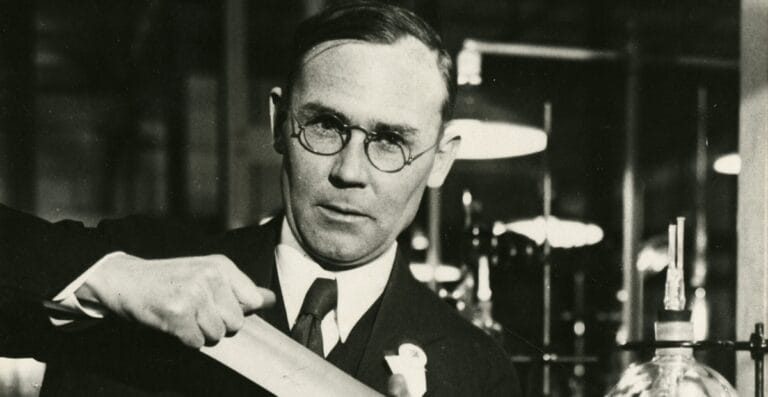
Wallace Carothers may not be a household name, but his work changed the world. As the brilliant mind behind nylon, he helped create a new era of synthetic fibers. His research also laid the groundwork for future innovations like polyester, making him one of the most influential chemists in modern history.

In this article, we’ll explore the life, discoveries, and lasting legacy of Wallace Carothers.


Early Life and Education

Wallace Hume Carothers was born on April 27, 1896, in Burlington, Iowa, USA. He showed an early interest in science, especially chemistry. After high school, he studied chemistry at Tarkio College and later earned a Ph.D. from the University of Illinois in organic chemistry.

His academic excellence caught the attention of major industrial labs, eventually leading him to a groundbreaking role at DuPont.


Career at DuPont

In 1928, Carothers joined DuPont, one of the world’s largest chemical companies. There, he was tasked with one mission: create new materials through polymer chemistry.

At DuPont’s research lab, Carothers began working on polymers, which are long chains of repeating molecules. These chains are the building blocks of synthetic materials like rubber and plastic.


The Invention of Nylon

In 1935, after years of research, Carothers made a historic breakthrough: nylon 6,6. It was the world’s first fully synthetic fiber, made by combining hexamethylenediamine and adipic acid.

Why Was Nylon So Important?

  • It was strong, stretchable, and resistant to wear.
  • It could replace silk, which was expensive and in short supply.
  • It became widely used in toothbrushes, stockings, parachutes, ropes, and military equipment.

Nylon’s invention marked a new era in textiles. It was the first time a man-made material could outperform natural fibers.


Connection to Polyester

While Wallace Carothers didn’t invent polyester, his research paved the way.

He developed many of the polymerization techniques later used by British chemists John Whinfield and James Dickson, who invented polyethylene terephthalate (PET) in 1941. PET became the foundation of modern polyester fabric.

In this way, Carothers’ work didn’t just give us nylon—it also helped launch the entire synthetic textile industry.


Personal Struggles and Tragic End

Despite his professional success, Carothers struggled with depression for much of his life. He was a perfectionist and often doubted the value of his work.

Sadly, on April 29, 1937, just two years after inventing nylon, Wallace Carothers took his own life at age 41. His death shocked the scientific community and DuPont.


Legacy and Impact

Though his life was short, Carothers left a huge mark on the world. Today, his legacy includes:

1. Invention of Nylon

Nylon is still widely used in clothing, carpets, seat belts, ropes, tents, and more.

2. Inspiration for Future Fibers

His work in polymer science directly inspired the creation of polyester, spandex, and other synthetic fabrics.

3. A Pioneer of Polymer Chemistry

He is remembered as one of the founders of polymer science, a field that has changed how we live, dress, and manufacture products.

4. Recognition and Honor

  • DuPont named research facilities after him.
  • His name appears in chemistry textbooks around the world.
  • Scientists and textile engineers still credit him for revolutionizing modern materials.

Fun Facts About Wallace Carothers

  • He invented neoprene rubber, a material still used in wetsuits and automotive parts.
  • He loved pure research and wasn’t interested in fame or profit.
  • Though nylon made billions for DuPont, Carothers remained focused on the science behind the discovery.

Conclusion

Wallace Carothers was a genius whose work forever changed the way we dress, travel, and manufacture products. His invention of nylon was just the beginning. His research in polymer chemistry sparked a chain reaction of discoveries—including polyester, which dominates today’s textile market.

Even though his life ended tragically, his scientific legacy lives on in every strand of nylon rope and every thread of polyester fabric.

His story is a reminder that one mind can shape the future—and that science, even in silence, can touch billions of lives.

FAQS

Who was Wallace Carothers?

Wallace Carothers was an American chemist who invented nylon, the first fully synthetic fiber, while working at DuPont in the 1930s.

What is he best known for?

He is best known for inventing nylon 6,6 and pioneering the science of polymer chemistry.

Did Wallace Carothers invent polyester?

No, but his research laid the foundation for polyester. His polymer techniques inspired later scientists to develop PET, the base for modern polyester fabric.

History of Polyester Fabric: From Discovery to Global Fame

One of the most commonly used textiles polyester is an easily accessible fabric found in clothes, curtains, and a lot more because of its cost and durability. History of Polyester Fabric.

Let’s trace the roots of polyester fabric, from its invention to its success as an internationally known textile fabric.


The Birth of Polyester: Early Invention (1920 to 1940)

History of polyester is based in 1920 as scientist started to experiment to invent new synthetic fibers whowed to be a replacement for natural fibers such as cotton.

They were employed at Calico Printers’ Association located in Manchester, England. Using previous work by Carothers, they were able to create fibers from PET. This material would later serve as the basis for the development of contemporary History of Polyester Fabric.


Commercial Launch and U.S. Expansion (1950s)

An American chemical giant, DuPont, introduced polyester fabric to the market in 1951 under the label Dacron.

  • “A miracle fiber that can be worn for 68 days without ironing.”

This appeal to the market particularly targeted consumers in the post-world war era.

During that same decade, other companies such as the UK’s ICI (Imperial Chemical Industries) also launched their own polyester products like Terylene.


The Polyester Boom: Fashion in the 1960s–1970s

The years of 1960 to 1970 witnessed an exponential growth in the use of polyester, particularly in the United States, as it became the epitome of contemporary style.

  • Fully fledged polyester outfits included bold dresses, flared trousers and leisure suits.
  • Designers complemented its low maintenance and affordability.

Regardless, many things posed a challenge for matters to be easier while dealing with pure polyester attire. Lack of breathability was one of them. This led to pure polyester being clad with labels such as a “cheap” or “plastic” History of Polyester fabric.


Decline and Backlash (1980s)

By the 1980s, polyester faced a serious backlash.

  • Natural fibers like cotton and linen regained popularity.
  • Polyester earned a reputation for being stiff, itchy, and unfashionable.
  • It began being associated with low-quality, obsolete fashion.

Due to this reputation, fashion companies moved away from 100% polyester garments.


Reinvention and Blending (1990s–2000s)

In the 1990s and 2000s, polyester began to resurface, This time, it was softer and smarter.

  • Blended fabrics (cotton-polyester) were commonplace as they offered comfort and were wrinkle resistant.
  • Advances in technology enhanced the fabric’s breathability.
  • Fashion and sports brands adopted microfiber polyester, stretchy polyester, and spandex blends.

These synthetics were now fashionable in sportswear, uniforms, and casual attire.


🌍 Modern Polyester and Sustainability (2010s–Today)

The 2010’s “fast fashion” trend strenthened the need for polyester. It was not only cheap but also, durable and easy to dye. It was widely sourced by brands such as H&M, Uniqlo and Zara.

However, as awareness surrounding climate change alongside plastic waste, consumers became more conscious of its consequences.

This made room for a new age of eco-conscious polyester, which includes:

  • Recycled polyester (rPET): Produced from plastic bottles and worn-out clothing.
  • Eco-Jersey® and Eco-Poly blends: Incorporate recycled fibers with organic or natural materials.
  • Circular fashion models: Support and promote the recycling and repurpose of polyester clothing.

Currently, sustainable polyester fabrics are contributing to waste reduction and less environmental harm.


Polyester’s Lasting Legacy

From the 1940’s British labs to fast fashion stores of the 2020’s, polyester has come a long way. From stiff and shiny to soft, sustainable, and stylish, it has transformed itself over decades.

Polyester’s triumph stems from its:

  • Ability to shift with the new trends
  • Adapt to industry demands
  • Balance cost and durability with function

Polyester has become an indispensable part of life, whether worn daily or used as bedding, and its narrative is just beginning.

Conclusion

Polyester fabric has come a long way since its invention in the 1940s. From its early days as a “miracle fiber” to its disco-era fame, fall from grace, and eventual eco-friendly revival—it has proven to be one of the most adaptable and resilient materials in textile history.

Modern innovations have not only improved its comfort and appearance but also made it more sustainable through recycling and green production methods. Today, polyester continues to shape fashion, home décor, sportswear, and more—all while adjusting to the world’s growing focus on environmental responsibility.

Who invented polyester fabric?

Absolutely. Polyester is widely used in fashion, especially in sportswear, fast fashion, outerwear, and blended garments. It remains a key fabric in the global textile industry.

Who invented polyester fabric?

Polyester was invented in 1941 by British chemists John Rex Whinfield and James Tennant Dickson. They created PET (polyethylene terephthalate), the base for modern polyester.

What was the first brand name for polyester?

The first commercial polyester was sold under the name Dacron by DuPont in the United States. In the UK, it was known as Terylene.

Buffalo Leather Jackets: Rugged Style Meets Timeless Edge

0

The buffalo leather jackets has its distinctive place in the rugged outerwear segment. These jackets are appealing and best suited for all ages and come in a wide range of textures. They are also a perfect blend of fashion and strength. These jackets are timeless buffalo leather continues to be in style. In the balance of the guide, discuss the unique attributes of buffalo leather, its styling options, and the reasons behind making the investment.

What is Buffalo Leather?

The buffolo leather jacket is best used in jackets as outerwear. It is sourced from the hides of the buffalo water. The leather has a coarser stereotype which makes it more appealing from the cowhide. The patterned leather is also claimed to be stronger, making it a jackpot for outerwear as it will last longer. The leather is treated with buffalos which adds to the earthy tones and makes it more appealing.

Key characteristics:

  • Outerwear will be appealing to touch
  • The leather is perfect for bespoke leather jackets
  • Adding charm to the leather making it sophisticated
  • A classic to diff season paired with sweaters

How Buffalo Leather are Jackets Made:

The production anymore starts from the selection of the leather, which must be treated accordingly and percribed to the leather firing and dyeing processes preceding. The leather must also be in good condition to be dyed and stitched without ruining the leather rawhide. The leather must always be flawless along with every timeless buffalos.

Note: In many cases, natural grain is kept and offers a more rugged and unique look.

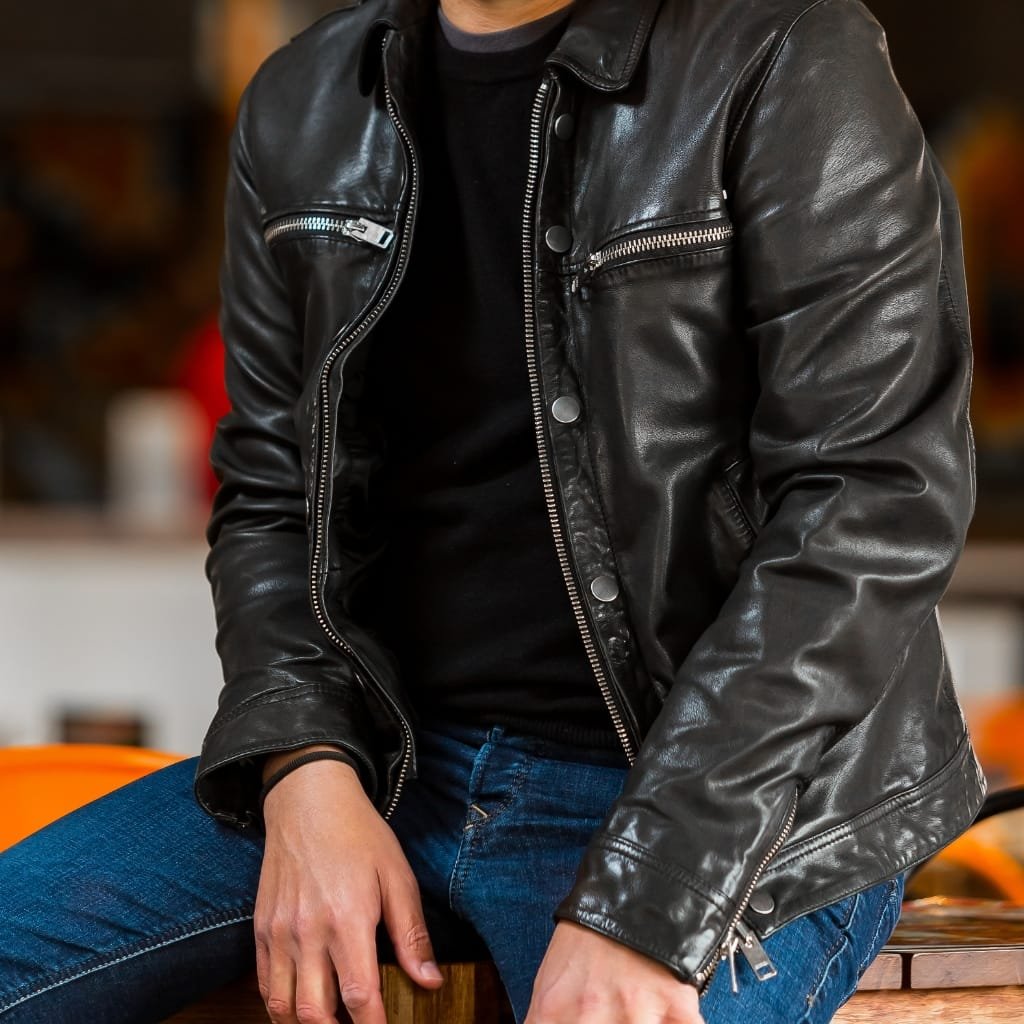
Close-up of a person wearing a black leather jacket, sitting with one hand resting on their knee. The jacket features metal zippers and snap buttons, set against a blurred indoor background.
A stylish black leather jacket with metallic accents, exemplifying craftsmanship in Buffalo leather apparel.

Why Choose a Buffalo Leather Jacket?

Exceptional Durability

Compared to cowhide, buffalo leather is about 2 to 3 times thicker. This added thickness makes buffalo leather easier to protect from wear, and as a result, buffalo leather jackets can last for decades with the right care.

Weather Resistance

Buffalo leather is softer and naturally resists wind and water more than softer leathers do. Buffalo leather may not be completely waterproof, but it holds up better than softer leather jackets in cold and damp weather. Its thickness helps retain warmth in winter as well.

Distintive Look

Buffalo leather jackets have a raw and edgy look, which makes them more attractive to style. Each of these jackets is unique, and they have a deep grain and natural imperfections that make them look used and vintage, so they look better as you wear them.

Low Maintenance

Buffalo leather does not require routine maintenance. Rather, it just needs the occasional scrub and a layer of leather balm to keep its shine for many years.

Styling Buffalo Leather Jackets

Outfits that include denim, cotton, and wool go well with buffalo leather jackets. Buffalo leather jackets are all about convenience. From biker to trucker and even bomber jackets, these jackets and styles can go with any look.

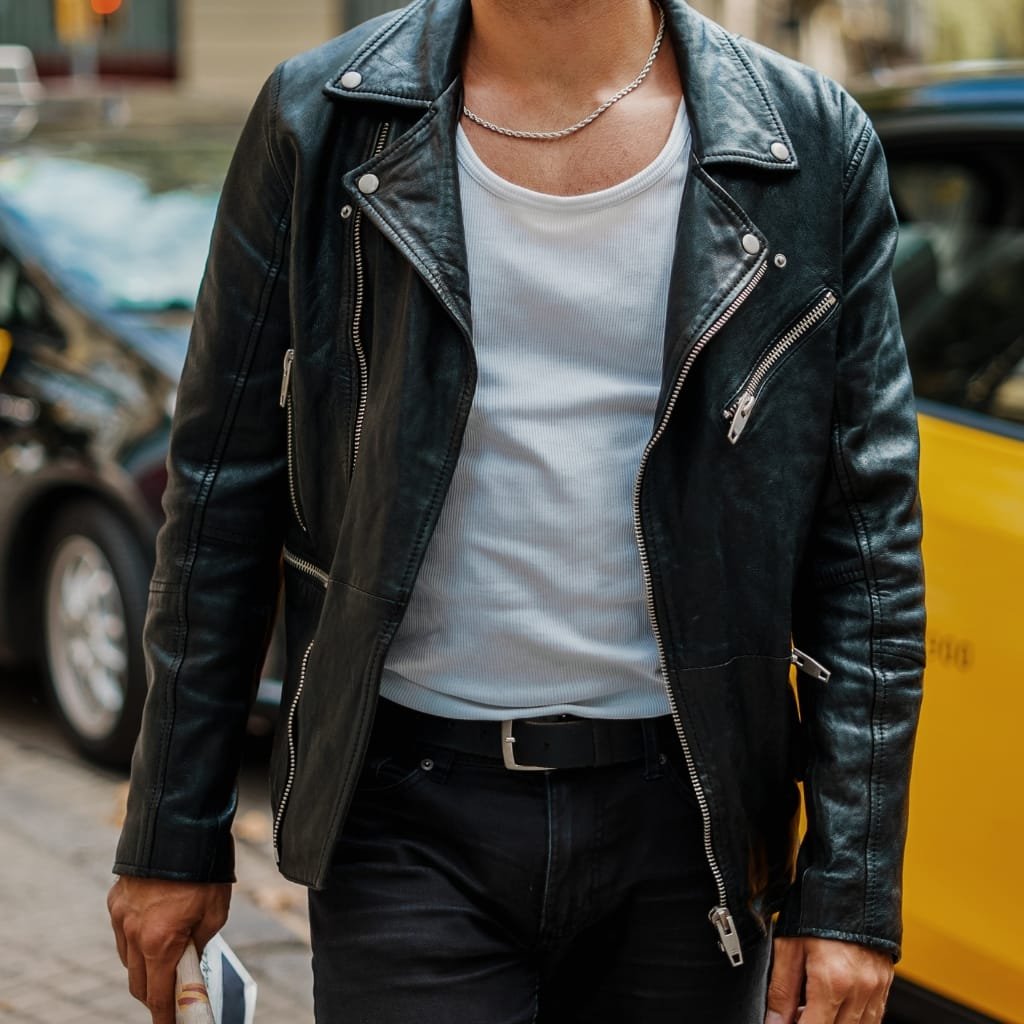
A person wearing a black buffalo leather jacket, a white ribbed T-shirt, black jeans, accessorized with a silver chain necklace and a belt, standing outdoors.
Effortlessly cool in a classic buffalo leather jacket paired with casual essentials.

For Men:

  • Casual: Pair with ripped jeans, a solid tee, and boots.
  • Smart Casual: Put on a turtleneck with chinos and a jacket over it.
  • Edgy: Finish off with sunglasses, distressed jeans, and combat boots.
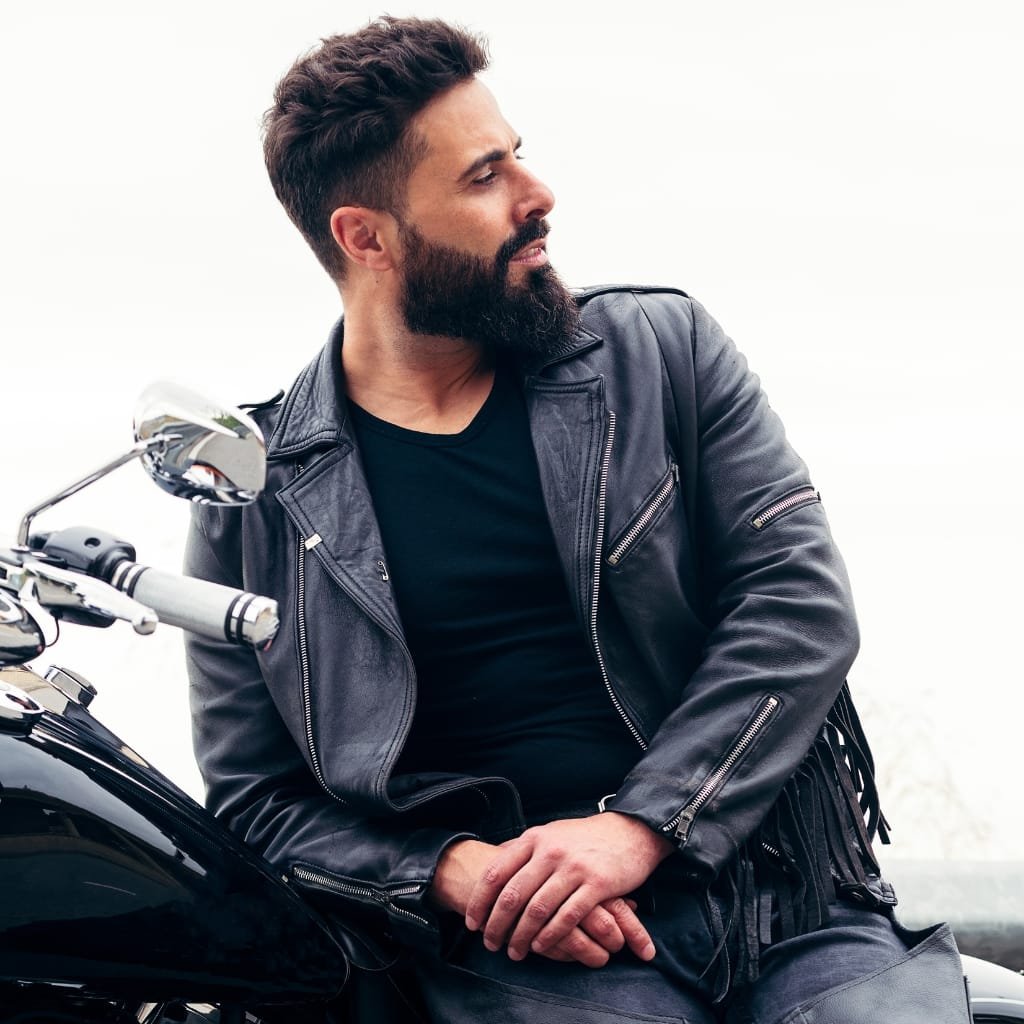
A man with a full beard and styled hair wearing a black leather jacket over a black t-shirt, sitting on a black motorcycle against a plain white background.
Bold and stylish: embracing the classic rugged look with a modern edge.

For Women:

  • Chic: A midi dress with a mild jacket and with heeled boots completes a chic look.
  • Urban: Team with skinny jeans, a jacket, and a graphic tee for a relaxed urban look.
  • Layered: Looks cozy when paired with a scarf and hoodie for a fresh fall look.
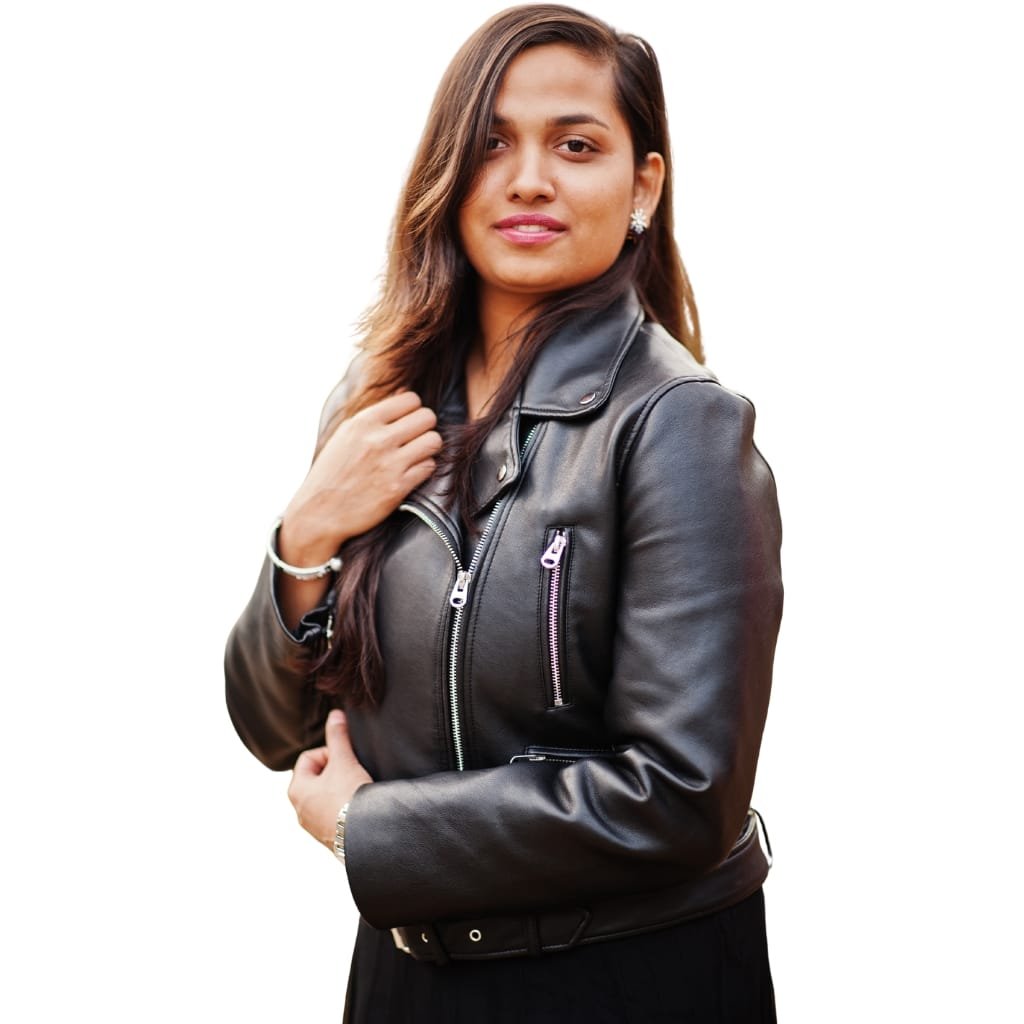
A young woman with long, wavy brown hair, wearing a black leather jacket, earrings, and a bracelet, standing against a white background.
Confident and stylish woman dressed in a sleek black leather jacket.

Buffalo Leather Jacket Types

Full Grain Buffalo Leather

This type keeps the full grain layer, giving it a high level of durability and the ability to develop a high patina over the years.

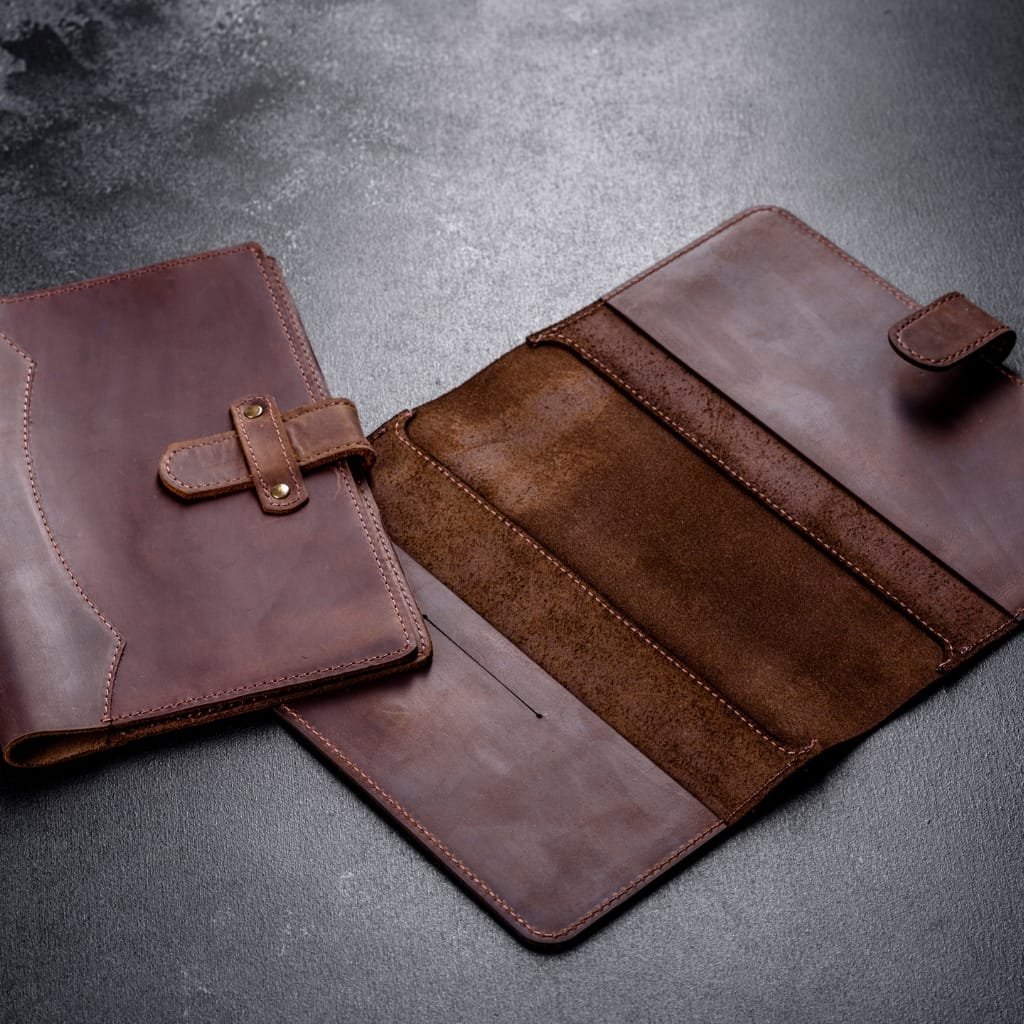
A brown leather portfolio folder with a snap strap, lying open on a dark textured surface.
Elegant full grain buffalo leather portfolio showcasing craftsmanship and rich texture.

Top Grain Buffalo Leather

This type has a bit of grain removed through sanding, making it a bit smoother and keeping most of its durability.

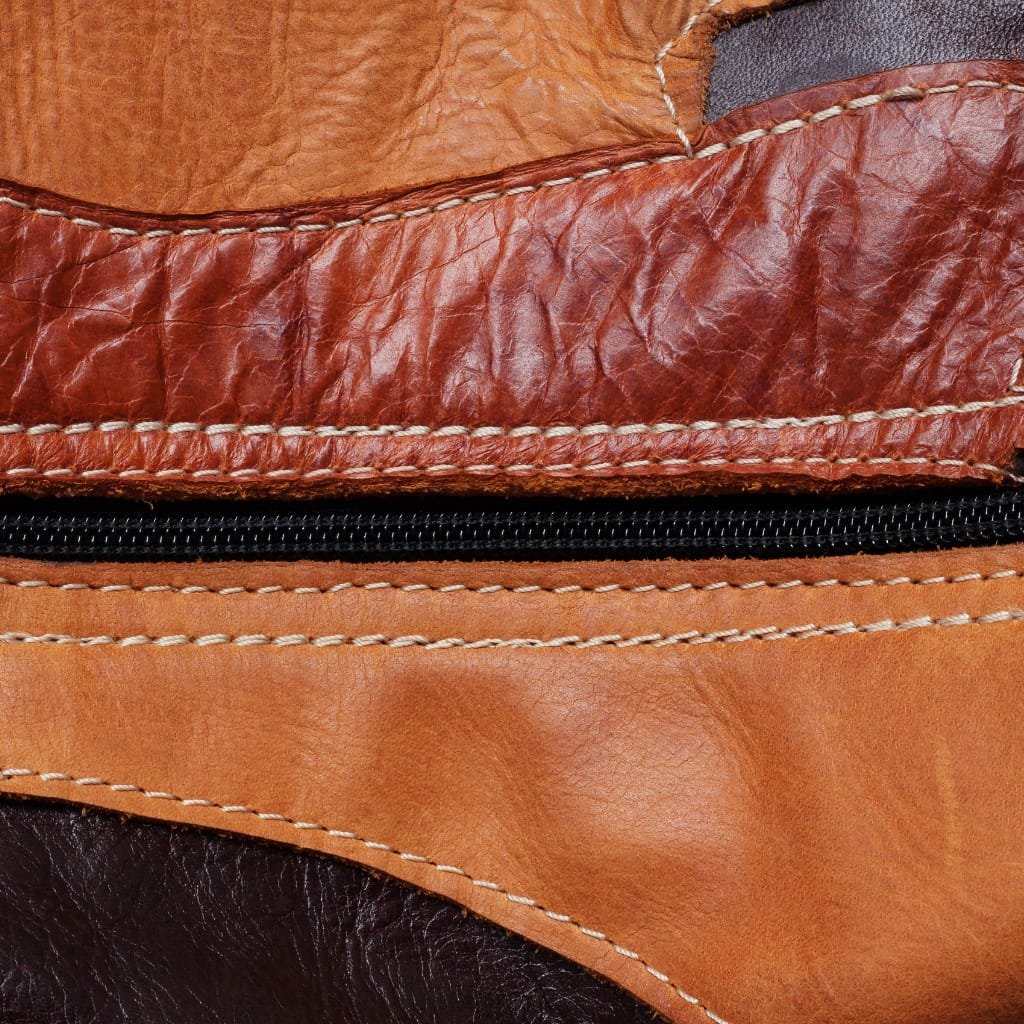
Close-up image of a section of a leather item showing different textures and colors of top grain buffalo leather, including smooth, wrinkled, and creased areas with visible stitching and a zipper.
Detailed view of top grain buffalo leather showcasing its varied textures and quality craftsmanship.

Split Buffalo Leather

This comes from the bottom part of a hide and is less durable. It is soft and affordable, which is why it is used in fashion jackets.

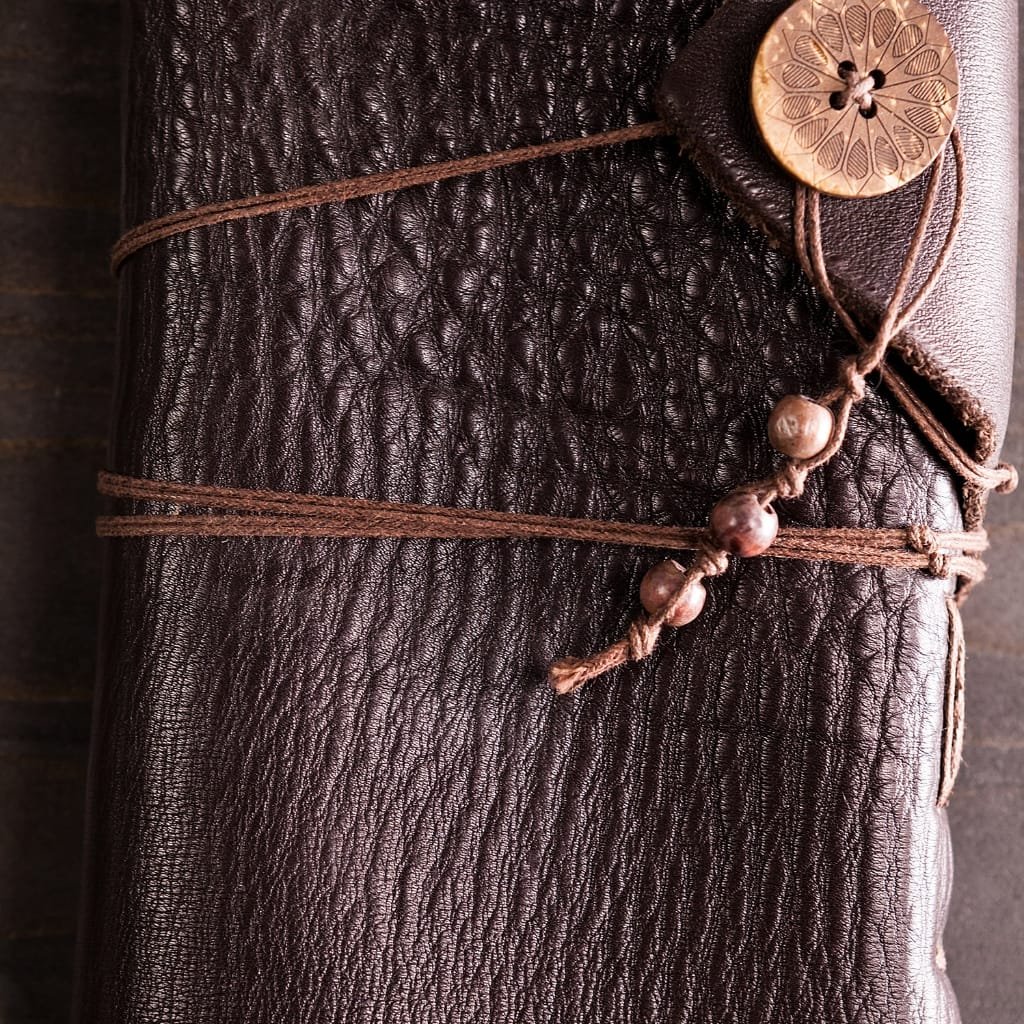
Close-up of a rolled piece of dark brown Split Buffalo Leather wrapped with a brown cord, featuring a decorative button with intricate cut-out patterns and small beads attached by a string.
A detailed view of Split Buffalo Leather, highlighting its textured surface and handcrafted embellishments.

Buffalo Leather Benefits Compared to Cowhide

Buffalo hide offers benefits that cowhide does not:

  • Thicker structure
  • Stronger grain pattern
  • Increased tensile strength
  • Better natural aging process

Though cowhide may feel lighter and more supple, buffalo jackets are more durable and ideal for rugged use.

Buffalo Leather Jacket Styles

1. Buffalo Biker Jacket

For riders, this jacket features durable zippers, thick padding, and high collar protection.

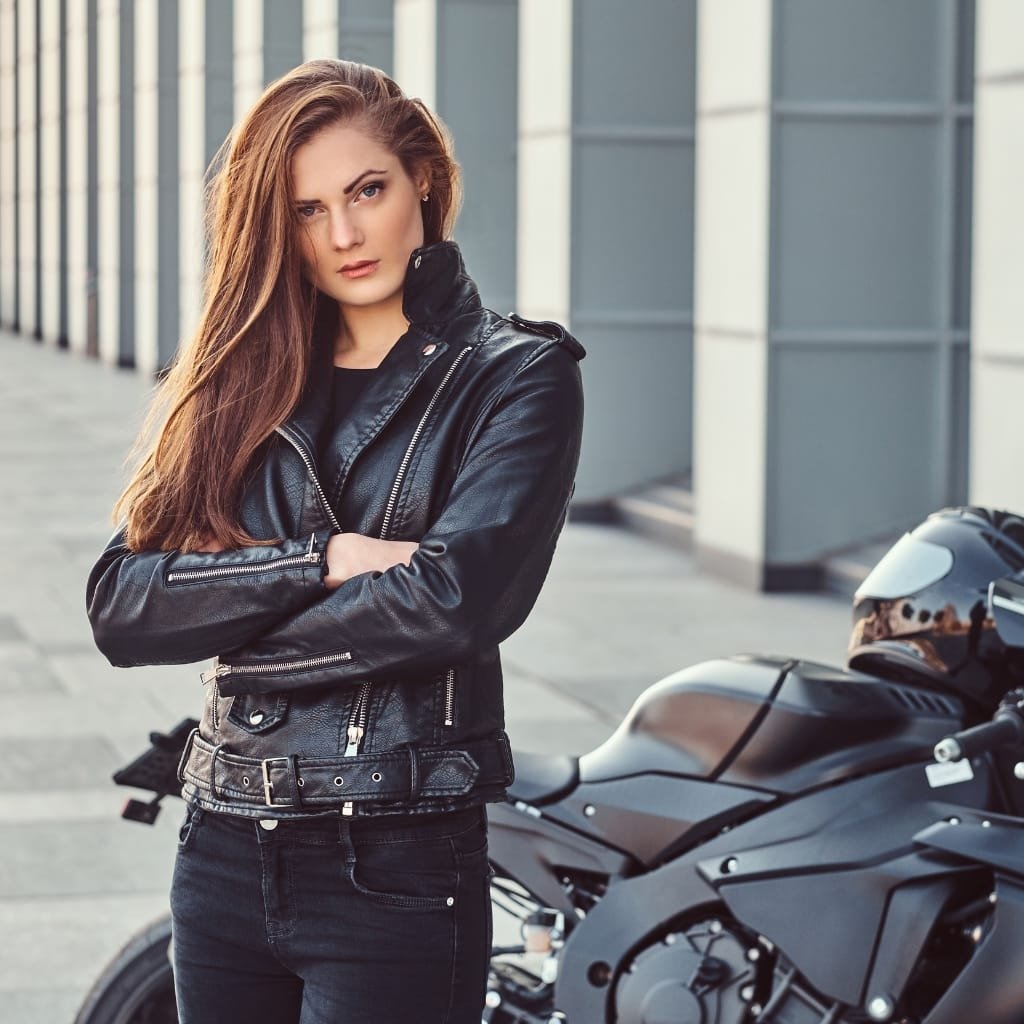
 A woman with long, brown hair wearing a black Buffalo biker jacket, standing next to a motorcycle in an urban setting.
Stylish and fierce in her Buffalo biker jacket, she poses confidently beside her motorcycle in the city

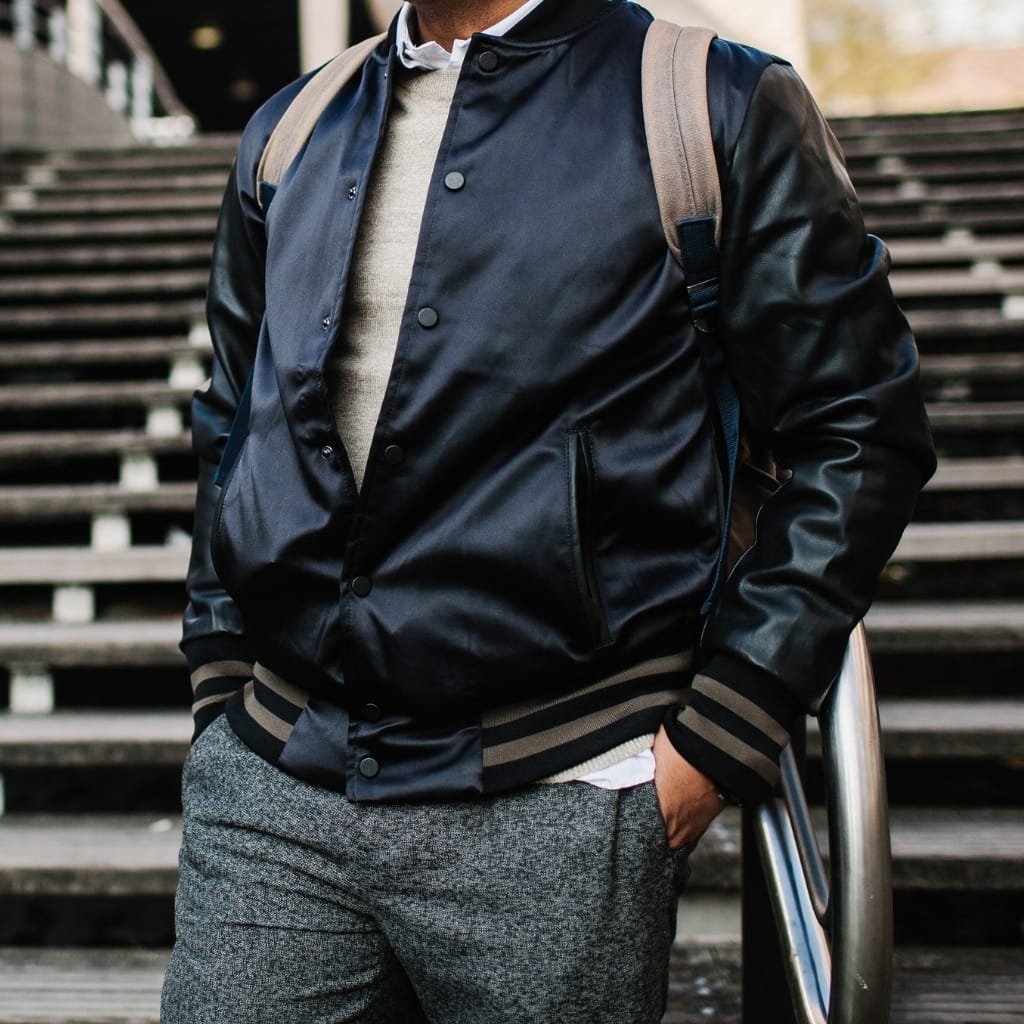
2. Buffalo Bomber Jacket

Buffalo bomber jackets are great for cold weather. They have a relaxed fit with a warm lining.

A person wearing a black Buffalo bomber jacket with striped cuffs and collar, standing on outdoor stairs with one hand in their pocket and a backpack over their shoulder.
Stylish Buffalo bomber jacket paired with grey trousers, perfect for casual outings.

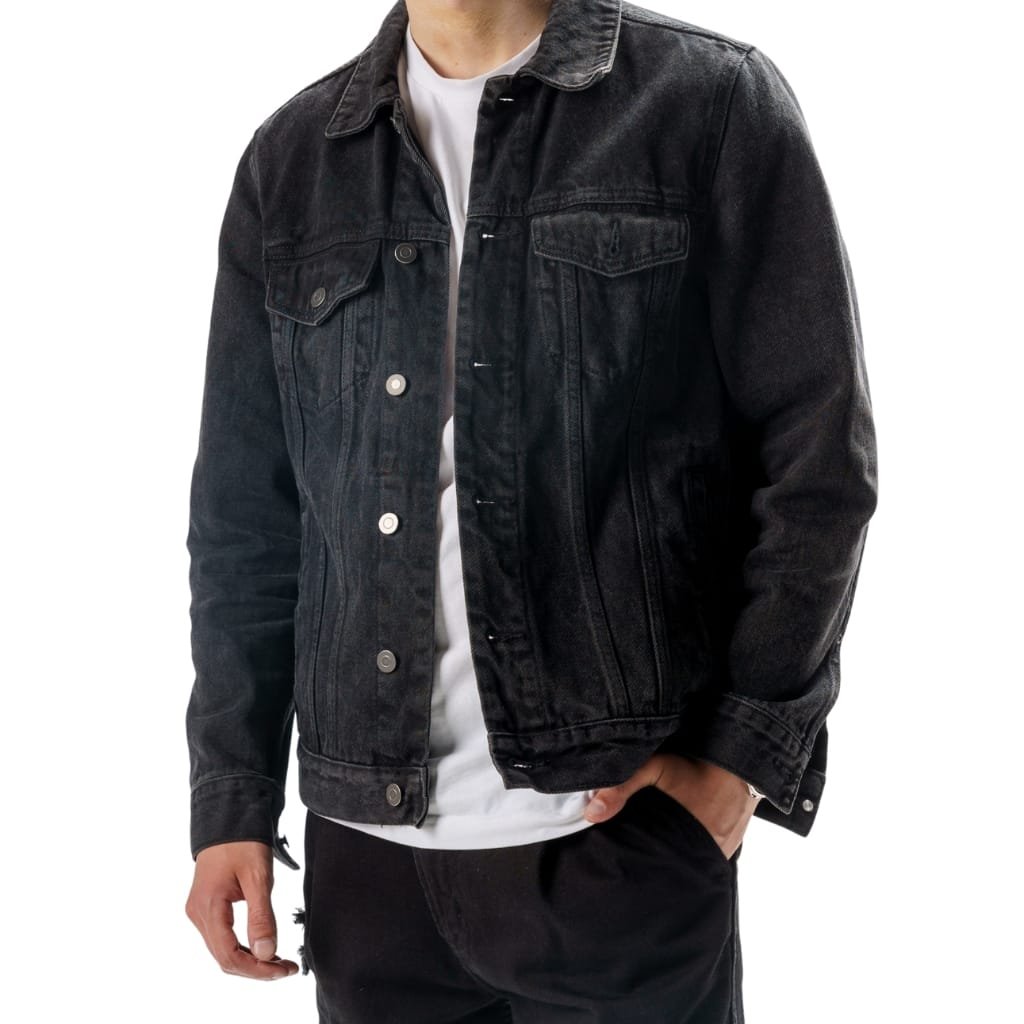
3. Trucker Style

With a fitted shape and patch pockets, this trucker jacket style is inspired by workwear.

Man wearing a black denim trucker jacket, white T-shirt underneath, and black pants, with one hand in his pocket.
Casual and stylish black denim trucker jacket paired with black pants and a white T-shirt.

4. Western Jacket

Adventure jackets feature fringes, pointed yokes, and earthy tones.

A young woman wearing a denim (western) jacket and a cowboy hat with star patterns, standing outdoors near a body of water with a blurred natural background.
A woman dressed in a Western-style denim jacket and a star-patterned cowboy hat, enjoying a scenic outdoor setting.

Caring for a Buffalo Leather Jacket

While tough, buffalo leather does require care to keep it looking good and functional.

Care Instructions

Dust the jacket with a soft cloth. Leather cleaners can be used to lift stains by rubbing in circular motions. Do not use water-based cleaners.

Conditioning

Apply natural leather conditioner every few months.

  • Let it sit for a while, then wipe it down with a dry cloth.

Storage:

  • Hang it on a wide hanger to retain its shape.
  • Place it in a freely breathable garment bag.
  • Keep it away from direct sunlight and high humidity.

Changing Seasons

A buffalo leather jacket’s insulation and breathability makes it usable in cool and warm months.

  • Winter: Wear with thermal layers and you’re good to go.
  • Spring and Fall: Throw it over a light shirt or a hoodie.
  • Summer: Cool evening, toss a tee and throw on a leather jacket for a chill night.

Major Buffalo Leather Jacket Misunderstandings

They are too heavy.

Thicker buffalo leather does make for jackets, but with the right modern cuts, they are comfy to wear and are not bulky at all.

They crack easily.

Bucking the myth, buffalo, when well conditioned, is less prone to cracking than most types of leather.

They are stiff.

Initially, all leather is stiff. In the case of buffalo leather, with time, it softens and will take the shape of the person wearing it.

Environmental Issues

Buffalo leather, especially vegetable-tanned leather, makes for a more responsible and sustainable choice. Brands with good production ethics are now focusing on biodegradable tanning with low-impact dyes and minimized waste.

Tip: Look for brand certification or no sourcing transparency to cast doubt on the brand’s ethics.

Are Buffalo Leather Jackets Worth Buying?

Yes, it is absolutely worth it. Even though it is more expensive than synthetic options or cowhide, the longevity along with the style and versatility makes it worth the price. Over the years, the jacket shows the story of your life—how it has been worn, along with the creases and marks, as well as the jacket’s patina deepening.

Conclusion

Buffalo leather jackets are more than just rugged outerwear; they are a symbol of enduring style and strength. These jackets are arguably the best value outerwear available. They provide unmatched durability and a bold aesthetic. With a thick hide and distinct grain, they are great for dressing for function, fashion, or both.

If you are looking for a steadfast rugged jacket, this is it. The jacket golds its shape, hexes are deepening continuously which is a showing of life well lived. These leather jackets age like fine wine. The leather gains a patina deepening over time telling the story of life lived. If you are looking for value and edge, this is it. The jacket, when well cared for, can last you decades of telling your story.

FAQs

Is buffalo leather good for jackets?

Yes, it’s one of the strongest leathers available, making it perfect for durable outerwear.

How long does a buffalo leather jacket last?

With proper care, it can last over 20 years, sometimes even a lifetime.

Is buffalo leather waterproof?

It’s water-resistant, but not fully waterproof. Use a leather protector for better resistance.

Polyester Fabric: Guide to Uses, History, and Sustainability

Polyester fabric is used globally across many industries like sportswear, sewing, and even furniture. It has a long history, and is a complex fabric with many factors to consider, such as: sustainability and it’s impact on the environment.

In this blog, we will discuss the diverse applications and history of polyester fabric as well as eco-friendly modifications like Eco-Polyester and the future of it.


1. History of Polyester Fabric

In 1929, Wallace Carothers, an American chemist, working for DuPont, enhanced the research of synthetic fibers by inventing polymer chains.

British chemists John Rex Whinfield and James Tennant Dickson invented polyester in 1941. It was in later 1950s that it was introduced in the US, under the brand name of Dacron. It caught on quickly due to its trademark increase in durability over other fabrics.

 History of Polyester Fabric was highly used in the fashion industry during 1970s to 1980s and post 80s it lost its popularity due to comfort issues. It was on a decline for a number of years until other countries revised their production methods. Now, it is highly valued for its durability and increased comfort.


2. What Is Polyester Fabric?

Polyester is a fabric of a synthetic nature, which is created through the use of chemical compounds derived from petroleum. Its commonest type is PET (polyethylene terephthalate). It possesses important properties including, strength, resistance to stretching, shrinking and quick drying.

Polyester fabric can be;

  • Woven, a versatile material used for making shirts, trousers, and curtains,
  • Specifically, knitted fabrics are used for making T-shirts and other sportswear.
  • Can be mixed with natural fibers like cotton or wool

3. Where Can We Use Polyester Fabric?

Polyester fabric can be found in various areas or industries.

Fashion & Apparel

Polyester works perfectly for clothing for these reasons:

  • T-shirts and dresses
  • Jackets
  • Sportswear
  • School and work uniforms
Woman shopping for clothes in a store, holding a light blue blazer while browsing colorful suits and blazers on a rack.
Woman smiling while selecting a light blue blazer among colorful suits in a clothing store.

Home textiles

The many benefits of polyester make it perfect for home items:

  • Curtains
  • Bed linens
  • Cushions
  • Carpets
A cozy bedroom decorated with purple, white, and gray floral bedding, matching curtains, and framed botanical prints on the wall.
Elegant bedroom with floral bedding and coordinated curtains.

Industrial use

Polyester fabric is used for more than just clothes; it is also essential for industrial applications globally.

  • Seat belts
  • Ropes
  • Sails
  • Conveyor belts
Mannequin wearing a red safety harness with metal clips, adjustable straps, and a black belt with a white and black safety lanyard hanging down.
Safety harness with metal clips and adjustable straps displayed on a mannequin.

Outdoor gear

In terms of outdoor recreational activities, polyester fabric is unrivaled

  • Tents
  • Back packs
  • Sleeping bags
Camping tent set up outdoors on a grassy field during dusk, with a red sleeping bag and camping gear inside.
Camping tent with sleeping bag and gear at dusk in a natural setting.

Its water resistance, strength, and low cost make it a favorite for both fashion and function.


4. Making Process of Polyester Fabric

Making Process of Polyester Fabric First, in the Polymerization stage, ethylene glycol and terephthalic acid are chemically reacted to form PET. Then, the PET is melted into a liquid in the melting stage. Finally, the liquid form of the PET is extruded through spinnerets to create long fibers in the extrusion stage.

  • Spinning: Fibers are converted into yarns through spinning.
  • Cooling & Cutting: Fibers are either cooled and cut into staples or are filament-wound.
  • Weaving/Knitting: Yarn fabrics are produced using looms and knitting machines.
  • Finishing: Finishing Softening and renderring fabric resistant improves its quality, further treating, dyeing, and printing the fabric enhances its properties.
Flow chart illustrating the manufacturing process of polyester fibers, including stages from petroleum processing to spinning synthetic fibers, with diagrams and images of equipment.
Flow diagram of the polyester fiber manufacturing process.

5. Biggest Producers of Polyester Fiber

Asia is the primary producer of polyester, the largest producers are:

  • China (world’s largest manufacturer)
  • India
  • japan
  • Taiwan
  • Indonesia
World map highlighting the major countries involved in exports, with labels indicating China as the biggest exporter and the United States as the first created in the country.
Global export origins with key countries highlighted and information about China’s export status.

These countries export polyester to global textile markets, powering industries from fashion to furnishings.


6. Types of Polyester Fabric

These are the different types of polyester fabric:

1. PET (Polyethylene Terephthalate)

PET (Polyethylene Terephthalate) Used the most among textiles and bottles.

Recycling symbol with the number 1 in the center and the text "PET (Polyethylene Terephthalate)" below it, in green fonts.
Recycling symbol for PET (Polyethylene Terephthalate).

2. PCDT (Poly-1,4-cyclohexylene-dimethylene terephthalate)

PCDT Used of heavier fabrics like curtains or upholstery.

Diagram illustrating the production of Polyethylene Terephthalate (PET) with molecular structure, spinning process, and a shirt representing the final product.
Production process of Polyethylene Terephthalate (PET) used in textiles.

3. Recycled Polyester (rPET)

Recycled Polyester (rPET) Its produced from old garments and plastic bottles, it’s less harmful to the environment and more popularly used.

Person holding up a large square fabric with a red background and black-and-white geometric pattern, surrounded by icons describing fabric features.
Vivid patterned fabric highlighting eco-friendly and functional qualities.

4. Microfiber Polyester

Microfiber Polyester used is Towels, bed linens, and cleaning cloths are super soft.

Close-up view of light blue fabric with a smooth texture, showing a folded corner.
Light blue fabric with a soft and smooth texture.

7. Certification Types for Polyester

These certifications can be awarded to polyester fabrics to ensure the quality and sustainability:

  • OEKO-TEX Standard 100 – Certification states that the fabric does not contain harmful substances.
  • Global Recycled Standard (GRS) – Confirms recycled polyester content.
  • Recycled Claim Standard (RCS) – Monitors recycled content in the supply chain.
  • Bluesign® Certification – Guarantees noteworthy social responsibility in manufacturing.
Infographic illustrating certifications for polyester fabric, including logos for OEKO-TEX Standard 100, Global Recycle Standard, and Intertek.
Certifications for Polyester Fabric Quality and Sustainability

8. Environmental Impact of Polyester

Polyester is one of the few substances that is not biodegradable. Its decomposition can take hundreds of years, and the shedding of microplastics during washing is an additional insult, polluting the oceans.

Recycling does help this issue to an extent. Giving old plastics a new purpose, recycled polyester (rPET) mitigates some of the damage.

Outside efforts to make the production of polyester more eco-friendly include:

  • Renewable energy use in manufacturing plants
  • Recycling of plastics, such as bottles
  • Closed-loop production systems

9. Is Polyester Cheaper Than Cotton?

Generally speaking, polyester is cheaper than cotton.

Why?

  • Polyester is cheaper to manufacture.
  • The product lasts longer.
  • The production of polyester requires fewer resources, such as water.

While cotton work jacket remains softer and more breathable, polyester has the advantage of affordability, durability, and effective moisture-wicking.

Close-up image of two different fabric textures, one on the left with a coarse, brown woven material and one on the right with a finer, light-colored textile.
A detailed view of contrasting fabric textures, showcasing coarse and fine weaving patterns.

Final Thoughts

The textile industry considers polyester a powerful fabric. Indeed, its strength, versatility, and affordability are unmatched. The environmental concerns are there, but options for recycling are available.
Therefore, with a focus on sustainable fashion and the rise of Eco-Polyester and rPET, textiles have a more environmentally friendly future.

FAQS

Is polyester breathable?

Not as breathable as cotton, but more recent innovations have enhanced its ventilation.

Can polyester be ironed?

Polyester can indeed be ironed, but requires low settings. High temperatures will damage the fibers.

Does polyester shrink?

Shrinking and stretching are two things polyester resists.

Corrected Grain Leather: Affordable Luxury with a Polished Finish

While “luxury” usually brings to mind full grain leather, boasts an equally polished appearance and fulfills a certain price niche attractive to an aesthetic-driven consumer. This guide aims to help you understand everything regarding —its production process and the reasons this alternative is preferred over more expensive options.

What is Corrected Grain Leather?

Corrected grain leather is derived from a hide as a result of an animal flaw. Most of the defects consist of a result of scaring, insect bites, and even wrinkles. To correct these flaws, manufacturers sand the surface and create a uniform pattern over the top only to be engraved with a repeating pattern.

The procedure ensures that the leather has a polished uniform surface. Compared to full grain leather, it may lack uniqueness and breathability, but is still elegant and durable.

Its application in shoes, bags, jackets, and even as upholstery in furniture makes it accessible to the majority. Its elegant appearance and affordability make it a preferred choice in these items.

What The Procedure Of Making Corrected Grain Leather Entails

The process of creating starts with selecting a defected piece of leather. The top surface is mechanically sanded to fix a leather piece’s topmost skin. Once it is sufficiently relaxed, a synthetic pattern is stamped on to imitate the appearance of actual leather.

Afterwards, pigments are applied, or topcoats are applied. The improvement or preservation of the leather’s uniformity, resistance to soiling, and ability to retain color is attributed to the coats that are applied. In addition to boosting the leather’s scratch resistance, these coats improve the leather’s toughness.

It is also worth noting that the is usually produced from the uppermost layer of the hide, thus, making it resilient to some extent as compared to full grain leather, though not to the same extent.

Leather being sanded and embossed during the corrected grain leather production process.
The process of making corrected grain leather includes sanding, buffing, and adding an embossed grain pattern.

Why Corrected Grain Leather Holds More Benefits

The accruing reasons to this leather’s popularity stem from some of the most useful features it presents. This does not resonate with leather purists, and is the corrected leather’s objection. The reasons are;

  • Budget friendly: This leather is no where near as expensive as full grain leather, yet does not skimp on quality.
  • Balanced appearance: This leather is favorable because of sleek texture desired leather is no longer bumpy.
  • Long Lasting: When the piece of leather is treated correctly, it offers resistance to damage, moisture, and everyday activities.
  • Multi use: This leather finds its way into belts, bags, as well as jackets, automobile interiors, and upholstery.
  • Low upkeep: The surface’s top coating helps in the quick and easy clean of the leather piece.

For many individuals, this represents an ideal combination of looks, performance, and cost.

Common Uses of Corrected Grain Leather

You can find in various items. Its completed appearance makes it a preferred choice of material for mass-produced items.

  • Footwear: Particularly dress shoes and boots, which benefit from a polished appearance.
  • Handbags and Wallets: Offers a polished look without appearing overly priced.
  • Jackets and Coats: Retains a stylish appearance, and is durable and shape-retentive.
  • Furniture Upholstery: More stain and spill resistant than untreated leather.
  • Car Interiors: Added to seats, panels, and trims because of a sleek look and ease of maintenance.

With its many uses, it is no wonder that is part of many designers’ and brands’ collections.

Close-up of a beige, textured leather surface with visible stitching along the edge.
Close-up of a beige leather upholstery showcasing its textured surface and detailed stitching.

How to Identify Corrected Grain Leather

Corrected grain leather is easy to identify as long as you know these indicators:

  • Surface Texture: Often has uniform grain.
  • Sheen: Coatings can give a leather a slightly glossier or plastic look.
  • Touch: Corrected grain leather is denser and less porous leading to a stiffer feel.
  • Price Tag: Corrected grain leather is priced lower than full grain leather.

While shopping, if the appears overly flawless, it likely is. That differs from full or top grain types.

Close-up image of smooth, evenly textured tan leather with two parallel rows of stitching, showcasing the surface and craftsmanship of the leather.
Close-up of corrected grain leather with neat stitching detail.

Maintenance of Corrected Grain Leather

With proper maintenance, the longevity of your leather goods can be preserved. of the full grain subtype is relatively soft, low maintenance, and easy to upkeep.

  1. Regular Cleaning: Remember to wipe with a damp cloth and mild soap to remove dirt for regular upkeep.
  2. Condition Leather: Unlike full grain leather, benefits from a light protective shield of nourishing oils and waxes to balance the leather and prevent it from drying out.
  3. Avoid Too Much Heat: Overly warm environments can lead to leather cracking.
  4. Store Leather Properly: Corrected grain leather can benefit from being shielded from sunlight to avoid drying.
  5. Treat Leather with Protector: Protectors can help shield leather from unwanted water, stains, and oils.
Close-up image of a reddish-brown corrected grain leather surface with visible stitching and two metal tools lying on it.
Detailed view of corrected grain leather showcasing craftsmanship and tools used for maintenance.

Is Corrected Grain Leather Appropriate for You?

If you are looking for a leather product that is stylish, rugged and easy to maintain, corrected grain leather is the way to go. Both its style and functionality come at lower price compared to other leather types.

Brand names tend to go for it as it aids the correction of leather imperfections for consistency and uniformity. Consumers enjoy its attractiveness along with the value of its price. It can hold its attractiveness for many years when correctly taken care of, making it a great investment.

Although it may not have the full grain’s richness and character, it excels in application, function, cost, and most importantly, aesthetics.

Conclusion

The sheer appeal of Corrected Grain Leather is its outstanding value featuring smooth finishing and rich aesthetics, thus providing luxury at an accessible price range. Its luxury appeal makes it an attractive handbag, and home décor option, and its smooth finishing guarantees long-lasting use.

Whether it is a jacket, a briefcase, or a recliner, having the knowledge of the type of leather used allows for more educated selections to be made. While corrected grain leather may not be the best, it is certainly more appealing than entry level.

Ultimately, and justifiably, it provides effortless elegance without the high cost as its name suggests.

FAQs

Is corrected grain leather real leather?

Yes, it is real leather made from the top layer of the hide but altered for a smoother look.

Does corrected grain leather last long?

With proper care, it can last for many years. It’s durable, though slightly less so than full grain.

Can corrected grain leather develop patina?

Due to its surface coating, it develops less patina than natural full grain leather.

Full Grain Leather: The Gold Standard of Durability and Luxury

Full grain leather stands out as the best grade leather currently on the market. It is obtained from the uppermost region of the hide within the hair’s root. Unlike other leather types, preserves the entire grain. This means it includes all the natural markings, scars, and leather imperfections that bare its unique character.

As it has not undergone sanding, buffing, or any form of correction, is exceptionally strong and delicately textured. It improves over time with a richly developing patina, enhancing its beauty as it ages.

Full grain leather is popularly used for luxury bags, wallets, belts, shoes, furniture as well as the interiors of premium automobiles.

What Is The Process Of Full Grain Leather Creation?

creation begins with substantial evaluation of hides. Each grain must be free of most large sheath and gross defects.

After selection, the hide undergoes the following processes:

  • Liming and dehairing: hair is extracted using lime soured solutions.
  • Fleshing: the internal flesh is thinned out for layer with a smooth thickness.
  • Tanning: commonly to preserve the leather, either vegetable-tanned or chrome-tanned.
  • Dyeing and finishing: application of natural dyes on the leather while keeping the surface grain intact.

Notably, artisans make no surface corrections, which keeps the natural grain pattern of the leather intact. Consequently, the leather remains breathable, and remarkably durable.

Why Full Grain Leather Is The Best

Superior Durability

Full grain leather jacket is incredibly strong and long-lasting. Its durability is associated with expanding leather protection technologies. Its entire grain layer construction offers superior moisture, wear, and stretching resistance compared to lower-tier leathers.

Natural Aging

With continued use, develops a patina which is a luxurious, dark sheen that showcases the owner’s lifestyle. This is a captivating process that only leather undergoes – and beautifully distinguishes leather from synthetic materials.

Luxurious Appearance

looks luxurious because the natural patterns are timeless and upscale. Other leather manufacturers strive to achieve this look, however, stands on its own because of its unparalleled authenticity.

Common Uses of Full Grain Leather

Because of its premium nature, is often found in:

  • Luxury handbags (including briefcases, satchels, and duffels)
  • Luxury Footwear
  • Wallets and belts
  • Coats
  • Leather furniture
  • Accessories

These products not only look great but stand the test of time.

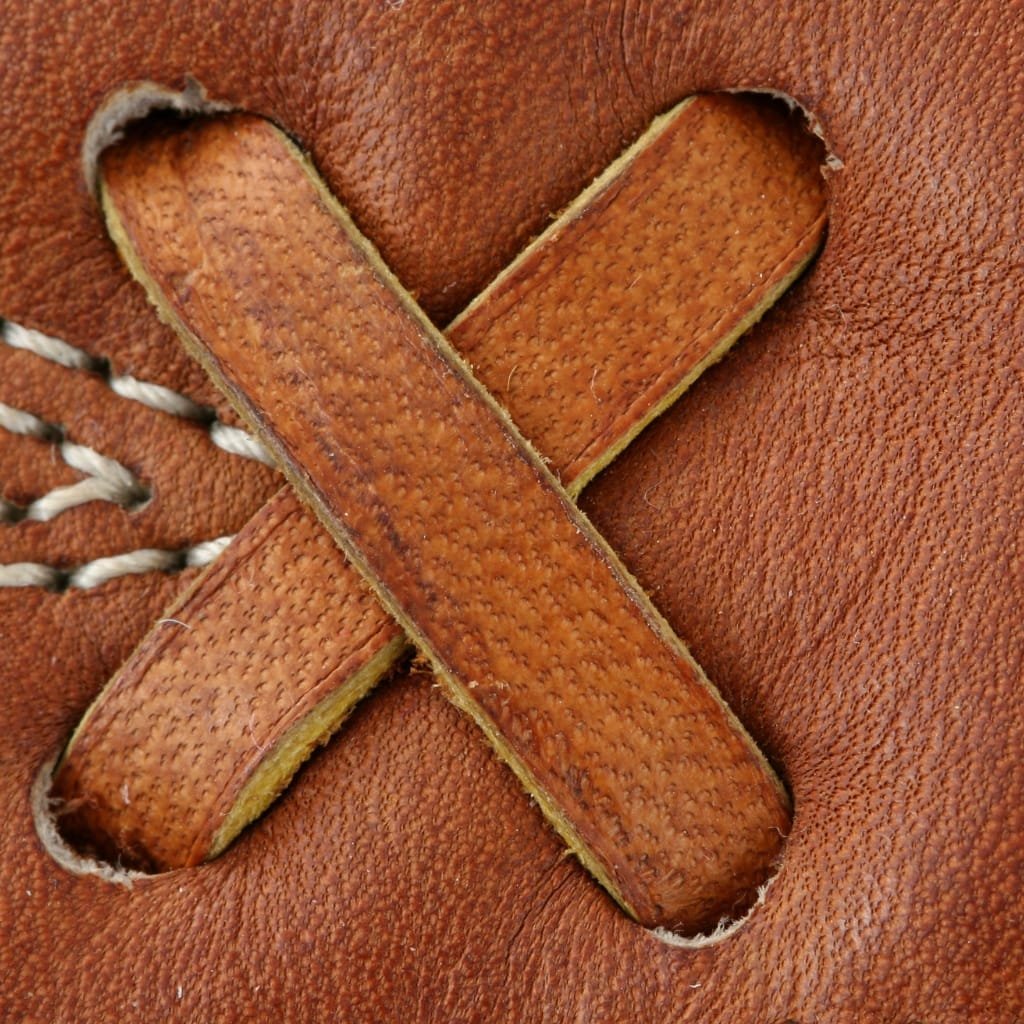
Close-up of a baseball glove's leather surface featuring a large, stitched "X" shape made of full grain leather strips.
Close-up of full grain leather strips on a baseball glove, illustrating its durability and craftsmanship.

How to Maintain Full Grain Leather

To maintain its aesthetic appeal, demands appropriate maintenance. Here is a helpful guide:

  • Gently Clean with a Soft Brush or Cloth. Do not use strong soaps or detergents, as they can damage the leather.
  • Condition it with a Quality Leather Conditioner. Prevents it from drying and cracking.
  • Avoid Exposure to Water. If it does get wet, allow it to air dry at room temperature.
  • Store it Away from Sunlight. Provided in a cool and dry area, preferably in a cloth bag.

With proper maintenance, can last for decades and often outlives the product it becomes.

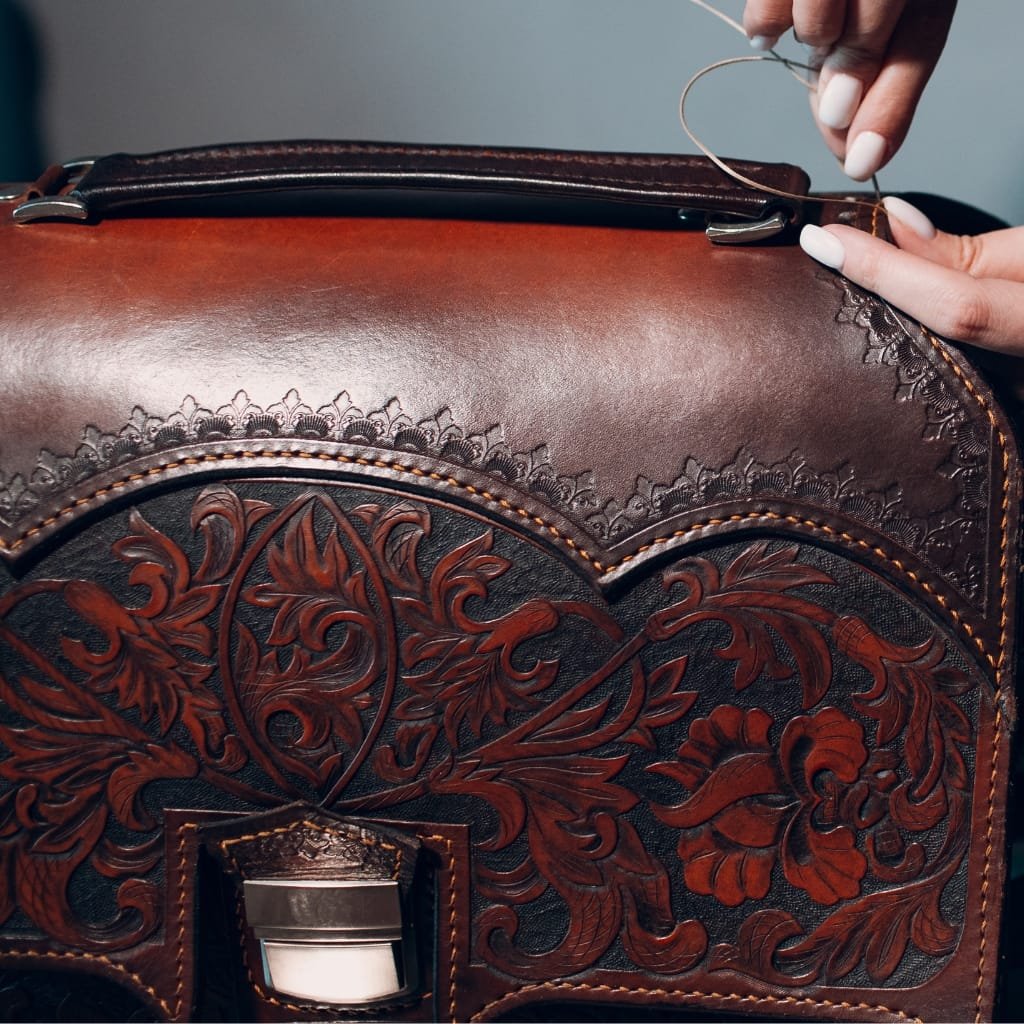
A close-up of a person sewing or repairing a curly leather trim on a polished, dark brown full grain leather bag with intricate floral embossing.
Care and maintenance of full grain leather for a lasting, beautiful appearance.

How Full Grain Leather Ages

differs from mass-produced materials in the manner that it develops an aesthetic over time. It adjusts to its surroundings, and can even get used to the habits and movements of the user.

Also, scratches, folds, and crease marks are not imperfections. They are imperfections that tell a story. Each blemish tells a story of use, travel, and life. Over time, transforms its surface and develops a stunning, aged appearance that synthetics can’t replicate.

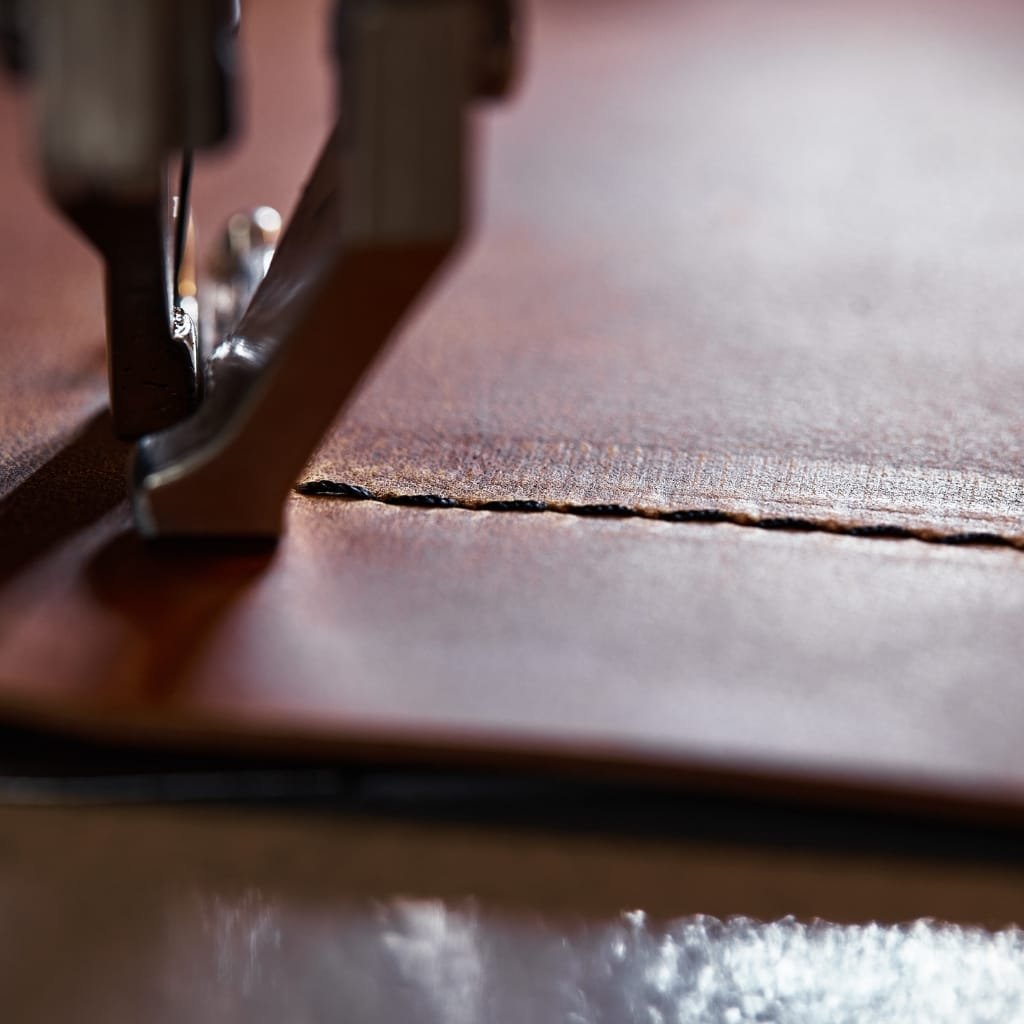
Close-up image of a sewing machine stitching through a piece of full grain leather, highlighting the texture and natural imperfections of the material.
Full grain leather showcasing its natural aging process through subtle surface changes over time.

Eco-Friendliness and Sustainability

When responsibly sourced, becomes more eco-friendly than plastic-based synthetic leathers. While leather is often critiqued for its ecological footprint, durability cuts down waste because it does not need frequent replacement.

Also, many high-end tanneries today feature sustainable practices such as water recycling, eco-friendly tanning agents, and safe water recycling.

Is Full Grain Leather Worth The Investment

Without a doubt. While products do come with a higher price, their beauty and longevity makes the price worthwhile. The investment is not just a piece of material, it is heritage, craftsmanship, and enduring value.

When is purchased, value is expected instead of volume. With time, these pieces enhance their functional and aesthetic value.

Conclusion

Full grain leather is and will always be the gold standard of leathers. It’s durability and elegance is unmatched and timeless. It stands out compared to other leathers because of its natural look and sturdy structure.

Purchasing a bag, jacket or a belt, ensures provides stylish timeless elegance and enduring satisfaction. Full grain leather is unbeatable for those who cherish authenticity, timeless beauty and durability.

FAQs

How can I identify full grain leather?

Look for natural grain patterns, slight imperfections, and a rich, heavy feel. It will often be labeled as “full grain.”

Does full grain leather scratch easily?

It can scratch, but these marks blend into the patina over time, enhancing its character.

Is full grain leather waterproof?

No leather is fully waterproof, but is highly water-resistant if treated properly.

Types of Cow’s Leather: Choosing the Right One for Your Needs

Used for everything from jackets to sofas, cow’s leather is one of the most durable and versatile materials in the world. It’s important to understand the types of cow’s leather to make the right purchase. Whether you’re buying a leather jacket, designing a collection of luxury bags, or crafting furniture, the type of leather makes all the difference.

A cow’s leather product is not a uniform piece made solely from one hide. Different layers of the hide offer different textures, strengths, and aesthetics. Thus, each can be a determinant of the product’s quality, price, and performance.

Full Grain Leather: The Gold Standard of Cowhide

The strongest and most authentic type of cow’s leather is full grain leather. It’s the strongest and most authentic cow leather. Full grain leather is created from the hide’s topmost layer and grain is the most important factor. The grain’s natural markings and imperfections are not removed, which gives full grain leather a rugged character and attractive patina as it ages.

Full grain leather hasn’t been sanded or buffed, which makes it durable. It is often used in high-end furniture, premium bags, belts, and boots. Because of its unrefined nature and remarkable aesthetics, full grain leather is more pricey.

In addition, full grain leather strongly protects against moisture when compared to other processed leathers. With regular conditioning, its longevity is unmatched and can last for decades. People often choose this type for heirloom-quality products that age beautifully.

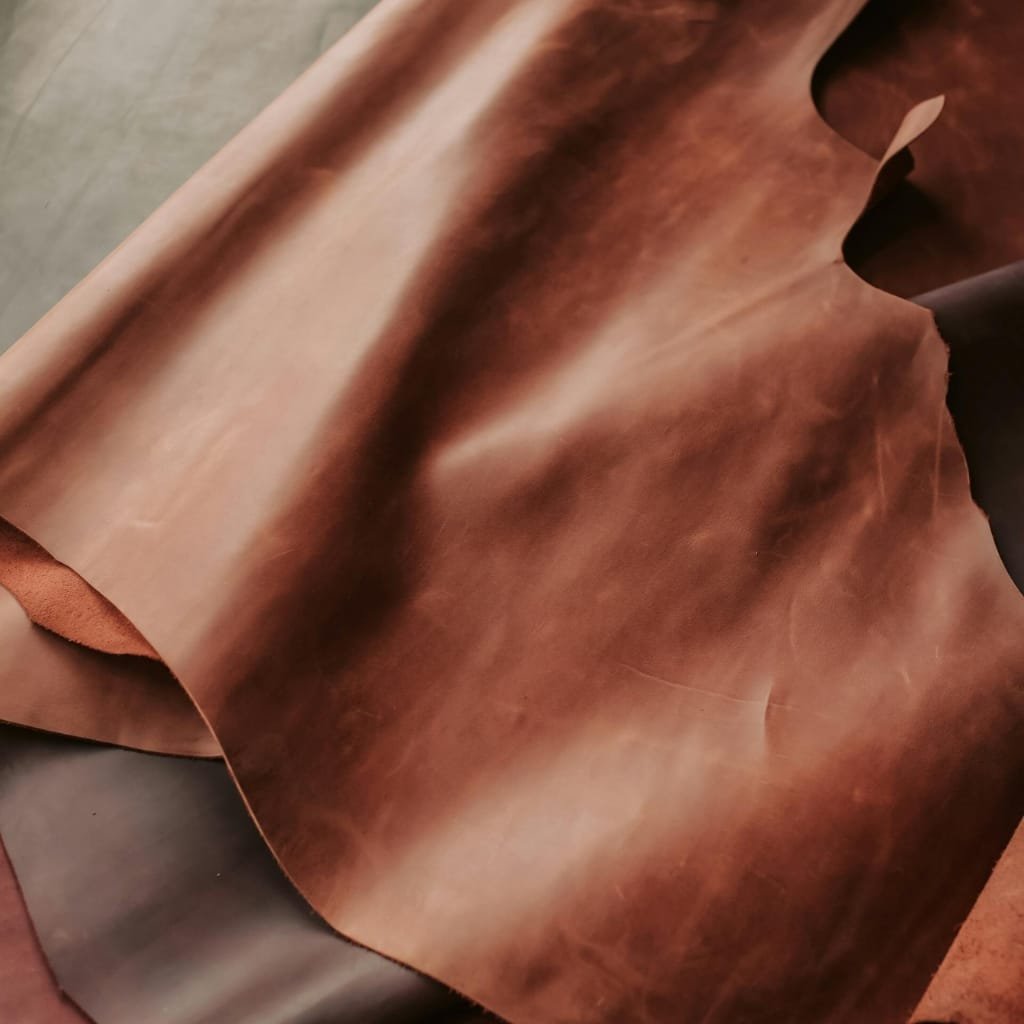
Close-up of a piece of full grain leather with rich, natural variations in color and texture, showcasing its high-quality finish.
Full Grain Leather: The Gold Standard of Cowhide

Top Grain Leather: Smooth, Stylish, and Durable

Just below full grain, we find top grain leather. Sometimes, it is also referred to full grain leather; however, it comes from the top layer of the hide and is lightly sanded and buffed to remove surface imperfections. As a result, it becomes more uniform in appearance and smoother to the touch.

Although it sacrifices a bit of strength compared to full grain, top grain leather still holds up extremely well over time. This type of leather is commonly used in fashion items such as jackets, wallets, and handbags. Its more polished finish and flexibility make it a favorite in modern styling.

Top grain leather can also undergo processes and can be dyed in different colours and textures. Thus, for the fashion conscious who want style and dependable performance, this leather hits the sweet spot.

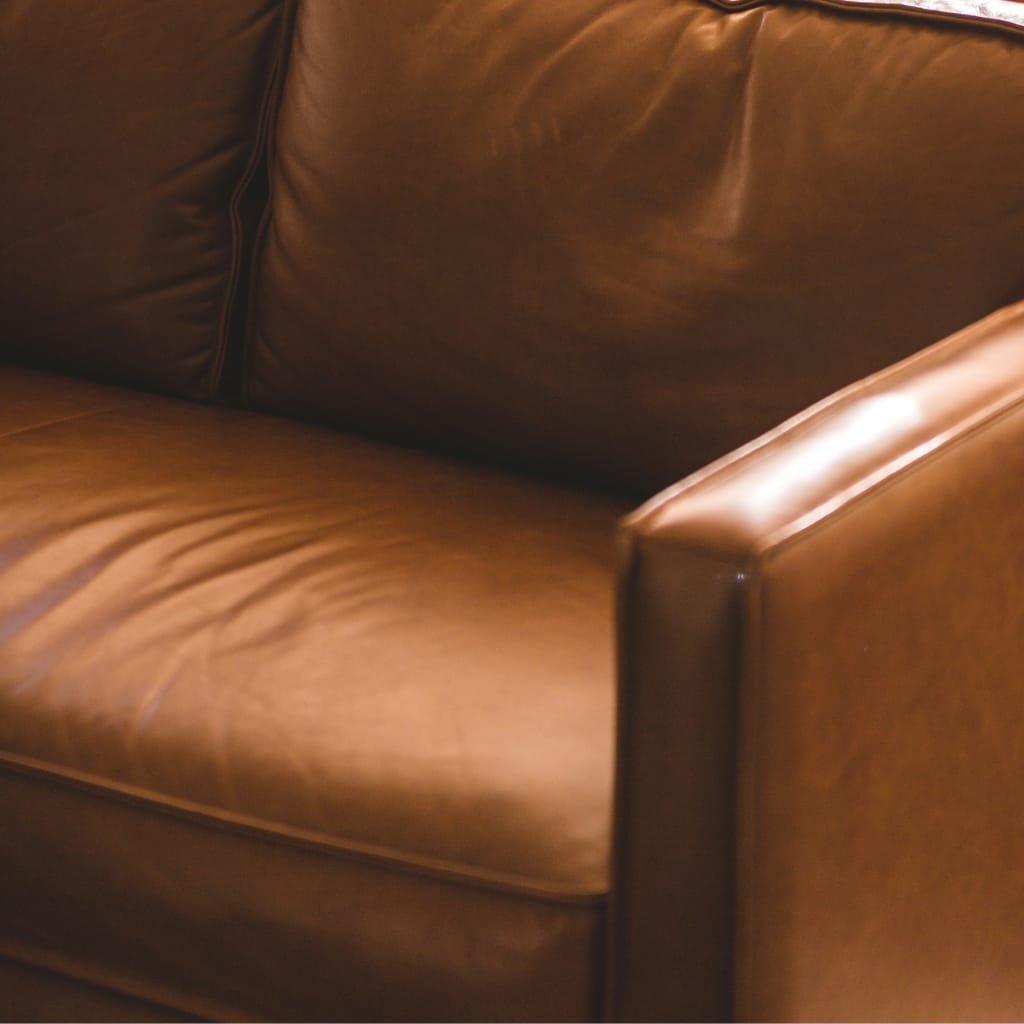
Close-up of a brown leather sofa showing the smooth, polished surface and visible stitching.
Elegant and durable top grain leather sofa, showcasing its stylish finish and craftsmanship

Corrected Grain Leather: Treated for a Uniform Look

The term corrected grain leather or embossed leather refers to leather fabricated from hides which possess some flaws. These defects are taken care of through sanding and a synthetic grain is put on top. This grain can be stamped to imitate the natural one.

Although this leather does not age or develop a patina like finer types do, it does have a clean and consistent appearance. Corrected grain is common in mass manufactured items such as office chairs and car interiors. This leather is also dyed and treated with protective layers, which makes it easy to clean and resistant to stains.

Due to the treatment, this leather is less breathable. Even so, the lower price and the look make it popular. For appearance and cost, corrected grain is a good compromise.

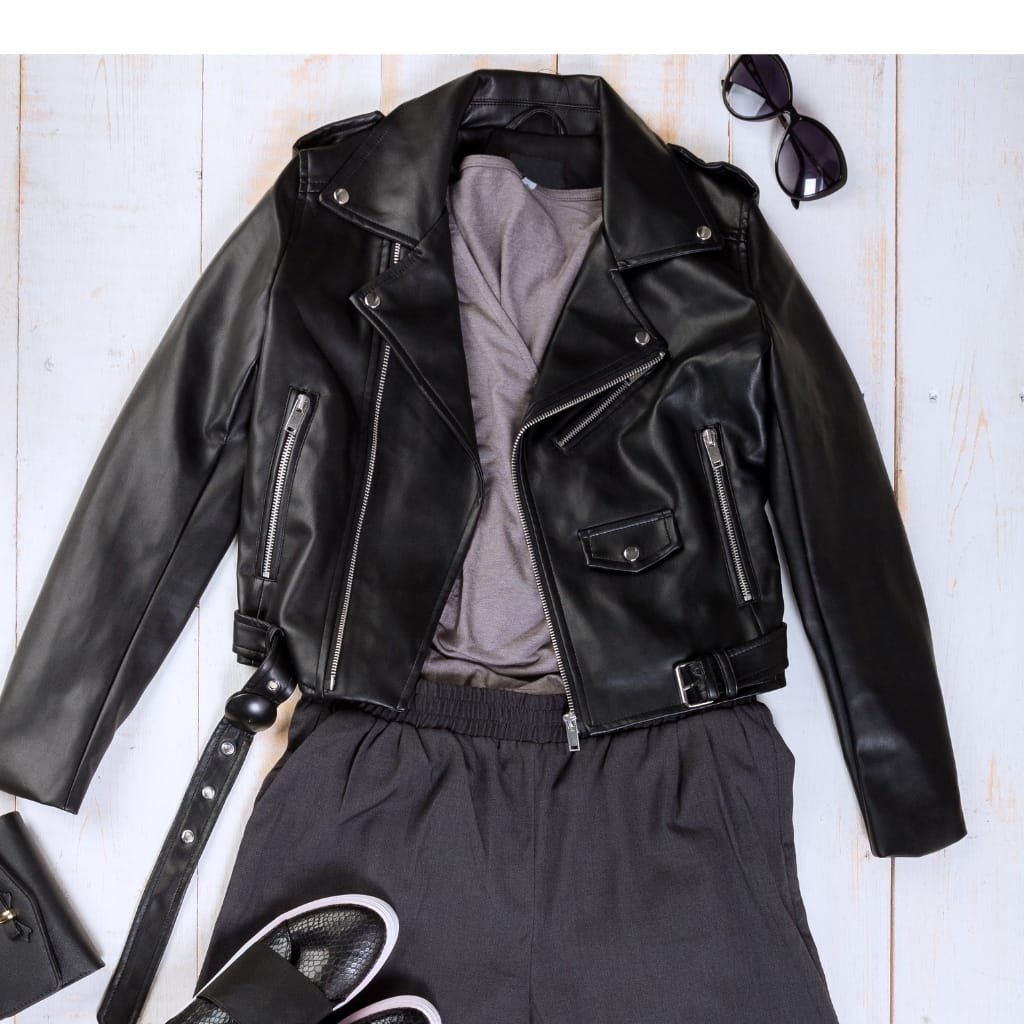
A black leather jacket with silver zippers and a grey t-shirt underneath, paired with black athletic pants and black sneakers. Sunglasses are placed at the top right corner.
Stylish black leather jacket with silver accents, paired with casual athletic wear and sunglasses for a cool, laid-back look.

Split Leather: Lower Layers, Lower Cost

Split leather refers to the leather derived from lower layers of the hide after the upper layer has been removed. It does not have the grain and texture of full or top grain leather. This is typically makes it less durable and more susceptible to damage.

Manufacturers usually enhance its appearance by applying a layer of polyurethane and embossing it with a synthetic grain pattern. This form is referred to as bicast leather or PU leather. While it is shiny and uniform, it is far less flexible and breathable.

Spent leather is most commonly utilized for low to mid-range furniture, as well as for various other accessories and even for book covers. This is not suitable for high-wear products, but serves well with less-used or decorative items.

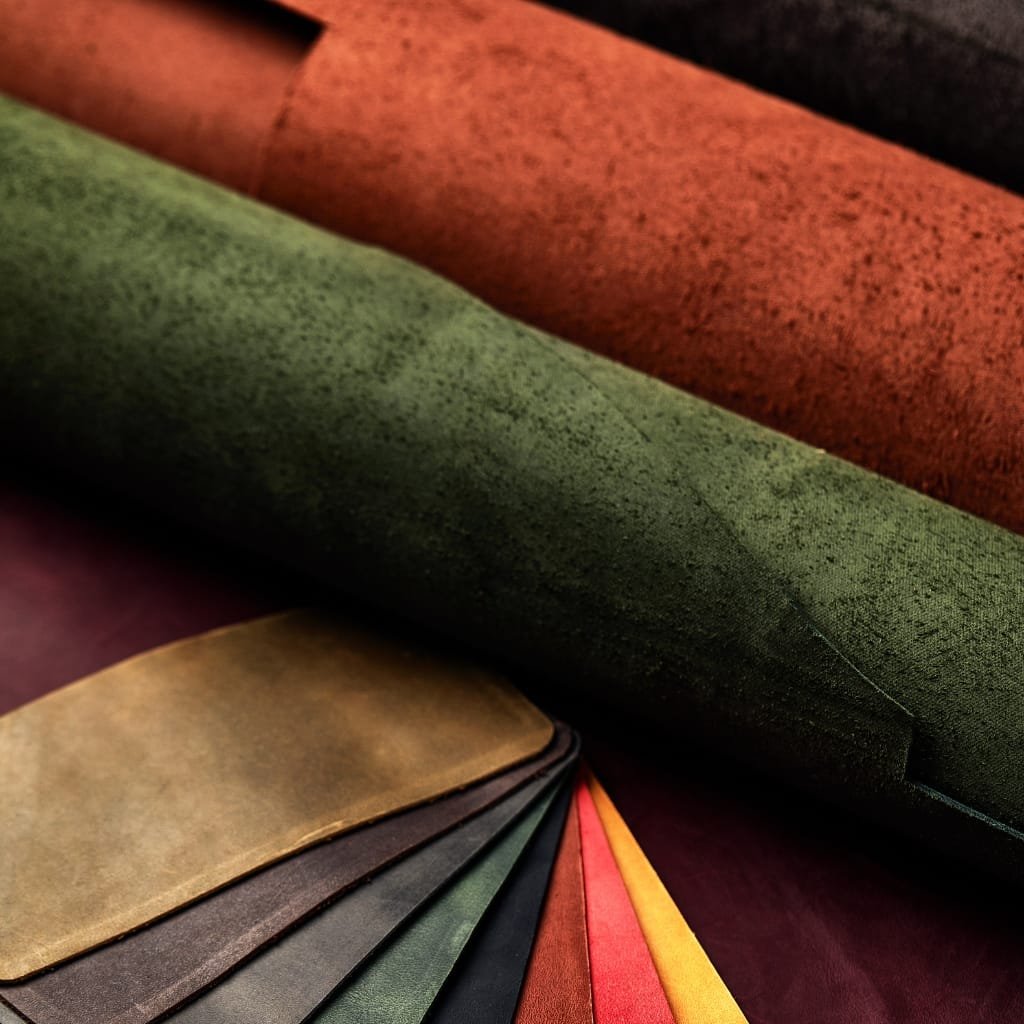
Close-up image of rolled and fanned sheets of leather in various colors, including green, red, black, yellow, and brown, showcasing the texture and thickness of Split Leather.
Samples of split leather in a variety of colors and textures, displayed in rolled and fanned arrangements.

Genuine Leather: Misleading but Real

The phrase “genuine leather” is often erroneously used and is a marketing phrase. Ironically, it is used for lower-quality leather products, most often a split leather or corrected grain. It is, however, a cowhide product, although it is split, heavily treated, and processed.

While it may look average at best initially, it does not age well as “full” or top grain does. It may, however, crack, peel, or fade after a while, and mask a plethora of imperfections. Regardless, due to its low price, it is heavily favored in market mass accessories and entry-level leather products.

Genuine leather is quite appealing to buyers with tight budgets, but helps understand the product provides helps knowing what to expect.

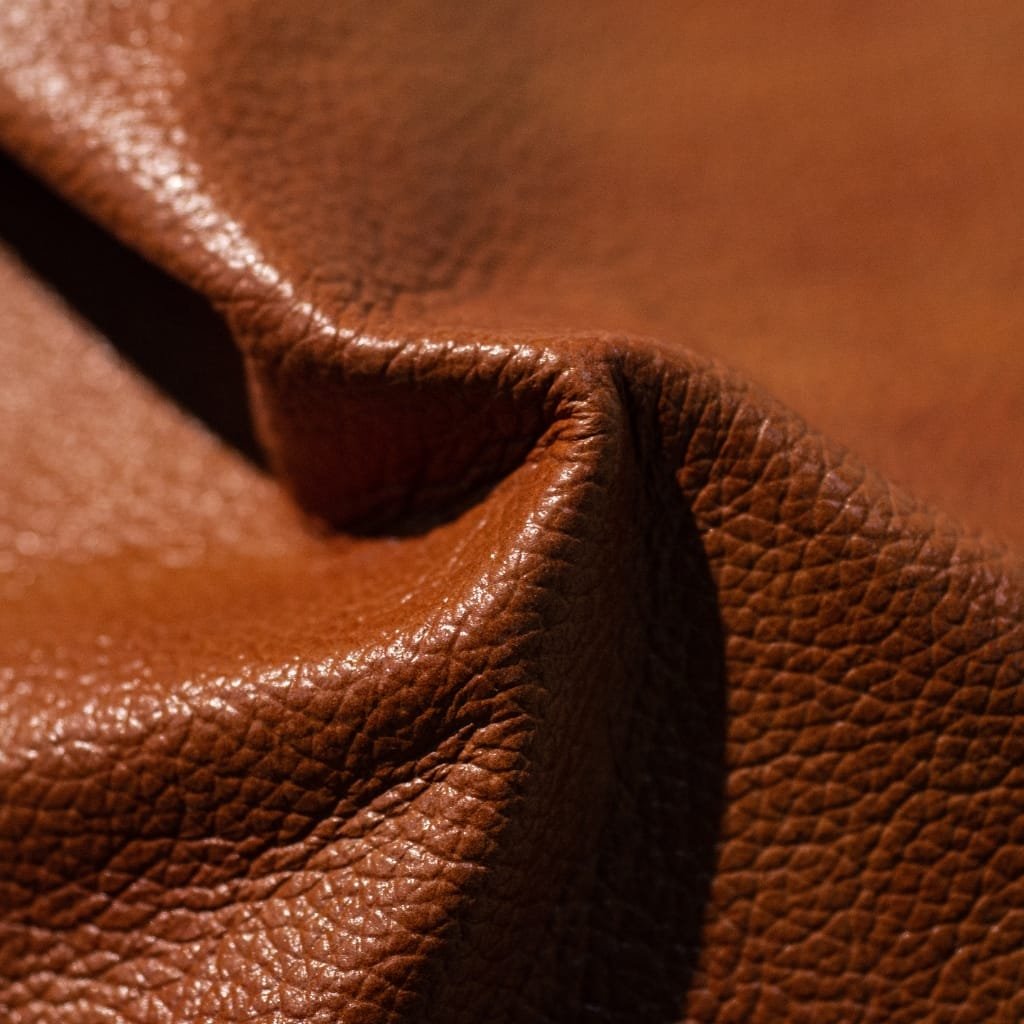
Close-up of textured brown genuine leather with visible grain and natural creases.
Premium genuine leather showcasing rich texture and natural beauty.

Suede and Nubuck: Texture and Appearance

Suede is a soft, velvety material often used for clothing and accessories such as shoes, jackets, and gloves. Although less durable than top or full grain leather, it is quite rugged for a soft material.

Nubuck is slightly stronger and more durable than suede. It is more expensive as well. Nubuck leather is softer than other types of leather because it is made from the outer layer of the hide, but it is buffed on the grain side.

Both types of leather are soft and silky to the touch, but they are more difficult to maintain due to a higher tendency to stain. Suede and nubuck should be treated and protected with specially made sprays and gentle cleaning techniques.

Embossed and Coated Leathers: Functionality and Texture

Some leather types from cattle are specifically used for making coats, which may be embellished with embossing techniques for more of an exotic crocodile or ostrich look. Coated leather is applied for aesthetic purposes or for increased water resistance, particularly for outdoor coats.

Although these leather types do not have their own classification, it is worthwhile to mention them as they are often used for trendy outerwear and fashion accessories. High fashion items, although less breathable due to the coating, are more wearable and lower maintenance.

Thus when you desire a stylish item or require weather-resistant functionality, embossed leather or coated leather would be a perfect fit.

Suggested Care for Different Types of Leather

  • Full & Top Grain: Apply conditioner once every few months. Protect from long sun exposure and standing water.
  • Corrected & Genuine: Remove debris with a damp cloth. Do not use strong cleaning agents.
  • Split & PU Leather: Avoid excessive bending while cleaning and handle with care.
  • Suede & Nubuck: Comb rutina, spray care products to protect, avoid drinking water.

No matter the grade, products made of cowhide benefit from good care.

Conclusion

Choosing leather is not only about fashion; it’s deeper than that. The types of cow’s leather differ in strengths and weaknesses. Full grain has the best strength and durability over time, while suede is soft and trendy. Whether you seek robust leather for rugged work or sleek leather for ostentatious fashion, there is something for everyone.

Understanding the layers and the processes each leather goes through lets you buy wisely and appreciate the leather work. The next time you are shopping, remember, it is the knowledge of the leather that provides the best choices.

FAQs

What is the highest quality cow’s leather?

Full grain leather is the highest quality. It uses the strongest part of the hide and retains natural markings.

Is genuine leather better than top grain?

No. Genuine leather is a lower grade. Top grain is stronger, more durable, and ages better.

What’s the difference between suede and nubuck?

Suede comes from the inner hide and is softer but less durable. Nubuck is buffed from the outer hide and lasts longer.

Buffalo Leather: Rugged Strength, Refined Style

Buffalo leather is unique for its tough texture, striking appearance, and incredible durability. It adds bold character and lasting strength to boots, belts, jackets, and bags. But, why is emerging as a preferred option for rugged workwear as well as refined fashion? What is the difference between and other types?

This guide will walk you throughout the lifecycle of , from its crafting processes to its applications and performance.

What is Buffalo Leather?

Tanners obtain from the hides of domesticated water or bison. Compared to cowhide, buffalo hides possess a thicker and more pronounced textured grain. Their natural toughness is perfect for items that need to endure rigorous use.

In addition, the tanning process preserves buffalo leather’s unique grain pattern, making each piece truly one of a kind. Therefore, each leather item is distinctive and tells its unique story, embracing a handmade charm.

The Process of Creating Buffalo Leather

As with any leather, hides must undergo tanning. The method chosen for tanning is critical since it determines the quality and the aesthetics of the leather. is obtained by:

  • Vegetable tanning which employs tree bark and other natural tannins of the tree.
  • Chrome tanning which employs the use of chromium salts for quicker results.

Many manufacturers prefer chrome tanning because it offers a faster, more cost-effective alternative to traditional vegetable tanning. However, chrome tanning results in leather which is a little softer and more flexible.

The hides undergo soaking, scrubbing, and dehairing before the tanning starts. The next step involves the application of tannins, followed by drying. The last steps include dying, and application of oils and waxes to improve its resistance to water and to refine the buffalo leather’s surface

Buffalo Leather Varieties

Not all is the same. There are several types based on the cuts and tanning processes.

Full Grain Buffalo Leather

This type is the most premium. It consists of all the grain layer, preserving the natural marks and ruggedness of the leather. Over the years, it gains character through a rich patina.

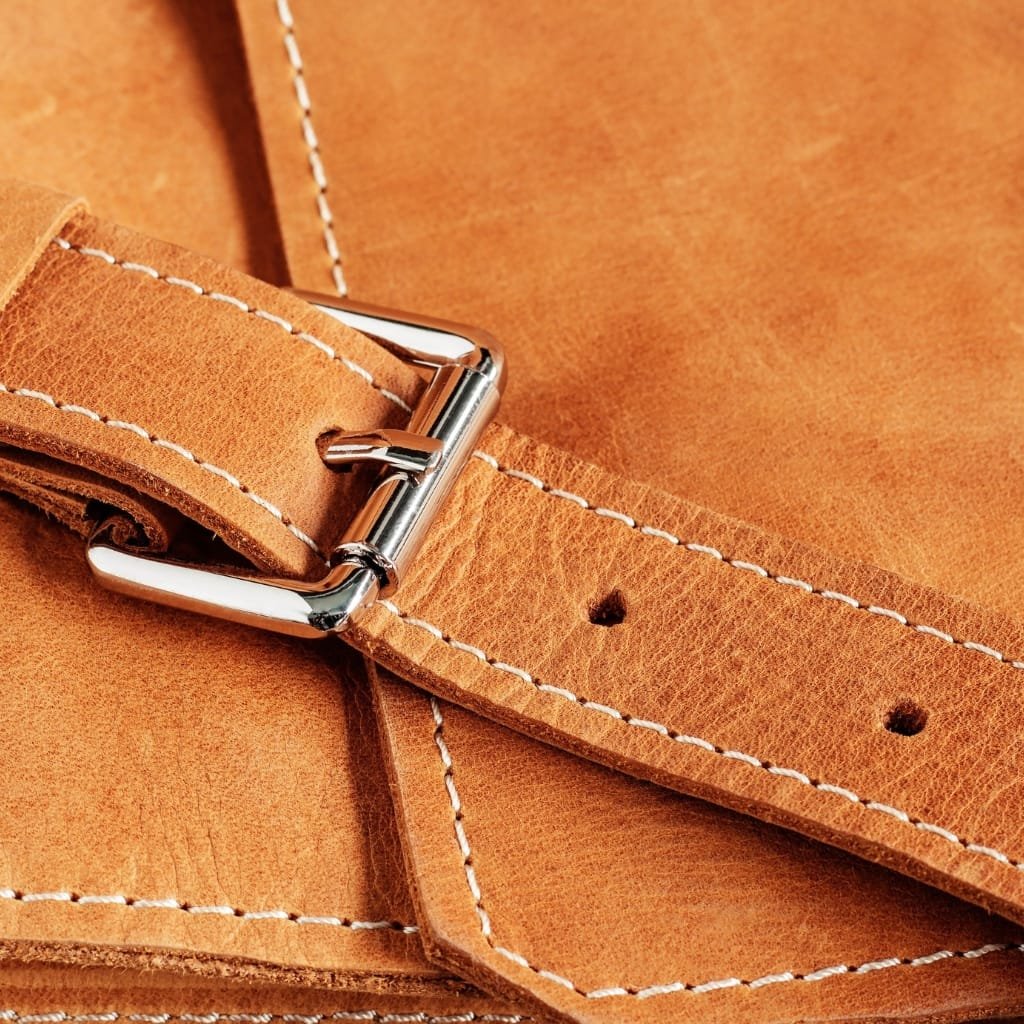
Close-up image of a tan-colored full grain buffalo leather belt with white stitching and a shiny metal buckle.
Premium full grain buffalo leather belt featuring detailed white stitching and a polished metal buckle.

Top Grain Buffalo Leather

This type of comes from sanded off the outer layer. This provides a smoother, more uniform finish while still retaining a good degree of strength.

Buffalo Split Leather

Tanners take this type from the bottom layers of the hide, which makes it less durable. However, it’s still useful when crafting suede goods or budget-friendly products.

Each type serves a different purpose. Split leather is suitable for making wallets belts, while full-grain leather is best for luxurious boots or jackets.

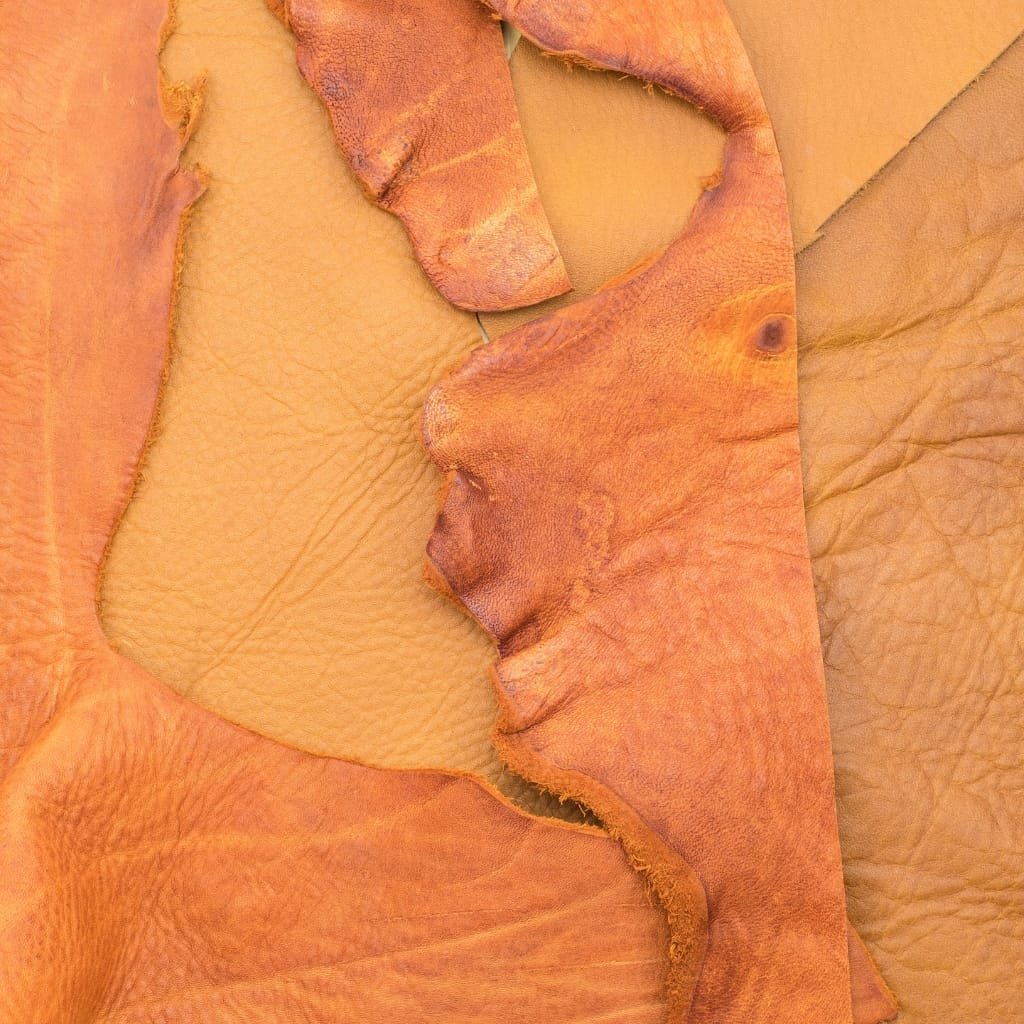
Close-up image of torn and layered buffalo split leather showing its textured surface and varying shades of tan and brown
close-up of buffalo split leather with layered, textured surfaces showcasing its natural grain and color variations.

Why Choose Buffalo Leather?

Durability That Lasts Decades

Buffalo leather is preferable for daily use, as its dense fibers are resilient and enduring. Its shape and strength is retained through years of brisk use.

Bold, Masculine Look

Buffalo leather’s tough rugged texture and deep grain gives it a stylish yet tough look. Each piece offered looks different, which is a great perk as it means no two pieces are alike.

Natural Resistance

Buffalo leather is useful for outdoor gear because of its tight structure, which allows it to repel moisture.

Eco-Friendlier Options

Tanners use a vegetable-tanning process on , making it eco-friendly by avoiding harmful chemicals. Ethically sourced, it helps promote sustainability and supports local economies.

Buffalo leather is versatile and is utilized in crafting a variety of products.

Jackets

Buffalo leather jackets are perfect for bikers; they’re thick and wind resistant. The rugged edge comes from the raw finish and strength.

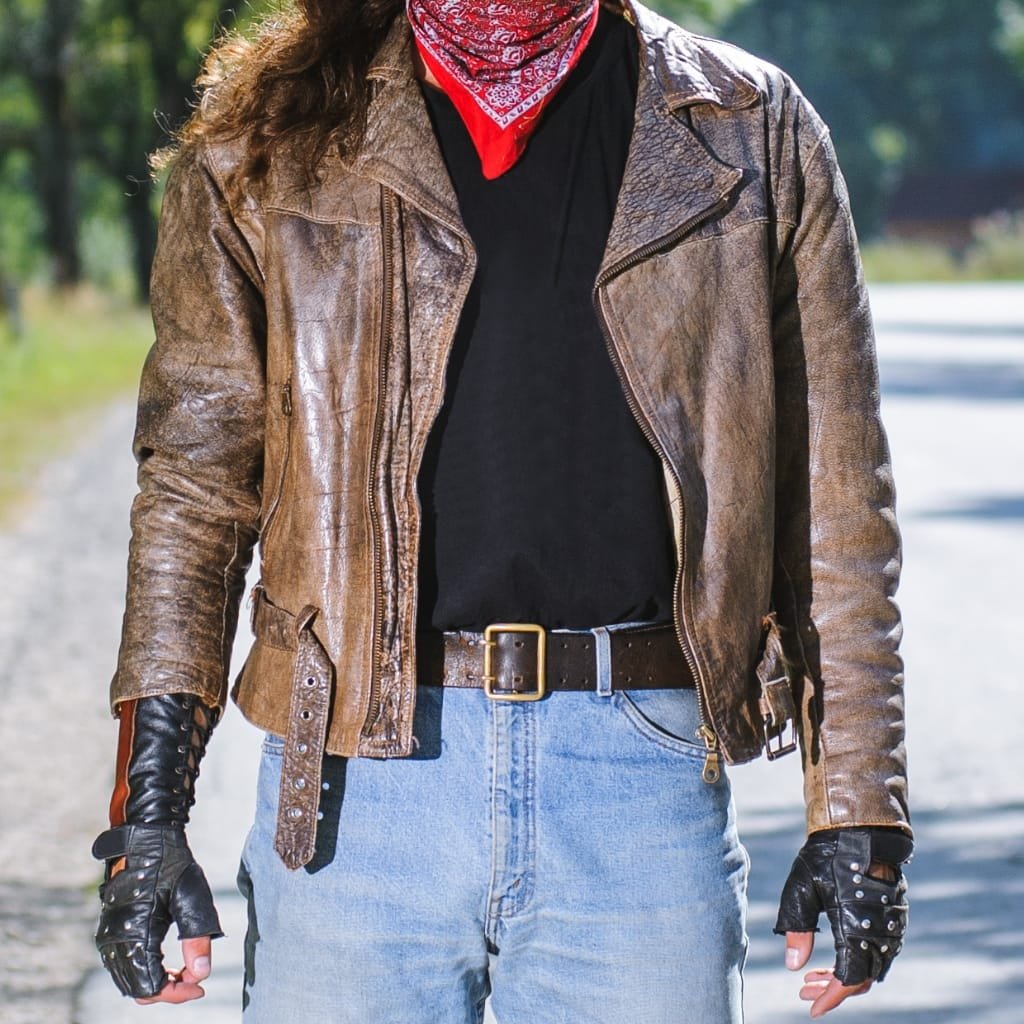
A person dressed in a brown leather motorcycle jacket, black gloves, black t-shirt, and light blue jeans, standing outdoors on a sunny day.
A stylish leather jacket adds a rugged edge to a casual outdoor look.

Boots and Shoes

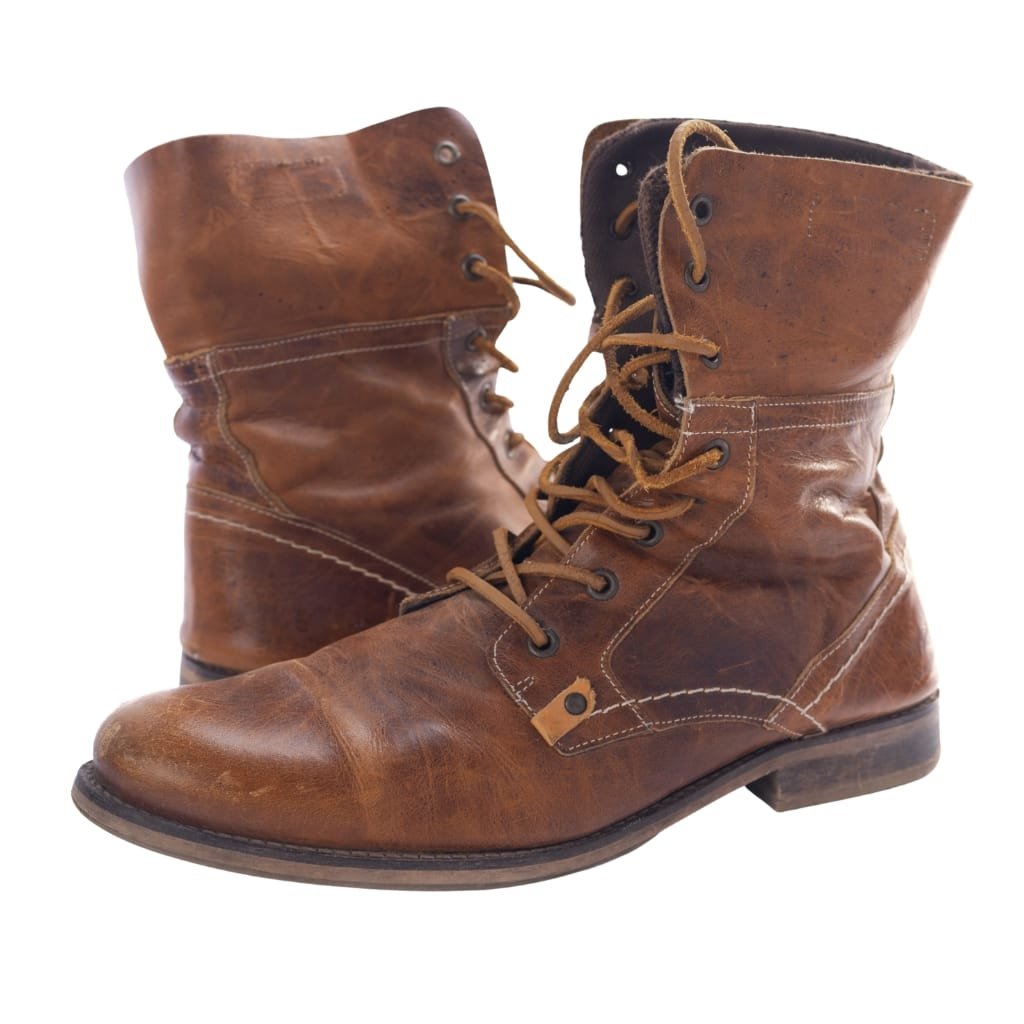
Buffalo leather work, hunting, and hiking boots deliver great support on tough terrains. Their tough soles, solid uppers, and water resistance make them perfect for demanding work jacket and outdoor hikes

Pair of vintage brown leather lace-up boots with scuffed and worn appearance on a white background.
Old leather lace-up boots showing signs of wear and distress.

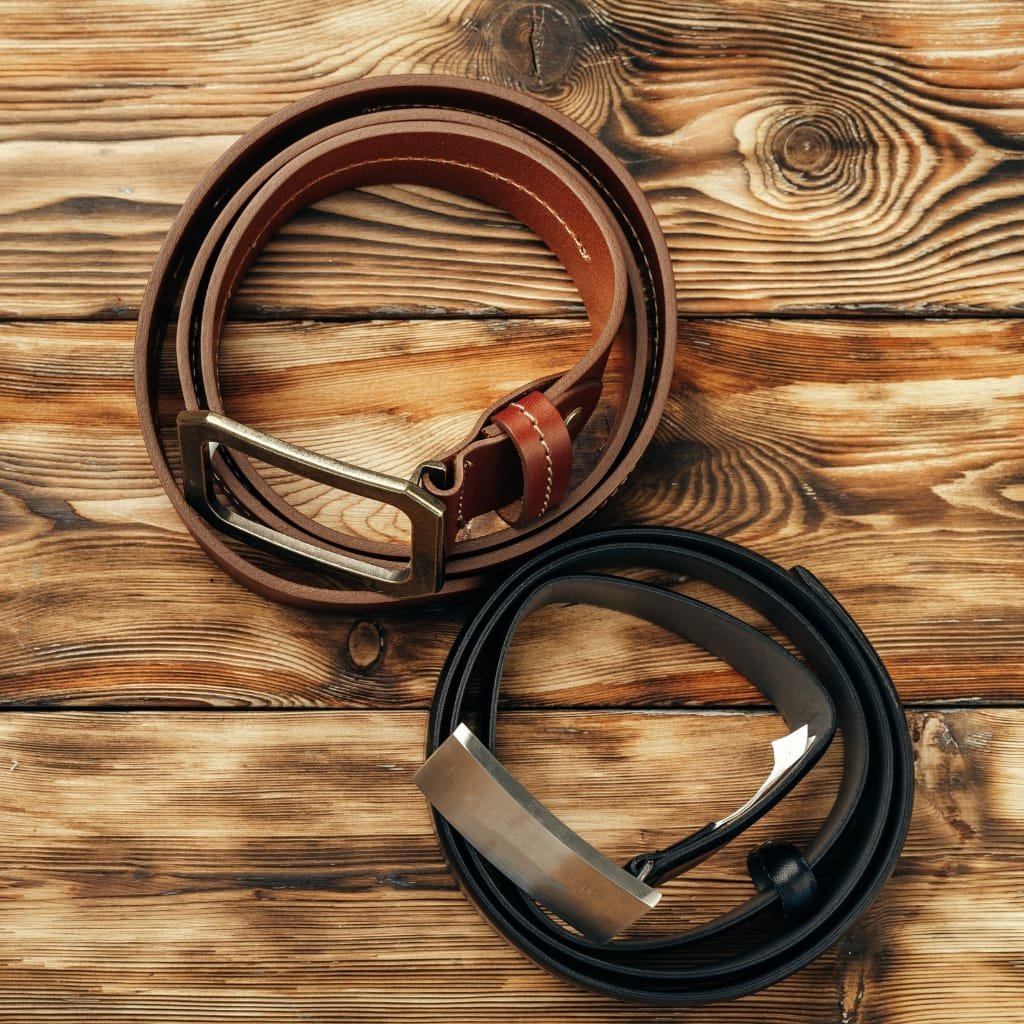
Belts

Strong who’s ability to withstand pressure makes for great belts that won’t sag or stretch, makes them perfect for belts.

A pair of Buffalo leather belts, one in brown with a brass buckle and the other in black with a silver buckle, placed on a wooden surface.
Elegant Buffalo leather belts featuring classic buckles, perfect for stylish and durable fashion accessories.

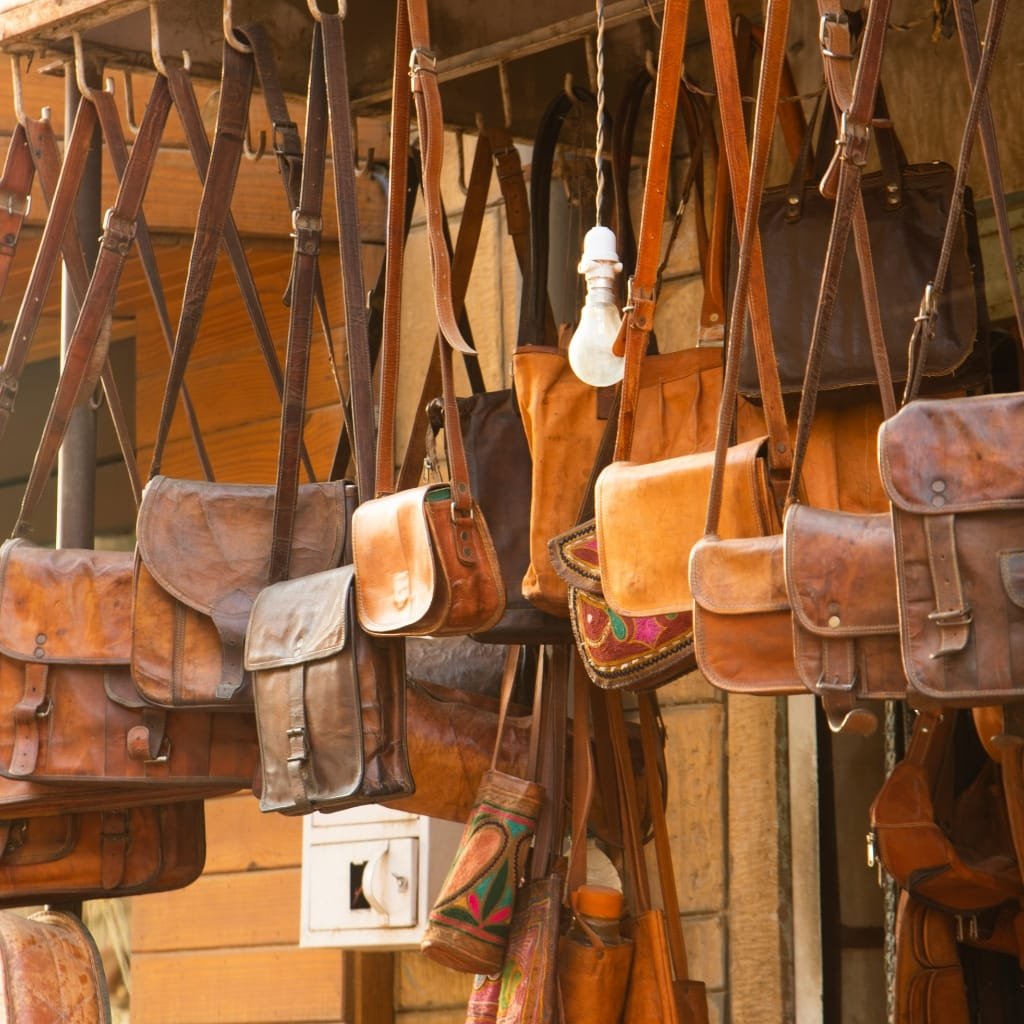
Bags and Wallets

The bags made of are sophisticated and are tough against scratches. Buffalo leather bags combine sophistication with durability, offering a refined look that resists scratches with ease. The bags improve with age.

A display of various leather bags and wallets hanging on hooks in a rustic shop. The collection includes shoulder bags, crossbody bags, and small wallets in different shades of brown, tan, and black.
Rustic leather bags and wallets displayed in a charming market stall, showcasing a variety of styles and warm tones.

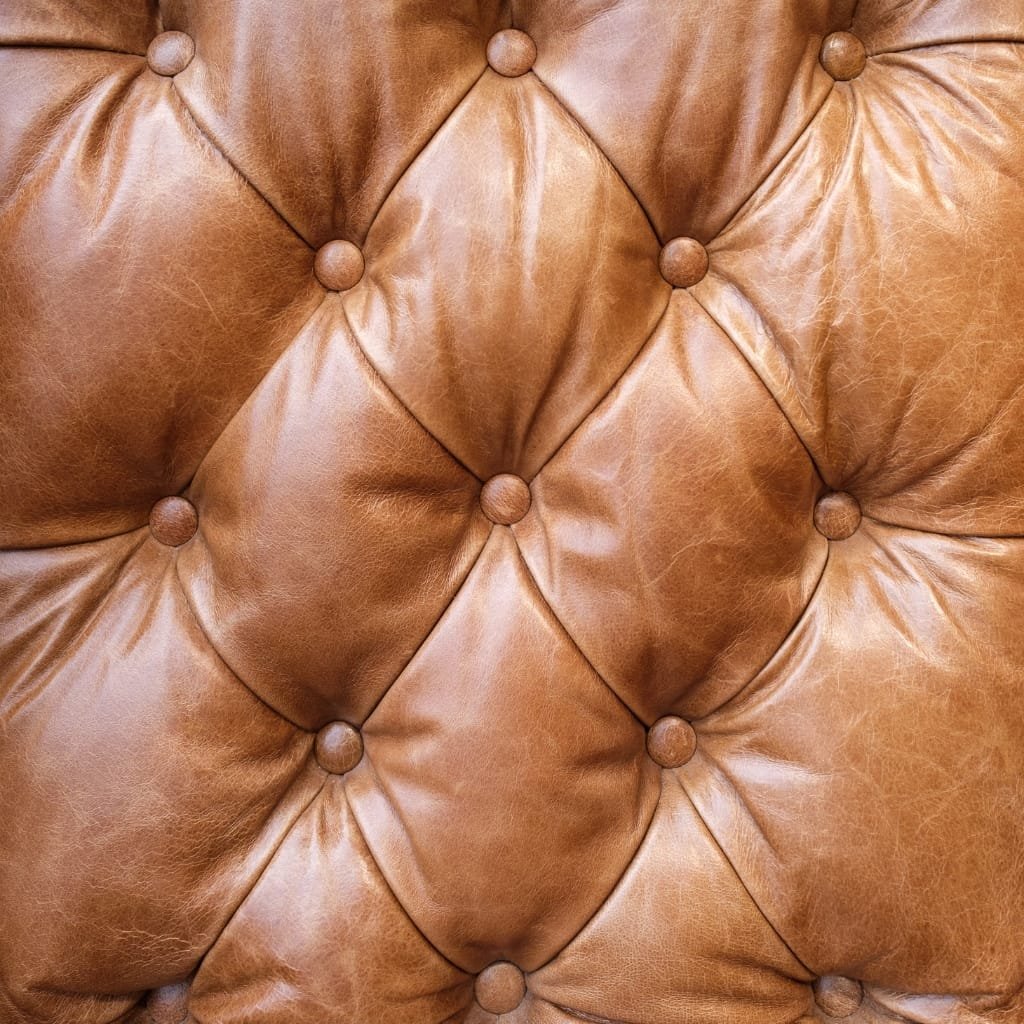
Furniture and Upholstery

Buffalo leather is used in furniture like chairs and sofas. Designers often use to cover sofas, giving them a vintage look, though it remains a less common choice.

Close-up of a tufted leather upholstery with round buttons, showcasing a classic button-tufted design.
Elegant leather tufted upholstery with button detailing, perfect for a luxurious furniture piece.

How to Care for Buffalo Leather

Regular care procedures must be to maintain them in top shape. Below is a summary to help address that.

  • Use a damp cloth to clean thoroughly without soaking.
  • Apply leather conditioner to prevent drying.
  • Store away from direct sunlight in a cool and dry area.
  • Leather should not be heated, and any water should be allowed to dry.
  • Leather protectors help defend against stains.

When maintained, can last over 20 years and soften in that duration. Buffulo leather can soften over time giving it a rich glowing patina.

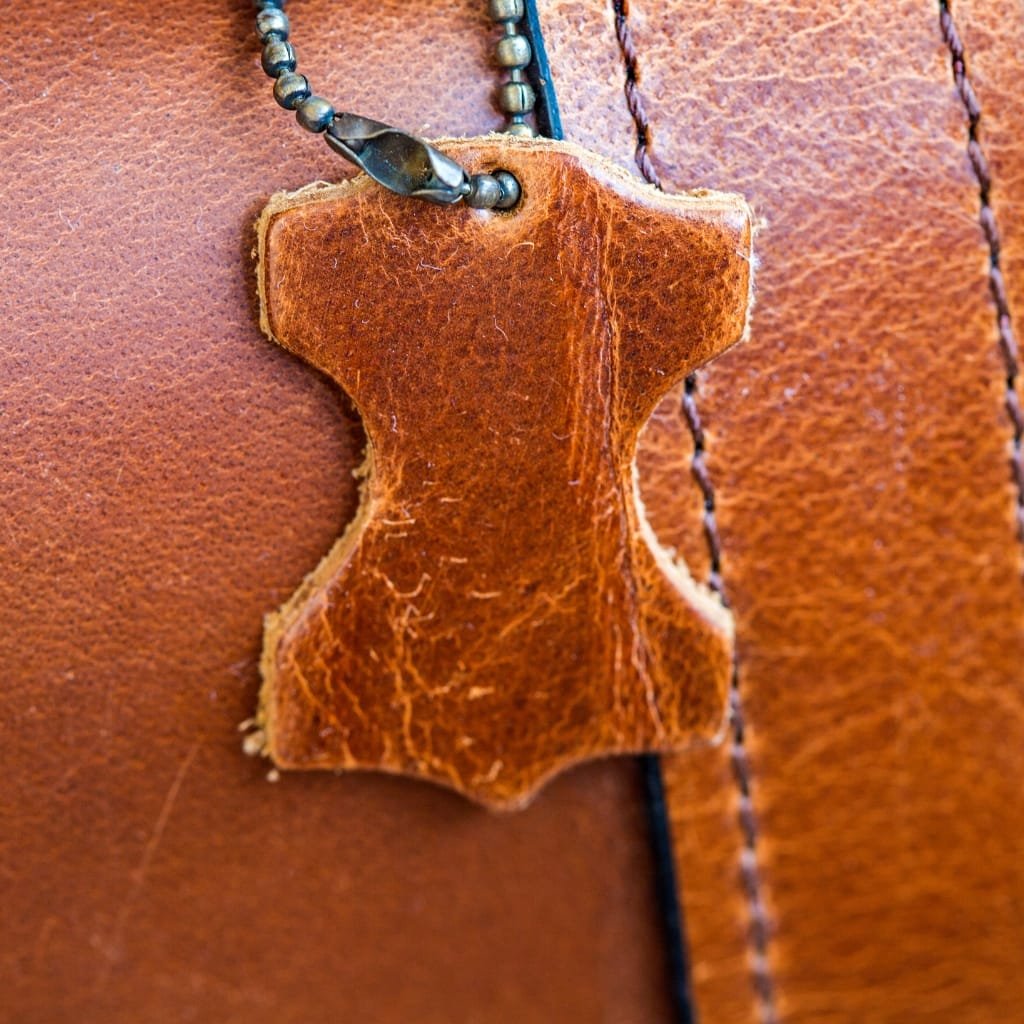
Close-up image of a brown buffalo leather piece with a leather tag attached to a beaded necklace, showcasing the texture and rich color of the leather.
Close-up of buffalo leather with a leather tag, highlighting its durable and textured surface.

Is Buffalo Leather Ethical?

People are now more concerned about sustainability and sourcing. The good news is:

Buffalo leather is typically acquired from the meat industry as a byproduct. This leather is more ethical than others as no animals are slaughtered solely for their skins. Furthermore, local sourcing and vegetable-tanning makes it even more appealing.

As with any other brand, make sure that the brand that you are purchasing from follows ethical guidelines. Eco-certificates and brand transparency can aid in making ethical purchases.

Conclusion

Buffalo leather’s rugged appeal coupled with its ageless and sophisticated appeal makes it a one of a kind leather. This leather can easily be used to make standout bags, durable boots, or rugged jackets.

Buffalo leather’s thick grains as well as its resistance to wear makes it a favorite among people who value style and wish for durable items. Buffalo leather items, if taken care of, not only stand the test of time, but age gracefully.

Thus, if one is on the market for gear that exudes elegance yet is tough, buffalo leather is surely a wonderful option.

FAQs

What is buffalo leather?

Buffalo leather is a strong and durable hide made from water buffalo or bison. It features a thick grain, tough fibers, and a bold texture, making it ideal for heavy-duty products like jackets, boots, belts, and bags.

Is buffalo leather better than cow leather?

Buffalo leather is thicker and more rugged than cowhide. It offers greater resistance to wear, water, and stretching. However, cow leather tends to be smoother and more flexible, making it ideal for softer fashion items.

Is buffalo leather real leather?

Yes, buffalo leather is 100% genuine leather. It comes from the actual hides of buffalo and is available in full-grain, top-grain, and split leather variations.

Goat Leather: The Lightweight Luxury You Need to Know About

Goat leather doesn’t always get the attention it deserves, but it silently outperforms many others in flexibility, softness, and resilience. It is well known for its unique grain and lightweight structure which makes it a sought after leather in fashion, footwear, and upholstery. If you need a leather that combines style, strength, and enduring performance, is a perfect option.

What Is Goat Leather?

Goat leather, or Morocco, it is a unique supple yet durable made from hides. It is softer than cowhide but still withstands the rigors of everyday use. Tanners often tan using vegetable or chrome methods, which give it a supple feel and natural grain that improves with age. is preferred by many high-end brands for its lightweight strength and elegant texture.

Furthermore, many value for its breathability, making it an excellent choice for durable and comfortable clothing and accessories.

Unique Features That Set Goat Leather Apart

The features which set apart from other types of

include:

  • Softness with Strength: Goat leather is lightweight, and for its weight, it is more resistant to tearing than many thicker hides.
  • Natural Grain Pattern: Goat leather has a unique grain with pebbly texture that is pleasant to touch and luxurious.
  • Water Resistance: Goat skin is naturally water resistant owing to the presence of lanolin.
  • Aging Gracefully: With time, the leather attains a rich patina deepening the unique character of each piece.

Designers use this leather in gloves, bags, luxury garments, and even book bindings due to its unique qualities.

Common Applications of Goat Leather in Fashion and Other Industries

The versatility of

makes it a preferred material in numerous industries.

Jackets and Other Clothing

The insulating properties of

make jackets warm yet they remain lightweight and breathable. Craftsmen often use goatskin leather to create vintage motorcycle jackets due to its rugged texture and sleek finish.

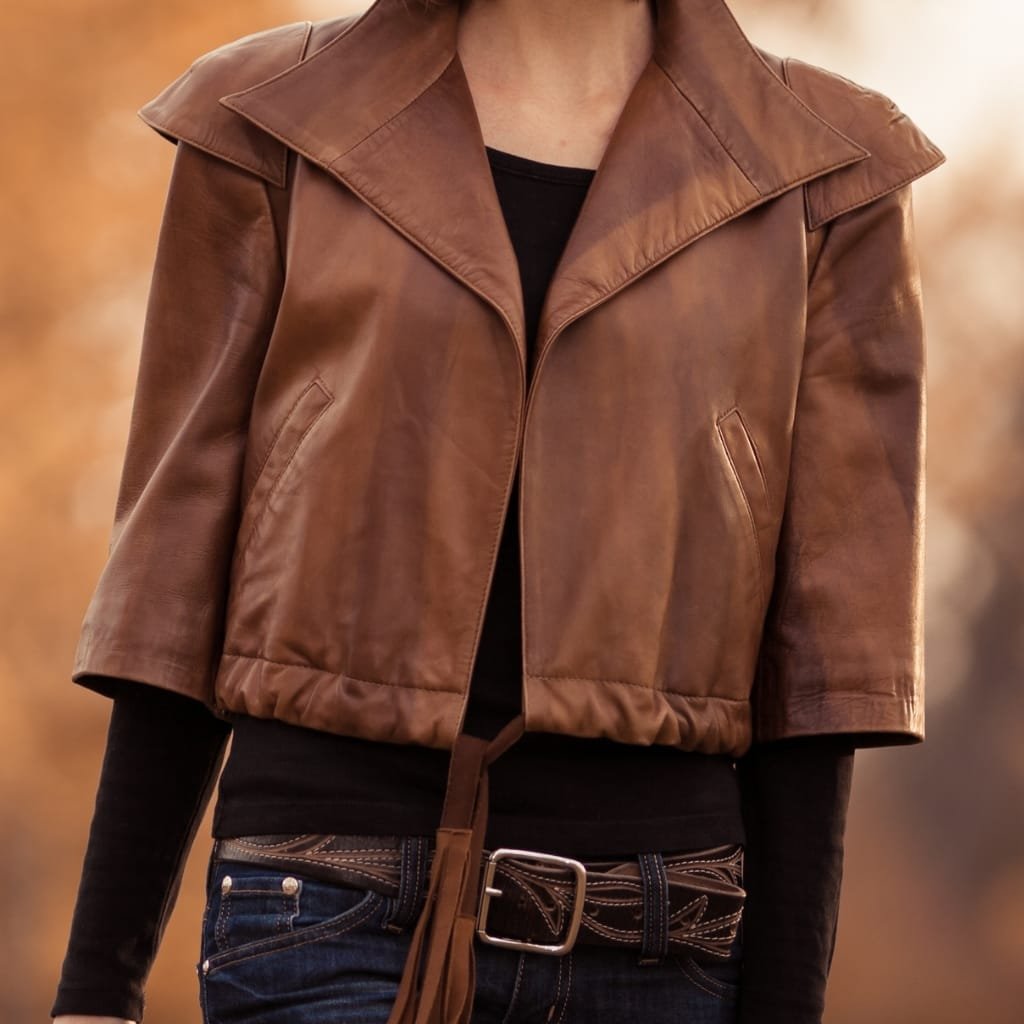
A close-up of a person wearing a stylish brown leather jacket over a black top, paired with dark jeans and a belt, set against a blurred autumnal background.
Fashionably dressed in a classic brown leather jacket perfect for fall outings.

Footwear

The shoes crafted from

are breathable therefore greatly reducing moisture buildup. With time, the shoes mold to the person’s feet making them more comfortable. Thus, they are highly sought after in casual and dress shoes.

Handbags and Other Accessories

Luxury wallets, belts and handbags made from

are a favorite of many designers. The material has a premium leather appearance due to its fine grain and smooth finish coupled with its durability for long-term wear.

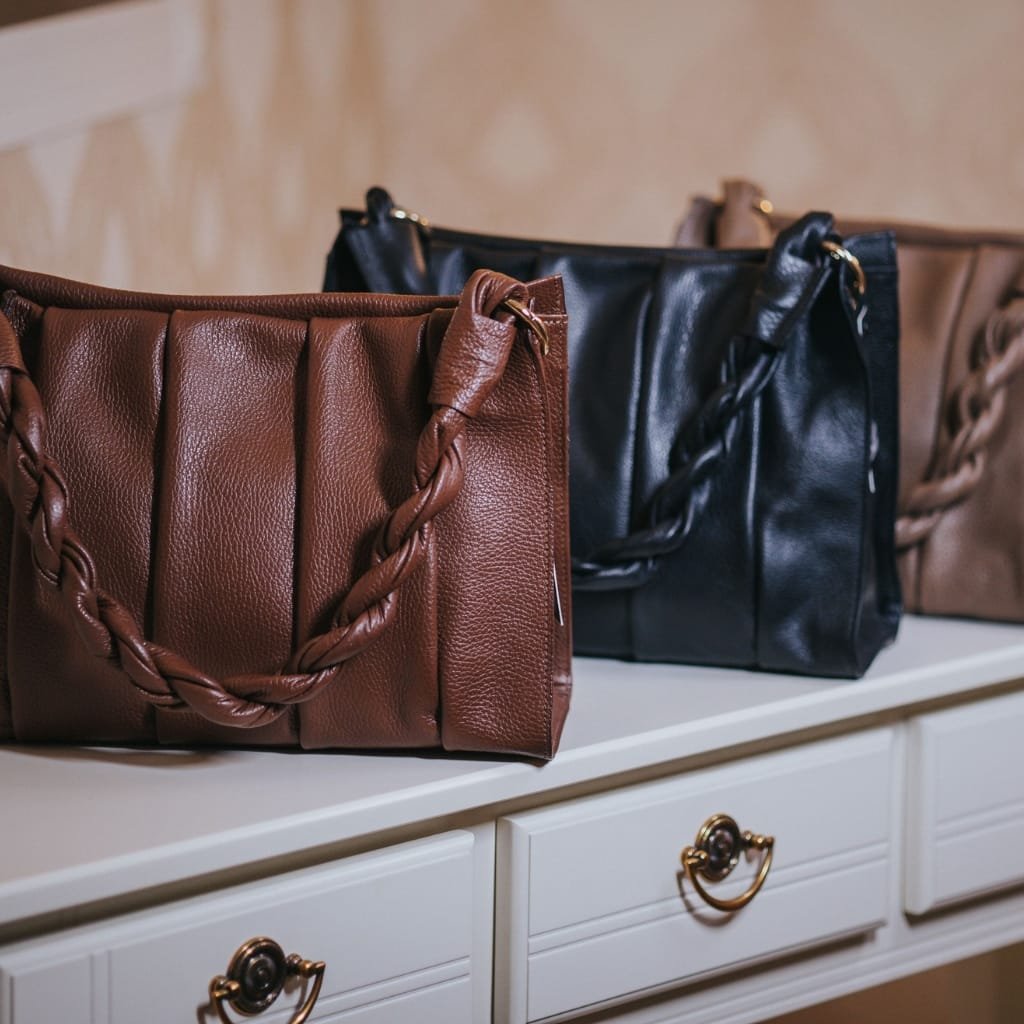
A close-up image of three stylish handbags placed on a white surface, featuring a brown handbag with braided handles in the foreground, a black handbag with similar braided handles behind it, and a beige bag partially visible in the background.
Chic handbags displayed on a white dresser, showcasing trendy designs and craftsmanship.

The Techniques of Bookbinding and Leather Work

In the past, the finest bookbinding utilized goat skins. Collectors still admire books bound in Morocco leather for their exquisite beauty and exceptional durability.

The Tanning and Finishing of Goat Leather

Tanners directly affect the texture and longevity of goat skins by the way they tan them. Most goat skins endure one of the following tanning processes:

  • Tanners use vegetable tanning, an eco-friendly process, to create stiff leather with a natural feel often used in traditional crafts.
  • Chrome Tanning: This more expedient method yields water-resistant leathers that are softer and more pliable.

An additional layer can be applied for protection and to increase shine. These finishes both preserve the natural appearance and increase the leather’s durability.

Advantages of Choosing Products Made of Goat Leather

You must have thought at least once why the people choose consistently. The answer is really thoughtful:

  1. Luxury at Reasonable Price: Goat leather is an affordable alternative and offers the advantages of premium hides.
  2. Tanners process it sustainably using vegetable tanning, making it more environmentally friendly than other products
  3. Lightweight: Its lightweight nature makes it easy to wear over long periods of time as clothing and as footwear.
  4. Refined Aesthetics: Its exquisite fine grain pattern gives it a refined appearance without seeming overly manufactured.
  5. Better Growth over Time: Goat leather ages better than most other materials, continuing to enhance the appearance.

Proper Upkeep for Items Made of Goat Leather

To extend the longevity of products, follow these simple care guidelines:

  • Keep Dry: Avoid exposure to direct heat while drying.
  • Use a Specialized Leather Conditioner: Helps maintain softness and prevent cracking if applied regularly.
  • Store Properly:Store away from moisture, heat, and sunlight, and keep it in a well-ventilated area.
  • Avoid Overloading Bags: Stretching can distort its shape.

When you care for it well, it develops a rich, aged patina that showcases its enduring craftsmanship.

Three leather bags made of goat leather displayed in a rustic setting, with a background of hanging bags and a wooden wall.
Elegant goat leather bags showcased for style and durability, highlighting the importance of proper upkeep

Is Goat Leather Ethical and Sustainable?

Goat leather is frequently a secondary outcome of the meat industry, making it more sustainable than materials that comes from livestock raised for hides alone. Moreover, the process of vegetable tanning is less ecologically damaging. Ethical sourcing guarantees that farmers do not raise animals exclusively for their skin and that tanners follow eco-friendly practices to protect ecosystems.

If you are a conscious consumer, look for brands that offer certifications or transparency regarding their sourcing practices.

Brands That Use Goat Leather

Several premium and mid-tier brands appreciate the flexibility, feel, and resilience of Here are a few noteworthy examples:

  • Hermès — Frequently uses for smaller goods owing to its strength and refined finish.
  • Montblanc — Incorporates goat skin into their luxury notebooks and briefcases.
  • John Lobb — Famous for their lined shoes.
  • Coach and Fossil — Incorporate into their wallets and handbags due to its smooth and lightweight .

These brands demonstrate the versatility of woven throughout function and fashion.

Hands holding a piece of brown goat leather in a workshop, with various leather pieces on a wooden table.
Leather artisans showcasing a piece of goat leather, highlighting its quality and texture.

Conclusion

The best balance between luxury, comfort, and durability is best represented in goat leather. It is soft to the touch, strong in performance, and ages beautifully over the years. Be it a new jacket, a timeless handbag, or crafted shoes, never disappoints. It is great for the daily wear and the refined look keeps it in style for years to come.

So, the next time you are shopping for leather goods, be sure to consider . It is the lightweight luxury you may have missed.

FAQs

Q1: Is goat leather better than cowhide?

A: Goat leather is lighter, softer, and more breathable than cowhide. However, cowhide is thicker and more rugged. The better option depends on intended use.

Q2: Does goat leather crack over time?

A: No, not if properly maintained. With conditioning and proper care, goat leather softens and develops a beautiful patina.

Q3: Can goat leather be used in winter?

A: Yes. Goat leather insulates well and is often used in winter jackets and gloves due to its warmth and flexibility.

Cow’s Leather: Durable, Timeless, and Perfect for Every Style

The unique features of cow’s leather ensure its high demand in the fashion industry, furniture making, as well as in the crafting of functional goods. Apart from being durable, this material remains endlessly stylish. Cow’s leather jackets, handbags, boots, and belts are a testament to its timeless appeal. In addition, its grain and texture makes each piece distinct.

This guide covers everything pertaining cow’s leather. You will gain insights into its production, applications, maintenance, and the reasons for its lasting appeal.

What Is Cow’s Leather?

Tanneries obtain cow’s leather from the hide of cattle, making it one of the most popular leather types in the world. It is strong, thick and cowhide durable, making it a versatile material. Furthermore, cow leather attains a softer texture as it ages, without compromising on its durability.

Cow’s leather stands out for the unique charm it acquires over the years. Unlike synthetic products, it gains a rich patina and adds to the piece’s character, especially when well looked after.

How Cow’s Leather Is Made

The cow’s leather-making technique begins with the raw hide and the process entails distinct stages. While the approaches may differ, the core steps remain the same.

  1. Preparation – The hide is washed, cut, and salted to eliminate unwanted bacteria.
  2. Tanning – This stage prevents decay, stabilizing the protein structure while adding durability.Tanneries usually chrome-tan or vegetable-tan most cowhide to enhance its durability and finish.. 3. Manufacturers add colors during dyeing and finish the surface by polishing or texturing it based on the intended use. Skilled workers still handle much of the process, even though machines assist in production. This ensures quality, texture, and consistency.

Leather of cow is incredibly versatile. Because of the unique grain, it ages beautifully. It’s tough enough for rugged use but also elegant for fashion. It also suits casual and formal styles.

Here’s why people love it:

  • Strength and durability
  • Natural insulation
  • Resistance to wear and tear
  • Long-lasting value
  • Classic appeal

Cow’s leather is used in luxury items. Brands trust cow’s leather for its quality and timeless finish, making it popular.

Types of Cow’s Leather

Not all cow’s leather is the same. Let’s explore the different types:

Full-Grain Leather

This is the highest quality. Full grain leaves the entire grain intact and un-sanded, showcasing natural markings and aging gracefully. Full grain leather is often used in premium bags, boots and jackets.

Close-up of natural full-grain cow’s leather with visible grain texture and natural markings
Full-grain leather features the strongest and most natural surface with unique grain patterns.

Top-Grain Leather

This type has undergone light sanding and refinement. While retaining good durability, it offers a more polished look. It is more resistant to staining compared to full-grain leather.

Close-up texture of top-grain leather with a smooth, refined surface finish
Top-Grain Leather: Sanded for smoothness, yet durable and stylish for everyday use

Corrected-Grain Leather

This type has undergone repairs to remove visible flaws. Manufacturers apply a synthetic grain to the surface, making it a popular choice for affordable furniture.

Corrected-grain leather with embossed surface texture, used in affordable furniture and accessories
Corrected-grain leather features a smooth, embossed finish, ideal for cost-effective furniture and fashion items.

Split Leather

This split leather comes from the bottom portion of the hide. While weaker, it is still good for suede or bonded items due to its lower durability.

"Close-up of split leather texture used in suede and budget-friendly leather goods"
Split leather is made from the lower layers of the hide and often used for suede or coated finishes.

Common Uses of Cow’s Leather

There is a good reason cow’s leather is present in various industries. It is especially well suited for products with heavy use due to its durability.

Fashion and Apparel

In the form of jackets, belts, and shoes, cow leather is a staple in peoples wardrobes. Adverse weather conditions do not pose a threat as cowhide is thick and provides ample protection, keeping the wearer stylish.

 Close-up of rich, reddish-brown leather fabric with natural texture and subtle creases.
Luxurious reddish-brown leather fabric showcasing its texture and elegant sheen

Furniture and Interiors

Furniture makers extensively use cow’s leather in items like leather sofas and leather chairs. It is also helps provide luxurious beauty and durability to any space. Leather also has the ability to age beautifully in home decor.

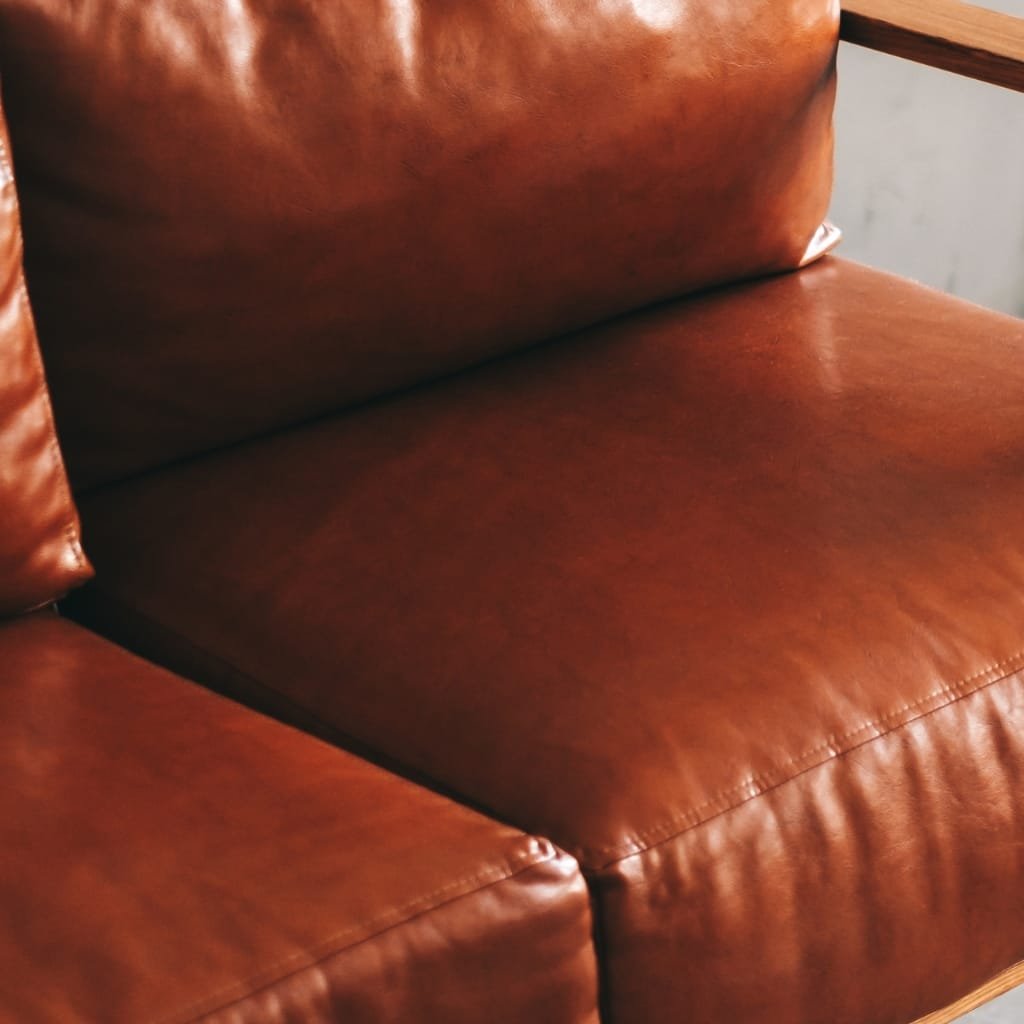
Close-up of a brown leather sofa with visible stitching and a soft sheen, showing the cushion and part of the armrest.
A stylish brown leather sofa, emphasizing its smooth texture and craftsmanship.

Automotive and Aviation

Seats and interiors of luxurious automobiles are often equipped with cow’s leather. It adds comfort, class, and resilience to the vehicle.

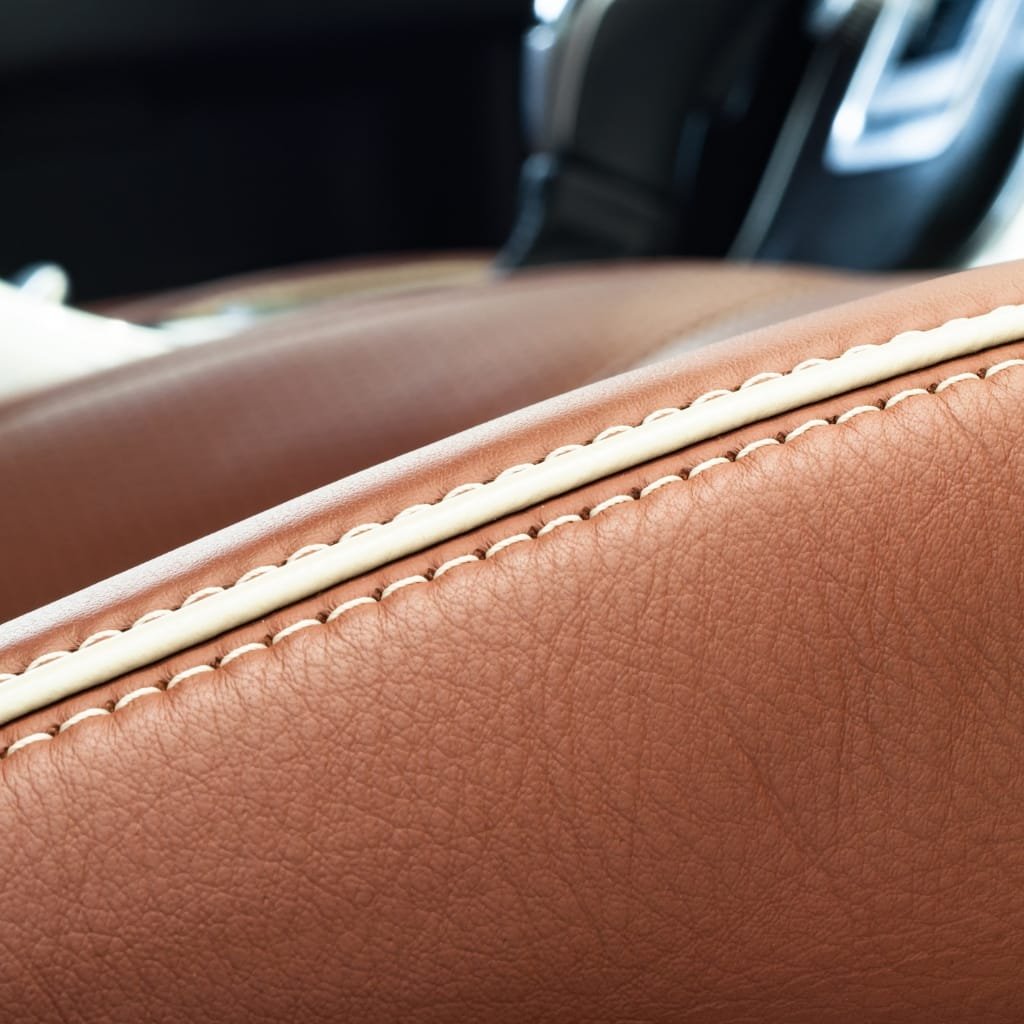
 Close-up shot of a tan leather car seat with white contrast stitching, showing the textured surface and stitching detail.
Detailed view of a tan leather car seat with white stitching, highlighting craftsmanship and material quality.

Equestrian Equipment

Saddles, bridles, and tack use cow leather because of its weather and pressure handling capabilities.

Maintenance of Cow’s Leather

Attention enhances the look of cow leather and increases its longevity. Leather is tough, but nonetheless, attention is necessary.

Regular Cleaning

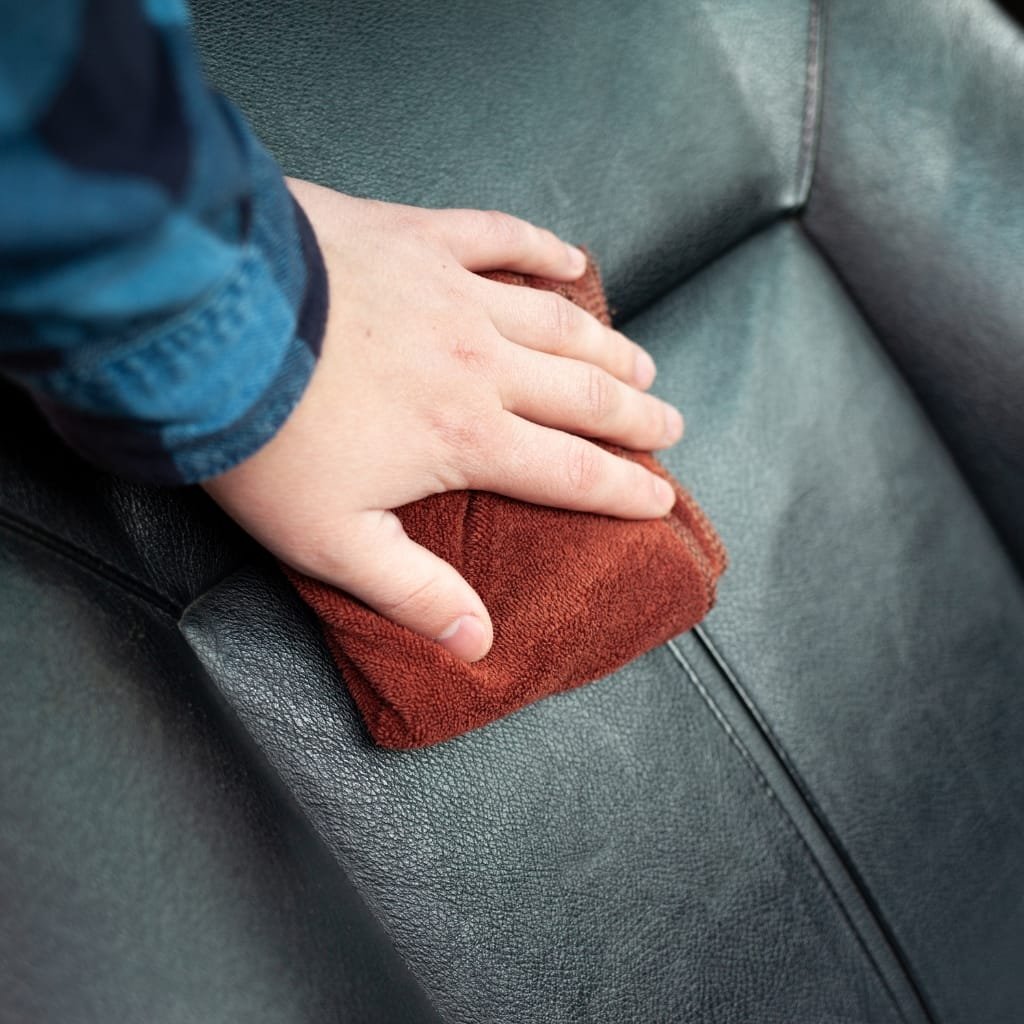
Cleaning leather starts with wiping dust with a soft cloth. For deeper cleaning, use damp cloths and leather detergents. Soaking and scrubbing should be avoided.

A child's hand holding a red cloth while cleaning the surface of a black leather sofa.
Child helping with a regular cleaning of the sofa.

Leather Conditioning

Leather conditioners should be applied every quarter. This prevents drying and cracking, allowing the leather to remain soft and supple.

Moisture Protection

Moisture can warp cow leather and weaken its fibers.If the leather gets damp, let it dry at room temperature and keep it away from direct heat

Storage

Leather bags and shoes should be kept in dust bags. Store leather items in cool dry places to maintain their quality.

Aging of Cow’s Leather

Cow leather is loved for its beautiful aging. Over time, the leather darkens and develops a distinct patina. Scratches, which occur with time, add to its charm. Most leather enthusiasts believe that aged leather narrates a story.

Well-maintained cowhide can last a person multiple decades. In addition to this, when it comes to character, vintage leather items tend to hold a lot of their value.

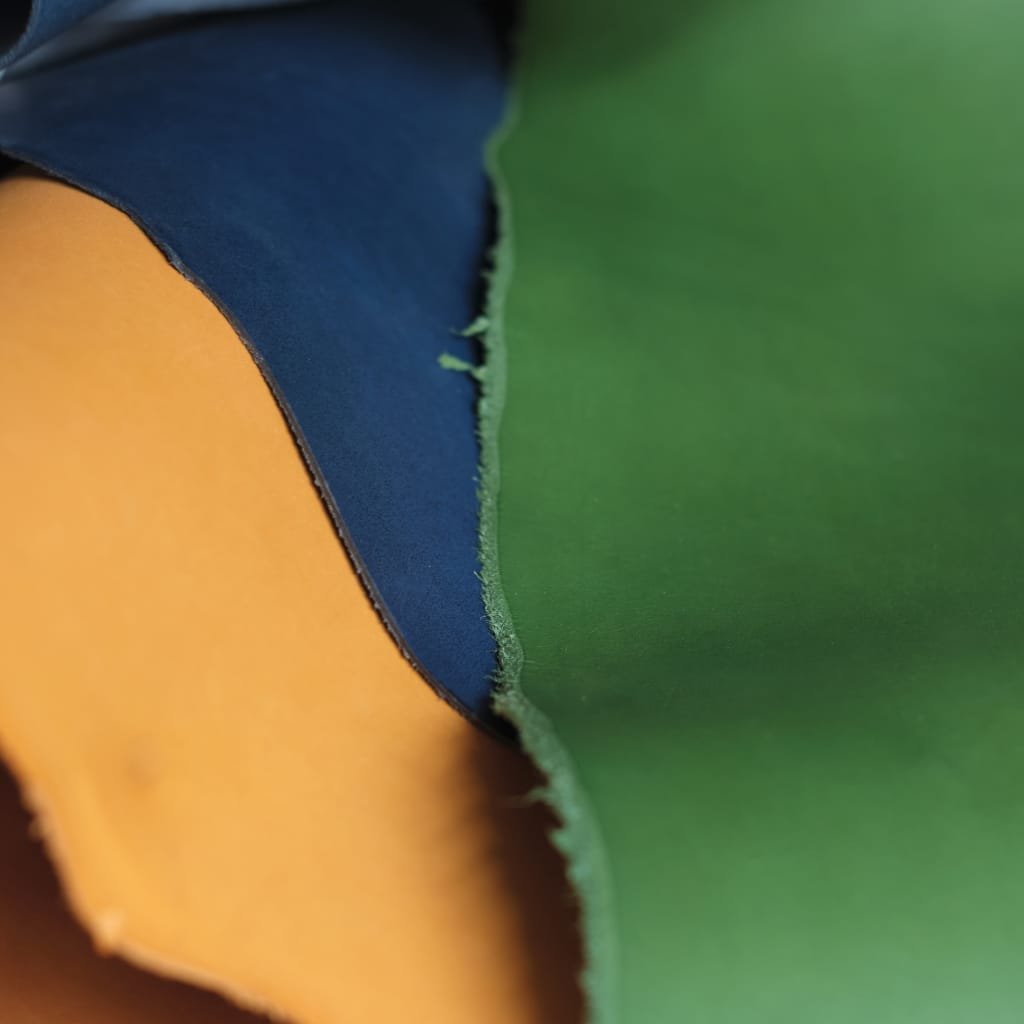
Close-up of overlapping pieces of cow leather in shades of tan and brown, showing variations in texture and color indicative of aging.
Aging process of cow leather, highlighting natural color changes and surface textures.

Ethics and Sustainability

Cowhide is a leather by-product and is often discarded by the meat industry. Not only does this save money, cowhide leather production can help simplify the process.

Despite this, concerns can be raised regarding the process of leather tanning. The good news is that a large number of tanneries are introducing green policies. An example of this is vegetable tanning which uses tree bark.Additionally, the longevity of leather means its lifespan extends far beyond other materials, thereby reducing the waste produced over time. That makes it more sustainable compared to fast fashion.

How to Identify Real Cow’s Leather

To avoid fakes, keep an eye on the following:

  • Smell: Leather gives off an earthy, rich scent.
  • Touch: Its texture is supple yet robust, displaying natural inconsistencies.
  • Sight: Real cowhide features grains and wrinkles.
  • Costs: Effective leather brands sell cow leather.

Always check the product label or description. Most brands do not hesitate to label their product as “genuine cowhide” or “top-grain leather.”

Is Cow’s Leather Worth It?

Without a doubt. Your investment on cow’s leather guarantees unmatched longevity, comfort, and style. In every piece, be it a jacket, a wallet, or a chair, the leather always pays back in performance and charm.

The sturdiness and classic timeless design ensures its ideal investment despite seeming expensive at first purchase.

Close-up of a brown cowhide leather surface with visible stitching along the edge.
An up-close view of high-quality cowhide leather showcasing its texture and stitching

Conclusion

Cow’s leather remains favored for a few reasons, its strength, adaptabilty, style and only getting better with age. A leather jacket with aged character makes a great companion piece on any outfit. The versatility of leather coupled with its charm is what makes it reliable.

From casual work boots to formal leather jackets, this material is one of a kind. With appropriate care, cow leather can last you years, if not decades.

If you are on the lookout for a material that strikes a balance between sophistication and resilience, cow leather makes the best option.

FAQs

What is cow’s leather used for?

Cow’s leather is used in fashion, furniture, automotive interiors, and accessories. People rely on it for jackets, shoes, sofas, belts, bags, and more. Because of its strength and versatility, it works well in both luxury and everyday products.

Is cow’s leather real leather?

Yes, cow’s leather is real and natural leather made from cowhide. Unlike synthetic or faux leather, it offers long-lasting durability and develops a beautiful patina over time.

How can I tell if leather is made from cowhide?

To identify cow’s leather, check for a grainy texture, a rich natural scent, and slight imperfections. Most real cowhide leather feels firm yet flexible. Also, genuine products often include labels stating “genuine cowhide” or “top-grain cow leather.”