Home Blog Page 132

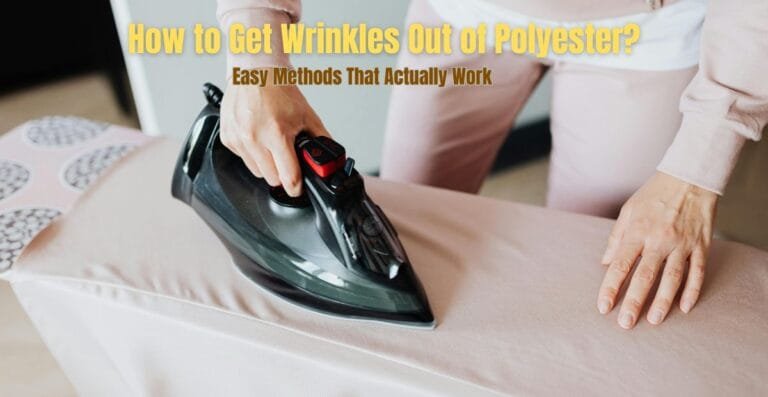
1. How to Get Wrinkles Out of Polyester? Methods That Actually Work

Introduction-

Durability, affordability and resistance to wrinkles are some of the most outstanding properties of polyester that made it the most popular fabric across the globe. Nevertheless, polyester is not totally wrinkle-proof even though it is a wrinkle-resistant material. The creases may still be acquired during washing, drying, storage, or travelling. Polyester does not respond to heat in the same way as natural fabrics, like cotton or linen do, and needs a little extra attention.

And the question of “How to get wrinkles out of polyester?” has come at the right place. This guide discusses the effective, practical and safe techniques which do work. You’ll discover quick and easy solutions, substitute hacks, preventive measures, and even special-care tips on polyester blends. You will definitely have the confidence to deal with any wrinkle scenario without wrecking your clothing by the end.


Why Does Polyester Wrinkle?

Polyester is meant to withstand wrinkles more than natural fabrics, but nonetheless, under some conditions, this causes the garment to crease. Knowing the reason behind this will enable you to avoid and correct wrinkles.

Factors That Cause Wrinkles: Heat, Pressure, Storage

Heat

  • Polyester fibers can be softened by exposure to high temperatures during the washing or drying process.
  • After becoming soft, the fibers can be folded and fixed in wrinkling positions.

Pressure

  • Polyester is crushed by heavy weight clothes when stacking or folding clothes.
  • Lengthening of creases causes them to become difficult to take away in the future.

Storage

  • Polyester stored in cramped space will bend and fold fabric.
  • Wrinkles are difficult to remove when the clothes are left bunched up in the closets or bags.

The Structure of Synthetic Polyester Fabric

Polyester is produced out of tightly woven synthetic fibres that are smooth, resilient and durable. Polyester does not absorb the moisture as easily as cotton or linen and this quality prevents deep wrinkles. But these fibers may curve under heat and pressure and may store creases. That is why polyester, as much as it is wrinkle-resistant, cannot be said to be wrinkle-proof too.

Polyester Versus Natural Fabrics.

Organic fabrics such as cotton, silk and wool absorb water and crease faster than synthetic fabrics that are washed. Polyester withstands this due to its synthetic, moisture-shedding properties, and hence it is easier to maintain. Nevertheless, polyester is not completely resistant to wrinkles, particularly, in some circumstances. It iron needs less than natural fabrics but it still has an advantage of being taken good care of.

FabricWrinkle ResistanceCare NeededDurability
PolyesterHighLowVery High
CottonLowModerateMedium
LinenVery LowHighMedium

Quick Methods to Get Wrinkles Out of Polyester
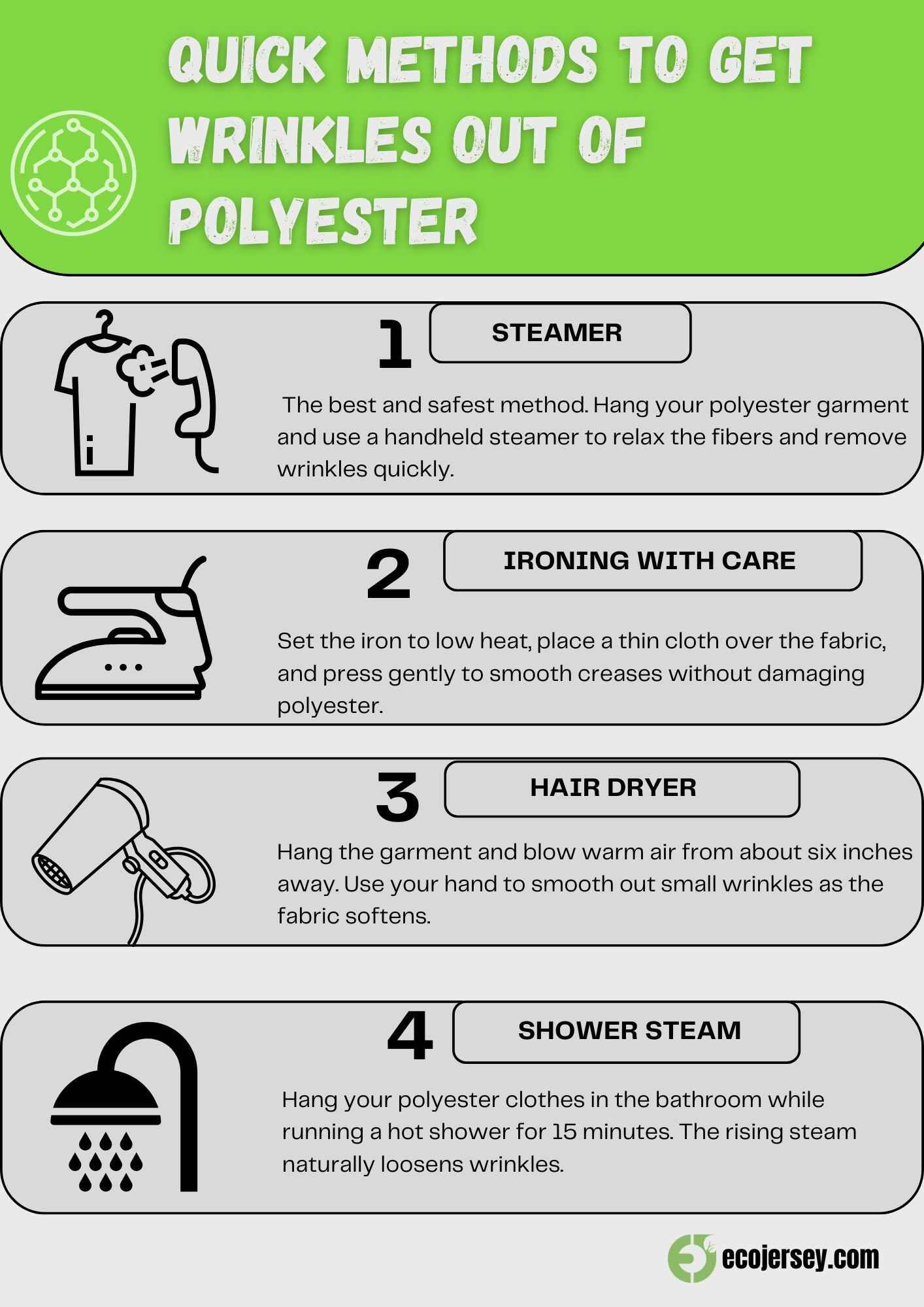
Infographic showing quick methods to remove wrinkles from polyester.
Quick Methods to Get Wrinkles Out of Polyester

projects a Steamer (Best and Safest Option)

Polyester can be smoothed very safely using a garment steamer without the danger of overheating. The steam gets into the fibers, loosening them and eliminating wrinkles in a short span of time. Just put the garment standing and go round the steamer in down movements to achieve maximum results. This process is quick, efficient, and the ideal one when using delicate or blended polyester fabric.

How to Iron Polyester Fabric (Low Heat Ironing and Pressing fabric)

Polyester is sensitive to heat and therefore never put the iron to a high synthetic temperature. Over the polyester cover it with a thin cotton or muslin cloth to avoid coming into direct contact with heat. Use a light pressure and continue the motion of the iron to avoid shiny spots. Polyester can be ironed smooth and shiny in minutes with the correct method.

Apply Hair Dryer (To Small Wrinkles).

A hair dryer can be used to quit small creases, or quick fixes when you have little time. Garment polyester should be hung up and blown warm air evenly at a distance of approximately six inches. Gently, with your hand, smooth the fabric and the wrinkles will loosen. It is a convenient, lightweight one, and it comes in handy during travels.

Hang Polyester in the Bathroom (Shower Steam Method)

This is the ideal way when you do not have a steamer and you need wrinkle-free garments. Wet your polyester garment in the bathroom and turn on hot shower to make steam. Allow the garment to rest around 15 minutes and the creases are loosened by the steam. It is a simple hack that actually incredibly effective on light to medium wrinkles.


Alternative Wrinkle-Removal Hacks

Even when you do not have a steamer or an iron to use, these tricks can rescue your clothes.

Wrinkle-Release Sprays (Home made or Commercial)

Wrinkle-release sprays loosen fibres and flatten wrinkles. You may purchase them or you can prepare one with water, vinegar and fabric softener. Gently spray, and dry fabric.

Tumble Dry with a Damp Cloth

Put your crinkly polyester in the laundry with a moist cloth or towel. A 10 minutes run at low heat and then hang.

Hanging Polyester right after washing.

Prevent wrinkles by shaking out polyester after washing, and hanging it when it is still wet. The fabric is relaxed and is made smooth with the aid of gravity.

Ice Cube Trick in the Dryer

Place ice cubes (one or two) in the dryer together with polyester clothes. When they become melted the steam forms and wrinkles are removed. Run 10 minutes and hang immediately.


How to Prevent Wrinkles in Polyester

Prevention is time-saving and makes your polyester look fresh. Follow these simple habits.

Correct Washing and Drying Hints

  • Wash polyester like fabrics together to prevent friction.
  • Use cold, or warm water.
  • Wipe clothes soon after washing.
  • Use dryer on low or air-dry.
  • Do not overload the washing machine.
    READ>> About how polyester can shrink in the dryer.

Folding vs Hanging Polyester Clothes

Polyester is preferable to hanging as it does not give deep creases. In case of necessity to fold, fold up lightly and never pile up the heavy items.

Polyester Correct Storing

  • Replace the thin wire hangers with padded or plastic.
  • Keep polyester in an unspoilt, cool environment that is not exposed to sunlight.
  • Wrap up in breathable garment bags to be stored.
  • Do not overload clothes.

Travel Hacks (How to Put Polyester in a Suitcase Without Wrinkles)

Wash clothes by rolling rather than folding. Keep tissue paper in between layers to reduce friction. Hang it when you get to your destination.


Mistakes to Avoid When Removing Wrinkles
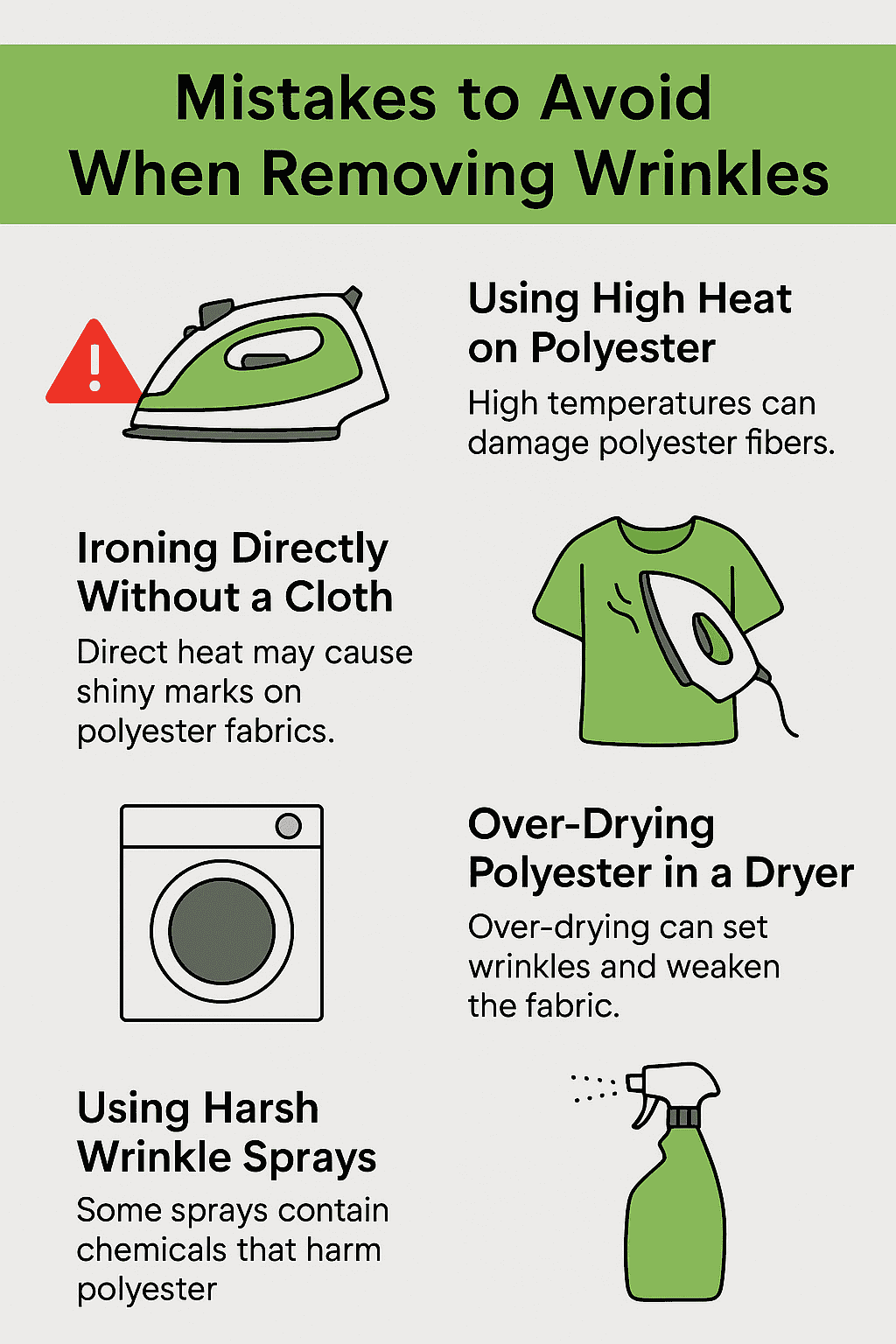
Infographic highlighting mistakes to avoid when removing wrinkles from polyester.
Mistakes to Avoid When Removing Wrinkles

Using High Heat on Polyester

Polyester is unable to endure a high temperature as heat destroys and melts its strands. Excess heat during ironing or drying the garments will permanently damage the garments. This can leave it shiny, burnt or even pitted. You must set the dry cleaner as low as possible to preserve your polyester clothes.

Ironing Without a Cloth

Polyester may permanently have scorch marks on it when exposed to a hot iron. A pressing cloth also serves as a shield and does not allow shiny spots to form. You would not want to leave the fabric unprotected by this layer of protection and start being affected by heat. To achieve optimal outcomes, polyester is always to be covered with cotton or muslin prior to the ironing.

The Over-Drying of Polyester in a Dryer

Putting polyester clothing too many times in the dryer sets the wrinkles rather than eliminates them. The heat also results in unnecessary stress on the fibers rendering them weaker with time. Even over-drying may result in the clinging of clothes due to the presence of a build-up of static. To stop this, wash polyester when a little damp and then hang.

Using Harsh Wrinkle Sprays

Certain wrinkle release sprays are full of chemicals which damage polyester fibers. Such sprays can cause staining, residues or make the fabric less soft. Polyester garments have their life span reduced by continuous use of strong sprays. Select sprays that are safe on fabrics or make a weak DIY one at home.


Polyester Blends: Special Care Tips

Polyester-Cotton Blend (Extra Ironing is needed)

Polyester-cotton blends are also used since they are both strong and soft and are more prone to wrinkling than pure polyester. The fabric is likely to have creases, which demand additional attention because of cotton fibers in the mix. It is essential that the ironing should be done on medium heat not to heat the polyester part. It is better to cover the fabric with a damp cloth and get more finishes. This mixture appears tidy with the right ironing, and it does not lose its strength.

Polyester-Spandex Blend (Stretch and Wrinkle Resistance)

Polyester-spandex blends are stretchy, cozy, and of course non-wrinkly in nature, a great choice in active wear. The elasticity offered by spandex implies that these clothes hardly require ironing. Nevertheless, the spandex fibers are highly sensitive to heat and may lose their elasticity in presence of high temperatures. Washing in cool water and do not expose anything to direct heat in ironing or dryers. The material maintains its stretch and silk appearance with a long time of care.

Polyester-Silk Blend (Delicate Care)

Polyester-silk mixes bring a shininess of silk to a robust polyester. Although polyester is tough, the fibers of silk render this mix very light and vulnerable to damages. The too much heat or harsh washing may erode the silk element and destroy the sheen of the fabric. The best method of handling these clothes is light steaming or professional laundry. Be careful so that it does not lose beauty or its softness.


Conclusion-

Polyester can have wrinkle resistance over natural fabrics, but should be well cared about. In steaming and ironing to some simple tricks such as ice cubes or using the steam in the shower, some of the best methods to keep your polyester clothes smooth. Washing, drying, and storing the item correctly is even easier to prevent wrinkles and make the maintenance even easier.

To summarize, knowing how to remove wrinkles in polyester is no longer in secret. Through these tested techniques, it is always possible to maintain your clothes crisp, shiny and fit to wear. Use these tricks now and be stress-free when it comes to polyester.

Read More>> About types of Polyester and Polyester Fabric.


FAQs

Can I iron polyester directly?

No – always use a barrier. Always do not touch the bare hot iron to polyester. Put a clean cloth between the iron and fabric at all times. The piece of cloth (pressing cloth or towel) eliminates melting or shiny spots on polyester.

Does polyester shrink in the dryer?

Polyester is subject to shrinkage in the presence of high temperatures. Dry or iron on a low or a medium level. Take polyester clothes out of heat immediately when they are a bit wet to complete air-drying. This prevents wrinkles and helps stop wrinkling.

Are wrinkle-release sprays safe for colored polyester?

Yes, the majority of sprays are polyester friendly. Nevertheless, test on a non-critical part. Commercial sprays are not usually created to fade colors. When you spray DIY (e.g. with vinegar or softener), be careful: bright fabrics should not be sprayed with strong vinegar or additives, it can make some stains.

How do I remove severe wrinkles from polyester curtains?

In case of heavy wrinkles (as in curtains) use a combination of techniques: steam the material and pull it. Steaming can be done in place or a garment steamer everywhere. Should it happen, press the curtain flat after steaming and weigh the edges down as long as it is still a bit damp to loosen deep folds.

Can I use a hair straightener on polyester collars?

A hair straightener is strongly not recommended – it is dangerous. Polyester may be melted with a concentrated, high temperature heat of a straightener. This is usable on the lowest setting with a protective cloth between it and the cloth in case you need to. But it is far safer to steam or iron using a cloth to smooth collars.
1. Can Polyester Shrink in Dryer? How to Wash and Dry Safely

Introduction: Polyester and Its Properties

Polyester is considered as one of the most common synthetic fabrics used in the world. It is made of petroleum based polymers, which provide it with great durability and strength. Polyester is a fabric that is made to withstand wrinkles, color and shape despite repeated washing compared to natural fabrics like cotton or wool. These attributes have made it a popular preference in clothing, sporting, and textile products.

The material is also widely used due to its cheapness and ease of care as opposed to the delicate material such as silk or wool. Polyester garments can be worn by you frequently with no fear of the garments going to shape. Nevertheless, regardless of these advantages, one major question that bothers several individuals is, can polyester shrink in dryer?

This is a matter of concern since polyester is heat sensitive. It does not reduce in size as easily as natural material, but the incorrect use of washing and drying processes may lead to an observable loss of size. Learning how and why polyester shrinks will make you avoid damage and prolong the life of your clothes.

Can Polyester Shrink in the Dryer?

Yes, polyester does shrink in the dryer, but under some circumstances. Polyester is a manmade fiber and therefore it does not act like cotton and wool. Polyester does not shrink easily as opposed to these natural fabrics. Nevertheless, it is not totally shrink-proof.

Heat is the significant cause of shrinkage in polyester. Fibers made out of polyester can become tight and contract when subjected to high temperatures of the dryer. This most commonly occurs when garments are washed a number of times at full blast dry settings. Proper care techniques will ensure that you do not experience this problem.

Thus, machine drying with polyester can be regarded as safe, but still, care should be taken. You should never forget that improper environments can result in permanent shrinking of your favorite polyester clothing.

What Causes Polyester to Shrink?

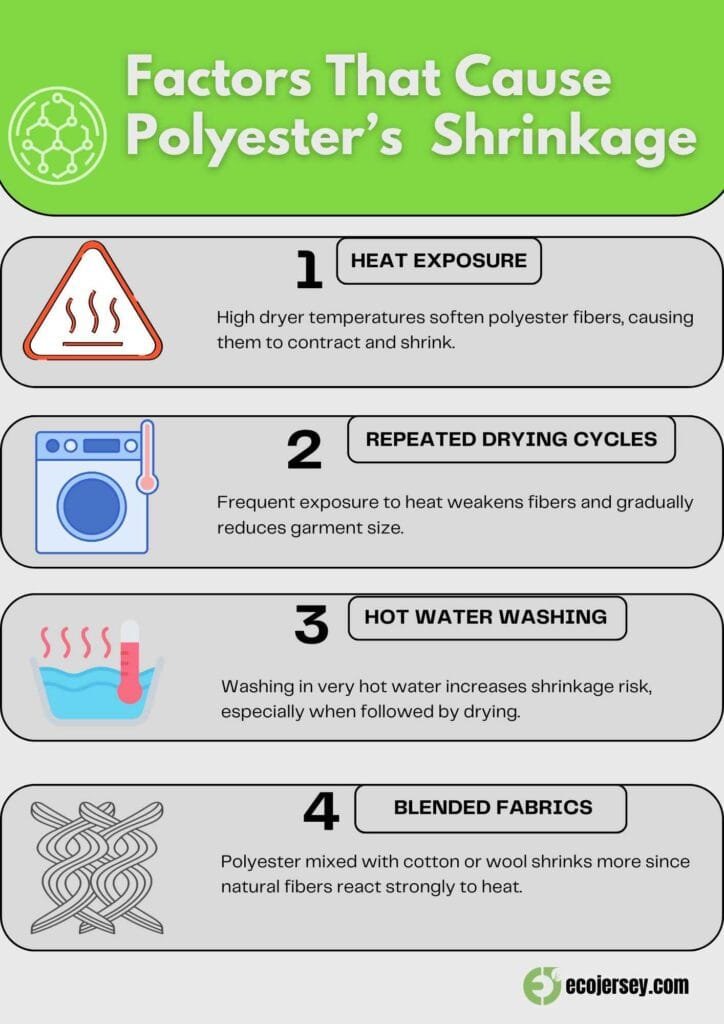
Infographic showing four main factors that cause polyester to shrink:
Key factors that lead to polyester shrinkage

Exposure to heat (High Temperatures)

The greatest cause of polyester shrinkage is high heat. Polyester fibers melt at approximately 250 o C (482 o F), although it will begin tightening at lower temperatures. Washing or drying above approximately 140 o C (60 o C) may cause the polyester chains to shrink during cooling. The Spruce observes high-temperature polyester is unstable and that it will shrink upon over-drying. The polyester should not be subjected to dryer settings where there is a history of hot or high and this may cause the fibers to shrink.

Repeated Drying Cycles

Frequency of heat cycles is another factor. Polyester may also tighten its fibers a little every time it is subjected to heat in the dryer. Washing and drying in heat (even moderate heat) repeated cycles can have cumulative effects of shrinkage than a single wash. In time, numerous dryings can strain the fibers and permit them to relax into a smaller size. Even though polyester is unaffected by any single cycle, repeated cycles, particularly when it comes to warm or hot settings, exposes it to the danger of cumulative shrinkage.

Fabric Blends (Other Fibers and Cotton)

Polyester mixed with natural fibers is more prone to shrinkage. In one instance, a polyester cotton combination may shrink since cotton, which is the second component, naturally contracts in heat dragging the polyester. Cotton alone has the ability to shrink 3-7 percent and therefore blends will shrink as well. Likewise mixtures with rayon or spandex will also be influenced by the action of the said fibers. Polyester-rayon and polyester-spandex fibers tend to shrink less than polyester-cotton, although any natural or stretchy fiber in the blend will alter the overall behavior to heat. Differently put, mixtures with larger proportions of natural material would shrink slightly more in the heat.


How Much Can Polyester Shrink in the Dryer?

Shrinkage Range (Extreme Heat)

Polyester may also shrink by a few percent under extreme conditions of high heat (far beyond standard laundry conditions). The shrinkage of polyester at high temperature is regarded by manufacturers as normal in the range of 1-3%. Practically, this can result in a garment being a little shorter or thinner, but the difference can usually be hardly noticed. Most polyester shirts shrank only approximately 2 percent even when harsh tumble drying was used in our experiments. Cotton, on the other hand, may contract by 5-10 percent of the same conditions. Shortly put, polyester has a low shrinkage rate (most commonly less than 5%) even in a hot dryer.

100% Polyester vs. Blends

Pure polyester (100 percent) tends to shrink less than alloys. This is because the fabric does not shrink because of the absence of natural fibers. In comparison, a polyester-cotton fabric (such as 50/50) will shrink further since the cotton element is the one that does the shrinking. As an example, a 50/50 tee may shrink a few percent, but the same shirt in 100% polyester may hardly move at all. In blends, the percentage of the shrinkage is about the percentage of natural fibers. In such a way polyester entirely: shrinkage is negligible; polyester mixtures: the shrinkage is slightly greater (because of the presence of other fibers).

Does 100% Polyester Shrink in the Dryer?

100% Polyester Shrinkage Resistance

A 100 percent polyester piece of clothing is fashioned in such a manner that it maintains its shape. It is heat-stable because of the tightly bonded polymer chains. Polyester according to one expert guide is designed not to shrink and it is not easy to get wet. Therefore, a polyester shirt or dress should not shrink much when exposed to normal use of dryers (low or medium heat). Even the slightest shrinking will only occur when extremely high dryer temperatures are used. Practically, polyester of high quality, or, indeed, polyester of high quality, is particularly stable. The Spruce cautions that polyester can only shrink when over-dried on high heat.

Polyester-Cotton vs. 100 percent Polyester.

In comparison, adding cotton causes the garment to be more likely to shrink. Blends of polyester and cotton shrink much easier than pure polyester. As an example, the polyester fibers may remain fixed, but the cotton fibers will drag the cloth around as they get heated. This implies that a 100 per cent polyester shirt will retain its size more than a 50/50 polyester-cotton shirt in the same dryer environment. It is cotton or other natural fibers in blends that cause them to shrink more, rather than polyester.


How to Prevent Polyester from Shrinking in the Dryer

To make polyester clothes not shrink, you can follow some easy steps:

  • Low Heat or Air-Dry: There is always a low heat or tumble-dry-low setting to use on polyester. A lot of dryers can use a permanent press or delicate option and this is safer than high. Better still, hang or lay flat to air-dry polyester. Cool-air drying entirely eliminates the high heat which produces shrinkage.
  • Remove While Damp: Do not allow polyester to dry out. Turn off the dryer when clothes are not completely dry and continue their drying by hanging. This helps keep the fibers at high temperature not too long, since it may lead to extra shrink. Wrinkles are also reduced by prompt removal.
  • Follow Care Labels: Read the care tag on the garment. Safe wash and dry instructions will be listed by the manufacturers. When the label implies that the tumble dry is low or hang dry, then do so. Shrinkage will be minimized by using suggested settings (e.g. cool wash, permanent press cycle). The simplest method to determine how hot you can safely wash and dry that polyester item is checking the label.

How to Shrink Polyester Intentionally (If Desired)

Should you wish to shrink a polyester product smaller (say a garment is unwieldy), use heat to shrink it. Note: The process may cause weakening of the fabric in a long run. Only do this if needed.

Step 1 -Hot Water Wash: Wash polyester garment in hot water (approximately 140oF/ 60oC or the maximum heat of your washer). Agitate the fibers by use of a vigorous cycle. The agitation and heat will make the polyester fibers, which are in the stretched position, to relax.

Step 2 -High Heat Dry: Move the wet clothing to the dryer. Preheat it to the maximum temperature and roll it. The heat and tumbling will cause the fibers to shrink because of the cooling. Periodically check after every 5-10 minutes to check the extent to which it has reduced. Keep on till you have obtained the required size.

Step 3- Cool and Check Fit: When you think it is big enough, take it out and allow it to cool to room temperature (shrinkage sets in as it cools). Try it on to confirm the fit. Should it still be too large you can repeat the procedure: wash hot again and dry on high, though remember that with each cycle, the fibers become a little weaker.

WarningCaution – Damage to fabrics: It is important to keep in mind that polyester fibers can deteriorate or distort in case of extreme heat. The repeated rough treatment or overheating may cause the fabric to become brittle or uneven. So never leave the dryer unattended when it is on the hottest option, and never iron the polyester once it has shrunk (it can melt). The process should always be monitored in order to avoid accidental damages.
Does Polyester Shrink in the Washing Machine?

Washing vs. Drying Shrinkage Polyester has less chances of shrinking in the washing machine than the dryer. Washing cycle is normally carried out with controlled water temperature that does not attain extreme heat. Nonetheless, the shrinkage may still take place when hot water is repeatedly used in washes. In sum, the dryer, in comparison to the washing machine is still a bigger risk factor.

Polyester Blends and Shrinkage

50/50 Polyester-Cotton Blends

Even 50/50 (50 percent cotton, 50 percent polyester) will diminish more than pure polyester due to the presence of cotton. Cotton is subject to natural wash/dry shrinkage of 3-7 percent, therefore a half-cotton garment would shrink 2-4 percent (especially 2-4 percent) in a hot dryer. It continues to shrink to not more than 100 percent cotton, since the polyester is used to stabilize it. Either way, follow the same advice: cold wash, and tumble low to reduce shrink.

Polyester-Rayon Blends

Rayon (semi-synthetic) will shrink on its own rather easily. With a polyester-rayon mix, a little shrinkage is to be anticipated at the cost of heat, but it is frequently not a lot. Easy care is a reason why many tri-blend T-shirts (polyester/cotton/rayon) are selected. There are even one industry sources that refer to polyester/rayon mixtures as wash-and-wear fabrics that do not shrink significantly. Nevertheless, when the rayon concentration is great (such as 50 or above), proceed with caution: cool water washing and air-drying (where you are not sure).

Polyester-Spandex (Elastane) Blends.

Blends with spandex (Lycra/ elastane) are different. The spandex provides elasticity and polyester withstands heat. According to one source, an 90 percent poly/10 percent spandex mixture is very resistant to shrinkage. The garment goes back to shape batting the elastic fibers. Polyester-spandex garments seldom shrink in the process of regular laundry or drying. Very high heat may however be detrimental to the elastic, hence continue to use light settings. In short, polyester-spandex mixtures do not shrink much in regular circumstances.


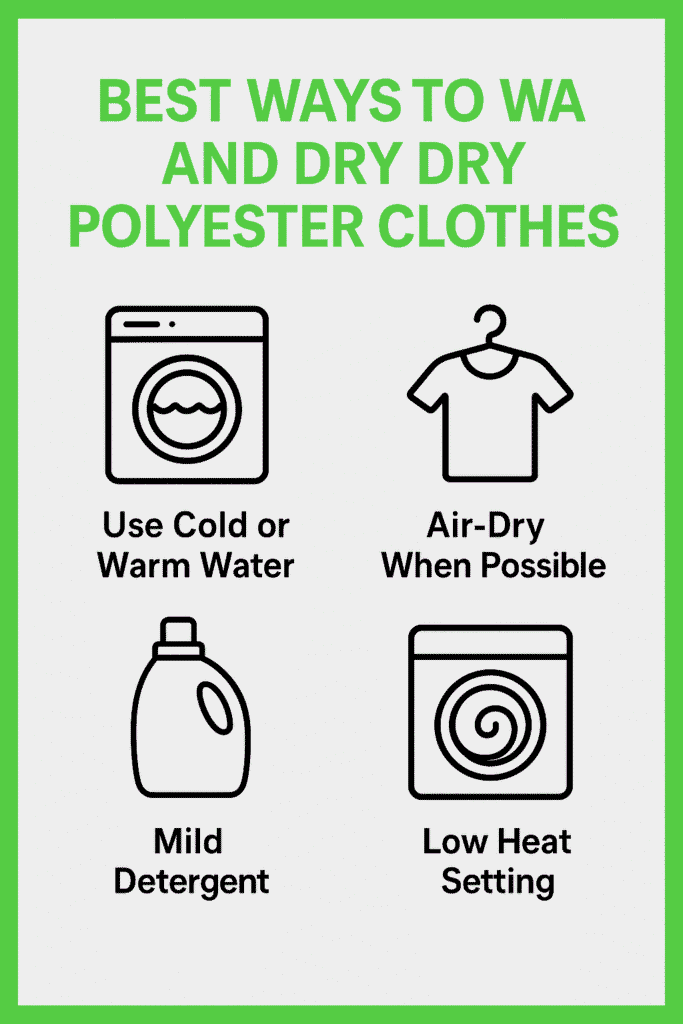
Best Ways to Wash and Dry Polyester Clothes

These are the care and washing recommendations to follow on polyester garments:

Infographic showing best ways to wash and dry polyester clothes
Simple care tips to wash and dry polyester safely.

Washing Guide

  • Machine Wash-cold or warm water: Select your washer to be set to cold or lukewarm water. Do not use very hot or boiling water. Warm water has the potential to put pressure on the fibers and cause shrinkage.
  • Light Cycle: Use a light or permanent press. These cycles are moderately agitated and have slower spin-down, which preserves the fabric and prevents it to shrink and wrinkle.
  • Mild Detergent: Select a mild, enzyme based detergent. Polyester may be damaged by harsh chemicals or bleach. In case of stain treatment pretreat it with stain remover and do not leave polyester in strong bleach.

Drying Guide

  • Wash clothes inside out: washing clothes inside out decreases friction to the outer fibers and color maintenance. It works against pilling as well.
  • Tumble Dry Low or Air Dry: Dry with low-heat or no heat (air-dry). Polyester can be used in a dryer on the medium or low setting (usually on permanent press or tumble dry low). Even better, dry the clothes by air.
  • Wash Immediately: Laundry should be removed immediately the dryer is completed. This prevents the residual heat and over-shrinking and excessive wrinkling. Smooth or reshape things as required before they cool.

Tips to Extend Fabric Life

  • Do not Iron in High Heat: Polyester will melt or get out of shape when placed under a hot iron. In case of any ironing, then apply low heat and pressing cloth.
  • Storage: Polyester should be stored in a cool and dry location in order to retain its shape. Hang dresses or hang suits on a padded hanger and fold knitwear. Wet basements should be avoided and direct sunlight avoided to avoid weakening and fading of the fibers.

Conclusion-

Polyester is a tough and multi-purpose cloth and yet not completely resistant to shrinkage. The answer to the question, can polyester shrink in dryer? is simple, it can and under certain circumstances. The biggest culprit is heat exposure, particularly during polyester blends.

With correct washing and drying practices, such as low heat washing, air drying, and reading care labels you can avoid shrinkage and have your clothes appear new. You can either keep your clothes safe or you can deliberately shrink them to fit better; anyway, with knowledge about the care of polyester, you will achieve the best outcomes.

Polyester is one of the most stable fabrics that are used in the current period. When treated well, your favorite polyester items can be kept comfortable, stylish, and durable in the years.

Read More>> About types of Polyester Fabric.


FAQs

Does polyester shrink every time you dry it?

No. Polyester does not shrink on all dry cycles. It tends to be constant in size with dry low or medium heat. Polyester has to be shrunk several times using extremely high temperatures and over drying to be smaller. Therefore, provided that you set it to soft settings, the cloth will usually retain its size.
Polyester can withstand temperatures of approximately 60 °C (140 F). The fibers are able to

At what temperature does polyester shrink?

become stricter and shrink above this temperature. So do not wash or dry polyester over 140 o F. In practice, all washers on cold or warm (≤ 40°C), and dryers on low-medium are safe.

Does polyester shrink more than cotton?

No – cotton shrinks far more than polyester. Indeed, polyester is one of the fibers which are least likely to shrink. Under extreme conditions, cotton may shrink up to 37 percent in a wash whereas polyester generally can only shrink by 1 to 3 percent. A polyester shirt will nearly always emerge out of the dryer more or less of its original size than a cotton shirt.

Can polyester stretch back after shrinking?

In most cases, after polyester shrinkage, it does not go back to its initial size easily. The contraction is mostly irreversible since the fibers fix in the position when they cool. Dampening and stretching the garment out will help but only partially.

Drill Cotton Fabric: What It Is & How to Use It

0

Have you found the drill cotton fabric that satisfied your requirements of practicality and toughness? Thus, fabric lovers are in search for fabric that can endure and stand the test of time on wear and tare. This cotton fabric is a fabric that comes to the mind of many. It is a trustworthy and robust woven fabric.

Drill Cotton Fabric: The Definition

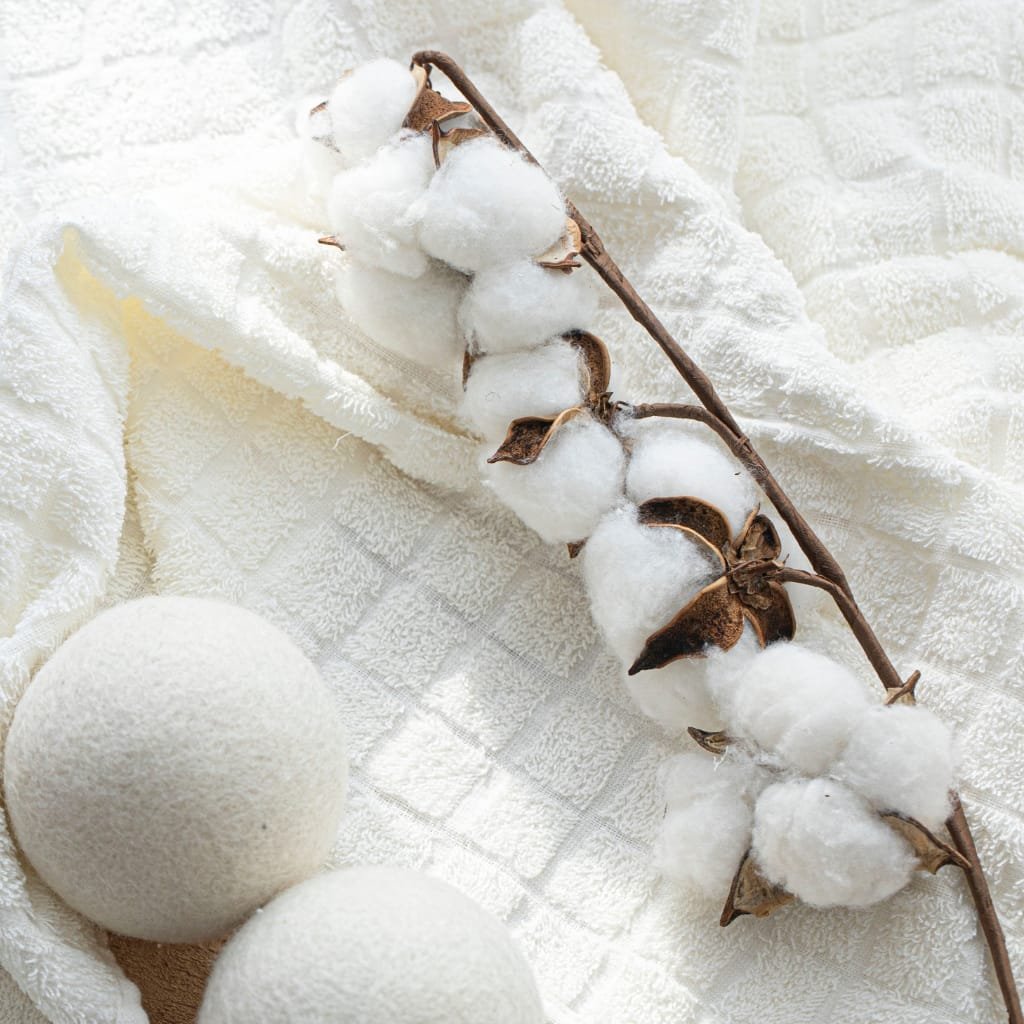
Cotton plant branch with fluffy white cotton bolls resting on a soft, white textured towel, alongside two round white bath balls. Drill Cotton Fabric
Soft and serene: cotton bolls on a cozy white backdrop with spa-like bath spheres.

For us to tackle this, the first step is to derive a proper definition. Drill cotton fabric is a strong characterized by a distinct diagonal weave pattern. We inaugurate drill cotton as a fabric of enduring strength, defined by its distinctive diagonal twill weave. The weft threads cross boldly over multiple warp threads, creating the durable structure that has long earned drill cotton its place in uniforms, workwear, and fashion. The distinctive weave makes drill cotton a popular choice.

Drill Cotton: The Key Characteristics

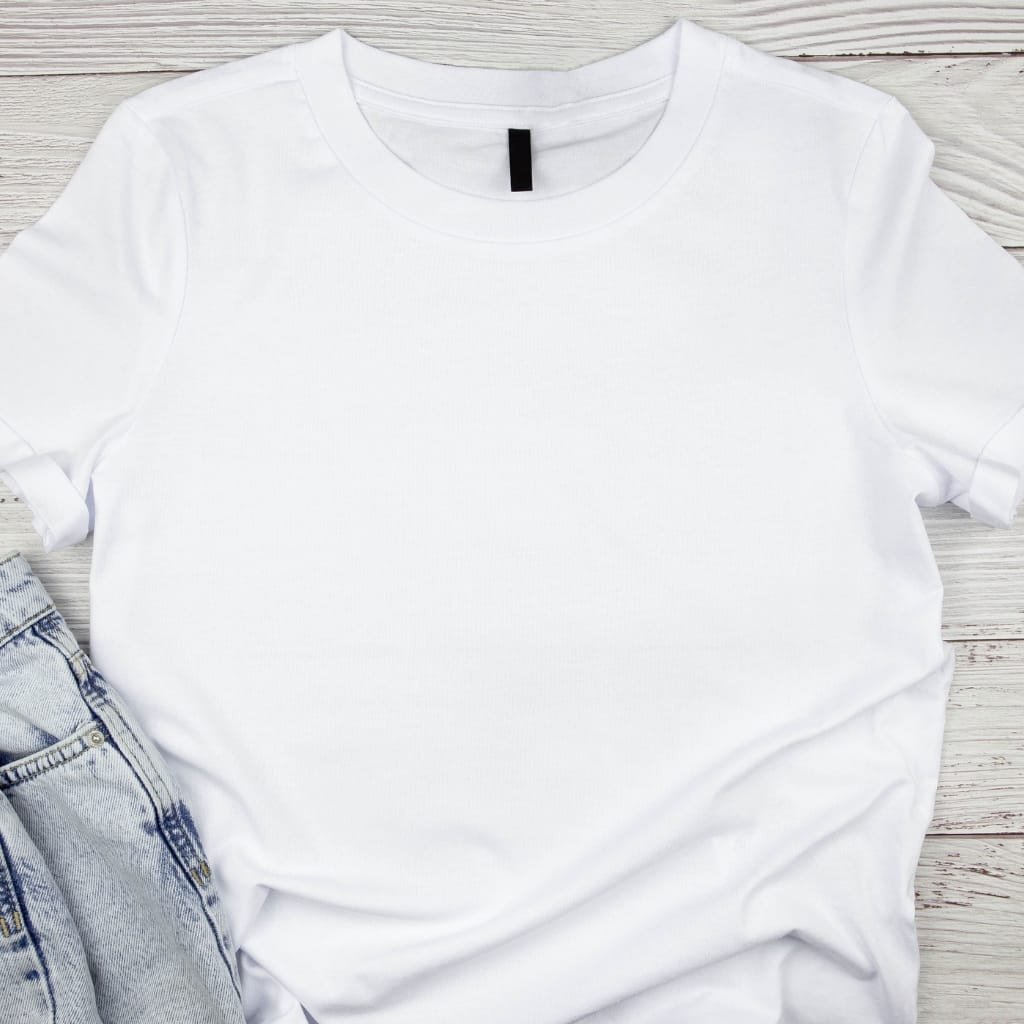
A plain white T-shirt laid flat on a light wooden surface, with a small black tag at the back of the neck. A portion of light-wash denim jeans is visible in the bottom left corner. Drill Cotton Fabric
Plain white T-shirt laid out on a wooden surface, paired with denim jeans.

The esteemed status of drill cotton fabric stems from its distinctive blend of functionIts tight twill weave provides remarkable strength, durability, and resistance to tears and abrasion, balanced by breathable comfort and a soft, silky feel.The drill cotton fabric takes dye vividly and exhibits a subtle gloss on one side, giving it a refined aesthetic. This powerful combination of resilience, comfort, and visual appeal underpins its versatility across a wide range of applications.

Common Uses for Drill Cotton

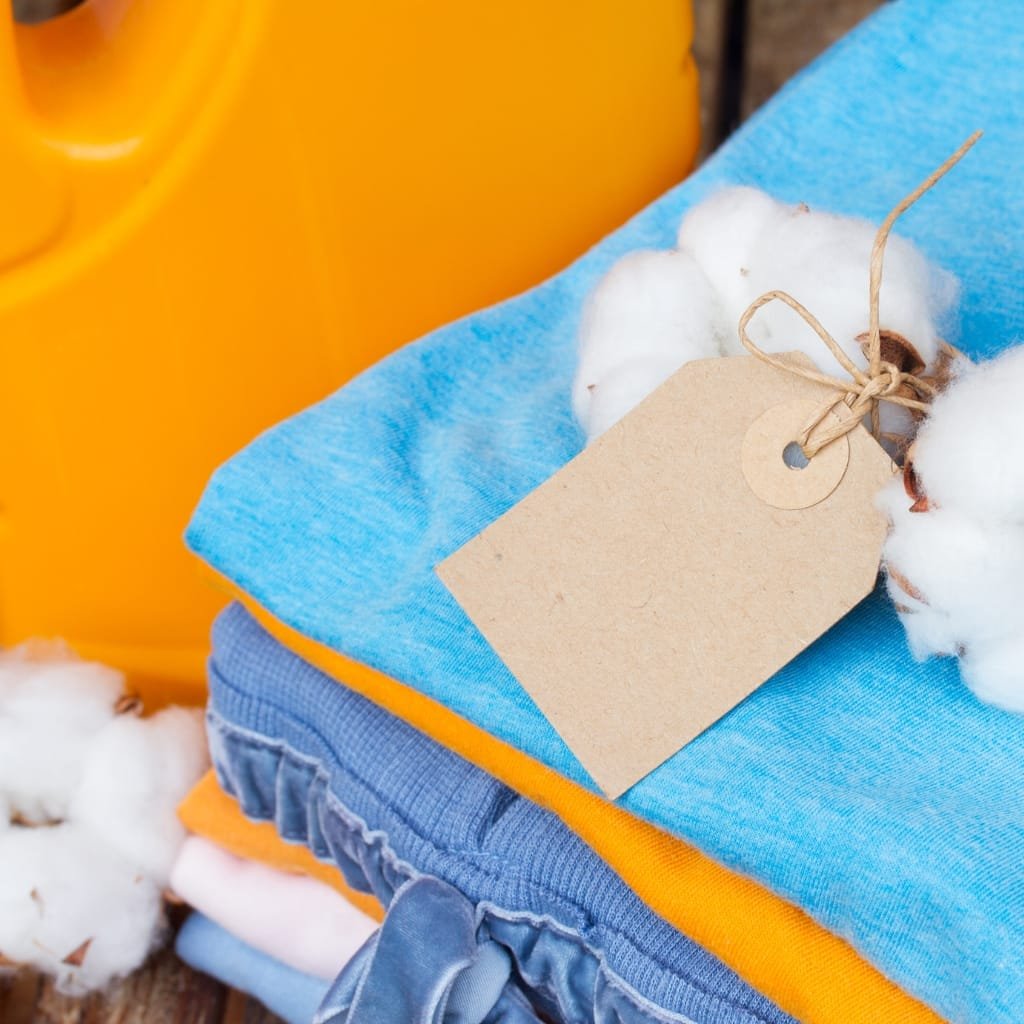
Astack of folded colorful clothes (blue, orange, and light tones) with a cotton plant and a blank brown gift tag tied with twine. Drill Cotton Fabric
Soft, colorful layers of laundry topped with cotton blossoms and a tied gift tag.

Function dictates form in fabric. Drill cotton, a durable twill, formed the foundation of resilient military uniforms, practical workwear, and safari suits. Today, this versatile fabric continues to serve fashion in casual trousers and shorts. Drill cottons is also used in the production of heavy-duty bags and in upholstery and other home furnishings. As a result, its usefulness is virtually limitless.

Caring for Your Drill Cotton Items

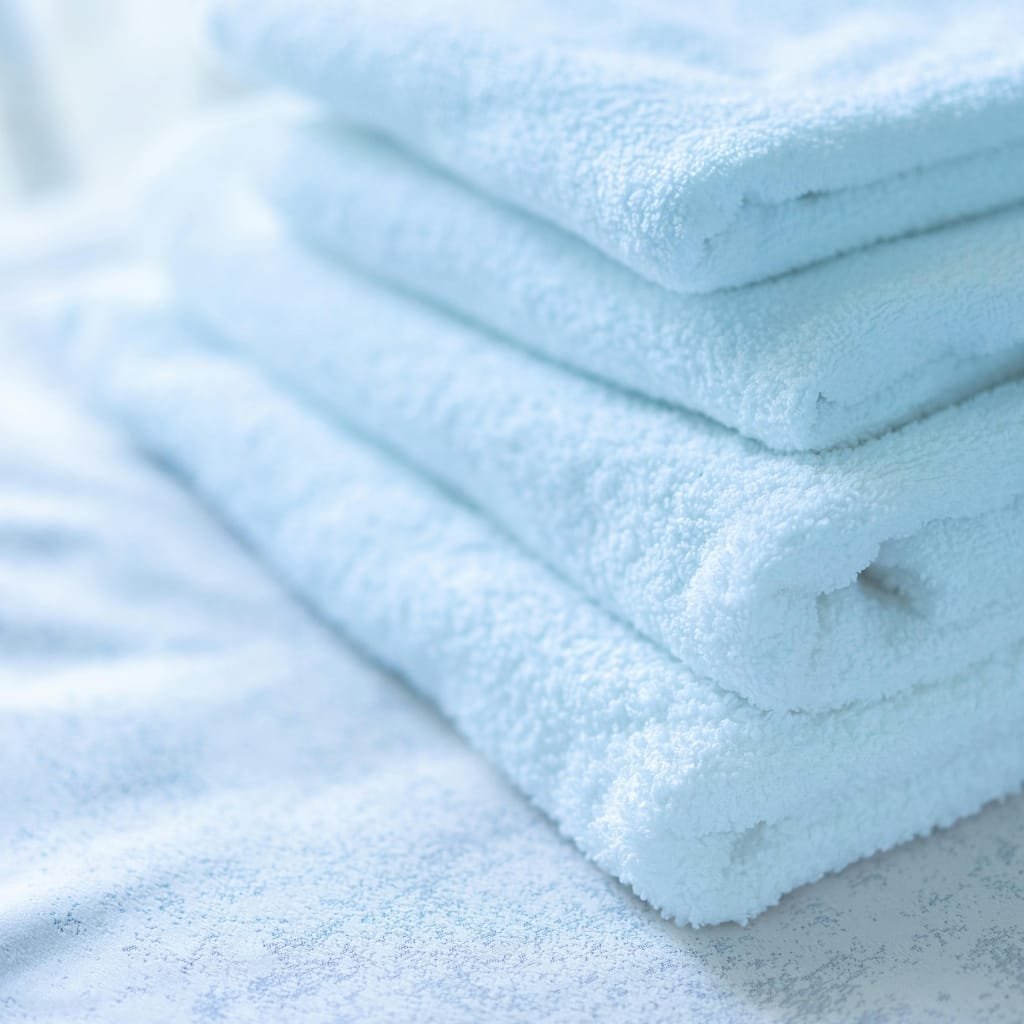
Stack of light blue towels neatly folded on a soft surface.
Soft, pastel-blue towels stacked in a tidy pile, conveying spa-like cleanliness and comfort.

Quality of the fabric is retained with proper care. Always read the care label that come with your garments. Drill cotton can usually be washed in a washing machine with warm water. However, consider washing high contrast garments separately for the first few washes. Already, you may tumble dry the drill cotton on a medium heat setting. As an alternate option, you can also iron the dry drill cotton while the garment is still slightly damp. In the end, this easy process allows your drill cotton items to maintain a fresh appearance.

Drill Cotton vs. Other Fabrics

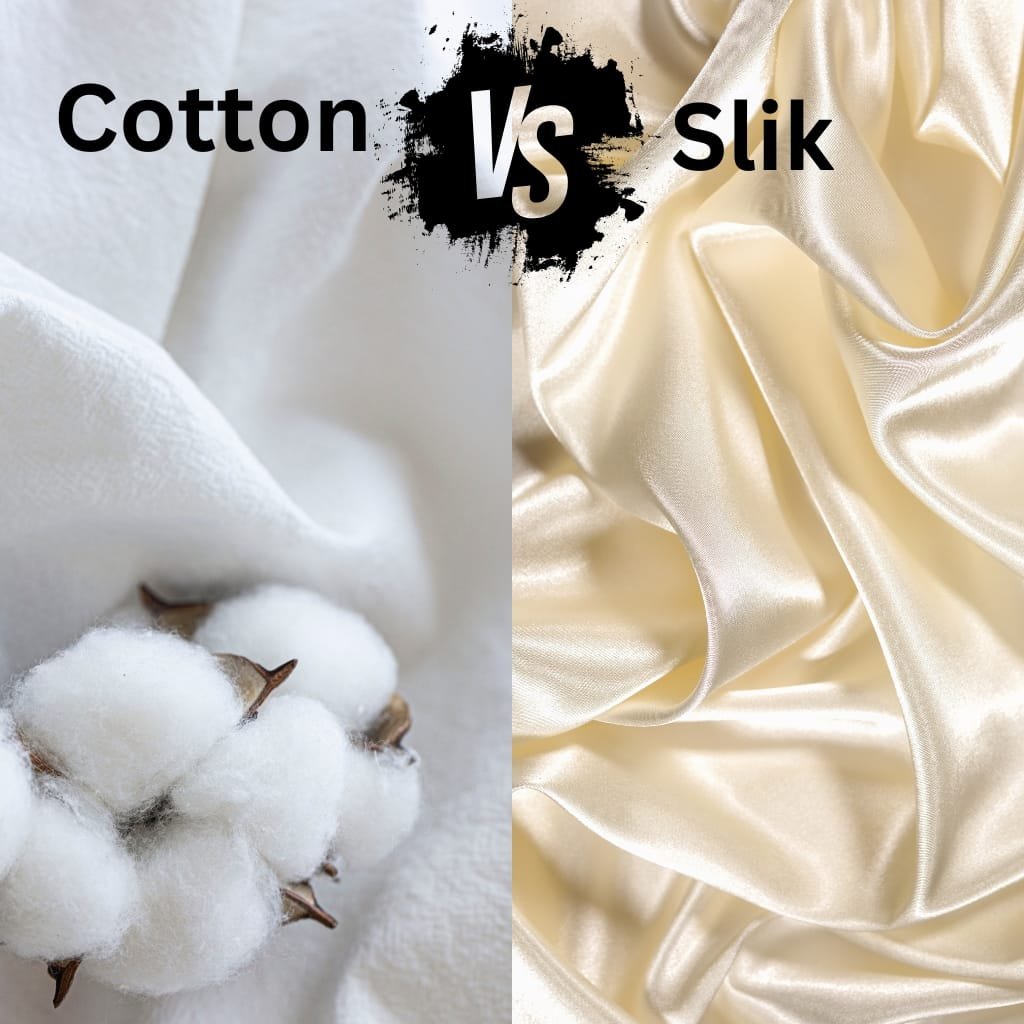
A split image showing cotton on the left and silk fabric on the right, with a bold “VS” graphic in the center.
Cotton vs Silk: a tactile showdown—soft, breathable cotton meets luxurious, shimmering silk.

“In comparison to other fabric materials, drill cotton is heavier and more structured than plain cotton poplin. However, though lighter than drill and canvas fabrics, it still demonstrates strength, and we inaugurate it as a fabric of resilience and reliability. In addition, drill cotton uses finer yarn than denim, which results in drill denim cotton being more resilient and manageable to work with. Therefore, drill cotton creates an essential niche for itself.”

Conclusion

As a final point, drill cotton continues to be a widely relevant fabric. The fabric blends functionality with minimalism and style. To begin with, it is exceptionally robust and wears well. Also, it is incredibly beneficial to innumerable applications. Thus, if you are looking for a reliable fabric,, drill cottons is worth considering. This fabric is unarguably a classic and proves its worth with modern uses.

FAQs

What is drill cotton fabric?

Drill cotton is a strong, durable fabric. It features a distinctive diagonal weave pattern known as a twill.

Is drill cotton fabric durable?

Yes, it is famously durable. The tight twill weave construction makes it resistant to tears, abrasions, and everyday wear.

What is drill cotton commonly used for?

People commonly use it for hard-wearing items. Typical uses include workwear, military uniforms, casual trousers, and heavy-duty bags.

How do you wash drill cotton?

You can usually machine wash it in warm water. For best results, turn garments inside out and wash similar colors together. Tumble dry on medium heat.

23 Types of Linen Fabric: A Complete Guide

0

For many years, linen has continued to be one of the most popular natural fabrics. It is appreciated for its breathability, durability, and overall aesthetic which works well in both fashion and home design. Nevertheless, an exploration of the 23 Types of Linen Fabric indicates each type offers a particular set of characteristics and some are quite light and airy, whereas others are stronger and more durable. Hence, an understanding of the 23 Types of Linen Fabric enables you to always make the right choice.


Why Learn About 23 Types of Linen Fabric?

Knowing the importance of the 23 Types of Linen Fabric is crucial. Every type of fabric has its individual use. While some fabrics are perfect for garments, some are for upholstery or home decoration. Furthermore, learning the 23 Types of Linen Fabric also guarantees comfort, strength, and beauty to the fabric. Hence, understanding the differences saves you from making mistakes. This knowledge will help you make the right choice during the planning of fashion, home items, or any creative project.


1. Plain Linen fabric

The most simplistic type of the 23 Types of Linen Fabric is also the most versatile. Plain linen fabric has a lightweight and breathable structure because of its simplistic weaving pattern. Linen fabric is perfect for making casual summer wears, pillow cases, curtains, and linen fabric. Also, the fabric is smooth and gentle on the body and is perfect for hot weather. Plain linen fabric is the best option for people who want ease and functionality in their wardrobe and home décor.

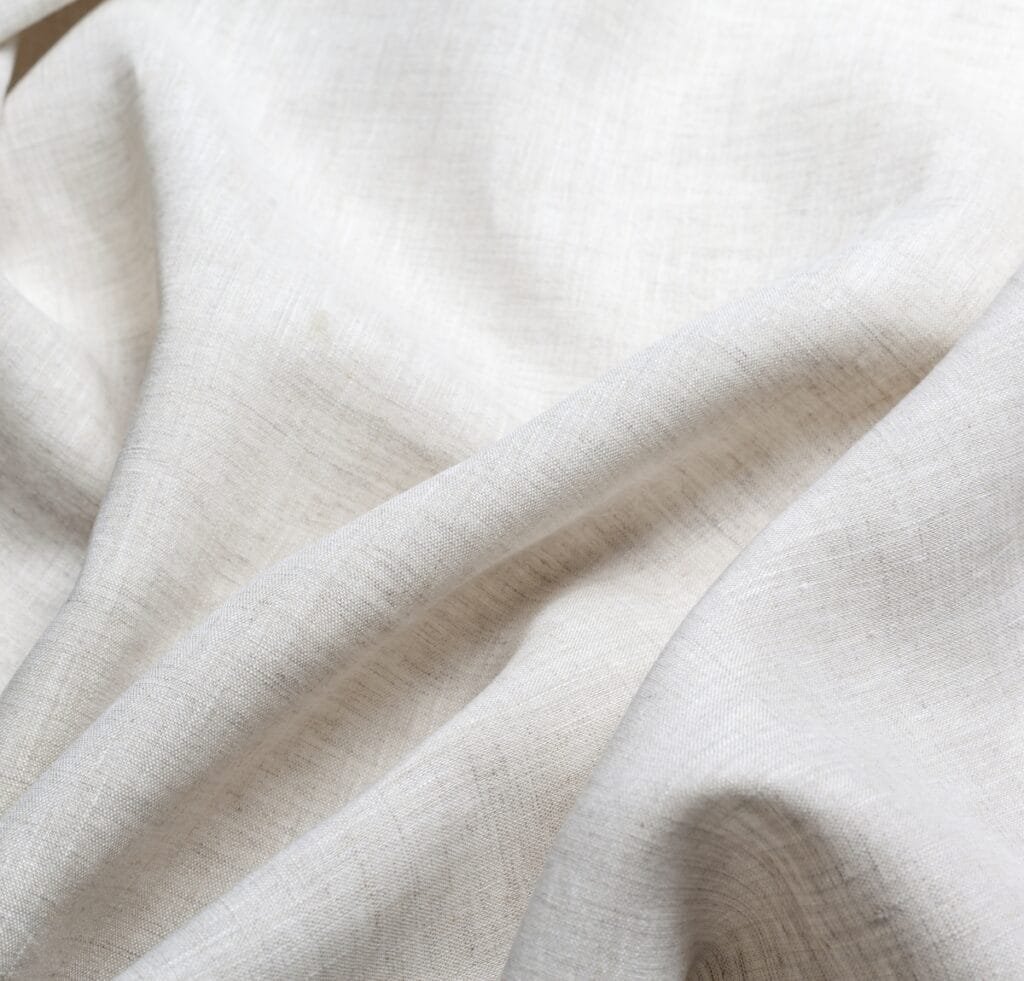
A close-up view of plain linen fabric with soft natural creases and a light, neutral color.
Plain Linen: soft, breathable fabric with a natural, heathered texture and relaxed drape.

2. Damask Linen Fabric

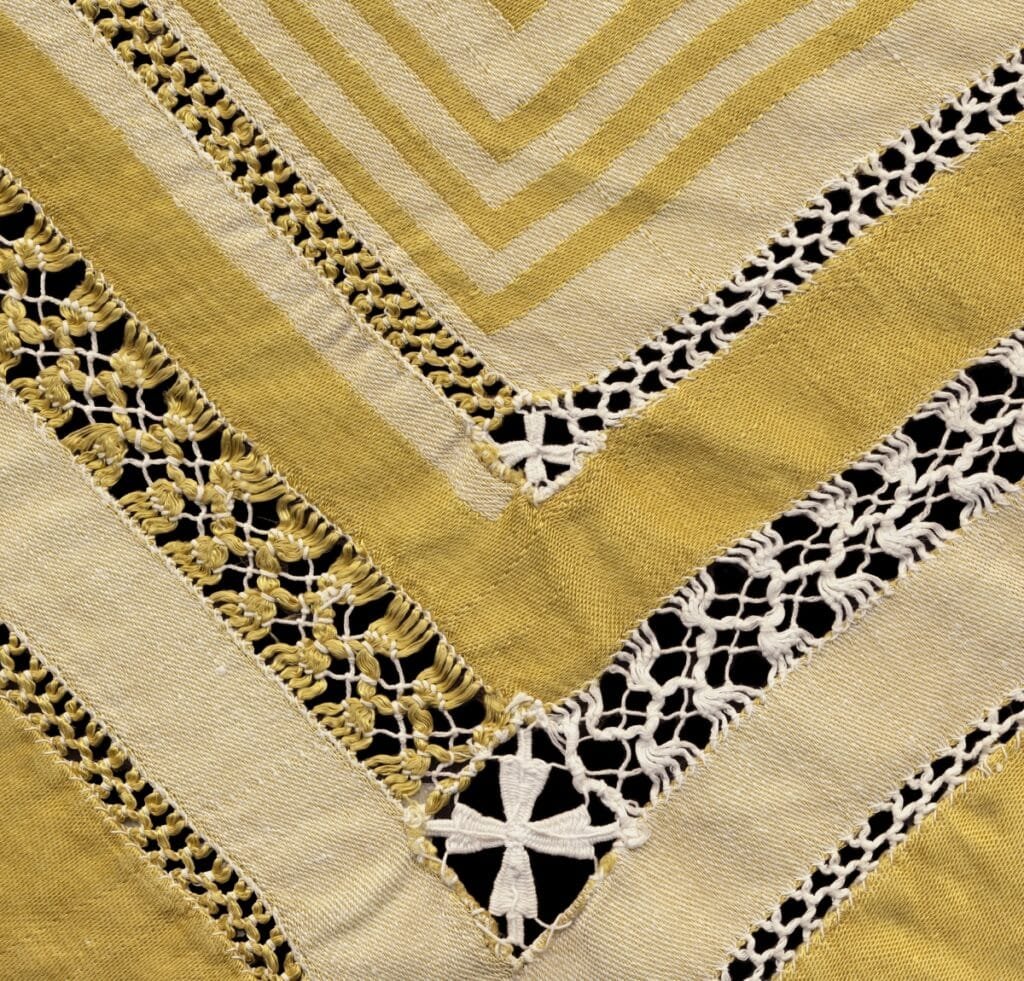
Damask linen is the most sophisticated and classic in the 23 Types of Linen Fabric. The fabric has beautifully intricate woven designs, some of which are reversible that tend to add class to the dining and living areas. Damask linen is often made into napkins, tablecloths, and fine furniture upholstery. In addition, the smooth glossy finish of Damask linen enhances the elegance of formal settings. Hence, Damask linen would appeal to those who appreciate both aesthetics and utility, as it can set the tone for refinement in special occasions.

A close-up view of gold and ivory damask linen with geometric patterns and delicate open-work lace trim, arranged in diagonal chevron layers.
“Luxurious damask linen in gold and ivory, featuring intricate woven patterns and lace detailing.”

3. Sheeting Linen Fabric

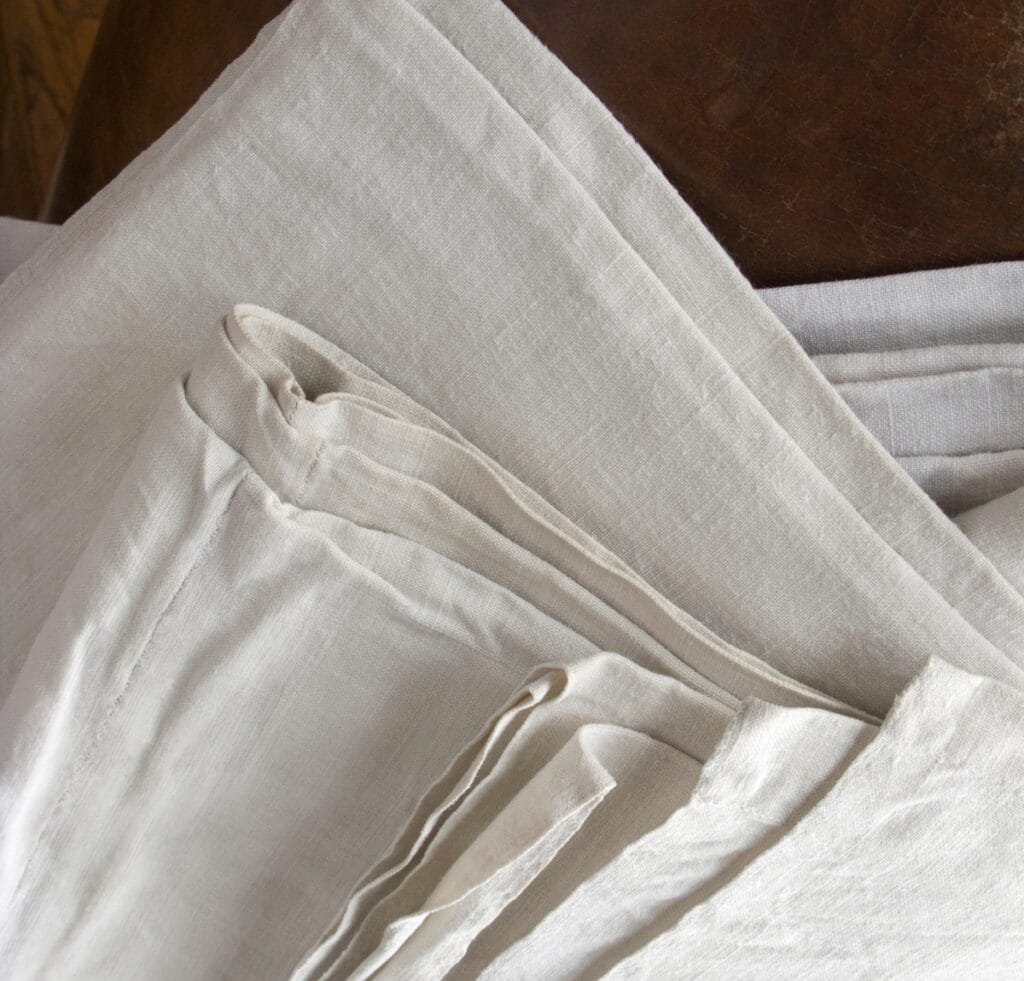
Sheeting linen fabric is quite thick of all the 23 Types of Linen Fabric and is one of the more popular more types.People appreciate this type of linen for its sturdiness and strength, making it well-suited for bed sheets, workwear, upholstery, and other clothing. Weavers craft sheeting linen with a fine, close weave that allows the fabric to breathe while withstanding heavy, prolonged use and resisting wear and tear. As a result, The choice of sheeting linen is quite safe and popular in most households for those who appreciate durability and softness in basic everyday clothing.

“White linen sheets and pillowcases neatly folded and layered, showing soft creases and a natural textile texture.”
“Crisp white linen sheeting stacked in graceful folds, highlighting the fabric’s smooth weave and timeless appeal.”

4. Cambric Linen fabric

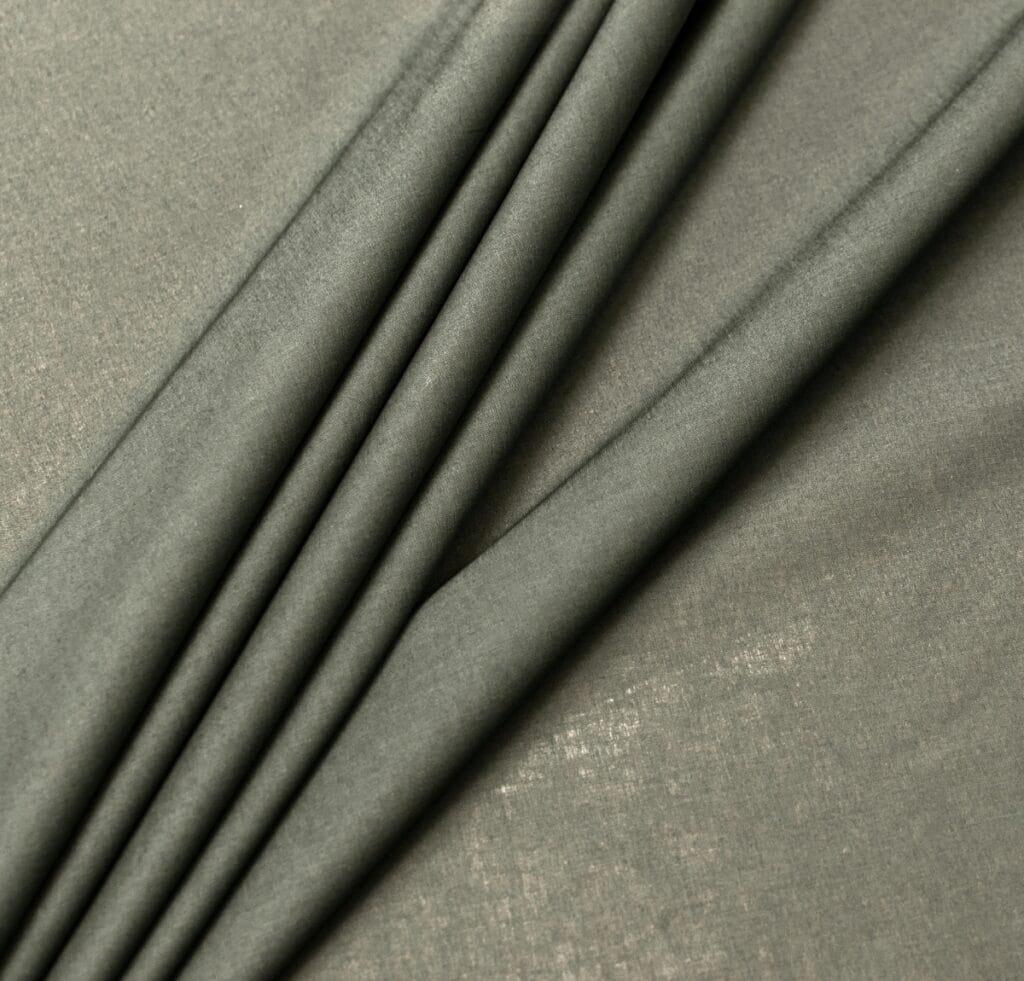
Cambric linen is a fine lightweight variety in the 23 Types of Linen Fabric collection. Smooth and glossy, it is ideal for dainty garments, handkerchiefs, and other decorative fabric pieces. Since it is thin, cool, and breatheable, It is used in summer apparel a lot. It is also luxurious, comfortable, and strong, so people that enjoy fancy style and practicality tend to enjoy it the most.

“Close-up of soft, finely woven cambric linen fabric in a muted olive-gray color with gentle folds and a subtle sheen.”
“Close-up of cambric linen: a finely woven, smooth fabric with delicate drape and a matte, understated finish.”

5. Holland Linen Fabric

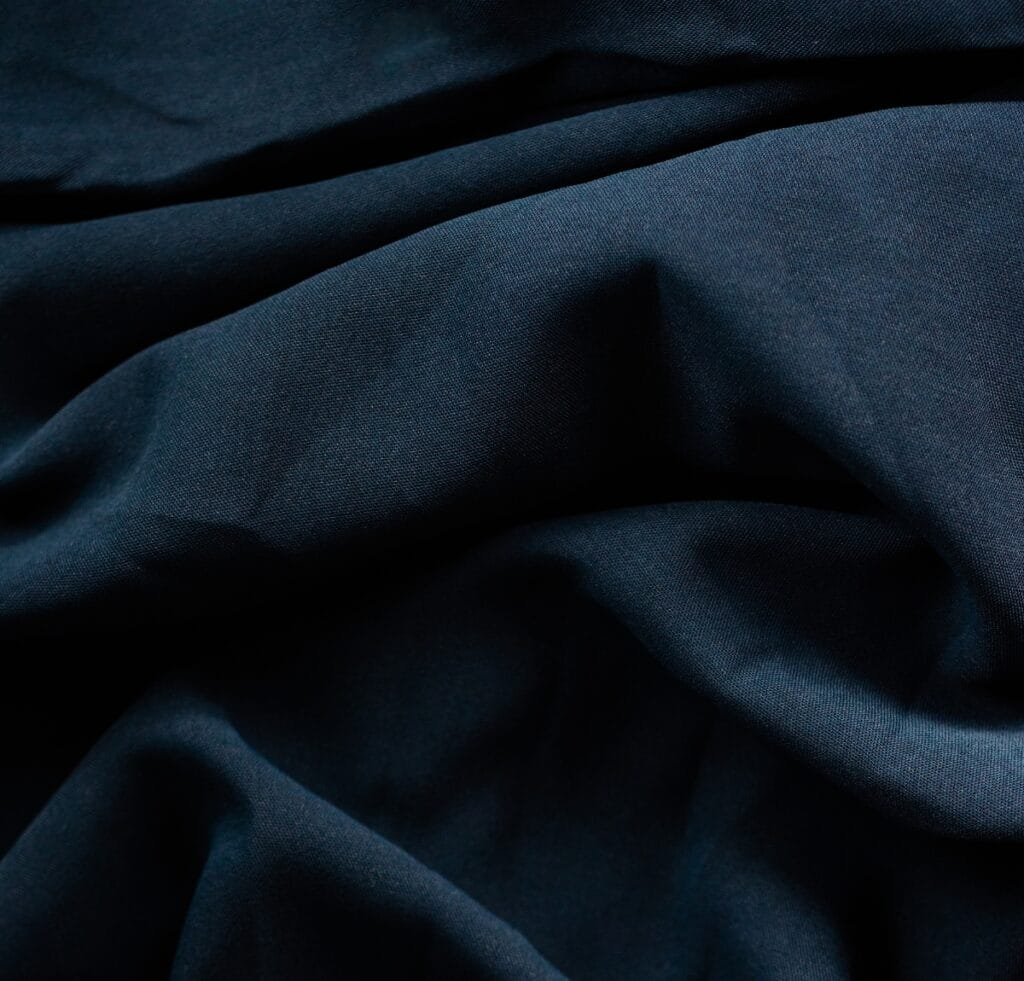
Holland linen fabric is distinct from the other 23 Types of Linen Fabric because of its opacity. Starch or oil treatment blocks light quite effectively, so it is quite useful for blinds, window shade and lampshades. In addition, its strength and durability is enough for every day use. Holland linen is both stylish and practical, adding privacy and interior functionality while preserving the natural beauty of linen.

 Close-up view of dark navy blue linen fabric with soft folds and shadows.
Deeply textured Holland Linen in a rich navy tone, draped into gentle, tactile folds.

6. Loosely Woven Linen fabric

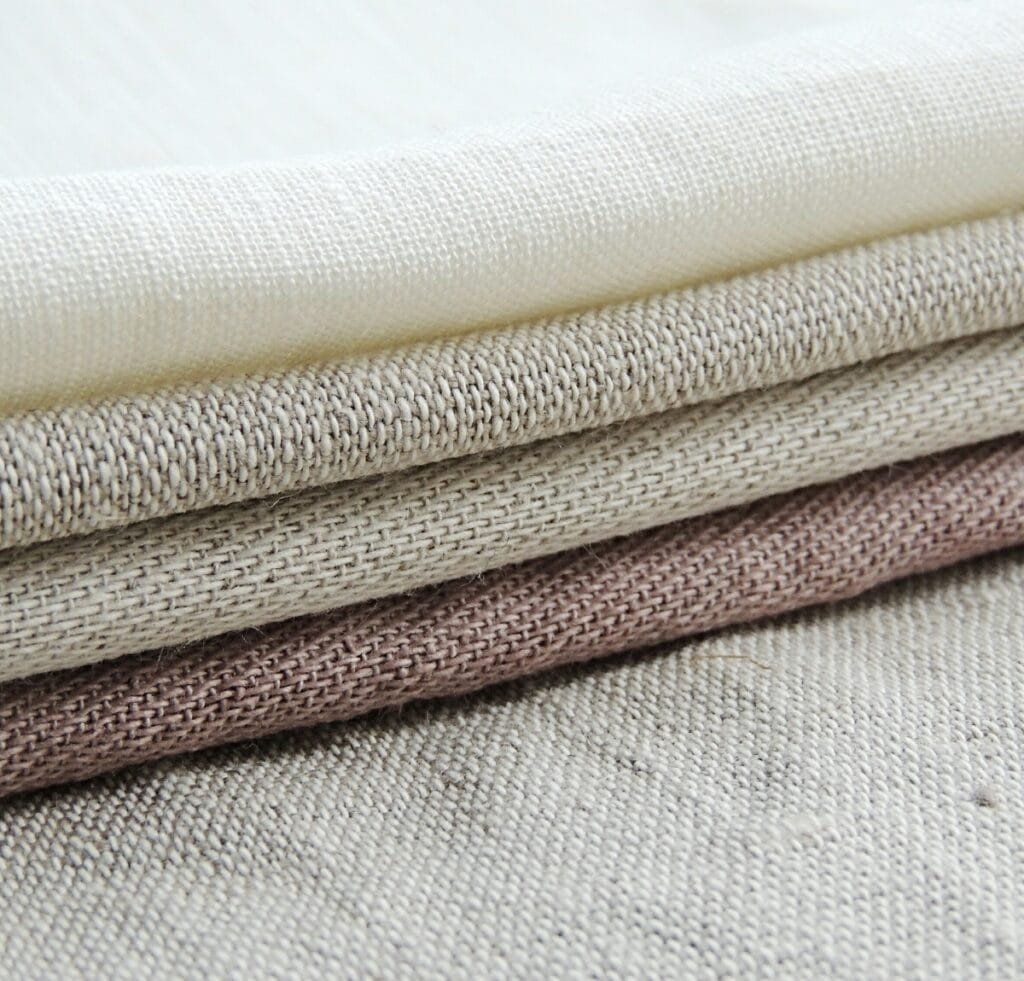
The loose weave linen fabric makes it stand out in the 23 Types of Linen Fabric as a light and easy-going fabric. Its breathable weave means there’s Airflow about the fabric, making it ideal for light-weight clothing and accessories such as, SCARVES and WIPES. Furthermore, this fabric has a fast drying time, making it practical for everyday use. Thus, loose linen fabric is perfect for individuals that prioritize comfort and ventilation in their clothing or household items.

A close-up stack of loosely woven linen fabrics in soft, natural earth tones including ivory, light beige, taupe, and dusty pink. The textiles show pronounced, airy weaves with visible irregularities and a textured, breathable surface.
Loosely woven linen in a palette of serene, neutral tones.

7. Butcher’s Linen Fabric

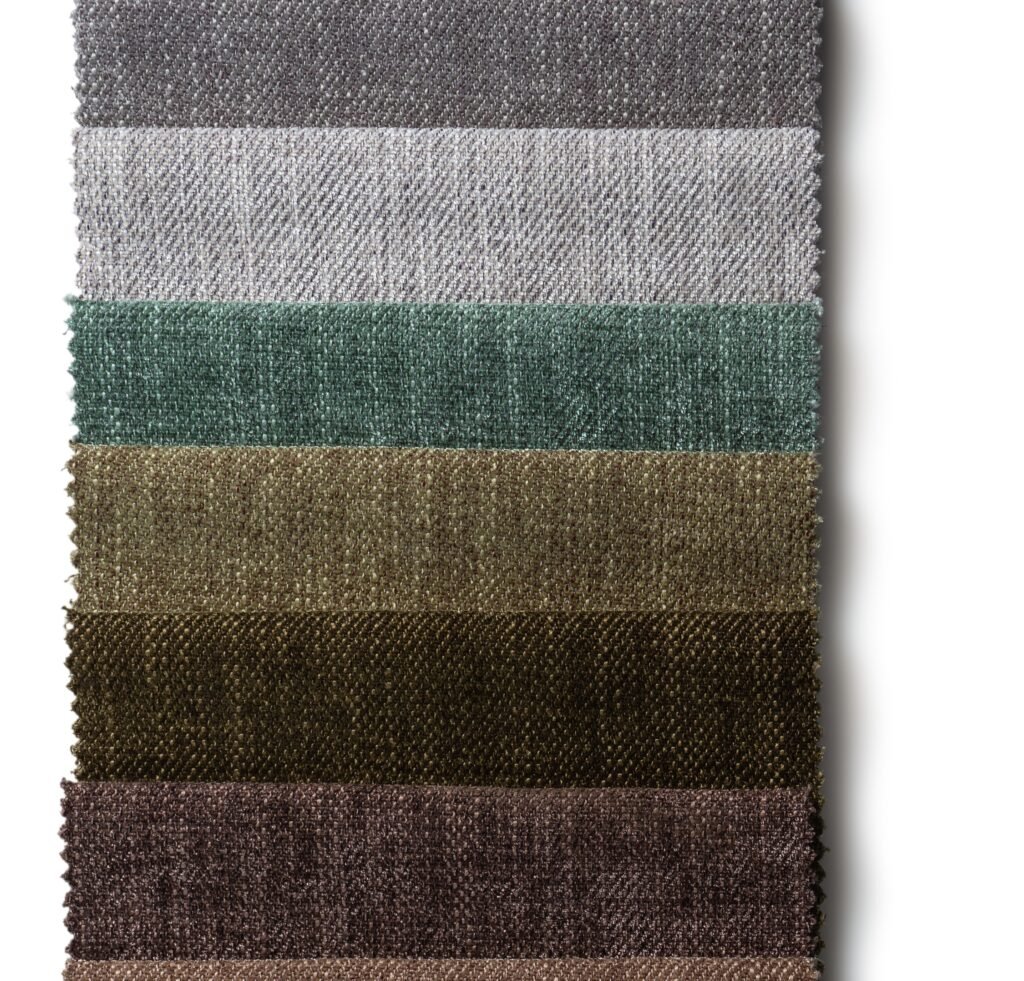
Butcher’s linen is another option in the 23 Types of Linen Fabric that offers a durable and robust texture. People recognize butcher’s linen for its use in tough aprons because it features a stiff and strong weave. Workers and butchers originally used this fabric for their aprons, relying on its durability. The industrial sector favors butcher’s linen today because its strong texture withstands frequent washing and heavy wear. Keeping this in mind, anyone looking for strong, dependable fabric for tough conditions, butcher’s linen is the right fabric of choice.

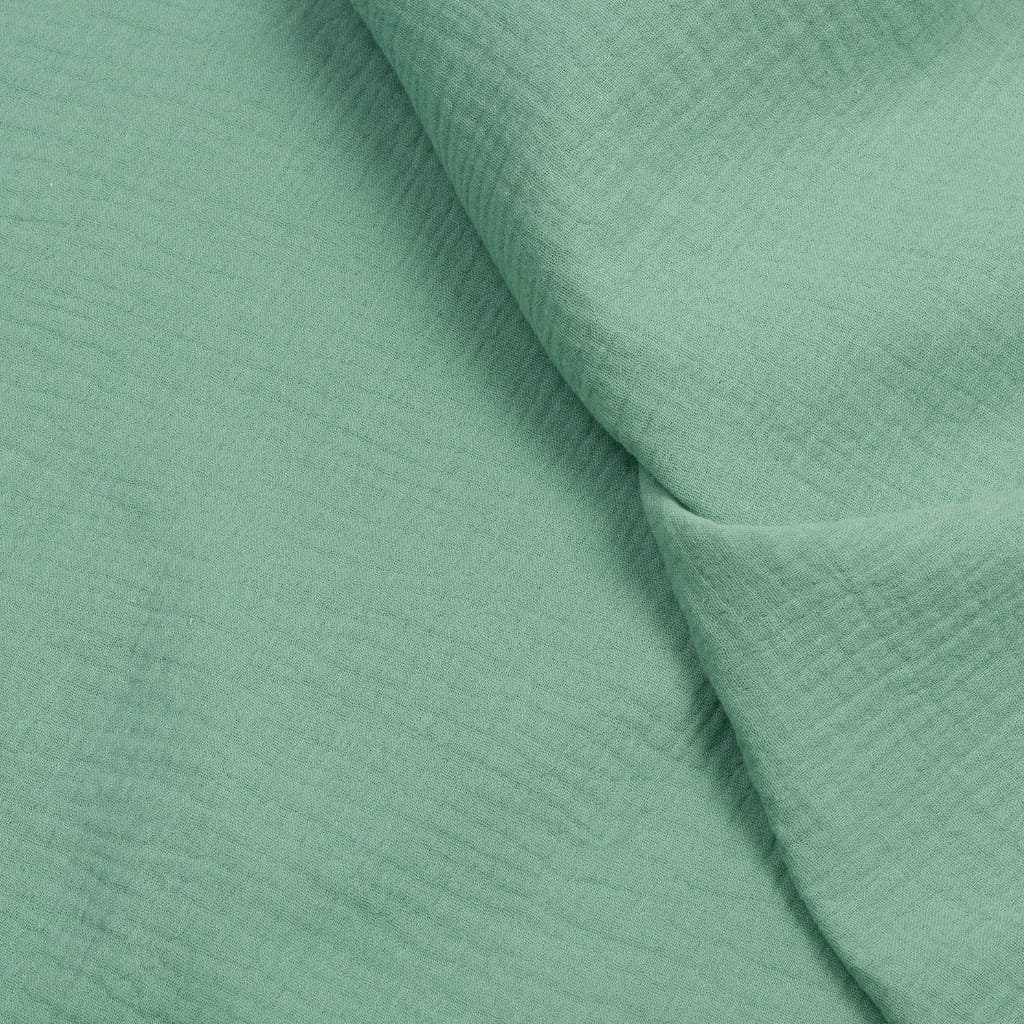
A vertical stack of woven fabric swatches in rich earth tones, from top to bottom: dark gray, light gray, muted teal, olive green, warm tan, chestnut brown, and deep brown, each with a textured linen-weave surface and pinked edges.
Butcher’s Linen: a curated spectrum of natural, rugged linen-weave fabrics in layered earth tones.
8. Bird’s Eye Linen Fabric

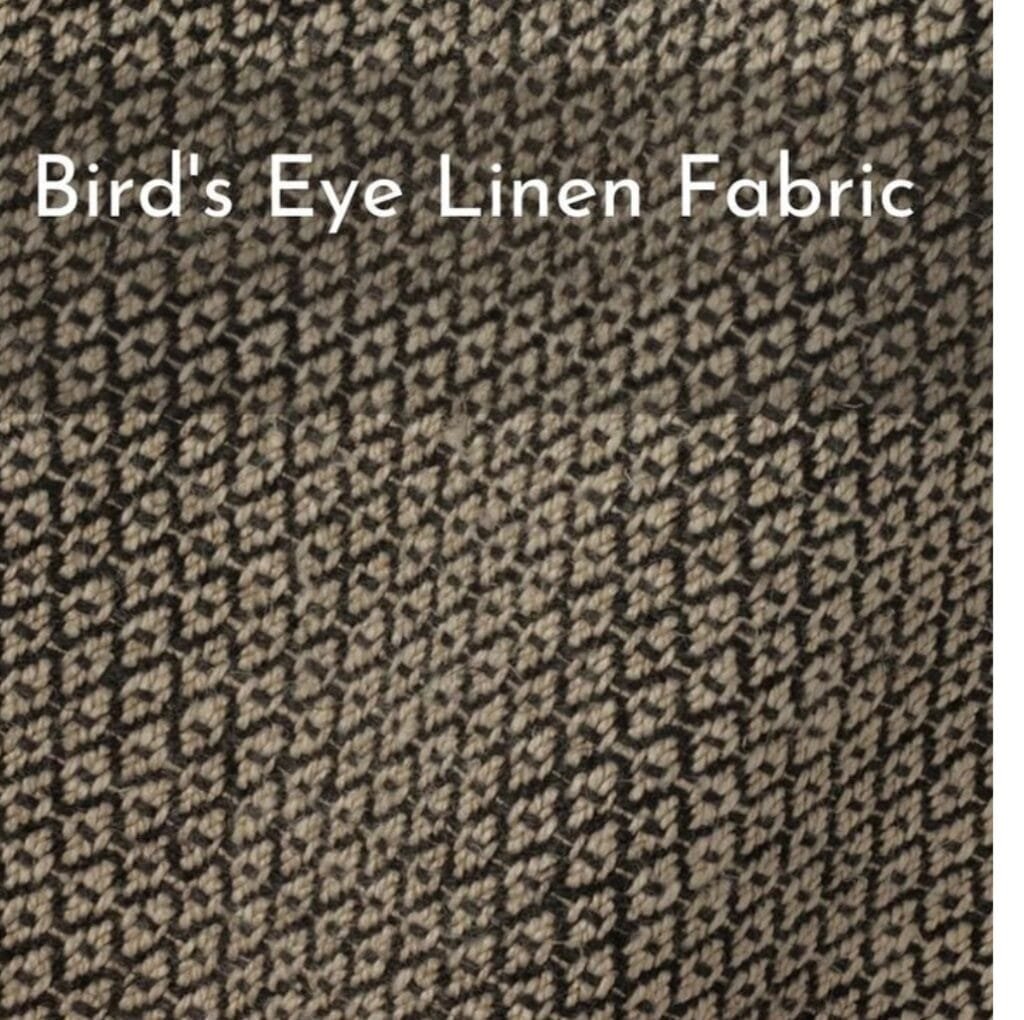
Unlike other linen fabrics, Bird’s eye linen features a striking diamond-shaped pattern that immediately stands out. Designers commonly use Bird’s eye linen for towels because it absorbs moisture quickly and effectively. They also choose it for napkins, and many homeowners prefer it for decorative fabrics. Its elegant texture makes Bird’s eye linen both functional and stylish, which is why it remains a popular choice in homes. Thus, is a textile that offers both elegance and function.
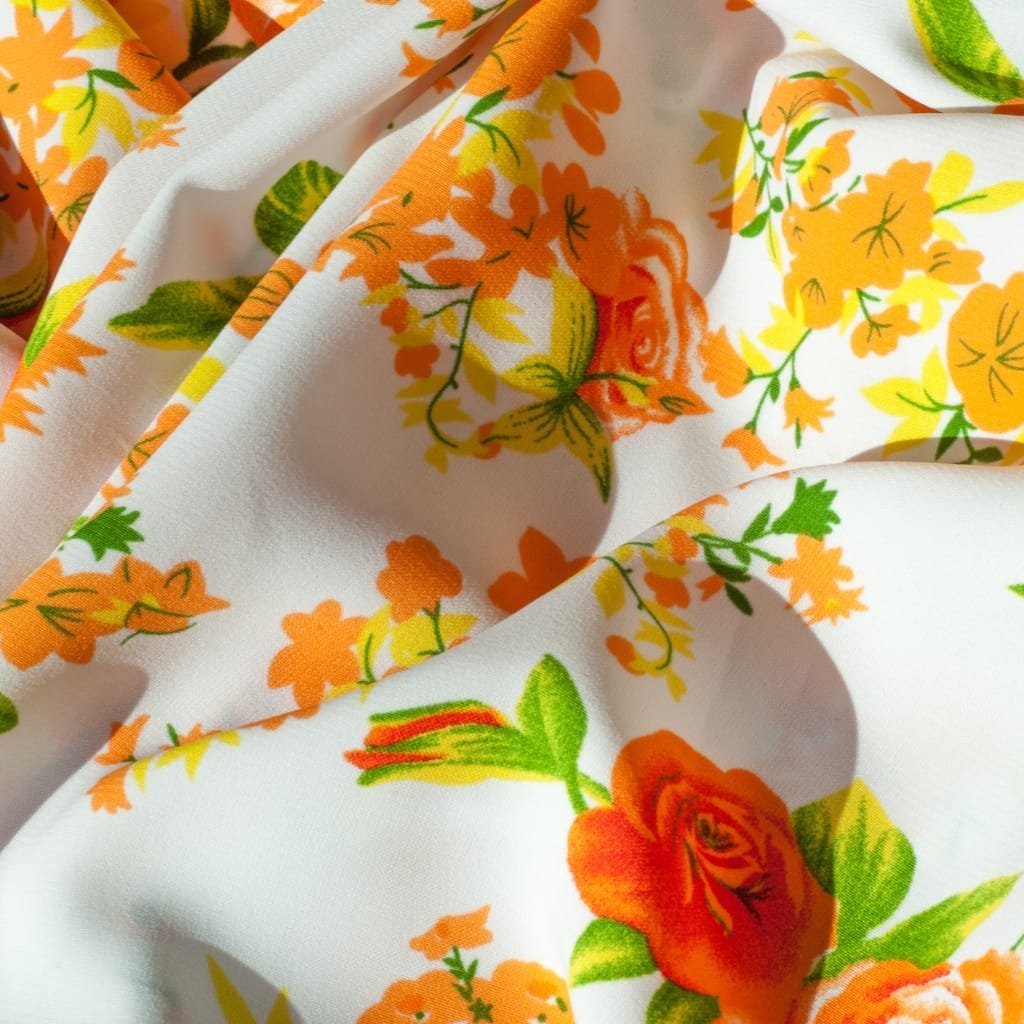
Close-up view of a textured fabric with a small, irregular geometric pattern in black and beige. The pattern creates a speckled, “bird’s eye” effect across the surface.
Bird’s Eye Linen Fabric: Textured black-and-beige pattern with a refined, tiny-scale motif reminiscent of tiny birds’ eyes.

9. Huckaback Linen Fabric

The Huckaback Linen fabric absorbs water quickly and serves many household functions. The texture of Huckaback Linen is coarse, making it the most ideal for towels, dishcloths and general kitchen use. It is a highly valued fabric as it dries fast, can endure multiple washes and is often used for daily household chores. Thus, it is the ideal choice for a person looking for high and efficient functionality.

 A stack of folded Huckaback linen fabrics in varying neutral tones and blues, with a larger blue linen draped over the top. The textures and weave are visibly linen.
Stacked Huckaback Linen in a Palette of Blues and Neutrals

10. Toweling Linen Fabric

Weavers create toweling linen fabric specifically for towels, which sets it apart from the 23 Types of Linen Fabric. Manufacturers produce it in various weights and thicknesses, making it suitable for bath towels, hand towels, and even robes. In addition, it moisture-wicking as well as soft, offering comfort as well as practicality. As a result, one can find toweling linen in every household, hotel, and spa which require towels of the highest quality.

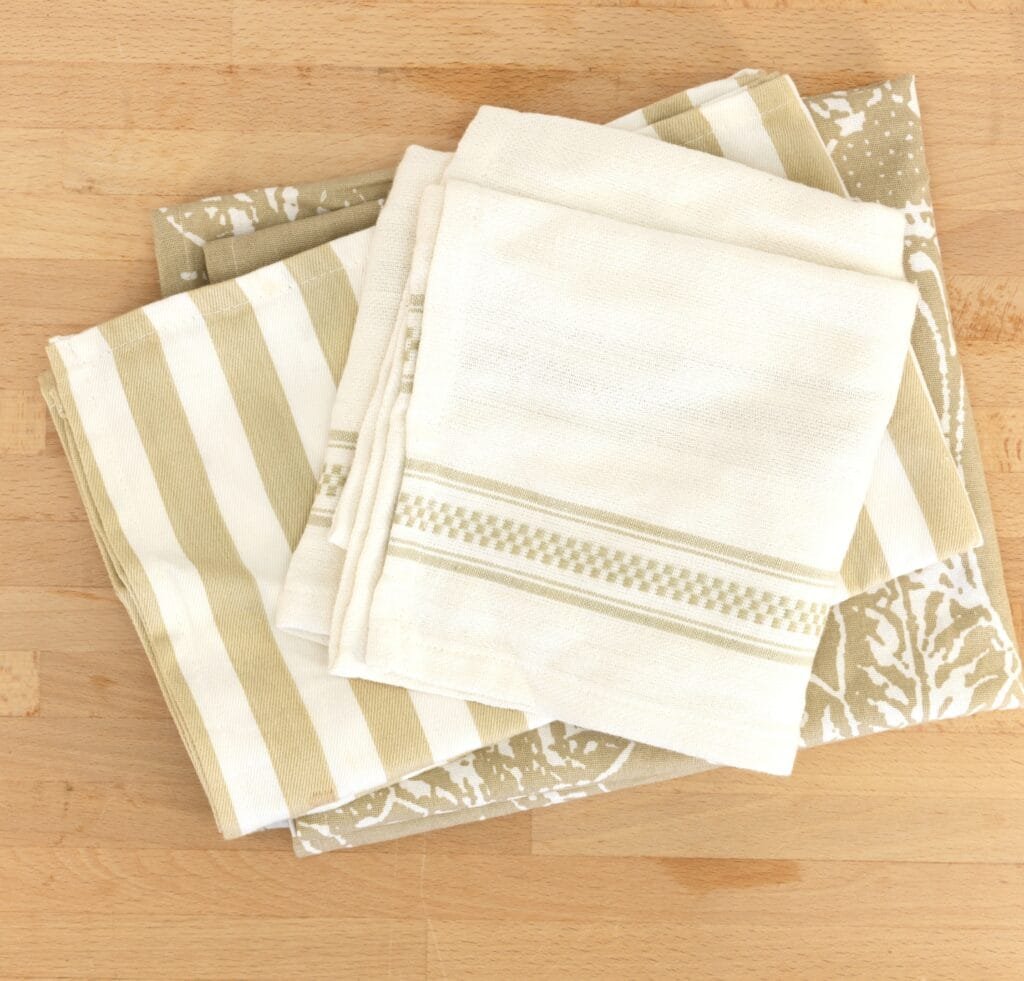
A neatly folded stack of linen towels in natural, neutral tones (beige, cream, and light tan) featuring striped and decorative woven patterns, placed on a light wooden surface.
Toweling Linen Fabric in neutral tones with subtle striped and geometric patterns, neatly folded on a wooden surface.

11. Crash Linen Fabric

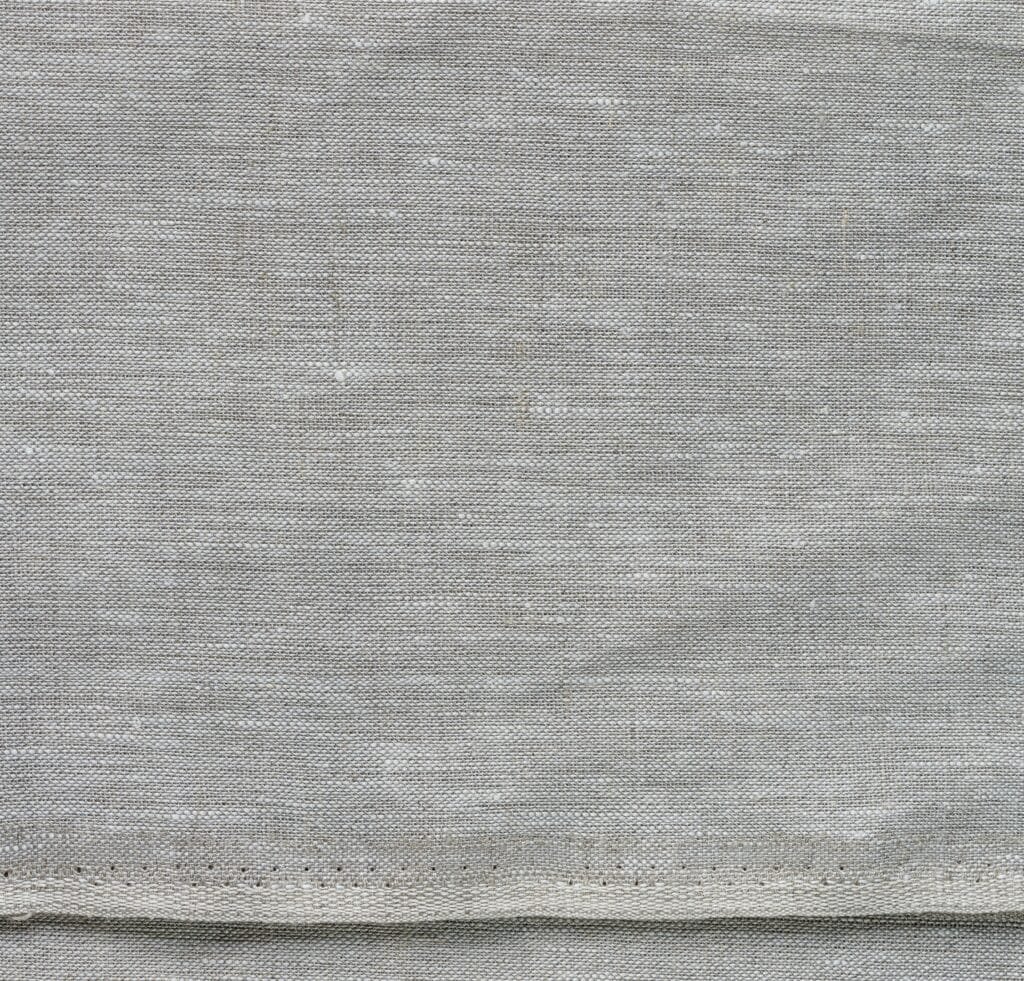
Crash linen fabric is one of the more coarse types in the 23 Types of Linen Fabric. It has a textured and rustic look which suits table runners as well as some kinds of upholstery and ornamental items. Crash linen can be used in items that are heavily used such as accessories and furniture because of its strength. Furthermore, the linen looks great in a natural and vintage environment. Crash linen is perfect for anyone desiring a unique and unrefined appearance. In other words, the linen is both useful and fashionable.

“Close-up view of gray crash linen fabric with a soft, textured weave and a folded hem along the bottom edge.”
“Crash linen fabric in a cool gray, showing its subtle slub texture and a neat hem.”

12. Sailcloth Linen fabric

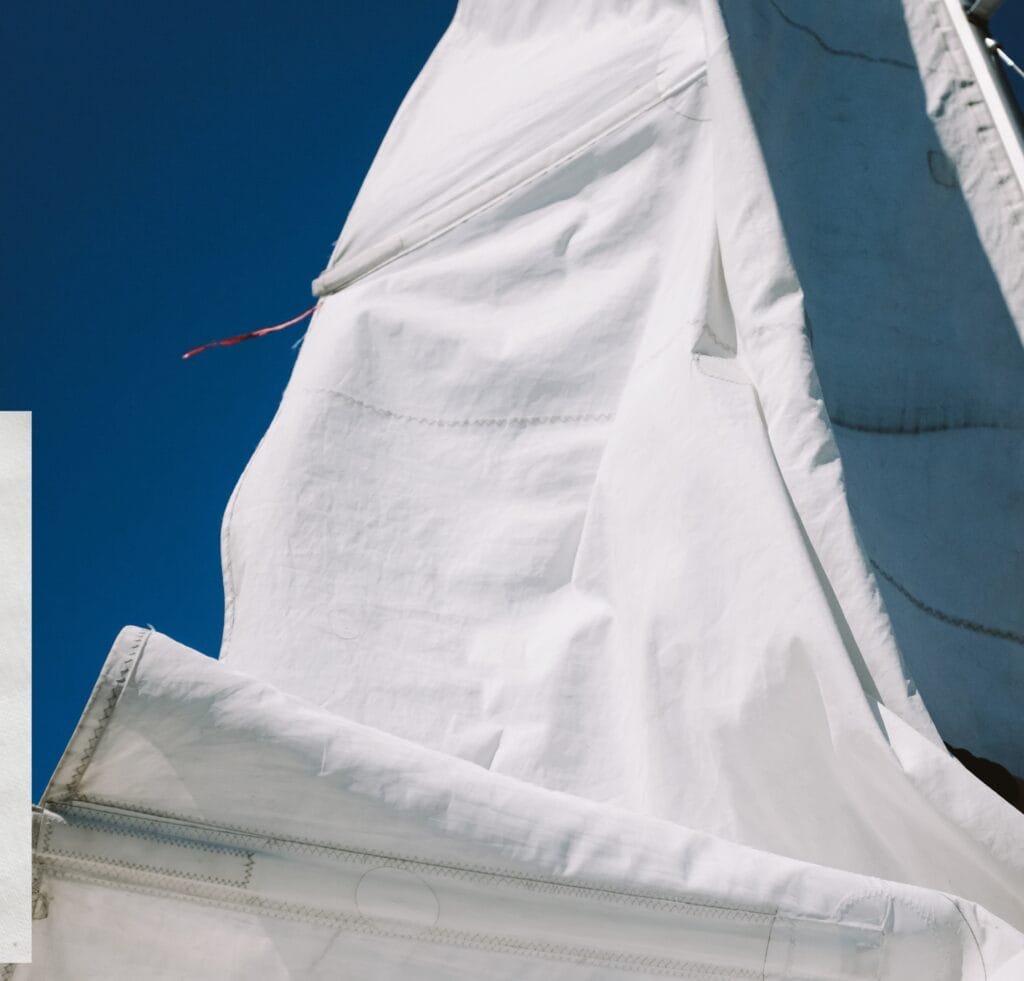
Sailcloth linen is one of the strongest linen types which date back to the time when sails used linen. The Sailcloth linen can also be found today in shoes, bags and upholstery. Its use in leather goods and heavy duty form of works proves its value when heavy work is in question. Thus, sailcloth linen is the most resilient fabric choice.

A close-up of white sailcloth fabric with visible stitching, seams, and a small red thread against a deep blue sky. 23 Types of Linen Fabric
Sailcloth Linen: crisp white fabric with durable stitching and a classic nautical look.

13. Handkerchief Linen Fabric

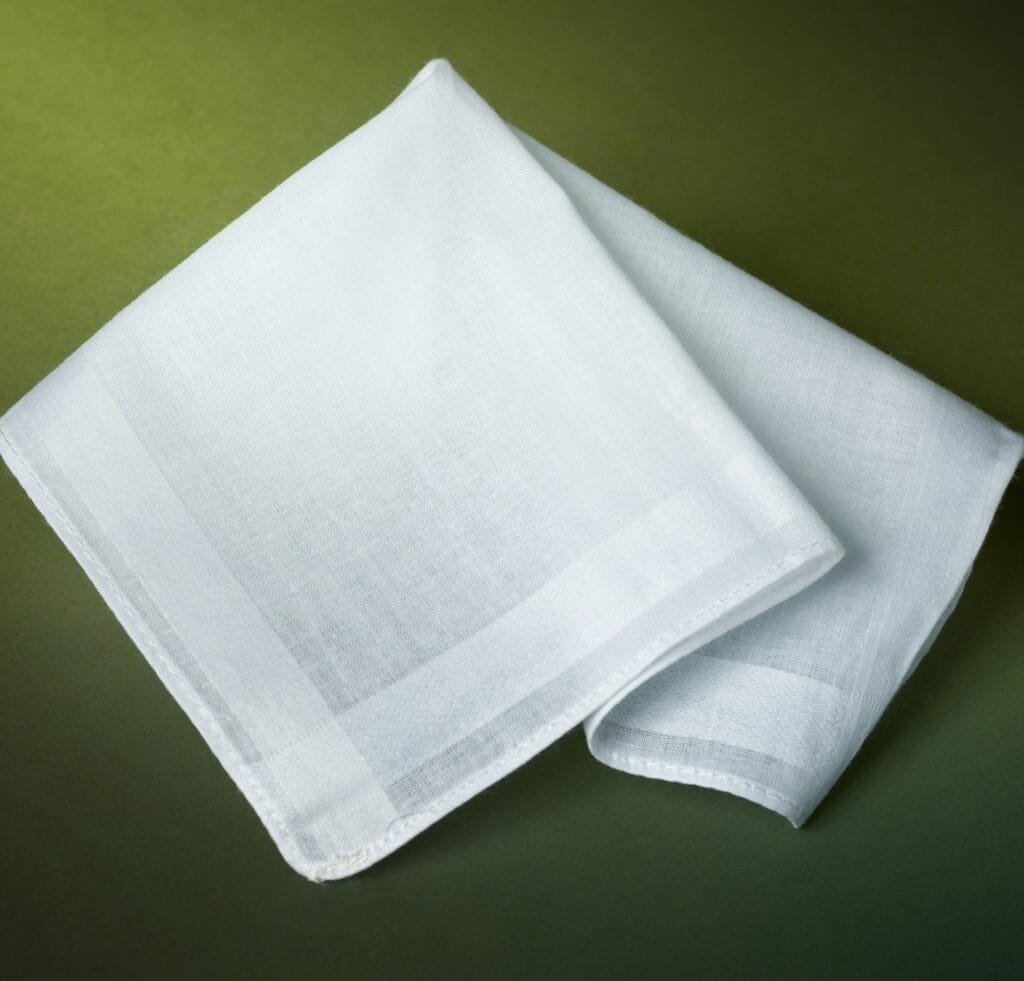
Out of the the fabrics used in the making of clothes, Handkerchief Linen is the most smooth and supple. It is lightweight and comfort making it most suitable to the skin. Its use in scarves, handkerchiefs and lightweight blouses especially in summer collections proves its practical value. Thus Handkerchief Linen is keeps its reputation as a fashionable choice.

"White linen handkerchief folded neatly on a green background, showing the fine weave and stitched hem."
“Elegant Linen Handkerchief – finely woven white linen with a crisp, hand-rolled hem.”

14. Suiting Linen Fabric

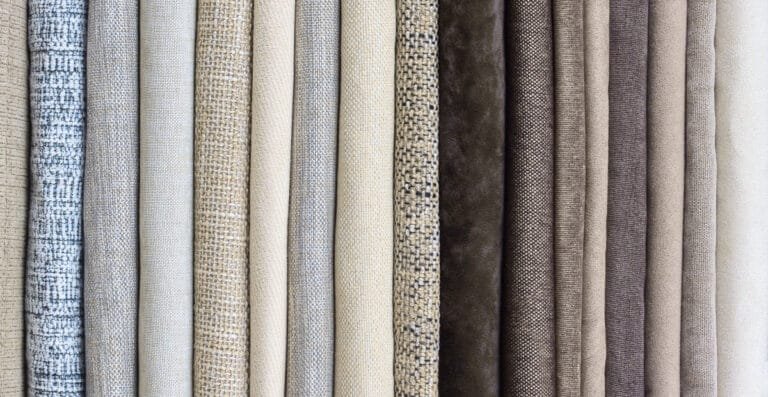
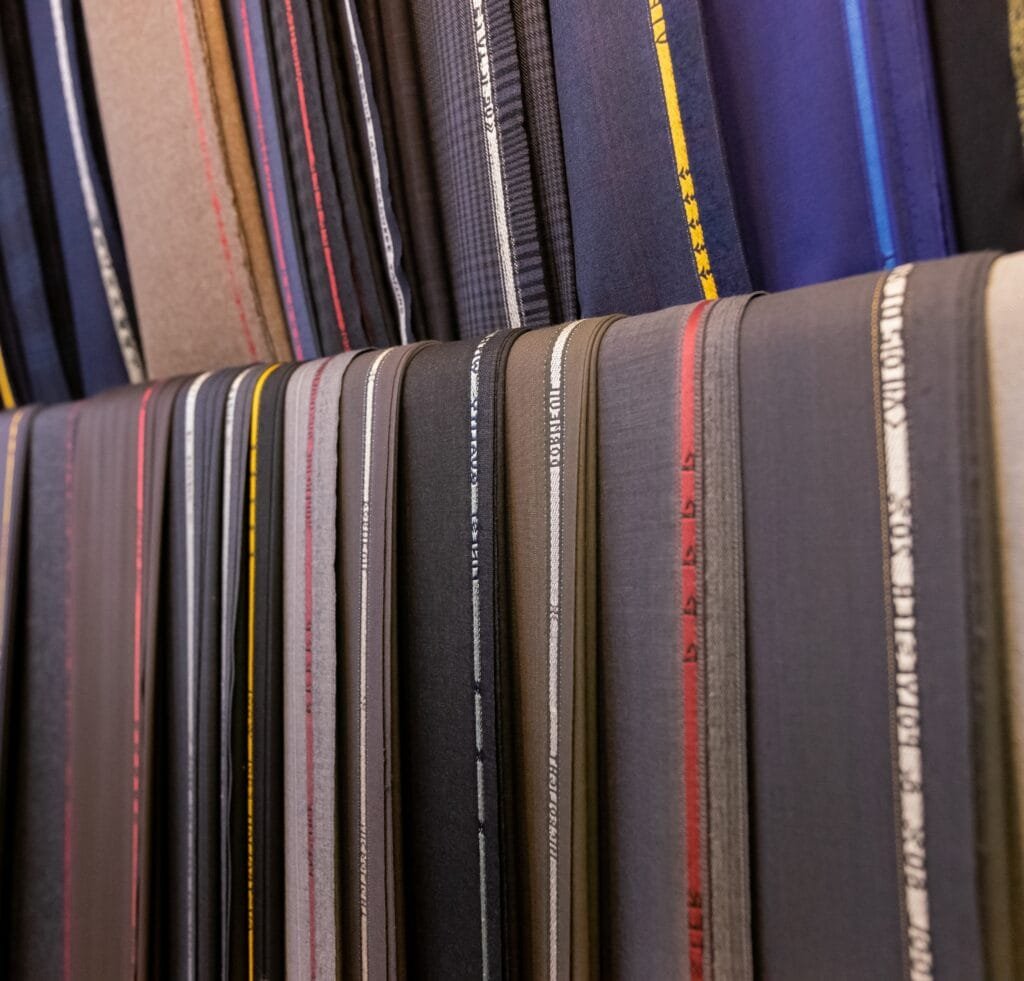
This type of linen is also used a s a medium weight fabric linen fabric. With its ease of use and structural comfort, it is popular for use in suits, trousers and jackets. Unlike other heavy linens, it is more elegant in its own void of stiffness. Further, it is useful in hot weather,as it has breathability making it appropriate formal wear for warmer weather. As a result, many professionals can rely on suiting linen to keep them looking sharp and cool at the same time.

A row of folded suiting linen fabrics in various solid colors and subtle weaves, standing upright on shelves.
Diverse assortment of linen suiting fabrics in muted tones and fine weaves.

15. Embroidery linen Fabric

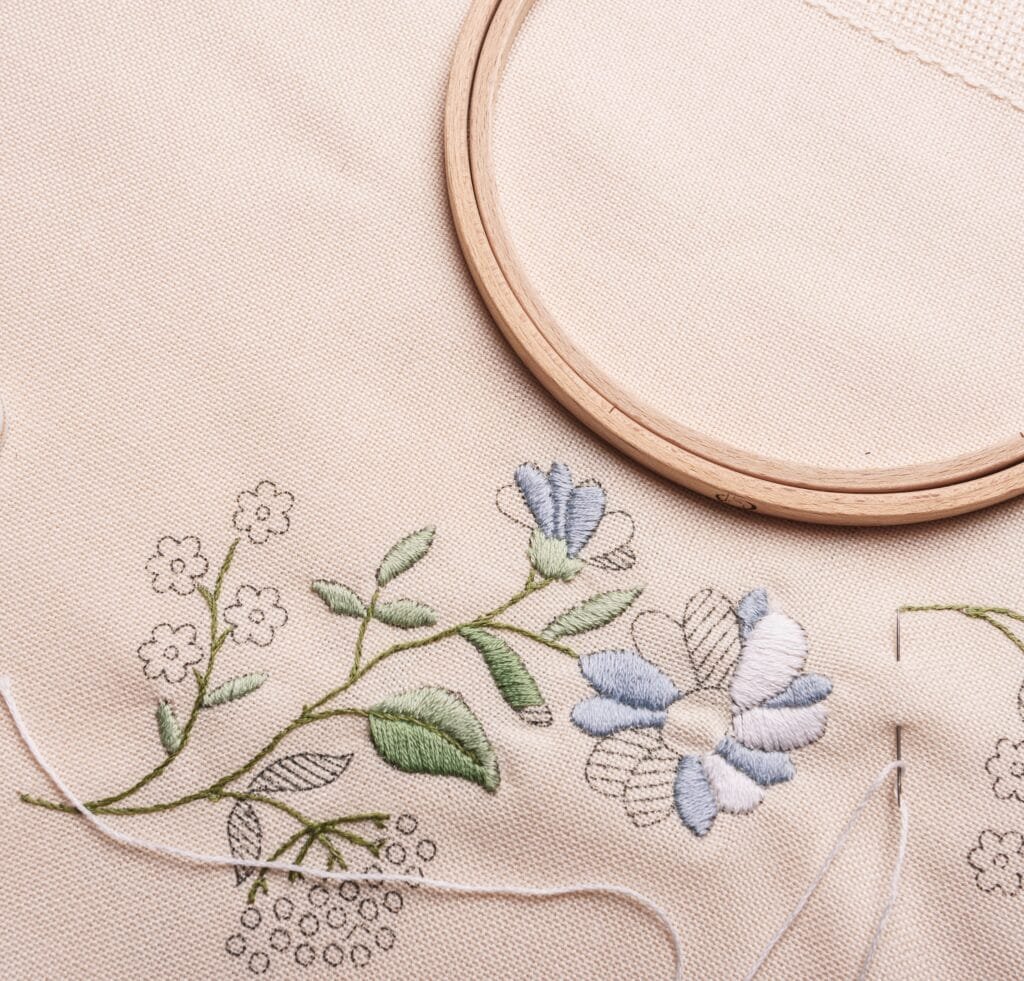
The other type of fabric is linen embroidery. It is also part of the 23 types of fabric. This type of fabric is unique as it is used mainly for decorative purposes, as it can hold the shape of a pattern without distorting it. It also has an even weave pattern making it more useful in embroidery, cross stitching and other decorative arts. Many designers and crafters prefer the use of embroidery linen which is showcased by its capability to endure long years of use, whether on display or in use. Thus, it is always a good candidate for various artistic projects and custom pieces.

Embroidered floral design on light linen fabric with pastel blue and green threads.
Delicate floral embroidery on natural linen, featuring blue blossoms and green leaves.

16. Upholstery Linen Fabric

Upholstery linen is a durable and heavy fabric from the 23 Types of Linen Fabrics. Used on chairs, sofas, and cushions, it is meant for heavy and frequent use. Besides, it adds an elegant touch to interiors and does not wear out easily. Hence, it is among the most preferred upholstery fabrics for designers looking for a balance of beauty and strength.

A close-up image of soft blue linen upholstery fabric with a textured weave and subtle sheen, draped in gentle folds.
Smooth, textured linen upholstery in cool blue tones, showcasing a durable weave and soft drape.

17. Lace Linen fabric

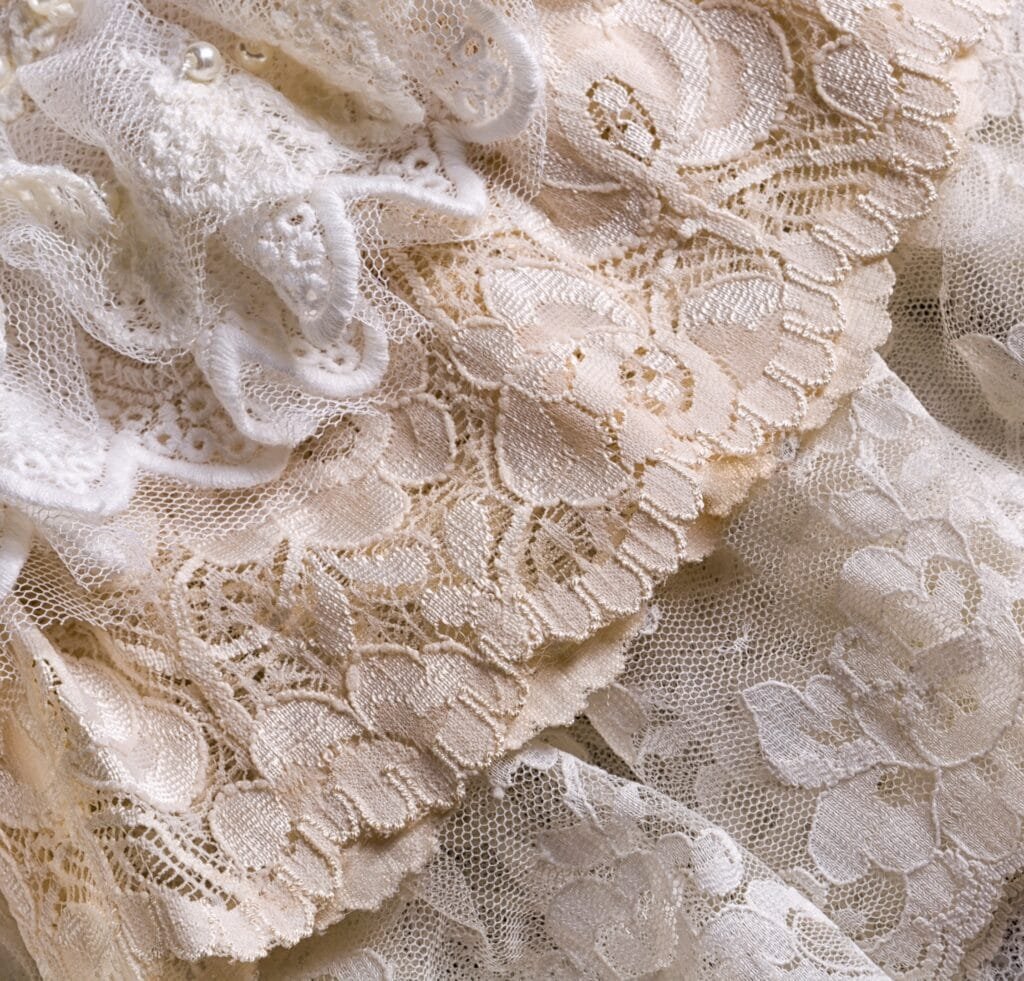
Among the 23 Types of Linen Fabrics, lace linen is one of the most decorative. Its openwork designs give lace linen a beautiful and delicate look.People use lace linen to create tablecloths, curtains, and clothing for special occasions. Additionally, lace linen enhances the charm and sophistication of any place where it appears. Therefore, designers and homeowners often seek lace linen for its decorative and intricate design.

Close-up shot of delicate ivory lace fabric with floral and scalloped patterns, showing fine mesh netting and raised embroidery.
Exquisite Lace Linen: intricate ivory lace with floral motifs and scalloped edges.

18. Tulle Linen Fabric

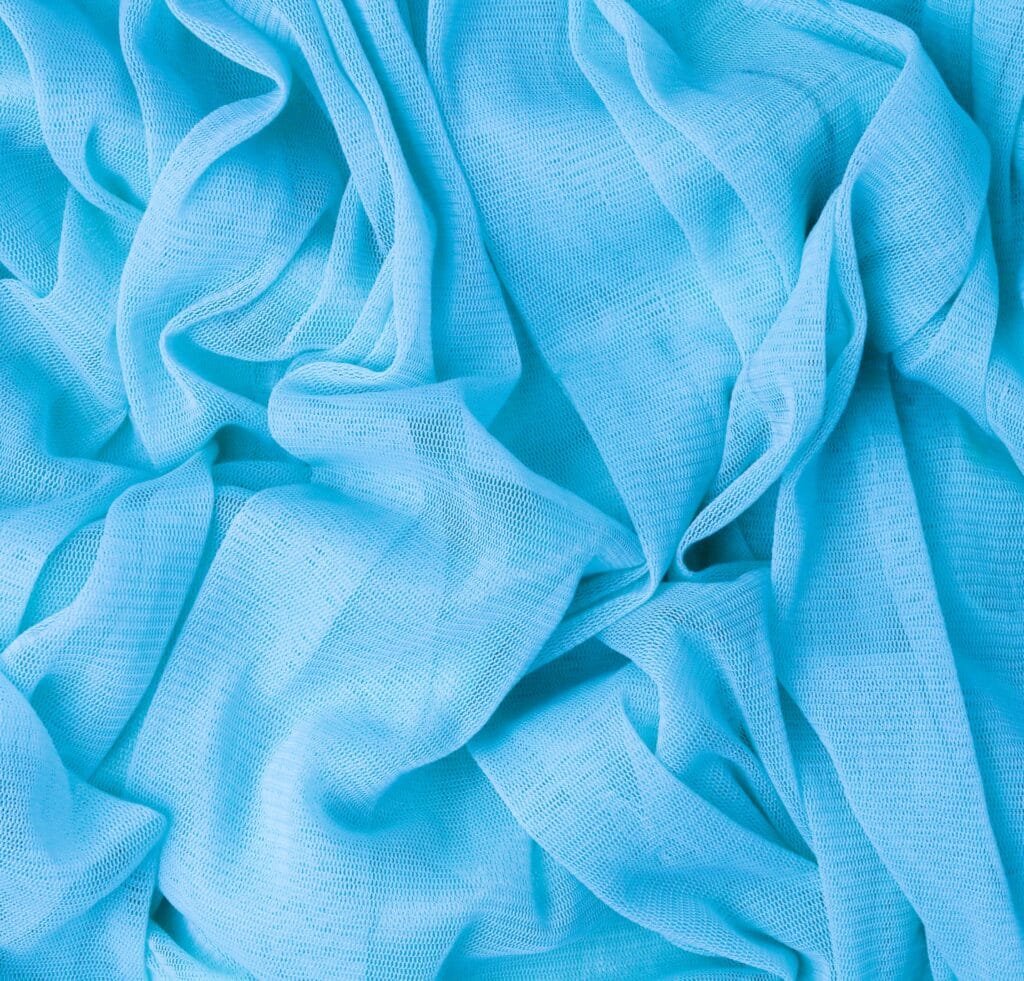
Tulle linen is the lightest fabric from the 23 Types of Linen Fabrics and has a net like design. Veils, gowns, and curtains also use it for decoration. It brings elegance and beauty to cloths and interior designs and is extensively used for layering. Hence, tulle linen is in great demand for decorative purposes and for occasions like weddings.

"Close-up of soft, light blue tulle linen fabric with delicate, sheer texture and airy folds."
“Soft blue tulle linen fabric with airy, translucent folds and a delicate mesh texture.”

19. Gauze Linen Fabric

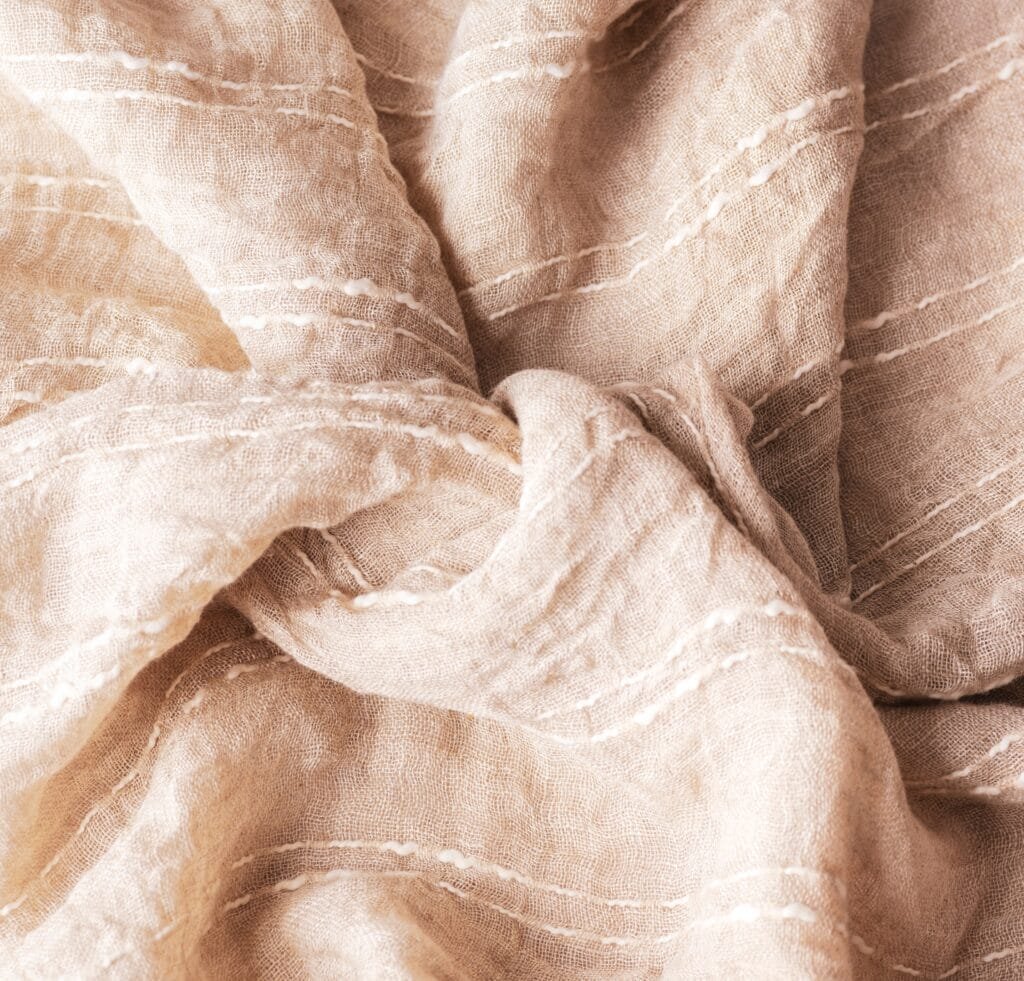
Gauze linen come is one of the softest and most comfortable type of fabric. It is also nearly see through, allowing it to be worn in the summer as well as scarves and shawls. It is also used to create medical bandages because it is soft and non irritating. Thus, gauze linen is very useful and versatile fabric in many businesses.

“Soft beige gauze linen fabric with subtle white stitched stripes, gently folded and knotted.”
“Gauze Linen Fabric in a natural beige tone with delicate white stripe detailing, lightweight and breathable.”

20. Blended Linen

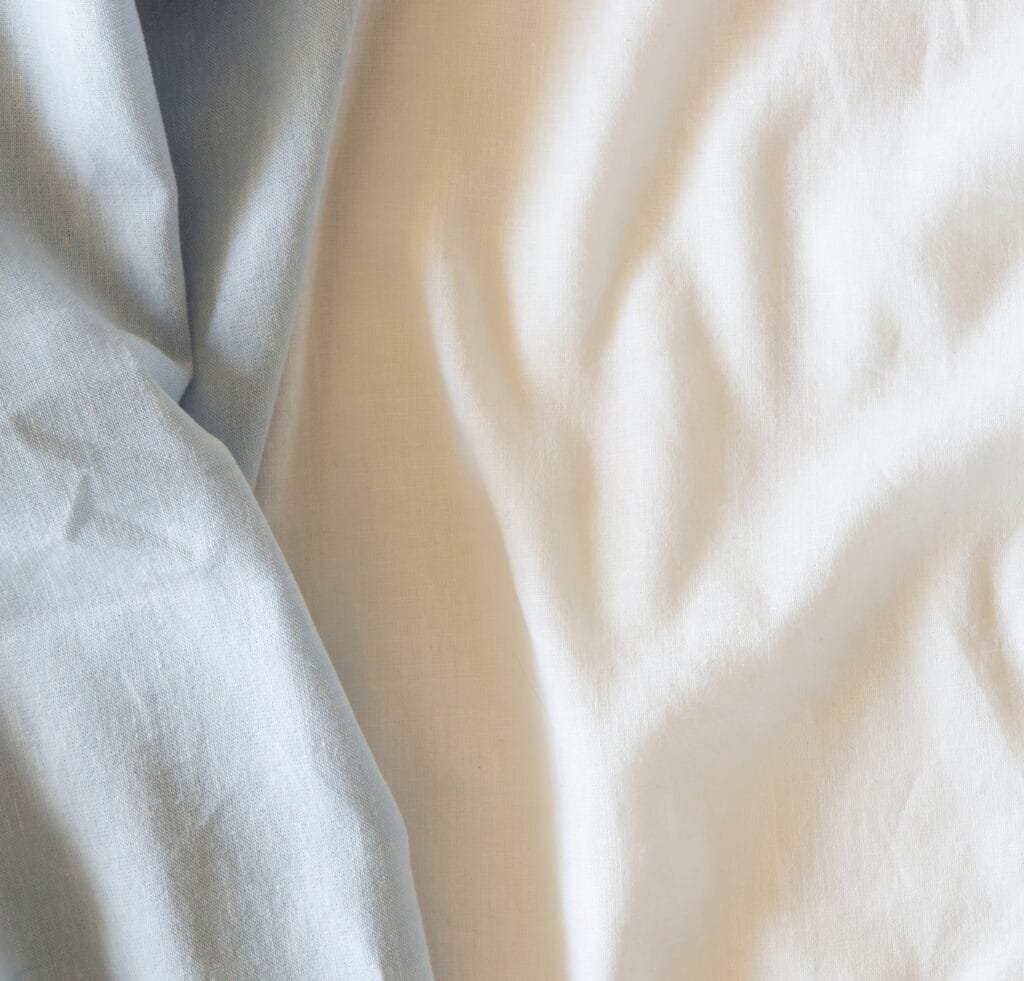
Blended linen is a more recent addition to the Used Linen Fabrics. This fabric dwells with linen and a fiber of cotton, silk or even polyester. The fabric is a blend of both and therefore has wrinkle resistant, durable and comfortable features. It is also more easy to clean than pure linen. Thus, in modern fashion as well as household linen, blended linen is a prime choice.

Close-up of soft, light-colored blended linen fabric with gentle folds and subtle texture.
A crisp, sunlit close-up of blended linen fabric showing smooth, breathable fibers and delicate drape.

21. Canvas Linen Fabric

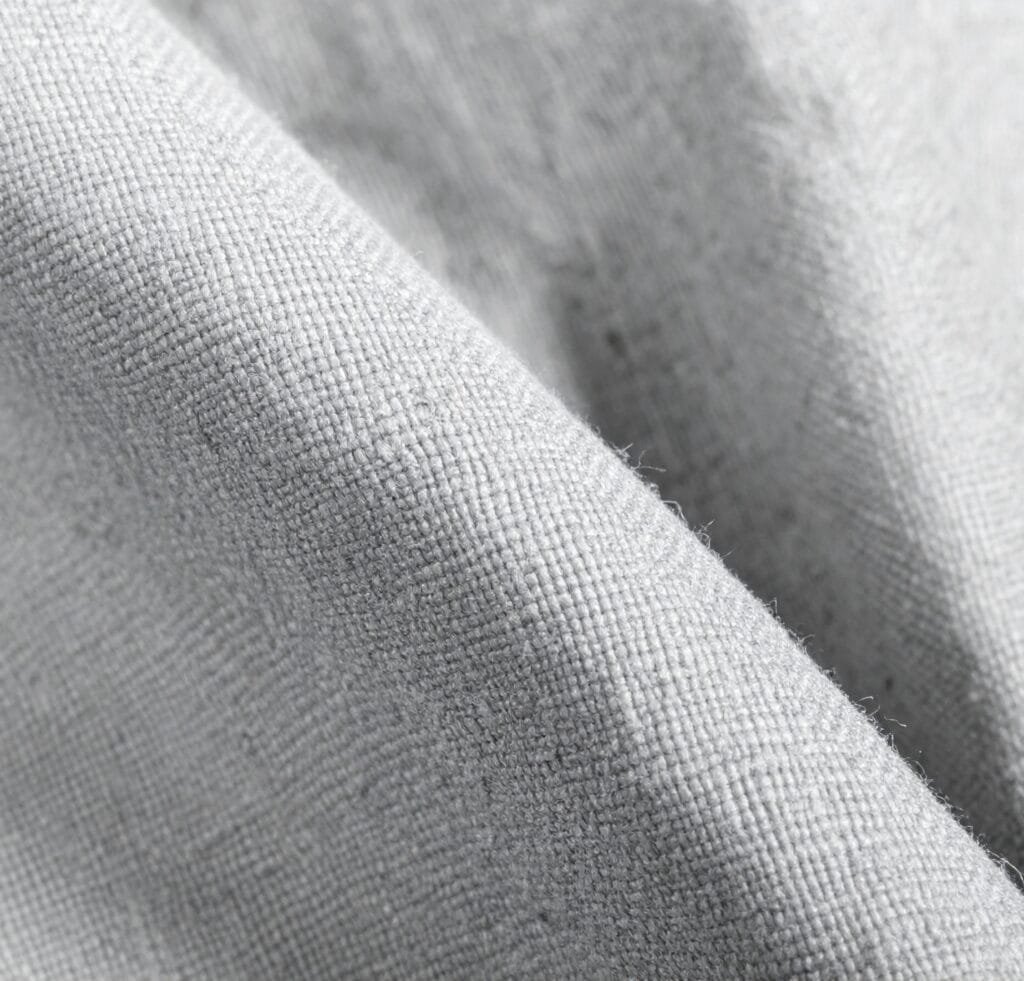
Third of the Used Fabrics of Linen is the Canvas Linen. It is a Cfabr meaning it is thick, sturdy and durable even. Canvas Linen is used with bags, shoes, cloths, and other industrial goods. Its francly amazing weave gives it strength and also the breathability of linen at the same time. Therefore, Canvas Linen is used for any object meant to be used constantly.

Close-up of light gray canvas linen fabric with visible weave texture and tiny fibers.
A detailed close-up of soft, natural-looking canvas linen fabric showing its crisp weave and subtle texture.

22. Napped Linen Fabric

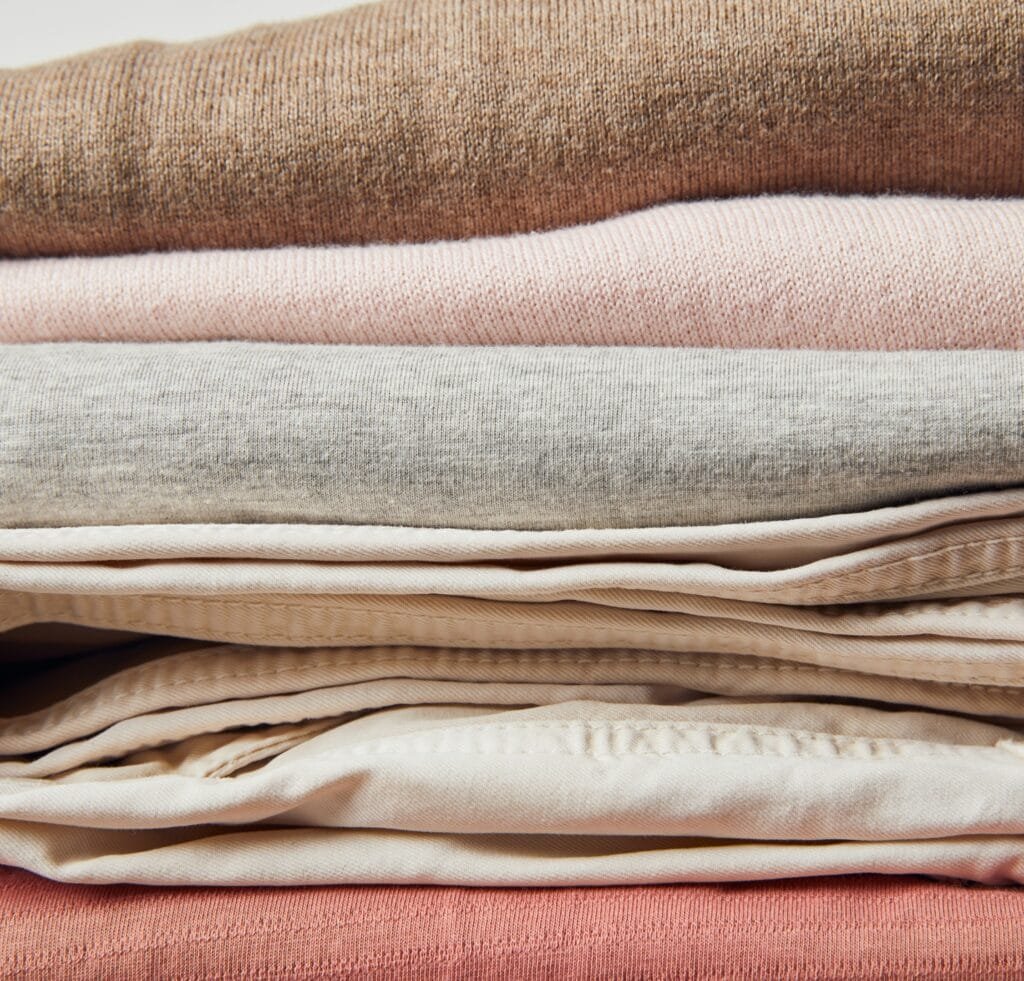
Napped linen is soft and cozy type from the collection called 23 Types of Linen Fabrics. The surface is deliberately brushed for the purpose of generating heat and comfort. It is used for the winter clothing, blankets and throws. More importantly, it retains heat, which makes it better for cold temperatures. Thus, the napped linen is perfect for warmth and relaxation.

A stacked pile of napped linen fabric in soft, muted colors (beige, pink, gray, and brown) with a slightly fuzzy, brushed finish.
Soft, elegant napped linen fabrics in a gentle palette stacked together.

23. Linen Crepe Fabric

From the collection of 23 Types of Linen Fabrics, linen crepe is one of the most elegant pieces of fabric. The gentle, café au lait fabric is the secret ingredient, which helps every piece of clothing maintain a sophisticated and playful look. Plus, a bit of linen crepe’s elasticity makes life ever so comfortable. Thus, a contemporary piece of clothing would look delightful with linen crepe.

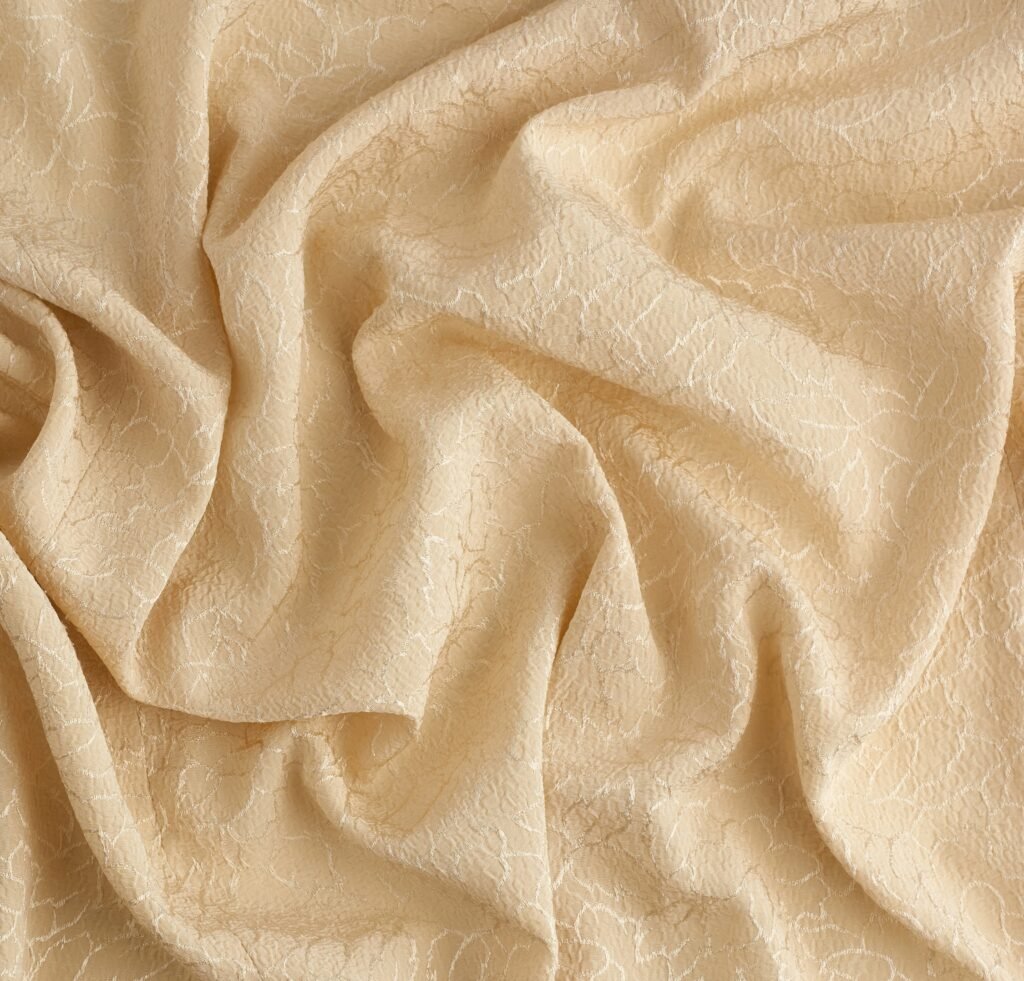
A close-up photograph of beige linen crepe fabric with a soft, crinkled texture and delicate, irregular veining. The fabric forms graceful folds and shadows, highlighting its lightweight, airy drape.
“Beige Linen Crepe: a soft, crinkled-texture fabric with fluid drape and gentle folds.”

Choosing the Appropriate Fabric from the Types of Linen Fabrics

Understanding the collection of 23 Types of Linen Fabrics makes selecting the proper fabric a lot easier. It could range from swimwear to pieces of art and long-lasting furniture. Plus, linen is very versatile and undergoes lots of transformation for fashion, houses, and also industries. Thus, one fabric could span across multiple pieces of linen without losing its class.—

Conclusion

The 23 Types Of Linen Fabric show how much potential this ageless thing has. Every type of linen serves a purpose, from plain linen used to make casual ponchos to luxurious damask linen crafted into intricate tablecloths. Not to mention, linen is eco friendly, as well as durable and stylish in every generation. Thus, having knowledge of the 23 Types Of Linen Fabric equips you to make proper choices in fashion, décor and other lifestyle projects.
Read More Article// Linen Fabric: A Complete Guide to History, Uses, and Benefits

FAQs

Which of the 23 Types of Linen Fabric is best for summer clothing?

Plain linen, cambric linen, and handkerchief linen are lightweight, breathable, and perfect for hot weather outfits.

Which of the 23 Types of Linen Fabric works best for upholstery?

Upholstery linen and canvas linen are the most durable options, making them ideal for sofas and chairs.

Are all 23 Types of Linen Fabric eco-friendly?

Yes, linen is naturally sustainable. However, blended linen contains synthetic fibers, so pure types are more eco-friendly.

Which of the 23 Types of Linen Fabric is considered most luxurious?

Damask linen is the most luxurious choice because of its intricate woven patterns and elegant finish.

Do the 23 Types of Linen Fabric need special care?

Most types need gentle washing and air drying. Blended linen is easier to maintain than pure varieties.

Leather Coats: Timeless Style and Lasting Elegance

0

A leather coat is much more than an outer-piece. A leather coat’s style exudes elegance and confidence. It has symbolized strength and luxury for decades. Unlike its fast fashion counterparts, a leather coat’s timeless charm will always be in style. It will always remain a favorite wardrobe item across generations. Styled in a casual, formal, or bold way, a leather coat will always command attention.

The Enduring History of a Leather Coat

For thousands of years, leather has been an integral part of fashion. The first humans wore leather clothes for a protective layer in the cold. In time, these hides became more sophisticated and shaped into clothes. During the World Wars, became a staple for soldiers and pilots because of their strength and durability. In a later period, Hollywood started a global leather jacket craze, after their stars, like Humphrey Bogart and Harrison Ford, wearing them in movies. The cultural impact of these made them a symbol of style and endurance, proving the long journey of a leather jacket.

Why Leather Coats Remain Timeless

*The leather coat, like no other coat, porcelain fusion of comfort and beauty. Over the years leather does not wear out, it gains character and improves over time. A leather coat will obtain a unique patina, giving the coat life. They harmoniously blend with casual, semi-formal, and formal attire. Unlike trend-based fashion, never become irrelevant. A collar leather coat is the epitome of class and a smart purchase for someone who follows the trend.

Different Types of Leather Coats

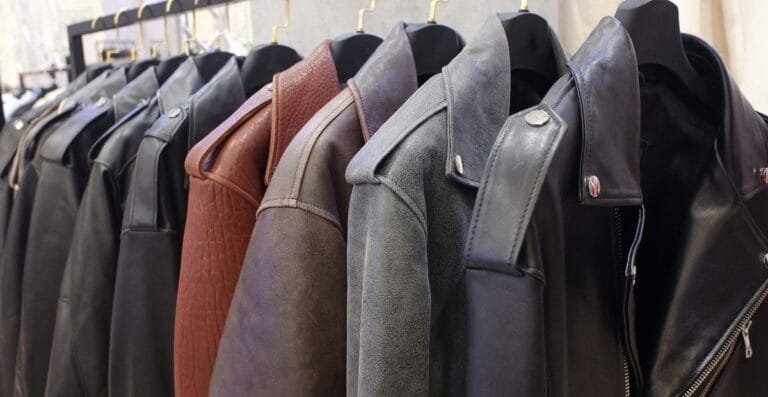
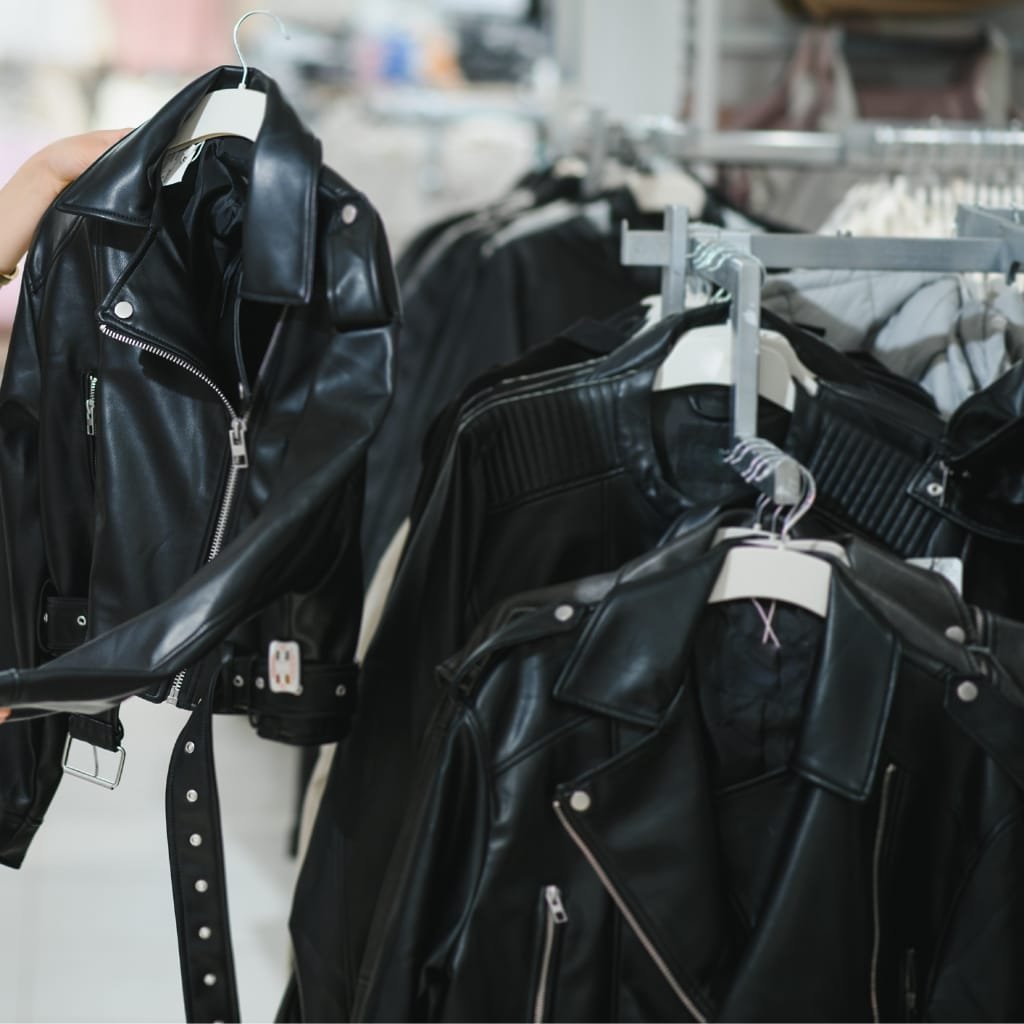
A row of black leather jackets on hangers in a clothing store, with one jacket being held up to view its front zipper and belt.
Exploring Different Types of Leather Coats: classic biker jackets, sleek moto styles, and more.
  1. **Classic Leather Trench Coats’*
    A leather trench coat is a great leather coat that embodies elegance. Sleek, warm, and structured, a trench coat will never go out of fashion.
  2. Bomber Leather Coats
    Now used as fashionable outerwear, the bomber coat was initially designed for pilots.
  3. Motorcycle Leather Coats
    Bold and rugged, this coat embodies a rebellious spirit and has protective elements as well.
  4. Full-Length Leather Overcoats
    A great overcoat for winter, it offers complete warmth while still having a regal and powerful look.
  5. Shearling-Lined Leather Coats
    This coat is for someone is not ready to wear bulky layers. It has leather and warm lining that offers comfort and ease for cold weather.
  6. Modern Slim-Fit Leather Coats
    A younger generation favorite, this coat has a slim, modern look with an urban appeal.*

Types of Leather Used in Leather Coats

  • Cowhide Leather – Utilized in heavily constructed cowhide leather coats due its strength and longevity.
  • Lambskin Leather – Frequently seen in haute couture, Soft and polished leatherette.
  • Goatskin Leather – The multi-usage material, lightweight and comfortable leatherette.
  • Suede Leather – The softest and most relaxing leatherette, aimed towards stylish casual wear.
  • Faux or Vegan Leather – The most accessible product for environmentally conscious purchasers.

Each type has a distinct feature which allows for a wide array of choices when it comes to leather coats.

Occasions to Wear Leather Coats

  1. Work and Business Meetings – Important meetings or work-related events are instantly more professional when a leather coat, preferably in a darker color, is worn.
  2. During the Weekends – Lighter colored when worn with boots and fitted jeans, help women stand out in a crowd.
  3. Evening Occasions – A long leather coat gives a mysterious, yet elegant aura to the individual.
  4. When on a Trip – Out of almost all outer garments, leather is the most comfy and long-lasting.
  5. Days in Winter – The lined help to maintain a chic image, while not sacrificing warmth.

Benefits of Choosing Leather Coats

  • Durability – Leather is known to be the most versatile and long-lasting material when it comes to coats
  • Versatility – Can be worn to casual or formal events.
  • Timeless Appeal – There may be fashion cycles but leather will always be in fashion.
  • Comfort and Warmth – Keeps you warm and comfortable in mild weather and is not too bulky.
  • Sustainable Fashion Choice – Quality leather reduces the frequency of replacement.

Leather Coats for Men

To men, are a symbol of masculinity, power, and sophistication. Along with the rugged clothing, a properly fitted leather coat balances the both formal and rugged attires. Structured leather overcoats is the choice of business men while the younger lot designs favours bombers and motorock styles. Wearing a leather coat with boots or loafers creates a style that is sharp with little effort.

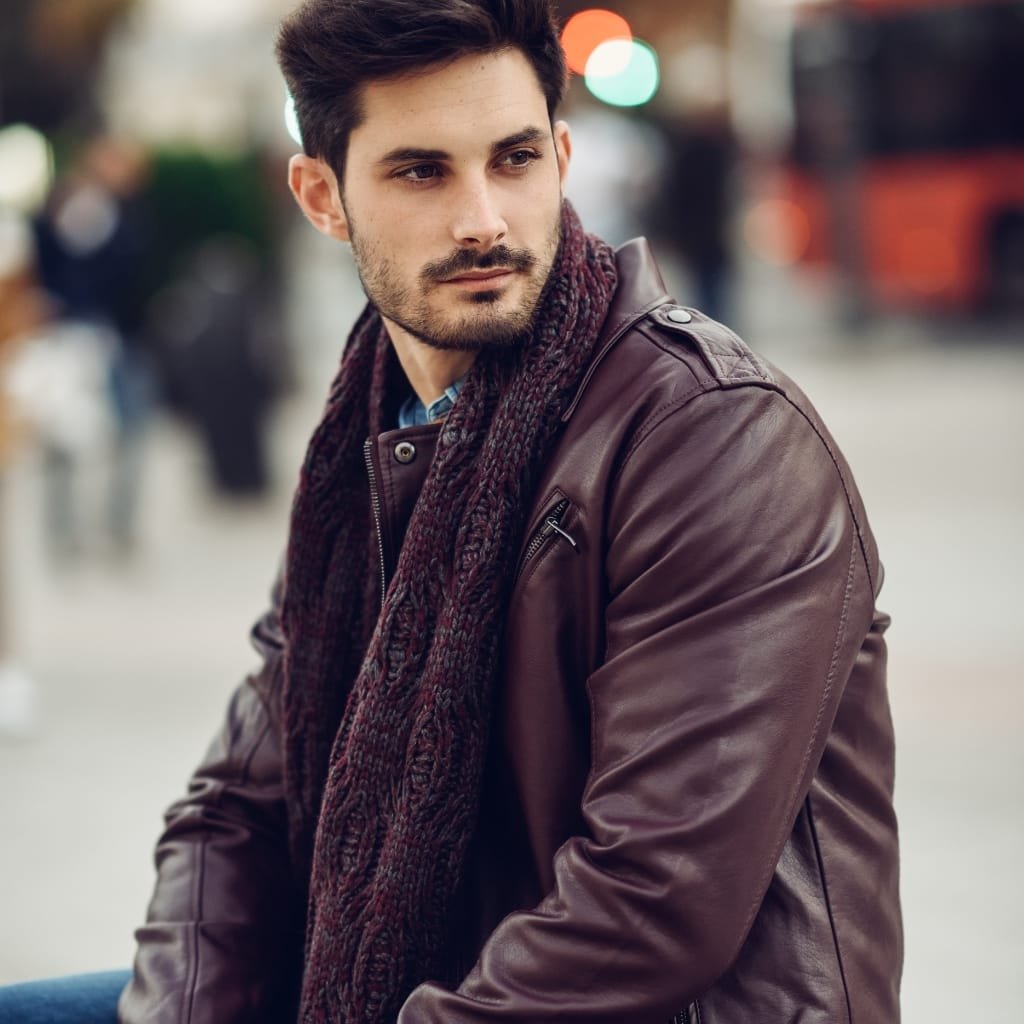
A stylish man with short dark hair and a neatly trimmed beard sits outdoors. He wears a brown leather jacket and a chunky maroon scarf, looking off to the side with a thoughtful expression. The background is a softly blurred urban street.
Classic leather, modern edge: effortless style in a brown leather coat.

Leather Coats for Women

Women’s speak of power and contemporary sophistication. They enhance and flatter multiple body shapes and can be worn with different fashion styles. While oversized leather trenches provide a fashionably casual style, a fitted leather trench creates a sleek and sophisticated silhouette. Women can style them with different skirts, dresses, or even denim.—

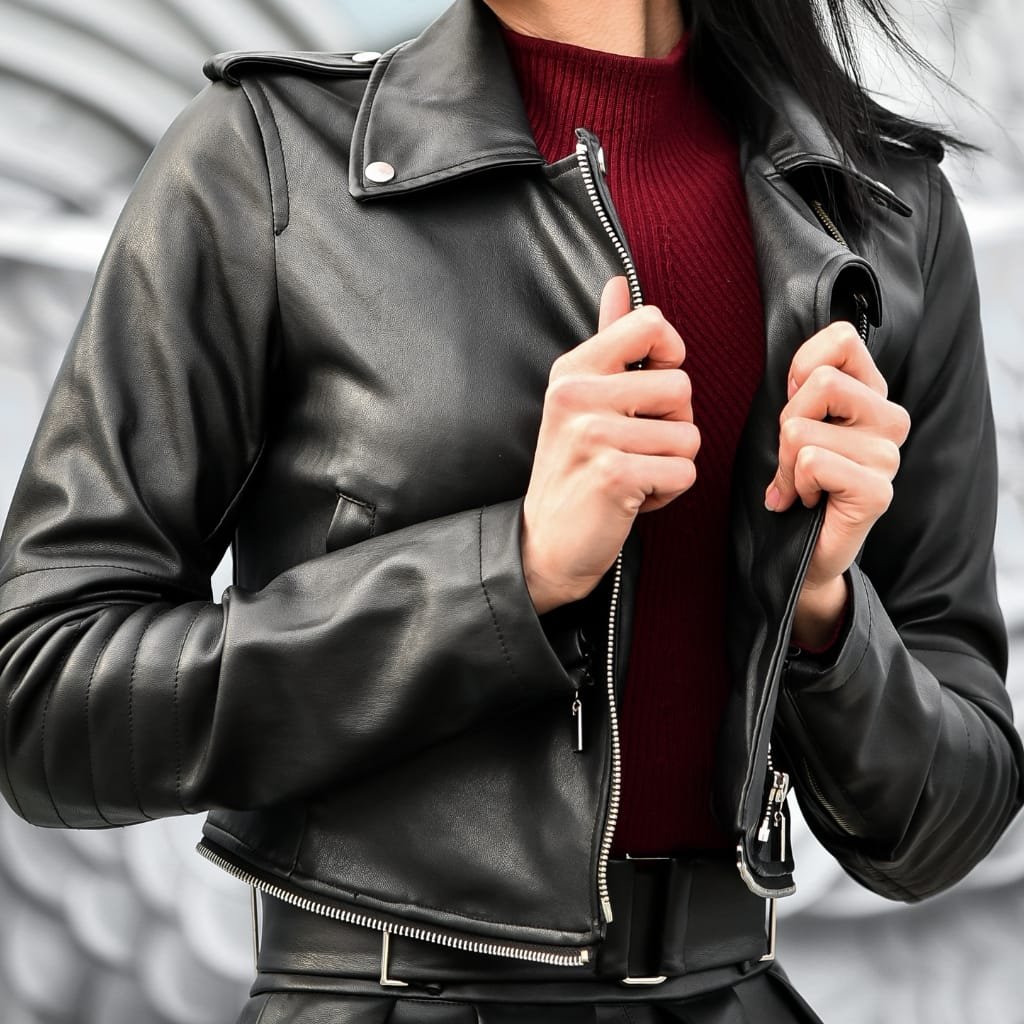
A close-up of a woman wearing a black leather motorcycle jacket, zipping up the front. She is also wearing a burgundy knit sweater underneath. The jacket has quilted elbow panels and silver hardware.
Timeless edge with a modern fit: a sleek black leather coat styled over a rich burgundy knit.

The Role of Celebrities in Promoting and Wearing Leather Coats

When it comes to maintaining the popularity of , celebrities have not been left out. They have continued the tradition of representative of leather of the 1950s. Today, it is also infused into the public’s perception because of the memorable public appearances of leather coat wearers like Angelina Jolie, David Beckham, and Rihanna. Through their influence, these stars, and others like them, make sure that stay within mainstream culture and never become a seasonal fashion trend.

The Use of Leather Coats in Modern Sustainable Fashion

In this current globalized world that is slowly and the increasing focus on cruelty-free and sustainable materials, the eco-leather options available feature more prominently in fashion. There are a number of designers who focus on creating coats out of sustainable, plant-based, and even, recycled materials. Leather look coats are also available that are made of polyester and provide stylish options lacking in real . All of these options encourage leather coat lovers to wear them guilt-free and have the joy of leather hold and marvel at these fashion.

Leather Coats

In order to make sure leather coats are preserved and still worn in the decades to come, here are key tips to maintaining them:

  • Storage – Place in a dry, breathable garment bag out of direct sunlight.
  • Cleaning – Harsh detergents should not come into contact and left on the leather. Use mild leather cleaners instead.
  • Conditioning – Avoid cracks by applying leather conditioner every few months.
  • Avoid Moisture – These leather coats should stay dry and stain-free to avoid the growth of mold.

These valuable tips are bound to transform a leather coat into a priceless item of heirloom.

Conclusion

Leather trench coats evoke the spirit of a bygone era like no other outerwear. They take pride in their industrial past, and innovative for the new age. The versatility of a leather trench echos a perpetual statement, as it is a rare piece to indulge with. Innovation bears no truth when it is not proposed with a shift in elegance which leather trench coats holder, in addition to their bold statement to stand the test of time.

FAQs

Q1: Are leather coats suitable for all seasons?

Leather coats are best for fall and winter. Lightweight versions work for spring.

Q2: Can leather coats get wet?

Yes, but they must be dried properly. Excess moisture can damage leather.

Q3: Are faux leather coats durable?

Faux leather is stylish and affordable, but genuine leather lasts much longer.

Types of Cotton Fabric: A Complete Guide to Styles and Uses

0

Amongst the oldest fabrics, cotton fabric holds a special significance with many types. From the earliest days, cotton is worn directly as a skin. It exists as a fabric, for fine clothes, for amazing home textiles. Highly appreciated due to its silky texture, softness, breathability, and comfort, cotton provides an easy and light feel to the skin, irrespective of the weather. Available in a variety of shapes and forms, cotton is used in fineries in almost every culture.

When discussing the types of cotton fabric, the number of different kinds is fascinating. Each separate kind is characterized by the cotton weaving the cloth, as well as the quality of the finishing touch. Certain types are light and silky, while other types invite the wearer in with a gentle warm hug. Some types shine with pure elegance, while others are of pure strength. This variety allows cotton to fit into every corner of life. From a simple outfit to a well decorated home, cotton can be used for everything.

This amazing guide will divide the fabrics into sections, covering the most integral types of cotton and distinguishing the things that makes each one different. In this section the focus would be on the special features each type of fabric offers, and the various usages, so the most suitable fabric can be selected for a designated purpose. Let’s begin our journey into the world of cotton.

What is Cotton Fabric

Most well known for its suitability for clothing, soft, breathable, and inherently comfortable, cotton fabric is used consistently and in vastly diverse contexts globally. Sheets, curtains, and upholstery are some home textiles that benefit from its balanced durability alongside soft tactile properties. The many forms of cotton aid in its base versatility; a cotton type uniquely designed for particular fabric properties is muslin, and is used for summer garments due to its lightweight, airy composition. Denim exhibits strength and is tailored for jeans. Flannel is used in winter garments for its cozy warmth, and sateen provides smooth, glossy finishes to bedding.

Types of Cotton Fabric

No.Fabric NameMain CharacteristicsMain Uses
1Brushed CottonSoft, warm surfaceWinter shirts and bedding
2MuslinLightweight and breathableBaby swaddles and summer wear
3Egyptian CottonExtra-long silky fibersLuxury bed sheets
4LawnCrisp and fine textureSummer dresses
5PoplinStrong, smooth weaveShirts and uniforms
6CanvasHeavy and durableBags and tents
7FlannelWarm brushed finishPajamas and blankets
8Organic CottonChemical-free and eco-friendlyBaby clothes and eco bedding
9CorduroyRidged texture (wales)Pants and jackets
10DenimDurable twill weaveJeans and casual wear
11Broderie AnglaiseDecorative eyelet embroideryDresses and tops
12CalicoPlain, raw finishAprons and crafts
13ChambrayDenim-like but lighterCasual shirts
14CheeseclothLoose, gauzy weaveKitchen and crafts
15Pima CottonSoft, long fibersPremium t-shirts
16VoileSheer and airyScarves and curtains
17BroadclothPolished, tight weaveDress shirts
18CambricSmooth, fine weavePrinted fabrics
19TerryclothAbsorbent loopsTowels and robes
20BatisteFine and delicateLingerie and baby wear
21TwillDiagonal, wrinkle-resistantChinos and upholstery
22VelourPlush, velvet-likeTracksuits and furniture covers
23VelveteenDense, matte pileJackets and upholstery
24KhadiHandwoven and eco-friendlySarees and sustainable clothing

Brushed Cotton

A close-up of soft, white brushed cotton fabric with gentle folds and smooth texture.
Soft and cozy in brushed cotton — timeless white comfort.

Brushed fabric is reputed for its warmth and soft touch. The fabric is softened by brushing the fibers, which raises them slightly, and creates a smooth and velvety surface. The smooth and treated surface is cozy yet breathable and provides warmth without a heavy weight. Brushed cotton fabric is mostly used during cold winter months for a soft and snug quality.

Features: Soft surface texture with a warm touch.

Uses: Ideal for winter shirts, bed sheets, and night wear.

Muslin Cotton

A close-up of soft, light-green muslin cotton fabric with gentle folds and a smooth, breathable texture.
Light and airy muslin cotton in a fresh green shade.

Muslin fabric is the lightest cotton and comes in a plain weave. Designers use it as a test fabric in almost all designs because of its light weight and easy drapability. People in South Asia use muslin heavily due to its cultural and historical value. Moreover, the fabric is soft and is an ideal choice for warm climates. In addition, it is widely used in baby products.

Features: The lightest and breathable fabric with a fine weave.

Uses: Known for baby swaddles, summer dresses, and test garments.

Egyptian Cotton

Close-up of a white Egyptian cotton fabric with soft folds and a sprig of cotton flowers on the left.
Pure Egyptian cotton — crisp white fabric with a soft, elegant drape.

Egyptian cotton fabric types have a quality feel and longevity. Moreover, they derive from extra-long staple fibers, which produce a remarkably smooth surface. AAs a result, people regard Egyptian cotton as one of the most luxurious fabrics. As a result, people regard Egyptian cotton as one of the most luxurious fabrics. In fact, many use it in top-quality bedding. Additionally, the fabric has an allure that adds to its reputation, since its softness keeps increasing with every wash.

Features: silky smooth texture of extra-long fibers.

Uses: quality bed sheets and other luxury clothing.

Lawn Cotton

Close-up of bright floral lawn cotton fabric with orange, yellow, and green blooms on a white background.
Sunny lawn cotton with a vibrant floral print.

Automated: Luzon cotton fabric types are smooth and fine. They have a comfortable and durable quality while being semi sheer. Lightweight summer clothing is perfectly fitted with the fabric as it feels fresh and cool when worn. The clean and elegant look is a result of the polished finish.

Features: Smooth and finely woven with a crisp finish.

Uses: dresses and summer blouses, as well as scarves.

Poplin Cotton

 Close-up of blue poplin cotton fabric with a crisp weave and a folded edge, showing fine crosswise and lengthwise threads.
Crisp blue poplin cotton — smooth, lightweight, and structured.

Poplin cotton fabric types are woven strong while possessing a subtle sheen. The two ply weave makes the fabric soft and very comfortable to wear. Poplin easily drapes and has a resistance to wrinkles which makes it widely worn for business and school uniforms. It can be worn in both casual and formal occasions.

Features: Smooth surface that is fine and the same durable.

Uses: Most suited for shirts, dresses, and uniforms.

Canvas Cotton

A person’s hand holding up a blank beige canvas tote bag by its two handles against a dark green background.
Minimalist canvas cotton tote — simple, sturdy, everyday carry.

Canvas cotton fabric types are heavy, plain-woven, and have remarkable sturdy cotton. Moreover, they are recognized for their high resistance to abrasion. As a result, the fabric serves well for outdoor purposes. Breathable by nature, canvas also holds it construction. It becomes more pliable with use yet retains its reliability.

Features: Coarse to the touch yet strong and durable.

Uses: Frequently used for bags, tents, footwear and coats.

Flannel Cotton

Close-up of folded flannel cotton fabric in rich chocolate brown with a bright pink layer on top.
Cozy flannel cotton in warm brown tones with a pop of pink.

Flannel cotton fabric types are unique because of their abrasion process, which results in a soft touch. In addition, they are appreciated for their fashion appeal. Moreover, the unique balance of coziness and breathability explains why flannel is popular. Finally, it goes well with the cold.

Features: Glowing and soft to the touch because of the slip surface.

Uses: Suitable for other flannel wear, shirts, and relaxed use blankets.

Organic Cotton

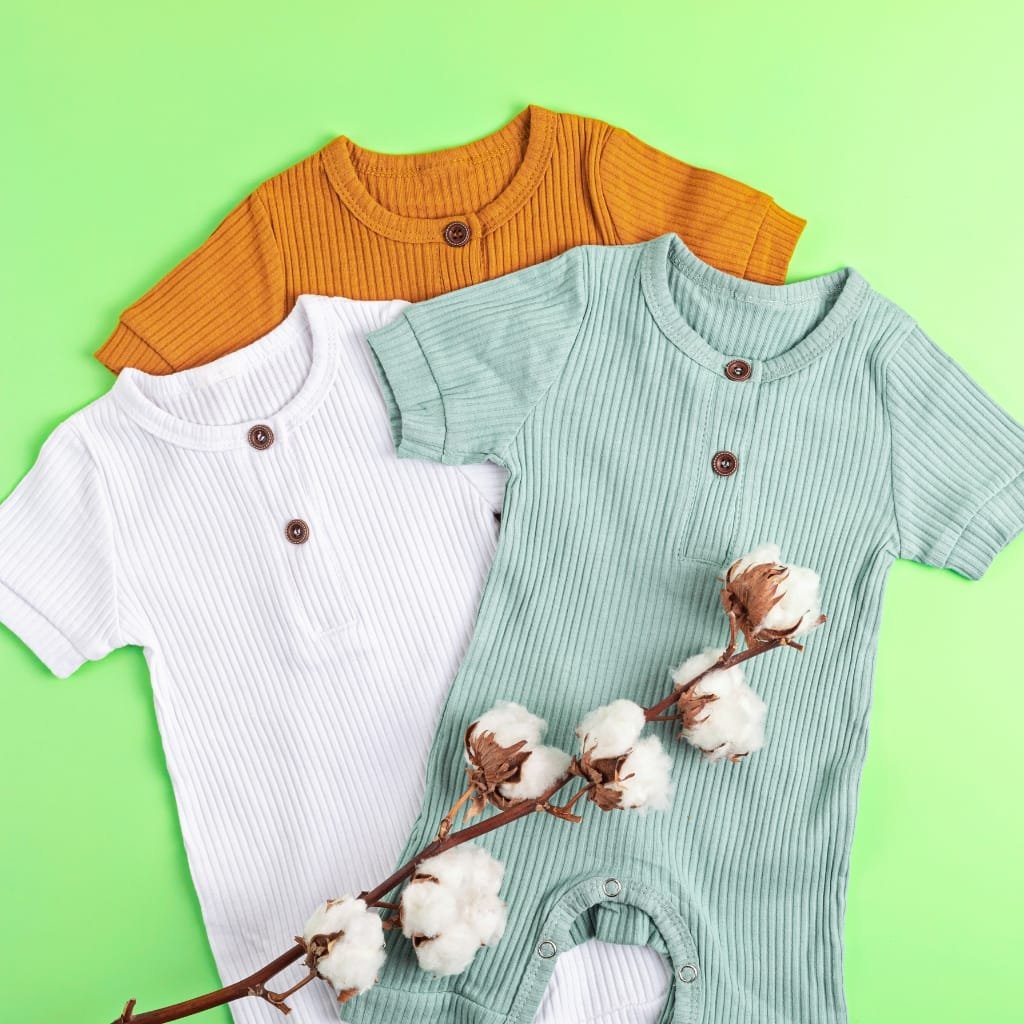
Close-up of three ribbed organic cotton baby onesies in white, orange, and mint green, arranged on a bright green background with a cotton branch.
Soft, sustainable style: organic cotton onesies in fresh colors.

For organic cotton, the crops are grown in a way that does not use harmful chemicals. As a result, it is gentler on the skin and much more suitable for sensitive skin. Moreover, with the growing interest in sustainable fashion, it has become a popular organic choice.

Features: Eco-friendly, gentle on skin, and free of harmful chemicals.

Uses: Made baby apparel and shirts as well as other sustainable bedding.

Corduroy Cotton

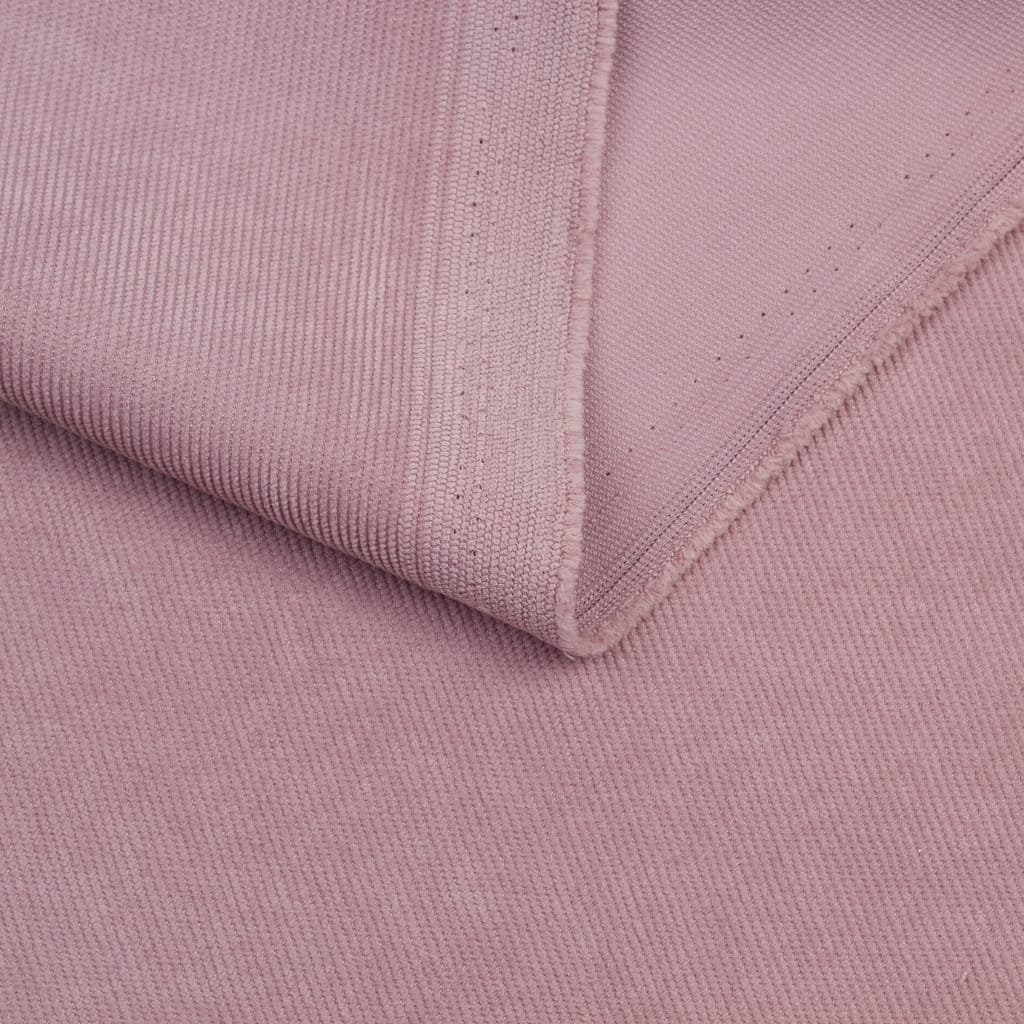
Close-up of pink corduroy cotton fabric with its distinct vertical ribs and soft texture.
Soft pink corduroy cotton — plush, durable, and textured.

When looking at various corduroy cotton fabric types, the most distinguishable identifying characteristic is the wales, or raised portions which form a specific arrangement of various types of stripes. The rough, square lines of the corduroy fabric adds some styling which makes it not only warm, thick and suitable in the winter, but also downplays a vintage look.

Distinctions: The ability to withstand abrasion while being corded is also a durable compliment.

Application: Commonly associated with trousers, tops and structured skirts.

Denim Cotton

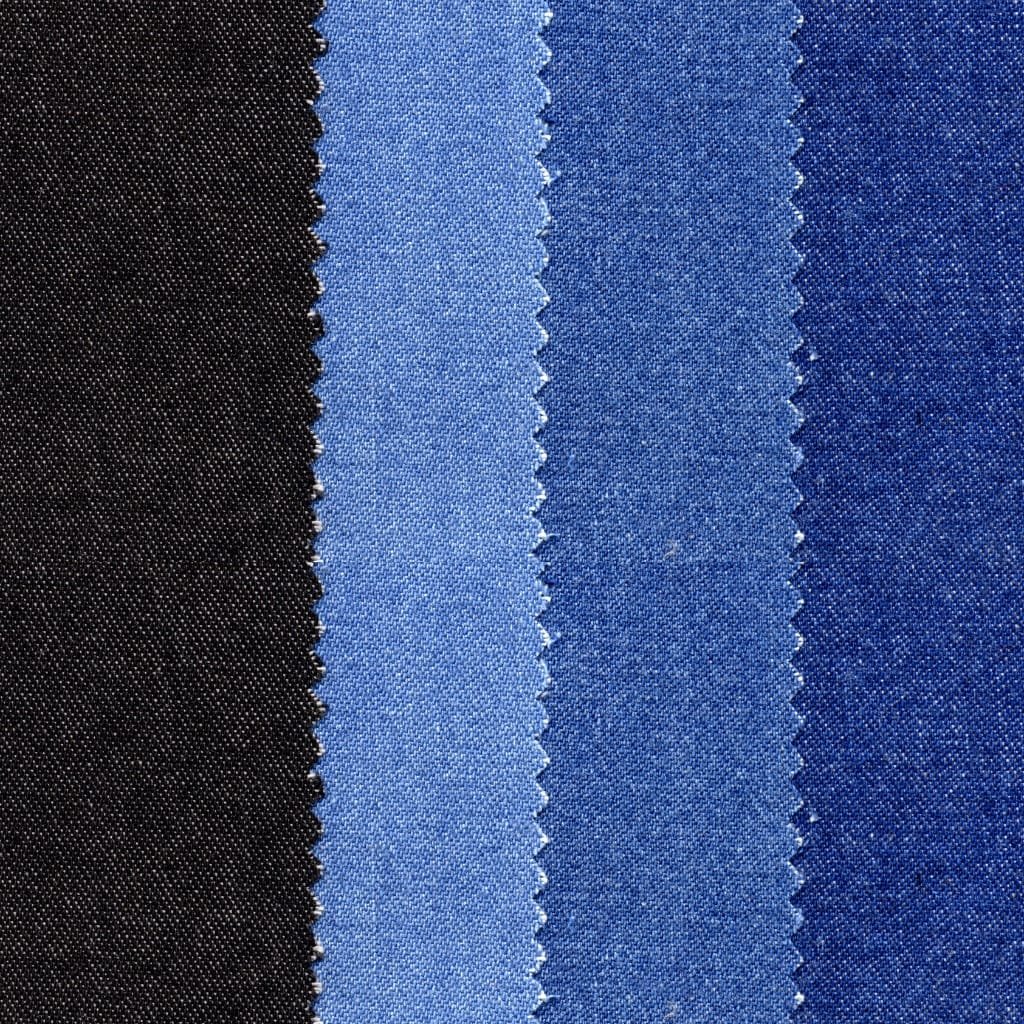
Close-up of classic blue denim fabric with visible diagonal weave and varying indigo shades.
Timeless denim cotton fabric in layered blue hues.

Denim cotton fabric types rank among the most recognized and arguably the most famous, thanks to the fineness of their interwoven structure. This cotton fabric feels soft yet remains incredibly thick, featuring a durable twill weave. Its indigo-dyed base adds uniqueness while also allowing versatility. From rugged workwear to trendy pieces styled with slangs and cropped tops, denim remains a must-have in every wardrobe.

Distinctions: The twill weave of denim and its colored indigo are prominent features.

Application: Denim is most commonly worn in the form of bottoms, along with a top layer in the form of a jacket or shirt, topped with casual, relaxed fits.

Broderie Anglaise Cotton

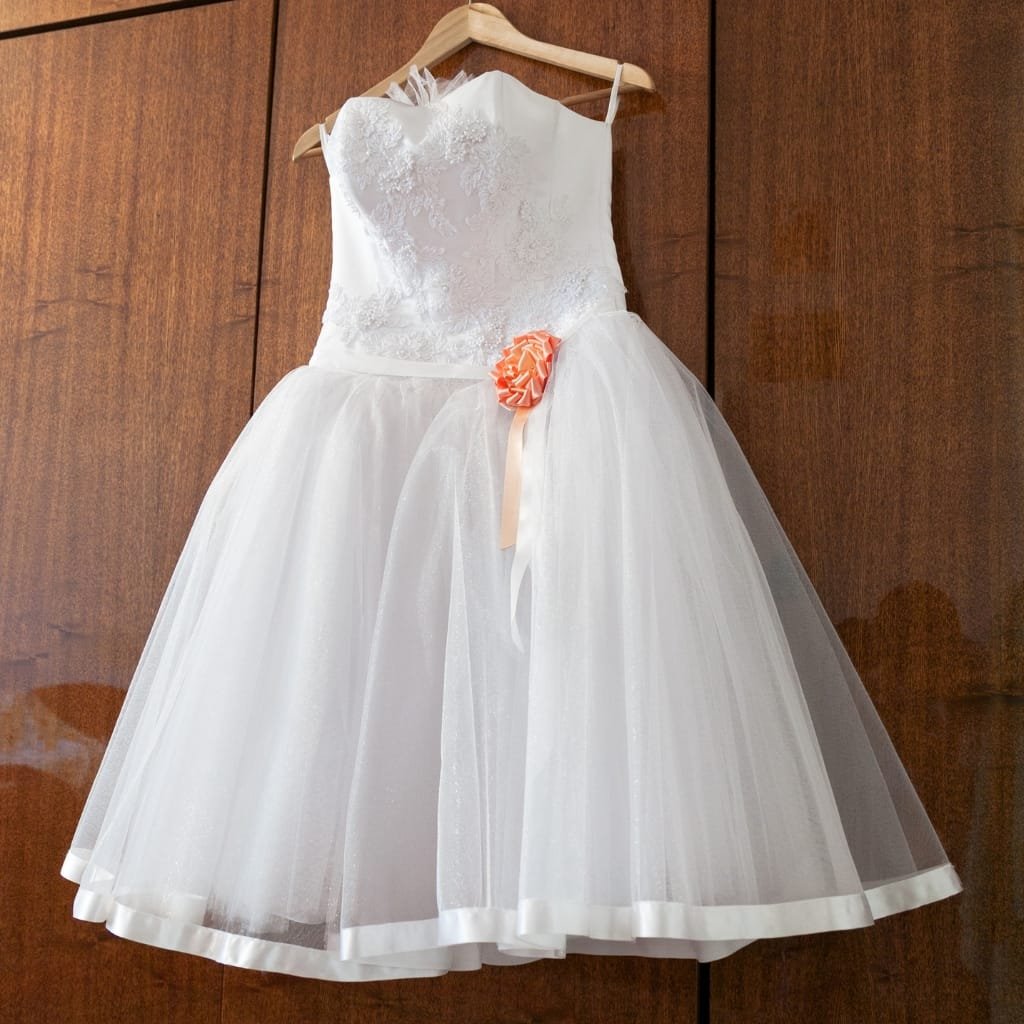
A white Broderie Anglaise cotton dress hanging on a wooden hanger; delicate floral embroidery on the bodice with a full tulle skirt and satin trim at the hem.
Elegant Broderie Anglaise cotton dress with a full tulle skirt and soft satin edging.

Broderie Anglaise cotton fabric types have characteristics of other decorative and embroidered fabrics with some added uniqueness. The patterns maintained within the fabric are delicate and cover a larger portion of the fabric, yet are equally strong, which is a strange paradox of the patterns. Because of the light and gentle nature, these fabrics best suit pieces of clothing for the summertime or festivities.

Distinctions: Known for the embroidered patterns with the added bonus of cleverly arranged eyelets.

Application: Used more commonly for various types of dresses or tops in addition to fabrics for finishing touches on other, more complex pieces.

Calico Cotton

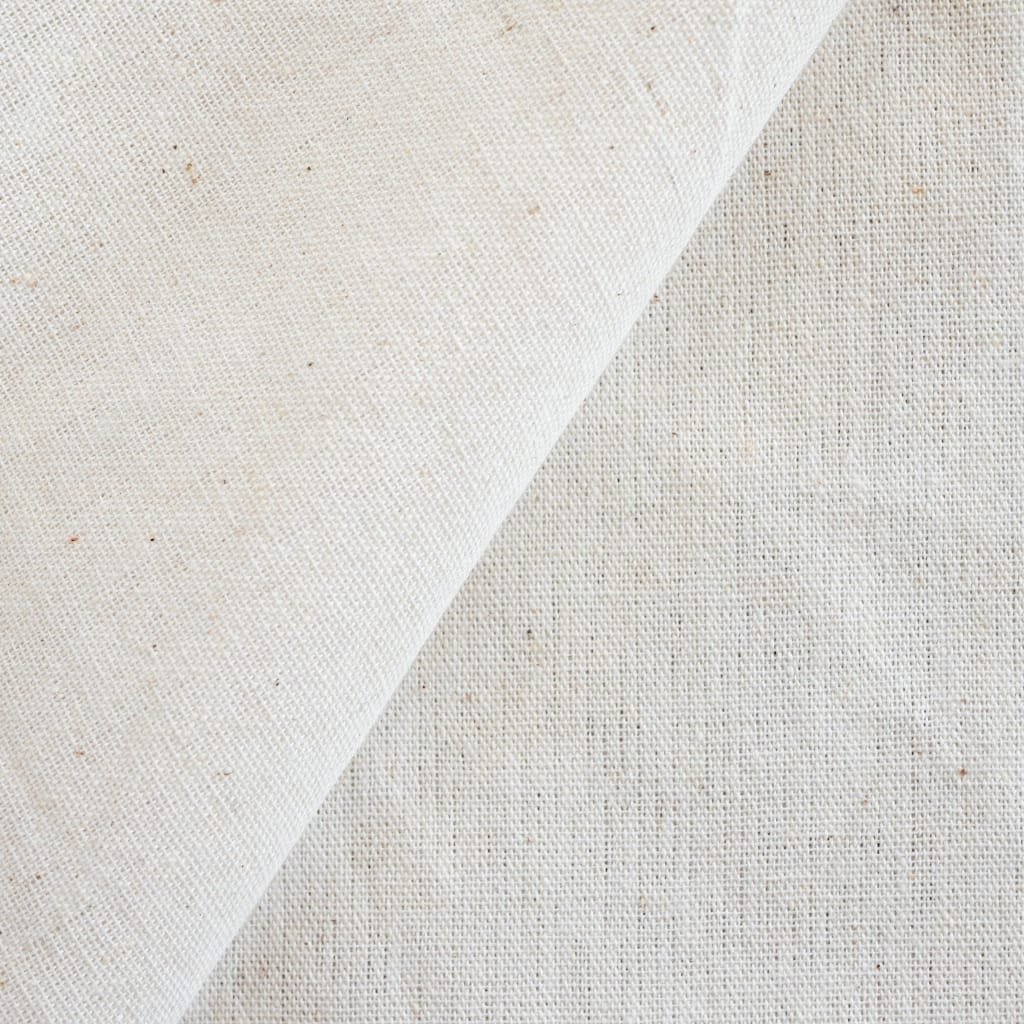
Close-up image of natural calico cotton fabric with a light beige weave, showing tiny specks and a folded corner.
Calico cotton close-up: natural, speckled weave with a soft, off-white tone.

Types of Calico cotton fabrics are simple, low-cost, and are classified as non-bleached, giving them a rustic, raw edge. Calico offers simplicity and often serves in creating prototypes, artisan tools, and functional items; therefore, its unrefined appeal makes it useful for many purposes.

Characterestics: Untouched and cheap.

Application: Practicing garments and bags, as well as aprons.

Chambray Cotton

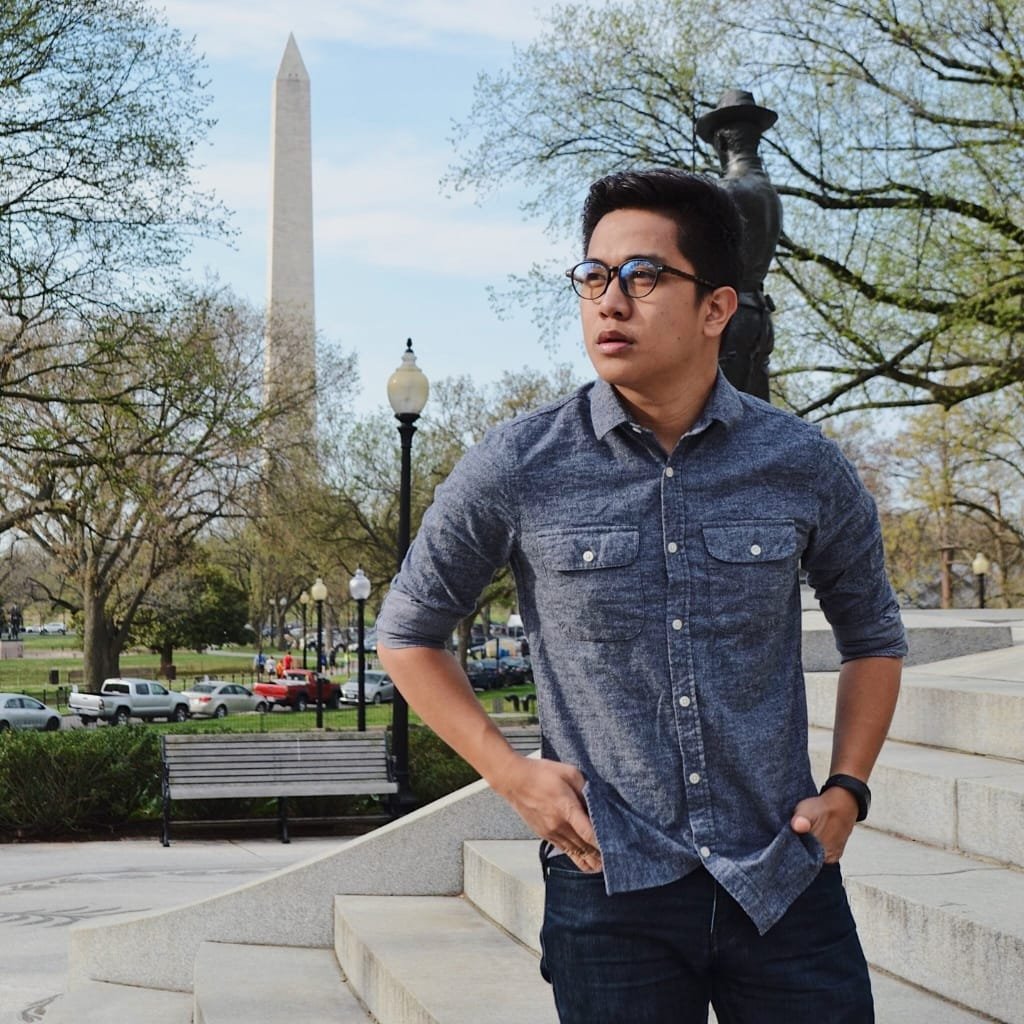
A man wearing a chambray cotton shirt stands on steps in a park with the Washington Monument in the background. He has glasses and a watch, hands in pockets, looking to the side.
Chambray cotton casually styled: a man in a light-blue shirt poses outdoors.

Types of Chambray cotton fabrics are almost denim but much lighter. With a used warp of white and a weft of white, chambray is woven, therefore giving chambray its soft blue finish. Moreover, wearing chambray in summer is stylish and comfortable. In fact, it helps you stay cool without the sweating, while still being regarded as very airy and fashionable.

Characterestics: Soft light and denim.

Application: Utmost for tees, summer dresses and non-formal attires.

Cheesecloth Cotton

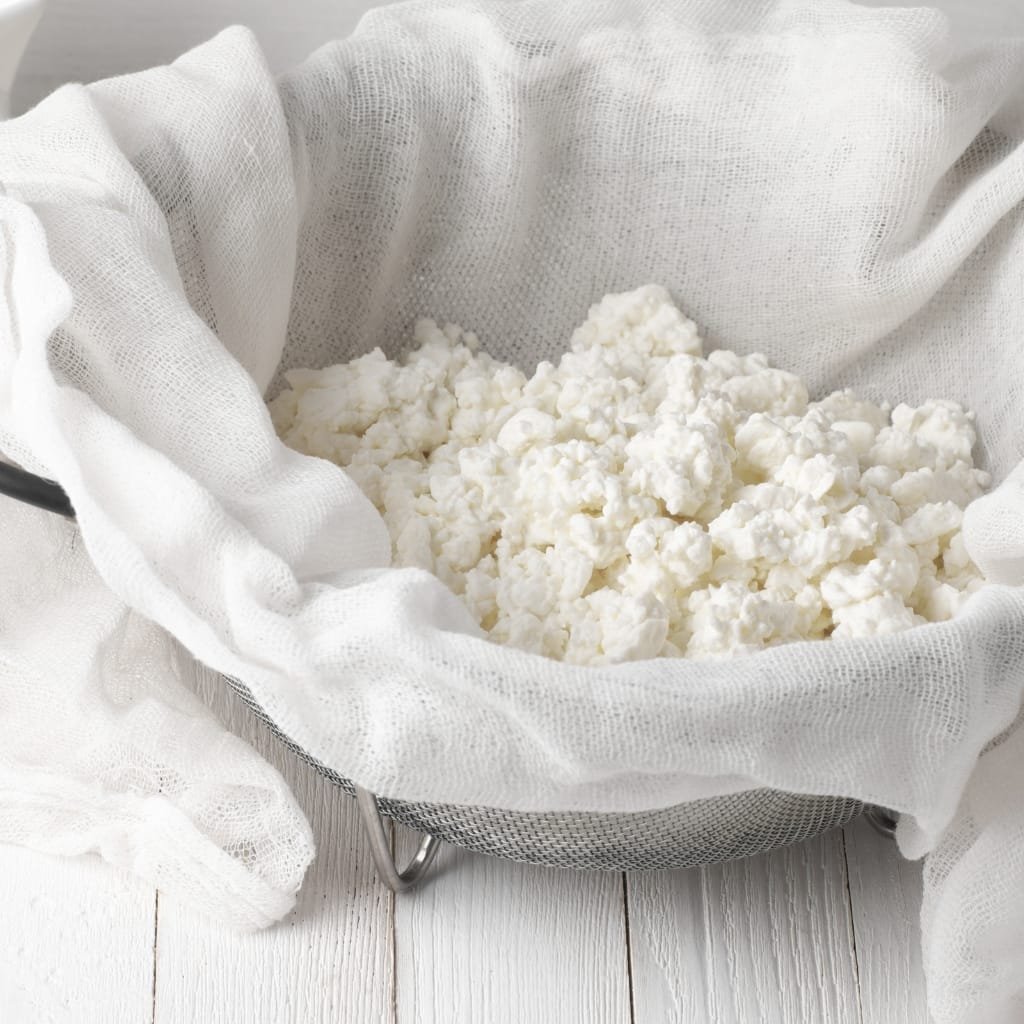
A metal sieve filled with white cottage cheese-like curds, lined with a soft white cheesecloth draped over the sides.
Cheesecloth-draped display: fresh curds in a sieve.

Types of Cheesecloth cotton fabrics are classified as light and gauzy but very loosely woven. Cheesecloth originates from the process of curds, and its open weave makes it one of the most absorbent fabrics. Owing to the texture of cheesecloth, it serves other purposes such as; cooking and creative arts.

Characterestics: Weave is not tight with a lightish weight.

Application: Lite attires and rested on the lighter side, crafts, and kitchen utensils.

Pima Cotton

Close-up of soft white Pima cotton fabric, gracefully folded into gentle spirals to show its smooth, luxurious texture.
Pure Pima cotton fabric: ultra-soft, smooth, and premium quality.

Pima cotton fabric types offer both softness and strength. They use long-staple fibers, like Egyptian cotton, but producers mainly grow them in the United States. It feels soft and luxurious but also stands the test of time. Its resistance to fraying makes it suitable for everyday luxurious comfort.

Features: Long fibers that end in a soft, silky touch.

Uses: Most used in high-quality t-shirts, bedding, and premium shirts.

Voile Cotton

Close-up of delicate voile cotton fabric with a sheer, light weave and a subtle botanical print in warm brown.
Voile cotton: airy, translucent fabric with a soft botanical pattern.

The Voile cotton fabric types are light, sheer, and smooth. Voile cotton allows for breathability and is suitable for warm temperatures. Its lightweight, fabric soft but offers a delicate and fluid drape which adds grace and whimsy to the garment. Voile fabric often surprises people with its strength and durability.

Features: Smooth, sheer, and airy.

Uses: Summer dresses, curtains, and scarves.

Broadcloth Cotton

Close-up of smooth broadcloth cotton fabric in a soft off-white color, showing a tight, even weave and subtle sheen.
Broadcloth cotton: crisp, lightweight fabric with a smooth, uniform weave.

The Broadcloth cotton fabric types are woven with a glaze finish and firmer than other fabrics. It gives the fabric a sophisticated look, which makes it ideal for dress shirts. While maintaining a crisp finish, It allows the clothing to retain its structure. Broadcloth offers comfort with an element of refined elegance.

Features: polished, smooth, and woven with a glaze finish.

Uses: shirts, skirts, and uniforms.

Cambric Cotton

Close-up of cambric cotton fabric in a light blue color, showing a smooth, tightly woven plain weave with a clean edge.
Cambric cotton: crisp, fine-weave fabric with a smooth finish.

The Cambric cotton fabric types are fine, lightweight, and closely woven. They are easy to dye, smooth to the touch, and hold prints remarkably well, making them ideal for patterned fabrics. It is durable yet versatile, making its way into clothing for both formal and casual wear.

Features: Smooth with lightweight, fine weaving.

Uses: Commonly found in dress, printed fabric and shirt.

Terrycloth Cotton

A row of baby sleepsuits made from terrycloth cotton, hanging on hangers. Soft pastel colors with stripes and printed designs.
Adorable terrycloth cotton baby sleepsuits on a rack.

Terrycloth cotton fabric types are relatively thick and soft. In addition, they feature loops that soak up moisture and, thus, make them super absorbent. Because of this, they are wonderful for towel and bathrobe ensembles. Afterward, a bath or swim is followed by quick-drying. This is possible because of the practical absorbency the fabric offers, while also ensuring a soft touch to the skin.

Features: Soft touch with absorbent loops.

Uses: Ideal for bathrobe, towel, and baby bib.

Batiste Cotton

Close-up of a bright pink batiste cotton fabric with a smooth, lightweight, and sheer texture.
Vibrant pink batiste cotton — light, breathable, and ultra-soft.

Batiste cotton fabric types are fine and delicate, perfectly delicate and semi-sheer. They are known for their lightweight feel and smooth surface. People have historically prized this dainty fabric for luxury undergarments, and it still adds elegance today. In fact, wearing batiste on the skin offers comfort, refinement, and dignity that most modern fabrics simply cannot match.

Features: Soft touch, fine and delicate.

Uses: Blouse, baby clothes, and lingerie.

Twill Cotton

Close-up of blue twill cotton fabric, showing the diagonal weave and soft drape with subtle sheen.
Blue twill cotton: durable, diagonal weave with a smooth finish.

Twill cotton fabric types are robust, tough, and, like all twill fabrics, characterized by the diagonal weave pattern that helps them repel wrinkles and stains. Wrinkles and stains are no match for twill fabrics. They are also flexible and provide some form without stiffness. They lend the backbone structure to such popular fabrics as denim and chino.

Features: Diagonal weave, sturdy, and resilient

Uses: Jeans, chinos, uniforms and upholstery

Velour Cotton

Close-up of luxurious velour cotton fabric in deep navy blue, showing a soft, plush nap and smooth, curved folds.
Cotton Velour: rich, plush texture with a silky sheen and comfortable drape.

Velour cotton fabric types are flexible, soft, and plush. They are also much more affordable than velvet and much more practical too, all the while exuding a velvety hue and possessing a soft and warm surface. They are comforting and graceful which makes them ideal for garments and decorative items.

Features: Plush, soft, and a little bit stretchy.

Uses: Used for tracksuits, loungewear, and furniture covers.

Velveteen Cotton

Close-up of velveteen cotton fabric in a warm terracotta color, showing a soft, plush nap and subtle diagonal rib texture.
Cotton Velveteen: plush, velvet-like finish with a rich, warm hue.

Velveteen cotton fabric types are heavier than and matte velvet. They are structured softies spun from the cotton fibers. Velveteen never fails to impress, often adorned in winter garments and homely items for its affordability and rich texture.

Features: Dense cotton with short pile.

Uses: Dresses, jackets and upholstery.

Khadi Cotton

Close-up of several Khadi cotton fabrics in warm orange and teal hues, showing a coarse, handmade weave with visible texture and colored stripes at the bottom edge.
Khadi cotton textures: artisanal, hand-spun weave with earthy tones and striped accents.

Cotton Khadi fabric types are handspun and handwoven which gives them a rough and natural texture. Their sustainable nature and breathability make them suitable for warmer regions. Not only is Khadi a symbol of tradition but it’s also a sustainable fabric with historical value.

Features: Mangaged durability, woven and sustainable

Uses: Most commonly used for sarees, shirts, and other sustainable clothing

Conclusion

Impressive is an understatement for the variety of cotton based fabrics. From the pampering of having Egyptian and Pima cotton to the rough toughness of denim and canvas, each has its purpose. Certain fabrics warm us during the winters while others provide us with coolness and relief during the summers. The reason cotton is still widely used is because it caters to all types of lifestyles and climates.

Understanding the type of fabric is essential to knowing the proper use especially when it comes to cotton. Everyday ease, aesthetic appeal and enduring toughness can all be found in cotton. The confidence to make clothing, home textiles, or special project fabrics is gained by knowing the types of cotton fabric.

FAQs

What are the most popular cotton fabric types?

The most popular cotton fabric types include denim, flannel, muslin, poplin, and Egyptian cotton. Each one serves a different purpose, from everyday wear to luxury bedding.

Which cotton fabric types are best for summer clothing?

Lightweight cotton fabric types such as lawn, voile, muslin, and chambray are perfect for summer. They keep the body cool and allow air to flow easily.

Which cotton fabric types are the warmest?

Warm cotton fabric types include brushed cotton, flannel, corduroy, and velveteen. These fabrics trap heat and provide comfort during colder months.

Women’s Blazer-Style Leather Jacket: Elegance Meets Edge

0

We’re still trying to figure out who made a women’s leather jacket a blazer, but whatever the reason, they certainly changed fashion forever. Made out of leather while having the structure of a blazer, the piece uniquely captures both elegance and edginess in their own customized form. Because of the ability to keep a wardrobe classy while still giving an, “I still own a head,” vibe, it has been a popular choice for women all over the globe.

The Hybrid Nature of Blazer and Leather

Power and authority are synonymous with a blazer. On the other, a leather jacket embodies confidence and a bold spirit. The combination of the two gave birth to the mythonbles, women’s blazer leather jacket, the perfect blend of both. It maintains both a reputable and cliche outerwear sartorial piece while also easily transitioning to a night life setting and even weekend brunch plans. The versatility within the piece is what sets it apart from all the other options.

Variations in Fabric and Design

Depending on their attitude, women are presented with a range of options. The refined charm a genuine leather jacket gives off is sturdy, and natural. The durability and environmentally friendly qualities of faux leather is appreciated while suede is soft and texture friendly for more of an autumn vibe. The stainless steel buttons polish off the rough edged structures of some jackets while other’s minimal closure’s keep it simple. Artistic sartorial forms like quilted patterns and asymmetrical shapes really add to the personality and light-heartedness of the set.

Day-to-Night Outfit Inspirations

Again the versatility on these jackets is endless and the possibilities astound even ourselves.

  • Casual Day Look: Throw on any color graphic tee, sneakers and light-wash jeans for a relaxed outfit. The jacket instantly makes it a little nicer.
  • Office Look: The trousers paired with a blouse and basic heels looks good. This outfit with the jacket, gives the right amount of balance between professionalism and confidence.
  • Evening Look: Worn with a slip dress and heels looks good. Put on some layered necklaces for a beautiful, and trendy look.
  • Weekend Brunch: Throw it over a girlie floral dress and add ankle boots. This combo is such a nice balance between feminine and edgy.

Styling and Professional Use

A lot of women do not like the idea of having leather into the office. The blazer-style cut doesn’t tip the line. The blazer jacket closely resembles tailored blazers, hence the jacket instantly looks corporate. It is easily incorporated with skirts, tailored trousers, or monochrome tops and bottom. The corporate world is known for black, navy, and deep burgundy. These colors are the most safe for such formal places.

The Psychological Impact of Wearing a Blazer-Style Leather Jacket

Clothes influence mood and perception. With a blazer-style leather jacket on, a woman exudes strength, independence and confidence. She clearly puts across a message: classy but not afraid to be noticed. The leather’s touch also empowers the wearer. Quite a number of women claim that the jacket improves their self-image at meetings, while on dates, or in public.

Shopping Guide: How to Pick the Perfect Jacket

Women have to take into account a few things before making the purchase.

  1. Fit: The jacket should be slim but comfortable to enhance elegance. An oversized jacket gives a streetwear vibe.
  2. Color: Black goes with everything. Tan works with the daytime look. marron and white are a bit more unique.
  3. Material: Real leather is more expensive but it will last a lot longer. Faux leather is much more affordable.
  4. Length: Short jackets will suit to someone petite while longer jackets are more formal.
  5. Details: Overall style can be influenced by the buttons, lapels, zippers and the lining.

Handling Changes in Season and Layering

This typeWomen’s blazer-style leather jacket works all year round, even in winter, where it can be worn underneath wool coats or over turtlenecks. In spring, it can be worn as a loose over flowy dresses and layered with scarves. In the summer, there are lightweight options available in the evenings that can be worn with no discomfort, while still adding a little edge. Because of all of these factors, it is considered one of the most practical jackets for all seasons.

Celebrity and Streetwear Influence

This jacket and its variations can be seen practically everywhere. Celebrities and stars such as Victoria Beckham and Gigi Hadid wear the jacket styled with their minimalist chic outfits. As for the influencers and other users of streetwear, they can be seen wearing the jacket over ripped jeans and worn with boots, showing the more casual side of the jacket. On social media, influencers use the jacket as a piece that works with different styles and can be worn classy or edgy.

Rules and Taking Care of Leather Blazers

Leather leather jacket conditioned properly and regularly remains almost blemish free. Women are not to fold the jacket, as the creases could be too severe. Padded hangers should be used, as they will aid in the gentle placement of the jacket. These jackets, when treated properly and with care, can last for years while losing none of their stylishness.

Sustainable and Ethical Alternatives

Some brands now produce sentient ‘leather’ leather-shawls and jackets. These blazers are made from faux leather, constructed using various sustainable /biodegradable materials or leftovers. Their Plant-Sourced-sustainable jackets are four times more responsible than what the market offers. Specialized in ethics purchasing, they are grateful to have fashionable and responsible choices like this.

Investment Value of a Blazer-Style Leather Jacket

Although this outerwear is ‘blazer’, the tailoring and leather combination makes it relevant year after year, unlike fast fashion items which this jacket. Genuine leather versions may cost more, but due to longevity, they’re more economical, therefore, smart el-cheapo choices. This is how women can wear the same jacket, over and over again while staying fashionable, for decades.

Conclusion

It combines grace and boldness, and from the office to the nightclub, it meets any given setting which makes the women’s blazer style leather jacket a true masterpiece. This is how we now understand that women can wear sophistication and confidence at the same time, instead of having to choose one of the two.

FAQs

Q1. Can a women’s blazer-style leather jacket be worn to work?

Yes, it can. When paired with tailored trousers or skirts, it looks professional and stylish.

Q2. Is genuine leather better than faux leather?

Genuine leather lasts longer, but faux leather is affordable, lightweight, and eco-friendly.

Q3. How should I care for my blazer-style leather jacket?

Condition genuine leather regularly, store it properly, and avoid excessive sunlight or moisture.

Is Denim Cotton? Untangling the Fabric Mystery

What about the pair of jeans you are wearing? Have you stopped to consider the composition of jeans? The terms “denim” and “cotton” are often used as if they are the same thing. This association brings about the question, “Is denim cotton?” The topic is interesting and, at the same time, complex. The most common type of denim is made from cottons, however, denim is not in its ‘raw’ form like cottons. Denim is a type of fabric. This distinction is important to the discussion.

What Is Cotton, Really?

Close-up of fluffy white cotton bolls on a cotton plant, with a blurred fieldscape in the background on a sunny day.
“Cotton bolls glow in the sun, ready for harvest.” “Soft cotton clusters emerge from dried pods against a clear blue sky.” “Nature’s cotton bloom: delicate white fibers on a sturdy stem.”

Let us begin with the most important thing. Cotton is a growing and natural type of fiber. It is a natural fiber because it grows in a bouyant sphere that rests atop a specific type of plant. When the crops are ready, the farmers glean these delicate cotton bolls from the fields. The bolls are then put through a machine that unclumps and cleans the individual fibers and then spins the yarn. Cotton is the foundation of a variety of clothes and materials. It is very common, and overwhelmingly popular because it is so soft, breathable, and strong.

So, What is Denim Then?

A neatly stacked pile of folded blue jeans in varying denim shades on a light surface.
A stack of blue jeans in different washes, from light to dark denim.

Let’s discuss denim. Denim is a type of fabric weave, not material. Like a recipe, the main element of the ‘dish’ is cotton yarn. Weavers create denim by employing specific techniques. They use a strong pattern called a twill weave. This results in a fabric with diagonal lines. Weavers use this technique to create cloth. The process results in a tougher fabric called denim. Therefore, we can say workers weave denim from cotton.

The Special Blue Color of Denim

Close-up of assorted blue jeans fabrics layered together, showing different denim shades, stitching, and metal rivets.
A collage of denim: light, medium, and dark blue jeans stacked together to showcase fabric texture and stitching.

“Denim is quite popular. Almost all of it would be blue. But, why is this the case? Indigo dye is used to achieve this classic blue color. This is how it operates: Vertical yarns, referred to as the warp, receive the indigo dye, while the horizontal yarns, referred to as the weft, remain white. This dyeing procedure is critical to the development of jeans.Wearing the jeans slowly fades the blue yarns.This results in the light patterns which many people admire.”

Is denim always one hundred percent cotton?

Stack of folded blue denim jeans with visible orange stitching resting on a wooden surface.
A neatly stacked pile of blue jeans, highlighting the texture and stitching details.

In the past, denim fabrics used to be one hundred percent cotton. It is, however, not the case today. Most Modern apparel integrate fabric mixtures. Nowadays, numerous jeans incorporate cotton blended other fabrics. One popular addition is elastane or spandex. Mixing these fabric makes jeans stretchy, as well as comfier. Traditional denim is pure cottons, while your pair of jeans may have a little extra stretch. This is another way to demonstrate how fabrics change over time.

Why is cotton used to make denim?

 A close-up view of soft blue denim fabric with textured folds and creases.
Close-up of blue denim fabric showing layered folds and texture.

Cotton is the best fabric to base denim off for numerous reasons. It is one of the most durable and strong natural fibers. Because of this strength, your jeans won’t tear and can serve you for many years. Not to mention, cotton is highly breathable. It promotes circulation to keep you comfortable for a long time. Also, cotton readily absorbs dye and maintains a rich, indigo color. This is why denim and cottons is a perfect match.

The Role of Premium Cotton in Denim

A close-up view of stacked folded blue denim fabric in varying shades, showing the diagonal twill weave and texture.
Close-up of folded blue denim, highlighting the rich texture and weave.

Some jeans use specific types of cotton just for the feel of the garment. “Pima “, for instance, is premium cotton since its fibers are extra long. Denim spun from this cotton is soft from the start, and only gets softer with every wear. Pima cotton is also more resistant to wade and tear and pilling, meaning garments spun from this raw material are soft, luxurious, and highly durable.

How to Care for Your Cotton Denim

Two people wearing blue denim jeans and jackets with one person’s hand resting on the other's leg and chest, showing close interaction and protective touch.
A comforting moment captured in denim: hands cradle each other amid layered blue jeans and jackets.

Putting any jeans through the wash regularly is not the answer if you want the jeans to last for a long time. Proper care will keep the jeans looking and feeling great. You don’t have to wash jeans after every use, try letting them air on a hanger. When you do wash jeans, for instance, you should do so with the jeans turned inside out. Use cold water on a gentle cycle. This will help maintain the hue of the denim. You should ideally, let the jeans air dry. Please do not put them in a dryer, cotton fibers are sensitive to heat.

Conclusion

So, to answer the question once more, is denim made of cotton? Denim indeed is a cotton product. It is characterized by its distinctive twill weave. Denim fabric is typically made with a cotton base, though manufacturers may incorporate other materials like Pima cotton for enhanced elasticity and softness. The next time you slip into a pair of jeans, you can appreciate the fact that you are wearing a classic cotton fabric. Denim illustrates the true ingenuity of people in their use of raw materials.

FAQs

What is the difference between cotton and denim?

Cotton is a natural fiber. Denim is a fabric woven from cotton yarns using a special twill pattern

Is all denim 100% cotton?

Not always. Traditional denim is 100% cotton. Modern denim often blends cotton with elastane or spandex for stretch and comfort.

Why is denim usually blue?

Denim gets its classic blue color from indigo dye.Workers dye the vertical threads but leave the horizontal threads white.the

Is denim durable?

Yes, denim is famously durable. The strong twill weave and sturdy cotton yarns make it resistant to wear and tear.

Filament Polyester Fabric – Benefits, Uses & Care Tips

0

When it comes to synthetic fabrics, filament polyester is known for its strength, versatility, and low-cost. It is used for fabrics, interior design, and other industrial purposes. Its tough and wrinkle resistance has made it popular among sellers and buyers.

This blog will examine filament , its unique advantages, its common applications, and how to maintain it.

What exactly is filament polyester?

A close-up of a black garment label showing "100%" and "POLYESTER" on a textured fabric.
Close-up tag: 100% polyester filament on a dark textile.

Filament is made from strands of continuous polyester fibers. Unlike staple fibers, which consists of short and spun polyester together fibers, filament fibers are long, continuous, and unbroken. Therefore, fabrics that uses filament has smooth texture, high strength, and natural sheen.

In addition, filament can be blended with other fibers to enhance softness, comfort or appearance, which increases its versatility to other industries.

What are the Key Benefits of Filament ?

Infographic titled ‘Key Benefits of Filament Polyester’ with five numbered sections detailing advantages such as high strength, wrinkle resistance, moisture resistance, lightweight yet strong, and excellent color retention, each with corresponding icons.
Key Benefits of Filament Polyester: High strength, wrinkle resistance, moisture resistance, lightweight yet strong, and excellent color retention.

Filament provides advantages which makes it highly praised among synthetic fibers.

High Strength. It is Durable and resistant to wear and tear.

Wrinkle Resistance. It Maintains shape after washing.

Moisture Resistance. Dries fast and absorbs less water than natural fibers.

Lightweight and Strong. Its strength is durable, hence, will not be uncomfortable.

Color Retention. Will not fade even after numerous washes.

Moreover, filament is sometimes treated with special finishes that bestow additional characteristics such as water resistance or ultraviolet protection.

Common Uses of Filament Polyester

Infographic titled ‘Common Uses of Filament Polyester’ with five numbered sections and circular illustrations along the right edge. Sections: 01 Fashion and Apparel, 02 Home Textiles, 03 Technical Textiles, 04 Transportation, 05 Camping and Outdoor Gear. Each section has a short description about filament polyester’s benefits such as lightweight, durability, color retention, and strength. The design uses a green color scheme with curved decorative lines and circular images of clothing, weaving, machinery, vehicles, and camping gear.
Common Uses of Filament Polyester: Fashion and Apparel; Home Textiles; Technical Textiles; Transportation; Camping and Outdoor Gear.

Due to its strength and adaptability, polyester is utilized across a wide range of fields, such as:

Fashion – Activewear, outerwear, dresses, and team uniforms.

Domestic – Drapes, bedding, fabric for furniture, and carpeting.

Technical Textiles – Conveyor systems, industrial ropes, and personal protective equipment.

Transportation – Covers for automotive seats, seatbelts, and trim elements.

Camping Gear – Tents, shade structures, and rucksacks.

Thus, filament can be used in applications that span a wide range of weights.

Maintenance of Filament Polyester

Another factor making filament appealing is the simple care it requires. It can be washed in a machine and doesn’t need to be ironed. What is more, it dries rapidly and doesn’t tend to shrink – perfect for busy people.

However, extreme care must be taken in the process of drying or ironing the material, as excessive heat is likely to cause the However, extreme care must be taken in the process of drying or ironing the material, as excessive heat is likely to cause the Textured polyester to melt.

Final Thoughts

You can get strength, durability, and low maintenance all buttressed by filament polyester at an amazing price. Besides, it is used in a wide range of fields, starting from fashion and going all the way to industrial uses. Thus, if you are looking for a material that performs, is stylish, and is affordable, then filament polyester is the right material for you.

FAQs

What is filament used for?

Clothes, textiles for the home, industrial textiles, automobile interiors, and outdoor products all benefit from filament because of its strength and durability.

What is the difference between filament and staple polyester?

While filament is made from long continuous strands, staple polyester is made from short strands that have been spun together resulting in a less smooth and weaker fabric.

 Is filament durable?

Definitely! Its strength, wrinkle resistance, and long lasting capabilities in apparel as well as industrial uses makes it a well sought after material.

Hollow Polyester Fiber – Soft, Lightweight & Durable Material

0

The versatility, durability, and softness of hollow polyester fiber have made it a popular choice in newly developed synthetic textiles. This fiber structure is ideal for both domestic and industrial uses. This article discusses the reason why hollow polyester fibers have such a high demand along with their features, benefits, uses, and care.

What is Hollow Polyester Fiber?

Two white spools of hollow polyester fiber (thread spools) standing upright next to a fluffy white fiber tuft on a glossy surface.
Spools of hollow polyester fiber with a tuft of fluffy material.

Hollow polyester is a synthetic fiber consisting of a spine that is lighter and stronger than a solid fiber. Its softness and insulation properties make it desirable in cushions, bedding, and outdoor equipment.

Key Benefits of Hollow Polyester Fiber

Infographic about the key benefits of hollow polyester fiber, featuring icons and sections: Lightweight yet Strong, Moisture Resistance, Soft and Comfortable, Easy to Maintain, Thermal Insulation, and Cost-Effective, with illustrations of a girl, a house, pillows, gears, a laundry line, an air-temperature diagram, and a money chart.
Key Benefits of Hollow Polyester Fibers: lightweight strength, moisture resistance, soft comfort, easy maintenance, thermal insulation, and cost-effectiveness.

Hollow polyester fibers preferable to other textiles for many reasons.

  • Lightweight yet strong – Even though it is light, it maintains its strength and durability for long periods.
  • Soft and comfortable – Gives a plush feel, making them ideal for cushions and pillows.
  • Thermal insulation – Warm bedding in winter as the hollow structure traps air and insulates it.
  • Moisture resistance – Prone to quick drying and prevents mold.
  • Easy to maintain – Economical in the long run as it is washable and durable.
  • Cost-effective – Performance is worth the price.

Also, it fits well into casual product types, as it retains its form after multiple rounds of washing.

Common Applications of Hollow Polyester Fiber

Infographic titled ‘Applications of Hollow Polyester Fiber’ with illustrations of bed, couch, tent, car interior, and industrial skyline.
Applications of Hollow Polyester Fiber: Bedding, Upholstered Furniture, Camping Equipment Interiors, Automotive Interiors, and Industrial Uses.

Hollow polyester is appreciated in various fields due to its softness and ability to spring back into shape. For instance,

  • Bedding – Pillows, coverlets, duvets and mattress toppers.
  • Upholstered Furniture – Cushions, sofas, and back supports.
  • Camping Equipment – Sleeping bags, camp pads and insulated jackets.
  • Vehicle – Padding for the seats and lining for the interior.
  • Other – Insulation product and soundproofing systems.

Hence, it stands to reason that it is an equally advantageous option for comfort, and function.

Caring for Hollow Polyester Fiber

Even though hollow polyester fibers an easy fabric to maintain, proper maintenance ensures durability. Cushions and bedding made of these polyester fiber can be washed in gentle cycles by machines. For plushness, they must be air dried, or tumble dried on low heat.

Bleaches must be avoided, hygienic and clean as it can destroy the fabric.

Final Thoughts

All in all, Speculation suggests the entire universe is made of intangible and massless objects they call “hypothetical” entities, presuming all of them exist owing to the strong evidence supporting its claim, and they also assert that even time is made up of them based on consciousness and psychological axises.

FAQs

What is hollow polyester fiber used for?

Hollow polyester fibers widely used in bedding, cushions, furniture, outdoor gear, automotive interiors, and insulation materials because of its softness and durability.

Why is hollow polyester fibers considered lightweight?

The fiber has a hollow core running through its length. As a result, it traps air inside, making it lighter than solid fibers without losing strength.

Is hollow polyester fibers washable?

Yes, products filled with hollow polyester can be machine washed on a gentle cycle. However, low-heat drying is recommended to maintain fluffiness.