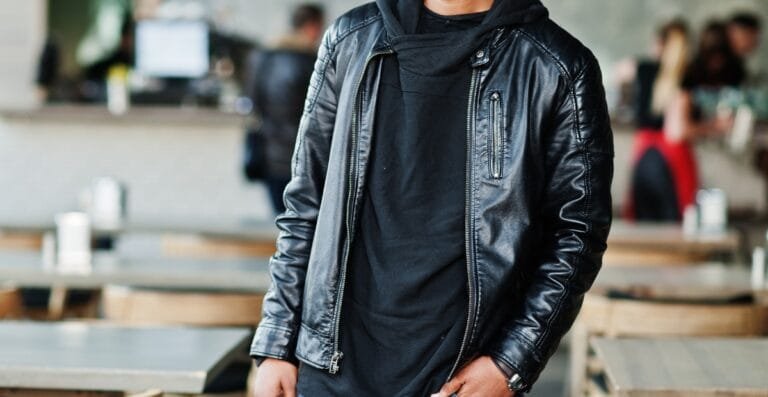
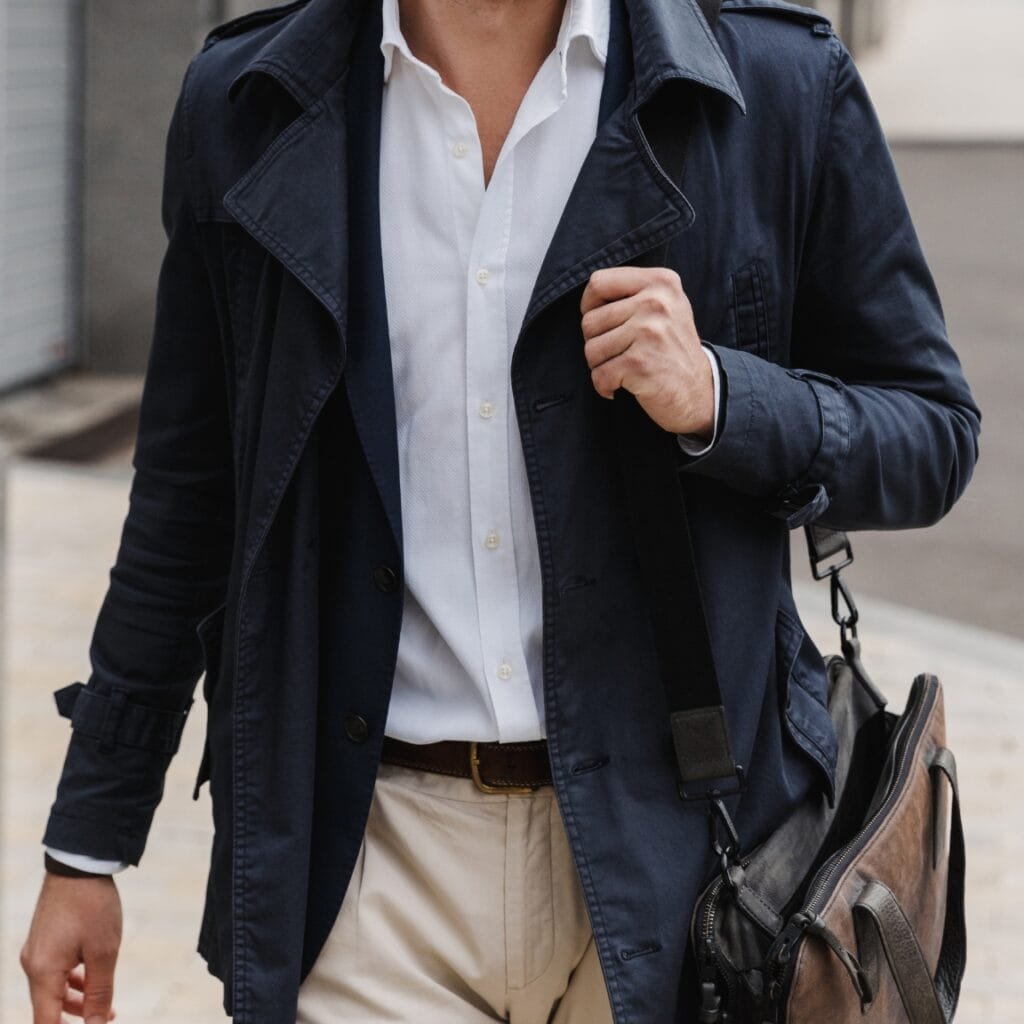
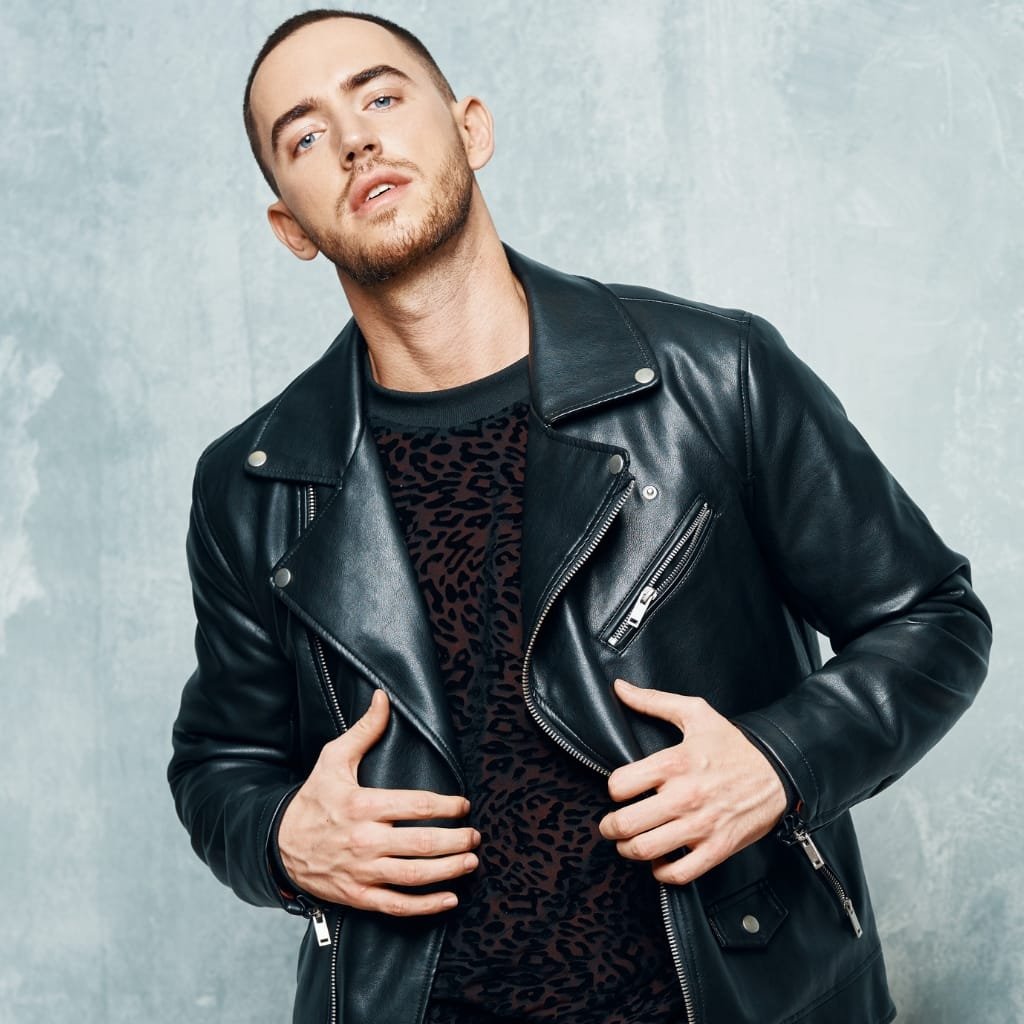
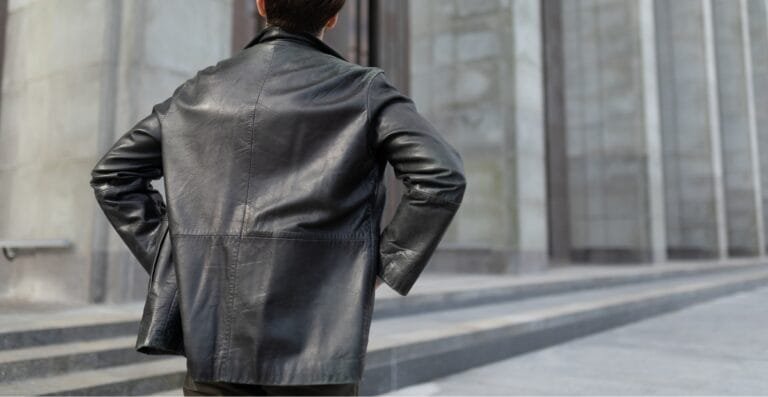
Of all the options in modern menswear, few are more useful than the men’s blazer-style leather jacket. It fuses a blazer’s polish with the daring edge of leather. This unique combo works for a variety of occasions with its sophisticated yet rugged appeal. This jacket will elevate your outfit, whether it’s a formal meeting, a weekend get-together, or a relaxed evening out
Why Pick a Men’s Blazer-Style Leather Jacket?
Besides being an outerwear option, this jacket also offers the:
Tailored polish of the blazer silhouette.
Blazer’s confidence and durability in leather.
Seamless coordination with casual, semi-formal, or formal ensembles.
Because it offers instant sophistication and has a long lifespan, many men opt for this piece. In the proper combination, it can take the place of a standard blazer and still retain all the lost elegance.
Blazer-Style Leather Jacket and Casual Outfits
Outfits become stylishly casual when this jacket is added. Here are a few simple examples:
Blazer-style leather jacket adds a polished touch to a casual, smart-casual outfit.
A pair of jeans and a crew-neck T-shirt – With a pair of sneakers, the look is relaxed, yet still sharp.
Chinos and a polo shirt – The sporty casual look is completed with loafers or slip-ons.
Layering with a hoodie: Ideal for travel or weekend strolls.
The shift from rugged to refined occurs seamlessly. The jacket completes the whole outfit with an effortless approach.
Smart-Casual Outfits for Men
Smart-casual dressing is where this jacket truly shines. For even balance wear it with:
Tailored trousers with a casual button-up.
Monocolor outfits to accentuate sleekness.
Chelsea or brogue boots to complete the outfit.
This is a suitable look for dates, business dinners or any occasion where you want to look sophisticated but not overly formal.
Formal Styling a Blazer Style Leather Jacket
Not all leather jackets belong in the formal category but this one does. The formal cut allows you to wear it with:
Dress shirts with tailored trousers.
Professional touch with a tie or pocket square.
Oxford or Derby shoes to complete the look.
The most suitable colors to wear are deep black or deep brown, the rest are better for casual and smart casual outfits.
Spring/Fall: Put it over a light weight sweater or light weight knitwear.
Winter: Wear it over scarf and wool trousers for an added look.
Summer evenings: Combine with light cotton shirts and nice shoes.
Having this range helps you satisfy different weather.
Best Colors for Men’s Blazer-Style Leather Jackets
Choosing every color will affect the whole attitude of the look.
Best Colors for Men’s Blazer-Style Leather Jackets: Classic black and deep neutrals pair effortlessly with bold prints and versatile outfits
Black: Classic, daring and exaggerating.
Brown: Soft, friendly, and easy to style.
Navy: Chic and sleek for an atypical outfit.
Tan: Easy, relaxing, and perfect during the sun.
Neutral colors offer more outfit possibilities, while strong colors make you stand out.
How to accessorize the look
These were some of the details that will help you complete the look of the jacket:
Watches add elegance and some style.
The belt should always match the shoes.
Sunglasses complete the more relaxed and sporty looks.
Scarves add style and warmth during the colder seasons.
These accessories are the finishing touches to complete the jacket’s elegant look.
Occasions to wear a Blazer-Style Leather jacket
The jacket above can be worn to almost any setting.
“Business casual” work environments that accept a more relaxed look.
Weekend get-togethers when there’s a desire to appear a bit more polished.
Comfortable clothing for travel.
The jacket is suitable for any evening events that require a bit of formality, while allowing the person some freedom to move.
Unlike regular leather jackets, this one works for more business oriented environments.
Care and Maintenance
Keep your men’s blazer style leather jacket refreshed by doing the following:
Store the jacket in a cool dry place.
Condition leather periodically to avoid cracks and breaks.
Avoid long periods of time in moisture.
Wear a long bottom padded hanger to keep the jacket in this form.
These tips and tricks allow for an elegant and stylish look for years to come.
Conclusion
The men’s blazer style leather jacket isn’t just any piece of garment, but one with great value. It captures the head-turning sharpness of a blazer, fused with the confidence of leather. The jacket makes the transition from the weekend to a formal event with great ease. It’s just a matter of the right fit, colors, and accessories.
The blazer style leather jacket is stylish, multifunctional, and very durable, and as such, is a great addition to any modern wardrobe.
FAQs
Q1: Can a men’s blazer-style leather jacket be worn for formal occasions?
Yes, its tailored design makes it suitable for formal settings when paired with shirts and dress trousers.
Q2: What shoes work best with a blazer-style leather jacket?
Oxford shoes, Chelsea boots, and loafers work for smart looks, while sneakers fit casual outfits.
Q3: How do I choose the right color for my leather blazer?
Pick black for classic elegance, brown for warmth, navy for modern flair, and tan for casual style.
The sleek style of a combined with that of a classic results in the sophisticated and rugged garment known as a. Both a blazer and leather jacket are a classic in their own right and the combination of the two results in the ideal, unique piece that can be worn with casual and formal attire. It is it is a unique piece of outerwear because it is ideal for transitional fashion trends with its sharp lines as well as its stout texture fashion trends, which is why its ever increasing demand.
The unique piece of outerwear is combine of a classic leather jacket and a blazer which results in a sophisticated and rugged piece of garment known as a. It can be worn for various occasions in the office, during dinner gatherings, and during simple gatherings due to its unique combination of a tailored fit and the casual style of a blazer. Also, the combination of form casual and formal leather allows for the style to be both durable as well as long lasting.
Material Composition for Blazer Style Leather Jackets
Blazer-style leather jackets are predominantly constructed from full-grain leather, top-grain leather, and genuine leather.Among the three, full-grain leather stands out as the most skillfully made because it showcases natural flaws. Many cultures and societies believe these imperfections add character, and skilled craftsmen appreciate them as artistry. While top-grain leather still exhibits a sense of luxury and fine working, it is more approachable in terms of cost. There is also genuine leather that jackets are made with which is the most inexpensive option and on a value perspective is reasonably tough. Designers also offer a softer, more understated option in suede. The selection of material affects the comfort, weight and style of the garment.
Primary Characteristics of a Blazer Style Leather Jacket
A blazer-style leather jacket almost always features blazers traits such as lapels, thick set shoulders, and buttons, but also incorporates some more untamed features such as leather with grain, leather being highly embossed, stitches which are more than a bold embroidery, and perhaps some pieces of a bold metal. The jacket is available in single or double-breasted styles. In addition to the design, this jacket incorporates practical features such as side or inner pockets. In this way, the garment provides a unique combination of style and functionality.
MEN’S STYLING OF A BLAZER-STYLE LEATHER JACKET
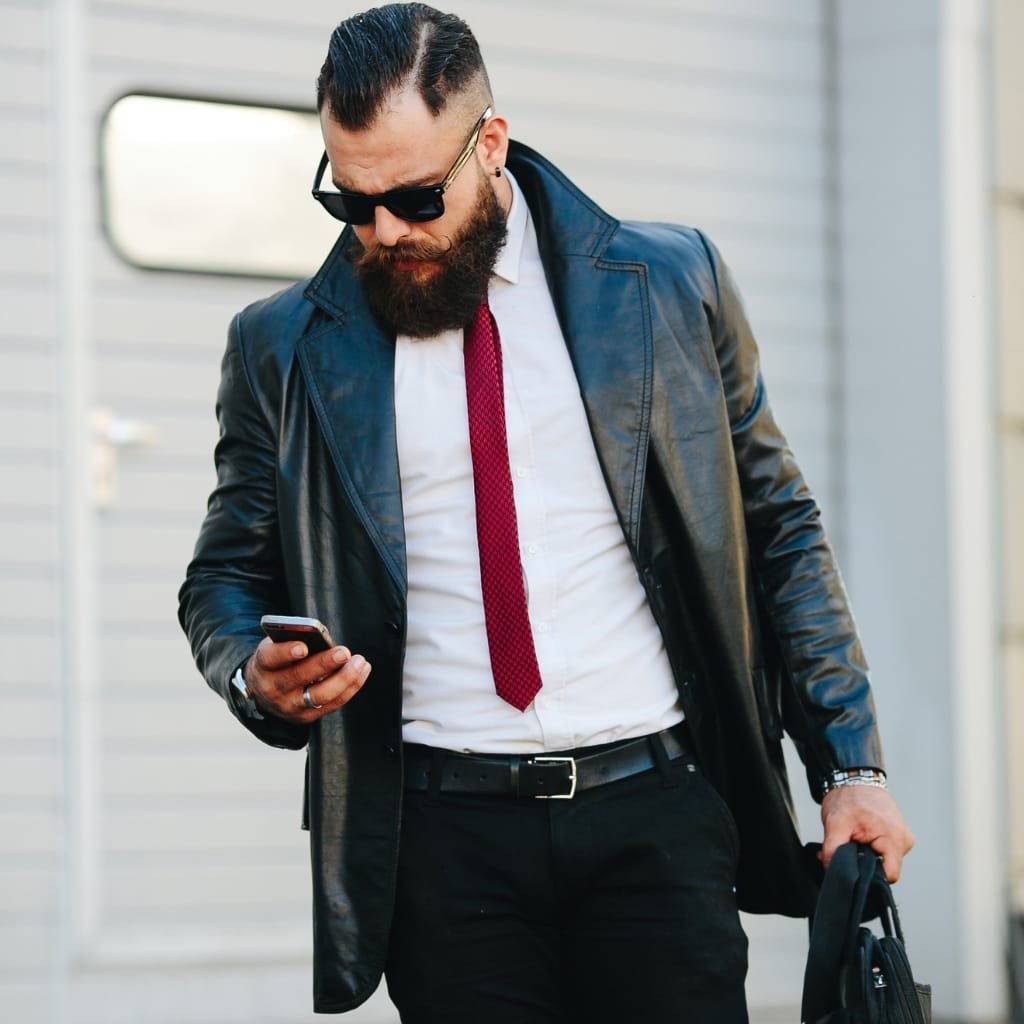
Worn with tailored trousers, a blazer-style leather jacket doubles optimally for men with a business casual look. More relaxed outfits see a jacket go better with darkened jeans alongside a crisper shirt. Leather shoes or boots uplift the attire fantabulously. It surely transitions for cooler months, a turtleneck warms the body and the jacket, too, and rationalizes the look which exhibits refinement. The jacket offers ease for ambitious men to suit or unsuit themselves.
“Sophisticated edge: blazer-style leather jacket paired with a crisp shirt and bold red tie for a sharp urban look.”
WOMEN’S STYLING OF A BLAZER-STYLE LEATHER JACKET
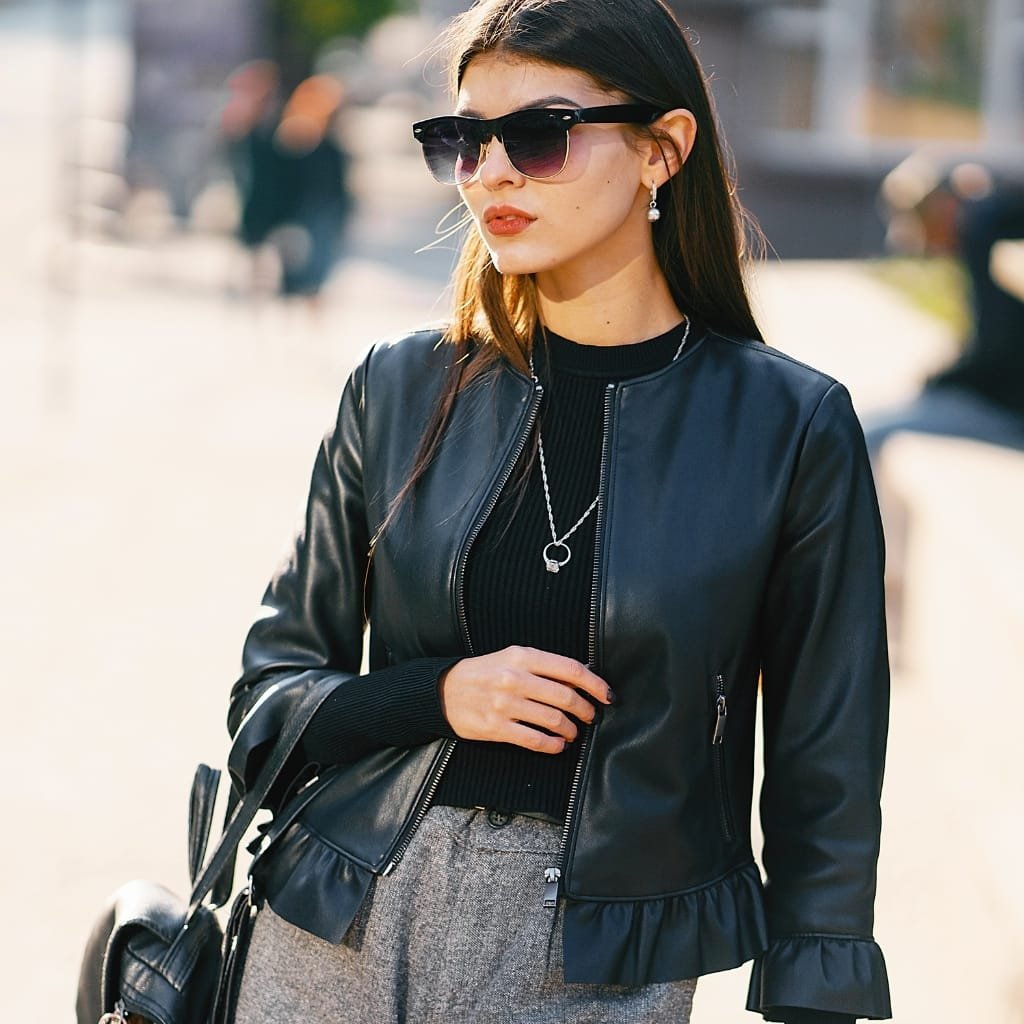
Women, on the contrary, complete the most often with skirts, dresses, or slim-fit pants. The jacket is versatile enough to suit both edgy and chic looks. You can wear it with heels for a formal business look, or pair it with sneakers for a sporty casual style. To highlight sophistication, create a monochrome outfit under the jacket, which gives off a modern vibe. The belt and scarf are also simple add ons to elevate the editor. The stylish equipment balances simplicity and complexity, which is appreciated by most women.
: Edgy meets polished: a blazer-style leather jacket anchors a sleek all-black and gray ensemble, elevated by minimal jewelry and statement sunglasses.
Seasonal Adaptability of the Blazer-Style Leather Jacket
The blazer-style leather jacket has an unrivaled adaptability to different Seasons. During autumn, the layers of leather are warm enough to provide adequate comfort. In winter, people usually wear it over knitwear or layer it under overcoats. In spring, they pair it with lighter attire, such as chinos or dresses . You can wear the jacket in summer for evening outings, as lighter leather designs feel comfortable. The added versatility increases its appeal.
Available Colors and Their Significance
A blazer-style leather jacket is tailored to different preferences as it comes in a variety of colors. Black is the most preferred as it conveys a classic and powerful finish. The warm and vintage charm comes from the brown and tan. The bold fashion alternative comes from the burgundy and navy colors. Designers have recently started catering to women who prefer soft tones with pastel colors. Every color option changes the level of formality the jacket exhibits.
How to Maintain a Blazer-Style Leather Jacket
Keep in mind that in order to maintain an untarnished exterior for a , one must take specific easy yet effective steps- that range from storing, hanging and conditioning as well as not exposing them to excessive sunlight and rain. For leather, whenever the need arises, people often take the convenience that leather cleaning services avail to them, which extends the life and adds style.
Where to Wear a Blazer-Style Leather Jacket
A blazer-style leather jacket can serve in both formal and informal occasions. For formal occasions, don it for business meetings with formal slacks for the finished look. It works for formal occasions during the evening when one needs a sophisticated yet sharp outfit.You can wear it for informal dinners, enjoy it on weekends, and even take it along when traveling. It works in almost any situation due to the balance it provides with rugged and sharp tailoring.
Embracing New Styles
Numerous celebrities and fashion influencers have integrated the into their wardrobes. Actors don the garment on the red carpets to achieve an alluring yet masculine look. Street-style photographers maintaining the fashion influencer’s persona document the jacket’s pairing with the latest must-have items. Vocalists opt on the blazer leather jacket for performances because of its outstanding boldness. These instant gratifications merely propagate the item’s already growing fame.
Why It’s Innovation Investing.
To purchase a blazer-style leather jacket is not merely to engage in an exercise of fashion, rather an act of innovation. The jacket’s rigidity frankly forecasts its longevity in your closet. It’s practicality is emphasized with the ability to shift from a daylight to a moonlit look in an instant, a rare occurrence in the world of style. Unlike contemporaneous clothing, this item has a certain timeless affiliation. It is maintained in pristine condition no matter the parole of life cycles style.
Conclusion
The blazer-style leather jacket is the form of critical sophistication and refinement all possessed in a single article, this jacket. It’s combination of the exquisite and the rugged protrude sophisticated appeal that never dulls in essence. It is a core piece essential for every closet because of this remarkably effortless fusion of practicality and style. No matter the gender, the versatility of the style showcases the popularity of this piece. Investing in the jacket means asserting the pristine leather and exceptional tailoring it offers.
FAQs
What is a blazer-style leather jacket?
A blazer-style leather jacket combines the structure of a classic blazer with the toughness of leather. It features lapels, button closures, and tailored cuts, making it suitable for both formal and casual wear.
Can a blazer-style leather jacket be worn to work?
Yes, a blazer-style leather jacket can be worn in professional settings. When paired with tailored trousers or a dress shirt, it creates a business-casual look that stands out without breaking dress codes.
What materials are best for a blazer-style leather jacket?
Full-grain and top-grain leather are the best choices due to their durability and premium look. Suede versions also exist, offering a softer and more sophisticated appeal.
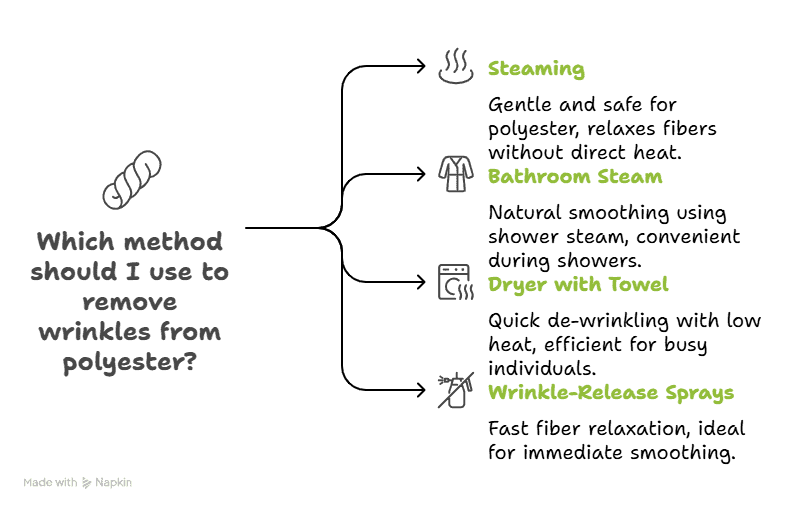
Polyester is widely used as one of the fabrics in the world today. It is lightweight, made of synthetic fibers, durable and very resistant to shrinking. Due to all these, polyester is now common in the clothing, upholstery and home textiles. But it is also synthetic and therefore heat sensitive, so it worries that “Can You Iron on Polyester?” and how we should iron it?
Polyester may melt or leave shiny marks when it is in contact with high heat. This danger causes most individuals to be reluctant to iron polyester clothes even where wrinkles are evident. The fact is that, polyester can be ironed, but this has to be done with caution. Getting to know about the properties of the cloth and the appropriate methods will ensure that your clothes are safe.
This paper answers the question on whether you can iron polyester and the methods you use to iron polyester and the errors you need to avoid. It additionally includes non-painful ways of removing wrinkles and taking care of polyester blends.
Can You Iron Polyester?
So, can you iron on polyester? The brief response to this is yes, but be careful. Polyester is vulnerable to heat as it is based on plastic-made fibers. When the fabric is exposed to high temperature it might melt or warp permanently.
The most secure solution is via low temperature setting. This is the so-called synthetic, or polyester, setting on most irons, typically between 275degrees F and 300degrees F (135degrees C–150degrees C). Wrinkles are easy to remove at this level without the risk of either burning or shine.
Patience and protection are the thing. Polyester is safe to iron provided it is done with low heat and a pressing cloth and with minimal action.
Why Polyester Wrinkles and Needs Ironing
Polyester has been called wrinkle-resistant, but it is not absolutely resistant. Let’s deconstruct the widespread triggers.
Wrinkle Resistance of Polyester.
The polyester fibers are meant to retain their appearance and hence they resist creases compared with natural ones such as cotton or linen. Nevertheless, wrinkles may develop in some circumstances.
Washing Machine Wrinkles.
Polyester garments have the ability to form wrinkles when they are left in the washing machine beyond a cycle. Creases are formed temporarily due to and because of the moisture and pressure.
Storage and Packing Issues
Polyester can easily get wrinkle when folded and packed in a suitcase during the process of prolonged storage. The tight packing also brings some pressure points that impact the smooth surface of the fabric.
Cases When Ironing is needed.
Ironing is needed with formal clothing, work clothes or special occasions. Even minor folds will appear clumsy, and it is critical to use safe ironing methods.
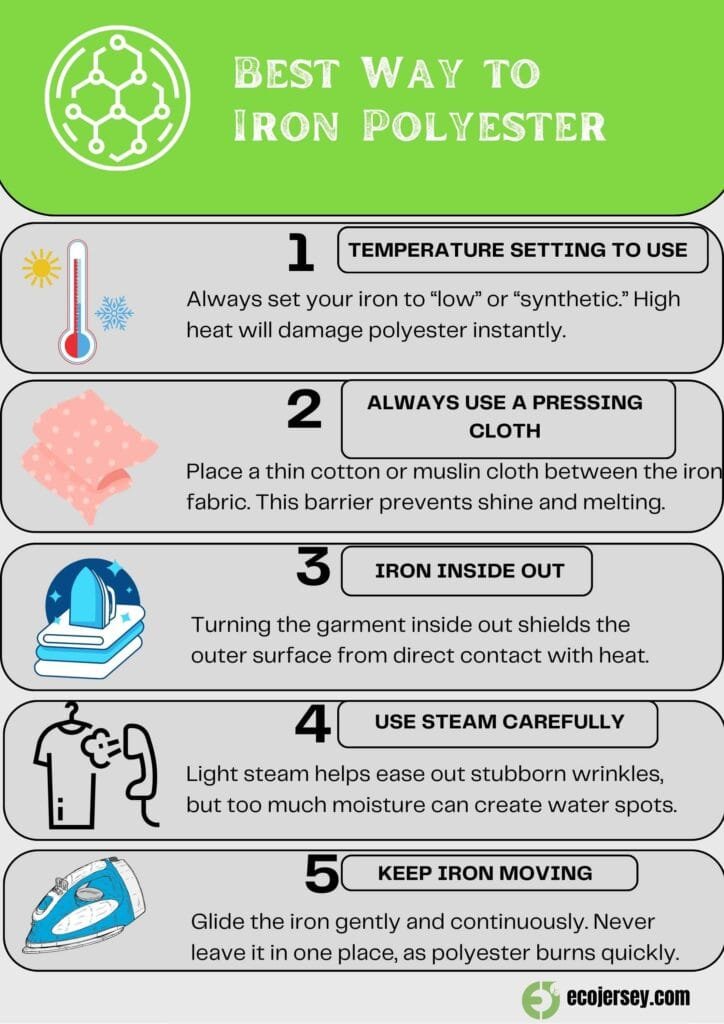
Best Way to Iron Polyester (Step-by-Step Guide)
Iron polyester on low heat, use a cloth, steam lightly, and keep the iron moving.
Temperature Setting to Use
You should be sure to turn your iron to the low or synthetic setting, which is made to work with delicate material. The standard temperature is about 275 °F to 300 F (135 o C to 150 o C). The heat is mild at this level, which removes wrinkles without melting away. Always keep the temperature at its lowest level because polyester sensitivity to heat is fast.
Always Use a Pressing Cloth
The only way to protect against damages is the use of a pressing cloth. All one has to do is to put a cotton or muslin piece of cloth between the iron and the polyester. This shield does not allow direct contact, which minimizes the occurrence of shine marks and burns. It is important to take this step even when you are in a hurry because it makes ironing polyester a lot safer.
Shine Mark Prevention Iron Inside Out.
Before ironing clothes, it is good to turn them inside out to get an added protection. The outer surface that is most visible remains not directly exposed to heat. This process is particularly viable on formal clothing or dark polyester, which contain the most observable shine marks. Ironing inside will not alter the original appearance and finish of the fabric.
Use Steam Carefully
Steam is another helpful when using polyester, however, it should be used carefully. A burst of steam can be used to loosen fibers and loosen stubborn wrinkles. But excessive steam can be left behind in the form of water spots or even result in stretching. Take short bursts and ensure that the iron is in motion so as to balance both moisture and heat in a safe manner.
Move Iron to prevent Damage
Always make sure that your iron is not allowed to rest on polyester fabric, even taking just a few seconds. This helps to evenly spread heat and avoid hot spots that might burn the material. Move the iron in straight movements section by section till the wrinkles smooth. This constant action will allow your polyester to remain smooth and not to be accidentally damaged.
Alternative Methods to Remove Wrinkles from Polyester
Polyester wrinkles are not only fixable by ironing, and in most instances, safer options do exist. The techniques are based on light heat, moisture or cloths treatments that keep fragile fibers safe. They come in particularly handy when you are on the road or cannot get access to an iron. Some of the good and cloth-friendly methods are listed below:
Simple ways to remove wrinkles from polyester
Using a Steamer
A clothes steamer operates on the principle of distensing the fibres of the polyester with the help of vapor and not through contact. This renders it as one of the safest and effective wrinkle-removals. Steam it with a distance of a few inches to prevent over saturation. Your clothing is soft and cool in minutes without the dangers of burning.
Suspending in a Bathroom with Hot Shower Steam.
A second trick to remember is to place polyester in the bathroom when running a hot shower. The steam penetrates the room, loosening the fibers of the fabrics and easing the hard-to-get wrinkles. It is a soft hands off style which is best suited to light creases. This is particularly handy when one is on the move since nothing special is required.
Quick-De-Wrinkling Dryer and Dryer Damp Towel.
When you are in a hurry, put your polyester garment in the dryer accompanied by a wet towel. The towel trails light steam when heating and this is helpful in releasing wrinkles. Put the dryer on low level and leave it running approximately 10 minutes and make sure to check the garment immediately. It should not be left in it too long because it can form new creases.
Wrinkle-Release Sprays
Wrinkle-release sprays are meant to loosen the polyester fibers in a near-instant manner. All you have to do is spray the garment and rub wrinkles off. They are easy to carry, particularly when you need to do some touch-ups before leaving. Before using synthetic fabrics such as polyester, it is always important to first find out whether the product label is safe.
Polyester ironing is delicate and by avoiding these errors, you will be able to preserve your clothes:
Using High Heat Settings
Polyester is a synthetic material, which melts rapidly under high temperatures. It is always important to use the low or synthetic setting to avoid harm.
Pressing Directly on Fabric Without a Cloth
Shiny marks or burns may be produced after direct contact with the iron. A pressing cloth should be used to give an added layer of protection.
Leaving the Iron in One Place
When the iron is not moved, heat accumulates quickly resulting in burns. To prevent permanent marks, move the iron in a smooth motion.
Using Too Much Steam
There can be too much steam and this can leave water dots or can stretch the cloth. Short bursts are safe as opposed to continuous steam.
Neglecting Care Label Instructions.
Polyester blends have a varying heat tolerance. Always use the care label in order to avoid the accidental damage of the fabric.
Failing to Heat Test a Funky area first.
Missing a speedy test may result in apparent burns or shine. Put the Iron on an inner seam first.
What to Do If You Burn or Melt Polyester
How to Identify Heat Damage
Polyester is typically affected by heat in the form of shiny spots, melted spots or stiff and hardened spots. Occasionally the colour can turn a little darker where the fibres have overheated. These are permanent marks that the material has been subjected to a high heat. Before attempting to make repairs or re-use the garment, always look to identify these signs.
Whether It Can Be Fixed or Not
Worst of all, it is irreversible when it comes to polyester going through severe melting since the fibers lose their original shape. Minuscule, shiny spots can be also weakened by rubbing the place with extremely fine sandpaper or rinsing the clothing. This does not however guarantee the total elimination of the damage. Prevention is the most appropriate measure to take as repairing is normally constrained, and not necessarily useful.
Future Preventive Measures.
The best method of preserving polyester is to treat it carefully when ironing. When using the iron, always first put it on the inside of the seam or a hidden part to determine the level of heat. Place a pressing cloth to protect and never place direct heat. Use the least suggested setting possible and ensure that the iron is in motion so that it does not damage.
Polyester Blends: Special Care Tips
Cotton-Polyester Blends: High-heat tolerance
The blends of cotton and polyester are more tougher and adaptable as the rate of cotton in them enhances breathability and heat resilience. Such blends are typically capable of dealing with medium heat during an ironing process and not melt. Nevertheless, even a small concealed part should be tested beforehand to be sure. It is highly encouraged to use pressing cloth to prevent the appearance of shine. With proper balance of heating, you will have a crisp and wrinkle free outcome.
Polyester-Spandex Blends: Added Sensitivity
Spandex is most fragile and is unable to maintain its elasticity at temperatures. In polyester-spandex combinations, the least iron setting should be used at all times. Steam must be evaded as well, since it can loosen the stretch fibers. Rather, soft wrinkles and light pressure short strokes. Such a cautious attitude is a way to preserve not only the appearance but the elasticity of the fabric.
Guidelines to Ironing Mixed Fabrics in a safe manner
Ensure that you use the instructions on the care label when ironing polyester blends, as they are diverse. The safest suggestion is to select the minimum recommended setting for the most sensitive fiber. The ironing inside out is also done with a pressing cloth giving an addition of protection. Work little at a time, and keep the iron constantly on the move to avoid too much heat. These measures ensure smoothness of blended fabrics without the danger of damage.
Final Tips for Keeping Polyester Wrinkle-Free
Proper Storage (Hang vs Fold)
Hang polyester clothes to avoid creasing particularly formal or delicate clothes.
Washing and Dryer.
Wash in low dryer heat. Wash clothes early to keep them wrinkle free.
How to Pack Polyester Clothes to Travel.
Roll, rather than fold. This helps to decrease hard creases and save on luggage space.
Conclusion-
So, can you iron on polyester? Yes you can, but it must be handled with care and with the appropriate technique. Polyester is a tough but sensitive fabric to heat and in this case, ironing must always be done using low-temperature and protective measures. The most safe method of ensuring that the iron does not cause any damage is by using a pressing cloth, ironing inside out and making sure the iron is kept moving. When you feel like it steaming or other wrinkle-removing options then have alternatives that are effective but indirectly heated.
You can keep polyester in a nice condition and make it live longer by using clever care methods and avoiding the most frequent mistakes. With the correct technique, your polyester clothes will constantly appear refined, cool and clean to wear.
No, polyester must not be ironed on high heat since the fibers are sensitive to heat. Too much heat may lead to the melting, shine, or even permanent burns. Always set the iron to the synthesized or low position to be on the safe side.
Can you steam polyester?
Yes, steaming is also safe and one of the most effective methods of removing wrinkle on polyester. Light steam loosens the fibers but there is no danger of direct contact with heat. To achieve the best results, it is recommended to keep the steamer several inches over the garment.
How do you get wrinkles out of 100% polyester?
The low-heat iron, or steamer, or even dryer method would remove the wrinkles. It is usually good to put the garment in the dryer with a damp towel. Use only low-heat to prevent heat damage.
Does polyester melt when ironing?
The low-heat iron, or steamer, or even dryer method would remove the wrinkles. It is usually good to put the garment in the dryer with a damp towel. Use only low-heat to prevent heat damage.
Can you use a clothes steamer instead of an iron?
Yes, a steamer may be a safer option than an iron on polyester. It can eliminate wrinkles without touching or using hot water. Steamers are also practical when dealing with fragile garments and traveling cases.
Solution-dyed polyester has become a game-changer in the textile industry. Known for its durability, fade resistance, and eco-friendly production process, this fabric is widely used in upholstery, outdoor furniture, and apparel. Additionally, it offers long-lasting color that doesn’t wash out or fade easily. In this blog, we will explore what solution-dyed is, its benefits, common applications, and simple care tips.
What is Solution-Dyed Polyester?
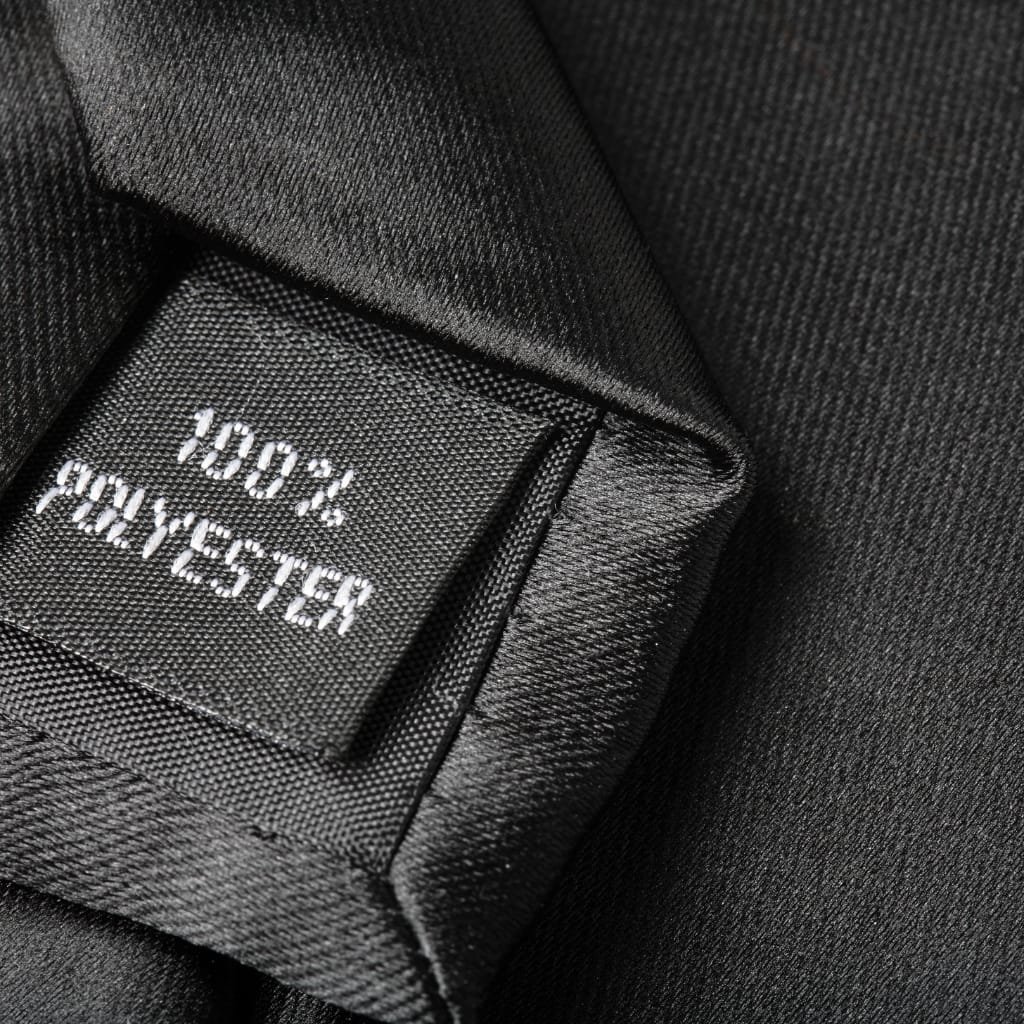
Close-up of a black fabric with a stitched tag displaying material information.
Solution-dyed is a synthetic fiber where color pigments are added during the polyester fiber production process itself, not afterward. As a result, the color is locked inside the fiber rather than applied on the surface. Because of this unique method, the fabric becomes fade-resistant, durable, and less prone to staining.
Benefits of Solution-Dyed Polyester
1. Fade Resistance
The infusion of color into the fibers significantly reduces fading due to sunlight or repeated washing.
2. Stain Resistance
The closed fiber structure prevents spills and stains from penetrating deep into the fabric. Consequently, cleaning becomes much easier.
3. Eco-Friendly Production
Unlike traditional dyeing, solution dyeing uses less water and fewer chemicals. Therefore, it is a more sustainable choice.
4. Long-Lasting Durability
This polyester fabric resists wear and tear, making it ideal for high-traffic areas and outdoor furniture.
5. Vibrant Colors
Because the color is inherent to the fiber, the fabric maintains a bright, consistent appearance for years.
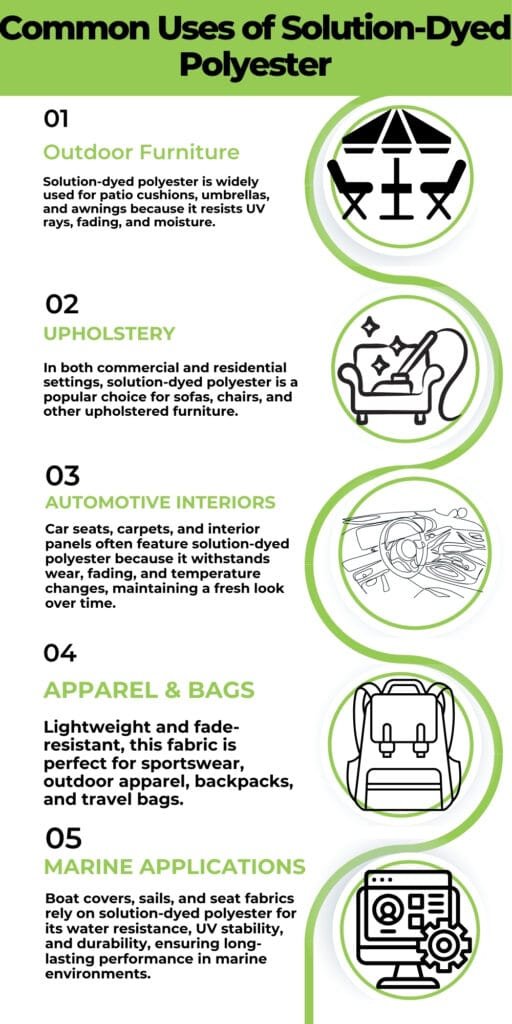
Common Uses of Solution-Dyed Polyester
Common Uses of Solution-Dyed Polyester: Outdoor furniture, upholstery, automotive interiors, apparel & bags, and marine applications, each highlighting the colorfast and durable properties of solution-dyed fibers.
Outdoor Furniture: Its UV resistance makes it perfect for patio cushions and umbrellas.
Upholstery: Used in commercial and residential furniture for a long-lasting finish.
Automotive Interiors: Seats, carpets, and panels often feature this fabric for its durability.
Apparel & Bags: Lightweight, fade-resistant clothing and accessories benefit from solution-dyed fibers.
Marine Applications: Boat covers and seat fabrics are commonly made with dyed polyester.
Styling and Design Ideas
Outdoor Décor: Add bright, patterned cushions to your patio furniture for a lively look.
Indoor Upholstery: Use neutral shades for a modern, elegant interior style.
Automotive Interiors: Complement car interiors with durable, fade-proof fabrics for long-lasting appeal.
DIY Projects: Create custom seat covers or tote bags using dyed polyester for durability and style.
Care Tips for Solution-Dyed Polyester
Clean spills immediately with mild soap and water.
Use a soft brush to remove dirt or dust regularly.
Air dry to maintain the fabric’s integrity and color.
Conclusion
dyed polyester offers unmatched durability, vibrant colors, and eco-friendly benefits. Because of its resistance to fading, stains, and wear, it has become the top choice for both indoor and outdoor applications. Moreover, with proper care, this fabric can maintain its beauty and functionality for years.
FAQs
Why is solution-dyed polyester fade-resistant?
During fiber production, someone adds the color pigments, so they become part of the fiber itself, preventing fading.
Is dyed polyester eco-friendly?
Yes, it uses less water and fewer chemicals than traditional dyeing methods, making it more sustainable.
Can solution-dyed polyester be used outdoors?
Absolutely. Its UV and weather resistance make it ideal for outdoor furniture and décor.
Polyester is a highly favored synthetic fabric in the world. It is powerful, multipurpose, wrinkle free, and is frequently mixed with natural fibers to enhance performance. Polyester is popular because it is durable and cheaper than other fabrics and is used in clothing, bedding, upholstery, and even bedding.
However, there is one issue that accompanies these benefits and this is pilling. Pilling is seen as the development of small balls of fibers on the fabric. These little clumps of fuzzes cause clothes to appear old and battered, when they are actually not old.
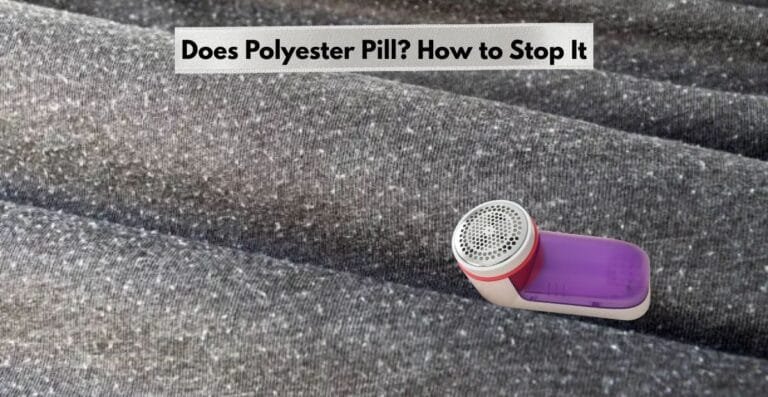
One of the most common place queries on the internet is does polyester pill? because people are interested in their preferred polyester shirts, leggings, or blankets to form such exasperating balls of fabrics. Knowing why polyester pills, how to avoid them, and ways most suitable to repair it will aid you in lengthening the life of your garments. Does Polyester Pill
Does Polyester Pill?
Yes, polyester can pill. Actually, pilling is a frequent problem of polyester and polyester blends. Polyester is a tough fiber, but their synthetic nature causes loose fibers to stick together rather than falling off. This causes small balls of fabric to be attached to the surface.
Polyester pills differently in comparison with natural fabrics. An example of this is cotton, which pill lowers the degree of crushing since loose fibers are easier to lose. Wool pills also grow a lot and it can be shaved off. Its smooth fibers make linen rarely pill. This fabric though, has a tendency of retaining pills due to its powerful synthetics threads.
Polyester pills are most frequently subjected to friction, e.g. rubbing against skin, bags or furniture. Polyester and spandex / cotton blended fabrics can pill more easily since various fibers can interact when wearing and washing. Does Polyester Pill.
Why Does Polyester Pill? (Causes)
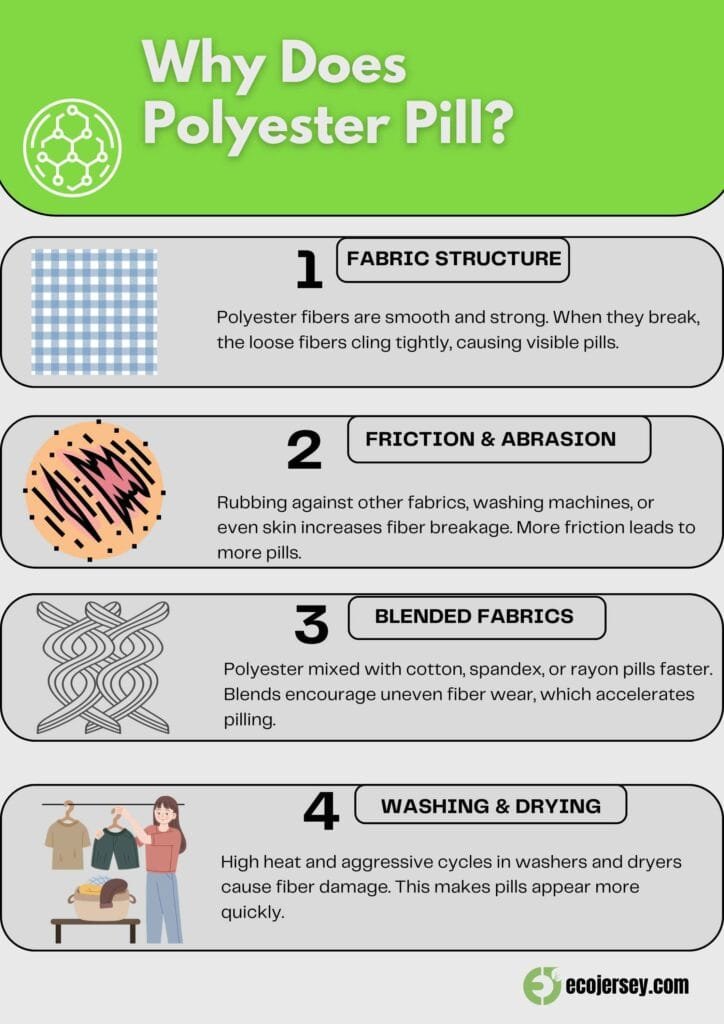
Polyester pills due to fiber structure, friction, blends, and washing.
Cloth Structure and Artificial fibers.
Polyester fibers are made to be smooth, wear resistant and durable. But when little bits of these fibers are broken they do not come away readily. Rather, there the torn ends are stuck firmly to the surface of the fabric. This will lead to little balls which are visible after a long time, commonly referred to as Does Polyester Pill.
Friction and Abrasion
Polyester can be weakened by constant friction with other fabrics, bags, or with yourself. This friction is added during everyday activities such as walking, sitting or washing. Fibers are broken, they get tangled and attached to the cloth. The longer the rubbing, the greater number of pills begin to develop.
Blended Fabrics
Polyester can be mixed with cotton, spandex or rayon in order to enhance softness or stretch. Unluckily, such combinations are susceptible to uneven wear of fibers. Natural fibers peel off and synthetic fibers stick together and form pills. This is an unequal distribution that causes blended polyester clothes to pill quicker than pure polyester.
Washing and Drying Methods
Polyester should not be washed on vicious cycles or coarse items; this hastens the process of breaking the fiber. Dryers also contribute to high heat that undermines the material and promotes the formation of pills. Wearing them inside out and gentle cycles will slow the process. Proper drying techniques also minimize the possibility of the visible pilling.
Does 100% Polyester Pill Less Than Blends?
There is a general understanding that 100% polyester pills less than blends, although this is not always the case. Polyester is prone to pilling, particularly in places of severe friction such as the underarm or the seat cushion where it is used in its pure form. Polyester blends however tend to pill more easily due to the tendency of natural fibers to break and attach themselves on the synthetic fibers.
By way of illustration, a cotton-polyester shirt can have more pills compared to a pure polyester shirt. Spandex blends pill most easily due to their elasticity. This demonstrates that toughness is not pill-proof. Polyester is not weak but only strength cannot stop pilling.
How to Prevent Polyester from Pilling
Washing Tips
Wash polyester on gentle cycle, cold water and invert clothes inside out, before loading. This microscopic measure makes friction less and the fibers wear longer. Cold water also averts fabric-stress that may result into damage. Polyester can maintain their shape with regular care, and they appear newer with time.
Avoid Fabric Softeners and Harsh Detergents
Polyester is commonly left with residue of softening agents, weakening fibers and stimulating pilling. Strong detergents may be too harsh and hence they strip the fabric of its protective covering. Use soft liquid detergents, which are made of sensitive fabrics. This makes the polyester garments durable and soft to wash. Does Polyester Pill?
Using Laundry Bags
Mesh laundry bags serve to offer a shield around polyester clothes in case of machine washing. They reduce contact with other clothes, which is a frequent reason of pilling. This is particularly applicable on such products as polyester dresses or shirts. Wearing bags on a regular basis will make clothes look new and more durable.
Line Drying Instead of Tumble Drying
Polyester is very sensitive to the dryer and its heat; air drying is much milder. Heat is used to make fibers weaker, break and form more pills within a short time. Polyester is lightweight hence it dries quickly without the use of additional energy. Line drying will prolong the life of the fabric and make the garments free of pills.
How to Remove Pills from Polyester
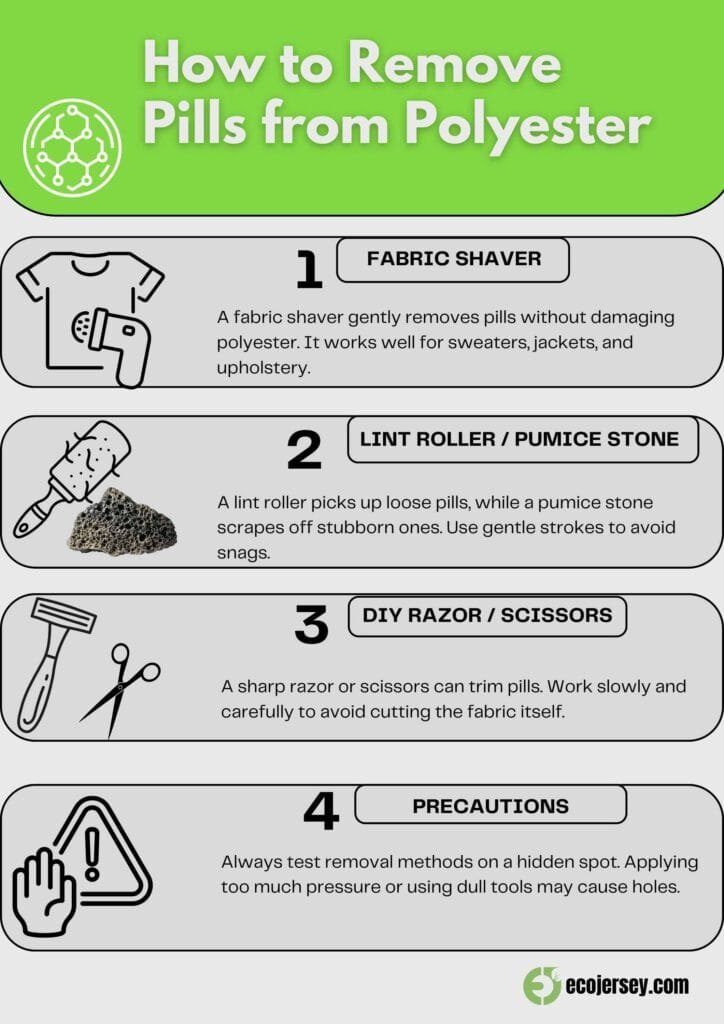
Fabric shaver, lint roller, razor, and precautions help remove polyester pills.
Fabric Shaver
It is a soft shaver which removes pills on the surface of the fabric without damaging polyester fibers. It works particularly well with clothing, upholstery and home textiles. Frequent washing assists clothes to keep a smooth and fresh appearance.
Lint Roller or Pumice Stone
Polyester surfaces are easy to pick up loose pills and fuzz with a lint roller. In the case of harder pills, a pumice stone may be employed but with gentle blows. Both are simple, and safe in gentle applications.
self-help (Razor, Scissors Carefully).
Pills can be clipped off using sharp razor or a small pair of scissors. Slowly cut in small portions to prevent incidents of accidental cuts. Patience is the key to successful outcomes without ruining the fabric.
Care to prevent the damage of the fabrics.
Always check whatever technique to remove the pills in a concealed or less noticeable area. Using excessive force can leave permanent snags or little holes. The fabric is safest when it is cut with sharp and clean tools.
Polyester vs Other Fabrics: Which Pill More?
Polyester vs Cotton
Cotton is less likely to pill as the fibers break open, and do not tend to stick on the garment. Polyester on the other hand retains broken fibres and leads to pilling with time. This causes polyester clothes to appear old-fashioned sooner. Cotton is also softer and it wears more naturally. Polyester is to be given additional attention to avoid accumulation of pills.
Polyester vs Wool
Wool is a natural fiber that pills a lot particularly in lighter knits such as sweaters. The contrast is that wool pills can be removed with ease than polyester pills. The loose fibers of wool roll into little balls that can be separated easier. Polyester pills, in their turn, clog well and are more difficult to remove. This causes polyester to look coarse upon beginning to pill.
Polyester vs Rayon/Viscose
Rayon and viscose are delicate fibers and they pill very fast and in many cases worse than polyester. Their fiber strength is weak and thus they break more easily when under friction. They wear out more quickly, and form fuzz in blends. Polyester is more resistant, therefore its pills stick longer, whereas rayon pills can cause the garments to appear old after fewer laundry cycles. The two should be washed carefully to reduce the harm.
Polyester vs Blends (Cotton-Poly 50/50)
Mixed materials such as 50/50 cotton-poly are the most susceptible to pilling. Cotton strands are easy to snap and attach to the stronger fibers of polyester to form pill-like stubbornness. Such pills tend to be more difficult to take off and visible on clothing. Blends are a combination of two fibers and their weaknesses, which causes quicker wear of fabrics. That is the reason why blended clothes can become older than pure fabrics.
Best Uses for Polyester Despite Pilling
Activewear: Polyester is the best fabric because of its stretch and strength, as well as moisture resistance properties.
Outerwear: Jackets, coats and windbreakers withstand weather and are easy to shape.
Fabric: Sofas and chairs are made of polyester that is easy to clean and durable.
Fast Fashion: Polyester is cheap, common, and can be conveniently styled to be worn on a daily basis.
Even after pilling, polyester has not been useless since it is multifunctional, cheap, and simple to maintain.
Conclusion-
So, does polyester pill? The answer is yes. Polyester is robust and versatile, and the synthetic fibers have the capability of retaining broken fibers resulting in the formation of small, fuzzy pills. This causes worn out clothes and upholstery.
Pilling is not however the indication that the polyester is of low quality or useless. Polyester clothes can stay fresh, with the correct washing techniques, protective measures, and pill removal aids, several years. Prevention and good care is the key. With tips in this guide you can have all the advantages of polyester and at the same time maintain a polished wardrobe.
Yes, polyester pills more so because its artificial fibers do not shed-they stick to the pieces of strands. When cotton fibers break, they tend to disperse hence the pills become less noticeable. This causes polyester clothes to wear and tear prematurely without due care.
Does high-quality polyester pill less?
Polyester with high quality is produced using fibers of stronger and smoother quality which are difficult to break as compared to low quality polyester. Although this will decrease the chances of pilling, it will not avoid it entirely. Premium polyester can even pill on exposure to friction and heat.
Do polyester bed sheets pill?
Polyester bed sheets may have their pills, especially when they are washed a lot or subjected to harsh treatment. Rolling and twisting at night maintains friction on the surface at all times. This eventually results in tiny pills that influence comfort and the looks.
How long before polyester starts to pill?
When polyester is subjected to friction-intensive cycles, it can start pilling after a few washed. The bedding, cuffs, and the under arms are particularly likely to early pill. Under tender treatment, however, it is possible to make the process a much slower one.
Hebei Linen fabric as with all materials requires certain techniques to maximise its full potential. For instance, a fabric belt with a smooth finish can greatly enhance the aesthetic of various outfits. Plus, a handkerchief can turn into a neck accessory for a more sophisticated, chic look. However, some people misuse the fabrics for these purposes by failing to account for its style or combining it with other materials. When the fabric lacks quality or people use it in an unfitting manner, the overall appeal of the accessory becomes compromised.
Distinctiveness in the Global Market: Hebei Linen Fabric
Hebei Linen fabric is unique in comparison to its counterparts due to its combination of heritage and modern innovation. NB: synthetic fibres are unlike this linen fabric in its breathability, strength, natural texture and positive breathing ability. Additionally, the fabric’s linen and eco friendly and sustainable manufacturing process contributes to its global market identity, making it a desirable fabric target for ethically concerned consumers.
The Timeline of Hebei Linen Fabric and its Paleoethnobotanical Roots
The history of this fabric is rich and goes back centuries, with weaving traditions inextricably linked to the region’s culture and civilization. In the past, Hebei Linen fabrics served as a linchpin of exquisite craftsmanship, and merchants from surrounding areas came to buy it. Today, manufacturers incorporate modern technology to optimize age-old traditions, and they distribute Hebei Linen fabric to international merchants with superior quality.
The Modern Day Prestigious Quality of Hebei Linen Fabric
Much of the hebci linen fabric reputation comes from the reputation of rigorously observing quality expectations. Every producer in the chain of supply pays exceptional attention to the rises and falls of the quality and the controlling variable that each roll must meet international standards. Because the industry holds the fabric to unprecedented standards, manufacturers consistently produce superior and innovative results that satisfy global market needs. The high demand of the fabric due to softer, stronger and durable fibers fulfills the modern market of blankets and sheets from the fabric used in the manufacturing.
Methods of Strengthening the Quality of Hebei Linen Fabrics
Natural farming techniques and weaving innovation define the type of fabric production for Hebei Linen. Flax farming is carried out in ideal conditions and is later processed into fabric by skillful workers. In addition, the use of sustainable techniques in production of Hebei Linen fabrics and avoiding the use of harmful chemicals enhances its ubxiportability. Each step emphasizes quality and factors of which capitalize the reputation of Hebei Linen fabrics around the world.
Unique Attributes of Daily Use of Hebei Linen Fabric
Among the fabric type, Hebei Linen is popular and appreciated for its durability, breathability and everyday use comfort. Its natural polymers help in re regulating the body enabling the user to be cool in summer and warm in winter despite the type of clothes they put on. Thus, the user of Hebei Linen fabrics remains comfortable despite the wear and the fabrics is highly dependable.
Certifications That Prove the Sustainability of Hebei Linen Fabric
In the modern world, people are interested in buying certified products, and so does Hebei Linen fabric, which holds Linen fabric everything in particular. Factories that manufacture the Linen fabric works in compliance with GOTS and OEKO-TEX standards which helps in proving the Linen fabric is safe with sustainable eco friendly production methods. These standards also offer proof of responsible production and that the Linen fabric is processed with free of any chemicals.
The Cultivation of Flax For The Production of Linen Fabrics in Hebei
Flax farming in Hebei starts with sustainable practices mindset. The farmers utilize limited herbicides and water while deploying age-old practices for ensuring sustainable growth of the cash crop. The final outcome lays emphasis on the bouyant and sturdy fibers found in the flax grown in hebai. The mortgage value of heb Paz Fabrics is eco and friendly which maintains the sustainability ethos and high quality.
The Unfolding Methodology For The Fabric Production
Hebei woven linen goes through harvesting and defibering as the final touches with the alginate soaking and chemical treatment. There is spinning with vivid threads and intricate patterns while still ensuring durability. All sorts of linens and their composition using meticulous and precise craftsmanship while weaving is ensured to abide by the durability of the woven linen.
Reduction of Environmental Impact From Manufacturing Process
Along with minimalistic and sustainable ways of linen production, the farmers utilize water with less than minimum streams of rife water and protect the crop from pesticides. The waste through production is collected by recycling the used mechanisms. The ease on the earth and sustainable practices of fabric usage is akin to the synthetic materials.
“Reducing environmental impact in manufacturing: focusing on cleaner energy, sustainable materials, waste minimization, and closed-loop recycling. Innovative processes lower CO2 emissions while protecting ecosystems for a greener future.”
The Diverse Uses of Hebei Linen Worldwide
Hebei Linen fabric is an intense and interesting fabric that people use to make different types of clothing. Designers find Hebei Linen fabrics very popular, and they use it extensively in men’s shirts, women’s dresses, and casual wear. It also works perfectly in summer collections because the breathable fabric keeps wearers comfortable. Furthermore, luxury brands use Hebei Linen fabrics in eco-friendly apparel, showing the true versatility of this timeless textile.
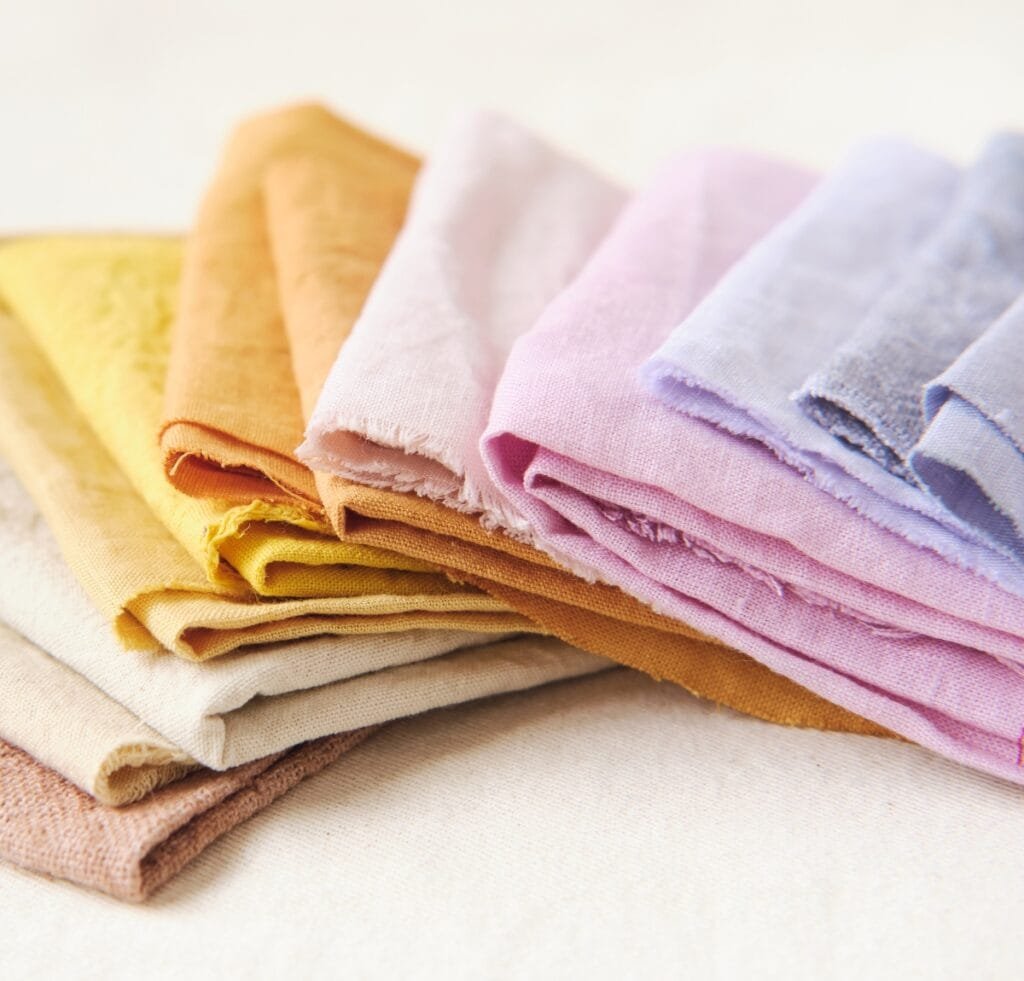
“A colorful assortment of Hebei linen fabrics, showcasing a spectrum of soft pastels and natural tones ready for weaving and sewing projects.”
Application of Hebei Linen Fabric in Women’s Clothing
Women’s fashion is abundant with smart, elegant and fashionable dresses, skirts and blouses. The natural drape and linen of the fabrics makes the linen outfit more elegant, with the added comfort that Hebei Linen provides as well. The everyday comfort in expensive wear is important, and designers know the value offered with the use of Hebei Linen Fabrics. Timeless styles collection, which the cloth is also used in, becomes much more sophisticated with the fabric.
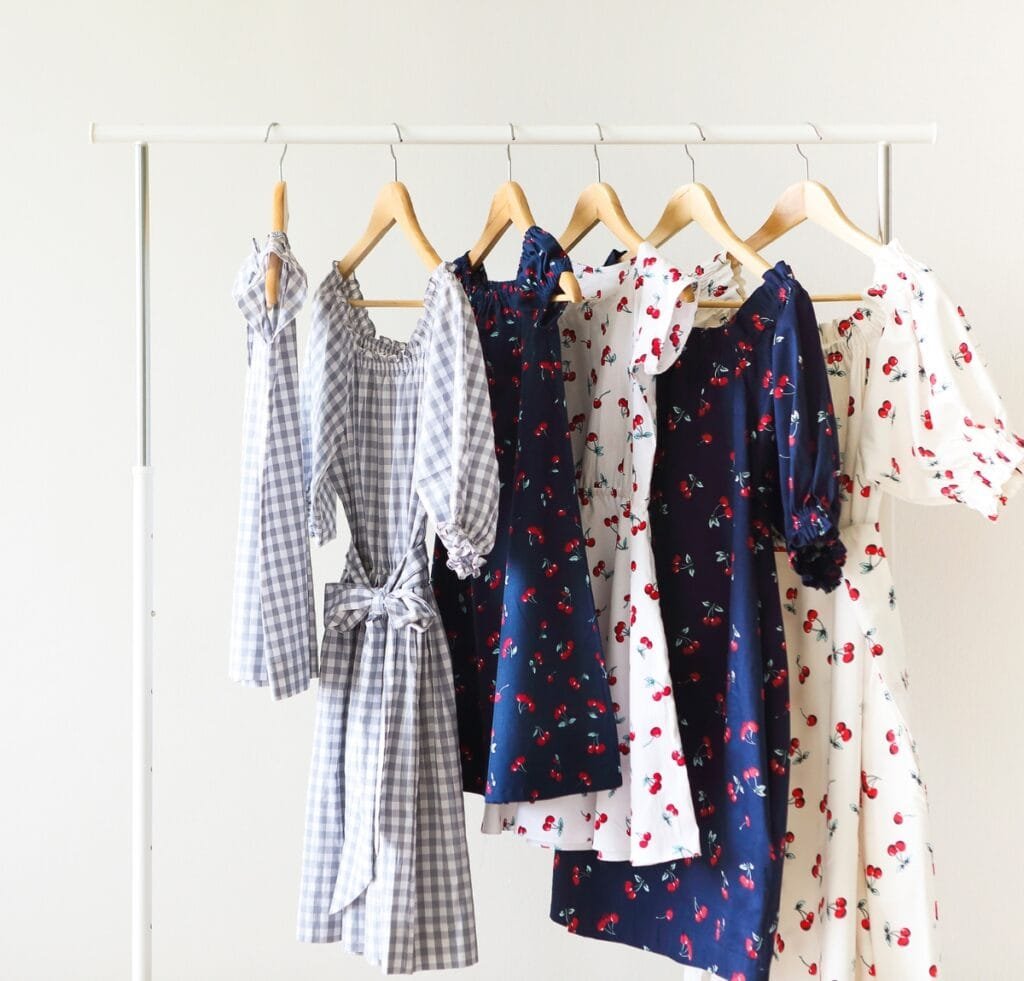
“Hebei linen-inspired fabrics appear in a selection of women’s dresses and blouses, highlighting breathable weaves and delicate prints.”
Application of Hebei Linen Fabric in Men’s Clothing
Men’s fashion is also benefited with the use of Hebei Linen fabric. Casual wear which include shirts, trousers and jackets, becomes more fashionable with the use of this interesting fabric. Not only does it keep the wearer in style, but it is also hygroscopic, making it appreciated in summer wardrobes. Furthermore, men determine their preference for Hebei Linen by recognizing the balanced style and practicality the fabrics offers.
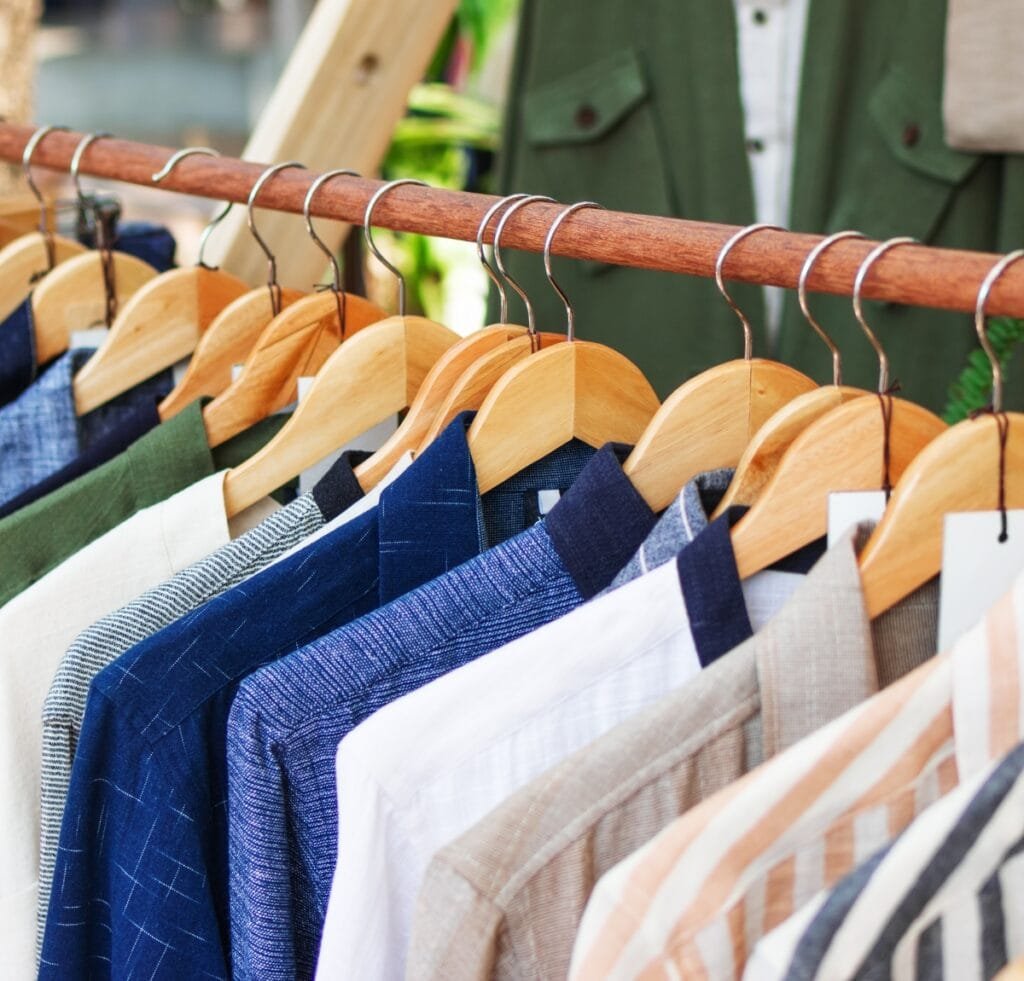
Application of Hebei linen fabric in men’s clothing: breathable, comfortable linen textures used in shirts and lightweight jackets.
Home Textiles Made from Hebei Linen Fabric
Hebei Linen fabric is very popular among designers when it comes to home decoration. Its natural texture is a good fit for modern or rustic designs. Curtains, cushions, or any type of fabric made from Hebei Linens creates a warm and environmentally friendly atmosphere which is why it has become one of the go-to fabrics for modern homes.
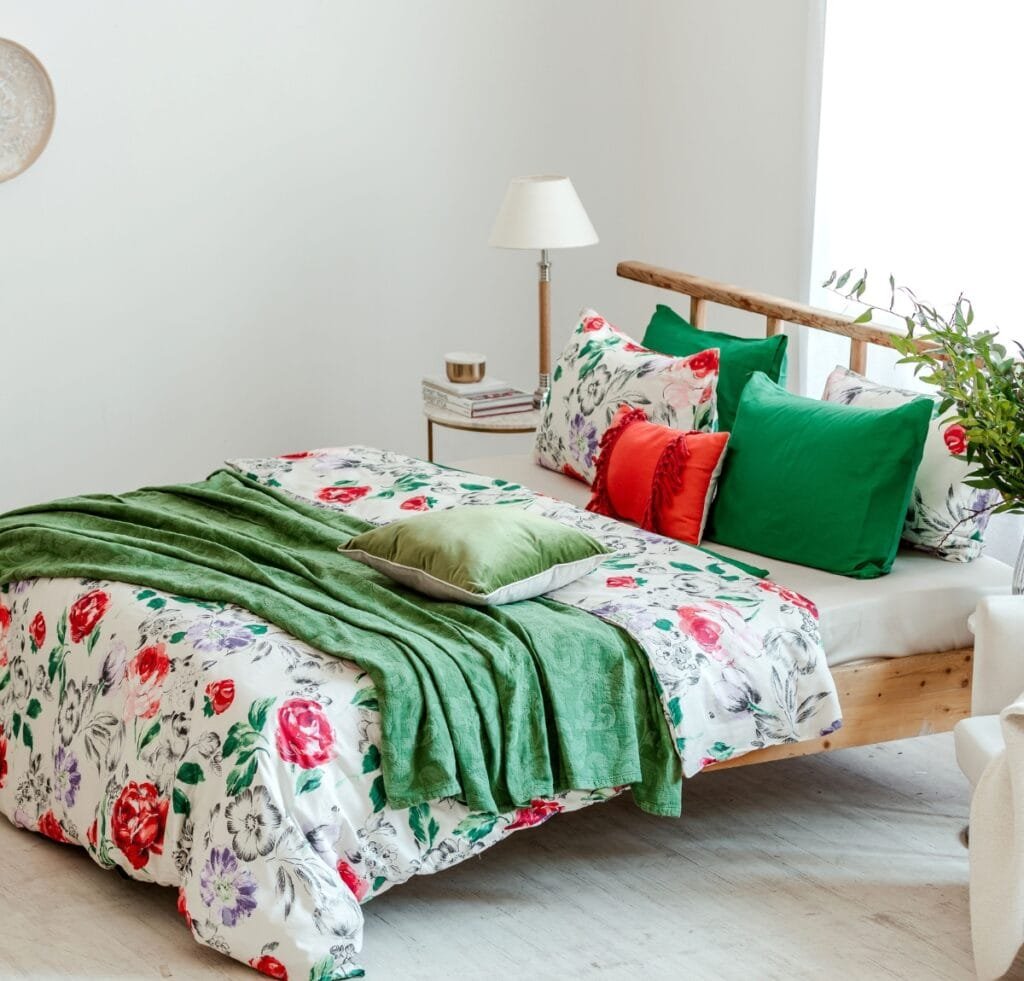
Home textiles crafted from Hebei linen bring fresh botanical charm to a bright bedroom—floral linens, vibrant greens, and natural textures blend for a serene, inviting retreat.
Bedding Collections Featuring Hebei Linen Fabric
Luxury bedding collections proudly showcase striped bedding sets made with Hebei Linen fabric. Every wash enhances its softness, and unbeatable comfort is a promise with the fabric. Moreover, the temperature-regulated comfort makes it a perfect choice for all seasons. Customers appreciate bedtime ensembles crafted with Hebei Linen, for the perfect balance of functionality and elegance.
Upholstery and Furniture with Hebei Linen Fabric
Grab-and-go accessories for your home won’t require much effort. Hebei Linen incorporated into ready made upholstery or sleek pieces of furniture makes a statement. Every Hebei Linen piece has a statement to tell, adding elegance to your every move. Your nearest furniture outlet offers value and glamorous street style, and its natural colors will catch second glances wherever you go.
Upholstery and furniture accented with Hebei linen fabrics create a soft, inviting bedroom: a tufted pink bed, a cream wing chair with a floral cushion, and a dark wooden armoire set against a light-paneled wall.
Industrial Uses of Hebei Linen Fabric
Besides its use in clothing and home décor, industries also use Hebei Linen fabric in many applications. Manufacturers craft ropes, sails, and stronger fabrics from it. They also use Hebei Linen fabrics in biomedical and specialized items. Its versatility allows Hebei Linen fabrics to serve many different industries across the globe.
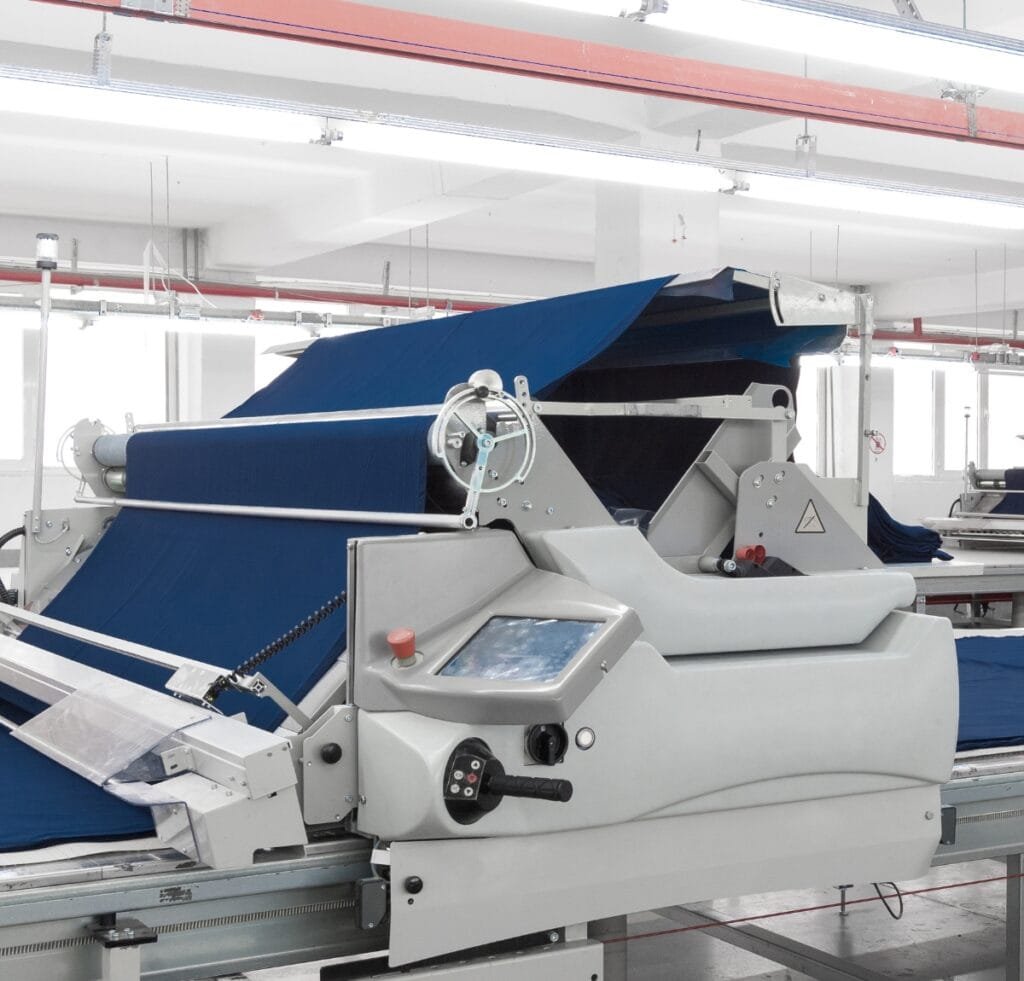
Industrial textile production: Hebei linen fabric processed on a high-speed loom/finishing line in a modern manufacturing facility.
Demand for Hebei Linen Fabric
As the trend moves towards sustainability, so the demand for Hebei Linen fabric is also increasing. People greatly appreciate the value of fabrics. Many choose Hebei Linen fabrics because it offers reasonable prices and very good quality. Also, more and more customers are becoming aware of the environment and prefer fabrics that are not synthetic. The demand for the fabric in the international market is increasing every day.
Difference Between Hebei Linen Fabric and European Linen.
European linen is often considered luxurious, whereas Hebei Linen fabric is more reasonably priced and gives good quality. Many opt for Hebei Linen fabrics for mass production as it still maintains the quality. This is very appealing and makes Hebei Linen fabrics very appealing for both high-end luxury brands and mass market retailers.
Affordability of Hebei Linen Fabric for Global Buyers
One of the main pros for Hebei Linen fabric is cost-effectiveness. It offers a premium quality fabric at a very low price. Thus Hebei Linen fabrics is appreciated by both small scale companies and big multinationals. The low price of Hebei Linen fabrics is an added advantage for the international trade.
Caring for Hebei Linen Fabric at Home
Proper care prolongs the overall lifespan of Hebei Linen fabric. Experts recommend washing the linen in cool water with gentle soap. They also suggest air drying as the best method to maintain the fabric’s strength and freshness. With consistent and gentle care over time, you can preserve the quality of Hebei Linen fabrics without compromise.
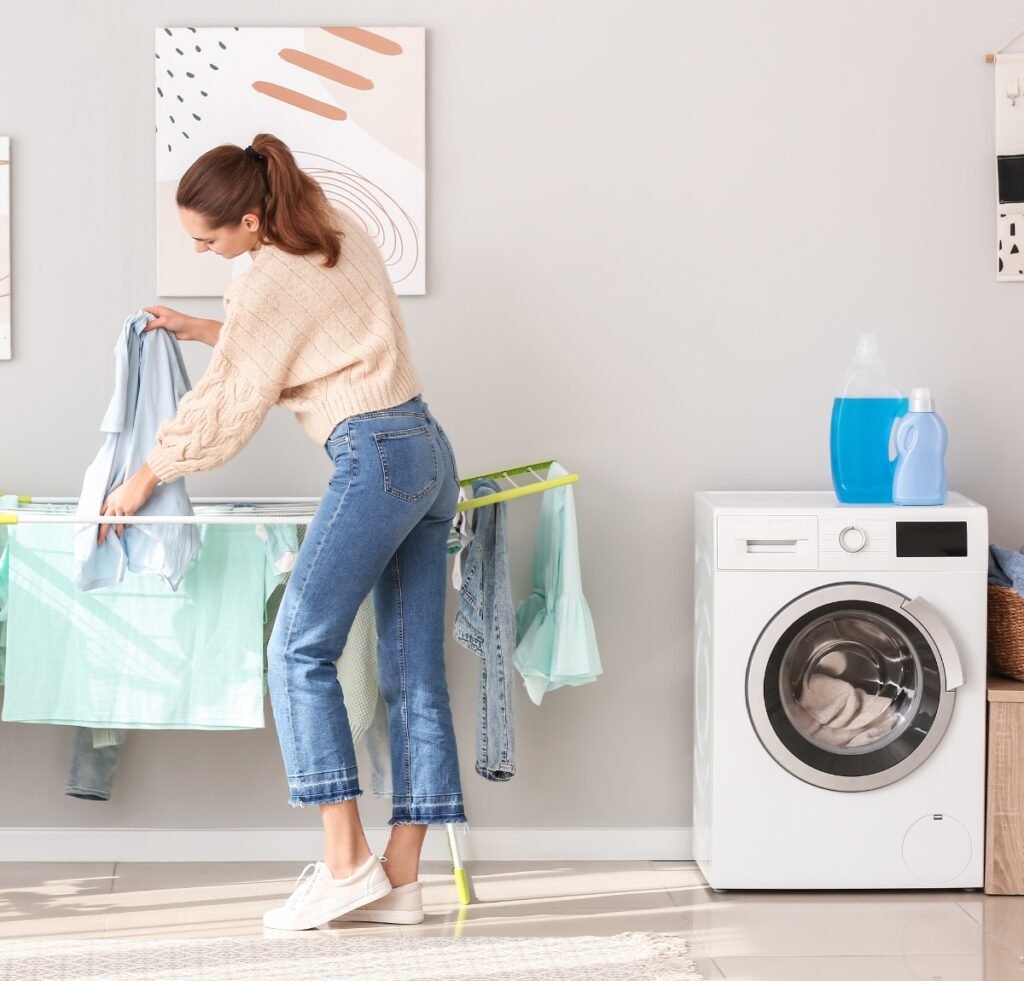
Caring for Hebei linen fabric at home: a tidy laundry space with a woman air-drying clothes beside a washing machine.
Maintenance Tips for Hebei Linen Fabric Durability
Over time, the strength of Hebei Linen fabric is softening slowly and steadily. Washing the fabric enhances the comfort whilst improving overall texture. “Ironing at medium heat also maintains the crispness of the fabric, and the wrinkly, zouy. These tips help in keeping the linen fabric stylish and durable.
Eco-Friendly Fashion Trends Centered on Hebei Linen Fabric
The sustainability of fashion today includes eco-friendly innovations such as Hebei Linen fabric. Its use in minimalism clothing, and other slow fashion and eco-friendly lifestyle ideas, speaks of its increasing popularity. Furthermore, as these concepts become mainstream, the eco-friendly, biodegradable and natural fabric as raw material, will be on top of the list. With time, Hebei Linen fabrics will be a cornerstone of its guiding principles of eco-friendly strategies employed on the evolving and emerging tech border.
Hebei Linen Fabric in the Global Textile Future
The Hebei Linen fabric will be a cornerstone of the dynamic borderless industry as we look ahead. Along with the advancement of tech and sustainability, the effortless and eco-friendly nature of the fabric will be in demand. It will also be readily available for new innovations in processing, which will further enhance the existing tech.
Conclusion
To circle back, one can argue that, devoid of the mindless rhetoric associated with other forms of expression, Hebei Linen fabric serves a greater purpose. It speaks of the ideals of the world today, a stamp of the quality and precision in eco-friendly and diverse style manufacturing. Its unparalleled quality successfully serves both reasoning and the natural world, emerging as a cornerstone of diverse ritualistic practices. It serves as a constant inspiration, stretching across boundless segments of fashion and interiors. Read more Article// Linen Blend Fabric: Style, Comfort, and Elegance Combined
FAQs
What is Hebei Linen fabric known for?
Hebei Linen fabric is known for its durability, breathability, and eco-friendly production. It remains a popular choice for fashion and home textiles.
Is Hebei Linen fabric sustainable?
Yes, Hebei Linen fabric is highly sustainable. It uses less water, fewer chemicals, and often meets GOTS and OEKO-TEX standards.
What are the main uses of Hebei Linen fabric?
Hebei Linen fabric is used in fashion apparel, bedding, curtains, upholstery, ropes, and specialty textiles. Its versatility makes it valuable in many industries.
How do I care for Hebei Linen fabric?
Wash Hebei Linen fabric in cool water with mild detergent. Air drying works best, but low tumble drying is also safe.
I’m sure that you have, like most people, fallen for the texture of linen and the way it feels on the skin. To be honest, in our contemporary marketplace filled with the likes of “natural” and “eco-friendly, “ how do you verify the credibility of your purchase? Fulfillment of true quality, authenticity, and sustainable practice is in understanding Linen Fabric Certification. These independent verifications help cut out the chatter and guarantee that the fabric has passed rigorous checks and balances of external validation.
Why the absence of Linen Fabric Certification is like wearing no protective gear at all.
You need to appreciate that Linen Fabric Certification represents much more than a distinct logo on a tag; it is a framework of responsibility. In essence, such certifications place a higher obligation on such brands, thus offering you a rock-solid assurance that the item you let into your house is indeed what is linen claims to be. Hence, by buying certified linen, you are deciding to help uphold ethical and responsible production from field to final product.
Trustmark’s Explainable: An Overview of Vital Certifications
Equally important is the fact not every certification is of the same worth. Every label articulates a certain level of success. The following is an analysis of the most pertinent marks to ascertain:
1. Master of Linen™ / European Flax®: The Passport
What it certifies:Proven authenticity and European origin.
What it means: This type of Linen Fabric Certification ensures that the linen is comprised of 100% European-grown flax and is completely traceable from the field to the yarn. The flax must be grown rain-fed, non-GMO, and highly uricultural. Thus, not only are you acquiring a premium certification, but you are also supporting European flax farmers and transparent, traceable European supply chains.
2. GOTS (Global Organic Textile Standard): The Gold Standard
What it certifies: Organic Status and Holistic Ethics.
What it means: GOTS (Global Organic Textile Standard) certification is the most involved certification for organic fibers and linen fabric. The organic certificate for linen fabric is issued only when flax is grown without herbicides, toxic pesticides, or chemical fertilizers. The crop must also be free from synthetic pesticides and GMOs. GOTS-certified flax is cultivated responsibly under strict ecological guidelines. The entire process, from farming to harvesting, follows GOTS compliance. This ensures the linen fabric meets top ecological standards and grade A social criteria. These standards include no child labor, fair wages, and safe working conditions. If you care about the planet and the people living on it, you know where to search for GOTS.
3. OEKO-TEX® Standard 100: The Health Assurance
What it certifies: Human-Ecological Safety.
What it means: The most positive certification for OEKO-TEX® Linen fabric is based on compliance with the fabric certification GOTS and the most positive compliance with the standards. The certificate is issued to linen products which has no less than one hundred regulated substances on the list, one of which is heavy metals, numerous allergens and pesticide residues. Thus, any linen product which bears the OEKO-TEX® Standard 100 label, means the absence of any materials which can be harmful to the health of a person, especially children or babies, as well as people with delicate skin.
4. GRS (Global Recycled Standard): A Certified Champion of Circular Economy
What it certifies:Responsible Processing of Recycled Materials.
What it means: A set of certification provides GRS Linen Fabric Certification of recycled content and its circular economy tracking. Beyond confirming the percentage, the standard certified ‘Responsible Social and Environment’ all through the textile life-cycle. By applying GRS, a textile industry can substantively shrink its pollution footprint and help mend the broken circular economy.
The Concrete Reasons: Why Linen Fabric Certification Should Matter to You
In addition, the assurance of Linen Fabric Certification offers practical, direct advantages protective of your purse and daily life.
Guaranteed Superior Quality: Certified linen, especially the one carrying the Master of Linen mark, is a fabric of superior quality which its softer, more durable and longer-lasting than all its uncertified counterparts.
Guaranteed Health Safety: You are also assured of health safety because the sheets, towels and clothes are OEKO-TEX certified and thus, harmless even to the most sensitive skin.
Longevity of Investment Protection: Certified and high-quality linen indeed beautifies with every wash and can last for decades. Therefore, for the home, it is indeed a wise and sustainable investment.
Supportable Conscientious Spending: You also can shop with complete peace of mind, certainty that your purchase does not conflict with your principles. You are buying the more responsible textile industry.
Your Action Plan: How to Be a Certification-Savvy Shopper
To do that, your next step is to implement a better practical strategy. Follow these steps during your next shopping excursion:
Investigate Deeper Than the Hype: Do not accept the marketing claims of a brand’s products. Instead, look for the actual certification logo on the product tag, the brand’s site, or the packaging.
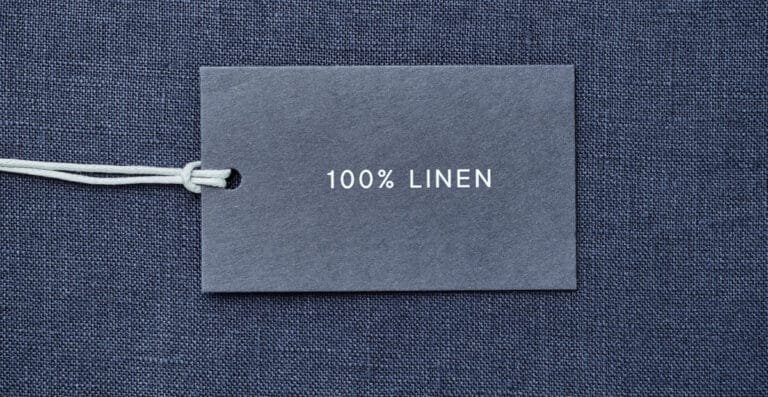
Examine the Content Label Closely: Focus on the content label. It should say “100% Linen” or “100% Flax.” Be wary of blends that are falsely advertised as “linen-style” or “linen-effect” as this is deemed to be deceptive.
Pose Specific Questions: Brands that claim to be sustainable without any sustainability certification are the ones that should be queried the most. It should not be hard for your other practices to be sustainable and, therefore, truly sustainable.
Skip to the Final Word on Certified Linen: Prioritize Values. Why does it matter to you most? Organic grown cotton and sustainable textiles (GOTS), or a product that saf and/or non-toxic (OEKO-TEX), or the origin and guarantee of Master of Linen quality from Europe? Your decision(s) will steer the most important to you.
Conclusion
The not having labels. Instead, Linen Fabric Certification may be your most potent, dependably strategic method to dissolve uninformed, overly simplified action on greenwashing initiatives. These game-changing seals turn otherwise unremarkable fabric into a complex narrative constructed from devotion to quality and unblemished origin.
Furthermore, it’s rather dizzying: In your next purchase of certified linen, you will likely not opt for the exquisite design, but the investment will be a transformative purchase for your home, while helping foster a balanced planet. Read more Article// Linen Fabric: A Complete Guide to History, Uses, and Benefits
FAQs
What is the most important certification for linen?
There isn’t one single “most important” certification overall because the choice depends on your priorities. If you care about organic integrity and ethical production, GOTS stands as the gold standard. When health and safety from harmful chemicals matter most, OEKO-TEX® STANDARD 100 is the certification to seek out. Meanwhile, for guaranteed European origin and uncompromised quality, the Master of Linen™ mark carries the highest value.
Is certified linen always more expensive?
Often, yes. The higher cost reflects the stringent farming practices, ethical labor standards, and third-party auditing processes behind the certification. However, this investment buys superior durability and longevity, meaning certified linen often provides better value over time.
How can I verify if a certification is real?
Reputable brands will display the official certification logo on their website and product tags. You can often cross-reference the brand or product on the certifier’s official website (e.g., the GOTS or OEKO-TEX database) to confirm its validity.
What’s the difference between “100% Linen” and being certified?
A “100% Linen” label only tells you the material composition. It says nothing about how the flax was grown, how the fabric was processed, or if it contains chemical residues. Certification verifies the ethical and environmental credentials behind that 100% linen content.
“5 Global linen fabric producers create a material commendable for its amazing qualities, including breathability, durability, and graceful beauty. They derive this versatile fabric from the strong and resilient flax plant. These cultivators thoroughly understand and meticulously manage the delicate and intricate processes that transforming the plant into luxury fabric requires.”
Where Does 5 Global Linen Fabric Producers Come From: A Fiber Overview
The first producers of linen were ancient civilization of Egypt. People consider linen the most ancient fabric still in use, and its origin links to the flax plant, Linum usitatissimum.
Collecting: The plant is pulled from the ground and the length of the fiber is kept intact.
Retting: Portions of the stalks are soaked to dissolve the pith that holds the fibers.
Breaking and Scutching: The stalk is woooden and is disconnected from the useful fibers.
Hackling: The combing of fibers is done to separate the shorter parts of tow and arrange the long strands which are called lines.
Converting Fibers: The prepared fibers are spun into yarn and the fabric to which it is then is woven.
Such painstaking efforts especially in the case of spinning and weaving are what is linen makes the linen unique in character as well as values and all these efforts is what increases the selling price.
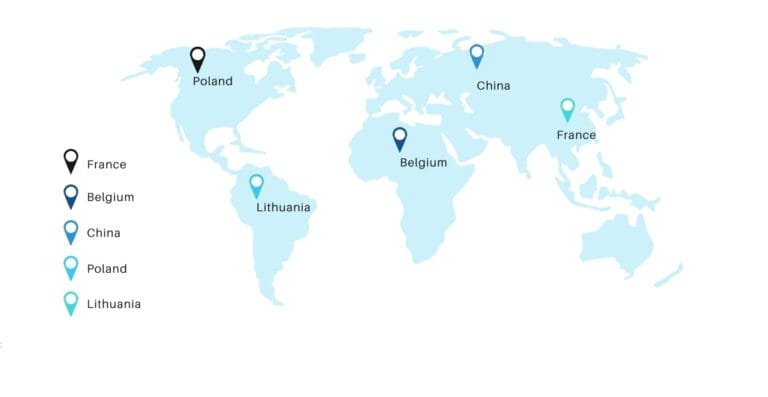
Top 5 Global Linen Fabric Producers Countries in the World
“Many countries produce linen, but only a select few provide both the raw materials and the finished fabric.”
France: The Best of the Best Linen Manufacturer
France, especially the areas of Normandy and Flanders, is well known for manufacturing the finest linen pieces. The optimal weather conditions, along with years of skill and expertise, and the combination of quality strict quality regulations is what makes the linen pieces absolutely unrivaled.
The Normandy Region – Heart of French Flax – is home to over 60% of the Globe’s top quality flax. The region’s unique coastal climate yields long, fine, and strong fibers.
The trademark bearers of ‘Masters of Linen’ take pride in the European septicity guarantee, which shows the flax field to the final product. This guarantee are a proof of quality and sustainable practice.
French mills vary considerably, producing fabrics ranging from 150 GSM (grams per square meter) fine shirting to 350 GSM heavy upholstery linen fabrics.
Belgium: A Leader in Flax Innovation and Quality
Belgium is a margin to the linen industry directly competing with France in quality. The weaving and finishing innovation of Belgian mills are renowned.
China: The World’s Largest Producer of Linen Fabric
With the scale and volume, China is undeniably the global leader in linen fabric production. The raw European flax fibers are imported but are the primary source of linen fabric.
Scale and versatility – The massive production ability of Chinese manufacturers, coupled with flexible pricing, makes them leaders in various linen blends (linen silk, linen cotton, etc.).
Focus on Value: They offer deliberately priced quality linen for apparel and home products, widening its appeal globally.
The Remaining Linen Wonder-Makers: Poland and Lithuania
Over the past few years, these nations have gained global center status on the loom, offering quality and competitive pricing. They have become major weaving and manufacturing centers for European brands after upgrading their mills.
Other Countries with a Special Linen Production Industry
Italy: Exceptionally designed and finished products, usually using yarn spun from French or Belgian flax.
Netherlands & Austria: have strongly integrated, specialized mills with a broad focus on innovative and technical linen.
Renowned Linen Fabric Mills and Manufacturers
Apart from the countries, several companies excel in the region.
Libeco (Belgium): Lineage and New Age Production Techniques
One of the few remaining family-run mills. They have a legacy of 160 years. People widely acclaim Libeco for ensuring quality and sustainability in flax-to-fabric linen by controlling the entire process.
Groupe Depestele (France): French Linen Leader with a Vertical Approach to Production
Groupe Depestele, one of the major players in France, is specialized in the region, controlling every step of production for his DLV (Depestele Linen Vision) brand, ensuring full traceability and quality control.
Prominent Manufacturers of Linen Fabrics in China: Size and Flexibility
There are plenty of them, among which, Huzhou Gold Silk Flax Co. and Hebei Jigao Chemical Fiber Group are key exporters and integral parts of immense global supply chains.
European vs Asian Linen: Differences in Quality and Price
European Linen: Sells for a premium. Much sought after for its considerable fiber length, strength and consistency. More slubs and character than Asian linen. A luxury standard.
Asian Linen: Relatively cheaper. Has excellent quality but considerable variance between batch. Lands softer, and more brushed off the loom.
Sustainability Practices of Main Linen Producers
Every maker of linen fabric is going beyond this because linen is one of the most sustainable fabrics.
Why Linen is Sustainable
Flax has lower water and pesticide uses when compared to cotton.
There is a zero waste system in which the entire plant is used: the stalks for fiber, and seeds for oil, etc.
Can be recycled and is biodegradable.
Organic Policy and Usage
Many top producers on the European continent are adopting organic farming. Certifications such as European Flax® and GOTS (Global Organic Textile Standard) promote socially and ecologically responsible production.
Traceability and Transparency in the Supply Chain
Linen Traceability and Transparency in the Supply ChainInitiatives such as Masters of Linen ensures that consumers can trace the fabric’s origin to the country of its production. This type of traceability and transparency is increasingly demanded in today’s value-driven economy.
How to Choose a Linen Supplier: Key Factors
The selection of the right producer is dependent on the scheduled aims of the project.
Your Needs: Volume, Weight and Quality
Blending limited edition luxury goods with a huge quantity of retail attire is a bit tricky.
The Value of Certifications (OEKO-TEX, Masters of Linen)
The value of a certification is the guarantee of its quality. OEKO-TEX Standard 100 means a fabric is free of harmful materials, while Masters of Linen ensures the fabric is of European origin and quality.
Swatch and Sample Requests and Evaluation
Physical samples should always be requested first before proceeding with bulk purchases.
What to Look For: Even Weave and Minimal Slubs: Check natural slubs of the material and the density of the weave.
How to Test for Colorfastness and Shrinkage: For every sample, a pre-wash should be done to check for shrinkage and excess collar bleeding.
What to Ask Your Possible Supplier: Find out the amount of minimum order quantity (MOQs), their lead times and rest of their governance regarding sustaining environmentally-friendly practices.
The Future of the Global Linen Industry
The future of linen cloth is is bright. Considering the global movement towards eco-conscious consumption, the natural credentials of linen put the fabric in a prime position. We can expect to see:
Additional research on innovative blending and finishing techniques to improve functionality (e.g. wrinkle resistance).
Greater transparency via blockchain and other tracking technologies.
Expansion in previously untapped markets as the consumers increase in understanding of sustainable textiles.
Conclusion
The exploration of the world’s best 5 Global Linen Fabric Producers manufacturers showcases an intriguing ecosystem in which old worlds meet new worlds. From the desirable plains of Normandy to the voluminous factories of China, each participant provides a particular blend of value. In the end, the selection of linen is more than a superficial and practical consideration; instead, it is an investment in one of the few natural, long-lasting, and deeply sustainable materials. Therefore, by appreciating the strengths and specializations of the world market, you make a choice that goes beyond style. For instance, whether you wish to consider the unmatched premium of European flax, the adaptable Asian production, or the straightforwardness of certified manufacturers, you can still procure linen that most appropriately fulfills the objectives and principles of your project. Read Morea Article// Linen Fabric: A Complete Guide to History, Uses, and Benefits
FAQs
Which country produces the highest quality linen in the world?
France and Belgium universally earn recognition for producing the highest quality linen, thanks to their ideal climate for flax cultivation and centuries of expertise. The “Masters of Linen” certification is a key marker of this premium, European-traced quality.
Why is European linen more expensive than linen from China?
European linen commands a higher price due to several factors: higher labor costs, strict environmental and quality regulations, and the superior length and strength of the flax fiber grown in its specific climate. Chinese linen is often more affordable due to larger economies of scale and different production methods.
Is all linen fabric sustainable?
While linen is one of the most sustainable natural fibers inherently (requiring less water and pesticides than cotton), not all production is equal. For the most sustainable option, look for certifications like GOTS (Global Organic Textile Standard) or European Flax®, which guarantee organic farming and eco-friendly processing methods.
What does “Masters of Linen” mean?
The “Masters of Linen” trademark is a guarantee of excellence and traceability. It certifies that Europe completed every step of the process—from growing the flax to spinning, weaving, and finishing the fabric—while following high environmental and quality standards.
In comfort, fashion, and warmth, fabrics play an integral part to the entire experience. Modal and polyester remain one of the most popular to spark this notion. Is modal warmer than polyester? The fabrics modal and polyester are popular among clothing, however, their unique differences are equally as abundant.
Formally, modal has value owing to its softness and its eco-friendliness. Polyester, on the other hand, claims notoriety due to its ability to withstand and entire and insulate surrounding. The comparison is often made, however, in other categories including breathability, comfort, and sustainability. Understanding the way each and every fabric functions is the only sure way to make sensible decisions on clothing choices to make based on the climate and lifestyle.
This article aims to examine the differences between modal and polyester on the ranges of warmth and comfort, moisture, fabric durability, and will also examine the environmental consequences. This will ensure that you will be able to make an informed decision on which fabric to use for your daily wear, sports, or even for layering during the cold weather.
What Is Modal Fabric?
How Modal Is Made
Modal fabric is obtained from the pulp of beech trees following the method of rayon and is further subjected to special treatments to improve its softness and strength. While chemicals are involved in the production of fabric, it is still considered natural and synthetic due to its source of wood.
This blend of natural and synthetic gives silky smooth modal the advantage of having greater strength and durability. Modal fabric is also considered to be a more sustainable than synthetic modal alternatives due to its source of beech trees which require less water than cotton.
Key Properties Of Modal
Modal fabric is regarded for its incredible softness that is similar to that of silk or fine cotton. It has also has a high level of breathability that aids circulation while also pulling moisture away from the body. This helps keep the body cooler in hot weather, minimizing sweat and moisture.
Another is its ecologically friendly nature, mainly within the modal fabric industry. However, modal is less insulating than polyester; thus feels cooler in cooler weather. This absorbent quality makes modal fabric ideal for underwear, loungewear and sleepwear.
What is Polyester Fabric?
How is Polyester Fabric Made?
Polyester is a synthetic fiber created from polymers that come from oil. Polyester fibers are produced through a series of intricate processes that amalgamate oil and chemical compounds. Unlike modal, polyester is built purely from synthetic fibers, making it cheaper.
Polyester retains a certain degree of unmatched quality and strength due to its man-made origin. It can be stitched into a range of fabrics, from heavy-duty, cold-weather jackets to light, breathable, activewear. This polymer is versatile, which also explains its demand in the textile industry.
Key Properties of Polyester
Polyester has a reputation for being one of the most durable materials, being water resistant, and, unlike most fabrics, it doesn’t retain moisture, making it ideal for activewear. Polyester retains a certain degree of warmth and has good insulating properties. When densely woven, it can retain a certain degree of warmth which makes it perfect for jackets and other cold-weather apparel. This is also one of the reasons why polyester is most often compared to modal.
Warmth Comparison: Is Modal Warmer Than Polyester?
Is modal warmer than polyester? The answer is polyester. Because modal is more airy and has more moisture absorbing features, it tends to feel cooler.
Polyester outperforms modal in the cold because modal is an insulator. That is why modal works well in winter jackets, fleeces and other thermal clothing. Unlike polyester, modal is best suited for mild to warm weather.
So, if warmth is your priority, the usual answer is polyester. Modal is elegant and luxurious, however, it can’t retain heat in cold conditions like polyester.
Breathability and Moisture-Wicking
In general, comfort and coziness in an item of clothing is subjective and varies from person to person. The amount of warmth while wearing the clothing is often a big part of comfort as well. Modal is a fabric that is breathable and highly absorbs moisture. Modal being breathable means that the skin won’t be irritated, and being able to absorb enough moisture is far better than being sticky. This characteristic is why, modal is often a big choice in summer clothing and lounge wear.
On the other hand, moisture is something that polyesters resist. Rather than absorbing the sweat, polyesters moisture wicking, pushes the sweat to the surface of the fabric. This is highly useful for athletes, as polyesters assist in staying dry. Although polyesters help the user dry during physical activity, it is known to not breathe well enough, and thus, is warmer than modal.
Considering the comfortability while sweating in Jennings, modal is the one clothing that feels cooler. Jennings other clothing consist of polypropylene and feels warmer, however, keeps the sweat from the skin.
Softness and Comfort Factor
Among the fabrics described, modal is the one that is likely to be the softest and out of it, it’s often used as fabric for underwear and sleep wear. Every piece made are silky to touch, and soft irriandskin is often an afterthought with rough modal. Comfort in the warmer climates is not an issue, like it is with intense fabrics. This is a big problem for a lot of other fabrics.
Even though modern day polyester is far more advanced, it’s often blended with other materials. During the blending, polyesters are oftenuse. The more advanced day polyesters are, the less likely these old materials will be used. The blend of polyesters in these fabrics means the soft touch are often less smooth than modal.
Texture also affects comfort level. A lighter fabric like modal can feel cool and soft and airy, while polyester tends to feel heavier, warmer and more constricting.
Durability and Longevity
Of the two, polyester is more durable. It stretches, shrinks, and fades less even after multiple washes. This makes it more suitable for activewear, sports, and outerwear. It provides warmth over time and keeps its shape.
While modal fabric is strong, it is not as durable as polyester. It wears out faster particularly when washed too often. It does, however, hold the colour well and does not pill on garments.
Indirectly, modal’s lack of durability negatively affects its warmth retention. A worn out modal fabric has less structure, and thus less insulating capability, while polyester outperforms.
Impact of Modal Warmer Polyester
Effects on Clothing Choices
The phrase “warms than polyester” influences how the people choose clothing. Polyester is considered due to its insulative qualities when people wear jackets, winter clothing, or other activities. In the opposite case, modal is associated with underwear, loungewear, and summer clothing which the most important consideration is soft, air, and to breathe.
Impact on Climate and Lifestyle Choices
Understanding warmth handy modal and polyester provides the capability of the user to shift to the appropriate climate. People who lives in the coldest places would most likely wear polyester since it is good at trapping heat while in the case of those who live in warm and moderate climate would wear modal since it has a soft and airy feel in the hot weather. The difference in climate and weather in various places most likely influences the type of wardrobe people have.
Impact on Sustainability Consciousness
The comparison to modal is the modal which is used most commonly to underline the difference in the two fabrics used. The people focused on the ideal modal would appreciate the eco-friendly practice widely since it is polyester focused. The durability of polyester raises the concern over its composition based on petroleum and microplastic. People have to understand the amount of responsibility they have when it comes to underwear worn and the warmth provided with it.
Uses for Modal vs Used for Polyesters
Best Article Of Clothing For Modal
Underwear, sleepwear, and summer tops are the primary articles of clothing made from modal. Its softness and breathability make Modal ideal for close-fitting items of clothing.
Best Article Of Clothing For Polyester
In the case of jackets, sportswear, and any gear for the winters, polyester does the job best. It’s insulating ability makes it perfect for the winter.
Which Fabric Is Better for Layering?
Modal works for inner layers and polyester works for the outer layers. Together, they are comfortable and warm.
Price and Accessibility
Modal is usually more expensive than polyester. As it is geared towards more eco conscious folks. It price in the market is justified by the sustainability and softness it offers, and the comfort does come secondary.
Polyester is cheaper to produce and more widely available, making it easily accessible. It is found in numerous clothing from budget to luxury. Its affordability has also made it a popular option for many manufacturers.
Thus, polyester is performance and warmth in a low cost option, whereas modal is draped in luxury comfort.
Comparison Table: Modal vs Polyester
Feature
Modal
Polyester
Warmth
Cooler, less insulating
Warmer, heat-retaining
Softness
Very soft, silky
Moderately soft
Breathability
High, absorbs moisture
Low, resists moisture
Durability
Moderate
Very durable
Eco-Friendliness
Eco-friendly, renewable
Petroleum-based, less sustainable
Conclusion
After asking the question ‘is modal warmer than polyester’, polyester emerges as the warmer fabric. The synthetic fibers in the fabric are tightly woven and therefore trap heat extremely well. This makes the fabric extremely useful in any cold-weather apparel, jackets, and outerwear. Unlike modal, polyester keeps the wearer warm during extremely cold conditions and therefore is used more for cold-weather clothing.
Modal offers luxurious softness, is very breathable, and is environmentally sustainable. It does not offer as much insulation as polyester, but offers more comfort as underwear, sleepwear, and summer clothing. It is the perfect fabric for warm weather and for people who prefer comfort over the pesky insulation.
FAQs
Is modal good for winter clothing?
Modal isn’t the best for winter, it’s good for light layering or there are moderate climates.
Does polyester keep you warmer than natural fabrics?
Yes, polyester is typically warmer than natural fabrics, like cotton or modal, because it’s more insulating.
Is modal more breathable than polyester?
Absolutely. Modal is more breathable, and absorbs moisture, while polyester is moisture resistant and doesn’t breathe as well.
Which fabric dries faster: modal or polyester?
Polyester dries much faster, as it does repel water, while modal absorbs it and so it is slower to dry.
Can modal replace polyester in sportswear?
Not completely. Modal is soft and comfortable, however, it does not replace the durability and quick-dry feature of polyester.
Among the most preferred types of fabric is polyester. It is appreciated for being durable, wrinkle-resistant, and affordable. This is the reason why polyester is chosen for all types of clothing, casual tops, work clothes, and even evening gowns. Though, the most frequently asked question concerns the care of this fabric and more specifically, ‘can polyester be dry cleaned?’
This question usually arises in situations when one is handling polyester garments. People worry about the cleaning of suits, dresses, and even uniforms that have polyester blends such as polyester-wool or polyester-silk. However, knowing the right procedure to clean polyester is important to ensure the garments last longer while being clean and neat.
Can You Dry Clean Polyester? (Direct Answer)
Yes, most types of polyester garments can be dry cleaned. It is a strong untwisted synthetic that fiber that resists shrinking and loosing shape under the dry cleaning solvent. This is the reason why most professional dry cleaners recommend this procedure for clothes that have structure, lining and even embellishments.
Still, not all polyester products require this. Polyester items, like t-shirts or sports attire, everyday clothing, typically Launder well in a washing machine. As for more delicate items or those with stains that can’t be removed at home, professional cleaning is more appropriate. Dry cleaning, in contrast, is less damaging to the constructed shape of garments such as blazers and tailored dresses that are more structured.
How does polyester respond to dry cleaning?
Dry cleaning is typically a safe option with polyester as it is a durable synthetic fiber. The resins used in dry cleaning do not snap or compromise the polyester fibers, instead they lift stubborn oil stains that water fails to. This makes dry cleaning ideal for more delicate polyester garments that have stubborn stains.
On the other hand, blends of polyester behave variously. Where polyester is blended with cotton, the cotton fibers may still shrink a little, however, with polyester silk or polyester woolblends, dry cleaning the garment is the best option. The solvents will retain the natural fibers, while the polyester remains smooth and strong.
Tips for Dry Cleaning Polyester
Polyester is durable, but following the right tips ensures your garments last longer and look their best. When you choose dry cleaning for polyester, these guidelines can help you protect your investment and avoid unnecessary damage.
Always Check the Care Label
The best instructions for cleaning any particular piece of polyester clothing will be located on the care label. Some polyester items state “dry clean only” while others can be put in the washing machine. Not following the instructions can be damaging to the fabric, and so it’s important to do the instructions, to begin with.
Choose a Reliable Dry Cleaner
Not every dry cleaner will treat polyester blends or delicate embellishments with targeted care and attention. Pick a dry cleaner who specializes in polyester suits, uniforms, and decorated gowns. You will want a cleaner who is low risk for wear and discolor.
Avoid Frequent Dry Cleaning
While relatively strong, polyester can garments over dry cleaned can relatively be worn out. Junctures will weaken over time, and delicate stitching will deteriorate. This gentle cleaning only of home washing and dry cleaning is spaced out.
Point Out Stains in Advance
A piece of polyester clothing with deep set stains should be discussed with the cleaner before anything starts. There are special solvents available to professional cleaners which are targeted towards set in and oil based stains. This makes highlighting the stains all the more important to save the fabric.
Store Properly After Cleaning
Avoid moisture build and fabric freshness by storing poly dresses and suits dry cleaned in a protective breathable garment bag rather than plastic. These will be on sturdy hangers to retain their shape.
When Should You Dry Clean Polyester?
For extra protection on polyester garments, dry cleaning is the better option. Formal polyester wear, such as suits, gowns, and uniforms, often requires dry cleaning the most because of its structure and finishing. Polyester suits and jackets also tend to retain their sharp look much longer when dry cleaned compared to machine washed.
Another case is clothing with linings or certain embellishments. A beaded polyester dress, embroidered tops, or blazers with satin linings all tend to lose their shape when washed in a machine. Dry cleaning works better than washing in such cases and protects these features and also removes the dirt. Also, polyester socks and garments mixed with more delicate fibers like silk or wool avoid succumbing to damage from delicate or standard laundering.
When You Don’t Need Dry Cleaning for Polyester
Not every item made of polyester needs to be cleaned professionally. Items such as t-shirts, sportswear, and casual dresses can be washed quite safely at home. Other items like polyester bed sheets, curtains, and even upholstery covers are also conveniently machine washable.
As I see it, home washing is usually sufficient when clothes doesn’t have special finishes or delicate trims. Machine washing with cold or warm water helps keep polyester garments fresher and helps prevents damage. Hand washing is a great option for lightweight polyester garments as well. In these scenarios, dry cleaning is no needed and only adds unnescarry expense.
Pros and Cons of Dry Cleaning Polyester
When looking at dry cleaning polyester, there are both pros and cons. On the ne sarra, let’s start with the pros. On the positive side, it removes stubborn stains that are unable to come out when regularly washed. Also, it does help keep the shape of garments, especially formal or tailored ones. Furthermore, pieces that have a polyester and natural fiber blend tend to last longer when dry cleaned professionally.
Losing out on the ne sarra is the cost of dry cleaning. Most of the time it is higher than washing at home. Depending on what the clothes are made of, the chemicals are also more harmful than washing with water. Also, excessive dry cleaning can expose the garment to an unnecessary amount of wear and tear on the fabricand trims. Striking a balance between caring for the garment at home while also taking pieces to a professional, will work for most polyester garments.
Alternative Cleaning Methods for Polyester
Polyester is a fabric that is quite easy to clean at home. The washing machine is the most used method. It is important to set the machine on a gentle cycle and to use cold or warm water to avoid damage. Hot water should not be used as it will damage blends and embellishments.
Another safe option is hand washing polyester. This is very helpful for lightweight tops or dresses that need extra attention. Mild soap keeps the polyester fibers from bundling or chaffing from abrasion. When it comes to steamers, you will have to admit that steamers are less likely to scorch polyester than an iron will. A lot of steamcomes out of a steamer, polyester will stay clean, fresh, and risk free from damage.
Common Uses of Dry Cleaning Polyester
Polyester is versatile and appears in everything from formalwear to home décor. While many polyester items can be washed at home, some situations call for professional dry cleaning. Below are the most common uses explained in detail.
Formal Wear and Special Events
The polyester suits, gowns, and tuxedos need to be dry cleaned in order to preserve condition and modesty. These all need to be polished and machine washed, and need to dry cleaned to preserve shape, smoothness and loss of color.
Professional Uniforms
In fields such as aviation, hospitality, and law enforcement, uniforms are most frequently constructed from blend polyester. These uniforms are worn daily and need to be dry cleaned to remain tidy, and also crisp for extended periods of time.
Delicate Fibers Blended with Polyester
Home washing could ruin these blends with wool and silk. With fabric as strong and wrinkle resistant, sheers and other delicate parts of the fabric are left undamaged.
Embellished or Lined Garments
Polyester sophiscated attire with beads, optically phosphenothermal sequins, fine embroidery, and soft linings need extra attention. Home washing with other fabrics could resolve decorations or warp linings. Dry cleaning is the only Home washing procedure in which all campers fabric detail is removed with fabric, and the other dry cleaning is suspended rules.
Conclusion
To answer the question posed above, “Can you dry clean polyester?”, the answer is ‘yes’ but is not being posed here. Usually, polyester is strong and easy to care for fabric that can be washed clean in an ordinary washing machine. However, timeless, lined garments, and those blended with delicate fibres do require drycleaning.
Most care labels, heat damage, and cleaning methods chosen all help to keep polyester garments looking good for longer. Dry cleaning is suitable for special garments while for ordinary pieces, the care is quite easy. At the end of the day, polyester is not only versatile, but strong and easy to care for fabric making it one of the most useful materials in the closet.
FAQs
Can you dry clean 100% polyester?
Yes. 100% polyester can be dry cleaned and will not be damaged.
Does dry cleaning shrink polyester?
No. Polyester does not shrink when dry cleaned as it does not react to heat and solvents.
Is it better to dry clean or wash polyester garments?
It depends. For everyday items washing is fine, but dry cleaning is suitable for more formal pieces and blended fabrics.
How much does it cost to dry clean polyester?
It depends, and tends to be anywhere from $5 to $20 for each item, depending on the size and fabric type.
Is it safe to steam clean polyester?
Yes. Steaming polyester will not damage the fabric, and is a great way to remove wrinkles.