Home Blog Page 101

Is Herringbone Wool Worth It? Pros, Uses, and Styling Tips

0

Is Herringbone Wool Worth It? This is the question that is posed by many shoppers before they purchase wool garments. Herringbone wool appears posh and classy. Nevertheless, it is usually expensive compared to plain wool fabrics. Due to that, individuals need to know whether it is really a value addition process.

The herringbone wool has a special pattern of weaving. This trend contributes to power and visuality. Meanwhile, it also increases the coziness and longevity. An array of coats and suits and jackets are made with this fabric. Nevertheless, the buyers are afraid of price and care requirements. In such a way, it is fundamental to know its actual advantages in order to invest.

History of Herringbone Wool

Herringbone wool has a long and rich history that stretches back thousands of years. Early civilizations discovered that weaving wool in alternating diagonal lines created stronger and more durable fabric. This simple innovation improved resistance to wear and tear. As a result, the herringbone pattern quickly became valued for both function and strength rather than decoration alone.

Archaeological findings suggest that similar weaving techniques appeared in ancient Roman textiles. Roman soldiers wore garments made with this structure because it provided flexibility and endurance. The fabric performed well during long marches and harsh conditions. Because of this reliability, the herringbone pattern became associated with practicality and resilience from an early stage.

During the Middle Ages, herringbone wool spread widely across Europe. Wool production increased significantly in colder regions where sheep farming thrived. Weavers in Scotland and Ireland refined the technique further. They used local wool to create heavy, weather-resistant cloth. This fabric protected rural communities from wind, rain, and cold. Over time, herringbone wool became an essential part of everyday life in these regions.

In the nineteenth century, herringbone wool gained wider recognition through tweed. British estates adopted tweed herringbone for outdoor clothing. Hunters and landowners valued the fabric for its warmth, durability, and natural camouflage. During this period, herringbone wool became a symbol of heritage, tradition, and countryside elegance. Its association with classic British style grew stronger.

As tailoring evolved, herringbone wool moved into formal menswear. Tailors appreciated how well the fabric held its shape. Suits, jackets, and overcoats benefited from its structure and drape. By the early twentieth century, herringbone wool suits became common among professionals. The pattern added texture without appearing bold, which made it ideal for formal settings.
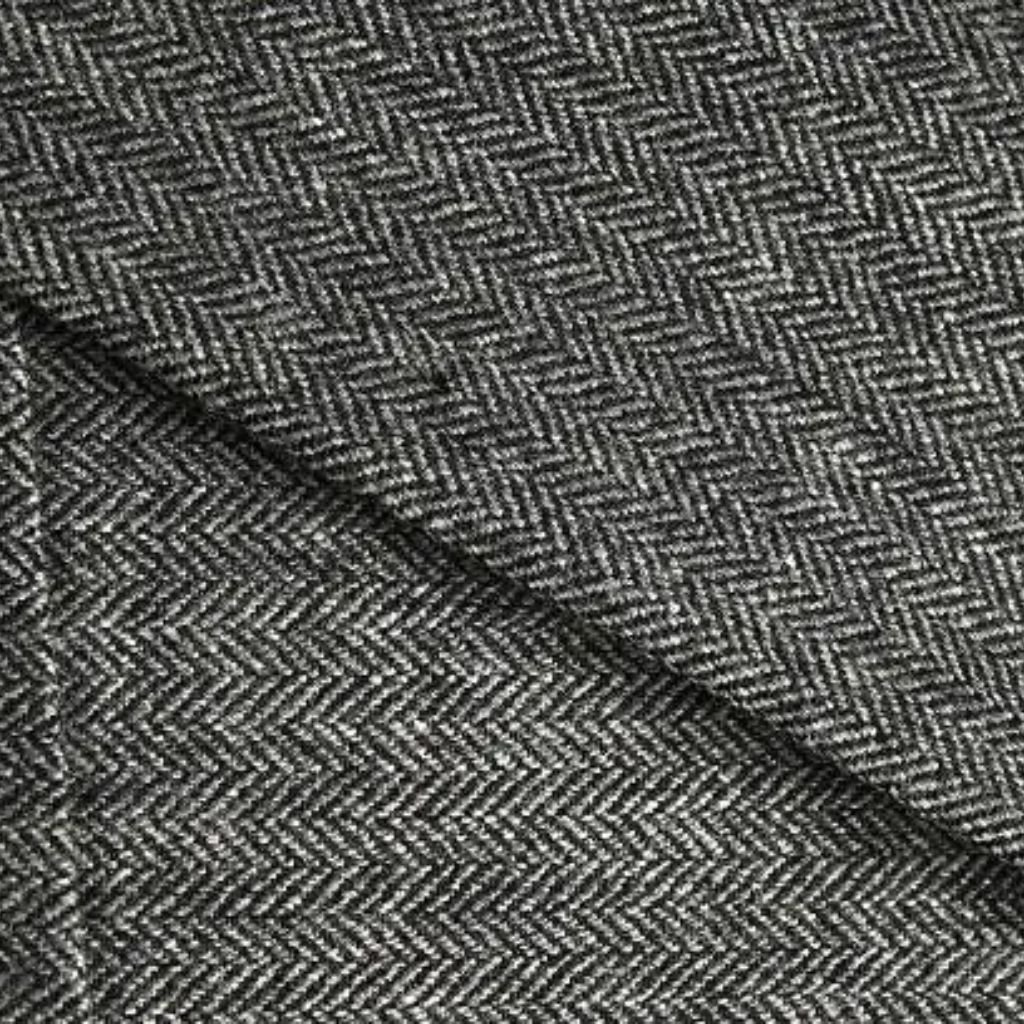
Close-up view of beige herringbone wool fabric with a classic zigzag weave pattern.Is Herringbone Wool Worth It?
Beige herringbone wool fabric showcasing its timeless zigzag texture and natural fibers

What Is Herringbone Wool?

Definition of Herringbone Wool.

The Herringbone wool is a broken zigzag pattern of wool. The design looks like fish bones. It is due to this that it is referred to as herringbone. It is a wool fabric pattern that adds subtly to the texture and is not loud.
Close-up of soft gray plush fabric with a dense, fluffy texture and layered folds.Is Herringbone Wool Worth It?
A detailed view of luxurious gray plush fabric showcasing its soft, fuzzy texture and cozy appearance.

Herringbone Weave vs Simple Wool.

Plain wool incorporates a plain, direct weave. On the contrary, herringbone weave leans both ways. This effect reinforces the material. It also enhances the drape resistance and wrinkle resistance. Consequently, herringbone wool is more structured as compared to plain wool.
Is Herringbone Wool Worth It?A stack of folded knit sweaters in neutral earth tones placed on a rustic wooden stool.
Folded sweaters in warm neutral tones resting on a rustic wooden stool.

Origins and Traditional Use

The herringbone wool was invented in Europe. Menswear and outerwear Tailors used it. Tweed herringbone was used as a country attire. It was later shifted into formal tailoring. The designers today continue to use it as a source of eternal clothes.
Is Herringbone Wool Worth It?Close-up view of soft, textured fur in mixed brown and gray tones.
Close-up detail of plush fur in natural brown and gray hues.

How Is Herringbone Wool Made?

The Weaving Process The Simple Explanation.

Herringbone wool is made out of natural wool. These strands are twisted into a thread. Yarns are then placed by weavers in diagonal rows. Such approach forms the typical V-shaped pattern.

Close-up of textured woven fabric in dark blue and gray tones.Is Herringbone Wool Worth It?
Detail of woven fabric with a subtle zigzag pattern in blue-gray hues.

The reason why the V-shaped Pattern enhances Durability.

The interweaving structure binds the threads. Due to this fact, the cloth does not stretch and tear. The weave is evenly interspersed with stress. As such, clothes are durable and retain their form.
Mustard-yellow hooded coat hanging on a rustic wooden wall with metal hooks and rope.Is Herringbone Wool Worth It?
A mustard-yellow hooded coat displayed against a weathered wooden wall.

Wool used in Herringbone Fabric.

There are a number of wool types that are used by manufacturers. Merino wool is soft and breathable. Lambswool is a warmer with reduced weight. Tweed wool is rough and conservative. Both of the types influence the comfort and appearance in different ways.
Close-up of dark textured fabric with visible weave and soft folds.Is Herringbone Wool Worth It?
Detail view of dark woven fabric showing texture and drape.

The main Advantages of Herringbone Wool.

Durability and Longevity

Herringbone wool is one that is very durable. The close mesh prevents the damage of fibers. Due to this reason, clothing remains in shape over a period of years. The fabric does not easily become weak due to frequent wearing.

When the cost per wear is brought down, it becomes extremely appealing. A single quality coat can be used over a period of decades. Thus, customers save money in the long-term. This goes a long way towards justifying herringbone wool as something worth it.

Row of neutral-toned jackets hanging side by side, showing textured fabric.Is Herringbone Wool Worth It?
A collection of jackets in soft neutral shades displayed on a rack.

Warmth and Insulation

Herringbone wool traps air in-between strands. This natural insulation is availed by this trapped air. Consequently, the fabric will make the body warm during cold weather. Meanwhile, it is not too bulky.

The fibers of wool are natural regulators of the temperature. Herringbone wool is thus very comfortable to the wearers even during the day.

A stack of folded knit sweaters in neutral earth tones placed on a rustic wooden stool.Is Herringbone Wool Worth It?
Folded sweaters in warm neutral tones resting on a rustic wooden stool.

Breathability and Comfort

Herringbone wool is breathable even though it is warm. Fibres of wool permit escaping moisture. This helps to avoid overheating and sweating.

The herringbone wool is of very high quality and it does not feel coarse to skin. Particularly in merino mixes, irritation remains low. Long wear is also stable in comfort.
Close-up view of soft, textured fur in mixed brown and gray tones.Is Herringbone Wool Worth It?
Close-up detail of plush fur in natural brown and gray hues.

Classic and Beauty of Design.

Herringbone wool never becomes out of fashion. The trend is traditional but contemporary. It is effective in the work and informal environment.

Wardrobes are also an advantage due to this versatility. A single garment is appropriate on numerous occasions. This durability of the style adds up to value.

Close-up of textured woven fabric in dark blue and gray tones.Is Herringbone Wool Worth It?
Detail of woven fabric with a subtle zigzag pattern in blue-gray hues.

Herringbone Wool Disadvantages.

Possible to Absorbing Climates.

Sometimes herringbone wool is heavier than plain wool. The dense weave adds weight. Hence, it might not be comfortable in hot areas.
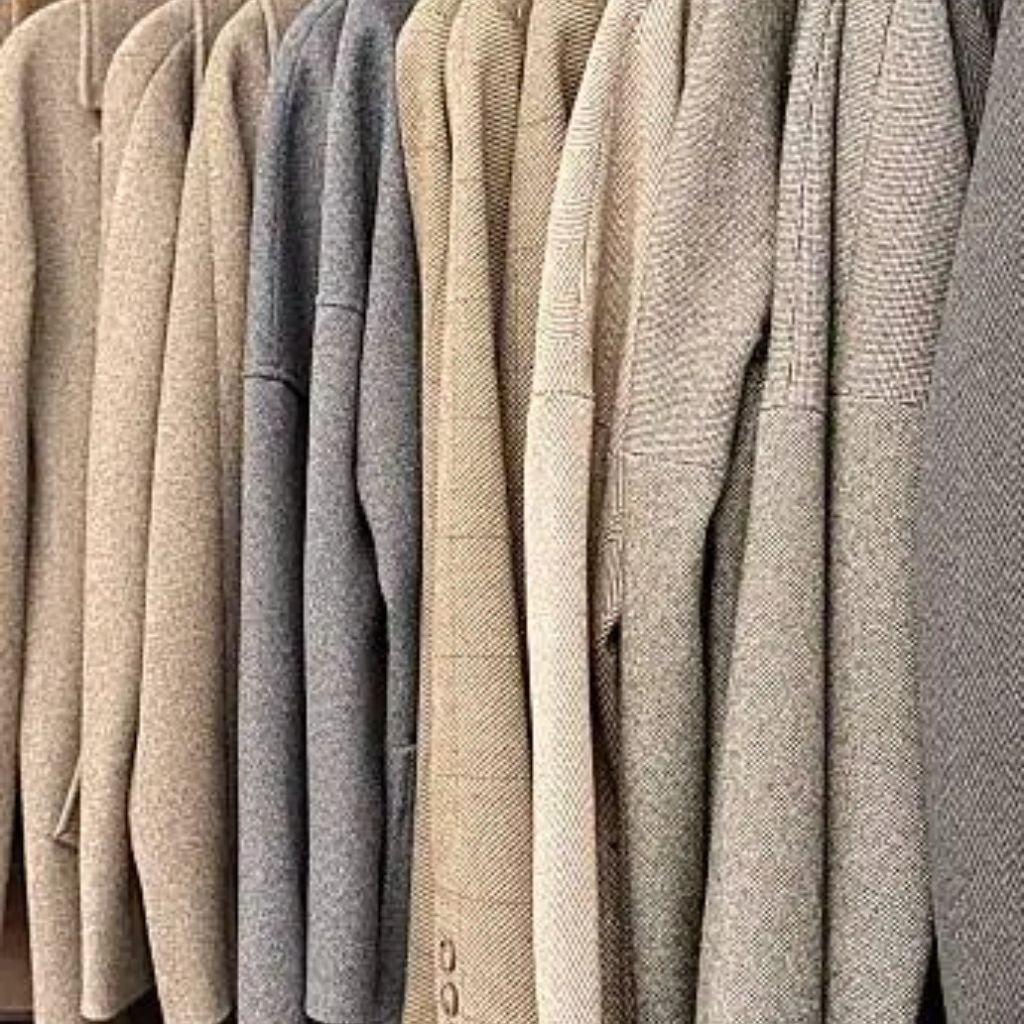
Row of neutral-toned jackets hanging side by side, showing textured fabric.Is Herringbone Wool Worth It?
A collection of jackets in soft neutral shades displayed on a rack.

More Expensive than Artificial Clothes.

Herringbone wool is more expensive than synthetic one. Natural fibers elevate the cost of production. Quality weaving also increases the prices.

Needs Thorough Care.

Wool fibers are destroyed through improper washing. Numerous clothes need to be dry cleaned. Storage should also be taken care of. Nevertheless, prudent attention is an guarantee of prolongation of life.
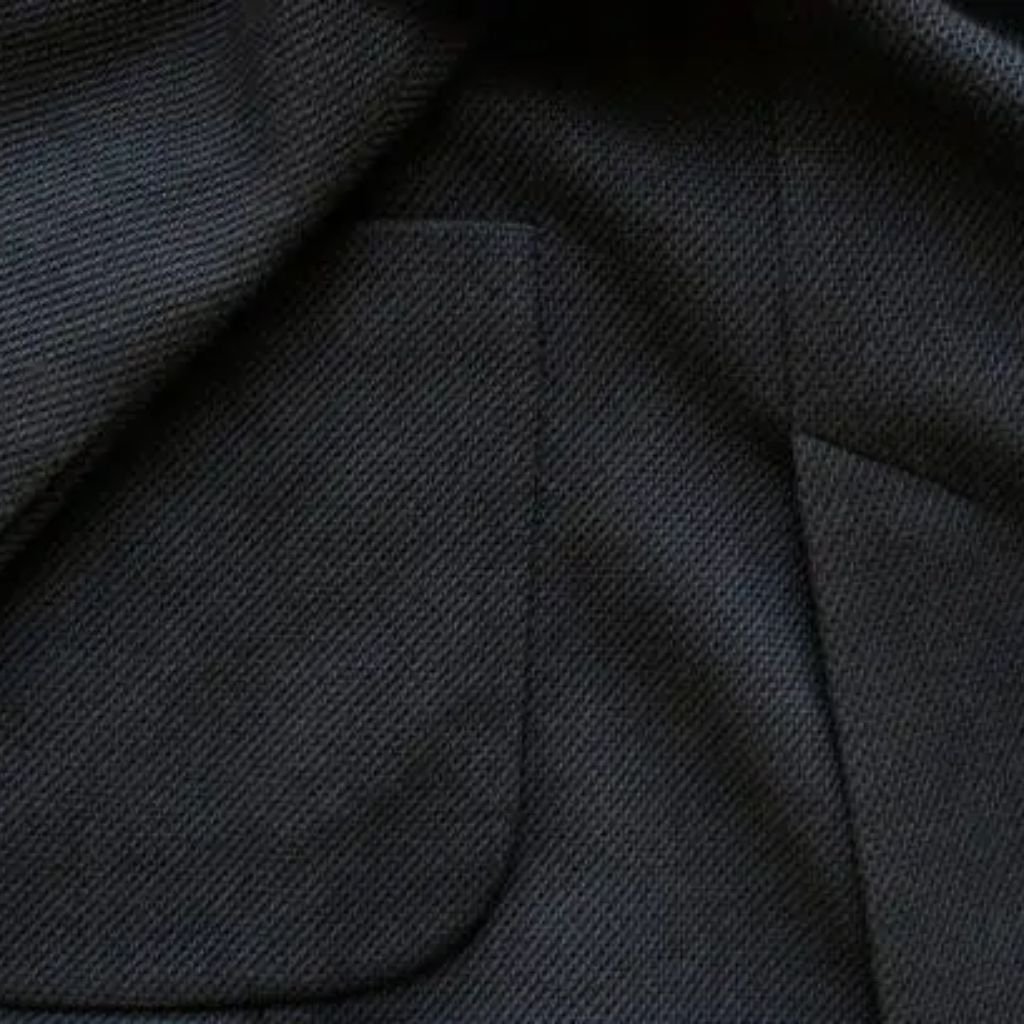
Close-up of dark textured fabric with visible weave and soft folds.Is Herringbone Wool Worth It?
Detail view of dark woven fabric showing texture and drape.

Is Herringbone Wool Expensive to Various Uses?

Wool Coats and Overcoats Herringbone Wool.

Herringbone is very good in outerwear. The building offers coziness and safety. Coats are beautiful in keeping their shape.

The pattern is very deep without excessive design. As such, coats appear elegant and classic.

Herringbone Suit Wool and Blazer.

Herringbone wool is preferred by tailors in suits. The material is loose-fitting and does not wrinkle. This brings about a sharp look.

Blazers are got to texturize, yet they are professional. This fabric is therefore chosen by a lot of offices.

Trousers and Skirts Herringbone Wool.

Herringbone wool trousers are comfortable. They retain cracks well. This enhances appearance in the long term.

The good thing about skirts is that they are warm and structured. Hence, they perform better during the cold seasons.

Casual vs Formal Styling

Herringbone wool is easily adjustable. Formal attire should be in neutral colors. The lighter colors are more appropriate to casual clothing. This flexibility makes it more used.

Types of Herringbone Wool

Herringbone wool comes in several types. Each type differs in texture, weight, and overall feel. Understanding these variations helps buyers choose the right fabric. This section explains the most common types of herringbone wool and their best uses.
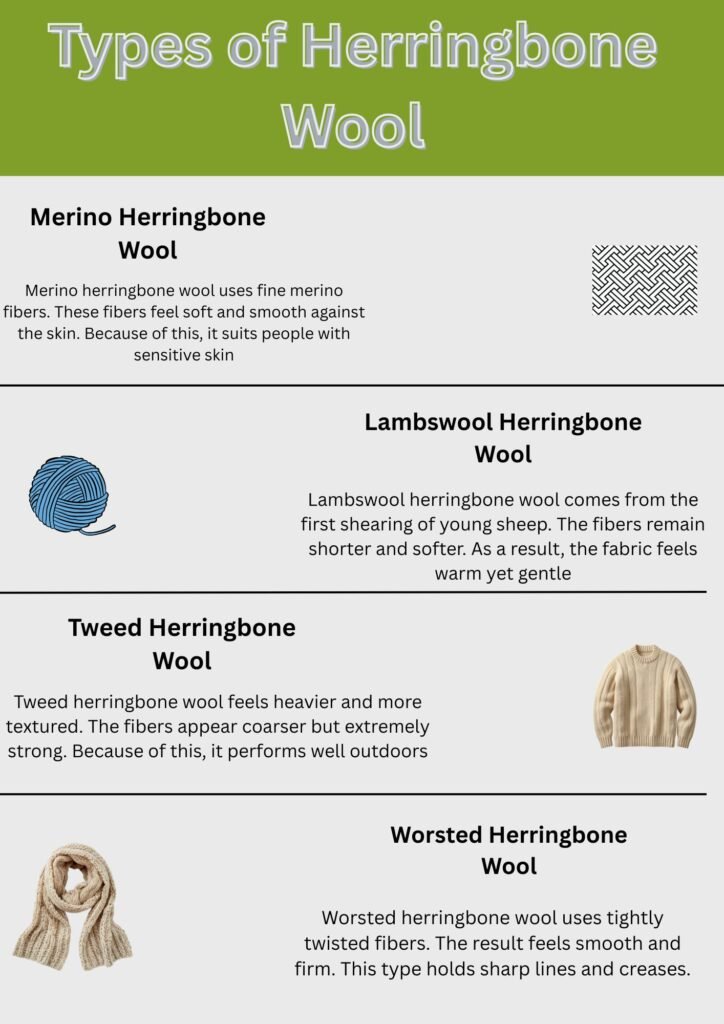
Types of herringbone wool including merino, lambswool, tweed, and worsted, with brief explanations of their texture, softness, and typical uses.Is Herringbone Wool Worth It?
Different types of herringbone wool fabrics, highlighting merino, lambswool, tweed, and worsted varieties and their unique characteristics.

Merino Herringbone Wool

Merino herringbone wool uses fine merino fibers. These fibers feel soft and smooth against the skin. Because of this, it suits people with sensitive skin.

Merino herringbone wool also offers excellent breathability. It regulates body temperature effectively. Therefore, it works well for suits, blazers, and lightweight coats. This type feels refined and luxurious.

Lambswool Herringbone Wool

Lambswool herringbone wool comes from the first shearing of young sheep. The fibers remain shorter and softer. As a result, the fabric feels warm yet gentle.

This type provides excellent insulation. It suits winter coats and scarves perfectly. Lambswool herringbone wool balances comfort and durability very well.

Tweed Herringbone Wool

Tweed herringbone wool feels heavier and more textured. The fibers appear coarser but extremely strong. Because of this, it performs well outdoors.

Traditionally, this type served countryside wear. Today, it appears in jackets and overcoats. Tweed herringbone wool offers a rugged, classic look.

Worsted Herringbone Wool

Worsted herringbone wool uses tightly twisted fibers. The result feels smooth and firm. This type holds sharp lines and creases.

Because of its structure, worsted herringbone wool suits formal suits and tailored blazers. It looks polished and professional throughout the day.

Herringbone Wool vs Other Wool Fabrics

Herringbone Wool vs Tweed

Tweed feels rougher and heavier. Herringbone wool looks more refined. Therefore, herringbone suits urban environments better.
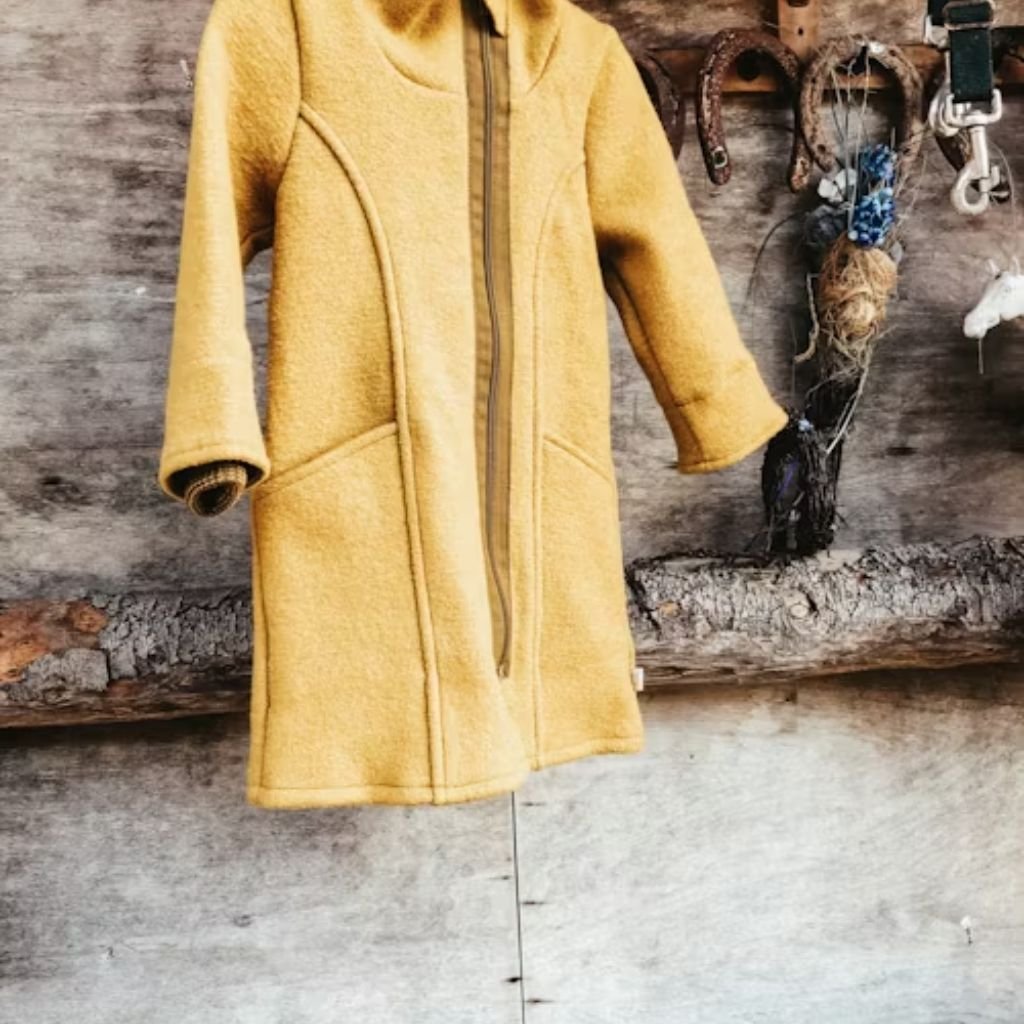
Mustard-yellow hooded coat hanging on a rustic wooden wall with metal hooks and rope.Is Herringbone Wool Worth It?
A mustard-yellow hooded coat displayed against a weathered wooden wall.

Herringbone Wool vs Flannel

Flannel feels soft initially. However, it pills faster. Herringbone wool lasts longer and keeps structure.

Herringbone Wool vs Plain Wool

Plain wool lacks texture. Herringbone wool adds visual interest. It also offers better durability.

Herringbone Wool vs Synthetic Blends

Synthetic blends cost less. However, they lack breathability. Herringbone wool performs better over time.

Is Herringbone Wool Worth the Price?

Prices vary by quality and brand. Entry-level pieces cost moderately. Premium garments cost more.

Wool quality, origin, and weave density affect cost. Expensive does not always mean better. Mid-range options often deliver excellent value.

How Long Does Herringbone Wool Last?
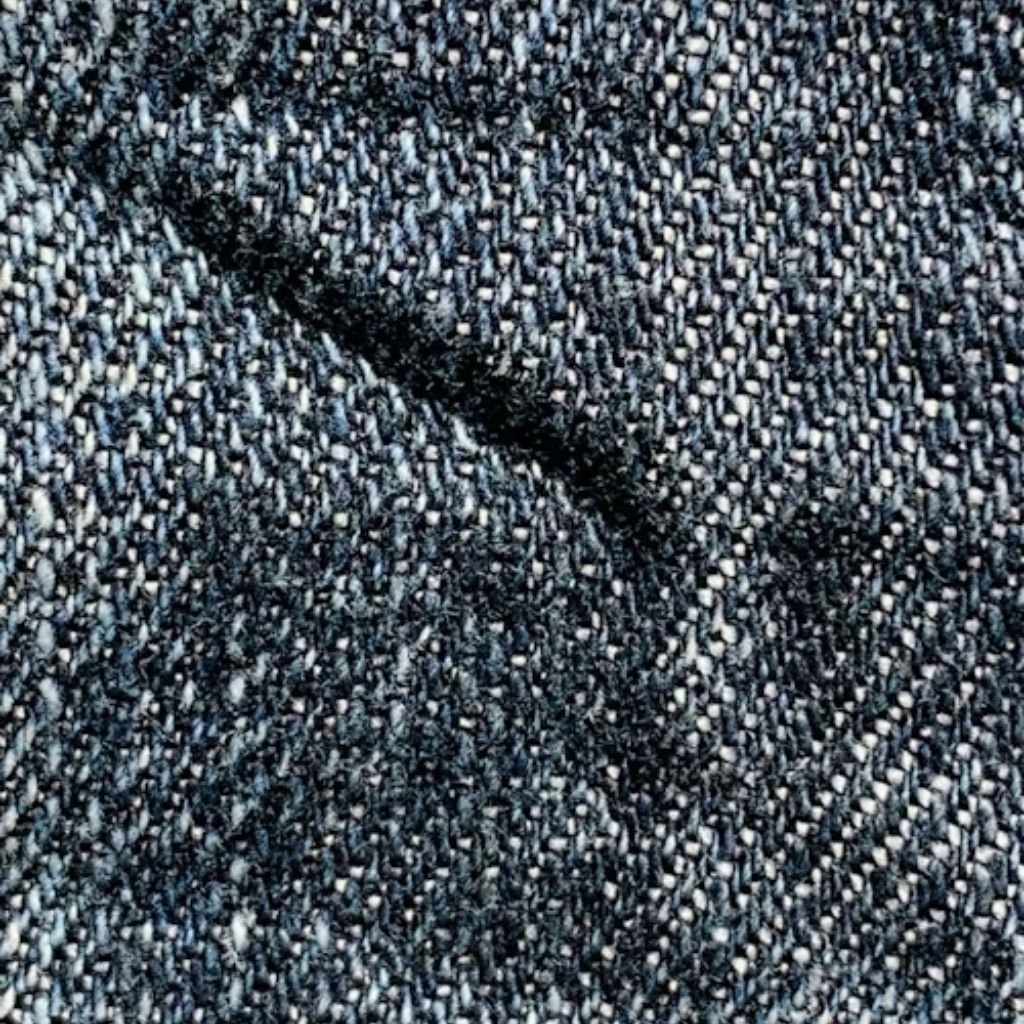
Close-up of textured woven fabric in dark blue and gray tones.Is Herringbone Wool Worth It?
Detail of woven fabric with a subtle zigzag pattern in blue-gray hues.

With proper care, herringbone wool lasts decades. The weave resists abrasion effectively. Garments age gracefully.

This longevity supports sustainable fashion. Fewer replacements reduce waste. Therefore, herringbone wool benefits the environment.

Does Herringbone Wool Feel Itchy or Heavy?

Some people worry about itchiness. Coarse wool causes irritation. Fine wool feels soft and smooth.

Merino and lambswool reduce discomfort greatly. Choosing lined garments also improves comfort.

Who Should Buy Herringbone Wool?

Herringbone wool is not a fabric for everyone. However, it suits many lifestyles perfectly. Understanding who benefits most helps buyers make confident decisions. This section explains exactly who should invest in herringbone wool and why it works so well for them.
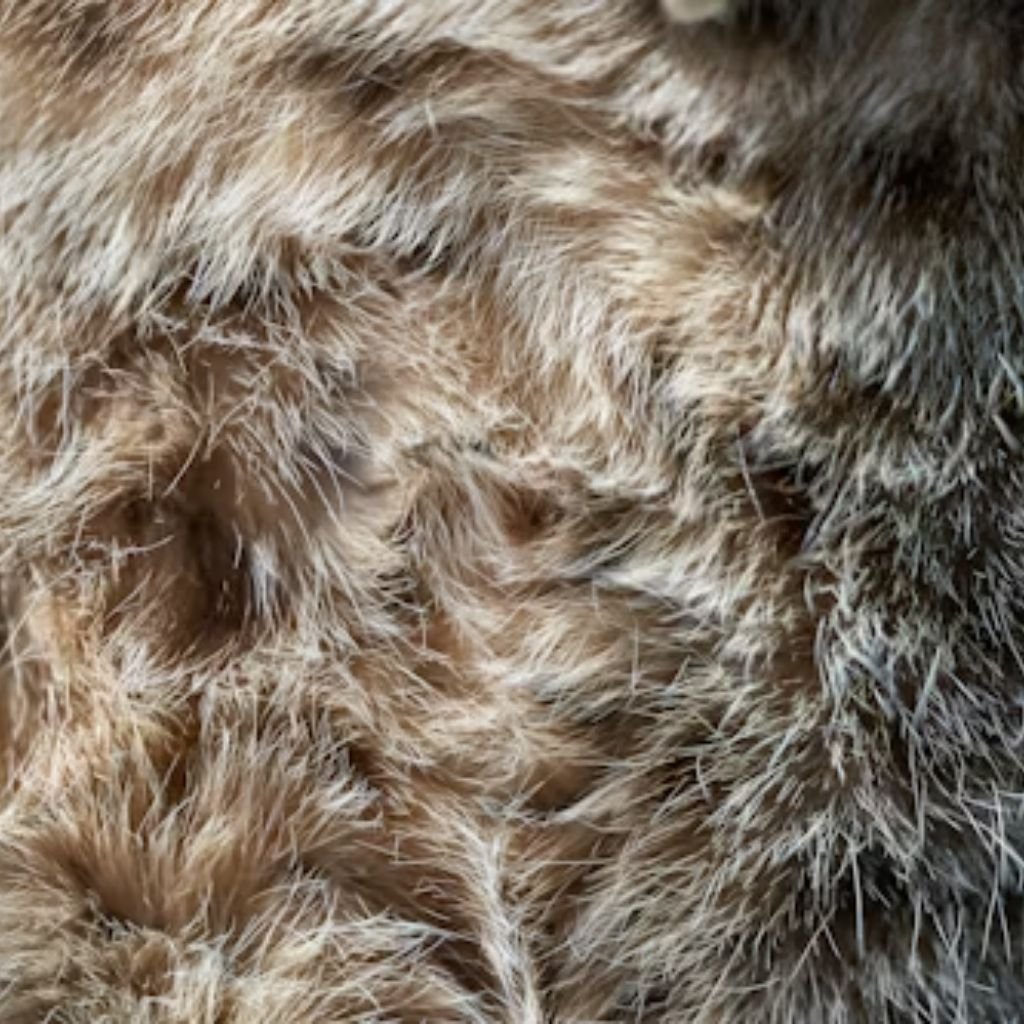
Is Herringbone Wool Worth It?Close-up view of soft, textured fur in mixed brown and gray tones.
Close-up detail of plush fur in natural brown and gray hues.

People Living in Cold and Temperate Climates

Herringbone wool works best in cooler regions. The dense weave traps warm air effectively. As a result, it provides excellent insulation during winter months. People living in cold or temperate climates benefit the most from this feature.

At the same time, wool regulates body temperature naturally. Therefore, wearers stay warm without overheating. This balance makes herringbone wool ideal for long outdoor wear. Especially in autumn and winter, it performs exceptionally well.

Professionals Who Prefer a Polished Look

Herringbone wool suits professionals who value sharp dressing. The fabric holds structure and shape very well. Because of this, coats, blazers, and suits look refined throughout the day.

The pattern adds subtle texture without appearing flashy. As a result, it fits formal workplaces easily. Lawyers, executives, and office professionals often choose herringbone wool. It communicates confidence, tradition, and reliability.
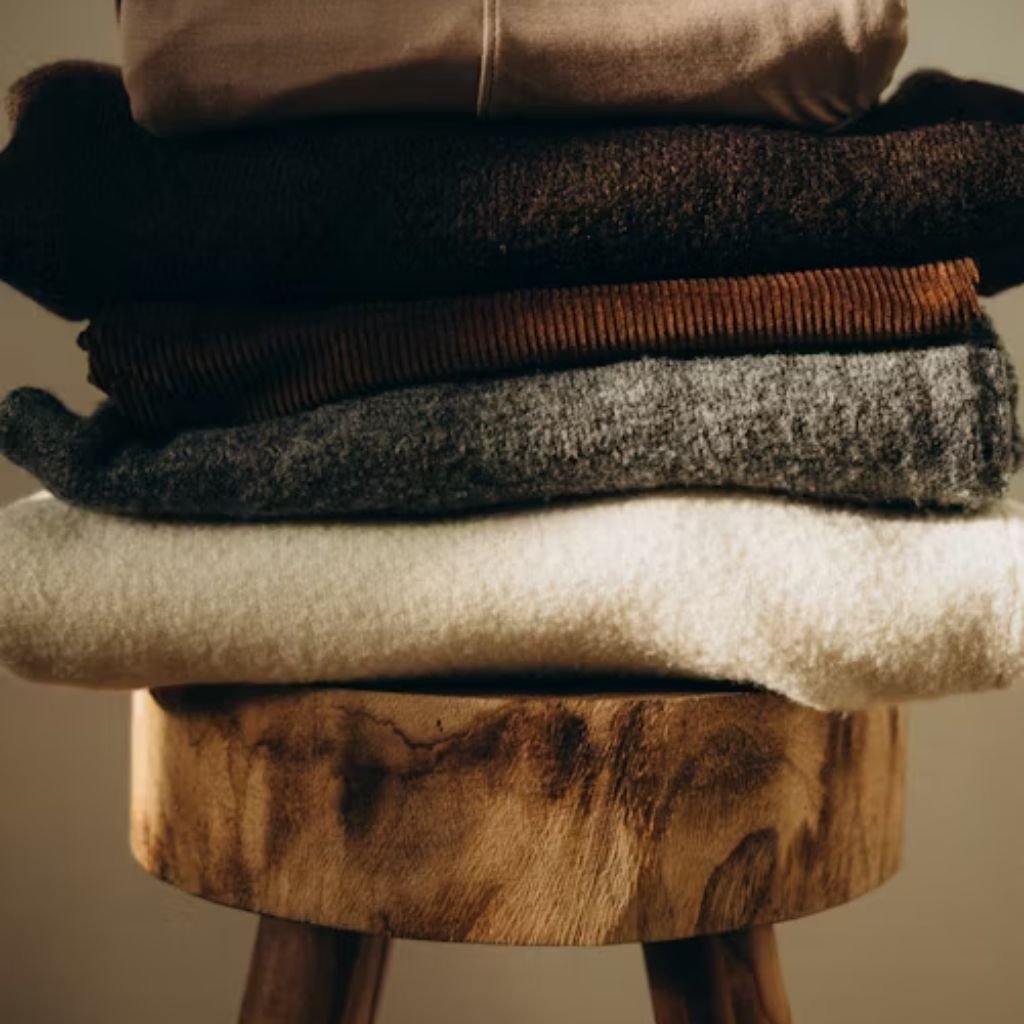
A stack of folded knit sweaters in neutral earth tones placed on a rustic wooden stool.Is Herringbone Wool Worth It?
Folded sweaters in warm neutral tones resting on a rustic wooden stool.

Minimalists Who Value Long-Term Quality

Minimalists often prefer fewer but better garments. Herringbone wool aligns perfectly with this mindset. One high-quality piece can last many years. Therefore, wardrobes stay simple and functional.

Because the style remains timeless, trends do not affect it. Buyers do not need frequent replacements. This long lifespan makes herringbone wool a smart minimalist choice.

Is Herringbone Wool Worth It? Final Verdict

After exploring every aspect of this fabric, one question remains. Is Herringbone Wool Worth It? The answer becomes clear when we consider durability, comfort, style, and long-term value together. While the price may seem high initially, the overall benefits strongly support the investment.

A Balanced View of Quality and Performance

Herringbone wool delivers consistent performance across multiple areas. The fabric offers warmth without excessive bulk. At the same time, it remains breathable throughout the day. Because of this balance, wearers stay comfortable in changing conditions.

The woven structure adds strength and stability. As a result, garments hold their shape longer. This reliability separates herringbone wool from many cheaper alternatives. Therefore, buyers receive dependable quality with every wear.

Long-Term Value Over Short-Term Savings

Many shoppers focus on upfront cost. However, long-term value matters more. Herringbone wool lasts for years with proper care. Because of this, replacement costs decrease significantly.

Cost-per-wear becomes very reasonable over time. One well-made coat can outlast several lower-quality jackets. Therefore, spending more once often saves money later. This makes herringbone wool a financially smart decision.

Style That Stands the Test of Time

Fashion trends change quickly. However, herringbone wool remains timeless. The classic V-shaped pattern never looks outdated. It fits both traditional and modern wardrobes.

Because of this, garments stay relevant season after season. Buyers do not feel pressured to replace them. This style longevity adds strong value to the investment.
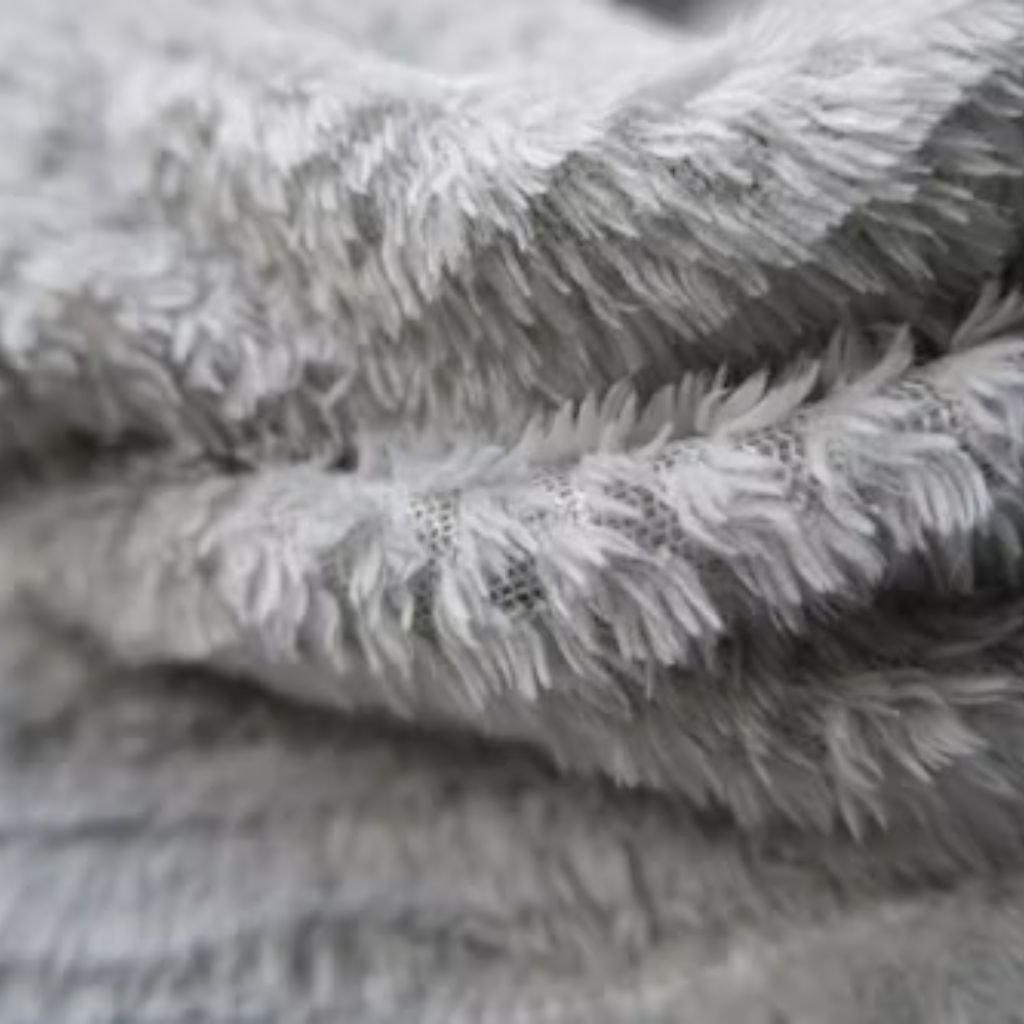
Close-up of soft gray plush fabric with a dense, fluffy texture and layered folds.Is Herringbone Wool Worth It?
A detailed view of luxurious gray plush fabric showcasing its soft, fuzzy texture and cozy appearance.

Comfort That Improves With Use

High-quality herringbone wool often becomes softer over time. The fibers relax with wear. As a result, comfort improves rather than declines.

Unlike synthetic fabrics, wool adapts to the body. It regulates temperature naturally. Therefore, wearers enjoy consistent comfort throughout the day.

Honest Consideration of the Drawbacks

Herringbone wool is not perfect. The fabric can feel heavy in mild climates. It also requires careful maintenance. Dry cleaning may be necessary for some garments.

However, these drawbacks remain manageable. With proper care and suitable climate use, the benefits clearly outweigh the disadvantages. Understanding this balance helps buyers make informed decisions.
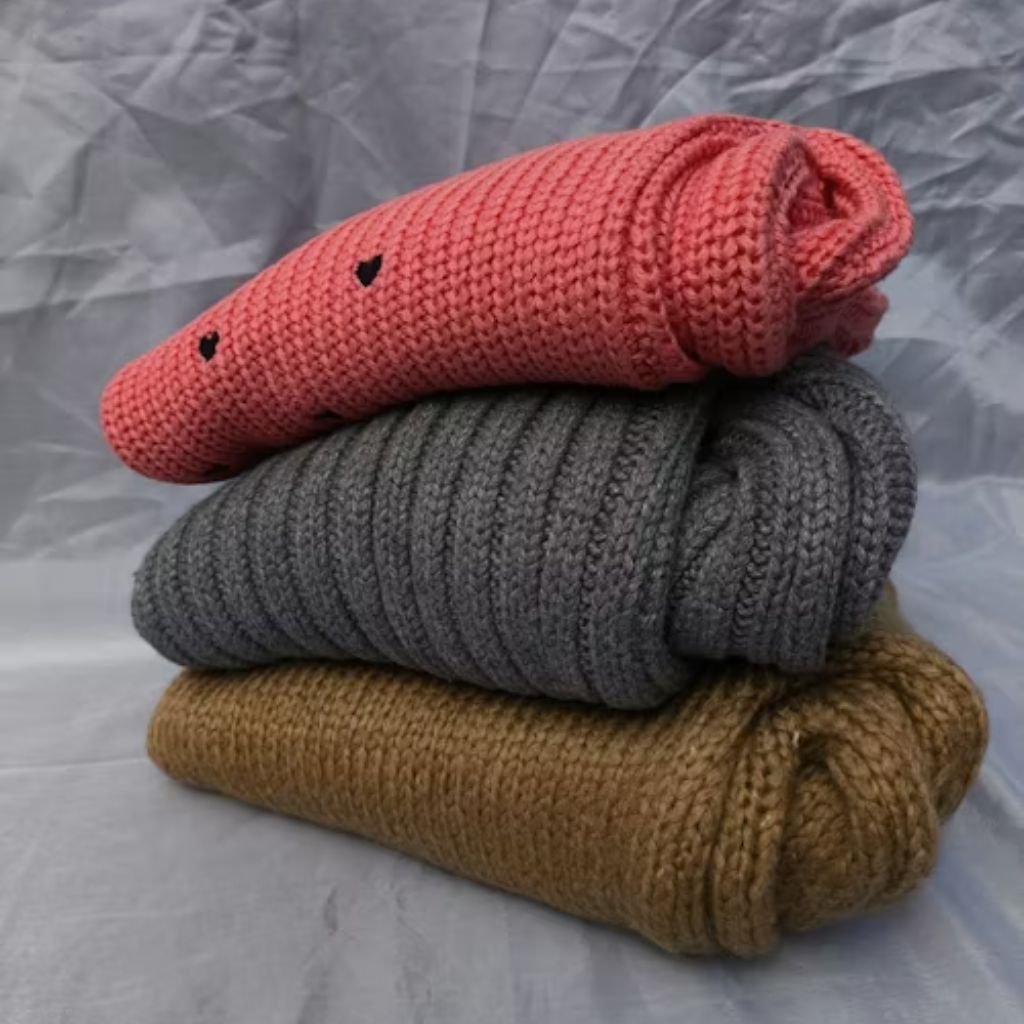
Stack of three folded knitted sweaters in pink, dark gray, and mustard yellow on a neutral fabric background.Is Herringbone Wool Worth It?
Three cozy hand-knitted sweaters neatly stacked, showcasing textured stitches in warm, earthy tones.

How to Care for Herringbone Wool Properly

Proper care keeps herringbone wool looking elegant for years. Although the fabric feels durable, it still needs attention. When cared for correctly, herringbone wool maintains its shape, softness, and strength. This section explains how to clean, store, and protect your garments effectively.
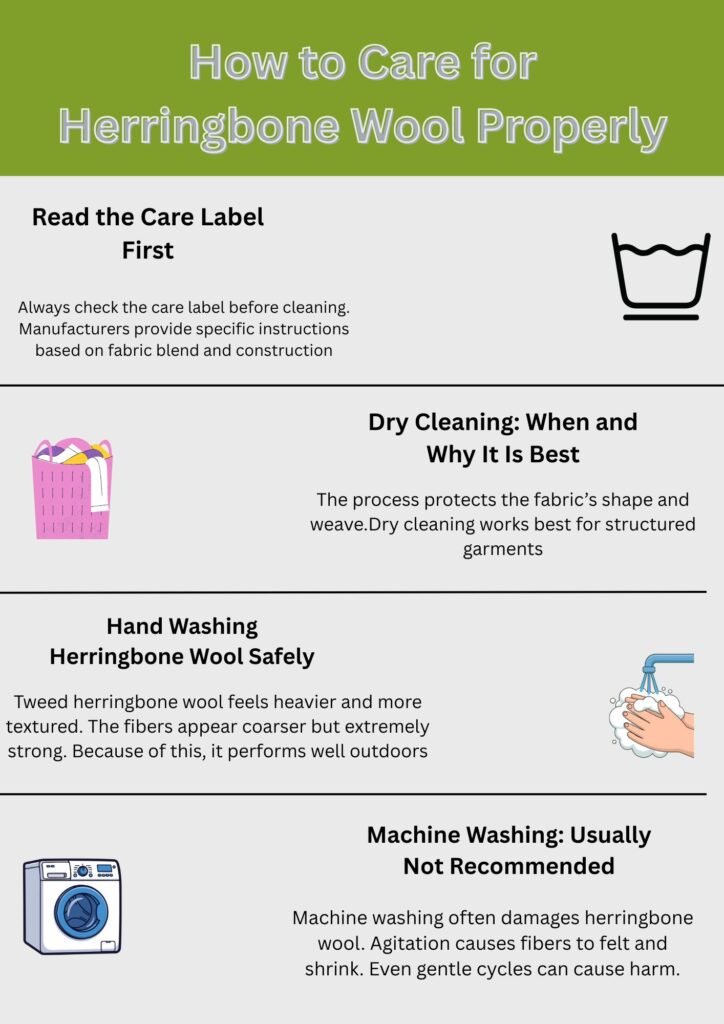
Infographic showing how to care for herringbone wool properly, including reading care labels, dry cleaning benefits, safe hand washing, and why machine washing is not recommended.Is Herringbone Wool Worth It?
How to care for herringbone wool properly: essential tips for cleaning, washing, and maintaining its texture and shape.

Read the Care Label First

Always check the care label before cleaning. Manufacturers provide specific instructions based on fabric blend and construction. Some garments require dry cleaning only. Others allow gentle hand washing.

Ignoring the label can damage fibers permanently. Therefore, following these instructions prevents shrinkage and distortion. This simple step protects your investment.

Dry Cleaning: When and Why It Is Best

Dry cleaning works best for structured garments. Coats, blazers, and suits often require professional cleaning. The process protects the fabric’s shape and weave.

Frequent dry cleaning is unnecessary. Cleaning once or twice per season usually works well. Over-cleaning weakens wool fibers. Therefore, clean only when needed.

Hand Washing Herringbone Wool Safely

Some herringbone wool garments allow hand washing. Use cold water and mild wool detergent. Avoid regular detergents because they strip natural oils.

Gently press the fabric instead of rubbing. Rinsing should remain gentle as well. After washing, remove excess water carefully. Never twist or wring the fabric.

Machine Washing: Usually Not Recommended

Machine washing often damages herringbone wool. Agitation causes fibers to felt and shrink. Even gentle cycles can cause harm.
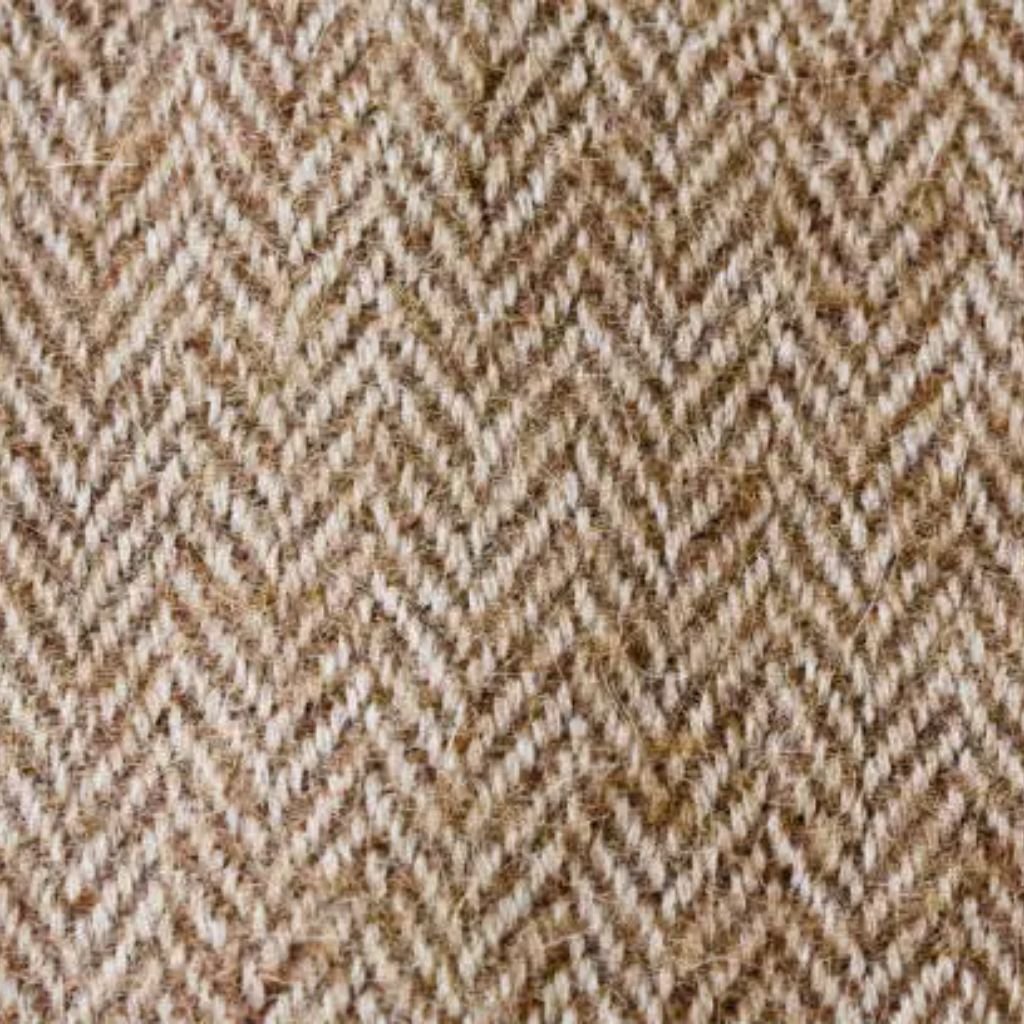
Close-up view of beige herringbone wool fabric with a classic zigzag weave pattern.Is Herringbone Wool Worth It?
Beige herringbone wool fabric showcasing its timeless zigzag texture and natural fibers

conclusion

In conclusion, herringbone wool is a fabric that truly stands the test of time. Its durability, warmth, and timeless style make it an excellent investment for those who value quality and long-lasting clothing. Although it may cost more initially, the strong weave ensures garments maintain their shape and appearance for many years, providing excellent cost-per-wear value.

The fabric’s natural breathability and comfort make it ideal for cooler climates, while its classic V-shaped pattern adds subtle elegance to both casual and formal outfits. Proper care, including gentle cleaning and careful storage, allows herringbone wool pieces to last for decades, making them not only a stylish choice but also a sustainable one.

FAQs

Is herringbone wool good for winter?

Yes, herringbone wool is excellent for winter. Its dense weave traps heat effectively while remaining breathable. This keeps the body warm without feeling bulky. Heavy coats, blazers, and scarves made from herringbone wool are ideal for cold climates.

Is herringbone wool durable?

Absolutely. The V-shaped weave strengthens the fabric and resists wear and tear. With proper care, garments can last for decades. This durability makes herringbone wool a smart long-term investment compared to cheaper fabrics.

Does herringbone wool go out of style?

No, herringbone wool has a timeless appeal. The classic zigzag pattern remains elegant across decades. It works for both formal and casual wear, ensuring garments stay stylish regardless of changing fashion trends.
Polo Topcoat: The Perfect Blend of Comfort, Warmth & Fashion

0

Polo Topcoat Defined A Polo Topcoat is outerwear to be worn on the top of cold weather apparel and with more cold weather attire. Polo Topcoats have good lines, are fiscally attuned, and have good structure. However, Polo Topcoat are not made with the more informal jacket top style. A PoloTopcoat is made on the more expensive side and is made with more high-end materials and composites such as wool, cashmere blends, or other synthetic top grade materials which add to provide warmth and high fashion.

Because of the association with polo players and high-class clothing in the past, the topcoat received their initial name. Now, they incorporate with many different styles and professions as they have transcended into both the formal and informal sides of fashion.

What is a Polo Topcoat?

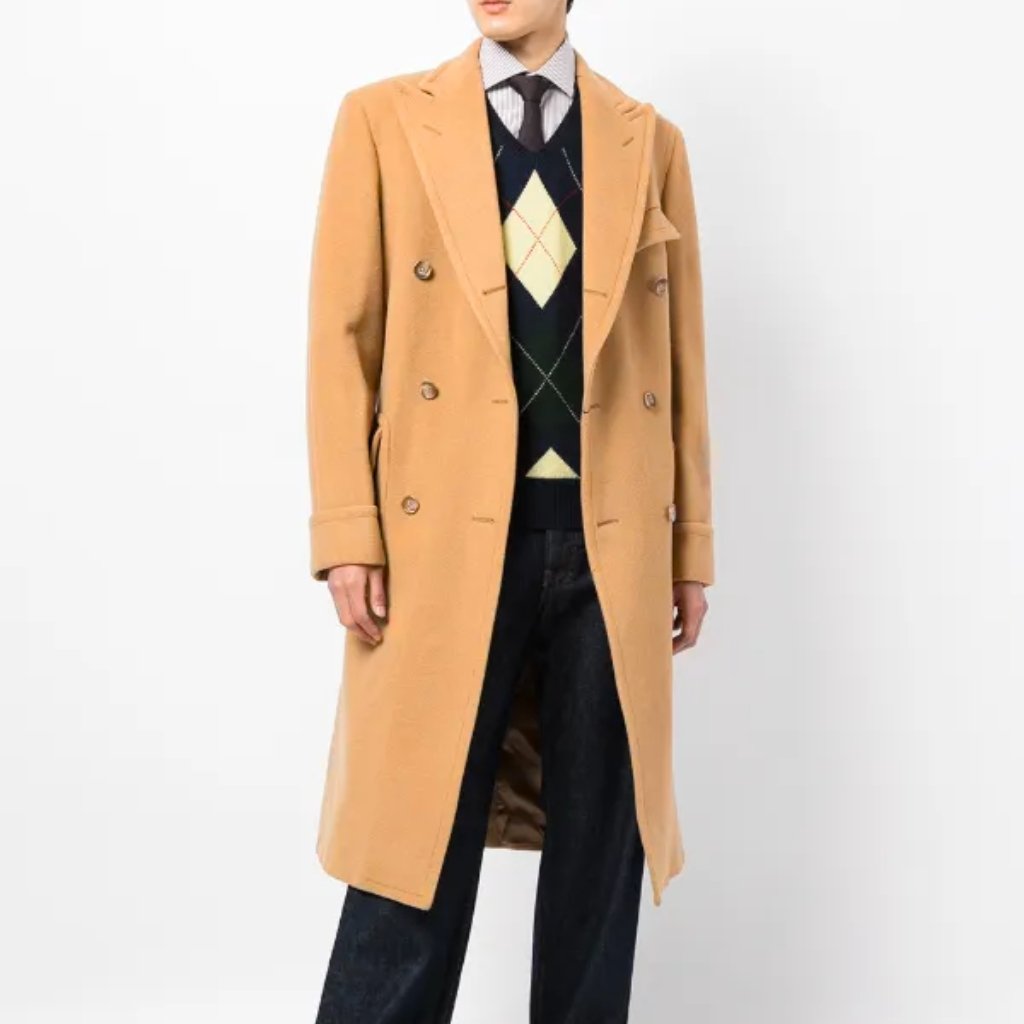
A person wearing a camel-colored double-breasted overcoat over a navy argyle sweater vest and white shirt with a tie, paired with dark jeans.
Sophisticated in camel: a tailored double-breasted coat layered over a classic argyle sweater for a polished fall look.


A Polo Topcoat is a type of long outerwear that is typically designed for cold weather. It is characterized by its clean lines, tailored fit, and structured design. Unlike casual jackets, Topcoats are usually made from high-quality fabrics such as wool, cashmere blends, or premium synthetic fibers that provide both warmth and eleganc

Historically, these topcoat were associated with polo players and aristocratic fashion, hence the name. Over time, they have become popular across different styles and professions, blending seamlessly into both formal and casual wardrobes.

Characteristics of a Polo Topcoat

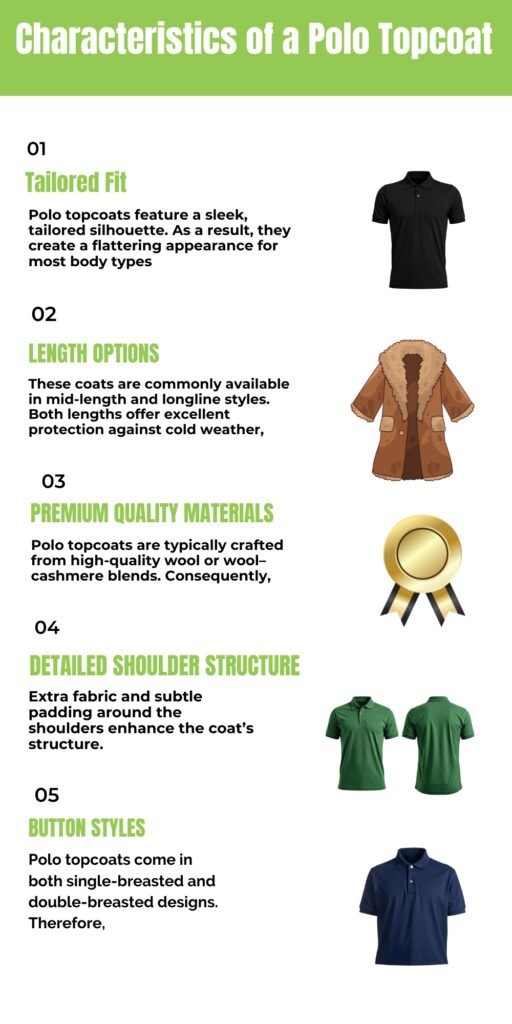
Infographic titled 'Characteristics of a Polo Topcoat' with five sections: 01 Tailored Fit, 02 Length Options, 03 Premium Quality Materials, 04 Detailed Shoulder Structure, 05 Button Styles. Each section has brief descriptive text and a small image on the right (polo shirt, fur-lined coat, medal ribbon, two green polo shirts, and a navy blue polo).
Key features of polo topcoats: tailored fit, length options, premium materials, detailed shoulder structure, and versatile button styles.

There are a few specific characteristics that make Polo Topcoats stand out from different outerwear in the industry:

  1. Tailored Fit
    These outerwear pieces have a generally slim design that gives a flattering look to all body types.
  2. Lengths
    These are offered in either mid-length or longline styles, both of which provide adequate shielding from the weather.
  3. Premium Quality Material
    Polo Top coat are usually made out of wool, or a wool and cashmere mixture, which provides a lot of durability and
    warmth.
  4. Detailed Shoulders
    There is a bit of extra fabric around the shoulders, which expands the formality of the coat and makes it a good candidate for more formal occasions.
  5. Buttons
    Each coat is fully adjustable for level of comfort and level of formality due to the single or double-breasted styles of the coat.

These characteristics that all Polo Topcoats have help make a wide range of fashion and utility, making it such a useful item in people’s wardrobes.

Materials Used in Polo Topcoats

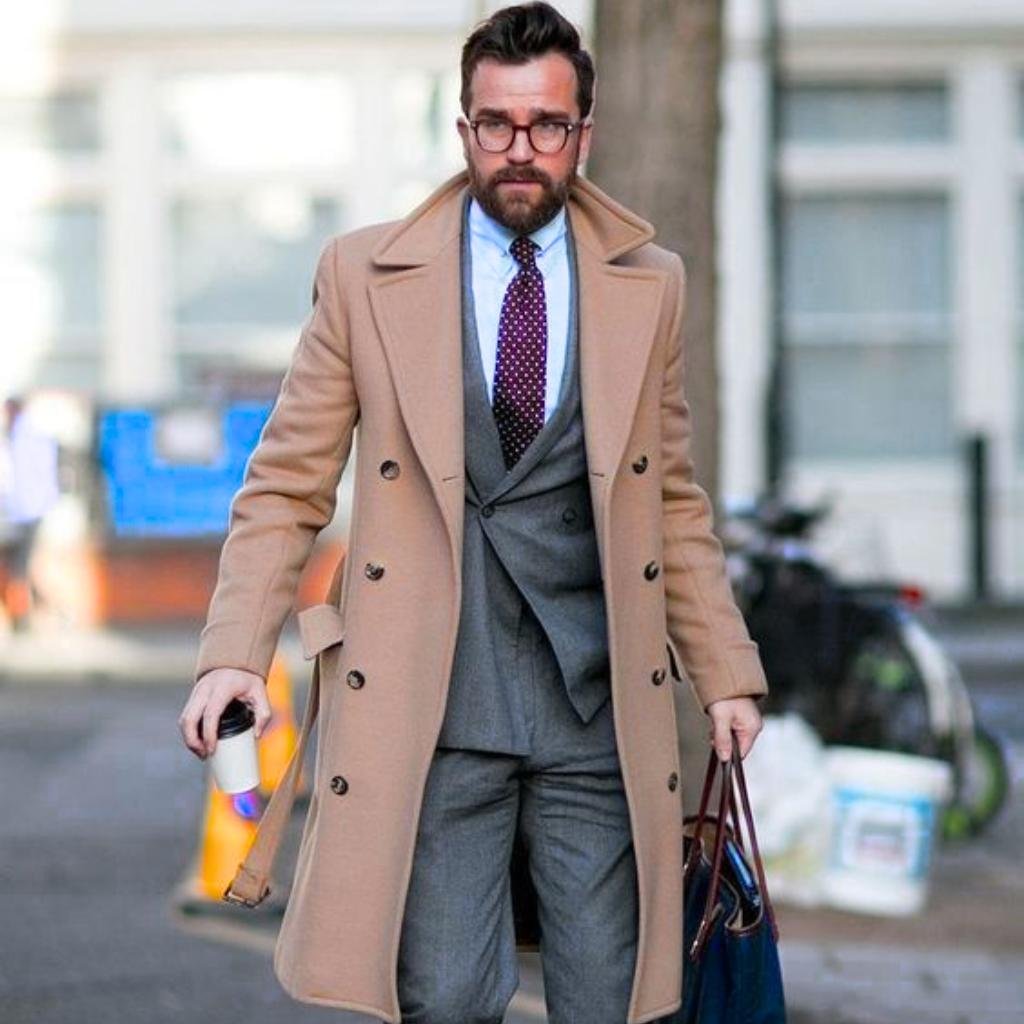
A stylish man with a beard and glasses walks outdoors while holding a coffee cup and a tote bag. He is wearing a tan overcoat over a three-piece gray suit with a blue dress shirt and a purple polka-dot tie.
Sharp in a tan overcoat: a well-dressed man sports a gray three-piece suit, burgundy tie, and glasses while walking with coffee and a bag.

The material used in a Polo Topcoat affects their quality and durability, and here is a list of some of the most common fabrics used:

1. Wool

Wool is the most common material used in Polo Top coats because it naturally insulates. Wool is a breathable material and is good at keeping moisture away from the body. Wool topcoats last a long time and because wool is a naturally durable material, they are good options for long-term investments

2. Cashmere Blends

Cashmere is a wonderful addition in topcoats because it adds a luxurious aspect. cashmere is softer, lighter, and smoother than traditional wool, making it more comfortable. These topcoats also make good winter garments for social events, because they have a level of sophistication for professional settings.

3. Synthetic Blends

There are also topcoats with either wool or cashmere, blended with some synthetic fibers, which enhances the durability and affordability of the blend, all while keeping the material fashionable and stylish.

Types of Polo Topcoats

There are various styles of topcoats to match different tastes in fashion and different occasions:

Single-Breasted Polo Topcoat

Single-breasted styles are streamlined and versatile making them great for everyday use. Their modern and clean appearance make them great for formal and casual looks.

Double-Breasted Polo Topcoat

In the realm of beaded double coats, this combination provides additional function and authority. This style is perfect for the workplace or events because it radiates polish and grace and has wide lapels, solidifying this style’s elegance with rich, overlapping panels.

Belted Polo Topcoat

Increased waistlines and added style diversity with the belted coordinate. This adaptation works better for those who want a more honed figure, yet all the cosiness and ease of warmth are maintained.

Mid-Length and Longline Polo Topcoat

While the long versions with dramatic details to your outfit are pleasing to the eyes, the mid-length style is more functional and effective for all-season use, and added protection from rougher climates.

How to Style a Polo Topcoat

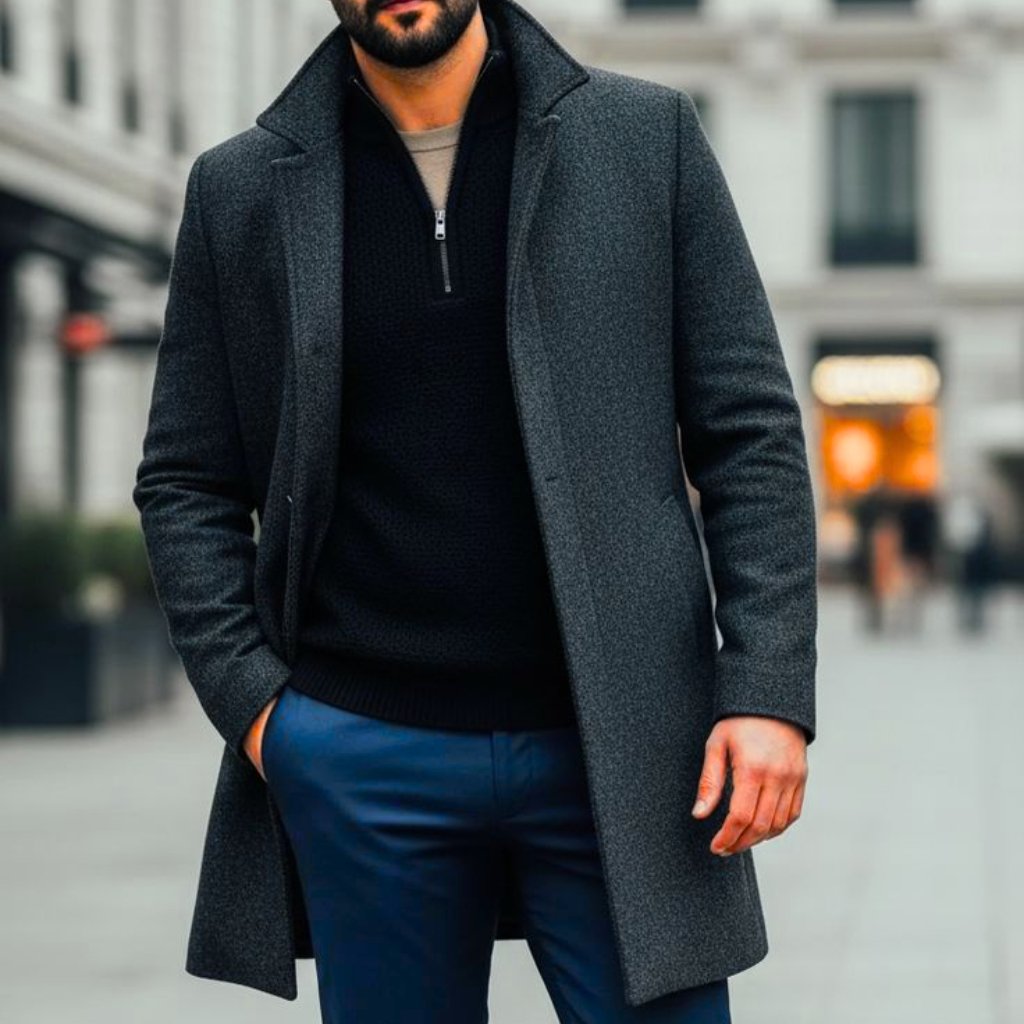
 A man wearing a dark gray overcoat over a black knit sweater and blue trousers stands outdoors in an urban setting.
Stylish urban outerwear: a charcoal overcoat layered over a black sweater and cobalt blue pants, photographed on a city street.

Adaptability has to be the five-star rating in these Polo Top coats, as they give the wearer the flexibility to style them in many different ways.

Business/Formal Wear

The combination of double or single Polo Top coat with your best suit, a freshly ironed blouse, and your best business formal shoes is all that you need to appear all trendy and professional in business-like topical meetings.

Casual/Smart-Casual Wear

For a more relaxed look, combine a Polo Topcoat with a turtleneck sweater, chinos, and leather boots. This style works well for weekends, casual dinners, or city outings.

Layering Options

Polo Topcoats are made for layering. Depending on the weather, you can wear these on topcoat jackets of blazers, hoodies, and knitwear. Not only does layering keep you warm but it can also add different colors and textures to your already beautiful outfit.

Accessorizing

Polo Topcoats go great with scarves, gloves, and hats. You can go for a classy and neutral look, but bold colored accessories can elevate your outfit.

Comfort and Functionality

Polo Topcoats look nice, but they are also very functional. Warm fabric materials such as wool and cashmere keep you warm and insulated, especially during extreme weather. These topcoats are designed in a way to allow for maximum movement and comfort with the brought added features of button closures and inner pockets.

Plus, Polo Topcoats are a great investment for the winter since they are made to last.

Caring for Your Polo Topcoat

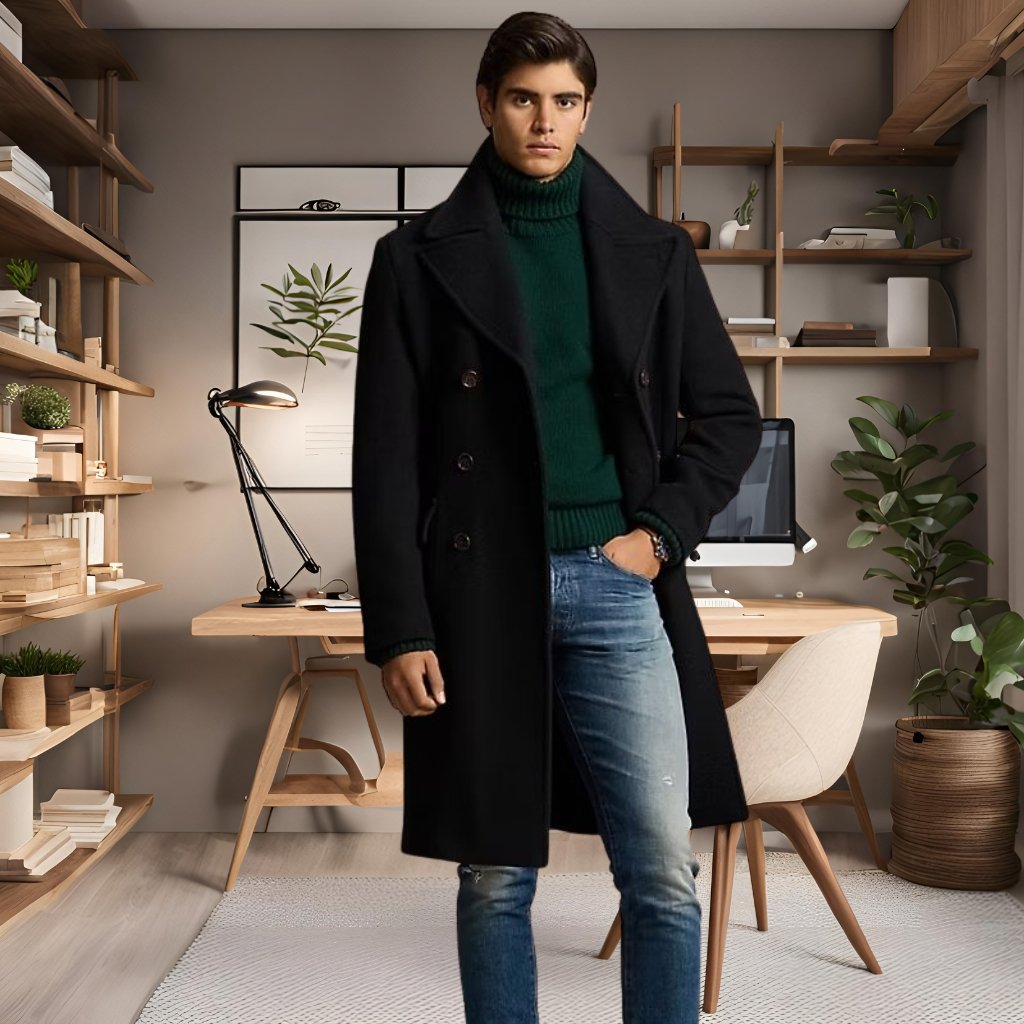
A stylish man stands in a modern home office wearing a long black coat over a dark green turtleneck and blue jeans. The room features wooden shelves, a desk with a computer, a black lamp, and several potted plants.
Effortless winter chic: a tailored black coat paired with a forest-green turtleneck and jeans in a cozy, plant-filled home office.

To keep your Polo Topcoat as beautiful and functional as it was when you first bought it, you’ll want to take good care of it.

  1. Dry Cleaning Your history Topcoat fabric shape and integrity will be best maintained if it is dry cleaned.
  2. Brushing and Spot Cleaning Frequently dust and dirt can be removing with a fabric brush. For small stains, a damp cloth can be used.
  3. Storage – Keeping your topcoat on a wide, padded hanger will help it keep its shape. Don’t leave it in cramped places, and don’t fold it.
  4. Protection – For long-term storage, and travel, you may wish to use garment bags.

A Polo Topcoat, with a bit of care, will keep its warmth and elegance for several years.

Best Colors for Polo Topcoats

The topcoat you wear can affect your overall style significantly.

  • Classic Black – Everlasting, goes with everything, and can be worn to formal events.
  • Navy Blue – Pairs well with a lot of colors, sophisticated and professional.
  • Charcoal Gray – Modern and stylish. Complements urban looks well.
  • Camel/Tan – Looks warm and nice. Good for casual or semi-formal events.
  • Burgundy or Dark Green – For those with a flair for the fashion.

The right color to choose from depends on your wardrobe, style, and way of living.

Top Polo Topcoat Brands

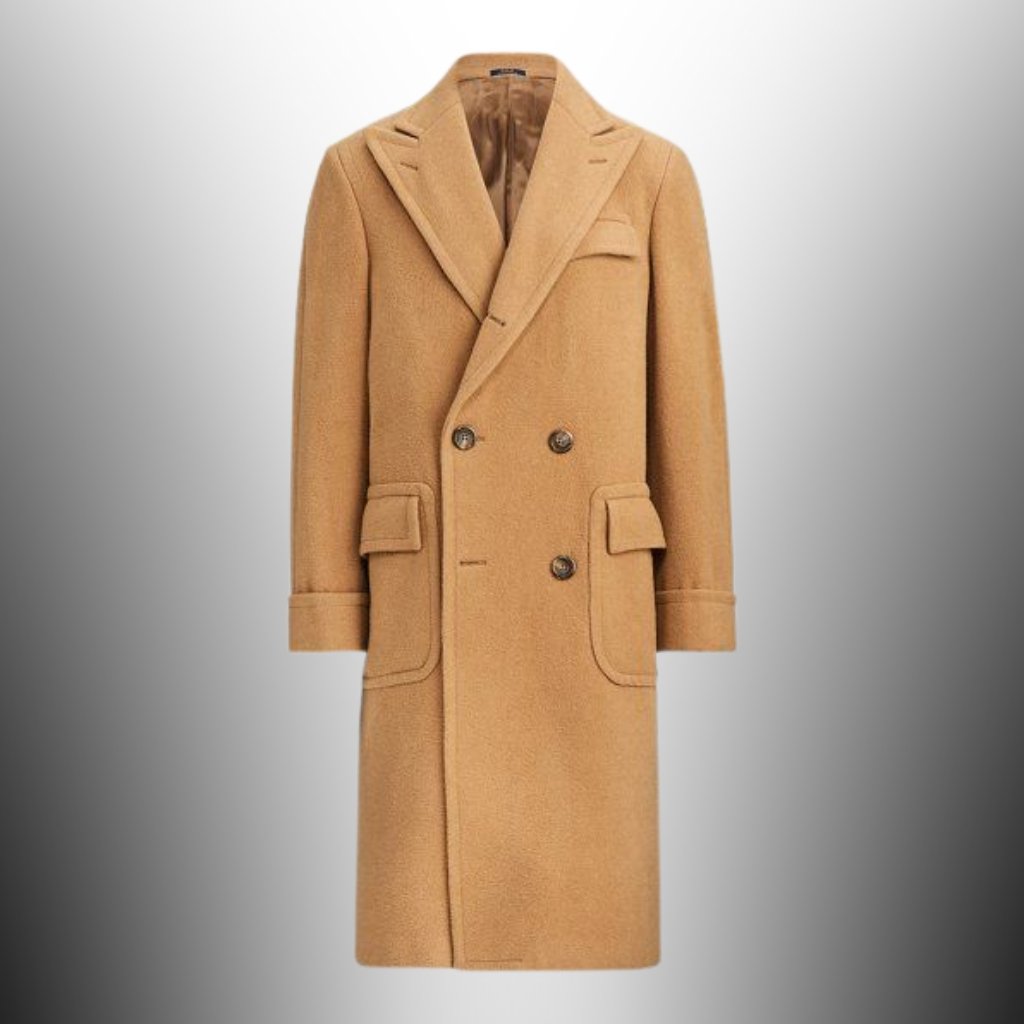
 A knee-length camel wool coat with a double-breasted front, wide notched lapels, two front flap pockets, a breast pocket, and strap details at the cuffs, displayed against a neutral gradient background.
Classic Camel Wool Coat — timeless double-breasted style with structured tailoring and functional pockets.

Some of the most reputable brands in the industry and most frequently in the top Polos in the industry include:

  1. Burberry  Noted for the great fabrics for classic, timeless tailoring.
  2. Ralph Lauren – Great elegant designs, and modern flair.
  3. Hugo Boss – Great for sophisticated, and sleek designs.
  4. Brooks Brothers – Great timeless designs for premium craftsmanship.
  5. Zegna – Great for luxurious fabrics for impeccable designs.

When buying a branded Polo Topcoat, you buy quality, style, and value

Why Should you Buy a Polo Topcoat

Polo Topcoats are practical, versatile, and timeless. They can be worn anywhere, and for any occasion. They are a great addition to your work wardrobe, they are great for travelling, and just for casual outing. They are an essential piece and will never go out of style.

In addition, they are an investment piece because of their fabrics, and specially cut and tailored structured designs. These can last you for decades if you take good care of them.

Conclusion

To sum it all up, the Polo Topcoat is all about versatility, timelessness, and function. It is the greatest combination of sophistication and practicality. It lends itself well to business formal and casual streetwear. With the right choice of fabric, style, color, and maintenance, the traivel friendly Topcoat can be timeless and a staple in your wardrobe for years to come.

To own a Polo Topcoat is not just a fashion choice. It is a choice of sophistication, comfort, and style that is timeless, trendless, and seasonless.

FAQs

What is a Polo Topcoat?

A Polo Topcoat is a long, tailored outerwear coat, often made from wool or cashmere blends, designed for both warmth and style.

Who can wear a Polo Topcoat?

Both men and women can wear Polo Topcoats. Tailored, single-breasted, double-breasted, or belted styles make it versatile for all body types.

How should I style a Polo Topcoat?

It pairs well with formal suits, business attire, casual sweaters, chinos, or even jeans. Accessories like scarves and gloves add extra style.

Men’s Premium Shearling Leather Coat Warmth & Style

0

When winter arrives, everyone looks for a coat that keeps them warm. A Men’s Premium Shearling Leather Coat is perfect for this season. This coat combines style and comfort effortlessly. Many people love its soft interior and strong exterior. It can make any outfit look more polished. Moreover, the Men’s Premium Shearling Leather Coat lasts for years if cared for properly. Choosing the right coat is essential, especially when temperatures drop. Therefore, investing in this type of coat is smart. It brings both elegance and practicality to your wardrobe.

what is a Men’s Premium Shearling Leather Coat

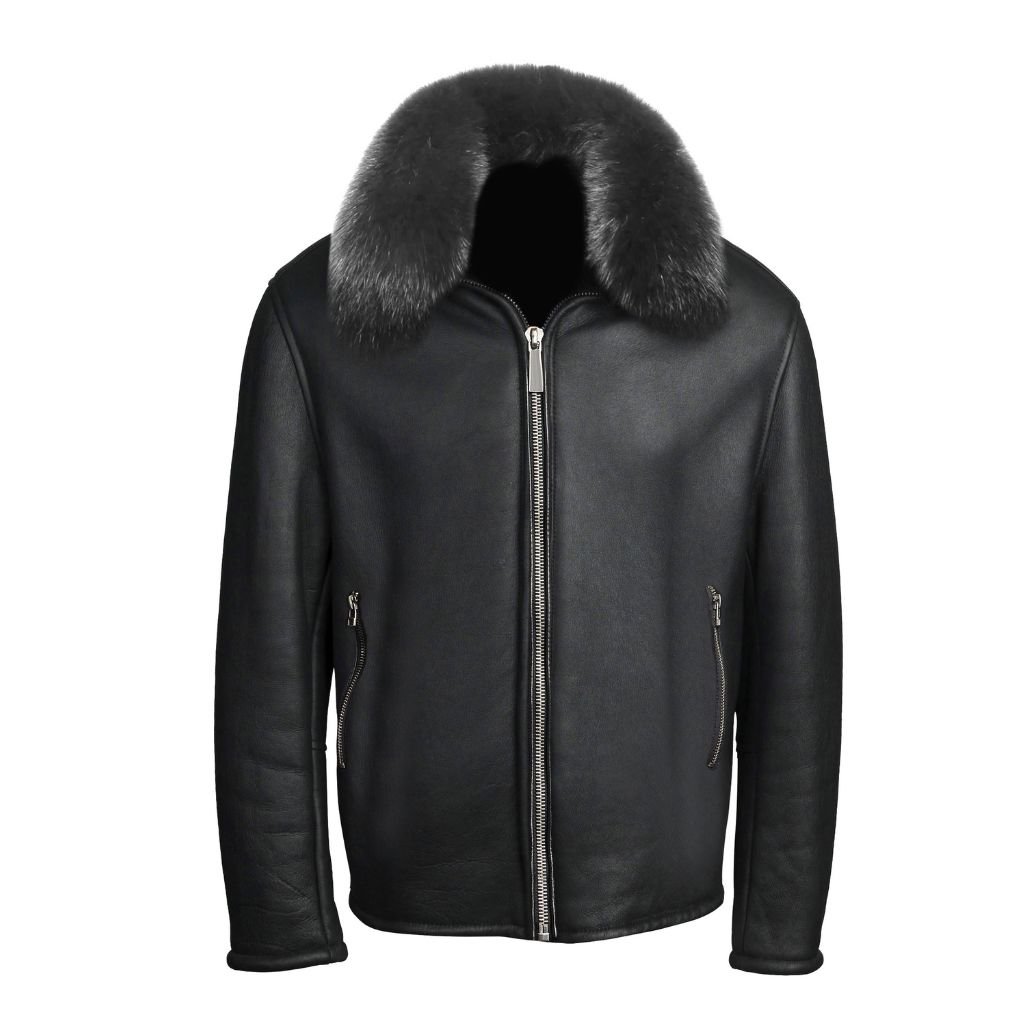
A black leather shearling coat with a thick, plush fur collar, a full front zipper, and zippered side pockets.Men's Premium Shearling Leather Coat
Men’s Premium Shearling Leather Coat: Luxurious black leather with a sumptuous fur collar.

A person can never go wrong with a cozy winter shearling coat. One good example is a Men’s Premium shearling leather coat. This winter Men’s Premium Shearling Leather Coatis made out of genuine leather with a shearling lining. The coat protects one from the wind and the light rain thanks to the outer leather coating. Also, the shearling interior coating brings warmth and comfort to the wearer. Because the coat is made from leather, it is also very stylish. The coat is considered to be a classic as it is designed with a collar, big zippers, and a snugg tailor.Read more fashion leather jacket

Why Choose a Shearling Leather Coat

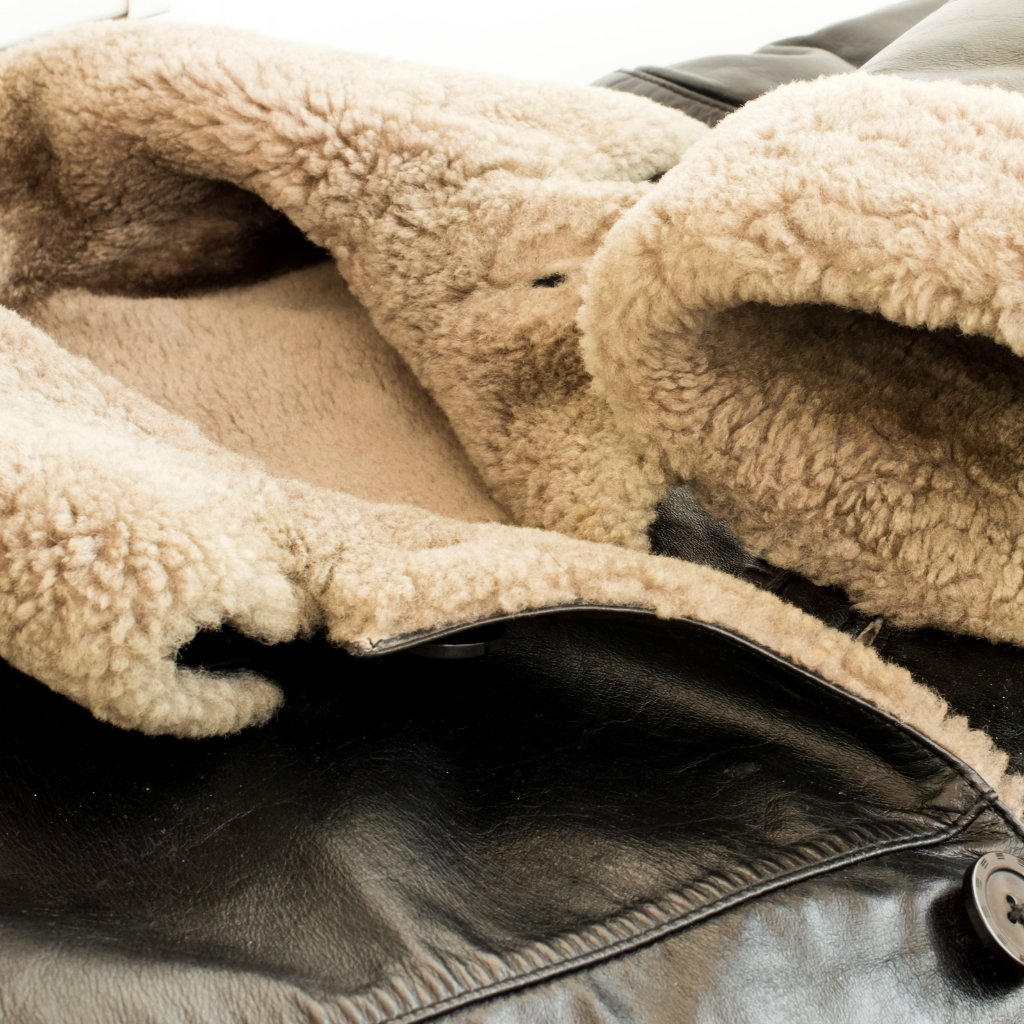
A close-up view of a beige shearling-lined leather coat, highlighting the fluffy wool interior and the smooth black leather exterior with visible stitching and a button.
unmatched warmth, timeless style, and durable luxury all in one.

A Men’s Premium Shearling Leather Coat offers warmth like no other. The shearling lining traps heat efficiently. Unlike other jackets, this also protects from wind. Additionally, it feels soft and cozy against your skin. People often prefer it over bulky coats. It does not feel heavy even when layered. Furthermore, leather is durable and ages gracefully. Many find that it becomes more comfortable Men’s Premium Shearling Leather Coat over time. The Men’s Premium Shearling Leather Coat structure adds style to any look. Therefore, it is an ideal Men’s Premium Shearling Leather Coat investment for every man.Read more designer leather jacket

Comfort & Warmth

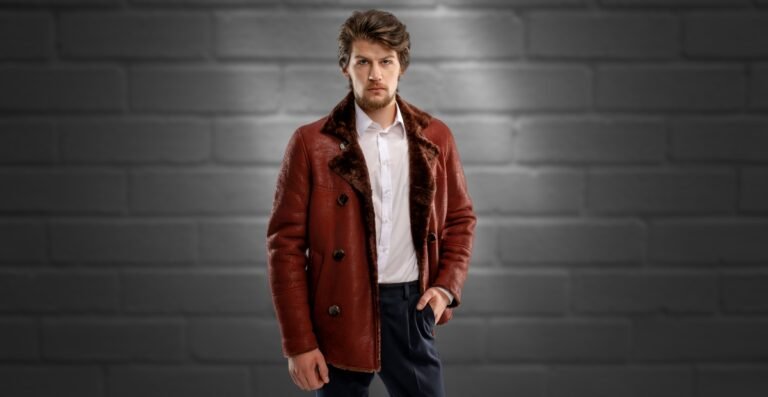
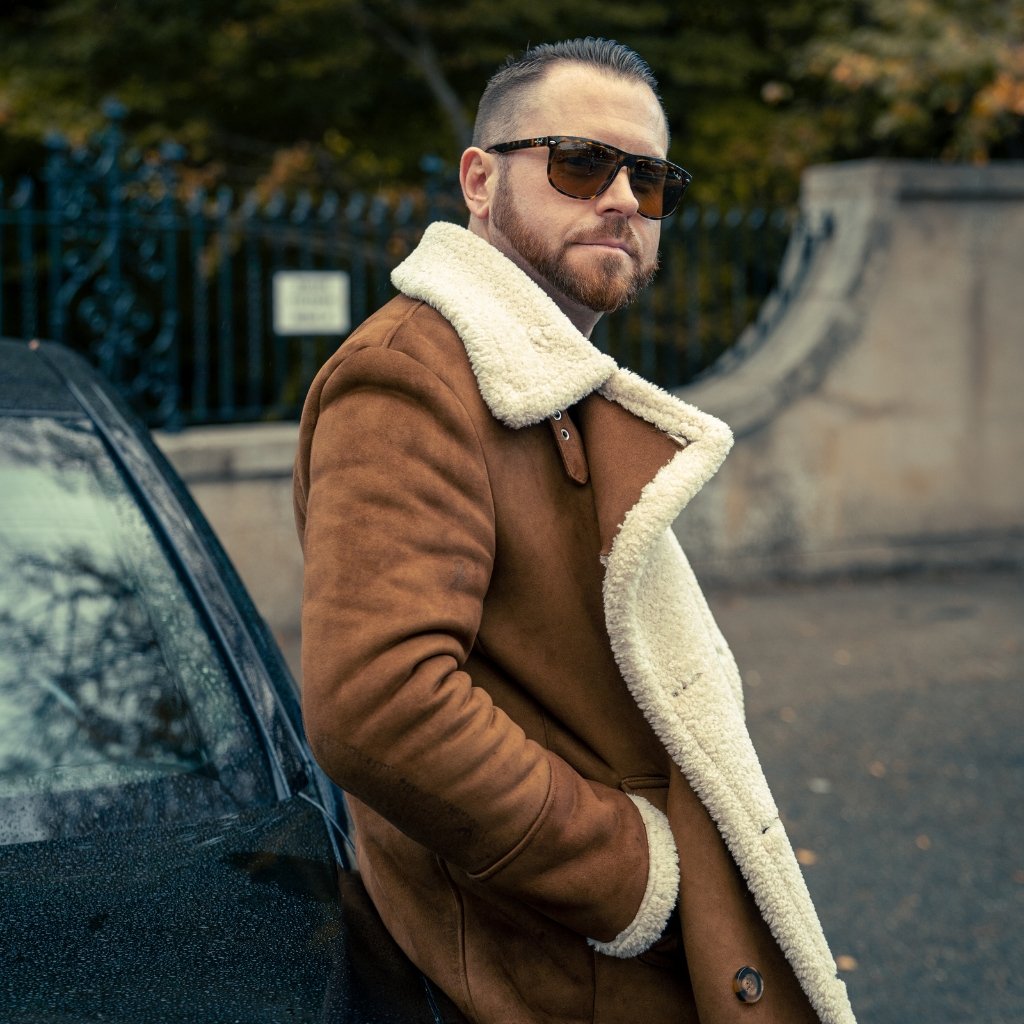
A man wearing a brown shearling leather coat with a cream fleece lining and collar, sunglasses, and a trimmed beard, leaning against a car on a city street.
A stylish shearling leather coat in rich brown with a plush cream lining, perfect for chilly days.

Comfort is a major reason to select a Men’s Premium Shearling Leather Coat. The inner lining provides natural insulation. Even in freezing temperatures, it keeps you cozy. Unlike synthetic materials, shearling breathes well. This prevents overheating while maintaining warmth. Also, the Men’s Premium Shearling Leather Coat outer layer shields from cold wind. It offers flexibility and freedom of movement. People notice they can wear it for long hours comfortably. Consequently, this Men’s Premium Shearling Leather Coat becomes a favorite winter companion. It balances warmth, softness, and Men’s Premium Shearling Leather Coat style perfectly.Read more heavy leather jacket

Style & Fashion

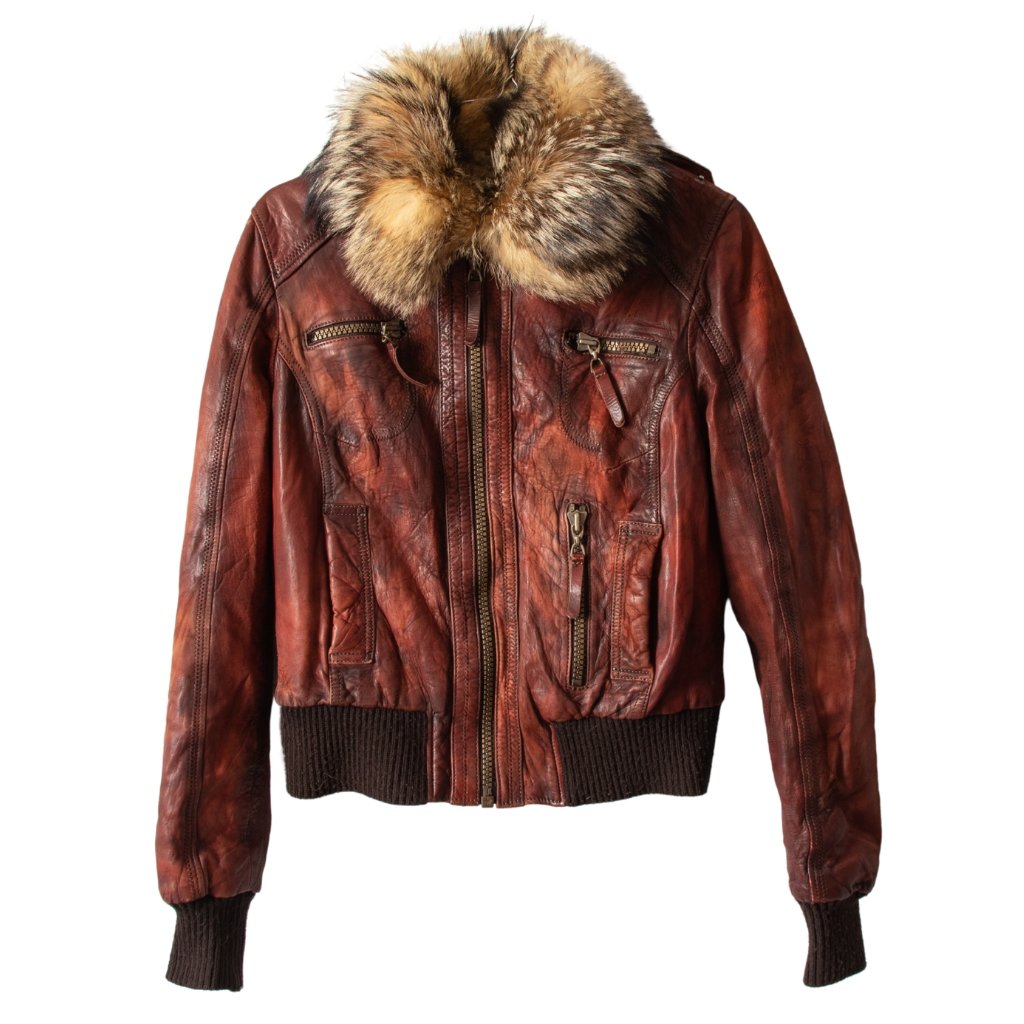
 A vintage-style red-brown shearling leather bomber jacket with a large fur collar, zip pockets, and ribbed cuffs and hem.
Style & Fashion Shearling Leather Coat — bold red-brown bomber with plush fur collar.

A Men’s Premium Shearling Leather Coat is fashionable and timeless. It adds sophistication to casual and formal outfits alike. The smooth Men’s Premium Shearling Leather Coat exterior looks elegant in all settings. Furthermore, shearling collars add a classic touch. Many designers choose this style for winter collections. Its versatile design suits various occasions. People can pair it with Men’s Premium Shearling Leather Coat or trousers effortlessly. Premium Shearling Leather Coat also Men’s Premium Shearling Leather Coat complements scarves, hats, and gloves. Consequently, it becomes a statement piece in your wardrobe. Investing in it boosts confidence and style.Read more 27 types of jacket

Durability & Quality

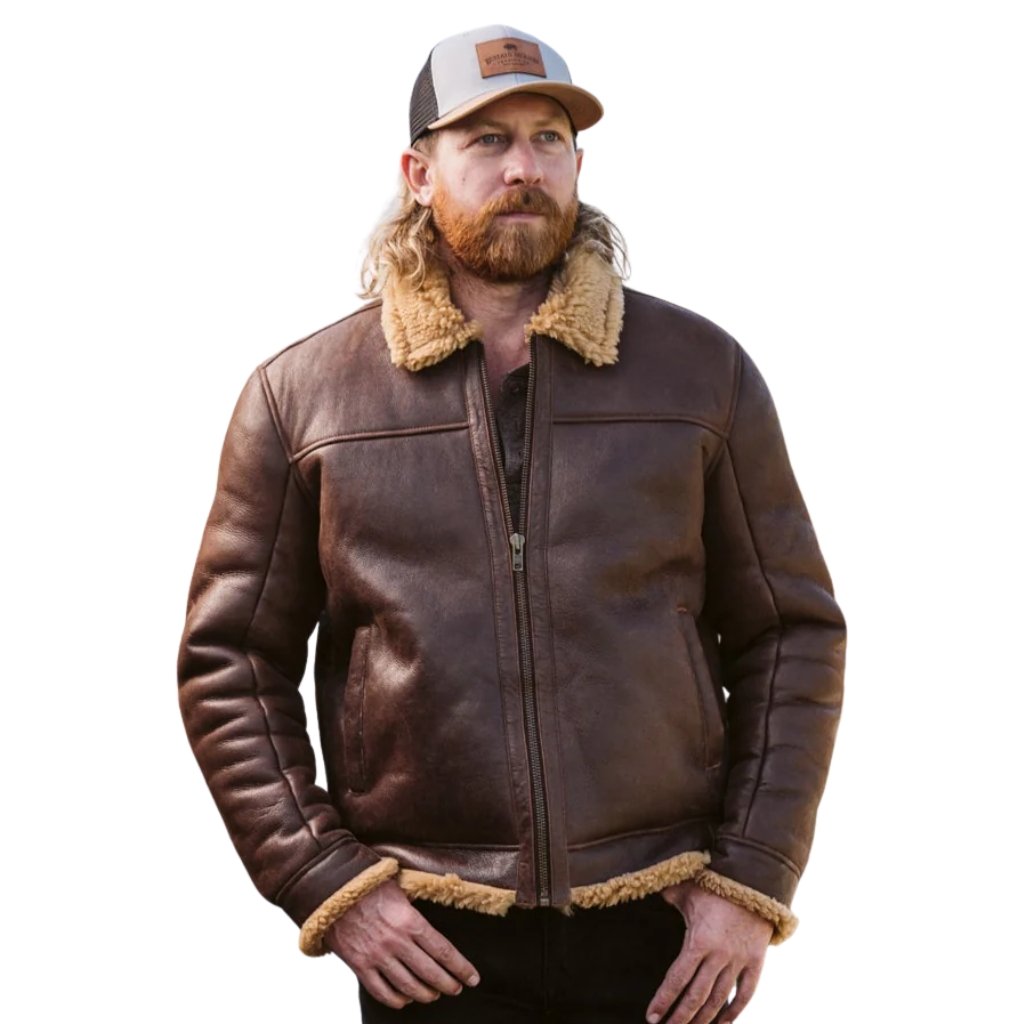
Man wearing a dark brown shearling leather coat with a tan shearling collar and cuffs, standing with hands in pockets, facing slightly left, white background.
Durability meets luxury: a rugged shearling leather coat built to last.

Durability is another reason for choosing a Men’s Premium Shearling Leather Coat. Leather is naturally strong and long-lasting. With proper care, it can last for decades. Shearling lining maintains its softness for years. Unlike synthetic fabrics, it does not tear easily. Additionally, leather develops a unique patina over time. This aging process adds character to the Men’s Premium Shearling Leather Coat. People appreciate Men’s Premium Shearling Leather Coat that improve with use. Therefore, high-quality craftsmanship ensures long-term satisfaction. Investing in this Men’s Premium Shearling Leather Coat is practical and Men’s Premium Shearling Leather Coat stylish simultaneously.

Versatility in Winter

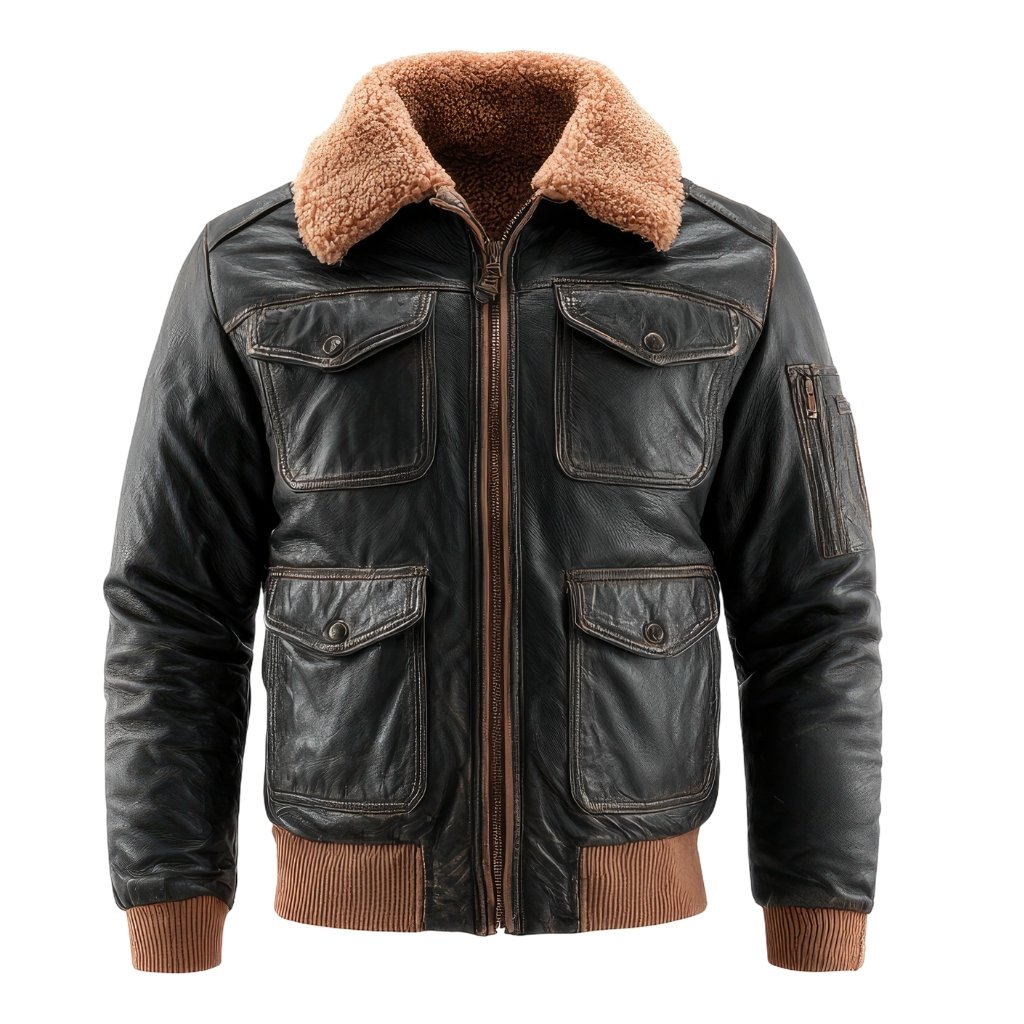
A black leather jacket with a thick, light brown shearling collar, multiple front pockets, ribbed knit cuffs and hem, and a central zipper.
Versatility Shearling Leather Coat: rugged warmth with a plush shearling collar and practical pockets for winter wear.

The Men’s Premium Shearling Leather Coat adapts to many winter conditions. It works well in snow, wind, and rain. The leather exterior repels moisture effectively. Meanwhile, the Men’s Premium Shearling Leather Coat lining keeps the body warm. You can layer sweaters underneath for extra warmth. It pairs with both formal and casual clothes. People find it suitable Men’s Premium Shearling Leather Coat for outdoor activities and city life. This versatility makes it a preferred winter Men’s Premium Shearling Leather Coat. Moreover, it reduces the need for multiple jackets. Therefore, it is an EFFICIENT and fashionable choice.

Caring for Your Coat

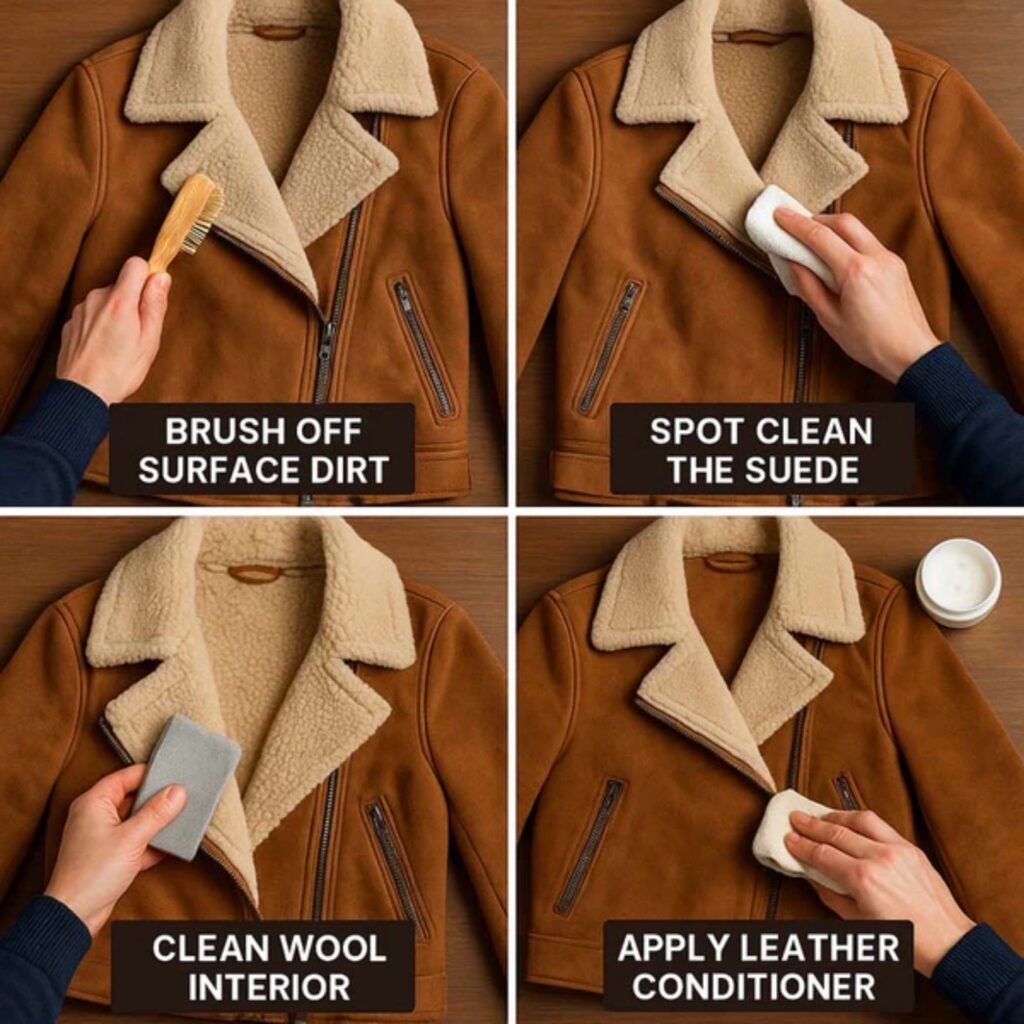
A four-panel step-by-step guide showing how to care for a brown shearling/ leather coat: top-left shows brushing off surface dirt with a small brush; top-right shows spot cleaning the suede with a cloth; bottom-left shows cleaning wool interior with a sponge; bottom-right shows applying leather conditioner with a cloth.
How to Care for Your Coat: Brush off dirt, spot-clean suede, clean the wool interior, and condition the leather.

Proper care extends the life of a Men’s Premium Shearling Leather Coat. Avoid exposing it to excessive water or heat. Regular cleaning prevents Men’s Premium Shearling Leather Coat stains and damage. Use leather conditioner occasionally to maintain softness. Brush the shearling gently to keep it fluffy. Store the Men’s Premium Shearling Leather Coat in a cool, dry place when not in use. People notice a well-cared Men’s Premium Shearling Leather Coat lasts for decades. Following these tips ensures it remains stylish and functional. Consequently, maintenance is simple but essential.

Comfort in Everyday Use

A Men’s Premium Shearling Leather Coat suits everyday life. It is comfortable during long commutes or walks. The coat’s weight is balanced, making it easy to move. Even busy mornings feel easier with this Men’s Premium Shearling Leather Coat. Its cozy lining makes cold mornings pleasant. People enjoy wearing it casually or for work. Moreover, it adds a polished look without effort. Choosing this Men’s Premium Shearling Leather Coat improves daily comfort and style. Therefore, it becomes a favorite winter companion for many men.

Perfect for Travel

Traveling in winter requires a reliable coat. A Men’s Premium Shearling Leather Coat is perfect for journeys. It protects from cold and unpredictable weather. The leather outer layer the Men’s Premium Shearling Leather Coat resists wind and moisture. Meanwhile, the shearling lining maintains warmth for hours. People can pack light because this Men’s Premium Shearling Leather Coat combines multiple layers. Its stylish design makes it suitable for sightseeing or dining out. Therefore, travelers find it convenient and practical. Investing in this Men’s Premium Shearling Leather Coat improves comfort and confidence Men’s Premium Shearling Leather Coat during trips.Read more travel leather jacket

Timeless Appeal

Fashion trends come and go, but a Men’s Premium Shearling Leather Coat remains classic. Its design has remained popular for decades. People continue to admire its elegance and warmth. The Men’s Premium Shearling Leather Coat fits both modern and traditional wardrobes. It is a symbol of sophistication and practicality. Moreover, it pairs well with seasonal accessories. Many consider it a long-term investment for style and comfort. Therefore, this Men’s Premium Shearling Leather Coat never goes out of fashion. It adds value to your wardrobe year after year.

Environmental Consideration

Leather and shearling are natural materials that can last long. Choosing a Men’s Premium Shearling Leather Coat reduces frequent replacements. This helps minimize waste and environmental impact. Moreover, leather can be recycled or repurposed. Many people prefer sustainable fashion choices. Premium Shearling Leather Coat durability contributes to responsible consumption. Investing in quality over quantity benefits both style and planet. Therefore, it is an eco-friendly winter option. Care and maintenance further extend its Men’s Premium Shearling Leather Coatlifespan.

Conclusion

A Men’s Premium Shearling Leather Coat combines warmth, style, and durability. Its cozy shearling lining and strong leather exterior offer comfort. The coat is versatile for casual and formal wear. Proper care ensures it lasts for years. People love its timeless appeal and practical design. Investing in this Men’s Premium Shearling Leather Coat improves winter wardrobe significantly. It protects from cold while adding elegance. Ultimately, a well-chosen Men’s Premium Shearling Leather Coat becomes a favorite for seasons to come. Make this coat your winter essential for comfort and style.

faqs

What is a Men’s Premium Shearling Leather Coat?

A Men’s Premium Shearling Leather Coat is a high-quality jacket made with genuine leather outside and soft shearling lining inside. It provides warmth, comfort, and a stylish look for winter.

How warm is a shearling leather coat?

Shearling leather coats are very warm because the natural wool lining traps heat while the leather exterior blocks wind. They are ideal for cold winter months.

How do I clean and maintain it?

Avoid washing in water. Use a soft brush for the shearling and a leather conditioner for the exterior. Store it in a cool, dry place to preserve its quality.

Does Shetland Wool Itch? Comfort, Feel & Facts Explained Now

Does Shetland wool itch? The easy and straightforward answer to this is yes, the wool of Shetland wool may itch in some individuals. But not all people are afflicted by this itchiness in the same way. People listen to a lot of negative comments prior to trying it. This tends to give the Shetland wool a bad reputation.

The common belief about the shetland wool is the belief that it is itchy due to its stiffer nature compared to others. It retains its natural feel unlike very soft wools. Thus, novice users occasionally feel a small prickle. This sensation is more felt on naked skin.

Nevertheless, there is a reason why Shetland wool exists. Nature made it in such a way as to defend against severe weather. The sense of its feel can be explained by the mechanism of its structure. There is nothing like knowing how it works and then wearing it with ease and comfort.

This is the reality that is explained in this guide. You shall know why Shetland wool itches, how it is compared to other wools, and to what people it must be worn. Above all, you will determine whether it will be suitable to your needs.

What Is Shetland Wool?

The wool of the Shetland is found on the Scotch island of Shetland. There are bitter winds, downpour and harsh weather in these islands throughout the year. Due to this climate, sheep grow with powerful and robust fleece inherently.

Shetland wool is not highly processed unlike most commercial forms of wool. The manufacturers do not over-soften the fibers. This has made the wool retain its natural strength and texture. This aspect renders it strong and enduring.

The Shetland wool is not similar to other wools in a number of ways. Its fiber diameter is a bit thicker and its hand feel drier. This type of structure however enhances breathability and insulation. The traps of wool are able to trap the air whereas releasing moisture.

In terms of SEO, when someone poses a question of what is Shetland wool, the answer will be related to tradition, durability, and weather protection. These are the distinguishing characteristics.

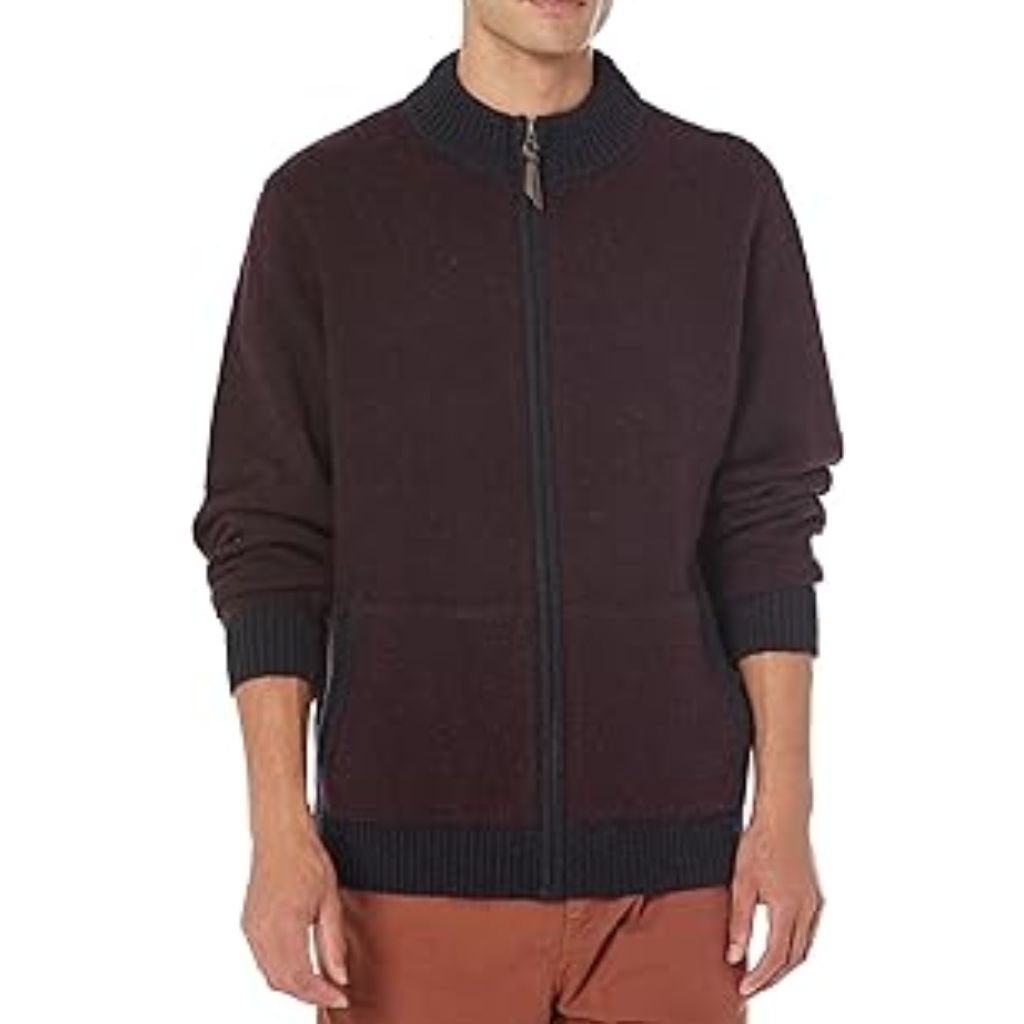
Man wearing a dark brown zip-up knit sweater with a ribbed collar, cuffs, and hem, styled casually over trousers.Does Shetland Wool Itch?
A classic dark brown zip-up knit sweater featuring ribbed detailing for a clean, timeless look.

History of Shetland Wool

Shetland wool has a history that dates back to hundreds of years. Years Islanders depended on it to survive besides dress. Sheep were naturally adjusted to fit the environment without having to be manipulated. Thus, their fleece became warm and protective.

Early knitters used to hand spindle the yarn and make useful garments. Blankets, shawls, and sweaters assisted the family to survive extreme winters. Comfort was not paramount to performance at that time.

Subsequently, Fair Isle knitting made Shetland wool known throughout the world. These color pattern patterns highlighted the craftsmanship of the islands. Production gradually increased with the increase in demand.

Shetland wool is a blend of tradition and modernity today. The wool has retained its original nature though the comfort has been enhanced.

Man wearing a beige cable-knit sweater with a classic crew neck and long sleeves, styled with blue jeans.Does Shetland Wool Itch?
A timeless beige cable-knit sweater offering warmth, comfort, and classic winter style.

Why Does Shetland Wool Irritate a Part of people?

The overall question that is asked by many people is why wool itches. The solution is in fiber thickness and hardness. The wool fibers are measured in microns. Fiber of greater thickness is not as easily bent over the skin.

The count of microns in Shetland wool is greater than that of fine wools. Thus, the fibers exert more pressure on nerve endings. The pressure on some wearers results in a prickly feel.

Sensitivity of the skin is also significant. Individuals whose skin is sensitive to irritation are quick to detect it. The skin may feel dry and particularly during winter.

This response does not imply that the wool is bad. It is just that the fiber structure is different as compared to softer options.

The image shows a folded wool scarf in a timeless tartan pattern dominated by deep red tones, accented with dark green, beige, and black intersecting lines. The fabric appears soft and slightly textured, suggesting warmth and comfort. Fringed tassels along the edge add a traditional finish, enhancing its classic, heritage-inspired look. This scarf is suitable for cold weather styling and pairs well with both casual and formal winter outfits.Does Shetland Wool Itch?
A classic red tartan wool scarf featuring a traditional plaid design and soft fringed ends.

Why Does Somebody Find Shetland Wool Itchy?

Shetland Wool, Fiber Thickness and Natural Structure.

Shetland wool is itchy to most people, primarily due to the thickness of natural fibers. The wool fibers are measured in microns and the Shetland wool has more microns as compared to fine wools. Fibers that are thicker are not easily bent when they come in contact with the skin. Consequently, they squeeze nerve endings provoking a prickly feeling. Such a response occurs faster when it occurs on the bare skin of the wool. The wool is, however, also strong and durable by this structure.

Folded wool blanket with a brown, beige, and grey plaid pattern and short fringed edges.Does Shetland Wool Itch?
A cozy plaid wool blanket in warm neutral tones, neatly folded to highlight its soft texture and fringed finish.

Coarse and Fine Wool Fiber Difference.

Not wool fibers all feel the same on the skin. There are fine fibers (Merino), which are easy to bend and touch. As compared to that, the Shetland wool has more coarse fibers. These fibers are rigid and do not bend. Thus, the skin is more sensitive to them. That is why, Shetland wool is coarse in comparison with soft types of wool. Nevertheless, rough fibers are more effective as thermal resistant in cold.

Individual levels of Comfort and Skin Feel.

Shetland wool is significantly sensitive to the skin. Others have skin which is sensitive to touch. The difference is hardly perceived by others. The skin is dry or sensitive which makes it more likely to be irritated. This is also aggravated by cold weather. Hence, a single individual might get Shetland wool uncomfortable and another individual might be okay with wearing.

Dark gray crewneck knit sweater with long sleeves, displayed on a plain white background.Does Shetland Wool Itch?
A classic dark gray crewneck sweater featuring a simple knit design and long sleeves.

Absence of Heavy Processing in Traditional Shetland Wool.

Shetland traditional wool receives very little processing. Manufacturers shun the heavy treatments with chemicals which soften fibers. Owing to this, the wool retains its natural feel. Although this maintains durability and breathability, it contributes to the possibility of itchiness. The contemporary versions are softer and yet the natural character can be found.

Stacked knitted fabric layers in soft pastel colors, including light blue and pale pink, showing textured yarn details.Does Shetland Wool Itch?
A close-up view of neatly stacked knitted fabrics in soothing pastel blue and pink tones.

Types of Shetland Wool

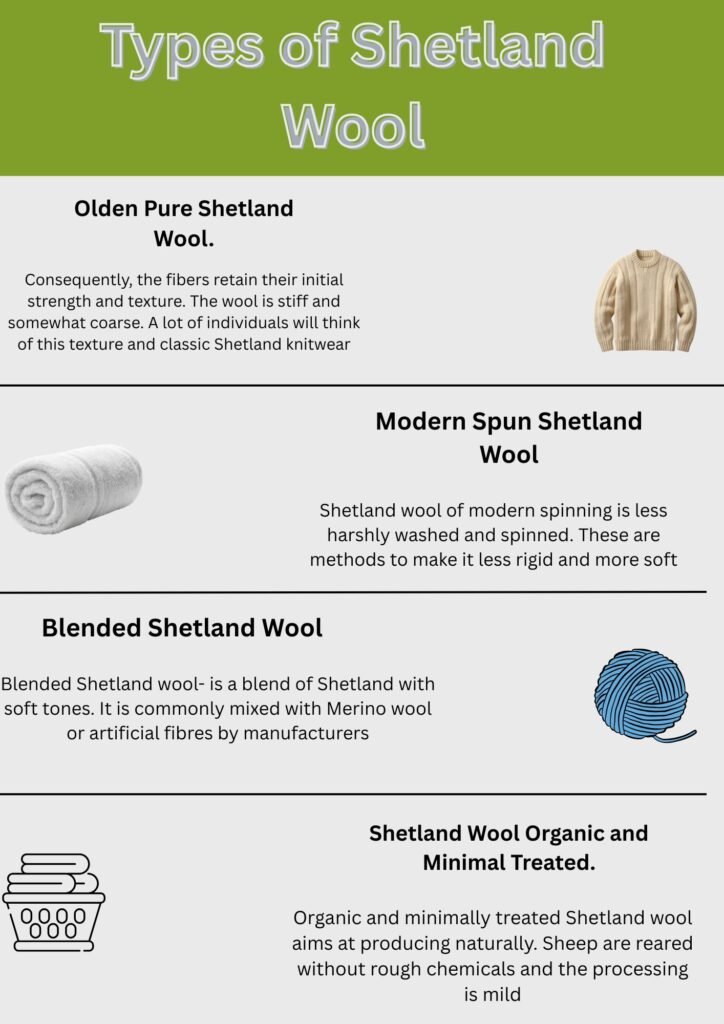
Infographic showing the types of Shetland wool, including Olden Pure Shetland wool, Modern Spun Shetland wool, Blended Shetland wool, and organic minimally treated Shetland wool, with brief explanations of each.Does Shetland Wool Itch?
Types of Shetland Wool explained: traditional pure Shetland, modern spun, blended, and organic minimally treated wool.

Olden Pure Shetland Wool.

The old pure Shetland wool remains as natural as possible. There is minimal chemical processing on this type. Consequently, the fibers retain their initial strength and texture. The wool is stiff and somewhat coarse. A lot of individuals will think of this texture and classic Shetland knitwear. It is coarse, but it is so warm and lasts long. The type is most suitable with sweaters, outer garments and clothing during the cold weather.

Close-up of a soft wool fabric featuring a purple and dark green checkered pattern with a subtle diagonal weave texture.Does Shetland Wool Itch?
Detailed view of a purple and dark green checkered wool fabric showcasing its rich texture and classic pattern.

Modern Spun Shetland Wool

Shetland wool of modern spinning is less harshly washed and spinned. These are methods to make it less rigid and more soft. The wool itself does not lose its natural resilience; it is much smoother to the touch. This type is utilized by many modern brands to combine comfort and performance. Although it is not as soft as Merino, it is more wearable than ordinary Shetland wool. This category is appropriate in daily knitwear that is well layered.

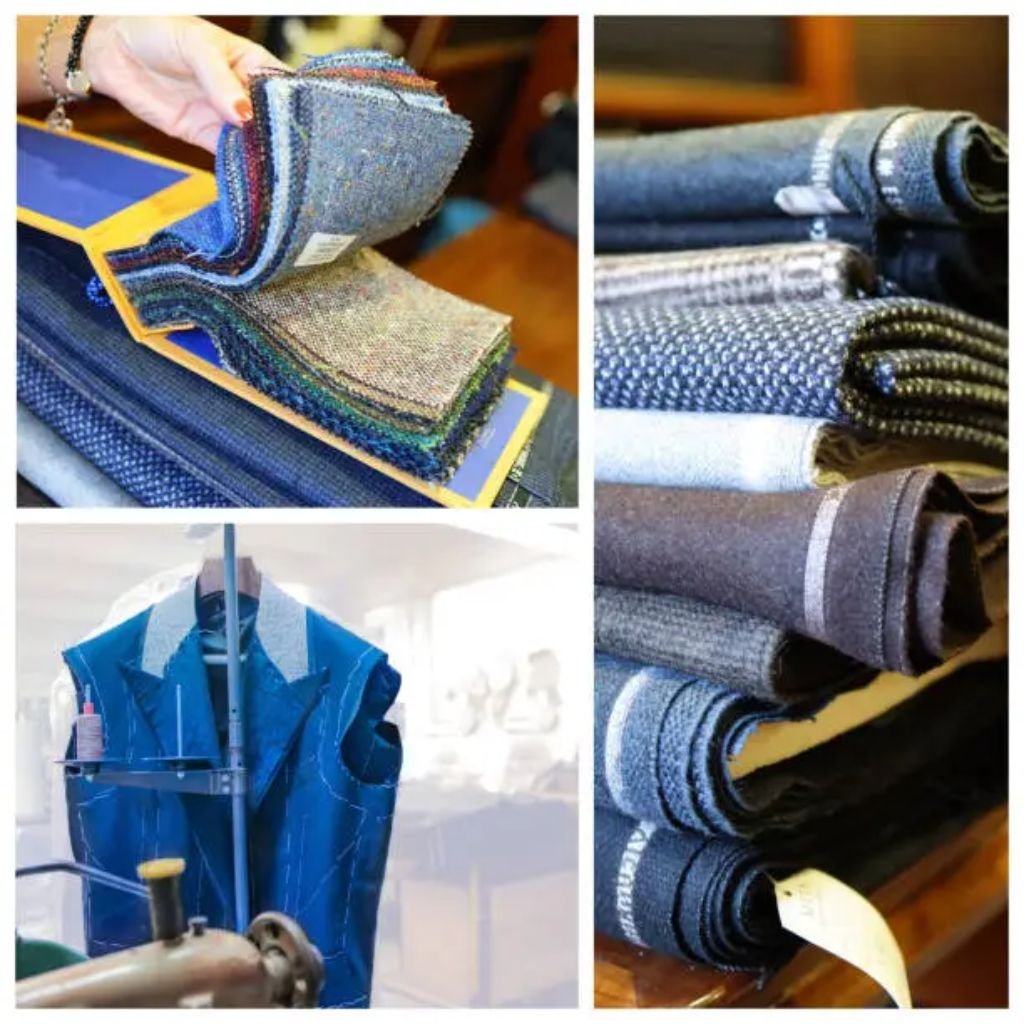
Fabric samples and rolled textiles in shades of blue and gray, alongside a tailored blue vest on a dress form in a sewing workspace.Does Shetland Wool Itch?
Textile samples and tailoring materials displayed in a fashion or fabric studio.

Blended Shetland Wool

Blended Shetland wool- is a blend of Shetland with soft tones. It is commonly mixed with Merino wool or artificial fibres by manufacturers. This will decrease itchiness and enhance the comfort. Simultaneously, the mixture is warm and structured. Nevertheless, the authentic Shetland feel is altered a bit with the mixing. This type is favored by people who cannot do without comfort and are not attached to tradition.

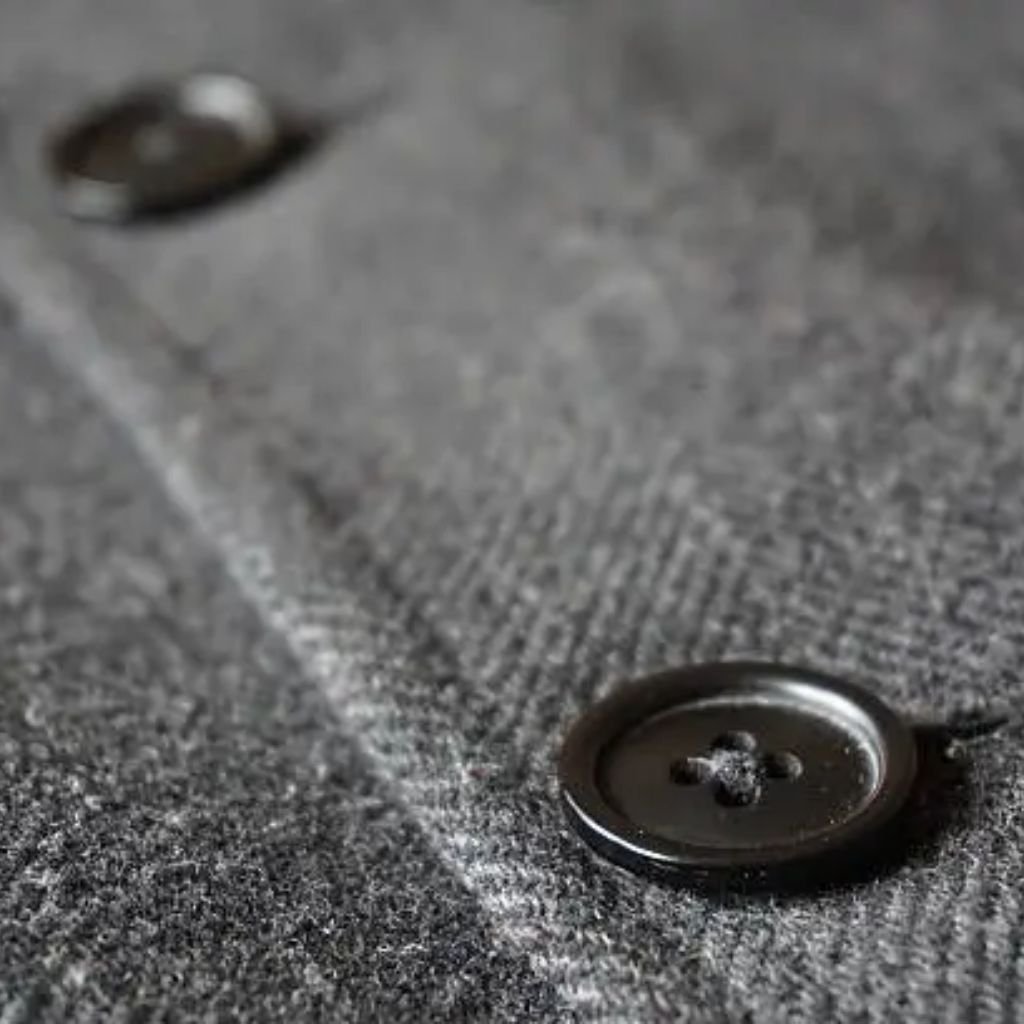
The image shows a close-up view of a dark, four-hole button attached to a gray fabric garment. The textured weave of the fabric is clearly visible, and a faint seam line runs diagonally across the frame. Another button appears softly out of focus in the background, creating depth and emphasizing the craftsmanship and material quality of the garment.Does Shetland Wool Itch?
Detail view of a button on a tailored gray garment.

Shetland Wool Organic and Minimal Treated.

Organic and minimally treated Shetland wool aims at producing naturally. Sheep are reared without rough chemicals and the processing is mild. Such kind is desirable to environmentally friendly consumers. The wool is like the classic Shetland wool but possibly has a cleaner and lighter feel. Although it is still firm, it also has better breathability and natural performance.

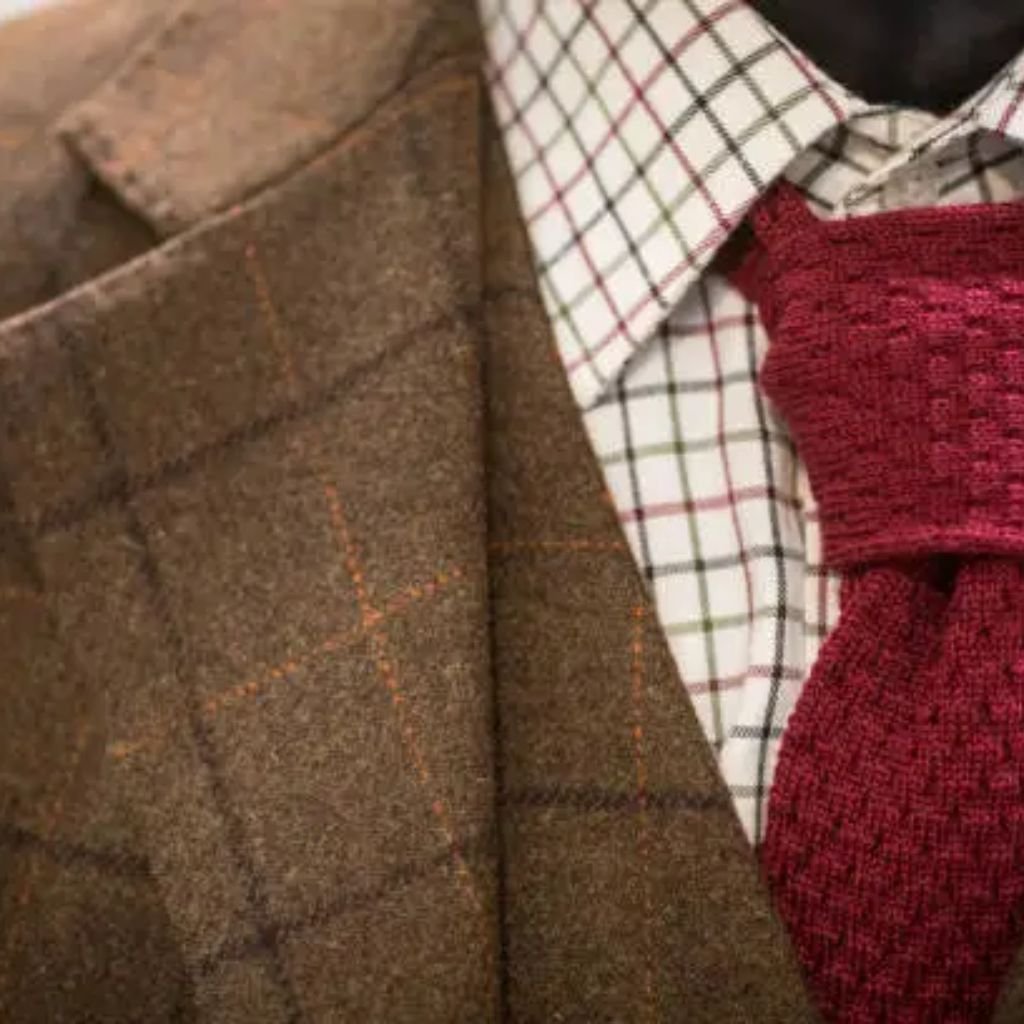
Close-up of a brown tweed jacket worn over a checked shirt with a textured red tie.Does Shetland Wool Itch?
Detail of layered menswear featuring tweed, checks, and a red tie.

Does Shetland Wool Soften With Time?

The question arises, does the Shetland wool soften as time passes by?
Yes it does get soft after due wear and care.

The garment is made of fibers that naturally flex. This motion makes stiffness decrease gradually. The structure is also loosened by gentle washing.

Nevertheless, Shetland wool never gets so soft as Merino. It is a character that is a bit stiff.

Buyers are supposed to see an improvement and not transformation. This knowledge will help avoid disillusionment in the future.

Patience has two virtues: it pays off to the long-sighted and the warm-hearted.

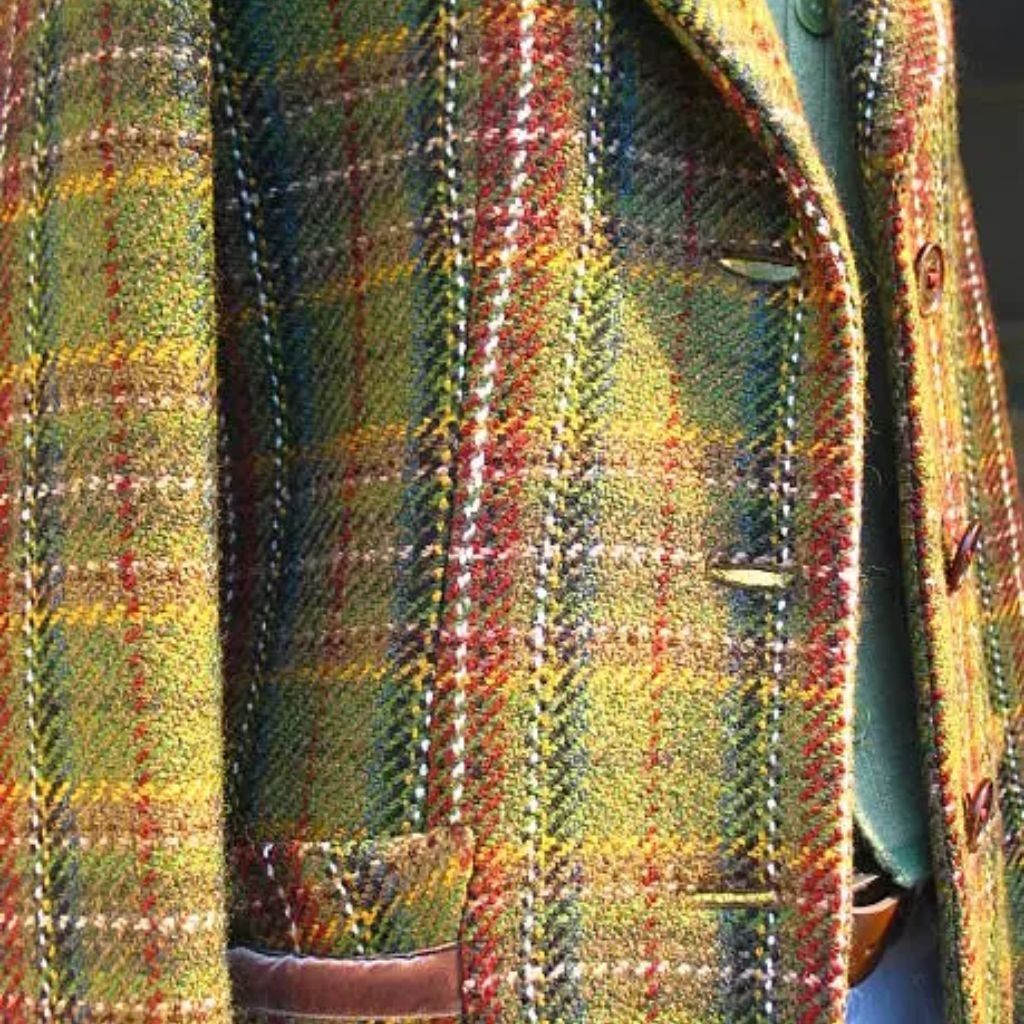
Close-up of a multicolored tweed jacket showing a plaid pattern, textured wool fabric, and brown buttons.Does Shetland Wool Itch?
Detail view of a multicolored tweed jacket highlighting its plaid weave and textured fabric.

Common Uses of Shetland Wool

Shetland Wool for Cold-Weather Sweaters

Shetland wool is commonly used for cold-weather sweaters because it provides strong natural insulation. The fibers trap warm air effectively and help the body stay warm in low temperatures. These sweaters perform well in windy conditions where softer wools struggle. Although the texture feels firm at first, layering makes them comfortable for long wear. Over time, many people appreciate the warmth and reliability these sweaters offer.

Close-up of a multicolored tweed jacket showing a plaid pattern, textured wool fabric, and brown buttons.Does Shetland Wool Itch?
Detail view of a multicolored tweed jacket highlighting its plaid weave and textured fabric.

Shetland Wool for Cardigans and Layered Knitwear

Cardigans and layered knitwear often use Shetland wool because of its structure and durability. The wool holds its shape well and resists stretching. This quality makes it ideal for garments worn frequently. When paired with a base layer, Shetland wool cardigans feel comfortable throughout the day. They work well in both casual and semi-formal winter outfits.

Close-up of a brown tweed jacket worn over a checked shirt with a textured red tie.Does Shetland Wool Itch?
Close-up of a brown tweed jacket worn over a checked shirt with a textured red tie.

Shetland Wool for Jackets and Outer Layers

Shetland wool is widely used in jackets and outer layers designed for cold climates. Its natural resistance to wind adds extra protection. Garments made from Shetland wool feel warm without becoming heavy. This makes them suitable for outdoor activities during winter. Many people prefer Shetland wool outerwear because it performs reliably in changing weather.

Close-up of a dark button sewn onto textured gray fabric, with visible stitching detail.Does Shetland Wool Itch?
Detail view of a button on a tailored gray garment.

Shetland Wool for Traditional and Heritage Knitwear

Traditional knitwear remains one of the most important uses of Shetland wool. Fair Isle sweaters and heritage designs rely on its strength and texture. These garments represent craftsmanship passed down through generations. The durability of Shetland wool allows these pieces to last for many years. Wearing them connects modern users with historical traditions.

Fabric samples and rolled textiles in shades of blue and gray, alongside a tailored blue vest on a dress form in a sewing workspace.Does Shetland Wool Itch?
Textile samples and tailoring materials displayed in a fashion or fabric studio.

How to Wear Shetland Wool without Itching.

Layering is a relatively easy way of solving comfort problems. A base is a skin protector made of cotton or merino. The barrier decreases the friction immediately.

  • The selection of blended Shetland wool serves the purpose as well. Blends warm and mellow the texture.
  • Fit matters greatly as well. Light clothing has an less contact with skin. Tight fits are provocative of irritation.
  • Comfort is also influenced by seam placement and knit density. Well constructed clothes are smoother to touch.
  • Regarding SEO perspective, the key to preventing wool itching begins with intelligent layering decisions.
Close-up of a soft wool fabric featuring a purple and dark green checkered pattern with a subtle diagonal weave texture.Does Shetland Wool Itch?
Detailed view of a purple and dark green checkered wool fabric showcasing its rich texture and classic pattern.

Can Shetland Wool Be Worn by the Sensitive Skin?

Shetland wool is capable of defying sensitive skin. There are wearers who become irritated soon. Other people bear it by means of overlaying.

  • Direct contact should be avoided with those people who have allergies or eczema. In this instance, less coarse wools are better.
  • Nevertheless, the delicate users continue to use Shetland wool in outerwear. Cardigans and jackets are effective.
  • Merino, alpaca, or cashmere are some of the substitutes. These fibers are less coarse on skin.
  • Honesty matters here. Shetland wool is more of a performance-driven wool.
Stacked knitted fabric layers in soft pastel colors, including light blue and pale pink, showing textured yarn details.Does Shetland Wool Itch?
A close-up view of neatly stacked knitted fabrics in soothing pastel blue and pink tones.

Washing and Raising Shetland Wool to Make It Itch Less.

  • It is greatly alleviated by good care. The Shetland wool is best washed by hand. Use cold water always.
  • Select enzyme free, wool safe detergents. These shield fiber integrity. Do not use strong soaps.
  • Never wring the garment. Rather, squeeze water out of the press. Lay flat to dry naturally.
  • Storage is also quite important. Fold up store garments with cedar protection.
Dark gray crewneck knit sweater with long sleeves, displayed on a plain white background.Does Shetland Wool Itch?
A classic dark gray crewneck sweater featuring a simple knit design and long sleeves.

Uses of Shetland Wool

Shetland Winter Wool Sweaters and Knitwear.

Shetland wool finds its application in winter sweaters and knitwear due to its good insulation power. The natural fibers are good traps of warm air. Consequently, the garments that consist of Shetland wool as sweaters ensure that the body is warm even in cold weather. The moisture is also able to escape through the wool and prevents overheating. The balanced wearability of the shetland wool knitwear makes it a common choice of people who wear it on a daily basis during winter to stay warm but not overheated. These clothes are more comfortable as time passes with frequent use.

Folded wool blanket with a brown, beige, and grey plaid pattern and short fringed edges.Does Shetland Wool Itch?
A cozy plaid wool blanket in warm neutral tones, neatly folded to highlight its soft texture and fringed finish.

Shetland Wool Outerwear and Layers.

Shetland is very useful in an outer garment that is meant to withstand the cruel weather. Its natural design withstands the wind as compared to soft wools. This is an advantage of jackets, overshirts, and heavy cardigans. Shetland wool is also suitable as an outer layer when one wants to be protected but not to feel that he/she is overly clothed. This renders it the best on outdoor activities in winter. This is one of the reasons why people in windy or cold areas tend to wear the Shetland wool.

Shetland wool Wool to Traditional and Heritage Wool.

The Shetland wool is of great cultural importance in traditional clothes. This wool is frequently used at Fair Isle sweaters and heritage knitwear. These clothes are a manifestation of art and tradition. The use of Shetland wool enables these items to be used over a long period of time. A lot of wearers value the affiliation to tradition and have the warmth which is practical. This application makes Shetland wool current in terms of generations.

Red and green plaid wool scarf with fringed edges, folded neatly to show its tartan pattern.Does Shetland Wool Itch?
A classic red tartan wool scarf featuring a traditional plaid design and soft fringed ends.

Shetland Wool to use in Outdoor and Rural activities.

Shetland wool is wearable in the outdoor and rural situations. Its warmth and strength are encompassed by walkers, hikers, and countryside workers. The wool is also effective in wet weather. It remains insulative even when a bit damp unlike synthetic fabrics. This ensures its suitability as long time outdoor wear. Shetland wool is also believed to be a useful accessory to many people instead of a fashion statement.

Pros and Cons of Shetland Wool

Pros of Shetland Wool

  • Shetland wool offers exceptional durability. Fibers resist wear over time.
  • Warmth remains its strongest advantage. It insulates even when damp.
  • Breathability prevents overheating during activity. This balance improves comfort outdoors.

Cons of Shetland Wool

  • Initial itchiness concerns many users. Direct skin contact feels uncomfortable.
  • It does not suit lightweight layering well.
  • Therefore, buyers must choose use cases carefully.
Man wearing a beige cable-knit sweater with a classic crew neck and long sleeves, styled with blue jeans.Does Shetland Wool Itch?
A timeless beige cable-knit sweater offering warmth, comfort, and classic winter style.

Who Should Choose Shetland Wool?

  • Shetland wool suits cold climates perfectly. Windy regions benefit most.
  • Outdoor enthusiasts appreciate its resilience. Hikers and walkers stay warm longer.
  • Casual wearers enjoy sweaters and cardigans with layering.
  • Those seeking softness should look elsewhere. However, durability lovers will stay satisfied.

Care of Shetland Wool

Infographic showing the care of Shetland wool, including proper washing methods, choosing the right detergent, correct drying techniques, and safe storage tips.Does Shetland Wool Itch?
Care of Shetland Wool: Simple washing, drying, and storage tips to keep Shetland wool soft, durable, and long-lasting.

Proper Washing Methods for Shetland Wool

Caring for Shetland wool starts with correct washing. Gentle handling protects the natural fibers and reduces itchiness over time. Hand washing in cold water works best for most garments. Cold water prevents fiber tightening and shrinkage. Light movement during washing keeps the wool intact. Although some modern garments allow machine washing, gentle cycles should always be used. Careful washing helps Shetland wool maintain its shape and comfort.

Choosing the Right Detergent for Shetland Wool

The type of detergent used greatly affects Shetland wool. Wool-safe detergents work best because they clean without damaging fibers. These detergents keep the wool soft and breathable. Harsh soaps or regular detergents should be avoided. They strip natural oils from the wool and increase stiffness. Over time, proper detergent use improves how the wool feels against the skin.

Drying Shetland Wool the Correct Way

Drying Shetland wool correctly prevents damage. After washing, excess water should be pressed out gently. Twisting or wringing damages fibers and causes stretching. Flat drying on a clean surface helps maintain the garment’s original shape. Natural air drying works best. Heat from dryers or direct sunlight weakens wool fibers and increases roughness.

Man wearing a dark brown zip-up knit sweater with a ribbed collar, cuffs, and hem, styled casually over trousers.Does Shetland Wool Itch?
A classic dark brown zip-up knit sweater featuring ribbed detailing for a clean, timeless look.

Storing Shetland Wool Safely

Proper storage keeps Shetland wool garments in good condition. Always store them clean and completely dry. Folding garments instead of hanging prevents stretching. Storage in a cool, dry place protects fibers from moisture damage. Natural repellents help protect against moths. Good storage habits extend the life of Shetland wool significantly.

Conclusion

So, does Shetland wool itch? The honest answer remains yes, it can feel itchy for some people, especially at first contact. However, this sensation does not define the overall value of Shetland wool. Its natural texture exists because the wool prioritizes warmth, durability, and protection. Understanding this helps buyers make realistic expectations before purchasing.

Shetland wool offers excellent insulation in cold and windy climates. It performs well when layered correctly and cared for properly. Over time, the fibers relax, and comfort improves noticeably. While it may never feel as soft as Merino, it delivers reliability that softer wools often lack.

FAQs

Does Shetland wool itch more than other wool?

Yes, it usually feels itchier than Merino and lambswool.

Can you wear Shetland wool directly on skin?

Some people can, but most prefer layering.

Is Shetland wool good for winter?

Yes, it provides excellent warmth and wind resistance.

Does Shetland wool shrink?

Yes, improper washing can cause shrinkage.

How long does Shetland wool last?

With care, it can last decades.

Car Coat Fashion Guide History Fit and Styling Tips

0

When it comes classic outerwear, Car overcoat is at the top of the list. This coat was originally designed for early drivers, but has now become a wardrobe staple. It combines heritage workmanship with refined sophistication and everyday functionality. The car coat is one of the most stylish and versatile coats that has ever been created.

The car coat is also admired for the clean lines, tailored fit and subtle charm. It is timeless, unlike outerwear that follows the latest trends. The car coat is a great choice for any occasion, be it work, casual, or travel.
This comprehensive guide will cover the history of the car jacket, its features, fabrics and styling options. We’ll also discuss the benefits , as well as the care tips . We will also explain why the car coat is a timeless piece that deserves to be in every wardrobe.

What is a Car Coat?

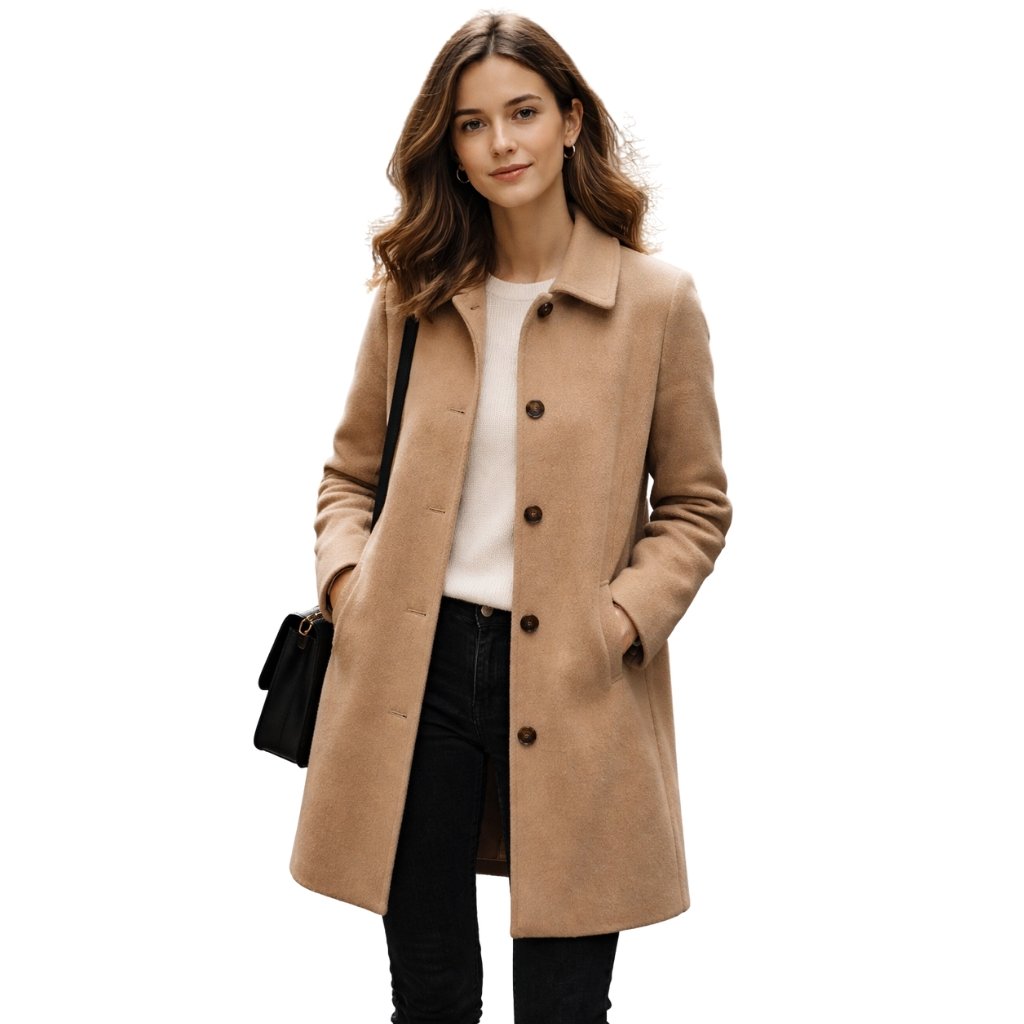
A woman stands wearing a camel-colored knee-length coat over a light sweater, with hands in pockets and a black shoulder bag.
Cozy chic: camel wool coat styled with a neutral sweater and black jeans.

Car Coat, also known as a mid-length coat, is an overcoat that falls usually just above the knee. Originally, it was designed to keep drivers comfortable while sitting in the early automobiles. It was designed for this purpose and features straight cuts minimal details and ease of movement.Read more…

The traditional car coat includes:

  • A front with a single-breasted
  • simple collar (often shirt-style)
  • clean, structured silhouette
  • Comfortable back vent with at the center.

Variations have been introduced over time. The design is still the same. The carcoat is a classic example of men’s outerwear.

The History of the Car Coat

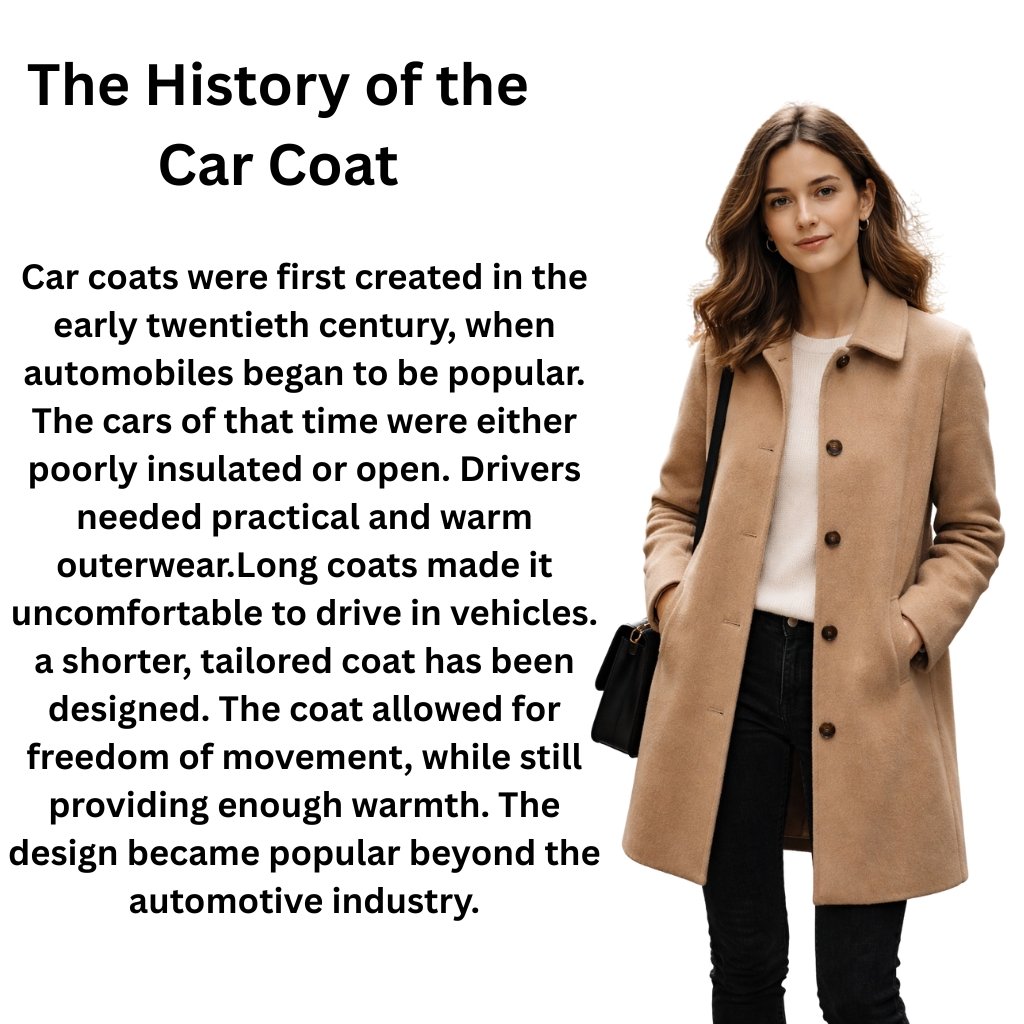
A woman wearing a tan coat standing against a white background with large block text on the left that reads ‘The History of the Car Coat’ and a paragraph explaining the coat’s evolution.
The history of the carcoat: from bulky, warm outerwear to shorter, tailored designs that combine comfort with freedom of movement.

Car coats were first created in the early twentieth century, when automobiles began to be popular. The cars of that time were either poorly insulated or open. Drivers needed practical and warm outerwear.See more…

Long coats made it uncomfortable to drive in vehicles. a shorter, tailored coat has been designed. The coat allowed for freedom of movement, while still providing enough warmth. The design became popular beyond the automotive industry.

The carcoat was eventually associated with gentleman, professional, and city wear. Businessmen, travellers, and style icons wore it. It was improved over the years, but it never replaced.

The carcoat’s design is still admired today because it solves the same needs as in the past.Learn more…

Why Car Coats are still relevant today

The carcoat is a timeless piece in a world of fast fashion. It offers balance, unlike bulky parkas and overly trendy jackets.Read more…

Why the carcoat is still relevant

  • This versatile piece can be worn with formal or casual attire .
  • The blanket is lightweight and warm.
  • This product offers a polished appearance without overdoing it
  • The suitability of this product is almost universal.

It also transitions seamlessly from one season to the next. It is therefore ideal for autumn, winter and early spring.

Classic Car Coat Features

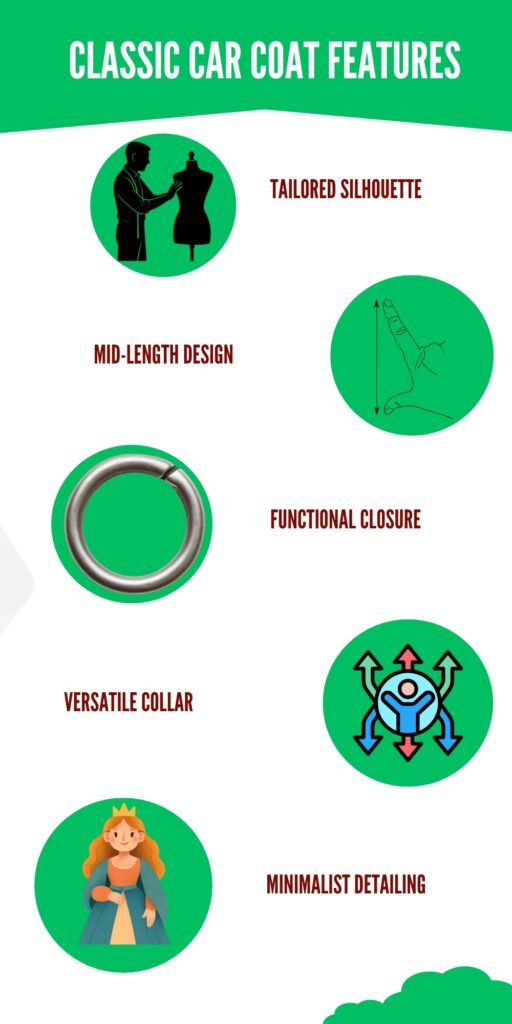
An infographic on classic car coat features with green circular icons illustrating tailored silhouette, mid-length design, functional closure, versatile collar, minimalist detailing, and a princess-style figure at the bottom.
Classic CarCoat Features: tailored silhouette, mid-length design, functional closure, versatile collar, minimalist detailing.

1. Tailored Silhouette

It is a carcoat that has a structured fit , but also possesses a relaxed fit . It is designed to follow the natural contours of the body without feeling constricting. It creates an appearance that is sharp.

2. Mid-Length Design

The shorter length of the carcoat makes it more practical than long overcoats. The coat is comfortable to wear, whether you are driving, walking, or sitting. Comfort is therefore enhanced.

3. Minimalist Detailing

Avoid excessive belts, buttons or embellishments. Clean lines are instead emphasized. It is this simplicity that makes it timeless.

4. Functional Closure

Many carcoats have a zip or button closure. These are often hidden to give the coat a sleeker look. The closure of many coats is shielded from the wind.

5. Versatile Collar

The collar can either be worn up, or down. It adapts to the weather and style preferences easily.

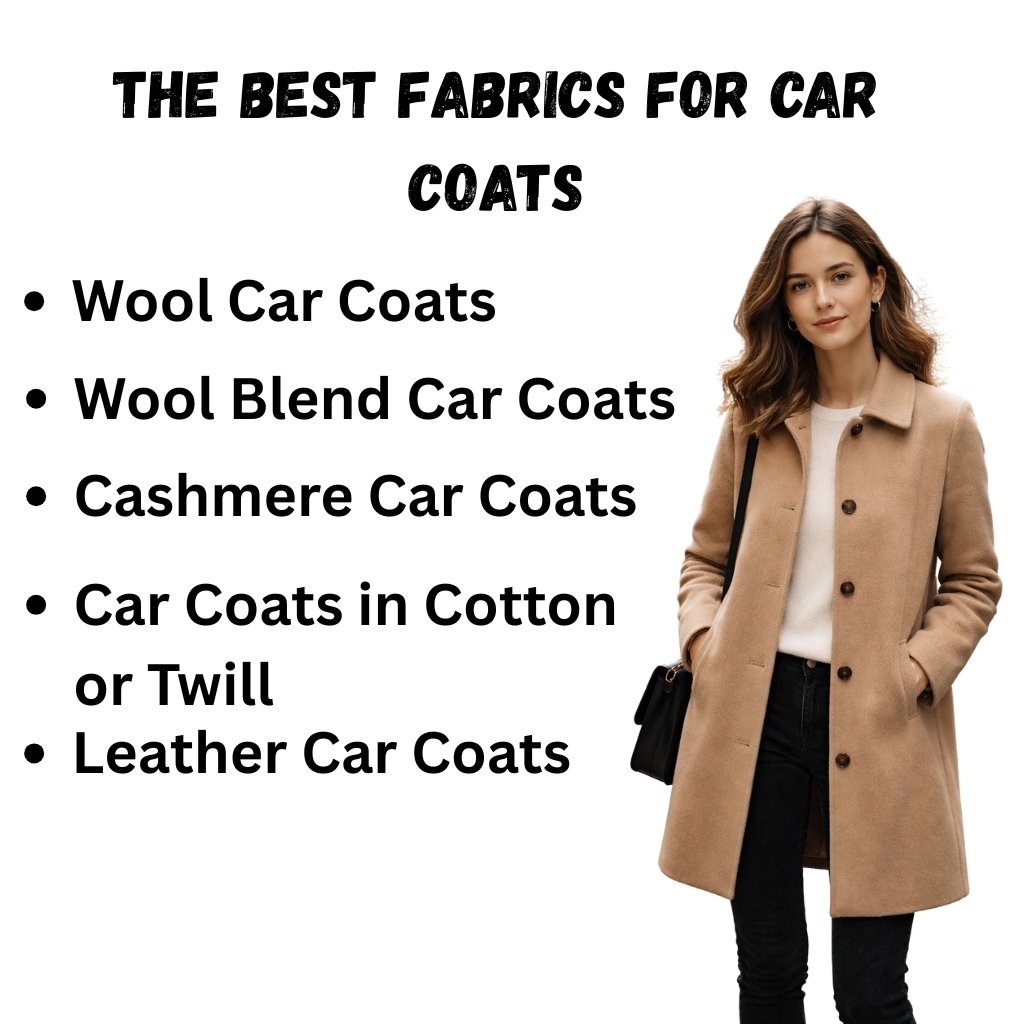
The Best Fabrics for Car Coats

The right fabric will affect warmth, durability and appearance.

An infographic-style image with a woman in a camel coat on the right and a bullet list of car coat fabrics on the left: Wool Car Coats, Wool Blend Car Coats, Cashmere Car Coats, Car Coats in Cotton or Twill, Leather Car Coats, with a bold title at the top.
The best fabrics for carcoats: wool, wool blends, cashmere, cotton/twill, and leather.

Wool Car Coats

Wool is the oldest fabric. It is breathable and provides excellent insulation. Wool drapes beautifully and gives the coat an elegant look.Learn more…

Wool Blend Car Coats

Fabrics blended together offer affordability and durability. They are therefore popular for everyday clothing.

Cashmere Car Coats

Cashmere is lighter and softer than wool. Luxury is assured, even though it’s more expensive.

Car Coats in Cotton or Twill

They are perfect for the transitional season. These are more casual and lighter. They are therefore perfect for spring and fall.

Leather Car Coats

Leather gives a modern, bold edge. It is less traditional but still stylish and durable.

Style Your Car Coat

The versatility of a car jacket is one of its biggest benefits. The coat can be styled multiple ways.

Formal Style

To get a polished appearance:

  • Wear it over suit, blazer
  • Pair it with trousers
  • Add leather boots or shoes

The outfit will look professional and refined.

Business Casual Style

Workwear for everyday:

  • Over a shirt and button down sweater
  • Choose chinos and tailored trousers
  • Finish off with Chelsea boots or loafers

Comfort and style are combined in this combination.

Casual Style

Relaxed occasions

  • Pair it with Jeans
  • Add a turtleneck, hoodie or zip-up hoodie
  • Sneakers or casual footwear

The carcoat is easily adaptable.

Car Coats vs. other Overcoats

Car Coat or Trench Coat

Carcoats, on the other hand, are shorter and less complicated. Trench coats have a more dramatic look. Carcoats, on the other hand, are more understated.See more…

Car Coat or Peacoat?

Peacoats tend to be shorter and heavier. Carcoats offer more versatility and coverage.

Chesterfield Coat or Car Coat?

Chesterfield coats tend to be longer and more formal. Carcoats, on the other hand, are modern and practical.

Why Every Wardrobe Should Have a Car Coat

It is also practical. Its balanced design makes it suitable for almost any situation.

The following are some of the key benefits:

  • The Timeless Appeal
  • Year-round versatility
  • Easy layering
  • Long-lasting value

Trends can also come and go. The carcoat, however, remains constant.

Seasonal Wearability

Fall

The carcoat is perfect for fall. It can be worn over lighter layers. It provides enough warmth as temperatures drop.

Winter

In winter, you can layer it with scarves or sweaters. It isn’t as heavy as parkas, but it still provides warmth.

Spring

Spring is the perfect time to wear lightweight carcoats. These lightweight carcoats are perfect for spring. They provide protection from the wind and look great.See more…

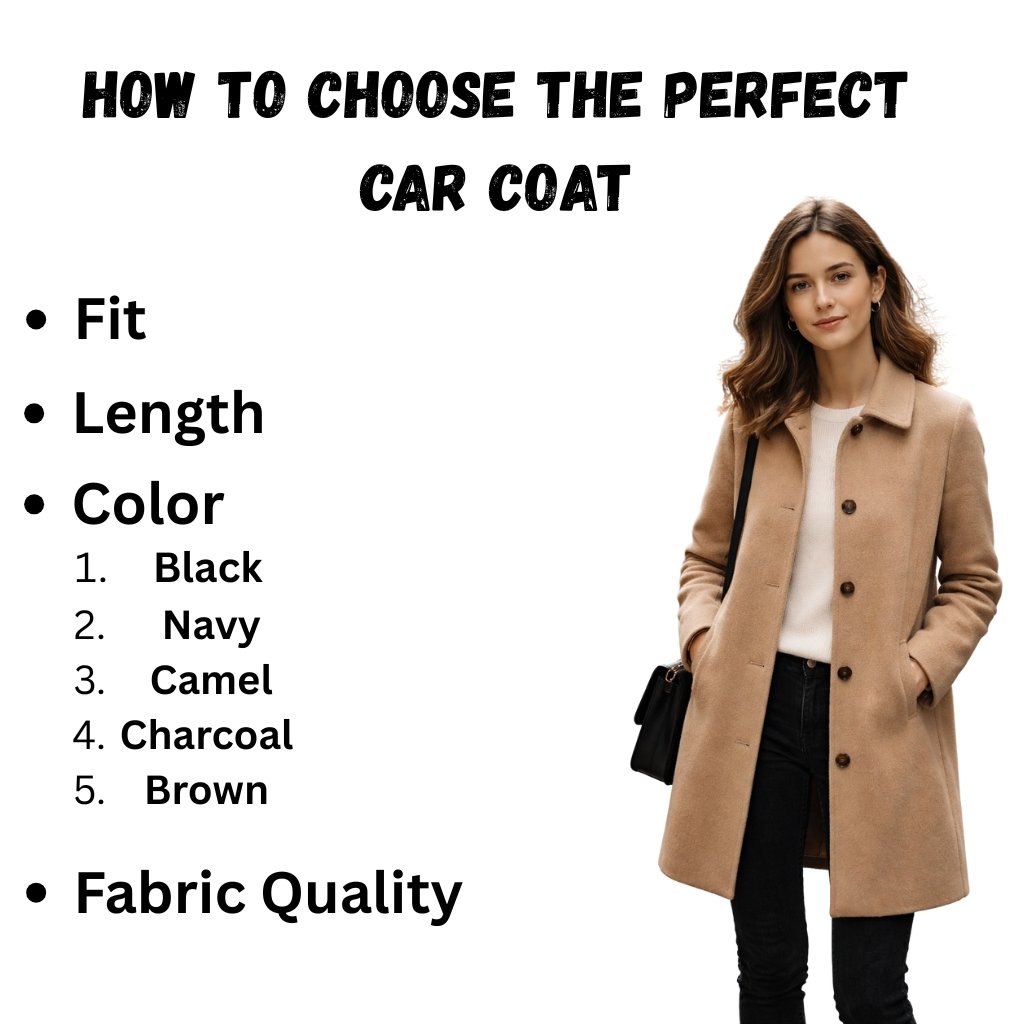
How to choose the perfect car coat

Consider the following when choosing a car jacket:

A woman in a camel coat stands on the right side of the image with a white background and a bulleted list on the left titled ‘How to Choose the Perfect Car Coat,’ including Fit, Length, Color (Black, Navy, Camel, Charcoal, Brown), and Fabric Quality.
How to choose the perfect carcoat: fit, length, color options, and fabric quality.

Fit

It is important to get the right fit. Shoulders should be aligned naturally. There should also be space for layers.

Length

The ideal length is mid-thigh, or just above the ankle. The length should be comfortable and stylish.

Color

Classic colors include:

  • Black
  • Navy
  • Camel
  • Charcoal
  • Brown

These shades are versatile and offer a wide range of options.

Fabric Quality

Fabrics of high quality are durable. Always check the texture and weight.

Caring for Your Car Coat

Your coat will last longer if you take care of it properly.

Cleaning

The majority of wool coats can be cleaned by dry cleaning. To avoid frequent cleaning, it is best to avoid it.

Stores

To maintain its shape, hang the coat on wide hanging wire. Keep it in an airy garment bag.

Maintenance

Brush your coat to remove dust. Minor repairs should also be addressed promptly.

The Sustainability of the Car Coat

Durable carcoats support sustainable fashion. One well-made coat can last many years, instead of having to replace coats often.Read more…

It reduces waste, and encourages conscious consumption.

Modern Car Coats Trends

Modern updates have been introduced to the classic design:

  • Slimmer fits
  • Technical fabrics
  • Hidden zippers
  • Minimalist details

Tradition is respected. The carcoat is evolving without losing its identity.

Car Coats for Men and Women

Carcoats, traditionally worn by males, are now also popular with women. Women’s versions are tailored while maintaining the classic structure.See more…

The carcoat is evolving as fashion continues to be inclusive.

The Investment Value of a Car Coat

An investment in a high-quality car jacket. The initial cost is higher but the longevity of the coat justifies it.

Cost-per-wear is very low because it never goes out-of-style.

Final Thoughts

The Car Coat is the perfect compromise between comfort, style and practicality. The coat’s clean, classic design and versatility makes it a must-have outerwear item.See more…

The carcoat is still relevant, even though fashion changes rapidly. The carcoat adapts to the modern world while preserving its history. If you want to build a timeless wardrobe then the carcoat should be a must-have.

FAQs

What is a car coat?

A car coat is a mid-length overcoat originally designed for drivers. It features a clean, tailored silhouette that offers warmth, comfort, and easy movement.

Why is it called a car coat?

It is called a car coat because it was created for early motorists. Its shorter length made it easier to sit and drive comfortably while staying warm.

How is a car coat different from an overcoat?

A car coat is generally shorter and more versatile than a traditional overcoat. While overcoats are more formal and longer, car coats work well for both casual and business wear.

Why the Linen Overshirt Jacket is a Sustainable Fashion Hero

0

A Modern Wardrobe Must-Have

Fashion landscapes have been transformed by a shift towards conscious consumption in recent years. The linen overshirt jacket is a great solution for anyone looking to combine style with substance. The versatile linen overshirt jacket bridges many gaps, including between casual and refined, seasonal wardrobes and, most importantly, fast fashion and sustainable style.

The linen overshirt, popularized initially by Scandinavian design and minimalist aesthetics, has now become an essential part of the modern capsule wardrobe. The journey of the linen overshirt from sustainable niche circles to mainstream fashion prominence is a fascinating story about consumer values changing.

Understanding Linen – Nature’s Miracle Fabric

A collage-style infographic about linen, showing a folded linen shirt, a background image of linen fields, flax flowers, a recycling symbol, and a bundle of straw. Text reads “Understanding Linen – Nature’s Miracle Fabric” with subtopics “Linen: A Legacy of History” and “Linen: Environmental Benefits.”
Understanding Linen: Nature’s Miracle Fabric — from ancient weaving to today’s sustainable wardrobe. Explore linen’s history and its environmental benefits.

Linen: A Legacy of History

In order to fully appreciate the modern overshirt jacket made of linen, it is important to first understand its fascinating history. It is interesting to note that linen has been used by humans for over 30,000 year. Ancient Egyptians also considered linen sacred and used it to make priestly garments and mummification. In Europe, flax farming became a major part of agricultural systems.

This rich history provides the context for linen’s appeal. Contrary to synthetic fabrics, linen is part of the fabric history that has been woven throughout human civilization. This legacy is celebrated today through the combination of traditional craftsmanship and modern design sensibilities.

Linen: Environmental Benefits

Linole is consistently rated as one of the most environmentally friendly fabrics. The flax plant is a low-maintenance plant. Flax cultivation, for example, uses 60% less water than conventional cotton. It can also be grown without the use of pesticides and fertilizers because it is naturally resistant to pests.

The entire flax plant, including the stalks, is used in production. This results in almost zero waste. The stalks and seeds are used to make fiber, linseed oils and other food products. This circular approach is the best example of sustainable agriculture.

The biodegradability of linen is another significant advantage. Pure linen composts in just a few weeks, unlike synthetic fabrics which can remain in landfills for decades and shed microplastics. Linen is environmentally responsible at every phase of its lifecycle, from the field to the final disposal.

Anatomy of the Perfect Linen Overshirt Jacket

A man wearing a light linen overshirt and matching pants, with various labeled design elements like breathable linen fabric, sturdy stitching, buttoned chest pockets, classic collar, easy layering, relaxed fit, and optimal length shown around him.
Anatomy of the Perfect Linen Overshirt: design, fit, and styling tips for effortless warm-weather layering.

Design Elements and Construction

By using specific design elements, a well-crafted linen jacket can balance structure and comfort. It is usually characterized by a collar style that can be buttoned or worn open, creating varying visual effects. A button or snap placket is typically used to finish the front, while patch pockets provide functionality and visual appeal.

The attention to detail is what separates the exceptional from the mediocre. French seams, for example, are often used to cover raw edges in linen overshirts of high quality. This increases durability and maintains a clean, interior appearance. Single-needle sewing provides strength while minimizing visible thread. This helps to preserve the clean lines of the garment.

Fit and Silhouette considerations

Overshirts are characterized by their relaxed, yet purposeful fit. Overshirts offer more breathing space than traditional shirts, which follow the body’s contours closely. They also have straight hems and slightly extended shoulders. This shape allows it to be worn with or without thinner layers.

Modern variations include cropped styles to complement high-waisted pants, duster-style versions that are longer for dramatic layering and tailored options which are closer in style to blazers. The overshirt is available in a variety of styles that cater to different style preferences, while still maintaining its essential character.

Styling Masterclass: The Versatility Of Your Linen Overshirt

A man wearing a beige linen overshirt over a white T-shirt stands outdoors on a beach with palm trees in the background.
Linen Overshirt Essential: versatile, breathable style for sunny days.

Casual everyday ensembles

The linen overshirt jacket is a great lightweight outer layer for a casual daytime look. Start with the basics: a white tee shirt, straight-leg denim, and minimalist sneakers. Add the linen overshirt, unbuttoned, for a relaxed look that elevates your entire outfit. For slightly cooler days you can button the top part of the shirt over the tee, leaving the bottom unbuttoned to keep the movement and flow.

This approach is particularly useful for weekend outfits. Pair a neutral overshirt with tailored pants and leather sandals to add sophistication to your summer outfit. Combine it with a Breton shirt and canvas pants for a classic French look. It’s important to maintain a relaxed feel while coordinating elements.

Smart Casual and Work Appropriations

To transition the linen overshirt to a smarter context, you need a strategic style. First, choose a tailored version with a darker or saturated color. Second, wear it over a silk or fine-knit blouse instead of a casual tee. Thirdly, pair it with structured pants or a mid-length skirt to balance out the relaxed nature of the overshirt.

This approach is particularly useful for modern work environments where smart-casual dressing codes are the norm. By pairing the linen overshirt with a traditional jacket, you can maintain professionalism while replacing a traditional blazer. Complement the look with minimal boots or leather loafers, as well as jewelry that complements the natural texture of the fabric.

Transitional Styles for the Seasons

It is at these times of unpredictable temperature changes that the linen overshirt shines. In spring, wear it with cropped pants and a light sweater. The overshirt is warm enough for cool mornings, but remains comfortable when temperatures rise.

In early autumn it is the perfect layer in between a lighter coat and a tank top. The “sandwich approach” to layering allows you to maximize your wardrobe’s versatility, while still maintaining style consistency. As winter approaches, linen overshirts can be worn under wool coats to add texture and depth while adding an extra layer of insulation.

Sustainability Deep Dive Beyond Fiber

A row of neatly pressed clothing on hangers in a wardrobe, with a white dress shirt in the center and beige jackets on either side; a dark, textured header above reads “Sustainability Deep Dive Beyond Fiber.”
Sustainability Deep Dive: Beyond Fiber

Transparency in the supply chain and ethical production

Although linen is a sustainable product, it’s important to examine production practices in order to get the full picture. Brands that prioritize transparency in their supply chains, from flax production to the final product, are more likely to be responsible. Fair Trade and Global Organic Textile Standard certifications provide assurance of environmental and social standards.

Consumers who are aware of brand practices should investigate the conditions in factories, worker wages and emissions. Some companies are using regional production models to manufacture linen overshirts near where flax is processed and grown. Localized production reduces the carbon emissions of global shipping and supports regional economies.

Durability & Longevity Factors

The true sustainability of a garment goes beyond the materials. The natural durability of linen contributes to its exceptional longevity. The fibers become stronger when they are wet and resist wear even during washing. Linen becomes softer, more lustrous, and more personalized with age.

Care is key to extending the life of your linen shirt. Modern linen blends can be machine washed with a mild detergent and cool water, but it is best to wash by hand. Steam refreshing and air drying help to preserve the fiber integrity. If pressing is desired, medium heat is best used while the fabric is still slightly damp.

Circular fashion and end-of-life considerations

The most sustainable garments are those that can be worn indefinitely by their original owners or through recycling and resale systems. Linen overshirts are a great choice for circular fashion because of their timeless design and durable construction. There are several options available when you decide to sell your overshirt.

Firstly, consider selling through reputable resale platforms–high-quality linen garments maintain excellent resale value. Clothing swaps between friends or at community events can extend the wearable life. If the garment cannot be repaired, look into textile recycling programs to transform fibers and create new materials. Some brands offer take-back programmes, showing their commitment to the full lifecycle of products.

Care and maintenance guide

A close-up of a fabric care label sewn into a light-colored garment. The label shows printed care instructions and ends with “MADE IN BANGLADESH.”
Care label on a garment reads “Made in Bangladesh” with instructions such as “Do not use heat,” “Softener,” and “No iron/No dryer.”

Best Practices for Washing and Drieding

Understanding linen’s unique properties is the first step to caring for it properly. Modern linen garments, contrary to popular belief, are designed for easy care. The majority can be machine-washed with gentle cycles and similar colors. If you want to preserve color and texture, use a mild eco-friendly detergent that is specifically designed for natural fibers.

The most important part of linen care is drying. It is best to avoid tumble drying, because high heat can weaken the fibers and cause excessive shrinkage. Reshape your garment while it is still damp, then lay flat on a surface or hang it to dry. If you must use a dryer, choose the lowest setting and remove it while still slightly damp. This will allow natural drying to take place.

Wrinkle management and storage solutions

Linen is known for its characteristic wrinkles, which give it a lived-in, relaxed aesthetic. For occasions that require a more crisp appearance, there are several techniques to use. Steam is the most gentle option for removing wrinkles. It does not use direct heat. Travel steamers can be used to refresh linen overshirts in between wearings.

Proper hanging is important for storing clothes. Use wooden or padded hangers to support shoulder seams and prevent bumps. Avoid overstuffed closets which compress the fabric. When storing clothing for the season, make sure it is dry and clean. Store in a cotton bag, not plastic. Plastic can trap moisture, causing mildew.

Stain removal and repair techniques

Close-up of hands spraying stain remover onto a beige carpet, with orange stain being treated using a white bottle with a red spray nozzle and a blue sponge.
Stain removal and repair techniques in action: treating a carpet stain with dedicated cleaner and scrubbing tools.

Accidents happen despite careful wearing. If you have stains from food or beverages, treat them immediately with cold water to prevent setting. To remove oil-based stains before washing, use cornstarch or Talcum Powder. Test any cleaning solution first on a small area to check for colorfastness.

Even minor repairs can extend the life of a garment. Before they fall off, reinforce loose buttons. You can repair small tears with stitching that is almost invisible. Consider visible mending methods that turn repairs into decorative elements. These techniques follow the Japanese philosophy *kintsugi* which finds beauty in restored broken objects.

Market Guide – Selecting Your Perfect Linen Overshirt

A man stands facing forward, wearing a light beige button-up shirt over a white T-shirt, light-wash jeans, and white sneakers.
Casual layered look: beige button-up over a white tee with light-wash jeans and white sneakers.

Value Assessment and Price Points

The price range of linen overshirt jackets is wide, ranging from low-cost options to designer pieces that are worth investing in. Knowing what the different price points mean can help you make an informed decision. Budget options (typically between $50 and $150) are often linen blends that include cotton or rayon. This can reduce wrinkles but may compromise some sustainability benefits.

The mid-range pieces (between $150 and $350) usually have higher linen percentages, as well as better construction details. This category is often the best balance between affordability and quality. Luxury overshirts (above $350) feature exceptional craftsmanship, organic linen and exclusive designs. However, diminishing returns are to be considered.

Brand Analysis & Ethical Considerations

Diverse brands offer linen overshirts with varying value propositions. Some brands prioritize radical transparency by publishing factory audits, cost breakdowns, and other information. Some focus on innovative methods of production, such as waterless dyeing techniques or zero waste pattern cutting. Others focus on community impact by partnering with artisans.

Research should go beyond marketing claims and examine actual practices. Customer reviews and independent certifications offer reliable verification. Consider the brand’s values, such as whether they are focused on environmental activism, social injustice, cultural preservation or technological innovation.

Size Guide and Fit Guide

Overshirts are intentionally designed to be looser than traditional shirts. Sizing is different. In general, you should feel comfortable wearing a lightweight sweater under the shirt without feeling restricted through your shoulders and arms. Overly bulky clothing may not drape well.

Certain tailoring techniques are better suited to certain body types. Petite frames prefer styles with cropped lengths that don’t overpower proportions. For taller individuals, longer lengths may be needed to provide adequate coverage. Open-front styles or slight waist definition that creates vertical line can benefit curvy figures. Many brands that are environmentally friendly offer size charts with customer service and detailed information to help you select the right fit.

The Future of Linen for Sustainable Fashion

A graphic poster with a lime-green rounded shape over a soft pink fabric background, featuring bold black text that reads 'The Future of Linen for Sustainable Fashion' and a small rounded image of light blue fabric at the bottom left of the green shape.
Exploring the future of linen in sustainable fashion.

Innovative Developments in Linen Production

Future developments in linen production will be exciting. Researchers are working to develop flax varieties that require less water and can withstand changing climate conditions. Textile engineers are developing new linen blends to maintain sustainability and improve performance properties like wrinkle resistance and stretch recovery.

Waterless dye processes eliminate pollution caused by coloration. Blockchain technology will also be implemented to provide unprecedented transparency in the supply chain. Consumers can trace the journey of their garments from seed to shirt by scanning it with a smartphone.

The role of linen in Circular Fashion Systems

Linen’s intrinsic qualities make it an ideal circular fibre as circular economy models gain momentum. The durability of linen allows for multiple ownership cycles via resale. Biodegradability is a responsible option for end-of life when recycling is not possible. Brands are creating linen overshirts that can be disassembled, with mono-material constructions and easily removable parts to facilitate recycling.

Renting and subscription services are increasingly including linen overshirts as part of their collections. They recognize their timeless appeal and durability, which is ideal for multiple users. This access-over-ownership model reduces overall consumption while allowing more people to experience quality sustainable fashion.

Consumer trends and market growth

The market analysis shows that linen garments are in high demand, and the overshirt is leading this growth. This trend is a reflection of broader trends towards versatile, timeless pieces that transcend seasonal trends. The younger demographics are more interested in linen’s sustainability and authenticity, prioritizing this over brand prestige.
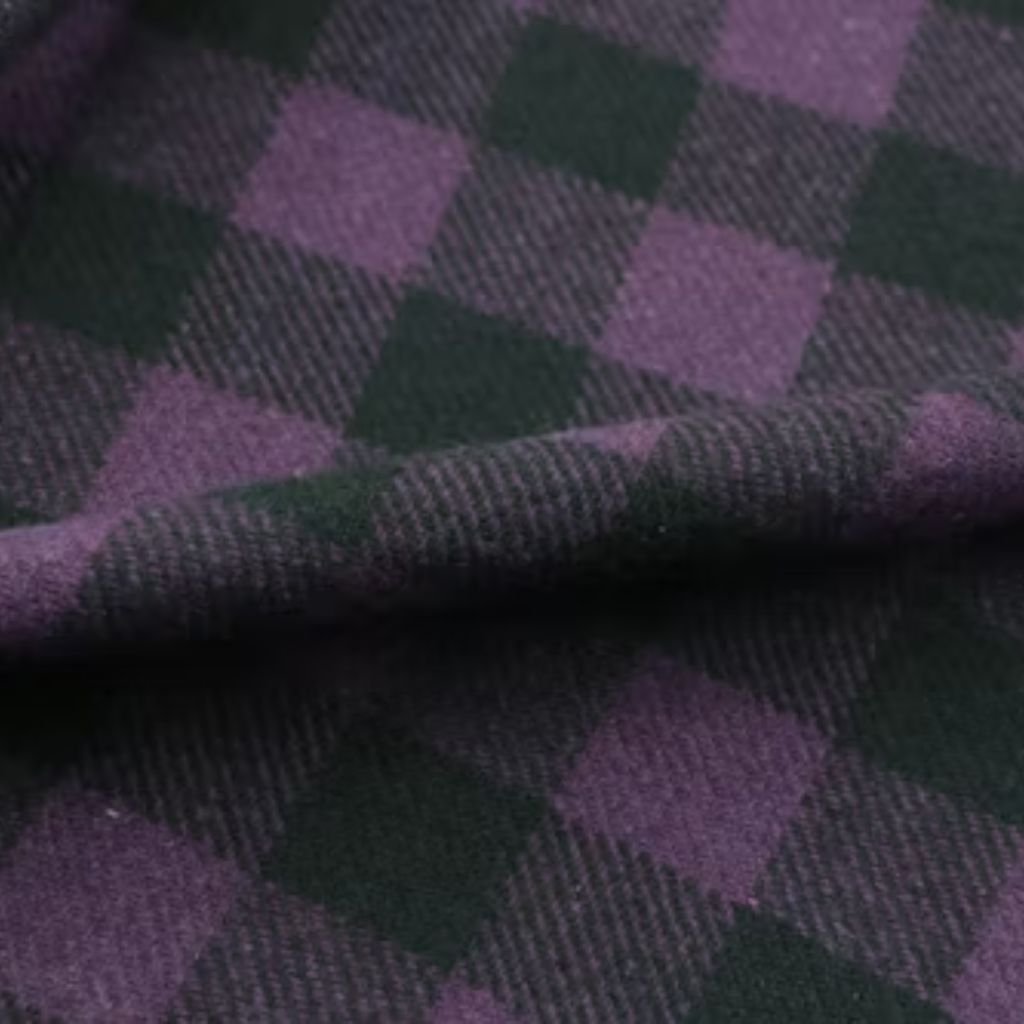
The growing popularity of the linen jacket overshirt is a reflection of changing workplace norms as well as lifestyle preferences. While remote and hybrid working arrangements can reduce the need for formal attire, pieces that are versatile and easily transition between video calls, social engagements, and errands offer practical value and resonate with modern life rhythms.

Conclusion: Embracing Conscious Style

The linen overshirt is more than just a trend. It represents a philosophy for mindful consumption and versatile clothing. The journey of the linen overshirt jacket from flax fields to a fashion staple shows how sustainability does not have to compromise on style and practicality. As shown in this guide, both environmental responsibility and aesthetic appeal are compatible within a single garment.

You can invest in a linen overshirt that will last for many years. You are supporting agricultural practices that respect the boundaries of our planet. You are part of a larger movement that promotes fashion that puts people and the environment above profit.

The linen overshirt jacket is a practical way to link daily decisions with greater values. The linen overshirt jacket is a statement of intention that can be worn. It’s a way to show how what we wear affects the world.

Remember that true style doesn’t come from chasing the latest trends, but rather cultivating meaningful pieces that reflect your personal story and honor our shared home. This is the perfect time to wear a linen overshirt. Its rich history and future are both sustainable.

FAQs

 What exactly is a linen overshirt jacket?

It’s a versatile, lightweight layer that sits between a casual shirt and a structured blazer. Typically featuring a shirt-style collar, button front, and relaxed fit, it’s designed for easy layering. Made from breathable linen fabric, it’s perfect for adding style without weight or bulk.

How is an overshirt different from a regular shirt or jacket?

An overshirt is deliberately cut with more ease through the shoulders and body than a dress shirt, allowing it to be worn comfortably over other layers. Unlike a jacket, it’s usually unlined and less structured, prioritizing comfort and airflow over formality.

Can I wear a linen overshirt jacket to a smart-casual office?

Absolutely. For a work-appropriate look, style it over a simple turtleneck or silk blouse with tailored trousers and loafers. Choose a darker, more structured linen overshirt in a neutral color for a polished effect.

Great Coats for Winter: Classic Design Meets Modern Comfort

0

With the dropping temperatures, and onset of winter, a good coat is no longer a fashion statement, but a necessity. Of all the winter outerwear options, great coats have the unparalleled combination of elegance, functionality, and timelessness. Great coats do not no trans from city to city, office, or a coat for travel in the many colder climates, because they not only warm, but they define the style of the outfit.

This extensive guide covers the history, types, materials, tips for styling and maintenance of winter great coats. You will finish this guide with a complete understanding of why these Great Coats for Winter have been a wardrobe staple for decades, and will know how to find the best one for you.

Defining Great Coats

A stylish woman stands in a bright indoor space with a panoramic city view through large windows. She wears a long navy blue double-breasted coat, black turtleneck, black gloves, oversized sunglasses, and carries a black structured handbag.
Chic city-ready: a navy wool coat, sleek accessories, and a poised silhouette against the urban skyline.

A great coat is a long coat that is fitted and tailored for a polished look. The coat is made with heavy wool, or a blend of wool, for a warm insulating overcoat. Great coats have modernized with the addition of new materials and innovative design features, or even insulation, but they still fulfill the same function of protecting people from inclement weather without sacrificing a professional look.

Great coats have an elegant history, having been worn largely by high-ranking military personnel and aristocracies. It is this legacy that informs the sturdy, tailored, and detail-oriented construction on these modern, fashion coats. Great coats have been sought after for their timeless elegance and practicality by people of all walks of life, including professionals and fashionistas.

The History of Great Coats

One of the most recognized features of great coats that speaks to their unique style and practicality is the name itself. The great coat was a style that began in Europe in the 18th and 19th centuries. These coats were considered to be great in that they were longer than any overcoat that would have been considered standard, offering a greater degree of coverage and warmth.

At first, great coats were military issue. They were constructed using a specific heavier wool, and were often double-breasted with wide lapels and large side pockets. Eventually, civilians adopted the style and began to appreciate the tailoring and sophistication of the great coats. In the present, great coats are a part of a leading style for winter, a perfect combination of traditional and contemporary.

Key Considerations of a winter great coat

Infographic titled ‘Key Considerations of a Winter Great Coat’ showing five sections with small coat illustrations: 01 Tailoring, 02 Length, 03 Material Quality, 04 Insulation, 05 Design Details, each with short descriptions.
Key Considerations of a Winter Great Coat: Tailoring, Length, Material Quality, Insulation, and Design Details illustrated with representative coats.

There are a number of features to consider for a winter great coat.

1. Tailoring

With good tailoring, the coat will enhance a a dress silhouette. It will also add a touch of sophistication to any winter outfit. Quality tailoring will keep lines and shape of the coat.

2. Length

Great coats are longer than most overcoats. They will more often than not reach mid-thigh, if not below the knee. This length is also a great style for a professional and polished look.

3. Material Quality

Fabrics with a high degree of quality are important for the warmth, longevity, and aesthetic of the garment. Wool and blends with wool-cashmere are ideal due to their ability to insulate, their softness, and the longevity of the twill weave. For some contemporary styles, the integration of modern technical fabrics provides wind and water resistance and offers extra practicality for fluctuating winter weather.

4. Insulation

Insulation has become one of the core characteristics of contemporary great coats. Insulation options such as synthetic fills, Thinsulate™ and down are designed to trap warmth, all the while maintaining a low silhouette. Good insulating fabrics allow the wearer to remain warm in the most extreme weather conditions without the bulk.

5. Design Details

The structures of classic archetypes and their forms such as double-breasted fronts, wide lapels, storm flaps, and structured shoulders are all classic styles that add finesse and functionality. The placement of pockets has been addressed as they are usually deep and convenient for storage. For adaptability and comfort, belts and back vents are provided for ease of movement.

Materials Used in Great Coats

A light beige trench coat hanging on a wooden hanger against an orange background.
Classic meets cozy: a timeless beige trench with a belt, ready for stylish chilly days.
Elevate your outerwear with a minimalist beige trench coat.

The materials specified in a great coat determine its longevity and functionality. The following are the most Great Coats for Winter frequent fabrics and insulations.

Wool

Wool is the most classic and most liked material to use for great coats. It is elegant, breathable, and naturally insulating. Wool is often mixed with synthetic fibers to improve durability and wrinkle resistance.

Cashmere

Cashmere enhances garments with extreme softness and warmth without added bulk. Its incorporation and careful selections of synthetic blends masters the art of thermal regulation in premier Great Coats for Winter.

Technical Fabrics

Optional technical fabrics in Great Coats for Winter are wind and water resistant. These modern features are a great asset for stormy winter conditions whether in the city or outdoors.

Insulation Types

  • Down Insulation: Lightweight with high warmth retention. Is generally quilted for added structure.
  • Synthetic Fill: Durable retention of moisture with consistent warmth.
  • Thin Insulation: Great Coats for Winter thermal retention without the bulk.

Types of Great Coats

An infographic titled “Types of Great Coats” displaying five coat styles: Classic Wool Great Coat (green blazer), Cashmere Blend Great Coat (dark gray coat), Double-Breasted Great Coat (tan trench), Single-Breasted Great Coat (greenish blazer), each with a brief description on the right or below.
Types of Great Coats: Classic Wool, Cashmere Blend, Double-Breasted, Single-Breasted—quick guide to styles and features.

Great Coats come in a variety of styles to suit a range of tastes, occasions, and climates.

Classic Wool Great Coat

A traditional wool topcoat coat never goes out of style. Its warmth, elegance, and structure make it a perfect fit for professional environments.

Cashmere Blend Great Coat

For that ultimate winter luxury look, a cashmere blend Great Coats for Winter is ideal. These blends are softer and lighter, and the men topcoat are generally smoother for a more polished look.

Double-Breasted Great Coat

A double-breasted coat is a popular style for its formal and polished look and gives a commanding presence with wide lapels, structured shoulders, and a commanding presence.

Single-Breasted Great Coat

Single-breasted designs offer a narrower, streamlined appearance. They are adaptable to both work-related and leisure ensembles.

Technical/Performance Great Coat

These contemporary history of topcoat are made of cutting-edge materials that are multitasking as wind and waterproof. They are best suited for urban commuting as well as traveling to cold and rainy places.

Styling Great Coats for Winter

A great coat is so adaptable that it can be styled to fit a multitude of occasions and settings.

Formal and Professional

In the office or during a business gathering, it is most fitting to wear a dark wool or cashmere coat Great Coats for Winter with a matching tailored suit, a pair of leather shoes, and a typical scarf. The coat should be long enough to touch the suit jacket so that a clean and polished silhouette is achieved.

Smart Casual

A single-breasted coat looks Great Coats for Winter over a sweater or a turtleneck, as well as with a pair of chinos or tailored trousers, and boots or loafers, as a way to **even out class and ease.

Casual Winter Outfits

For a smart yet practical option, Great Coats for Winter look stylish over jeans and a comfy sweater, along with a pair of winter boots. Accessories like scarves, gloves, and hats can add warmth and style.

Evening or Formal Events

A dark, well-tailored great coat looks especially good over dress shirts, ties, and dress pants. Classic designs work best so the great coat, by itself, looks well-rounded and keeps the wearer looking poised and professional.

Importance of Great Coats

A man walking down an open rural road wearing a tan overcoat over a gray suit, with mountains in the background.
Strolling into style: a man in a tan overcoat over a gray suit against a dramatic mountain backdrop.

A good great coat has Great Coats for Winter benefits. Some of them are.

1. Great Longevity

Great coats are timeless in fashion and the structure of them will not go out of style for years.

2. Great Warmth

Great coats use quality fabric and insulation which keep the wearer warm and protect them from the elements.

3. Great Versatility

Great Coats for Winter can be paired with many outfits with different levels of formality from business to casual.

4. Great Details

A well constructed great coat will use high quality fabrics and ensure the Great Coats for Winter will not break the bank.

5. Great Slimming

A tall great coat will enhance posture, slim the waist, and will wear with confidence, an overall great style statement will be made.

Maintenance of Great Coats

A great coat requires maintenance of and will ensure its shape and elegance over the years.

Dry Cleaning

Great coats made of wool and cashmere blends should get a professional dry cleaning every season. It enables the cleaning of the exterior and protects the material from getting damaged. This also helps to retain the insulation underneath.

Storage

You should store your Great Coats for Winter using a wide, sturdy hanger so that it does not lose its form. While breathable garment bags protect the coat from dust, they also let air circulate to the coat.

Maintenance Tips

  • Use a lint roller to clear your coat of lint and dust.
  • To avoid damage to theGreat Coats for Winter, steaming it is a good alternative to remove wrinkles.
  • To sustain insulation and the look, the coat should not be exposed to heavy moisture.

Choosing the Right Color

The choice of coat color should be versatile, stylish, and practical.

  • Black: It is a classic that is formal and can be worn with many things.
  • Navy Blue: It is a less formal but elegant color.
  • Charcoal Grey: It is modern and professional with its color and it can be paired with many things.
  • Camel: It is a stylish color that is perfect if you want to look luxurious.
  • Brown: It is a classic and warm color that is perfect for a casual look during winter.

The best coat colors are neutral and classic colors which are easy to pair and never go out of fashion.

Men’s and Women’s Great Coats

Although there may still be overall usability differences between great coats, the men’s and women’s coats do have some differences in design:

Men’s Great Coats

  • More structured
  • More double-breasted variants
  • Longer, straight to the point

Women’s Great Coats

  • More variety in silhouette (belted, tailored, A-line)
  • More feminine design in details (curves, buttons)
  • Warm but lightweight

Both coats have been tailored to be worn on multiple occasions, with the men’s and women’s differing in style, and focus on comfort, elegance, and practicality.

Innovations in Great Coats`

Great coats have also been able to adopt some technological advancements:

  • Performance Fabrics: Water and Wind resistant Great Coats for Winter to protect from harsh weather.
  • Eco-Friendly Materials: Wool, sustainable cashmere, and synthetics to use up as little of the Earth’s resources.
  • Lightweight Insulation: Synthetic fill to provide warmth without bulk.

Great coats are able to combine classical with advanced and modern to provide for modern-day coat needs.

Mistakes to Avoid

  • Not having correct fit: Too big or too small coats are unsightly and uncomfortable.
  • Not using good quality insulation: Cheapless insulation and bad design means less warmth and longevity.
  • Not knowing the right balance between trendy and classic: Fast design means outdated, high rate of obsolescence.
  • Not using correct care: Improper filling and storage means reduced lifespans of the coats.To retainyour great coat being functional, stylish, and durable, avoid making these mistakes.

Conclusion

A great coat offers more than winter outerwear; it is an investment for style, warmth, and confidence. Great coats enhance timeless design, and help help capture and keep superior materials while also maintaining versatile functionality. Great coats never let you down.

Appropriate outerwear maintains warmth for dress assignments, casual events, and formal gatherings. With consistent care and selective processes, the coat can vitalize your closet for many seasons to come, highlighting the balance between style and utility.

FAQs

What is a great coat?

A great coat is a long, structured winter coat traditionally made from wool or wool blends. It is designed to provide superior warmth while maintaining a classic and elegant appearance.

Are great coats suitable for extreme winter weather?

Yes, great coats are suitable for cold and harsh winter conditions, especially when they feature high-quality insulation, heavy fabrics, and wind-resistant construction.

What materials are best for winter great coats?

Wool, cashmere blends, and technical fabrics are considered the best materials. These fabrics provide insulation, durability, and comfort during cold weather.

Guards Coat History and Style Guide for Modern Gentlemen

0

The Guards Coat is a classic outerwear item that has a long history and is elegant. This iconic coat was originally designed for military guards to stand watch in harsh weather. It has now evolved into an essential fashion item. It has become a fashion staple not just because of its timeless style, but also its functional design.

Trends are constantly changing in today’s fashion world. The Guard’s Overcoat, however, continues to be relevant. Its structured silhouette, premium fabrics, and heritage-inspired designs have earned it a permanent spot in modern wardrobes. Anyone who appreciates classic fashion should be familiar with its features, origin, styling options and care.

What is a Guard Coat?

Guards coat in a light gray camouflage pattern with multiple zippered pockets and a hood, displayed on a white background.
Guards Coat: a rugged, utilitarian jacket with multiple pockets and a weathered look.

guard’s coat is an overcoat that has been worn for centuries by military and ceremonial security personnel, particularly in cold climates. The coat was designed to provide maximum warmth, while still maintaining a formal look. Durability and elegance were therefore given priority during construction.

The coat is usually characterized by a front with double-breasted , large lapels and structured shoulders. It can also be knee-length, or even longer. Wool fabric with a thicker weave is often used to ensure excellent insulation. It was originally designed as a military garment that served a purpose. However, over time it became a popular civilian style. It is worn today as a sign of sophistication and confidence.See morte…

The History of the Guard Coat

A gray camouflage guard’s coat with multiple pockets and a hood, shown on a white background.
Guard’s Coat: a rugged, utilitarian jacket with practical pockets and a military-inspired design.

In order to fully understand the Guard’s Coat it is necessary to explore its military roots. In the 18th-19th centuries, elite military units and palace guards needed outerwear that would withstand freezing temperatures for long periods of time. Coats were made with thick materials and long lengths.

Uniforms at that time were designed to symbolize power and discipline. The Guard’s Coat is tailored to perfection and structure. The thick wool used was designed to block the cold wind, and the double-breasted style allowed for additional layers underneath. The result was that guards were kept warm without having to sacrifice their appearance.Read more…

In time, military fashion began to influence civilian clothing. The Guard’s Coat evolved from an official uniform to a fashionable outerwear. It became synonymous with elegance, authority and masculinity over time.

The Key Features of a Guard Coat

The traditional Guard’s Coat has a few distinguishing features, even though there are modern interpretations. These features give the coat its distinct character.

Infographic titled The Key Features of a Guard Coat, listing five features with icons: double-breasted front, heavy wool fabric, structured shoulders, long length, wide lapels with high collar. Each feature is paired with a circular icon on the right.
The Key Features of a Guard Coat: double-breasted front, heavy wool fabric, structured shoulders, long length, and wide lapels with high collar.

Double-Breasted Front

Double-breasted Closure is one of the most notable features. It not only provides extra warmth but also creates an attractive visual structure. The large buttons are traditionally arranged in a symmetrical pattern, which reinforces the coat’s heritage.

Heavy Wool Fabric

The Guard’s Coats are usually made of thick, woolen fabric or a wool-blend fabric . This provides superior insulation. The fabric can be tightly woven in many cases. This makes the coats resistant to light moisture and wind.

Structured Shoulders

The coat’s powerful silhouette is accentuated by shoulders with a strong structure. The wearer will appear more confident and upright. Originally, this design element was intended to convey authority and discipline.

Long Length

The long length, which usually reaches the knee or lower, ensures complete coverage. The result is that warmth is maintained and an elegant appearance is kept.

Wide Lapels with High Collar

A wide lapel enhances the coat’s elegant look, while a collar that is high provides additional protection from cold weather. The collar can often be raised to create a classic and dramatic look.Learn more…

Why the Guard Coat is still Popular Today

The Guard’s Coat is a timeless classic. Its popularity is due to a number of factors.

timeless designs play a key role. The coat is timeless because it avoids over-detailing. Second, versatility enables it to be worn both in formal and informal settings. The of the coat is associated with authority and strength, giving it a unique appearance.

Modern designers have also updated the Guard’s Coat by using lighter and slimmer materials. It appeals to modern fashionistas while maintaining its classic essence.Read more…

Guard’s Coat and Other Classic Overcoats

The Guard’s Coat is a distinct overcoat, despite the fact that there are many other options.

The Guard’s Coat is more structured and commanding than a Chesterfield Coat. It is warmer than a trench coat because of its thicker fabric. It also provides a more formal and longer silhouette than a peacoat.

The Guard’s Coat will appeal to those who are interested in authority, warmth and heritage.See more…

How to style a guard’s coat

The versatility of the Guard’s Coat’s styling is one of its greatest benefits. Its clean lines and classic style make it easy to pair with many outfits.

Slide titled ‘How to Style a Guard’s Coat’ with a gray camo-style guard’s coat on the right and three bullet points on the left: Formal Style, Smart Casual Styling, Casual Winter Style.
How to style a Guard’s Coat: formal to casual looks for the coat.

Formal Style

The coat can also be worn with a tailored suit for formal occasions. Its elegance is enhanced by dark colors like black or navy. The look is completed by leather gloves and polished dress footwear. The result is a polished and professional look.

Smart Casual Styling

Pair the coat with chinos or wool trousers and a knitted sweater. Chelsea boots are also a great option. The look is polished, but relaxed.

Casual Winter Style

The Guard’s Coat is a great choice for casual wear. It adds sophistication when worn with jeans and a turtleneck over boots. It proves that military fashion can be stylish and practical.Learn more…

Choose the right guard’s coat for your body type

The right fit is crucial to achieving a great look.

  • Slim-fit body types can benefit from tailor-made or slim-fitted designs.
  • The average looks best in classic styles that provide balance.
  • Wider frames Should choose slightly relaxed cuts to feel comfortable.

The coat’s structure is determined by the shoulder length and fit.

The Best Colors to Choose for a Guard Coat

In the past, Guard’s Coats came in darker colors. However, modern fashion allows for greater variety.

  • Black– timeless and formal
  • Navy is versatile and elegant
  • Charcoal grey is ideal for business attire
  • Olive green or military-green – honors the coat’s heritage
  • Camel or Brown – adds warmth to modern style

Color selection should therefore be based upon personal taste and intended usage.See more…

Seasonal Clothing and Climate Suitability

The Guard’s Coat, due to its heavy construction is best for fall and winter. It performs well in extremely cold climates. Wool blends that are lighter can be worn in transitional seasons.

Modern versions are more breathable. Comfort is therefore maintained, even when wearing the product for a long time.

How to care for a guard’s coat

Your Guard’s Coat will last for many years with proper care.

  • Dry cleaning is necessary at least once a year
  • Regular brushing of the coat is recommended
  • The clothes should be hung on a sturdy hanger
  • Avoid excessive washing

The fabric and structure of the coat will be preserved if you follow these steps.

Is it Worth the Investment to Buy a Guard Coat?

The Guard’s Coat can be a good investment in the long run. The cost of high-quality versions is justified by their timeless appeal and durability. The coat is timeless and can be worn in many seasons.

A well-made Guard’s Coat is often a wardrobe staple. It has both a functional and an emotional value.

The Guard’s Coat as Modern Fashion

In recent years heritage fashion has been making a comeback. The Guard’s Coat is now seen on the runways as well as in street style collections. Modern designs are characterized by updated fits, minimalistic buttons, and refined materials.

The core identity of the coat remains unchanged. It successfully combines tradition with contemporary style.

Conclusion: The Guard’s Coat Will Never Go Out of Style

The guard’s coat is much more than an outerwear item. It is a symbol of strength, discipline and timeless elegance. It has proven to be relevant throughout its history, from its military origins up until its modern adaptations.

It is a winter essential for those who want to look sophisticated. The Guard’s Coat is a timeless classic that can be worn in a formal or casual setting.Read more…

FAQs

What is a Guard’s Coat?

A Guard’s Coat is a long, heavy overcoat originally worn by military and ceremonial guards. It is designed to provide warmth, durability, and a formal, authoritative appearance.

Why is the Guard’s Coat double-breasted?

The double-breasted design offers extra insulation by overlapping fabric layers. Additionally, it creates a structured and commanding silhouette, reflecting the coat’s military heritage.

What fabric is used in a Guard’s Coat?

Traditionally, Guard’s Coats are made from thick wool or wool-blend fabrics. As a result, excellent warmth, wind resistance, and durability are provided.

Insulated Topcoats: The Perfect Balance of Warmth and Style

0

In the winter months, the outerwear to wear is more, and more fashion-sensible, but to stay warm, does not mean that wearing the outerwear needs to be unattractive — wear an insulated topcoat. Insulated topcoats are worn with elegance, and to keep warmth. Insulated topcoats are a staple in modern wardrobes, lettting people stay warm, and flexible and be designed for sophistication. Whether heading to the office, traveling to cold climates, or going to formal events, insulated topcoats allow for comfort and protect for harsh weather.

What Exactly Is An Insulated Topcoat?

A stylish woman walking in an urban setting wearing a camel overcoat, a black turtleneck, black high-waisted pants with a belt, black sunglasses, and hoop earrings. She carries a black quilted handbag and wears her long blonde hair down.
Chic city style: camel coat over black on black, accessorized with sunglasses and a structured handbag.

An insulated topcoat is a specially designed, structured outer layer meant to be worn on top of formal or semi-formal attire to add extra warmth. Insulated topcoats are different from other topcoats, because in addition to bulkier fabrics, they have an extra insulating layer to help trap heat and keep you warmer in extreme cold.

Traditionally, topcoats were worn as a fashion statement and to provide the wearer with a small amount of warmth. Yet, as cold weather and constant movement became part of everyone’s daily lives, the need for warmth became essential. Today, insulation is technologically insulated to keep the wearer as warm as possible without the need for extra, bulky materials. Hence, the insulated topcoat keeps a smooth, edgier look.

The Importance of Insulated Topcoats in Winter

A young woman walking in a snowy park, wearing a light beige double-breasted coat, a gray knit turtleneck sweater, gray beanie, and black leggings, holding a beige handbag.
Winter chic: neutral tones and cozy knits keep her stylish as she strolls through a snow-covered park.

Generally, insulated topcoats have a greater warmth factor than other outer layers. Sweaters and dressy suits provide a layer of fabric, but do very little to keep the wearer’s own body heat from escaping. Insulated topcoats are specially made to keep the wearer as warm as possible. Furthermore, they have a windproof outer layer, making them the best choice for cold urban winters.

Insulated topcoats are also very versatile. Day or night, work or casual, they are perfect for any ocassion. Because of that, there are fewer pieces of outerwear than in traditional dress codes.Comfort is also another essential benefit. Because of the advancements in modern insulation, the coat is less bulky and more lightweight. This makes wearing it for long periods of time more manageable and comfortable.

Construction of Insulated Topcoats

The construction of an insulated topcoat is highly influenced by the materials used for the topcoat. The shell and the insulation of the topcoat are the two most important elements that determine the topcoat’s performance and overall style.

Wool

Wool is the most common and popular material used for the shell of the topcoat. Wool is insulating, breathable, and has an elegant finish. Additionally, it is common to use durable wrinkle resistant blends for enhancing the outer finish.

Cashmere

Cashmere is a common and popular material that is used when providing an insulated topcoat due to the added luxury and smooth texture. It is also unusually highly warming and lightweight. Because of that, cashmere blends are often used for insulated topcoats.

Polyester and Technical Fabrics

Technology and design used today feature performance fabrics which are windproof and waterproof, excellent for winter weather.

Thin Insulation

Thin insulate is a style of insulation that is synthetic. It is lightweight and traps heat effectively, which promotes a good warmth retention.

Down Insulation

Down insulation is highly warm as well, but it is often encapsulated in quilted linings to maintain the structure.

Synthetic Fill

Synthetic insulations durability and ease of maintenance is part of the reason why it is often chosen.

How Insulated Topcoats Are Constructed

A stylish woman walks outdoors wearing a beige knee-length wool coat, matching turtleneck dress, and taupe knee-high boots, with bare trees and a small lake in the background.
Chic in a neutral palette: a long beige coat over a cozy turtleneck dress completes a timeless autumn/Winter look.

An insulated top coat is constructed in a stepwise fashion. The first step is to cut the outer fabric to size and shape it to achieve a tailored look. Then, between the outer fabric and the lining, insulating layers are added. These are stitched so evenly to avoid uneven heat distribution.

In a lot of cases, insulation is placed in the torso are, while sleeves have thinner insulation. This design eases movement, and thus, achieves a perfect balance between functionality and comfort.

Key Features of a High-Quality Insulated Topcoat

Infographic titled 'Key Features of a High-Quality Insulated Topcoat' showing five features: Tailored Fit with a drawing of a person and a blazer; Breathability with a blue coat image; Water Resistance with an illustration of a group and a coat; Durable Lining with icons of people and a lining graphic; and small icons related to functionality.
Key Features of a High-Quality Insulated Topcoat: Tailored Fit, Breathability, Water Resistance, and Durable Lining

Some features should make an insulated top coat stand out, and be taken into account when choosing one.

Tailored Fit

A coat enhances a person’s appearance when it is fitted, and when it is tailored to look good for the entire body, it doesn’t look bulky.

Breathability

Insulation keeps moist tissue, and thus, when layered, it keeps warm body tissue.

Wind and Water Resistance

Insulated topcoats are treated to keep out the wind and even a tablespoon of water.

Durable Lining

Quality linings are easy to clean, and thus, become soiled less. Insulated linings are often satin, while quilted linings are also used.

Who Should Wear an Insulated Topcoat?

The popular appeal of insulated topcoats is evident.

Professionals

Office workers, in particular, benefit from insulated topcoats, especially since the men topcoat is worn on top of a suit. This provides the topcoat jackets wearer with the warmth needed without sacrificing professionalism.

Travelers

With insulated topcoats in particular, travelers do not have to worry as much as many topcoats history are designed to accommodate unpredictable weather.

Fashion Enthusiasts

The insulated topcoat is a must have for every individual who appreciates timeless fashion as classic designs simply do not go out of style.

Cold Climate Residents

For people who live in cold weather, insulated topcoats are not just a luxury; they are a necessity.

How to Style an Insulated Topcoat

It is actually quite simple to style an insulated topcoat. Its structured style can match a wide variety of outfits.

Formal Styling

A dark, wool insulated topcoat can be paired with a suit, leather shoes, and a scarf, so you can achieve a professional look without any trouble.

Smart Casual Looks

Over a sweater with chinos and boots, wear the coat. This outfit provides a comfortable, relaxed style while also remaining warm.

Casual Wear

For everyday activities, insulated topcoats can be combined with jeans and knitwear. Style is modern, and practicality is also a plus.

Best Colors for Insulated Topcoats

The versatility of a topcoat is strongly influenced by the color you choose.

  • Black – Formal and timeless
  • Charcoal Grey – Modern and professional
  • Navy Blue – Versatile and elegant
  • Camel – Sophisticated and stylish
  • Brown – Classic and warm

Insulated Topcoats for Men

A man wearing a stylish light gray double-breasted overcoat over a dark suit and white shirt, walking outdoors.
Sleek winter style: a tailored gray double-breasted coat layered over a navy suit.

Men’s insulated topcoats have a unique style, featuring single or double breasted fronts, with varying lapel designs, and are usually accompanied by sharp tailoring and structured shoulders. Peak and notch styles are available, and you can select according to the level of your formality.

It has been noted that insulated topcoats help men with the confidence and presence that has a direct positive impact on them. Maintaining and showcasing one’s sense of style is possible even in the winter months.

Insulated Topcoats for Women

A stylish young woman wearing a long, dark brown overcoat stands in a bright, minimalist room with large windows. She has one hand resting on her head and the other tucked in her coat pocket, looking slightly to the side.
Elegance in a Long Chocolate Coat

Women’s offerings in insulated topcoats include numerous designs such as belted, A-line, and straight styles. Insulation is made somewhat invisibly while feminine touches are included.

Women appreciate the fabric that is warm and that is not the bulk. The coats complement dresses, pants, and boots.

Caring for an Insulated Topcoat

Taking care of the coat properly will help keep it in working longer.

Cleaning

Most insulated topcoats are dry cleanable, which is the best way to prevent damage to the insulation.

Storage

using a wide coat hanger will keep the shape of the coat and stuffing. Use a fabric cover.

Maintenance

A coat will keep its appearance longer if lint is removed and if it is occasionally steamed. This improves the possibility that the coat will be used for a long time.

Modern Insulation and Sustainability

The importance of Sustainability has not been around for too long. The positive side is that many brands are now working with insulation made from recycled products. This lowers the impact one has on the environment while still keeping one warm.

The use of wool is also becoming more sustainable with more brands and from certified organic sources. This means that the insulated topcoats are keeping up with sustainable fashion.

Why Insulated Topcoats Are Smart Investments

Topcoats that are insulated tend to be more expensive than others, but their quality and value are unmatched. Insulated topcoats are able to replace multiple layers of clothing, require less outerwear, and they last for years.

Also, designers make good use of timeless patterns so that usability is not compromised over the years. This further increases the value of the topcoat, making the cost for each individual use to become very reasonable.

Common Mistakes to Avoid When Buying an Insulated Topcoat

  • Getting an oversized topcoat, leading to an undesired silhouette
  • Failing to consider the quality of the insulation
  • Overlooking the quality of the interior lining
  • Buying fashionable trendy items, rather than timeless classics

No one can be truly satisfied if one or more of these mistakes are made

Conclusion

Ultimately, insulated topcoats embody the perfect equilibrium between warmth and style. Thoughtfully designed, expertly built, and ∞ versatile; insulated topcoats achieve what others fail in, and winter fashion normally prioritizes: the perfect balance between functionality and fashion.

Warmth, elegance, and comfort; season after season, never ceases to astound. The decision to purchase an insulated topcoat, should be an easy one. Winter wardrobe update or investing in your first grade-A topcoat, an insulated topcoat is a choice you will never look back on.

FAQs

What is an insulated topcoat?

An insulated topcoat is a tailored outerwear coat designed with an added thermal layer. This insulation helps retain body heat while maintaining a sleek and elegant appearance suitable for both formal and casual wear.

Are insulated topcoats warmer than regular topcoats?

Yes, insulated topcoats are warmer than regular topcoats. Because an extra insulation layer is included, more heat is trapped, making them ideal for cold and freezing winter conditions.

Can insulated topcoats be worn over suits?

Absolutely. Insulated topcoats are specifically designed to be worn over suits, blazers, and formal outfits. Therefore, they are a popular choice for professionals during winter.

Leather Blazer Jacket: Sophisticated Style with Modern Edge

Timelessness is a tricky feat, but the Leather Blazer Jacket makes it look easy. Jackets of all kinds never go out of style, but the Leather Blazer Jacket is better, more stylish, and much more versatile than the competition. The Leather Blazer Jacket marries the boldness of leather with the elegance of a classic blazer — a look that’s loved by all, and it gives the wearer just as much style, comfort, and confidence as the people around them. It can be worn for casual outings or formal events and is a go-to choice. People with busy lives always want to look just as busy with no effort, and the sleek professionalism of this design makes it a top host for daily wear. The leather blazer jacket has a unique look and is perfect for all purposes.

What Is A Leather Blazer Jacket?

A person wearing a dark navy leather blazer-style jacket with a wide notched lapel, double-breasted front, and belt at the waist. The jacket has a peplum-like fullness at the hips. The person is posed with one hand on their hip and the other holding a necklace chain near their face, wearing hoop earrings and black pants.
Sleek and bold: a navy leather blazer with a statement belt and peplum-style silhouette.

A leather blazer jacket is often confused with an ordinary jacket, but they are not the same. Unlike casual leather jackets, leather blazers have an even more structured look. It is polished, and the detail is clearly highlighted by the clean lines, and, lapels and fitted, tailored shape. Edgy leather textures and blazers do cut their style to both modern and classic. Countless fashion brands, high and low, cut and sew tailored leather jackets to fit their errands, and make a versatile, convenient, and functional piece. This rotation has made the blazer a classic gem, and fashion must-have to lovers of leather.Read more Military Overshirt Jacket

The Leather blazer Jacket is Made of What?

Black leather blazer jacket with a notched collar, front zip and button closures, zippered pockets, and a small chest pocket.
Sleek Black Leather Blazer: timeless tailoring with modern hardware.

The leather of a Leather Blazer Jacket is what makes it the best leather blazer, confirmed by the leather’s quality. The most used types of leather for blazers are cowhide, lambskin, and goatskin. The cowhide is the strongest, and holds together the longest, while the lambskin is what adds the soft and smooth, luxurious feel. Then, the goatskin is perfect for a leather jacket, because it is flexible, yet, still has the toughness a leather jacket needs. The inner lining is a soft fabric to avoid jacket weight for long hours of wear. The leather of high quality, only gets more styled, and softer the more it is used. This kind of leather makes the jacket a worthy investment, because of the durability leather quality it has.Read more Field Overshirt Jacket

How to Style a Leather Blazer Jacket

Close-up of a black leather blazer with quilted shoulder details, visible zippers and a notched lapel.
Effortlessly edgy: styling a leather blazer for day to night.

It is simple and enjoyable to style a Leather Blazer Jacket. For a more relaxed vibe, you can typically wear it with some jeans. Some nice casual t-shirts would suit it to a T when going out in the daytime. For the smart casual ensemble, you can wear the blazer with some dress pants style trousers, and a nice shirt. For a more stylish appeal, women can mix it with some dresses or wear it with skirts too. This versatility is why it is highly loved. The jackets clean lines and modern edges give much confidence to an outfit, and the jackets structure is what makes it suitable for all occasions. This is why it is highly loved by so many fans in the Fashion industry.Read more Leather Jacket for Women

Comfort and Fit of a Leather Blazer Jacket

A stylish woman wearing a black leather blazer with quilted shoulders over a black top, standing outdoors with a soft green background.
Comfort meets a sleek silhouette: a leather blazer that fits snugly without restricting movement.

Comfort stands out in a Leather Blazer Jacket. It may appear fitted and tailored, but leather stretches and breaks in over time. The jacket contours your body’s curve and shape, as you continue to wear it. The multipurpose, breathable inner lining works to keep you cool and comfortable. It is easy to move in and look sharp at the same time. You can wear it all day as it does not feel too heavy and is not stiff. The tailored design makes sure it sits nicely on your waist and shoulders. With time, it conforms to your body to become even more fitted. It is this combination of comfort and style that makes it the preferred choice of the leather blazer jacket for all modern fashion lovers.

The History of The Leather Blazer Jacket

A stylish woman stands outdoors wearing a black leather blazer over a black top, holding a white disposable coffee cup with both hands. She has dark sunglasses and a black crossbody bag.
From utility to runway-ready: tracing the leather blazer’s evolution.

The Leather Blazer Jacket is not a new product. Its history is long and versatile. It began with the traditional leather jackets that aviators and motorcyclists used. People loved leather for its protection and durability. Later on, more designers added structured cut styles to make leather more Fashionable. In the late 1900s, Hollywood movies glamorized the leather blazer jacket as a fashion statement, and its popularity soared. With the leather blazer jacket now being modern and design forward, it also represents bold and classy fashion. The leather blazer jacket also beautifully represents history and modern style at the same time. It is more than outerwear, it is pure confidence and sophistication.

Categories and Styles of Leather Blazer Jackets

A stylish woman wearing a black quilted leather blazer with a diagonal zipper and wide lapels, posing with hands on hips; bright red lipstick and nails, blonde wavy hair, and a short dark skirt.
Sleek and bold: our black leather biker blazer with metallic zippers and confident style.

The Leather Blazer Jacket offers many styles and designs. There are single-breasted styles and double-breasted styles. There are also cropped styles that provide a youthful and trendy appearance. For street style, oversized blazers are ideal. Some blazers are designed with a belt that allows for more shape and style. Designers also vary the lapel shapes and finishes. All of the styles retain the polished, sturdy appearance of a traditional blazer. The texture of the leather also provides a nice compliment. All of these options give people the ability to select a leather blazer jacket that best suits their personality and fashion style. Read more Leather Jackets for Men 

The Colors of the Leather Blazer Jacket

The Color of the Leather Blazer Jacket is also very important. The most common option is black. It is very sleek and can go with most outfits. Brown and dark chocolate are also a nice and classical finish. With the new trends, there are also many other options such as tan, burgundy, and dark gray. The jacket also provides a polished appearance and lined look to all of the available options. It is also very versatile because it can go with almost any outfit such as jeans, skirts, dress pants, and a dress. It is a perfect option to use for everyday outfits.

Care Instructions for a Leather Blazer Jacket

With appropriate care, a Leather Blazer Jacket can give you years of service. Gently wipe Leather Blazer Jacket using a soft damp cloth. Be cautious for prolonged exposure to direct sunlight and water. Occasionally, use a leather conditioner to keep it supple and to avoid drying out with time. Store it in a wide hanger to help it keep its form. Do not fold it, or stuff in a drawer. If properly looked after, high quality jackets age beautifully. Protectively maintained leather looks and enhances with a b EAUTIFUL patina.

The Value of a Leather Blazer Jacket

The practical and stylish nature of a Leather Blazer Jacket makes it a very wise purchase. The style of the jacket is ageless and can be worn for years. Designed for a myriad of purposes, the jacket suits a casual or high level professional environment and everything in between. It is tailored in a way to give a sophisticated presence, while the leather adds confidence to the overall appearance. It can alternate between various fashion styles, as it has a classic leather and tailored look with a modern twist. The quality craftsmanship of the jacket makes it a very valuable addition to anyone’s closet.

Conclusion

The Leather Blazer Jacket ticks all the boxes; chic and classy, highly durable , and a statement piece of fashion to have. The sophisticated cut and quality of the leather make it a jacket of all trades for many activities. The leather, with time, will soften, and indent to your body carving a custom fit for you, and with care will be a lifelong investment. This will surely be a piece in your closet you will get a lot of use out of because the style and shape will be in fashion for many years to come.

faqs

What material is the leather blazer made of?

Our leather blazers are crafted from premium, 100% genuine leather, ensuring durability, softness, and a luxurious feel. Some styles may use high-quality faux leather for a vegan-friendly alternative.

How do I choose the right size?

We recommend checking our sizing chart before purchasing. Leather jackets tend to have a snug fit, so if you plan to layer clothing underneath, you might consider sizing up.

Is the leather blazer suitable for all seasons?

Yes, leather blazers are versatile. They are perfect for fall and winter due to their warmth, but can also be worn in spring or cooler summer evenings for a stylish look.