Home Blog Page 102

International Day To End Violence Against Sex Workers

Observed annually on December 17th, the International Day To End Violence Against Sex Workers serves as a global reminder of the critical issues surrounding the safety and rights of sex workers. This important day draws attention to the pervasive violence and discrimination that sex workers experience in numerous countries worldwide. The observance highlights the challenges they face and the urgent need for greater protection and support. More importantly, the International Day To End Violence Against Sex Workers underscores the fundamental principle that all individuals, regardless of their profession, deserve to live free from harm and prejudice. Against Sex Workers

It reinforces the idea that every person is inherently worthy of respect, safety, and dignity, and that these rights should be universally guaranteed. The day acts as a call to action, urging societies to recognize the humanity of sex workers and to work towards creating safer and more equitable environments for them. Against Sex Workers

What Is The International Day To End Violence Against Sex Workers?

The International Day To End Violence Against Sex Workers serves as a focal point to raise awareness about the pervasive violence, abuse, and discrimination directed towards sex workers worldwide. This violence manifests in various forms, encompassing physical harm, emotional distress, and social ostracization, all of which contribute to the marginalization and endangerment of sex workers. The day is dedicated to remembering and honoring the lives of sex workers who have been victims of violence, acknowledging the tragic loss and suffering they endured. Against Sex Workers

Furthermore, it serves as a call to action to confront the ongoing violence that continues to plague the lives of sex workers in the present day. It is a time for reflection on the systemic issues that perpetuate this violence and for advocating for policies and practices that promote the safety, well-being, and human rights of sex workers. The aim is to challenge the stigma and discrimination that contribute to the vulnerability of sex workers and to create a society where they are treated with dignity, respect, and equality, free from fear of violence and abuse. Against Sex Workers

This is a day when several people, communities and organizations get together to participate in activism. The objectives of this activism are to:

  • Remember the victims of violence
  • Increase awareness of violence on global platforms
  • Provide and advocate for protective and just citizenship rights
  • Support, protect and advocate for civil and political rights.

What Is The Origin of This International Day?

This is an International Day which was first started in 2003 by Sex Worker Outreach Project (SWOP). The aim was to stop violence, and to address and mitigate the stigma that surrounds sex work in a system and cultural context. Against Sex Workers

Since then, this date has been commemorated on a global scale. Candlelight vigils, awareness campaigns, and online movements convey messages of respect and emphasize the need for safety. Against Sex Workers


The Global Nature of Violence Against Sex Workers

The spectrum of violent acts perpetrated against sex workers is far too broad to comprehensively address, and a significant portion of this violence remains concealed from public view. Numerous factors contribute to the underreporting and lack of visibility surrounding these incidents. Frequently, individuals who are vulnerable to such violence encounter substantial obstacles that discourage them from reporting or seeking help, effectively silencing them. These challenges often include deeply entrenched social stigma associated with sex work, which can lead to feelings of shame and isolation.

Furthermore, discriminatory attitudes prevalent within communities and institutions can create an environment where sex workers are not taken seriously or are actively blamed for the violence they experience. The absence of accessible and effective legal frameworks designed to protect sex workers and address their specific needs further exacerbates the problem, leaving them with limited avenues for recourse and redress when they are victimized. This combination of social, cultural, and legal barriers creates a climate of impunity, where perpetrators of violence against sex workers are rarely held accountable, and victims are left to suffer in silence.

The challenges that victims face are:

  • Physical violence and sexual violence
  • Non-physical violence and harassment
  • Social stigma and exclusion
  • Restricted access to medical care
  • Absence of legal assistance

Many sex workers, therefore, find themselves in precarious situations.


The Essential Nature of Awareness

Achieving a shift in public attitudes hinges on raising awareness of the issue at hand. When the specific group affected by a problem is easily recognized and clearly defined, and when the legal arguments and advocacy efforts directly address the root causes and nature of the problem, it becomes significantly easier to garner widespread support from the public. This particular campaign plays a crucial role in facilitating a broader public understanding. It aims to help people recognize and acknowledge the fundamental truth that sex workers, before anything else, are human beings with inherent dignity and worth.

Therefore, as human beings, they are entitled to the same basic rights, the same level of respect, and the same protections under the law as any other individual in society. The campaign strives to ensure that the public acknowledges their shared humanity and understands the importance of safeguarding their well-being and ensuring their rights are upheld.

Fear, hate, and misunderstanding can be counteracted by education and honest dialogue.


What You Can Do to Join Us in This Fight

There are simple and meaningfully oriented approaches that everyone can apply to help stop violence.

1. Social Media

Let’s delve into the significance of International Day to End Violence Against Sex Workers. By exploring this important occasion, we can increase public understanding and work towards making a real difference in the lives of sex workers. The aim is to promote positive change through education and open discussion, fostering a more supportive and respectful environment. Join the effort to raise awareness about the challenges faced by sex workers globally and contribute to creating meaningful solutions that address violence and discrimination.

2. Show Respect

Strive to communicate with thoughtfulness and respect. Ensure that your words are chosen carefully and delivered with kindness. Treat every individual with the same level of politeness and consideration you would expect for yourself. Extend your best manners to all, regardless of their background or status.

3. Support Advocacy Groups

Many organizations are dedicated to protecting the rights and ensuring the safety of sex workers. These groups work tirelessly to advocate for fair treatment, access to resources, and the overall well-being of individuals in the sex industry. The work they do is crucial for promoting a more just and equitable environment. By supporting these organizations through donations, volunteering, or raising awareness, you can directly contribute to this important cause and help to amplify the voices of those who often go unheard. Your support can make a significant difference in safeguarding the rights and improving the lives of sex workers.

4. Speak Against Violence

It is imperative that you do not turn a blind eye to acts of injustice and abuse, no matter where they occur. To ignore such wrongdoing is to condone it, and we must always stand against the mistreatment and violation of others.


The Message of the Day
Message of the International Day to End Violence Against Sex Workers states:

Violence is unacceptable. Rights are inherent.

Every person deserves to feel safe and secure in their professional environment, free from any sense of intimidation or fear arising from the work they do. Similarly, an individual’s inherent attributes and personal characteristics should never be a basis for feeling threatened or подвергаться unwanted pressure or coercion. No one should experience a sense of danger or unease because of who they are or what they do for a living; a climate of respect and acceptance should prevail, ensuring that all individuals are treated with dignity and feel protected from any form of threat or harassment linked to their profession or personal identity.


Conclusion

The International Day to End Violence Against Sex Workers serves as both an urgent call for empathy and a heartfelt plea for action and justice. It is a day to remember that violence should never be considered a solution to any problem, and certainly not to the challenges faced by sex workers. Recognizing and upholding the right of every individual to live without discrimination is not merely a suggestion, but the fundamental right of any community that values equality and fairness.

This day reminds us that sex workers, like all people, deserve to live free from fear and harm, and that their safety and well-being are essential to the overall health and integrity of our society. We must stand in solidarity with sex workers, advocating for policies and practices that protect their rights and ensure their access to justice when violence occurs.

Cultivating greater awareness and actively choosing compassion creates a pathway towards building a more inclusive and equitable world. This involves recognizing the inherent worth and dignity of every individual, regardless of their background or circumstances. By fostering a deeper understanding of diverse perspectives and experiences, we can dismantle prejudice and promote empathy. Embracing compassion means responding to the needs of others with kindness, understanding, and a willingness to help.

This collective effort provides the opportunity to build a society where all individuals, without exception, can feel safe, secure, and valued. Ultimately, it allows us to live together in a world free from discrimination, where everyone has the chance to thrive and reach their full potential.
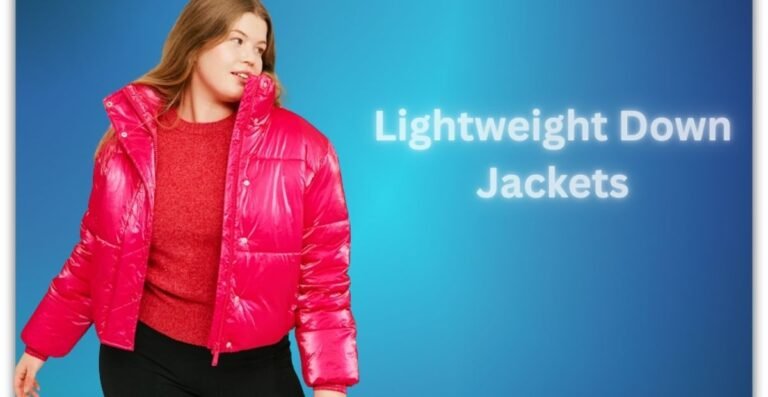
Lightweight Down Jackets: Perfect Layering for Cold Weather

0

Light weight down jacket has been adopted as one of the most reliable winter clothes in contemporary wardrobes. With the fall of temperatures, people want to find out the clothes that are warm and do not restrict their movements. The lightweight down jacket is where this is concerned. It provides good insulation and at the same time is comfortable and easy to wear. In addition to this, it works well with everyday life, outdoor, and traveling requirements. Owing to its diverse nature, it is much more preferred by many people instead of the large winter coats. Also, shifting weather conditions have made flexible layering solutions to be in high demand.Lightweight Down Jackets

History of Down Jackets

Down jackets have existed many centuries ago in cold climates, where natural insulation was a mechanism that ensured survival. The ancient civilizations would make use of bird feathers to keep themselves warm when the seasons were too cold. Nevertheless, such clothes were cumbersome and hard to handle. In the future, the down-filled clothing was refined by outdoor explorers and mountaineers in the twentieth century. With the advancement in technology, manufacturers knew how to do a lot with little material and still get a lot of warmth.

A close-up view of several leather jackets hanging side by side on a clothing rack, displaying various shades of brown and black.Lightweight Down Jacket
Classic leather jackets neatly arranged on a rack, showcasing timeless style and rich textures.

What Is a Lightweight Down Jacket?

Lightweight down jacket is a winter jacket that incorporates natural down insulation with low weight. Its main objective is to be able to trap body heat effectively without being bulky. It is also streamlined in terms of comfort, mobility and layering flexibility, unlike heavy winter coats. It is worn by people in cool and cold weather when complete winter clothes seem too hot. In addition, this jacket is appropriate in the changing between outdoors and indoor. Due to its intelligent design, it would be equally good in urban, travelling, and light outdoor life.

A down jacket is a type of lightweight down jacket and it is different but still similar to the regular down jackets especially in terms of structure and the level of insulation. Newer down jackets have more layers of down that are thicker to ensure an extreme cold temperature is countered. Lightweight versions, conversely, are based on down and more intelligent construction.Lightweight Down Jackets. This will decrease the weight and maintain warmth. Consequently, the jacket becomes less restrictive and even more comfortable to wear longer. Moreover, it is compressible, and its storage and travelling becomes much easier.

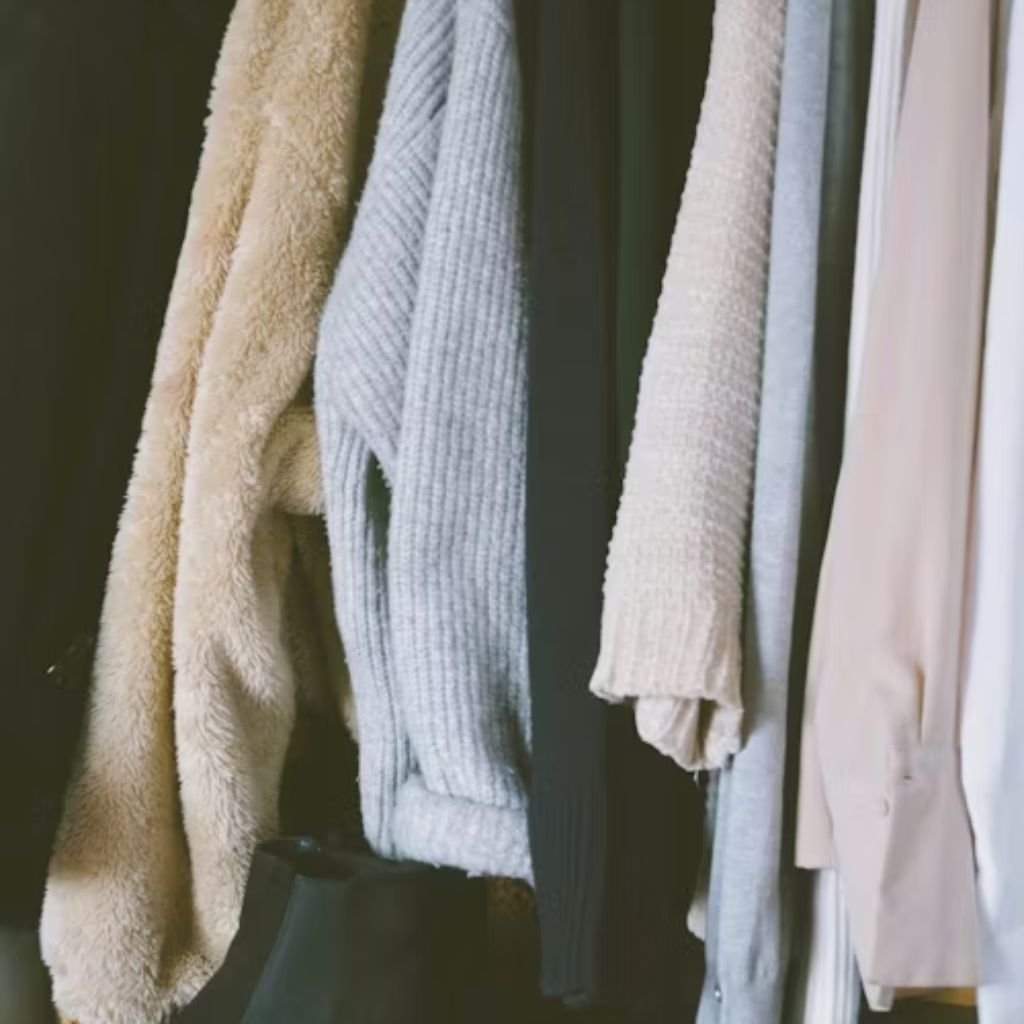
Neutral-toned sweaters and clothing hanging neatly on a wardrobe rack, showcasing soft knit and textured fabrics.Lightweight Down Jacket
A minimalist wardrobe featuring cozy knitwear and neutral-toned clothing for a timeless, versatile style.

How Does a Lightweight Down Jacket Work?

The mechanism of lightweight down jacket involves the use of natural down to insulate the body by trapping warm air near the body. Down is composed of soft clusters which are under the bird feathers reopen new idea. These bubbles develop and form micro air bubbles. These pockets trap body heat and cold air cannot enter in. This is a natural way of insulating the jacket without the need to use bulky layers.

The air pockets in the jacket that trap the heat are quite important in insulation. Every descent cluster forms several stagnant air pockets. Air is a poor conductor of heat and therefore does not allow the warmth to escape. Due to this, the body is always warm in cold conditions.Lightweight Down Jackets. In addition, down is flexible and therefore adapts to the movement of the wearer. This flexibility allows greater comfort and warmth.

The warmth to weight ratio of a lightweight down jacket is one of the most amazing qualities of the item. This implies that it is warmer than most other substances in terms of weight (gram).Lightweight Down Jackets. High fill power down uses low material to attain insulation. As such, the jacket is lightweight and effective. This attribute renders down warmer compared to synthetic insulation in dry conditions. Synthetic fibers are larger in order to get similar warmth. Thus, down is still the favorite in regard to lightweight winter garments.

A person wearing an oversized light-olive padded jacket layered over a dark hoodie, shown from the back against a white background.Lightweight Down Jacket
Oversized olive padded jacket styled with a dark hoodie for a cozy, casual winter look.

Types of Lightweight Down Jackets

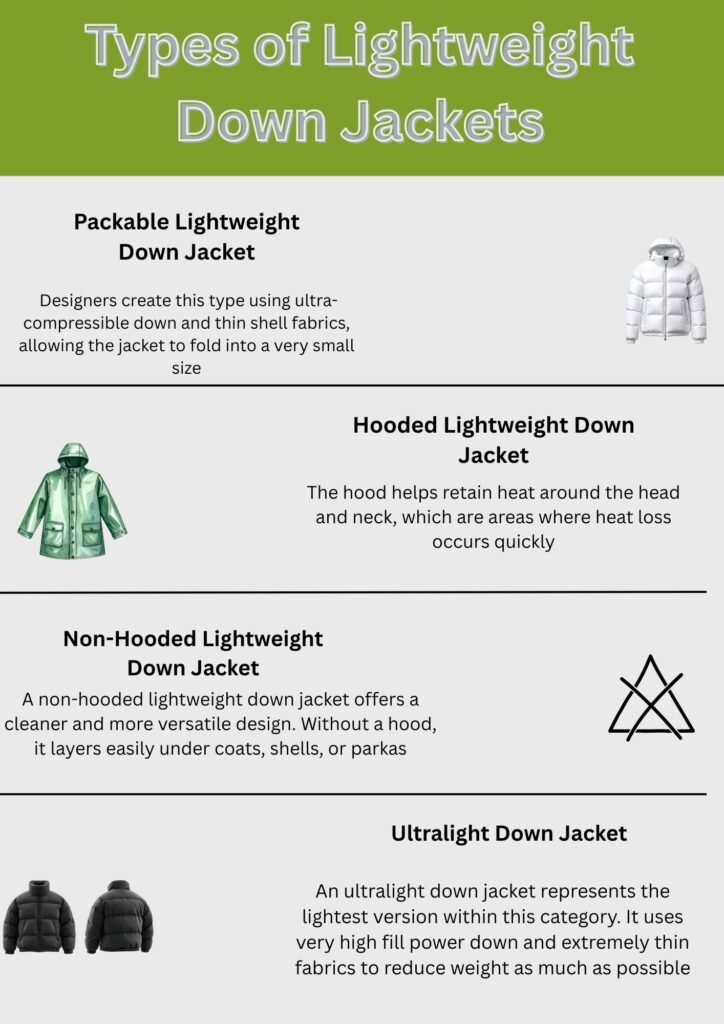
Lightweight down jackets are available in several well-defined types, each created to serve specific weather conditions, activities, and styling needs. While all of them rely on efficient down insulation, their design, structure, and purpose vary. These differences allow wearers to choose a lightweight down jacket that fits their lifestyle perfectly.

Infographic showing types of lightweight down jackets, including packable, hooded, non-hooded, and ultralight styles, with brief descriptions and jacket illustrations.Lightweight Down Jacket
Types of Lightweight Down Jackets and their key features for warmth, portability, and everyday layering.

Packable Lightweight Down Jacket

A packable lightweight down jacket focuses on portability and everyday convenience. Designers create this type using ultra-compressible down and thin shell fabrics, allowing the jacket to fold into a very small size. Because of this feature, it works exceptionally well for travel, commuting, and emergency layering. Despite its compact nature, it still provides reliable warmth during cool and cold weather.

Hooded Lightweight Down Jacket

A hooded lightweight down jacket includes an insulated hood that offers extra warmth and wind protection. The hood helps retain heat around the head and neck, which are areas where heat loss occurs quickly. Because of this added coverage, hooded styles perform better in windy or colder conditions.

Non-Hooded Lightweight Down Jacket

A non-hooded lightweight down jacket offers a cleaner and more versatile design. Without a hood, it layers easily under coats, shells, or parkas. This makes it ideal for extreme cold when layering becomes essential. Furthermore, non-hooded designs often look more polished and structured. Because of this, they suit office wear and semi-formal outfits very well.
Woman wearing a bright pink lightweight down jacket, styled for warmth and comfort in cool weather.Lightweight Down Jacket
Stylish lightweight down jackets that offer warmth, comfort, and a modern winter look.

Ultralight Down Jacket

An ultralight down jacket represents the lightest version within this category. It uses very high fill power down and extremely thin fabrics to reduce weight as much as possible. As a result, it feels almost weightless while still offering noticeable warmth. Outdoor enthusiasts often choose ultralight down jackets for hiking, trekking, and backpacking trips.

Key Benefits of a Lightweight Down Jacket

Lightweight down jacket is a jacket that is very warm yet it does not add undue bulk. It enables those who wear it to keep warm but look slim. Lightweight Down Jackets.This is its benefit as it can be used in any informal and professional environment. Moreover, the freedom of movement will be enhanced since the jacket will not be heavy or stiff. This ease of wear is improved in its daily use.

The other significant advantage is packability. A down jacket is lightweight and can be compressed and put in a small storage where it can fit. This is what makes it convenient in traveling and commuting. Some of them wear it as a backup layer when the weather is unpredictable.Lightweight Down Jackets. Since it does not occupy much space then it becomes a viable solution to the lives of the modern days.

The jacket is also attractive because it can be breathed. Down insulation permits the escape of heat slowly. This procedure ensures that one should not overheat when walking or engaging in light exercise. Consequently, the jacket has a balanced temperature during the day.Lightweight Down Jackets. It is also suitable in overlaying systems due to this attribute.

Lightweight down jackets are another product that is enhanced with durability. In modern designs, strong shell fabric and secure stitching is used. The jacket can last several years with proper care. This durability makes the purchase a smart long term investment.

A person wearing an oversized light-olive padded jacket layered over a dark hoodie, shown from the back against a white background.Lightweight Down Jacket
Oversized olive padded jacket styled with a dark hoodie for a cozy, casual winter look.

Lightweight Down vs Heavy Down Jacket.

In lightweight down jacket and heavy down jacket, the most observable difference is the weight. Lightweight types can weigh a lot less than the conventional down coats. This decreases weight enhancing comfort and wearing. Warm jackets though heavier can become bulky with time.

The degrees of warmth also vary with circumstances. Heavy down jackets are used in extreme cold weather. Nevertheless, down jackets of lightweight suffice most winters in the city. They will be able to cope with lower temperatures when they are combined with the right layering. This has made them more appropriate in everyday wear.

Woman wearing a bright pink lightweight down jacket, styled for warmth and comfort in cool weather.Lightweight Down Jacket
Stylish lightweight down jackets that offer warmth, comfort, and a modern winter look.

Common Uses of a Lightweight Down Jacket

A lightweight down jacket serves multiple purposes across daily life, outdoor activities, and travel situations. Its ability to provide warmth without heaviness makes it suitable for many environments. Because of its flexibility, people rely on it as a primary outer layer or as part of a layering system. Understanding its common uses helps explain why it has become a winter essential.
A person wearing an oversized light-olive padded jacket layered over a dark hoodie, shown from the back against a white background.Lightweight Down Jacket
Oversized olive padded jacket styled with a dark hoodie for a cozy, casual winter look.

Everyday Winter Wear

Many people use a lightweight down jacket as their everyday winter outerwear. It keeps the body warm during cool mornings and chilly evenings without causing discomfort indoors. This balance makes it ideal for commuting, shopping, and casual outings. Moreover, its slim design allows easy movement throughout the day. Because it does not feel bulky, wearers remain comfortable while walking, driving, or working.Lightweight Down Jackets. This everyday practicality makes the lightweight down jacket a reliable daily companion.

A close-up view of several leather jackets hanging side by side on a clothing rack, displaying various shades of brown and black.Lightweight Down Jacket
Stylish lightweight down jackets that offer warmth, comfort, and a modern winter look.

Office and Work Environments

A lightweight down jacket fits well into professional and semi-formal settings. Its clean structure and modern appearance allow it to blend smoothly with office clothing. People often wear it over sweaters, shirts, or light blazers without feeling restricted. Additionally, the jacket provides warmth during short outdoor transitions without overheating inside buildings. This convenience supports long workdays in cold seasons. As a result, professionals frequently choose lightweight down jackets for work routines.

Person wearing a rust-colored jacket and holding a knitted scarf over a warm sweater in a cozy winter outfit.Lightweight Down Jacket
A cozy winter look featuring a textured scarf layered with a warm sweater and a rust-toned jacket.

Travel and Long-Distance Journeys

Travelers frequently use a lightweight down jacket because of its packable and adaptable design. It compresses easily into luggage or backpacks, making it ideal for flights and road trips. During travel, weather conditions can change quickly. Lightweight Down Jackets.The jacket offers instant warmth when needed without taking up space. Moreover, it works well in airports, buses, and outdoor sightseeing situations. Because of these advantages, travelers often consider it an essential packing item.

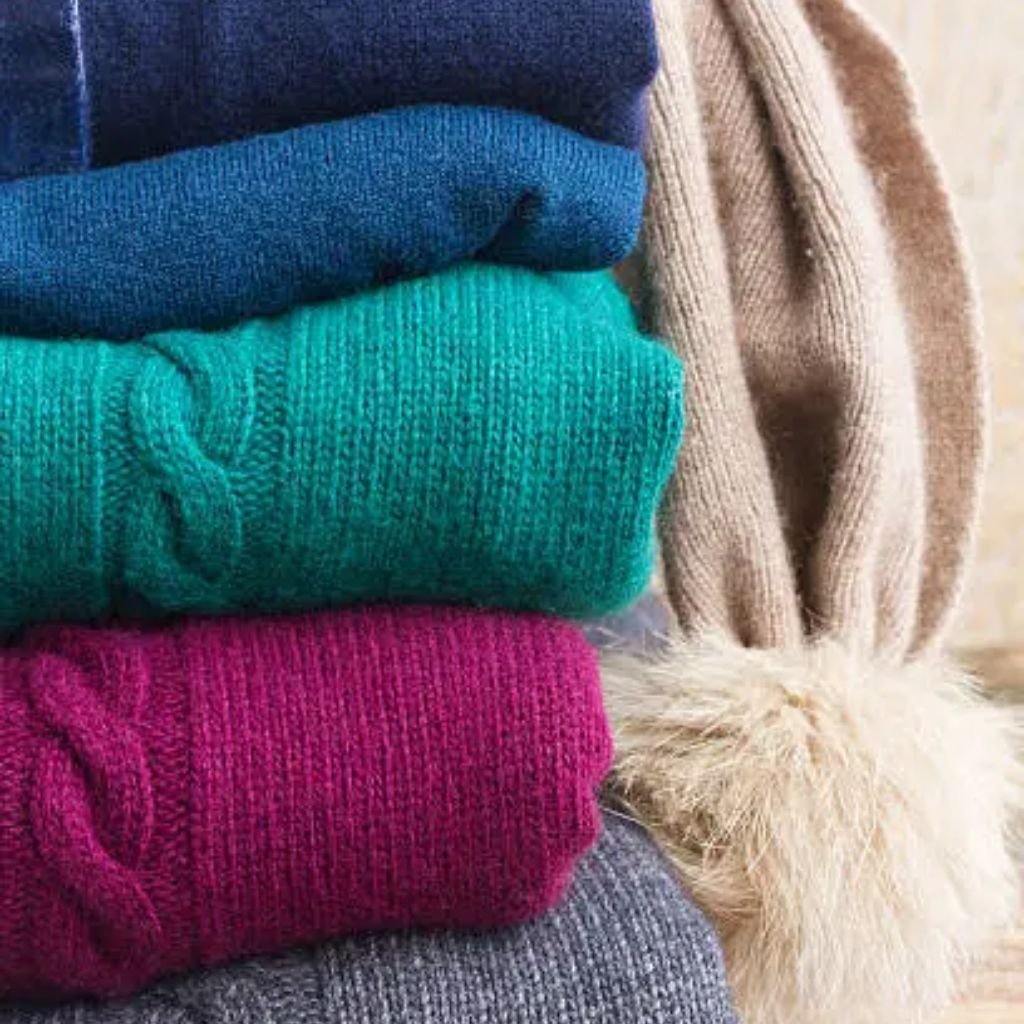
Stack of folded wool sweaters in rich winter colors, showcasing soft texture and cozy knit fabric.Lightweight Down Jacket
A neatly folded stack of warm wool sweaters in deep, winter-ready shades.

Outdoor Walking and Light Activities

A lightweight down jacket performs well during walking and light outdoor activities. It provides enough warmth while allowing breathability and movement. This makes it suitable for evening walks, light hiking, and daily exercise in cold weather. The jacket adapts well to body heat changes during activity. As a result, wearers stay warm without overheating. This balance enhances comfort during extended outdoor movement.

Woman wearing a bright pink lightweight down jacket, styled for warmth and comfort in cool weather.Lightweight Down Jacket
Stylish lightweight down jackets that offer warmth, comfort, and a modern winter look.

Lightweight Down Jacket/Synthetic Insulated Jacket.

A down jacket usually has higher warmth than the same weight (synthetic) insulated jackets. Air is better trapped by down thus enhancing insulation. Synthetic materials need a greater amount of volume to produce the same effect.

Synthetic insulation works with wet conditions better.Lightweight Down Jackets. Nevertheless, down jackets in the contemporary world are optioned with waterproofing. These coverings guard the insulation in the case of the slight rain or snow. Down jackets are known to be dependable in different environments when worn in the right way.Lightweight Down Jackets.

Down jackets also have better breathability. They have a more natural way of regulating the temperature of the body. The quality enhances the comfort of long-wearing. Down jackets have a tendency to be longer lasting, but synthetic jackets are cheaply made. In the long run, this functionality compensates the increased cost.

A person wearing an oversized light-olive padded jacket layered over a dark hoodie, shown from the back against a white background.Lightweight Down Jacket
Oversized olive padded jacket styled with a dark hoodie for a cozy, casual winter look.

Down Jackets explained by Fill Power.

Fill power is the degree to which the space is taken by fully lofting down. Increased fill power implies increased insulation efficiency. Down jackets with a fill power of 700-800 tend to work well with light weights. This line is incredibly warm and does not have any extra weight.

Greater fill power will minimize the required down. This causes the jacket to remain light and compressible. This performance has a direct effect on comfort and packability.Lightweight Down Jackets. Thus fill power is very important in jacket performance.

A close-up view of several leather jackets hanging side by side on a clothing rack, displaying various shades of brown and black.Lightweight Down Jacket
Classic leather jackets neatly arranged on a rack, showcasing timeless style and rich textures.

Is a Lightweight Down Jacket Warm Enough for Winter?

A lightweight down jacket works best in mild to moderate winter conditions. Temperature ratings provide general guidance, but individual comfort varies. Movement and layering significantly affect warmth levels.

In colder environments, layering becomes essential. When paired with thermal layers and windproof shells, the jacket performs well even in freezing temperatures. Therefore, it remains a flexible solution for various climates.
A person wearing an oversized light-olive padded jacket layered over a dark hoodie, shown from the back against a white background.Lightweight Down Jacket
Oversized olive padded jacket styled with a dark hoodie for a cozy, casual winter look.

How to Choose the Best Lightweight Down Jacket

Choosing the right lightweight down jacket requires attention to fill power, shell fabric, and fit. Higher fill power improves warmth without adding weight.Lightweight Down Jackets. Durable shell fabrics enhance longevity and comfort.

Water resistance also matters. DWR coatings protect insulation during light moisture exposure. Hooded designs add warmth, while non-hooded styles suit layering. Proper fit ensures efficient insulation and comfort.

“White Victorian-style winter coat with faux fur collar and cuffs, shown from front, angled, and back views.”Lightweight Down Jacket
Elegant white Victorian-inspired winter coat featuring a fur-trimmed collar, double-breasted buttons, and flared cuffs.

Are Lightweight Down Jackets Waterproof?

Lightweight down jackets are water-resistant rather than waterproof. They handle light rain and snow effectively. However, prolonged exposure to moisture requires an additional shell layer. Understanding this limitation helps users stay prepared.

Neutral-toned sweaters and clothing hanging neatly on a wardrobe rack, showcasing soft knit and textured fabrics.Lightweight Down Jacket
A minimalist wardrobe featuring cozy knitwear and neutral-toned clothing for a timeless, versatile style.

Sustainability and Ethical Down

Ethical sourcing has become increasingly important in down production. Responsible Down Standard certification ensures humane practices. Recycled down options further reduce environmental impact. Many brands now focus on sustainability without sacrificing performance.

Woman wearing a beige and black color-block coat with leather sleeve against a grey background.Lightweight Down Jacket
A modern color-block coat blending soft beige fabric with a bold black leather sleeve.

Lightweight Down Jacket for Men vs Women

Men’s and women’s lightweight down jackets differ mainly in fit and design. Women’s jackets contour the body, while men’s designs offer broader shoulders. Insulation placement adapts to body heat distribution. These adjustments improve comfort and efficiency.

A close-up view of several leather jackets hanging side by side on a clothing rack, displaying various shades of brown and black.Lightweight Down Jacket
Classic leather jackets neatly arranged on a rack, showcasing timeless style and rich textures.

Care and Maintenance of a Lightweight Down Jacket

Proper care plays a major role in maintaining the warmth, shape, and lifespan of a lightweight down jacket. Because down insulation relies on loft to trap heat, careless washing or storage can reduce performance over time. However, with correct handling, a lightweight down jacket can remain effective and comfortable for many years.

Care and maintenance guide for a lightweight down jacket showing washing, drying, restoring loft, and proper storage steps.Lightweight Down Jacket
Care and maintenance tips for a lightweight down jacket, including washing, drying, loft restoration, and storage.

Washing a Lightweight Down Jacket Correctly

Washing a lightweight down jacket requires gentle handling to protect the down clusters inside. Always use cold water and a mild detergent designed for down or delicate fabrics. Harsh chemicals and fabric softeners can damage the natural oils in down, reducing its ability to trap air.Lightweight Down Jackets. During washing, gentle cycles prevent unnecessary stress on stitching and fabric. Closing zippers and fasteners before washing helps maintain the jacket’s shape. Proper washing ensures the jacket stays clean without losing its insulating power.

Drying a Lightweight Down Jacket Without Damaging It

Drying is one of the most important steps in caring for a lightweight down jacket. After washing, the jacket should be dried on low heat to protect both fabric and insulation. Adding tennis balls or clean dryer balls helps break up clumps of down during drying.Lightweight Down Jackets. This process restores the jacket’s loft and ensures even insulation distribution. Drying may take longer than expected, but patience prevents moisture buildup. A fully dried jacket performs better and lasts longer.

Woman wearing a beige oversized button-up jacket with a textured fabric and relaxed fit, styled casually against a white background.Lightweight Down Jacket
A minimalist beige oversized jacket styled effortlessly for a modern, relaxed winter look.

Restoring Loft in a Lightweight Down Jacket

Over time, down insulation may appear flat due to compression or moisture exposure. Restoring loft helps return the jacket to its original warmth level. Lightweight Down Jackets.Gently shaking the jacket and allowing it to dry thoroughly can bring back fluffiness. Low-heat tumble drying further encourages down clusters to expand. This process helps the lightweight down jacket regain its insulating efficiency. Regular loft restoration keeps the jacket feeling warm and comfortable.

Storing a Lightweight Down Jacket Properly

Proper storage protects a lightweight down jacket from long-term damage. The jacket should be stored in a breathable space rather than a compressed bag. Hanging it on a wide hanger or laying it flat helps maintain its natural shape. Long-term compression can reduce loft and insulation quality. Storing the jacket in a cool, dry place prevents moisture buildup and odor.

A close-up view of several leather jackets hanging side by side on a clothing rack, displaying various shades of brown and black.Lightweight Down Jacket
Classic leather jackets neatly arranged on a rack, showcasing timeless style and rich textures.

Conclusion

A lightweight down jacket proves to be one of the most practical and versatile winter garments available today. Throughout changing weather conditions, it delivers reliable warmth without unnecessary bulk. Because it uses high-quality down insulation, it traps heat efficiently while remaining comfortable to wear for long hours. This balance makes it suitable for daily routines, travel, and outdoor activities alike. As a result, many people now consider the lightweight down jacket an essential cold-weather layer.

FAQs

Are lightweight down jackets warm enough for freezing temperatures?

Lightweight down jackets can provide sufficient warmth in freezing temperatures when used correctly. Their effectiveness depends on fill power, fit, and weather conditions. In dry environments, high-quality down traps body heat very efficiently.

Can you wear a lightweight down jacket in the rain?

You can wear a lightweight down jacket in light rain or snowfall without major issues. Most modern designs include water-resistant shell fabrics and durable water-repellent coatings. These features help moisture bead off the surface.

How long does a lightweight down jacket last?

A well-made lightweight down jacket can last many years when properly cared for. High-quality down insulation maintains its loft and warmth over time. Regular gentle washing, proper drying, and correct storage help extend the jacket’s lifespan.


History of Winter Fabrics: Warmth Through the Centuries

Man always needed to stay warm. Since the first hunter-gatherers cowering under animal skins to the current day athletes sporting clothes woven of synthetic fibers, the history of winter clothes is the History of Winter Fabrics, resourcefulness, culture, style, and technology. This paper follows the same tale over the thousands of years: the earliest use of natural hides and fur, the emergence of woven and felted animal fibers such as wool, medieval and early modern innovations, the revolutionary developments of industrialization, chemistry, the 20th-century adoption of synthetic and performance fabrics, and the modern developments of smart fabrics and sustainability.

We will also examine how culture, commerce and fashion influenced the type of clothes worn in cold weather and how current issues particularly on the environmental concerns are influencing the future of winter textiles.

Beginnings: Fur, Skins, and the First Warmth

Heat retention garments throughout history have consisted of animal skin and furs. Because of their insulating fibers and durable outer layer protecting from wind moisture and trapping air, these materials worked wonders. Early civilizations learned to sew furs and hides to create garments of wearing apparel such as capes, cloaks, leggings, and shoes. Efforts to conceal the skin of the animal were to soften the hide, make it pliable to create fur garments. These were worn with the have inward to create insulation. Many arctic cultures and groups in Siberia were able to make these in extreme cold. History of Winter Fabrics.

Adaptable ceased garments were able to reflect the available fauna, create their social status, and indicate wealth. Fur clothing was also considered to have ritual importance in many culturing societies. While these materials were less insulating and from plants, nearly humans in the forests also used woven grasses. Layers could be used and combined with other materials to create warmth. History of Winter Fabrics.

Wool’s Emergence: A Game Changer

The advancements in winter textiles were due to the domestication of animals that had wool and the new technology used in spinning and weaving. Wool-bearing Sheep were domesticated in handful of regions in the Near East around 10,000 years ago, and by the Wool working in the Bronze Age and Iron Age Civilizations Had Culminated in a first-rate craft. History of Winter Fabrics.

The reason wool’s insulating properties are the best is due to the structure of the fiber. The crimped fibers trap air and resist losing heat. Wool is also hydrophilic, it absorbs moisture vapor while still staying dry insulating wise, making it an optimal material for cold and wet climates. The first wool textiles were hand-spun on simple looms and then woven together, a process that thickened wool by matted and fulling it produces a denser cloth. This is most commonly used in outers as fulling wool for cloth produces a denser wool for insulating. Many cultures used a crimped wool weave for hats, cloaks, and boots due to the highly insulating properties and wind-resistance of the felted wool.

The utility of wool was a fundamental factor in why it was so important; however, it was also a major driver of economies and a big trade commodity. The wool trade in medieval Europe affected the development of towns and the organization of trade guilds. The merchant class, wealthy from the trade of wool and the processing and exporting of textile, was able to create and control the market vertically. History of Winter Fabrics.

The textile industry in Flanders, Italy, and then England dominated the market, developing their economies around the production of fine quality woolen textiles. Beyond warmth, wool altered the world of fashion by making it possible to design and create clothing with style to be worn comfortably. Rustic, coarse, cloaks of wool were the predecessors to styles of woven worsted garments that were tailored with style in mind.

Medieval & Early Modern Innovations

During the medieval period, the techniques of spinning, dyeing, weaving and finishing the fabric of the clothes made immense progress and the knowledge of textiles made advances. The improvements included the use of horizontal looms, spinning wheels, and the raising of nap to increase the thermal performance of fabrics. Garments were more tailored to the fit of the person to reduce any drafting of the material into any openings done to the fabric.

Amongst Europe’s upper classes, fur-lined and fur-trimmed robes became fashionable, along with the other garments, for warmth and display. The fur trade expanded into and scared along the Scandinavian and Russian regions. Fur and cloth trade was done in Asia, silks and brocade layered combinations was the preference of clothing. Lightweight silks were preferred as the clothing worn next to the skin and easily reduce radiative heat loss. History of Winter Fabrics.

In the early modern period, even greater specialization was evident. A weave, broadcloth, and serge were all exclusive to a different type of cloth with different specific uses. An example was flannel, a napped woolen cloth, for the production of lower priced winter wear. The production knitting also rose for the use of hats, stockings, gloves, and sweaters. Wool garments produced were knitted to give a superb fit also produced with flexibility to be worn for cold-weather sports.

The Industrial Revolution: Scale and New Possibilities

The revolution in textiles during the 18th and 19th centuries is the result of the revolution that is attributed to the Industrial Revolution. The cost of textile production decreased while the cost of textile production and hand weaving and spinning increased. More fabric became available with the development of dye finishing and fabric died and finished. People in colder climates benefited from the more inexpensive and more uniform wool.

In addition to the spinning and weaving of textiles, there was also the construction of new textiles. The production and finished woolen textile fabric and felt was produced and scaled in fabric woolen construction. Outerwear like oilcloth and rubberized fabrics rodents more water resistant. The mid 19th century increased the production of sewing with machines to more complex lower cost tailoring. History of Winter Fabrics.

In the 19th century, more access to different fabrics and textiles was available as a result of exploration and expansion. This was based off an increased and more scientific understanding of some materials. Natural fibers, regrouped, having more chemistries and fibers like cotton, wool, and silk with flax were also with imperial expansion. This was also based with the new carefully made with designed engineered materials of fabrics.

The Age of Synthetics: Nylon, Polyester, and Fleece

Man-made fibers became commercially available on a large scale during the late 1930s with the introduction of nylon by Dupont. It was the first registered synthetic polymer fiber. While it was used in the stockings of the time, its skeletal and tenacious properties rendered it effective in outdoor apparel and wartime supply usage. A plethora of synthetic fibers, such as polyesters, acrylics, and polypropylene, flooded the market after the second world war. These fibers were of lower cost and faster production and could be custom designed for particular attributes such as low moisture retention, rapid drying, and enhanced durability.

Easily one of the most notable and successful of these modern fabrics is synthetic fleece, developed in the 1970s. Primarily composed of polyester and designed to mimic the thermal retention structure of wool fleece, its advantages included lower weight, faster drying, and easier care. This fabric skyrocketed in popularity, transforming the market of cheap outdoor apparel and cold weather recreation. The structure of fleece is porous and sponge-like, allowing it to be used in the construction of low thermal insulating garments. History of Winter Fabrics.

The modern fleece fabric made it possible for the construction of specialized layering systems. These systems are now called insulation layers and are designed to be used in combination with other moisture-wicking and evaporative layers. Unique to insulation layers are modern synthetic insulation materials such as PrimaLoft and Thinsulate, which provide an exceptional weight-to-warmth ratio. These modern insulations also provide increased compressibility, allowing for easier packing. A key moisture-wick property of many synonymous to active winter sports is evaporative moisture retention through the insulation.

The Role of Down and Technical Insulation

The insulating feathers found in geese and ducks known as down has been prized for centuries, but its use expanded greatly with modern processing and design of garments. Of the insulating materials available, down has the best warmth-to-weight ratio as it traps an immense quantity of air with very little volume. Regionally crafted down products and jackets were available before the 20th century, creating a market for down jackets which became a staple for performance apparel in cold weather.

Incorporation of technical materials would eventually supplement the down. Synthetic insulating materials sustain the thermal efficiency of down but do not lose warmth when wet. Advancements of thermal performance in jackets due to reduced heat loss at stitching lines were achieved with quilting, baffling, and seam construction. History of Winter Fabrics.

Fashion, Culture, and Identity

Clothing always serves a purpose beyond mere utility. Social signaling and identity have always been a focal point of the winter fabric. Take fur coats, for instance. These have been associated with social prestige for decades. During the middle of the 20th century, the fur coat was the embodiment of wealth. Later, the social conscience of the 20th century made people ditch real fur and opt for faux ones or other textiles.

In fashion, the introduction of certain silhouettes would then dictate the type of fabric to be used for a garment. Examples of such silhouettes include the long coat, the padded parka, the tailored overcoat, and the slim athletic layer which each required a differing behavior of the textiles. In the city, fabrics which balanced appearance and warmth such as wool blends, gabardines, and lined suiting became essential. For outdoor societies, it was the function of the design that was prioritized. This is seen in the local fabric and design used in Inuit parkas, Scandinavian woolen sweaters, and alpine technical gear.
The fair isle and Aran knitting, use of reindeer skin in Scandinavia, fur tailoring in Russia, and shawl weaving in south Asia (e.g. pashmina) all enriched winter wear and textile techniques. These traditions coupled with the modern industrialized world provide the global market with a variety of winter wear. History of Winter Fabrics.

Performance Fabrics and the Layering System

In contemporary winter weather, outdoor clothing consists of three segments, with a layer of moisture management, a layer of insulation, and a layer of protection from the wind and rain. The philosophy of each layer is utilized with outdoor clothing with more advanced technology and more efficient materials than ever before. History of Winter Fabrics.

Composition of the layers. The historical purpose of base layers, which includes wind-chill resistant silk and merino wool, still holds true in the contemporary base layer. The silk, which is still present, has moisture-wicking properties and is quickly dried, as in the modern layers, which have synthesized base layers. History of Winter Fabrics.

The middle layer insulation has alternate materials, such as down, wool, and fleece, which are present in the middle layer that, new technologies with a blend of wool and fleece for insulation, matched with new materials that provide stretch and breathability for movement. History of Winter Fabrics.

The outer layer composite of new, moisture, wind, and rain resistant materials are, along with their weight, a large improvement from the previously used leather, wool, and oilcloth. moisture, wind and rain resistance are their new laminated materials such as GORE-TEX and other waterproof breathable membranes. History of Winter Fabrics.

Smart Textiles and Material Science

The third modern fabric is winter fabric, and it is influenced by the 21st century fabric science and electronics. “Smart textiles” have sensors and heating. They have materials that change in response to heat. They are no longer prototypes and are being sold. Some smart textiles contain phase change material that absorbs heat. There are smart textiles that contain sensors used to monitor physical activity and body temperature. Other smart textiles are electrically heated jackets. History of Winter Fabrics.

Recent advancements in water and stain repelling nanotechnology have led to both water and stain resistant textile coatings. Engineered Microstructures and biomimetic fibers research is allowing for improved insulation and durability in winter fabrics. Microfibers which are used for their soft hand feel and insulation properties as well as water and stain repelling layers have also been an area of focus. History of Winter Fabrics.

Sustainability and Ethical Considerations

Winter textiles are one of the most important materials to provide warmth and comfort, but the environmental impact is concerning. Wool is renewable however there are issues related to greenhouse gas emissions, land use, and animal welfare. Fur is one textile that faced issues regarding animal cruelty, and many companies banned the use of real fur. With regards to textiles, synthetic fibers are problematic due to overreliance on fossil fuels and the pollution of microplastics. History of Winter Fabrics.

The textile industry, along with innovators, are coming up with new solutions:

Recycled fibers: The blends of recycled wool and polyester from reclaimed PET bottles reduce resource usage.

Responsible sourcing: Initiatives that aim to improve ethics and reduce environmental impact use certifications for animal welfare, for traceability of down (e.g., Responsible Down Standard), and for wool regenerative practices.

Biobased fibers: A few examples of materials that are not derived from synthetic fibers are lab grown plant proteins, cellulose (e.g., with lyocell), and other synthetic alternatives.

Durability and repairability: Encouraging brands and movements that put an emphasis on repair, upcycling, modular design, and durable fabrics help reduce overall waste and impact. The reduction of overall impact is done by reducing garment usage. History of Winter Fabrics.

Microfiber reduction: New washing technologies, fiber design, and shedding filters help with microplastic pollution.

Trade-offs are often a part of exploring sustainability: For instance, a durable synthetic garment that can be worn multiple times may be more advantageous than a biodegradable garment that has a short life cycle. Lifecycle impacts must be considered by both consumers and designers. History of Winter Fabrics.

Current Trends and What’s Next

This winter, textiles marry tradition and innovation. Wool remains in style and serves its purpose functionality. Cashmere and pashmina are natural fiber luxuries. In the outerwear and activewear markets, fleece, down, and performance synthetics reign. Key trends are:

Hybrid: Garment fusion of natural and synthetic fibers to create a balance of warmth, moisture management, and sustainability.

Performance Fashion: Use of outdoor fabric technology for fashion city attire. Breathable, tailored, and water-resistant.

Customization and Modular Layering: Systems of wearers’ choice to insulate and shell layers to meet the constantly shifting conditions.

Smart Heating and Adaptive Materials: Self-heating and self-regulating garments have a small but growing insulated market.

Circular Design: More brands promote take-back programs, designs for disassembly, and recycled materials.

Research into textiles and fibers that pollute less, insulate more, and are lighter continues. Chemists are creating water repellent coatings without fluorinated chemicals, and engineers are analyzing the structure of natural loft in insulation for resource efficiency. History of Winter Fabrics.

Conclusion: Warmth Is Both Practical and Cultural

Beginning with animal hides and proceeding through vinyl and microfibers to high-tech textiles, winter clothing materials continue to showcase humanity’s needs, creativity, and principles. As the first makeshift cold weather protection developed into various biosystems, hypoallergenic downs and wool, and cold weather batteries protective from the elements. Culture and fashion authorities accompanied the industrial trade of winter clothing to global systems, diffusing the protective cold weather garments and systems culturally. History of Winter Fabrics.

Today’s priorities and challenges are the ethics and the balance of sustainability of the systems/components. Defining the field are textiles that are warm, smart, sustainable, and elements of the ‘circular economy’, enduring environmental changes, engineered with systems bios that incorporate the best of ancient insulating materials. Meeting ancient goals, the winter clothing fabric systems do warm the body with added the social and biosystems care. History of Winter Fabrics.

What were the earliest winter fabrics used by humans?

Early humans relied on animal skins and fur to protect themselves from cold. These materials provided natural insulation and were processed through tanning, scraping, and smoking to improve durability and warmth.

Why has wool been one of the most important winter fabrics in history?

Wool traps air within its crimped fibers, providing excellent insulation. It also retains warmth even when wet, making it ideal for cold and damp climates throughout history.

How did medieval societies improve winter clothing?

Medieval societies developed better weaving, spinning, and finishing techniques. Wool was fulled, napped, and tailored into cloaks, coats, and layered garments that offered improved warmth and fit.

Ulster Coat Guide: History Features and Styling Tips

0

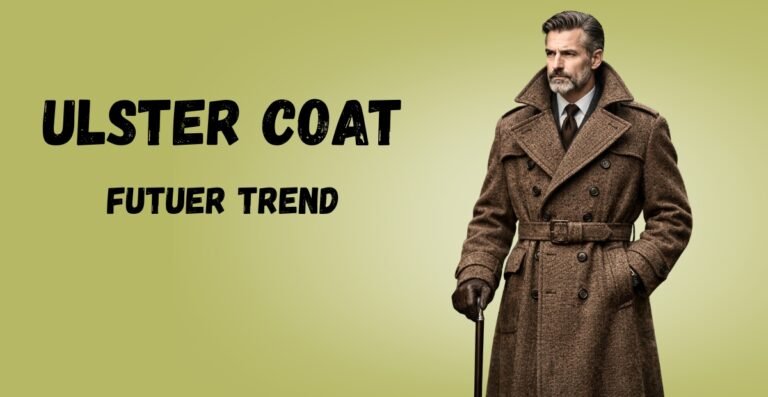
Ulster Coat is a classic piece of outerwear for men. This iconic overcoat is known for its sturdy construction, Ulster collar and commanding shape. The Ulster Coat is a timeless symbol of masculinity, elegance, and durability.

The Ulster Coat, originally designed to protect and provide warmth in harsh weather conditions was later adapted for men who value tradition and timeless elegance. Over time, the Ulster Coat has become a fashion statement for gentlemen who appreciate tradition and timeless style. The Ulster Overcoat today is more than just a coat to be worn. It is also admired.

This comprehensive guide will cover the history of the Ulster Coat, its features, fabrics and styling tips. We’ll also discuss modern adaptations and care instructions. We will also explain why the classic overcoat has dominated winter fashion for generations.

What is an Ulster Coat?

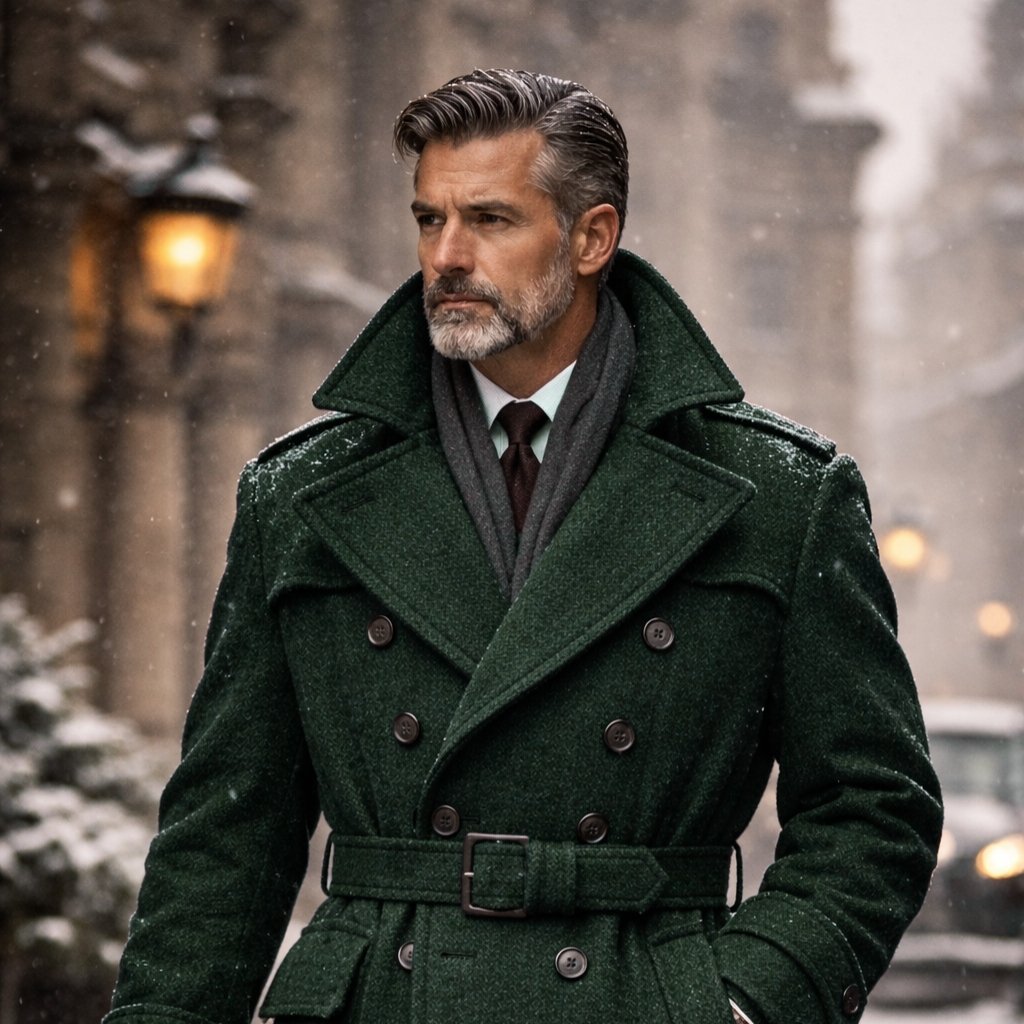
 A stylish man with gray hair and beard wearing a dark green double-breasted coat with a belt, standing in a snowy urban street.
A well-dressed man in a forest-green double-breasted coat stands on a snowy city street, exuding timeless elegance.

Ulster Coat A heavy, long coat traditionally made of thick tweed. It can be identified by its Ulster Collar and wide lapel, combined with a cape-like back layer. It is also known for its deep patch pockets, belted waist and relaxed but powerful fit.

The UlsterCoat, originally worn in the country, was designed to resist cold winds and rainy weather. Durability and functionality were therefore always given priority. The coat was originally designed for rural wear, but its elegant structure allowed it to be worn in urban settings as well.

The UlsterCoat has a commanding presence, vintage charm and is practical.
The History of the Ulster Coat

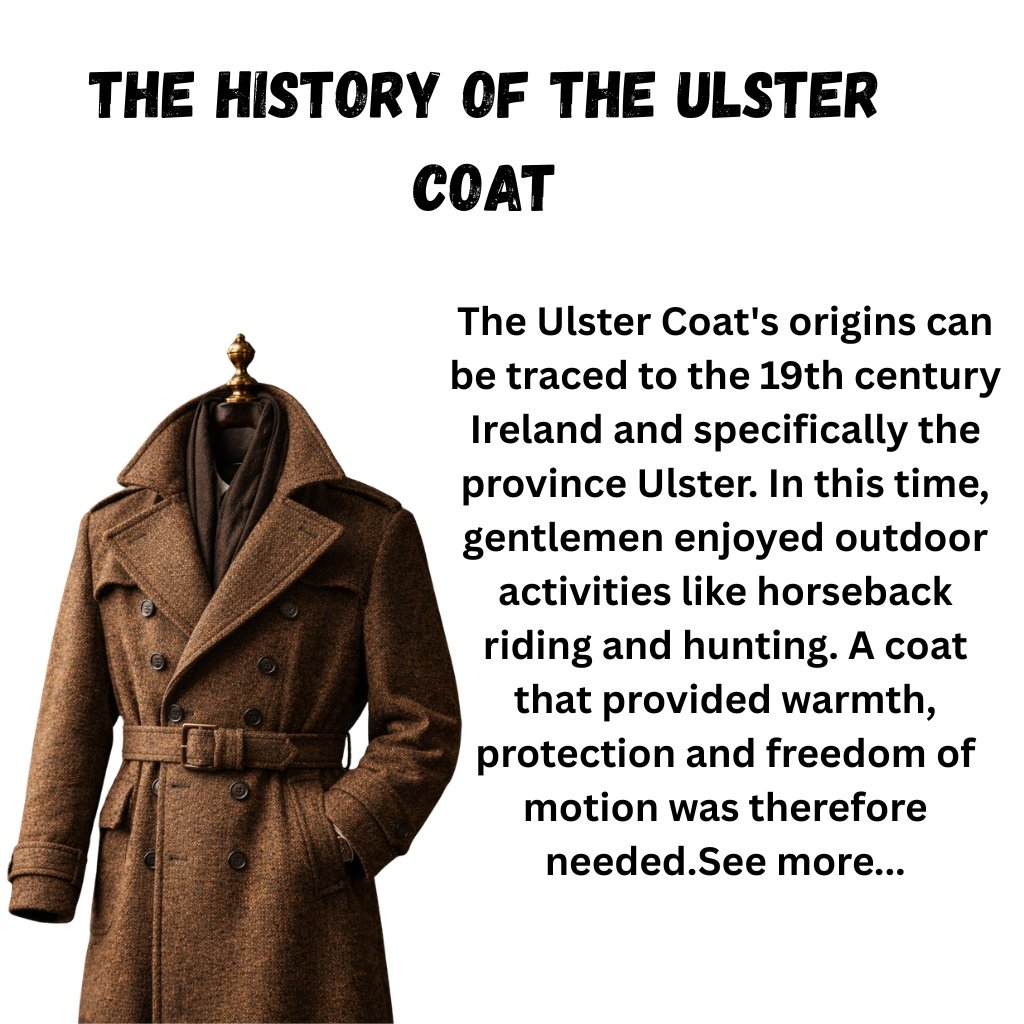
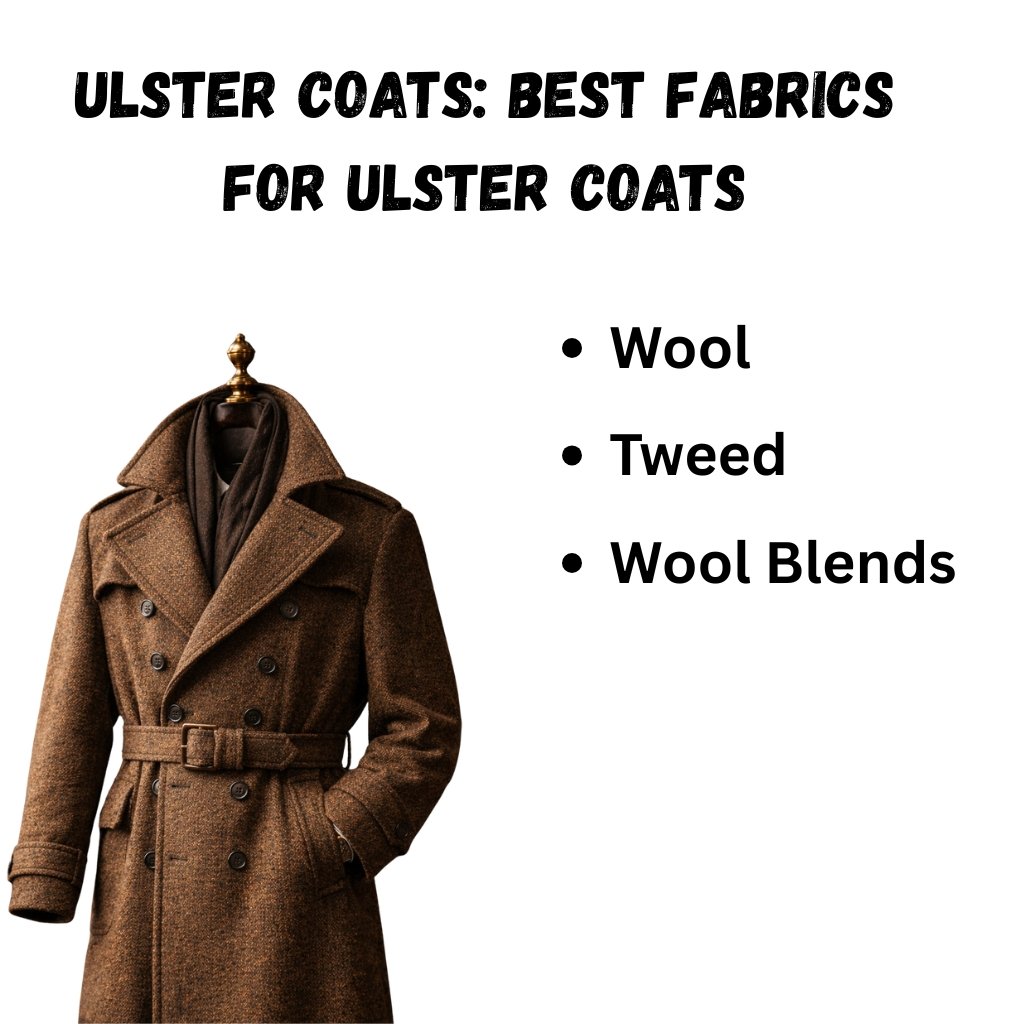
A brown wool overcoat on a mannequin against a white background with bold title text above.
The History of the UlsterCoat: Tracing its origins to 19th-century Ireland, the Ulstercoat provided warmth, protection, and freedom of movement for outdoorsmen in Ulster.

The Ulster OverCoat’s origins can be traced to the 19th century Ireland and specifically the province Ulster. In this time, gentlemen enjoyed outdoor activities like horseback riding and hunting. A coat that provided warmth, protection and freedom of motion was therefore needed.See more…

The UlsterCoat is a heavy-tweed coat with a loose fit. The cape-back, which is a signature feature of the coat, was designed to keep rain out. Meanwhile, the high collar provided extra insulation from cold winds. This coat became popular in Britain and Europe over time.

UlsterCoats eventually made their way into urban style. Politicians, academics and professionals embraced it because of its structured appearance, which conveyed intelligence and authority. UlsterCoats today still carry echoes from this rich heritage.

Ulster Coat: Key Features

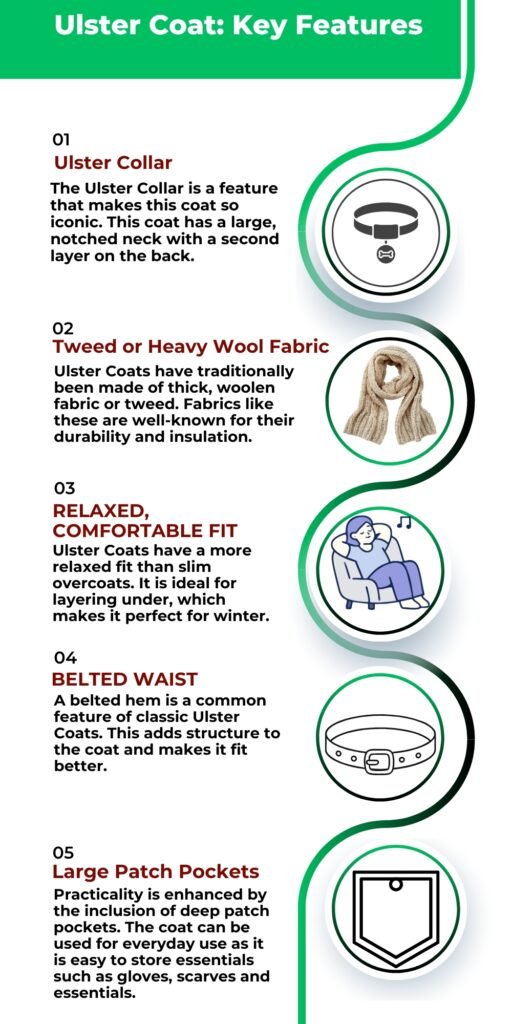
Understanding the UlsterCoat’s defining characteristics helps to explain its popularity. Each element has both a practical and an aesthetic purpose.Read more…

Infographic showing Ulster coat key features including Ulster collar, tweed or heavy wool fabric, relaxed fit, belted waist, and large patch pockets.
Key features of an Ulstercoat illustrated, highlighting its classic collar, heavy wool fabric, comfortable fit, belted waist, and practical patch pockets.

1. Ulster Collar

The Ulster Collar is a feature that makes this coat so iconic. This coat has a large, notched neck with a second layer on the back. The design was created to protect neck and shoulders against rain and cold. It also adds a masculine, bold touch to the overall appearance.

2. Tweed or Heavy Wool Fabric

Ulster Coats have traditionally been made of thick, woolen fabric or tweed. Fabrics like these are well-known for their durability and insulation. This allows warmth to be retained in extreme cold.

3. Relaxed, comfortable fit

Ulster Coats have a more relaxed fit than slim overcoats. It is ideal for layering under, which makes it perfect for winter. Comfort is also enhanced without sacrificing fashion.

4. Belted Waist (Optional)

belted hem is a common feature of classic Ulster Coats. This adds structure to the coat and makes it fit better. It also enhances the traditional aesthetic of the coat.

5. Large Patch Pockets

Practicality is enhanced by the inclusion of deep patch pockets. The coat can be used for everyday use as it is easy to store essentials such as gloves, scarves and essentials.Learn more…

The Ulster Coat is still relevant today

The UlsterCoat is still relevant today, despite its history. It is because timeless designs never go out of fashion.

First, heritage style is becoming more popular. The consumer now values craftsmanship, quality fabrics, and durable garments. Ulster Coat is a perfect example of this.

Second, versatility is a major factor. The UlsterCoat was originally intended for country wear but has now been adapted to city life. It can be worn with a suit, or casual knitwear.

Sustainability has also become a big concern. Ulster Coats, which are made of durable natural fabrics that can withstand the elements, fit in well with slow fashion. A well-made coat will last decades instead of following the latest trends.learn more…

Ulster Coats vs. Other Overcoats

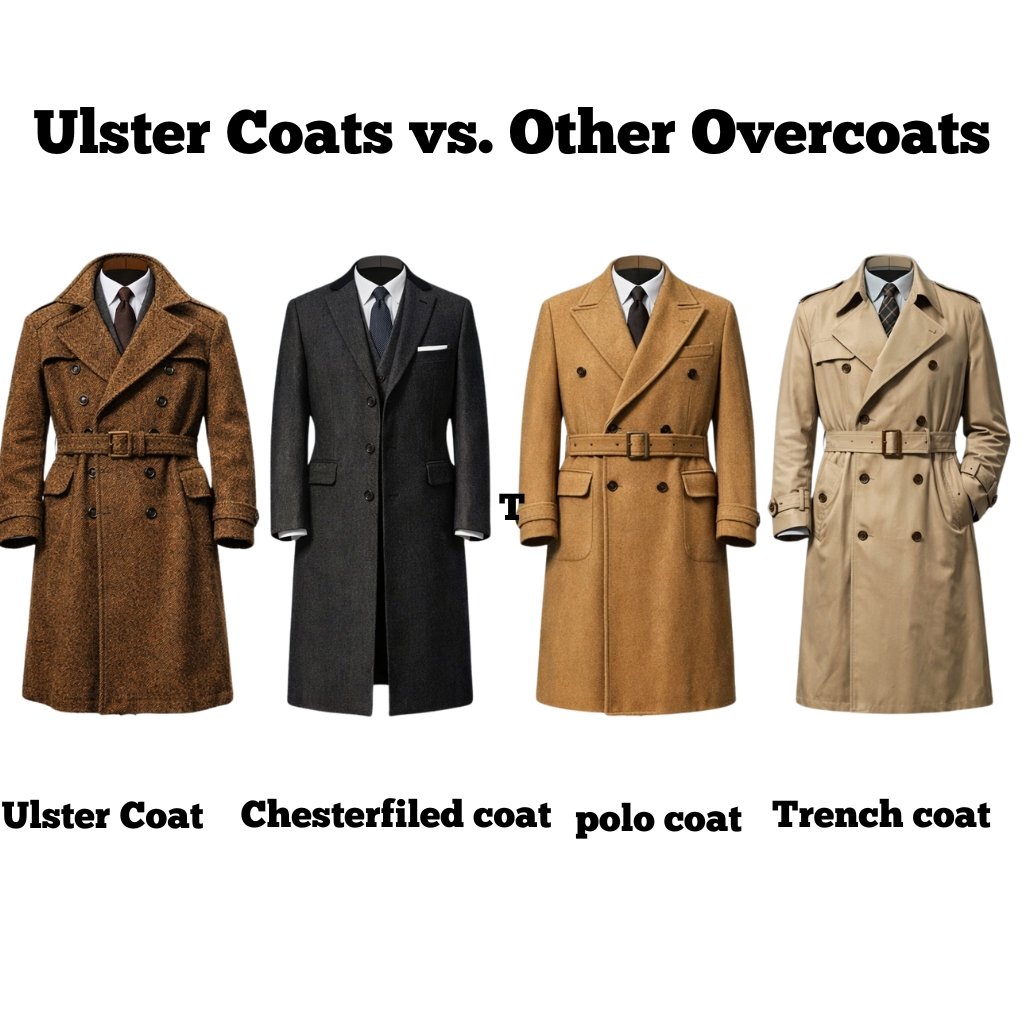
Understanding the Ulster Coat in comparison to other classic overcoats will highlight its uniqueness.

Four overcoats in different styles: Ulster Coat, Chesterfield Coat, Polo Coat, and Trench Coat, shown side by side.
UlsterCoats vs. Other Overcoats

Ulster Coat and Chesterfield Coat

The Chesterfield Coat looks sleek and formal whereas the Ulster Coat has a more relaxed and rugged look. The Chesterfield coat is perfect for business environments, while the Ulster Coat has a more rugged, outdoor-inspired look.

Ulster Coat vs Polo Coat

The Polo Coat has a sporty look and is often in camel colors. Ulster Coat is heavier and more traditional. The UlsterCoat is more stylish but offers greater warmth and protection.
Trench Coat vs Ulster Coat

Trench Coat are lightweight and suitable for milder weather. Ulster Coats are designed to be worn in winter and offer superior insulation.

How to Style an Ulster Coat

Style an Ulster Coat properly to enhance its elegance and impact. It is a highly adaptable coat.

Formal Style

The Ulster Coat is perfect for formal occasions. It can be worn with a tailored suit or over a 3-piece suit . A wool scarf and leather gloves add sophistication. In professional settings, dark shades such as charcoal, navy or black are best.

Smart Casual Looks

Pair the Ulster Coat with chinos and leather boots for a smart casual outfit. This outfit is perfect for casual dinners or city excursions.

Casual Winter Clothing

The Ulster Coat is perfect for casual wear. The Ulster overcoat can be worn over denim, Chelsea boots, and sweaters. Comfort and style can be achieved.see more…

Ulster Coats: Best fabrics for Ulster Coats

The right fabric choice is crucial for comfort and durability.

A brown wool overcoat on a mannequin next to a bulleted list about fabrics.
UlsterCoats: Best Fabrics for UlsterCoats

Wool

Wool is a common fabric in Ulster overcoats. Wool is a great fabric for insulation, breathability and durability.

Tweed

Tweed is a traditional, rugged fabric. Tweed is popular in designs with a countryside feel. Its textured appearance gives it character.

Wool Blends

blends of wool are often used in modern Ulster overcoats to reduce weight and maintain warmth. These blends require less maintenance and are more affordable.

The Colors of the Ulster Coat

UlsterCoats come in a variety of colors, but some remain classic.

  • Charcoal Gray – Timeless and versatile
  • Navy Blue Elegant and professional
  • Brown Tweed Mixes– Traditional and Outdoors
  • Black– formal and powerful

Neutral colors are the most popular because they go with almost any outfit.

Ulster Coat: Modern Interpretations

Modern designers have made subtle changes to the traditional UlsterCoats.

Modern tastes are characterized by slimmer cuts, lighter fabric, and minimal detail. The core elements of the Ulster collar, warmth and structure are always maintained.

UlsterCoat bridges the gap now between classic heritage and contemporary fashion.

How to care for an Ulster Coat

UlsterCoats can last for many years with the right care.

  • To maintain fabric quality, dry cleaning is recommended
  • The coat should be hung on a large hanger
  • Brushing regularly will remove dust and lint
  • Avoid excessive washing

The coat’s texture and shape are maintained by following these steps.

Why every gentleman should own an Ulster Coat

UlsterCoats are more than outerwear, they’re an investment. The UlsterCoat offers warmth, authority and timeless style all in one garment. The UlsterCoat is timeless, despite the fact that trends change. Its purpose-driven design makes it relevant.

It is also versatile and can be worn for a variety of occasions. This coat will make you look confident and polished whether you’re attending a formal evening or going out in the cold.

The conclusion of the article is:

The Ulster Coat is one of the most iconic overcoats ever made. The rich heritage of the UlsterCoat, its functional design and elegant command make it a classic must-have.

The UlsterCoat is a timeless classic that never goes out of style. It becomes your winter companion for life with proper care and styling.Read more…

FAQs

What is an Ulster Coat?

An UlsterCoat is a traditional long overcoat made from heavy wool or tweed. It is known for its distinctive Ulster collar, loose fit, and excellent warmth, making it ideal for cold weather.

What makes the Ulster collar unique?

The Ulster collar features wide lapels with an extra layer of fabric at the back. This design was created to protect the neck and shoulders from wind and rain while adding a bold, classic look.

Is the Ulster Coat suitable for formal wear?

Yes, the UlsterCoat can be worn over suits and formal outfits. Its structured design adds elegance and authority, especially in darker colors like navy, charcoal, or black.

Suede Overshirt Jacket: A Perfect Blend of Style & Comfort

0

Versatility is not an option in today’s world of fashion. It is essential. Outerwear has changed to accommodate the modern lifestyle. The suede jacket is one of the most fashionable and functional items to have emerged. It’s a stylish yet practical piece. The suede overshirt jacket is a versatile piece that bridges the gap between casual wear and smart clothing. It’s a wardrobe essential. Its soft texture and timeless appeal makes it ideal for all occasions and seasons.

The suede overshirt jacket is the perfect compromise between traditional jackets that can be bulky, and overshirts that may appear too light. It has become popular amongst fashion-conscious people who appreciate both comfort and style. This comprehensive guide will cover everything you need about suede jackets, from history and materials to styling and care tips.

What is a Suede Overshirt?

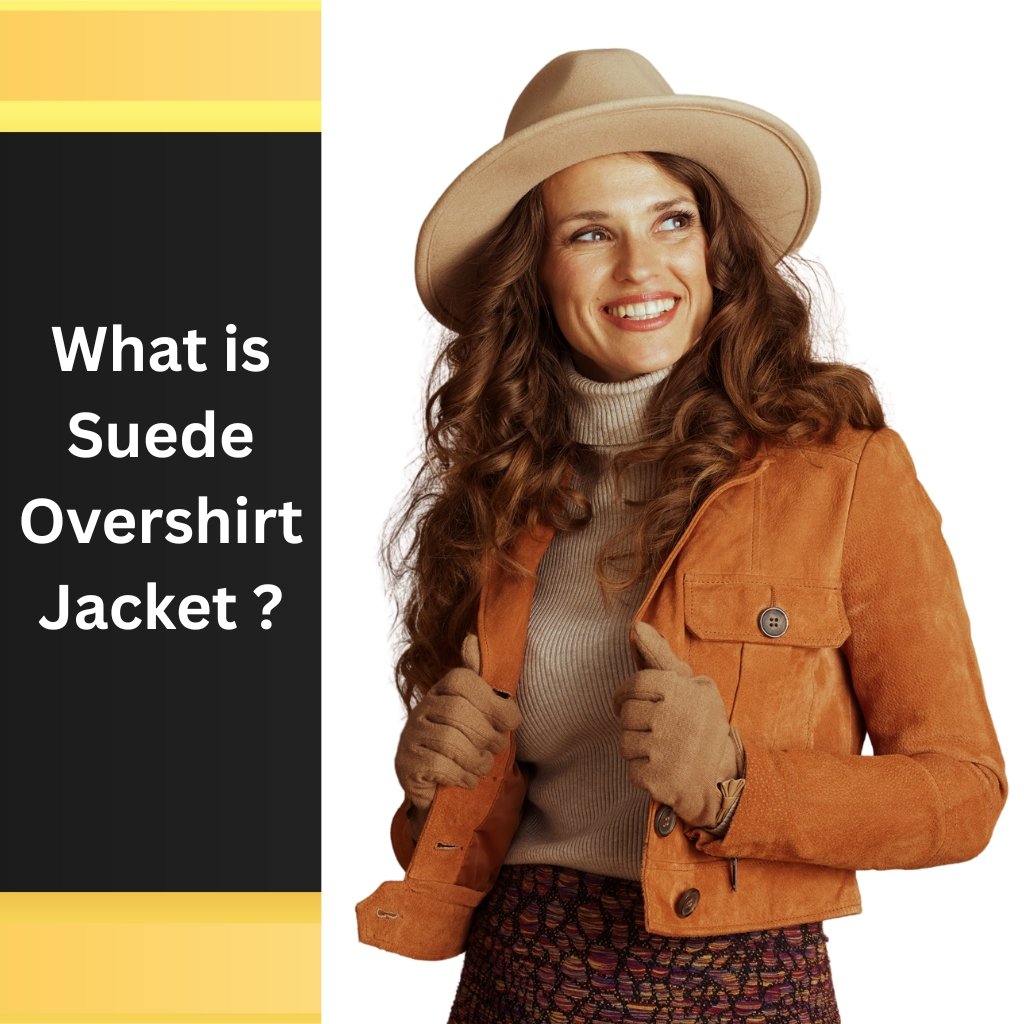
 A smiling woman wearing a tan wide-brim hat and an orange suede overshirt, posing with her hands on the jacket. The left side features a black vertical panel with yellow decorative borders.
What is Suede Overshirt Jacket?

suede jacket can be worn as a jacket, or as an overshirt to layer over tees and shirts. Suede overshirts, unlike standard overshirts that are made of cotton or wool have a soft leather finish. They offer a luxurious look without being too formal.

In the past, suede jackets have been reserved for special events. Modern designs have made them an essential for everyday wear. Suede overshirts are easy to style because of their relaxed yet structured silhouette. They are also lightweight and warm, so they’re perfect for transitional temperatures.

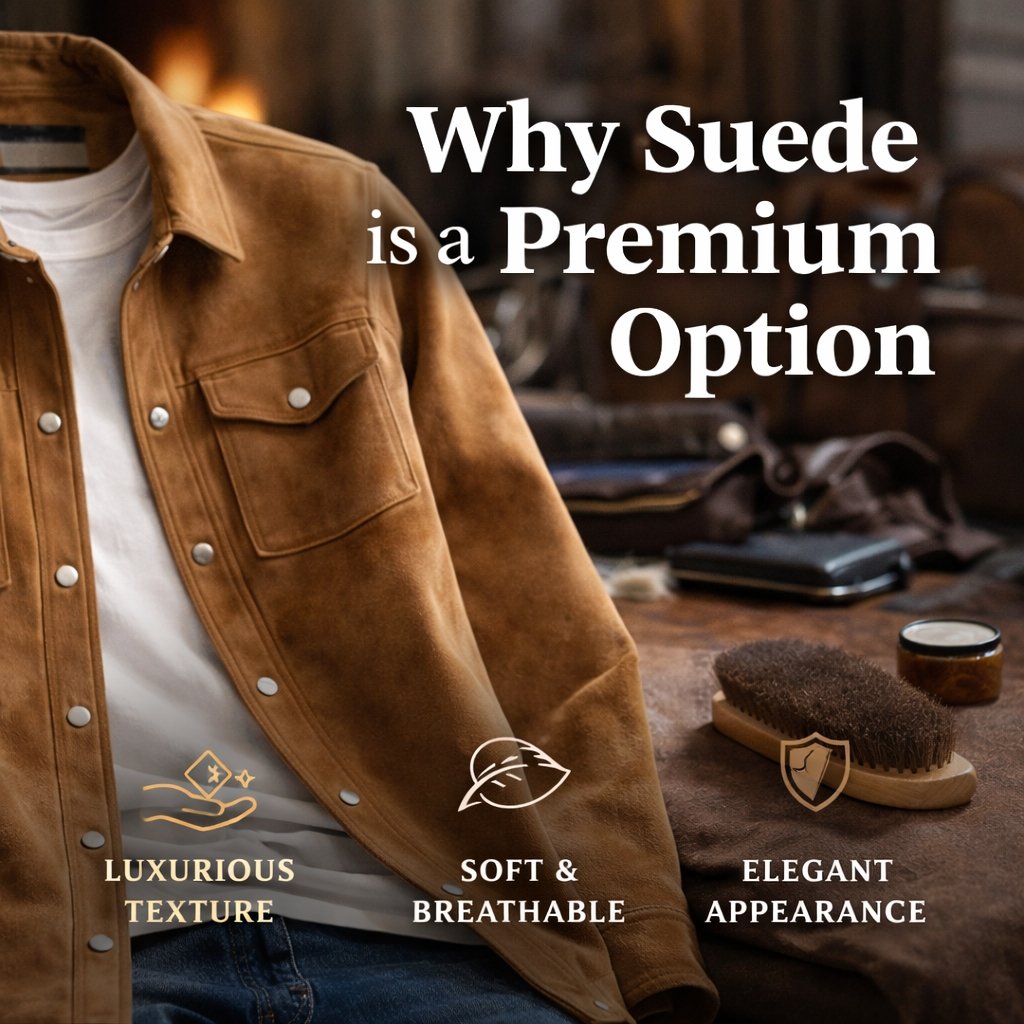
Why Suede is a Premium Option

A tan suede jacket draped over a chair with a wooden surface and grooming tools in the background; bold white text reads 'Why Suede is a Premium Option' and there are icons with labels 'Luxurious Texture', 'Soft & Breathable', and 'Elegant Appearance'.
Why Suede is a Premium Option: luxuriously soft texture, breathable comfort, and elegant appearance.

Suede comes from the undersides of hides, which gives it a more flexible and softer texture than full-grain. It feels more comfortable on the skin. Suede has a matte, rich appearance which instantly elevates an outfit.

Suede material: Benefits and Uses

  • Texture that is soft and luxurious
  • Breathable material allows for comfortable wearing over a longer period of time
  • Elegant appearance suitable both for semi-formal and casual looks
  • Durability when maintained properly

Designers have been using suede for decades because of its qualities. Its use as an overshirt jacket has been a natural evolution of fashion.

Suede Overshirt jackets are a Modern Fashion Trend

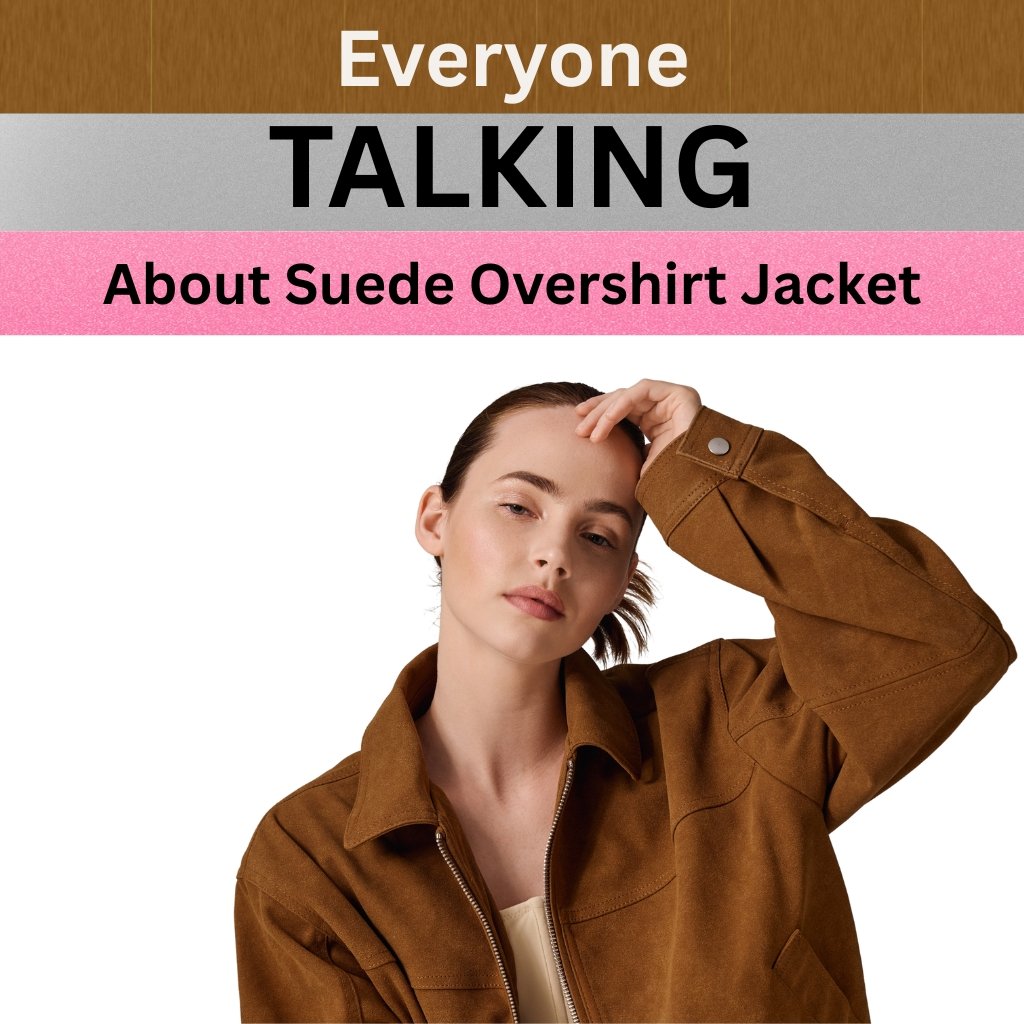
A woman wearing a brown suede overshirt jacket, posing with her hand resting on her head against a white background.
Everyone Talking About Suede Overshirt Jacket

In recent years, the fashion trend has shifted to minimalist but high-quality clothing. Suede overshirt jackets are gaining a lot of attention. Street style, luxury collections and seasonal campaigns are all frequent places to see them.

The overshirt has also become a popular trend due to its versatility. Combining suede with a timeless piece, you get a modern and timeless look. It appeals to both men and women who like understated elegance.

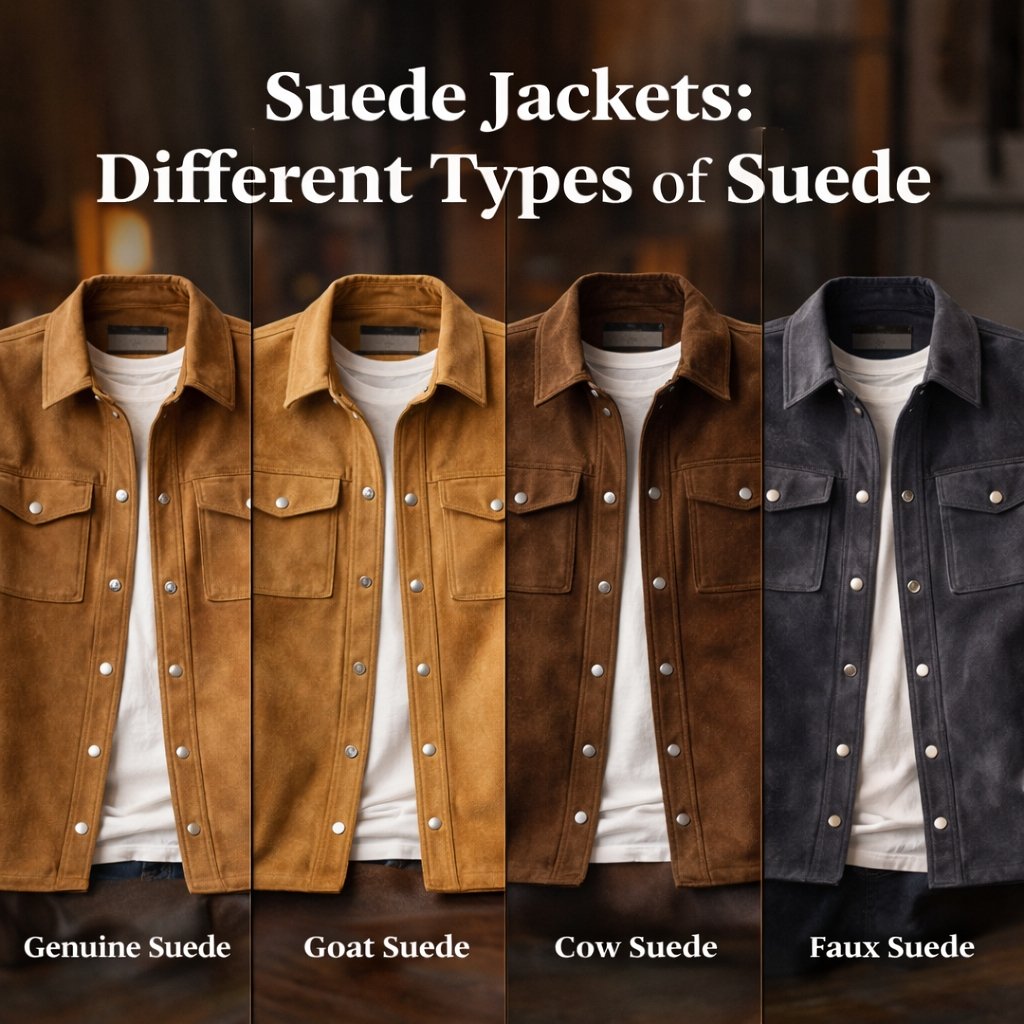
Suede Jackets: Different types of Suede

Not all suede is created equal. There are several different types of suede that are used and each has its own unique characteristics.

Four jackets labeled Genuine Suede, Goat Suede, Cow Suede, and Faux Suede, displayed side by side.
Suede Jackets: Different Types of Suede

1. Genuine Suede

It is the most popular type of overshirt jacket. It has a natural feel that develops over time. It requires care.

2. Goat Suede

Goat suede is known for its flexibility and softness. It is also lightweight and breathable. It is therefore often used in high-end designs.

3. Cow Suede

The cow suede is more durable and thicker. It has a better structure and longer life.

4. Faux Suede

Faux suede overshirts can be found in many places for those who want to avoid animal testing. They may not look as good as real suede but they are much easier to maintain.

The Key Features of High-Quality Suede Jackets

Certain features are important to consider when investing in a suede jacket overshirt. The piece will not be worth its price in the long run if it isn’t made well.

  • For ease of wearing, button or snap closure
  • Chest Pockets add function and style
  • Clean Stitching ensures durability
  • Soft inner lining is often added to comfort
  • Tailored but relaxed fit allowing for easy layering

These features are important for both aesthetics as well as practicality.

How to style a suede overshirt jacket

It’s surprisingly simple to style a suede jacket over a shirt. Its versatility means that it can be worn in many different ways. Here are some popular ways to style your jacket.

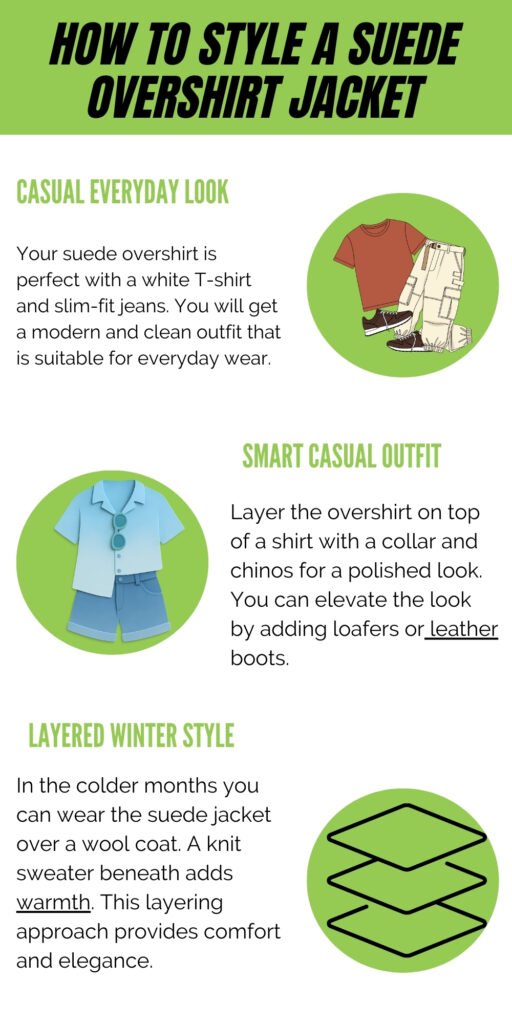
A vertical infographic with a lime-green header reading “HOW TO STYLE A SUEDE OVERSHIRT JACKET.” It has three sections: “CASUAL EVERYDAY LOOK” with a circular illustration of a t-shirt and shorts outfit; “SMART CASUAL OUTFIT” with a circular illustration of a light-blue shirt, blue shorts, and sunglasses; and “LAYERED WINTER STYLE” with a circular illustration of layered fabric pieces. Each section contains descriptive text explaining styling tips.
How to style a suede overshirt jacket: three easy outfits for casual, smart-casual, and layered winter looks.

Casual Everyday Look

Your suede overshirt is perfect with a white T-shirt and slim-fit jeans. You will get a modern and clean outfit that is suitable for everyday wear.

Smart Casual Outfit

Layer the overshirt on top of a shirt with a collar and chinos for a polished look. You can elevate the look by adding loafers or leather boots. It is suitable for casual dinners and meetings.

Layered Winter Style

In the colder months you can wear the suede jacket over a wool coat. A knit sweater beneath adds warmth. This layering approach provides comfort and elegance.

Suede Overshirt Jackets in the Best Colors

The color of the suede overshirts is a key factor in their appeal. Suede absorbs colors beautifully and produces rich tones.

  • Tan & Beige: Timeless & Versatile
  • Brown : classic and masculine
  • Black : Modern and sleek
  • Navy is a refined alternative to black
  • Olive : Trendy but subtle

Suede is available in neutral tones, which can easily be paired with any outfit.

Suede Overshirt Jackets are Versatile for All Seasons

The versatility of suede jackets across the seasons is one of their greatest advantages. They are a great lightweight outerwear for spring. In autumn, they offer warmth without adding bulk. In mild winters they can also be effectively layered.

Instead of having multiple jackets throughout the year, you can use a suede overshirt.

Suede Overshirt Jacket and Leather Jacket

Both garments are made of leather but they have distinct differences.

Suede overshirts are a versatile and subtle styling option.

How to care for a suede overshirt jacket

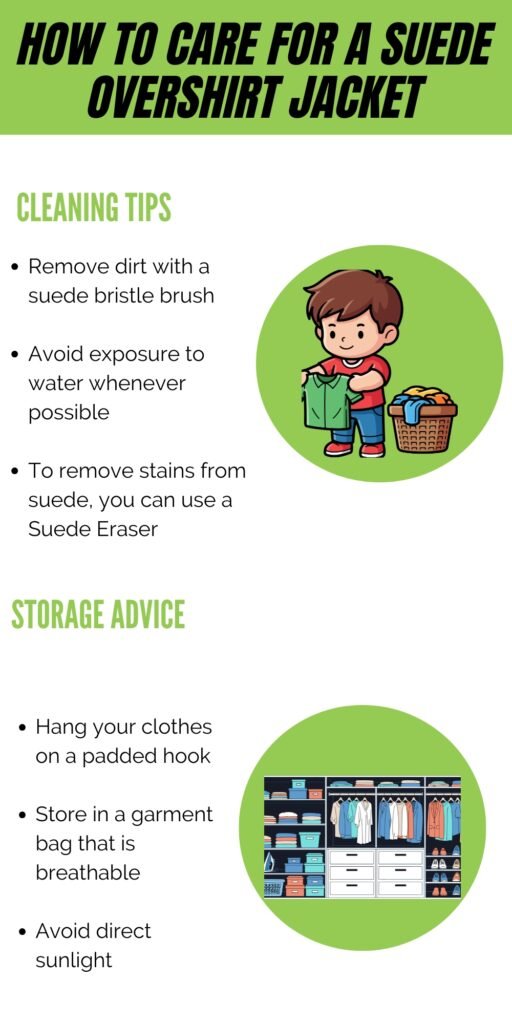
Suede is delicate and requires special care. The jacket will lose its original appearance if not properly cared for.

 A vertical infographic showing tips for caring for a suede overshirt jacket. It includes two green circular illustrations: a child placing clothes in a basket and a neatly organized wardrobe. The headings are “Cleaning Tips” and “Storage Advice” with bullet point tips beside each illustration.
How to care for a suede overshirt jacket: cleaning tips and storage advice.

Cleaning Tips

  • Remove dirt with a suede bristle brush
  • Avoid exposure to water whenever possible
  • To remove stains from suede, you can use a Suede Eraser

Storage Advice

  • Hang your clothes on a padded hook
  • Store in a garment bag that is breathable
  • Avoid direct sunlight

The jacket’s life can be extended by following these simple steps.

What is the value of a suede overshirt jacket?

The value of suede jackets is indisputable, even though they can be more costly than other fabrics. They are durable, stylish, and comfortable. Their timeless design also ensures that they will never be out of style.

They are therefore often seen as a wise investment by anyone looking to build a versatile wardrobe.

Who Should Wear A Suede Overshirt?

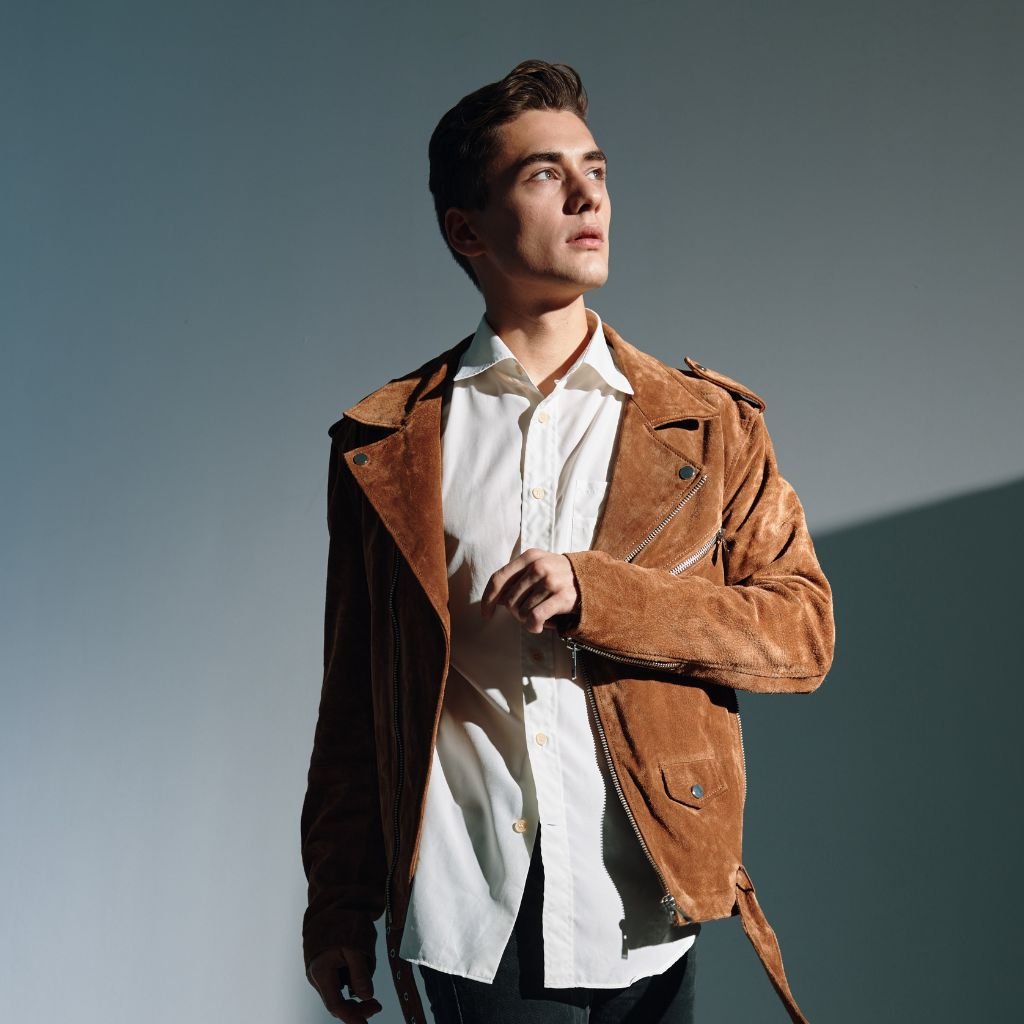
A young man stands against a neutral background, wearing a light beige shirt under a brown suede jacket with zippers and pockets, looking off to the side with a thoughtful expression.
A stylish moment in suede: a man wearing a brown suede jacket over a white shirt, posing confidently against a minimalist backdrop.

Suede overshirt jackets are universally appealing. The jackets are suitable for:

  • Smart-casual clothing for professionals
  • Fashion lovers who love texture
  • Minimalists prefer versatile pieces
  • Upgrade your everyday wardrobe

This garment can be styled to suit any age or body type.

Sustainability and ethical considerations

Sustainability has gained in importance over the past few years. Many brands offer eco-friendly faux suede and ethically sourced suede. These options reduce the environmental impact of clothing while still maintaining style.

Final Thoughts

The suede jacket, more than a fashion trend, is a wardrobe staple. It continues to be a fashion staple because of its luxurious texture and versatile design. It adds sophistication to any outfit, whether dressed up or down.

If you’re looking for a jacket that is both stylish and comfortable, then the suede overshirt will be a great choice. It is sure to become your favorite piece in the wardrobe once you add it.

FAQs

What is a suede overshirt jacket?

A suede overshirt jacket is a lightweight outerwear piece made from suede leather, designed to be worn as a shirt or a jacket for versatile styling.

Can a suede overshirt jacket be worn year-round?

Yes, it can be worn in spring and fall as outerwear and layered during winter, making it suitable for most seasons.

How do you style a suede overshirt jacket?

It pairs well with T-shirts, button-down shirts, jeans, chinos, and boots or sneakers for both casual and smart-casual looks.

Winter Fleece Topcoat Guide: Comfort, Style, and Durability

0

When the cold season is near, people start the hunt for clothing that is warm yet stylish. This is the case for Winter-Fleece Topcoat, a warm, classy, and sophisticated piece of outerwear that is freezes the perfect combination of comfort, style, and sophistication. This blog will answer any and every question you may have regarding winter-fleece topcoats, including their features, materials, how to style them, how to take care of them, and much much more.

What is a winter-fleece topcoat?

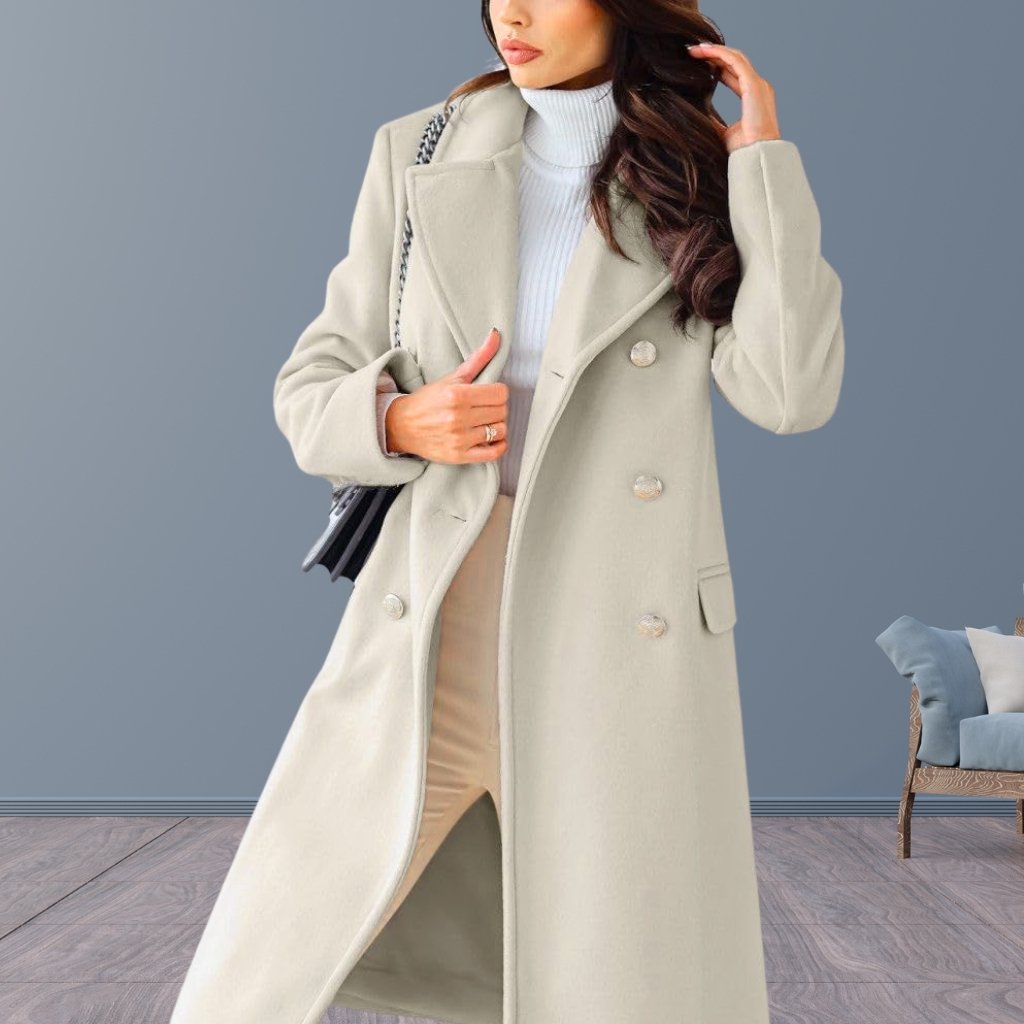
A stylish woman wearing a long, light beige wool coat over a white turtleneck sweater and beige pants. She carries a black handbag with a chain strap and poses with one hand adjusting her hair.
Classic elegance: a chic, long beige coat layered over neutrals for a polished winter look.

A Winter-Fleece Topcoat jackets is a type of coat that is long, typically to mid-thigh or knee length, and is warm. It is made out of a blend of wool and fleece materials. While topcoats that are not winter-fleece are made just for style, winter-fleece topcoats are made for style while also including factors like insulation and warmth. This coat is a go to option when your are putting on a layer over your suit, sweater, or your casual wear and you need something that is warm.

When it comes to winter-fleece topcoats, however, the entire coat has a soft fleece lining, so the coat has the feel of a winter-fleece coat. Commuting, formal events, or casual walks, a winter fleece topcoat works well for all and merges style and warmth.

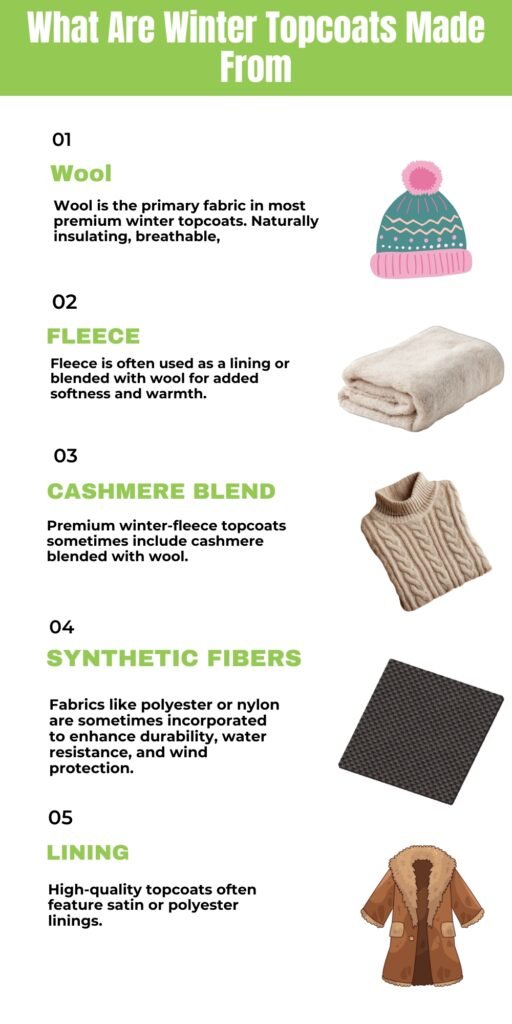
What are winter top coats made from ?

An infographic titled “What Are Winter Topcoats Made From” lists five fabric options with small illustrations: 01 Wool (knitted hat), 02 Fleece (folded blanket), 03 Cashmere Blend (knitted sweater), 04 Synthetic Fibers (fabric square), 05 Lining (brown shearling coat). Each item includes a bold green header and a brief description.
What are winter topcoats made from? Wool, fleece, cashmere blends, synthetic fibers, and high-quality linings—each material adds warmth, softness, and durability. See how they’re used in cozy winter pieces.

Wool, fleece and cashmere are the main components. Here are some of the common fabrics and materials that go into a winter-fleece topcoat.

1. Wool

Wool is the primary material in most high-quality winter topcoats. It is naturally insulating, breathable, and resistant to wrinkles. Wool ensures that the coat retains its shape and keeps you warm without feeling heavy.

2. Fleece

is added either as lining or as part of the fabric blend. It offers softness, warmth, and flexibility. Fleece is excellent for trapping heat, making it an ideal addition to a winter men topcoat.

3. Cashmere Blend

Some premium winter-fleece topcoats include a cashmere blend, which increases softness and luxury. Cashmere fibers are finer than wool, providing an exceptionally smooth texture.

4. Synthetic Fibers

Coats with some polyester or nylon are also more durable and resistant to water or wind. These fibers also make for better functional coats, especially for wearing in the city and traveling.

5. Lining

Satin and polyester linings are also popular in higher-quality Winter-Fleece Topcoat . Linings help with wearing and moving with multiple layers, and keep the outer fabric from wrinkling.

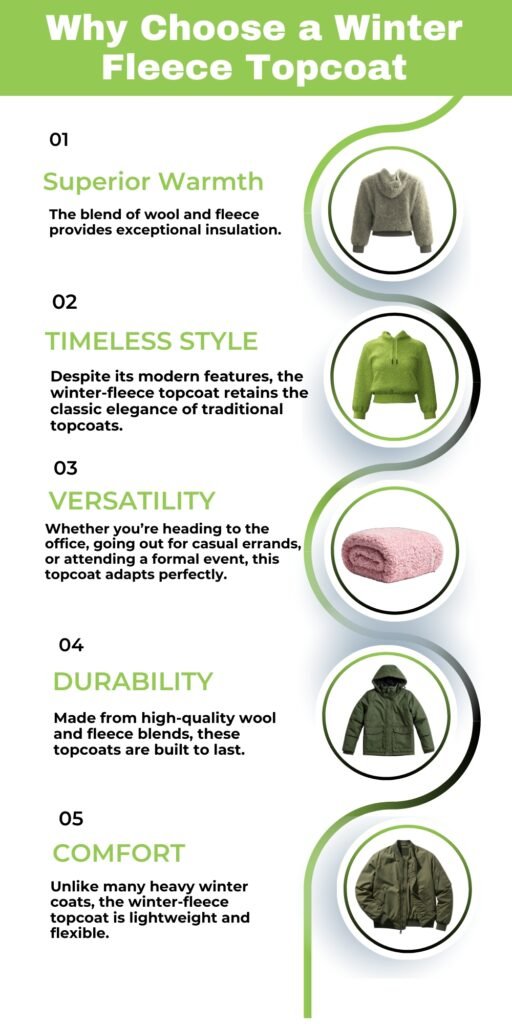
Why Choose a Winter-Fleece Topcoat?

A vertical infographic titled "Why Choose a Winter Fleece Topcoat" with five numbered sections. Each section features a bold green title and a short description, accompanied by circular product images (a cropped fleece jacket, a green hoodie, a pink towel/cloth, and two outerwear coats) connected by a decorative green and gray flowing line.
Why Choose a Winter Fleece Topcoat: 5 reasons—Superior Warmth, Timeless Style, Versatility, Durability, and Comfort. Each point explains how the blend of wool and fleece, classic design, adaptable wear, high-quality materials, and lightweight comfort make it a practical winter choice.

The winter-fleece topcoat has a lot of helpful features needed during cold days and is a top winter coat:

1. Superior Warmth

The wool and fleece combo in the coat is much warmer. Even with a lot of cold wind, a winter-fleece topcoat keeps you warm and is very well designed.

2. Timeless Style

A winter-fleece topcoat keeps the timeless look of traditional topcoats. A top coat also accompanies all looks in a very formal and informal way keeping you in style.

3. Versatility

The winter-fleece topcoat is very versatile and good for the office, casual, and formal too. Its good with suits, jeans, and all tops like sweaters, or turtlenecks.

4. Durability

High-quality fabrics like wool and fleece blends are long-lasting. With proper care, a winter-fleece topcoat can remain in excellent condition for years.

5. Comfort


These winter fleece top coats are not as heavy as most winter coats. They’re made to be lightweight and adaptive snow and winter activities, as well as long commutes outdoors.

Types of Winter-Fleece Topcoats

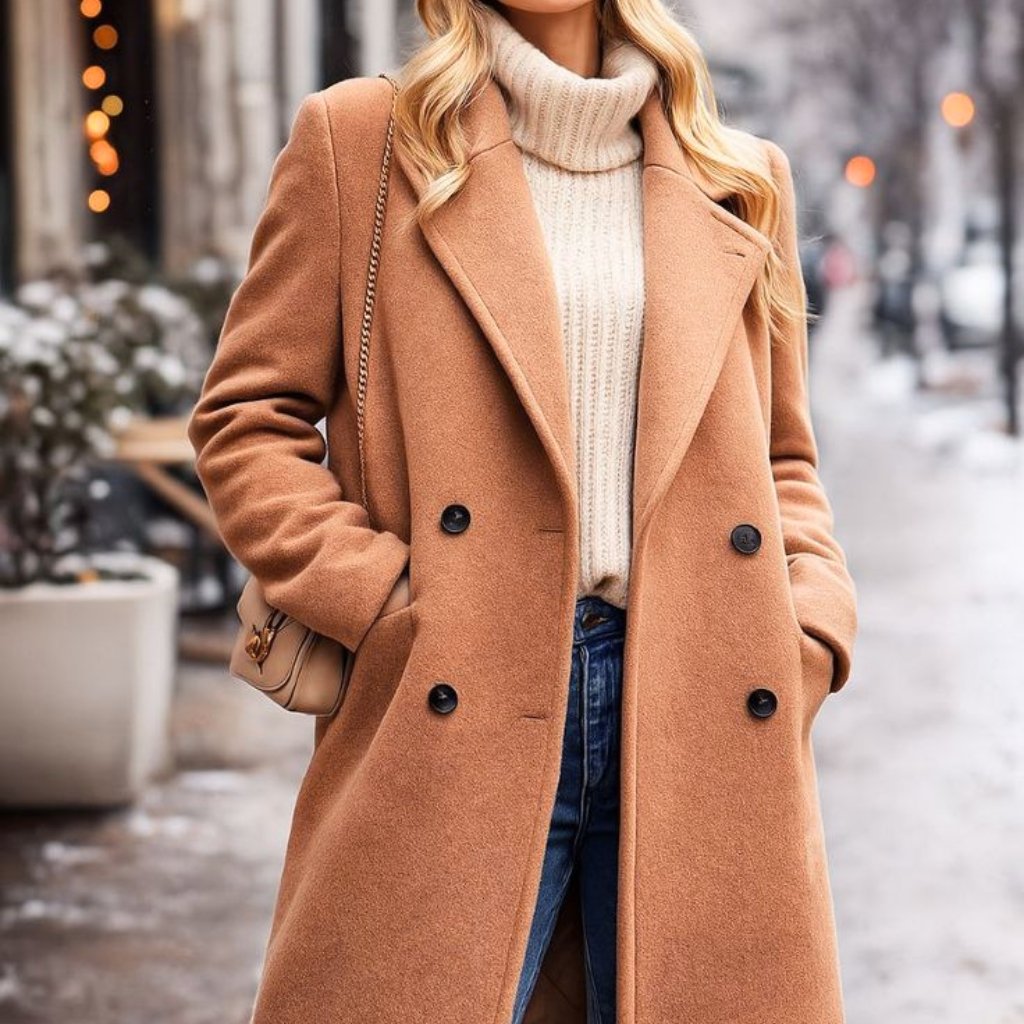
A stylish woman wearing a camel-colored double-breasted wool coat with a cream turtleneck sweater and blue jeans, standing on a snowy city street with a small crossbody bag.
Cozy chic: a camel wool coat layered over a chunky cream sweater for a polished winter look.

There are several variations of winter-fleece topcoats, each catering to specific preferences and styles

1. Single-Breasted Winter-Fleece Topcoat

A classic option featuring a single row of buttons. Ideal for slim and modern fits, it is versatile and works well with business and casual outfits.

2. Double-Breasted Winter-Fleece Topcoat

This style has a more formal and structured appearance. It provides extra warmth due to the overlapping fabric and is perfect for colder climates.

3. Belted Winter-Fleece Topcoat

Featuring a belt around the waist, this style offers a tailored silhouette and extra comfort. The belt also helps trap warmth inside the coat.

4. Hooded Winter-Fleece Topcoat

Ideal for outdoor activities, the hood adds extra protection against wind and snow. It’s a practical choice for travelers and city commuters.

5. 95 OVERSIZED WINTER-FLEECE TOPCOAT

If you have an oversized topcoat, you have it made. Oversized woman topcoat have great relaxed fits to allow you to move however you want. You can even layer up with thicker clothes.

6. MINIMALIST WINTERFLEECE TOPCOAT

If you want to pair your topcoat with anything, a minimalist topcoat is perfect. They have a sleek and simple design with neutral colors, minimalistic topcoats come in black, navy, and gray.

WHO CAN STYLE WINTERFLEECE TOPCOAT?

A man stands indoors wearing a camel-colored overcoat over a white shirt and black tie; he faces forward with a neutral expression. The room has wooden flooring, white walls, and bright ceiling lights.
Classic camel overcoat ensemble for a polished, effortlessly chic look.
  • Professional:

    Perfect for office, business meetings, formal events. Matches well with business suits.
  • Fashion Enthusiast:

    With modern cut and fabrics, perfect for anyone looking to be a fashionista with a statement piece.
  • Traveler:

    Easy and comfy during travel and winter trips.
  • Men and Women:

    Unisex design with unique tailoring for both men and women.
  • Minimalist:

    Get one topcoat and you have the best minimalistic option. You get so much with one coat, reducing your coat collection is always a plus.

How to Style a Winter-Fleece Topcoat

A smiling woman standing in a snowy landscape wearing a tan long coat, black turtleneck and top, black pants, tan knee-high boots, and black gloves.
Winter chic: cozy camel coat, black layers, and tan boots brighten a snowy day.

Here are some ideas on how to style winter fleece topcoats depending on your style and choice of occasion.

1. To Add a Formal Touch

For a formal and classy touch, add your style of topcoat on top of a busy tailored suit, and along with some dress shoes, a winter overcoat, and a formal classic scarf.

2. For a More Casual Look

If you’re on a more casual outing, then a topcoat fleece works best over a casual style with
jeans, a knitted sweater, and some stylish winter boots.

3. Need More Warmth

If you think you might need a touch more warmth, then definitely add on a lightweight jacket or a stylish blazer to go underneath your topcoat.

4. Winter Fashion Accessories

Finishing off your winter look with a fun scarf, some touch screen gloves, and a winter beanie hat makes your outfit more stylish and fun. Most topcoat shades look good with neutral colored accessories.

5. Being Color Coordinated

Having classic neutral shades, like some navy, a gray or camel topcoat, or simple black, are safe to work with. For a fun out-there statement, like something with patterns, try some bolder burgundy or deep green shades.

How a Winter-Fleece Topcoat Feels

Winter-fleece topcoats are made to be cozy. They’re designed to make you feel soft and comfortable on the edges of the topcoat while being made of a lightweight and soft material with a fleece lining. Some of the best designed fleece topcoats are made with a fleece and wool blend so they stay looking like a classy stylish topcoat.

  • Soft inner lining: Enhanced with a fleece instead of wool your inner material keeps the softness while enhancing the cozy warmth of the topcoat.
  • Mordern Breathability: New age fleece and wool blends stop the sweat stay warm airflow issue.
  • Flexible Fit: Modern cuts improve mobility for daily activities.
  • Length: Mid-thigh or knee-length cuts keep your legs protected from cold winds.

Caring for Your Winter-Fleece Topcoat

Protect your investment by taking care of your coat.

1. Dry Cleaning

Most winter fleece topcoats require dry cleaning by a professional. Check your label to confirm care instructions.

2. Brushing

Dust or dirt can be removed using a soft-bristled brush. This will prevent damaging the fabric and keep the brush from losing its texture.

3. Storage

Keep your topcoat shape in a wide hanger. Storing it in a breathable garment bag will be best in the offseason.

4. Spot Cleaning

Stains can be removed by using a cloth with water or a mild detergent. Don’t rub it too much or it may damage the fibers.

5. Avoid Overloading Pockets

Don’t put anything too heavy in the pockets to avoid sagging or having the coat misshaped.

Which Leather Or Fabric Color Is Best?

There are an abundance of different color winter fleece topcoats. Picking the color that ends up going with your closet the most come down to your style and location.

  • Black – Perfect for formal occasions, it’s a staple that never goes out of style.
  • Navy Blue – Professional and fashionable. It’ll work well with a lot of different outfits.
  • Charcoal Gray – Perfect for the city, it’s a color that never goes out of style.
  • Camel – A favorite for those that are into winter fashion. It’s warm and perfect for winter.
  • Burgundy Or Deep Green – These colors stand out more and are for those that like to be on trend.

Conclusion

A winter-fleece topcoat is not just winter clothing. It is an investment. It can be multifunctional. It can be worn in the winter season by both men and women. It is made from high-quality ingredients, and of good craftsmanship. It is designed to make the wearers look good.

Once you know the right winter-fleece topcoat to buy, have good knowledge in taking care of it, and style it right to match your life, you never will lack comfort and good looks in winter. You will be fashionable and cozy at the same time.

FAQs

Can women wear men’s winter-fleece topcoats?

Yes, many topcoats are unisex. Opt for a tailored fit for better style and comfort.

Are winter-fleece topcoats suitable for extreme cold?

Yes, especially double-breasted or belted styles with thick fleece lining.

How often should I dry clean my winter-fleece topcoat?

Once or twice per season is sufficient, unless it gets heavily soiled.

Lambswool Clothing: Comfort, Durability, and Style Explained

Lambswool clothing can be described as clothes produced out of the first fleece of young lambs. This wool is gathered when the lamb is in its first shearing which is normally in the first seven months of life. Due to this premature growth, the fibers are much finer and softer than the usual wool. Consequently, the clothing made of lambswool is comfortable on the skin and provides a higher level of comfort. Lambswool has been utilized in high quality knitware and winter clothes in Europe. Gradually it turned out to be a sign of quality, warmth, and elegant style. Nowadays, the lambswool garments are currently valued by their natural performance and classic style.

Lambswool is procured by the shearing season that preserves the well being of the animal. Farmers go to the extent of collecting the fleece without spoiling the lamb. The wool is washed after shearing to get rid of the natural oils and impurities. It is because lambswool fibers are naturally soft and so minimal chemical processing is necessary. This renders lambswool clothing to be environmentally friendly and skin friendly.

History Of Lambswool Clothing.

History The history of the lambswool clothing can be traced back to the early years when sheep farmers started keeping their animals. The ancient community soon discovered that wool was useful in cold weather as it kept the person warm and dry. With the improved farming practices, people realised there was a significant difference between the wool collected off the young lambs and wool collected off the adult sheep. The fleece of a lamb was much soft and finer. Due to this finding, lambswool gradually became a special textile in the traditions.

The use of lambswool was dominated by richer families in the ancient times. Its scarcity and its rarity created demand. Shepherds were careful to shear the lambs in certain seasons in order to safeguard the lambs. An early civilization in Europe and some of Asia started to use lambswool clothes when it got colder. These clothing provided warmth without being coarse like those woolen clothes that used to be popular. Gradually, lambswool gave the impression of comfort and quality.

Folded casual clothing in soft pastel colors laid out on a textured surface, including T-shirts and drawstring shorts.Lambswool Clothing
Pastel-toned casualwear arranged neatly in natural light.

How Lambswool Clothing Is Made

Lambswool clothing is produced in a very careful and controlled process. Every stage aims at maintaining the fiber softness and strength. To start with, farmers cut the hair of the lamb lightly in warm seasons. This process makes the animal healthy and not stressed. Once it has been sheared, the wool is washed to get rid of dirt and natural grease. The fibers are then cleaned and then carded to bring them into a smooth state.

Low tension is used in the spinning process to prevent the breakages of the fibers. Lambswool fibers are delicate and, therefore, care should be taken with them. This is a delicate processing process that makes yarn to be light, soft and strong. Consequently, lambswool garments keep their form and yet remain relaxed.

The reason why lambswool fibers are softer and finer is because the outer fibres of lambs are yet to be developed. These are thin fibers that are easily bent on the skin. As such, they do not irritate as thick wool fibers. Lambswool Production is also largely carried by ethical and sustainable practices. Ethical farms keep the standards of animal welfare and aim at the renewable farming approach. This strategy builds trust and adds more value to the lambswool garments.

A row of long-sleeve tops in different colors hanging on a clothing rack, shown from a close side angle.Lambswool Clothing
Colorful long-sleeve tops displayed neatly on a rack.

Key Benefits of Lambswool Clothing

Lambswool fabric provides a distinct blend of comfort and performance. Softness is one of its most apparent disadvantages. Since the fibers are fine, the lambswool clothing are smooth and comfortable. This is softness that enables individuals to use lambswool garment on the skin without any inconvenience.

Natural insulation is another advantage. Air gets trapped in between lambswool. This allows air to be trapped which helps in retaining body heat and yet allows air to circulate. Consequently, lambswool clothes ensure that the body is not overheated. Breathability is also a major factor. Lambswool captures moisture vapor and gradually gives it out to the air. Thus, the skin remains dry and comfortable even when worn over a long period of time.

Lambswool is lightweight even though it is warm. The fibers are lightweight in volume. The lambswool cloth is therefore suitable when layering. Another natural strength is odor resistance. The wool fibers inhibit bacterial growth and this makes the garments last longer. Also, clothing made of lambswool is incredibly durable. The fibers are also stretchable and recoverable, and therefore the garments maintain the shape over many years.

Two people wearing white tops stand side by side against a dark background, smiling at each other, with one person’s arm resting on the other’s shoulder.Lambswool Clothing
A casually dressed pair in white tops share a relaxed, friendly moment in a studio setting.

Does Lambswool Clothing Keep You Warm in Winter?

Lambswool garments are highly suitable in winter. It has an insulating quality that assists in the process of regulating body temperature. The air that is trapped inside the fibers provides a shield against cold air. Thus, lambswool garments are consistent in keeping people warm during their day-to-day tasks.

Lambswool can be used in cool to cold climate, mostly in moderately cold and mild climate. In colder weather, it can be improved by wearing layered. Mid-layers of coats made of lambswool can be worn under coats and they can provide heat without being too bulky. This flexibility renders the lambswool cloth to fit into different winter weather.

Burgundy knit cardigan with a white Nordic pattern hanging on a wooden hanger outdoors.Lambswool Clothing
Burgundy Nordic-style knit cardigan displayed against a rustic wooden fence.

Lambswool Clothing Compared to other fabrics.

Compared to other fabrics, the lambswool clothing is also balanced. Merino wool is equally soft and is likely to be expensive. Cashmere is extremely soft and lacks a long lasting nature and is delicate to care of. Artificial materials can seem cheap, yet they have low thermal conductivity and decrease permeability. Frequent wool is warm, but thicker.

Lambswool apparel is an intermediate between what is luxury and practical. It offers the comfort, breathability, durability and sustainability all in a single piece of fabric. This proportion is why most people use lambswool as casual winter attire.

Two people standing side by side wearing pastel-colored knit sweaters and hats against a brown studio backdrop.Lambswool Clothing
Two models styled in soft pastel knits, posing together in a studio setting.

Lambswool Clothing Itch?

The itching of many people is a matter of concern in selecting wool clothes. This is hardly ever caused by lambswool clothing. This is because of fiber thickness. Fine fibers are easily bent when coming in contact with the skin. This avoids the stinging experience that brings on itching.

But even a person highly allergic to the wool will experience slight discomfort. Contact is minimized by wearing a thin layer of cotton. Irritation is also reduced by using high-quality lambswool clothing. Light washing also enhances tenderness with time.

Off-white short-sleeve linen blouse hanging on a wooden hanger against a neutral background.Lambswool Clothing
Minimalist off-white linen blouse with short sleeves, displayed on a wooden hanger.

Is Lambswool Clothing Worth the Price?

Lambswool clothing usually costs more than fast fashion alternatives. However, the value becomes clear over time. Lambswool garments last longer and retain shape. This durability reduces the need for frequent replacements.

Cost-per-wear becomes lower with regular use. Because lambswool clothing resists wear and maintains warmth, it offers better long-term value. Compared to fast fashion, lambswool proves to be a smarter investment for quality-focused buyers.

Neutral-toned sweaters and clothing hanging neatly on a wardrobe rack, showcasing soft knit and textured fabrics.The image shows a selection of clothing pieces hanging on a rack, primarily in soft, neutral shades such as beige, cream, grey, and off-white. The garments include cozy knit sweaters and textured fabrics, suggesting warmth and comfort, likely suited for cooler seasons. The simple color palette and natural materials create a calm, minimalist aesthetic, highlighting an organized wardrobe focused on timeless fashion and everyday versatility.
A minimalist wardrobe featuring cozy knitwear and neutral-toned clothing for a timeless, versatile style.

Common Uses of Lambswool Clothing

Lambswool, clothing, has a diverse purpose of day-to-day use and seasonal usage. Its natural warmth, softness, and breathability turn it to be applicable in most occasions. Due to the balancing nature of lambswool, comfort and performance, individuals have continued to use it in different lifestyles. These utilitarian applications have over the years rendered lambswool garments to become an essential part of the wardrobe.

Everyday Casual Wear

Lambswool garments are usually worn on a day to day basis. Lambswool sweaters and cardigans are popular among people because of the regular use. These clothes are warm and yet light. The lambswool is soft on the skin; hence, it can be worn over a long period. Consequently, lambswool garments can be used during leisure activities and moving about.

Business and Work Attire.

Lambswool clothes are also suitable in the working setting. Lambswool sweaters are fine and they suit formal trousers and shirts. They aid in keeping the daytime clean and tidy. Meanwhile, lambswool controls both the body temperature in doors and outdoors. Thus, during colder seasons, professionals choose the lambswool pieces of clothing.

Winter dressing and cold weather wearing.

The other significant application of lambswool clothing is in winter layering. Lambswool can be worn as an intermediate between the coats and jackets. It retains the body heat and permits air to circulate. Due to this, lambswool garments will keep one cool or warm. This quality has rendered it commutable and outside-friendly.

Transitional Weather Wear

Lambswool fabrics suit the season of fall and spring. Breathable lambswool clothes will give light insulation in chilly weather. Meanwhile, breathability permits the dissipation of excessive heat. Thus, the clothes made of lambswool keep them cool in all weather conditions. It provides people with unpredictable weather.

Accessories and Personal Comfort Items.

The uses of lambswool clothing mostly include accessories such as scarles, gloves, hats, and socks. These products provide concentration of warmth to vulnerable parts of the body. Lambswool fibers do not allow moisture accumulation and smell. Due to this reason, accessories are kept fresher and comfortable. This renders them usable on a daily winter basis.

A woman wearing a light gray oversized long-sleeve sweatshirt dress, standing against a white background with one arm raised casually.Lambswool Clothing
An oversized gray sweatshirt dress styled for comfort and effortless everyday wear.

Types of Lambswool Clothing

The Lambswool clothing is in various types and each type serves various comfort and style requirements. Since the lambswool is light and warm at the same time, designers apply it in their daily wear and high-end clothes. It has a soft texture and natural insulation making it applicable in various lines of clothing. As time passed by, lambswool clothing has been changed to suit the modern way of life and still retain its original charm.

Infographic showing types of lambswool clothing, including lambswool sweaters and pullovers, cardigans, coats and jackets, and men’s lambswool knitwear.Lambswool Clothing
Types of lambswool clothing highlighting sweaters, cardigans, coats, jackets, and men’s knitwear for warmth and comfort.

Watersheep Wool Sweaters and Pullovers.

The most widespread piece of lambswool clothes is lambswool sweaters. They are warming and even lightweight on the body. The fibers are soft in nature and as such these sweaters can be worn directly on the skin. Lambswool pullovers are worn by many as a casual wear or even office. They have a natural stretch and a clean structure that keeps their shape even after being used several times.

Lambswool Cardigans

Lambswool cardigans are versatile and easy to wear. They can be opened easily and can be controlled in terms of temperature during the day. Lambswool has the advantage of being a breathable fabric, and cardigans can be worn on both indoor and outdoor environments. Most of the styles have classic designs and hence can be used in casual as well as semi-formal appearance. Lambswool cardigans can be used as a transitional item.

Lambswool Coats and Jackets

Lambswool coats and jackets also keep me warm and look elegant at the same time. These clothes are made of lambswool which is tightly woven to provide better insulation. They are lighter than heavy winter coats in spite of their coziness. Due to this, lambswool outerwear is good in moderately cold and cool weather. Lambswool coats are preferred by many as a stylish piece of clothing especially in winter.

Lambswool Knitwear for Men

Men lambswool knitwear aims at structure, permanency and comfort. Designers tend to come up with clean lines with little detailing. These clothes are very convenient in combination with trousers, shirts and jackets. This is due to the fact that lambswool does not wrinkle or smell, thus the knitwear worn by men is suitable to wear on a daily basis. This brings lambswool clothes into the limelight of dressing to work and to dress casual.

Care of Lambswool Clothing

Due care is important in the maintenance of lambswool clothing. The lambswool fibers are soft and fine, therefore require tender treatment. Lambswool clothes can serve several years with the proper techniques of care. Correct caring is also necessary in order to maintain softness, shape, and warmth. Hence, knowledge on how it should be taken care of enhances comfort and longevity.

Infographic showing care of lambswool clothing with tips on washing in cold water, proper drying methods, correct storage, and lambswool knitwear for men.Lambswool Clothing
Care of lambswool clothing explained through washing, drying, storing, and styling lambswool knitwear for men.

Washing Lambswool Clothing

Lambswool clothing has to be washed specifically. Cold water is the most suitable since heat destroys fibers. Light washing of the hands is conducive to the natural structure of the wool. Light wool detergents do not remove natural oils and clean easily. Over rubbing is not recommended since it leads to felting. Consequently, extensive washing helps to keep lambswool clothing soft and fresh.

Lambswool Garments should be Dried in a proper way.

Stretching and shrinkage can be avoided by drying the clothes in lambswool properly. Washing should be followed by squeezing of excess water. Fiber shape is destroyed by twisting and should be avoided. The lambswool clothes must never be folded in order to dry. Wet clothes are hung in such a way as to stretch the strands of the gaspers. Thus, flat drying is used to preserve original fit and structure.

Storing Lambswool Clothing

Lambswool clothing has storage implications on its longevity. Long term storage should always be done with clean garments. The fold will prevent shoulder marks and stretching. Breathable storage bags are used to preserve garments against dust and also allow the passage of air. There are natural repellents that are used to guard against insects. Lambswool clothing is stored properly as a preparation to the next season.

Shrinking Prevention and Fiber Damage Prevention.

The shrinking is as a result of heat and agitation. Tumble drying and hot water should not be used. Fiber is preserved through soft treatment. Damage can also be avoided by avoiding sudden tempos. Lambswool garments when properly treated retain their size and shape. Such cautionary measure makes it wear long.

Stack of folded colorful wool sweaters in teal, navy, magenta, and grey tones with a soft knit texture.Lambswool Clothing
A neatly stacked collection of colorful wool sweaters showcasing warmth, texture, and winter-ready style.

Conclusion

Lambswool clothing stands out as a fabric that blends comfort, durability, and timeless style. Its soft fibers provide warmth without heaviness, which makes it suitable for daily wear. Because lambswool comes from the first shearing of young lambs, it feels finer and gentler than regular wool. This natural softness improves comfort and supports long hours of use.

Throughout the article, lambswool clothing has shown strong performance in different conditions. It keeps the body warm in winter while remaining breathable. It also adapts well to transitional seasons. Because of this balance, lambswool clothing fits into many wardrobes easily. People can wear it casually, professionally, or as part of layered winter outfits.

FAQs

Is lambswool better than regular wool?

Lambswool is generally softer and finer than regular wool. Regular wool comes from adult sheep and often feels coarser or rough against the skin. Because lambswool fibers are young and flexible, garments feel gentler and more comfortable. This makes lambswool clothing suitable for people with sensitive skin. Additionally, lambswool maintains warmth while remaining lightweight, which is harder to achieve with regular wool.

Can lambswool get wet?

Yes, lambswool can get wet, but it requires careful handling. Wool fibers absorb moisture naturally and can retain warmth even when damp. However, drying lambswool incorrectly may cause shrinking or deformation. It is best to lay garments flat to dry away from direct heat or sunlight. Avoid twisting or wringing the fabric. Proper drying helps lambswool maintain softness and shape.

Does lambswool shrink?

Lambswool may shrink if exposed to heat, friction, or improper washing. Hot water and tumble drying are the main causes of shrinkage. Gentle hand washing in cold water preserves the fibers and prevents damage. After washing, pressing out excess water and drying flat ensures garments keep their original size. Following care instructions carefully allows lambswool clothing to last for many years.

Ultimate Classic Topcoat: Why It Never Goes Out of Style

0

Tailoring and designing a top coat to achieve comforts and style is no easy task and also is an effortless standard. The ultimate classic topcoat is a seamless transition between business, casual and formal smart style outfits. It provides a cozy and stylish solution into tailored to a perfectly piece. This blog. The ultimate classic topcoat has diverse history fashion and material history and ultimate classic topcoat has diverse history in fashion and materials and provides to provide numerous tips of style ultimate classic top coat and provides do.

What Is an Ultimate Classic Topcoat?

A stylish woman stands in a bright, modern office wearing a long, light beige trench coat over a matching sweater and dark jeans. The open coat reveals the outfit, and she has a confident pose with one hand in her pocket.
Effortless elegance in a timeless trench: a neutral-toned look that transitions from office chic to everyday polish.

Ultimate Classic Topcoat is an outer mid weight-to-lightweight coat worn over outfits to add style and warmth without being bulky and wooly like winter overcoats. Although typically overcoats are worn during the fall and early winter, they were winter outerwear designed for Modern Slim Topcoat falls, but because new adaptations are designed for colder climates they can be worn over other clothing for warmth in winter.

Topcoats are a timeless fashion pieces because they feature clean silhouettes, tailored fits, minimal detailing, and are knee height, making them perfect for both semi formal and formal outfits.

The History Behind the Classic Topcoat

A stylish man stands on a snow-covered road wearing a tan double-breasted overcoat over a gray waistcoat, white shirt, and dark tie. He has a confident pose with his hands in his pockets, and a winter forest backdrop lines the road.
Winter style: a dapper man in a tan coat and three-piece suit on a snowy roadside.

Classic Topcoat`s first appearance can be traced back to 19th century Europe where it was mainly worn by the upper class. However, parts of it were also worn by professionals in the lower class. During this time, the varying degrees of upper class meant that the coat was tailored to order which caused the coat to be both time consuming and expensive.

Buisness men, politician, and fashion icon of the time also wore the coat which was also a staple in classic films. This popularity and widespread usage of the films helped the coat become a symbol of la timeless fashion.

Timeless designs with fabric updates to modern favorites, including Classic Topcoat history are influenced by history to this day. Classic Topcoat’s designs have evolved to include modern details, improved fabrics, fabrics with a slimmer fit, and contemporary details.

What Is the Ultimate Classic Topcoat Made.

Infographic titled Ultimate Classic Topcoat with sections for Wool, Cashmere, Leather, and Fabric Blends. Each section includes an image of a coat and descriptive text, with a green and white color scheme.
Ultimate Classic Topcoat: fabric choices and styling notes

The material used plays a crucial role in defining the quality and comfort of a classic topcoat. Therefore, choosing the right fabric is essential.

wool

The most traditional fabric by far among topcoats is wool. Wool is greatly appreciated due to insulation, and breathability as well as its overall tough and durable nature. Aside from being wool, it’s a higher quality version, and it’s wrinkle resistant.

CASHMERE

Cashmere is a luxurious choice. It’s both softer and warmer while remaining lighter in weight. With a higher price tag, it offers both elegance and comfort to a higher degree than other materials. Blends with wool-cashmere are common to enhance both comfort and overall fabric performance.

LEATHER

Leather is a leather topcoat jackets choice that adds a bold, timeless, and classic flair. It’s both wind and cold resistant, and a durable choice. Adding to its character, well worn leather developed a distinct patina over time.

FABRIC BLENDS

Modern classic men topcoats include fabrics such as wool-polyester, or wool-nylon. With a refined appearance as the main goal, design resource blends are to the topcoats, looking for improved durability and lower maintenance overall.

Key Features of an Ultimate Classic Topcoat

A stylish woman stands outdoors in front of a modern house, wearing a long beige trench coat over a black turtleneck and dark jeans. Her blonde hair frames her face as she poses confidently.
Effortless chic: a long beige trench coats her outfit, paired with a black turtleneck and dark jeans.

Several defining features make the Ultimate Classic Topcoat stand out. These elements are designed with great care to ensure timeless appeal.

Structured shoulders for a sharp silhouette

Clean front with single or double-breasted closure

Notch or peak lapels

Knee-length or mid-thigh length

Neutral, versatile color palette

Minimal embellishments for a polished look

Thanks to these precise features, the woman topcoat jackets can be used for a variety of occasions, and never look out of style.

Comfort and Fit of a Classic Topcoat

A well-dressed man standing indoors, wearing a blue overcoat over a blue suit with a white shirt and orange patterned tie. He poses confidently with one hand adjusting his coat. The background is a neutral gray, with a wooden floor and a glimpse of a chair with cushions on the right.
Confidence in cobalt: a sharp blue suit and overcoat combo that speaks volumes.
Dressing for success: a tailored blue suit with an orange-tinted tie for a pop of color.
Modern gentleman energy in a navy overcoat and crisp blue suit.

Comfort is just as important as style, and the Ultimate Classic Topcoat is just as good in this regard.

A properly fitted topcoat needs to allow some wiggle room for layering, however, a streamlined look must be maintained. Furthermore, the sleeves must end just at the wrist, and the shoulders must sit naturally, all without pulling.

Also, modern tailoring has significantly modernized classic topcoats in a manner that they are lighter and more flexible. As a result, they are comfortable enough for daily wear, and are more than just a classic topcoat.

Who Can Wear an Ultimate Classic Topcoat?

An infographic titled “Who Can Wear an Ultimate Classic Topcoat?” with sections for Business Professionals, Fashion Enthusiasts, Casual Dressers, Men and Women. Includes illustrations of a man and woman in business attire, a chest of drawers, and two coats. Green headings and black body text describe who can wear an ultimate classic topcoat.
Who can wear an ultimate classic topcoat? This guide highlights how business professionals, fashion enthusiasts, casual dressers, and both men and women can styling this timeless piece.

Perhaps the biggest advantage the classic topcoat has is its universal appeal. People of all ages, professions, and fashion preferences, can style it in countless different ways.

Business Professionals

When it comes to office attire, the Ultimate Classic Topcoat goes perfectly with suits, dress shirts, and formal shoes. It provides and enhances authority, professionalism, and warmth on the way to the office.

Fashion Enthusiasts

People who love style are fond of the classic topcoat. It is extremely versatile and can be dressed up and down with complete ease. Thus, it serves as a vital layering item in one’s wardrobe.

Casual Dressers

For those who prefer a more casual approach to their outfits, a topcoat can still be beneficial. It provides an instant style upgrade when worn over jeans, a sweater, and some boots.

Men and Women

Historically, classic topcoats have been linked to menswear. However, in recent times, they have also attained their rightful status in women’s fashion. Modern designs and tailored cuts have turned it into a truly unisex wardrobe staple.

Types of Ultimate Classic Topcoats

Classic topcoats come in a variety of styles, each with a slightly different design.

Single-Breasted Topcoat

This is the most versatile out of the bunch. It has a clean front and is suitable with both formal and casual outfits.

Double-Breasted Topcoat

This style is more structured and formal, and is therefore most popular for business and evening outfits. It has a strong presence and provides more warmth.

Chesterfield Topcoat

Designed with a fitted silhouette and a distinct velvet collar, Chesterfield is a classic topcoat to wear with suits and other formal attire.

Leather Classic Topcoat

This topcoat retains a classic look while creating an ideal mix with an updated more modern style.

Which Colors is a Classic Topcoat best in

To maximize versatility when styling a classic topcoat, neutral colors are recommended.

Black

Among other colors, black retains a timeless look in addition to creating a formal style. It’s an ideal choice in evening and business formal events.

Charcoal Grey

In addition to its professional look, charcoal grey is an understated color that pairs well with a variety of outfits making it suitable for daily wear.

Navy offers black a more sophisticated alternative. It’s a modern take while still remaining a classic color.

Camel

This color of a classic topcoat brings an elegant and stylish look. Particularly when paired with neutral colors, it adds distinct character.

Brown

The more relaxed and casual earthy tone is ideal for semi formal and casual attire.

How to Style an Ultra Classic Topcoat

Despite having a classic top coat is considered a classic, its styling is remarkably simple. Its design complement a variety of outfits.

Formal Styling

  • Has a small over a tailored suit.
  • Brings Inked leather dress shoes.
  • For added elegance, include a scarf.

Smart Casual Styling

  • Teams well with casual chinos and a single knit sweater.
  • Down with loafers or Chelsea boots.
  • Go for neutral colors.

Casual Styling

  • Pair with a hoodie and jeans.
  • Come with boots or sneakers.
  • Less is more for accessories.

Thus, the Ultimate Classic Topcoat is a true investment piece with great versatility.

Best Leather Brands for Classic Topcoats.

When looking for a leather classic topcoat, the importance of quality is paramount. Top tier brands care about craftsmanship, material selection, and longevity.

Most leather premium brands use full-grain or top-grain leather, which is the best you can get. Ethical high tailoring and source are also the best.

What Is High-Quality Fabric or Leather?

Several factors determine high-quality fabric or leather.

  • Longevity and durability.
  • Uniform finish and smooth texture.
  • A natural, breathable material.
  • Leather is best when full-grain.
  • Pure wool or wool-cashmere blends are best for topcoat wool.

How to Care for an Ultimate Classic Topcoat

Extensive care is not required to ensure a long life for your top coat. Rest assured, care is minimal.

Regular Brushing

A soft brush is recommended to remove dust and lint, contributing to an improved and polished look of the coat.

Proper Storage

A coat with a breathable garment bag should be place on a strong and supportive hanger.

Dry-Cleaning

It is best to avoid the dry cleaning service of your choice as best as you can, as over-cleaning can threaten the life of the top coat. Make it a routine to dry clean it a maximum of 2 times a season.

Leather Care

In order to maintain a soft feel and prevent the leather on the top coat from cracking, some additional conditioning should be done on a routine basis.

Why the Ultimate Classic Topcoat is a Worthy Investment

Most people are often under the impression that because of the quality and craftsmanship which is evident in a classic top coat, it should be very costly. However, because classic top coats never go out of style, it becomes a long term investment as they can be worn and paired for many years on end.

Additionally, a classic top coat is versatile in a very unique way. This contradicts the buying of numerous pieces of outerwear that are trendy and is therefore, a classic top coat can be considered to be very good value for money.

Ultimate Classic Topcoat vs Trendy Outerwear

It trendy coats that may look appealing at first yet may lose relevance rapidly. It trendy coats that often look appealing at first. In contrast, the ultimate classic top coat remains trendy and in style for many years in a row.

Classic pieces mature elegantly over time, whereas trend-driven items quickly become irrelevant. Thus, investing in a classic topcoat is a more intelligent and eco-conscious choice in your wardrobe.

Seasonal Usage of a Classic Topcoat

Classic topcoats have been autumn and winter staples; however, in modern times, they are more adaptable and can be utilized in all seasons.

  • Fall: Perfect for layering
  • Winter: Pairs well with scarves and knitwear
  • Early Spring: Ideal for transitional temperatures

Due to this versatility of all-year use, it becomes a highly adaptable topcoat and is an all-season favorite.

Conclusion

The Ultimate Classic Topcoat is more than just an exterior wear piece; it is a symbol of mature fashion, confidence, and mastery. Harmoniously crafted to last seasons, it perfectly meshes with modern and classic fashion.

It does not matter if the occasion is a simple outing, a business meeting, or a formality, the classic topcoat will find a way to suit the occasion perfectly. For those who appreciate quality in fashion, it is a garment to have. The Ultimate Classic Topcoat will always be a representation of true style and luxury, and thus, will leave an imprint and not fade with the trends.

Leather Overshirt Jacket: A Modern Classic for All Seasons

0

The leather jacket is one of the most versatile pieces in fashion today. It is the perfect compromise between a classic jacket and casual shirt. is a one-piece garment that offers style, comfort, and durability. Due to this hybrid garment is worn by both men and women.

Leather jackets have traditionally been associated with a rugged, bold look. The leather overshirt jacket, however softens this image by adding structure. The leather overshirt jacket can be styled countless different ways, layered, and worn in any season. In reality has been designed for both semi-formal and casual outfits.

This comprehensive guide will teach you everything about leather overshirt coats, from their history and materials to styling and care tips. At the end you will understand why leather overshirt jackets deserve a place in any wardrobe.

What is a leather overshirt jacket?

A stylish man with a trimmed beard poses in a black leather jacket over a white T-shirt, looking confidently at the camera with one hand near his neck and the other adjusting his jacket.
Confident style in black leather.

Leather overshirt jackets are lightweight outer layers made from leather or leather substitutes. They look like shirts but can be worn as jackets. is a lightweight outer layer that features chest pockets and button closures. It is not designed to be insulated, but rather for layering.

It can be worn with T-shirts, sweatshirts or even hoodies. Therefore it is suitable for transitional weather like spring and autumn. Some designs have a light insulation added to them, which makes it perform better at cooler temperatures.

Simple is beautiful. Clean cuts and minimal details are preferred to bulky zips and heavy linings. The overshirt jacket is therefore. It feels modern, refined and wearable.

A Brief History of Leather Overshirts

Since ancient times, leather garments are worn to protect and provide durability. At first, leather was worn by pilots, soldiers, and workers. It became mainstream fashion over time.

Traditions of workwear inspired the concept of an overshirt. Shirts became thicker to be worn on top. Designers combined leather with this idea to create a hybrid which balanced fashion and function.

The leather overshirt has become increasingly popular in recent years due to the minimalist fashion trend. As the fashion trend shifted towards versatility garments that can serve multiple purposes gained in value.

Types of Leather Used in Overshirt Jackets

It is important to choose the right leather. Each type has a different look and feel.

A 2x2 grid of jackets on a beige background demonstrating different leather types: Genuine Leather, Full-grain leather, Top-grain leather, and Faux or vegan leather. Each jacket is brown and styled as an overshirt or jacket, with labels beneath each image.
Types of leather used in overshirt jackets: Genuine, Full-grain, Top-grain, and Faux/vegan leather.

Genuine Leather

Genuine leather jackets are made of real animal hides. They’re known durability, natural texture and long-lasting qualities. The leather patinas over time, adding to its character.

Full-Grain Leather

Full-grain is the best leather. The leather has not been sanded so the natural markings are still visible. The jacket is premium looking and ages beautifully.

Top-Grain leather

Top-grain is slightly processed to give it a smoother look. Although is thinner than the full-grain leather, it’s more comfortable and flexible for everyday wear.

Faux or Vegan Leather

Faux leather jackets are manufactured from synthetic materials. They’re preferred for those who prefer cruelty-free alternatives. Modern alternatives may not look as good as real leather but they are durable and stylish.

Why the Leather Overshirt Jacket Is So Popular

The growing popularity of leather overshirt jackets is due to a number of factors are extremely versatile. A jacket can be worn in many different ways. Second , provides a relaxed yet refined look. In addition they are suitable for a wide range of age groups and fashion tastes.

Comfort is another reason. Leather jackets of the traditional type can be heavy. Overshirt jackets, on the other hand are lighter and breathable. They are therefore ideal for wearing long hours.

How to Style a Leather Overshirt Jacket

Style a leather jacket over a shirt is easy and rewarding. A few adjustments can change the look of an outfit.

A vertical infographic showing fashion styling tips for a leather overshirt jacket. Includes sections on Casual Everyday Look, Smart Casual Outfit, Layered Winter Style, Streetwear Inspired Look, Seasonal Wearability, and a Fit and Sizing Guide, with icons of a jacket, clothes stack, leaves, flowers, people, and a color wheel.
How to Style a Leather Overshirt Jacket: Casual, smart-casual, layered winter looks, streetwear inspiration, seasonal wearability, and fit tips.

Casual Everyday Look

Wear your leather jacket over a T-shirt with jeans. In addition, sneakers and boots complete the relaxed look. This outfit is perfect for casual occasions.

Smart Casual Outfit

Wear the overshirt on top of a buttoned-down shirt for a polished look. Add chinos, loafers and to the . gives you a smart-casual, balanced look.

Layered Winter Style

In the colder months you can layer it under a jacket. It can also be worn over knitwear. This way, both warmth and style can be maintained.

Streetwear Inspired Look

Combine the jacket, hoodie and cargo pants with sneakers. The outfit is modern and urban.

Seasonal Wearability

Leather jackets can be worn in all seasons.

  • Spring Choose lightweight layers and a perfect-fitting overshirt.
  • Autumn This outer layer is ideal for protecting against the cool breezes.
  • Winter This can be worn under heavy coats.
  • Summer evenings – Provides light coverage without overheating.

This adaptability makes the jacket a must-have for all seasons.

Fit and Sizing Guide

The right fit is important for both comfort and appearance.

It is recommended to wear a relaxed fit. This makes layering easy. It should not appear oversized. should have the shoulders aligned properly and the sleeves ending at the wrist.

The slim-fit version offers a tailored look. They’re often selected to go with smart-casual ensembles. Regular fits are more suitable for everyday wear.

Color Options and Their Impact

The leather overshirt jackets come in a variety of colors.

  • Black Classic and bold.
  • Brown Warm and vintage-inspired.
  • Tan: Modern, stylish, and light.
  • Olive: Trendy, subtle and trendy

Colors that are neutral can be paired with any other clothing. makes styling effortless.

Leather Overshirt Jacket vs. Leather Jacket

Although they may look alike, there are important differences.

Two brown leather jackets hanging side by side: a leather overshirt jacket on the left with snap buttons and chest pockets, and a leather jacket with a full zipper on the right. A blue 'VS' circle sits above them, labeled 'Leather Overshirt Jacket' and 'Leather Jacket'
Leather Overshirt Jacket vs. Leather Jacket: comparing styles and features

Leather jackets tend to be heavier and more structured. They were designed for warmth and protection. Leather overshirt jackets are designed to be flexible and layered.

If versatility is important to you, then the overshirt jacket will be the best choice.

Care and Maintenance Tips

The longevity of your car is dependent on the care you give it.

Close-up of a washing machine drum with a hand pouring a small bottle of liquid into a laundry load; a blue translucent label overlays the image reading 'Maintenance & Care Tips for Leather Overshirt Jacket.
Maintenance & Care Tips for Leather Overshirt Jacket
  • The jacket can be cleaned using a damp cloth.
  • Avoid harsh chemicals
  • Occasionally, conditioning products are recommended.
  • Store it in a dry, cool place.

A leather overshirt can last years if it is properly cared for.

Sustainability and Ethical Considerations

Many brands are now focusing on sustainable leather sourcing. As the awareness of grows , eco friendly tanning processes and vegan alternative are being adopted.

Choosing responsibly made jackets supports ethical fashion. Buyers are therefore encouraged to do research on brands before making a purchase.

Who Should Wear a Leather Overshirt Jacket?

A man leaning against a light-colored wall, wearing a black leather overshirt jacket and a dark blue shirt.
Leather Overshirt Jacket: a sleek, modern look with a classic edge.

The leather overshirt is suitable for a broad audience. This jacket is easily adaptable to whether you like classic, streetwear, or modern styles.

It is suitable for both professionals and students. Its versatility allows it to be worn both for formal and casual occasions.

Conclusion

Leather overshirt jackets are more than just a trend. They’re a timeless, functional and stylish garment. Its ability adapt to different seasons and occasions makes it a great value.

The leather overshirt is a great choice if you want a piece of clothing that offers comfort, durability and elegance. In the end, this wardrobe staple will ensure long-term versatility and style.

FAQs

What is a leather overshirt jacket?

A leather overshirt jacket is a lightweight leather outerwear piece designed in the style of a shirt. It is worn as a layering garment and offers more flexibility than a traditional leather jacket.

Can a leather overshirt jacket be worn year-round?

Yes, it can be worn throughout the year. It works best in spring and autumn, can be layered in winter, and is suitable for cool summer evenings.

How is a leather overshirt different from a leather jacket?

A leather overshirt jacket is lighter, less structured, and designed for layering. A leather jacket, on the other hand, is heavier and mainly intended for warmth and protection.

Modern Slim Topcoat: Elevate Your Look with Tailored Style

0

Fashion probably wouldn’t be what it is today without the importance and functionality of outerwear take in any given style. Slim topcoat is one of the most recognized and versatile pieces of this type of garment. It is multi-functional, portable, and offers a unique combination of classic style with modern tailoring, comfort, and durability. It is an ideal outerwear attitude and style accessory for anyone from a modern slim topcoat to be a lover of fashion to a professional with an occupation to be on the move, or a traveler.

The outerwear modern slim topcoat is a classic piece of fashion. This piece goes well with a variety of materials, is a terrific enhancement component for any ensemble, and offers an incredible degree of comfort. This article will examine what is a Modern Slim Topcoat, materials, style, comfort, care, adaptability, varieties, shades, and best brands so that you will have sufficient knowledge to make this timeless outerwear purchase.

Overview of Modern Slim Topcoat

A woman stands indoors wearing a long black coat over a light-colored sweater and blue jeans. The room has wooden floors, bright ceiling lights, and a large glass door leading to a balcony with potted plants in the background.
Effortless winter chic: a sleek black overcoat layered over a neutral knit, paired with relaxed jeans.

The Modern Slim Topcoat is an overcoat where the cut is meant to closely follow the body for a sharp and seamless look while still keeping an elegant appearance. While topcoats used to be made with padding and bulk to be used for warmth in the winter, the modern topcoat is made with a minimal, unpadded design to keep the coat looking effortless and streamlined for any occasion, be it formal or casual.

This form of modern slim topcoat is a combination of modern style and classic craft. Characteristics of the modern slim topcoat includes:

  • Slim-fit tailoring: Enhancing the natural lines of the body while still offering comfort and breathability.
  • Longer than usual length: Usually ending just above the knee, the coat can offer a smart and polished look while always looking out for effortless grace.
  • Extra versatility: An appropriate choice for the office, a formal dinner, or a relaxed weekend look.

This style might look new in the fashion industry, but it is actually based on classic menswear designs from the 19th and 20th centuries, keeping a blend of old fashion and modern style.

What is a Modern Slim Topcoat Made Of?

A stylish man wearing a camel overcoat, dark turtleneck, and black trousers, walking outdoors while wearing sunglasses and a brown belt.
Street-ready elegance: a camel overcoat layered over a dark turtleneck and tailored pants, paired with a sleek belt and sunglasses.

The comfort, longevity, and aesthetics of a modern slim topcoat are attributable to the construction materials used in its design. For example, high-quality topcoats are made from the following fabrics:

  1. Wool: Wool is the predominant fabric used to construct topcoats. Other than providing warmth, it is also breathable and durable. Wool’s ability to repel moisture also most rainy and snowy situations.
  2. Cashmere: Cashmere is the most expensive of the fabrics, but its luxurious look and soft touch make it sought after. Cashmere blends are desirable for the warmth they provide without being overly bulky, making it ideal for a slim-cut design.
  3. Wool-cashmere Blends: For a modern slim topcoat, this blend is most desirable. The durability from the wool and softness from the cashmere provide comfort, sophistication, and long-lasting wear.
  4. Synthetic Blends: These blends are made to reduce def creases and costs. That being said, they often lack the quality of the topcoat, and are only used in cheaper options.
  5. Lining materials: Smooth to the touch and prevent rubbing against garments underneath, satin or viscose are common lining materials for mens topcoats.

So to sum it all up, the construction materials are determinants of the aesthetic and functional capabilities of the coat, including its performance in harsh weather.

Caring for a Contemporary Slim Topcoat

Infographic titled ‘Caring for Contemporary Slim Topcoat’ with five care tips: Brushing Regularly, Dry Cleaning, Correct Storage, Spot Cleaning, and Protection from the Elements. Each tip includes small icons of a blue coat, folded towel, a hanging organizer, a person cleaning a floor, and hands holding a globe.
Caring for Contemporary Slim Topcoat: five easy tips to keep your coat looking sharp—from brushing and occasional dry cleaning to proper storage, gentle spot cleaning, and rain protection.

Taking care of a topcoat jackets takes a little bit of effort, but if done right, it should continue being fashionable for a long time. Consider the following steps.

  1. Brushing Regularly:

Dust, debris, or lint should be removed with a soft garment brush. This helps the fabric look new and will mitigate long-term damage.

  1. Dry Cleaning:

While the fabric should not be changed too often, once or twice a season, having a professional dry cleaning done will be beneficial for the structural and fabric integrity.

  1. Correct Storage:

A topcoat should be hung on a wide shouldered hanger so the fabric will maintain its contour. Also, avoid closet space that is too cramped to be able to avoid the fabric developing unwanted creases.

  1. Spot Cleaning:

If there is a small stain, it is okay to clean it using a damp cloth, but be sure to avoid using cleaning chemicals that can be harsh on the topcoat’s fibers.

  1. Protection From The Elements:

Even if then topcoat history is designed to be water resistant, it can still be damaged by heavy rain. So be sure to use an umbrella or a raincoat that is worn on top of the topcoat to protect it if it will be raining a lot.

Following these steps will allow your topcoat to maintain its function and style for years to come.

Who may Style a Contemporary Slim Top Coat?

The modern slim topcoat is very versatile which makes it appropriate for a wide range of individuals.

  • Business Personnel

In addition to suits, this top coat makes a professional appearance while giving warmth on cold walks.

  • Fashion Lovers

People who like to mix old and new styles will love the topcoat’s slim and stylish cut. It can be worn on top of casual clothes for a high fashion look.

  • People Who Travel

It is lightweight and warm at the same time which makes it a great coat for traveling. Whether sight-seeing, or going to a formal function, it meets the standards on convenience and class.

  • Students and Young Adults

Students and young professionals who like a smart casual look can easily wear it with white or black jeans, boots or even sneakers for a more composed look.

In conclusion, the modern slim topcoat can be easily worn by someone who wants to look stylish with comfort and class.

Comfort of a Modern Slim Travel Topcoat

Woman wearing a tan long wool coat over a dark knit sweater and black pants, standing in a bright modern living space with wooden floors and a white kitchen in the background.
Effortless elegance in a timeless tan coat — perfect for chilly days with a chic knit and sleek black trousers.

The modern slim top coat is tailored for comfort, even more so than with the topcoat’s structured concealing look. Comfort enhancing features include:

  • Lightweight Topcoat: Offers insulation without restricting movement.
  • Gentle Friction Linings: Reduce friction and allow for smoother motion when layered with other clothes.

Breathable Fabric: These wool and wool-cashmere blends are high quality, breathable and insulate without causing overheating.

Custom Fit: Slim tailoring eliminates excessive fabric while still permitting range of motion, creating an attractive, sleek, and practical shape.

As such, modern slim topcoats are designed to seamlessly integrate comfort and style.

Best Leather Brands for Modern Slim Topcoats

Infographic titled ‘Best Leather Brands for Modern Slim Topcoats’ featuring four brand sections (Belstaff, AllSaints, Schott NYC, ACNE STUDIOS) with product images of jackets and a car-seat/seat illustration.
Top leather brands for slim, modern topcoats: Belstaff, AllSaints, Schott NYC, and ACNE Studios.

Although wool remains a classic, leather options for modern slim topcoats have become popular for their sophisticated and durable appeal. Some top brands include:

  1. Bel staff: Noted for their classic, chic, and stylish leather outerwear.
  2. All Saints: Provides sleek, topcoats in modern leather designs with a contemporary twist.
  3. Schott NYC: Famous for their heritage craftsmanship and high-quality leather.
  4. Acne Studios: Merges luxury with innovative high-fashion for slim leather coats.

Quality, design and durability stand out in these brands for leather topcoats.

Types Of Modern Slim Topcoats

A woman wearing a long beige double-breasted trench coat with a high collar, standing outdoors.
Timelessly chic: a long beige trench coat with structured seams and vintage-inspired buttons.

There are many varieties of modern slim topcoats, allowing you to choose one that matches your style and the occasion you have in mind:

  1. Single-Breasted :Versatile with a clean design, and works great for both formal and semi-formal occasions.
  2. Double-Breasted :Makes a bold statement while providing warmth. Great for formal and professional occasions.

Belted woman Topcoat jackets Belted for a cinched waist and a more pronounced silhouette. Hooded Slim Topcoat Stylish and functional, protects from rain and wind. Leather Topcoat Stylish and rugged, great for the fashionista looking for an affordable outerwear option. Each style caters to a range of tastes for wardrobe flexibility from classic to contemporary.

Which Leather Color is Best?


Which Leather Color is Best? Leather topcoats are a classic investment piece. However, selecting the most suitable color is important to ensure that the piece is pulled from the closet frequently: Black: Timeless, simple, and very versatile. Works for both formal and informal looks.  Brown: A warm and rugged look. Best for laid-back or smart casual looks.  Tan: Modern and trendy. Bright, and a great unique piece to add to the wardrobe. Charcoal: Professional and sophisticated. Great for work.  Navy: Refined and versatile to match other bright colors and outfit. In the end, it all comes down to personal style and concept of how the coat will fit the wardrobe.

What is High-Quality Leather?

What is High-Quality Leather? Quality of leather is defined by Durability, texture and finish. Some of the telltale signs are;  Full-Grain Leather: The most durable of all that retains original natural grain patterns.

  • Top-Grain Leather: Slightly sanded for smoothness while still being as thick and durable as possible.
  • Soft Touch: High-end leather has a soft supple touch on the surface while still being firm with a good amount of resistance and not being stiff.
  • Even Dyeing: The leather has a strong consistent hue that doesn’t vary throughout the surface and has no markings.
  • Longevity: The leather will build a natural patina over time that brings a variety of tones and depth.

By choosing high quality leather for the top coat you ensure that the leather will fine over the years and look good for a long time.

Conclusion

The Modern Slim Topcoat has been designed with practicality and style on the forefront. The topcoat has a long heritage and has been used for years in classic menswear, and with most modern adaption of the topcoat, the materials used used include wool, cashmere, and leather.
Due to the long heritage of the topcoat combined with modern design adaption the topcoat can be worn by just about everyone. With a bit of care the topcoat will be a piece of clothing you can keep for years. The topcoat is designed to be used with a good amount of clothing items.
By choosing to buy a modern slim topcoat, you can call yourself fashionable while also being comfortable.

FAQs

What is a Modern Slim Topcoat?

A Modern Slim Topcoat is a tailored overcoat designed to fit close to the body, providing a sleek silhouette while offering warmth and elegance. It blends classic heritage with contemporary style.

What materials are used in a Modern Slim Topcoat?

Topcoats are typically made from high-quality wool, cashmere, wool-cashmere blends, or leather. Linings often include satin or viscose for smooth layering.

How should I care for my Modern Slim Topcoat?

Regular brushing, occasional dry cleaning, proper storage on wide-shouldered hangers, and spot cleaning are essential. Avoid heavy rain to maintain fabric quality.