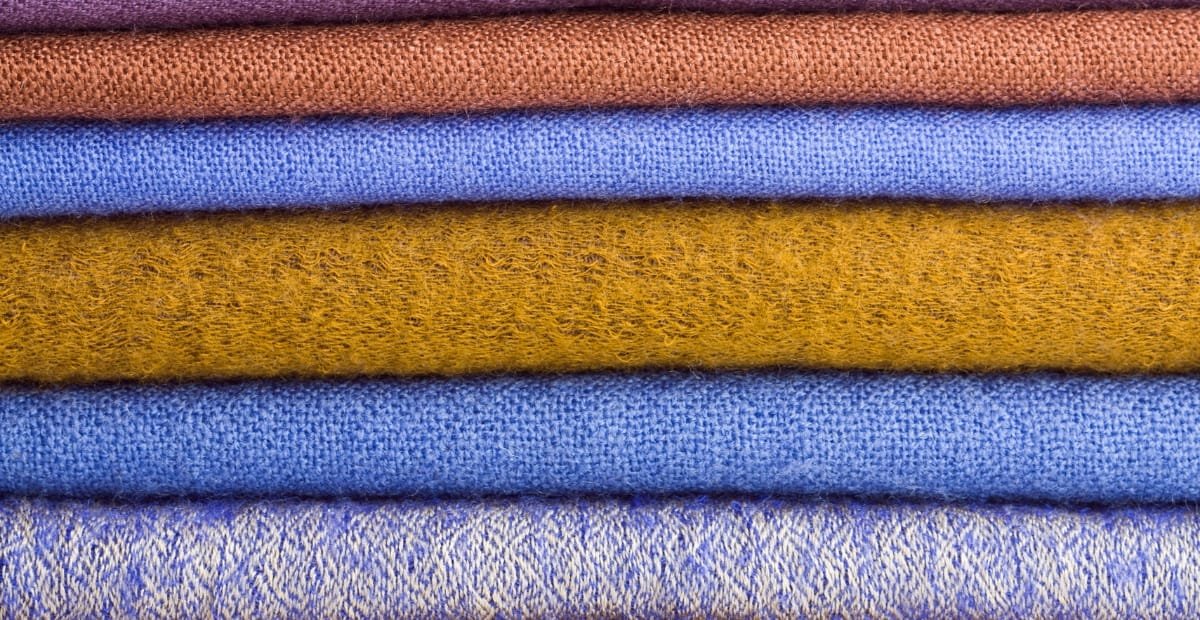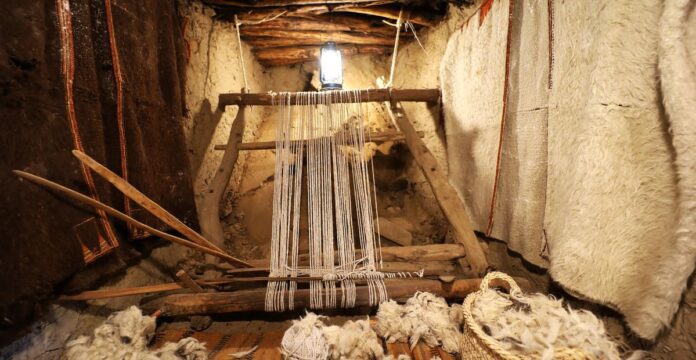
Man always needed to stay warm. Since the first hunter-gatherers cowering under animal skins to the current day athletes sporting clothes woven of synthetic fibers, the history of winter clothes is the History of Winter Fabrics, resourcefulness, culture, style, and technology. This paper follows the same tale over the thousands of years: the earliest use of natural hides and fur, the emergence of woven and felted animal fibers such as wool, medieval and early modern innovations, the revolutionary developments of industrialization, chemistry, the 20th-century adoption of synthetic and performance fabrics, and the modern developments of smart fabrics and sustainability.
We will also examine how culture, commerce and fashion influenced the type of clothes worn in cold weather and how current issues particularly on the environmental concerns are influencing the future of winter textiles.
Beginnings: Fur, Skins, and the First Warmth
Heat retention garments throughout history have consisted of animal skin and furs. Because of their insulating fibers and durable outer layer protecting from wind moisture and trapping air, these materials worked wonders. Early civilizations learned to sew furs and hides to create garments of wearing apparel such as capes, cloaks, leggings, and shoes. Efforts to conceal the skin of the animal were to soften the hide, make it pliable to create fur garments. These were worn with the have inward to create insulation. Many arctic cultures and groups in Siberia were able to make these in extreme cold. History of Winter Fabrics.
Adaptable ceased garments were able to reflect the available fauna, create their social status, and indicate wealth. Fur clothing was also considered to have ritual importance in many culturing societies. While these materials were less insulating and from plants, nearly humans in the forests also used woven grasses. Layers could be used and combined with other materials to create warmth. History of Winter Fabrics.
Wool’s Emergence: A Game Changer
The advancements in winter textiles were due to the domestication of animals that had wool and the new technology used in spinning and weaving. Wool-bearing Sheep were domesticated in handful of regions in the Near East around 10,000 years ago, and by the Wool working in the Bronze Age and Iron Age Civilizations Had Culminated in a first-rate craft. History of Winter Fabrics.
The reason wool’s insulating properties are the best is due to the structure of the fiber. The crimped fibers trap air and resist losing heat. Wool is also hydrophilic, it absorbs moisture vapor while still staying dry insulating wise, making it an optimal material for cold and wet climates. The first wool textiles were hand-spun on simple looms and then woven together, a process that thickened wool by matted and fulling it produces a denser cloth. This is most commonly used in outers as fulling wool for cloth produces a denser wool for insulating. Many cultures used a crimped wool weave for hats, cloaks, and boots due to the highly insulating properties and wind-resistance of the felted wool.
The utility of wool was a fundamental factor in why it was so important; however, it was also a major driver of economies and a big trade commodity. The wool trade in medieval Europe affected the development of towns and the organization of trade guilds. The merchant class, wealthy from the trade of wool and the processing and exporting of textile, was able to create and control the market vertically. History of Winter Fabrics.
The textile industry in Flanders, Italy, and then England dominated the market, developing their economies around the production of fine quality woolen textiles. Beyond warmth, wool altered the world of fashion by making it possible to design and create clothing with style to be worn comfortably. Rustic, coarse, cloaks of wool were the predecessors to styles of woven worsted garments that were tailored with style in mind.
Medieval & Early Modern Innovations
During the medieval period, the techniques of spinning, dyeing, weaving and finishing the fabric of the clothes made immense progress and the knowledge of textiles made advances. The improvements included the use of horizontal looms, spinning wheels, and the raising of nap to increase the thermal performance of fabrics. Garments were more tailored to the fit of the person to reduce any drafting of the material into any openings done to the fabric.
Amongst Europe’s upper classes, fur-lined and fur-trimmed robes became fashionable, along with the other garments, for warmth and display. The fur trade expanded into and scared along the Scandinavian and Russian regions. Fur and cloth trade was done in Asia, silks and brocade layered combinations was the preference of clothing. Lightweight silks were preferred as the clothing worn next to the skin and easily reduce radiative heat loss. History of Winter Fabrics.
In the early modern period, even greater specialization was evident. A weave, broadcloth, and serge were all exclusive to a different type of cloth with different specific uses. An example was flannel, a napped woolen cloth, for the production of lower priced winter wear. The production knitting also rose for the use of hats, stockings, gloves, and sweaters. Wool garments produced were knitted to give a superb fit also produced with flexibility to be worn for cold-weather sports.
The Industrial Revolution: Scale and New Possibilities
The revolution in textiles during the 18th and 19th centuries is the result of the revolution that is attributed to the Industrial Revolution. The cost of textile production decreased while the cost of textile production and hand weaving and spinning increased. More fabric became available with the development of dye finishing and fabric died and finished. People in colder climates benefited from the more inexpensive and more uniform wool.
In addition to the spinning and weaving of textiles, there was also the construction of new textiles. The production and finished woolen textile fabric and felt was produced and scaled in fabric woolen construction. Outerwear like oilcloth and rubberized fabrics rodents more water resistant. The mid 19th century increased the production of sewing with machines to more complex lower cost tailoring. History of Winter Fabrics.
In the 19th century, more access to different fabrics and textiles was available as a result of exploration and expansion. This was based off an increased and more scientific understanding of some materials. Natural fibers, regrouped, having more chemistries and fibers like cotton, wool, and silk with flax were also with imperial expansion. This was also based with the new carefully made with designed engineered materials of fabrics.
The Age of Synthetics: Nylon, Polyester, and Fleece
Man-made fibers became commercially available on a large scale during the late 1930s with the introduction of nylon by Dupont. It was the first registered synthetic polymer fiber. While it was used in the stockings of the time, its skeletal and tenacious properties rendered it effective in outdoor apparel and wartime supply usage. A plethora of synthetic fibers, such as polyesters, acrylics, and polypropylene, flooded the market after the second world war. These fibers were of lower cost and faster production and could be custom designed for particular attributes such as low moisture retention, rapid drying, and enhanced durability.
Easily one of the most notable and successful of these modern fabrics is synthetic fleece, developed in the 1970s. Primarily composed of polyester and designed to mimic the thermal retention structure of wool fleece, its advantages included lower weight, faster drying, and easier care. This fabric skyrocketed in popularity, transforming the market of cheap outdoor apparel and cold weather recreation. The structure of fleece is porous and sponge-like, allowing it to be used in the construction of low thermal insulating garments. History of Winter Fabrics.
The modern fleece fabric made it possible for the construction of specialized layering systems. These systems are now called insulation layers and are designed to be used in combination with other moisture-wicking and evaporative layers. Unique to insulation layers are modern synthetic insulation materials such as PrimaLoft and Thinsulate, which provide an exceptional weight-to-warmth ratio. These modern insulations also provide increased compressibility, allowing for easier packing. A key moisture-wick property of many synonymous to active winter sports is evaporative moisture retention through the insulation.
The Role of Down and Technical Insulation
The insulating feathers found in geese and ducks known as down has been prized for centuries, but its use expanded greatly with modern processing and design of garments. Of the insulating materials available, down has the best warmth-to-weight ratio as it traps an immense quantity of air with very little volume. Regionally crafted down products and jackets were available before the 20th century, creating a market for down jackets which became a staple for performance apparel in cold weather.
Incorporation of technical materials would eventually supplement the down. Synthetic insulating materials sustain the thermal efficiency of down but do not lose warmth when wet. Advancements of thermal performance in jackets due to reduced heat loss at stitching lines were achieved with quilting, baffling, and seam construction. History of Winter Fabrics.
Fashion, Culture, and Identity
Clothing always serves a purpose beyond mere utility. Social signaling and identity have always been a focal point of the winter fabric. Take fur coats, for instance. These have been associated with social prestige for decades. During the middle of the 20th century, the fur coat was the embodiment of wealth. Later, the social conscience of the 20th century made people ditch real fur and opt for faux ones or other textiles.
In fashion, the introduction of certain silhouettes would then dictate the type of fabric to be used for a garment. Examples of such silhouettes include the long coat, the padded parka, the tailored overcoat, and the slim athletic layer which each required a differing behavior of the textiles. In the city, fabrics which balanced appearance and warmth such as wool blends, gabardines, and lined suiting became essential. For outdoor societies, it was the function of the design that was prioritized. This is seen in the local fabric and design used in Inuit parkas, Scandinavian woolen sweaters, and alpine technical gear.
The fair isle and Aran knitting, use of reindeer skin in Scandinavia, fur tailoring in Russia, and shawl weaving in south Asia (e.g. pashmina) all enriched winter wear and textile techniques. These traditions coupled with the modern industrialized world provide the global market with a variety of winter wear. History of Winter Fabrics.
Performance Fabrics and the Layering System
In contemporary winter weather, outdoor clothing consists of three segments, with a layer of moisture management, a layer of insulation, and a layer of protection from the wind and rain. The philosophy of each layer is utilized with outdoor clothing with more advanced technology and more efficient materials than ever before. History of Winter Fabrics.
Composition of the layers. The historical purpose of base layers, which includes wind-chill resistant silk and merino wool, still holds true in the contemporary base layer. The silk, which is still present, has moisture-wicking properties and is quickly dried, as in the modern layers, which have synthesized base layers. History of Winter Fabrics.
The middle layer insulation has alternate materials, such as down, wool, and fleece, which are present in the middle layer that, new technologies with a blend of wool and fleece for insulation, matched with new materials that provide stretch and breathability for movement. History of Winter Fabrics.
The outer layer composite of new, moisture, wind, and rain resistant materials are, along with their weight, a large improvement from the previously used leather, wool, and oilcloth. moisture, wind and rain resistance are their new laminated materials such as GORE-TEX and other waterproof breathable membranes. History of Winter Fabrics.
Smart Textiles and Material Science
The third modern fabric is winter fabric, and it is influenced by the 21st century fabric science and electronics. “Smart textiles” have sensors and heating. They have materials that change in response to heat. They are no longer prototypes and are being sold. Some smart textiles contain phase change material that absorbs heat. There are smart textiles that contain sensors used to monitor physical activity and body temperature. Other smart textiles are electrically heated jackets. History of Winter Fabrics.
Recent advancements in water and stain repelling nanotechnology have led to both water and stain resistant textile coatings. Engineered Microstructures and biomimetic fibers research is allowing for improved insulation and durability in winter fabrics. Microfibers which are used for their soft hand feel and insulation properties as well as water and stain repelling layers have also been an area of focus. History of Winter Fabrics.
Sustainability and Ethical Considerations
Winter textiles are one of the most important materials to provide warmth and comfort, but the environmental impact is concerning. Wool is renewable however there are issues related to greenhouse gas emissions, land use, and animal welfare. Fur is one textile that faced issues regarding animal cruelty, and many companies banned the use of real fur. With regards to textiles, synthetic fibers are problematic due to overreliance on fossil fuels and the pollution of microplastics. History of Winter Fabrics.
The textile industry, along with innovators, are coming up with new solutions:
Recycled fibers: The blends of recycled wool and polyester from reclaimed PET bottles reduce resource usage.
Responsible sourcing: Initiatives that aim to improve ethics and reduce environmental impact use certifications for animal welfare, for traceability of down (e.g., Responsible Down Standard), and for wool regenerative practices.
Biobased fibers: A few examples of materials that are not derived from synthetic fibers are lab grown plant proteins, cellulose (e.g., with lyocell), and other synthetic alternatives.
Durability and repairability: Encouraging brands and movements that put an emphasis on repair, upcycling, modular design, and durable fabrics help reduce overall waste and impact. The reduction of overall impact is done by reducing garment usage. History of Winter Fabrics.
Microfiber reduction: New washing technologies, fiber design, and shedding filters help with microplastic pollution.
Trade-offs are often a part of exploring sustainability: For instance, a durable synthetic garment that can be worn multiple times may be more advantageous than a biodegradable garment that has a short life cycle. Lifecycle impacts must be considered by both consumers and designers. History of Winter Fabrics.
Current Trends and What’s Next
This winter, textiles marry tradition and innovation. Wool remains in style and serves its purpose functionality. Cashmere and pashmina are natural fiber luxuries. In the outerwear and activewear markets, fleece, down, and performance synthetics reign. Key trends are:
Hybrid: Garment fusion of natural and synthetic fibers to create a balance of warmth, moisture management, and sustainability.
Performance Fashion: Use of outdoor fabric technology for fashion city attire. Breathable, tailored, and water-resistant.
Customization and Modular Layering: Systems of wearers’ choice to insulate and shell layers to meet the constantly shifting conditions.
Smart Heating and Adaptive Materials: Self-heating and self-regulating garments have a small but growing insulated market.
Circular Design: More brands promote take-back programs, designs for disassembly, and recycled materials.
Research into textiles and fibers that pollute less, insulate more, and are lighter continues. Chemists are creating water repellent coatings without fluorinated chemicals, and engineers are analyzing the structure of natural loft in insulation for resource efficiency. History of Winter Fabrics.
Conclusion: Warmth Is Both Practical and Cultural
Beginning with animal hides and proceeding through vinyl and microfibers to high-tech textiles, winter clothing materials continue to showcase humanity’s needs, creativity, and principles. As the first makeshift cold weather protection developed into various biosystems, hypoallergenic downs and wool, and cold weather batteries protective from the elements. Culture and fashion authorities accompanied the industrial trade of winter clothing to global systems, diffusing the protective cold weather garments and systems culturally. History of Winter Fabrics.
Today’s priorities and challenges are the ethics and the balance of sustainability of the systems/components. Defining the field are textiles that are warm, smart, sustainable, and elements of the ‘circular economy’, enduring environmental changes, engineered with systems bios that incorporate the best of ancient insulating materials. Meeting ancient goals, the winter clothing fabric systems do warm the body with added the social and biosystems care. History of Winter Fabrics.
What were the earliest winter fabrics used by humans?
Early humans relied on animal skins and fur to protect themselves from cold. These materials provided natural insulation and were processed through tanning, scraping, and smoking to improve durability and warmth.
Why has wool been one of the most important winter fabrics in history?
Wool traps air within its crimped fibers, providing excellent insulation. It also retains warmth even when wet, making it ideal for cold and damp climates throughout history.
How did medieval societies improve winter clothing?
Medieval societies developed better weaving, spinning, and finishing techniques. Wool was fulled, napped, and tailored into cloaks, coats, and layered garments that offered improved warmth and fit.