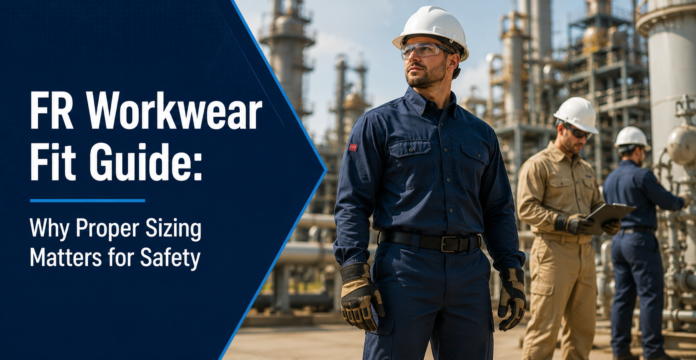
FR workwear is made to protect workers from fire, heat, sparks, and workplace hazards. However, even the best flame-resistant clothing can lose its value when the size is wrong. This is why an FR workwear fit guide is important for every worker, safety manager, and buyer. Proper fit helps the fabric cover the body correctly, allows easy movement, and keeps protective clothing in the right position during work. If FR clothing is too tight, it may restrict movement and reduce comfort. If it is too loose, it may catch on tools, machinery, or sharp surfaces. Proper sizing is not only about looking neat. It is about safety, comfort, and performance during long working hours. A good FR workwear fit guide helps workers choose clothing that protects without making the job harder. In simple words, the right fit helps the clothing do its job properly.
FR Workwear Fit Guide for Daily Safety
A clear FR workwear fit guide should start with daily work conditions because workers do not stand still all day. They bend, lift, climb, stretch, kneel, and move in many directions. FR clothing should support these movements without pulling tightly across the shoulders, chest, knees, or waist. When flame-resistant clothing fits well, it stays close enough to protect the body but loose enough to allow airflow and movement. Workers wearing FR workwear need enough room for natural motion, especially in jobs where heat, sparks, oil, gas, electrical risk, or industrial exposure may be present. This is why FR workwear fit guide advice should always focus on real job movement, not only body measurements. A worker should be able to raise both arms, squat, twist, and walk without feeling restricted. If the garment moves with the body, it is more likely to stay in place when protection is needed.
Tight FR Workwear Can Create Problems
Tight flame-resistant workwear may look clean, but it can create safety and comfort problems. When FR shirts, pants, jackets, or coveralls are too tight, the fabric may pull against the body and reduce easy movement. This can make workers tired faster and may also cause seams to face extra stress. A tight fit can also make it harder to wear base layers under FR clothing when the weather is cold. In some cases, tight clothing may open gaps around the waist, cuffs, or chest when the worker bends or reaches. That is why an FR workwear fit guide should never recommend a skin-tight fit for heavy work. FR workwear should not feel like compression clothing. It should feel secure, balanced, and comfortable. Tight clothing can also trap heat and sweat, which makes long shifts harder. The goal of proper FR sizing is simple: the clothing should protect the worker while allowing safe and natural movement.
Loose FR Workwear Can Also Be Unsafe
Loose FR workwear can be just as problematic as tight clothing. If flame-resistant clothing is too large, it may hang, flap, or catch on equipment. Loose sleeves can come close to moving parts, open flames, sharp edges, or work tools. Oversized pants can drag near the boots or make walking difficult. A loose jacket may shift out of place when the worker climbs, bends, or lifts. This is why a practical FR workwear fit guide must explain that bigger is not always safer. Protective clothing needs coverage, but extra fabric should not create new hazards. The best fit gives enough space for movement without creating baggy areas that can interfere with work. Workers should check sleeve length, pant length, shoulder width, and waist fit before using FR clothing on a job site. Correct sizing helps the worker stay focused on the job instead of adjusting clothing again and again.
How Coveralls Should Fit
FR coveralls are popular because they protect the upper and lower body in one garment. However, coveralls must fit carefully because one wrong size can affect the whole body. A good FR workwear fit guide should explain that coveralls need room through the shoulders, chest, seat, thighs, and knees. Workers should be able to bend, kneel, climb, and reach without the coverall pulling tightly. The torso length is especially important because short coveralls can pull at the shoulders or crotch when bending. Long coveralls can feel bulky or bunch up during movement. If you are choosing flame-resistant coveralls, check that the cuffs sit properly, the zipper closes easily, and the garment does not open gaps when moving. Coveralls should cover the body fully while still allowing normal work actions. The best coverall fit feels protective, steady, and practical during a full shift.
How FR Shirts, Jackets, and Pants Should Fit
FR shirts, jackets, and pants should work together as a complete safety outfit. An FR shirt should cover the waist properly, even when the worker raises both arms. The sleeves should reach the wrist without being too long or too short. An FR jacket should allow space for a shirt or light layer underneath, but it should not feel oversized. FR pants should sit comfortably at the waist and allow easy knee movement. The length should cover the ankle area without dragging under the boot. When choosing items like flame-resistant shirts, the worker should check how the shirt fits while standing, bending, and reaching. A useful FR workwear fit guide always reminds buyers that workwear is tested during movement, not only in front of a mirror. If the clothing pulls, twists, gaps, or slides, the size may not be right for safe daily use.
One Quick Fit Checklist Before Work
A simple checklist can help workers test sizing before wearing FR clothing on the job. Use this FR workwear fit guide checklist before starting a shift:
- Raise both arms and check that the shirt or jacket does not expose the waist.
- Bend forward and make sure the back stays covered.
- Squat down and check that the pants or coveralls do not pull tightly.
- Walk normally and make sure the pant legs do not drag.
- Stretch both arms forward and check shoulder comfort.
- Close all buttons, zippers, and cuffs without pressure.
- Check that sleeves cover the wrists but do not hang over the hands.
- Make sure the clothing does not catch on tools or equipment.
- Leave enough room for safe base layers in cold weather.
- Replace clothing that feels too tight, too loose, damaged, or hard to move in.
Layering Changes the Right Size
Layering is an important part of FR workwear sizing. Many workers wear base layers, thermal layers, or moisture-control layers under their flame-resistant clothing. If the main FR garment is bought too small, layering becomes uncomfortable and may restrict movement. If it is bought too large, it may become bulky and unsafe. This is why an FR workwear fit guide should always consider season, weather, and job conditions. In cold environments, workers may need extra space under jackets, coveralls, or pants. In hot environments, workers may prefer lighter FR garments with enough space for airflow. Proper layering should not break coverage around the waist, wrists, ankles, or neck. A worker should test FR clothing with the layers they actually plan to wear during work. This gives a more realistic idea of fit. Good sizing supports protection in summer, winter, indoor work, and outdoor job sites.
Fit Affects Comfort During Long Shifts
Comfort is not a small issue in safety clothing. Workers often wear FR workwear for many hours, and poor fit can make the shift feel longer and harder. Tight clothing can cause pressure around the shoulders, waist, knees, and elbows. Loose clothing can feel heavy, messy, and distracting. A well-planned FR workwear fit guide helps workers choose clothing that feels safe without slowing them down. Better comfort can also help workers keep their protective clothing on instead of removing it because it feels annoying. This matters because FR clothing only protects when it is worn correctly. Soft movement, correct garment length, proper waist fit, and balanced sleeve size all support comfort. When workers feel comfortable, they can focus better on the task. Proper fit also helps reduce constant pulling, adjusting, and fixing during work, which makes the whole job safer and smoother.
Common FR Workwear Sizing Mistakes
Many sizing problems happen because buyers only look at normal clothing size instead of job requirements. A worker may usually wear a medium shirt, but FR workwear may need a different size depending on garment design, layering, and movement needs. Another common mistake is buying oversized clothing because people think more fabric means more protection. In reality, too much loose fabric can create snagging risks. Some buyers also forget to check shrinkage, wash care, body shape, sleeve length, inseam, and shoulder room. An FR workwear fit guide should help buyers avoid these mistakes by focusing on fit testing, not guesswork. Workers should try garments in real movement positions before final use. They should also review size charts and garment measurements carefully. The right size is not always the size someone wears in casual clothing. It is the size that protects well during real work.
Conclusion
The main lesson of this FR workwear fit guide is simple: proper sizing matters because safety clothing must stay in place, cover the body, and allow natural movement. FR workwear should not be too tight, too loose, too short, or too long. It should support the worker during bending, lifting, climbing, reaching, and walking. Good fit also improves comfort, which helps workers keep their protective clothing on during the full shift. When choosing FR shirts, pants, jackets, or coveralls, always think about movement, layering, weather, and job hazards. The best FR workwear fit guide does not only talk about measurements. It talks about how clothing performs while a real person is doing real work. In the end, the right fit helps flame-resistant clothing protect better, feel better, and work better every day.
FAQs
What is the main purpose of an FR workwear fit guide?
An FR workwear fit guide helps workers choose flame-resistant clothing that covers the body properly and allows safe movement. It explains why sizing matters for comfort, protection, and daily job performance.
Should FR workwear be tight or loose?
FR workwear should be neither tight nor very loose. It should give enough room for movement and layering while staying close enough to avoid snagging, dragging, or shifting during work.
Why is oversized FR workwear unsafe?
Oversized FR workwear can catch on tools, machinery, sharp edges, or work surfaces. Extra fabric can also make walking, climbing, and bending harder during a job.
How do I know if my FR workwear fits correctly?
Your FR workwear fits correctly if you can raise your arms, bend, squat, walk, and reach without gaps, pulling, dragging, or discomfort. It should stay in place during normal work movement.