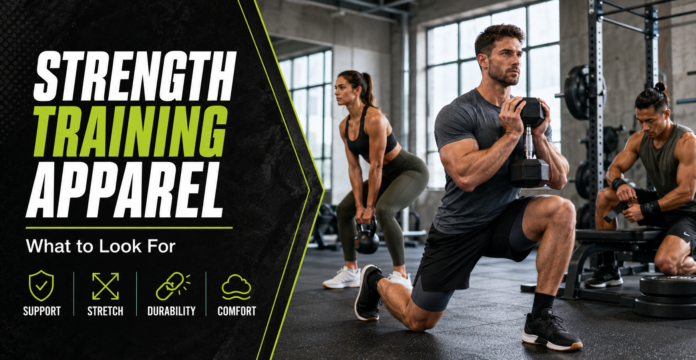
Fitness apparel for strength training is not just about looking good in the gym. It is about wearing clothes that help your body move, stay comfortable, and perform better during lifting, pushing, pulling, squatting, and pressing. When you train with weights, your clothes should not feel too loose, too tight, too heavy, or too distracting. Good strength training clothing should support your muscles, allow natural movement, control sweat, and stay in place while you train. Fitness apparel for strength training also needs to handle repeated stretching, bending, and washing because gym clothes are used hard. If the fabric is weak, the seams rub, or the fit is wrong, even a simple workout can feel uncomfortable. This guide explains fitness apparel for strength training in simple words so anyone can understand what to choose before buying gym wear.
Why Fitness Apparel for Strength Training Matters
Fitness apparel for strength training matters because lifting weights puts pressure on your body and your clothing at the same time. During squats, deadlifts, bench presses, rows, lunges, and overhead presses, your outfit must move with you instead of fighting against you. A poor shirt can rise up, tight pants can limit your squat depth, and rough seams can cause rubbing during repeated movements. For people building a gym clothing line or buying bulk workout wear, the full fitness apparel collection is useful because it shows different clothing types that can work for training, casual gym use, and active lifestyles. Fitness apparel for strength training should feel stable but not stiff. It should help the wearer focus on the lift instead of fixing the shirt, waistband, or sleeves again and again.
Choose the Right Fit First
Fit is one of the most important parts of fitness apparel for strength training because strength workouts need control and freedom at the same time. Clothing should sit close enough to the body so it does not get caught on equipment, but it should not be so tight that it blocks movement or breathing. A good gym top should allow the shoulders, chest, and arms to move freely during presses, pull-ups, curls, and rows. A good pair of gym pants or shorts should allow deep bending at the hips and knees without pulling at the seams. Fitness apparel for strength training should also stay in place when the body changes position, such as moving from standing to sitting, lying on a bench, or bending forward. The best fit feels secure, simple, and natural, like the clothes are part of the workout rather than a problem during the workout.
Look for Strong but Flexible Fabric
Fabric choice is very important in fitness apparel for strength training because gym wear must survive stress, sweat, stretching, and friction. Strength training often includes heavy bars, rough benches, rubber mats, dumbbells, and machines, so the fabric should not tear, lose shape, or become thin too quickly. Cotton can feel soft, but it may hold sweat for longer. Polyester blends can dry faster and keep shape better. Spandex or elastane adds stretch, which helps with bending, reaching, and lifting. Fitness apparel for strength training should use fabric that gives enough movement without becoming loose after a few wears. The best fabric feels smooth on the skin, strong in the hands, and flexible during movement. It should also be easy to wash because gym clothing needs regular cleaning after sweat-heavy workouts.
Tops Should Support Upper-Body Movement
Upper-body movement is a major part of strength training, so tops should be designed with shoulders, arms, chest, and back movement in mind. During bench press, shoulder press, pull-downs, rows, and curls, the top should not pull across the back or squeeze under the arms. Many lifters prefer sleeveless or open-arm styles because they allow more shoulder freedom and show muscle movement clearly during exercises. For example, graphics stringers can be useful for gym-focused training because their open design supports arm and shoulder movement while keeping the body cool. Fitness apparel for strength training should also avoid heavy necklines or stiff armholes that cause pressure during repeated lifting. A good top should feel light, stay comfortable, and make each rep easier to perform with correct form.
Bottoms Need Stretch, Strength, and Stability
Bottoms are just as important as tops when choosing fitness apparel for strength training. Squats, lunges, deadlifts, leg presses, step-ups, and hip thrusts all need strong movement from the hips, thighs, knees, and waist. Pants or joggers should not slide down, pinch the waist, or pull tightly across the knees. A stable waistband helps the wearer feel secure during heavy lifting, while stretch fabric allows the legs to move without restriction. Breathable bottoms like lightweight pumper pants can work well for relaxed training days, warmups, and gym-to-street comfort when the fit allows easy movement. Fitness apparel for strength training should also have seams that can handle pressure because leg workouts put a lot of stress on stitching. Good bottoms should feel strong, flexible, and comfortable from warmup to final set.
Fitness Apparel for Strength Training and Compression
Fitness apparel for strength training sometimes includes compression clothing, but compression is not always required for every workout. Compression tops and leggings fit close to the body and may give a supported feeling during training. Some people like compression because it reduces loose fabric and keeps the body feeling firm during movement. Others prefer regular stretch fitness apparel because it feels easier, cooler, and less tight. The best choice depends on the workout, body comfort, and personal preference. For high-movement training, a product like compression t-shirts can be useful when the wearer wants a close fit under other gym clothing or during focused workouts. Fitness apparel for strength training should never feel painfully tight. Compression should support movement, not limit breathing, shoulder motion, or natural lifting form.
Breathability Helps During Hard Sets
Breathability is a key feature in fitness apparel for strength training because heavy workouts quickly increase body heat. When a person lifts weights, the body sweats to cool itself down. If the fabric traps heat, the workout can feel harder, heavier, and more uncomfortable. Breathable fabric allows air to move through the clothing and helps sweat dry more easily. This is useful during long gym sessions, circuit training, supersets, and high-volume lifting days. Fitness apparel for strength training should also feel comfortable after sweating because damp fabric can become heavy and sticky. Mesh panels, lightweight knits, moisture-moving fabric, and proper fit can all improve airflow. Good breathability helps the wearer stay focused on form, reps, and strength instead of feeling overheated. This is especially important in warm gyms or summer training.
Seams and Stitching Should Feel Smooth
Seams may look like a small detail, but they can change the whole comfort level of fitness apparel for strength training. Rough seams can rub the skin during repeated movements, especially around the underarms, shoulders, thighs, and waistband. Strong stitching is also important because gym clothing stretches many times during each workout. If stitching is weak, the garment may open, twist, or lose shape after a few sessions. Flat seams are often better for active clothing because they sit more smoothly against the body. Fitness apparel for strength training should be checked from the inside as well as the outside. The inside should feel clean and comfortable, not scratchy or bulky. When seams are smooth and strong, the clothing lasts longer and feels better during lifting, stretching, and recovery movements.
Quick Checklist Before Buying
Before choosing fitness apparel for strength training, check these points carefully:
- Choose fabric that stretches without becoming loose.
- Pick tops that allow full shoulder movement.
- Select bottoms that support squats and lunges.
- Avoid rough seams that rub the skin.
- Make sure the waistband stays secure.
- Choose breathable fabric for sweaty workouts.
- Pick clothing that is easy to wash.
- Avoid clothing that feels too tight or too loose.
- Choose strong stitching for long-term use.
- Make sure the outfit feels comfortable during warmups and heavy sets.
This simple checklist helps buyers, brands, and gym users select fitness apparel for strength training without confusion. The best gym clothing should feel supportive, comfortable, and practical, not complicated.
Mistakes to Avoid When Choosing Gym Wear
Many people make simple mistakes when buying fitness apparel for strength training. One common mistake is choosing clothes only because they look stylish. Style is good, but comfort and movement matter more in the gym. Another mistake is wearing very loose clothing during machine exercises because loose fabric can get in the way. Some people also choose fabric that is too thick, which can make them overheat quickly. Others choose very tight clothing that looks athletic but makes it hard to breathe or move naturally. Fitness apparel for strength training should be tested through real movements like squats, arm raises, bends, and stretches before final use. If the clothing feels uncomfortable during basic movement, it will feel worse during heavy lifting. Good gym wear should make training safer, smoother, and easier to enjoy.
Conclusion
Fitness apparel for strength training should be chosen with comfort, movement, support, and durability in mind. The right clothing helps the body move freely during lifting while staying secure and breathable. Tops should support shoulder and arm movement, while bottoms should allow squats, lunges, and bending without pulling or slipping. Fabric should be strong enough for repeated use but flexible enough for natural motion. Seams should feel smooth, and the fit should never distract the wearer during training. Fitness apparel for strength training is better when it feels simple, comfortable, and dependable. Whether someone is buying for personal workouts or building a gym wear collection, the best choice is clothing that supports real training, not just gym photos.
FAQs
What is the best fabric for fitness apparel for strength training?
The best fabric for fitness apparel for strength training is usually a stretch blend that includes polyester, nylon, cotton, or spandex. The fabric should feel breathable, flexible, and strong enough for lifting movements.
Is compression clothing good for strength training?
Compression clothing can be good for strength training if the wearer likes a close and supported fit. It should not feel too tight, block breathing, or limit shoulder, hip, or leg movement.
Should strength training clothes be tight or loose?
Strength training clothes should be fitted but comfortable. They should not be so loose that they get in the way, and they should not be so tight that they stop natural movement.
Why is breathability important in fitness apparel for strength training?
Breathability is important because strength workouts create heat and sweat. Breathable clothing helps the body feel cooler, drier, and more comfortable during long or hard gym sessions.