
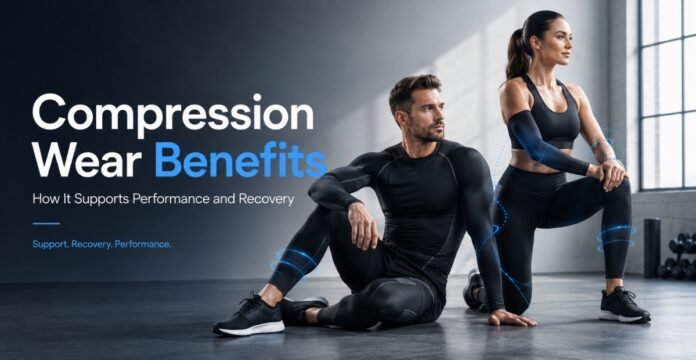
Compression wear is clothing that is snug and made to cover certain areas of the body to apply gentle and uniform pressure. This can include shirts, hoodies, leggings, shorts, sleeves, socks, and stockings. This type of clothing can be worn during exercise, after a workout, while traveling, or during a long day of work that requires a lot of standing. Of the numerous benefits derived from compression wear, the biggest advantage is a fit that keeps the clothing close to the skin without restricting movement.
Compression Wear Benefits for Better Performance
One of the most discussed compression wear benefits is the feeling of added support during physical activity. A close fit can help clothing stay in place while a person runs, lifts weights, cycles, stretches, or plays team sports. This may reduce the need to adjust loose fabric during movement. People exploring a complete compression wear range can compare upper-body and lower-body options for different activities. These compression wear benefits do not replace training, sleep, or good nutrition, but they can make sports clothing feel more stable, practical, and comfortable during demanding movement.
How Gentle Pressure Supports the Body
As a feature of activewear, compression garments incorporate fabrics that exude light pressure to the muscles and soft tissue. This light pressure can give a sense of much better support to the body, especially while continuously performing a particular task. Many people often say that compression garments also help them become more aware of their posture and the position of their body. The advantages of compression wear can be felt while running, working out at the gym, and while taking practice sessions and recovery walks.
Muscle Support During Training
While running, jumping and even performing strength training exercises, muscles and body tissues tend to move and shake. Clothing that has a compression feature, closely holds the wares to the body and can help eliminate the feeling of movement and support the body to feel steadier. Although, this feature is unlikely to make one stronger, it is one of the most practical benefits of compression wear, that is an especially great help during highly mobile sports activities like sprinting, football and basketball, as well as during circuit training.
Less Distraction and Better Comfort
Sports apparel should support movement and ideally not be noticed. Loose seams, rolling waistbands, and shifting layers can all disturb the flow of a workout. Compression garments reduce the movement of fabric by holding the garment closer to the body. This is particularly useful for exercises that involve rapid changes of body position, as well as for exercises that include bending, twisting, or climbing. To reduce friction in sensitive areas, it is best to employ fabrics that are smooth and seams that are flat. However, fit and design of the garments is still important.
Recovery After Exercise
For many, the use of compression clothing is very common after training because it helps support recovery and feels good. True recovery incorporates a rest, rehydration, nutrition, light movement, and sleep. The support and compression clothing can be viewed as a comfort tool. Compression garments help recovery of the legs and arms after exercise that may be of high intensity or long duration. Compression garments should be viewed as a support and a comfort tool. Pain, swelling, and other symptoms of injury should be evaluated by a medical professional, but may not be evident under compression clothing.
Choosing the Right Compression Level
What compression level works best varies by garment, type of activity, body region, and individual preference. Sports compression should feel firm and secure, but should never cause tingling/numbness, sharp pains, or breathing difficulties. The right size is one of the biggest advantages of compression wear. Since garments that are too loose or too tight cannot provide the intended support, the right size is critical. Buyer’s should use the size chart and take their measurements.
Compression Wear for the Upper Body
Upper-body compression clothing can support the chest, shoulders, back, and arms while keeping the garment close during movement. For example, fitted compression T-shirts may work as a training top or base layer under sports uniforms. The upper-body compression wear benefits include reduced fabric movement, easier layering, and a smooth fit under other clothing. Long sleeves can also offer more coverage during outdoor activity. These compression wear benefits are most useful when the shirt allows full shoulder movement, does not restrict breathing, and uses soft seams around the neck, chest, and underarm areas.
Compression Wear for the Lower Body
Lower-body garments are commonly used for running, gym workouts, cycling, recovery, and travel. Well-fitted compression leggings can stay close around the waist, hips, thighs, knees, and calves while allowing the legs to move freely. Lower-body compression wear benefits may include a secure fit, reduced fabric shifting, and a supported feeling during repeated steps or lifts. Some people also prefer leggings because they reduce direct rubbing between the thighs. To gain these compression wear benefits, the waistband should remain stable, the knees should bend easily, and the fabric should not become see-through when stretched.
Key Compression Wear Benefits at a Glance
The main compression wear benefits are easy to understand when they are viewed as simple forms of support rather than instant performance promises.
- A close fit can reduce loose fabric movement during exercise.
- Stretch fabric can support natural bending, lifting, running, and jumping.
- Smooth construction may reduce rubbing during repeated movement.
- Fitted layers can sit comfortably under uniforms or outdoor clothing.
- Lower-body garments may help tired legs feel more supported after activity.
- Moisture-managing fabric can improve comfort during warm training sessions.
- Correct sizing can provide support without causing painful pressure.
- Different garment types can support different body areas and activities.
These compression wear benefits work best when the garment is well made, correctly sized, and suitable for the activity.
Conclusion
Compression clothing is a versatile option for various types of movement. From the most realistic perspective, benefits of compression clothing include the secure fit and controlled movement, ease of layering, muscle support, and a stable feeling during activity. Since results can differ, individuals should consider to comfort, size, construction, and intent. Compression clothing is not a substitute for medical treatment, proper recovery, or sound training practices. That said, when the fit is right, beneficial effects of compression clothing can make active clothing more supportive, practical, and comfortable for warm-up through recovery.
FAQs
What Are the Main Compression Wear Benefits?
The main compression wear benefits include a close and stable fit, less loose fabric movement, comfortable layering, and a supported feeling during exercise or recovery. The exact result depends on garment quality, sizing, activity, and personal comfort.
Can Compression Wear Improve Athletic Performance?
Compression wear may help a person feel more supported and less distracted during movement, but it does not automatically improve strength, speed, or fitness. Training quality, recovery, nutrition, sleep, and technique remain more important.
Should Compression Clothing Feel Very Tight?
Compression clothing should feel firm and secure, not painful. It should not cause numbness, tingling, breathing difficulty, or sharp pressure. Users should check the size chart and stop wearing the garment if it causes unusual discomfort.


