
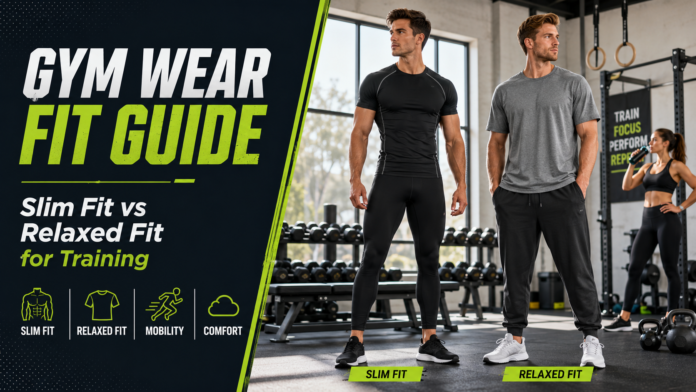
The right gym outfit is not only about looking good. It is also about moving freely, staying comfortable, and feeling confident during training. This gym wear fit guide explains the difference between slim fit and relaxed fit gym wear in a simple way so you can choose the right clothing for your workout style. Slim fit gym wear stays closer to the body and gives a cleaner athletic shape, while relaxed fit gym wear gives more space around the body and feels easier for casual movement. Both can be useful, but the better choice depends on your exercise type, body comfort, training intensity, and personal preference. A good gym wear fit guide should not force one style on everyone. Instead, it should help you understand when slim fit works better, when relaxed fit is more practical, and how each option affects comfort, performance, and confidence.
Gym Wear Fit Guide: What Slim Fit and Relaxed Fit Mean
A clear gym wear fit guide starts with the basic meaning of each fit. Slim fit gym wear is designed to sit closer to your chest, arms, waist, hips, and legs without feeling painfully tight. It is not the same as clothing that is too small. Good slim fit gym wear should stretch, breathe, and move with your body during training. Relaxed fit gym wear gives more room around the body, especially in the shoulders, stomach, thighs, and lower legs. It feels loose, easy, and more forgiving during light workouts or daily wear. For a full training wardrobe, many people combine slim tops with relaxed bottoms or relaxed tops with tapered joggers. You can explore general training clothing options through the Eco Jersey gym wear collection, which helps connect different fits with different workout needs.
Slim Fit Gym Wear: Best for Support and Clean Movement
Slim fit gym wear is often better for workouts where you need control, shape, and less fabric movement. During lifting, running, cycling, stretching, or machine exercises, loose fabric can sometimes get in the way. A slim fit top can stay close to the body and reduce distractions while you move. This gym wear fit guide recommends slim fit clothing for people who like a neat athletic look and want their outfit to stay in place during active training. Slim fit can also help trainers or athletes see body position more clearly during exercises like squats, lunges, rows, and presses. However, slim fit should never block breathing or shoulder movement. If a shirt pulls too much across the chest or a pair of shorts limits your hip movement, then the fit is too tight, not properly slim.
Relaxed Fit Gym Wear: Best for Comfort and Easy Training
Relaxed fit gym wear is usually better for people who want more comfort, more airflow, and less pressure on the body. It is a strong choice for beginners, warmups, walking, stretching, casual gym sessions, recovery days, and low-intensity training. A relaxed fit allows the body to move without feeling squeezed, which can make exercise feel less stressful. This gym wear fit guide is especially useful for people who do not like tight clothing or who train for general health rather than performance. Relaxed gym wear also works well for people who go from the gym to daily errands because it looks casual and feels comfortable outside the workout space. Still, relaxed fit should not be oversized to the point where fabric hangs too much, twists during movement, or catches on gym equipment.
Which Fit Is Better for Strength Training?
For strength training, the best fit depends on the exercise. Slim fit gym wear is useful for heavy lifting because it stays close to the body and does not create extra fabric around bars, benches, or machines. A slim fit tank top, fitted T-shirt, or compression-style shirt can help keep the upper body clean and controlled while lifting. At the same time, relaxed fit bottoms can feel better for leg day if they allow deeper squats and wider movement. This gym wear fit guide suggests choosing stretch-friendly slim tops and flexible bottoms for strength training. For example, gym tank tops can work well when you want shoulder freedom, cooling, and a close athletic look during upper-body workouts. The main rule is simple: your gym wear should support the lift, not fight against it.
Which Fit Is Better for Cardio and High-Sweat Workouts?
Cardio training usually needs light, breathable, and secure clothing. Running, cycling, rowing, skipping, and HIIT workouts involve repeated movement, so clothing that shifts too much can become annoying. Slim fit gym wear often performs better here because it reduces bouncing fabric and keeps the outfit close to the body. This gym wear fit guide recommends slim fit or lightly fitted clothing for people who sweat heavily or move quickly during training. However, relaxed fit can still work if the fabric is lightweight and moisture-friendly. The problem is not always looseness; the problem is heavy fabric that holds sweat and sticks to the body. For cardio, the best gym wear fit guide advice is to choose clothing that feels light, dries quickly, and does not rub under the arms, between the thighs, or around the waist.
Bullet Fit Checklist for Easy Selection
- Choose slim fit when you want a cleaner athletic shape.
- Choose relaxed fit when comfort matters more than body-hugging support.
- Choose stretch fabric if your workout includes squats, lunges, or full-body movement.
- Choose breathable fabric if you sweat quickly or train in warm weather.
- Choose tapered joggers when you want roomy comfort without loose ankle fabric.
- Choose fitted tops when loose shirts distract you during lifting or cardio.
- Choose relaxed tops when you want easy airflow and less body pressure.
- Avoid any fit that pulls, pinches, rides up, or limits your movement.
- Use this gym wear fit guide before buying new workout clothing.
How Bottoms Should Fit for Training
Gym bottoms need the right balance between movement and control. Slim fit leggings, shorts, or joggers can feel supportive during cardio, stretching, and bodyweight training. Relaxed bottoms can feel more comfortable for warmups, walking, and casual gym days. The best option depends on your leg movement. If you do squats, deadlifts, lunges, jumps, or mobility work, the fabric should stretch without pulling at the hips, knees, or thighs. This gym wear fit guide suggests avoiding bottoms that are too tight around the waist or too loose around the ankles. Tapered joggers are a good middle option because they give room around the upper leg while staying cleaner near the ankle. You can see this type of balanced training style in tapered athletic joggers, which suit people who want comfort without a messy oversized look.
How Tops Should Fit for Training
Gym tops should allow easy arm movement, clean breathing, and good sweat control. A slim fit top should follow the body shape without squeezing the chest, shoulders, or stomach. A relaxed fit top should give more air and comfort without becoming baggy during movement. This gym wear fit guide recommends testing a top by raising your arms, bending forward, twisting your torso, and doing a few simple workout movements. If the shirt rides up, pulls at the shoulders, or feels tight around the neck, it is not the right fit. For weight training, a fitted or semi-fitted top can reduce fabric movement. For warmups or casual gym sessions, a relaxed top may feel easier. The best gym wear fit guide rule is that your top should let you focus on your workout, not on adjusting your clothes.
Slim Fit vs Relaxed Fit for Different Body Types
There is no single fit that works for every body type. Slim fit can look sharp and feel supportive, but it should not make the wearer feel uncomfortable or exposed. Relaxed fit can feel easier and more forgiving, but it should still look clean and intentional. This gym wear fit guide is not about hiding or showing the body. It is about choosing clothing that helps you train with confidence. People with broader shoulders may prefer relaxed tops or stretch slim tops. People with stronger thighs may prefer relaxed shorts or joggers with flexible panels. People who like a sharper gym look may choose slim fit, while people who want comfort first may choose relaxed fit. A good gym wear fit guide always respects comfort, body shape, and personal confidence.
Common Fit Mistakes to Avoid
Many people choose gym wear based only on size, but fit is more important than the label. A medium size in one product may feel like a small or large in another product. This gym wear fit guide warns against buying clothing that looks good while standing still but fails during movement. One common mistake is choosing slim fit clothing that is too tight, which can limit breathing and make workouts uncomfortable. Another mistake is choosing relaxed fit clothing that is too loose, which can create extra fabric during exercise. People also forget to check waistbands, sleeve length, thigh space, and fabric stretch. The safest method is to think about your main workout before choosing. Training clothes should match real movement, not just mirror appearance.
Conclusion
The best choice between slim fit and relaxed fit depends on how you train, how much support you want, and what makes you feel comfortable. Slim fit is usually better for active workouts, cardio, lifting, and exercises where you want clothing to stay close to the body. Relaxed fit is usually better for easy movement, comfort, warmups, recovery days, and casual gym use. This gym wear fit guide shows that neither option is always better. The smartest choice is to build a small gym wardrobe with both styles so you can dress for the workout of the day. Use slim fit when you need support and control. Use relaxed fit when you need comfort and airflow. In the end, the best gym wear fit guide is simple: choose clothing that helps you move better, feel better, and train with more confidence.
FAQs
What is the main difference between slim fit and relaxed fit gym wear?
Slim fit gym wear sits closer to the body and gives more support, while relaxed fit gym wear gives more room and feels easier. This gym wear fit guide explains that slim fit is better for active movement, while relaxed fit is better for comfort and casual training.
Is slim fit gym wear better for workouts?
Slim fit gym wear can be better for cardio, strength training, and fast movement because it stays in place. However, this gym wear fit guide recommends choosing slim fit only when the fabric stretches well and does not feel too tight.
Is relaxed fit gym wear good for training?
Yes, relaxed fit gym wear is good for warmups, walking, stretching, recovery workouts, and light gym sessions. It gives more airflow and comfort, but it should not be so loose that it gets in the way.
How do I choose the right gym wear fit?
Choose your gym wear fit based on your workout type, comfort level, body movement, and fabric stretch. This gym wear fit guide suggests slim fit for support and relaxed fit for easy comfort.


