
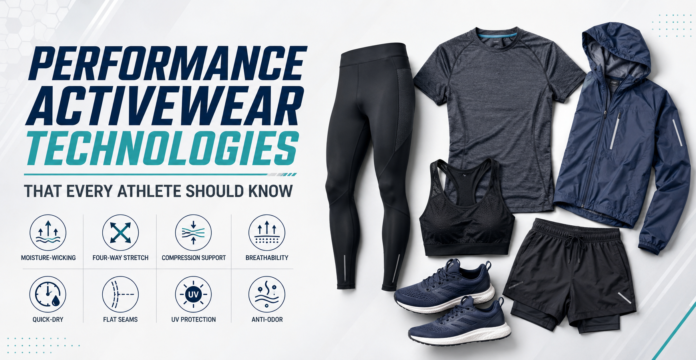
Performance activewear technologies are crucial because athletes require more from clothing than just appearance. During training, the body sweats, stretches, bends, jumps, and moves in multiple directions. Clothing that is not designed with all of that in mind can feel heavy, wet, tight, and generally uncomfortable. Activewear that is designed well can manage sweat, support a full range of movement, and limit the friction caused by clothing that is not designed well, as well as help keep the clothing in its designed shape. It is important for athletes to know what the different features mean before they make a purchase because each different type of workout has different requirements and clothing designed for those different requirements.
Performance Activewear Technologies Basics
Performance activewear technologies include fabric and construction features that improve comfort, movement, and durability. A full category like the activewear collection can include leggings, tops,Buyers should compare the function in each piece of apparel when shopping for sports bras, shorts, hoodies, jackets, and training sets. Certain garments control sweat. Others provide compression, breathability, or protection from the elements. The best activewear is designed for the athlete’s activity level. For example, a garment designed for high compression training may not be appropriate for yoga. Well designed technology builds support for the body without restricting the garment.
Moisture-Wicking Fabric
Moisture-wicking technology is one of the most ubiquitous professional application technology incorporated into most activewear. It is designed to transfer moisture from the skin to the outer layer of the fabric, allowing it to dry faster. This enables activewear to dry faster, preventing it from annoying sticking to the skin and distracting you from your workout. This type of fabric is great for any type of high-sweat workout and training. This fabric and its technology is also great for training and practicing any type of sport. Moisture-wicking technology is often confused with waterproofing. While sportswear often absorbs water, moisture-wicking technology help manage the water and sweat.
Four-Way Stretch
Four-way stretch is a crucial fabric feature for high-performance activewear technologies. This means the fabric stretches both horizontally and vertically. Activewear needs four-way stretch technology to allow for comfortable body movement during squats, lunges, yoga, running, and all athletic movements. Activewear fabric that lacks sufficient stretch will restrict movement and be uncomfortable. Four-way stretch fabric is a must for all fitted apparel including tights, tops, shorts, and sports bras. Stretch recovery is also important. If a fabric stretches and does not recover, the garment will be baggy and loose after a few uses.
Compression Support
Athletes seeking a snug and supportive sensation have compression technology as an option. Compression gear sits close to the body and may reduce the movement of fabric as you exercise. Compression technology is employed in performance activewear technologies, tops, shorts, and base layers. A category like compression wear needs strong stretch, firm recovery, and smooth seams because the garment sits close to the skin. Compression should feel supportive, not painful. If it is too tight, it can restrict movement. Good compression gives a locked-in feel while still allowing comfort.
Breathable Mesh Panels
Breathable mesh uses performance technology that balances airflow and sweat. In high-sweat areas (e.g., back, underarms, sides, behind the knees), mesh panels provide ventilation. Even though mesh has to let airflow through, it has to be durable, soft, and placed so the rest of the garment looks clean and still performs well. Breathable mesh is best used in gym tops, running shirts, sports bras, training shorts, and lightweight jackets that are made to be used with active movement.
Quick-Dry Function
An important technology in the performance activewear technologies fabric of activewear is quick-dry fabric. Activewear is fabric that becomes wet when you perspire or when you are exposed to light moisture from outdoors. Quick-dry fabric limits the amount of time the fabric is wet. Quick-dry fabric is important for the comfort of long workouts, hours of travel, long sessions of outdoor training, and repeated use. For athletes who need fabric that can be cleaned and dried quickly to be wearable again, quick-dry fabric is essential. Quick-dry fabric is great for warm weather because wet fabric can be heavy. Athletes who are considering make purchases should consider fabric feel and drying behavior.
Flat Seams and Anti-Chafe Construction
Hidden performance activewear technologies that affect comfort include seamless construction. Flat seams help reduce irritation due to seams rubbing along skin. Certain activities such as running, cycling, and gym training can benefit from seamless construction. During long workout sessions or activities that may include body contact, seams can cause irritation due to body contact and/or body sweat. Anti-chafe construction can include several different methods to reduce irritation. Smoother stitching, bonded edges, trims, or even a different seam placement can help. A category like performance wear should use strong sewing because movement places stress on the garment. Better seams help activewear feel more comfortable and last longer.
Simple One-Line Technology Checks
These checks make performance activewear technologies easier to understand before buying or approving production.
- Check moisture-wicking because sweat should move away from the skin.
- Check four-way stretch because athletes need free movement.
- Check recovery because fabric should return to shape.
- Check compression because support should feel firm but comfortable.
- Check mesh panels because airflow helps reduce trapped heat.
- Check quick-dry function because damp clothing feels heavy.
- Check seams because smooth stitching reduces rubbing.
These one-line checks help buyers compare activewear technologies without difficult fabric language.
UV Protection and Outdoor Training
Athletes who train outdoors benefit from performance activewear technologies with ultraviolet protection. Fabrics with sun protection can lessen body areas’ exposure to ultraviolet rays. This is beneficial for runners, hikers, cyclists, tennis players, and participants of gym training and outdoor sports practices. Whenever UV protection is offered, it should be complemented with fabrics that maintain breathability. Outdoor training creates heat and can cause perspiration. Lightweight, long-sleeve training tops, jackets, and leggings, can fully cover body areas and provide sufficient sun protection during outdoor training. A category like fitness apparel may include many outdoor and indoor options, so buyers should choose based on activity, climate, and comfort.
Final Guide for Choosing Better Activewear
The last thing to consider when buying performance activewear technologies from different brands is incorporating features that match the athlete’s primary activity. For example, a runner requires a garment that has a fabric that is moisture-wicking, quick-drying, and has anti-chafe seams. A gym goer may require something different that has stretch, compression, and recovery. For a yoga participant, a soft fabric and smooth seams that allow flexible movement are great examples. Athletes who enjoy being outdoors require UV protection and breathable coverage. Brands should break down each part of technology since consumers desire to understand the garment’s performance.
FAQs
What are performance activewear technologies?
Performance activewear technologies are fabric and garment features that improve sweat control, stretch, breathability, support, comfort, and durability during workouts.
Why is moisture-wicking important in activewear?
Moisture-wicking helps move sweat away from the skin, making activewear feel less sticky, heavy, and uncomfortable during training.
What does four-way stretch mean?
Four-way stretch means the fabric stretches both side to side and up and down, allowing better movement during exercise.
Is compression activewear good for athletes?
Yes, compression activewear can give a secure and supportive feel, but it should not be so tight that it restricts movement or comfort.
How should buyers choose the right activewear technology?
Buyers should compare performance activewear technologies by checking activity type, fabric comfort, stretch recovery, sweat control, seams, breathability, and care needs.



