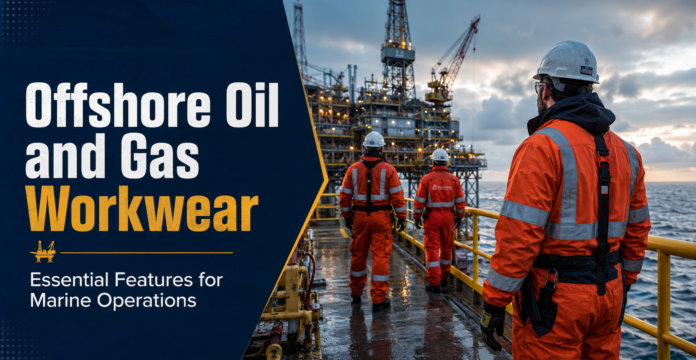
Offshore oil and gas workwear is protective clothing made for workers who face wind, water, heat, flame risk, oil spray, slippery decks, and long shifts at sea. It is not the same as normal work clothing because marine operations can change fast. A calm deck can become wet, cold, noisy, and dangerous within minutes. The right clothing helps workers stay visible, move freely, and lower the chance of injury when they are handling tools, climbing stairs, checking equipment, or working near machinery. Offshore oil and gas workwear should protect the body without making the worker feel trapped or tired. It should also be easy to layer, easy to clean, and strong enough for daily use. When buyers choose offshore oil and gas workwear, they should think about safety first, but comfort matters too because uncomfortable clothing can distract workers during important tasks.
Why Marine Operations Need Special Workwear
Marine oil and gas sites are harder on clothing than many land-based jobs. Workers may face salt water, cold wind, rain, fuel marks, grease, hot surfaces, and rough metal edges in the same shift. This is why offshore oil and gas workwear must do more than cover the body. It has to support the worker while they bend, climb, kneel, lift, and walk on wet platforms. A basic uniform may tear, soak quickly, or become heavy after contact with water. Good workwear should resist damage and keep its shape after repeated washing. It should also help crews follow safety rules by using the right protection for the job. For general product planning, buyers can explore the wider workwear catalog to compare how different safety garments may fit into a full offshore clothing system. One natural link is enough here because the main point is choosing complete workwear, not only one item.
Offshore Oil and Gas Workwear Starts With Flame-Resistant Protection
Offshore oil and gas workwear should strongly consider flame-resistant or flame-retardant protection when workers are near fire hazards, hot work, electrical equipment, fuel, gases, or machinery that may create sparks. Flame-resistant clothing is not magic clothing that makes a worker fireproof. Its job is to reduce burn injury by resisting ignition, slowing flame spread, and helping the fabric self-extinguish after short flame contact. This gives the worker a better chance to move away from danger. Coveralls are often used offshore because they protect the chest, arms, legs, and back in one connected garment. For jobs where full-body coverage is needed, oil and gas safety coveralls can be a relevant garment type because they reduce gaps between the shirt and pants during movement. This matters when a worker reaches overhead, bends down, or climbs ladders, because open gaps can expose skin.
Waterproof and Windproof Layers Matter Offshore
Offshore oil and gas workwear must also protect workers from water and wind because wet clothing can make a long shift feel much harder. When fabric absorbs too much water, it becomes heavy, cold, and uncomfortable. This can slow movement and reduce focus. A waterproof outer layer helps rain and sea spray roll off the surface instead of soaking the worker. A windproof layer helps reduce the cold feeling that comes when strong sea air passes through fabric. Jackets are important because the upper body loses comfort quickly when the chest, back, and arms are wet. A good offshore jacket should have sealed or protected seams, secure closures, adjustable cuffs, and a hood or collar design that does not block the worker’s view. For harsh weather planning, oil and gas safety jackets are relevant because they can be used as an outer layer over base garments. The best jacket is protective but still lets the worker move safely.
Fit and Movement Should Never Be Ignored
A common mistake is choosing offshore oil and gas workwear only by fabric strength and forgetting movement. Workers on marine platforms do not stand still all day. They climb stairs, step over pipes, crouch near valves, carry tools, and move through tight spaces. If pants are too tight, the worker may feel pulling at the knees, seat, and hips. If the garment is too loose, extra fabric may catch on corners or feel unsafe near moving parts. Pants should allow bending and kneeling without opening at the waist or dragging at the hem. For lower-body protection, oil and gas safety pants can be considered when teams want separate garments instead of full coveralls. Stretch panels, gussets, and shaped knees can make clothing easier to wear during active tasks. Offshore oil and gas workwear should feel secure, not stiff, because safe movement is part of real protection.
High Visibility Helps Crews See Each Other
Offshore sites often have low light, fog, rain, night shifts, shadows, and large equipment that can block views. High visibility details help workers see each other quickly, especially when they are moving between decks, working near cranes, or handling materials. Bright colors and reflective tape can make a worker easier to notice from a distance. This is important because many offshore tasks depend on teamwork. A worker who is easy to see is easier to guide, warn, and protect. Offshore oil and gas workwear should place reflective elements on areas that move, such as arms, legs, shoulders, and chest, because moving reflective tape catches attention faster. Visibility should not be treated as decoration. It is a safety feature. Good design also keeps reflective tape away from areas that rub too much, because heavy abrasion can reduce its effect over time. For marine operations, visibility works best when every layer supports the same safety goal.
Key Features to Check Before Buying
Before buying offshore oil and gas workwear, teams should check the garment as a full safety tool, not just as clothing.
- Flame-resistant fabric should match the job risk.
- Waterproof layers should protect against rain and sea spray.
- Breathable construction should reduce trapped heat during long shifts.
- Reflective tape should be placed on the chest, arms, legs, and shoulders.
- Strong seams should hold up against bending, lifting, and repeated washing.
- Pockets should close securely so small tools do not fall out.
- Cuffs, hems, and collars should adjust without getting in the way.
- The fit should allow climbing, kneeling, reaching, and crouching.
- The fabric should resist oil marks, dirt, and daily wear as much as possible.
- Labels and care instructions should be clear so the garment lasts longer.
This one checklist helps buyers compare options without losing focus on safety.
Comfort Is a Safety Feature During Long Shifts
Comfort is not just a nice extra. It is part of safety because workers make better decisions when they are not fighting their clothing all day. Offshore shifts can be long, and workers may wear protective clothing for many hours. Heavy fabric, poor airflow, rough seams, and bad fit can make the body feel tired faster. Breathable fabric helps release heat and moisture from sweat. Soft inner surfaces reduce rubbing on the neck, arms, and knees. A good layering system helps workers adjust to changing weather without removing important protection. Offshore oil and gas workwear should support the worker in hot, cold, wet, and windy conditions. Comfort also affects worker compliance. If a garment feels painful, workers may unzip it, roll sleeves, or avoid wearing it correctly. That weakens protection. The best offshore oil and gas workwear is protective enough for risk but comfortable enough to wear properly through the full shift.
Durability Reduces Replacement Cost
Offshore clothing faces rough daily use, so durability matters for both safety and cost. Weak garments may look fine at first but fail after washing, rubbing, kneeling, or contact with metal surfaces. Strong offshore oil and gas workwear should have reinforced seams, tough fabric, secure buttons or zippers, and stitching that does not open easily. Durability is also important for reflective tape and coatings. If tape peels or waterproofing wears away too fast, the garment may no longer perform as needed. Buyers should think about the full life of the clothing, not only the first price. A cheaper garment can become expensive if it must be replaced again and again. Good workwear should keep its structure after repeated use and proper washing. It should also be easy to inspect. Tears, loose seams, broken closures, and worn reflective areas should be noticed quickly so unsafe clothing does not stay in use.
Layering Helps Workers Handle Changing Weather
Weather offshore can change many times in one day, so one garment is rarely enough for every condition. A good system may include a base layer, a middle layer, and an outer layer. The base layer should sit close to the body and manage sweat. The middle layer should add warmth when the air is cold. The outer layer should block rain, wind, spray, and some surface dirt. Offshore oil and gas workwear works best when these layers do not fight each other. For example, if the outer jacket is waterproof but the inside layer traps sweat, the worker may still feel wet. If the middle layer is too bulky, the worker may lose movement. Layering should also protect visibility. A reflective coverall hidden under a plain jacket cannot help people see the worker. Each layer should support the job, the weather, and the safety plan.
Choosing the Right Garment for Each Job Role
Different offshore roles may need different clothing. A worker doing hot work may need stronger flame-resistant protection. A deck worker may need better waterproofing and high visibility. A maintenance worker may need extra pockets, knee comfort, and strong abrasion resistance. A supervisor moving across several areas may need a flexible layered system that works in both indoor and outdoor zones. This is why offshore oil and gas workwear should be chosen by task, not only by department name. Buyers should ask what hazards the worker faces, how long the shift is, how much movement is required, and what weather is common at the site. The best choice is usually the one that balances risk, comfort, and practical use. Overprotection can feel heavy, but underprotection is dangerous. A clear job-based approach makes buying easier and helps workers receive clothing that actually fits their daily work.
Conclusion
Offshore oil and gas workwear is better when it works as a complete safety system, not as one random jacket, pant, vest, or coverall. The right choice depends on flame risk, weather, visibility, movement, durability, and comfort during long marine shifts. Stretch-focused clothing may help movement, but offshore jobs often need stronger protection than stretch alone can provide. Waterproofing, flame resistance, reflective details, and strong seams are more important for most marine operations. Good offshore oil and gas workwear should help workers stay dry, visible, mobile, and protected without making the job harder. For the best results, teams should match each garment to the worker’s real task and site conditions. In the end, offshore oil and gas workwear is not only about looking professional; it is about helping people return safely after every shift.
FAQs
What is offshore oil and gas workwear?
Offshore oil and gas workwear is protective clothing made for marine oil and gas workers. It is designed for wet decks, wind, rain, flame risk, low light, grease, and long working hours. It may include coveralls, jackets, pants, vests, and layered garments.
Why is flame-resistant clothing important offshore?
Flame-resistant clothing is important because offshore workers may be near fuel, gases, hot work, sparks, and electrical risks. It helps reduce burn injury by resisting ignition and slowing flame spread during short flame contact.
Should offshore workwear be waterproof?
Yes, offshore workwear should often include waterproof or water-resistant outer layers. Rain, sea spray, and wet decks can make clothing heavy and cold, so waterproof protection helps workers stay more comfortable and focused.
How should offshore oil and gas workwear fit?
Offshore oil and gas workwear should fit securely without being tight. It should allow bending, climbing, reaching, kneeling, and walking on stairs. A good fit improves comfort and reduces the chance of fabric catching or pulling during work.