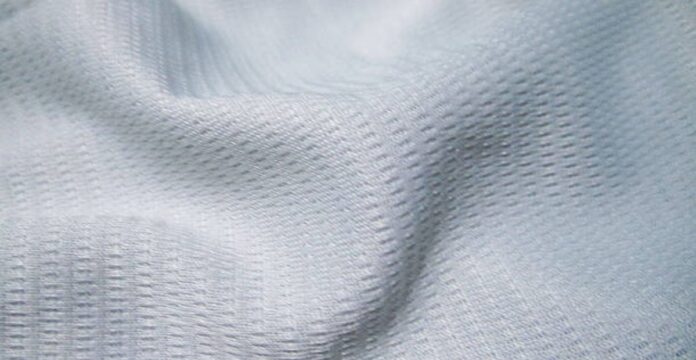
Modern sportswear focuses strongly on comfort, cooling, and performance. Therefore, fabric technology now plays a major role in athletic clothing. One of the most innovative materials today is Ice Flow Athletic Fabric. This advanced textile helps athletes stay cool during demanding workouts. Moreover, it manages sweat efficiently and supports natural body movement.Athletes often train in hot and humid environments. Because of this, traditional fabrics can trap heat and moisture. As a result, athletes feel uncomfortable and tired quickly. However, cooling performance fabrics solve this problem effectively.Ice Flow Athletic Fabric uses modern textile engineering. It combines breathable fibers, moisture-wicking technology, and quick-dry materials.
History of Ice Flow Athletic Fabric

The history of Ice Flow Athletic Fabric connects closely with the evolution of modern performance textiles. Although the exact name is relatively new, the technology behind cooling athletic fabrics developed over many decades. Textile engineers continuously searched for ways to keep athletes comfortable during physical activity. Therefore, innovation in sports fabrics gradually led to advanced cooling materials like Ice Flow Athletic Fabric.
During the early twentieth century, most athletes wore cotton sports clothing. Cotton felt soft and comfortable at first. However, it absorbed sweat heavily and dried very slowly. Consequently, athletes often felt wet, heavy, and uncomfortable during long workouts. Because of these problems, sports scientists and textile manufacturers began exploring better fabric solutions.
Types of Ice Flow Athletic Fabric
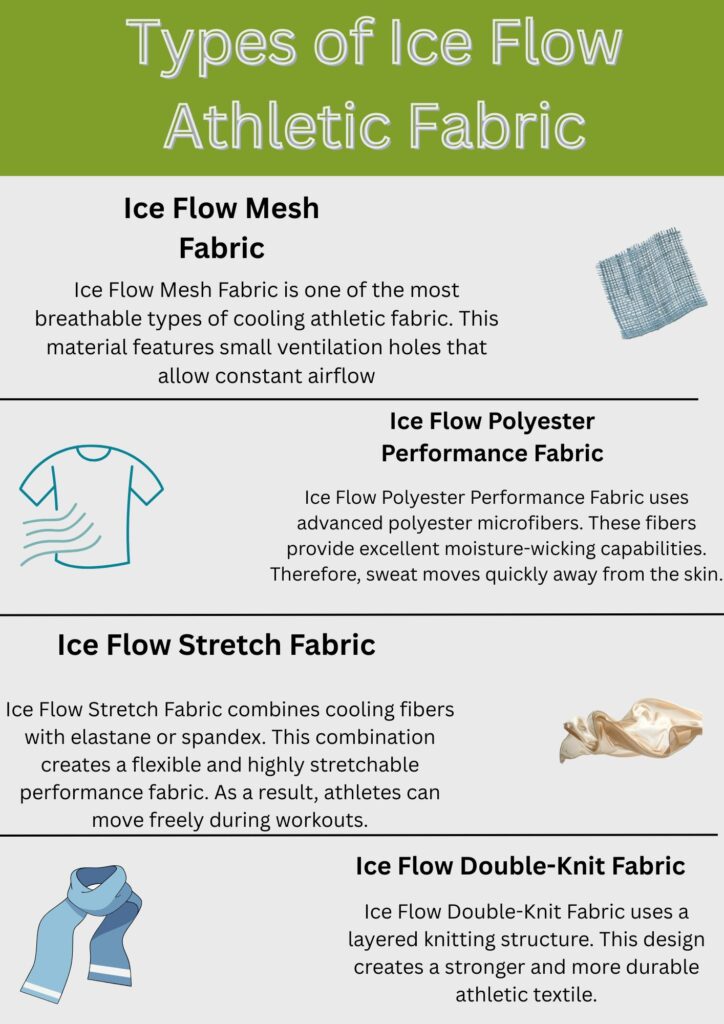
Ice Flow Athletic Fabric comes in several types designed for different sports activities. Manufacturers adjust fiber blends, fabric structures, and ventilation patterns to improve performance. Therefore, each type serves a specific athletic purpose. Some fabrics focus on cooling and airflow, while others emphasize stretch and durability.
Ice Flow Mesh Fabric
Ice Flow Mesh Fabric is one of the most breathable types of cooling athletic fabric. This material features small ventilation holes that allow constant airflow. As a result, heat escapes quickly from the body during exercise.
Athletes often use this fabric in running shirts and training tops. The mesh structure keeps the body cooler in hot weather conditions. Furthermore, the lightweight design reduces clothing weight during intense workouts.
Ice Flow Polyester Performance Fabric
Ice Flow Polyester Performance Fabric uses advanced polyester microfibers. These fibers provide excellent moisture-wicking capabilities. Therefore, sweat moves quickly away from the skin.
This fabric type dries extremely fast compared to cotton materials. Consequently, athletes remain comfortable during long training sessions. In addition, polyester fibers resist shrinking and maintain durability after repeated washing.
Ice Flow Stretch Fabric
Ice Flow Stretch Fabric combines cooling fibers with elastane or spandex. This combination creates a flexible and highly stretchable performance fabric. As a result, athletes can move freely during workouts.
Yoga clothing, compression wear, and training leggings commonly use this fabric type. The stretch fibers allow the material to adapt to body movements. Consequently, athletes enjoy better mobility and comfort.
Ice Flow Double-Knit Fabric
Ice Flow Double-Knit Fabric uses a layered knitting structure. This design creates a stronger and more durable athletic textile. At the same time, the inner layer manages moisture while the outer layer promotes evaporation.
Because of this structure, the fabric provides excellent sweat control. Athletes stay dry even during intense training sessions. Moreover, the thicker knit improves durability and shape retention.
Why Ice Flow Athletic Fabric Is Important for Athletes
Ice Flow Athletic Fabric has become an essential material in modern sportswear. Athletes train harder and longer today, so their clothing must support performance. Therefore, advanced fabrics play a critical role in athletic comfort and endurance. Ice Flow performance fabric helps regulate body temperature during intense workouts. Consequently, athletes remain cooler and more focused during training sessions.
Traditional fabrics often trap heat and moisture. As a result, athletes feel heavy, wet, and uncomfortable while exercising. However, Ice Flow Athletic Fabric solves these issues effectively. The fabric allows sweat to move away from the skin quickly. Then the moisture evaporates from the outer surface. This process naturally cools the body and reduces overheating.
What Is Ice Flow Athletic Fabric?
Definition and Concept
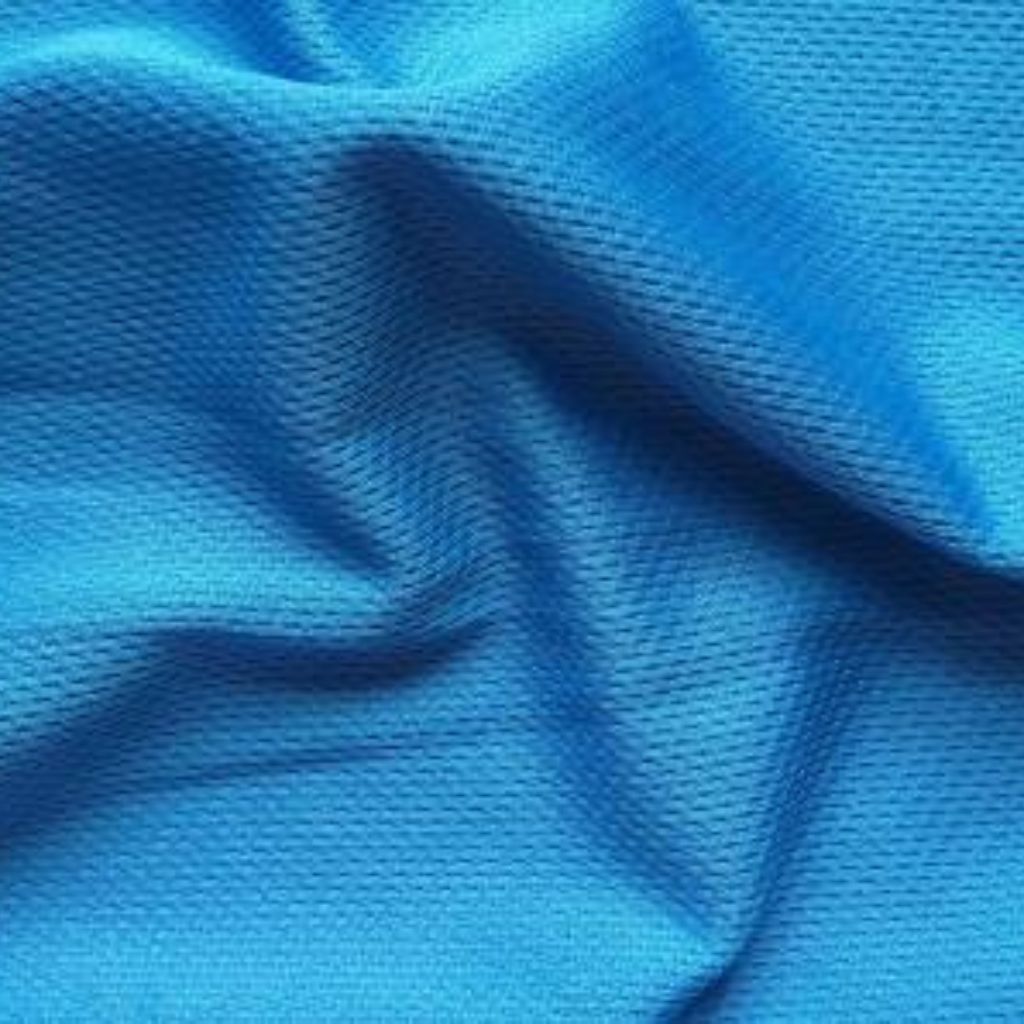
Ice Flow Athletic Fabric is a high-performance cooling textile designed for sports and fitness clothing. Manufacturers create this fabric to regulate body temperature during physical activity. Moreover, the material helps remove sweat quickly from the skin.
The concept behind this fabric focuses on moisture control and airflow. The fibers pull sweat away from the body and spread it across the surface. Consequently, the moisture evaporates rapidly. This process produces a cooling sensation during exercise.
In addition, this fabric supports freedom of movement. Athletes can stretch, run, and train without restriction. Therefore, the material improves both comfort and performance during workouts.
How It Differs from Traditional Sports Fabrics
Traditional cotton fabrics absorb sweat but dry slowly. As a result, the clothing becomes heavy and uncomfortable. However, Ice Flow Athletic Fabric behaves differently.
Instead of holding moisture, the fabric moves sweat away from the skin. Therefore, athletes remain dry and comfortable longer. Moreover, the fabric promotes airflow through micro-ventilation structures.
Additionally, this fabric weighs much less than many traditional materials. Because of this, athletes experience less fatigue during long workouts.
Key Materials Used in Ice Flow Fabric
Manufacturers use several advanced fibers to produce Ice Flow performance fabric. These fibers improve durability and moisture control.
Common materials include:
- Polyester microfibers
- Nylon performance fibers
- Elastane or spandex blends
- Cooling yarn technologies
These fibers work together to create a breathable and flexible fabric structure. Consequently, the material offers cooling, stretch, and durability.
How Ice Flow Athletic Fabric Works
Cooling Technology Explained
Cooling fabrics rely on advanced textile engineering. Ice Flow Athletic Fabric uses specially designed yarn structures. These structures create channels that allow heat to escape quickly.
When the body sweats, the fabric spreads moisture across its surface. As the moisture evaporates, it removes heat from the skin. Therefore, the body naturally cools down.
Furthermore, many versions include cool-touch fibers. These fibers feel cool when they contact the skin. As a result, athletes experience instant comfort during exercise.
Moisture-Wicking Mechanism
Moisture-wicking technology plays a major role in Ice Flow sports fabric. The fibers pull sweat away from the skin using capillary action. This process moves moisture through the fabric layers.
Once the sweat reaches the outer surface, it spreads across a larger area. Consequently, evaporation occurs faster. Therefore, athletes remain dry even during intense workouts.
Moreover, this mechanism prevents sweat accumulation. Because of this, athletes avoid the sticky feeling often caused by traditional fabrics.
Breathability and Ventilation Features
Breathability improves comfort during training. Ice Flow Athletic Fabric contains micro-ventilation zones. These zones allow air to circulate freely.
As fresh air enters the fabric, warm air escapes quickly. Consequently, body temperature remains stable. This airflow also supports sweat evaporation.
Many designs also include mesh panels. These panels increase airflow in high-sweat areas. Therefore, athletes stay cooler during demanding workouts.
Best Materials Used in Ice Flow Athletic Fabric
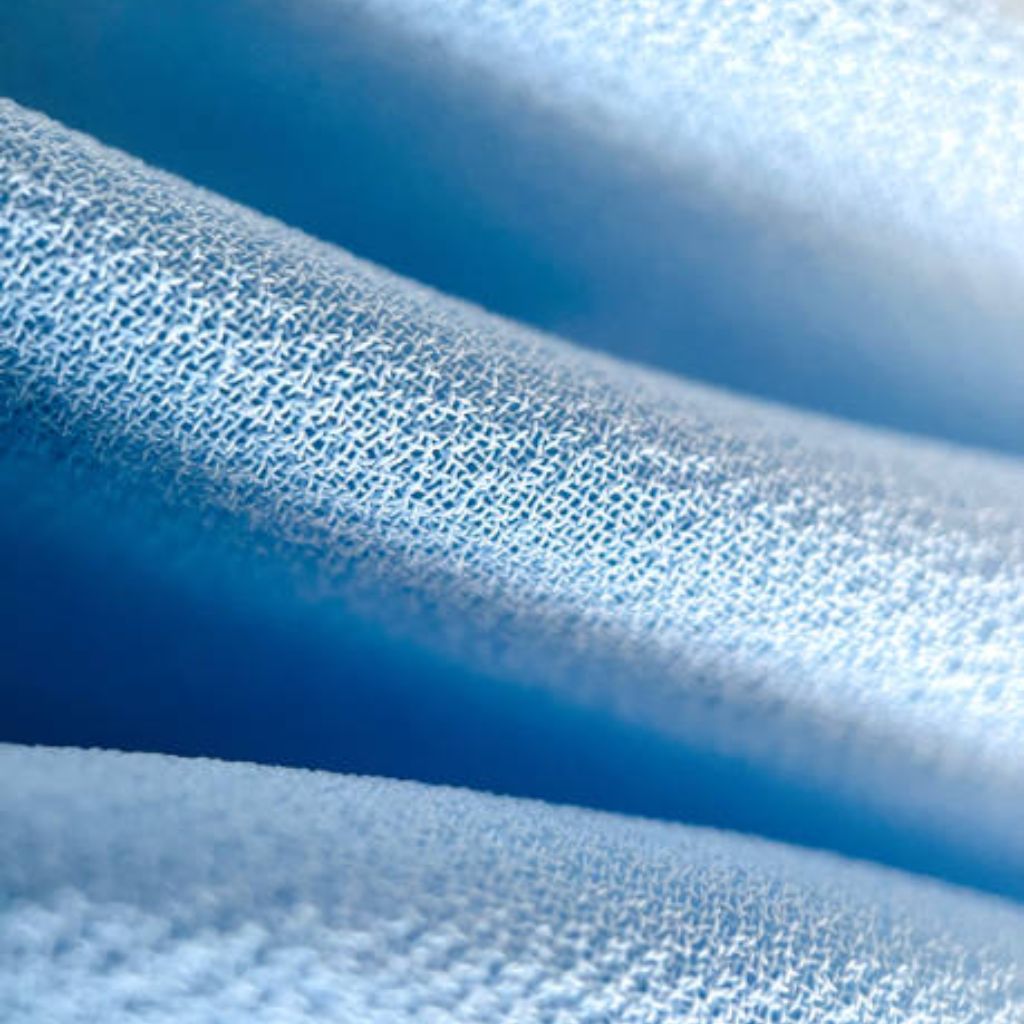
Ice Flow Athletic Fabric performs well because of the advanced materials used in its construction. Textile manufacturers carefully select fibers that provide cooling, breathability, and durability. Therefore, the quality of materials directly affects the performance of athletic clothing.
Polyester Microfiber
Polyester microfiber is one of the most widely used materials in cooling athletic fabrics. This fiber is extremely lightweight and durable. Moreover, it provides excellent moisture-wicking performance.
The microfiber structure helps move sweat away from the skin quickly. Consequently, moisture spreads across the fabric surface and evaporates faster. This process creates a cooling effect during workouts.
Nylon Performance Fiber
Nylon is another important material used in Ice Flow Athletic Fabric. This fiber is strong, smooth, and highly durable. Because of its strength, nylon fabrics withstand intense training conditions.
In addition, nylon provides a soft and comfortable texture against the skin. Many athletes prefer nylon-based sportswear for long training sessions. The fiber also supports good airflow and moisture control.
Elastane (Spandex) Stretch Fiber
Elastane, also known as spandex, provides flexibility in Ice Flow performance fabrics. This fiber allows clothing to stretch and return to its original shape easily.
Athletic movements require bending, stretching, and jumping. Therefore, stretch fibers improve comfort during physical activity. Clothing made with elastane adapts naturally to body movement.
Recycled Polyester
Recycled polyester has become increasingly important in sustainable sportswear. Manufacturers produce this material using recycled plastic bottles and waste materials.
Despite being environmentally friendly, recycled polyester still offers strong performance qualities. It maintains the moisture-wicking ability and durability of traditional polyester fibers.
Key Features of Ice Flow Athletic Fabric
Ice Flow cooling performance fabric offers several important features that support athletic performance.
• Moisture-Wicking Capability
This fabric efficiently pulls sweat away from the skin. As a result, athletes remain dry and comfortable. Furthermore, the moisture evaporates quickly, preventing sweat buildup during long training sessions.
• Quick-Dry Technology
Ice Flow sports fabric dries significantly faster than cotton materials. Therefore, athletes experience less discomfort during intense exercise. Additionally, quick drying helps prevent odor and bacteria growth.
• Lightweight Structure
The fabric uses lightweight fibers that reduce clothing weight. Consequently, athletes move freely without feeling restricted. This feature also reduces fatigue during long workouts.
• Breathability
Advanced ventilation structures allow constant airflow. As a result, heat escapes easily from the body. Therefore, athletes maintain better temperature control during physical activity.
• Stretch and Flexibility
Many Ice Flow fabrics contain elastane blends. These fibers allow the fabric to stretch naturally. Consequently, athletes enjoy full range of motion during training and sports.
• Odor Resistance
Some versions include antimicrobial treatments. These treatments prevent odor-causing bacteria. Therefore, sportswear remains fresh even after intense workouts.
Benefits of Ice Flow Athletic Fabric for Athletes
Athletes benefit greatly from high-performance fabrics. Ice Flow Athletic Fabric provides several practical advantages during training.First, the fabric keeps the body cool during workouts. Because moisture evaporates quickly, the skin temperature remains comfortable. Therefore, athletes avoid overheating.Second, the material prevents sweat buildup. Traditional fabrics often trap moisture against the skin. However, Ice Flow fabric continuously moves sweat away from the body.Third, athletes enjoy greater comfort during long training sessions. The lightweight and flexible material allows natural movement. Consequently, athletes focus more on performance rather than clothing discomfort.Additionally, cooling fabrics can enhance athletic performance. When the body remains cool, endurance improves. Therefore, athletes can train longer and more effectively.
Common Uses of Ice Flow Athletic Fabric
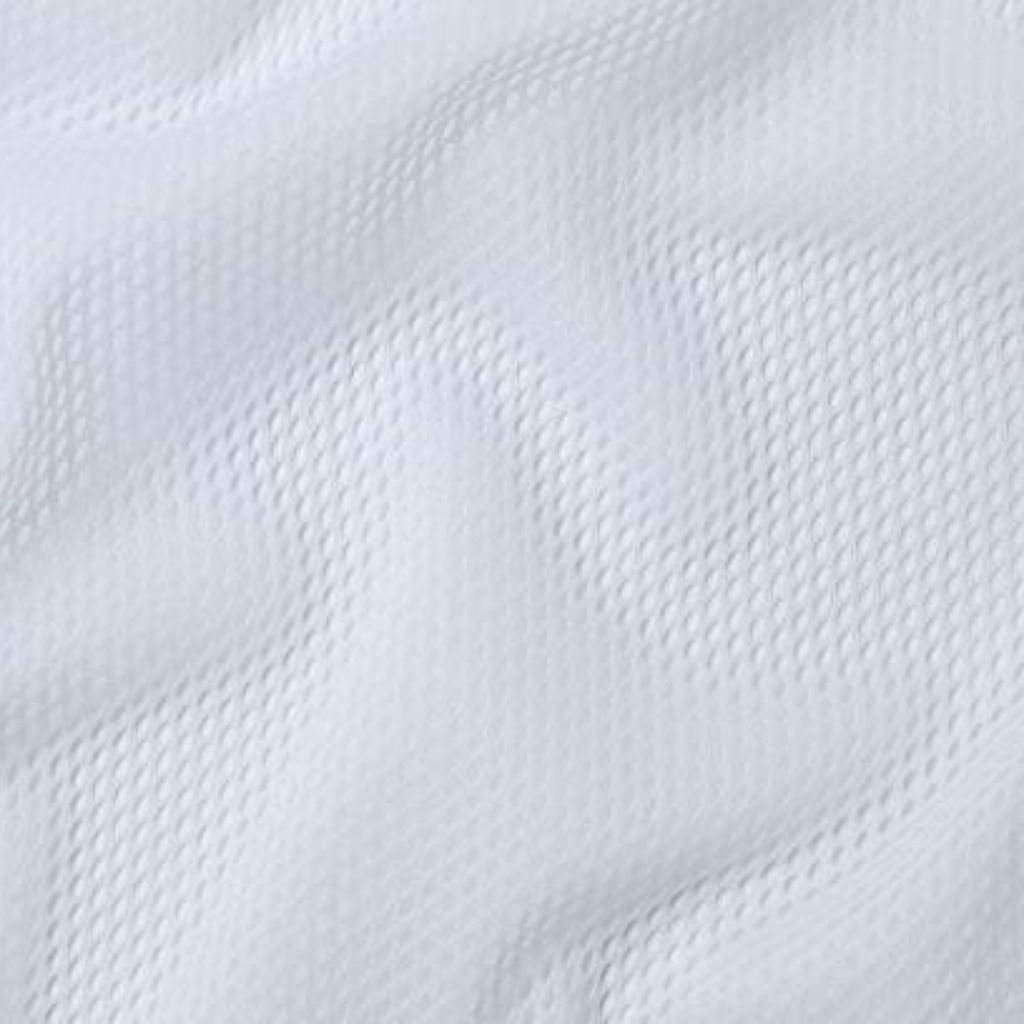
Ice Flow performance fabric appears in many types of sportswear. Because of its cooling and moisture-control properties, manufacturers use it widely in athletic clothing.
Running Shirts
Running shirts often use Ice Flow cooling fabric. Runners sweat heavily during long distances. Therefore, moisture-wicking fabrics help keep the body dry and cool.
These shirts usually feature breathable mesh panels. As a result, airflow increases during running sessions.
Gym Wear
Gym clothing must support flexibility and comfort. Ice Flow Athletic Fabric provides both qualities. Therefore, many gym shirts and training tops use this material.
Additionally, the fabric handles repeated sweating effectively. This feature makes it ideal for weight training and cardio exercises.
Training Shorts
Athletic shorts benefit greatly from lightweight fabrics. Ice Flow performance material allows free movement during workouts. Consequently, athletes can perform squats, jumps, and sprints comfortably.
The quick-dry feature also improves hygiene after intense exercise.
Yoga Clothing
Yoga clothing requires stretch and breathability. Ice Flow sports fabric contains elastane fibers. Therefore, it supports flexible movement and body stretching.
Moreover, breathable materials prevent overheating during long yoga sessions.
Outdoor Sports Apparel
Outdoor athletes often face hot environments. Ice Flow Athletic Fabric helps regulate body temperature during outdoor activities. Therefore, it appears in hiking shirts, cycling jerseys, and training tops.
These garments protect athletes from excessive heat during extended activities.
Ice Flow Athletic Fabric vs Other Performance Fabrics
Different fabrics serve different athletic purposes. However, Ice Flow cooling fabric offers unique advantages compared to other materials.
| Fabric Type | Breathability | Moisture Control | Weight | Stretch |
|---|---|---|---|---|
| Ice Flow Athletic Fabric | Excellent | Excellent | Very Light | High |
| Polyester Performance Fabric | Good | Good | Light | Medium |
| Nylon Athletic Fabric | Moderate | Good | Medium | Medium |
| Spandex Blends | Moderate | Low | Light | Very High |
Ice Flow fabric combines several advantages simultaneously. Therefore, it often performs better in hot training environments.
How to Choose Clothing Made with Ice Flow Athletic Fabric
Choosing the right sportswear requires careful consideration. Several factors determine the quality and performance of Ice Flow Athletic Fabric clothing.First, examine the fabric blend. High-quality sportswear often combines polyester, nylon, and elastane fibers. This combination provides durability and flexibility.Second, evaluate the breathability level. Look for mesh panels or ventilation zones. These features increase airflow during exercise.Third, consider the stretch capability. Clothing should allow full movement during workouts. Fabrics containing elastane provide better flexibility.Finally, check the durability of the material. Quality cooling fabrics should withstand frequent washing and intense training sessions.
Environmental Impact and Sustainability
The sportswear industry increasingly focuses on sustainability. Therefore, many manufacturers now develop eco-friendly Ice Flow Athletic Fabric.Some companies use recycled polyester fibers made from plastic bottles. This process reduces environmental waste while producing durable fabric.Additionally, modern manufacturing methods reduce water consumption. Many textile factories now use energy-efficient dyeing processes.Furthermore, durable fabrics reduce clothing waste. Long-lasting sportswear requires fewer replacements. Consequently, sustainable athletic fabrics support environmental protection.Sustainable sportswear continues growing as consumers prefer eco-friendly products.
Future Trends in Cooling Athletic Fabrics
Textile innovation continues evolving rapidly. Future cooling fabrics will become even more advanced.One major trend involves smart textiles. These fabrics may monitor body temperature and adjust cooling performance automatically.Another development includes temperature-regulating fibers. These fibers adapt to changing environmental conditions. Therefore, athletes remain comfortable in different climates.Additionally, researchers are developing nanotechnology fabrics. These fabrics improve moisture control and durability.Sportswear companies also explore bio-based fibers for sustainable performance clothing. Consequently, future athletic fabrics will combine performance and environmental responsibility.
Care and Maintenance of Ice Flow Athletic Fabric
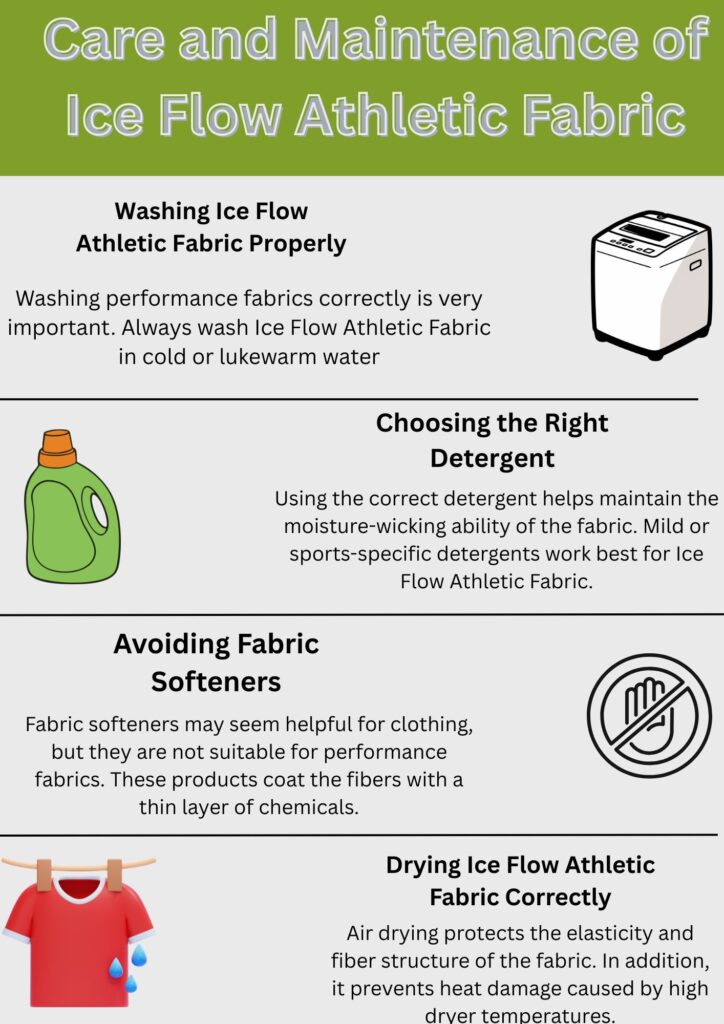
Proper care helps maintain the cooling performance of Ice Flow Athletic Fabric. Although this fabric is durable, it still requires correct washing and drying methods. Therefore, athletes should follow specific care guidelines to protect the fabric structure.
Washing Ice Flow Athletic Fabric Properly
Washing performance fabrics correctly is very important. Always wash Ice Flow Athletic Fabric in cold or lukewarm water. High temperatures may weaken synthetic fibers and reduce fabric performance.
Use a gentle washing cycle when possible. This setting protects the fabric from excessive friction inside the washing machine. Moreover, turning garments inside out helps protect the outer surface of the fabric.
Choosing the Right Detergent
Using the correct detergent helps maintain the moisture-wicking ability of the fabric. Mild or sports-specific detergents work best for Ice Flow Athletic Fabric.
Strong chemical detergents can damage performance fibers. As a result, the fabric may lose its cooling and sweat-control properties. Therefore, athletes should choose gentle cleaning products.
Avoiding Fabric Softeners
Fabric softeners may seem helpful for clothing, but they are not suitable for performance fabrics. These products coat the fibers with a thin layer of chemicals.
Because of this coating, the fabric channels that move moisture may become blocked. Consequently, Ice Flow Athletic Fabric may lose its moisture-wicking ability.
Drying Ice Flow Athletic Fabric Correctly
Drying methods also affect the performance of cooling athletic fabrics. The best method is air drying. Hang the clothing on a rack or clothesline in a well-ventilated area.
Air drying protects the elasticity and fiber structure of the fabric. In addition, it prevents heat damage caused by high dryer temperatures.
Conclusion
Ice Flow Athletic Fabric represents a major advancement in modern sportswear technology. The fabric combines cooling performance, moisture-wicking capability, and lightweight comfort. Consequently, athletes experience better comfort during demanding workouts.
Moreover, the fabric supports natural movement and efficient temperature control. These qualities help athletes maintain endurance and focus during training sessions. Therefore, many sports brands now incorporate cooling fabrics into their designs.
FAQs
Is Ice Flow Athletic Fabric good for hot weather?
Yes, Ice Flow Athletic Fabric performs extremely well in hot environments. The fabric allows heat to escape while removing sweat quickly. Therefore, athletes stay cooler during exercise.
Is Ice Flow fabric breathable?
Yes, the fabric provides excellent breathability. Micro-ventilation structures allow air circulation through the material. Consequently, body temperature remains balanced during workouts.
What sports are best suited for this fabric?
Ice Flow cooling fabric works well for many sports. Running, cycling, gym training, yoga, and hiking benefit greatly from its cooling properties.
Is Ice Flow fabric durable?
Yes, most versions use strong synthetic fibers such as polyester and nylon. These fibers resist wear and repeated washing. Therefore, the fabric remains durable for long-term athletic use.