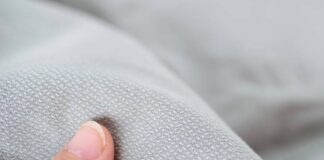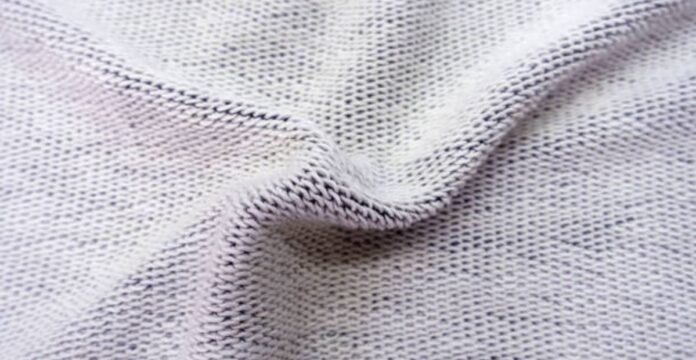
Dry Flow Cooling Knit is a modern performance textile designed for intense workouts and hot climates. Manufacturers engineer this fabric using advanced knitting technology and specialized synthetic fibers. As a result, the material promotes strong airflow and rapid moisture evaporation.Athletes often experience excessive sweating during training. Therefore, sportswear must control moisture and body heat effectively. Dry Flow Cooling Knit fabric solves this problem by combining breathability with fast-drying properties.
Moreover, the knit structure allows air to move freely through the garment. Consequently, the wearer feels cooler during physical activities. This feature makes the fabric ideal for gym sessions, running, and outdoor sports.Modern sportswear must perform beyond simple comfort. Athletes require clothing that supports endurance, temperature control, and mobility. Therefore, cooling fabrics like Dry Flow Cooling Knit play an essential role in athletic performance.
History of Dry Flow Cooling Knit Fabric
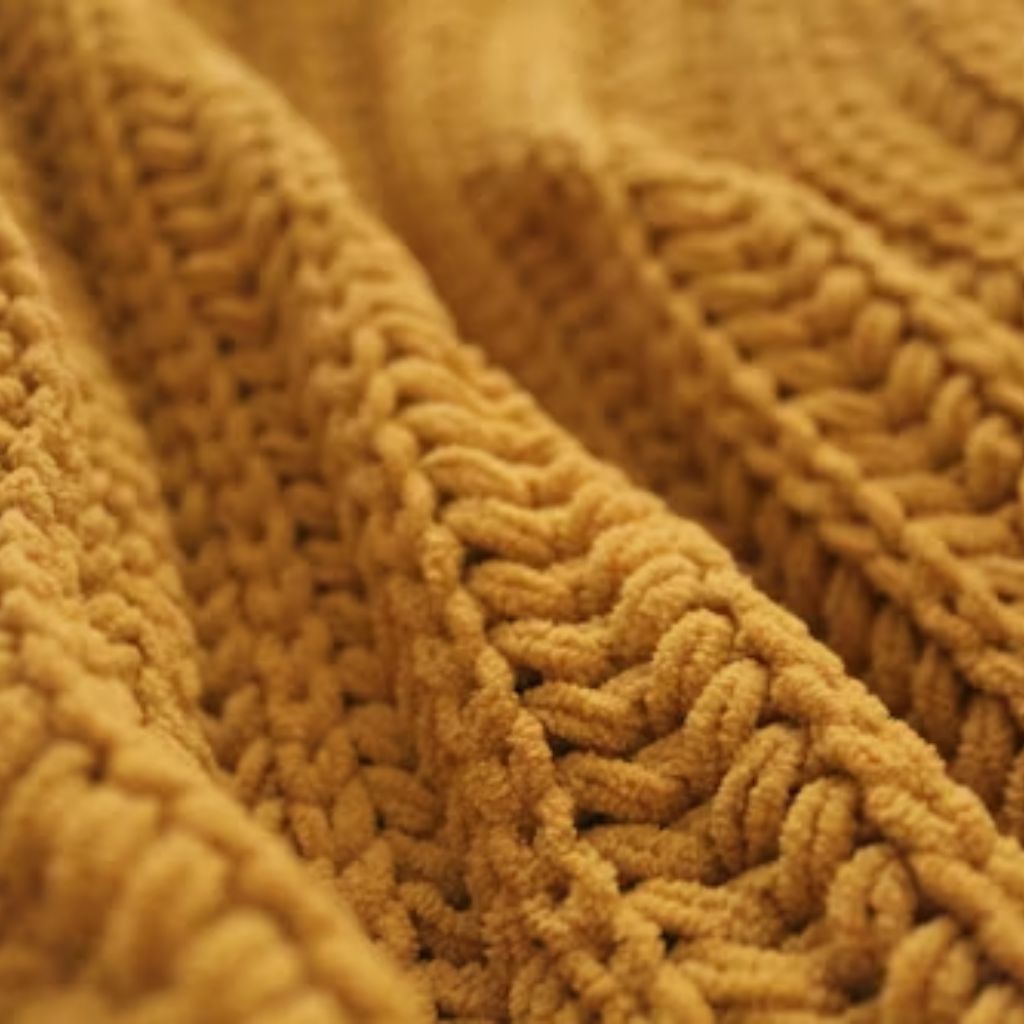
The development of Dry Flow Cooling Knit fabric connects closely with the evolution of modern performance textiles. In earlier centuries, athletes mainly wore natural fibers such as cotton and wool. These fabrics provided comfort and softness. However, they absorbed large amounts of sweat and dried very slowly. As a result, athletes often felt heavy and uncomfortable during training.
During the mid-20th century, textile manufacturers started experimenting with synthetic fibers. Materials such as polyester and nylon began to replace traditional fabrics in sportswear. These fibers were lighter and stronger than natural materials. Moreover, they dried faster and resisted damage from frequent washing. Because of these advantages, synthetic fabrics became popular in athletic clothing.
Types of Dry Flow Cooling Knit Fabric
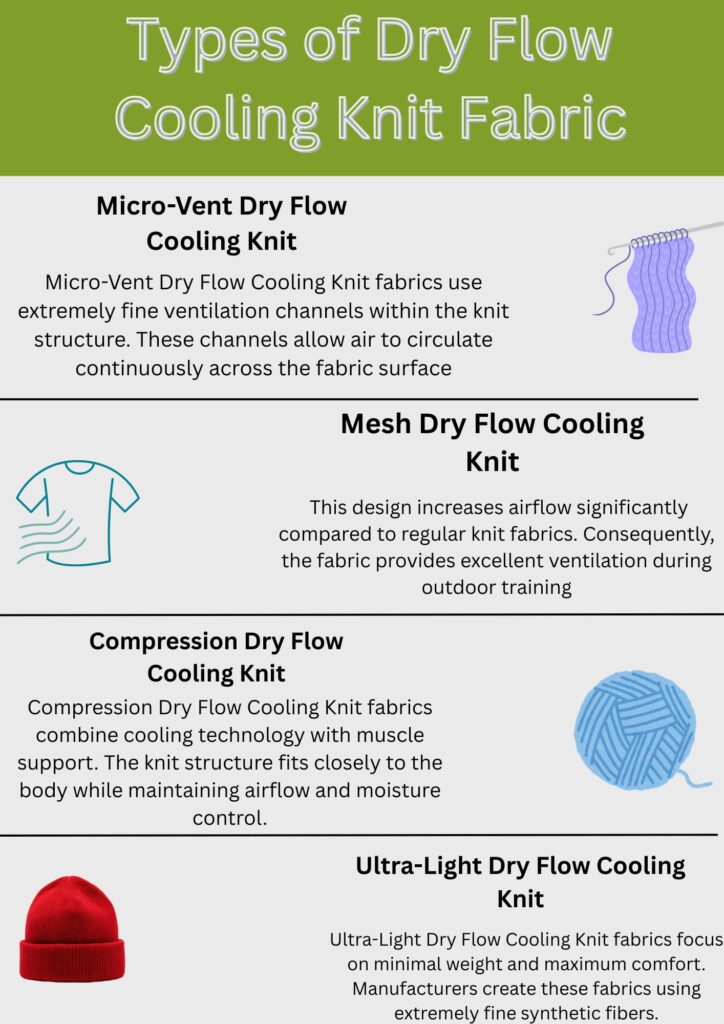
Dry Flow Cooling Knit fabrics come in several specialized types. Each type is designed for different performance needs and training conditions. Manufacturers adjust yarn structures, fiber blends, and knit patterns to improve cooling efficiency. As a result, athletes can choose fabrics that match their specific activity levels.
Micro-Vent Dry Flow Cooling Knit
Micro-Vent Dry Flow Cooling Knit fabrics use extremely fine ventilation channels within the knit structure. These channels allow air to circulate continuously across the fabric surface. As a result, body heat escapes quickly during intense workouts.
Additionally, the micro-vent design enhances moisture evaporation. Sweat spreads across the fabric and dries rapidly. Therefore, athletes remain cooler and more comfortable during high-intensity training sessions.
Mesh Dry Flow Cooling Knit
Mesh Dry Flow Cooling Knit fabrics feature a visible open-knit structure. This design increases airflow significantly compared to regular knit fabrics. Consequently, the fabric provides excellent ventilation during outdoor training.
Furthermore, mesh cooling knit fabrics are lightweight and flexible. Many running shirts and training jerseys use this material. Because of its breathable nature, it works especially well in hot and humid climates.
Compression Dry Flow Cooling Knit
Compression Dry Flow Cooling Knit fabrics combine cooling technology with muscle support. The knit structure fits closely to the body while maintaining airflow and moisture control.
This type of fabric helps improve blood circulation during workouts. As a result, athletes may experience better endurance and faster recovery. Compression cooling knit fabrics are commonly used in performance leggings and training tops.
Ultra-Light Dry Flow Cooling Knit
Ultra-Light Dry Flow Cooling Knit fabrics focus on minimal weight and maximum comfort. Manufacturers create these fabrics using extremely fine synthetic fibers.
Because of their lightweight structure, these fabrics feel almost weightless during workouts. Moreover, they dry very quickly after absorbing sweat. Therefore, they are ideal for running shirts, summer training gear, and lightweight gym clothing.
What Is Dry Flow Cooling Knit Fabric?
Definition and Concept
Dry Flow Cooling Knit fabric refers to a specially engineered textile that focuses on cooling, breathability, and moisture control. Manufacturers create this fabric using advanced knitting machines and high-performance yarns.The concept behind Dry Flow Cooling Knit is simple yet effective. The fabric quickly pulls sweat away from the skin. Then it spreads the moisture across the outer surface of the material.
Because of this process, sweat evaporates faster. Consequently, the wearer stays dry and comfortable even during intense workouts.
How Cooling Knit Technology Works
Cooling knit technology works through a combination of fiber engineering and knit structure design. Performance fibers absorb moisture quickly and transfer it away from the skin.Afterward, the knit pattern allows air to circulate freely around the body. This airflow speeds up the evaporation process. As a result, the body cools naturally during exercise.
Furthermore, many cooling knit fabrics use micro-channel yarn technology. These tiny channels move moisture efficiently through the fabric layers. Therefore, the cooling effect becomes stronger during physical activity.
Difference Between Traditional Knit Fabric and Cooling Knit Fabric
Traditional knit fabrics usually focus on softness and elasticity. While these fabrics provide comfort, they often trap heat and moisture. Consequently, athletes may feel warm and sweaty during workouts.Dry Flow Cooling Knit fabrics function differently. They prioritize moisture management and airflow. Therefore, they perform better during high-intensity activities.
Additionally, cooling knit fabrics dry much faster than regular knits. This feature prevents heavy and damp clothing during exercise. As a result, athletes experience greater comfort and mobility.
Key Features of Dry Flow Cooling Knit
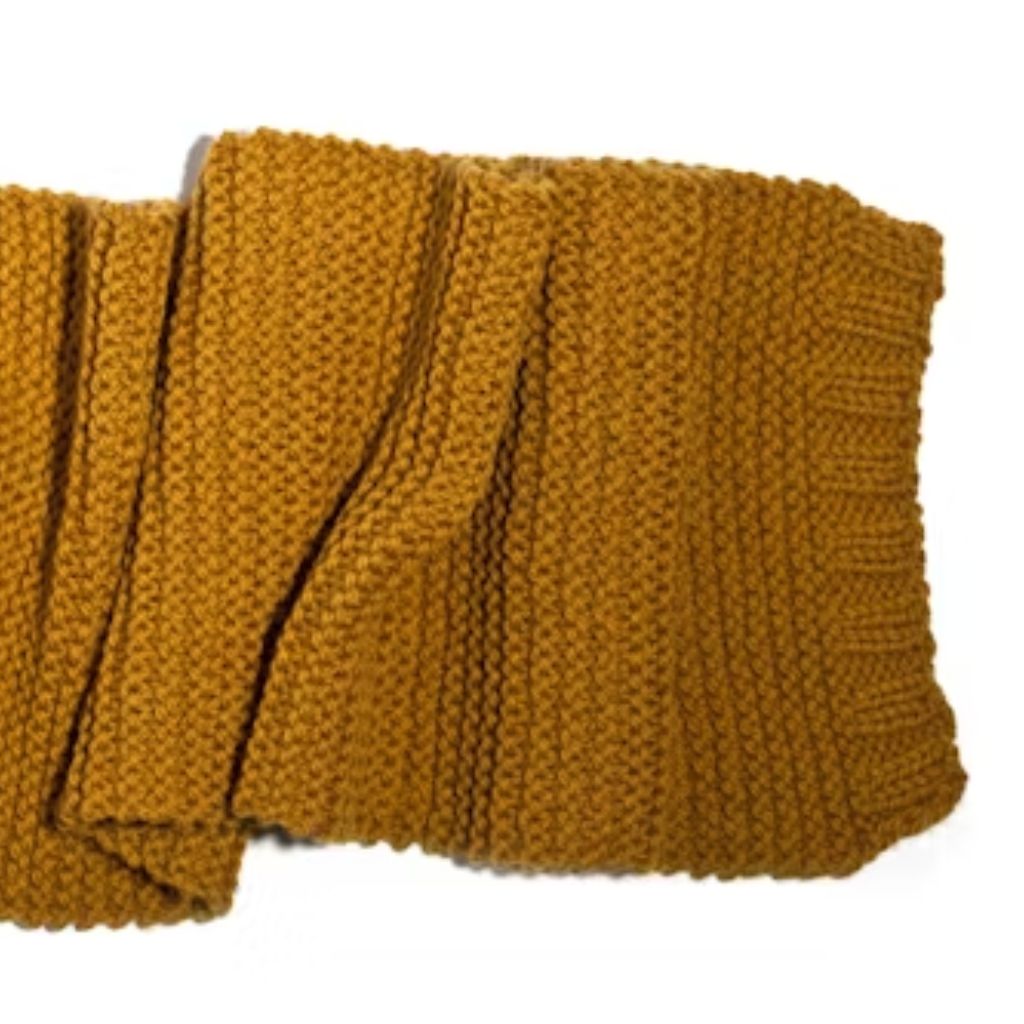
Dry Flow Cooling Knit fabrics include several advanced features that support athletic performance. These characteristics help athletes stay comfortable during challenging workouts. Moreover, the fabric design enhances cooling efficiency and durability.
The combination of moisture control, breathability, and flexibility makes this fabric ideal for sportswear. Therefore, many athletic brands prefer this textile for training garments.
Moisture-Wicking Technology
Moisture-wicking technology is one of the most important features of Dry Flow Cooling Knit fabrics. The fibers quickly pull sweat away from the skin. Consequently, the body remains dry during exercise.After absorbing sweat, the fabric spreads the moisture across a larger surface area. This process accelerates evaporation. As a result, athletes experience faster cooling.
Furthermore, moisture-wicking fabrics reduce skin irritation caused by damp clothing. Therefore, athletes remain comfortable even during long workouts.
Breathability
Breathability plays a vital role in cooling knit fabrics. The knit structure contains small air channels that allow airflow through the garment. Therefore, heat escapes from the body easily.As airflow increases, the fabric maintains a cooler internal environment. Consequently, athletes avoid overheating during intense training.
Additionally, breathable fabrics improve comfort in humid weather conditions. This feature makes Dry Flow Cooling Knit perfect for summer workouts.
Quick-Dry Performance
Quick-dry performance distinguishes Dry Flow Cooling Knit from many traditional fabrics. Performance fibers resist water absorption and dry rapidly.When sweat spreads across the fabric surface, evaporation occurs quickly. As a result, the garment dries faster than cotton or regular knit fabrics.
This feature prevents heavy and damp clothing during workouts. Consequently, athletes maintain comfort and mobility throughout training sessions.
Lightweight Comfort
Dry Flow Cooling Knit fabrics use lightweight fibers that reduce garment weight. Because of this design, athletes experience minimal fabric resistance during movement.Lightweight sportswear also helps regulate body temperature more efficiently. Heavy fabrics often trap heat around the body. However, cooling knit fabrics promote airflow and cooling.
Therefore, athletes enjoy better comfort and freedom of movement during training.
Stretch and Flexibility
Stretch capability is another key feature of Dry Flow Cooling Knit fabrics. Many versions include elastane or flexible yarn blends.These materials allow the fabric to stretch naturally with body movement. As a result, athletes perform dynamic exercises comfortably.
Moreover, the fabric quickly returns to its original shape after stretching. This elasticity improves garment durability and long-term performance.
Common Uses of Dry Flow Cooling Knit Fabric
Dry Flow Cooling Knit fabric is widely used in modern sportswear and activewear. Its breathable structure and moisture-wicking ability make it ideal for activities that involve heavy sweating. Therefore, many clothing manufacturers prefer this fabric for performance garments.
Sportswear and Athletic Apparel
Sportswear is one of the most common applications of Dry Flow Cooling Knit fabric. Many athletic brands use this fabric in performance shirts, shorts, and jerseys. These garments must control sweat and body heat during intense physical activity.
Furthermore, the breathable knit structure helps maintain airflow around the body. As a result, athletes stay cooler and more comfortable during training sessions. This feature makes Dry Flow Cooling Knit fabric very popular in professional sportswear design.
Gym and Fitness Clothing
Gym clothing frequently uses Dry Flow Cooling Knit technology. Fitness activities such as weight training, cardio workouts, and aerobics produce significant body heat. Therefore, moisture-wicking fabrics become essential for comfort.
Additionally, the fabric dries quickly after absorbing sweat. This quick-dry performance prevents clothing from feeling heavy during workouts. Consequently, gym enthusiasts prefer cooling knit fabrics for their daily training sessions.
Running Shirts and Training Wear
Running apparel often includes Dry Flow Cooling Knit fabrics. Runners typically train outdoors in warm environments. Because of this, breathable clothing becomes very important.
The cooling knit structure allows air to circulate around the body while running. At the same time, sweat moves away from the skin quickly. As a result, runners experience less discomfort and better endurance during long-distance training.
Outdoor Sports Apparel
Outdoor sports activities require clothing that can handle varying weather conditions. Hiking, cycling, tennis, and football players often wear garments made with Dry Flow Cooling Knit fabric.
The fabric helps regulate body temperature during prolonged outdoor activities. Moreover, its lightweight structure prevents overheating under direct sunlight. Therefore, outdoor athletes benefit greatly from this cooling textile.
Benefits of Dry Flow Cooling Knit Fabric
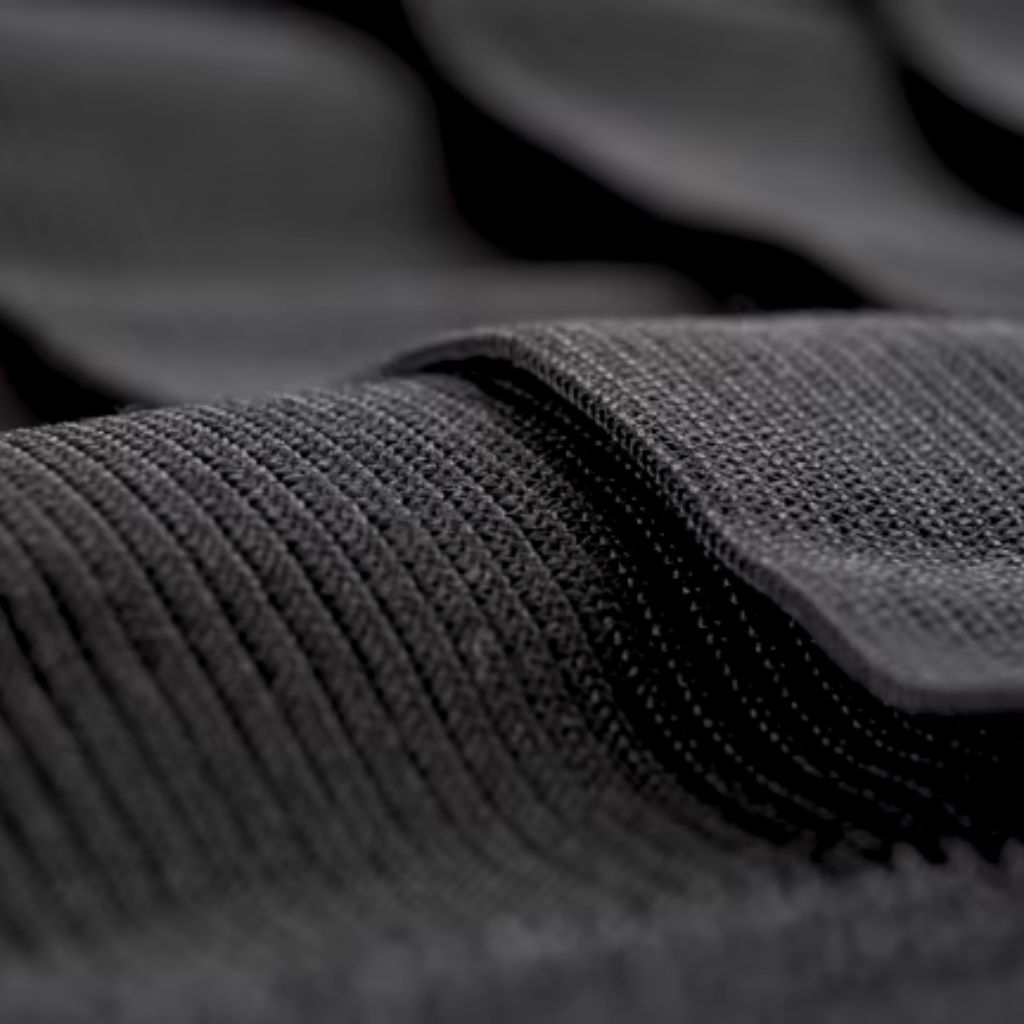
Dry Flow Cooling Knit fabrics offer numerous advantages for athletes and active individuals. These benefits explain why the material is widely used in modern sportswear.One major benefit is improved temperature control. The breathable knit structure allows heat to escape quickly. Consequently, athletes stay cooler during workouts.Another advantage involves moisture management. The fabric removes sweat efficiently and prevents moisture buildup. Therefore, athletes remain dry even during intense training.Additionally, the fabric improves comfort in hot weather environments. Many outdoor athletes train under direct sunlight. Cooling knit fabrics help reduce heat stress in these conditions.Dry Flow Cooling Knit also enhances athletic performance. When athletes feel comfortable, they can focus better on their training routines. Consequently, endurance and workout efficiency improve.
Finally, the fabric reduces odor and bacterial growth. Quick-dry technology prevents moisture accumulation that encourages bacteria. Therefore, sportswear stays fresher for longer periods.
How Dry Flow Cooling Knit Technology Works
Dry Flow Cooling Knit technology relies on several scientific principles. These principles combine textile engineering with moisture management techniques.First, advanced fiber structures transport moisture quickly from the skin. Special fiber cross-sections improve sweat absorption and movement.Second, cooling yarn technology enhances airflow within the fabric. Many yarns contain micro-channels that improve ventilation.Third, the moisture evaporation process provides natural cooling. When sweat evaporates from the fabric surface, it removes heat from the body.
Finally, the knit structure supports continuous air circulation. The open knit design allows fresh air to move through the garment during movement. Consequently, athletes experience a consistent cooling effect.
Applications of Dry Flow Cooling Knit
Dry Flow Cooling Knit fabrics serve many applications in the sportswear industry. Their cooling and breathable properties make them highly versatile.Sportswear and athletic apparel represent the most common use. Performance shirts, shorts, and jerseys frequently use cooling knit fabrics.Gym clothing also benefits greatly from this material. Workout tops and training shorts require moisture management and flexibility.Running shirts and training wear often feature Dry Flow Cooling Knit technology. Runners train in warm conditions and require breathable clothing.Outdoor apparel also uses cooling knit fabrics. Hiking shirts and cycling jerseys rely on airflow and sweat control.
Finally, summer activewear frequently includes this textile. Lightweight yoga tops and fitness shirts benefit from cooling knit technology.
Why Athletes Prefer Dry Flow Cooling Knit
Athletes choose Dry Flow Cooling Knit fabrics because they improve comfort during workouts. The cooling properties reduce heat buildup and maintain body temperature.Runners benefit from lightweight and breathable fabrics during long distances. Cooling knit materials prevent overheating.Gym athletes also appreciate moisture-wicking properties. Strength training sessions produce significant sweat.Outdoor sports players rely on cooling fabrics during competitions. Breathable clothing supports endurance and comfort.
Fitness enthusiasts also prefer Dry Flow Cooling Knit for daily workouts. The fabric supports flexibility and long training sessions.
How to Choose High-Quality Dry Flow Cooling Knit Fabric
Choosing quality Dry Flow Cooling Knit fabric requires attention to several important factors.Fabric weight plays a key role in comfort. Lightweight fabrics between 120 and 180 GSM usually provide better breathability.Stretch capability also improves athletic movement. Fabrics with elastane offer better flexibility.Durability is another important factor. High-quality yarns resist wear and repeated washing.Breathability level should also be considered carefully. Open knit structures allow stronger airflow.
Finally, fabric blends influence performance. Polyester-elastane blends usually provide the best moisture control.
Sustainability and Eco-Friendly Cooling Fabrics
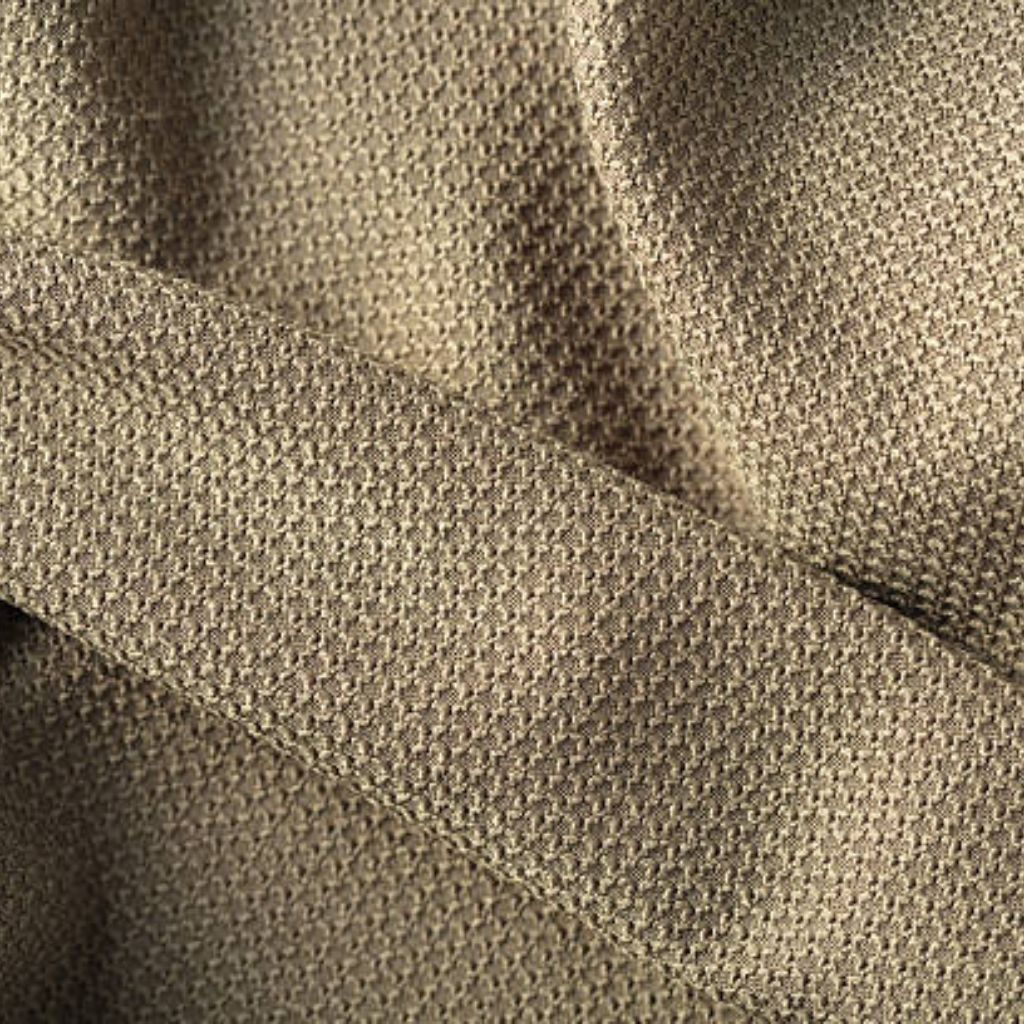
Sustainability has become an important topic in textile manufacturing. Many brands now produce eco-friendly cooling knit fabrics.Recycled polyester cooling knits reduce plastic waste significantly. Manufacturers transform plastic bottles into high-performance fibers.Eco-friendly textile production also reduces environmental impact. Modern factories use safer chemicals and energy-efficient processes.Additionally, some cooling fabrics require less water during manufacturing. These innovations help conserve valuable natural resources.Consequently, sustainable Dry Flow Cooling Knit fabrics support both performance and environmental responsibility.
Future Trends in Cooling Knit Technology
Cooling textile technology continues to evolve rapidly. Researchers are developing new materials that improve performance.Smart cooling textiles represent a major innovation. These fabrics respond to body temperature and environmental conditions.Temperature-regulating fibers also improve comfort. Some materials absorb heat and release it slowly.Artificial intelligence now assists textile engineers in designing advanced fabrics. AI helps create optimized fiber structures and knit patterns.Therefore, future Dry Flow Cooling Knit fabrics will likely offer even better cooling, durability, and comfort for athletes worldwide.
Care and Maintenance of Dry Flow Cooling Knit Fabric
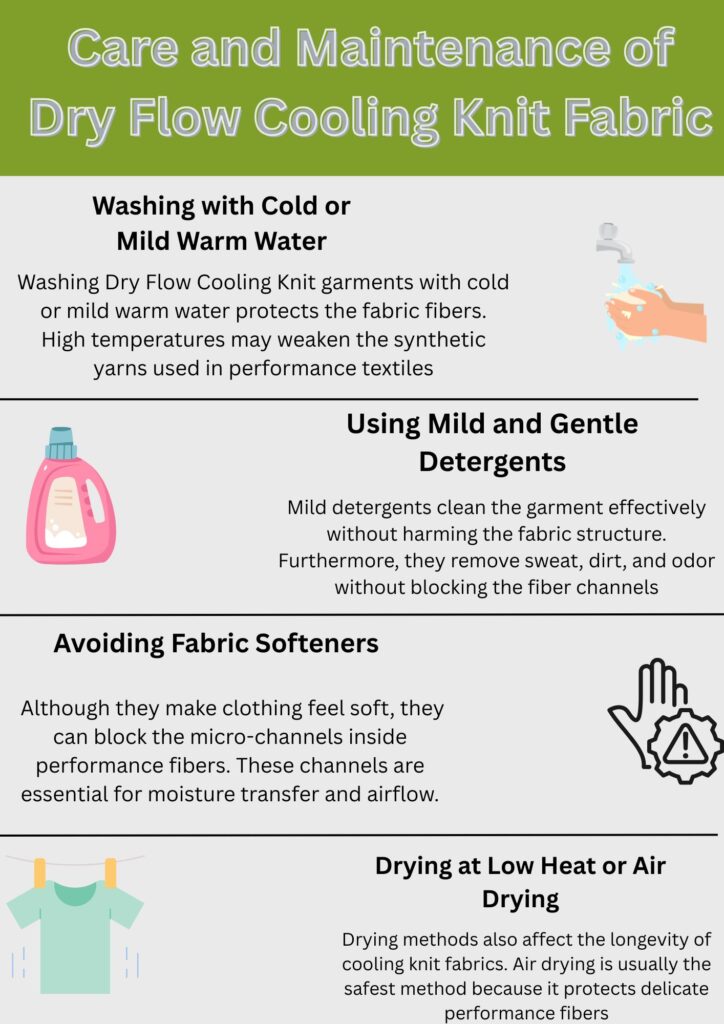
Proper care plays an important role in maintaining the performance of Dry Flow Cooling Knit fabrics. These textiles are designed with advanced moisture-wicking fibers and breathable knit structures. However, incorrect washing or drying methods can reduce their cooling efficiency. Therefore, athletes and users must follow proper care routines.
Washing with Cold or Mild Warm Water
Washing Dry Flow Cooling Knit garments with cold or mild warm water protects the fabric fibers. High temperatures may weaken the synthetic yarns used in performance textiles. Therefore, using moderate water temperatures helps preserve the fabric structure.
Additionally, cold water washing prevents damage to moisture-wicking channels within the fibers. These channels allow sweat to move away from the skin quickly. When the fabric structure remains intact, the cooling performance stays effective.
Using Mild and Gentle Detergents
Choosing a gentle detergent is very important for performance fabrics. Harsh chemicals and strong cleaning agents may damage the fibers. Consequently, the moisture-wicking capability of the fabric can decrease.
Mild detergents clean the garment effectively without harming the fabric structure. Furthermore, they remove sweat, dirt, and odor without blocking the fiber channels. As a result, Dry Flow Cooling Knit fabrics maintain their breathability and cooling properties.
Avoiding Fabric Softeners
Fabric softeners should be avoided when washing cooling knit garments. Although they make clothing feel soft, they can block the micro-channels inside performance fibers. These channels are essential for moisture transfer and airflow.
When fabric softeners coat the fibers, the fabric may lose its moisture-wicking ability. Consequently, sweat may remain trapped inside the garment. Avoiding fabric softeners helps maintain the natural cooling function of Dry Flow Cooling Knit fabrics.
Drying at Low Heat or Air Drying
Drying methods also affect the longevity of cooling knit fabrics. Air drying is usually the safest method because it protects delicate performance fibers. Hanging the garment in a shaded area allows moisture to evaporate naturally.
If a dryer is used, it should operate at a low heat setting. Excessive heat can damage the knit structure and reduce elasticity. Therefore, gentle drying methods help preserve both flexibility and cooling performance.
Conclusion
Dry Flow Cooling Knit fabric has become an essential material in modern sportswear and activewear. Its advanced design focuses on breathability, moisture management, and temperature control. As a result, athletes and fitness enthusiasts can train comfortably even in hot weather conditions. Unlike traditional fabrics, this cooling knit technology actively supports the body’s natural cooling process.
FAQs
What is Dry Flow Cooling Knit fabric?
Dry Flow Cooling Knit fabric is a high-performance textile designed for hot weather training. It uses advanced knit structures and moisture-wicking fibers to control sweat and heat. As a result, the fabric helps athletes stay cool and comfortable during intense workouts.
Why is Dry Flow Cooling Knit fabric good for hot weather?
Dry Flow Cooling Knit fabric performs well in hot weather because it manages moisture efficiently. The fibers pull sweat away from the skin and spread it across the fabric surface. Consequently, the moisture evaporates quickly.
Is Dry Flow Cooling Knit better than cotton for sportswear?
Yes, Dry Flow Cooling Knit fabric usually performs better than cotton in athletic activities. Cotton absorbs sweat but dries very slowly. Because of this, cotton clothing can feel heavy and uncomfortable during workouts.