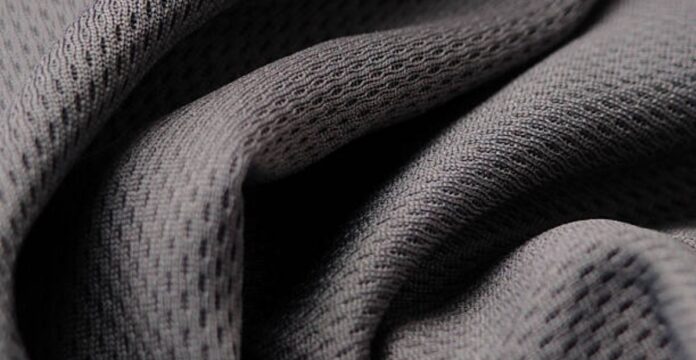
Modern sportswear focuses strongly on comfort and performance. Therefore, innovative textile technologies are becoming essential for athletes and active individuals. One such innovation is Hydro Wick Active Fabric, a material designed to keep the body cool and dry during physical activity. This advanced fabric technology improves moisture management and enhances athletic performance.Hydro Wick Active Fabric quickly pulls sweat away from the skin. After that, the moisture spreads across the fabric surface. As a result, evaporation happens faster and the body stays cooler. Because of this process, athletes experience less discomfort during intense workouts.Moreover, the fabric supports breathability and airflow. These features prevent overheating during exercise sessions. Consequently, gym enthusiasts, runners, and athletes prefer clothing made from moisture-wicking fabrics.
History of Moisture-Wicking Fabric Technology
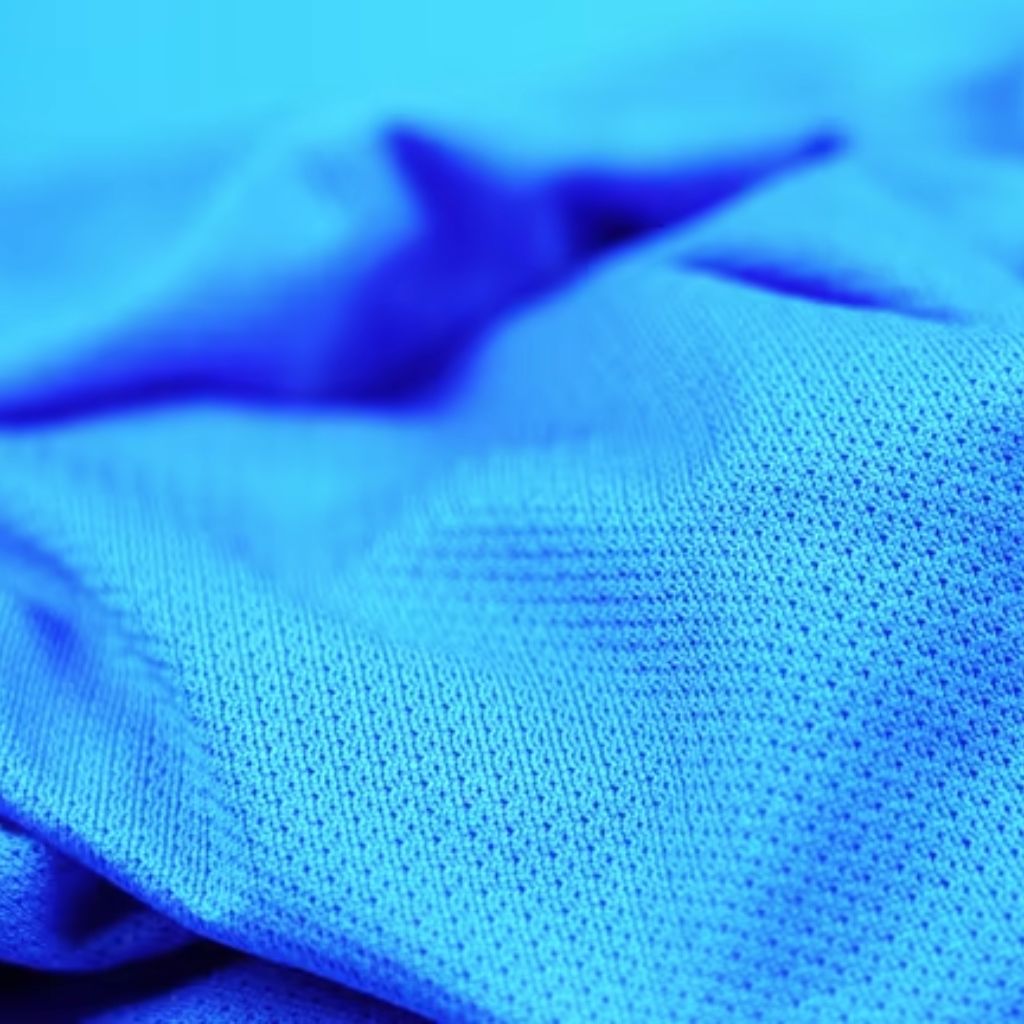
Moisture-management fabrics evolved as sports science advanced. In earlier times, athletes mostly wore cotton clothing. Although cotton felt soft, it absorbed sweat heavily and remained wet. Consequently, athletes often experienced discomfort during physical activity.Later, textile engineers introduced synthetic fibers. Materials like polyester and nylon improved moisture control significantly. These fabrics allowed sweat to move away from the skin quickly. Therefore, athletes felt lighter and more comfortable.During the 1980s and 1990s, sportswear companies invested heavily in textile research. Their goal was to create fabrics that improved athletic performance. As a result, moisture-wicking fabrics became popular in sports clothing.
Eventually, hydro wick technology developed as a more advanced solution. This technology enhanced sweat transfer and evaporation speed. Consequently, athletes could train longer without discomfort.
What Is Hydro Wick Technology?
Hydro wick technology refers to a specialized textile system designed to manage sweat. It moves moisture away from the skin and spreads it across the fabric surface. Therefore, sweat evaporates quickly and keeps the body dry.Unlike traditional fabrics, hydro wick materials contain engineered fiber structures. These fibers create tiny channels that transport moisture outward. Consequently, sweat does not remain trapped near the skin.In addition, hydro wick fabrics encourage rapid evaporation. Airflow passes easily through the fabric, which helps moisture disappear faster. As a result, the body stays cool during workouts.Regular fabrics absorb sweat and hold it for longer periods. However, hydro wick fabrics push moisture away from the skin. Therefore, they provide better comfort during exercise.
Types of Hydro Wick Active Fabric
Polyester Hydro Wick Fabric
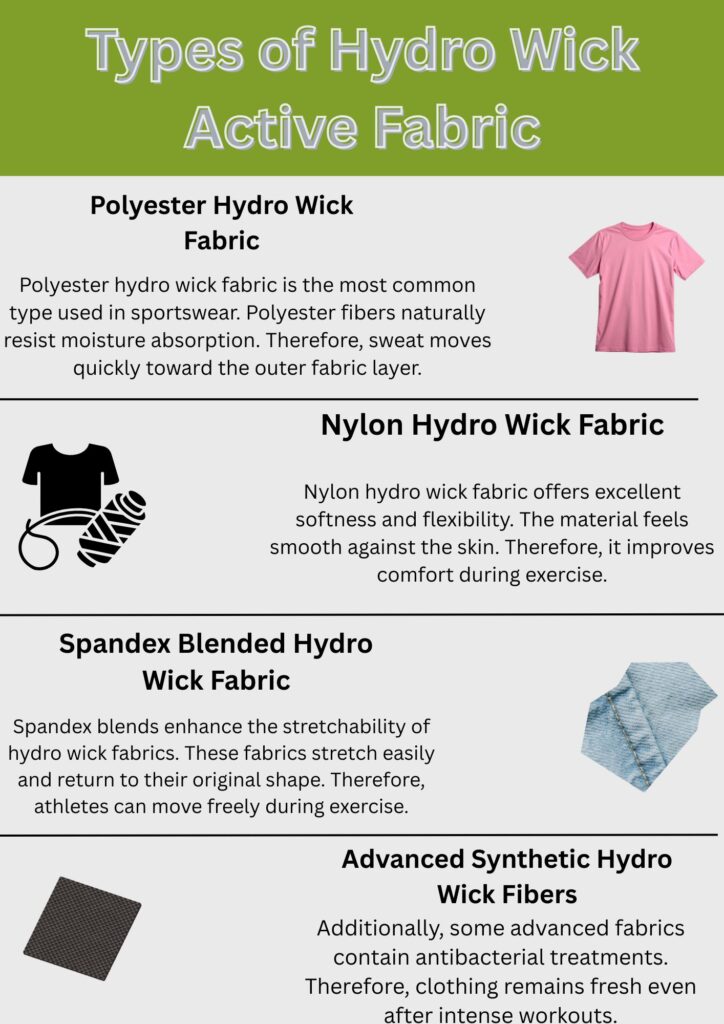
Polyester hydro wick fabric is the most common type used in sportswear. Polyester fibers naturally resist moisture absorption. Therefore, sweat moves quickly toward the outer fabric layer.
Additionally, polyester fabrics dry very quickly. This feature prevents sweat from remaining inside clothing. As a result, athletes feel lighter and more comfortable during workouts.
Furthermore, polyester is highly durable. It withstands frequent washing and intense physical movement. Therefore, many performance sports garments use polyester hydro wick fabrics.
Nylon Hydro Wick Fabric
Nylon hydro wick fabric offers excellent softness and flexibility. The material feels smooth against the skin. Therefore, it improves comfort during exercise.
Moreover, nylon provides strong durability and resistance to wear. Athletes often perform intense movements during training. Consequently, nylon fabrics remain reliable under heavy use.
Additionally, nylon supports efficient moisture transport. This quality helps maintain dryness and breathability during workouts.
Spandex Blended Hydro Wick Fabric
Spandex blends enhance the stretchability of hydro wick fabrics. These fabrics stretch easily and return to their original shape. Therefore, athletes can move freely during exercise.
Furthermore, spandex improves garment fit. Tight fitting sportswear often requires flexible materials. Consequently, hydro wick fabrics with spandex are popular in compression clothing.
Advanced Synthetic Hydro Wick Fibers
Modern textile technology also uses advanced engineered fibers. These materials combine several performance features together. For example, they may include moisture control, breathability, and odor resistance.
Additionally, some advanced fabrics contain antibacterial treatments. Therefore, clothing remains fresh even after intense workouts.
These innovative fibers continue improving sportswear performance.
Key Features of Hydro Wick Active Fabric
Hydro Wick Active Fabric offers several important features that make it ideal for activewear.
• Moisture-wicking capability
The fabric pulls sweat away from the skin quickly. Therefore, athletes remain dry during exercise sessions.
• Breathability
Air passes easily through the fabric structure. Consequently, heat escapes and the body remains cooler.
• Lightweight material
Hydro wick fabrics feel extremely light. Therefore, they do not restrict movement during workouts.
• Quick-drying properties
The material spreads moisture across the surface. As a result, evaporation happens rapidly.
• Odor resistance
Many hydro wick fabrics include antimicrobial technology. Therefore, they help reduce unpleasant odors.
• Stretch and flexibility
The fabric stretches with body movement. Consequently, athletes experience greater freedom and comfort.
Benefits of Hydro Wick Active Fabric
Hydro Wick Active Fabric provides several practical advantages for athletes and fitness enthusiasts.First, the fabric keeps the body dry during intense workouts. Sweat quickly moves away from the skin. Therefore, clothing does not feel heavy or uncomfortable.Second, the fabric enhances athletic performance. When the body remains cool and dry, energy levels stay stable. Consequently, athletes can train longer.Third, hydro wick fabrics reduce skin irritation. Wet fabrics often cause friction and chafing. However, moisture-wicking materials help prevent these problems.
Additionally, the fabric improves comfort in hot weather. Breathable fibers allow heat to escape easily. Therefore, athletes stay cooler during outdoor activities.Overall, these benefits explain why hydro wick fabrics are widely used in sportswear.
How Hydro Wick Fabric Works (Moisture Management Process)
Hydro Wick Active Fabric manages sweat through a three-step moisture process.
Absorbing Sweat from the Skin
First, the inner layer of the fabric touches the skin. Sweat enters the fabric fibers immediately. This process prevents sweat accumulation on the body.
Additionally, microfiber structures increase moisture absorption speed. Therefore, sweat quickly moves into the fabric.
Transporting Moisture to the Surface
Next, the fabric transports moisture toward the outer layer. Capillary action helps move sweat through tiny fiber channels.
Consequently, moisture spreads across a larger surface area. This process prepares the liquid for evaporation.
Quick Evaporation
Finally, the outer surface allows moisture to evaporate quickly. Airflow speeds up this evaporation process.
As a result, the fabric dries rapidly. Meanwhile, the skin stays cool and comfortable.
Common Uses of Hydro Wick Active Fabric
Hydro Wick Active Fabric is designed for high-performance moisture management, making it extremely versatile. Its ability to keep the body cool, dry, and comfortable has made it a popular choice across many types of clothing and activities. Below are the most common uses of this innovative fabric:
Sportswear and Athletic Clothing
Hydro Wick fabrics are widely used in sportswear. Athletic shirts, shorts, and leggings often rely on this fabric to provide comfort during intense physical activity. The material keeps sweat away from the skin, allowing athletes to focus on performance without feeling weighed down or uncomfortable.
Gym Wear
Gym enthusiasts benefit significantly from hydro wick active fabric. Clothing made from this material handles heavy perspiration during workouts. It also reduces sticky discomfort and prevents the buildup of sweat, making it ideal for high-intensity training sessions like weightlifting, HIIT, and cardio exercises.
Running Apparel
Runners need clothing that is lightweight, breathable, and quick-drying. Hydro Wick fabrics meet these requirements perfectly. From running shirts and shorts to compression gear, this fabric helps regulate body temperature while keeping the skin dry. This reduces the risk of chafing and overheating during long runs.
Outdoor Clothing
Hydro Wick fabrics are also used in outdoor and adventure clothing. Hikers, cyclists, and outdoor athletes benefit from moisture control and breathability, especially in hot and humid conditions. Jackets, base layers, and performance tees made from hydro wick fabric ensure comfort even during prolonged exposure to outdoor elements.
Common Mistakes When Using Hydro Wick Active Fabric
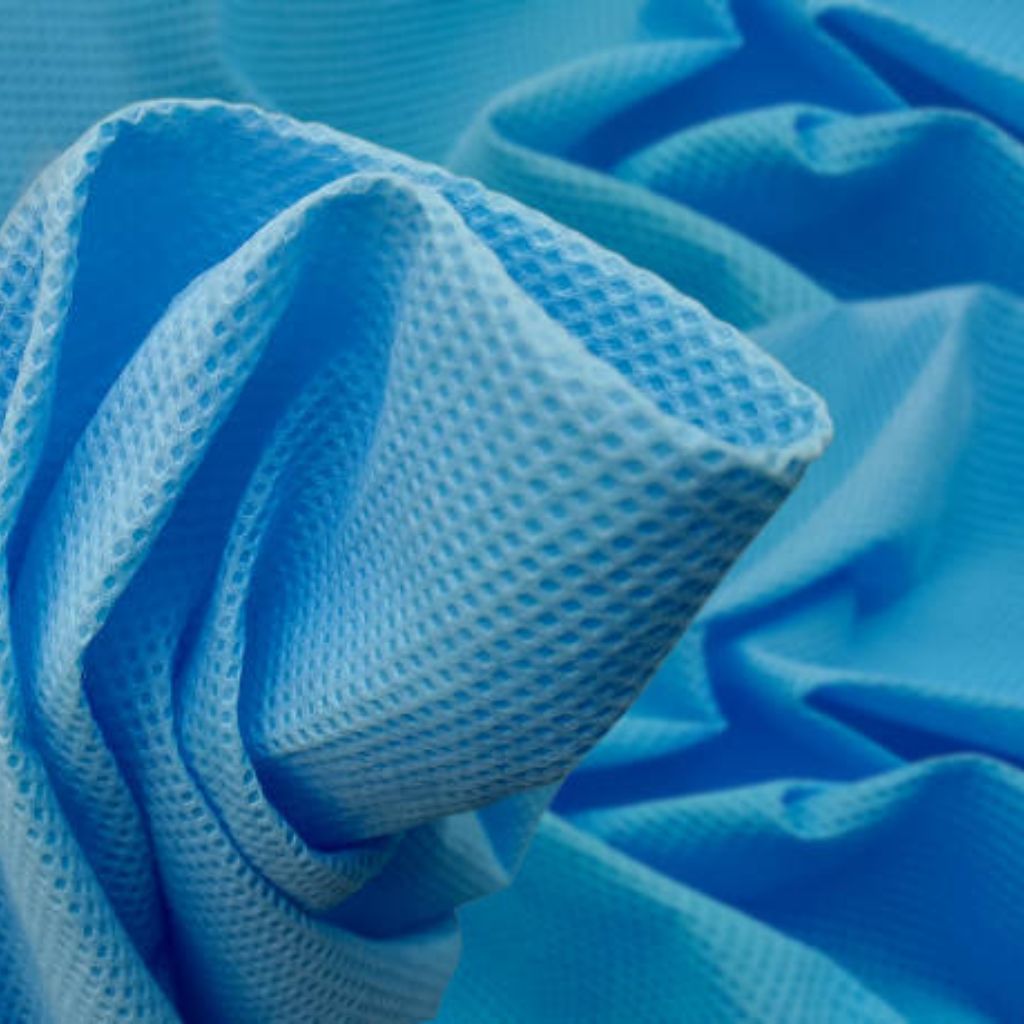
Even though Hydro Wick Active Fabric is highly effective, improper use can reduce its performance and lifespan. Many users unknowingly make mistakes that affect moisture-wicking, breathability, and comfort. Understanding these errors ensures the fabric stays functional and durable.
Using Fabric Softeners
A common mistake is applying fabric softeners when washing hydro wick clothing. Fabric softeners coat the fibers, blocking moisture channels. As a result, sweat cannot move to the surface efficiently. This reduces the fabric’s moisture-wicking ability and leaves the skin feeling damp.
Washing in Hot Water
Many people wash activewear in hot water thinking it cleans better. However, high temperatures can damage synthetic fibers like polyester and spandex. This weakens the fabric structure, reducing stretchability and moisture control. Cold or lukewarm water is ideal for hydro wick garments.
Over-Drying in a Dryer
Drying hydro wick clothing on high heat can shrink or weaken fibers. This decreases elasticity and performance. Air drying is preferred, and if a dryer must be used, select a low heat or delicate setting to protect the fabric.
Ignoring Stains and Sweat
Leaving sweat-soaked clothing unwashed for long periods can cause odor and bacterial buildup. This damages the fabric over time and may reduce its moisture-wicking efficiency. Always wash hydro wick garments promptly after workouts.
Best Materials for Hydro Wick Active Fabric
Hydro Wick Active Fabric relies on high-performance materials to provide moisture management, comfort, and durability. The choice of material directly affects the fabric’s ability to wick sweat, dry quickly, and remain breathable during workouts. Below are the best materials commonly used in hydro wick fabrics:
Polyester
Polyester is the most widely used material in hydro wick fabrics. It is lightweight, durable, and highly resistant to moisture absorption. This allows sweat to move quickly from the skin to the fabric surface. Polyester dries rapidly, keeping athletes comfortable during intense workouts. Additionally, polyester blends often include mesh panels or microfibers to enhance breathability further.
Nylon
Nylon is another popular choice for hydro wick active fabrics. It provides a smooth, soft texture that feels comfortable against the skin. Nylon fibers are strong and abrasion-resistant, making them ideal for high-intensity workouts or outdoor sports. Combined with moisture-wicking technology, nylon improves airflow and ensures long-lasting performance.
Spandex
Spandex is often blended with polyester or nylon to add stretch and flexibility. This elasticity allows garments to move with the body during exercise. Compression wear, leggings, and fitted workout tops benefit from spandex, as it maintains shape while supporting muscle movement. Stretchable fabrics also enhance comfort and reduce friction during activity.
Advanced Synthetic Fibers
Modern hydro wick fabrics sometimes use advanced engineered fibers. These fibers are designed to improve moisture-wicking, breathability, and odor resistance simultaneously. Some may include antimicrobial properties to prevent bacteria buildup, keeping garments fresh even after long or repeated workouts.
Why Hydro Wick Active Fabric Is Important in Sportswear
Hydro Wick Active Fabric plays a major role in modern sportswear design. Athletes require clothing that supports performance and comfort. Therefore, moisture management becomes extremely important.First, hydro wick fabrics prevent sweat buildup. This feature keeps the body dry and comfortable. Consequently, athletes avoid distractions during training.Second, breathable fabrics help regulate body temperature. When heat escapes efficiently, the body stays balanced. Therefore, endurance improves.
Additionally, flexible fibers allow unrestricted movement. Athletes can perform exercises without clothing limitations.Because of these advantages, hydro wick technology has become essential in athletic clothing.
Applications and Uses of Hydro Wick Active Fabric
Hydro Wick Active Fabric appears in many clothing categories.
Sportswear and Athletic Clothing
Sportswear brands use hydro wick fabrics widely. These garments improve comfort during physical training.
Gym Wear
Gym users sweat heavily during workouts. Therefore, moisture-wicking fabrics help keep clothing dry.
Running Apparel
Runners require lightweight and breathable clothing. Hydro wick fabrics improve comfort during long runs.
Outdoor Clothing
Outdoor athletes face changing weather conditions. Moisture-management fabrics help regulate body temperature.
Performance Uniforms
Professional athletes rely on performance uniforms. Hydro wick technology helps maintain comfort and efficiency.
Hydro Wick Fabric vs Regular Moisture-Wicking Fabric
Hydro wick fabrics often perform better than standard moisture-wicking textiles.
Performance Differences
Hydro wick fabrics move moisture faster. Therefore, athletes remain dry longer.
Breathability Comparison
Hydro wick textiles allow better airflow. Consequently, body heat escapes more easily.
Durability
Many hydro wick fabrics include stronger synthetic fibers. Therefore, they last longer during frequent use.
Comfort Level
Because the fabric dries quickly, comfort improves significantly. Athletes therefore prefer hydro wick sportswear.
How to Choose the Best Hydro Wick Active Fabric Clothing
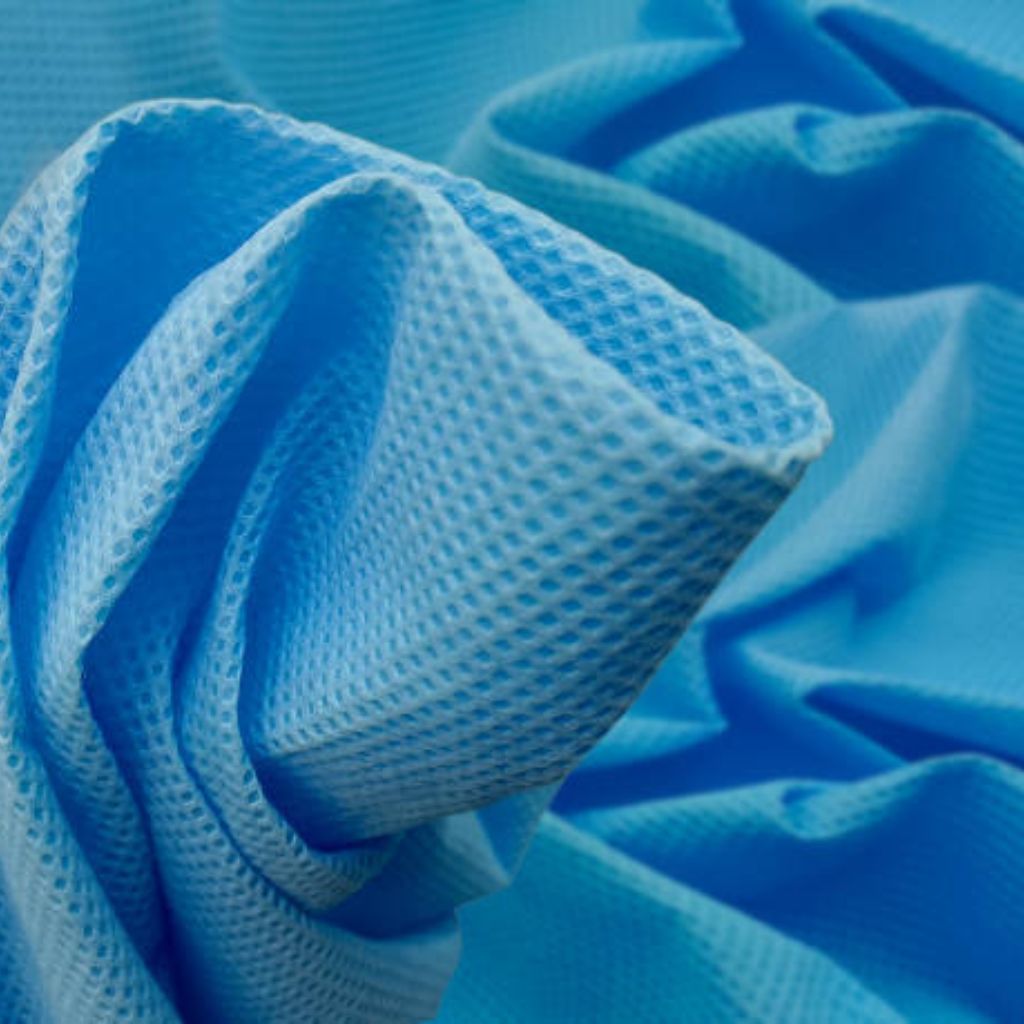
Selecting the right sportswear improves workout experience.First, check the fabric composition. Polyester and nylon blends often perform best.Second, look for breathable construction. Mesh panels improve airflow significantly.Third, consider stretchability. Flexible fabrics support natural body movement.Finally, examine durability and stitching quality. Strong garments last longer during training.
Future of Moisture-Wicking Textile Technology
Textile technology continues to evolve rapidly. Researchers are developing smarter fabrics for sportswear.For example, smart textiles may monitor body temperature and adjust ventilation automatically. Such innovations could improve athletic performance significantly.Additionally, sustainable fabrics are becoming more popular. Many brands now use recycled polyester materials.Furthermore, eco-friendly moisture-wicking fibers reduce environmental impact. Therefore, future sportswear will combine performance with sustainability.
Care and Maintenance of Hydro Wick Active Fabric
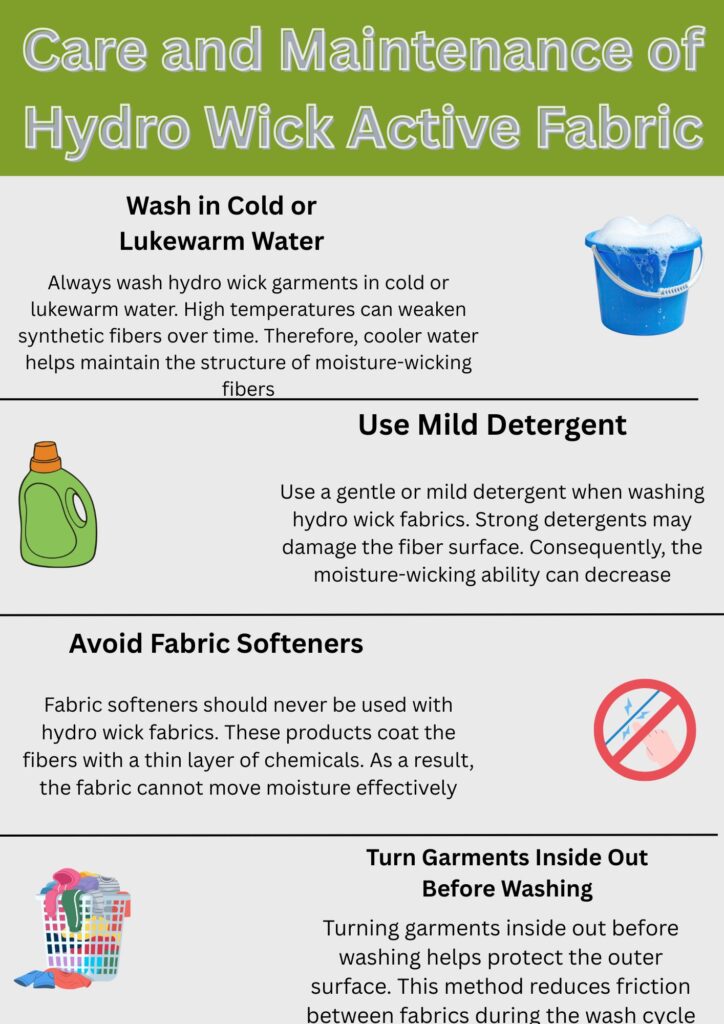
Proper care keeps Hydro Wick Active Fabric effective and long-lasting. Although this fabric is durable, incorrect washing or drying can damage its moisture-wicking properties. Therefore, following the right maintenance methods is very important. When you care for the fabric properly, it continues to move sweat away from the skin efficiently. Moreover, good care prevents odor buildup and maintains breathability. As a result, your sportswear remains comfortable during workouts. The following care tips will help maintain the performance and quality of hydro wick clothing.
Wash in Cold or Lukewarm Water
Always wash hydro wick garments in cold or lukewarm water. High temperatures can weaken synthetic fibers over time. Therefore, cooler water helps maintain the structure of moisture-wicking fibers. In addition, cold water prevents color fading and fabric damage. As a result, your athletic clothing stays durable and comfortable for a longer period.
Use Mild Detergent
Use a gentle or mild detergent when washing hydro wick fabrics. Strong detergents may damage the fiber surface. Consequently, the moisture-wicking ability can decrease. Mild detergents clean sweat and dirt effectively without harming the fabric. Therefore, they help maintain breathability and moisture control in activewear.
Avoid Fabric Softeners
Fabric softeners should never be used with hydro wick fabrics. These products coat the fibers with a thin layer of chemicals. As a result, the fabric cannot move moisture effectively. Sweat may remain trapped inside the garment. Therefore, avoiding fabric softeners helps maintain the fabric’s performance and comfort.
Turn Garments Inside Out Before Washing
Turning garments inside out before washing helps protect the outer surface. This method reduces friction between fabrics during the wash cycle. Consequently, it prevents damage to the fiber structure. In addition, it allows detergents to clean sweat and bacteria more effectively.
Conclusion
Hydro Wick Active Fabric represents a major innovation in modern sportswear. It helps athletes stay cool, dry, and comfortable during workouts.The fabric works through an advanced moisture-management system. Sweat moves away from the skin and evaporates quickly. Therefore, athletes experience less discomfort.Additionally, lightweight and breathable materials improve overall performance. Flexible fibers also support natural body movement.Because of these advantages, hydro wick fabrics dominate modern activewear markets. Athletes, gym users, and outdoor enthusiasts rely on them daily.
FAQs
What is Hydro Wick Active Fabric?
Hydro Wick Active Fabric is a moisture-wicking textile designed to move sweat away from the skin quickly.
Is Hydro Wick fabric good for workouts?
Yes, it keeps athletes dry and comfortable. Therefore, it improves workout performance.
Does Hydro Wick fabric keep you cool?
Yes. The fabric allows sweat to evaporate quickly. Consequently, the body remains cooler.
Is Hydro Wick fabric breathable?
Yes. The fabric structure supports strong airflow. Therefore, it prevents overheating.