The main difference between waterproof vs water resistant clothing is how much moisture each can block and for how long. Waterproof clothing uses a coating or membrane and usually sealed seams to protect against sustained rain. Water-resistant clothing delays light moisture but eventually allows water through during heavier or prolonged exposure.
Neither option is automatically better. Waterproof shells provide stronger protection, while water-resistant jackets are often lighter and more breathable. The correct choice depends on rainfall, exposure time, activity, and access to shelter.
What Makes Clothing Waterproof?
Waterproof clothing creates a continuous barrier against rain. A nylon or polyester face fabric is normally combined with a polyurethane coating or waterproof-breathable membrane. Because sewing makes needle holes, manufacturers apply waterproof tape behind the seams. Hoods, storm flaps, protected zippers, cuffs, and adjustable hems control other entry points.
Some products are fully seam sealed, while others tape only the shoulders and other exposed areas. Full sealing gives more dependable protection during prolonged rain. A specialist rainwear supplier can select the fabric, membrane, seam construction, and design according to the garment’s intended weather conditions.
What Makes Clothing Water Resistant?
Water-resistant clothing slows moisture without creating a complete barrier. Protection may come from tightly woven fabric, a durable water-repellent finish, or a light coating. Water beads on the surface during drizzle or a short shower, but pressure and time eventually push it through the fabric or exposed seams.
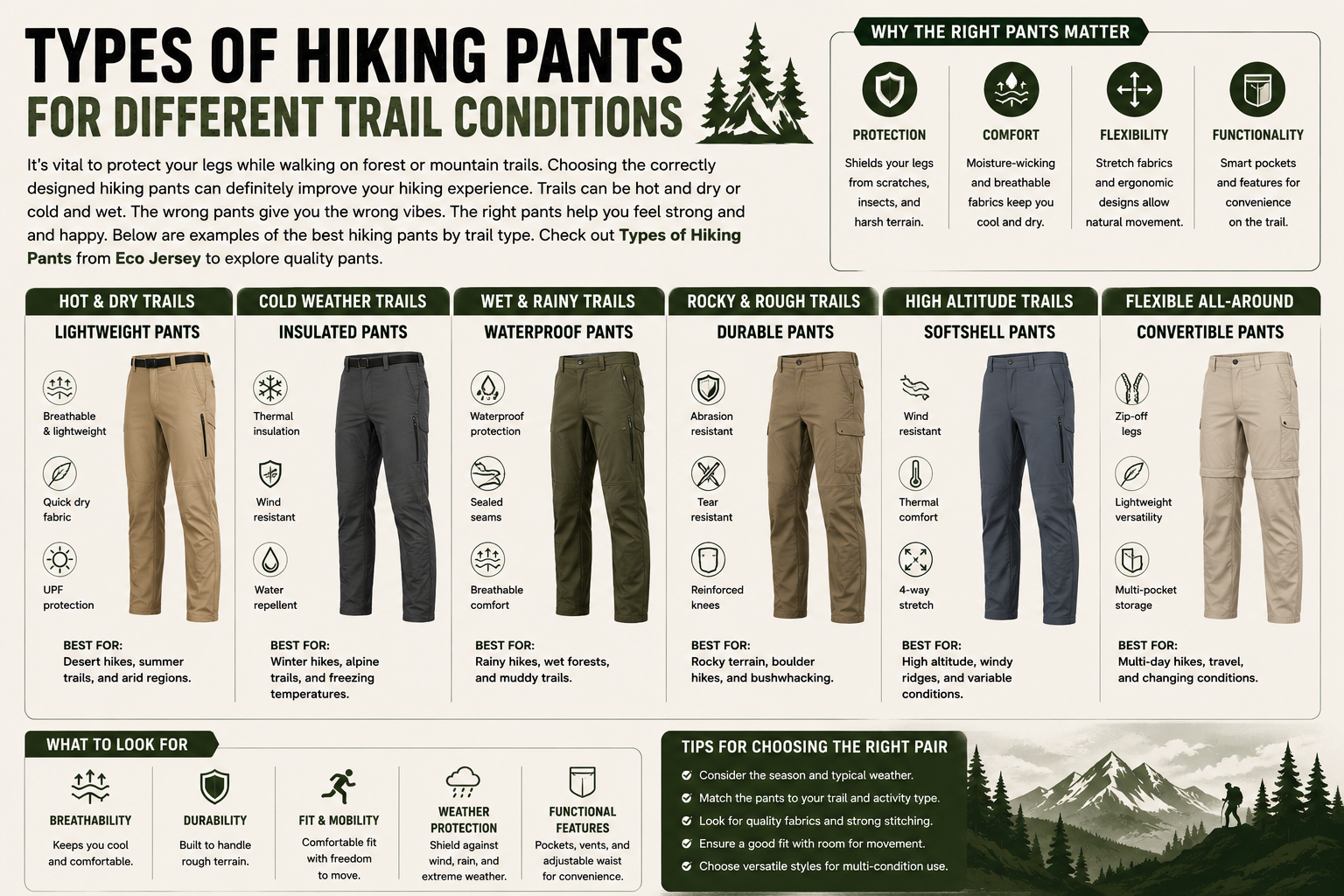
Windbreakers, softshell jackets, hiking trousers, and everyday outerwear commonly offer water resistance. These garments suit changeable weather because they often breathe and stretch better than fully waterproof alternatives. However, they should not be treated as reliable storm protection simply because rain beads during the first few minutes.
Construction Differences
The label alone does not reveal performance. Waterproof vs water resistant clothing differs across the complete construction:
- Waterproof fabric uses a membrane or substantial coating.
- Water-resistant fabric relies on a tight weave, DWR, or lighter coating.
- Waterproof garments normally use sealed seams.
- Water-resistant garments may leave seams exposed.
- Waterproof zippers or storm flaps limit leakage at openings.
- Water-resistant designs usually prioritize airflow and flexibility.
A DWR finish can appear on both categories. It keeps the outer fabric from becoming saturated but does not create complete waterproofing by itself. The deeper barrier and sealed construction define genuine waterproof protection. A work jacket demonstrates how ratings, closures, lining, and weather-resistant details can work together in demanding conditions.
Understanding Waterproof Ratings
Waterproof fabric is often tested through hydrostatic head pressure and given a rating in millimeters. A higher figure generally means the material resists greater water pressure before leaking. Yet the number describes fabric performance under a specific test, not the quality of the entire jacket.
Seam tape, zipper design, abrasion, fit, and garment age affect real-world protection. Backpack straps and sitting or kneeling on wet surfaces also increase pressure. Therefore, buyers should compare ratings only alongside construction quality and intended use rather than assuming the largest number always creates the best garment.
Breathability and Comfort
Waterproof-breathable membranes allow some body-produced moisture vapor to escape while blocking liquid rain. However, heat and sweat can build faster than the membrane releases them during hard exercise. High humidity makes this problem worse, which explains why the inside of a waterproof jacket may feel wet even when rain has not leaked through.
Water-resistant clothing often feels more breathable because it has no heavy barrier. It suits climbing, trail running, cycling, and fast hiking when conditions are mostly dry. The shell guide shows how flexible softshells and protective hardshells serve different outdoor priorities.
When to Choose Waterproof Clothing
Choose waterproof apparel for steady rain, mountain weather, long hikes without shelter, wet-weather work, and activities where becoming soaked may create a safety risk. Look for dependable seam sealing, a well-shaped hood, secure cuffs, protected pockets, suitable ratings, and enough space for inner layers.
Durability should match the activity. A thin packable shell may serve commuters and occasional walkers, while rough work or multi-day trekking requires stronger face fabric. Eco Jersey’s rain guide explains how base layers, waterproof shells, and ventilation work together during wet outdoor conditions.
When to Choose Water-Resistant Clothing
Water-resistant clothing suits drizzle, brief showers, mild weather, urban travel, and active pursuits where breathability matters more than complete rain protection. It is also useful when a person can quickly reach shelter or carry a lightweight waterproof shell in a pack.
A water-resistant softshell can feel more comfortable for an entire dry day than a waterproof jacket. It provides some wind and moisture protection without the same clammy feeling. Check the forecast and route carefully, because a garment designed for short showers may become saturated if conditions worsen.
Conclusion
Waterproof vs water resistant clothing serves different conditions. Waterproof garments use stronger barriers and sealed construction for sustained rain, while water-resistant clothing offers lighter protection with greater comfort, flexibility, and airflow in mild weather.
Choose according to expected rainfall, activity intensity, exposure time, and access to shelter. Understanding the difference prevents overestimating a light jacket and helps outdoor users carry enough protection without unnecessary weight or discomfort.
FAQs
Is water-resistant clothing suitable for heavy rain?
No. It may delay wetting, but sustained or wind-driven rain will usually pass through the fabric or seams.
Is waterproof clothing breathable?
Many waterproof garments release some moisture vapor, but ventilation may still be necessary during strenuous activity or humid weather.
Does DWR make clothing waterproof?
No. DWR makes water bead on the surface. Waterproofing requires a suitable barrier and dependable garment construction.
Which option is better for hiking?
Water-resistant layers suit dry, active conditions. Carry waterproof protection when prolonged rain, exposed terrain, or rapidly changing weather is possible.