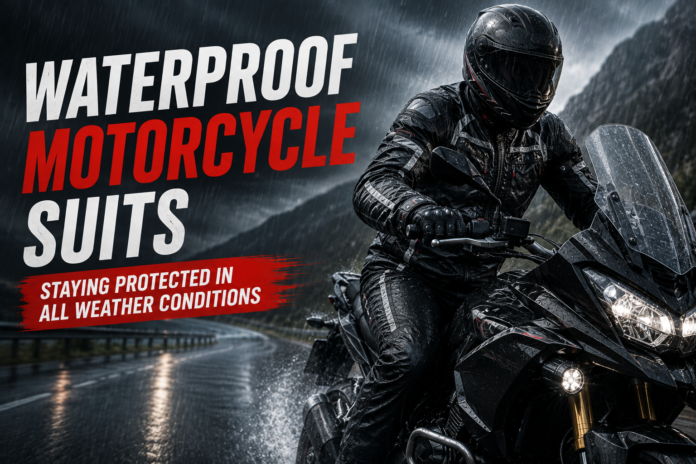
Waterproof motorcycle suits help keep riders dry and comfortable in wet and rainy conditions. Motorcycle suits combine rain protection, riding-specific design, ventilated features, and secure closures with weather protection.
The right motorcycle suit is essential for commuters and touring riders who are constantly exposed to changing temperatures. The collection allows riders to explore different styles of motorcycle suits and compare them.
Waterproof motorcycle suits are a type of suit that is waterproof.
Waterproof motorcycle suits prevent the rain from getting to your clothing or body. These suits can be constructed from laminated fabric, coated textiles or waterproof membranes.
A suit can be made up of a single piece or jacket and trousers. Construction details that are important include waterproof zippers and storm flaps. They can also have adjustable cuffs or high collars.
Waterproof protection is important for riders
The rain can affect motorcycle driving in many ways. When water enters the clothing through sleeves, collars, or front closures, it can cause distractions, make clothes heavy, reduce thermal efficiency, and even increase fatigue.
Wet clothes can make a rider colder. This is especially true at high speeds. Staying dry allows you to maintain your comfort, as well as concentrate on the traffic, road conditions and motorcycle controls.
Water-Resistant vs. Water-Proof
The terms waterproof and water-resistant do not mean the same thing. Although water-resistant materials may be able to repel some moisture, they can eventually let through rain or prolonged heavy rainfall.
Waterproof motorcycle suits provide greater protection from rain. If you are a rider who travels in wet weather conditions regularly, it is important to look at the construction of your suit rather than just relying on its marketing.
Waterproof Fabric Constructed
First, the outer fabric is an important barrier to rain. The waterproof fabric may be coated or have membranes which prevent liquid from passing while still allowing water vapour to escape.
Fabrics must also be able to endure regular use on motorcycles. Although a lightweight material that is waterproof may offer good protection from rain, it should be supported with a strong construction, strong edges, and an appropriate fit.
Sealed seams
Stitching can allow even waterproof fabrics to leak. Each needlehole creates an opportunity for water to enter, making seam construction a priority.
Taping or sealing seams can prevent water entering stitched areas. The areas that are directly exposed to the rain should be given special attention.
Close-ups and Zippers Waterproof
Zippers can also be a weak spot. When these openings are not adequately protected, rain can get into the pockets or zippers on front.
Wet-weather suits of high quality may have waterproof zippers or storm flaps. They can also feature inner zipper guards and overlapping closures. This feature helps prevent the water from getting to the rider beneath.
High Collar Protector
When a collar’s opening is loose or too low, rain can get in. High, adjustable collars protect your neck against water and wind.
It should be comfortable even when you turn your head. The collar should fit well and not put excessive pressure on the neck.
Adjustable Cuffs
Water can enter the sleeves, especially when gloves are worn. The adjustable cuffs create a tighter connection between the glove and sleeve.
According to the design of the garment, the design should permit the rider either to place gloves on top or below the sleeves. During heavy rain, it is important to have a secure adjustment.
Waterproof Hem and Waist
A loose suit or jacket can allow water and wind to enter. It is more obvious when the rider leans over the handlebars.
This problem can be reduced by using an adjustable waistband or a secure closure at the bottom. The hem of the garment should be properly fit to prevent it from moving around excessively when riding.
The difference between a one-piece and a two-piece waterproof suit
The one-piece suit offers continuous protection from the top of the body to the bottom. This is especially useful when you want to ensure maximum protection from rain.
In general, two-piece systems make it easier to use them every day. The jacket can be removed separately, and the riders may find that it is easier to combine with the other protective layers.
Men’s waterproof motorcycle suits
When selecting a suit for men, they should take into account the fit of their chest, shoulders, waists, sleeves, and legs. It should be able to cover the body without being too loose.
A men’s motorbike suit can help riders compare motorcycle suit designs. Check the suit when seated for wet weather riding. The riding position may affect how the garment fits the legs, arms and back.
Women’s Motorcycle Suits Waterproof
The best suits for women riders are those that provide adequate protection from rain while still maintaining an ideal fit. Poorly fitted clothing can cause gaps at the shoulders, waist or sleeves.
Women’s Motorbike Suit is a good option to compare designs for female riders. Fit should be checked in actual riding positions to ensure that protective and water-resistant components are positioned correctly.
Breathability & Moisture Control
The waterproof suit must prevent water from getting in without allowing sweat to be trapped inside. The rider will feel wet even if the rain stays outside if moisture can’t escape.
Comfort can be improved by using materials that manage moisture, ventilate, have mesh linings and are made of breathable membranes. These features are especially important for riders in humid or warm climates.
In Wet Weather, Ventilation is Important
Even though ventilation may be less critical during rainy weather, riders still can become very hot when wearing a waterproof jacket. It is especially noticeable when there’s slow traffic or during warm-weather thunderstorms.
The adjustable vents let riders control the airflow as conditions allow. Vents must be designed to avoid exposing the rider unnecessarily to rain.
Protection and Armor
It is important to distinguish between rain protection and impact protection. While a simple raincoat can keep the water out, it does not offer as much protection as gear designed for motorcycles.
If you want to be protected, consider wearing garments that have armor on the shoulder, elbows and back. You can also find it in hips or knees. The protective inserts must be positioned correctly while riding.
Use Rain Suits As an Outer layer
Some riders wear a waterproof motorcycle layer on top of their protective gear. The rider can maintain an armored, ventilated base while adding rain protection as needed.
Riders who require additional protection from heavy rain can benefit from a motorcycle rain suit. It is important that the outer layer be big enough to cover riding gear and not interfere with controls.
Heater suits for cold and wet conditions
A ride in the rain can be very uncomfortable, especially when combined with cold weather. Conditions that are wet increase the importance of thermal management.
A motorbike suit that is heated can offer additional warmth to riders in cold weather. The heated layer must be compatible with outer waterproof systems and not affect the fitting of protective gear.
Traveling in Waterproof Clothing
During a single trip, touring riders may encounter different types of weather. Weather protection that is versatile can be especially useful when a clear morning quickly turns into a wet afternoon.
For riders who are primarily interested in touring, they should look at waterproofing, ventilation, storage options, adjustable closures and comfort. They also need to consider the ease with which a suit can be worn over their existing gear.
Waterproof suits for commuters
Rain can come unexpectedly to daily commuters. It is more convenient to have a suit you can easily put on or remove than an elaborate weather system.
It is important to have a rain suit that can be easily packed. When the weather changes, riders can respond faster with a lightweight rainsuit that they can store on their motorcycle.
Visibility in Rain
Both riders and road users can be affected by rain. It can be difficult for motorists to see motorcyclists when there are dark clouds, sprayed roads and wet surfaces.
Rider visibility can be improved by using reflective panels, reflective piping or sections with high visibility. Visibility and waterproofing should be considered by riders who travel frequently in bad weather.
Pockets and storage
Protect important items like phones, wallets and documents with waterproof pockets. Water-resistant pockets may not be enough to protect you from prolonged rain.
The placement of pockets is also important. The storage areas must be accessible, without interfering in any way with the riding position, motorcycle controls, armor or protection.
What to Look for When Choosing Waterproof Motorcycle Suits
Consider these factors before buying a riding suit that is waterproof:
- Fabric construction made of waterproof fabric
- Sealed seams or taped edges
- Zippers that are waterproof or protected
- High collar
- Cuffs with adjustable length
- Secur waist and hem
- Breathability
- Ventilation
- Armor compatibility
- Fit for Riding Position
- Visual features
- Easy to wear over other gear
- Comfortable for expected weather
Purchase Mistakes You Can Avoid
A common misconception is that all motorcycle rain suits are waterproof. Water can enter through weak seams and exposed zippers. Cuffs that are too loose or have a poor design may also allow for water entry.
A waterproof suit that is not breathable can be a mistake. It can be uncomfortable to ride in a garment that traps sweat and heat inside, but keeps the rain out.
How to Care for Waterproof Motorcycle Suits
Maintaining your weather protection is important. Follow the cleaning instructions provided by the manufacturer and do not use harsh chemicals which can damage membranes or waterproof coatings.
Allow the suit to completely dry before storing. Keep the suit away from direct heat, as high temperatures may damage waterproof membranes or synthetics.
Conclusion
Waterproof motorcycle suits keep riders dry and comfortable in rainy weather, when road spray and other changing conditions can make riding difficult. More than just waterproof material is needed to provide effective protection. Seams, zippers and cuffs/collars are also important. Fit, ventilation, and cuff/collar sizes all play a role in overall performance.
It is important to match the suit with your riding style and climate. The right waterproof garment and the correct maintenance of it will help riders to be prepared for rainy weather journeys and maintain comfort.
FAQs
Can waterproof motorcycle suits be completely waterproofed?
Material, construction of the seams, closures and design all affect how well a garment protects. It is not true that all garments will provide protection in every situation.
Can you wear waterproof suits over armored gear and still be protected?
Many rainsuits are made to be worn as an outer layer over motorcycle clothes. Fit should be such that the gear underneath can fit comfortably without making it bulky or restricting your movement.
Can waterproof suits be breathable?
Breathability depends on the fabric technology, membrane, lining and ventilation system used in the garment. The fabric, membrane, lining and ventilation system of the garment will determine the breathability.