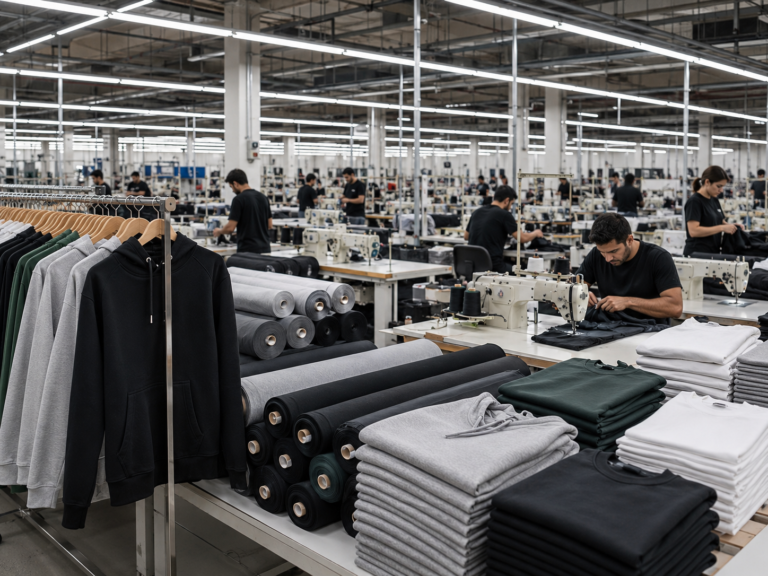
White Label Clothing Manufacturing allows prospective business owners to avoid wholly designing clothes and instead, sell the designed clothes. First, ECO JERSEY makes custom shirts, hoodies and pants. Once the clothes are designed, branding can occur through the addition of logos and brand names. For example, a simple t-shirt can be branded by printing it. Businesses can use this method to save time and money throughout the arduous process of starting a business, allowing for a quicker market entry.
Why Instead Choose White Label Clothing Manufacturing?
White label clothing manufacturing helps streamline the entire process of launching your business. You avoid the hard, time-consuming design work. ECO JERSEY offers a plethora of items including jackets and tees. To make the process even more efficient for newer brands, factories buy fabric in large quantities and pass the savings to the brands. With reduced pricing, small companies can achieve the same growth of large companies. The best part is you are in control of sales while the production experts do their job.
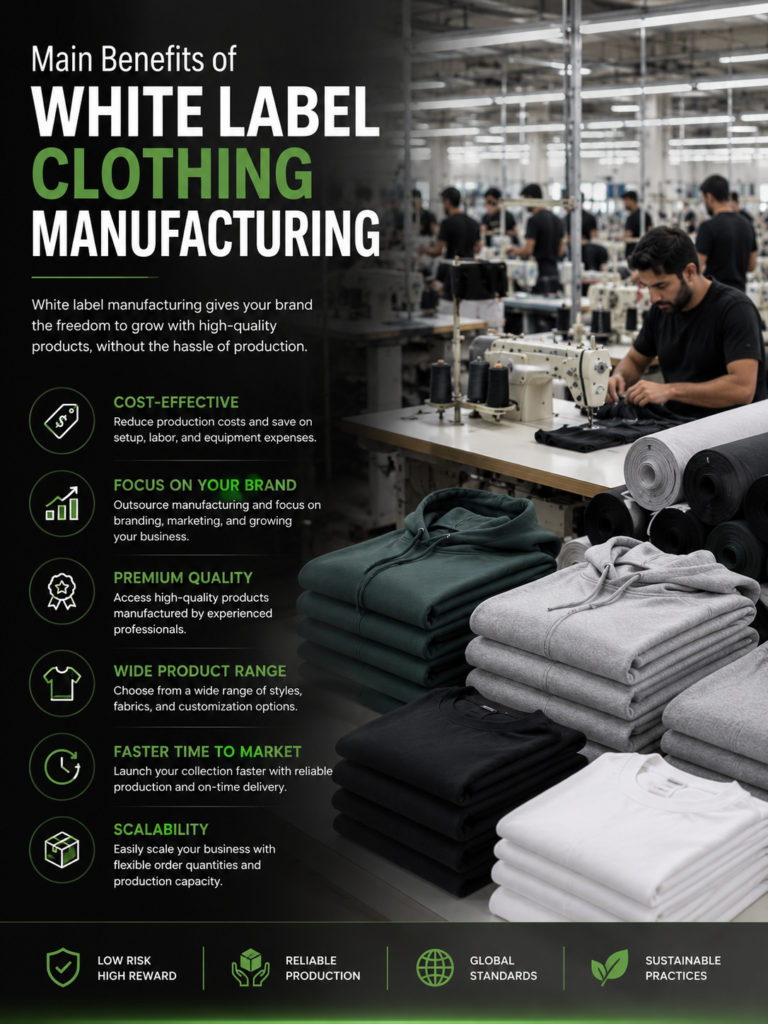
Main Benefits of White Label Clothing Manufacturing
An infographic showing the key benefits of white label clothing manufacturing, including cost efficiency, quick launch, flexible branding, and minimized production risks for fashion brands.
White label clothing manufacturing minimizes your business expenses greatly. You can easily and seamlessly scale your business. ECO JERSEY thrives to create high-quality clothing in order to gain customer trust. Your customers will be instant. You can even let the experts handle the production.
Simple Steps in White Label Clothing Manufacturing
White label clothing manufacturing is incredibly easy. To begin, simply choose some items from our list (e.g. shirts, pants) at ECO JERSEY. Next, add your own prints or tags. Finally, send it over to us, and we take care of everything else. Once the garments are finished and quality checked, we send them right over to you for retail. Fast and simple!
Daily Routine of White Label Clothing Manufacturing
The first order of business is to fulfill a customer order. Once fulfilled, we pull blank items from our inventory. Afterwards, printing machines add logos to the clothing. Lastly, we do quality control checks. We ensure the customers receive the items exactly as requested. On top of it all, we are constantly developing new products.
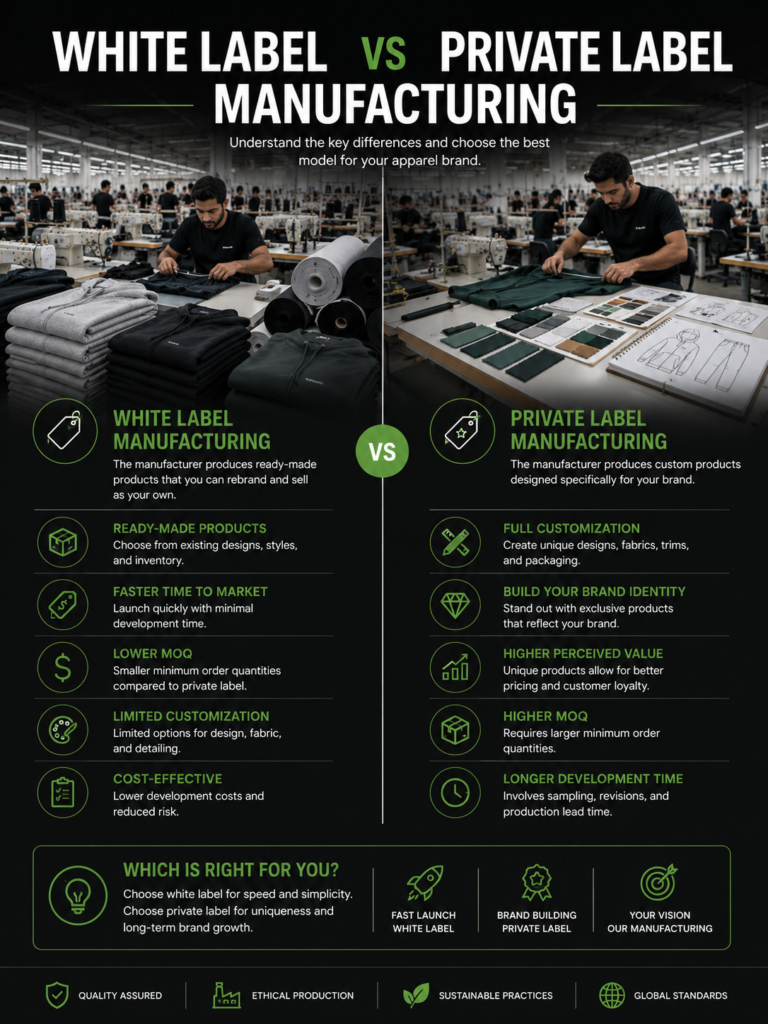
White Label vs Private Label Manufacturing
An infographic comparing white label and private label clothing manufacturing, showing how each model differs in brand control, product customization, and responsibilities for apparel businesses.
The difference between white label clothing manufacturing and private label manufacturing work is significant. With white label, you use the garments already in production (and due to the automation of the process) we can provide quicker turnaround times. Private labeling means designing a new product from the ground up, and that is simply a longer process. In a similar vein, the startup costs are drastically different. White labeling requires very low minimum order quantities. For all of these reasons and more, ECO JERSEY is the best choice for budding businesses. The choice is clear.
Who Uses White Label Clothing Manufacturing?
Countless businesses utilize white label clothing manufacturing services. Startups can build a full brand in a matter of weeks rather than months. E-commerce companies can quickly add additional product lines. Influencers can easily create merchandise, such as t-shirts featuring their faces. Even the largest companies can utilize ECO JERSEY services to research and explore brand new trends. Because of this, ECO JERSEY services are able to accommodate companies of all sizes.
How to Start White Label Clothing Manufacturing
Starting white label clothing manufacturing businesses is as simple as a few steps. First, secure a partnership ECO JERSEY, who provides high-quality stocked items. Choose styles that your target audience would be interested in. Consider offering bold t-shirts for the younger audience members. Make sure to purchase sample items to allow you to evaluate the fit and style of the shirts you’ll be selling. Sell your items on platforms such as Shopify to allow you to quickly sell your items. With this, you should see a significant increase in sales, and a successful brand.
Conclusion
White-label clothing manufacturing is changing the way brands are created and grown. ECO JERSEY offers ready-made clothes that save you time, money and stress. You can build your brand quickly without worrying about the factory. The customers will also love the quality of your products. Choose white label today. Contact ECO JERSEY today and launch your clothing brand tomorrow. Here is where your success begins.
FAQs
What is white label clothing manufacturing?
White label clothing manufacturing involves the plain clothing being produced first without brand names. You put your own brand and then sell the clothing. The best company offering this service is ECO JERSEY.
Does it save money?
Definitely! There is a large amount of money saved through white label clothing manufacturing as the burden and cost of the clothing design is eliminated. Instead, you buy low price clothing and sell at a higher price. There is no extra stock that is not utilized.
Can small brands use white label clothing manufacturing?
Absolutely! You can also use white label clothing manufacturing with a less price order and it is expected you will expand as your sales increase.
Is quality good?
Yes, the quality is superb! With ECO JERSEY, you have strong materials being used that ensure everything is being checked.
How fast does it work?
Very fast. It only takes a few weeks to receive clothing with white label clothing manufacturing. You can catch trends much faster.
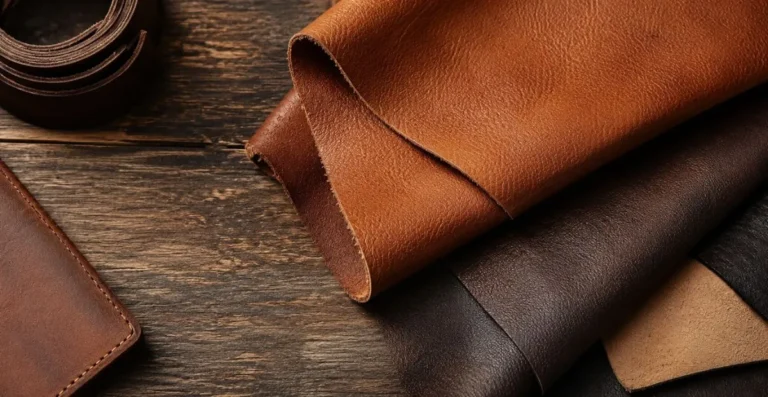
One needs to understand what genuine leather is and what makes it genuine. Genuine leather is made from animal hide, and cowhide tends to represent the majority of production. To make it, manufacturers start with the lower layers of the hide after the top grain is removed. This makes it cheaper compared to full-grain leather and top-grain leather. Although genuine leather is made from real animal hide, genuine leather is lower in quality compared to other grades of leather. To improve the appearance and consistency of genuine leather, it is often sanded, coated and embossed. This causes genuine leather to show up in bags, shoes, belts, wallets, furniture and other accessories.
What Is Genuine Leather?
Definition of Genuine Leather
Genuine leather is made from animal hide and it is real leather. In the production of genuine leather, cowhide tends to represent the majority of production, although buffalo, goat and sheep hides also appear in production.
Genuine leather is a specific leather grade in the industry, although the term can also refer to leather produced from lower hide layers as opposed to the higher, premium layers.
Why Genuine Leather Confuses Buyers
From the name, buyers tend to associate ‘genuine’ with premium quality. This is not the case, as the term is often misunderstood in the leather industry.
In the hierarchy of leather quality, genuine leather is right below full grain leather and top grain leather. However, genuine leather is comprised of real animal fibers and the natural leather structure.
Common Animal Hides Used
Cowhide
Cowhide remains the most common source because it offers strength and is the most affordable.
Buffalo Hide
Buffalo leather is thicker and often tougher compared to cowhide. Due to this, its use is more common in the production of goods that need to be rugged.
Goat Skin
The goat skin exhibits a supple hand and is one of the more pliable leathers; the goat skin has a good grain definition.
Sheep Skin
The sheep skin has a silky and very delicate hand and is therefore favored by many manufacturers for fashion items.
Marketing vs. Industry Language
In the leather industry, the term ‘genuine leather’ is often used to describe proprietary leather that has been corrected in some way. The marketing industry, however, uses the term to mean something is real, rather than for positional strategy.
This has led many to the incorrect assumption that genuine leather is synonymous with luxury leather.
Yes, it is real leather; it is true animal skin, as opposed to materials that are not of animal origin and are of a synthetic nature.
Why People Think Genuine Leather Is Fake
Buyers often confuse genuine leather with faux leather because it is often associated with inexpensive products. In addition, aggressive marketing has blurred the distinctions and/or grades of leather.
Why Genuine Leather is Less Expensive
Genuine leather is made from lower layers of the hide; the superior top layer has been removed.
Is Genuine Leather Synthetic?
No, it is of animal origin; however, many products have what are termed as top coats, pigments and/or finish layers of polyurethane.
Is Genuine Leather Good?
For everyday items, it offers reasonable quality for the price. Also, when compared to top grades of leather, lower grades of leather generally lack the rustic quality, the aged character and luxurious prestige associated with premium leather.
Genuine Leather vs Full-Grain Leather
Durability
Genuine Leather
Not as durable because of the extensive sanding and surface processing that the manufacturers employ.
Lasts fewer years with extensive daily use.
Full-Grain Leather
Strong since the entire natural grain layer is present.
Develops enhanced character with age.
Appearance
Genuine Leather
Artificial grain textures are added by manufacturers to create a more uniform appearance.
Smooth and less natural appearance.
Full-Grain Leather
Exhibits original natural blemishes and authentic markings of the hide.
Appears more opulent and luxurious.
Texture
Genuine Leather
Texture feels more artificial because of the sanding and finishing treatments.
Softer to touch initially.
Full-Grain Leather
The texture becomes firmer and denser.
Naturally changes with age.
Aging & Patina
Genuine Leather
Develops a small patina with time.
Unevenly wears out over time.
Full-Grain Leather
Develops character as deep patina develops.
Aging gracefully improves the visual appeal significantly.
Price
Genuine Leather
Cost effective mass produced leather.
Fitting for cost conscious consumers.
Full-Grain Leather
More costly because of the high quality of the leather.
Mostly found in high-end products.
Water Resistance
Genuine Leather
Provides a minor resistance due to the coatings.
Exposure to moisture leads to cracking.
Full-Grain Leather
Natural fibers maintain durability better over time.
Conditioning optimizes moisture resistance.
Lifespan
Genuine Leather
Depends on usage and care, but usually lasts 3-10 years.
Full-Grain Leather
Lasts several decades with appropriate upkeep.
Genuine Leather vs Full-Grain Leather Table
Feature
Genuine Leather
Full-Grain Leather
Material Source
Lower hide layers
Top hide layer
Durability
Moderate
Excellent
Surface
Sanded and coated
Natural grain
Patina
Limited
Rich patina
Texture
Processed feel
Natural feel
Price
Affordable
Premium
Lifespan
3–10 years
20+ years
Genuine Leather vs Top-Grain Leather
Surface Correction
Genuine Leather
They sand the surface heavily.
Manufacturers often emboss the surface to imitate natural grain patterns.
Top-Grain Leather
Surface corrections provide a balance between consistency and natural appearance.
Natural appearance prevails.
Softness
Genuine Leather
Softer feel due to coatings and treatments.
Top-Grain Leather
Smoother, more refined, and stronger.
Durability
Genuine Leather
Moderate durability for many goods.
Top-Grain Leather
Greater durability due to the top grain.
Luxury Perception
Genuine Leather
It has a mid-range perception of leather quality.
Top-Grain Leather
Premium perception in luxury goods.
Common Products of Genuine Leather vs Top-Grain Leather
Genuine leather comes from layers of animal hides. Because of this, they contain natural leather fibers throughout. Manufacturers may apply surface coatings for aesthetic consistency.
Bonded Leather
Bonded leather is a composite of leather adhered with synthetic substances, such as polyurethane or latex. This creates a leather-like material that contains both leather fibers and synthetic binders. When you buy a bonded product, you’re often getting more synthetic material than leather.
Durability
Genuine Leather
Genuine leather is generally more resilient. As long as the leather is well maintained, it can last a significant amount of time. There’s still a considerable variation between different brands.
Bonded Leather
Bonded leather is less durable. Since the synthetic material can break down when exposed to heat or friction, bonded products can fail within a short period.
Appearance
Genuine Leather
Genuine leather is more flexible than bonded leather because it shows more depth. Genuine leather is processed, but still retains some of the hide’s texture. It is common to see wrinkles and texture on genuine leather.
Bonded Leather
Bonded leather is more artificial than genuine leather. Manufacturers attempt to imprint synthetic grain patterns to imitate leather. The synthetic surface eventually causes the top layer to bubble.
Price
Genuine Leather
Genuine leather is more expensive than bonded leather because it costs more to use genuine hide. It is still less pricey than premium leather.
Bonded Leather
Bonded leather is the most affordable leather replacement material. Because of the low price, it is the most common material for cheaper goods.
Genuine Leather vs Bonded Leather Table
Feature
Genuine Leather
Bonded Leather
Real Leather Content
High
Low
Durability
Moderate
Low
Peeling Risk
Moderate
High
Flexibility
Better
Limited
Appearance
More natural
Artificial
Lifespan
Longer
Shorter
Leather Grades Explained
Full-Grain Leather
Full-grain leather keeps the natural grain surface. This gives full-grain leather the highest longevity and quality.
Top-Grain Leather
Top-grain leather receives a light sand and some alteration, but keeps similar quality and durability.
Genuine Leather
Genuine leather is often made from the lower layers of the hide after the top grain has been separated. It is therefore altered, coated, and covered.
Split Leather
This leather comes from the fibrous, lower sections of hides. Suede and coated leather products are usually made from split leather.
Bonded Leather
This material consists of synthetic binders and leather scraps. Among all leather grades, bonded leather is the lowest in durability.
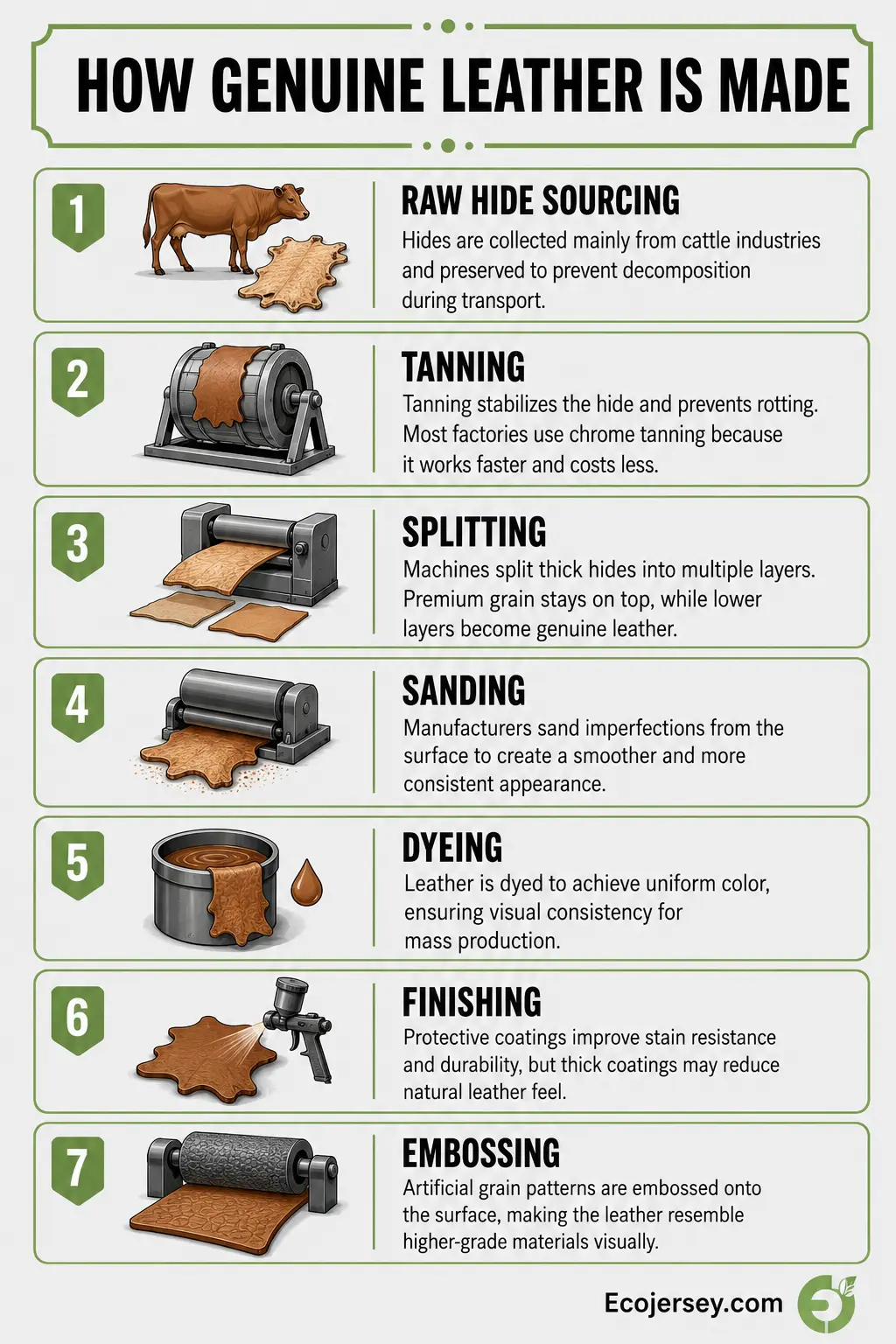
How Genuine Leather Is Made
Key production stages involved in manufacturing genuine leather
Raw Hides
The livestock and cattle industries are the main suppliers of hides. Leather companies use preservatives to stop the hides from decaying during transport.
Tanning
Tanning is the process of keeping the hides from decaying. The cheaper and faster method is chrome tanning.
Splitting
Leather manufacturers run these thick hides through a machine that splits the hides into multiple layers. The top sheets are kept as premium grain. The lower sheets are used to create the genuine leather.
Sanding
Manufacturers sand away all the imperfections and any residual fibrous materials left. This gives the leather a consistent and smooth appearance.
Dyeing
This process is used to give the leather the desired uniform hue, and improves visual consistency for mass production.
Finishing
The final protective coat on the leather improves stain resistance while strengthening the leather. The finish can be overly thick and changes the leather feel.
Embossing
Manufacturers use embossed grain patterns to give the leather a more consistent appearance. This gives the leather surface an appearance that resembles higher-grade grades.
What Does Genuine Leather Feel Like?
Texture
Genuine leather may be softer than full-grain leather.
The coated surface may appear smoother than full-grain hides.
Smell
Genuine leather preserves the natural leather scent. The smell may be altered by the synthetic coat.
Flexibility
The leather bends, flexes, and retains all of its integrity. Lower-quality products may break or crease within a short time of use.
Grain Pattern
The surface grain patterns may appear uniform.
Artificial embossing seems to be the norm.
Warmth vs Synthetic Leather
More warmth and breathability when compared to faux leather.
For the price you pay for genuine leather, quality and durability is fairly average.
Pros of Genuine Leather
Affordable
Genuine leather is more affordable than premium leather grades such as full-grain and top-grain leather.
Real Leather Feel
Real leather contains natural fibers that provide a more authentic feel.
Flexible
Products created by manufacturers, especially shoes and bags, have been noted to be soft, flexible, and overall more comfortable.
Widely Available
Fashion and furniture brands, due to genuine leather’s popularity, have offered many styles.
Cons of Genuine Leather
Less Durable
More natural leather fibers tend to weaken due to heavy processing, hence the more fragile nature of genuine leather.
Cracking Risk
With genuine leather, the risk of cracking is even more likely to occur. As a result, poor finishes could lead to peeling.
Limited Patina
Genuine leather develops limited patina over time.
Lower Prestige
Most luxury brands would most likely agree that genuine leather lacks the prestige associated with premium leather markets.
How Long Does Genuine Leather Last?
Average Lifespan
With the quality and the nature of this leather, it could last anywhere between 3 and 10 years, though reasonable upkeep and product quality and maintenance can affect its lifespan greatly.
What Affects Durability
Thickness of the Leather
Quality of the Coating
Daily Wear
Exposure to Moisture
Maintenance
Why Leather Should Be Maintained
Conditioners stop leather from drying and cracking. Also, leather should be stored properly to keep the structure.
Genuine Leather Lifespan Estimates
Product
Average Lifespan
Wallets
3–5 years
Belts
4–7 years
Shoes
2–5 years
Sofas
5–10 years
Bags
3–7 years
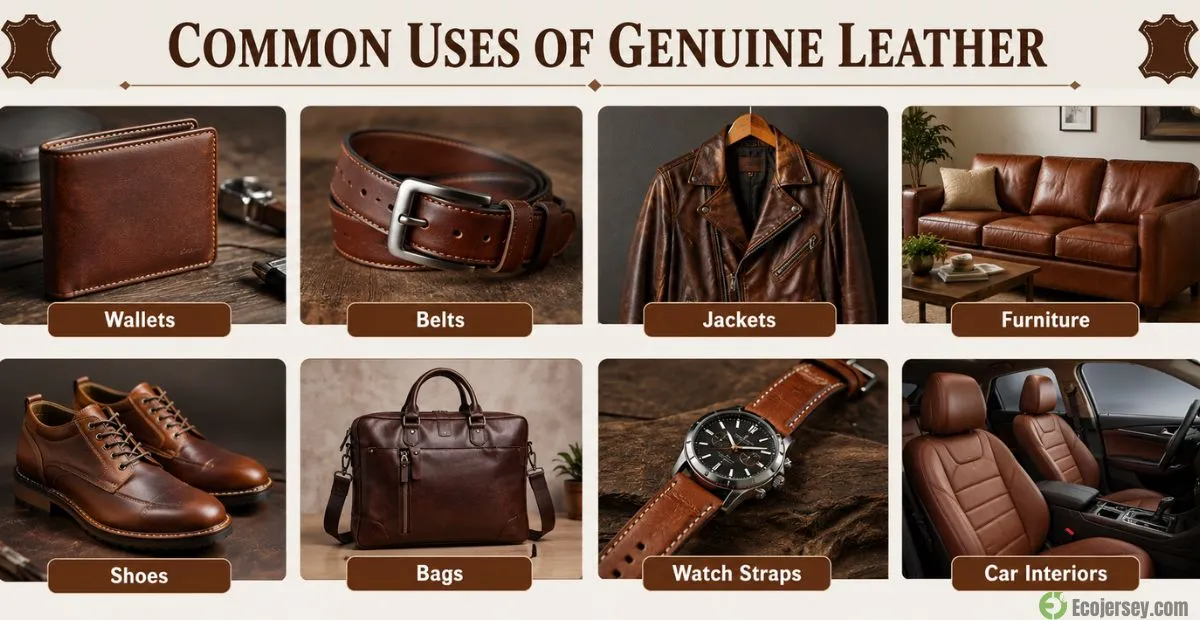
Uses of Genuine Leather
Popular products commonly made from genuine leather
Wallets
Cheap to make in large quantities.
Soft and comfortable in the pocket.
Belts
Strong and flexible.
Easy to make many different types.
Jackets
Cheaper than other leather options.
Used by many different fashion brands.
Furniture
Protective coatings can improve stain resistance on seating surfaces.
Shoes
Strong and flexible.
Often used in casual shoes.
Bags
Used by many different fashion brands.
Can be embossed to look even more expensive.
Watch Straps
Soft and comfortable.
Easy to order in a variety of textures and colors.
How to Identify Genuine Leather?
Smell Test
Leather smells like earth.
Synthetics smell more like chemicals.
Texture Test
Real leather has an irregular surface texture.
Man Made leather is more uniform.
Water Absorption Test
Genuine leather slowly absorbs small water drops.
Faux leather often resists water more than genuine leather.
Edge Inspection
Real leather has edges that look fibrous and layered.
Synthetic leather has edges that are smooth and look like plastic.
Pore Patterns
Pores in real leather regularly look irregular.
Pore patterns that repeat can show that leather was embossed.
Flexibility Test
Genuine leather wrinkles when bent.
Synthetic leather tends to have folds that are sharper.
Be careful when using these tests on expensive products because they may be damaged.
Does Genuine Leather Peel or Crack?
Yes, genuine leather can crack over time, while peeling usually occurs when synthetic coatings begin separating from the surface. Especially when manufacturers apply thick synthetic coatings.
Main Causes
Low-quality finishes
These cheap coatings can separate from leather fibers.
Low humidity can remove the natural moisture from leather fibers.
How to Reduce Cracking
Condition leather regularly
Avoid direct sunlight.
Store leather products in moderate humidity levels.
Clean gently using soft cloths.
Is Genuine Leather Waterproof?
Genuine Leather is water resistant, but is not completely waterproof.
Why Leather Resists Water Slightly
The natural oils in leather fibers provide limited resistance to moisture.
Why Water Still Damages Leather
When there is excess moisture it can deplete the oils and weaken the structure of the fibers. This can lead to stiffening, staining, or cracking of the leather.
Protection Methods
Leather conditioners
Waterproof sprays
Quick drying after exposure
Proper storage
Genuine Leather Pros and Cons
Pros
Cons
Real leather material
Lower durability
Affordable pricing
May crack sooner
Flexible texture
Limited patina
Easier maintenance
Less luxurious appearance
Widely available
Surface coatings wear
Better than many synthetics
Quality varies greatly
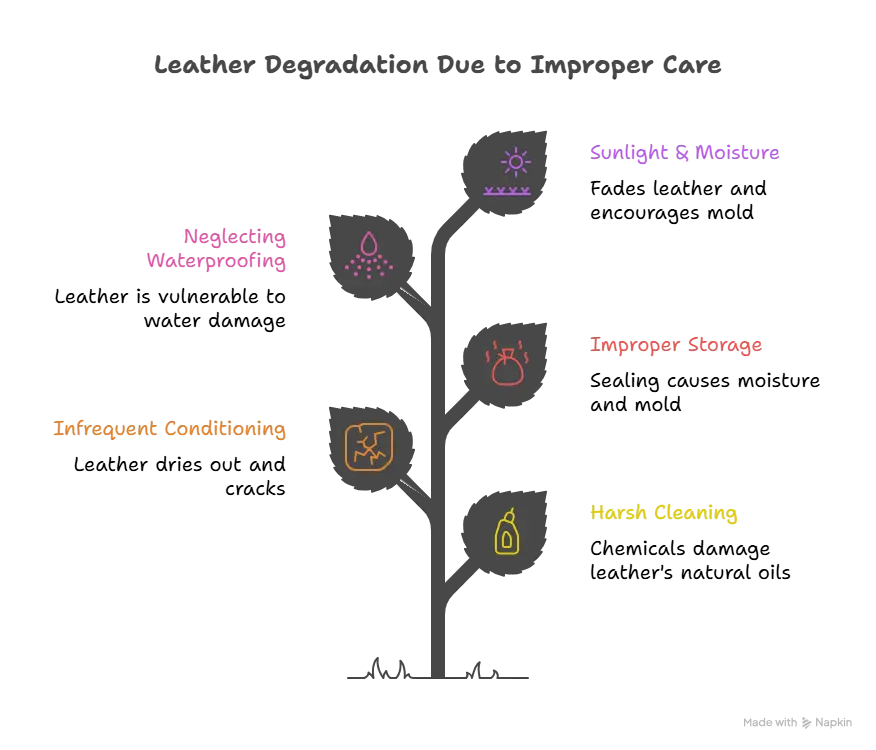
How to Care for Genuine Leather
Factors that can damage genuine leather over time
Cleaning
Use soft microfiber cloths regularly.
Avoid harsh chemical cleaners.
Conditioning
Apply leather conditioner every few months.
Conditioning prevents drying and cracking.
Storage
Store products in cool, dry areas.
Avoid using sealed plastic bags.
Waterproof Sprays
Use leather-safe waterproof protectors.
Be sure to reapply after heavy use.
Avoid Sunlight & Moisture
Direct sunlight slowly fades and dries leather.
Mold growth is encouraged by excessive humidity.
Is Genuine Leather Worth Buying?
For Budget Buyers
Yes, genuine leather offers strong value for moderate budgets. It provides authentic leather feel without luxury pricing.
For Luxury Buyers
Luxury buyers prefer full-grain or top-grain leather for aging and durability.
For Everyday Use
Genuine leather lasts for daily accessories and casual items. Cost to replace is also low.
For Fashion Products
Many fashion brands use both genuine leather and faux leather depending on price, style, and sustainability goals.
Conclusion
What is genuine leather? Genuine leather is the real deal – leather. It comes from real animal hides, usually from the lower layers after the top grain has been separated. The costs are lower than for full-grain and top-grain leather but higher than synthetic leather. Still, it boasts flexibility, texture, and the authentic appearance of leather.
On the hierarchy of leather grades, genuine leather is placed at the mid-tier position. For leather goods like wallets, shoes, belts, bags, and furniture, it is a cost-effective option for consumers. While mid-tier leather provides a nice balance of cost and utility, it falls short of premium leather grades in terms of durability, patina, and prestige.
Since genuine leather gives a decent amount of utility at a lower price point, it is a good option for budget-buyers. However, genuine leather may not be the right choice for consumers who want superior quality and durability; for those consumers, full-grain or top-grain leathers may be a better option.
FAQs
Is genuine leather expensive?
Genuine leather is costlier than synthetic leather but cheaper than the higher quality grades.
Can genuine leather get wet?
Yes, it is safe to be wet, but water may lead to a slow decline in quality over time.
Does genuine leather smell?
Yes, genuine leather has a distinct natural and earthy smell.
Is genuine leather durable?
It offers moderate durability for everyday products.
Is genuine leather vegan?
No, genuine leather does not fall within the domain of veganism as it is sourced from animals.
Why is genuine leather cheaper?
The hides used for the leather originate from lower layers, and the hides themselves are processed heavily.
Is 100% genuine leather good?
Yes, it is good, but the manufacturing standards can vary.
Does genuine leather peel?
Yes, after wearing for years, surface coatings can begin to peel or flake over time.
Is genuine leather breathable?
Yes, it is quite breathable. Most synthetic substitutes for leather cannot compare.
Does genuine leather crack?
Yes, the cracks can be attributed to the substandard quality of the leather coating and neglect of maintenance.
Is genuine leather better than PU leather?
Definitely, genuine leather is superior as it is of higher quality, and naturally, it lasts longer when compared to PU leather.
Is genuine leather fake?
No, genuine leather is true leather material, as it originates from animal hides, as opposed to being artificial.
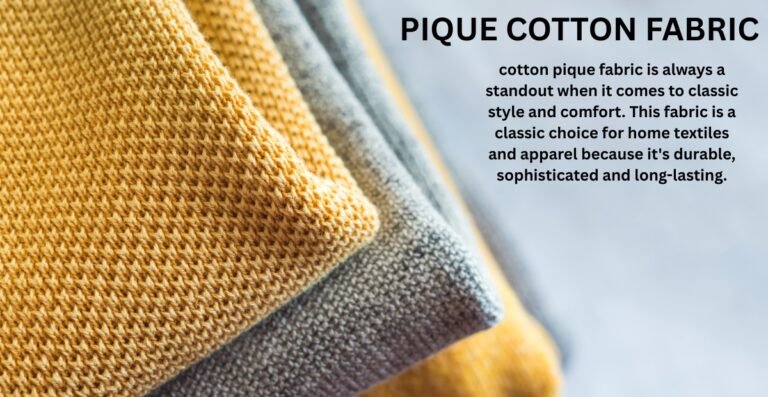
cotton pique fabric is always a standout when it comes to classic style and comfort. This fabric is a classic choice for home textiles and apparel because it’s durable, sophisticated and long-lasting. Its unique weave makes it a worldwide favorite for everything from polo shirts and decorative linens to t-shirts. Understanding its properties can help you make the best use of it in your next design.
What is Pique Cotton Fabric
Colorful fabric swatches: a hand lifts a blue sample from a rainbow of textured fabrics.
pique fabric has raised patterns as its main characteristic. These patterns are often in the form of cords, honeycombs or waffles. This gives the fabric a structured appearance. The pique weave is a double-cloth construction, unlike plain weaves. This technique gives the fabric extra durability and depth.
The term “pique”, which is derived from the French for “quilted”, perfectly describes the embossed, quilted look of the fabric. Pique Cotton Fabric is wrinkle-resistant thanks to its fine texture. It looks polished after wearing it for hours.
Origin and History of Pique Fabric
The Union Jack flag waving in the wind.
The origins of cotton pique fabric can be traced back to 18th century Lancashire in England. It was initially developed to be a machine-quilted imitation of hand quilted fabrics. It was quickly adapted to cotton mills and production increased.
This textured fabric was later used for formal wear, dress shirts and uniforms. Designers began to use pique fabric in both casual and luxurious garments. Rene Lacoste’s invention of the Polo shirt in the 1920s helped to further elevate the fabric’s reputation. The texture is still a symbol for comfort and refinement.
How Pique Cotton Fabric Is Made
Pique Cotton Fabric is created by a special weave process. It is usually woven on dobby looms or jacquards, allowing for intricate patterns. The fabric is made up of raised warp and recessed weft threads. It has a three-dimensional look.
To ensure strength and smoothness, manufacturers often use combed yarns. Some manufacturers blend in a little elastane to give the fabric some stretch. Pique Cotton Fabric is 100% cotton in its traditional form. The fabric is then bleached, mercerized, and finished to improve its quality.
This weaving method also allows for a variety of designs, including corded patterns, honeycomb patterns, and waffle patterns. Pique Cotton Fabric is available in a variety of weave types, ranging from soft, lightweight, to firm, structured.
Types Pique Cotton Fabric
Types of pique cotton fabric: Waffle, Birdseye, Honeycomb, and Double Pique with brief descriptions and visuals.
All pique fabrics do not have the same characteristics. Each variant has a different texture and function. Here are some of the most popular types of cotton pique fabric.
1. Waffle Pique
The waffle pique fabric has small square patterns that resemble a waffle texture. Soft and absorbent, it is ideal for towels and bedding. Waffle pique is fresher for longer because of its airflow. Read more ….Dimity Cotton Fabric
2. Birdseye Pique
Birdseye Pique features tiny diamond shapes that add subtle elegance. This fabric is both smooth and textured. It’s perfect for dresses and shirts. Designers use pique fabric for summer lightweight wear.
3. Honeycomb Pique
Honeycomb pique is hexagonal in pattern, as its name implies. This structure creates a soft and cushiony feeling. It also adds volume, without adding extra weight. This pique fabric is perfect for casual clothing and home textiles.
4. Double Pique
Double pique has a thicker, stronger structure. The layered construction gives it more stability and makes it ideal for uniforms, sportswear, upholstery, and uniforms. This heavy-duty cotton fabric resists shrinkage more than single layers.
Texture & Feel
The texture is the most distinctive feature of cotton pique fabric. Raised patterns give the fabric a luxurious look while still allowing it to breathe. It feels firmer yet softer against the skin than plain cotton.
pique fabric is breathable, thanks to its air pockets. It is a moisture-absorbing fabric that prevents discomfort in hot climates. It strikes the perfect balance between softness and structure, making it ideal for everyday wear. See more…..Pointelle Cotton Fabric
Durability
Strength is one of the reasons why cotton pique fabric has become so popular. Double weave increases resistance to stretching and tearing. Pique, unlike lightweight cottons that lose their shape after washing multiple times, maintains its original shape.
Pique Cotton Fabric can be easily cared for. Machine washable with mild detergent in cold water. To prevent shrinkage it is best to tumble dry or air-dry on low heat. Since the fabric is naturally wrinkle-free, ironing is not necessary.
Its fibers also resist pilling and keep the fabric looking newer for longer. Pique Cotton Fabric is a durable fabric that will last for a long time. Read more ….Chintz Cotton Fabric
Comfort and Breathability
Comfort is a hallmark of cotton pique fabric. It is breathable because of the textured weave. Even during hot summer days, garments made of pique stay comfortable.
The cotton fibers also wick moisture away efficiently. This ensures comfort and dryness during physical activity. Pique Cotton Fabric is used widely in sportswear and polo shirts. It is a combination of athletic performance and everyday sophistication.
Uses Popular of Pique Cotton Fabric
Five popular uses of pique cotton fabric: polo shirts, formal shirts, dresses, home decor, and uniforms.
1. Polo Shirts
Polo shirts are made from pique fabric. The soft, yet structured texture of the fabric provides both comfort and elegance. The fabric breathes well, making it perfect for sportswear and casual wear. See more ….Chenille Cotton Fabric
2. Formal Shirts
For a crisp, formal look, pique fabric is often used in semi-formal and formal shirts. The texture finish gives the shirt a subtle sheen and helps to prevent clinging. These shirts remain fresh and professional all day.
3. Dresses
Dresses and skirts are made from lightweight versions of cotton pique fabric. The structure of the fabric helps to keep garments in shape and create a sleek silhouette. Its cooling effect is why designers prefer it for their summer collections.
4. Home Decor
Pique Cotton Fabric is used in more than just clothing. Pique bed linens, curtain covers and cushion covers add elegance to any interior. The texture catches the light beautifully and adds a touch sophistication.
5. Uniforms
Pique Cotton Fabric is a fabric that resists wrinkles, and can withstand daily use. This fabric is perfect for any job, from hospitality to sports.
Comparison to Other Cotton Fabrics
Pique Cotton Fabric vs Other Cotton Fabrics
Aspect
Pique Cotton Fabric
Poplin Cotton
Twill Cotton
Voile Cotton
Texture
Raised and textured patterns
Smooth and Crisp
Diagonal ribbed weave
Sheer and soft
Breathability
Excellent
Good
Moderate
High-quality
Durability
Strong
Medium
Strong
Delicate
Best Use
Polo shirts, décor
Formal wear
Workwear
Summer dresses
cotton pique fabric has unique advantages, as you can see from the comparison. It is a weave that combines structure and breathability unlike any other weave.
Versatile– Great for interior design and clothing.
cotton pique fabric is a practical and versatile choice that can be used for a variety of purposes.
Disadvantages Of Pique Cotton Fabric
Heavier weight cotton knit
Pique Cotton Fabric has some minor disadvantages, despite its many advantages.
Heavier weight: Some types may feel thicker than plain Cotton.
Risk of shrinkage: When washed with hot water it may shrink a little.
Limited Stretch Traditional Pique Lacks Elasticity Unless Blended with Spandex
These problems can be avoided by using proper care. Washing in cold water, and then air-drying the garments will preserve their quality.
Eco-Friendliness and Sustainability
Pique Cotton Fabric is an environmentally friendly choice when made with organic cotton. It is renewable and biodegradable. Modern textile mills are also moving towards sustainable dyeing and woven processes.
pique Cotton Fabric has a long life span and reduces the need to replace it frequently. This reduces waste, which is good for the environment. Pique fabrics made from organic or ethically-sourced materials are better for the environment and consumers.
Styling Tips for Pique Cotton Fabric
Pretty in pink: a flowy pleated midi skirt paired with a white ruffled top.
pique fabric has a surprising amount of versatility when it comes to styling. Polo shirts look great with denim or chinos for a casual outfit. For formal occasions, a pique shirt under a blazer adds refinement.
Pique dresses and skirts can be worn by women with accessories that are light. The texture of the fabric adds visual appeal, which reduces the need for heavy embellishments. cotton pique fabric also looks great in monochrome, emphasizing its patterns.
Why Designers Love Pique Cotton Fabric
Designers prefer pique Cotton Fabric because of its texture, structure and comfort. It is suitable for tailored clothing because it holds its shape. The slight sheen of the material adds elegance while its durability allows for long-term usage.
It also accepts dyes uniformly, which results in vibrant colors. pique fabric is a favorite in many fashion collections around the world.
Maintenance and Care Tips
Iron in a compact, compact home appliance design
Follow these simple steps to maintain pique Cotton Fabric.
Use Cold Water to Wash: Reduces shrinkage, and keeps color.
Use mild detergent: Protects the cotton fibers.
Avoid Bleach. Bleach can weaken texture.
Dry Gently : The best way to preserve structure is by air-drying.
Iron lightly if needed: Use the low setting, and iron from inside out.
These tips will help you to keep your pique Cotton Fabric products looking new for many years.
Conclusion
pique Cotton Fabric is the perfect combination of style and function. The textured weave provides breathability, strength and elegance. This fabric is versatile enough to be used for everything from polo shirts and upholstery to polo shirts.
It is ideal for modern lifestyles because it can withstand frequent washing and resists wrinkles. cotton pique fabric is a stylish and smart choice for designing, dressing or decorating.
FAQs
Is pique cotton fabric suitable for hot weather?
Yes, it is. The breathable weave keeps you cool and comfortable.
Can pique cotton fabric be ironed?
Yes, but light ironing is usually enough due to its textured surface.
Does pique cotton fabric shrink after washing?
It may shrink slightly if washed in hot water. Use cold water instead.
People love to wear soft, fancy fabrics. Embroidered Organza fabric is one of the most beautiful fabrics available today. The fabric is light and shiny. The fabric is made of thin threads that are stitched in designs. This fabric gives clothing and decorations a special, rich touch.
Fashion designers love using it to create fancy clothes. The soft appearance of the fabric is used to decorate homes. This fabric can make any design look grand with just a little bit. Both interior designers and clothing makers love it.
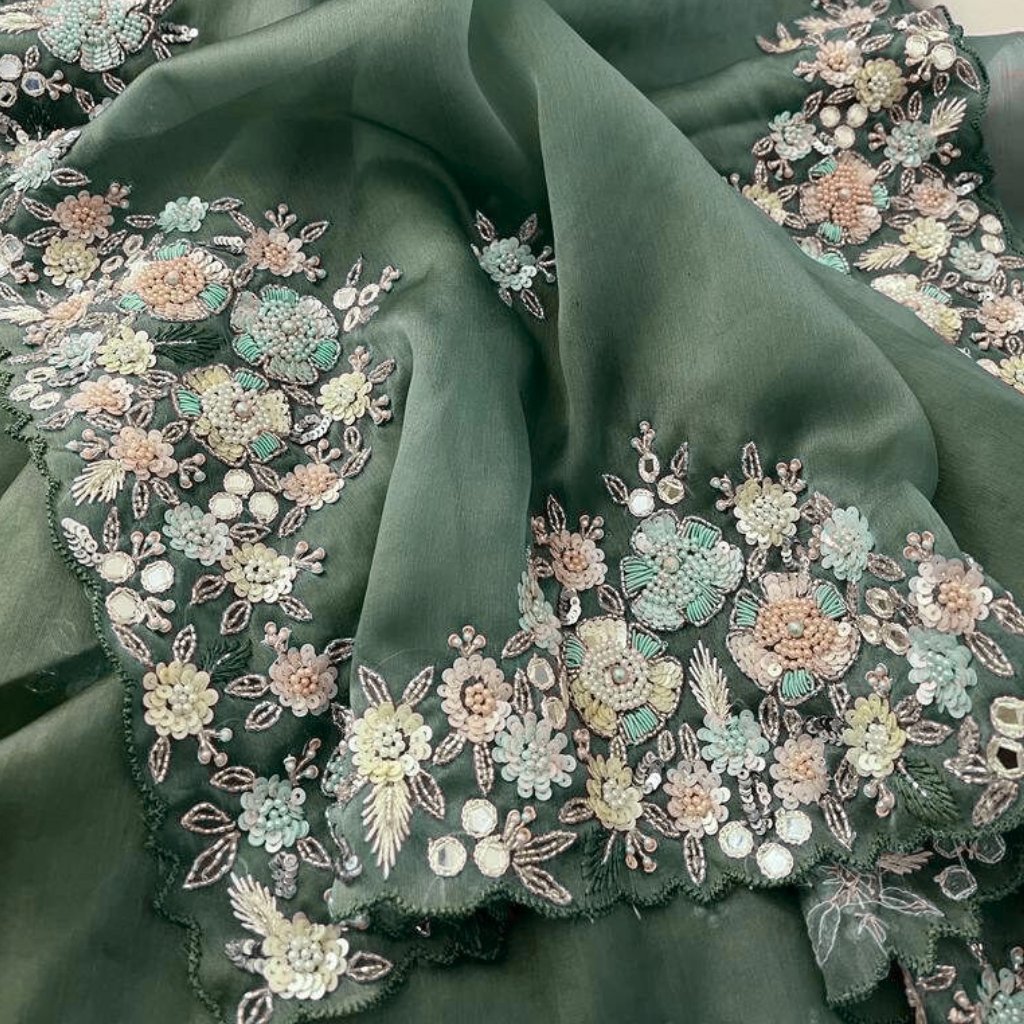
Delicate elegance in motion: embroidered organza in soft greens and pastel blooms, where light, texture, and artistry meet.
The beauty of Organza Fabric lies in its fine details. The base is clear and crisp. The thread is used to stitch the embroidery on top. Fabrics made of silk or polyester are often used. The fabric is light, but still strong enough to keep its shape.
These designs can be added manually or by machine. The designs can be symbols, flowers, patterns or patterns. These designs are beautiful and shimmer under the lights. Some designs are simple. Some designs are simple, while others require more detail and time.
How and where it’s made
Embroidered Organza fabric is produced in many countries. In the past it was only made from silk. Today, other fibers are also used in the factories. The fabric is rolled out in large rolls, and then decorated. After the fabric has been made, it is decorated with embroidery.
The organza is first woven with thin yarns. The embroidery is then stitched onto the surface. Artists use various threads, such as silk, metallics, cotton or metallics. These threads reflect the light, giving the fabric an iridescent glow. Each piece is finished with care and time.
Why people choose Embroidered Organza
Elegant in embroidered organza: timeless florals, delicate sheer layers, and graceful drape.
Embroidered Fabric is popular because it has a rich look. It is also light and flows nicely. The fabric adds a touch of elegance and softness to any outfit. Designers can use the fabric to create beautiful threads.
You can also layer it over other materials. It is often worn over satin, silk, cotton or other fabrics. It is a great way to add charm to your clothes without them feeling heavy. It looks great on dresses and curtains.
Style and Fashion
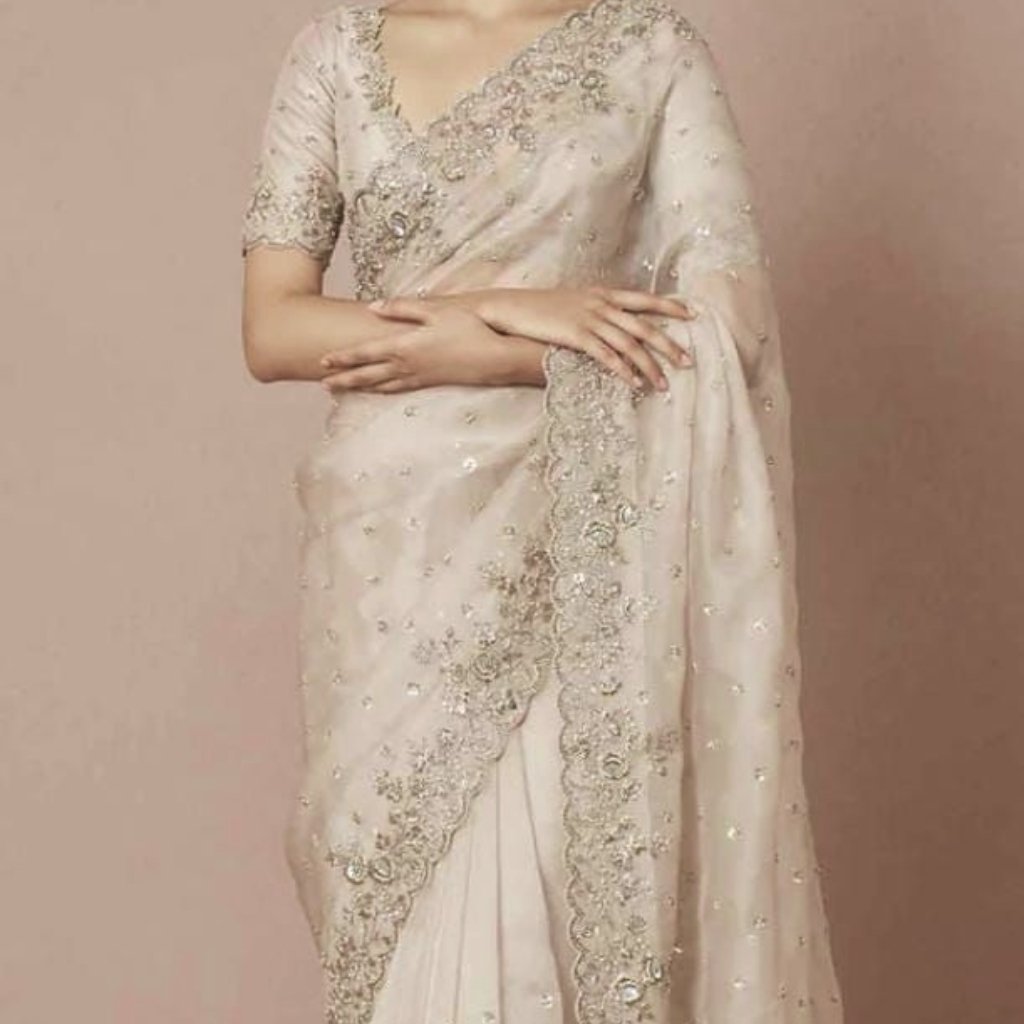
Timeless elegance: ivory saree with dazzling silver embroidery and a scalloped border for a refined, event-ready ensemble.
Fashion is one of the most common uses for Embroidered Organza fabric. Dresses, scarves and veils are all made from it. It is often worn by brides on their wedding day. It gives their clothing a royal and dreamy touch.
Designers add it to evening wear for a touch of shine. It moves easily when worn because of its lightweight. The fabric’s flow makes clothing seem alive. This is why many gowns are layered with organza.
Great for Decorating Homes Too
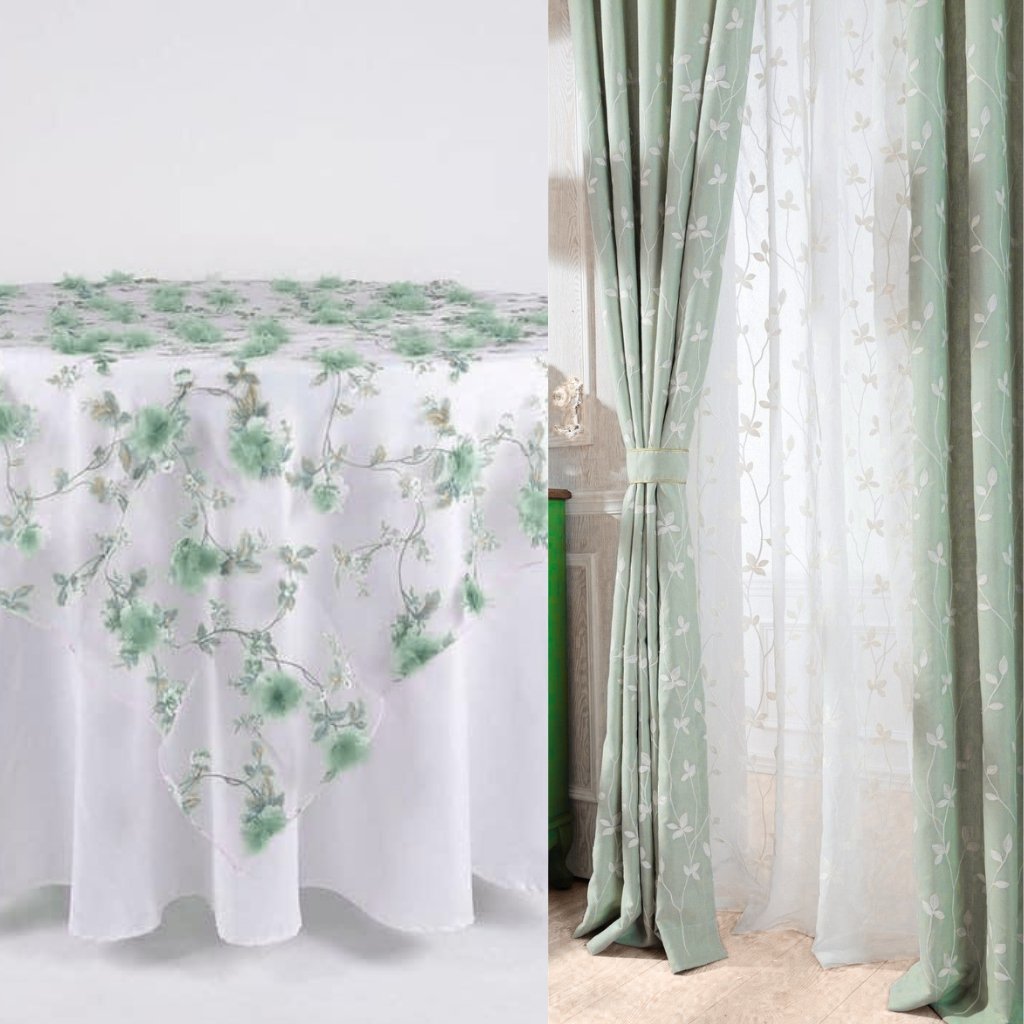
Elegant floral motifs: table and sheer drapes perfect for bright, airy home decor.
Embroidered Organza fabric is not only used for fashion. You can use it for tablecloths, curtains, and wall hangings. The fabric allows light to pass through so that rooms remain bright and beautiful.
The look of the floor near windows is a favorite among home decorators. This light creates patterns on the floor as it gently enters. The room will feel softer and warmer. It is also used for festive events and party decor.
Create Creative Designs with Ease
Embroidered Organza fabric is popular because it’s easy to sew. It is easy to work with, despite its rich appearance. Designers can easily fold, cut, and layer the material. It is easy to cut, fold and layer.
You can also use it to add details to clothing. Even a small piece of fabric on the collar or sleeve can transform the look. This fabric is eye-catching even with small patterns. Mixing sheer fabric with thread is a magical combination.
Types Of Embroidery That You Can Find
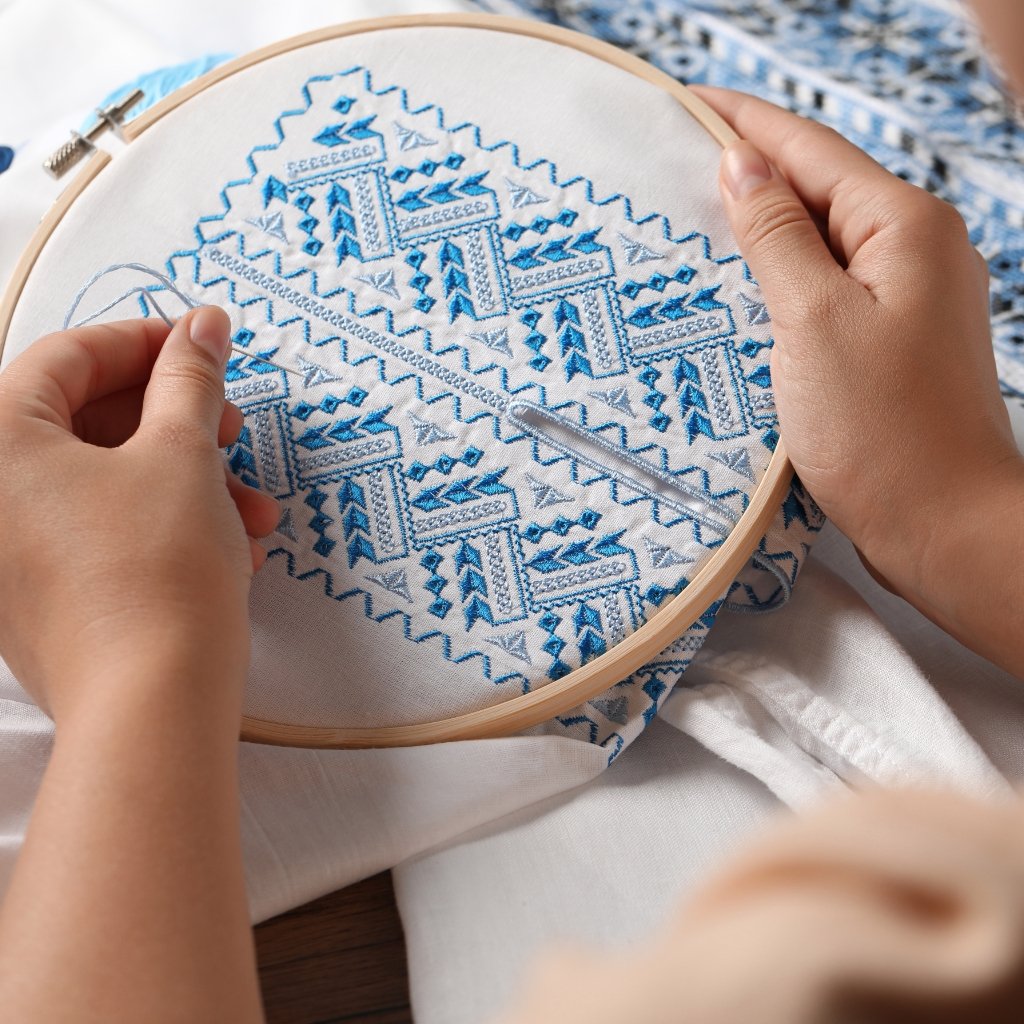
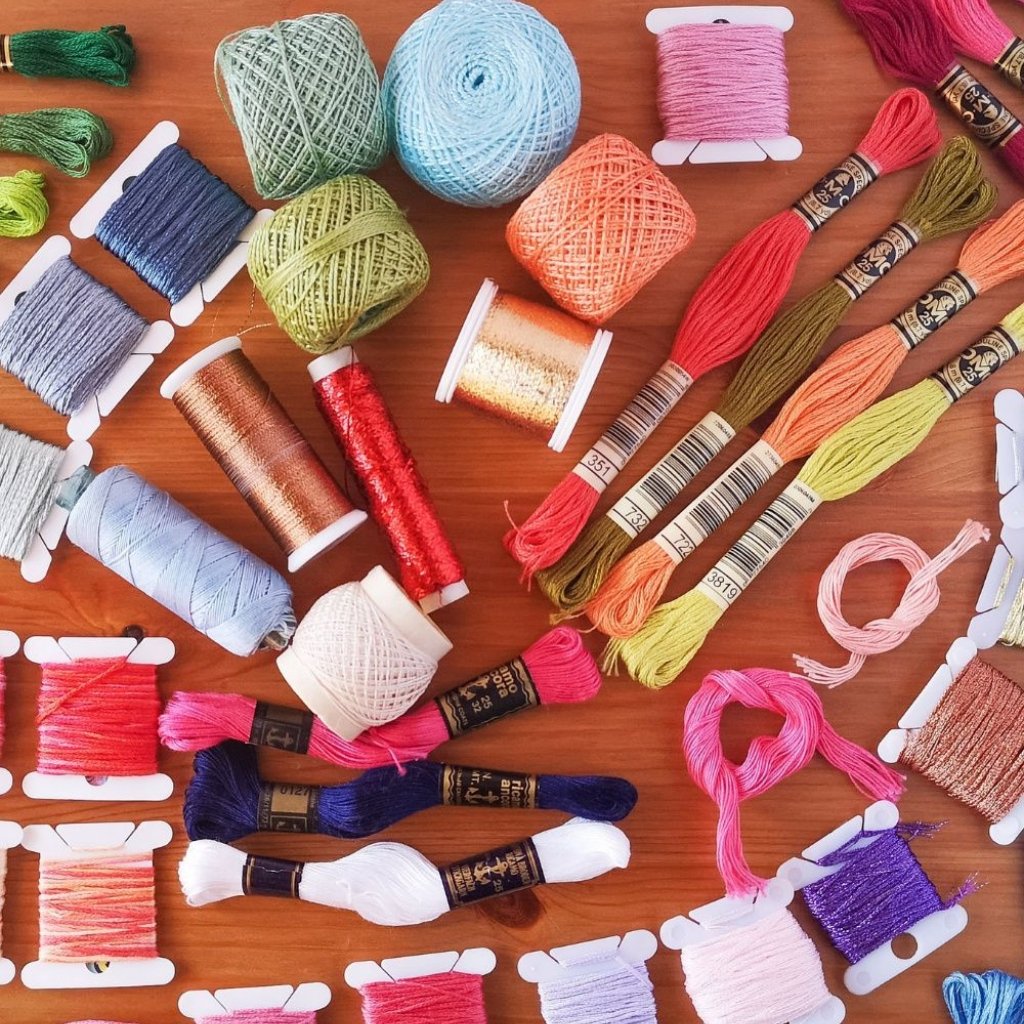
A vibrant collection of threads and flosses—everything you need to stitch and embellish
There are many different designs that you can find on Embroidered Organza fabric. Some designs have leaves, flowers or vines. Some have shapes or stars. Styles vary depending on who made the fabric and where it was produced.
Some embroidery uses thicker threads, others thinner ones. Metallic threads sparkle in the light. Designers choose the type of embroidery that best matches the mood or style of an outfit or room.
How to Care for Organza Fabric
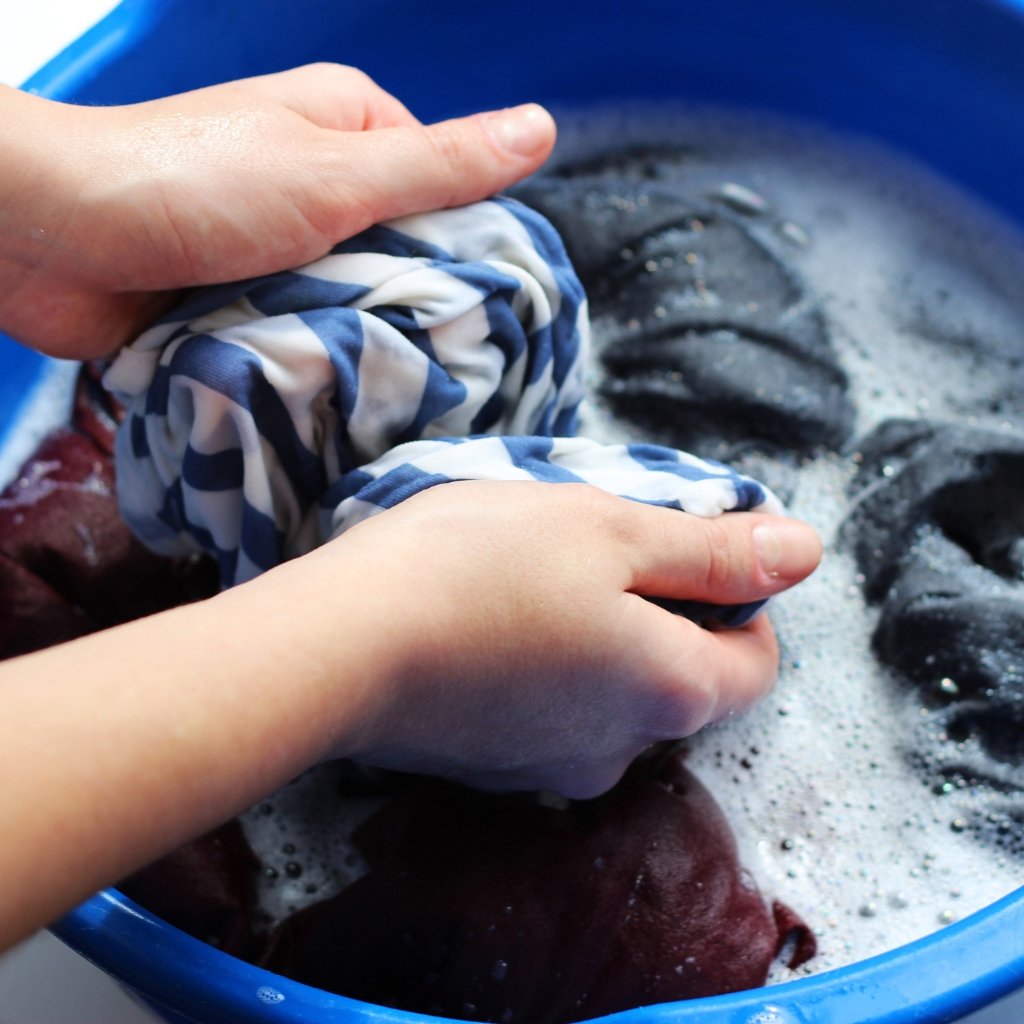
Gentle care for organza: hand-wash in lukewarm water with a mild detergent, then air-dry flat to keep its sheer texture pristine.
You need to be gentle when cleaning Embroidered Organza fabric. It is best to wash by hand. Use soft soap and cold water. Avoid rubbing or twisting it excessively. It is best to dry it flat.
The ironing process should be carried out with extreme care. Use a low-heat iron and a press cloth. Never iron directly onto the embroidery. You can steam instead of ironing if you prefer. It is safer, and the fabric will remain smooth.
Check it Before you Buy It
Look closely at the threadwork when you purchase Embroidered Organza fabric. Look at the threadwork. A good embroidery will have even and tight stitches. After washing, loose threads can come out.
Check the feel of the fabric. The fabric should not be too stiff and smooth. Ensure that the embroidery doesn’t scratch your skin. The design will be more comfortable if it has a soft backing.
Choose from a wide range of colors and finishes
Explore our wide range of fabrics in multiple colors and finishes.
Embroidered Organza fabric is available in many different colors. Light colors create a dreamy, soft look. Dark shades are bold and beautiful. Some fabrics have a shiny finish. Some fabrics have a glossy finish.
Beads, sequins or pearls are added to some types. The fabric will sparkle even more. Some people keep it simple, using only thread designs. Depending on what you are going for, there are many different options.
Use of in cultural and traditional outfits
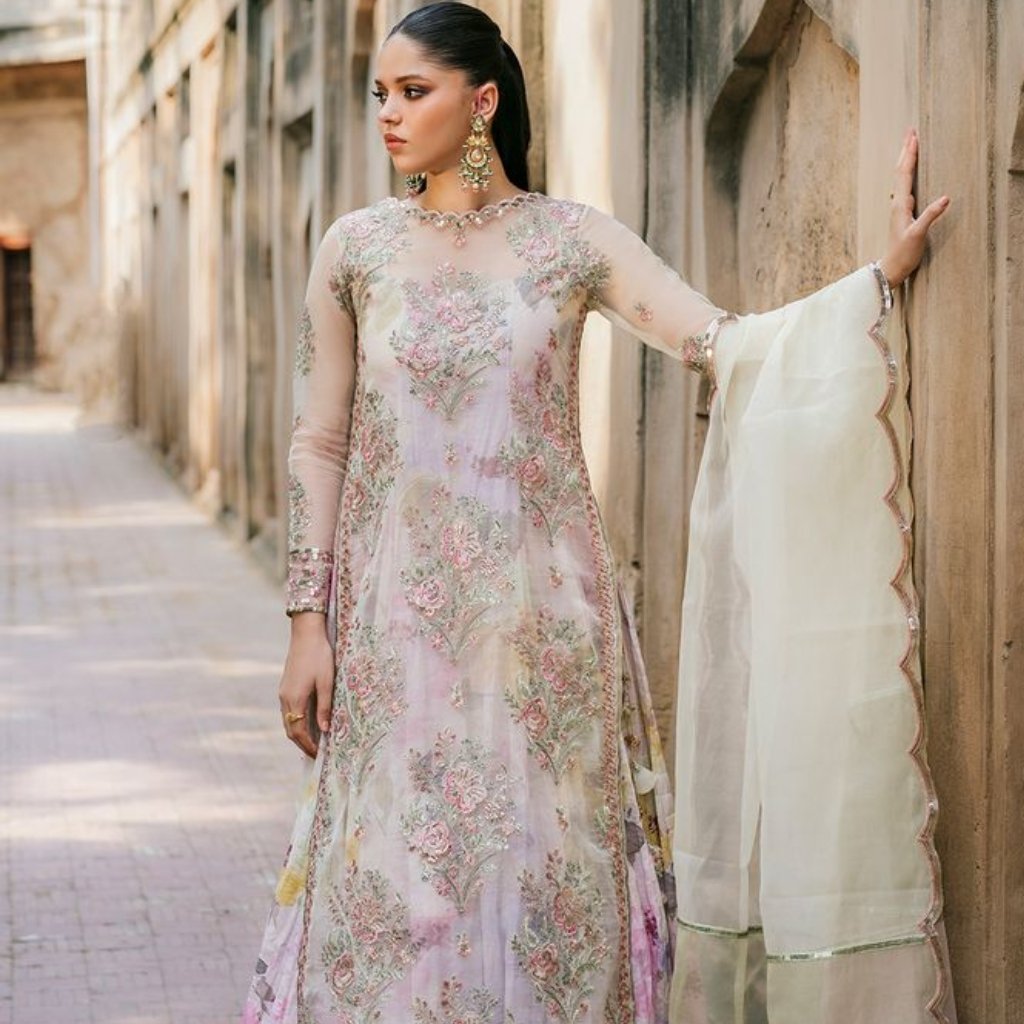
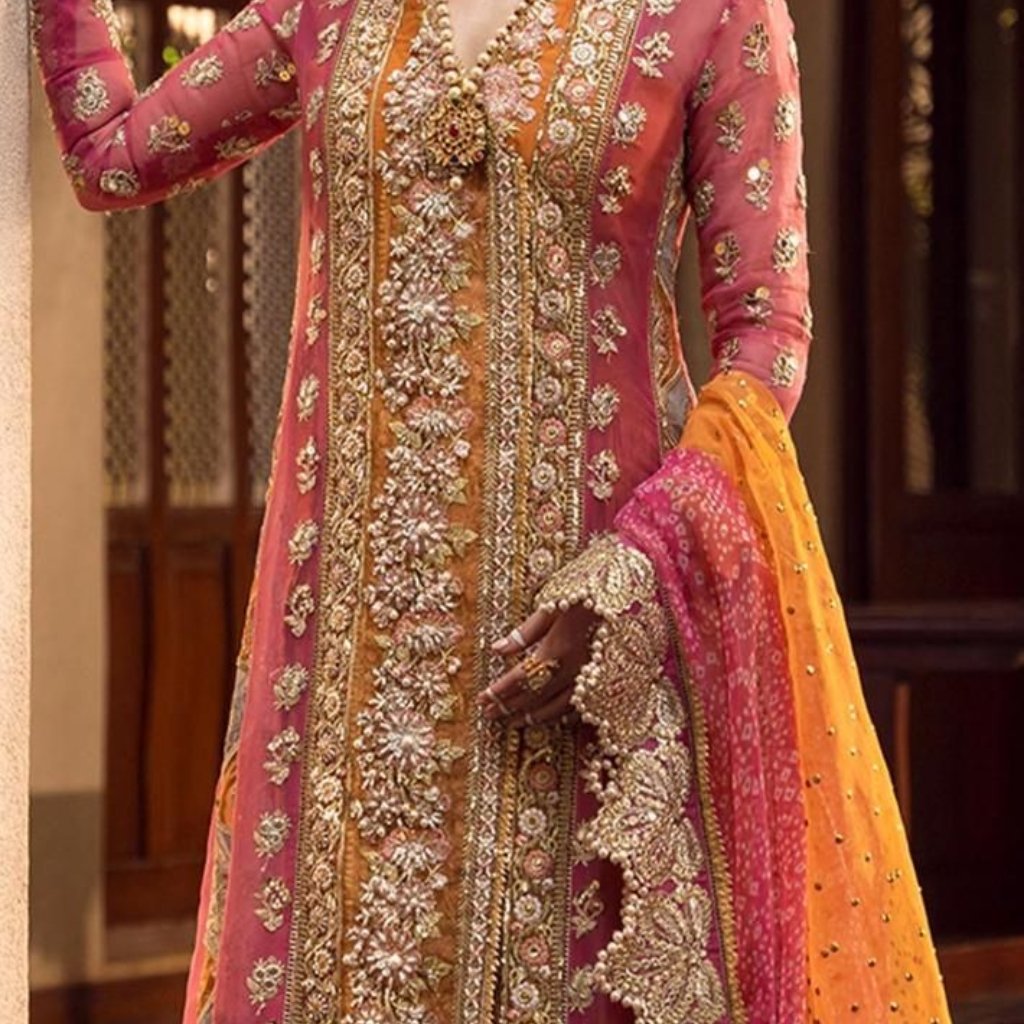
Intricate embroidery and vibrant color harmony: a traditional bridal outfit that celebrates rich cultural craftsmanship.
Embroidered Organza fabric is often used in traditional dresses. South Asian weddings are a popular example. This fabric is used to make gowns and long veils for brides.
Also, it is used for special occasions and party dresses. The embroidery gives the fabric a cultural and stylish touch. This elegant fabric can be used to make small items such as scarves and stoles.
Why Designers still love this fabric
Designers still love working with Organza Fabric after many years. They can be more creative. It allows them to experiment with colors, patterns, and layers.
Their ideas are brought to life by the embroidery. With a few embroidered details, a simple dress can be transformed into something grand. The fabric allows them to mix old styles with new ones.
Kids too!
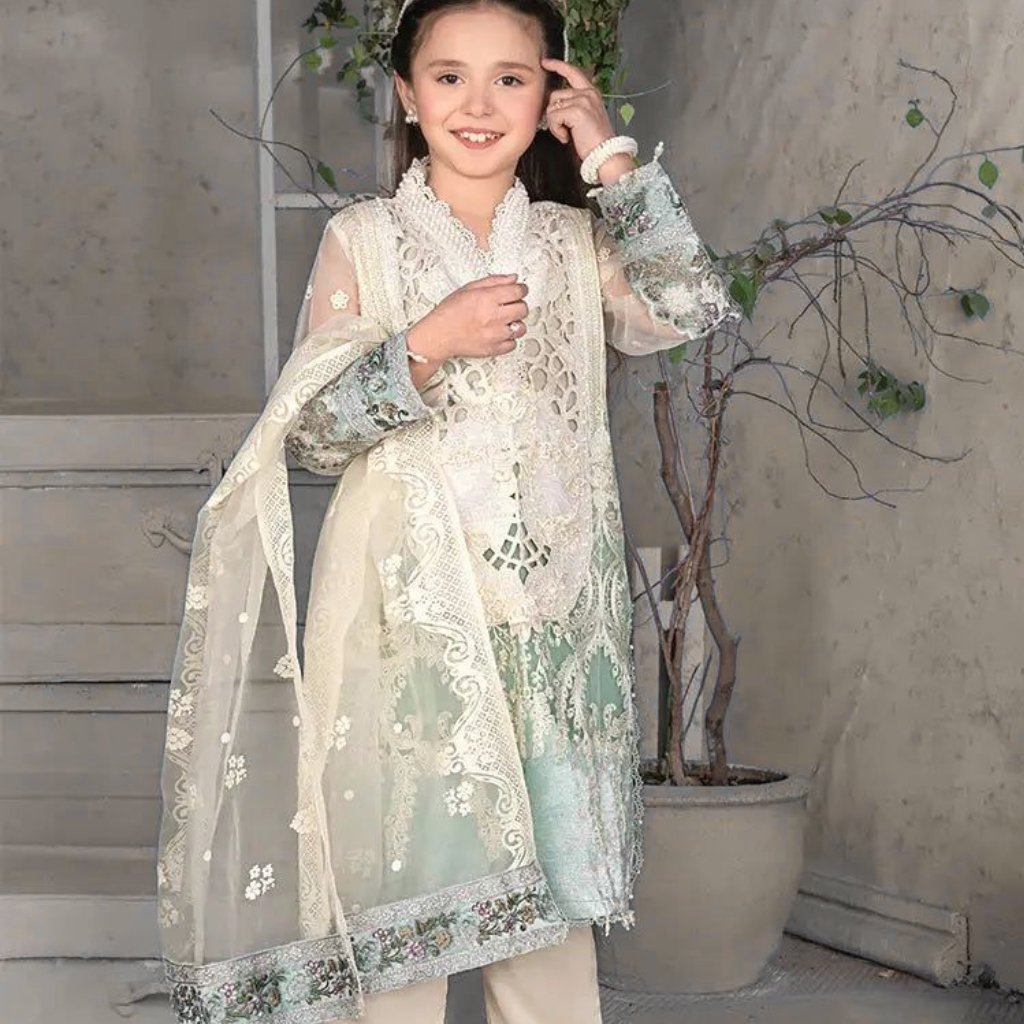
Kids too! Elegance in lace — a charming traditional outfit for a bright young style star.
Embroidered organza fabric can be used for children’s clothing. It adds fun and magic to birthday dresses. Fabric makes outfits light and playful. The child is a star.
It is often chosen by mothers for special occasions. For comfort, it is easy to combine with cotton linings. The look will remain rich, and the feeling will be soft.
Looks New After Care
If you are careful, Organza Fabric with Embroidery can last a long time. Fold it and store in a cool, dry area. To protect embroidery, use tissue paper. Avoid placing heavy items on the top.
If you find any loose threads, fix them immediately. Fix them as soon as you can. You can keep the fabric’s beauty for many years by doing this.
Why it never goes out of style
Some fabrics are always in style. Embroidered Fabric, for example, is always in style. It is both royal and modern. It is used in many different ways every year.
Organza is a versatile fabric that can be used in many different ways. Designers like how simple details can transform its appearance. It’s always back on the runways and in shops.
Mixing it with other fabrics
Embroidered Organza fabric also mixes well. Wear it with silk, velvet or cotton. Each mix creates a unique look.
It adds shine to dull surfaces. The fabric adds a lightness to heavier materials. The balance creates more interest in the design. Fashion is a big fan of mixing fabrics.
The Perfect Choice for All Seasons
You can wear Organza Fabric at any time. It is light and cool in summer. It is perfect for layering in winter.
It displays vibrant colors and new designs in spring. In the fall, it will blend with rich colors like gold and red. This fabric is perfect for any weather.
Final Thoughts on this Timeless Fabric
Embroidered Organza fabric is a favorite for many reasons. It’s soft, shiny and has a lot of details. It brings beauty and charm to the home. Designers can turn simple ideas into something special.
It’s one of the rare fabrics that looks both classic and modern at once. It is perfect for weddings and everyday wear. It is a true expression of elegance and fine detail.
Would you like more?
Stay tuned if you liked learning about Embellished Organza Fabric. Explore the world of stylish fabric. Each fabric has its own unique story.
conclusion
Embroidered Organza is more than a pretty fabric. Every piece is a combination of beauty, lightness and rich detail. It adds a soft, stylish touch to clothes and home decor. It’s easy to work with and wearers love the way it shines. Even simple outfits look elegant with the threadwork. It will last a long time and remain beautiful with proper care. No matter what the season, Organza Fabric with Embroidery is a popular choice for elegant detail.
Faqs
Q1: Is Embroidered Organza Fabric good for weddings?
Yes, Embroidered Organza Fabric is perfect for weddings. It adds a soft, rich, and royal look to gowns and veils.
Q2: Can I wear Embroidered Organza Fabric in summer?
Yes, this fabric is very light and airy. It keeps you cool and feels soft during hot weather.
Q3: How do I wash Embroidered Organza Fabric?
It is best to hand wash it with cold water and mild soap. Always handle it gently and avoid strong rubbing.
Cbes andCotton Voile is a favorite among fashionistas for its airy, soft and elegant qualities. This fabric has a timeless elegance. It is a popular cotton voile fabric in the summer because of its breathability and durability. The lightweight fabric allows for beautiful drapes without adding weight. This fabric has been used by designers and homemakers for many generations.
This article will introduce you to the history, characteristics, uses and care of Cotton Voile fabric.
Cotton Voile Fabric: A Brief History
Cotton Voile: A Brief History
Voile Fabric is a fabric that has its roots in centuries-old weaving traditions. The word “voile”, which is French for veil, reflects the sheerness and delicate quality of this fabric. It was popularized by French weavers in the 19th century and spread quickly throughout Europe. Fashion at the time was enamored with its soft drape and transparency, which went well with elegant gowns.
voile fabric reached Asia and Africa as trade expanded. The cotton voile fabric is lightweight and folds easily, so it saves space for merchants. In warmer countries, the fabric became a staple in everyday wardrobes. Material that was useful in both fashion and household products. It is still a symbol for comfort and refinement today.
Cotton Voile Fabric
Soft and breathable Cotton Voile: lightweight, airy fabric perfect for flowy garments and summer apparel.
Cotton fibers are used to make cotton voile. Cotton bolls are harvested by farmers, which contain fluffy fibres around the seeds. The fibers are cleaned to remove any impurities, and then prepared for spinning. The fibers are spun into smooth, fine yarns by skilled spinners. The cotton fabric yarns are thinner than cotton and make the fabric lighter.
The yarns are then arranged on the looms in a plain weave. Voile Fabric is breathable because of this weave pattern. The fabric is then finished. Bleaching, dyeing or softening are some of the finishing processes. Each step improves the silky surface of the cotton voile fabric and its sheer appearance. The result is a durable yet delicate textile that can be sewn into beautiful garments.read more
Cotton Voile Fabric: Features and Benefits
Cotton is distinguished by its feather-like weight. The sheerness of the voile allows light to pass, giving it a soft and airy feeling. The fabric is smooth and feels good against your skin. It never sticks to the skin in hot weather, unlike heavier fabrics. It flows gracefully and keeps you cool.
Fabric resists wrinkles better than some other types of cotton. Fabric is ideal for clothing that must remain fresh all day. Its versatility is another advantage. It is dye-friendly, so you can use vibrant colors or pastels. The transparency of the fabric makes it perfect for layering. It is highly prized in the textile industry for its qualities.
Cotton Voile Fabric for Summer
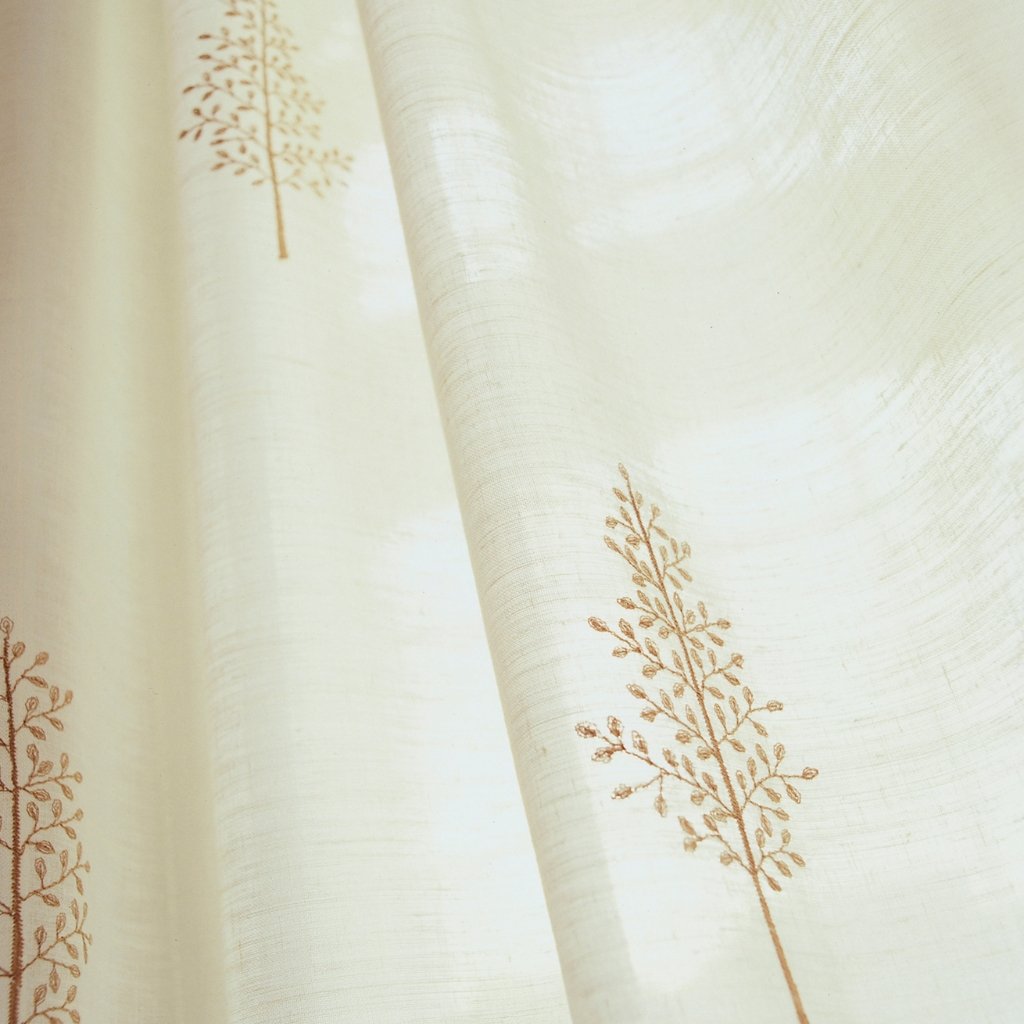
Cotton Voile Fabric for Summer – lightweight, breathable material featuring soft, airy texture with elegant brown botanical embroidery.
Cotton fabric is a great choice for summer clothing. It keeps the body cool, and it’s comfortable. Voile Fabric is a great choice for this. Its fine weave promotes air flow, which is helpful in humid and hot conditions. It is popular because it keeps you cool and feels soft. The quick-drying fabric is perfect Fabric is often used by designers for summer dresses, tunics, and blouses. These garments are elegant and breathable. Voile curtains and drapes brighten summer rooms by letting the sunlight gently pass through. The fact that it is used in both fashion and interior design shows just how well the material suits the season. Other materials do not combine lightness with charm quite as well.
Cotton Voile Fabric: Fashion Application
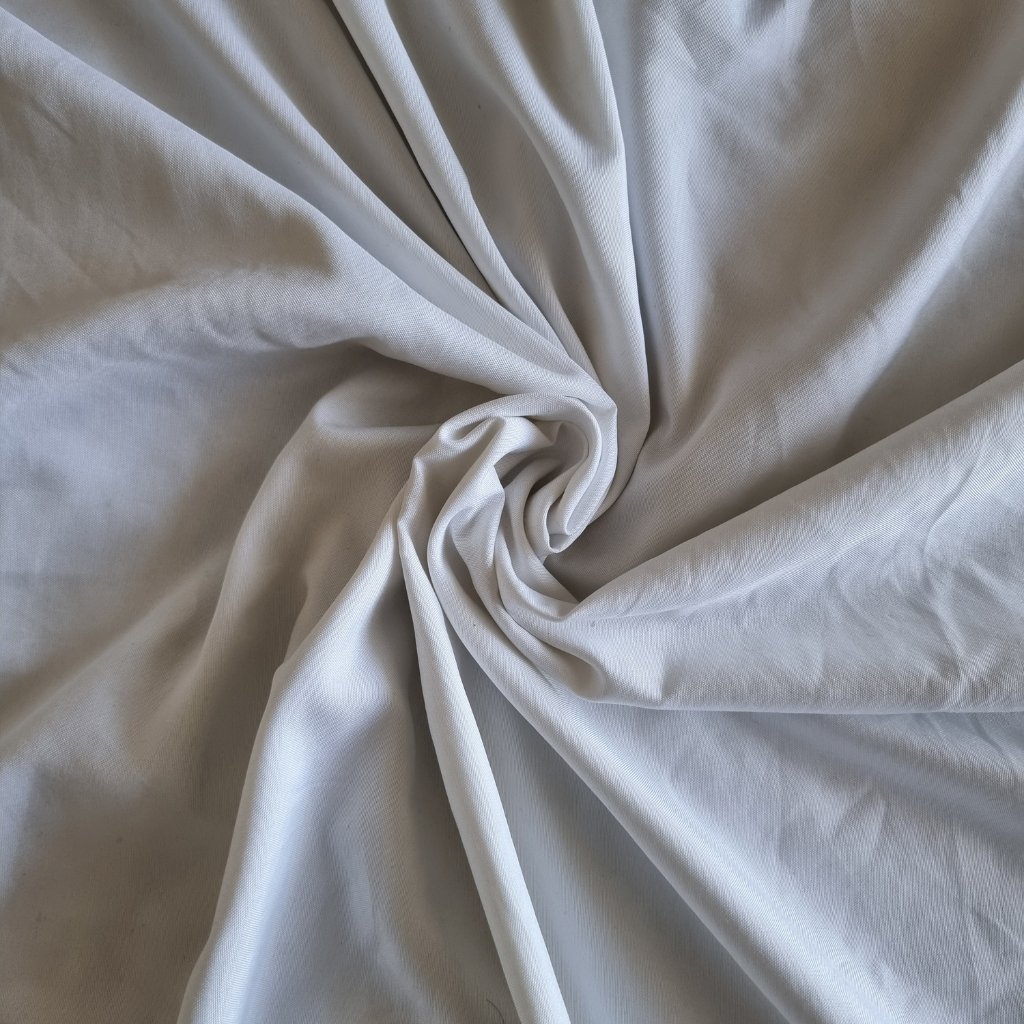
Lightweight elegance: cotton voile fabric draped and twisted to highlight its airy, airy-soft hand for fashion.
key fabric in the fashion world. The transparency of the fabric allows designers to experiment with layers. This material is responsible for the elegance of many flowing dresses, scarves, and skirts. It is soft to the touch and works well as a material for blouses and shirts. It is easy to sew into both flowing and structured designs.
Voile Fabric is often used to create delicate overlays for evening wear. Its sheer quality gives a feeling of sophistication, without being too heavy. Tops and tunics are also made stylish, yet breathable. The romantic drape of voile is often used in bridesmaids gowns. Its versatility makes it suitable for everyday wear as well as special occasions.
Cotton Voile Fabric for Home Interiors
Soft and airy: Cotton Voile for timeless, light-filtering home interiors.
Cotton Fabric is not just for fashion. It can be used to create beautiful home décor. It is used by interior designers for curtains as it filters the light beautifully. It creates an inviting, warm glow in any space. Voile curtains are not as heavy as drapes. They add elegance and brightness to the interior.
fabric Tablecloths, decorative covers and other items made from this fabric add a touch of elegance to your dining area. Voile is also used in bed covers and pillow shams. These small touches can transform bedrooms into a relaxing retreat. The voile fabric, despite being light and durable, will last a long time with the right care. The fabric’s appeal is that it adds beauty without adding excess weight or dark colors.
Cotton Voile Fabric: Benefits
Cotton Voile: Lightweight, breathable, and elegant sheer fabric with a crisp hand and smooth drape.
A fabric that offers style, comfort and functionality in equal measures. The breathability of the fabric ensures that it will cool you down in hot weather. It is less irritating to sensitive skin than synthetic cotton voile fabrics. The luxurious and smooth finish is not expensive. The color and layering options allow designers to express their creativity.
Fabric’s adaptability is another benefit. It can be used for interior or clothing. The durability of the cotton voile fabric allows it to withstand repeated use without losing its elegance. It is ideal for outdoor and travel wear because it dries so quickly. These qualities have contributed to its popularity.
Cotton Voile Fabric: How to Care for it
“Cotton Voile Fabric: lightweight, breathable, and beautifully drapey in a refreshing blue. Perfect for summer garments and airy curtains
Cotton Voile Fabric needs to be treated gently in order to keep its beauty. Cool water is best for preserving the structure of the cotton voile fabric and preventing shrinkage. Mild detergents are best as harsh chemicals can weaken the fibers. The safest way to wash is by hand, but machines set on the delicate setting are acceptable. Drying in the shade after washing will maintain its soft texture.
To protect the delicate weave, ironing should be carried out at low temperatures. Cotton Voile Fabric can be folded neatly to avoid wrinkles and keep it ready to wear. It is best to store it in a cool, dry place. This will prevent any damage caused by moisture. When cared for properly, voile garments and home decor items will last many years. It is important to treat it gently for both comfort and durability.
Cotton Voile Fabric Environmental Impact
Cotton Voile Fabric: Lightweight, breathable, and silky-soft, made from 100% cotton for airy garments and delicate drapes.
Cotton Voile Fabric is made from natural cotton and is therefore more environmentally friendly than synthetic textiles. It decomposes without harmful residues, unlike polyester or nylon. By avoiding pesticides, organic cotton voiles take sustainability to the next level. These practices are designed to reduce the harm done to soil, water and local ecosystems.
Cotton voile fabric farming requires land and water. Responsible sourcing helps minimize environmental strain. Reusing and recycling voile reduces waste. This material is better for the environment than synthetics. It is a combination of style and responsibility towards nature for many. It is appealing to consumers who are environmentally conscious because of this balance.
Cotton Voile Fabric in Comparison with Other Materials
Cotton Voile Fabric in Comparison with Other Materials: Light, breathable, and airy, cotton voile sits between sheer cotton and denser weaves, offering a breezy drape compared to heavier fabrics.
Cotton Voile Fabric is different from other types of cotton in many ways. Poplin feels heavier and voile is more transparent. Flannel feels warm and heavy, whereas voile feels cool and light. Muslin is similar to voile, but does not have the smooth and silky finish. While each fabric has its own strengths, voile is a standout for its elegance and summer-suitability.
Cotton Voile Fabric is softer and more breathable than polyester chiffon. Chiffon might be more shimmery, but voile is better for heat. Silk organza is luxurious, but it’s expensive and requires more maintenance. Voile is a stylish, practical middle ground. This is why it has remained popular for so long.
Cotton Voile Fabric: Modern Trends
Cotton Voile Fabric: Modern Trends — Delicate, breathable, and airy
Cotton Voile Fabric is still inspiring designers and homeowners alike. Fashion houses use it as a versatile fabric in their spring and summer collections. Its timeless appeal is evident in layered skirts, flowing gowns and tunics. Modern printing techniques create striking patterns that give voile an updated, fresh look.
Cotton Voile Fabric is a popular choice for interiors that are minimalist and bright. Contemporary design continues to favor sheer curtains and light coverings. It is used by crafters for a variety of projects ranging from wedding décor to decorative accessories. The cotton voile fabric’s adaptability makes it relevant for both fashion and lifestyle. The cotton voile fabric seamlessly bridges traditional creativity with modern design.
Conclusion
Cotton Voile Fabric is a material that combines comfort, softness and elegance in a single fabric. The history of this cotton voile fabric reflects its long journey in style and craftsmanship. Its versatility and timelessness make it a great choice for home decor, fashion, or even the office. Fabrics of this type are not as light and breathable. It will last for many years with proper care.
Cotton Voile Fabric is a great choice for anyone looking to combine style and comfort. Cotton Voile Fabric is always in style because it’s cool, elegant and durable. This cotton voile fabric is a favorite for every summer. It continues to be a favorite in homes and wardrobes around the world. homes worldwide.
Q1. What makes Cotton Voile Fabric different from other cotton fabrics?
Cotton Voile Fabric is lighter, smoother, and more breathable than most cotton fabrics. Its sheer weave creates a soft, airy texture ideal for summer.
Q2. Is Cotton Voile Fabric good for sensitive skin?
Yes, Cotton Voile Fabric is gentle and breathable, making it suitable for sensitive skin. Its natural cotton fibers reduce irritation.
Q7. Can Cotton Voile Fabric be ironed?
Yes, Cotton Voile Fabric can be ironed at low heat. Gentle pressing helps maintain its smooth and elegant appearance.
Q6. What clothes are best made from Cotton Voile Fabric?
Summer dresses, blouses, scarves, and layered skirts are perfect choices. Cotton Voile Fabric keeps clothing light, cool, and stylish.
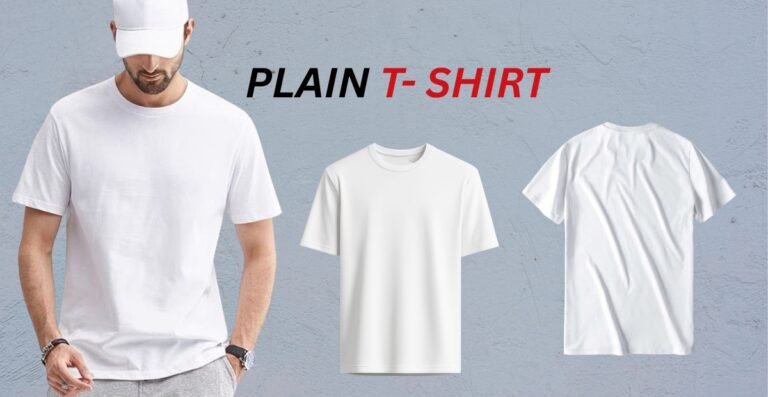
Plain t-shirts are a wardrobe staple that has remained timeless in the fashion world, which is constantly changing. They offer a minimalistic look and are comfortable for everyday wear. They are easy to style because of their solid colors and simple design.
Plain T-shirts also are valued for their versatility. They can be worn with jeans to create a relaxed look or under a jacket to give a polished look. They are therefore preferred by people who appreciate both comfort and simplicity. In addition, the minimal fashion trend continues to gain popularity, which makes plain T-shirts more relevant for modern wardrobes.
Plain T-Shirts: Timeless simplicity with everyday comfort
Best plain t-shirts—simple, clean, and versatile for everyday wear.
Plain T-shirts are a staple of modern style. They are not only simple, but also versatile for everyday wear. A simple T-shirt is a timeless piece in a world of fast changing trends. Its uncluttered design and solid color allow individuals to create stylish looks without extra effort. It is also widely accepted that it should be a part of every wardrobe, no matter what age you are or your personal style.
What is the true meaning of minimal fashion?
Plain T-shirts are a great way to start. They perfectly embody the idea of minimalism. A simple, clean look is preferred over complex patterns or bold graphics. The overall look is highlighted rather than just a particular design element. It has also been noted that minimalist clothing can often appear more refined and sophisticated. Plain T-shirts, therefore, are often chosen by people who want to appear neat and polished.
The absence of prints also makes them very adaptable. They can be styled in almost any way because there are no distracting visuals. They become the most versatile pieces in your wardrobe.
The Comfort of Everyday Life That Cannot be Ignored
Plain T-shirts are a great choice for comfort. Cotton is used in most designs. This allows the skin to breathe even on hotter days. Lightweight materials are also commonly used to allow for freedom of movement.
The manufacturers have also ensured that these T-shirts are comfortable for long periods of time. They are therefore ideal for everyday activities like work, travelling, or relaxing. They are also less prone to irritation and discomfort, which makes them even more appealing.
Styles that are versatile
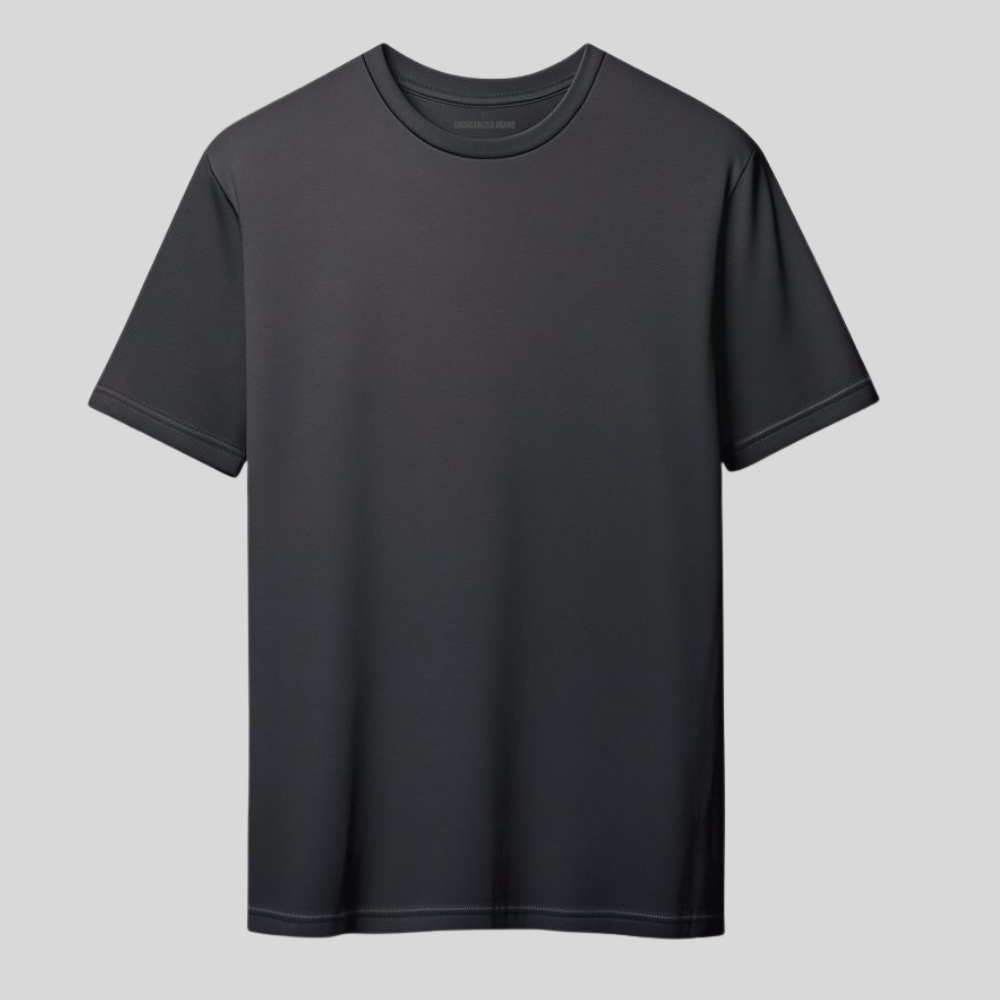
Dark charcoal plain tees—minimal style for everyday wear.
Plain T-shirts are known for their versatility in terms of styling. They can be worn with jeans to create a casual and relaxed look. When combined with tailored or chinos, they create a refined look. They can be easily adapted to suit different occasions.
The options for layering are also greatly expanded. Wear a jacket, hoodie or blazer over a plain t-shirt to elevate your outfit. The simple design blends in seamlessly with other pieces of clothing. Multiple outfit combinations can therefore be created with just a few simple T-shirts.
Enjoyable in Every Season
Plain T-shirts do not have a season. In the summer, cotton T-shirts are more popular because they help keep you cool. In cooler months they can also be worn as a layering piece under jackets or sweaters. They are therefore useful all year round.
The fact that they can be adapted to the season increases their usefulness. A plain T-shirt is a great alternative to buying separate clothing for every season. It is a smart and cost-effective wardrobe option.
The Perfect Fit for Your Lifestyle
Plain T-shirts are very adaptable to different lifestyles. They are perfect for anyone, whether you’re a student or a professional. Or, perhaps, someone who likes a relaxed style. The outfit planning process is also made easier, as fewer combinations of clothing are needed. This saves time and effort. In addition, plain T-shirts are a good option for everyday wear because they can be worn with a variety of clothing.
How to Create a Simple and Smart Wardrobe
A stylish wardrobe doesn’t always require many clothes. A few plain, high-quality T-shirts are all you need to create multiple outfits. By changing your pants, shoes or outerwear you can create a new look. So, you can reduce the amount of shopping. A more organized wardrobe makes dressing easier and more efficient. Plain T-shirts are a crucial part of minimalist fashion.
Comfort is a priority
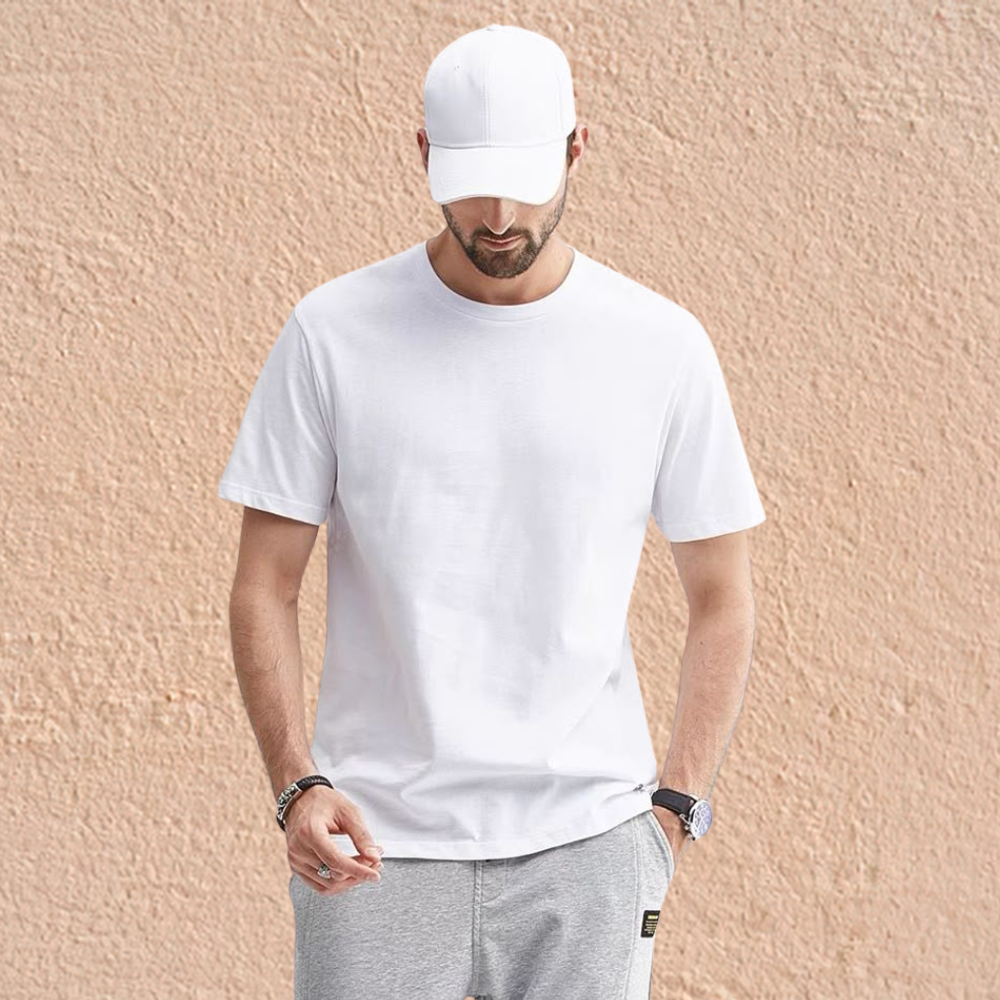
Simple. Clean. Classic white T-shirt.
Modern fashion is largely influenced by comfort. Plain T-shirts provide a comfortable and breathable feel throughout the day. Cotton and other soft fabrics are often used to reduce irritation. These T-shirts are also designed to allow for easy movement. They are therefore suitable for wearing long hours. Comfort is maintained whether at home or outdoors, making these clothes a reliable option.
Styles That Will Never Fade
Plain T-shirts are timeless and will never go out of style. Simple designs will never go out of style, even though new styles are constantly emerging. Classic clothing items hold their value over a longer time period. Investing in plain T-shirts will always be a wise decision. They are durable and have a consistent look, so they will keep your wardrobe relevant and functional.
There are many colors to choose from
The variety of colors available is another reason why plain T-shirts are so popular. Neutral colors like white, grey, or black are timeless. They are a great foundation for a versatile wardrobe because they can be matched with any other color.
You can also experiment with bold colors. Red, blue or green tones, for example, add vibrancy and personality to an outfit. Individuals can maintain a minimal and clean look while expressing their style. Color combinations can also be used to create unique style statements.
Fit is Important
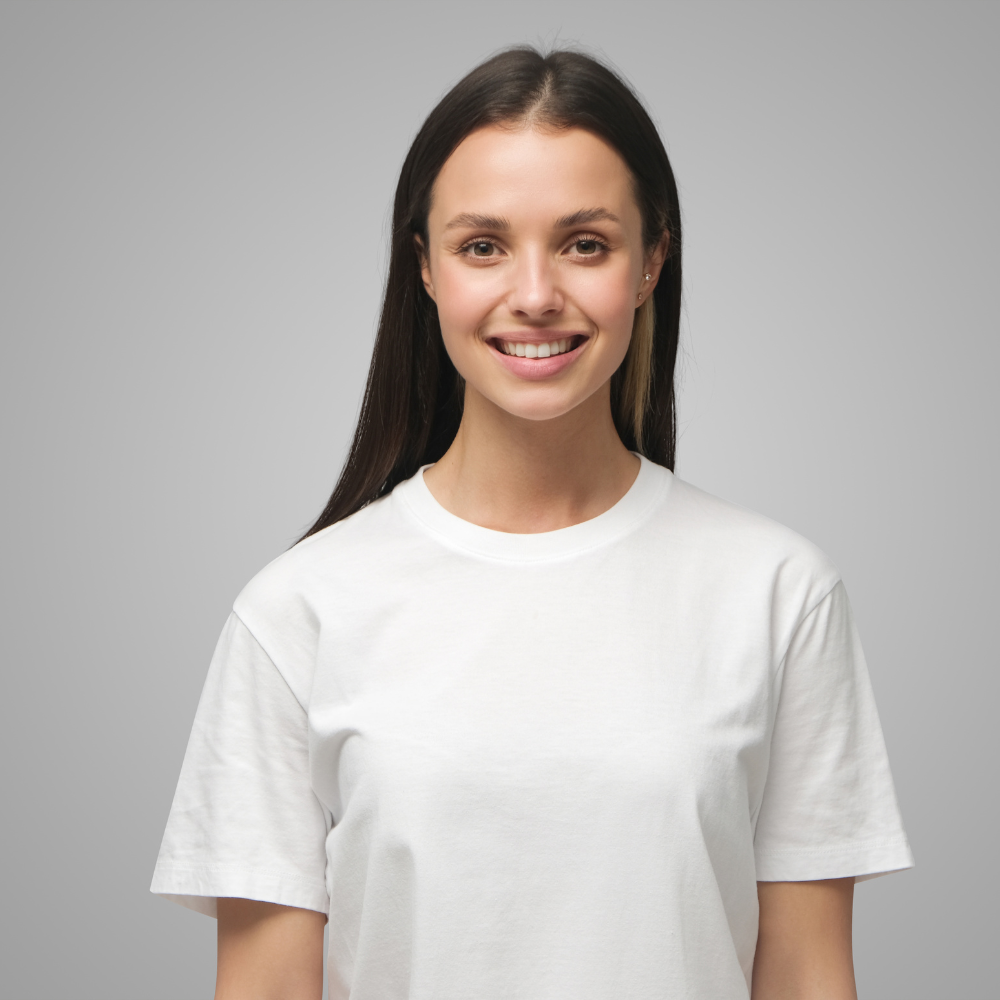
Plain white T-shirt—clean, classic, and effortless.
The fit is as important as the design of a plain t-shirt. Well-fitted t-shirts enhance body shape and create a balanced silhouette. A poorly-fitted T-shirt can ruin the look of the whole outfit.
Different fits are available so individuals can select the fit that suits them best. Regular fit is comfortable, slim fit gives a modern appearance, and an oversized fit has a trendy look. Selecting the right fit will ensure both comfort and confidence.
Durability and long-term value
Plain T-shirts not only look stylish, but are also very durable. They can be washed and worn daily because they are made of high-quality fabric. Well-made T-shirts maintain their color and shape over time.
They are therefore a good investment. Investing in plain, quality T-shirts is more cost effective than replacing clothing frequently. Durability also contributes to sustainability, as it reduces clothing waste.
The perfect layering piece for outfits and layers
Plain T-shirts are the ideal base for layering. They can be worn underneath jackets, cardigans, and coats. They are not at odds with other items because of their minimalist design.
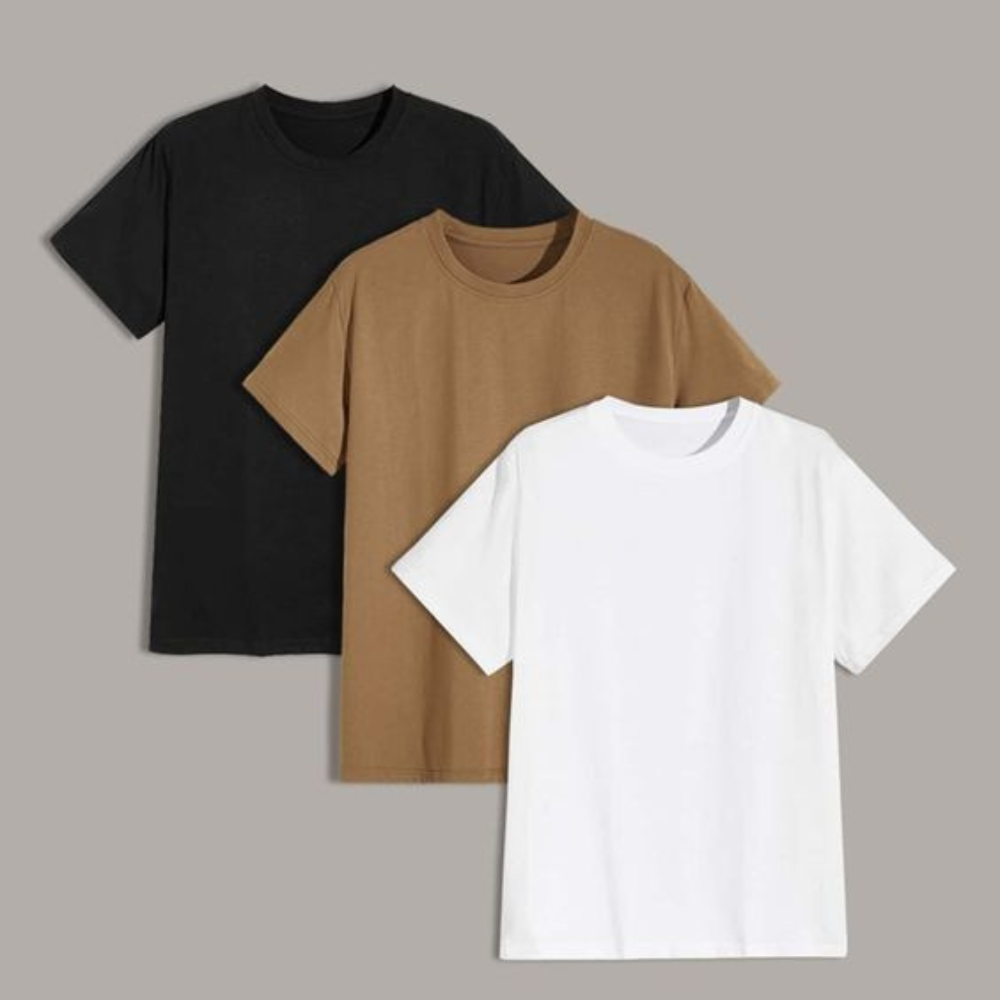
Plain T-shirt set—black, tan, and white crew-neck basics.
Layering also adds depth to an outfit. Even a simple outfit can look stylish and complete. Plain T-shirts form the basis of many well-layered outfits.
Easy maintenance and care
Plain T-shirts are also easy to maintain. The majority of plain T-shirts can be machine-washed with no special care. It is best to use cold water in order to maintain the fabric’s quality.
To maintain color and softness, it is also recommended to use mild detergents. It is recommended to air dry the garments as this prevents shrinkage. The T-shirt’s lifespan is significantly increased when it is properly cared for.
The Modern Wardrobe Staple
Plain T-shirts have never been more fashionable. Basic clothing remains essential, even as trends change. They are versatile and worn by all age groups.
They can also be styled to suit both semi-formal and casual occasions. They are therefore a great option for daily wear. Plain T-shirts are perfect for any occasion, whether it’s at work, home or a social gathering.
Confidence through Simplicity
A plain white t-shirt with a bold, humorous message: “Sitting Bull is very pleased.”
Plain T-shirts can have a positive impact on your confidence. They create an organized and neat appearance due to their simple design. Simple outfits can often look more sophisticated.
Comfort also plays a part in increasing confidence. The posture and behavior of a person will reflect how comfortable they are. Plain T-shirts can help people feel more confident without having to try too hard.
Sustainability Fashion Choice
Fashion has taken on a new dimension of sustainability. Plain T-shirts that are made of organic or eco-friendly materials, and especially those made with organic fabrics, help to support this movement. They are timeless and durable, so they can be worn for a long time.
In turn, this reduces waste, which is good for the environment. In addition, choosing quality rather than quantity encourages responsible fashion habits. Plain T-shirts are therefore in line with sustainable modern practices.
The conclusion of the article is:
The plain T-shirt is the perfect combination of comfort, simplicity and versatility. They are not only versatile, but also timeless. They are a wardrobe staple because of their simple design and practical features.
Anyone who appreciates effortless style will benefit from investing in plain, high-quality T-shirts. These T-shirts are comfortable for everyday use, versatile for various occasions and durable for long-term wear. The plain T-shirt is a powerful symbol of minimalism and style as fashion evolves. Read more Daily Style T-Shirts
What is a plain T-shirt?
A plain T-shirt is a simple shirt made in a solid color without any prints, logos, or designs. It is known for its clean, minimal, and versatile look.
Why are plain T-shirts so popular?
Plain T-shirts are popular because they are comfortable, easy to style, and suitable for almost every occasion. Additionally, their simple design makes them a timeless fashion choice.
How can I style a plain T-shirt?
A plain T-shirt can be styled in many ways. For example, it can be paired with jeans for a casual look or with chinos for a smart-casual outfit. Moreover, it can be layered under jackets or blazers for a more polished appearance.
Which fabric is best for plain T-shirts?
Cotton is considered the best fabric because it is soft, breathable, and comfortable. However, blended fabrics are also popular as they offer better durability and stretch.
Are plain T-shirts suitable for all seasons?
Yes, plain T-shirts can be worn in all seasons. Lightweight cotton is ideal for summer, while they can be layered with jackets or sweaters in winter. Therefore, they are a year-round wardrobe essential.
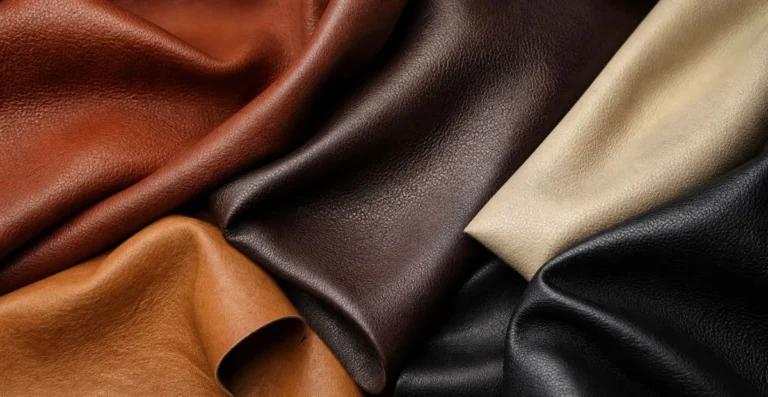
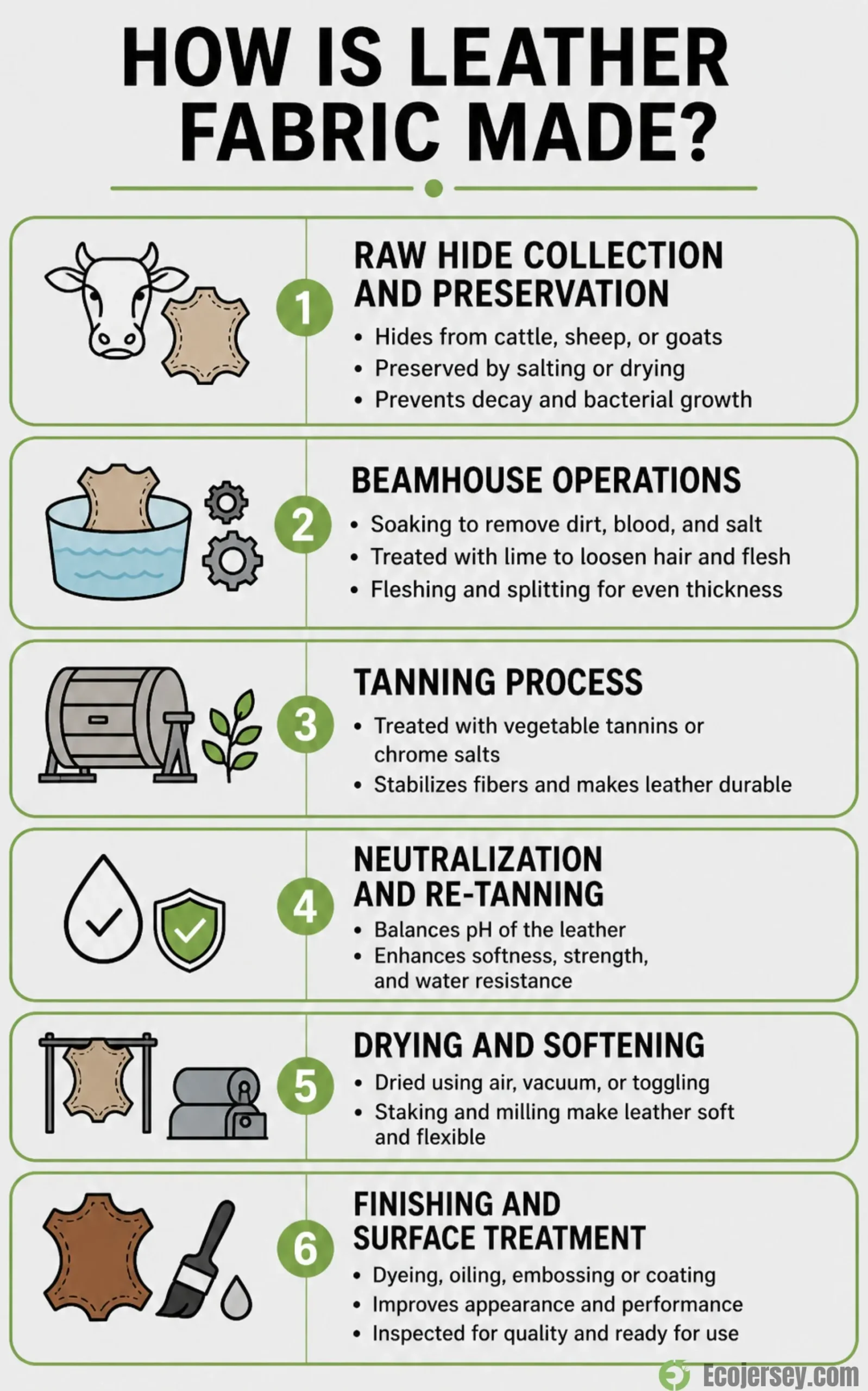
Leather is a flexible, durable material made from processed animal hide like from a cow, pig, or goat. During the fabrication, animal hide is preserved, preventing decay, and each kind of leather is a product of animal source and the lead up to the finish. While different animal hide lead to different leather, the treatments and finishes also affect the final product. Treatments and finishes include dyeing, coating, and buffing. In summation, leather characteristics depend on the animal type, the fabrication process, and the final coating or treatment.
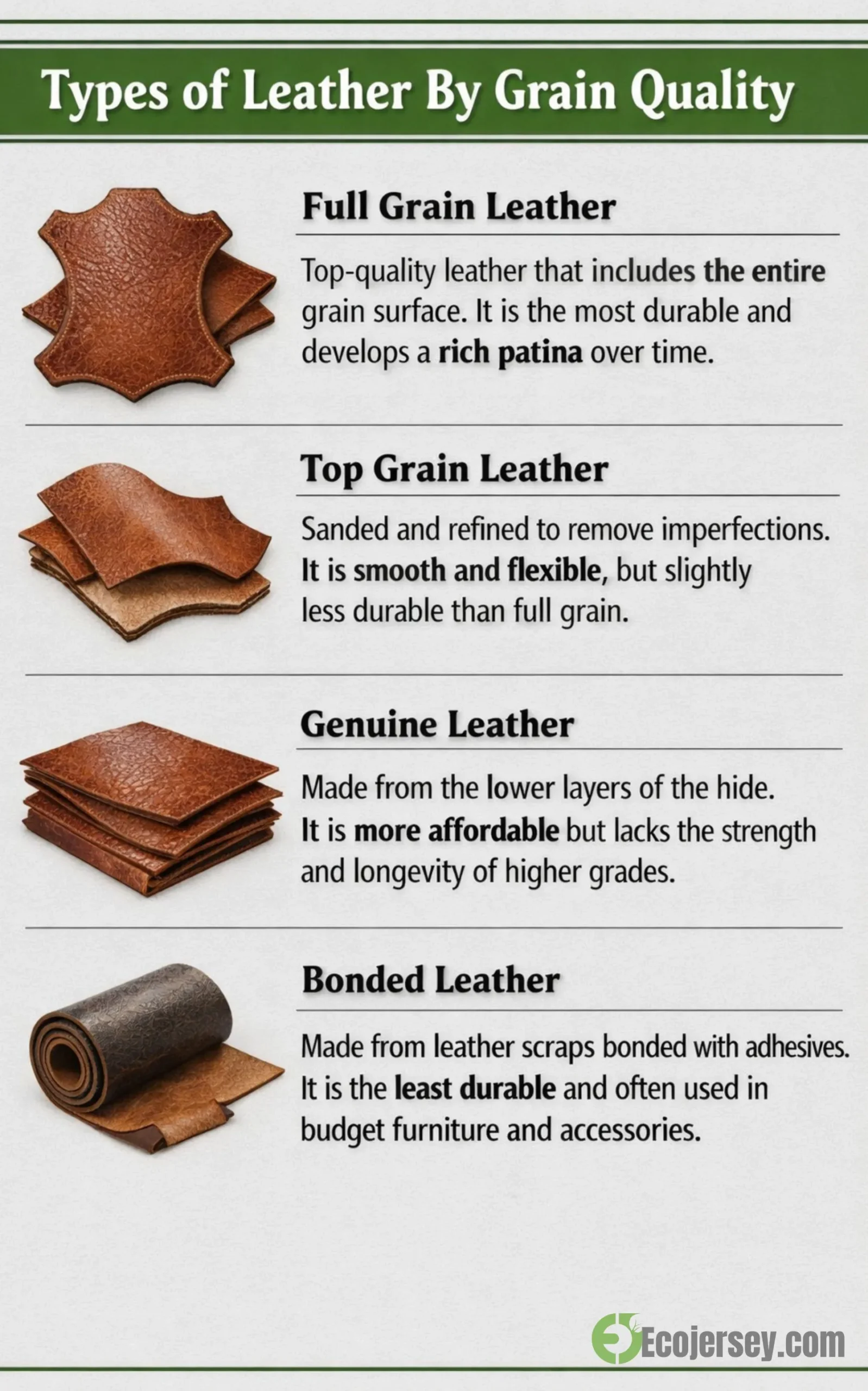
Types of Leather By Grain Quality
Leather Type
Durability
Price
Texture/Look
Maintenance
Best Uses
Full-Grain
Very high – strongest
Highest
Natural grain, unique marks
Regular oiling/conditioning
Premium furniture, boots, high-end bags
Top-Grain
High
High–mid
Smooth, even grain
Wipe clean; condition occasionally
Jackets, sofas, car seats
Genuine
Moderate–low
Affordable
Uniform grain (often embossed)
Low (coated so easy wipe)
Budget bags, belts, interiors
Bonded
Low – lowest
Lowest
Artificial, printed grain
Not needed (but fades/cracks easily)
Cheap furniture, book covers
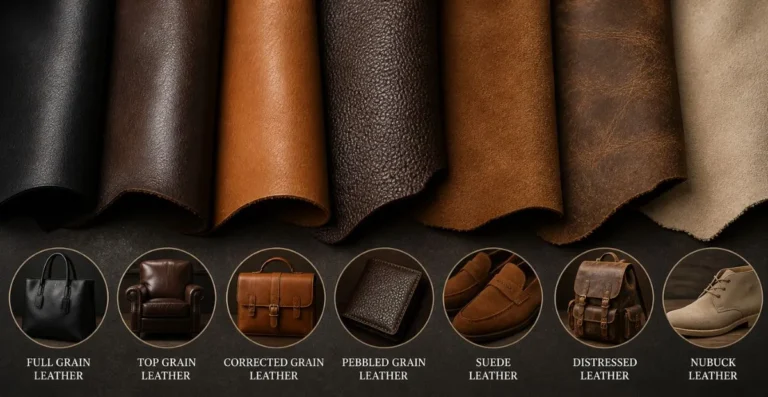
Leather can be categorized by the hide’s surface as either: Full-Grain, Top-Grain, Genuine, or Bonded. Which impacts the affordability, appearance and strength.
Comparison of full grain, top grain, genuine, and bonded leather based on grain quality
Full-Grain Leather
Full-grain leather can be sourced from the outermost portion of the hide. Because the outer grain layer remains intact, full-grain leather is exceptionally strong and resilient. It also has a beautiful and rich patina, and can be long-lasting. Due to the sourcing of Full-Grain leather being from the outermost layers, this leather is also the most expensive. You mostly see this leather in high-quality furniture, boots and bags.
Pros: Incredibly strong and durable; ages well and maintains beautiful patina; appearance is unique.
Cons: Very expensive; visible hide and texture still remains.
Top-Grain Leather
Top-grain leather comes from the outer hide but has had the surface sanded or buffed to minimize imperfections, resulting in an even, smooth surface. It maintains excellent durability but is slightly less durable than full-grain leather. Since some of the grain is removed, this leather is typically thinner. It is more affordable than full-grain leather. Top-grain leather is mainly used in items such as jackets, leather bags, and leather sofas.
Pros: Excellent durability; smooth appearance; more affordable than full-grain leather
Cons: Some of the natural characteristics and imperfection are lost; less oil; may wrinkle, patina, or scratch.
Genuine Leather
By definition, genuine leather is real leather, but from the base layers of the hide. The term itself is not a quality grading, but is often a synonym for cheaper leather. Genuine leather hides are made by cutting off the top grain, then either buffed or embossed on the surface to achieve uniformity. Compared to the higher grades, genuine leather is cheaper but is also far less durable. Genuine leather is often used for cheaper shoes, jackets, or other accessories.
Pros: Affordable; light use; surface is coated and can be wiped.
Cons: Weaker; less tear resistant; not as lasting; no natural patina; susceptible to more cracking and wearing.
Bonded Leather
Bonded leather is a reconstituted material made from leather fibers bonded together with polyurethane or other binders. The combination gives it a leathery look, but it typically has a fraction of what is required for actual leather. It is also the weakest, being presented as the cheapest option when it comes to synthetic leather materials. However, bonded leather is already deteriorating as it is prone to cracking and peeling. It is used in the construction of very low-end bags, furniture, and notebooks.
Pros: Feels cheaper; similar artistic appearance; may have a leather scent.
Cons: Extremely low lifespan; detachment along the layering; has no chance of being salvaged; less of a leathery texture..
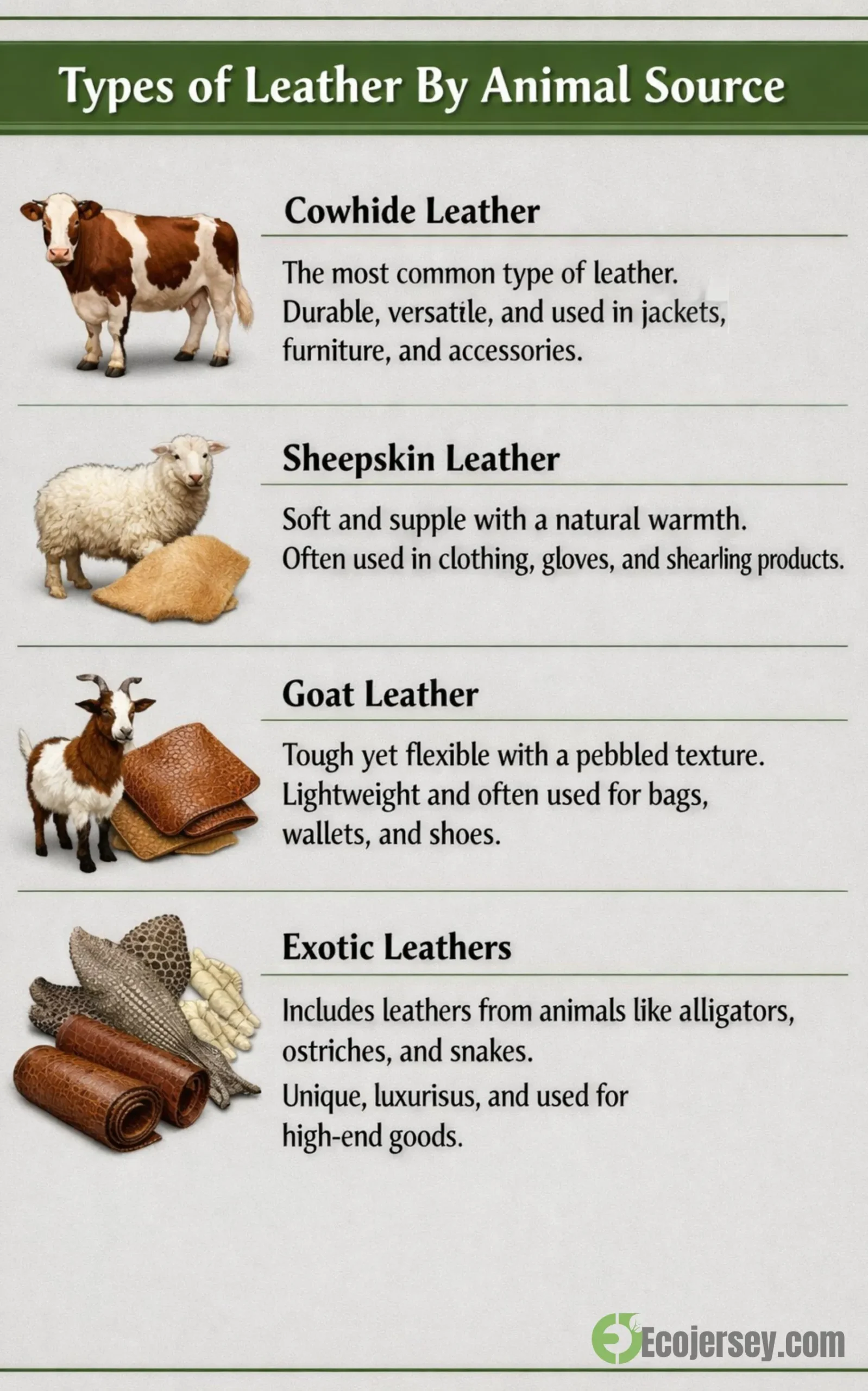
Types of Leather By Animal Source
Also, There are different groups of leather categorized according to the types of hides. The texture, thickness and softness may vary depending on the type of leather.
Overview of leather types derived from different animal sources
Cowhide
Cowhide is the leather that is used the most often. It is strong, tough and durable which means that it is very appropriate and has many uses in manufacturing industrial items. It is often used by bikers and motorcyclists for making the jackets, belts and boots as cowhide leather tends to resist wind and water. Cowhide leather that is tanned is of medium softness, Untanned hide is called rawhide, which is hard and stiff, whereas cowhide leather becomes flexible after tanning..
Characteristics: very stiff , highly resistant to abrasion , and thick grain.
Sheepskin
Sheepskin leather is from sheep (with the wool still on one side). It is one of the lightest leather types available that is still very soft and supple. It has some natural water resistance due to lanolin, but it is not flame-resistant.. It will keep things warm and breathes well. It is used in jackets, gloves, hats and slippers. Sheepskin is used in situations where a very soft leather is required. Sheepskin leather is generally more soft and more delicate than cowhide.
Characteristics: Velvet-like grain, very soft; insulates heat; flexible and comfortable.
Goatskin
Goatskin leather is famously tough leather. It is thinner and lighter compared to cowhide. The US Air Force have even used goatskin for aviator jackets. The distinctive grain texture of goatskin leather is of small pebble grains. Goatskin leather is also more flexible and easier to break in, compared to cow leather. This is why goatskin leather is more favored for jackets and gloves.
Characteristics: light, supple, fairly abrasion resistant, and has pebble grain
Lambskin
This leather comes from young sheep and is the softest of the common leathers. The diddle highly shiny and soft finish is a greater drape. It is perfect for high quality fashion jackets and coasts lining. It gives a luxury, satin finish. It is buttery the high grain lines. It is however, delicate and does not hold as long as coarse hides.
Characteristics: Very fine and silky, not very thick.
Exotic leather textures derive from reptiles and birds. As snake leather, python has a unique large scale pattern. It is used for tough accents like snake leather belt and snake skin shoes. crocodile and alligator leather is thick-skinned and large scale patterned. It tough, water-resistant, and durable. Ostrich varietals have a distinctive bumpy pattern. It is an exotic leather, as it is thick, but soft. Ostrich leather is consistently quality robust leather. Ostrich leathern, like crocodile leather, is used for boots and leatherwork. These exotic leathern are much costlier than bovine leather.
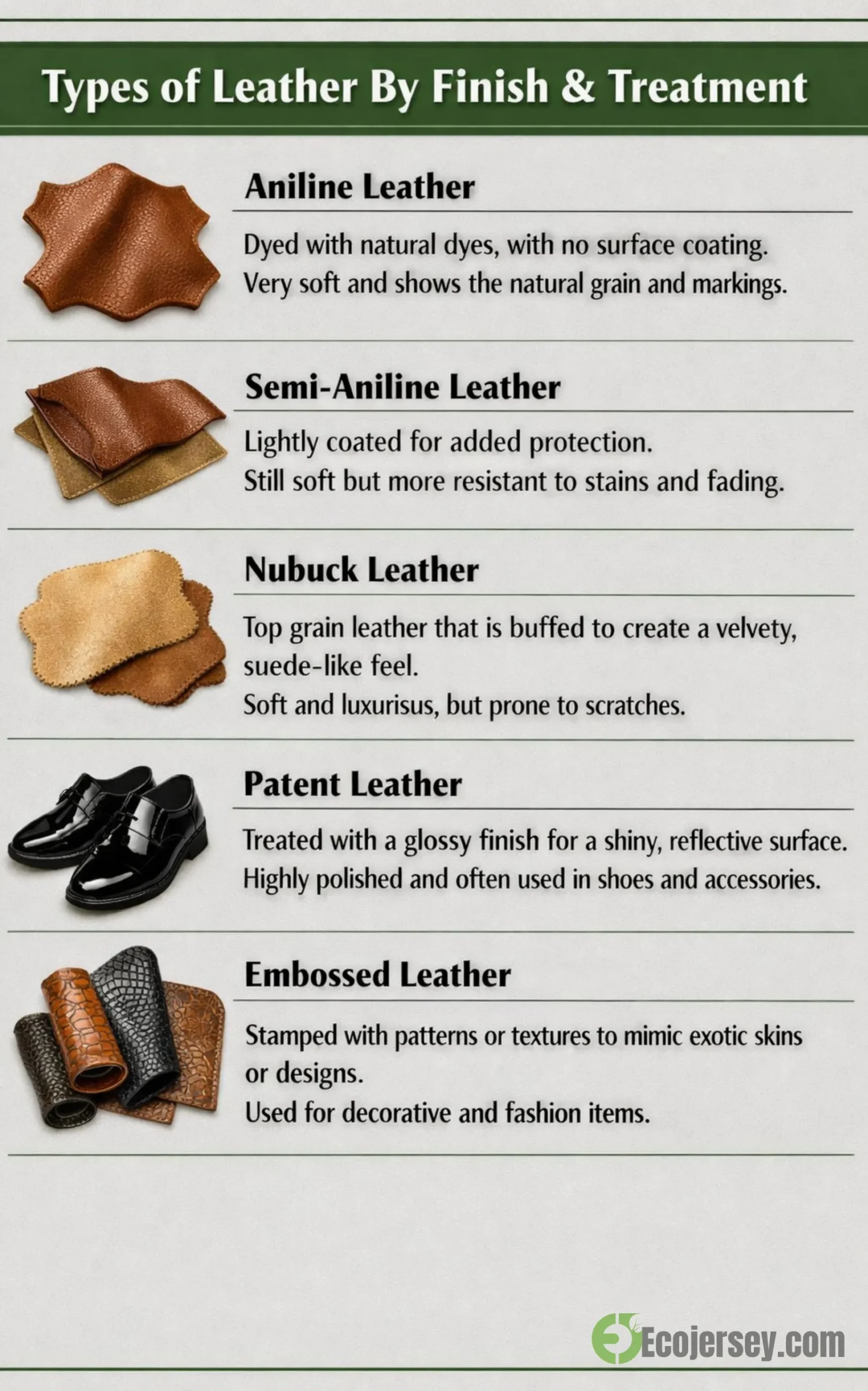
Types of Leather By Finishes & Treatments
The term “finish” refers to how the surface of leather is coated or dyed. This may lead to different appearances of the leather and as a result, different maintenance requirements.
Guide to leather finishes including aniline, semi-aniline, nubuck, patent, and embossed styles
Aniline leather
Aniline leather receives no protective coating and is dyed with only transparent dyes so there is full visibility of the surface. This leads to the visibility of natural surface characteristics such as skin imperfections and surface grain. Leather that is fully aniline is extremely supple and natural in feel, and as a result, has a strong tendency to develop stains. This leather is usually for products that are luxurious and add character, such as high end leather jackets and luxury leather furniture.
Semi Aniline leather
Semi-aniline leather is aniline leather with a semi-opaque light coating of a protective pigment. This coating makes the pigmentation level somewhat even so that the leather is still soft and supple, but has a greater resistance to stains, smudging, and sun exposure. Semi-aniline leather shows an even greater amount of grain than aniline leather, and is even semi-aniline leather, making it a great compromise for various applications such as automotive leather and certain furniture leathers.
Pigmented leather
Pigmented leather (also known as corrected leather or protected leather) is leather that has been densely coated with opaque pigments. This makes the leather very uniform in color, hides many of the surface imperfections, and makes the leather very durable and stain resistant. Pigmented leather is the easiest of the three to clean due to its protective coating. The protective coating makes the surface easy to clean and more resistant to stains. This leather is the most widely used amongst places like car manufacturers, high-traffic home furnishing manufacturers, and shoemakers. Because pigmented pigmented leather gets its color and surface imperfection uniformity from the coatings, the natural leather grain is less showcased.
Nubuck leather
Nubuck leather is leather that has had the grain surface slightly sanded or slightly buffed. The surface is fleecy and the grain is more exposed than pigmented leather. Nubuck has a very classy satin finish, but is very easily stained, nubuck is very easily damaged during wet or high moisture conditions. Nubuck is generally more durable than suede because it is made from the outer grain layer rather than the inner split. Companies frequently use nubuck for parts that demand good toughness.
Suede Leather
Suede comes from the underbelly of the animal hide and has a silken and fuzzy texture. Flexible and soft, suede is also prone to damage. Water and the environment can easily damage the textile. If rough handling is involved, it can also easily be scratched and worn off. You can usually find suede on items like jackets, shoes, and accessories. Suede is wanted precisely for plush look suede. If the suede does take damage, the look can be protected from the moisture and helped by a cleaning brush that is much for softer than the damage suede.
Patent Leather
The only requirement for patent leather is that it is finished. When leather is finished with a plastic material and a gloss look is desired, patent leather can be created. Designed with a shiny leather like the texture of a mirror, patent leather is usually calf leather. An impermeable layer is actually the function of the outside layer of patent leather because the leather loses it’s ability to breathe. Patent leather is very prone to cracks and breaking because the coating reduces breathability and flexibility compared to untreated leather and bends much like a hard material would. but unlike suede, maintenance is patent leather is incredibly easy.
Which Type of Leather Is Best?
Best for Bags: Full-grain cowhide (or calfskin) is the best option for travel and heavy-use bags because they are almost indestructible and age beautifully. Lambskin is used for high end designer bags for a prestigious touch, but for everyday bags a cotton-canvas bag lining and cowhide bag exterior is the best option.
Best for Jackets:Jackets also vary based on style. Cowhide or goatskin jackets tend to be more durable and abrasion resistant, making them ideal for motorcycle or bomber jackets. However, for a more luxurious experience, lambskin or sheepskin jackets are buttery soft and will fall the way a drapey fabric will, however, horsehide is also a favorite for classic motorcycle jackets.
Best for Sofas: For a favorite sofa, full-grain or a high top-grain, pigmented leather is recommended. These leathers are thick and durable, so they will last a long time. Pigmented (or protected) leathers are often used on furniture because of the balance they strike between being long-lasting and comfortable, as they can weather light and spills well.
Best for Shoes: For calfskin (specifically, box-calf), shoes are usually the traditional choice. For boots and casual shoes, rugged full-grain cowhide or a waxed containing leather (like Horween Chromexcel) is typically used. For more expensive shoes, less common materials are used, like shell cordovan (from horsehide).
Common Misconceptions (Myth-Busting)
Is ‘genuine leather’ always low quality? Not necessarily—it varies widely in quality but is typically lower than full-grain or top-grain leather. The guarantee that it’s not some faux leather, but some lower-quality inner-split leather. That’s what “genuine leather” means, but it’s not top-grain or full-grain.
Is suede real leather? Yes, 100%. It comes from the inner side of a hide that has been sanded. It’s the inner layer, and made of genuine leather (remind you it’s a split of cow or perhaps a lamb).
Is faux leather a type of leather? Of course not. Faux leather includes materials such as PU (polyurethane) and PVC (polyvinyl chloride), which are different types of synthetic leather are plastic. Leather, by definition, is a hide that has been tanned from an animal. Faux leather, on the other hand, is not made of tanned hide. It’s a coating of plastic made on a leather-like fabric.
Real vs. Faux Leather
Key Differences: The real leather is tanned animal hide. This material is durable and develops a patina. Faux leather is a cheaper alternative made from synthetic polymer that can deteriorate over time. Faux leather is also a plastic material, and is made to look like leather. Real leather is more expensive than faux, but can be more durable. Faux leather is cruelty-free, but it is generally less breathable than real leather.
Pros and Cons:
Real Leather:
Pros: With care and proper storage, real leather goods can be passed down and stay functional for decades (or even centuries). Real leather goods will always have a unique aesthetic and improve with age. They are biodegradable and come from the meat industry as a byproduct, so they help to reduce waste.
Cons: Higher cost. There are many concerns with leather goods from the infrastructure of the industry (such as deforestation, land use, and green house gases). Animal dehydration and many of the individual logistics of each tanning process are often unavoidably toxic and will always pollute the surrounding area.
Faux (Synthetic) Leather:
Pros: Faux leather can often be found for a lower cost compared to real leather. Only one of those costs included the use of animals, and it can be purely synthetic. It comes with a similar unanimous feel as real leather and will always have a uniform look. It is also waterproof and cleanable with extreme ease. (PU leather in particular has fewer toxins than PVC.)
Cons: Faux leather will show its wear, and associated lack of dependability, in a few years, if not a few months. Faux leather often contains (PU or PVC), causing it to be entirely from Plastics (or PVC). Additionally, it is not biodegradable. This also makes it poor for clothing as it can lack breathability and be uncomfortable for long wear.
Leather Grades vs. Types
“The words “grades” and “types” are often mistaken due to their similarities. Grade is the quality level of the leather and there is no universal grading system like Grade A or Grade B in the leather industry; quality is assessed based on processing and finish. A leather type is classified by how the hide is processed and finished, such as full-grain, top-grain, or suede. Type is a descriptor for how the leather is finished and how it is processed, while grade is a quality level for the skins. An example of this would be that full-grain leather (type) is given a grade of Grade 1 or Grade 2 (grades) based on the skins blemishes and imperfections.”
How to Identify Leather Types
Simple guide to distinguishing genuine leather from synthetic alternatives
Visual Clues: Take a close look at the grain pattern in the material. Real leather is dyed, instead of manufactured, and will look uneven with natural imperfections such as pores, scratches, scarring, etc. Uniform, repeating grain patterns signify imitation leather. Leather will have a more rustic look; the edges will appear rough or fibrous in contrast to the thin and smooth edges of a synthetic material.
Texture Test: Run your hand across the surface. Real leather can be supple and may feel smooth or slightly textured depending on the finish. Real leather will wrinkle and become softer with pressure, much like the reaction of skin. Faux leather is too smooth and too plasticky, and doesn’t have the reaction to pressure that skin or leather has.
Smell Test: Smell your leather sample. Real leather has a more earthy, rich aroma and sometimes smells like bark. Faux leather will smell artificial with either chemical or only faint and nearly odorless smells.
Water Test: Conduct the water test in an inconspicuous area of your leather sample. After placing a drop of water on the surface, observe how leather absorbs liquid. Some untreated leathers absorb water slowly, but many finished leathers have protective coatings that resist moisture, whereas faux leather tends to repel liquid with water beading and running off the surface.
Uses of Each Leather Type
Fashion (Clothing & Footwear): Deerskin, goat skin, cowhide, lamb skin, and lamb skin are used in luxury gloves and jackets. Shoes can be calf, cordovan, or oleo-buffalo. Nubuck and suede provide a soft texture in casual shoes and jackets.
Furniture: Sofas and chairs can be upholstered in durable full-grain leather and pigmented top-grain leather. These leathers can sustain heavy use from a family. Aniline finishes can be used on luxury lounges. These types of finishes are also similar to those used on car seats.
Automotive: Most car interiors (that use leather) use pigmented leather. Leather of this kind have a uniform finish and are resistant to sun and stains. Higher end cars use top-grain hides that are aniline or semi-aniline finishes, which differ from pigmented leather in appearance and level of surface coating.
Accessories: Cowhide, calfskin, and exotic skin (like those of crocodiles and ostriches) can be used. These materials lend a belt, wallet, or bag prestige. A sturdy belt can use full-grain cowhide, while fine handbags often use full-grain of lamb or calf skin. Luxurious watch bands can be made of calfskin or alligator. Leather is used on small accessories (like key fobs and pencil cases) because of its feel and longevity.
Care Tips by Leather Type
Full-Grain/Top-Grain: Clean with a soft cloth and mild soap. Apply a leather conditioner repeatedly. Do not get leather wet. Products that contain chemicals can damage leather. To keep leather from drying and cracking, keep it away from sunlight and heat.
Aniline/Semi-Aniline: Clean spills with a cloth. Aniline leather is known to be a little more demanding and might need a little more TLC, so try a mild, non-abrasive soap. Apply leather conditioner. Avoid polishing or waxing as these can darken the leather.
Pigmented/Coated Leather: Remove dirt with a cloth and some soap. Leather cream is suggested, as it keeps this type of leather from drying out. Avoid using cushion wipes or anything thoroughly textured.
Suede/Nubuck: To clean this type of leather, use a suede brush to gently lift and restore the nap. Then, use a suede protector spray to keep the shoes from further damage. If leather is wet with water, blot it gently with a paper towel to absorb moisture, and let it dry on its own (never use heat).
Sustainability & Ethical Concerns
Tanning Impact:
Chrome tanning, used in about 90% of leather, chrome tanning is fast and ensures evenly colored leather, but is a water contamination hazard. Vegetable tanning is a little better but slows the process and both methods improve durability, but leather still requires proper care and does not last indefinitely. There are new methods designed with the ecosystem in mind, but they are still very limited in the mass leather market.
Environmental Footprint:
Leather is a byproduct of the meat industry and livestock farming, which is an unsustainable practice and a major source of deforestation and CO2. Livestock farming contributes significantly to greenhouse gas emissions, but it is not the largest global source. Unfortunately, the main alternative, synthetic leather, is made with petroleum and emits waste. For this reason, long-lasting leather is sometimes a better alternative than synthetic leather, which is expected to last a much shorter time.
Ethical Sourcing:
Animal welfare, particularly of the livestock and exotic skins use, is a major concern with leather. The Leather Working Group is an advocacy group that ensures higher standards of the industry. The alternative leathers, also concern of the ecosystems and drank made of pineapple and cork, and/or leather made of mushrooms, do not have widespread market support.
Conclusion-
Select the ideal leather types with the appropriate understanding of grain quality, source, or leather origin, sourcing animal acquisition, and leather grades. Pick full-grain or top-grain leather for the highest grades of quality leather. Cowhide and exotic hides contain different leather grades. When it comes to leather finishes, you can choose an aniline finish or a pigmented finish. You’ve also learned how to tell the difference between real leather & fake leather, the true fables surrounding leather, a leather identification guide, and leather care guide.
For every leather purchase, be confident with the choices you make. Regardless of leather type or source, consist of quality leather, which is an investment. When handled appropriately, leather is a timeless investment, and the only thing that can change is the true quality, which we can assure is impeccable.
FAQs
What are the 4 main types of leather?
Four commonly recognized commercial categories are full-grain, top-grain, genuine, and bonded leather.
Q: Which leather lasts the longest?
By definition, full-grain leather is the most long-lasting and resistant to damage as it is made with an entire surface fiber. A full-grain leather bag or boot may last more than a few decades.
Q: Is “genuine leather” real leather?
There is a truth, and a falsehood, to the name “genuine leather”. The connotation of “genuine leather” is that it is leather that is real, however by definition it is leather made from lower quality inner splits. In this case, it is real leather, but of lower quality.
Q: What is the most expensive leather?
The most expensive leathers are exotic hides, like saltwater crocodile (Porosus croc), which luxury brands like Hermès use. Other costly options are alligator, ostrich, and high-grade stingray. Finely tanned horsehide leathers are also pricey, but exotic reptile skins are the most expensive.
Leather is a resilient, supple and tough material that results from tanning animal hides. It typically comes from cows, goats, sheep and other animals. Tanning treats the hides to make them durable. Leather lasts a long time and is also porous. So it’s used for apparel, footwear, accessories, upholstery and other products.
What Is Leather?
Leather is a product of tanning animal hides. Essentially, animal hides (skins) are preserved using tannins or chemicals. This converts perishable skin into a durable and water-resistant material. Tanning stabilizes the collagen fibers, making the leather supple. Therefore, a piece of leather is simultaneously tough and flexible – it doesn’t crack when folded and is durable. Over time, the term “leather” has come to describe any quality tanned animal hide, such as cowhide, sheepskin, goatskin or even exotic skins.
History of Leather
Leather-making is an ancient craft. Humans have used animal hides for hundreds of thousands of years, but the making of leather started later, in the Neolithic. For instance, Europe has archaeological evidence of tools used for animal hide processing from 400,000 years ago. Hides in the early days were used for shelter and warmth; tanning probably came later for better preservation.
Leather was used for clothing, tents and vessels in the Neolithic period (5500 BCE) and later. Various cultures including the Sumerians, Egyptians and Romans had tanneries. For example, during the Roman Empire, leather sandals and straps were commonly made in ancient Rome. The term “tanning” refers to the tan (oak bark) used by tanners in medieval times.
Through the years, tanning has changed. First vegetable tannins (oak and other tree bark) were used. In the 19th century, chrome tanning began. Chromic salts were introduced in about 1840, and greatly accelerated tanning. By the mid-19th century, most processes were mechanized. Today tanning is a mix of old and new skills combined with chemistry, but the principles are from ancient times.
Where Is Leather Fabric Produced?
China, India, Italy, Brazil and Pakistan are the world’s largest producers of leather. China and India are the world’s largest producers of livestock and leather. Italy is well known for its quality leather products, and Brazil and Pakistan are major exporters of both hides and leather. Leather is frequently produced near livestock areas or in traditional tanning towns and then exported.
How Leather Is Made (Process Breakdown)
Step-by-step overview of how leather fabric is made
Raw Hide Collection and Preservation
The process begins with the collection of raw animal hides, usually from cattle, sheep, or goats. Since hides are highly perishable, they are preserved immediately after removal. Preservation methods include salting or drying, which prevent bacterial growth and decay until the hides can be processed further.
Beamhouse Operations
Once preserved, the hides undergo beamhouse operations. This stage involves soaking the hides in water to rehydrate them and remove dirt, blood, and salt. They are then treated with lime and other chemicals to loosen hair and flesh. Mechanical processes such as fleshing and splitting prepare the hides for tanning by ensuring uniform thickness and cleanliness.
Tanning Process
Tanning is the critical step that transforms raw hides into leather. The hides are treated with tanning agents—either vegetable tannins derived from plants or chromium salts. Vegetable tanning produces firm leather with a natural patina and is generally considered more environmentally friendly than chrome tanning. While chrome tanning is faster and results in softer, more flexible leather. This process stabilizes the collagen fibers in the hide, making the material durable and resistant to decomposition.
Neutralization and Re-Tanning
After tanning, the leather is neutralized to balance its pH. It may also undergo re-tanning to enhance specific qualities such as softness, strength, or water resistance. This stage allows manufacturers to tailor the leather to different applications, from fashion to upholstery.
Drying and Softening
The leather is then dried using methods such as air drying, vacuum drying, or toggling. Once dry, it is mechanically softened through processes like staking and milling, which break down stiffness and give the leather a supple feel. This step is essential for ensuring comfort and flexibility in the final product.
Finishing and Surface Treatment
Finally, the leather is finished to achieve its desired appearance and performance. This may involve dyeing, oiling, embossing, or applying protective coatings. Finishing determines whether the leather will have a glossy, matte, or textured surface. At this stage, the leather is inspected for quality and prepared for use in fashion, furniture, or industrial goods.
Types of Tanning Agent
Vegetable Tanning: This process utilizes plant tannins (such as from oaks, quebracho, and mimosas). This is a traditional process that results in fir m, brown leather. While much easier to make in an eco friendly way, it takes longer than chrome tanning.
Chrome Tanning: Chrome tanning is the fastest and most popular process today, yielding a softer and more flexible leather in under a day. This process uses chromium (III) salts and results in leather that is referred to as wet blue leather.
Aldehyde Tanning: Aldehyde tanning is sometimes referred to as wet white tanning. This is the process of using glutaraldehyde or oxazolidine compounds instead of chromium. This process is slower and is used for specialty leather (for baby shoes for example) as well as in automotive upholstery.
Synthetic Tanning: Synthetic tanning uses man-made tanning agents (syntans) to enhance or modify leather properties. These agents aid in the tanning process and change the characteristics of the leather.
Types of Leather
Leather is classified into two main categories regarding their quality and their source, the animal.
By Quality
Full-Grain Leather: The highest quality, and the source from the top layer of the hide, where the natural grain is. Remaining consistent and growing better with age and beauty through time.
Top-Grain Leather: High quality, still, but unlike full-grain, top grain leathers have their imperfections sanded off. While less durable, top-grain leathers are more uniform.
Genuine Leather: Genuine leather is real leather made from the lower layers of the hide after the top grain is removed, making it less durable than full-grain leather. This results in the bequeathing of top grain’s strength, leaving only the real leather of the genuine.
Split Leather: Born from the leftovers of the leftovers, these leathers are weaker, Split leather is made from the lower layers of the hide and is often used to produce suede.
Bonded Leather: Bonded leather is made from leather scraps mixed with adhesive and pressed into sheets. This crafts the saddest excuse for a “leather” and, essentially, is pressable leather held together by scrap.
Animal Skins
Cowhide: The most commonly known leather. It originates from cows. Cowhide leather is durable and thick. Common uses include jackets, jeans, upholstery, and footwear.
Sheepskin: Soft and light, this leather has a wool textured layer on the back. Sheepskin is used for jackets and soft, luxury clothing.
Goatskin: Tough, flexible, and pebbly. Product uses include gloves, boots and bookbinding. Goatskin is a type of real leather known for its strength and flexibility. It is of tensile strength. A goatskin goat leather has small hollows and circles in its face.
Exotic Leathers: Leather from the Ostrich, Kangaroo, and various reptiles. Commonly known as Croc leather. Croc leather is frequently used for designer wallets and straps. Pronounced textures make this leather expensive and rare.
Real Leather vs Faux Leather
Real and faux leather have differences regarding composition, price, and performance.
Plastic-based; no biodegradation; lower resource use than animal leather
Durability: Animal leather has a long lifespan, and items can last over a decade when properly cared for. Leather items are more resistant to tearing and abrasions, while faux leather can crack and peel and is more susceptible to damage.
Cost: Real (full and top grain) leather is more expensive and faux leather is cheaper due to price of used material, and craftsmanship. Real leather requires a more expensive source/ process. Real leather is usually made from hides (animal remains from meat industries) and low cost faux leather is usually made from plastics and fabrics.
Environmental impact: Each has some environmental concerns. Cattle ranching for hides causes deforestation. Faux leather is made from petroleum-based plastics and is not biodegradable, which raises environmental concerns. Many vegan leathers create plastic waste. More sustainable leathers are made from mushroom and pineapple leather.
Leather Fabric Certifications Available
Certifications and standards create an easier marketplace of responsibly made leather.
The Leather Working Group Certification (LWG)
The Leather Working Group (LWG) is an association of organizations that promote sustainable tanning. They audit tanneries on their environmental and social governance. Tanneries are given ratings of bronze, silver, or gold.
These standards prove that leather and all its accessory products/components (dyes, glues) do not have any harmful or allergenic substances.
REACH
If leather is to be sold within the EU, it must comply to the regulations of the REACH (Registration, Evaluation, Authorization and Restriction of Chemicals) policy. This means leather must not contain any extensive/large amounts of toxins, as well as heavy metals, solvents, formaldehyde, etc.
International Organization for Standardization ISO
The International Organization for Standardization (ISO) creates standardized technical protocols that are used in the leather industry. This includes leather quality and terminology. However, consumers do not see these standards or protocols; instead, they see leather products that have consistently high quality.
Properties of Leather
Durability: The strong quality of leather means it is very hard to damage. Good leather will last for a long time without tearing.
Breathability: Leather will let air and moisture pass through small holes while synthetic materials will not. Unlike synthetic materials, leather is very comfortable to wear.
Flexibility: Leather has the ability to flex without damage. Leather holds shape and can stretch to adjust to the form of the user.
Patina Development: High-quality leather will age and develop a unique patina. Over the years the leather will develop a deeper and more unique texture and color. Leather is of highest quality when it has developed and aged in a beautiful patina.
Common Uses of Leather
Leather is used for many things across many industries. A few examples:
Overview of the most common applications of leather
Fashion: Weather strong or weak, leather is always an important part of fashion. Jackets, shoes, bags; leather is always a reliable choice for fashion. It is always fashionable and gives an outfit an edge.
Furniture: Whether a sofa, chair, or ottoman, leather adds beauty and elegance. Leather is sturdy and resistant, ensuring that leather furniture will last for many years.
Automotive: Leather is commonly used for the seating and trimming for cars and motorcycles. Decorative leather for cars or bears edginess.
Accessories: leather is used for a variety, belts, watches, bags, and briefcases. leather always is a good choice for smaller things and polished look goes hand in hand with strength.
Leather Care & Maintenance
Cleaning is simple. Just take a cloth that’s slightly damp or fully dry and wipe it down. Allow any spilled liquids to be absorbed rather than wiping. You might consider using a mild pH leather cleaner. Just be careful about doing this kind of things with something harsh or liquid soap-based.
Conditioning is a must and involves getting some kind of leather conditioner. Those come in different forms, such as oils and creams. Use it every couple months if you want to avoid cracking, as the leather would otherwise dry out and lose its natural oils.
Storage is critical as well. You should find relatively cool and dry places to keep leather, and be sure to avoid plastic bags and heat. For shoes and jackets, it is good to cover them while allowing room for air to pass, and, if you are being careful to keep humidity between 40 and 50% within the leather cosmos, you’d be doing the leather a lot of good, as inadequate storage would otherwise cause a lot of issues.
How to Identify Real Leather
Smell: Genuine leather smells warm and earthy. This is unlike synthetic leather, like PU and vinyl, that smell like plastic.
Texture: Genuine leather is soft, supple, and uneven. Faux leather, on the other hand, is smooth and even and has even textures that perfectly repeat.
Water Absorption: Real leather has textured pockets that each will slowly soak up a water droplet on the leather, while on faux leather the water will bead on the surface and slide off as faux leather is not porous.
Labels: Real leather labeling can be ambiguous calling leather, “full-grain,” “top-grain,” “genuine leather,” or other types of leather calling them “nubuck” or “suede.” What is similar, is that faux leather can be called “bonded leather,” “faux leather,” or leatherette.
Is Leather Expensive?
Leather prices differ based on the quality and type. Full-grain leather is more expensive than the average bonded leather, however bonded leather is cheaper and less reliable than full-grain leather.
Brand value and quality of manufacturing also affect resource allocation into leather goods. This is the reason why leather items from luxury brands also have a higher price.
Advantages and Disadvantages of Leather
Key benefits and drawbacks of leather material
Pros: Extreme durability, high breathability, and excellent aging give leather a classic appearance with timeless value. An investment in quality leather items is a money-savings, a legacy keepsake, or both. Leather insulates as well as seasonal wind-breakers.
Cons: Leather items are an expensive investment and are high maintenance. In addition, the tint/shine of untreated leather is highly variable. Leather items can also become devalued when stained or dried. Some people prioritize environmental and ethical value and avoid leather for animal welfare reasons.
Leather vs Other Materials
Feature
Leather
Cotton
Polyester
Synthetic Leather
Durability
Very high (lasts decades)
Moderate (wears over years)
Variable (can last many years)
Low to moderate (prone to cracking)
Breathability
Natural, breathable
Very breathable
Less breathable
Generally poor (often plastic feel)
Water Resistance
Naturally water resistant (when treated)
Not water resistant
Often treated to be water-resistant
Water repellent but susceptible to damage
Cost
High (quality hides cost more)
Low
Low to moderate
Low
Aging
Improves with age (patina)
Does not improve
Polyester is generally durable and resistant to shrinking, stretching, and fading
Does not improve; degrades
Environmental
Animal byproduct; tanning waste
Renewable (cotton farming uses resources)
Fossil-fuel based; non-biodegradable
Plastic-based; creates microplastic pollution
Cotton Versus Leather
When comparing leather and cotton, it is undeniable that leather is the more superior option for strength and durability. A leather sofa or jacket will become a family heirloom, while a cotton fabrics generally wear out faster than leather and may not last as long under heavy use. Leather is a tougher material that also is water resistant, while cotton will become a wet, soggy stain on your fabric. Cotton may be breathable and lighter, but those characteristics contribute to its material being a cheaper option that loses its cleanliness all too quickly.
Polyester Versus Leather
Polyester is more affordable than leather, and is a warm fabric that is a synthetic construction. If you asked cotton its opinion on polyester, it might say “Thank you for all the incredible things, but you’re making me look bad.” Although polyester sounds almost like the equivalent of a Jack of all trades, polyester isn’t the breathable fabric you may believe it to be, and may even be stifling. Leather will enrich your leather sofa or jacket as time goes on.
Synthetic Leather Versus Leather
Synthetic leathers, such as PU and PVC, offer a faux leather jacket or sofa at a friendlier price. It is vegan and affordable faux leather, but compare it to real leather, and you will see it is not at all a symbiotic relationship. Faux leather generally has a shorter lifespan and may crack or peel over time, and its environmental impact depends on the materials used.
Is Leather Sustainable?
The complexity of leather’s sustainability makes it difficult to judge. some unused hides may end up in landfills, although most are processed into leather as a byproduct of the meat industry (5.5 million hides were discarded in U.S. landfills in 2019), leather production leads to the clearing of forests and the production of greenhouse gases. The tanning of leather even has the potential to poison local waterways if done unsafely. The Leather Working Group is one of the organizations that support a “deforestation free” leather supply chain by 2030.
Overview of major leather industry certifications
Many people who care about animal rights and the environment look for other choices for materials. For some people, this means shopping for “vegan leather” made from plant and lab leather, and in some cases, these bio-materials are a better choice. Take mycelium leather (which is made from mushroom leather) as an example. It is more sustainable in terms of the amount of land and water needed to produce the leather, especially when compared to the production of leather from animals. It is even the case that fibers from the leaves of the pineapple plant and even from cork can be made into “leather” products.
While they are more sustainable and don’t use animals, some consumers still need to consider the fact that a lot of these products that are labeled as “vegan leather” still use either PU (Polyurethane) or PVC (Polyvinyl chloride) and might not be the best for the environment.
Conclusion-
Knowing how leather is made can improve the value of the product you are buying. Making leather starts with raw hides. Each step is shown for all stages of cleaning, to tanning. Modern improvements have been shown for durability and visual appearance.
Soft leather is made for clothes, while strong leather is made for furniture. This shows leather is a very versatile product. With leather, the process is being shown for being responsible leather tanning to be made for more of an environmentally friendly product.
Ethical concerns have been apprehended through regulated leather making. Leather has been used with all the concerns for a variety of designs.
FAQs
Is leather waterproof?
Leather is absorbent and can be damaged by water exposure, but has more resistance to weather elements than other materials due to leather’s innate composition. Keeping leather away from water should be your priority, but there are treatments that can help protect the material further, and wax and oil should be promptly reapplied during a wet season.
Does leather last forever?
Leather has a long lifespan due to its relative durability. As with any other materials, leather will and can eventually wear down and deteriorate. If not regularly maintained, leather can dry out. Maintenance is crucial to help leather endure, and that can be as little as cleaning and conditioning.
Is genuine leather real?
“Genuine leather” is a promotion over other materials, but leather by any other name should be made of animal hide over synthetic material. Higher grades of leather should be appreciated over lower grades, but all grades are real leather.
How do I clean leather?
Dust can easily be maintained by wiping leather down with a dry or slightly damp cloth; Stains can be treated by leather designated cleaners, or mildly soapy and damp cloth. Stains should be dealt with quickly, and leather should not be soaked. Following cleaning, leather should be conditioned to restore its oils.
How can I tell if leather is real?
Real leather should have a unique and irregular grain pattern combined with a real leather scent, and anything else should be synthetic. Synthetic leather will have repeating patterns and a more chemical odor. There are other tests that can be cited as evidence of whether leather is real or not, such as the water drop test, which should be repeated: real leather will absorb water, synthetic will repel.
Is leather eco-friendly?
The eco-friendliness of leather depends on its source and processes. Leather is largely a byproduct of the meat industry, though some animals may be raised primarily for their hides. Nevertheless, traditional leather involves harmful chemicals, and the beef industry is associated with deforestation. To lessen the consequences, many leather companies source from certified tanneries and employ vegetable tanning.
Does leather breathe?
It is true that real leather is breathable. Leather has natural pores and tiny openings that allow airflow. This is advantageous, as clothing and seats made from leather can be more breathable compared to synthetic materials, especially non-breathable ones.
How should I store leather shoes/jackets?
Store leather away from direct sunlight and in a cool, dry place. Additionally, keep them on wide, sturdy hangers or in bags made from a breathable fabric. Do not place leather in sealed plastic bags, as they need airflow. This can lead to mildew. Keep the humidity at a moderate 40-50% to keep leather from drying.
Tuna Rights Day is observed every year on April 21. It raises awareness about the importance of protecting tuna species and promoting sustainable fishing practices.
Tuna are among the most popular fish in the world. People enjoy them in sushi, sandwiches, and salads. However, overfishing and environmental changes now threaten their survival. Therefore, this day reminds us to protect tuna and keep our oceans healthy.World Tuna Day is an opportunity to raise awareness about the importance of tuna conservation. Sustainable fishing practices are essential to ensure that tuna populations can thrive for generations to come. Consumers can also make a difference by choosing to buy tuna from responsible sources. By working together, we can help protect these magnificent creatures and maintain the delicate balance of our marine ecosystems. Let’s celebrate World Tuna Day by committing to a healthier ocean for all.
Why Tuna Are Important
Tuna play a key role in marine ecosystems. They help maintain balance in the ocean food chain. Without them, other species may grow too fast or disappear.
In addition, tuna support global economies. Millions of people depend on tuna fishing for their livelihoods. From small fishermen to large seafood industries, tuna are a major source of income.However, overfishing and illegal fishing practices are threatening tuna populations worldwide. Sustainable fishing methods and international cooperation are essential to ensure the long-term survival of tuna and the livelihoods of those who depend on them.
Threats Facing Tuna
Tuna populations face several serious threats today. These include:
1. Overfishing
Many tuna species are caught faster than they can reproduce. As a result, their numbers are decreasing rapidly.
2. Illegal Fishing
Unregulated fishing practices make the problem worse. Some fishing fleets ignore rules and catch more tuna than allowed.
3. Climate Change
Rising ocean temperatures affect tuna migration and breeding patterns. This makes survival even harder.
4. Bycatch
Fishing nets often trap other marine animals along with tuna. This harms dolphins, turtles, and sharks.
History of Tuna Rights Day
Tuna Rights Day was created to highlight the need for stronger protection of tuna species. Over time, environmental groups, governments, and individuals have joined efforts to promote sustainable fishing.
Although it is not as widely known as some global events, its importance continues to grow as ocean conservation becomes a global priority.
Types of Tuna at Risk
Several tuna species are currently under threat. These include:
Bluefin Tuna
Bigeye Tuna
Yellowfin Tuna
Among them, Bluefin tuna are the most endangered due to high demand, especially in sushi markets.
How to Support Tuna Conservation
You can help protect tuna in simple but effective ways:
✔️ Choose Sustainable Seafood
Look for eco-labels like MSC (Marine Stewardship Council). These labels ensure responsible fishing practices.
✔️ Reduce Waste
Avoid wasting seafood. Use what you buy and store it properly.
✔️ Spread Awareness
Share information about Tuna Rights Day. Educate others about the importance of conservation.
✔️ Support Policies
Encourage governments to enforce fishing regulations and protect marine life.
Why Tuna Rights Day Matters
Tuna Rights Day is more than just a date. It is a call to action. It reminds us that our oceans need protection. If we act now, we can save tuna species and maintain marine balance.
Healthy oceans mean a healthier planet. Therefore, protecting tuna also protects biodiversity and food security for future generations.
Conclusion
Tuna Rights Day highlights a serious issue that affects both the environment and human life. Tuna are vital to ocean ecosystems and global economies. However, they face growing threats from overfishing and climate change.
By making small changes in our daily lives, we can make a big difference. Choose sustainable seafood, spread awareness, and support conservation efforts.
Together, we can ensure that tuna continue to swim in our oceans for years to come.
Kindergarten Day is celebrated every year on April 21. It honors the importance of early childhood education and recognizes the role of teachers who shape young minds.
This special day highlights how kindergarten builds a strong foundation for learning, creativity, and social skills.It’s a time to appreciate the dedicated teachers who nurture young minds and foster a lifelong love of learning. Kindergarten is where children embark on their educational journey, developing essential skills and making lasting memories. Let’s celebrate the joy of learning and the importance of early childhood education!
History of Kindergarten Day
Kindergarten Day is celebrated on the birthday of Friedrich Froebel, who was born on April 21, 1782.Froebel was a German educator who believed that children learn best through play. He is credited with inventing the kindergarten, which he called a “garden for children.” The first Kindergarten Day was celebrated in Germany in 1863, and the tradition has since spread to many other countries around the world. On this day, kindergartens around the world celebrate with special activities, such as songs, games, and stories. It is a day to recognize the importance of early childhood education and the contributions of Friedrich Froebel.
He was a German educator who created the concept of kindergarten in the early 19th century. The word kindergarten means “children’s garden.”His belief was that children should be nurtured and developed in a garden-like environment, where they could grow and learn at their own pace through play and exploration. He designed specific educational materials, known as “gifts” and “occupations,” to stimulate children’s senses and encourage their creativity. These materials included wooden blocks, balls, and other objects that could be used in various ways to promote learning and development.
Froebel believed that children learn best through play, creativity, and hands-on activities. His ideas changed education forever and still influence classrooms today.
Why Kindergarten Is Important
Kindergarten plays a key role in a child’s development. It is often the first step in formal education.
Here’s why it matters:
Builds Social Skills Children learn how to share, communicate, and work in groups.
Encourages Creativity Activities like drawing, singing, and storytelling help imagination grow.
Boosts Confidence A supportive environment helps children feel safe and confident.
Promotes Emotional Growth Children learn how to manage emotions and build friendships.
Fun Ways to Celebrate Kindergarten Day
You can celebrate Kindergarten Day in simple and joyful ways:
1. Organize Creative Activities
Let children enjoy painting, crafts, or music. Creativity is the heart of kindergarten learning.
2. Storytelling Time
Teachers and parents can read fun and educational stories to children.
3. Role-Playing Games
Kids love pretending. It helps them learn communication and problem-solving.
4. Outdoor Learning
Take lessons outside. Nature-based activities are fun and educational.
5. Appreciate Teachers
Say thank you to kindergarten teachers for their hard work and dedication.
Kindergarten Teaching Philosophy
Kindergarten is not just about books. It focuses on learning through play.
Froebel introduced tools called “gifts” and “occupations.” These included blocks, shapes, and creative materials.
Today, modern kindergarten still follows these ideas. It blends play with structured learning.
Kindergarten Around the World
Kindergarten systems differ across countries, but the goal remains the same—help children grow.
In the United States, kindergarten is part of the formal school system.
In Germany, it focuses more on play-based learning.
In Japan, children learn discipline and teamwork early.
Each country adds its own style, but all value early education.
Final Thoughts
Kindergarten Rosa Parks Day reminds us that learning begins early. It is a time to celebrate curiosity, creativity, and growth.
A strong start in kindergarten can shape a child’s future. So, whether you are a parent, teacher, or student, take a moment to appreciate this important stage of life.