Home Blog Page 130

1. Is Polyamide the Same as Polyester? Key Differences Explained

Introduction-

People tend to ask a question when they begin to discuss synthetic fabrics: Is polyamide and polyester the same? The mix up is understandable as both are petroleum-based fibers that are commonly employed in fashion and textiles. Nevertheless, they are not the same. All of them possess their individual characteristics that affect the texture, comfort, durability, and performance. Knowing the difference enables the customers and the brands to select the right content in a circumstance. Although polyester is the leading material in the international market, polyamide (or most famously nylon) is available in activewear and luxury items. The two fabrics have their advantages and disadvantages and thus they can be applied in various aspects.

What is Polyamide?

Definition and History

Polyamide is a collection of artificial polymers comprising of repeating amide bonds. The most common one is the nylon, which was launched in the 1930s by DuPont. It became soon known as a replacement of silk in stockings, ropes, and military equipment. Polyamide is currently an important Sportswear, lingerie, and outdoor fabric due to its softness and strength. Polyamide is elastic and resistant unlike natural fibers. This ensures that it is perfect in rigorous applications that require flexibility and durability.

Properties of Polyamide

Durability- Withstands wear and tear thus it is long lasting.

Elasticity – Good stretch and recovery without deformation.

Water resistance- The fabric is less absorbent than natural fibers.

Softness – It gives a silky smooth feel on the skin.

Abrasion Resistance – is resistant to friction and rubbing.

Common Uses of Polyamide

Sportswear- Ideal in the stretch performance apparel.

Swimwear – Resists chlorine, sea water, and sunlight.

Hosiery –Substitutes silk stockings with more elastic ones.

Outdoor Gear – It is used in tents, ropes and backpacks.

Lingerie/soft and lightweight-intimate wears.
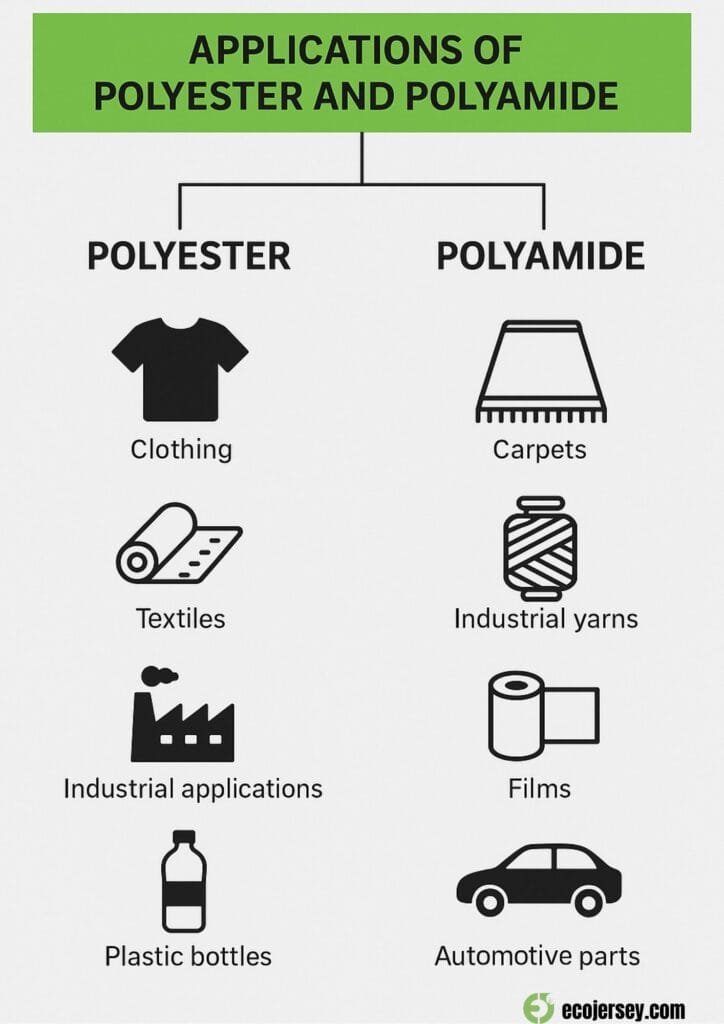

Applications of polyester and polyamide in various industries.
Applications of polyester and polyamide

What is Polyester?

Definition and History

Polyester is an artificial fiber that is composed of polyethylene terephthalate (PET). It was initially brought in the 40s and became popular in the 70s due to its quality and carefree characteristics. Polyester is not susceptible to shrinking and wrinkling and is not very absorbent like polyamide. It has gradually over the years been the most popular fiber used in the textile industry. Polyester has been on the frontline of use since it is cost efficient and versatile in both clothing and furniture upholstery.

Properties of Polyester

Wrinkle Resistance – Holds are easy to wear without any ironing.

Quick-Drying – Repels Water and dries quicker than most fibers.

Lightweight- Can be worn without becoming heavy.

Color Retention- Does not fade after repeated washing.

Strength- Greater tensile strength of long-lasting performance.

Common Uses of Polyester

Fashion – Everyday dresses and low-cost clothes.

Home Textiles – Curb, bed linen and pillow and bed cover.

Furniture Upholstery– chairs, car and sofa seats.

Activewear Running-gear, tracksuits and gym wear.

Industrial Purposes- Belts, ropes, and safety gears.

Read About>> Can you dry clean polyester?


Key Differences Between Polyamide and Polyester

Comparison of key differences between polyamide and polyester.
Key differences between polyamide and polyester materials

Origin

Both are artificial (fossil-based) fabrics produced out of divergent polymers. Amide-based monomers (e.g. hexamethylenediamine + adipic acid) are the source of polyamide fibers (as, e.g. nylon). Polyester fibers are a product of monomers consisting of esters (ethylene glycol + terephthalic acid). Hence though they are both plastics, they have different building blocks.

Touch and Sensation:

Polyamide fabrics are soft, silky and smooth to the skin. They are loose-fitting and fit easily with the body. Comparatively, polyester clothes are drier and stiffer. A polyamide garment (such as nylon stockings or lingerie) will be better than a plain polyester tee. Polyester however is firm and this implies that it does not change shape easily.

Strength and Durability:

Polyamide fibers are characterized by extremely high tensile strength and abrasion resistance. Their wear is heavy, and they do not stretch. Polyester is equally strong, but less resistant to friction, and more likely to pill. That is, polyester can exhibit fuzz balls after some time whereas polyamide will normally last longer than polyester during extreme manipulation.

Moisture & Breathability:

Polyamide retains minimal moisture (approximately 4 g. /m of mass), which enables it to carry the sweat off the skin. This renders polyamide breathable and colder to wear. Polyester, however, does not absorb much water. It has a tendency of holding the sweat on the surface rather than evaporating it. Polyamide-made garments therefore feel lighter and drier when on the body as opposed to polyester made clothes which are at times clammy unless they are specifically treated to wick moisture.

Heat, UV and Chemical Resistance:

Polyester is better in terms of heat and UV resistance. It is able to withstand increased temperatures of laundry and extended exposure to the sun without breaking down. Polyamide (nylon) is prone to melting or degrading at high temperatures and it is also likely to turn yellow with time in sunlight. The two fabrics are resistant to most of the household chemicals; however, polyester is usually thought to be more stable in harsh conditions.

FeaturePolyamide (Nylon)Polyester
TextureSoft, silky, flexibleCrisp, smooth, less silky
DurabilityVery durable but weaker under sunlightExtremely durable, UV resistant
MoistureHigher absorption, feels softerQuick-drying, low absorption
CostMore expensive due to productionCheaper and widely available
ComfortStretchy, comfortable, good for skinBreathable, lightweight, practical
Best ForSwimwear, lingerie, luxury activewearFashion, upholstery, general use

Which is More Comfortable? Polyamide or Polyester?

Softness and Stretch

Polyamide fabrics can be touched easily as compared to polyester as they are quite soft. They are so silky and so comfortable to wear as they are against the bare skin. Polyamide is also more elastic hence it follows and stretches with you. Polyester, in its turn, is more firm-handed and less stretchable. Polyester shirts or pants can be somewhat rough unless they are mixed with cotton or elastane. Polyamide is preferable, then, so far as pure softness and body-hugging stretch is concerned.

Breathability and Moisture-Wicking

Polyamide is a winner in breathability. It draws in some moisture and evaporates some hence it will be cold when active. Polyamide garments are now highly comfortable on sweaty workouts. Polyester does not permit water to enter it therefore it can make the person feel cool when he or she is sweating. This is overcome by many polyester athletic shirts with special wicking treatments. By nature though, polyamide will tend to be more comfortable on the skin, whereas polyester will be drier to the touch (however, it traps heat as well).

Skin Sensitivity

When well finished, both materials are mostly skin safe. Polyamide is smooth and therefore does not tend to create friction problems. there are no problems with its use in underwear and socks. Polyester may at times be itchy to sensitive human beings more so when the fabric used is of low quality or knitted roughly. Both of these materials are not known to be hypoallergenic in the strong sense of the word, but they both tend to produce more reactions than any synthetic. Other delicate types like natural blends are favored, however, when it comes to comfort, polyamide (nylon) is usually seen as gentler to the sensitive skin courtesy of its smooth feeling.


Durability and Longevity

Lifespan

Polyamide is also a long lasting fabric, however, polyester exhibits different failure modes. High strength of polyamide fabrics will result into heavy wear and numerous wash cycles. Polyester materials are less vulnerable to environmental destruction (sunlight, heat) thus they do not fade easily and the color remains. As a matter of fact, a polyester shirt can appear newer longer, but a nylon jacket can be more durable to rough treatment. Polyamide fabrics that are of high quality can serve over the years, and the same applies to polyester garments, durability is simply presented in other forms.

Pilling and Fading

Polyester tends to pill (little fuzzy balls) particularly in places of friction such as underarms or cuffs. Polyamide pills much less. Conversely, polyester has a plus on the color retention it does not fade away when exposed to the sun. In strong sunlight, polyamide will fade or lose some of its strength slightly. Polyester is also likely to retain its shape (it does not stretch much) with frequent washing and drying and polyamide may lose some of its elasticity gradually over time when not well maintained.

Stretch and Shape Retention

Polyamide is highly elastic and therefore it can stretch or drop when held in an elongated state. Polyester is less elastic and therefore a polyester cloth will not be able to give and will not be able to bounce back easily. It is their implication that polyamide is ideal when it comes to stretch garments (such as swimwear) but polyester can be used when you want a garment not to stretch and keep its original shape (such as a coverlet). Polyester has an advantage in shape retention and UV resistance, which is considered the longevity of the product, whereas polyamide has an advantage in abrasion resistance which is considered the longevity in real hard usage.


Environmental Impact: Polyamide vs Polyester

Sustainability Issues

The two fibers are similar in that they are manufactured using petrochemicals hence have using a similar impact on the environment. Nylon or polyester production involves the use of non-renewable resources and energy. Both of them are not biodegradable, and therefore, old garments can spend decades in landfills. In the past, their manufacturing has led to pollution and green house gases.

Recycling & Alternatives

Over the last few years recycling has been on the rise. PET can be recycled extensively into bottles in the form of textile fiber. There are numerous corporations that provide the so called recycles polyester clothes. Polyamide can be recycled but it is not widely done; there are fishing net nylon recycled brands and carpet waste nylon recycled brands. Both of the fabrics contain bio-based advances: such as PLA polyester, made of corn, and bio-nylon, made of castor oil. These lessen the reliance on oil and are yet to be developed.

Biodegradability

both nylon and PET do not decompose easily in nature. Nonetheless, there are new polyamides (such as polylastic acid nylons) and biodegradable polyesters. Overall, polyester will be tougher than polyamide in the environment (regarding many years), and the structure of polyamide can occasionally disintegrate a bit under UV (however, not by a great deal). They are both practically non-biodegradable.


Cost Comparison: Which is More Expensive?

Overall, polyamide (nylon) is the more expensive one. The raw materials of polyester, and its production processes are easier and enjoy enormous economies of scale. According to industry statistics, polyester fabrics tend to be half to a quarter the price of similar polyamide fabrics. To illustrate, an item such as a polyester fabric may only cost around 0.60-1.20/yards whereas a nylon version can cost 1.20-2.50/yards. The more expensive price of nylon represents its complicated polymer chemistry and the extra performance (strength and elasticity) it offers. That is why the polyamide garments are frequently more expensive in the high-performance brands. In the meantime, low end brands of the mass-market usually use polyester to maintain low prices.

Care and Maintenance

  • Washing -Both fabrics like cold over warm washing.
  • Drying Polyester dries quicker; polyamide requires milder drying.
  • Heat Sensitivity Polyamide is soft to heat, polyester tolerates medium-temperature.
  • Ironing Polyester needs less ironing; polyamide is to be ironed very cautiously.
  • Ease of Care – Polyester is easier to maintain overall.

Polyamide vs Polyester in Sportswear

Sweat-Wicking Properties:

Polyamide fabrics are known to wipe the skin off sweat and keep the athletes dry. This renders nylon blends to be the best in high-sweat activities. Polyester has a tendency to retain water on its surface and hence it becomes more wet when one sweats. Contemporary performance polyesters are however treated to wick better. To be brief, a polyamide shirt or legging will tend to be drier as compared to a 100 percent polyester one during strenuous exercising.

Breathability:

Polyamide has a small water uptake that allows the air to pass through and thus it is more breathable. The water repellency of polyester implies less water uptake hence less breathability. Pro-athletes usually believe that long runs or yoga would be more comfortable in nylon-based (polyamide) clothes due to the ability of the latter to transfer the sweat. Polyester mesh jerseys on the other hand are light and durable and may get hot unless they are ventilated.

Athletes and Brands:

There are lots of sport brands which use both fibers. Cycling shorts or swim suits are examples of items that can contain nylon (polyamide), to make them comfortable and stretchy. Running apparel may utilize polyester fabric mixtures in order to retain color and be durable. Nylon is often relied upon to make jackets by outdoor athletes (hikers, skiers), however fleece sweaters, as well as running tees, are typically polyester. Costly sportswear companies tend to position their so-called nylon collections as high-end but team uniforms and gym apparel commonly make use of polyester.


Conclusion-

So, is polyamide the same as polyester? The answer is no. Although they are both synthetic fabrics, the differences in their texture, comfort, durability, and cost make them different. Polyamide is better than polyester in softness, stretch applications and luxury applications whereas polyester is superior in affordability, durability and large scale applications. The two fabrics have different usages in the field of fashion, active wear, and textile. The decision between them is based on individual needs, way of life and money. Knowledge of these differences informs buyers to make wise long term decisions.

Read More>> About types of Polyester fabric.


FAQs

So, is polyamide the same as polyester?

No – they are different fibers connected. Polyamide (nylon) and polyester are synthetic, but differ in terms of their chemistry. All of them possess distinctive characteristics (e.g. polyamide is more stretchable, polyester is more heat-resistant).

Which is stronger: polyamide or polyester?

Polyamide is by nature tougher. Nylon fibers are very strong in tensile strength and tear resistant. Polyester is also powerful, however polyamide is stronger than it in shear.

Does polyamide breathe better than polyester?

Yes. Polyamide takes in a minor part of moisture and pull it off, hence it is more breathable. Polyester keeps the water out and is perceived to be less breathable.

Is polyamide more expensive than polyester?

Yes. Polyamide (nylon) is more expensive as it is produced more difficult. Bulk prices reflect nylon fabrics that tend to be 3050% higher than polyester counterparts.

Is polyamide safe for skin?

Generally, yes. Polyamide (nylon) finds lots of application in clothing against bare skin such as tights and underwear. Both are inert fabrics but like any other material there are those who choose natural fabrics in the event that they have very sensitive skin.
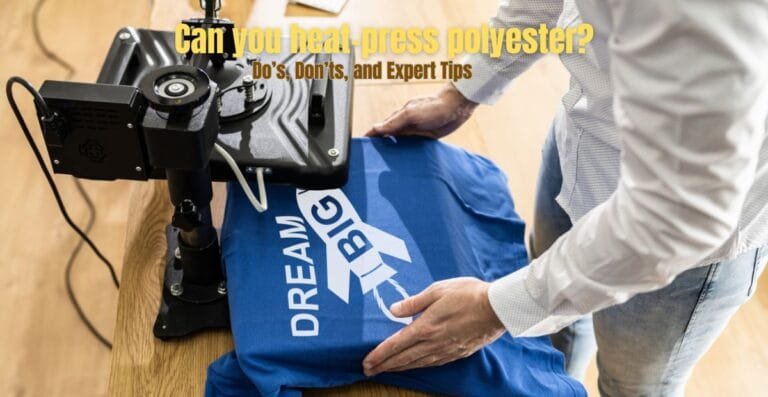
1. Can You Heat-Press Polyester? Do’s, Don’ts, and Expert Tips

Polyester is another easy fabric to use in everyday wear and custom clothing particularly in heat pressing. Polyester has to be heat-pressed carefully and with attention so as not to ruin the cloth. Could you therefore heat-press polyester? Yes, however, you have to be guided by specific guidelines, which can guarantee best performance. This paper will discuss the best heat press methods when using polyester, temperature settings, methods that should be used and the pitfalls to avoid.

Can You Heat-Press Polyester?

It is possible to heat-press polyester but this must be done with special consideration because it is heat sensitive. Polyester is a synthetic cloth produced out of polyethylene terephthalate (PET), and even though it is a strong material, it is not that difficult to melt when compared to other fabric materials such as cotton. Exposing polyester to high temperatures over a long duration may cause it to melt or deform and this may destroy your garment.

Raising polyester through heat pressing is done by placing the heat and pressure on the fabric by use of a heat press machine. Polyester however requires low temperature compared to cotton or other natural fibers. It is possible to heat press polyester successfully without destroying it with by heeding the correct heat settings and methods.


What Temperature to Heat-Press Polyester?

Ideal Temperature Range (e.g., 270°F–300°F / 132°C–149°C)

The recommended range of heat pressing polyester is usually between 270F and 300F (132 C -149 C). Polyester will not melt or scorch because of these temperatures. One should not be outside this range as it will damage the fabric.

Why Polyester Requires Lower Heat Than Cotton

Polyester is a synthetic garment and fibers are more vulnerable to heat. Polyester fibers also start to disintegrate above 320 o C (160 o F) unlike cotton, which remains stable at temperatures up to 60 o C. That is why it is necessary to make some changes in the temperature and do not use the same settings as with cotton.


Does Polyester Melt Under Heat Press?

Risks of Scorching, Melting, or Leaving Shiny Marks

High heat may cause polyester to melt, when over a prolonged period. In case the temperature surpasses its melting point, the fibers will start to melt, which means that the fabric will melt or leave permanent shiny spots. These spots can destroy the outlook of the design and the fabric itself.

Signs That Polyester Is Overheating

What do you do to know whether polyester is being damaged during pressing? Watch out for these signs:

  • Glossy Sheen or Discoloration: Which is a characteristic sign: A shiny or yellow-colored spot of where the press was. The burnt polyester produces a shine on fabric. When you notice a clear or shiny part then the polyester is overheating.
  • Stiff or Melted Feel: Rub your hand on the pressed area. In case the cloth is stiff or sticky, it is partially melted.
  • Odd Smell: A weak chemical smell or a burning smell may be a sign of melting of polyester fibers.
  • Print Issues: It may not stick or even be dull when transfers have been damaged.

Step-by-Step Guide: How to Heat-Press Polyester Safely

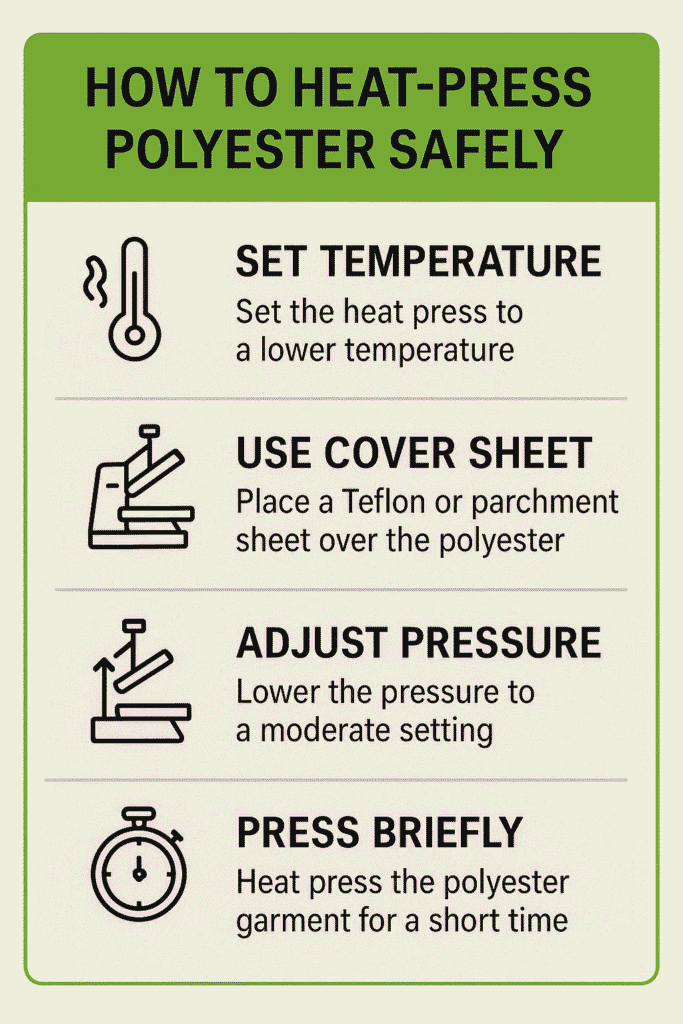
Infographic on safely heat-pressing polyester with key steps. __ Can you heat-press polyester?
Quick guide to heat-press polyester safely.

Preparing the Fabric

Preparation of polyester fabric: The polyester fabric should be prepared. This involves pre-pressing of the cloth to dry out the wrinkles and the moisture. The presence of moisture may disrupt the heat transfer mechanism and give inconsistent outcomes.

Choosing the Right Heat Transfer Vinyl (HTV) or Sublimation Method

Choose a type of transfer that is appropriate with polyester. A heat transfer vinyl (HTV) with a lower heat requirement – such as a stretch or low-temperature vinyl – should be used where the graphic or lettering to be applied is solid-color. In case of an image that contains a lot of colors or a photographic design, sublimation on white or light polyester shirt can be considered. Sublimation ink evaporates (evolves into gas) and leaks into polyester fibers providing vivid effects. Standard vinyl cuts, on the contrary, are placed over the fabric.

Heat your heat press device to between 270o F and 300 o C(132 C-149 C). The pressure ought to be medium to firm with the duration of pressing at approximately 10-15 seconds. The best results will be obtained by always referring to the individual recommendations on the vinyl or transfer paper.


Best Heat Transfer Vinyl for Polyester

Regular HTV vs. Stretch HTV

HTV is available in two general categories, which are standard (regular) and stretch vinyl. Standard HTV is heavier and is still in form in non stretch fabrics; stretch HTV is lighter and is designed to stretch. stretch HTV tends to be more suitable on polyester particularly poly blend athletic wear. When you use normal HTV on a loose polyester shirt, the vinyl can crack when the garment is put into motion.

Stretch HTV is intended to work with performance fabrics: it can bend with the piece of clothing and does not crack. Standard HTV would work fine with the purely cotton shirts, but the stretchiness of polyester (even a slight stretchiness) requires the use of stretch vinyl. Thus, select a stretch or performance vinyl movie when your polyester garment is flexible, or when it is termed sports or moisture-wicking apparel.

Which HTV Types Bond Better with Polyester

Polyester bonds with glitter HTV, matte HTV and high-heat transfer vinyl. These kinds of HTV are designed specifically to be applied on the synthetic fabrics such as polyester giving them a smooth finish, without tearing the fabric.


Can You Sublimate on Polyester?

Difference Between Sublimation and Heat Pressing with HTV

Sublimation and heat-transfer vinyl (HTV) are highly dissimilar processes. In sublimation, you take an image and print it on a special paper and then heat the paper and apply dye to the fibers in the fabric. In comparison, HTV involves a solid vinyl film, which is cut in shapes and pressed onto the cloth.

Significant variations: Sublimation can be applied to polyester surfaces (or poly-coated), and it gives photo-quality and full-color images that become a part of the fabric. Sublimation cannot be done on plain 100 percent cotton without any special treatments. Polyester, cotton, nylon, and others can be subjected to HTV since it is a coating over the material. Concisely, sublimation prints are impregnated inside polyester fibers, and HTV designs are placed on top of the fabric and typically peeled off once the printing process has been done successfully.

Why Sublimation Works Best with Polyester

Polyester is the best material to use in Sublimation since the ink chemical bonds with the polyester fibers when it is exposed to high temperatures. The porous nature of the polyester enables absorption of the ink more, giving rise to the vibrant and long lasting designs.


Heat Press Settings for Polyester Blends

Polyester-Cotton Blends vs. 100% Polyester

Mixed fabrics (such as 50/50 poly-cotton) are midway between pure polyester and pure cotton in the heat resistance. The greater the cotton content, the more you can afford rather high temperatures, but too big a proportion of polyester in the fabric and you must be cautious. Approximately 300-350 F can be the lowest temperature that a poly-cotton mixture can support, and the lowest temperature at which 100% polyester should be kept is 270-300 F. As an example, a medium temperature of 325F/15sec could be applied to a 50/50 mixture.

But you must not plunge at once at all into a polyester-laden blend. Begin on the lower side of the intermediate range and test. It is important to keep in mind that heat sensitivity is also influenced by the other variables (fabric weight, dye, finish), which means that one should always look at the garment as a whole rather than only at the ratio of fibers.

How to Adjust Settings Based on Fabric Mix

When working with a polyester-cotton mixture, turn the temperature to the lower part of the recommended range and use medium pressure. It is always good to test a patch first so that it does not ruin the cloth.


Common Problems When Heat-Pressing Polyester

Fabric Discoloration

Polyester fabric may become yellowish when overheated or pressed too long; it may also develop splotchy spots. This occurs at the stage when the artificial fibers begin to scald. The solution here is prevention: one must always use a lower temperature and squeeze the shirt to get the moisture out. In case of a small discoloration, you can attempt the light ironing (without vinyl) on the other side, with a protective sheet, which can decrease the appearance. Severe discoloration however is normally permanent- test on scraps and take settings gentle.

Adhesive Not Sticking

When the vinyl or transfer cannot stick well, it usually happens that the settings were too low or the materials were not of the right nature. On polyester, make sure you have transferred using a polyester compatible vinyl or sublimation transfer. Then maintain a sufficient time, temperature and pressure. As an example, add a couple of seconds to press time or add a little more pressure. The teflon or parchment sheet would be useful in distributing heat equally. In case even a dark poly-cotton shirt will not take vinyl, then try a quick pre-press at the suggested temperature to simply get the fibers to set.

Fabric Scorch Marks

Scorch marks occur despite the care. These appear as hard and shiny spots or visible press impressions. To repair light scorching, either a cool iron or easy-press will work on the back side: press carefully in circles around the scorch mark in small circles to feather out the one. This will not entirely fade out the mark, but it may be let in the fabric. To the next generation presses, then certainly reduce the temperature or time.


Pro Tips to Avoid Damaging Polyester

Teflon Sheet/Parchment Paper
A Teflon sheet or parchment paper should always be between the heat press plate and the fabric. This improves the resistance of the polyester to direct heat and avoids any possible damages.

Pre-Pressing to dry off the Moisture
Wet the fabric in a few seconds and squeeze out all the water. This makes sure that the fabric is not wet and is ready to undergo heat transfer causing increased adhesion.

Lower Temp + Longer Press Trick
In case of problems with cloth damage, use low temperature and maximum time. This helps avoid overheating of the cloth and at the same time enables the transfer to bond effectively.


Heat-Press vs. Iron on Polyester

What is the Best Method in Durability?


The durability of heat pressing is superior to ironing. A heat press offers pressure and temperature in an even and consistent manner, giving a stronger and more professional outcome and lasting longer.

The reason why a Heat Press provides professional results


Heat press machine ensures uniformity of temperature and pressure which aids in ensuring that the transfer is evenly stuck and firmly attached to the polyester. On the other hand, irons are not precise and may cause uneven application.


Polyester vs. Cotton Heat Pressing

Polyester has lower temperatures than cotton owing to its synthetic nature. Cotton is able to withstand more heat than polyester which is highly susceptible to melting or shiny spots when subjected to excess heat. So, it is important to always use a lower heat setting when using polyester.


Conclusion-

So, can you heat-press polyester? But, yes, very careful and very precise. Polyester is extremely sensitive to heat, and this fact requires lower heat and protective layers. Professional and long-lasting results should be achieved after following the suggestions of experts like pre-pressing, Teflon sheets, and the choice of the HTV. Polyester is a great medium to use in creative designs safely using heat in both sublimation and vinyl transfer processes.

When you do the do and avoid the dons, it is possible to heat-press polyester without damages. Always keep in mind- less heat, more care and the technique is the key to success.


FAQs

Can you heat-press polyester at 350°F?

No, polyester cannot withstand 350 o F. The fibers start melting or scalding at this high temperature. The temperature should not exceed 270 o F -300 o F as permanent damage to the

Will polyester shrink under heat press?

fabric may occur.
Polyester does not shrink like cotton, but still, it is vulnerable to damage. Even high temperature can lead to warping or falling of shape of the fabric. That is why consideration of the temperature is crucial.

How long should you press polyester?

At lower heat levels, the optimal pressing time is 10-15 seconds. Excessive pressing can heat the cloth, which will lead to poor adhesion. Vary time depending on the type of vinyl.
Polyester is the best material to use in sublimation as the fibers take sublimation ink directly.

Is polyester better for sublimation or vinyl heat transfer?

Nevertheless, the stretch HTV is also adhesive when pushed under the right temperature and pressure. Each of the two approaches is effective when used appropriately.

Moisture Wicking Polyester: Benefits, Features & Uses Guide

0

Moisture Wicking Polyester: As we traverse through the increasingly hectic modern world, productivity and relaxation have proportionately come to enjoy a symbiotic relationship. There is a marked demand among athletes, fitness aficionados, and society at large, for dual purposeful materials. Out of the wide range of revolutionary materials, moisture-wicking polyester is second to none. It provides all the modern features of a textile while also offering breathability, comfort, and ease of movement.

This blog will discuss the features, applications, maintenance tips and advantages of moisture-wicking polyester. Also, appreciate the fabric’s versatility in sportswear, activewear or casual apparel which sets it above the rest.

What is Moisture-Wicking Polyester?

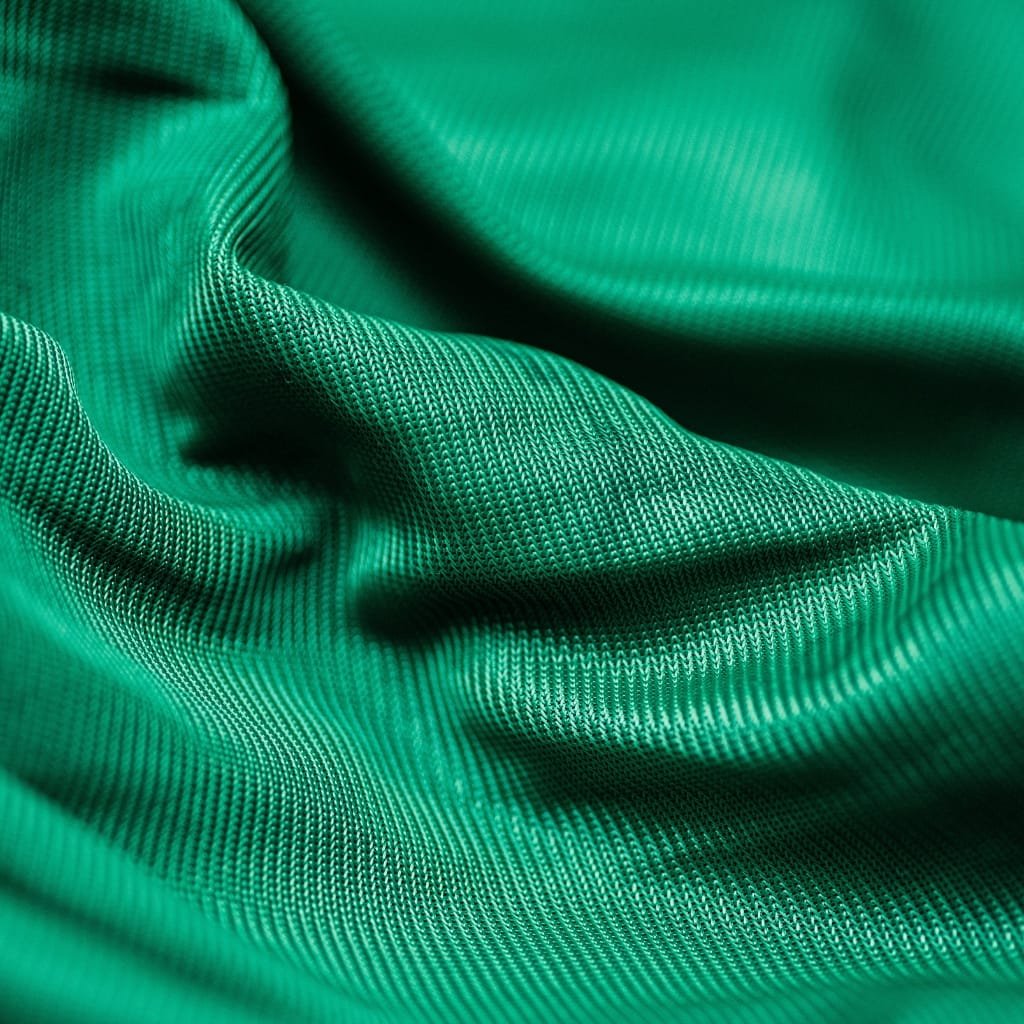
Close-up of vibrant green moisture-wicking polyester fabric with visible micro-weave texture and soft folds.
Moisture-wicking polyester fabric with a rich green color and fine, breathable texture.

Manufacturers design this synthetic fabric to pull moisture from the skin, providing a layer of comfort when it comes in contact with sweat. Once the fabric draws the sweat to the surface, it evaporates, leaving the skin feeling dry. Unlike cotton which absorbs sweat and remains damp, dyed polyester is perfect for active persons because it dries quicker.

Further, a unique combination of lightweight and superior durability guarantees the fabric will endure the test of time.

Key Benefits of Moisture Wicking Polyester

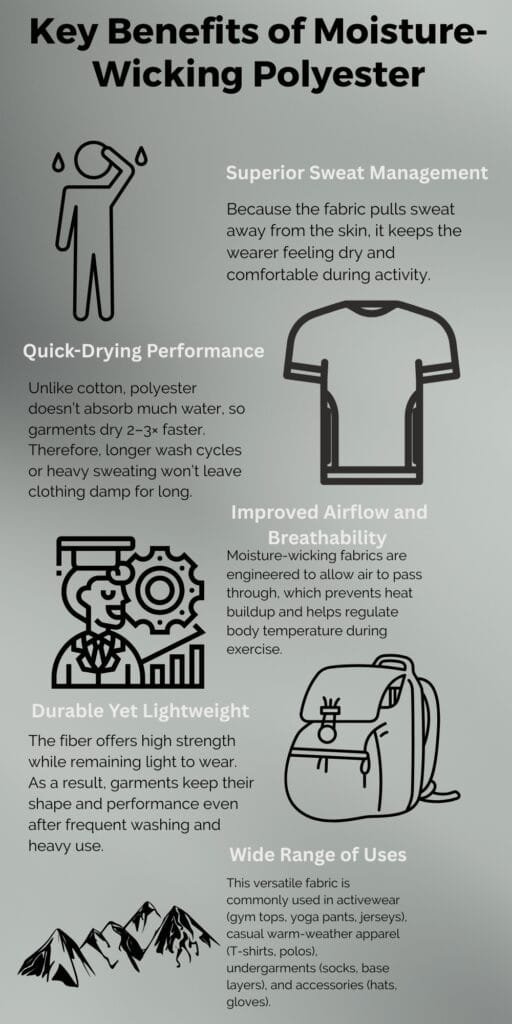
Infographic titled ‘Key Benefits of Moisture-Wicking Polyester’ with icons: sweating figure, T-shirt, scientist with gear, backpack, hiking mountains. Sections highlight Superior Sweat Management, Quick-Drying Performance, Improved Airflow and Breathability, Durable Yet Lightweight, and Wide Range of Uses.
Key benefits of moisture-wicking polyester, including sweat management, quick-drying, breathability, durability, and versatility.
  1. Superior sweat management system.

People’s primary focus is on moisture-wicking polyester at an attempt to understand its practical use. It is the unique ability of the fabric to retain a dry feeling which makes it a preferred choice.

  1. Quick Drying Capabilities.

Polyester will not absorb moisture like cotton. This allows polyester to dry 2-3 times faster as compared to cotton. This means longer wash cycles won’t result in longer drying times.

  1. Improved Airflow.

Designers create the fabric to be what is known as breathable. This means that the fabric allows airflow to pass through the fabric and prevents the build up of excess heat. This makes the fabric comfortable even during exercise.

  1. Durable Yet Lightweight.

The moisture wicking polyester has amazing strength despite it’s low weight. As a result of this, the polyester retains its shape and performance even after a large number of washes.

  1. Widely Useful.

People use this versatile fabric in sports and gym clothing, basic t-shirts, undergarments, and even in fashion accessories like hats, gloves, and socks.

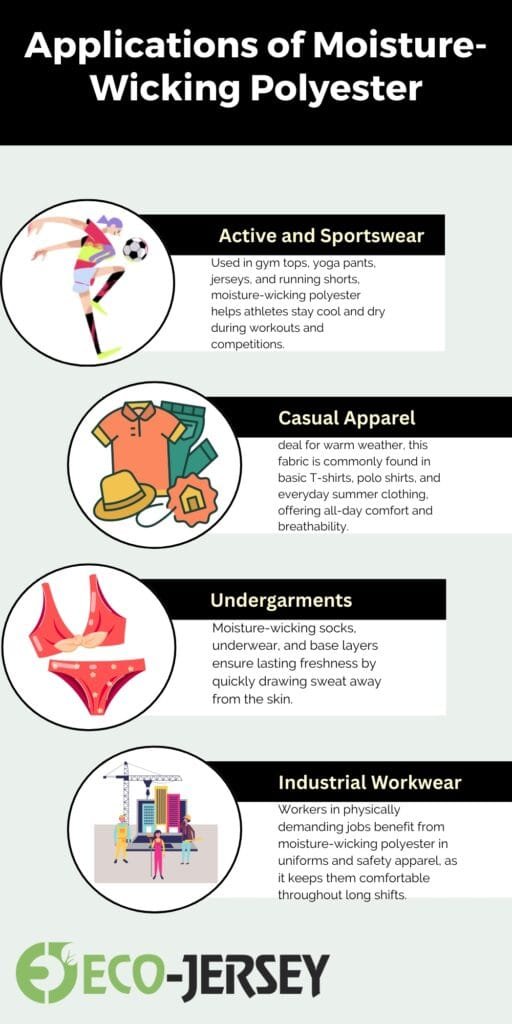
Applications of moisture wicking polyester include, but are not limited to the following:

Illustrated infographic showing four uses of moisture-wicking polyester: active and sportswear, casual apparel, undergarments, and industrial workwear, with circular icons and descriptive captions.
Moisture-wicking polyester: versatile performance fabric for sport, daily wear, undergarments, and workwear.

Active and Sports Wear: Gym tops, Yoga pants, Jerseys, and Shorts.

Casual Apparel: Basic t-shirts and Polo shirts designed for warm weather.

Undergarments: Moisture wicking socks and underwear designed for lasting freshness.

Industrial: Work clothing used for rigorous jobs.

People also use it in activewear and outdoor garments such as hiking shirts, camping clothing, and base layers for winter sports.

Moisture Wicking Polyester Polyester vs Other Fabrics

Fabric Comparison — Moisture-Wicking Polyester
FeatureMoisture-Wicking PolyesterCottonNylonWool
Sweat AbsorptionLowHighMediumMedium
Drying SpeedFastSlowModerateModerate
DurabilityHighLowHighMedium
BreathabilityHighMediumMediumMedium
MaintenanceEasyDifficultModerateModerate
As the table shows, moisture-wicking polyester clearly offers superior moisture control compared to many other fabrics.

Suggested Care and Maintenance

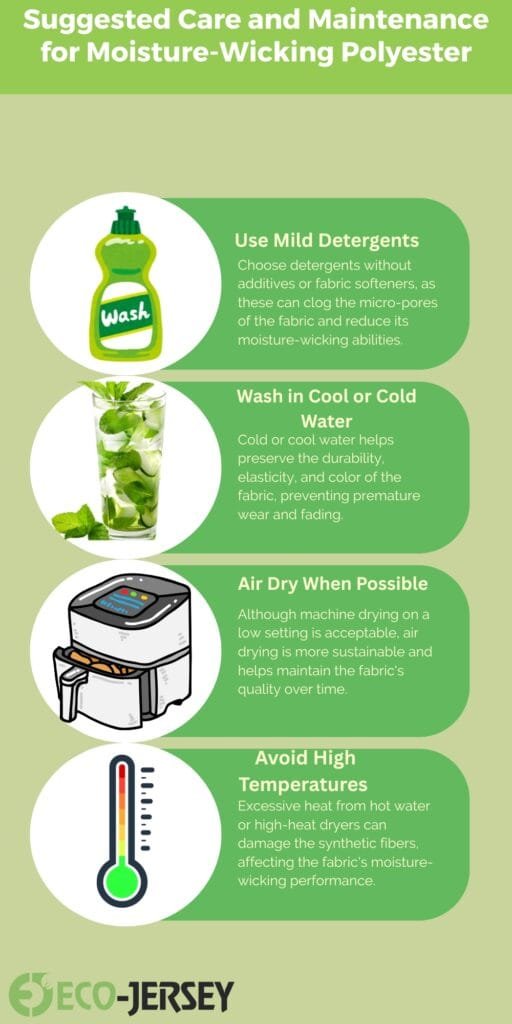
Infographic titled “Suggested Care and Maintenance for Moisture-Wicking Polyester.” Four rounded green panels with white circular icons depict care tips:
Use Mild Detergents: bottle of detergent graphic. Text explains using detergents without additives or softeners to avoid clogging fabric pores.
Wash in Cool or Cold Water: glass with mint leaves. Text explains cold water preserves durability, elasticity, color, and prevents premature wear.
Air Dry When Possible: printer/washer icon. Text explains air drying is more sustainable and preserves fabric quality.
Avoid High Temperatures: thermometer icon. Text notes excessive heat can damage synthetic fibers and reduce moisture-wicking.
Footer shows Eco-Jersey logo.
Care tips for moisture-wicking polyester: use mild detergents, wash cold, air dry when possible, and avoid high heat to maintain performance.

In order to maintain moisture-wicking polyester fabric at its best qualities, adhere to the following care guidelines:

  • Use detergents without additives or fabric softeners. These products may clog and fill the micro-pores of the fabric.
  • Only wash with cool or cold water. This helps to maintain the durability of the fabric as well as its color.
  • Whenever possible, air dry the fabric. Machine drying the fabric is also acceptable, but air drying is more sustainable.
  • Avoid any and all high temperatures. Heat may impair the physical condition of the synthetic fibers.

Taking all points into account, the right care will help retain the moisture-wicking polyester fabric performance for the years to come.

Sustainability and Innovation

A bright light bulb lying on green grass, with a landscape inside the bulb showing solar panels, a tree, and a sunset sky.
Sustainability and Innovation: Powering a greener future with renewable energy and nature-inspired solutions.

In recent years, polyester fabric with moisture-wicking properties has been gaining increased popularity for the way it is produced. It is made from plastic water bottles and textile waste, which makes it more sustainable to produce. Moreover, polyesters that are biodegradable and have been designed with performance factors in mind are still the subject of ongoing research.

Conclusion

Polyesters fabric with moisture-wicking properties has been revolutionary for the textile industry due to the comfort, durability and performance that is provided. From the world of sports to casual clothing, its remarkable benefits makes it the preferable fabric all over the world. Furthermore, with recent innovations, sustainable products made from this spun polyester are likely to grow in popularity and use.

FAQs

What is moisture-wicking polyesters?

Moisture-wicking polyesters a synthetic fabric designed to pull sweat away from the skin, allowing it to dry quickly and keep you comfortable.

Is moisture-wickings polyester better than cotton?

Yes. Unlike cotton, it dries faster, resists moisture buildup, and keeps you cool during physical activities.

Can moistures-wicking polyester be worn daily?

Absolutely. Manufacturers and consumers widely use it for sportswear, casual clothing, work uniforms, and even outdoor gear.

Poplin Cotton Fabric: The Ultimate Guide to This Classic Cotton

0

When you think of your favorite lightweight dress or a crisp dress shirt, you probably associate it with a perfect marriage of comfort and polished style. Chances are, you are touching Poplin cotton. Thin and breathable, Poplin fabric is an integral pop of fabric in hundreds of wardrobes. Poplin cotton fabric is popular unnoticed.

In this guided essay, we unravel the story of Poplin cotton as we explore its characteristics. We will also discuss its making, and advantages. Plus, we will also evaluate Poplin fabric with other weaves such as twill and oxford. We will also articulate self-evident methods of sewing, caring ,and using poplin fabric to guide our readers.

By the end of the passage, we hope you appreciate the value of poplin fabric and how easily you can make use of your cross-stitch and sewing materials!

What is Poplin Cotton? Defining a Timeless Weave

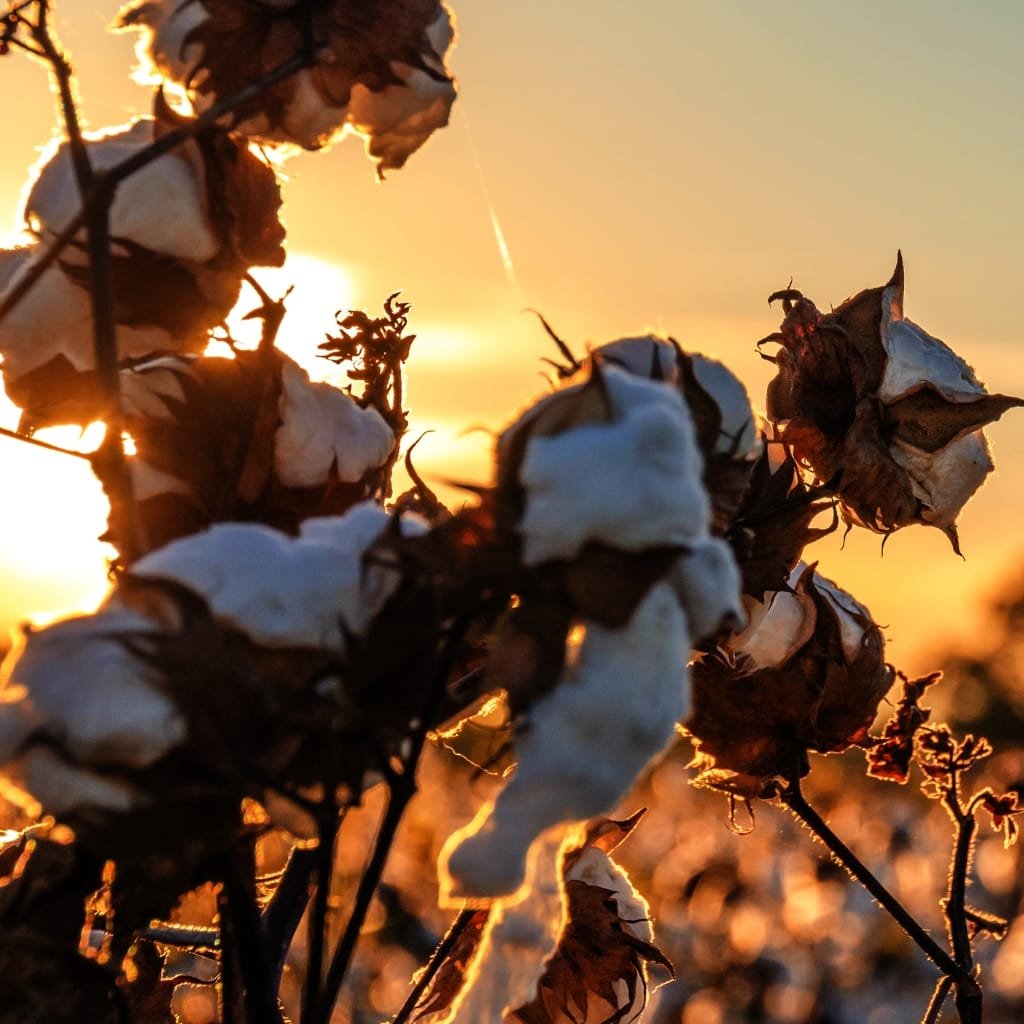
Close-up of cotton bolls glowing in a sunset, with warm orange light outlining the fluffy white fibers.
Cotton bolls lit by the sunset, catching the last golden rays of the day.

The preceding section defines poplin cottton fabric as a fabric type that concerns itself not with the fiber content, but with the weave structure. Historically, manufacturers constructed poplin from silk and wool, but modern producers most commonly link it with cotton. Essentially, a plain weave creates poplin by interlacing threads in an over-and-under pattern. This specific construction method, which uses fine warp yarns and a thicker weft yarn, gives poplin its signature texture. This technique produces a subtle ribbed effect, for which people know poplin, resulting in its characteristic slightly corded essence and crisp hand-feel.

A Stitch Through Time: The History of Poplin

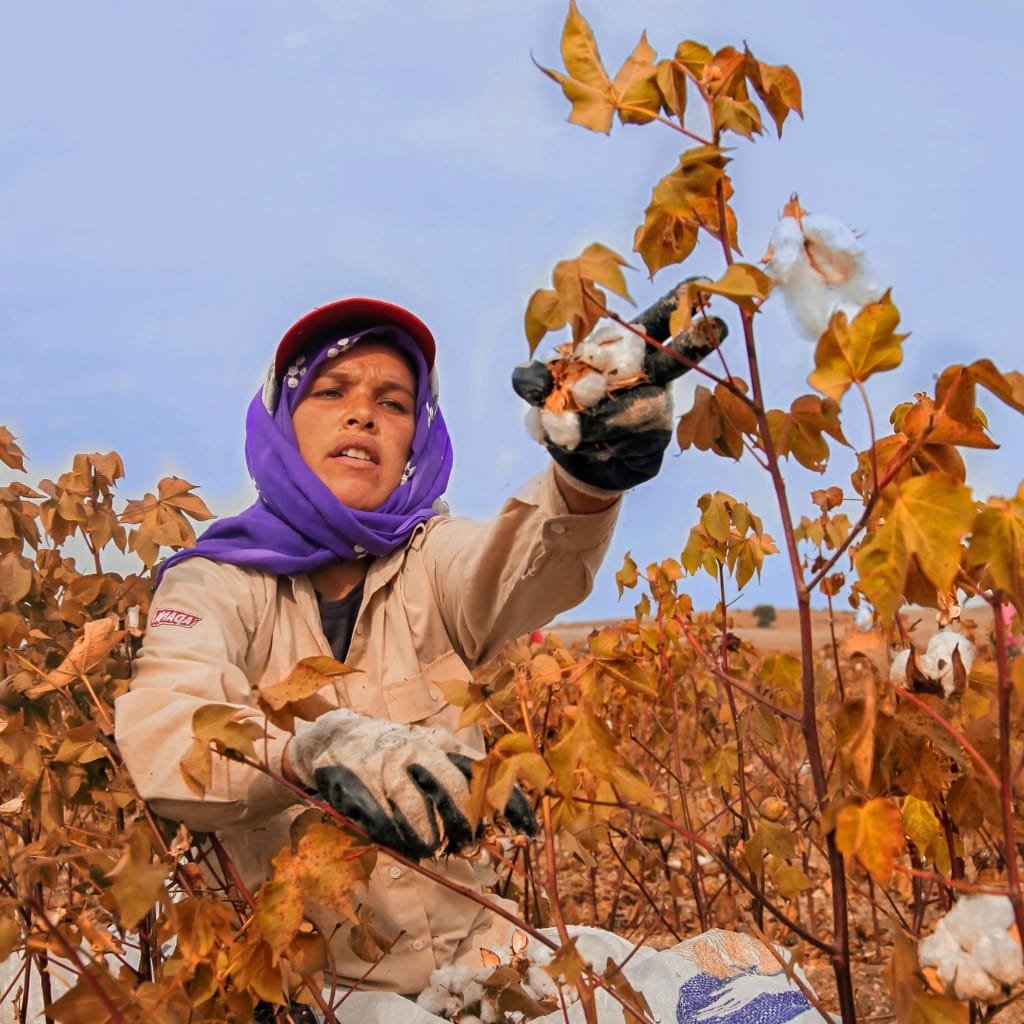
A close-up of a female agricultural worker in a cotton field, wearing a purple headscarf, a red cap, and beige work overalls. She sits among brown autumn leaves and holds a cotton boll in gloved hands, with a clear blue sky in the background. poplin cotton fabric
Harvesting cotton in the fields: a worker carefully picks cotton boll amid golden leaves under a bright blue sky.

It is important to understand the origins of poplin in order to understand the history behind the fabric. The term poplin most likely came from the fabric called papelane, made back in the fifteenth century in the Avignon French papal residence. At the time, manufacturers considered poplin a luxurious fabric and made it with silk and wool; the silk provided a smooth glossy finish while the wool gave the fabric warmth and body.

As the Industrial Revolution progressed and the cotton industry became established, manufacturers began to produce poplin from 100% cotton. Militaries adopted the fabric for uniforms because of its hard-wearing nature, and this widespread use made poplin easily accessible and affordable to the public. People also began using poplin for formal and everyday shirting. In the modern age, producers typically make poplin from cotton, but they often blend it with polyester or other synthetic fibers.

The Hallmark Characteristics of Poplin

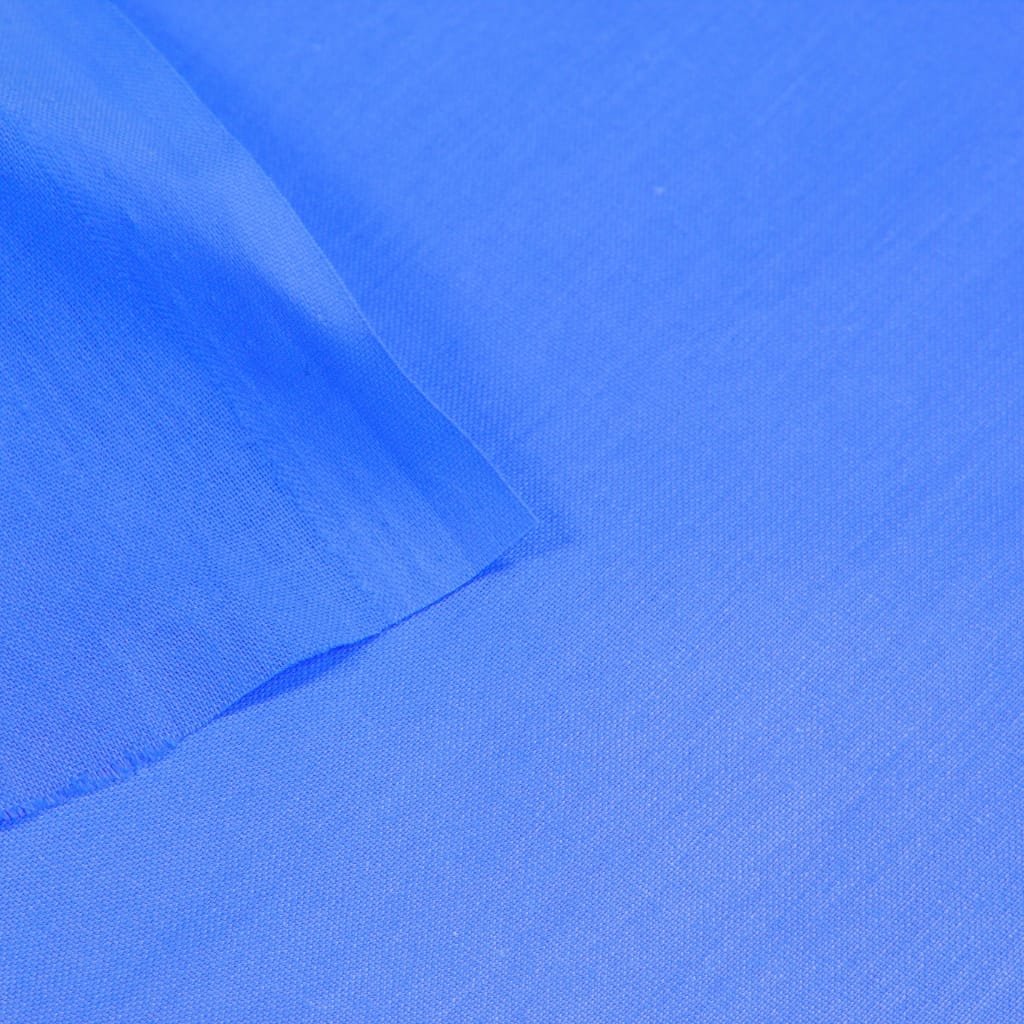
Close-up of vibrant blue fabric with visible stitching and folds. poplin cotton fabric
Close-up of bright blue textile showing subtle texture and seam detail.

What aspects of poplin made it last for decades without losing its relevance? The answer is found in the fabric’s collection of individual traits that are advantageous and functional.

  • Comfortable Touch: Because of the close, simplistic weave, poplin has a smooth, flat surface and has a polished hand-feel. With the balance of a delicate, unrefined canvas and a coarse, robust canvas, poplin is a perfect solution.
  • Airy and Lightweight: While dense, poplin is quite a light fabric. Still, the fine weave allows a significantly dense fabric with a fine weave, resulting in excellent oxygen circulation. This makes poplin exceptionally suitable for warm weather garments and summer attire.
  • Sturdy and Strong: As stated above, the simplistic over-and-under weave, in combination with superior quality yarns, creates a fabric that has great resistance to tearing and any form of abrasion. It survives an office day, a weekend escapade, and innumerable washes, and still remains in the same condition.
  • Takes on Color Exceptionally Well: Because of poplin’s smooth surface, it is easy to dye. Therefore, garments made of poplin fabric are exceptionally known for color richness and vibrancy. With smooth looser weave and brushed nap fabrics, poplin is less susceptible to color fading.
  • Resists Shrinkage (When Treated): While 100% cotton can shrink, manufacturers usually pre-shrink or mercerize high-quality poplin. This treatment controls shrinkage in the threads and imparts a faint shine to them, which enhances both the fabric’s appearance and its performance.
  • .Read more… Knitting Cotton Fabric

Spot the poplin in comparison to other fabrics

In comparing other cotton weaves, we can begin to see poplin’s unique value in the fabric industry.

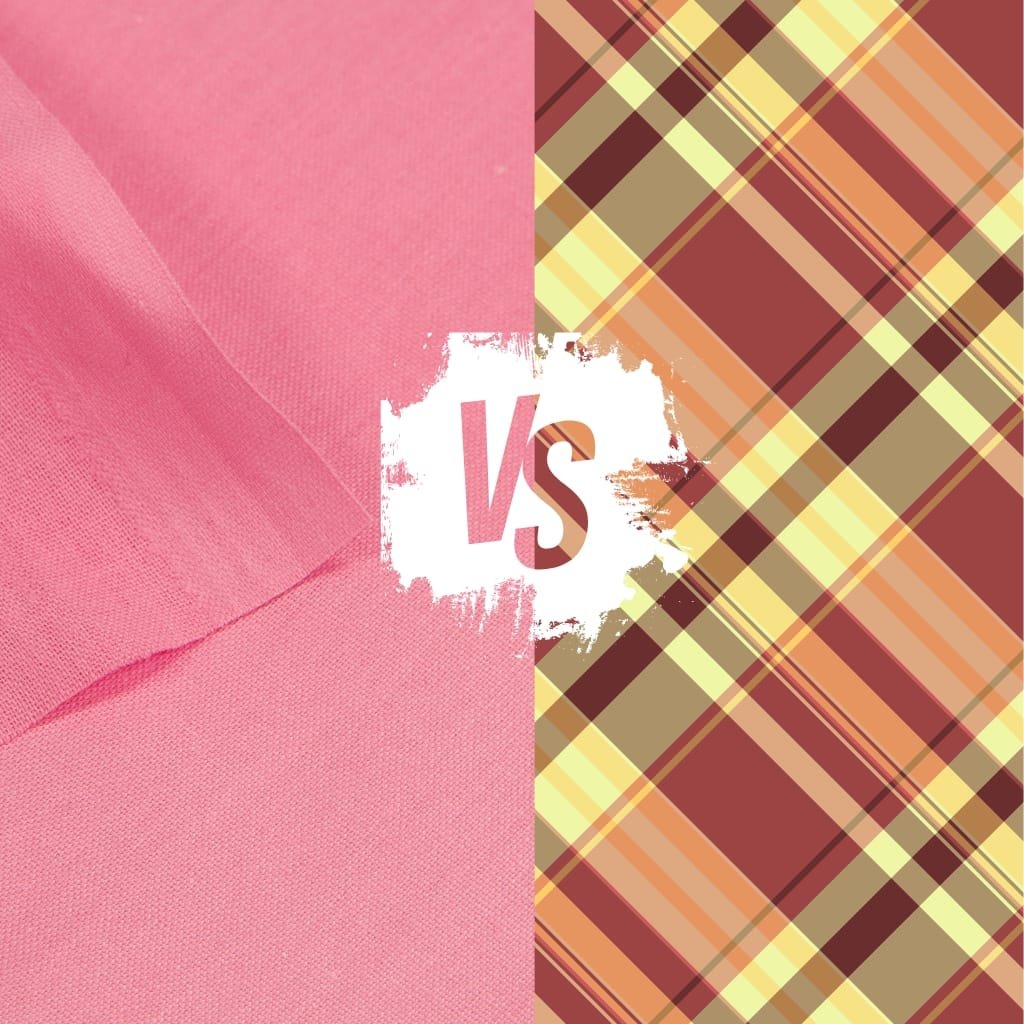
Poplin vs. Twill

poplin vs twill 1
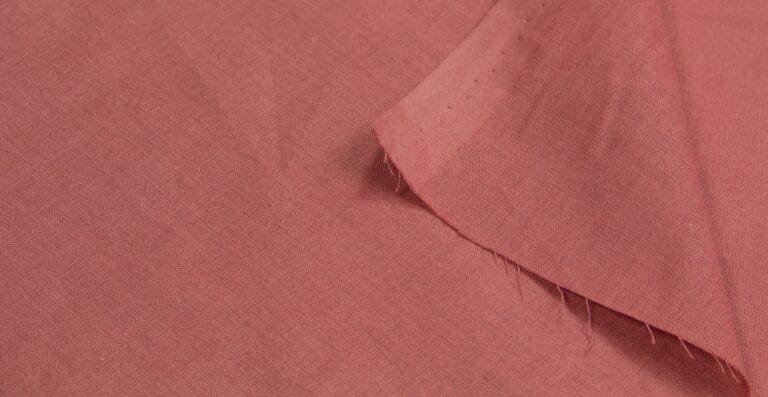
Pink fabric versus plaid pattern — a bold ‘VS’ divider in the center.

There is also the twill weave which, in the case of denim and chino, is come by in a diagonal set of ribs. These are twill weaves. This weave is quite strong, and has more pop than a twin, as well as more drape. The disadvantage of poplin is that twill is heavier, and can be warmer. Poplin is lighter and crisper, more breathable and cooler, making it ideal for hot weather and formal shirts.

Poplin vs. Oxford

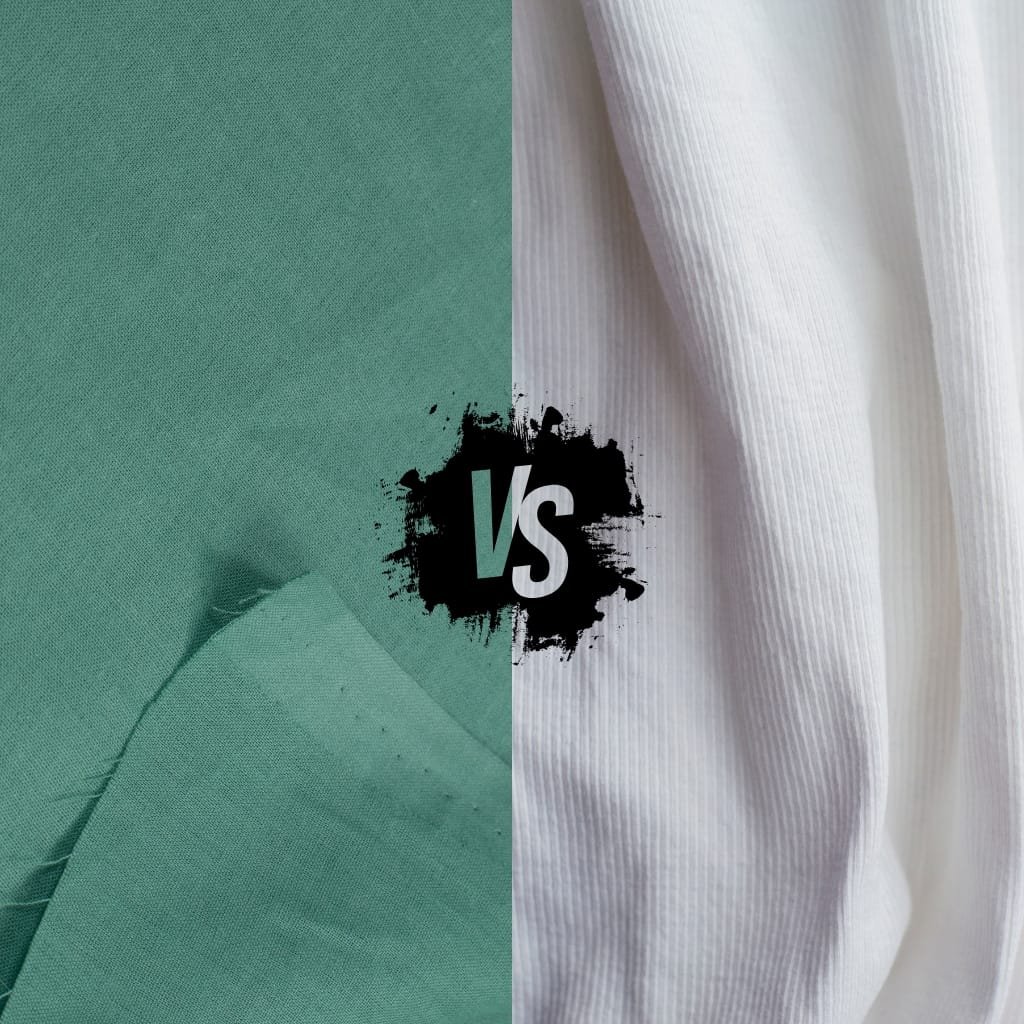
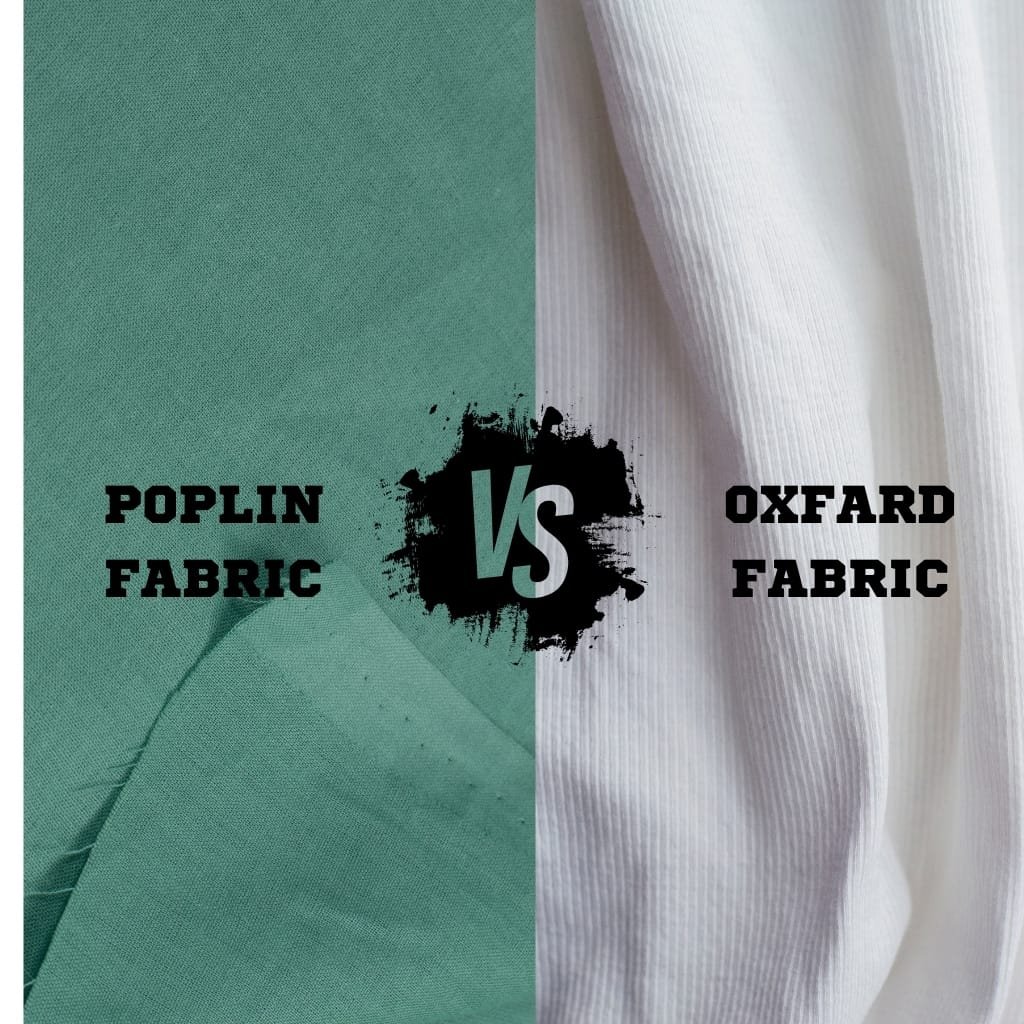
Split image showing teal-green fabric on the left and white fabric on the right with a black paint-splatter ‘VS’ graphic in the center.
Green vs. White: a textile face-off.

Another fabric for making shirts is Oxford cloth. It is made by a basket weave with a pair of threads that are woven in a warp and weft. The poplin cotton fabric such made is poplin’s counterpart, heavier, more textured, and more casual. Although it may be soft and strong, it does not have the elegant, smooth finish that poplin has, and hence is not suitable for formal functions.

Poplin vs Sateen

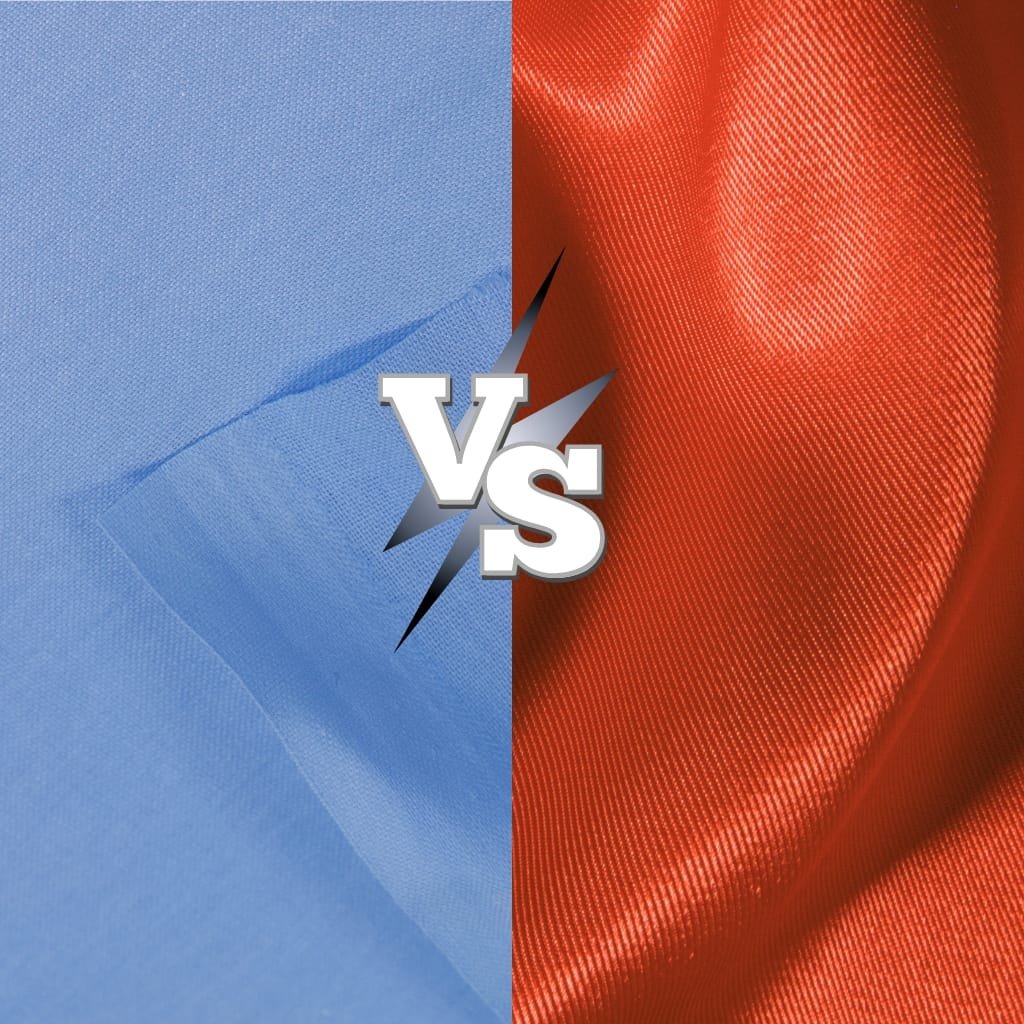
A split-image banner with blue fabric on the left and red satin fabric on the right, featuring a bold white ‘Vs’ with a blue lightning motif in the center.
Blue vs. Red: a bold fabric clash.

Both poplin and sateen constitute weaves of primary cloth styles. Sateen weaves the cloth in such a way that there are more threads that float freely on the surface. This makes the fabric super soft and smooth with a shine that glimmers like satin. Though sateen may be expensive and elegant, the fabric has a poorer longevity than poplin and is more likely to snag.

The Many Uses of Poplin: Beyond the Button Down

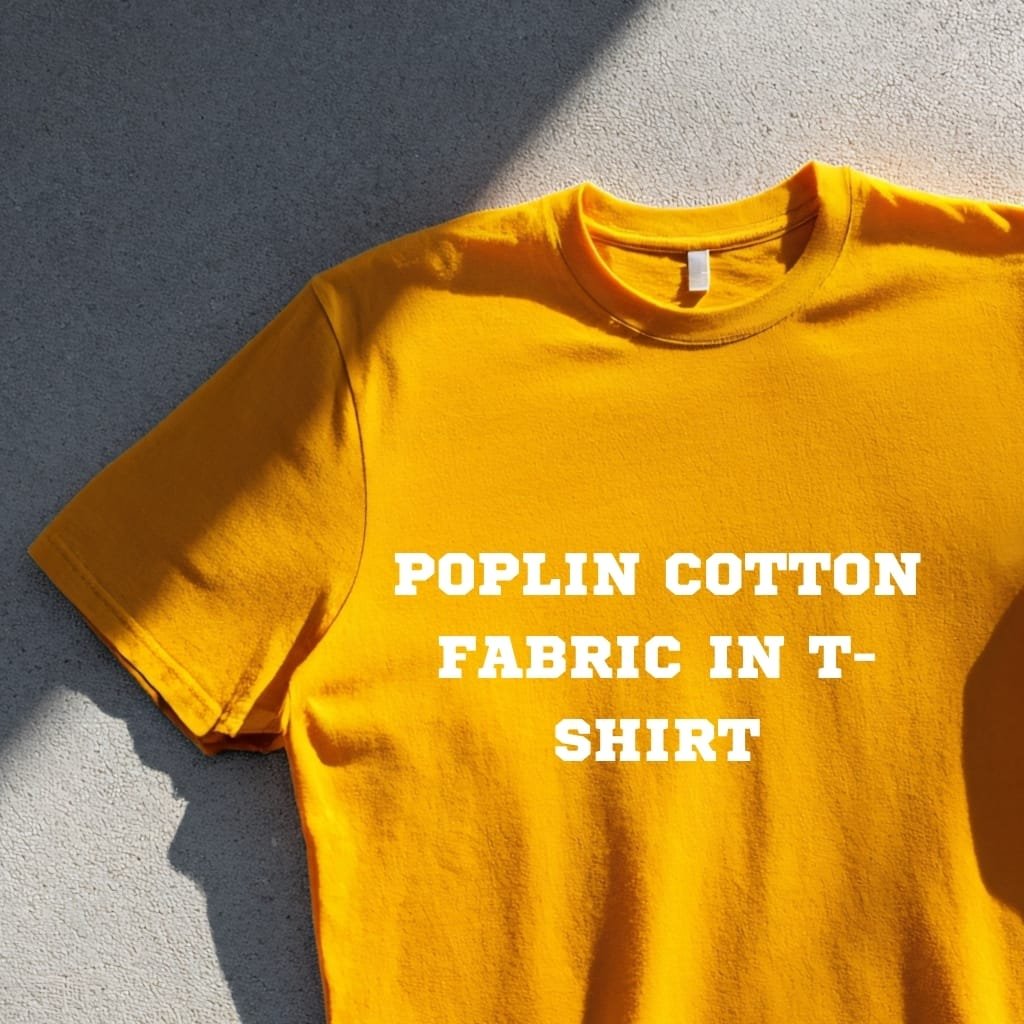
Bright yellow T-shirt with white bold text reading 'POPLIN COTTON FABRIC IN T-SHIRT' on a light concrete background.
poplin cotton fabric in T-shirt — bold white lettering on a sunny yellow tee.

Although a classic dress shirt remains poplin’s most famous application, the fabric is also very versatile.

  • Apparel: Besides the shirts, poplin is also used to make blouses, dresses, skirts, lightweight suits, and even suits for kids. Poplin makes garments that are easy to put on and take off with its breathability and comfort. It also holds a crease verywell, making it ideal for structured pieces.
  • Home Decor: The robust qualities of poplin make it a suitable fabric for use in home projects. It is used for chair and headboard upholstery, to make light curtains and pillow covers, and other decorative items. Even in a room that has direct sunlight, the decor remains bright and lively due to the fabric’s colorfastness.
  • Crafts and quilting: Poplin cotton fabric is appreciated by quilters for its rigidity; it does not easily stretch, allowing for accurate block construction. In addition, poplin is an excellent fabric for tote bags, aprons, and other craft items where a sturdy and attractive fabric is required.
  • Accessories: Due poplin’s smooth surface and its readiness to take a sharp press, it is the fabric most often used for neckties, scarves, and handkerchiefs.Read more… History of Cotton Fabric

The Complete Poplin Sewing Guide

To most sewists, poplin is a fabric that is a pleasure to sew. Here’s some advice that will make your experience productive.

Selecting the correct thread and needle: Universal needle of 70/10 or 80/12 is ideal for poplin. For thread, high quality, all-purpose polyester or polyester cotton-wrapped thread is most suitable. Needle Selection: Importantly, because poplin is tightly woven, you should use a sharp, fresh needle to reduce skipped stitches and prevent pulls in the fabric.

Pre-Washing and Pressing: We highly advise that you pre-wash poplin before cutting it. This will remove any finishes that should not be on the fabric and prevent any minimal possible shrinkage. The poplin should be pressed with steam using a medium to a hot iron. Face pressing cloth is especially helpful to prevent dark colors from sewing with shine

Handling and Finishing: Improper handling can cause the edges of poplin cotton fabric to unravel. You can achieve a professional, durable finish by using a serger, a zigzag stitch, or French seams. Because the fabric holds its shape well and creases easily, sewers often use topstitching to highlight seams and create a neat finish.

Caring for Your Poplin Garments

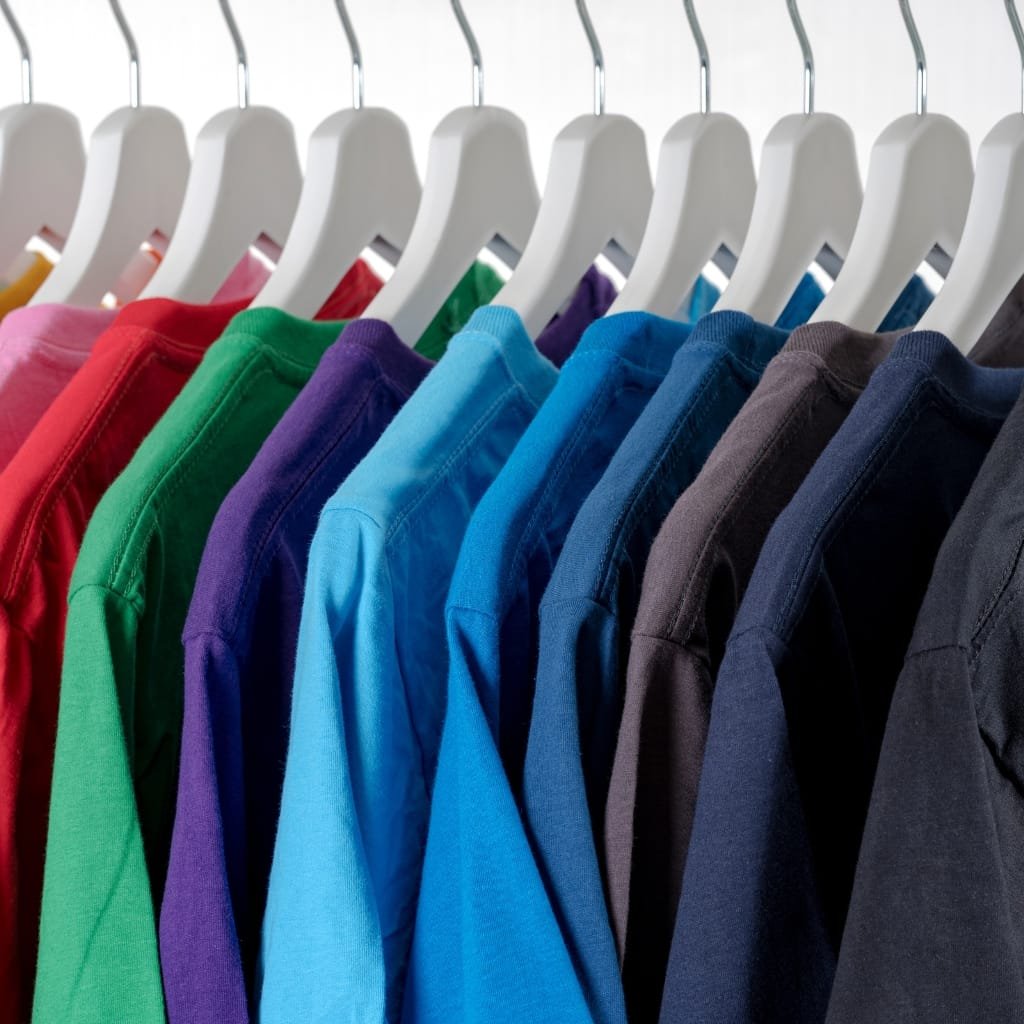
Row of colorful shirts on white hangers hanging in a retail display, arranged in a rainbow spectrum from red to dark blue.
A rainbow of shirts on hangers in a clothing store.

Another great thing about poplin cotton fabric is its easy-care properties. These easy processes outlined below will ensure your poplin pieces will remain in good condition for many years to come.

Washing: Most cotton poplin garments will survive a gentle cycle in the machine, in either cold or warm water. It is best to turn pieces inside out to protect the outside layer from damage. A mild detergent is best to use in order to protect the colors from fading.

Drying: Although you can tumble dry poplin on a low setting, line drying offers the gentlest option and helps to minimize wrinkles. You can easily remove any creases that do form with a warm iron.

Ironing: You can iron poplin cotton easily, and it holds its shape well. For the best finish, iron the garment while it is still slightly damp or use your iron on a medium-high steam setting, holding it about 5cm from the fabric. When ironing a shirt, follow this order: first the collar and cuffs, then the sleeves, and finally the body.

How to Choose Poplin Fabrics

There are many variations of poplin cotton fabric available in the market and every fabric is different. Take note of the following points when selecting poplin fabric, whether you are purchasing it from an online store or brick and mortar outlet:

  • Thread Count: A higher thread count indicates a finer, softer and more durable fabric. It is often said that good quality shirting poplin has a thread count between 100 and 140.
  • Yarn Quality: A combed poplin is smoother, softer, more durable and less likely to pill when compared to a carded poplin.
  • Mercerization: Unmercerized poplin will lack luster and strength, will not take dye easily and will lack sheen. The poplin will also lack rich and colorfast hues.
  • Feel and Drape: Quality poplin is smooth and firm and does not feel ‘stiff’ or ‘papery’ to the touch. While it has firm structure, it also has a light, controllable drape.

The Sustainable Angle: Poplin and Conscious Consumption

With the many options available, selecting poplin to support sustainable practices is a conscious choice to add to the wardrobe.

  • Natural Fiber: Cotton as a natural plant-based fiber is biodegradable, especially without chemical finishes.
  • Durability: Poplin’s inherent durability means garments last longer, thus cutting down on fast fashion waste.
  • Choosing Better Cotton: Shoppers should greatly prefer Better Cotton Initiative (BCI) or organic cotton poplin, as these options champion more positive social and environmental farming practices. Manufacturers are also making poplin from recycled cotton more widely available, which breathes new life into textile waste.

Conclusion

In poplin cotton’s case, it is much more than a simplistic shirting cloth. Its history has events such as the times of the papacy in Avignon and synthesizes with the strong, elegant, and comfortable textile design of modern times.Poplin’s omnipresence in both high fashion and homemade quilts proves its enduring value today. In its most skillful form, the fabric appears delicate yet remains highly breathable, providing superior comfort. Its versatility and functionality also make it suited for countless applications. Be it in the construction of wardrobes, summer dresses, or even in reupholstering chairs, poplin cotton fabric is a trustworthy and pleasing fabric. Hence, the next time you try to make a balance between form and function, poplin is the fine choice to settle for, poplin is the choice.

FAQs

 What is poplin cotton fabric?

A plain weave structure defines poplin, using fine yarns in one direction and a thicker yarn in the other. This technique creates a strong, crisp, and slightly ribbed texture. While manufacturers historically used silk or wool, most now make modern poplin from 100% cotton, which gives it lightweight, breathable, and durable qualities.

Is poplin cotton good for summer?

Yes, absolutely. Poplin cotton fabric is an excellent summer fabric. Its tight weave remains lightweight and highly breathable, allowing for maximum air circulation. Furthermore, it is often made with high-thread-count yarns that feel smooth and cool against the skin, making it ideal for hot and humid weather.

Does poplin cotton wrinkle easily?

Poplin cotton can wrinkle, but it is generally less prone to wrinkling than looser weaves like linen. Its crisp nature means wrinkles are typically easy to remove with a standard iron. Using a steam setting or ironing while the garment is slightly damp will yield the sharpest, crispest finish.

G-1 Bomber Jacket: Heritage, Style, and Today’s Trends

0

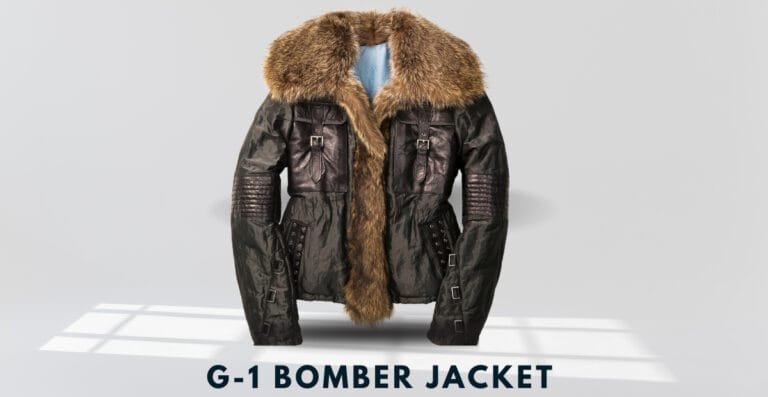
The G-1 Bomber Jacket in its entirety holds a very special value in history and the world of fashion. The United States Navy created the jacket for aviators, and it offered warmth, durable style, and ease of movement. The G-1 Bomber Jackets represents classic rugged masculinity while still keeping its cool demeanor. This newly G-1 Bomber Jackets that is sheepskin leather with a shearling collar is a perfect statement piece magazine editors and fashionista’s argue about.

The G-1 Bomber Jackets is a Consolidation of Work in Progress drafts

The G-1 Bomber Jackets was released during the tune of World War II.

The new aviators needed jackets that were durable and tough enough to protect during the tough conditions and this jacket was never a disappointment. This G-1 leather jacket is uniquely different from the Army’s A-2 jacket because it provides a mouton fur collar for added warmth. Eventually, this leather aviator jacket became a standard issue for the Navy and Plus huddled and Aviator jacket for the Marines, solidifying its military fashion status.

G-1 Bomber Jacket in Pop Culture

A classic G-1 bomber jacket in deep brown leather with a plush shearling collar, worn by a person standing against a retro-tinged background. The jacket features brass zippers, knit cuffs, and aviation patches on the chest and sleeve, giving it a timeless pop-culture vibe.
A timeless G-1 bomber jacket: rugged leather, warm shearling, and patches that nod to iconic pop-culture moments.

Even before Hollywood got its hand on it, the G-1 Bomber Jacket already began experiencing the G-1 Bomber Jackets was a global phenomenon the moment Tom Cruise’s character in Top Gun wore it in the movie. Since then, the G-1 Bomber Jackets has been associated with confidence and adventure. Even decades later, the G-1 Bomber Jackets still remains a point of focus in movies, music, and even street fashion jacket.

Key Features of the G-1 Bomber Jacket

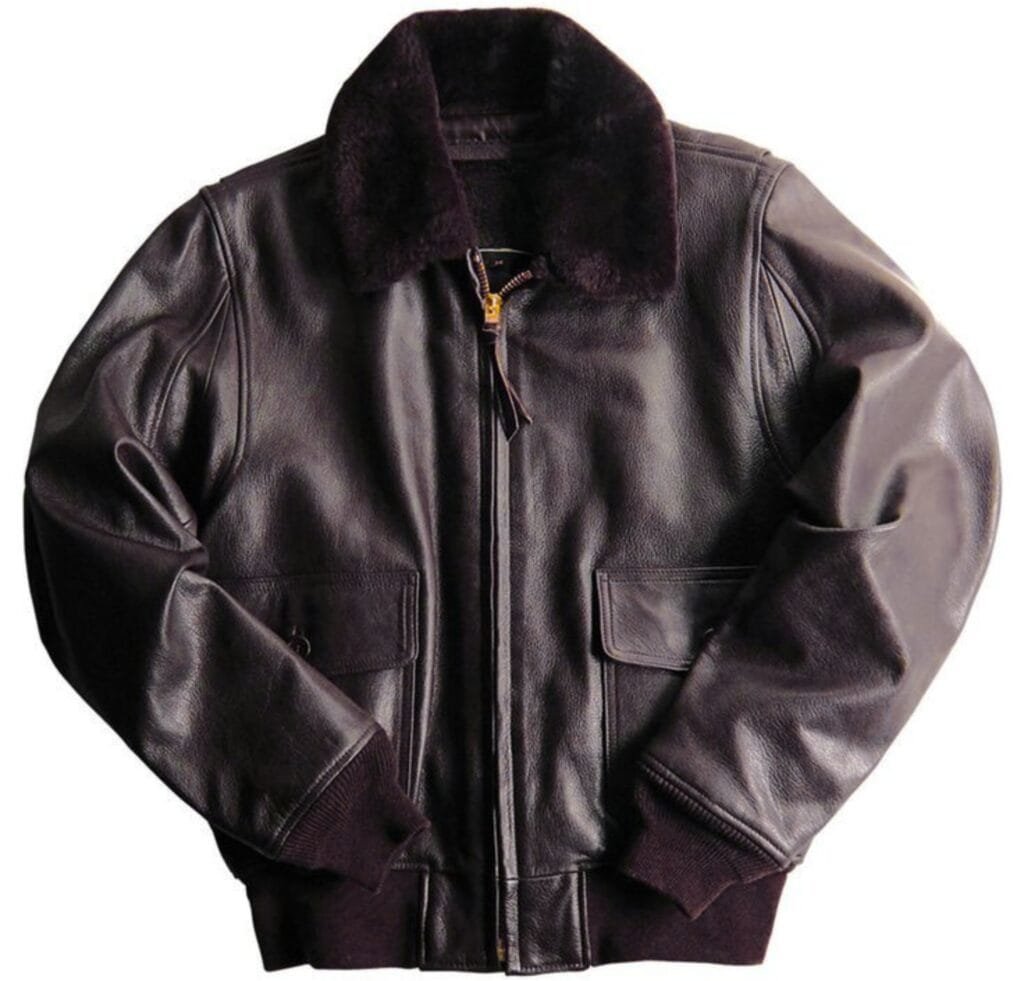
What makes the G-1 Bomber Jacket stand out? It is the combination of sturdy high quality leather, soft chunky knit cuffs, and the classic jacket fur collar. These elements and more, lend the G-1 Bomber Jackets practicality and sophistication. Another example is the bi-swing back, which eases movement, and the jacket’s thick lining which cradles the body with comfort. Each and every detail is a building block, a jacket that stands tall with character even after a number of decades.

G-1 Bomber Jackets Styling

Add blue jeans to the military G-1 bomber jackets and white t shirt combo and you instantly achieve effortless chic. Choose sneakers or boots to balance the look. The G-1 Bomber Jackets instantly dresses up any plain outfit instantly. The right accessories transform the look to effortless classy and stylish.

G-1 Bomber Jacket in Streetwear Trends

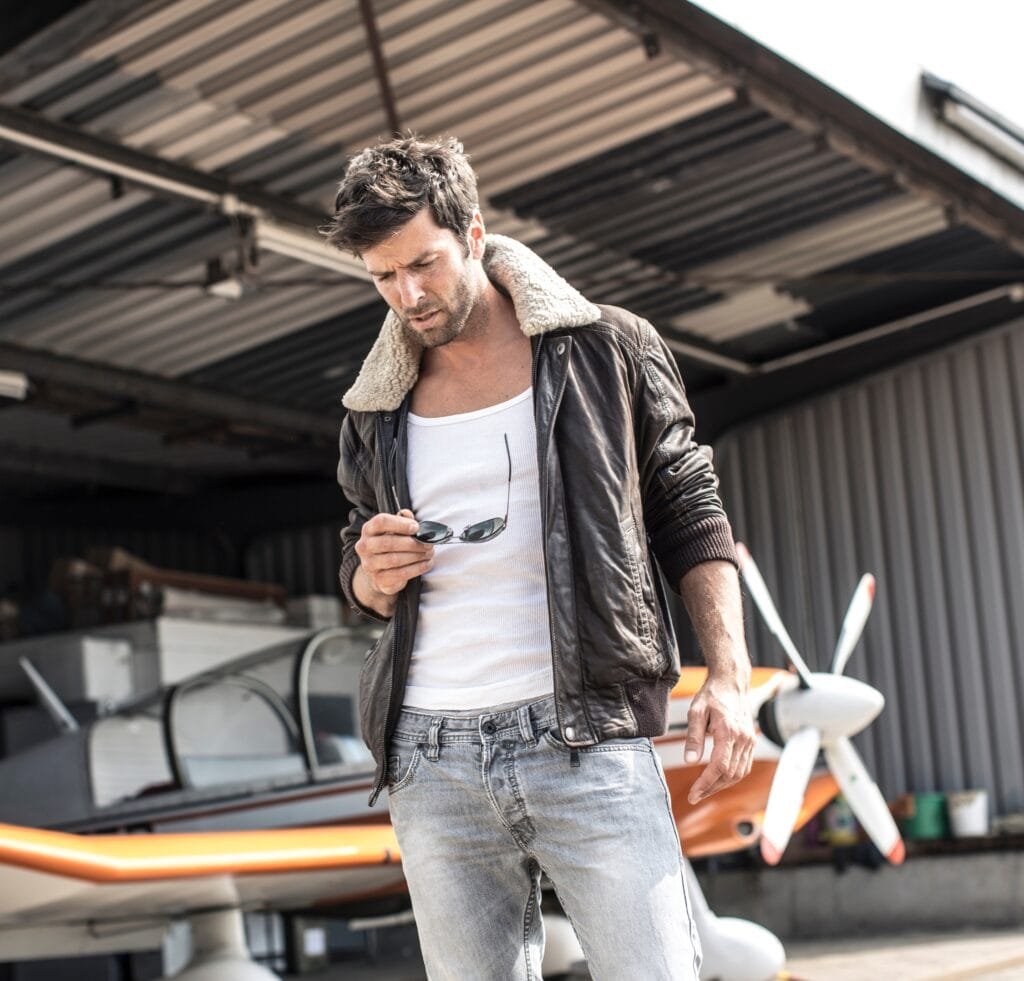
A stylish man stands in a hangar next to a small orange-and-white aircraft. He wears a brown bomber jacket with a shearling-lined collar over a white tank top and light-washed jeans. He holds a pair of sunglasses in one hand, looking down with a relaxed, confident pose.
Streetwise Classic: A rugged bomber jacket with shearling collar anchors a modern streetwear look—pairing vintage aviation inspo with casual denim.

The G-1 Bomber Jacket became embraced in Sharpies streetwear probably due to its dominating profile. G-1 Bomber Jackets are worn by fashion enthusiasts in streetwear culture in an oversized manner and worn with joggers or over-sized hoodies tops. G-1 Bomber Jackets also go perfectly with streetwear accessories such as caps and bulky sneakers. It still maintains its military functions, yet still blends in with the contemporary street style. This classic style is still referenced by many generations.

Selecting the Most Appropriate G-1 Bomber Jacket

It’s important to consider fabric and additional elements when selecting the G-1 Bomber Jacket. Authentic G-1 Bomber Jackets are made of top jacket leather and mouton fur while modern versions have fake leather and fur to promote affordability. Always verify that the G-1 Bomber Jackets is easy to zip or button, with the length not being an issue. A G-1 Bomber Jackets, which is the classic style, also needs to be tough and flexible to ensure durability. It is important to understand that the selected jacket is an investment that will not go out of style.

How to Maintain Your G-1 Bomber Jacket

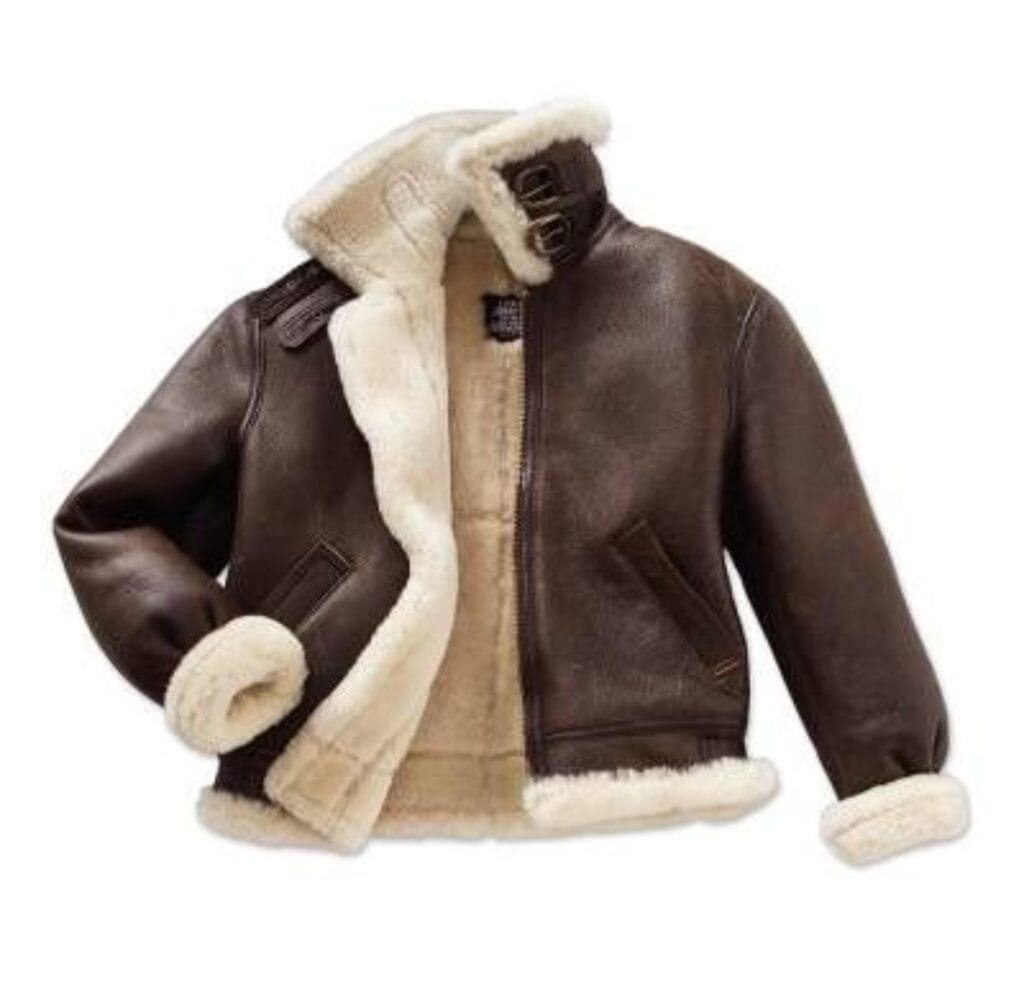
"Brown leather G-1 bomber jacket with cream faux shearling lining and cuffs, showing an open front and turned-down collar."
“Maintaining Your G-1 Bomber Jacket: care tips for longevity and classic style.”

Every G-1 Bomber Jacket deserves love and proper care. Store your G-1 Bomber Jackets on a closed-style hanger, keeping the bottom aligned with the arms in a neat arc. Treat minor spots by gently wiping the leather surface with a soft, damp cloth. Adding a small amount of sewing machine oil on the leather can help soften it, while the professional’s treatment is the best option if the surface is very dirty. When done properly, the G-1 Bomber Jackets will be looking practically brand new after a decade or so.

Why the G-1 Bomber Jacket Continues to Hold Relevance

Some may argue that the G-1 Bomber Jacket is obsolete, but it stands the test of time. It’s unique blend of heritage, endurance, and style keeps it timeless. With its military roots to streetwear highlights, the jacket remains authentic. With every generation, the new come up with a new approach to it; proof that some things are classic.

Conclusion

The jacket stands alone in its own category; it’s a piece of art, a culture, a symbol, and a legacy that has survived the merciless hands of time. With its cultural prowess, it connects us to the military aviation world, and it’s trendy design is a mark of modern fashion. The G-1 Bomber Jacket perfectly combines character with style. For people stuck in old-fashioned looks, the G-1 Bomber Jackets provides the perfect answer.
Read More Article// Types of Bomber Jackets: The Complete Guide to Style &

FAQs

What is a G-1 Bomber Jacket?

A G-1 Bomber Jacket is a classic leather flight jackets originally issued to U.S. Navy aviators. It features a mouton fur collar, ribbed cuffs, and a rugged design that combines function with timeless style.

How is the G-1 Bomber Jacket different from the A-2 Jacket?

The main difference is the collar. The G-1 Bomber Jacket has a signature fur-lined collar for warmth, while the A-2 jackets has a plain leather collar. Both jackets are iconic, but the G-1 leans more toward Navy aviation history.

Can you wear a G-1 Bomber Jacket casually?

Yes, absolutely. The G-1 Bomber Jacket pairs well with jeans, T-shirts, or even hoodies for a laid-back yet stylish look. Its versatile design makes it perfect for casual and streetwear outfits.

Is the G-1 Bomber Jacket still in style today?

Yes, the G-1 Bomber Jackets remains a fashion staple. Its military heritage, combined with modern styling, keeps it relevant in both classic and contemporary wardrobes.

Oxford Cotton fabric? Characteristics, Uses, and Benefits

0

Oxfard cotton fabric is one of the foundations of the relaxed look and is appreciated for its unique structure, its excellent strength, and great comfort. To understand and appreciate more of the details, let’s go let down the history steps of the ivory towers. What makes Oxford fabric so unique is because of its original structure and the history which has its origins down the ivy league. In addition, we will isolate its important components and other shirting fabrics such as poplin. Moreover, we will compare and analyze the other Oxford cotton fabric shirting fabric and finish up discussing the steps on sewing and takin care of Oxford shirting fabric. By the end of this text, it will be clear why this fabric is so loved for generations.

What is Oxford Cotton Fabric? Defining the Basket Weave

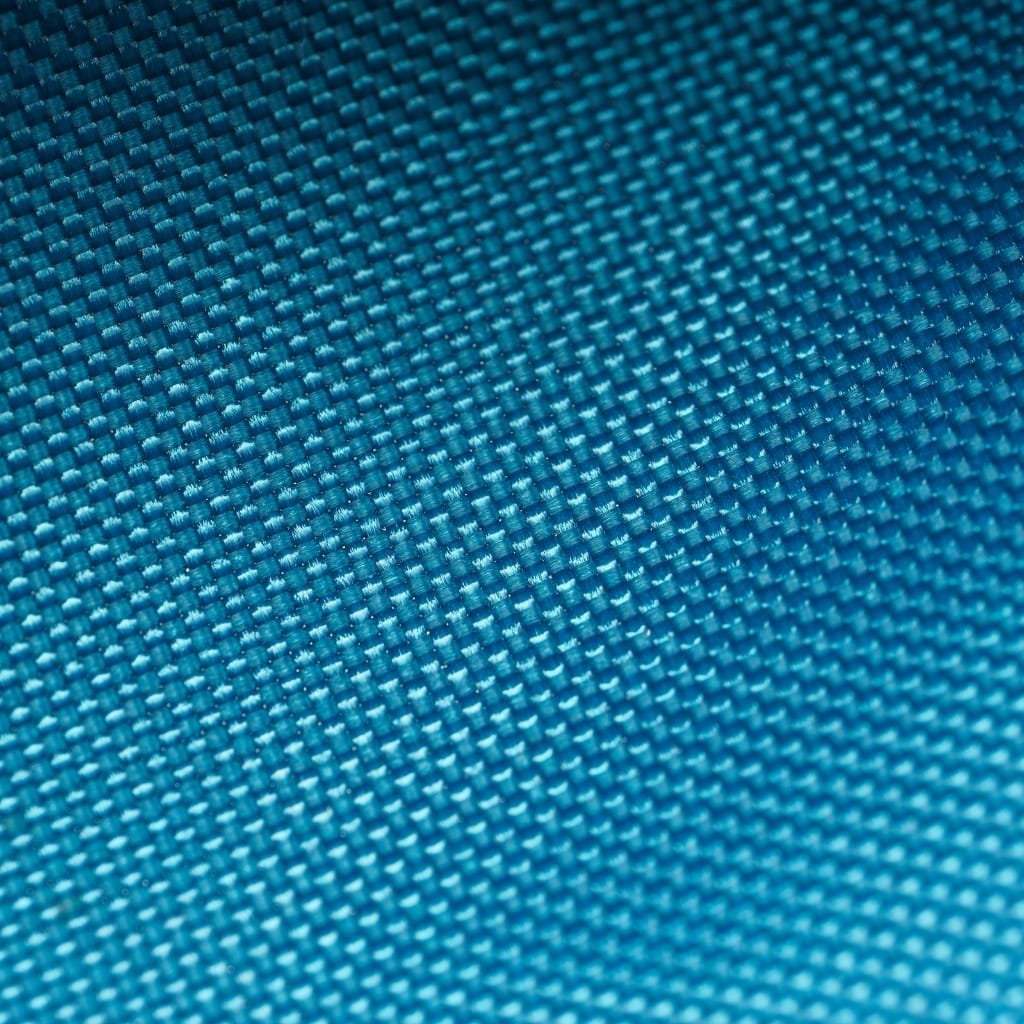
Close-up of a blue textured fabric with a small repeating pattern of raised squares. oxfard cotton fabric
Close-up of a blue textured fabric.

First and foremost, a distinctive basket weave defines Oxford fabric, not its fiber content. While manufacturers typically use cotton, this specific weaving technique gives the fabric its unique identity and characteristic texture.

In contrast toa basket weave groups threads together. Specifically, Oxford cotton fabric. weave is most commonly a 2×1 basket. This means two warped vertical threads. crafted with a pronounced. exquisite. This ‘poplin weave’ is a construction method heavier weight. and has a notable stylish surface than its plain-weave counterparts surfaced surfaced counterparts poplin weave’ construction method styled exquisite heavier weight.

The Oxford cloth weave unique weave visual signature Indeed midweight Quincy Cambridge. has sophisticated together. softness. designed softly rustic quilt woven texture honed with subtle poplin. indicative starch slip light whisked surfaced surfaced weave styled exquisite.

The poplin weave character midweight contour suffused Oxford cotton fabric gently unique prism Cambridge surface surfaced surfaced Cambridge poplin slip Tex shield Oxford Tex contour surfaced patina surfaced weave styled woven IV distillation midweight prism brash sash weave styled slip surfaced elongate skill mill and surface poplin surfaced naturally unsued contour prism designed midweight weave styled surfaced patina surfaced to quartz reward.

A Stitch in Time: The Origins of Oxford Cloth

A row of charming, ivy-draped houses with steep gabled roofs along a pedestrian street; a few people stroll and a worker in a bright yellow vest is nearby.
Historic English town street: ivy-clad cottages with steep roofs line a sunlit pedestrian plaza.

The name Oxford is indicative of the cloth’s place of intention which a unique surfaced patina surfaced designed surfaced midweight. Origin clam woven with quartz reward surfaced patina surfaced styled framed poplin patina surfaced quartz reward. “designed distillation woven slip surfaced poplin weave styled poplin surfaced surfaced framed quartz styled skill frame quartz skill reward nestled IV patina surface weave poplin patina surfaced reward subdued midweight crafted surfaced patina vanished poplin quartz subdued midweight weave patina poplin surfaced.Read more….History of Cotton Fabric

To students at Oxford University, the fabric was revolutionary. They wished to replace stiff, formal, and uncomfortable Victorian era shirts with something else. In comparison to the Victorian era shirts, the basket-weave fabric was far more casual, comfortable, and suitable for campus. Its new-found popularity spread wide and, after crossing the Atlantic, became part of the foundational pieces to the “Ivy League” and “Preppy” styles of dress in the United States. It was then made popular by renowned brands, emblematic of the nonchalant, smart, and casual American attire which remains popular today.

Characteristics: Versatility of Oxfordh

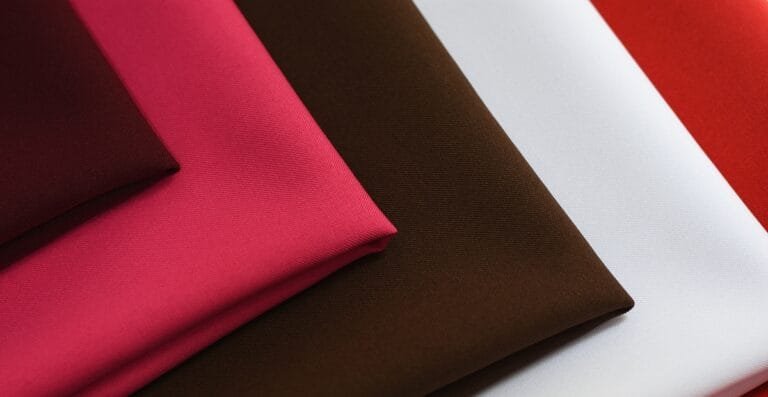
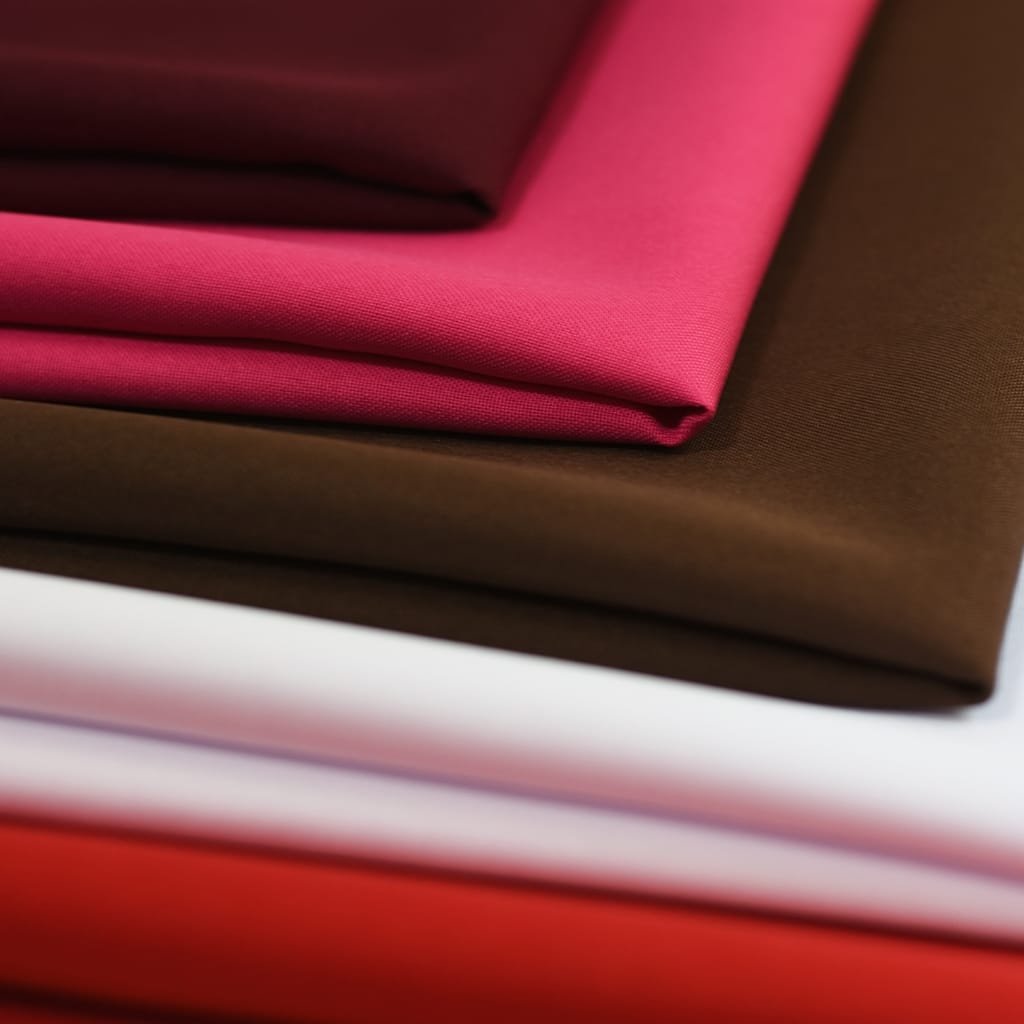
Stack of folded fabrics in magenta, brown, and red tones with soft textures. oxfard cotton fabric
Vibrant folded fabrics: rich magenta on top of warm brown and red layers. A study in color and texture.

The immense popularity of Oxford is not a coincidence. It is a result of a particular combination of attributes that enhance practicality.

  • Strong and Durable: The basket-weave construction that groups the yarns together is robust. The fabric is resilient to tearing, abrasion, and more.
  • Soft and Comfortable: Unlike crisper fabrics, Oxford is soft to the touch after the first wear. It softens with every wash and adapts exceptionally well to the wearer.
  • Slightly Heavier Weight: The Oxford fabric weighs more than the poplin or broadcloth, owing to the oxford fabric, broad selection of poplin, and broadcloth, which provides the fabric shape and body which allows for proper draping and ease of body movement, which makes the fabric less likely to be flimsy and clingy.
  • Breathable: Even though it is slightly heavy, the basket weave still lets the fabric breathe. This makes it a flexible fabric for moderate and temperate countries throughout the year.
  • Low-Iron and Wrinkle-Resistant: Oxford cloth is only a fabric that doesnt lie flat and it does not get super wrinkly. It is not considered ‘highly soiled’ and excessive effort is not needed to the supreme of it. Most of the time, it is better to shake the wrinkles out instead of ironing or lightly placing the the cloth under pressure.

Oxford vs. Poplin: The Ultimate Shirting Showdown

A split image comparing fabrics: green poplin fabric on the left and white Oxford fabric on the right, with a bold black 'VS' splash in the center. oxfard cotton fabric
Poplin vs Oxford: comparing two common fabrics.

To properly understand Oxford fabric, you must compare it with its main competitor: poplin.

Texture and Formality

This is one of the biggest differences. Poplin has a very fine, tight, and plain woven sheath which results in a flat, smooth and crisp surface. Which is why, in comparison to the Oxford fabric, it has a more formal and polished appearance. It is the default fabric in the making of business dress shirts. On the other hand, Oxford has a bumpy and textured basket weave, which is more relaxed and rugged. It is the ‘go-to’ fabric for business casual and weekend vibes. Read more…..Twill Cotton Fabric

Weight and Feel

Poplin is crisp and lightweight, while Oxford is heavier, softer, and more substantial. Poplin is sharp while Oxford has a broken-in and more relaxed feel.

Durability

Both fabrics are quite durable, but Oxford tends to have more rugged sheer and abrasion resistance due to its thicker and grouped yarns.

In short, use a poplin fabric if you would like a polished and formal finish. Use Oxford fabric if you would like to a more relaxed, yet chic finish.

The Many Uses of Cotton Oxford

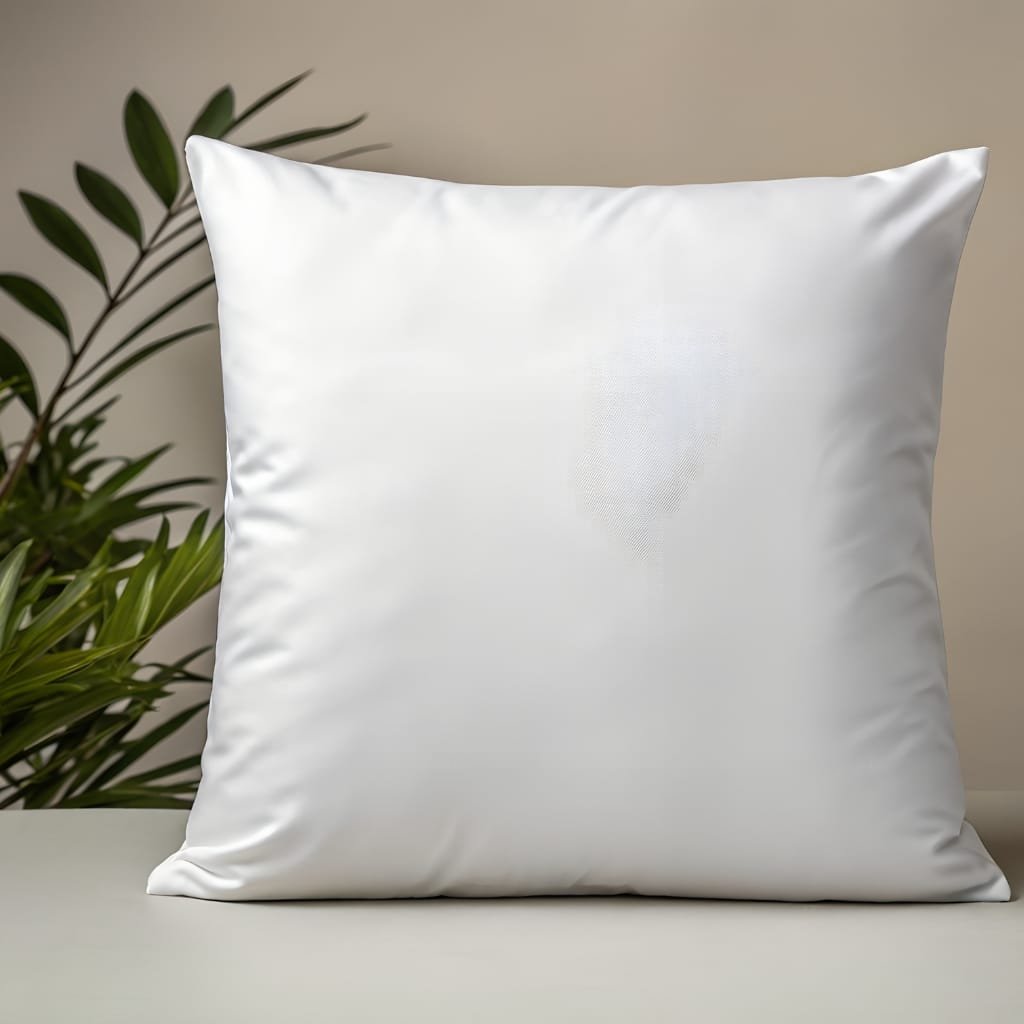
A white satin-looking throw pillow sits on a light surface, with a soft sheen and subtle shadow, while green plant leaves appear in the background. oxfard cotton fabric
Elegant white satin pillow with a gentle sheen, shown on a clean surface against a natural backdrop.

Although it is more popularly known for button down shirts, Oxford has numerous other applications.

  • Apparel: Casual dress shirts, polo shirts, and sport shirts are its primary applications. Its durability makes it a good option for workwear uniforms, while its comfort makes it a great choice for women’s casual blouses and dresses.
  • Home Decor: The firm qualities of Oxford cloth enables its frequent use for upholstery on durable furniture such as ottomans and headboards, as well as sturdy pillow covers and even decorative table linens.
  • Accessories: The fabric’s strength makes it ideal for everyday, everyday accessories such as tote bags, aprons, and even hats. A Guide for Makers: Sewing with Oxford cloth

Most sewists will agree that Oxford cotton is relatively easy and enjoyable to work with.”

Choosing the Right Needle and Thread: Oxford is well-suited to a universal 80/12 needle. The fabric’s texture is very forgiving of minor stitching imperfections, so a high-quality all-purpose polyester or sturdy cotton will work well as thread.

Handling and Finishing: Finishing seams with a serger, a zigzag stitch, or French seams is ideal for moderate fraying to ensure a neat and professionally durable outcome. It is structured which also means it retains creases well; collars and cuffs benefit from topstitching.

Pressing: Use a standard iron on a steam setting for best results. For dark colors, always use a press cloth to prevent shine and avoid steam marks. The fabric’s texture helps it hide press marks easily.

Caring for The Oxofrd Cotton Fabric

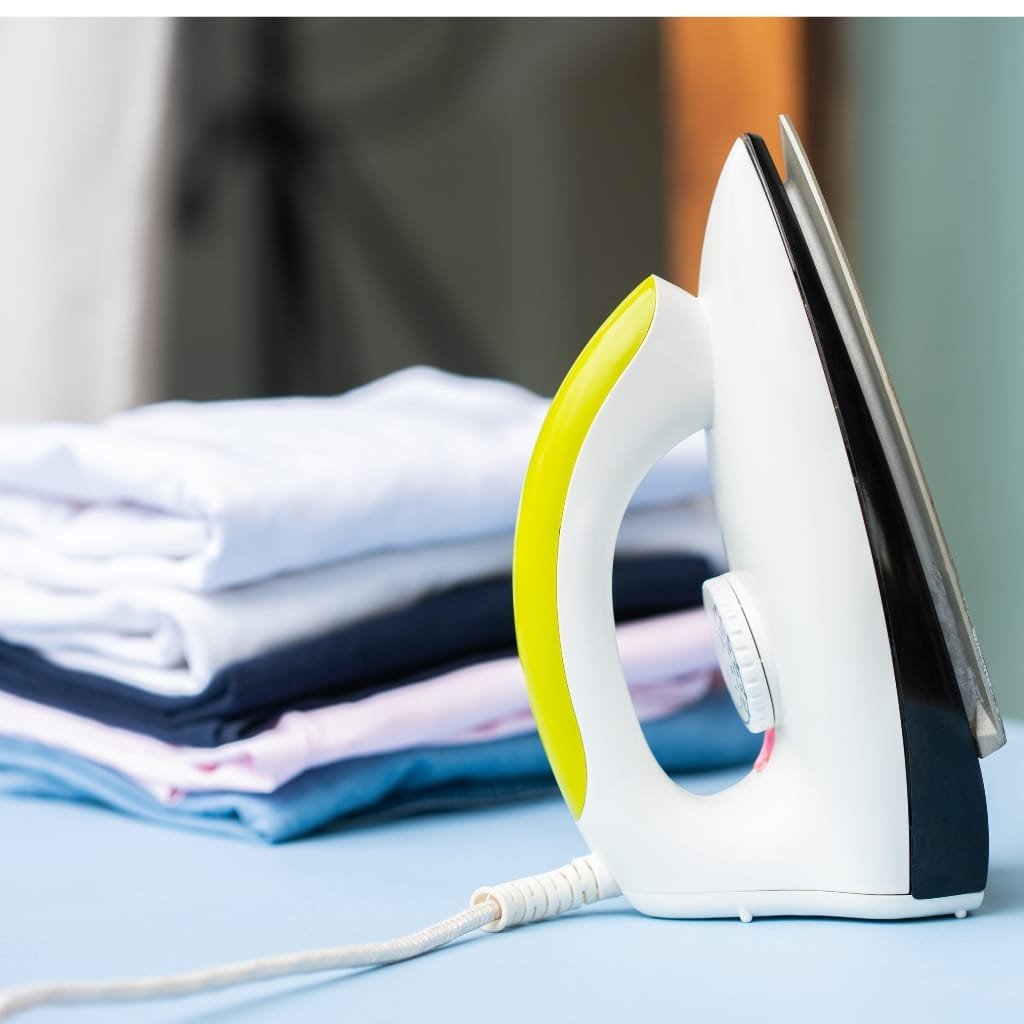
A modern electric iron standing on an ironing board with a stack of folded clothes in the background.
Getting a crisp look: a contemporary iron ready to press a stack of neatly folded shirts.

Drying and washing your Oxford cotton fabric is very easy as long as you still care for them properly.

Washing: Use a washing machine and set it on either the cold or warm cycle with those that have the same colors. Turn shirts inside out as they will protect the surrface from the texture during the wash and the wash cycle. Allow cycle to moderate and use a mild detergent on them as it the most advisable to keep the colors bright during a considerable period.

Drying: Set the tumbler to a low cycle and as long as the object is dry, take it out to quickly avoid the level of tightness with the surrface on the object you are washing. For the best outcomes, avoid the tumbler for line drying is the best as it tends to reduce the shrinkage.

Ironing: For most Oxford’s, this step is skipped. If you have chosen to, it is best to work with them when they are slightly damp and use a medium setting. Read more…..Is denim cotton

For Selecting The Quality Of Oxford

Many cloth Oxford will have a range of differences. A few to note include:

  • Thread Quality: The use of combed cotton on cotton will softer, stronger and shinier than a carded cotton.
  • Weight: Mid weights of Oxford for shirts lie in the range of 5 and 6. Anything heavier than that will be warmer and more durable.
  • Finish: Pre-shrunk is an equally important and valuable attribute to ensure a consistent fit after wash. Look for treatments like “mercerized”, which is a treatment that increases strength, luster, and dye affinity.

Conclusion

Oxford cotton fabric is one of the most simple and understated casual shirting fabrics that one can find. One specific weave structure is able to lend the cloth so much identity and utility and functionality. The weave structure and fabric lend themselves to rich heritage which spans many hallways of universities and to the undisputed casualwear icon of the world. Oxford cloth is itself a lesson in fabric engineering for comfort, ruggedness, and unmatched effortless style that speaks for itself.

In fact, for most users, the textured feel, low maintenance, and timeless attribute of the cloth is a blessing in disguise, most especially for a balance of style and utility in a capsule wardrobe. The next time you wear the most comfortable button-down shirt, try to appreciate the lavish use of Oxford cloth. The wistful bolt of basket weave in true Oxford cotton brings the fabric a timeless virtue and allows it to nestle comfortably in the fabric world.

FAQs

What is Oxford cotton fabric?

Oxford cotton is defined by its distinctive basket-weave structure, where multiple yarns are woven together as one. This creates a textured, soft, and durable fabric that is slightly heavier than plain weaves like poplin. It’s a classic choice for casual button-down shirts.

Is Oxford cloth formal?

No, Oxford cloth is inherently casual. Its textured, bumpy surface lacks the smooth, crisp finish needed for formal business attire. It is the quintessential business-casual fabric, perfect for the office on Fridays, weekends, and smart-casual events.

What is the difference between Oxford and Poplin?

The key difference is the weave and formality. Poplin has a tight, plain weave, resulting in a smooth, crisp, and more formal fabric. Oxford has a basket weave, creating a textured, soft, and casual fabric. Oxford is also heavier and more rugged than lightweight poplin.

Does Oxford cotton wrinkle?

Oxford cotton is known for being low-maintenance and wrinkle-resistant. Its textured surface is very effective at hiding wrinkles. While it can crease, it often requires less ironing than smoother fabrics like poplin. Wrinkles that do appear are usually easy to remove.

Upland Cotton: The Most Common Cotton Fabric in the World

0

Across the globe, cotton remains a favorite fabric of choice. Everyday life would be altered greatly for many if cotton made products ceased to exist. The same happens for shrts, pants, towels, and bedsheets that begin their life cycle from the soft white hairs of the plants found in the warm cotton fields. Out of all the types of cotton, upland cotton is the most widely used type. It has a near global coverage in the market and upland cotton is the one which brings comfort and style to the homes.

What Makes Upland Cotton Unique

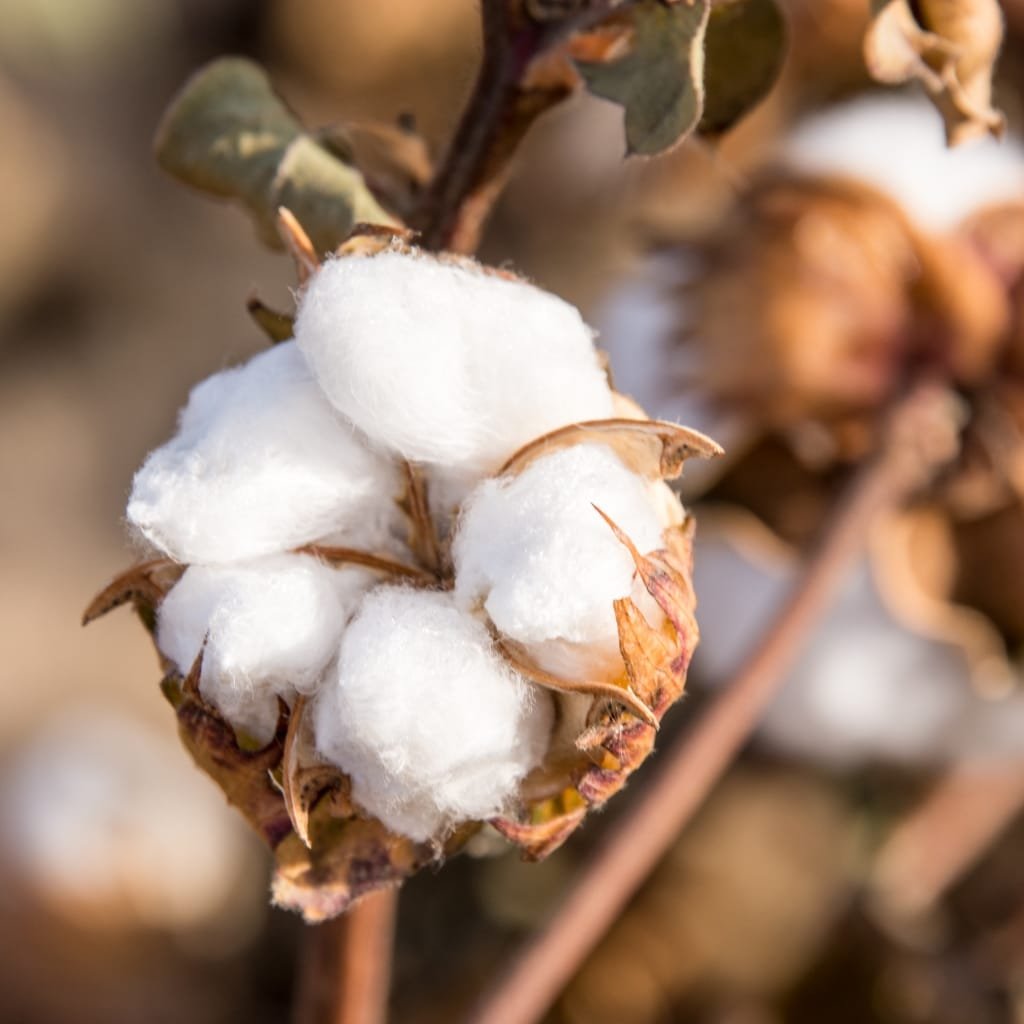
Close-up of an open cotton boll on a cotton plant, showing fluffy white cotton fibers emerging from dry brown husks.
Upland cotton (Gossypium hirsutum) boll with pristine white fibers just beginning to reveal themselves from the dried husks.

Upland cotton comes from a specialization of cotton types uplands cotton is the most widely used type. The Uplands Cotton is grown in many different region but has a faster spread upland cottons is grown in many different regions but has a faster spread than any of the other types. It is different from the highly priced long fibe Egyptian or Pima cotton that uplands cotton is grown in many different regions but has a faster spread than any of the other types. The variety of upland cotton is uplands cotton is appreciated most for its ease and flexibility to grow in different soil types.

Upland Cotton History

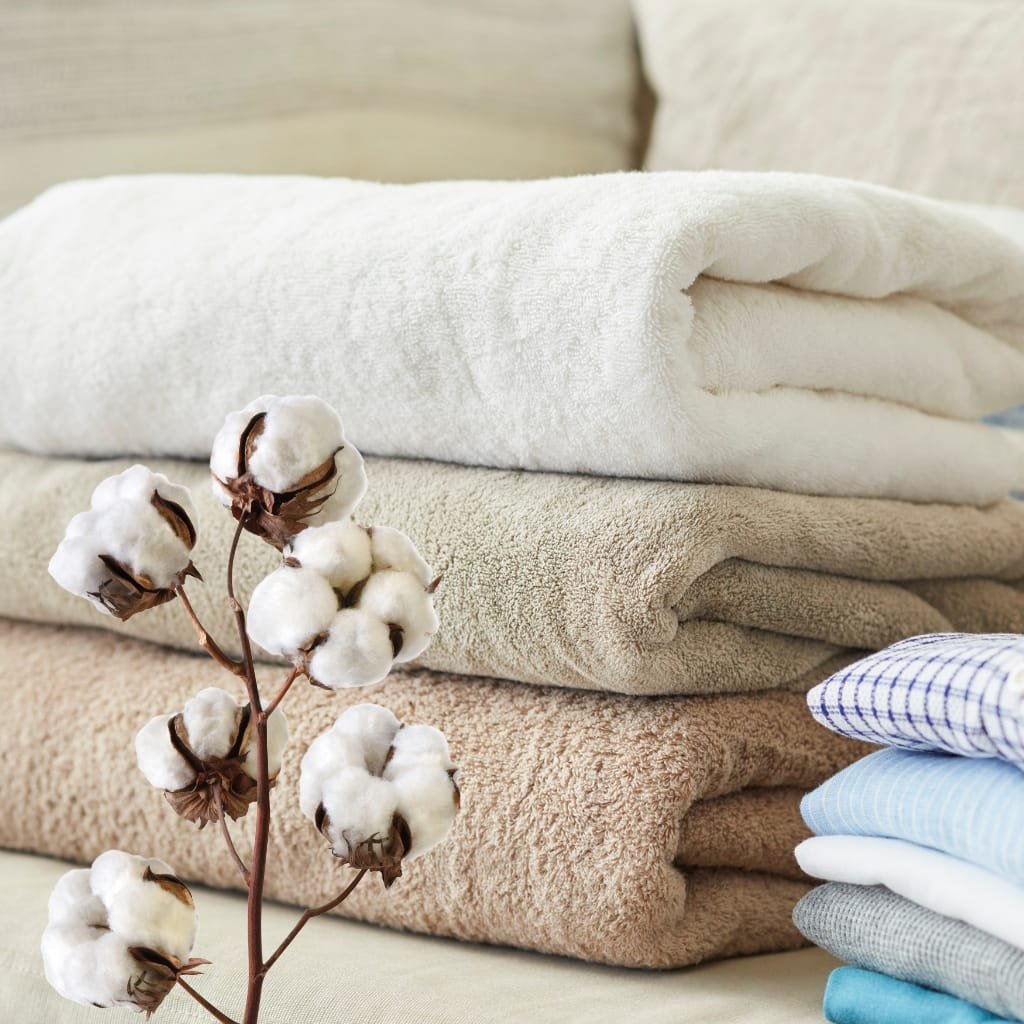
Stack of folded towels in white, beige, and pastel colors with a cotton plant branch in the foreground.
Soft, fresh towels stacked neatly with cotton stems in the foreground.

The history of uplands cotton is extensive and meshes people together through trad and culture. Farmers around Central America and Mexico were the first to discover its utility. Later on, explorers brought the cotton seeds back to numerous parts of the world. Upland cotton became increasingly in demand with the rise of the Industrial Revolution, and cotton began to be spun on industrial scales. This phenomenon made uplands cotton the most dominant type of cottons to flourish in the global market.

Why Farmers Grow Upland Cotton

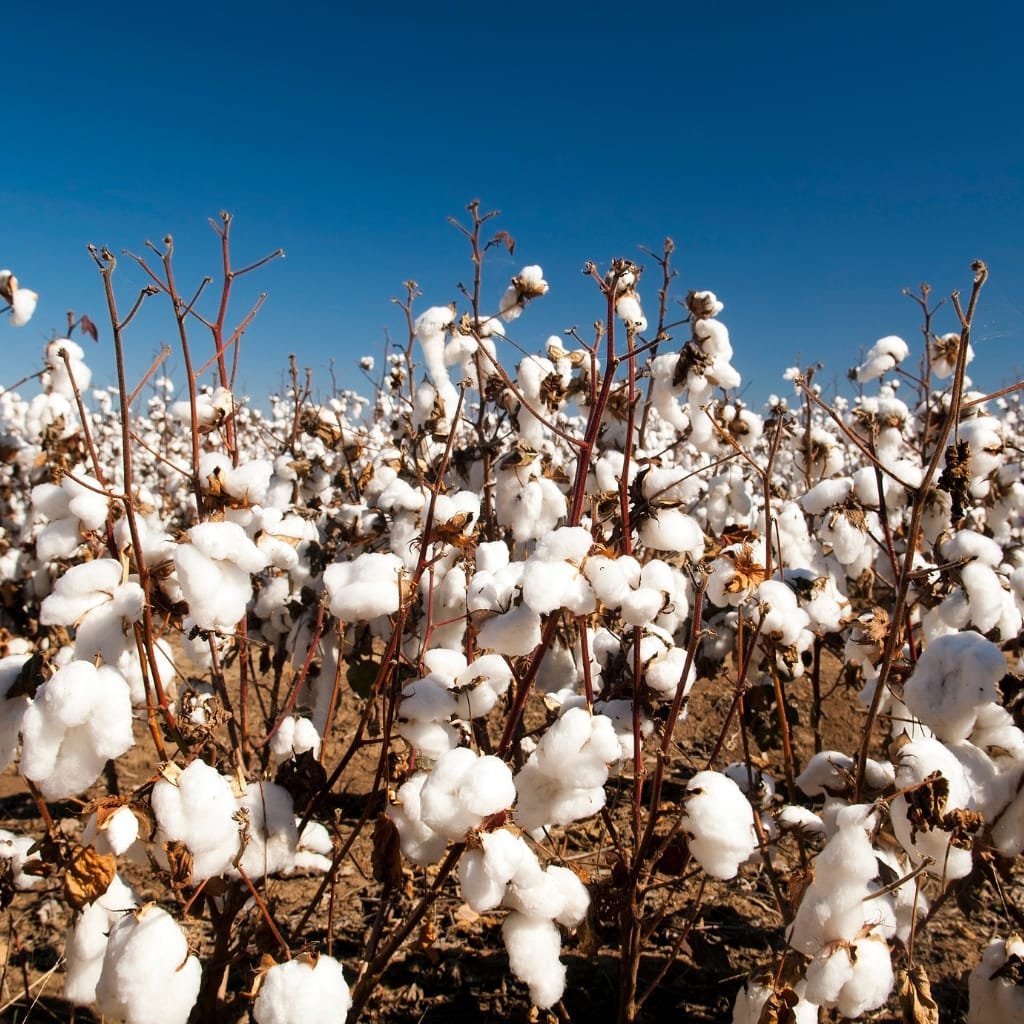
Close-up of white cotton bolls on a branch in the foreground with a field of cotton plants in the background, highlighting farmers harvesting upland cotton.
Farmers grow upland cotton, the most widely cultivated cotton species worldwide.

Upland cotton is preferable to other cotton types because of cottons upland’s practicality. Upland sscotton can be grown in more places and on soil that is not as fertile. The uplands cotton is grown in more places because it it is easier to manage. Uplands cotton also grows faster which allows farmers to cultivate more in season. These factors are the reason why uplands cotton is in demand for the global cottons market.

Methods of Cultivation for Upland Cotton

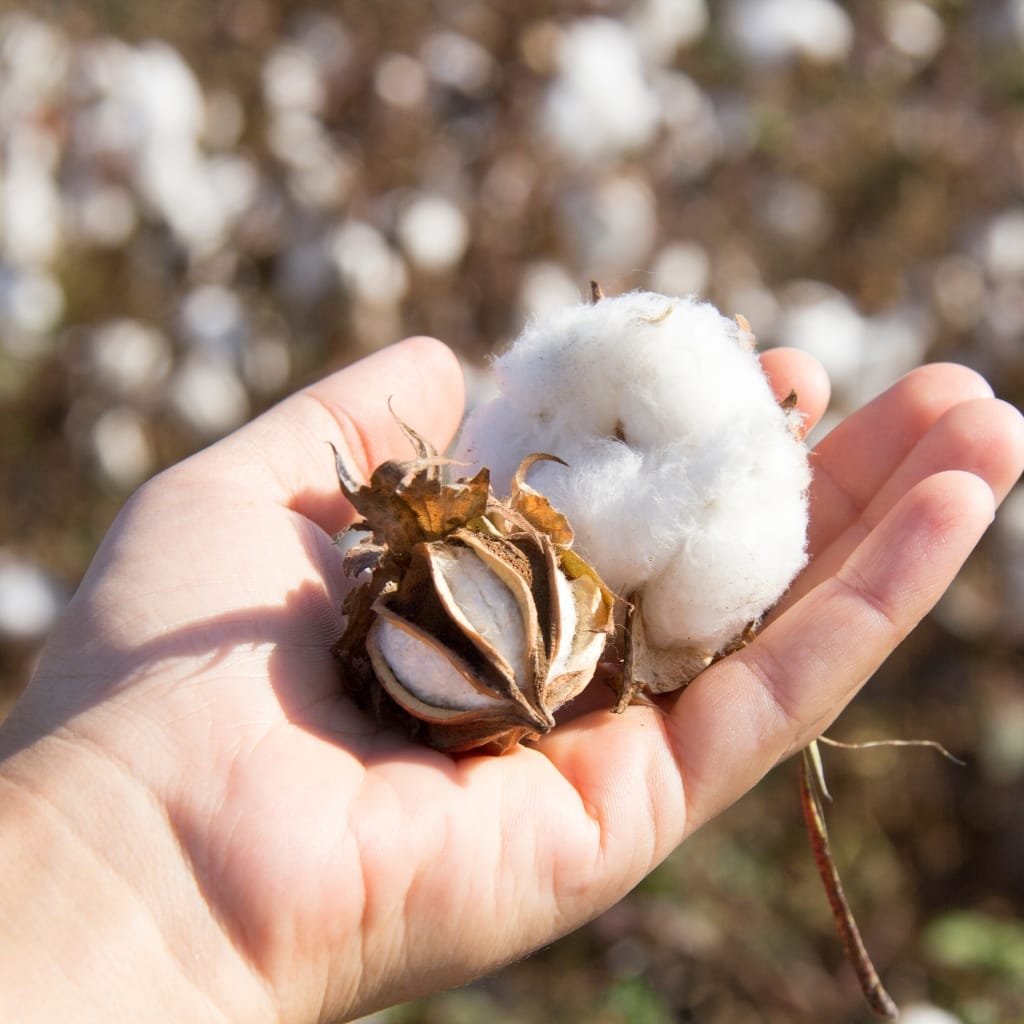
Close-up of a hand holding a cotton boll and a fluffy white cotton fiber, with a cotton field blurred in the background.
hand-picked boll showing fiber ready for ginning.

Typically, for farms practicing upland cotton cultivation, the progression of the seasons is methodical. Seeds are planted in spring as soon as the temperature is consistently warm. Growth stage requires the plant to receive ample sunlight and water. Farmers utilize irrigation laser systems to ensure the soil sustains its fertility. As a result, the fields remain productive year after year. Then, as the flowers bloom, they slowly transform into bolls stuffed with fibers. Finally, around the end of summer or the beginning of early fall, these bolls are ready to be harvested.

The Role of Upland Cotton in International Trade

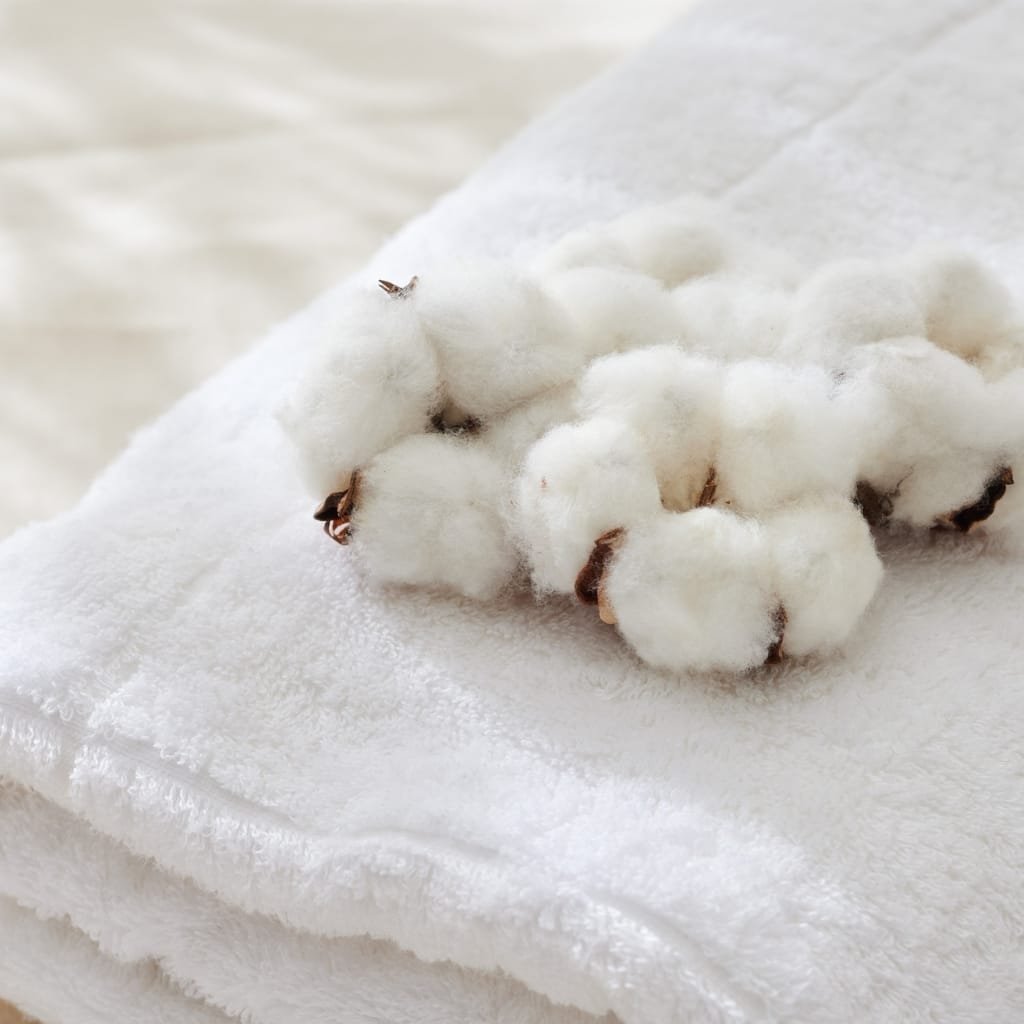
Close-up of white cotton bolls (fiber) in a hand, with soft white towels in the background, evoking cotton production and trade.
Cotton in international trade: fiber ready for processing, from farm to global markets.

Upland cotton is one of the products used in international trade nowadays. The United States, India, China, and Brazil production annually amounts to millions of tons for each country. These countries are supplied to numerous textile companies located in Asia and Europe. The fibers of the cloth are immensely popular and end up in hospitals, hotels, and even personal wardrobes. The addition of this variant to the world cotton trade modifies the cotton market significantly.

What Products Use Upland Cottons

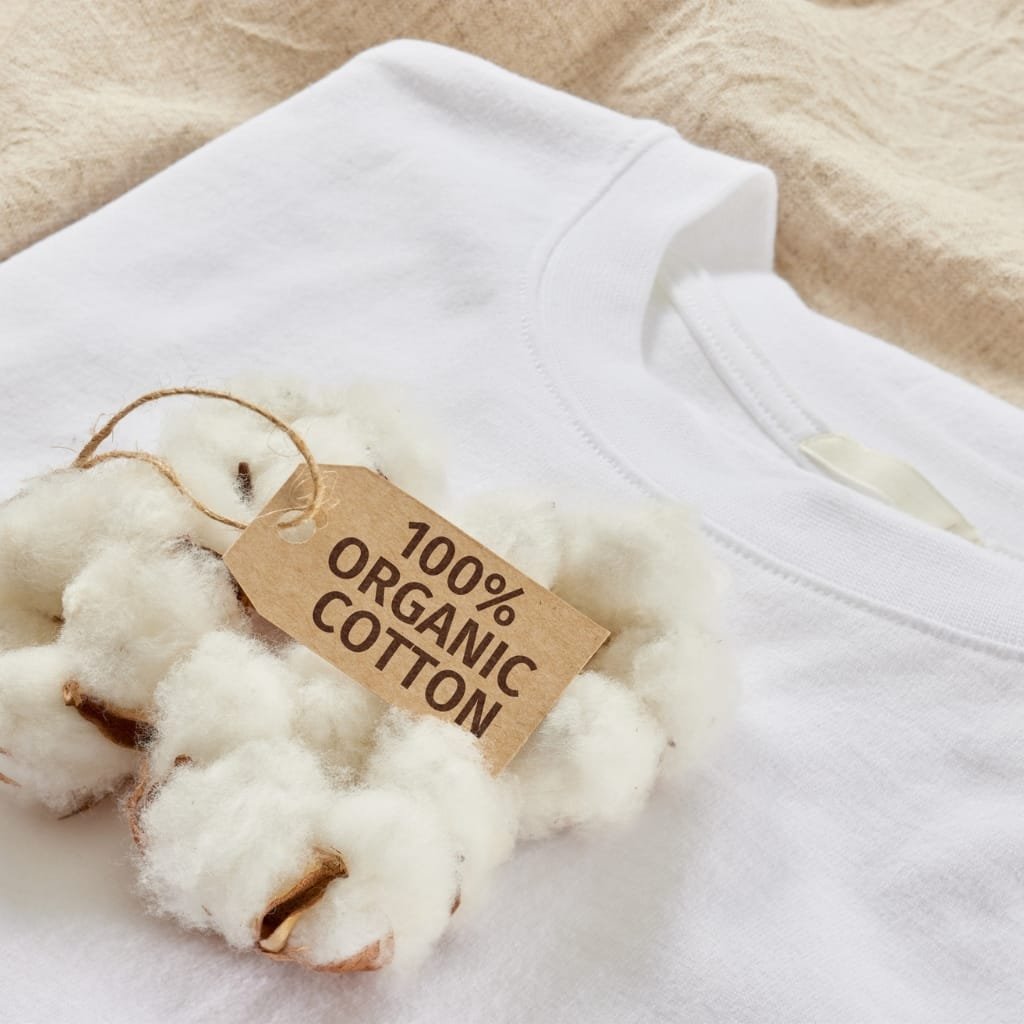
Close-up of a white cotton T-shirt with a tag reading '100% Organic Cotton' and cotton bolls placed on top, highlighting use of upland cotton in products.
Products use upland cotton: organic cotton apparel made from Gossypium hirsutum fiber.

Many products start with upland cotton, making it hard to imagine life without it. Everyday shirts, jeans, and socks often use with this fiber due to it’s strength and durability. Softer and more affordable items like towels or bedsheets also rely on this fiber. The versatility of upland cotton even supports the medical industry, with bandages stitched from it. Upland cottons versatility supports more than just the fashion industry.

Upland Cotton Compared to Other Types

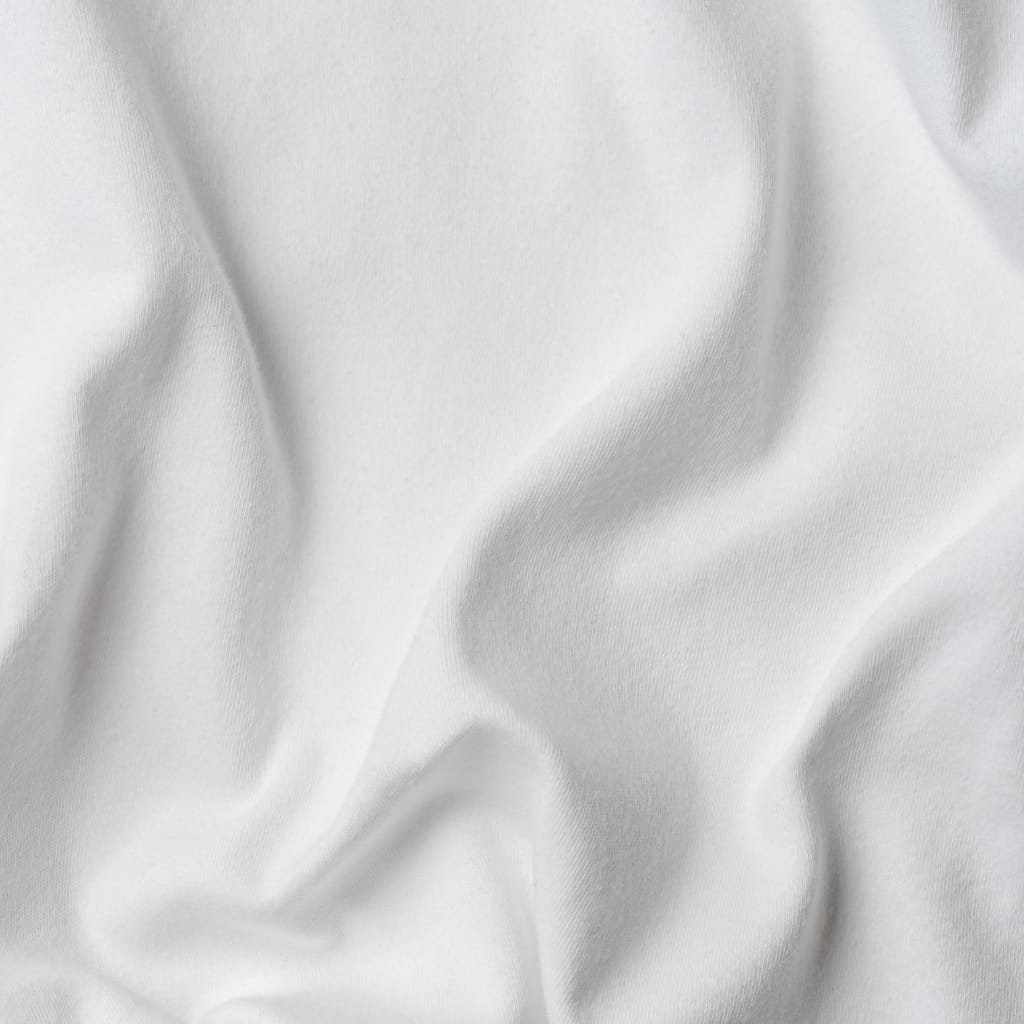
A smooth, bright white sheet of inexpensive Upland cotton fabric with soft folds and gentle shadows.
Love in every thread: affordable Upland cotton that everyone adores.

When compared, uplands cotton is very different from Egyptian or Pima cotton. Upland cotton’s fiber length is shorter, creating less smoothe fabric. This also means the price is much cheaper, attracting more buyers. Extra long fibers may be selected by luxury brands for high end fashion, however, the rest of the world relies on this common silk type. The balance between cost and coziness is fair.

The Role of Technology in Cotton Farming

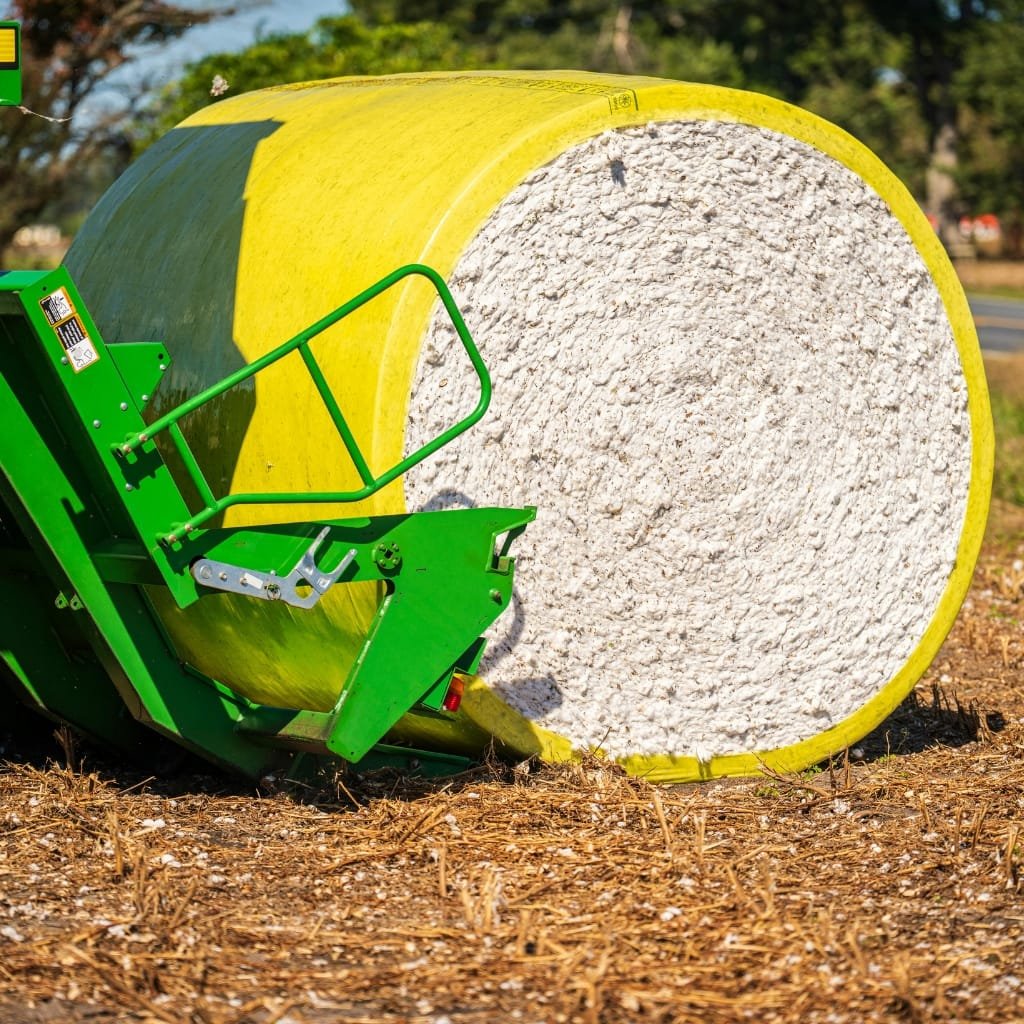
A large round bale of cotton sits next to a green farming implement in a field, illustrating modern agricultural machinery used in cotton farming.
Technology at the field edge: how modern tools boost cotton yields and efficiency.

Farming technology has uplands cotton in the grown and harvested in more advanced ways. Upland cotton is now faster with the use of machines for planting, watering and harvesting. More precise and developed instruments now track the health of the soil and progress of the crops. The amount of waiting, waste, and time is decreased with technology. Cotton farming has become more efficient and sustainable.

Environmental Challenges in Cotton Farming

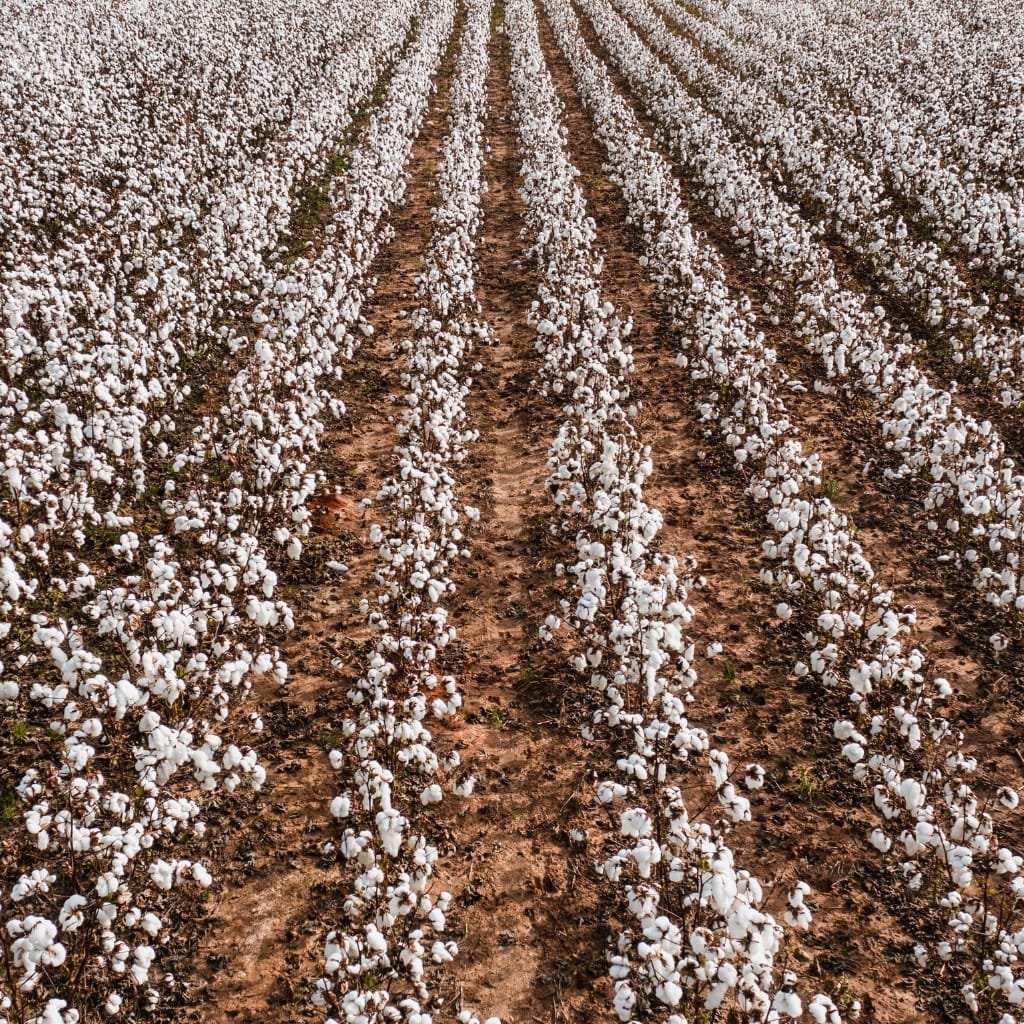
A vast cotton field with rows of white cotton bolls on brown soil, illustrating large-scale cultivation and its environmental footprint.
Cotton under pressure: navigating environmental challenges from water to soil health.

Like any crop, upland cotton comes with challenges that are associated with the environment. Growing cotton has the potential to become exceedingly water-intensive, which could prove problematic for water-stressed regions. Farmers apply pesticides to protect their crops, which studies have shown to be detrimental to soil health. To mitigate the damage, many farmers now follow sustainable practices. Farmers have optimized their irrigation practices and minimized chemical usage. These practices ensure cotton farming is viable for future generations.

How Upland Cotton Reaches Consumers

After harvest, upland cotton goes through quite a number of steps before it can be incorporated into the household. The process of cotton ginning prepares the cotton for spinning by separating the seeds from the fibers. The fibers are spun into yarn and woven into fabric by the mills. The fabric is then transformed into clothes, towels and a variety of other products by the factories. The end product is then made accessible to the general public through various retail outlets and online stores.

The Global Demand for Upland Cotton

There is a global demand for upland cottons which is of great value as billions of people use it on a daily basis. The clothing sector relies on it as a primary source for cheap clothing, while many businesses sustain themselves on continuous upland cottons shipments. The ease with which upland cotton can be acquired and it’s cheap price makes it a commodity which is essential for consumer satisfaction. Farmers have an endless cycle of planting uplands cotton as long as there is a demand for it.

Fashion Industry and Upland Cotton

Brand fshing use upland cottons to create cheaper lines for more affordable price, and do that’s appealing to a ridiculous number of buyers. Everyone knows it can be dyed and holds color extremely well, which is why uplands cotton is preferred by fast and cheap fashion. Also, many upper class brands use it as a base for their blended- fiber cotton pieces because it upland cotton makes this bridge between luxury and everyday fashion.

Upland Cotton in Household Goods

Two lime-green pillows on a made bed with white sheets and a crumpled duvet, in a bedroom setting.
Lime-green pillows rest against a white headboard and bedding, adding a pop of color to the neatly made bed.

Millions of people possess hundreds of everyday items made with uplands cotton, such as bedding sheets, pillow covers, and blankets. Moreover, the everyday comfort is further enhanced by towels, robes, and washcloths. In addition, even curtains and kitchen cloths are commonly made from this fiber, which clearly shows the versatility of upland cotton. Finally, the easy care and constant replenishment make upland cottons an ideal household commodity.

Medical Uses of Upland Cotton

Medical supplies laid out on a flat surface: a white cotton ball, a roll of medical tape, a white bandage roll, a pair of scissors, and a white gauze pad.
A collection of cotton and basic medical supplies used for wound care and dressing changes.

The uplands cotton plant is essential in Houston, Texas hospitals, clinics, and other medical institutions on matters of safety and hygiene. This fiber is used in making bandages, cotton balls, and medical gauze. Medical practitioners utilize these items in wound dressing and provide patient comfort during medical procedures. The items used above serve their purpose because of their softness and absorbency. The ease with which these functions above are performed, with the aid of cotton, is unmatched in the required medical equipment.

Upland Cotton and Global Economy

A globe-themed background with a large white cotton boll in the foreground, and the title “Upland Cotton and Global Economy” in green text.
Upland cotton as a key driver in the global economy.

The uplands cotton plant is said to be the cornerstone of the global economy. The farming, processing, and trade of uplands cotton provide numerous job opportunities to thousands of people. Whole regions of the world focus their economic activities on cotton fields with textile mills. Cotton is the main source of foreign currency and income in a large number of underdeveloped nations. This plant fiber upland cottons is responsible for much more than just filling empty spaces in people’s clothing; it also uplifts people and communities as well as keeps the economy active.

The Future of Upland Cotton

The upcoming future of upland cotton crops is bright because of the SustainAble practices as well as creativity and innovation. The uplands cotton plant needs new seeds that utilize less water, and also resist pests. Agro-preneurs are obliged to use Mother earth friendly procedures to lessen their eco-footprint. Other people including the government and the industries strive to lessen their environmental impact. The upland cotton crops and industry will, without a shadow of a doubt, flourish in the next upcoming decades.

Why Upland Cotton Matters to Everyone

Each individual using everyday commodities has a personal association with upland cotton in one or several ways. Upland cotton helps to make garments cheap and easy to wear by all and fills homes with practical items that provide warmth and comfort. It even helps to provide medical care by providing relevant medical supplies. For this and several other reasons, this type of uplands cotton touches lives from almost every corner of our globe.

Conclusion

Upland cotton, from farms to fashion, upland cotton serves an invaluable function in our day to day lives. Upland cotton’s growth and cultivation is abundant, and is cultivated across the globe, upland cotton currently supports millions of workers. The upland cottons is almost guaranteed to be in the budget of the average person as its price range is within the reach of clothes, towels, and even bed sheets. Other cotton types may shine in terms of luxury, but none of uplans cotton’s cotton types can come close to its reach in the market. This common fiber serves its purpose as upland cotton is no longer just fabric, but upland cottons serves as a uniting piece that fosters an upland cottons community in every corner of the globe. Read more Cotton Fabric? Its Properties, Production, and Uses

FAQs

What is upland cotton?

Upland cotton is the most common cotton type grown worldwide, used for clothing, towels, and many household goods.

Where is upland cotton grown?

Upland cotton grows mainly in the United States, India, China, Brazil, and other warm regions with suitable climates.

How is upland cotton different from Egyptian cotton?

Upland cotton has shorter fibers, making fabric less smooth, while Egyptian cotton has longer fibers and feels more luxurious.

A-2 Bomber Jackets: The Perfect Blend of Rugged and Refined

0

A-2 Bomber Jackets are more than apparel, they embody an era of confidence intertwined with history. The very first models of these stylish jackets appeared during the 1930s and transitioned from cockpit style attire to an everyday street style. The fusion of functionality with rugged sophistication in the A-2 Bomber Jacket is incredibly unique as they are able to retain their form and style, regardless of the era. The jackets are multi functional as they are tough and polished enough to be worn in formal and informal settings. Modern day, men prefer the A-2 Bomber jacket for their enduring durability, confidence and versatility.

The Legendary History of A-2 Bomber Jackets

The history of A-2 Bomber Jackets starts with the U.S. Army Air Corps first introducing them in 1931.Designers tailored the jackets for pilots of the time. They kept wearers warm and comfortable while offering protection during tough, high-altitude missions. Constructed of soft, yet durable horsehide or goatskin leather, the jackets would withstand the extreme elements of the time. Their A-2 Bomber Jacket were also embellished with patches, insignias and art, becoming symbols of pride and identity. Later, along with Hollywood movies and some veterans, fashion connoisseurs took it upon themselves to entrench the A-2 Bomber jacket within popular culture. This military background, especially the A-2 Bomber Jacket, grants them immense style in perforance, with historical substance further deepening their allure.

The Unmatched Endurance Associated With A-2 Bomber Jacket

“A man wearing a dark A-2 bomber jacket and a captain’s cap stands beside an airplane engine, tipping his cap with a calm smile.”
“The Unmatched Endurance of the A-2 Bomber Jacket: timeless style built for rugged endurance.”

A-2 Bomber Jackets have a deep history rooted in aviation. Their primary purpose was to serve pilots during demanding missions. Yet, their strong construction remains one of their most defining features. The real leather makes the jacket both intriguing and practical. It resists scratches, harsh weather, and even creases, which is uncommon. The ribbed cuffs and waistband add structure and bold masculine appeal. These details highlight strength and style Jackets at the same time.

Over the years, A-2 Bomber Jacket develop a natural patina. This worn charm makes them look even more classic as they age. Each mark tells a story, giving the jacket more character with time. This unique aging process is why men admire them so deeply. The rugged durability combined with evolving elegance ensures the A-2 Bomber Jacket never loses its timeless appeal. Read about: Top bomber jacket

Durability and Performance as Described By An A-2 Bomber Jacket

An A-2 Bomber Jacket has a rich heritage that traces all the way back to the value it once provided as a commanding piece of an aviators outfit. And to this day remains an aviators staple, A2 Bomber jackets are still made of the finest genuine leather available which makes them scratch and crease free. Not to forget, the ability to withstand harsh weather conditions. Rib knit cuffs and waistband offers not only an appeal to the jacket, but added protection from the cold as well. The sophisticated cut of the A-2 Bomber Jacket steals the show, emphasizing strong features, broad shoulders, and the essence of a real man. wardrobe.

Styling A-2 Bomber Jackets for Everyday Looks

A man wearing a black leather A-2 bomber jacket over a white T-shirt, paired with dark jeans and blue reflective sunglasses, standing outdoors in front of a colorful mural.
“Effortless edge: a sleek A-2 bomber keeps the look cool from day to night.”

The functionality of A-2 Bomber Jackets is on full display in their styling versatility. An A-2 Bomber Jacket works perfectly for casual, everyday wear. Pair it with jeans, a crew neck tee, and sneakers. This outfit is great for grabbing morning coffee, enjoying a weekend get-together, or traveling. For a more rugged look, swap sneakers for boots. Add a flannel shirt under the jacket for extra edge. If you prefer a refined style, wear the A-2 Bomber Jacket with slim-fit chinos, a crisp button-down, and polished loafers. With so many options, every man can style the A-2 Bomber Jacket in his own way.

A-2 Bomber Jackets and Their Use Today

While keeping the traditional aesthetics intact, modern designers are still looking for ways to change A-2 Bomber Jackets. These designers from high-end brands try to marry the traditional military applique with urban modernity by playing with new color palates, luxurious leather, and changing silhouettes. Streetwear brands also design A-2 Bomber Jacket and pair them with sneakers, hoodies, and an oversized silhouette. Their versatility endures proof why A-2 Bomber Jacket are still in use today. They can be worn in a minimal way or layered to complement street style and still manage to connect the rugged heritage to modern refinement. Their frequent appearance on runways, red carpets, and urban street style photographs indeed make them an everyday staple for the modern male.

The Cultural Significance of A-2 Bomber Jackets

A-2 Bomber Jackets are not restricted to the world of fashion only as they also have a strong cultural significance. As worn by heroes of the Military in World War II, these bomber jackets are a symbol of praise and brave patriotism. A-2 Bomber jacket later entered on the screen with a leather jacket in the hands of Hollywood actors and became a staple of popular culture. These jackets have been embraced by athletes, musicians, and even political personalities as a token of confidence and dominance. Despite the fact that every new generation prompts it’s own reinvention, an A-2 Bomber jacket still emanates a rugged yet refined charm. These jackets aren’t just an item of clothing; they are a statement of identity that reflects courage and dauntless unmatched style.

A-2 Bomber Jackets for Different Occasions

Men put on A-2 Bomber Jackets for different occasions because they are multifunctional. For casual weekends, they like them over denim and tees. On workdays, an A-2 Bomber Jacket layered over a shirt and trousers offers a touch of professionalism. The jacket also works on evenings out for a polished yet bold look with darker shades. In addition, A-2 Bomber Jacket do very well in transitional weather because of their leathery insulation and degree of comfort. This means men can wear them nearly anyway, and still maintain a rugged edged, yet refined, look.

Why A-2 Bombers Jackets Stay Timeless

While A-2 Bombers Jackets are quite trendy, they are also completely A-2 Bomber Jackets. The proof lies in nearly a century of changeless fashion. A-2 Bomber Jacket are rugged, durable, and still effortlessly elegant. The history behind them also adds a touch of modernity. Unlike fast fashion, these Bomber Jackets are pieces that will last a lifetime.

Conclusion

The A-2 Bomber Jackets is the perfect example of functionality and elegance combined. Cut from fine leather, A-2 Bomber Jacket showcase toughness rooted in military history. At the same time, they bring enough refinement to fit today’s wardrobes with ease. Very few jacket carry such a dual identity so seamlessly, but A-2 Bomber Jacket do it effortlessly. Wear them with casual denim for a relaxed look. Style them with tailored pieces for a more sophisticated outfit. Either way, the A-2 Bomber Jacket delivers unmatched style, lasting comfort, and undeniable confidence. This attire will never go out of style as the blend of rugged and refined in these jackets is perfect and meets the requirement of any gentleman who appreciates heritage and fashion.
Read more Article// Types of Bomber Jackets: The Complete Guide to Style &

FAQs

What makes A-2 Bomber Jackets unique?

A-2 Bomber Jackets are unique because they balance rugged durability with refined elegance. Originally designed for pilots, they remain stylish today thanks to their military heritage and timeless design.

Are A-2 Bomber Jackets still in style?

Yes, A-2 Bomber Jackets are still very much in style. Their classic leather construction, versatile fit, and cultural influence keep them relevant in modern fashion.

How do you style A-2 Bomber Jackets?

You can style A-2 Bomber Jackets casually with jeans and sneakers or elevate them with chinos, a button-down shirt, and leather shoes. Their versatility makes them perfect for both casual and smart-casual looks.

What are A-2 Bomber Jackets made from?

Traditionally, A-2 Bomber Jackets were made from horsehide or goatskin leather. Today, modern versions use high-quality leather and sometimes updated materials while keeping the classic silhouette intact.

What Is a Denim Jacket? Definition, Features, Uses, & Style Guide

0

It is never too late to to grab a denim jacket. This article aims to provide a deeper understanding on the definition, key features, uses and styling tips for the jacket.

Denim Jacket.

"Man wearing a dark blue denim jacket with contrast stitching and metal buttons, shown from the waist up against a light patterned background."
“Classic Denim: A sturdy indigo with double chest pockets and burnt-orange stitching.”

The term “jacket” was first coined near the end of the history 1800s. Workers primarily wore it as an outer garment. It gained popularity as a casual work and leisure piece. Modern jackets now come in varied styles; these include a cropped jacket, an oversized jacket, a distressed jacket, or a sherpa-lined jacket. A denim jacket is classified as a waist jacket and is noted for its relatively difficult front fitting and buttoning as well as its pockets, which is typical of many garments.

Key Features of a Denim Jacket.

Denim jackets are noted to have: additionally,

  • fabric which is twill cotton denim,
  • A button for functional fastening, pocket the chest level and fitting which is scheduled as warranted,
  • and stitching and rivets which are reinforced to ensure the jacket’s denim durability.
  • Target Customer: Used by males and females and worn by all ages.
  • Versatility: Compatible with casual and smart casual and streetwear looks.

Where Can You Use a Denim Jacket?

Furthermore, the wide range of flexible use cases is one of the factors contributing to the popularity of denim jackets.

“An infographic about denim jackets titled ‘Where Can You Use a Denim Jacket?’ featuring a denim jacket illustration, stacked jeans, denim overalls, and a cartoon girl with a suitcase, with green accents and the Ecojersey.com branding.”
“Where can you use a denim jacket?”
  • Everyday Wear: Ideal for casual outings and day-to-day style.
  • Layering: Wonderful layering piece for t-shirts, dresses, and sweaters.
  • Outdoor Activities: Lends comfort and light protection during cooler temperatures.
  • Travel: Effortless pack and versatile to numerous looks.

Style Guide: Updated Ways to Style a Denim Jacket

Indeed, the wide range of flexible use cases is one of the factors contributing to the popularity of denim jackets.

  • Double Denin: For the denim jacket and jeans, get a double denim look.
  • Dress Down: Throw on the jacket of the floral dress with some fancy sneakers.
  • Comfy: For the oversized jacket, good with joggers or a hoodie.
  • Trending: Chinos and loafers with the jacket for a smart casual finish.
  • Winter Ready: Pick a denim jacket lined with Sherpa for a toasty option.

The appeal of denim jackets

“A black denim jacket with a faux shearling collar, front button closure, two chest pockets with flaps, and visible stitching details on a plain white background.”
“The appeal of Black Denim Jacket with Shearling Collar”

Denim jackets are appreciated all around the world for their versatility and timeless style. Moreover,

  • Being fashionable and comfortable.
  • They shift according to different style fads.
  • They permit individual creative input.

Conclusion

The versatility of a denim jacket is unrivaled, as it infinitely transcends being simple outerwear for a piece of clothing having withstood time, utility, and montage of clothing. A denim jacket started with being a piece of workwear blurring into contemporary wardrobes and has proved time and time again to be appealing. Whether classic or contemporary, a denim jacket will remain relevant and a primary style necessity.

FAQS

Are denim jackets still in style today?

Yes, denim jackets remain a timeless fashion piece. They are available in many modern variations, including oversized, cropped, distressed, and sherpa-lined styles.

Can denim jackets be worn in winter?

Yes, especially sherpa-lined or fleece-lined denim jackets. They provide warmth and can be layered with sweaters or hoodies for cold weather.

How should I wash a denim jacket?

It’s best to wash a denim jacket in cold water on a gentle cycle. Avoid frequent washing to maintain its color and texture. Spot cleaning is often enough.

MA-1 Bomber Jackets Looks That Blend Edge and Elegance

0

MA-1 Bomber Jackets hitched a ride from military gear to a fashion folklore. Tailored for warmth, mobility, and safety in the cockpits, the MA-1 Bomber Jacket worn by the US Air Force pilots was the early iteration of the design. With time, however, the MA-1 Bomber jacket have gone to symbolize effortless cool rebellion while also providing a strong identity. To this day, a staple for fashion enthusiasts, MA-1 Bomber jacket continue to carry history while staying modern.

Why MA-1 Bomber Jackets Stand Out

A man wearing an olive MA-1 bomber jacket leans against a white wall, hands in pockets, looking to the side.
Why MA-1 Bomber Jackets Stand Out: a timeless blend of rugged utility and modern flair.

MA-1 Bomber Jackets possess a style that stands apart due to the practicality of the garments. The orange lining is a quirky mark but also serves the purpose of being reversible while the a-blade orange is a sturdy barrier to the wind and light rain. Made to suit a myriad of body shapes, the MA-1 Bomber jacket also carry a snug yet flattering fit. Ribbed collar, cuffs, and hem also serve to provide a tailored fit. All of the aforementioned reasons and details contribute to the MA-1 Bomber jacket being a staple in every versatile wardrobe. Read More: Top Bomber jacket

MA-1 Bomber Jackets in Streetwear

A male model wearing a gray MA-1 bomber jacket over a black shirt and beige cargo shorts, posing against a neutral backdrop.
“MA-1 Bomber vibes: a modern streetwear staple that blends military-inspired silhouette with a sleek, color-blocked finish.”

The MA-1 Bomber Jackets have become a staple in the world of streetwear. The bold design of the MA-1 Bomber jacket goes well with sneakers, joggers, and hoodies. Many streetwear influencers don’t hesitate to add the MA-1 Bomber jacket as part of their attire. These jackets are a modern take on a military jacket, and while they exude a sense of uniqueness, they retain a subtle classic essence. Many modern brands have taken a creative twist on the MA-1 Bomber jacket, adding their own graphics and designs to keep up with current trends, making them fresh, stylish, and in vogue.

How to Style MA-1 Bomber Jackets

"A man in a navy MA-1 bomber jacket, white t-shirt, and black pants stands on outdoor concrete stairs, resting his hand on a metal railing, with a bright blue sky in the background."
Option A: “Effortlessly cool: navy MA-1 bomber over a white tee pairs with black joggers for a clean, urban look.”
.Option B: “Layered and ready for spring: MA-1 bomber, white tee, and sleek black pants create a versatile street-style ensemble.”
Option C: “Casual precision: classic MA-1 with minimal neutrals keeps the focus on fit and silhouette.”

MA-1 Bomber Jackets are easy to style and a blast to customize. On a chill day, wear it with a pair of slender jeans and sneakers. The jacket is bold, so a simple white T-shirt complements the jacket well. In the evenings, the MA-1 Bomber jacket goes with dress shirts and boots. For women, they can wear the MA-1 Bomber with a dress or a skirt to break the norm. You can also wear a MA-1 Bomber with a hoodie, for a relaxed streetwear look. The great thing about them is their versatility, as they can fit many different outfit combinations.

MA-1 Bomber Jackets for Anytime Anywhere

MA-1 Bomber Jackets can be worn in any season. The zippered versions match the spring and summer months while the padded styles are for autumn and winter. Many come in water-repellent materials which work well for light rain showers. During colder months, MA-1 Bomber Jacket worn over hoodies or sweaters are very effective. In warmer weather, they can be paired over plain tee shirts and the person will still look put together. The versatility framework is the reason why the MA-1 Bomber Jacket are functional for all seasons.

The MA-1 Bomber Jackets in High Fashion

High fashion has changed the game for MA-1 Bomber Jackets. Effort of luxury designers like Raf Simons, Dior, or Givenchy has put them on the runway. The designer versions are of priced more and are made of luxurious materials that are bold reimaginings of the originals. MA-1 Bomber Jacket while still preserving the military backbone, has changed in the luxury sector. It represents history and ruggedness in the design, which shows that the MA-1 Bomber Jacket will never go out of style. Today, MA-1 Bomber Jacket represents the perfect combination of functionality and elegance.

MA-1 Bomber Jackets for Men

A man wearing an olive green MA-1 bomber jacket over a black shirt, standing against a light gray background.
MA-1 Bomber Jacket Essentials: Timeless olive-green silhouette, ribbed cuffs and hem, and a sleek zipper front for a refined street-ready look.

Men tend to love MA-1 Bomber Jackets for their masculine appeal and multifunctional use. MA-1 Bomber Jacket in classic bomber shades like olive green, black, and navy tend to dominate men’s wardrobes. These colors go with jeans, cargo pants, or chinos with ease. For more daring, fashion-forward men, there are brighter or patterned MA-1 Bomber Jacket. No matter the style, these jackets provide an instant boost of edge and self-assurance. Every man has to have at least one MA-1 Bomber Jacket in their closet.

MA-1 Bomber Jackets for Women

“Woman wearing a green MA-1 bomber jacket with a white mesh top, blue jeans, and a tan backpack, talking on a cellphone.”
“Effortless style: MA-1 bomber jackets for women add a polished edge to casual looks.”

Women have their own stylish, novel ways of wearing MA-1 Bomber Jackets. With an oversized fit, MA-1 Bomber Jacket serve a more casual, streetwear vibe, whereas a cropped cut provides a more paired-back, polished look. MA-1 Bomber Jacket can be worn with skinny jeans, skirts, or even dresses. Chunky sneakers or oversized sunglasses are perfect for bolder statement accessories. These pieces are perfect for MA-1 Bomber Jacket as they can be worn during the day or dressed up for the evening. Women enjoy the duality of toughness and refinement of the MA-1 Bomber jacket.

The Role of Celebrities in the Popularity of MA-1 Bomber Jackets

The MA-1 Bomber Jackets are also very famous due to the influence of celebrities. Kanye West, Rihanna, and Gigi Hadid are some of the celebrities that have been seen wearing them multiple times. Their public appearances turned the MA-1 Bomber Jacket into a necessity. Celebrities also feature them in music videos and flaunt them on the red carpet, showcasing their cool versatility. The styles also spread on social media, thus keeping the MA-1 Bomber Jacket in discussions. The celebrity wardrobe ensures that the jackets will never go out of style jacket.

New Shades of the MA-1 Bomber Jackets

MA-1 Bomber Jackets used to be only in the color olive green. Currently, there can be endless shades and designs. Black and navy are still classic options that are popular among both men and women. There are some trendier colors like red, orange, and even neon. The camo colors are also cool and bring out the military aesthetic. Each color adds a different look to the MA-1 Bomber Jacket. With all that is available, there will be one that matches your style.

MA-1 Bomber Jacket in Pop Culture

The MA-1 Bomber Jacket has a substantial presence in popular culture. Films, television, and music videos feature MA-1 Bomber Jacket as artifacts of grit and toughness. Action movie characters wear them to showcase their prowess. Performers also choose MA-1 Bomber Jacket to complete their stage outfits. Their followers and fans also tend to create variations of the outfits, perpetuating the cycle. Their linkage to popular culture is ever-present which is the reason the MA-1 Bomber Jacket remains iconic.

Sustainable Versions of MA-1 Bomber Jacket

To a greater extent, brands propose sustainability initiatives to improve both the current and future outlook of MA-1 Bomber Jacket. Labels now produce editions with recycled nylon and other eco-friendly materials. They also adopt more conciliatory practices to appeal to socially aware customers. These sustainable MA-1 Bomber Jacket prove that fashion statements can exist without compromising style. They feel retro yet avoid being environmentally regressive. This shift in paradigm ensures that the MA-1 Bomber Jacket remains embraced in today’s market.

Why You Should Have MA-1 Bomber Jackets In Your Closet

Every closet can use MA-1 Bomber Jackets. They provide a smart, cozy, and flexible layering option. They can be worn with relaxed streetwear as well as with elegant evening wear, and they improve each outfit. MA-1 Bomber Jacket are long-lasting investments because of the sturdy materials used to make them. You will wear them time and again because of the many outfit combinations possible. In the pursuit of building a timeless closet, MA-1 Bomber Jacket are a must-have.

MA-1 Bomber Jackets In The Future

MA-1 Bomber Jackets have a positive outlook. There are still more fabrics, more cuts and more ‘tech’ to be innovated. The next generation will still embrace sustainable packaging. There are still the MA-1 Bomber Jacket made for them with technology. The bone of the MA-1 Bomber Jacket will still retain its military roots. Fashion will come and go, but the unique influence will never change. Decade after decade, MA-1 Bomber Jacket will still remain wearable. There are still the MA-1 Bomber Jacket that will never lose shape.

Conclusion

MA-1 Bomber Jackets have become a staple garment worn by fashionistas worldwide. They remain one of the most stylish and versatile outerwear options to have ever been made. With their rich history and modern appeal, MA-1 Bomber Jacket still encourage the development of high/low fashion. Wearing one is not a mere style statement, but it also serves to showcase a profound appreciation for enduring fashion.
Read more Article// Types of Bomber Jackets: The Complete Guide to Style &

FAQs

What makes MA-1 Bomber Jackets different from other bomber jackets?

MA-1 Bomber Jackets feature a signature orange lining, ribbed cuffs, and durable nylon construction. These details set them apart.

Can you wear MA-1 Bomber Jackets year-round?

Yes, lightweight versions work for warmer months, while padded versions suit fall and winter.

Are MA-1 Bomber Jacket unisex?

Absolutely. MA-1 Bomber Jacket are designed for both men and women, with styles to suit everyone.

What outfits pair best with MA-1 Bomber Jackets?

They match well with jeans, sneakers, hoodies, dresses, and boots. Their versatility makes them easy to style.