Home Blog Page 125

Crystal Organza Fabric: Lightweight Elegance for Any Creation

Crystal organza is often thought of when people imagine delicate beauty. The fabric shimmers gently under the light. It almost feels like air when you hold it. Designers love its soft glow and sheer appearance. It transforms dresses, curtains and crafts into something magical. It is a material that combines both strength and lightness. There is a subtle shimmering that makes the material feel special. Crystal organza fabric is always elegant.

The History of Crystal Organza
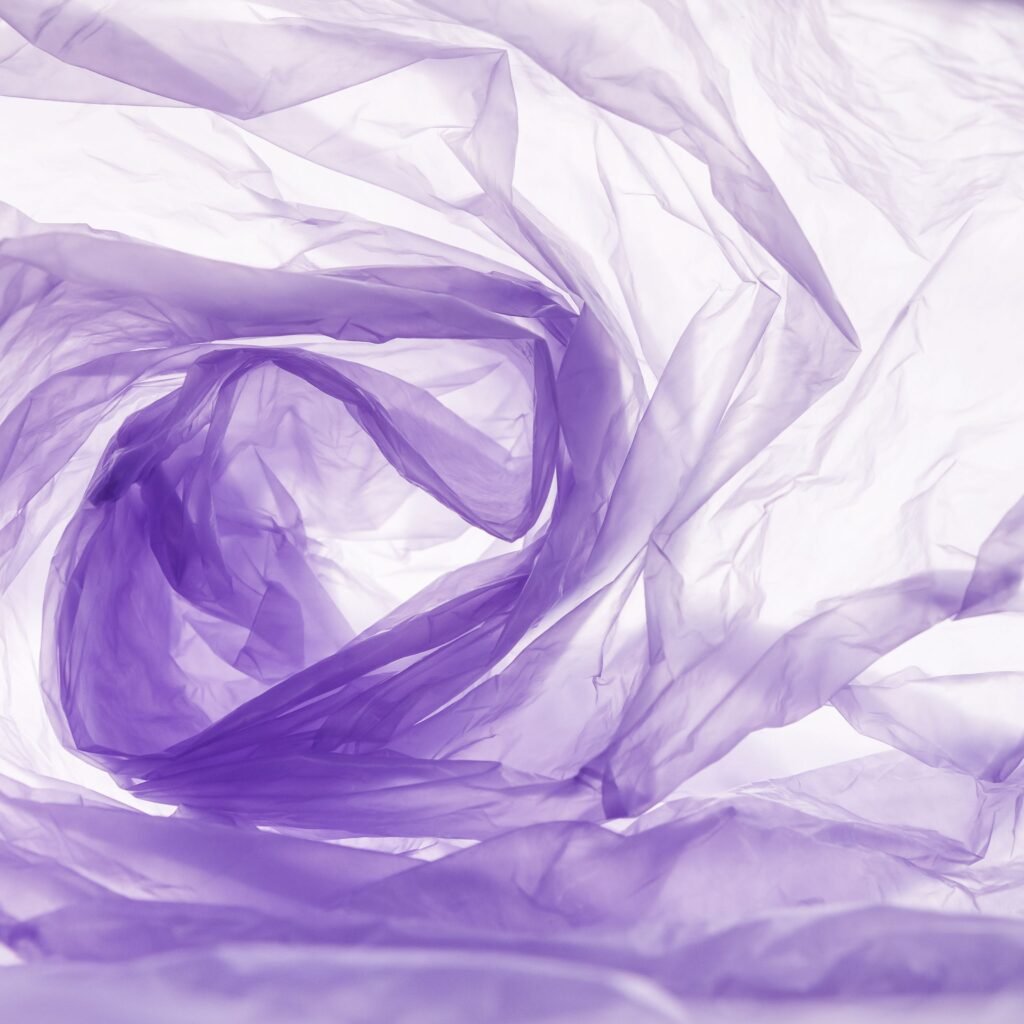
Close-up of delicate, translucent crystal organza fabric in soft lavender tones, swirling in soft folds.
short, informative line for an image in a post or article. The History of Crystal Organza: from delicate luxury to ethical innovation in fabric design.

The roots of crystal organzago back a long way. Silk weavers shaped the fabric’s early form long ago. Silk was prized in the earliest days of its history. It was traded across seas and borders. It became an icon of wealth and style over the years. Later, fashion houses gave it a more modern role. It is used today in simple as well as rich designs. The long history of crystal organza has made it a favoUrite fabric.

Crystal Organza Stands Out
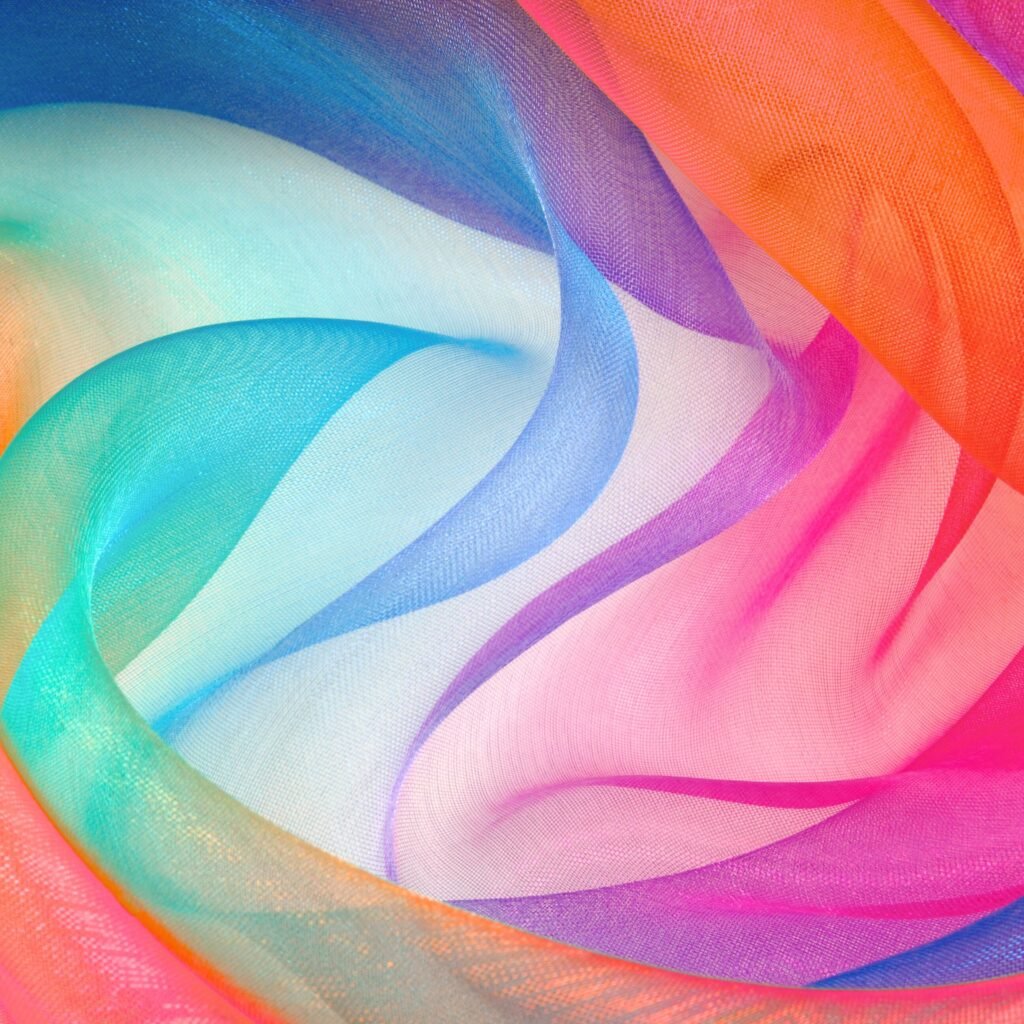
A vibrant close-up swirl of crystal organza fabric in rainbow hues, showing sheer, shimmering layers of blue, teal, pink, purple, orange, and pink arranged in soft folds and curves.
Ethereal sheen, light-catching transparency, and fluid drape give it a luxurious, multi-dimensional look that elevates any design.

Crystal organza is a fabric that has a unique charm. The sheer threads of the fabric reflect light in a soft way. This glowing effect is unique to this fabric. The fabric is very strong even though it appears fragile. It is light and firm because of the weave. It is because of this mix that it feels both light and firm. It is often said that it has a combination of grace and reliability. Crystal organza makes a project shine brighter.

Crystal Organza Fabric has a Unique Feel
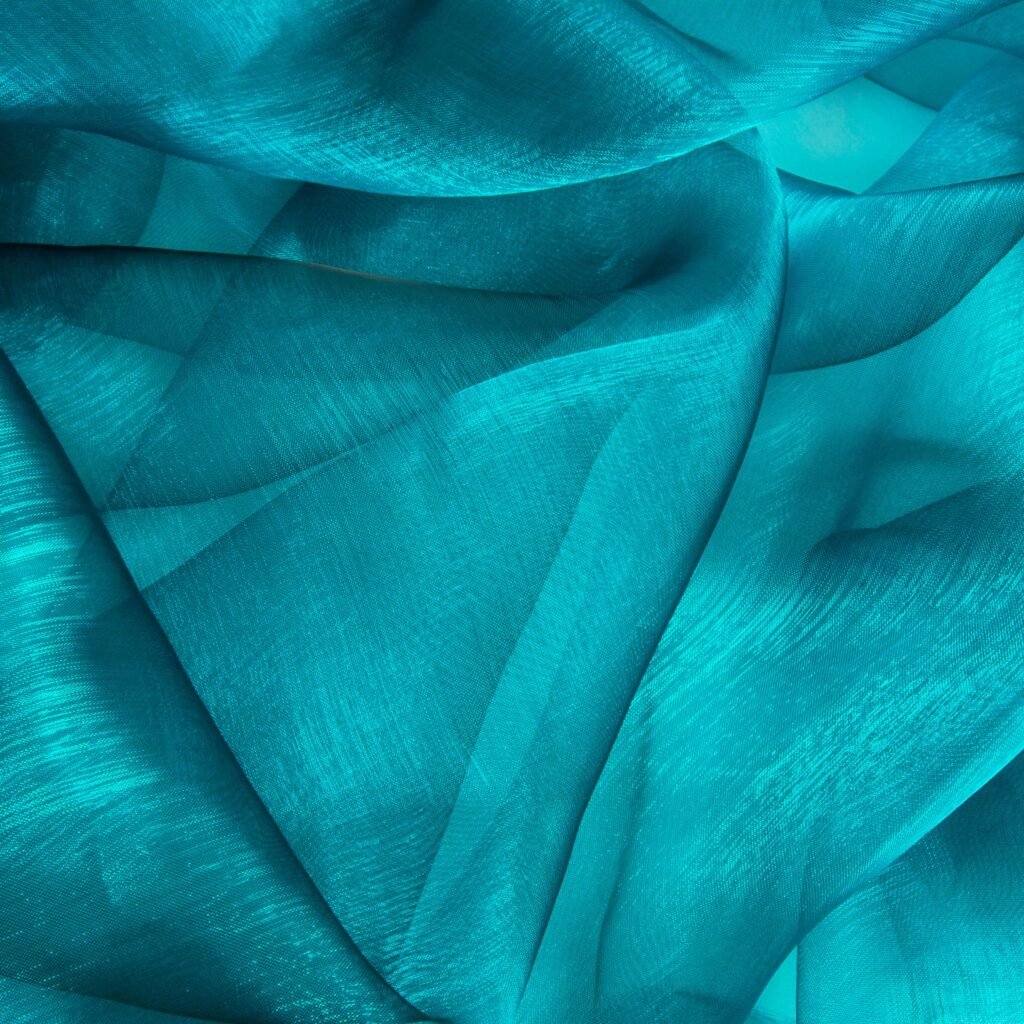
"Close-up of crystal organza fabric in teal, showing layered, semi-sheer folds and a subtle sheen with a delicate, crinkled texture.
Crystal Organza: a ultra-fine, shimmering fabric with a crisp hand and a distinctive, airy drape.”

The touch of crystal organza feels like soft air. When moved, it emits a crisp noise. Fabric is light and retains its shape. The fabric is flexible but not easily crushed. You will feel free to move when you wear this. Its smooth surface provides comfort. Its smooth surface allows drapes to float in the breeze. Its look and feel are a delight. The crystal organza fabric feels wonderful to touch.

Crystal Organza Fabric reflects light

The crystal organza fabric glows with a magical quality. The light enters the fabric and gently reflects back. This shine is never harsh on the eyes. Evening gowns have a soft sheen when worn. The sunlight shining through curtains brightens them. Crafts that are placed under lights will sparkle. It is perfect for any occasion. The daylight and nightlights work equally well. Each reflection has a subtle shimmer. The crystal organza is stunning in any setting.

Crystal Organza Fabric Colors
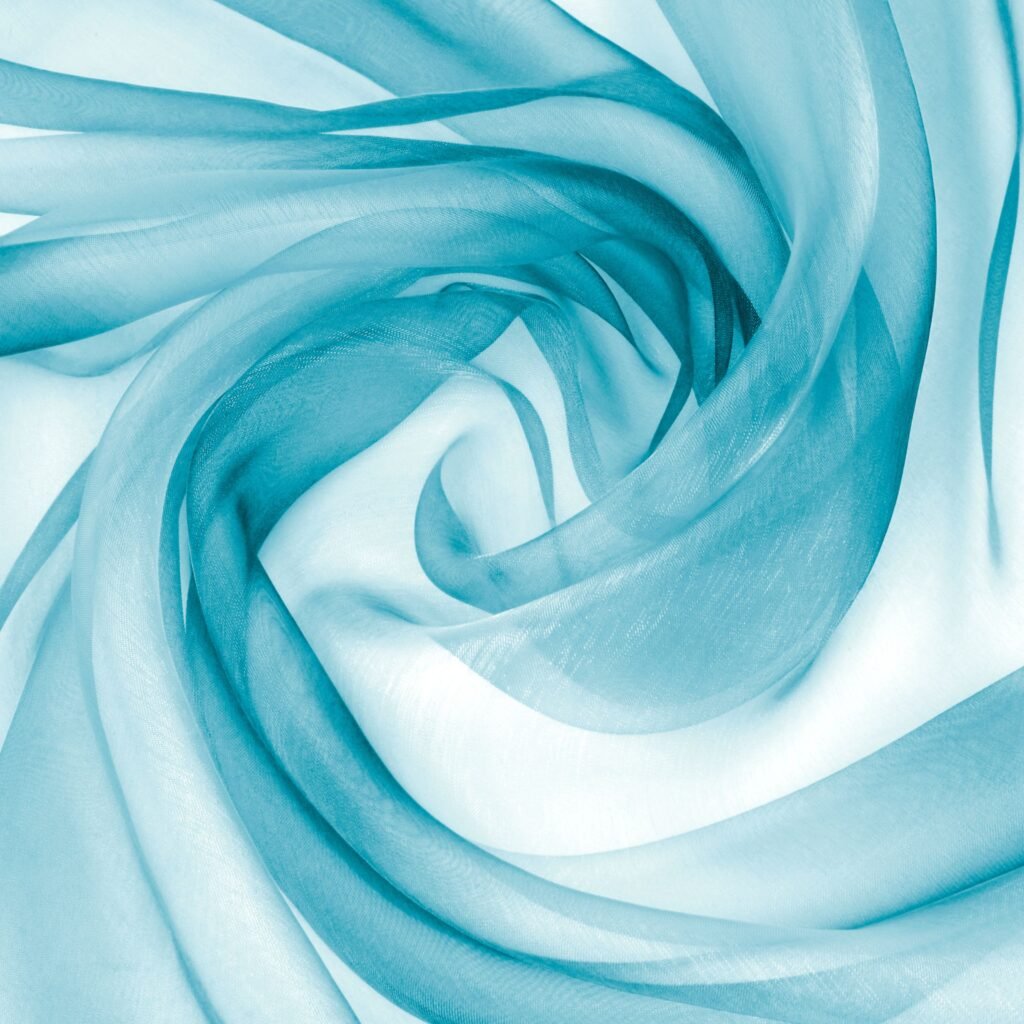
A close-up image of crystal organza fabric in light blue, showing sheer, flowing layers that gleam and reflect light as they swirl into soft folds.
Crystal Organza Fabric catches the light, creating a delicate, iridescent sheen on translucent, flowing layers.

Crystal organza come in a variety of colors. Each OF conveys a different feeling. Pastels are dreamy and soft. Bold colors add drama to fashion. Weddings are awash in white and ivory. Silver and gold sparkle with a festive charm. The colors remain vibrant even after prolonged use. Fabrics always retain their vibrant colors. The colors of a creation can give it life. The crystal organza is available in a variety of colors.

Crystal Organza Fabric: Its Role in Fashion
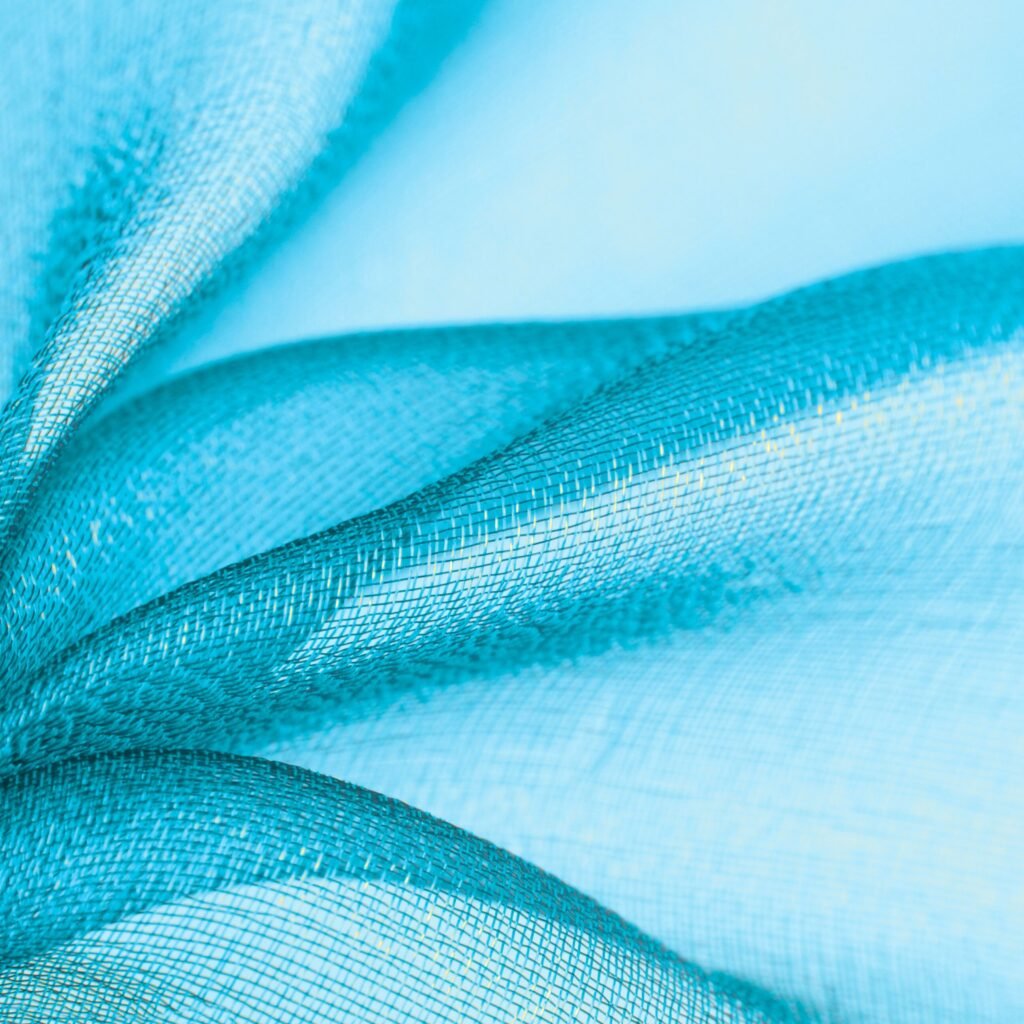
Close-up view of crystal organza fabric: light blue, sheer, delicate mesh with fine weaves and subtle sparkle, softly folded to reveal texture and transparency.
Crystal Organza: a light, sheer fabric with a crystal-like shimmer that adds ethereal elegance to fashion silhouettes.

The crystal organza is responsible for countless fashion moments. Designers use it to create glamour. It is used by brides on gowns, skirts and veils. Sheer layers can make evening wear more striking. It’s a great way to add radiance to tops, scarves, and wraps. Its thin surface allows for many different looks. The floating style is often featured on runway shows. Fashion never gets old. The crystal organza is always dramatic.

Crystal Organza Fabric in Weddings
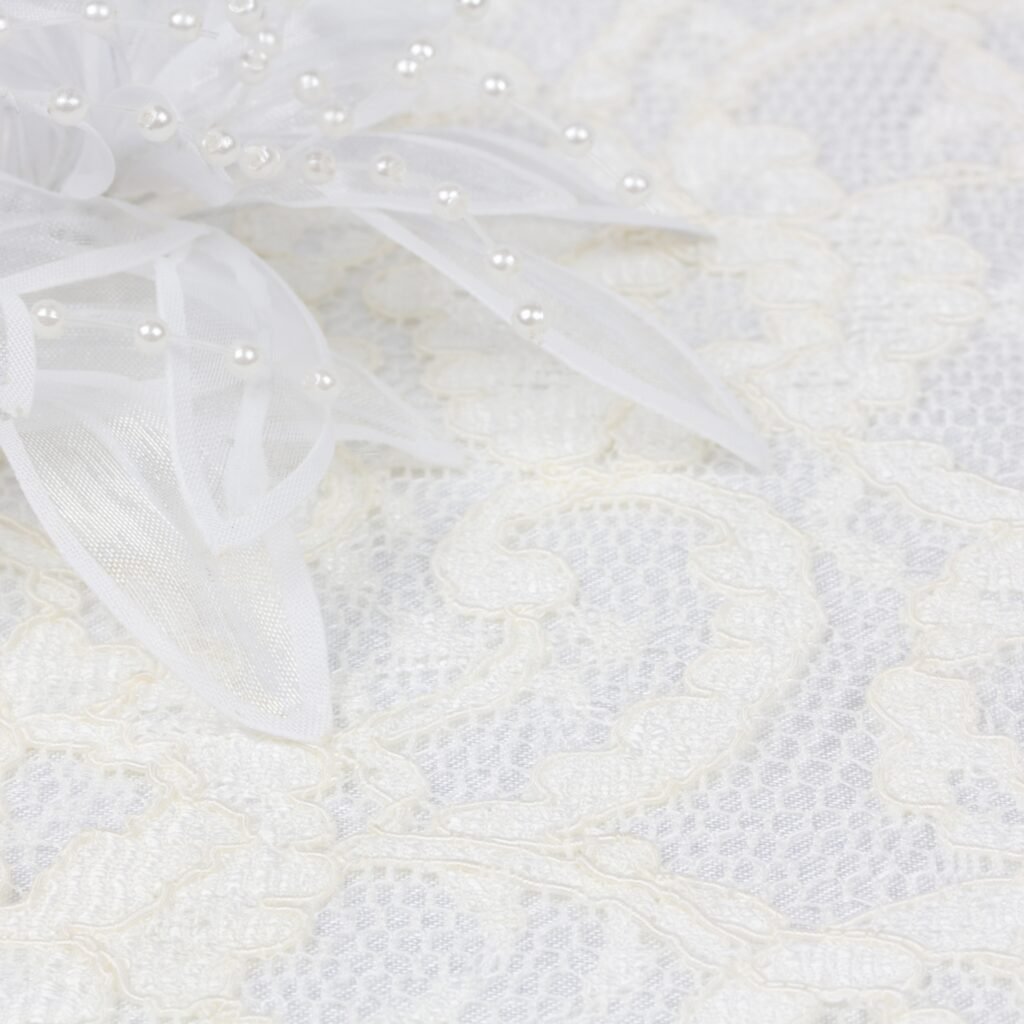
 A close-up view of crystal organza fabric featuring delicate sheer ribbons and tiny pearl embellishments arranged on intricate lace, creating a soft, elegant wedding look.
Crystal organza fabric with tiny pearl accents, perfect for a dreamy wedding aesthetic.

Crystal organza is a fabric that brides love to dream about. It is a fabric that floats with gentle grace in veils. Dresses made of it appear to be weightless. The curtains used in wedding halls are made of the same material. Couples feel romantic. Each detail is remembered by guests. Even florists wrap flowers in it. It makes tables look festive. These touches can make a wedding feel more magical. Crystal organza makes ceremonies unforgettable.

The Uses of Crystal Organza fabric

Crystal organza is used for more than just fashion. Curtains in warm homes reflect light. Soft shimmer glistens on gift wraps. Decorated crafts are brighter. Costumes for children are brimming with energy. Some people use it as wall décor. Some people tie it in bows to celebrate special occasions. The strength of the material makes it durable for many uses. Simple touches make homes feel brighter. The crystal organza is perfect for both everyday and special occasions.

Crystal Organza Fabric for Theater and Dance

Stage lights love crystal organza fabric. Costumes sparkle under spotlights. It is used to make flowing skirts for dancers. The fabric shimmers more with each movement. It makes the backdrops on stage feel alive. Even soft beams are caught by the thin layers. The glowing effect is enjoyed by audiences without any effort. Its magical stage presence is why directors choose it. The extra shine makes performances more vibrant. The addition of crystal organza fabric to arts is always dramatic.

Crystal Organza Fabric: Its Strength

Crystal organza is a strong fabric, despite its lightness. It has a very firm surface due to the weave. It is not as easy to tear as it appears. Designers use it to make gowns and drapes. Even thin layers retain their shape. It holds its shape over time without sagging. The threads remain bright and shiny. Both beauty and durability are enjoyed by users. It is versatile because of its blend of qualities. The crystal organza fabric is a strong, elegant fabric.

How to care for crystal organza fabric

In the quest for better user experience, we’ve recommended you add a table of contents, images, and even simplify your language. The only thing that remains is how Organizer your content. That’s what this test is about.

Crystal Organza Fabric in Home Decoration

The crystal organza will lighten up your home. The light from the sun can make drapes glow. Tablecloths add a festive feel to family meals. Chair bows are a great way to add a touch of charm at gatherings. With canopy touches, bedrooms feel like a dream. Layered curtains brighten up living rooms. Wrapping it around lampshades makes them glow. These small details can transform a room. The delicate charm of a house can brighten up a room. Crystal organza can make homes look warm and stylish.

Crafts with Crystal Organza

Crystal organza fabric is popular with hobbyists. It is cut into ribbons to be used in crafts. Its layers of lustrous material make scrapbooks shine. It makes handmade flowers more beautiful. Wrapping party decorations with it makes them glow. Lining small gift bags with it makes them feel extra special. Art projects for children become more vibrant. Each piece brings joy and fun. Fabrics inspire more creativity each time. Crystal organza makes hobbies more fun and lively.

Many people today still prefer crystal organza. It is available in a variety of colors and patterns. Online shops sell rolls in bulk sizes. Fashion brands use it frequently. It is used by wedding planners for their events. Its soft glow is a must for home decorators. It continues to attract new generations. Young designers give it fresh modern styles. Its charm keeps its demand steady. The crystal organza is still a favorite around the world.

Designers prefer to use crystal organza for their projects. They can be flexible with their style and form. It allows them to layer it without adding extra weight. It can be shaped into bows, ruffles and veils. Both classic and modern looks can be achieved with it. It is strong yet sheer and works well for bold visions. The surface of the material reflects light perfectly. Its glamour is appreciated by customers. Designers can achieve beautiful results quickly and easily. Crystal organza is always supportive of creative work.

How Crystal Organza Fabric Inspires Creativity

Crystal organza is a great source of inspiration for creative minds. Its shimmer suggests dreamy designs. The lightness of the fabric inspires themes that float. Both formal and casual moods work well with it. Artists use it to create hanging art pieces. Teachers use it in classroom activities and crafts. Designers use it to create accessories for events. It is a work of art for each user. Once the cloth is in your hands, inspiration flows. Crystal organza continues the inspiration.

Crystal Organza : The Future

Crystal organza is a material that will continue to shine in the future. Fashion will always love its radiance. It will make homes sparkle. With its layers, weddings will continue to be magical. It will continue to add charm to crafts. The stage will always be thet charm. Crysta.ainstay instay of theater. New technology could enhance its shine and strength. Future shades could offer more choices to creators. The world won’t let go of it charm. Crystal organza is timeless.

Crystal Organza Fabric: Endless Elegance

The crystal organza is a beautiful, strong, and glowing fabric. It is a fabric with a rich history of style and charm. It is still a vital part of fashion and everyday life. It is constantly being used in new ways. Both designers and hobbyists trust it. It will continue to sparkle in the future. The lightness of its charm never fades across generations. Its magic is timeless and real. Crystal organza fabric is always elegant and effortless.

Conclusion

Crystal organza fabric carries both charm and strength. It shines gently in fashion, weddings, homes, and crafts. Its softness never takes away from its lasting quality. Designers, planners, and hobby lovers all treasure its glow. The fabric continues to inspire fresh ideas each day. It feels timeless and fits any setting with ease. Its beauty promises to remain bright for years ahead. Crystal organza will always bring lightweight elegance to every creation.

FAQs

Q1: What makes crystal organza fabric different from other fabrics?

Crystal organza fabric stands out for its sheer glow, lightweight feel, and strong weave that holds shape well.

Q2: Is crystal organza fabric suitable for weddings?

Yes, crystal organza fabric is a favorite for veils, gowns, and decorations because it adds shimmer and elegance.

Q3: Can crystal organza fabric be washed at home?

Crystal organza fabric can be hand-washed in cool water with gentle soap, then air-dried for best results.
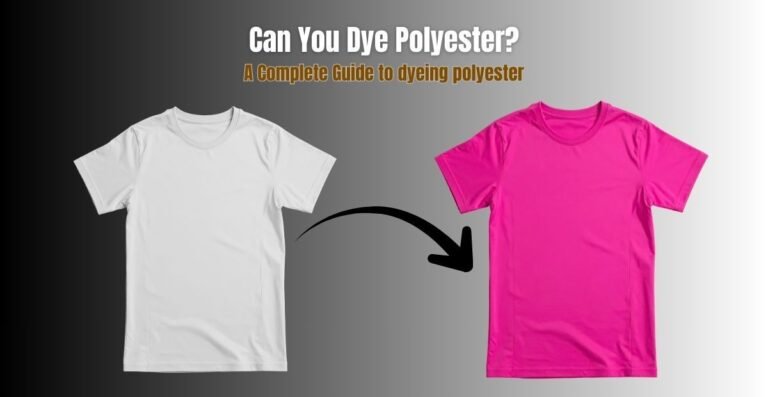
Can You Dye Polyester? Simple Guide for Beginners

Introduction

Polyester is among the well-known fabrics in the world, which is used in clothing, upholsteries, and even accessories. It is appreciated by its resistance to wrinkles, durability, and affordability. But most individuals have a question, can you dye polyester when they need to revamp old clothing or tailor fabric to use on a project. Polyester can be dyed although it uses a special process unlike natural fabrics such as cotton or wool.can you dye polyester

Natural fibers readily take dye and are porous in nature; polyester is synthetic fiber produced by use of polymers which are of petroleum origin. It has a plastic-like surface and cannot absorb dyes that are made in water, so it is difficult to color. That is why a lot of beginners are not able to change the color of the polyester on their own.

This article will tell you all the things you have to know about polyester dyeing such as how it is difficult, which dyes to use and how you can successfully dye polyester cloth using methods that will not make you feel like a novice.

Can You Dye Polyester?

It is possible, but only under the condition of using the proper dyes and procedures to dye polyester. Polyester is also very difficult to dye compared to natural fibers since it is a synthetic fiber and it lacks the ability to take in dye. Conventional dyes of fabric such as cotton or wool do not take polyester.

In order to successfully dye polyester, you will require to apply disperse dyes or sublimation printing methods, which is a technique to apply heat on to the fabric to transfer the color. When properly applied, the color is attached to the fibers and has a long life.To dye polyester successfully, you need to use disperse dyes or sublimation printing techniques, which apply color with heat. When done correctly, the color bonds with the fibers and lasts for a long time.

Why Is Polyester Hard to Dye?

Polyester is hard to color due to the chemical composition. Polyester fibers are waterproof and non-porous unlike cotton or wool. They are in fact plastics produced out of polyethylene terephthalate (PET) having very low absorbency.

Natural fabrics can readily absorb water and contain dye molecules within the weight. Polyester on the contrary requires a lot of heat to open its fibers to allow it to take color. The dye molecules do not dissolve or concentrate on the surface in the absence of heat and are washed away.can you dye polyester

This is a scientific distinction to why most of the common dyes do not react on polyester. Rather, you require dyes that have a unique property of binding to synthetic fibers at high temperatures.

Natural fabrics like cotton have an open, porous structure that absorbs water and dye molecules easily. Wool and silk contain proteins that bond with natural and synthetic dyes without much effort. Polyester, on the other hand, behaves differently. Its fibers are hydrophobic, meaning they repel water. Because most traditional dyes are water-based, they cannot penetrate the fibers of polyester.can you dye polyester As a result, the color either fails to stick or washes out quickly.

Another reason polyester is difficult to dye is its smooth, plastic-like surface. Unlike natural fibers, which have rough textures that help capture and hold dye molecules, polyester fibers are slick. This smoothness means there is very little surface area for the dye to grip onto. Without special methods, the dye remains on the surface and does not bond deeply.

Heat plays a critical role when dyeing polyester. Polyester fibers need to be heated to very high temperatures—close to boiling—so that the molecules open up slightly. Only then can disperse dye particles penetrate the fiber structure.can you dye polyester If the water is not hot enough, the dye will not enter the fabric properly, and the results will be patchy or faded. This makes polyester much less beginner-friendly compared to cotton, which dyes well in warm or even cold water.

Best Dyes for Polyester

All dyes do not work with polyester. The first step towards success is to choose the right type.

Disperse Dyes -The Only Dependable Solution.

When to dye polyester, the best kind of dye is dispense dyes. They operate by placing small particles of dye in hot water which get absorbed by polyester fibers under heating to boiling point. Disperse dyes are produced specifically on synthetic fabrics unlike cotton fabric dyes.

Sublimation Dyes / Heat Transfer.

Sublimation printing involves the application of heat and pressure to transfer the dye on a polyester fabric.can you dye polyester, This type is a great way of detailed designs, patterns or logos. It is carried out by printing dye on special paper and heat-pressing it on the polyester surface.can you dye polyester

Why Regular Dyes Don’t Work

Ordinary dyes used on fabric, such as most of the well-known household dyes, are intended to be used on natural fiber.can you dye polyester They are unable to connect to polyester fibers due to the fact that the structure of the fabric is not easily absorbent.can you dye polyester. Polyester would tend to show streaky, faded, or washed-out effects when they are used.

How to Dye Polyester at Home (Step-by-Step Guide)

However, it can be home dyed with patience and with the right equipment. The following is an easy to follow tutorial.

Materials Needed

  • Polyester fabric or garment
  • Polyester dye (dispersible type)
  • Large stainless steel pot
  • Stove or heat source
  • Protective gloves
  • Stirring spoon (non-food use)
  • Detergent for pre-washing

Step-by-Step Process

  • Pre-Wash the Fabric: Wash your polyester to get rid of dirt or oils or finishes that prevent the uptake of dyes.can you dye polyester
  • Get the Dye Bath Ready: Add a lot of water to a pot that is big enough to immerse the fabric. Heat until near boiling.
  • Add Dye: Add disperse dye in the hot water and stir to dissolve.
  • Submerge fabric: Add the polyester to the dye bath and stir continuously until the dye gets evenly distributed.
  • Heat: Have the water in a near-boiling position of 30 to 45 minutes. can you dye polyesterDye penetration requires heat.
  • Rinse and Wash: Take the cloth, run under the warm water and wash with a mild detergent.
  • Hang or Air-Dry: dry the fabric, by hanging or leaving it to dry.

Safety Precautions

Wear gloves always to cover your skin with dye.can you dye polyester. One should work in a well-ventilated place since fumes may be given out by high heat and the dye particles. Boiling water must be handled with care so that it does not burn.

Alternative Dyeing Methods for Polyester

You can try some other options, in case you do not want to boil polyester in disperse dye.

Sublimation Printing

The technique is superb in incorporating designs and graphics.can you dye polyester. Sublimation with a heat press enables bright and long-lasting patterns to be transferred to polyester.

Fabric Spray Paints

Polyester can be sprayed with spray paints that are created to be used on fabrics, without immersion dyeing. They are simple to use and do not wear out as long as disperse dyes.

Fabric Markers

In small scale projects, polyester can be used with fabric markers. They can be fitted with details, names or unique artwork.

Can You Dye 100 Percent Polyester or Blends?

In posing the question can you dye polyester, one must be aware that one is dealing with pure polyester or a mixture.

100% Polyester

Disperse dyes and heat are needed to dye 100 percent polyester. This might be difficult to new players as the polyester resists do not take up color.

Polyester Blends

Blends, like polyester-cotton are simpler to dye. Natural dyes of fabrics absorb the cotton material giving more colorful outputs. But colors can appear uneven when often the polyester does not absorb as well as the cotton does.can you dye polyester

Why Blends Are Better for Beginners

Blends are more forgiving in case you are new. They take up dye with less difficulty and no special dyeing processes or excess heat are necessary.

Common Mistakes to Avoid

Polyester dyeing must be made accurate. The prevention of typical pitfalls will save time and disappointments.

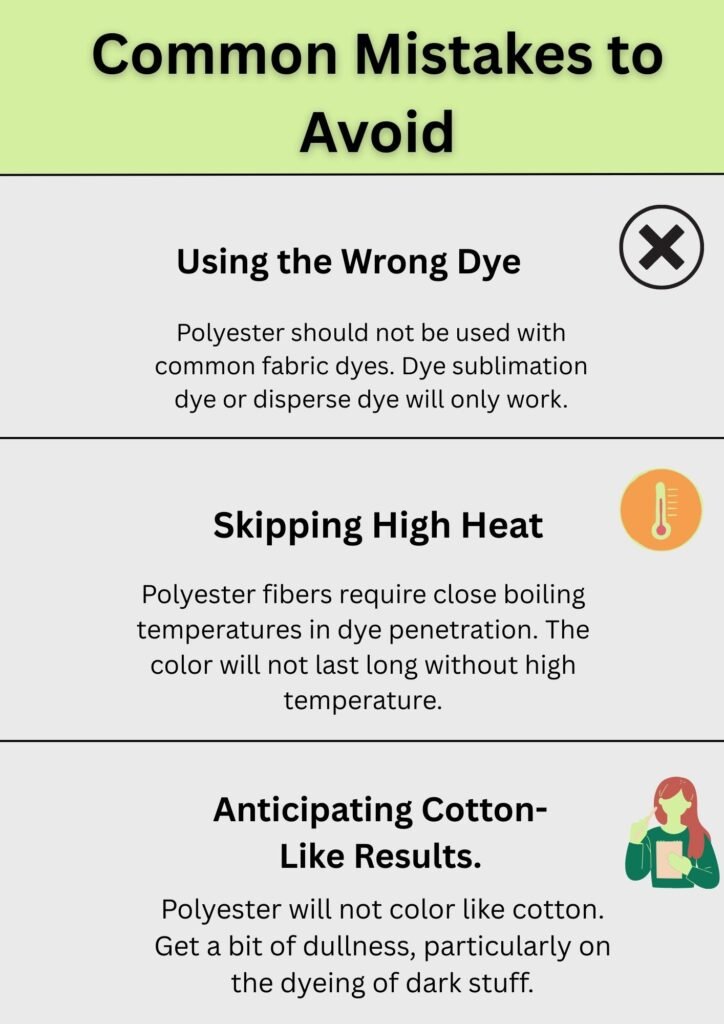
Alt TextInfographic listing three common mistakes to avoid when dyeing polyester fabric: using the wrong dye, skipping high heat, and expecting cotton-like results.can you dye polyesterCaptionCommon mistakes to avoid when dyeing polyester fabrics, including dye selection, heat application, and result expectations.DescriptionThis infographic titled "Common Mistakes to Avoid" outlines three frequent errors in dyeing polyester fabrics. It includes:

Using the Wrong Dye

Polyester should not be used with common fabric dyes. Dye sublimation dye or disperse dye will only work.

Skipping High Heat

Polyester fibers require close boiling temperatures in dye penetration. The color will not last long without high temperature.

Anticipating Cotton-Like Results.

Polyester will not color like cotton. Get a bit of dullness, particularly on the dyeing of dark stuff.

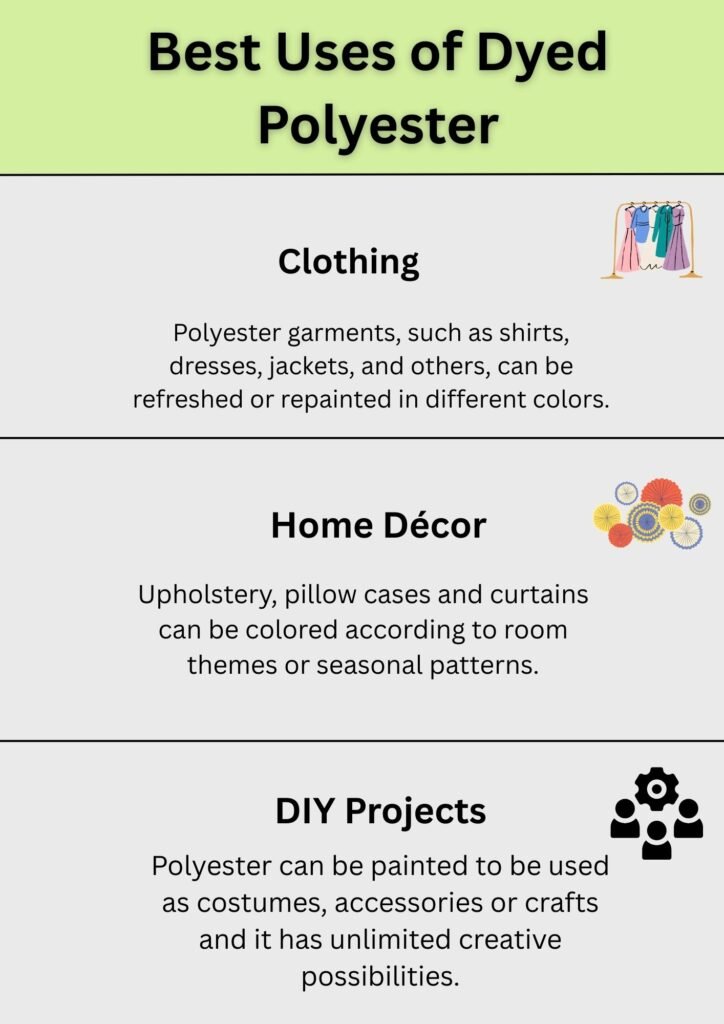
Best Uses of Dyed Polyester

Polyester fabric is available in various creative forms and usage.

Alt Text:
Infographic titled "Best Uses of Dyed Polyester" with sections for Clothing, Home Décor, and DIY Projects, each illustrated with relevant icons.can you dye polyesterCaption:
Infographic showing the top three creative uses of dyed polyester: Clothing, Home Décor, and DIY Projects.Description:
This infographic outlines the best uses of dyed polyester fabric. It highlights three primary applications:

Clothing

Polyester garments, such as shirts, dresses, jackets, and others, can be refreshed or repainted in different colors.

Home Décor

Upholstery, pillow cases and curtains can be colored according to room themes or seasonal patterns.

DIY Projects

Polyester can be painted to be used as costumes, accessories or crafts and it has unlimited creative possibilities.

Conclusion

So, can you dye polyester? Yes, however, it is necessary to approach it in a right way. Polyester is an artificial fiber that is not a natural fiber able to take dye.can you dye polyester. Disperse dyes or sublimation printing, coupled with high heat, is required to be used to succeed.

Novices can use blends at first so that the results are easier and the advanced DIYers can use a 100% polyester project. With proper procedure, use of proper dyes and methods of dyeing, one can obtain colorful and durable effects on polyester fabric.Dyeing polyester is not as simple as cotton, but with patience and the right tools, it becomes a rewarding process.

So, the next time you wonder can you dye polyester, the answer is a confident yes—just make sure you use the correct techniques for the best results.
FAQs

Is it possible to dye in Polyester using Rit Dye?

Polyester is insensitive to Standard Rit dye. Rit DyeMore is however designed to be used with synthetics alone and it is also capable of being used in high heat.

Can You Tie-Dye Polyester?

Polyester is insensitive to traditional tie-dye kits. Tie-dye would be challenging because you would require the dispersion of dyes and boiling techniques.

Washing Polyester: Can You Dye it in the Washing Machine?

No, polyester will not be able to be washed in the washing machine due to the inability of the water to become hot enough.

Polyester Dye Lasting Period.

Polyester color is also durable and cannot be washed out when it is stained with disperse dyes.

Fades easily Polyester Dye?

Polyester dye is long lasting unless it is subjected to sun or severe detergents, which in turn can weaken the dye and make it fade away.

How do you remove dye from polyester if the result goes wrong?

Removing dye from polyester is extremely difficult because disperse dyes bond deeply. Commercial color removers may lighten the color but won’t always return the fabric to its original shade.

How long should polyester stay in the dye bath?

Polyester usually needs 30–45 minutes in near-boiling dye baths for the color to set properly. Stirring regularly helps ensure even coverage.

Is it cheaper to dye polyester or buy new fabric?

For small projects, dyeing can be affordable. However, if you need large amounts of polyester in a new color, buying pre-dyed fabric may be more cost-effective.

1.Is Rayon Breathable? The Truth About This Popular Fabric

Introduction-

When individuals go out to purchase summer clothes, they desire clothes that are cool and comfortable. This is why the question “Is Rayon Breathable or not?” can be raised frequently. Rayon is common in blouses, dresses and in active wear due to its ability to flare and it is also soft against the skin.

Nevertheless, a lot of customers are still not certain whether rayon is able to breathe like natural materials. Its breathability can be understood to assist you in selecting an appropriate fabric to wear during summer, traveling, or throughout the year.

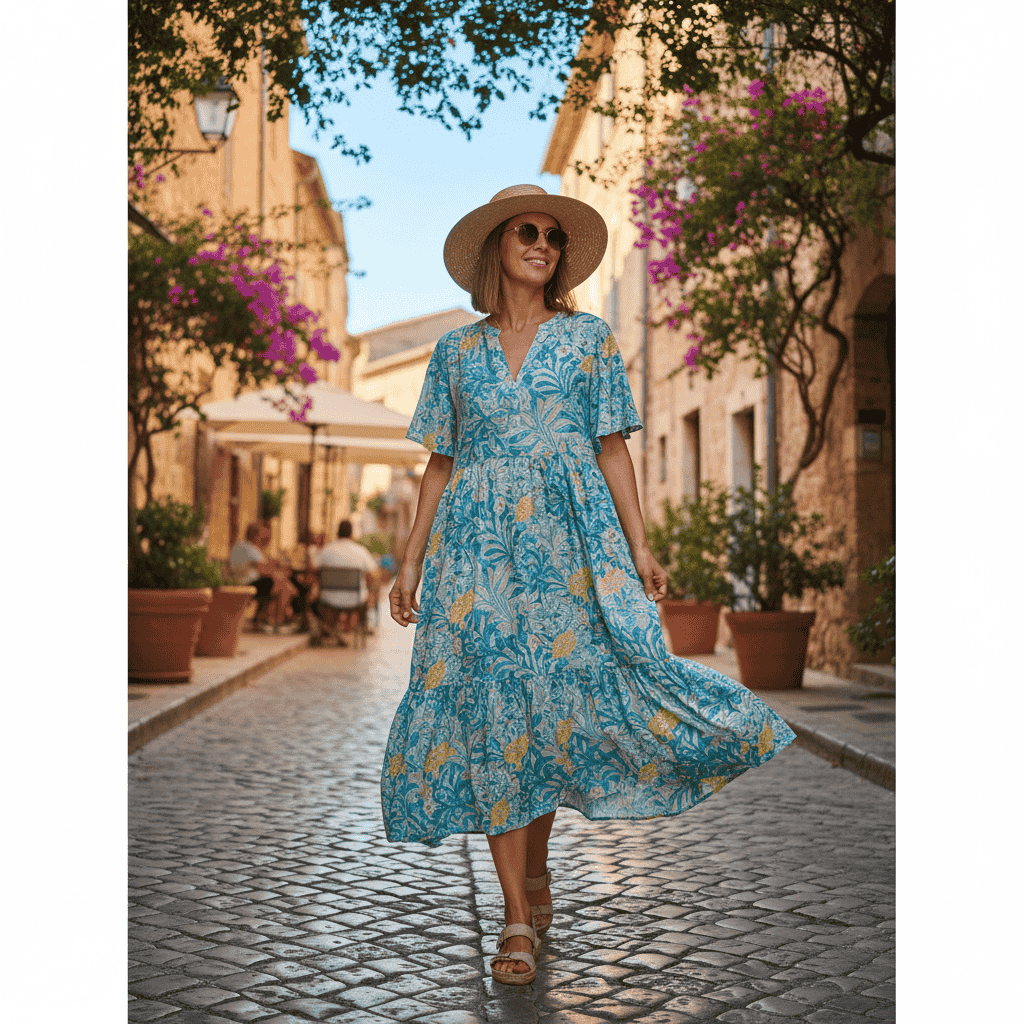
Woman wearing a breathable rayon summer dress on a sunny day

What is Rayon?

Cellulose-Based Fiber

Rayon is a semi-synthetic fiber that is produced out of plant cellulose. It is made out of chemically processed wood pulp into fine fibers. Actually, the structure of rayon is the same as that of cellulose thus it tends to feel like cotton or linen. Other types of rayons are even designed to imitate higher end fabrics like wool or silk.

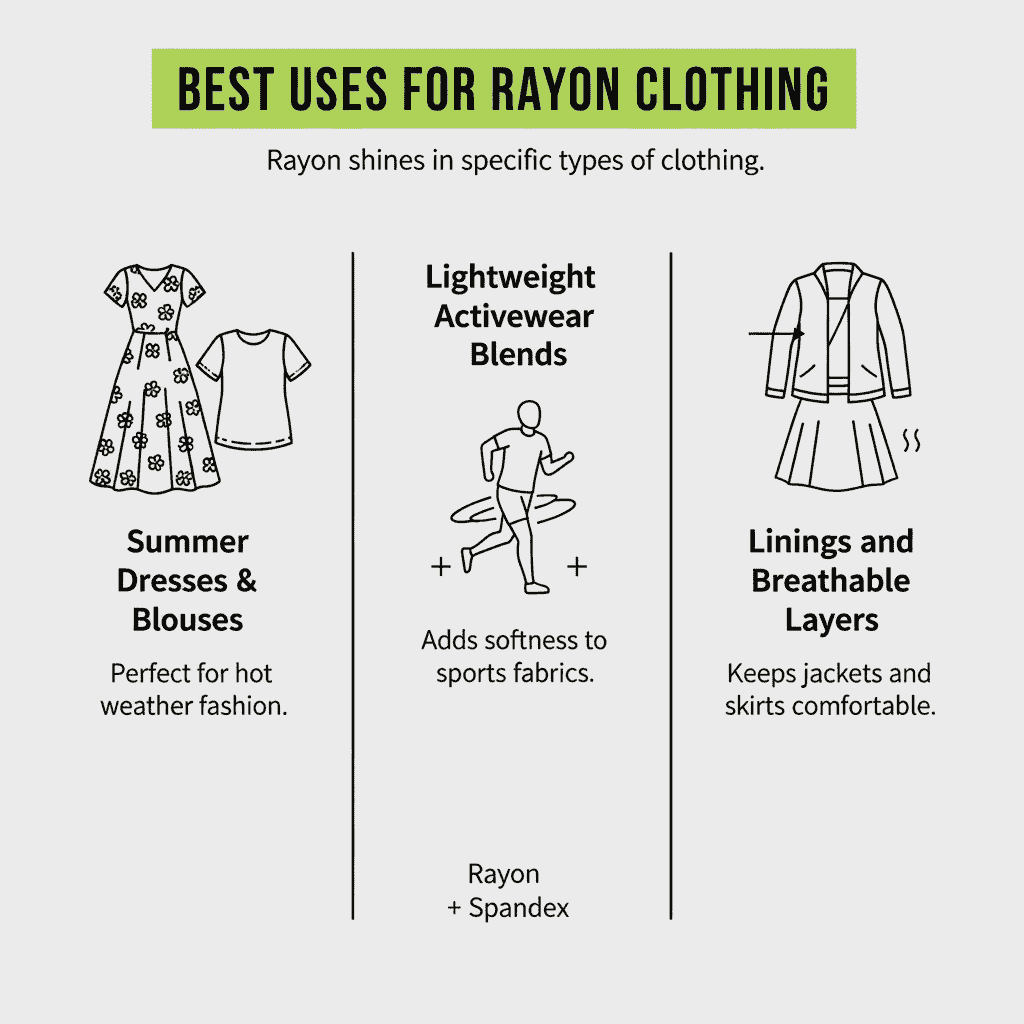
Dresses & Blouses: Woven rayon may find application in summer dresses, loose blouses and skirts. Its light fabric is drape-able and has gathers and prints that are not bulky.

Summer Tops & Pants: Rayon is popular in top and pants because of its lightweight airy feel in warm weather. Rayon is used in many summer collections because it is more comfortable.

Linings: Rayon is a soft fabric that is very breathable, which is why it is commonly used as a lining. Its smoothness allows the clothing to slide on and jackets and dresses are easier to wear.

Activewear Blends: Rayon is frequently combined with stretch fabrics in both work out and lounge wear. An example of this is modal rayon, which adds comfort and moisture retention to active wear, as a comfortable alternative to pure synthetics.

Is Rayon Breathable?

Yes – rayon is a fabric which is usually regarded as a breathable one. It is described by a lot of sources as soft and breathable, even most breathable and moisture absorbing. Due to its lightness and loose nature of weaving, air travels easily through rayon cloth. This practically involves a rayon shirt or dress that tends to be cool on your skin. Generally speaking, rayon clothes will make you feel a lot more comfortable in hot weather than most polyester synthetics do.

Rayon vs. Synthetic Fabrics

Rayon usually breathes much easier in comparison with artificial fibers. As an illustration, the tight weave of polyester has the potential to trap heat and reach moisture, which makes it almost a plastic wrap on your skin. Nylon similarly holds heat. In comparison, the natural cellulose fibers in rayon do not trap heat but allow it to pass through. Polyester also fails to absorb water and thus it is clammy, unlike rayon that is able to absorb the sweat and then begins to evaporate cooling you. Simply put, rayon is drier and cooler than polyester or nylon under hot weather.

Rayon vs. Natural Fabrics

Rayon compares well with natural fabrics. Cotton is highly permeable and incredibly absorbent and this keeps you cool in summer. Rayon absorbs water as well to keep one cool and yet cotton can absorb more water on average. Linen is more airy; it is loose and therefore, linen is extremely cool in hot weather. The rayon is not as rough and coarse as linen, but linen would cool down more quickly. Silk is not only lightweight, but breathable as well. Rayon also feels like silk. Practically, silk and rayon are just as cool but silk is cheaper and more delicate. Generally, rayon is highly breathable, but pure cotton or linen can replace it, in the extreme conditions.


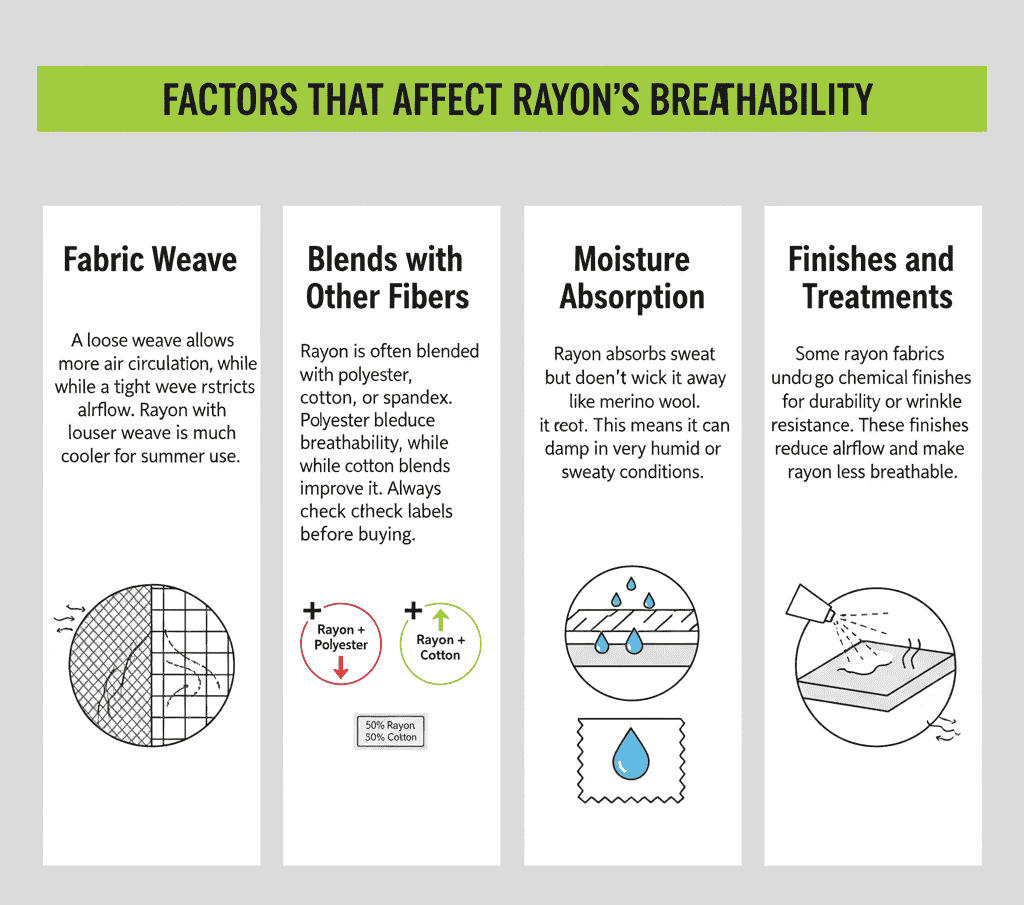
Factors That Affect Rayon’s Breathability

 Infographic showing factors affecting rayon's breathability.
Key factors that impact rayon’s breathability.

Fabric Weave

The fabric or knit made of rayon has a drastic impact on airflow. Generally, there is more air movement in a looser weave. As an example, a rayon gauze or crepe (open weave) will be lighter than a tight-woven rayon satin. According to the outdoor retailers, a loose weave or a thin knit contributes significantly to the breathability. On the other hand, thick rayon clothing (such as heavy challis or jersey) will keep in more of the heat. Theoretically, the lightweight of a rayon gauze dress is lighter to wear than the heavyweight rayon shirt.

Blends with Other Fibers

Rayon is frequently mixed, and the other fibers modify its breathability. Blends are normally breathable when combined with cotton or linen. Blends with polyester, nylon, or spandex will, however, decrease airflow. As an illustration, a rayon/polyester mix will be less cool than 100% rayon, since polyester is a heat-retaining fabric. It helps to look at labels: the more synthetic a product is, the less breathable the fabric. A rayon/spandex shirt can be a bit hot, but a rayon/cotton blend is cooler.

Moisture Absorption

Rayon has the ability to absorb moisture easily thus aiding cooling. It has a reasonable capacity of absorbing sweat and later evaporating on its surface. Actually, rayon allows the body to stay cool, by absorbing sweat. But rayon does not actively wick moisture away like wool, it just keeps water dry until it evaporates. It implies that during intense sweating, rayon may not dry, and it may stick to the skin. Its absorption even works in moderate heat conditions, provided the fabric is not over-saturated.

Finishes & Treatments

Other rayon materials receive special finishes(such as wrinkle-resistance or water-resistance finishes). With these finishes, there is the ability to block the fibers and stop air. As an example, the threads will be covered with a resin finish, preventing wrinkles, and make the cloth less permeable. The water-repellent treatments also prevent the passage of moisture and air. Practically, the most breathing is made possible by bare rayon (without any additional coating). When there is a label on a rayon garment that it is water-resistant or treated, anticipate that it will not feel airy. That is, plain rayon breathes the most.

Rayon in Hot Weather: Is it Good for Summer?

And in summer the question arises: Can rayon be used as hot weather clothing? Here’s a breakdown.

Pros of Rayon in Hot Weather

  • Lightweight- Feels lightweight and easy against the skin.
  • Cool Touch – Is clean, cool and smooth.
  • Drapey Design – Falls beautifully to chic summer outfits.

Cons of Rayon in Hot Weather

  • Wrinkles Easily – Appears to be untidy after a couple of hours of use.
  • Not Sweat-Resistant -Soaks up the moisture and can stick to the skin.

Rayon vs. Other Fabrics for Breathability

Rayon vs. Cotton (Breathability)

Rayon as well as cotton is breathable. Cotton is highly permeable and soaks up a lot of water. In case of wetness of cotton it remains cool and enables you to shed off sweat. Rayon is also breathable and it dries quicker. When completely wet, cotton would feel colder than when dry because it is heavier and rayon when it is dry because it is light. Both allow air to pass through, but cotton is able to deal with the heavy sweat. And, on the off-chance that you get hot, 100% cotton may possibly surpass rayon in a few cases, nevertheless, rayon provides a slick feel that is not present in cotton.

Rayon vs. Polyester

Polyester does not breathe very well; it is a trap to heat. It is mentioned by many sources that polyester fibers may pose as a plastic wrap around your skin. Rayon is a cellulose fiber, which allows air to pass out. The rayon takes up water rather than throws it off and thus you gain a little cooling effect through the evaporation. Effectively, rayon would be far more comfortable than polyester when it gets hot. Polyester dries fast but it is clammy and rayon is cooler and more natural to the skin.

Rayon vs. Linen

Linen is generally more breathable in its raw form than rayon. Its weft is loosely woven and stiff in the sense that it lets as much air pass through it as possible and thus it feels very cool in hot weather. Rayon is lighter and less coarse and it is more luxurious to wear. Practically, linen will be crisp and cooler; rayon will be a little warmer, and much more comfortable to the touch. Linen would prevail in case the ultimate cooling is desired. But rayon is also typically used when the soft, light touch (or a better fall) is needed.

Rayon vs. Silk

Silk is light and possesses good ventilation. It also possesses natural capacity to control temperature. The hand-feel of silk is almost identical to that of rayon. Both allow skin to breath fairly well in terms of airflow. Silk can get a little cooler with sweat and it is more stretchy. Rayon is much cheaper, however. They both are cool and soft on the skin and rayon provides that luxurious feeling at a reasonable cost.

FabricBreathabilityMoisture AbsorptionNotes
RayonModerate–High (good airflow)Absorbent, but does not wick quicklySoft, silky feel; drapes well
CottonVery HighVery high; absorbs large amountsNatural fiber; stays comfortable when wet
PolyesterLowVery low; quick-drying, moisture-repellingTraps heat; synthetic
LinenVery HighHigh (but no active wicking)Ultra-breathable; lightweight, but wrinkles
SilkHighModerateLuxuriously soft; natural temperature regulation

Advantages of Rayon Beyond Breathability

  • Delicacy & Softness: Rayon is soft and silky. It has the texture that is often likened to silk or soft cotton. This makes rayon clothing very comfortable to wear either as a casual or dress up. Rayon is the favorite of many who wear it in blouses or scarves since it is skin friendly and falls well.
  • Draping & Versatility: Rayon looks fantastic on the body and thus adapts to most styles (collected skirts, ruffles, a loosely-fitting top). It is also a good recipient of dye, thus giving bright colors and prints. It is this flexibility that has seen rayon become a must-have in a summer dress, kimonos, and fashion-forward tops. It is also easy to layer because it is lightweight.
  • Silk Substitute: Rayon is a silk that resembles the luxurious appearance of this fabric at a lot lower cost. That is, you have a comparable glossy look and feel as silk at a low cost material. Numerous evening dresses, lining and lingerie utilize rayon as a means of achieving that same, sophisticated look but without the expense of true silk. This renders rayon a solution to silk-like comfort at a low cost.

Limitations of Rayon Fabric

Rayon has its disadvantages, which customers ought to be aware of.

Wrinkles Easily

Rayon wrinkles easily and this might interfere with its smooth look.

Loses Strength When Wet

When the cloth is wet it becomes weak and thus vulnerable to being torn apart.

Needs Careful Washing

Rayon mostly needs hand washing or dry cleaning to be durable.


Best Uses for Rayon Clothing

Infographic on the best uses for rayon clothing.
Best uses for rayon in clothing.
  • Summer dresses & blouses: The cool, soft feel of rayon makes it a great option for sundresses, tops, and skirts. It looks elegant yet lightweight, making it a go-to for warm weather. rayon’s flowy drape and comfort is the reason many casual summer dresses, printed blouses, and lightweight skirts are made of this fabric.
  • Light activewear & loungewear: Blended with spandex or nylon, rayon inclusions helps with breathability in active and lounge clothing. Modal rayon (a type of rayon) is commonly used in the fabric of yoga pants, workout shirts, and even underwear. For low-to-moderate activity, these rayon blends are great because they offer a soft hand and better airflow compared to pure synthetics.
  • Linings & layers: As a lining or layering fabric, designers utilize rayon. It’s smooth texture decreases friction between clothing layers and breathability adds comfort under heavy items. Jackets, dresses and even some skirts have rayon linings. On hot days, it’s great for lightweight kimono or overshirt, giving breathable layer over other fabrics.

Conclusion-

So, is rayon breathable? The response is yes–with conditions. Lightweight, cool to touch and stylishly draped rayon makes it a good fabric to wear during summer. But it is easy to absorb moisture and gets wrinkled easily, which may be inconvenient in hot and highly humid environments.

To the consumers, rayon offers the compromise: it is more comfortable and breathable than polyester, cheaper than the silk and it is less weighty than cotton. Rayon can make a great fabric with proper care making it an excellent fabric in making stylish breathable clothes.
Read More>> About what is rayon fabric?


FAQs

Is rayon good for hot, humid weather?

Yes, rayon is cool and lightweight so it is the best option to use during hot weather. It enables air to pass so that the skin can be comfortable on hot summer days.

Does rayon make you sweat?

Nevertheless, when it is very humid it can stick to the skin when wet.
Rayon is not a sweat-giving fabric by itself as it is a breathable one. But it does not wick away the moisture, it absorbs it. This may render the cloth to be sticky on the skin during a humid climate.

Is rayon more breathable than polyester?

Yes, rayon is far more breathable than polyester and it permits a greater amount of air flow. Polyester is known to trap body heat that makes you feel warmer. Rayon is cooler and fresher feeling particularly in hot climates.

Can you wear rayon year-round?

Yes, it is possible to wear rayon at any time of the year with the proper styling. Summer dresses and blouses are perfect but it can also be worn in cooler temperatures under the layer. It can be worn all year round with care.

Matte Organza Fabric: The Elegant Touch for Chic Designs

Some Fabric will never go out of style. Matte Organza fabric is one of these magical fabrics. It gives dresses a classy and soft look. Designers use it to make clothes appear stylish and flowing. It is now used for home decor, weddings and parties. This fabric is strong, light and always looks new.

This is the fabric for you if you want to make your outfits special. This blog will explain Matte Organza fabric to you in an easy and friendly manner.

What makes Matte Organza fabric so special?

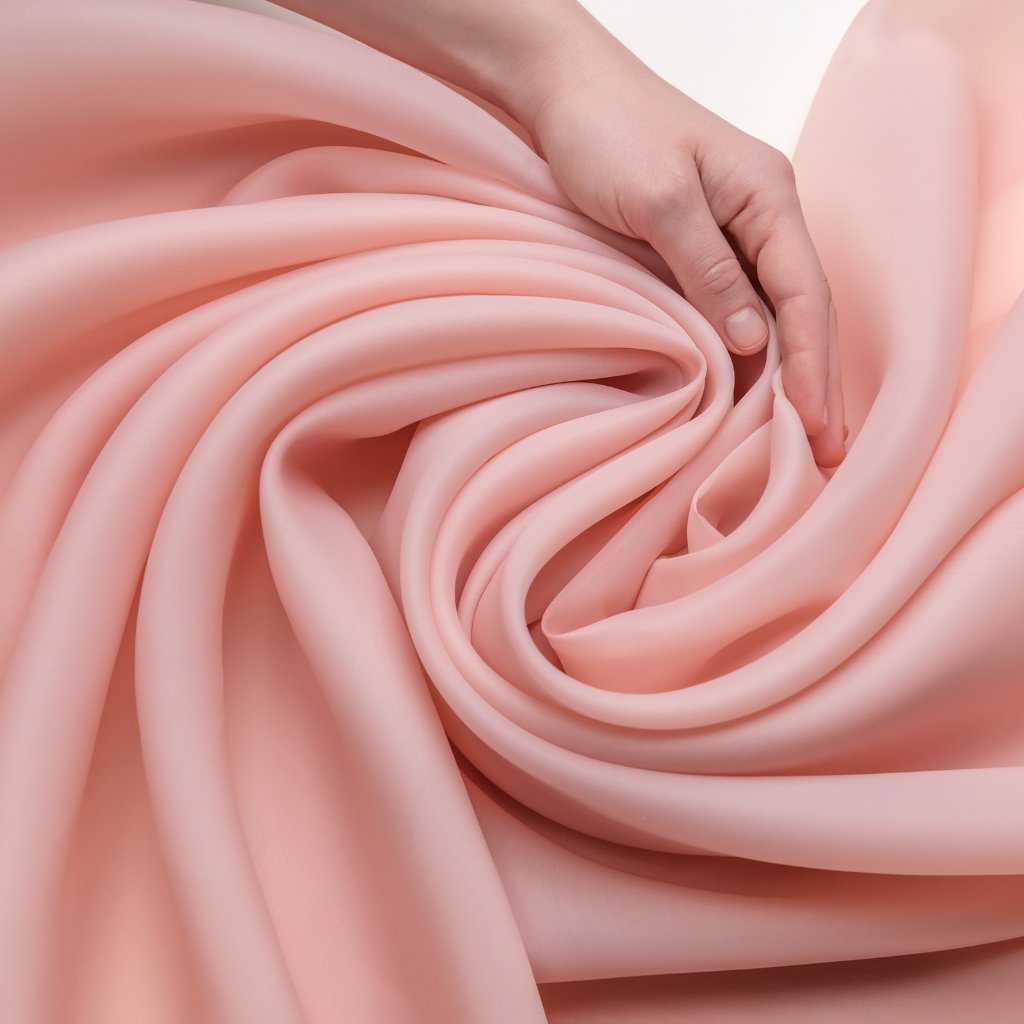
Close-up of soft pink matte organza fabric being gently gathered by a hand, showing smooth, non-shiny drape and subtle folds.
Matte Organza: the exquisite, non-glossy drape that adds understated luxury to bridal and eveningwear.

Each fabric has its own story. Some fabrics are glossy, while others are smooth. Matte Organza fabric has a soft texture with a slight touch. It looks great when worn and feels good in the hand. It holds its shape well, which is the best part. It is still firm and light despite its weight.

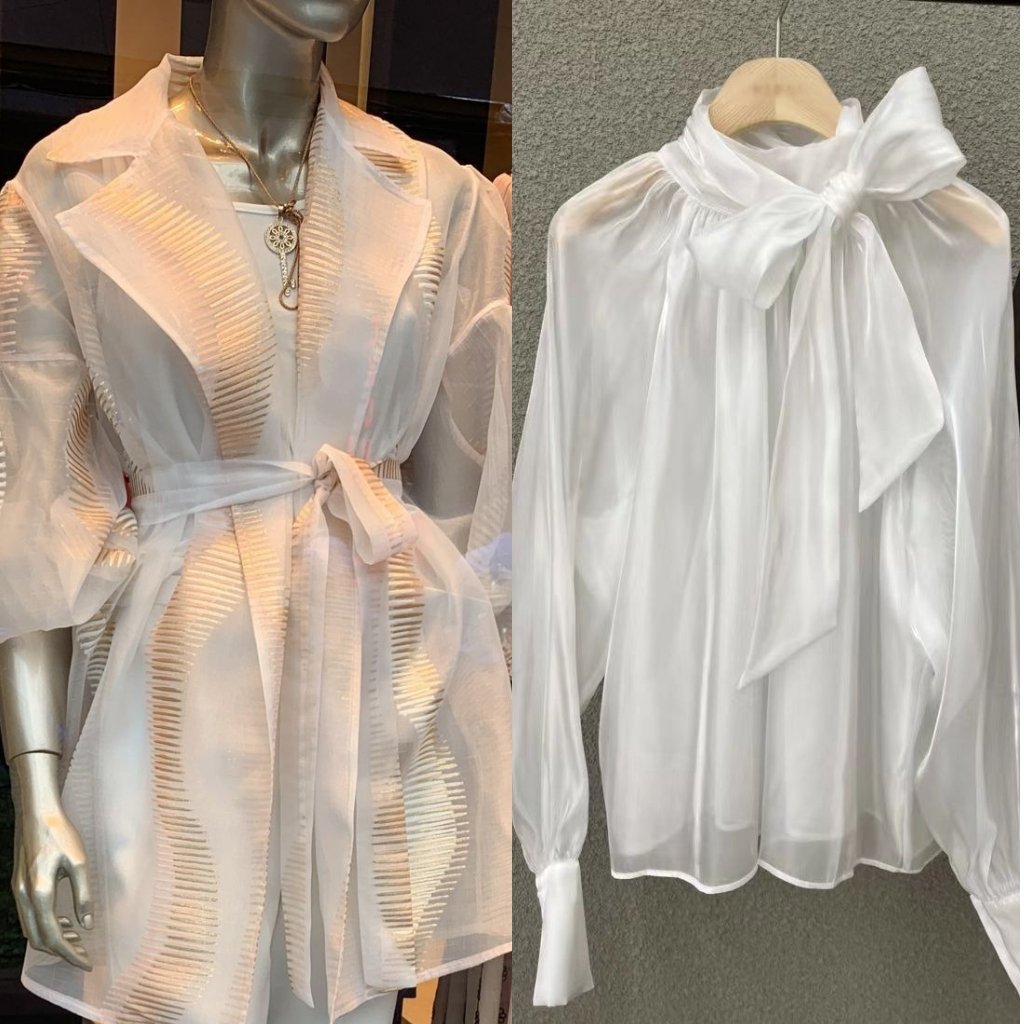
Designers often use it in dresses with long sleeves. It is also used in gowns and sarees. This fabric can be used for many purposes because it is versatile and works well with layers and stitching. This fabric is also a little luminous, but not too bright. This makes it ideal for smart and simple designs.

Matte Organza Fabric: The Look and Feel

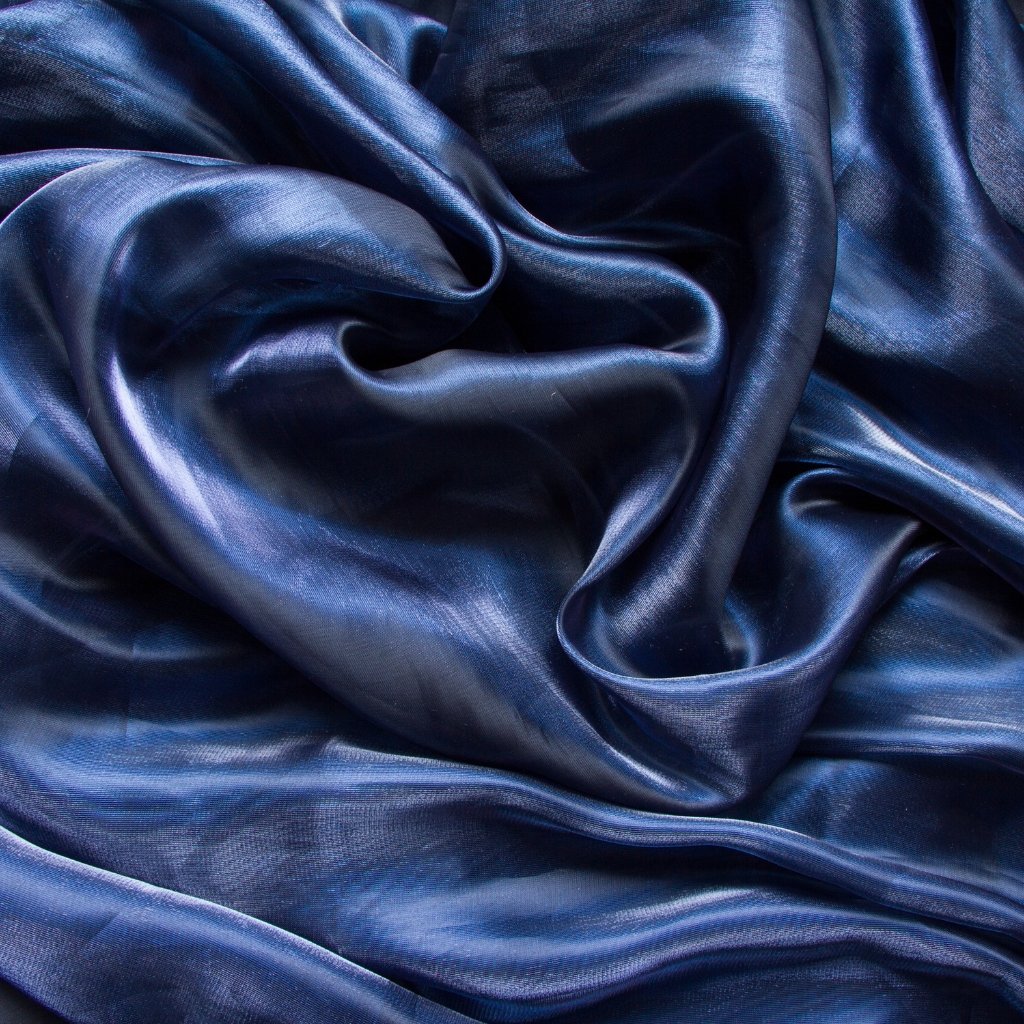
Close-up of rich blue matte organza fabric with soft folds and subtle sheen, showing smooth, slightly crinkled texture and gentle highlights.
Matte Organza Fabric: The Look and Feel — a luxurious, softly luminous textile with a restrained sheen and structured drape.

It feels stiff and crisp when you touch Matte Organza fabric. It is not rough. It is soft enough to wear long hours. The fabric is also slightly see-through which makes it ideal for layering.

It is a soft fabric that moves with the wind, but does not fly away. Many people use it as a way to make a dress more dramatic. It also adds volume to the dress without it being heavy. Wear it all day long without feeling tired or hot.

The fabric does not shine in the light due to its matte finish. It is perfect for those who dislike bright, glossy clothing. This looks calm and soft, perfect for elegant events.

Where Is Matte Organza Fabric Used?

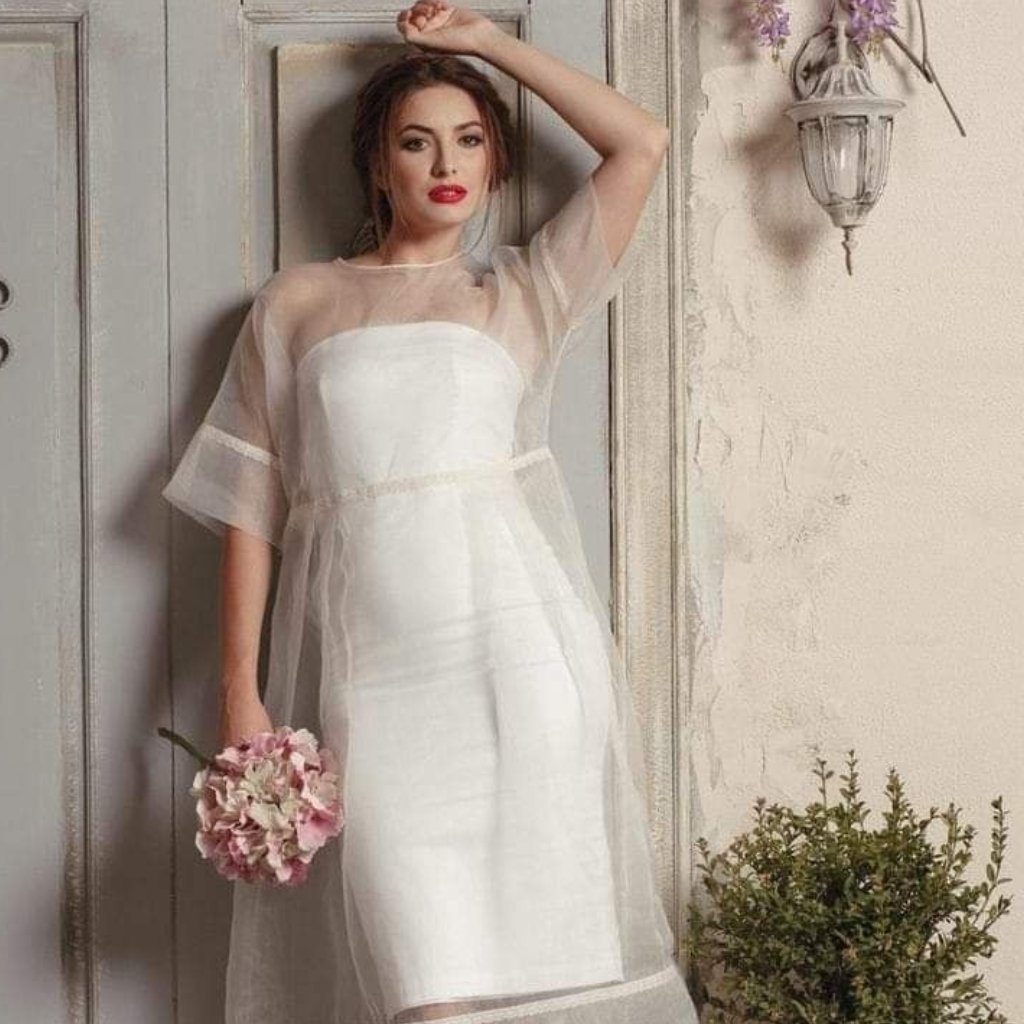
A stylish woman wearing a white strapless dress with a sheer, loose-fitting matte organza overlay. She holds a pink bouquet and stands in front of a light-colored vintage door, with a small hanging lantern and greenery visible nearby.
“Soft, ethereal elegance: a matte organza cape overlays a sleek white dress, paired with a blush bouquet.

This wonderful fabric can be used in many different ways. It’s used in weddings, fashion shows and movies. Matte Organza fabric is perfect for both simple and complex designs. It is often used in wedding dresses that have large skirts. It can be seen in party tops, light scarves, and even wedding dresses.

This fabric is worn by many women. They are simple but still stand out. This fabric is used by designers to create long flowing gowns. It is used to make home decor items such as curtains and tablecloths. Its lightness creates a soft, airy look in any room.

This fabric is popular for everything from bridal wear to birthday clothes. This fabric can be pleated, stitched or layered.

Why Do Designers Choose Matte Organza Fabric?

Designers choose fabrics that enhance their work. Matte Organza fabric is one such fabric. This fabric makes clothes appear fuller without being heavy. It saves you time and makes it easier to wear the dress. It gives a nice shape and is used by many top designers for layering.

It also works with other materials. It can be used with silk, cotton or lace. Colors stay vibrant and fresh even after repeated use. It can be sewed in many different styles. This fabric will hold its shape whether you are making folds or pleats.

Time and quality are important to designers. This fabric is a staple in the collection of designers. The fabric is easy to use and soft to the touch, with great results.

Matte Organza Fabric: Dresses in all Styles

Close-up of matte organza fabric with subtle striped pattern.
. Matte organza: soft, structured texture with a modern stripe motif.

This fabric is used to make many different types of dresses. Many of the long wedding gowns use Matte Organza fabric. The gowns are large, but feel light. This fabric is popular with brides because it creates a dreamy appearance.

Even evening gowns for red carpets can be made of it. It flows beautifully and appears rich. It is also worn by many girls for birthday parties and school events. Designers have also created stylish tops and blouses with it.

Matte organza is now being used in men’s fashion. This fabric is now used in some shirts and jackets. This fabric adds a modern and fresh touch to classic styles.

Why Matte Organza Fabric Is Easy to Wear

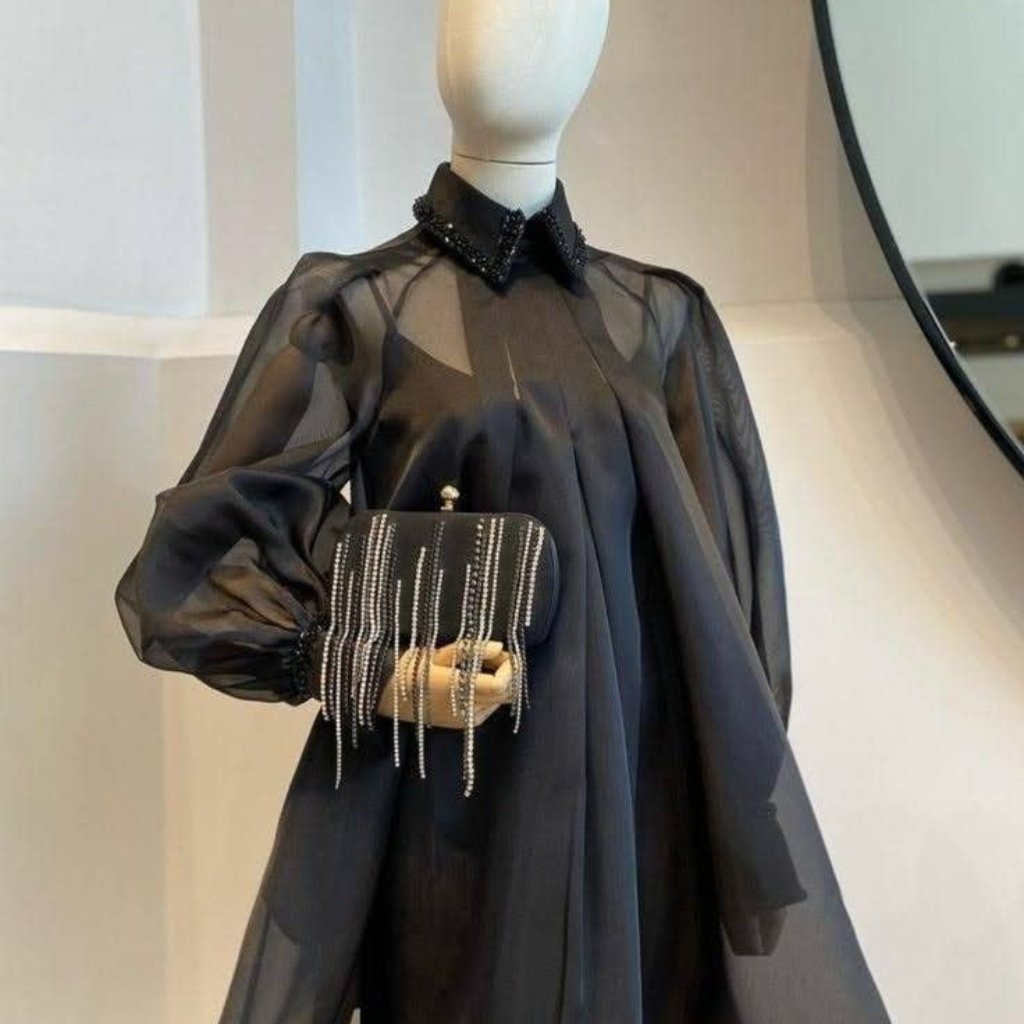
A mannequin dressed in a sheer matte black organza blouse with puff sleeves, holding a black beaded clutch adorned with dangling chains.
Matte organza: effortlessly chic, breathable elegance you can wear all day.

Some people believe that pretty fabrics are difficult to wear. Matte Organza fabric is a great alternative. The fabric is comfortable to wear. You can sit, stand or dance freely without any problems.

In hot weather, it is a good thing that it doesn’t stick. Also, it doesn’t wrinkle easily. This means that your dress will stay fresh, even after a busy day. Fabric does not stretch much so design is perfect.

It fits every body type. This fabric is great for anyone, whether they are tall, short or thin. This is why many people wear it over and over again.

How to Care for Matte Organza Fabric

The fabric is easy to maintain, even though it looks luxurious and soft. If you follow some tips, it is easy to take care of Matte Organza fabric. It is best to wash with cold water. Use liquid or light soap.

Do not rub the fabric too hard. Rinse gently after soaking for a couple of minutes. It is best to avoid washing it in a machine, unless you are using a gentle cycle. It can be dried flat on a towel or hung without folding.

Don’t iron it directly. Use a soft, lint-free cloth to protect the fabric from the iron. Set the iron on low heat. The fabric will remain safe and shiny. The fabric will last for a long period of time if it is properly cared for.

Can You Use Matte Organza Fabric at Home?

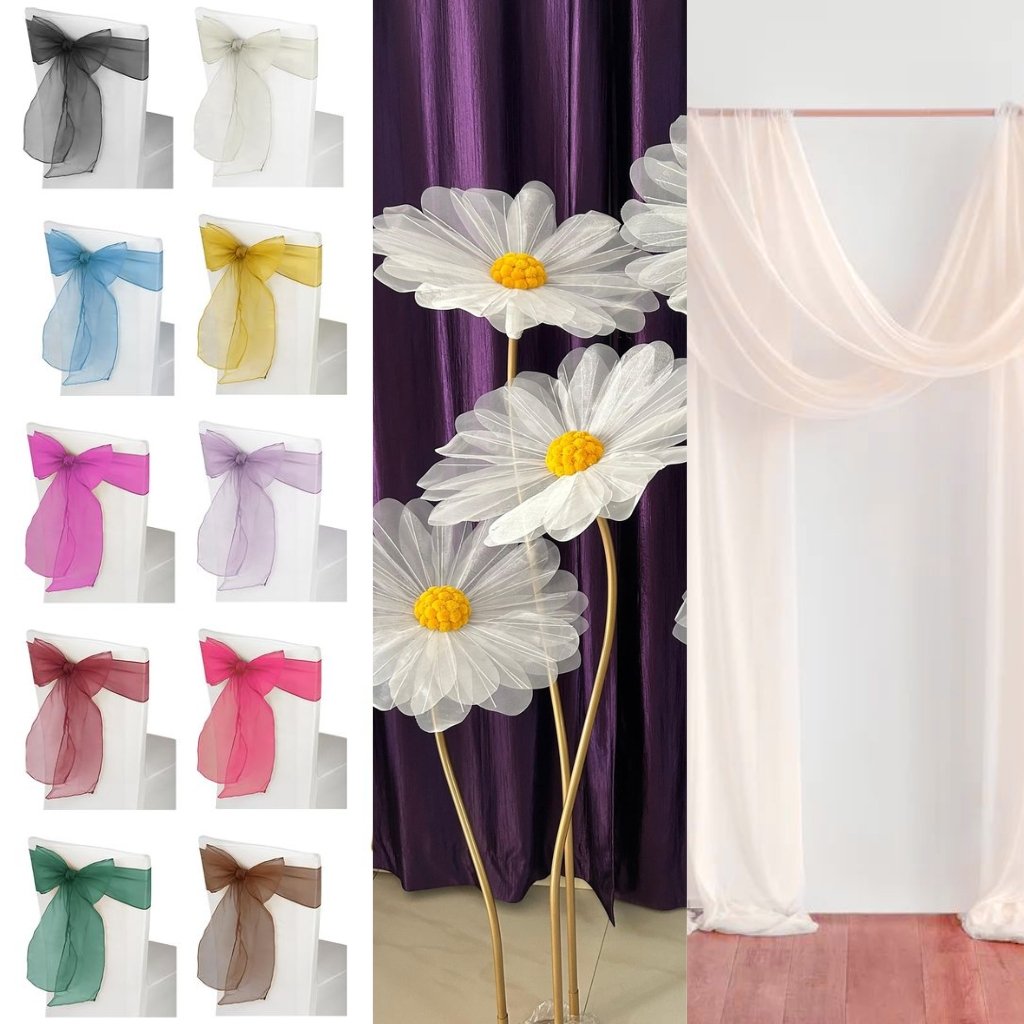
A collage showing an assortment of colorful organza chair sashes on white chairs, a close-up of white matte organza flowers on tall stems against a purple backdrop, and a sheer ivory drape hung as a decorative curtain.
Exploring matte organza: vibrant sash colors for events, decorative organza flowers, and sheer drapery for home décor.

You can use it to make more than clothes. Matte Organza fabric is used by many people to decorate their homes. It can be used to create curtains that allow sunlight to pass through gently. The room looks calm and beautiful.

It can be used on the dining room table. This fabric can be used to make a tablecloth or runner. Some people use it as a way to wrap presents in style.

Matte organza is a good choice for decorations at parties. It can be tied around chairs, used to cover tables or hung from walls. This adds a softness to the space.

Choose the best colors in Matte Organza Fabric

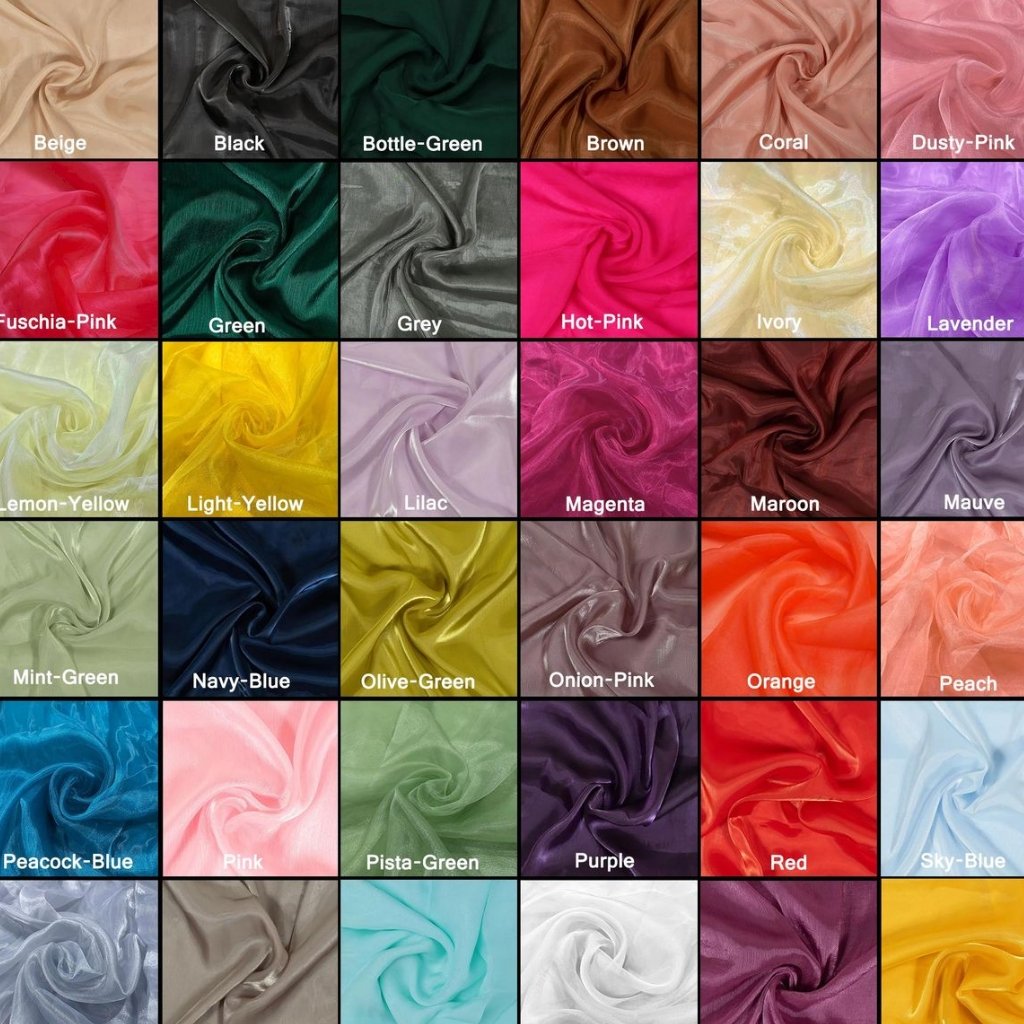
A grid of vibrant matte organza fabric swatches arranged in five rows and seven columns, each swatch labeled with its color name (e.g., Beige, Black, Bottle-Green, Brown, Coral, Dusty-Pink, etc.). The fabrics show soft draping and subtle sheen typical of matte organza
Choose the best colors in Matte Organza Fabric: a rainbow swatch gallery of elegant, non-shiny organza options.

The fabric is available in different colors. You can choose from a wide range of colors, including pastels and bold shades like reds and navy. Weddings are often decorated in light colors. White, peach and baby pink are some of the most popular. These colors are calm and beautiful.

Many people prefer dark colors for evening parties. Rich colors like black, navy blue, wine and emerald look elegant. Matte Organza fabric has the advantage of showing every color well.

The color is balanced due to the matte finish. Even under bright light, it doesn’t appear too shiny. This fabric is available in both soft and bold colors.

Matte Organza Fabric is Better than Other Fabrics

Certains fabrics are too shiny, while others are too heavy or soft. Matte Organza fabric is in the middle. This fabric is a combination of beauty, comfort and style. It is more durable than chiffon, and lighter than satin.

It doesn’t feel as rough as tulle. It’s smoother and more comfortable to wear. This fabric does not look worn out even after repeated uses. Many people claim that it is the best fabric to use for special outfits.

This fabric is easier to sew than net fabrics. This fabric is perfect for any type of dress, whether it’s a simple design or a more detailed one.

Matte Organza Fabric in Modern Fashion

Fashion is more than just looks. Comfort and clever fabric use are also important. Matte Organza fabric is perfect for this new world. Designers want materials that are both beautiful and comfortable.

The fabric is also used for everyday fashion. You can find it in everything from crop tops and jackets to other clothing. This fabric is also sold by many online stores because it’s popular. The fabric is lightweight and easy to pack. This makes it ideal for traveling.

Fashion today is about simplicity. This fabric is the perfect example of that.

Matte Organza Fabric: What You Should Know

Check the quality before buying Matte Organza fabric. Feel the smoothness of the fabric by touching it. To test if the fabric holds its shape, stretch it out a bit. Check the color in daylight.

Buy from reputable shops or websites. Some fake versions are rough and tear easily. When buying online, always read the label. Some fabrics may look like matte organza, but they behave differently.

Buy a little more fabric. If you decide to make changes in the future, this will help. Select colors that complement your skin tone. Soft colors work best during the day. Dark colors are best for night.

Matte Organza Fabric: Final Thoughts

You now know why Matte Organza fabric is so popular. It is stylish, soft and easy to wear. The fabric is great for clothing and home decor. It gives off a sophisticated look without being too overt.

Designers use this fabric to create unique outfits. You can make it simple or fancy. It’s short or long. It can be used in a variety of ways. This fabric is a real wonder.

Choose this fabric if you want to make your next dress look modern and elegant. This fabric is lightweight, easy to maintain, and stylish. You will be amazed at the difference.

01.What is Matte Organza Fabric made from?

It is usually made from silk or polyester with a soft matte finish.

02.Can I wear it in summer?

Yes, it is light and breathable, perfect for hot days.

03.Does it shrink after washing?

If washed gently, it will not shrink.

Voile Cotton Fabric: Soft, Durable, and Versatile

Picture a fabric soft and light as a feather that flows grandly and adds a nice pop of soft brightness to anything. That is the beauty of voile cotton. Voile has both practical and breathtaking components. Voile is a textile that is both beautiful and practical. Voile is a fabric that is both beautiful and practical. Voile is a fabric that is often confused with similar materials like lawn and organza.voile cotton fabric

In this guide, we will unravel all the important factors you need to consider about this fabric. We will explore its defining traits, the yarn conversion sequences involved in making the fabric, and how it stacks up against other contemporary cottons. More importantly, we will offer a wealth of inspiration for sewing projects, essential care tips to make sure your creations last, and to ensure that you do not exhaust all your creativity in one go in our sewing projects guide. By the end of this article, we believe you will appreciate the delicate beauty of voile cotton, and how it can help you with your next masterpiece.

What is Voile Cotton Fabric? Defining the Delicate Wonder.

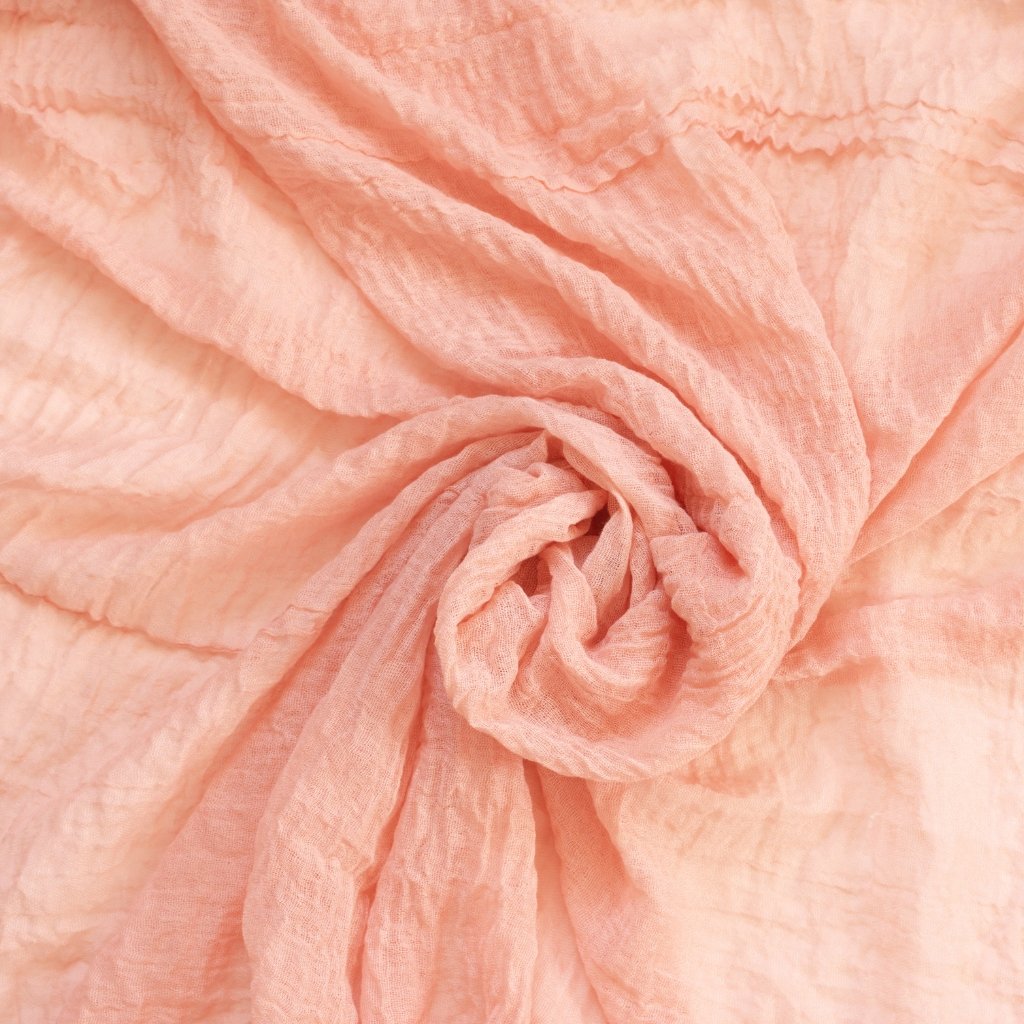
A close-up view of soft, peach-pink fabric twisted into a circular knot, showing gentle folds and a textured, airy weave.
Peach-pink linen gathered into a relaxed, fabric swirl.

Let’s start with the basics. Voile in the French translates to veil, and in textile is a lightweight, woven fabric that is soft and smooth to the touch, with a distinctive semi-sheer quality. Voile fabric’s characteristic is a function of the yarns that were used to make it. Voile is made with commed cotton yarns, which after being ultrasoft, get a touch twisting before being woven. Read more….Sateen Cotton Fabric

The twisting or that high twist is what is the major factor in the fabric’s construction. Voile is more crisp than soft, purely because of the twist. Hence, the fabric is in fact more durable than it appears. Voile is unique, because it durable and sheer at the same time. But, it does have some lustre. It’s beauty lie in it’s gorgeous, fluent drape, and in these dry times, working with cotton is a true blessing.

While cotton is the most common fiber used to make voile fabrics, silk, polyester and rayon can also be used. For the purpose of this guide, 100% cotton voile will be used, because it is the most comfortable and most breathable.

A Journey Through The Making Of Voile: From Fiber To Fabric

Being able to appreciate Voile and its properties starts from understanding its production. To industrial engineers, the processes involved epitomize the blending of art and science; the synthesis of creative and logical precision results in a masterpiece. Read more…..Poplin Cotton Fabric

Step 1: The Foundation – Quality Cotton

As the rest of the world, the starting point is the cotton. For the higher-quality Voile, the long-staple cotton fibers from Egyptian or Pima cotton are the best. These longer fibers can be spun into stronger and finer yarns that contribute to the fabric’s durability and smoothness.

Step 2: The Differentiation Factor Combing and Tight Twist

After cotton has been spun into yarn, the next step in the production of Voile is Combing and Twisting. Combing is the first, and arguably the most important, step of the two. In this step, fibers are groomed to eliminate the short strands and impurities in the yarn, creating a stronger and more streamlined yarn. The next step, and arguably the most important, is that this combed yarn is given a high twist, the tighter the better. This tight twist is the defining characteristic of Voile; it adds strength, and a subtle crispness to the yarn, preventing it from being floppy.

Step 3: Elaboration on Weaving as an Art- It’s Simplicity.

The meticulously twisted yarns are woven in a plain weave, where the weft repeatedly rises over and under the warp. It became obvious to me that, the simplicity of the structure of a weave is as important as the construction- the sheer-ness of the fabric depended on it. The twist rate of the threads was the most important and obvious factor in the construction of the voile- threads are woven into a fine, tightly woven high thread count. It is thread count that ensures the fabric is high in construction density while remaining light, highly breathable and responsive with soft, smooth texture on the skin.

Step 4: Merits of the Process- How to Soften and Add a Silk-like Luster.

Woven fabric undergoes finishing to enhance its quality. First, singeing smoothens the greige fabric by removing excess fibers that weaken its structure. This prepares the surface for mercerization, where sodium hydroxide saturates the cotton fibers. The resulting swelling strengthens the fabric and improves dye uptake, giving voile its characteristic silky luster. Before dyeing with elegant colors and prints, the soft voile fabric is bleached.

Voile and Other Lightweight Cottons Are They The Same

The subtleties between voile, lawn, batiste and poplin can easily be overlooked, distinguishing, particularly when a buyer is looking to purchase fabric. Although all are light weight. fabrics, the nature of your project will determine the fabric that is most appropriate.

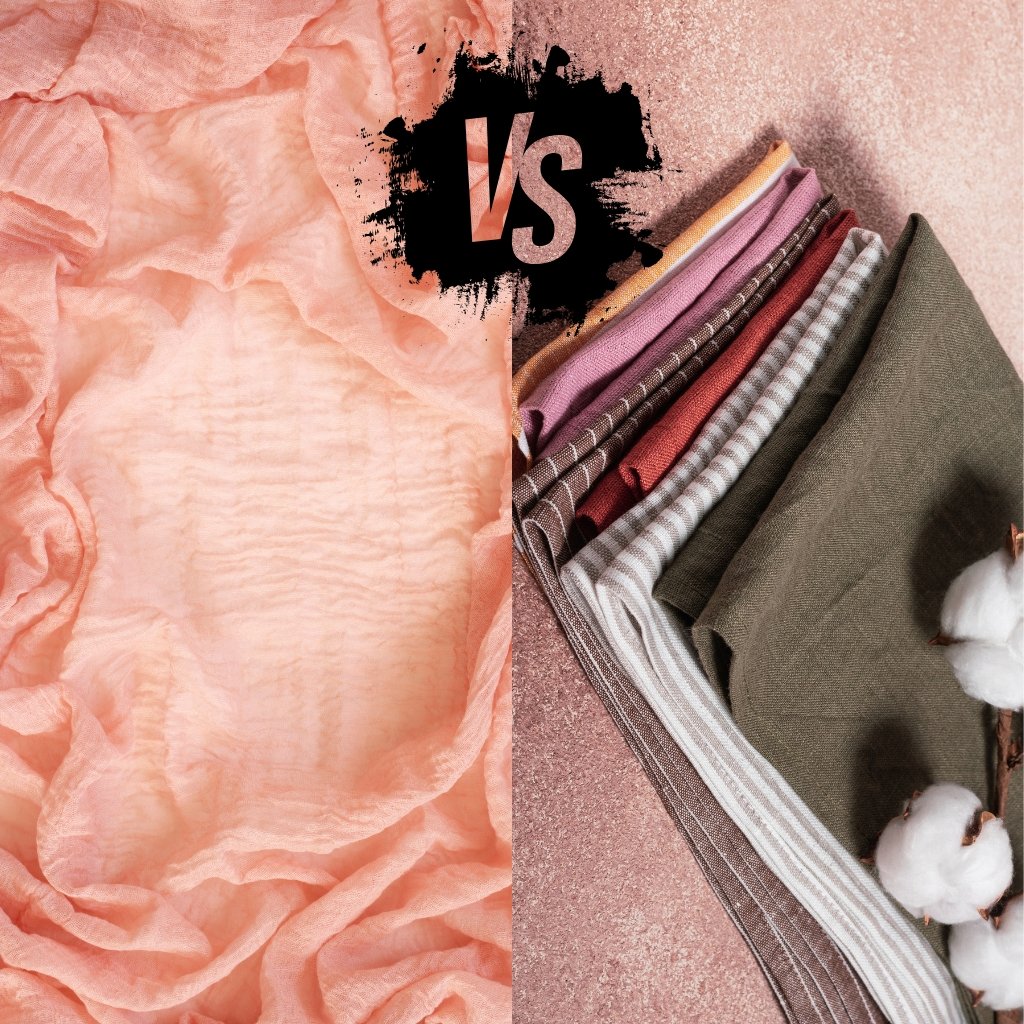
A split layout showing two fabric contrasts: on the left, soft peach-pink chiffon draped loosely; on the right, neatly folded textiles in neutral tones (khaki, beige, striped, and muted reds) with white cotton bolls, all set on a pink glittery background.
Soft chiffon vs. tailored textiles: a textile showdown.

Voile vs. Lawn. Of all comparisons, this one is the most straightforward, as both are light weight plain weave cottons. They differ mainly in yarns. Lawn is also made from combed cotton, yet the yarns are less twisted. Thus, lawn is more opaque, softer, has a matte finish, and a crisper hand than voile. Voile is more fluid, has a subtle gleam, and is less opaque because the yarns are more twisted.

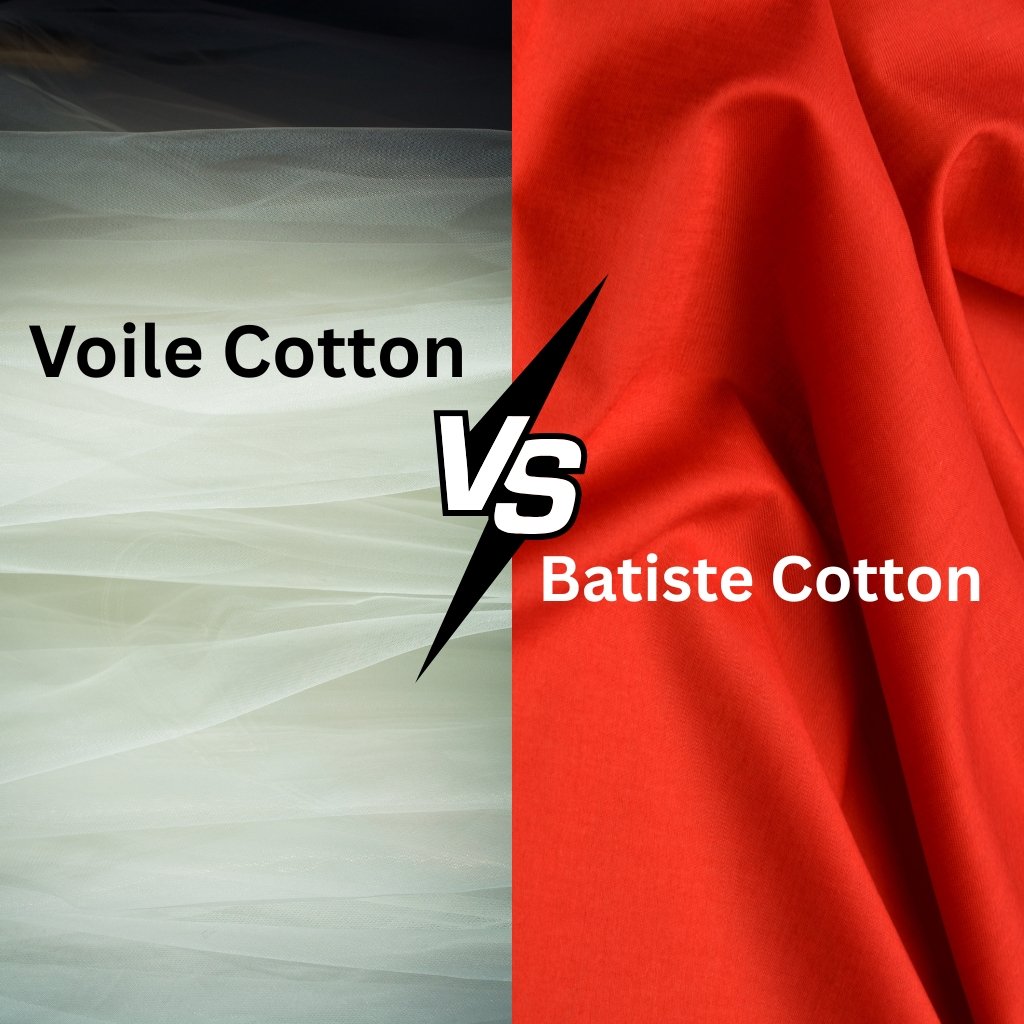
A side-by-side comparison of fabrics: left side shows pale white cotton voile with soft folds, right side shows bright red Batiste cotton with smooth, vibrant draping; a bold "VS" graphic spans the center.
Voile Cotton vs. Batiste Cotton: a fabric face-off.

Voile vs. Batiste. Batiste is lighter and less opaque than voile, and is also softer and less crisp because the weave is more open. Voile is stiffer than batiste, which is common for handkerchiefs and christening gowns. Voile is stiffer and has more body than batiste which is common for structured garments.

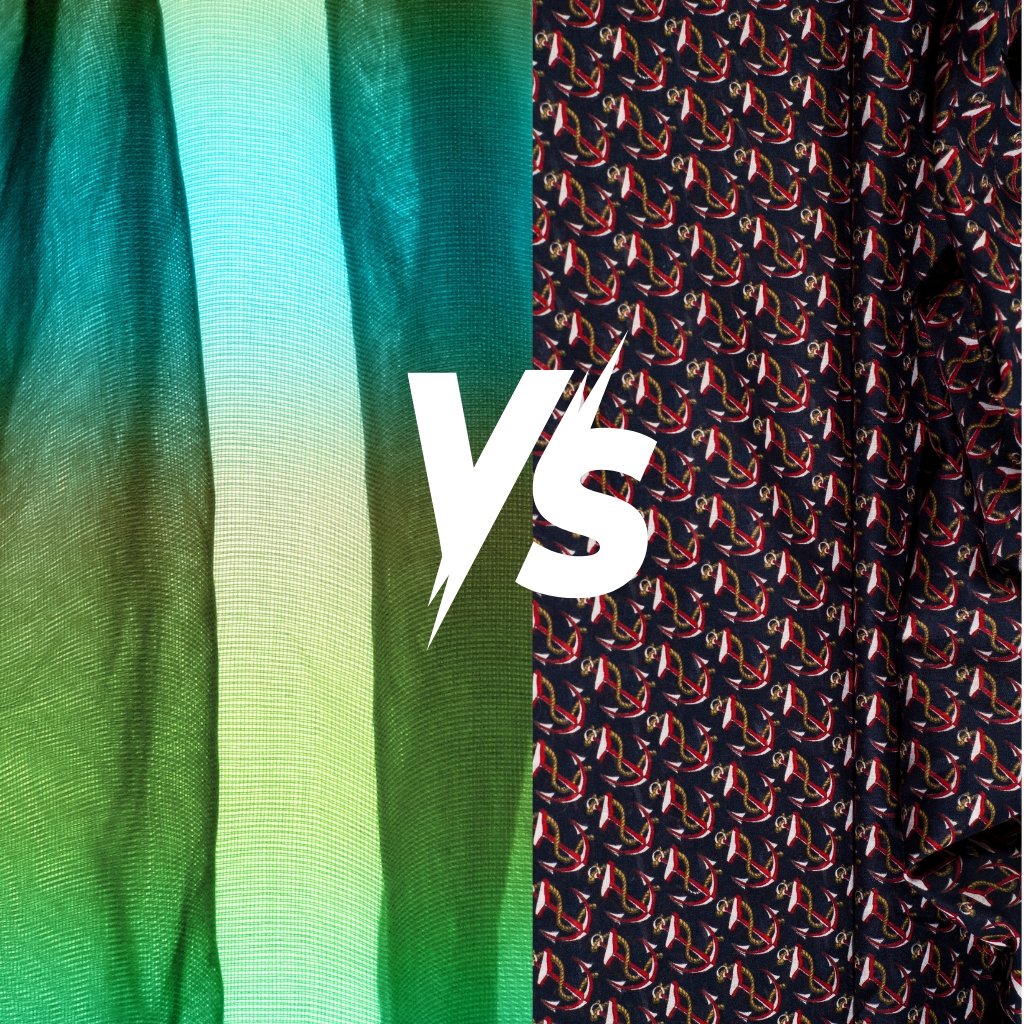
A split-image fabric comparison: left side green gradient fabrics, right side dark patterned fabric with red and white motifs, ‘VS’ in white text in the middle.
Green gradient fabrics face off against a dark, repeating red-and-white pattern in a bold fabric showdown.

Voile vs. Poplin. Poplin is thicker than voile, and is thus more opaque and heavier in weight. It has a crisp drape and is commonly used in shirts and dresses where more structure is desired. Voile is unmistakably lighter and more flowing.

In conclusion, envision the fabrics as layers in a gradient from the most crisp and opaque to the sheer and softest. Poplin, lawn, and batiste. See more….Canvas Cotton Fabric

Why You Would Enjoy Sewing with Voile Cotton: A Maker’s Perspective

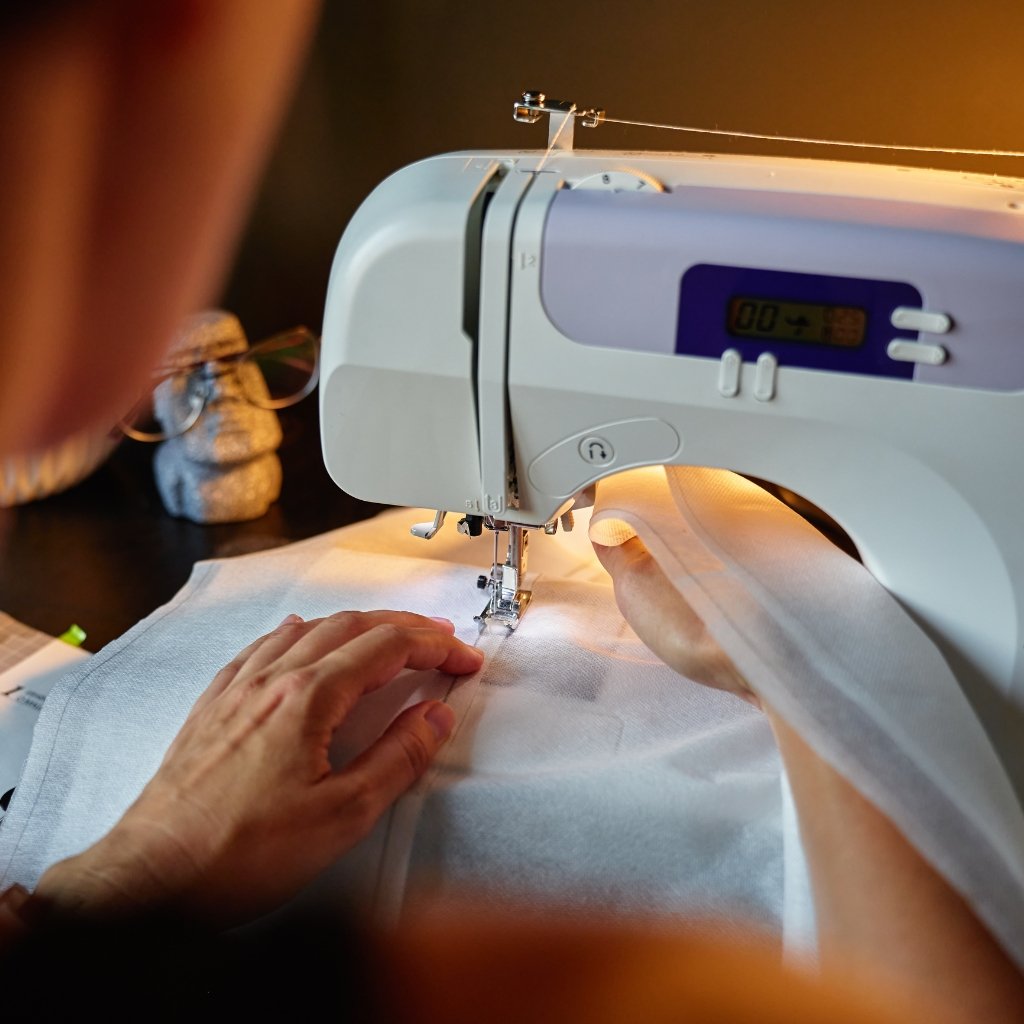
A person guiding white fabric under a sewing machine needle as it stitches; a hand rests on the fabric while the performer’s other arm guides the material.
A sewing machine in use, with a person guiding fabric as a seam is stitched.

Let us get to the interesting part! Why voile with your next project? There are a lot of good reasons.

  1. Unbearable Lightness of Voile Cotton: Because it is 100% cotton, is extremely light. Voile is great on a hot sunny day to let the air circulate and keep you cool. Unlike a polyester shirt, it can still let the skin breathe enough to avoid turning into a swamp.
  2. A Drape That Dazzles: This is one of the reasons why so many people love it. Voile creates garments that are easy and pleasant to wear. This fabric is ideal for classic styles that require great upper body freedom. This is why we wear maxi skirts, shift dresses, and palazzo pants.
  3. A Spectrum of Stunning Designs: Voile is easy to print on. it is tightly woven fabric, so can take on fine patterns. That is why you can find so many voile patterns: from small florals and geometrics to huge artistic blocks. If you want a fabric that can be worn and seen, you can find voile.
  4. Surprisingly Durable: The high twist yarns used in voile may make it look delicate but it is in fact surprisingly strong and resistant to tearing. If taken care of properly, garments constructed from quality voile fabrics will last for many seasons. Read more…..Flannel Cotton Fabric

Challenges of Working with Voile (and How to Overcome Them)

Similar to any specialty fabric, working with voile has its own special issues. These, however, can be solved with a few pro tips.

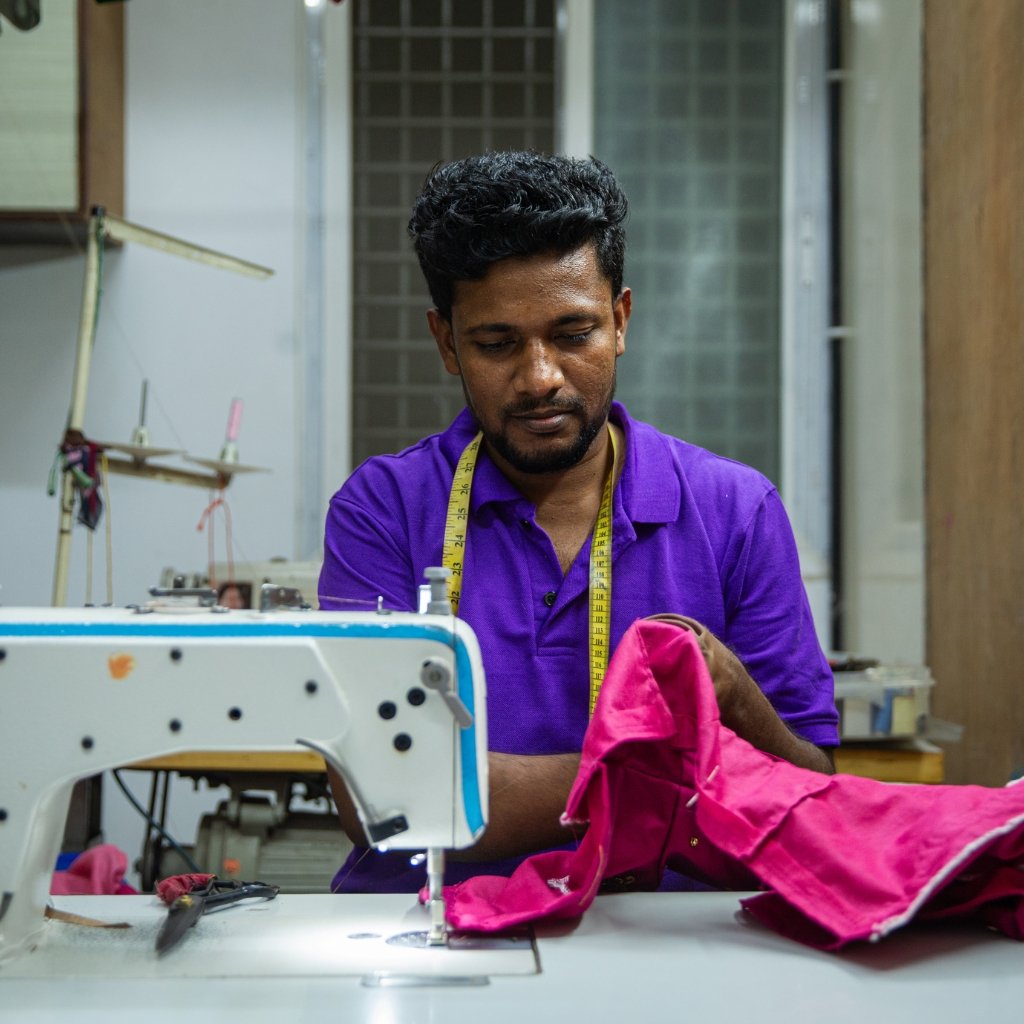
Challenge: Slipperiness. Voile can also be difficult to cut and sew.

A man in a purple shirt sits at a sewing machine, measuring with a yellow tape as he works on pink fabric in a workshop.
Tailor at work: carefully stitching vibrant pink fabric on a industrial sewing machine.

Solution: Use fine, sharp pins or weights to hold fabric to your pattern. a rotary cutter along with a self healing mat provides more control than fabric scissors.

Challenge: Sheerness. Sheerness may requires underlining or lining or clever construction layering.

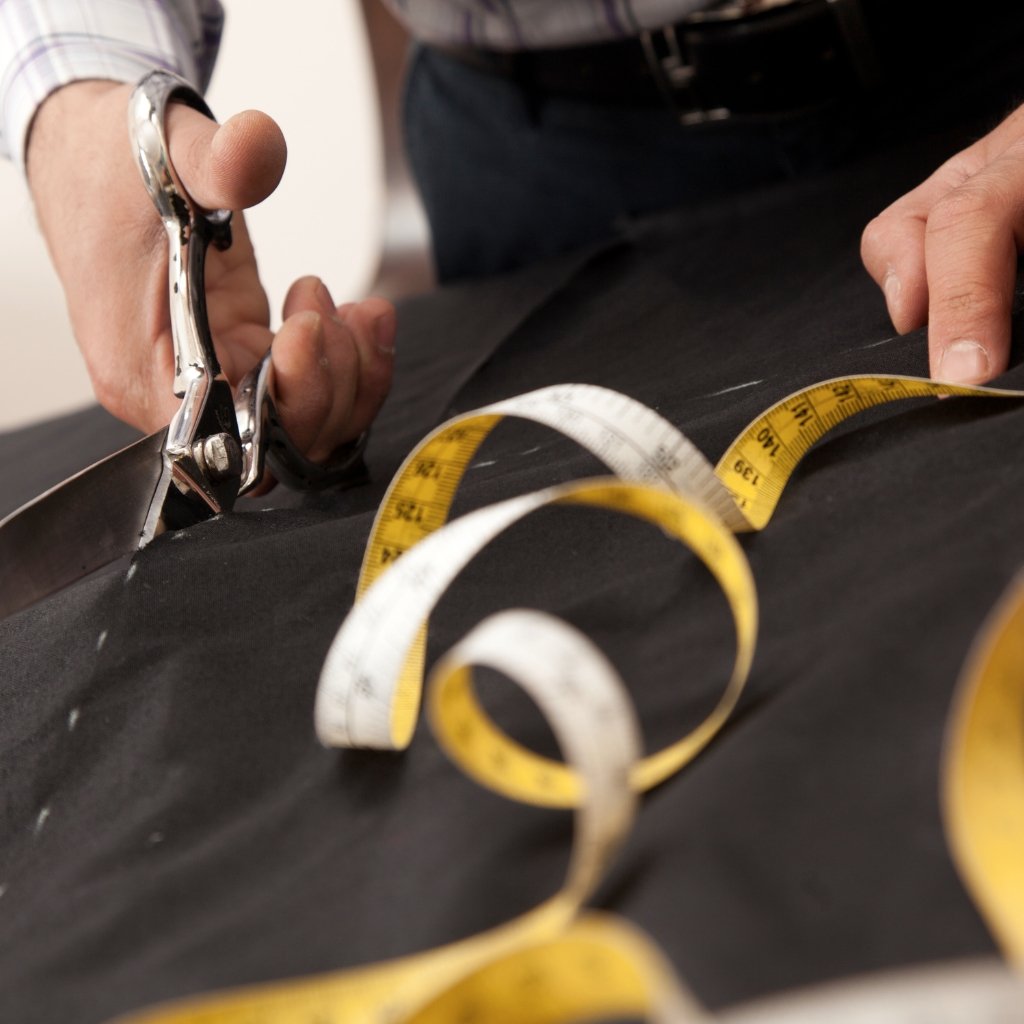
Close-up of a tailor’s hands cutting black fabric with metal shears, with a yellow measuring tape draped across the fabric.
Tailor at work: precision cutting with scissors and a measuring tape.

Solution: You may want to consider underlining your garment with lightweight cotton batiste or silk habotai. Alternatively, you can also use French seams, flat-felled seams, or enclosed seams, which are highly recommended as they create a neat, clean seam on the inside, enclosing all raw edges beautifully.

Challenge: Potential for Fraying.

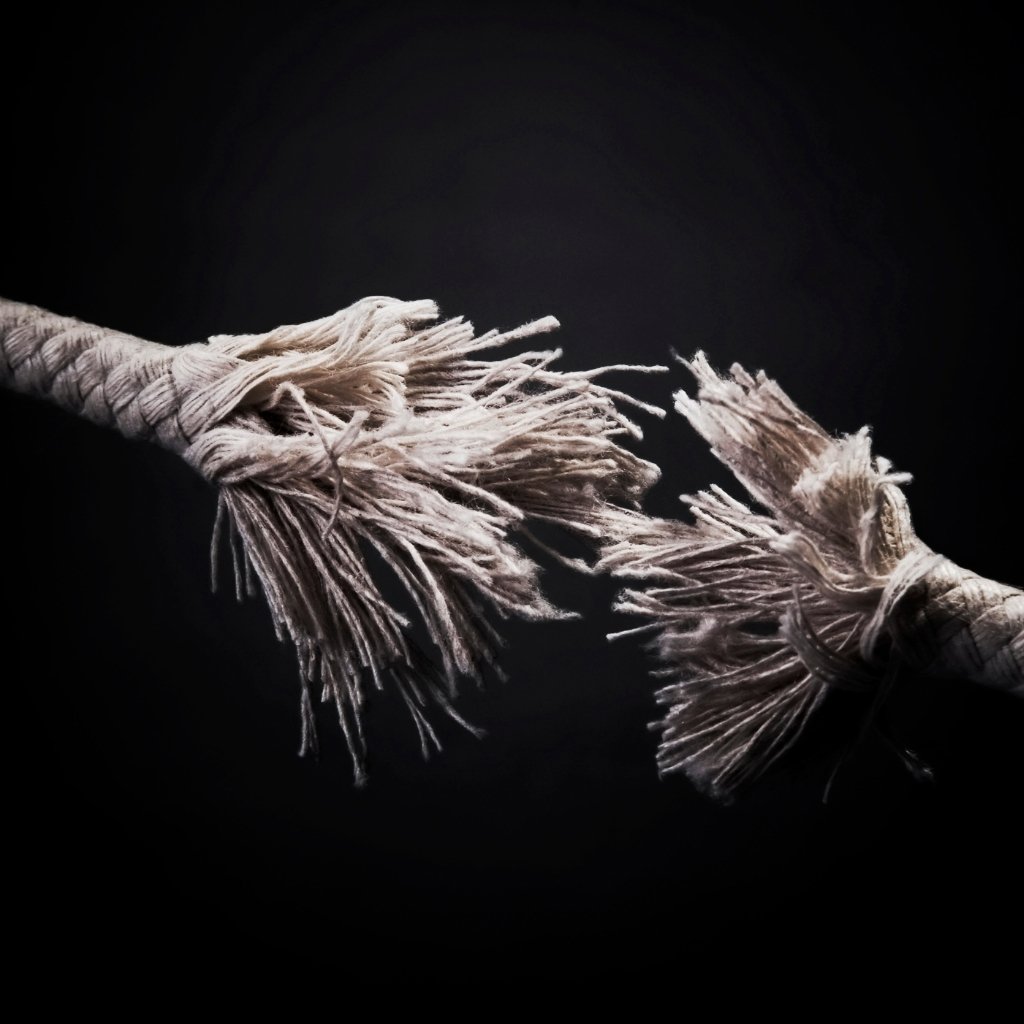
Frayed rope ends breaking apart against a dark background.
A frayed rope end splits apart, symbolizing tension and breaking points.

Solution: The weave helps a great deal, but voile is also prone to fraying. Pinking shears on seam allowances is the most common solution, however, it is not the most professional.

Challenge: Requires Sharp Tools. The needle must be sharp as the dull side can catch and snag the fine threads.

A collection of stainless steel bar tools arranged around a dark slate board on a wooden surface.
A chef’s toolkit laid out: sleek barware and utensils ready for crafting cocktails.

Solution: Always start with a fresh, sharp needle, size 70/10 or 80/12 . A microtex needle is made especially for fine closely woven fabrics, such as voile, and will produce the cleanest results.
Inspiring Project Ideas for Voile Cotton Fabric

The creativity with which voile can be worked with is astonishing. Here are some ideas for you to consider:

For Fashion:

A plain brown long-sleeve Henley shirt displayed on a white background.
Classic brown Henley: simple, versatile everyday wear.

Flowy Blouses and Shirts A classic voile button down shirt is a staple in the summer wardrobe, excellent for its comfort and breathability, it gives off an effortless chic look.

Elegant Dresses Stunning sundresses, maxi dresses, and tiered dresses can be created to float beautifully with every step taken.

Lightweight Skirts Voile can offer movement and grace to skirts, ranging from the full gathered skirts to sleek A-line silhouettes.

Palazzo Pants and Wide-Leg Trousers Voile offers unrivaled comfort for wide trousers and the ultimate in comfort and style.

Scarves and Wraps Light weight voile scarves can really brighten and soften an outfit.

For Home Decor:

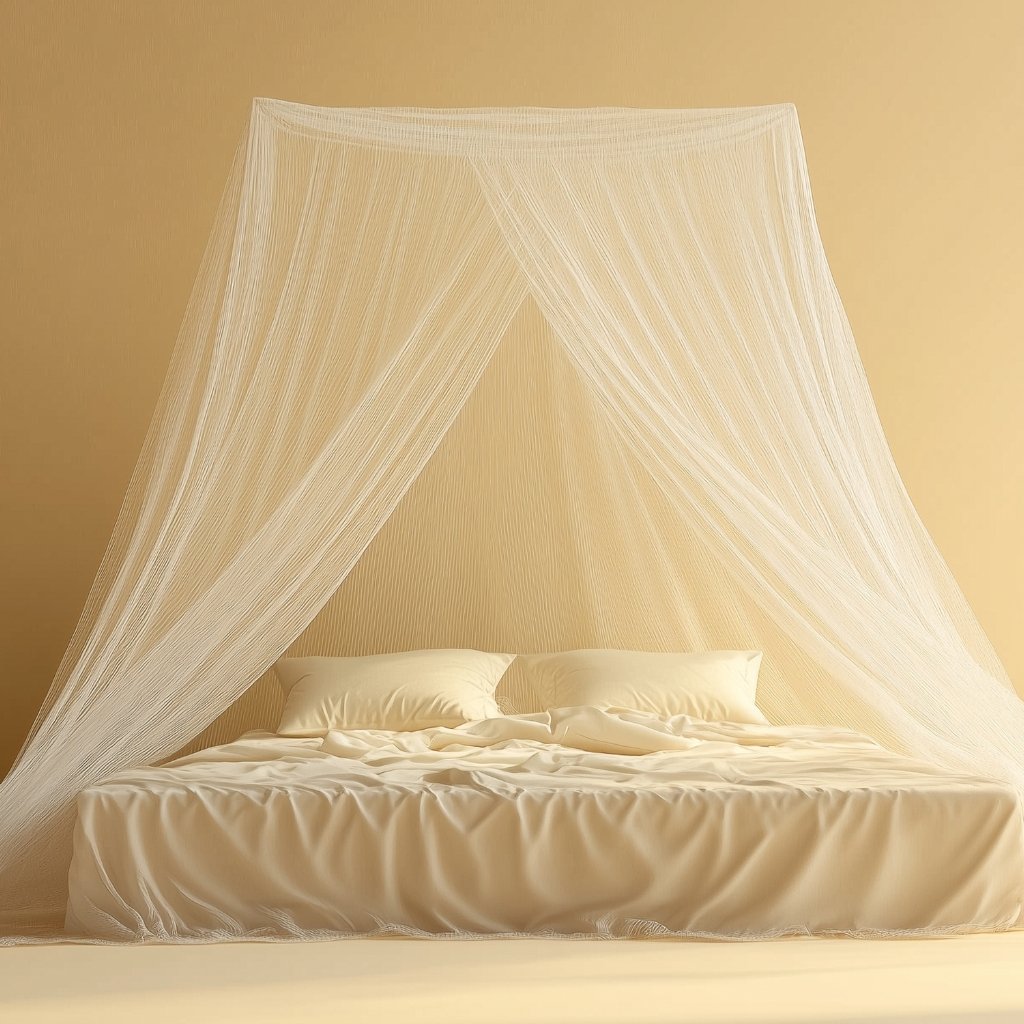
A romantic bed with a sheer white canopy draped over the headboard, covering the sides of the bed. The bed is made with white linens and pillows, set against a warm beige wall. voile cotton fabric
Elegant minimalist canopy bed with sheer drapes in a soft neutral palette.

Curtains that Filter Light Traditionally, voile is used for sheer curtains that allow light to enter and disperse softly while providing privacy.

Delicate Bed Canopies A bed can be made to look dreamy and romantic with a canopy made from voile draped over it.

Lovely Table Runners and Napkins: Complete your dining table setup with the gentle grace of voile.

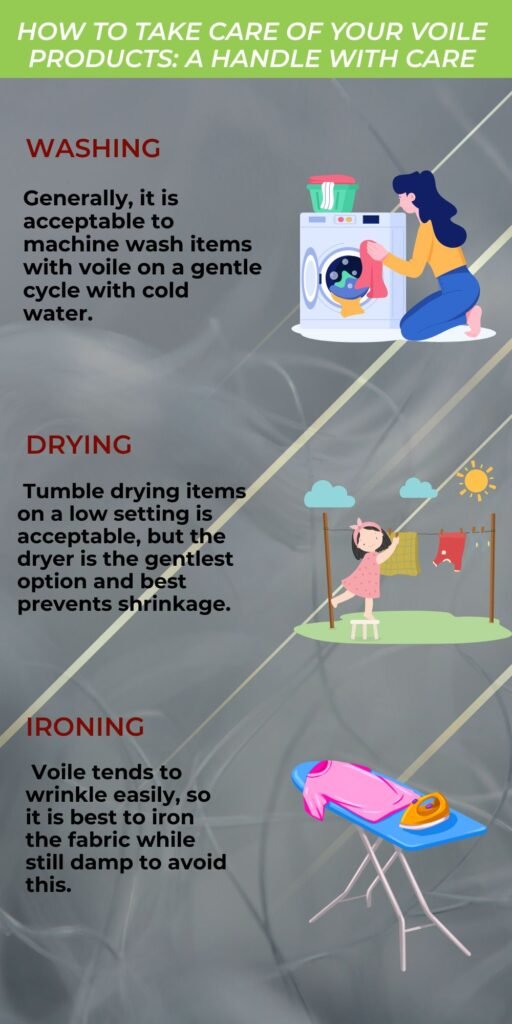
How to Take Care of Your Voile Products: A Handle with Care

A vertical infographic titled “How to Take Care of Your Veil Products: A Handle with Care.” Sections from top to bottom cover: WASHING—illustrates a girl loading a washing machine; DRYING—illustrates a girl hanging clothes on a line outdoors with sun; IRONING—illustrates an ironing board with an iron. Each section includes brief care tips in black text on a gray background with subtle diagonal lines. voile cotton fabric
How to care for your voile products: washing gently, air-drying, and careful ironing.

To help your voile pieces keeps their beauty for longer, some simple maintenance will need to be performed. Thankfully, it isn’t particularly complicated.

Washing: Generally, it is acceptable to machine wash items with voile on a gentle cycle with cold water. To avoid snagging, it is best practice to wash garments inside-out. Gentle detergent is a must with these items.

Drying: Tumble drying items on a low setting is acceptable, but the dryer is the gentlest option and best prevents shrinkage. In the case that a dryer is used, it is optimal to remove the item while it still has some moisture, as this will help with ironing.

Ironing: Voile tends to wrinkle easily, so it is best to iron the fabric while still damp to avoid this. An effective way to achieve this is to set the iron on medium to high heat, with a touch of steam for a final touch.

Conclusion

Therefore, every passionate sewer should have Voile cotton fabric in their collection. It combines sheer beauty and practicality in a way very few fabrics can. Its construction, comfort, and unique drape, as well as the sewing experience, are all unparalleled. The approach may be slightly complicated, but the end results will surely be worth the effort.

Comfort and elegance in a garment or a home decorative piece that lets in soft light are no longer just a dream. Grab a beautiful piece of Voile cotton fabric and let your imagination run wild. The more you embrace the delightfully light properties, the more rewarding your finished piece will be and the more enjoyment you will derive from constructing it.

FAQs

 What is the main difference between voile and cotton lawn?

The main difference lies in the yarn. Both are lightweight, plain-weave cottons, but voile is made with tightly twisted yarns, giving it a more fluid drape, a slight sheen, and a higher degree of sheerness. Cotton lawn uses yarns with a lower twist, resulting in a fabric that is slightly more opaque, crisper, and has a soft, matte finish.

 Is voile cotton fabric see-through?

Yes, voile is generally semi-sheer or see-through. Its lightweight and open plain weave create this characteristic transparency. For garments, this often means that a lining, a slip, or underlining is required for modesty, depending on the style.

 Is voile good for summer clothing?

Absolutely. Voile is an excellent choice for summer clothing. It is highly breathable, moisture-wicking, and feels light and airy against the skin, making it ideal for hot and humid weather. Its fluid drape is perfect for flowy blouses, dresses, and skirts.

Corduroy Wool Fabric: History, Properties, Uses, and Care Tips

Warmth, durability, and elegance all come together in the versatile corduroy wool fabric. For decades, fashion designers and home décor enthusiasts have welcomed this fabric’s distinct ridged texture. Appreciating this fabric means understanding corduroy wool’s history, properties, and multiple uses, and why this fabric continues to be a choice in casual and formal settings.

History of Corduroy Wool Fabric

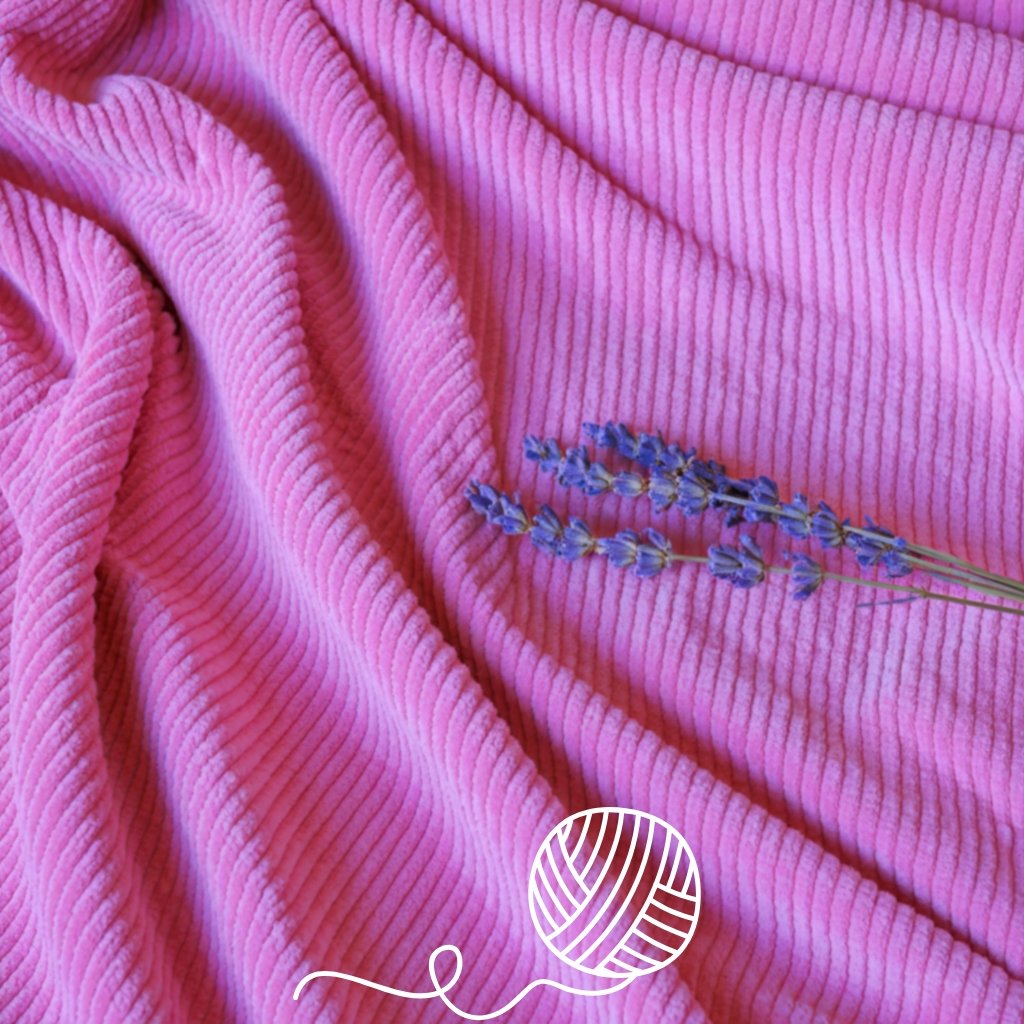
Close-up of bright pink corduroy wool fabric with its distinctive ribbed texture, featuring a small cluster of purple lavender stems placed on it.
ibrant pink corduroy wool fabric draped softly with a sprig of lavender for a cozy, colorful still life.

History of Corduroy Wool Fabric goes back several centuries to the 18th century when it became popular to use in Europe. As time progressed, the use of various fabrics became popular due to industrialization. By the 20th century, the fabrics made was a staple in wardrobes, typically in the form of jackets, trousers, and school uniforms and became a classic, timeless staple in every closet.

Properties of Corduroy Wool Fabric

Infographic titled ‘Properties of Corduroy Wool Fabric’ with a bright green header. Five numbered sections list: 01 Warmth and Insulation with an illustration of yarns; 02 Durability and Strength with a group workout image; 03 Breathability and Comfort with a person resting; 04 Softness and Unique Texture with a close-up of corduroy texture; 05 Wrinkle Resistance with a person relaxing. Each section has bold green headings and black body text on a white background, with green circular image accents along the right side. At the bottom left, the Eco-Jersey logo is shown.
Properties of Corduroy Wool Fabric: warmth, durability, breathability, softness and texture, and wrinkle resistance, illustrated with simple icons and a green design.

Corduroy wool fabric offers several unique properties that make it practical and desirable:

1. Warmth and Insulation

The what is wool fabric component provides natural insulation, making garments warm and comfortable during cold seasons.

2. Durability and Strength

Corduroy wool fabric withstands frequent use because its ridged structure adds strength and longevity.

3. Breathability and Comfort

Although warm, this fabric allows air circulation, preventing discomfort and overheating.

4. Softness and Texture

Its ribbed texture feels soft to the touch while maintaining a structured appearance.

5. Wrinkle Resistance

The tweed wool fabric blend helps resist wrinkles, keeping clothing neat even after extended wear.

Varieties of Corduroy Wools Fabric

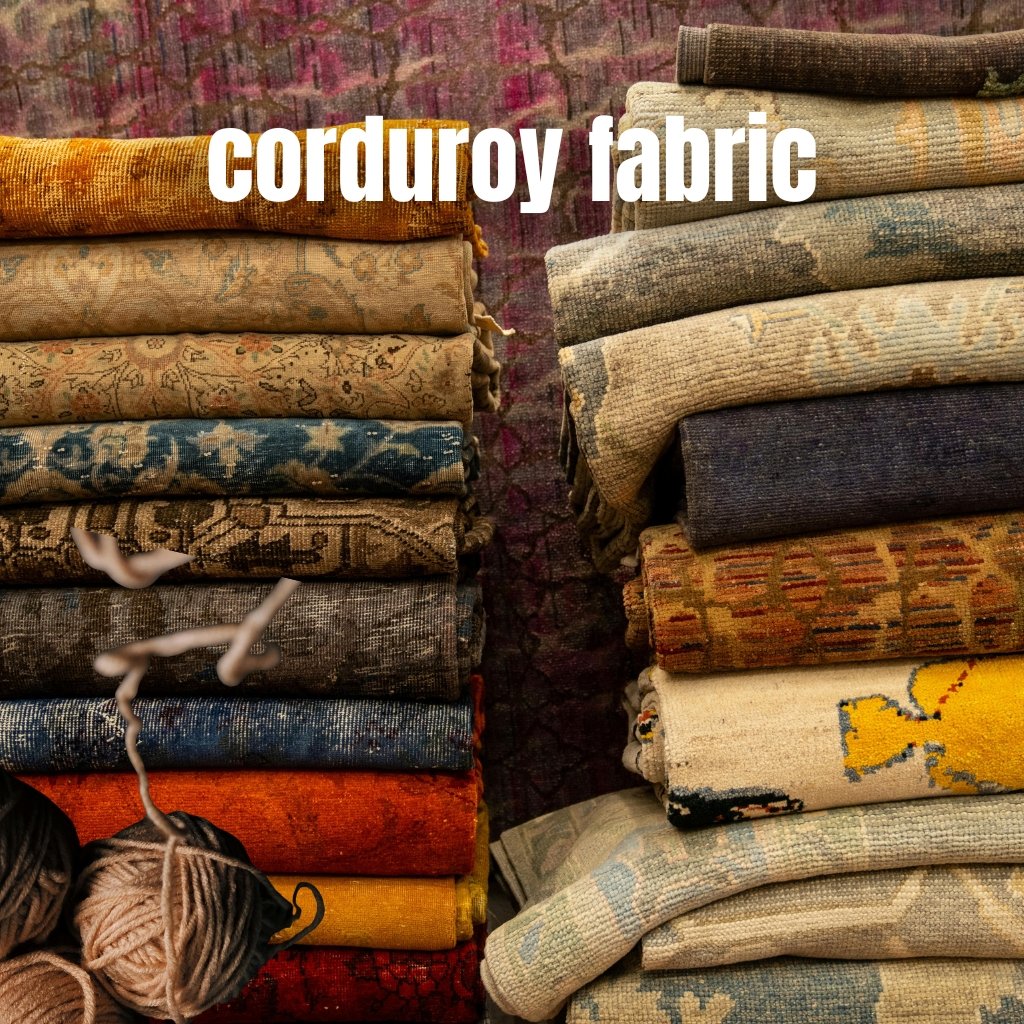
Stacks of folded fabrics in warm earth tones with varied textures, featuring corduroy and wool blends; bold white text 'corduroy fabric' overlays the top.
Corduroy and wool fabrics in a rich palette of oranges, browns, beiges, and blues.

Several kinds of corduroy wol fabric can be distinguished primarily by their wale count (number of ridges per inch):

Wide-Wale Corduroy Wools Fabric – Has thick cords, which is suitable for outerwear like jackets and coats.

Mid-Wale Corduroy Wool Fabric – Has balanced cords, which is great for trousers, skirts, and other daily clothes.

Fine-Wale Corduroy Wol Fabric – Has thin, subtle cords, which is ideal for shirts and other light clothes.

Each of which can be used for a variety of throw or decorative items.

Benefits of Corduroy Wool Fabric

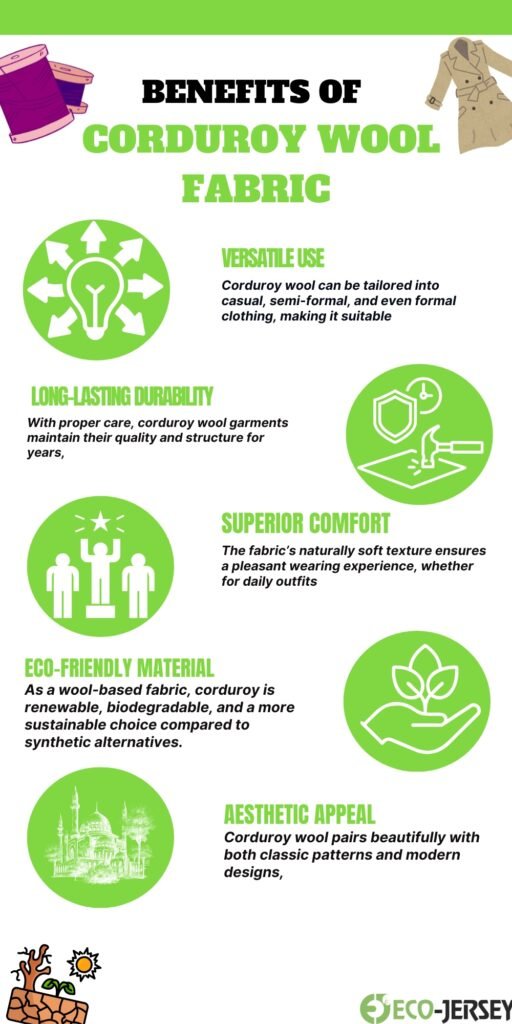
Informational infographic about corduroy wool fabric: title ‘Benefits of Corduroy Wool Fabric’ with six green circular icons and corresponding benefit sections (Versatile Use, Long-Lasting Durability, Superior Comfort, Eco-Friendly Material, Aesthetic Appeal). Each section has a brief description and simple illustrations.
Benefits of Corduroy Wool Fabric: versatile, durable, comfortable, eco-friendly, and aesthetically appealing.

The advantages of this fabric clearly outline why it refuses to fade out of fashion:

  • Spread: fabric can be used to make casual, semi-formal, and formal clothing.
  • Durability: Last for ages with a little care.
  • Comfort: the fabric’s soft texture makes it pleasant to wear.
  • Sustainability: Ecologically considerate as wool is renewable and biodegradable.
  • Aesthetic: Matches well with classic patterns or contemporary styles.

Drawbacks of Corduroy Wool Fabric

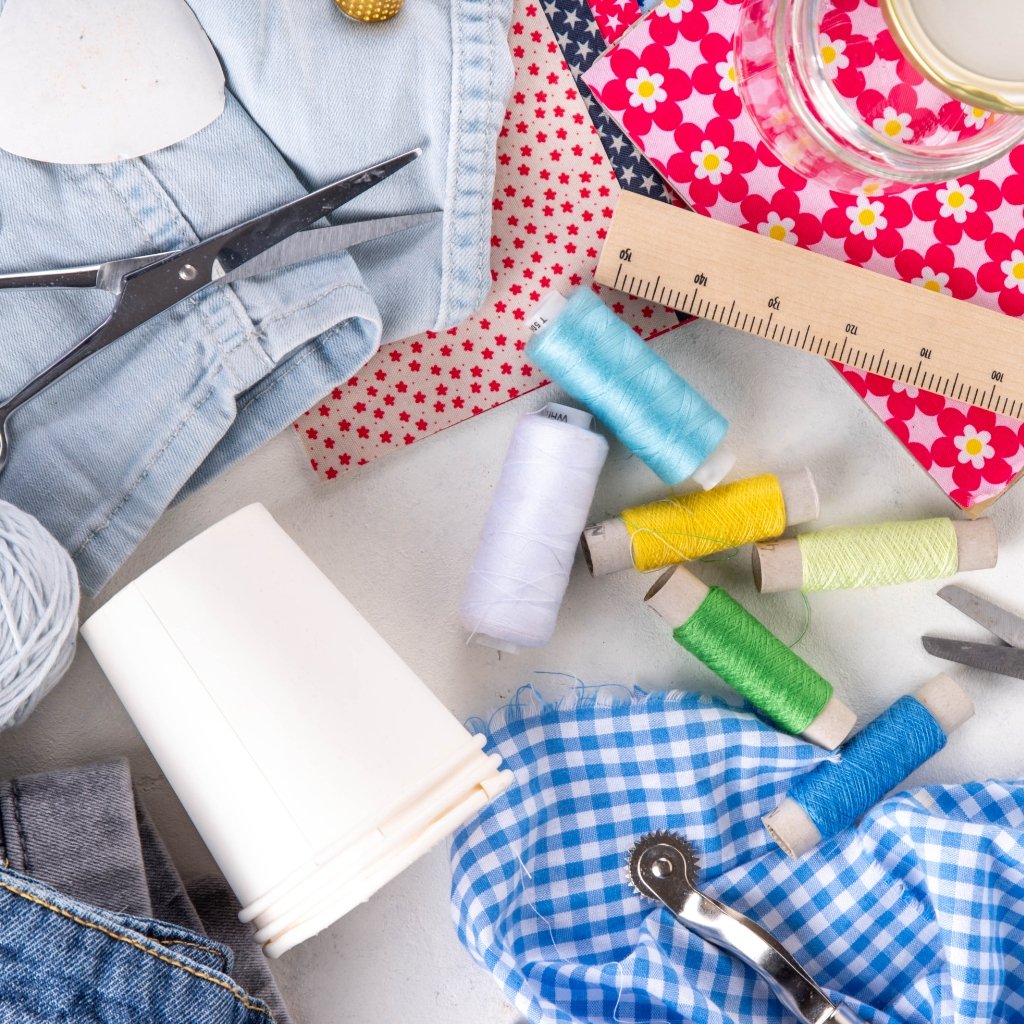
A craft workspace with cords and fabrics: corduroy and wool textiles, sewing tools, colorful thread spools, scissors, a ruler, and patterned fabrics on a light surface.
Crafting moments: corduroy and wool fabrics ready for sewing, with scissors, thread spools, and a measuring ruler.

Though this fabric has plenty of positive attributes, it is also true that there are negative ones:

  • Cost: Quality wool blends can be on the pricey side.
  • Care Requirements: Some delicate items may need dry cleaning as their only option.
  • Weight: Certain styles may feel heavier than cotton or synthetic options, which could be a disadvantage.—

Common Uses of Corduroy Wool Fabric

For many people, the versatility of the corduroy wol fabric is one of its appealing qualities.

Clothing

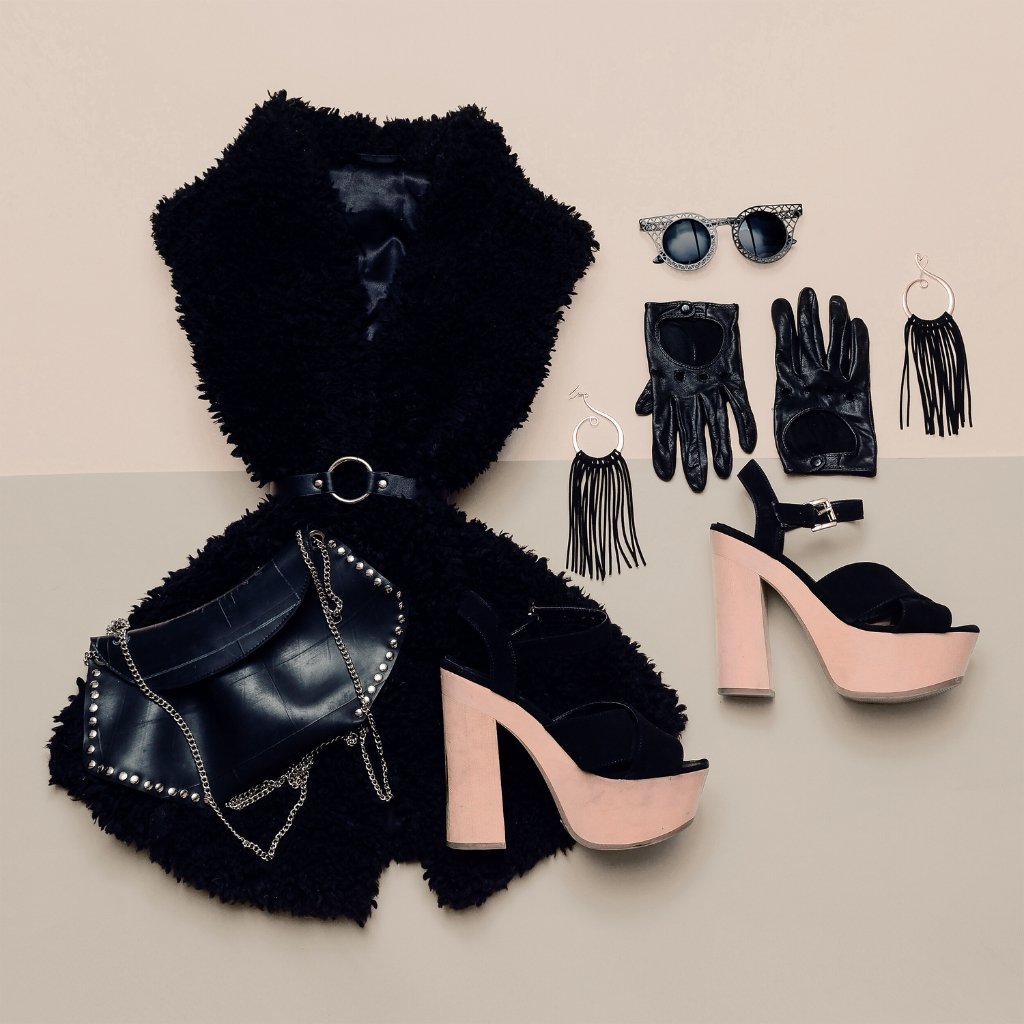
Fashion flat lay featuring a black faux fur vest with a belt, a black quilted bag with silver chains, blush pink platform sandals, and bold accessories (sunglasses, gloves, fringe earrings) arranged on a two-tone background.
Monochrome chic: statement corduroy and wool-inspired textures meet soft blush heels and edgy accessories.
  • Jackets, blazers, and coats
  • Trousers and skirts
  • Vests and dresses

Corduroy wools fabric is ideal materials for timeless fall and winter pieces, as its warmth and texture contribute to cold season crowds.

Home Décor

A cozy, modern home office with a light wooden desk, beige upholstered chair, and a large iMac. Open wooden shelves line both walls, plants and framed botanical art hang above the desk, and a black desk lamp sits on the left. Soft, neutral tones and a textured rug complete the space.
A serene, minimalist home office in warm wood tones with botanical art, abundant shelves, and thriving greenery.
  • Cushion covers
  • Upholstery fabrics
  • Curtains and throws

Interior decorators regularly choose corduroy wools fabric for its refined, timeless appearance and rich texture.

Accessories

A flat lay of a stylish outfit and accessories on a pale pink background, including a white handbag with chain, white high-heeled shoes, white sunglasses, a silver watch, nail polish, makeup kit, rings, bracelet, and a few other small items.
Effortlessly chic: soft textures, metallic accents, and a touch of corduroy-wool-inspired warmth in a light, airy palette.
  • Bags
  • Hats and caps
  • Footwear accents

Slightly more polished, these smaller styles and accents elevate the overall appearance of everyday items.

How to Care for Corduroy Wool Fabric

A colorful infographic titled “How to Care of Corduroy Wool Fabric” with sections on Washing, Drying, Ironing, and Storage. Each section has an illustration: washing a person loading a washing machine, drying clothes on a line, ironing a small garment, and organized wardrobe with clothes. Brand logo at the bottom.
How to care for corduroy wol fabric: wash gently in cold water with mild detergent, air dry flat or hang, iron on low steam if needed, and store garments in a cool, dry place.

To keep corduroy wools fabric looking nice and to ensure long-lasting durability, it is important to care for it properly.

  1. Washing: Hand washing in cold water with mild detergents is ideal. For delicate garments, dry cleaning is best.
  2. Drying: To prevent shrinkage and keep the fabric looking nice, it is best to dry the fabric flat.
  3. Ironing: To keep texture, it is best to iron the fabric on low with steam.
  4. Storage: Garments should be in breathable bags and put away in the dry, cool parts of your home.

These simple steps will keep your corduroy wol fabric.

Why is Corduroy Wool Fabric So Loved?

Close-up of luxurious purple corduroy wool fabric with soft folds and subtle texture.
“Luxurious purple corduroy wol fabric with rich texture and graceful folds.

The reason that corduroy wol fabric continues to attract designers is because it offers both style and functionality. In addition to being eco-friendly, it also fits the definition for sustainable fashion. It is versatile enough to be used for both fashion and home décor, and is a timeless fabric that transcends the ages.

Conclusion

In one versatile textile, corduroy wool fabric weaves history, durability, and style. Its timelessness, warmth, and longevity make it suited for clothing, home decorating, and accessories. While it requires some care, the advantages outweigh the disadvantages. As fashion and interior designs continue to emphasize timeless style and sustainability, corduroy wool fabric has proven to be reliable and stylish.

FAQs

Is corduroy wool fabric useful for winter wear?

Definitely, because it insulates heat, it is perfect for winter clothes.

Can corduroy wool fabric be washed in a washing machine?

Some blends are ok to be washed on a gentle cycle, but dry cleaning is best to maintain the fabric’s quality.

Do clothes made from corduroy wool fabric get wrinkly?

Not at all, the wool prevents it from wrinkling so the clothes always look neat and tidy.

Viscose Rayon: Soft, Versatile& Affordable Fabric Explained

Introduction to Viscose Rayon

Viscose rayon is a semi-synthetic fabric made from cellulose, typically sourced from wood pulp. Unlike other fabrics, viscose rayon is comfortable, soft, smooth, and breathable. Viscose is comparable to natural silk and is less expensive. Comfortable and easily affordable, viscose rayon is among the most popular fabric choices in the fashion industry.

History of Viscose Rayon

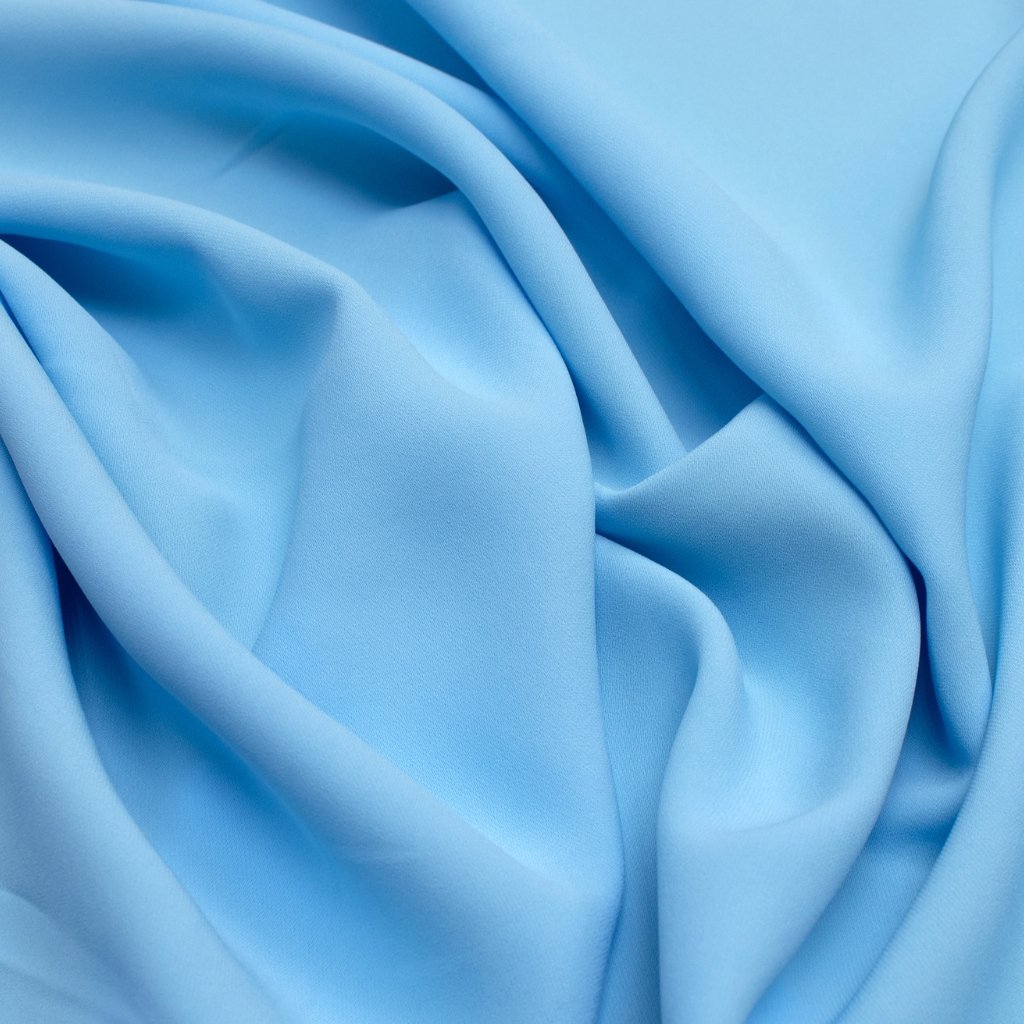
lose-up of soft blue fabric to symbolize viscose rayon, hinting at its smooth texture and drape.
a historically transformative fiber with a silky feel and versatile applications.

The Beginning of a Silk Substitute

Developed in the late 19th century, viscose rayon fabric was a silk substitute and a lot less expensive than silk. At that time, silk was a luxury fabric. Scientists began transforming cost-effective cellulose in hopes of producing a fiber as luxurious as silk.

Growth in the 20th Century

By the early 1900s, viscose rayon production spread across Europe and America. It was made into dresses, upholstery and even tire cords. The fabric became highly affordable and versatile which made it a fabric of the future.

Modern Adaptation

Viscose rayon has, and is still evolving. The innovations of modal and lyocell have made it more adapted to modern fashion and the growing need for environmental sustainability.

How Viscose Rayon Is Made

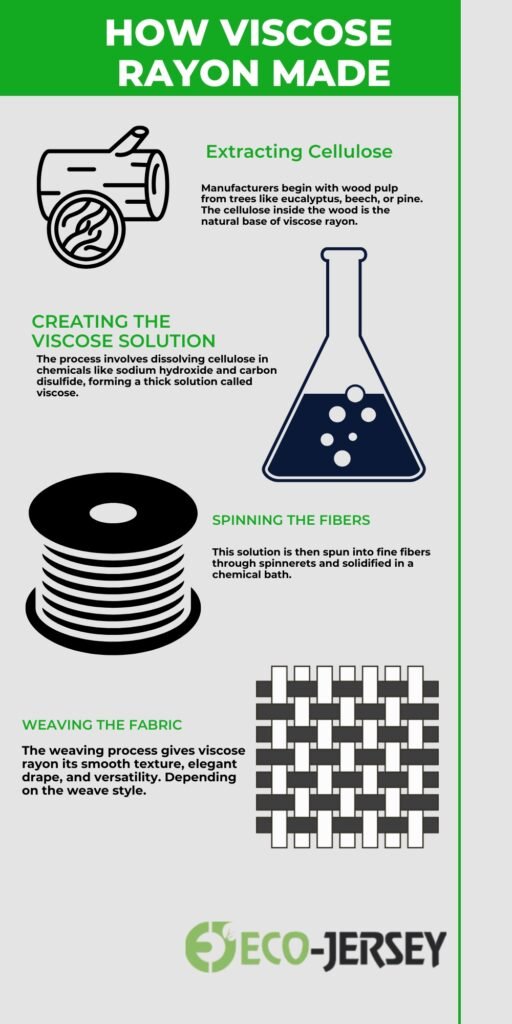
Infographic showing the steps to make viscose rayon: extracting cellulose, creating the viscose solution, spinning fibers, and weaving fabric.
How viscose rayon is made: from cellulose to luxurious, drapable fabric.

Extracting Cellulose

The first step in making viscose rayon is extracting cellulose, the plant cell wall constituent. Most of the time, beech, pine, and eucalyptus trees provide the wood pulp. The wood is chipped and cleaned before going through the process of lignin removal and other modifications to acquire cellulose. The lignin removal and other modifications to acquire cellulose. The lignin removal and other modifications to acquire cellulose. The lignin removal and other modifications to acquire cellulose. The lignin removal and other modifications to acquire cellulose. The lignin removal and other modifications to acquire cellulose. The lignin removal and other modifications to acquire cellulose.

Creating the Viscose Solution

The next process after the extraction of cellulose is converting articulated cellulose in the form of viscose solution. The treated cellulose is combined with sodium hydroxide and is linked to alkali cellulose. Best quality cellulose goes through the process of time aging. By the time the cellulose is aged, it is made to react with a compound containing disulfide which leads to the formation of cellulose xanthate. The final step dissolves the compound in a sodium hyroxide solution which in viscose solution which is the final step and in a thick honey like solution.

Spinning the Fibers

The viscose solution has to be forced through tiny openings which are labeled holes in spinning called spinning jets. After the solution passes through the jets, it goes through a chemical solution which is a contrived to harden the solution to a filament. The filament which has been produced and hardened is expanded to enhance strength and elasticity. The spinning step is important since it determines whether the viscose rayon produced will be used for thread production.

Weaving the Fabric

Once the viscose rayon fibers have been spun, washed, dried, and twisted, they are converted into yarn and subsequently woven or knitted utilizing standard textile techniques. The techniques used in weaving most fundamentally determines the end appearance and tactile qualities of the resulting fabric. Loose weaves result in soft, fluid materials suitable for garments like dresses and blouses, while more closely woven fabrics offer the strength and durability required for upholstery and home furnishings. At this point, viscose rayon fibers are finally transformed into versatile fabrics which are ready for use.

Properties of Viscose Rayon

Soft and Comfortable: Viscose rayon feels smooth and soft on the skin. This characteristic enables it to be soft for blouses, dresses, and summer wear.

Breathable and Lightweight: The viscose rayon is light and promotes circulation of air thus it is preferable in hot and humid conditions.

Drapes Beautifully: Viscose rayon is used in evening wear and dresses as it provides a nice flow and drape to a garment.

Absorbent Nature

It’s wonderful that viscose rayon absorbs moisture during humid temperatures, but it also means that it wrinkles if not careful. Read more what is rayon fabric

Types of Viscose Rayon

Viscose rayon isn’t a one-size-fits-all. Different types have been created over time to solve particular fashion and industrial problems. Some of these problems revolve around softness, strength, sustainability and eco-friendliness. The variations include regular viscose rayon, high-wet-modulus rayon (HWM), modal and lyocell. Varied purposes and problems need to be solved, and understanding these types enables designers, brands and consumers to solve their particular fabric problem for clothing and home textiles.

Regular Viscose Rayon

Regular viscose rayon is the classic form of this fabric. It is widely used in dresses, blouses, upholstery, and curtains. Known for its silk-like drape and smooth texture, it adds elegance to both clothing and interiors. However, regular viscose rayon loses strength when wet, making it less durable than other variations. Despite this limitation, it remains popular because of its affordability and ability to mimic silk.

High-Wet-Modulus Rayon (HWM)

High-wet-modulus rayon is a stronger variety of viscose rayon, a stronger viscose rayon, and retains most of its strength when wet. This makes HWM rayon practical for clothings that need routine washing, such as shirts, dresses, and uniforms. HWM rayon is also more durable than viscose rayon, making it better for everyday use. It also better resists shrinkage, helping garments hold their shape and quality after laundering.

Modal

Modal is a more premium version of viscose rayon. It is known for its silky softness, luxurious feel, high abrasion resistance, and ability to hold color. Modal is often used in underwear, sportswear, and high-end casual fashion because of its comfort and durability. Its breatheability and smoothness make it a top choice for those who want performance and style.

Lyocell

Lyocell is the eco-friendly progression of viscose rayon. It is produced in a closed-loop manner, which is more sustainable than traditional viscose rayon. It is strong, breathable, and smooth. It is made into dresses, shirts, activewear, denim, and bed linens. Many eco-conscious fashion brands use lyocell, promoting it as comfort, denim, and bed linens.

Uses of Viscose Rayon

USES OF VISCOSE RAYON’ with sections: Everyday Fashion (text about viscose rayon; silhouette of a blouse), Luxury and Evening Wear (dress silhouette), Home Furnishings (towel illustration), Industrial Applications (rolled fabric), Eco-Jersey logo at bottom on gray background.
Uses of viscose rayon: versatile fabric for everyday fashion, luxury wear, home furnishings, and industrial applications.

Your Everyday Wardrobe Bestie 👕👗

Viscose rayon is the hero of your closet! It’s the fabric that is so comfortable and looks put together as well.

  • Why you love it: It’s breathable, soft on your skin and doesn’t stick to you.
  • Where you’ll see it: In your favorite flowy blouses, comfortable summer dresses, elegant skirts, and lightweight trousers. It’s perfect for casual days or lunch outings.

Affordable Luxury & Glamorous Evenings ✨

Want to feel like a million bucks without spending it? Viscose rayon is the answer! It has the beautiful, silky drape of luxury fabrics but for a much lower cost.

Why you love it: It flows and moves with you and gives the ultimate elegant look.

Where you’ll see it: In gorgeous evening gowns, chic wrap dresses, and light scarves that add a splash of color and sophistication.

Comfy & Chic Home Sweet Home 🏡

The same qualities that make viscose rayon great for clothes also make it great for your home. It adds a touch of softness and elegance to your living space.

Why you love it: It has a smooth, luxurious feel that makes your home cozy.

Where you see it: In the lovely draperies and upholstery as well as the fabulous linens on your beds that you enjoy.

The Odd Hero (Industrial Uses) 🦸‍♂️

This is the fun part! You would have never guessed the ways in which the strength and absorbency of viscose rayon can be used. You can have great strength and great absorbance.

Where you see it: In the absorbent and cleaning wipes; in some medical supplies due to purity; and as a strengthening composite in other products.

In short: Viscose rayon is a fab all-rounder. The everyday products that work splendidly and your lovely dress are because of it. That’s why your drapes are beautifully flowing.

Comparing Viscose Rayon with Other Fabrics

Viscose Rayon vs. Cotton

Viscose rayon is chosen for style and elegance, but for rough use where durability is needed, cotton is used, even when wet.

Viscose Rayon vs. Silk

Silk is luxurious but expensive. Viscose rayon offers a nearly identical texture and sheen at a fraction of the price. This makes it a smart alternative for affordable luxury.

Rayon vs Polyester

While polyester is more durable and resistant to wrinkling, viscose rayon offers better breathability and is more comfortable during hot weather. Unlike polyester, which can feel sticky when the humidity is high, viscose rayon is more comfortable.

Care Tips for Viscose Rayon

Green folded fabric with text: 'caring for your viscose rayon fabric' and three arrows pointing to tips: Washing with cold water, Drying with air, Ironing at low temperatures.
washing, drying, and ironing guidelines viscose rayon.

Washing Tips

Viscose rayon must be washed gently to keep it soft and to maintain its structure. Hand washing with cold water and a mild detergent is safest. If you must machine wash, use a delicate cycle and a mesh laundry bag for protection. Avoid bleach and strong chemicals as they weaken the fabric and fade the colors. You will get longer-lasting garments from viscose rayon if you treat it gently.

Drying Guidelines

Viscose rayon garments are best maintained by air drying. After washing, gently press out excess water without wringing, which can stretch and damage the fabric. Lay the item flat on a clean towel, or hang it on a padded hanger to dry. Avoid direct sunlight, as it may cause the fabric to fade. Tumble drying is not an option, as the heat will cause viscose rayon to shrink, and shorten its lifespan.

Ironing Viscose Rayon

When working with viscose rayon, always employ low temperatures to avoid damage. To prevent direct heat contact, which can leave shiny marks, place cotton or thin pressing cloth over the garment. Ironing the fabric while slightly damp helps achieve smooth results. Gentle and slow steam ironing is also effective. To maintain viscose rayon pieces in leurs pristine condition and elegant appearance, handle with care and patience while ironing.
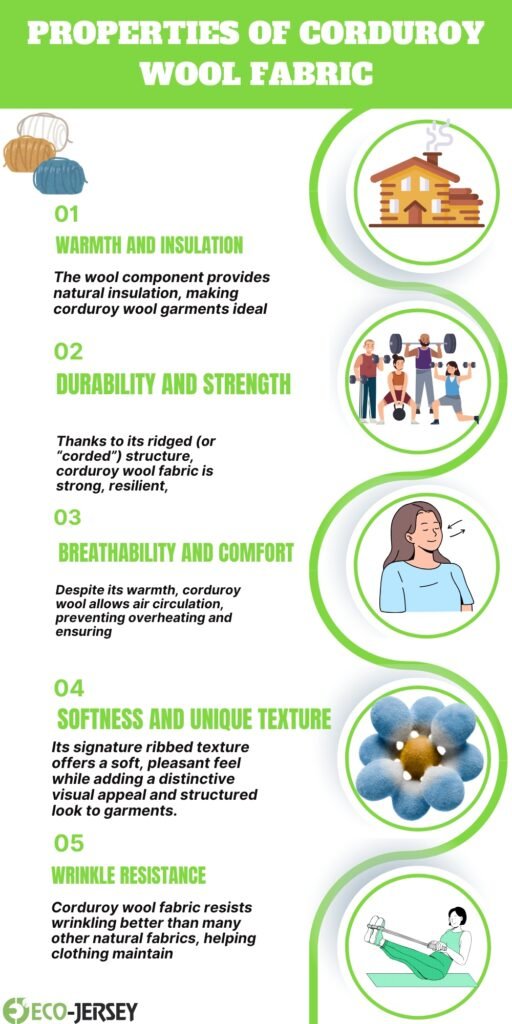
Environmental Impact of Viscose Rayon

The production method determines the environmental impact of viscose rayon. Traditional production methods use harsh chemicals that pollute water, endangering the health of workers. The nviromentally friendly closed-loop processing used for lyocell, advanced viscose rayon production methods. In order to meet consumer demand, many brands are adopting eco-friendly production methods. Bearing the many benefits of this versatile fabric visocose rayon, the purchase can mitigated environmental impact.

Conclusion

Viscose rayon combines comfort, versatility, and style in one fabric. There are multiple options, including regular viscose rayon and eco-friendly lyocell, to cater to different needs. Its popularity in fashion and home décor is due to its affordable luxurious feel. With proper care and conscious choices, viscose rayon remains an excellent fabric that balances style, comfort, and sustainability.

FAQs

What is viscose rayon?

Viscose rayon is a semi-synthetic fabric made from cellulose, known for its softness, breathability, and silk-like drape.

Is viscose rayon eco-friendly?

Traditional viscose rayon is not very eco-friendly, but lyocell, a type of viscose rayon, uses eco-conscious methods.

Does viscose rayon shrink?

Yes, viscose rayon can shrink if exposed to heat or rough washing. Always wash in cold water.

Is viscose rayon good for summer?

Yes, viscose rayon is lightweight, breathable, and cool, making it an excellent choice for summer wear.

How is viscose rayon different from cotton?

Cotton is more durable, while viscose rayon is softer with a silk-like finish and better drape.

Slim-Fit Bomber Jacket Fashion for Bold & Effortless Dressing

0

The Slim-Fit Bomber Jacket is a must have in men’s wardrobe. Men love the Slim-Fit Bomber Jacket as stylizing it takes lesser effort. Because of it’s tailored silhouette, the Slim-Fit Bomber Jackets exudes class and elegance to even the most basic of outfits. More men are coming to appreciate the Slim-Fit Bombers for the comfort and ease it brings as it balances refinement. Fashion trends go and come, yet, the Slim-Fit Bombers stands the test of time. It bridges the refined and the casual seamless elegance.
Why the Slim-Fit Bomber Jacket Is Perfect for Modern Dressing

A fashion-forward man wearing a light beige bomber jacket over a dark green button-up shirt, sunglasses, and a gold watch. He leans on a metal railing outdoors against a modern gray building.
Why the Slim-Fit Bomber Jacket Is Perfect for Modern Dressing

Men’s Slim-Fit Bomber Jackets offer a fresh take on confidence. Unlike its oversized counterparts, the Slim-Fit Bombers provides a tailored silhouette and promotes refined and structured appearances. Slim-Fit Bombers are a more sophisticated lighter layer when compared to more oversize and heavyweight jackets. Many men appreciate the versatility of the Slim-Fit Bombers, as it flows seamlessly from streetwear to business casual, making it a solid investment for men looking to elevate their style. Read more: Denim Bomber Jackets
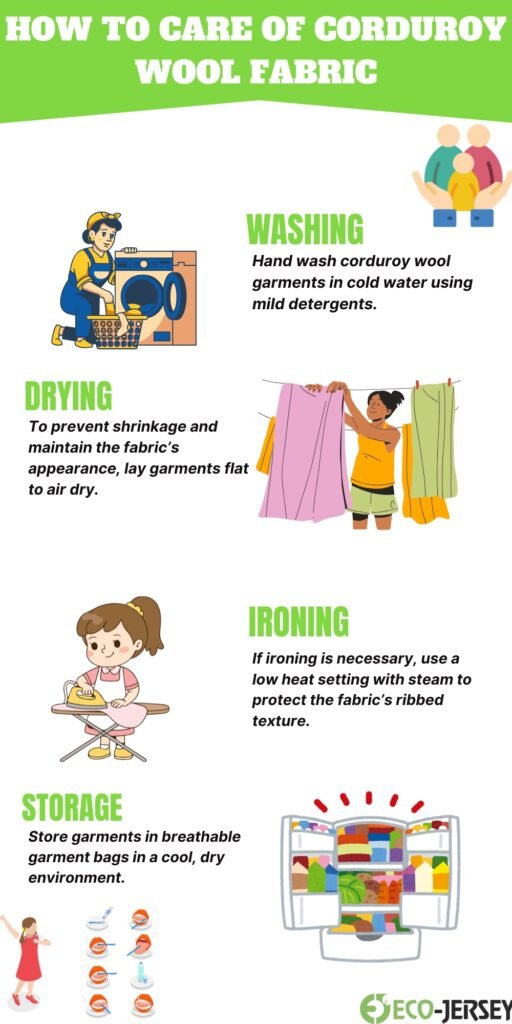
Slim Fit Bomber Jackets Styles That Stay Timeless

"Young man with wavy dark hair wearing a black leather slim-fit bomber jacket, white t-shirt, and light jeans, standing against a light gray textured wall."
Timeless in leather: slim fit bomber jackets continually elevate a modern, versatile look.

Each Slim Fit Bomber Jackets is unique, depending on what fabric is used. For example, leather jackets exude boldness with an edgy appeal. Suede bomber jackets, on the other hand, offer a rich and elegant look that is truly perfect for autumn. Cotton and blends provide lightness and comfort where the jacket is worn even in warmer months. Of course, the fabric affects the comfort of the jacket but it doesn’t change the iconic silhouette. A Slim-Fit Bombers always seems stylish, no matter the season or trends. This is exactly why such jackets continue to be worn by men even after so many decades to coincide with the design’s timelessness. Read More: History of Bomber Jackets

Creating Casual Outfits with a Slim Fit Bomber Jacket

A stylish man stands outdoors beside a modern wooden panel wall, wearing a black slim-fit bomber jacket over a gray sweater, black joggers, and white sneakers. He has a neatly groomed beard and short hair, looking off to the side with one hand in his pocket.
The Slim Fit Bomber: A versatile layer for modern dressing with timeless attitude.

A Slim Fit Bomber Jacket is an essential piece for effortless casual looks. It can be worn with jeans and sneakers for a stylish combination. The slim cut of the bomber adds some sophistication to the casual outfit. In a rotation of black, navy, and grey, the bomber is guaranteed to work for a week of casual ensembles. In bolder shades and prints, the bomber is sure to draw attention. The ease of this bomber jacket really works for lazy days. It is wonderful for those effortless weekends where a simple tee and jeans can make a complete outfit.

The Slim-Fit Bomber Jacket for Smart-Casual Looks

A man wearing a sleek black satin bomber jacket over a bright blue polo or t-shirt, paired with gray tailored trousers. He has a black belt and a dark wristwatch, with hands in his pockets, posing against a neutral backdrop.
The Slim-Fit Bomber Jacket: effortless smart-casual style

The Slim-Fit Bomber Jacket is popular because of the way it works with smart-casual combinations. It is a great alternative to bulky outerwear, which provides a polished look, while also offering a more relaxed fit. When it is worn over a crisp shirt and paired with slim trousers, the jacket enhances the overall appearance significantly. Dark shades like navy and black refine the style further while neutral tones like beige and olive offer a more relaxed charm. It offers men an effortless way to look well-dressed in both work settings and social evenings, which is why it is one of the most Varsity jackets.

How the Slim Fit Bomber Jacket Elevates Streetwear

Slim-Fit Bomber Jacker adds structure to every street-inspired outfits. An outfit’s elements like loose joggers or big tees become sharper when balanced with the fitted cut of the Shearling jacket. The fitted jacket provides an outfit’s elements with a polished shine or crisp clean feel while keeping the relaxed essence of streetwear. Fashion-forward men like to use a Slim Fit Bomber Jacket as a utility piece in their casual outfits when they want to turn their basic street outfits into a statement. Because of this, the Slim-Fit Bombers has become a basic essential piece for men who enjoy confident and stylish streetwear.

Selecting the Appropriate Fit for a Slim-Fit Bomber Jackets

Slim-Fit Bomber Jackets look good because of their clean lines. They must span the shoulders correctly, and the jacket must taper towards the waist in a clean, neat line. If a jacket is too loose, it completely loses its effect. Conversely, too much tightness can be constricting and uncomfortable. Equally important is the jacket’s sleeve length, which should end level with the wrist. If the stain jacket is properly fitted, it will highlight the body’s natural proportions and improve the posture. It is the attention to fit that makes the jacket almost effortless. There is an increase in confidence level in men the moment a jacket is worn.

Best Colors for Slim-Fit Bomber Jackets Styling

Gray slim-fit bomber jacket with front zip, stand collar, and angled pockets on a hanger against a pale yellow-green background.
Sleek gray slim-fit bomber jacket: clean lines, zip closure, and practical pockets for everyday style.

Choosing the right color for a Slim-Fit Bomber Jackets helps enhance its overall feel. Black is a classic, always stylish, and blends seamlessly with most attires. For a more subtle yet classy feel, you can choose navy. The olive green shade gives a bold yet soft, military-inspired option. For men who prefer stronger men’s attire, red and other bold accents like shiny metallics are a perfect pick. Earth tones during the autumn feel rich, warm, and give strength to the attire. Slim-Fit Bombers blends with these colors and is stylish for every season. This type of clothing embraces mood and character.

Seasonal Flexibility of the Slim-Fit Bomber Jackets

"Black slim-fit bomber jacket with white inner lining, zip-front closure, and zippered sleeve pocket."
“Sleek Slim-Fit Bomber Jacket: clean lines, subtle detailing, and versatile style for year-round wear.”

The Slim-Fit Bomber Jackets prides itself on adaptability across different seasons. The lighter cotton or nylon jacket variants work great for spring days when the temperature is warm with cool gusts of wind. In fall, the suede or heavier fabric options keep the body warm without losing the sleek shape. For winter, the cold can be fought with lined leather or padded options that can be styled to keep the tailored look. Summer evenings are even more complete with a lightweight Slim-Fit Bombers layered on top bomber jacket. This unique characteristic of being suitable for jackets during all seasons is why men consider it a reliable investment to have in their wardrobe.

Harmonizing Accessories with a Slim-Fit Bomber Jackets

Accessories bring a Slim-Fit Bomber Jackets to a new level by adding unique layers of style. Watches, scarves, and sunglasses are great complements to the jacket without drawing attention away from it. Sneakers keep the outfit casual, while boots provide a rugged twist. In the colder months, gloves and a beanie finish the outfit. Every accessory works best when chosen to complement the Flight jacket’s neat silhouette. The Slim-Fit Bombers is the centerpiece of the outfit with the accessories enhancing its style. The balance works to keep the outfit from feeling too cluttered. With the right finishing touches, the quilted jacket is even more stylish and individualized.

Slim Bomber Jacket for Confident & Chic Looks

"A stylish olive-green bomber jacket with a black ribbed collar, wearing a white top and black jeans. The model has one hand in her pocket and her hair flowing slightly to the side."
“Confident & chic: a slim olive bomber for effortless, street-ready polish.” “Slim bomber, bold vibe: elevate your everyday with a touch of military green.” “Effortless edge meets refined style in this olive slim bomber.”

Confidence is a strong impression made with Slim-Fit Bomber Jacket. Its fitted style highlights powerful lines and posture. Brazen materials like leather or shimmering metallics accentuate the jacket features. This style makes a man looks confident and composed, presenting the self-assured without trying too hard. This confidence speaks in a casual as well as in a formal setting. The Slim-Fit Bombers makes men feel effortless and bold at the same time. It is no surprise, then, that the Slim-Fit Bomber Jack is one modern dress most powerful fashion choices.

Slim-Fit Bomber Jacket Care and Maintenance

For your Slim-Fit Bomber Jacket to keep its shape and style, it has to be cared for properly. Cracked and dry leather jacket will need conditioning, while dirt will require gentle brushing on suede in order to keep the texture. Cotton and synthetic fabrics are easy to clean as they can be washed in the machine. Ensuring the Slim-Fit Bombers has the right care will keep it fresh and for a long time. It is the repetitive care that will give the Slim-Fit Bombers a polished look, season after season. High maintenance and proper care of the jacket will also keep its original style.

Why Every Wardrobe Needs a Slim-Fit Bomber Jackets

"A young man with arms crossed wearing an olive-green slim-fit bomber jacket over a white t-shirt and blue jeans, posing against a plain light background."
“Timeless and versatile: why a slim-fit bomber jackets deserves a permanent spot in every wardrobe.”

Every man ought to own a Slim-Fit Bomber Jackets. It has become an indispensable part of a man’s wardrobe, not because of a trend but because of its perennial popularity. Its simple aesthetic design works well with virtually any kind of attire, be it casual, formal, or striking. You do not compare a piece with limited use to this attire as it transitions seamlessly between everyday use, social gatherings, and even semi-formal evening events. It is this versatility and sense of style combined with confidence that makes a Slim-Fit Jacket worth the investment for a man’s wardrobe.

Conclusion

The practicality and confidence that the Slim-Fit Bomber Jacket gives its wearer, coupled with the style it offers, is incomparable. Its structure is borrowed and used in multiple fashion pieces, but the elegance it offers is unique to its style. It draws attention to the wearer, making even casual ensembles seem formal. For men who are bold enough to pull off such outfits and value the ease of dressing, a Slim-Fit Bomber Jacket is the ultimate option. With the lasting appeal of a Slim-Fit Bomber Jackets, one can be sure that it will continue to influence men’s fashion for years to come.
Read More Article// Types of Bomber Jackets: The Complete Guide to Style & Function

FAQs

Can I wear a Slim-Fit Bomber Jacket in summer?

Yes, you can wear a Slim-Fit Bomber Jacket in summer evenings. Lightweight cotton or nylon versions keep the outfit stylish without adding too much warmth.

What makes a Slim-Fit Bomber Jacket different?

A Slim-Fit Bomber Jacket has a tailored cut that fits closer to the body. This design creates a sharper and more modern look compared to regular bomber jackets.

How do I care for a Slim-Fit Bomber Jacket?

Care for a Slim-Fit Bomber Jacket based on its fabric. Leather needs conditioning, suede needs brushing, and cotton blends often need simple washing.

Which pants work best with a Slim-Fit Bomber Jacket?

A Slim-Fit Bomber Jacket pairs well with slim jeans, chinos, or tailored trousers. These options balance the jacket’s fitted design and keep the outfit sharp.

Shearling Bomber Jacket Styles Perfect for Cold Weather Fashion

0

It’s a fact: to stay warm during winter, you often have to sacrifice style. Many wool coats lack a certain edge, while puffy coats are bulky. The shearling bomber jacket is the undisputed king of winter fashion. This is more than just outerwear. It’s a fashion statement. The aviator jacket’s rugged appeal and timeless style are seamlessly combined with the luxurious comfort and cozy feel of the shearling to create a layer that is as fashionable as it is functional. You’ve just found the perfect piece to elevate your winter wardrobe.

Shearling: More than just warmth, it’s a style statement

A stylish woman wearing a black shearling-lined leather jacket, taupe dress, and black newsboy cap posing on a railing outdoors.
Shearling: More than just warmth, it’s a bold style statement.

The shearling bomber jacket is distinguished by its texture and depth. It adds a luxurious, tactile element to your outfit, unlike a regular jacket. The shearling’s rich nap, which is often visible on the collar, cuffs and hem of the jacket, gives it a luxurious feel. This jacket screams “quiet elegance” and “effortless style” at the same time. This jacket commands attention without even trying. It proves that you can look stylish while being bundled against the elements.

Cozy meets cool: Your go-to shearling bomber jacket silhouettes

A stylish woman stands outdoors in a snowy urban setting, wearing a black shearling bomber jacket with a white shearling collar and cuffs over a bright red turtleneck sweater. She smiles while talking on her phone, with one hand in a zipper pocket and the other holding the phone.
Cozy meets cool: Your go-to shearling bomber jacket silhouettes

The first step in investing in a bomber jacket with shearling is to choose the best silhouette for you and your personal style. Each cut is unique and has a specific purpose for your wardrobe. It’s important to understand these subtleties in order to find the perfect fit, that jacket that makes you feel like it was designed just for your body type. Let’s explore essential shearling bomber jacket styles that define cool for cold weather.

1. The Original Icon: The Classic Aviator

A woman standing outdoors in a snowy scene, wearing a black shearling bomber jacket over a mustard-yellow plaid shirt. Snow-covered trees frame the background.
Winter chic: Classic aviator shearling bomber jacket in black pairs with a warm plaid shirt for cozy style in the snow.

Here’s where it all started. The Classic Aviator bomber jacket was inspired by the jackets worn during World War II, and is designed to provide maximum warmth at high altitudes. This is a piece with a rich history bomber jacket and rugged authenticity.

  • Key Features: Look out for premium leather or suede jacket, a defined collar that can be flipped, ribbed wristbands, and cuffs. The secret is in the details. A rich, lighter-colored, shearling lining can be seen at the collar, the cuffs and the hem. This creates a stunning contrast.
  • Vibe: Rugged and timeless with a masculine edge. This flight jacket is a piece of history.
  • Who Is It For? Purists, history buffs, or anyone looking for a timeless piece that never goes out of fashion. This is perfect for creating sophisticated and tough looks.
  • Style Tip: Celebrate its heritage with straight-leg denim, a simple shirt, and rugged boots. Wear it with a tailored trouser and a turtleneck for a more modern look.

2. Modern Cropped Shearling Bomber Jacket  Bomber – The Fashion Forward Statement

The cropped Shearling Bomber Jacket is a favorite of fashion insiders. It takes a classic shape and elevates it with a modern, elevated fit. This shape sits at your waist or above, allowing you to define your proportions.

  • Key Features: Here, the shortened length is what makes this garment stand out. The classic bomber features like the front zipper and ribbed trimmings are often maintained, but in a condensed form.
  • Vibe: Chic and sharp. This is a bold and deliberate style choice which instantly modernizes an outfit.
  • Who it’s for: Trend-conscious women who want to emphasize their waistline and create an illusion of longer legs. This is a great option for petite or taller frames who want to add structure.
  • Style Tip: This goes with everything high-waisted. Tuck in a slim-fit button-down or sweater into high-waisted denim, wide-leg pants, or a flowing mid-skirt. The cropped jacket looks great and creates an elegant break between the pants.

3. The Effortless Emrace: Oversized and Unstructured

The oversized Shearling bomber jacket will give you a relaxed and contemporary look. This silhouette emphasizes comfort, and an easy-going style. This is the opposite of restrictive outerwear.

  • Characteristics: A loose, roomy fit throughout the body and sleeves. This is often accompanied by a dropped shoulder and a less defined waist. It is unstructured, so it drapes instead of constricting.
  • Vibe: Easy, comfortable, and cool. The “borrowed-from-the boys” style is comfortable and stylish.
  • Who it’s for: Anyone who enjoys layering or is a minimalist. The roomy fit is perfect to throw over chunky knits, hoodies or even a jacket.
  • Style Tip: To balance the volume at the top bomber jacket, choose bottoms that are more sleek. Think of slim-fit jeans or leather jacket leggings. Or a body-conscious outfit. This creates an elegant silhouette that’s cozy and not bulky.

4. The full-Shearling bomber jacket: the ultimate luxury statement

This is the ultimate in cozy luxury. Full-shearling Shearling Bomber Jacket is made of plush material both inside and out. It makes a bold, undeniable statement.

  • Key Features: Shearling bomber jacket is used to cover the entire jacket. It is thicker, warmer, and often comes in rich, natural brown or tan tones. Modern versions are available in a variety of colors.
  • Vibe: Ultra plush, luxurious and statement making. It’s almost like wearing a high-fashion, stylish blanket.
  • For Whom: Anyone who doesn’t mind being the center of attention, and values warmth over all else. This is a bold selection that will get noticed.
  • Style Tip: This jacket has a rich texture, so it is best to let the jacket shine. Your outfit should be monochromatic and simple. Combine it with black jeans, a black turtleneck and boots so that the jacket is the star of the show.

Understanding these key silhouettes will help you choose a shearling bomber jacket which not only keeps your warm, but also perfectly reflects your style.

Style Your Shearling Bomber Jacket to Maximum Impact

A smiling woman walks on a snow-covered pedestrian bridge wearing a black shearling bomber jacket with cream faux shearling lining visible at the cuffs, collar, and front edges. She pairs it with a light gray knit sweater and black pants. Snowflakes fall gently around her against a blurred, wintry background of railings and cables.
Effortlessly chic in a shearling bomber—winter style with a cozy edge.

Now that you’ve found your perfect bomber jacket, it’s time to make it the star of your winter wardrobe. This piece’s ability to change color is what makes it so special. The jacket can add a touch of elegance to a smart-casual look or give a casual look oomph. It also gives an unexpected edge to spruce up edgy evening wear. It’s all about styling the Varsity jacket to bring out its cool silhouette and luxurious texture.

You can style your bomber jacket with shearling in three different ways to get the maximum impact.

1. The Everyday Edge – Mastering the Art of Effortless Cool

This is the formula to use for casual coffee dates, weekend brunches or running errands. It’s important to look stylish without appearing overly-efforted.

  • The foundation: Begin with high-quality, classic basics. Create a blank canvas with a simple white T-shirt or a grey Marl Sweatshirt.
  • The Bottom half: Your favourite jeans are your ideal partner. Choose straight-leg or classic blue jeans. Black skinny jeans create a sleek, modern look that makes the jacket stand out.
  • Footwear Here is where you anchor your look. Leather ankle boots, white sneakers or Converse will complement the jackets coolness.
  • The Luxe Touch Accessories Are Crucial. The finishing touches of style are a wool hat, a crossbody bag and oversized shades. This look is so striking because of the contrast between a rugged bomber jacket with simple staples.

Pro tip: Try a graphic T-shirt under your quilted jacket for a modern touch. This adds character and reinforces the rebellious roots of the bomber.

2. Elevated Essentials – The Smart Casual Transformation

You think a bomber jacket made of shearling cannot be polished? Do not think so. This look balances the jacket’s relaxed spirit with sophisticated pieces for a look perfect for a casual dinner or Friday casual at the office.

  • The foundation: Replace the tee shirt with a more refined blouse. The ultimate choice is a fine knit turtleneck made of cashmere or wool. roll neck sweater and silk shirt are also beautiful.
  • The Bottom: Go beyond denim jacket. You’ll need tailored pants made of wool or crepe. elegant trousers with wide legs or even a midi pleated skirt. The structured lines contrast beautifully with the softness and elegance of the Shearling Bomber Jacket.
  • Shoes: Elevate them accordingly. A pair of sleek leather ankle boots or chic loafers , or a block heeled pump , will polish any outfit.
  • The Luxe Touch Keep your accessories simple and elegant. A structured tote leather, gold jewelry and a classic timepiece speak volumes. This is a message of curated, intentional style.

Pro tip: Pay close attention to the color. The texture of the shearling jacket will be highlighted if you use a neutral color palette for the underlying outfit (black, white or camel).

3. The Ultimate Style Contrast

Use your bomber jacket for a fashion-forward look. The contrast of soft shearling and delicate fabrics makes for a chic, modern look.

  • The foundation: Now is the time to wear your favorite dresses or sleek separates. The perfect base is a slip dress in satin or silk, a top with sequins or a tailored trousers.
  • The Bottom half: Let the evening wear speak for itself. The jacket acts as a counterpoint. The dress or elegant pants beneath is the focus.
  • Footwear: Go for drama. High-heeled ankle boots with stilettos, or knee-high boots with sophisticated heels will elevate your look.
  • The Luxe Touch Statement Jewelry is Your Friend. A bold ring, a pair of earrings that dangle, or even a bracelet with cuffs can add a touch of glamour. Use a clutch as an alternative to a regular tote bag. You can add a touch of glamour to your bomber jacket by throwing it over your shoulder instead of putting your arm through the sleeves.

Pro tip: Play with lengths. A shearling bomber jacket worn over a flowing, long maxi dress will create a flattering and stunning silhouette.

Color Palette: Selecting Your perfect Shearling bomber jacket hue

A stylish woman wearing a cream shearling bomber jacket, beige turtleneck, and white jeans, carrying a cream crossbody bag. She stands against a warm beige background with a bright, confident smile.
“Color Palette Spotlight: Finding the perfect hue for your shearling bomber — from buttery cream to soft ivory—paired with warm neutrals for a chic, winter-ready look.”

The color you choose for your Shearling bomber jacket goes far beyond personal preference. It’s all about your signature style. Your choice of color will influence your cold-weather outfit, including how you combine pieces. Classic neutrals are versatile, but a nylon bomber jacket in a statement color can be the focal point of your personal style. Explore the color palette to find the Shearling bomber jacket you love.

  • Classic Brown/Tan: The Heritage Hero
    This original is the icon. The tan or Brown Shearling Bomber Jacket has a rich and storied history. It echoes its aviation roots, with a timeless authenticity. Its versatility cannot be matched. It’s like the denim jacket for luxury outerwear. It goes with anything. Warm, earthy colors pair well with an array of colors. They create a striking contrast when paired with black or white. Navy is sophisticated and grounded. Cream, camel and other neutrals are elevated and tonal. It is a safe investment in terms of styling and will never look out-of-place. Over time, it develops a lovely patina that makes your stain jacket unique.
  • Rich Black – The epitome of urban edge
    A black bomber jacket with shearling is the perfect choice if you are looking for a style that is modern, sleek and effortlessly cool. The jacket is transformed from a classic piece to a statement of modernity with this color. This jacket is slimming and sharp, with a sleek silhouette perfect for urban living. The black bomber can be paired with black jeans, a black turtleneck and black boots to create a monochromatic look. The black bomber is also a great neutral to add bold pops or color with a scarf, graphic tee or accessories. This is a simple, yet high-impact option.
  • Statement Colours: For the Fashion Forward
    shearling bomber jacket is the ultimate prize for those who see fashion as a way to express themselves. These colors are sure to spark conversation and show a confident sense of style.
    • Olive green: This color is versatile and offers a utilitarian look with a military influence. It looks great with denim, khaki and black.
    • Burgundy/Bordeaux This deep wine-rich shade exudes sophistication and luxury. This warm, inviting color is a great way to add a touch of regal style to your winter wardrobe.
    • Cream/Ivory : A shearling bomber jacket in cream color is a beautiful, soft statement. This jacket is perfect for brightening gloomy days in winter and looks stunning when paired up with neutrals such as beige, grey, or white. This is a luxurious option.
      The golden rule when choosing a bold color is to make the jacket the focal point. To let the color shine through, keep the rest of your ensemble neutral. This will ensure that your look is chic and not overwhelming.

The Investment Piece: Why Your Shearling Bomber Jacket Earns Its Keep

A high-quality bomber jacket with shearling is a substantial investment. Reframing the purchase as a strategic investment for your long-term fashion reveals its true worth. This is not a jacket that will last a few months; this is a jacket you can wear for many years. This is a breakdown of the reasons why a good shearling bomber jacket will be worth your money.

  • Achieve unmatched durability and evolve your beauty:
    Fast-fashion coats were designed to be thrown away. A genuine Shearling Bomber Jacket was built for a legacy. It is made from a single, premium piece of sheepskin leather (leather that still has the wool attached). This jacket is designed to last a lifetime. The leather will develop a patina over time, a soft, worn sheen that tells your story. Shearling bomber jacket is a natural material that does not degrade. In fact, it gets more beautiful with age. This is a piece that you can pass on if it’s treated properly, which includes professional cleaning and storage.
  • Ageless Timelessness :
    The core shape of the bomber is not going anywhere. While the specific details may change, it remains a staple in the fashion world. The combination of shearling, a material that is synonymous with warmth and luxury, cements its status as a timeless classic. This is not a microtrend that will fade away; it’s a timeless foundational piece. The shearling bomber jacket is incredibly affordable because of its longevity. It’s a better investment than buying disposable, cheaper alternatives.
  • Unrivaled Versatility :
    Shearling Bomber Jacket, as we have shown in detail, is a chameleon. This is one of the most versatile items you could own. This piece can be worn over a hoodie with jeans on a casual outing, over a crisp white shirt and tailored trousers in the office for a smart-casual day or draped over silk for an evening. Its ability to bridge gaps in style seamlessly makes it an essential item for your wardrobe. This makes it easier to make daily decisions and gives you a reliable option that is always stylish. It also reduces the need to buy new outerwear every time.

Conclusion

The bomber jacket is more than just a “trend.” Winter wardrobe essential for those who don’t want to compromise style for warmth. This is the item you’ll reach for every day because it provides unparalleled comfort, insulation and instant cool. A shearling bomber jacket represents more than just a garment. It is a faithful companion, embodying heritage, intelligent design and timeless appeal. This season, upgrade your outerwear with a smarter look. Invest in a jacket that can do it all – the iconic Shearling bomber jacket. The signature winter outfit is just waiting for you.
Read More Article// Types of Bomber Jackets: The Complete Guide to Style & Function

FAQs

Is a shearling bomber jacket warm enough for very cold winters?

Yes, a genuine shearling bomber jacket is exceptionally warm. Shearling is a natural insulator—the dense wool fibers trap body heat to provide warmth without the bulk of a heavy parka. It was originally designed for pilots in open, unheated cockpits at high altitudes, so its ability to withstand cold is proven. For most climates, it’s a perfect winter coat. In extremely frigid temperatures (well below freezing), you may want to layer a warm sweater underneath.

How should I care for and clean my shearling bomber jacket?

Proper care is essential for protecting your investment.
Spot Cleaning: For small spills, gently blot (don’t rub) with a damp, clean cloth. Let it air dry away from direct heat.
Brushing: Use a specialized suede or sheepskin brush to gently brush the wool in the direction of the nap to remove surface dust and restore fluffiness.
Professional Cleaning: This is the most important rule. Never machine wash or dry clean a shearling bomber jacket at home. Always take it to a professional cleaner experienced with leather and shearling. They have the correct methods to clean and condition the material without damaging it.
Storage: Store your jacket in a cool, dry place, ideally on a wide, padded hanger to maintain its shape. Never store it in a plastic bag; use a breathable cloth garment bag.

Can I wear a shearling bomber jacket in the rain or snow?

Shearling bomber jacket is naturally somewhat water-resistant, but it is not waterproof. A light drizzle or snow flurry is generally fine—just shake off the moisture and let it dry naturally at room temperature, away from direct heat sources like radiators.
However, you should avoid wearing it in heavy rain or prolonged wet conditions. Saturation can damage the leather, cause it to stiffen, and potentially harm the wool. If it does get soaked, take it to a professional cleaner as soon as possible.

How do I know if a shearling bomber jacket is high quality?

Look for these signs of quality:
The Leather: The outer leather should feel supple and smooth, not stiff or plasticky.
The Wool: The shearling lining should be dense, soft, and evenly distributed. Give it a gentle tug; high-quality shearling will not shed excessively.
The Construction: Check the stitching—it should be even, tight, and without loose threads. Look at the zippers and hardware; they should feel substantial and operate smoothly.
The Source: Reputable brands will often specify the type of shearling (e.g., “double-faced,” “premium sheepskin”).

Can You Bleach Polyester? Safe Whitening Tips You Need to Know

Introdection

No, polyester can’t be safely bleached with chlorine bleach. Polyester is a synthetic textile derived from petroleum-based polymers. It doesn’t hold up well with strong chemicals. Chlorine bleach causes polyester fibers to weaken, discolor, or dissolve. Polyester doesn’t turn white but can develop a yellowish hue with bleached areas.Can You Bleach Polyester

More positively, there are proper alternatives to whiten and brighten polyester safely. Oxygen bleaches, hydrogen peroxide, and hydrogen peroxide-based cleaning solutions are safest and best suited for polyester.Can You Bleach Polyester These alternatives are much more effective at removing stains and restoring brightness without the potential for chemical damage. As such, there are no safe or effective whitening options available that meet the requirements for a yes answer to can you bleach polyester with chlorine bleach.

Why Traditional Chlorine Bleach Is Unsafe for Polyester

Bleach can be added to a wash containing polyester but should be added with a great deal of caution unlike bleached cotton or linen. Polyester the synthetic variety is extremely susceptible to chlorine. Chlorine bleach pours on the polyester and there is an instant chemical reaction that causes a loss of fiber. Weakening, yellowing, or even the breakdown of the fabric is irreversible damage caused over time.Can You Bleach Polyester

Most people believe that bleach is used to whiten everything and anything, but that is not the case. When it comes to polyester, however, it is the complete opposite. Rather than brightening the material, it instead becomes dull and develops shine-less patches.Can You Bleach Polyester Even just a tiny bit of chlorine bleach on a polyester garment will lead to irreversible damage. This is the reasoning fabric specialists advise against the use of chlorine bleach on polyester clothing, couches, and even bedding.

If the objective is to safely whiten polyester, the use of bleach must be avoided at all costs. Knowing the reasons of it being unsafe will protect your garments and double the lifespan of your clothes.

Types of bleach and effects on polyester.

Chlorine Bleach vs. Oxygen Bleach (Color-Safe Bleach)

Chlorine bleach is the most popular form of bleach that is used at home. It is very powerful but also very abrasive and it will damage polyester fibers beyond repair. It is also the reason most of the polyester fabric get damaged once they come in contact with chlorine bleach.Can You Bleach Polyester

Unlike most bleaches, oxygen bleach, or bleach that is oxygen-based, is milder and uses oxygen to brighten fabrics, removes stains, and uplifts dirt in addition to disinfecting fabrics. Instead of causing reaction with polyester that are destructive and damaging, oxygen bleach works in a gentle manner with polyester refreshing and revitalizing the fabric instead of destroying the fabric.Can You Bleach Polyester For those wondering can polyester be bleached without damage, oxygen bleach is the most preferable answer.

Hydrogen Peroxide as an Alternative

Widely available, cheaper and less aggressive, hydrogen peroxide comes in handy. When paired with water, hydrogen peroxide works wonderfully on improvÝing the whiteness of fabrics by staining or milder discoloration.Can You Bleach Polyester It can be incorporated in the washing machine or can be used to spot treat on marks or stains.

Being non caustic to polyester fabric, hydrogen peroxide unlike chlorine bleach, works wonders on the fabrics. And with no polyester to fade, disintegrate, or damage, the gradual brightening effect of the fabric is much more fabric friendly. When oxygen bleach is lacking, cleaning specialists and professionals turn to hydrogen peroxide.Can You Bleach Polyester

Risks of Damage, Discoloration, or Weakening of Fibers

Even safe alternatives to bleach can be troublesome if used improperly. It is with used oxygen bleach or hydrogen peroxide, weakened fabric is certain. Spandex or elastic stretchy fabrics used in blends of polyester, also have a certain reaction, causing harsh fabric alterations.

Another risk is discoloration. This can happen when sensitive pigments are dyed into a polyester cloth and it is exposed to application of strong detergents.Can You Bleach Polyester This is the reason a patch test is so important when performing a bleach test.

Safe Alternatives to Bleach

Vinegar and Baking Soda Cleaning Methods

Baking soda and white vinegar are natural cleaning agents and do a great job on polyester. Vinegar gets rid of odors, soap residues, and brightness. Baking soda is a gentle cleanser that liquidates dirt and makes fabric softer.

When vinegar and baking soda are mixed, they create a fizzing reaction that breaks down residues and helps clean polyester. It works great for deodorizing and freshening polyester clothes, plus it’s 100% safe. If you are unable to brighten polyester fabric, vinegar and baking soda work great.Can You Bleach Polyester

Oxygen-Based Cleaners (OxiClean, etc.)

Oxygen-based commercial cleaners, like OxiClean, are made for fabric whitening and are safe to use. They allow cleanser to release oxygen during wash cycles, and do not cause chemical burns while lifting stains and brightening fabric. They work great with polyester clothes that are dull and discolored.

Best result: Letting polyester garments soak in oxygen-based cleaners before washing is suggested. It helps loosen tough stains.Can You Bleach Polyester Be careful to follow all product instructions.Particular Polyester Safe Detergents

Specialized Polyester-Safe Detergents

Some types of detergents have been developed specifically for synthetic materials like polyester, and these are able to deal with the intricacies of polyester, sweat retention, oil stains, and the persistent odors fabric holds. Routine use on polyester fabrics of polyester-safe detergents averts the need for more aggressive washing.

This is, for instance, the case for certain types of sportswear and activewear, the fabrics of which are notorious for odor retention. With the right detergent, ingredients, and methods, polyester fabrics can also be kept polyester-safe, bright, and clean without the use of chlorine bleach.

Step-by-Step Guide to Whitening Polyester Safely

How to Safely Whiten Polyester Without Bleach

  • Prepare a washing basin and fill with warm water
  • Add to bath some oxygen bleach or diluted hydrogen peroxide
  • Submerge the polyester garment beyond the water surface
  • Leave to soak for no less than half an hour and no more than 1 hour
  • Wash in your machine with a mild detergent. Rinse and sonic drain

This is a simple method of brightening polyester without risking damage by the use of other fabrics and other harsh cleaning methods. For this method to be effective, fabric care labels must be followed.

How to Remove Stains from Polyester

Every spot or stain on a garment needs to be cleaned a certain way. For oil stains, dish soap is effective.Can You Bleach Polyester For sweat stains, soaking in a vinegar solution odors and stains is effective. For mildew, using a diluted solution of hydrogen peroxide is effective.

Each stain must be handled gently. When the stains are removed, wash the garment normally to bring the garment back to life.

Washing Instructions for Polyester

Polyester should be washed in cold or warm water, and never hot. Using hot water can cause polyester to shrink and weaken. Use a mild detergent and do not use fabric softener, as this covers the fibers and attaches nasty smells. With oven and air, use low heat to prevent damage from high heat.

Following these guidelines will ensure that polyester remains bright, strong, and soft.

Common Mistakes to Avoid When Bleaching Polyester

Alt Text:
Infographic showing common mistakes to avoid when bleaching polyester, including using chlorine bleach, ignoring care labels, mixing bleach with polyester blends, and overusing harsh chemicals.Can You Bleach PolyesterCaption:
Common mistakes to avoid when bleaching polyester fabrics to prevent damage and discoloration.Description:
The infographic highlights the most frequent errors people make when bleaching polyester. It warns against using chlorine bleach directly on polyester, as it can severely damage the fabric. It emphasizes the importance of checking washing instructions and care labels, which clearly indicate proper cleaning methods. It also cautions against mixing bleach with polyester blends like cotton-poly or spandex-poly, as the reactions can be unpredictable. Lastly, it advises avoiding the overuse of harsh chemicals such as hydrogen peroxide and oxygen bleach, which can weaken and damage the fibers.

Using Chlorine Bleach Directly on Polyester

Probably the most damaging error is using chlorine bleach on polyester fabric. Rather than brightening the material, it results in yellowing, weakening, and permanent loss of the fibers.Can You Bleach Polyester Polyester is synthetic and as chlorine does not worked well with its synthetic make up, this is an approach that is best avoided.

Ignoring Instructions and Labels

Not many people check the care tags, and these tags glaringly indicate washing and cleaning procedures that are requisite. There is a reason polyester garments state “no bleach” and it. Such fabrics, if subjected, are likely to no longer remain the same as the damage done is irreversible and the fabric will not last long.

Mixing Bleach with Polyester Blends

Blended fabrics, such as cotton-poly or spandex-poly, have an unpredictable reaction with the application of bleach. Cotton fibers tend to lighten up while the polyester fibers are likely to weaken and or discolor, which results in an unbalanced look. This is one of the errors that spoils the look of blended fabrics the most.

Overusing Harsh Chemicals

Another mistake is too much application of hydrogen peroxide, oxygen bleach, or other strong cleaners. While these are safer than chlorine, the fibers can still weaken and be contribution to severe fading.Can You Bleach Polyester As washing blends with polyester needs to be gentler than other fabrics, the use of even the safe cleaning option has to be keptess and in moderation.

Special Cases: Can You Bleach Polyester Fabrics?

Can You Bleach White Polyester?

People are often tempted to use chlorine bleach on white polyester fabrics, and this is a mistake. Instead, whiten white polyester with or hydrogen peroxide.Can You Bleach Polyester The fabric remains unturned in yellowing as compared to using bleach.

Can You Bleach Colored Polyester?

Colored polyester is more sensitive than white polyester. The use of bleach on white dyed and colored fabrics leaves unsightly stains as well. Colored polyester is best brightened with use of color safe oxygen bleaches. As with any other fabric, a small and hidden spot should be tested first.

Can You Bleach Polyester Blends (50/50 Cotton-Poly)?

Blended fabrics are more difficult. While cotton will sometimes tolerate bleach, polyester will not.Can You Bleach Polyester In a 50/50 blend, using chlroine bleach will result in unbalanced fading and damage to the fibers. The more forgiving option is to use oxygen bleach, which does not harm either fibre in the blend.

Best Uses for Whitening and Cleaning Polyester Without Bleach

Alt Text:
"Best uses for whitening and cleaning polyester without bleach, including clothing, sportswear, home textiles, and stain removal tips."Can You Bleach PolyesterCaption:
"Effective ways to whiten and clean polyester safely without bleach for clothing, sportswear, home textiles, and stubborn stains."Description:
"This infographic highlights the best uses for whitening and cleaning polyester without bleach. It explains how to refresh white polyester clothing, care for sportswear and activewear, clean polyester home textiles like curtains and bedsheets, and safely remove stubborn stains such as oil, food, or sweat. These methods preserve fabric brightness, durability, and longevity without harsh chemicals."

Refreshing White Polyester Clothing

Performance of washing numerous times tends to diminish the brightness of polyester garments. Oxygen bleach or hydrogen peroxide, or other equally safe methods, will restore that bright, fresh glow.Can You Bleach Polyester These techniques will maintain the fabric’s brilliancy and fresh whiteness, unlike other methods that bleach with chlorine.

Caring for Sportswear and Activewear

The versatility and durability of polyester also moisture wicking, which makes it the perfect fit for use in sportswear. However, sweat and odor buildup can occur very fast. Soaking in vinegar, along with specific, made for polyester, gym-friendly detergents will successfully refresh the gym attire without ruining the elasticity or the color.

Cleaning Polyester Home Textiles

Polyester is the fabric used for making curtains, bedsheets, and sometimes, even tablecloths. After some time, all these items accumulate dust, and even lose their erstwhile sheen and color. To maintain these fabrics’ bright and clean condition, oxygen-based cleaners that also prolong the life of material, are most suitable.

Removing Stubborn Stains Safely

Stains that are oil-based, food-based, or sweat, are such substances that have the specific ability to adhere to polyester. Stains such as these require special attention. Some of the most effective methods to treat such stains are use of mild dish soap for oil, vinegar for sweat stains, and split hydrogen peroxide for mildew. With these techniques, it is possible to achieve success without having to use chlorine bleach on polyester.

Conclusion

So is polyester able to be bleached? The answer is absolutely ‘no’ to use any type of chlorine bleach on polyester textiles. Polyester has a specific chemical reaction with bleach that often results to damaged fibers, yellowing of the polyester, and a reduced lifespan of the fabric.Can You Bleach Polyester Contrary to the belief that bleach is the quickest means to whitening clothes, it is the most damaging option for polyester fabrics and any other fabric that is synthetic.

So is polyester able to be bleached? The answer is absolutely ‘no’ to use any type of chlorine bleach on polyester textiles. Polyester has a specific chemical reaction with bleach that often results to damaged fibers, yellowing of the polyester, and a reduced lifespan of the fabric. Contrary to the belief that bleach is the quickest means to whitening clothes, it is the most damaging option for polyester fabrics and any other fabric that is synthetic.

Oxygen bleach, hydrogen peroxide, vinegar, and baking soda and especially formulated polyester washing detergents are all preferable substitutes that provide effective and safe solutions for whitening or brightening fabrics. These methods actually protect the fabric’s structure and softness and durability.Can You Bleach Polyester

FAQs

Can you bleach polyester safely?

No, you cannot bleach polyester with chlorine bleach safely. Chlorine reacts with polyester fibers and causes yellowing, weakening, and permanent damage. Instead, use oxygen bleach, hydrogen peroxide, or natural methods like vinegar and baking soda for safe whitening.

Why does polyester turn yellow when bleached?

Polyester turns yellow because chlorine bleach causes a chemical reaction with its synthetic fibers. This reaction breaks down the fabric’s surface, leaving behind a dull or yellow appearance instead of bright white.

How do you whiten yellowed polyester?

To whiten yellowed polyester, soak it in a solution of oxygen bleach and warm water for 30–60 minutes. Alternatively, diluted hydrogen peroxide or a vinegar-baking soda wash can safely restore brightness without damaging fibers.

Can you bleach white polyester to make it brighter?

You cannot use chlorine bleach on white polyester, but you can brighten it with oxygen bleach or hydrogen peroxide. These options lift stains and restore brightness without the risk of yellowing.

Can you bleach colored polyester?

No, chlorine bleach strips dyes from colored polyester, leaving uneven patches. If you want to brighten colored polyester, use color-safe oxygen bleach. Always test a small hidden area first.