Home Blog Page 124

Printed Organza Fabric: Elegant, Lightweight, and Fashionable

The beauty and charm of Printed Organza are admired around the world. It feels elegant and light on the skin. When used as a dress or decoration, it creates an elegant effect. This fabric is popular because of its airy qualities. The gentle transparency of this fabric gives it a stylish appearance without looking too heavy. Designers choose this fabric for its comfort and style. It is a popular fabric for clothing and home decor because of its versatility.

Why is Printed Organza Fabric Different?
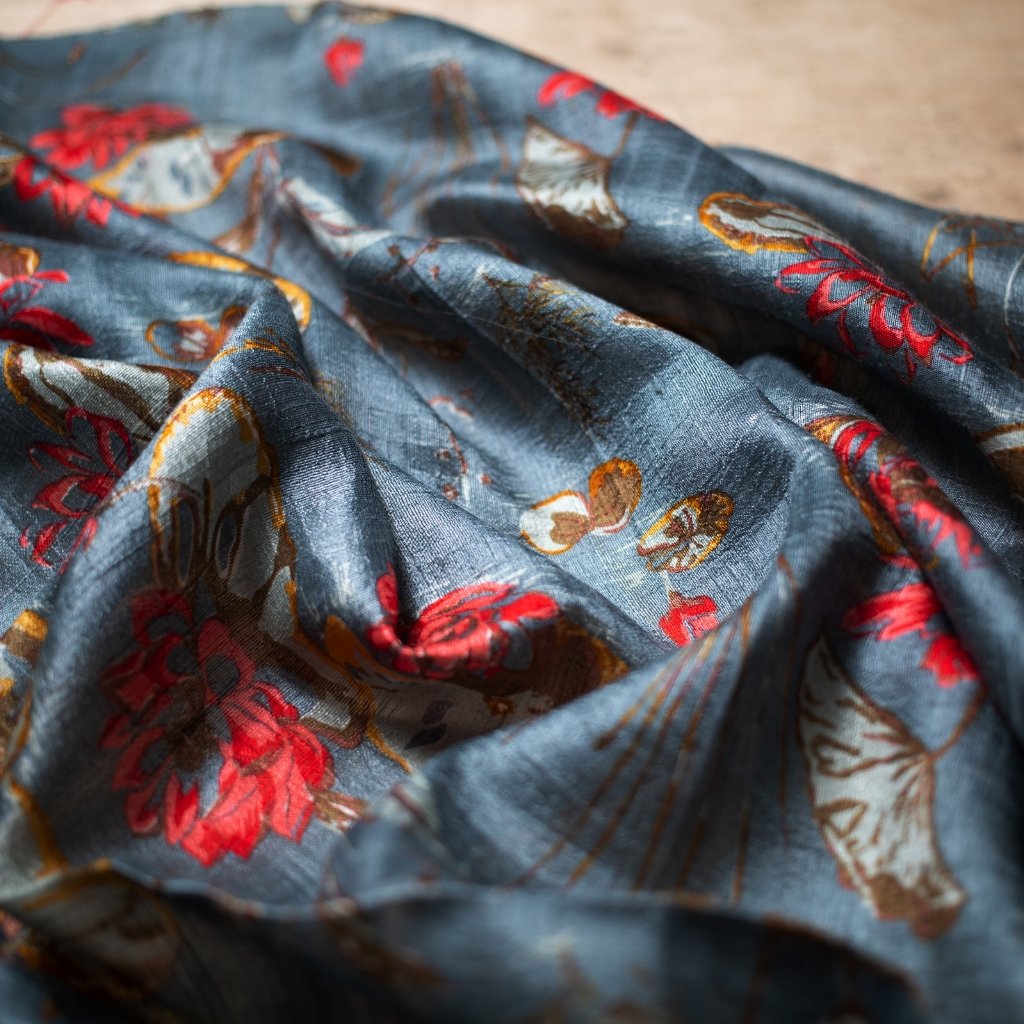
A close-up shot of a blue printed organza fabric with colorful floral and butterfly patterns in red, orange, and white, showing light sheen and delicate folds.
Why Printed Organza Fabric Is Different: a close-up view of a blue, sheeny organza with vibrant red flowers and butterfly motifs, highlighting its lightweight, translucent drape and intricate print.

The soft texture of Printed Organza Fabric makes it stand out. The fabric has a subtle shimmer which adds to its elegance. The fabric’s ability to retain its shape allows it to be used in a variety of designs. The surface is decorated with patterns and colors that are carefully applied. The prints are vibrant and give each piece personality. It does not fade with age, unlike many other materials. Its balance between lightness and structure makes it appealing for a long time. It is suitable for both fashion and creative projects.

History of Printed Organza Fabric
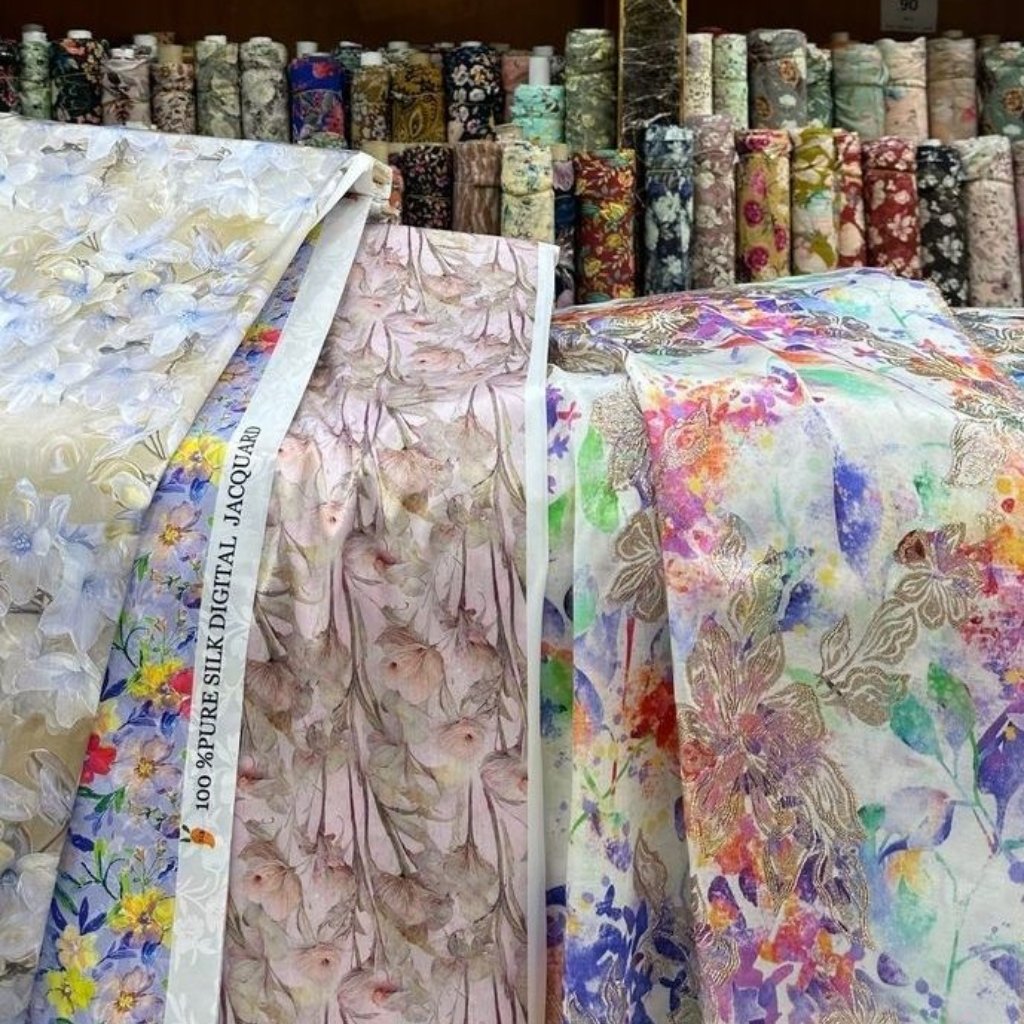
A display of rolled fabrics in a shop: sheer printed organza with delicate floral patterns in pale pinks, whites, and soft colors. Behind them are stacked rolls of colorful, patterned fabrics, including metallic and botanical designs.
History of Printed Organza Fabric: From delicate garden-inspired prints to shimmering textures, organza has evolved from luxury sheers to a staple of modern fashion and home decor.

The origins of printed organza are ancient. It was woven in the past by highly skilled artisans with fine silk threads. With time, new technologies have been developed to make this fabric. To make it easier to access, factories began mixing silk and synthetic fibers. The printing techniques developed and created beautiful patterns. These patterns added to the appeal of the textile. It is used not only as a fabric for clothing, but also for decoration. Its rich history makes it both modern and historical.

How Printed Organza Fabric Feels and Looks
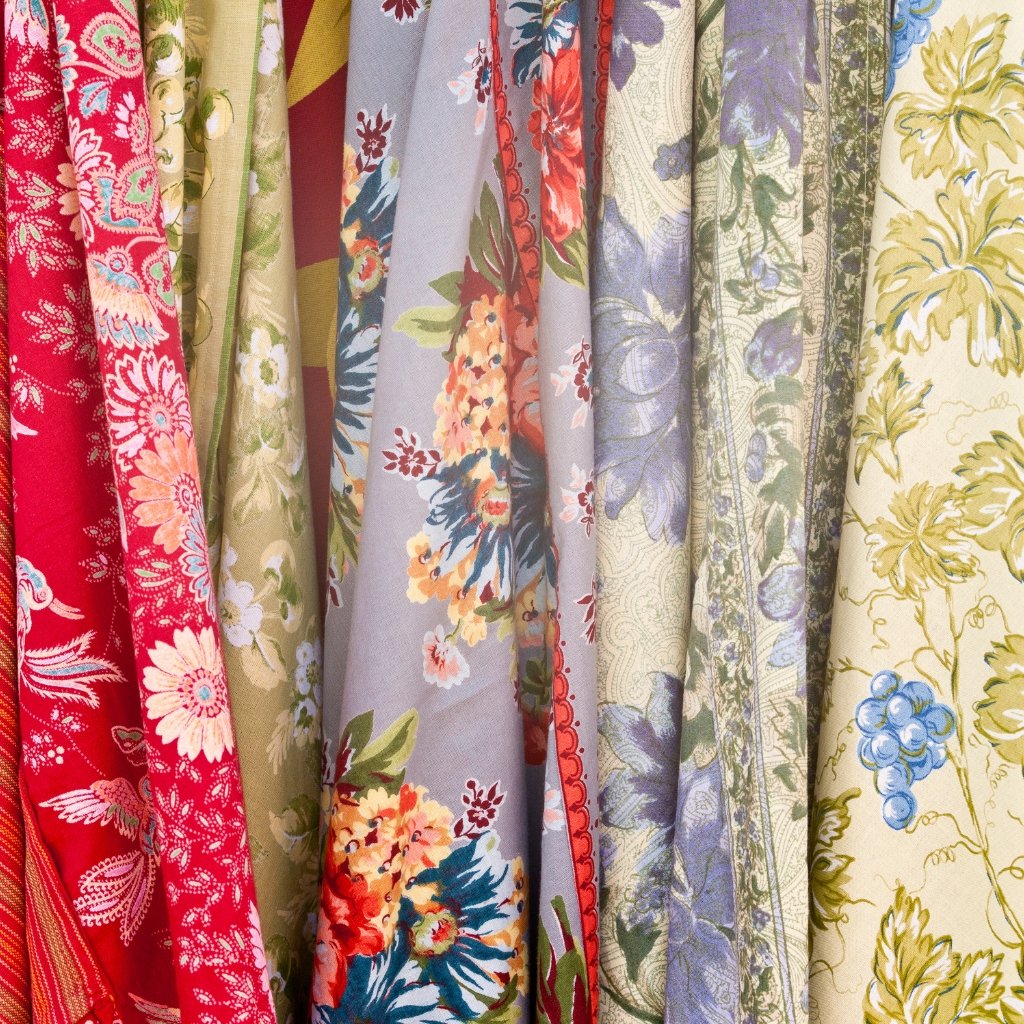
Close-up of printed organza fabric with vibrant floral patterns in red, pink, green, lavender, and cream colors, showing delicate, sheer texture and fine embroidery-like details.
A vivid display of printed organza fabrics in a spectrum of colors from bold reds to soft creams. The light, sheer material features intricate floral patterns that mimic embroidery, creating a delicate and elegant look. Ideal for dresses, blouses, and decorative overlays.

The Fabric is light and smooth to the touch. The sheer fabric surface gives it a refined, elegant appearance. The sheer surface allows light to pass through easily, creating an airy appearance. The fabric’s crisp finish stands out on clothing. Designers like the way this fabric enhances simple designs. It can glow in the sunlight or under indoor lighting. It is suitable for both daytime and evening events. The surface of the product is elegant and stylish.

Fashion Appeal of Printed Organza Material
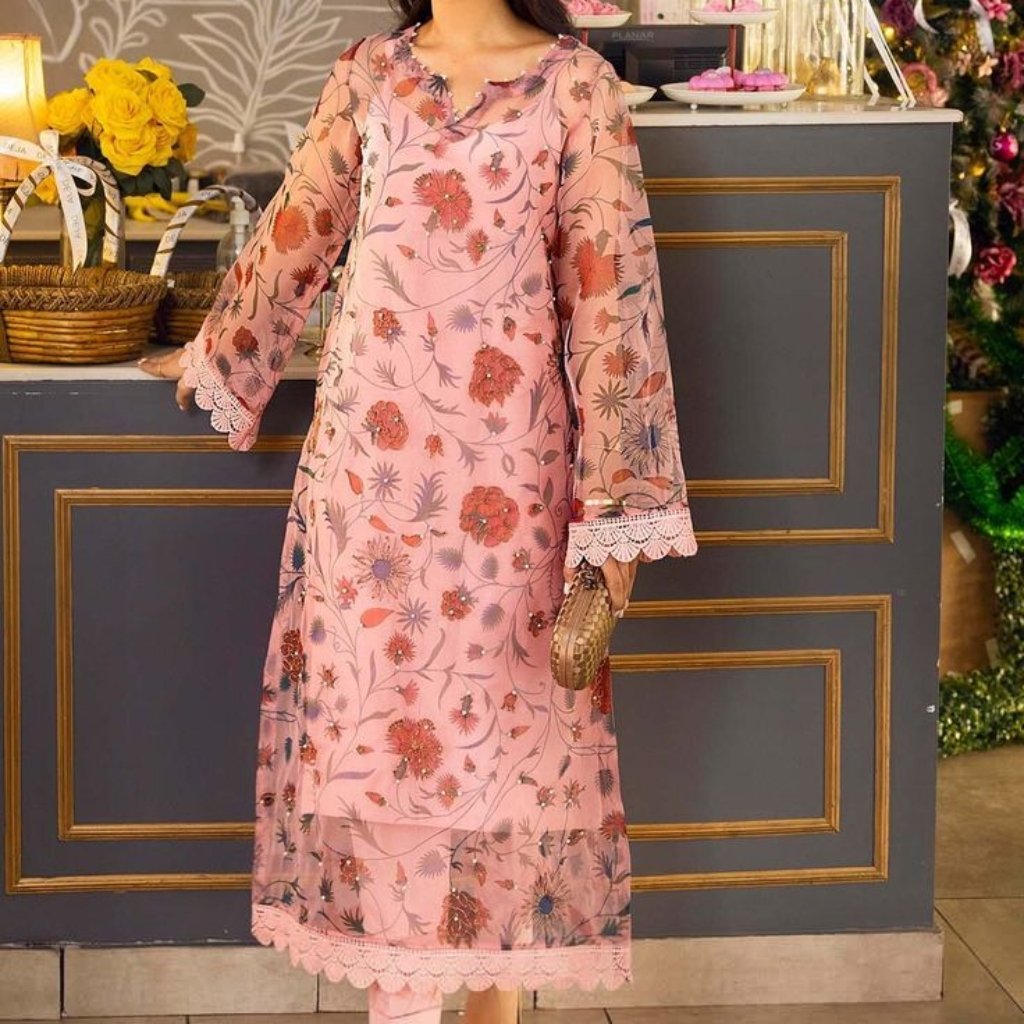
A woman wearing a soft pink printed organza kurti with long, flared sleeves and delicate lace trim at the cuffs and hem. She stands in front of a decorative counter with a basket of flowers in the background, carrying a small woven clutch.
Graceful in pink: printed organza kurti with floral motifs and scalloped lace detailing.

The Fabric is a fashion staple. Designers use it to create evening gowns, festive clothing and other garments. The wearer can enjoy both style and charm. Bold prints are a great way to create a modern look. Soft patterns add subtle elegance to classic outfits. It is also used to make accessories such as scarves and wraps. It moves beautifully as a person walks. It is a favorite of designers around the world because of its unique characteristics.

You can use printed organza fabric in everyday life
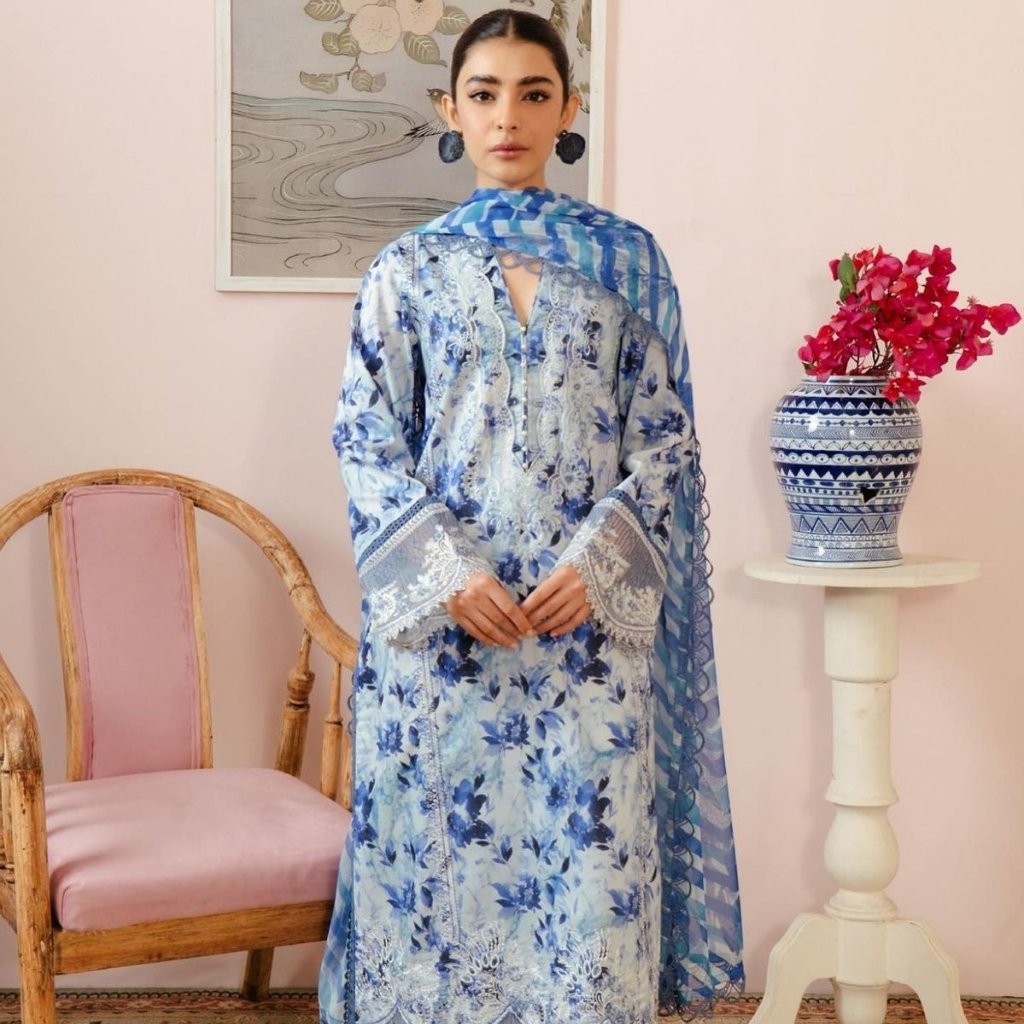
A woman stands indoors wearing a blue and white printed organza dress with lace details. She has a matching blue scarf draped over her shoulders. The room features a pink wall, a wooden chair with a pink cushion, a white pedestal table, and a blue-and-white ceramic vase with pink flowers.
Everyday elegance: embracing printed organza for comfortable, stylish daily wear

It is also used for everyday fashion. The fabric is used in everyday fashion. It is used by many brands to create dresses, tops, skirts and other items. It is soft and stylish. The material is both comfortable and elegant. Organza prints can be used to create a stylish look for casual clothing. Colors that are playful add a freshness to any outfit. The textile is adaptable to everyday use. This is a perfect example of how elegance and everyday style can be combined.

Home Decor with Printed Fabric Organza

The fabric is also used in interior design. It adds grace to windows. Elegant tablecloths with organza prints add elegance to the dining area. Pillow covers that are decorated with vibrant prints look great. Decorated layers add color and character to furniture. Organza is used to decorate wedding venues. It transforms simple areas into stylish ones with ease. The fabric’s lightness makes it easy for air to move through the room. This is a quality that brings beauty and comfort.

Enjoy the comfort and style of Printed Organza Fabric

The balance between comfort and style is what makes Printed Organza so popular. It is easy to wear it in hot climates because of its light structure. The fabric allows air to pass through, which reduces discomfort. It is also stylish and retains its shape. It is different from other heavy fabrics. Softness of the fabric prevents irritation to the skin. The prints add life and style to any outfit. Comfort and style can be found in the same fabric.

Printed Organza Fabric in Special Events

Organza fabric is a popular choice for festive wear. Weddings, cultural celebrations and parties are all common places to see it. Organza gowns with vibrant prints are worn by brides. This textile is also popular with guests because of its elegant shine. It is often used for sleeves, overlays or dupattas in traditional outfits. Western dresses are also luminous when made with organza. Organza’s printed designs make even event decorations more vibrant. Elegant and stylish, it is perfect for any event.

Caring for Printed Organza Fabric

For a longer-lasting printed organza fabric, it is important to wash and dry the fabric gently. Use mild detergents to wash it gently. To maintain its beauty, hand washing is recommended. Avoid scrubbing too hard as this can damage the prints. Colors will not fade as quickly if you dry in the shade. For safety, ironing should be done at low temperatures. When storing it correctly, you can avoid wrinkles and damage. These steps will ensure that the textile is preserved for many years.

Why Designers Choose Printed Organza Fabric

The printed organza fabric has become the designer’s favorite textile. The crispness of the fabric makes it easy for designers to create with. Fabric responds well when pleated and layered. The surface prints allow for endless design options. You can explore both bright or soft patterns. Designers love to combine it with other fabrics for contrast. The versatility of organza has made it an essential part of the runway. Organza can bring to life both classic and modern fashions.

Global demand for printed organza fabric

The Printed Organza Fabric is a global phenomenon. Its presence is celebrated in markets across Asia, Europe and America. The export of this fabric has increased over the past decade. Fashion houses use it to launch new collections. Material is also in high demand by interior designers. Online shops market organza prints to be trendy and stylish. Light weight reduces shipping costs. The global popularity of this product is a testament to its influence on textile markets.

Future of Printed Organza fabric

New designs continue to be added to the Fabric. The patterns are more vivid thanks to advanced printing techniques. Eco-friendly production techniques are now also being adopted. Mixing sustainable fibers to reduce the environmental impact. While changing, the material retains its elegant feel. Designers are exploring new ways to present organza print. The fabric will remain modern with this future-focused focus. It will remain trendy as long as it is infused with both innovation and history.

Conclusions on Printed Organza fabric

The Printed Organza fabric is a symbol of elegance. The light texture and vibrant prints make this a star fabric. Its charm is a favorite among designers, fashionistas and home owners. The fabric is easy to wear and stylish. Organza decorations can make any event more beautiful. The comfort and beauty of organza create a lasting impression. Its value is evident in the past, present and future. Organza is an excellent choice for anyone who wants to express their style.

Q1. Is Printed Organza Fabric comfortable to wear?

Yes, it is lightweight and allows air to pass easily.

Q2. Can Printed Organza Fabric be used for home décor?

Yes, it is often used for curtains, covers, and decorations.

Q3. How do I wash Printed Organza Fabric safely?

Wash gently with mild detergent and dry in the shade.
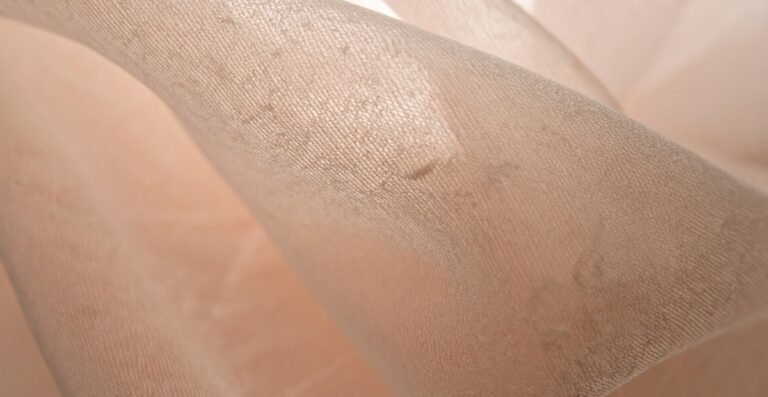
Sheer Organza Fabric: Elegant and Stylish Choice

Organza is a fabric that has been loved for centuries because of its beauty and charm. It is a popular fabric for making stylish dresses and delicate decor. fabric is appreciated for its shiny and light surface. Designers use it for elegance and grace. This fabric will easily transform a simple outfit to something special. It’s thin, smooth and has a subtle shine that is timeless.  Fabric is a favorite among fashionistas because it adds style and weight without adding bulk.

Sheer organza fabric: What makes it special?

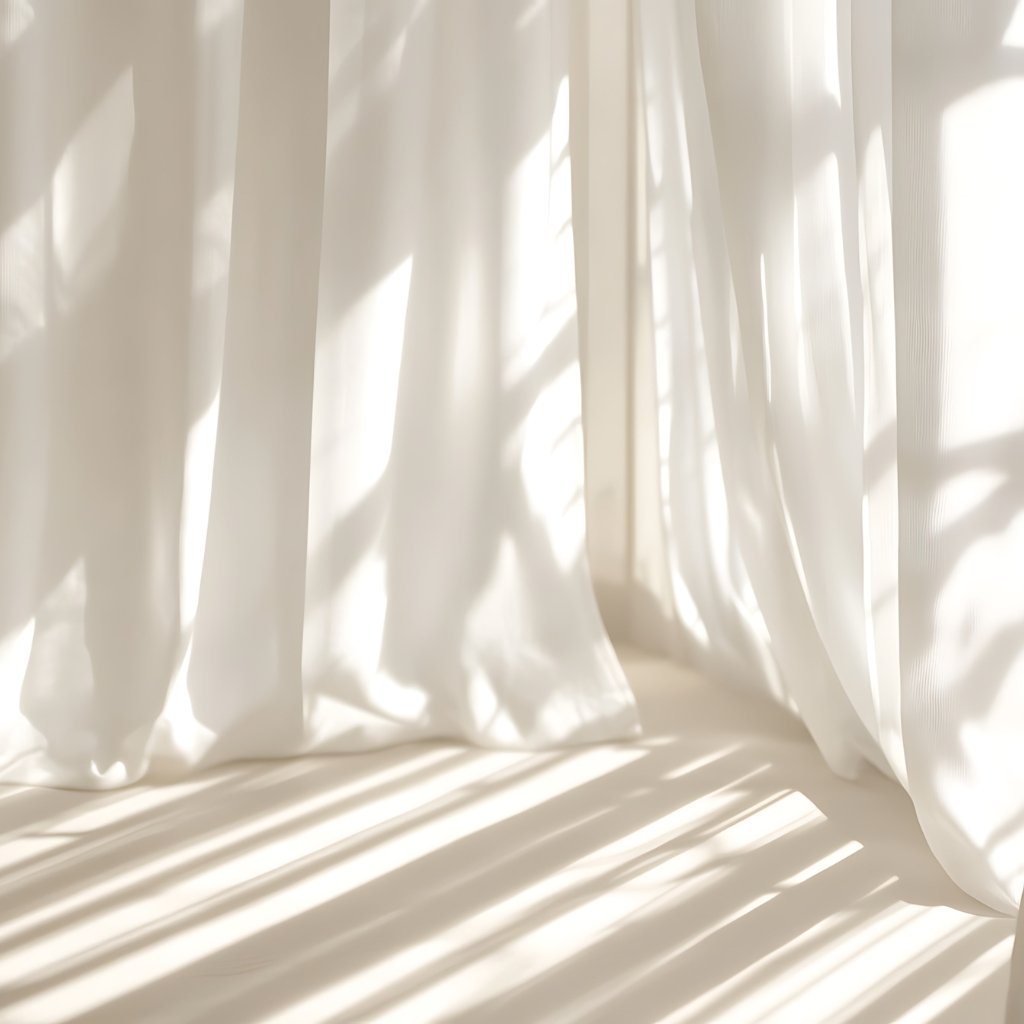
A close-up view of delicate, translucent sheer organza curtains draping and pooling on a light-colored floor; soft sunlight creates crisp shadows and subtle sheen on the fabric.
Sheer organza: ethereal, crisp transparency that adds light, movement, and a whisper-soft glow to any space.

fabric is known for it’s crisp, yet soft texture. Transparency gives it an elegant and dreamy appearance. It holds its shape, making it ideal for layering. Fabric is not heavy and can be worn in any season. The surface shine creates an elegant polished look. It is suitable for clothing as well as decor. Light reflections add depth to an appearance. fabric makes elegance effortless.

Sheer Organza Fabric: A Rich History

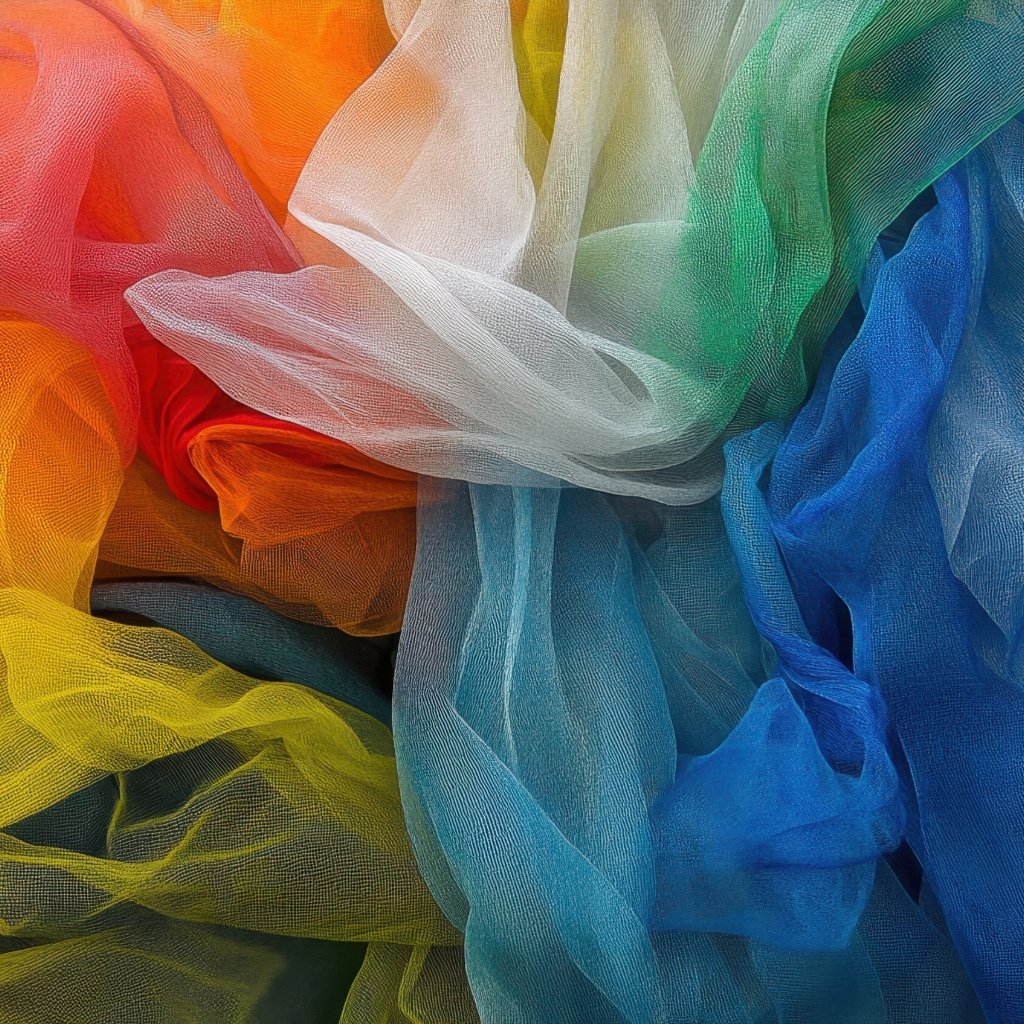
Close-up of sheer organza fabric in a spectrum of colors, lightweight and translucent with visible fine weave; overlapping layers create soft folds and color blending
Sheer Organza: A Lightweight, Luminous Fabric with a Rich History in Fashion and Design.

fabric has a long history. The first time it was woven, it was in areas famous for their silk production. The word “organza”, which comes from an ancient textile city, is derived from the name of this ancient city. The fabric became more popular in Europe over time.  Fabric was a symbol for luxury in the eyes of the rich. It was mainly used for gowns at special events. Modern technology made it more affordable.fabric is no longer just for the royals. Anyone who enjoys fine fabrics can use it.

Sheer Organza Fabrics: Different Types

Sheer Organza Fabric is available in various types. Some of the fabrics are made from silk while others are made from synthetic fibers. Silk organza is very smooth and soft. This fabric is frequently used in bridal wear. Fabric in synthetic versions is light and durable. They are also more affordable and easier to maintain. Stitched patterns add extra detail to embroidered organza.Fabric in Printed Versions Shows Creative Designs Each type has the same transparency. Designers can choose from a variety of options to create the perfect product.

Sheer Organza Fabric is Popular in Fashion

fabric is popular in fashion due to its unique properties. It gives any outfit a stylish, rich look. Organza is often used in evening gowns because of its graceful flow. Designers love how fabric can add volume without being heavy. It makes skirts appear fuller. Sleeves made of organza look soft and dramatic. The shimmer looks great on stage and at events. Fabric is a great match for silk, cotton, and satin. With the changing fashion trends, its use has increased.

Sheer organza fabric in Everyday Clothing

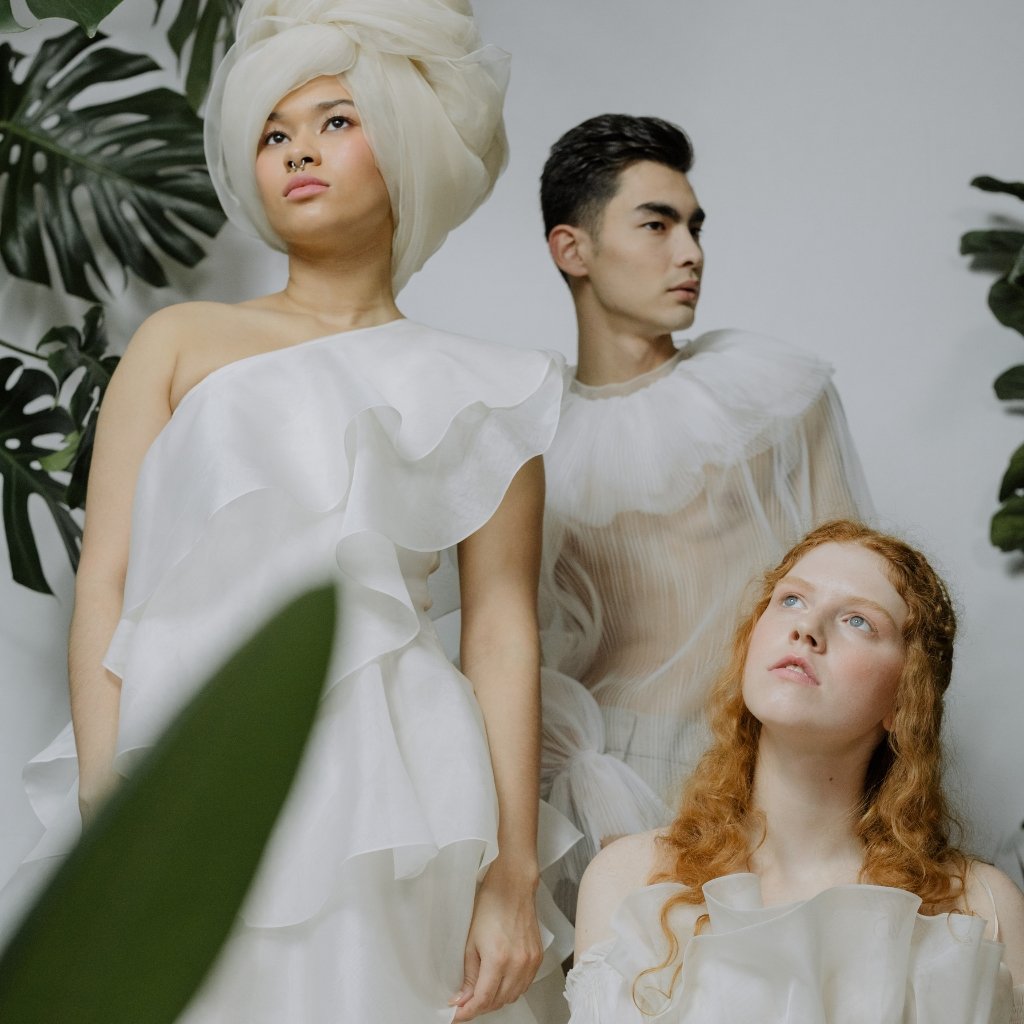
Three models wearing delicate sheer organza outfits: a woman in a white asymmetrical dress with ruffles and a large headwrap, a man in a translucent, pleated top, and a red-haired woman in a light, shimmery blouse. Surrounding greenery creates a soft, ethereal atmosphere
Sheer elegance: everyday looks in lightweight organza

Sheer organza fabric is not only for formal wear. The fabric is also used in everyday clothing. Organza is used in many blouses and scarves. Sheer overlays add style to casual dresses. This fabric adds a light, airy feel to summer outfits. Fabric is comfortable because it breathes. It is also used by designers to create streetwear. Sheer panels and accents on tops are stylish.  Fabric is a practical fabric that is also elegant.

Home Decor with Sheer Organza Fabric

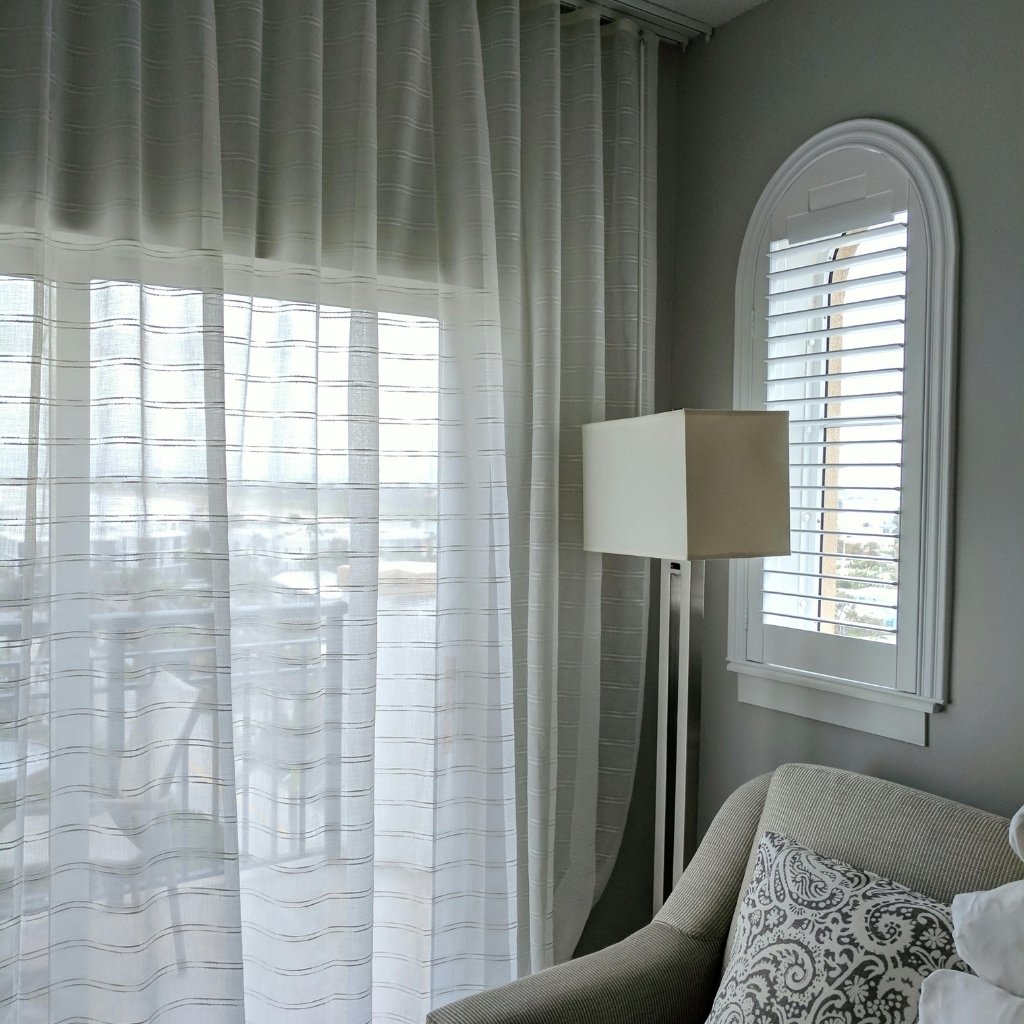
A bright, airy living room corner featuring sheer organza curtains draped over a large window, with soft natural light filtering through. A tall floor lamp stands near a beige upholstered sofa with decorative patterned cushions, and a white arched window with shutter slats is mounted on the wall behind.
Soft, translucent organza curtains bring light and elegance to a cozy living space, paired with a neutral sofa and arch-window detail

Sheer organza fabric is widely used for interior design. It allows soft light into curtains made of it. It creates a calm and bright environment in your home. Elegant table covers and chair sashes are made of fabric. Wedding decorations are often made of this fabric. Organza bows, table accents and drapes look elegant.  Fabric gives a soft glow without blocking the view. It is strong despite its thinness. The material is ideal for decorative items that need to look stylish and light.

Sheer organza fabric in Wedding Wear

Sheer organza fabric has always been a favorite among brides. It is often used in wedding gowns because of its shine and flow. It adds volume while feeling light.Fabric can also be used to make beautiful veils. Transparent organza creates an enchanting bridal look. Designers use it to create sleeves, layers, and overlays. fabric is also used to make dresses for bridesmaids. It brings unity to the wedding theme. It is one of the few fabrics that can combine romance and elegance.

Sheer Organza Fabric: Its Benefits

Sheer organza fabric is popular for many reasons. It is strong and lightweight. The fabric does not lose shape easily. Its shine makes this fabric stand out. Designers love the way Fabric blends with embroidery. The fabric can be layered to create depth. Transparency allows the light to shine through the fabric. Sheer Organza despite its delicate appearance is durable. Its strength makes it last longer than its appearance would suggest. This is why it has a long-lasting place in decor and fashion.

Sheer Organza Fabric: How to Care for it

Sheer Organza Fabric will look new with proper care. Hand washing is recommended. Cleaning is best done with a mild detergent. To avoid damage, it is important to avoid rubbing the fabric too hard. Fabric will retain its shine if it is dried in the shade. Ironing is best done at a low temperature. A high temperature can weaken threads. The fabric can last many years if stored properly.Fabric will look new if you follow these simple steps.
Sheer Organza Fabric: Challenges and Benefits

Fabric looks beautiful, but it requires care. It wrinkles easily so you may need to press it regularly. Fabric is thin and can easily snag. It takes patience and skill to sew with sheer organza fabric. It can feel stiff at times, limiting comfort. It may not be suitable for all occasions. Designers continue to use Fabric because of its beauty. The challenges it poses are small compared to its elegance.

Sheer Organza Fabric: Modern Trends

Sheer organza fabric is a popular choice for fashion trends. Designers use this fabric for stylish overlays and creative sleeves. Also, it is used in jackets, skirts and gowns. fabric is often featured in fashion shows. There are many new colors and designs available. Digital printing has increased its capabilities. The fabric is therefore attractive to younger fashion enthusiasts.  fabric continues to inspire designers through its timeless appeal. Every season, its role in fashion appears to be growing.

The conclusion of the article is:

Fabric has been a fabric that is full of grace and style. Its popularity has not changed, despite the modernization of fashion. The fabric is versatile, light and shiny.  fabric is equally useful for fashion and home décor. Its elegance is admired by designers, event planners and brides alike. The fabric will last a long time if you take care of it. Despite being delicate, the fabric is still widely used. Fabric is a symbol for elegance that will last many years.

Q1. What is Sheer Organza Fabric best known for?

Sheer Organza Fabric is best known for its lightweight texture, transparent look, and elegant shine, which make it popular for dresses and décor.

Q2. Is Sheer Organza Fabric expensive?

Silk organza is costly, but synthetic Sheer Organza Fabric is affordable, durable, and widely available, making it suitable for all budgets.

Q3. Can Sheer Organza Fabric be used in casual clothing?

Yes, Sheer Organza Fabric is often used in blouses, scarves, and casual dresses, adding lightness and elegance without feeling heavy.

What Is Cheesecloth Fabric? Everything You Need to Know

Among the many different textiles available, cheesecloth fabric is one of the most versatile and useful. What began as a basic kitchen accessory to strain cheese has been widely adopted for various other uses. Currently, cheesecloth is used in cooking, cleaning, crafts, and even in some industrial applications. This guide covers everything there is to know about this fascinating fabric.

What Is Cheesecloth Fabric?

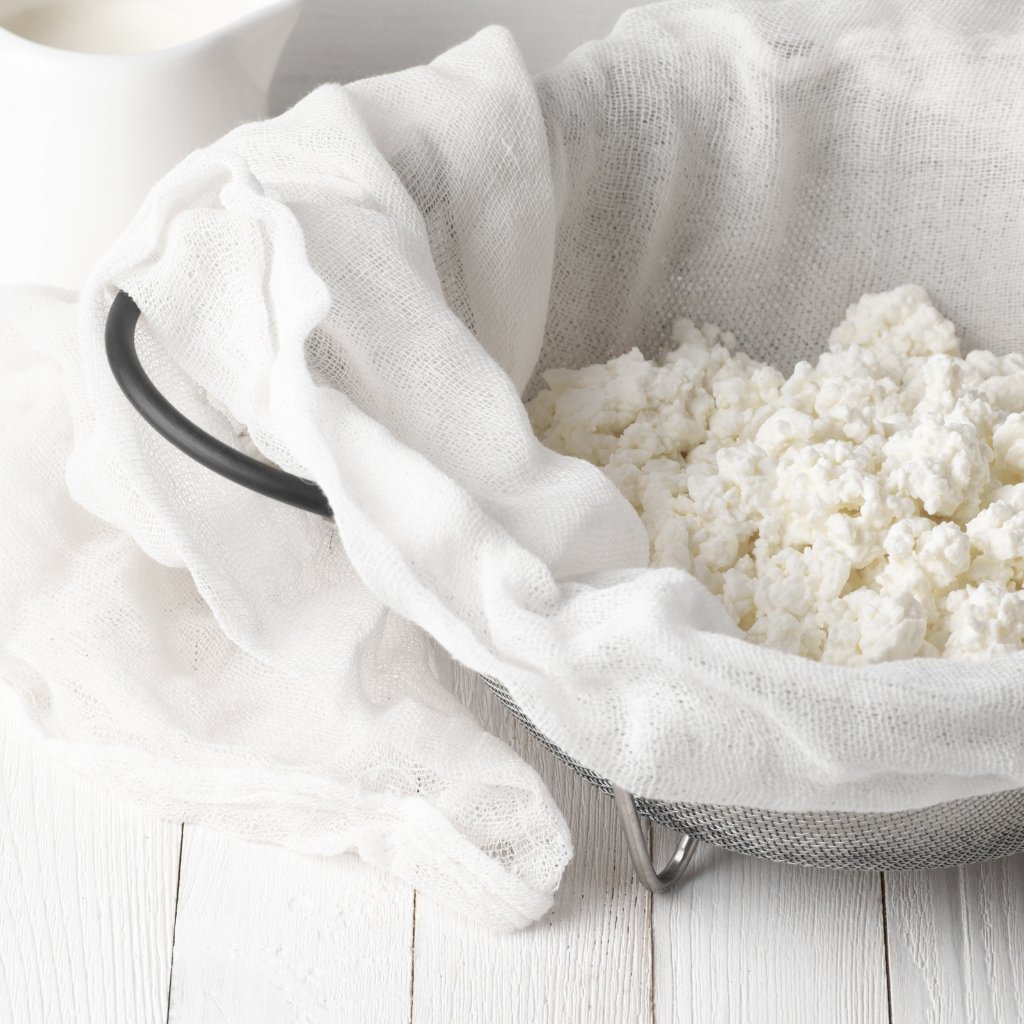
A metal colander lined with a white cheesecloth sits on a white wooden surface, filled with fresh white cottage cheese.
Fresh cottage cheese in a colander lined with cheesecloth on a bright white wooden surface.

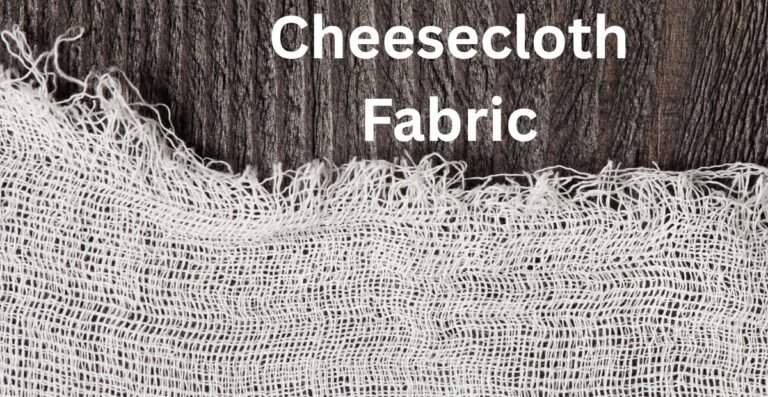
Cheesecloth is a lightweight, loosely woven fabric. In cheese making, it is used to strain curds and is also used to cover cheese. The soft texture and breathable weave of the fabric also makes it useful in other tasks. Cotton is also biodegradable and eco-friendly as a natural fiber, and most cheesecloth is made from cotton.

Cheesecloth is available in a range of different grades. This can be from very fine cheesecloth to extra coarse weaves. The different grades indicate the amount of liquid the fabric can pass through and the strength of the fabric. Fine grades are used for filtering liquids and coarse grades are used for cleaning or covering food.

Cheesecloth Fabric History

Map of Europe with country borders, showing surrounding seas in blue.
Map of Europe showing political boundaries and surrounding bodies of water.

Cheesecloth fabric history is tied to traditional practices of cheese-making. In Europe and Asia, early farmers drained curds with handwoven cotton cloths. Later on, people started to use the same cloth in the kitchen for other tasks, like straining broths and wrapping herbs.

Over time, the value of the fabric grew beyond the culinary. In the 19th century, it started to be used in the hygiene of medical practices, bandages, cleaning cloths, and even set design. Cheesccloth’s abundance and low cost contributed to its global circulation.

Cheesecloth Fabric Characteristics

Cheesecloth fabric possesses many distinct qualities.

Lightweight and Breathable – The open weave allows circulation of air, making it good for covering food.

Absorbent – Cotton fibers absorb liquid which aids in straining and cleaning.

Soft Texture – The fabric’s gentleness assists in polishing.

Eco-Friendly – 100% cotton means it decomposes.

Different Grades – From fine to coarse, each serves a purpose.

These qualities ensure the relevance of cheesecloth in the modern household. See more…..Oxford Cotton fabric

Grades of Cheesecloth Fabric

Cheesecloth fabric is available in several grades, usually numbered from 10 to 90, where the digits indicate how tightly woven the fabric is.

Grade 10–20: Coarse weave, used for heavy cleaning or industrial work.

Grade 40–50: Medium weave, ideal for straining sauces and soups.

Grade 60–90: Fine weave, used for cheese-making, filtering, and craft projects.

The higher the grade, the finer the weave. Therefore, the purpose will determine your choice of grade.

Common Uses of Cheesecloth Fabric

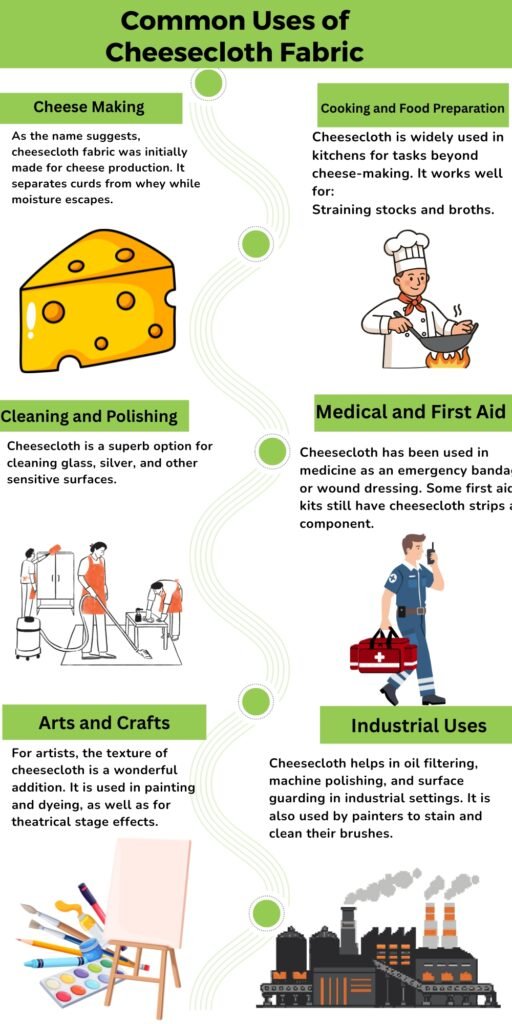
A vertical infographic titled “Common Uses of Cheesecoth Fabric” with six sections: Cheese Making, Cooking and Food Preparation, Cleaning and Polishing, Medical and First Aid, Arts and Crafts, Industrial Uses. Each section includes a short description and a related illustration (cheese wedge, chef, workers cleaning, medical bag, painting supplies, factory).
Common Uses of Cheescloth Fabric: From kitchen tasks to crafts, medicine, and industry.

Though cheesecloth fabric suggests a limited purpose, it is, in fact, highly multifunctional. Here are its major uses:

  1. Cheese Making

As the name suggests, cheesecloth fabric was initially made for cheese production. It separates curds from whey while moisture escapes. Soft cheeses, such as ricotta, paneer, and mascarpone, are often prepared with cheesecloth.

  1. Cooking and Food Preparation

Cheesecloth is widely used in kitchens for tasks beyond cheese-making. It works well for:

Straining stocks and broths.

Making nut milk or cold brew coffee.

Creating herb bundles for soups and stews.

Wrapping citrus for juicing to avoid seeds.

Because it does not add flavor or chemicals, it is safe for direct food contact.

  1. Cleaning and Polishing

Cheesecloth is a superb option for cleaning glass, silver, and other sensitive surfaces. Because it is used for car detailing and furniture polishing, it does not leave any lint behind.

  1. Medical and First Aid

Cheesecloth has been used in medicine as an emergency bandage or wound dressing. Some first aid kits still have cheesecloth strips as a component.

  1. Arts and Crafts

For artists, the texture of cheesecloth is a wonderful addition. It is used in painting and dyeing, as well as for theatrical stage effects. During Halloween, cheesecloth is used to make ghost drapes for decorations.

  1. Industrial Uses

Cheesecloth helps in oil filtering, machine polishing, and surface guarding in industrial settings. It is also used by painters to stain and clean their brushes. Read more……Upland Cotton

Benefits of Cheesecloth Fabric

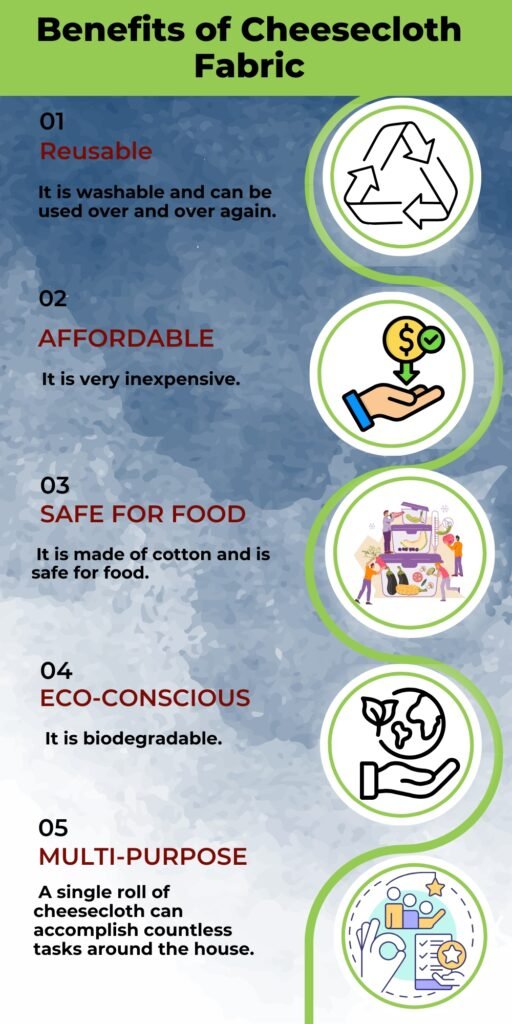
Infographic titled ‘Benefits of Cheesecloth Fabric’ listing five benefits: 01 Reusable; 02 Affordable; 03 Safe for Food; 04 Eco-conscious; 05 Multi-purpose, each with a brief description and circular illustrations.
Discover the benefits of cheesecloth fabric: reusable, affordable, safe for food, eco-conscious, and multi-purpose.

The cheesecloth fabric has various benefits that account for its popularity:

Reusable: It is washable and can be used over and over again.

Affordable:It is very inexpensive..

Safe for Food: It is made of cotton and is safe for food.

Eco-Conscious: It is biodegradable.

Multi-Purpose: A single roll of cheesecloth can accomplish countless tasks around the house.

These benefits point to why cheesecloth fabric is important to have in every kitchen and workshop.

How to Care for Cheesecloth Fabric

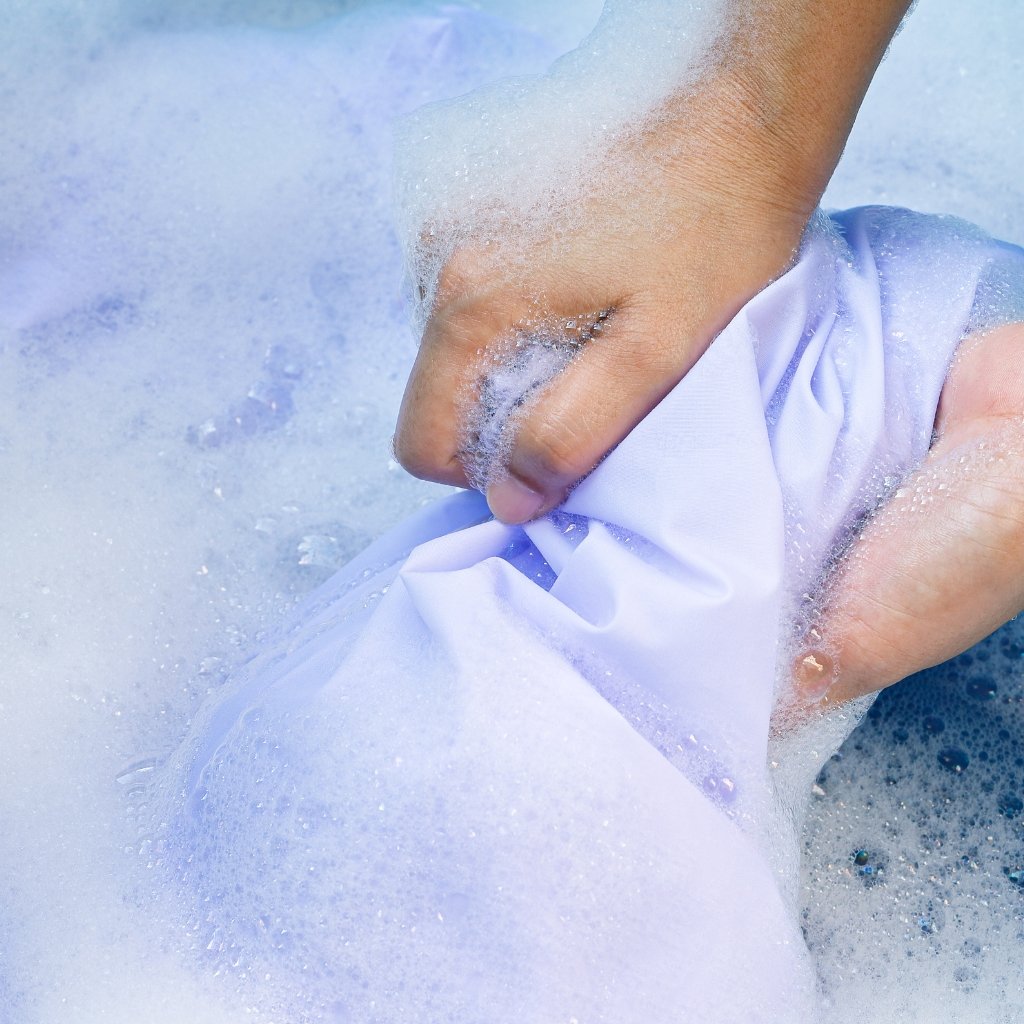
A close-up of hands wringing out a light purple fabric in soapy bubbles, with one hand gripping the cloth as suds surround it.
Hands wringing out fabric in soapy bubbles.

Caring for cheese cloth fabric properly is not hard. Rinse Immediately is step one. After it is used, any food residues should be rinsed off. Wash with Mild Soap is step two. You should take gentle soap with warm water to wash it. Avoid Strong Detergents is step three, and it is crucial. Strong chemicals will weaken and ruin the cotton fabric. Air Dry is step four, and it is important to prevent shinkage. Store Clean and Dry is the last step. Put it in a dry place so there is no chance of mold.See more…..Canvas Cotton Fabric

How to Choose the Right Cheesecloth Fabric

These simple steps will allow the fabric to last for several months. Having many grades of cheesecloth available for purchased is good, but make sure to grade is best for intended use. While cooking, a medium to fine grade is best. If it is for cleaning, getting a coarse grade is best. Fine and coarse grade are both useable for crafts or decorations depending on the aimed project.Read more….Poplin Cotton Fabric

Bleached cheesecloth will be of less environmental value and will have chemicals in it, while the unbleached version will be natural.

Sustainability Minded Cheese Cloth

More and more individuals prioritize ecological impact when making purchases. Incorporating cheesecloth into daily living embraces a sustainable lifestyle, as it can be reused and will fully decompose. Cheesecloth can be used in place of disposable filters and, for a small effort, will minimize waste and contribute to a sustainable future.

FAQs

Can cheesecloth fabric be reused?

Yes, it can be washed and reused several times, especially for food preparation.

What grade of cheesecloth is best for cheese-making?

Grades 60–90 are best since they have a fine weave.

Is cheesecloth safe for cooking?

Absolutely. Being made of cotton, it is food-safe and chemical-free.

Mohair Wool Fabric: History, Properties, Uses, and Care Tips

Of all luxurious textiles, mohair wool fabric is appreciated for its luster, warmth and durability. It is often used for fashion and decor. Mohair is known as the “Diamond Fiber” and has been valued for hundreds of years. Designers and textile lovers appreciate its sheen, durability, vibrant absorbing qualities, and dye resilience.

History of Mohair Wool Fabric

Ancient Turkey, especially the Ankara region, is the birthplace of mohair wool fabric, and the home of the Angora goat. “Mohair,” comes from the Arabic word “mukhayyar,” which means “chosen” and “preferred,” a testimony of its ancient value and prestige.

Until the 19th century, Angora goats were owned only by Turkey. By the 19th century, Angora goats had spread to South Africa and the United States, and consequently commercial production of velvet wool fabric. South Africa is the leading producer of mohair fabric exportation and production.

Properties of Mohair Wool Fabric

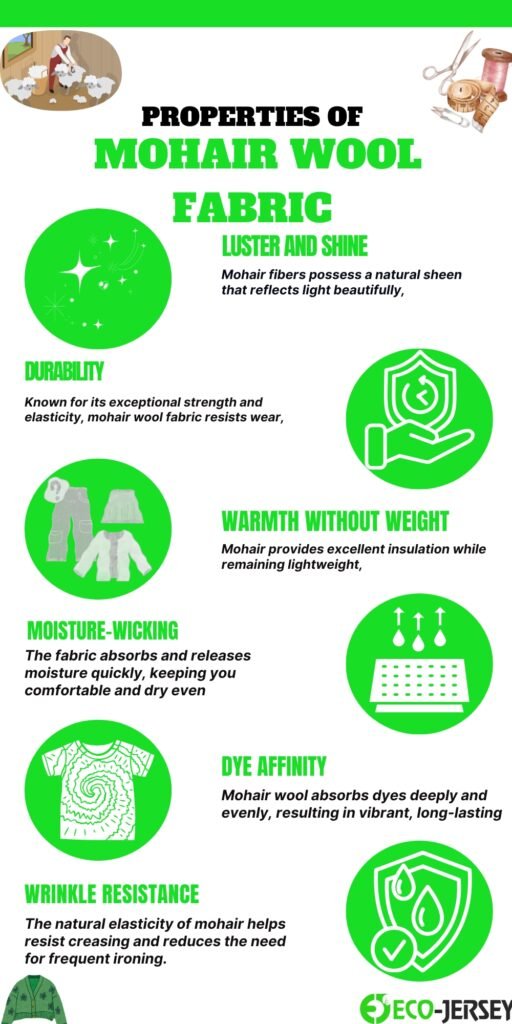
An infographic titled "Properties of Mohair Wool Fabric" with a bright green and white color scheme. It features circular green icons illustrating characteristics such as luster and shine, durability, warmth without weight, moisture-wicking, dye affinity, wrinkle resistance, and more. Each section includes bold green headings and brief explanatory text.
Mohair wool fabric boasts exceptional luster, warmth without weight, moisture-wicking properties, strong durability, excellent dye affinity, and wrinkle resistance. This infographic highlights the key benefits and characteristics of mohair fabric.

Mohair wol fabric is the most enchanting of natural fabrics for mohair wools fabric and its unique properties. Allow me to share the most significant:

1. Luster and Shine

Mohair fibers have a natural sheen that enhances their elegance. Unlike ordinary what is wool fabric reflects light beautifully, making fabrics appear more luxurious.

2. Durability

The fibers of mohair wol fabric are exceptionally strong and elastic. They resist wear and tear, ensuring that garments and home décor items last for years.

3. Warmth without Weight

Mohair excels at insulation without bulk. It helps you stay warm in winter while allowing you to feel light and free.

4. Moisture-Wicking

Mohair holds and absorbs moisture while drying very quickly, allowing you to stay dry in the shade and humid conditions.

5. Dye Affinity

Brilliant and long-lasting dye absorption is another trait that makes mohair wools fabric special.

6. Wrinkle Resistance

Mohair’s elasticity helps in stretching and aids in avoiding wrinkles, thus decreasing ironing frequency.

Types of Mohair Wools Fabric

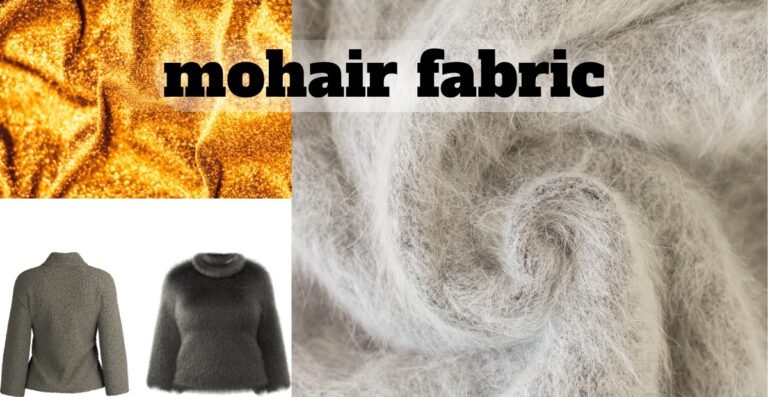
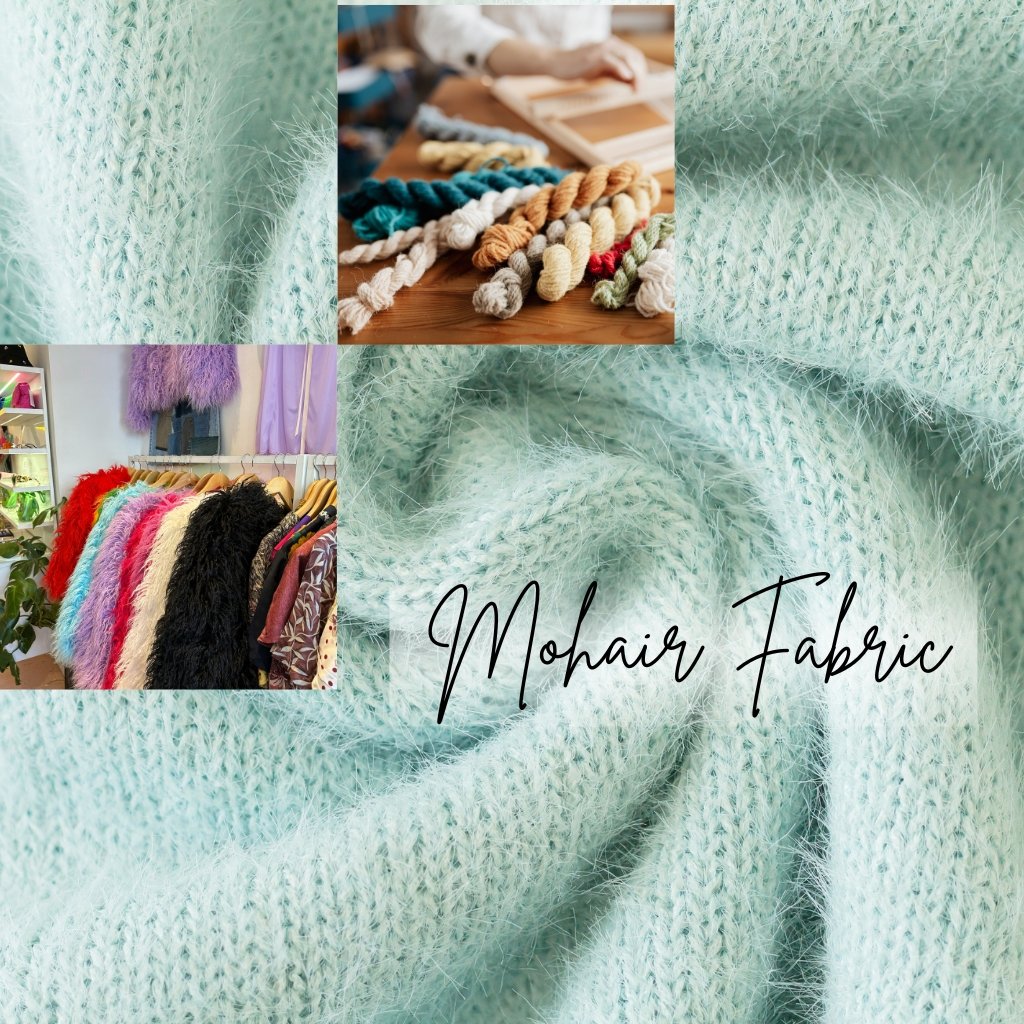
Close-up of soft, light mint-green mohair fabric with a fluffy, fuzzy texture; collage elements show yarns and colorful fabrics in a shop insets.
Mohair Fabric: Luxuriously soft, fluffy yarns and cozy textures in a pastel palette.

Fabric grades and blends vary, even though mohair is primarily produced from Angora goats.

  • Kid Mohair: Softest and most luxurious coming from young goats, this is reserved for the most expensive garments.
  • Adult Mohair: Slightly coarser, though still silky, is often used for men’s suits and coats, and home furnishing fabrics.
  • Blended Mohair: Commonly mixed with wool fabric silk, or cheap synthetic fibers for cost and performance.

Each has its benefits, providing versatility for many different sectors.

Uses of Mohair Wool Fabric

Mohair wol fabric** is of high quality, has great durability, and of course, an elegant look and feel, and that’s why its uses are many.

1. Fashion Industry

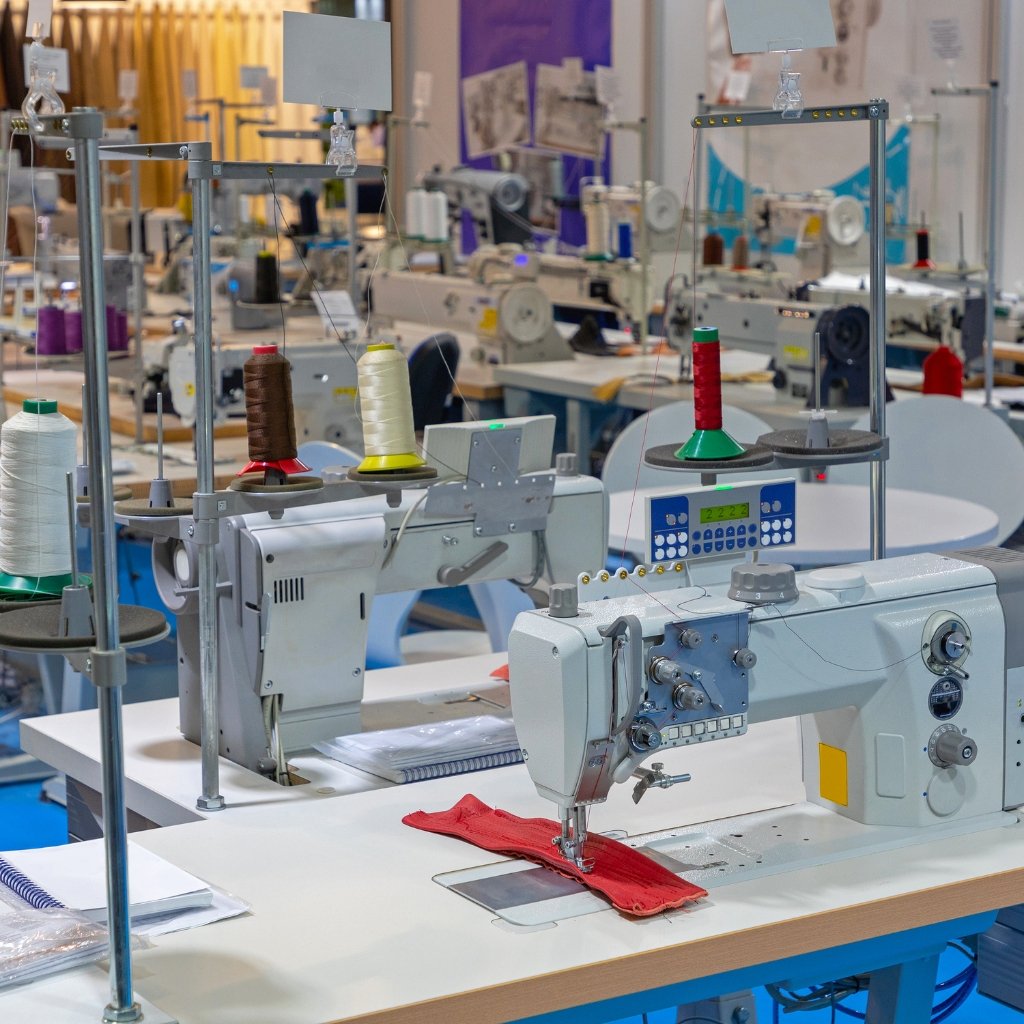
A bright sewing workshop with multiple industrial sewing machines and thread spools. In the foreground, a white sewing machine stitches a red fabric piece. Nearby are tall thread cones in white, yellow, brown, and green. The background shows more machines, racks, and tools, creating a busy, well-equipped workspace.
A bustling textile workshop with industrial sewing machines and colorful thread spools, busy stitching red fabric.

Mohair is frequently used in:

  • Sweaters and cardigans.
  • Scarves and shawls.
  • High-quality suits and coats.
  • Hats and gloves.

Designers love mohair because it holds shape well while offering a luxurious feel.

2. Home Décor

A bright, airy living room with white walls and vaulted white paneled ceiling. A large navy sofa and matching chairs surround a rustic wooden coffee table. A wall-mounted flat-screen TV and a long dark console with decorative items sit against the back wall. Light hardwood floors, a light-colored area rug, and two tan leather ottomans add warmth. Artwork and plants decorate the space, with natural light streaming in from a glass door to the right.
Bright, contemporary living room with a vaulted ceiling, navy furnishings, and a rustic wooden coffee table.

Beyond clothing, mohair finds its way into:

  • Upholstery.
  • Curtains.
  • Carpets and rugs.
  • Decorative throws.

Its sheen and durability make it perfect for adding elegance to interiors.

3. Industrial Applications

Industrial factory scene with bright orange robotic arms assembling or handling fabric, blurred background machinery, and a clean, reflective floor.
Industrial elegance: robotic arms weave Mohair wool fabrics in a high-tech manufacturing line.

Because mohair wools fabric resists flame and moisture, it has niche applications in theater curtains, soundproofing materials, and even aviation upholstery.

Benefits of Mohair Wool Fabric

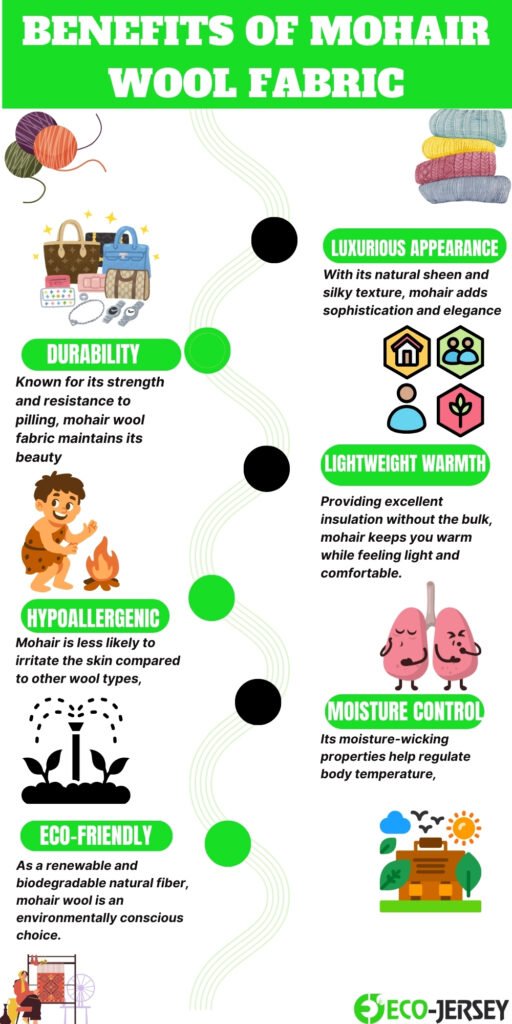
Infographic titled ‘Benefits of Mohair Wool Fabric’ with green header. Left column: icons of yarn, bags, a dancing child, a plant icon, and eco-friendly badge; right column: stacked yarns and lungs illustration. Benefit sections include Durability, Hypoallergenic, Eco-Friendly, Luxurious Appearance, Lightweight Warmth, Moisture Control, each with small icons and brief descriptive text.
Benefits of Mohair Wol Fabric: durability, hypoallergenic properties, eco-friendliness, luxurious appearance, lightweight warmth, and effective moisture control.

Understanding why mohair wol fabric remains popular requires looking at its advantages:

  • Luxurious Appearance: Its sheen and soft texture offer sophistication.
  • Durability: Long lasting and resistant to pilling.
  • Lightweight Warmth: Insulating without being bulky.
  • Hypoallergenic: Less likely to irritate skin compared to other wools.
  • Moisture Control: Keeps you dry and comfortable in various climates.
  • Eco-Friendly: As a natural fiber, it is renewable and biodegradable.

These benefits explain its continued demand in fashion and décor despite the rise of synthetic alternatives.

Downsides of Mohair Wool Fabric

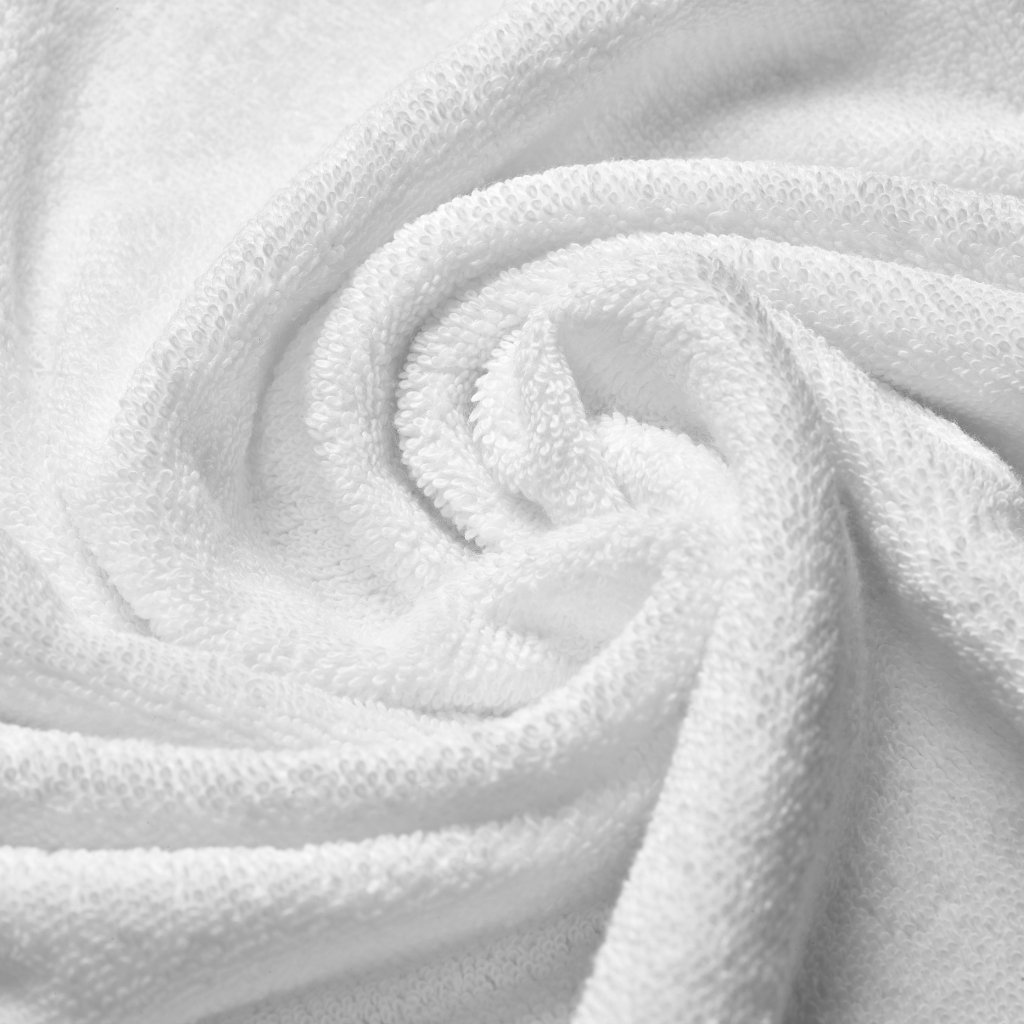
Close-up of a white mohair wool fabric with a soft, fuzzy texture and a rolled, layered weave.
Soft, white mohair wol fabric with a plush, textured surface.

Although mohair wool fabric has many advantages, here are some listed drawbacks:

  • Cost: High-quality Mohair tends to be very expensive.
  • Special Care: Certain pieces are marked dry clean only or must be washed with extra care.
  • Limited Stretch: Less elastic than some synthetic materials.

Still, for those who appreciate luxury and durability, the benefits will much higher than the disadvantages.

Tips for Mohair Wool Fabric Care

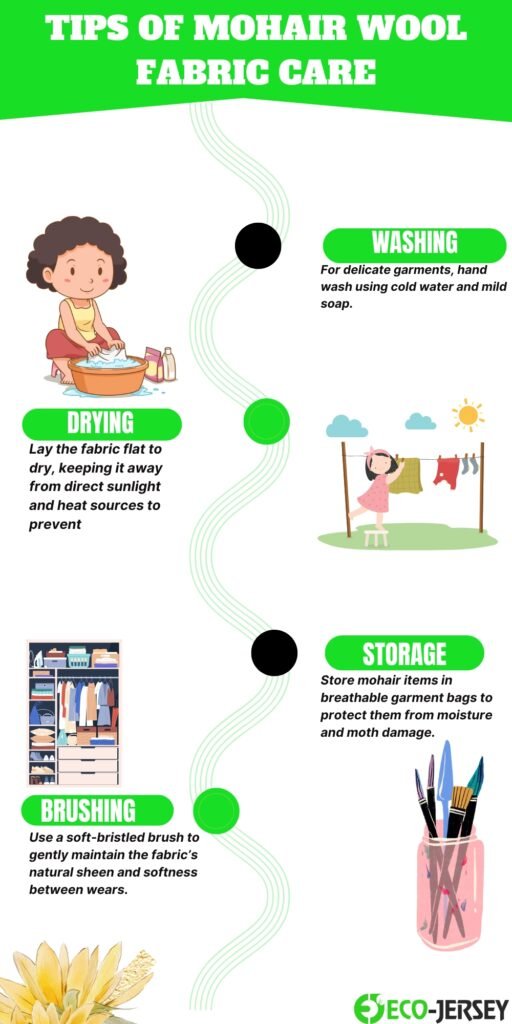
Infographic titled ‘Tips of Mohair Wool Fabric Care’ with sections for Washing, Drying, Brushing, and Storage, illustrated with children and care items.
Care tips for Mohair Wools Fabric: wash gently by hand with cold water and mild soap, air-dry away from direct sun, brush with a soft-bristled tool to maintain softness, and store in breathable bags to protect from moisture and moths.

To ensure mohair wool fabric holds its beauty and lasts for many years:

  1. Washing: For delicate items, hand washing with mild soap or professional dry cleaning is recommended.
  2. Drying: Flat drying is recommended away from direct sunlight and heat.
  3. Storage: For moth-proofing, breathable bags are recommended.
  4. Brushing: To preserve the natural sheen and texture, soft brushing is required.

These suggestions will ensure your mohair will continue to look fresh and elegant for many years.

Sustainability of Mohair Production

With a spotlight on sustainable practices, mohair wool fabric is renewable and eco-friendly. The fleece of Angora goats is produced each year, and responsible farming practices help reduce the environmental impact.Some producers follow ethical certifications, which ensures both animal welfare and ecological balance. To these consumers, mohair is quite an eco-friendly alternative.

Conclusion

Mohair wool fabric is all about luxury, durability, and appeal, which is also timeless. From Turkey enriching the mohair history to the modern world, it is ensconced in the fashion, home décor, and industry, adorning and winning the heart of the consumers, and all the designers.

FAQs

What is Mohair Wool Fabric made from?

Mohair wool fabric is made from the fleece of the Angora goat, known for producing strong, silky, and luxurious fibers.

What are the main benefits of Mohair Wool Fabric?

Mohair wool fabric is lightweight, warm, durable, hypoallergenic, and eco-friendly, making it ideal for clothing, upholstery, and accessories.

How do you care for Mohair Wool Fabric?

Hand wash with mild detergent or dry clean, lay flat to dry, and store in breathable bags to protect against moth damage.

What Does Polyester Feel Like? Buyer’s Guide

0

Introduction

When you are questioning me about what polyester feels like, the outlook is very simple. Polyester is normally smooth, light and somewhat synthetic.What Does Polyester Feel Like? Most individuals refer to it as slippery, plasticky or even silky basing on its weave and finish. Polyester does not feel natural like cotton, which is soft in nature, and therefore, tends to be more artificial. But the production method has been advanced nowadays and its texture has been enhanced a lot. Polyester could now be soft, breathable and even luxurious.What Does Polyester Feel Like?

Polyester also varies in terms of feel depending on the fabric combinations. Polyester is combined with cotton to make it more softer and breathable. It is comfortable and stretchy when combined with spandex. Conversely, pure polyester may be hot and unbreathable at times particularly during the hot weather.What Does Polyester Feel Like? Thus, its solution is not necessarily limited to the fiber itself, but also to the processing and utilization of the fabric.

Polyester vs. Natural fabrics: Which is better?

When posing the question about what polyester feels like, compared to natural fabrics, it will be helpful to refer to direct comparisons. All fabrics possess their own peculiarities influencing comfort and texture and general experience.

Polyester vs. Cotton

Cotton is soft, breathable and natural to the skin. Polyester on the other hand is sleeker and less natural. Whereas cotton is able to absorb moisture, polyester is unable to do so and this renders it unbreathable in hot weather.What Does Polyester Feel Like? But polyester dries much more quickly than cotton, which is why it is applicable in sportswear.

Polyester vs. Silk

Silk is very smooth to touch and is cool. Polyester satin attempts to imitate this texture but it is a little less natural. Polyester does not have the organic softness that silk has, but has some qualities of strong durability and inexpensiveness that silk cannot sustain.

Polyester vs. Wool

During cold weather, wool is warm, cozy and soft. Polyester fleece tries to imitate this feel and has a fuzzy feel. Nevertheless, polyester fleece is not breathable or at least, it is lightweight compared to natural wool. It is also unable to regulate the temperature of the body as well.

Polyester vs. Linen

Linen is cool, breathable and crisp, particularly during summer. Polyester is softer and retains more heat. Linen crinkles up very easily where polyester does not crinkle and appears more polished during the day.

Different Types of Polyester Fabrics and Their Feel

Polyester is not all soft. The blending, the weave, and finish produces quite distinct textures.What Does Polyester Feel Like? In case you want to know what polyester feels like when in various forms here are the principals:

Microfiber Polyester

Microfiber polyester is soft, silky and smooth. It is nearly suede like and commonly employed in bedding and activewear. This fabric is soft to the skin and it is not easily irritable.

Satin Polyester

Satin polyester is oily, smooth and soft. Its surface is shinier like silk and this is why it is used in dresses, lingerie and nightwear. Nevertheless, it may be somewhat unbreathable.

Fleece Polyester

Fleece polyester is warm, fuzzy and soft. It is very comfortable as its texture is brushed and can be worn in jackets, blankets and winter. Although it is comfortable, it could get hot during hot weather.

Blended Polyester Fabrics

Polyester blends are different depending on the blend. Cotton-polyester have the feel that is soft and durable. What Does Polyester Feel Like?Polyester and spandex mixture is stretchy and flexible and suitable in sportswear.What Does Polyester Feel Like? Blends of polyester and wool are softer and feel warmer and breathable than plain polyester.

How Polyester Feels in Different Situations

Polyester does not always have the same feeling. It varies according to the weather, activity, and clothing.

Against the Skin in Hot vs. Cold Weather

Polyester sticks and is less breathable in hot climates as it does not absorb sweat. The sportswear type of performance polyester is however cooler as it wicks moisture away. Polyester is warmer in cold weather and better insulated particularly in the form of fleece.

Comfort Sportswear and Activewear.

Polyester in sportswear is light and flexible and quick drying. It makes it very easy to move around and does not make clothes cumbersome with sweat.What Does Polyester Feel Like? That is why polyester is the favorite material of numerous athletic brands.

Daily Wear vs. High End Clothing.

Polyester is comforting, easy to wear, and non-slippery. It is wrinkle resistant and shape retaining. Polyester is more luxurious when it is sewn in the form of satin or microfiber. It may be like silk or wool, at a lesser price.

Tips for Choosing Polyester Fabrics Based on Feel

The feel of polyester can vary a lot, so choosing the right type matters. If you are wondering what does polyester feel like and want to make the best decision, here are some useful tips:

Alt Text:
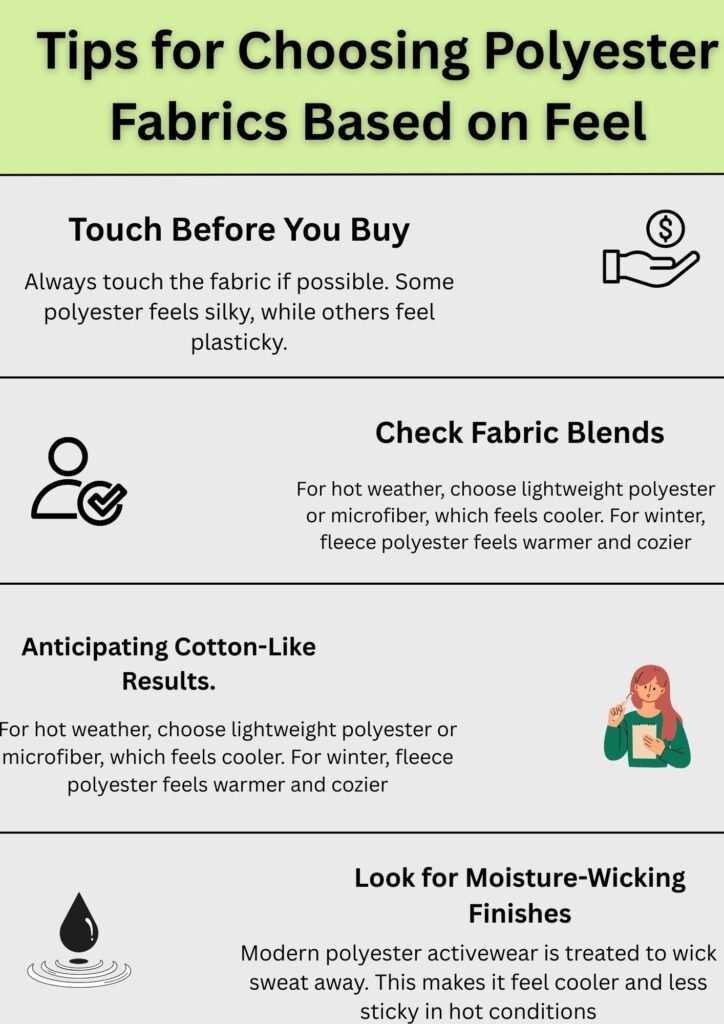
Infographic titled "Tips for Choosing Polyester Fabrics Based on Feel," showing four key tips with icons: touch before buying, check fabric blends, anticipate cotton-like results, and look for moisture-wicking finishes.What Does Polyester Feel Like?Caption:
Tips for choosing the right polyester fabric by feel, including touching before purchase, checking blends, anticipating cotton-like results, and selecting moisture-wicking finishes.Description:
This infographic provides practical advice for shoppers on how to choose polyester fabrics based on their texture and comfort. It highlights four main tips:

Touch Before You Buy

Always touch the fabric if possible. Some polyester feels silky, while others feel plasticky. A quick touch test helps you decide if the texture meets your comfort level.

Check Fabric Blends

Blended polyester often feels softer and more breathable. Cotton-polyester blends feel closer to natural cotton, while polyester-spandex blends feel stretchy and smooth.

Consider the Season

For hot weather, choose lightweight polyester or microfiber, which feels cooler. For winter, fleece polyester feels warmer and cozier. Matching fabric feel to the season increases comfort.

Look for Moisture-Wicking Finishes

Modern polyester activewear is treated to wick sweat away. This makes it feel cooler and less sticky in hot conditions. If you want comfort for exercise, check for this feature.What Does Polyester Feel Like?

Does Polyester Feel Comfortable?

When individuals question what does polyester feel like they also tend to wonder whether it is comfortable. The comfort is based on individual preference, polyester type and the circumstance under which the polyester is used.

Comfort Compared to Natural Fibers

Polyester might make the garment feel less breathable than cotton or linen. It might be less warm as compared to wool and lighter.What Does Polyester Feel Like? Polyester however is very versatile. Depending on a style, it may be smooth as silk or fuzzy as fleece.

Improvements in Modern Polyester.

Contemporary polyester is much more comfortable than old ones. The textile technology has enabled the use of polyester to be softer, stretching, and breathable. Microfibers have penetrated many fabrics making them feel natural and luxurious.

Top Myths on the sensation of Polyester.

Another myth is that polyester is either scratchy or cheap.What Does Polyester Feel Like? This used to be decades ago but no longer. Good quality polyester may be smooth, soft and even luxurious. The other myth is the polyester does not breathe and most of the new sports fabrics show that it is not true.

Buyers Hint: Buying Polyester Fabrics by Feel.

Because the feel of polyester varies with its type, the following are some of the tips that the buyer should keep in mind:

  • To wear daily in soft clothes- Select cotton-polyester mixes.
  • To achieve smooth fabrics choose polyester satin or microfiber.
  • When it is cold outside – Choose polyester fleece or polyester-wool combinations.
  • In case of sportswear – Use polyester-spandex blends containing moisture-wicking properties.
  • In case of luxury style – Select a microfiber polyester of great quality and smooth finish.

Effects of Polyester’s Feel on Clothing Choices and Usage

The way polyester feels has a strong impact on how buyers choose clothing and home textiles. People often decide whether to purchase an item based on texture, comfort,What Does Polyester Feel Like? and suitability for their lifestyle. The effects of polyester’s feel are both practical and psychological.

Alt Text:
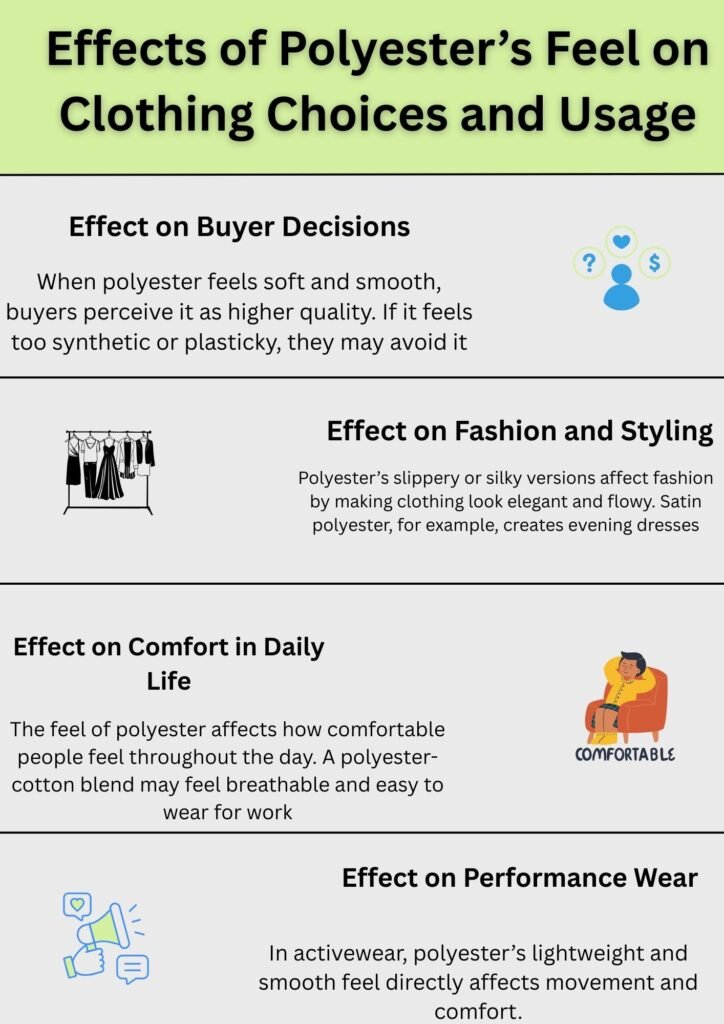
Infographic showing the effects of polyester’s feel on clothing choices and usage, including buyer decisions, fashion, comfort, and performance wear.What Does Polyester Feel Like?Caption:
Effects of polyester’s feel on clothing choices, comfort, fashion, and performance wear.Description:
This infographic explains how the feel of polyester influences clothing choices and usage. It highlights four key effects: buyer decisions, fashion and styling, daily comfort, and performance wear. Soft and smooth polyester is perceived as higher quality, while synthetic textures may deter buyers. Slippery or silky polyester fabrics enhance fashion by creating elegant looks such as evening dresses. Blends like polyester-cotton improve comfort and breathability for daily wear. In activewear, polyester’s lightweight and smooth feel support movement and enhance comfort.

Effect on Buyer Decisions

When polyester feels soft and smooth, buyers perceive it as higher quality. If it feels too synthetic or plasticky, they may avoid it.What Does Polyester Feel Like? This shows that touch and comfort directly affect purchasing confidence.

Effect on Fashion and Styling

Polyester’s slippery or silky versions affect fashion by making clothing look elegant and flowy. Satin polyester, for example, creates evening dresses that look expensive but remain affordable. Fleece polyester, on the other hand, affects styling by offering cozy and casual wear options.What Does Polyester Feel Like?

Effect on Comfort in Daily Life

The feel of polyester affects how comfortable people feel throughout the day. A polyester-cotton blend may feel breathable and easy to wear for work. In contrast, pure polyester might feel warmer, making it better suited for cooler environments.What Does Polyester Feel Like?

Effect on Performance Wear

In activewear, polyester’s lightweight and smooth feel directly affects movement and comfort. Stretchy blends keep athletes comfortable, while moisture-wicking finishes improve performance by keeping skin dry.What Does Polyester Feel Like?

Conclusion

But what is polyester like? It depends on the kind, mixture and circumstances. Overall, polyester is smooth, light, and somewhat artificial. It may be smooth, slick, shaggy or stretchy according to the weave. Polyester can be less breathable than natural fabrics, but it is more durable, wrinkle-resistant, and versatile.

Contemporary polyester is much better to wear than the old ones. What Does Polyester Feel Like?Polyester has been adapted to the various requirements whether sport, winter or luxury wear. When buying polyester, you need to pay attention to the kind and combination to suit your comfort requirements.

When compared with natural fabrics, polyester feels different but not necessarily worse. Cotton feels soft and breathable, while polyester feels smoother and more durable. Silk feels naturally luxurious, while polyester satin offers a similar smoothness at a lower cost.What Does Polyester Feel Like? Wool feels warm and thick, while polyester fleece imitates that coziness in a lighter form. Linen feels crisp and airy, while polyester feels polished and wrinkle-resistant. Each fabric has strengths, but polyester’s adaptability means it can mimic the feel of many natural fibers while offering benefits like durability and easy care.

The way polyester feels also depends on the situation. In hot weather, some polyester may feel sticky since it resists moisture. However, modern moisture-wicking polyester feels cooler and drier, especially in sportswear. In cold weather, polyester feels insulating and retains warmth well, especially in fleece or padded forms. Everyday polyester feels practical, smooth, and low-maintenance, while luxury polyester can feel silky and refined. The same fabric can feel very different depending on how and where it is used.What Does Polyester Feel Like?

FAQs

Is Polyester Soft or Rough?

Polyester is generally smooth and soft, though it may feel synthetic. Modern polyester is designed to be comfortable and non-scratchy.

Does Polyester Feel Hot on the Skin?

Yes, polyester can feel warm because it resists moisture. However, moisture-wicking polyester feels cooler in activewear.

Can Polyester Feel Like Cotton?

Blended fabrics like cotton-polyester feel very similar to cotton. They combine cotton’s softness with polyester’s durability.

Does Polyester Feel Cheap?

Not always. While some polyester feels plasticky, high-quality versions feel luxurious and similar to silk or wool.

What Polyester Feels Best for Summer?

Microfiber polyester and polyester-cotton blends feel lighter and cooler for summer wear.

Is Microfiber Polyester? Everything You Need to Know

Introduction

The most frequent question that is asked by many shoppers is whether microfiber polyester is. The answer is in the affirmative, microfiber is typically produced out of polyester. These two are however not the same. Polyester is a general term used to refer to the synthetic fiber and microfiber is a certain kind of polyester that has extremely thin strands.Is Microfiber Polyester

The question is microfiber polyester matters to buyers because the choice between the two fabrics impacts comfort, durability, maintenance, and cost. For example, microfiber sheets feel much softer than polyester ones, but polyester clothing tends to last longer under frequent washing. Understanding these differences helps consumers make smarter decisions when shopping for fabrics in bedding, clothing, upholstery, or cleaning products.Is Microfiber Polyester

What Is Polyester?

Polyester is a synthetic fabric used in the world in a large scale. It is produced using petroleum based polymers which are fibered.Is Microfiber Polyester? These are then woven or knitted into a fabric. Polyester initially gained popularity in the mid 20 th century due to its durability, affordability and wrinkle resistance.

Polyester is a very diverse material. It has applications in clothing, sportswear, home decor, curtains, upholstery, and even industrial. Its capacity to withstand shrinking, stretching, and fading makes it a good option to use in daily products.Is Microfiber Polyester? Nevertheless, polyester is not breathable and tends to trap heat, and thus may be uncomfortable in hot weather.

Polyester is everywhere in modern life. In clothing, it is commonly used for shirts, trousers, dresses, jackets, and activewear.Is Microfiber Polyester? Its resistance to shrinking and wrinkling makes it ideal for everyday apparel. In home textiles, polyester is used for curtains, upholstery, tablecloths, and bedsheets.Is Microfiber Polyester Outdoor gear such as tents, backpacks, and sleeping bags also rely heavily on polyester because of its strength and quick-drying nature. Even industrial uses, such as conveyor belts and ropes, highlight polyester’s toughness.

Despite its many advantages, polyester has downsides. It is not very breathable, so it can feel hot or uncomfortable in warm climates. It also tends to hold onto odors and may not feel as soft as natural fibers like cotton. Another major drawback is its environmental footprint.Is Microfiber Polyester Since polyester is derived from petroleum, it is not biodegradable, and its production contributes to plastic pollution. However, recycling initiatives have started turning plastic bottles into polyester fibers, giving the material a second life.

What Is Microfiber?

Microfiber is a synthetic fiber that is significantly finer than normal polyester. The microfiber strands are not greater than one denier, which is thinner than the human hair. Due to this high-level thinness, microfiber fabrics are smooth, lightweight and touchable.

Microfiber is typically constructed out of polyester, but occasionally polyamide (nylon) is incorporated to create better flexibility and absorption. The microfibers are also densely woven to make microfiber the microfiber it is, soft, absorbent, and highly stain resistant.Is Microfiber Polyester? This is the reason that microfiber is used in cleaning cloths, furniture covers, and bed sheets.

Is Microfiber Polyester?

Direct response: Yes, microfiber tends to be polyester. Microfiber is not an entirely different material. Rather it is a sub-variety of polyester produced using ultra fine fibers. Microfiber is smoother and softer in the production process than regular polyester.Is Microfiber Polyester

The primary distinction is in the thickness of the fibers. Polyester is made with heavy strands frequently, whereas microfiber is made with extremely thin threads. This distinction varies the feel of the fabric, the amount of moisture the fabric can absorb, and the ability to hold dust or dirt. Thus, although all microfiber is polyester not all polyester is microfiber.

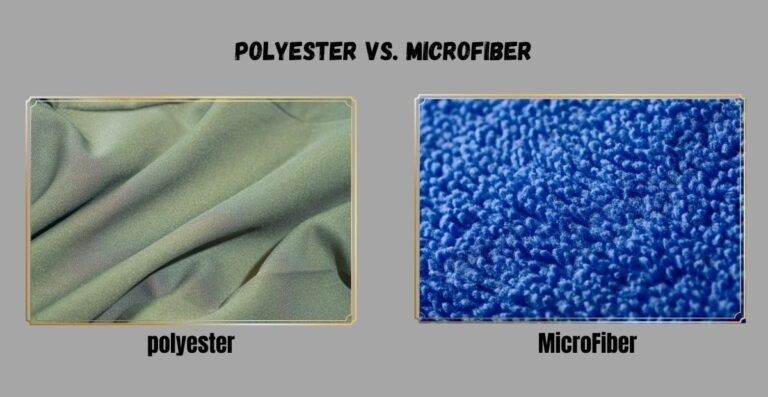
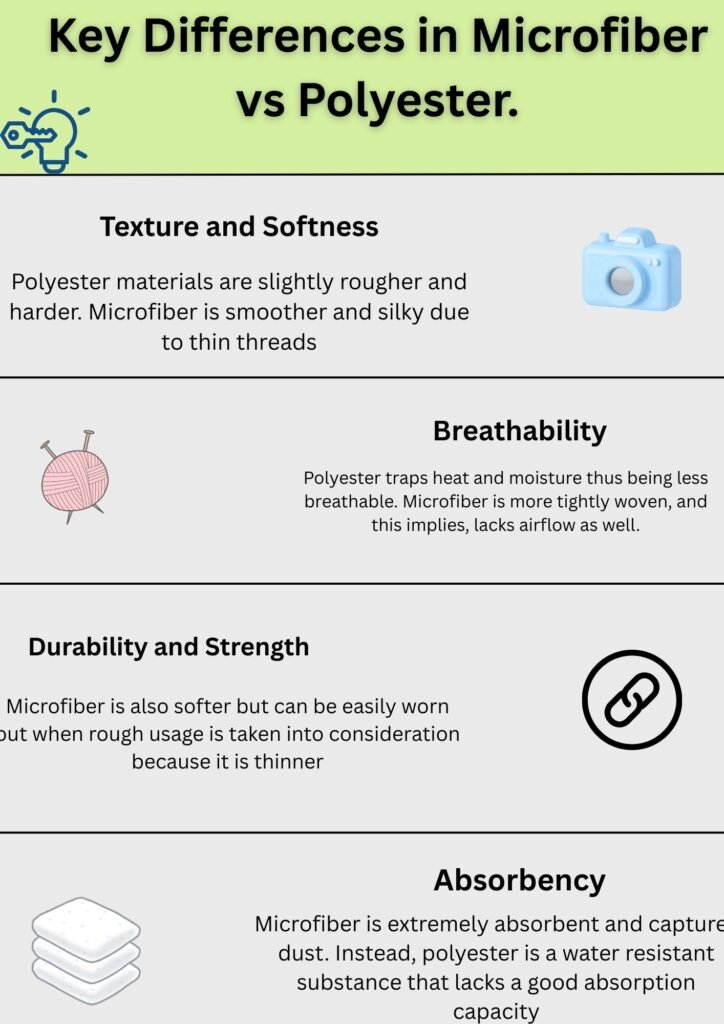
Key Differences in Microfiber vs Polyester.

Microfiber is also slightly similar to polyester in that they are both based on the same synthetic foundation. Nevertheless, they are not similar in a number of critical ways:

Alt Text:
Infographic showing key differences between microfiber and polyester in terms of texture, softness, breathability, durability, and absorbency.Is Microfiber PolyesterCaption:
Key differences between microfiber and polyester fabrics, including softness, breathability, durability, and absorbency.Description:
This infographic compares microfiber and polyester fabrics across four main aspects:

Texture and Softness

Polyester materials are slightly rougher and harder. Microfiber is smoother and silky due to thin threads. That is why, microfiber sheets tend to be soft as compared to polyester sheets.

Breathability

Polyester traps heat and moisture thus being less breathable. Microfiber is more tightly woven, and this implies, lacks airflow as well. But microfiber will absorb moisture better as compared to regular polyester.

Durability and Strength

Both are strong however polyester fabric is more resistant to stretching and tearing. Microfiber is also softer but can be easily worn out when rough usage is taken into consideration because it is thinner.

Absorbency

Microfiber is extremely absorbent and captures dust. Instead, polyester is a water resistant substance that lacks a good absorption capacity.

Comparison Table: Microfiber vs Polyester

FeatureMicrofiberPolyester
TextureSmooth, silky, softSlightly rough, less soft
BreathabilityLow, but wicks moistureLow, traps heat and sweat
DurabilityStrong but wears faster with rough useVery durable, resists stretching
AbsorbencyHigh absorbency, dust-trapping abilityLow absorbency, resists moisture
CostMore expensiveBudget-friendly

Polyester vs Microfiber in Various Application.

Clothing

Polyester has found use in apparel, where it is used due to its durability and low cost.Is Microfiber Polyester? However, the garments made of microfiber are smoother and lighter, and that is why they are often used as sports attire and fragile pieces.Is Microfiber Polyester? Microfiber is better at wicking the moisture, which means that skin remains drier.

Bedsheets

Microfiber sheets are much smoother, soft, and even warmer than polyester sheets. They can however harness heat and make hot sleepers sweat.Is Microfiber Polyester? Polyester sheets are less expensive, but are not soft.

Cleaning Cloths

The obvious choice in cleaning is microfiber. It captures dust, dirt and liquids better than polyester. This is the reason why microfiber cloths have been commonly utilized in cleaning glass, electronics, cars.

Furniture and Upholstery

Microfiber is used in sofas and chairs since it is not a stain resistant material and is soft. Polyester upholstery is tough and durable with fewer resistant to spills and harder to clean.

Pros and Cons of Microfiber

Benefits

  • Very soft and light.
  • Extremely spongy, therefore, very good at cleaning.
  • Stain resistant and simple to take care of.
  • Drivers quicker than cotton or polyester.
  • Gives a luxurious touch to bedding and furniture.

Drawbacks

  • Not as breathable, potentially makes it uncomfortable in hot weather.
  • Static prone and clings to the body.
  • Unfriendly to the environment, hard to recycle.
  • Can wear down with heavy use.Is Microfiber Polyester

Pros and Cons of Polyester

Benefits

  • Cheap and ubiquitous.
  • Powerful, tough and enduring.
  • Immune to wrinkles, shrinkage and stretch.
  • Fast-drying and easy to take care.
  • Dry shape also lasts long despite numerous washes.

Drawbacks

  • coarser than microfiber.
  • Covering the air, making it less breathable.
  • Smells like perfume and can be hot when it is hot.
  • Plastic origin impact on the environment.

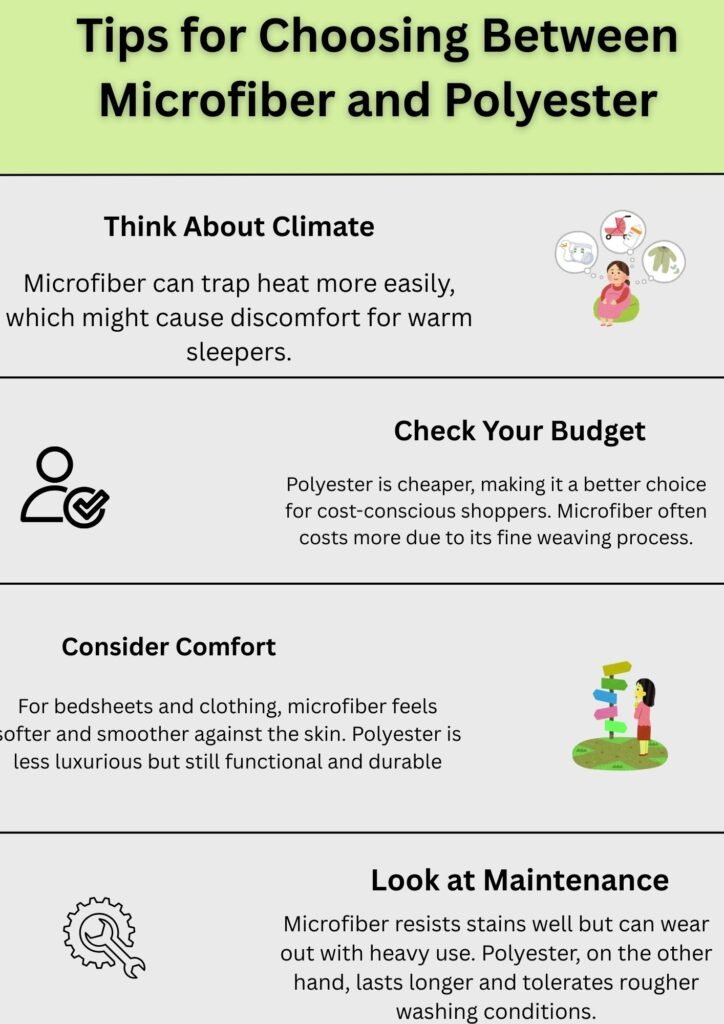
Tips for Choosing Between Microfiber and Polyester

Alt Text:
Infographic showing tips for choosing between microfiber and polyester, covering climate, budget, comfort, and maintenance considerations.Is Microfiber PolyesterCaption:
Tips for choosing between microfiber and polyester fabrics, comparing climate suitability, cost, comfort, and maintenance.Description:
This infographic provides practical tips for deciding between microfiber and polyester fabrics. It highlights four key factors:

Think About Climate

If you live in a hot region, polyester may feel less sticky than microfiber. Microfiber can trap heat more easily, which might cause discomfort for warm sleepers.

Check Your Budget

Polyester is cheaper, making it a better choice for cost-conscious shoppers. Microfiber often costs more due to its fine weaving process.

Consider Comfort

For bedsheets and clothing, microfiber feels softer and smoother against the skin. Polyester is less luxurious but still functional and durable.

Look at Maintenance

Microfiber resists stains well but can wear out with heavy use. Polyester, on the other hand, lasts longer and tolerates rougher washing conditions.

The question is What Is Better about Microfiber and Polyester?

It would be dependent on your needs. In terms of bedding, polyester sheets are cheaper than microfiber which is softer and gives a more luxurious feel. Microfiber is by far the best choice in terms of cleaning due to its absorbency and trapping dust capacity.Is Microfiber Polyester? In clothing, polyester is more widespread, although microfiber can be more suitable in terms of activewear, as it can wick moisture.

In short:

  • Select microfiber when you desire softness, absorbency or cleaning performance.
  • Polyester is the fabric to use when you desire durability, affordability and wrinkle resistance.

Environmental Impact: Microfiber vs Polyester

Both polyester and microfiber add to the microplastic pollution. Micro fibers are released in water systems when washed, and ultimately find their way to oceans. These micro plastics are also destructive to the marine life and ecosystems.

Polyester can be recycled, although facilities are not widespread. The blended composition of microfiber makes it harder to recycle. Such sustainable options are organic cotton, Tencel, bamboo fabrics, and recycled polyester. Environmental damage can also be minimized by purchasing less but of a better quality.

Conclusion

So, is microfiber polyester? The response is in the affirmative because microfiber is typically produced using polyester but super fine fibers. This possesses an element of softness, absorbency and is suitable to clean and bed. Polyester is more durable, cheaper and more appropriate in long last clothing and upholstery.

It depends on what you have in mind when choosing between microfiber and polyester. Microfiber is the way to go in case you need softness and absorbency. Polyester is the smarter choice, in case of needing durability and cost-effectiveness. The two fabrics have their benefits and understanding the differences will enable you to make the most suitable decisions according to your life style.

FAQs

Is polyester always used to make microfiber?

Not always. Most microfiber is composed of polyester, although there are those with nylon or polyamide to provide extra flexibility.

Is it true that microfiber sheets are superior to polyester sheets?

Microfiber sheets are easier and softer whereas polyester sheets are cheaper and durable.

Which is longer serving microfiber or polyester?

The life of polyester is usually longer, as the fibers are also sturdier and more durable.

Is polyester more breathable than microfiber?

Both are not that breathable, yet microfiber dries more easily, and thus it is less damp to the touch.

Is microfiber bad for skin?

Microfiber is not harmful to the majority of people. Nevertheless, due to its low breathability, it might cause the heat to accumulate and harm sensitive skin.

Lawn Cotton Fabric: The Best Choice for Hot Weather

As the temperature goes up, the discomfort that the heat brings to the body makes some people seek out alternatives to stay cool. Different clothes can help with heat and body temperature regulation. Lawn cotton fabric is one of the materials people love to use. Its lightweight and soft texture makes it very breathable. It is no wonder it is one of the most loved materials world-wide, and knowing more about it can help you improve your fashion and lifestyle choices.

What is Lawn Cotton Fabric?

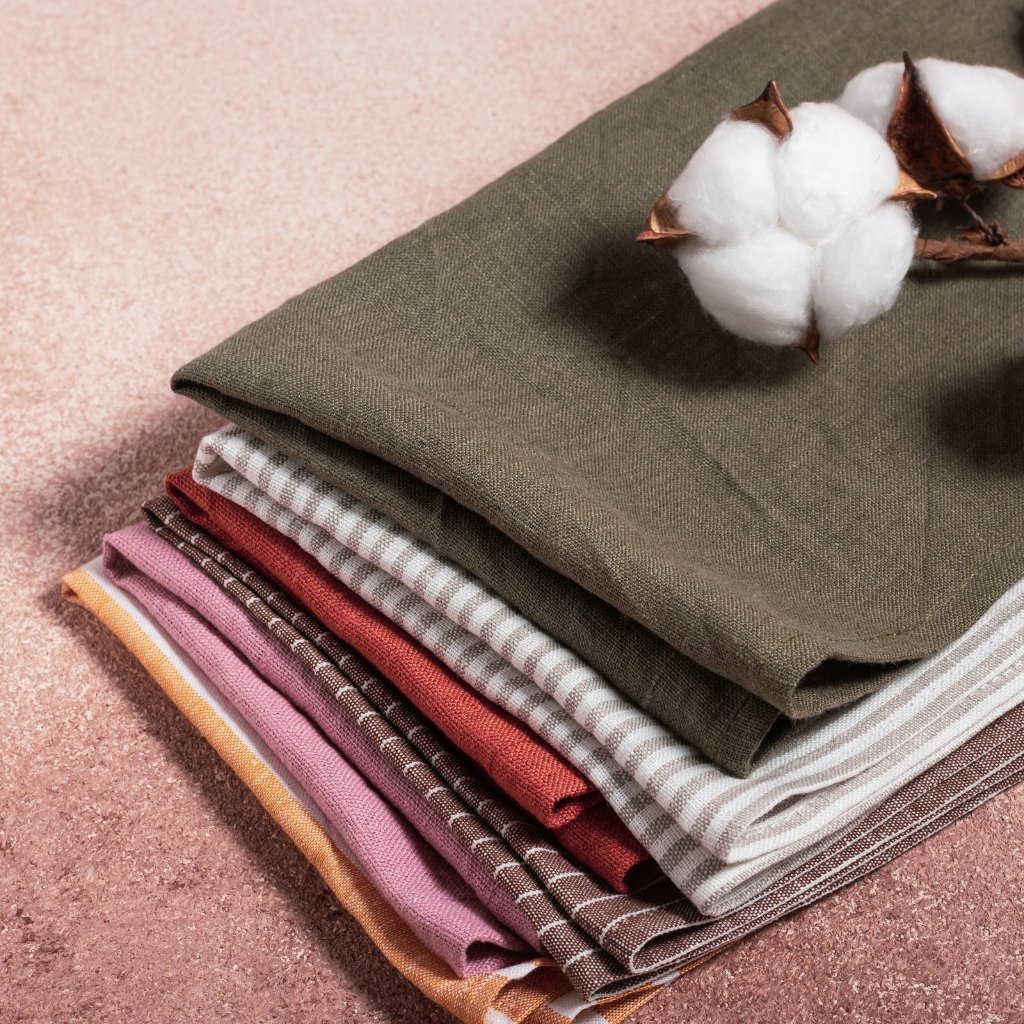
A stack of folded fabric in earthy tones (olive, taupe, beige, brown, burgundy, pink) arranged neatly on a pinkish surface with a white cotton boll resting on top.
A curated stack of cozy, natural-toned fabrics ready for a sewing project.

Lawn cotton fabric is a high quality, finely woven cotton fabric. The first use of the term “lawn” was attributed to Laon, a city in France. The fabric is so lightweight and soft, that it is a pleasure to wear. In addition, the fabric lawn cotton is crisp and clean, due to the tightly woven fabric. The upper side of the fabric lawn cotton has a silky finish, which makes it more elegant. Because of all of these features, lawn cotton fabric is appropriate for warm climates.

History and Origins

A vintage map showing Asia with emphasis on Russia, Siberia, and surrounding regions including Mongolia and the Gobi Desert.
Vintage map of Asia highlighting Russia and surrounding regions, with notable landmarks like the Mongolian Plateau and Takla Makan Desert.

The development of lawn cotton fabric started many centuries ago in Europe. Initially it was made of linen, and then cotton started to be used. Colonial trade made cotton cheap and widely available, and this fabric began to spread to Asia, Africa, and the Middle East. Its lightweight and airy properties were a designer’s dream. The textile’s strong roots were established in South Asia, particularly in Pakistan and India. Today, lawn cotton fabric is a fusion of heritage and contemporary fashion.

Key Features and Qualities

Close-up of luxurious, silky fabric in warm copper and bronze tones with gentle folds; the words 'Soft and Smooth' appear at the top.
Soft and Smooth: Silk-like fabric draped in warm tones.

The distinguishing characteristics of lawn cotton fabric set it apart from other cotton textiles. The most distinguishing characteristic is breathability, which keeps the wearer comfortable. The finely woven cotton fabric feels soft and smooth against the skin. In addition, it quickly absorbs moisture and keeps the wearer comfortable during hot weather. Its lightweight construction creates ease of layering and it can be stacked multiple times. Furthermore, lawn cotton fabric is often adorned with beautiful bold colors and intricate embroidery. In this way, it is practical yet beautifully elegant.

Why Lawn Cotton Fabric is Ideal for Summer

Bright Hawaiian shirt with pink background and a pattern of yellow, white, and purple flowers with green leaves.
Vibrant tropical Hawaiian shirt with a florals and palm-leaf pattern.

When it comes to summer clothing, it must take into account the relief one needs from the scorching heat. This is where Lawn cotton fabric comes into the picture. In the first place, it allows airflow to the skin which helps in preventing overheating. In the second place, it gives the feeling of wearing something weightless which helps in relieving the discomfort caused by heavy clothing. In the third place, it is convenient for daily wear because it dries up after washing in no time. Also, it provides enough smoothness to the skin which helps in preventing skin irritation. Thus, it is the best fabric there is to use for summer dressing. Read more…..Flannel Cotton Fabric

Comparison with Other Fabrics

A split-image with left side showing folded gray and blue fabrics and white cotton bolls; right side features blue crumpled fabric with a white “VS” splash in the middle.
The Great Fabrics Faceoff: cotton bolls on one side, billowing blue fabric on the other—which material wins your vote?

There is no doubt that polyester is one of the worst fabrics to use in summer. Lawn cotton fabric is much more comfortable to wear and offers superior ventilation as well. In the same way that denim feels heavy, lawn cotton is much more lightweight. Also, while chiffon is lightweight, it lacks the softness that lawn cotton provides. On the other hand, lawn cotton does not cling to the body in the heat and is refreshed and comfortable to wear all day long. Thus, it offers the perfect combination of comfort, style and practicality.

Utilization of Lawn Cotton fabric in Fashion

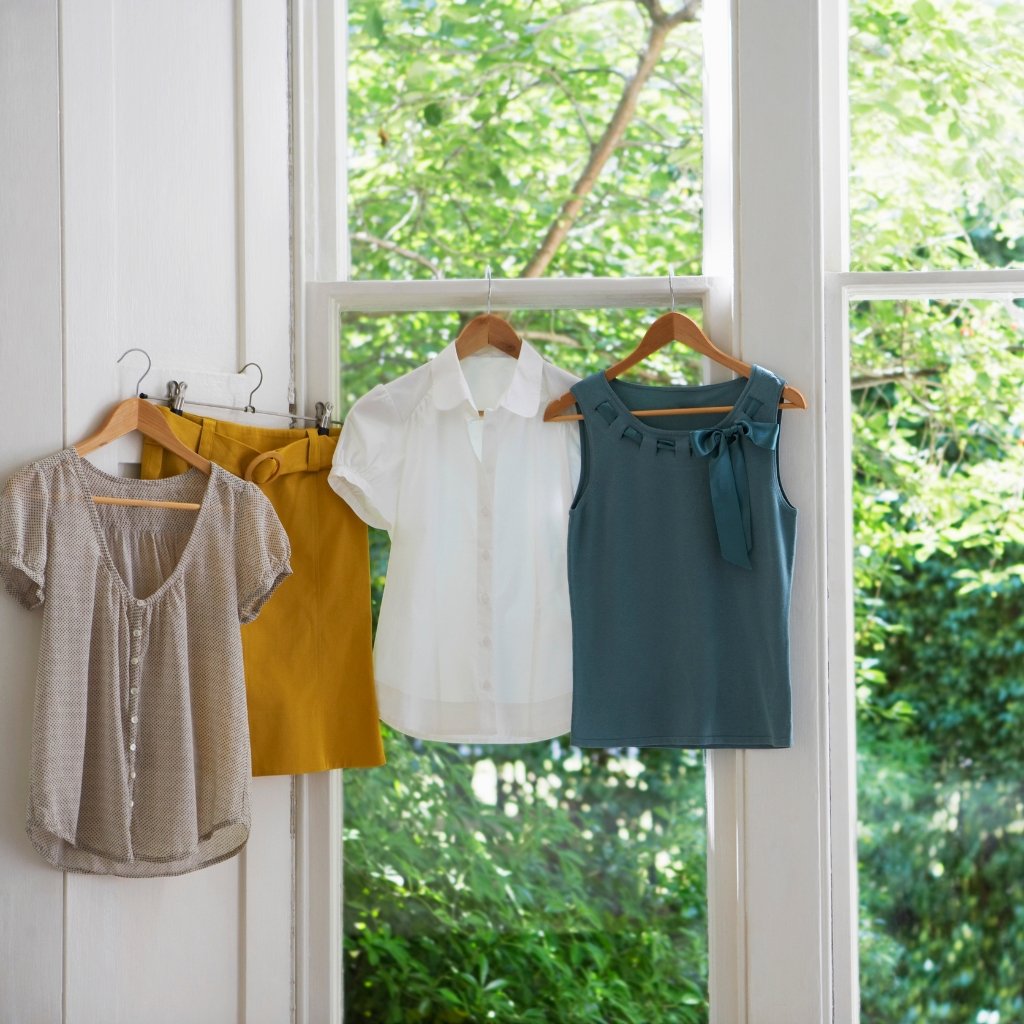
A clothesline of four garments hanging on wooden hangers in front of a bright window with greenery outside. lawn cotton fabric
Light, breezy outfits on hangers against a sunlit window.

When designing adaptable clothing lines, lawn cotton fabric becomes a staple fabric for a designer’s collection. In South Asia, lawn cotton is dominant for designing traditional garments like kutra and shalwar kameez. Outside of this, it extends use to a line of dresses, blouses, skirts and stole. Because of its texture, it becomes a favorite for children’s clothing. Lightweight dupattas and shawels made from lawn cotton also add elegance to daily wear. In western countries, lawn cotton is primarily designed in summer dresses and casual tops. Hence, it is multifaceted in its use across different cultures. Read more…….Voile Cotton Fabric
Values in Lawn Cotton

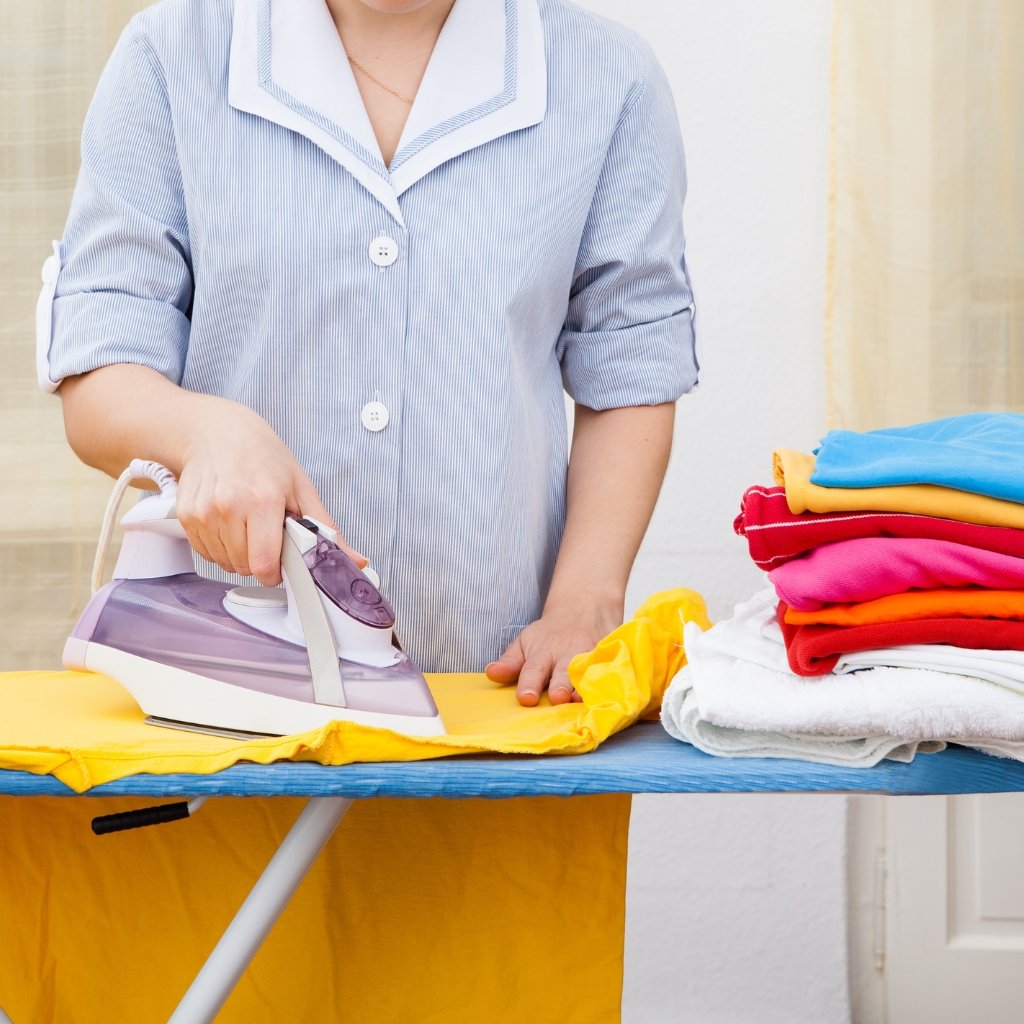
A person irons a piece of bright yellow fabric on an ironing board, with a neat stack of colorful clothes to the right. lawn cotton fabric
A tidy ironing session: vibrant fabrics getting pressed.

Lawn cotton is simple yet careful in its upkeep. It is maintained best when machine washed using cold water and weak detergents. This is important in avoiding fiber suspended in strong detergents. Fabric softener is also great to prolong soiling. Drying under shade prevents fading, and ironing done at a low to medium temperature is best. This simple lawn cotton upkeep adds to its longevity and sustained glory in its maximal use in clothing.See more….Sateen Cotton Fabric

In the past few years, the textile industry has shown increasing concern for sustainability. When lawn cotton fabric is made with organic cotton, this concern is addressed appropriately. This is because organic farming does not use destructive chemicals and actually improves soil health. On top of this, eco-friendly dyes take the place of the previously used toxic synthetic dyes. Sustainable lawn collections are increasingly offered by fashion brands. This allows consumers to enjoy comfort while being eco-friendly. As awareness increases, lawn cotton fabric innovatively adapts to global concerns. See more…….Types of Cotton Fabric

Conclusion

More than just a textile, lawn cotton fabric is a lifestyle choice. Covering the body, this fabric has lost none of its charm since its European roots. It remains popular because of its unmatched softness, breathability, and light weight, making it ideal for hot climates. It also complements modern designs, which means that style is never a contradiction. With proper care, the comfort of lawn cotton fabric can be preserved for years. It is easily the finest choice for warm-weather fashion.

FAQs

What makes lawn cotton fabric special?

Lawn cotton fabric stands out for its lightweight, breathable, and smooth qualities, making it perfect for hot weather.

Is lawn cotton fabric durable?

Yes, when properly cared for, it remains strong and long-lasting, even with frequent use.

Can lawn cotton fabric be worn in winter?

It is mainly suited for summer, though it can be layered under jackets for mild winter wear.

Velour Wool Fabric: History, Properties, Uses, and Care Guide

Velour wool fabric is the combination of luxury, comfort and pragmatism. It is satin the surface and rich in texture. It is the bridging fabric between casual elegance and everyday usability. It is one of the few fabrics which is relevant for this many years. Understanding allows the fashion enthusiasts, the aspiring interior designers and the conscious consumers to appreciate its different qualities, applications and elements of sustainability. The everlasting value of this fabric is one of the many reasons for its for its popularity.

The Development of Velour Wool Fabric

With the production of velvet becoming more commonplace, the history of velour wol fabric possibly developed more than a few centuries back. Velour was designed to be a cheaper, imitation version of velvet, and became more widely used in the 1800s. The addition of what is wool fabric to the fabric meant velour could be used in colder climates, as it was warmer and more durable. In time, velour wool became more widely used in the fashion industry, furniture, and decorative accessories, to the point where it was a common item in both high-end and everyday designs.

Distinctive Characteristics of Velour Wools Fabric

Poster titled 'Characteristics of Velour Wool Fabric' with five numbered sections and circular green-framed icons showing plush texture, relaxing living room, hammer and fabric, a person touching chest, and a colorful tree. Each section lists a characteristic: 01 Plush and Soft Texture, 02 Warmth and Comfort, 03 Durability and Strength, 04 Breathability, 05 Vibrant Color Retention.
Characteristics of velour wol fabric: plush and soft texture, warmth and comfort, durability and strength, breathable comfort, and vibrant color retention.

There are a few characteristics that set velour wol fabric apart, that serve as functional versatility and desirability:

1. Plush and Soft Texture

The design of the densely piled surface provides a velvety aix de sensation and touch for clothes and a dramatic touch for interiors.

2. Warmth and Comfort

The insulation that the wool fabric provides, wraps the wearers in style and comfort in the colder season.

3. Durability and Strength

Soft as it might be, velour wool carries a lot of elasticity and robust durability to withstand frequent use when properly maintained.

4. Breathability

Like any fabric that incorporates wool, velour offers natural breathability, ensuring the user is comfortable under differing conditions.

5. Vibrant Color Retention

The fabric’s dye absorption ability is exceptional. The result is richly colored, visually beautiful, and color that lasts.

Types of Velour Wools Fabric

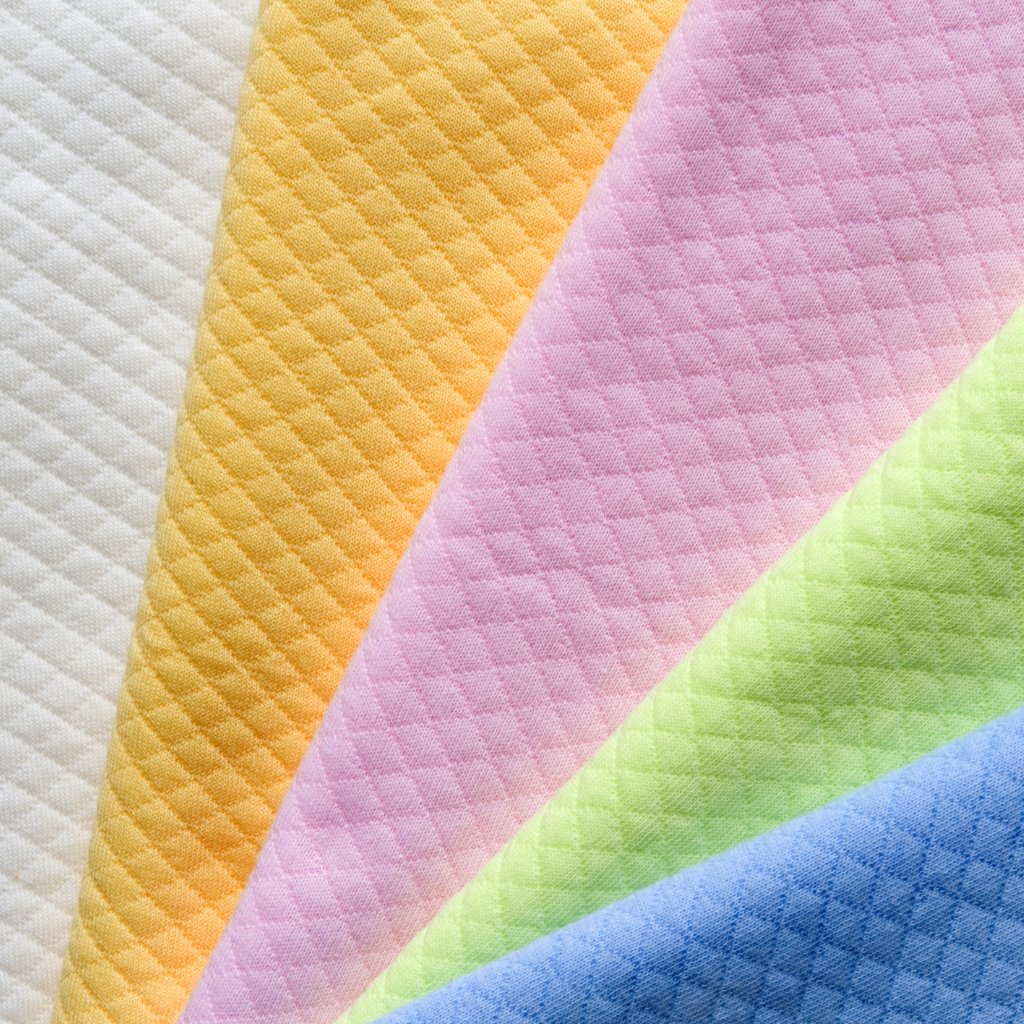
Close-up of quilted velour wool fabric in pastel color blocks: white, orange, pink, lime, and blue with diamond quilting.
Pastel quilted velour wol fabric with diagonal color blocks and uniform diamond stitching.

There are different kinds of velour wol fabric for different uses:

  • Velour Wool Fabric: This is soft and plush for use in everyday clothing and for home decor.
  • Stretch Velour Wool Fabric: This fabric has stretchy elastic fibers and is good for fitted clothes and stretchy accessories.
  • Crushed Velour Wool Fabric: This velour fabric has a textured patterned surface and shimmers when light hits it.

There is a reason for different types of velour which is satisfying the different functional and aesthetic needs of wool fabric.

The Benefits of Velour Wool Fabric

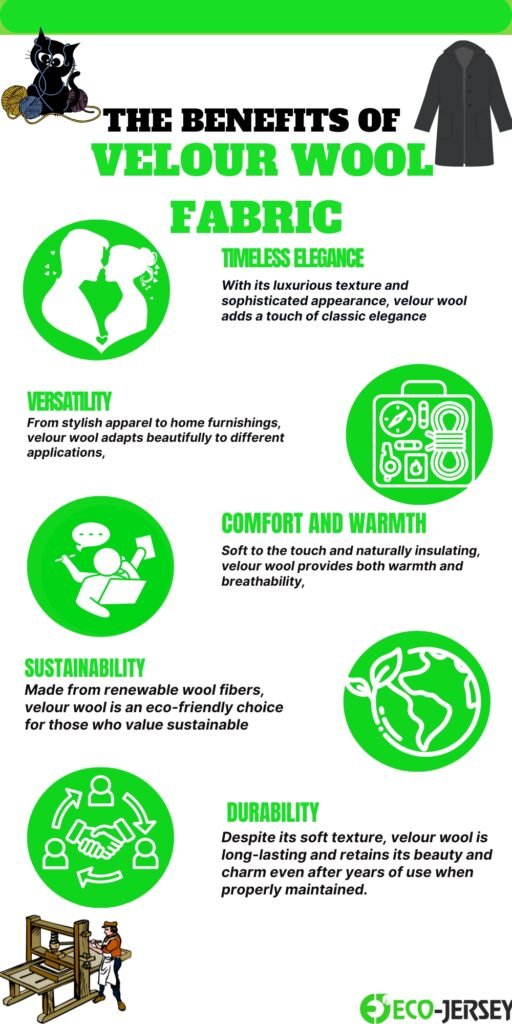
Infographic titled 'The Benefits of Velour Wool Fabric: Timeless Elegance' with green accents. Top left shows a cat icon embroidery, top right a coat icon. Main header in bold black and bright green letters. Six circular green icons along the left and center columns represent: (1) Versatility with a silhouette of a person and outline of clothing, (2) Comfort and Warmth with a toolkit illustration, (3) Sustainability with a globe, (4) Durability with a handshake and people, (5) An illustration of a person weaving on a loom at the bottom left. Small descriptive bullets accompany each icon explaining the benefit: timeless elegance, luxurious texture, warmth, eco-friendly, long-lasting, and sustainable choices. Brand logo 'Eco-Jersey' at the bottom right.
The Benefits of Velour Wools Fabric: timeless elegance, versatility, comfort and warmth, sustainability, and durability.

Basically, the reason velour wol fabric is popular and the reason we use it for different types of fabric is because it has many benefits:

  • Timeless Elegance: It has an elegance and sophistication, whether in clothing or decor, to a home is something we all cherish.
  • Versatility: It is admirable how the fabric can be used in so many different ways.
  • Comfort and Warmth: It is soft and warm, which is perfect for clothing, and we all appreciate breathable clothing.
  • Sustainability: sheep and fleece wool fabric and fabric are ultimately renewed.
  • Durability: The fabric will keep all of its old charm for so many years leaving the user to appreciate it for years.

The Disadvantages of Velour Wool Fabric

There are some downsides to velour wools fabric, which at its core is lack of maintenance, it is:

  • Maintenance Needs: the plush appearance of the fabric will vanish if it is just washed improperly or if it has not been dry cleaned properly.
  • Cost: the price of high-quality velour wol fabric will cost more than a synthetic alternative. 
  • Weight: Heavier than some other fabrics, limiting its suitability for hot climates.

Common Uses of Velour Wool Fabric

The many uses of Velour wol fabric are due to its durability and aesthetically pleasing look.

Fashion Industry

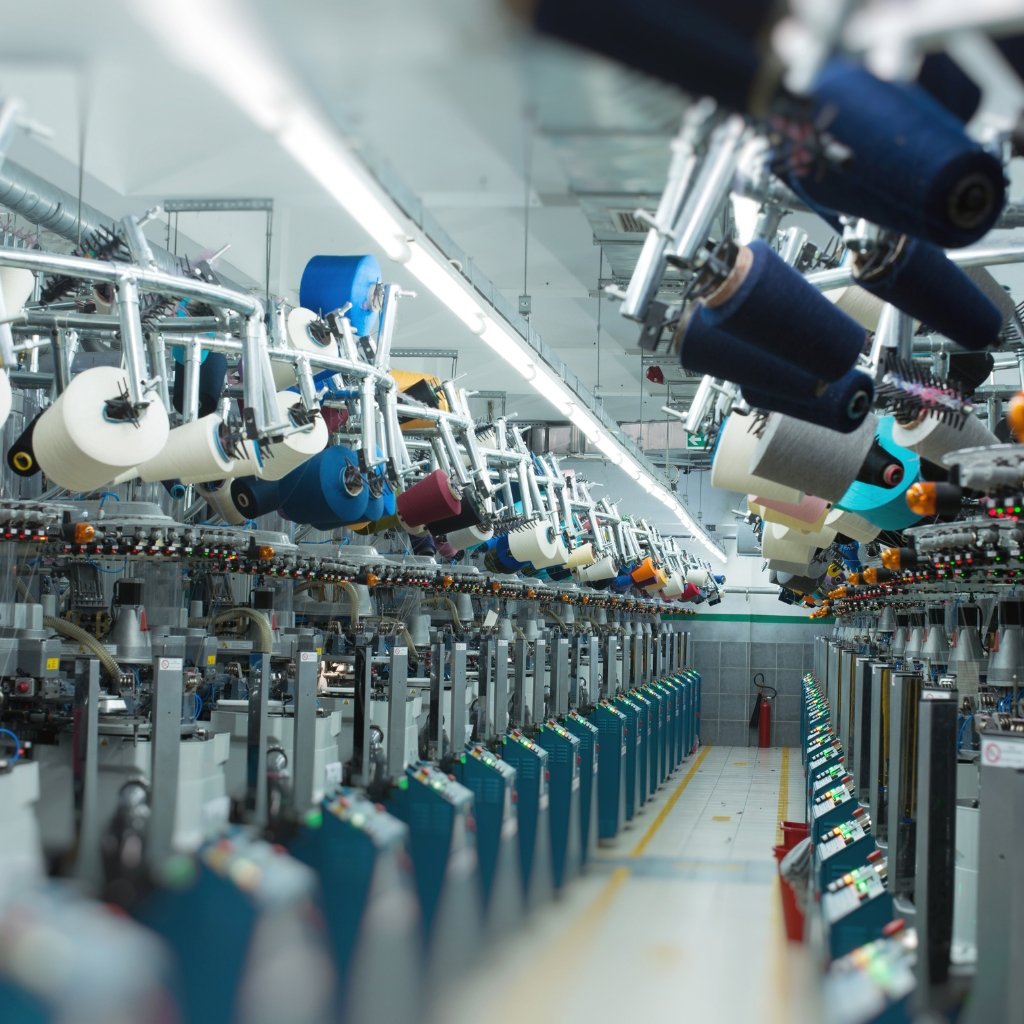
Industrial textile manufacturing line with multiple spools and fabric rolls in various colors, suspended above machinery along a long row.
Velour wol fabric in an automated textile production environment, showing rows of yarn spools and processing equipment.

The uses of velour wools fabric in the fashion industry includes:

  • Evening wear and dresses
  • Jackets, blazers, and trousers
  • Accessories like scarves and hats

Fast finishing makes it really popular for casual and formal wear.

Home Décor

Close-up of rich velour wool fabric in deep charcoal with a soft, plush nap and subtle sheen.
Velvet, Velvet: Luxurious velour wol fabric with a soft nap and a subtle sheen.

Interior designers like velour wools fabric for:

  • Upholstered furniture
  • Cushions and throws
  • Curtains and drapes

The plush velour wool fabric really adds warmth and luxury to living spaces.

Accessories

A flat lay image of travel accessories on a wooden surface, including a brown passport, smartphone, watch, sunglasses, camera, compass, belt, denim fabric, and white loafers; velour/wool fabric texture visible in the textile elements.
Travel essentials laid out on a wooden desk: passport, phone, watch, camera, and cozy textiles.

For style and practicality, velour wool fabric is used in some handbags, shoe straps, and belts.

How to Care for Velour Wool Fabric

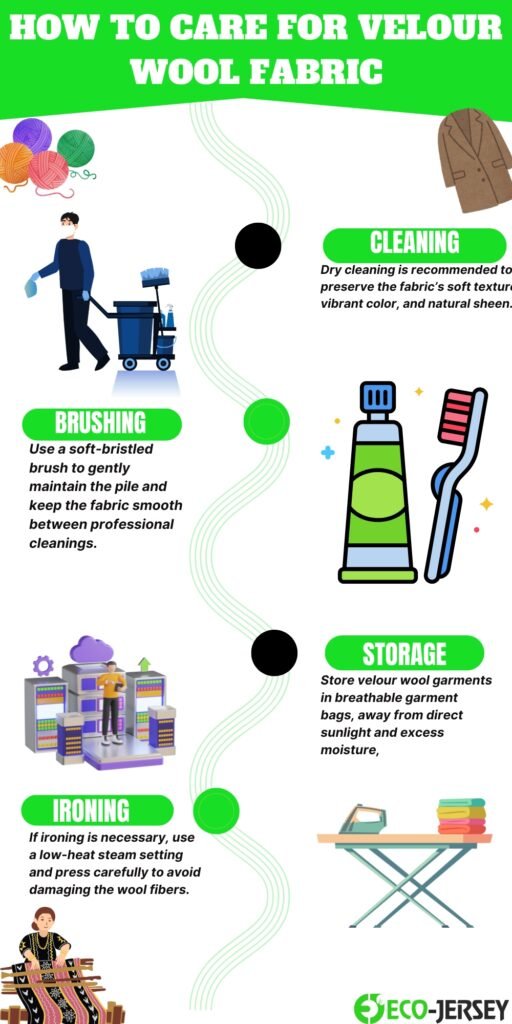
Infographic titled 'How to Care for Velour Wool Fabric' with sections: Cleaning, Brushing, Storage, Ironing. Includes illustrated icons such as a coat, cleaning products, a person with a storage facility, an iron and folded clothes, and a person brushing wool. Green section headers and decorative wavy line through the center.
A colorful guide outlining essential tips for cleaning, brushing, storing, and ironing velour wool fabric.

To maintain the velour wool fabric properly, it requires attention to detail:

  1. Cleaning: To preserve the texture and color, dry cleaning is best.
  2. Brushing: Use a soft-bristled brush to maintain the pile between cleaning.
  3. Storage: Store in a breathable garment bag, in a closet to protect from moisture and keep out direct sunlight.
  4. Ironing: Use low-heat in steam and iron only if really necessary to prevent the wool from burning.

To keep the velour wool fabric looking as good as new for years, follow these steps.

Why Velour Wool Fabric is Still Loved

Practicality, elegance, and sustainability all wrapped into one fabric. Velour wool fabric is able to satisfy the eco-friendly consumer. As the trends in the fashion world and interior designing increasingly appreciate comfort and texture, the wool velour fabric is still one of the best options to create and design stylish and functional products.

Conclusion

History, elegance, and practicality are fused into one timeless textile fabric: velour wool. Its softness, durability, and eco-friendliness make it ideal for clothing, home accessories, and décor. Its careful maintenance is worth the comfort, beauty, and climate impact. Velour wool fabric is ever-shining for those wanting classic comfort, modern function, and timeless elegance. As contemporaneous design appreciates the classic, velour wool fabric is the choice for modern design.

FAQs

Is velour wool fabric suitable for winter clothing?

Yes, its insulating properties make it perfect for winter garments and accessories.

Can velour wool fabric be machine washed?

Dry cleaning is recommended to maintain its softness and texture.

Does velour wool fabric fade over time?

With proper care, it retains its vibrant colors and luxurious look for years.

Why Batiste Cotton Fabric is Ideal for Stylish Clothing

Your article draft is complete and tailored specifically to your needs: Batiste cotton fabrics tell a rich story, and among these is a special place for batiste cotton, a fabric that also prides itself on a fine texture and history. In this fabric world, many also meet Supima Cotton, the world’s finest cotton, and for a good reason. Quality, durability, and comfort are benchmarks for both these world fabrics. In this article, I will explain batiste cotton and its wonderful characteristics, but I will also reference Supima Cotton to place it properly in the world of fabrics.

The story of Batiste Cotton

 A close-up view of soft, wrinkled red fabric or cloth with folds and smooth texture.
Soft, coral-red fabric gracefully gathered in gentle folds.

Woven for centuries, batiste cotton fabric was first introduced to Europe in the Middle Ages. Its fine, light, and soft features earned it rapid popularity for exquisite shirts, dresses, and even luxurious bedding. The years have not diminished its value, and it is still called upon for those exceptional moments in life that demand the utmost elegance and delicacy.

Later on, Supima Cotton was developed as a more modern alternative for those looking for better performance from their fabric. Supima Cotton, which is grown only within the United States, is known for its extra-long staple fibers. As a result, it is more robust, softer, and retains color better than regular cotton. Batiste and Supima Cotton, when placed alongside one another, beautifully illustrate the versatility of cotton and why it is the most popular fabric worldwide.

The Nature of Batiste Fabric

Close-up of colorful abstract-patterned fabric with red, blue, black, white, and yellow shapes and brushstroke designs.
Abstract patterned fabric in bold colors with overlapping shapes and brushstroke textures.

A hallmark of batiste cotton fabric is its tightly woven cloth. The construction of this fabric allows it to achieve a high degree of smoothness as well as a light weight. It is often described as airy yet sturdy, making it suitable for hot climates. Because of its lightweight breathable construction, it is a popular choice for designers when making garments that need to retain an elegant silhouette.

In contrast, Supima Cotton offers a different yet equally compelling quality. Supima Cotton maintains its reputation because its fibers are nearly twice as long as standard cotton. This rare feature prevents pilling, improves strength, and increases softness. In contrast to batiste cotton fabric, which is lightweight, Supima Cotton is known for its greater endurance and strength. Both fabrics serve different purposes, but they showcase the exceptional craftsmanship that cotton offers.

The Comfort and Softness of Batiste Cotton

Close-up of pink textured fabric with a subtle woven pattern and a vertical seam running down the center.
Pink knit fabric with a visible seam.

Batiste cotton fabric is gentle on the skin because of the finely spaced and lightweight threads that are spun from finer yarns. The fabric also promotes free air circulation. This is why many summer outfits are made with it. Batiste cotton fabric is also warm and cool at the same time. It makes the body at ease regardless of the temperature.

Supima Cotton also enjoys global attention for comfort. Supima Cotton fibers naturally feel smooth and resist roughness even after repeated washes. The softness does not fade with time, which is one reason why luxury brands use Supima Cotton for premium clothing and bedding. Batiste cotton fabric offers immediate light comfort, while Supima Cotton provides enduring comfort that grows softer over the years.

The Durability of Batiste Fabric

Close-up of bright red fabric with soft folds and a bold black badge reading ‘45% stronger than standard cotton. batiste cotton fabric
45% stronger than standard cotton.(Emphasizes the claim with the visible badge on the fabric.)

Its plain weave makes the fabric lightweight yet strong, providing thread support ideal for delicate items like christening gowns and fine handkerchiefs. Supima cotton, however, offers superior durability, being approximately 45% stronger than standard cotton, resulting in greater resistance to fraying and tearing. While both fabrics possess beauty, Supima cotton achieves this with unmatched endurance in luxury items like bed sheets, towels, and shirts, preserving texture and remaining pristine for years.

Versatile Colors and Styles

Close-up of vertical fabric rolls in a gradient of colors from dark blue to bright yellow, orange, and red.  Batiste cotton fabric
A spectrum of fabrics: rich hues slide from deep blues to sunny yellows and warm reds, showcasing varied textures.

For most designers working with batiste cotton fabric, another plus is that cotton takes dye exceptionally well. In addition to vibrant hues, designers can also easily create subtle batiste cotton color pastels. Also, since batiste cotton fabric takes embroidery and lace embellishments well, it is used for light fashion pieces where adornment is a major focus.

Supima Cotton also boasts color retention. Supima cotton elaborately absorbs dye during the dying process, meaning that the cotton takes long to fade after washes. Supima cotton also ensures that the garments stay rich and vibrant, while batiste cotton fabric is known for it’s versatility in styling. Supima Cotton also ensures that the garments stay rich and vibrant, while batiste cotton fabric is known for it’s versatility in styling. Together, these two fabrics show the endless options that cotton can provide in terms fashion and the lasting value.

Everyday Uses of Batiste Cotton

Blue short-sleeve T-shirt floating above a soft shadow. batiste cotton fabric
Bright blue T-shirt floating above a subtle shadow.

Today, batiste cotton fabric is extensively utilized for clothing and for items around the house. It is used for making lightweight blouses, summer dresses, and even formal shirts. At home, people opt for batiste cotton for bedding and curtains, for the airy comfort it offers. It is even used for clothing and other items for babies because of its gentle texture. Read more….Sateen Cotton Fabric

In comparison, Supima Cotton is more popular around the world and is positioned mainly in the luxury market. Supima Cotton is used for high quality T-shirts, bed sheets and towels. These items are more durable and retain their high quality even after extensive use. While batiste cotton fabric offers light elegance, Supima cotton fabric is about everyday luxury which is unapologetically rich.

The Cultural Value of Batiste Cotton

Unlike other fabrics, batiste cotton is rich in cultural and historical significance. It has always stood for honor and grace. European aristocrats wore batiste clothing, which signified wealth and high fashion. To this day, batiste is still used for items that are appreciated for their fine workmanship. The use of textiles and batiste in particular has certainly changed, but so much for the better.

The Supima Cotton brand embodies the innovation efforts of American agriculture and American fabric technology. Supima Cotton farmers follow guidelines for sustainable and ethical production. Thus, modern luxury Supima Cotton is rooted is responsibly. It goes beyond a simple fabric, it is a movement for change toward improving sustainability and quality to the environment. Read more….Types of Cotton Fabric

The Global Reputation of Fine Cotton

A close-up of cotton plants in a field with fluffy white cotton bolls. A person wearing a red striped shirt gently touches the bolls among green and yellowing leaves.  batiste cotton fabric
Picking cotton: a farmer harvests cotton bolls amid sunlit foliage.

The world over, cotton fabric dominates the fashion world but there are differences. Batiste cotton fabric is distinguished for its fine weave and lightweight. Supima cotton is distinguished for its strength, softness, and durability. Fashion designers, fabric experts, and customers consistently praise both Supima and Batiste cotton fabric for their amazing attributes.

Supima Cotton, in particular, enjoys international recognition. Even though Supima Cotton is grown in the United States only, it is exported globally. Top designers and luxury brands proudly showcase its excellence. The growing demand proves that Supima Cotton is more than a trend—it is a global standard.

Why Choose Batiste Cotton

A close-up of bright red fabric with soft folds and shadows.  batiste cotton fabric
Crimson fabric gathered in elegant folds, catching the light to reveal its smooth texture.

Batiste cotton fabric is chosen for its lightness and high-class look. It is perfect for light clothing, formal and intricate garments for warmer weather. All who appreciate refinement and softness will admire its attributes. Sophistication comes at a price. Batiste cotton fabric needs special care, but those for whom elegance is a must will find the effort justified. See more…..Upland Cotton

However, people also choose Supima Cotton, boosted for its astounding strength and durability. Supima Cotton items can endure for a long time and maintain their luxurious feel. Batiste cotton fabric flourishes for class and cotton in Supima dictates sturdiness. This is a matter of preference for lightness, or lasting endurance.

Final Thoughts

For centuries, batiste cotton has been adored. It continues to attract people for its comfortable qualities and subtle beauty, breathing along. Supima Cotton also has its own peak. It juxtaposes batiste cotton by providing an assortment of strength, softness, and a vibrant appearance that few fabrics provide.

These fabrics highlight different aspects of cotton its versatility. Batiste Cotton represents elegance. Supima Cotton embodies modern elegance. Together, the fabrics highlight why cotton is the most loved fabric of all.

FAQs

What is batiste cotton fabric used for?

Batiste cotton fabric is used for lightweight dresses, blouses, bedding, baby clothes, and fine accessories.

Is batiste cotton soft?

Yes, batiste cotton is very soft. Its fine weave and smooth surface make it gentle on the skin.

How does batiste cotton compare to Supima Cotton?

Batiste cotton is light and airy, while Supima Cotton is strong, durable, and known for long-lasting softness.

Velvet Wool Fabric: History, Properties, Benefits, and Care Guide

As a textile, velvet wool fabric ranks high in the compilation of finest fabric for its luxury, warmth, and durability. The fabric is richly textured. It is soft to the touch, and for centuries, its praises have been sung. For fashion designers and interior decorators and consumers, understanding velvet wol fabric, appreciating its care and discipline for its endless uses, and its endless qualities is fundamental. The fabric is enduring and stylish, thus, attending to sustainability, the fabric ticks all the boxes.

A Brief History of Velvet Wool Fabric

Velvet wools fabric has a history that goes as far back as the ancient civilizations, where it was associated with prestige. In the beginning, it was made of silk, and as time passed, it transformed and evolved into different varieties, one of which was wool, to make it cheaper and warmer. During the Renaissance, it was used to make clothing for the royals, the wool church vestments, and the fine interriors of the curtains. Eventually, during the industrial revolution, the weaving of the fabric was mechanized, although it was still associated with a practical purpose and remained elegant.

Properties of Velvet Wools Fabric

Infographic titled ‘Properties of Velvet Wool Fabric’ with five sections: 01 Luxurious texture and softness, 02 Warmth and comfort, 03 Durability and strength, 04 Breathability, 05 Rich color absorption. Each section is accompanied by circular icons showing a coat, perfume bottle, clock, ventilation pattern, and bookshelf.
Discover the key properties of velvet wool fabric: luxurious texture, warmth, durability, breathability, and rich color absorption.

Velvet wol fabric has a combination of unique qualities that add to it’s beauty and functionality:

1. Luxurious Texture and Softness

The raised pile surface gives velvet wools fabric its distinctive softness and sheen, making it perfect for elegant apparel and décor.

2. Warmth and Comfort

The wool content adds insulation, keeping garments cozy and comfortable in cooler seasons.

3. Durability and Strength

Despite its delicate appearance, velvet wools fabric resists wear and tear when maintained properly.

4. Breathability

Like other wool fabrics, it allows air circulation, ensuring comfort even in heavier garments.

5. Rich Color Absorption

Velvet wol fabric holds dyes exceptionally well, producing deep, vibrant hues that remain attractive for years.

Types of Velvet Wool Fabric

A collage showcasing various velvet wool fabrics: crushed velvet ribbon, emerald green circular chair, green tablecloth with tassels, plain velvet sofa hoodie set, and sketches of yarn. Caption: Types of Velvet Wool Fabric.
Types of Velvet Wool Fabric: Crushed Velvet, Pane Velvet, Embossed Velvet, Plain Velvet.

There are different types of velvet wool and each has unique touches and styles.

Crushed Velvet Wool Fabric. Luster and beauty are added with the slightly crumpled, light-reflecting, and patterned surface.

Panne Velvet Wool Fabric. A satin-like surface is created with pressed fabric and the pile is velvet with shiny surfaces.

Embossed Velvet Wool Fabric. Decorative purposes of patterns on fabric surfaced through imprinting.

Plain Velvet Wool Fabric. Classic use of fabric is for Plain fleece Wool fabric which has a calm and smooth even surface.

The variation of styles of velvet wool also adds the variation of styles of clothes and home decorations the person can use.

Advantages of Velvet Wool Fabric

Infographic titled 'Advantages of Velvet Wool Fabric' with green and white design. Icons: couple holding hands, coat hanger dress, bear outline, shield badge, recycling arrows, and a sewing workspace; sections highlight timeless elegance, warmth and comfort, long-lasting durability, eco-friendly material, and versatile applications.
Velvet Wool Fabric: timeless elegance, warmth, durability, eco-friendly, and versatile for luxury and everyday wear.

Velvet wol fabric remains popular due to its numerous benefits:

  • Timeless Elegance: Perfect for luxury apparel and interior décor.
  • Warmth and Comfort: Suitable for colder climates.
  • Durability: Withstands frequent use when maintained properly.
  • Eco-Friendly Choice: wool fabric is renewable and biodegradable.
  • Versatility: Works well for clothing, upholstery, and accessories alike.

What is Disadvantage of Velvet Wool Fabric

Close-up collage of luxurious velvet fabrics in green, red, and light sage colors with a soft drape and shimmering texture.
Luxurious Velvet Fabrics: rich green, deep red, and soft sage—knit with a sumptuous, shimmering finish.

Despite its advantages, velvet wools fabric has some limitations:

  • Maintenance Needs: It requires gentle cleaning methods to maintain its pile texture.
  • Cost: High-quality velvet wol fabric can be more expensive than synthetic alternatives.
  • Weight: Heavier than some lightweight fabrics, limiting its use in summer wear.

What is Common Use of Velvet Wool Fabric

Applications of what is wool fabric are wide due to the luxurious feel, and repurposibility.

Fashion Industry

Industrial embroidery machine stitching a colorful design onto velvet wool fabric in a factory setting.
Precision embroidery in velvet wool: a high-speed machine sews intricate multicolor motifs onto fabric.

Cloth is very common in the construction of:

  • Evening gowns and dresses
  • Jackets and blazers
  • Skirts, trousers and vests

The primary use of the fabric intended for high end collections is because of the finish.

Home Decor

A bright, modern living room with a white velvet sofa adorned with teal and pink cushions. A round yellow coffee table holds decorative cakes and fruit, and a red ottoman sits beside a tall vase of yellow and red flowering branches. Large windows show green plants outside, with festive red hanging decorations from the ceiling and a textured wall behind the sofa.
Vibrant festive living room: velvet accents and wool textures harmonize with bold colors and holiday décor.

Velvet wol fabric is used in:

  • Upholstery on chairs and sofas
  • Drapes and curtains
  • Cushions and throws

There is a softness and elegance associated with the fabric.

Accessories

Assorted fashion accessories scattered on a wooden floor, including a makeup brush, sunglasses, beaded bracelets, a tiara, scissors, a lipstick, a blue velvet ribbon, and a decorative mirror.
A colorful collection of jewelry and vanity items laid out on wood — pearls, beads, bracelets, sunglasses, and a vintage-style mirror.

Everyday use of velvet wool is in handbags, belts and shoes.

How to Care for Velvet Wool Fabric

A vertical infographic titled “How to Care of Velvet Wool” with green accents. It includes illustrated sections: Cleaning, Brushing, Storage, Avoid Excess Heat. Each section has a short tip and a small cartoon image (cleaning tools, a child brushing teeth-like portrait, a shelving unit, a sun/thermometer, and a person with a thermometer). A decorative wavy line runs from top to bottom with colored dots. The bottom-right shows the Eco-Jersey logo.
How to care for velvet wool: cleaning, brushing, storage, and heat avoidance tips to keep velvet wool looking plush.

With the proper care, velvet wol fabric will keep its beauty throughout the years:

  1. Cleaning: For best results in preserving the pile texture, the fabric should be dry cleaned.
  2. Brushing: Smooth the fabric’s surface with a soft brush before the fabric’s next cleaning.
  3. Storage: Use breathable garment bags for storage to shield the fabric from dust and insects.
  4. Avoid Heat: Protect the fabric from direct sunlight and high temperatures to avoid fading.
    With these tips, the beauty of the fabric will be enduring still.

Designers, decorators, and consumers are still drawn to velvet wools fabric because it combines luxury and utility. Additionally, its warm, eco-friendly wool attributes contribute to sustainable fashion. With the classic and modern styles that celebrate rich textures and vivid colors, wool velvet fabric continues to be a fundamental piece in the fashion and home décor industry globally.

Conclusion 

Velvet wool fabric is able to combine luxury, comfort, and durability. Ruched wool from the finest textures will work for the most sophisticated styles and the wool is able to cross over to the most elegant home pieces. Although it requires careful maintenance, the wool is able to cross to home pieces, as it gives a home the warm, elegance and is eco-friendly. Trends will change, but the wool velvet fabric will work to give the most sophisticated styles and will leave the home console with warm elegance

FAQs

Is velvet wool fabric suitable for winter wear?

Indeed, its wool content provides warmth, making it ideal for winter garments and accessories.

Can velvet wool fabric be machine washed?

No, dry cleaning is recommended to keep its soft pile and texture.

Does velvet wool fabric fade over time?

With time, the fabric will fade, but this is due to not taking care of the fabric.