Home Blog Page 108

Tuxedo Jacket Guide: Timeless Styles for Modern Formal Wear

A Tuxedo Jacket is an evening jacket that is made of black-tie. It is unique with its sharp lines, its rich detail and its elegant form. A tuxedo jacket is made up of satin accents unlike a normal suit jacket, which enhances sophistication. It also has embellished silhouette which is an added beauty in the evening lights.

A tuxedo jacket is differentiated by a suit jacket in that the lapels, buttons, and pockets trims are made of satin. These characteristics include glitz and glamour unavailable in the ordinary suits. Tuxedos too are worn with certain shirts and accessories that are to be worn with black-tie.

Significant features are shawl, notch lapels or satin peaked. Their buttons are also covered with satin buttons and finished in a clean manner. The pockets are normally stocked with satin trims which are similar to the lapel cloth. The jacket lines remain smooth and crisp to form an elegant shape.

Due to the formality, the tuxedo jacket is worn best at weddings at black tie, red-carpet events, charity galas and award nights. It is also the one that is good in proms and other fancy holiday parties.Puffer Jackets Such occasions take advantage of the classic appeal of the jacket with its high level of elegance and the harmony of balance.

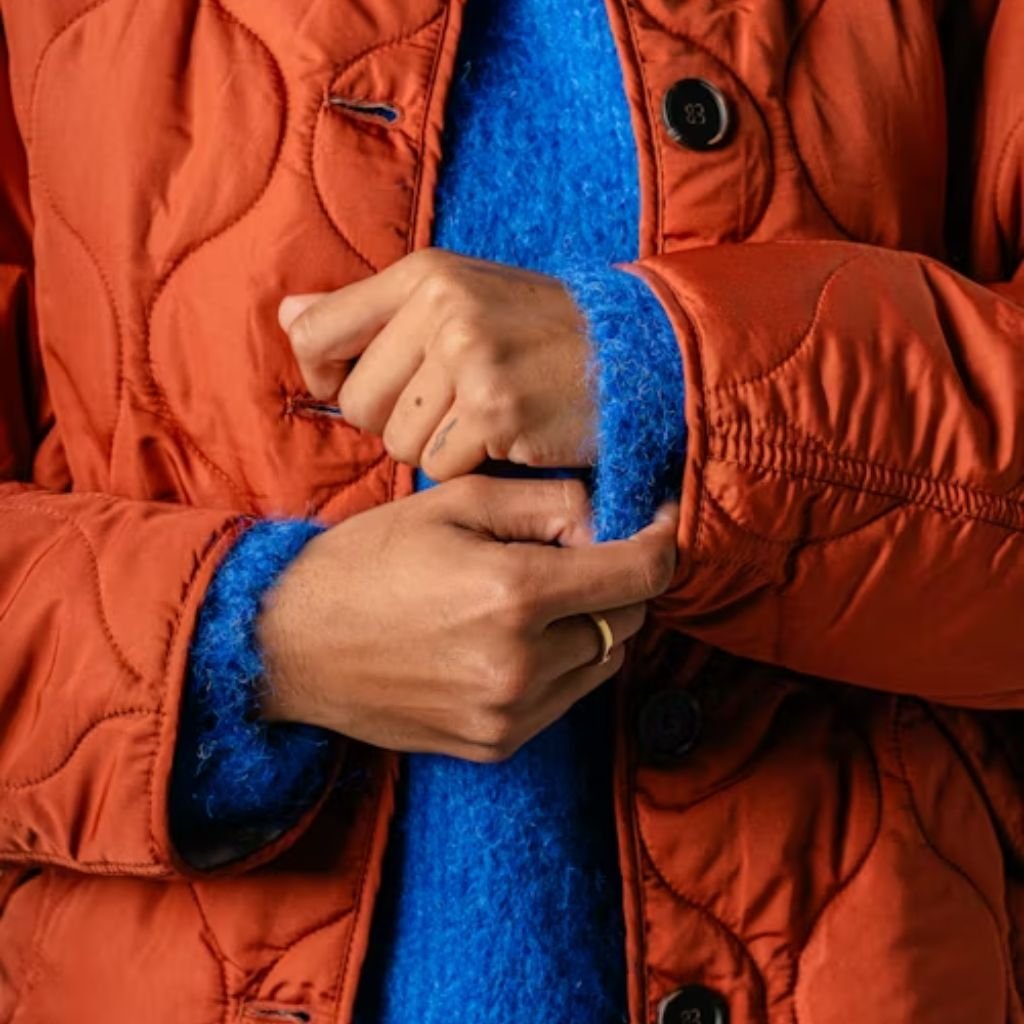
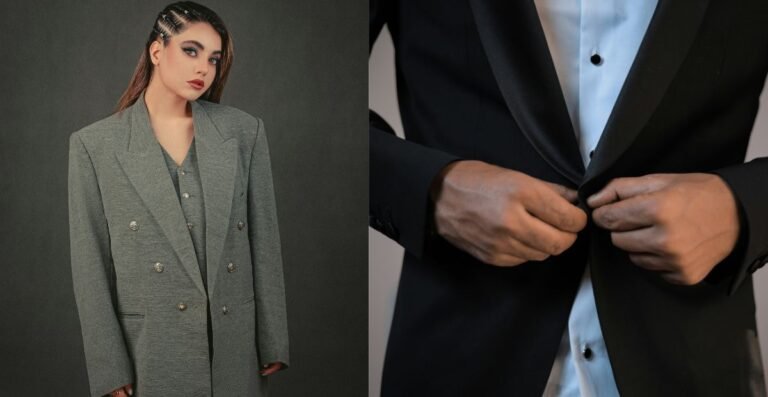
A woman wearing an oversized grey double-breasted blazer stands confidently, while next to her a man buttoning a black tuxedo jacket is shown in a close-up.Tuxedo Jacket
Stylish contrast between an oversized grey blazer and a classic black tuxedo jacket.

The Tuxedo Jacket History.

The tuxedo jacket is associated with a very strong history that could be traced to the late 1800s. It started in Tuxedo Park, New York, where the rich gentlemen took a shorter evening coat. This coate developed into a contemporary substitute of long tailcoats of the time.

The style changed with cultural variation in fashion. In the early 20 th century, tuxedos adopted peak lapels and clean lines. The tuxedo became very popular with Hollywood stars of the 1950s in films and on the red carpet. By the seventies, men had the freedom to be experimental in colors, broad lapels, and velvet style.

Moving trends prompted designers to incorporate new cuts, slim fittings and new materials.

A woman wearing an oversized grey double-breasted blazer stands confidently, while next to her a man buttoning a black tuxedo jacket is shown in a close-up.Tuxedo Jacket
Stylish contrast between an oversized grey blazer and a classic black tuxedo jacket.

Why Tuxedo Jackets Matter in Modern Formal Wear

A Tuxedo Jacket remains essential because it represents the highest level of men’s formal style. It creates a clean, sharp, and elegant look that suits important events such as weddings, black-tie functions, galas, and red-carpet nights. Unlike regular suits, include satin lapels, satin buttons, and refined cuts that immediately elevate the outfit. They also photograph beautifully, which is why they are popular at high-profile events. Because of their timeless design, stay fashionable across generations, making them a reliable and stylish investment for any wardrobe.

It combines classic design with modern tailoring, offering elegance and sophistication for any formal occasion. Its structured fit, satin details, and sharp lapels instantly create a polished appearance. Unlike casual jackets, signals refinement and attention to detail. Over decades, its versatility has allowed men to wear it at weddings, award shows, galas, and even high-end parties. Modern variations, including velvet fabrics and bold colors, allow individuals to express style while maintaining tradition. This balance between classic charm and contemporary design is why the tuxedo jacket continues to be a wardrobe essential.

A woman wearing an oversized grey double-breasted blazer stands confidently, while next to her a man buttoning a black tuxedo jacket is shown in a close-up.Tuxedo Jacket
Stylish contrast between an oversized grey blazer and a classic black tuxedo jacket.

Types of Tuxedo Jackets (High-Traffic Topic!)

Infographic showing four types of tuxedo jackets—shawl lapel, peak lapel, notch lapel, and double-breasted—each with icons and short descriptions.Tuxedo Jacket
Infographic illustrating different types of tuxedo jackets, including shawl lapel, peak lapel, notch lapel, and double-breasted styles.

Shawl Lapel Tuxedo Jacket

A lapel tuxedo jacket is a shawl with rounded lapel. This design gives it a sleek and classy appearance. The flowing line looks elegant and eternal. It suits traditional black tie occasions. This style is clean and simple that is why many men prefer it.

Peak Lapel Tuxedo Jacket

These angles are tilted upwards to a daring fashion. This shape contributes to the tallness and acuity of the jacket. The peak lapel is more formal-looking as compared to others due to its structure. It will fit in red-carpet events and expensive weddings.

Notch Lapel Tuxedo Jacket

A notch lapel is one with a small notch right at the corner of the lapel and the collar. Though this is less formal, it is still stylish. Nock lapels are used in many modern tuxedo jackets to give them an easy yet sophisticated appearance. It is an alternative that can be used in prom nights, semi-formal weddings, or in contemporary fashion atmosphere.

Double Breasted Tuxedo Jacket.

A two-breasted jacket with overlapping wide fronts. It has two columns of buttons to a robust appearance. This style gives the chest a three-dimensional look and shape. It also generates an effective silhouette. Men eager to be fashionable will choose this design to be outstanding during a formal occasion.

Common Uses of a Tuxedo Jacket

You can wear it for many upscale events where elegance, polish, and tradition matter. Because of its timeless appeal, remains a top choice for formal gatherings across cultures and generations. Here are the most common uses:

Black-Tie Events

Men wear tuxedo jackets at standard black-tie functions. These include charity galas, award ceremonies, and evening receptions. The satin lapels and sleek fit match the required dress code perfectly.

Weddings

Grooms, groomsmen, and even guests choose tuxedo jackets for formal weddings. They provide a polished and sophisticated look that suits both indoor and outdoor ceremonies. Classic black, navy, and ivory are the top wedding picks.

Prom and Graduation Ceremonies

Prom nights often call for elegant attire, making tuxedo jackets a popular choice. Many young men prefer modern colors and slim cuts to match the event’s stylish atmosphere.

Red-Carpet Events and Formal Parties

Celebrities, professionals, and style enthusiasts wear tuxedo jackets at movie premieres, corporate galas, and high-profile parties. The jacket offers a refined look that photographs well under bright lighting.

Holiday Celebrations

Holiday events such as New Year’s Eve dinners or Christmas gatherings sometimes require formal clothing. Velvet tuxedo jackets in rich colors work especially well for festive occasions.

Prestige Work Events

Business award nights, company banquets, and formal conferences may require tuxedo jackets. The style gives a sharp and professional appearance suitable for these upscale settings.

Cultural and Traditional Occasions

Some cultural ceremonies prefer formal Western attire. A tuxedo jacket suits these settings and offers a respectful and classic look for such traditions.

A woman wearing an oversized grey double-breasted blazer stands confidently, while next to her a man buttoning a black tuxedo jacket is shown in a close-up.Tuxedo Jacket
Stylish contrast between an oversized grey blazer and a classic black tuxedo jacket.

Fabrics Used in Tuxedo Jackets

Wool is the most common tuxedo jacket fabric. It breathes well, drapes beautifully, and feels comfortable. It works for every season and creates a refined finish. Velvet is rich and soft, perfect for cold seasons and glamorous appearances. Satin blends add shine to lapels and pockets.

Polyester fabrics offer affordability and durability. However, they may feel less breathable. Satin blends add smooth texture but can be delicate. When choosing fabrics, think of the season. Wool suits all weather. Velvet works best in winter. Polyester fits tight budgets. Satin blends enhance elegance.

How to Choose the Right Tuxedo Jacket

Body Type Considerations

Peak lapel or narrow shawl lapel is advantageous to a slim man. A heavier man is well-fitted in broad lapels, which balance the chest. Taller men might like notch or peak lapels. Peak lapels make the shorter men taller. Select a jacket that makes you look natural.

Occasion (Wedding, Prom, Black-Tie Event)

Proms can be more creative on color and velvet. Black-tie occasions require classical cuts that have satin designs. Never wear the dress differently to avoid becoming confused.

Budget and Quality Measures.

The fine wool, clean stitching and smooth satin are the ingredients of a quality tuxedo jacket. Polyester blends are used as budget options. Mid range offers better quality of fabrics. The jackets in high end are made of high quality materials and tailoring.

Tailoring and Fit Tips

A tuxedo jacket should have a perfect fit on the shoulders. The sleeves must have some shirt cuff. It should be long enough to cover your seat. A tailor will be able to tighten the waist to a sharp shape. It is always important to test various sizes and cuts.

Styling a Tuxedo Jacket

Tuxedo Jacket Best Shirts.

Wear a pleated or plain bib white tuxedo shirt. The shirt must also have slots of studs. The casual appearance is minimized by a typical dress shirt.

Bow Tie vs Necktie

A bow tie is still the traditional and right decision. A necktie is less formal and suits the contemporary style. Select satin clothing to go with the lapels of the jacket.

Shoes to Pair with a Tux Jacket.

The best choice is patent leather shoes. They provide lustre and decency. Oxford shoes also work well. Casual shoes must be avoided.

Accessories

Wear cufflinks and shirt studs to be fancy. This is complemented by a white pocket square. Wear suspenders in place of skip belts. They keep the clean edges of the waistband.

Modern vs Classic Tuxedo Looks

Traditional appearance employs black jackets, white shirts and black bow ties. Contemporary fashions introduce such colors as dark green, burgundy, and royal blue. Both alternatives are fashionable with respect to the occasion.

Tuxedo Jacket for Weddings

Peak or shawl lapels are also popular among the grooms as they have a classic appearance. Groomsmen are dressed in simpler styles that fit the groom. The styles of tuxedos that are popular nowadays as wedding colors are navy, ivory, emerald, and charcoal. In case of theme weddings, coordinate the and decoration colors or floral accessories.

A woman wearing an oversized grey double-breasted blazer stands confidently, while next to her a man buttoning a black tuxedo jacket is shown in a close-up.
Stylish contrast between an oversized grey blazer and a classic black tuxedo jacket.

Tuxedo Jacket Care Tips

Infographic titled “Tuxedo Jacket Care Tips” with sections on proper storage, cleaning and maintenance, wrinkle removal, and protecting satin lapels, featuring small icons and illustrations.Tuxedo Jacket
A helpful infographic highlighting essential tuxedo jacket care tips, including storage, cleaning, wrinkle removal, and satin-lapel protection.

Proper Storage

Store your tuxedo jacket on a wide, strong hanger to keep the shoulder structure crisp. Use a breathable garment bag to protect it from dust while allowing airflow. Avoid plastic bags because they trap moisture and can damage the fabric over time. Keep it in a cool and dry closet so the material stays fresh and smooth.

Cleaning and Maintenance

Dry clean your tuxedo jacket only when necessary, since frequent cleaning weakens the fibers. Always spot-clean small stains quickly with a soft cloth. Use a fabric brush to remove lint and dust after each wear. Inspect the jacket for loose threads or buttons and repair them before they worsen.

Wrinkle Removal

Use a gentle steamer to remove wrinkles without harming the fabric. Avoid pressing the jacket with a hot iron because heat can damage wool and satin. Always steam from a slight distance to keep the shape intact. Hanging the jacket after wear also helps wrinkles fall naturally.

Protecting Satin Lapels

Satin lapels scratch easily, so keep them away from rough surfaces. Handle them gently with clean hands to avoid fingerprints or marks. Do not rub the satin when cleaning; instead, lightly blot stains. Store the jacket where it will not brush against textured fabrics.

Tuxedo Jacket Trends in 2025

The cuts of the 2025 are modern with slim bodies and soft shoulders. The materials that are fashion oriented are velvet, eco friendly materials and textured weaves. The fashionable colors are forest green, deep chocolate, copper, and midnight blue. Award shows remain a source of inspiration of styles by celebrities.

Tuxedo Jacket vs Suit Jacket

It has satin buttons and satin lapels. Jacket suits do not have satin details. Tuxedos have finer materials and are made in certain shapes of lapel. Suit jackets are used in business, office and day time. Tuxedos are evening and black-tie.

Tuxedo Jacket Care and Maintenance.

Be sure that it is hung on a broad hanger to save the shoulders. Wipe off easily on a damp cloth. Wash clothes using dry clean to keep them dry. Be careful when wearing satin lapels, so that they do not get scratches and wrinkles.

How to wear a tuxedo jacket without making a mistake.

Do not use a normal dress shirt. Use neckties only when it is a black tie event. Do not wear a belt and tuxedo pants. Skip casual shoes. Wear not a badly-fitting jacket. An appropriate fit can always make you look good.

Tuxedo Jacket price Guide: What Does a Tuxedo Jacket cost?

Budget tuxedo jackets are of low prices and made of polyester blends. Mid-range jackets are warmer with blends of wool as well as have superior stitching. Jackets to be made to order have the opportunity to fit and detail in the way desired.

Tuxedo Jackets: Best Brands.

The luxury brands that are the best are Tom Ford, Armani, and Brioni. Some of the affordable brands are Calvin Klein, J.Crew and Zara. The Internet shops such as ASOS, Nordstrom, and SuitShop have extensive selection and reasonable prices.

Uses of Tuxedo Jackets

Black-Tie Events

A tuxedo jacket is ideal for black-tie occasions, including charity galas, award ceremonies, and formal dinners. Its satin lapels and polished silhouette create an instantly elegant and sophisticated look.

Weddings

Tuxedo jackets are a staple for weddings. Grooms often choose classic black, navy, or white jackets for a distinguished appearance. Groomsmen wear simpler or matching styles to complement the ceremony, while guests rely on tuxedos to maintain a polished and refined look.

Proms and Graduations

Prom nights and graduation ceremonies call for stylish, formal attire. This makes them perfect for memorable milestone celebrations.

Red-Carpet and Corporate Events

Celebrities, professionals, and fashion enthusiasts wear tuxedo jackets to red-carpet events, movie premieres, and corporate galas. The structured fit and classic design help individuals stand out while maintaining a sophisticated and polished appearance.

Festive Holiday Celebrations

During holidays like New Year’s Eve or Christmas parties, velvet or colorful tuxedo jackets add charm and seasonal flair. They combine warmth, luxury, and elegance, creating a festive yet formal look suitable for evening gatherings.

Cultural and Traditional Ceremonies

Some cultural or traditional events require Western formalwear.

Professional and Prestigious Work Events

Tuxedo jackets are also used for business award nights, formal banquets, or high-profile corporate events. The tailored fit and structured design help convey confidence, professionalism, and sophistication in elite work settings.

A woman wearing an oversized grey double-breasted blazer stands confidently, while next to her a man buttoning a black tuxedo jacket is shown in a close-up.
Stylish contrast between an oversized grey blazer and a classic black tuxedo jacket.

Conclusion

Its refined structure, satin details, and timeless appeal allow it to shine at weddings, black-tie events, galas, and important celebrations. As trends evolve, the tuxedo jacket continues to adapt with modern cuts, bold fabrics, and fresh colors, while still preserving its classic foundation. Because of this balance, it stays relevant for every generation.

When choosing a tuxedo jacket, always consider your body shape, the event theme, the fabric, and the fit. A well-tailored jacket, paired with the right accessories, creates a flawless and sophisticated look.Whether you prefer a traditional black style or a modern velvet design, the tuxedo jacket gives you confidence, style, and a polished finish every time you wear it.

FAQs

Can you wear a tuxedo jacket without tuxedo pants?

It is possible, but it reduces formality. For black-tie events, match tuxedo pants.

Can you wear a tuxedo jacket to a wedding?

Yes. It is ideal for formal and evening weddings.

Are tuxedo jackets still in style?

Yes. Their timeless charm keeps them popular.

What color tuxedo is most popular?

Classic black remains the top choice for formal events.

Performance Track Jacket: Top Features Athletes Should Know.

0

In today’s culture, performance track jackets are much more than a piece of athletic wear. They have become a sign of efficiency, movement, and modern style. Whether worn by early-morning training runners, breathable-layer gym-goers, or lifestyle enthusiasts athletic style, the performance track jacket fulfills a particular role in today’s fashion and fitness culture. With the increasing importance placed upon activity, comfort, and versatility, the jacket naturally fulfills.

Knowing this, one understands the primary purpose of a performance track jacket: the regulation of body temperature while supporting mobility. However, due to brand innovations and the increasing determination of athletes, purpose of the jacket has changed. With modern materials, ergonomic design, and technologically integrated fabrics, the garment offers unprescedented functionality. The versatility and proprietary features result in popularity among both professionals and casual wearers.

To know why this is piece is still so popular, we have to look at its design, its material, its functionality, and its cultural impact. While some pieces may go out of style, the performance track jacket is here to stay and is only becoming more popular.

The Evolution of the Performance Track Jacket

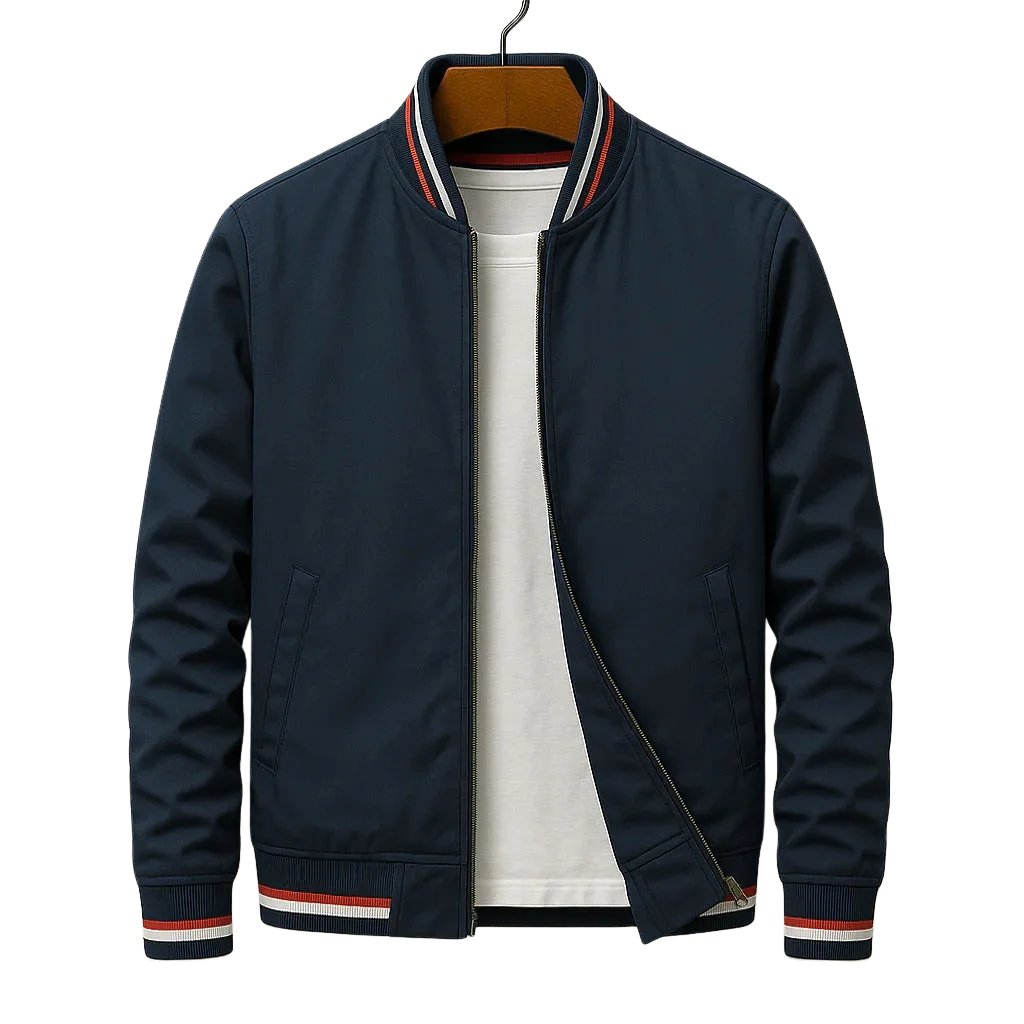
Navy bomber jacket on a hanger, front view, with striped ribbing at the cuffs and hem, and a zipper front. White T-shirt peeks from underneath.
Classic navy bomber jacket with striped ribbing and a sleek zip front—perfect for everyday cool.

The track jacket was initially seen as a piece of a uniform, a warm up layer to be worn over clothing like spandex or shorts. Early jackets were lightweight and there was little thought put into their design. However, over time, Retro track jackets started to be worn by the general public as a fashion piece as well.

As videos of athletes like mariners and joggers started to be released, the general public started to admire the clothing athletes wore. Designers started to create more sophisticated, high performance pieces. Track jackets then gained more detailed features such as seamless Fabric Innovations That Define Modern Performance, moisture control, and frictionless finishes.

Over time, the uses for the athletic performance track jacket have expanded. Thanks to cultural influences such as streetwear, hoodies, and athletic track jackets have become staples for everyday people. The performance track jacket, which still boasts athletic origins, has become a highly versatile, stylish option. Although it’s recognizable as a track jacket, it’s trademarked as a performance track jacket, and the technology within the jacket has improved immensely.

Fabric Innovations That Define Modern Performance

A navy and black varsity-style zip-up jacket with a high collar, two zip pockets, ribbed cuffs and hem, and small logo on the left chest.
Classic color-block zip-up bomber jacket with a stand collar and contrast cuffs.

Now, the track jackets of the performance line are designed with specific sport fabrics in mind. These fabrics are designed for breathability, ease of movement, and overall comfort. Designers have begun prioritizing weightless, soft, and breathable fabrics. A good example is the increasingly popular use of microfiber and polyester blends because of their improved quick-drying, shrink-resistant, and shape-retaining abilities. The older performance track jackets would have a stiffer feeling and a less flexible construction, but now, jackets are smoother and more flexible.

Stiffer fabrics with more construction have been replaced with fabrics that incorporate stretch. To achieve a greater range of motion, a jacket must move with the body; this is able to be achieved through the use of elastane. The more common athletic jackets have become, the more generous their comfort has become. Performance jackets are now more common with a 4-way stretch, which is designed for optimum motion with minimal to no restriction. Even casual wearers can appreciate this modern comfort.

Moisture-wicking tech is also super important for track jackets. The outer layer of the fabric evaporates moisture more efficiently. This function was once only on sports clothes, but now it’s a standard feature of all clothes cause it’s useful.

Performance track jackets also include mesh linings or strategically placed ventilation. This is important cause heat builds during movement. In some more expensive designs, ventilation is added exactly where it’s needed most, and body heat zones are mapped. This makes the jackets much more supportive.

Lightweight and water resistance is also a bonus. Performance jackets often include a DWR (durable water repellent) coating, which is useful for light rain, even if they’re not completely waterproof. This is a useful feature because outdoor athletes often enfrent changeable weather.

While tech continues to change and improve, these features represent the base of what makes today’s track jackets functional and stylish

A Design Built Around Movement

Purple varsity-style jacket with a full-length zipper and chevron stripes in bright blue and white across the chest, two front pockets, ribbed cuffs and hem.
Bold purple zip-up jacket with blue and white chevron accents.

A designer doesn’t purely look at style when creating a performance track jacket. The designer must consider the movement science of the jacket. The body movement in the body during activity is studied the most. Because of this, modern jackets often include articulated sleeves that mimic the way the body moves. Compared to older jackets, this design encourages the body to move more freely.

Seam placement also plays a critical role. Especially during long workouts, traditional seams irritation or friction. Yet many performance jackets have flatlock stitching or crossed seams. These methods reduce chafing while offering a more comfortable jacket for prolonged workouts. The more friction, the more uncomfortable the jacket becomes.

Another important aspect of a track jacket is the fit. Trends of fashion come and go, but performance track jackets always have a balanced tailored, tapered, look. A low profile fit is less drag while remaining slim for layers to go underneath. The structure is appreciated by all wearers, because of the neat look.

Zippers and collars are made to be easy and comfortable to use. The high collar keeps the neck protected from wind and also keeps the heat from escaping during warm-up sessions. At the same time, a full-zip front allows for easy temperature management during warm-ups. Since athletes go from working at high intensities to low intensities, the ability to zip and unzip the jacket easily is very important.

Every little detail is planned, from how the pockets are placed to how high the collar is. While the style may be appealing, the jacket’s ability to function at its best is the main priority.

Weather Adaptability and Temperature Regulation

A light blue, color-blocked zip-up jacket with a high collar and padded panels on the shoulders; long sleeves with elasticized cuffs.
Lightweight blue jacket with subtle color blocking and zip front.

One of the biggest benefits of a performance track jacket is how it keeps the right temperature. While the temperature outside may be changing, the jacket is able to change as well with little effort. Fabrics that are breathable allow heat and moisture to escape while the jacket cools so that the wearer doesn’t get too hot during high levels of activity. On the other hand, insulation panels and brushed materials on the inside of the jacket are best for when it is colder outside.

Even when it is very windy outside, the jacket will keep the person warm. The jacket is made with tightly woven thread that prevents cold wind from getting inside of the jacket. This is very important for runners.

You can also add light insulation too. Instead of thick insulation like before, modern jackets use a thin and high performance insulating layer. This layer help keep warmth, and stay mobile, and in control. They are necessary for comfort.

Because of the the sudden change in weather, especially in the regards to an early morning or late evening training, this adaptability is one of the reasons the jacket is used for warm – ups, cool downs, or long long outdoor training sessions. This jacket is designed to keep the training performance imediately.

Enhanced Features for Athletes and Daily Wearers

Enhanced Features for Athletes and Daily Wearers
White quilted bomber jacket with a diagonal black zipper and black ribbed cuffs.

Even though the main focus of performance track jackets are their building blocks, the materials, construction, and smooth silhouette of the jackets have the control features to boost their performance. Athletes have their features designed in mind. Side zipped pockets help keep valuables secure, and prevent movement. There are also moisture protective hidden pockets for a device.

Another add on is thumbholes. They keep the sleeves down in place during high motion activities, and add a bit of warmth during chilling temperatures. They improve the overall experience to a point where if they aren’t present, the differenece is game changing.

Designers still integrate modern industry reflective elements to keep safety in mind. Since many use the jacket to train in the early hours of the morning or the late evening, reflective details are added for visibility, and safety when used beside street traffic.

Some performance track jackets have a hem that can be adjusted, or they have elastic bands to stop the jacket from riding up during activities. This makes sure the fit is comfortable, even during activities that require a lot of movement.

These details may seem insignificant, but they greatly increase the utility of the jacket, making it ideal for athletes and anyone else.

The Rise of Athleisure and Cultural Influence

 A young woman modeling a cream-colored zip-up jacket with red color-block sleeves against a white background.
Modern color-block track jacket in cream with bold red sleeves.

The performance track jacket has but no longer is just an item of clothing for exercising, but is a cultural icon. Athleisure has contributed a lot to this transformation. As a result of wanting comfort and functionality, clothes made for exercising has mixed with everyday wear. This means the track jacket can be seen in workplaces, coffee shops, and on airplanes.

The jackets popularity can also be attributed to music and streetwear culture. Public figures and artists who have track jackets in their outfits inspire a lot of people. Originally, the jacket was just seen as a piece of clothing that is a part of a fit. This jacket has also become essencial for everyday outfits. This jacket has also become a fit for people who are really busy and just want comfort.

Since people have liked this jacket a lot, it makes sense that people want to add their own to the jacket; for example, people have replace basic fabrics with nicer clothes, and added a more modern fitting to the jacket. Although they may be more focused on how the jacket looks, they keep the same idea of the performance track jacket.

It has timeless cultural relevance. It has stayed in style over the years as trends change because the performance track jacket style is a good mix of practical and stylish

Why do performance track jackets appeal to most athletes?

A navy blue and medium-blue color-blocked athletic jacket with a full front zipper, zippered chest pocket, and vertical side pockets. The sleeves and shoulders feature contrasting blue panels, giving the garment a sleek, sporty look.
Modern color-block athletic jacket with zippered pockets and streamlined design.

Although the performance track jacket has become a fashion statement it’s primary love is because of the jackets ruggedness and style. It helps to warm-ups by retaining heat and increases muscle temperature. It keeps the body warm but allows for a full range of movement and comfort.

The bomber jackets has the ability to make training less uncomfortable. The fabric in the jacket is designed to draw moister from the skin when training keeps athletes dry throughout training and stops and training cool down and from over heating especially when working during the session.

The track jackets is made to last. It has to be able to withstand over washing, stretching, and outdoor alactivities. The jackets performance is made to last and over repeated use.

Every sport has different needs when it comes to the performance track jacket, however it is able to adapt the best. Runners enjoy its breathability for long runs, cyclists love the slim fit, and its lightweight and flexible for athletes in the gym. The many universal features makes it a staple in a athletes training.

Styling and Everyday Versatility

Cream-colored zip-up jacket with black shoulder patches and sleeve stripe detailing.
Minimalist cream zip-up jacket with black shoulder patches and contrast stitching.

You can wear a performance track jacket and joggers with ease, and now you can do it anywhere! Originally designed for track and field, these jackets have become a staple in everyday streetwear jacket because of their versatility. Denim also pairs nicely with the jacket for a casual streetwear look. and the tapered joggers are always a good option! These jackets have a nice clean silhouette that goes with a lot of different pieces in your wardrobe.

And if you are looking for versatility, these jackets are great! Stylish and sleek, Soft enough to wear over a t-shirt for a casual sporting event, and if it a little chilly you can always wear a hoodie underneath for a nice layered look. These jackets also have a minimalist style that many people love. These jackets do have a logo but it is very understated and doesn’t take away from the overall style of the outfit.

It is clear to see that these jacket have a perfect combo of style and functionality. It’s clear to see that these jackets are great for many occasions and that is why they are a wardrobe must!

Future Innovations: Sustainability

A green bomber jacket with black ribbed cuffs and collar, shown partially unzipped to reveal a white T-shirt underneath.
Green bomber jacket with black trim.

Brands that make performance track jackets are now getting green. There are new materials like cleaner made recycled polyester, upcycle, and recycled materials. Using polyester and poly blends are highly resource and water intensive, but new tech reduces water use and waste created.

Newer finishes that are more sustainable and dyes that are biodegradable are being developed. since the fashion industry never stops growing, the performance track jackets will incorporate more sustainable materials, and eco friendly new tech, developments.

There are other improvements coming too Thanks to tech Biosmart fabrics that change with wearers body temps and that have designed built performance tracking sensors are being developed. Although a handful of brands use them, these fabrics show how advanced new sportswear tech is.

To meet growing consumer expectations, brands will continue to adapt and innovate to new sustainable practices and the tech that will Coming to performance track jackets will be comfort, eco friendly materials, smart tech, and a responsive design.

Why the performance track jacket is still iconic

Performance track jackets are still iconic because they are a perfect blend of being athletically functional and perfect for casual wear. People today live on the go. They like to wear clothes that are easy to take on and off. performance track jackets are designed for that.

It looks great while keeping you warm, extremely lightweight, and works for activities on and off the field. Even as designs and fads come and go, the uses for this jacket do not change. As it meets the needs for athletes, fitness lovers, and the style conscious, it will always be relevant.

It’s great for runs, casual activities, and lounging. The jacket is design and the expectation is it will always be there.

Conclusion

A performance track jacket is far more than a piece of athletic clothing. It is a versatile, innovative, and culturally influential garment. Through advanced materials, ergonomic construction, and thoughtful detailing, it supports the modern lifestyle beautifully. Whether worn for sports or everyday comfort, it enhances movement, regulates temperature, and elevates style.

Because innovation continues, future versions will be even more impressive. Yet the essence of the jacket will remain the same: a reliable, comfortable, and dynamic layer designed to move with you.

FAQs

What is a performance track jacket?

A performance track jacket is an athletic outer layer designed to enhance mobility, regulate temperature, and support physical activity through lightweight fabrics, stretch materials, and breathable construction.

Can a performance track jacket be worn casually?

Yes. Because it blends comfort, mobility, and modern style, many people wear performance track jackets for casual outings, travel, and daily use—not just for training.

Are performance track jackets good for all weather conditions?

They are excellent for mild to cool weather, especially due to their wind-resistant and moisture-wicking properties. Some styles also include light insulation or water-repellent coatings for added protection.

Denim Overshirt Jacket for Effortless Everyday Style

0

A denim overshirt jacket has become one of the most versatile pieces in modern wardrobes. Although it may seem simple at first, this layer offers a blend of style, strength, and comfort that makes it stand out. Moreover, because it works in every season and pairs easily with different outfits, it has turned into a must-have item for fashion enthusiasts. In this detailed blog, you will discover everything about the denim overshirt jacket—its origins, features, styling tips, care guide, and why it remains an essential part of contemporary fashion.


What Makes the Denim Overshirt Jacket So Popular?

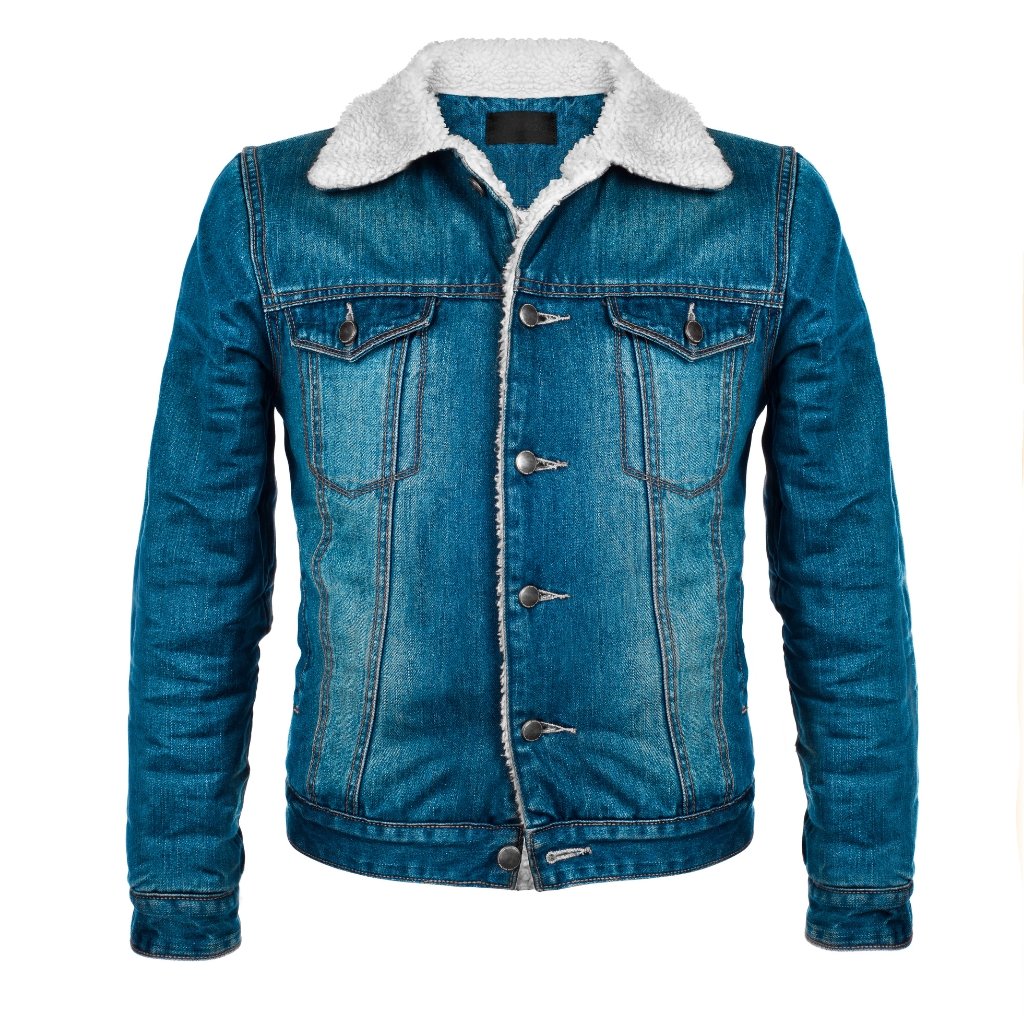
Blue denim jacket with white sherpa lining, button-front closure, and two chest pockets against a white background.
Classic blue denim jacket with a cozy white sherpa collar.

The popularity of denim overshirt jackets has grown steadily over the years. However, the key reason behind their rise is the undeniable practicality they offer. Since denim is durable and long-lasting, the overshirt jacket quickly becomes a dependable option for daily wear. Additionally, it bridges the gap between a casual shirt and a structured jacket, giving you a smart yet relaxed outer layer.

Furthermore, many people appreciate the overshirt jacket because it works well in both warm and cool weather. During summer evenings, it provides just the right amount of coverage. In winter, it can be layered with sweaters or hoodies to create a stylish and warmer look. Consequently, its year-round usability makes it a wardrobe essential.


A Brief History of Denim Overshirt Jackets

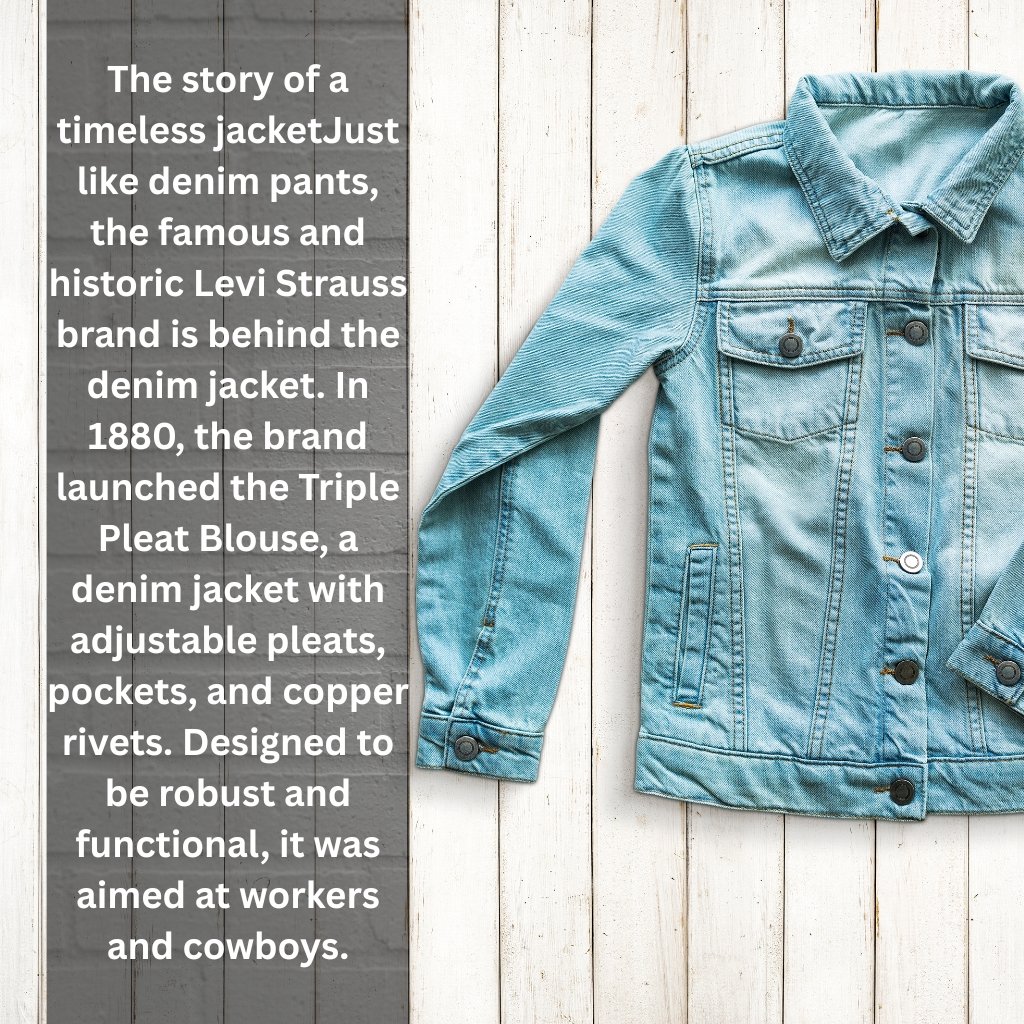
Denim jacket laid on white wooden floor next to a vertical dark panel with white text describing Levi Strauss' Triple Pleat Blouse and the history of the brand.
The story of Levi Strauss and the Triple Pleat Blouse: a durable denim jacket designed for workers and cowboys.

To understand its charm, you must first look into its history. Denim itself dates back to the 1800s, when it was worn by miners and workers due to its exceptional durability. Over time, denim became more than just a workwear fabric; it evolved into a global fashion staple. However, the overshirt jacket emerged later as a modern take on classic denim work shirts.

Although originally designed for functionality, it became popular in mainstream fashion during the late 20th century. Moreover, as streetwear and casual fashion trends expanded, the denim overshirt jacket gained even more recognition. Today, it is considered a symbol of effortless style.


Key Features of a Quality Denim Overshirt Jacket

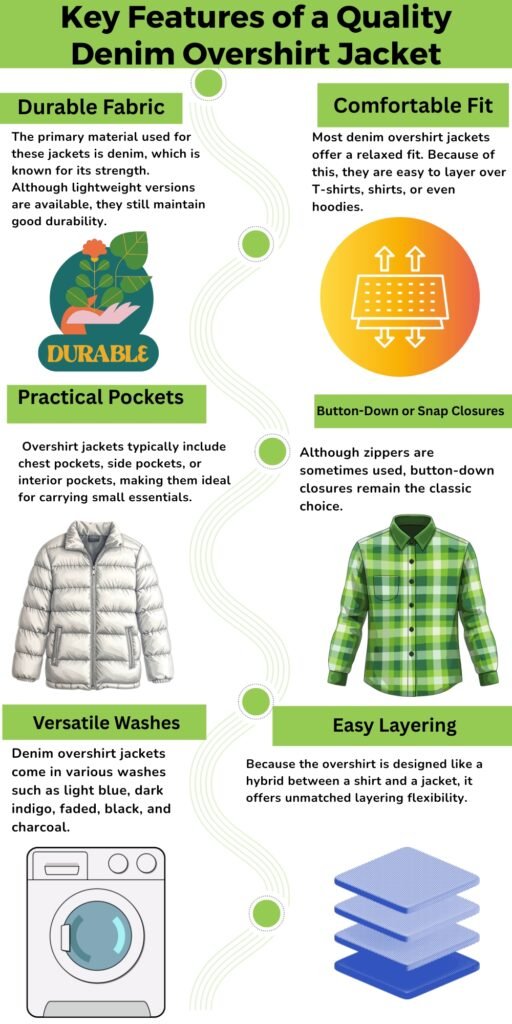
Infographic titled ‘Key Features of a Quality Denim Overshirt Jacket’ with sections: Durable Fabric, Comfortable Fit, Practical Pockets, Button-Down or Snap Closures, Versatile Washes, and Easy Layering. Each section includes an icon and a brief description with small illustrations of hands holding leaves, a breathable icon, a puffer jacket, a plaid shirt, a washing machine, and layered fabrics.
Key features of a quality denim overshirt jacket: durable fabric, comfortable fit, practical pockets, versatile washes, easy layering, and classic closures.

A high-quality denim overshirt jacket includes several features that make it both practical and fashionable. Below are some characteristics that define a well-designed piece:

1. Durable Fabric

The primary material used for these jackets is denim, which is known for its strength. Although lightweight versions are available, they still maintain good durability. This ensures that your jacket not only looks stylish but also lasts for years.

2. Comfortable Fit

Most denim overshirt jackets offer a relaxed fit. Because of this, they are easy to layer over T-shirts, shirts, or even hoodies. The slightly loose structure also gives them a comfortable, laid-back appeal.

3. Practical Pockets

Multiple pockets are one of the most functional features. Overshirt jackets typically include chest pockets, side pockets, or interior pockets, making them ideal for carrying small essentials.

4. Button-Down or Snap Closures

Although zippers are sometimes used, button-down closures remain the classic choice. They give the jacket a timeless look while also allowing quick wear and removal.

5. Versatile Washes

Denim overshirt jackets come in various washes such as light blue, dark indigo, faded, black, and charcoal. Each wash offers a different vibe, which means you can choose one that matches your personal style.

6. Easy Layering

Because the overshirt is designed like a hybrid between a shirt and a jacket, it offers unmatched layering flexibility. Whether you prefer minimalist outfits or bold streetwear combinations, this jacket fits effortlessly.


Why a Denim Overshirt Jacket Should Be in Every Wardrobe

Infographic titled 'Why a Denim Overshirt Jacket Should Be in Every Wardrobe' with green accents. Sections: Timeless Appeal showing a clock, Year-Round Wear with yellow polo shirts, Effortless Styling with a hanging jacket rack, Suitable for All Genders with a gender equality badge, and Durable & Long-Lasting with a shield icon.
Timeless, versatile, and inclusive: discover why a denim overshirt jacket belongs in every wardrobe.

1. Timeless Appeal

Although fashion constantly evolves, denim remains a classic. The overshirt jacket combines vintage charm with modern styling options. As a result, it never looks outdated.

2. Year-Round Wear

Its versatile weight makes it suitable for all seasons. During spring and summer, you can wear it over a simple T-shirt. Meanwhile, during autumn and winter, it becomes a great layering piece.

3. Effortless Styling

One of the biggest advantages of a denim overshirt jacket is its styling flexibility. You can dress it up or down depending on the occasion. Additionally, it easily matches jeans, chinos, trousers, cargo pants, and even shorts.

4. Suitable for All Genders

Denim overshirt jackets are loved by both men and women. Their unisex appeal and relaxed aesthetic make them accessible to everyone.

5. Durable & Long-Lasting

Denim naturally resists wear and tear, so your jacket stays in excellent condition for years. Therefore, it is a valuable fashion investment.


How to Style a Denim Overshirt Jacket

An infographic titled ‘How to Style a Denim Overshirt Jacket’ with five styling tips, each accompanied by an circular illustration: casual everyday look, smart casual outfit, layered winter look, streetwear inspired, and summer evening look.
How to Style a Denim Overshirt Jacket: 5 Easy Looks

To help you elevate your look, here are some impressive and practical styling ideas:

1. Casual Everyday Look

Pair your denim overshirt jacket with a white T-shirt and slim-fit jeans. Although simple, this classic combination always works. Add sneakers for a youthful, relaxed vibe.

2. Smart Casual Outfit

Wear your overshirt jacket with chinos and a button-down shirt. This style offers a polished yet comfortable look. Moreover, it works well for casual meetings, dinners, and weekend outings.

3. Layered Winter Look

During colder months, layer the overshirt jacket over a hoodie or a knitted sweater. Because the layering effect adds depth, your outfit will instantly look more stylish.

4. Streetwear Inspired

Go for a slightly oversized denim overshirt jacket and wear it with cargo pants and a graphic tee. Add chunky sneakers or boots to complete the streetwear style.

5. Summer Evening Look

For breezy summer nights, wear the jacket open over a lightweight T-shirt and shorts. This creates a comfortable, stylish outfit that looks effortless.


Choosing the Right Denim Overshirt Jacket

Since there are many options available, selecting the right one can be a bit confusing. However, the following factors can help you make the best choice:

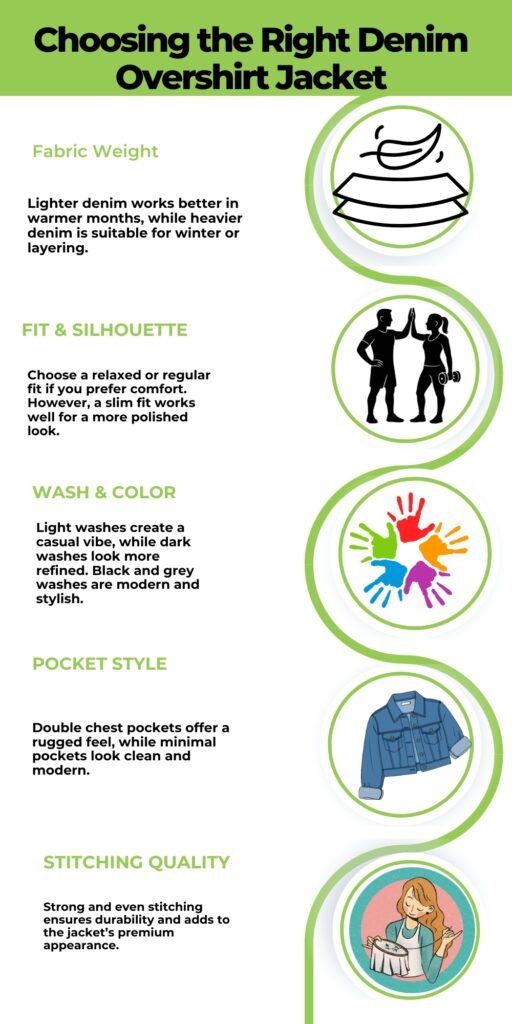
An infographic titled “Choosing the Right Denim Overshirt Jacket” with green accents. It features five sections: Fabric Weight (illustration of layered fabric), FIT & SILHOUETTE (silhouetted figures), WASH & COLOR (colorful handprints), POCKET STYLE (blue denim jacket), and STITCHING QUALITY (woman sewing). Each section contains a brief explanatory paragraph about the tip.
Choosing the right denim overshirt: fabric weight, fit, wash/color, pocket style, and stitching quality.

1. Fabric Weight

Lighter denim works better in warmer months, while heavier denim is suitable for winter or layering.

2. Fit & Silhouette

Choose a relaxed or regular fit if you prefer comfort. However, a slim fit works well for a more polished look.

3. Wash & Color

Light washes create a casual vibe, while dark washes look more refined. Black and grey washes are modern and stylish.

4. Pocket Style

Double chest pockets offer a rugged feel, while minimal pockets look clean and modern.

5. Stitching Quality

Strong and even stitching ensures durability and adds to the jacket’s premium appearance.


Care & Maintenance Tips

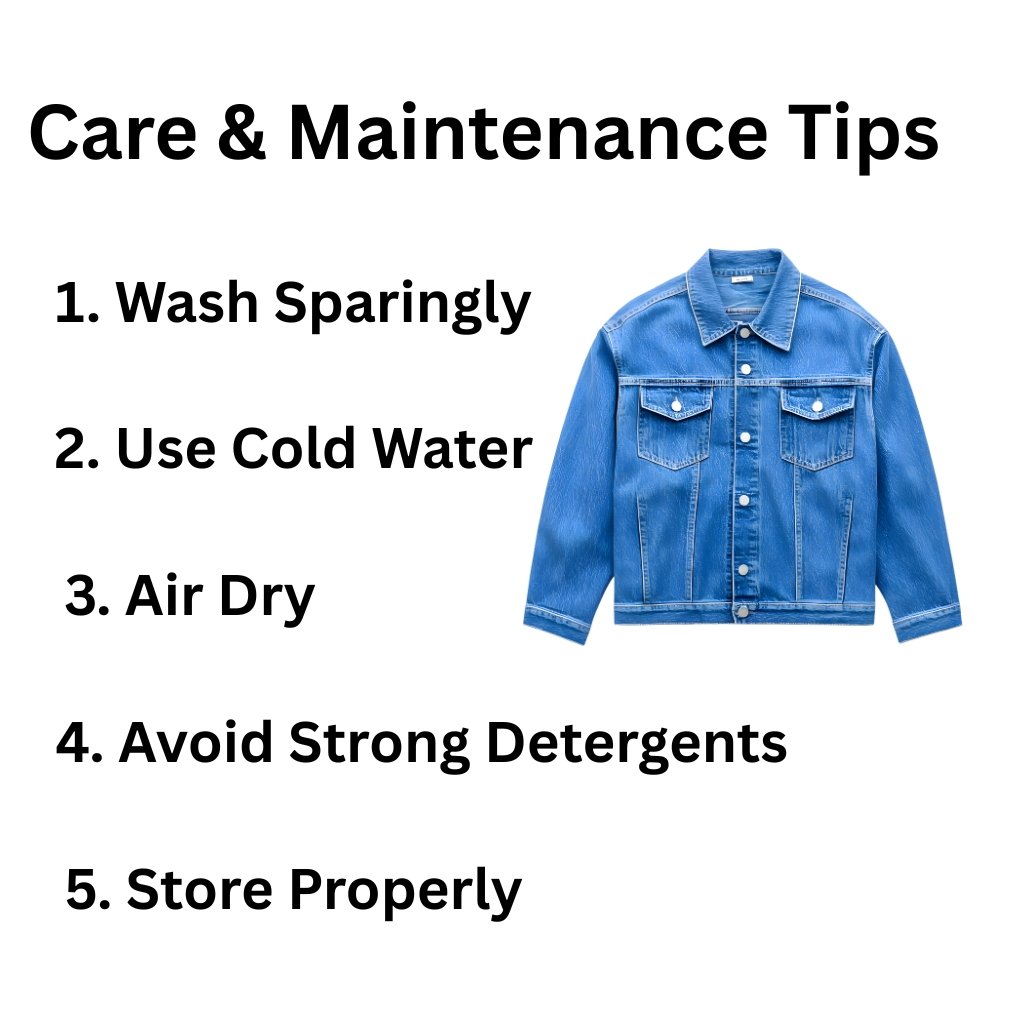
Title slide reading ‘Care & Maintenance Tips’ with a blue denim jacket image on the right and a numbered list of tips on the left: 1. Wash Sparingly, 2. Use Cold Water, 3. Air Dry, 4. Avoid Strong Detergents, 5. Store Properly.
Care & Maintenance Tips for Denim

Although denim is durable, proper care can increase the lifespan of your overshirt jacket. Below are some effective care tips:

1. Wash Sparingly

Denim does not require frequent washing. In fact, over-washing may cause the fabric to fade quickly. Therefore, wash only when necessary.

2. Use Cold Water

Cold water maintains the fabric’s color and minimizes shrinking.

3. Air Dry

Whenever possible, air-dry your denim overshirt jacket. Although it takes longer, it helps preserve the fabric.

4. Avoid Strong Detergents

Mild detergents are always better for denim as they prevent harsh fading.

5. Store Properly

Hang your jacket instead of folding it to avoid wrinkles and maintain shape.


Denim Overshirt Jacket in Modern Fashion Trends

A stylish man with a short beard wearing a light-wash denim jacket over a white T-shirt, looking to the side.
Casual cool: denim on denim with a clean, modern vibe.

Fashion trends change rapidly, yet denim overshirt jackets have remained relevant. They frequently appear in street style blogs, fashion magazines, and celebrity wardrobes. Because designers continue to experiment with oversized fits, washed effects, embroidered details, and unique silhouettes, this versatile jacket always feels fresh and exciting.

Moreover, the rise of sustainable fashion has increased the demand for high-quality, long-lasting clothing pieces. Denim, being durable and easy to recycle, fits perfectly into this movement. As a result, the denim overshirt jacket has become even more popular among conscious consumers.


Final Thoughts

A denim overshirt jacket is more than just a piece of clothing. It is a timeless symbol of comfort, versatility, and effortless style. Although trends may come and go, this essential layer continues to dominate modern wardrobes. Because it works in every season, suits all genders, and complements countless outfits, it deserves a permanent place in your collection.

Whether you prefer a classic light-wash jacket or a bold black overshirt, your denim layer will always make your outfit stand out. Moreover, the combination of durability and design ensures that it will serve you for years. So, if you want to upgrade your wardrobe with something stylish yet practical, a denim overshirt jacket is undeniably the best choice.

FAQs

What is a denim overshirt jacket?

A denim overshirt jacket is a lightweight outer layer designed like a shirt but worn as a jacket. It combines the comfort of a shirt with the durability of denim, making it versatile for year-round use.

How is it different from a regular denim jacket?

A regular denim jacket is usually thicker and more structured, while a denim overshirt jacket is lighter, softer, and easier to layer. It offers a relaxed, casual look ideal for everyday wear.

Can I wear a denim overshirt jacket in summer?

Yes! Because it is lightweight, it works perfectly for summer evenings. You can wear it over a T-shirt or even keep it open for a breathable, stylish look.

The Classic Peacoat A Complete Style Guide to Wearing

0

Peacoats are one of few garments which have remained fashionable for over a century. The coats is still admired by many for its warmth, classic elegance, and structure despite the constant changes in fashion. It is also favored by those who love clothing that combines history and a contemporary look. This detailed guide will teach you everything about the iconic overcoat. You’ll learn its history, features, styling advice, fabric quality and buying guide. You will learn why the peacoat is a symbol for strength, sophistication, and confidence as you read this article.

What is a Peacoat

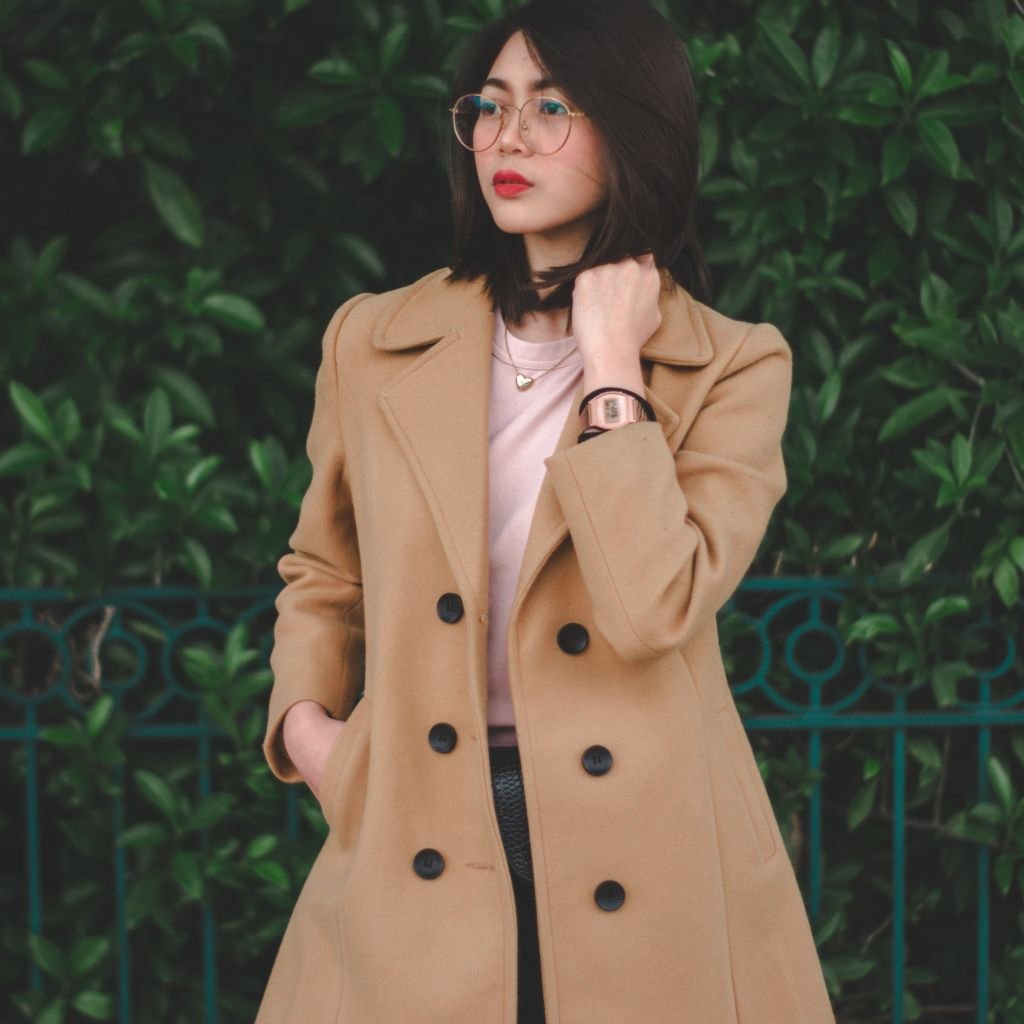
Stylish woman standing outdoors in front of a green hedge, wearing a tan double-breasted coat, light pink top, round glasses, and a wristwatch.
Casual chic: a woman in a tan double-breasted coat poses confidently against a lush green backdrop.

Peacoats are short double-breasted coats originally designed for sailors. It is traditionally made of thick wool to protect the wearer against harsh winds and freezing sea temperatures. The coat also features large buttons and lapels that are shaped to give it a distinctive and recognizable look. The peecoats has evolved from its naval origins to become a winter essential for men and women.See more….overcoat

The signature style has not changed. Coat can be worn with casual, smart-casual and semi-formal clothing. Many modern designers have introduced the coats with new silhouettes to prove that it’s still relevant.

The History of the Peacoat

A woman wearing a dark wool coat stands beside a block of text about the history of the pea coat, with bold typography on the right.
The History of the Pea Coat — From 18th-century European navies to today’s double-breasted style.

Peacoats date back to the European navies of the 18th century. The sailors needed a coat that was warm and allowed them to move easily on deck. A thick wool garment was made. The British Royal Navy later improved the design by adding the double-breasted style, which we recognize today.

The peacoats eventually made its way to American navy uniforms. It became popular as a fashion item for civilians because of its practicality and durability. The word “pea”, which is used in the, comes from the Dutch word “pij,” that refers to the coarse fabric of old designs.

The classic shape is almost unchanged, even though modern fabrics and tailoring methods are used. This consistency is a testament to the original design of the pecoats.Read more…

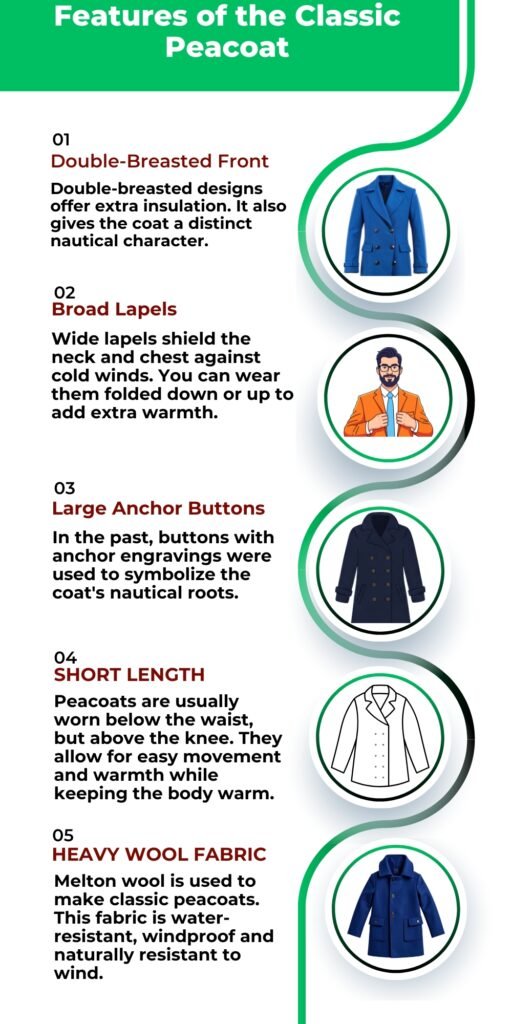
Features of the Classic Peacoat

Peecoats have several unique features that make them a practical and stylish outerwear item. These features also contribute to its warmth and fashion.

Infographic about features of the Classic Peacoat, showing five features with icons: double-breasted front, broad lapels, large anchor buttons, short length, heavy wool fabric, each with a descriptive paragraph and small circular illustrations of coats or icons.
Features of the Classic Pecoat: Double-Breasted Front, Broad Lapels, Large Anchor Buttons, Short Length, Heavy Wool Fabric.

1. Double-Breasted Front

Double-breasted designs offer extra insulation. It also gives the coat a distinct nautical character.

2. Broad Lapels

Wide lapels shield the neck and chest against cold winds. You can wear them folded down or up to add extra warmth.

3. Large Anchor Buttons

In the past, buttons with anchor engravings were used to symbolize the coat’s nautical roots.

4. Short Length

Peecoats are usually worn below the waist, but above the knee. They allow for easy movement and warmth while keeping the body warm.

5. Heavy Wool Fabric

Melton wool is used to make classic coats. This fabric is water-resistant, windproof and naturally resistant to wind.

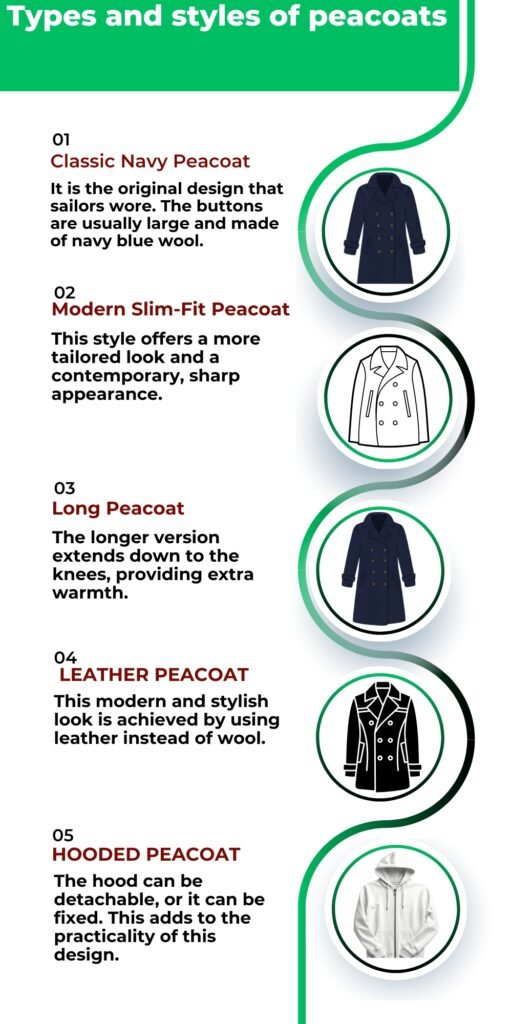
Types and styles of peacoats

Despite the fact that the classic version remains popular, there are several variations available today.

Infographic showing five types and styles of peacoats with numbered items and circular coat illustrations: Classic Navy Peacoat, Modern Slim-Fit Peacoat, Long Peacoat, Leather Peacoat, Hooded Peacoat, each with a short description.
Types and styles of pecoats: Classic Navy, Modern Slim-Fit, Long, Leather, and Hooded.

* Classic Navy Coat

It is the original design that sailors wore. The buttons are usually large and made of navy blue wool.

* Modern Slim-Fit Coat

This style offers a more tailored look and a contemporary, sharp appearance.

* Long Coat

The longer version extends down to the knees, providing extra warmth.

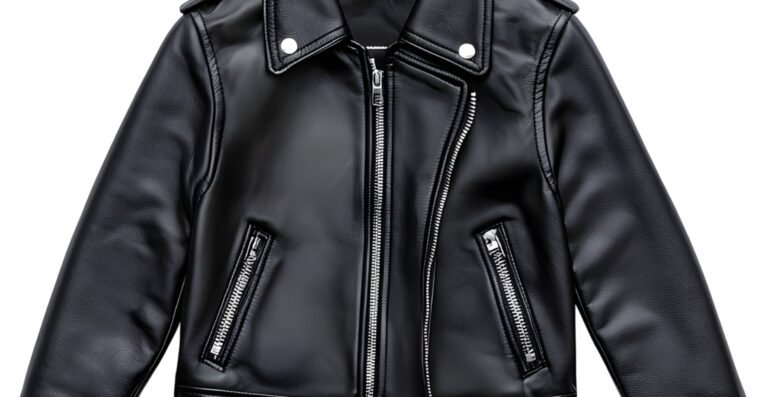
* Leather Peacoat

This modern and stylish look is achieved by using leather instead of wool.

* Hooded Peacoat

The hood can be detachable, or it can be fixed. This adds to the practicality of this design.

The core characteristics of peecoats remain the same, despite their differences in appearance.

Why the Peacoat Will Never Go Out of Style

Peacoats have been fashionable for many generations. It is a wardrobe staple for many reasons.

Infographic titled ‘Why the Peacoat Will Never Go Out of Style’ with five illustrated icons and text blocks describing Versatility, Timeless Elegance, Durability, Warmth and Comfort, and Unisex Appeal.
Why the Pecoat Will Never Go Out of Style: five timeless reasons—versatility, elegance, durability, warmth, and unisex appeal.

1. Versatility

Pecoats can be worn with many different outfits. The coat will enhance the style of any outfit, whether you are wearing jeans, chinos or formal trousers. It is also suitable for semi-formal and casual occasions.

2. Timeless Elegance

The clean, structured design of the coats never goes out of style.

3. Durability

A pcoats made of high-quality wool can last many years. It is possible to keep it looking stylish and new for many years with proper care.

4. Warmth and Comfort

The wool fabric is thick and provides excellent insulation. The double-breasted front also offers excellent protection against cold winds.

5. Unisex Appeal

Designers offer different variations to suit the body shapes of both men and women.

How To Style A Peacoat

Style a peacoats can be simple. However, some thoughtful combinations will enhance your look. Here are some suggestions for men and women.

Style Tips for Men

1. Smart Casual Look

Pair a navy coat:

  • White turtleneck
  • Slim-fit jeans
  • Leather Boots

This outfit is stylish and comfortable.

2. Semi-Formal outfit

Wear your coat:

  • A button-down shirt
  • Wool sweater
  • Dress trousers

You can also complete your look with a scarf.

3. Casual Weekend Style

Combine:

  • A hoodie
  • Dark denim
  • Sneakers

The coats works well with casual outfits.

Style Tips for Women

1. Chic Winter Look

Pair a fitted peacoat:

  • Skinny jeans
  • Long Boots
  • Wool scarf in a stylish design

This ensemble gives off a sophisticated look.

2. Office-Ready Outfit

Wear:

  • Neutral-colored blouse
  • Straight-fit trousers
  • Heel ankle boots

The coat is a stylish addition to your formal workwear.

3. Casual Day Out

Combine:

  • Warm sweater
  • Leggings or jeggings
  • Comfortable shoes

This outfit is simple but stylish.

The Best Fabrics for Peacoats

The fabric is what determines the quality of the coats. It is therefore important to choose the right fabric.

Infographic titled ‘The Best Fabrics for Peacoats’ featuring five fabric types with images: Melton Wool (orange sweater), Cashmere-Blend Wool (fabric swatch), Wool-Polyester Blend (fabric swatch), The Leather (peacoat wallet), and a decorative rug-like pattern. Company logo Eco-Jersey at bottom.
The Best Fabrics for Peacoats: Melton Wool, Cashmere-Blend Wool, Wool-Polyester Blend, Leather, and their key qualities.

1. Melton Wool

Melton wool is warm and resistant to water by nature. Peacoats are made from this fabric.

2. Cashmere-Blend Wool

The fabric is soft and luxurious. It feels comfortable, despite being more expensive.

3. Wool-Polyester blend

This blend is durable and affordable. It is lighter but still warm.

4. The Leather

Modern leather coat look stylish and are unique. They are better suited to milder winters than colder ones.

How To Choose The Perfect Peacoat

Consider the following factors before buying a peacoat:

Infographic titled ‘How To Choose The Perfect Peacoat’ with five steps: Fit, Length, Fabric Quality, Buttons and Stitching, Color, each with icons and brief explanations.
How to Choose the Perfect Peacoat: 5 tips for a great fit, length, fabric, craftsmanship, and color.

1. Fit

A good peacoats will fit snugly around the shoulders. It should also allow for comfortable movement even when closed.

2. Length

Pcoats are usually cut at the hip. Longer styles provide extra warmth.

3. Fabric Quality

Check the content of wool. A higher wool content means better insulation.

4. Buttons and Stitching

The quality of the workmanship is evident by strong buttons and neatly stitched garments.

5. Color

Popular colors include navy, black, gray, camel and olive. These colors are also easy to style.

Maintenance Tips

Even though peacoats can last a long time, they will last longer if you take care of them.

Infographic titled ‘Maintenance Tips’ with six sections: Dry Clean Only, Clothes Brushes, Hang Properly, Store in a Garment Bag, Avoid Over-Wearing, each with green circular icons and brief explanatory text.
Maintenance Tips: six practical reminders to care for your peacat and keep it looking sharp.

1. Dry Clean Only

The majority of can be cleaned by dry cleaning. It is not recommended to wash your peacoats frequently.

2. Clothes Brushes

Brushing helps remove dust, lint and hair.

3. Hang Properly

Keep the shape of your coat by using a wide hanger.

4. Store in a Garment Bag

It prevents dust accumulation during off-season storage.

5. Avoid Over-Wearing

Allow the coat to breathe in between wearings.

Peacoat and other Overcoats

Side-by-side image showing a person wearing a black peacoat on the left and another person wearing a black overcoat on the right; a red 'VS' graphic sits between them.
Peacoat vs. Other Overcoats: a side-by-side comparison.

Peacoats are characterized by their short length, structured look, and streamlined appeal. The peacoat is the perfect blend of warmth and sophistication. While duffle coats and trench coats offer a lighter weight, the peacoat has fewer layers and resembles slouchy clothing. Its double-breasted style gives it more presence than most modern overcoats.

Why Owning a Peacoat is a Good Idea

Your wardrobe will instantly look more stylish with a peacoat. There are many coats available for winter, but few have the same durability and versatility. The coat is also a great investment because it works in almost every social situation.

It gives you a confidence that is hard to match. The peacoat is a great way to elevate your look, whether you’re going to work, attending an event, or just taking a stroll.

Conclusion

The peacoat, in conclusion, is more than outerwear. It is a symbol of warmth, elegance and tradition. The coat’s origins are in naval history but it has become a fashion staple for today’s fashion enthusiasts. Its versatility, durability and classic style also make it an essential in the wardrobes of men and women around the world.

FAQs

What is a peacoat?

A peacoat is a short, double-breasted wool coat originally worn by sailors. It features wide lapels, large buttons, and a tailored fit for warmth and style.

What are the best fabrics for peacoats?

Traditional peacoats are made from Melton wool, but cashmere blends, wool-polyester mixes, and even leather versions are available.

How should a peacoat fit?

It should fit snugly at the shoulders, allow comfortable movement, and fall at the hip or slightly below. The double-breasted closure should button without strain.

Vintage Field Leather Jacket: Rugged Heritage Meet Style

0

A Vintage Field Leather Jacket blends old-world craftsmanship with rugged military heritage and timeless fashion appeal. It offers durability, character, and a naturally worn look that makes every jacket unique. With its rich texture and historic design roots, this jacket remains a favorite for those who value both style and story.

What Is a Vintage Field Leather Jacket?

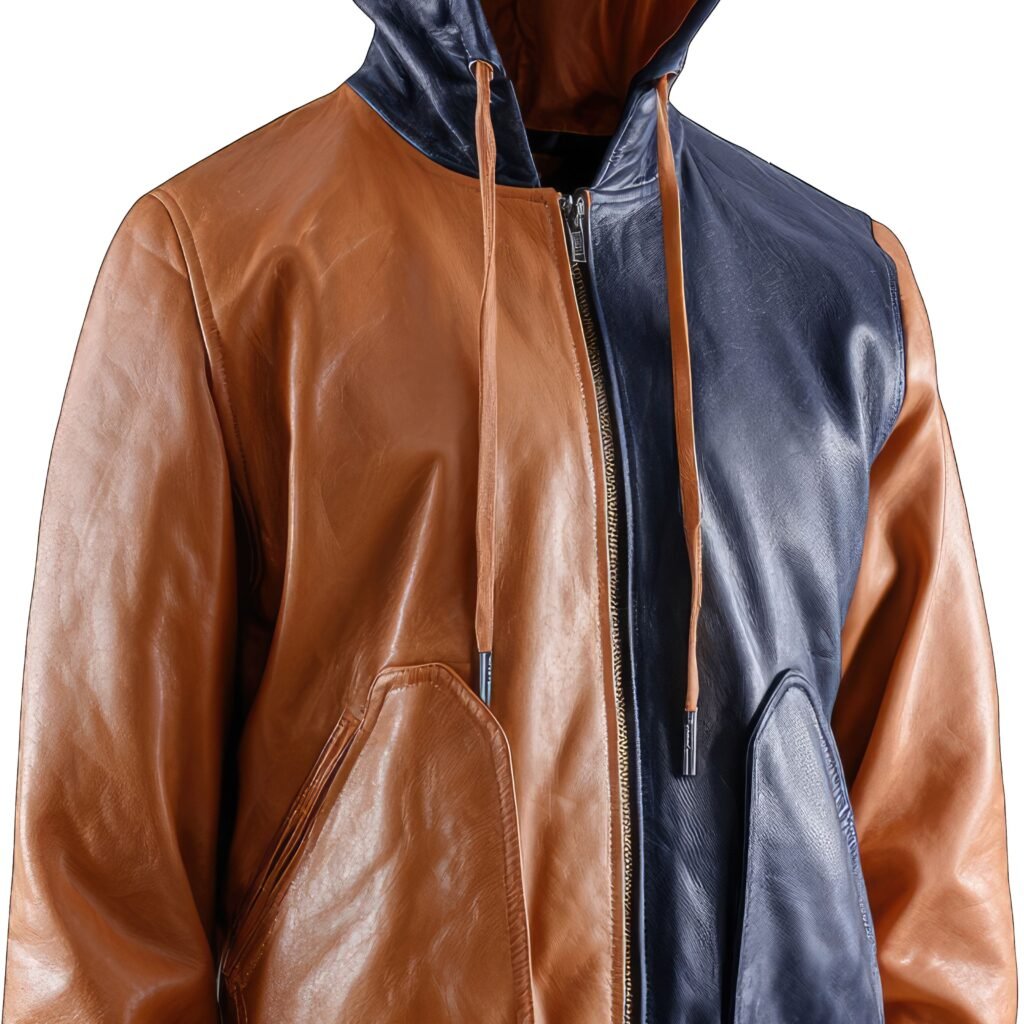
A two-tone vintage-style leather field jacket with brown and dark blue panels, a front zipper, a hood with tan drawstrings, and large front pockets.
What Is a Vintage Field Leather Jacket? A classic, two-tone leather design combining rugged durability with retro flair.

A Field Leather Jackets is a classic outerwear piece inspired by traditional military field jackets. It features a structured silhouette, multiple utility pockets, and an aged leather finish that gives it a retro appearance. The vintage look comes from distressed leather, faded tones, and natural wear patterns. This gives the jacket a built-in history, making it feel authentic and full of personality.

What Is a Vintage Field Leather Jacket Made Of?

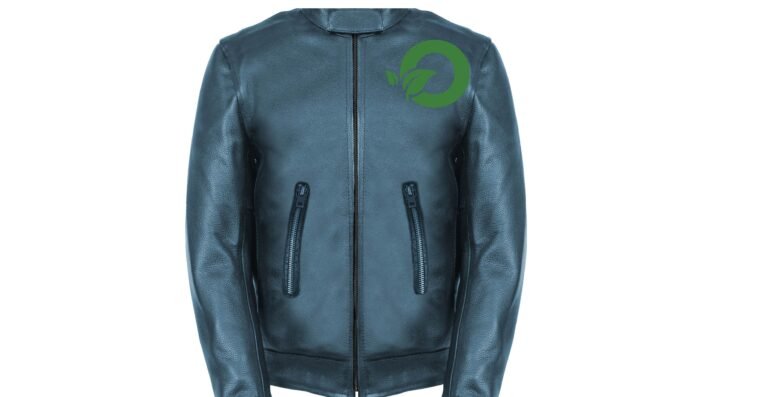
A black vintage field-style leather jacket with a front zipper and zip pockets, shown on a white background. A green circular eco-emblem sits on the left chest area, and white text reads “high-quality, durable leather.”
What Is a Vintage Field Leather Jacket Made Of: materials, construction, and timeless rugged appeal.

A Vintage Leather Jacket is usually made from durable, full-grain or top-grain leather that develops a rich patina over time. Most vintage styles use cowhide for its rugged strength, while some premium jackets feature goatskin or horsehide for a softer, more flexible feel. The interior often includes cotton twill or wool lining to add comfort and warmth. High-quality metal zippers, brass buttons, and reinforced stitching complete the build, giving the jacket long-lasting durability and a truly authentic vintage appearance. This combination of strong leather, classic hardware, and sturdy lining is what gives a Vintage Field Leather Jacket its iconic look and timeless quality.

Which Types of Vintage Field Leather Jackets Are Available?

Classic Vintage Field Jacket

Distressed Leather Field Jacket

M-65 Style Vintage Field Jacket

Military-Inspired Vintage Field Jacket

Four-Pocket Vintage Leather Jacket

Rugged Buffalo Leather Field Jacket

Slim-Fit Vintage Field Jacket

Vintage Suede Field Jacket

What Is High-Quality Leather?

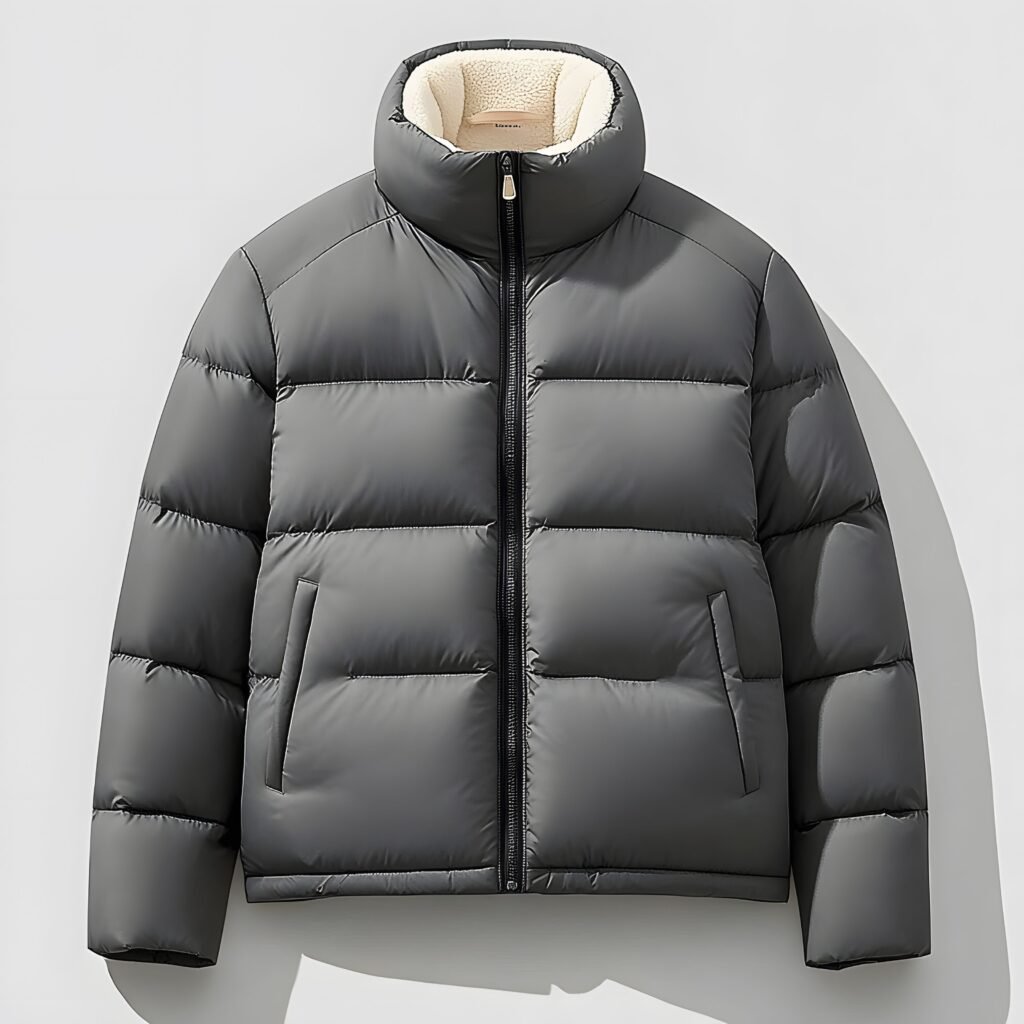
A close-up image of a dark gray puffer jacket with a soft, cream-colored shearling lining visible at the collar."
What Is High-Quality Leather? Key traits to look for include full-grain or top-grain realism, natural texture, even color, minimal imperfections, durable stitching, and proper tannins—ensuring longevity and timeless appeal.

High-quality leather comes from the top layers of the hide where the fibers are strongest, most natural, and longest-lasting. The best grades—full-grain and top-grain—retain the hide’s natural texture, making them more durable and more breathable than lower-grade leathers. Full-grain leather develops a deep patina over time, while top-grain offers a smoother and refined finish. High-quality leather is tanned using reliable methods, such as vegetable tanning or premium chrome tanning, to ensure strength and resistance to cracking. It also feels supple, smells rich, and ages beautifully, which makes it ideal for premium jackets, shoes, bags, and everyday accessories.

Leather Color Is Best for a Vintage Field Leather Jacket?

A smiling man wearing a black leather vintage-style field jacket with folded arms, posing against a neutral backdrop.
Classic vintage vibes: a field leather jacket in timeless black.” “Timeless durability: a vintage-inspired leather field jacket in deep black.

The best leather color for a Vintage Field Leather Jacket is usually one that enhances its classic, aged character. Shades like dark brown, cognac, and tan are the most popular because they highlight the natural grain and develop a rich patina over time. Dark brown offers a rugged, timeless look, while cognac adds a warmer, more vintage charm. Tan leather ages beautifully and becomes more unique with wear. Black is also an option for those who prefer a bold, modern twist, though it develops a subtler patina. Ultimately, earthy brown tones remain the top choice because they deliver the most authentic vintage field jacket appearance.

Best Leather Brands for Vintage Field Leather Jackets

Several brands are renowned for crafting high-quality Vintage Field Leather Jackets that combine durability, style, and authentic vintage appeal. Schott NYC is famous for its classic American leather jackets with military heritage designs. Belstaff offers rugged, heritage-inspired jackets with exceptional craftsmanship. Filson focuses on outdoor durability while maintaining a timeless look. Cockpit USA specializes in military reproductions with authentic details and sturdy construction. AllSaints provides modern cuts with vintage finishes, perfect for urban fashion. Frye is known for premium leathers with antique textures that age beautifully. These brands consistently deliver jackets made from top-grain or full-grain leather, offering both reliability and style for enthusiasts of vintage outerwear.

How to Care for a Vintage Field Leather Jacket

Proper care helps maintain the jacket’s beauty and extend its life. Follow these steps:

Condition; the leather regularly to keep it moisturized and prevent cracking.

Avoid water exposure and always let the jacket air-dry if it gets wet.

Clean gently, using a dry or lightly damp cloth—never harsh chemicals.

Store on a wide hanger to preserve the jacket’s shape.

Keep it out; of direct sunlight to prevent fading and dryness.

Use a leather protector spray for added resistance against stains.Conclusion

Comfort of a Vintage Field Leather Jacket

The comfort of a vintage field jacket comes from its naturally broken-in leather and flexible structure. Over time, the leather molds to the wearer’s body, creating a personalized fit. Breathable inner linings, smooth textures, and balanced weight also make it comfortable for longer wear. It offers warmth without being overly heavy, making it ideal for seasonal layering.

Conclusion

A Vintage Field Leather Jacket offers rugged charm, military-inspired heritage, and a timeless style that grows better with age. Its aged leather, durable construction, and practical design make it a valuable piece for any wardrobe. Whether worn casually, for travel, or as an everyday statement, this jacket delivers comfort, authenticity, and personality. With the right care and quality leather, a vintage field jacket becomes a long-lasting companion full of character and history.

Faqs

What is a Vintage Field Leather Jacket?

A Vintage Field Leather Jacket is a classic outerwear piece inspired by military field jackets, featuring aged leather, multiple pockets, and a rugged, timeless design.

What materials are used in a Vintage Field Leather Jacket?

It is typically made from high-quality leathers such as cowhide, goatskin, lambskin, or buffalo leather, often with cotton or wool lining for comfort.

Who can wear a Vintage Field Leather Jacket?

Both men and women can wear it. It suits various ages and styles, from rugged streetwear to casual and semi-formal looks.

Best Retro Track Jackets: Styles That Never Go Out of Trend.

0

The classic track jacket has emerged as a staple once more, motivated by a newfound popularity, now outpacing many other essentials in the streetwear category. Having first made its debut decades in the past, the retro track jackets is now a marquee piece, championing a trio of attributes; nostalgia, comfort, and a versatility that is fashion-forward. More widely, its appeal continues to amplify as a response to the growing fascination of the public towards items inspired by past decades. This guide will delve into the origins of the vintage track jacket, the design and construction of the piece, ideas on how to style it, and its relevance to the modern world.

The Beginnings of the Retro Track Jacket

Color-block zip-up jacket with light blue, navy, and white panels, diagonal chevron shapes on the chest, and matching striped cuffs and hem.
Color-block zip jacket with chevron design in cool blues.

The retro track jackets was first introduced in the mid 20th century as part of professional athletic wear. It was specifically meant for athletes to wear during pre-competition warm-ups. However, it soon became popular for its light weight and flexible construction, and eventually made the transition from sports apparel to casual wear.

In the 1970s and 1980s, retro track jackets became a staple in hip-hop and breakdancing communities and street culture. At the same time, sports brands began to design track jackets in bold and colorful eye-catching patterns which made the jackets a staple of both functionality and fashion.

The first track jackets made was constructed of mostly polyester and nylon, which made the Track Jackets both breathable and durable. This classic fabric combination remains to this day and furthers the nostalgic identity of the retro track jackets.

Why the Retro Track Jacket Became Iconic

Several factors contributed to the retro track jacket’s rise in popularity. First, it became associated with influential subcultures that shaped modern streetwear. Additionally, shifts in fashion trends elevated the appeal of vintage sportswear.

1. Cultural Impact

The jacket’s presence in hip-hop videos, sports events, and breakdance battles helped build its cultural identity. Moreover, many early urban fashion icons adopted the retro track jacket as a signature element of their outfits. Therefore, it carried a sense of authentic street credibility.

2. Comfort and Functionality

The retro track jacket has always been known for its lightweight structure. Its breathable fabric allows comfortable movement, while its relaxed fit suits various body types. Although originally intended for athletes, it was soon worn by everyday individuals who appreciated its practicality.

3. Timeless Color Combinations

Retro track jackets often feature bold stripes, contrast paneling, and energetic colors. Such elements create an exciting, expressive look that immediately stands out. Furthermore, these vintage styles have aged remarkably well, making them an appealing wardrobe staple.

Key Features of a Retro Track Jacket

Infographic titled “Features of a Retro Track Jacket” with five circular images on the right: a red and green high-collar jacket, a blue ribbed-cuff bomber, a yellow front-zip jacket, a gray lightweight jacket, and a colorful vintage-style jacket. Left column lists five features in green headings: 1) High Collar, 2) Ribbed Cuffs and Hem, 3) Front Zipper, 4) Lightweight Fabric, 5) Bold Graphic Elements; each with a brief descriptive line.
Features of a Retro Track Jackets: high collar, ribbed cuffs and hem, front zipper, lightweight fabric, and bold graphic elements.

The original retro track jacket was made with a few signature components, differentiating it from any other outerwear. Although modern designs have twists and differentiations, the original features have remained the same.

1. High Collar

One of the jacket’s most unique characteristics is the high collar. Initially, this feature was meant to protect the neck of athletes from the elements, but now it contributes to the high-fashion dictated shape of the garment.

2. Ribbed Cuffs and Hem

With ribbed cuffs and hems, the jacket is sure to retain its shape and structure. Also, the elastic features create comfort for all kinds of sporty and casual fit outs.

3. Front Zipper

A full or half zipper is a big part of the classic style and design of this jacket. Zippers are also a feature that makes layering easy, and so retro track jackets are very useful for all kinds of weather.

4. Lightweight Fabric

Most often, the material is some kind of mix of polyester and nylon. Vintage stickers might be also be a bit thicker, but most of the ones contending for authenticity are on the thinner side.

5. Bold Graphic Elements

What also makes these jackets so appealing is the color blocking, stripes for the brands, embroidered old logos and even old retro graphics. These design elements are very appealing.

How to Style a Retro Track Jacket

A collage-style infographic about retro track jackets, featuring six circular images of jackets and patchwork graphics with sewing spools and leaves, plus bold green titles: “The Style of Retro Track Jacket” and sections for Classic Athleisure, Vintage Streetwear Style, Minimalist Casual Outfit, Layered Fashion Approach, and Semi-Sporty Smart Look.
The Style of Retro Track Jackets: Icons and tips for assembling vintage-inspired outfits, from classic athleisure to layered looks.

The retro track jacket is unique for its ability to blend athletic wear and off street fashion. Because of this it can be styled in a range of ways. Below are fit ideas for different styles and locations.

1. Classic Athleisure Look

The retro track zip jacket and jogger set contributes to a chilled but active disposition. Their added feature of running shoes further promotes the athletic look. This fits the gym, a walk outside, or social activities.

2. Vintage Streetwear Style

True vintage feel is retro track jackets, straight-leg jeans, and old-school sneakers with a graphic tee. Also, bucket hats, and round sunglasses as accessories fit the retro feel.

3. Minimalist Casual Outfit

For a minimal look, the jacket and solid-colored trousers with plain sneakers is a great match. Although plain, the choice highlights the jacket’s standout design.

4. Layered Fashion Approach

A retro track jacket with a hoodie is comfortable and fashion-wise a great option for streetwear jacket. Also, that adds depth, and contrast to the outfit.

5. Semi-Sporty Smart Look

It’s a modern urban style that leans towards sophistication for anyone who wants to style formally and casually. Pairing a track jacket with tailored pants, and smart sneakers is a great sporty option.

Retro Track Jacket Fabrics and Construction

Infographic titled ‘Retro Track Jacket Fabrics’ showing four fabric options with icons and jacket images: 1) Polyester, 2) Nylon, 3) Cotton Blends, 4) Stitching and Panel; with a green header and Eco-Jersey logo at the bottom.
Retro Track Jackets Fabrics: Polyester, Nylon, Cotton Blends, and Stitching/Panel options explained with quick benefits and visual examples.

By analyzing the construction of the track jacket, one can learn more about the roughness and usefulness of the piece. To understand better, it’s important to note that all brands use different approaches when it comes to their jackets, but the fabric as the base structure remains the same.

Polyester

Lightweight, resistant to shrinking, and quick drying, polyester is the most common fabric used in retro track jackets. Moreover, it holds its shape nicely.

Nylon

Nylon is frequently used in retro track jackets for its smooth and soft texture, and in high-quality track jackets, for its flexibility. It is more expensive than other materials, but it considerably raises comfort.

Cotton Blends

Some new retro track jackets use cotton blends to aid in the breathability of the fabric, but it does lower overall water resistance.

Stitching and Paneling

Panel stitching is popular in retro track jackets to add variety and uniqueness with their color combinations. To make the jackets more durable for wear and tear, they add reinforced seams.

Why Retro Track Jackets Remain Popular Today

The retro track jacket has been and continues to be a fan favorite for many reasons, despite the gauntlet of changing fashion trends. For example:

1. Nostalgia in Fashion

Clothing that is retro inspired has been growing in popularity, especially because of the vintage aesthetics that can be added to a modern wardrobe. This has become especially popular because of the vintage quote, “What’s old is new again.”

2. Social Media Influence

Fashion influencers have added retro track jackets to their street style looks, leading to their rapid increase in popularity in videos, photos, and style guides.

3. High Adaptability

Because of its lightweight construct, the jacket can be worn in any weather. In addition, it can be worn with almost any clothing ensemble, making it more versatile.

4. Revival by Popular Brands

Crossing a variety of clothing items, the top-tier sportswear companies have always brought back the classic track jacket for a new, modern take. They keep the style in circulation in this way.

Finding the Right Retro Track Jacket

The retro track jacket encompasses many different elements, and to ensure that the jacket is the best choice, a buyer should evaluate all aspects.

1. Fit and Size

To enhance the vintage look, it is best to have a more relaxed fit. However, some people may prefer a more slim fit for a cleaner look, and both choices are good. It is up to the individual.

2. Color Combination

As retro style is a look of the past, the color choices play a significant role. To achieve the most retro look, bright color combinations like red, blue, green, and yellow are best. On the other hand, black, white, and navy are more neutral choices that will achieve a retro look, just less intense.

3. Quality of Material

Durability is always important, and higher quality materials always last longer. Polyester is more common, however, nylon has a smoother finish. A cotton blend will be more comfortable, but it will sacrifice some water resistance.

4. Brand Heritage

Classic track jackets have been designed by some of the greatest brands in the game, and the ones that come to mind are Adidas, Puma and Fila. So, to get authenticity in the jacket designed by a classic brand, it is best to select it from these companies.

5. Design Features

The retro design is characterized by striped sleeves, distinctive logos and collars, and special graphic features that add contrast and interest to the jacket.

Caring for a Retro Track Jacket

Proper care is essential for preserving the jacket’s quality and style.

Washing Instructions
In most cases, retro track jackets can be washed in a washing machine set to gentle. However, some jackets having decorative elements may be better washed by hand. It is advisable to use a mild detergent and wash water to help preserve the color of the fabric.

Drying Techniques
To help preserve the form and structure of the jacket, air drying is the best option. If a dryer is going to be used, be sure to keep the temperature low.

Storage
To prevent wrinkling, it is best to keep the jacket hanging. It is also a good idea to keep the jacket in a dry, cool place to avoid damaging the fabric.

Where to Wear a Retro Track Jacket

The versatility of the retro track jacket allows it to be worn in numerous settings:

  • Casual outings
  • Sport activities
  • Streetwear fashion events
  • College or school
  • Travel and leisure trips
  • Urban nightlife settings

Although the track jacket was originally intended for use in sports, it is now a popular fashion item.

The Retro Track Jacket in Modern Culture

A man wearing a color-blocked zip-up jacket in red, navy, and white stands in front of a richly patterned, decorative archway. He looks off to the side with a neutral expression, hands in his pockets.
Bold red, navy, and white color-block jacket against an intricate tiled backdrop

Today, the retro track jacket is seen in music videos, fashion runways, global sports events, and influencer content. Meanwhile, the jacket’s nostalgic energy resonates with both older generations and younger trendsetters. Because modern fashion embraces individuality, the retro track jacket remains an accessible piece that comfortably adapts to different personal styles.

Final Thoughts

The retro track jacket is more than a vintage clothing item; it is a cultural symbol that represents the intersection of sports, fashion, and street culture. Although decades have passed since its inception, its timeless charm continues to make an impact. Moreover, its ease of styling, comfortable design, and nostalgic appeal ensure that it will remain relevant for many years.

FAQs

What is a retro track jacket?

A retro track jacket is a lightweight, zip-up sportswear jacket inspired by vintage athletic designs from the 70s, 80s, and 90s. It usually features bold stripes, color-blocking, and a relaxed fit.

Why are retro track jackets popular again?

They are popular because vintage fashion is trending, and the jackets offer both nostalgic style and modern comfort. Influencers and major brands also revived the look.

How do you style a retro track jacket?

Retro track jackets can be styled with joggers, straight-leg jeans, graphic tees, hoodies, and sneakers. The bold colors make them easy to pair with casual outfits.

History of Winter Fashion Trends and How They Evolved Today!

History of Winter Fashion Trends discloses the process of human adaptation to cold climate in ingenuity and design. People had to be covered by the cold winds all the time and thus, they created intelligent dress codes. As time passed on, these decisions became cultural and identifiable. Each age brought in new concepts that defined our modern-day fashion. Winter wear became more of a fashion statement than a survival need as fashion increased. This is the reason why winter fashion is important and full of meaning.History of Winter Fashion Trends.

As we move through centuries, winter fashion shows how climate, traditions, and innovations influenced what people wore. Early civilizations relied on natural materials like fur, wool, and leather because they provided reliable warmth. Later, industrial advances introduced structured tailoring, synthetic fibers, and new manufacturing techniques. These developments transformed winter clothing into something far more functional and fashionable. With each decade, winter apparel evolved to match cultural moods, making coats, scarves, and knitwear symbols of status, style, and comfort.

Two women showcasing winter fashion: one wearing a brown teddy coat with a red-and-green plaid scarf in a snowy outdoor setting, and another walking in an urban street wearing a long red coat, white turtleneck, gray pants, and carrying a white handbag.History of Winter Fashion Trends
Winter fashion styles featuring a cozy teddy coat with a plaid scarf and a chic long red coat paired with classic winter basics.

How winter fashion evolved over centuries

Winter styles was developed as the societies acquired the improved methods of dressing in unfriendly seasons.History of Winter Fashion Trends The natural materials were utilized by the ancient people and the subsequent generations provided its structure and style. Design, practicality and comfort were all changed in each new era. Hundreds of years of development moved winter wear to outerwear. Fashion has been created as a response to real life necessity and it advances as new concepts are developed. The trend is still affected by this evolution.

Why winter style is important culturally and practically

Winter style relates functionality to culture. Warm clothing is embraced by people due to their comfortability, but they equally desire beautiful design. Special coats, scarfs and wool garments are part of many of these traditions. Such styles demonstrate membership and belonging. Practical winter wear also ensure that people are safe during violent weather.History of Winter Fashion Trends This combination of allure and functionality is the reason why winter fashion is important.

Common Uses of Winter Fashion

Winter outerwear protects the body from cold temperatures and harsh winds.History of Winter Fashion Trends. People use coats and jackets for daily travel, work, and outdoor tasks. These pieces provide warmth while keeping the wearer comfortable and stylish. Many designs also offer durability for snow, rain, and strong winter conditions.

Layering helps people control body temperature in changing winter weather. It makes it easy to add or remove clothing pieces throughout the day. This method works well for moving between indoor heat and outdoor cold. It also supports flexible, stylish, and practical winter outfits.

People use scarves, gloves, hats, and beanies to protect sensitive areas such as the head, neck, and hands. These accessories give essential warmth during low temperatures.History of Winter Fashion Trends They also add color, texture, and style to any winter look. Many outfits rely on these items for both comfort and personality.

Winter fabrics like wool, fleece, and polyester allow designers to create warm and breathable clothing. These materials support sweaters, coats, shawls, and base layers that hold heat well. People choose them for insulation and moisture control. They help maintain comfort in everyday winter life.

Two women showcasing winter fashion: one wearing a brown teddy coat with a red-and-green plaid scarf in a snowy outdoor setting, and another walking in an urban street wearing a long red coat, white turtleneck, gray pants, and carrying a white handbag.History of Winter Fashion Trends
Winter fashion styles featuring a cozy teddy coat with a plaid scarf and a chic long red coat paired with classic winter basics.

How climate, technology, and culture shaped winter dressing

The climatic conditions required powerful materials and intelligent layers. With the improvement of technology new fibers and designs were introduced.History of Winter Fashion Trends. All this led to lighter winter clothes being worn. Trends were also influenced by culture with people imitating icons and leaders. These forces combined to create a winter fashion world as it is today. The influence persists even nowadays.

Early Beginnings of Winter Clothing (Ancient to Medieval): The First Steps in Winter Style History

Simple ideas were the beginning of early winter fashion. Human beings required a source of warmth and thus they sought natural materials. They employed all land resources to make defense. The styles were primitive but formed the initial history of the Winter Fashion Trends.History of Winter Fashion Trends These primitive products informed the future designs.

Primitive winter clothing and natural materials

Secular man used fur, leaves and hide to keep warm. These were thermal resistant materials. They put them in wrappers to keep off cold winds. Their fashion was minimalistic, but it was not ineffective. These primitive concepts gave inspirations to the subsequent clothing. In turn, this made nature the best designer.

Fur, wool, and leather in early civilizations

Wool and fur were commonly used by such civilizations as Greeks, Vikings, and Romans. Such materials were used to keep them warm even in extreme winters. Leather was also very important in protection. Natural dyes and simple instruments were applied by a large number of groups to mold clothing. As time passed their designs became stronger and more durable.

Medieval winter garments and layering methods

Layered garments were popular in the medieval age. Individuals were dressed in tunics, wool wraps, and cloaks. Burger upper classes wore fur-lined coats. History of Winter Fashion TrendsOrdinary citizens were dressed in warmer materials of wool. Warmth was now more convenient with layering. Winter layering is still inspired by these techniques.

Evolution of Winter Fashion in the 18th & 19th Centuries: The Rise of Structured Winter Wear

The 18 th and 19 th centuries saw a rapid change in the History of Winter Fashion Trends. The society expanded, and the new classes emerged. It was desired that people should have clothes which would depict status, elegance and warmth. Customized clothing became the in-thing and winter dresses took shape.

Victorian-era winter coats

Coats of the Victorian era were long and heavy. They consisted of heavy wool, and were furred. Rich colors and fine details were employed by the wealthy families. The coats were used in order to defend the people in extreme winters. Their designs are classic in the history of fashion.

Two women showcasing winter fashion: one wearing a brown teddy coat with a red-and-green plaid scarf in a snowy outdoor setting, and another walking in an urban street wearing a long red coat, white turtleneck, gray pants, and carrying a white handbag.History of Winter Fashion
Winter fashion styles featuring a cozy teddy coat with a plaid scarf and a chic long red coat paired with classic winter basics.

Rise of tailored outerwear

Customized better fitting clothes. Winter coats were now made into structure and neatness. This fashion trend turned winter clothes into fashionable ones. The tailors pioneered the use of shaping which is still in existence today. Their work brought the winter fashion into a different direction.

Influence of class, society, and industrialization

The production of fabrics was altered through industrialization. Winter goods were now cheaper. Individuals of every social group were able to wear improved clothes. The fashion in winter was highly contagious. Designs and fabrics were also influenced by social values.

Best Uses Winter fashion

Winter fashion serves many important uses that support comfort, protection, and personal style during cold seasons. People rely on winter clothing to stay warm in low temperatures and to shield their bodies from strong winds, snow, and rain. These pieces help maintain body heat while allowing easy movement throughout daily routines. Winter outfits also support health by reducing the risk of chills and cold-related problems.

Many people use winter fashion to express their personality through layers, textures, and colors.History of Winter Fashion Trends Coats, scarves, boots, and jackets let individuals show their style while staying comfortable.History of Winter Fashion Trends. Winter accessories help create unique looks that match different settings, whether casual, formal, or outdoor-focused. Fashion becomes a tool for creativity even in the coldest weather.

Winter wear also supports outdoor activities such as hiking, traveling, or working in snowy areas. People use insulated jackets, boots, and gloves to stay warm during long hours outside.History of Winter Fashion Trends These items offer safety by improving grip, visibility, and protection. With strong materials and smart designs, winter fashion helps people stay active without discomfort.

Another important use is cultural expression.History of Winter Fashion Trends. Many regions use traditional winter garments to honor history and identity. People wear unique fabrics, patterns, and styles that reflect their heritage. These cultural pieces help preserve traditions while blending with modern trends.

Two women showcasing winter fashion: one wearing a brown teddy coat with a red-and-green plaid scarf in a snowy outdoor setting, and another walking in an urban street wearing a long red coat, white turtleneck, gray pants, and carrying a white handbag.History of Winter Fashion
Winter fashion styles featuring a cozy teddy coat with a plaid scarf and a chic long red coat paired with classic winter basics.

Best Care for Winter

“Winter garment care tips infographic showing wool coat care, puffer jacket care, leather outerwear maintenance, and knitted winter wear washing instructions with icons.”History of Winter Fashion Trends
A simple winter clothing care guide explaining how to maintain wool coats, puffer jackets, leather outerwear, and knitted winter wear.

Care for Wool Coats

Wool coats need gentle cleaning to stay soft and strong. You should brush dust off after every use. Always hang them on wide hangers to keep their shape. Dry-clean them only when needed to avoid damage.

Care for Puffer Jackets

Puffer jackets require careful washing to protect their insulation. Use cold water and mild detergent for best results. Make sure to dry them fully so the filling stays fluffy. Store them uncompressed to keep their shape.

Care for Leather and Faux Leather Outerwear

Leather and faux leather jackets need regular conditioning. Wipe them with a soft cloth after use. Keep them away from heat to prevent cracking. Always store them in a cool and dry place.

Care for Wool and Knitted Winter Wear

Wool sweaters and knitted pieces need gentle handling. Wash them in cold water or use a wool-friendly cycle. Lay them flat to dry to avoid stretching. Keep them folded, not hung, to protect their form.

Winter Fashion Trends by Decades (1900–2000s): A Century of Style Evolution

This section of History of Winter Fashion Trends emphasizes on the fact that each decade contributed something new. Each period produced various forms, color and materials.

a. 1920s–1940s
Classic wool coats

Wool coats were in fashion over winter. They were plain, trim and fashionable. They were comfortable and durable and people liked them. This appearance is still imitated in lots of contemporary designs.

Military presence in coats in winter.

World wars changed fashion. Shapes and colors were impacted by the military coats. The coats that were popularised consisted of double breasts. The robust figure and the use of the warm design were appreciated by people.

b. 1950s–1970s
Classy pea coats and trench coats.

Pea coats and trench coats were classics. Their sharp lines and minimal forms were outstanding. They were used by people to work and live. They remained cozy, but trendy.

Rise of synthetic fabrics

Polyester and nylon were introduced into fashion. These were cheaper and warm fabrics. Winter dresses were made lighter. Producers created numerous new styles in shorter time.

Birth of the puffer jacket

The puffer jacket was created during the 1930s. Yet it became popular in the 1970s. Strong insulation was popular with people. It transformed winter fashion into a new world.

c. 1980s–1990s
Comfortable colors and exaggerated silhouettes.

The 80s were characterized by bright color and big coats. Fashion became expressive. Comfort and bold style were made by oversized trends. These figures revived winter clothes.

Sportswear and Explosion of fleece jackets.

Fleece became a mainstream fashion. Sports brands rose quickly. Individuals were fond of warm and cozy jackets. Fleece had become winter stuff.

d. Early 2000s
Metallic puffer jackets

Puffer jackets made of metals were fashionable. History of Winter Fashion Trends.They were shining and attracted attention. This glittering fashion was much adored by many teens. It remained a winter icon.

Logo-heavy winter fashion

Jackets were printed with huge logos of brands. People wore labels proudly. This is what influenced the winter style in the first years of the 2000s. Logo fashion is still in the present day.

Two women showcasing winter fashion: one wearing a brown teddy coat with a red-and-green plaid scarf in a snowy outdoor setting, and another walking in an urban street wearing a long red coat, white turtleneck, gray pants, and carrying a white handbag.History of Winter Fashion
Winter fashion styles featuring a cozy teddy coat with a plaid scarf and a chic long red coat paired with classic winter basics.

Types of Winter Fashion Trends

Infographic titled “Types of Winter Fashion Trends” featuring sections on classic outerwear, modern winter jackets, winter fabrics, and winter accessories with simple illustrated icons.History of winter Fashion Trends
A visual guide showcasing the main types of winter fashion trends, including outerwear styles, modern jackets, essential fabrics, and winter accessories.

Classic Winter Outerwear

Classic winter outerwear includes coats that stay popular across decades. These pieces focus on warmth, shape, and timeless appeal. People choose them because they work in all winter settings. They also match both casual and formal outfits easily.

Modern Winter Jackets

Modern winter jackets include puffers, parkas, and tech-insulated pieces. Each one offers great warmth and comfort. These jackets use advanced fabrics that stay light yet protective. They are perfect for harsh winter climates.

Winter Fabrics

Winter fabrics include wool, fleece, leather, polyester, and faux fur. Each fabric provides a different level of insulation. These materials help balance warmth and breathability. They shape how comfortable winter outfits feel.

Winter Accessories

Popular winter accessories include scarves, gloves, hats, and beanies. These items add style and warmth at the same time. People use them to complete their outfits or add color. They also protect sensitive areas from cold wind.

Future Predictions for Winter Fashion Trends

The future of winter fashion looks innovative.

AI-driven fashion

AI will create custom winter outfits. It will predict trends faster. It will guide design choices.

Sustainable winter wardrobes

People will choose fewer and better pieces. Eco-friendly fashion will stay strong. Winter wear will become greener.

Recycled & biodegradable materials

More brands will use recycled fibers. Biodegradable jackets may appear. This trend protects nature.

Functional luxury outerwear

Luxury will meet smart function. People will pay for quality. Warmth and style will blend well.

Two women showcasing winter fashion: one wearing a brown teddy coat with a red-and-green plaid scarf in a snowy outdoor setting, and another walking in an urban street wearing a long red coat, white turtleneck, gray pants, and carrying a white handbag.History of Winter Fashion
Winter fashion styles featuring a cozy teddy coat with a plaid scarf and a chic long red coat paired with classic winter basics.

Conclusion

The History of Winter Fashion Trends shows how clothing evolved with need, culture, and innovation. Every era added new ideas. Today, winter fashion balances warmth, beauty, and sustainability. History of Winter Fashion Trends.As technology grows, winter clothing will improve more. The journey is long, rich, and full of creativity. Winter fashion will always keep evolving.

Another major use of winter fashion is personal expression. People use coats, scarves, boots, and accessories to show their style in colder months. Winter fashion allows creativity with textures, patterns, and colors. Even simple items like knitted scarves or soft beanies can turn a basic outfit into something unique. Because winter clothing involves many layers, people can create different looks every day. This flexibility helps them feel confident and stylish while staying warm.History of Winter Fashion Trends.Fashion becomes a tool that blends practicality with beauty during the winter season.

What truly distinguishes Supima cotton is the strict quality control behind it. Unlike many other cotton types whose standards vary widely, Supima cotton is carefully grown, harvested, and regulated in the United States by farmers who focus on innovation, sustainable practices, and responsible production.History of Winter Fashion Trends This ensures that every fiber carrying the Supima name meets high standards—not just in softness and feel, but also in environmental stewardship and transparency.History of Winter Fashion Trends. The result is a fabric that aligns with modern expectations for both comfort and mindful consumption.

FAQs

What makes Supima cotton different from regular cotton?

Supima cotton stands out because it is made exclusively from extra-long staple (ELS) fibers grown in the United States. These fibers are significantly longer, stronger, and smoother than those found in regular cotton, giving Supima cotton exceptional softness, durability, and resistance to pilling.

Is Supima cotton worth the higher price?

For many people, yes — Supima cotton is worth the investment because it lasts far longer than typical cotton while staying soft and comfortable. Since the fibers are naturally strong and less prone to fraying, shrinking, or fading, products made from Supima cotton often look and feel new even after heavy use.

Does Supima cotton shrink after washing?

Supima cotton may shrink slightly, but far less than regular cotton if cared for properly. Because its fibers are longer and stronger, the structure of the fabric remains more stable. Washing in cold water, avoiding high-heat drying, and following care labels will help maintain its shape and size. High heat can shrink any cotton, so gentle washing and low drying settings are recommended to keep Supima clothes looking their best.

Is Supima cotton good for sensitive skin?

Yes, Supima cotton is an excellent choice for people with sensitive or easily irritated skin. Its fibers are extremely smooth, reducing the friction that can cause itching or discomfort. The fabric is naturally breathable, hypoallergenic, and free from the roughness often found in lower-grade cotton. This makes it comfortable for babies, people with eczema, or anyone who prefers soft, irritation-free clothing.

Is Supima cotton environmentally friendly?

Supima cotton is grown in the U.S. using advanced, regulated farming practices that focus on water conservation, soil health, and responsible crop management. While cotton farming always has environmental impact, Supima growers use modern technology to reduce waste and improve sustainability. Its superior durability also makes it more eco-friendly long-term, since the products last longer and do not need frequent replacement.

Puffer Jackets: The Ultimate Guide to Cozy, Stylish Winter

Puffer Jackets have become one of the most trusted winter outerwear choices. These jackets stand out because they use insulated sections that create a “puffy” look. Each stitched section holds fill that traps body heat and keeps wearers warm. As a result, the jackets create lightweight yet powerful insulation for cold climates. People love them because they combine comfort, warmth, and style in a single coat.

History of Puffer Jackets

The history of Puffer Jackets began in the early 1930s when outdoor explorers needed reliable warmth in freezing conditions. Eddie Bauer, an American outdoorsman, created the first down-insulated jacket after a dangerous incident during a winter fishing trip. He almost lost his life due to extreme cold, so he designed a jacket that trapped heat without adding heavy weight. This innovation introduced a new approach to winter clothing and set the foundation for all modern puffer designs.

Over the next few decades, the jacket gained popularity among mountaineers and Arctic explorers. They loved its impressive warmth and lightweight construction. As materials improved, manufacturers began using stronger shell fabrics and better stitching methods. These changes allowed puffers to resist wind and snow more effectively. In the 1970s and 1980s, fashion brands adopted the style and made it more mainstream. As a result, Puffer Jackets moved from outdoor expeditions to everyday streetwear.

Black puffer jacket with a high collar and front zipper, shown partially unzipped to display its padded, quilted design.
A sleek black puffer jacket featuring a warm quilted build and high-collar design for winter comfort.

What Is a Puffer Jacket?

A Puffer Jacket is a warm, insulated winter jacket designed with quilted sections filled with down or synthetic fibers. These stitched sections create the signature “puffy” appearance that gives the jacket its name. The insulation inside each compartment traps body heat and keeps you warm in cold weather. Because of this design, puffer jackets offer excellent warmth without heavy weight.

Puffer Jackets also stand out due to their lightweight construction, soft feel, and comfortable fit. Unlike bulky wool coats, puffers allow easy movement while still providing strong protection from winter winds. Most puffers use nylon or polyester shells that resist moisture and increase durability. Modern designs come in many lengths, shapes, and colors, so people can choose styles that match both function and fashion.

Overall, a Puffer Jacket is a practical and stylish winter essential that blends warmth, comfort, and modern design. It suits outdoor activities, city commutes, travel, and everyday winter wear.

Untitled design 10 1

Types of Puffer Jackets and Their Features

Puffer Jackets come in many types. Each type suits different weather, style preferences, and activities. Below are the most common styles.

An infographic titled “Types of Puffer Jackets and Their Features,” showing four types of puffer jackets—down puffer jackets, synthetic puffer jackets, lightweight puffers, and long puffer coats—each with an icon and a short description of its features.Puffer Jackets
Infographic explaining different types of puffer jackets and their key features for winter wear.

Down Puffer Jackets

Down puffers use natural goose or duck feathers. The feathers create tiny air pockets that trap heat. These jackets are extremely warm and lightweight. However, they lose insulation power when wet unless treated with water-resistant coatings.

Synthetic Puffer Jackets

Synthetic puffers use polyester insulation that mimics down. They keep you warm even in wet conditions. As a result, these jackets work well in rainy climates. Additionally, they cost less than real down.

Lightweight Puffers

Lightweight puffers offer moderate insulation. They weigh very little and feel easy to wear. Many people use them for travel or layering. Although they offer less warmth, they are great for mild winters.

Long Puffer Coats

Long puffers reach the knees or lower. They offer full-body warmth and protect against strong winds. Therefore, they work well for extremely cold cities. Many come with hoods for added protection.

Understanding Puffer Jackets: A Complete Guide

Understanding Puffer Jackets becomes simple once you know how they work, why they are popular, and what makes them different from other winter coats. A Puffer Jacket uses insulated sections filled with down or synthetic fibers to trap heat and keep you warm. These stitched compartments create the classic “puffy” look, which is both functional and stylish. Because the insulation holds warm air close to your body, puffers deliver strong protection against the cold while staying surprisingly lightweight. This combination of warmth and comfort makes them one of the most practical winter choices.

These jackets also stand out because they suit many climates, from mild winters to freezing conditions. Down insulation offers exceptional warmth for dry weather, while synthetic fill performs well in rain or snow. As materials improve, modern puffers now feature water-resistant shells, durable stitching, and eco-friendly fabrics that help reduce environmental impact. Additionally, they come in many lengths and styles, so you can choose a sleek short jacket for daily wear or a long, insulated coat for extreme cold.

Untitled design 11 1

Down vs Synthetic Puffer Jackets: Compared and contrasted.

Down Puffer Jackets and synthetic Puffer Jackets have been compared when evaluating the appropriate Jackets by people. Both types have strengths. Realizing these differences gives buyers smart choices.

Warmth Comparison

The reason why down is warmer is that it contains a lot of air in its clusters. Synthetic insulation is warm, yet it is slightly less warm than down.

Weight

Down is lighter. Synthetic insulation has more weight, particularly in jackets that are colder rated.

Breathability

Down breathes better. It does not overheat, and it keeps the wearers warm. Synthetic insulation is well-breathing but not so efficiently.

Weather Performance

Wet conditions affect down. Synthetic insulation has the ability to insulate even at damp conditions. Thus, synthetic puffers serve the rain better.

Cost Difference

The down puffers tend to be more expensive. Puffers are available as synthetics.

Best Choice

  • Winter: Down is the warmest
  • Snow or rain: synthetical is superior.
  • Travel: Down is victorious due to lightness and portability.

How Puffer Jackets Are Made: Insulation, Fabric, and Fill Power

The special construction that is used in Puffer Jackets has a combination of science and design. Knowing such information assists the buyers to select the appropriate style.

Fill Power

Fill power is used to determine the loft of down. The more the numbers the more the heat is trapped. For example:

  • 600: Good warmth
  • 700: Very warm
  • 800+: Outstanding warmth and quite light.

Shell Fabrics

Ordinary shell fabrics are:

  • Nylon: Lightweight, strong, is resistant to wind.
  • Polyester: Waterproof, cheap.
  • Ripstop: Resists tear and enhances its durability.

Stitching Patterns

The puffers are designed with sewn on bits that hold the insulation.

  • Horizontal: Classic and warm
  • Diamond: Fashionable
  • Baffle box: Deep insulation and warmness.

Sustainability

Most brands have turned to recycled fill, PFC-free finishes and responsibly sourced down. The choices are aimed at minimizing environmental impact.

How Puffer Jacket Fashion Trends Are Changing Today

Puffer jacket trends are evolving rapidly in the fashion world, blending functionality with high style more than ever before. One of the biggest shifts is toward luxury-inspired puffers: designers are giving padded jackets couture details like tailored silhouettes, built-in scarves, and cinched waists. This transformation turns what was once purely practical outerwear into a fashion statement. Orolay+1

Oversized and longline puffers continue to dominate street style, with coats reaching mid-calf or beyond. These “blanket-style” puffers not only offer maximum warmth but also make a bold visual impact. Orolay Similarly, cropped puffers have made a major comeback for a sportier, urban feel. Their shorter length works beautifully with high-waisted pants or skirts and gives a youthful, dynamic silhouette.

Color trends for puffers are also changing. Instead of only bright, glossy finishes, fashion is seeing more matte fabrics that feel more refined and understated. Liling Clothing At the same time, earthy, neutral tones like olive, mocha, and beige are becoming very popular, giving puffers a more natural and sophisticated look. On the other end of the spectrum, pastel and gradient designs (for instance lavender or two-tone fade) are trending, appealing to people who like soft colors and visual play.

Untitled design 12 1

Benefits of Puffer Jacket

Puffer Jackets offer a wide range of benefits that make them one of the most trusted choices for winter. They provide exceptional warmth while still feeling light and comfortable, so you can move easily throughout the day. Their unique insulated design traps heat efficiently, which helps you stay warm even in freezing temperatures. Because many puffers use water-resistant or waterproof shells, they also protect you during snow or light rain. Another major benefit is their versatility, as they pair well with casual outfits, office looks, and travel wear.

Many Puffer Jackets pack down into small bags, which makes them perfect for travelers who need warmth without bulk. Modern options also include long-length designs that offer full-body coverage and extra protection from cold winds. Additionally, you can choose eco-friendly versions made with recycled materials, which support sustainability. With their strong combination of warmth, style, comfort, and convenience, Puffer Jackets remain one of the best winter essentials for any lifestyle.

Common Uses of Puffer Jackets

Puffer Jackets are incredibly versatile and serve a variety of purposes beyond just keeping you warm. One of the most common uses is everyday winter wear. People wear puffers while commuting, running errands, or walking outdoors in cold weather because they provide reliable warmth without feeling bulky. Many puffers also work well for travel, especially lightweight or packable styles that can easily fit into luggage. Outdoor activities like hiking, skiing, or snowboarding are another major use. High-fill, long, or waterproof puffers keep the body insulated while protecting against wind, snow, and moisture, making them essential for winter sports enthusiasts.

Puffers are also popular for streetwear and casual fashion. Oversized or stylish designs allow people to express their personality while staying comfortable during winter. Some even use puffer jackets for office wear in colder climates, pairing sleek, tailored versions with formal attire. Eco-friendly puffers are increasingly used by environmentally conscious consumers who want functional winter clothing while supporting sustainable fashion. In addition, packable puffers are ideal for unexpected weather changes, making them practical for travel, city life, and outdoor events. Overall, Puffer Jackets are trusted for warmth, style, comfort, and convenience, which is why they remain one of the most widely used winter garments today.
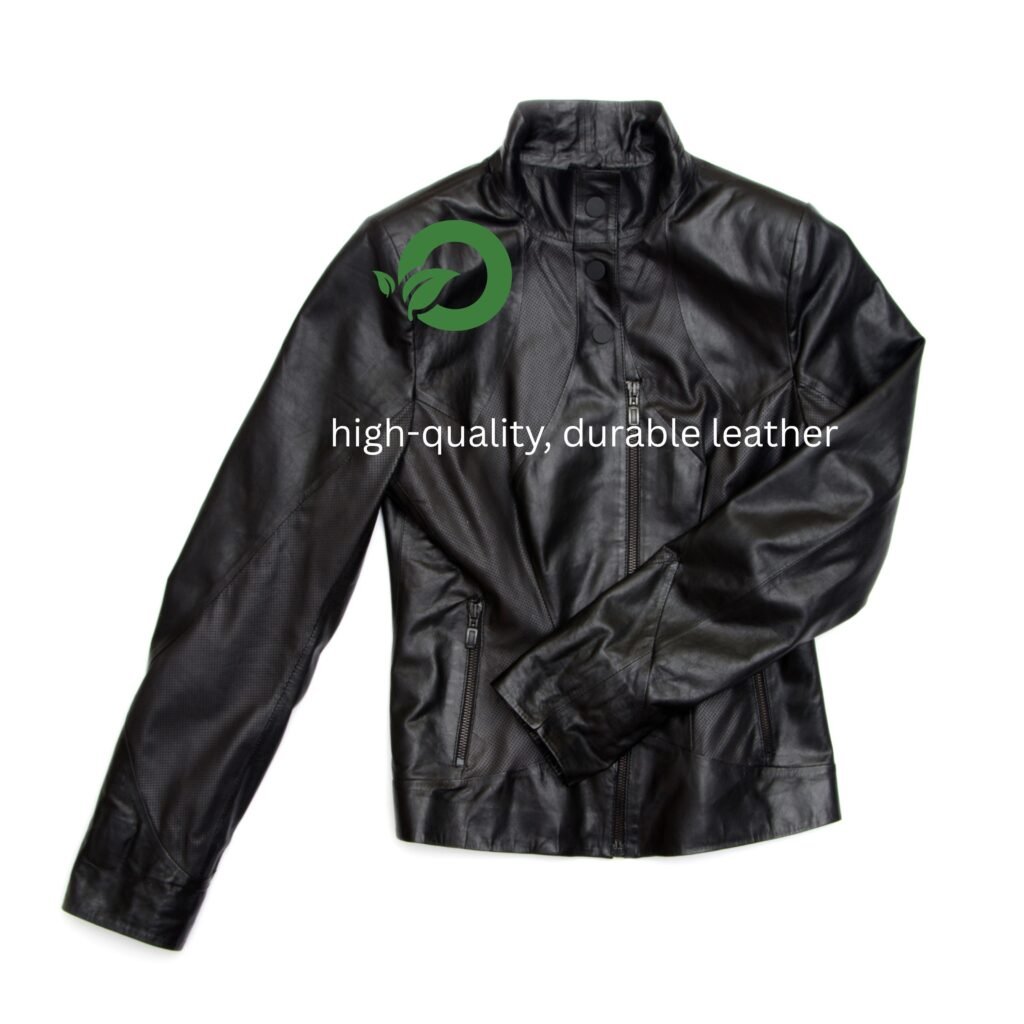
How to Choose the Right Puffer Jacket: Buyer’s Guide

Choosing the right Puffer Jacket becomes much easier when you focus on your climate, comfort needs, and daily activities. The first thing to consider is the weather in your area. Dry and very cold climates are ideal for down-filled jackets because they offer stronger warmth with less weight. However, if you live in a rainy or snowy region, synthetic insulation works better since it stays warm even when damp. After understanding your climate, you should look at fill power. Higher fill power, such as 700 or 800, provides more warmth while keeping the jacket light. Lower fill power works well for mild winters or everyday use.

Length also plays a key role. Short puffer jackets allow easy movement and suit active lifestyles, while long versions offer extra warmth and protect more of your body from icy winds. Fit is equally important, so choose a jacket that gives enough room for layering without feeling too loose or tight. Mobility matters in winter, and a well-fitted jacket keeps you comfortable. Another factor to check is the level of water resistance. Jackets with DWR coating or waterproof shells work better for snow, slush, and wet climates.

Hooded options add extra warmth and protect you on windy or snowy days. Non-hooded versions look cleaner and layer well with scarves or hats. Budget is also part of the decision. Synthetic puffers offer great warmth at lower prices, while down puffers usually cost more but last longer. By considering these factors together—climate, insulation, fill power, length, fit, water resistance, and budget—you can choose a Puffer Jacket that keeps you warm, comfortable, and stylish all winter.

Styling Tips for Puffer Jackets

Many people search for ways to style Puffer Jackets. These ideas improve winter outfits.

Casual Look

Pair a simple puffer with jeans and boots. Add a beanie for warmth.

Streetwear Look

Choose oversized puffers. Wear them with hoodies, joggers, and sneakers.

Office Winter Look

A sleek, long puffer pairs well with formal pants and winter loafers.

With Jeans, Boots, or Sweaters

Puffers complement chunky sweaters and ankle boots.

Trending Colors and Cuts

Earth tones, matte black, and metallic shades trend every winter.

Best Puffer Jackets for Different Needs

The best Puffer Jackets vary depending on your lifestyle, climate, and personal preferences, so it helps to match the right jacket to your specific needs. If you face extremely cold winters, high–fill power down jackets or long insulated puffers provide the strongest protection and keep more of your body warm. These options work well in cities with heavy snow or strong winds. For people who travel often, lightweight and packable puffers are the best choice because they fold into small bags and fit easily inside luggage without adding extra weight. Budget-friendly puffers suit those who want reliable warmth at a lower cost, and most synthetic-insulated jackets fall into this category while still offering solid performance in cold weather.

Women and men can also choose styles that match their body shape, comfort level, and daily routine. Many brands now offer tailored cuts that look sleek and feel comfortable. Eco-friendly Puffer Jackets are ideal for buyers who want sustainable choices since they use recycled polyester fills or responsibly sourced down. These options help reduce environmental impact while still delivering good warmth. Because every person has different winter needs, the best puffer is always the one that balances warmth, comfort, durability, and style for your specific routine and climate. When you choose a jacket based on these needs, you enjoy better performance and long-lasting comfort throughout the winter season.

How to Care for and Wash a Puffer Jacket

Proper care keeps Puffer Jackets warm for years.

Infographic titled “How to Care For and Wash a Puffer Jacket,” showing steps for washing, drying, restoring loft, and storing a puffer jacket with simple illustrations.Puffer Jacket
A clear step-by-step infographic explaining how to properly wash, dry, restore, and store a puffer jacket to keep it in great condition.

Washing Instructions

Use cold water and a gentle cycle. Wash with mild detergent.

Drying Safely

Dry on low heat. Add clean tennis balls to restore fluff.

Restoring Loft

Shake the jacket after drying. It helps spread insulation evenly.

Storage Tips

Store your puffer loosely in a closet, not compressed.

Conclusion

Puffer Jackets continue to lead winter fashion because they offer reliable warmth, lightweight comfort, and versatile style. Their unique construction keeps heat close to the body while still allowing easy movement. As materials improve, modern puffers now perform better in both dry and wet climates. Therefore, they remain practical for everyday wear, travel, and even extreme cold. With so many styles, lengths, and insulation options, there is a perfect puffer for every lifestyle.

By choosing the right fill power, fabric, and fit, you enjoy comfort throughout winter. When paired with proper care, a quality Puffer Jacket lasts many seasons and continues to deliver dependable warmth. Ultimately, Puffer Jackets combine function, fashion, and convenience—making them the most trusted and stylish choice for winter.

FAQs

Are puffer jackets warm enough for winter?

Yes, especially down puffers with high fill power.

How long do puffer jackets last?

With proper care, they last many years.

Is down better than synthetic?

Down is warmer, but synthetic performs better when wet.

Are puffer jackets waterproof?

Some are. Look for waterproof shells or DWR coating.

Can you wash puffer jackets in a machine?

Yes, as long as you use gentle settings.

Urban Field Leather Jacket: Sleek Fashion , Everyday Street

0

An Urban Field Leather Jacket combines city-style fashion and classic practicality. With a sharp clean stitching, and great details, it presents a bold look while still being comfy. With design details inspired by traditional military field jackets, this version has been tailored for everyday wear. It’s styled to pair with jeans, sneakers, boots, or anything business-casual. It’s made of durable leather to guarantee strong, long-lasting wear with added quality of stitching, higer craftsman and details. With an Urban Field Leather Jacket, whether going to work, meeting people, or going for a walk in the city, you will have a confident, modern style.


What Is an Urban Field Leather Jacket?

A person wearing a black leather field jacket with a green circular logo on the chest, standing against a dark red background.
What Is an Urban Field Leather Jacket? A sleek, versatile staple that blends rugged utility with modern street style.

An Urban Field Jacket is a field jacket influenced by a military design and is made for the city. Unlike the typical field jackets that look rugged for the military, it has a sleek design and is made more refined and is better for the city. The jacket maintains practical features that field jackets have which is lots of pockets sturdy stitching and a good jacket structure. Urban Field jackets are durable and practical, because they go with almost any casual look you have. Urban Field jackets are good for daily use, because they look good and you can wear it with sneakers, casual boots, and any shirt as well as jeans.

What Is an Urban Field Leather Jacket Made Of?

"Person wearing a black leather biker jacket, standing against a gray background, with a green circular eco symbol on the shoulder Urban Field Leather Jacket.
“Street-ready style: the urban field leather jacket combines rugged leather with sleek hardware for a timeless silhouette.

Urban Field Leather Jackets are made with genuine leather like cow, lamb, goat, or buffalo. Leather like this is strong comfortable and looks good on a person. For added warmth, the inside is made with cotton, polyester, or quilted insulation. Modern jackets even have sturdier zippers, seams, and buttons that are more reinforced. All of these features are there, so the jacket can withstand the wear and tear of daily use. Because of the amazing craftsmanship, you can rely on this jacket for years.

What is the Best Leather Jacket Out There?

A tan/brown leather motorcycle jacket with multiple zippers, belt, and stitched detailing. It has a floral lining peeking from the collar, a front zipper, zippered pockets, and decorative stitching along the sleeves.Urban Field Leather Jacket ,
Timeless leather: a classic tan moto jacket with thoughtful hardware and rustic detailing.

The best leather jacket for a person is about their own style and what they want. If you want something touch, and jacket that is going to last a long time, cowhide and buffalo leather jackets are great options. If you are looking for something pretty soft, and want a more high end jacket, lambskin jackets are great since they are lighter and easier to wear. Goatskin jackets are a pretty popular pick as well, since they have a great mix of durability, and are really flexible. They are a pretty popular pick as well for field Jackets since they have a pretty nice style as well, with pockets and a good design.

Which Leather Color Is Best?

A close-up view of black leather jackets hanging or lined up, highlighting the texture and stitching of the leather.
Classic black leather: timeless, versatile, and easy to match with almost any outfit.

While all black and dark brown may seem overdone, they are all classic and timeless as they go with everything and look nicer as they age. Tan and caramel shades look vintage and update with patina. If modern look is preferred over vintage, gray, olive and deep burgundy are all great choices. Rugged armys are more go with of everything and ideal for everyday wear.

Which Company Is Best for Leather?

There are many well-established and respectful companies in the leather industry. Some of the most common names are Horween Leather Company, Badalassi, and Conceria Guidi, and Shinki Hikaku where all are located in the United States of America, Italy, and Japan. Leather jackets are usually more in the higher end and durable and are sourced from these tanneries.High-quality leather is often full-grain or Top Grain Leather, coming from the outermost layer of the hide. Full-grain leather is the highest grade since it keeps the original grain, strength, and durability of the hide. It ages beautifully and develops a natural patina. Top-grain leather is processed a little for a smoother surface, but it still keeps a good amount of durability. High-quality leather is kind of solid. It is leather that is still a little flexible, And good quality grain leather has little defect and no shiny surface or coating.

The History Behind the Urban Field Leather Jacket

The Urban Field Leather Jacket has its roots in the classic military field jackets from the mid-20th century. The M-43 and M-65 were tailored for soldiers who needed tough, mobile outerwear that could withstand the weather and fight in the battle. Later in the After service, these military jackets became popular civilian wear, and the style in Hollywood movies and tv shows popularized it further. Over the years, the military field jacket was transformed out of fashion using top garment leather, modern cut and detailing, and rugged style. The Urban Field Leather Jacket is an updated style of the military field jacket that is root of creativity and function, and the rugged style has been replaced by modern lines and style that is perfect for the city.

Conclusion

The Urban Field Leather Jacket stands as a perfect blend of modern city fashion and classic military heritage. Designed with premium materials, sharp tailoring, and practical features, it delivers both style and everyday usability. Its sleek silhouette, durable construction, and versatile design make it suitable for work, travel, social outings, and casual streetwear. Whether someone appreciates timeless fashion, dependable craftsmanship, or clothing that adapts to different wardrobes, the Urban Field Leather Jacket offers long-lasting value and confident style. It is not just an outerwear piece—it is a reliable statement jacket that continues to evolve while staying relevant in today’s fast-changing fashion world.

faqs

What is an Urban Field Leather Jacket?

An Urban Field Leather Jacket is a modern adaptation of the classic military field jacket, designed with premium leather and sleek styling for everyday city wear.

How is an Urban Field Leather Jacket different from a regular field jacket?

A regular field jacket often uses canvas or nylon and has a rugged military look, while the urban leather version focuses on a refined silhouette, modern design, and stylish detailing suitable for street fashion.

What materials are used in Urban Field Leather Jackets?

Most versions are made from cowhide, lambskin, goatskin, or buffalo leather, combined with comfortable interior linings and durable metal hardware.

Classic Track Jacket: The Timeless Essential Everyone Loves

0

A classic track jacket has become one of the most recognizable staples in the world of sportswear and street fashion. It began as simple athletic clothing; a track jacket has transformed into a cultural icon. A classic track jacket represents comfort, versatility, and effortless style. It remains a wardrobe essential for athletes, trendsetters, and casual dressers; classic track jackets universal appeal will never go out of style. This complete guide will focus on the classic track jacket history, design details, styling options, benefits of a classic track jacket, and a classic track jacket powerful return in modern fashion.

What is a Classic Track Jacket?

A bright yellow bomber jacket with black ribbed cuffs, collar, and hem. It features a front zipper and side pockets, giving it a sporty, casual look.
Bright yellow bomber jacket with black trim and zip details.

Originally designed to be worn during training sessions, classic track jackets are lightweight, zip-up jackets made to be worn as outerwear. The jackets are usually made from polyester, nylon, tricot, or a cotton blend in order to be flexible and breathable. Track jackets are made with with a small, stand-up collar, and ribbed cuffs and hemlines, and have a sleeve without ribbing, with the ribbing stripes differing in color from the rest of the jacket. While they used to only be worn during warm ups or cool down sessions, track jackets have become a symbol of trendy streetwear.

The Evolution of the Classic Track Jacket

A black athletic jacket with a white zipper, neon lime green shoulder and sleeve trim on one side, and white-and-black striped cuffs and hem, shown from a three-quarter view.
Sleek black athletic jacket with neon color accents.
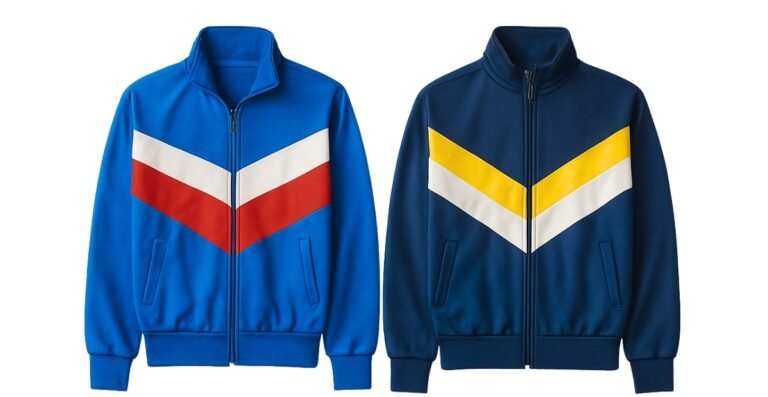
The original design of a track jacket was introduced in the 1960s along with the sportswear clothing line as it became a global success; track jackets were designed to be worn by runners as a thin, lightweight layer they could wear over their training attire. The jacket became popularized in the 70s by professional sports figures and global sports icons, and was later embraced by musicians from the early hip hop culture. Since then they popular track jacket have made their way from the stadium to the everyday closet.

In the 90s and 2000s, the track jacket became a worldwide wardrobe staple and was even seen on red carpets, in music videos, and as part of laid-back streetwear. Track jackets are still popular and both high-end and sportswear companies are constantly updating the design to keep it a staple in contemporary closets.

Material and Construction Features

Black zip-up quilted jacket with a high collar and subtle diagonal quilting pattern.
Sleek black quilted jacket with zip front and ribbed cuffs.

Track jackets are a crowd favorite because they provide comfort without sacrificing style. While fabrics may differ, jackets are typically made with microfibre polyester, nylon, and cotton. The easiest fabric to care for is polyester as it is also lightweight and doesn’t shrink. For a durable jacket with a smooth finish, nylon is the best choice. As a staple in everyday wear, cotton provides breathability with a lightweight feel.

Classic track jackets designs are sleek on the outside with a lightweight, soft fabric lining on the inside. With added moisture-wicking technology, the user stays cool. The jackets are finished with a zipper on the front and also have a snug fit to maintain their style.

Timeless Design Elements

A navy blue bomber jacket from Tom Ford with white piping along the sleeves and seams, front zipper, ribbed cuffs and hem, and diagonal front pockets.
Tom Ford Navy Bomber Jacket with White piping

The classic style associated with track jackets never gets old. The stand-up collar gives off an athletic look, and the ribbed cuffs keep the look clean. The classic track jacket is often designed with colorful and bold vertical sleeve stripes which, dating back to the 70s, continue to add a retro charm to the jacket. Not to mention, the simple design makes it easy to match with any outfit, so it’s a versatile item to own.

Types of Classic Track Jackets

A vertical infographic listing five types of classic track jackets with circular photos on the right. Each item has a bold green header and a short description. Items are: 1) Retro Track Jacket with red/black color block, 2) Sport Performance Track Jacket in black, 3) Streetwear Track Jacket in gray leather look, 4) Designer Track Jacket in red/white premium materials, 5) Minimalist Track Jacket in light gray. At the bottom left is the Eco-Jersey logo.
Five styles of classic track jackets explained: retro, performance, streetwear, designer, and minimalist, each with a photo and brief description.

The classic track jacket design is unique and instantly recognizable, but over the years, there has been a number of different styles to choose from. Each style brings its own different blend of sporty and fashionable designs.

Retro Track Jacket

This version embraces bold colors, vintage logos, and iconic stripe patterns. Retro track jackets are perfect for fans of old-school fashion because they reflect nostalgic energy.

Sport Performance Track Jacket

Made with moisture-wicking fabrics and flexible panels, this type focuses on performance jacket and motion. Athletes often prefer this style for training.

Streetwear Track Jacket

This version is looser in fit and incorporates modern graphic prints and color blocking. Streetwear lovers appreciate its bold and expressive style.

Designer Track Jacket

Luxury brands reinterpret the classic design using premium materials such as velour, satin, or organic fabrics. This version is popular among fashion enthusiasts.

Minimalist Track Jacket

With simple lines, clean colors, and subtle branding, the minimalist track jacket appeals to those who want a sleek, modern look.

Why the Classic Track Jacket Is Still Popular

infographic showing a green header “CLASSIC TRACK JACKET IS STILL POPULAR” with four sections describing versatility, comfort and functionality, cultural influence, and suitability for any weather. Includes images of a brown shearling jacket, a yellow and black track jacket, a colorful retro jacket, and a red bomber-style jacket. Brand at bottom: ECO-JERSEY.
Classic track jackets remain a versatile staple: from everyday streetwear to sports and casual outfits. Explore comfort, cultural influence, and seasonal versatility across four quick points.

The classic track jacket is versatile, comfortable, and has a huge cultural impact, thus making it timeless. It’s easy to integrate, no matter the clothing style; sporty, casual, or streetwear jacket. Below are the key reasons it continues to dominate fashion.

Versatility in Everyday Wear

Street style, sports, and casual have a seamless integration in the classic track jacket. Layered outfits, joggers, and jeans all go well with the jacket. Its style is suited for both trend followers and minimalists.

Comfort and Functionality

The track jacket is super lightweight and breathable, making it perfect for all-day wear, even for physical activities. Users can be comfortable and dry regardless of the weather since most designs are made with quick drying and flexible material.
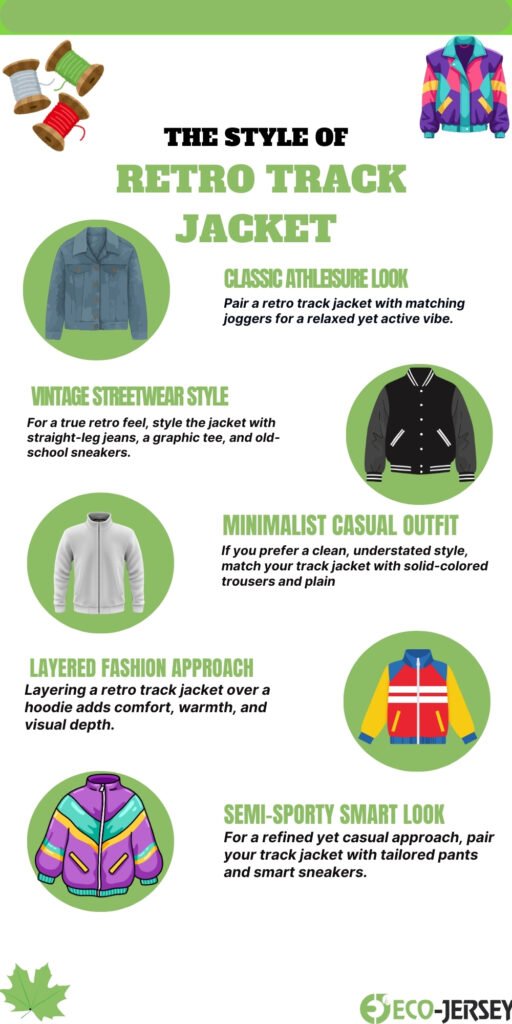
Importance of Culture

With the acceptance of track jackets by athletes, artists, and musicians, the piece of clothing became accepted as a wearable statement of one’s individual style and personality in the fashion realm, Sponsoring a variety of pullovers, jackets, vests, and pants, the line is a favorite of many. From break dancers to high fashion, The piece of clothing is audience-pleasing and self-confident.

Fit in Any Weather

The track jackets can be worn in spring and fall as a principal layer. In the winter, they work well underneath heavier winter jackets, and in the summer, they serve as a light cover for briefly multiplying evenings.

How to Style a Classic Track Jacket

Infographic titled ‘The Style of Classic Track Jacket’ with five style tips and circular images of track jackets on green discs.
The Style of Classic Track Jacket: 5 ways to elevate your look with sporty, street, minimal, layered, and smart casual outfits.

The classic track jacket is very versatile and can be worn in a variety of styles depending on the occasion and your own likings. Below are some styles in shoes, mixtures of clothing, bedazzling and other.

Sporty and Athletic Style

You can pair your classic track jacket with some of the same color track pants or some joggers with a pair of training shoes. Although relax, the outfit would give off energetic vibes, instead of people seeing you as a standstill couch.

Street Fashion

For street style, you can pair a colored track jacket with a pair of torn jeans or oversized cargo pants, with some sneakers to top it off. since street fashion is very accepted in society, is a very good goal for track style, as they easily mix and match.

Minimalist Casual Look

Choose a monochrome track jacket and grab straight-cut jeans. Put on a plain T-shirt and wear clean sneakers. This fit is good for everyday tasks or travel coziness and for getting coffee.

Layered Winter Look

In the colder seasons, the track jacket can be layered under a puffer jacket or a wool coat. This gives good insulation for the colder seasons and you will still look very put together.

Smart Casual Fusion

Track jackets can be styled with chinos or slim trousers. This is more on the surprising side. Bridging the gap between sporty and more polished is a simple tee underneath and loafers or clean sneakers.

Classic Track Jacket for Men

A young man wearing a black and white color-block windbreaker with bright green zippers stands in an ornately patterned, pink-toned architectural interior. He has short dark hair and a neutral expression, with hands in the jacket pockets.
Minimalist street style: bold color blocks meet neon accents.

To emphasize athletic structure with strong colors and sharp lines is what classic track jackets for men are all about. Jazzing up the neutral black, navy, and white shades with bright retro colors is a common choice. Men usually style track jackets with jeans, joggers or shorts. Additionally, a lot of men like using track jackets for travel, casual offices and weekend outings because of how comfy and versatile they are.

Classical Track Jacket for Women

A young woman stands on a sunlit pedestrian walkway, wearing a pink jacket, a blue polka-dot bralette, and black distressed shorts with fishnet detailing. She lightly touches the railing with one hand, gazing downward.
Street-style summer look: pink jacket, navy polka-dot bralette, and ripped black shorts on a bright pedestrian bridge.

Cropped ones, oversized ones, and everything in between, there are tons of styles to choose from for women and to make it even better, you can pair them with almost anything, leggings, skirts, and even high-waisted pants, you name it. If you are someone who likes to wear bright colors, or clean pastels this jacket complements your style easily. Because track jackets enhance athleisure style, they can be worn to the gym, for a casual day, or even going out with friends to do streetwear.

Benefits of Wearing a Classic Track Jacket

Deriving from the name, a classic track jacket marries style with versatility marrying practicality with elegance.

This makes it ideal for when you are on the move, it is also very easy to wash and quick to dry. When you pair it with the fact that track jackets are wrinkle resistant it will make you also wear it very frequently because of low care and maintenance. The breathable design ensures that you will be served ultimate comfort for the entire day. To add on the fit is very flattering to the body giving the wearer an ultimate confidence boost.

Caring for a Classic Track Jacket

If you want your jacket to stay nice for a long time, make sure to wash it in cold water using a gentle cycle and gentle soap. Air drying it is recommended and will make sure that the fabric stays nice. If you want your jacket to maintains its shape, make sure to keep it somewhere cool and dry. If you do these simple things, your jacket will last a long time, even several years.

Sustainability in Track Jacket Manufacturing

More and more brands offer sustainable, eco-friendly track jackets. These are made from recycled polyester, blended sustainable fabrics, and organic cotton. Brands are now also using ethical manufacturing practices and offering eco-friendly packaging as a response to customer demand for eco-friendly products. This means eco-friendly jacket are not only trackable for their style, but also their eco-impact.

The Classic Track Jacket in Pop Culture

The track jacket is a staple in movies, street style, and music. It is also seen in sports and was worn by celebs like Run-D.M.C, Bruce Lee, and David Beckham. Because of its presence in the culture, the track jacket has become a symbol of cool, timeless individuality.

Future Trends in Classic Track Jackets

Trends in track jackets indicate that the future includes smart fabrics, minimalist designs, gender-neutral cuts, and eco-friendly materials. Starting from temperature-adaptive textiles and futuristic designs to upgraded zippers and lightweight insulation, brands are playing with new technology. Track jackets are all the rage, and with continued innovation, that trend won’t change anytime soon.

Conclusion

The track jacket is a classic. It is one of the first items that come to mind when thinking of universally loved clothes. The track jacket is now known globally and found everywhere. It is a staple item in a wardrobe and is perfect for any occasion. It can be worn for different purposes to suit individual needs while remaining fashionable. It can be worn as casual wear, for sporting activities, or as a fashionable street outfit. The track jacket is fashionable and can be worn anytime. Because of all of its greatness, even with the passing of time, the track jacket will always be a trend.

FAQs

What is a classic track jacket?

A classic track jacket is a lightweight, zip-front jacket originally designed for sports. It features a stand-up collar, ribbed cuffs, and smooth fabric for comfort and movement.

Are classic track jackets good for everyday wear?

Yes, they are excellent for everyday wear. Because they are lightweight, breathable, and stylish, they work for casual outings, travel, and even light workouts.

What materials are most common in classic track jackets?

Polyester, nylon, and cotton blends are the most common. These fabrics offer durability, stretch, and moisture-wicking benefits.