Riding on a race track is an exhilarating experience that allows riders and their motorcycles to push past their limits together, but it also carries extremely high risks. Specialized protective gear is not merely a recommended choice—it is an essential safety requirement. This motorcycle gear for track riding riding gear purchasing guide, developed for track days and formal racing events, will help you clarify the right direction for selecting suitable gear.
Why Specialized Track Gear is Non-Negotiable
The environment of track cycling is completely different from that of street cycling. On cycling tracks, riders travel at higher speeds, maintain smaller distances between one another, and there are no traffic signals. The protective gear used for regular street cycling does not provide sufficient protection. In contrast, track-specific protective gear uses advanced materials and professional configurations, with much stronger wear resistance and impact resistance. This guide will help you understand the necessity of this type of specialized protective gear for track safety.
The Importance of Proper Fit for Track Performance
All motorcycle gear for track riding requires a proper fit, and this requirement is even more critical in the context of track riding. An improper fit can restrict movement, distract the rider, and reduce protective performance in the event of a crash. Qualified gear must fit like a second skin: it preserves freedom of movement while keeping protective components securely in place, which boosts both safety and riding performance, and helps riders focus fully on their racing line and technique.
Leather Suits: The Gold Standard for Track Protection
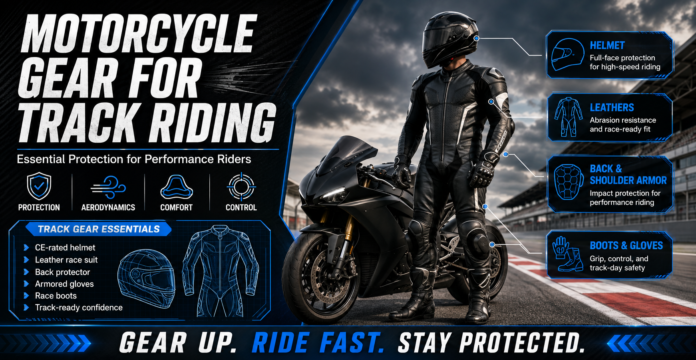
In the field of protective gear for motorcycles used on racetracks, leather riding suits have long been recognized as the universal gold standard. Beyond the essential one-piece or two-piece styles, their abrasion resistance is unmatched. When paired with CE-certified padding, they can also protect against impact. High-end models feature pre-curved designs that fit the riding posture and reduce rider fatigue. It is recommended that consumers purchase the best quality suit that fits within their budget, to ensure riding safety.
One-Piece vs. Two-Piece Leather Suits
When purchasing gear for track cycling, choosing between one-piece and two-piece leather riding suits is a core decision. The one-piece style has fewer seams, and its integrated design can secure protective gear, offering the highest level of protection, making it the top choice for professional and experienced track riders. The two-piece style has strong versatility: its jacket can be used alone for daily street riding, but if used on a track, it must be equipped with a 360-degree full-connecting zipper. Ultimately, riders should make their choice based on their main use scenario.
CE-Rated Armor: Understanding Impact Protection
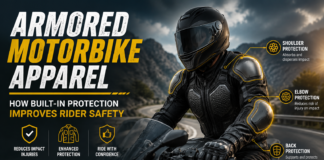
As a core component of riding gear for track motorcycle gear for track riding, the mandatory basic configuration for body armor is CE-certified protective padding for the shoulders, elbows, knees, and back, which provides basic impact protection. When purchasing such gear, priority should be given to products with the higher-protection CE Level 2 rating. High-end track racing suits can also be fitted with additional chest armor. This guide specifies that to effectively deliver its protective function, the body armor must stay securely fixed in place during a collision and cannot shift out of position.
Airbag Technology: The Next Level of Protection
Airbag technology has completely transformed racing motorcycle gear for track riding. Electronic airbag systems can be triggered within milliseconds of a collision, analyzing a rider’s movements thousands of times per second, and complete inflation in only 20 to 45 milliseconds. These systems protect the collarbones, shoulders, and back, and can reduce impact force by up to 90%. Today, many high-end racing riding suits have integrated this system, and purchasing this type of gear is a very wise investment for serious riders.
Gloves: Essential Grip and Protection
For riders who compete in track racing, their hands serve as the core interface connecting them to their motorcycle, so specialized racing gloves are an essential item. These gloves are equipped with hard protective pads, and their wrist cuffs are designed to overlap with the cuffs of the rider’s racing suit. High-end models use kangaroo leather, which balances both protective performance and handling control. The dirt bike gloves from Eco Jersey feature direct inject TPR knuckle guards that shield from branches and rocks while allowing natural movement and grip for precise control during aggressive track riding.
Boots: Ankle Support and Foot Protection
Professional racing track motorcycle gear for track riding boots are essential equipment for track riding. Their core functions are to provide riders with ankle support and foot protection. They use rigid ankle structures to prevent overextension, reinforced toe caps to protect the feet, and smooth sliders to give feedback on lean angles. When purchasing, priority should be given to models with replaceable sliders and good ventilation. They must also fit closely around the heel and instep to prevent shifting. High-quality models additionally come with a tibia protection layer and a heat shield, which can prevent high-temperature burns from the exhaust pipe.
Helmet: The Most Critical Safety Equipment
As the creators of a guide to motorcycle riding gear for circuit racing, we first emphasize that a helmet is the most critical piece of equipment for this type of riding. It must have excellent aerodynamic performance and ventilation, pass high-standard safety certifications such as ECE or Snell, and fit snugly on the wearer’s head. Most professional riders choose helmets equipped with an aerodynamic spoiler. Helmets must be replaced every 3 to 5 years, and must also be replaced promptly if they have sustained a major impact.
Back Protectors: Additional Spinal Protection
Among motorcycle gear for track riding used for track riding, back protectors serve as a critical supplementary safeguard for the spine. Compared to riding jackets with built-in back armor pockets, standalone back protectors offer a wider coverage area and stronger energy absorption. They reduce the risk of spinal injury by dispersing impact forces. This guide recommends selecting products certified to CE Level 2, and wearing them inside riding jackets to maximize safety.
Base Layers and Undergarments
For track cycling, comfort is a necessary prerequisite to maintain concentration, so the base layer of cycling gear is a core consideration. Its moisture-wicking fabric can draw sweat away from the skin, prevent chafing and overheating, simplify putting on and taking off a leather racing suit, add extra protection, and help regulate body temperature. This guide recommends investing in a high-quality base layer, which can effectively improve both riding comfort and cycling performance.
Heated Gear for Cold Weather Track Sessions
Track days can start early and run late, sometimes in cold conditions that affect performance and safety. Heated motorcycle gear for track riding for track riding can make a significant difference in comfort and control. The heated gloves for motorbike feature 3-level smart heating from 104°F to 140°F, with waterproof and windproof polyester construction to keep your hands warm and maintain dexterity during cold morning sessions.
Proper Fit and Sizing for Track Gear
For a racing motorcycle gear for track riding riding gear set to fully deliver its intended performance, a proper fit is the core prerequisite. The core fit principle put forward in this racing riding gear guide that we have authored is: gear must conform to the rider’s body shape, yet never restrict movement. When trying on gear, riders must simulate their on-bike riding position: leather suits must not be overly tight or wrinkled, protective pads must stay fixed to the joints, long sleeves must fully cover the wrists, and riding pants must fully cover the ankles.
Customization and Branding Options
Racers and teams on the track all aspire to own exclusive riding gear that showcases their unique identities. This guide will explain in detail all customization options for track motorcycle gear for track riding, including the addition of exclusive logos, custom color schemes, and adjustments to the placement of protective armor. The brand Eco Jersey offers full-scope customization services for riding jerseys and gloves. For men seeking durable options, the mens motorbike gloves offer professional knuckle and palm pads with wear-resistant silicone gel for excellent grip and control on the track.
Care and Maintenance of Track Gear
Proper maintenance of motorcycle gear for track riding used for track riding can extend its service life and maintain its protective performance. Leather riding suits must be treated with care oil to prevent cracking. Textile-fabric gear needs to be washed gently to retain its waterproof properties. In daily use, it is also necessary to check zippers, stitching, and protective pads motorcycle gear for track riding. After a crash, all damaged components must be inspected and replaced without exception. Following this set of procedures ensures that the gear can provide maximum protection every time it is used.
Budget Considerations for Track Gear
motorcycle gear for track riding designed exclusively for track riding is a critical investment that affects both rider safety and riding performance. Riders must first allocate their budget to the four essential categories of gear: helmets, riding suits, gloves, and riding boots, then plan additional spending based on how often they ride on the track. For women riders, the womens motorbike gloves offer professional knuckle and palm pads with breathable polyester construction motorcycle gear for track riding a comfortable, protective fit on the track.
Preparing Your Gear for Track Sessions
Before each track session starts, riders must complete preliminary preparations motorcycle gear for track riding their riding gear. They need to inspect zipper fasteners, adjust the position of protective gear, confirm that their helmet visors are secure and clean, and fasten their riding boots tightly. This set of procedures ensures that all equipment functions properly, allowing riders to stay fully focused on riding throughout the entire session.
The Importance of Visibility on Track
While track riding doesn’t have the same traffic concerns as street riding, visibility still matters. Some motorcycle gear for track riding includes reflective elements that improve visibility in low-light conditions. Bright colors on helmets and suits can also help other riders spot you on the track. This motorcycle gear for track riding guide recommends choosing gear with good visibility features, especially motorcycle gear for track riding early morning or late afternoon sessions.
Final Thoughts: Investing in Your Safety
Selecting the right motorcycle gear for track riding is one of the most important decisions you’ll make as a track rider. Quality gear protects you in a crash, enhances your comfort, and allows you to focus on improving your skills. From leather suits to gloves and helmets, every piece plays a crucial role in your safety and performance. This motorcycle gear for track riding guide has covered the essential gear and considerationsmotorcycle gear for track riding, helping you make informed decisions that prioritize your safety and enjoyment on the track.
Frequently Asked Questions
What gear do I need for my first track day?
For your first track day, you’ll need a full-face helmet, leather one-piece or two-piece suit, gauntlet-style gloves, track boots, and a back protector. Many organizations require specific gear standards.
How should track gear fit compared to street gear?
Track gear should fit more snugly than street gear, with pre-curved sleeves and legs for a natural riding position. This ensures armor stays in place and reduces fatigue during sessions.
Can I use my street helmet for track riding?
Yes, as long as it has ECE or Snell certification. However, some track organizations require specific certifications, so check their rules before your session.
How often should I replace my track gear?
Replace gear after any crash. Leather suits should be inspected regularly for wear. Helmets should be replaced every 3-5 years or after any significant impact.