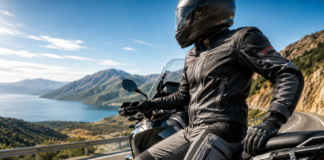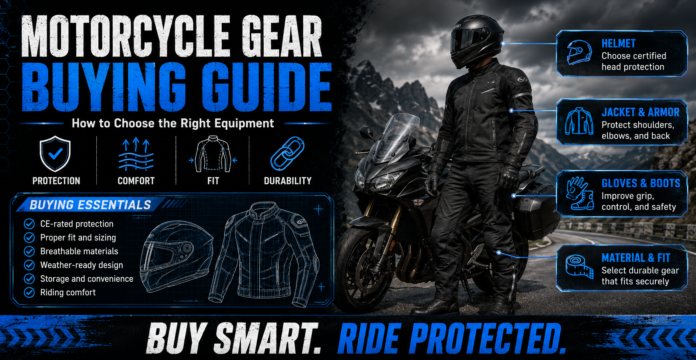
Choosing the right motorcycle gear is the core prerequisite for safety and comfort across all riding scenarios. This purchasing guide covers five essential categories: gloves, riding jackets, riding pants, helmets, and riding boots. By following this guide, you can make rational purchasing decisions that account for protective performance, while avoiding common purchasing mistakes that put safety at risk.
Why Following a Gear Buying Guide Matters for Every Rider
This comprehensive guide to purchasing motorcycle gear buying guide equipment helps you make rational decisions about safety gear and avoid wasting money on ineffective equipment. Choosing the wrong gear not only weakens its protective performance, but also leads to unnecessary spending. We maintain that high-quality gear is a long-term investment for both riding safety and experience. By following this guide, you can select qualified protective gear that fits your body shape well and matches your personal riding scenarios.
Gloves: Essential Protection for Your Hands
Your hands are essential for controlling your motorcycle gear buying guide, making gloves a critical piece of safety gear that should never be overlooked. This motorcycle gear buying guide recommends looking for gloves with knuckle and palm protection to prevent injury during falls and slides. Quality gloves like the dirt bike gloves feature direct inject TPR knuckle guards that shield from branches, rocks, and debris while allowing natural movement and grip for precise control during aggressive riding.
Finding the Right Glove Material for Your Needs
The materials used for motorcycle gear buying guide gloves directly affect the protective performance, comfort, and durability for riders across different riding conditions and riding styles. According to professional vehicle purchase guides, leather offers excellent wear resistance and protection, textile materials provide good breathability in warm weather, and Clarino synthetic material supports touchscreen use. It is recommended that buyers select gloves based on their own riding style and local climate, to ensure the gloves achieve optimal performance and protective effects.
Heated Gloves for Cold Weather Riding Comfort
Cold weather can make riding uncomfortable and even dangerous for motorcyclists who lose hand dexterity in low temperatures. This motorcycle gear buying guide recommends heated gloves for winter riding to maintain hand dexterity and comfort during cold weather rides. The heated gloves for motorbike feature 3-level smart heating from 104°F to 140°F, with waterproof and windproof polyester construction to keep your hands warm and dry in the harshest winter conditions for year-round riding enjoyment.
Jacket Selection: Balancing Protection and Comfort
High-quality motorcycle gear buying guide riding jackets are core pieces of equipment that protect the rider’s torso in the event of a crash, so they should be the first item on a rider’s purchase list. Buyers must first confirm that the jacket is fitted with CE-certified protective pads on the shoulders, elbows, and back. Next, they can choose between a leather or breathable textile version based on their own needs. In addition, the jacket should have a fit that hugs the body without restricting movement, with pre-curved sleeves, to avoid fatigue during rides.
Pants: Protecting Your Lower Body
As a purchasing guide for motorcycle gear buying guide, riding pants are the core protective gear that shields the legs and hips in the event of a crash, and they must never be overlooked. When choosing riding pants, priority should be given to styles that have CE-certified armor for the knees and hips, are made of leather or thick, wear-resistant fabric, fit comfortably while riding, and can cover the ankles when the knees are bent.
Helmet: The Most Critical Safety Equipment
A helmet is the most important safety piece of equipment for all motorcycle gear buying guide, and it is the first piece of gear you need to purchase after buying a motorcycle. The core reminder of this guide is that a helmet can only effectively protect a rider’s head in an accident if it fits their head shape properly. When buying a helmet, you must check for DOT, ECE, and Snell certifications, and choose a full-face helmet that fits snugly.
Boots: Ankle Support and Foot Protection
This article serves as a buying guide for motorcycle gear buying guide. Proper riding boots can protect a rider’s feet and ankles during normal rides and in the event of a crash, making them an essential piece of riding equipment. When purchasing riding boots, shoppers should choose styles equipped with ankle support, oil-resistant soles, and toe protection. The boots must fit the wearer’s feet well while leaving enough room for the toes to move freely, and they should also be suitable for use in all weather conditions year-round. For men, the mens motorbike gloves offer professional knuckle and palm pads with wear-resistant silicone gel for excellent grip and control.
Fit: The Most Important Factor for Protection
In this motorcycle gear buying guide protective gear purchasing guide, regardless of the price of the gear you buy, its compatibility and fit are the core factors that guarantee its protective performance and your riding safety. Ill-fitting protective gear will weaken its protective ability and may even cause injury. When trying on gear, you should test it in your riding posture rather than only standing up. Check that the body armor fits closely around your joints without shifting, the sleeves fully cover your wrists, and the pants do not ride up after you sit down. Following these requirements will allow your protective gear to perform its intended function.
Safety Certifications to Look For When Buying Gear
Safety certifications can help you select reliable motorcycle gear buying guide protective gear and ensure that your spending delivers good value. When purchasing such equipment, you should prioritize protective gear that meets CE Level 1 or Level 2 standards. For helmets, you only need to confirm that they have passed the mandatory DOT and ECE certifications. For women riders, the womens motorbike gloves offer professional knuckle and palm pads with breathable polyester construction for a comfortable, protective fit.
Budget Considerations for Quality Gear Investment
This guide to purchasing motorcycle gear buying guide riding gear first clarifies that while high-quality riding gear requires a higher initial investment, it is absolutely worthwhile from the perspectives of safety and durability. Entry-level gear can only provide basic protection, while high-end gear uses advanced materials and offers stronger protective performance, making it suitable for experienced long-distance riders. When selecting gear, priority must be given to allocating a sufficient budget for helmets. If the budget is limited, safety must be secured before considering appearance.
Maintenance and Care of Your Motorcycle Gear
This motorcycle gear buying guide protective gear purchasing guide reminds readers that standardized maintenance of protective gear can extend its service life, maintain its protective performance, and save money over the long term. Leather protective gear requires maintenance to prevent cracking and retain flexibility. Fabric protective gear needs to be washed gently to preserve its breathability and water resistance. Zippers, stitching, and liners should be inspected regularly. If the gear is involved in a collision or shows obvious wear, it must be replaced without delay.
Frequently Asked Questions
What should I buy first when getting motorcycle gear?
Start with a helmet, as it’s your most critical safety equipment. Then prioritize gloves, jacket, pants, and boots to protect your body in a crash.
How much should I spend on motorcycle gear?
Invest in quality gear that fits properly. A good helmet costs $150-$600, gloves $30-$150, jackets $200-$600, pants $150-$400, and boots $100-$300.
Can I wear regular clothes for motorcycle riding?
Regular clothes offer little abrasion resistance and no impact protection. Always wear proper motorcycle gear designed for safety.
How often should I replace my motorcycle gear?
Replace gear after any crash. Helmets should be replaced every 3-5 years as materials degrade. Replace worn or damaged gear immediately.