
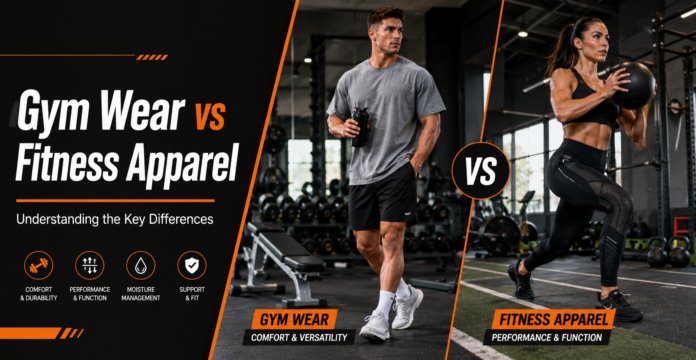
Gym wear vs fitness apparel may sound like the same thing, but they are not always the same. Gym wear usually means clothes made for gym training, weight lifting, cardio machines, indoor workouts, and strength exercises. Fitness apparel is a wider term. It can include gym clothes, running clothes, yoga outfits, walking clothes, compression wear, training sets, and even active clothes people wear outside the gym. This difference matters because the right clothing can make exercise easier, safer, and more comfortable. A tight cotton shirt may feel fine at home, but it may become heavy with sweat during a hard workout. A loose outfit may look casual, but it can get in the way during lifting or cycling. When people compare gym wear vs fitness apparel, they should think about activity, fabric, fit, stretch, sweat control, support, and comfort. The better choice is not always the most expensive one. The best choice is the one that matches your workout and lets your body move freely.
Gym Wear vs Fitness Apparel: The Simple Difference
Gym wear vs fitness apparel is mainly different because of purpose. Gym wear is usually designed for indoor training, such as lifting weights, using machines, doing squats, treadmill running, or high-intensity workouts. It often focuses on stretch, sweat control, strong stitching, and a secure fit. Fitness apparel is a bigger category that covers many active lifestyles, not only gym training. It may include clothes for running, walking, stretching, yoga, Pilates, cycling, home workouts, sports practice, travel, and daily casual wear. For example, a gym tank top is gym wear because it is made for heat, sweat, and arm movement during training. A lightweight hoodie can be fitness apparel if someone wears it for warmups, walking, or light outdoor exercise. So, the easiest way to understand gym wear vs fitness apparel is this: all gym wear can be fitness apparel, but not all fitness apparel is made only for the gym. This simple idea helps buyers choose clothes that actually fit their activity.
What Gym Wear Is Really Made For
Gym wear is made for movement, sweat, pressure, and repeated use. A person lifting weights needs clothes that do not tear easily, do not restrict the shoulders, and do not feel too loose around machines. A person doing cardio needs breathable fabric that dries fast and keeps sweat away from the body. A good gym outfit should help the user focus on training instead of adjusting clothes again and again. This is why many brands design gym wear with sleeveless cuts, flexible waistbands, stretch panels, and moisture-wicking fabric. If someone wants clothing specially made for training, a focused gym wear collection can help them compare items that are closer to real workout needs. In the gym wear vs fitness apparel debate, gym wear is usually the better choice for people who train hard, sweat a lot, lift heavy, or need clothes that stay in place during repeated movements.
What Fitness Apparel Covers Beyond the Gym
Fitness apparel is broader because it supports active living, not only gym workouts. A person may wear fitness apparel for a morning walk, light jogging, stretching at home, cycling, warmups, travel, or casual daily movement. It is often designed to look clean enough for everyday wear while still giving comfort during activity. This is where gym wear vs fitness apparel becomes useful for shoppers. Gym wear may be more focused on performance inside the gym, while fitness apparel may balance style, comfort, and movement in many places. For example, joggers, training shirts, leggings, shorts, light jackets, and breathable tops can all be part of fitness apparel. Many people prefer fitness apparel because they want clothes they can wear before, during, and after exercise. A wider activewear category is helpful when the goal is not only lifting or gym training but also comfort, flexibility, and a sporty everyday look.
Fabric: The Biggest Reason They Feel Different
Fabric is one of the biggest differences in gym wear vs fitness apparel. Good gym wear often uses polyester, nylon, spandex, or blended fabrics because these materials can stretch, handle sweat, and keep their shape better than regular cotton. Cotton feels soft, but it can absorb sweat and become heavy during intense exercise. Polyester dries faster, nylon feels smooth and strong, and spandex gives stretch for squats, lunges, pushups, and shoulder movement. Fitness apparel may use the same fabrics, but it can also include softer blends made for light activity and daily comfort. For example, a heavy cotton hoodie may be fine for walking, but it may feel too warm during gym training. A thin performance shirt may be excellent for cardio, but it may not be warm enough for outdoor use. When choosing between gym wear vs fitness apparel, the fabric should match sweat level, weather, workout type, and how long the clothing will be worn.
Fit and Comfort: Tight, Loose, or Balanced
Fit is another clear point in gym wear vs fitness apparel. Gym wear often has a more secure fit because loose fabric can get caught, slide around, or distract the user during exercise. A fitted shirt can help during lifting because it does not move too much. A fitted pair of shorts or joggers can make running and machine workouts easier. But tight does not always mean better. Clothes that are too tight can limit blood flow, pull at the seams, and make movement uncomfortable. Fitness apparel may offer a more relaxed fit because it is often made for different activities and daily wear. For example, tapered joggers give a clean shape while still allowing leg movement, and relaxed tops can work well for walking or warmups. The best fit should allow bending, stretching, sitting, lifting, and walking without pulling. In simple words, gym wear should feel ready for training, while fitness apparel should feel ready for movement and daily comfort.
Support and Compression: When Clothing Does More Work
Some clothing does more than cover the body. It supports muscles, improves fit, and helps the wearer feel more stable during movement. This is why compression clothing is often discussed in gym wear vs fitness apparel. Compression shirts, leggings, and shorts are designed to fit close to the body and give light pressure. Some people like compression for training because it feels secure, reduces fabric movement, and can support muscles during repeated exercises. Others prefer regular gym wear because it feels freer and less tight. For upper-body workouts, a supportive compression T-shirt can be useful when someone wants a close fit under training clothes or as a main workout layer. Still, compression is not needed for every workout. A beginner doing light exercise may feel better in normal fitness apparel. A serious athlete may prefer compression for certain sessions. The right choice depends on comfort, body type, and training style.
Sweat Control and Breathability
Sweat control is very important when comparing gym wear vs fitness apparel. In the gym, the body heats up quickly because of lifting, running, cycling, or high-intensity training. If the fabric traps sweat, the clothing can feel sticky, heavy, and uncomfortable. Good gym wear uses moisture-wicking fabric to move sweat away from the skin. Breathable panels, mesh areas, and quick-dry materials also help air move through the clothing. Fitness apparel may also have these features, but not every item is made for heavy sweat. Some fitness clothes are better for light movement or casual wear, so they may not dry as fast during intense training. This is why people should not choose clothes only by style. A good-looking shirt is not always a good workout shirt. If someone sweats a lot, they should look for words like quick-dry, breathable, moisture-wicking, stretch, lightweight, and performance fabric. These features make workouts feel cleaner and more comfortable.
One Quick Buying Checklist
A smart buyer should compare gym wear vs fitness apparel by checking how the clothing will actually be used, not only how it looks:
- Choose gym wear for weight training, cardio, HIIT, and serious sweat.
- Choose fitness apparel for walking, stretching, travel, light workouts, and daily sporty outfits.
- Pick moisture-wicking fabric if the workout makes you sweat.
- Pick stretch fabric if the activity includes squats, lunges, yoga, or lifting.
- Avoid very loose clothing around gym machines.
- Avoid very tight clothing if it stops natural movement.
- Choose compression only when you like a secure, body-hugging feel.
- Choose breathable tops for hot weather and indoor cardio.
- Choose joggers or shorts based on leg movement and temperature.
- Check seams, waistbands, and fabric recovery before buying.
This simple checklist makes the gym wear vs fitness apparel choice easier because it connects clothing with real use. The best outfit is not the one with the trendiest design. It is the one that helps the body move, breathe, and stay comfortable during the full activity.
Style and Daily Use
Style also matters in gym wear vs fitness apparel because many people do not want clothes that only work during exercise. They want clothing that looks good before and after the workout too. Gym wear often has a more performance-focused look, such as fitted shirts, tanks, shorts, compression layers, and training joggers. Fitness apparel can look more casual and lifestyle-friendly. It may include clean joggers, soft tees, zip hoodies, relaxed tops, and matching sets. Someone going straight from the gym to errands may prefer fitness apparel because it feels more wearable in public. Someone training seriously may care more about function than style. The best modern active clothing often mixes both sides. It looks neat, but it also stretches, breathes, and handles sweat. This is why the line between gym wear and fitness apparel is becoming thinner. Still, the main question should stay simple: will this item support the activity, or is it mostly for looks?
Which Is Better for Different Workouts?
The better choice in gym wear vs fitness apparel depends on the workout. For weight lifting, gym wear is usually better because fitted shirts, tanks, and flexible shorts allow strong movement without extra fabric. For running or treadmill workouts, breathable fitness apparel or gym wear can both work if the fabric dries fast. For yoga, Pilates, and stretching, fitness apparel with strong stretch is often more comfortable because it allows bending and holding poses. For walking, travel, and casual daily movement, fitness apparel is usually better because it is softer and easier to wear for long hours. For high-intensity workouts, gym wear is better because it is made for sweat, heat, and fast body movement. For cold-weather warmups, fitness apparel like joggers and hoodies can help before the body becomes warm. So, gym wear vs fitness apparel does not have one answer for every person. The correct answer changes with the activity, weather, body comfort, and training level.
Conclusion
Gym wear vs fitness apparel is not about one being always better than the other. Gym wear is better for focused training, heavy sweating, lifting, cardio, and workouts where clothing must stay secure. Fitness apparel is better for people who want flexible clothing for many activities, including light exercise, walking, stretching, travel, and casual daily wear. The best way to choose is to think about movement, sweat, fit, support, and comfort. A person who trains hard should look for stretch, breathability, strong seams, and sweat control. A person who wants all-day comfort should look for soft fabric, relaxed fit, and simple style. In the end, gym wear vs fitness apparel is not a fight between two clothing types. It is a choice between focused performance and wider everyday movement, and the best wardrobe can include both.
FAQs
What is the main difference between gym wear and fitness apparel?
The main difference is purpose. Gym wear is made mainly for gym training, weight lifting, cardio, and intense workouts. Fitness apparel is a wider category that includes gym wear, walking clothes, yoga wear, running clothes, and active casual outfits.
Is gym wear better than fitness apparel?
Gym wear is better for serious workouts, heavy sweating, and gym machines. Fitness apparel is better for light exercise, daily movement, travel, and casual sporty outfits. The better choice depends on how and where you plan to wear it.
Can I wear fitness apparel to the gym?
Yes, you can wear fitness apparel to the gym if it has the right fabric, stretch, breathability, and fit. However, very loose or heavy fitness apparel may not be ideal for lifting, running, or high-intensity training.


