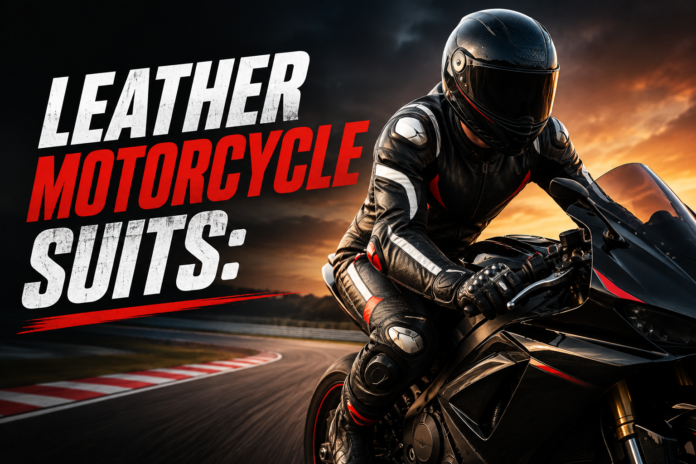
Leather motorcycle suits are a popular option for riders who want to perform well. They combine abrasion resistance with a secure fit, durability and a design that is centered on riding. Sport riders need clothing that can handle high speeds, aggressive riding postures, and frequent movement.
A performance riding suit, unlike ordinary leather clothing is specifically designed for motorcycle use. The suit can have reinforced construction, impact protection, pre-curved sections, stretch panels, and secure closings. Riders can compare suit designs by browsing the collection.
What are leather motorcycle suits?
Leather motorcycle suits are designed to protect riders from the elements and are made of leather. These suits can be made as a one-piece suit or, depending on their design, as coordinated jacket and pants systems.
A leather outer layer can provide a durable surface that resists abrasion when sliding. Leather is often combined with flexible sections and protective armor in performance suits to allow riders to maintain their natural position when leaning into corners.
Why Leather is Popular for Performance Riding
The combination of durability and abrasion resistance combined with a close-fitting design has made leather synonymous with performance riding. A well-designed leather suit provides a protective shell that allows the rider to move along with the motorcycle.
Leather also benefits performance riders from its stable fit. Close-fitting suits are less likely to flap at high speeds, and integrated protective components will remain in their intended position.
Abrasion Resistance
Leather’s resistance to abrasion is one of its most important benefits. In a motorcycle accident, the sliding contact of clothing with asphalt can quickly damage normal clothing. A leather riding suit is a stronger barrier than a normal one.
Not all leather is created equal. The overall protection of a suit is influenced by the leather thickness, quality and panel construction.
Impact Protection
Rider protection is not just about abrasion resistance. The performance suit must also offer adequate impact protection for the shoulders, elbows and hips.
Armor helps absorb and distribute impacts forces. The armor should be positioned correctly while the motorcycle is in motion, the rider leans, brakes, or moves.
Pre-curved Construction
A different body position is required for performance riding compared to walking or standing. Riders can lean forward and bend their elbows for long periods of time.
This position can be matched by pre-curving the sleeves, legs, and knees of leather suits. This helps to reduce unnecessary material bunching, and makes the suit more comfortable while riding.
One-Piece leather suits
One-piece leather suit provides continuous coverage of the upper body and legs. These suits are often used for sport riding or track use, as there are less exposed gaps between the separate garments.
One-piece designs can provide a more secure fit. It may not be as convenient as a two piece system if riders have to remove their upper garment when stopping.
Men’s leather motorcycle suits
When choosing a suit for men, they should take into consideration the following: shoulder width, chest size, sleeve fit, waist position and leg length. Unstable protective components can be caused by a suit that’s too loose, while a suit that’s too tight can limit movement.
A men’s motorbike suit is a great way to compare different motorcycle suits for male riders. It is important to evaluate the suit in a riding position, not just standing.
Women’s leather motorcycle suits
The same attention should be paid to women riders’ protection, while also taking into account their body type. Shoulders, chests, waists, hips and legs must fit snugly without causing excessive pressure or restricting motion.
A motorbike suit for women is a good option to compare suit designs. It is important to check armor placement when seated, as body position can influence how protective components are positioned.
Stretch panels and flexibility
Leather is strong but can feel constricting if the suit lacks flexibility. Stretch materials are often used in performance suits to allow for greater mobility.
Stretch panels are useful for the inner arm, knees, lower spine, shoulders or arms. The rider can change positions without having to put excessive pressure on the panels.
Ventilation for Performance Riding
Leather can get warm, particularly during summer riding and when riders are stopped in traffic. The suit can be cooled by ventilation.
Comfort can be improved by perforated leather panels. Ventilation openings, breathable linings and strategically placed airflow zones. The balance between ventilation and the need for protection should be considered by riders.
Fit and Aerodynamic Stability
A performance suit must fit snugly enough to prevent excessive movement when the wind blows. Clothing that is too loose can flap at high speeds, causing distractions. A very tight suit may also interfere with circulation and movement.
Leather motorcycle suits must therefore be functional and secure. The rider must be able reach the handlebars comfortably, bend their knees, move their shoulders and maintain the riding posture they prefer.
Cornering Protection
While cornering, riders often move their bodies. The suit must accommodate these movements while not pulling too much across the shoulders or hips.
The pre-curved design and flexible sections provide comfort even when the rider changes body position. The knee protection should remain aligned correctly as the rider bends their leg.
Leather Performance Suits vs. Textile Performance Suits
Textile suits have many advantages, including lighter weight, better ventilation and flexibility in the weather. Leather is still a favorite among riders due to its abrasion resistance, tight-fitting construction and strong abrasion resistant.
It depends on the riding conditions. Leather is a good choice for riders who want to achieve maximum leather coverage and track-style performance. Riders who are frequently exposed to rain, temperature changes, or riding conditions that require technical textile gear may choose leather.
Weather Considerations
Leather suits aren’t waterproof by default. Leather can be affected by prolonged exposure to rain and may need additional care. Riders who ride regularly in rainy weather should consider waterproof clothing.
The motorcycle rain suit provides an extra barrier in wet conditions. The outer layer of rain should not interfere with the fit and positioning of protective elements.
Riding in the Cold Weather
Leather is a good wind protector, but may not be enough to keep you warm in very cold temperatures. The riders may require thermal base layers, or heated gear.
For colder conditions, a heated motorcycle suit may be appropriate. It is important to keep the suit warm without restricting your movement or making it too tight.
Durability and long-term value
A leather suit that is well maintained can last for many years. When properly maintained, leather can develop its own character while maintaining its structural quality.
Durability is determined by the quality of leather, stitching and zippers. It also depends on protective panels, linings, and maintenance. The suit should be inspected regularly by the rider for cracks in the leather, damaged seams or worn-out closures.
Leather Suit Care
Leather should always be cleaned and maintained in accordance with the instructions of the manufacturer. The material can be damaged by excessive moisture, heat, harsh chemicals and improper storage.
Allow the suit to naturally dry away from direct heat after riding in wet conditions. Leather-care products that are suitable for the leather can prevent excessive drying. However, riders should only use products designed specifically for their leather.
Checklist for Buying Leather Motorcycle Suits
Check these things before buying a leather performance suit:
- Quality and construction of leather
- Abrasion resistant cover
- Shoulder protection
- Elbow protection
- Back protection
- Hip protection
- Knee protection
- Secure stitching
- Close-fitting zippers and closures
- Pre-curved construction for riding
- Stretch panels
- Ventilation
- The correct riding position
- Compatibility of boots and gloves
Common Purchase Mistakes
A common mistake is to choose a suit solely based on its appearance. The design of a racing suit does not mean that it will provide adequate protection. The materials, armor, construction and intended use should be examined by riders.
A second mistake is selecting the wrong size. The leather suit must fit snugly, but the rider still needs to be able to move around comfortably on a motorcycle. Fit is best determined by testing the suit while sitting and reaching towards the handlebars.
Conclusion
Leather motorcycle suits are popular with performance riders due to their combination of abrasion resistance and durability. They also have a close-fitting design, which is incorporated with protective features. The design of these suits allows riders to keep a controlled riding posture while keeping protective material close to the body.
The best leather suit will have appropriate armor, a strong construction, flexibility, ventilation and a secure fitting. Before choosing a leather suit, riders should consider the weather, maintenance needs, and type of riding that they do.
FAQs
Why do riders choose leather suits for performance riding?
Leather is abrasion resistant, durable, and has a tight-fitting structure. It’s ideal for riding performance bikes.
Are leather motorcycle jackets safer than regular leather jackets
A motorcycle suit designed specifically for riding can offer a more comprehensive protection because it incorporates protective leather construction, armor and a riding-specific design.
Can leather suits be worn for track riding?
Leather suits are used in performance riding due to their tight fit, abrasion resistant construction and protective features.