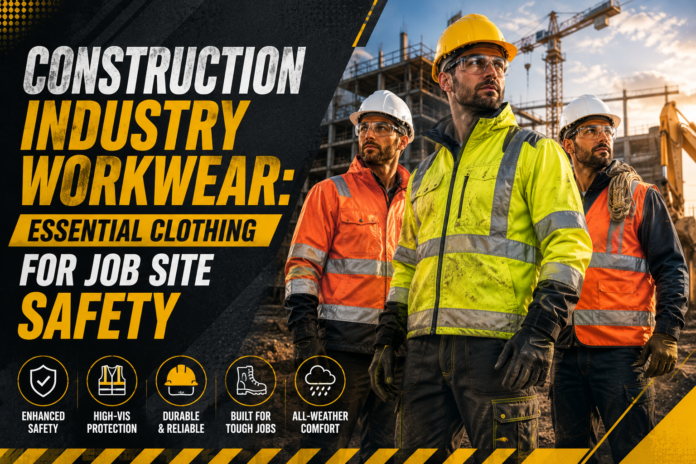
construction industry workwear is important because construction sites are active, tough, and full of daily risks. Workers may deal with tools, machinery, dust, rough surfaces, moving vehicles, heavy materials, changing weather, and long hours of physical work. The right clothing helps workers stay safer, more visible, more comfortable, and ready for the job.
Good workwear is not only about looking professional. It should support movement, protect the body, improve visibility, handle rough use, and match the real job site environment. Businesses can explore the wider workwear collection to compare different clothing options for construction, industrial, and outdoor teams.
What Is Construction Industry Workwear?
construction industry workwear means clothing designed for workers on construction sites. It may include safety vests, jackets, work pants, overalls, hi-vis layers, weather-resistant clothing, gloves, and other job-ready garments. These clothes are made to handle demanding site conditions better than normal casual clothing.
The main purpose is to support job site safety and daily performance. Construction workers need garments that allow bending, lifting, climbing, kneeling, walking, carrying tools, and working around equipment. Clothing should be strong enough for repeated use and comfortable enough for long shifts.
Why Job Site Clothing Matters
Construction workwear matters because poor clothing can create safety and comfort problems. Loose clothing may catch on equipment. Weak fabric may tear quickly. Dark clothing may make workers harder to see. Uncomfortable clothing may slow workers down during physical tasks.
construction industry workwear helps reduce these problems by matching clothing with real construction needs. Workers need garments that stay secure, support movement, and remain practical in outdoor and indoor site conditions.
High Visibility on Construction Sites
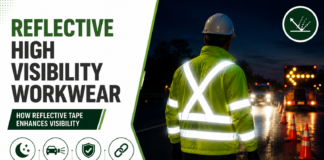
Visibility is one of the most important parts of construction site safety. Workers often move around trucks, loaders, cranes, forklifts, and other equipment. Bright clothing and reflective details help workers stand out in busy areas.
A safety vest for construction wear is one of the most useful garments for job sites because it is lightweight, easy to wear, and simple to layer over shirts, hoodies, or jackets. It helps workers remain easier to notice during active site movement.
Construction Jackets for Weather and Protection
Construction workers often work outdoors in wind, dust, cold, and changing weather. A strong jacket can provide warmth, coverage, storage, and a more professional appearance. It should also allow arm movement for lifting, reaching, and tool handling.
Jackets for construction work should be selected for durability, fit, seam strength, pockets, closures, and weather suitability. A good jacket should protect without feeling too heavy or restricting movement.
Work Pants for Construction Tasks
Construction pants need to handle bending, kneeling, climbing, and regular contact with rough surfaces. Weak pants can tear at the knees, seat, pockets, or hems. Good work pants should be durable, comfortable, and practical for tool use.
Pants for construction wear should fit properly around the waist, thighs, knees, and ankles. Pants that are too tight can restrict movement, while pants that are too loose may become unsafe around equipment.
Overalls for Full-Body Coverage
Overalls are useful when workers need more body coverage and practical storage. They can protect the torso and legs from dirt, dust, rubbing, and daily site wear. They are also helpful for workers who carry small tools or need extra pocket space.
Overalls for construction wear should have strong fabric, secure straps, practical pockets, and reinforced stress points. A good overall should allow workers to bend and move without pulling at the shoulders or waist.
Construction Workwear Categories
A complete construction clothing plan may include vests, jackets, pants, overalls, gloves, rain layers, and high-visibility items. Each garment should be chosen by job role, site condition, season, and worker movement.
The construction workwear collection can help businesses compare different clothing options for site workers, supervisors, outdoor crews, and heavy-duty work teams. Choosing by category makes the buying process more practical.
Comfort During Long Shifts
construction industry workwear should be comfortable because workers often spend long hours standing, walking, lifting, carrying, and working in active conditions. If clothing feels too hot, stiff, tight, or heavy, it can reduce focus and performance.
Comfort comes from fabric weight, breathability, correct fit, movement-friendly design, and proper sizing. Workers should be able to bend, reach, climb, kneel, and move without fighting against the garment.
Durable Fabric for Rough Use
Construction clothing must handle rougher use than normal clothing. Workers may rub against concrete, timber, metal, scaffolding, tools, machinery, and unfinished surfaces. This means fabric strength matters a lot.
Durable fabric helps workwear last longer and reduces replacement costs. Strong woven fabrics, reinforced stitching, secure seams, and stable pockets can improve garment life. The best fabric depends on the site, weather, and type of work being done.
Reinforced Areas and Strong Stitching
Reinforced areas are useful in construction clothing because some parts of the garment face more stress than others. Knees, elbows, pockets, shoulders, cuffs, hems, and seat seams often wear out first.
Strong stitching helps keep the garment together during active work. Bar tacks, double stitching, reinforced pockets, and durable closures can make construction clothing more reliable. Small construction details can make a big difference in daily use.
Weather-Ready Workwear
Construction sites are often exposed to weather. Rain, wind, cold, heat, and dust can all affect worker comfort. Weather-ready workwear helps employees stay prepared during changing site conditions.
For rainy or cold jobs, workers may need jackets, water-resistant layers, or overalls that protect without blocking movement. In warm weather, breathable fabric and lightweight layers are more useful. Seasonal planning helps workers stay comfortable all year.
Practical Pockets and Tool Access
Construction workers often need quick access to tools, markers, measuring tapes, gloves, phones, and small parts. Workwear pockets should be useful but not bulky. Poor pocket placement can make tools hard to reach or uncomfortable during movement.
Good construction pants, jackets, and overalls should include pockets that match the job. Secure closures are also helpful because loose items can fall out during bending, climbing, or lifting.
Fit and Size Options
Fit is important for both safety and comfort. Clothing that is too loose may catch on tools or machinery. Clothing that is too tight may restrict movement and make workers uncomfortable during long shifts.
A good construction uniform program should include enough size options for different body types. Workers should test garments for bending, lifting, kneeling, and reaching before bulk orders are finalized.
construction industry workwear for Different Roles
construction industry workwear should be selected by role because not every worker needs the same garment. Site supervisors may need clean jackets and vests for visibility. General workers may need durable pants and overalls. Outdoor crews may need weather-ready layers.
Role-based planning helps workers get clothing that matches their tasks. It also helps visitors, managers, and site teams identify workers more easily. A good workwear system improves both safety and organization.
Care and Maintenance
Construction clothing needs proper care because dirt, dust, cement marks, oil, and sweat can build up quickly. Regular washing helps garments stay professional and comfortable. However, washing should follow the care label to protect fabric, reflective details, and closures.
Damaged garments should be inspected. Torn seams, broken zippers, worn knees, faded visibility panels, and loose pockets should be repaired or replaced when they reduce safety or appearance.
Construction Industry Workwear Checklist
Use this construction industry workwear checklist before choosing job site clothing:
- Choose safety vests for better visibility.
- Select durable jackets for outdoor work.
- Use strong pants for kneeling and movement.
- Choose overalls for fuller coverage and storage.
- Check fabric strength before bulk orders.
- Make sure clothing allows bending and lifting.
- Use reflective details where visibility matters.
- Check pockets, zippers, seams, and closures.
- Match workwear with weather and job role.
- Replace damaged garments on time.
Common Mistakes to Avoid
One common mistake is choosing construction clothing only by price. Cheap garments may tear, fade, shrink, or become uncomfortable after repeated use. Better construction workwear often gives stronger long-term value because it lasts longer.
Another mistake is giving every worker the same clothing. A supervisor, laborer, machine operator, and outdoor crew member may need different garments. construction industry workwear works best when it matches the real job role and site condition.
Conclusion
construction industry workwear is essential for job site safety because construction workers face active, rough, and changing work conditions every day. The right clothing helps workers stay visible, comfortable, protected, and ready for physical tasks.
The best construction clothing plan should include safety vests, durable jackets, strong pants, practical overalls, and weather-ready layers where needed. When garments match the job role, site risk, and worker movement, construction teams can work with more confidence and better protection.
FAQs
What is construction workwear?
Construction workwear is job-ready clothing designed for construction sites, including vests, jackets, pants, overalls, and safety layers.
Why is hi-vis clothing important on construction sites?
Hi-vis clothing helps workers stay easier to see around vehicles, machinery, equipment, and busy work areas.
What pants are best for construction work?
Durable pants with strong stitching, comfortable fit, reinforced areas, and practical pockets are best for construction work.