Understanding what the different teams do every day is key how to choose industry specific workwear. Clothing features for a warehouse worker, an outdoor worker or oil and gas worker as well as a delivery employee and corporate worker will differ.
Workwear that is comfortable, durable, durable, waterproof, and supports safety should be worn by employees. You should choose your workwear based on more than just price and appearance. To compare clothing for various workplace roles, businesses can browse the collection.
What business needs matter in workwear selection
Each business has its own unique workwear requirements. Some businesses need to dress for visibility and safety. Some companies need clothing to protect them from the rain or outdoor weather conditions. Some need stronger garments for industrial sites. Some teams need uniforms that are clean for their customer service staff.
It may seem simple to choose the same clothing for all workers, but this can cause problems. Clothing may be inappropriate for some teams, while being too comfortable for others.
How to select industry-specific workwear? Start with the job role
First, review your job description. Consider what employees do in a typical shift. Are they lifting, driving, walking, climbing, packing, scanning, meeting customers, working outdoors or handling machinery?
Choose garments to support these tasks. Comfort and flexibility are important for a worker that moves around all day. Visibility is needed for workers near traffic. Rainy weather requires waterproof clothing. Workers who interact with customers need to look professional.
Workwear for Warehouse and Logistics Businesses
Clothing that is durable, visible, and comfortable for warehouse and logistics workers are essential. They must be able to move easily around pallet trucks, forklifts and other equipment. Workers must be easily visible in these environments.
This collection of hi-vis clothing can be used by teams who need to wear bright colors with reflective accents. Safety jackets and hi-vis vests can keep workers visible during extended shifts.
Wearing Workwear in the Rain and Outdoors
Clothing for outdoor teams should be able to handle the rain, wind and wet conditions. Workers who wear wet clothes may feel uncomfortable, lose concentration, or become distracted during tasks such as loading, delivery and construction.
Workwear that is waterproof can be useful to workers in damp or wet conditions. Waterproof garments that are suitable for work should feature strong seams and secure closures. They also need to have hoods and be flexible enough to bend and lift.
Oil and Gas Workwear
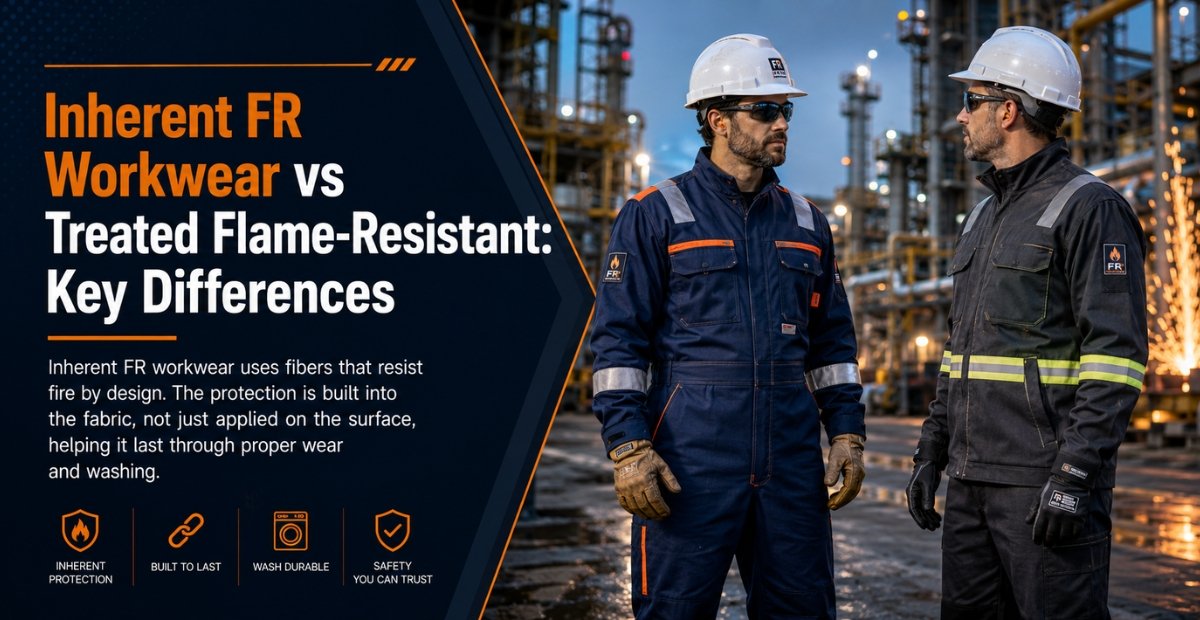
Workers in the oil and gas industry may be exposed to dirt, heat and outdoor conditions, as well as heavy equipment and harsh site conditions. These positions often require workwear with better performance than standard uniforms.
Workwear for oil and gas is selected based on job risks, garment construction and comfort. Clothing should be comfortable and durable, while still supporting daily movements.
Workwear for Customer Service and Corporate Teams
Workwear for corporate teams should support brand identity, customer confidence, and professionalism. All office employees, including retail workers, receptionists, salespeople, and service teams, need to wear clothing that is comfortable and looks good.
Corporate Uniforms can be useful for businesses that want to present a polished and consistent team image. Clothing such as shirts, blouses and trousers should be well-fitting and remain presentable even after daily use.
Wearables for mixed business departments
One company may have several departments. A company might have several departments, such as warehouse workers, delivery drivers and office staff. Workwear plans may differ for each group.
To understand the best workwear for your industry, separate employees by their tasks, risks, exposure to weather, and contact with customers. It is important to avoid providing a uniform for everyone.
Select Categories Based on Industry Specific Information
Workwear that is specific to an industry can help businesses select clothing based on the actual job requirements. The better question to ask is “What do they need in order to perform their job comfortably and safely?”
is a collection of workwear designed for specific industries. allows businesses to compare clothes based on their industry and role. It makes uniform planning easier and less costly.
Select Fabrics Based on Work Environment
The fabric chosen should be appropriate for the work environment. Fabrics that are breathable or lightweight may be needed by indoor teams. Outdoor teams might need materials that are waterproof or resistant to weather. Industrial teams may need stronger fabrics. Some corporate teams need fabric that is wrinkle resistant and smooth.
Fabric performance is the best way to determine which workwear to buy for your industry. Fabrics affect comfort, wash life, durability and movement.
Comfort and Movement
The clothing should be loose enough to allow the worker to move freely. Clothing that is too tight can limit bending, reaching, driving, or climbing. Clothing that is too loose can get caught on equipment, or make you look messy.
Workwear must be comfortable for the entire shift. Businesses should try on samples before bulk-ordering to ensure fit, comfort of trousers, sleeves, length and placement of pockets, as well as the ability to layer.
Wear Workwear That Meets Safety Needs
Workwear can be worn for aesthetic reasons, or for safety. Businesses need to identify whether employees require features such as visibility, protection from rain, stronger fabrics, grip support or any other specific job requirements.
Style should not take precedence over safety. It is useless to have a professional looking garment if the environment in which it will be worn does not suit. Workwear is meant to reduce problems and not cause new ones.
Consider Branding and Professional Images
Workwear is a great way to promote your brand. Employees can be more easily recognized by using logos, colours, trimmings, embroidery and role labels. It is useful in offices, retail, warehouses and roles that are customer facing.
The branding should be clean, balanced and uncluttered. Small logos or role labels often look better than large printing. Workwear must support the brand while maintaining comfort and safety.
Plan your washing and long-term use
The workwear must be durable enough to withstand regular washings and wear. The business could spend extra money to replace garments that fade, shrink or tear. Clothing that is stronger has a better value over time.
Before ordering, check fabric quality, stitching and other details such as zippers, buttons or pockets. Also, make sure to read the care label. A garment with a longer lifespan can enhance appearance, reduce waste and reduce replacement costs.
Checklist for Workwear Selection
Before placing your order, use this checklist to help you choose the right workwear for your industry:
- Begin by identifying the real role of the employee.
- Before selecting clothing, consider the workplace hazards.
- Wear hi-vis clothing when visibility is important.
- Select waterproof clothing for rainy conditions.
- Choose stronger clothing for industrial team.
- Corporate uniforms are ideal for roles that require you to interact with customers.
- Fabrics should be chosen according to the weather and movement.
- Before bulk production, check fit.
- Branding should be simple and easy to understand.
- First, test samples on real workers.
Common mistakes to avoid
When choosing workwear for your industry, it is common to base the decision on price alone. Although cheap garments might seem acceptable initially, they may shrink, fade or tear after prolonged use.
A uniform that is the same for all departments would be a mistake. Clothing should be matched to the tasks of each worker. By reducing the likelihood of workers being uncomfortable, requiring early replacement and poor fitting clothing, a better plan for workwear can save money.
Conclusion
By choosing workwear that is specific to an industry, businesses can provide clothes that are appropriate for the actual work environment. It is possible to improve daily performance, comfort, safety and team image by choosing the right clothing.
Workwear should be chosen according to the role and not just by fashion. You can use hi-vis clothing to increase visibility. Use waterproof clothing when working in wet conditions. Workwear that meets the needs of the company can make workers feel and look more confident.
FAQs
Why should workwear be chosen by business need?
Because each business role has different tasks, risks, movement needs, weather exposure, and customer-facing requirements.
What workwear is best for warehouse teams?
Hi-vis clothing, safety jackets, durable trousers, and comfortable layers are useful for warehouse and logistics teams.
What is the best work wear for outdoor workers
Outdoor workers can benefit from waterproof jackets, layers resistant to the weather, durable trousers and visibly visible outerwear.