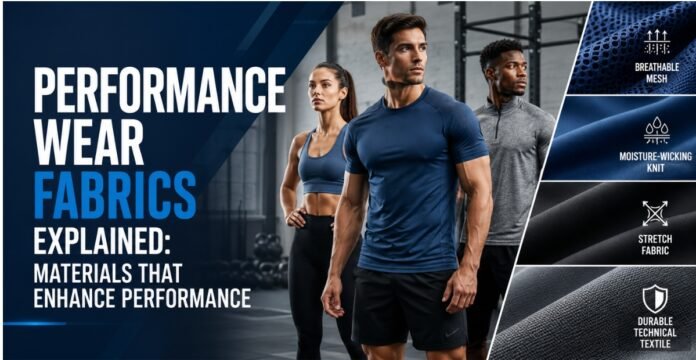
Performance wear fabrics are materials made to support movement, comfort, and body control during exercise or outdoor activity. Unlike basic fashion materials, performance wear fabrics are selected for useful features such as stretch, airflow, quick drying, warmth, and sweat control. The right material can help a runner stay cool, keep a skier warm, or allow a gym user to move without feeling restricted. Products in the performance wear range can use different fabric weights, finishes, stretch levels, and structures. Good performance wear fabrics should always match the activity, weather, garment fit, and level of movement.
Why Fabric Choice Changes Performance
The weight and thickness of different fabrics can greatly impact how a garment performs. For instance, a heavy fabric might give an athletic feel and be warm in the winter, but uncomfortable when training in it. On the other end of the spectrum, a thin fabric might feel light, but doesn’t offer the support a garment might need. Performance fabrics can help achieve the balance of temperature control, stretch, and strength, while also preventing irritation from too much moisture being held against the skin. Although the right performance fabrics can prevent too much moisture being held against the skin, and heat from being trapped, they can’t make a person stronger or faster.
Polyester for Fast Drying and Durability
Sporting brands widely use polyester for good reason — it is a durable, lightweight and low-maintenance fabric. Compared to cotton, polyester retains less water, therefore, the fabric can be designed to allow water to evaporate off the surface. Polyester also keeps its structure, making it ideal for apparel that is subject to frequent use and washing, like tops, shorts, leggings and uniforms. Considerations like yarn size, knit structure and surface treatments can yield disparate fabric performances. Quality polyester fabrics for sport will have a moisture control feature that allows the fabric to remain soft and flexible, avoiding stiffness.
Nylon for Strength and a Smooth Feel
Nylon is a strong, resistant and smooth fabric that is ideal for apparel that is designed to be close to the body, like leggings, bras, and jackets. Compared to basic polyester fabrics, nylon fabrics are much softer and have a higher perceived quality, especially when blended with elastane to create a fitted and flexible textile. However, nylon retains moisture compared to polyester, making its drying time vary greatly depending on the knit and finish of the fabric. Quality nylon fabrics withstand constant contact and can perform in close fitting apparel that will undergo frequent use, washing, stretching and abrasion.
Elastane Adds Stretch and Shape Recovery
Elastane or Spandex is a great stretchy addition when paired with other performance fabrics. It can be added in small amounts to all types of garments. Not only can Elastane help base or insulation layers, as well as leggings and shorts, move with the wearer, it can help active wear return to its original shape rather than becoming saggy at the waist, knees, elbows, or shoulders. More Elastane does not equal better performance either. Ultimately, the performance balance is achieved with enough Elastane to allow movement without excessive denser fabric that may constrict, while maintaining breathability and comfort for the intended fit.
Cotton and Cotton Blends for Soft Comfort
Because of cotton’s reputation for being a comfortable and soft fabric, it has not been completely removed from performance fabrics. Pure cotton may be comfortable for light exercise or warm-up stretches and may be suitable for walking and relaxing everyday fabric. However, cotton is a poor fabric choice for exercise because it retains moisture and can become heavy after absorbing an excessive amount of sweat. Cotton can easily become cold and uncomfortable after absorbing sweat. To help alleviate these effects of cotton on performance fabrics, cotton can be blended with Elastane or performance polyester.
How Performance Wear Fabrics Improve Movement
Movement depends on more than simple stretch. Performance wear fabrics must bend in different directions, recover after being pulled, and stay smooth against the body. Four-way stretch materials are useful for yoga, gym training, skiing, cycling, and activities that involve wide body movements. Knit fabrics usually offer more natural flexibility than woven fabrics, although modern woven materials can also stretch. A fitted high-neck tank top can use ribbed or flexible material to support arm movement while maintaining a close shape. Well-designed performance wear fabrics should not roll, sag, pinch, restrict the shoulders, or become transparent during deep stretches.
Moisture-Wicking and Quick-Dry Materials
Moisture-wicking describes fabric that aids in the movement of sweat from the body to the outer surface of the fabric where it is spread more evenly. A moisture-wicking fabric is only the first step in moving the finish along, and the real moisture-wicking fabric should be tested in real life activities. Non-trapped sweat has a better chance of drying than it is trapped in a smaller outer surface area. Quick-dry fabrics are great for and dry the sticky feeling of trapped sweat, but quick-dry fabrics must be designed with airflow in mind for ongoing comfort.
Breathable Fabrics for Better Heat Control
Breathable fabrics are those that allow both heat and moisture to travel away from the body. Fabrics that are constructed from lightweight knits, have mesh panels, have an open fabric structure, and have thinner yarns can all help increase airflow. Fabrics for performance wear that are designed for hot conditions should allow heat to be released while still being strong enough to provide necessary coverage and support. The fit of a garment can impact its breathability as well. This is because extremely tight clothing can decrease the space between the fabric and the skin.
Thermal Fabrics for Cold Conditions
For fabrics that are used for cold weather performance wear, it is important that they are able to keep body heat while also not keeping too much body sweat close. Performance fabrics that are used for cold weather can contain small air pockets that help trap body heat. A ski base layer can help retain body heat and also have a soft inner surface that helps control body moisture. Thermal fabrics that are used for performance wear can help management body heat, but also have to allow movement. If a fabric is used for performance wear and absorbs sweat, it will stay wet and actually draw body heat away.
Key Points for Choosing Performance Wear Fabrics
- Choose lightweight performance wear fabrics for hot weather and high-energy exercise.
- Choose thermal performance wear fabrics for skiing, winter running, and cold outdoor activities.
- Look for four-way stretch when the activity includes repeated or deep body movements.
- Select quick-dry performance wear fabrics for humid weather and intense workout sessions.
- Use strong nylon or polyester blends in areas that face regular rubbing and wear.
- Choose cotton-blend performance wear fabrics for casual activity and everyday comfort.
- Check fabric opacity before using it for leggings, fitted shorts, and close-fitting garments.
- Test performance wear fabrics after washing because their softness, stretch, and shape may change.
Conclusion
Fabric performance will be optimal for the activity that the garment will be used for, if the fabric is chosen correctly. For example, thermal structures will help keep the body protected in cold environments. There will be warmer environments and for those climate conditions, lightweight knits and mesh materials allow the body to release excess heat. There is a great variety of performance fabrics available and each has its own special characteristics. In order for a fabric to be considered the best performance fabric, it should support long-term durability while retaining a great variety of performance characteristics.
FAQs
Which Fabric Is Best for Performance Wear?
The best fabric depends on the activity and weather. Polyester blends are useful for quick drying, while nylon blends provide strength and a smooth feel. Performance wear fabrics should match the garment fit, climate, and amount of movement.
Are Natural Fabrics Good for Sports Clothing?
Natural fibers can work well for light exercise and comfort-focused clothing. Cotton feels soft, while merino wool can provide warmth and odor control. Many performance wear fabrics combine natural and synthetic fibers to balance comfort and function.
How Much Elastane Should Active Clothing Have?
The right amount depends on the type of garment. A loose top may need only a small amount, while fitted leggings usually require more. Performance wear fabrics should stretch comfortably and return to shape without feeling overly tight.