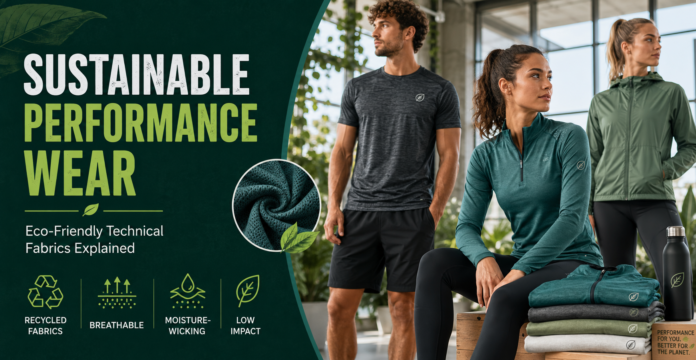
Stretch fitness apparel and compression fitness apparel are both made for movement, but they do not feel the same on the body. Stretch fitness apparel is made to move easily with your arms, legs, shoulders, and waist. It gives freedom, comfort, and a natural fit during exercise. Compression fitness apparel fits tighter and gives gentle pressure to the muscles. This pressure can make the body feel supported during running, lifting, cycling, or long training sessions. When people compare both options, they are really asking one simple question: do I need more freedom or more support? The best choice depends on your workout, body comfort, fabric preference, and how tight you like your clothes to feel. In today’s market, sustainable performance wear also matters because many brands now want fabrics that are flexible, strong, and better for the planet.
What Is Stretch Fitness Apparel?
Stretch fitness apparel is workout clothing made with fabrics that can expand and return to shape. It often uses elastane, spandex, recycled polyester blends, nylon blends, or soft knitted fabrics. The main job of stretch clothing is to help the body move without pulling, pinching, or feeling stiff. This type of clothing is common in gym tops, tank tops, yoga pants, joggers, sweatshirts, base layers, and active T-shirts. Stretch fitness apparel feels easier for beginners because it does not hold the body too tightly. It is good for warm-ups, stretching, yoga, walking, light gym sessions, and daily activewear. Many sustainable performance wear designs use stretch fabrics because comfort is important for regular use. If the fabric stretches well, the wearer can bend, reach, squat, and move without fighting the garment. That is why stretch clothing is often the safer choice for people who want simple comfort.
What Is Compression Fitness Apparel?
Compression fitness apparel is made to fit close to the body and apply steady pressure. It is usually tighter than normal stretch clothing. Compression tops, leggings, shorts, sleeves, and base layers are designed to stay close to the skin while the body moves. The purpose is not only movement but also muscle support. Some athletes like compression because it can reduce fabric movement, keep the body feeling stable, and help the garment stay in place during intense exercise. For example, brands looking at technical training products can study items like compression T-shirts to understand how close-fit tops are used for active training and body support. Compression clothing can be helpful during running, strength training, cycling, football training, and high-intensity workouts. However, compression should never feel painful or stop normal movement. Good sustainable performance wear should support the body without making the wearer feel trapped.
sustainable performance wear: Why Fabric Choice Matters
Sustainable performance wear is not only about being eco-friendly. It is also about making clothing that lasts longer, performs better, and creates less waste over time. A poor-quality fitness shirt may stretch out, smell bad, lose shape, or feel rough after a few washes. A better fabric can keep its shape, manage sweat, feel soft, and support movement for a longer period. Sustainable performance wear may use recycled polyester, organic cotton blends, low-impact dyes, responsibly sourced fibers, or durable technical knits. The goal is to make workout clothing that performs well without being wasteful. When comparing stretch fitness apparel and compression fitness apparel, fabric quality becomes very important. Stretch clothing needs recovery, meaning it should return to shape after movement. Compression clothing needs controlled pressure, meaning it should stay firm without becoming too tight. In both cases, sustainable performance wear works best when comfort, durability, and responsible fabric choices come together.
Stretch Apparel Is Better for Easy Movement
Stretch fitness apparel is often better when the workout needs free and natural movement. Yoga, Pilates, mobility work, warm-ups, walking, light cardio, and daily gym wear all need clothing that feels relaxed but still active. Stretch fabrics allow the body to move in many directions. This is helpful for people who do deep squats, lunges, overhead reaches, or floor stretches. It also helps people who dislike tight clothing during exercise. For everyday active ranges, Eco Jersey’s performance wear catalog is a natural internal option to connect readers with products made for flexible movement and technical comfort. Stretch fitness apparel is also easier to wear before and after training because it feels more like normal clothing. If someone wants sustainable performance wear for comfort, travel, casual gym days, or light exercise, stretch fabric is usually the better choice. It gives support, but it does not press the body like compression clothing.
Compression Apparel Is Better for Support
Compression fitness apparel is often better when the workout is intense or repetitive. Running, cycling, weight training, CrossFit-style workouts, and sports training can involve repeated movement for a long time. In these activities, loose fabric can move too much, rub against the skin, or feel uncomfortable. Compression clothing helps reduce extra fabric movement because it sits close to the body. It can also make muscles feel more supported during fast or powerful movements. Many athletes like compression leggings or tops because they stay in place and do not need constant adjusting. In cold-weather training, a close-fit layer can also sit neatly under outer clothing, and a product such as a ski base layer shows how body-hugging layers can support comfort under jackets or technical outerwear. Still, compression is not for everyone. Good sustainable performance wear should feel firm, not painful, and supportive, not restrictive.
Comfort: Which One Feels Better?
Comfort depends on the person and the workout. Stretch fitness apparel usually feels softer, easier, and more relaxed. It is better for people who want airflow, free movement, and less pressure on the skin. Compression fitness apparel feels tighter, more controlled, and more athletic. Some people enjoy that secure feeling because it makes them feel ready for serious training. Other people may feel uncomfortable if clothing is too tight around the chest, waist, thighs, or shoulders. For long workouts, the wrong fit can become annoying very quickly. This is why trying the right size is important. Stretch clothing should not hang too loose, and compression clothing should not dig into the skin. Sustainable performance wear should make the wearer feel confident from the first minute of training to the last. If the garment feels good, the person is more likely to move freely, train longer, and use the clothing often.
Breathability and Sweat Control
Breathability means how well air moves through the fabric. Sweat control means how well the fabric moves moisture away from the skin. Stretch fitness apparel can be breathable if the fabric is light, knitted well, and designed for airflow. Compression fitness apparel can also manage sweat, but because it sits closer to the skin, fabric quality matters even more. If compression fabric is too thick or poorly made, it can feel hot and sticky. If it is made well, it can move sweat away and keep the body feeling dry. Sustainable performance wear should balance stretch, sweat control, and comfort. A gym shirt, tank top, base layer, or leggings should not only look good; it should help the body feel fresh during movement. For hot weather, lighter stretch clothing may feel better. For colder weather or intense training, compression layers can feel more stable and controlled.
Quick Buying Checklist
When choosing between stretch fitness apparel and compression fitness apparel, use this simple checklist:
- Choose stretch fitness apparel if you want relaxed comfort and easy movement.
- Choose compression fitness apparel if you want a tight fit and muscle support.
- Choose light fabrics for hot weather and heavy sweating.
- Choose stronger fabrics for high-intensity workouts and repeated use.
- Choose sustainable performance wear if you want clothing that supports training and reduces waste.
- Check that seams feel smooth and do not rub the skin.
- Check that the waistband, cuffs, and neckline do not feel too tight.
- Check that the fabric returns to shape after stretching.
- Check that the garment stays comfortable after washing.
- Check that the style matches your workout, not only your fashion taste.
Which One Is Better for Different Workouts?
Stretch fitness apparel is better for workouts that need comfort, bending, and easy range of motion. It is a strong choice for yoga, stretching, walking, light gym training, dance, warm-ups, and daily activewear. Compression fitness apparel is better for workouts that need support, close fit, and less fabric movement. It is useful for running, cycling, strength training, football drills, HIIT, and long training sessions. For gym beginners, stretch apparel is usually easier to wear. For trained athletes, compression apparel may feel more secure. But there is no one perfect answer for everyone. Many people use both. They may wear stretch tops on relaxed days and compression leggings on intense days. They may wear compression base layers under stretch outer layers. The smartest choice is to match the clothing with the activity. Sustainable performance wear becomes even more useful when it gives people different fabric options for different training needs.
Durability, Fit, and Long-Term Value
Durability is important because fitness clothing is washed often, stretched often, and exposed to sweat. Stretch fitness apparel must keep its shape after bending, pulling, and washing. Compression fitness apparel must keep its pressure without becoming loose too quickly. Cheap fabrics may look fine at first, but they can lose shape, fade, pill, or become uncomfortable. Better sustainable performance wear should be built for repeated use. Strong seams, good fabric recovery, proper GSM, smooth finishing, and careful pattern cutting all help the garment last longer. Fit is also part of value. A garment that fits well will be worn more often, while an uncomfortable garment may stay unused. Stretch apparel gives more forgiveness in fit because it is usually less tight. Compression apparel needs more accurate sizing because small changes can affect comfort. Long-term value comes from clothing that performs well, washes well, and still feels good after many uses.
Conclusion
Stretch fitness apparel is better if you want freedom, comfort, and easy movement. Compression fitness apparel is better if you want support, a close fit, and less fabric movement during intense workouts. For most people, the best answer is not choosing only one. A smart active wardrobe can include both. Use stretch clothing for light workouts, daily wear, warm-ups, and relaxed movement. Use compression clothing for running, strength training, cycling, and sports sessions where support matters more. The best sustainable performance wear should not feel complicated. It should help the body move, manage sweat, hold shape, and last longer. When clothing is comfortable, durable, and responsibly made, it gives better value to both the wearer and the brand. In the end, choose the apparel that matches your workout, your comfort level, and your body’s natural movement.
FAQs
Is stretch fitness apparel better than compression fitness apparel?
Stretch fitness apparel is better for easy movement, comfort, yoga, walking, and light workouts. Compression fitness apparel is better for support, running, strength training, and intense exercise.
Can compression fitness apparel be used every day?
Yes, compression fitness apparel can be used every day if it fits correctly and does not feel painful. It should feel firm, but it should not stop normal movement or breathing.
What makes sustainable performance wear different?
Sustainable performance wear uses better fabric choices, stronger construction, and more responsible materials. It is made to support training while reducing waste and improving long-term value.
Which fabric is best for fitness apparel?
The best fabric depends on the workout. Stretch blends are good for comfort and movement, while compression blends are better for close support and intense training.