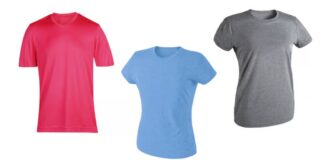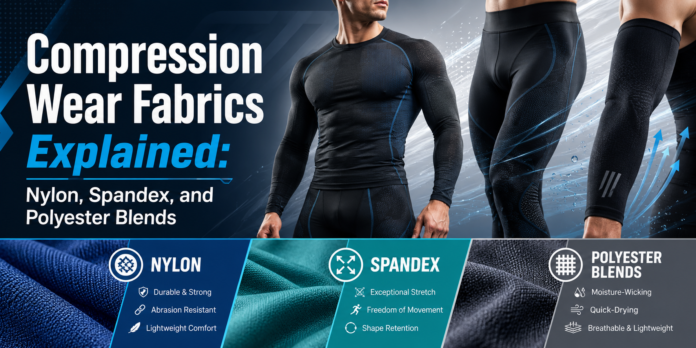
Compression wear is made to fit close to the body, support movement, and help the wearer feel stable during training, work, travel, or daily activity. The fabric matters more than the design because the fabric decides how much stretch, support, breathability, softness, and durability the garment can offer. Nylon, spandex, and polyester are the most common materials used in compression wear because each one solves a different problem. Nylon gives a smooth feel and strong durability. Spandex gives stretch and shape recovery. Polyester helps with sweat control, quick drying, and easy care. When these fibers are blended correctly, the result is clothing that hugs the body without feeling too tight, moves with the body without losing shape, and stays comfortable for longer use. This guide explains compression wear fabrics in simple words so buyers, athletes, brands, and everyday users can understand what makes good compression clothing perform better.
What Are Compression Wear Fabrics?
Compression wear fabrics are stretch fabrics designed to apply gentle pressure on the body while allowing movement, comfort, and breathability. These fabrics are usually made from nylon, polyester, spandex, or a blend of these fibers. The main purpose of compression wear fabrics is to create a close fit that supports muscles without blocking natural movement. Good compression clothing should feel firm but not painful, flexible but not loose, and breathable but not weak. A basic cotton fabric cannot usually do this because cotton holds moisture and does not recover its shape well after stretching. That is why performance brands use synthetic blends for compression garments. For example, a simple compression shirt may use polyester for sweat control and spandex for stretch, while leggings may use nylon for softness and spandex for strong recovery. The right fabric blend depends on the garment type, activity level, weather, and the support needed by the wearer.
Why Nylon Is Used in Compression Wear
Nylon is one of the best fibers for smooth, strong, and comfortable compression clothing. It has a soft hand feel, which means it feels pleasant against the skin, even when the garment is tight. This is important because compression wear touches the body closely and can feel irritating if the fabric is rough. Nylon is also strong, so it can handle stretching, washing, and repeated use without becoming weak too quickly. Many premium compression leggings, fitted tops, and recovery garments use nylon because it gives a clean surface and a slightly luxury feel. Nylon also has good abrasion resistance, which means it can handle rubbing better than many basic fabrics. However, nylon alone is not enough because it does not provide the same high stretch as spandex. That is why nylon is usually blended with spandex. In compression wear fabrics, nylon often works as the comfort and strength fiber, while spandex works as the stretch and recovery fiber.
Why Spandex Gives Compression Wear Its Stretch
Spandex is the fiber that gives compression wear its stretch, flexibility, and shape recovery. Without spandex, most compression garments would feel stiff, loose, or uncomfortable. Spandex can stretch and then return close to its original shape, which is very important for fitted clothing. When a person bends, runs, squats, lifts, or walks, the fabric must move with the body and then recover after movement. If the fabric stretches out and does not return, the garment starts to sag and loses compression. This is why spandex is a key part of compression wear fabrics. The percentage of spandex can change the feel of the garment. A lower spandex percentage may feel lighter and easier for daily wear, while a higher spandex percentage can feel firmer and more supportive. Still, more spandex does not always mean better quality. The fabric must be balanced with nylon or polyester so it stays breathable, durable, and comfortable.
Why Polyester Works Well for Sweat Control
Polyester is widely used in sportswear and compression clothing because it dries quickly, holds color well, and helps manage sweat better than cotton. When a person trains, walks, or works in fitted clothing, moisture control becomes very important. A garment that stays wet can feel heavy, sticky, and uncomfortable. Polyester helps move moisture away from the skin and dries faster, which makes it useful for activewear and training garments. For buyers comparing different performance products, an activewear catalog can help show how polyester blends are used across different styles. Polyester is also strong and easy to care for, which makes it practical for regular washing. However, polyester may not feel as soft as nylon in some blends, so brands often mix polyester with spandex or add special finishing to improve comfort. In compression wear fabrics, polyester is mainly valued for quick drying, color retention, and performance use.
How Nylon, Spandex, and Polyester Blends Work Together
The best compression wear fabrics are usually not made from one fiber only. They are made from smart blends because each fiber has a job. Nylon adds softness, strength, and a smooth feel. Spandex adds stretch, body-hugging support, and recovery. Polyester adds quick drying, sweat control, and easy washing. When these fibers are blended well, the fabric becomes more balanced. For example, nylon-spandex blends are often used when comfort and smoothness are the priority. Polyester-spandex blends are common when sweat control and training performance are more important. Some compression garments may use polyester, nylon, and spandex together to balance softness, stretch, and durability. A buyer looking at a compression wear range should not only check the style but also think about fabric purpose. Two garments may look similar, but the fabric blend can make one better for gym use and the other better for daily comfort.
Fabric Weight and Thickness Matter
Fabric weight also affects how compression wear feels and performs. A lightweight fabric usually feels more breathable and better for warm weather, but it may offer less firmness and coverage. A medium-weight fabric often gives a good balance between comfort, support, and durability. A heavier fabric can feel stronger and more supportive, but it may feel too warm if the activity is intense or the climate is hot. Compression wear fabrics should not be judged by thickness alone because a thin fabric can still be strong if the yarn and knit are high quality. At the same time, a thick fabric is not always better if it feels stiff or traps too much heat. The best choice depends on the product. Compression T-shirts often need lighter fabric for breathability. Leggings may need medium-weight fabric for support and coverage. Hoodies may need a stronger blend for structure, warmth, and stretch.
Best Compression Fabric for Leggings
Compression leggings need fabric that stretches in different directions, covers the body properly, and keeps its shape after movement. A good legging fabric should not become see-through during stretching, especially during squats, running, or yoga-style movement. Nylon-spandex blends are often popular for leggings because they feel smooth, flexible, and supportive. Polyester-spandex blends can also work well when sweat control and quick drying are more important. The best leggings usually balance stretch, opacity, recovery, and comfort. Buyers checking compression leggings should look for fabric that feels firm without cutting into the waist, knees, or thighs. Poor-quality leggings may stretch out after a few washes, roll down at the waistband, or feel rough during long wear. Good compression wear fabrics help leggings stay supportive while allowing natural movement, which is why fiber blend, fabric weight, and stitching quality all matter together.
Simple Buying Checklist for Compression Wear Fabrics
- Choose nylon-spandex if you want a softer and smoother feel.
- Choose polyester-spandex if you want better sweat control and faster drying.
- Check the spandex percentage because it affects stretch and recovery.
- Avoid fabric that feels too stiff, scratchy, or weak when stretched.
- Pick medium-weight fabric for leggings if you need coverage and support.
- Pick lighter fabric for T-shirts if breathability is more important.
- Make sure the garment returns to shape after being stretched.
- Check seams because poor stitching can reduce comfort in tight clothing.
- Choose fabric based on activity, not only appearance.
- Remember that good compression wear fabrics should support the body without making movement difficult.
Common Mistakes When Choosing Compression Wear
One common mistake is choosing compression wear only by size and ignoring the fabric. A tight garment is not automatically a good compression garment. If the fabric does not stretch correctly, the clothing may feel uncomfortable, restrict movement, or lose shape quickly. Another mistake is thinking that all synthetic fabrics are the same. Nylon, polyester, and spandex have different roles, so the blend matters. Some buyers also choose very thick fabric because they think it means better quality, but thick fabric can feel hot and heavy if it is not designed well. For upper-body garments like compression T-shirts, breathability and recovery are just as important as tightness. A good compression shirt should feel secure around the body but should not make the shoulders, chest, or arms feel trapped. The best compression wear fabrics give support, comfort, and movement at the same time.
Conclusion
Compression wear fabrics are important because they decide how a garment feels, stretches, supports, and lasts after repeated use. Nylon gives softness and strength, spandex gives stretch and recovery, and polyester gives sweat control and quick drying. A good compression garment is not just tight; it is carefully made from a fabric blend that supports the body while still allowing easy movement. For leggings, nylon-spandex blends can be smooth and supportive. For training shirts, polyester-spandex blends can be breathable and quick drying. For stronger garments, balanced blends can provide durability, comfort, and shape retention. The best choice depends on activity, weather, body movement, and the level of support needed. When choosing compression wear fabrics, always look at comfort, stretch recovery, breathability, fabric weight, and long-term durability instead of judging the garment by appearance only.
FAQs
What are compression wear fabrics made of?
Compression wear fabrics are usually made from nylon, polyester, spandex, or blends of these fibers. Spandex provides stretch, nylon adds softness and strength, and polyester helps with sweat control and quick drying.
Is nylon or polyester better for compression wear?
Nylon is better for a soft and smooth feel, while polyester is better for quick drying and moisture control. The best choice depends on whether comfort, training performance, or durability is more important.
How much spandex should compression wear have?
Many compression garments include spandex because it helps the fabric stretch and recover. The right percentage depends on the garment type, but the fabric should feel supportive without becoming painful or restrictive.
Are compression wear fabrics good for daily use?
Yes, compression wear fabrics can be good for daily use if the garment is breathable, comfortable, and not overly tight. Light or medium compression is usually better for long wear than very firm compression.