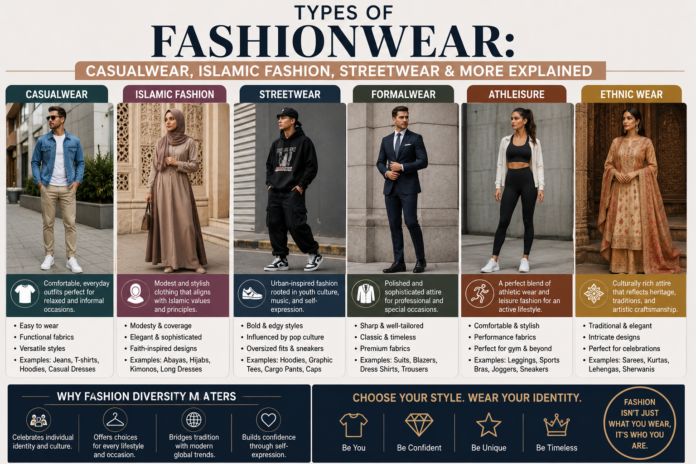
Fashion is a broad industry with unique styles, customers, and production needs. Understanding the different Types of Fashionwear helps brands choose the right manufacturer, define their product range, and build collections that connect with the right audience.
This guide will help you understand the different types of fashion wear and how they are classified.
What is Fashion Wear?
Fashionwear is an umbrella term that includes clothing for self-expression and everyday style. It differs from technical apparel, activewear, or workwear. Fashionwear includes everything from the basic T-shirt to a structured jacket. It also includes casual loungewear and culturally specific clothing, such as Islamic fashion.
All fashion wear is united by the importance of appearance and individuality. Fashionwear is bought by customers for how they feel and look, not because it performs well. This does not mean that construction quality is unimportant. The design, aesthetics, and cultural relevance of a product are primary factors in purchase.
The fashion industry is a specialist in this field and understands the importance of visual consistency and brand consistency. They approach production with the same care and attention that performance manufacturers pay to technical functionality.
1. Casual Wear
Casual wear is the most popular and consistent fashion category. Casual wear is the everyday clothing that people wear in non-formal settings. This includes t-shirts and hoodies as well as sweatshirts, coord sets, and other relaxed styles.
Casualwear has a design that is based on comfort. Fabrics are softer, cuts are more relaxed, and the construction prioritizes comfort and wearability above structure and formality. Comfort doesn’t have to be cheap. The best casualwear brands have achieved commercial success through elevating basic silhouettes with fabric quality, brand identity, and design details.
Casual wear is the easiest category for new fashion brands to enter. It is a good starting point for new brands because of its lower construction complexity, existing fabric options, and wide market appeal. New brands can build a solid foundation with a dedicated casualwear manufacturer that has a strong fabric sourcing process and a transparent production process.
2. Streetwear
Streetwear is at the intersection of youth culture, fashion, music, sport, and more. Streetwear is characterized by its bold graphics, oversized shapes, premium basics, and a strong cultural identity that extends beyond the garment.
Streetwear’s relationship with exclusivity and community is what makes it commercially distinct. As important as the actual product are drops, limited editions, and collaborations. Streetwear customers buy into a whole world, not just a hoodie.
Streetwear is often made to the same standards as high-end fashion, including consistent fabric weights, precise graphics, and hardware that perfectly matches the aesthetic. Streetwear brands can find the right production partner by working with a streetwear producer that understands their culture and construction requirements.
3. Islamic Fashionwear
Islamic fashionwear, which includes modest styles such as abayas and jilbabs along with modest dresses, kaftans, and separates, is among the fastest-growing segments of global fashion. Globally, the Muslim fashion industry represents hundreds of millions in consumer spending. Demand for stylish, well-made modest clothing is growing across multiple markets.
The combination of modesty and fashion sensibility is what makes Islamic clothing unique. The garments must meet certain coverage standards – longer lengths, higher collarlines, covered arms – while also reflecting current design trends in fabric, silhouette, and colour.
Specific construction requirements also exist. Fabric selection is crucial — breathable, flowing fabrics that drape and provide modest coverage are key. An Islamic Fashionwear Manufacturer that understands the fashion and cultural expectations of the market will be a much better partner than a casualwear factory.
4. Co-ord Sets
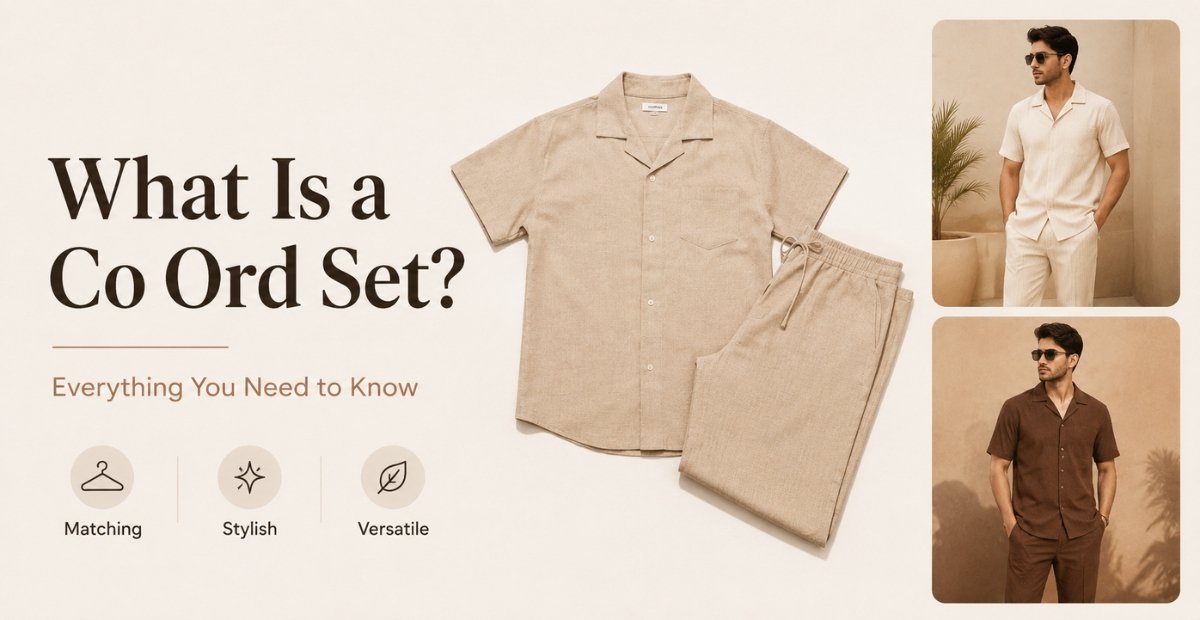
The co-ord set, a matching two-piece outfit where the top is designed and made as one unit with the bottom, has grown to be a staple in multiple fashion segments.
Co-ord sets are popular because they’re easy to buy. The customer doesn’t have to worry about matching because the set does it for them. The average order value is higher and customers are more likely to buy again.
Co-ord set designs are available in a variety of aesthetics: casualwear in fleece or jersey, loungewear in soft fabrics, and fashion in printed or structured materials. A coordinated set manufacturer that can produce both pieces of fabric in the same color lot will ensure the set looks just as intentional as it does on the product photographs.
5. Tracksuits
Tracksuits are a fashion staple that sits between sportswear with a performance focus and pure fashion. Tracksuits have evolved from being a purely functional piece of athletic clothing to a separate fashion category. They are worn for both style and sport.
Its versatility is the tracksuit’s greatest selling point. The tracksuit is versatile enough to be worn as loungewear or casual daywear. It can also make a fashion statement when done in a premium way. Tracksuits are a key product for brands that target youth markets or those with sportswear aesthetics. They can also be used to create casual wear with athletic credentials.
A manufacturer who is experienced with both the fashion and athletic sides of the category will know how to balance the performance fabric properties of the tracksuit with the fashion-forward design. This is the technical core that makes a tracksuit work in both contexts.
6. Fashion Jackets
Fashion jackets are an elevated expression of outerwear. They include bomber jackets and varsity jackets as well as coach jackets and trucker jackets.
Fashion jackets often represent the star of a brand, attracting the most attention and showcasing the best photography. They also tell the brand’s story in the most compelling way. The construction is more complicated than other fashion styles. There are more panels, more metal, and more details in the finishing.
Fashion jackets that are produced by fashion coat manufacturers who use high-quality hardware, pattern grading, and finishing processes, as well as a manufacturer, will have the quality needed to meet their premium positioning.
7. Knitwear
Knitwear, including sweaters, cardigans, and knitted outerwear, is one of the most technical categories in fashion. Knit fabric construction is fundamentally distinct from woven fabric, requiring different machines, different patterns, and different quality assurance processes.
Knitwear is a strong commercial category, especially in the autumn and winter seasons. It can be positioned as a premium product when made with quality yarns and carefully constructed. Knitwear manufacturers that specialize in this area bring a level of expertise that woven garment factories cannot match.
Conclusion
Fashionwear includes many styles, customers, and production needs. Explore the different Types of Fashionwear to choose the right products and manufacturing partners.
Explore the options for fashionwear production and find a partner that best suits your brand.
FAQs
What exactly is fashionwear?
It’s clothing that is designed for everyday style, self-expression, and comfort. This includes casualwear, streetwear, and Islamic fashion.
What’s the difference between streetwear and casualwear?
The emphasis is on comfort and wearability for everyday use. Streetwear is a mix of cultural identity, bold graphics, and community-driven branding.
How is Islamic clothing different from other types of clothing?
Islamic clothing must adhere to modesty standards, including longer lengths, higher collarlines, and covered arms, while also reflecting current fashion trends.