Winter training challenges even the strongest athletes. Cold air reduces muscle flexibility quickly. Moreover, stiff joints limit speed and agility. At the same time, heavy winter clothing restricts movement. Therefore, athletes often struggle to balance warmth and performance. Heat Core Insulated Sports Textile addresses this exact problem.
Heat Core Insulated Sports Textile is a high-performance thermal sports fabric. It combines advanced insulation with breathable fiber engineering. Unlike traditional winter fabrics, it traps body heat without trapping moisture. Consequently, athletes stay warm, dry, and comfortable. This insulated performance textile supports cold-weather sports effectively.
Thermal sports textiles are trending because winter fitness continues to grow. More athletes train outdoors year-round. Additionally, winter sports events are expanding globally. Therefore, winter athletic fabric technology has become a priority. Heat Core Insulated Sports Textile meets modern athletic demands.
Cold-weather performance requires temperature stability. The body must retain warmth without overheating. If sweat cools against the skin, performance drops rapidly. Therefore, modern sportswear must manage moisture efficiently. Heat Core technology solves this challenge through engineered fiber layers.
History of Thermal Sports Fabrics
Sportswear has evolved significantly over the last century. Early athletes relied mainly on wool garments. Wool provided insulation, but it absorbed sweat heavily. Consequently, garments became wet and uncomfortable.
Later, synthetic fibers like polyester emerged. These fabrics improved durability and drying speed. However, early synthetic textiles lacked effective insulation. Therefore, athletes layered multiple garments. This layering added bulk and limited flexibility.
During the late twentieth century,Weave, fleece became popular. Fleece improved warmth while reducing weight. However, it often trapped moisture during intense workouts. Therefore, overheating remained a concern.
Heat Core Insulated Sports Textile represents the next step in textile innovation. It integrates moisture management and thermal control into one structure. Consequently, athletes no longer need heavy layering systems. Modern winter athletic fabric technology focuses on performance balance.
Types of Heat Core Insulated Sports Textile
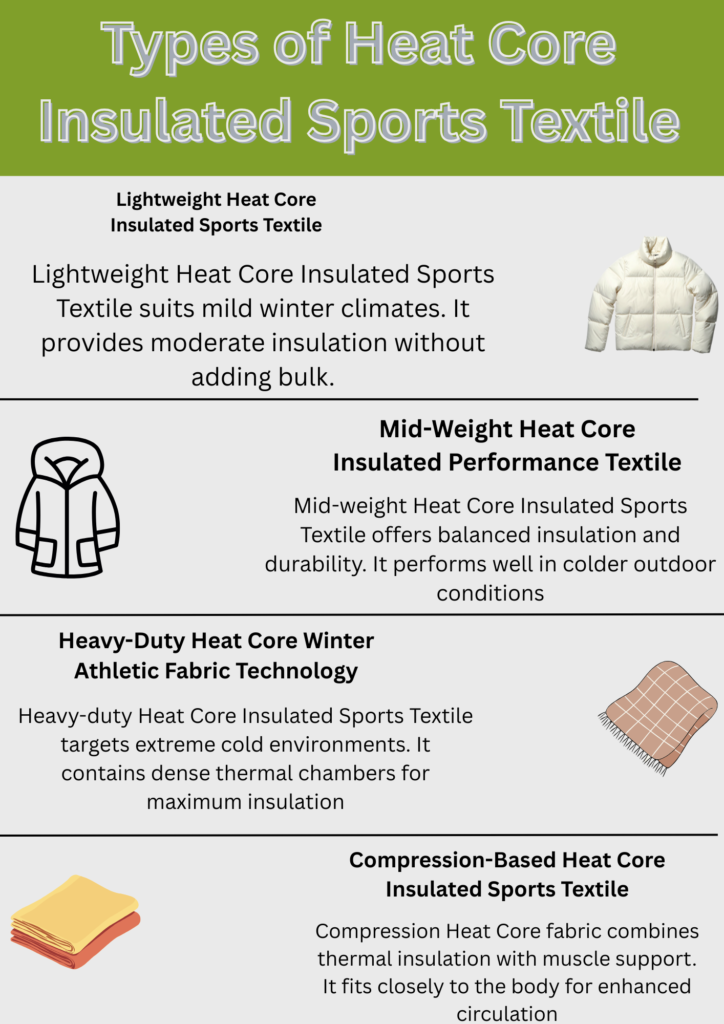
Heat Core Insulated Sports Textile comes in multiple engineered variations. Each type serves different performance needs and climate conditions. Therefore, athletes must understand fabric categories before selecting garments. Moreover, manufacturers design each variation with specific insulation levels, stretch ratios, and moisture control systems. As a result, choosing the right type improves comfort, efficiency, and durability.
Lightweight Heat Core Insulated Sports Textile
Lightweight Heat Core Insulated Sports Textile suits mild winter climates. It provides moderate insulation without adding bulk. Therefore, athletes maintain speed and flexibility during movement.
This type contains thinner thermal core fibers. However, it still traps sufficient body heat efficiently. Moreover, it features enhanced breathability for high-intensity training. Consequently, runners and gym athletes prefer this variation.
Mid-Weight Heat Core Insulated Performance Textile
Mid-weight Heat Core Insulated Sports Textile offers balanced insulation and durability. It performs well in colder outdoor conditions. Therefore, athletes rely on it for consistent winter training.
This type includes a thicker thermal core structure. As a result, it retains more heat than lightweight versions. However, it still maintains moisture-wicking efficiency. Consequently, sweat evaporates quickly during workouts.
Heavy-Duty Heat Core Winter Athletic Fabric Technology
Heavy-duty Heat Core Insulated Sports Textile targets extreme cold environments. It contains dense thermal chambers for maximum insulation. Therefore, it protects athletes in freezing temperatures.
Although insulation levels are high, designers maintain flexibility. Consequently, athletes move comfortably despite thick protection. Moreover, reinforced outer layers enhance durability against harsh weather.
Compression-Based Heat Core Insulated Sports Textile
Compression Heat Core fabric combines thermal insulation with muscle support. It fits closely to the body for enhanced circulation. Therefore, it reduces muscle vibration and fatigue.
This type integrates stretch fibers with insulated core technology. Consequently, athletes experience warmth and performance enhancement simultaneously. Moreover, it improves recovery during long sessions.
How Heat Core Insulated Sports Textile Works
Heat Core Insulated Sports Textile works through engineered multi-layer construction. Each layer serves a specific function. The inner layer focuses on moisture control. Meanwhile, the middle core traps heat efficiently. Finally, the outer layer enhances durability and airflow.
Because the fabric contains micro air chambers, it retains body heat effectively. These air pockets act as natural insulators. At the same time, moisture-wicking channels push sweat outward. Therefore, the insulated performance textile maintains dryness.
Traditional winter fabrics often trap heat excessively. Consequently, athletes sweat and feel uncomfortable. However, Heat Core fabric adjusts to body temperature changes. As a result, it prevents sudden overheating.
Heat Retention Technology
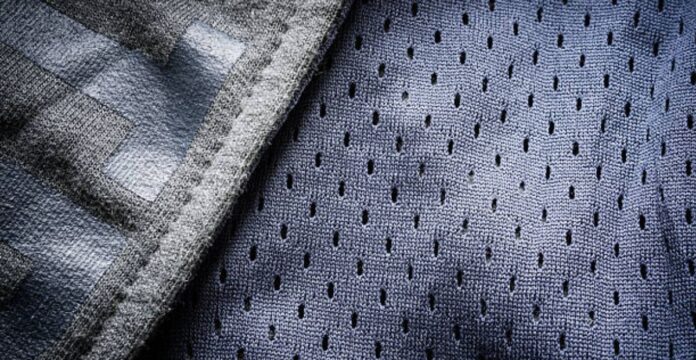
Heat Core technology uses advanced thermal core fibers. These fibers create microscopic insulation chambers. Because air remains trapped inside these chambers, warmth stays close to the body.
Additionally, the fibers respond to movement. When athletes generate more heat, the fabric promotes airflow. Therefore, it balances warmth and breathability. This dynamic function makes it superior to basic thermal sports fabric options.
Thermal Core Fiber Structure
The thermal core consists of hollow synthetic fibers. These fibers reduce fabric weight significantly. However, they maintain strong insulation performance.
Furthermore, the layered construction prevents cold air penetration. As a result, athletes remain protected during windy conditions. This winter athletic fabric technology ensures reliable cold-weather performance.
Moisture-Wicking and Insulation Balance
Moisture control plays a critical role in winter sportswear. Sweat trapped inside clothing can cool the body quickly. Therefore, Heat Core Insulated Sports Textile integrates rapid moisture transfer channels.
The inner layer pulls moisture away from the skin. Then, the outer surface releases it into the air. Consequently, athletes remain dry even during intense training sessions.
Key Features of Heat Core Insulated Sports Textile
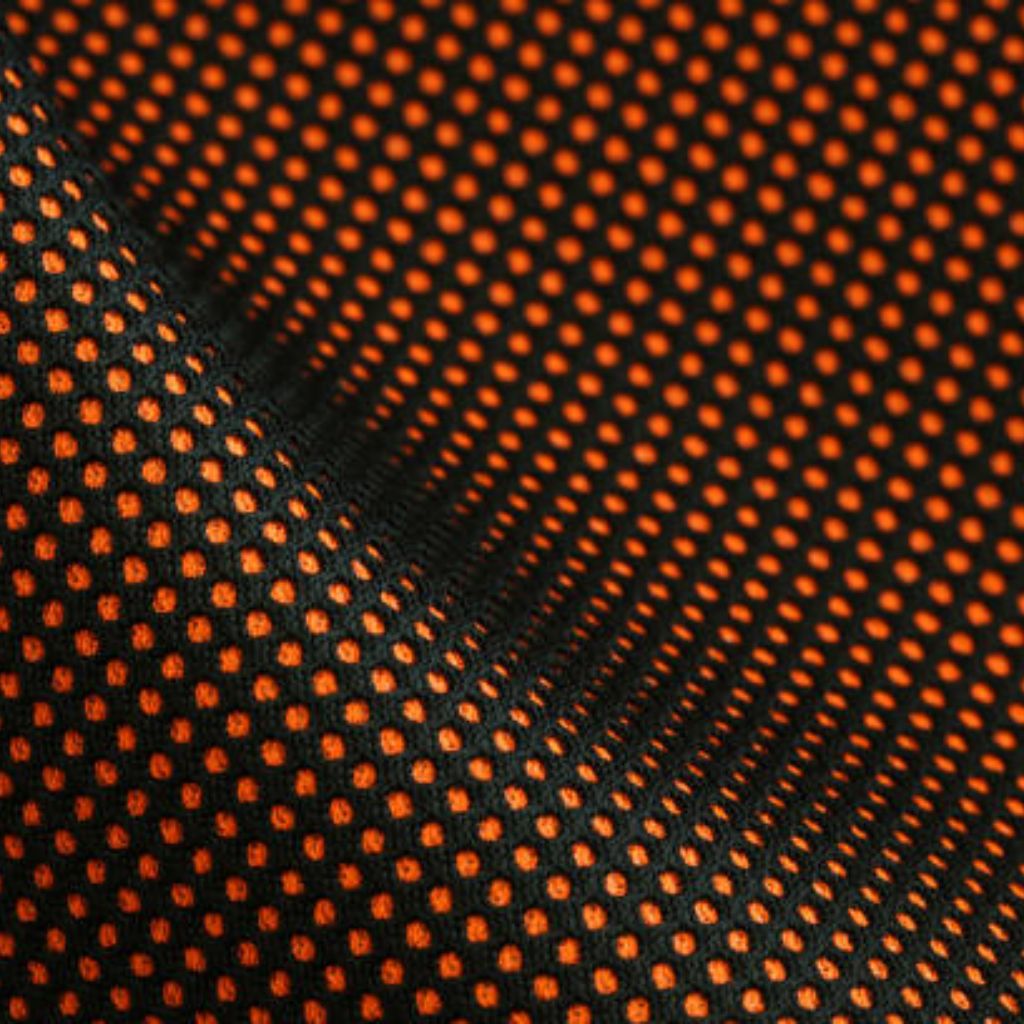
Heat Core Insulated Sports Textile offers advanced features that improve performance. These features make it a leading insulated performance textile in winter sportswear.
Advanced Heat-Lock Core
The heat-lock core traps warm air efficiently. Therefore, it stabilizes body temperature quickly. Additionally, it reduces heat loss during wind exposure.
Lightweight Insulation
Unlike bulky winter garments, this textile remains light. Athletes move freely and confidently. Consequently, performance improves significantly.
Sweat-Wicking Technology
Moisture-wicking channels remove sweat rapidly. Therefore, the body remains dry during workouts. Moreover, dryness prevents post-exercise chills.
4-Way Stretch Flexibility
The fabric stretches in all directions. Consequently, athletes experience unrestricted movement. Flexibility enhances comfort and reduces muscle strain.
Quick-Dry Performance
Quick-drying fibers prevent moisture buildup. Therefore, garments feel fresh even after intense sessions.
Odor Resistance
Antimicrobial treatments reduce bacterial growth. Consequently, the fabric resists odor effectively.
Durable Construction
Reinforced fiber blends increase longevity. Therefore, repeated washing does not weaken insulation performance.
Common Uses of Heat Core Insulated Sports Textile
Heat Core Insulated Sports Textile is highly versatile, making it suitable for a wide range of winter sports and outdoor activities. Its combination of insulation, moisture-wicking capability, and flexibility allows athletes to perform comfortably in cold climates. The fabric adapts to different intensity levels, from high-speed sprints to long-distance endurance training, ensuring consistent thermal regulation and comfort throughout.
Running and Jogging in Cold Weather
One of the most popular uses of Heat Core Insulated Sports Textile is for running and jogging during winter months. Traditional running apparel often fails to maintain warmth without restricting movement, leading to discomfort and reduced performance. Heat Core garments provide lightweight insulation that keeps muscles warm while supporting full range of motion. Moisture-wicking properties prevent sweat from accumulating, keeping the runner dry and preventing chilling after intense activity. Consequently, athletes can train longer and more effectively, even in sub-zero temperatures.
Skiing, Snowboarding, and Winter Sports
Winter sports such as skiing, snowboarding, and ice climbing demand garments that provide warmth without bulk. Heat Core Insulated Sports Textile is frequently used in base layers, mid-layers, and jackets for these activities. Its advanced thermal core traps body heat while allowing excess moisture to escape, preventing cold air from penetrating and keeping athletes comfortable on slopes. The fabric’s flexibility supports dynamic movements, from carving turns on skis to navigating challenging snowboarding terrains, ensuring both safety and performance.
Cycling and Outdoor Training
Cyclists and outdoor athletes often face harsh wind chill and unpredictable weather conditions. Heat Core Insulated Sports Textile is ideal for cycling jackets, leggings, and gloves because it offers both wind resistance and efficient temperature regulation. During long rides, the fabric’s breathability prevents overheating while still maintaining warmth, and its quick-dry properties ensure comfort throughout. Similarly, runners, hikers, and fitness enthusiasts training outdoors can rely on this fabric to sustain their performance without compromising mobility or endurance.
Compression Wear and Muscle Support
Heat Core Insulated Sports Textile is also incorporated into compression garments designed for winter workouts. By combining thermal insulation with body-hugging compression, these garments support circulation and stabilize muscles while retaining warmth. This makes them ideal for high-intensity training sessions, endurance sports, or recovery after intense exercise. Athletes benefit from reduced muscle vibration, enhanced warmth, and consistent comfort, all of which contribute to better performance and quicker recovery.
Why Heat Core Insulated Sports Textile Is Important for Winter Sports
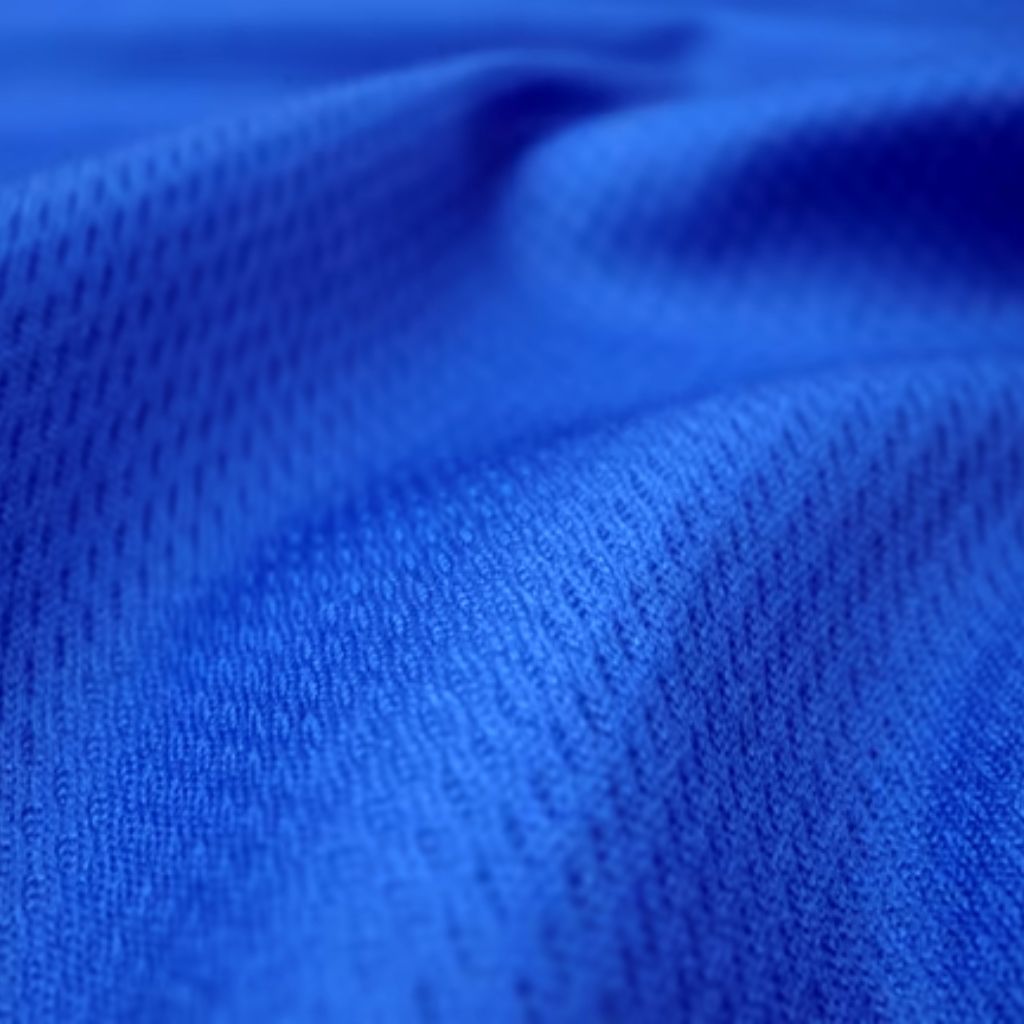
Winter sports demand reliable protection. Cold muscles increase injury risk. Therefore, proper insulation becomes essential. Heat Core Insulated Sports Textile supports muscle warmth effectively.
Additionally, consistent temperature regulation improves endurance. When athletes maintain comfort, they perform longer. Consequently, training sessions become more productive.
Moreover, the fabric prevents overheating. Many traditional materials trap excessive heat. However, this insulated performance textile balances airflow intelligently. Therefore, it enhances overall performance.
Benefits for Athletes and Outdoor Enthusiasts
Heat Core Insulated Sports Textile provides measurable benefits. First, it maintains body temperature in extreme cold. Therefore, athletes feel protected during outdoor sessions.
Second, it reduces muscle stiffness. Warm muscles perform better and recover faster. Consequently, athletes experience fewer injuries.
Third, it enhances performance in winter sports. Whether skiing or cycling, stable warmth improves focus. Additionally, comfort reduces distractions.
Furthermore, the fabric improves long-session endurance. Lightweight insulation prevents fatigue from heavy clothing. Therefore, athletes train longer without discomfort.
Finally, it prevents overheating during high-intensity workouts. Moisture-wicking technology ensures dryness. As a result, athletes remain confident and energized.
Best Uses of Heat Core Insulated Sports Textile
Heat Core Insulated Sports Textile adapts to many winter sports garments. Therefore, manufacturers integrate it into diverse athletic apparel.
Running Jackets
Running jackets made from this thermal sports fabric provide lightweight warmth. Therefore, runners maintain speed and flexibility.
Thermal Leggings
Thermal leggings support muscle warmth and circulation. Consequently, athletes feel comfortable during freezing conditions.
Compression Wear
Compression garments using insulated performance textile enhance muscle stability. Moreover, they retain warmth during cold training sessions.
Ski Base Layers
Ski base layers require effective insulation. Heat Core fabric performs well beneath waterproof shells. Therefore, skiers stay warm on snowy slopes.
Cycling Gear
Cyclists face strong wind exposure. This winter athletic fabric technology resists wind chill effectively. Consequently, cyclists remain protected during long rides.
Outdoor Training Apparel
Outdoor training apparel benefits from balanced insulation. Therefore, athletes train consistently throughout winter.
| Garment Type | Heat Core Advantage | Ideal Activity |
|---|---|---|
| Running Jacket | Lightweight warmth | Winter running |
| Thermal Leggings | Muscle stability | Cold workouts |
| Ski Base Layer | Core insulation | Snow sports |
| Cycling Jersey | Wind resistance | Long cycling |
Heat Core Insulated Sports Textile vs Traditional Thermal Fabrics
Modern athletes compare fabrics carefully. Therefore, understanding differences helps decision-making.
| Feature | Heat Core | Fleece | Wool | Polyester | Cotton Blend |
|---|---|---|---|---|---|
| Moisture Control | Excellent | Moderate | Low | Good | Poor |
| Weight | Lightweight | Medium | Heavy | Light | Medium |
| Breathability | High | Medium | Low | Moderate | Low |
| Durability | High | Moderate | Moderate | Good | Low |
Fleece provides warmth but lacks moisture efficiency. Wool insulates well but absorbs sweat. Polyester dries quickly but offers limited insulation. Cotton loses heat when wet. Therefore, Heat Core Insulated Sports Textile offers balanced performance.
Is Heat Core Insulated Sports Textile Good for Extreme Cold?
Yes, it performs effectively in freezing conditions. However, layering improves overall protection.
Temperature Range
Depending on thickness, it supports sub-zero temperatures. Therefore, athletes can rely on it in harsh climates.
Layering Compatibility
It functions as base or mid-layer. Consequently, it integrates well with outer shells.
Wind Resistance
The fabric blocks mild wind exposure. However, extreme winds require additional protection.
Water Resistance
Although not fully waterproof, it dries rapidly. Therefore, it performs well in snowy conditions.
Sustainability and Eco-Friendly Aspects
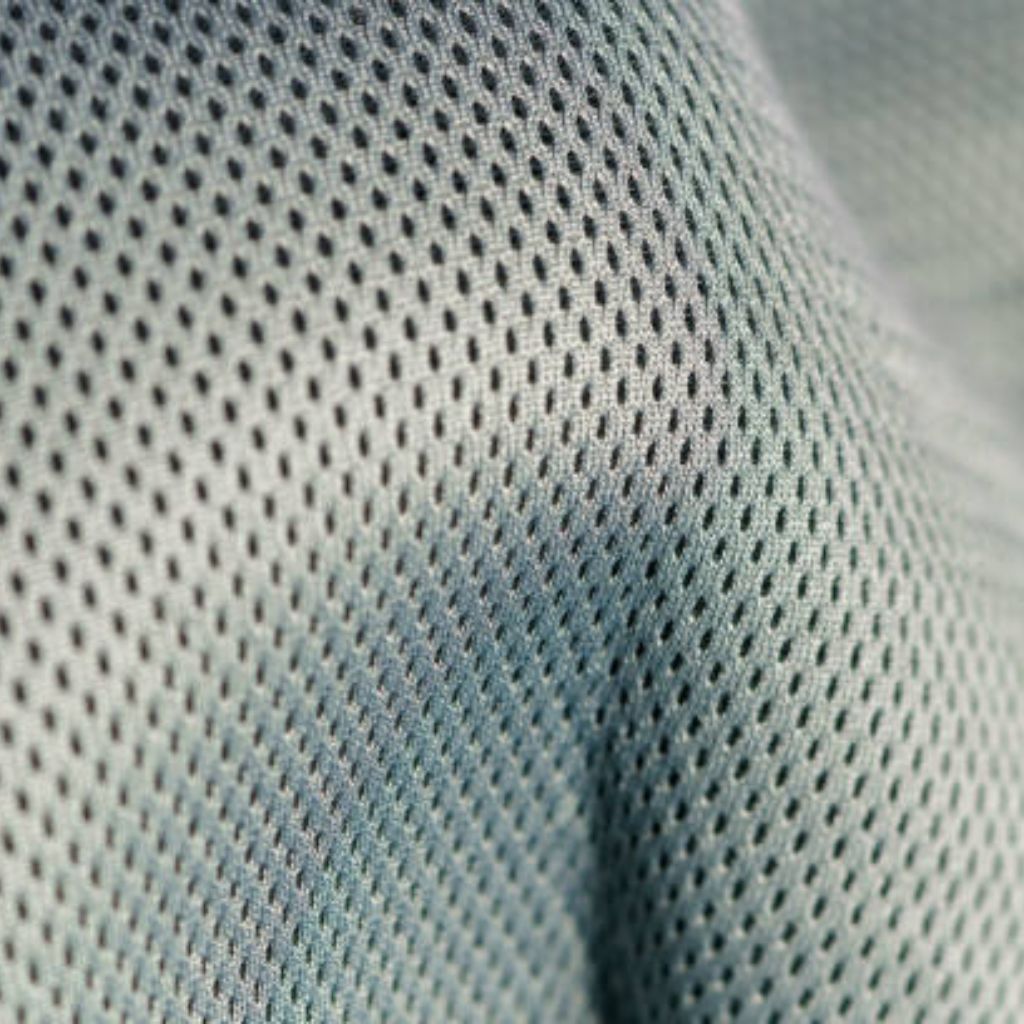
Sustainability influences sportswear design strongly. Therefore, many manufacturers use recycled fibers. Recycled polyester reduces environmental impact significantly.
Additionally, energy-efficient production lowers carbon emissions. Consequently, eco-friendly thermal textile solutions attract conscious consumers.
Durability also supports sustainability. Because garments last longer, waste decreases. Therefore, sustainable sports fabric technology contributes positively to the environment.
Buying Guide: Choosing the Best Heat Core Insulated Sports Textile
Selecting the right fabric requires attention. First, check fabric weight and GSM rating. Higher GSM suits colder climates.
Next, evaluate stretch ratio. Athletes need 4-way stretch for comfort. Therefore, ensure elasticity remains strong.
Additionally, consider climate conditions. Dry cold and damp cold require different thickness levels.
Finally, inspect stitching quality and insulation testing labels. Reliable brands provide performance certifications. Therefore, choose products carefully for long-term value.
Care & Maintenance of Heat Core Insulated Sports Textile
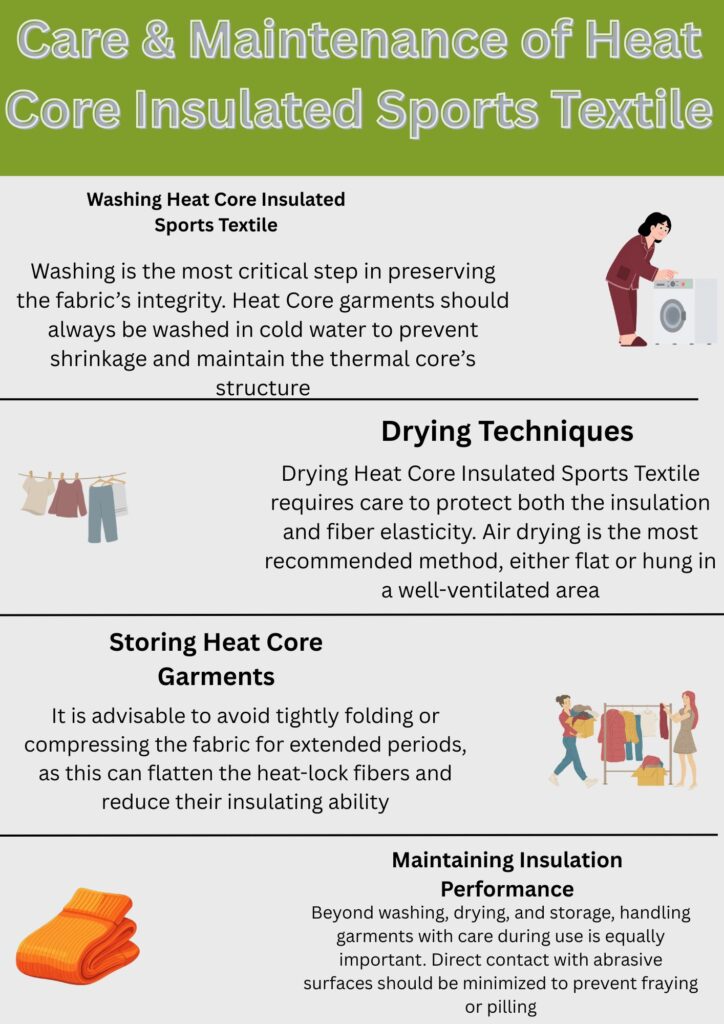
Proper care of Heat Core Insulated Sports Textile is crucial to maintain its performance, insulation, and longevity. Unlike ordinary fabrics, Heat Core relies on advanced fiber technology to trap heat while allowing moisture to escape. If not handled correctly, the thermal core can be damaged, reducing breathability and overall efficiency. Athletes and outdoor enthusiasts can preserve the garment’s effectiveness by understanding the right care practices.
Washing Heat Core Insulated Sports Textile
Washing is the most critical step in preserving the fabric’s integrity. Heat Core garments should always be washed in cold water to prevent shrinkage and maintain the thermal core’s structure. Hot water can damage the micro-insulated fibers, reducing the fabric’s ability to retain warmth. Using a gentle detergent is essential, as harsh chemicals can harm moisture-wicking channels and diminish odor resistance.
Drying Techniques
Drying Heat Core Insulated Sports Textile requires care to protect both the insulation and fiber elasticity. Air drying is the most recommended method, either flat or hung in a well-ventilated area. Exposure to direct sunlight should be minimized, as UV rays can break down synthetic fibers over time, gradually reducing the garment’s durability.
Storing Heat Core Garments
Storage plays an important role in the longevity of Heat Core Insulated Sports Textile. Garments should always be kept in dry, well-ventilated areas to prevent moisture accumulation, which can damage insulation and promote mold or odor. It is advisable to avoid tightly folding or compressing the fabric for extended periods, as this can flatten the heat-lock fibers and reduce their insulating ability
Maintaining Insulation Performance
Beyond washing, drying, and storage, handling garments with care during use is equally important. Direct contact with abrasive surfaces should be minimized to prevent fraying or pilling. Ironing is not recommended because high heat can damage the thermal fibers.
Conclusion
Heat Core Insulated Sports Textile represents modern winter athletic fabric technology. It combines insulation, flexibility, and breathability in one structure. Moreover, it supports performance without adding bulk.
As winter training continues growing, athletes demand smarter textiles. Therefore, insulated performance textile solutions will expand further. Heat Core Insulated Sports Textile stands at the forefront of innovation.
Ultimately, this thermal sports fabric empowers athletes in cold climates. Because it balances warmth and moisture control, performance remains consistent. Consequently, Heat Core Insulated Sports Textile defines the future of winter sportswear.
FAQs
What makes Heat Core different from fleece?
Heat Core balances insulation and moisture control better than fleece. Therefore, it prevents overheating effectively.
Is Heat Core fabric breathable?
Yes, it promotes airflow while retaining warmth. Consequently, athletes stay comfortable.
Can it be used for high-intensity workouts?
Yes, moisture-wicking channels keep the body dry. Therefore, it suits intense winter sessions.
Does it shrink after washing?
Proper washing prevents shrinkage. Always follow recommended care instructions.