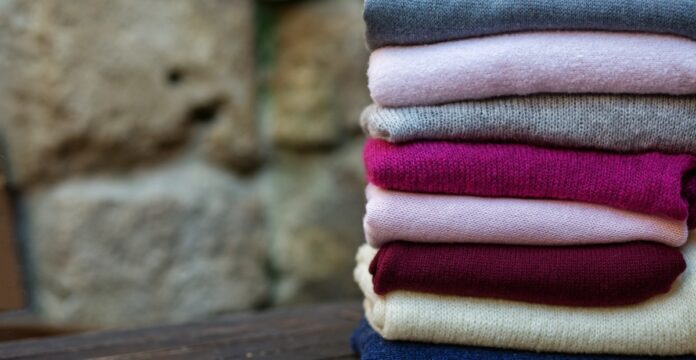
Pure Cashmere Wool Fabric is the ultimate in softness, warmth and elegance. Fabric made from the undercoat of a cashmere goat is valued for its silky feel, lightweight insulation and durability. Pure cashmere is superior to blended or recycled alternatives, as it contains only 100% natural cashmere fibres. This ensures unsurpassed comfort and refinement.
This comprehensive guide will examine the various types of Pure Cashmere Wool Fabric, their unique properties, applications and benefits. You will also learn why pure cashmere is still one of the most sought-after luxury fabrics in fashion and interior design.
What is pure cashmere wool fabric?
Cashmere is made from the undercoat fibers that are primarily found in Mongolia, China and Iran. The goats develop a thin insulating layer in order to survive the harsh winters. The fibers are therefore incredibly soft and warm.
Cashmere is thinner, smoother and more flexible than regular wool. Cashmere feels luxurious on the skin, so garments made of pure cashmere are a great choice. The natural crimp in the fiber provides excellent insulation while minimizing bulk.
Cashmere wool fabric types
Pure Cashmere Wool Fabric is classified based on the weaving technique, knitting method, weight and finishing process. Here are the most valuable and popular types.
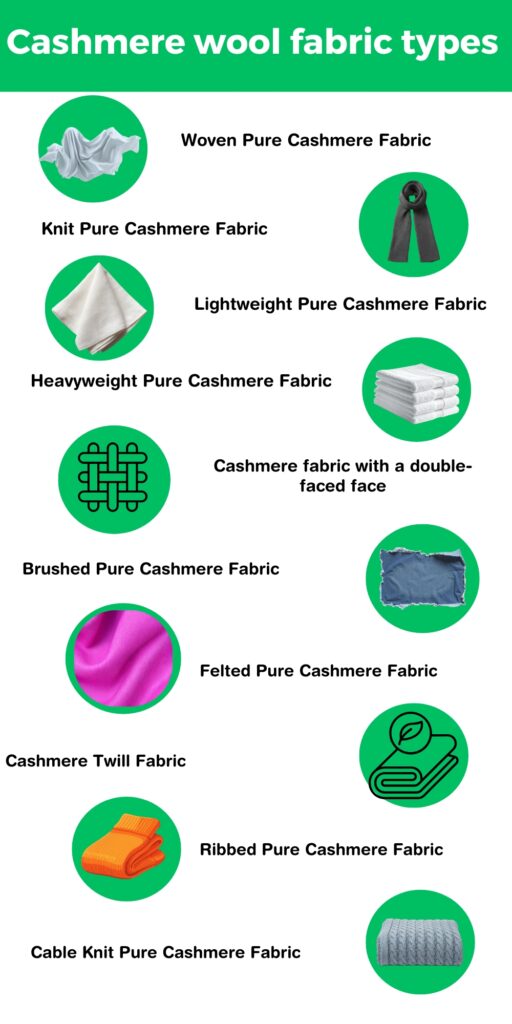
1. Woven Pure Cashmere Fabric
The traditional weaving technique is used to create Pure Cashmere Wool Fabric. The fibers of the fabric are interlaced into structured patterns to create a durable and refined textile.
Characteristics:
- Smooth surface
- Structured drape
- Elegant finish
- Long-lasting durability
Common Uses
- Overcoats
- Blazers
- Luxury Trousers
- Tailored suits
Cashmere woven is also often used for high-end collections, as its structure allows for better tailoring. It is therefore widely used by designers.
2. Knit Pure Cashmere Fabric
Interlocking yarn loops are used to produce knitted pure cashmere fabrics. It is softer, more flexible and stretchier than woven cashmere.
Features:
- Superior softness
- Natural stretch
- Comfortable fit
- Breathable warmth
Ideal for:
- Sweaters
- Cardigans
- Scarves
- Lounge sets
Cashmere knit also molds to your body and provides a comfortable yet breathable feeling. It is therefore extremely popular for winter fashion.
3. Lightweight Pure Cashmere Fabric
Pure Cashmere Wool Fabric in lightweight pure is ideal for layering or transitional weather. It is still incredibly warm despite its thinness.
Advantages:
- Feel ultra-light
- Soft texture
- The ability to layer is excellent
- Climates with mild temperatures are suitable for this product
This type of sand is used for:
- Beautiful sweaters
- Shawls
- Wraps made of lightweight materials
Cashmere is a lightweight material that provides warmth and comfort without being heavy. It’s perfect for spring or autumn wardrobes.
4. Heavyweight Pure Cashmere Fabric
Pure Cashmere Wool Fabric are heavier and offer better insulation. The fiber density is higher and the weave tighter.
Benefits:
- Maximum warmth
- Greater durability
- Stronger shape retention
- Premium feel
Cashmere heavyweight is used for:
- Winter coats
- Capes
- Luxury blankets
It is therefore the perfect choice for regions with a colder climate.
5. Cashmere fabric with a double-faced face
Pure Cashmere Wool Fabric is made up of two layers, each of which are pure cashmere. They are invisible stitched. It creates a seamless, reversible appearance.
The following are the key qualities:
- Reversible design
- No lining required
- Interior and exterior surfaces that are smooth
- Luxurious look
Designers prefer this type of:
- Premium overcoats
- Jackets with an open front
- Statement outerwear
The level of craftsmanship is high, and it is therefore considered to be a category of high-end fabrics.
6. Brushed Pure Cashmere Fabric
The surface of pure cashmere is raised gently during the finishing process. The fabric is made even fluffier and softer.
Properties:
- Velvety surface
- Increased warmth
- Elegant appearance
- Soft halo effect
This fabric is perfect for:
- Scarves
- Winter wraps
- Luxury Knitwear
Brushing also increases insulation and breathability.
7. Felted Pure Cashmere Fabric
Pure Cashmere Wool Fabric of Cashmere felt is made by compressing the fibers with moisture, heat and agitation. The fabric is then denser and compacted.
Advantages:
- Wind-resistant
- Thick texture
- Unique matte finish
- Excellent durability
This is a common term used to:
- Structured jackets
- Hats
- Winter Accessories
The fabric is resistant to fraying because the fibers are tightly interlocked.
8. Cashmere Twill Fabric
Pure Cashmere Wool Fabric of Cashmere twill is woven diagonally. It creates subtle ridges which enhance the visual texture.
Features:
- Diagonal weave
- Improved durability
- Elegant drape
- Wrinkle resistance
This type of sand is used for:
- Formal coats
- Tailored clothing
- High-end fashion clothing
The twill structure also increases strength while maintaining softness.
9. Ribbed Pure Cashmere Fabric
Cashmere ribbed is usually knitted in a way that has raised vertical lines. The fabric is then more stretchy and form-fitting.
Benefits:
- Elastic structure
- Comfortable fit
- Style texture
- Excellent recovery
The following are some of the most common uses:
- Sweater cuffs
- Beanies
- Body-hugging garments
Ribbed patterns also add dimension and a modern look.
10. Cable Knit Pure Cashmere Fabric
The cable knit pure cashmere is characterized by intricate braided designs inspired by traditional knitwear.
Characteristics:
- The decorative texture
- Thick heat
- Timeless aesthetic
- Luxury Craftsmanship
Popular in:
- Winter sweaters
- Cardigans
- Luxury pullovers
Cable knit patterns are rich in visual appeal and softness.
Why Cashmere wool fabric is superior
Cashmere wool is superior to other natural fibers in several ways.
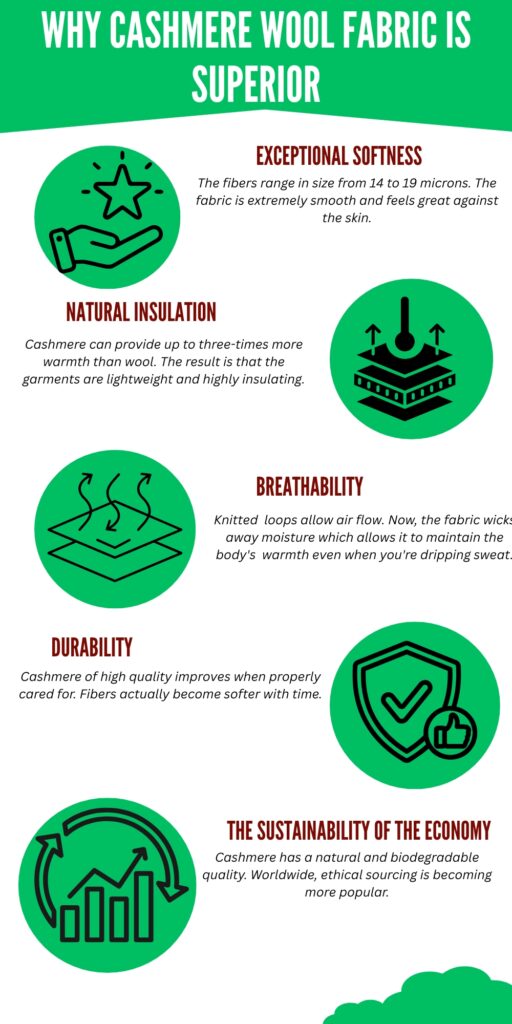
1. Exceptional softness
The fibers range in size from 14 to 19 microns. The fabric is extremely smooth and feels great against the skin.
2. Natural Insulation
Cashmere can provide up to three-times more warmth than wool. The result is that the garments are lightweight and highly insulating.
3. Breathability
Cashmere is a natural material that allows for air circulation. The body temperature is regulated as a result.
4. Durability
Cashmere of high quality improves when properly cared for. Fibers actually become softer with time.
5. The Sustainability of the Economy
Cashmere has a natural and biodegradable quality. Worldwide, ethical sourcing is becoming more popular.
Pure Cashmere Wool Fabric
Cashmere is used to make:
- Fashion collections
- Designer outerwear
- Premium knitwear
- High-end Accessories
- Interior textiles such as blankets and throws
Cashmere is also frequently used in the collections of luxury fashion houses. Cashmere is often highlighted in winter collections by prestigious fashion houses in fashion capitals like Paris and Milan.
How Cashmere Wool Fabric is Produced
The following steps are involved in the production process:
- Combing goats in molting season
- Sorting fibres according to length and fineness
- Dehairing and cleaning Remove coarse strands.
- Spinning into yarn.
- Weaving or knitting in fabric
- Texture enhancement using finishing treatments
The fibers are fragile, so much work is done with care. Craftsmanship is crucial to maintaining quality.
Cashmere is a high-quality material.
When purchasing pure cashmere fabric, you should:
- Fiber length (longer fibers reduce pilling)
- Soft and resilient texture
- Surface without excessive fuzz
- Certified 100% Pure Content
Price is often an indicator of quality. However, other factors such as ethical sourcing, brand reputation, and price are also important.
Care for Pure Cashmere Fabric
The right care will ensure longevity.
- Handwash in cold water
- Use mild detergent
- Avoid wringing
- Towel dry flat
- Fold and store, but do not hang.
De-pilling is also helpful to maintain smoothness.
Cashmere: A Good Investment?
Cashmere is a luxurious fabric that comes at a high price. However, the durability, comfort and timeless appeal of this fabric make it worth investing in. Well-maintained items can last decades.
Cashmere is a staple in luxury wardrobes because it is both elegant and functional. Cashmere is a symbol for refined taste.
Final Thoughts
Cashmere is more than a fabric; it’s a symbol of craftsmanship, comfort and sophistication. Each type, from woven and knit to lightweight and heavierweight, serves a purpose and maintains exceptional warmth and softness.
Cashmere is also gaining in popularity as more consumers seek out sustainable luxury. Understanding the different types of cashmere wool fabrics is important when selecting fabric for tailoring, or investing in high-end garments.
FAQs
What is pure cashmere wool fabric made from?
Pure cashmere wool fabric is made from the fine undercoat fibers of cashmere goats. These fibers are carefully combed, sorted, and spun into yarn before being woven or knitted into fabric.
How is pure cashmere different from regular wool?
Pure cashmere is softer, lighter, and warmer than regular wool. Additionally, its fibers are finer, which makes the fabric smoother and more luxurious against the skin.
What are the main types of pure cashmere wool fabric?
The main types include woven cashmere, knit cashmere, lightweight cashmere, heavyweight cashmere, double-faced cashmere, brushed cashmere, felted cashmere, twill cashmere, ribbed cashmere, and cable knit cashmere.