Winter clothing must balance warmth, comfort, and flexibility. However, many traditional fabrics feel heavy or itchy. Therefore, modern consumers search for smarter winter textiles. Nordic Plush Thermal Fabric Explained helps readers understand this advanced material clearly. It combines plush softness with strong heat retention. As a result, it has gained massive popularity in cold regions.
Today, buyers prefer performance-based clothing rather than bulky layers. Consequently, Nordic Plush Thermal material trends strongly in winter collections. Fashion brands promote it as a winter performance textile. Moreover, customers appreciate its lightweight warmth and skin-friendly texture. Plush thermal fabric benefits include breathability and moisture control.
Who should use this fabric? Outdoor workers need reliable insulation daily. Similarly, travelers in cold countries require heat-retaining fabric. Athletes also benefit from breathable warmth during activity. Even students and office workers prefer Nordic thermal fabric for winter layering. Therefore, this fabric suits both extreme climates and mild winters.
In short, Nordic Plush Thermal Fabric Explained answers modern winter needs effectively. It provides comfort, warmth, durability, and style together.
What Is Nordic Plush Thermal Fabric?
Nordic Plush Thermal Fabric Explained begins with understanding its structure. It is a synthetic thermal insulation fabric engineered for cold weather. Manufacturers design it to trap body heat efficiently. At the same time, it remains soft and breathable. Therefore, it improves overall winter comfort.
This winter performance textile usually contains polyester fibers. In many cases, microfiber threads enhance softness. Some versions include elastane for stretch and flexibility.Nordic Plush Thermal Fabric Explained: Together, these materials create a heat-retaining fabric that performs exceptionally well.
Definition
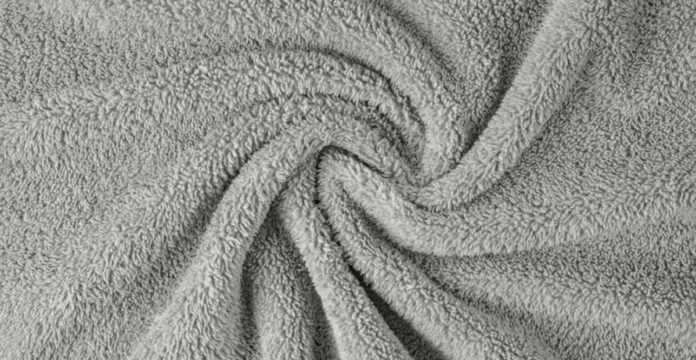
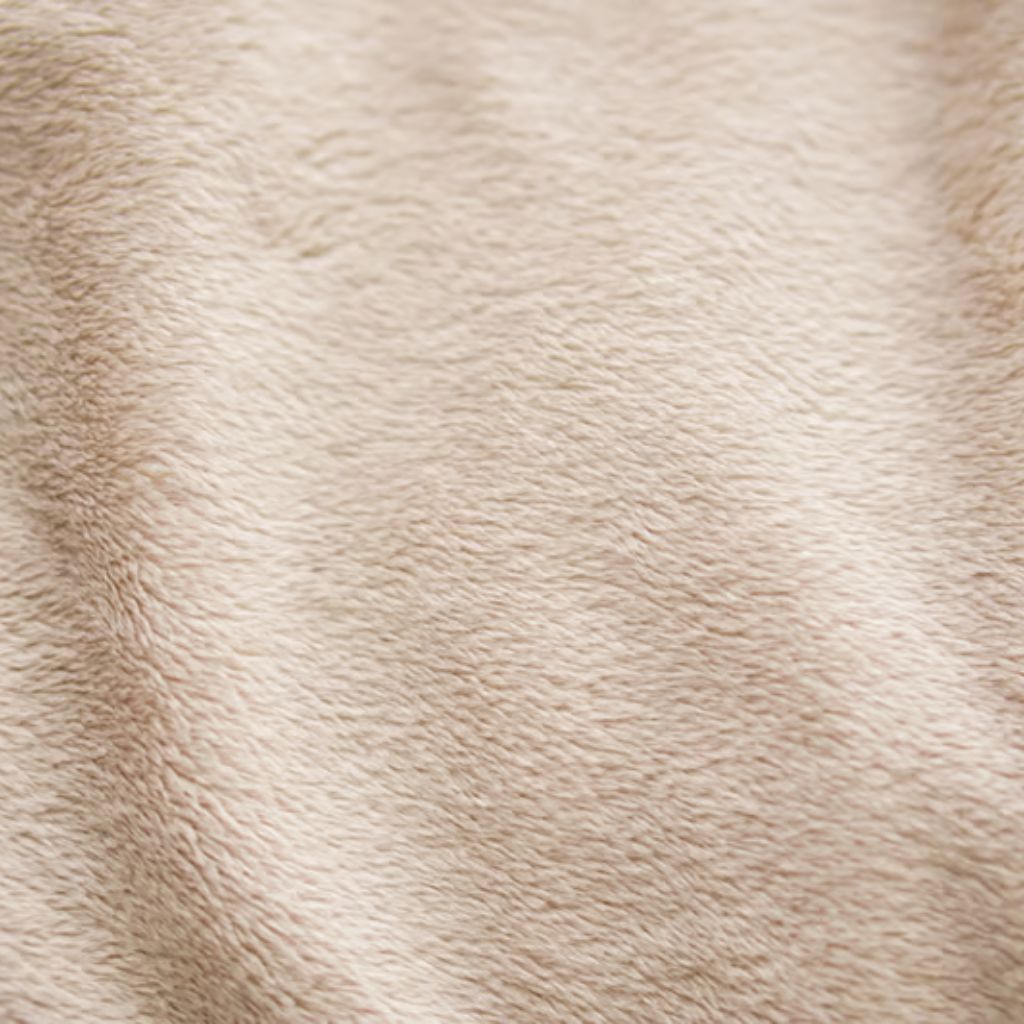
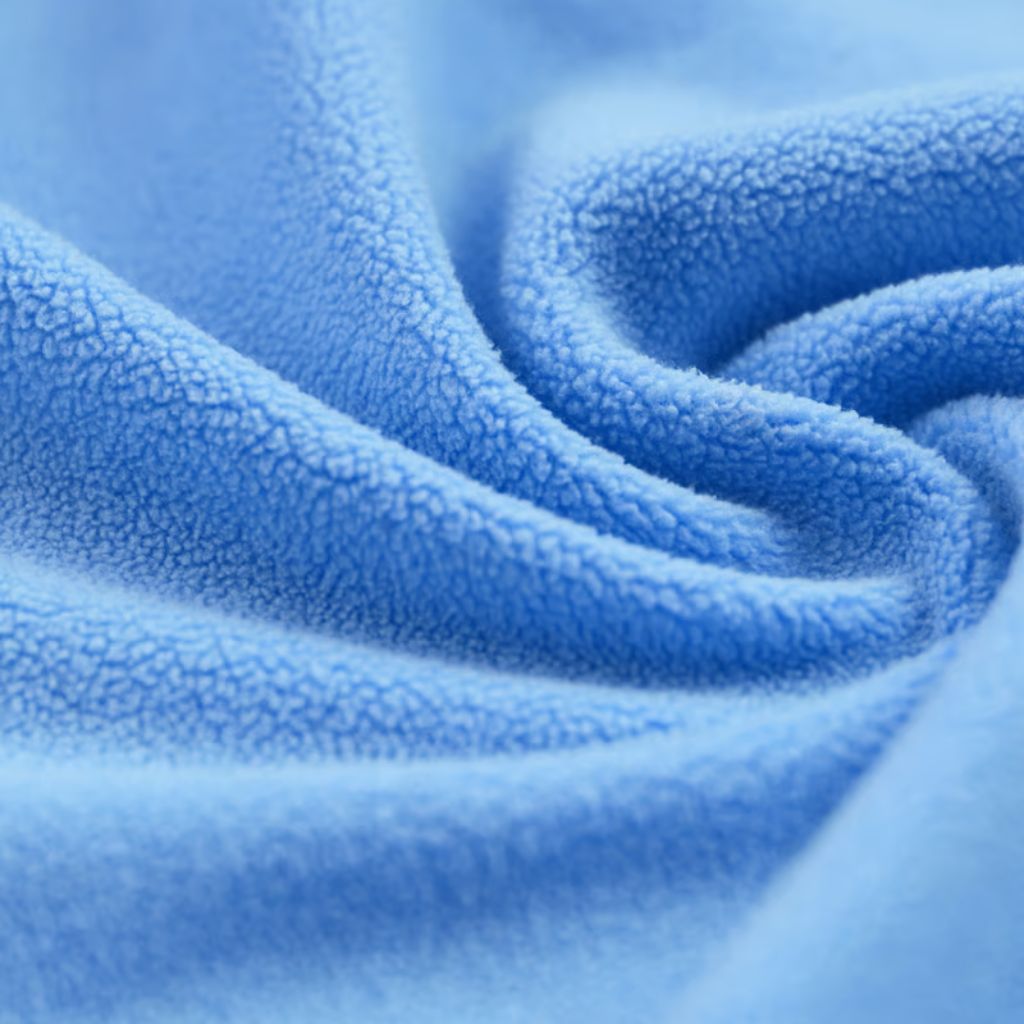
Nordic Plush Thermal material is a brushed knit fabric. It features a plush outer surface with insulating fibers. These fibers create tiny air pockets. Consequently, the fabric traps warm air close to the body.
Unlike basic fleece, this fabric feels denser and smoother. However, it does not feel bulky. Therefore, it supports both comfort and insulation.
Composition
Most Nordic thermal fabric for winter contains high-quality polyester. Polyester ensures durability and moisture resistance. Additionally, microfiber blends increase softness significantly. Some manufacturers add elastane to improve stretch.
Because of this composition, the fabric resists wrinkles and shrinkage. Moreover, it maintains shape after repeated washing. Therefore, users enjoy long-term performance.
Manufacturing Process
Manufacturers first knit the base structure tightly. Then, they brush the fabric surface mechanically. This brushing process raises fine fibers. As a result, plush softness develops.
After brushing, heat-setting techniques stabilize the structure. Consequently, the material retains thickness and insulation. Quality testing ensures consistent GSM and softness levels.
Why Is It Called “Nordic”?
The name “Nordic” represents cold Scandinavian climates. These regions experience harsh winters regularly. Therefore, the fabric name reflects extreme cold protection.
Nordic Plush Thermal Fabric Explained:It symbolizes durability, warmth, and winter reliability. Hence, Nordic Plush Thermal Fabric Explained connects strongly with winter survival performance.
History of Nordic Plush Thermal Fabric
Thermal fabrics have evolved over decades. Initially, wool dominated winter clothing markets. However, wool felt heavy and required careful maintenance. Therefore, manufacturers searched for synthetic alternatives.
During the late twentieth century, polyester technology improved significantly. As a result, fleece fabrics became popular worldwide. Yet, consumers demanded softer and warmer materials. Consequently, textile engineers developed microfiber brushing techniques.
Nordic Plush Thermal material emerged from these innovations.Nordic Plush Thermal Fabric Explained: It combined fleece insulation with enhanced plush softness. Over time, fiber density and knitting techniques improved further. Therefore, modern versions provide better durability and breathability.
Today, brands worldwide use this winter performance textile. It continues evolving with sustainable fiber options. Thus, Nordic Plush Thermal Fabric Explained reflects modern textile engineering progress.
Types of Nordic Plush Thermal Fabric Explained
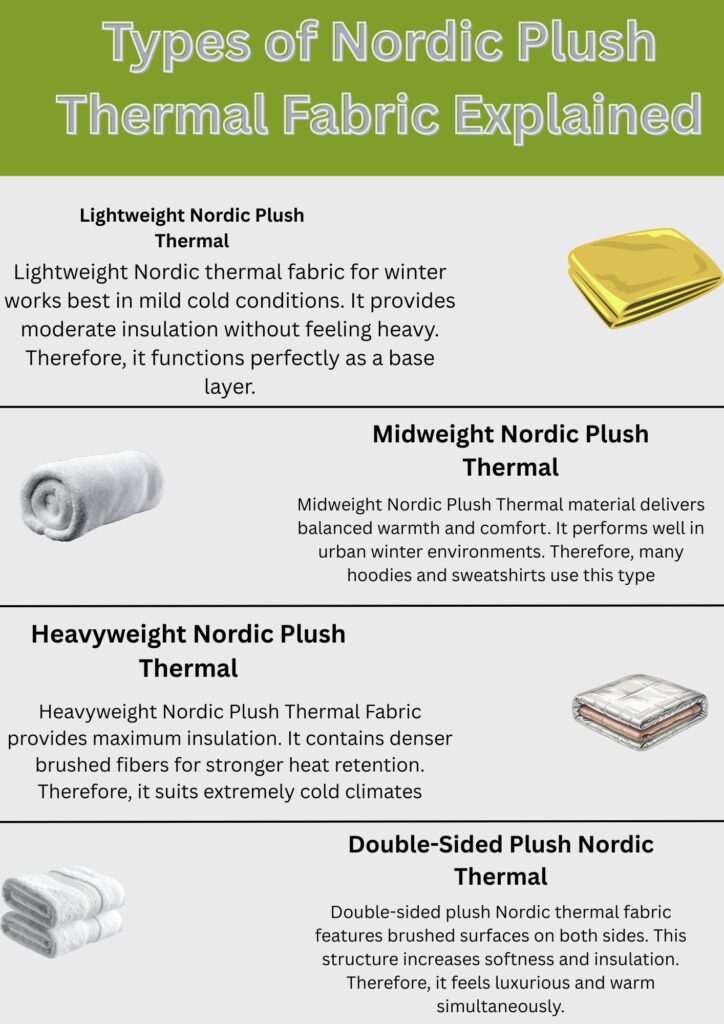
Nordic Plush Thermal Fabric Explained includes several types designed for different winter needs. Although all variations offer warmth and softness, each type serves a specific purpose. Therefore, understanding these types helps buyers select the right option. Moreover, different thickness levels and constructions influence insulation performance. Consequently, choosing the correct type ensures better comfort and durability.
Lightweight Nordic Plush Thermal
Lightweight Nordic thermal fabric for winter works best in mild cold conditions. It provides moderate insulation without feeling heavy. Therefore, it functions perfectly as a base layer. Many thermal innerwear garments use this type for daily comfort.
Because it remains breathable, it suits active individuals. Athletes and hikers often choose lightweight versions. Additionally, it allows smooth layering under jackets or coats. As a result, it offers flexibility and warmth together.
Midweight Nordic Plush Thermal
Midweight Nordic Plush Thermal material delivers balanced warmth and comfort. It performs well in urban winter environments. Nordic Plush Thermal Fabric Explained:Therefore, many hoodies and sweatshirts use this type. It keeps the body warm without overheating indoors.
Moreover, midweight fabric maintains excellent breathability. Consequently, users can wear it for long hours comfortably. This type remains one of the most popular choices for everyday winter wear.
Heavyweight Nordic Plush Thermal
Heavyweight Nordic Plush Thermal Fabric provides maximum insulation. It contains denser brushed fibers for stronger heat retention. Therefore, it suits extremely cold climates. Outdoor jackets and winter coats often use this type.
Because of its thickness, it traps more warm air. Consequently, it protects against freezing temperatures effectively. However, it may feel slightly heavier than lighter versions. Still, it offers superior warmth for harsh winters.
Double-Sided Plush Nordic Thermal
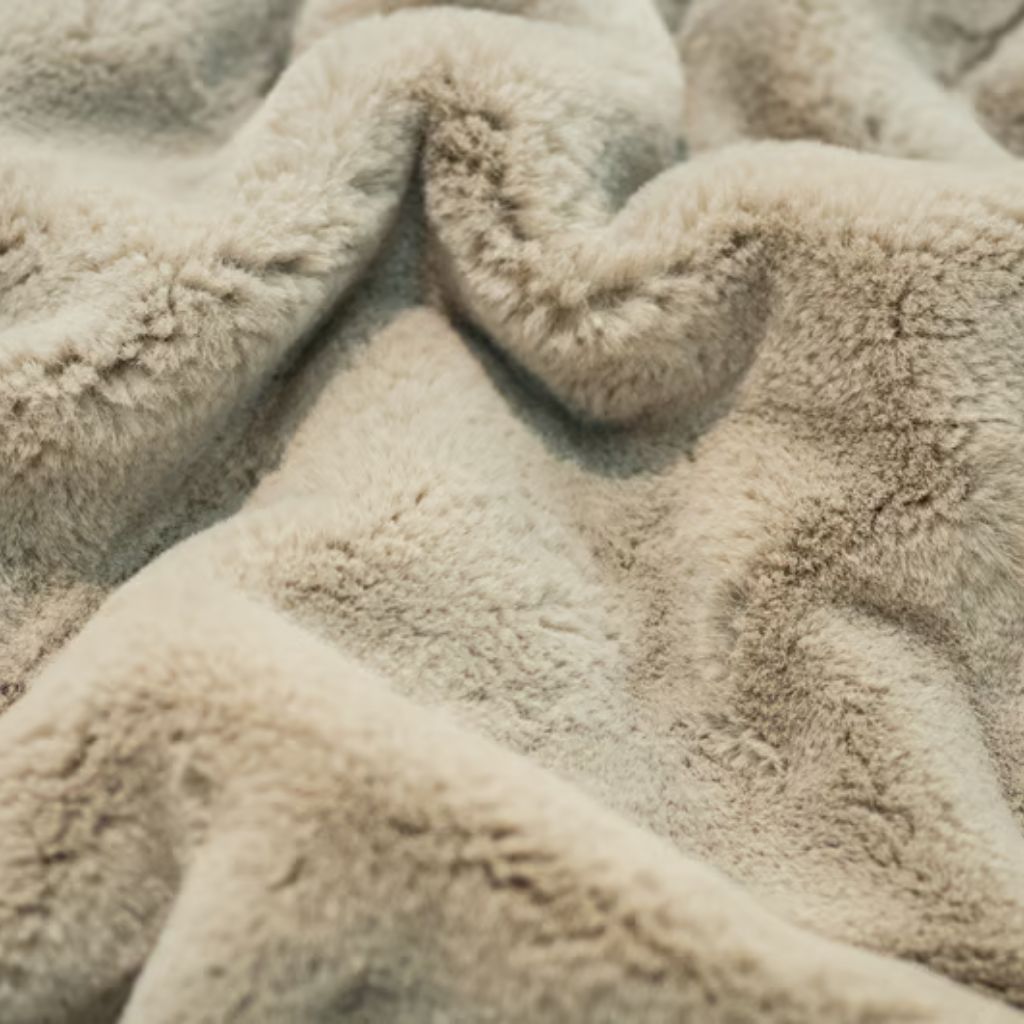
Double-sided plush Nordic thermal fabric features brushed surfaces on both sides. This structure increases softness and insulation. Therefore, it feels luxurious and warm simultaneously.
Blankets and premium loungewear frequently use this type. Moreover, it enhances comfort for indoor relaxation. Because both sides remain soft, it improves user experience significantly.
How Nordic Plush Thermal Fabric Is Made
Manufacturing quality determines fabric performance. Therefore, understanding production steps helps buyers evaluate durability.
First, manufacturers select premium polyester fibers. Then, knitting machines create a stable base structure. Afterward, brushing machines lift fine fibers on one or both sides.
Nordic Plush Thermal Fabric Explained:This brushing process creates plush softness and air pockets. Consequently, insulation improves significantly. Finally, heat-setting stabilizes fiber alignment. Quality inspections ensure consistent thickness and flexibility.
Because of controlled manufacturing, the fabric achieves long-lasting softness. Moreover, it resists pilling better than ordinary fleece.
Why Nordic Plush Thermal Fabric Is So Popular
Popularity depends on performance and comfort. Therefore, Nordic Plush Thermal Fabric Explained highlights several reasons for its success.
First, it provides excellent warmth without bulk. Second, it feels soft and luxurious on skin. Third, it maintains breathability during movement.
Additionally, it requires simple maintenance. Unlike wool, it does not need special washing care. Consequently, busy users prefer it.
Furthermore, designers appreciate its stylish appearance. It drapes well and holds color effectively. Thus, it dominates modern winter fashion collections.
Key Features of Nordic Plush Thermal Fabric
Understanding features helps users make informed decisions. Therefore, this section outlines essential characteristics clearly.
- Ultra-soft plush texture: Brushed fibers create a velvety surface. Therefore, the fabric feels gentle on skin.
- Advanced heat retention: Air pockets trap body warmth efficiently. Consequently, users stay warmer longer.
- Lightweight yet warm: Strong insulation does not add bulk. Thus, layering becomes easier.
- Moisture-wicking ability: Polyester fibers move sweat outward quickly. Therefore, the body remains dry.
- Breathability: Air circulation reduces overheating during activity.
- Durability: High-quality fibers resist wear and repeated washing.
- Stretch and flexibility: Elastane blends improve mobility significantly.
These features explain why many call it the best thermal fabric for winter balance.
Benefits of Nordic Plush Thermal Fabric
Features describe structure, but benefits explain real-life value. Therefore, buyers focus strongly on benefits.
Keeps Body Warm in Extreme Cold
The fabric traps warm air layers effectively. Consequently, heat loss reduces rapidly. Even in freezing weather, comfort remains stable.
Comfortable for All-Day Wear
Soft plush texture prevents itching. Therefore, users can wear it for long hours. It suits work, travel, and relaxation equally.
Ideal for Layering
Because it remains lightweight, layering becomes simple. Therefore, users combine it with coats or windbreakers easily.
Skin-Friendly and Non-Irritating
Unlike coarse wool, it feels smooth. Moreover, it rarely causes allergic reactions. Sensitive users often prefer it.
Energy-Efficient Warmth
When the body stays warm naturally, indoor heating use may reduce. Therefore, it supports energy-conscious living.
Is Nordic Plush Thermal Fabric Good for Extreme Cold?
Yes, especially heavyweight types perform strongly. Nordic Plush Thermal Fabric Explained:However, layering enhances effectiveness further. Therefore, combine it with windproof outerwear.
In sub-zero temperatures, it maintains insulation efficiently. Additionally, moisture-wicking reduces sweat buildup. Thus, outdoor comfort improves significantly.
For mountaineering or snow travel, use it as a mid-layer. Consequently, insulation performance multiplies.
Pros and Cons
| Pros | Cons |
|---|---|
| Excellent warmth | Slightly higher cost than fleece |
| Soft and comfortable | Synthetic composition |
| Lightweight structure | May pill if low quality |
| Easy maintenance | Quality varies by manufacturer |
This transparent view builds buyer trust effectively.
Buying Guide: How to Choose the Best Nordic Plush Thermal Fabric
Selecting wisely ensures long-term satisfaction. Therefore, evaluate these factors carefully.
GSM (Fabric Weight)
Higher GSM means thicker and warmer fabric. Choose based on climate conditions.
Thickness Levels
Lightweight suits layering. Heavyweight suits extreme winters. Match purpose before buying.
Stretch Type
Active users need higher elastane content. Stretch improves flexibility greatly.
Quality Indicators
Check fiber density and even brushing. Strong stitching increases garment durability.
Price Range
Moderate pricing often reflects balanced quality. Extremely cheap products may lack insulation.
Common Uses of Nordic Plush Thermal Fabric Explained
Nordic Plush Thermal Fabric Explained is not limited to one category of clothing. Instead, it serves multiple industries and winter needs. Because it combines warmth, softness, and breathability, designers use it widely. Moreover, its lightweight structure makes it suitable for layering and standalone garments. Consequently, this winter performance textile appears in both fashion and functional products.
Winter Jackets and Coats
Manufacturers frequently use Nordic Plush fabric for jackets. It provides strong insulation without adding unnecessary bulk. Therefore, it keeps wearers warm in freezing temperatures.
Heavyweight Nordic thermal fabric for winter coats works best in harsh climates. Moreover, it traps body heat efficiently while allowing movement. Nordic Plush Thermal Fabric Explained:As a result, outdoor workers and travelers prefer it.
Hoodies and Sweatshirts
Midweight Nordic Plush Thermal material is ideal for hoodies. It delivers balanced warmth for daily winter wear. Additionally, it feels soft against the skin.
Because it remains breathable, it prevents overheating indoors. Consequently, students and office workers choose it for casual comfort.
Thermal Innerwear and Base Layers
Lightweight Nordic thermal fabric for winter functions perfectly as innerwear. It fits close to the body and traps warmth effectively. Therefore, it acts as a reliable base layer.
Moreover, moisture-wicking fibers keep the skin dry. As a result, it supports outdoor activities like hiking and cycling.
Winter Blankets and Throws
Nordic thermal fabric for blankets provides plush softness and insulation. It keeps families warm during cold nights. Additionally, double-sided plush versions increase comfort.
Because of its cozy texture, it feels luxurious on beds and sofas. Consequently, many households prefer it over standard fleece blankets.
Common Mistakes When Using Nordic Plush Thermal Fabric Explained
Nordic Plush Thermal Fabric Explained offers excellent warmth and comfort. However, many users reduce its lifespan through simple mistakes.Nordic Plush Thermal Fabric Explained: Because it contains brushed synthetic fibers, it requires mindful handling. Therefore, avoiding common errors helps maintain softness and insulation. Moreover, proper usage ensures long-term durability and performance.
Below are the most frequent mistakes people make with Nordic Plush Thermal material.
Washing in Hot Water
One of the biggest mistakes is using hot water. High temperatures weaken polyester fibers quickly. As a result, the plush surface may lose softness.
Always choose cold or lukewarm water instead. This simple step preserves the heat-retaining fabric structure. Consequently, the garment maintains its original feel and warmth.
Using Harsh Detergents or Bleach
Strong chemical detergents damage the brushed fibers. Bleach especially breaks down fiber strength. Therefore, the fabric may become rough over time.
Instead, use mild liquid detergent for gentle cleaning. This protects color and softness. Moreover, it prevents unnecessary fiber breakdown.
Over-Drying with High Heat
Excessive dryer heat is another common mistake. High temperatures flatten the plush texture. Consequently, insulation performance may reduce.
Always use low heat or air dry when possible. Proper drying keeps Nordic thermal fabric for winter garments fluffy and warm.
Overloading the Washing Machine
When garments rub heavily against rough fabrics, surface damage occurs. Washing Nordic Plush Thermal Fabric with denim increases friction. Therefore, pilling may appear faster.
Wash similar soft fabrics together. This reduces abrasion and protects the plush surface. As a result, garments stay smooth longer.
Is Nordic Plush Thermal Fabric Worth It? Final Verdict
Nordic Plush Thermal Fabric Explained proves strong winter value. It combines softness, insulation, and durability. Therefore, it suits various winter lifestyles.
Nordic Plush Thermal Fabric Explained:Outdoor workers should choose heavyweight versions. Meanwhile, indoor users may prefer lighter types. However, budget buyers must compare GSM carefully.
Overall, it delivers excellent warmth-to-weight balance. Thus, it remains one of the smartest winter fabric investments.
Care Guide: Nordic Plush Thermal Fabric Explained for Long-Lasting Performance
Proper care keeps winter fabrics soft and durable. Therefore, understanding the right maintenance routine is essential. Nordic Plush Thermal Fabric Explained:Nordic Plush Thermal Fabric Explained not only highlights warmth and comfort but also emphasizes easy care. Because this fabric contains synthetic fibers, it requires less effort than wool. However, you must still follow proper washing and storage methods.
Washing Instructions
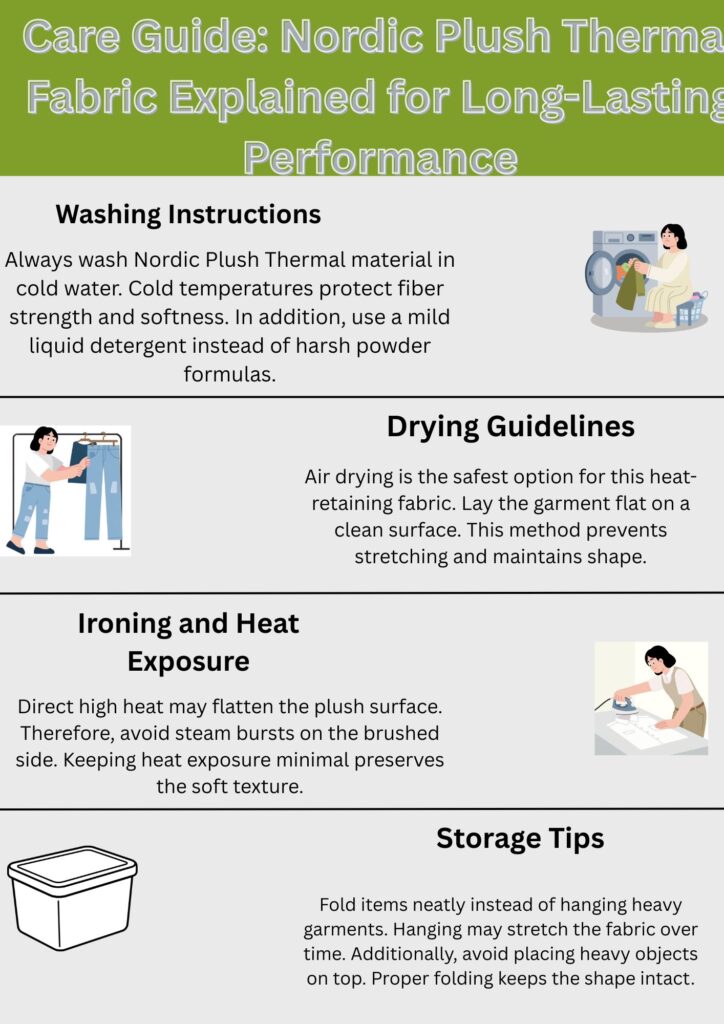
Always wash Nordic Plush Thermal material in cold water. Cold temperatures protect fiber strength and softness. In addition, use a mild liquid detergent instead of harsh powder formulas. Strong chemicals can weaken the brushed surface.
Choose a gentle machine cycle to reduce friction. Excessive spinning may damage the plush texture. Therefore, avoid heavy washing loads that create fabric rubbing. Washing similar fabrics together helps maintain quality.
Drying Guidelines
Air drying is the safest option for this heat-retaining fabric. Lay the garment flat on a clean surface. This method prevents stretching and maintains shape. Moreover, natural drying protects fiber softness.
If you use a dryer, select a low-heat setting. High heat can weaken polyester fibers. Consequently, excessive heat may reduce insulation performance. Always remove garments promptly to avoid wrinkles.
Ironing and Heat Exposure
Generally, ironing is unnecessary for Nordic Plush Thermal Fabric. The material naturally resists wrinkles. However, if needed, use the lowest heat setting. Place a cotton cloth between the iron and fabric.
Direct high heat may flatten the plush surface. Nordic Plush Thermal Fabric Explained:Therefore, avoid steam bursts on the brushed side. Keeping heat exposure minimal preserves the soft texture.
Storage Tips
Proper storage extends fabric life significantly. Always store garments in a dry, ventilated space. Moist environments may affect fiber freshness. Therefore, ensure the storage area remains clean and cool.
Fold items neatly instead of hanging heavy garments. Hanging may stretch the fabric over time. Additionally, avoid placing heavy objects on top. Proper folding keeps the shape intact.
Conclusion
Nordic Plush Thermal Fabric Explained proves why this material leads modern winter textiles. It combines softness, insulation, and durability in one smart structure. Therefore, it solves the common problem of bulky winter clothing. At the same time, it keeps the body warm without adding weight.
Moreover, its advanced heat-retaining fabric technology traps warmth efficiently. Because of its breathable design, users avoid overheating during movement. In addition, moisture-wicking fibers keep the skin dry and comfortable. These qualities make it ideal for daily wear, outdoor activities, and extreme cold layering. Read more: Plush Jacket for Men
FAQs
Is Nordic Plush Thermal Fabric warmer than fleece?
Yes, it usually provides stronger heat retention than standard fleece.
Can it be used for outdoor sports?
Yes, especially midweight versions support winter activities effectively.
Is it breathable?
Yes, it allows airflow while retaining warmth.
Does Nordic Plush fabric pill over time?
Lower-quality versions may pill slightly. High-quality blends resist pilling better.