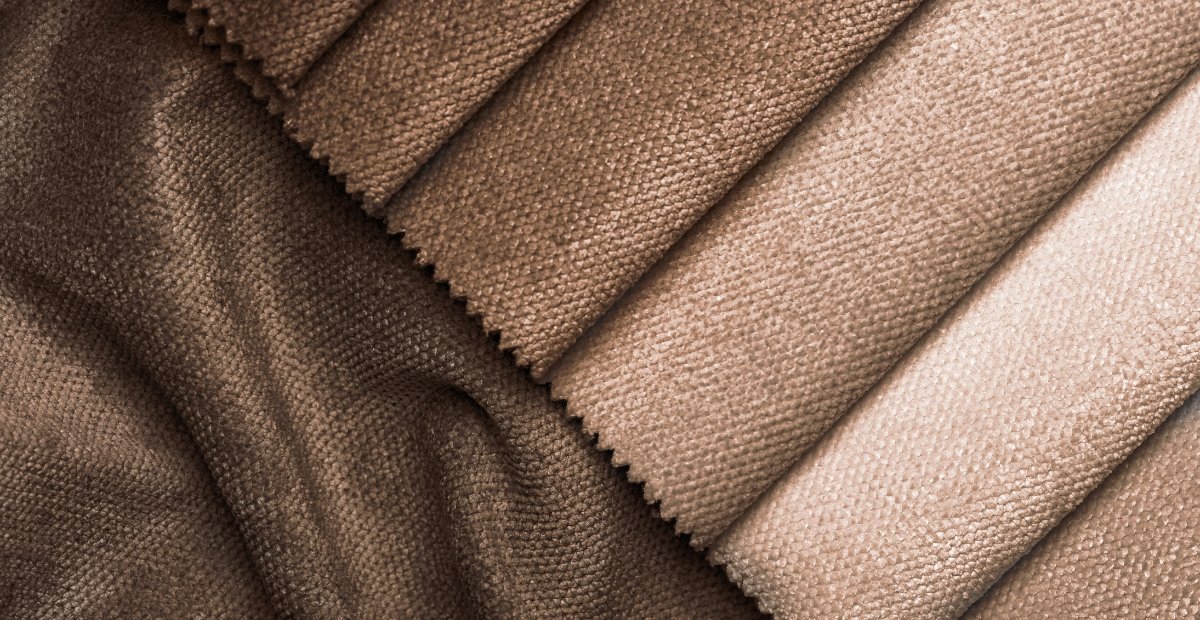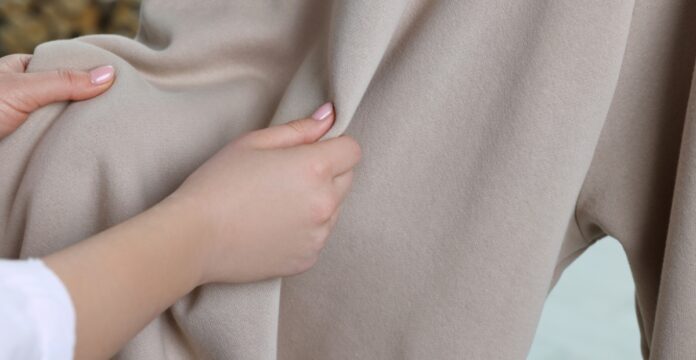
Heavyweight Grade C Cashmere Fabric is synonymous with comfort, luxury and timeless elegance. Heavyweight Grade C Cashmere Fabric wool is not created equal. heavyweight grade C cashmere fabric wool is unique among the various categories of fabrics available today. Cashmere is durable, warm, and affordable, but it retains its natural softness. Understanding its characteristics will help buyers, designers and textile enthusiasts to make informed decisions.
This particular grade is also becoming more popular as fashion and textiles place greater emphasis on sustainability and practicality. Cashmere in Grade C is a more practical alternative to the premium grades. It is worth a closer look.
This article examines its origin, characteristics and benefits, as well as the manufacturing process, usage, maintenance and market relevance. Also, SEO-friendly insights will be provided to help readers fully understand the commercial and functional value of this product.
Understanding Cashmere Fabric Basics
Heavyweight Grade C Cashmere Fabric is made from the undercoat of goats raised in cold climates. The material produced by these goats is extremely warm because they develop fine fibers that act as insulation. In the past, finer and lighter fibers were considered superior. The heavier grades have their own benefits.
Cashmere of Grade C is a slightly coarser fiber than the top grades. They still offer softness and insulation. The material is thicker and stronger when it’s woven into heavyweight fabrics. It is therefore suitable for harsher conditions and colder climates.
The fiber structure also allows for heat retention with less weight than synthetic alternatives. It is used in winter clothing, blankets and outerwear.
Why is Heavyweight Grade C Cashmere Fabric so Unique?
Heavyweight Grade C Cashmere Fabric differs in many ways from lighter luxurious variants. The fiber diameter tends to be larger which adds strength. Clothes made of it last longer.
The fabric density is also higher. This leads to better insulation. Heavyweight Grade C Cashmere Fabric is a blend of premium lightweightHeavyweight Grade C Cashmere Fabric, which emphasizes warmth and resilience.
The texture may also feel a little less silky. Many consumers still find it comfortable for daily wear. It is often appealing because of the balance it strikes between performance and affordability.
Its versatility is also not to be underestimated. It is used for upholstery, coats and scarves because it can withstand wear better.
Heavyweight Cashmere Production Process
Typically, the production process begins with fibers collected during seasonal shed. In general, the fibers are not sheared but combed instead. This preserves animal welfare. Sorting is then done according to the fiber length and thickness.
Then, the Heavyweight Grade C Cashmere Fabric fibers will be separated. These fibers can have minor imperfections. They are valuable for durable fabrics.
The fibers will then be cleaned, carded and spun into yarn. The twisting can be increased during spinning. So, stronger yarns are produced. The heavyweight fabric is then created by weaving or knitting.
Final finishing treatments improve softness and stability. Some fabrics are brushed to make them feel smoother. Comfort is improved while durability remains.
Cashmere Heavyweight Grade C Cashmere: Its Advantages
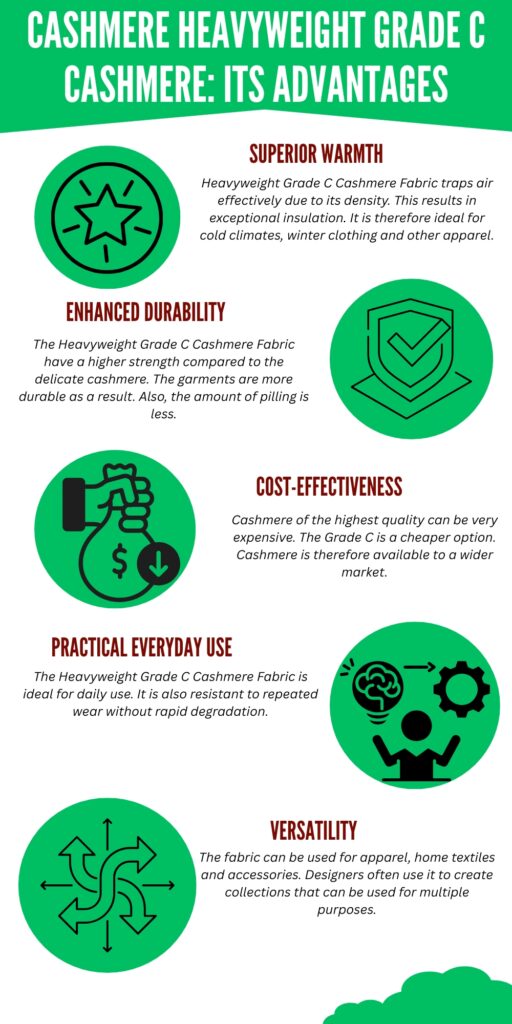
1. Superior Warmth
Heavyweight Grade C Cashmere Fabric traps air effectively due to its density. This results in exceptional insulation. It is therefore ideal for cold climates, winter clothing and other apparel.
2. Enhanced Durability
The Heavyweight Grade C Cashmere Fabric have a higher strength compared to the delicate cashmere. The garments are more durable as a result. Also, the amount of pilling is less.
3. Cost-Effectiveness
Cashmere of the highest quality can be very expensive. The Grade C is a cheaper option. Cashmere is therefore available to a wider market.
4. Practical Everyday Use
The Heavyweight Grade C Cashmere Fabric is ideal for daily use. It is also resistant to repeated wear without rapid degradation.
5. Versatility
The fabric can be used for apparel, home textiles and accessories. Designers often use it to create collections that can be used for multiple purposes.
Potential Limitations
Despite the many advantages, there are some limitations to be aware of. The texture is less refined. Comfort is still acceptable to most users.
Second, heavier weights may not be suitable for mild climates. In order to determine the seasonal suitability, it is important to evaluate.
The thickness of the fiber can also affect color absorption. Modern dyeing techniques compensate for this issue.
Compare with other Cashmere grades
Knowing the differences between grades can help buyers make informed decisions.
- Grade A cashmere: Fine fibers, ultra-soft, lightweight and premium price.
- Grade A Cashmere: Softness and durability are moderate, with a mid-range price.
- Grade B Cashmere: A slightly coarser cashmere that is more durable and cost-effective.
The heavyweight grade C fills the gap between luxury and practicality. While Grade A emphasizes prestige, Grade C prioritizes performance.
This option is also popular with consumers who are concerned about longevity. It has become popular in the commercial fashion sector.
Apps for Fashion Industry
Cashmere of Grade C is used widely in fashion. Designers love its warmth and durability. It is often used in winter collections.
Examples of common applications include:
- Overcoats, jackets
- Sweaters, knitwear and other clothing
- Shawls and scarves
- Winter Accessories
It is also used by mass-market brands because it combines quality with affordability. The demand for this product continues to increase.
Sustainability initiatives have also recognized the longevity of sustainable fashion. The longer-lasting clothes reduce waste. So, the environmental impact of clothing can be reduced.
Home textile uses
Cashmere heavyweight is also used for home textiles. Cashmere is used in blankets and throws, for example.
Upholstery applications are also on the rise. Furniture covers last longer because the fabric is durable. Maintenance costs are also reduced.
Interior designers also value the natural aesthetic of this material. It is therefore both visually appealing and comfortable.
Sustainability Issues
Textile production has shifted its focus to sustainability. Cashmere production raises environmental concerns, especially grazing effects. Responsible sourcing is becoming more popular.
For example, ethical herding is promoted. Moreover, eco-friendly dying processes are being introduced.
Cashmere of heavyweight grade C contributes to sustainability indirectly. The products are more durable, so fewer replacements will be needed. In turn, this can reduce resource consumption.
Maintenance and Care Tips
Proper maintenance is essential to ensuring longevity. Following maintenance guidelines is therefore essential.
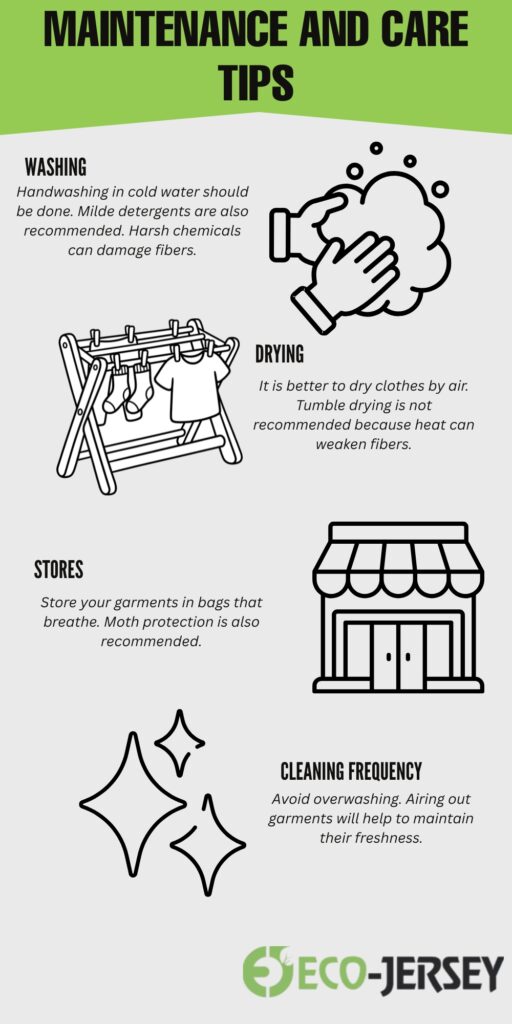
Washing
Handwashing in cold water should be done. Milde detergents are also recommended. Harsh chemicals can damage fibers.
Drying
It is better to dry clothes by air. Tumble drying is not recommended because heat can weaken fibers.
Stores
Store your garments in bags that breathe. Moth protection is also recommended.
Cleaning Frequency
Avoid overwashing. Airing out garments will help to maintain their freshness.
These steps will help you maximize the durability of your product.
Market Trends & Consumer Demand
Global textile markets have undergone a significant shift. The consumer is now looking for value, durability and authenticity. Cashmere in heavyweight Grade C is therefore a trend-setting material.
Online retail has also increased awareness. The buyers can easily compare the fabric grades. Informed decisions can be made.
In addition, emerging markets are increasingly demanding luxury at an affordable price. Cashmere of Grade C meets this need.
How to Identify Heavyweight Cashmere
Verification of authenticity is crucial. Several indicators help confirm genuine fabric.
- Feels soft and slightly textured
- Medium weight with good drape
- Natural warmth without overheating
- Label certification or Fiber disclosure
Moreover, reputable suppliers provide transparency. It is therefore advisable to source from trusted vendors.
Manufacturing Innovations
Modern textile technology has improved cashmere processing. Spinning techniques are improved, resulting in stronger yarns. In turn, durability improves.
Blending with other natural fibres is also sometimes done. This can increase elasticity and lower cost.
Cashmere of pure heavyweight grade C remains highly prized. Innovation focuses on maintaining authenticity and improving performance.
Style Tips for Heavyweight Cashmere
The styling options are endless. Layered winter outfits, for example, benefit from the warmth.
Neutral tones are often used to highlight the natural texture. In this way, classic aesthetics can be achieved.
Structured coats made of this fabric are both elegant and practical. Fashion versatility is still strong.
The Textile Industry: Its Economic Importance
Cashmere production supports numerous rural economies. Fiber trade is a major source of income for goat herding communities.
Textile manufacturing also creates jobs worldwide. The textile industry is a major contributor to economic growth.
The market is expanded by the more affordable heavyweight Grade C Cashmere. The economic benefits are therefore distributed more widely.
Future Outlook
Cashmere of Grade C heavyweight is expected to have a bright future. The consumer awareness of sustainability and durability continues to increase. Demand is therefore expected to increase.
Technological improvements are also likely to enhance the softness of the grade without compromising its strength. The grade could gain wider acceptance as a result.
In addition, initiatives promoting ethical sourcing will influence industry standards. Responsible production will be increasingly important.
Conclusion
Heavyweight Grade C Cashmere Fabric is a blend of warmth, practicality and affordability. It may not have the ultra-fine softness found in premium grades, but it is durable and easy to use. It appeals to both manufacturers and consumers who are looking for balanced performance.
Aside from its versatility in fashion and home textiles, Heavyweight Grade C Cashmere Fabric it is always relevant. Sustainability considerations also favor materials that are more durable, which further enhances its appeal. Read more: Combed Grade A Cashmere Wool Fabric
FAQs
What is Heavyweight Grade C Cashmere Fabric?
Heavyweight Grade C Cashmere Fabric is a thicker, more durable cashmere textile made from slightly coarser fibers. It offers excellent warmth, affordability, and practical everyday use.
Is Grade C Heavyweight Grade C Cashmere Fabric?
Yes, Heavyweight Grade C Cashmere Fabric. However, the fibers are slightly thicker than premium grades, making it more durable and budget-friendly.
How does heavyweight cashmere compare to lightweight cashmere?
Heavyweight cashmere provides better insulation, durability, and structure, whereas lightweight cashmere is softer, finer, and more delicate.