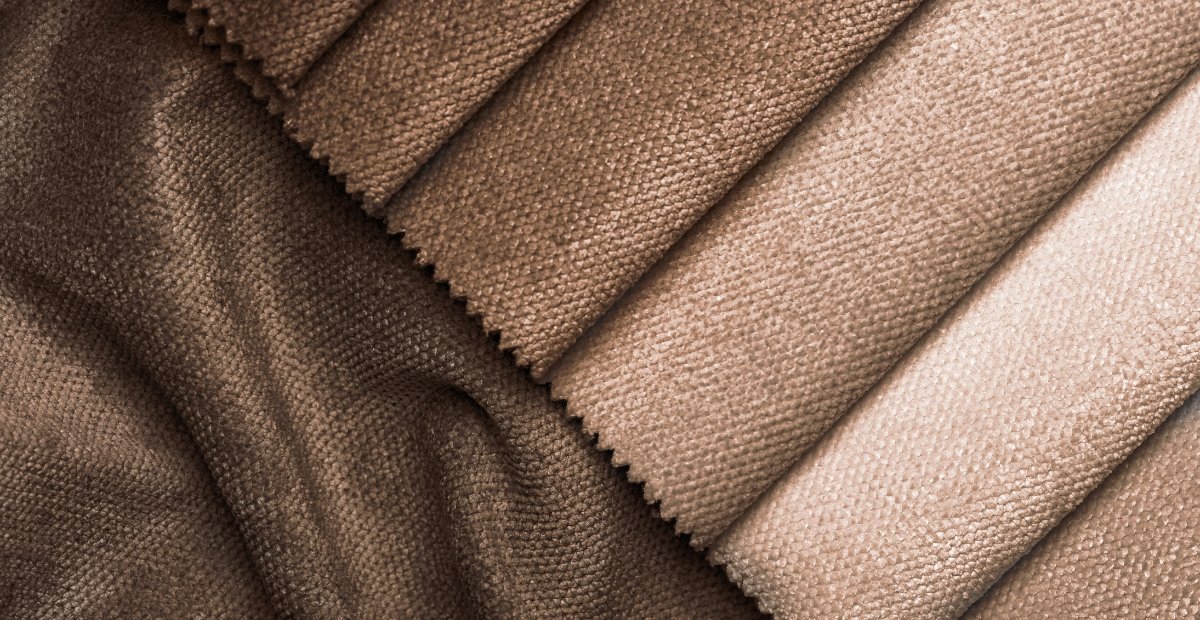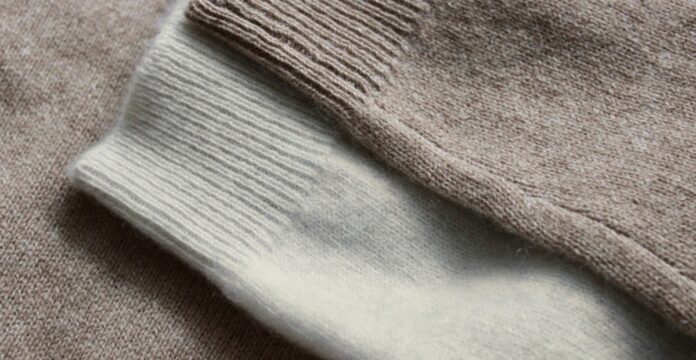
Cashmere wool is synonymous with elegance, luxury and softness. The Recycled Grade C Cashmere Fabric growing emphasis on sustainability has changed the way this fiber is produced. Recycled Cashmere Fabric is a new solution that combines environmental responsibility and affordability. It may not be as pristine as higher grades but it offers many advantages. It also contributes to the reduction of waste and ethical fashion practices. Understanding its benefits and applications, as well as its characteristics, is therefore essential for consumers and professionals in the industry.
Understanding Cashmere Grades
Cashmere is primarily obtained from the undercoats of cashmere goats. The finest fibers are traditionally sorted by premium grades, such as A or B. Cashmere Grade C is usually made up of shorter fibers or reclaimed material. Its texture may be slightly coarser as a result. Cashmere retains its warmth and softness.
Cashmere Grade C is also often made by reprocessing surplus textiles or old garments. In turn, less raw materials are needed. This method not only conserves natural resources, but also reduces textile manufacturing’s environmental impact.
What does “recycled grade C cashmere” mean?
Recycled Grade C Cashmere Fabric is cashmere that has been cleaned and spun into a usable fabric. In most cases, discarded clothing is collected, sorted and mechanically shred. Fibers are then blended and spun. In this process, the fiber strength is reduced. To improve durability, it’s sometimes necessary to create blends of wool or synthetic fibres.
A textile with advanced technology also ensures quality consistency. Although there may be variations, performance standards that are acceptable can usually be achieved. Fabric manufacturers can produce fabrics that are cost-effective and sustainable, suitable for a variety of applications.
Environmental Benefits
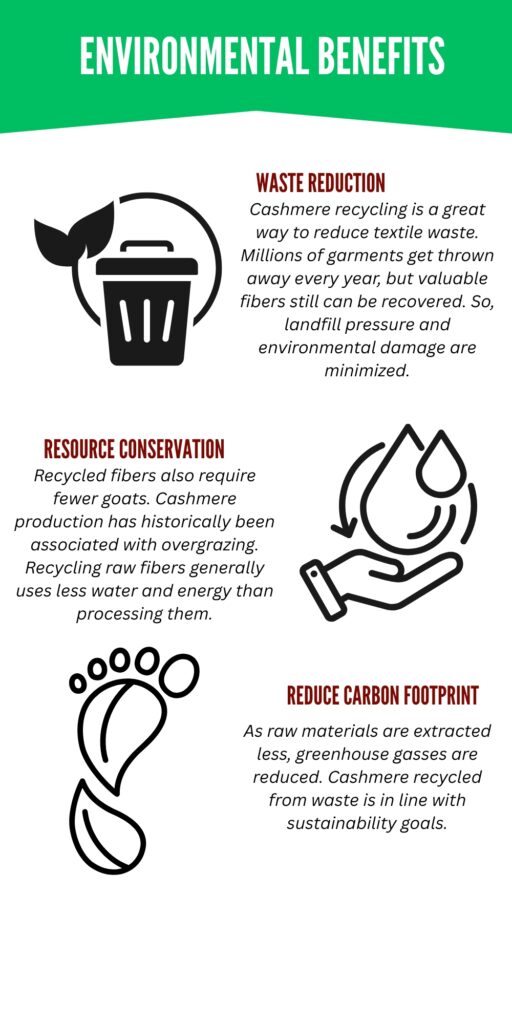
1. Waste Reduction
Cashmere recycling is a great way to reduce textile waste. Millions of garments get thrown away every year, but valuable fibers still can be recovered. So, landfill pressure and environmental damage are minimized.
2. Resource Conservation
Recycled fibers also require fewer goats. Cashmere production has historically been associated with overgrazing. Recycling raw fibers generally uses less water and energy than processing them.
3. Reduce Carbon Footprint
As raw materials are extracted less, greenhouse gasses are reduced. Cashmere recycled from waste is in line with sustainability goals.
Benefits of Economic Development
Recycled Grade C Cashmere Fabric offers significant financial benefits. First, the production costs of Recycled Grade C Cashmere Fabric are typically lower than those for virgin premium quality cashmere. So, the garments are more affordable. Second, the manufacturers can lower their raw material costs. In turn, fashion that is more sustainable becomes more accessible.
Moreover, eco-conscious consumers often choose recycled clothing. Brands that use recycled cashmere can gain a competitive advantage.
Texture, performance, and durability
Recycled Grade C Cashmere Fabric is less refined, but it provides warmth and comfort. Recycled fibers tend to be shorter, so the fabric can feel slightly less silky. Modern spinning techniques preserve softness.
Blending can also improve durability. Blending can be done with wool, cotton or synthetic fibers. The garments are more resistant to wear.
Recycled Grade C Cashmere Fabric are also often treated for longer life. Their performance can be comparable to mid-grade cashmere.
Fashion Industry Applications
Knitwear
Recycled Grade C Cashmere Fabric is commonly used to make sweaters, scarves and shawls. Winter apparel is greatly benefited by the high warmth retention.
Outerwear Linings
Cashmere is often recycled to line coats and jackets. The comfort is increased, but production costs are still manageable.
Accessories
Recycled fibers are used to make hats, gloves and wraps. As a result, the range of sustainable fashion options has expanded.
Home textiles
Cashmere blends are increasingly being used to make blankets and throws. Eco-friendly interior design is now possible.
Sustainability Trends Drive Demand
Fashion industry is moving towards circular production models. Recycled Grade C Cashmere Fabric is gaining a lot of attention. Customers are now looking for transparency, ethical sourcing and reduced environmental impact.
Moreover, the criticism of fast fashion has increased. In response, materials that are durable and sustainable have become more popular. Cashmere Grade C recycled is a good fit for this trend.
In addition, environmental initiatives and government regulations encourage textile recycling. The demand for textiles is therefore expected to increase steadily.
Manufacturing Process Overview
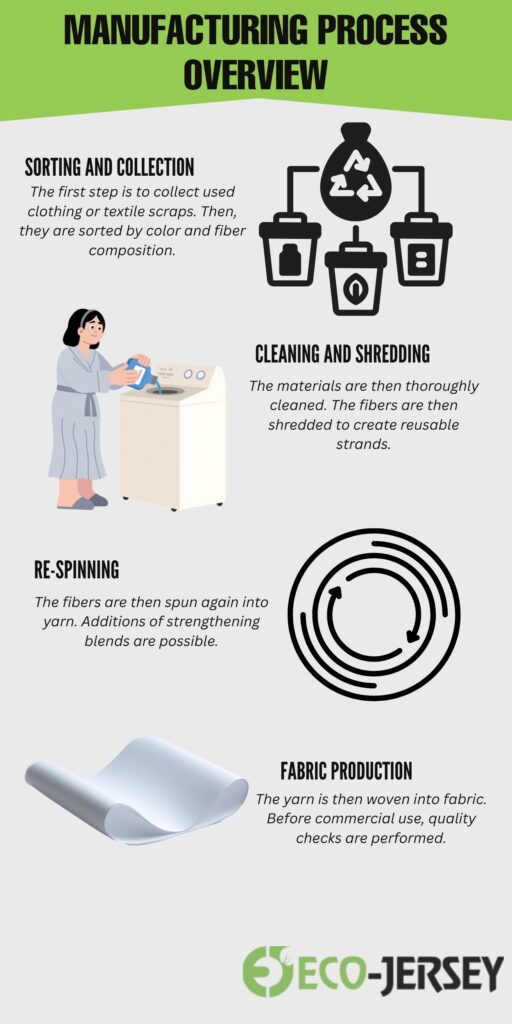
Sorting and Collection
The first step is to collect used clothing or textile scraps. Then, they are sorted by color and fiber composition.
Cleaning and Shredding
The materials are then thoroughly cleaned. The fibers are then shredded to create reusable strands.
Re-Spinning
The fibers are then spun again into yarn. Additions of strengthening blends are possible.
Fabric Production
The yarn is then woven into fabric. Before commercial use, quality checks are performed.
Over time, this process has been improved. Efficiency and quality are therefore continually improving.
Quality Considerations
Cashmere Grade C recycled offers many benefits, but certain factors need to be taken into consideration. The consistency of the texture can vary between batches due to variations in fiber uniformity.
Also, the tensile strength of the material can be reduced. This can be compensated for by using careful finishing and blending techniques.
Check the label for more information. Reliable manufacturers usually disclose the fiber composition and recycling information.
Care and Maintenance Tips
A garment’s life can be extended with proper care. First, it is best to wash gently. Ideal are cold water and mild detergents. Second, air-drying helps to maintain the integrity of fibers.
A lot of heat is also not recommended. High temperatures may weaken the fibers. Hand washing or delicate cycles in the machine are recommended.
Storage is important. Cashmere garments should be folded instead of hung. This prevents shape distortion.
Market Challenges
Cashmere recycled faces some challenges despite its many advantages. Sometimes perception issues exist. Some consumers believe recycled fabrics to be inferior.
The traceability of fibers can also be complicated. But, new certification systems are being developed.
Cost fluctuations are also common. Price stability can be affected by the initial investment in recycling infrastructure.
Innovation in the industry continues. Many of these problems are being gradually resolved.
Compare Recycled Grade C Cashmere with Virgin Cashmere
Virgin cashmere is known for its unmatched softness, and the length of its fibers. It often has a higher environmental impact. Recycled Grade C Cashmere Fabric offers sustainability and luxury benefits.
The cost difference is also significant. Options made from recycled materials are typically more affordable. Consumers who are looking for value will often choose them.
Buying decisions are increasingly influenced by ethical concerns. Recycled materials are becoming more popular.
Consumer Awareness and Education
Market growth is largely driven by consumer awareness. Acceptance increases when consumers are aware of the benefits of recycling. Brands often highlight sustainability stories.
Transparency in labeling also builds trust. Detailled product information helps consumers make informed decisions.
Educative campaigns are expanding. As a result, the misconceptions surrounding recycled fabrics are slowly diminishing.
Future Outlook
Recycled Grade C Cashmere Fabric in the future looks promising. Technological advances are improving the quality of fiber recovery. The performance difference between virgin and recycled fibers is likely to continue to shrink.
Circular fashion models are also expanding in popularity around the world. Recycling will become more popular as sustainability regulations tighten.
Textile engineering also advances. As a result, we can expect to see higher levels of durability and softness.
Why choose Grade C Recycled Cashmere?
There are several compelling reasons:
- Environmental responsibility is increased.
- The cost of goods is generally lower.
- The warmth and comfort of the home is still a great pleasure.
- Fashion sustainability goals are encouraged.
A strong ethical consumerism is also strengthened. Cashmere recycled is therefore in line with the modern lifestyle.
Final Thoughts
The Recycled Grade C Cashmere Fabric strikes a balance between luxury, sustainability and practicality. It may not be as soft as premium grades, but it is still warm, comfortable, and appealing. Environmental benefits include reduced waste, lower emission, and resource conservation.
Both consumers and manufacturers are embracing more recycled products. Adoption will increase as awareness increases. Cashmere made from recycled materials shows that fashion can be stylish and environmentally friendly.
FAQs
What is Recycled Grade C Cashmere Fabric?
Recycled Grade C Cashmere Fabric is cashmere fiber reclaimed from old garments or textile waste. It is reprocessed into new fabric, making it more sustainable and affordable than virgin cashmere.
Is Recycled Grade C Cashmere Fabric good quality?
Yes,Recycled Grade C Cashmere Fabric while slightly less soft than premium cashmere grades, recycled Grade C cashmere still offers warmth, comfort, and durability, especially when blended with other fibers.
What products are made from recycled cashmere?
Common products include sweaters, scarves, blankets, coats, accessories, and sustainable fashion apparel.