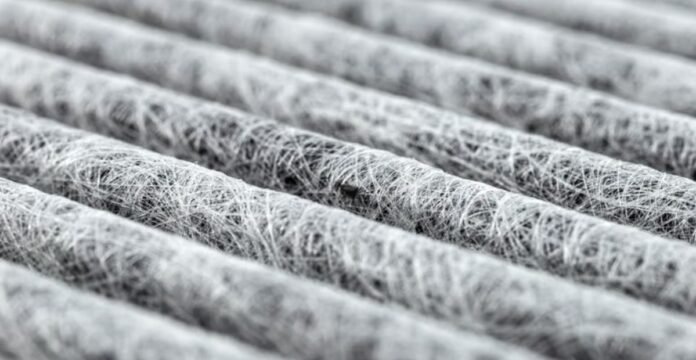
Heat Trap Insulation Fabric is a modern thermal material made to keep warmth inside clothing. It works by trapping warm air near the body, which reduces heat loss in cold weather. Because of its advanced design, it delivers strong warmth without adding heavy weight. This is why many winter clothing brands now prefer this insulation for jackets and thermal wear. Moreover, it provides comfort and softness, which makes it suitable for daily winter use.
Heat Trap Insulation Fabric is also popular because it supports energy efficiency. It reduces the need for thick layering, therefore winter outfits feel lighter and easier to wear. In addition, it often includes wind-blocking and moisture control features. As a result, it performs well in both outdoor and indoor winter environments. People choose it because it offers warmth, flexibility, and long-term performance.Heat Trap Insulation Fabric:
How Heat Trap Insulation Fabric Works (Heat Retention Explained)
Heat Trap Insulation Fabric works by reducing the natural heat loss that happens when the body faces cold air. In winter conditions, the body produces heat, but outside air quickly pulls it away. However, this fabric slows down that process by trapping warm air inside its structure. Therefore, it creates a protective barrier that keeps the warmth closer to the skin.
This insulation uses micro air pockets that act like tiny heat chambers. These pockets hold warm air and stop it from escaping too fast. Moreover, the fabric reduces cold airflow entering the clothing. As a result, it helps maintain stable body temperature even when the weather becomes harsh. That is why it is widely used in winter jackets and thermal clothing systems.
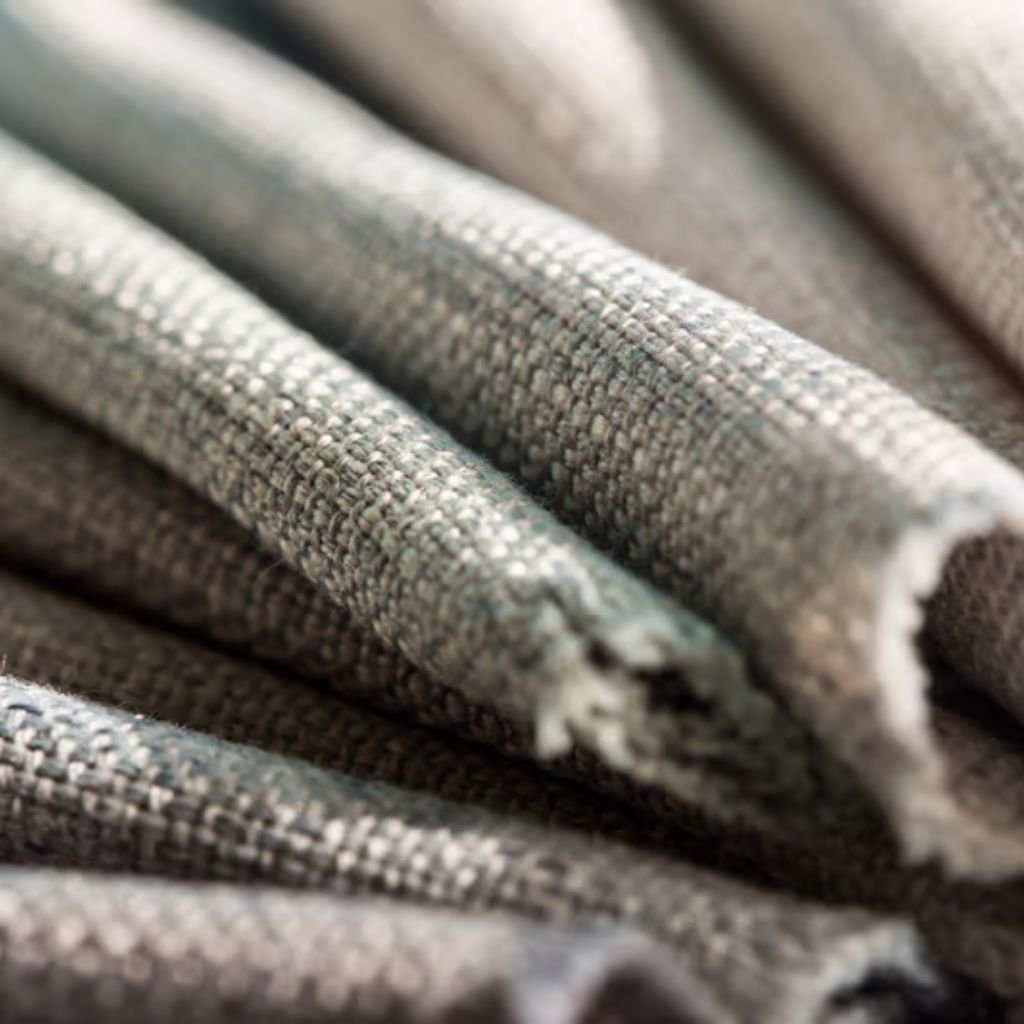
Heat Retention Mechanism in Heat Trap Insulation Fabric
The body constantly releases heat, even when a person is not moving. However, cold air reduces this heat quickly. Heat Trap insulation fabric prevents rapid heat loss by holding warm air close to the body. Therefore, it improves thermal comfort and winter safety.
This insulation method works because trapped air is a weak heat conductor. As a result, warmth stays protected between the body and the outer cold environment. Moreover, the structure keeps working even during long winter exposure. This is why many people trust this insulation for cold climates.
Air-Trapping Technology Explained Simply
The air-trapping system is the main reason behind the fabric’s high warmth performance. It contains layers of fibers designed to create small air gaps. These gaps hold warm air and reduce heat escape. Therefore, the body stays warmer for longer periods.
Moreover, the fiber arrangement reduces cold wind movement inside the clothing. This is important because wind often increases the cold feeling. As a result, the insulation stays effective even when weather conditions become rough.
Comparison with Traditional Insulation Methods
Traditional insulation often uses thick padding or heavy stuffing. However, thick stuffing makes winter clothing bulky and uncomfortable. Heat trap insulation fabric focuses on smart thermal structure instead of thickness. Therefore, it gives warmth without making the garment heavy.
In addition, traditional insulation may lose shape after repeated use. However, heat trap fabric often stays stable because of engineered fibers. As a result, it performs better in modern winter clothing compared to older insulation materials.
History of Heat Trap Insulation Fabric
Heat Trap Insulation Fabric is a modern concept, but its history connects with older insulation methods used for centuries. In the past, people relied on natural materials like wool, fur, and feathers to stay warm. These materials worked well because they trapped air inside their fibers. Therefore, the basic idea of heat trapping existed long before advanced fabrics were invented.
During the 20th century, winter clothing started changing because industries introduced synthetic fibers. Polyester and nylon became popular because they were strong, lightweight, and easy to produce. Moreover, these materials dried faster than wool and cotton. As a result, textile companies began experimenting with synthetic insulation to improve warmth without heavy thickness.
Key Features of Heat Trap Insulation Fabric
It also offers moisture resistance, which helps prevent damp cold feelings. In addition, it blocks wind effectively, which improves protection during harsh winter conditions. The fabric texture is usually soft, so it feels comfortable against the skin. As a result, it is often used in premium winter clothing collections.
Thermal Retention Capability
The strongest feature of heat trap fabric is its ability to retain warmth. It traps warm air inside micro pockets and holds it close to the body. Therefore, the body stays warmer even in freezing conditions.
Moreover, this insulation works consistently because the structure stays stable. As a result, warmth remains balanced throughout the day. This makes it a reliable fabric choice for winter outerwear.
Lightweight and Breathable Design
Unlike heavy insulation padding, this fabric stays light. Therefore, it reduces stress on the body during movement. Moreover, it allows controlled airflow, which prevents overheating.
Breathability is important because winter clothing often causes sweat buildup. However, heat trap insulation reduces that problem. As a result, it keeps comfort stable during outdoor activities.
Moisture Resistance
Moisture can reduce insulation performance quickly. However, heat trap fabric often includes moisture-resistant fiber structures. Therefore, it prevents water absorption and keeps insulation dry.
Moreover, this feature reduces the damp feeling in winter. As a result, the body stays warmer and more comfortable. It is especially useful for snow and light rain conditions.
Wind-Blocking Properties
Wind is one of the biggest reasons for winter discomfort. Heat trap insulation fabric reduces wind penetration through its tight structure. Therefore, it protects the body from wind chill effects.
Moreover, it works well when combined with outer shell fabrics. As a result, winter jackets provide stronger protection in open outdoor environments.
Soft Texture and Flexibility
Many insulation fabrics feel rough or stiff. However, heat trap insulation is often designed to be soft and flexible. Therefore, it allows comfortable movement during daily use.
Moreover, the smooth texture improves wearability. As a result, it is widely used in thermal innerwear and winter coats.
Benefits of Heat Trap Insulation Fabric
Heat Trap Insulation Fabric offers multiple benefits for winter wear. It provides warmth without heavy bulk, therefore it improves comfort. Moreover, it supports efficient insulation performance in cold climates. However, it also maintains flexibility, which is important for daily movement.
Keeps the Body Warm in Extreme Cold
This fabric traps warm air and holds it near the skin. Therefore, it protects the body from extreme cold exposure. Moreover, it reduces sudden cold shocks in freezing temperatures.
Energy-Efficient Insulation
Heat trap fabric reduces heat loss, therefore the body stays warm longer. Moreover, it helps the body conserve energy during cold weather. This is important because the body uses more energy in winter environments.
Reduces Bulk in Winter Clothing
Many traditional winter coats look thick and oversized. However, heat trap insulation provides warmth without thick padding. Therefore, jackets feel slimmer and lighter.
Comfortable for Long Wear
This insulation fabric often feels soft and smooth. Therefore, it does not irritate skin easily. Moreover, breathable design prevents overheating in indoor spaces.
Cost-Effective in the Long Run
High-quality insulation lasts longer than cheap padding. Therefore, garments stay usable for many years. Moreover, the insulation does not flatten easily when cared for properly.
Types of Heat Trap Insulation Fabric
Heat trap insulation comes in different types depending on material and structure. Each type has its own warmth level and performance features. Therefore, buyers should understand these types before choosing winter clothing. Moreover, brands select insulation types based on climate and design requirements.
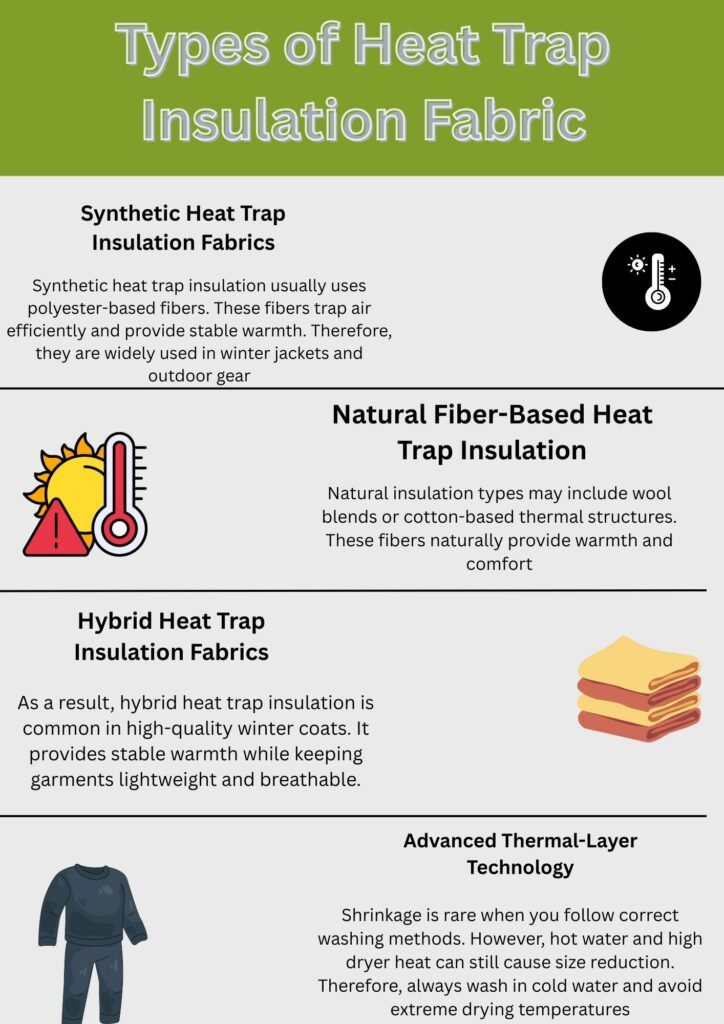
Synthetic Heat Trap Insulation Fabrics
Synthetic heat trap insulation usually uses polyester-based fibers. These fibers trap air efficiently and provide stable warmth. Therefore, they are widely used in winter jackets and outdoor gear.
Moreover, synthetic insulation dries faster than natural fibers. As a result, it works well in wet climates. Therefore, it is a strong choice for snow regions and rainy winters.
Natural Fiber-Based Heat Trap Insulation
Natural insulation types may include wool blends or cotton-based thermal structures. These fibers naturally provide warmth and comfort. Therefore, they feel pleasant against the skin.
However, natural insulation may absorb more moisture. Still, it provides excellent softness and warmth. As a result, it is popular in premium winter innerwear.
Hybrid Heat Trap Insulation Fabrics
Hybrid insulation combines synthetic and natural fibers. Therefore, it balances softness with durability. Moreover, it improves moisture control compared to pure natural insulation.
As a result, hybrid heat trap insulation is common in high-quality winter coats. It provides stable warmth while keeping garments lightweight and breathable.
Advanced Thermal-Layer Technology
Some heat trap insulation uses advanced layered sheets. These layers may include reflective coatings or structured fiber mats. Therefore, they boost warmth while staying thin.
Moreover, these technologies improve performance in extreme cold. As a result, they are often used in technical outdoor jackets and survival gear.
Common Uses of Heat Trap Insulation Fabric
Heat Trap Insulation Fabric is used in many winter products today. It supports clothing, outdoor gear, and even household insulation. Therefore, it is considered a multi-purpose thermal material. Moreover, its lightweight nature makes it suitable for modern fashion needs.
This fabric is commonly used in winter outerwear. It is also used in bedding and blankets for extra warmth. In addition, outdoor equipment companies use it for sleeping bags and gloves. As a result, it has become a trusted insulation solution for many industries.
Winter Jackets and Coats
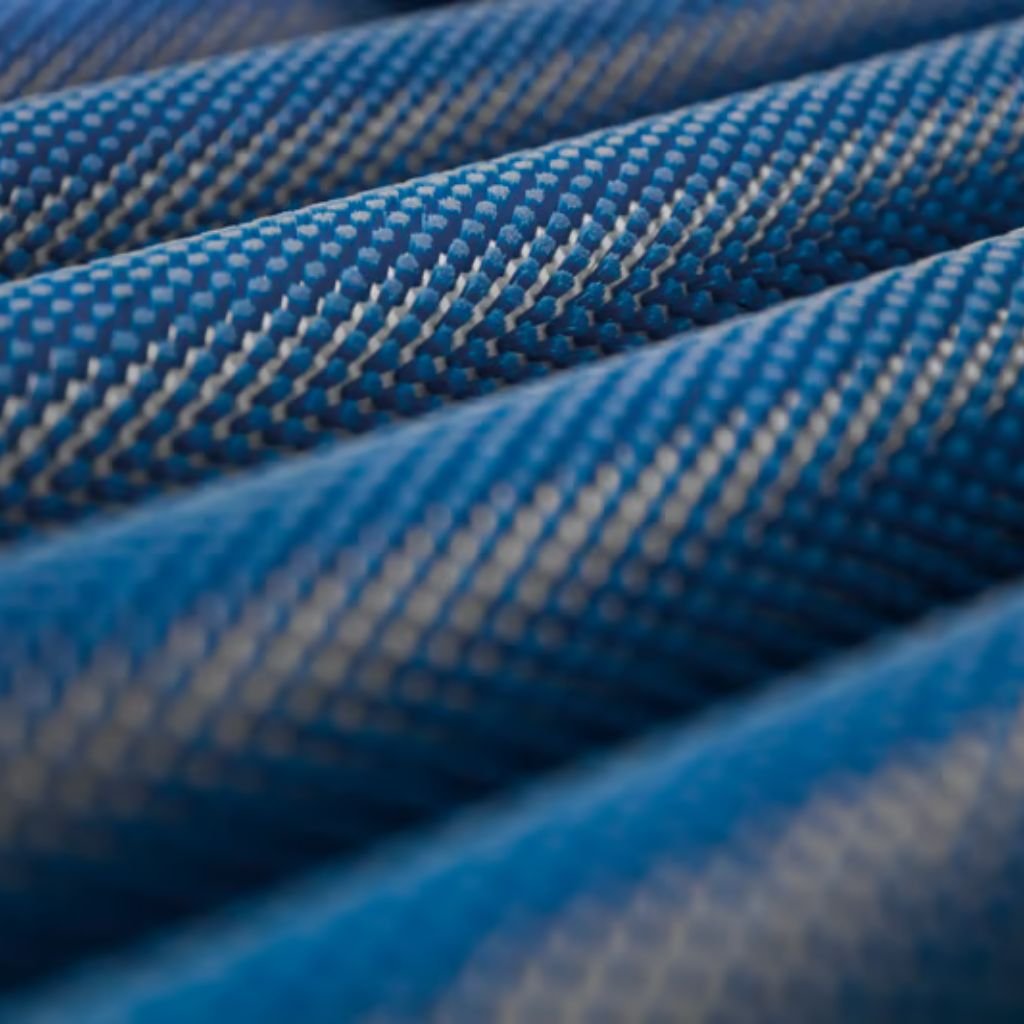
Winter coats need insulation that performs well in freezing weather. Heat trap insulation provides warmth without heavy thickness. Therefore, coats feel comfortable and easy to wear.
Thermal Wear and Activewear
Thermal wear requires warmth and breathability. Heat trap fabric supports both features. Therefore, it is ideal for winter sports clothing.
Bedding and Blankets
Heat trap insulation is also used in winter blankets. It traps warmth and reduces cold air penetration. Therefore, it improves sleeping comfort in cold nights.
Outdoor Gear and Winter Accessories
Outdoor products need high insulation performance. Sleeping bags often use heat trap layers for warmth retention. Therefore, campers stay warm even in freezing weather.
Home Insulation and Upholstery
Heat trap insulation is also used in furniture and home products. Some insulated curtains use this fabric to reduce heat loss. Therefore, rooms stay warmer during winter.
Moreover, upholstery insulation improves comfort on furniture surfaces. As a result, homes feel cozy and protected. Therefore, this fabric is useful beyond clothing applications.
Heat Trap Insulation Fabric vs Other Thermal Fabrics
Many winter fabrics provide warmth, but performance varies. Heat trap insulation focuses on air-trapping technology. Therefore, it provides better warmth with less weight. Moreover, it often performs well in windy conditions.
Fleece provides comfort but may not block wind well. Down provides strong warmth but struggles with moisture. Thermal lining fabric provides basic insulation but may not match advanced heat-trap performance. As a result, heat trap insulation fabric is often a balanced choice for modern winter wear.
Is Heat Trap Insulation Fabric Breathable?
Heat trap insulation fabric is usually breathable, depending on design. It allows moisture vapor to move outward while keeping warmth trapped. Therefore, it prevents sweat buildup. Moreover, it reduces discomfort during long wear.
Breathability is important for winter activewear. Without airflow, sweat stays trapped and makes clothing damp. However, heat trap insulation balances warmth and ventilation. As a result, it stays comfortable during physical activities and daily movement.
Moisture Management Explanation
Moisture can reduce warmth if it stays inside clothing. Heat trap insulation fabric helps manage this problem. It allows vapor to escape through fiber channels. Therefore, clothing stays dry and warm.
Moreover, this moisture control prevents cold dampness. As a result, users stay comfortable in changing temperatures. Therefore, it is a strong choice for winter layering systems.
Sweat Evaporation Process
Sweat evaporates when it moves away from skin. Heat trap fabric supports this process through breathable layers. Therefore, moisture escapes while warmth remains protected.
Moreover, this prevents the sticky feeling that happens during winter workouts. As a result, it improves comfort. Therefore, athletes often prefer this insulation in thermal clothing.
Comfort During Physical Activity
During movement, the body produces extra heat and sweat. Heat trap insulation fabric keeps warmth stable while allowing airflow. Therefore, it reduces overheating.
Moreover, it supports flexibility and easy movement. As a result, it is used in sports jackets and thermal leggings. Therefore, it fits well for hiking and winter running.
How to Choose the Right Heat Trap Insulation Fabric
Choosing the right heat trap insulation depends on your climate and purpose. A light version may work for mild winters. However, thicker insulation is better for snow regions. Therefore, buyers should match insulation level with weather conditions.
In addition, layering style matters for winter clothing. Some people prefer thin insulation for base layers. Others prefer heavy insulation for coats. As a result, selecting the right fabric type improves comfort and performance. Moreover, durability should also be considered for long-term value.
Climate Considerations
Cold climates require stronger insulation performance. Therefore, thicker heat trap insulation works better in extreme winters. However, moderate climates need lighter insulation.
Moreover, the wrong choice may cause discomfort. As a result, always consider temperature range before buying. Therefore, climate awareness is essential for smart selection.
Fabric Thickness and Layering Needs
Thickness directly affects warmth level. Therefore, thick insulation suits jackets and outdoor gear. However, thin insulation suits inner thermal wear.
Moreover, layered clothing systems often work best in winter. As a result, heat trap fabric works well in both thin and thick forms. Therefore, buyers can choose based on clothing style.
Intended Use: Fashion vs Performance
Fashion winter wear focuses on comfort and style. Therefore, lightweight insulation is often enough. However, performance wear requires stronger protection.
Moreover, outdoor sports demand breathable insulation. As a result, advanced heat trap fabrics are used in activewear. Therefore, intended use must guide the purchase decision.
Durability and Maintenance Needs
Durability matters because winter clothing is expensive. Therefore, buyers should check stitching quality and insulation strength. Moreover, washable insulation offers better convenience.
However, improper washing can reduce insulation life. As a result, maintenance requirements should be checked. Therefore, fabric durability is a key buying factor.
Care & Maintenance Tips for Heat Trap Insulation Fabric
Care plays a major role in insulation performance. If you wash insulation incorrectly, fibers can flatten. Therefore, warmth may decrease over time. Moreover, harsh detergents can damage the fabric structure.
Proper drying and storage also matter. If you store winter clothing in damp conditions, insulation quality can suffer. Therefore, you should keep garments clean and dry. As a result, heat trap insulation can last many winter seasons and stay effective.
Washing Instructions
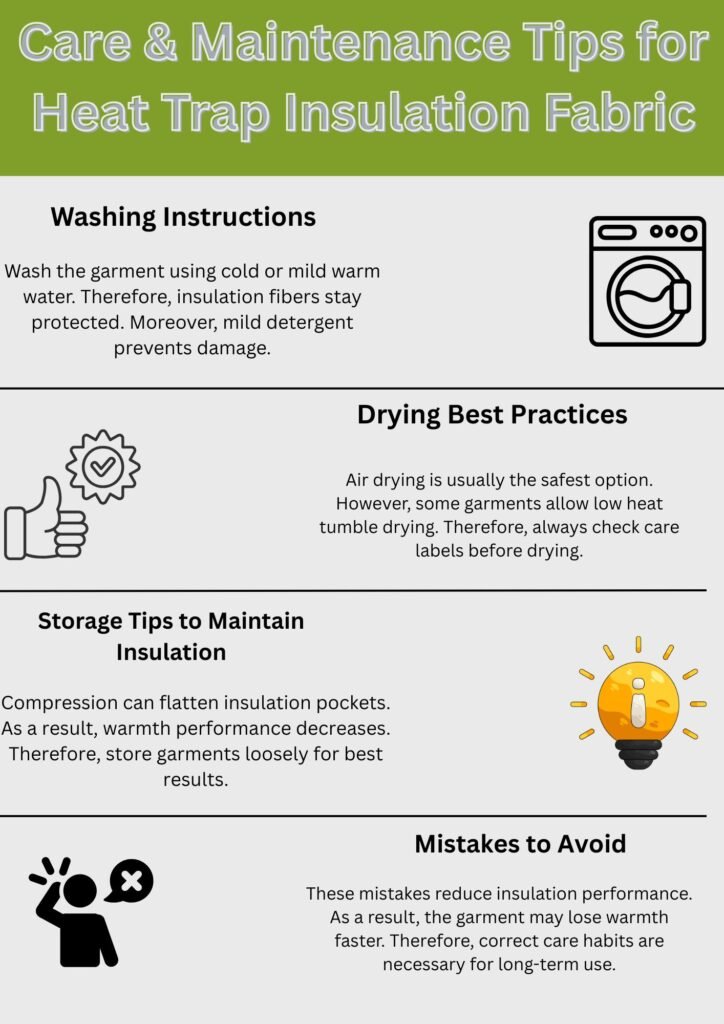
Wash the garment using cold or mild warm water. Therefore, insulation fibers stay protected. Moreover, mild detergent prevents damage.
Avoid strong chemicals because they weaken fabric structure. As a result, insulation stays stable after washing. Therefore, gentle cleaning improves fabric lifespan.
Drying Best Practices
Air drying is usually the safest option. However, some garments allow low heat tumble drying. Therefore, always check care labels before drying.
High heat can melt or flatten synthetic fibers. As a result, insulation loses its air-trapping ability. Therefore, gentle drying is always recommended.
Storage Tips to Maintain Insulation
Store insulated clothing in a dry place. Therefore, moisture cannot damage the fabric. Moreover, avoid compressing jackets for long periods.
Compression can flatten insulation pockets. As a result, warmth performance decreases. Therefore, store garments loosely for best results.
Avoid bleach because it weakens fiber structure. Do not iron insulation layers because heat can flatten them. Moreover, avoid storing clothing when it is damp.
Mistakes to Avoid
These mistakes reduce insulation performance. As a result, the garment may lose warmth faster. Therefore, correct care habits are necessary for long-term use.
Sustainability & Eco-Friendly Aspects of Heat Trap Insulation Fabric
Sustainability is becoming important in winter clothing production. Many heat trap insulation fabrics now use recycled materials. Therefore, they reduce plastic waste. Moreover, durable insulation reduces the need for frequent replacement.
Recyclable Insulation Materials
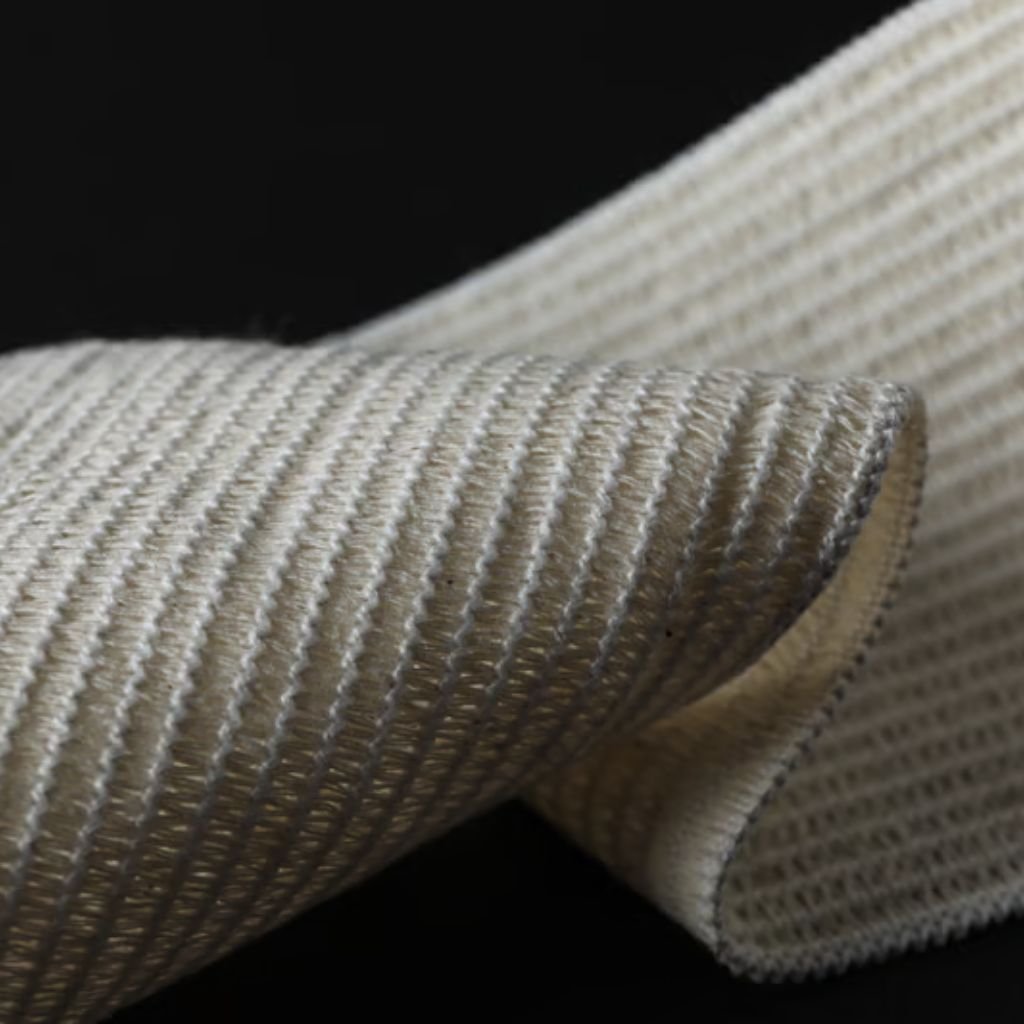
Some manufacturers use recycled polyester fibers. These fibers often come from plastic bottles. Therefore, waste is reused instead of thrown away.
Moreover, recycled insulation still performs well in winter. As a result, eco-friendly winter wear becomes more accessible. Therefore, it is a good option for sustainable buyers.
Energy Saving Benefits
Warm insulation reduces the need for heavy indoor heating. Therefore, people save electricity and fuel. Moreover, this reduces carbon emissions.
As a result, insulated winter clothing supports a more energy-efficient lifestyle. Therefore, heat trap insulation has environmental value beyond fashion.
Comparison with Natural Alternatives
Natural insulation like wool is biodegradable. However, it requires farming resources and animal care. Synthetic heat trap insulation may reduce animal-based dependency.
Moreover, modern recycled fibers reduce environmental harm. As a result, heat trap insulation can be a responsible choice. Therefore, sustainability depends on production quality and recycling methods.
Latest Innovations in Heat Trap Insulation Technology
Heat trap insulation continues to improve with modern textile science. Companies now focus on thinner, warmer, and lighter insulation. Therefore, winter clothing is becoming more comfortable than before. Moreover, new technology improves moisture control and flexibility.
Smart Thermal Fabrics
Smart insulation fabrics can adjust warmth automatically. They may trap more heat in cold conditions. However, they may release excess heat when temperatures rise.
Therefore, comfort stays balanced in changing environments. Moreover, these fabrics reduce overheating risk. As a result, they are becoming popular in premium outdoor clothing.
Nano-Insulation Technology
Nano insulation uses extremely fine fibers. These fibers create smaller air pockets than traditional insulation. Therefore, warmth increases even with thin layers.
Moreover, nano insulation reduces weight significantly. As a result, jackets become easier to wear and carry. Therefore, this innovation is important for travelers and athletes.
Lightweight High-Performance Insulation
Modern heat trap fabrics now provide strong warmth with less thickness. Therefore, winter coats feel less bulky. Moreover, they support better flexibility and comfort.
As a result, this technology improves both fashion and performance wear. Therefore, it is widely used in modern winter product development.
Conclusion
Heat Trap Insulation Fabric is an advanced winter insulation solution designed for modern comfort. It traps warm air, blocks wind, and reduces heat loss effectively. Therefore, it provides excellent warmth even in freezing conditions. Moreover, it stays lightweight and breathable, which makes it perfect for long wear.
It is also useful for coats, thermal wear, bedding, and outdoor gear. As a result, it has become a trusted choice in winter industries. In addition, its durability and energy efficiency make it a smart long-term investment. Therefore, if you want warmth without heavy bulk, heat trap insulation is one of the best options available today.
FAQs
Is Heat Trap Insulation Fabric good for extreme cold?
Yes, it performs well in extreme cold climates. It traps warm air and reduces heat loss quickly. Therefore, it protects the body effectively. However, thickness level still matters for harsh winter conditions.
Is it better than fleece or wool?
It is often warmer than fleece in windy conditions. Moreover, it provides better warmth with less weight than wool. However, wool may offer a more natural feel. Therefore, the best option depends on your personal needs.
Can it be used in sportswear?
Yes, it is commonly used in sportswear and activewear. It provides warmth without restricting movement. Moreover, it supports breathability during exercise. Therefore, it is ideal for winter sports clothing.