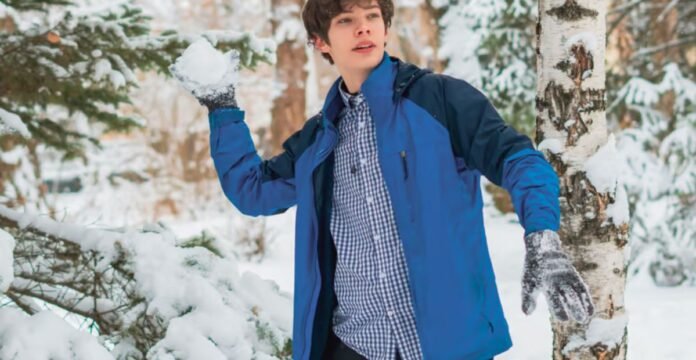
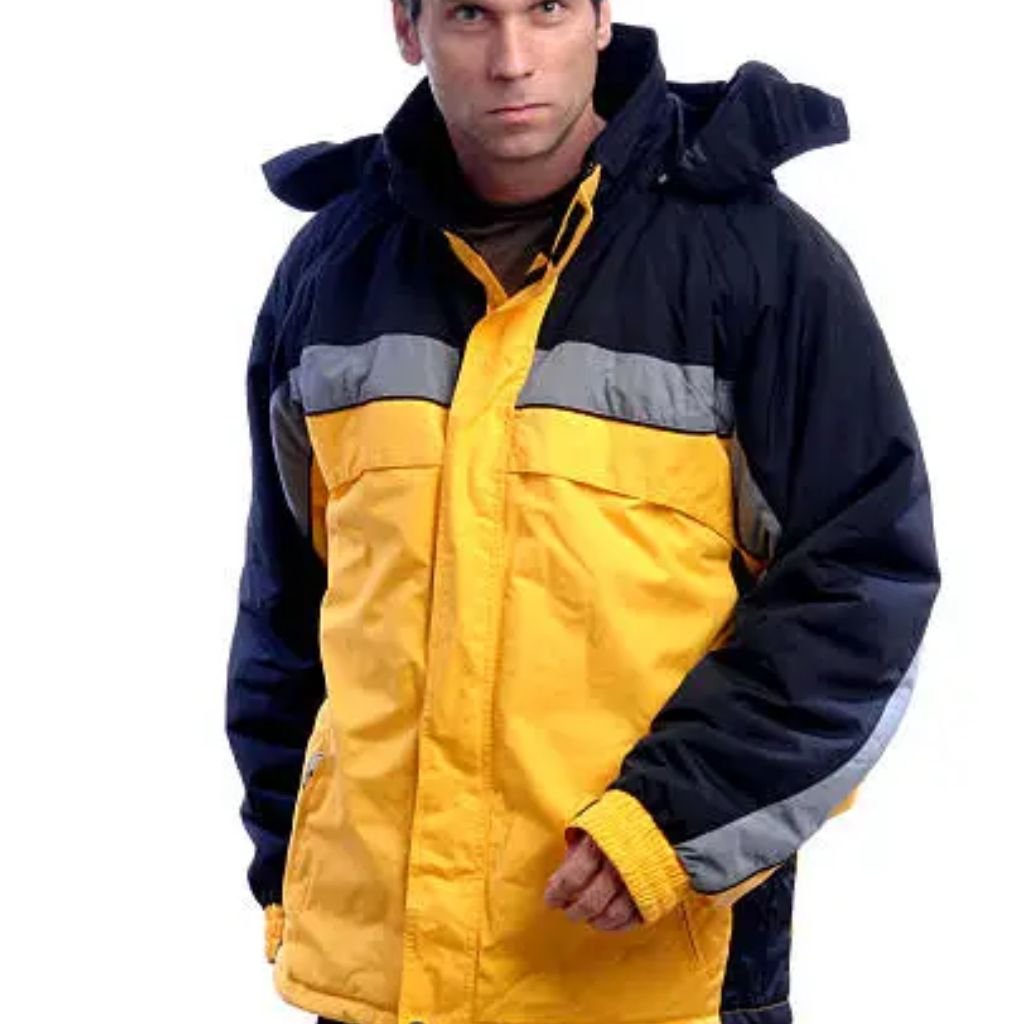
A Storm-Guard Winter Coat is a high-performance outerwear option designed to protect the body during severe winter storms. It focuses on shielding the wearer from strong winds, heavy snowfall, freezing rain, and extreme cold temperatures. Unlike standard winter coats, this type of coat is built specifically for unpredictable and harsh weather conditions. It combines advanced fabric technology, reinforced construction, and smart insulation systems to ensure consistent warmth and comfort.
Storm protection becomes essential during cold winters because harsh weather can quickly affect body temperature. Cold winds remove heat from the skin faster than still air, which increases the risk of discomfort and illness. At the same time, snow and rain can soak clothing and reduce insulation efficiency. Because of these challenges, the Storm-Guard Winter Coat has become a reliable solution for people who face long winters, frequent storms, or outdoor exposure. Within the first few moments of wearing it, the difference in protection becomes noticeable.
What Makes a Winter Coat “Storm-Guard”?
A winter coat earns the title of Storm-Guard Winter Coat because of its ability to defend against multiple weather threats at once. It is not designed only for warmth but also for resistance against wind, water, and snow. Each part of the coat plays a role in creating a protective barrier around the body. This design approach ensures that heat stays inside while cold air and moisture stay outside.
The outer shell of a Storm-Guard coat blocks powerful winter winds that usually cut through regular jackets. These coats also rely on advanced fabric treatments that resist or fully block water penetration. In addition, sealed seams and reinforced stitching prevent moisture from entering through weak points. High collars and structured hoods protect sensitive areas such as the neck and face. Adjustable cuffs and hems further improve insulation by closing gaps where cold air could enter. Together, these elements transform a winter coat into a true storm defense system.
History of the Storm-Guard Winter Coat
The history of the Storm-Guard Winter Coat is closely connected to human survival in cold and stormy environments. Long before modern fashion existed, people living in harsh climates needed clothing that could protect them from wind, snow, and freezing rain. Early civilizations in cold regions used animal skins, fur, and layered wool to guard against extreme weather. These early garments were heavy, but they laid the foundation for storm-protective winter clothing. The main goal was simple survival, yet the basic idea of blocking wind and retaining heat was already present.
As societies developed, winter outerwear slowly improved in structure and function. During the medieval period, people in Northern Europe began using thicker woven wool cloaks with tighter stitching. These garments reduced wind penetration and improved warmth during long winters. However, they still lacked proper water resistance. When storms brought snow or rain, clothing became heavy and uncomfortable. Even so, these early designs influenced future winter coat construction by emphasizing coverage, layering, and durability.
Insulation Types for Extreme Weather Protection
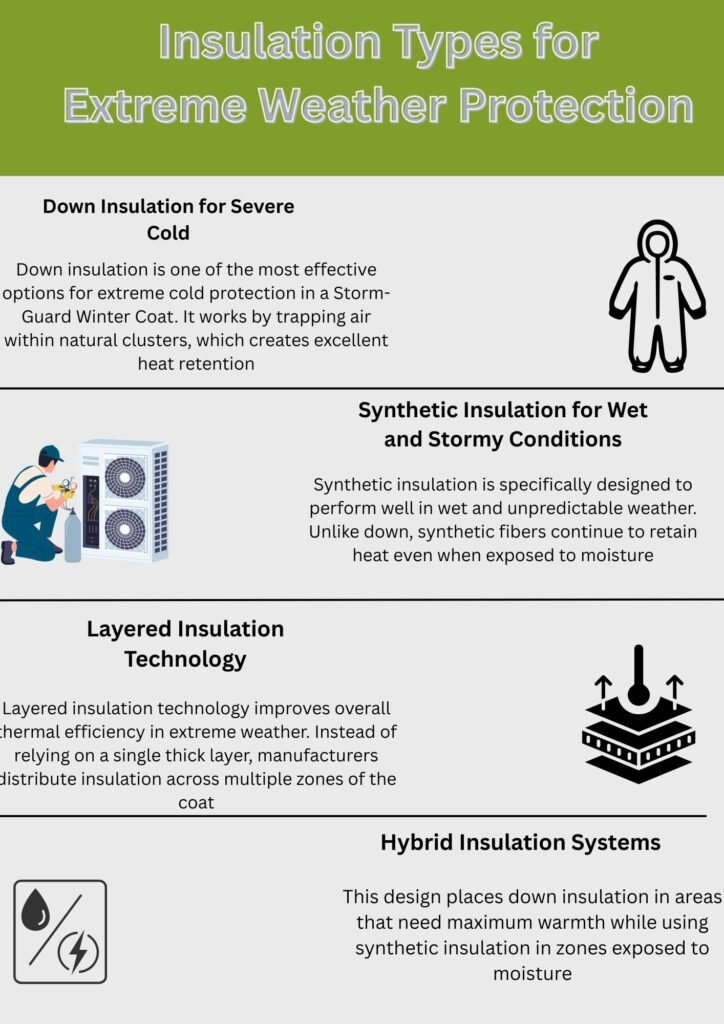
Down Insulation for Severe Cold
Down insulation is one of the most effective options for extreme cold protection in a Storm-Guard Winter Coat. It works by trapping air within natural clusters, which creates excellent heat retention. This type of insulation provides high warmth without adding excessive weight, making the coat comfortable for long wear. Down insulation performs best in dry and very cold environments where moisture exposure is limited. Because of its superior warmth-to-weight ratio, it remains a popular choice for harsh winter climates.
Synthetic Insulation for Wet and Stormy Conditions
Synthetic insulation is specifically designed to perform well in wet and unpredictable weather. Unlike down, synthetic fibers continue to retain heat even when exposed to moisture. This makes synthetic insulation highly reliable for stormy winters with snow, sleet, or freezing rain. In a Storm-Guard Winter Coat, synthetic insulation ensures consistent warmth during prolonged exposure to damp conditions. It also dries faster and requires less delicate care, which adds to its practicality.
Layered Insulation Technology
Layered insulation technology improves overall thermal efficiency in extreme weather. Instead of relying on a single thick layer, manufacturers distribute insulation across multiple zones of the coat. This approach reduces cold spots and improves heat circulation around the body. In a Storm-Guard Winter Coat, layered insulation also enhances flexibility and comfort during movement. Because heat is evenly distributed, the wearer experiences stable warmth even in strong winds.
Hybrid Insulation Systems
Many modern Storm-Guard Winter Coats use hybrid insulation systems that combine down and synthetic materials. This design places down insulation in areas that need maximum warmth while using synthetic insulation in zones exposed to moisture. The result is a balanced coat that offers warmth, durability, and moisture resistance.
Storm-Guard Winter Coat vs Regular Winter Coat
Overall Design and Purpose
A Storm-Guard Winter Coat is designed specifically to handle extreme winter conditions. Its main purpose is to protect the wearer from strong winds, heavy snowfall, freezing rain, and sudden weather changes. Every part of the coat supports storm defense, from the outer shell to the insulation system. In contrast, a regular winter coat focuses mainly on basic warmth and everyday comfort. It works well in calm, cold weather but lacks specialized storm protection. Because of this difference in purpose, the Storm-Guard Winter Coat performs better when winter conditions become harsh and unpredictable.
Protection Level in Harsh Weather
The level of protection clearly separates a Storm-Guard Winter Coat from a regular winter coat. A Storm-Guard coat blocks cold wind and prevents moisture from entering through seams and zippers. It keeps the body dry even during heavy snow or icy rain. On the other hand, a regular winter coat often allows wind penetration and moisture buildup during storms. As a result, body heat escapes faster and comfort decreases. For people who face frequent storms, the Storm-Guard option offers stronger and more reliable protection.
Performance in Wind, Snow, and Rain
When exposed to strong winds, a Storm-Guard Winter Coat maintains warmth by stopping airflow through the fabric. It also repels or blocks snow and rain effectively. This helps preserve insulation performance for long periods outdoors. A regular winter coat usually struggles in these conditions because it lacks windproof layers and waterproof treatments. Snow can melt into the fabric, and wind can reach inner layers. Therefore, performance drops quickly during bad weather when wearing a standard winter coat.
Durability and Long-Term Use
Durability is another important difference between the two coats. A Storm-Guard Winter Coat uses reinforced fabrics and strong stitching that resist wear from harsh environments. It holds its shape and performance over many winters. In comparison, a regular winter coat may show signs of wear sooner, especially when used in severe weather. Over time, insulation can break down faster in regular coats. Because of its strong construction, the Storm-Guard coat offers better long-term value.
Best Materials Used in Storm-Guard Winter Coats

High-Performance Outer Shell Fabrics
The outer shell is the first line of defense in a Storm-Guard Winter Coat. Manufacturers usually select strong fabrics that can block wind and resist moisture. Nylon and polyester are widely used because they offer excellent durability and flexibility. These materials withstand harsh weather without becoming stiff or heavy. In addition, tightly woven shells reduce wind penetration and help maintain body heat. Because of their strength and reliability, these fabrics form the backbone of storm-ready winter coats.
Waterproof and Weather-Resistant Materials
Water protection is essential for any Storm-Guard Winter Coat. Many coats use advanced waterproof materials that prevent rain and melting snow from soaking into the fabric. Laminated or treated surfaces create a barrier that keeps the inner layers dry. At the same time, water-resistant coatings help shed light moisture during short exposure. This combination ensures that insulation stays effective even during long periods of stormy weather. As a result, comfort and warmth remain consistent.
Breathable Membranes for Temperature Control
Breathability plays a crucial role in maintaining comfort during winter activity. Storm-Guard Winter Coats often include breathable membranes beneath the outer shell. These membranes allow moisture from sweat to escape while blocking cold air and water from entering. This process helps regulate body temperature and prevents dampness inside the coat. Because of this balance, the wearer stays warm without overheating during movement. Breathable materials significantly improve long-term wear comfort.
Insulated Lining Materials
The lining of a Storm-Guard Winter Coat determines how well it retains heat. Down insulation offers excellent warmth and a lightweight feel, making it suitable for extremely cold and dry environments. Synthetic insulation provides reliable warmth even when exposed to moisture. Many modern coats use a blend of insulation types to improve performance. This layered approach distributes warmth evenly and reduces cold spots. Proper lining materials ensure steady insulation throughout the winter season.
Eco-Friendly and Recycled Fabric Options
Sustainability has become an important focus in modern Storm-Guard Winter Coats. Many manufacturers now use recycled polyester and eco-friendly fabrics to reduce environmental impact. These materials maintain strong performance standards while supporting responsible production. Recycled fabrics still offer durability, insulation support, and weather resistance. By choosing sustainable materials, Storm-Guard coats combine advanced protection with environmental awareness.
Key Features to Look for in a Storm-Guard Winter Coat
A Storm-Guard Winter Coat stands apart from ordinary winter outerwear because of its carefully engineered features. These features are not added for style alone but serve a clear purpose in protecting the body during severe winter storms. Each element works together to block wind, repel moisture, and preserve body heat. Understanding these key features helps buyers choose a coat that performs reliably in harsh and unpredictable weather. When these details are present and well-designed, the coat delivers comfort, safety, and long-term value.
Fully Sealed Seams for Complete Weather Protection
Seam sealing is one of the most important features in a Storm-Guard Winter Coat. During storms, water often enters through stitched areas rather than the fabric itself. Fully sealed seams prevent this problem by closing off tiny gaps where moisture could pass through. This feature keeps the inner layers dry even during heavy snow or freezing rain. As a result, insulation remains effective and body warmth stays consistent. Without sealed seams, even a thick coat can fail in stormy conditions.
Windproof Outer Shell Construction
A strong windproof outer shell is essential for extreme winter protection. Cold winds quickly remove heat from the body and increase discomfort. A Storm-Guard Winter Coat uses tightly woven or specially treated fabrics to block airflow. This barrier prevents wind chill and helps maintain a stable internal temperature. Even during strong gusts, the coat continues to protect the wearer. Because of this feature, outdoor exposure becomes safer and more comfortable.
Waterproof or Highly Water-Resistant Fabric
Moisture is one of the biggest threats during winter storms. A Storm-Guard Winter Coat uses waterproof or advanced water-resistant fabrics to prevent snow and rain from soaking through. These materials allow water to bead and roll off the surface instead of penetrating the coat. Keeping moisture out protects the insulation and reduces heat loss. This feature is especially important during long hours outdoors when weather conditions can change suddenly.
Is a Storm-Guard Winter Coat Waterproof and Windproof?
A Storm-Guard Winter Coat is designed to be both waterproof and windproof. Waterproof fabrics prevent rain and melting snow from soaking into the coat, while windproof layers block cold air that causes heat loss. These two functions work together to maintain a stable internal temperature.
It is important to understand the difference between waterproof and water-resistant materials. Waterproof materials block moisture completely, while water-resistant fabrics only repel light moisture. Storm-Guard coats usually rely on fully waterproof designs to ensure maximum protection. At the same time, breathability remains essential. Advanced membranes allow moisture from sweat to escape, which prevents overheating and discomfort. This balance between protection and airflow makes the coat suitable for long wear.
Best Storm-Guard Winter Coats for Different Needs
Different lifestyles require different designs within the Storm-Guard Winter Coat category. Manufacturers create variations that suit specific activities and environments while maintaining core storm-protection features.
For heavy snow and blizzard conditions, these coats offer maximum insulation and extended coverage. Urban-focused designs prioritize comfort, mobility, and modern appearance while still delivering weather resistance. Outdoor adventure coats emphasize breathability and reduced weight, which helps during hiking or active movement. For extreme cold climates, Storm-Guard coats include deeper insulation and longer lengths to protect more of the body. This variety allows wearers to choose a coat that matches their daily needs without sacrificing protection.

How to Choose the Right Storm-Guard Winter Coat
Choosing the right Storm-Guard Winter Coat requires careful consideration of climate, activity level, and personal comfort. The coldest environments demand thicker insulation and stronger wind protection. Wetter regions require reliable waterproofing and fast-drying materials.
Activity level also matters because high movement generates body heat. Active users benefit from breathable designs that release moisture quickly. Fit and length affect warmth retention, with longer coats offering more coverage and shorter jackets providing greater flexibility. Weight and packability influence comfort during travel or long wear. By balancing these factors, buyers can find a Storm-Guard coat that performs well in their specific conditions.
Storm-Guard Winter Coat Size and Fit Guide
Proper sizing plays a major role in how a Storm-Guard Winter Coat performs. A coat that is too tight restricts movement and reduces layering space. A coat that is too loose allows heat to escape and reduces efficiency.
Layering compatibility is essential because winter wear often includes base layers and sweaters. Men’s and women’s Storm-Guard coats differ in shape to match body contours and movement patterns. Sleeve length should fully cover the wrists, especially when arms are raised. Hood design also matters because a well-fitted hood improves head and neck protection. When sizing is correct, the coat performs as intended and remains comfortable throughout the day.
Benefits of Wearing a Storm-Guard Winter Coat
The benefits of wearing a Storm-Guard Winter Coat extend beyond basic warmth. These coats provide reliable protection against severe weather, which improves safety and confidence outdoors. By blocking wind and moisture, they help maintain stable body temperature even during prolonged exposure.
Thermal comfort improves because insulation systems reduce heat loss and prevent cold spots. Durability ensures that the coat remains functional for many winters, which increases overall value. Versatility allows the same coat to handle different winter conditions, from daily commuting to outdoor adventures. These combined benefits make Storm-Guard coats a practical and dependable choice.
Common Mistakes to Avoid When Buying a Storm-Guard Coat
Some buyers make mistakes that reduce the effectiveness of a Storm-Guard Winter Coat. Ignoring seam sealing often leads to water leakage during heavy storms. Choosing appearance over function can result in poor protection when conditions worsen.
Non-breathable materials cause moisture buildup inside the coat, which reduces comfort. Selecting the wrong insulation for the local climate can also create problems, such as overheating or insufficient warmth. Avoiding these mistakes helps ensure that the coat performs as expected and delivers long-term satisfaction.
Are Storm-Guard Winter Coats Worth the Investment?
A Storm-Guard Winter Coat usually costs more than a standard winter coat, but the investment often proves worthwhile. The higher price reflects advanced materials, stronger construction, and better performance. Over time, durability reduces the need for frequent replacements.
Long-term savings become clear when the coat lasts through multiple winters without losing effectiveness. Compared to regular coats, Storm-Guard designs deliver consistent protection and comfort. For people who experience harsh winters, the value of reliable weather defense outweighs the initial cost.
How to Care for and Maintain a Storm-Guard Winter Coat
Proper care and maintenance are essential for preserving the performance of a Storm-Guard Winter Coat. These coats are designed with advanced materials and protective features that require thoughtful handling. When cared for correctly, the coat continues to block wind, resist moisture, and retain warmth for many winters. Neglecting maintenance can reduce waterproofing, weaken insulation, and shorten the coat’s lifespan. Therefore, following proper care practices helps protect both comfort and long-term value.
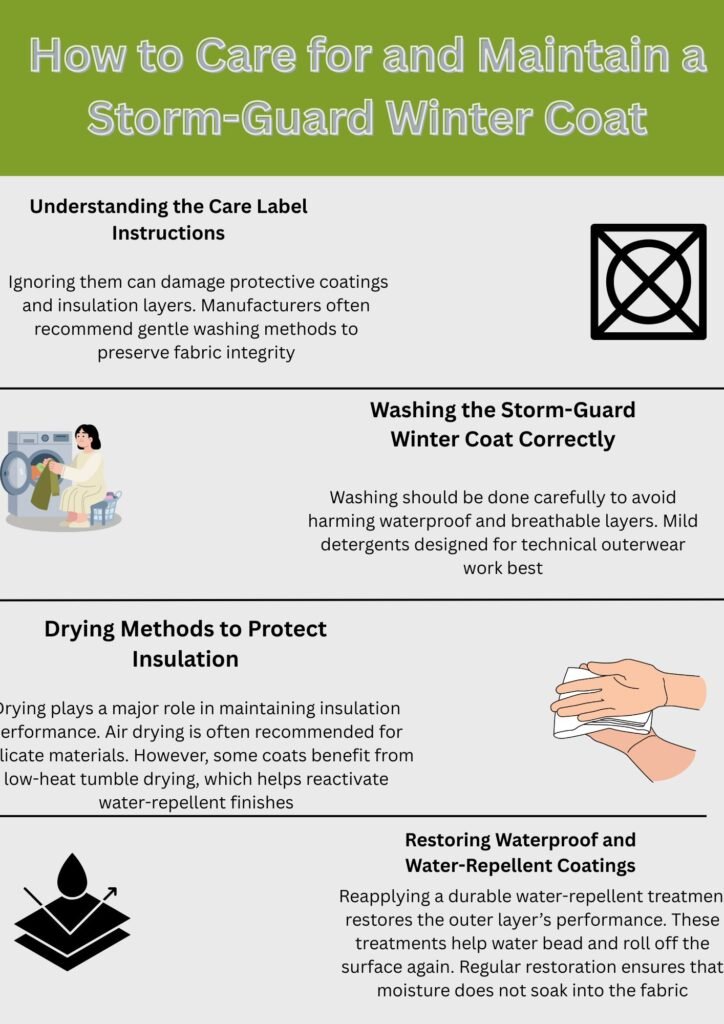
Understanding the Care Label Instructions
Every Storm-Guard Winter Coat includes a care label that provides important guidance. These instructions are based on the specific materials used in the coat. Ignoring them can damage protective coatings and insulation layers. Manufacturers often recommend gentle washing methods to preserve fabric integrity. By following the care label closely, wearers maintain the coat’s original performance and appearance. This step forms the foundation of proper maintenance.
Washing the Storm-Guard Winter Coat Correctly
Washing should be done carefully to avoid harming waterproof and breathable layers. Mild detergents designed for technical outerwear work best. Strong chemicals and fabric softeners can clog breathable membranes and reduce water resistance. Washing in cold or lukewarm water on a gentle cycle helps protect the fabric. Proper washing keeps the coat clean while preserving its storm-guarding abilities.
Drying Methods to Protect Insulation
Drying plays a major role in maintaining insulation performance. Air drying is often recommended for delicate materials. However, some coats benefit from low-heat tumble drying, which helps reactivate water-repellent finishes. High heat should always be avoided because it can damage fabric layers and insulation. Ensuring the coat dries completely prevents mold and odor buildup. Proper drying keeps insulation fluffy and effective.
Restoring Waterproof and Water-Repellent Coatings
Over time, the outer shell may lose its ability to repel water. This does not mean the coat is damaged, but it does require maintenance. Reapplying a durable water-repellent treatment restores the outer layer’s performance. These treatments help water bead and roll off the surface again. Regular restoration ensures that moisture does not soak into the fabric. This step is especially important for coats used in heavy snow or rain.
Conclusion
A Storm-Guard Winter Coat stands as a dependable solution for cold, windy, and stormy winter conditions. Throughout this guide, it becomes clear that this type of coat is designed with purpose and precision. Every material, feature, and construction detail works together to protect the body from harsh weather. Unlike ordinary winter coats, it delivers consistent performance when snow, wind, and moisture combine to create challenging environments. This level of protection makes a noticeable difference during daily wear and extended outdoor exposure.
FAQs
Can a Storm-Guard Winter Coat handle extreme winter storms?
Yes, a Storm-Guard Winter Coat is specifically designed for extreme winter storms. It blocks strong winds, resists heavy snowfall, and prevents moisture from entering. Because of sealed seams and windproof fabrics, it maintains warmth even in harsh conditions. This makes it suitable for blizzards and prolonged outdoor exposure. Its design focuses on safety and comfort during severe weather.
Is a Storm-Guard Winter Coat suitable for everyday wear?
A Storm-Guard Winter Coat works well for daily use, especially in cold regions. Modern designs balance protection with comfort and mobility. Breathable layers prevent overheating during regular activities. Many styles also suit urban settings without looking bulky. This makes the coat practical for commuting and daily routines.
How long does a Storm-Guard Winter Coat last?
With proper care, a Storm-Guard Winter Coat can last many years. High-quality materials and reinforced construction improve durability. Regular cleaning and correct storage help maintain performance. Waterproof coatings can also be restored when needed. Over time, this longevity adds strong value to the investment.