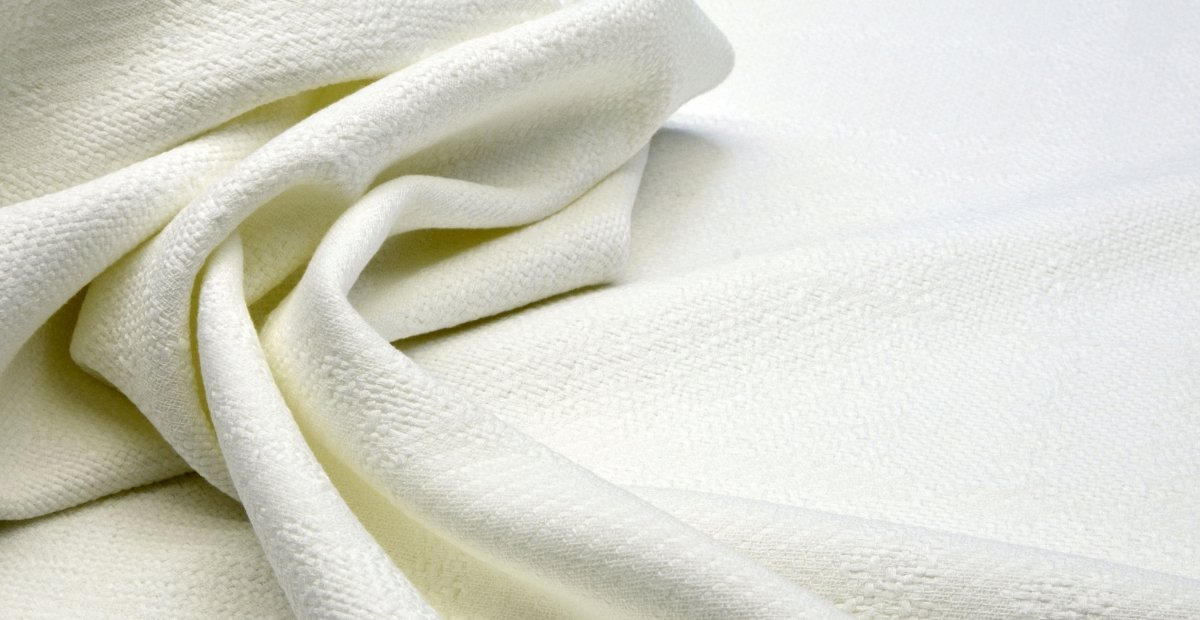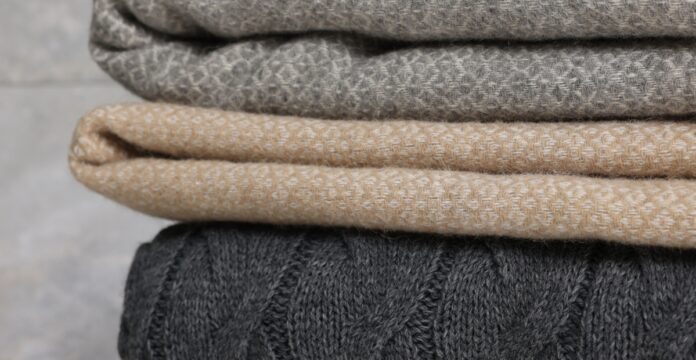
Cashmere is the ultimate luxury wool fabric. It is a symbol for refinement in the fashion and interior design industry because of its softness, warmth and timeless elegance. Cashmere is a long-lasting, premium fabric that consumers are increasingly choosing because of its comfort and durability.
This comprehensive guide will cover everything you need know about Woven Pure Cashmere Fabric, from its origins and production processes to its applications, care techniques and purchasing considerations. This article will also help you to understand why this fabric is unsurpassed in performance and prestige.
What is Woven Pure Cashmere Fabric?
Cashmere is made by weaving the undercoat fibers from cashmere goats. These fibers are collected, sorted and spun into yarn before being woven into luxurious fabrics. Cashmere is 100% cashmere, unlike blended fabrics. This ensures maximum softness, insulation, and warmth.
It is important to note that woven construction is different from knitted construction. Cashmere woven fabric is a structured, stable textile. Yarns are interlaced in a right angle to create a stable fabric. Cashmere fabric woven in pure form is more durable and retains its shape while still maintaining the softness.
Cashmere: The Origins of Pure Cashmere
Cashmere is a fiber that comes from goats primarily raised in cold areas such as Mongolia and China. These goats are able to develop a very fine undercoat because they endure harsh winters. Cashmere is so expensive because of this undercoat.
Every goat produces a very small amount of fiber that can be used. Cashmere is a rare material and therefore highly valued. During the molting period, fibers are usually combed manually to ensure both animal welfare and quality.
How to manufacture Woven Pure Cashmere Fabric
From raw cashmere fiber to pure cashmere fabric, the journey is labor-intensive and meticulous.
1. Fiber Sorting and Collection
First, the fibers are separated from the outer coarse hairs. For premium fabrics, only the finest strands can be selected.
2. Cleaning and Dehairing
The raw fibers will then be washed in order to remove any impurities. The coarse hairs will be removed by a dehairing procedure. The fiber purity is crucial for the final softness of fabric.
3. Spinning
The fibers are cleaned and spun into yarn. The fiber strength, thickness, and twist are all carefully controlled during this stage.
4. Weaving
The yarn is spun and then woven using advanced looms. The weaving technique gives the fabric an enhanced structure, and a refined surface.
5. Finishing
The fabric is then washed and softened. It may also be brushed. The fabric’s luxurious feel is achieved during the finishing process.
Cashmere fabric that is woven with precision at each stage is a premium material.
Woven Pure Cashmere Fabric: Key Characteristics
Cashmere is a fabric that has a variety of outstanding qualities.
1. Superior Softness
Cashmere is much finer in texture than wool. The fabric is incredibly soft and does not irritate the skin.
2. Lightweight Warmth
Cashmere is a lightweight fabric that provides exceptional insulation. The fine fibers trap air, creating natural warmth without bulk.
3. Breathability
Cashmere is not only warm, but also allows for air circulation. Cashmere regulates the body’s temperature in cool or moderately warm climates.
4. Durability
The fabric is more durable than knitted fabrics because it is woven. Cashmere woven garments will last many years with proper care.
5. Elegant Drape
The fabric drapes beautifully which enhances the garment structure and silhouette.
Why Woven Pure Cashmere Fabric is a Luxury Textile
The definition of luxury is rareness, craftsmanship and performance. Cashmere woven fabric meets all three criteria.
First, it is scarce due to the annual limited fiber yield. The amount of craftsmanship needed to create premium woven fabrics is considerable. Finaly, the performance attributes — softness and insulation — are superior to most other natural fibres.
Cashmere is also associated with luxury fashion houses, bespoke tailoring and high-end clothing. Cashmere woven fabric is now synonymous with status and sophistication.
Uses of Woven Pure Cashmere Fabric
Woven Pure Cashmere Fabric into a woven weave is adaptable and versatile for many industries.
Fashion Industry
This is a widely used product for:
- Luxury Coats
- Tailored jackets
- Shawls and scarves
- High-end suits
- Elegant trousers
Fabrics that maintain structure are especially popular for outerwear, tailored clothing and other tailored items.
Interior Design
Cashmere woven fabric is also used for:
- Luxury Throws
- Cushions with decorative designs
- Upholstery Accents
Warmth and softness enhance interior aesthetics, while also providing comfort.
Corporate and Premium Gifts
Woven Pure Cashmere Fabric from pure cashmere are also popular as executive gifts. The high-quality nature of these accessories reflects appreciation and refinement.
The Benefits of Woven Cashmere Fabric
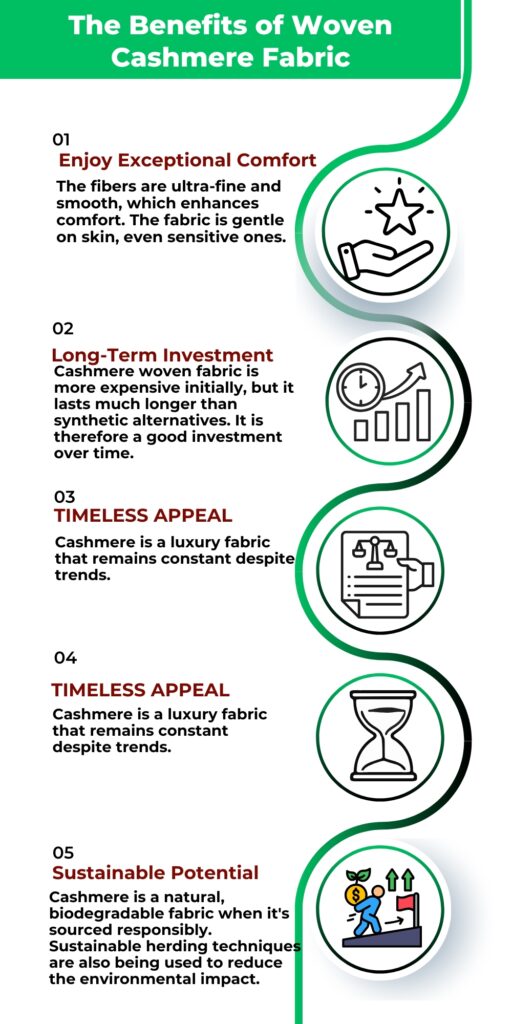
Enjoy Exceptional Comfort
The fibers are ultra-fine and smooth, which enhances comfort. The fabric is gentle on skin, even sensitive ones.
Long-Term Investment
Cashmere woven fabric is more expensive initially, but it lasts much longer than synthetic alternatives. It is therefore a good investment over time.
Timeless Appeal
Cashmere is a luxury fabric that remains constant despite trends.
Sustainable Potential
Cashmere is a natural, biodegradable fabric when it’s sourced responsibly. Sustainable herding techniques are also being used to reduce the environmental impact.
Identify high-quality Woven Pure Cashmere Fabric
Woven Pure Cashmere Fabric is not all the same. Consider these important factors when evaluating cashmere fabrics:
Fiber Length
Longer fibers result in a stronger, smoother yarn. In turn, this reduces pilling.
Fiber Diameter
Cashmere of premium quality is typically measured between 14-16 microns. The finer the fibre, the softer fabric.
Density of Weave
The tighter the weave, the more durable and warm it is.
Hand Feel
Cashmere fabric of high quality should be soft and resilient.
Care for Woven Pure Cashmere Fabric
The longevity of your car is dependent on the care you give it.
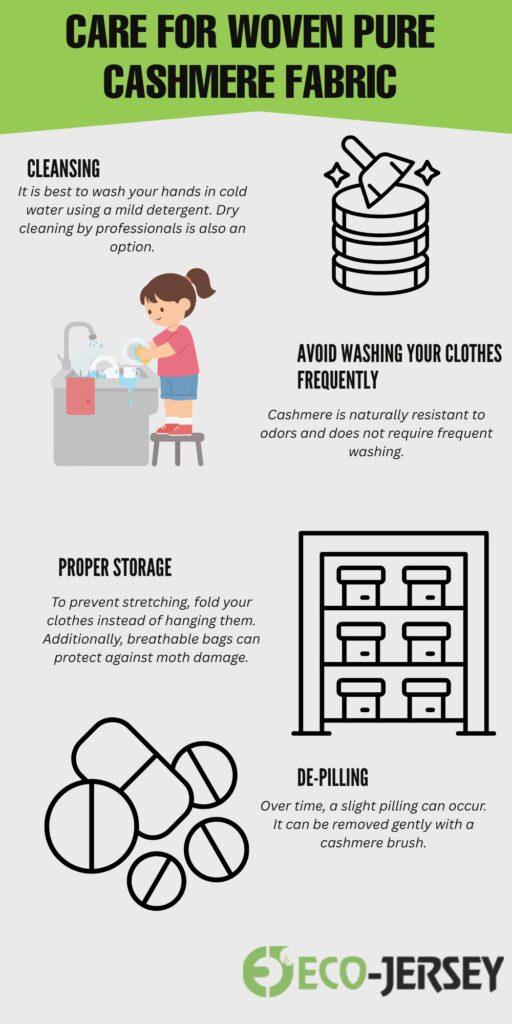
Cleansing
It is best to wash your hands in cold water using a mild detergent. Dry cleaning by professionals is also an option.
Avoid Washing Your Clothes Frequently
Cashmere is naturally resistant to odors and does not require frequent washing.
Proper Storage
To prevent stretching, fold your clothes instead of hanging them. Additionally, breathable bags can protect against moth damage.
De-Pilling
Over time, a slight pilling can occur. It can be removed gently with a cashmere brush.
Sustainability and ethical considerations
Sustainability becomes more important as demand increases. Environmental concerns have been raised by the overgrazing of certain regions. Responsible sourcing is therefore essential.
Many producers now implement:
- Controlled grazing practices
- Animal Welfare Standards
- Traceable supply chain
Consumers are also encouraged to check certifications prior to purchasing. Cashmere that is ethical ensures the protection of both the environment as well as herding communities.
Market Trends & Growing Demand
The global luxury textile industry continues to grow. Cashmere woven fabric is in high demand both on emerging markets and established ones.
The industry is shaped by several trends:
- Minimalist fashion is a trend that many people are embracing.
- Luxury travel that is sustainable
- Natural fibers are in high demand
- Awareness of textile quality
Digital retail platforms have also made cashmere of the highest quality more accessible to consumers around the world.
Why designers prefer Woven Pure Cashmere Fabric.
Designers prefer woven cashmere fabric because of its versatility.
It is a material that can be tailored to perfection. Second, it blends seamlessly with other luxurious materials like silk or fine knit. It allows for precision in the construction of structured garments.
Fabrics that are easy to cut and stitch can produce intricate designs.
Cashmere: A Good Investment?
Luxury fabrics are often seen as an investment. Cashmere fabric is also a durable investment.
Cashmere garments:
- Keep your aesthetic appeal for a long time
- Fast fashion cycles are not for everyone
- Retain resale value in premium markets
Cashmere is an investment that will last a lifetime.
Cashmere: Common misconceptions
All Cashmere is the same
This is incorrect. The quality of fibers varies greatly depending on their origin, processing and weaving.
“Cashmere Is Too Delicate”
Cashmere is soft but strong, when maintained properly.
It’s only for Winter
Lightweight woven cashmere is not only ideal for colder weather but can be worn during transitional seasons.
The Future of Woven Pure Cashmere fabric
Textile production continues to be influenced by innovation. The use of advanced weaving technologies improves efficiency and consistency. Sustainable practices are prioritized in all supply chains.
Cashmere fabric of high quality and authenticity will continue to be in demand as consumer awareness increases. Brands that place an emphasis on transparency and craftsmanship are likely to lead the market.
How to choose the best pure cashmere fabric woven
Consider the following when purchasing pure cashmere woven fabric or garments:
- Look for the label that states 100% pure cashmere.
- Examine the weave density.
- Smoothness and resilience are felt in the texture.
- Find out about brand sourcing.
- Compare micron counts if available.
Also, many reputable suppliers provide information on traceability.
Conclusion:
Cashmere woven fabric is the ideal blend of luxury, functionality and durability. Cashmere is a unique fabric because of its unmatched softness and lightweight warmth. It also has a structured durability that sets it apart from other fabrics. Its timeless elegance also ensures its relevance in a fashion world that is constantly changing.
The benefits of investing in cashmere fabric far outweigh any initial cost. Cashmere is a fabric that, with proper care, can last for years and even decades.
FAQs
What is woven pure cashmere fabric?
Woven pure cashmere fabric is made from 100% cashmere fibers that are interlaced using a weaving technique. As a result, it offers structure, durability, and exceptional softness compared to knitted cashmere.
Is woven pure cashmere warmer than wool?
Yes, woven pure cashmere fabric is significantly warmer than regular wool. Because the fibers are finer and trap more air, superior insulation is provided without added weight.
How is woven cashmere different from knit cashmere?
Woven cashmere is structured and stable, whereas knit cashmere is stretchable and flexible. Therefore, woven pure cashmere fabric is ideal for coats, jackets, and tailored garments.