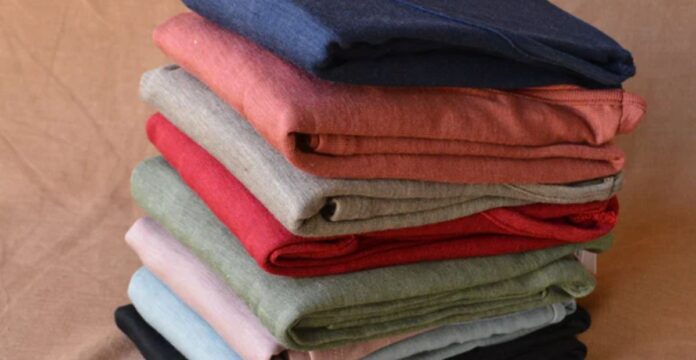
Wool thermal fabric explained is a necessity in winter comfort. The cold season requires a garment that is warm but not uncomfortable. Wool thermal cloth is a good solution to this need. It retains the body heat and the natural airflow. Consequently, wearers will be comfortable all day long. This percentage makes wool thermal fabric very dependable,Wool Thermal Fabric Explained:
Wool thermal is a very popular product since it has self-working qualities with the body. It does not trap a lot of heat and is therefore insulating. Meanwhile, it is also efficient in moisture control. Sustainable fashion preferences are also backed by this garment. Thus it will attract comfort and environmentally conscious customers. Clothing used during winter will not be complete without it.
History of Wool Thermal Fabric.
Thousands of years have passed and wool has been used by humans to keep them warm. The ancient people relied on wool in order to survive during snowy seasons. With time, spinning and weaving techniques were enhanced. This advancement enabled the wool fabrics to be soft and strong. At one time, thermal wool was invented to provide warmth. That invention transformed the winter wear.
Wool thermals were refined in the industrial development. Manufacturers got to know how to fill fibers with air. Consequently, clothes were more warm and lightweight. Wool thermal fabric was further enhanced by the modern science of textiles. At present, it is a mixture of nature and modern technologies. There is innovation and tradition in its history.
What Is Wool Thermal Fabric?
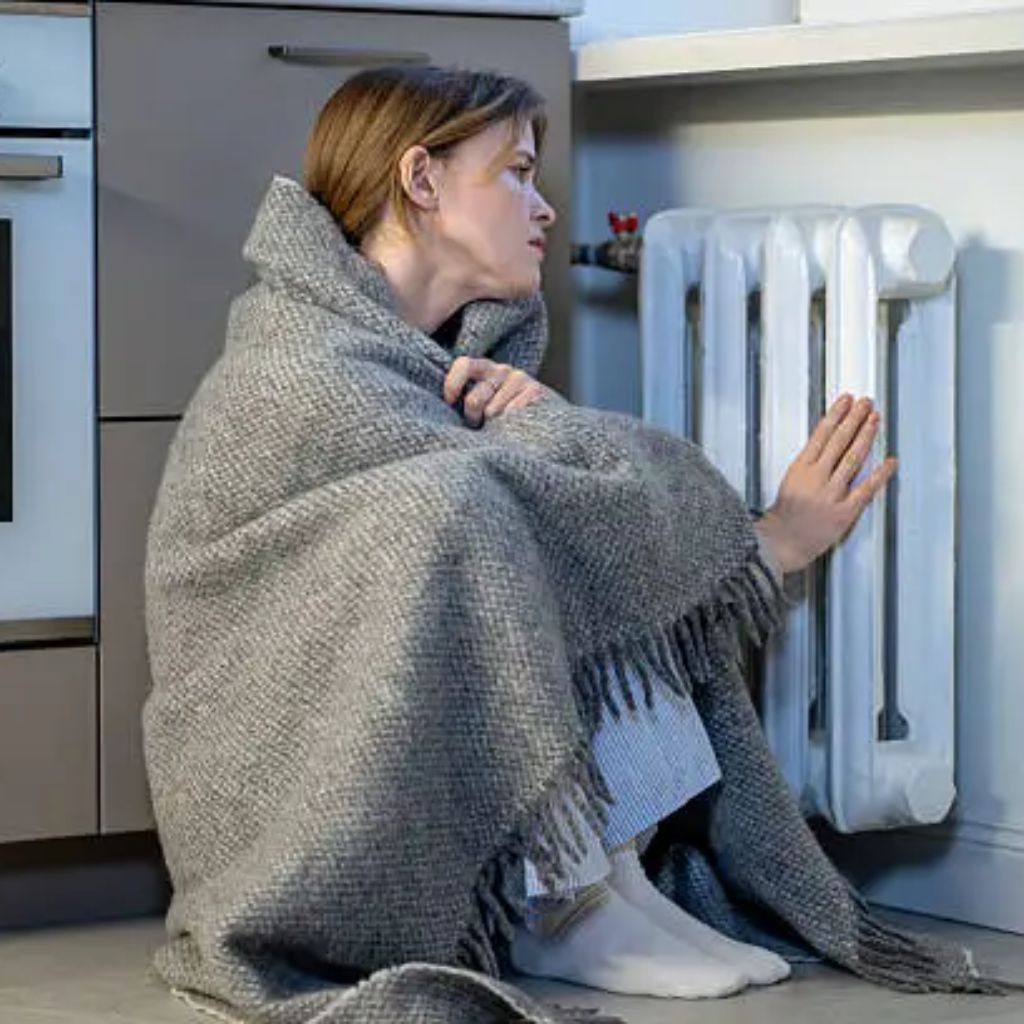
Wool thermal fabric is a wool fabric that has been designed specifically. It is made in such a way that it keeps the body heat. It does not emphasize looks and appearance, as regular wool does. Consequently, it suits underwear and innerwear. This material assists in the preservation of warmth in low temperatures. It does not introduce unwarranted bulk.
The structure wool thermal material is different to normal wool fabric. It incorporates even smaller fibers and certain knitting techniques. Such methods enhance retention of air in the cloth. Enclosed air is a natural heat resistant. Due to this purpose, it qualifies as a thermal fabric. Wool thermal clothes material provide comfort and dynamism in keeping one warm.
The operation of Wool Thermal Fabric.
Wool thermal fabric is an insulation that uses the enclosed air. These air sacs decrease the loss of heat in the body. Consequently, warmth remains near to the skin. The process forms a natural layer of insulation. Even lighter clothes are cozy and warm. That makes wool thermals special because of its efficiency.
Wool also controls the body temperature. When required it releases excessive heat. In the meantime, it will keep warm in lower temperatures. Wool possesses the ability to absorb moisture without becoming wet. Notably, even when wet it keeps insulating. Such a property renders wool thermal fabric reliable in winter.
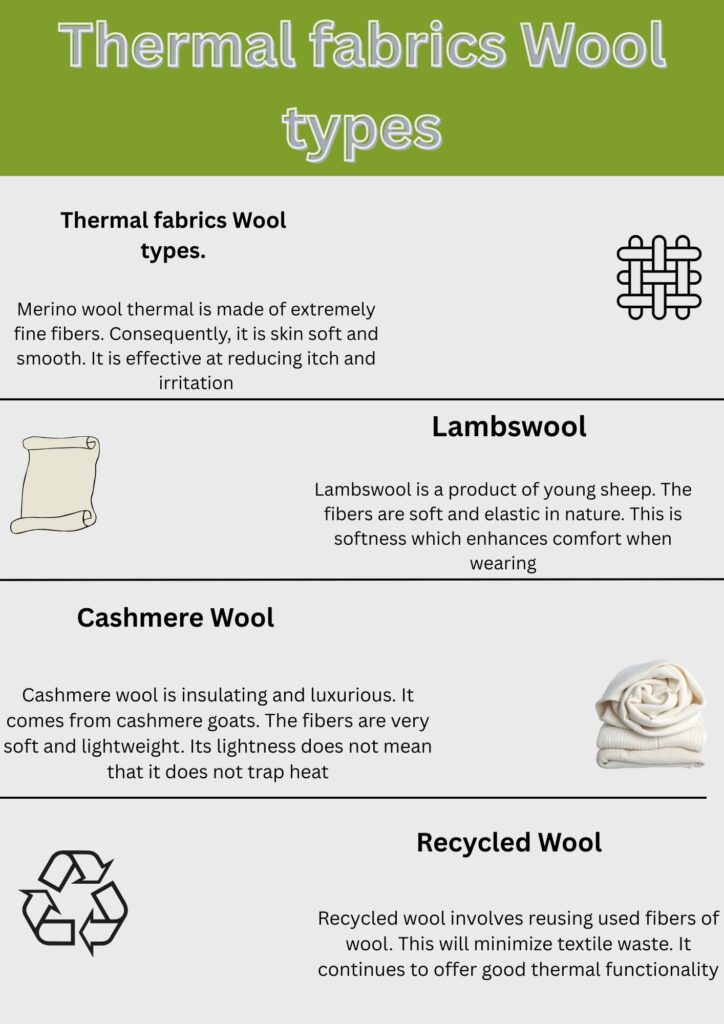
Thermal fabrics Wool types.
Merino Wool Thermal Fabric
Merino wool thermal is made of extremely fine fibers. Consequently, it is skin soft and smooth. It is effective at reducing itch and irritation. Moreover, it does not lose moisture easily. These attributes render it the best thermal apparel.
Merino wool is good to use in active and everyday style. It adjusts to changes in body temperature. This has made merino wool be used in premium thermals. The major strengths that Comfort and performance have are still the strengths.
Lambswool
Lambswool is a product of young sheep. The fibers are soft and elastic in nature. This is softness which enhances comfort when wearing. Lambswool gives cozy and constant warmth.
It is suited to winter day thermostats. It is rather thick but warm. Lambswool is used by many people to keep them comfortable in their day to day lives.
Cashmere Wool
Cashmere wool is insulating and luxurious. It comes from cashmere goats. The fibers are very soft and lightweight. Its lightness does not mean that it does not trap heat.
Cashmere thermals are non-slippery to the skin. They provide high quality comfort during cold weather. They tend to be however, more expensive than others.
Recycled Wool
Recycled wool involves reusing used fibers of wool. This will minimize textile waste. It continues to offer good thermal functionality. Hence, it embraces sustainability objectives.
Thermals made of wool that is recycled are a bit firmer. Nevertheless, they are cozy and strong. The green customer commonly chooses this one.
Manufacturing Process of Wool Thermal Fabric
The manufacturing process of wool thermal fabric begins with responsible wool sourcing. Farmers shear sheep carefully to protect animal health. This step usually happens once a year. Proper shearing ensures long and strong fibers. High-quality fibers directly affect warmth and comfort. Therefore, ethical sourcing plays a major role in final fabric performance.
After shearing, raw wool contains dirt, grease, and plant matter. Manufacturers clean the wool thoroughly using gentle washing methods. This process removes lanolin and impurities. Clean fibers feel lighter and softer. At the same time, careful cleaning prevents fiber damage. As a result, the wool remains strong and flexible.
Next, the cleaned wool goes through carding. Carding aligns fibers in one direction. This step creates a smooth and even structure. Proper alignment improves insulation ability. It also helps trap air more effectively. Therefore, carding directly improves thermal performance.
Once carded, fibers are spun into yarn. Spinning controls yarn thickness and strength. Fine yarns create lightweight thermal fabrics. Thicker yarns produce heavier insulation. Manufacturers adjust spinning based on intended use. This flexibility allows wool thermals for different climates.
Why Wool Thermal Fabric Is Beneficial
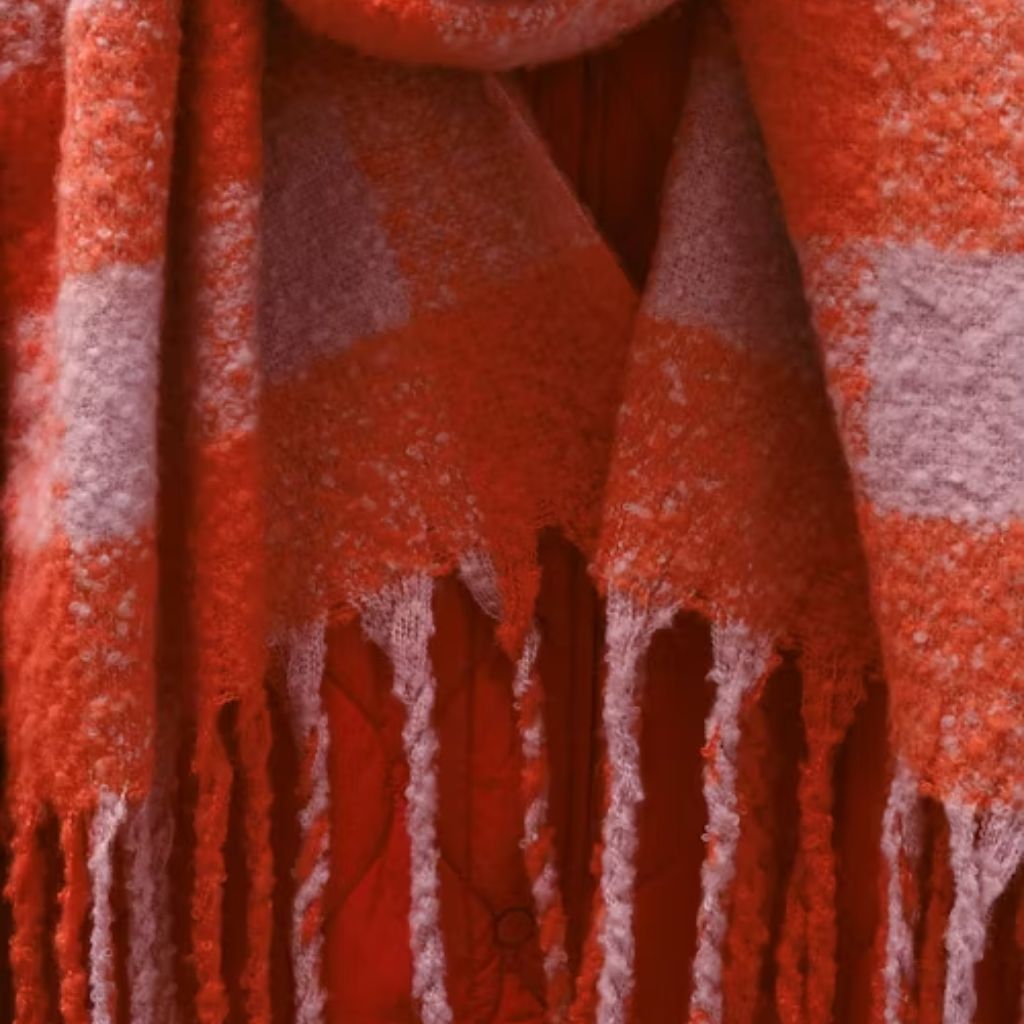
Wool thermal fabric offers multiple benefits that make it ideal for winter wear. Its natural structure works in harmony with the human body. Unlike many synthetic fabrics, wool adapts to changing temperatures. This adaptability makes it suitable for daily use in cold seasons. Comfort, performance, and sustainability come together in one fabric. That is why wool thermal fabric remains a trusted choice.
Natural Insulation for Lasting Warmth
Wool thermal fabric provides natural insulation without heaviness. The fibers trap air within their structure. This trapped air slows down heat loss from the body. As a result, warmth stays close to the skin. Even thin wool thermals feel effective in cold weather. This insulation works consistently throughout the day.
Unlike artificial materials, wool does not rely on coatings. Its fibers naturally retain heat. Therefore, the fabric performs well over time. This makes wool thermals dependable for long winters. The body stays warm without feeling restricted.
Excellent Breathability for Daily Comfort
Breathability is one of wool’s strongest advantages. Wool thermal fabric allows air to move through the fibers. This airflow prevents overheating indoors. At the same time, it keeps warmth stable outdoors. The body remains balanced in changing conditions.
Because of this breathability, wool thermals feel comfortable for long wear. They suit both active and relaxed settings. Unlike synthetic thermals, they do not trap excessive heat. This balance improves overall winter comfort.
Moisture Management That Keeps Skin Dry
Wool thermal fabric absorbs moisture efficiently. It pulls sweat away from the skin. This process keeps the body dry and comfortable. Even when moisture is present, wool continues to insulate. This feature makes it ideal for cold environments.
Unlike cotton, wool does not feel cold when damp. It maintains warmth even in humid conditions. Therefore, it suits outdoor activities and daily wear. Moisture control also reduces discomfort during temperature changes.
Natural Odor Resistance for Fresh Wear
Wool thermal fabric resists odors naturally. The fiber structure prevents bacteria growth. This reduces unpleasant smells during extended wear. As a result, garments stay fresher for longer periods.
This benefit makes wool thermals practical for daily use. They require less frequent washing. Reduced washing also extends garment life. Therefore, wool thermals combine hygiene with convenience.
Softness and Skin-Friendly Comfort
Modern wool thermal fabric feels soft and gentle. Fine fibers, especially merino wool, reduce irritation. This softness makes wool suitable for sensitive skin. Proper processing further improves comfort.
Unlike traditional coarse wool, thermal wool feels smooth. It sits comfortably against the body. This comfort encourages all-day wear. Many people now prefer wool over synthetic options.
Wool Thermal Fabric Compared to Other Thermal Fabrics
Wool Thermal Fabric vs Polyester Thermal Fabric
Wool thermal fabric provides natural insulation through fiber structure. Polyester thermal fabric relies on synthetic fibers for warmth. Because of this difference, wool regulates temperature more effectively. Polyester often traps heat without releasing excess warmth. This can cause discomfort indoors.
Wool allows airflow while retaining heat. This balance prevents overheating during daily wear. Polyester lacks breathability in comparison. It may also hold odors after prolonged use. Wool resists odor naturally, which improves freshness. Therefore, wool thermals suit long hours of wear better.
Moisture behavior also differs significantly. Wool absorbs moisture without feeling wet. Polyester pushes moisture outward but cools quickly. When damp, polyester may feel cold. Wool remains warm even in humid conditions. This makes wool thermals more reliable for winter.
Wool Thermal Fabric vs Fleece Fabric
Fleece fabric is popular for warmth and softness. However, fleece is entirely synthetic. It provides insulation by trapping air between fibers. While this works initially, fleece lacks adaptability. Wool adjusts to body temperature naturally.
Fleece tends to overheat in mild conditions. Wool maintains balance in both cold and indoor environments. Additionally, fleece loses insulating ability when wet. Wool continues to insulate even with moisture present. This gives wool a practical advantage in unpredictable weather.
Durability also differs. Fleece pills over time and loses texture. Wool thermal fabric maintains structure longer with proper care. This longevity adds to wool’s overall value.
Wool Thermal Fabric vs Cotton Thermal Fabric
Cotton thermal fabric feels soft and breathable. However, cotton absorbs moisture quickly. Once wet, it loses insulation. This makes cotton unsuitable for cold climates. Wool manages moisture far better.
Wool pulls sweat away while keeping warmth intact. Cotton becomes cold and heavy when damp. Therefore, cotton thermals feel uncomfortable in winter. Wool continues to perform in fluctuating conditions. This difference makes wool the stronger choice.
Cotton works better in mild weather. Wool suits true winter conditions. That distinction matters when warmth is essential.
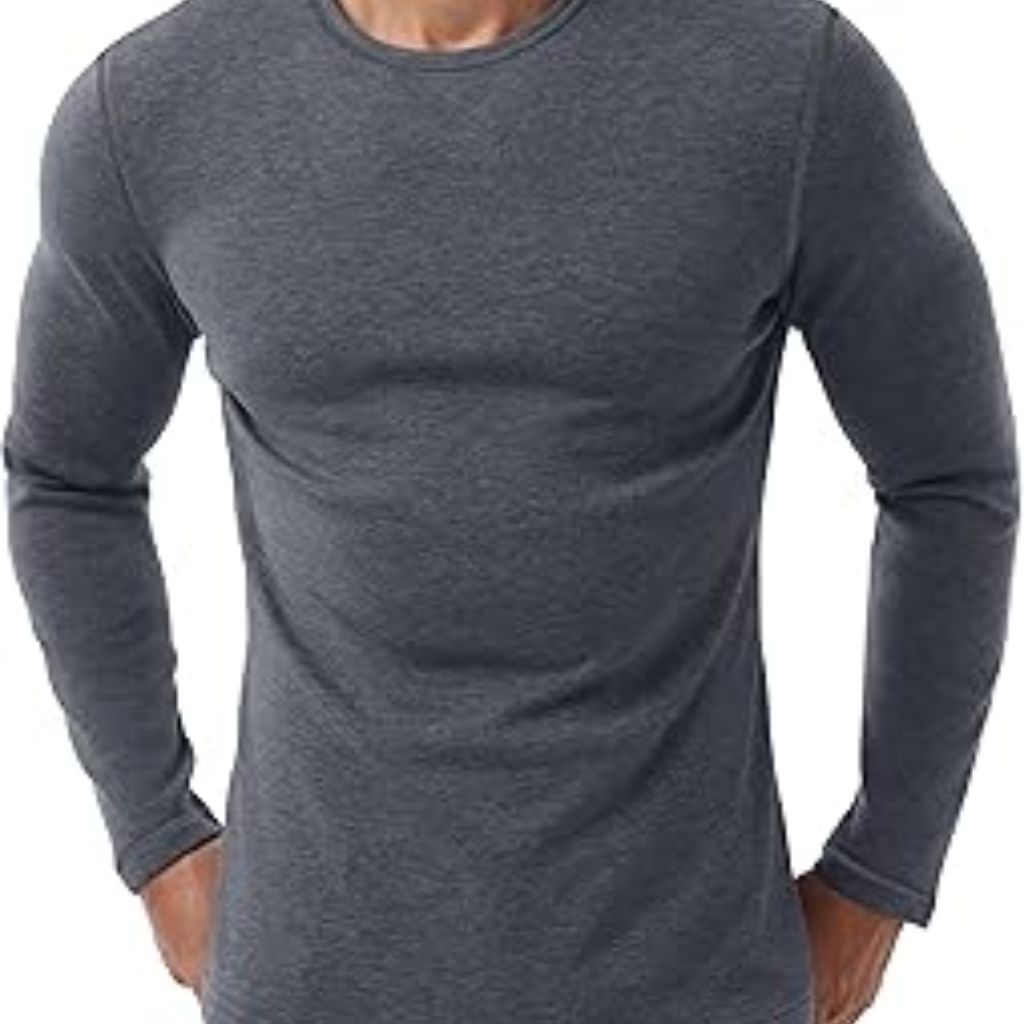
Is Wool Thermal Fabric Good for Winter?
Wool thermal fabric works exceptionally well during winter. It provides steady warmth without making the body feel heavy. The natural structure of wool fibers traps heat close to the skin. This trapped warmth helps maintain a stable body temperature. As a result, the body stays protected against cold air. Even in fluctuating winter conditions, wool performs consistently.
Wool thermal fabric adapts to different temperature levels. It keeps the body warm outdoors while remaining comfortable indoors. This adaptability prevents overheating in heated spaces. At the same time, it protects against sudden drops in temperature. Therefore, wool thermals suit daily routines in winter. People can move between environments without discomfort.
This fabric also performs well in varying winter climates. It suits mild winters as well as extreme cold. In moderate weather, lightweight wool thermals feel breathable. In colder regions, thicker wool thermals offer stronger insulation. When layered properly, wool provides excellent cold protection. This versatility makes it suitable across regions.
Moisture control adds to its winter performance. Wool absorbs sweat while keeping warmth intact. Even when damp, wool continues insulating. This feature becomes important during outdoor winter activities. Unlike cotton, wool does not feel cold when wet. Therefore, comfort remains consistent throughout the day.
Common Uses of Wool Thermal Fabric
Wool Thermal Fabric in Thermal Innerwear
Thermal innerwear remains the most common use of wool thermal fabric. It sits close to the skin and traps body heat efficiently. This close fit improves insulation without adding bulk. As a result, wearers stay warm throughout the day. Wool innerwear also feels soft and comfortable. It allows easy movement during daily activities.
Because wool manages moisture well, innerwear stays dry. Sweat moves away from the skin naturally. This prevents chills during cold weather. Therefore, wool thermal innerwear suits long winter wear. It performs well during both rest and activity.
Wool Thermal Fabric in Winter Base Layers
Winter base layers often rely on wool thermal fabric. These layers form the foundation of winter outfits. They help maintain body warmth under outer clothing. Wool base layers regulate temperature effectively. This balance prevents overheating when layered.
Wool base layers work well under jackets and coats. They improve overall insulation without heaviness. Because of their breathability, they remain comfortable indoors. This makes them ideal for daily winter routines.
Wool Thermal Fabric in Socks and Leggings
Socks and leggings frequently use wool thermal fabric. Feet and legs lose heat quickly in cold weather. Wool helps retain warmth in these areas. At the same time, it allows airflow to prevent sweat buildup.
Wool socks stay warm even when damp. This feature benefits winter travel and outdoor use. Wool leggings provide insulation without restricting movement. They work well under trousers or skirts. This combination improves winter comfort.
Wool Thermal Fabric in Jackets and Coats
Many winter jackets and coats include wool thermal fabric. It often appears as a lining or inner layer. Wool lining enhances warmth without increasing weight. This improves garment comfort significantly.
Wool-lined outerwear also feels breathable. It prevents moisture buildup inside the jacket. As a result, wearers feel dry and warm. This makes wool ideal for long winter wear.
Care and Maintenance of Wool Thermal Fabric
Proper care and maintenance keep wool thermal fabric warm and comfortable for years. Wool is a natural fiber, so it reacts differently than synthetic materials. Gentle handling helps preserve its structure and insulation ability. When cared for correctly, wool thermals maintain softness and shape. This also prevents early wear and damage. Therefore, correct care routines are essential for long-term use.
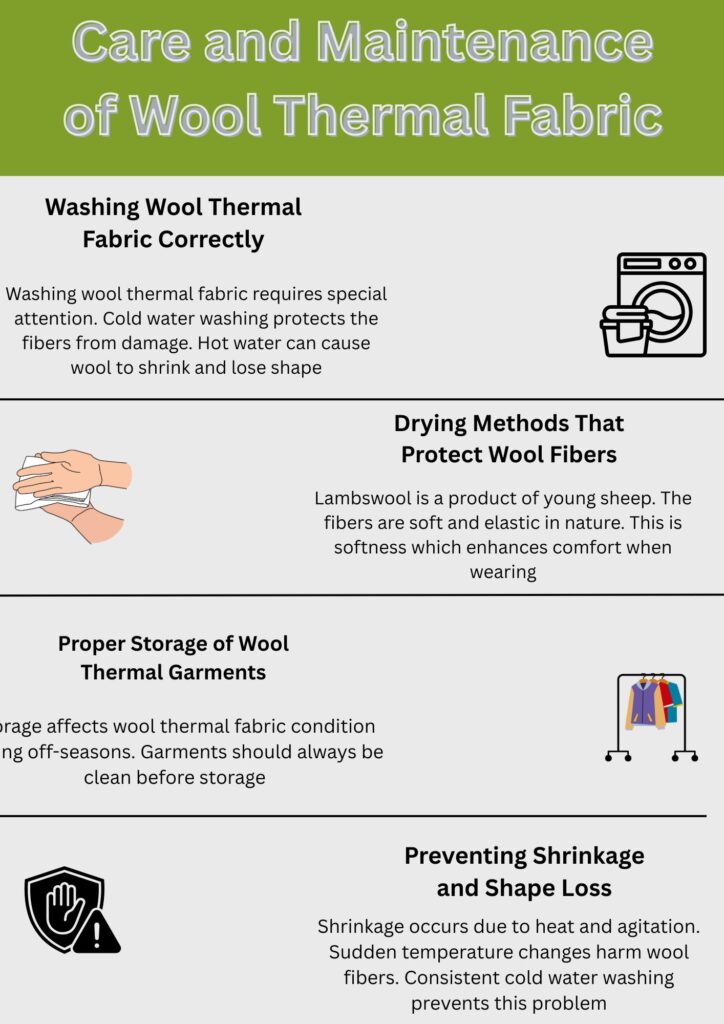
Washing Wool Thermal Fabric Correctly
Washing wool thermal fabric requires special attention. Cold water washing protects the fibers from damage. Hot water can cause wool to shrink and lose shape. Mild detergents designed for wool work best. They help maintain the fiber’s natural oils. These oils support warmth and softness.
Drying Methods That Protect Wool Fibers
Drying plays a major role in fabric longevity. Wool thermal fabric should always air dry. Laying the garment flat helps maintain its original shape. Hanging may stretch the fabric over time. Direct sunlight can weaken fibers.
Proper Storage of Wool Thermal Garments
Storage affects wool thermal fabric condition during off-seasons. Garments should always be clean before storage. Folding helps prevent stretching and distortion. Breathable storage allows air circulation.
Preventing Shrinkage and Shape Loss
Shrinkage occurs due to heat and agitation. Sudden temperature changes harm wool fibers. Consistent cold water washing prevents this problem. Gentle handling maintains the garment’s original size.
How to Choose the Best Wool Thermal Fabric
Fabric thickness matters when choosing thermals. Higher GSM means more warmth. Lightweight options suit layering better. Climate conditions should guide selection.
Pure wool provides excellent insulation. Blends offer durability and stretch. Sensitive skin benefits from merino wool. Proper fit improves heat retention. These factors help ensure comfort.
Common Mistakes When Buying Wool Thermal Fabric
Many buyers ignore fabric blend ratios. This affects warmth and durability. Others overlook fabric thickness. As a result, comfort suffers.
Poor washing habits damage wool fibers. Climate mismatch reduces effectiveness. Informed decisions prevent these mistakes.
Is Wool Thermal Fabric Sustainable?
Wool comes from renewable sources. Sheep naturally regrow fleece each year. Therefore, wool remains sustainable. It decomposes without harming the environment.
Recycled wool thermal fabric reduces waste further. It lowers environmental impact significantly. Compared to synthetic materials, wool biodegrades faster. This makes it an eco-friendly choice.
Conclusion
Wool Thermal Fabric Explained highlights warmth, comfort, and sustainability. It provides insulation while remaining breathable. Therefore, it suits modern winter needs.
Wool thermals support effective layering systems. They adapt to changing temperatures. As a result, winter dressing becomes easier. Choosing wool means choosing comfort, durability, and responsibility.
FAQs
Is wool thermal fabric itchy to wear?
Wool thermal fabric does not always feel itchy. The comfort depends on fiber quality. Fine fibers like merino wool feel soft and smooth. They bend easily against the skin. This reduces irritation significantly. Modern processing methods also improve softness. As a result, most people find wool thermals comfortable.
Can wool thermal fabric be worn every day in winter?
Wool thermal fabric works well for daily winter wear. It regulates temperature naturally. This prevents overheating and chilling. Wool also resists odor buildup. Therefore, frequent washing is unnecessary. With proper airing, wool thermals stay fresh for repeated use.
Is wool thermal fabric suitable for sensitive skin?
Wool thermal fabric can suit sensitive skin if chosen carefully. Merino wool is the best option for sensitivity. Its fibers are very fine and soft. Coarse wool types may cause discomfort. Checking fabric labels helps avoid irritation. Proper fit also improves comfort.