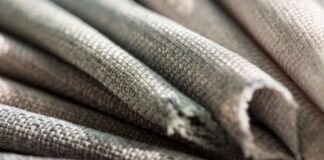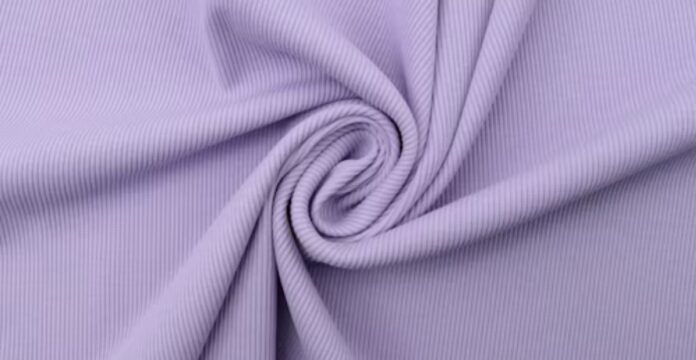
The winter wear is concerned with warmth, comfort, and shielding. Thus, the question is the same with many individuals, what is thermal fabric, and why is it so popular? Thermal clothes are textile that is specially made and is used to preserve body heat. It helps the wearer not to feel cold when it is cold. It captures warmth effectively and does not add any bulk to clothes as opposed to the regular fabrics.Features, Uses, and Buying Tips
In addition, individuals wear thermal clothing whenever winter is approaching to offer insulation, layering and winter clothing. It is efficient in cold conditions and the outdoors. Due to this, it has become a winter necessity in the world. It is available in thermal clothing, blankets, beddings and sportswear.
Also, the thermal fabric can be used as a casual and performance outfit. Sportsmen, mountain climbers, and businessmen make use of it on a daily basis. Due to this flexibility, thermal fabric has been one of the leading winter fabrics.
What Is Thermal Fabric?
Thermal fabric refers to a heat-saving cloth that helps to keep the body warm. It involves secret knitting or weaving in order to entrap air. This air that is trapped will serve as an insulation layer. Consequently, the body heat remains near the skin.The effect of thermal fabric scientifically is to stop heat loss. It prevents the loss of heat to cold air. This is because the thermal fabric builds micro air pockets unlike the normal fabrics.
Thermal fabric is usually worn as a base layer. It sits directly against the skin to capture warmth efficiently. This placement allows outer clothing to act as additional protection. Consequently, layering becomes more effective and comfortable. The fabric also feels lightweight, which improves daily wear comfort.Regular fabric on the other hand is concerned with style or breathability. Thermal cloth is oriented towards heat and warmth. Thus, it works better during winter and low temperatures.
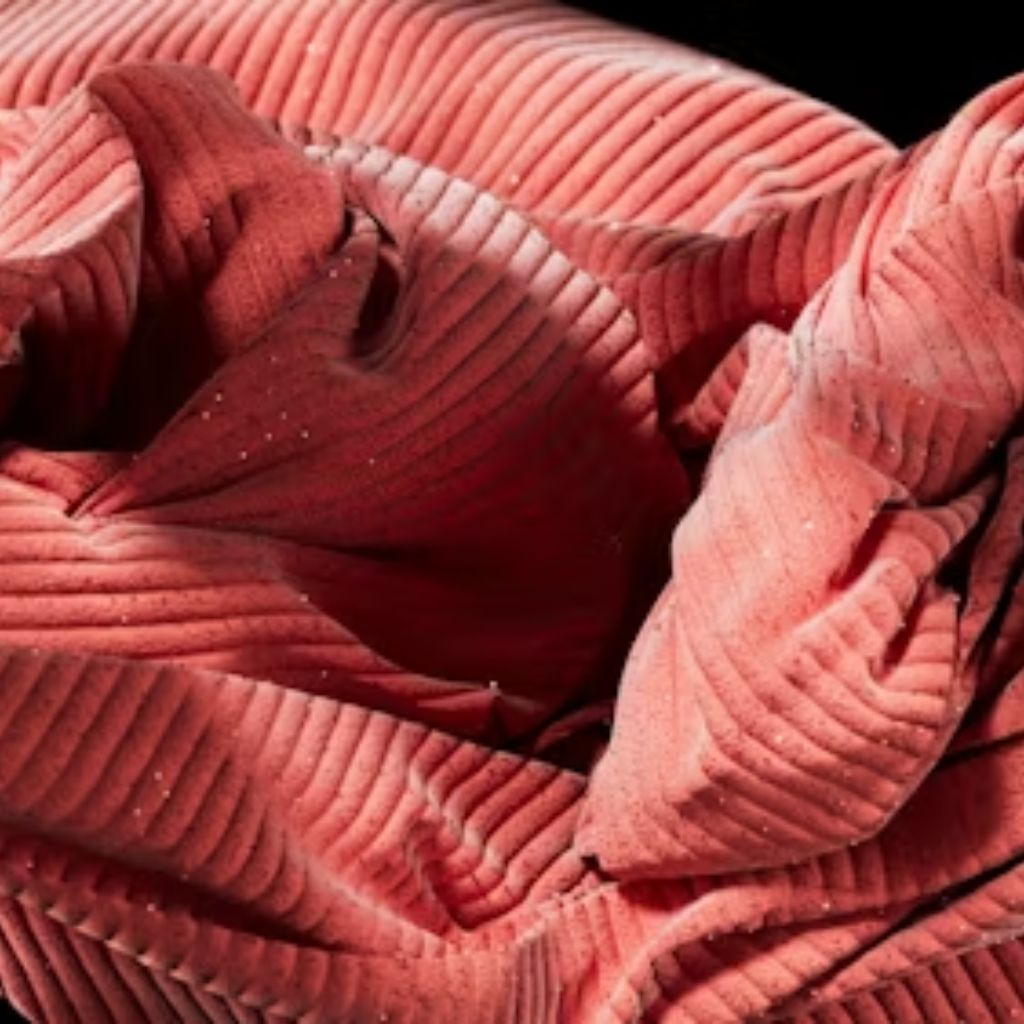
How Heat Retention Works in Thermal Fabrics Explained.
The smart structure is used to trap body heat in thermal fabric. First, it traps warm air generated by the body. And then it keeps this air in its fibres. As a result, the heat is retained at the skin.
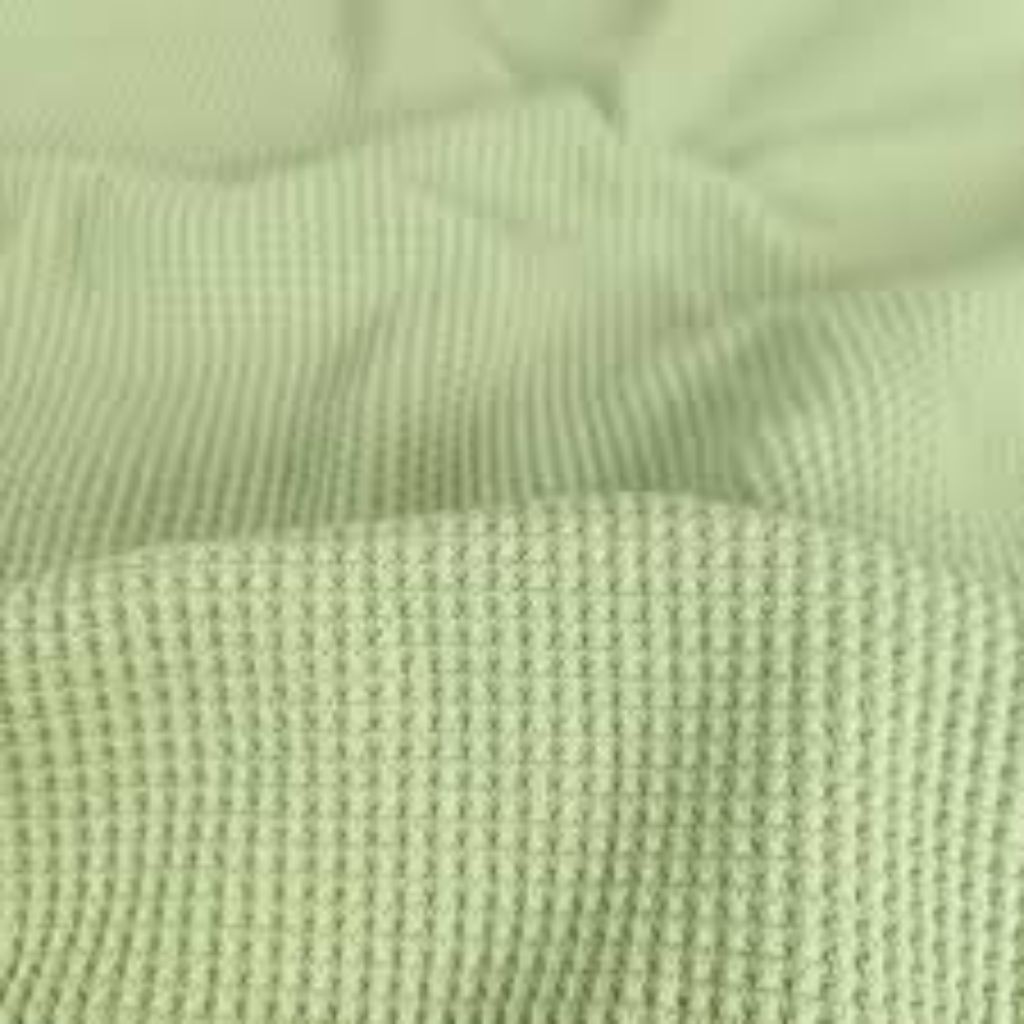
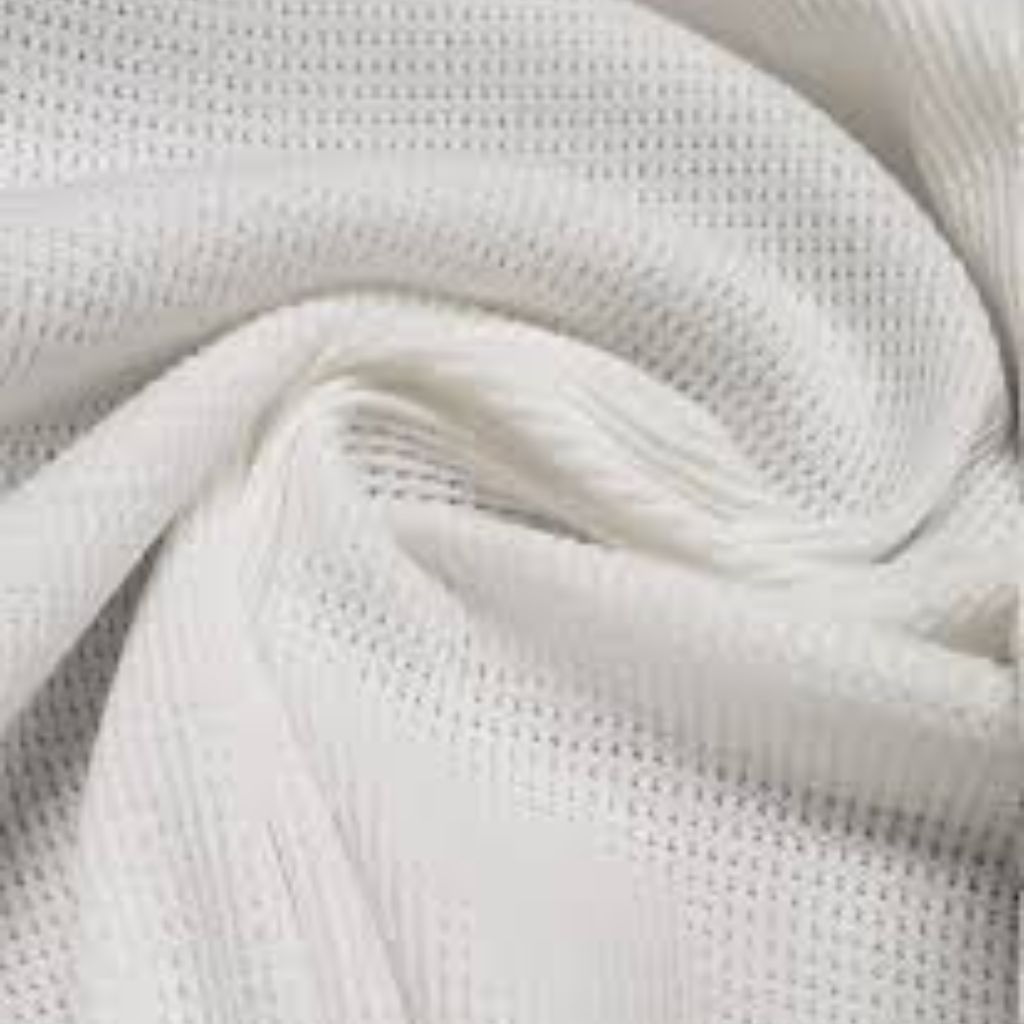
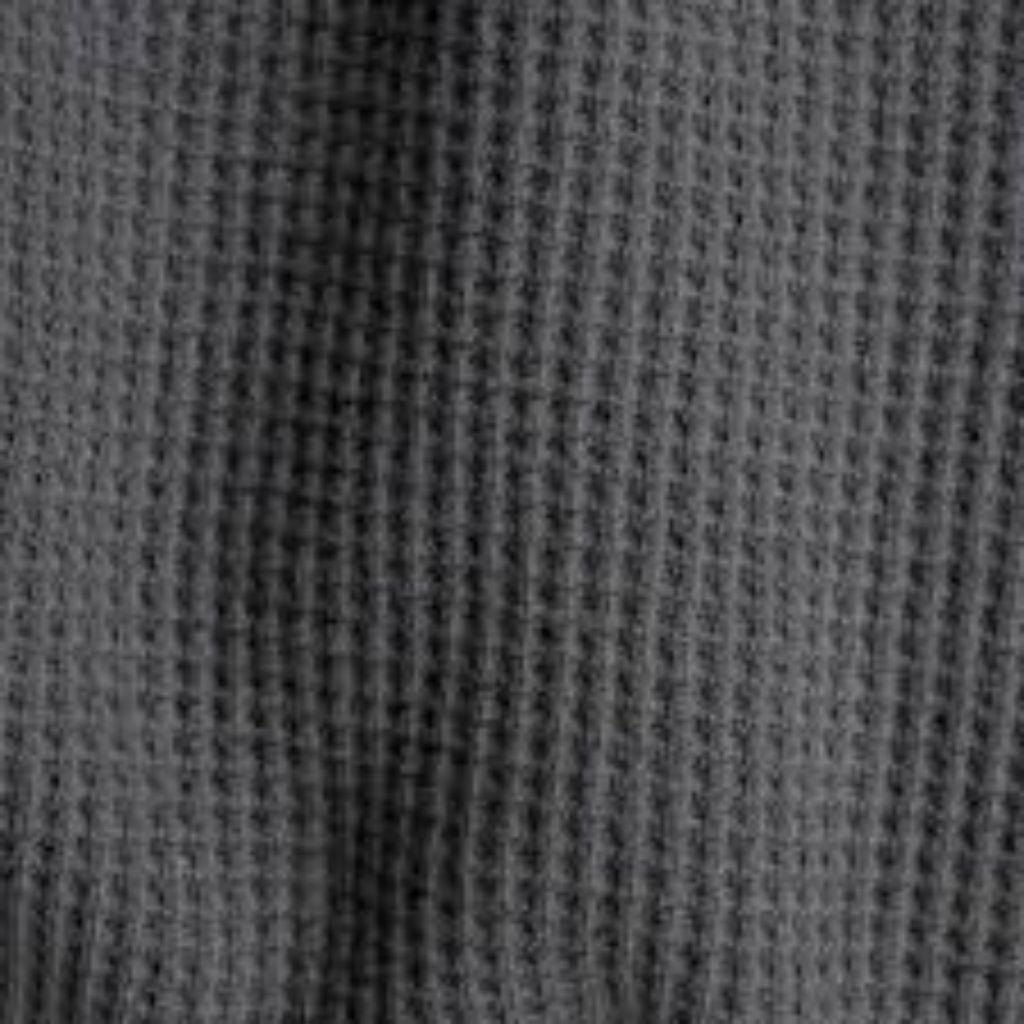
The structure fabric has an important role to play. The improvement of insulation is done through knit patterns, waffle textures, and lofted fibers. These constructions enhance retention of air. But thermal cloth is also good and this one lets air through.Fabric structure plays a crucial role in heat retention. Thermal fabrics often use knitted or waffle-pattern designs. These designs create space between fibers, which increases air retention. The more air a fabric can hold, the better its insulation performance becomes. This structure also allows flexibility and stretch, which improves comfort during movement.
Fiber thickness and loft also affect heat retention. Loft refers to the fluffiness of the fabric. Fabrics with higher loft trap more air. Wool, fleece, and certain synthetic fibers naturally create high loft. Because of this, they provide better insulation. Lightweight thermal fabrics use fine fibers arranged strategically to retain warmth without bulk.
Hence, the thermal fabric balances insulation and breathability. It does not make you heated up too much. This proportion enhances comfort in the long-wearing process.
History of Thermal Fabric
The history of the use of thermal fabric is based on survival. Early man made use of animal fur as an insulator. With time, individuals invented woven wool and overlayed fabrics.What Is Thermal Fabric?The concept of thermal underwear emerged much later. In the 19th century, industrialization changed textile production. Factories began producing knitted fabrics on a large scale. Knitted structures trapped air more efficiently than woven ones. Because of this, thermal undergarments became popular among workers, soldiers, and explorers.What Is Thermal Fabric?
Explorers traveling to polar regions played a major role in advancing thermal fabric design. They needed clothing that could withstand extreme cold. Wool and layered garments became essential. Scientists and designers studied how fabrics retained heat. This research helped improve insulation techniques.
The 20th century brought major innovation in thermal fabrics. Synthetic fibers like polyester, nylon, and acrylic were introduced. These fibers allowed manufacturers to control insulation, weight, and moisture management. As a result, thermal fabrics became lighter and more durable. They also dried faster than traditional materials.Fabric technology later on has been enhanced by industrial advancement. Knitted thermal underwear was brought out by manufacturers in the 19 th century. The clothes were able to ensure that workers remained alive in cold conditions.
Nowadays, modern thermal fabrics adopt hi-tech fibers. Synthetic blends have become warm, moisture-controlling and durable. Due to this, thermal cloth keeps on changing in accordance with the fashion and performance requirements.
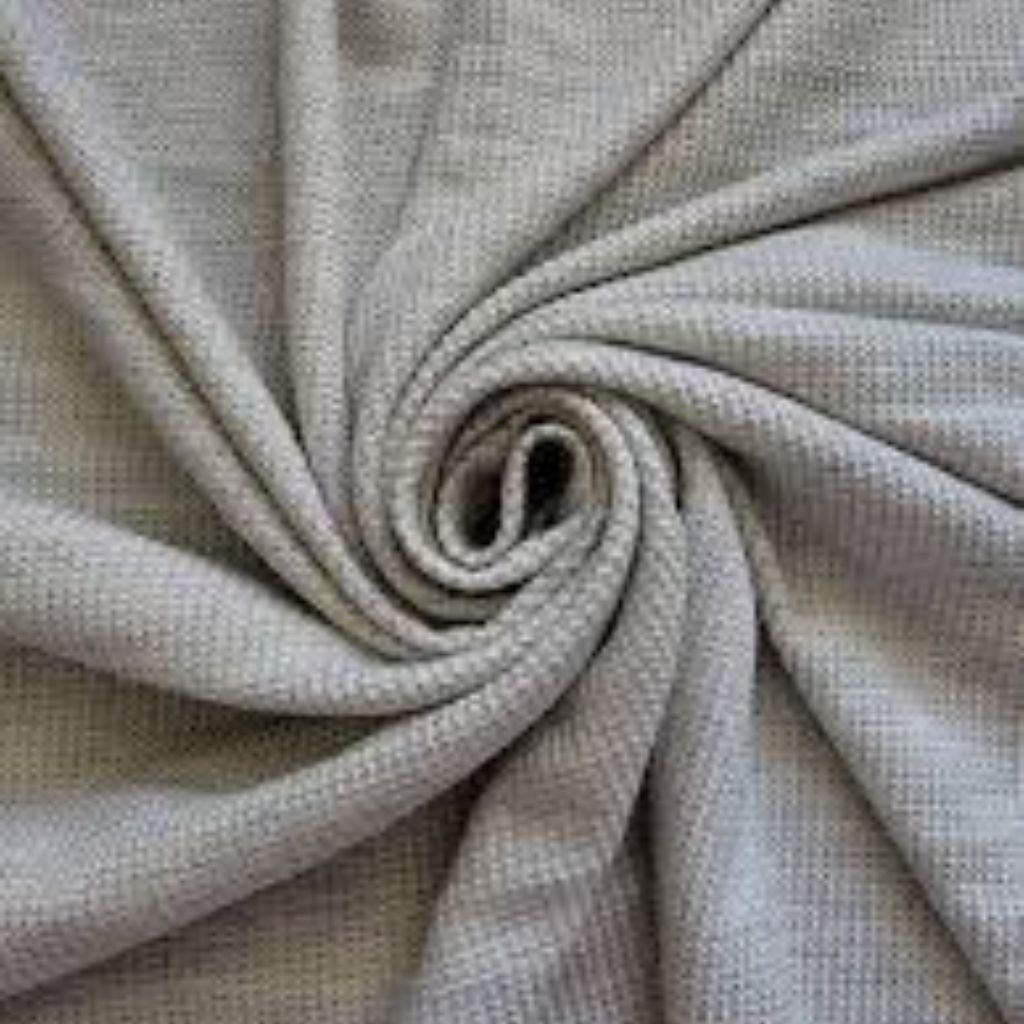
Types of Thermal Fabric
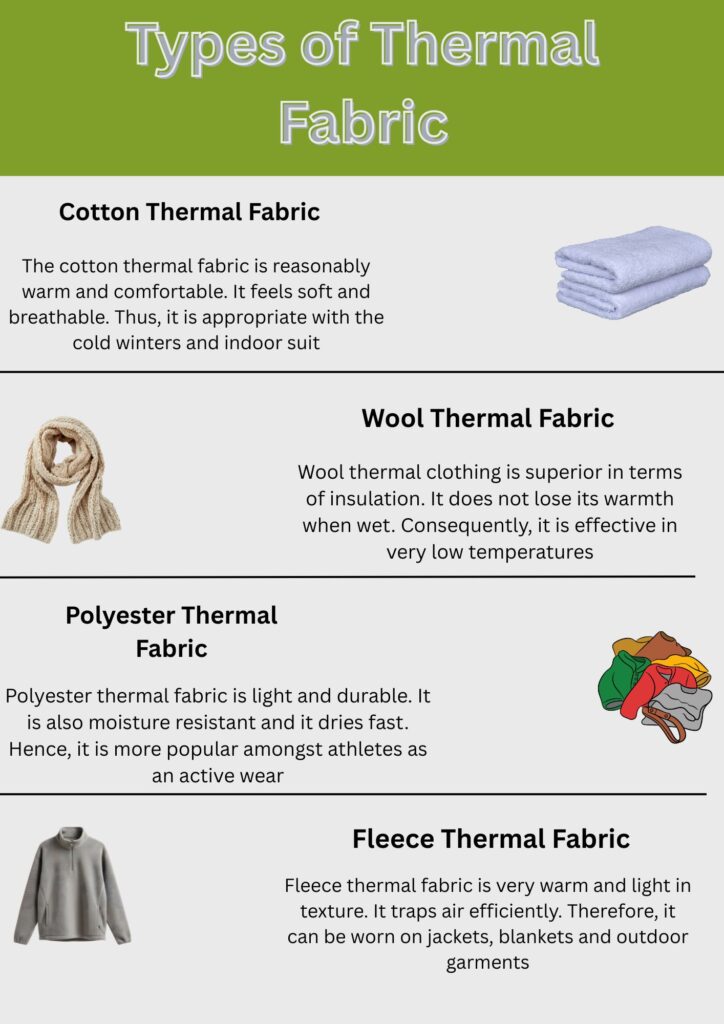
Cotton Thermal Fabric
The cotton thermal fabric is reasonably warm and comfortable. It feels soft and breathable. Thus, it is appropriate with the cold winters and indoor suit. It is however easy to get moist.
Wool Thermal Fabric
Wool thermal clothing is superior in terms of insulation. It does not lose its warmth when wet. Consequently, it is effective in very low temperatures. But it can cause irritation to the sensitive skin.
Polyester Thermal Fabric
Polyester thermal fabric is light and durable. It is also moisture resistant and it dries fast. Hence, it is more popular amongst athletes as an active wear. It also maintains shape well.
Fleece Thermal Fabric
Fleece thermal fabric is very warm and light in texture. It traps air efficiently. Therefore, it can be worn on jackets, blankets and outdoor garments. It can be, however, not breathable.
Pieces of cloth utilized in Thermal Fabric.
Natural and synthetic fabrics are used in thermal fabrics. There are natural fibers such as cotton, wool and silk. These fibers are easily breathable. Nonetheless, they might be not durable.
Polyester, Nylon and acrylic are some of the synthetic fibers. These fibers enhance moisture and insulation. They will also withstand frequent washing.
Recycled polyester and organic wool are the new environmentally friendly materials. These alternatives minimize environmental effects. As such sustainable thermal clothing is coming into fashion.
Uses of Thermal Fabric
The thermal fabric use has numerous applications in industries. It is very versatile due to its insulation.
Thermal Clothing
In the innerwear, leggings, and tops, thermal fabric is very popular. It helps retain body heat. Thus, it is something that people wear on a daily basis during the winter season.
Sports and Outdoor Wear
Thermal fabric is used in outdoor sporting activities by athletes. It controls the temperature when in motion. Consequently, it enhances performance and comfort.
Blankets and Bedding
uses Thermal cloths are useful in blankets and quilts. It gives the warmth without being so heavy. Hence it is applicable in low-temperature sleeping conditions.
Industrial and Medical Uses
Protective clothing made of thermal fabric is used by industries. It is used in medical facilities to warm the patients. It is insulated to favor health and safety.
Kids and Baby Clothing
Infants are kept warm and comfortable by thermostat clothing. And it is gentle to the sensitive skins. Thus, parents choose it to wear during the winter.
Benefits of Thermal Fabric
- Excellent heat retention
- Cushioning and lightweight.
- Moisture-wicking properties
- Breathable structure
- Durable for long-term use
- Available as skin-friendly.
Disadvantages of Thermal Fabric
Although it has advantages, thermal fabric has its shortcomings.
- It can create over heating in the house.
- It suits cold climates only
- Artificial fibers can be skin irritating.
- Special consideration is needed in washing.
- Some fabrics may shrink
Thermal Fabric vs Wool / Cotton / Fleece
| Feature | Thermal Fabric | Wool | Cotton | Fleece |
| Warmth | High | Very High | Low | High |
| Weight | Light | Medium | Light | Light |
| Moisture Control | Good | Moderate | Poor | Moderate |
| Skin Comfort | High | Medium | High | High |
How to Choose the Right Thermal Fabric
Choosing the right thermal fabric helps you stay warm and comfortable. However, not all thermal fabrics work the same way. Therefore, you should consider climate, activity level, and personal comfort. The right choice improves insulation and prevents discomfort. Moreover, it increases durability and long-term value.
Consider the Climate and Temperature
First, think about your local climate. Cold regions require high-insulation thermal fabric. Mild winters need lightweight thermal options. What Is Thermal Fabric?Therefore, choosing according to temperature prevents overheating. It also ensures balanced warmth throughout the day.
Check Your Activity Level
Your daily activity affects fabric choice. Active people need breathable and moisture-wicking fabric. However, casual users can choose thicker thermal materials. As a result, the fabric supports comfort during movement or rest.
Focus on Fabric Material
Material plays a major role in comfort. Natural fibers feel soft and skin-friendly. Synthetic fibers offer durability and moisture control. Therefore, blended fabrics often provide the best performance.
Look at Fabric Weight (GSM)
Fabric weight shows insulation level. Higher GSM means more warmth. Lower GSM suits layering and indoor wear. Therefore, always check GSM before buying thermal fabric.
Consider Skin Sensitivity
Sensitive skin needs gentle fabrics. Cotton and silk reduce irritation. However, rough fibers may cause itching. Therefore, choose smooth and hypoallergenic materials.
Choose Based on Layering Purpose
Thermal fabric works best in layers. Base layers should be thin and breathable. Outer layers should provide insulation. As a result, proper layering improves warmth and flexibility.
How to Care for Thermal Fabric
Proper care keeps thermal fabric warm and long-lasting. However, poor washing habits can damage its structure. Therefore, following the right care steps protects insulation and softness. Moreover, good maintenance helps thermal fabric keep its shape and performance.What Is Thermal Fabric?
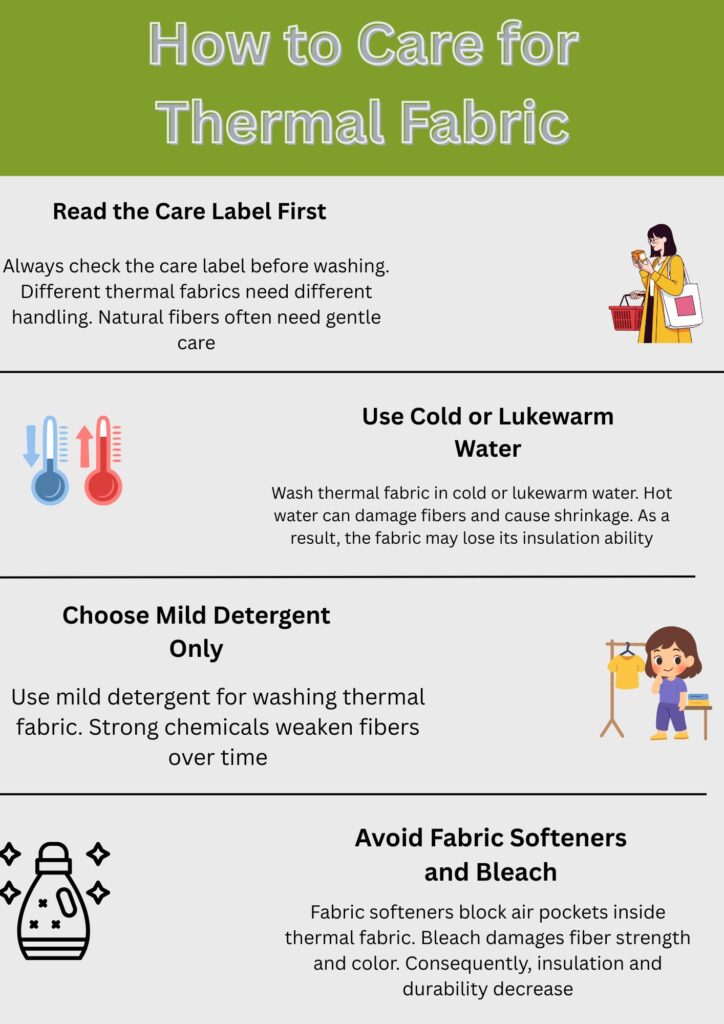
Read the Care Label First
Always check the care label before washing. Different thermal fabrics need different handling. Natural fibers often need gentle care. Synthetic fabrics may allow machine washing. Therefore, the label prevents costly mistakes.
Use Cold or Lukewarm Water
Wash thermal fabric in cold or lukewarm water. Hot water can damage fibers and cause shrinkage. As a result, the fabric may lose its insulation ability. Cold water keeps the fabric strong and soft.
Choose Mild Detergent Only
Use mild detergent for washing thermal fabric. Strong chemicals weaken fibers over time. Moreover, harsh detergents reduce softness and elasticity.What Is Thermal Fabric? Therefore, gentle detergent protects fabric quality.
Avoid Fabric Softeners and Bleach
Fabric softeners block air pockets inside thermal fabric. Bleach damages fiber strength and color. Consequently, insulation and durability decrease. Avoiding these products extends fabric life.
Common Mistakes People Make When Using Thermal Fabric
Many people buy thermal fabric but do not use it correctly. As a result, they fail to get the best warmth and comfort. Understanding common mistakes helps improve performance and fabric life. Therefore, avoiding these errors makes thermal wear more effective.
One common mistake is choosing the wrong fabric type. Some people buy thick thermal fabric for mild weather. This causes overheating and discomfort. Others choose lightweight thermal fabric for extreme cold. As a result, they feel cold and unprotected. Always match fabric thickness with climate needs.
Another frequent mistake is wearing thermal fabric incorrectly. Thermal clothing works best as a base layer. Some people wear it over regular clothes. This reduces heat retention and effectiveness. Wearing it close to the skin traps body heat properly.
Is Thermal Fabric Good for Winter?
Yes, thermal fabric is very good for winter. It is designed to trap body heat. As a result, it keeps the wearer warm in cold conditions. Unlike regular fabric, thermal fabric reduces heat loss. Therefore, it helps maintain a stable body temperature.
Thermal fabric works best during cold mornings and nights. It creates a warm layer close to the skin. Moreover, it allows comfortable movement without heavy clothing. Because of this, many people choose thermal fabric for daily winter wear.
How Thermal Fabric Performs in Cold Weather
Thermal fabric performs well in low temperatures. It traps warm air inside its fibers. This trapped air acts as insulation. Consequently, cold air cannot reach the skin easily.
Additionally, thermal fabric reduces the need for thick outer layers. You can stay warm with fewer clothes. Therefore, it improves comfort and flexibility during winter.
Thermal Fabric for Mild vs Extreme Winter
Thermal fabric suits mild winter very well. What Is Thermal Fabric?Lightweight thermal layers work perfectly for daily use. However, extreme cold requires thicker thermal fabric. Wool-based or blended thermal fabric works better in such conditions.
In severe cold, thermal fabric works best as a base layer. When combined with jackets, it provides excellent warmth. As a result, proper layering increases protection against freezing temperatures.
Best Layering Practices for Winter
Layering improves thermal fabric performance. Wear thermal fabric as the first layer. Then add insulating and protective layers. This method traps heat effectively.
Moreover, breathable thermal fabric prevents sweat buildup. This keeps the body dry and warm. Therefore, correct layering enhances comfort and health.
Who Should Wear Thermal Fabric in Winter
Thermal fabric suits many people. Office workers, travelers, and outdoor enthusiasts benefit from it. Kids and elderly people also stay warmer with thermal wear.
However, people in warm indoor environments may feel overheated. Therefore, choosing the right thickness matters.
Who Should Avoid Thermal Fabric
Thermal fabric may not suit everyone.What Is Thermal Fabric? People living in warm climates may not need it. Also, people with heat sensitivity should choose breathable options.
Synthetic thermal fabric may irritate sensitive skin. In such cases, natural fibers work better. Therefore, material choice plays an important role
Common Uses of Thermal Fabric
Thermal fabric is widely used because it provides warmth and comfort. It works well in cold environments. Therefore, many industries and households rely on it. Moreover, its lightweight insulation makes it suitable for everyday use.
Thermal Clothing and Innerwear
Thermal fabric is most commonly used in winter clothing. It is used for innerwear, tops, leggings, and long underwear. These garments trap body heat effectively. As a result, they keep the body warm during cold days.
Additionally, thermal innerwear fits closely to the skin. This close fit improves heat retention. Therefore, it works well as a base layer under regular clothes.
Sports and Outdoor Wear
Thermal fabric is popular in sports and outdoor clothing. Hikers, runners, and skiers often wear it. It helps regulate body temperature during physical activity. Moreover, it manages moisture and sweat.
Because of this, thermal fabric prevents the body from feeling cold after sweating. It improves comfort and performance in outdoor conditions.
Jackets, Hoodies, and Winter Wear
Many jackets and hoodies use thermal fabric as lining. This lining adds warmth without extra weight. Therefore, winter clothing feels light yet insulating.
Thermal fabric lining also improves wind resistance. As a result, it protects the body from cold air.
Blankets and Bedding
Thermal fabric is widely used in blankets, quilts, and bedding. It retains warmth while staying breathable. Therefore, it provides comfortable sleep during winter nights.
Many people prefer thermal blankets because they feel soft and lightweight. They also reduce the need for heavy bedding.
Conclusion
Understanding what is thermal fabric helps you choose better winter clothing. Thermal fabric provides warmth, comfort, and versatility. It suits daily wear, sports, and bedding.Throughout the article, we explored what thermal fabric is and how it works. We also discussed its history, materials, and heat-retention process.What Is Thermal Fabric? Each of these elements shows why thermal fabric performs better than regular fabrics in cold conditions. It traps warm air close to the body and blocks cold air from entering. As a result, it helps maintain a stable body temperature.
Moreover, choosing the right type improves comfort and durability. For better results, explore related winter clothing guides and fabric care resources.
FAQs
Is thermal fabric warm?
Yes, thermal fabric traps body heat effectively.
Can thermal fabric be worn daily?
Yes, it suits daily winter wear comfortably.
Is thermal fabric better than wool?
It depends on climate and personal comfort needs.
Is thermal fabric suitable for sensitive skin?
Natural fiber options work best for sensitive skin.
Does thermal fabric shrink?
Improper washing may cause shrinkage.
Is thermal fabric good for extreme cold?
Yes, especially wool-based and blended options.