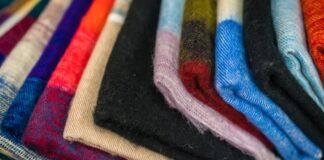
What is recycled wool fabric? It is an environmentally friendly fabric that is prepared through reusing the existing wool rather than creating new ones. The manufacturers take the waste of wool generated in the factories and in households, and convert them into new yarn and fabric. This method minimizes environmental harm and it is still warm and comfortable. With the evolution of sustainable fashion, recycled wool has gained great significance in winter garment and canopy materials. The use of recycled wool to promote circular fashion systems is currently utilized by many eco-conscious brands. That is why recycled wool fabric is a clever compromise between functionality and environmentalism.
In the past, the recycling of wool in Europe started during the times of absence of the textiles. The use of old pieces of wool was reused in the community to fulfill the needs of clothing in the community effectively. In the long run, industrial development enhanced recycling process and quality of fabrics. Recycled wool fabric is currently a significant contributor in the amount of textile waste in the world. It facilitates also ethical manufacturing in the fashion industry. Consequently, recycled wool has acquired new significance in the current sustainable fashion.
History of Recycled Wool Fabric
The history of recycled wool fabric goes back several centuries. People began reusing wool long before modern sustainability concepts existed. Wool was always valuable, durable, and difficult to replace. Therefore, communities reused old wool garments instead of discarding them. This practice helped families save resources and stay warm during harsh winters. As a result, wool recycling became a necessity rather than a choice.
During the Middle Ages, European regions started organized wool recycling practices. Old wool clothing was collected, cleaned, and reworked into new textiles. Craftspeople carefully unraveled garments to reuse yarn whenever possible. This method allowed wool to remain in use for long periods. Consequently, recycled wool supported local economies and reduced waste naturally. These early practices laid the foundation for modern recycled wool fabric.

What Is Recycled Wool Fabric?
In simple terms, what is recycled wool fabric? It is wool clothes produced through the reuse of used or remnant wool fibers. Manufacturers do not have to shear sheep to get new wool, but use the old stuff. This distinction is very helpful in reducing the amount of water, energy utilization and land impact. Recycled wool fabric has slightly shorter fibers than a virgin wool fabric, but it is just as warm. But, better processing techniques are currently making them soft and durable. Thus, wool textile can be used in winter daily since it is recycled and usable.
Waste due to textile also diminishes because of recycled wool material. Most of the used clothes would be wasting in the landfills. The fashion industry will limit pollution and waste of resources by reusing them. Therefore, recycled wool cloth assists in enhancing environmental and economic sustainability. This is what causes it to be one of the favorites among conscious consumers and brands.
How Recycled Wool Fabric Is Made
The process of production of the recycled wool fabric starts by gathering the wool wastes in various sources. Factories are the sources of pre- consumer waste like cutting scraps and unused yarns. Post consumer waste such as used sweaters and coats is donated by consumers. After harvest, wool is collected and well inspected by the workers and ready to be processed. This is done to provide quality and consistency in production. Consequently, there is consistent performance of wool fabric that is recycled.
The next stage of wool waste processing is sorting by color, after which workers cut up wool waste by coloring, which is an important environmental factor. Color sorting removes re-dyeing and hence conserves water and minimizes the use of chemicals. This action also reduces the amount of energy used in the manufacturing process. They are then shred in fine fibers by the machines. These fibers are washed, mixed where necessary and remixed into yarn. Lastly, texturing, finishing and strengthening is enhanced. In this way, recycled wool textile will have come in a closed-loop fashion cycle.
Types of Recycled Wool Fabric
There are different types of recycled wool fabric depending on the source and way of processing. Both types have various fashion and textile purposes. The awareness of such differences enables customers to select the appropriate recycled wool fabric. In addition, the awareness of the types enhances the trust and the confidence to buy.

Pre-Consumer Recycled Wool Clothing.
Recycled wool fabric that is pre-consumer is made of wool wastes produced in the manufacturing process. This is waste that consists of cutting scraps, leftover yarns and scrap pieces of fabric. These materials are not subjected to consumers which makes them quite clean and homogenous. Consequently, recycled wool used prior to consumption may have superior consistency.
Post-Consumer Recycled Wool Cloth.
The recycled wool fabric post-consumer is obtained out of worn wool clothing and home textiles. These products are old coats, sweaters, scarfs, and blankets. Once collected, these materials are washed and refined by the workers.
Blended Recycled Wool Fabric.
Blended recycled wool fabrics, are recycled wool blended with other fabric. Usual modifications are polyester, nylon or viscose. Such fibers enhance strength, flexibility and shape retention. Consequently, there is better resistance to stretching and wearability of blended fabrics. This renders them fit to be worn on the daily basis.
Mechanically Recycled Wool Fabric
Mechanically recycled wool fabric is produced through physical processing methods. Machines shred old wool textiles into fibers without using chemicals. This method keeps environmental impact low and avoids harmful substances. However, the shredding process shortens fiber length slightly. As a result, fabrics may feel firmer.
Key Features and Properties of Recycled Wool Fabric
Recycled wool fabric offers a balanced mix of comfort, warmth, and sustainability. It shares many characteristics with traditional wool while reducing environmental impact. Because manufacturers reuse existing fibers, the fabric supports responsible production practices. At the same time, it meets everyday performance needs. Understanding these features helps buyers appreciate recycled wool fabric better. Therefore, this fabric continues gaining popularity in sustainable fashion.
Warmth and Thermal Insulation
Recycled wool fabric provides reliable warmth in cold conditions. The natural crimp of wool fibers traps air effectively. This trapped air helps retain body heat during winter weather. As a result, recycled wool garments keep the wearer warm without feeling heavy. Even in colder climates, the fabric performs well when layered properly. Therefore, recycled wool fabric remains suitable for winter wear.
Breathability and Temperature Regulation
Recycled wool fabric allows air to circulate naturally. This breathability prevents overheating during extended wear. At the same time, it helps regulate body temperature efficiently. Moisture escapes easily through wool fibers. As a result, the wearer stays comfortable in changing conditions. This feature makes recycled wool fabric useful for both indoor and outdoor use.
Softness and Fabric Texture
The texture of recycled wool fabric feels slightly firmer than virgin wool. This happens because recycled fibers are shorter in length. However, modern finishing techniques improve softness significantly. Many recycled wool textiles feel comfortable against the skin. Over time, wear also softens the fabric naturally. Therefore, comfort levels improve with regular use.
Durability and Strength
Recycled wool fabric offers good durability for seasonal wear. Although recycled fibers may be shorter, blending improves strength. As a result, the fabric resists tearing and stretching effectively. Proper care further extends garment life. Therefore, recycled wool fabric works well for coats, sweaters, and accessories. It provides long-term usability when handled correctly.

Advantages of Recycled Wool Fabric
Recycled wool fabric offers many benefits for both consumers and the environment. It combines natural warmth with responsible production methods. Because it reuses existing fibers, it reduces pressure on natural resources. At the same time, it delivers comfort and durability for everyday use. Understanding these advantages explains why recycled wool fabric continues to gain popularity. Therefore, many fashion brands now choose it intentionally.
Eco-Friendly and Sustainable Material
Recycled wool fabric supports sustainable textile production effectively. It reduces the need for new wool harvesting. As a result, water usage and land impact decrease significantly. The recycling process also limits chemical treatments. Therefore, environmental pollution stays lower. This makes recycled wool fabric a responsible material choice.
Reduction of Textile Waste
Recycled wool fabric helps reduce textile waste levels. It gives old garments and factory scraps a new purpose. Instead of entering landfills, these materials return to use. This process supports circular fashion systems. Consequently, waste accumulation decreases over time. Recycled wool fabric plays a key role in waste management.
Lower Water and Energy Consumption
Recycled wool fabric requires fewer resources during production. Manufacturers reuse existing fibers instead of processing raw wool. This reduces water usage significantly. Energy consumption also drops during spinning and finishing. Therefore, recycled wool fabric conserves valuable natural resources. This benefit supports environmental protection goals.
Reduced Carbon Footprint
Recycled wool fabric helps lower carbon emissions. Fewer production stages reduce fuel and electricity use. Transportation needs also decrease due to localized recycling. As a result, greenhouse gas output declines. Therefore, recycled wool fabric supports climate-friendly fashion. This advantage appeals to environmentally aware consumers.
Disadvantages of Recycled Wool Fabric
Recycled wool fabric offers many benefits, yet it also has some limitations. Understanding these disadvantages helps buyers make informed decisions. Although the fabric supports sustainability, it does not perform exactly like virgin wool. Therefore, realistic expectations remain important. This section builds trust by presenting a balanced view. Honest information improves long-term satisfaction.
Reduced Fiber Length and Strength
Recycled wool fabric contains shorter fibers than virgin wool. The recycling process breaks fibers during shredding. As a result, overall strength decreases slightly. This can affect resistance to heavy wear over time. Although blending improves durability, pure recycled wool may wear faster. Therefore, long-term performance depends on fabric quality and care.
Slightly Lower Durability Over Time
Recycled wool garments may show signs of wear sooner. Friction areas such as elbows and cuffs experience faster thinning. This happens because shorter fibers detach more easily. However, proper care can slow this process. Blended recycled wool fabrics perform better in daily use. Therefore, durability varies by construction.
Limited Color Range and Design Flexibility
Recycled wool fabric often offers fewer color choices. Manufacturers sort fibers by color to avoid re-dyeing. This limits vibrant or trendy shades. As a result, most recycled wool appears in neutral tones. Designers may face creative restrictions. Therefore, color flexibility remains lower than virgin wool.
Not Always 100% Recycled Content
Some recycled wool fabrics include virgin fibers. Brands add these fibers to improve strength and softness. This reduces recycled content percentage slightly. Therefore, not every product offers full circularity. Consumers must read labels carefully. Transparency varies between brands.

Recycled Wool Fabric vs Virgin Wool
Recycled wool fabric and virgin wool serve similar purposes, yet they differ in many ways. Both materials provide warmth and comfort. However, their production methods and environmental impact vary greatly. Understanding these differences helps buyers choose the right option. This comparison highlights performance, sustainability, and cost factors clearly. Therefore, it supports informed and responsible buying decisions.
Source and Raw Material Origin
Virgin wool comes directly from sheep through regular shearing processes. Farmers raise sheep specifically for wool production. This process requires land, water, and ongoing animal care. In contrast, recycled wool fabric comes from existing wool materials. These include factory waste and used garments. Therefore, recycled wool reduces dependence on new raw materials. This difference plays a major role in sustainability.
Environmental Impact and Sustainability
Virgin wool production places pressure on natural resources. It requires water, feed, land, and energy. Transportation and processing also increase carbon emissions. On the other hand, recycled wool fabric uses existing fibers. This reduces water usage and energy consumption significantly. As a result, recycled wool supports circular fashion systems. Its environmental footprint remains much lower overall.
Fiber Length and Fabric Strength
Virgin wool fibers remain longer and more intact. This gives the fabric higher natural strength. As a result, virgin wool garments last longer under heavy use. Recycled wool fibers become shorter during shredding. This slightly reduces strength. However, modern blending techniques improve performance. Therefore, recycled wool still works well for regular winter wear.
Care and Maintenance of Recycled Wool Fabric
Recycled wool fabric needs proper care to maintain its quality and appearance. Although it is durable, recycled wool fibers are slightly shorter than virgin wool fibers.

Washing Recycled Wool Fabric Safely
Recycled wool fabric should always be washed gently. Hand washing remains the safest option for most garments. Cold or lukewarm water helps protect fiber structure. Mild wool-friendly detergents work best for cleaning. Strong chemicals can weaken recycled fibers quickly. Therefore, gentle washing preserves fabric strength and softness.
Drying Methods for Recycled Wool Fabric
Recycled wool fabric should never be tumble dried. Heat damages wool fibers and causes shrinkage. Instead, air drying provides the best results. Garments should be laid flat on a clean surface. This method helps maintain original shape and size.
Ironing and Heat Exposure Guidelines
Recycled wool fabric rarely needs ironing. Natural fibers resist wrinkles effectively. If ironing becomes necessary, low heat should be used. Steam works better than direct pressure. A pressing cloth protects the fabric surface.
Storage Tips for Recycled Wool Garments
Proper storage prevents damage during off-season periods. Recycled wool garments should always be clean before storage. Dirt and oils attract moths and insects. Folding garments helps maintain shape. Hanging can stretch shoulders and seams.
Is Recycled Wool Fabric Sustainable?
Recycled wool fabric strongly supports sustainability goals. It reduces reliance on new raw materials and minimizes waste generation. By keeping fibers in use longer, it strengthens circular fashion systems. Certifications such as GRS and RCS verify recycled content and ethical practices. These certifications help consumers identify responsible products. Therefore, recycled wool fabric earns trust within sustainable fashion markets.
Recycled Wool Fabric in Winter Wear
Recycled wool fabric performs well in winter environments. It provides reliable insulation for cold temperatures. Layering recycled wool garments improves warmth during harsh conditions. This fabric suits mild to moderately cold climates especially well. Outdoor activities and everyday wear both benefit from its properties. Therefore, recycled wool fabric remains a dependable winter choice.
How to Identify High-Quality Recycled Wool Fabric
High-quality recycled wool fabric features clear labeling and certifications. Fiber blend ratios indicate warmth and durability levels. Texture should feel dense yet comfortable. Reputable brands maintain transparency about sourcing and production. Paying attention to these details ensures better purchase decisions. Quality assessment prevents disappointment later.
Common Mistakes People Make When Buying Recycled Wool Fabric
Some buyers assume recycled wool fabric always contains pure wool. Others ignore fiber blend information completely. Skipping certification checks also leads to confusion. Many expect virgin-wool softness without understanding fiber differences. Learning these details improves buying confidence. Informed choices lead to better satisfaction.
Future of Recycled Wool in Sustainable Fashion
The future of recycled wool fabric looks promising. Demand for sustainable textiles continues to rise globally. Innovations improve fiber strength and softness steadily. Fashion brands increasingly adopt circular production models. Government policies also encourage eco-friendly textiles. Therefore, recycled wool will shape sustainable fashion trends.

Conclusion
What is recycled wool fabric? It is a responsible, sustainable textile solution. It offers warmth, comfort, and reduced environmental impact. By supporting circular fashion, it minimizes waste effectively. Choosing recycled wool fabric encourages conscious consumption habits. Ultimately, it contributes to a healthier fashion industry and planet.
FAQs
Is recycled wool fabric itchy?
Recycled wool fabric can feel slightly firmer than virgin wool at first. This is because the fibers are shorter after recycling. However, modern processing and finishing methods soften the texture. With proper wear, most garments feel comfortable against the skin. Layering with a thin base layer can further reduce any itchiness. Therefore, recycled wool fabric is generally suitable for everyday use without discomfort.
Is recycled wool fabric durable?
Recycled wool fabric provides good durability for regular use. The shorter fibers may wear slightly faster in high-friction areas. Blended fabrics with polyester or nylon increase strength and shape retention. Proper care, such as gentle washing and flat drying, also extends garment life. Therefore, recycled wool fabric performs well for coats, sweaters, scarves, and other winter clothing. While it may not match premium virgin wool in longevity, it offers reliable seasonal performance.
Is recycled wool fabric good for winter?
Recycled wool fabric retains natural wool insulation. It traps air effectively to keep the body warm. Its breathability prevents overheating while maintaining comfort. Layering with other garments can enhance warmth in very cold conditions. Medium to heavy recycled wool fabrics work well for jackets, sweaters, and blankets. Therefore, recycled wool fabric is a dependable choice for winter wear.